
Naha Koi Ponds and Blue Seal Ice Cream Stops
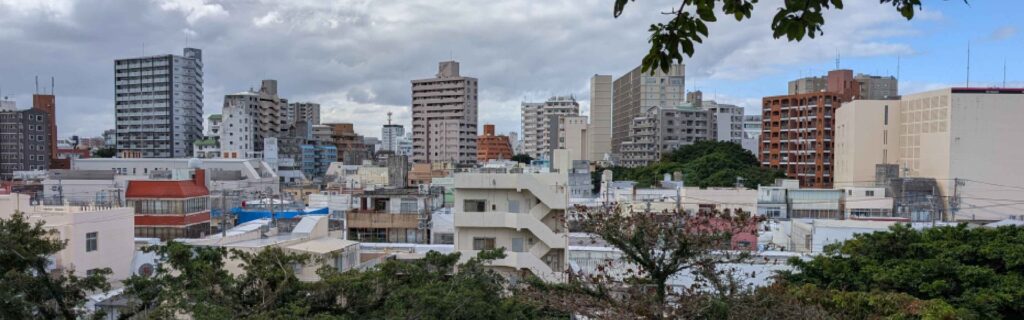
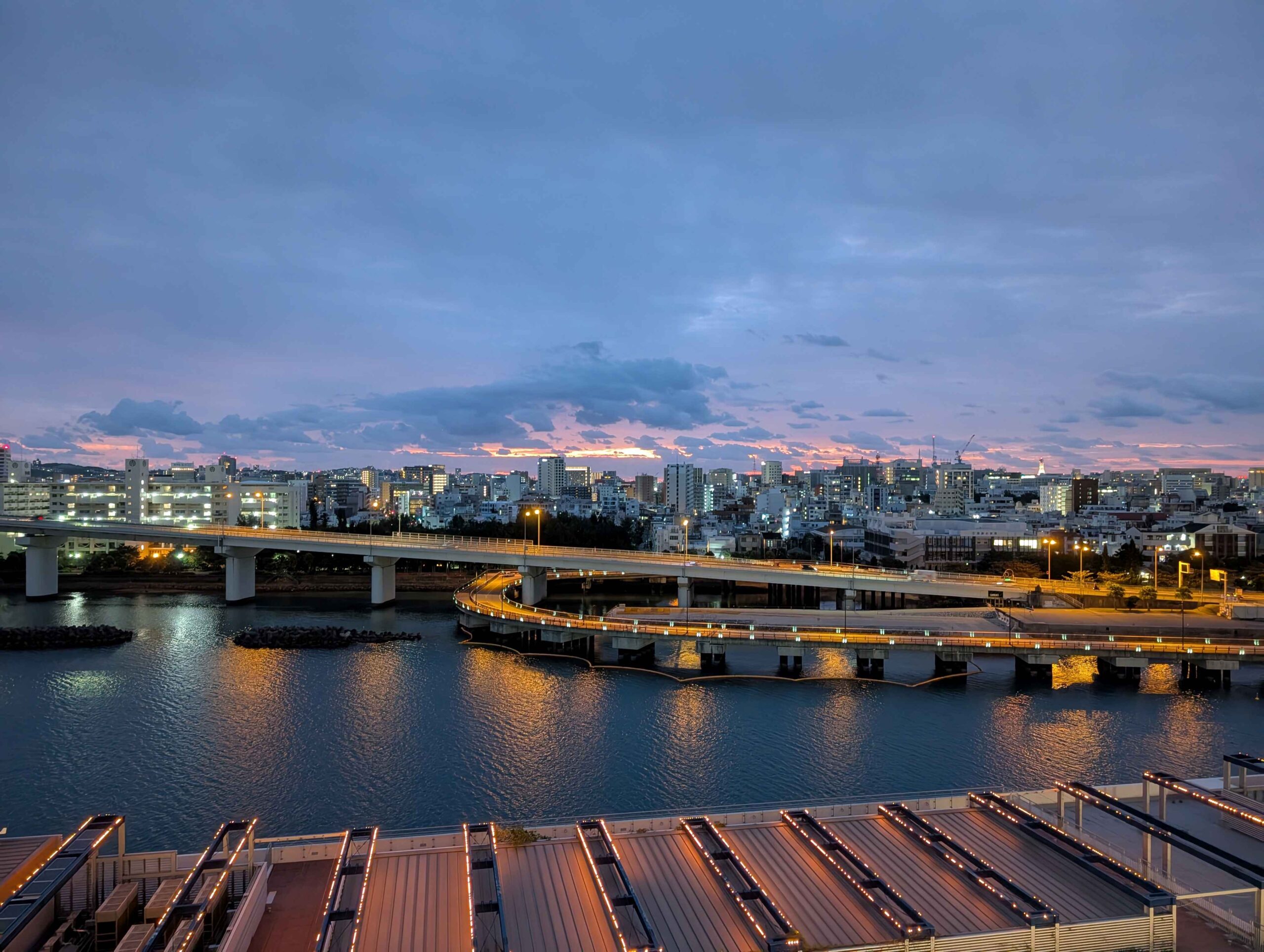
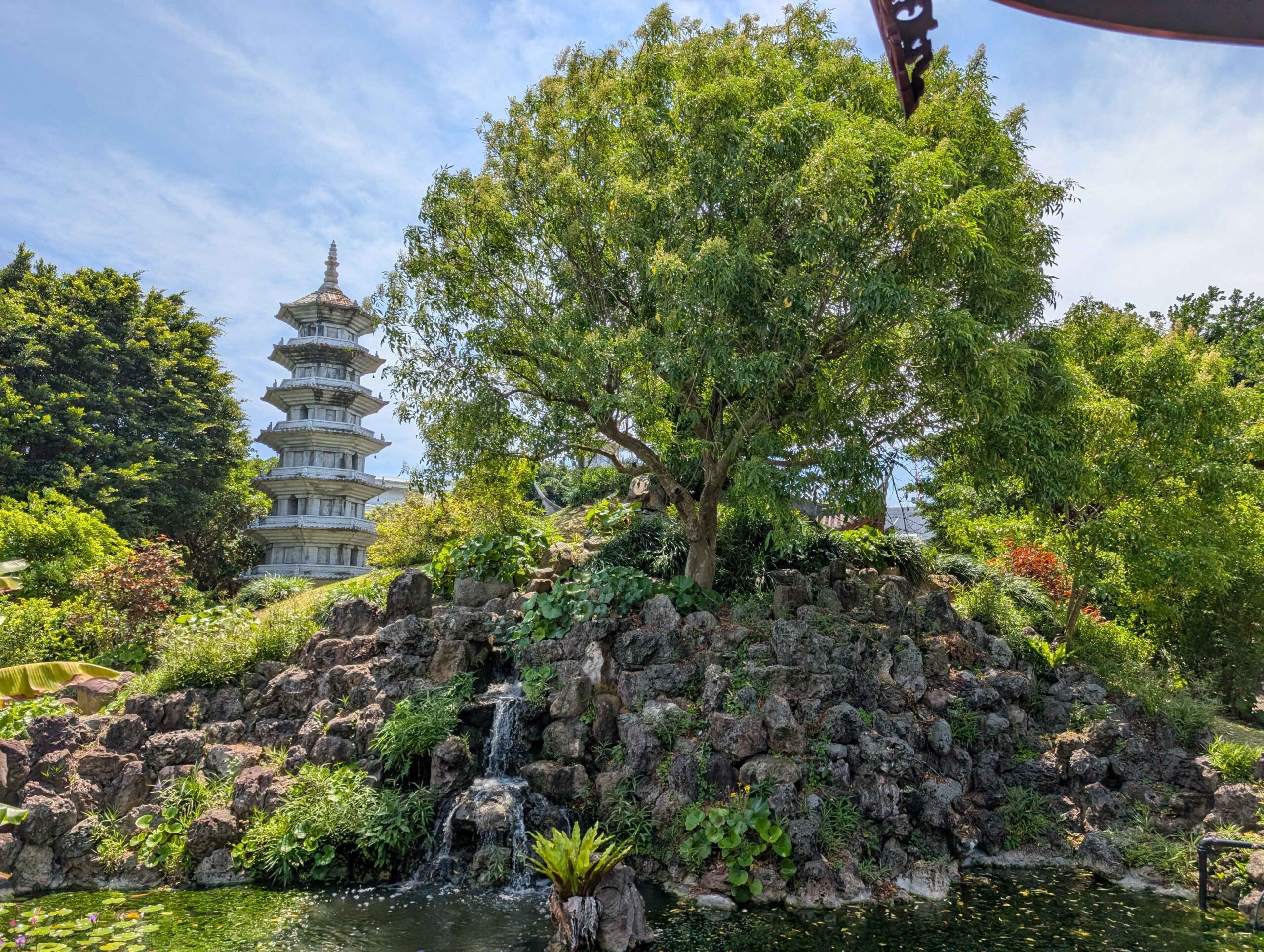
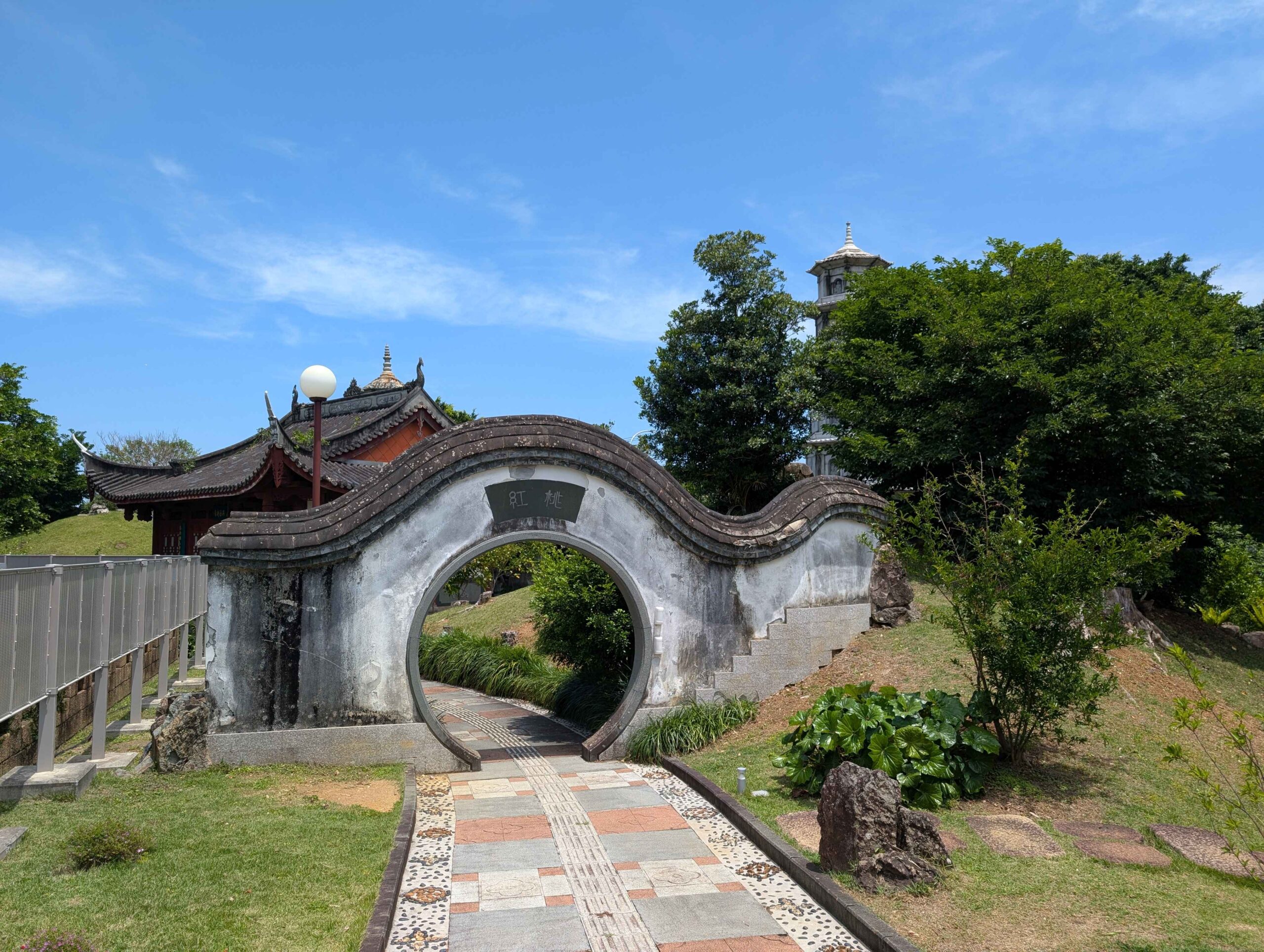
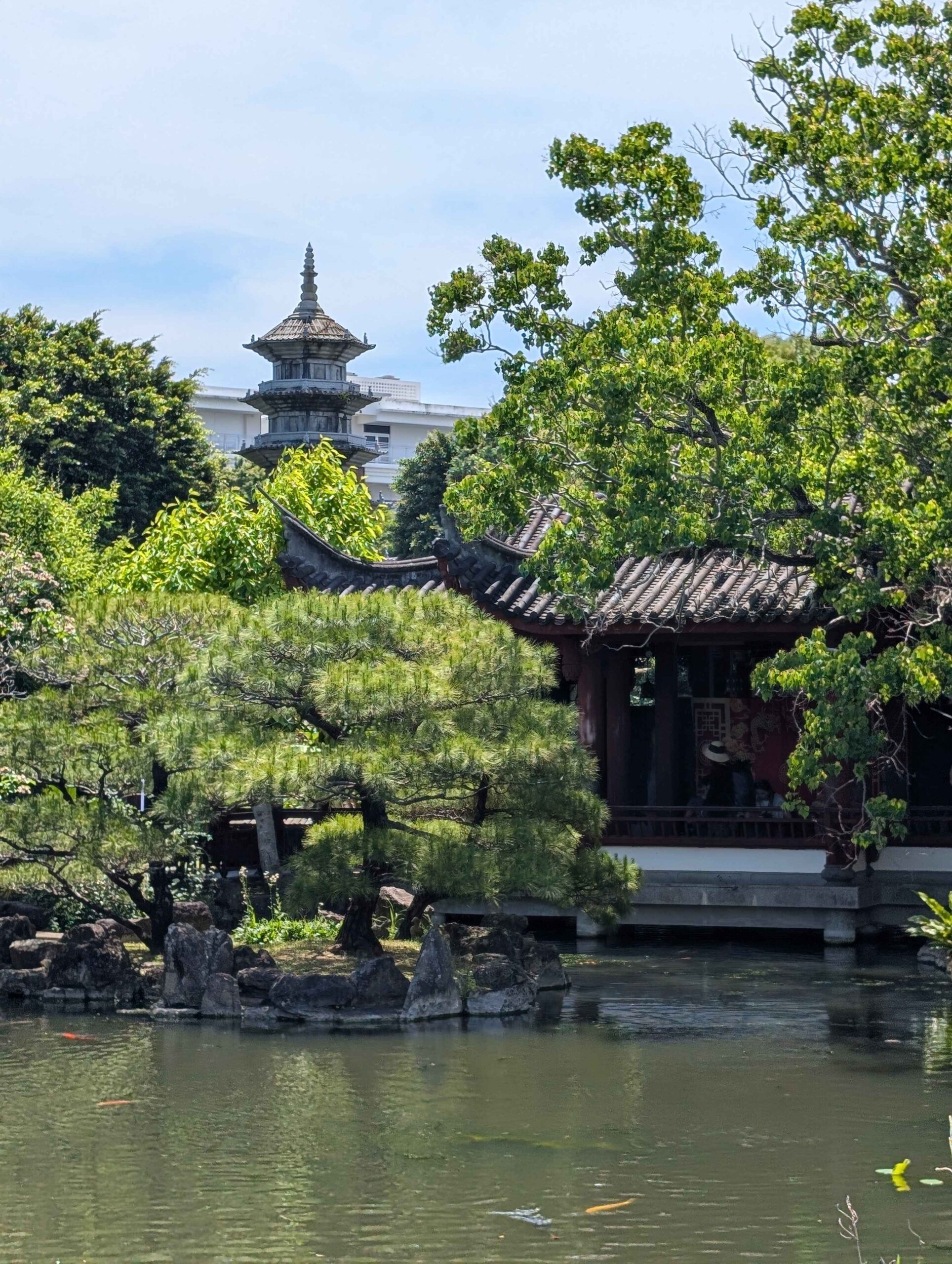
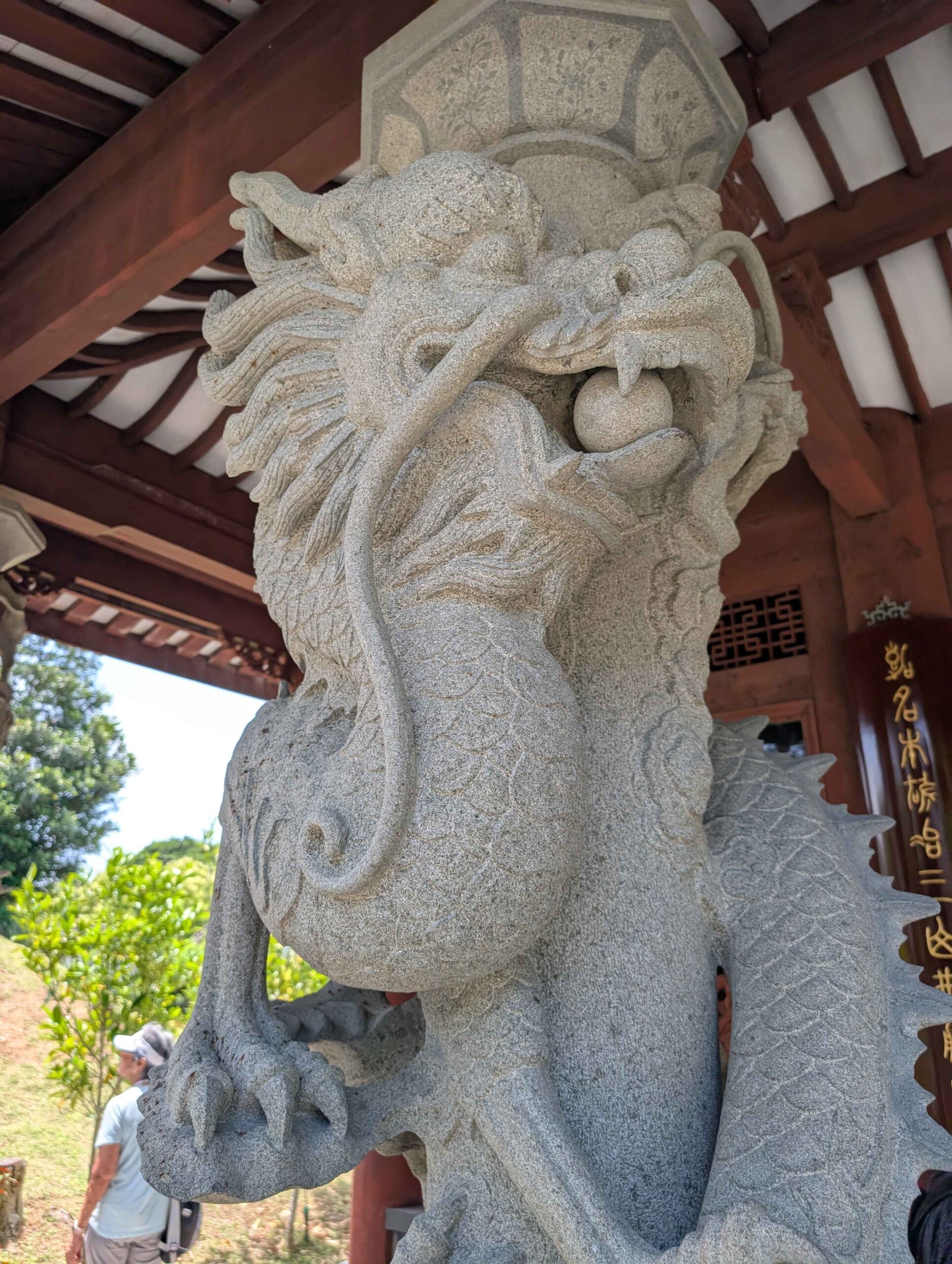
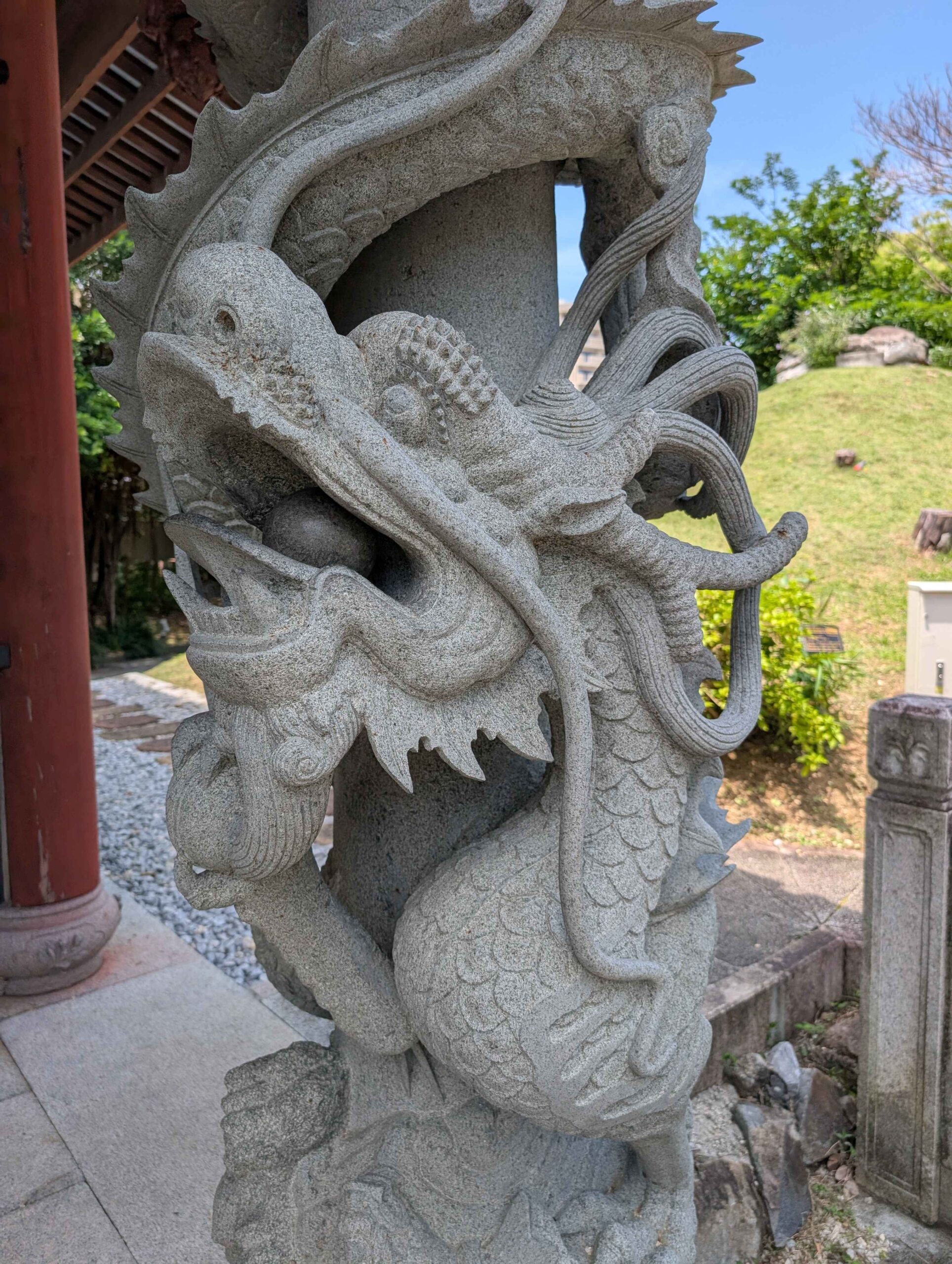
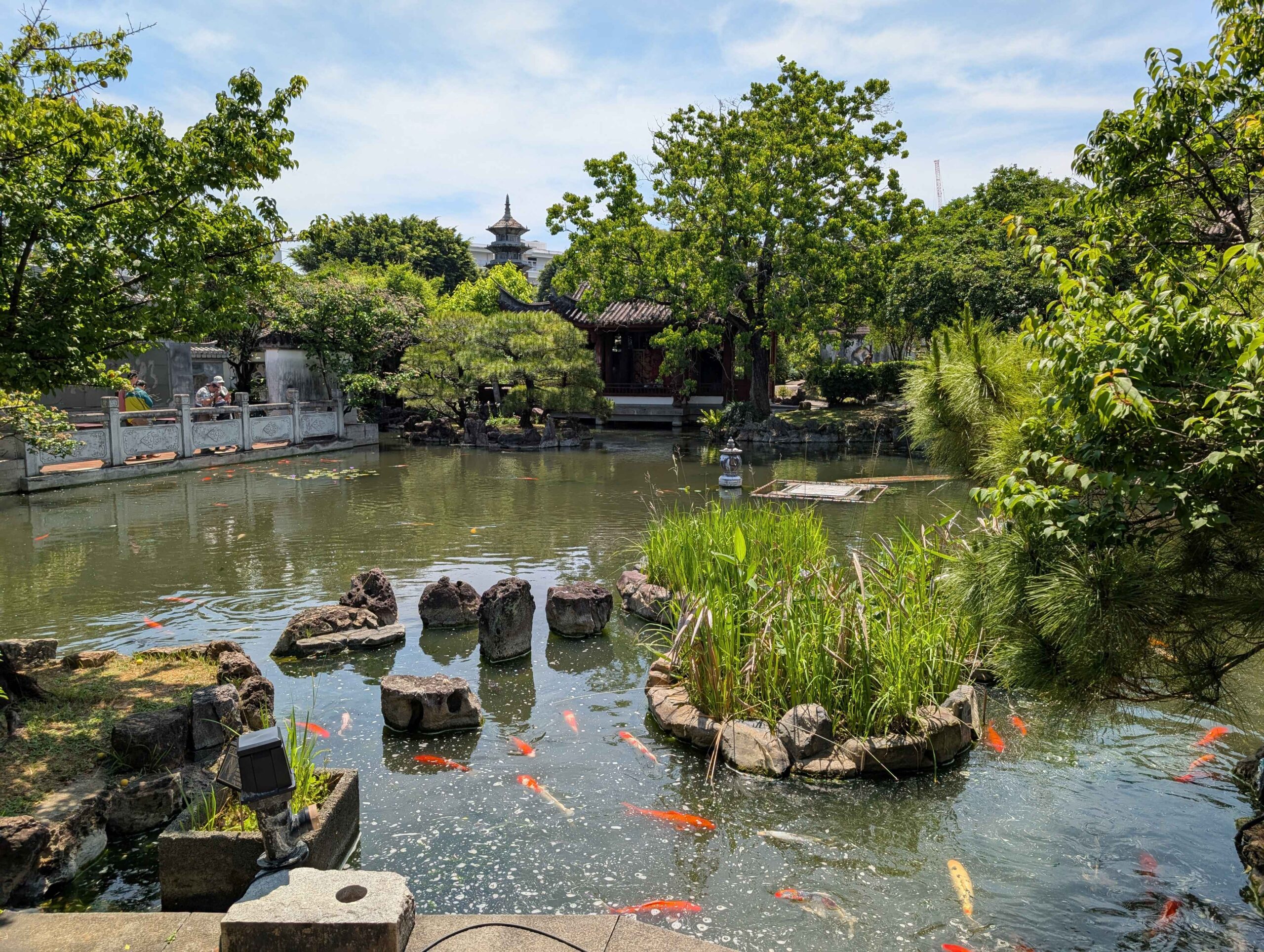
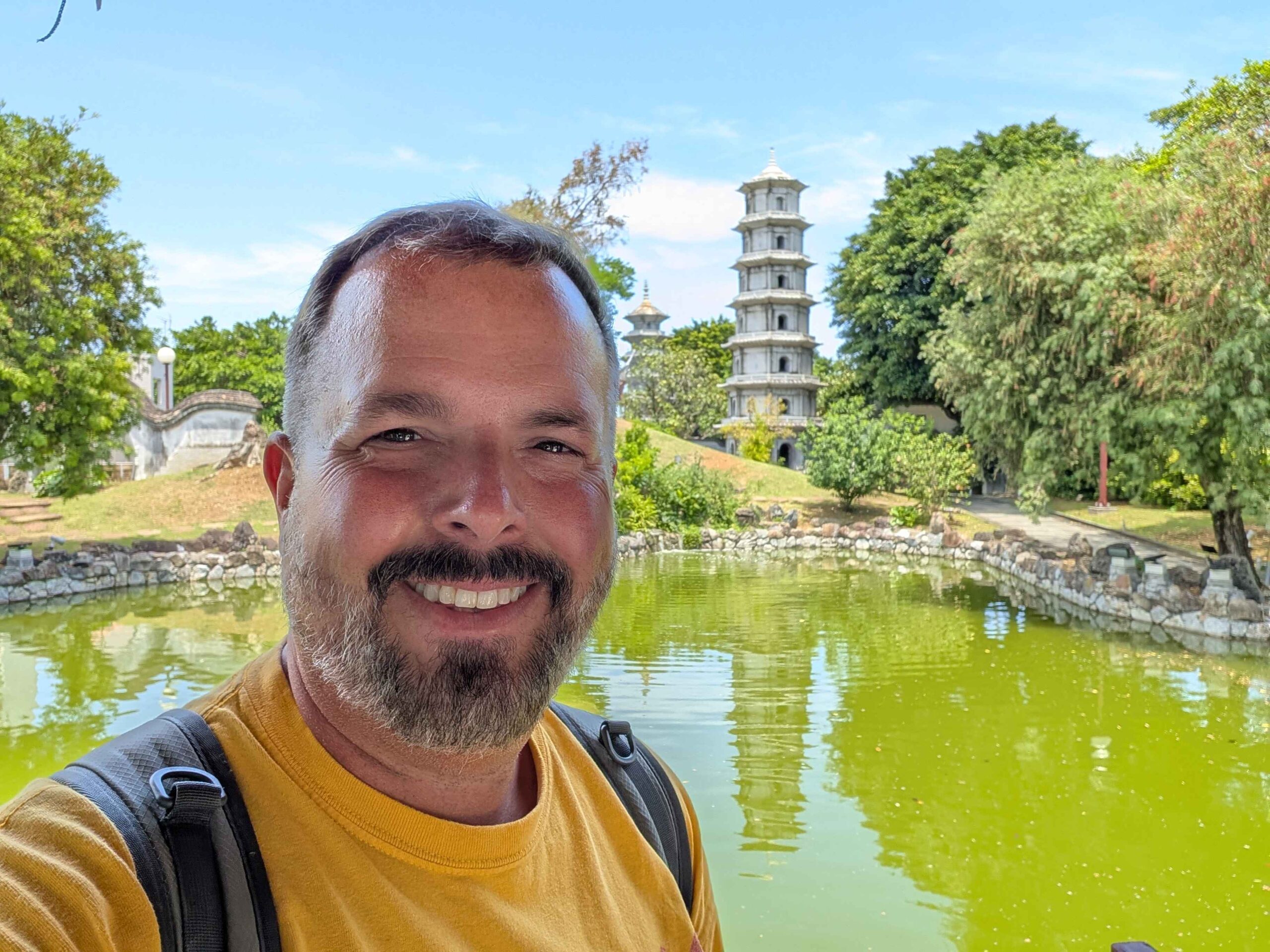
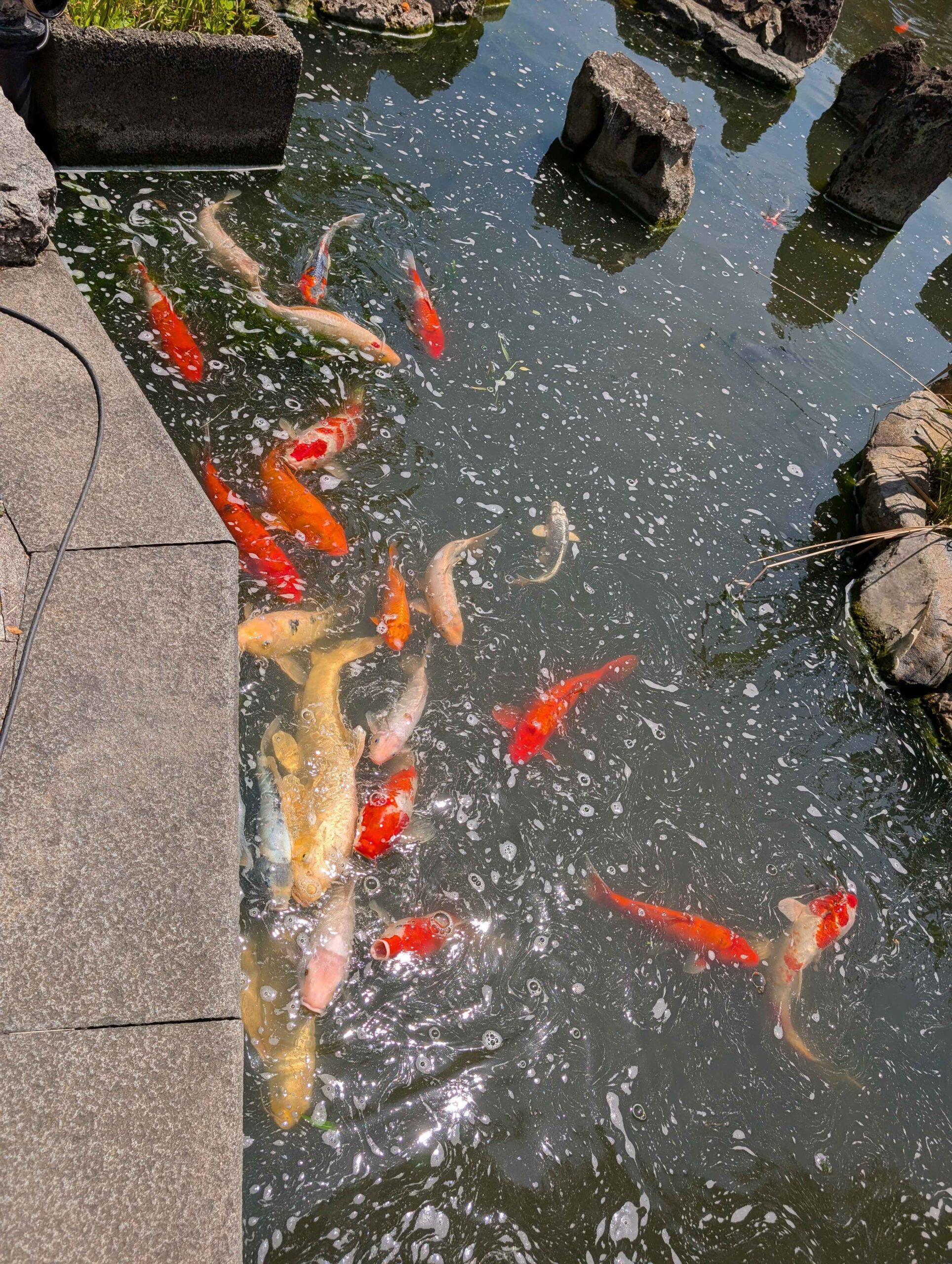
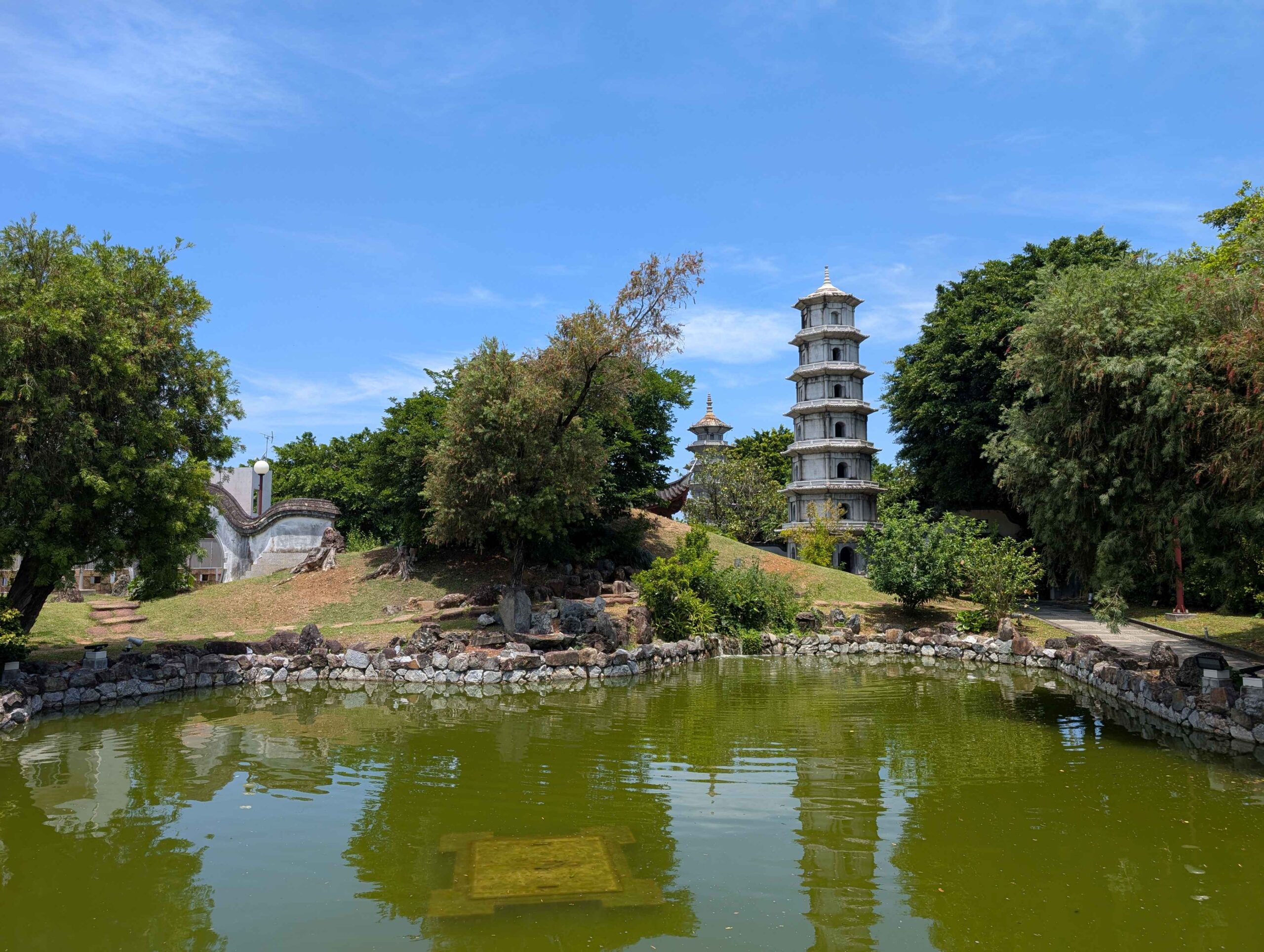
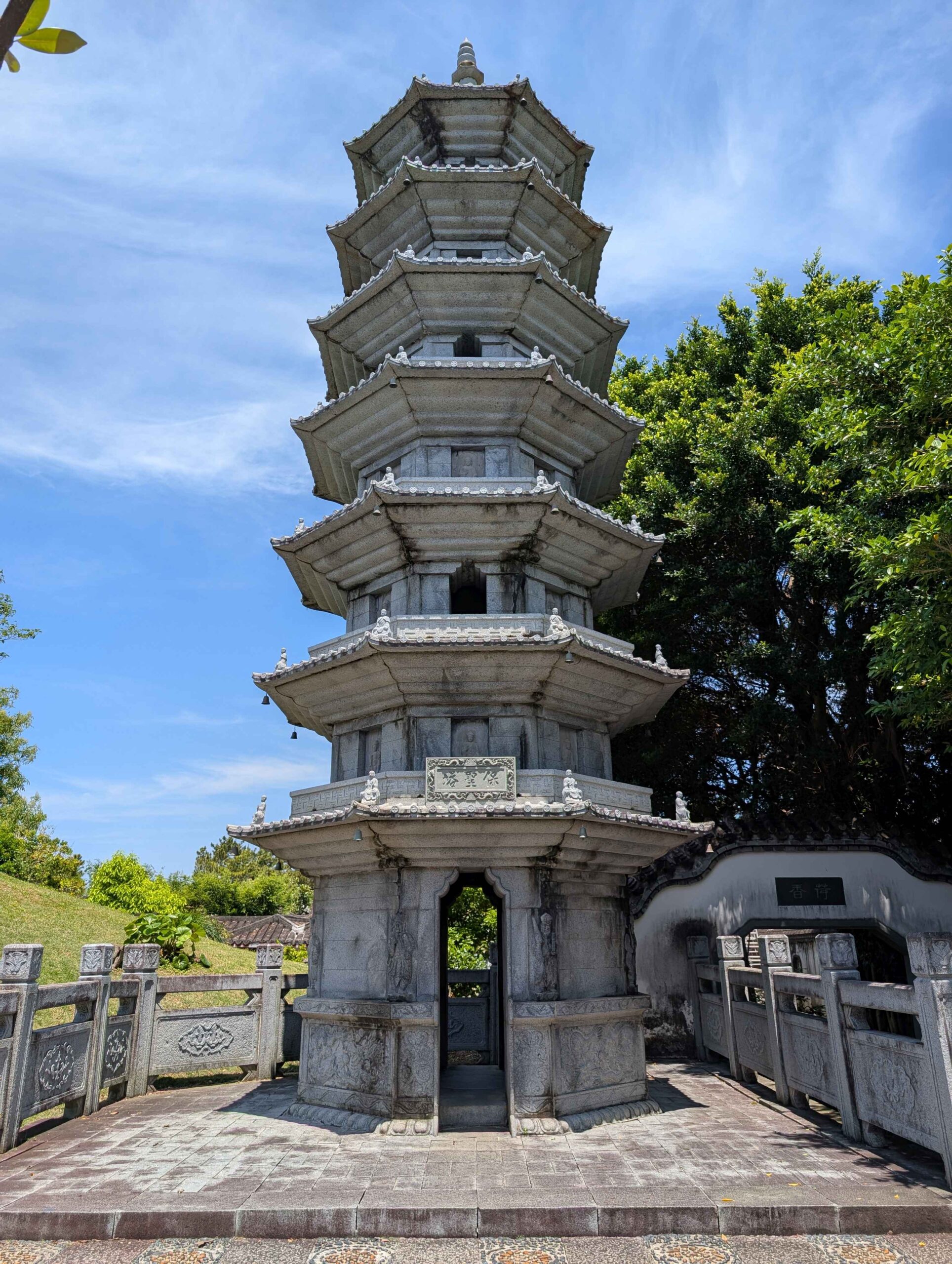
The humid air carried the sound of water and rustling leaves as I stepped off the ship and began exploring Naha by cruise. One of the first peaceful moments came later in the day at Fukushūen Garden, where koi fish moved slowly through green ponds beneath curved pavilions and stone bridges.
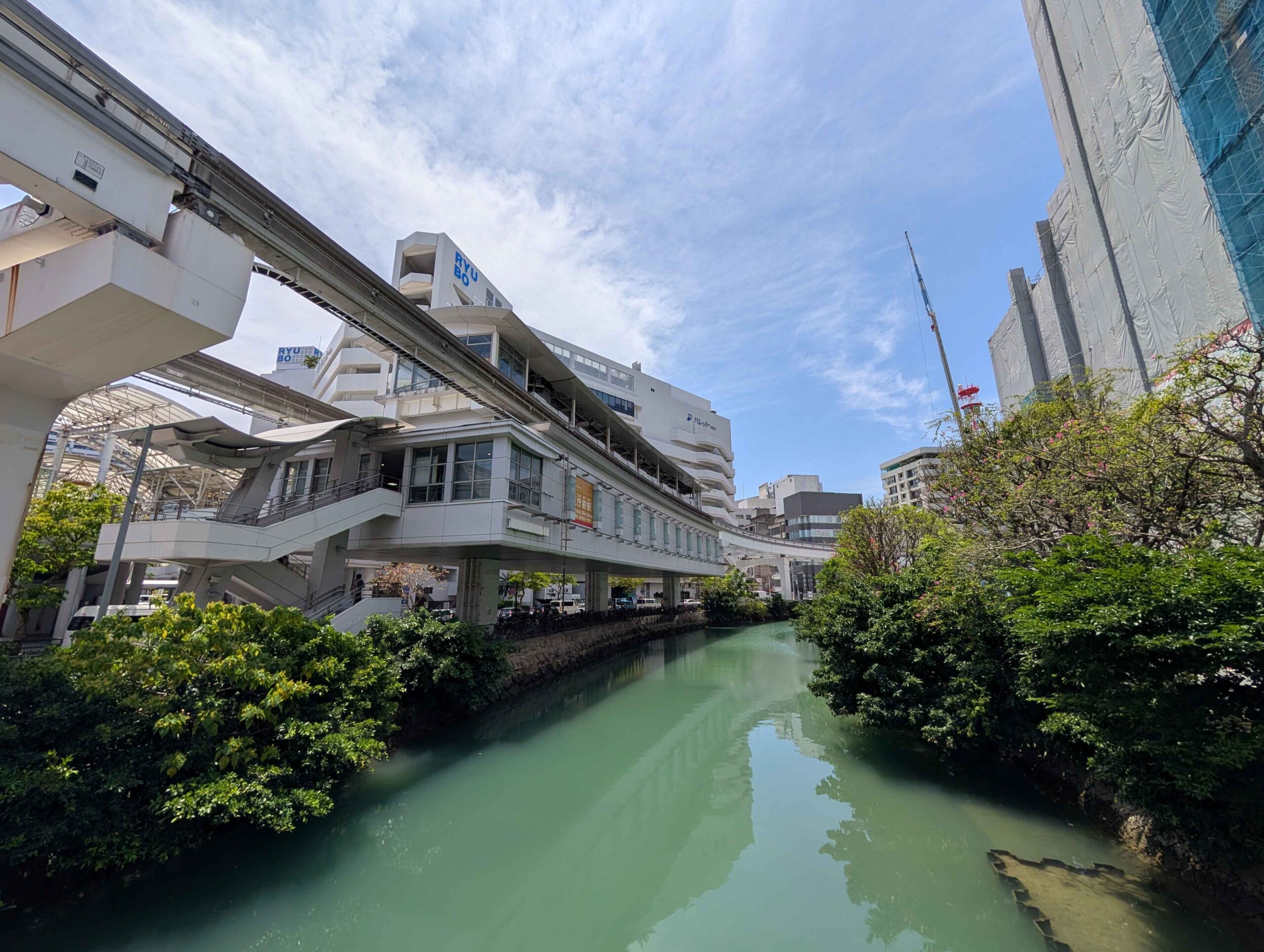
The city itself is called Naha (那覇 – Pronounced nah-hah), the capital of Okinawa Prefecture. Even after only a short time wandering the streets, it felt noticeably different from mainland Japan. The subtropical setting, relaxed pace, and layers of cultural influence make it stand out.
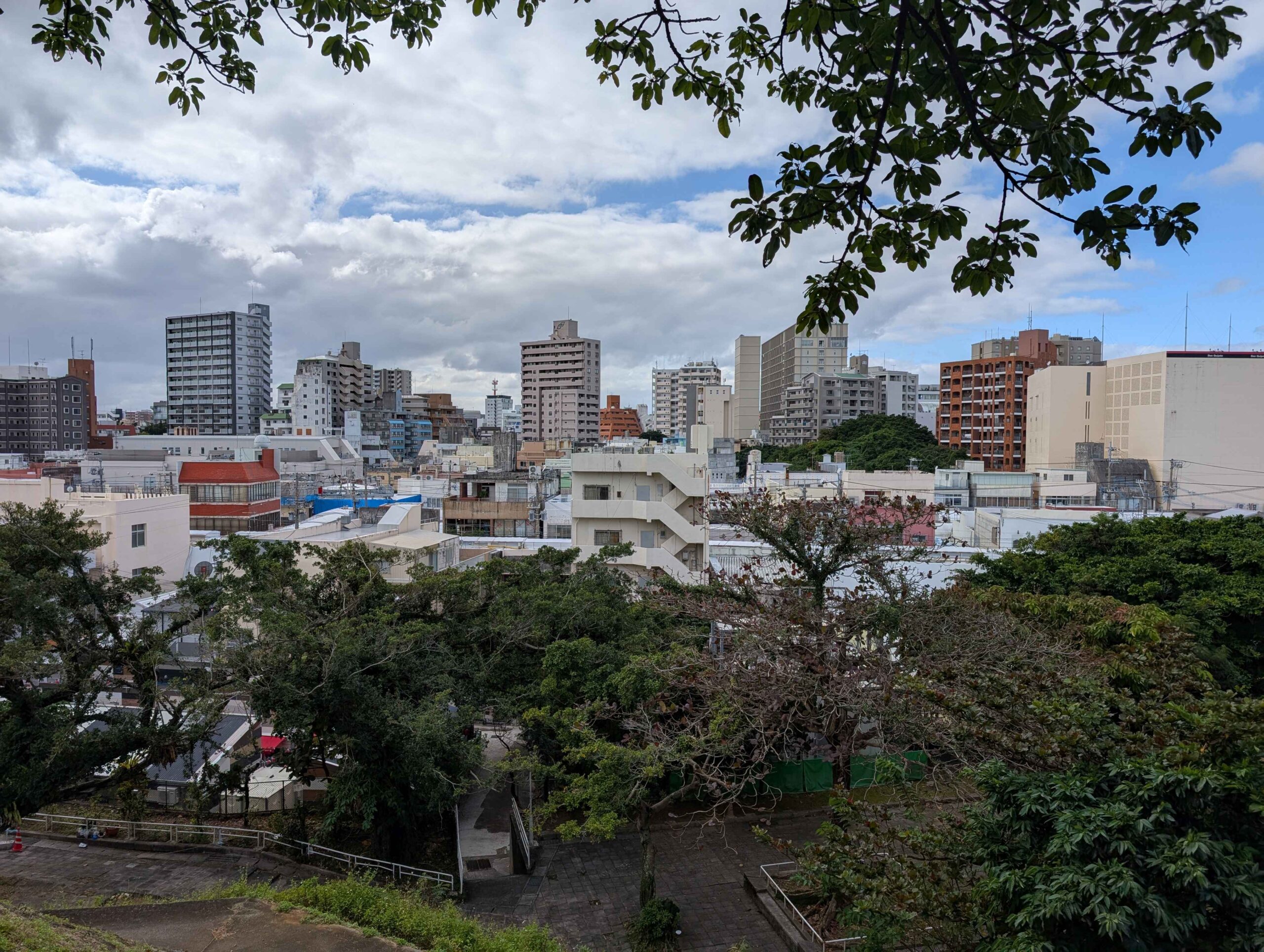
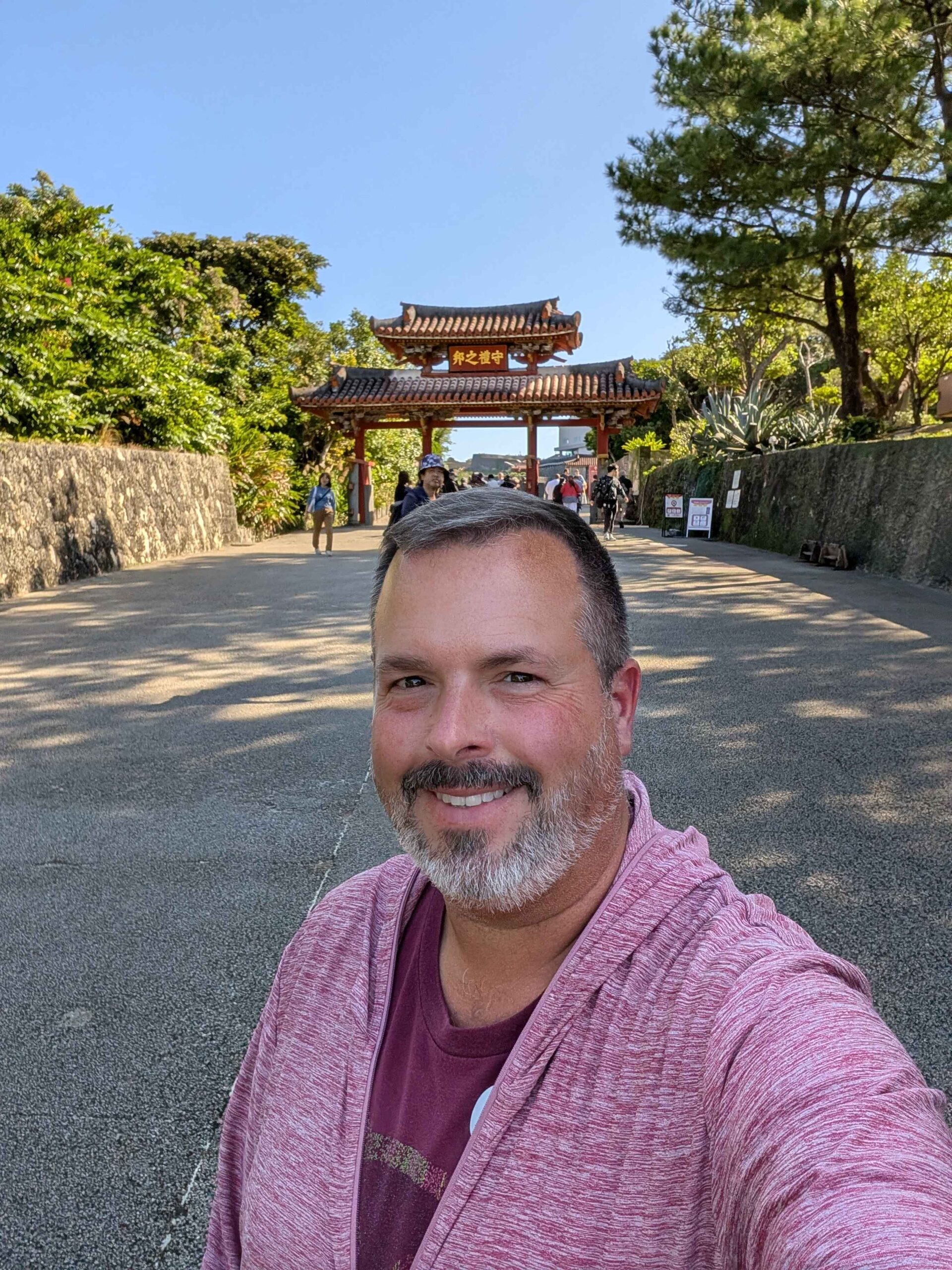
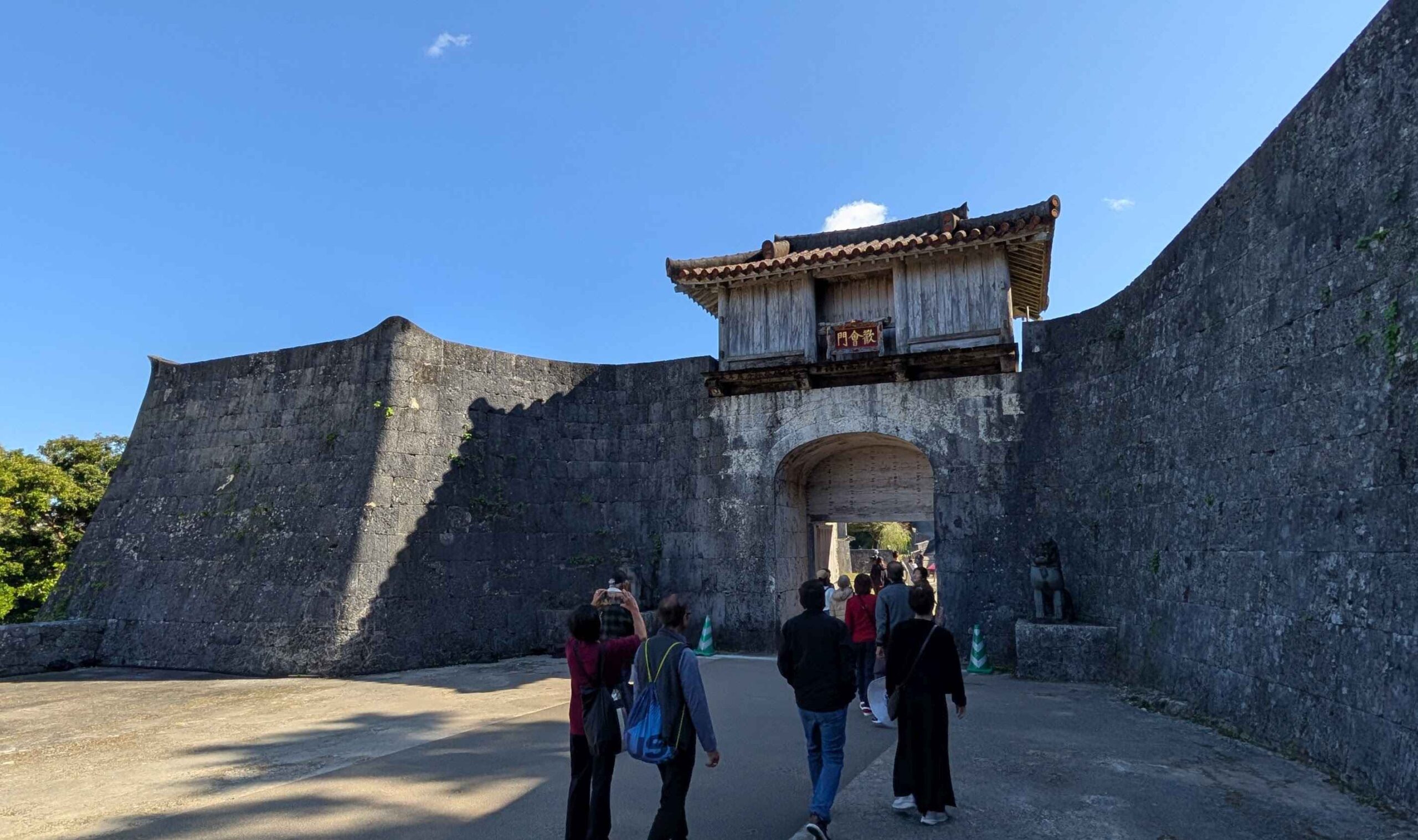
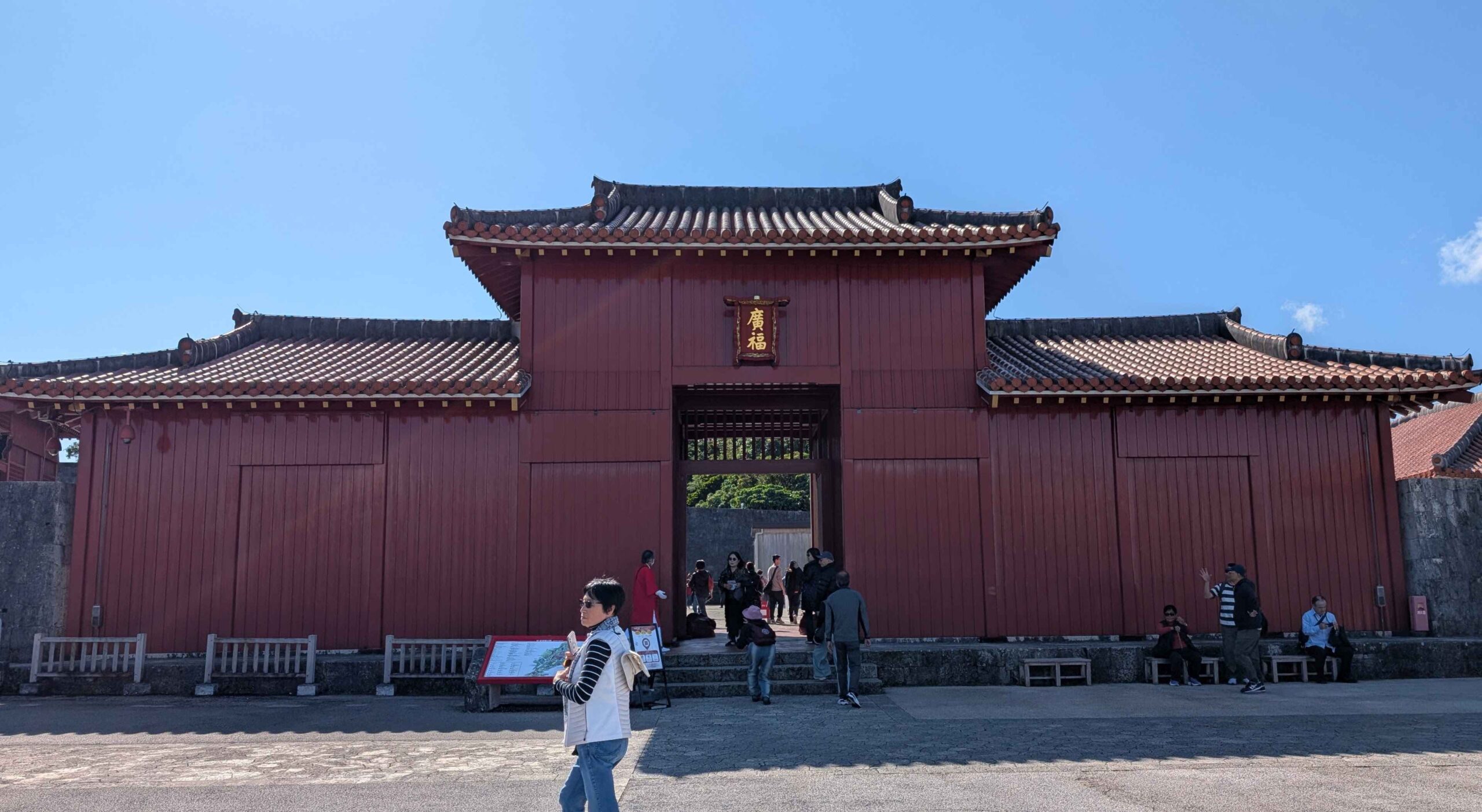
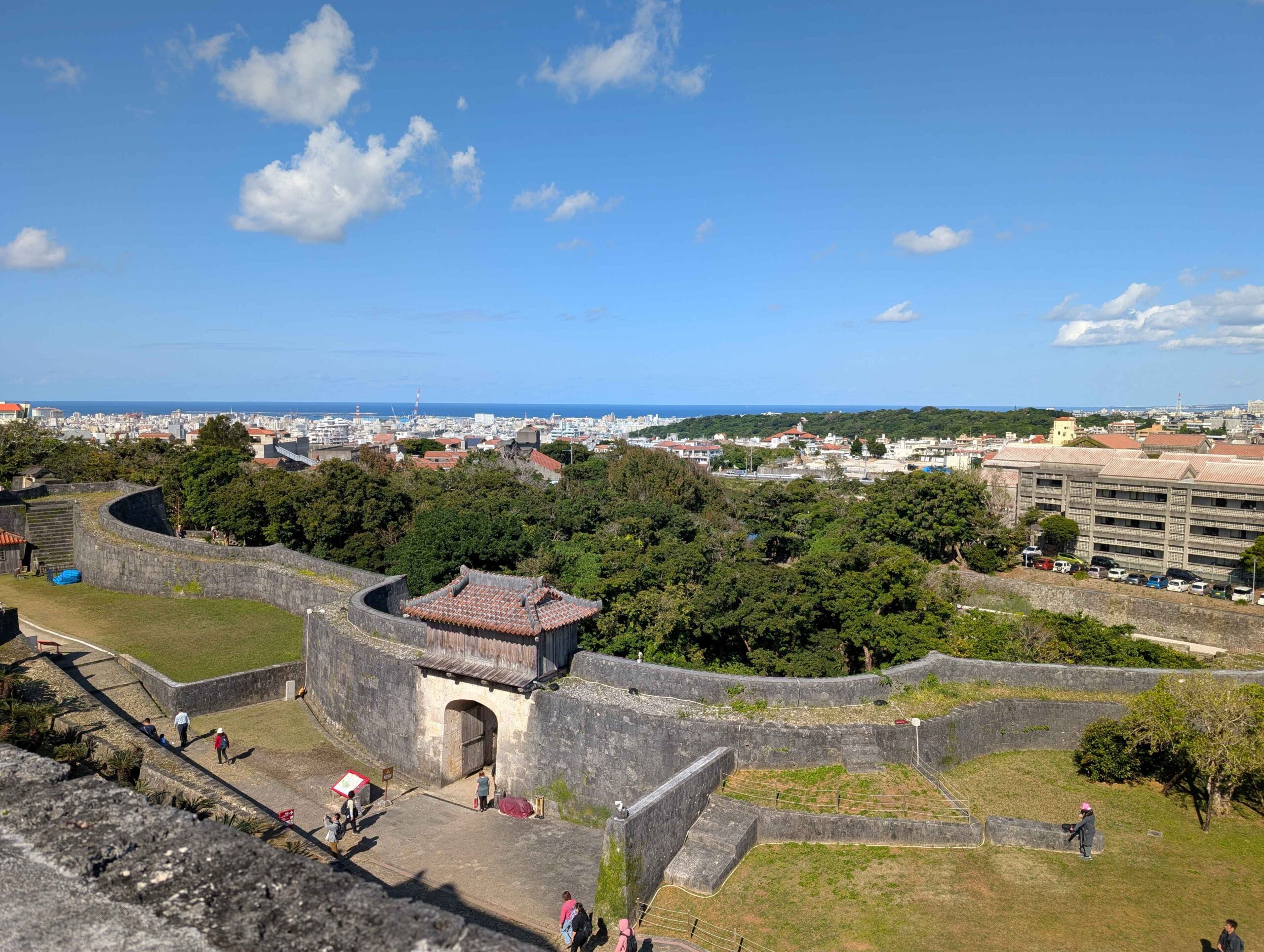
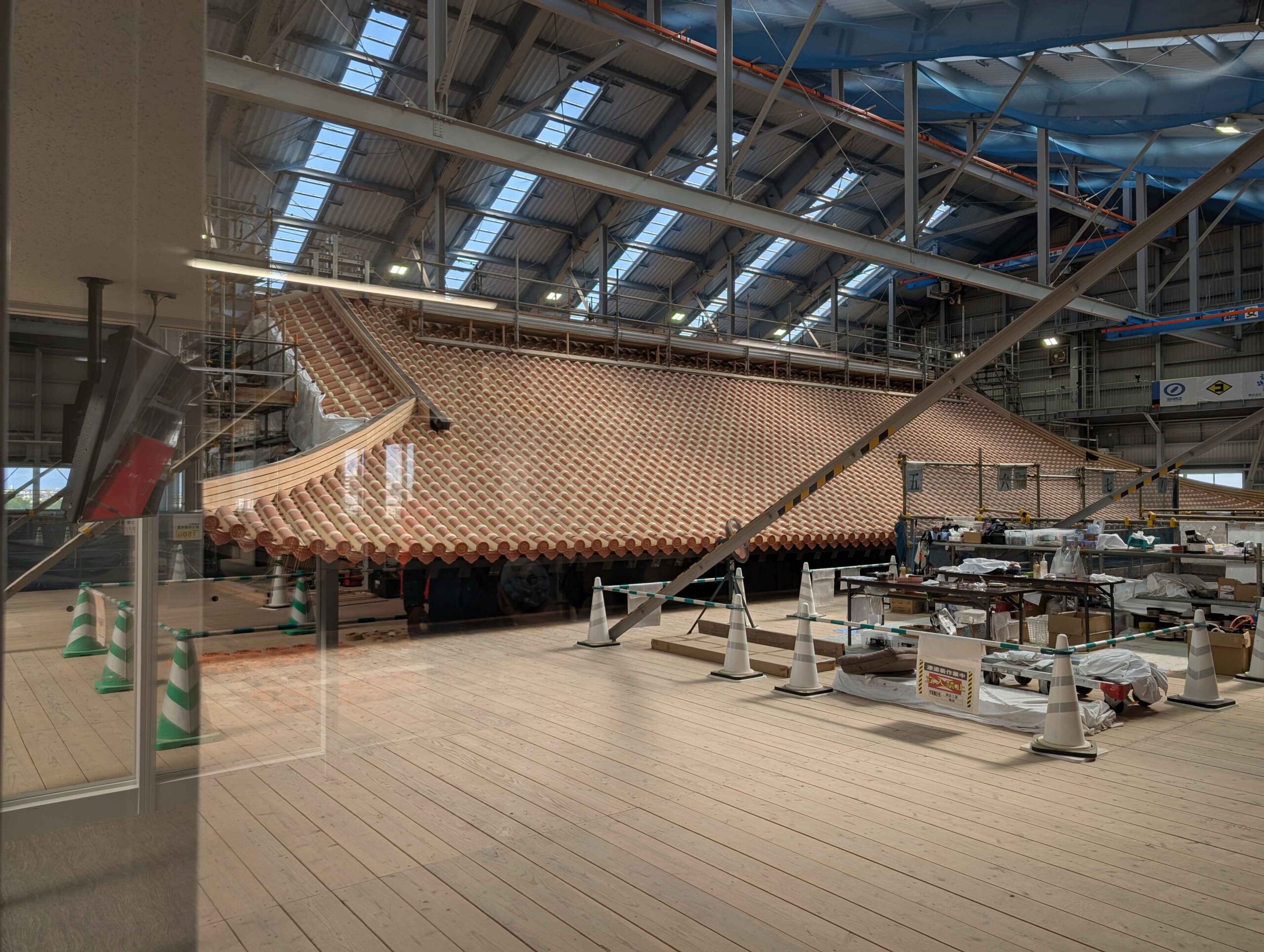
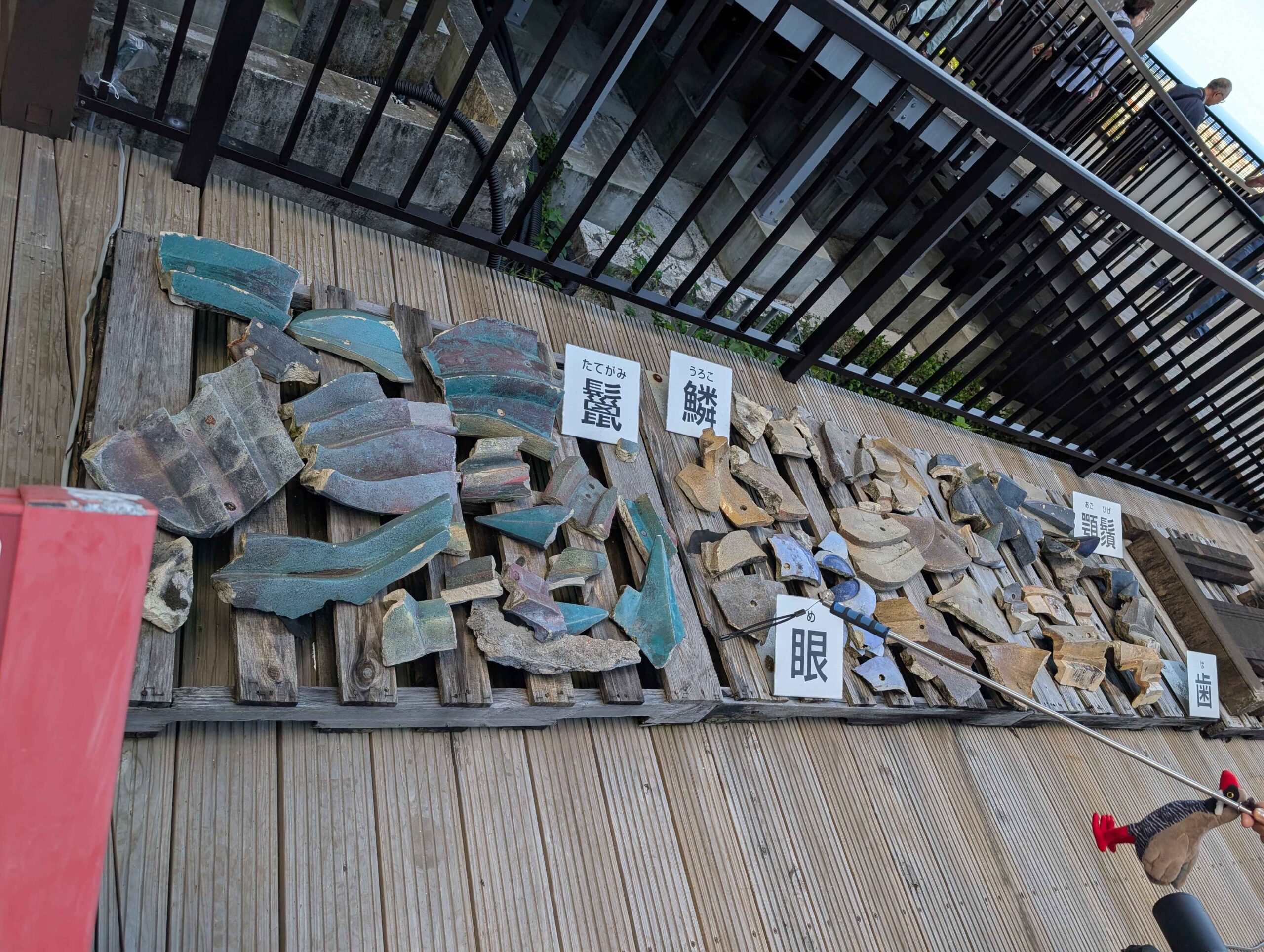
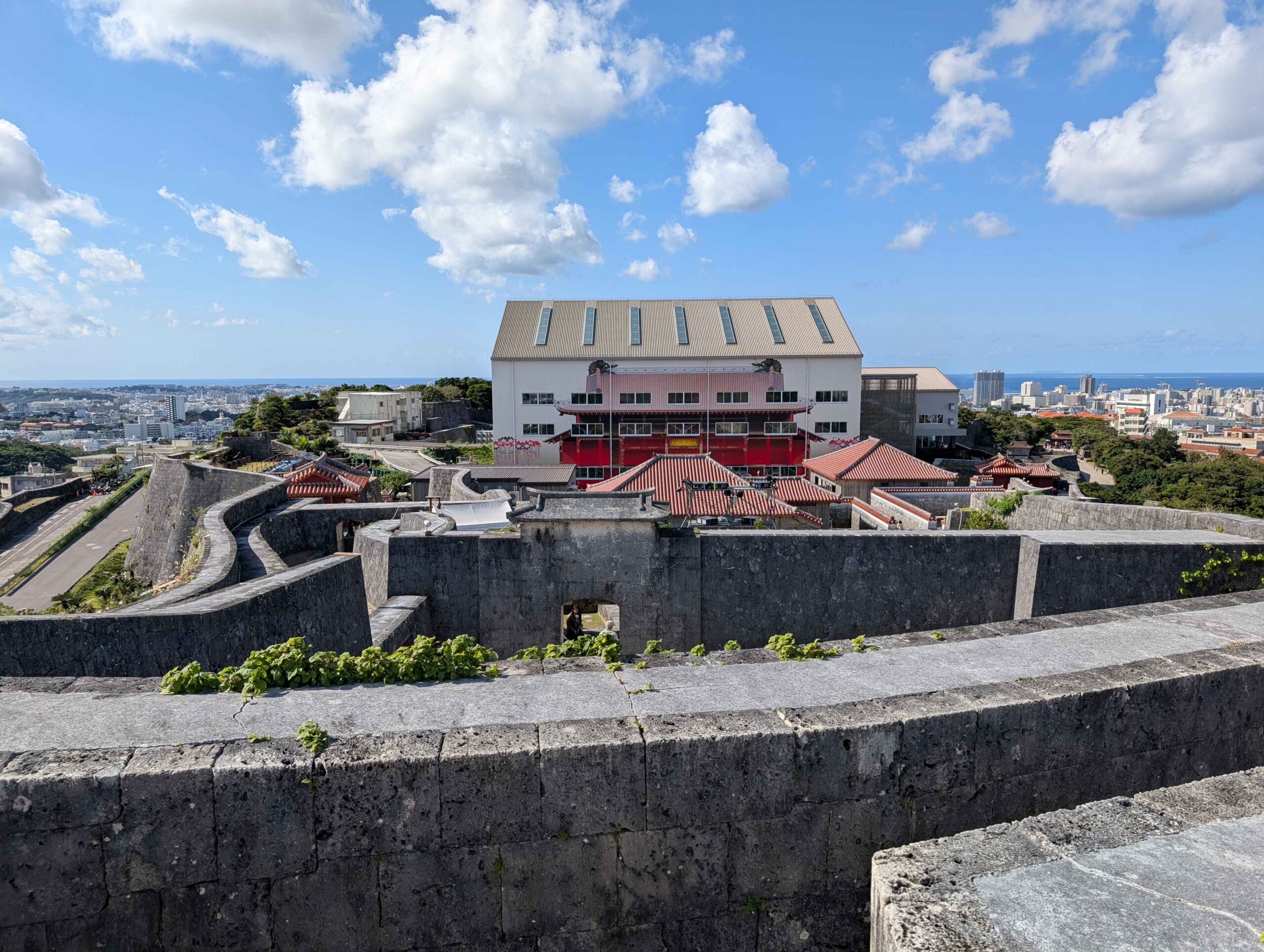
I began my visit at Shurijo Castle Park, where the historic royal palace of the Ryukyu Kingdom once stood. The castle is still undergoing reconstruction after a devastating fire in 2019, and likely will be for many years. Even so, the grounds remain impressive, with stone gates and elevated views that hint at the power the site once held.
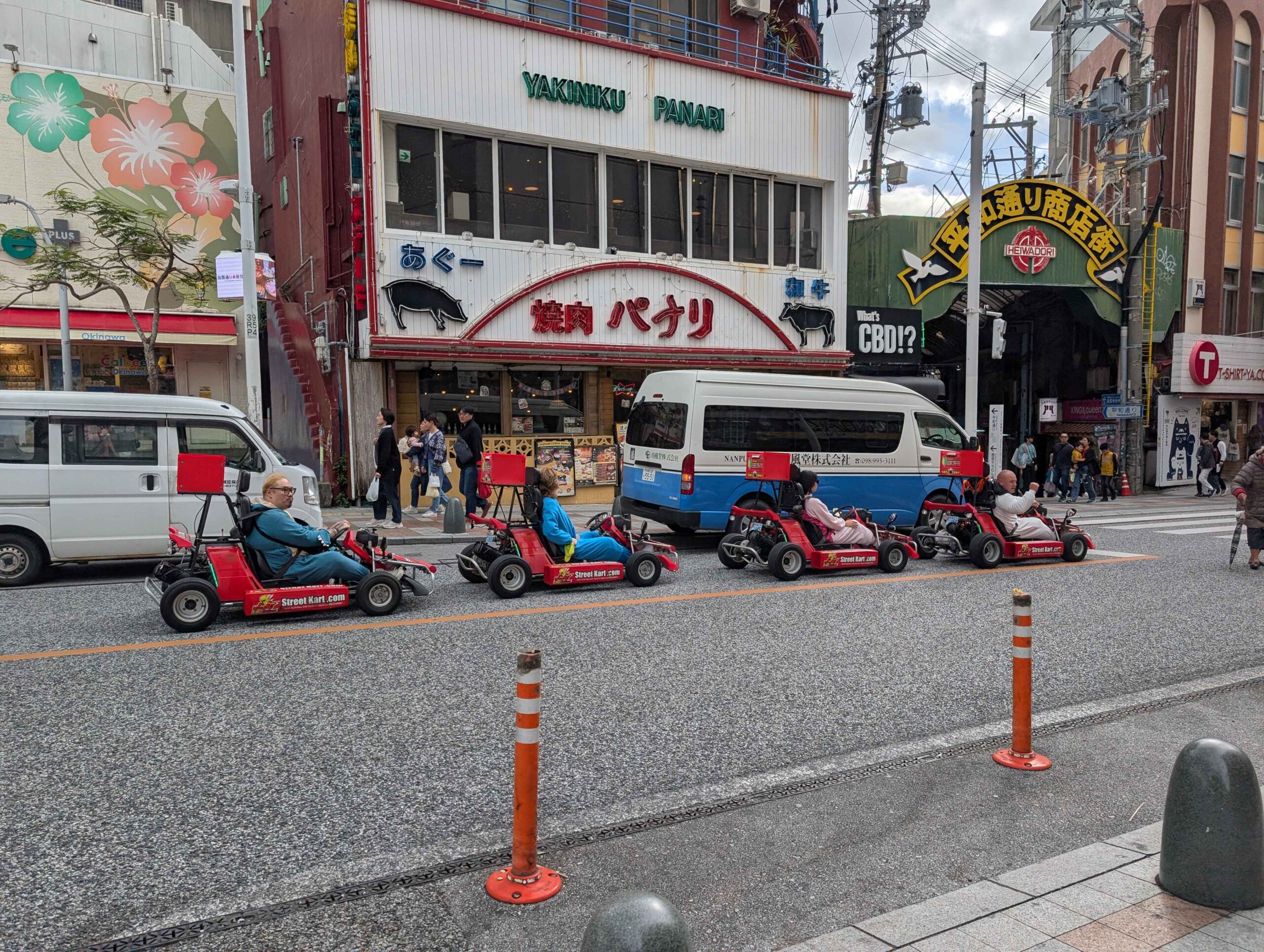
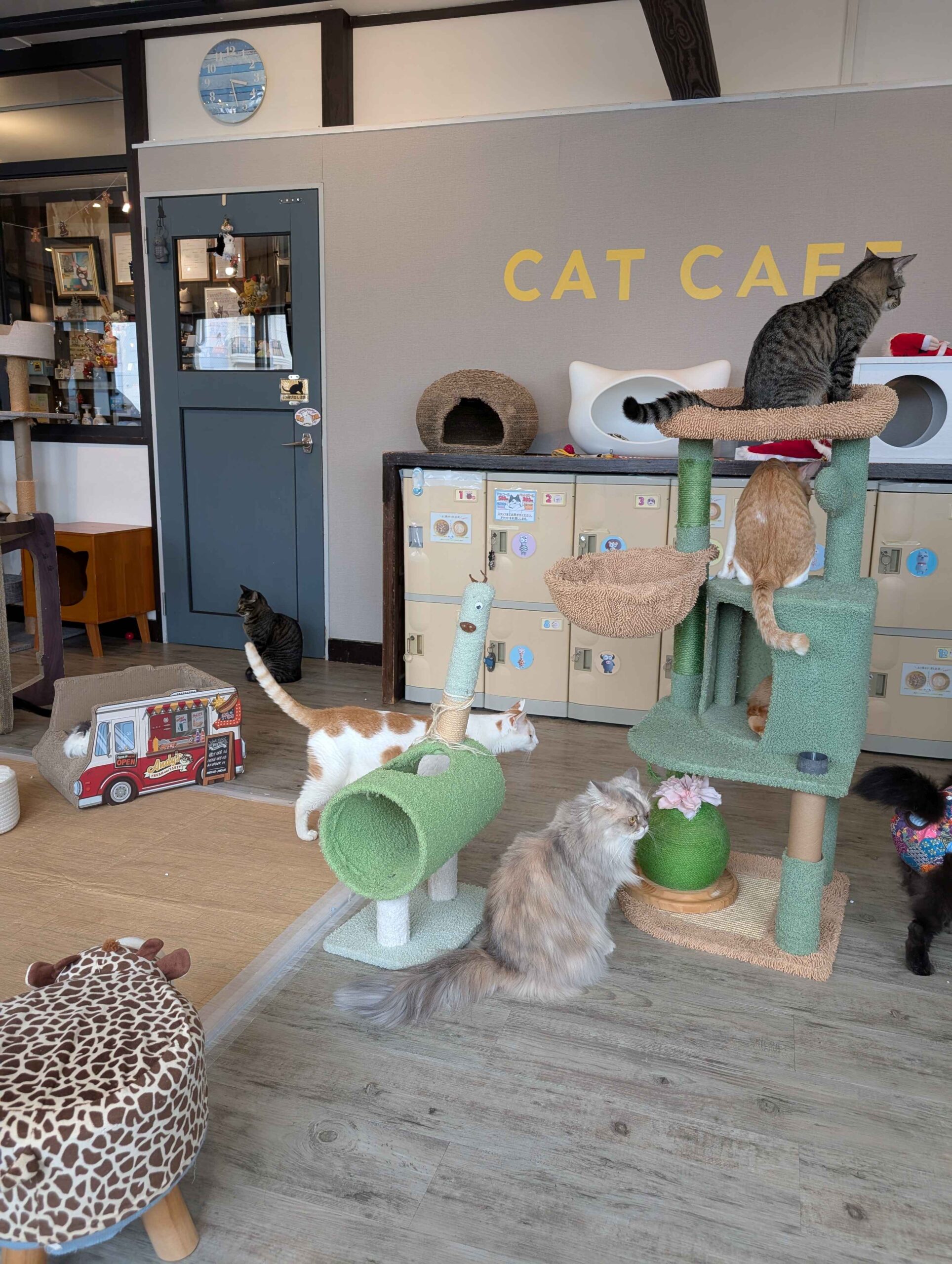
From there I walked through the lively stretch of Kokusai Dori shopping street. The sidewalks were busy with souvenir shops, snack counters, and plenty of distractions. I stopped for a scoop of Blue Seal ice cream, a well known Okinawan treat that made for a perfect break in the afternoon heat. Later I wandered through Fukushūen Garden and took a short pause at Nekomaru Chaya, a small cat café that offered a quiet moment away from the crowds.
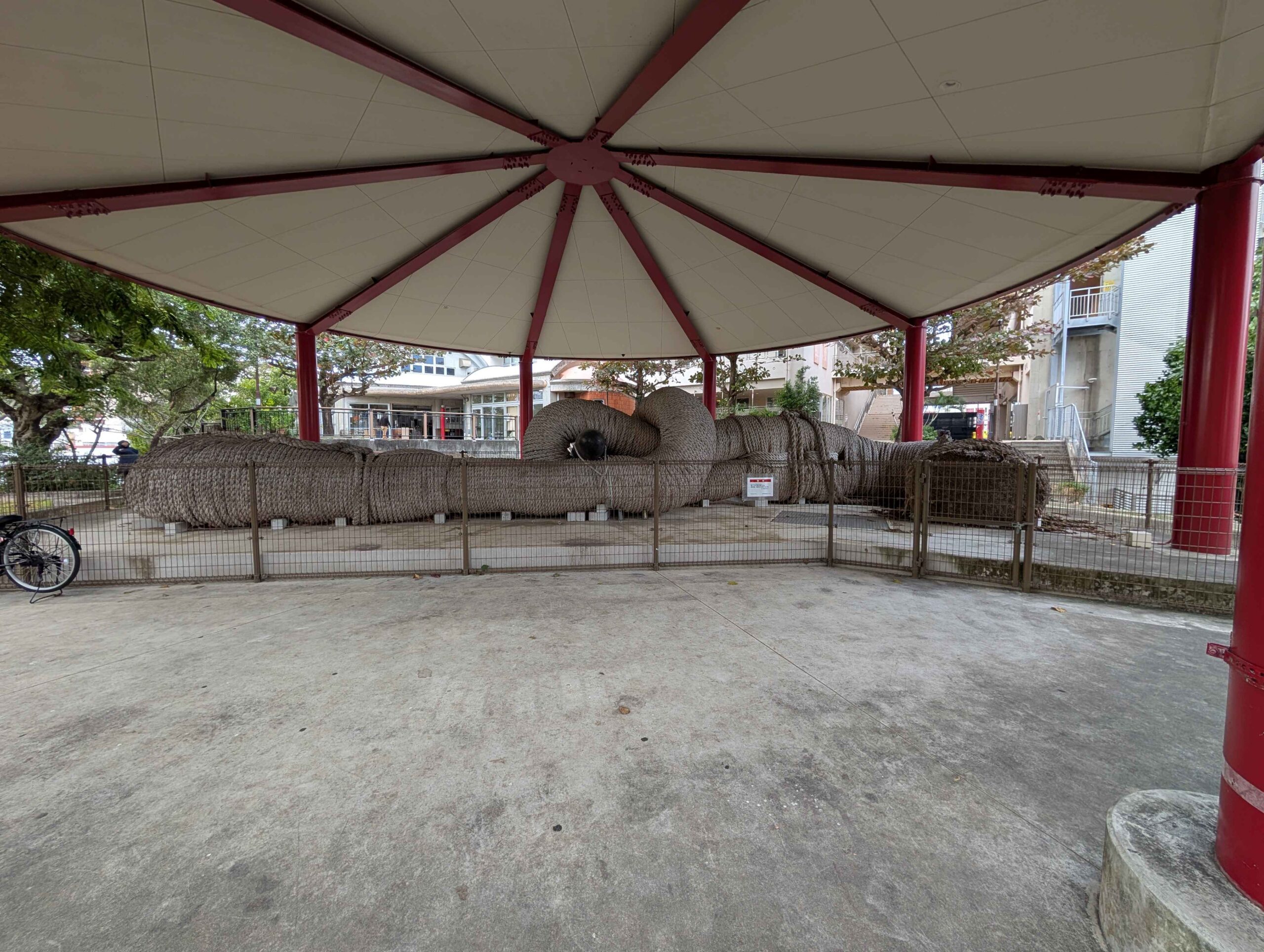
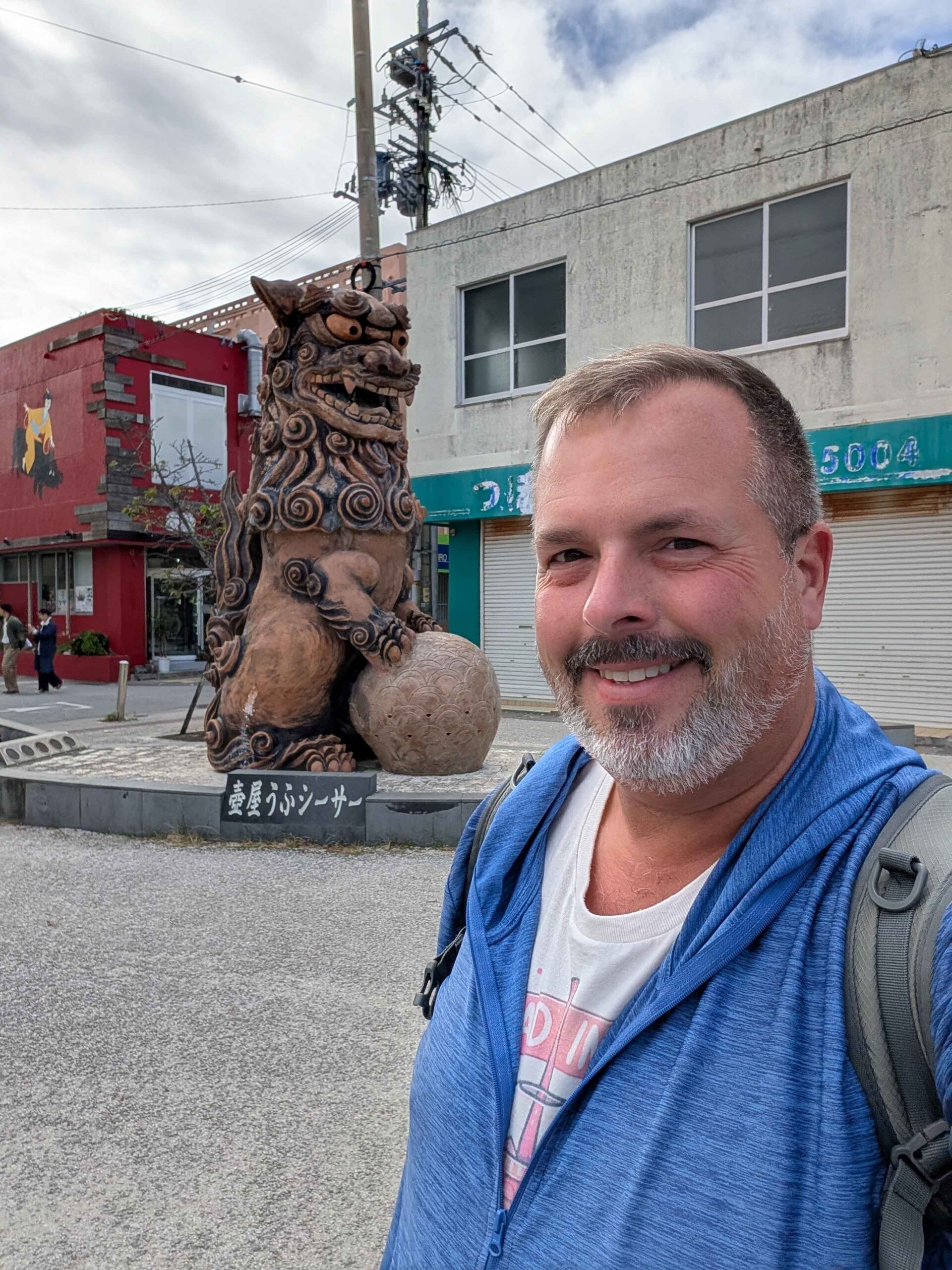
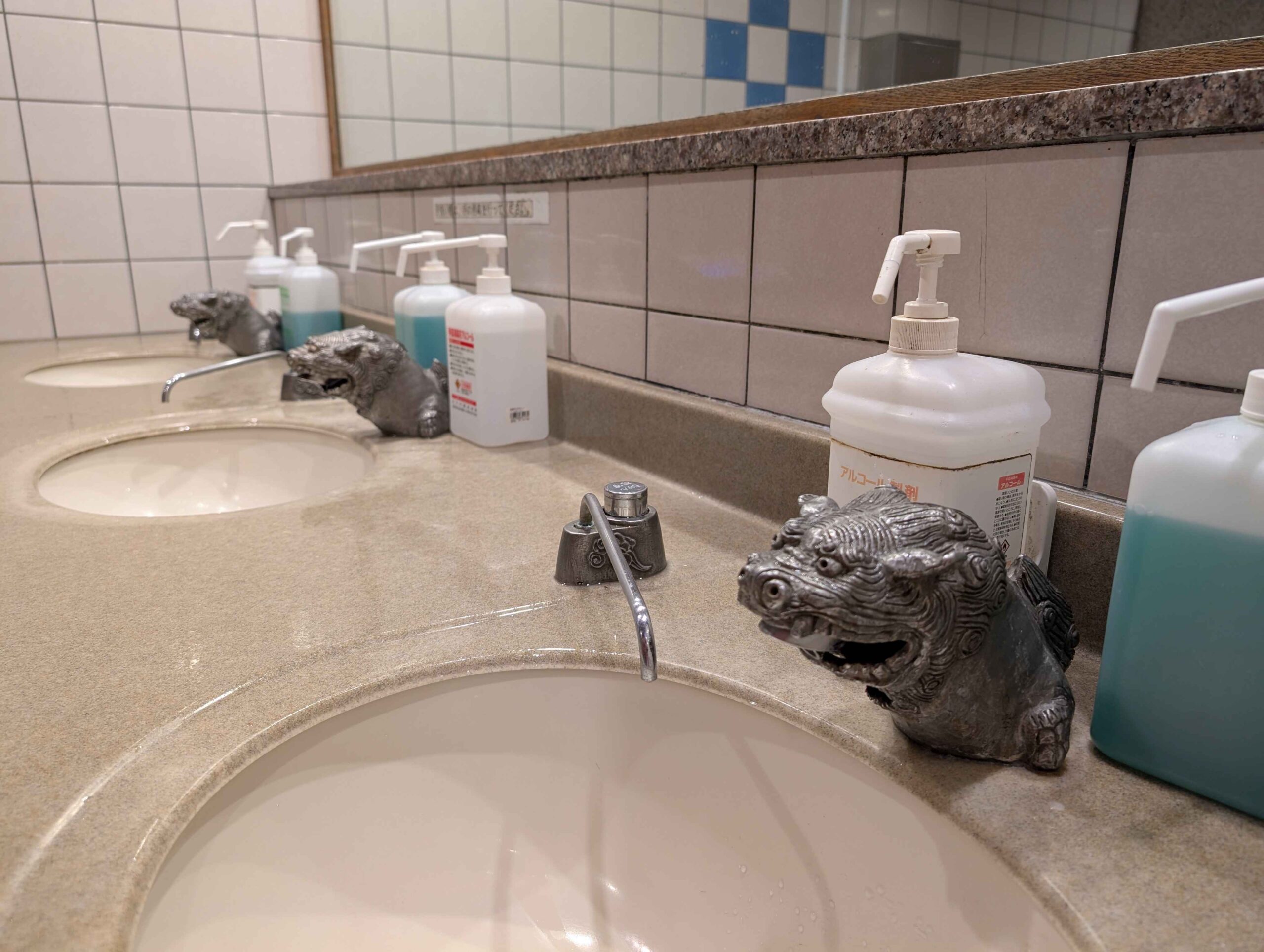
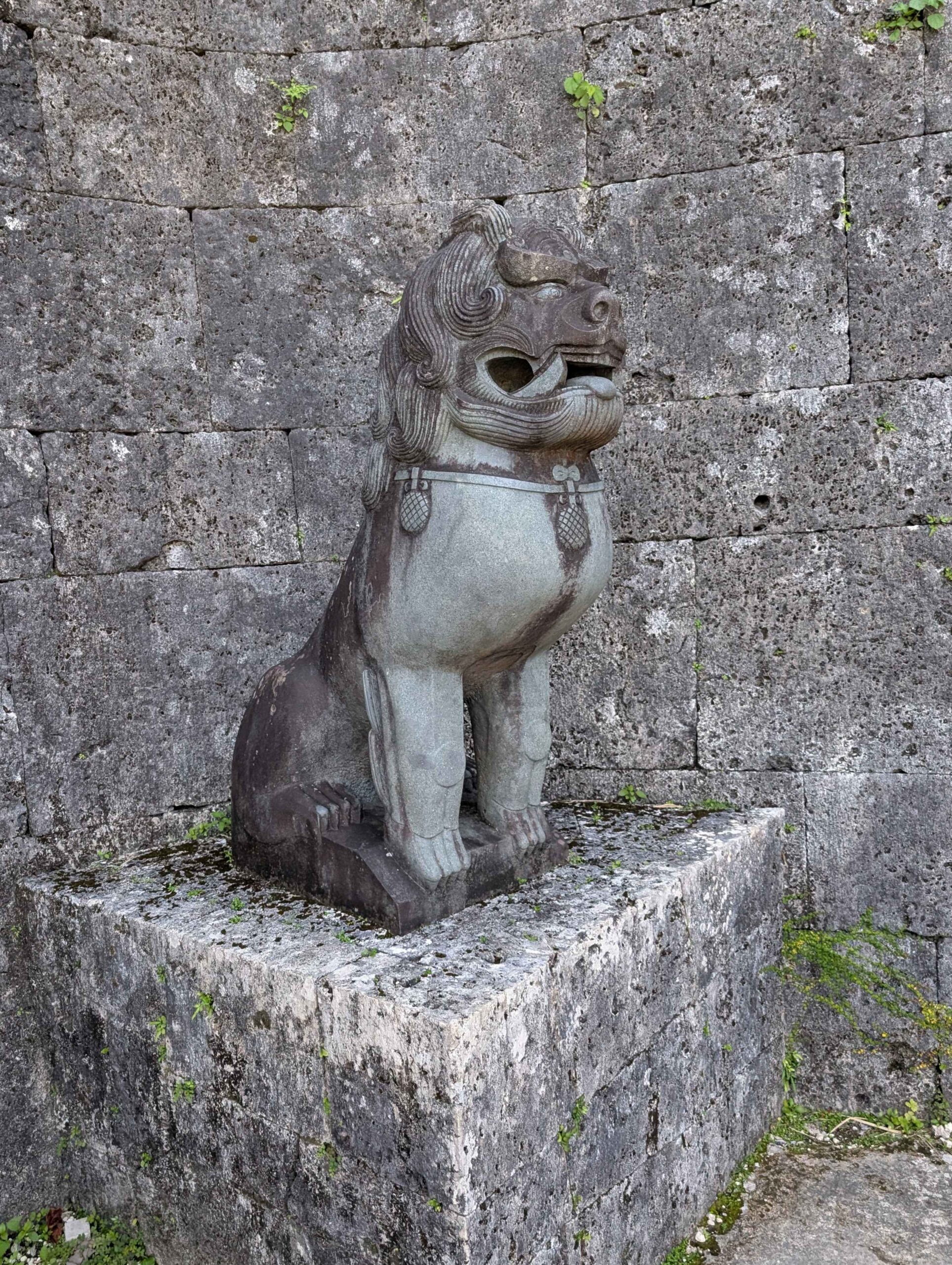
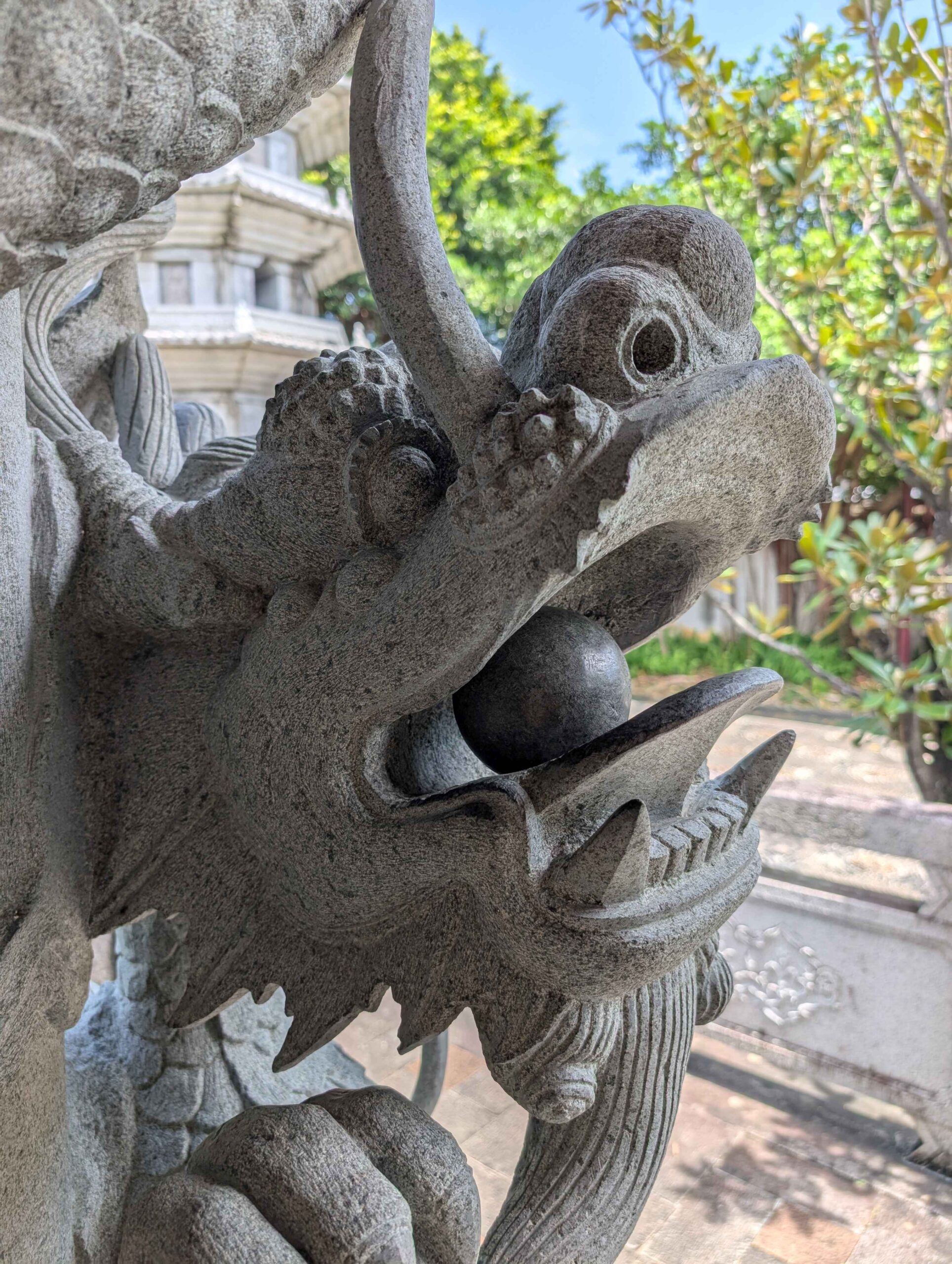
Before heading back toward the port, I passed the massive rope displayed for the Naha Giant Tug Of War festival and made sure to visit my favorite statue in the city, Tsuboya Ufu Shisa. These guardian lion dogs are common throughout Okinawa, but this oversized one always stands out. Naha today reflects centuries of trade, war, and rebuilding, yet the city still manages to keep a playful and welcoming personality.



If You Have More Time…
- Okinawa Prefectural Museum – A modern museum showcasing the region’s unique culture, history, and post-war recovery.
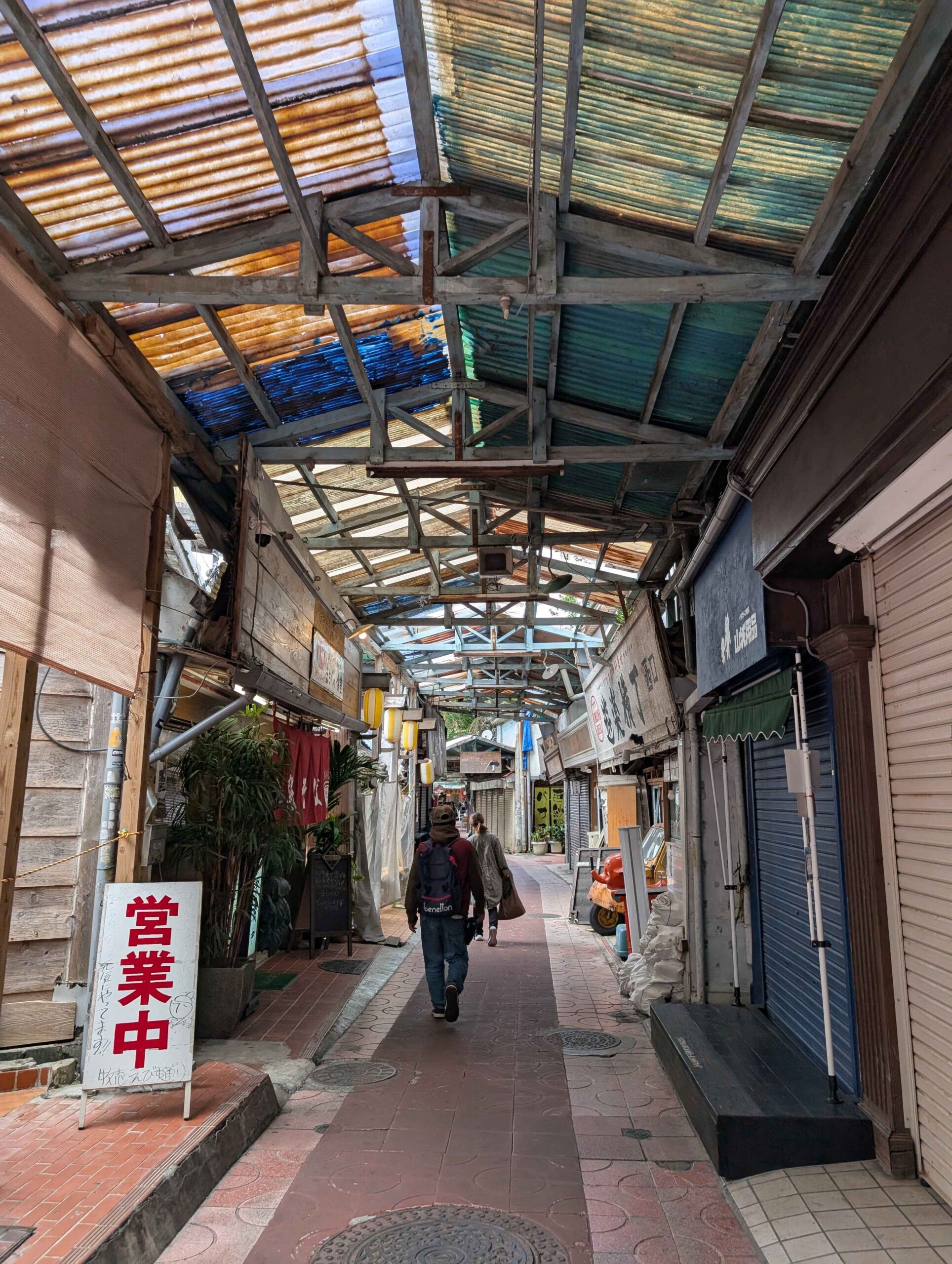
- Tsuboya Pottery Street – Quiet alleyways filled with traditional ceramic shops and artist studios.
- Naminoue Shrine and Beach – A picturesque seaside shrine perched above the water, next to one of Naha’s only central beaches.
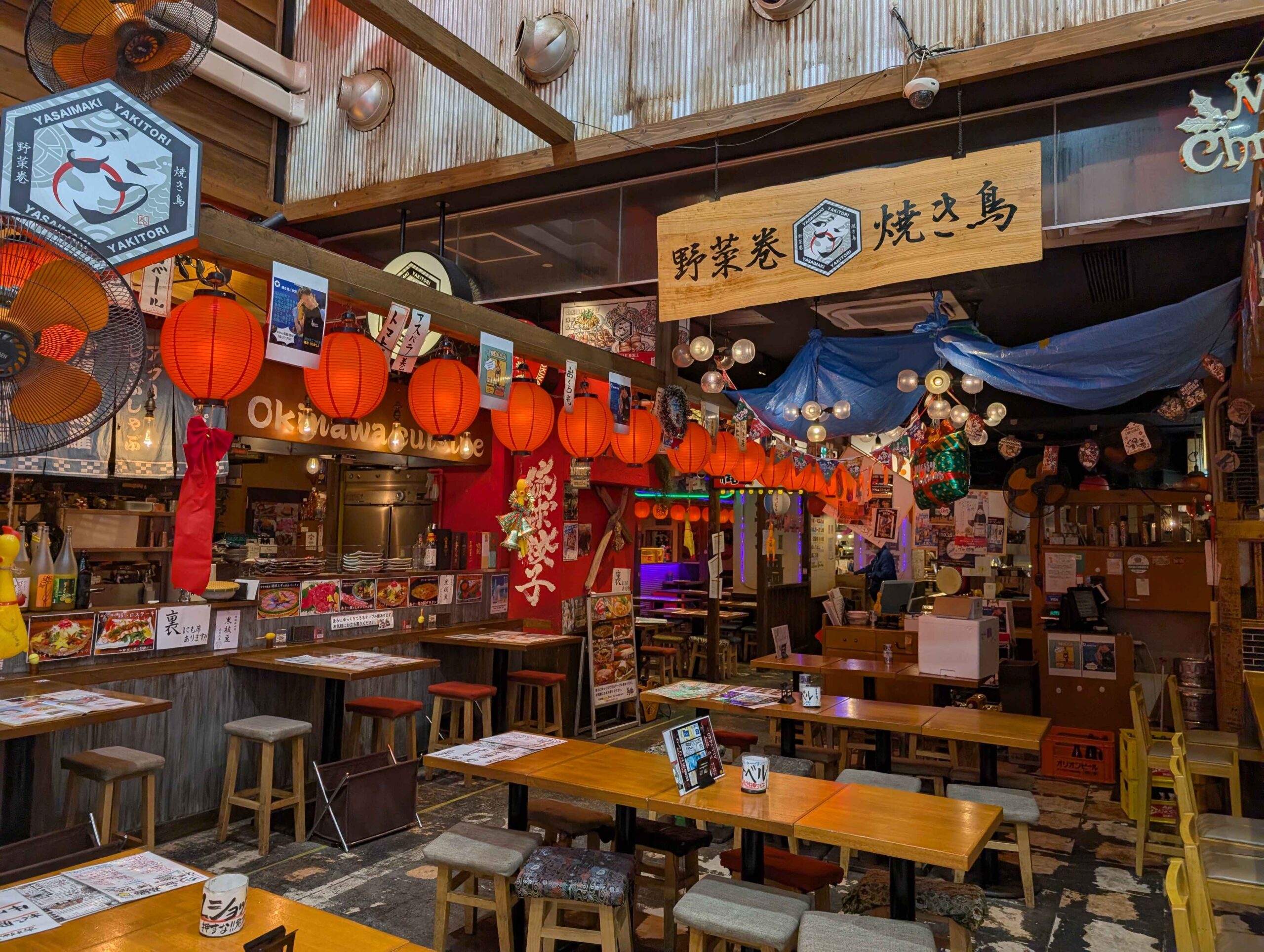
- Makishi Public Market – A local market where you can sample Okinawan specialties and watch daily life unfold.
- Shikinaen Garden – A royal garden with winding paths, traditional pavilions, and a peaceful, reflective atmosphere.