
White Windmills and Marble Lions in Mykonos and Delos
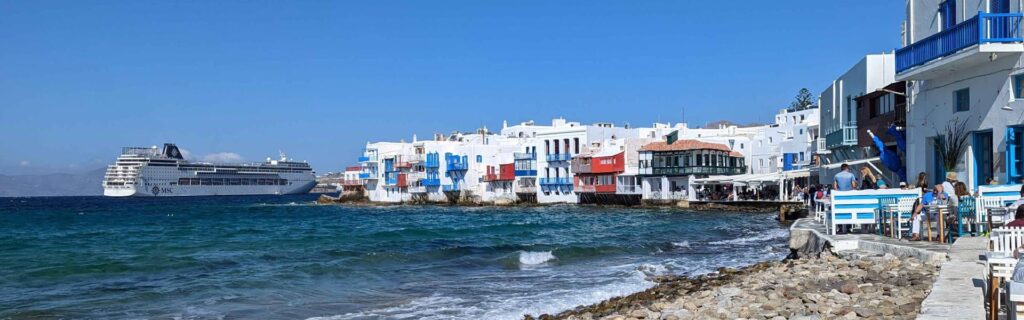
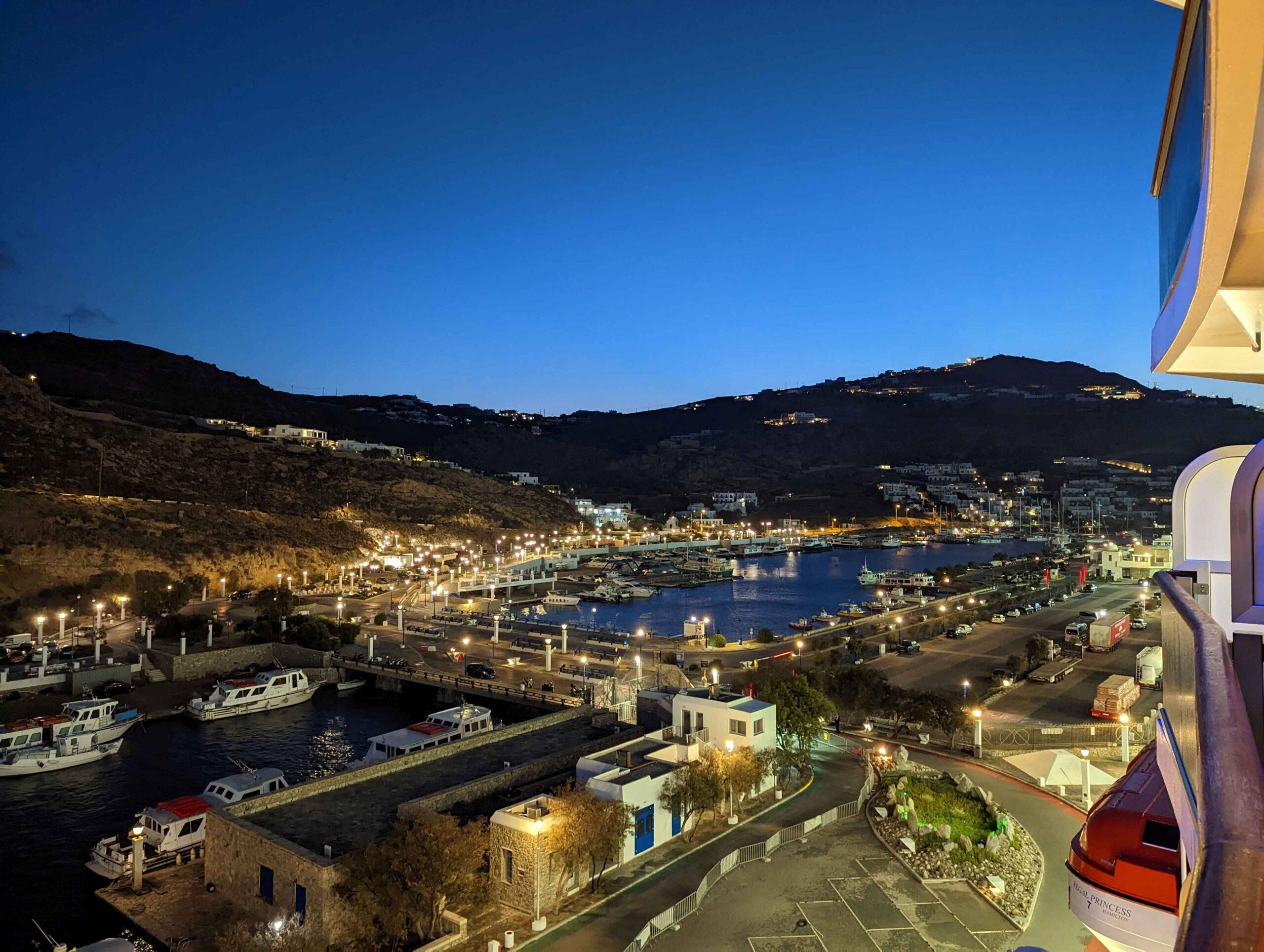
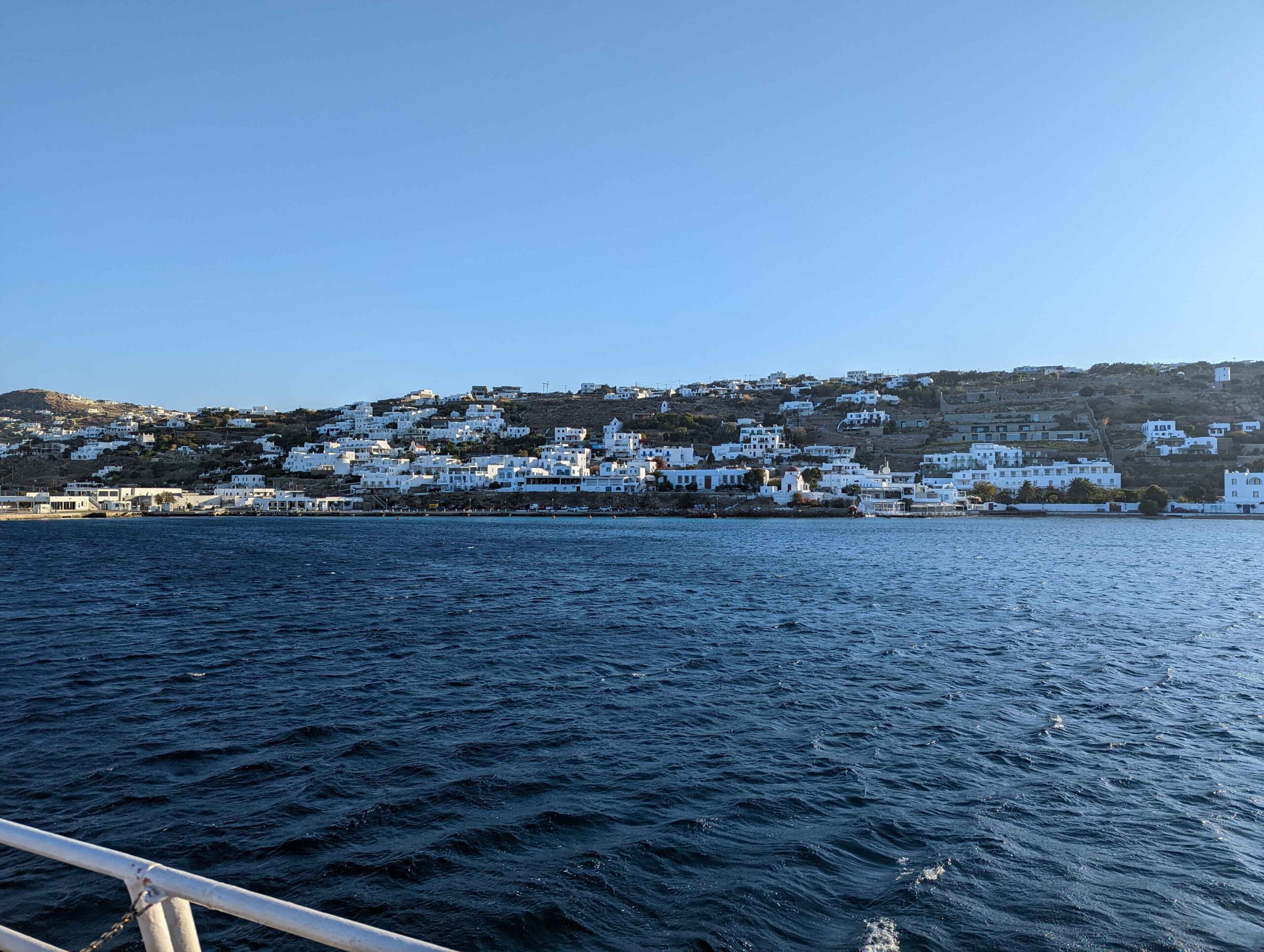
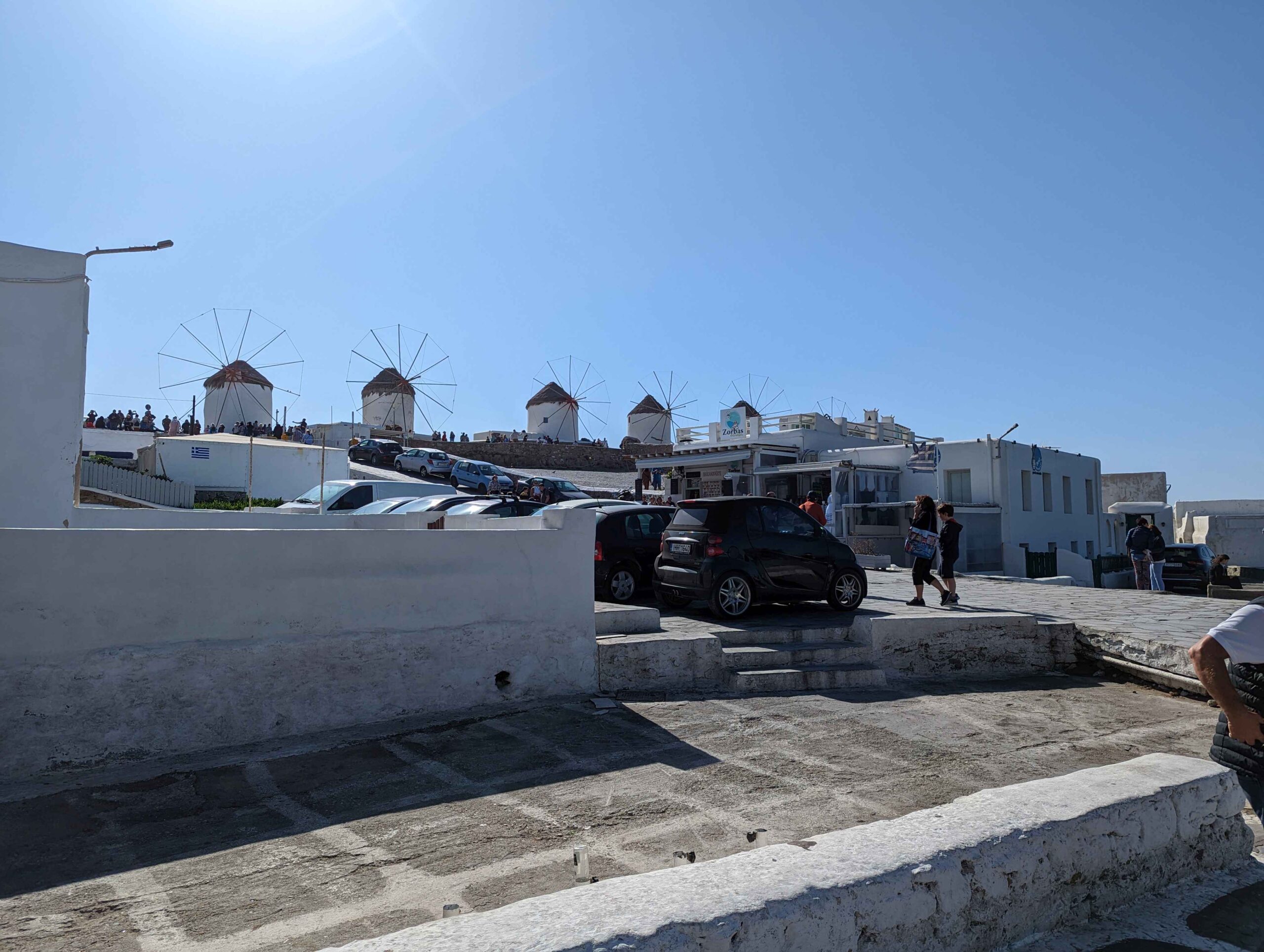
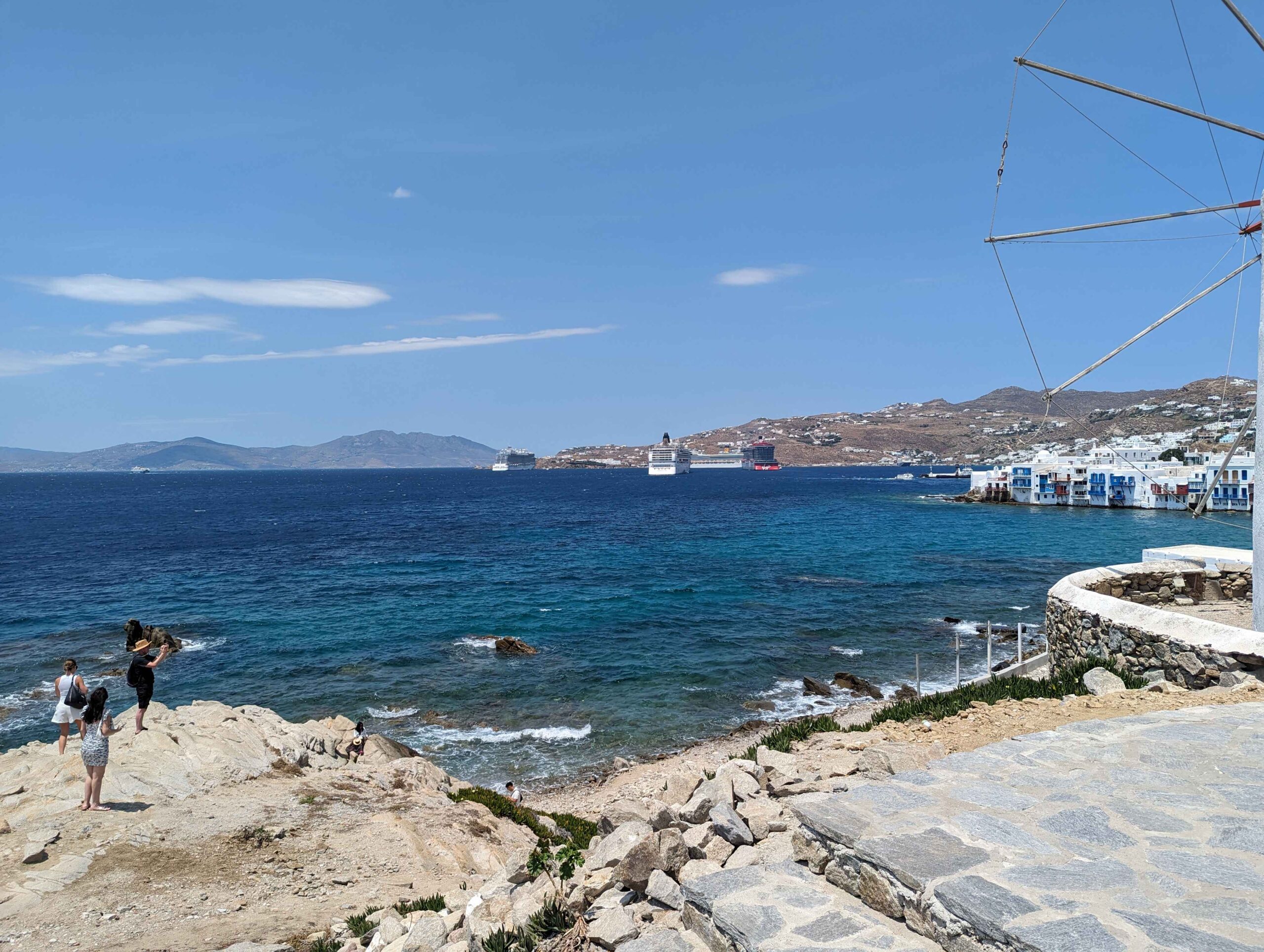
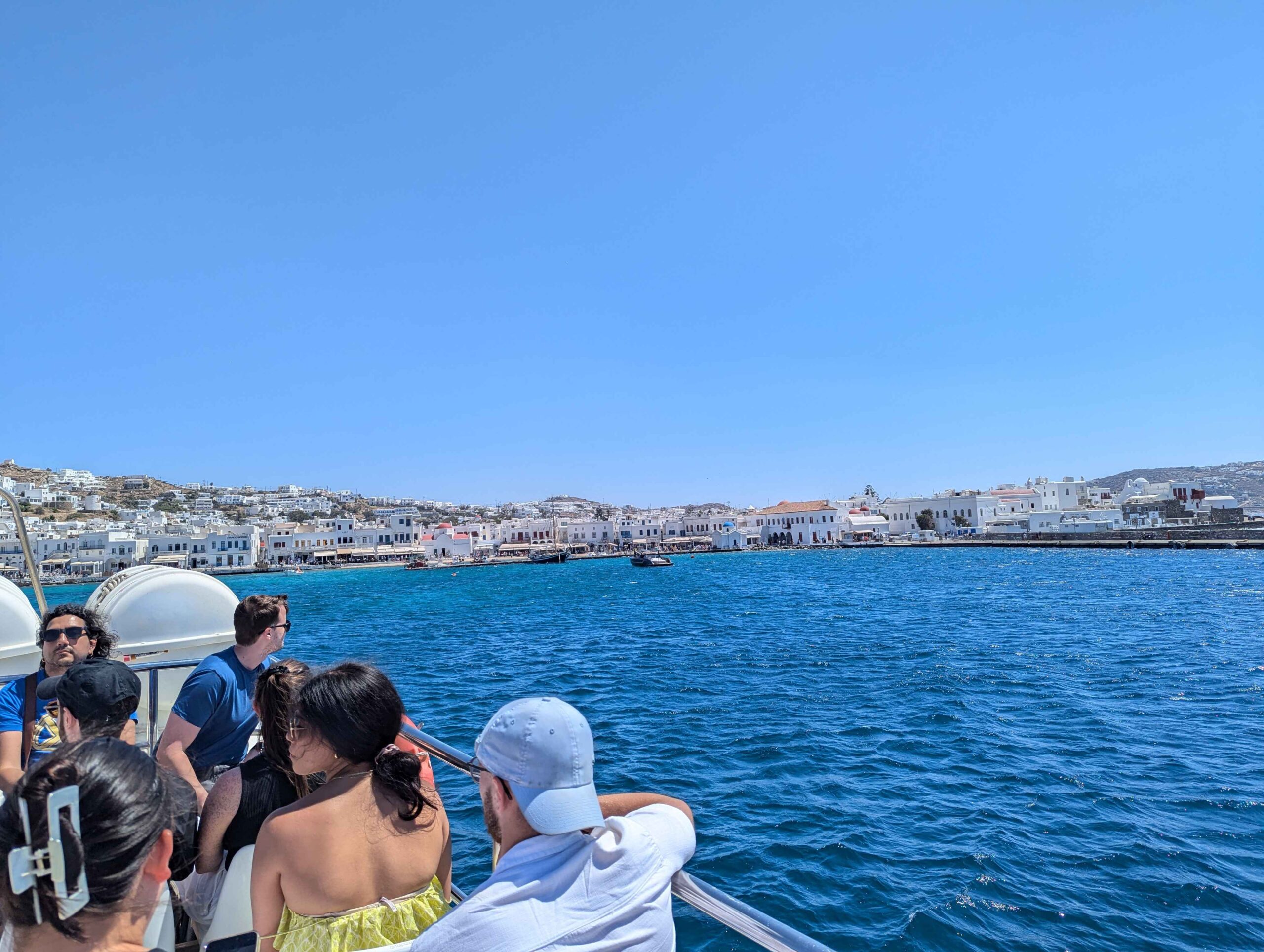
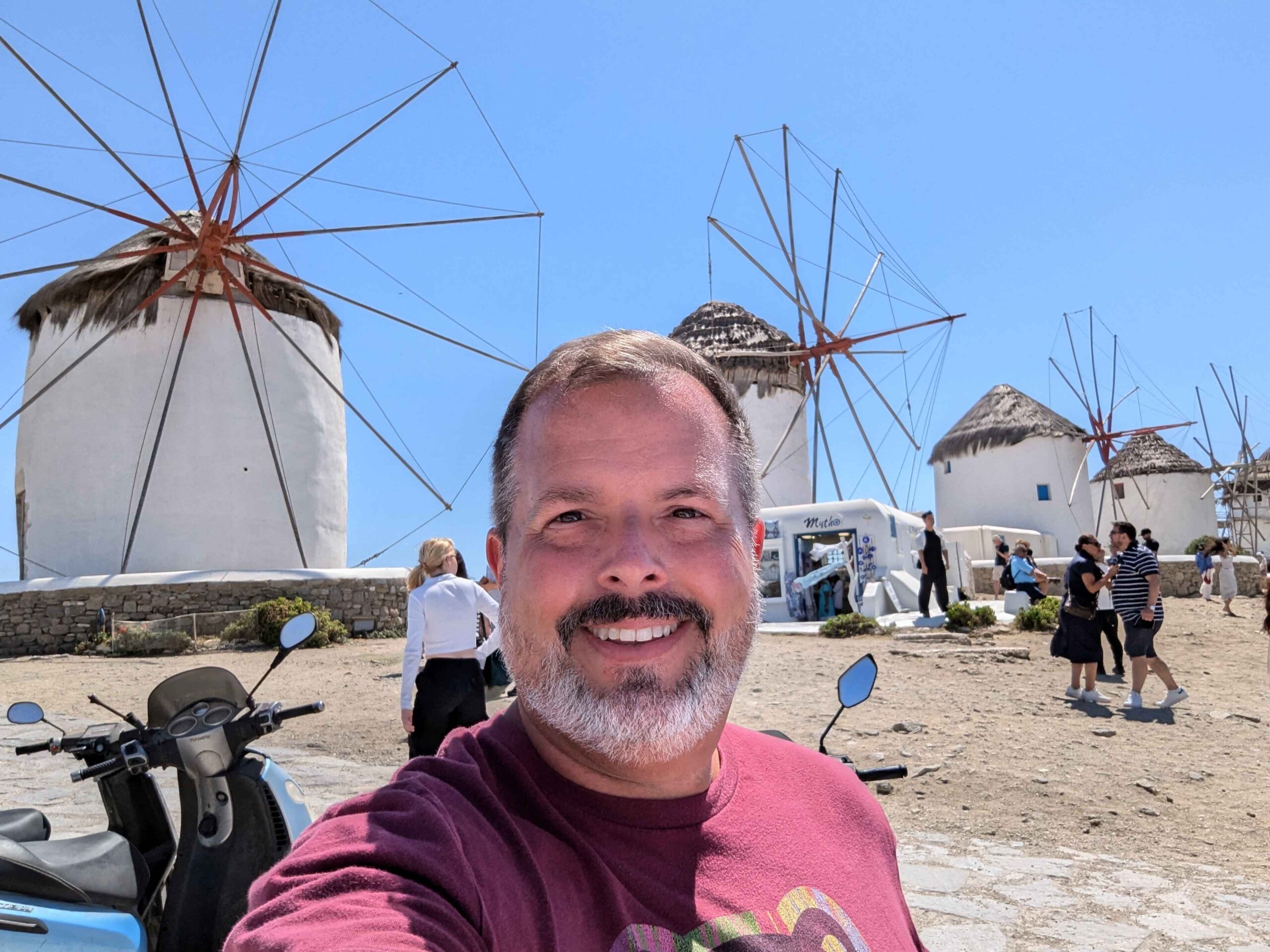
The bright Mediterranean sun bounced off the white walls and the smell of sea air drifted through the harbor as our cruise ship approached Mykonos. Arriving by cruise into this small Cycladic port always feels lively from the moment the tenders begin carrying passengers toward the waterfront. The windmills were already visible above the town, their white towers standing against a deep blue sky. Even before stepping onto the dock, the island promised winding streets and views worth wandering for.
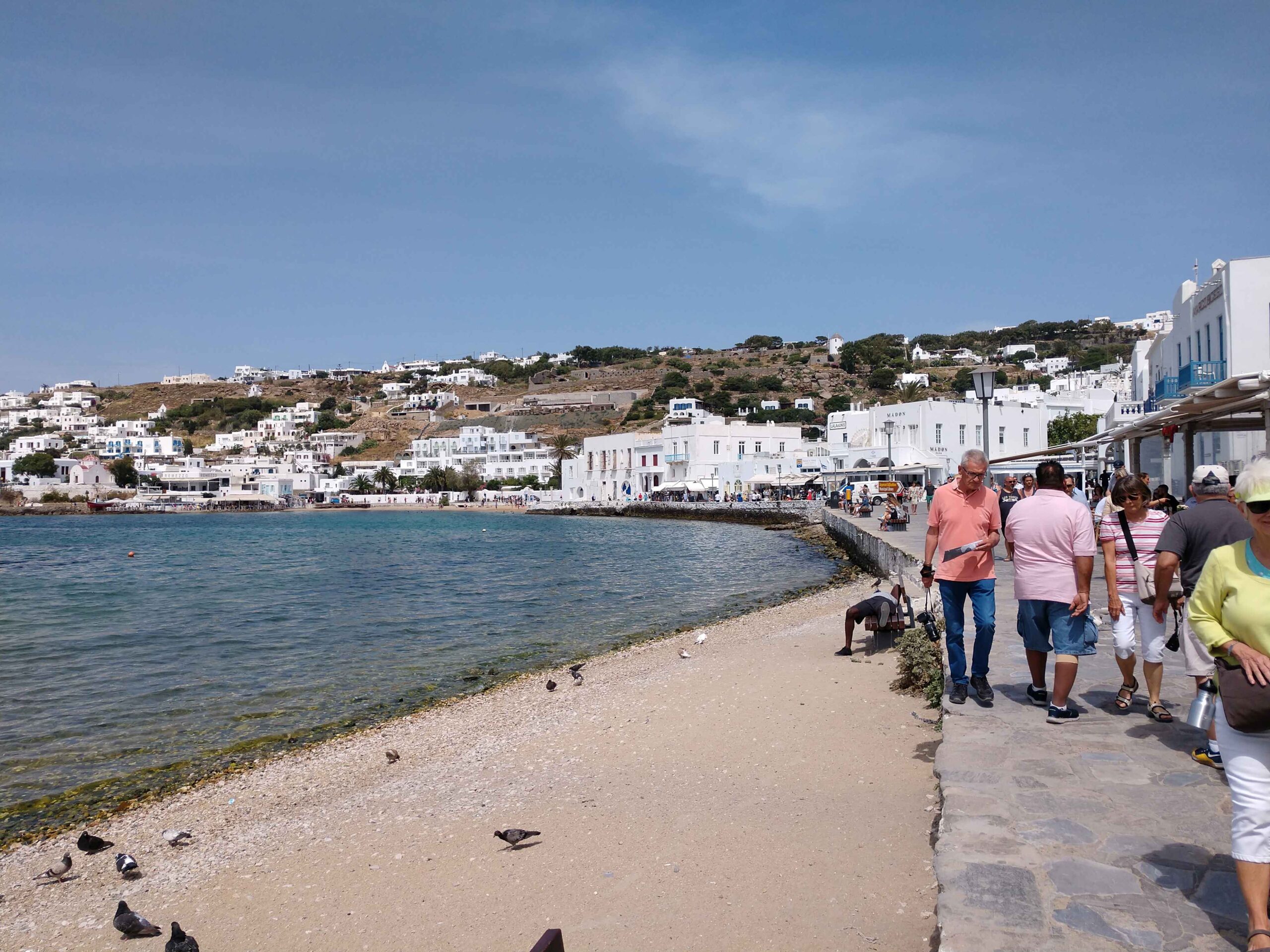
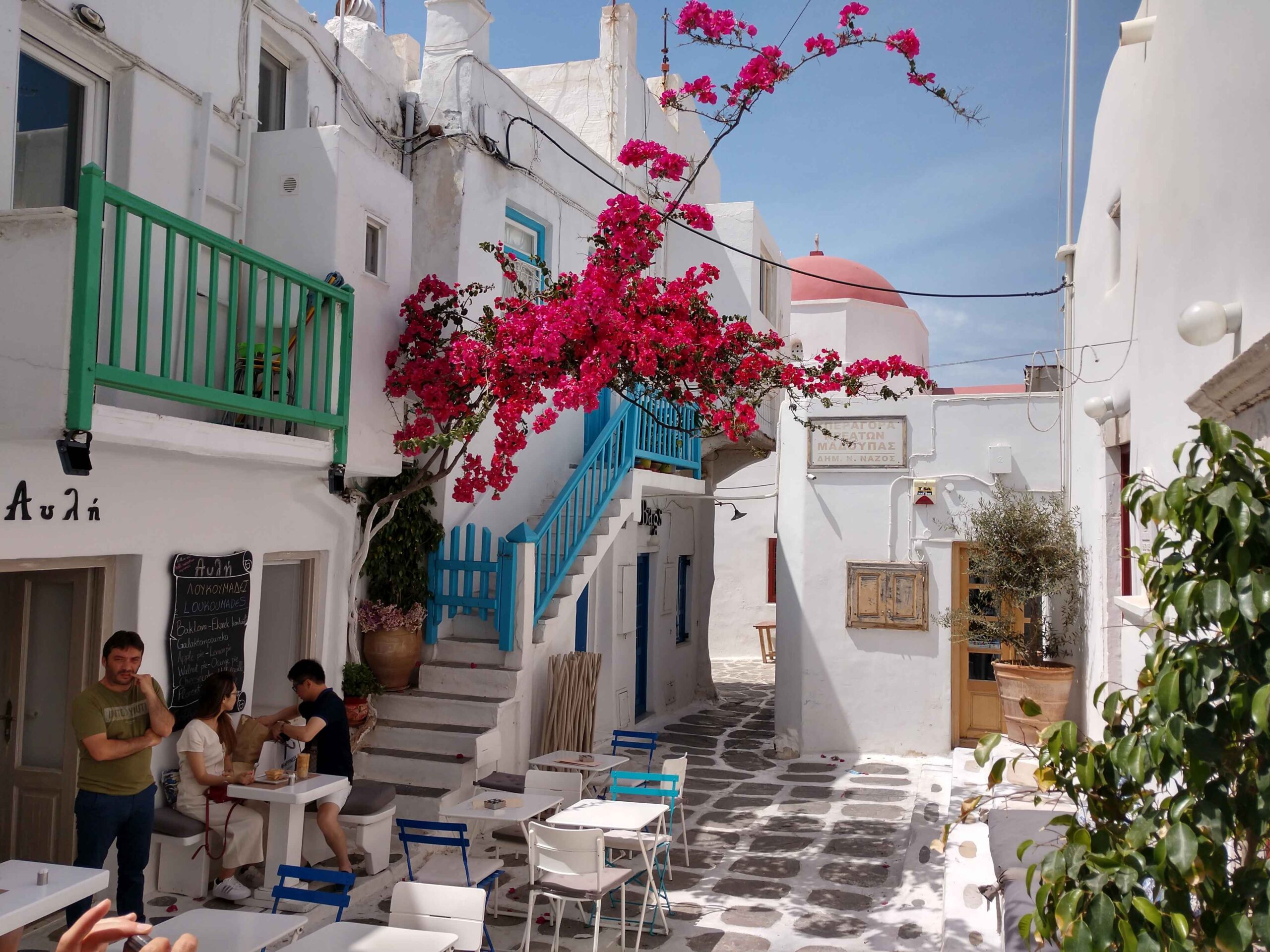
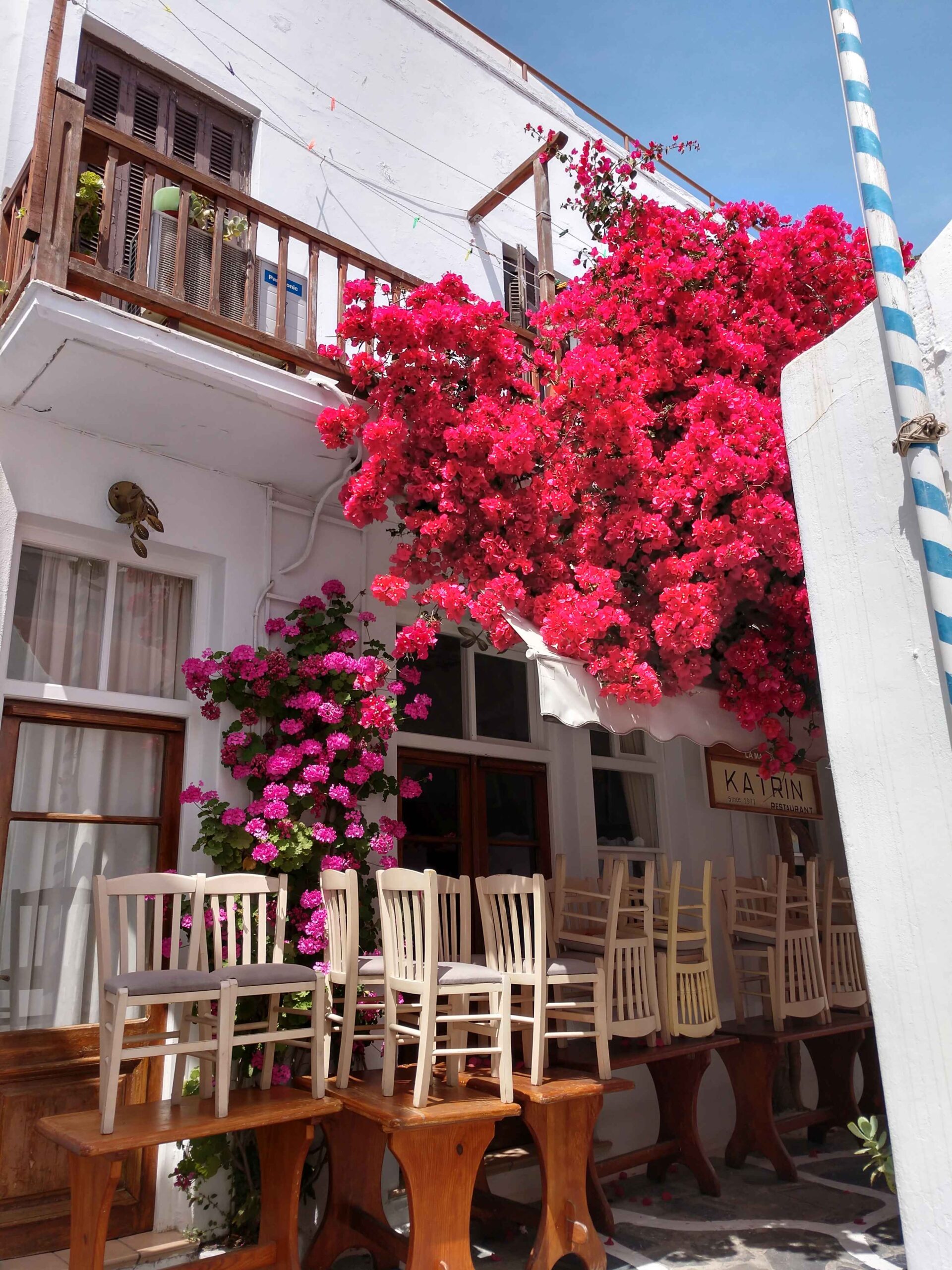
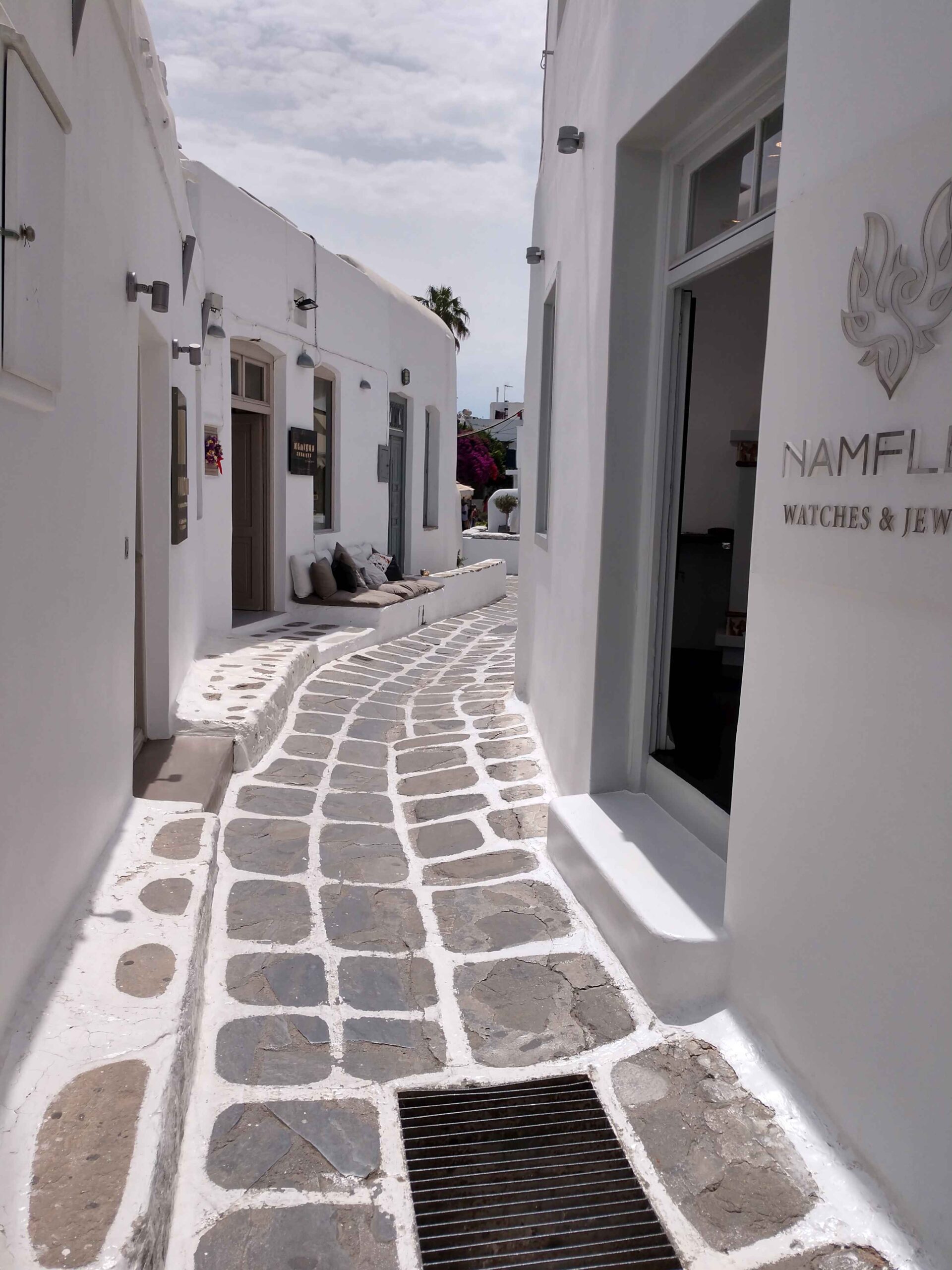
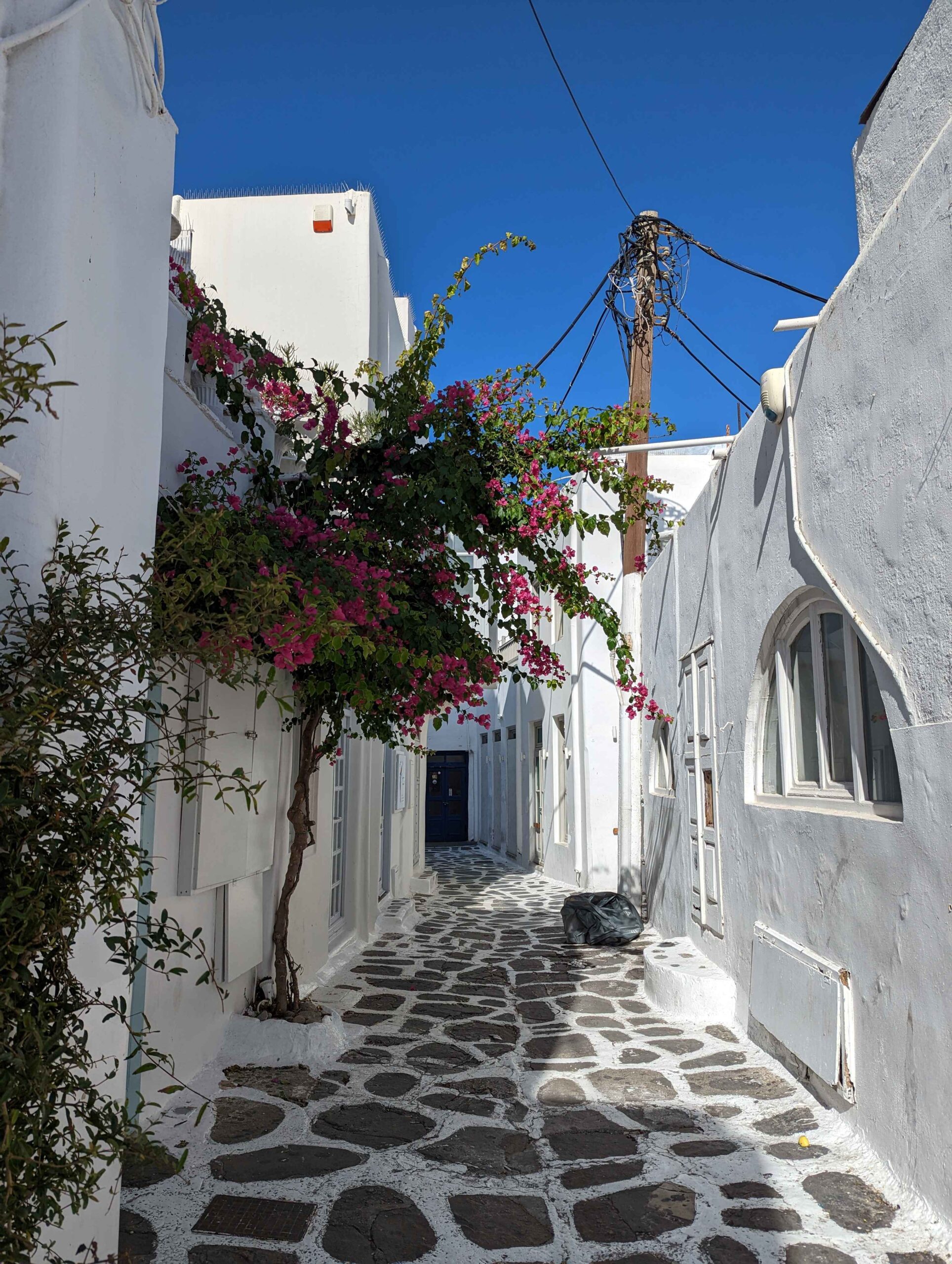
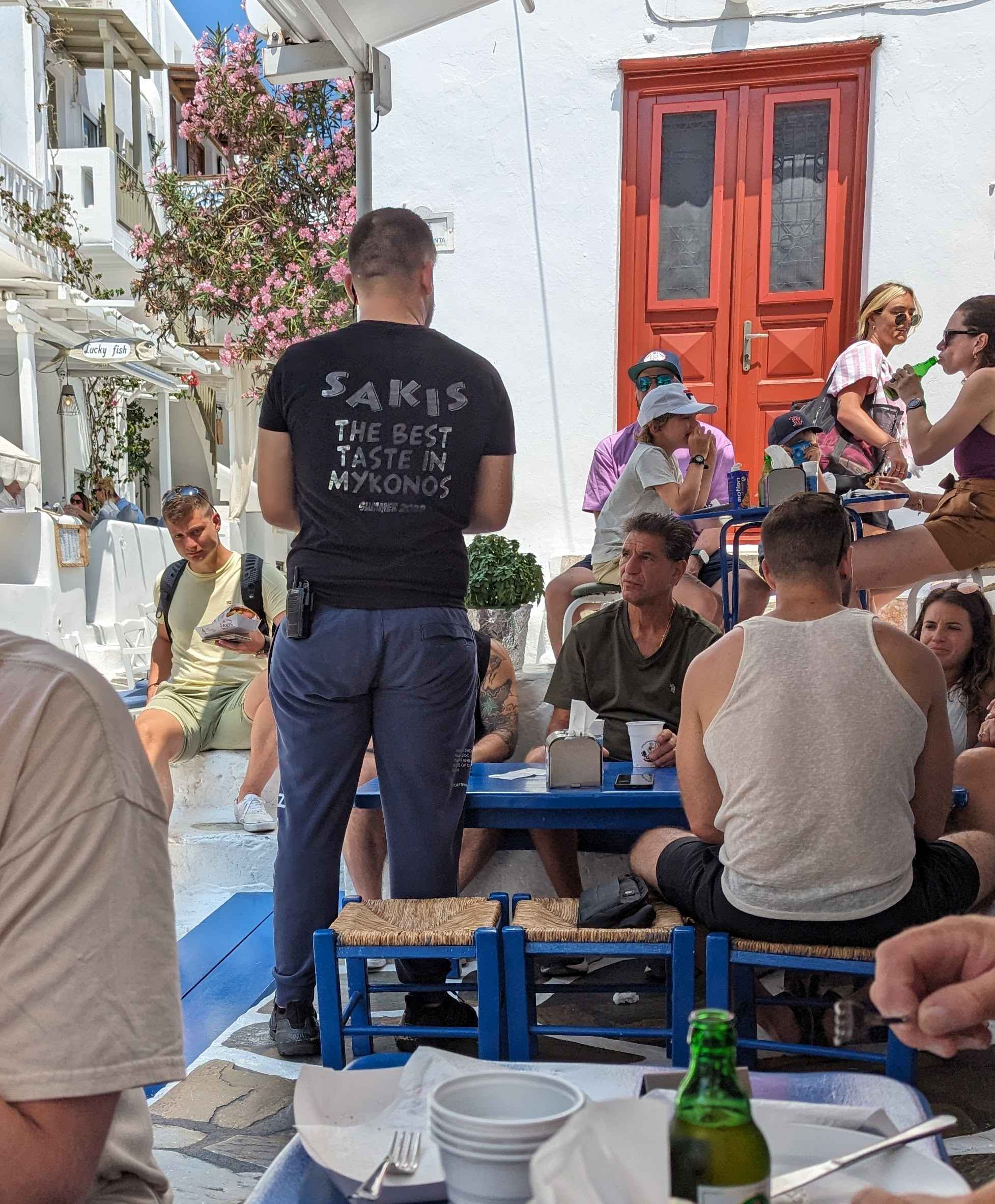
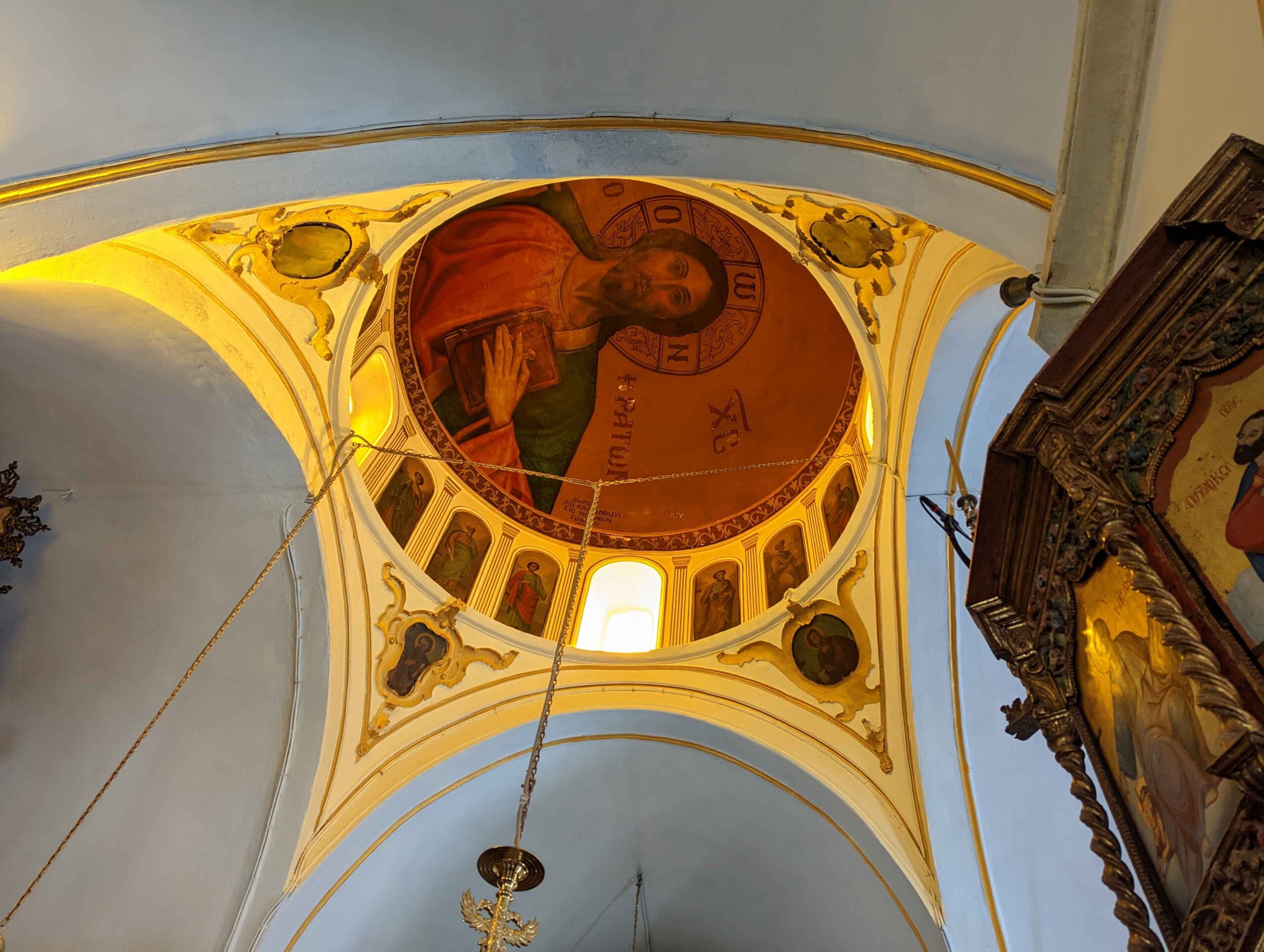
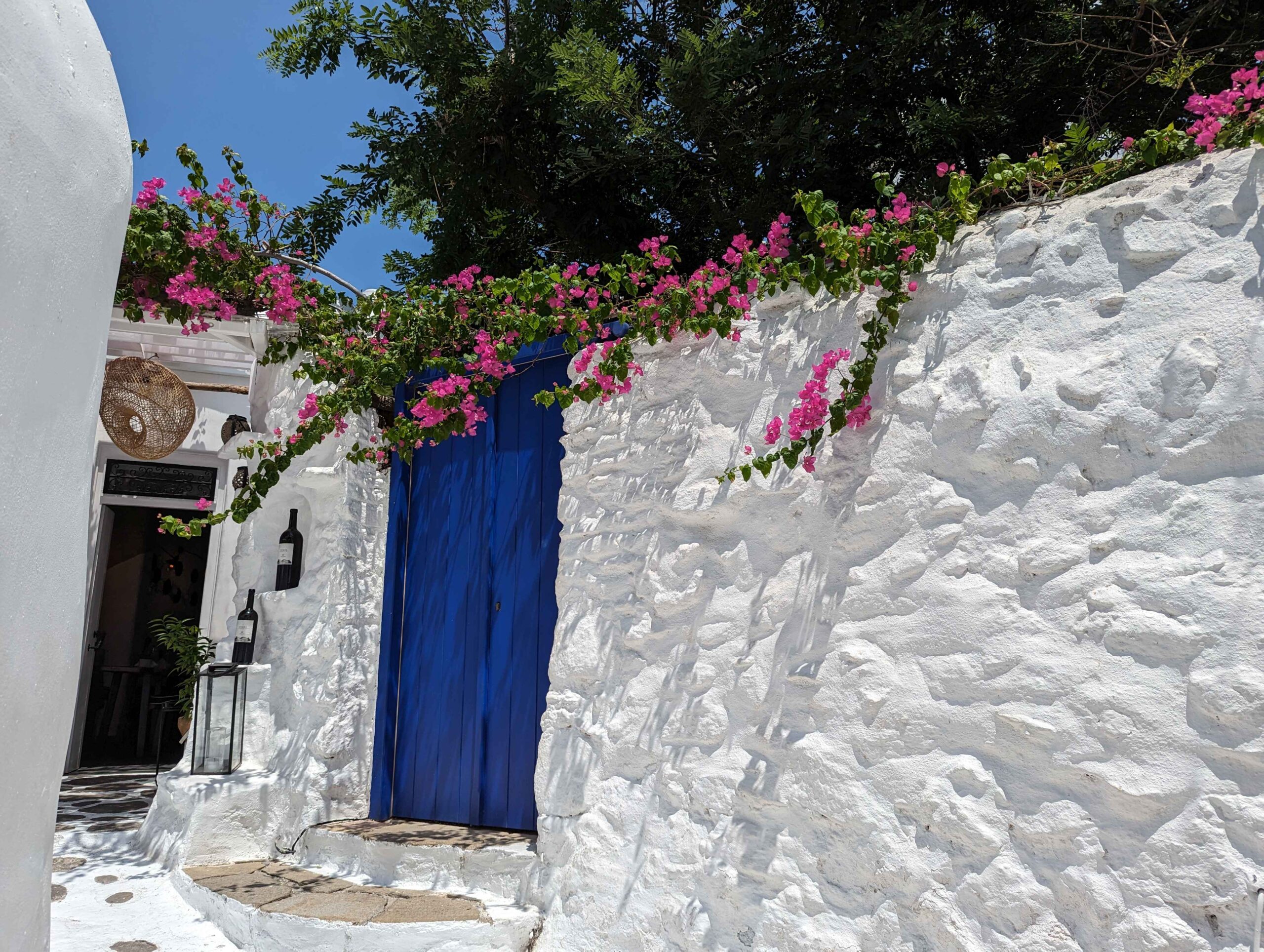
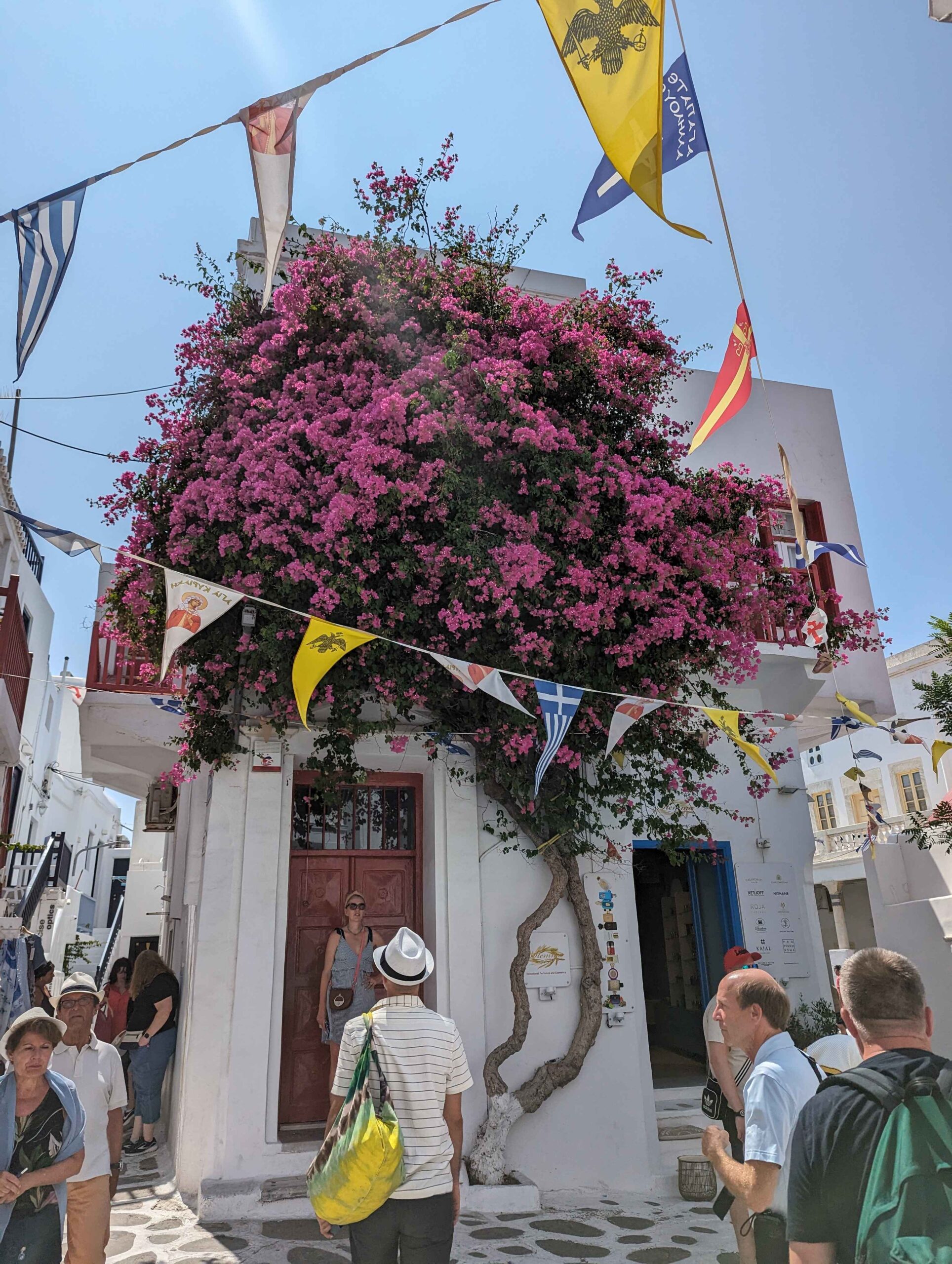
Soon after stepping ashore in Mykonos, the maze of alleys began to unfold. Mykonos (Μύκονος – Pronounced [MIK-oh-nos]) is famous for its whitewashed buildings and twisting lanes that were originally designed to confuse pirates. Today those same curves and corners keep travelers wandering happily through boutiques, cafés, and quiet courtyards filled with bougainvillea.
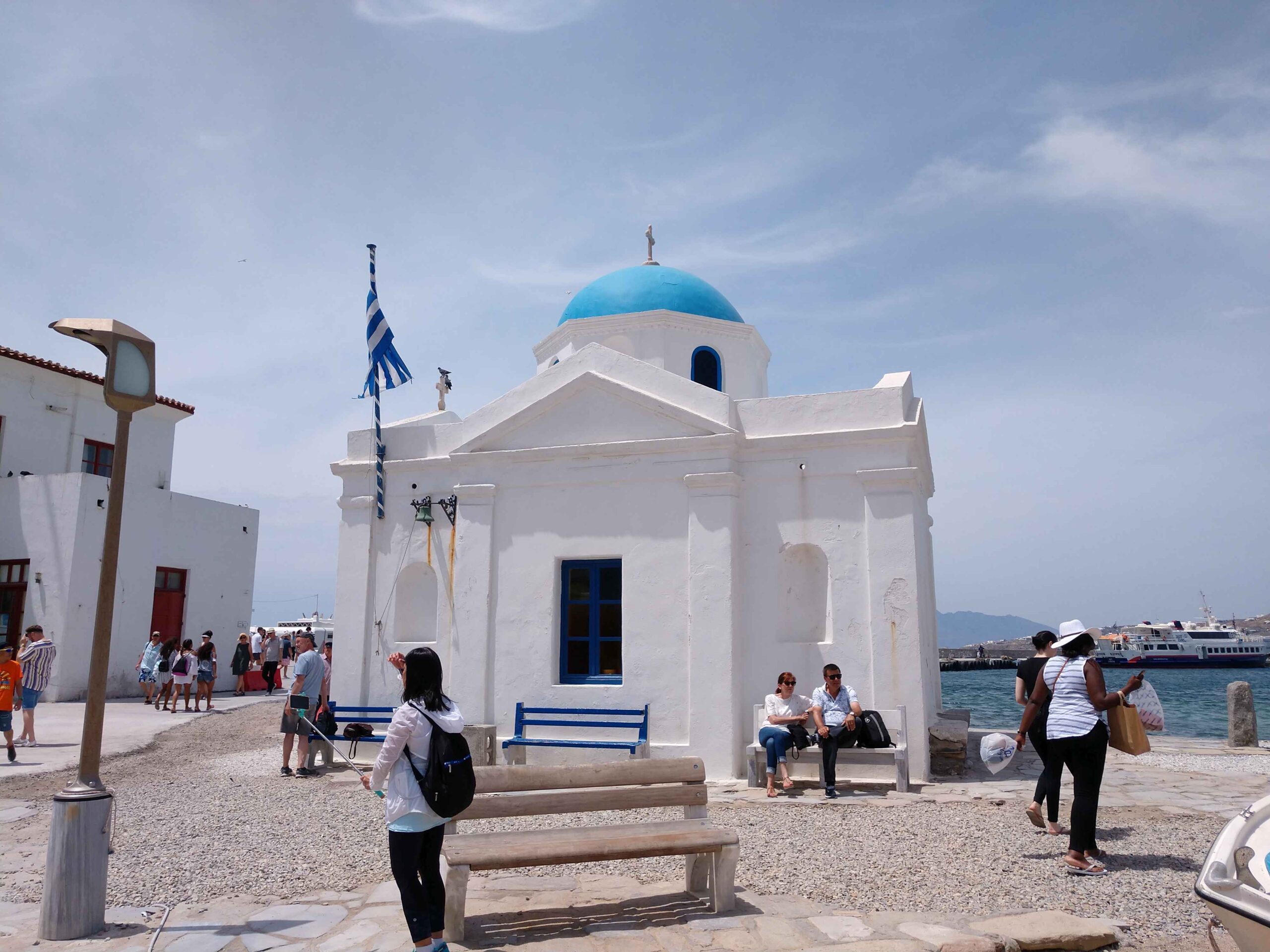
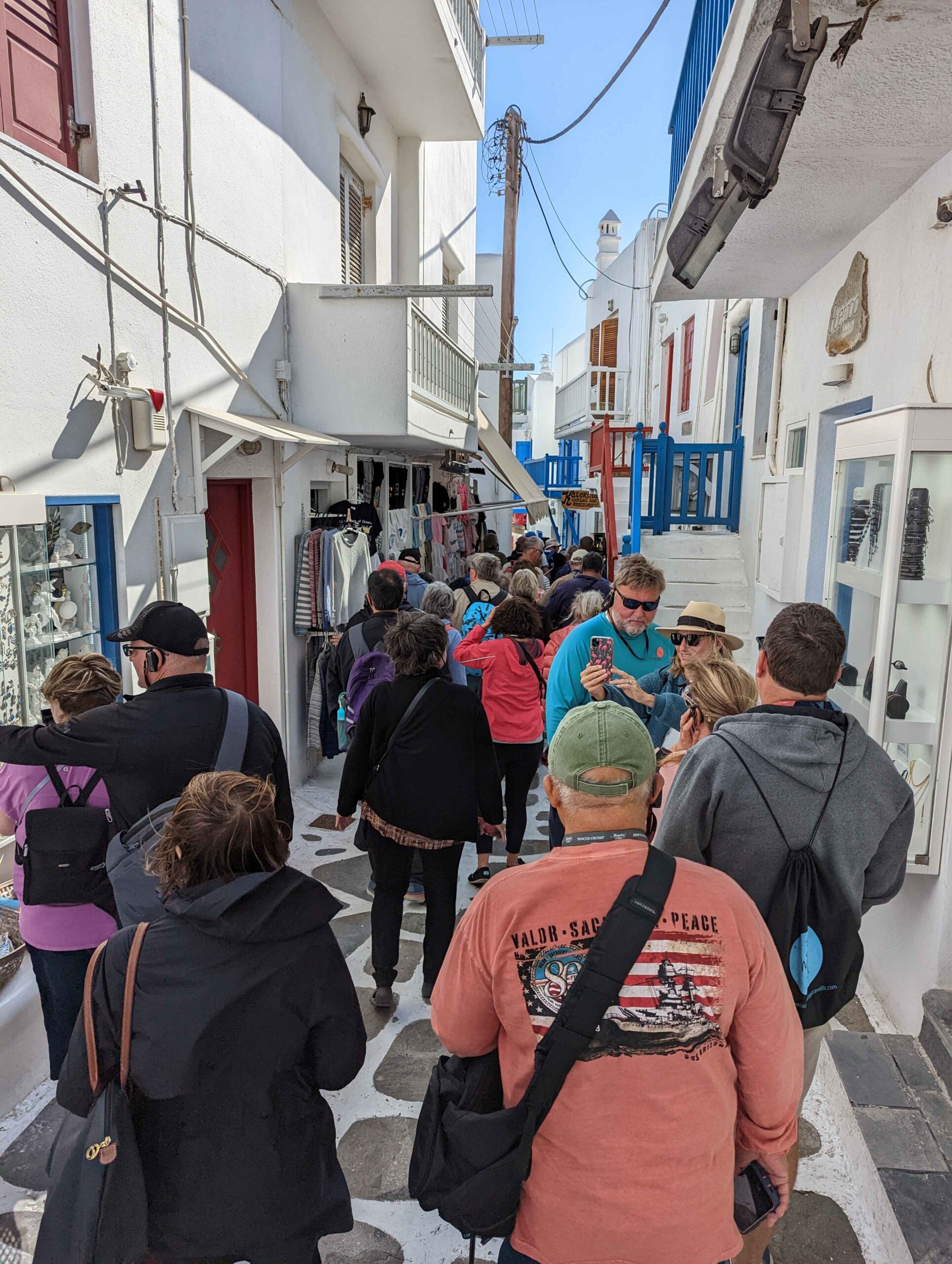
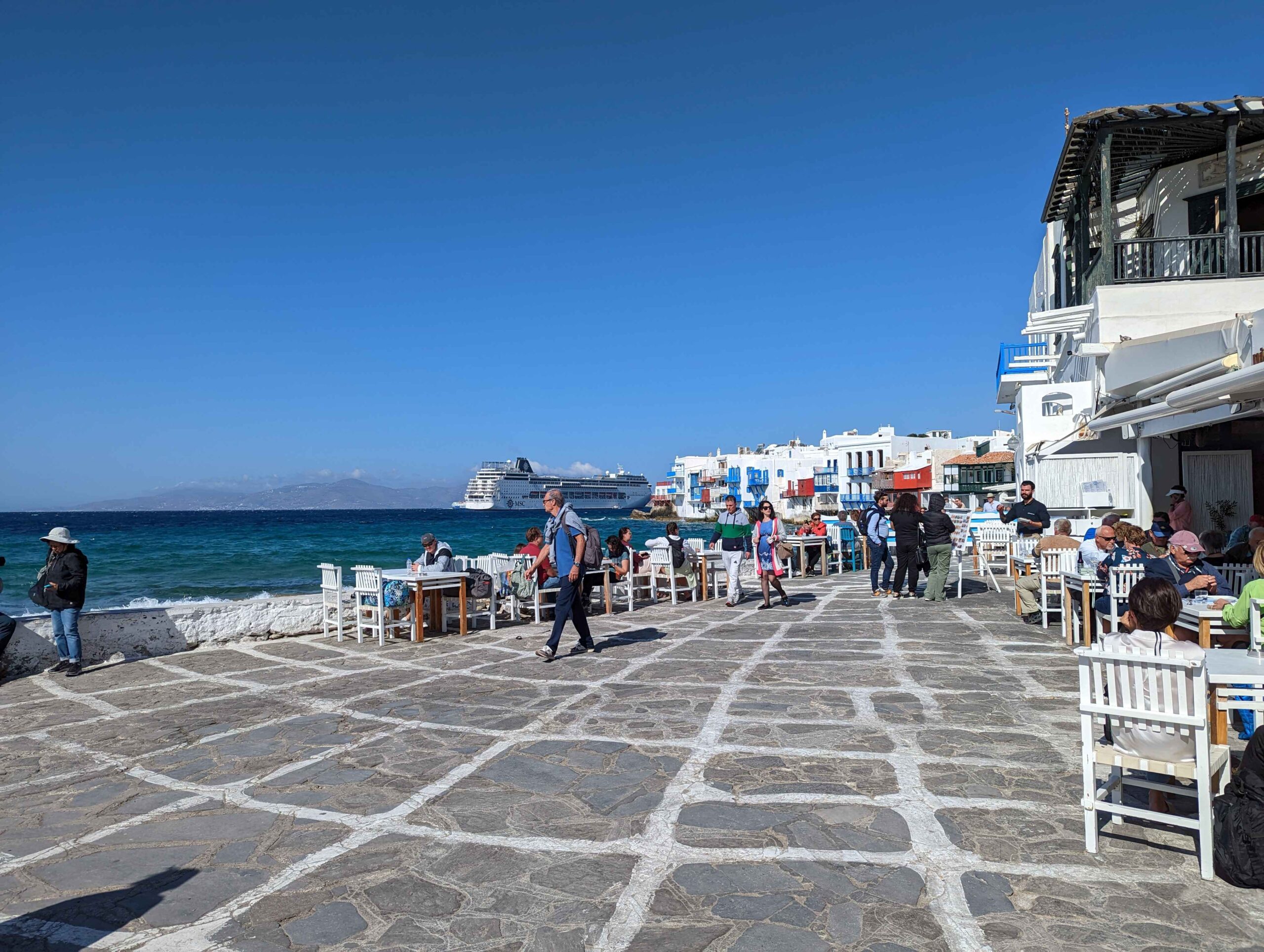
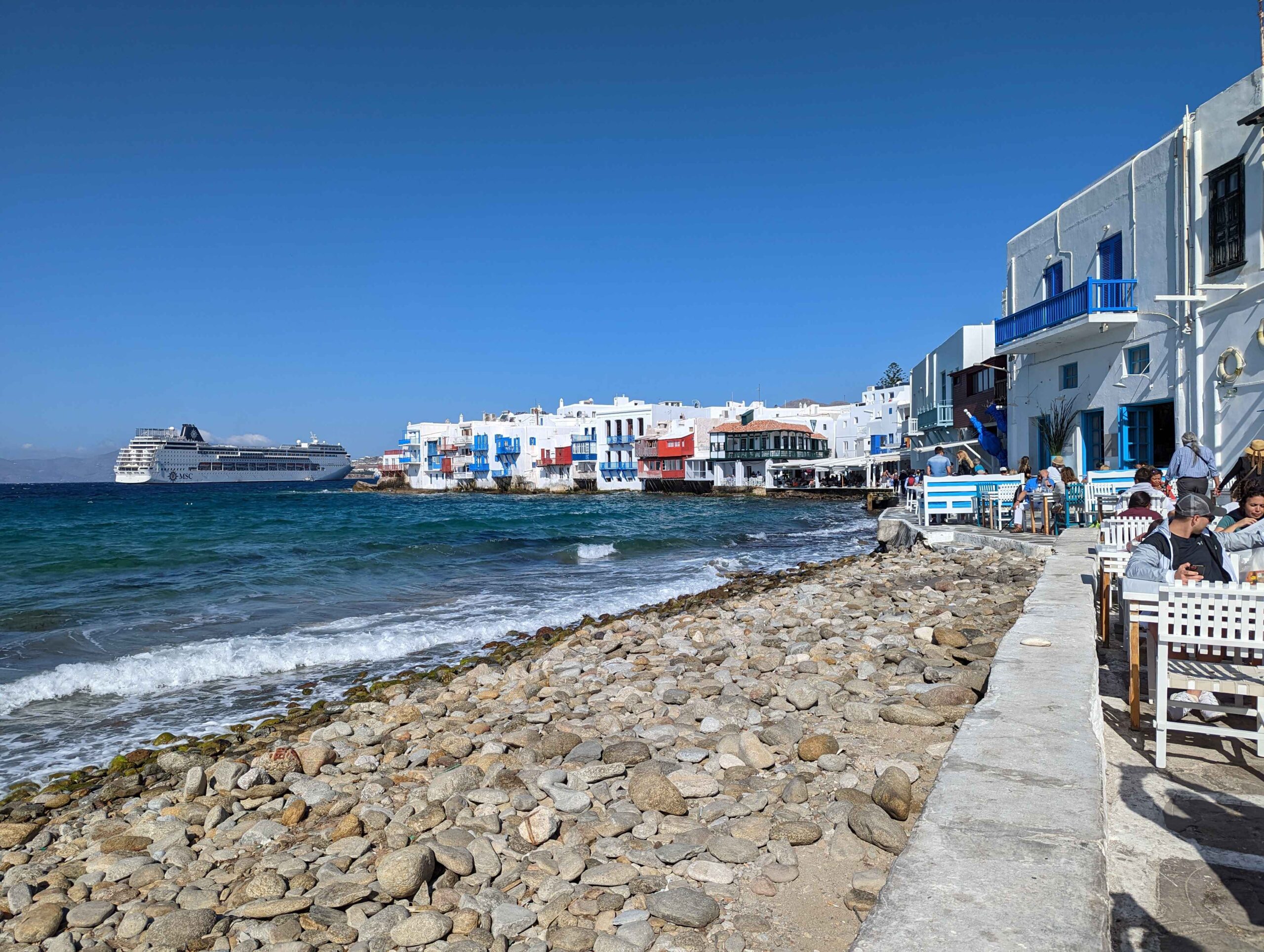
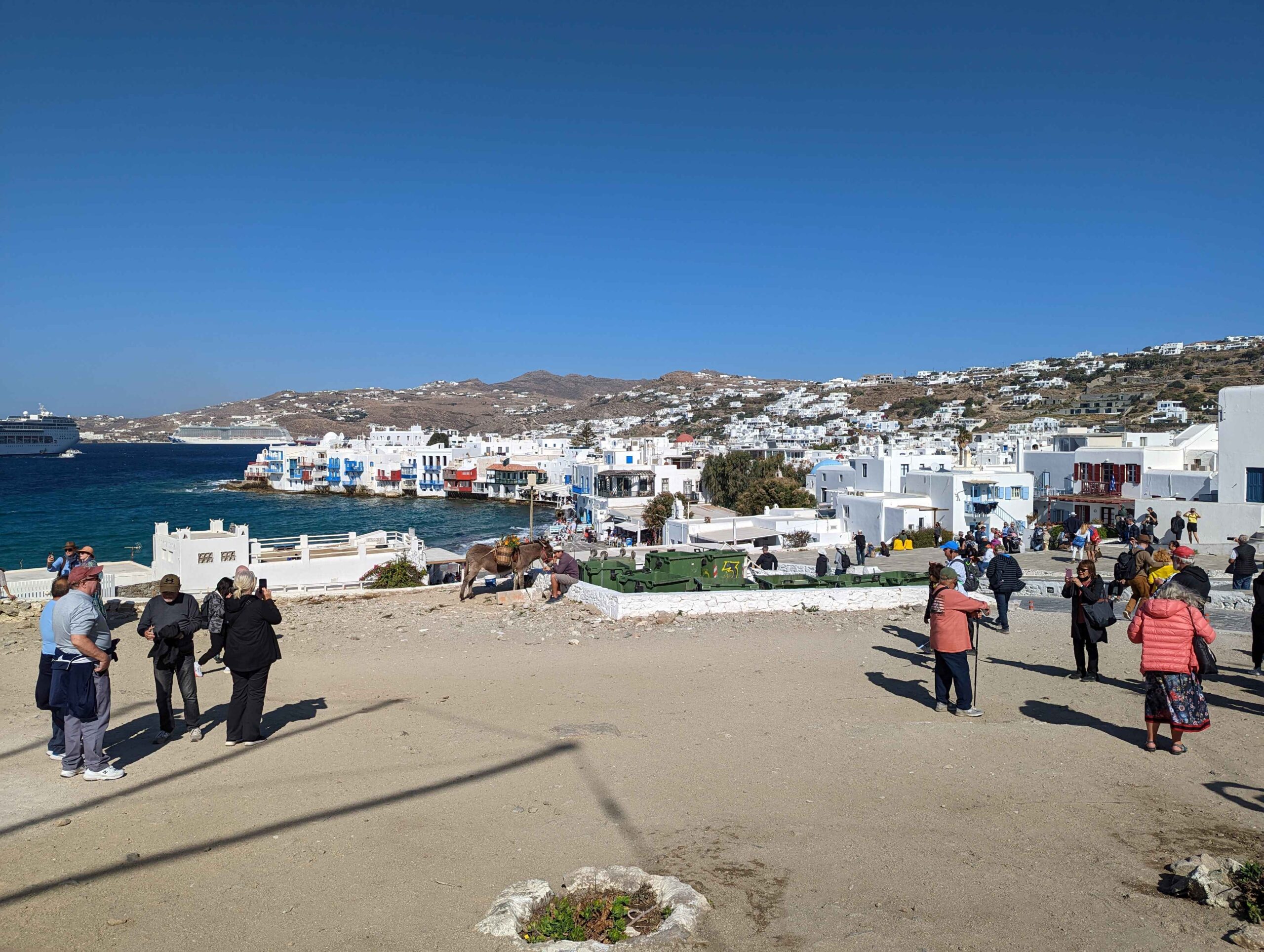
Most of my time here has been spent doing exactly that. I simply wander near the harbor with no strict plan, following narrow streets until they eventually lead back toward the sea. The windmills are always an easy landmark to spot above the rooftops, and climbing the small hill for a view across Little Venice is never a bad idea. The streets can feel crowded with other visitors who are equally lost, but the constant views of bright walls, blue doors, and small churches make every turn interesting.
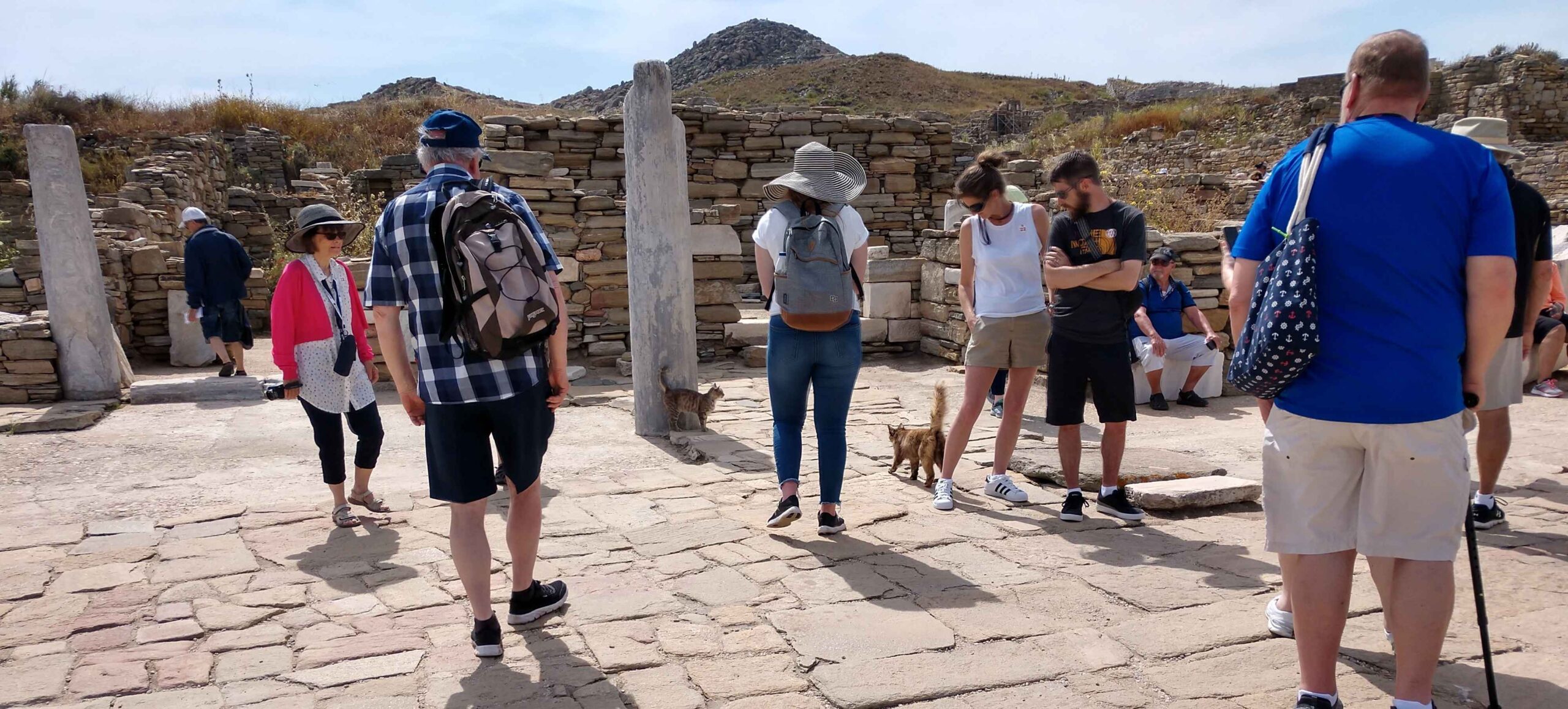
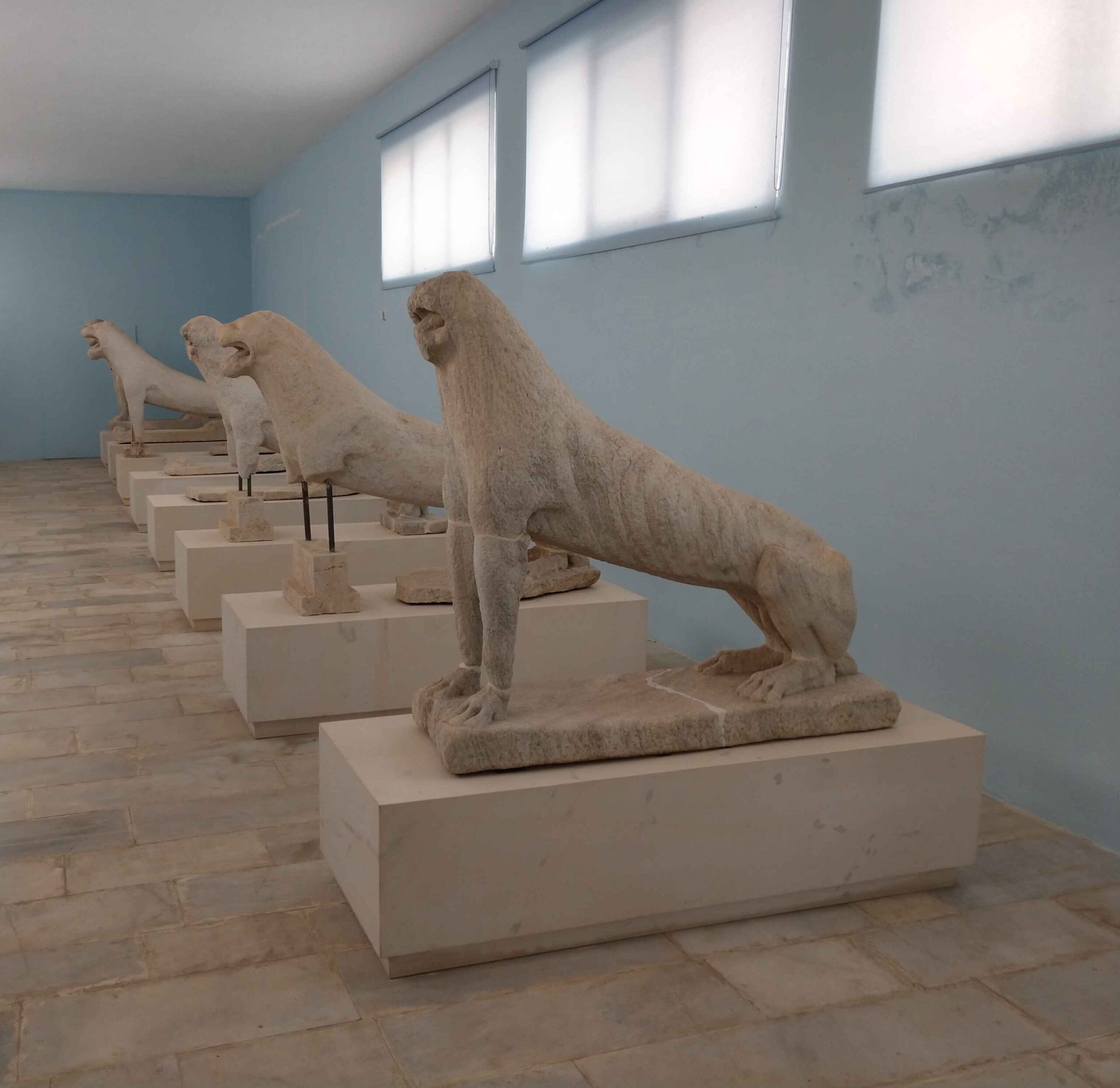
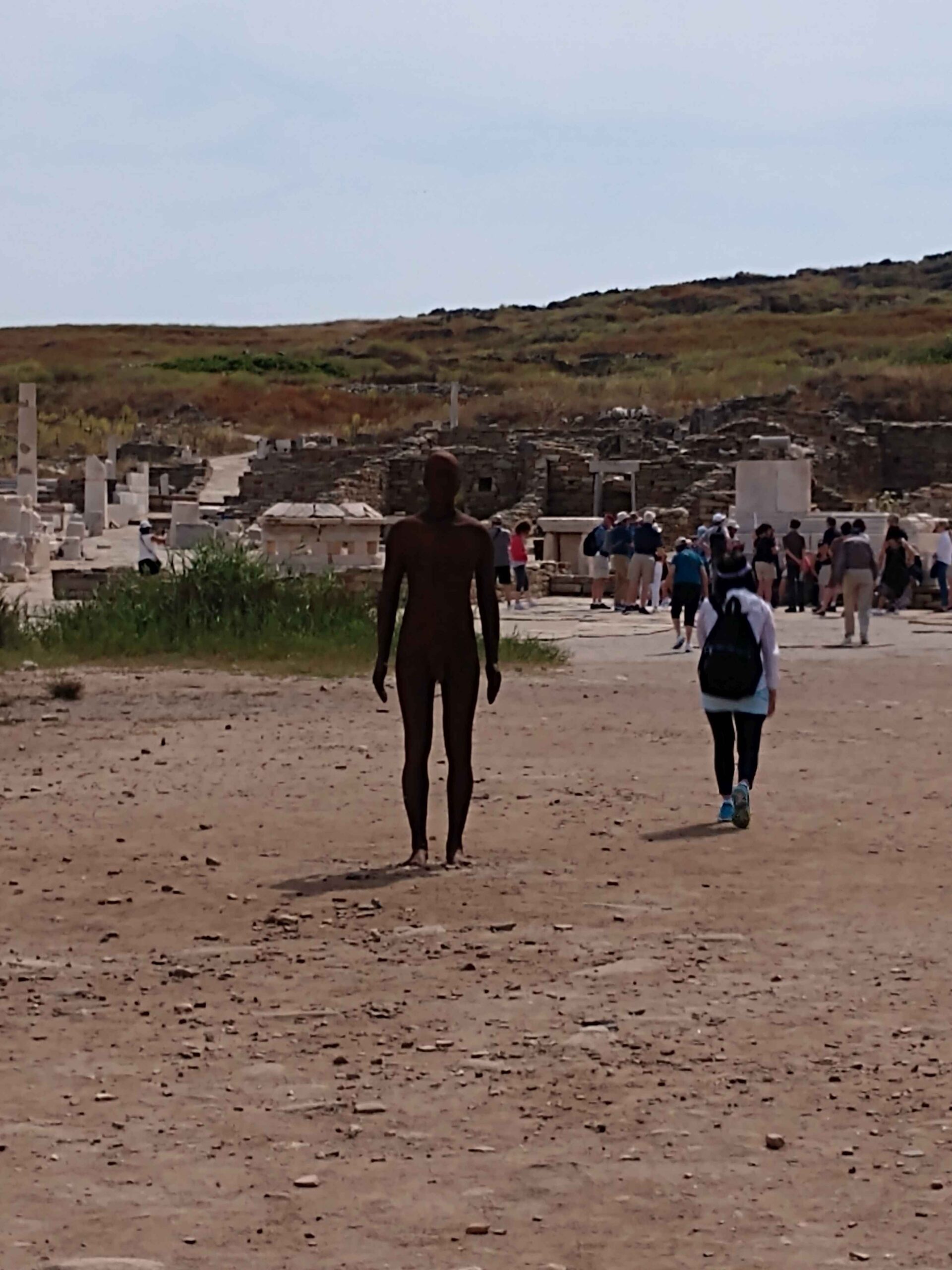
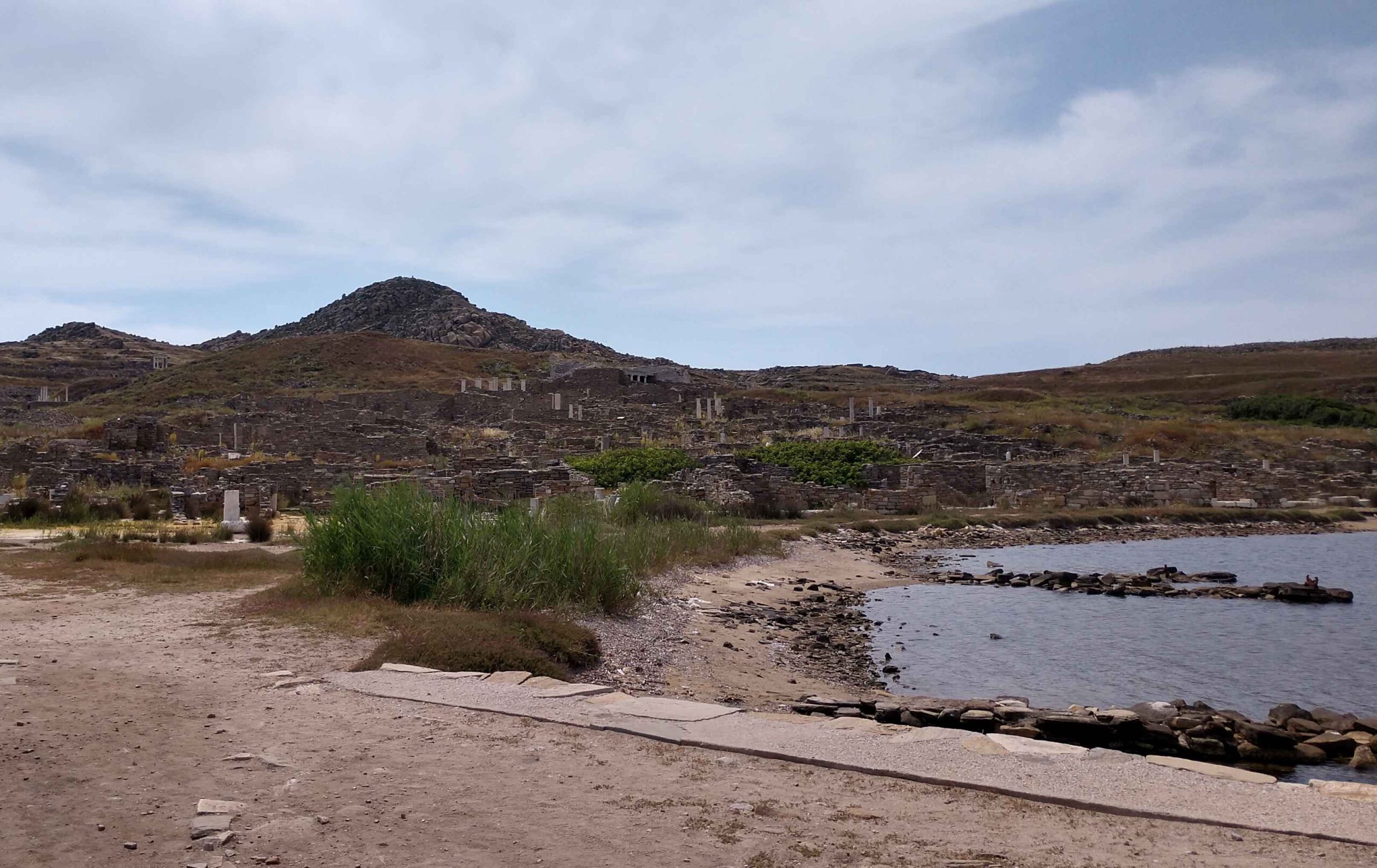
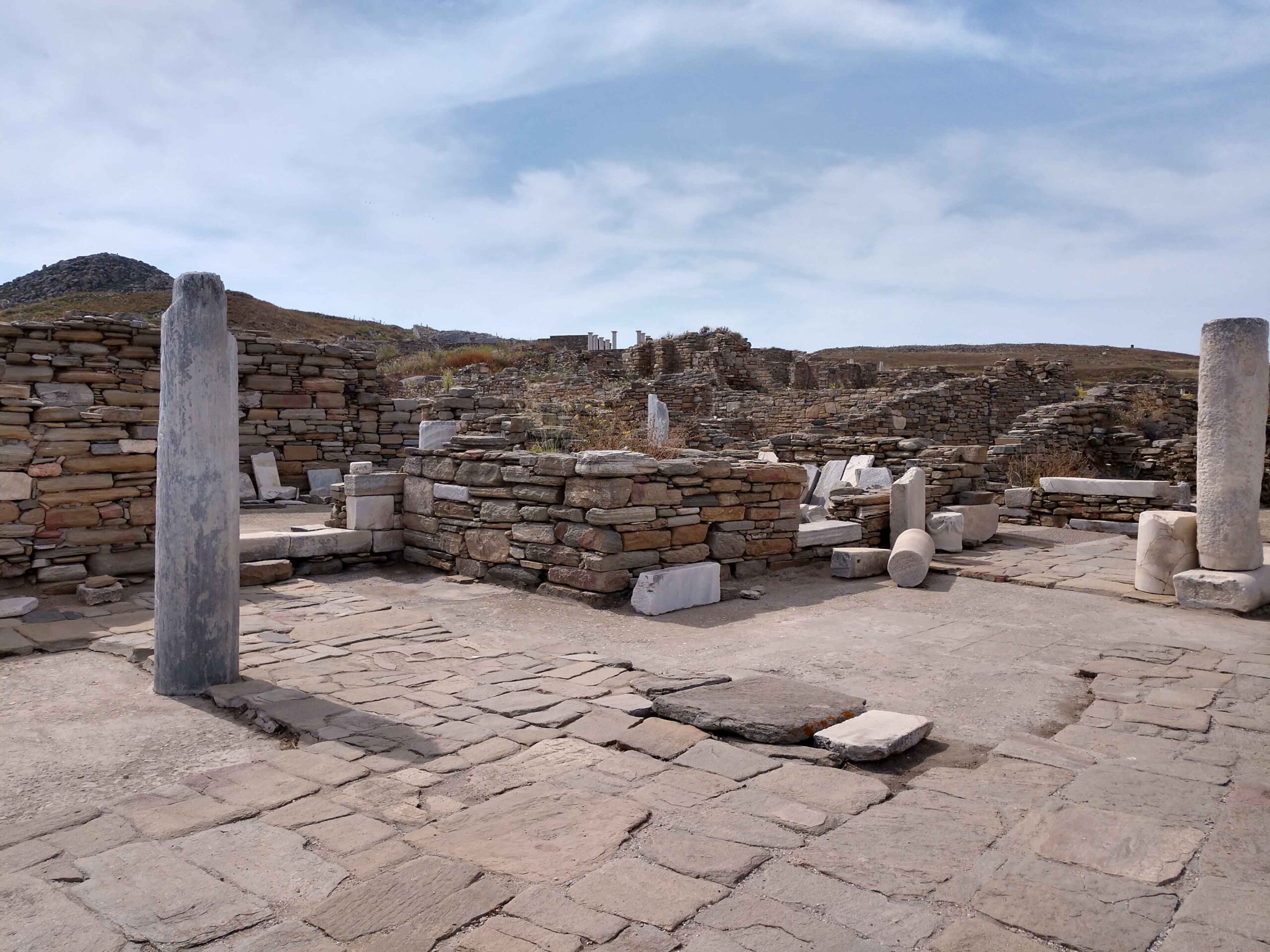
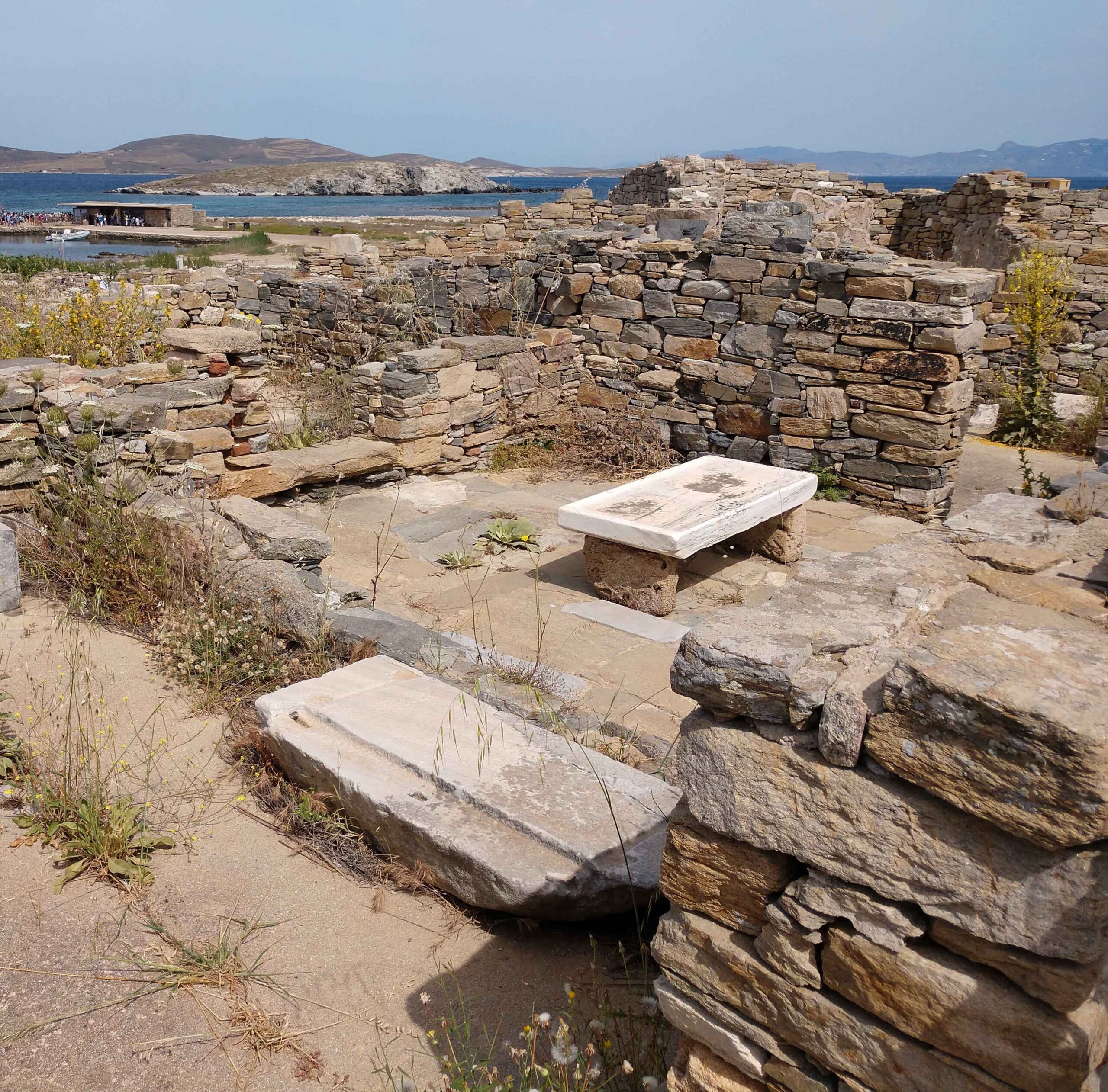
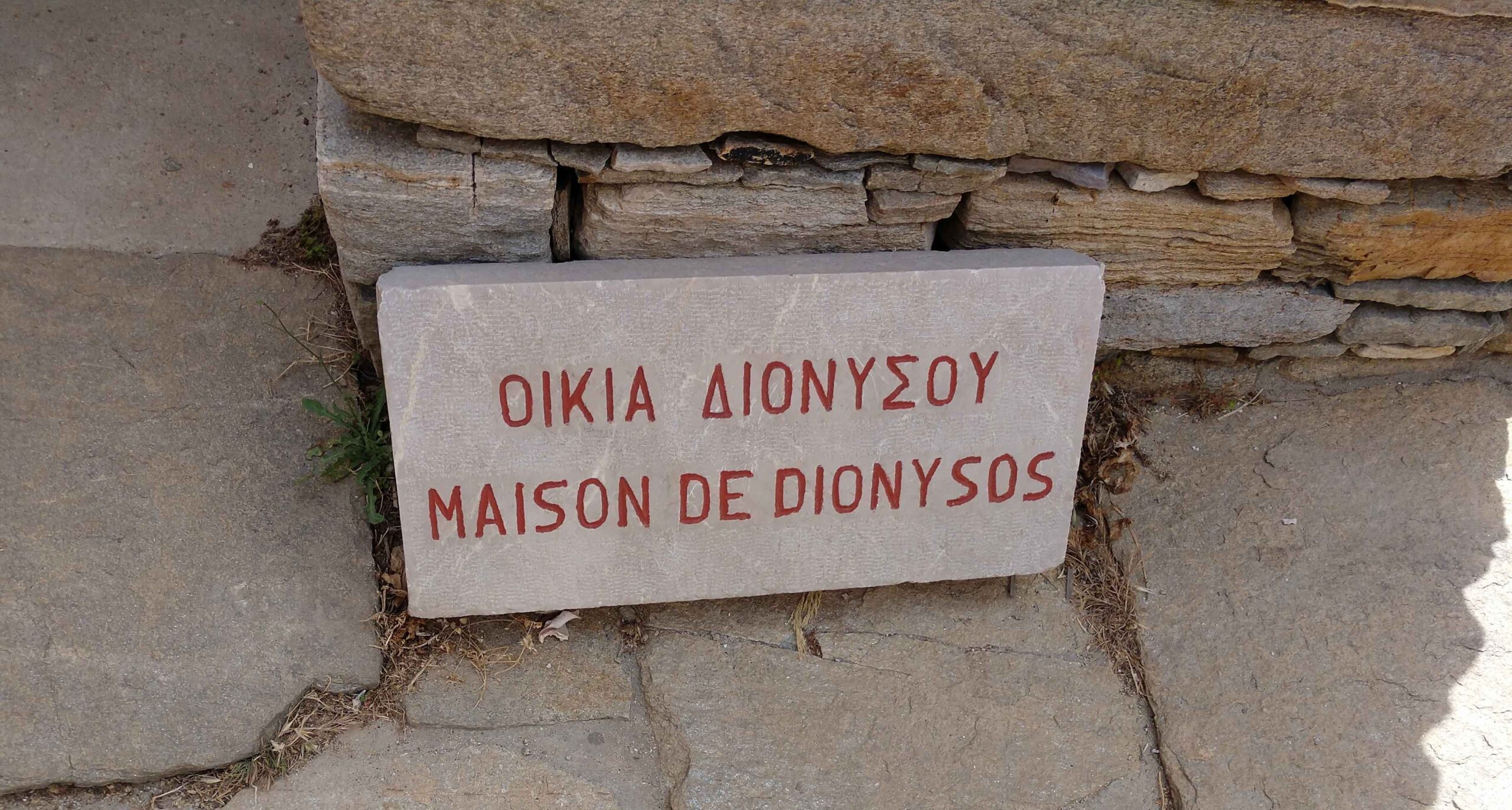
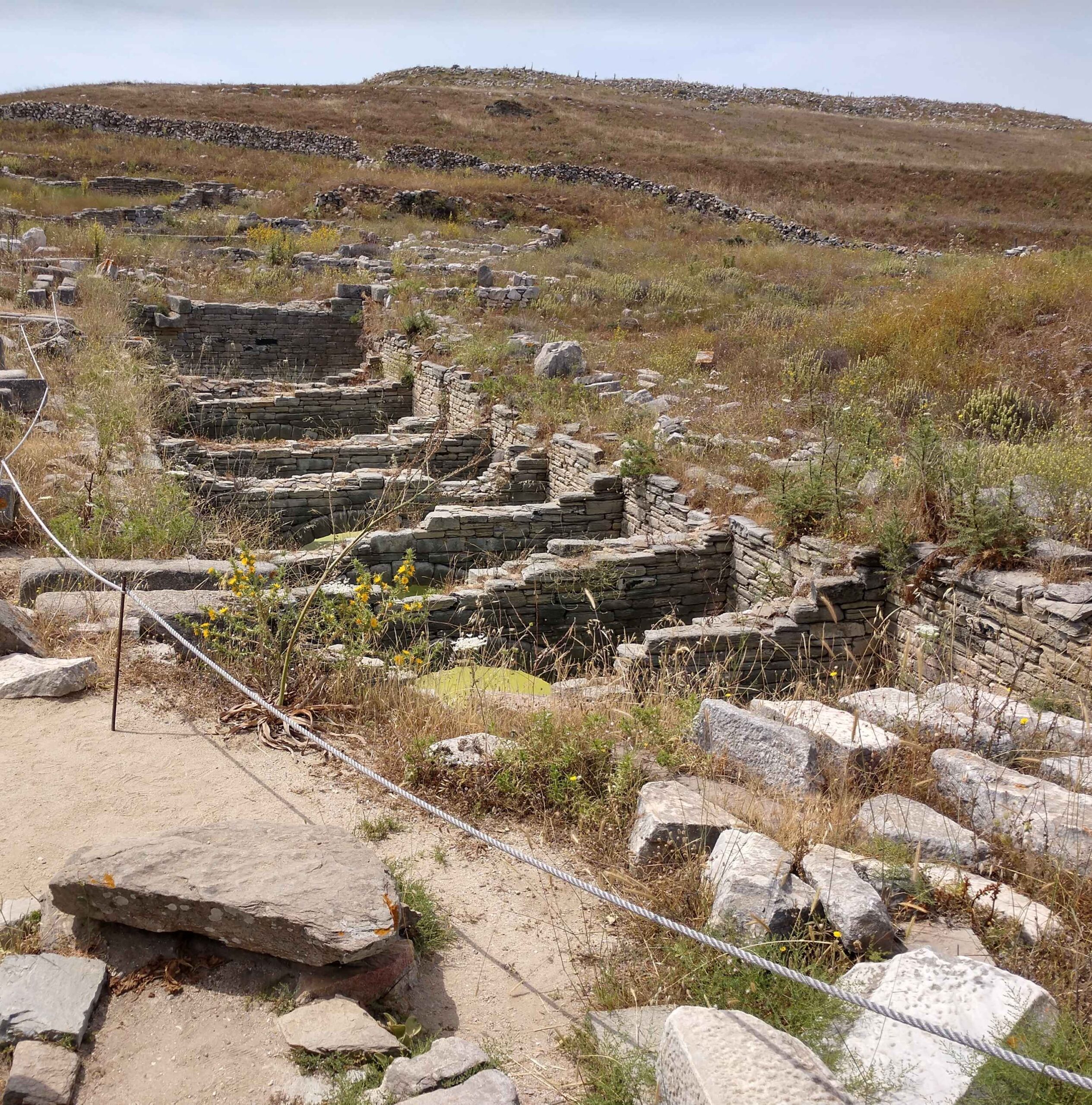
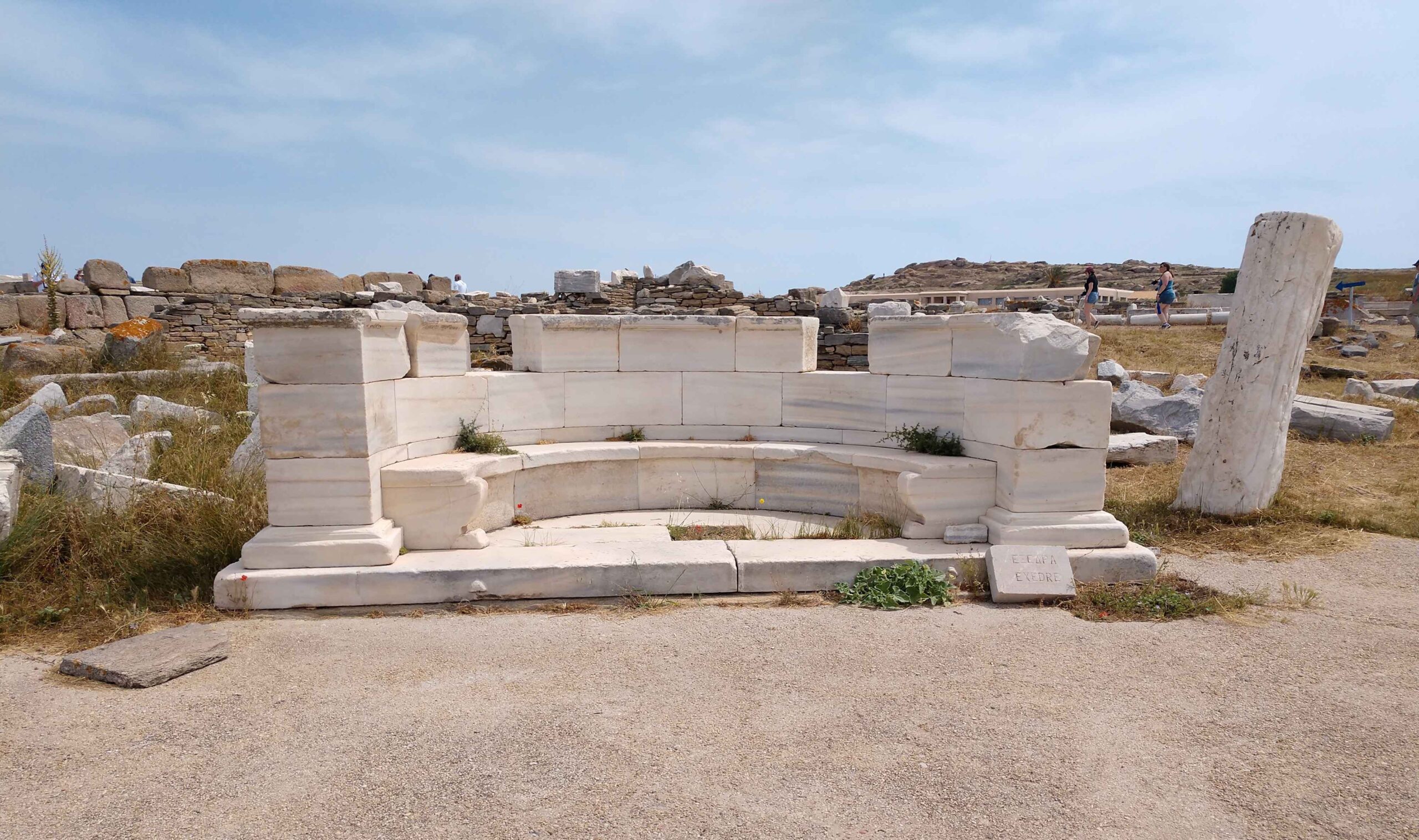
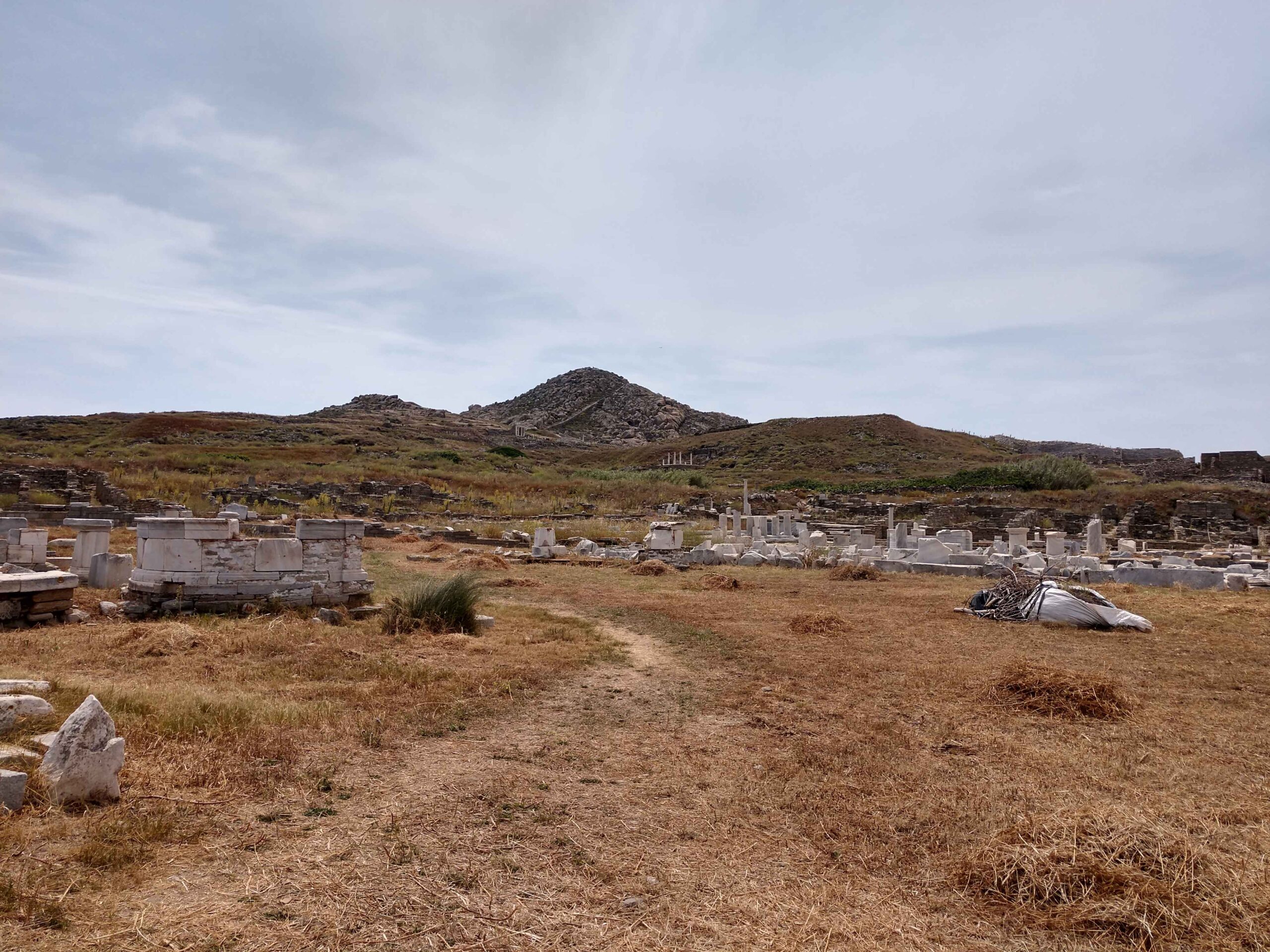
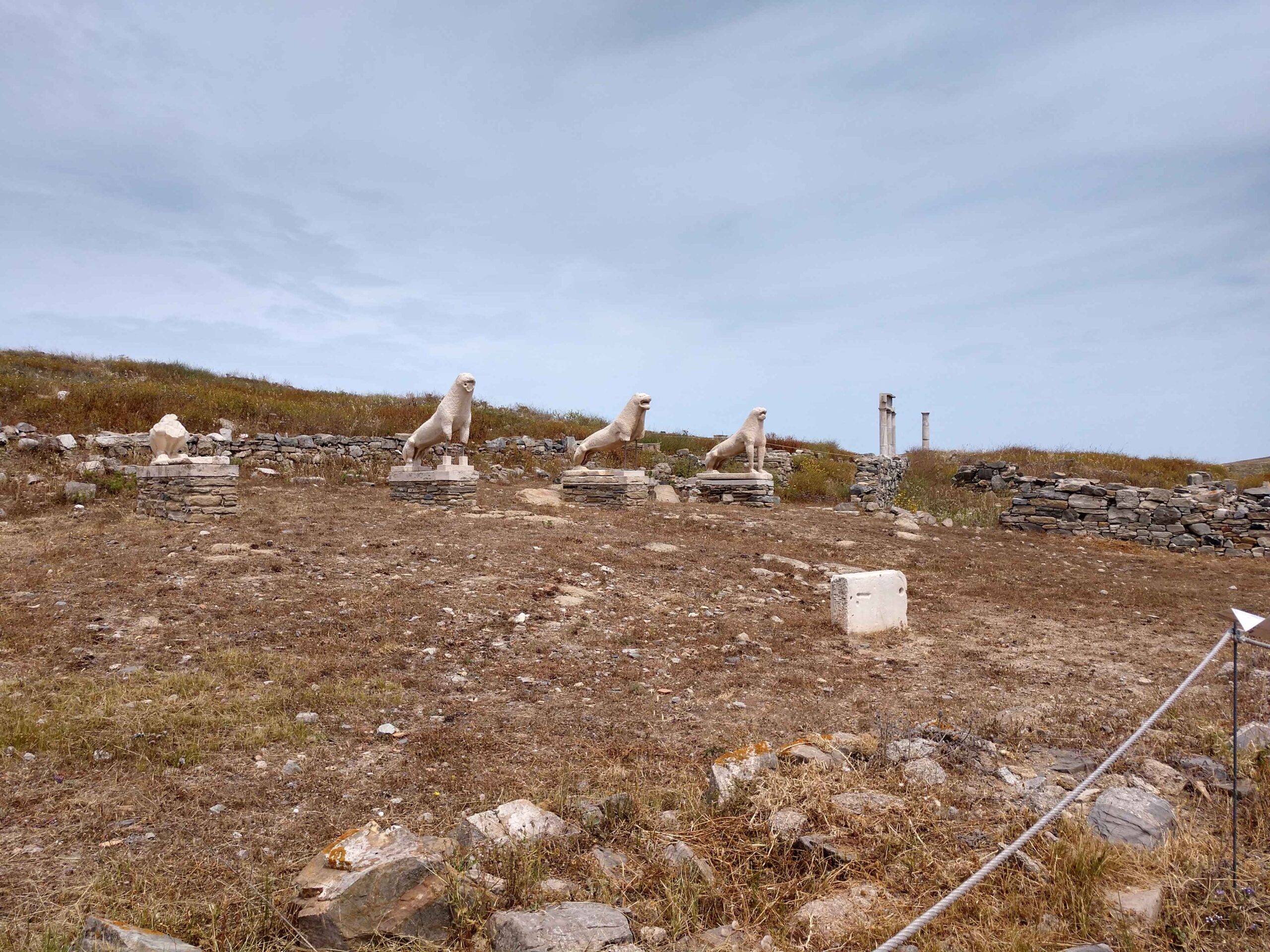
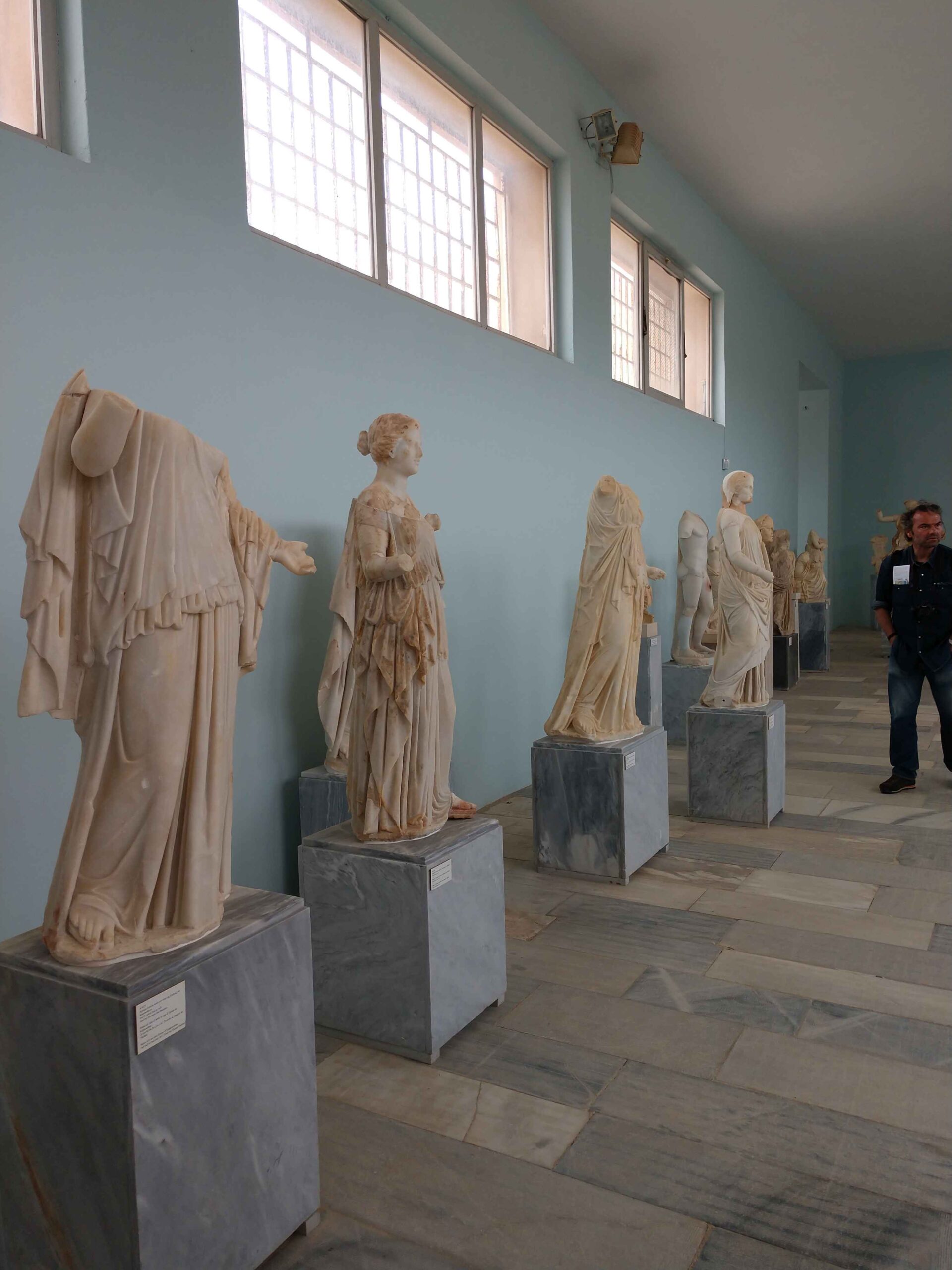
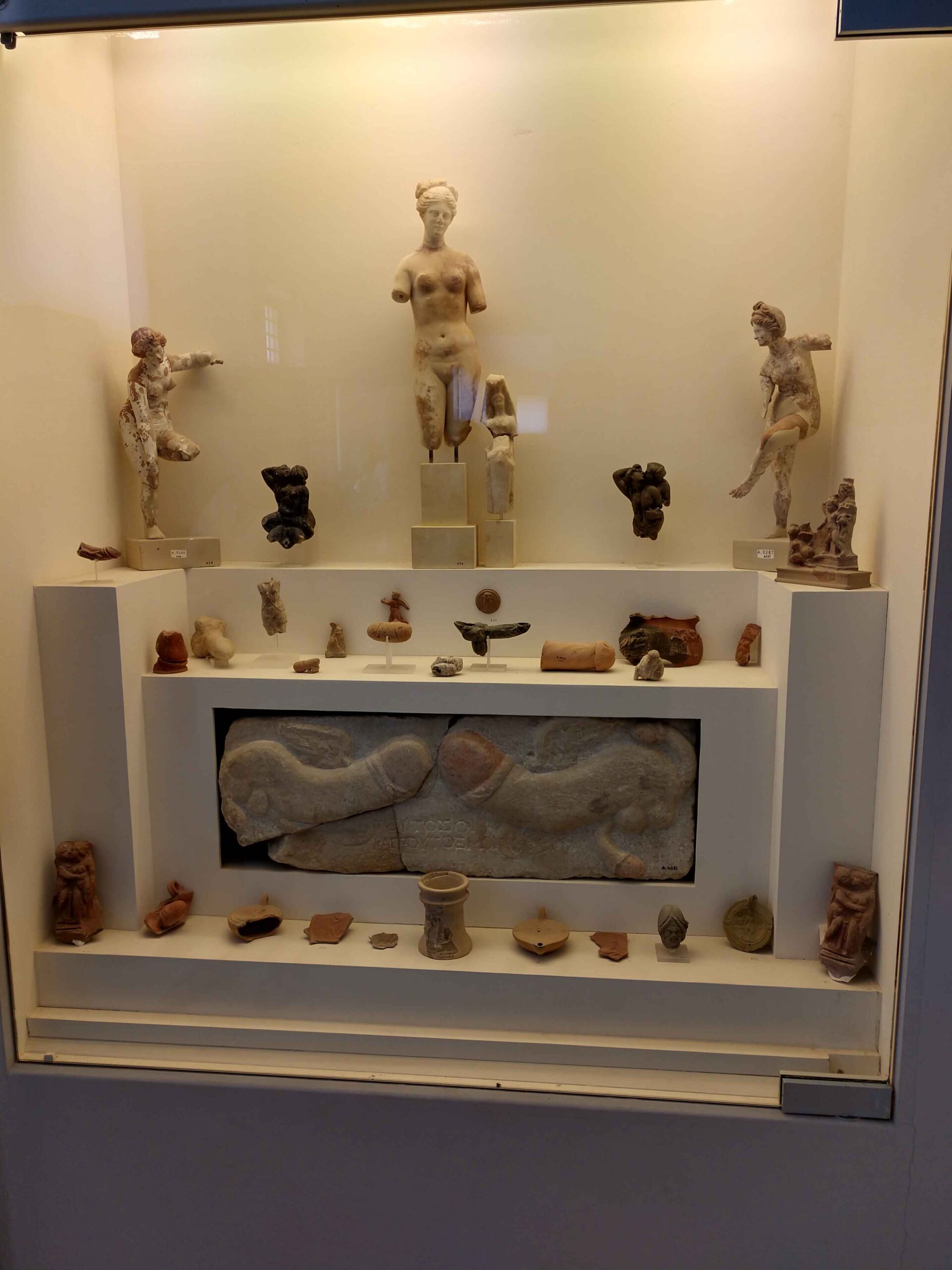
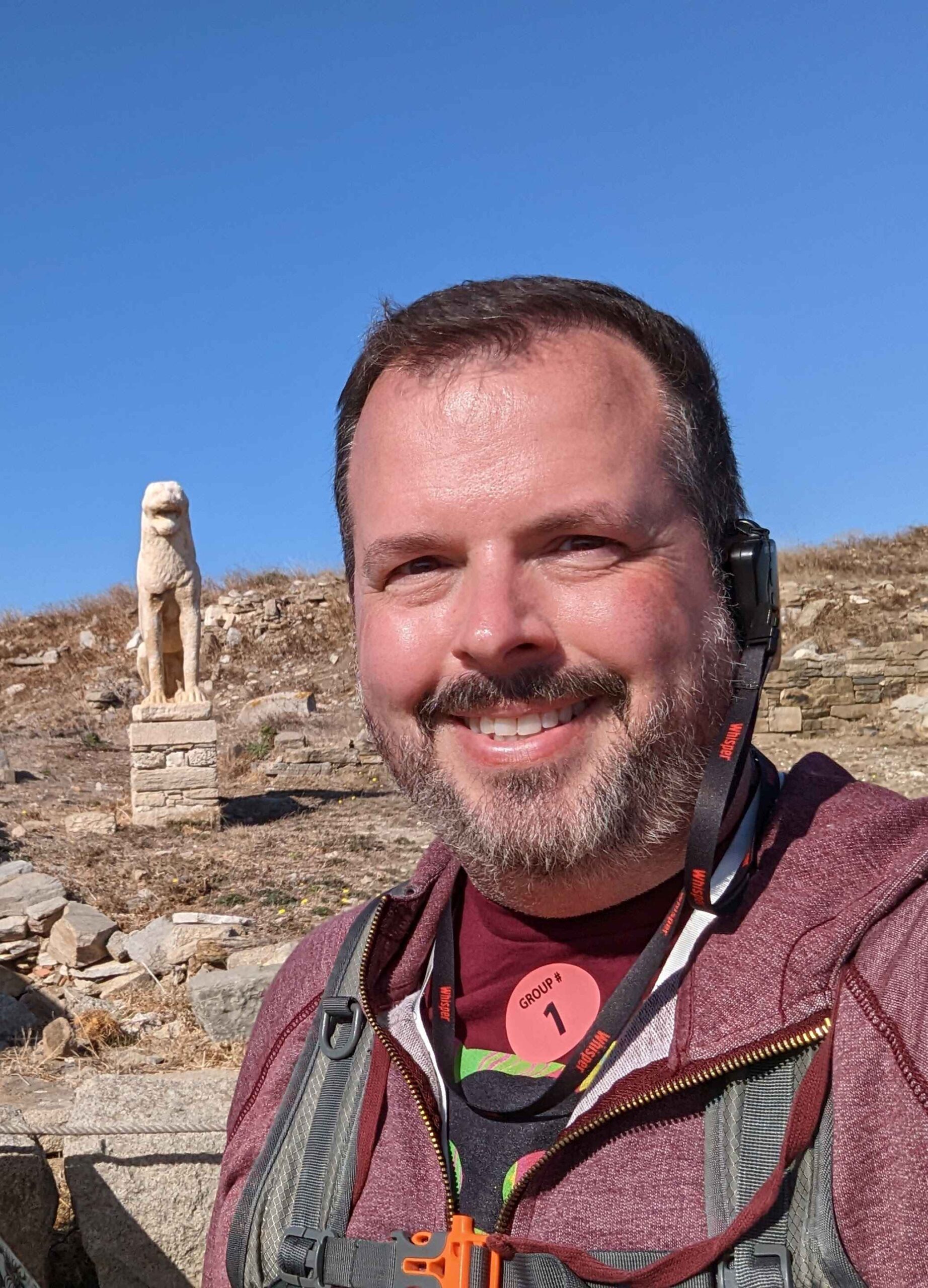
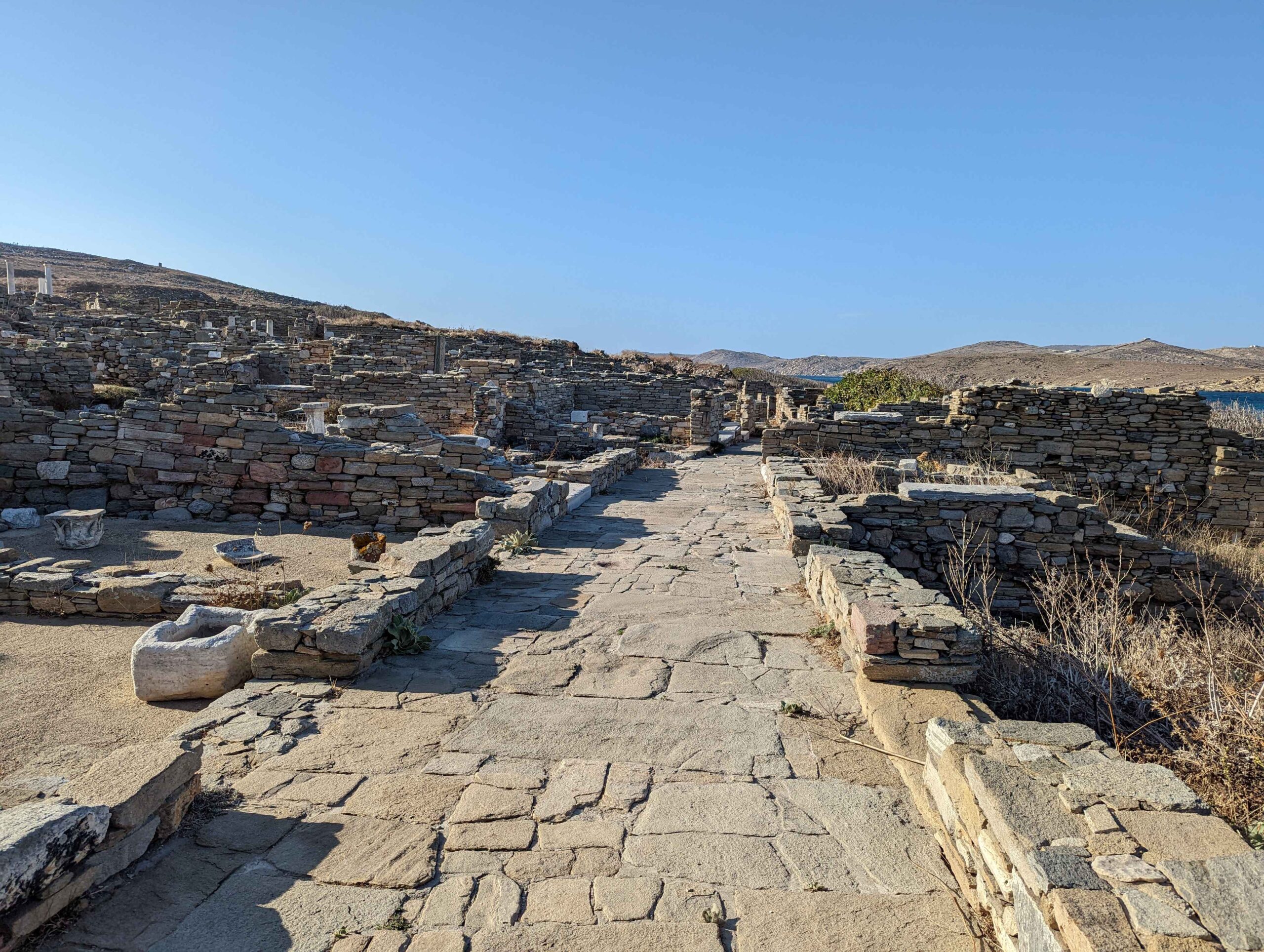
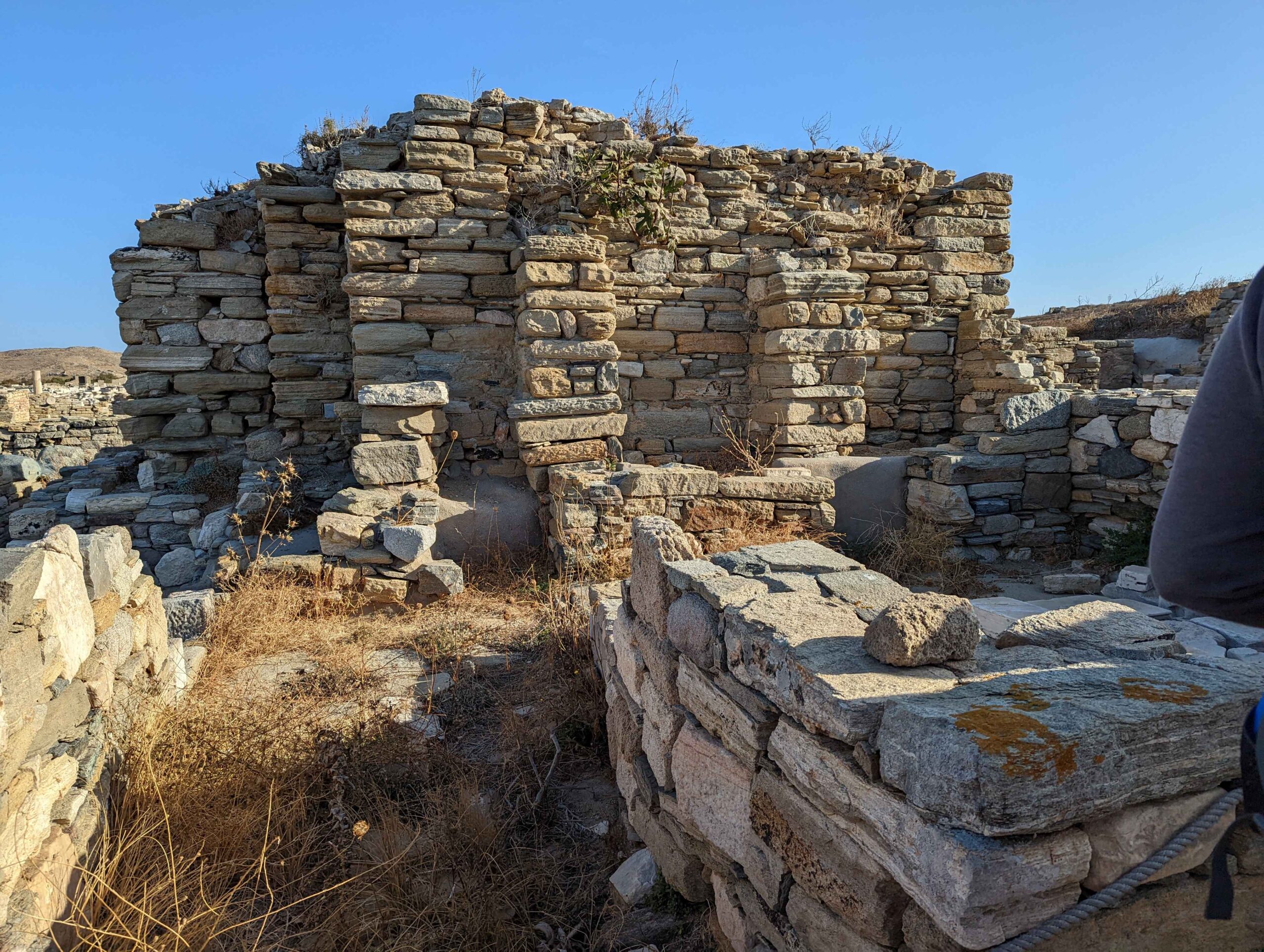
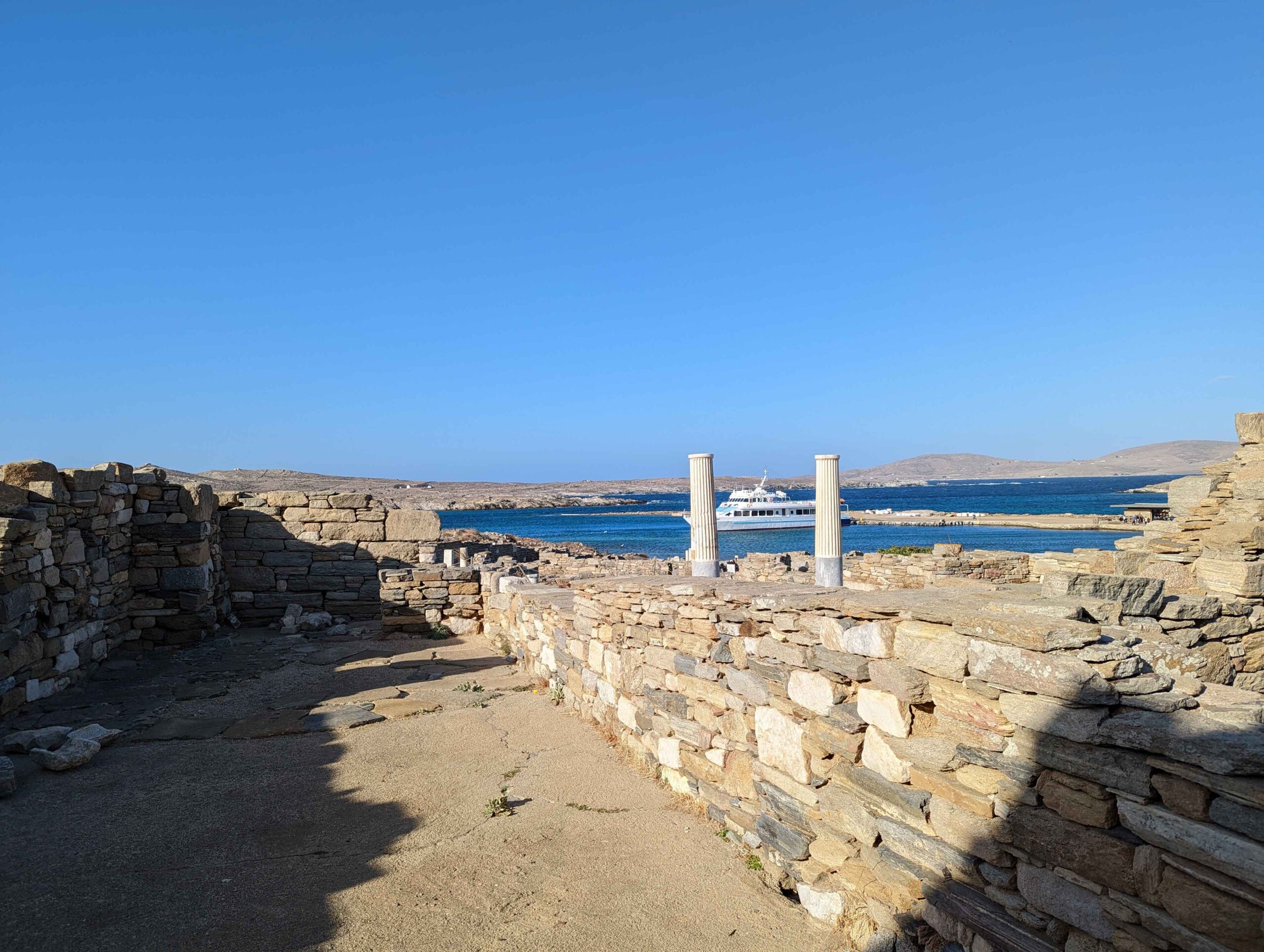
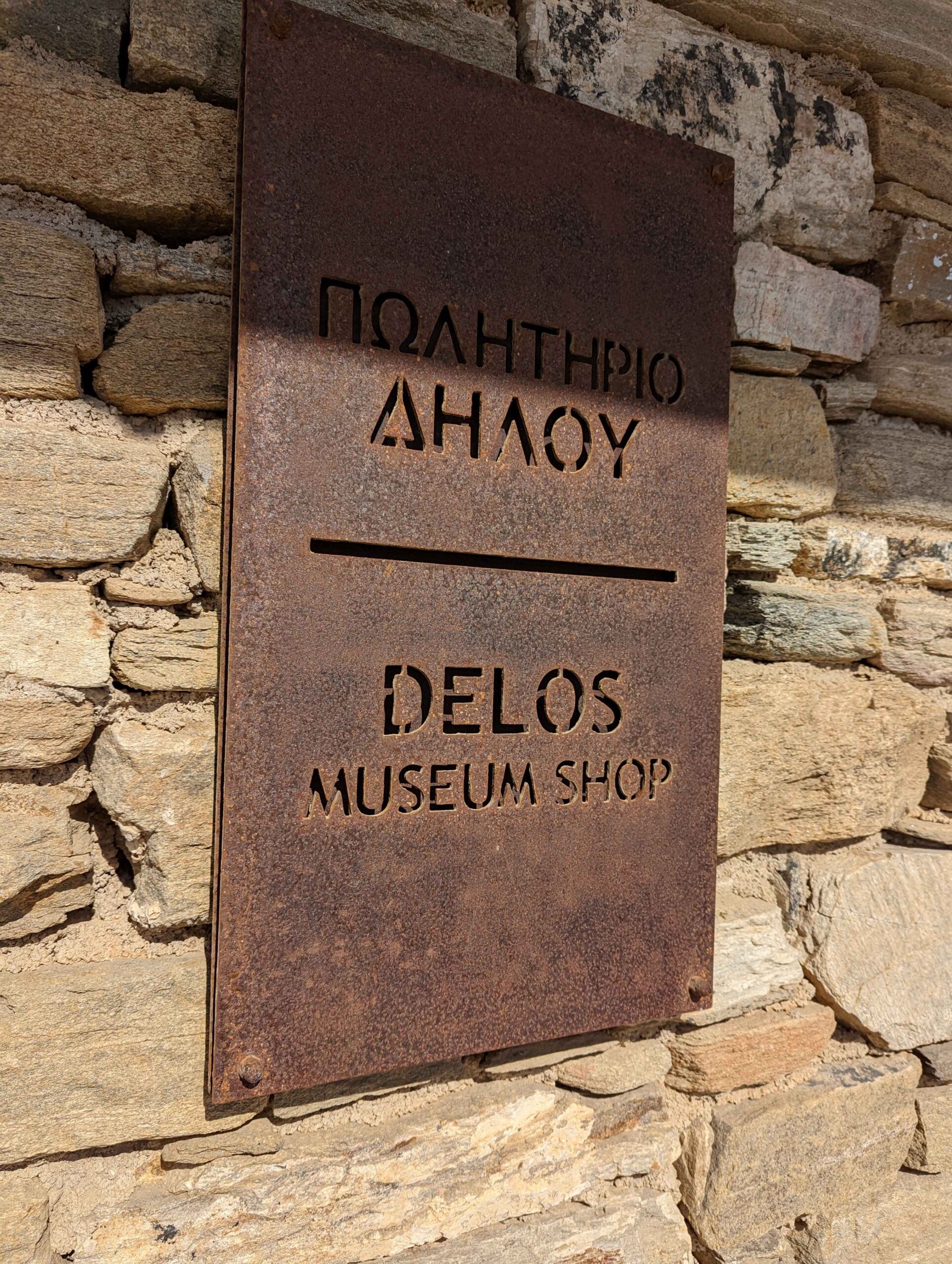
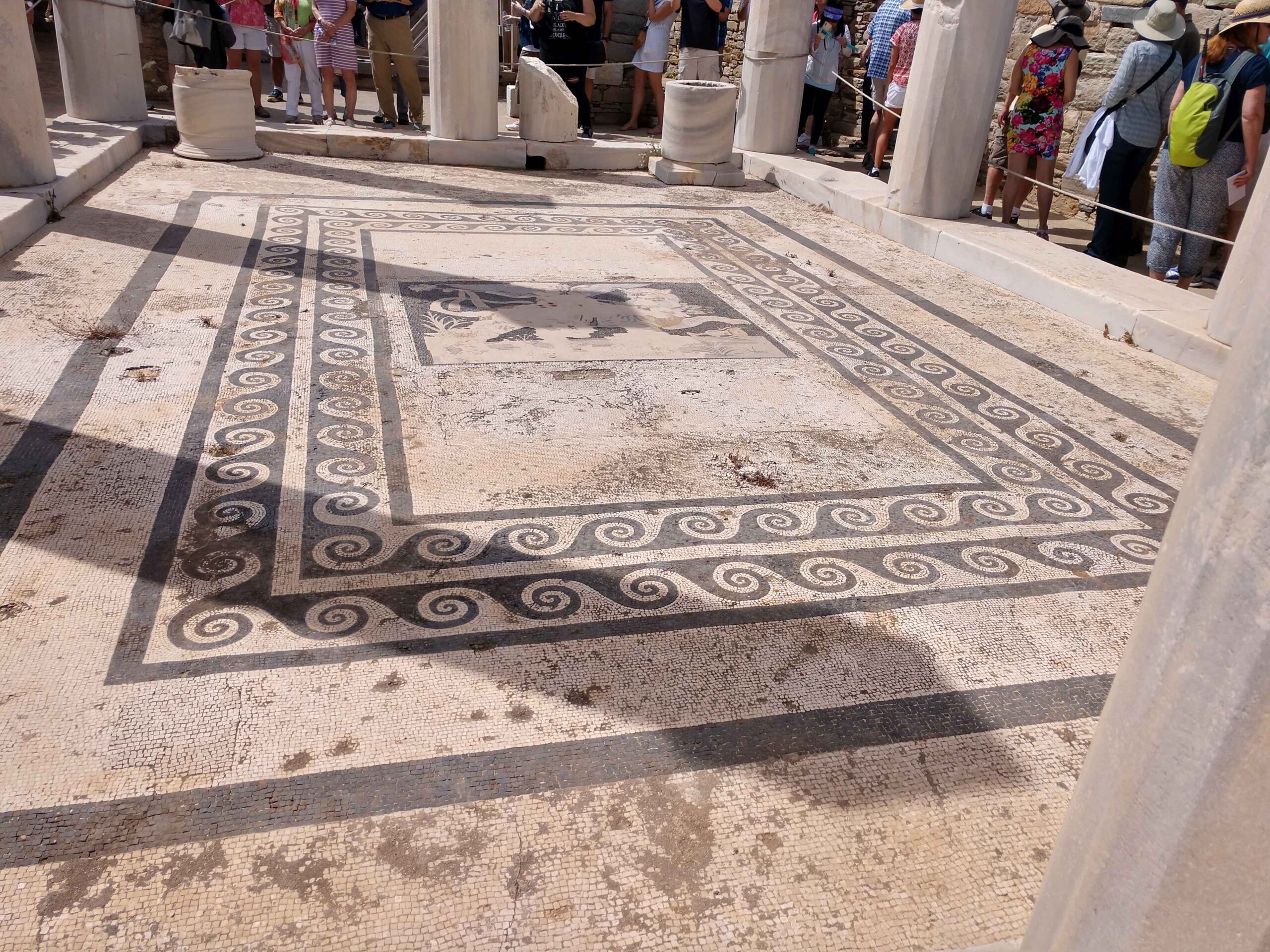
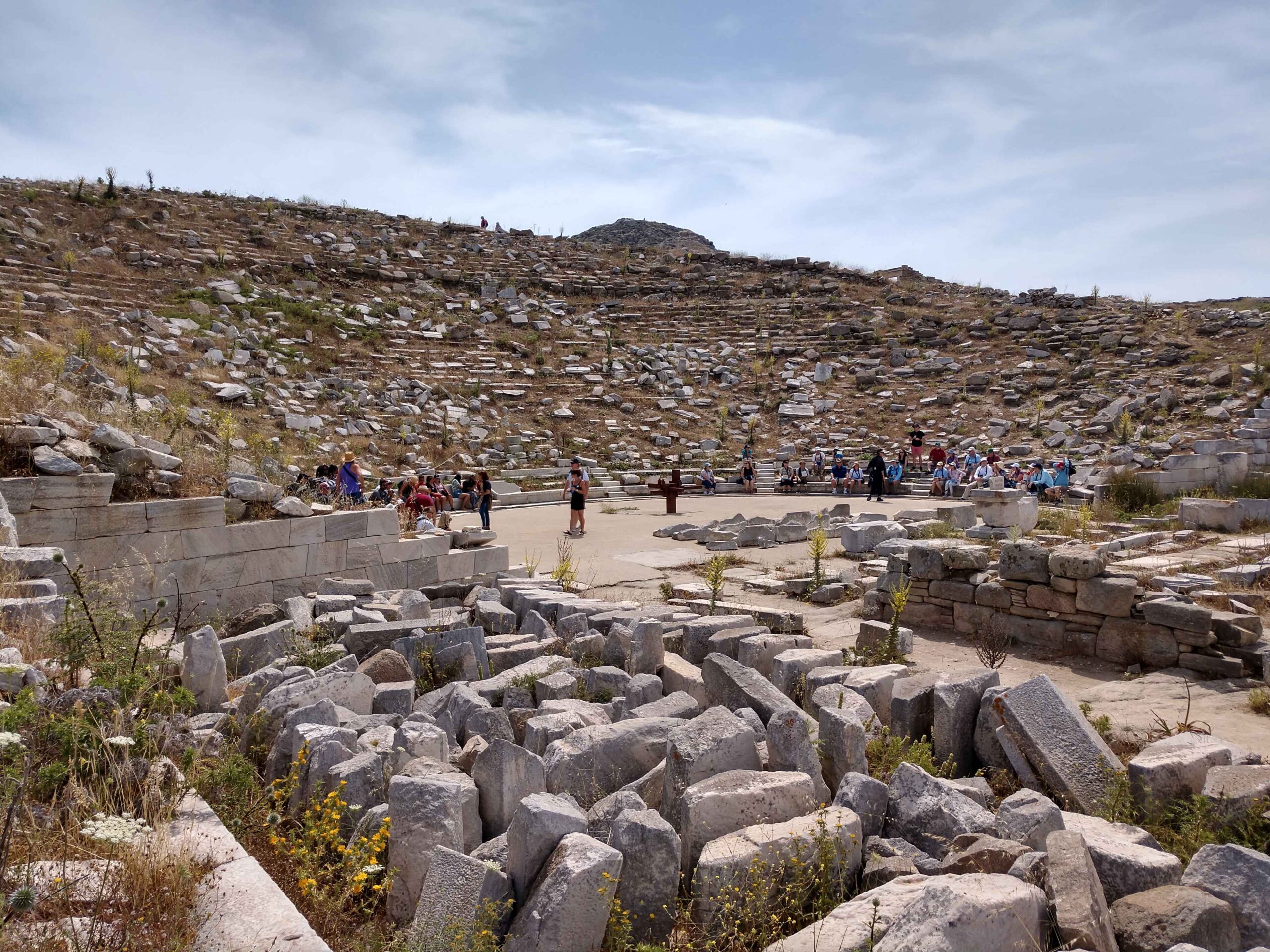
One excursion that finally pulled me away from the streets of Mykonos was a trip to nearby Delos. A short boat ride brought us to the Archaeological Site of Delos where the landscape is scattered with ancient foundations, temples, and mosaic floors. Walking past the famous marble lions and through the remains of houses and stone streets felt like stepping directly into the ancient world. The museum nearby displayed statues and artifacts recovered from the site, helping bring the ruins outside to life.
Delos has long been considered one of the most important archaeological locations in Greece. In ancient mythology it was believed to be the birthplace of Apollo and Artemis, and during antiquity it became a thriving religious and trading center in the Aegean. Today the island stands preserved as a vast archaeological park where travelers can see temples, theaters, and homes that once formed a bustling ancient city.
If You Have More Time…
- Little Venice – A waterfront district in Mykonos Town where colorful houses sit at the edge of the sea, perfect for photos at sunset.
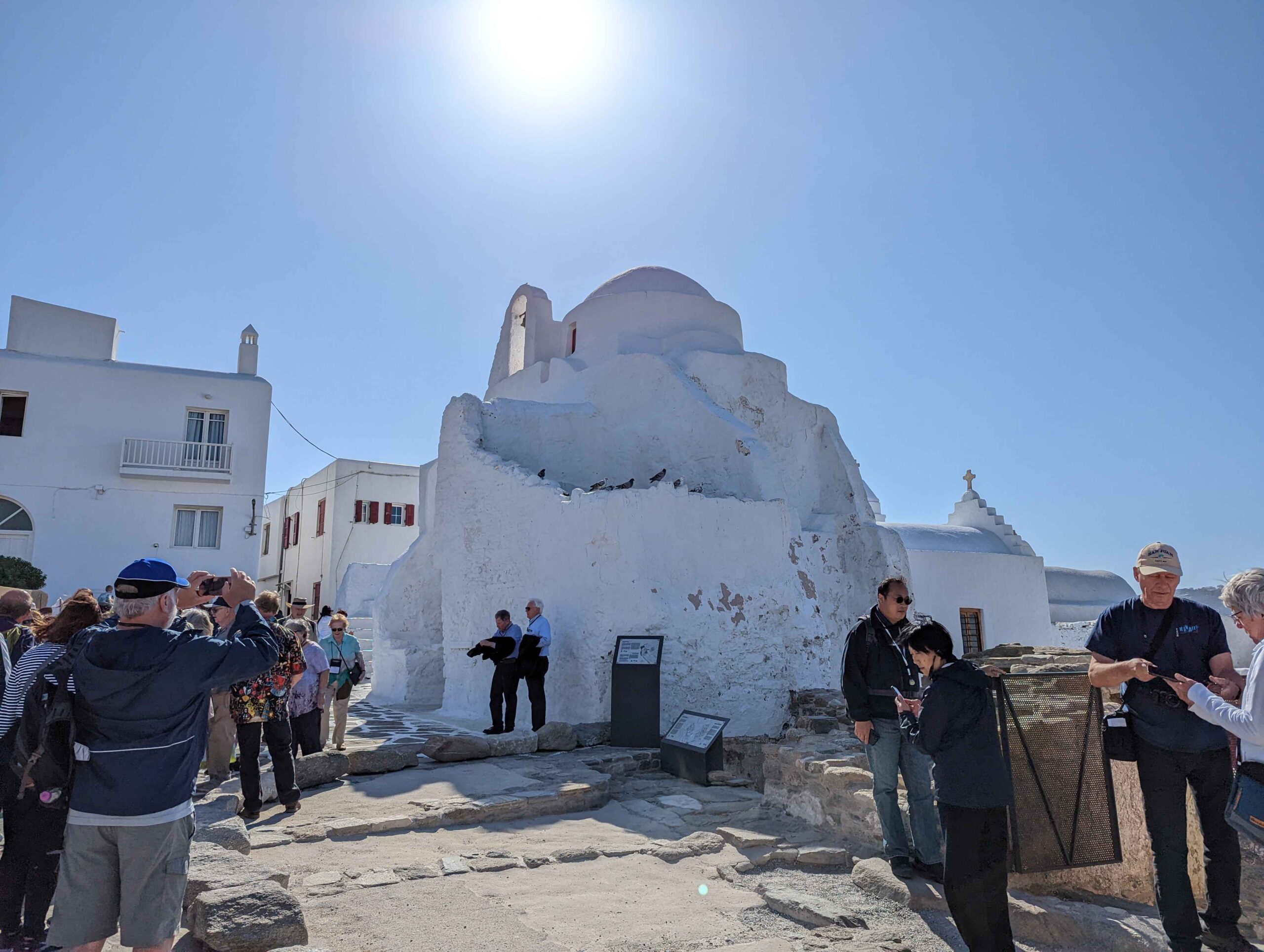
- Panagia Paraportiani – A stunning whitewashed church dating back to the 15th century, often considered one of the most photographed in Greece.
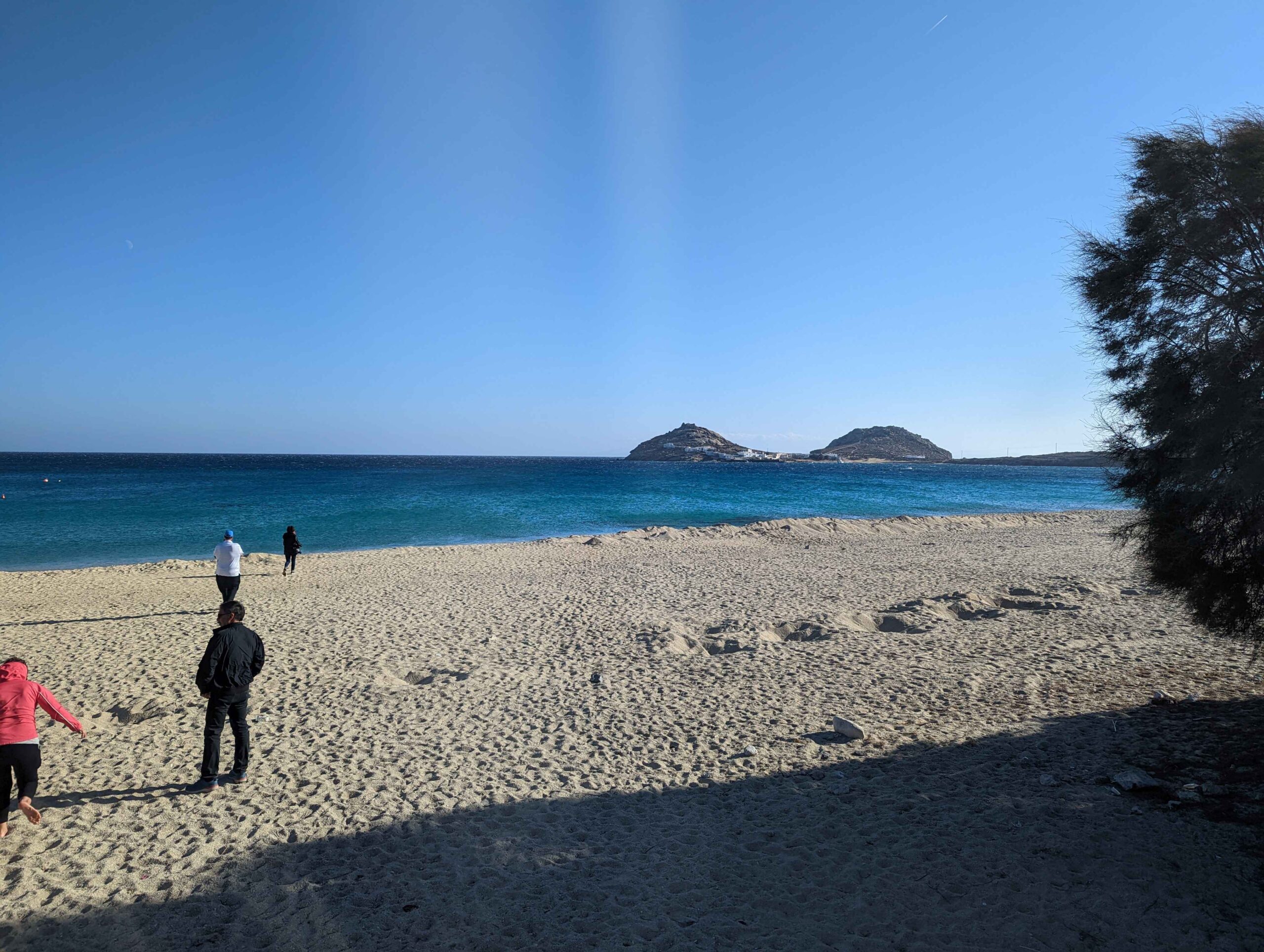
- Paradise Beach – Known for its lively atmosphere and crystal-clear waters, it’s one of the island’s most famous beaches.
- Archaeological Museum of Mykonos – A small but fascinating museum that displays artifacts recovered from Delos and nearby islands.
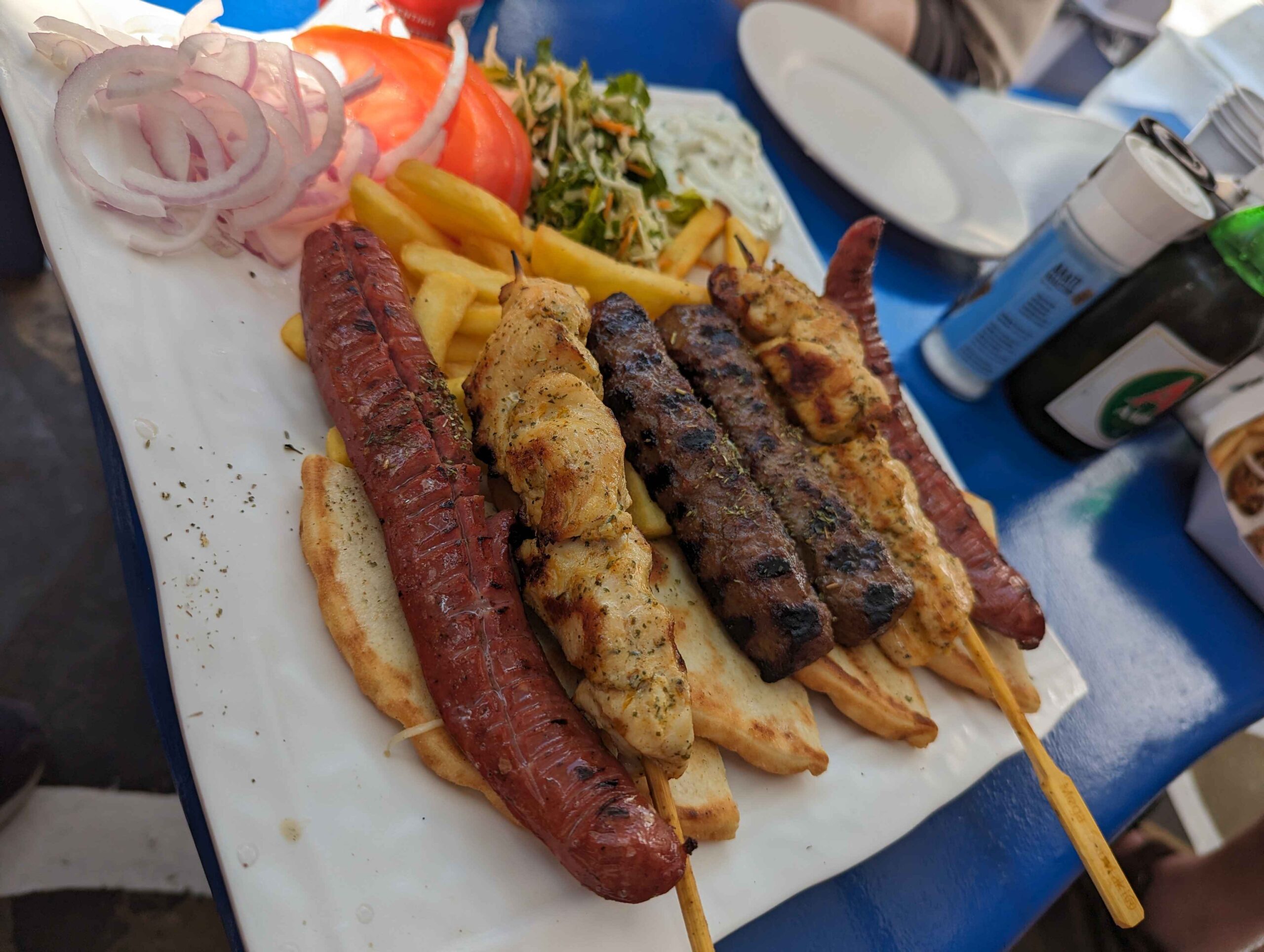
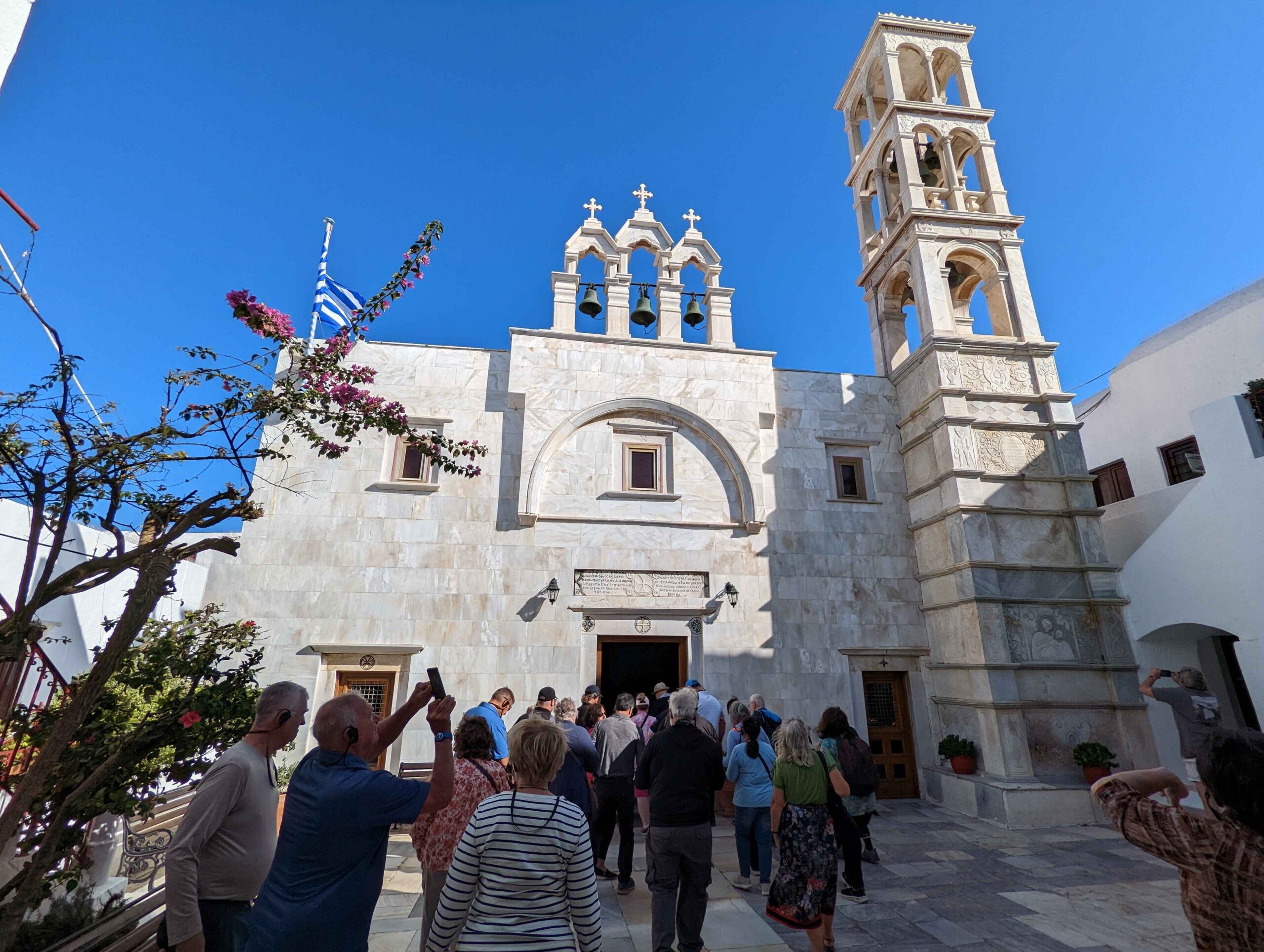
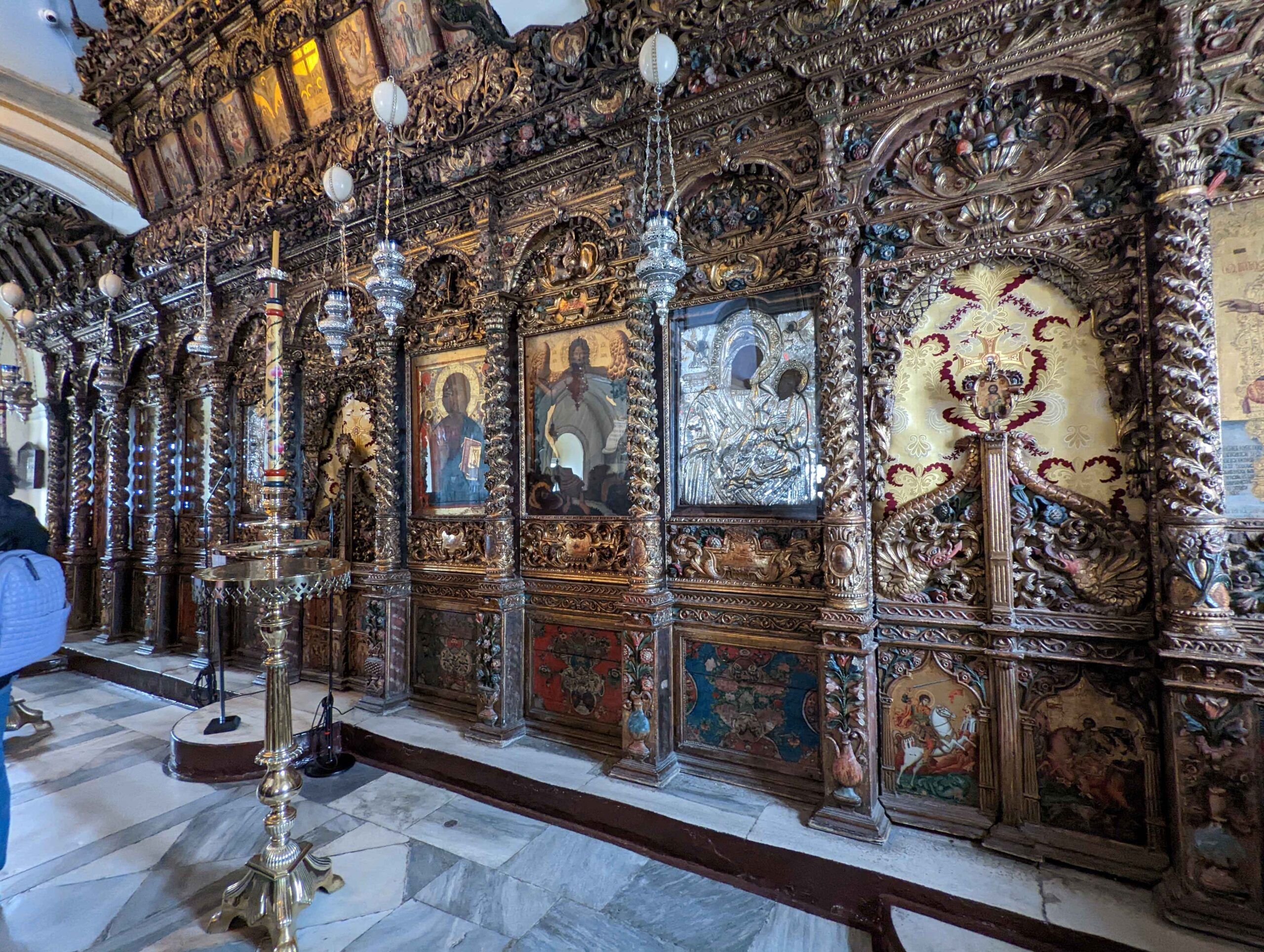
- Ano Mera Village – A quieter escape inland where visitors can see the 16th-century Monastery of Panagia Tourliani and sample local food away from the crowds.