
Alaska’s Glaciers Through the Seasons | Alaska Scenic Cruising
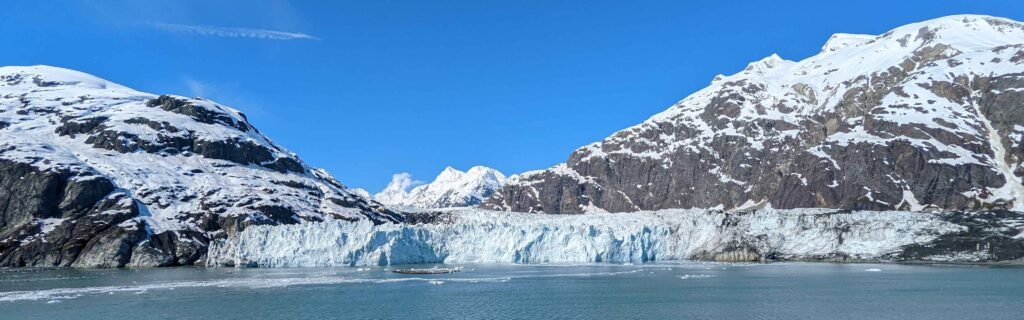
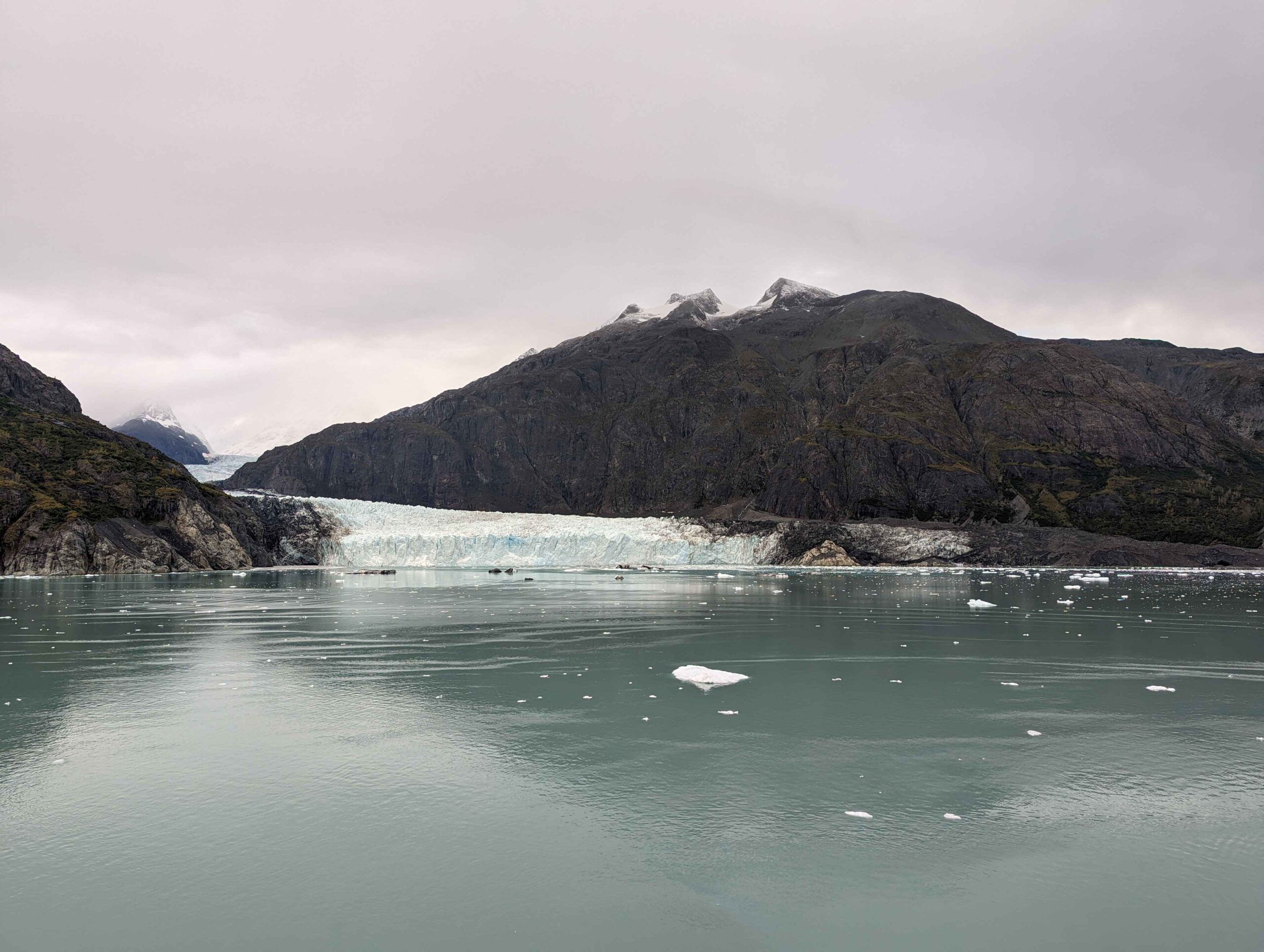
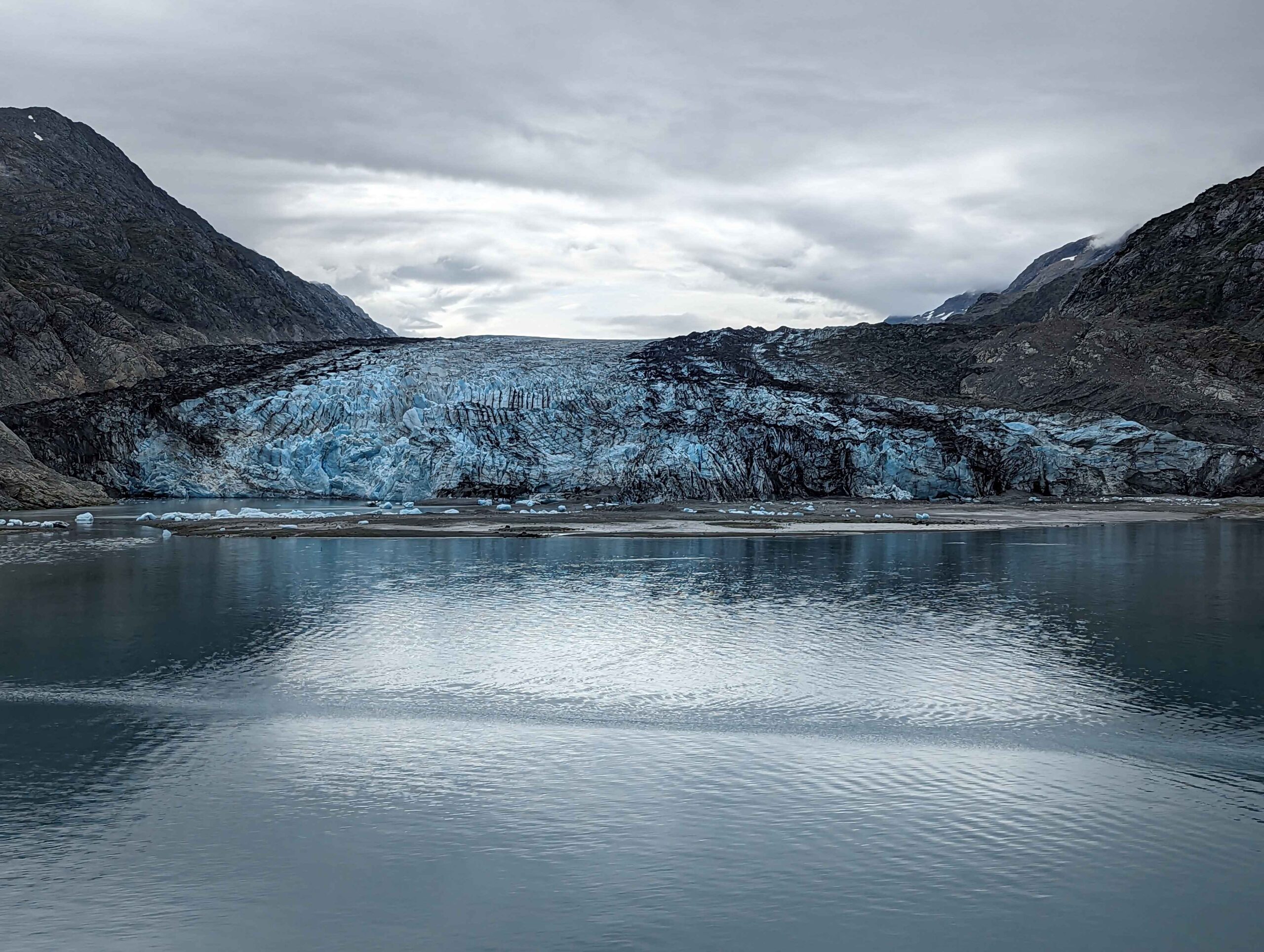
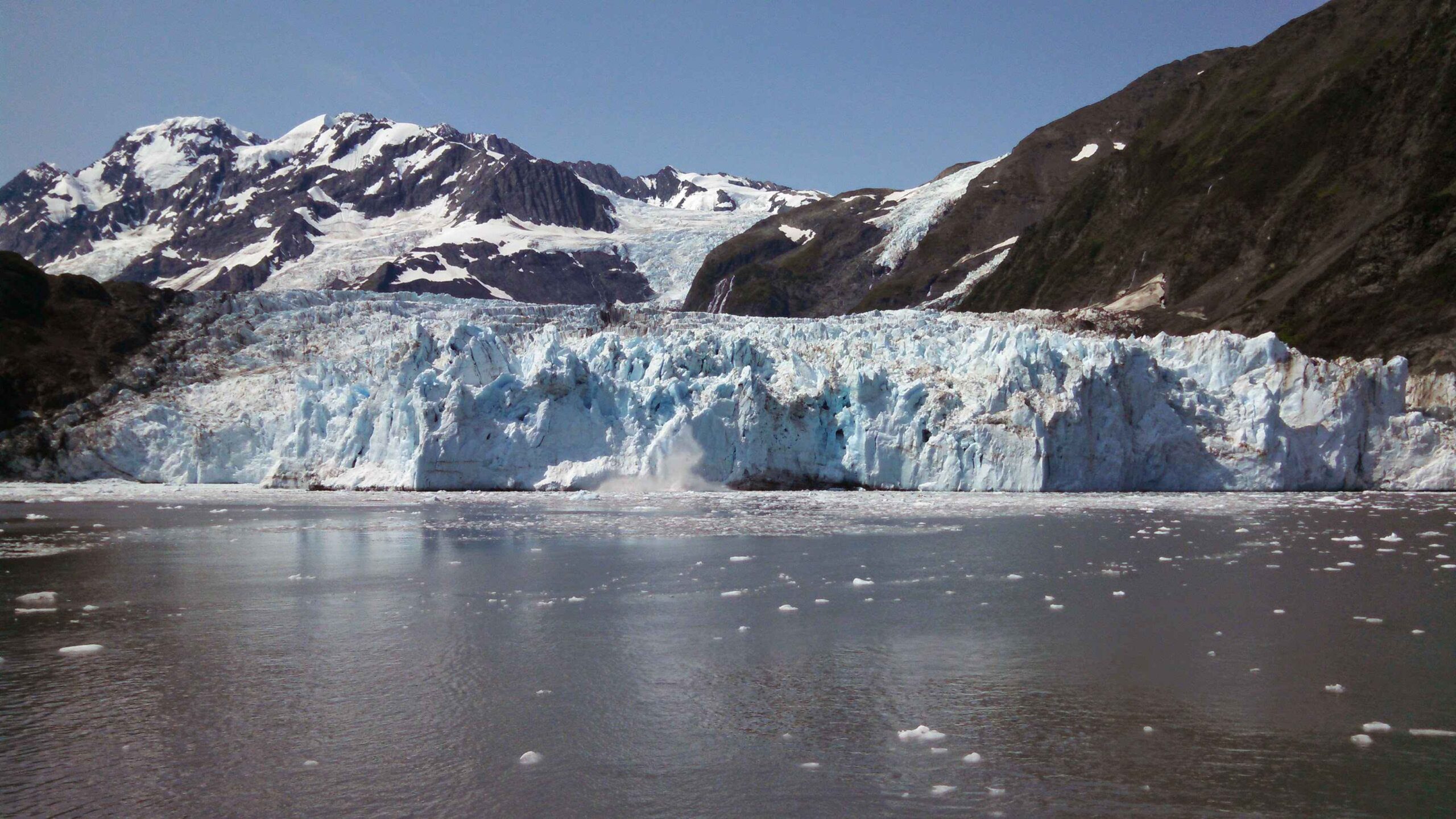
Having now cruised Alaska’s glacier country in early spring, mid-summer, and Autumn, I’ve learned that there really isn’t one version of the experience. I’ve traveled through Tracy Arm, Glacier Bay National Park, Chilkoot Inlet, Johns Hopkins Inlet, and past glaciers including Sawyer and Margerie. I would have a hard time picking a favorite. They can start to look somewhat alike after enough visits, but the conditions surrounding them rarely do.
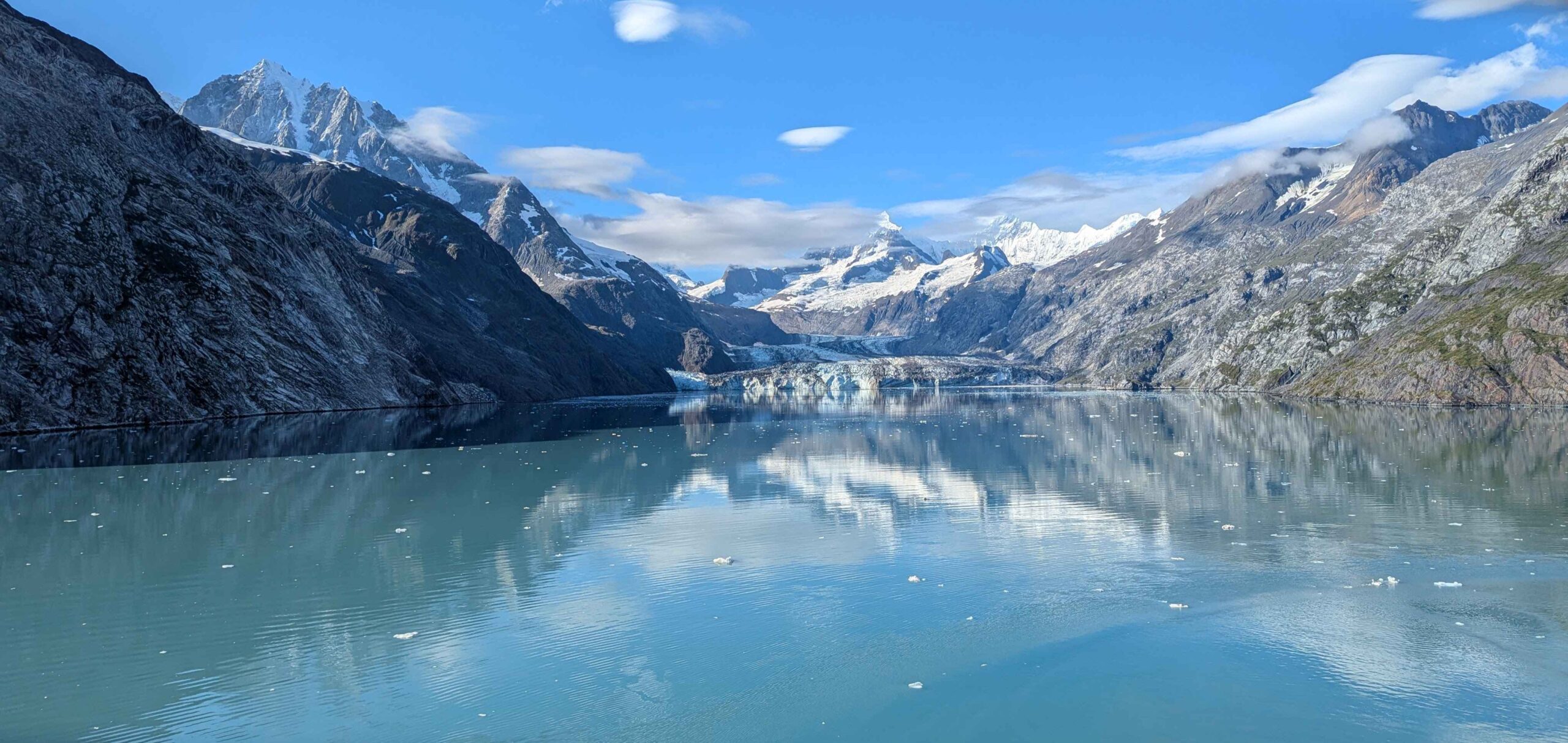
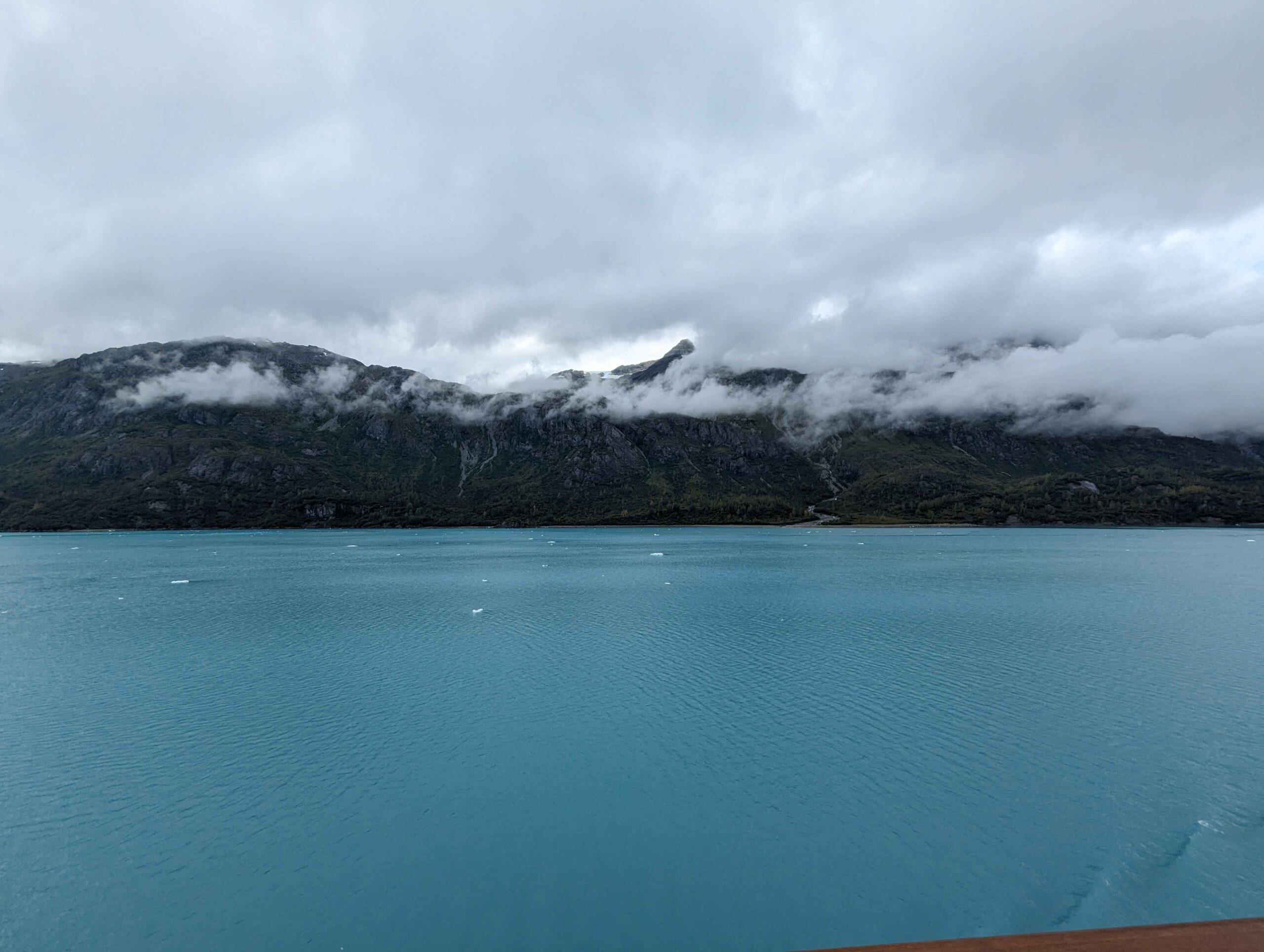
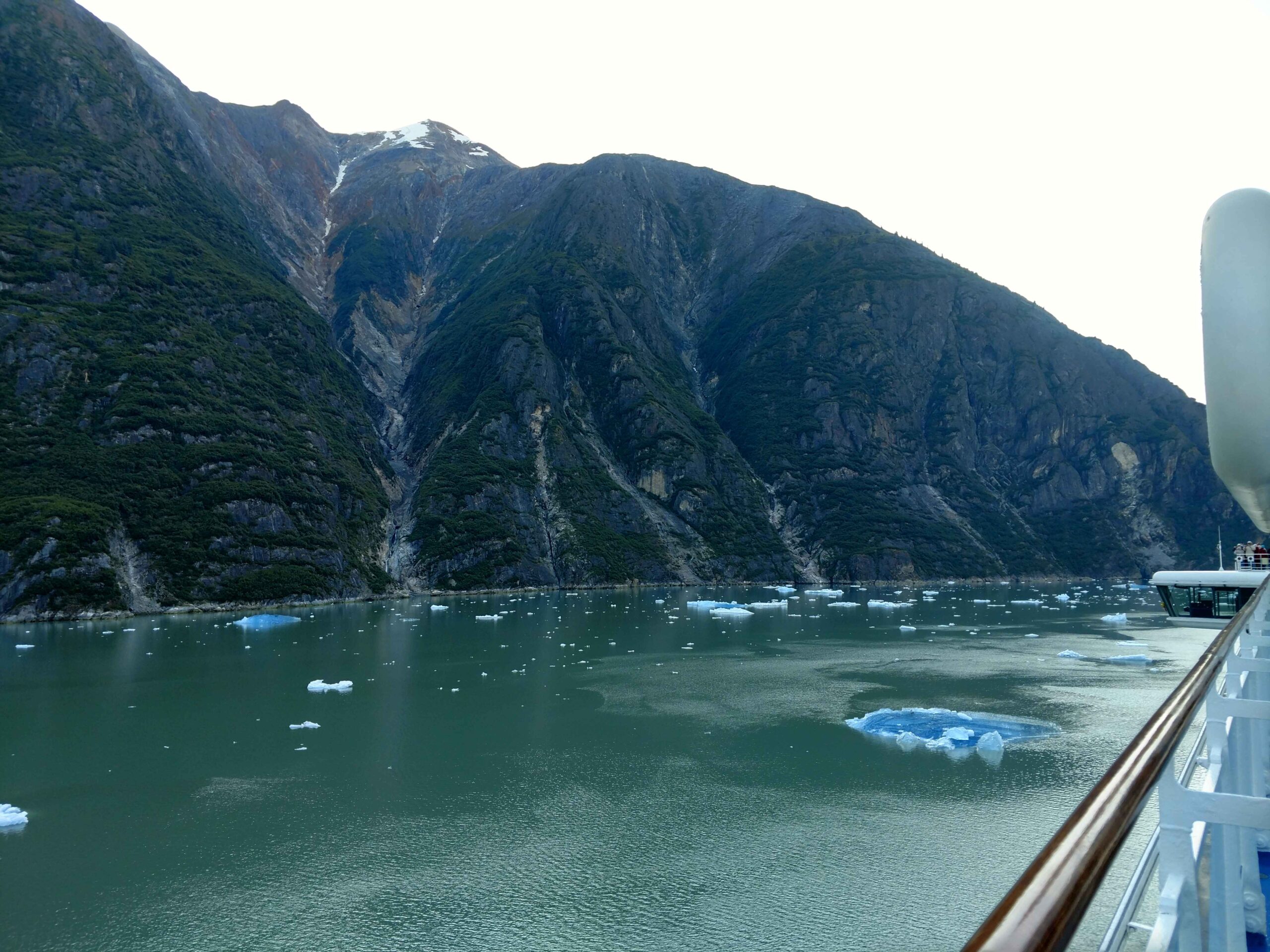
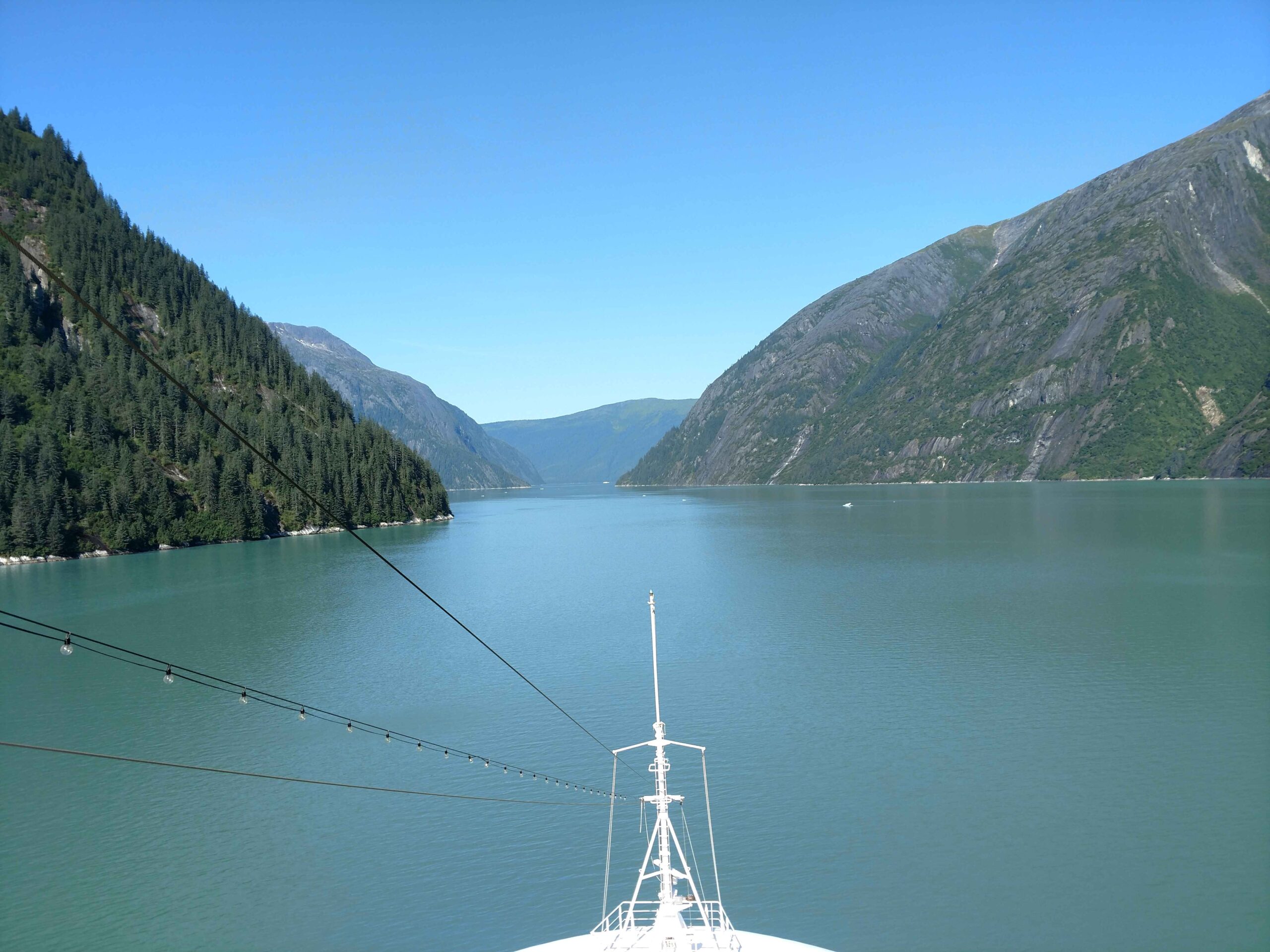
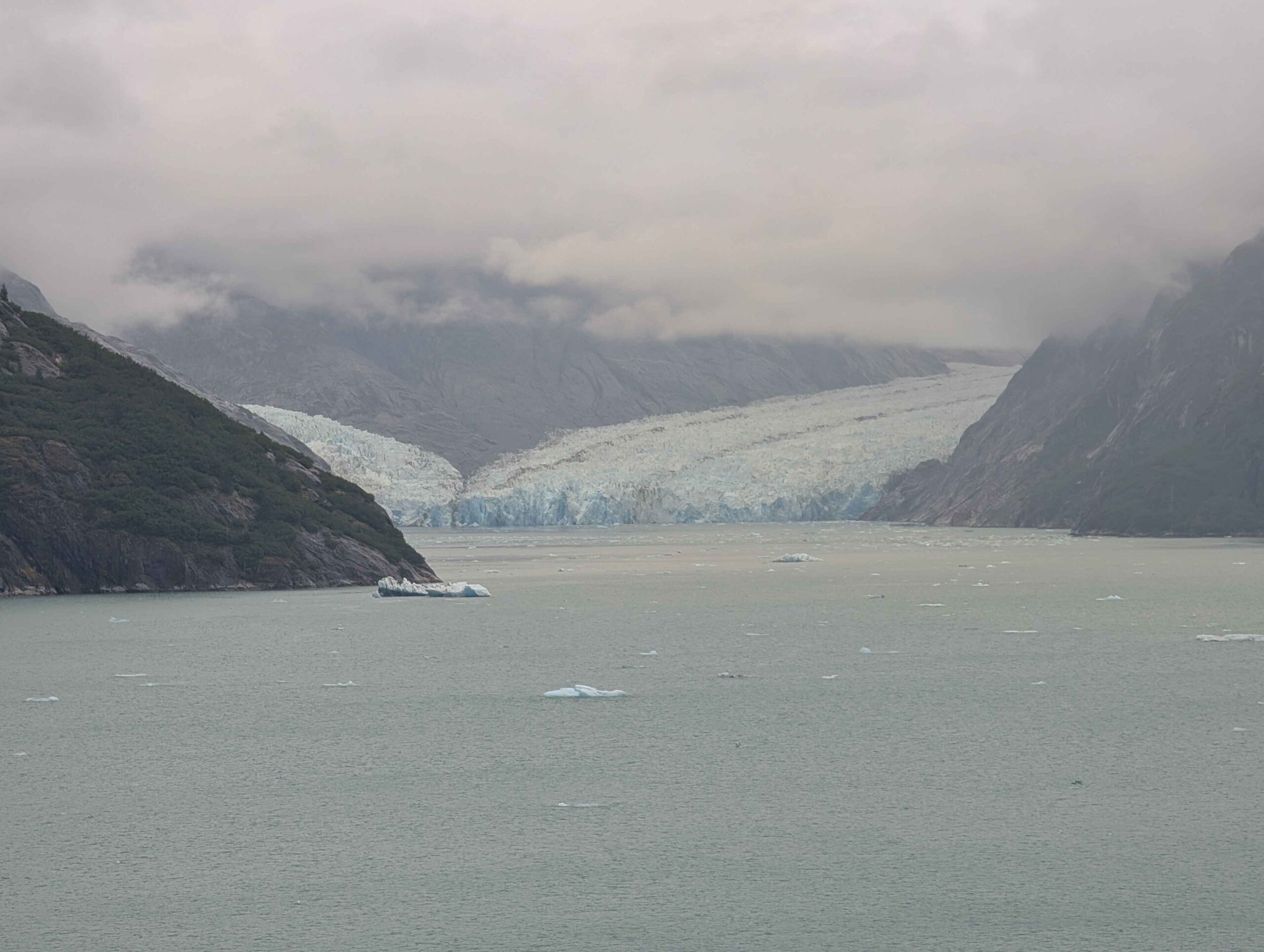
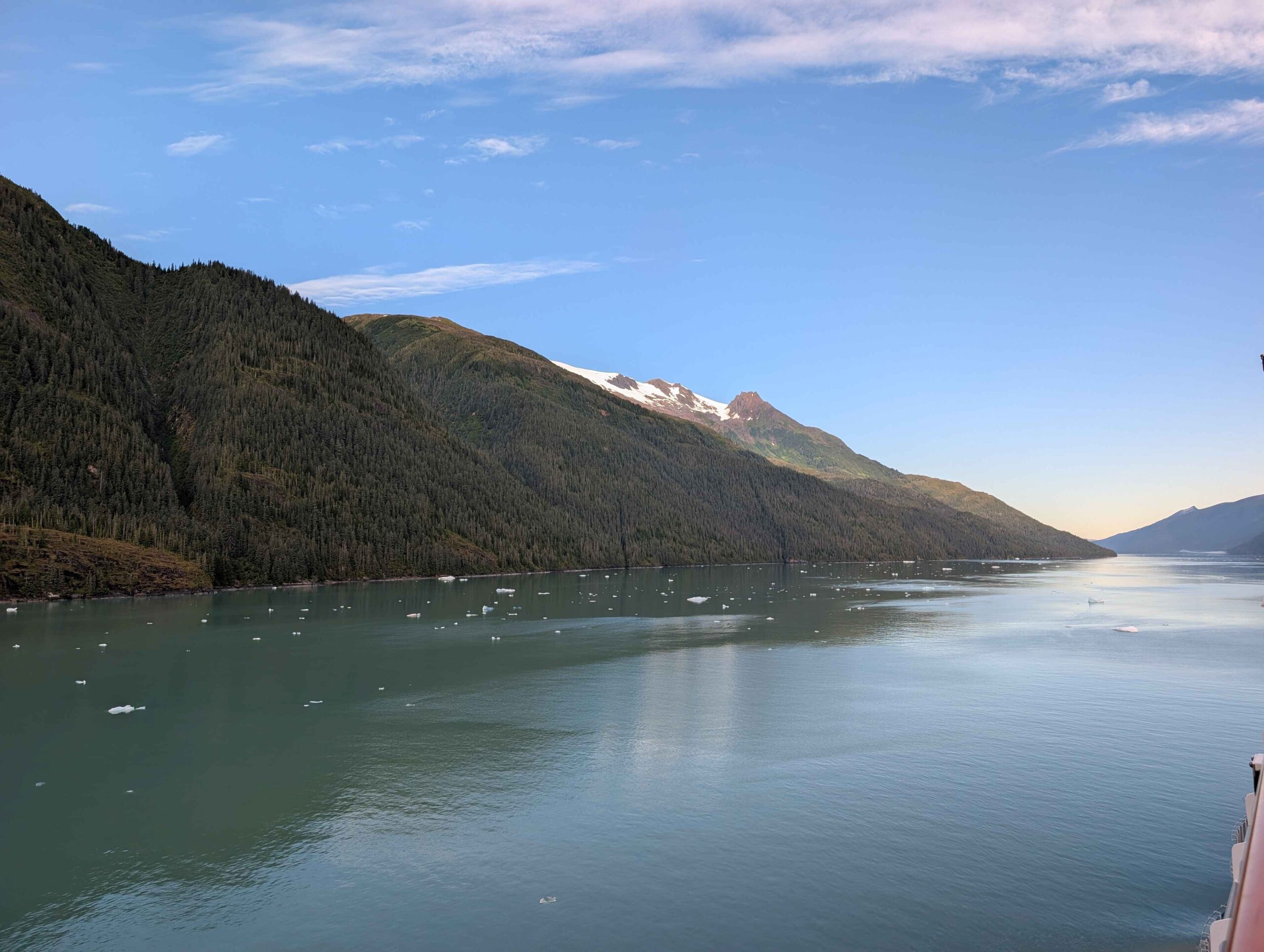
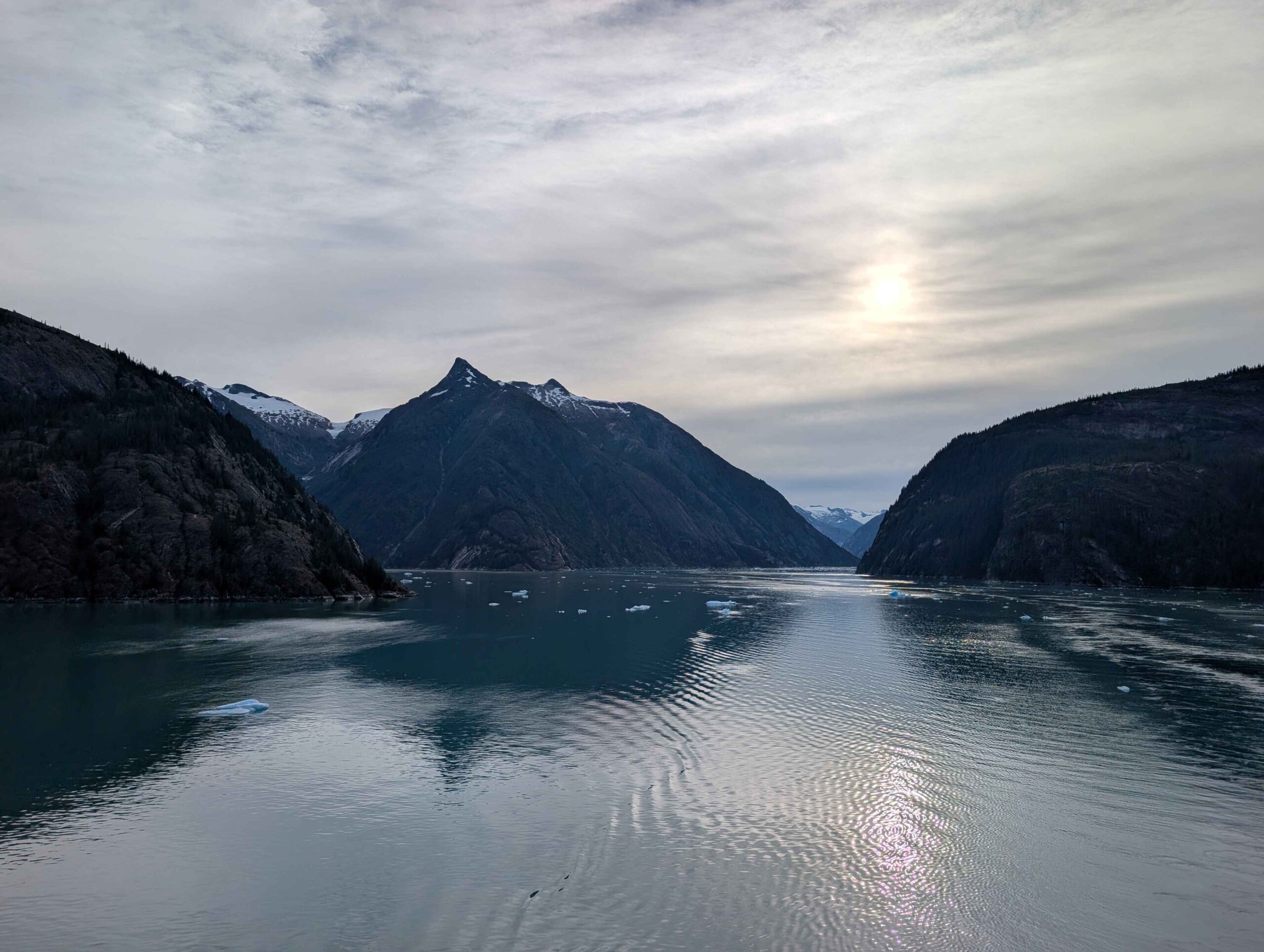
The waterways leading to many of Alaska’s glaciers are fjords, deep glacial valleys that were carved by moving ice and later filled with seawater. That explains the unusual geography of scenic cruising here. Ships can travel through surprisingly narrow waterways with steep mountains rising directly from the water before eventually reaching the glacier at the end. Depending on the weather, that approach can be every bit as interesting as the glacier itself.
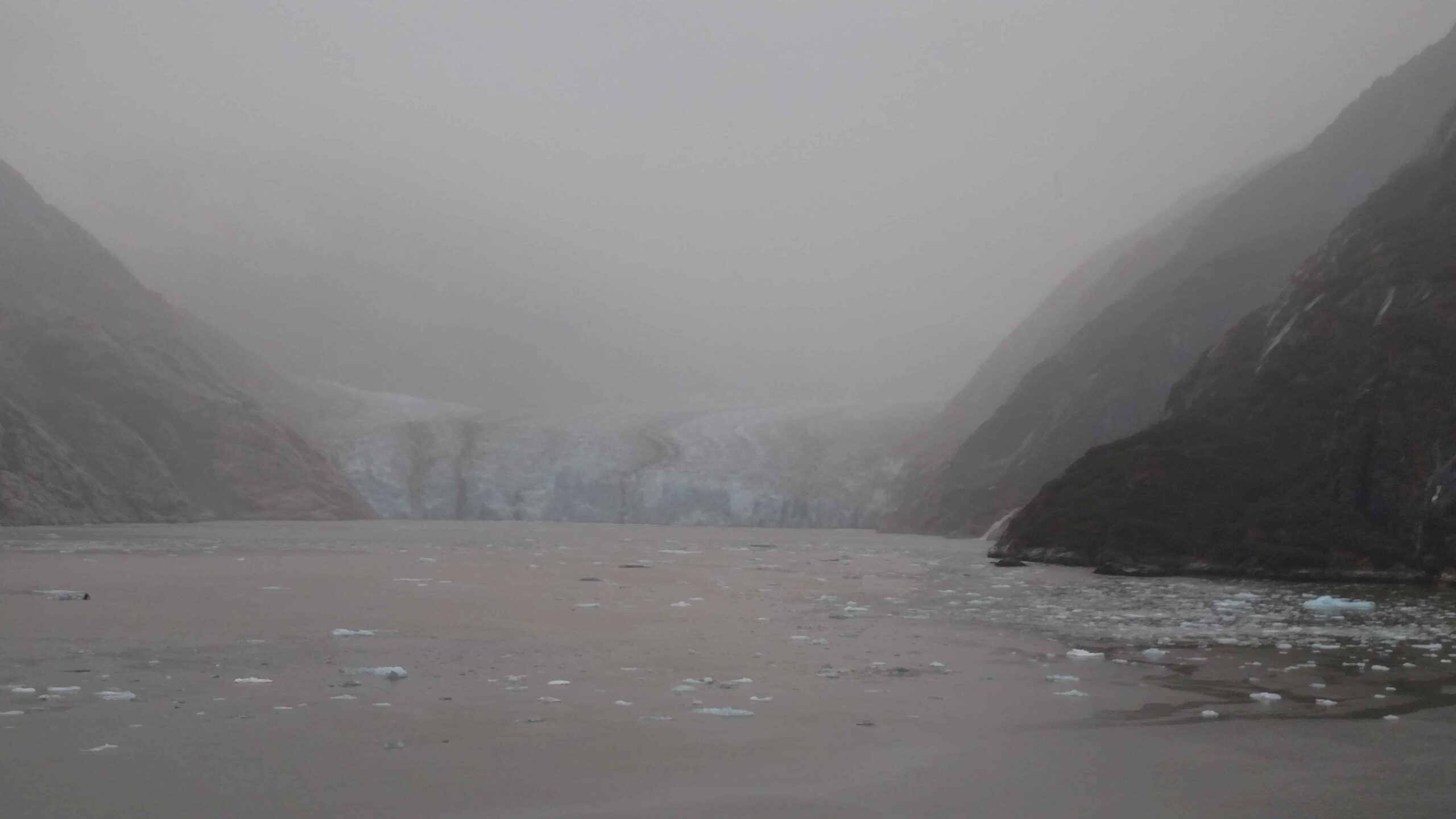
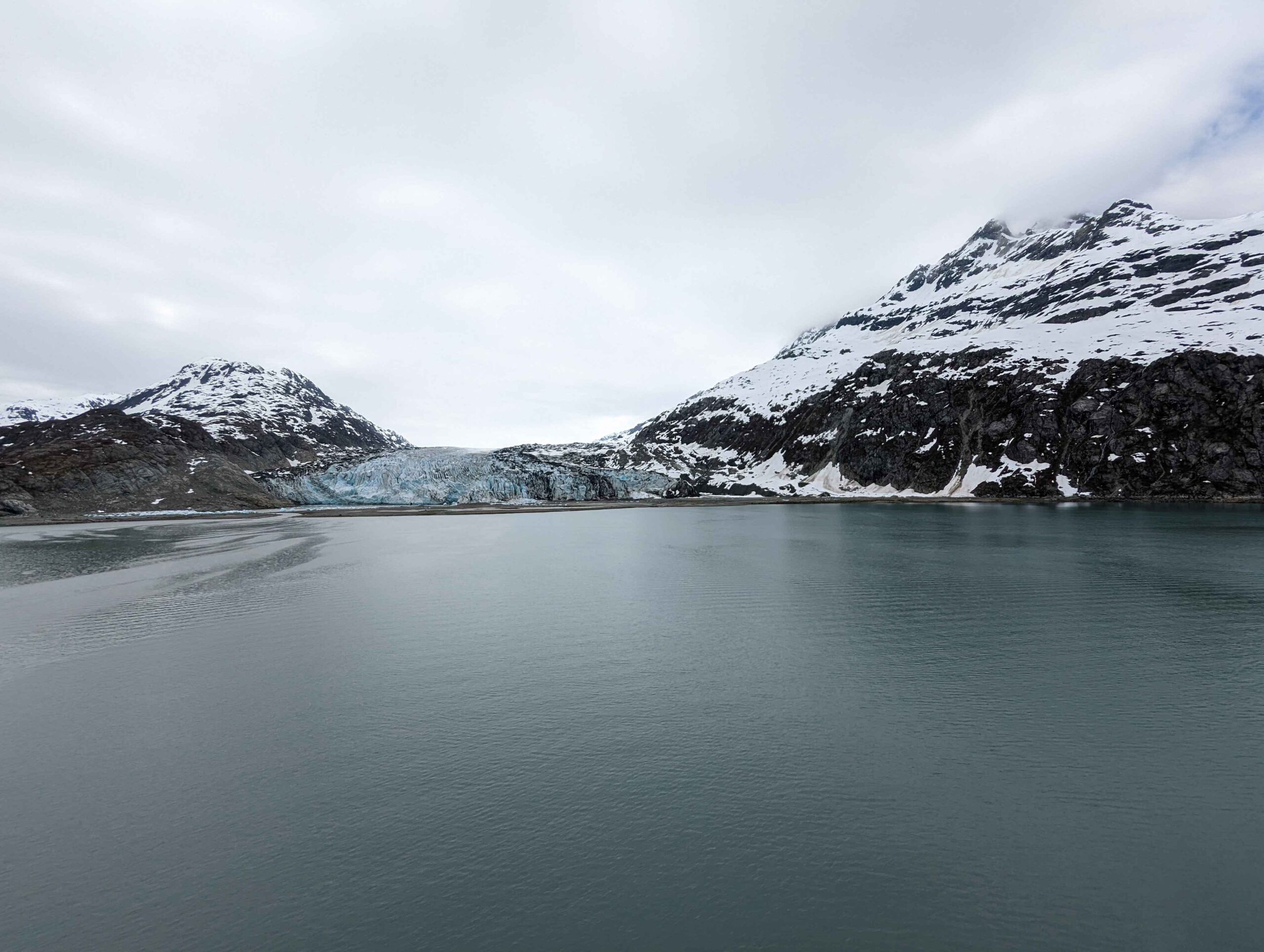
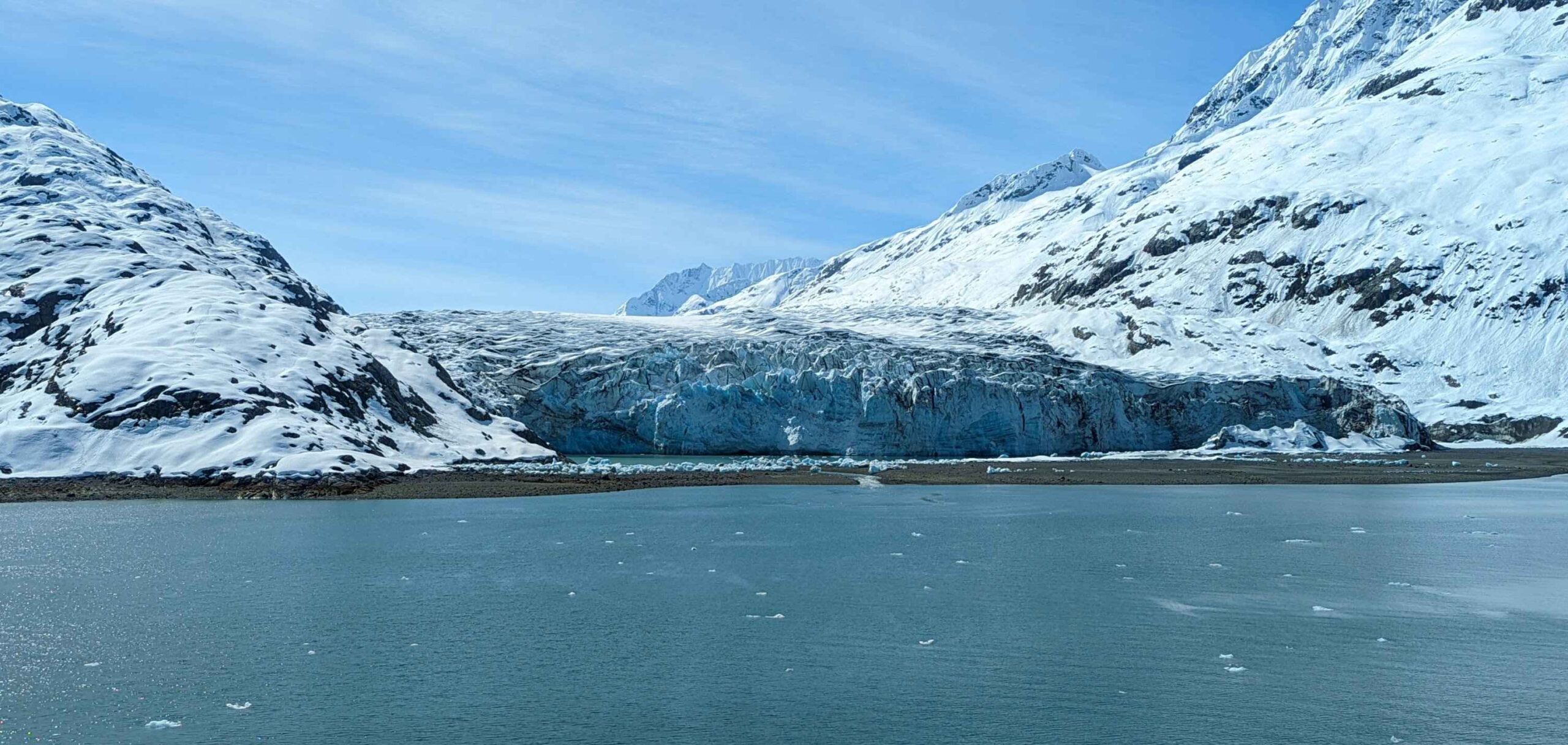
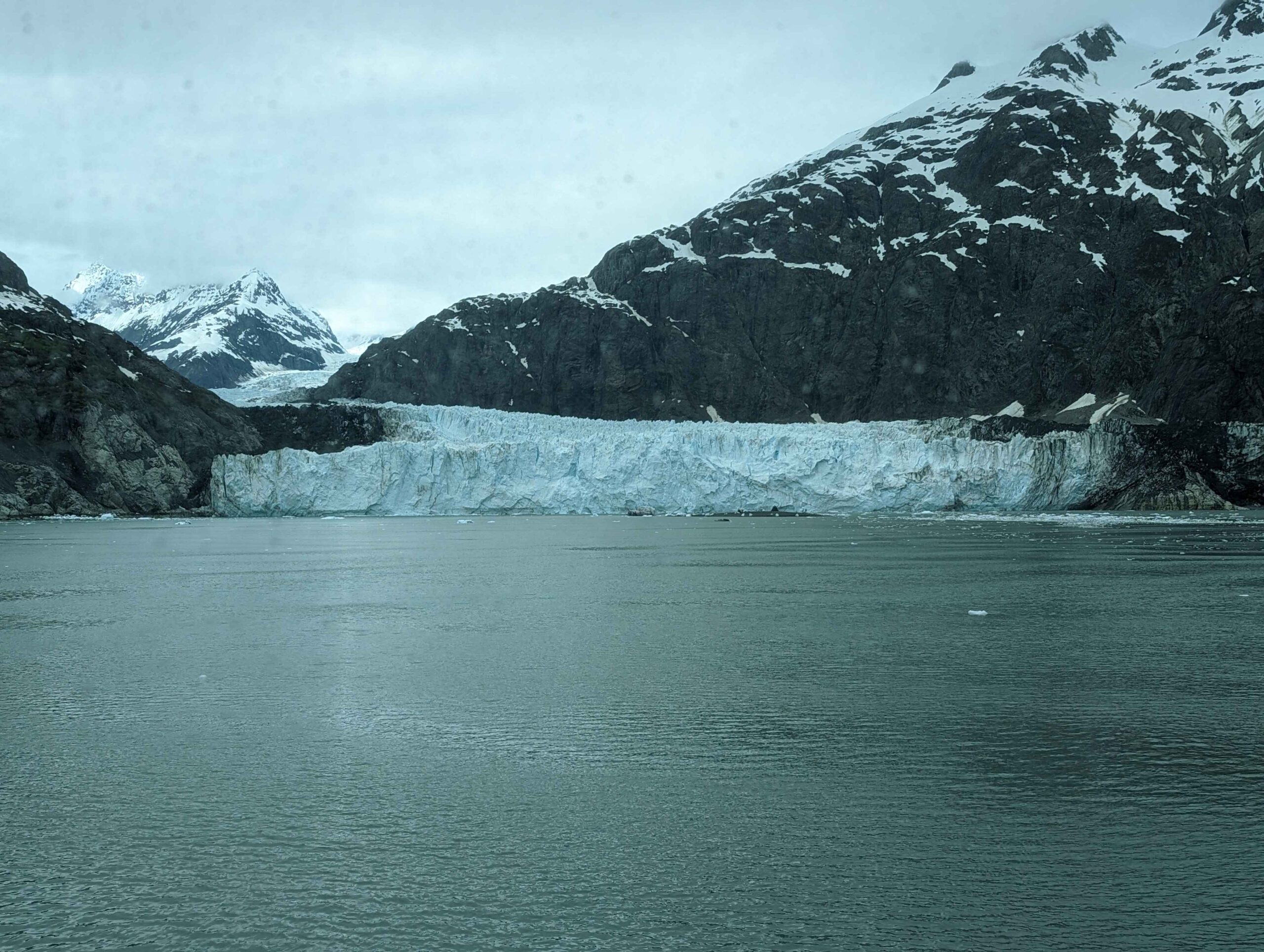
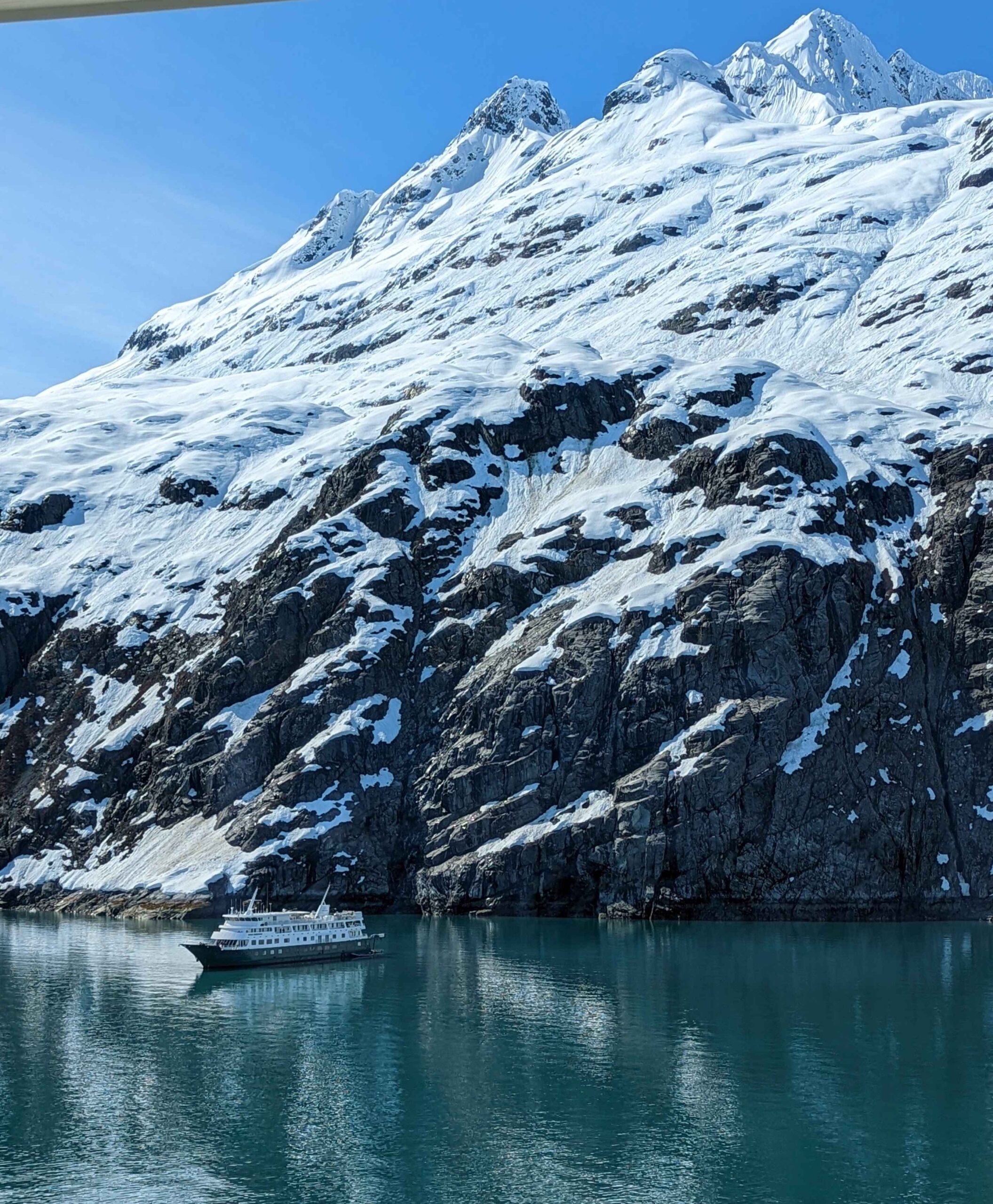
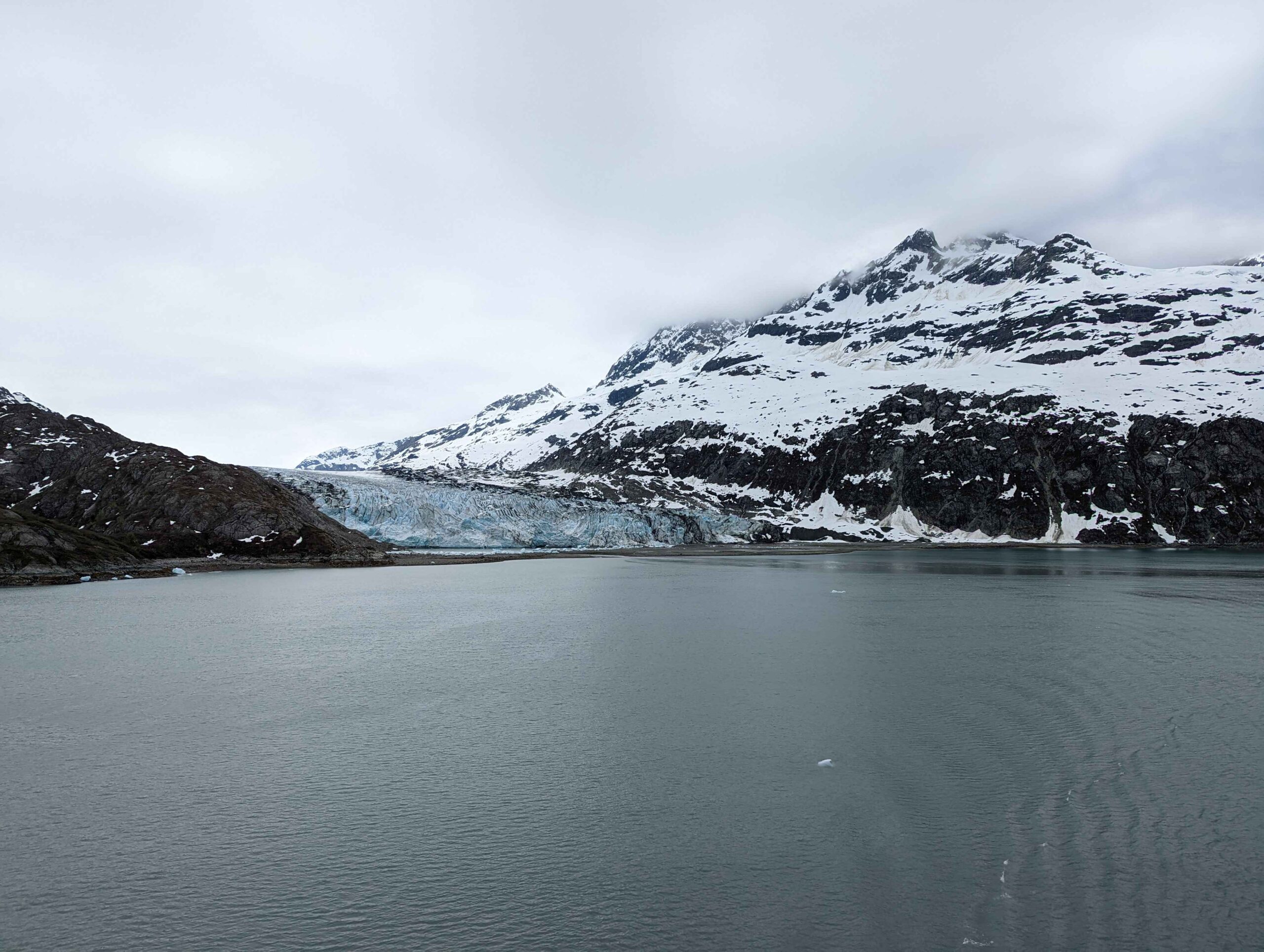
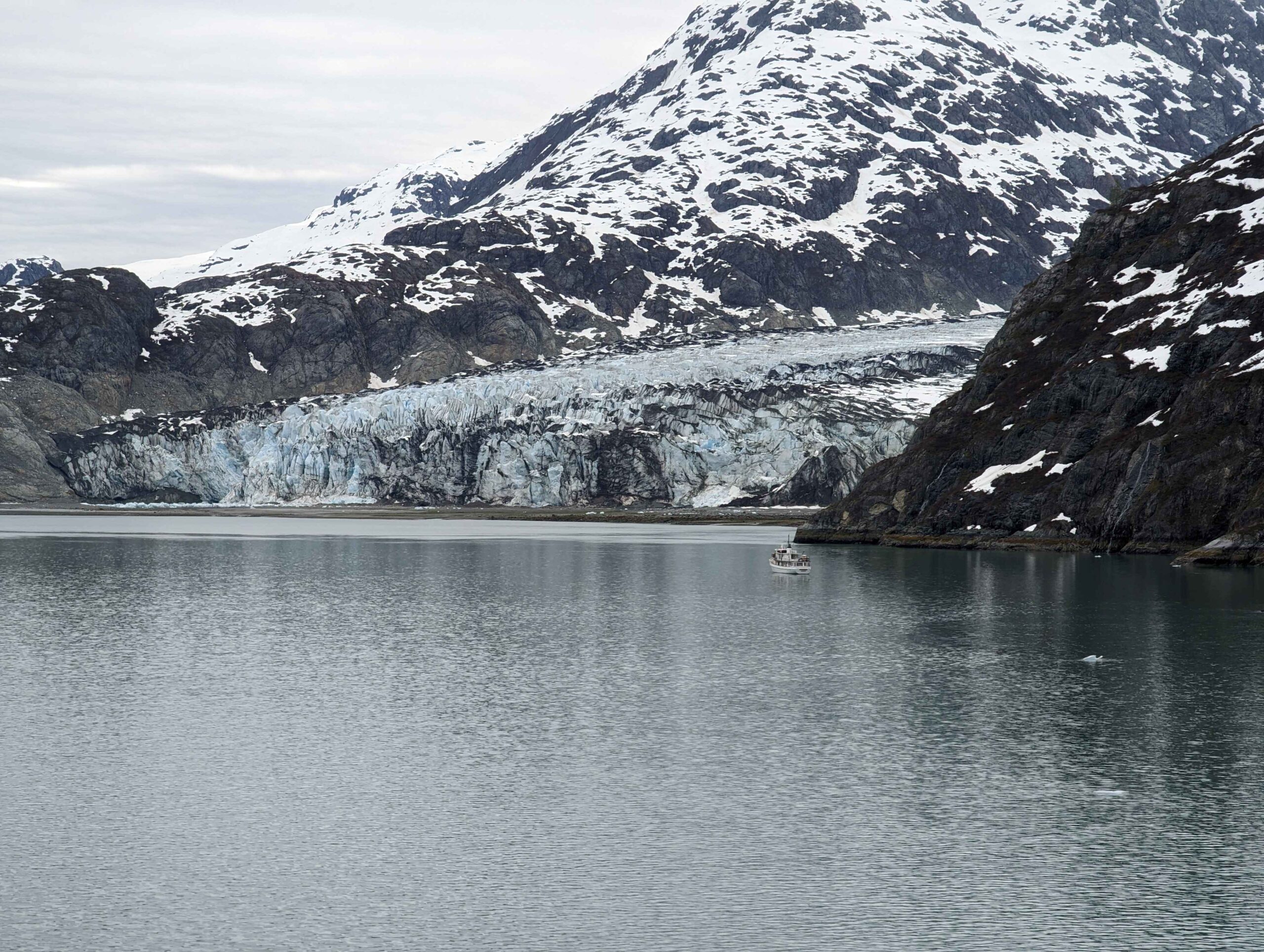
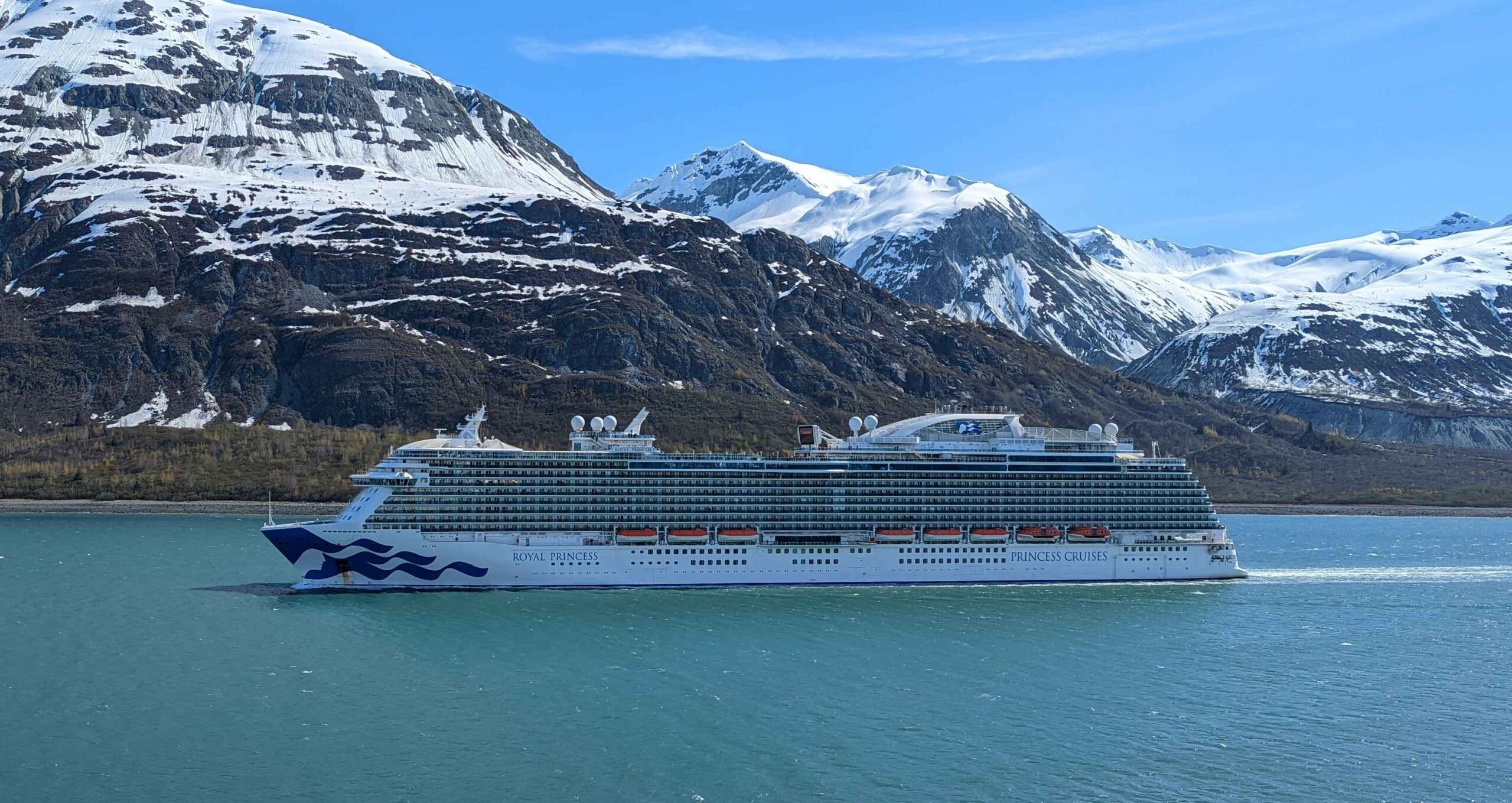
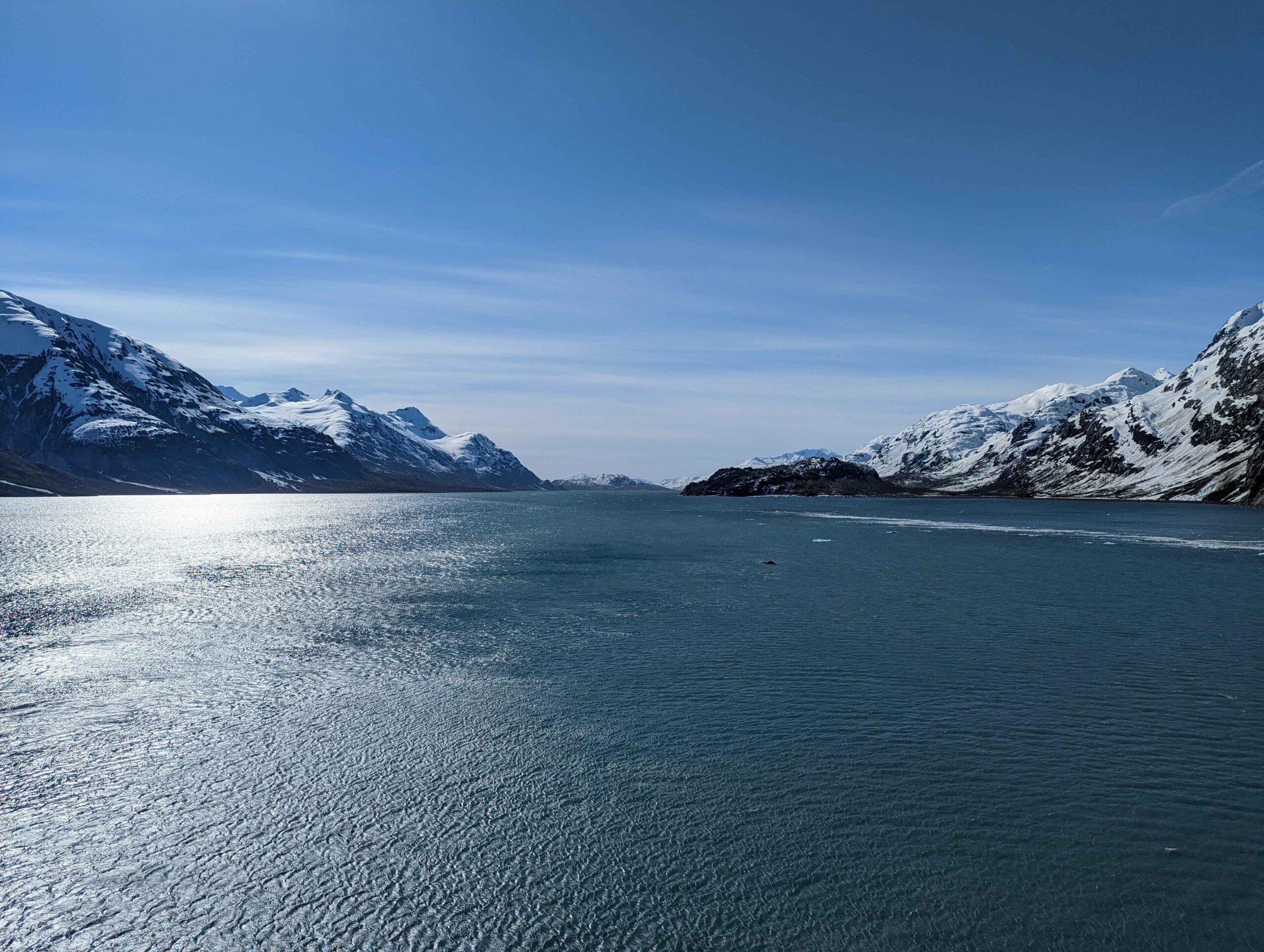
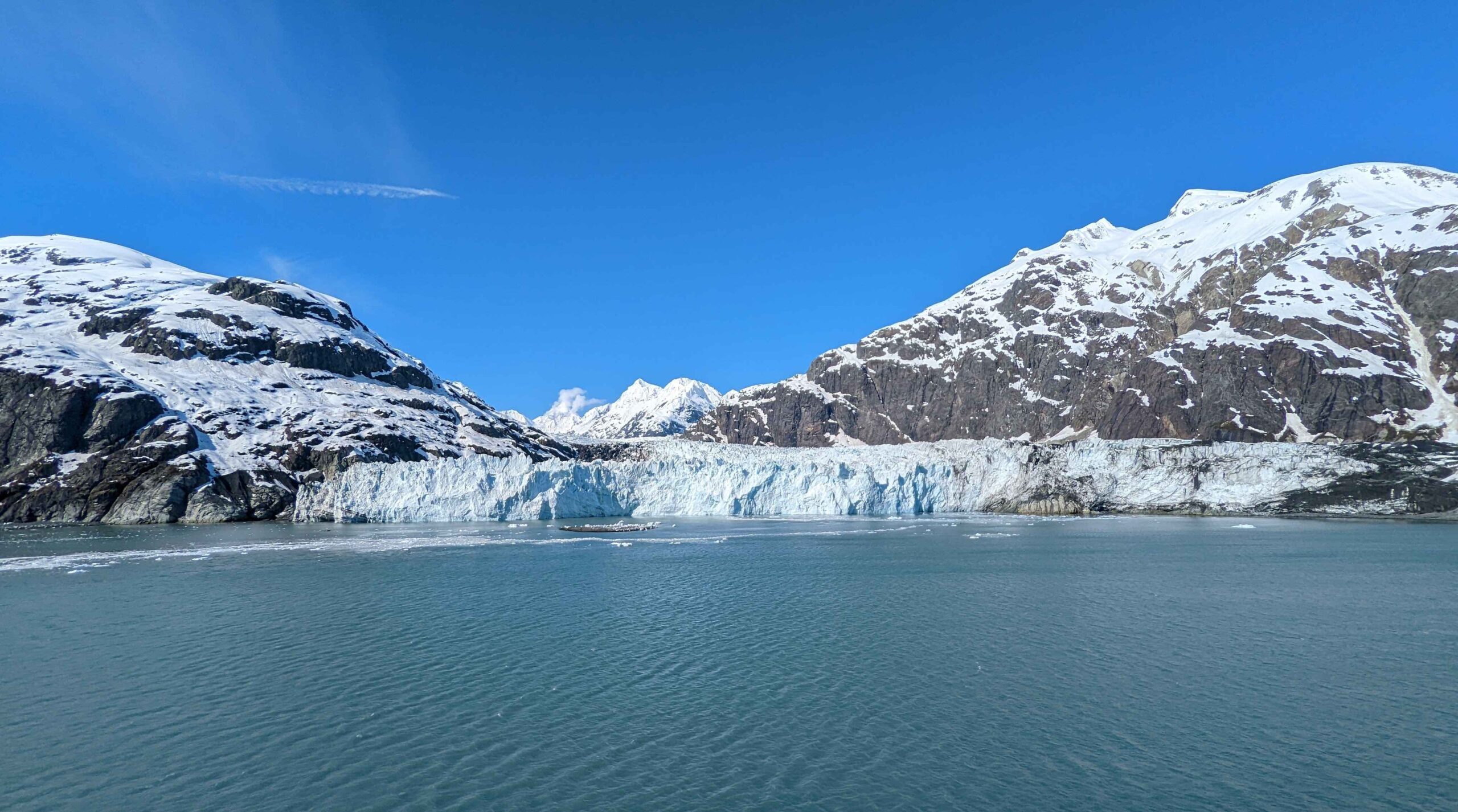
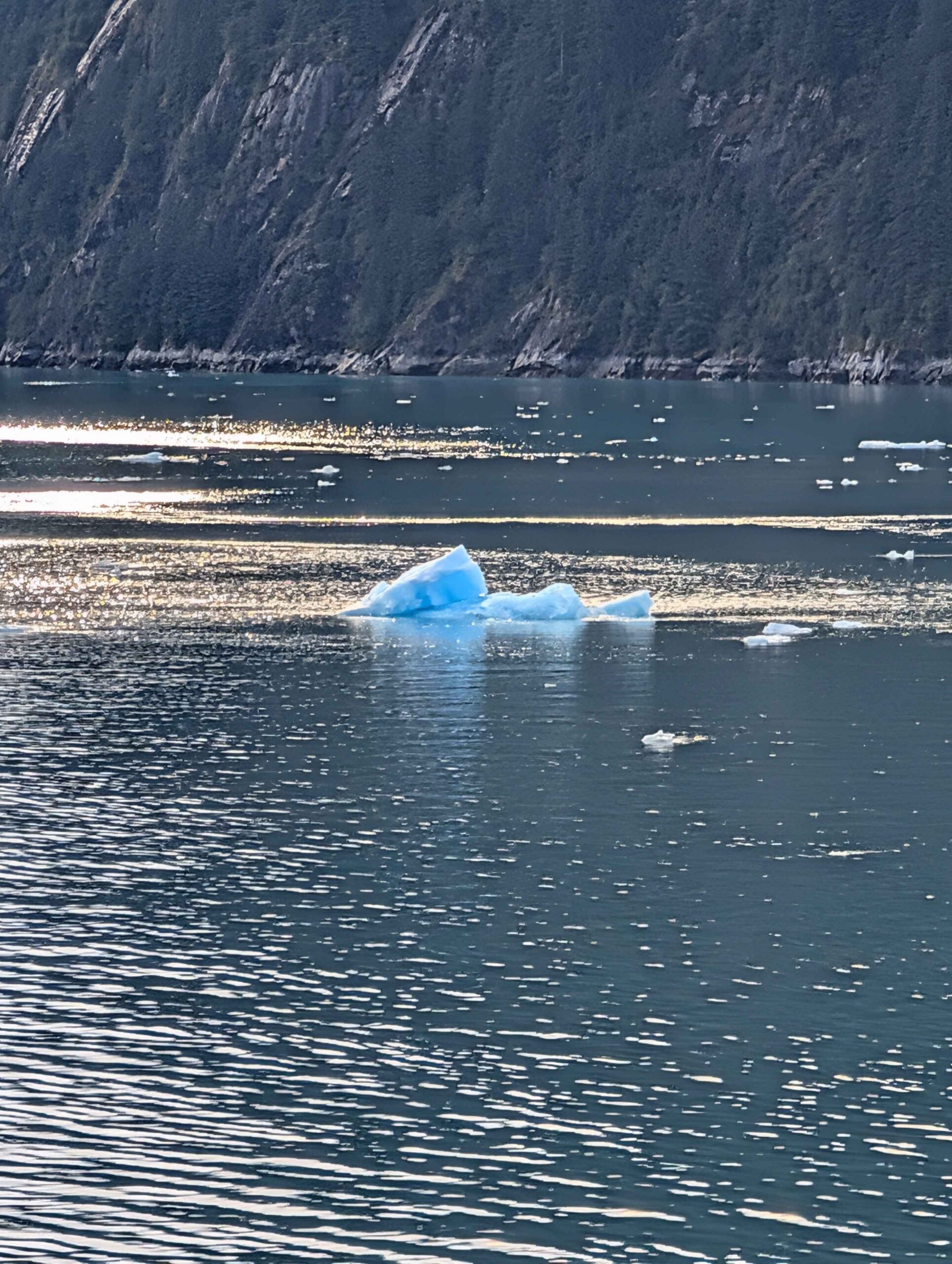
Early spring has given me the most dramatic winter scenery. From April into June, snow can still cover much of the surrounding mountains, sometimes nearly reaching the shoreline. Add low clouds and dense fog and the landscape becomes a mix of white, gray, dark rock, and blue ice. It can also be surprisingly cold outside. Wind sweeping across snowfields and glaciers has a bite to it even when the temperature itself does not sound particularly bad. These have been the days when I alternate between standing outside for the view and retreating to an observation lounge to warm up.
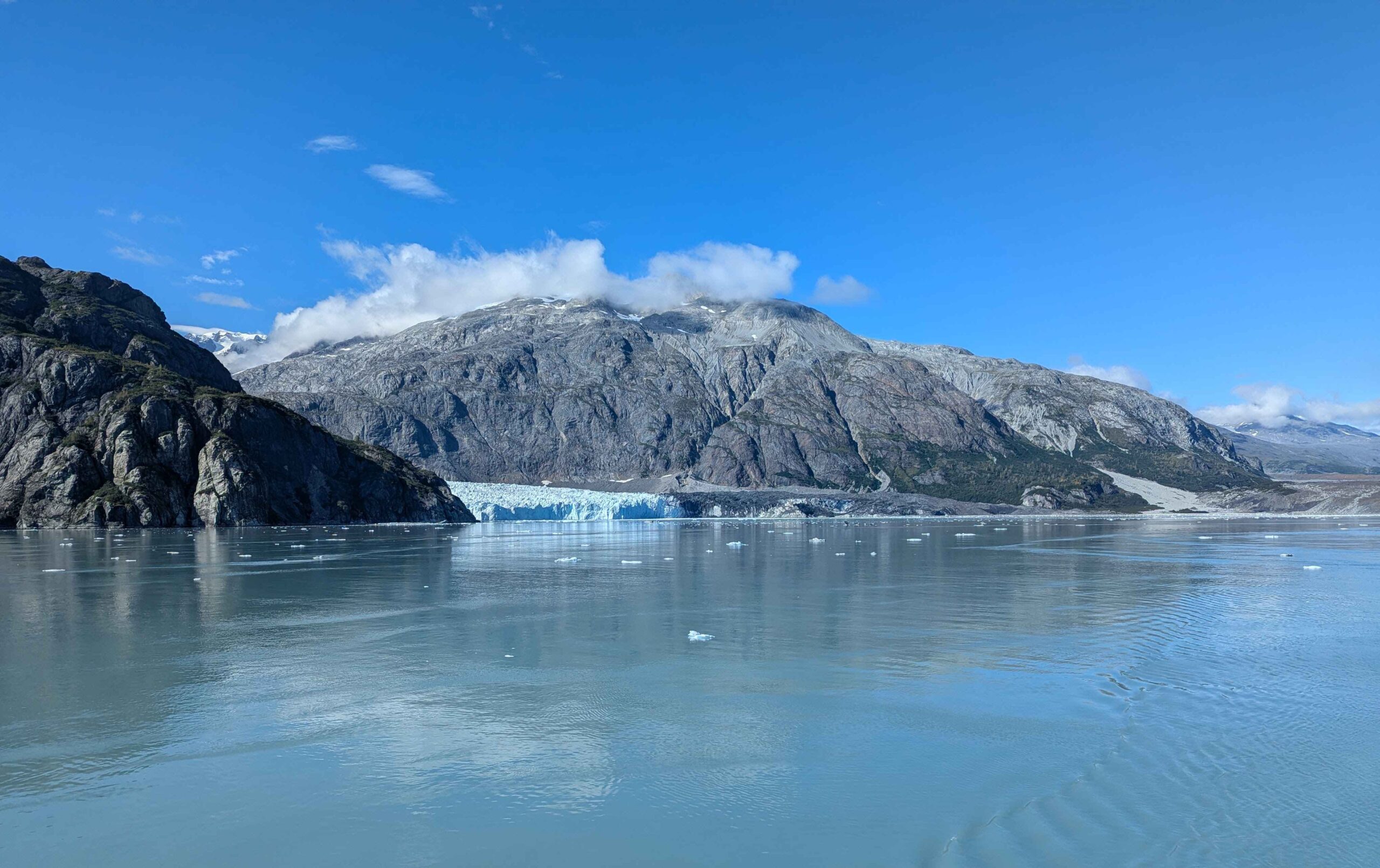
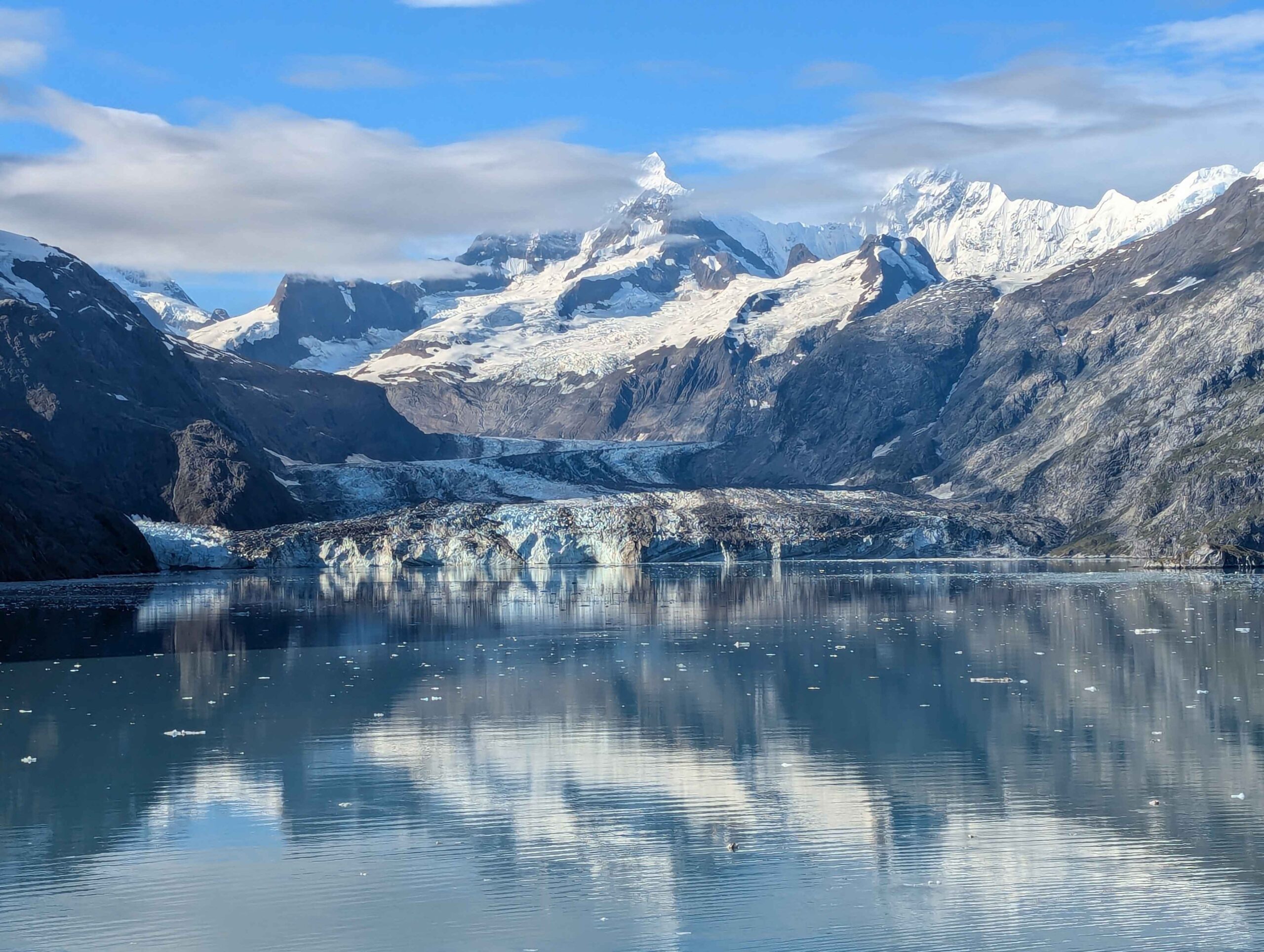
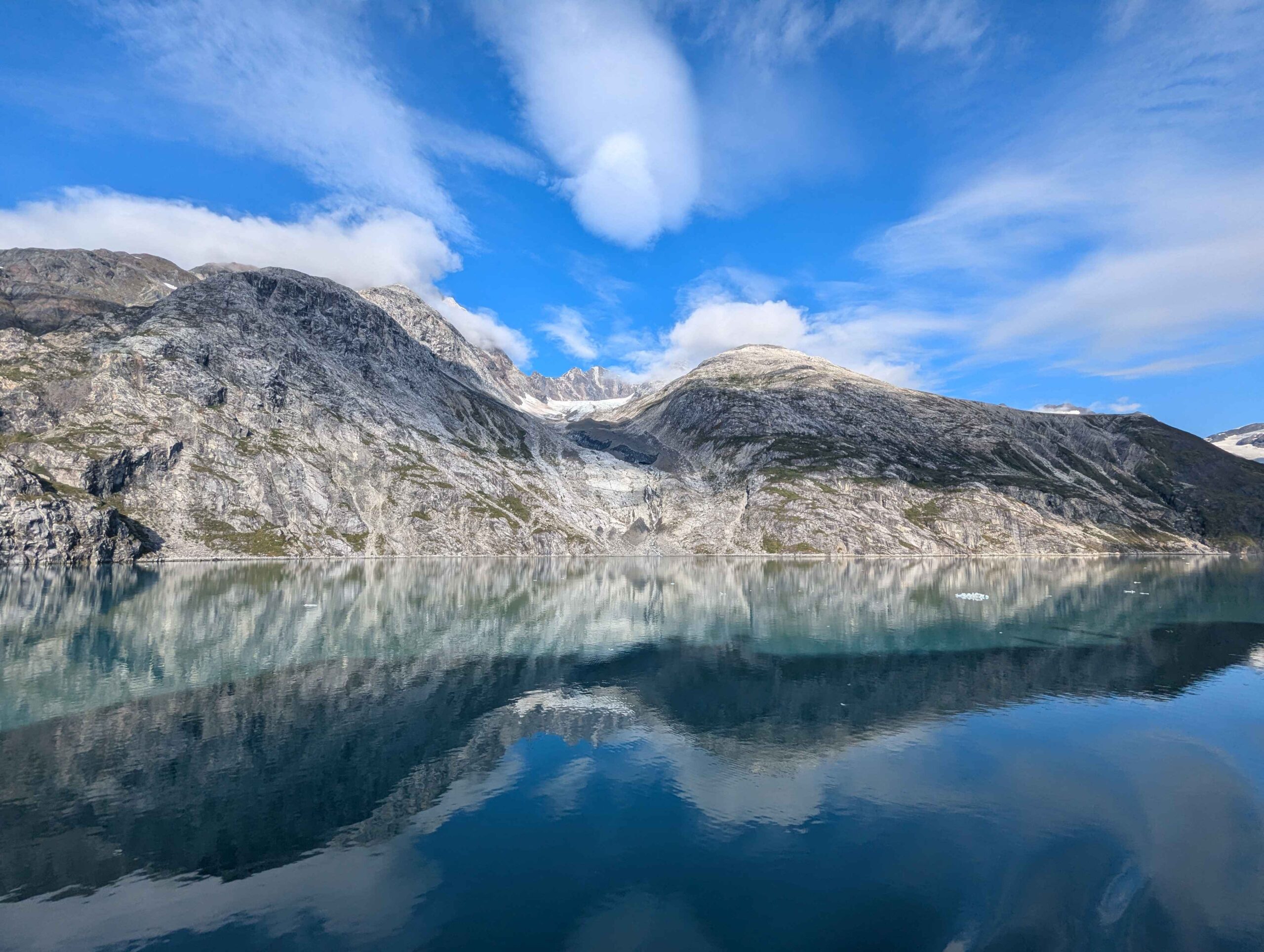
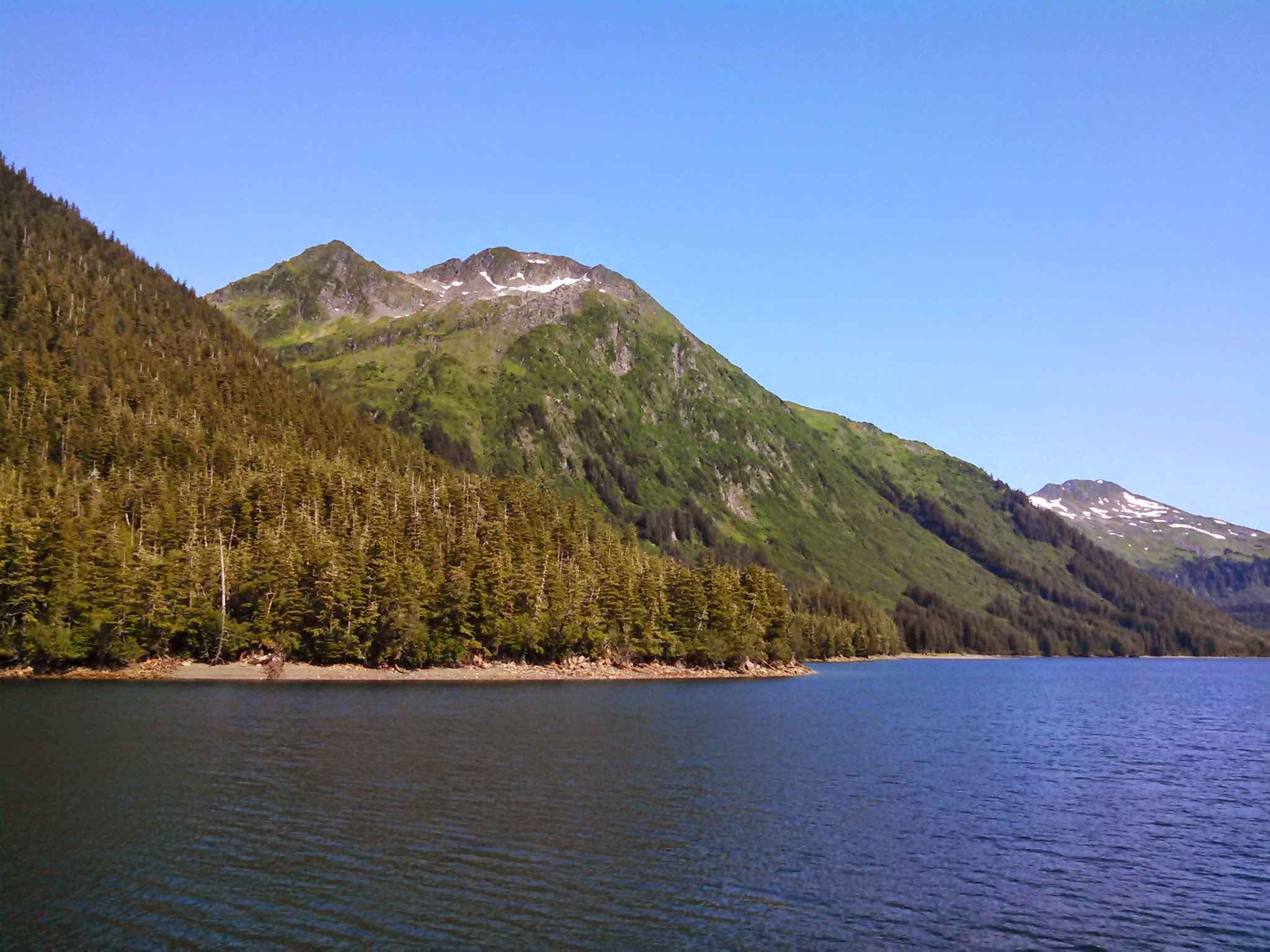
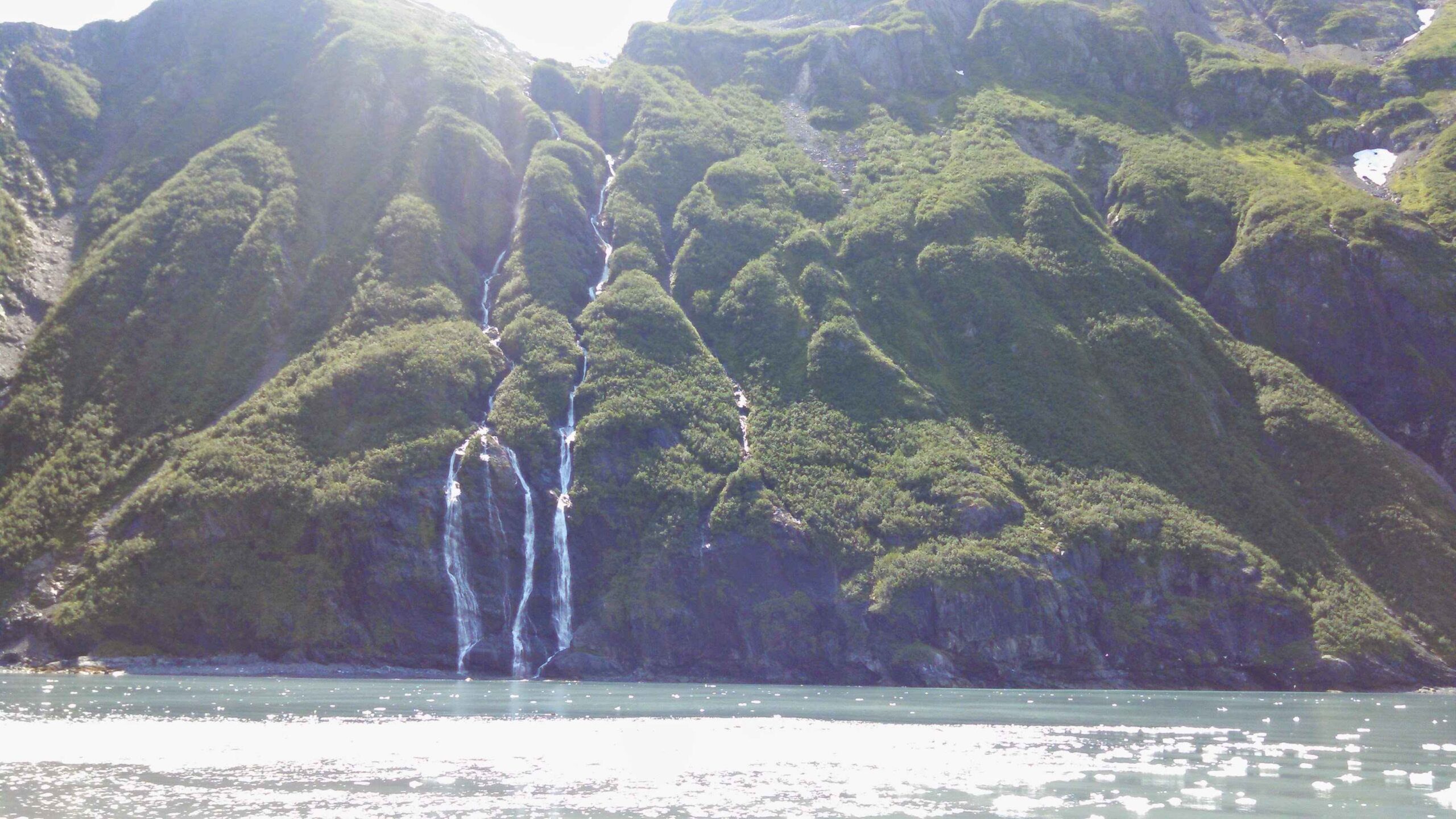
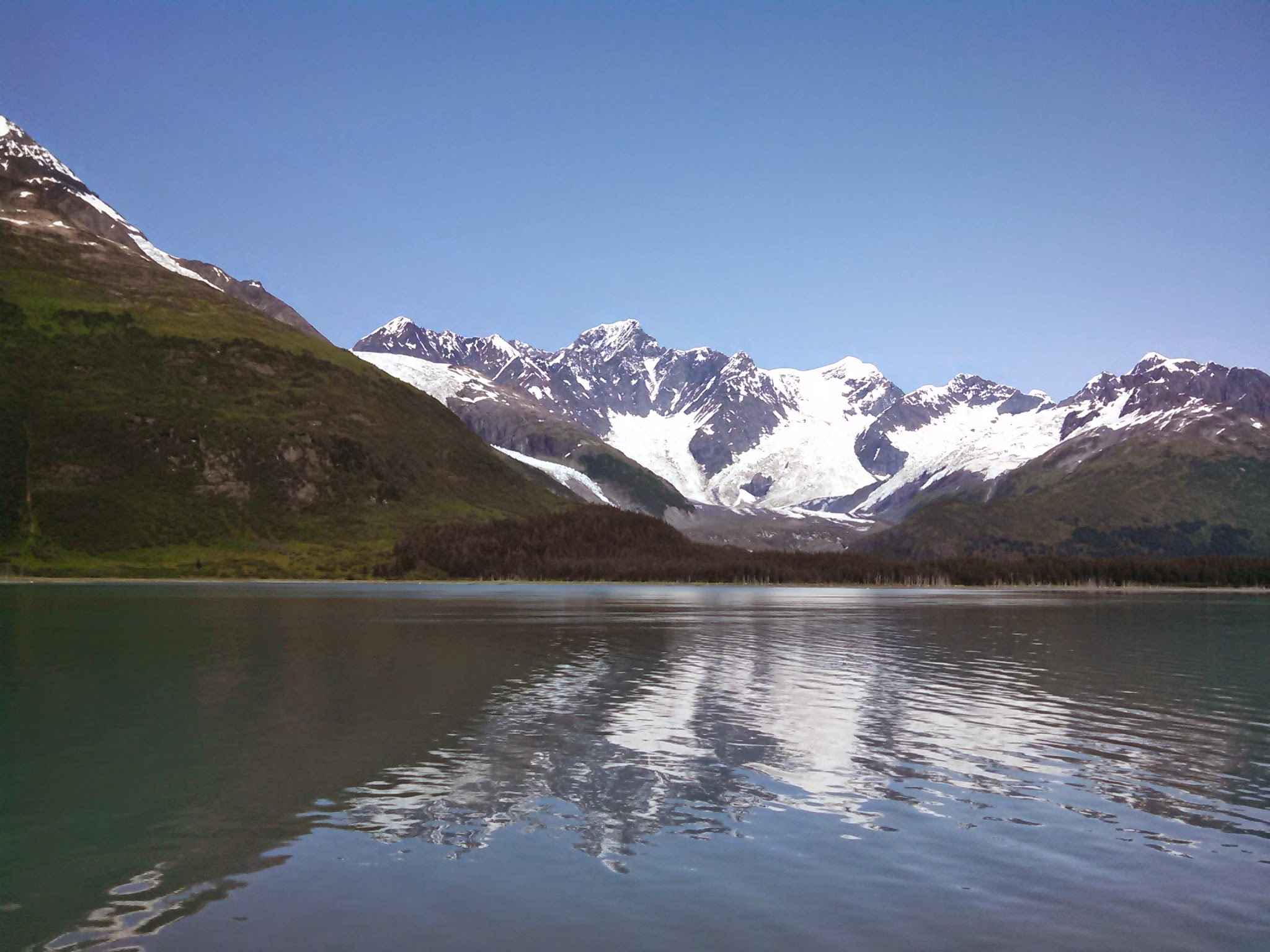
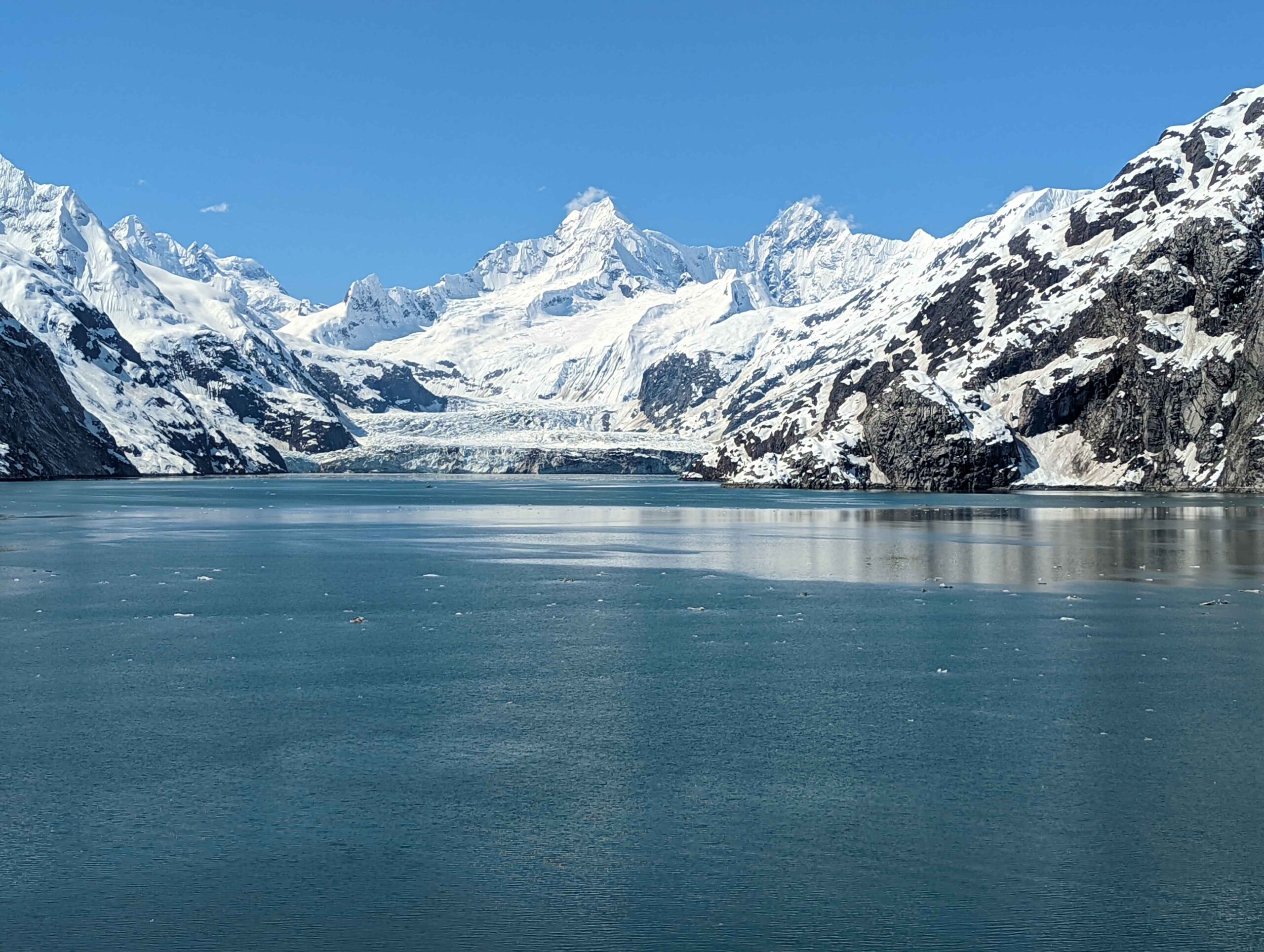
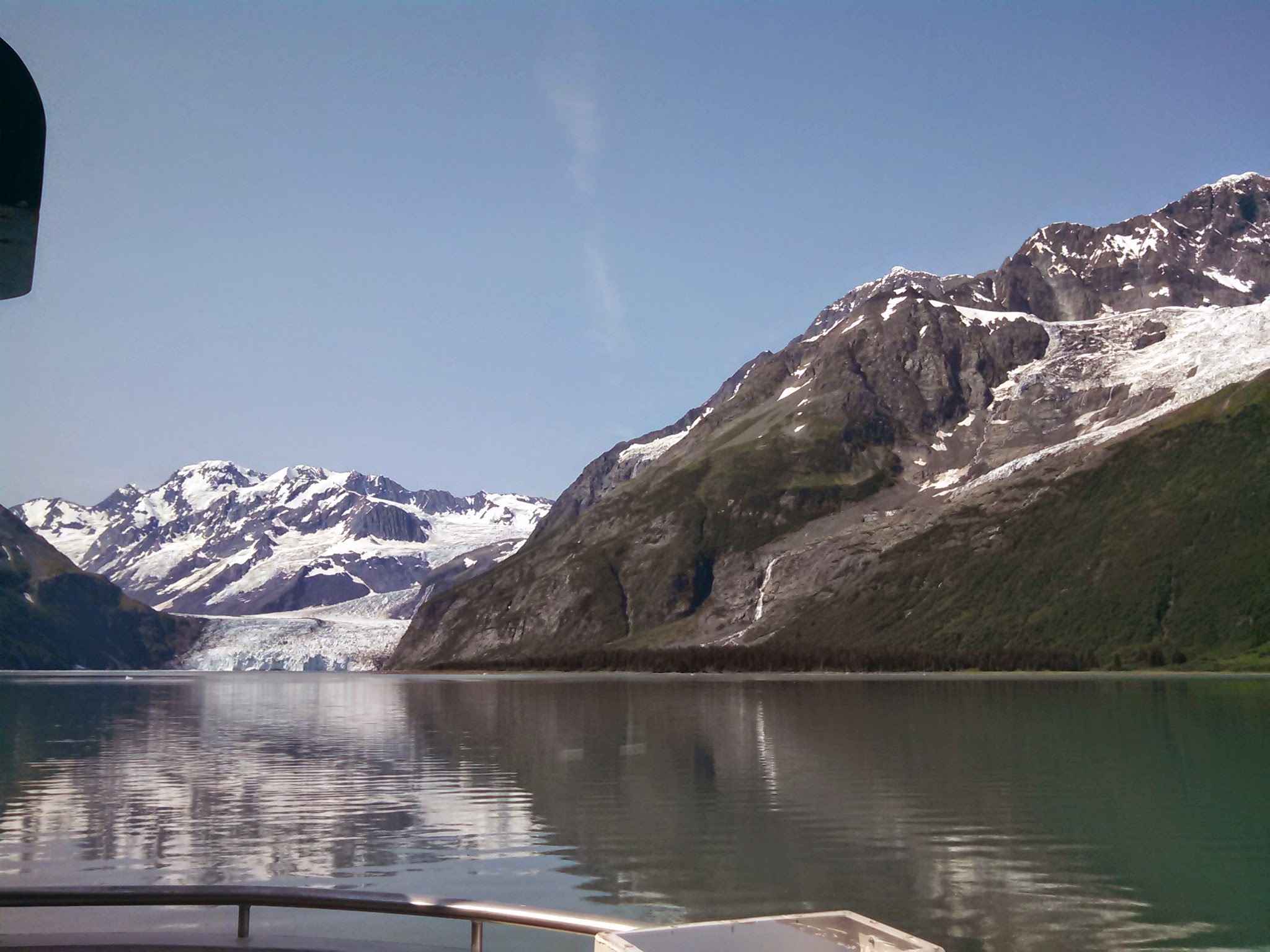
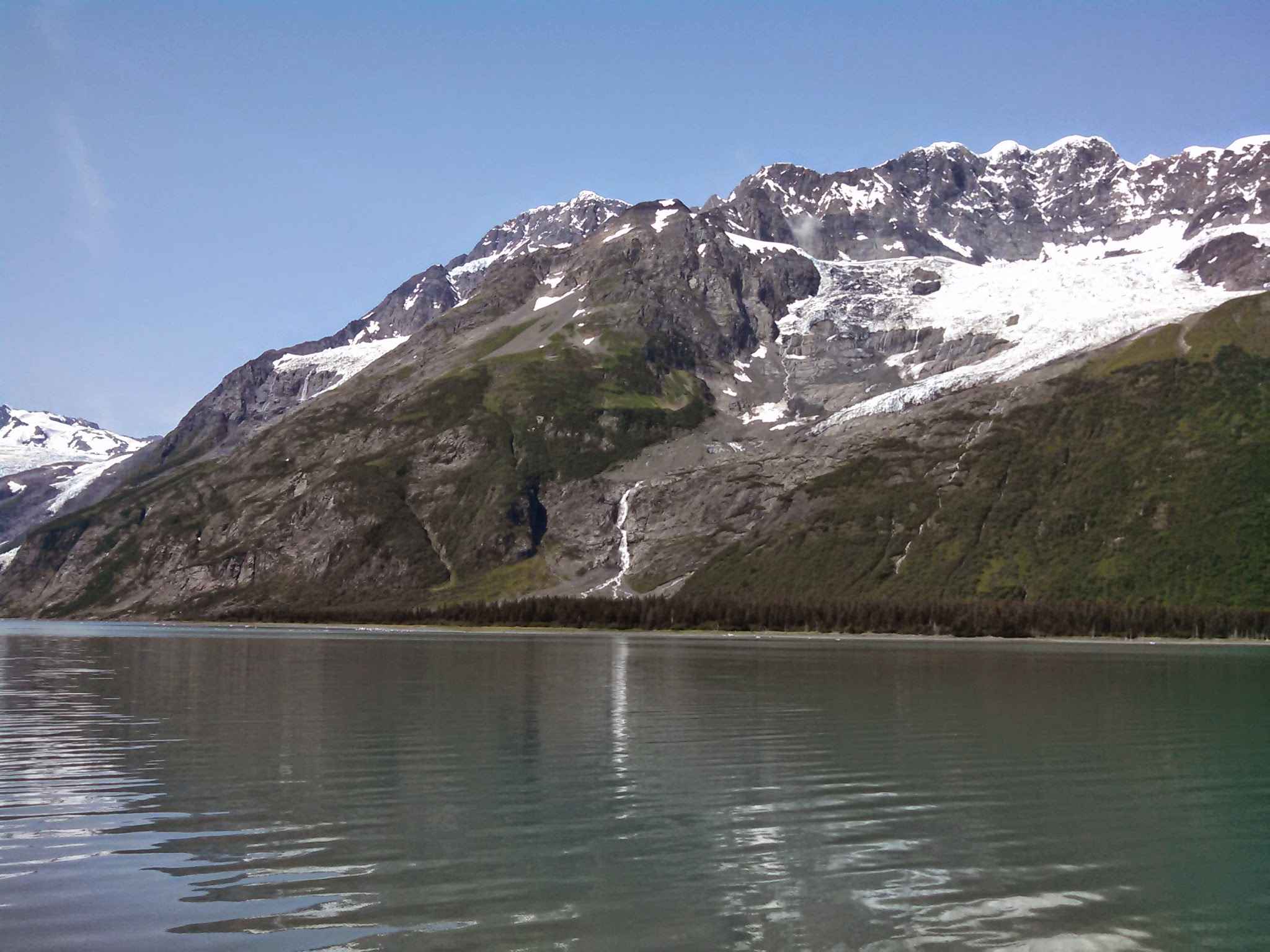
Mid-summer can look completely different. Much of the lower elevation snow has disappeared and green mountainsides emerge around the glaciers. On a clear day, blue skies, exposed rock, green slopes, and glacial ice create much stronger contrasts than I see earlier in the season. Calm water can turn the fjord into a reflection of the mountains above it. Summer does not guarantee sunshine, of course, but my clearer glacier days have shown just how colorful Alaska can become once the winter snow retreats.
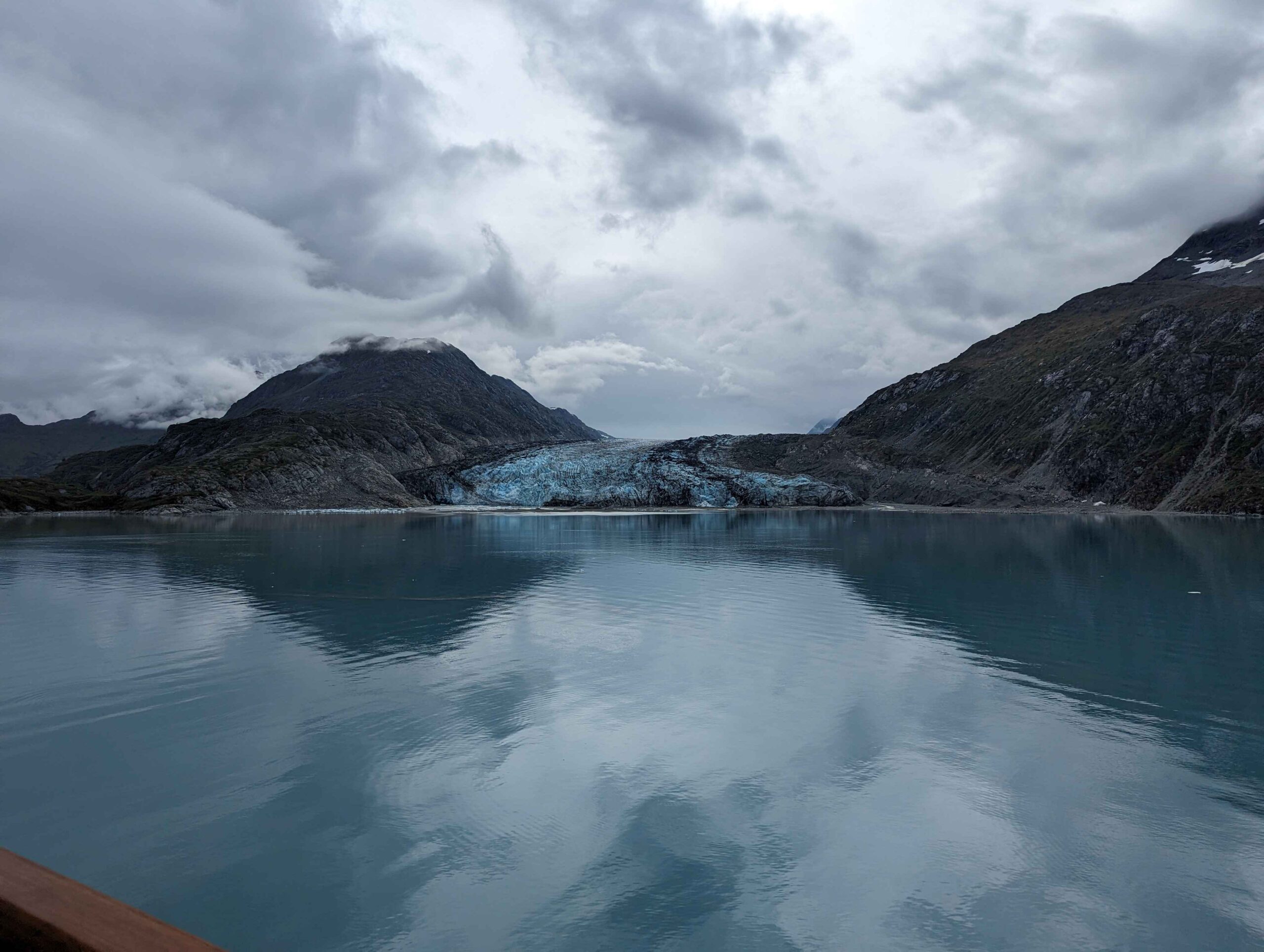
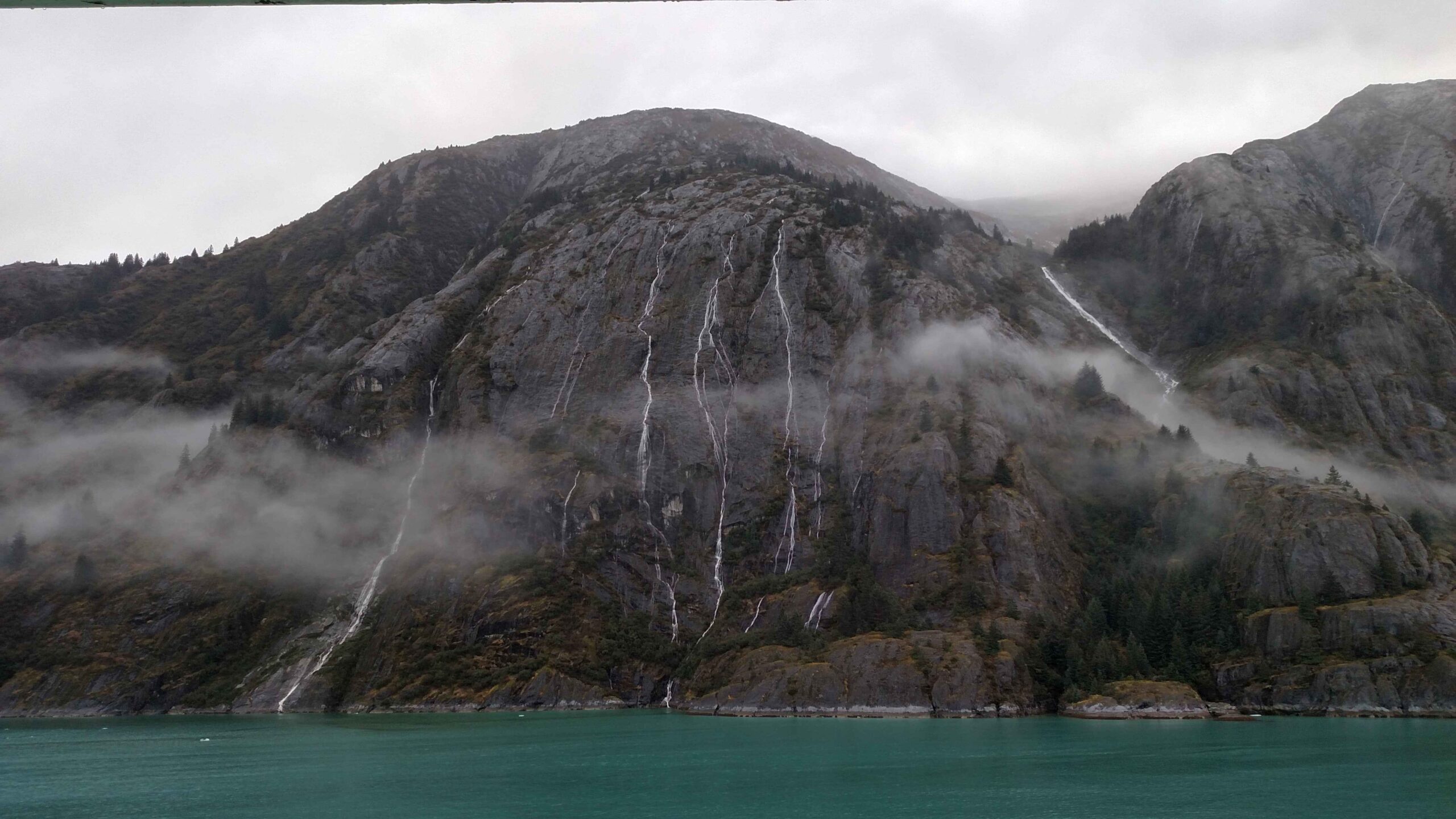
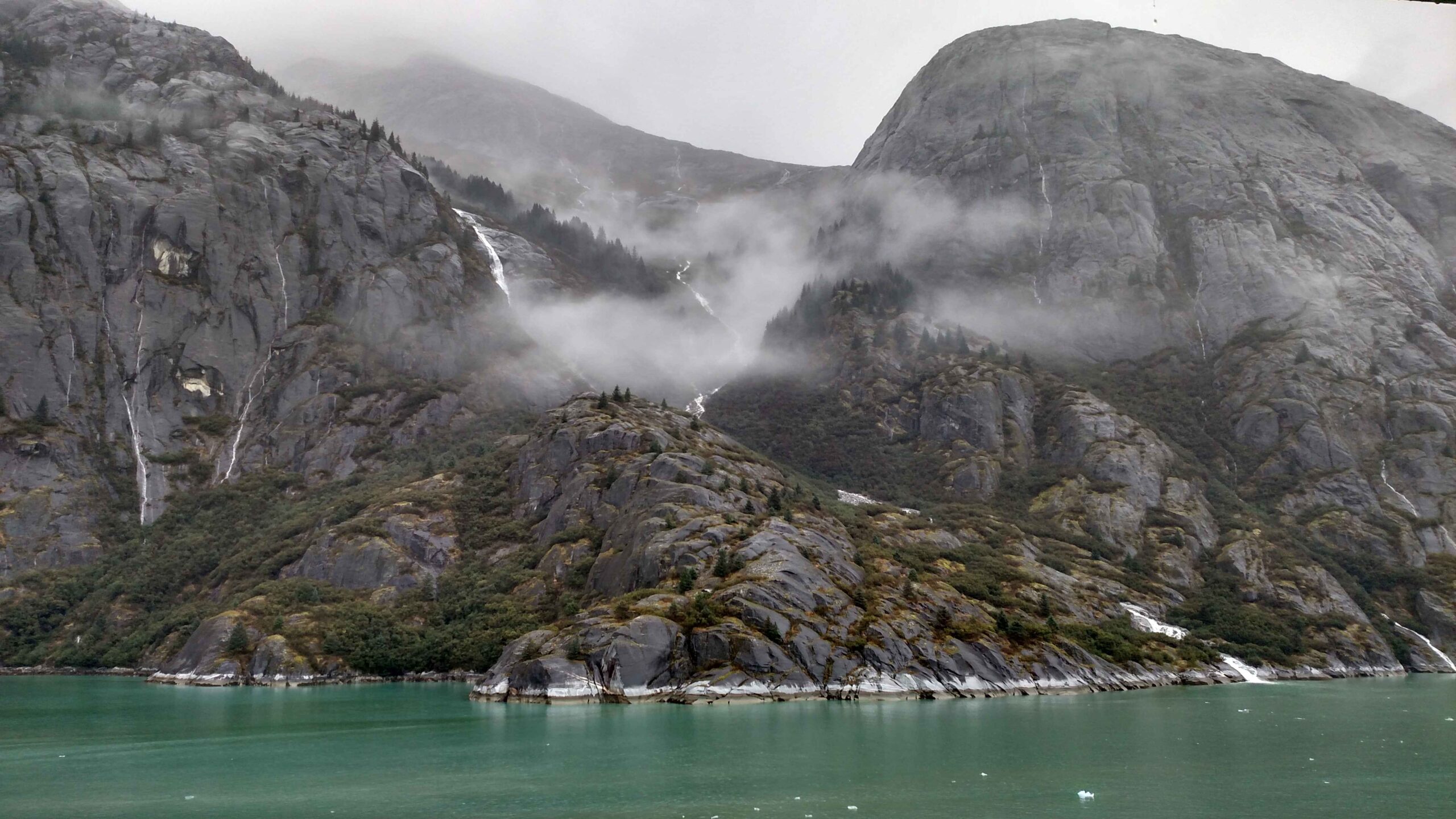
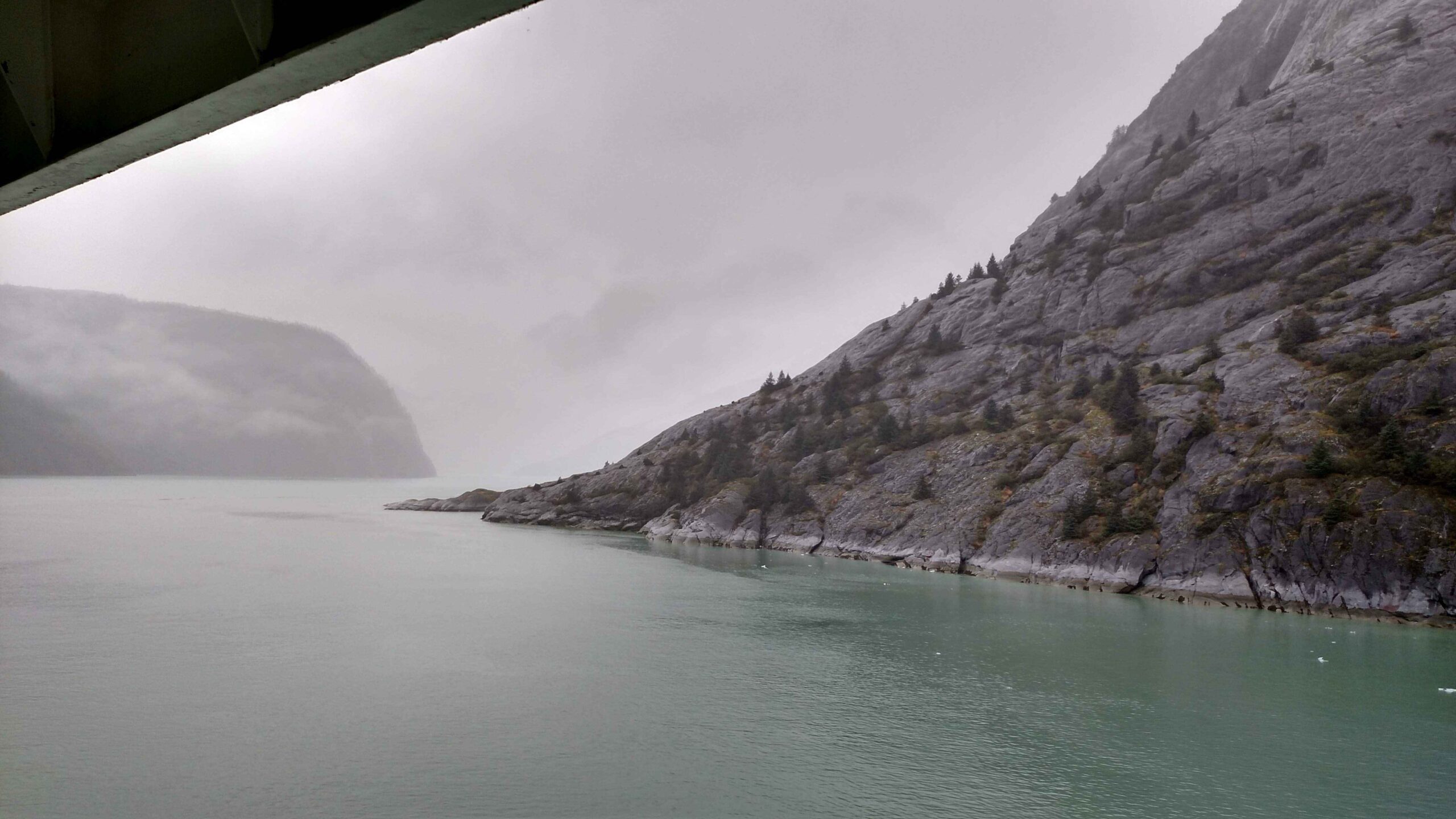
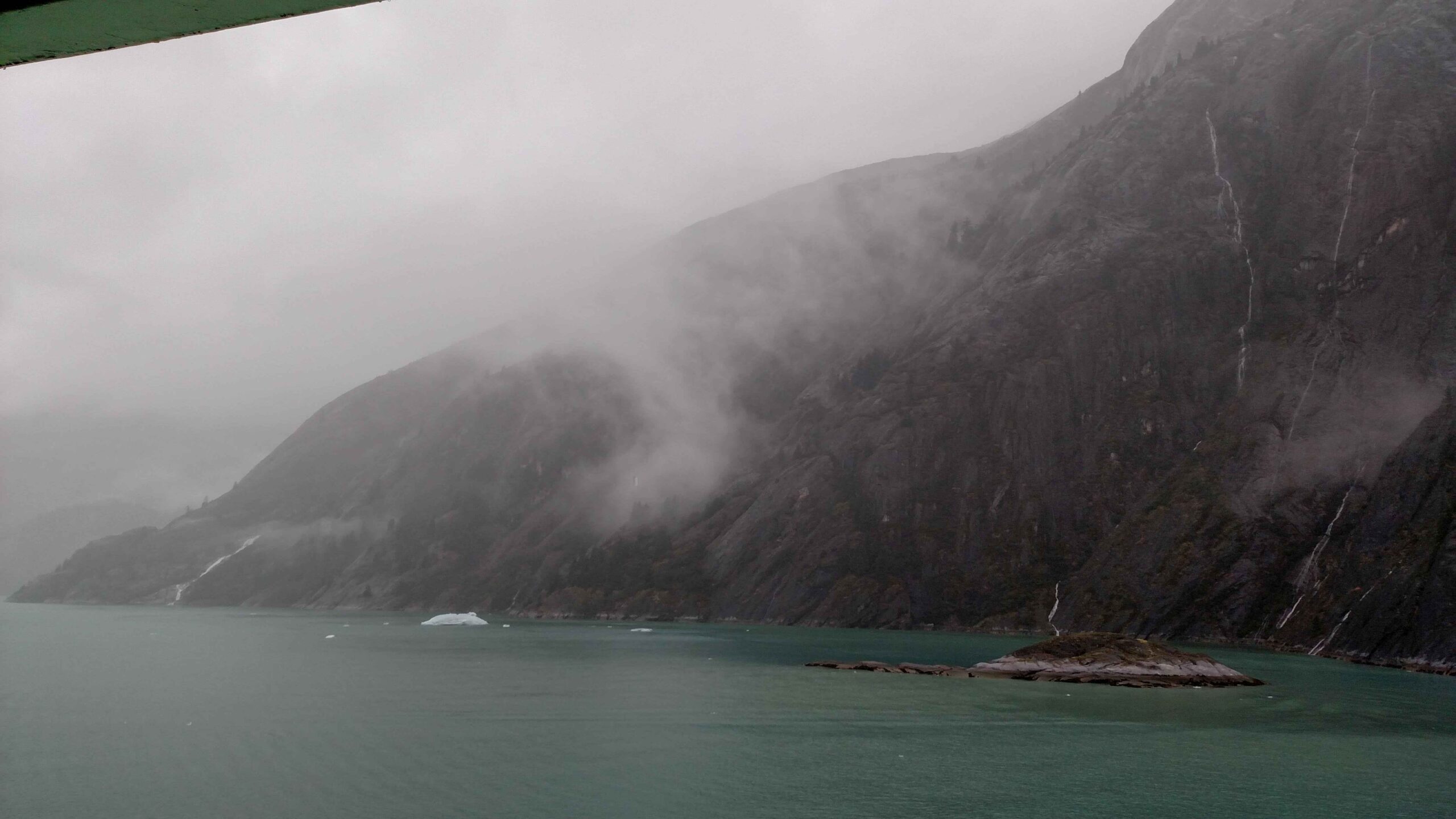
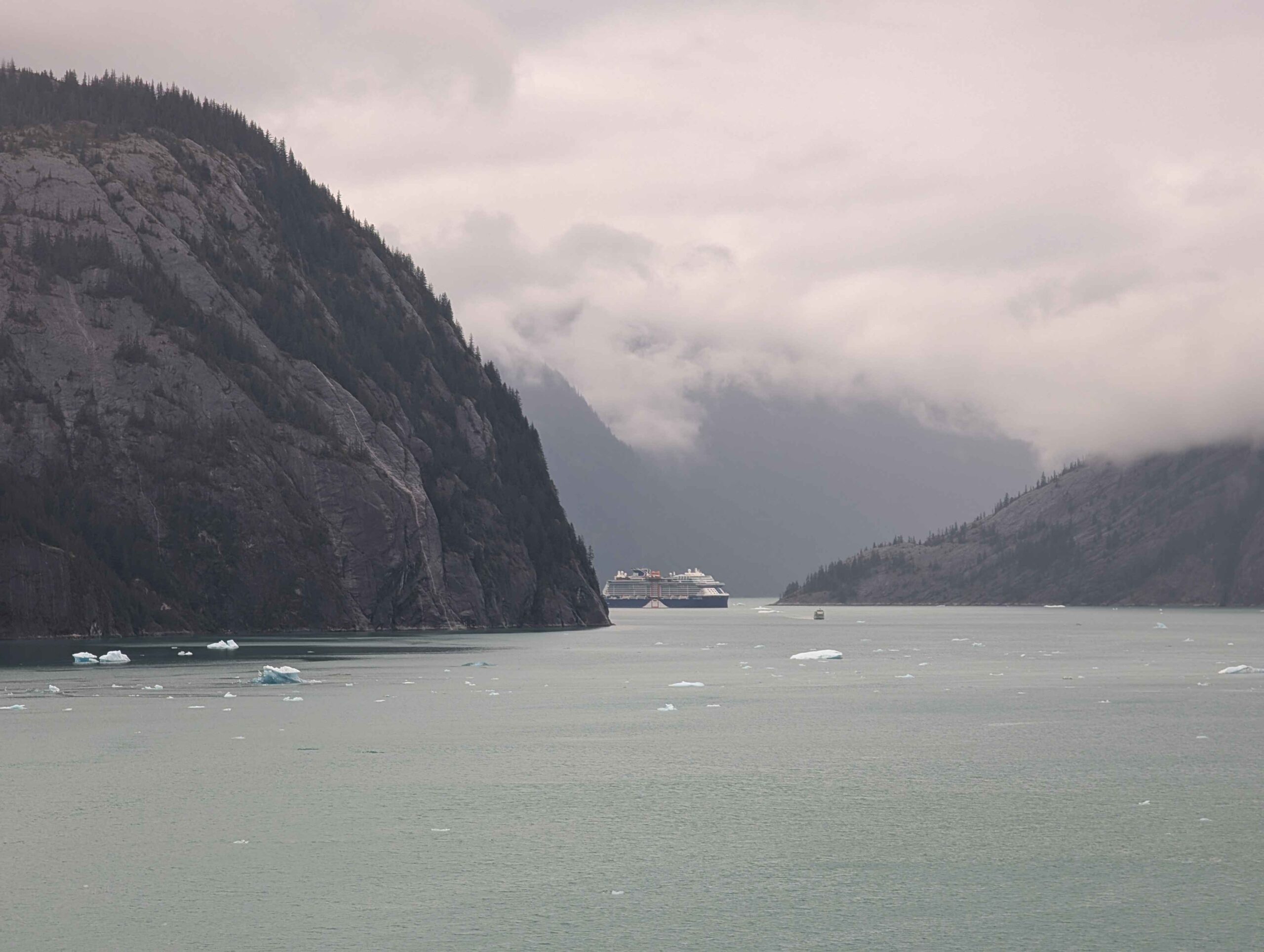
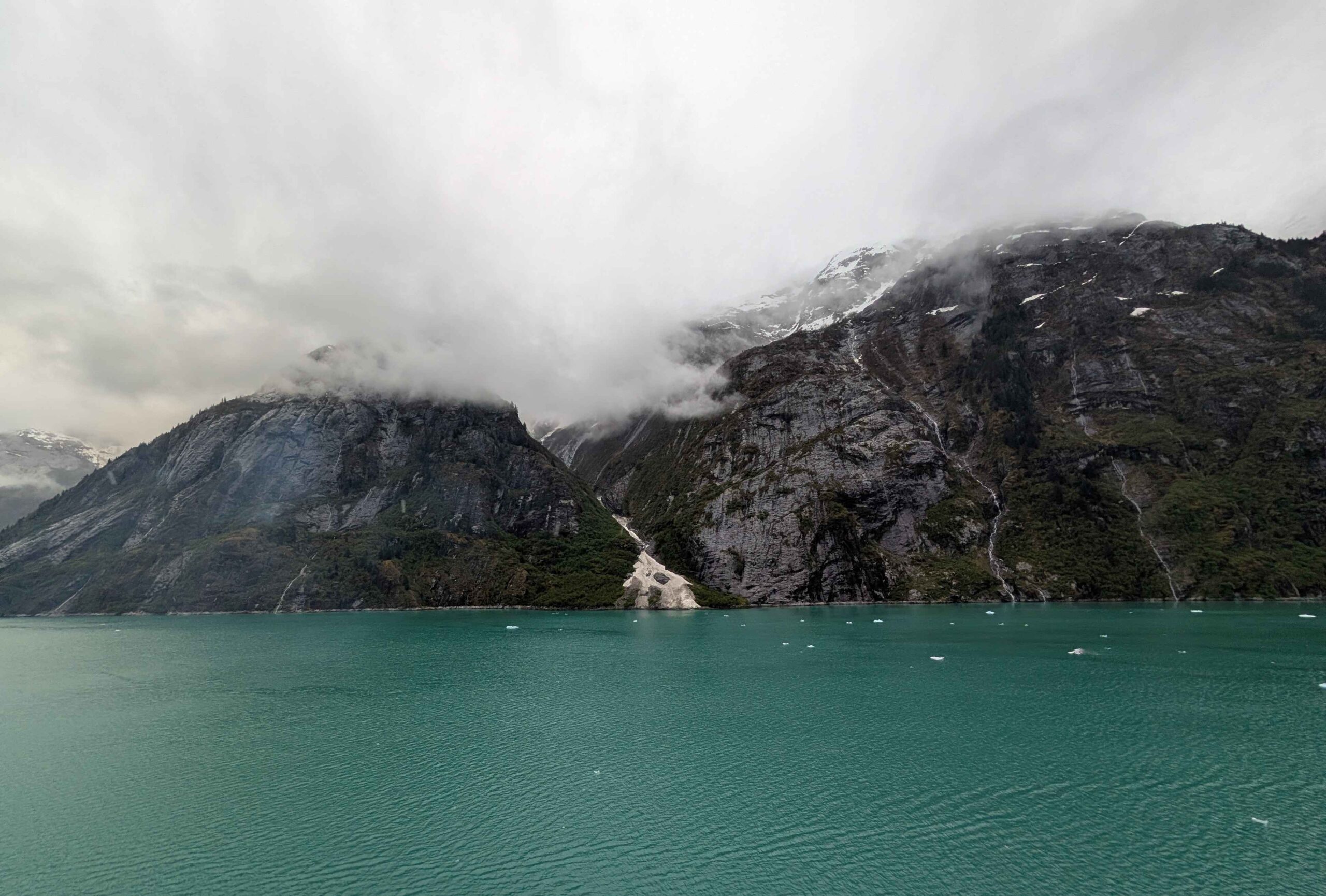
Autumn brings another change. By the end of the Alaska cruise season, I have encountered more periods of rain with darker clouds moving through during the day. Mountains can disappear behind mist and then slowly return as conditions change. The scenery becomes moodier, with waterfalls running down the mountainsides and clouds hanging low over the fjords. Sometimes the glacier is perfectly visible. Other times I am looking through rain and fog at varying shades of gray.
After seeing all three seasons, my biggest advice is simply to come prepared for all of them. A sunny forecast does not mean the wind coming off a glacier will feel warm, and a rainy morning does not mean the entire scenic cruising day is lost. I keep something warm and waterproof nearby and move between the outside decks and indoor viewing areas as conditions change. A hot cocoa also does a surprisingly good job of keeping my hands warm.
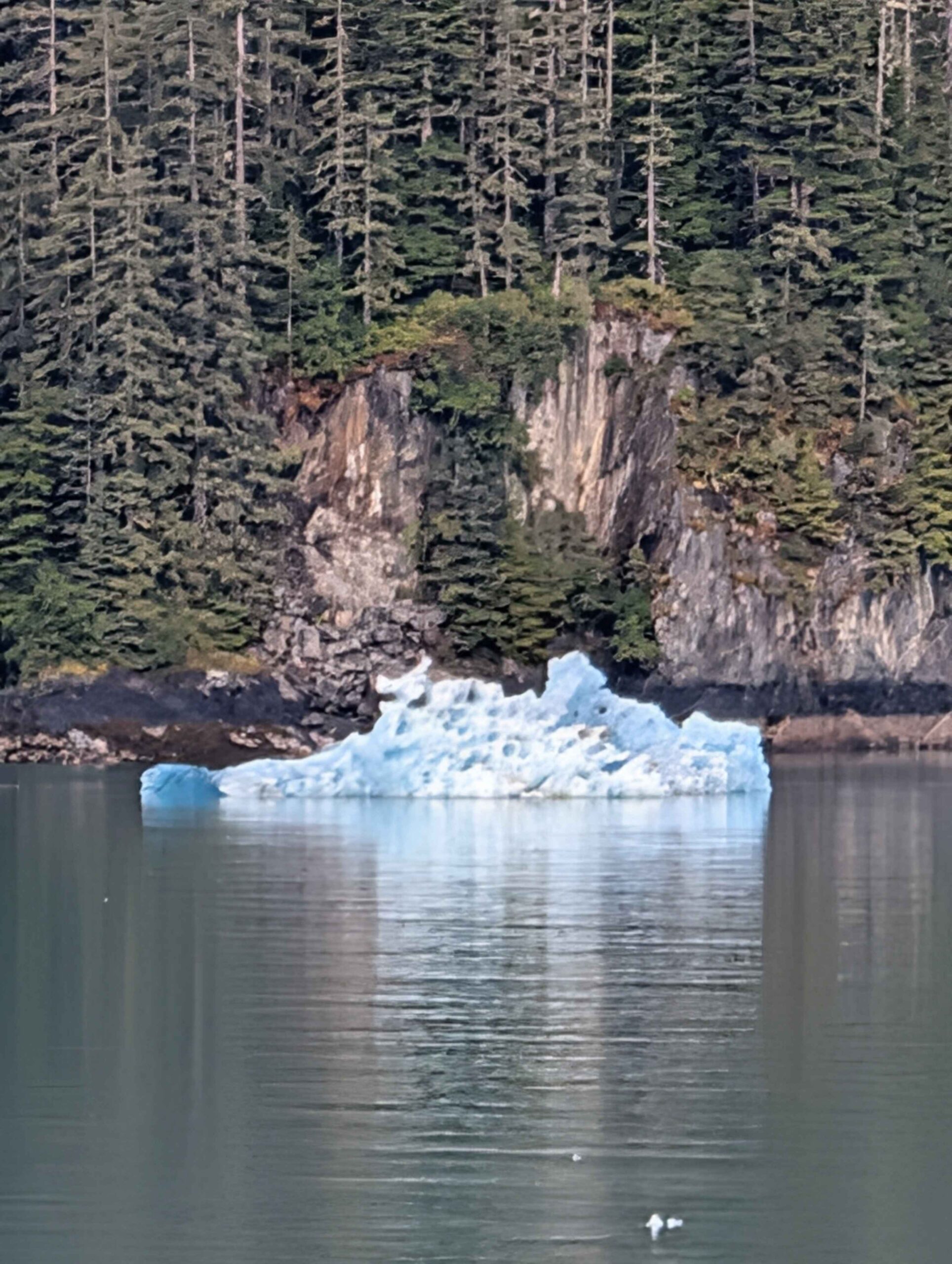
The glaciers themselves change too, which is another reason I no longer think there is a single “best” one to see. Ice advances and retreats, pieces calve away, snow cover changes, and every visit brings a different combination of weather, visibility, water, and light. Whether I am looking at snow-covered mountains in spring, green slopes under a blue summer sky, or an Autumn fjord disappearing into the rain, I have yet to experience the same Alaska glacier day twice.
If You Have More Time…
- Glacier Bay National Park Ranger Program – On select sailings park rangers come aboard to provide detailed commentary about the glaciers wildlife and geology which adds depth to the experience.
- Tracy Arm Fjord Small Boat Excursion – A smaller vessel can navigate closer to the glacier face and narrow passages offering a more intimate perspective than the main ship.
- Endicott Arm Scenic Route – An alternative fjord route known for steep cliffs waterfalls and the Dawes Glacier which can feel less crowded depending on the itinerary.
- Onboard Forward Observation Deck – Spending time at the front of the ship provides a quieter vantage point with unobstructed views especially during early morning glacier approaches.