
Tallinn Concrete Walls Wooden Rowhouses and Quiet Cobblestones
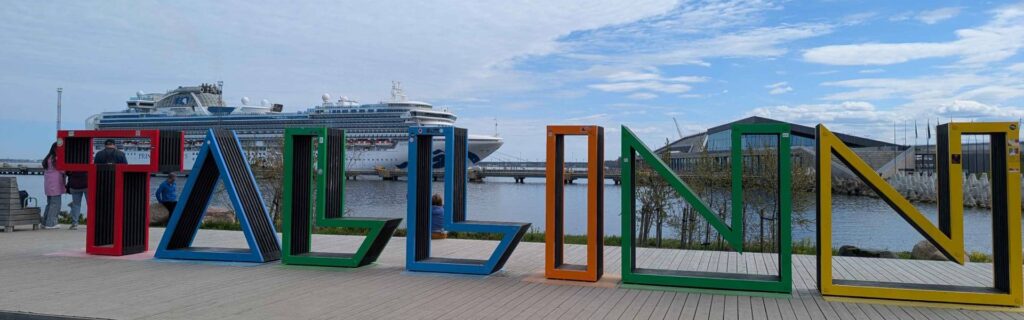
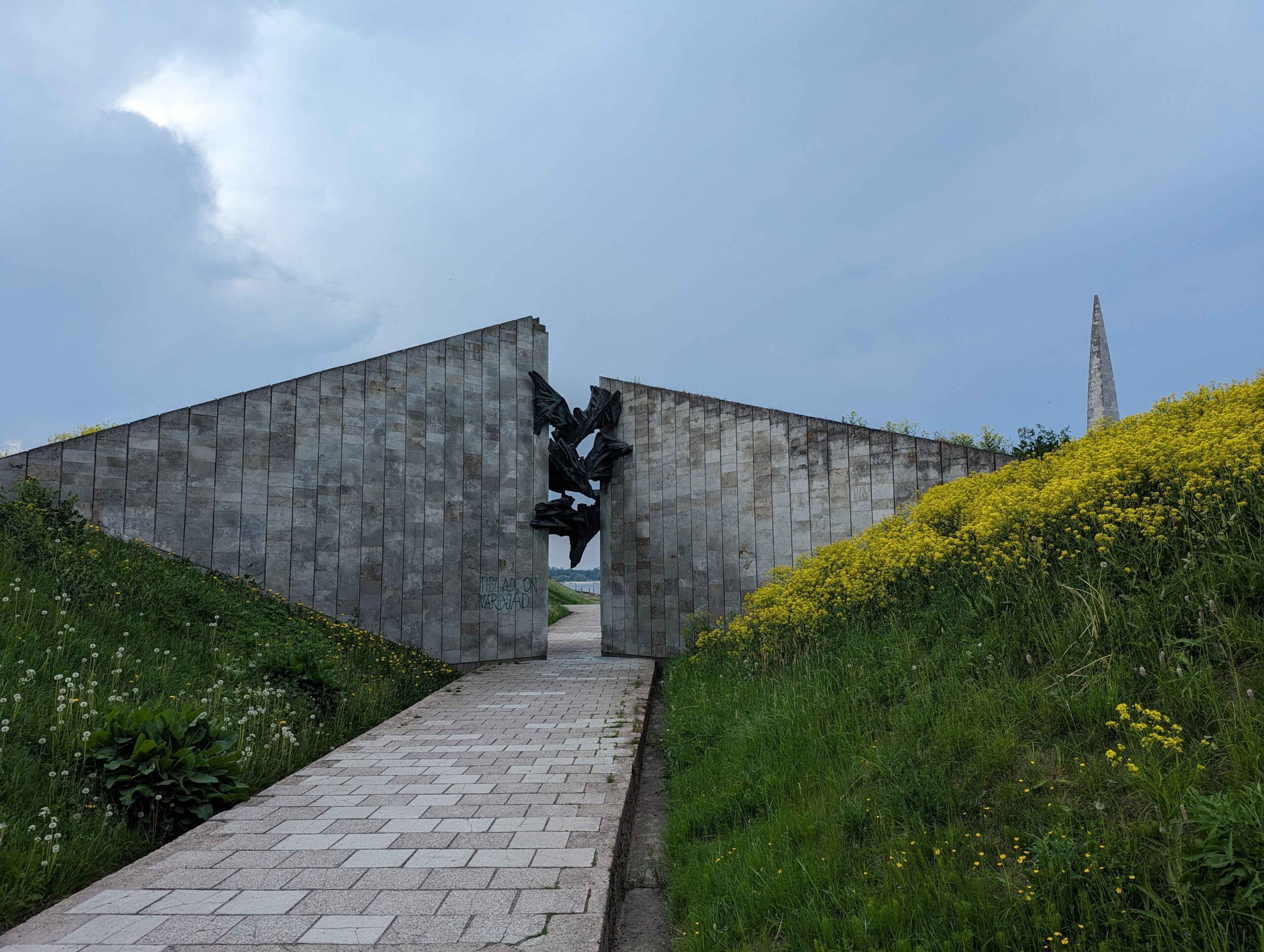
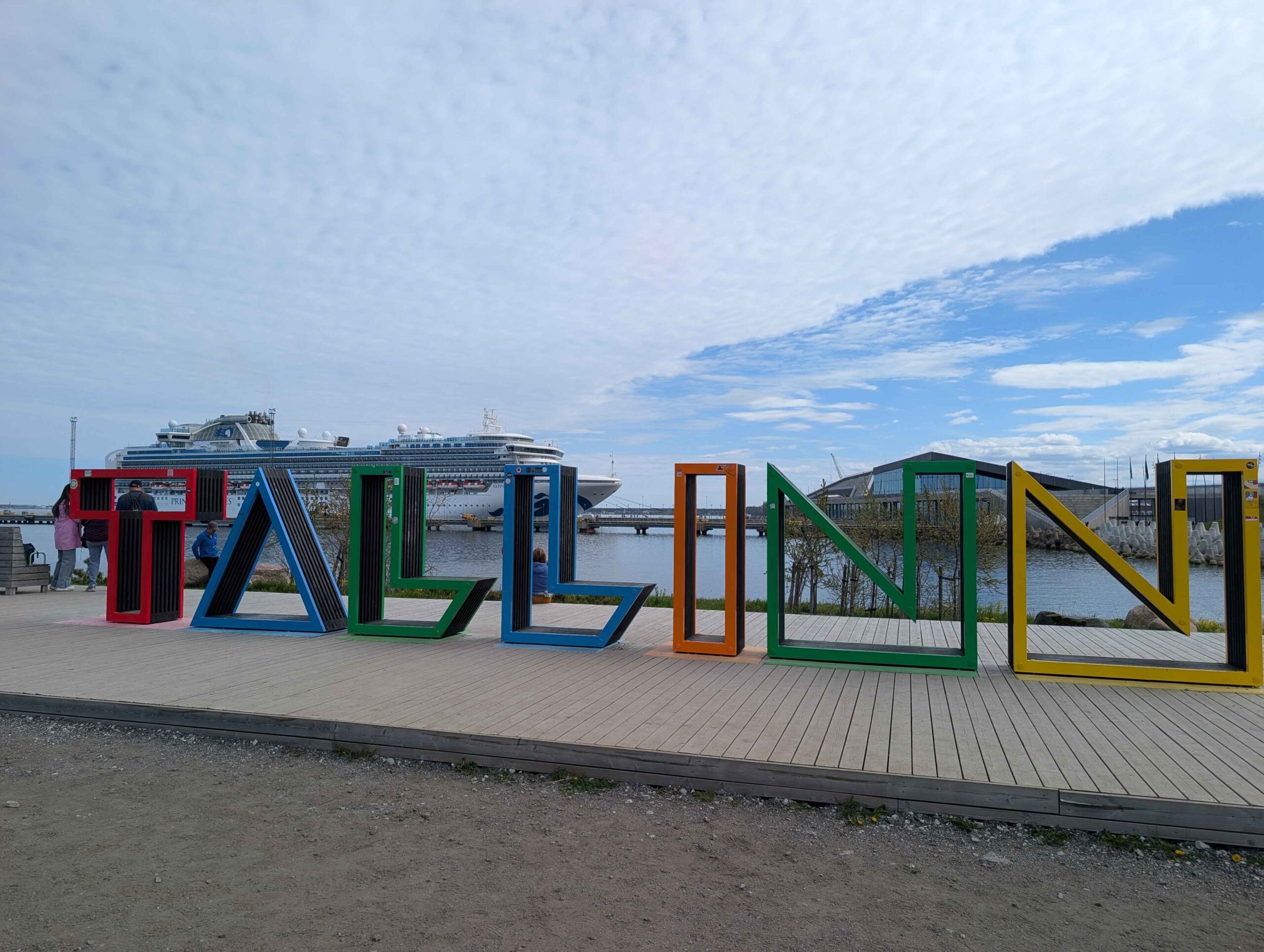
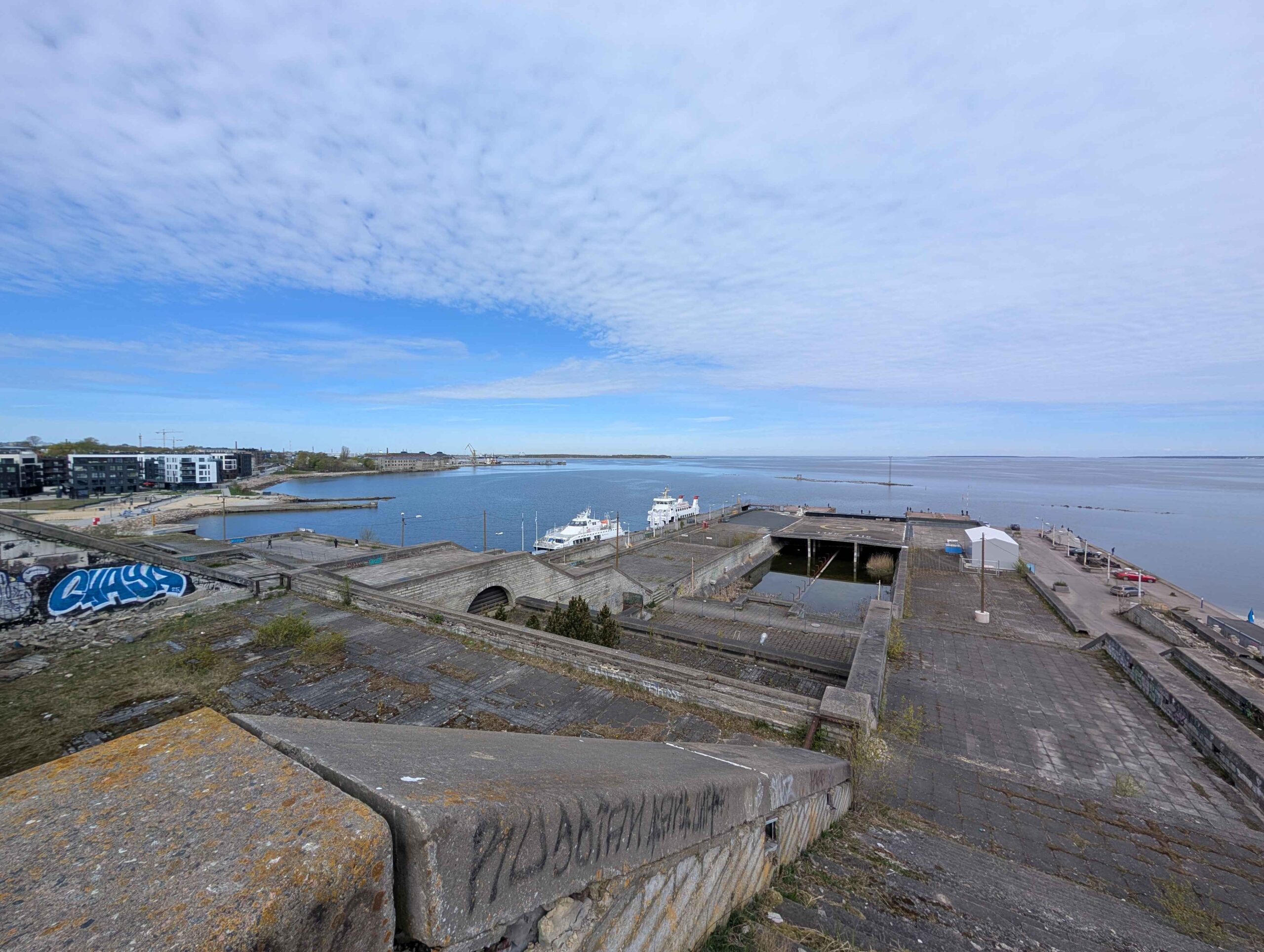
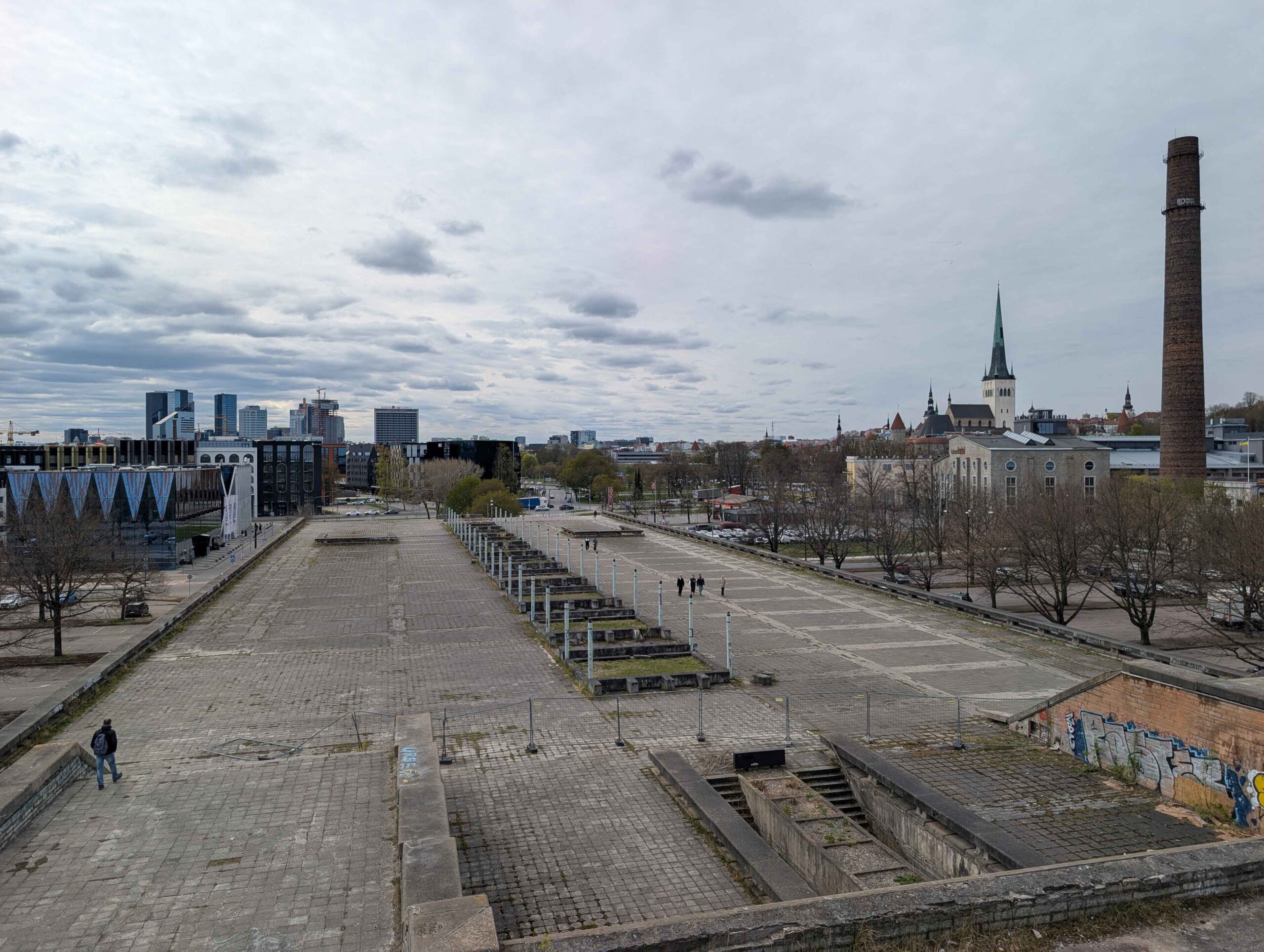
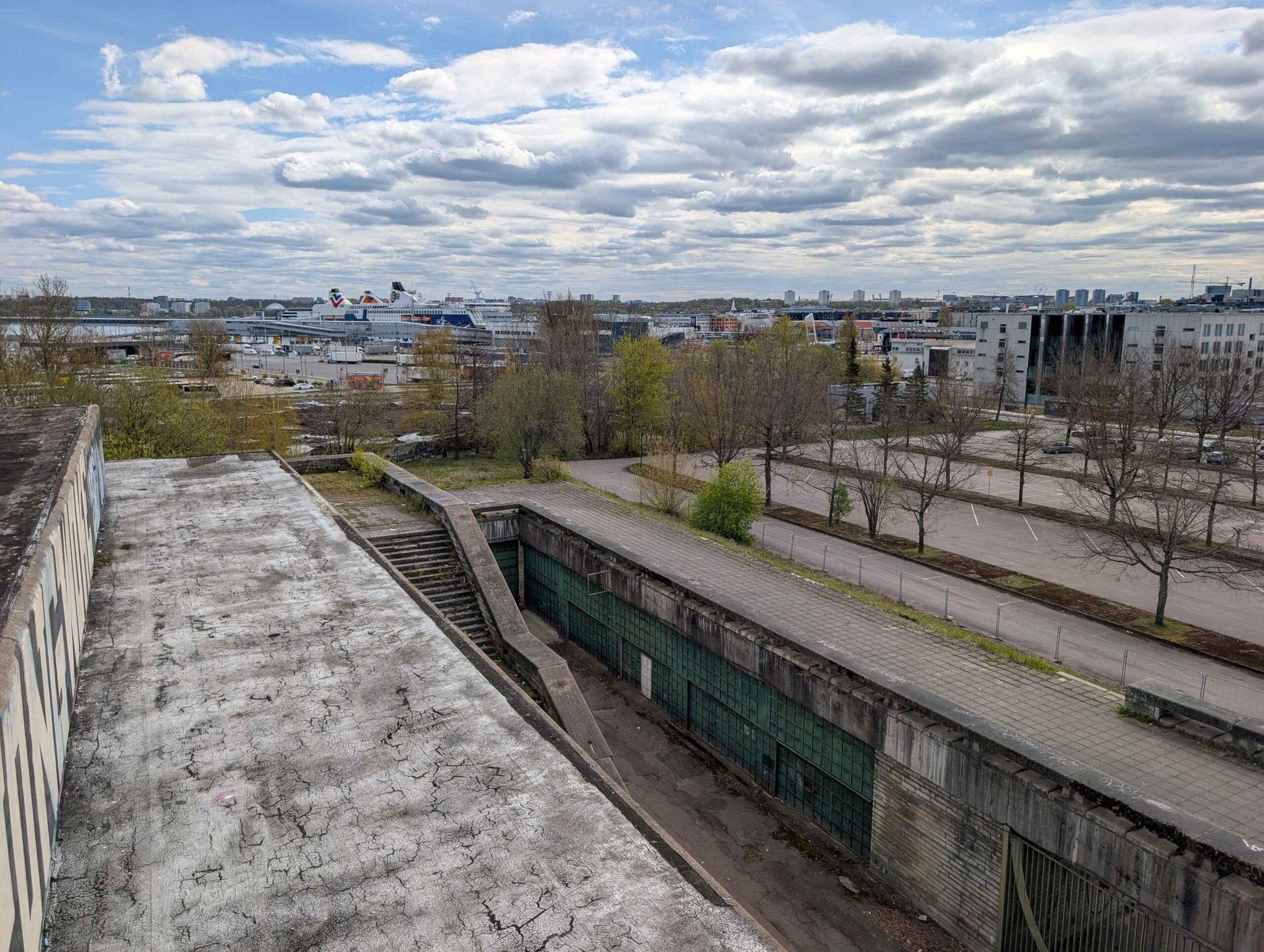
The first thing I noticed after stepping off the cruise ship in Tallinn was how gray everything felt. The harbor air was cold and damp during my May visit, and the massive concrete structure of Tallinna Linnahall immediately set the tone. Built for the 1980 Moscow Olympics, the abandoned Soviet-era amphitheater looked more like a bunker than a waterfront attraction. Steel bars sealed off entrances, graffiti covered the walls, and the entire complex felt frozen somewhere between neglect and reinvention.
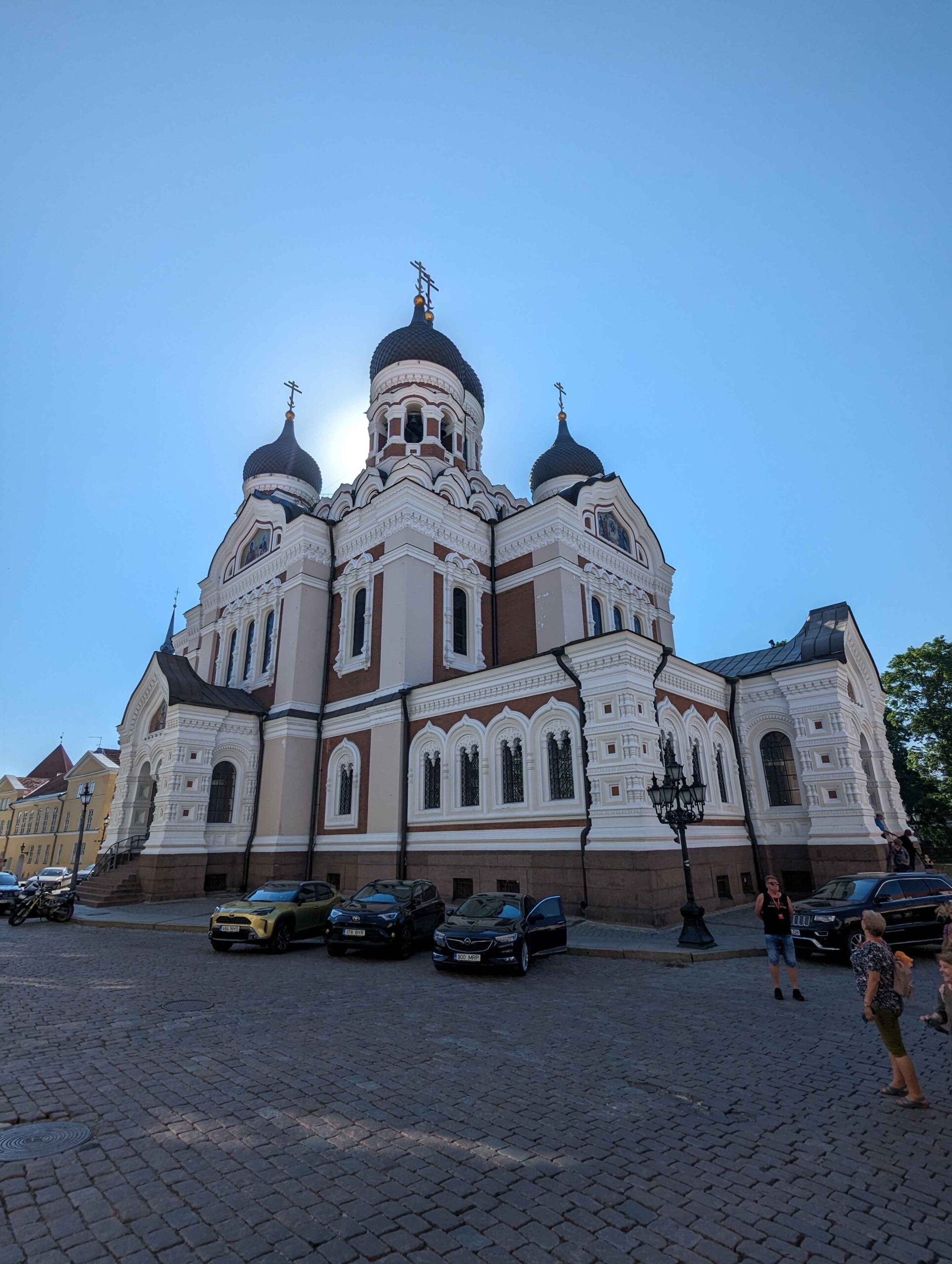
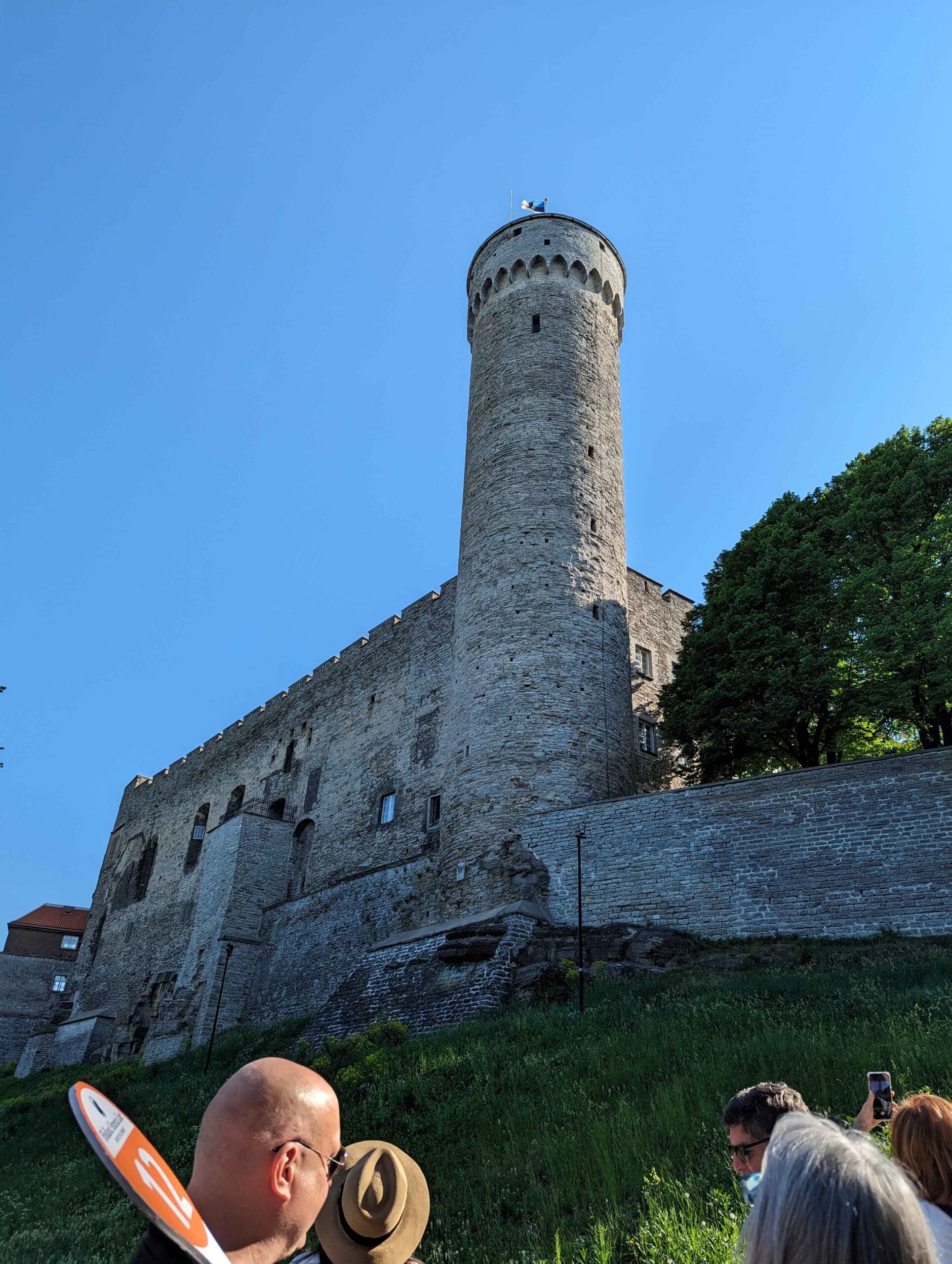
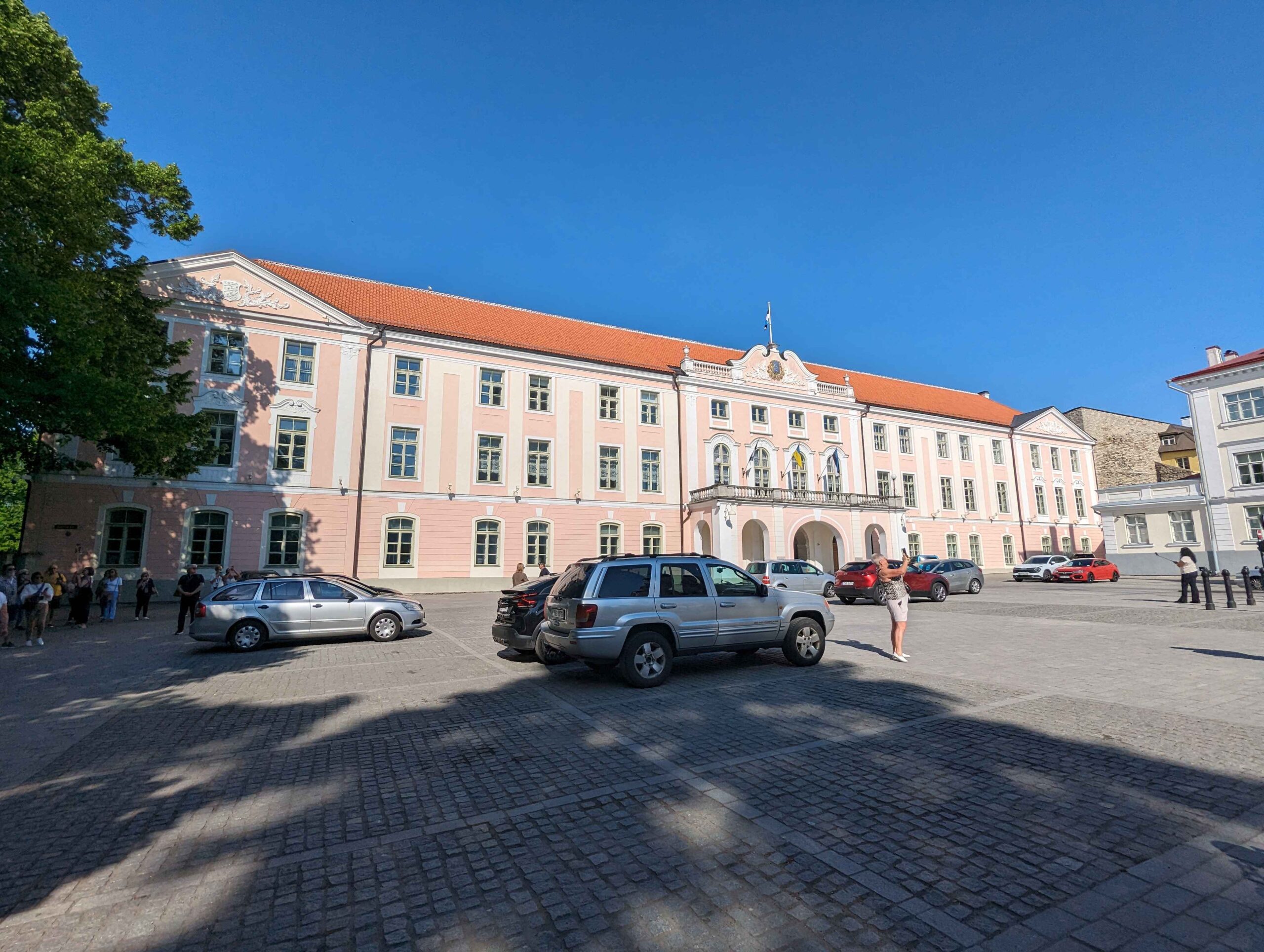
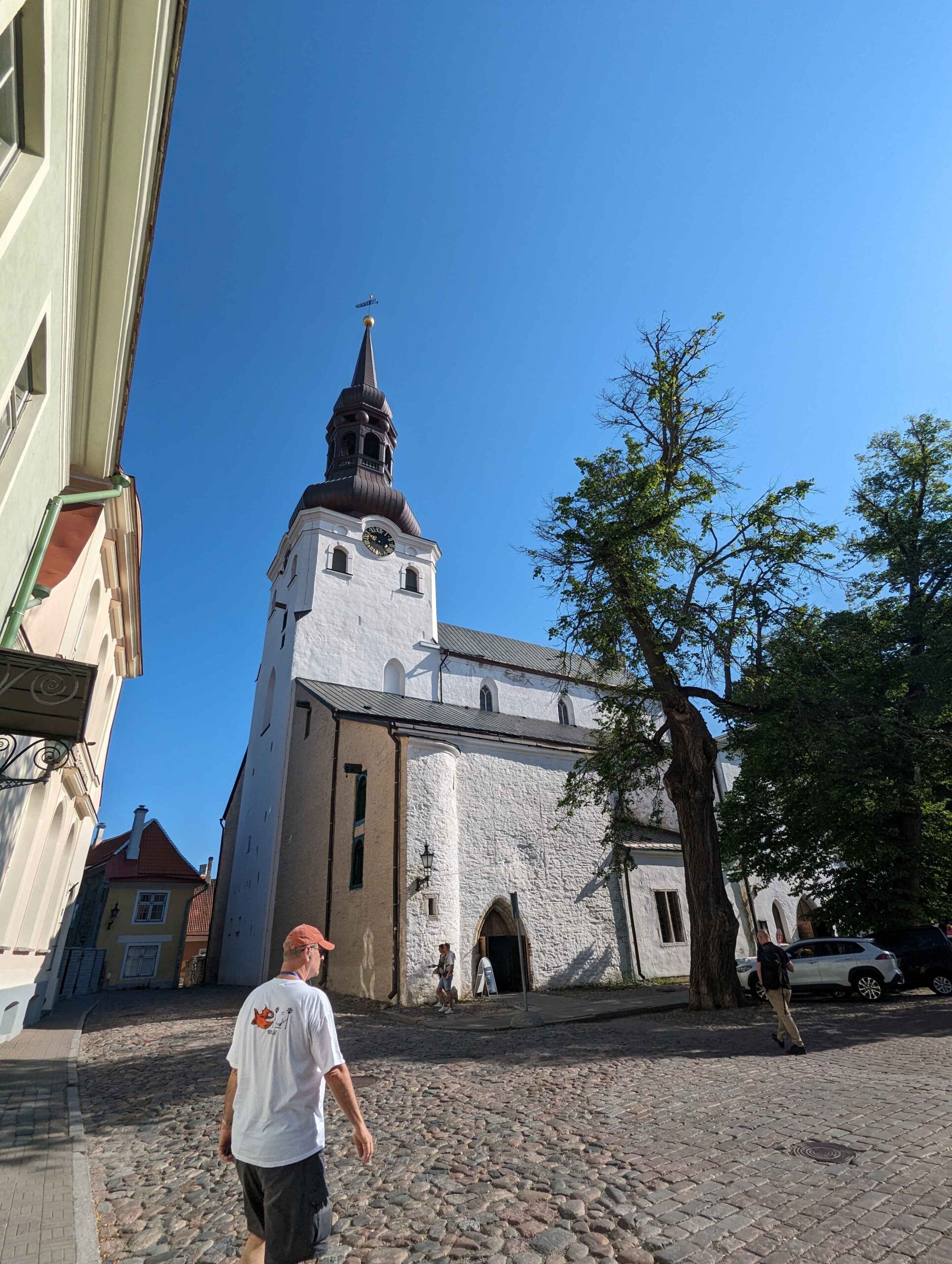
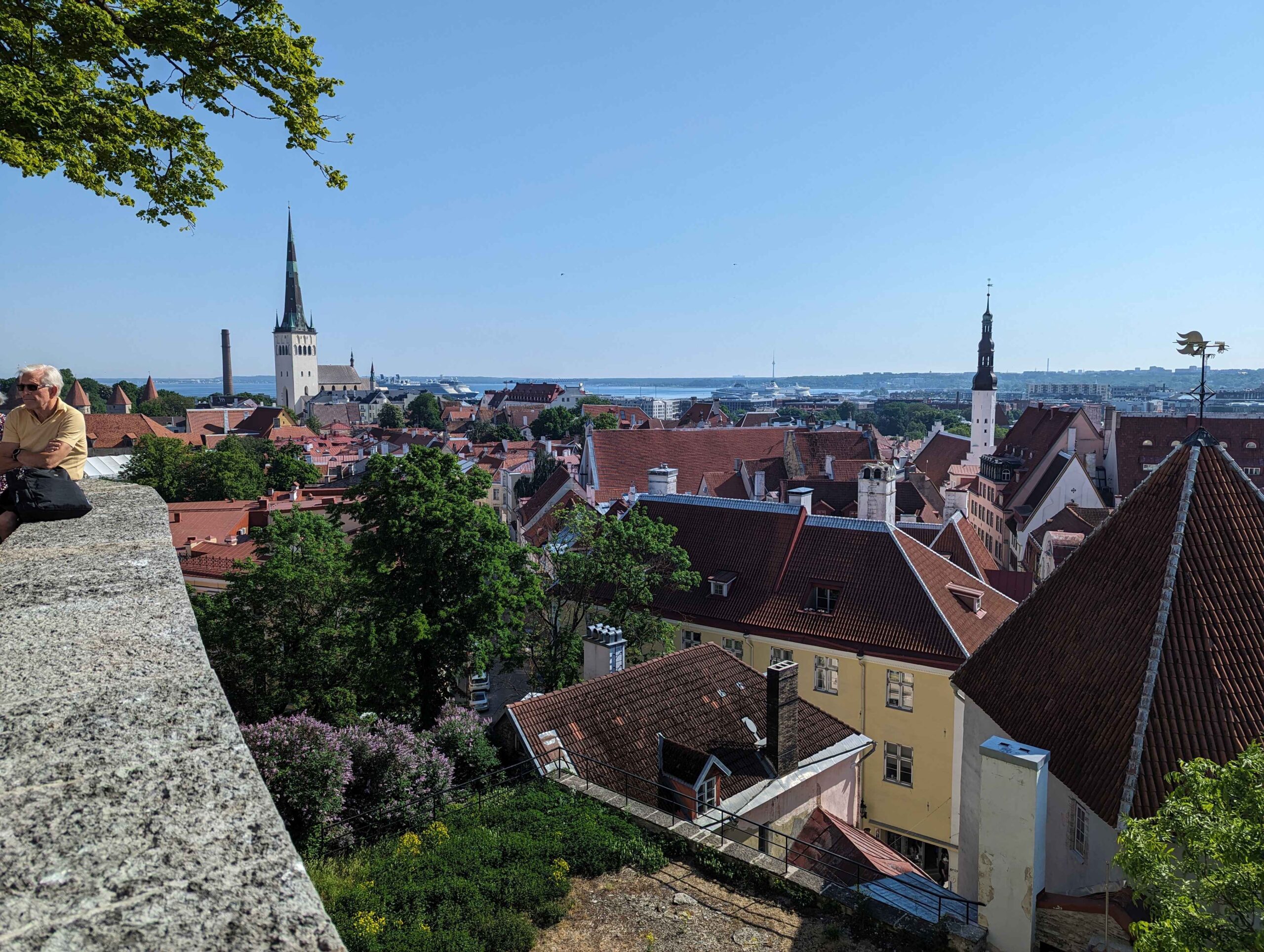
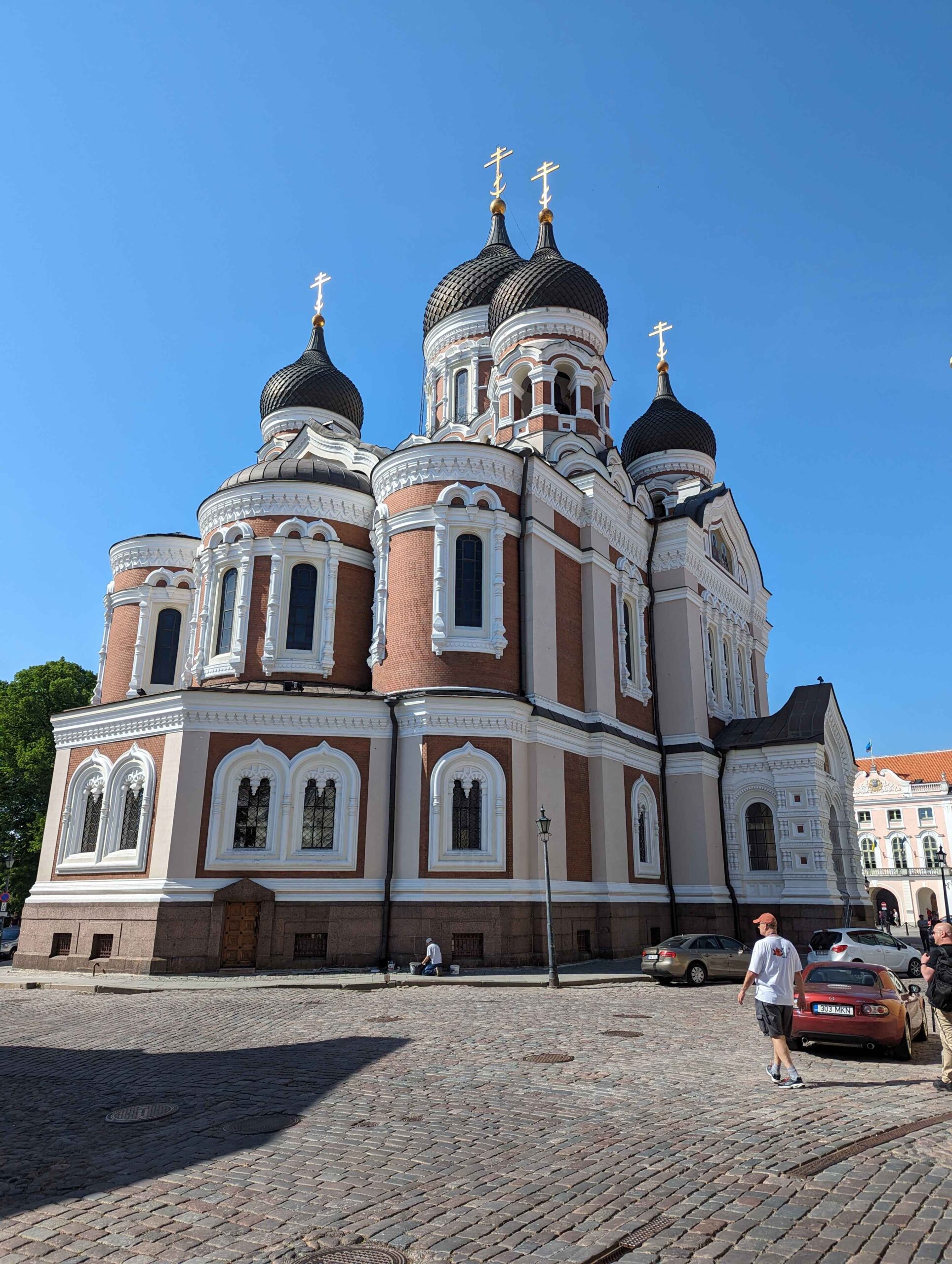
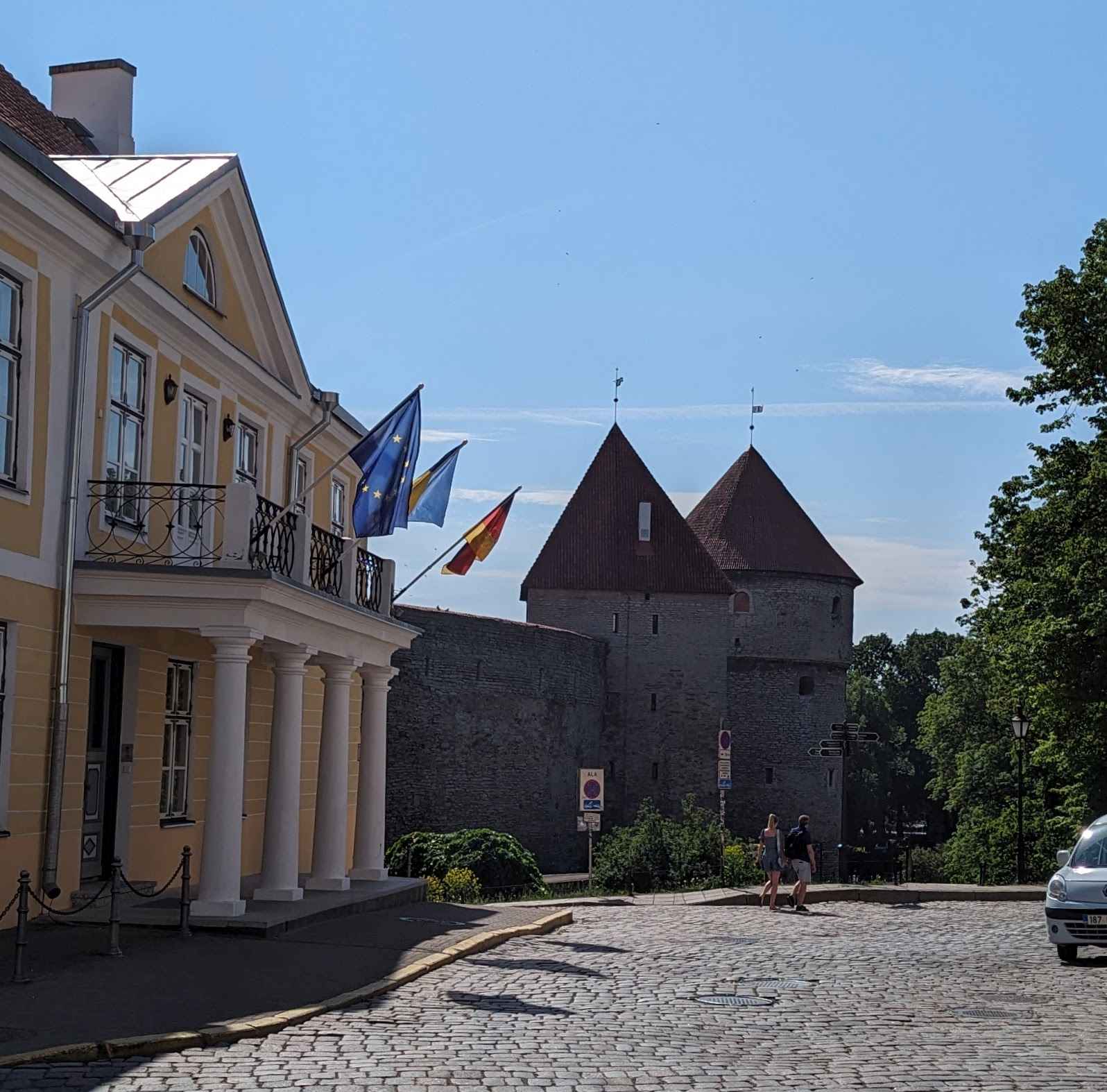
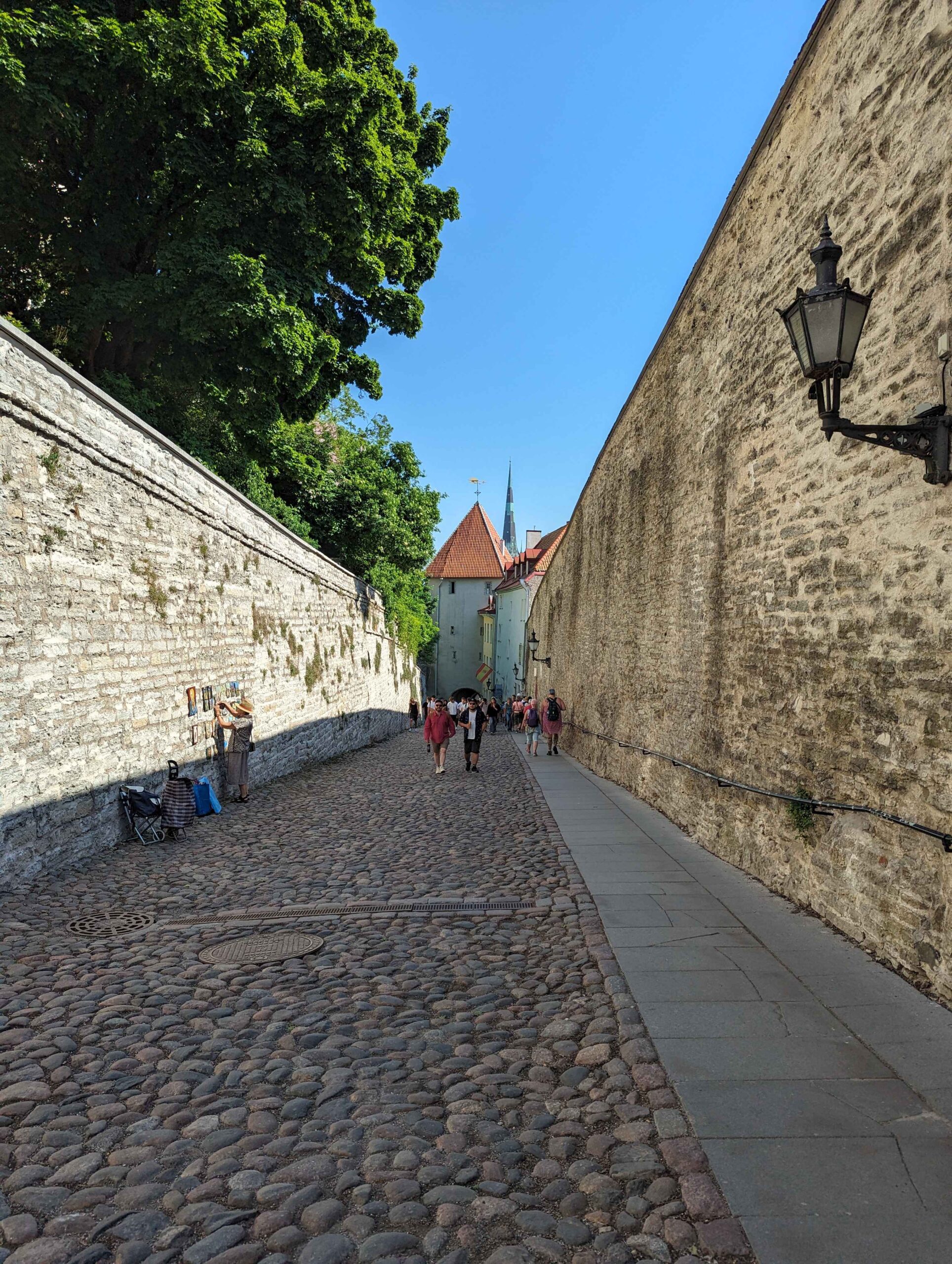
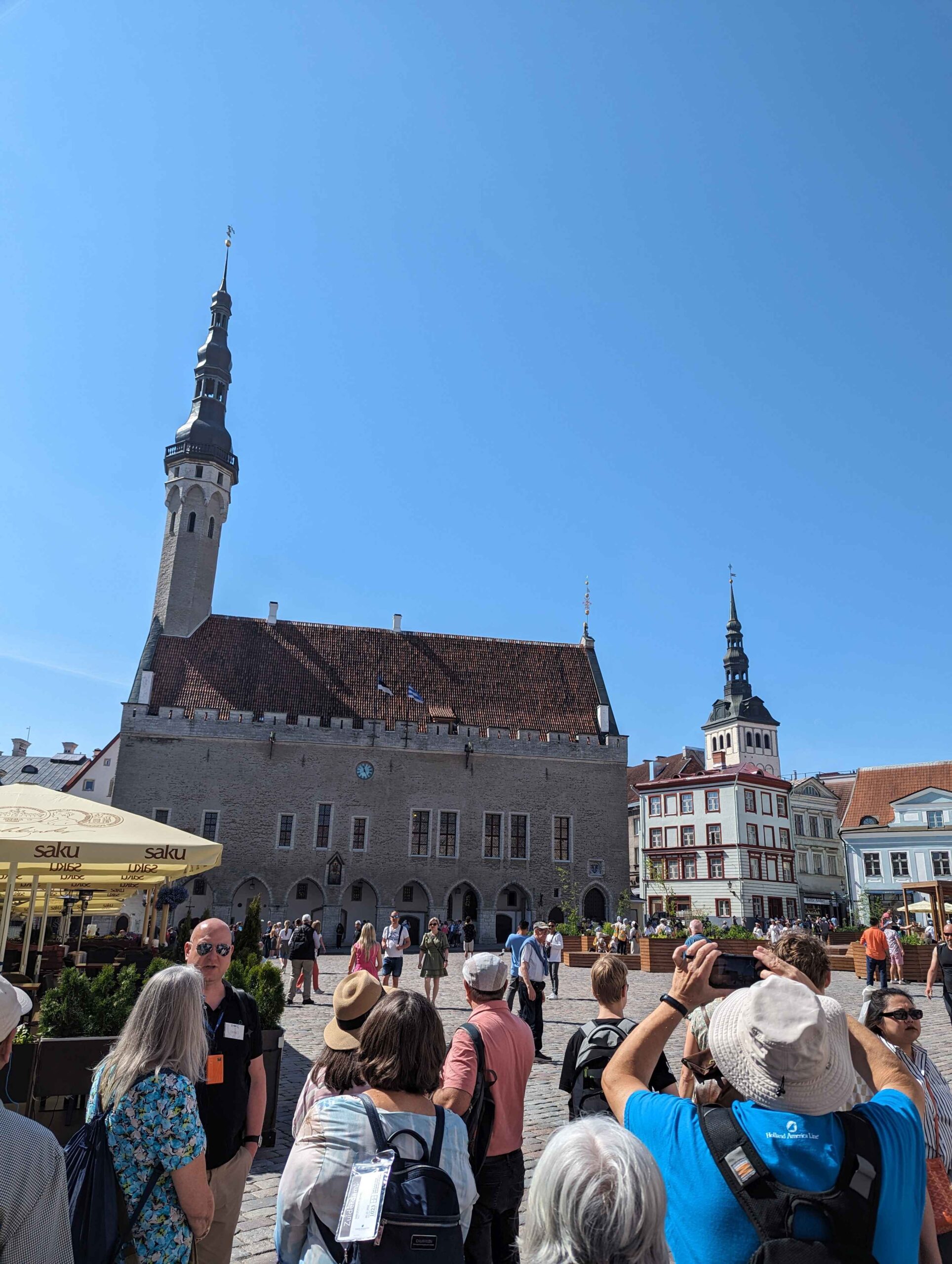
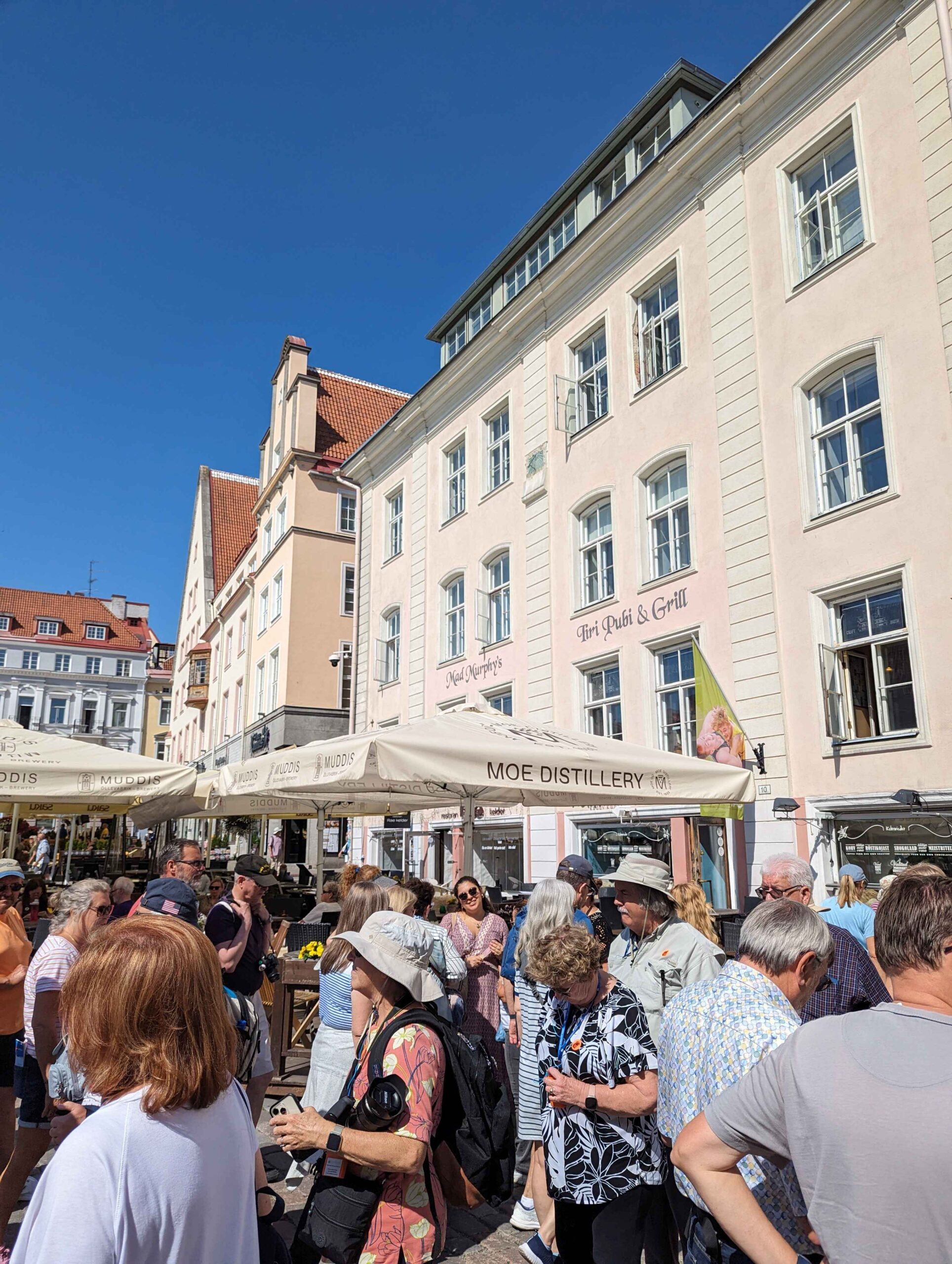
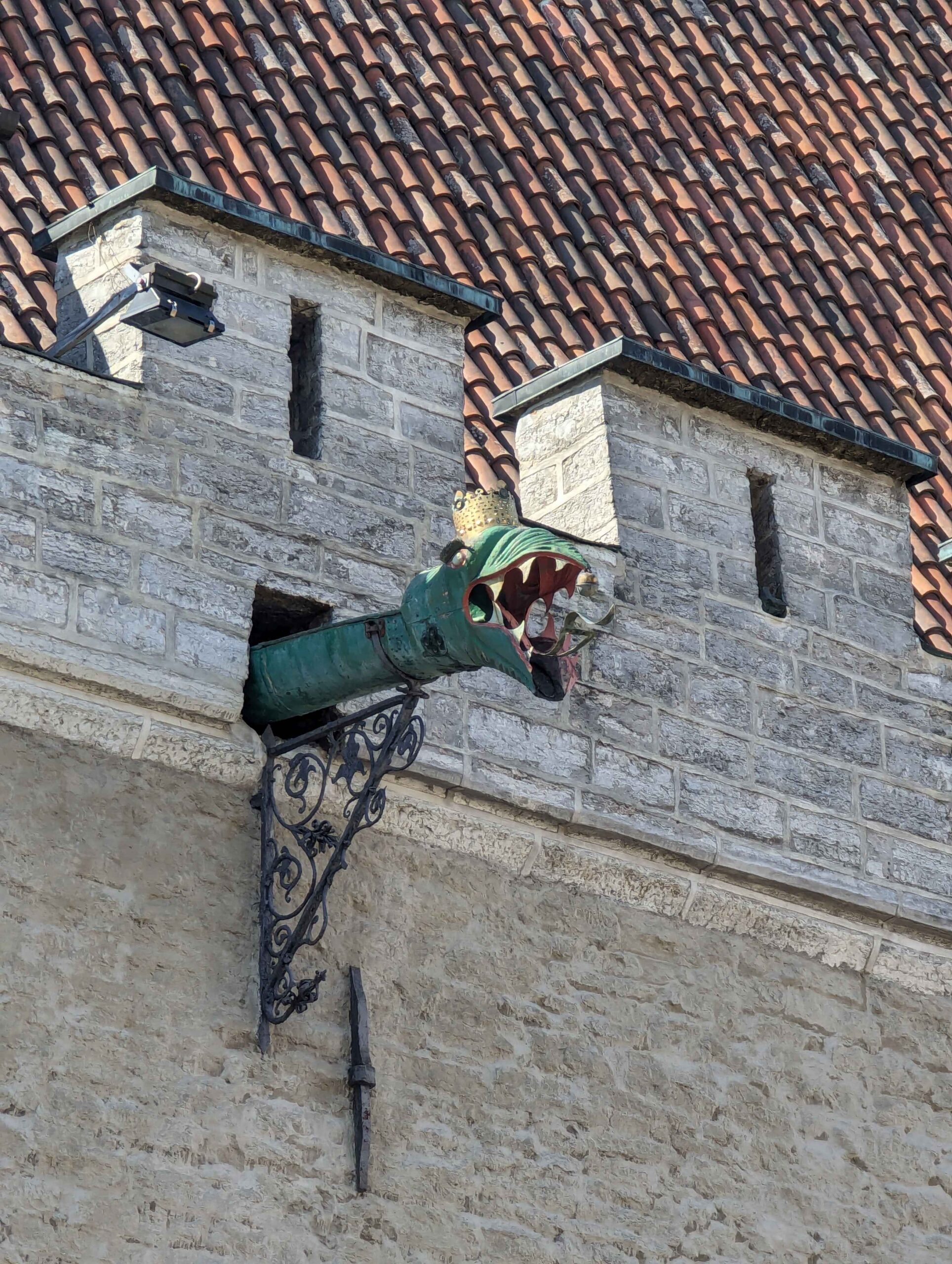
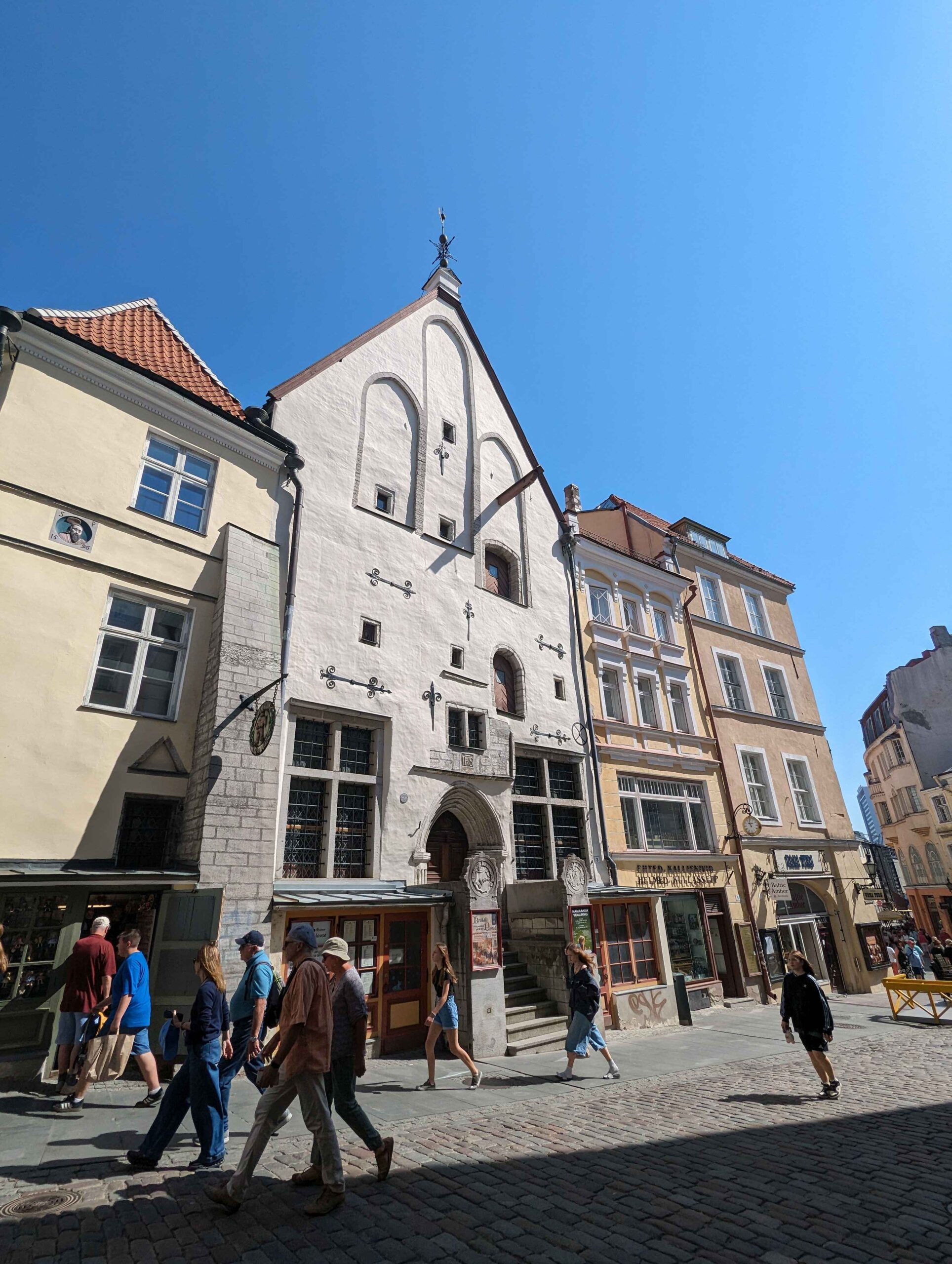
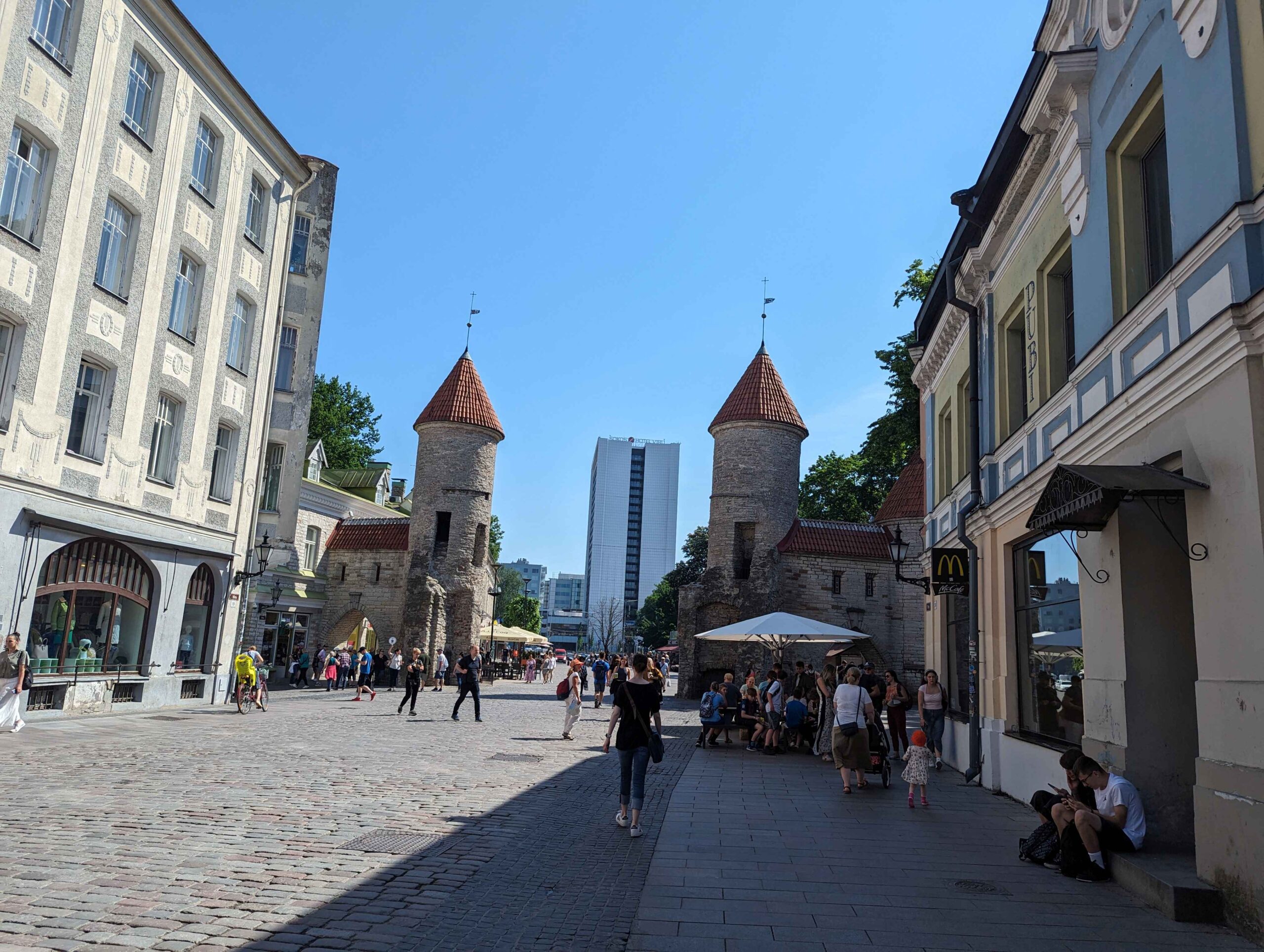
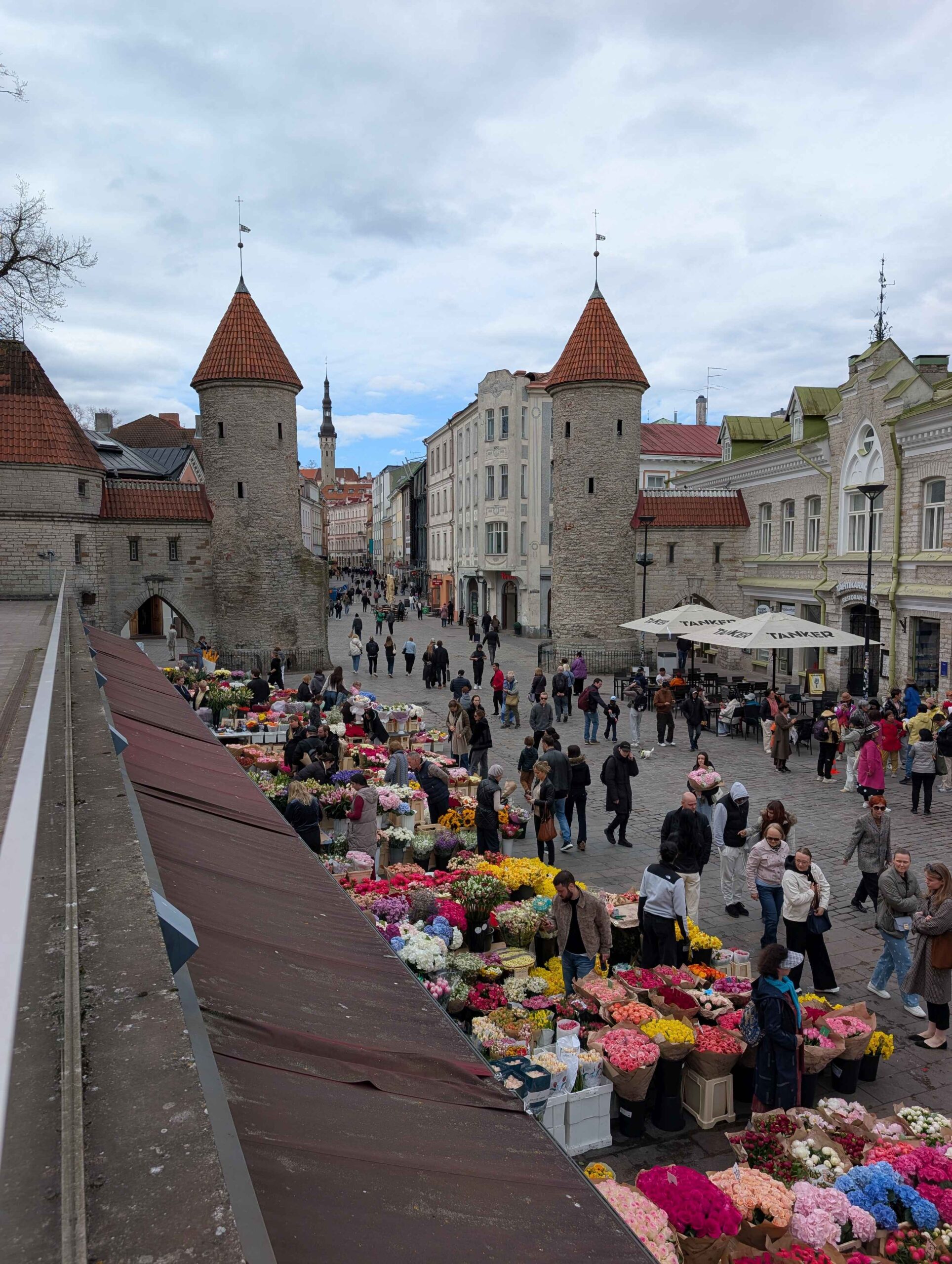
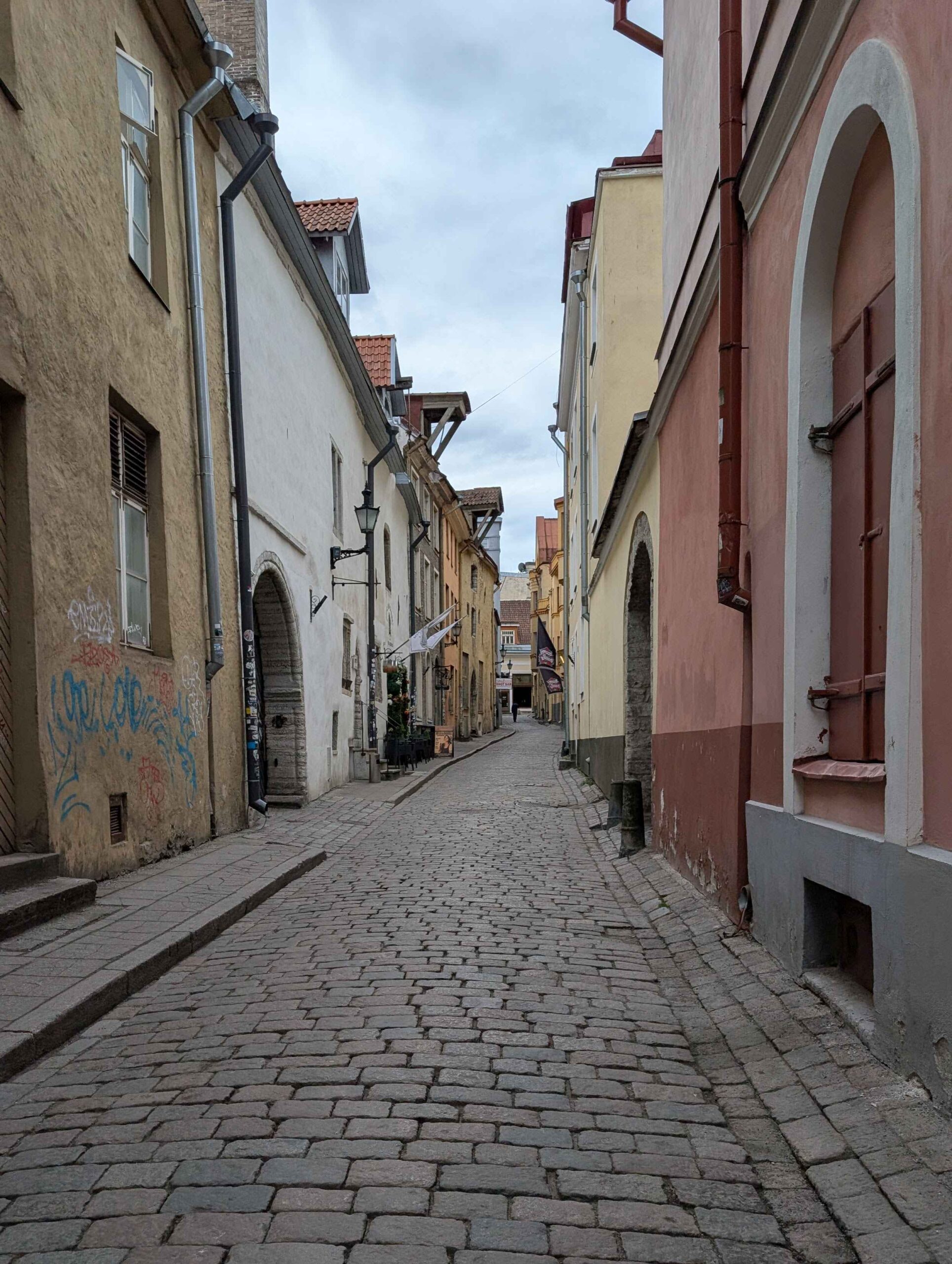
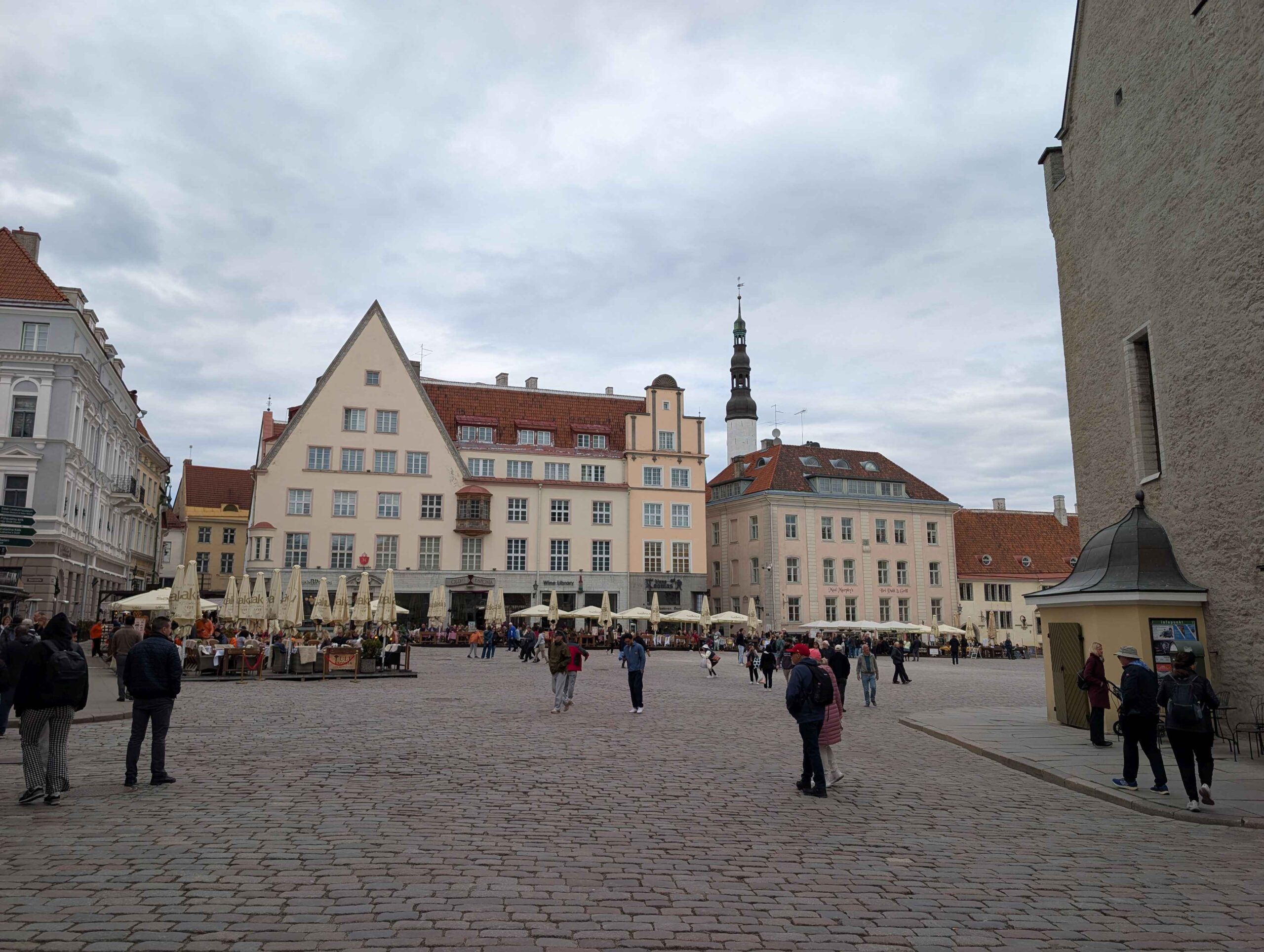
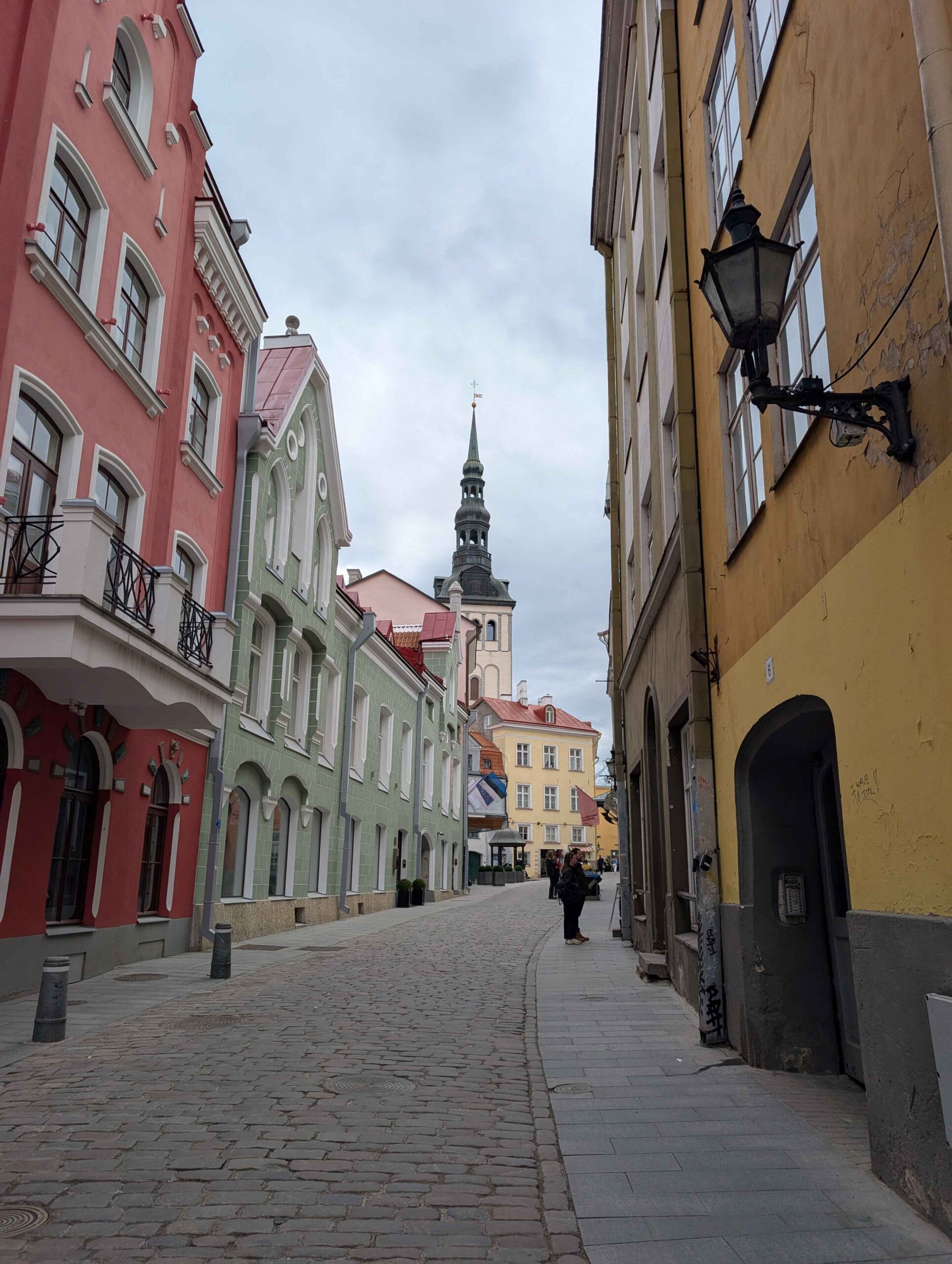
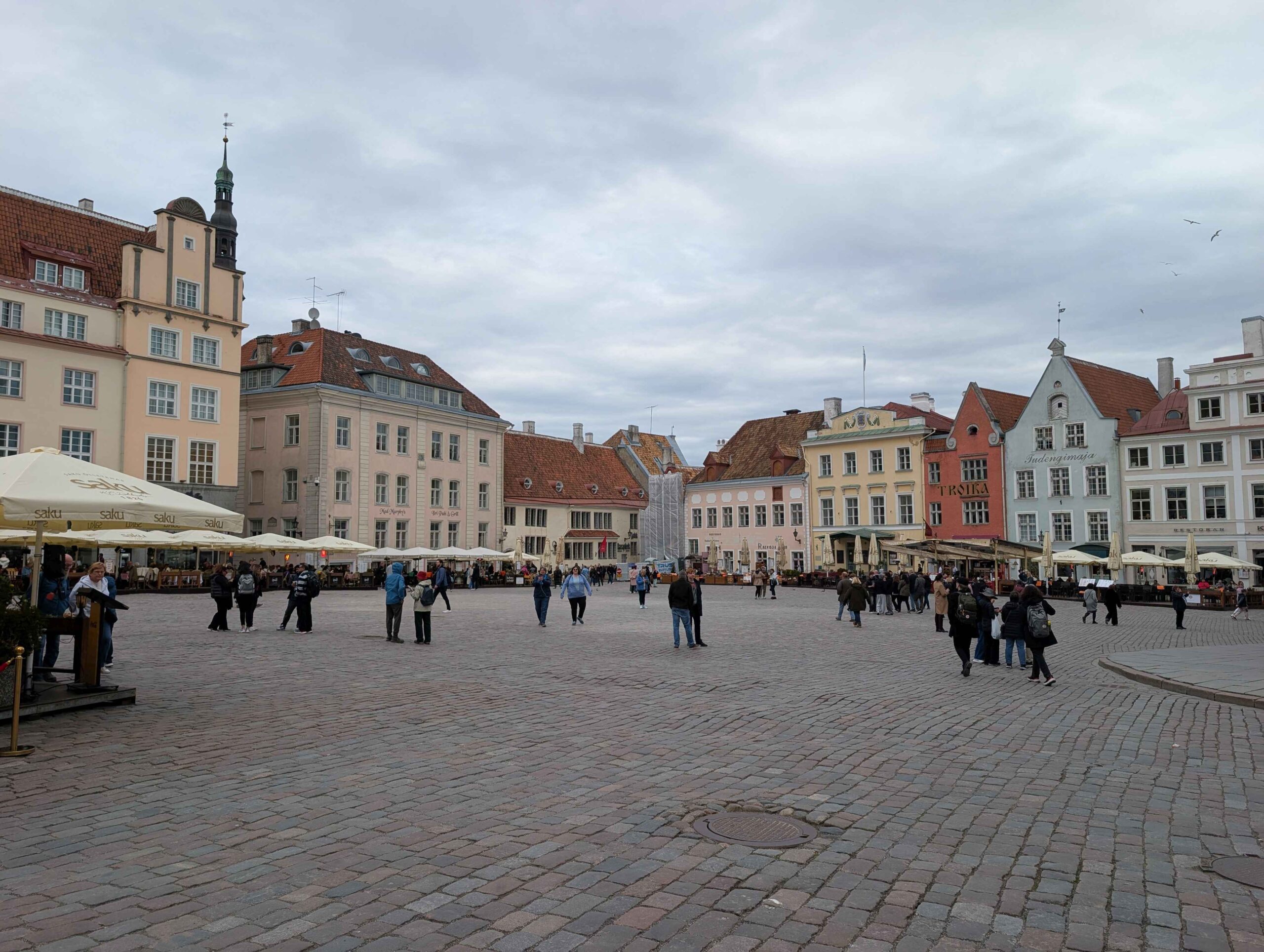
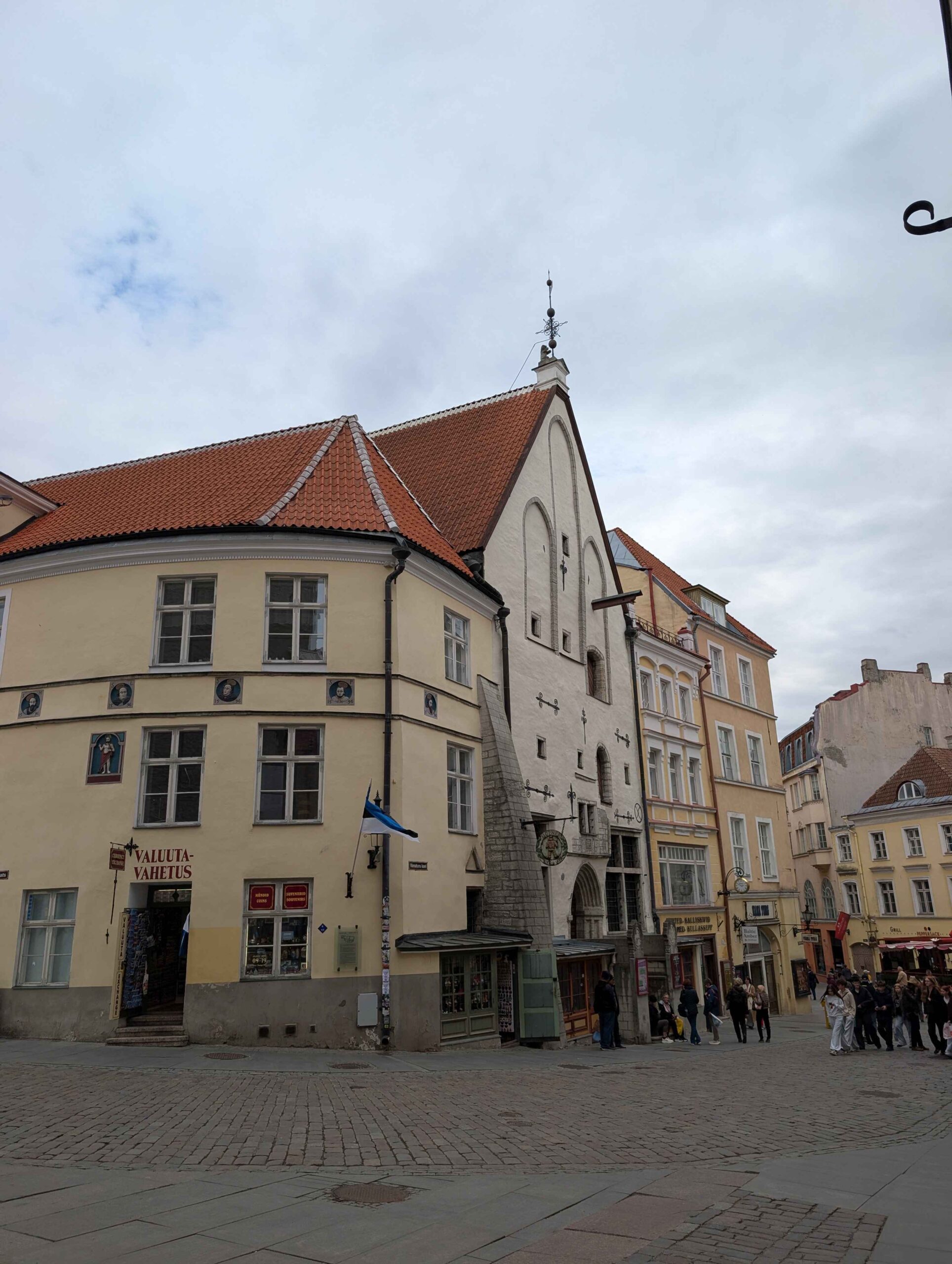
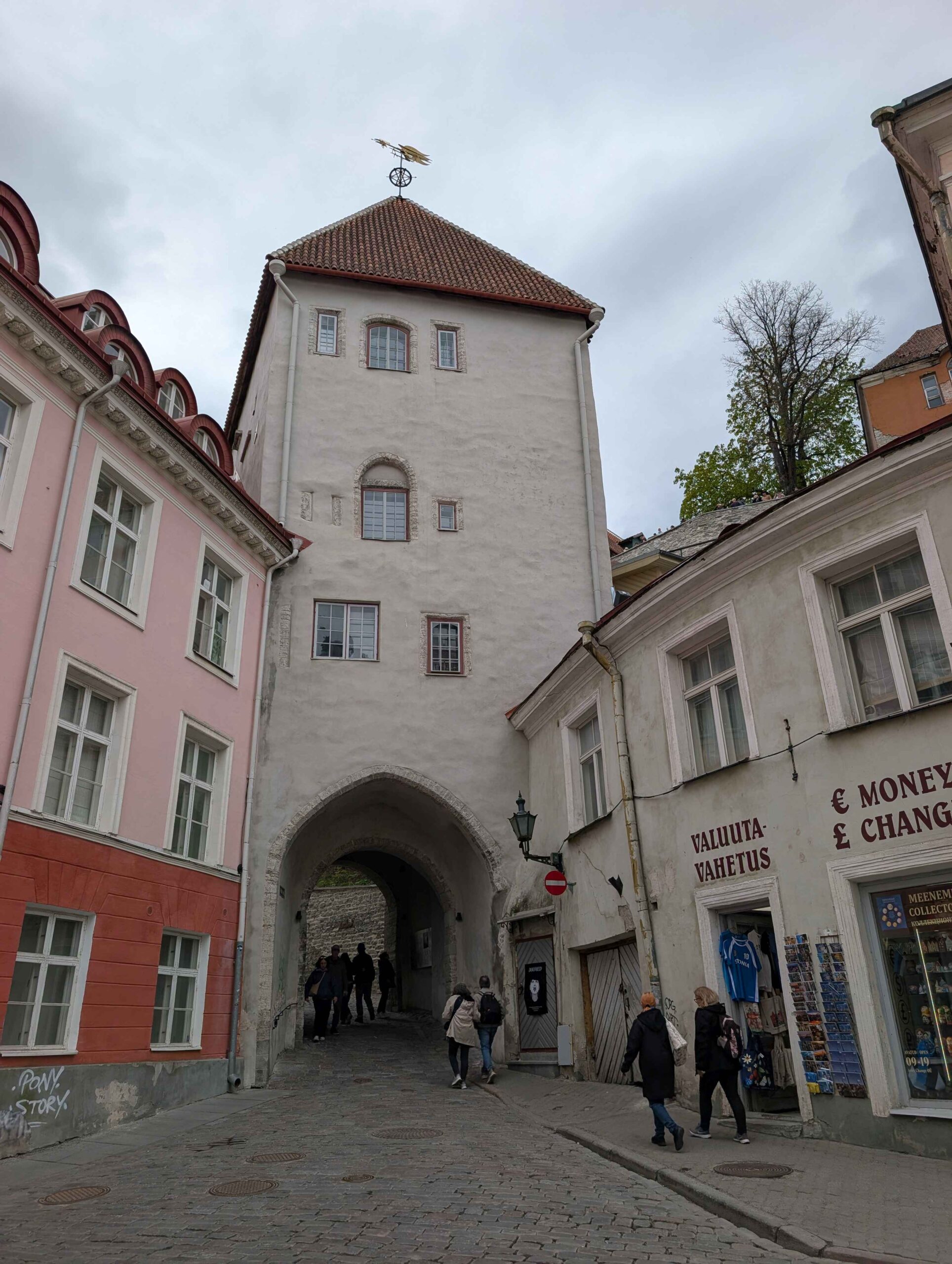
Tallinn, or Tallinn pronounced TAH-leen in Estonian, gave me two very different experiences across two visits. My first stop here in June 2024 was focused almost entirely on Vanalinn, the medieval Old Town. Bright skies and warmer weather completely changed the atmosphere. I joined an excursion that moved between landmarks like Alexander Nevsky Cathedral and St Mary’s Cathedral before stopping at Kohtuotsa viewing platform for layered rooftop views across the city.
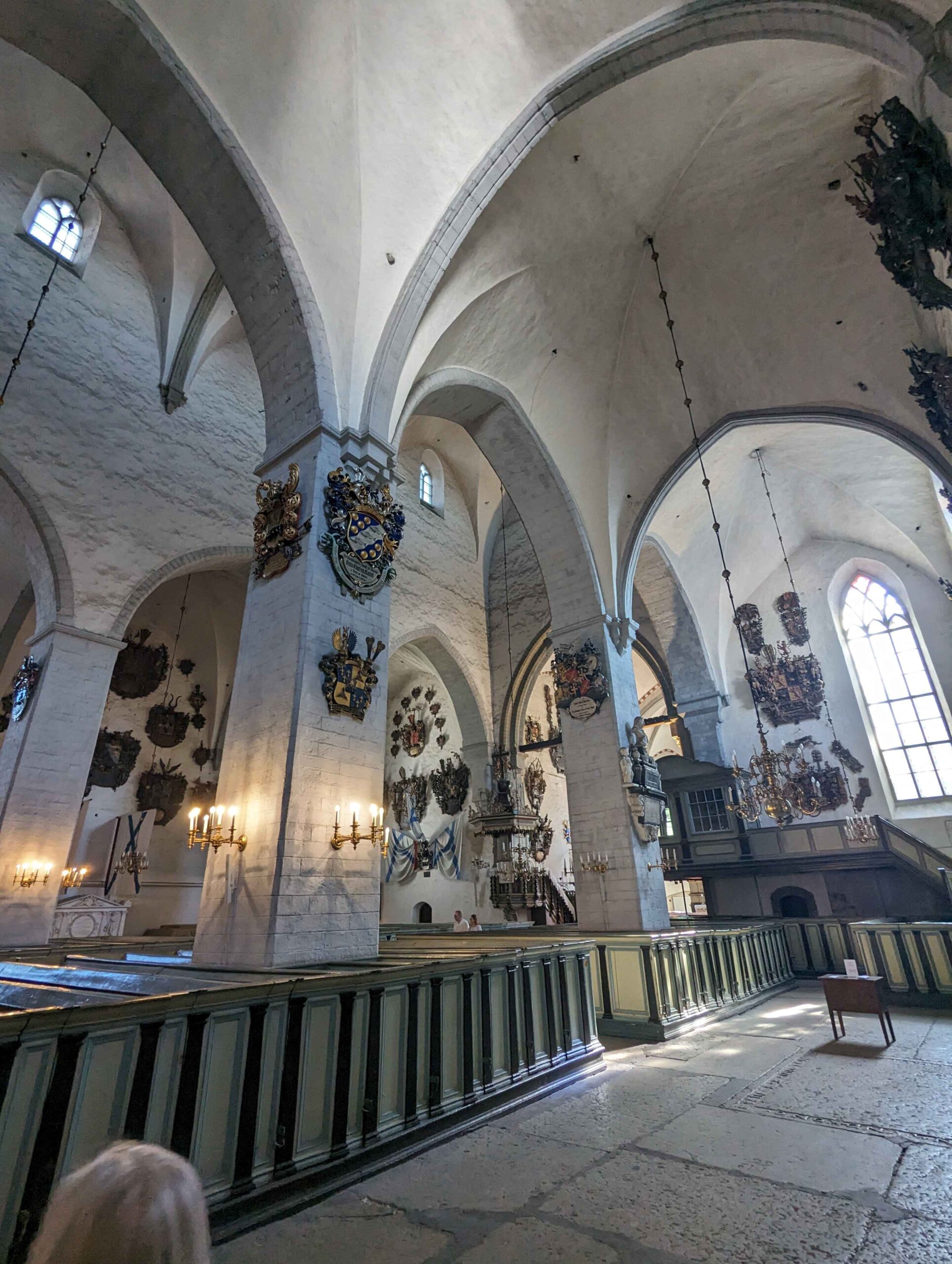
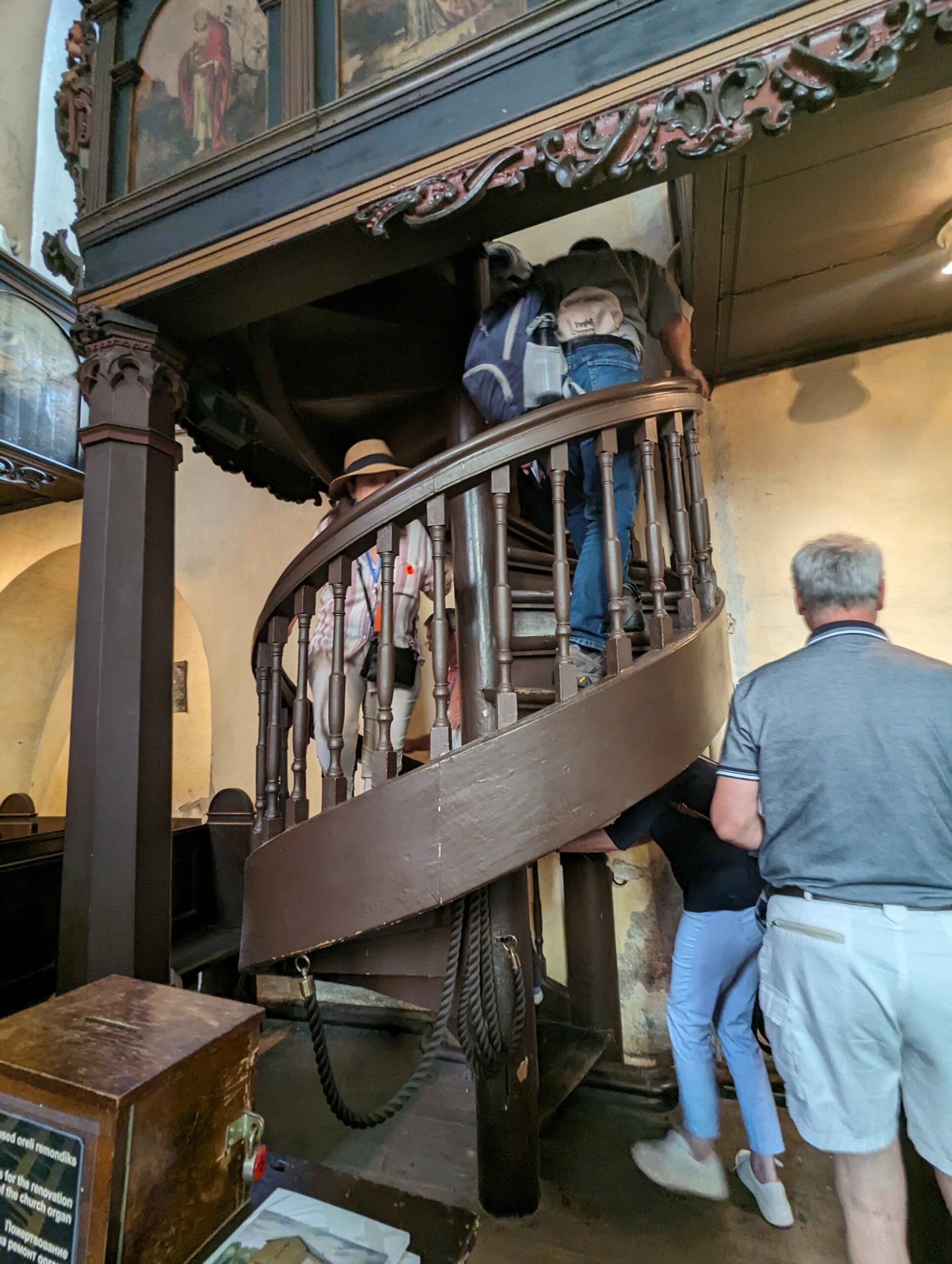
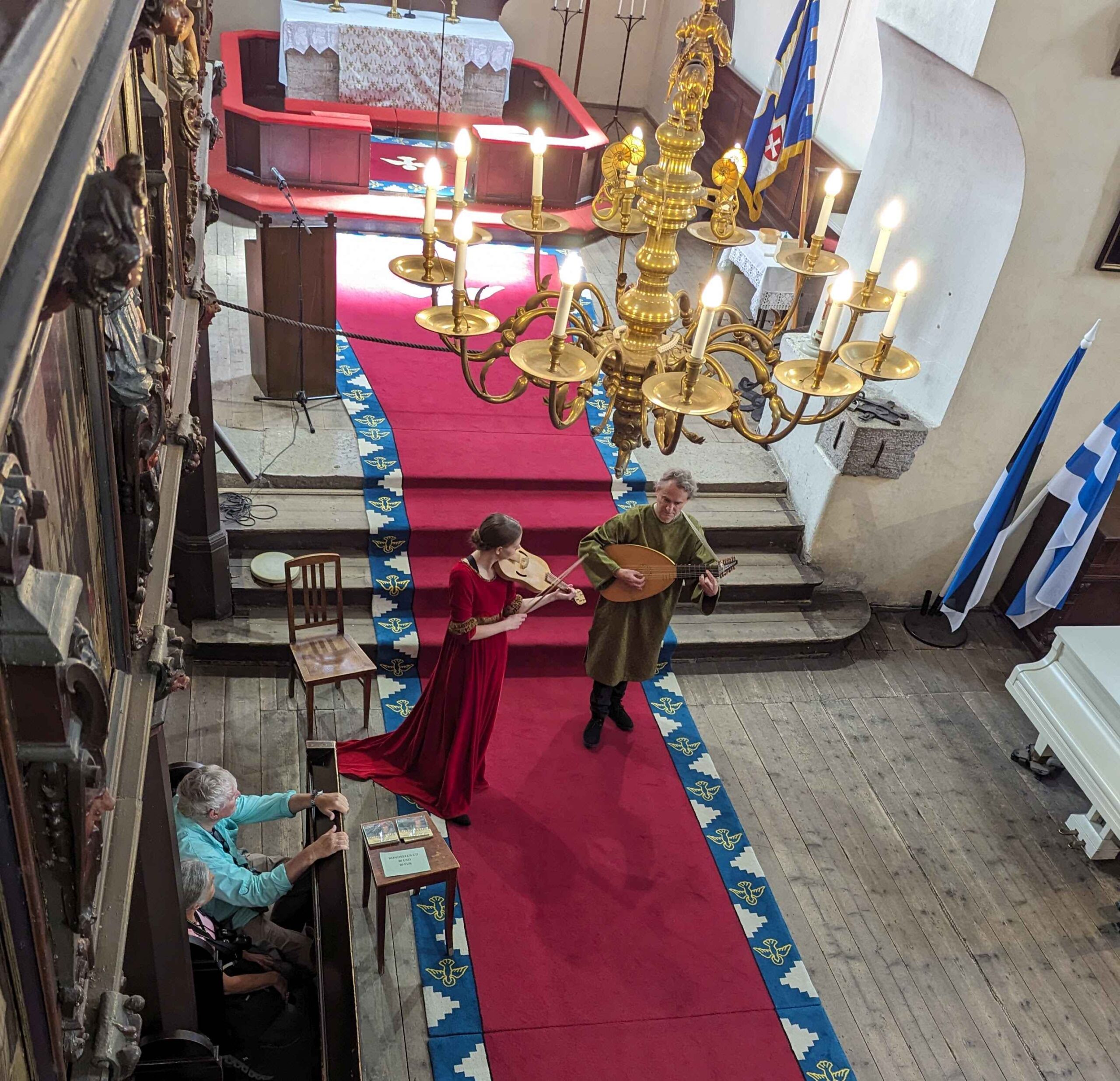
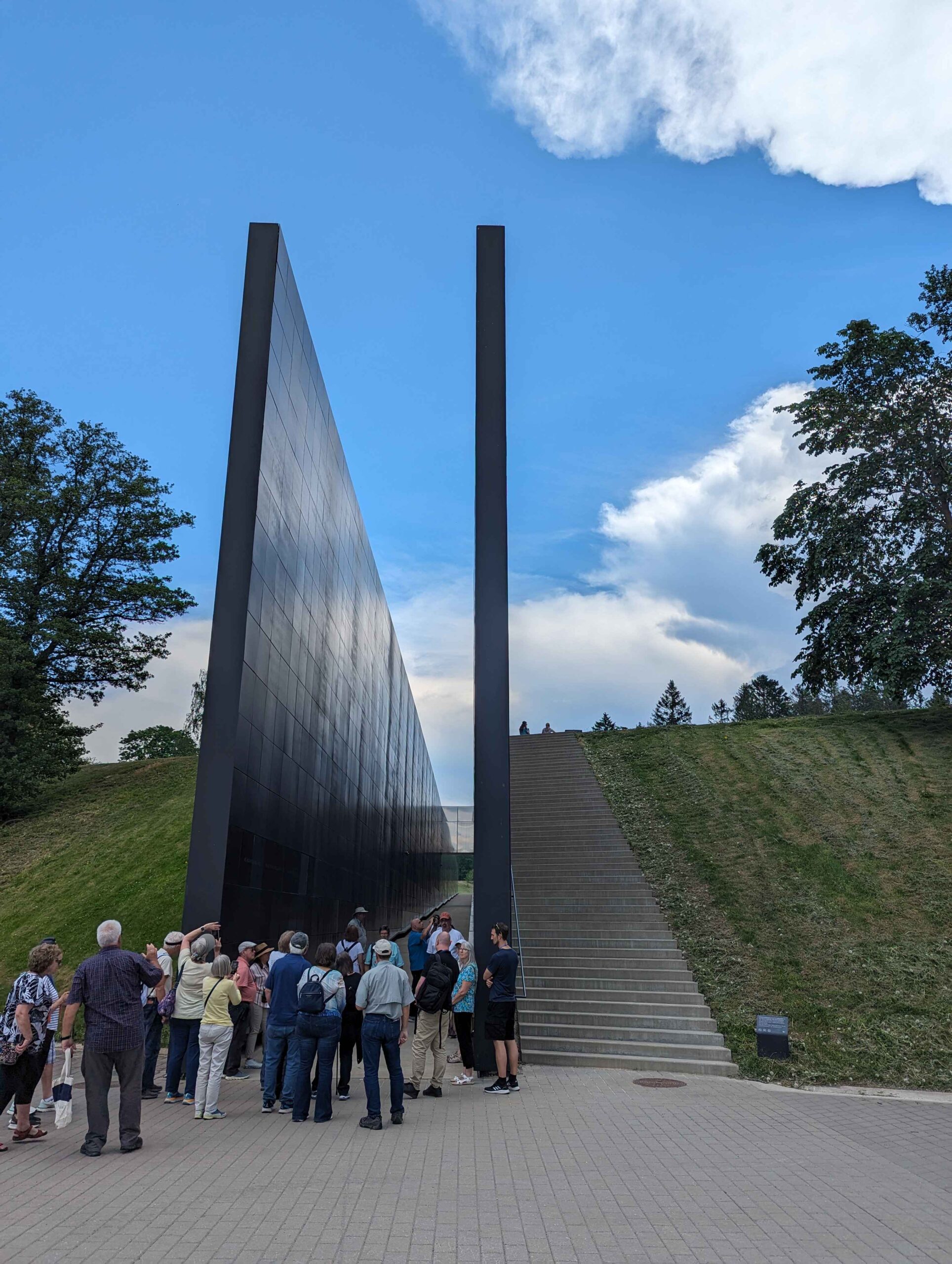
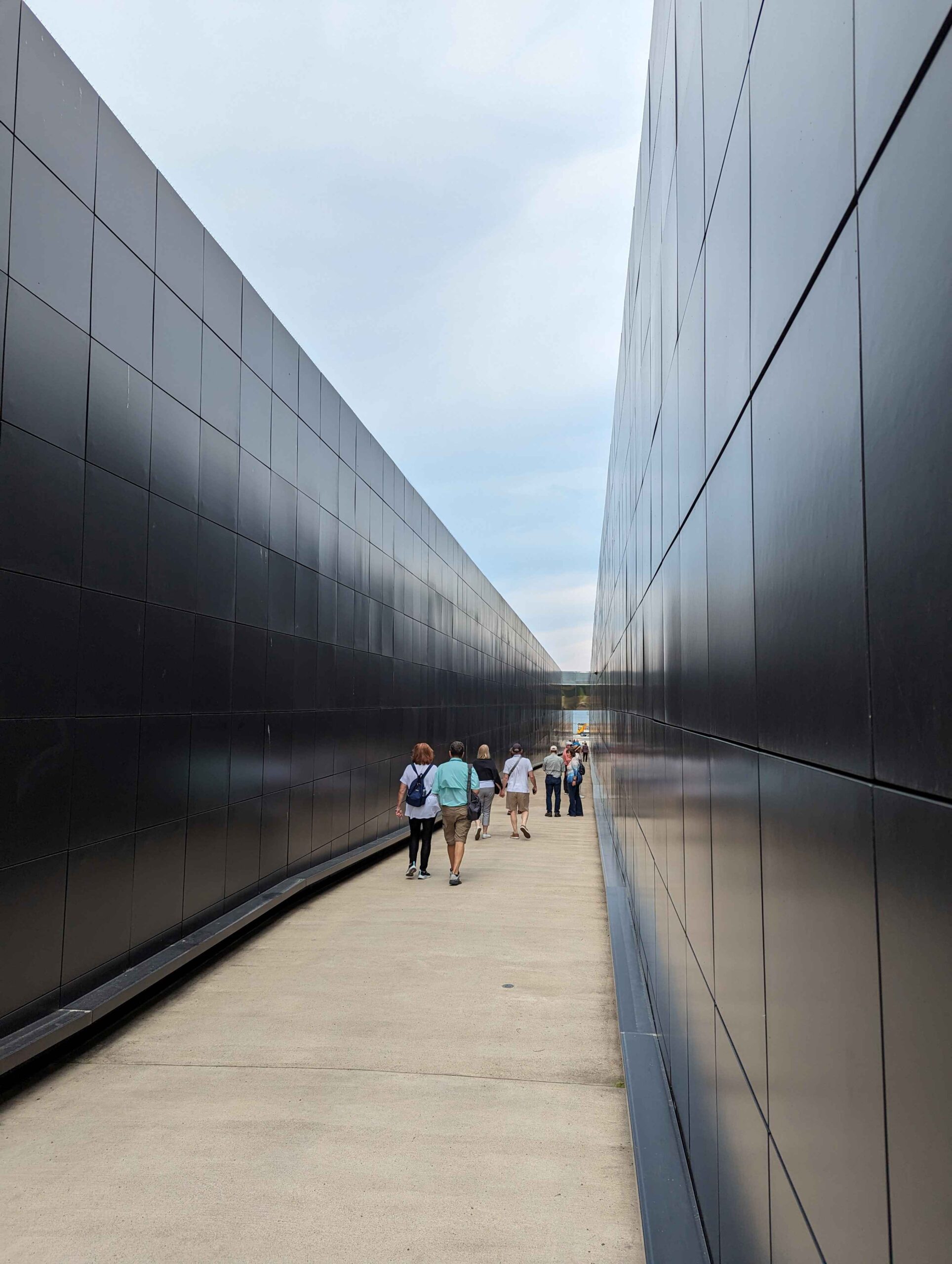
That first excursion leaned heavily into Tallinn’s preserved medieval identity. Inside Holy Spirit Church, I attended a cultural performance featuring traditional singing and music that echoed through the old stone interior. Later in the day we drove out to Maarjamäe park to visit The Memorial to the Victims of Communism and other war memorials that reflected Estonia’s more recent history. It created a sharp contrast between the polished tourist center and the country’s difficult twentieth-century past.
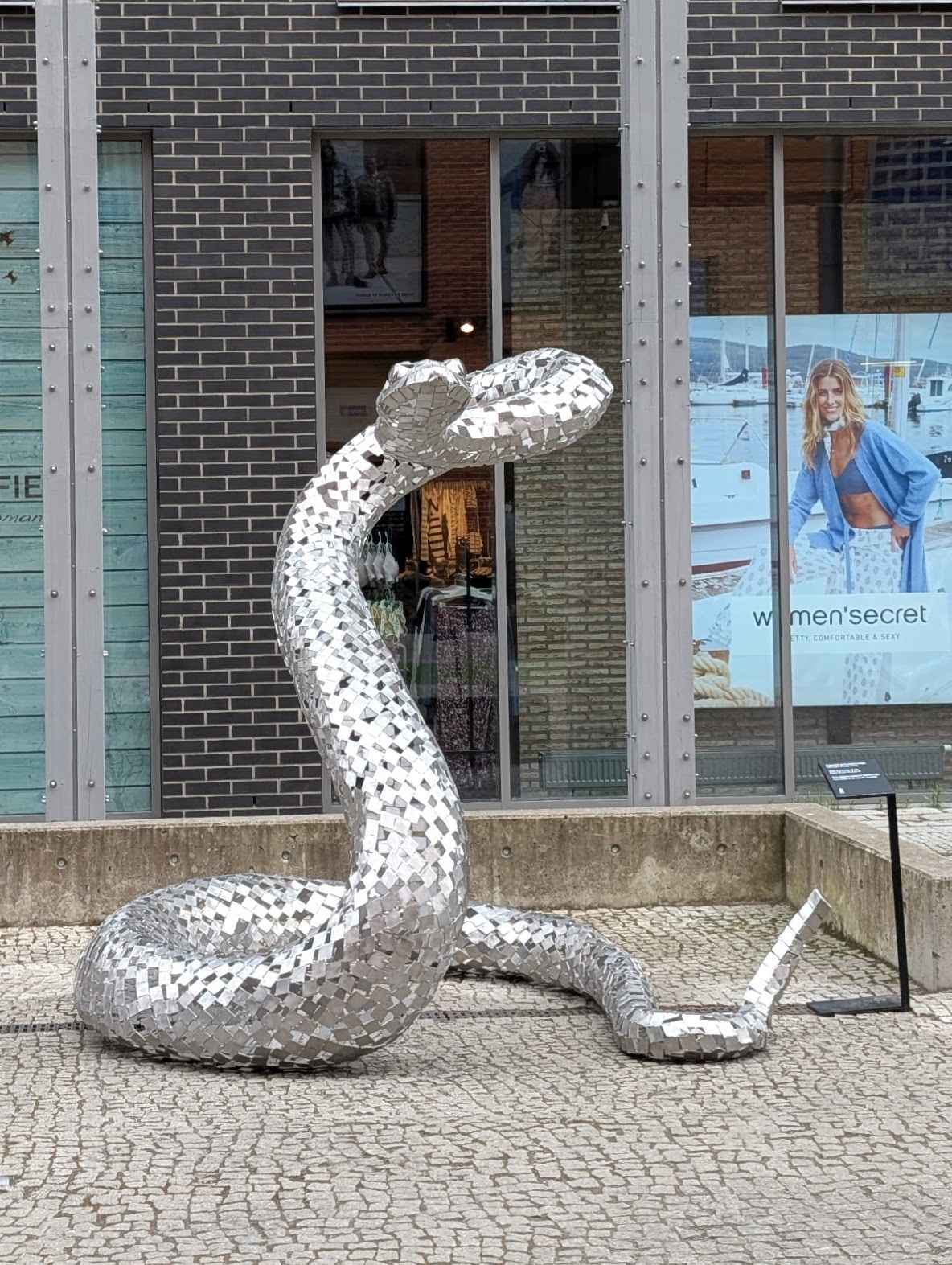
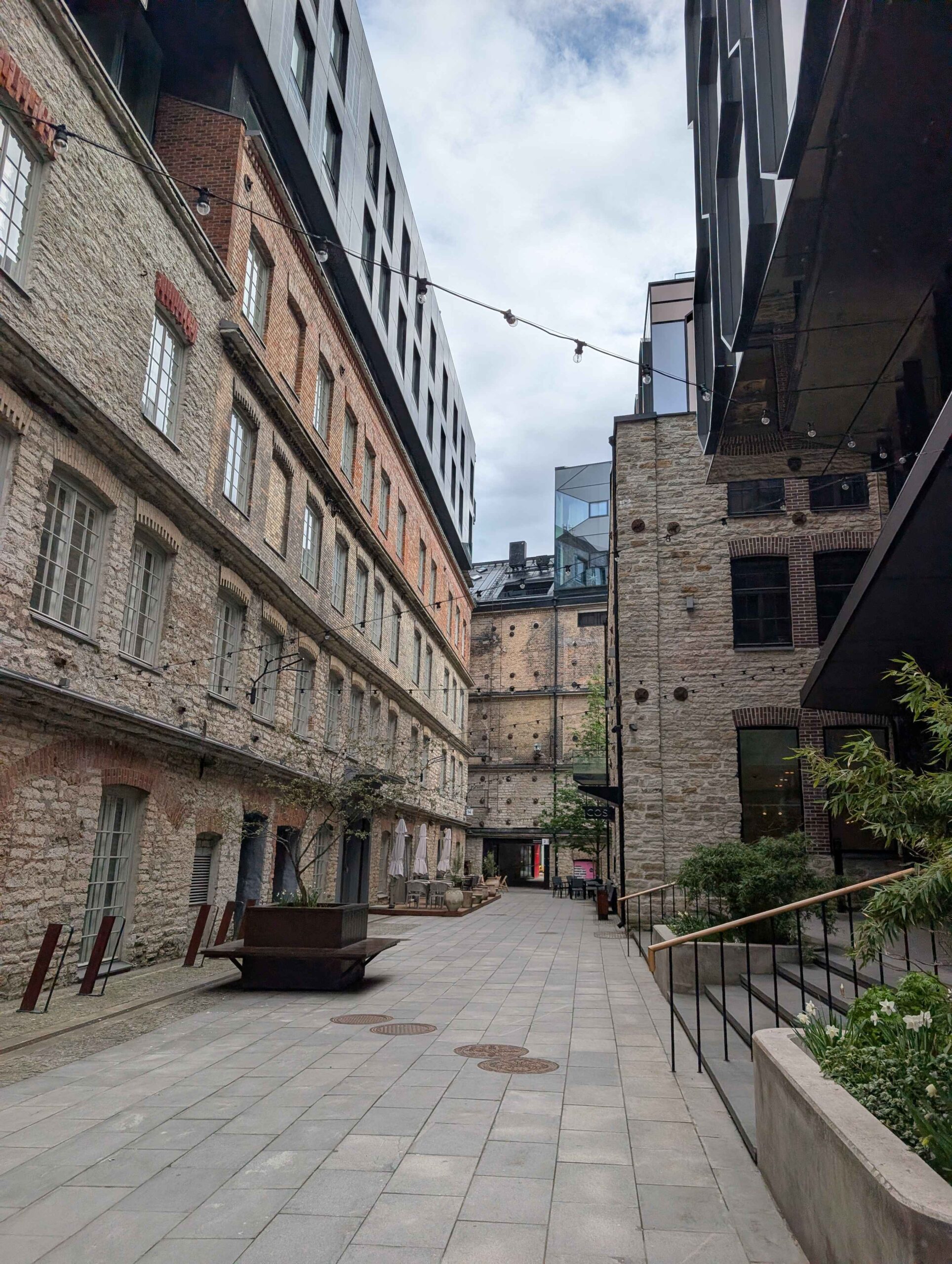
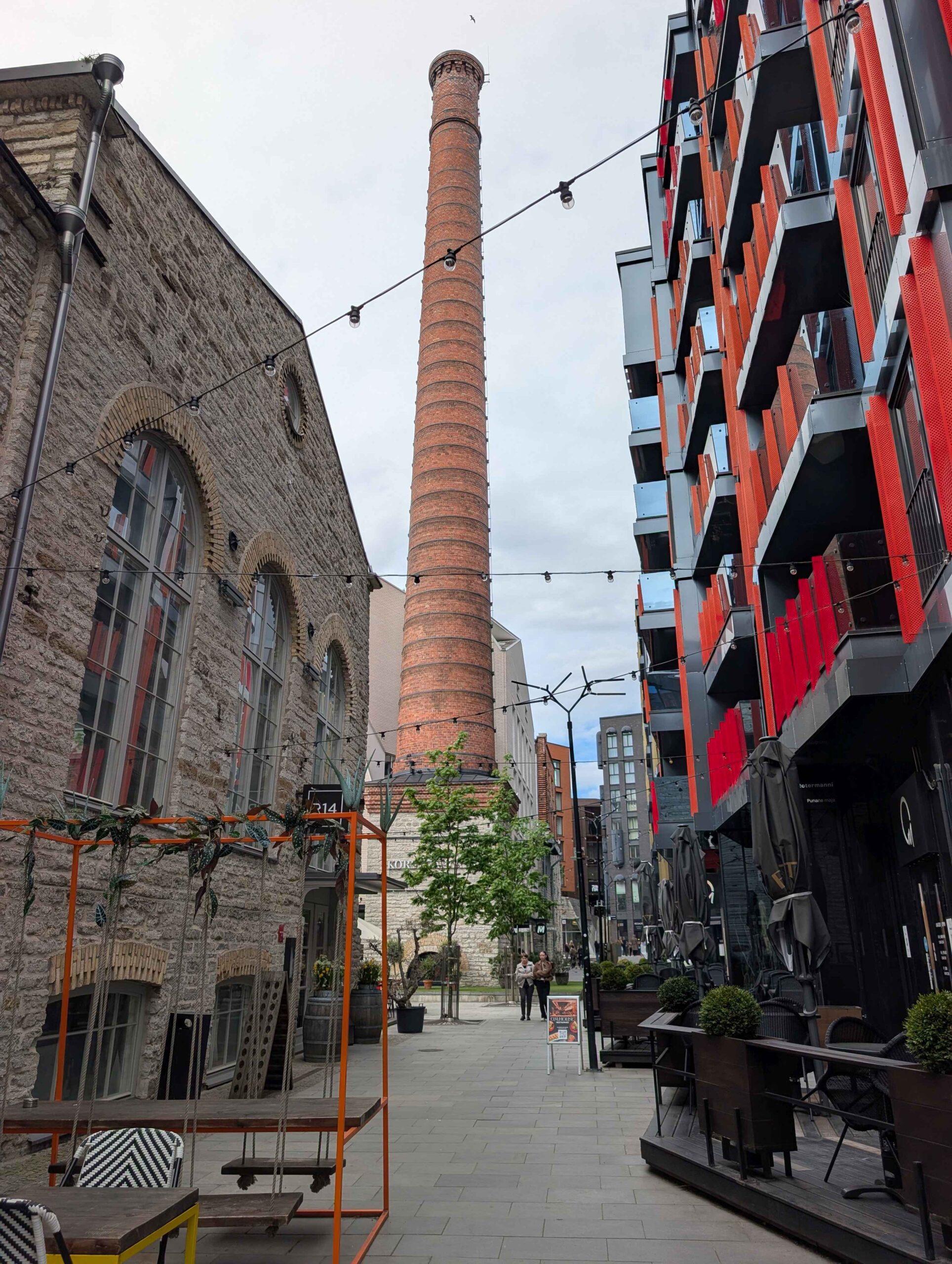
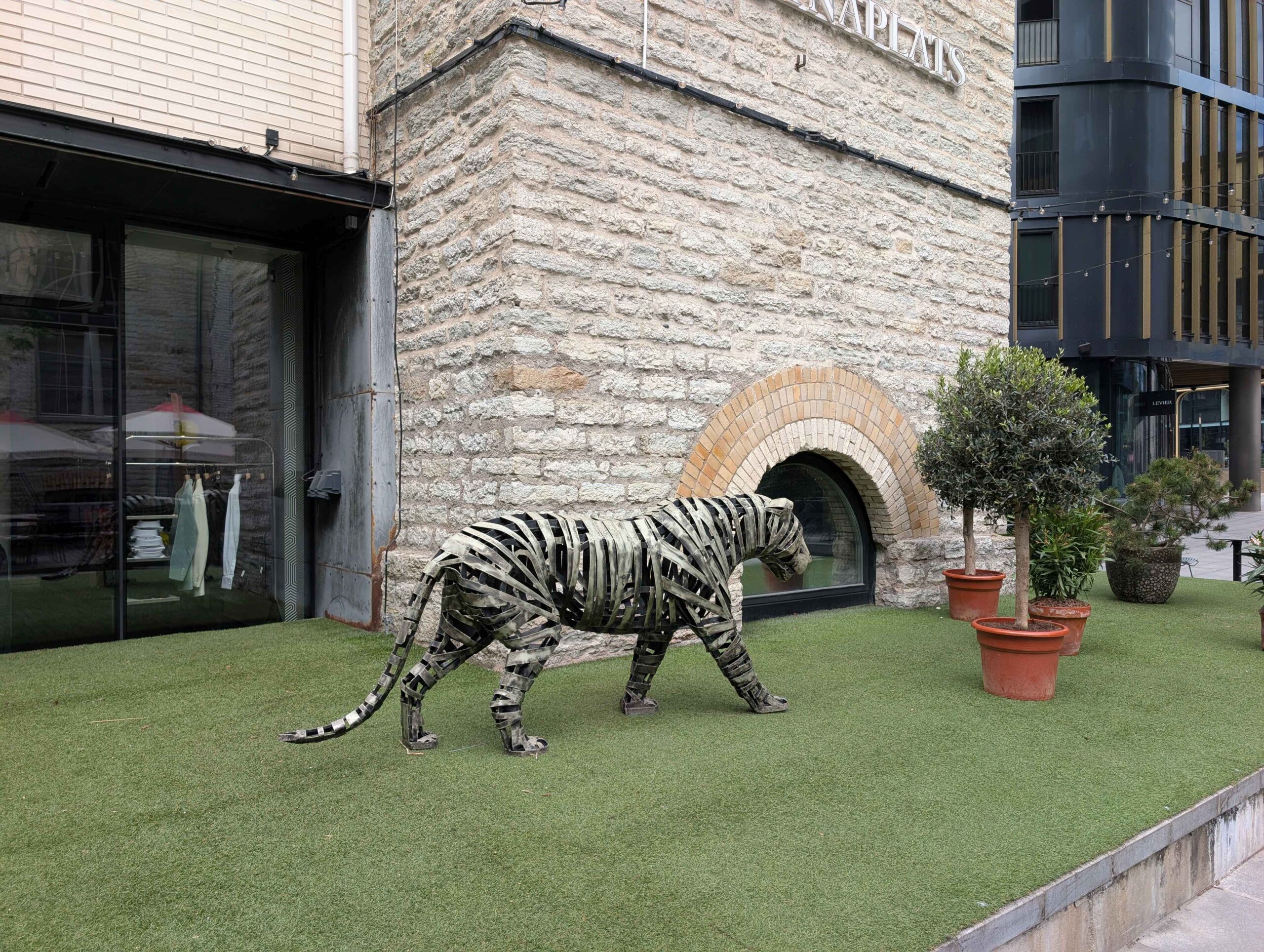
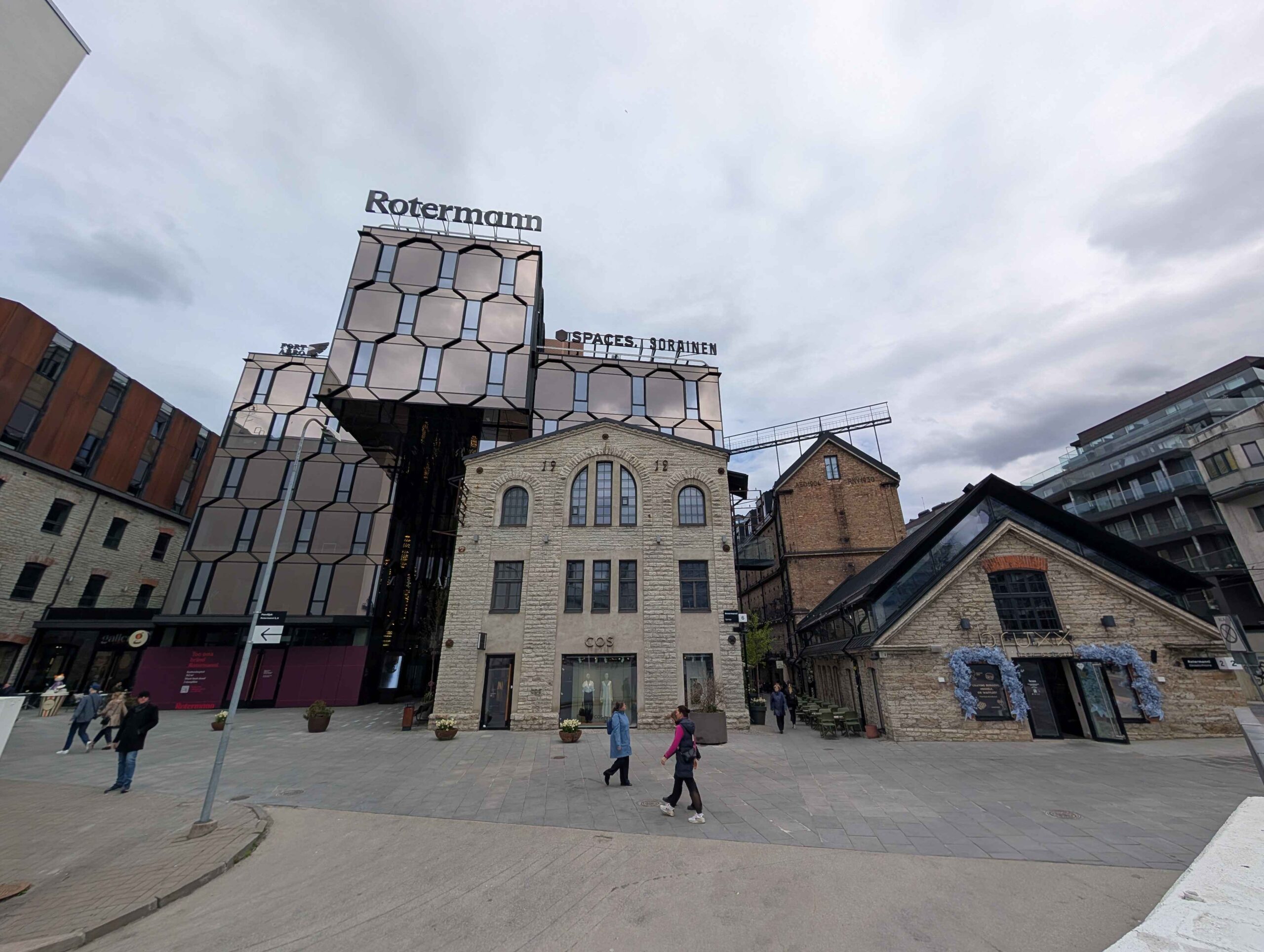
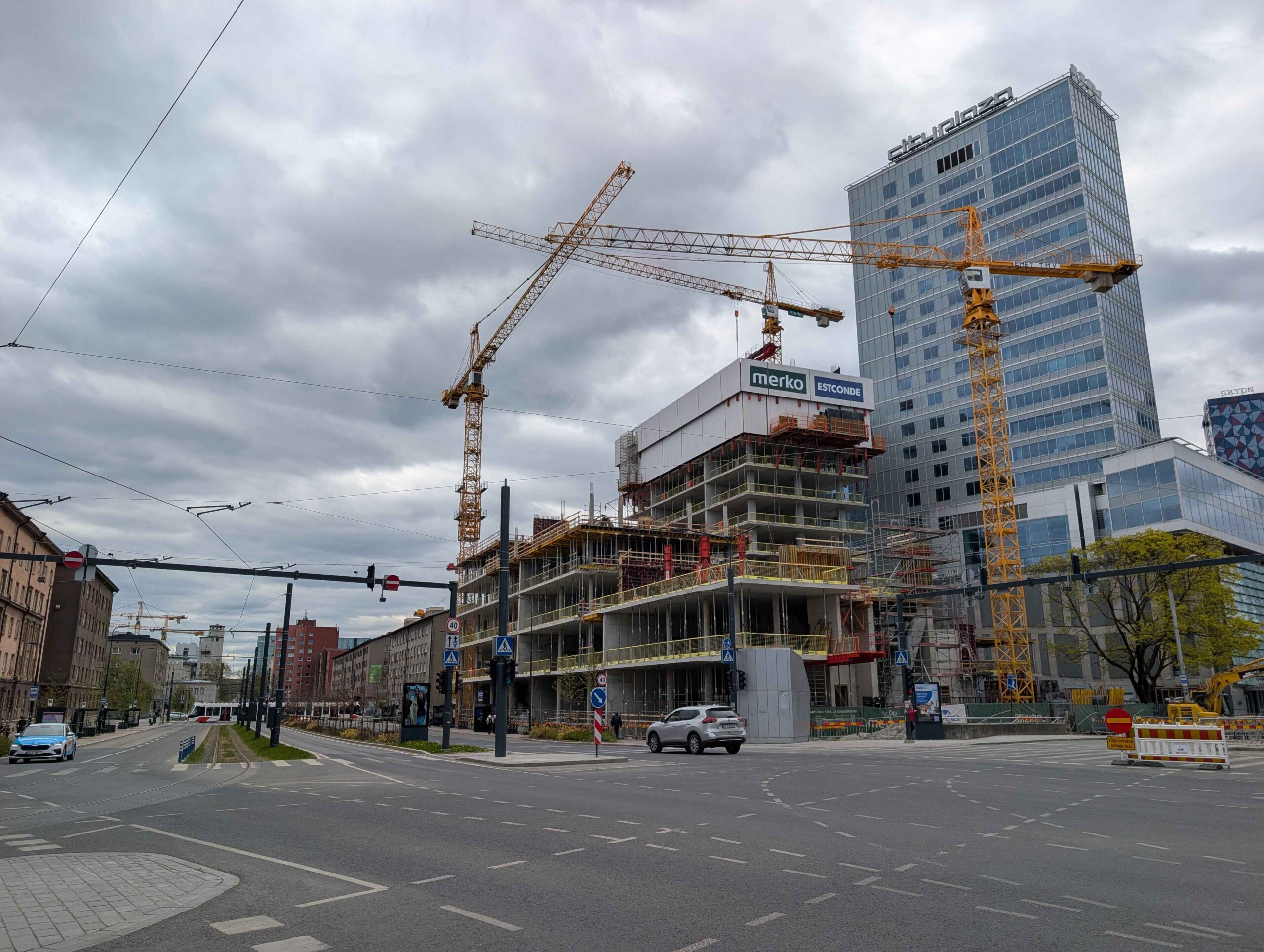
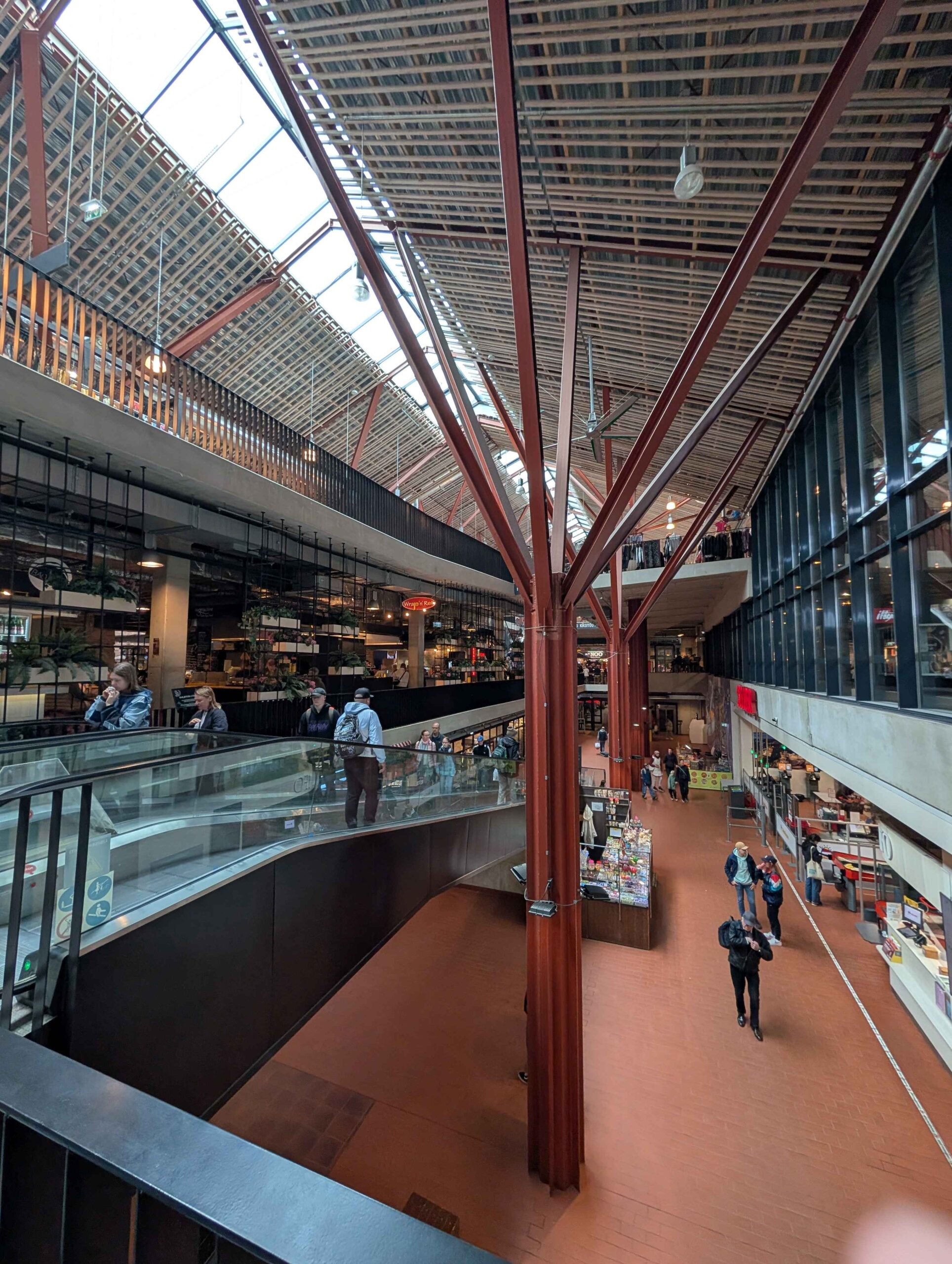
My second visit felt more personal because I spent the day wandering on foot without much structure. After leaving Linnahall behind I walked through the Rotermanni Quarter where old industrial buildings had been transformed into modern gathering spaces full of cafés shops and offices. Construction cranes and newer glass buildings stood beside restored brick warehouses. It felt like Tallinn was actively negotiating between its Soviet scars and its growing tech-driven future.
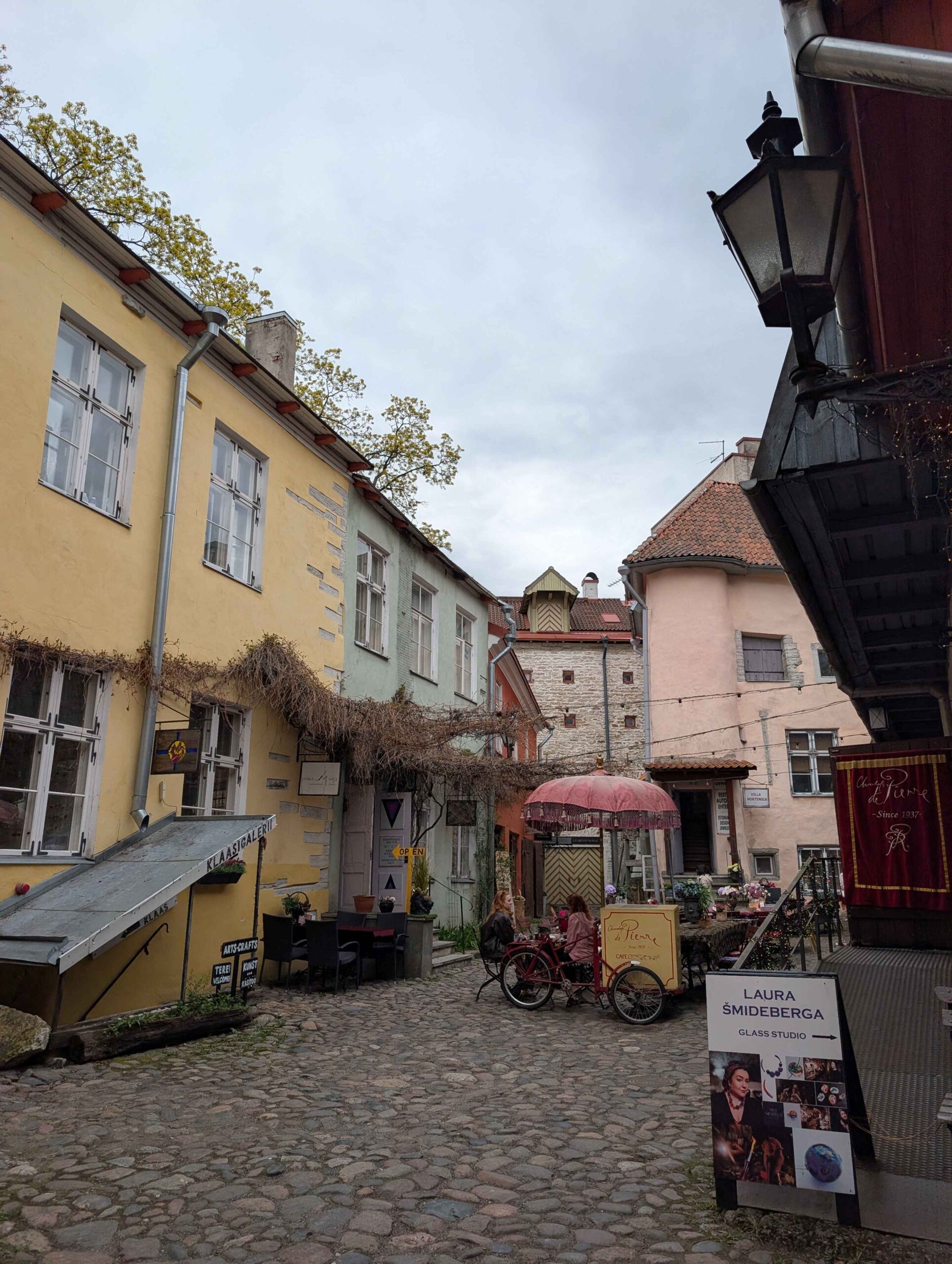
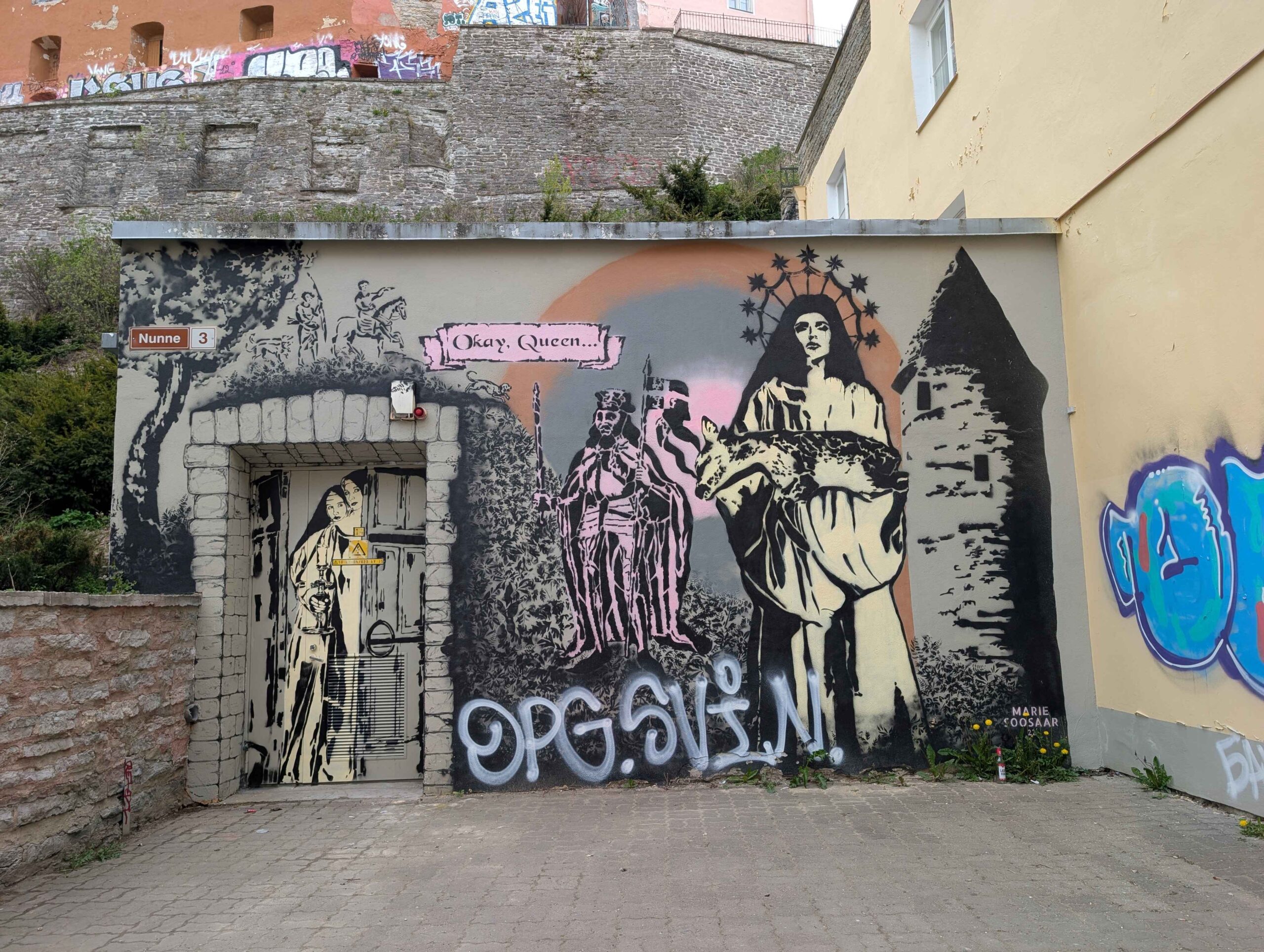
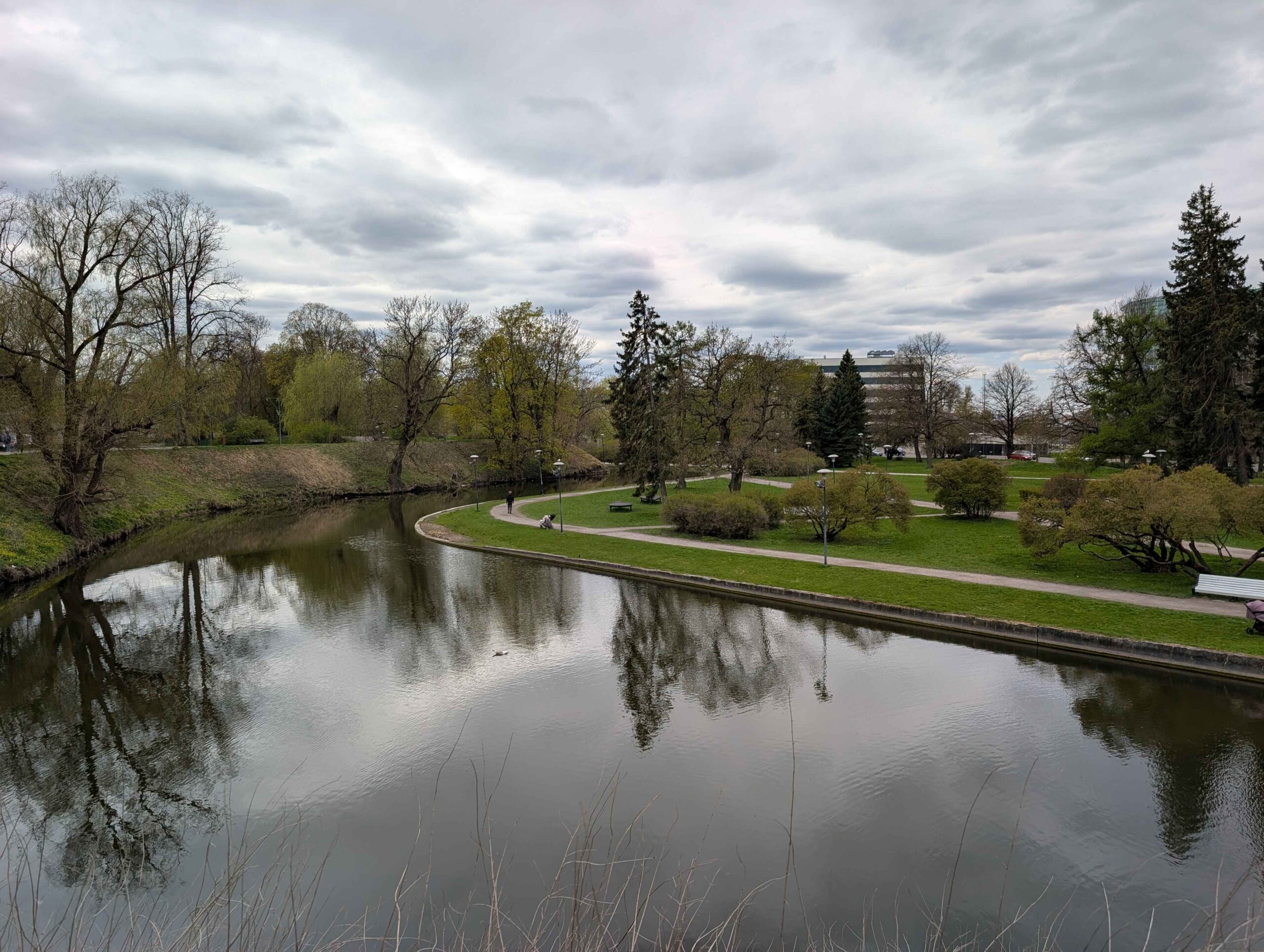
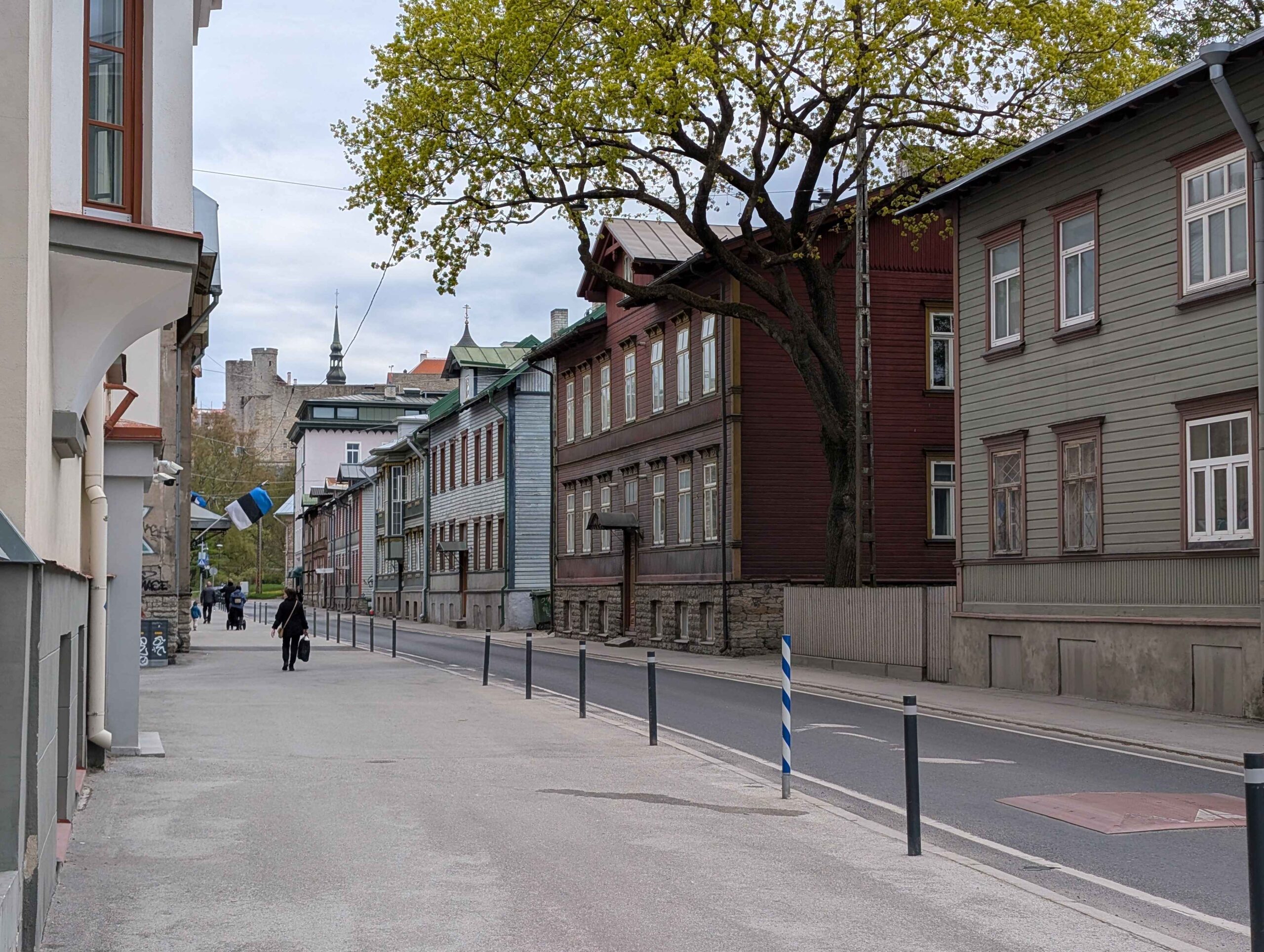
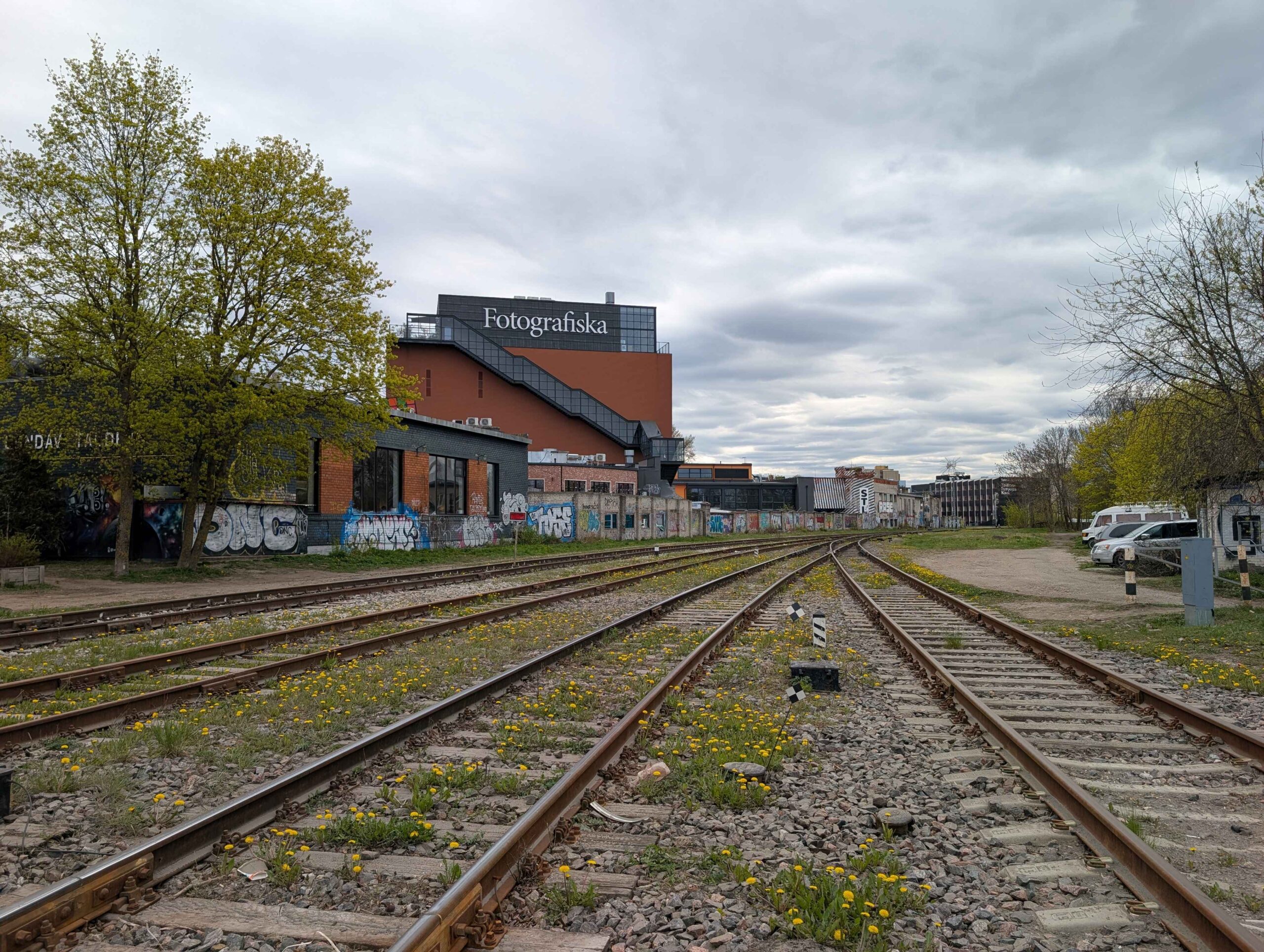
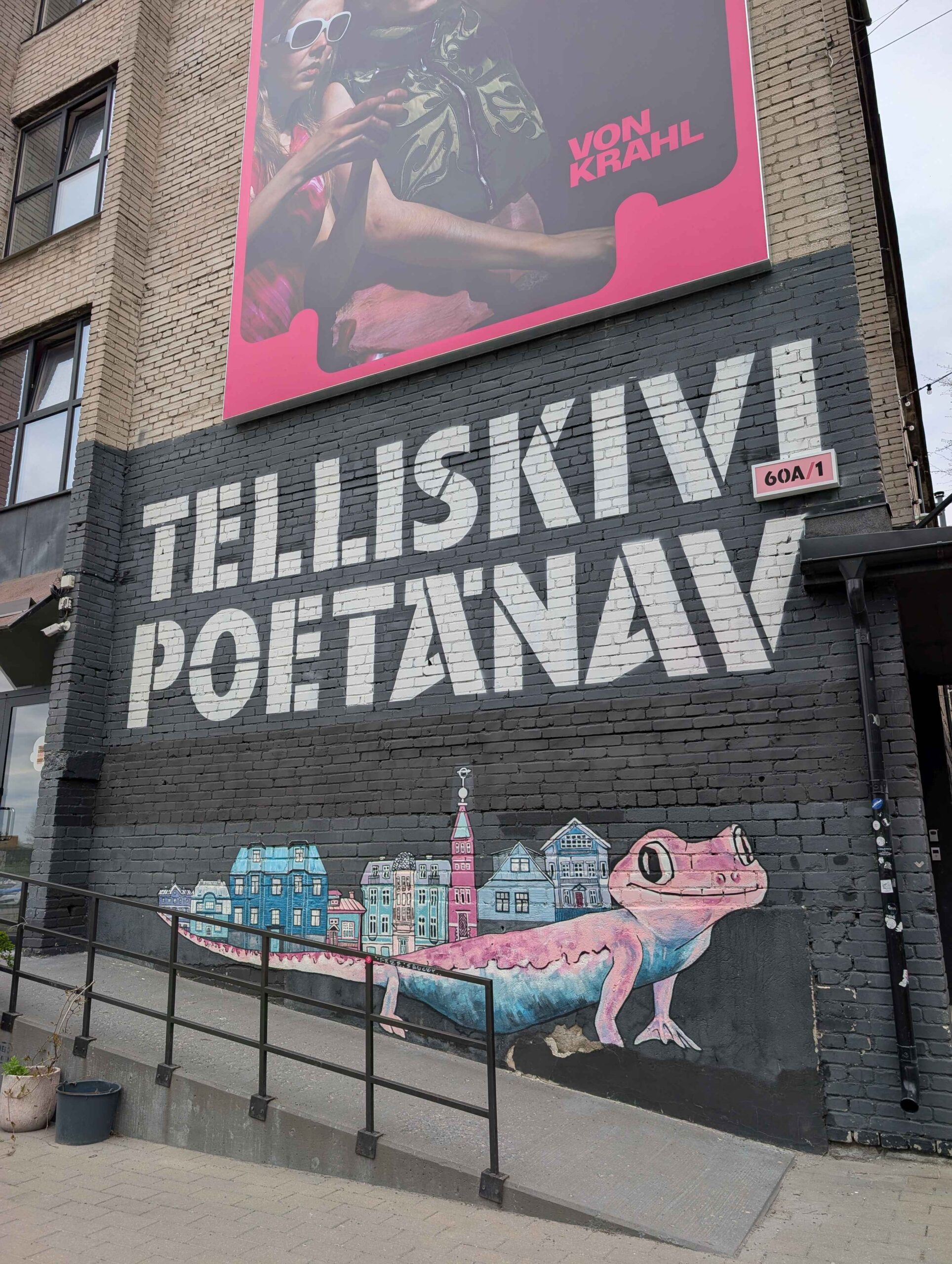
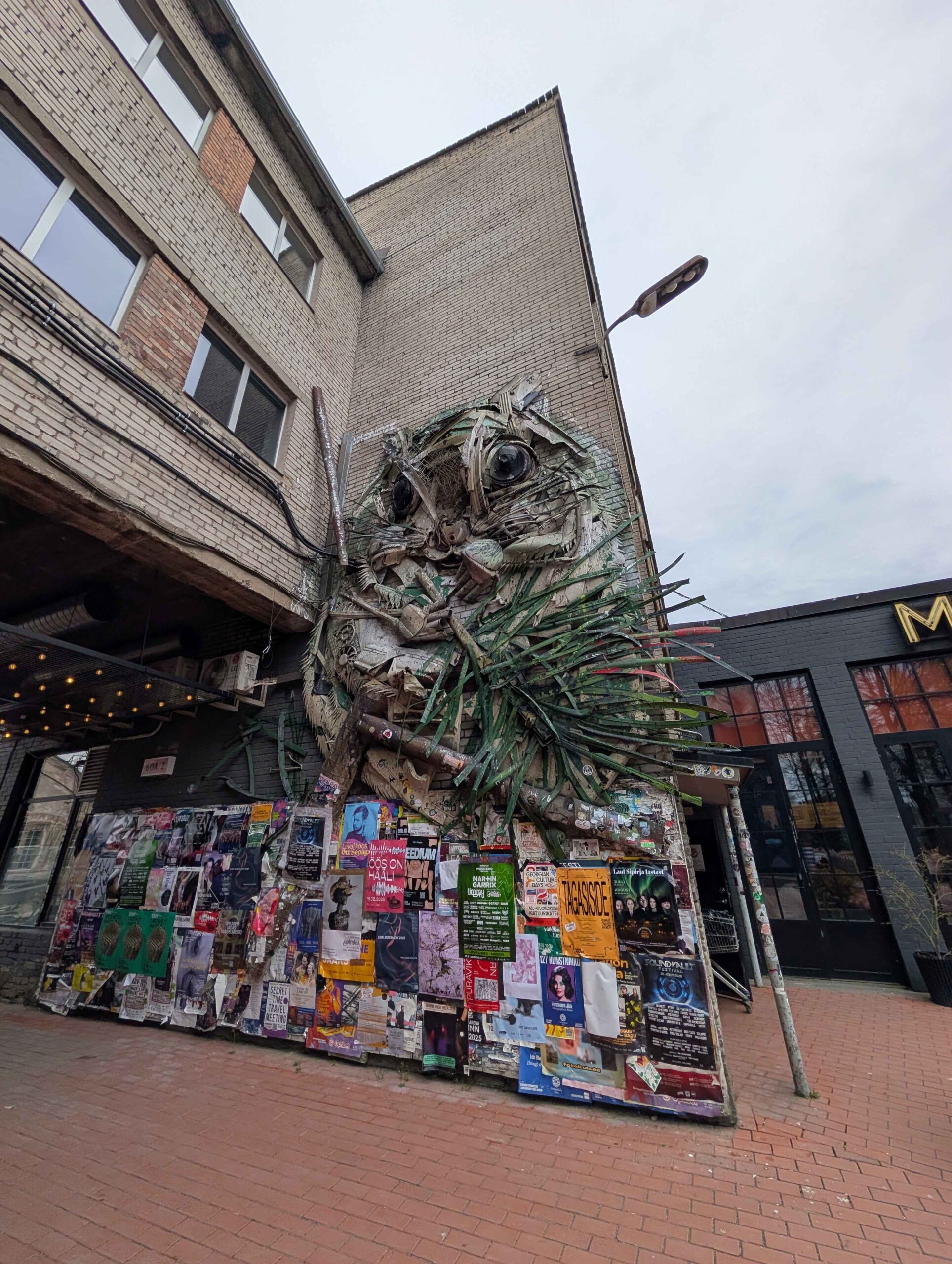
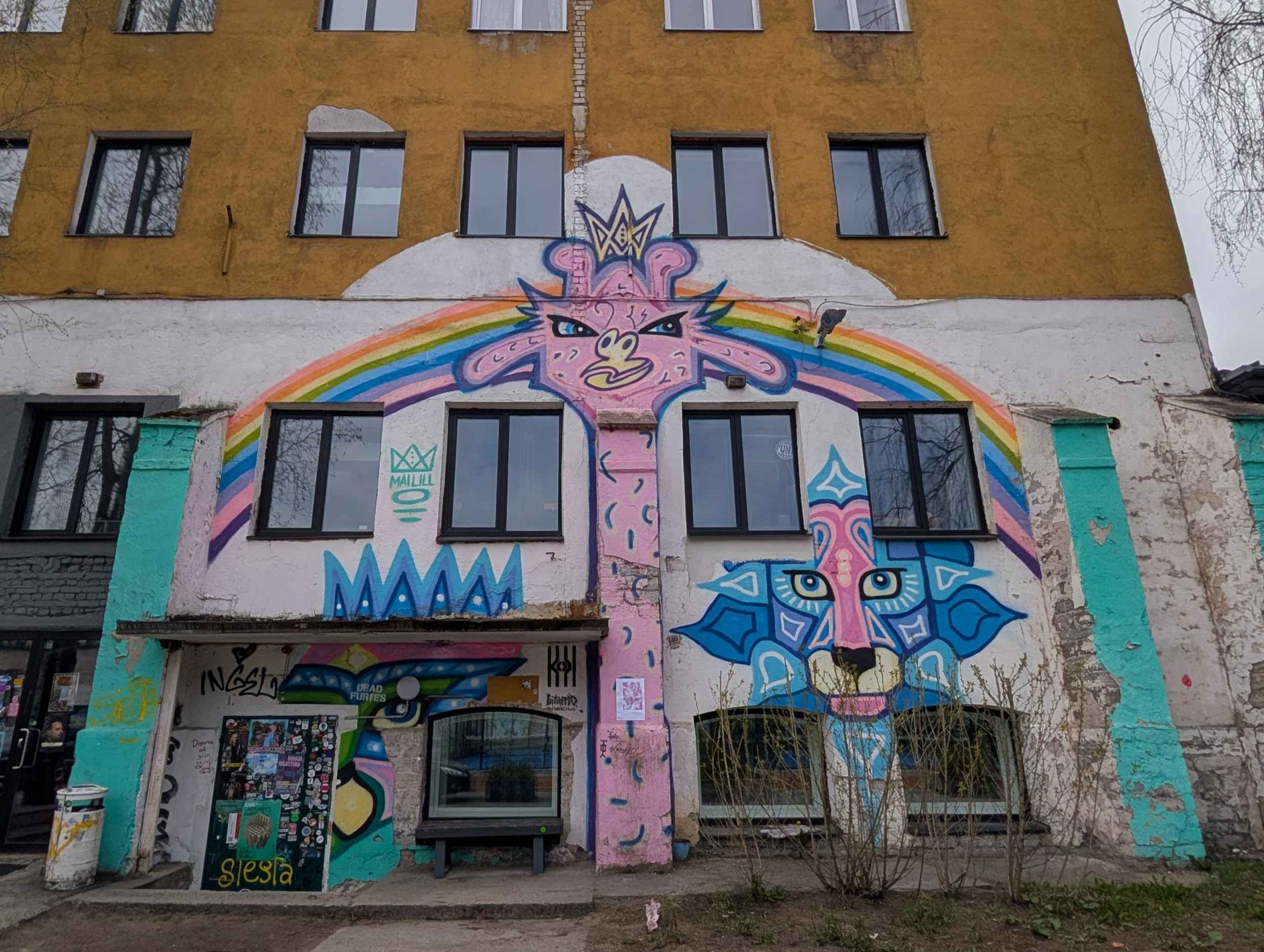
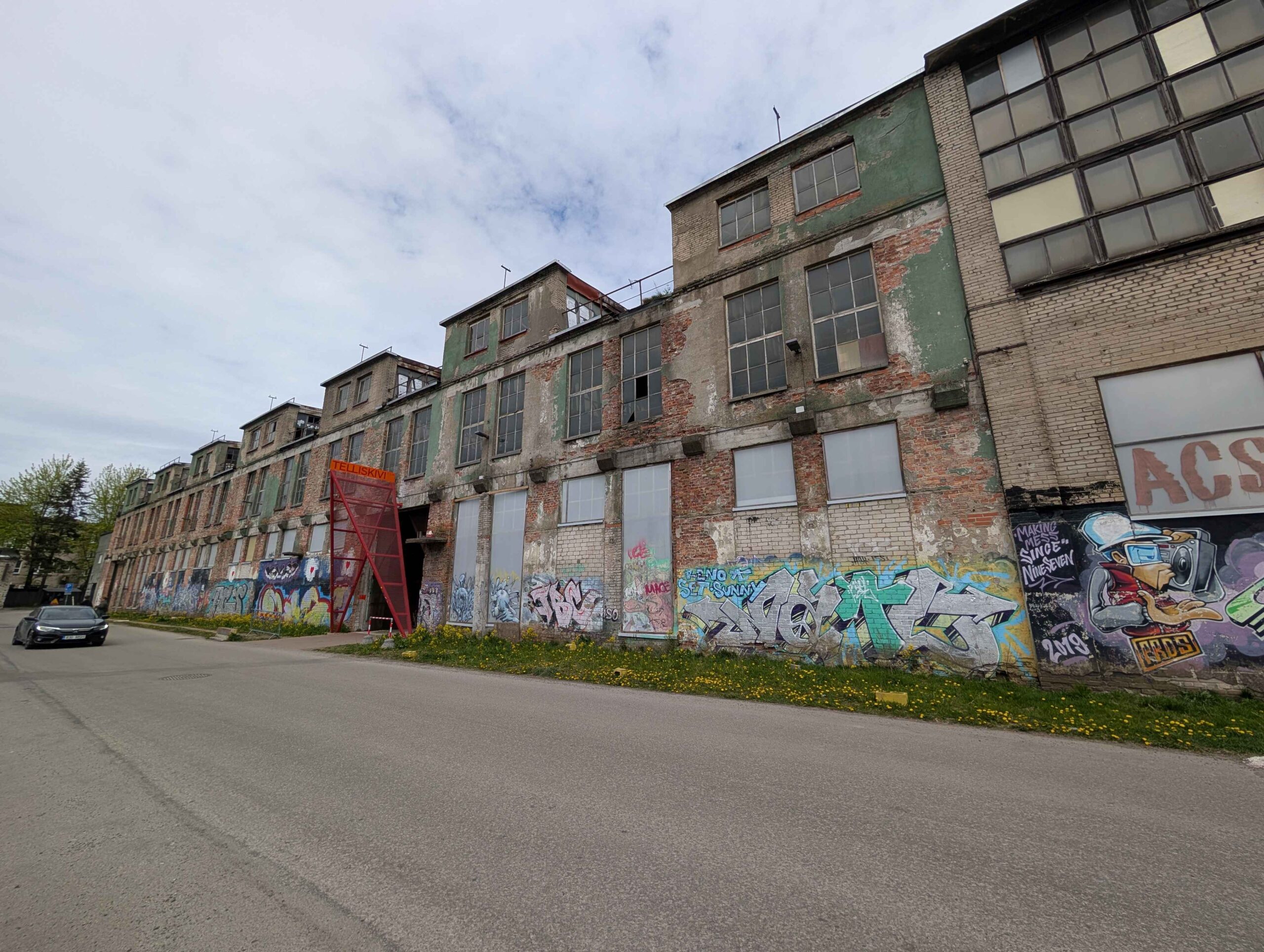
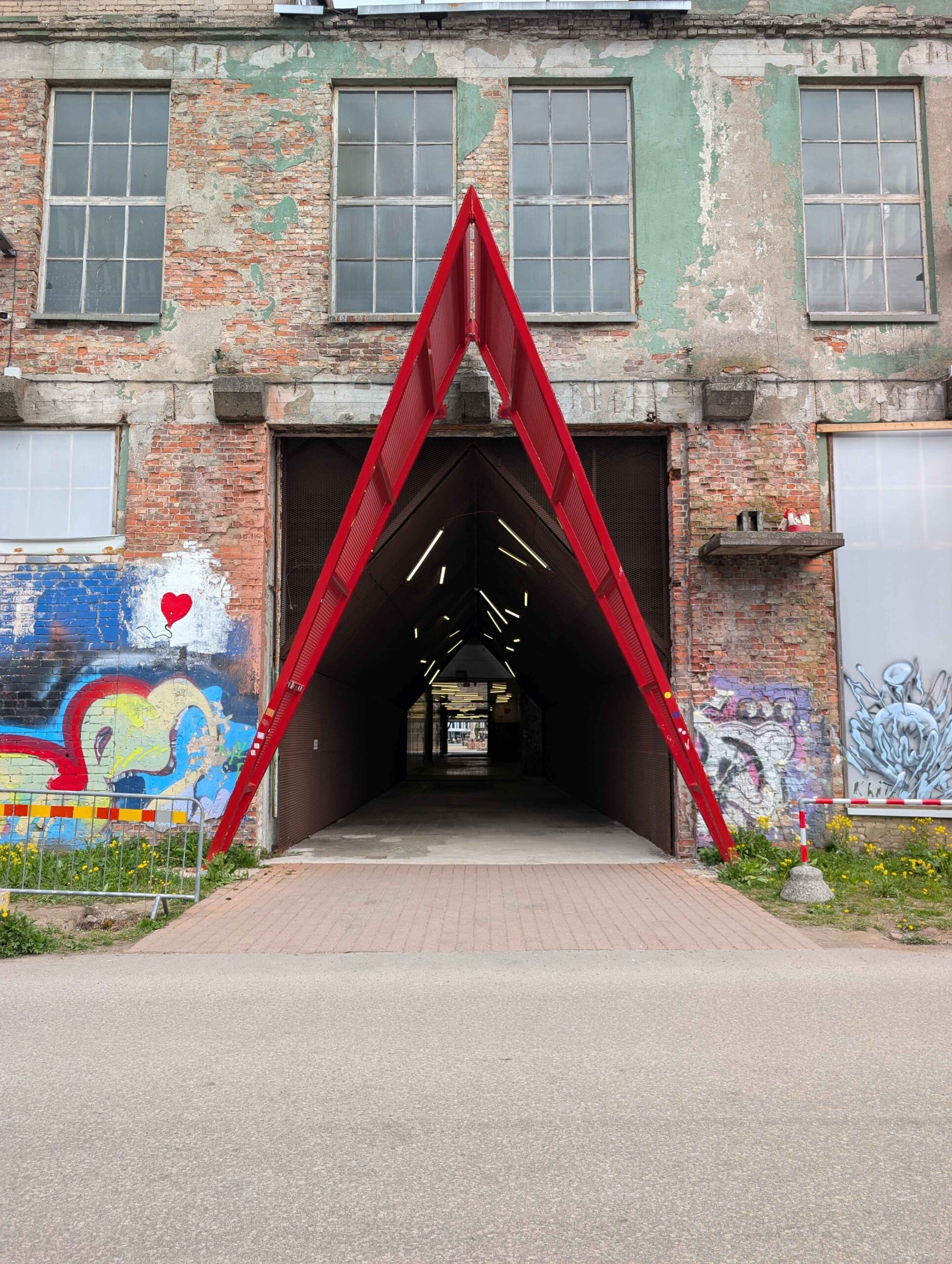
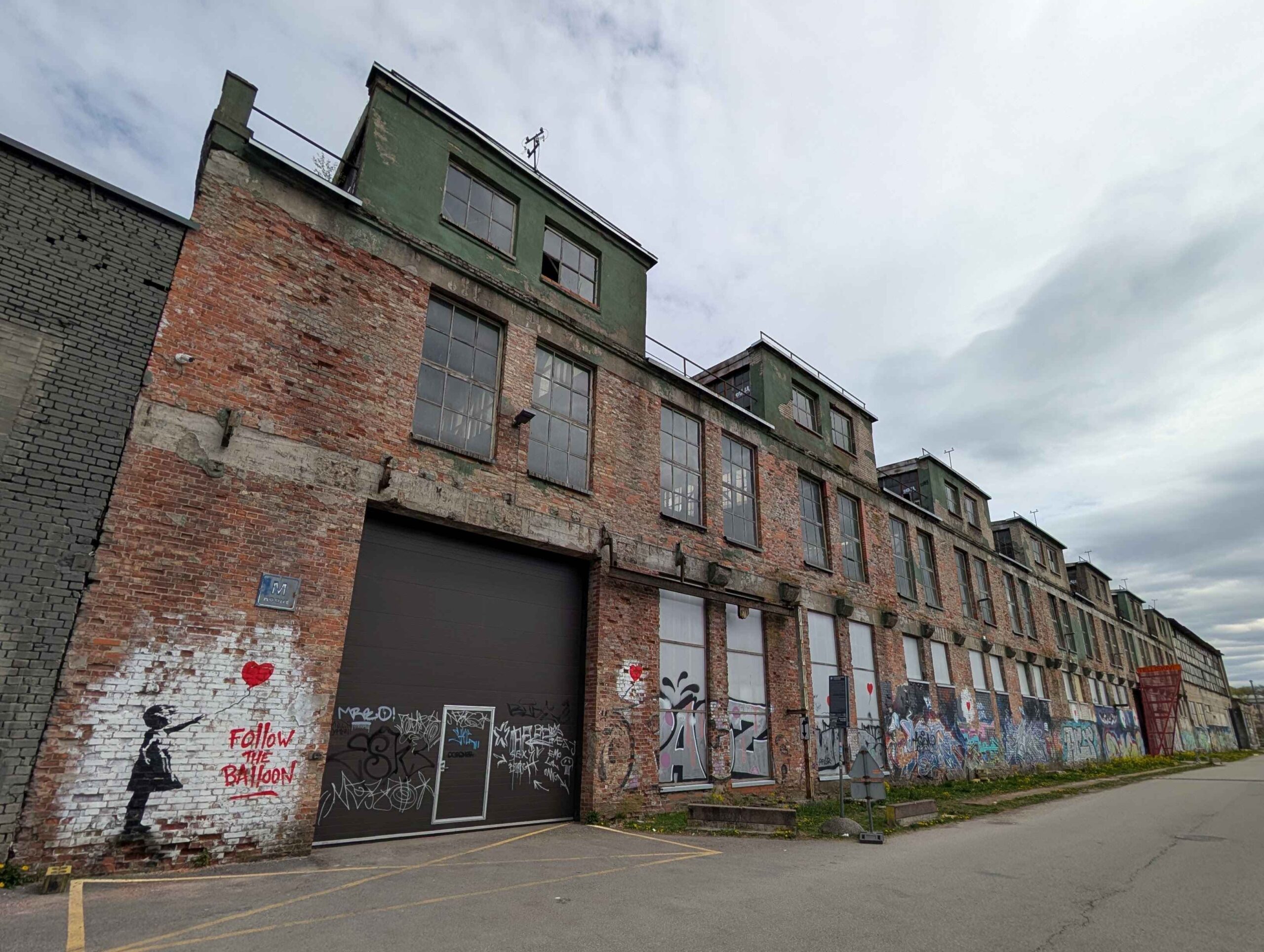
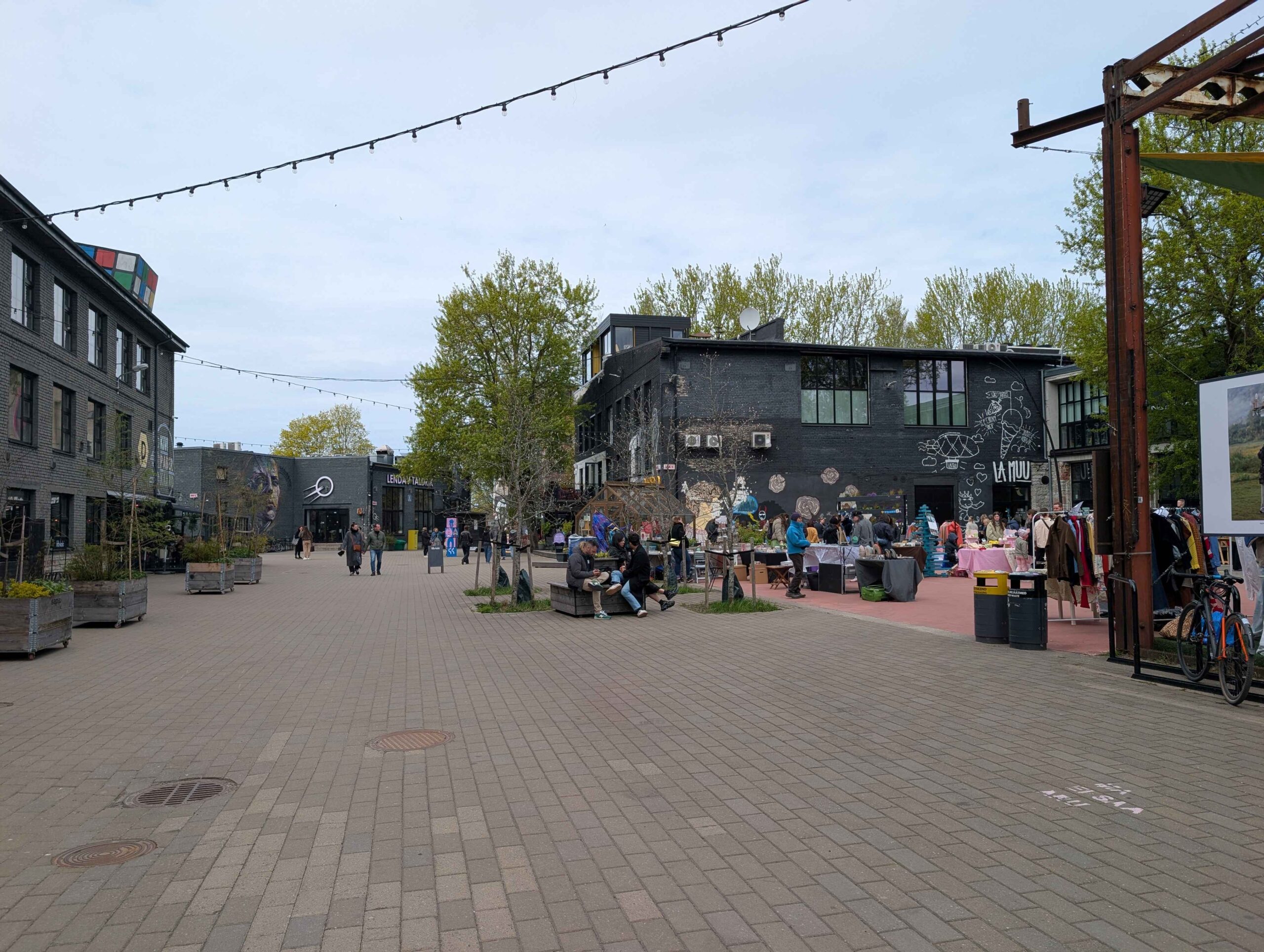
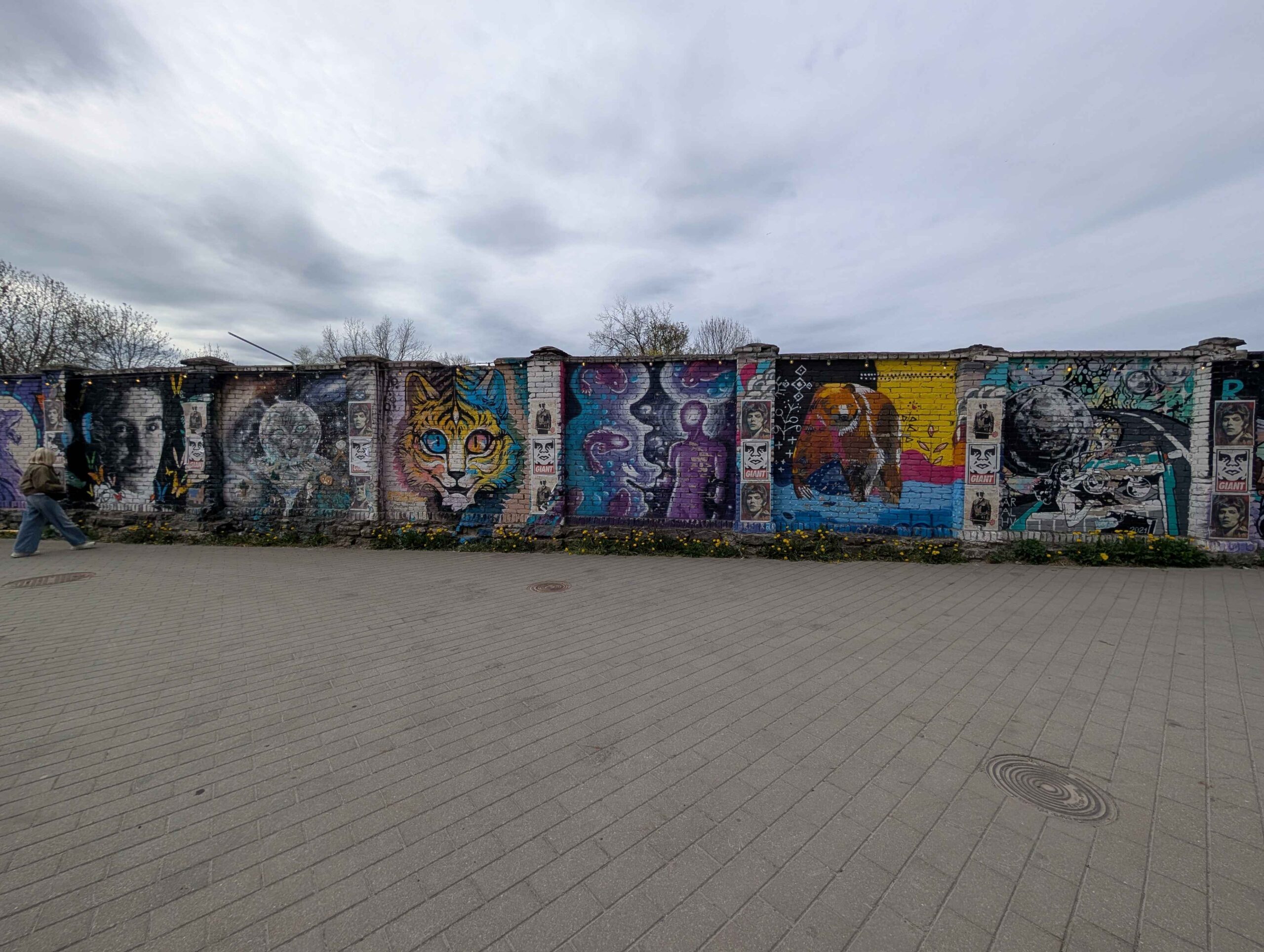
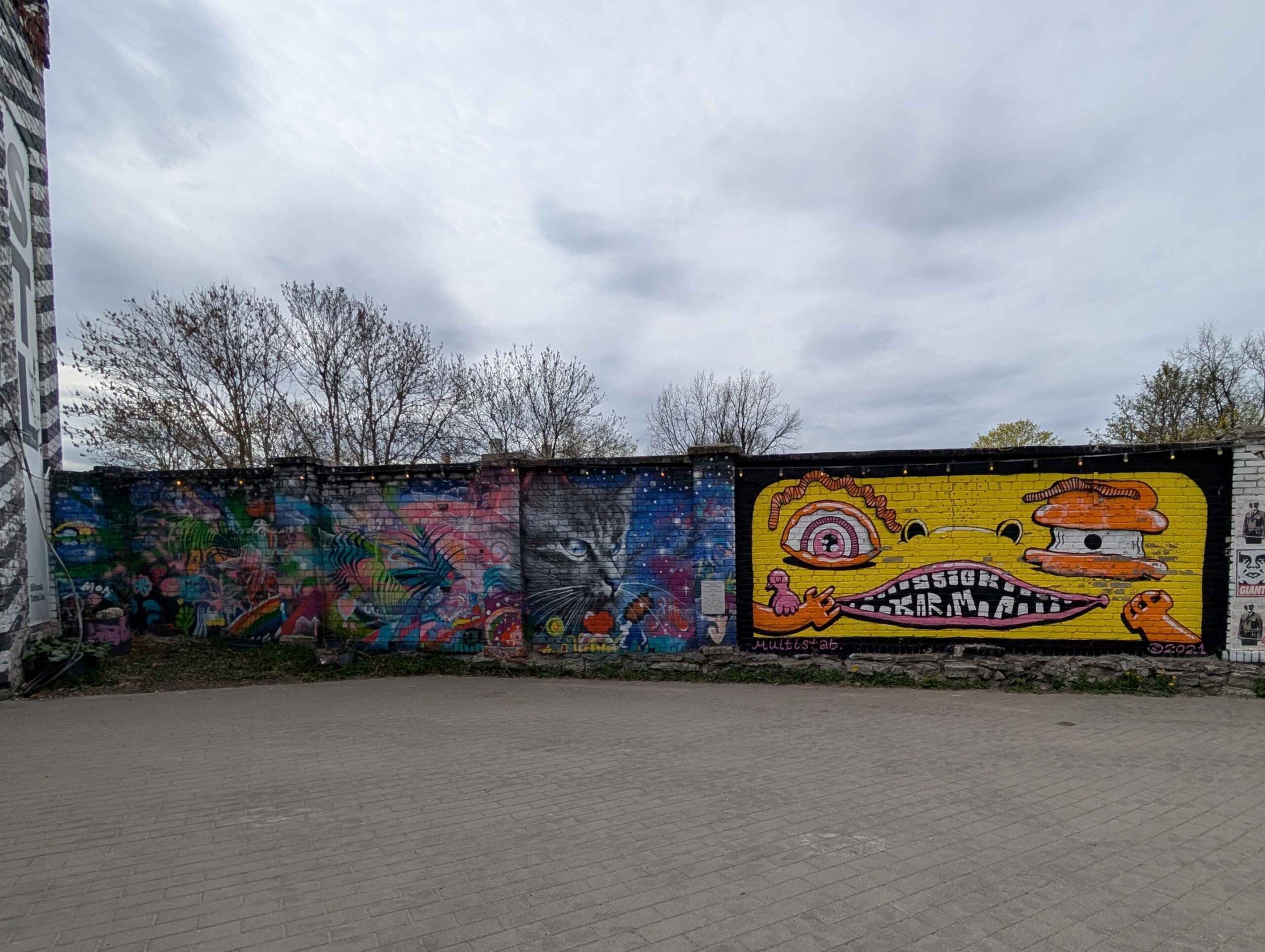
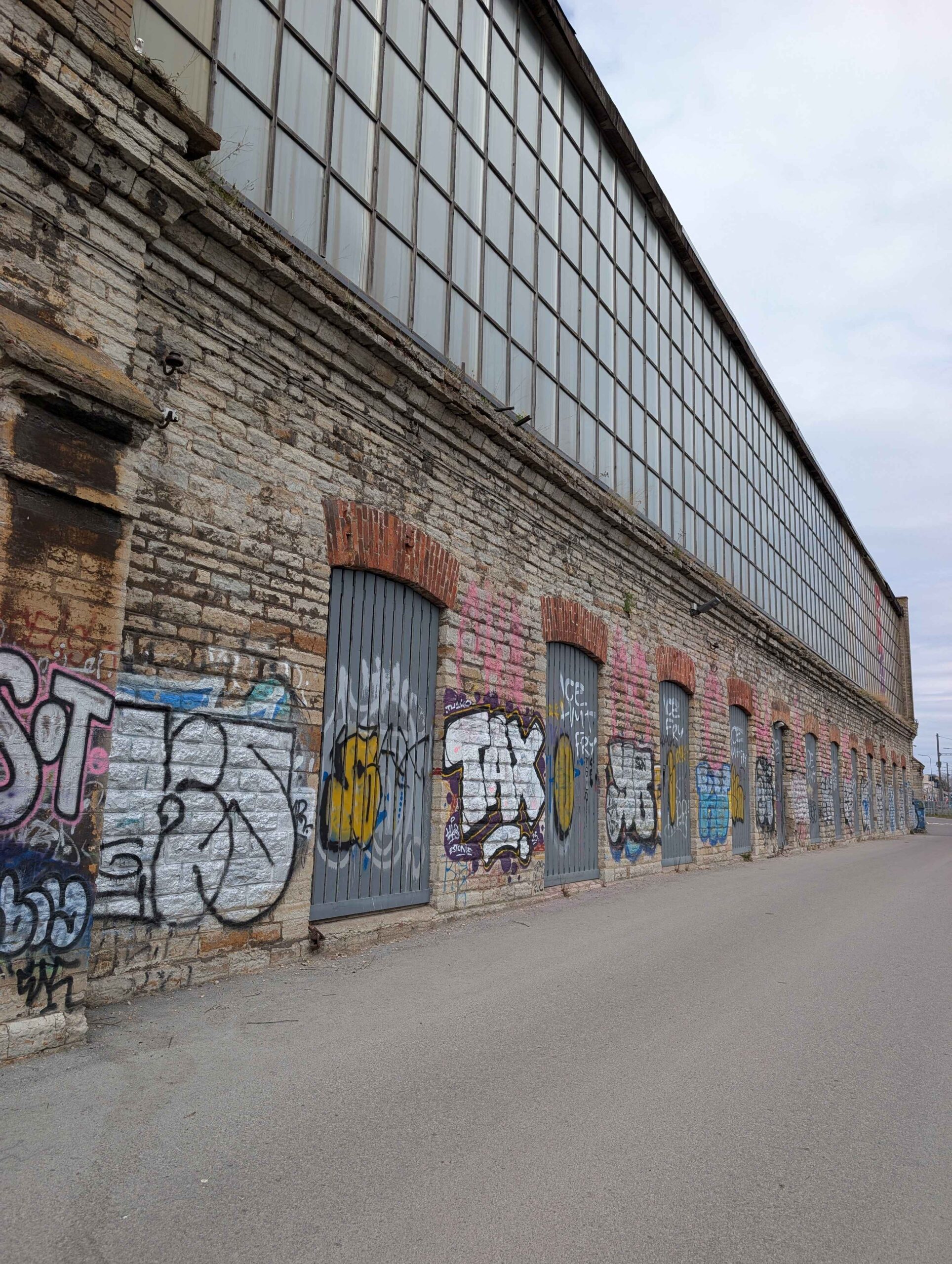
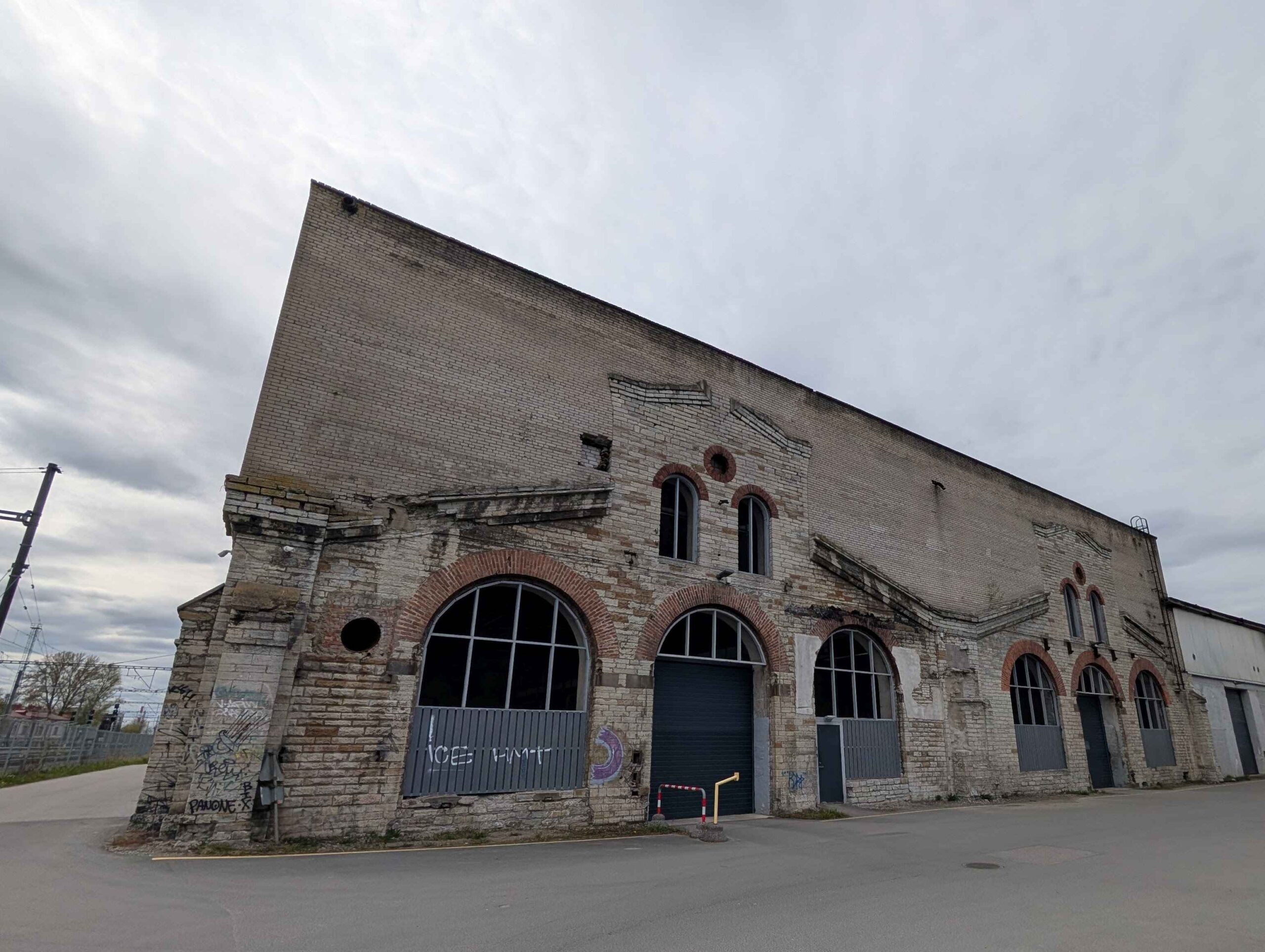
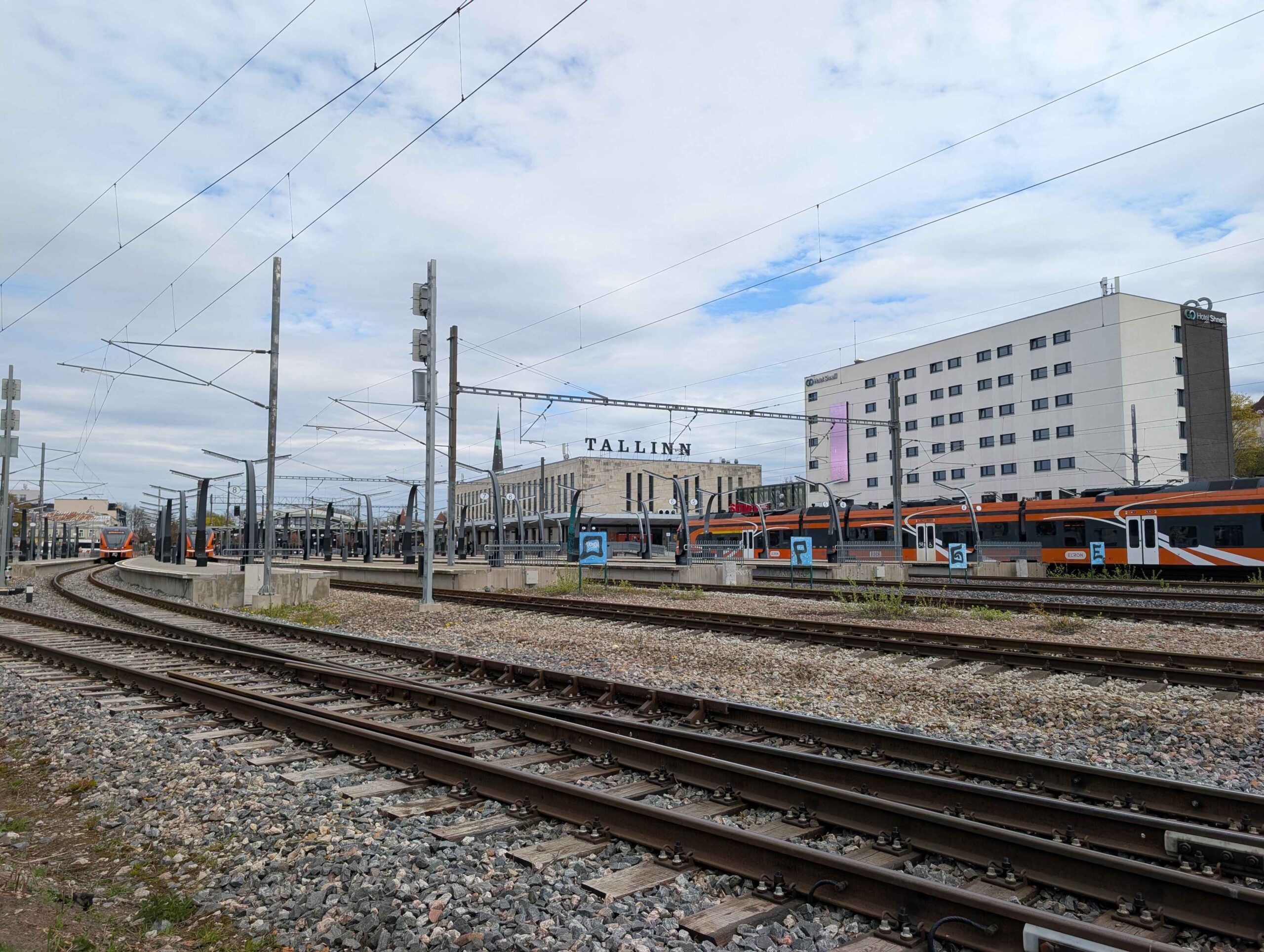
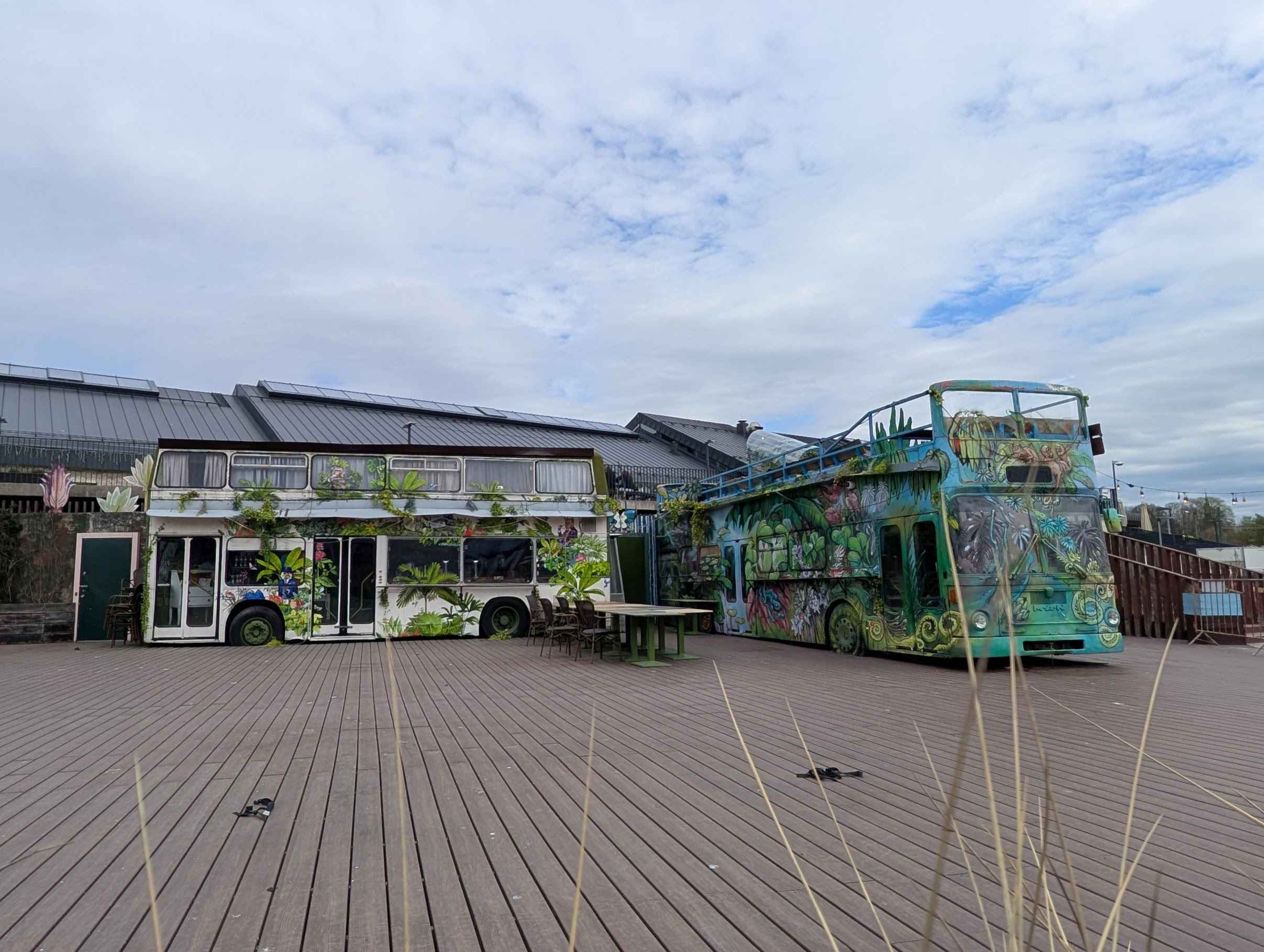
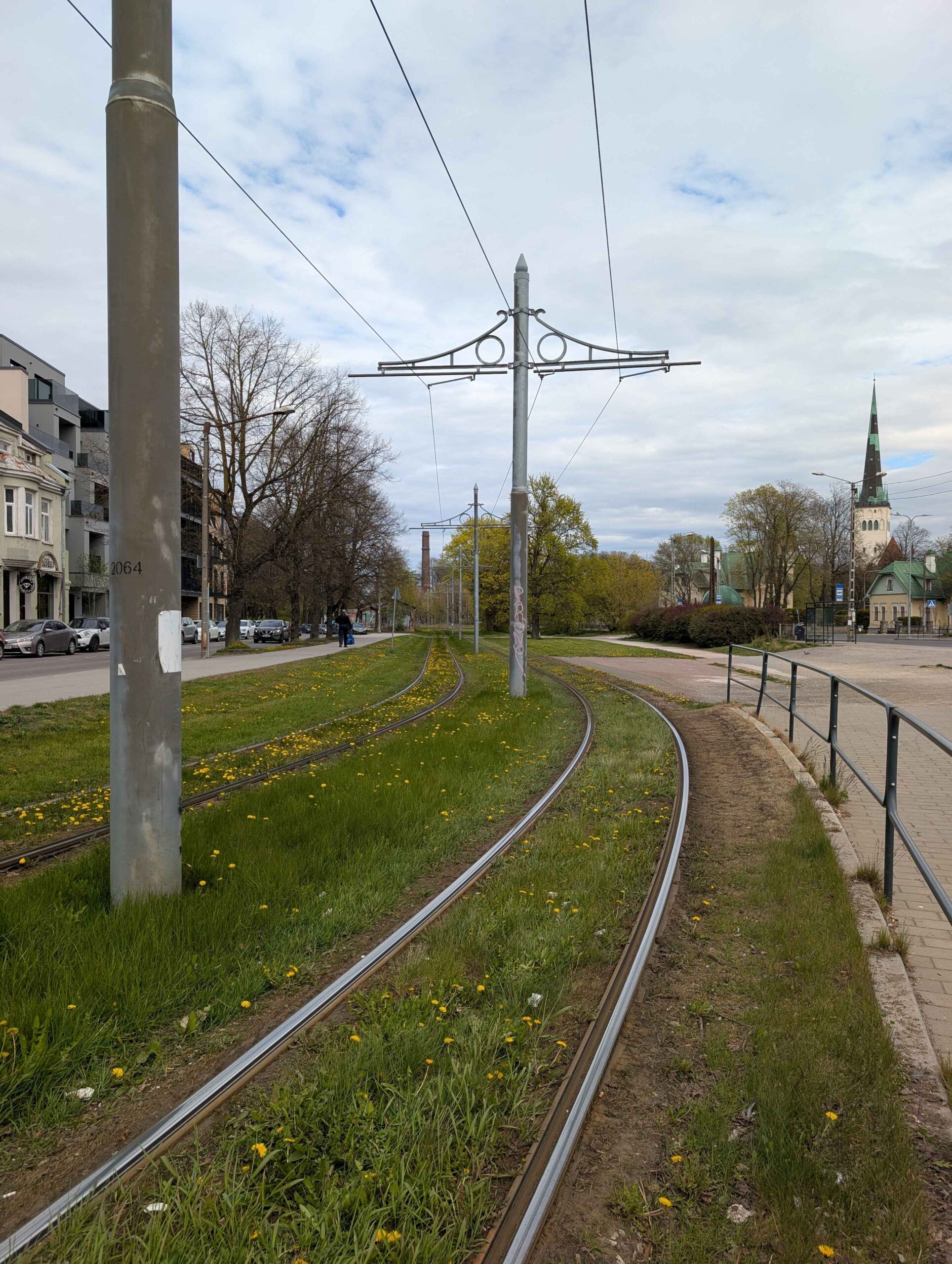
Eventually I made my way toward Telliskivi Creative City. The walk itself became part of the experience. Passing through aging wooden neighborhoods and quieter residential streets showed a version of Tallinn that many visitors probably skip entirely. By the time I reached Telliskivi the mood shifted again. Old factory buildings and train depots had been repurposed into restaurants artisan markets and creative spaces filled with murals installations and local businesses. Even on a dreary spring day it still felt alive. I skipped trying to cover every corner of Old Town again because the weather had already changed the atmosphere so dramatically from my first visit that I found the contrast itself more interesting than repeating the same landmarks.
Tallinn ended up feeling less like a city trapped in the past and more like one constantly rebuilding around it. Medieval towers Soviet concrete industrial warehouses and modern tech spaces all exist within walking distance of each other. Visiting in two completely different seasons made that transition even more obvious. Summer highlighted the postcard version of the city while the cold gray spring weather exposed more of the everyday layers underneath it.

If You Have More Time…
- Kadriorg Palace and Park – This large baroque palace complex offers formal gardens museums and quieter walking paths away from the crowds of Old Town. It is especially appealing during warmer months when the gardens are in bloom.
- Seaplane Harbour Museum – One of Tallinn’s more modern museums featuring naval history submarines and interactive exhibits inside a restored seaplane hangar near the waterfront.
- Kalamaja – This nearby neighborhood is known for colorful wooden homes local cafés and a slower residential atmosphere that contrasts with the tourist-heavy areas around Vanalinn.
- Pirita Promenade – A longer waterfront walking area that stretches along the Baltic Sea with beaches marinas and open coastal views that feel very different from the enclosed medieval center.
- KGB Prison Cells – Located beneath a former government building this small museum focuses on Soviet occupation and political imprisonment in Estonia with preserved underground holding cells.