
Southampton Medieval Walls and Harbor Sailboats
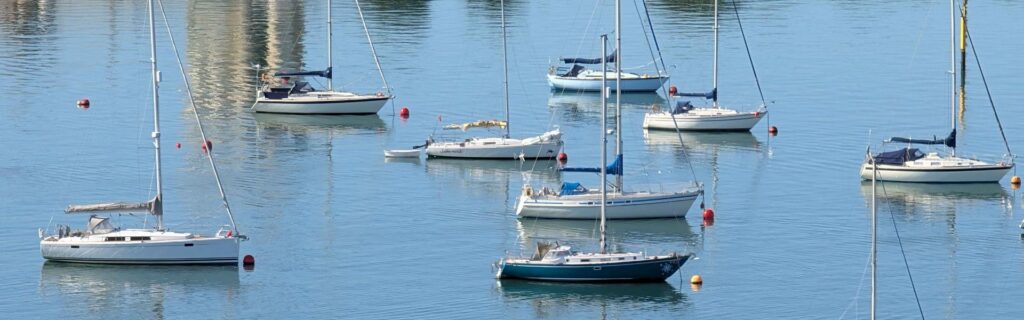
Warm summer air drifted through the streets and the quiet ripple of water reflected rows of sailboats in the harbor. Arriving by cruise in Southampton meant stepping off the ship and finding a city that felt calmer than many busy ports. With a few spare hours before departure, I set out on foot to see what I could discover beyond the cruise terminal.
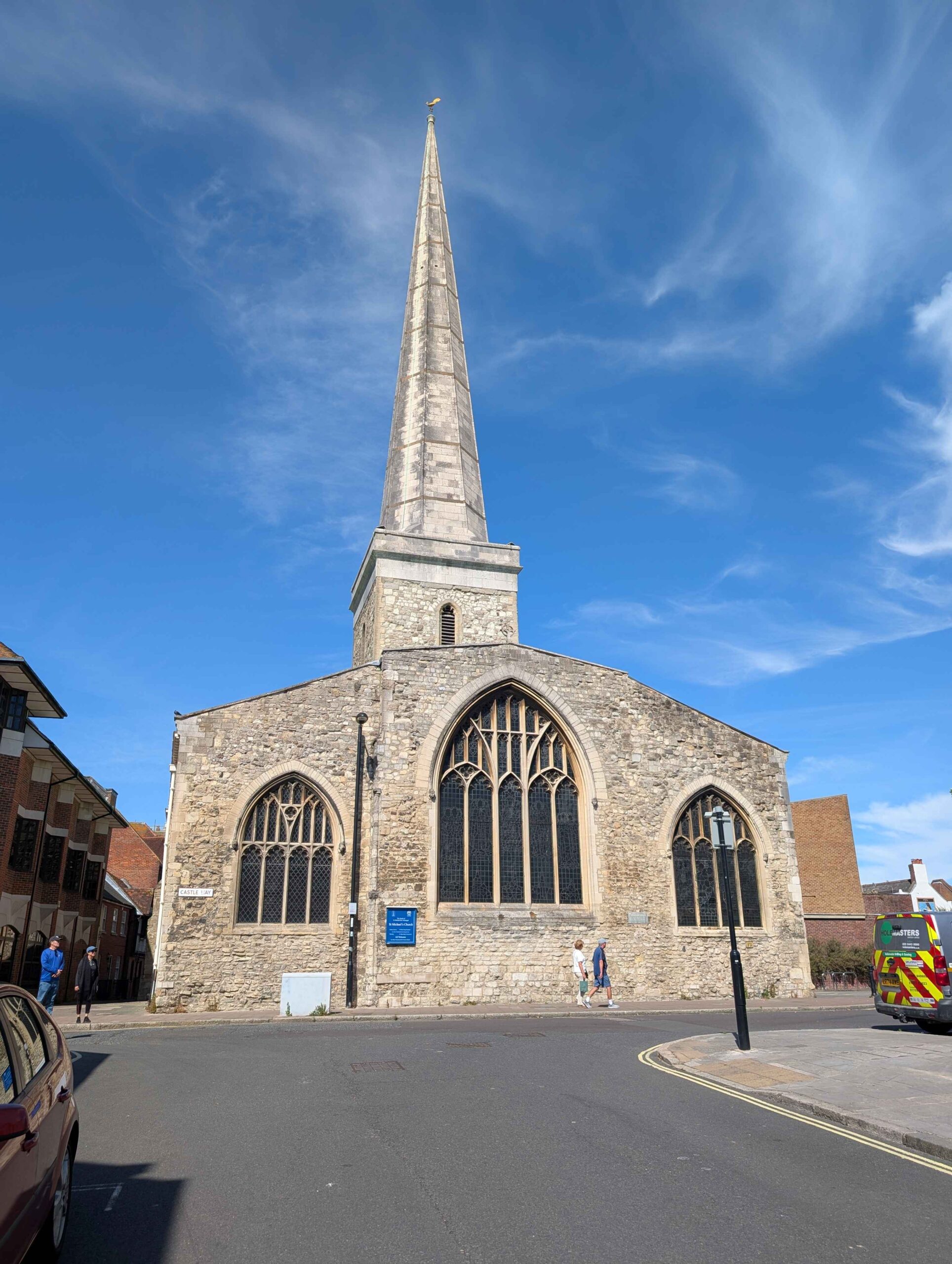
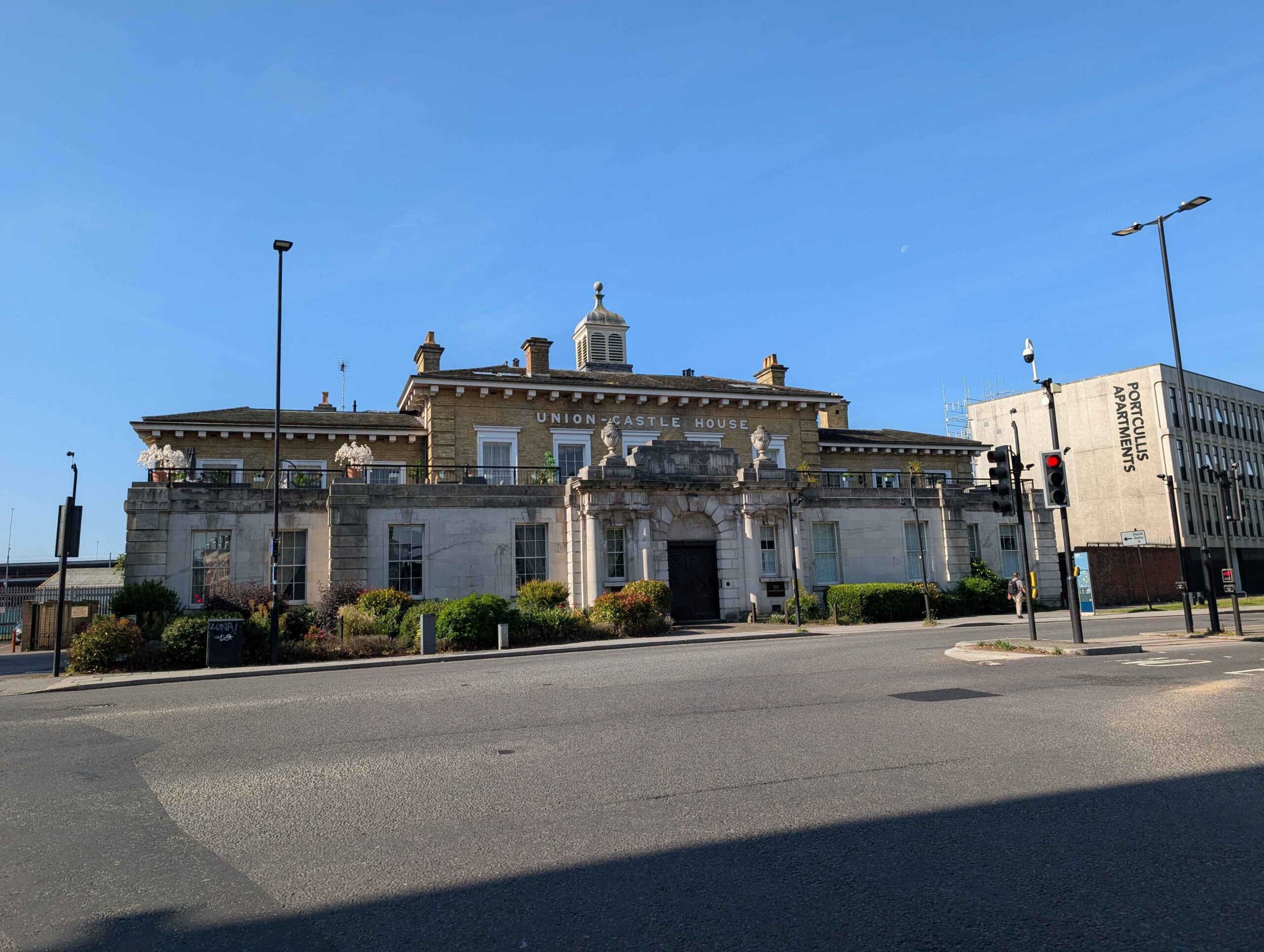
The streets quickly revealed layers of history mixed with everyday city life. Southampton (Southampton – Pronounced [SOUTH-amp-tuhn]) is known primarily as one of the UK’s major cruise gateways, but the city itself holds centuries of maritime and defensive history. Even in casual exploration, pieces of that past appear around corners and along quiet streets.
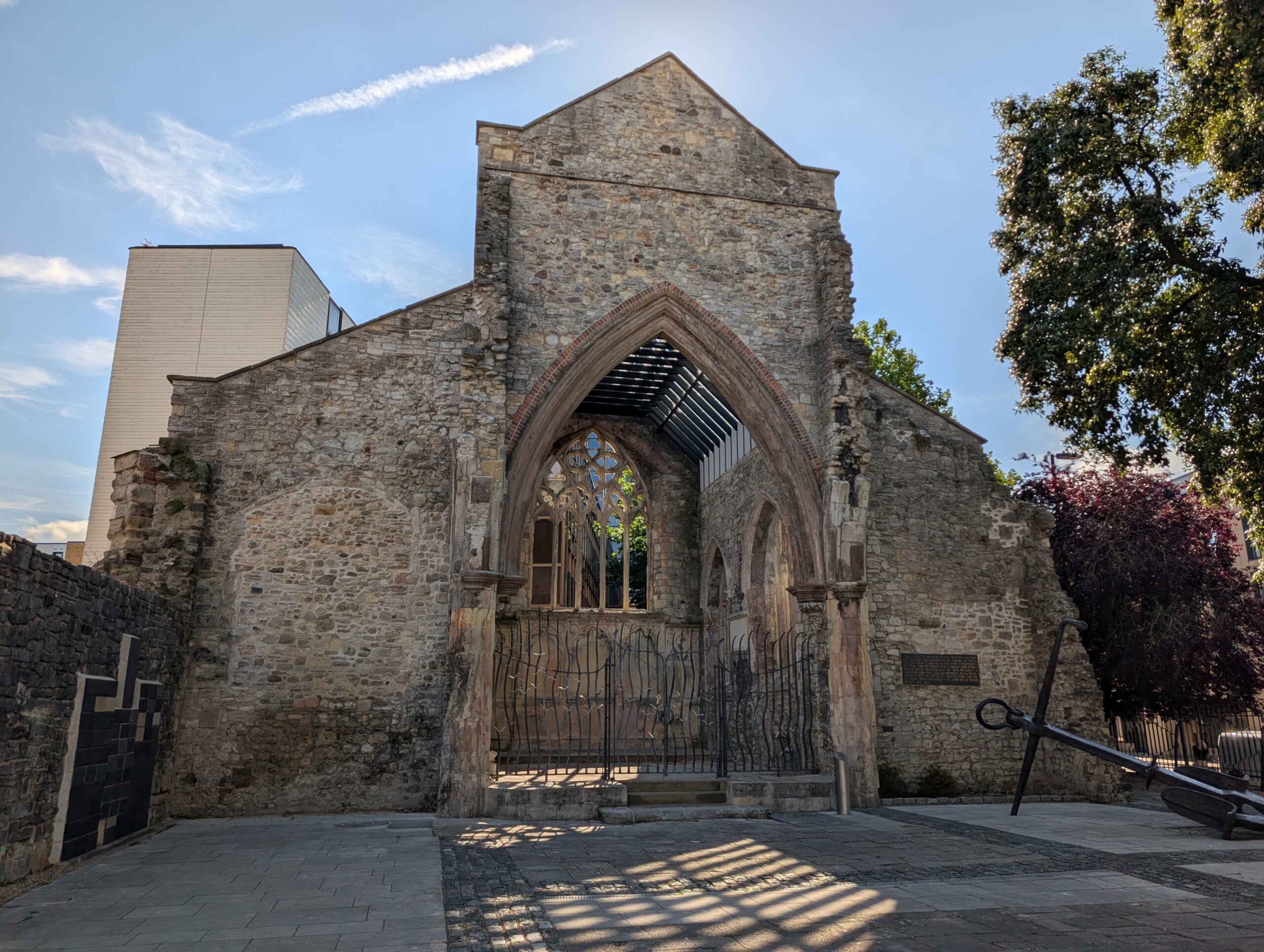
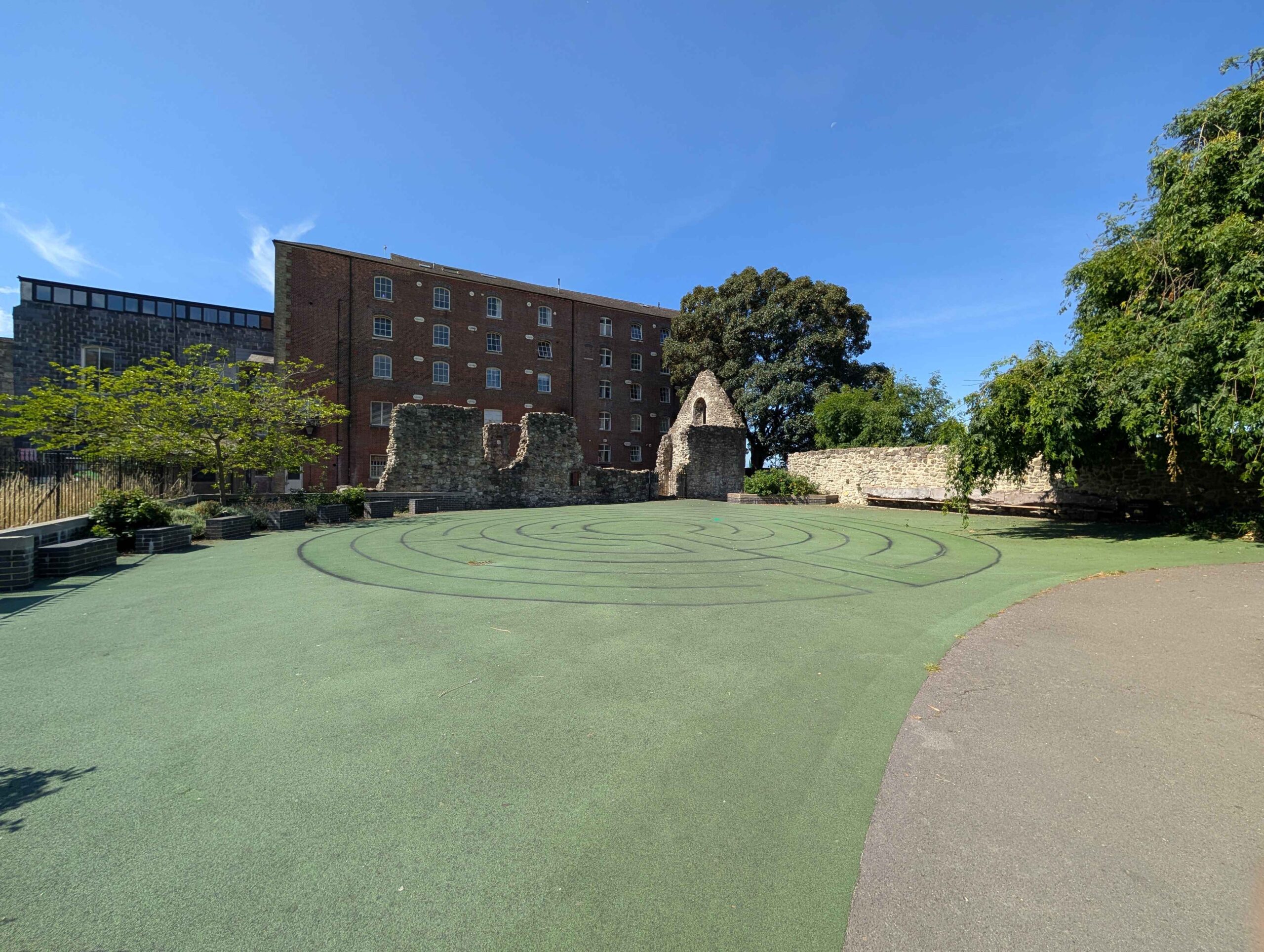
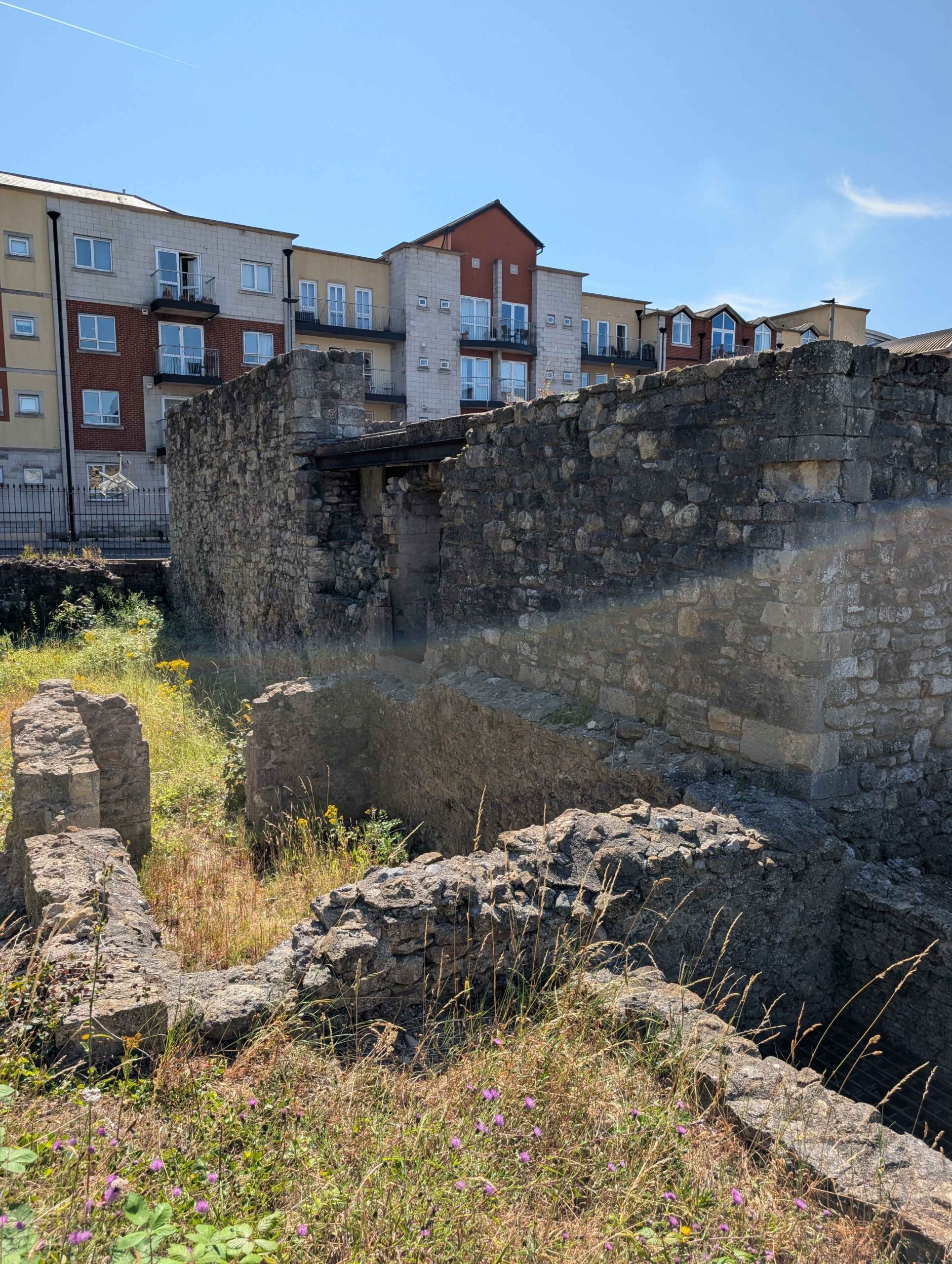
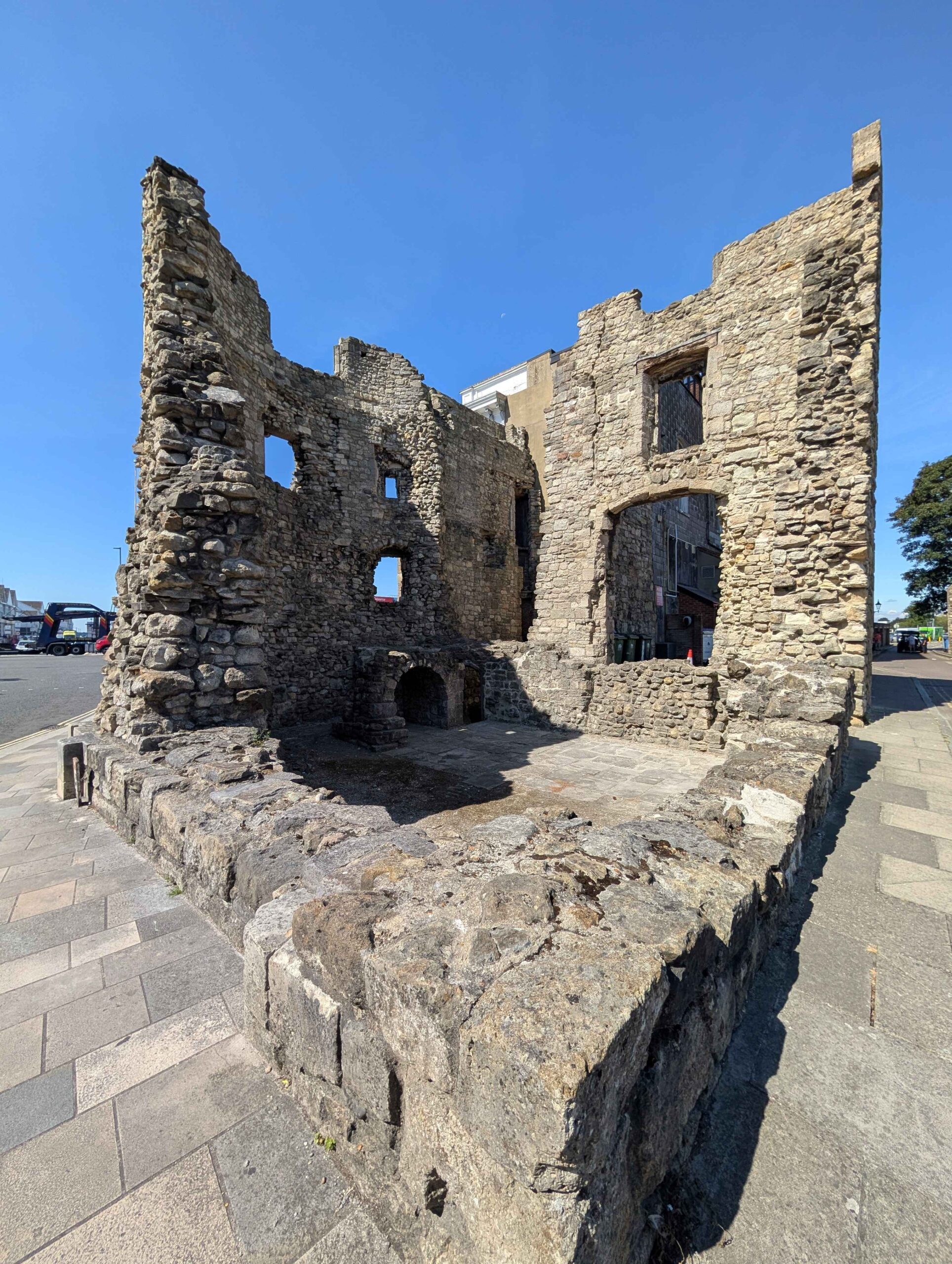
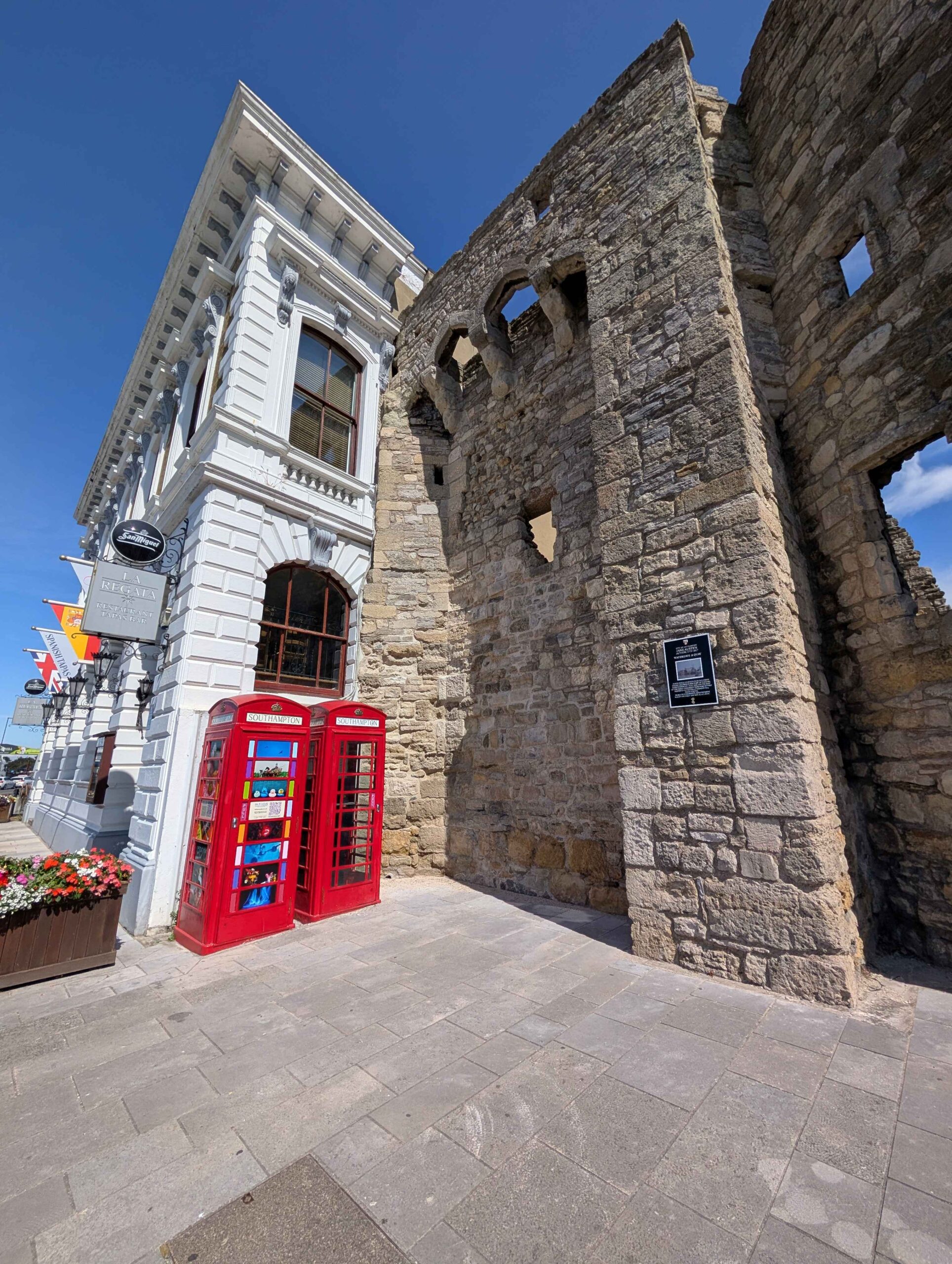
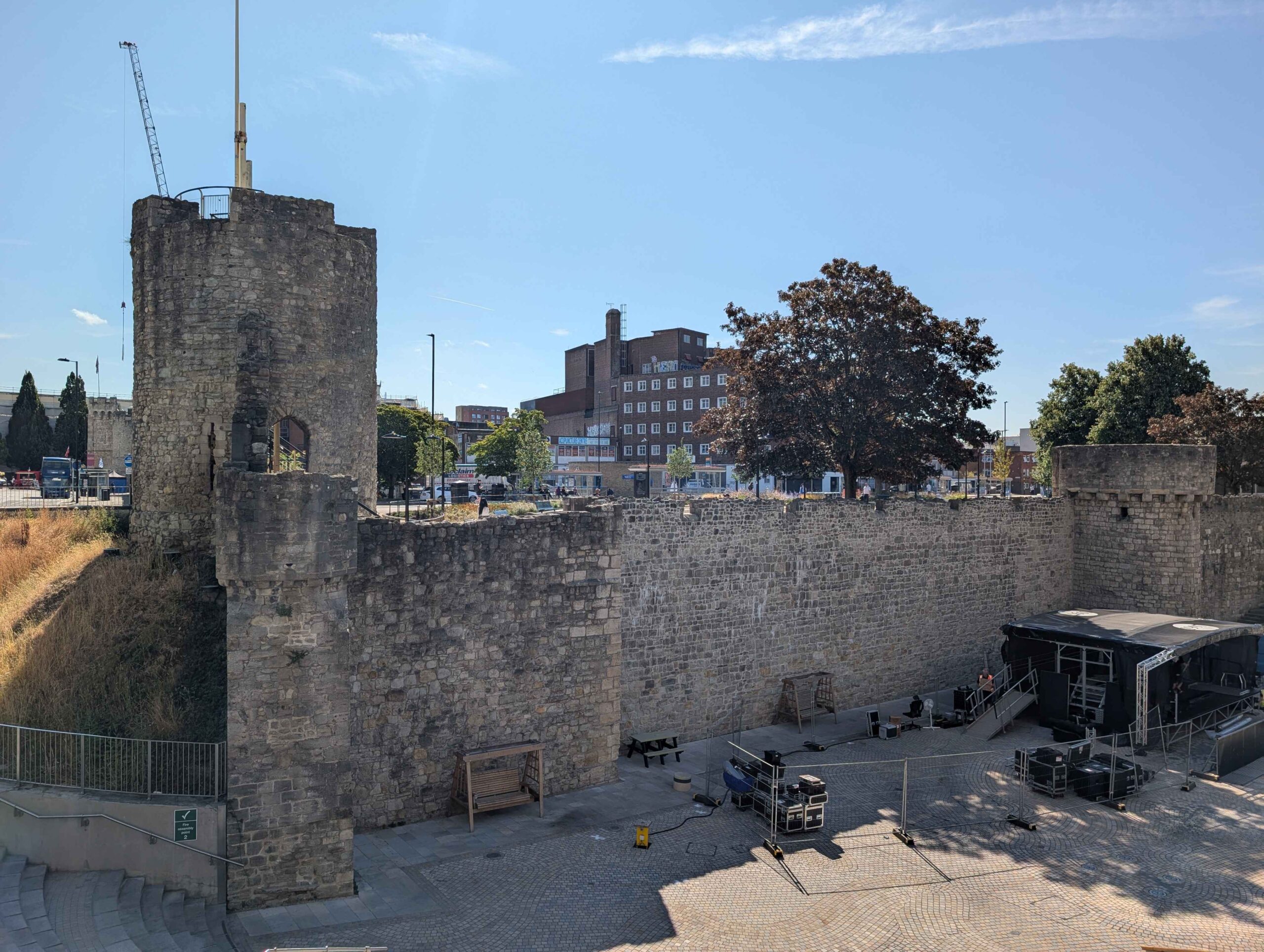
One of the most memorable sights was the stretch of old stone fortress walls still standing in parts of the city. The towers and thick defensive walls rise above modern sidewalks and small gathering spaces, a reminder that this port was once heavily fortified. Standing nearby, I could see workers preparing a small outdoor stage against the stone backdrop, blending centuries-old architecture with everyday modern activity.
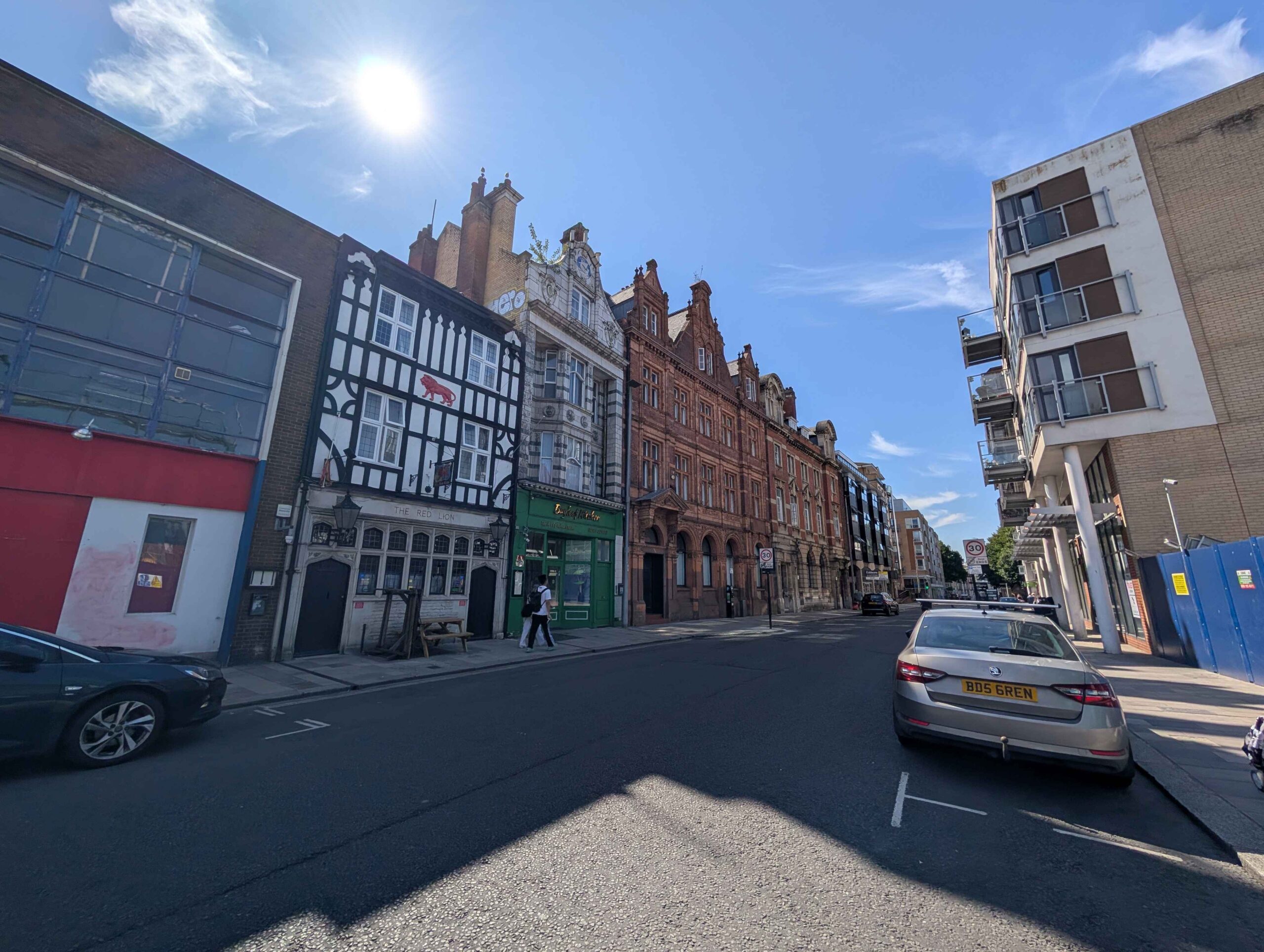
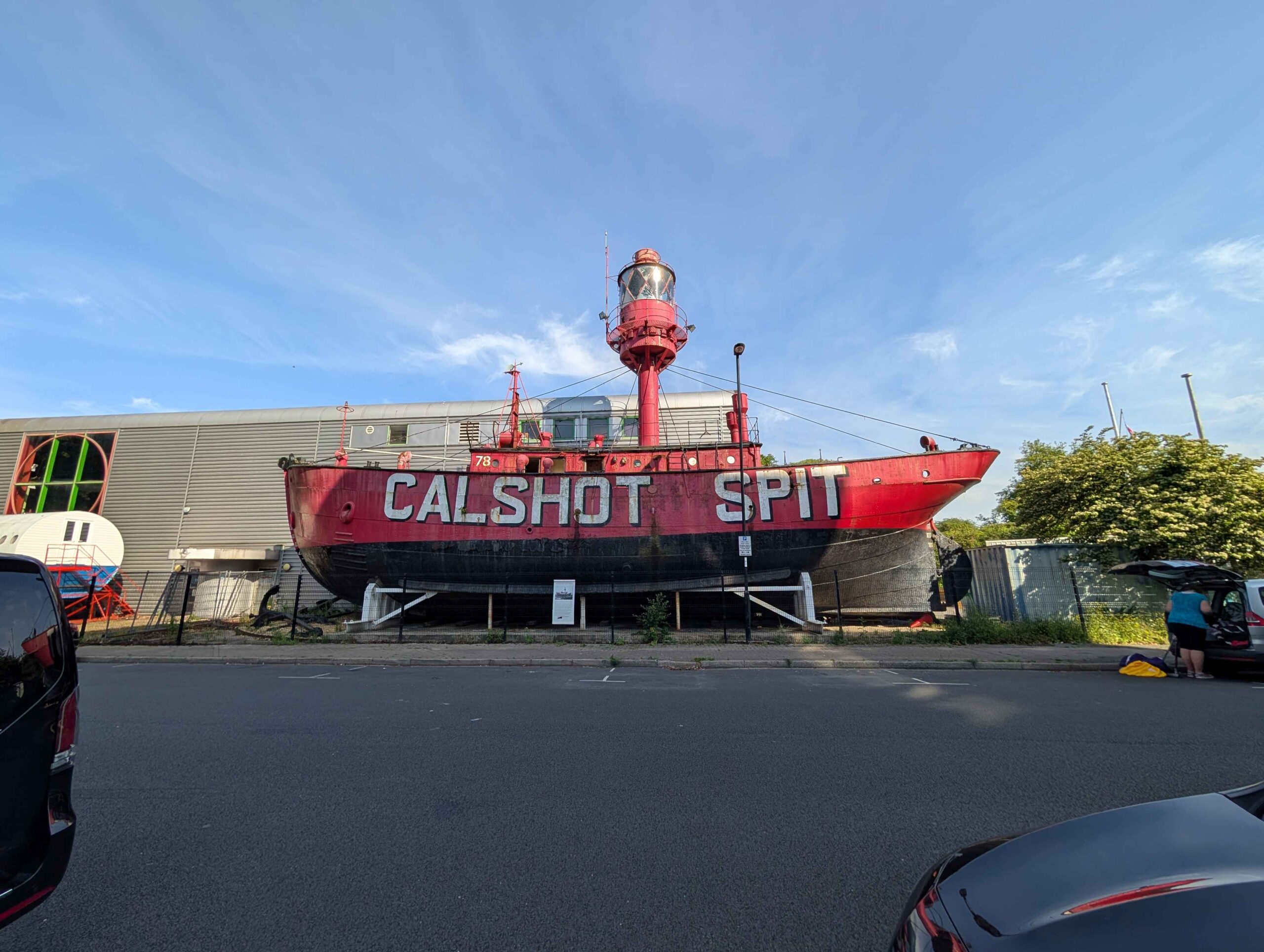
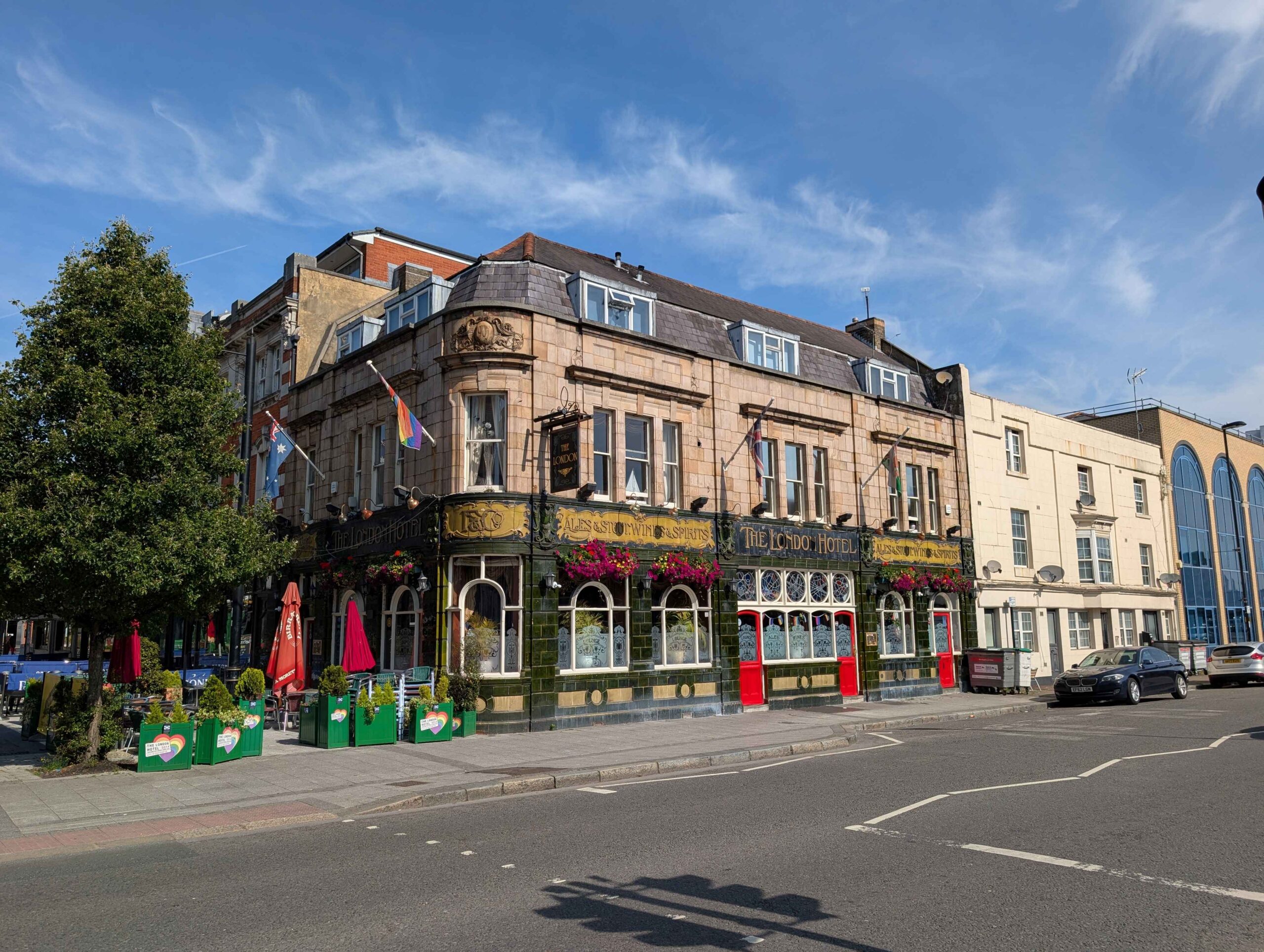
As I continued walking, smaller details stood out just as much as the historic landmarks. A traditional pub decorated with flower baskets and flags sat quietly at a street corner, while a simple metal street sign reading European Way marked the edge of the port area. Even an old aircraft fuselage tucked beside an industrial building caught my attention, an unexpected sight during a casual stroll.
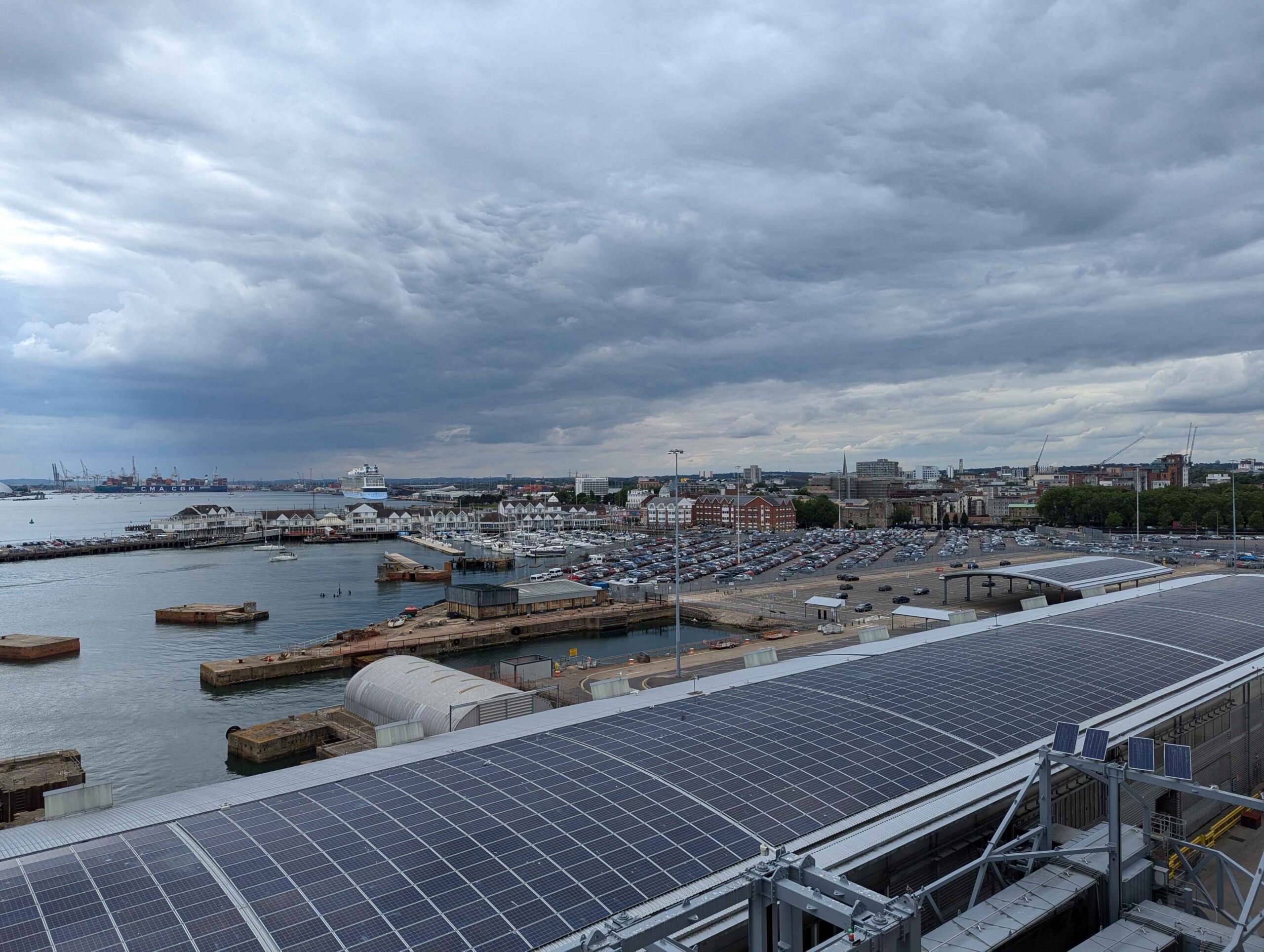
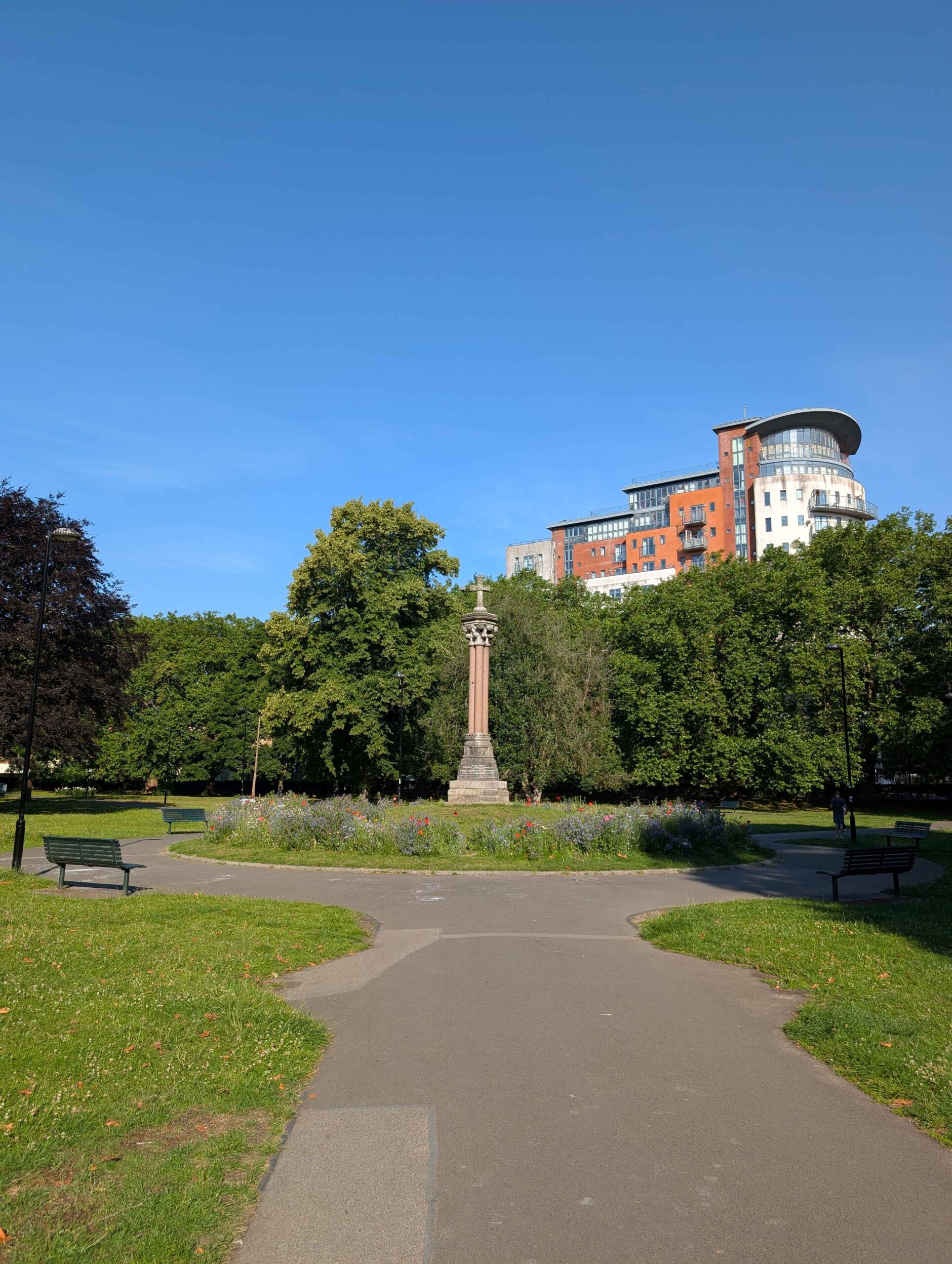
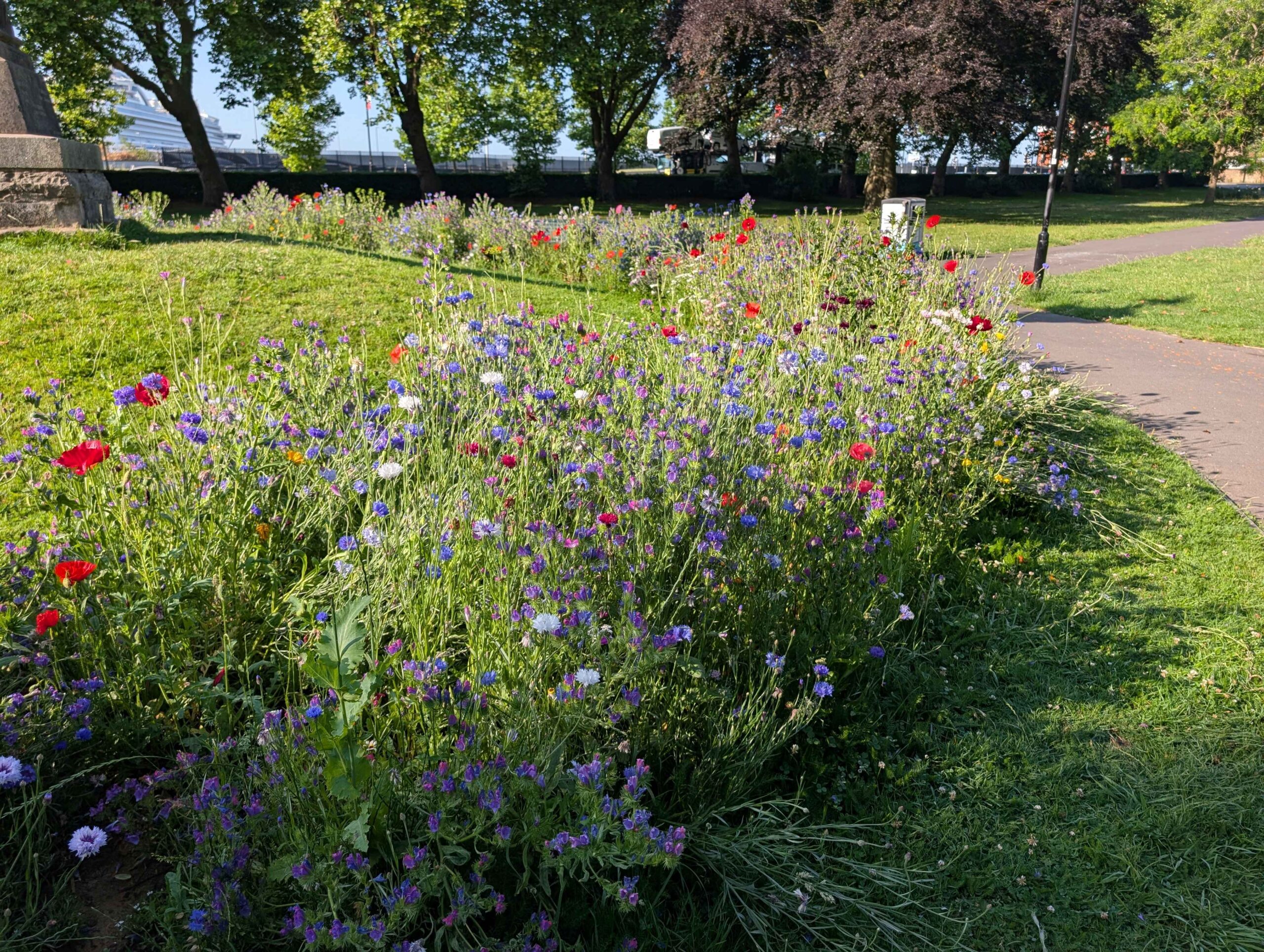
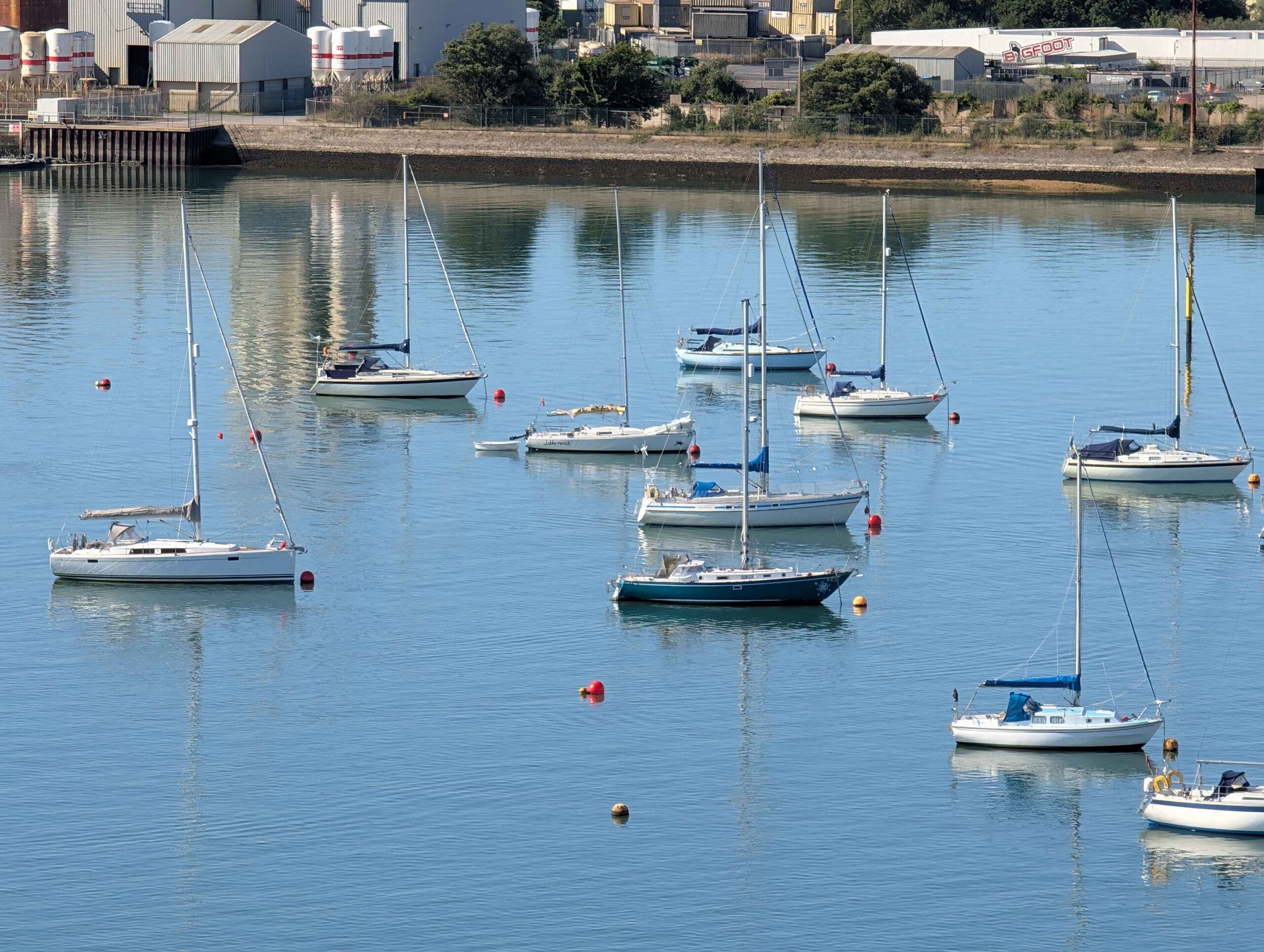
Closer to the water, calm harbor views revealed sailboats resting on still blue water, their reflections mirrored across the surface. Not far away, Queens Park offered a peaceful green space filled with flowers and shaded benches. It became the perfect place to pause with a morning coffee and watch people pass through the park on their way to work or errands.
Southampton has been an important maritime hub for centuries, serving as a launch point for exploration, trade, and immigration. Today it remains one of Europe’s busiest cruise ports, but stepping away from the docks reveals medieval walls, historic streets, and everyday local life that make the city more than just a starting point for voyages.








If You Have More Time…
- SeaCity Museum – Learn about Southampton’s role in the Titanic’s story and explore exhibits on maritime history.
- Tudor House and Garden – Visit this well-preserved 15th century home with period rooms and peaceful gardens.
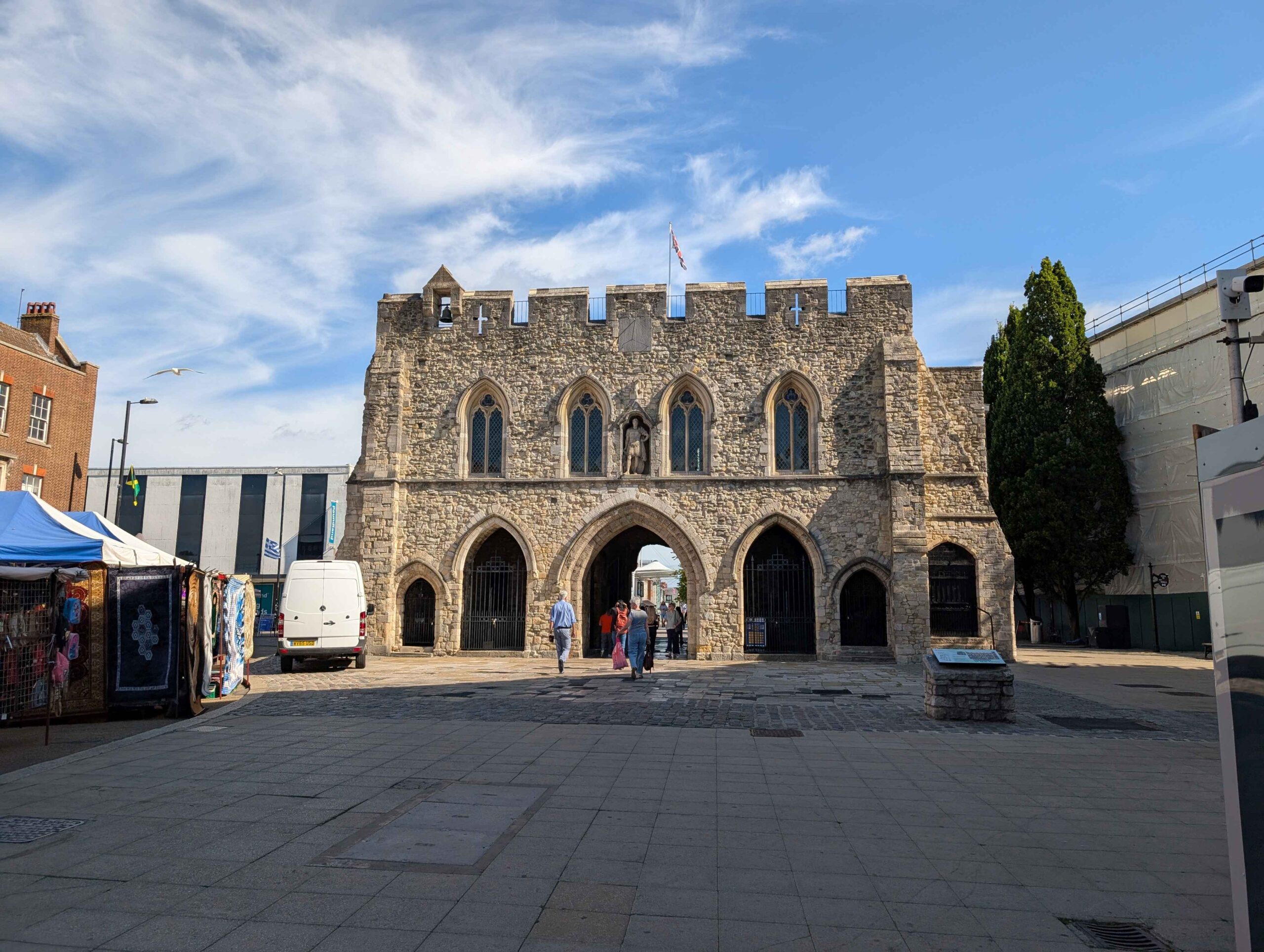
- Bargate – Walk through the impressive medieval gatehouse that once guarded the entrance to the city.
- Mayflower Park – Relax by the harbor and watch cruise ships and sailboats come and go.
- God’s House Tower – Step inside one of the city’s oldest buildings now used for art and heritage exhibitions.