
Climbing Coba Pyramid and Jungle Canopy Views | Mayan Ruin Sites

Warm humid air drifted through the trees as the jungle filtered the sunlight across ancient stone. Arriving by cruise to the Mayan Ruin Sites of Mexico meant traveling inland from Costa Maya or Cozumel into dense forest where the remains of ancient cities quietly rise from the landscape.
These ruins belong to the ancient Maya civilization which flourished across the Yucatán Peninsula for centuries. Sites like Coba, Dzibanché, Kohunlich, and Chacchoben once formed part of a network of thriving cities connected by trade routes and ceremonial centers.
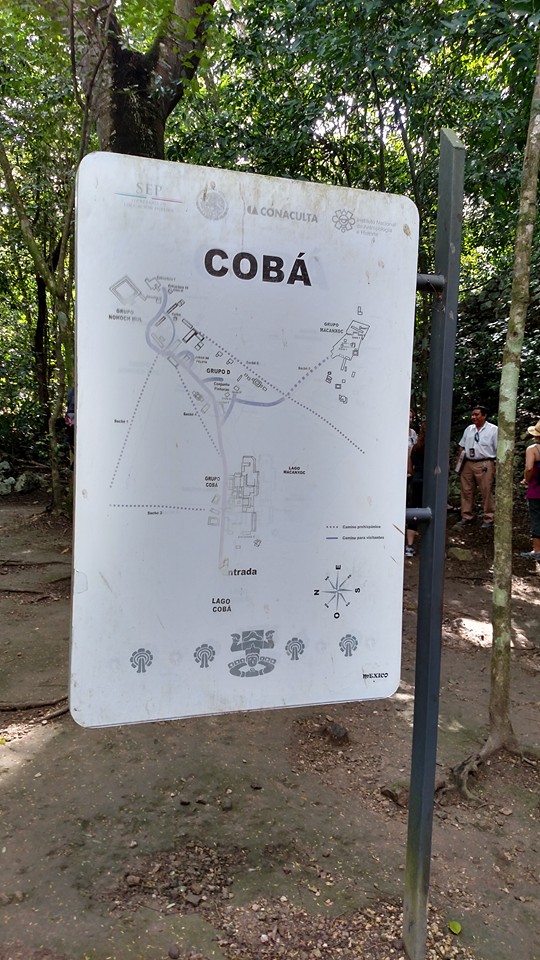
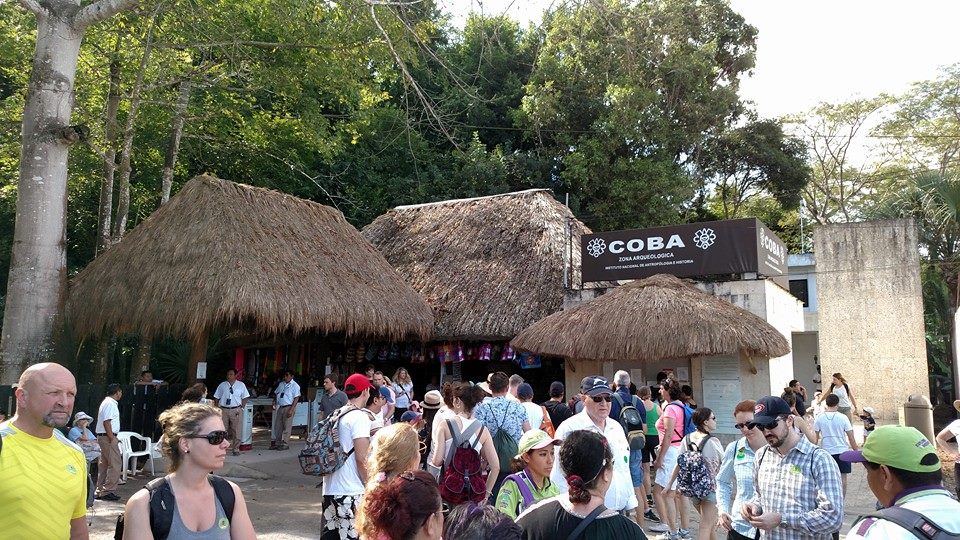
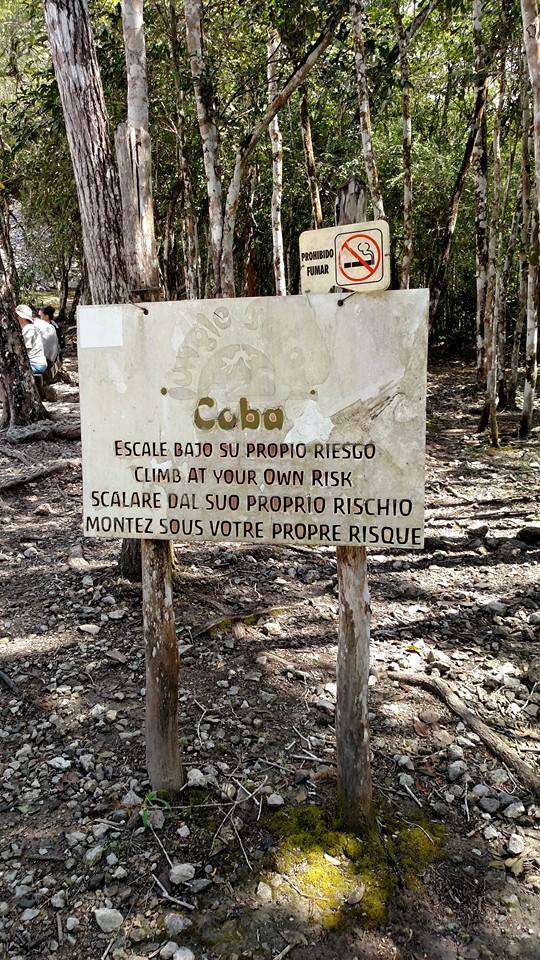
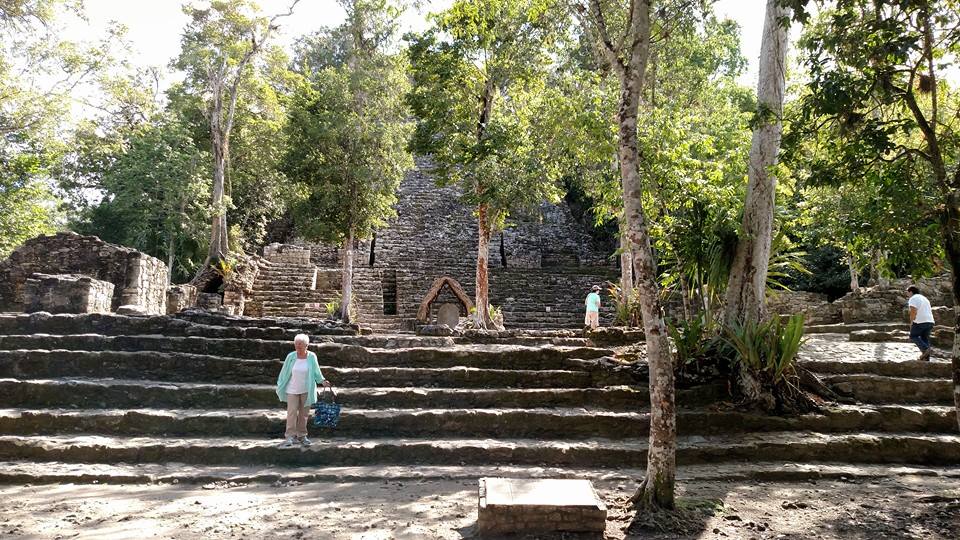
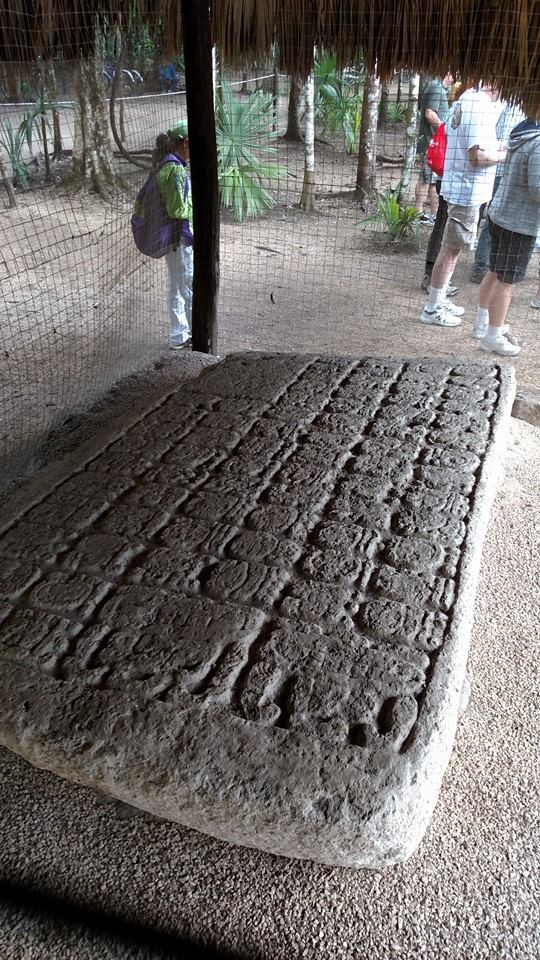
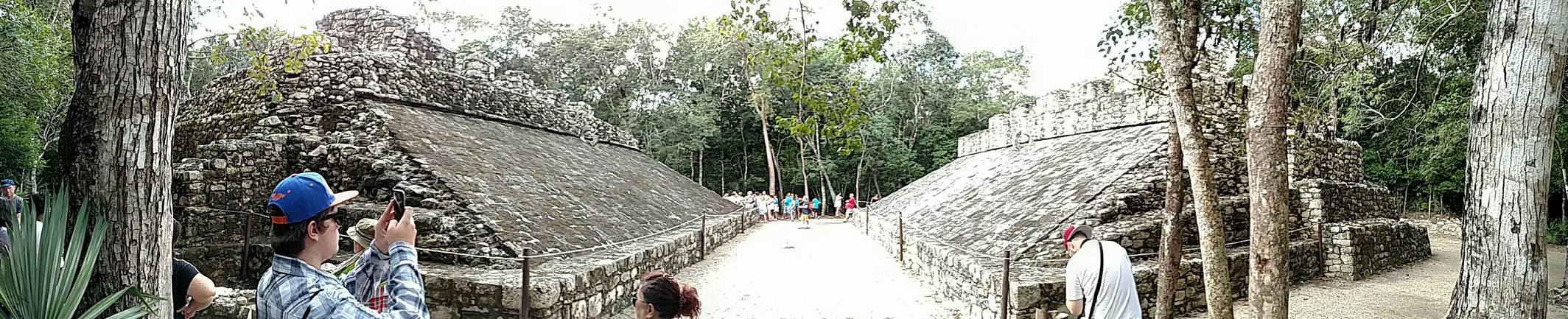
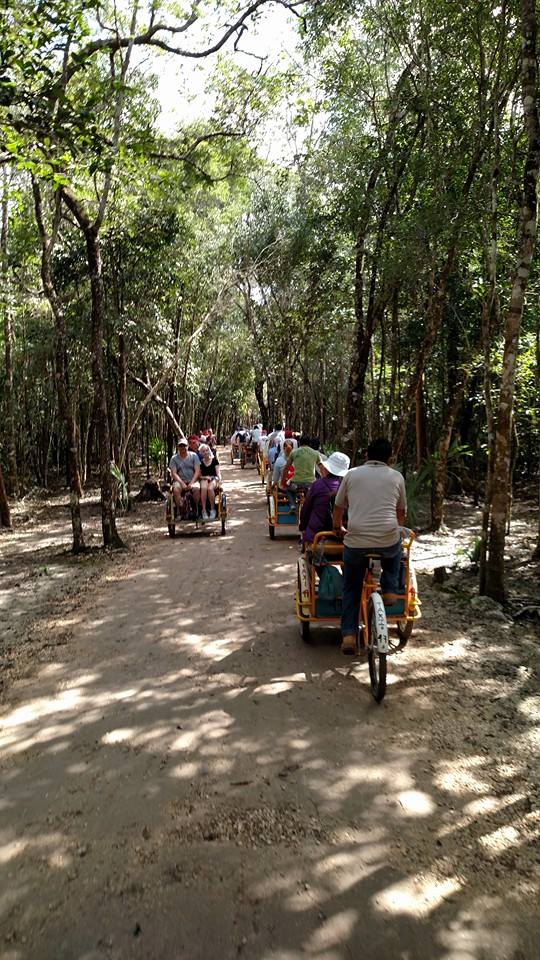
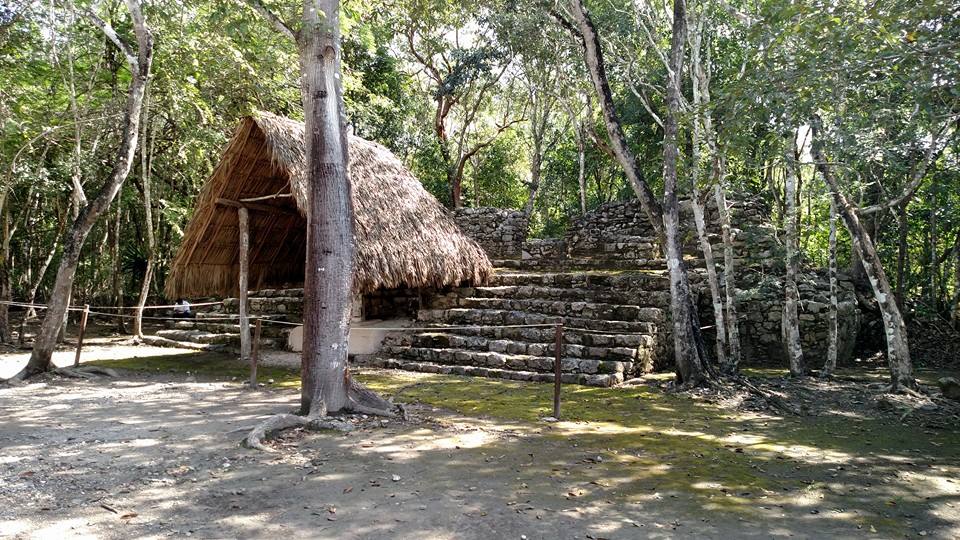
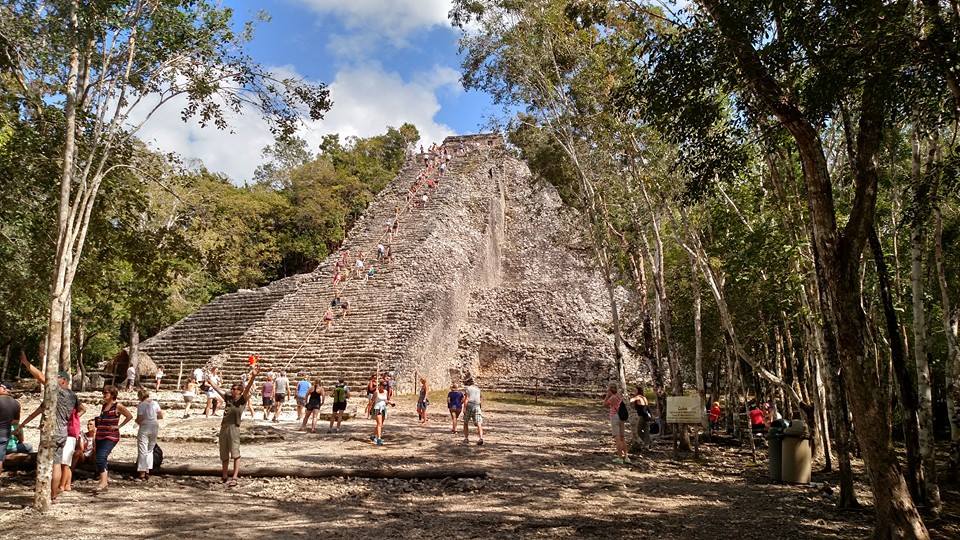
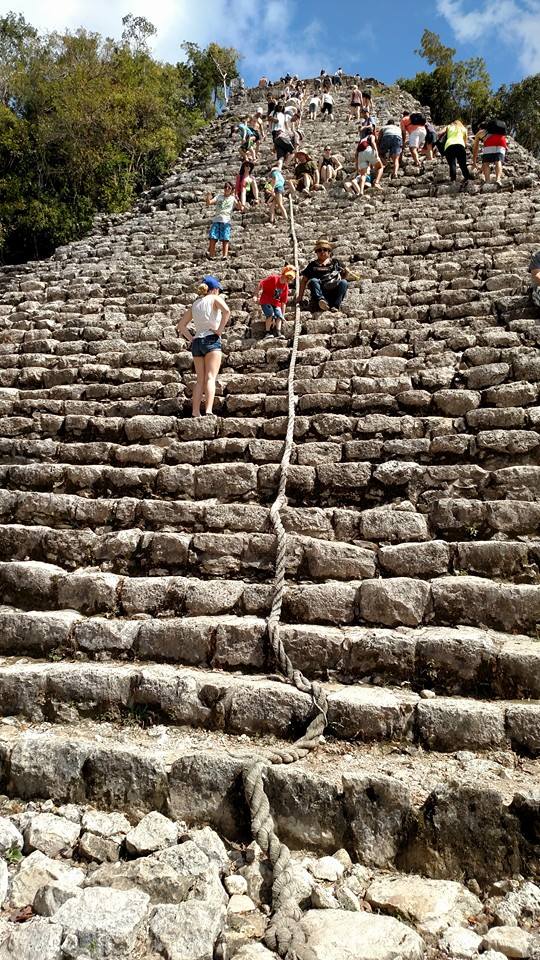
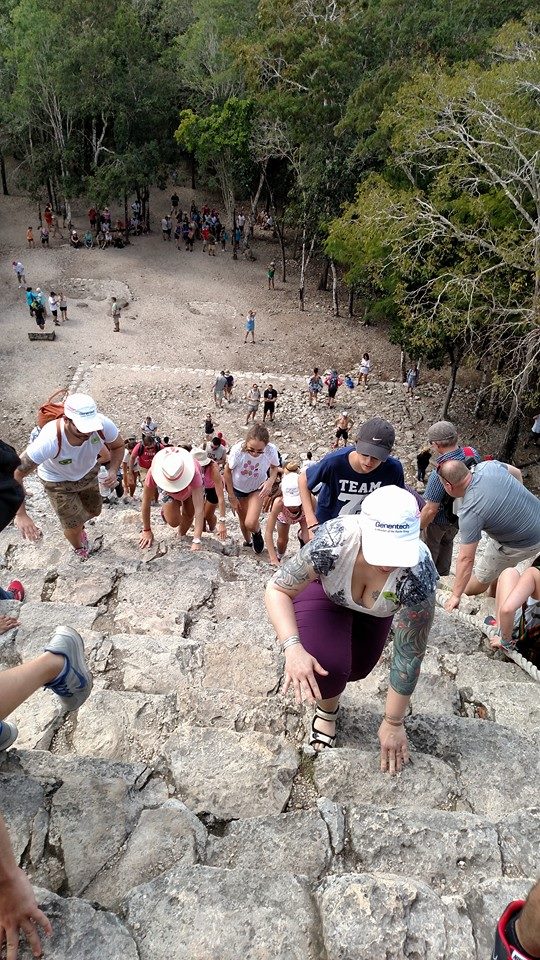
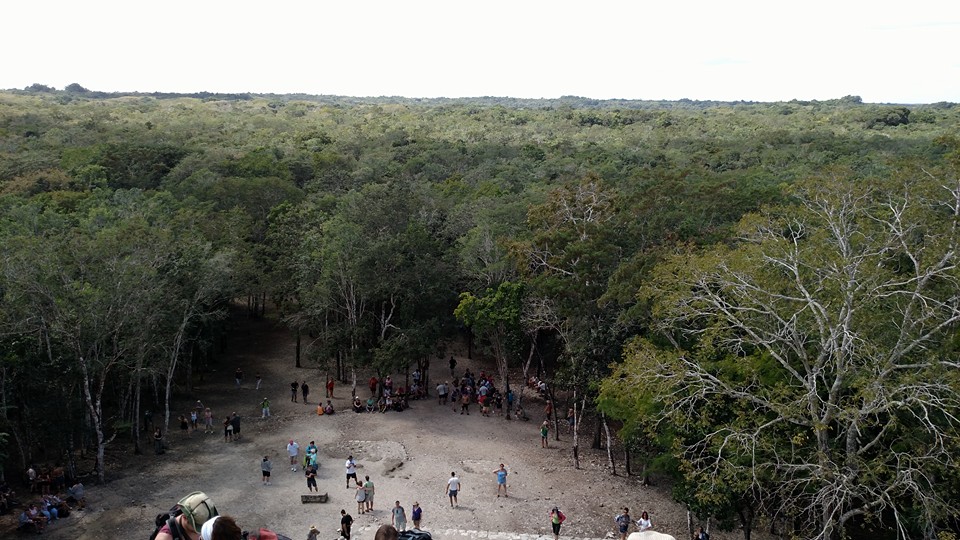
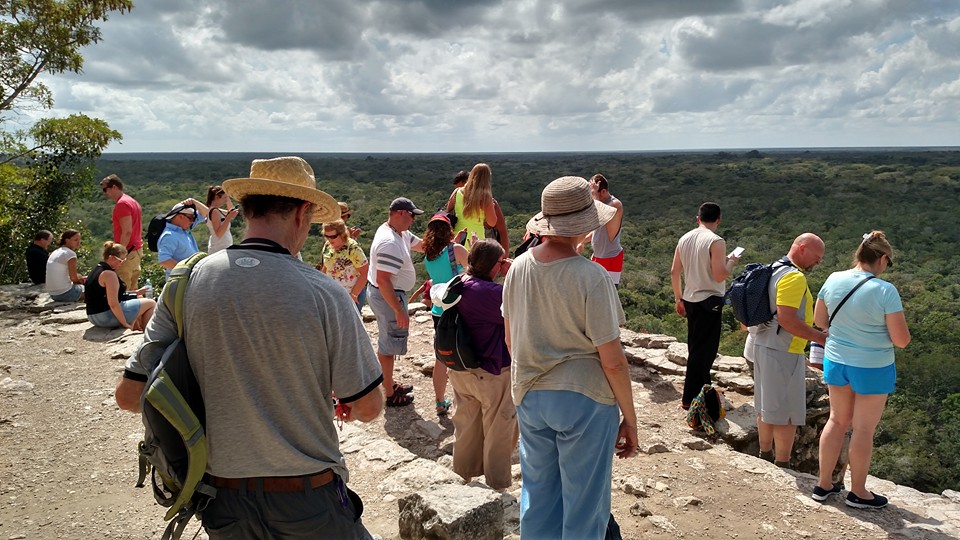
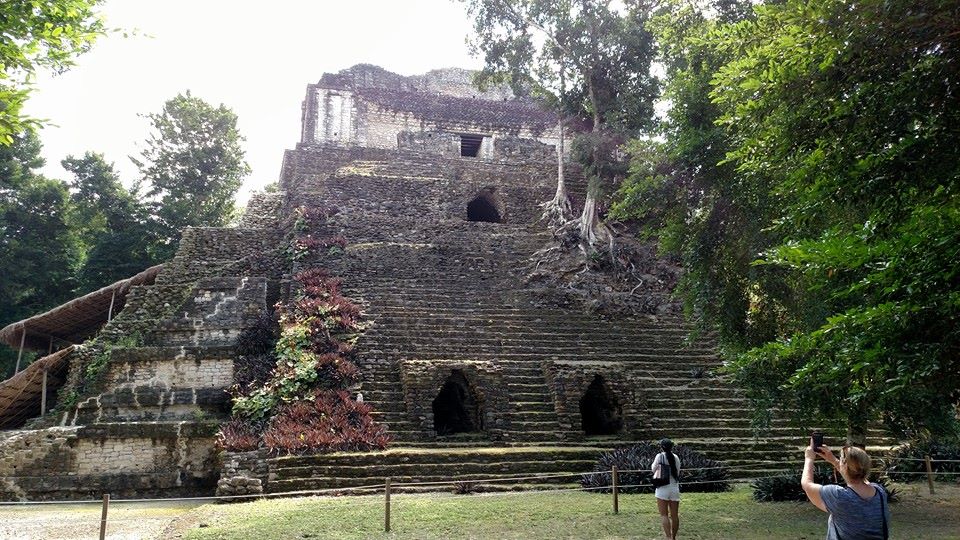
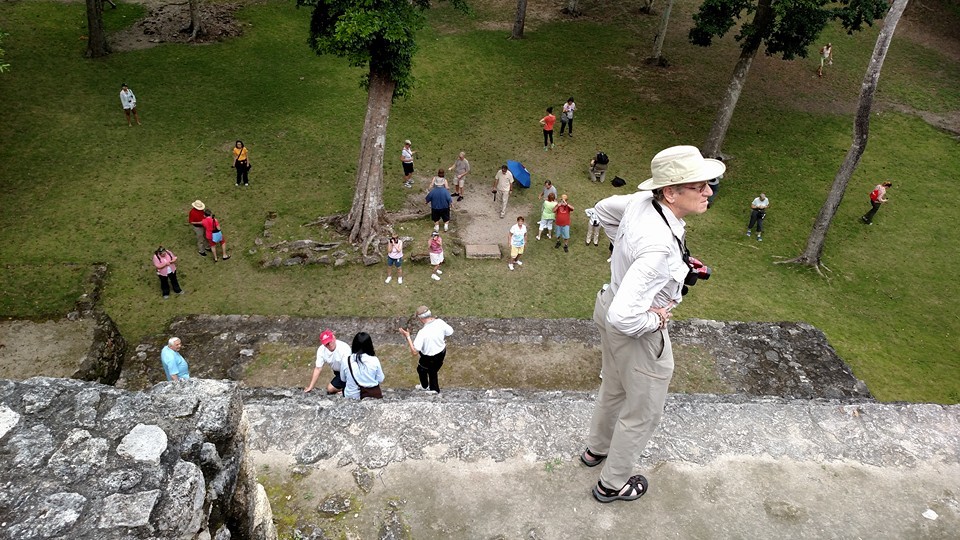
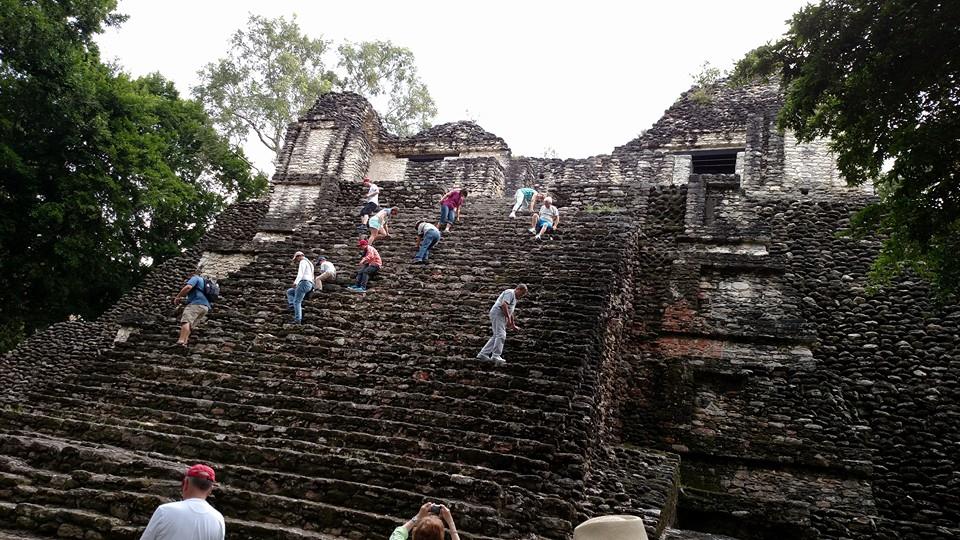
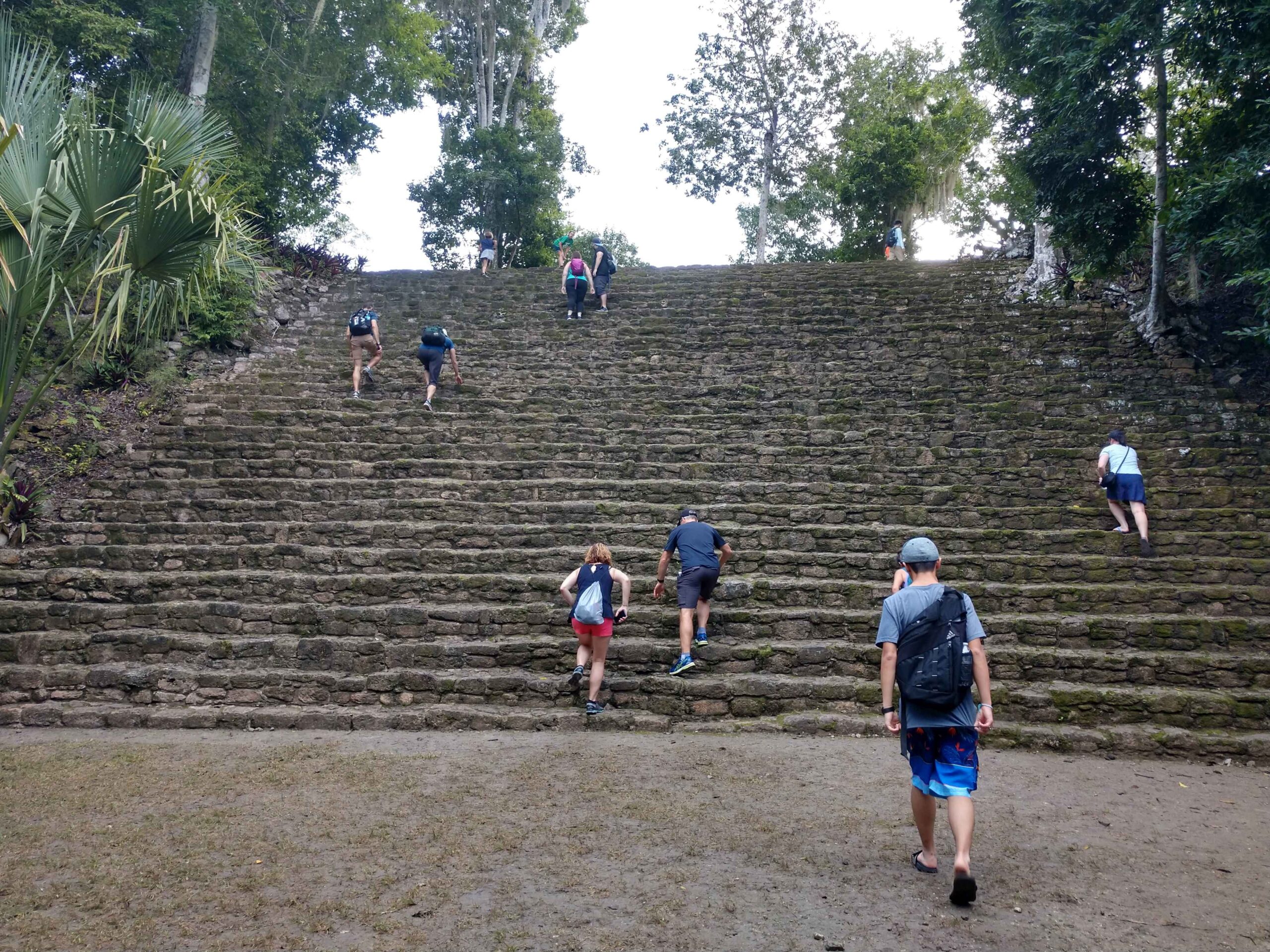
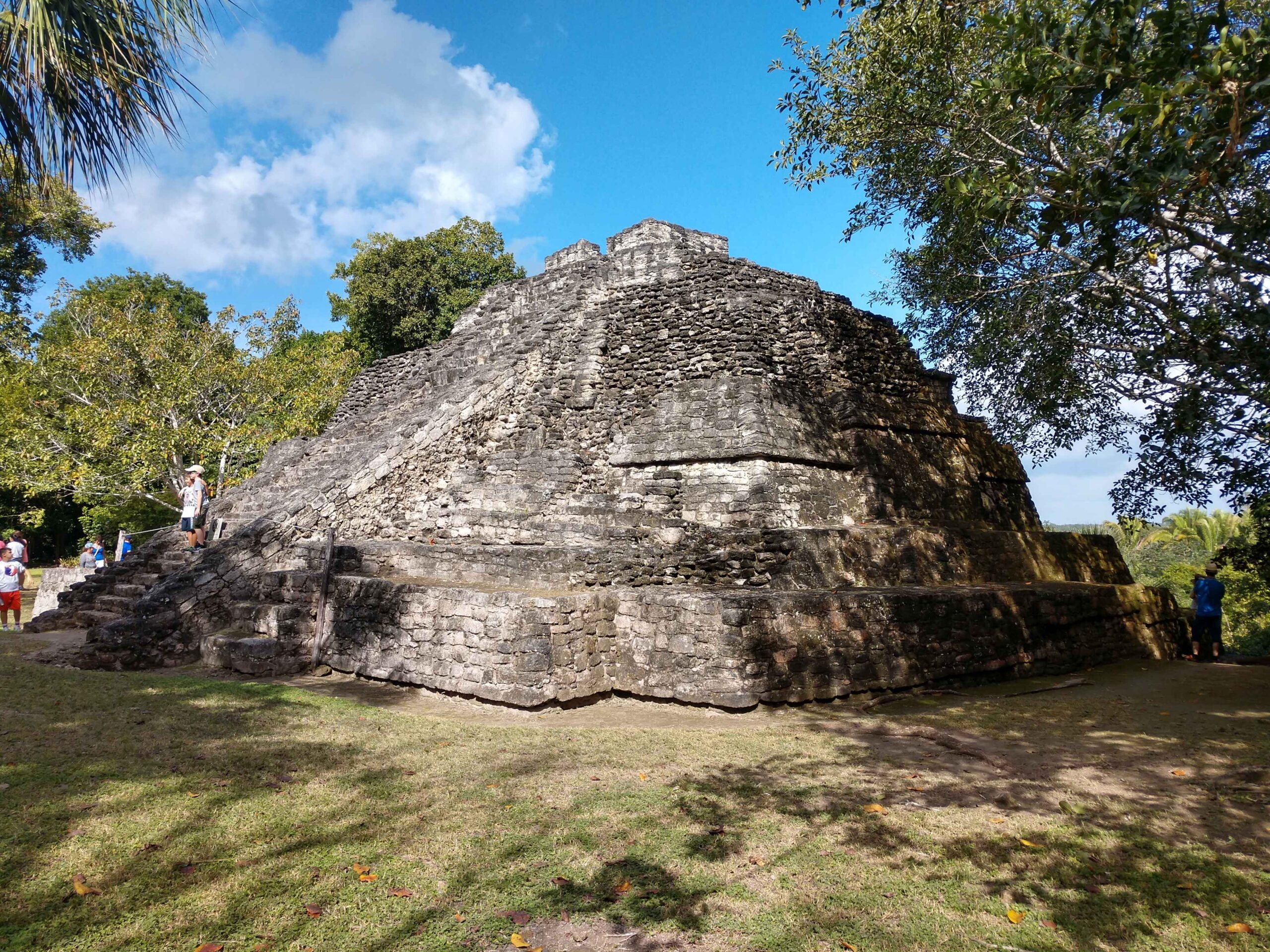
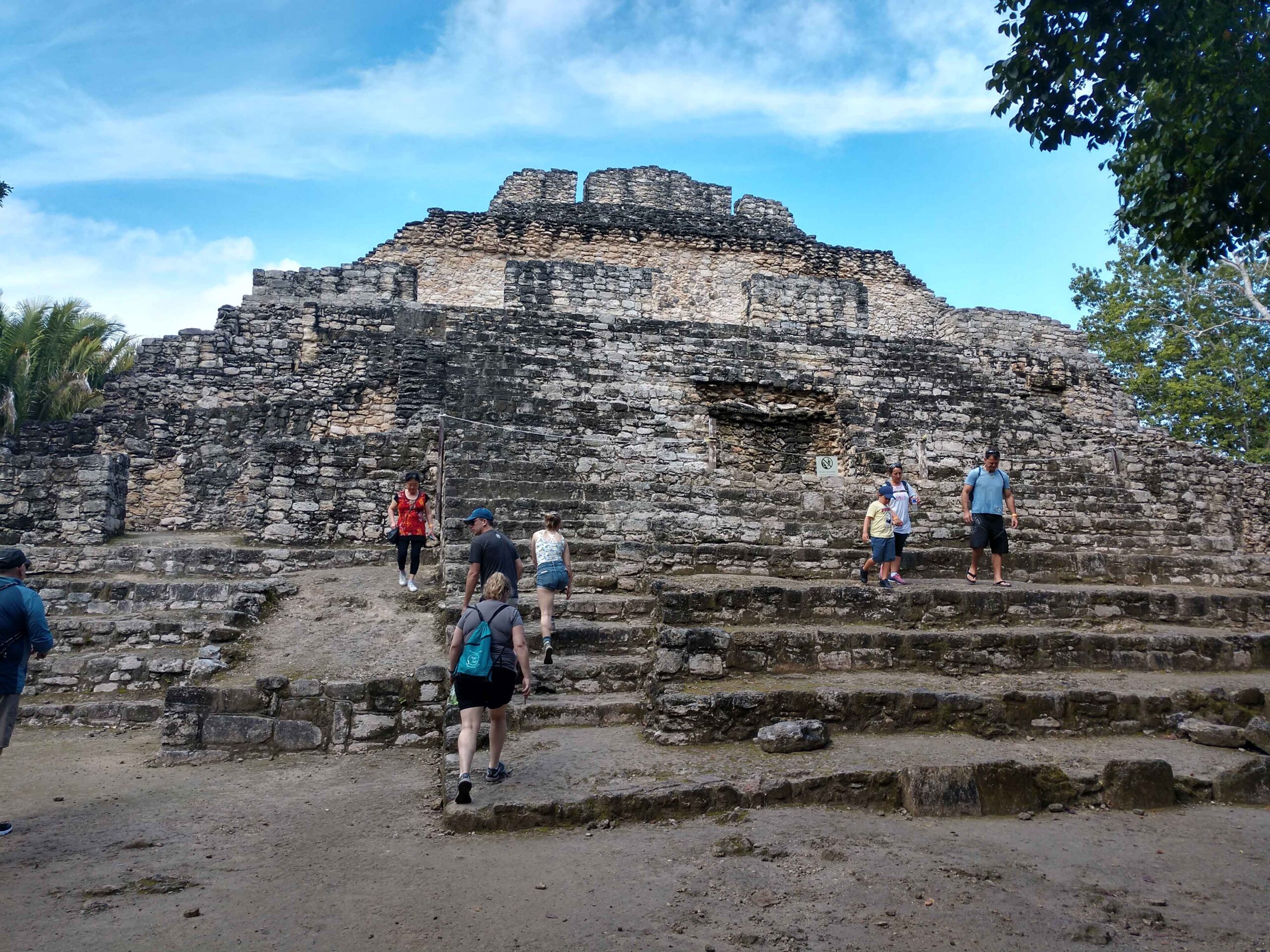
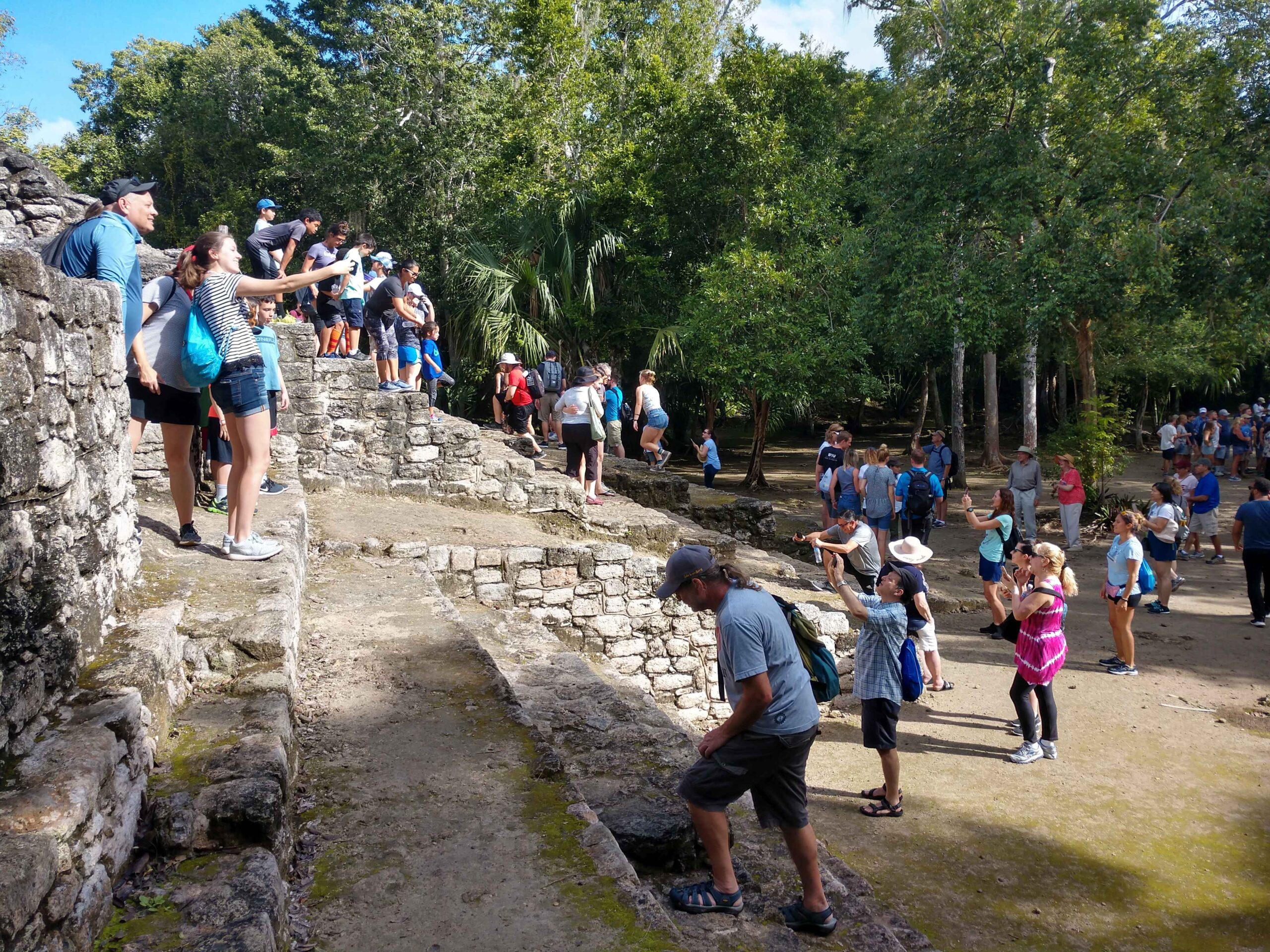
My first visit was to Coba, and at the time it was still possible to climb the tallest pyramid. The steps were steep and uneven, but the reward at the top was unforgettable. Looking out across the jungle revealed a nearly flat blanket of treetops stretching toward the horizon. Coba is also spread across a wide area, so pedicabs shuttle visitors along the forest paths between structures. One of the most fascinating stops was the ancient ball court where players once tried to send a heavy rubber ball through a stone ring high on the wall.
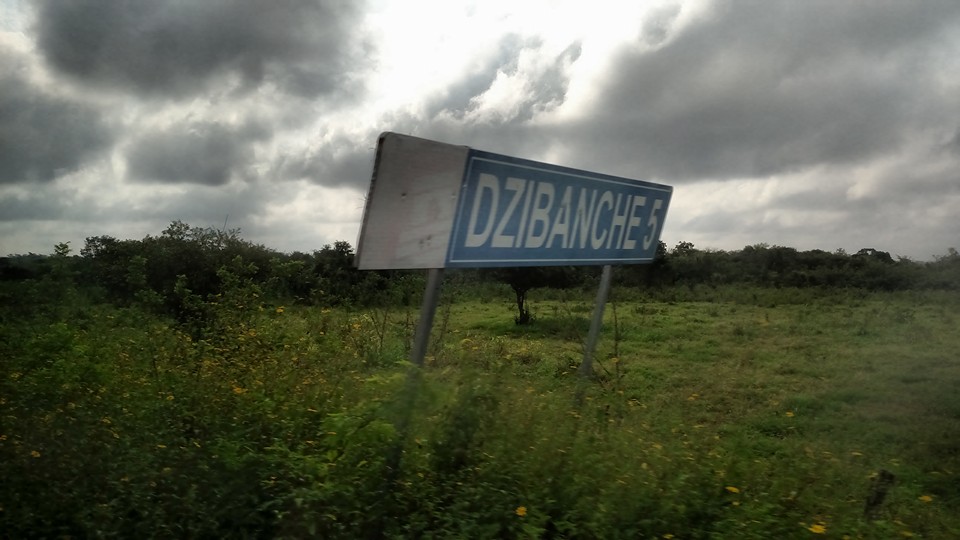
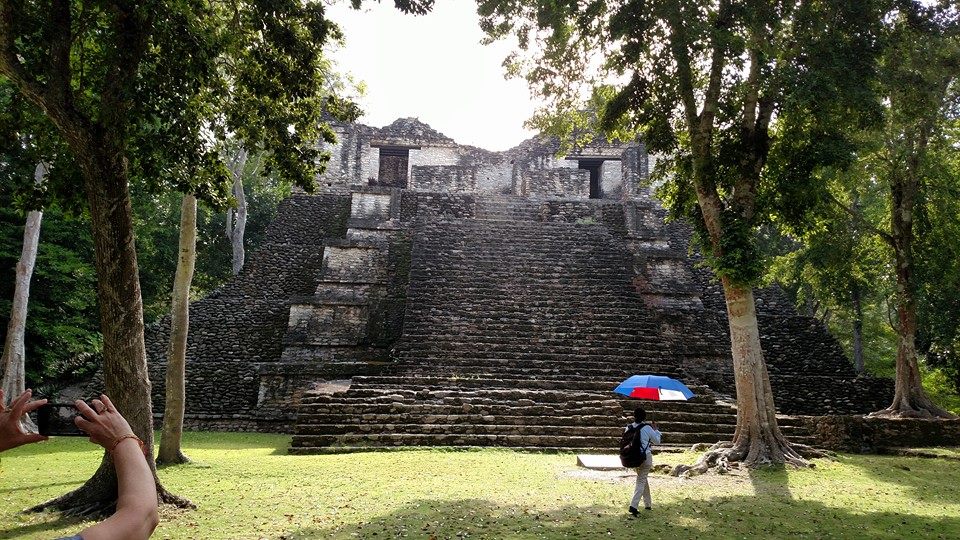
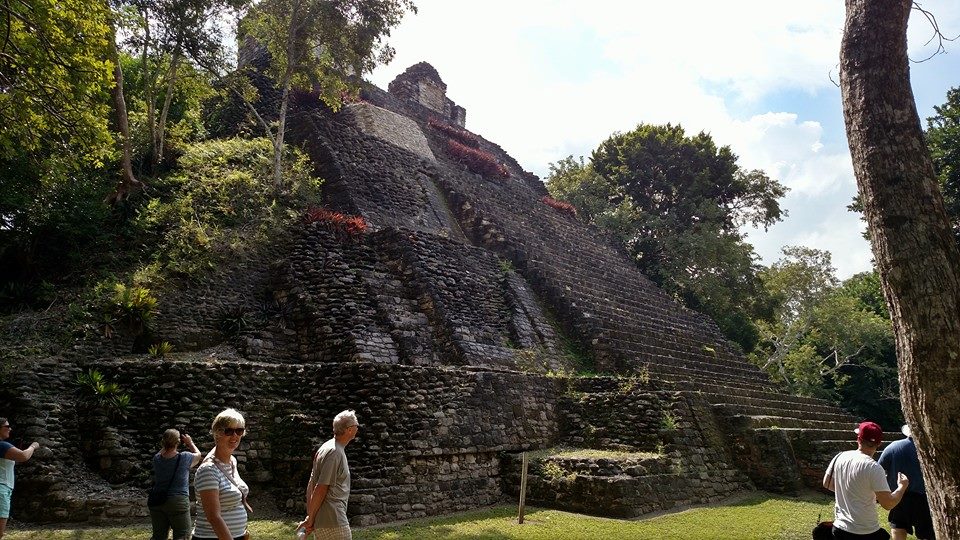
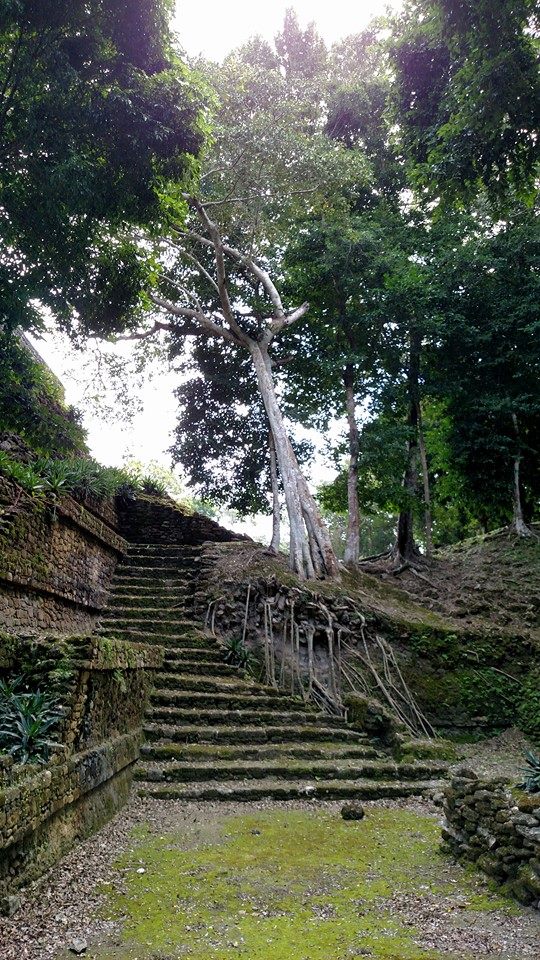
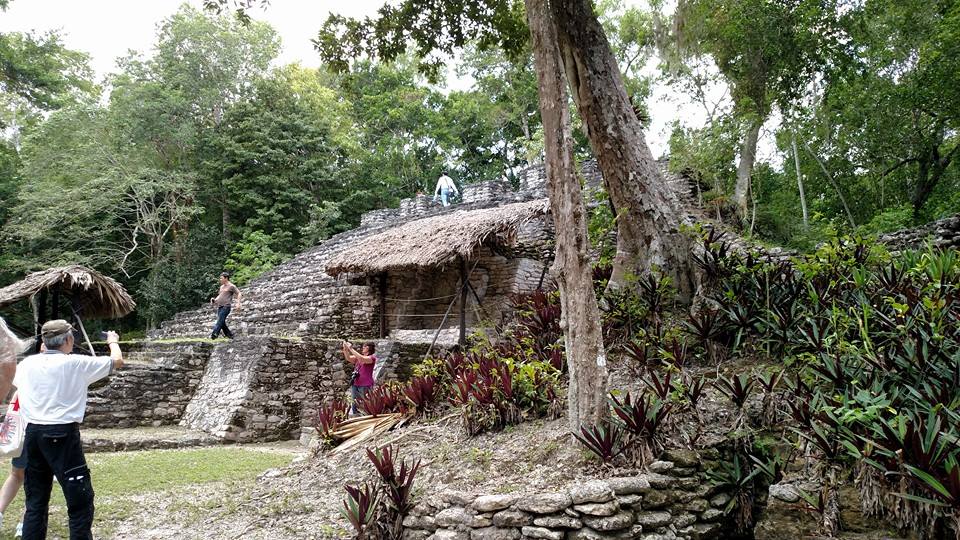
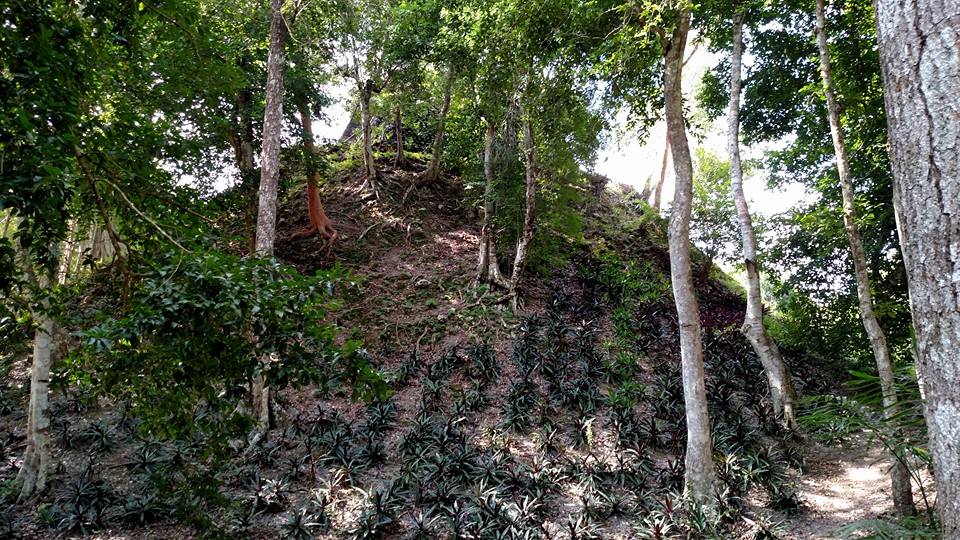
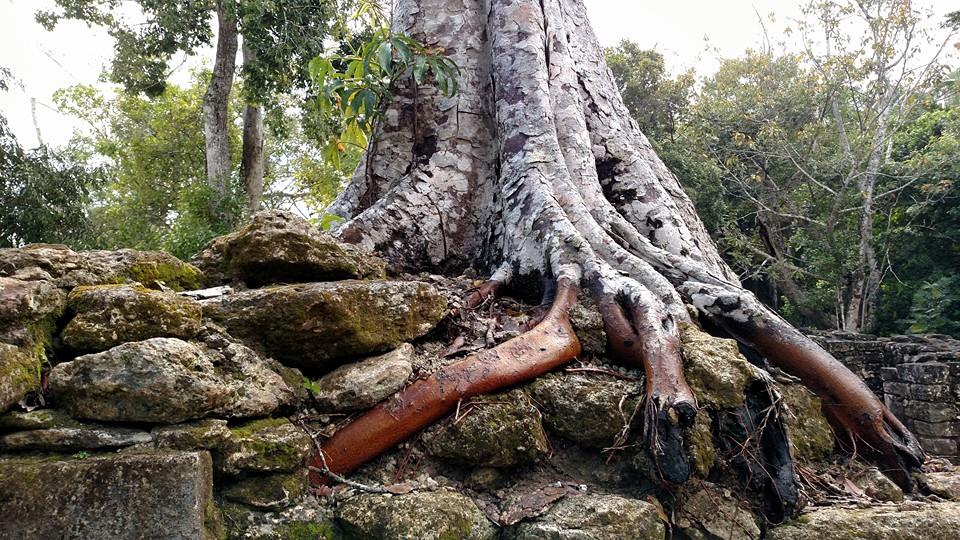
At Dzibanché, the jungle feels even closer. Trees grow through the ruins and some structures appear to be held together by thick roots that have wrapped themselves around the stone. As we walked through the site, the forest suddenly erupted with sound. Hidden somewhere above us in the canopy, howler monkeys roared loudly enough to echo across the ruins.
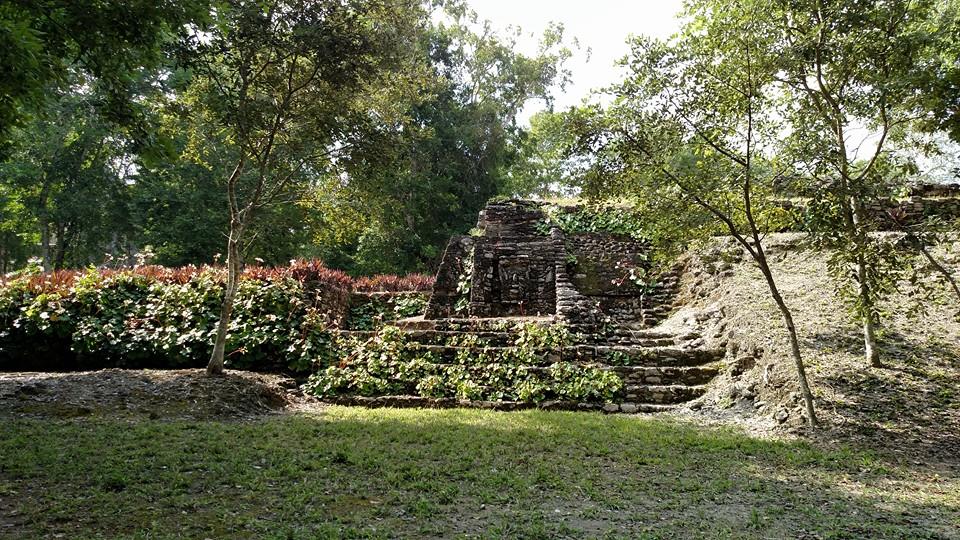
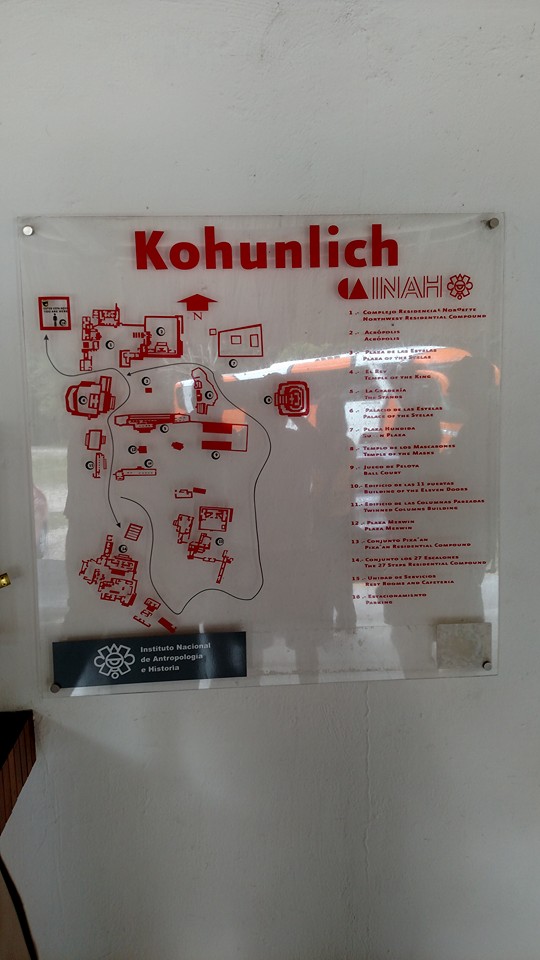
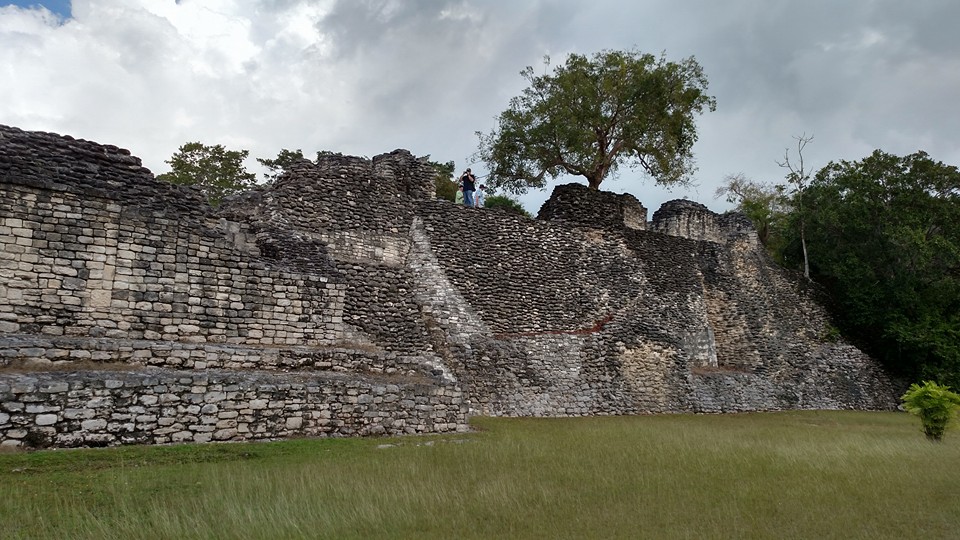
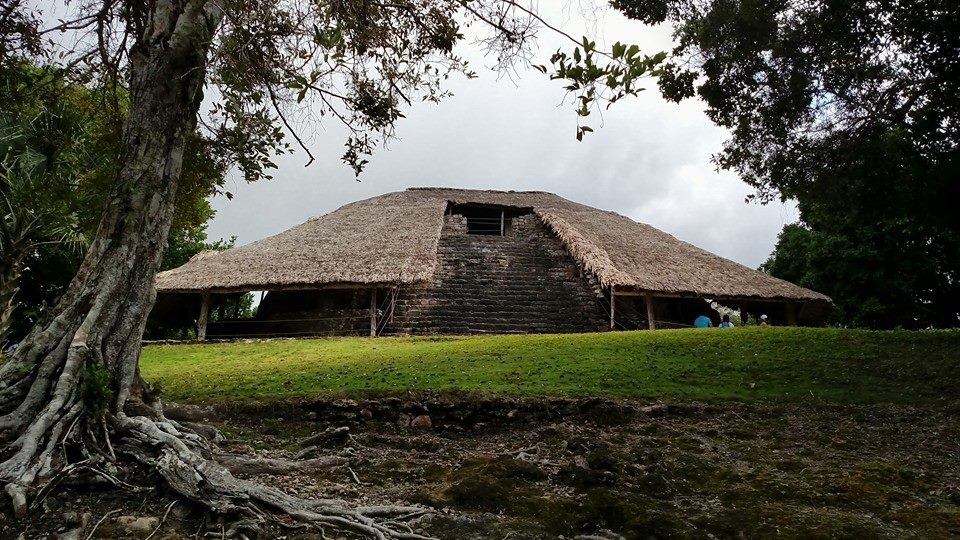
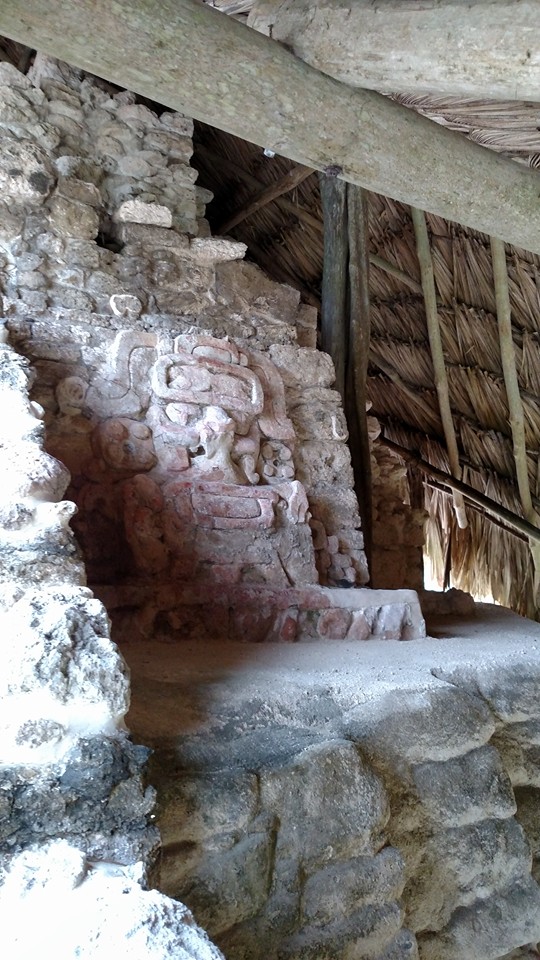
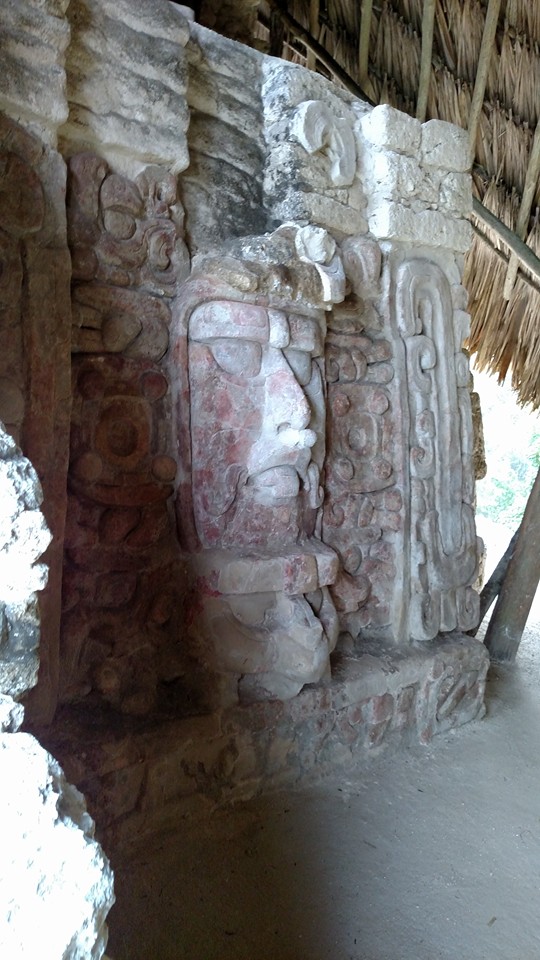
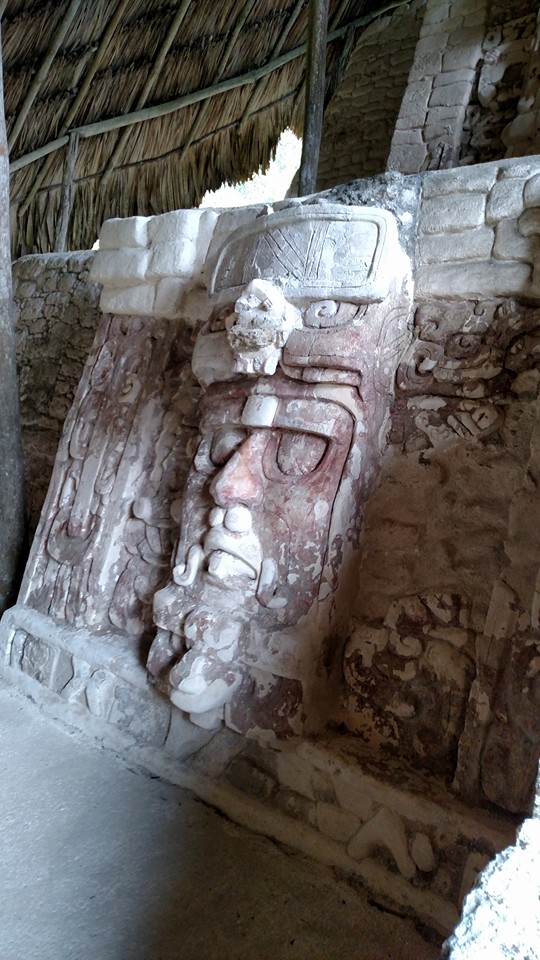
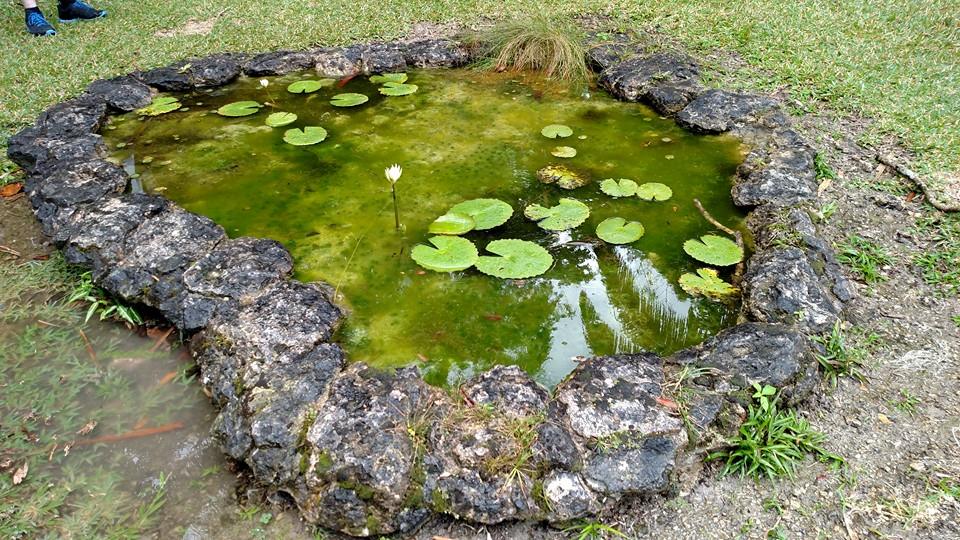
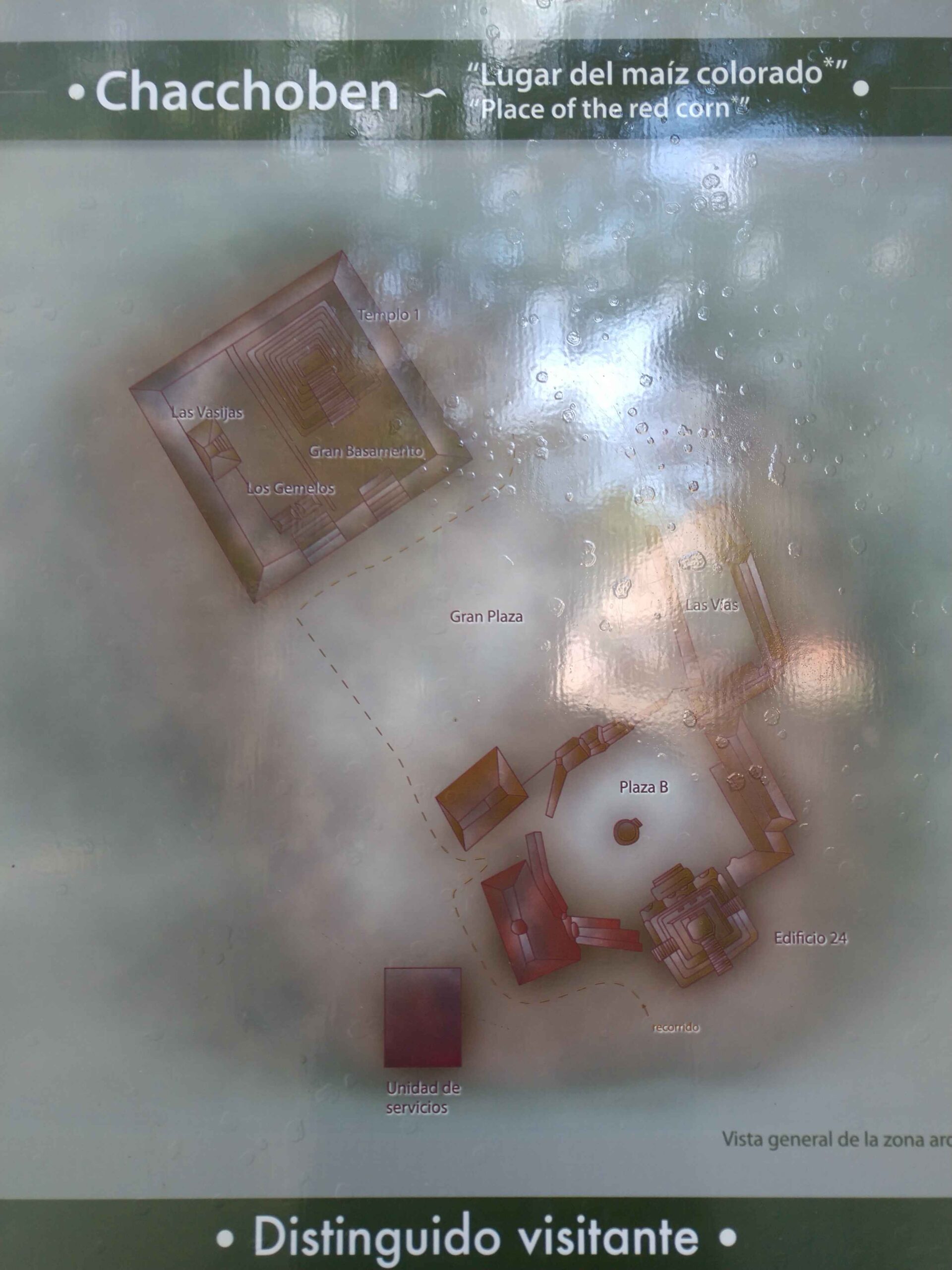
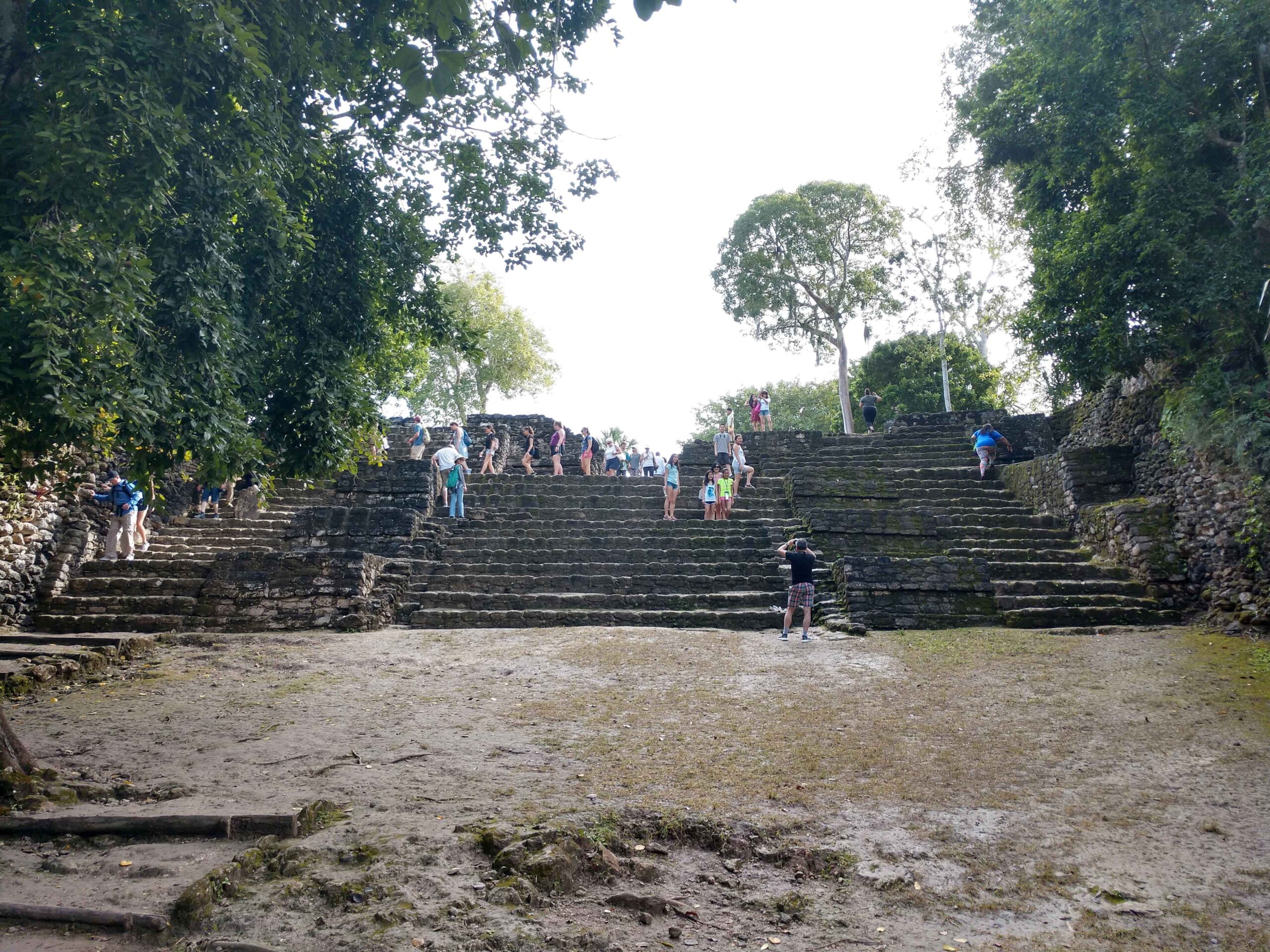
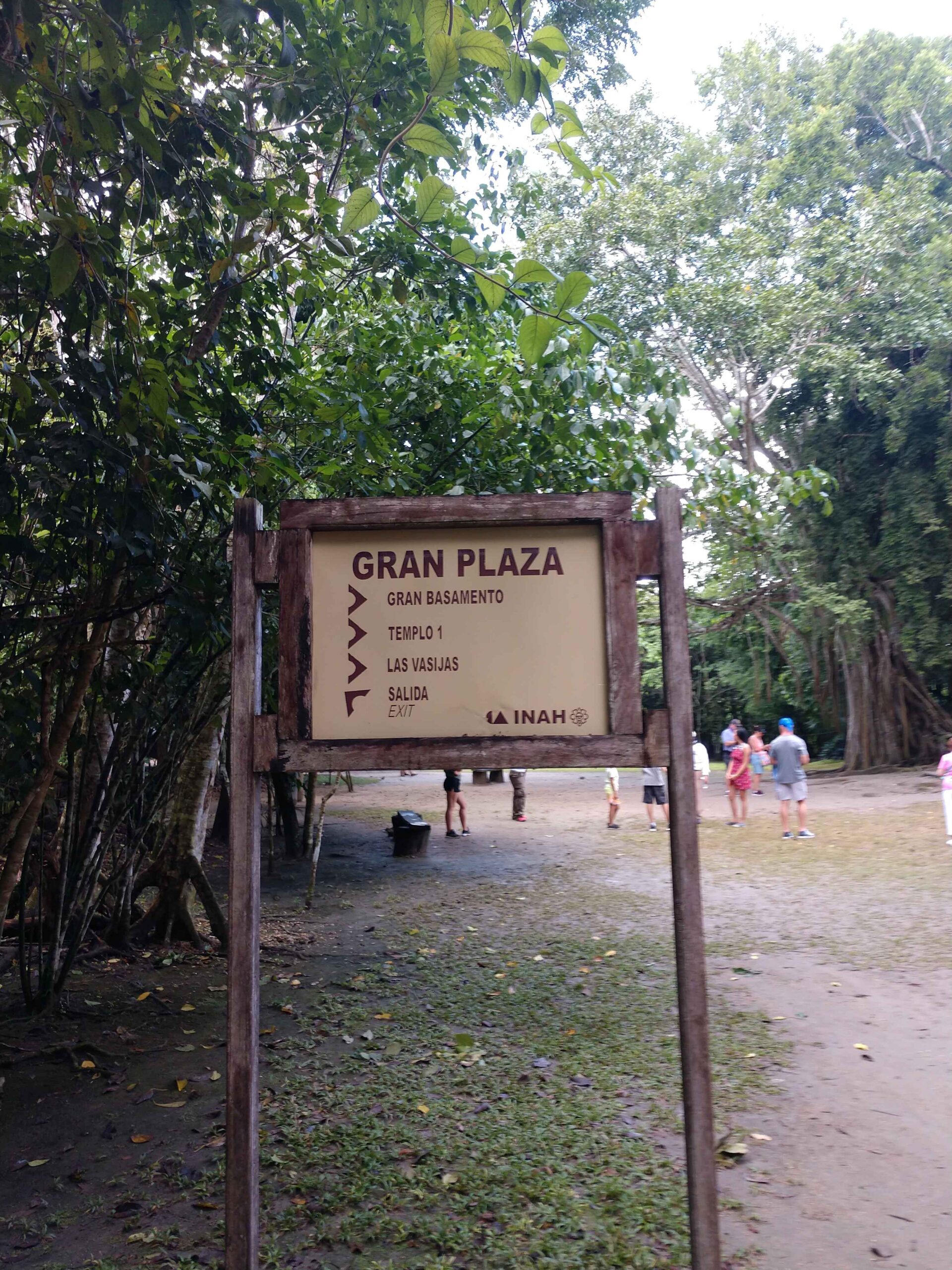
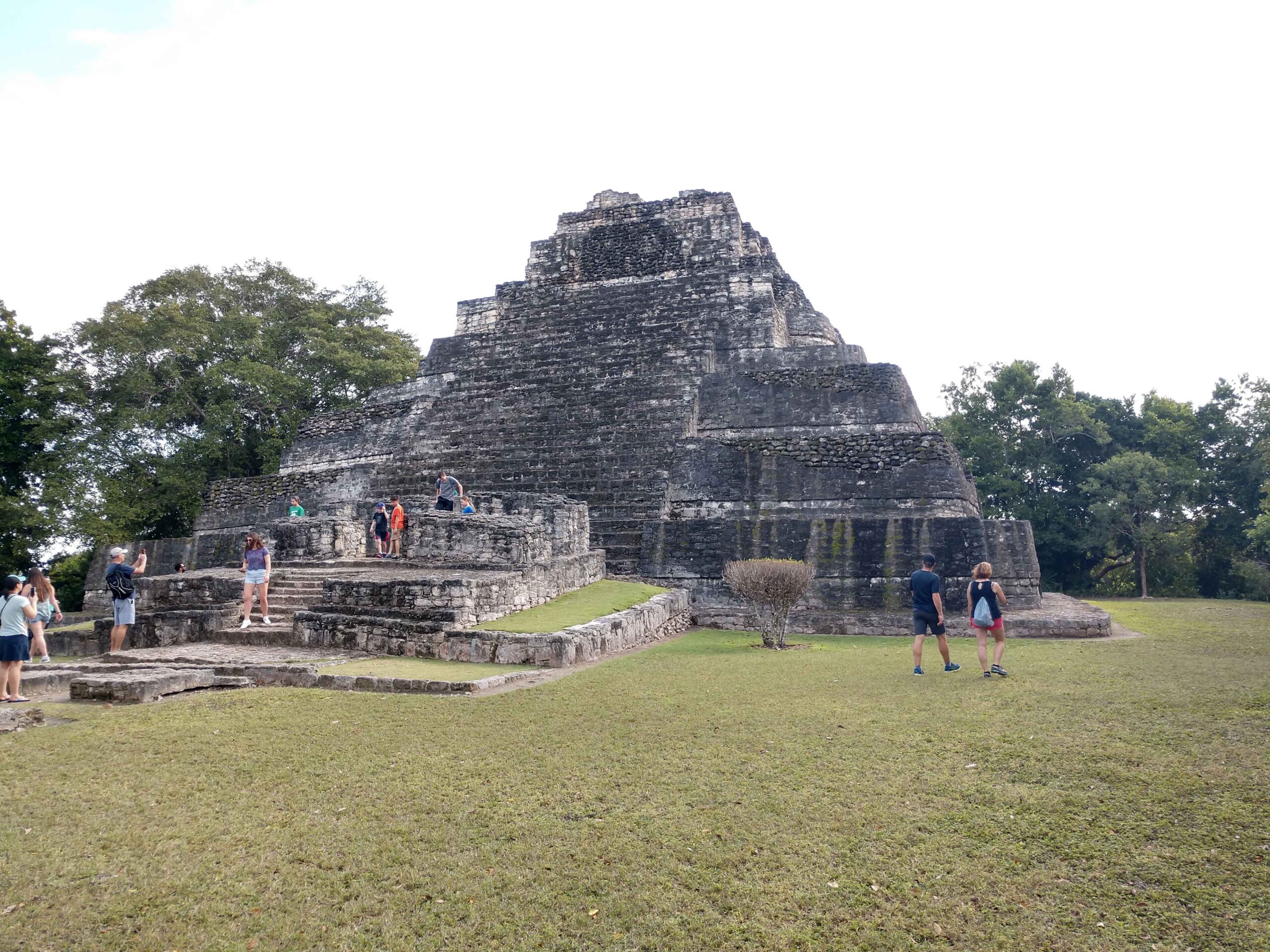
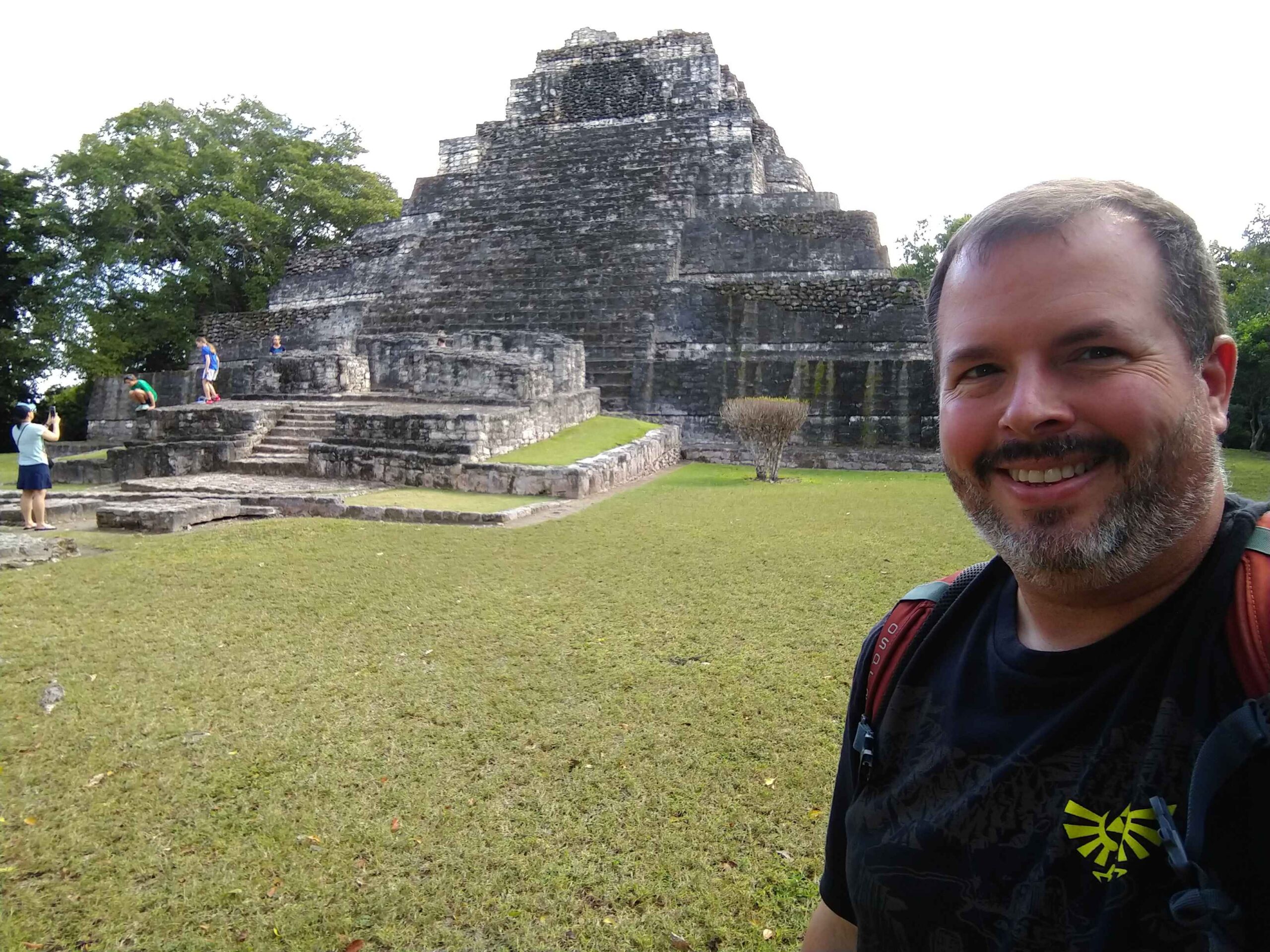
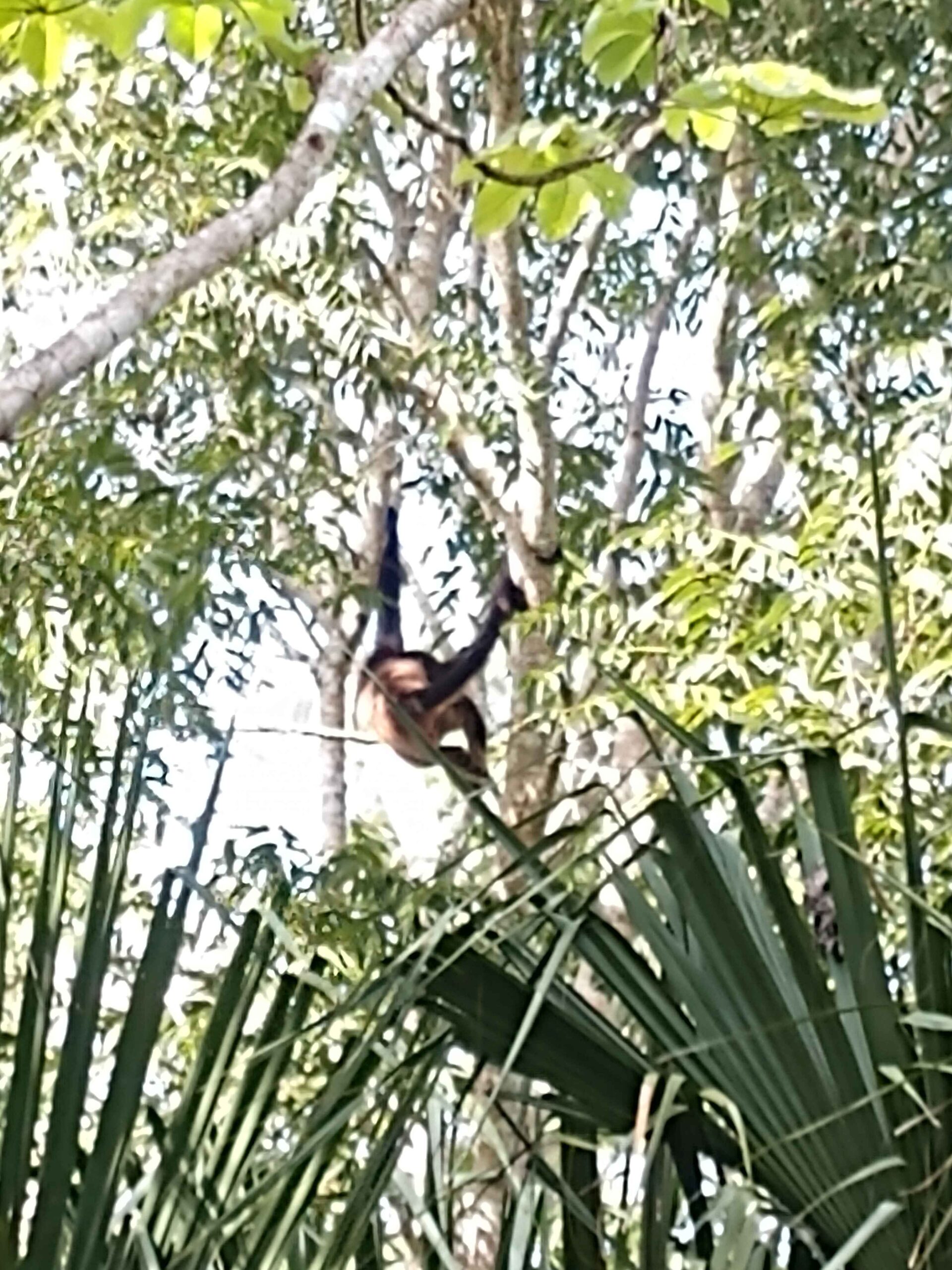
My visit to Kohunlich revealed one of the most distinctive features of these sites. The main temple includes carved stone faces that have survived centuries of weather and vegetation. Small ponds reflect the surrounding greenery while trees grow directly through portions of the ruins. The final site I visited was Chacchoben, where a broad plaza opens around a large temple that visitors can admire but no longer climb. During my walk through the site I spotted Geoffroy’s spider monkeys swinging through the treetops above the ruins.
Across the Yucatán Peninsula, dozens of Mayan cities remain hidden beneath the jungle. Archaeologists continue to uncover new structures while existing sites tighten access to preserve fragile temples. Visiting these ruins offers a glimpse into a civilization that shaped the region long before modern cruise ships arrived along the coast.

If You Have More Time…
- Chichén Itzá – The most famous Mayan site, featuring the Temple of Kukulkán, but often crowded.
- Ek Balam – A smaller site near Valladolid where you can still climb several pyramids.
- Cenote Azul – A crystal-clear sinkhole near Bacalar, perfect for a refreshing swim after exploring ruins.
- Bacalar Lagoon – Known as the Lagoon of Seven Colors, this freshwater lake is stunning for kayaking or relaxing on the shore.
- Mahahual Village – A laid-back beach town near Costa Maya ideal for a quiet break after a day of exploring history.