
Riga Stone Streets Canal Parks and Cathedral Domes
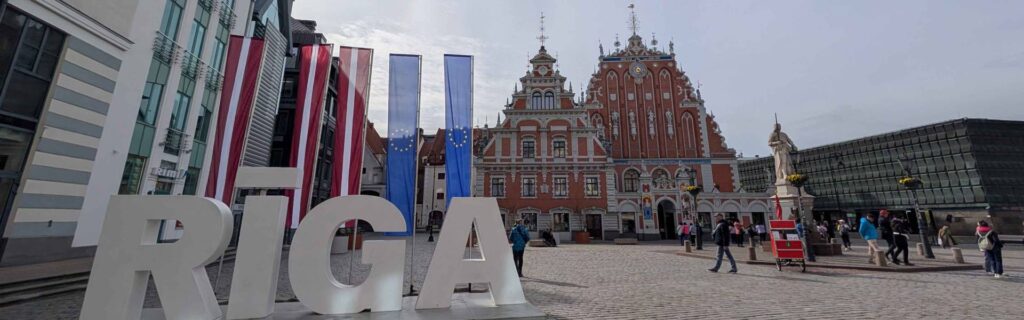
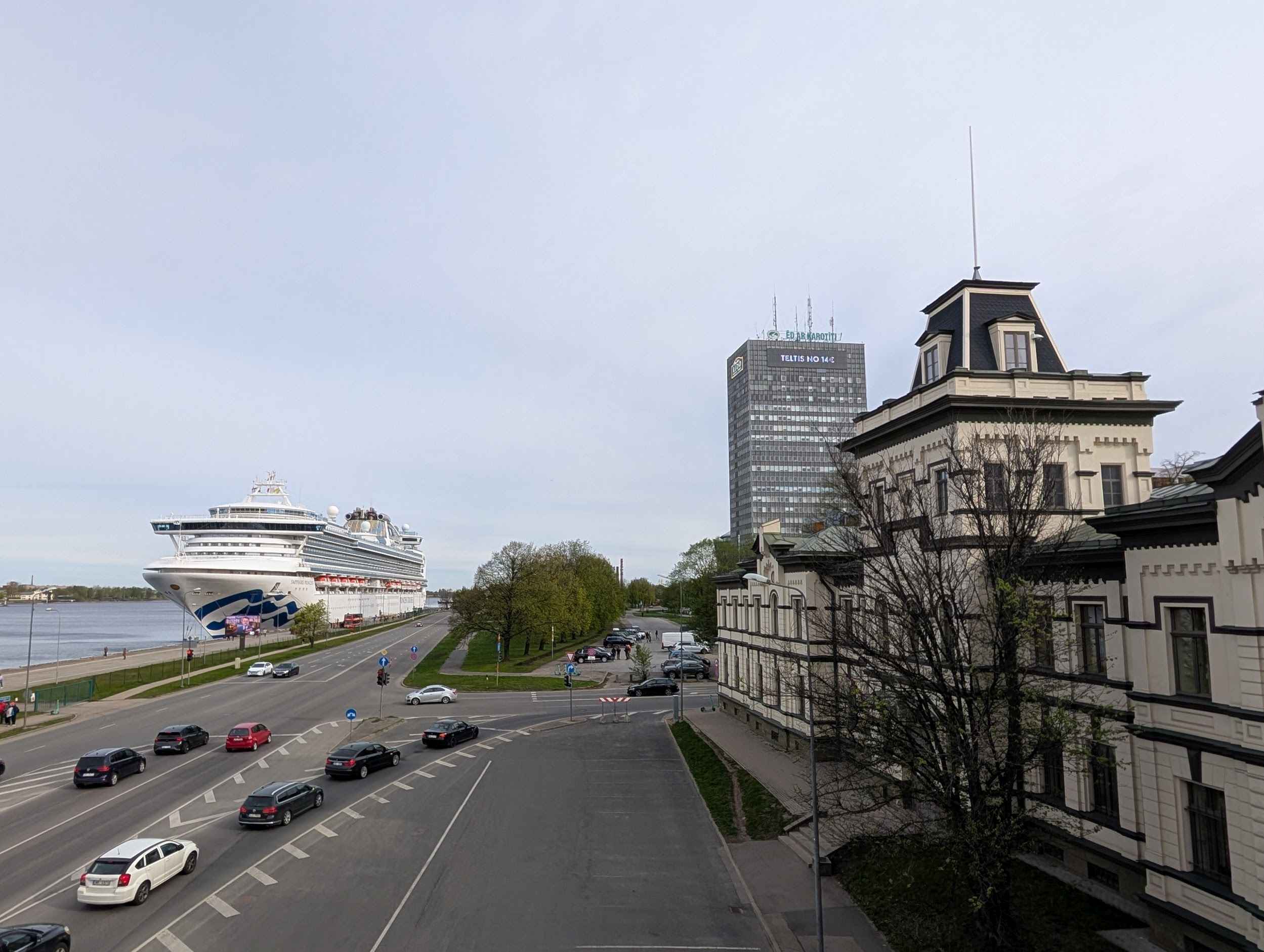
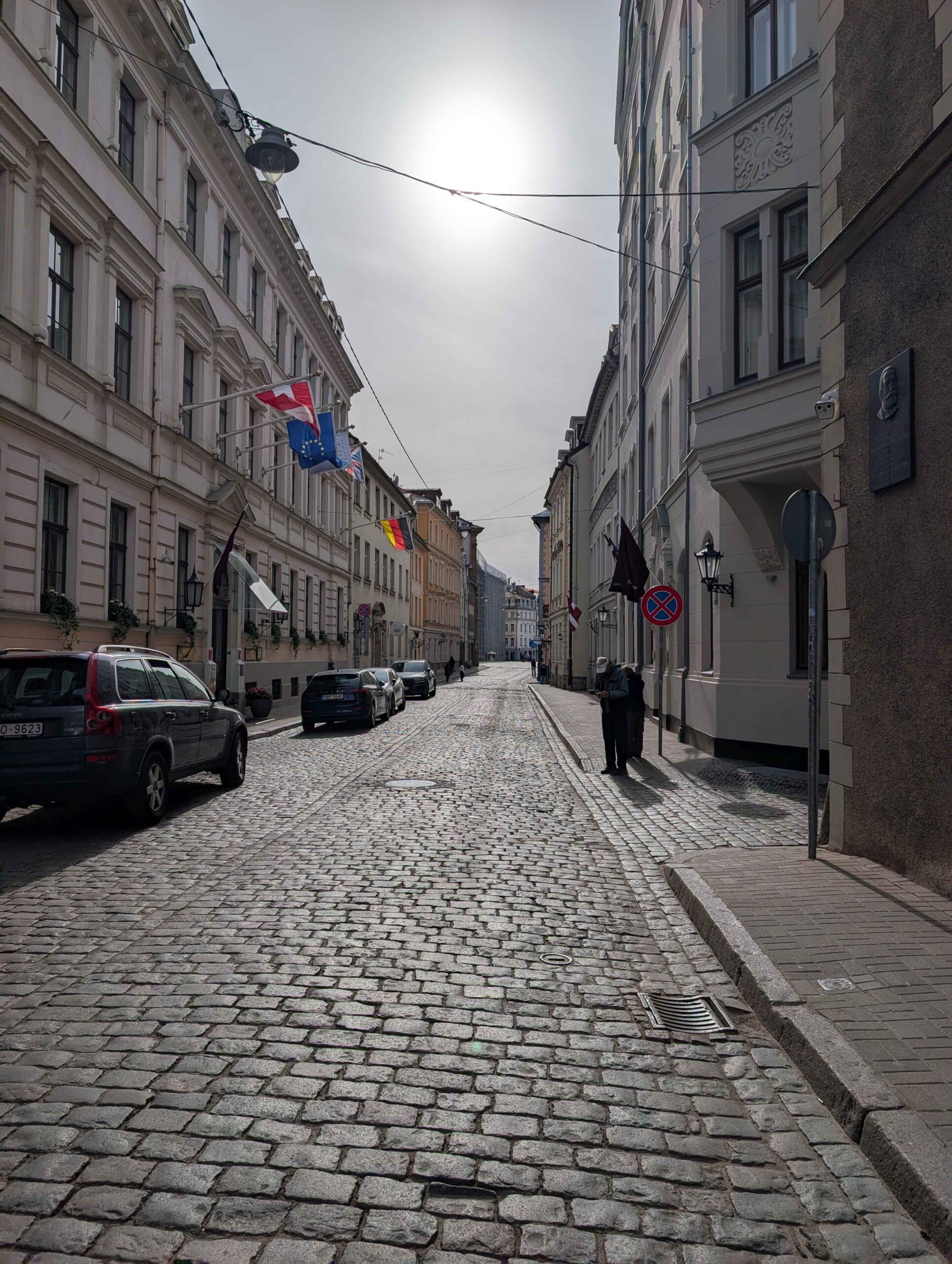
The walk from the cruise terminal into Riga only took about fifteen minutes but the surface underfoot made it feel longer. Between the cobblestones and uneven stone-sett walkways of Old Town I spent most of the day watching where I stepped while weaving through churches civic squares and narrow streets that seemed determined not to follow a straight line. Arriving by cruise into Riga gave me one of those easy independent port days where the city starts almost immediately beyond the harbor.
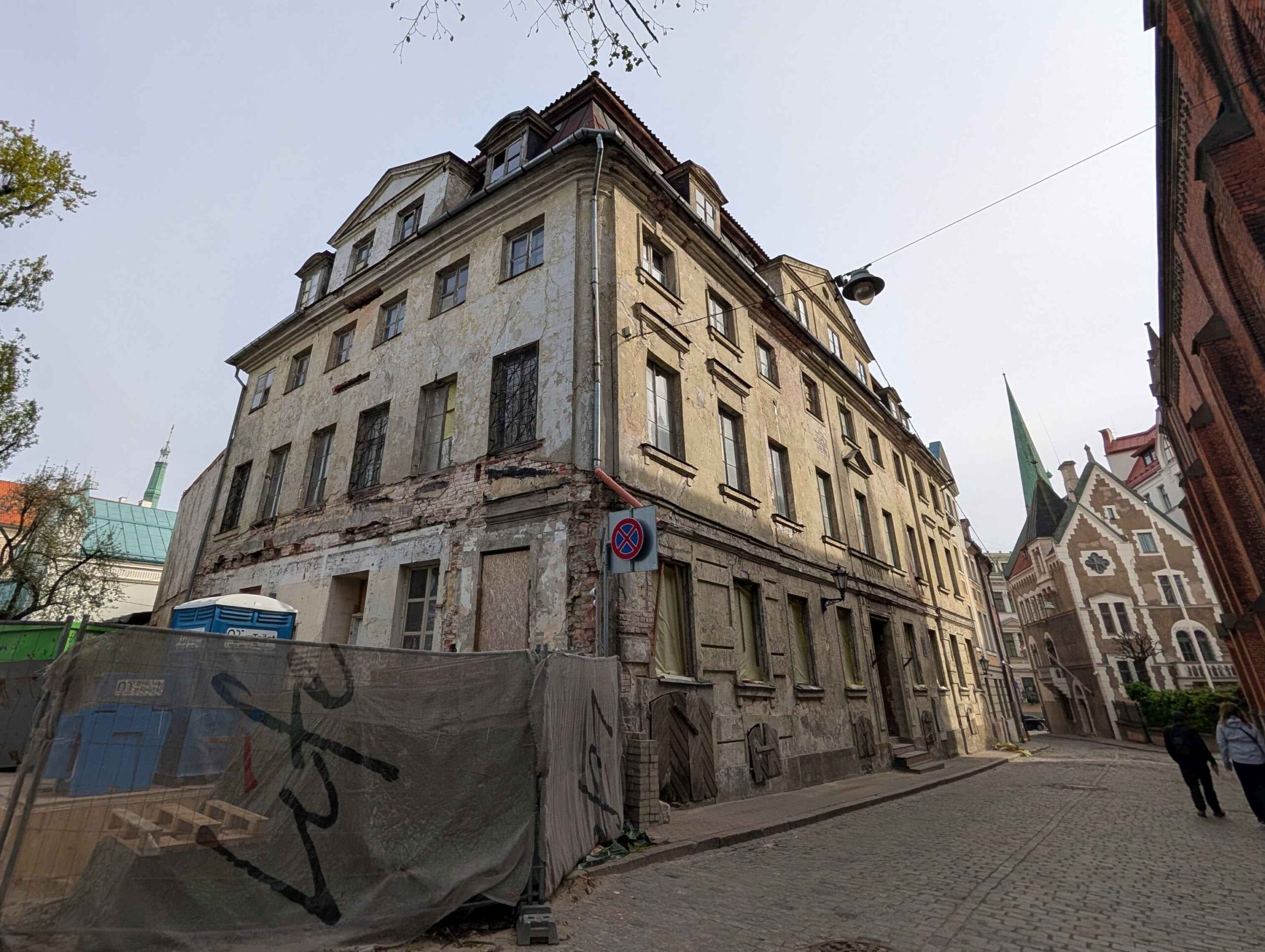
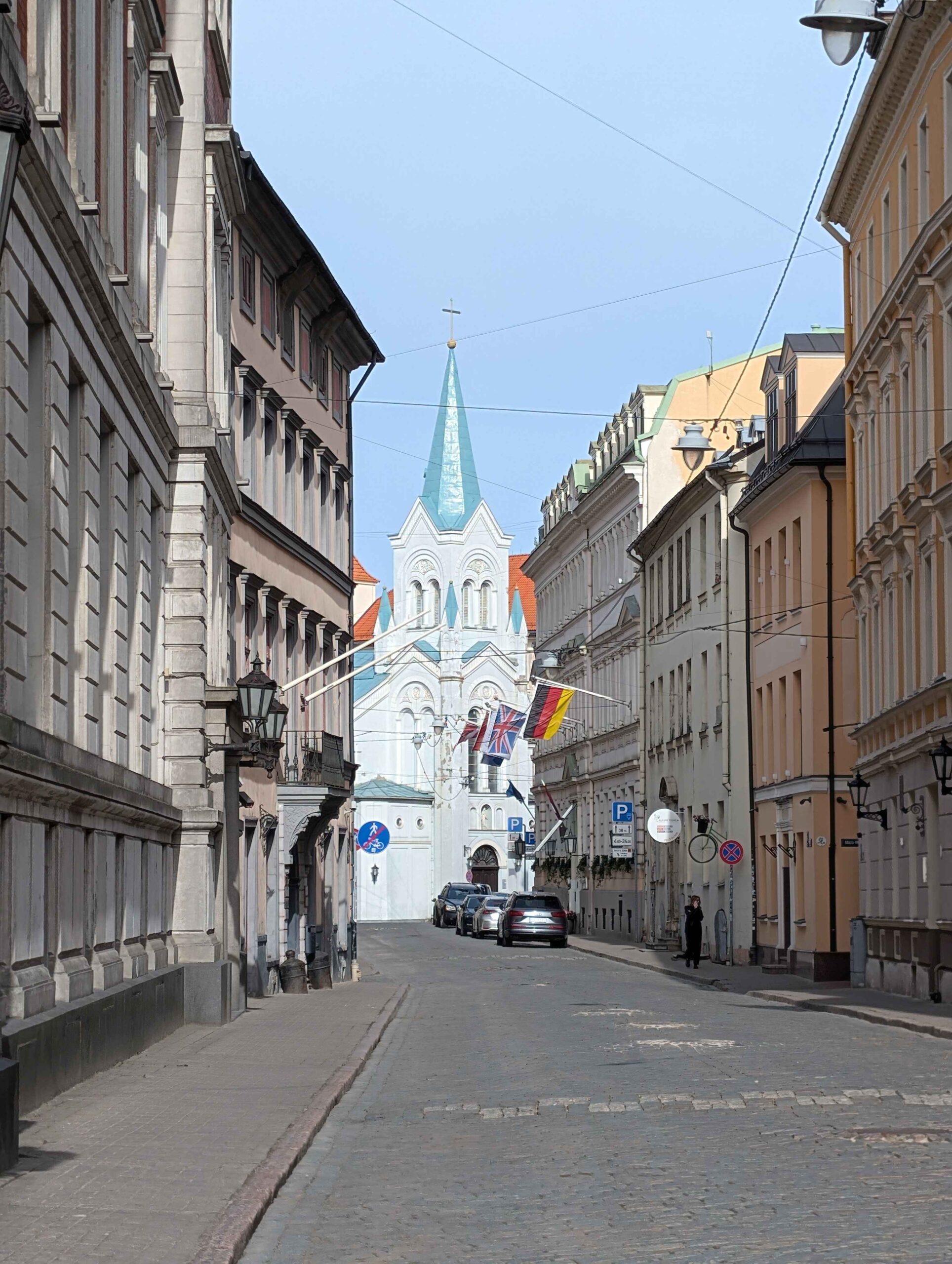
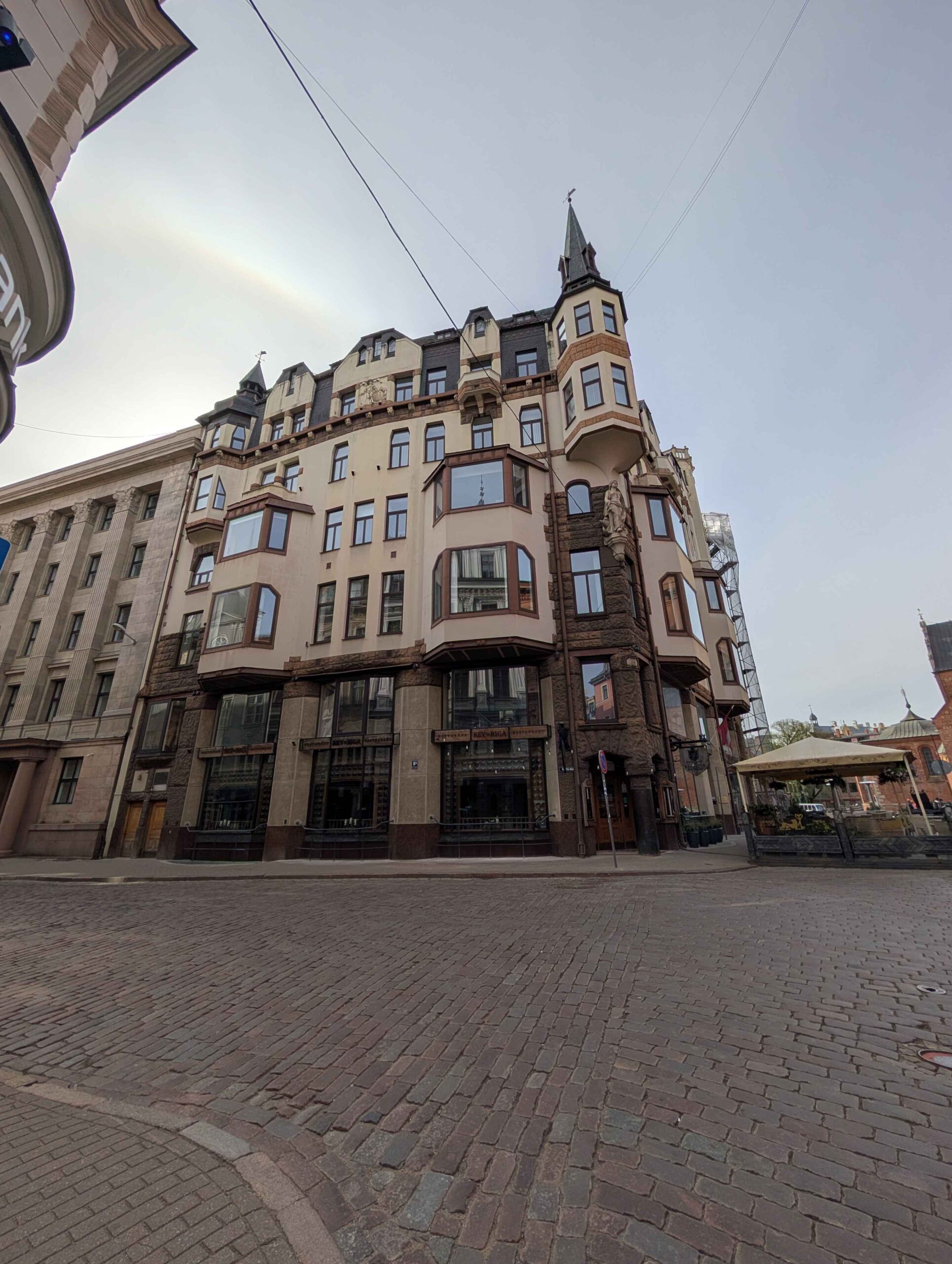
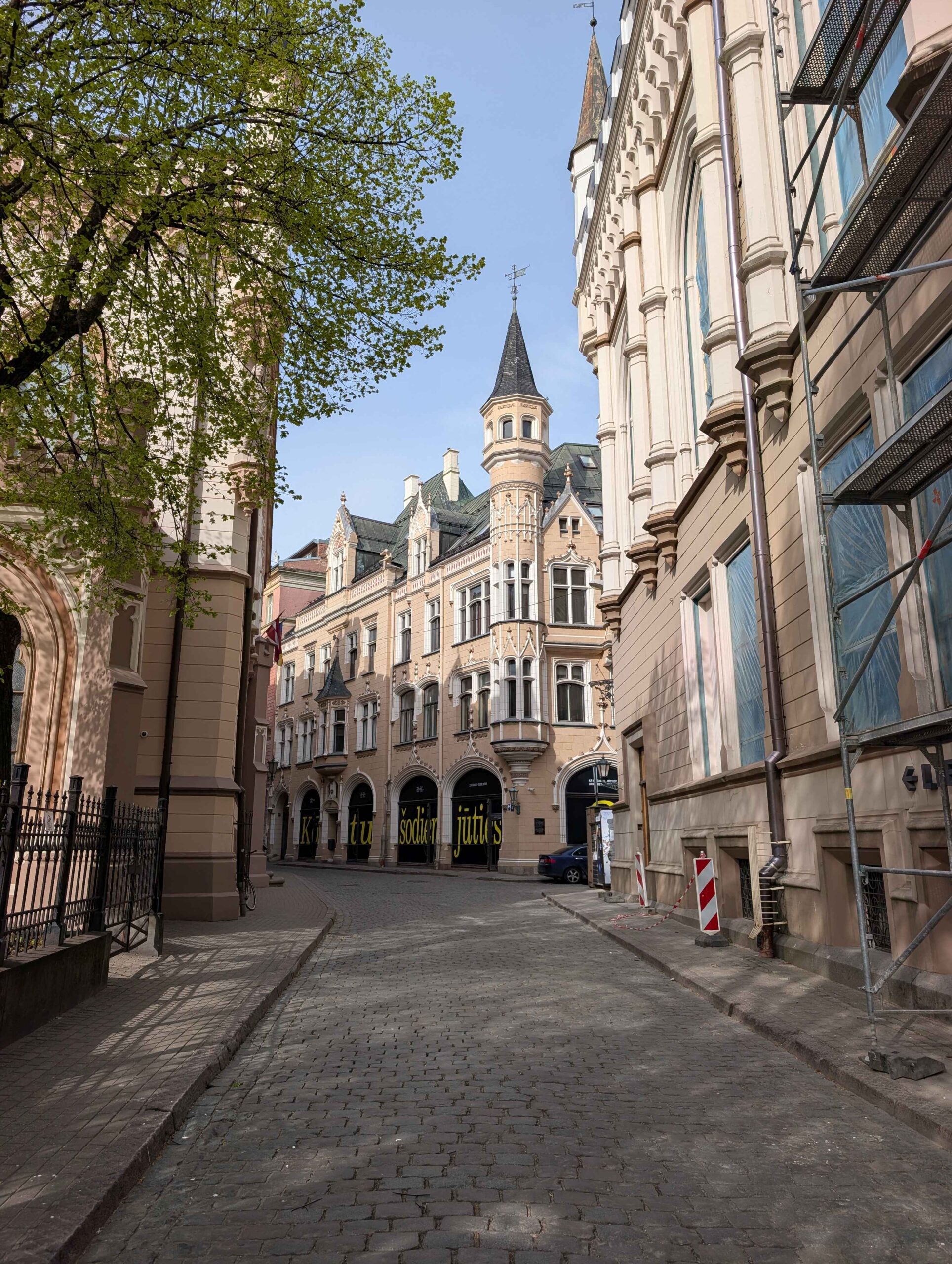
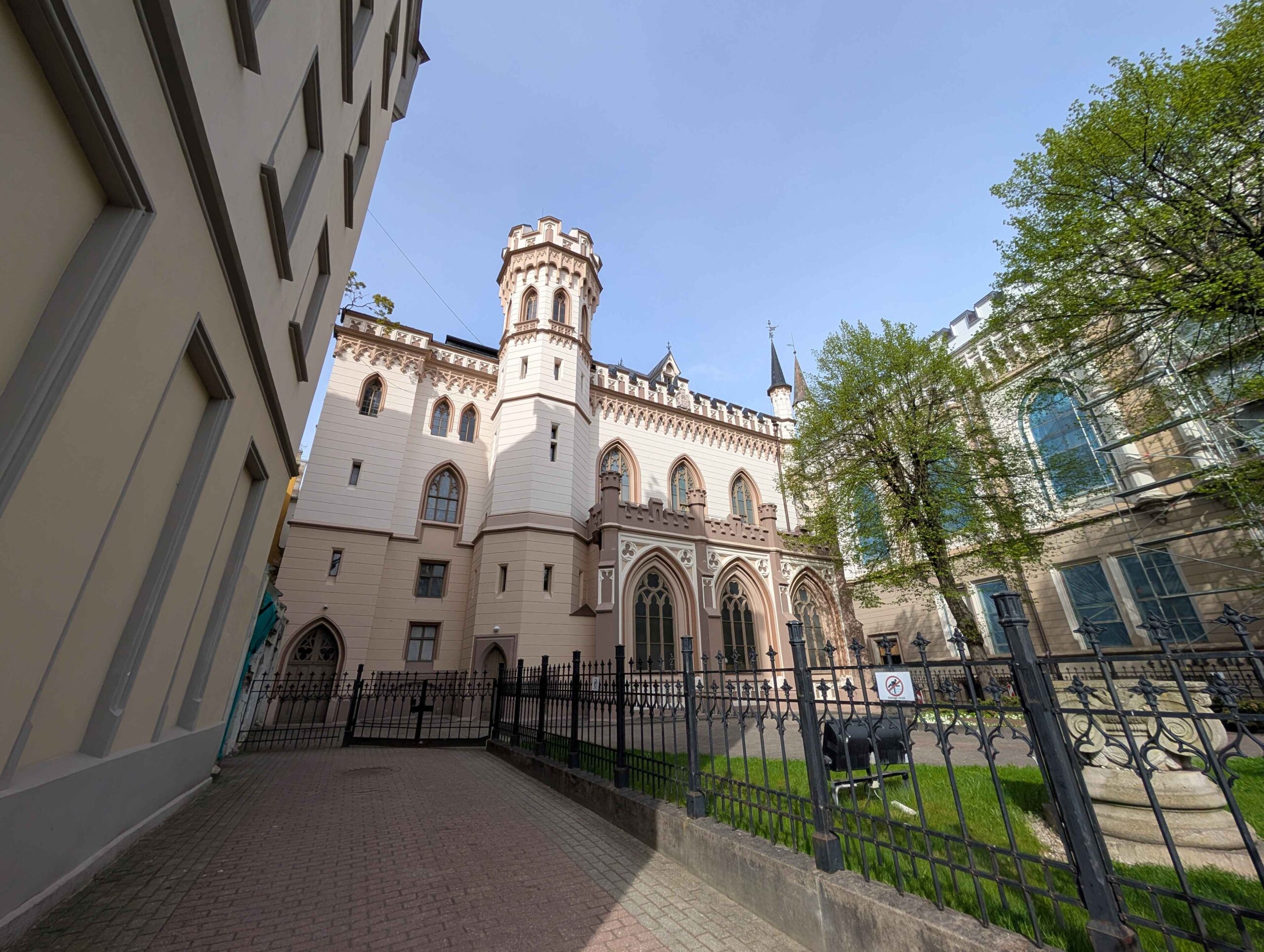
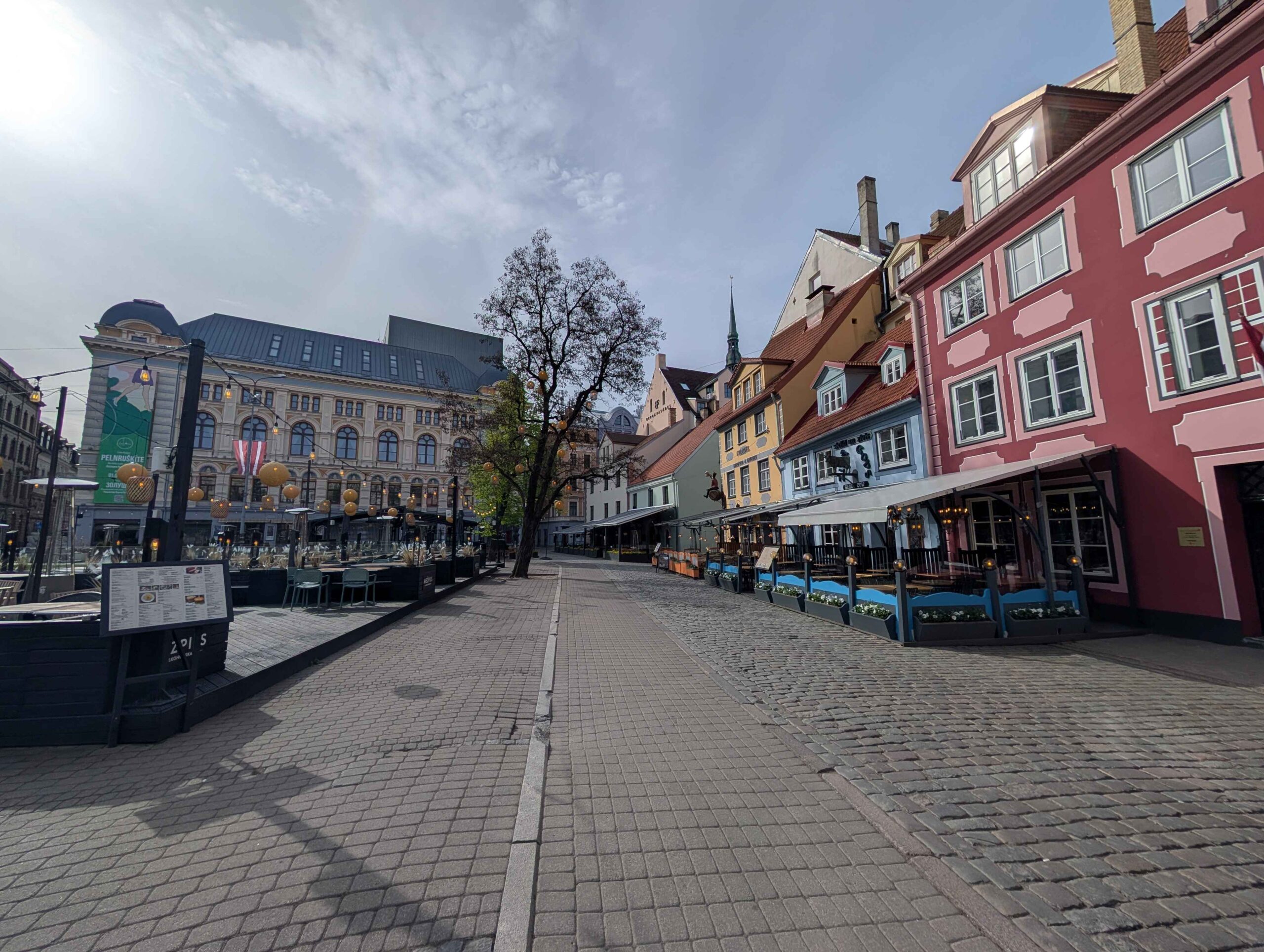
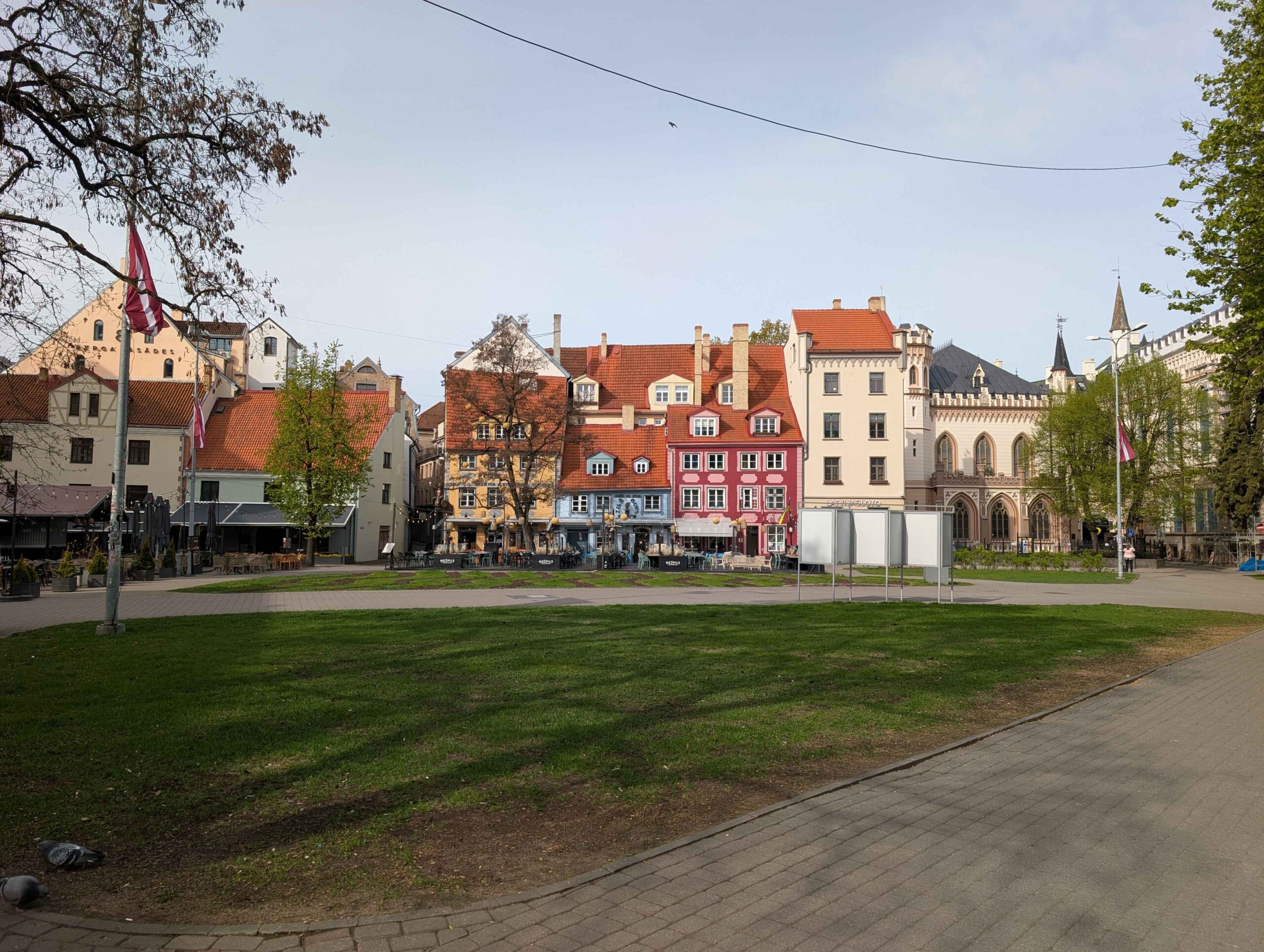
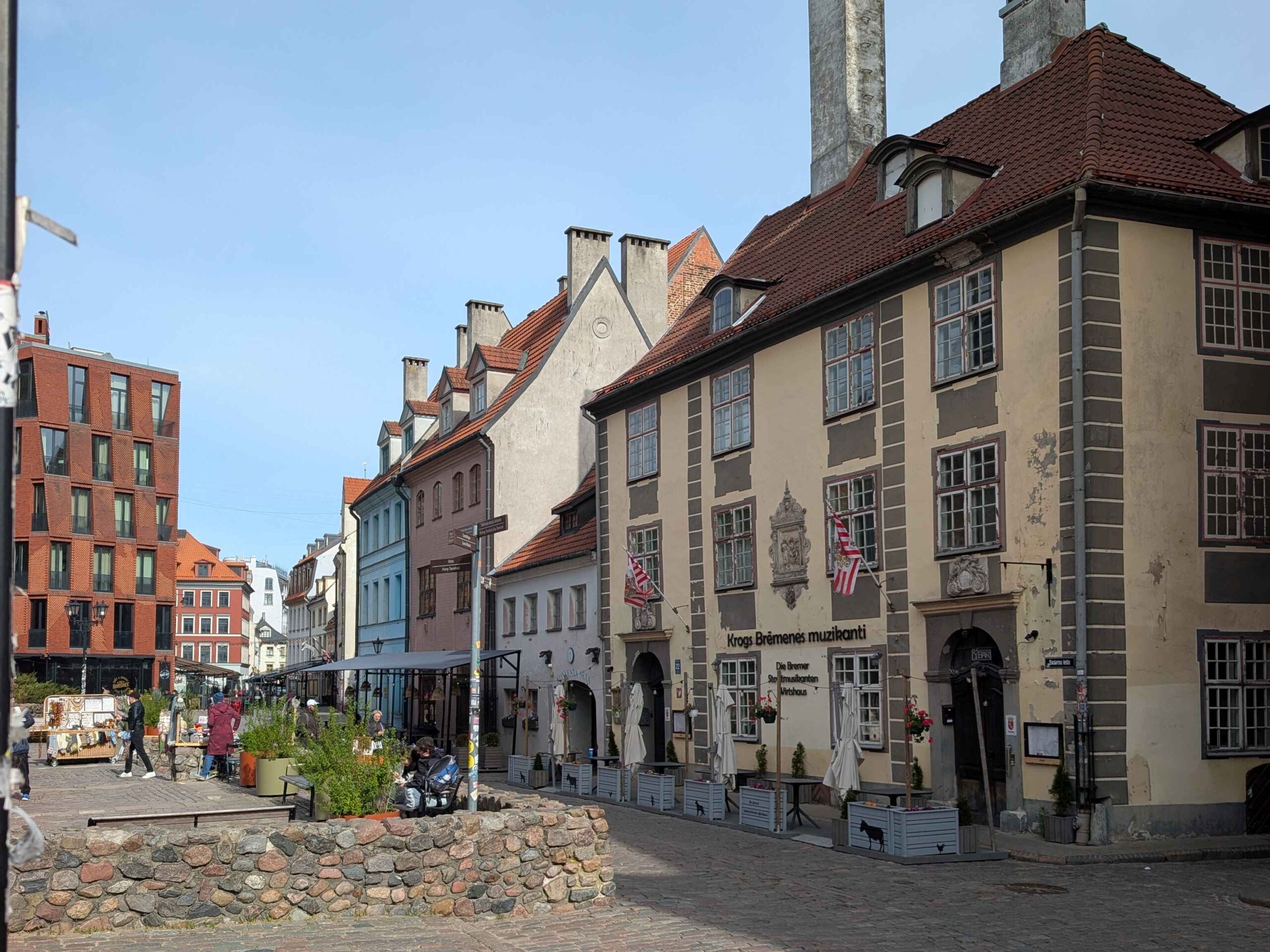
Once I reached Vecrīga pronounced Vaytss-REE-ga the city opened into a mix of medieval streets broad parks and monumental architecture. The route twisted constantly with alleyways curving off at odd angles and buildings appearing suddenly around corners. It reminded me of other old Baltic and Northern European port cities where the layout feels intentionally confusing rather than planned around convenience.
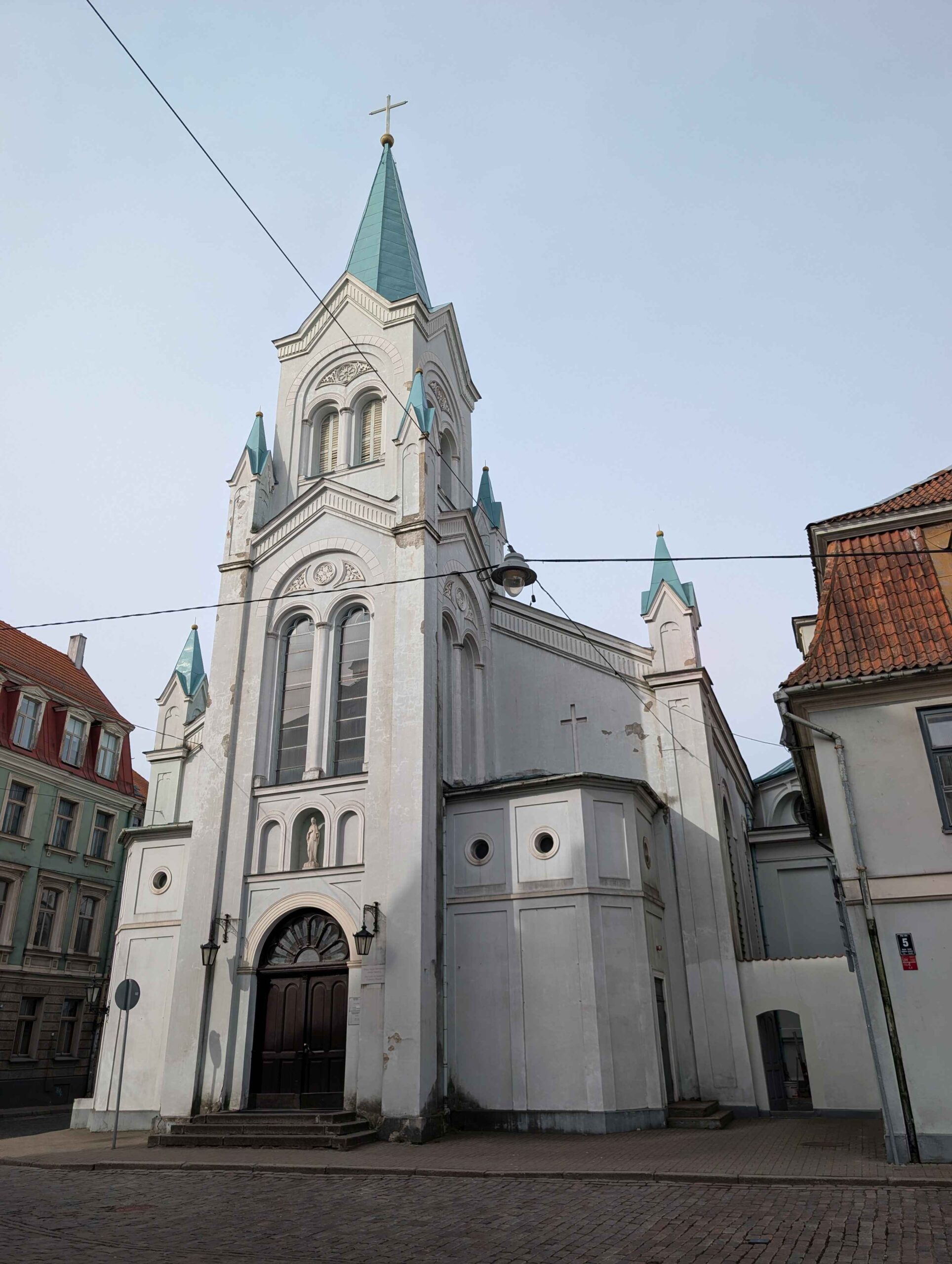
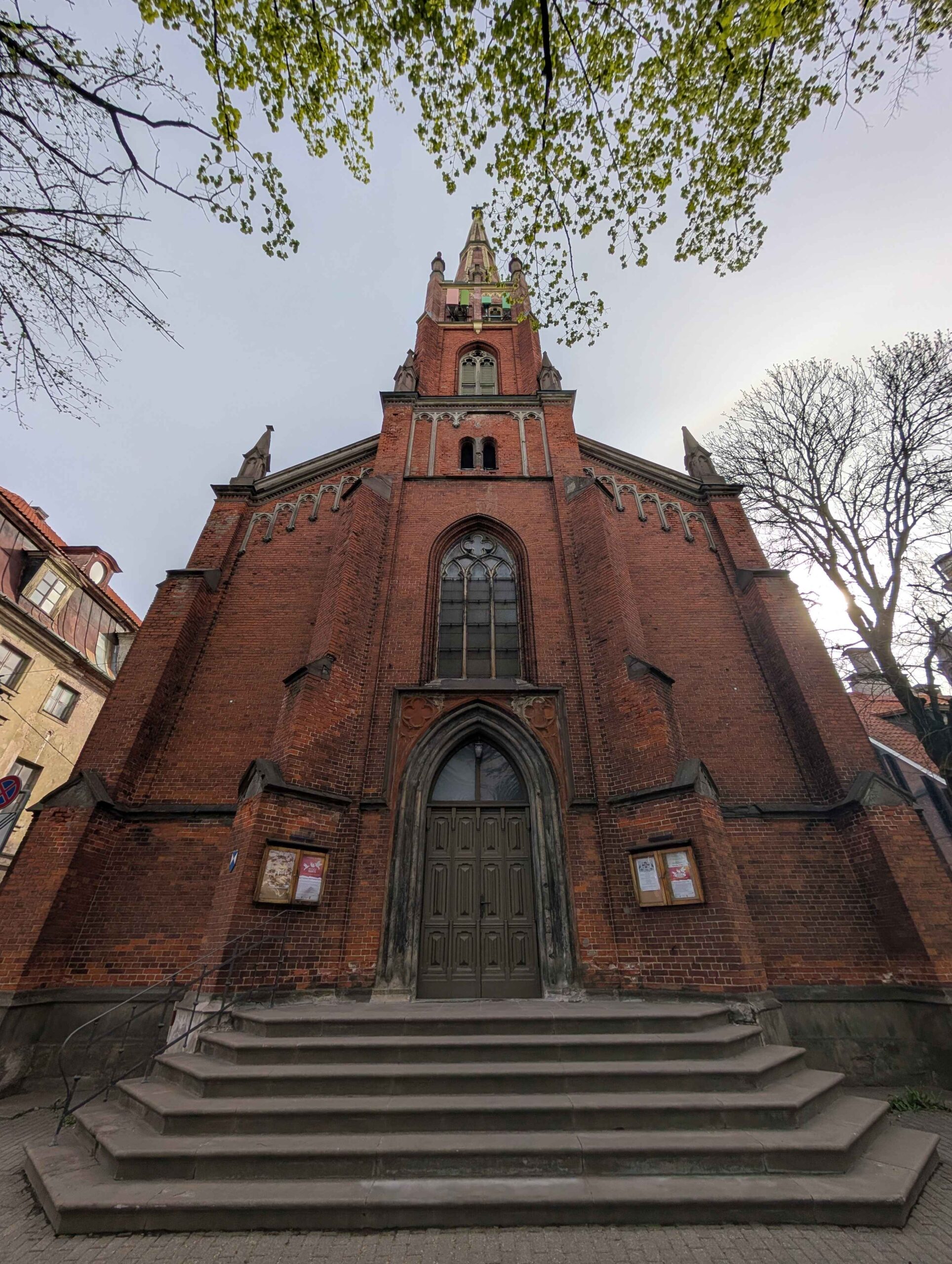
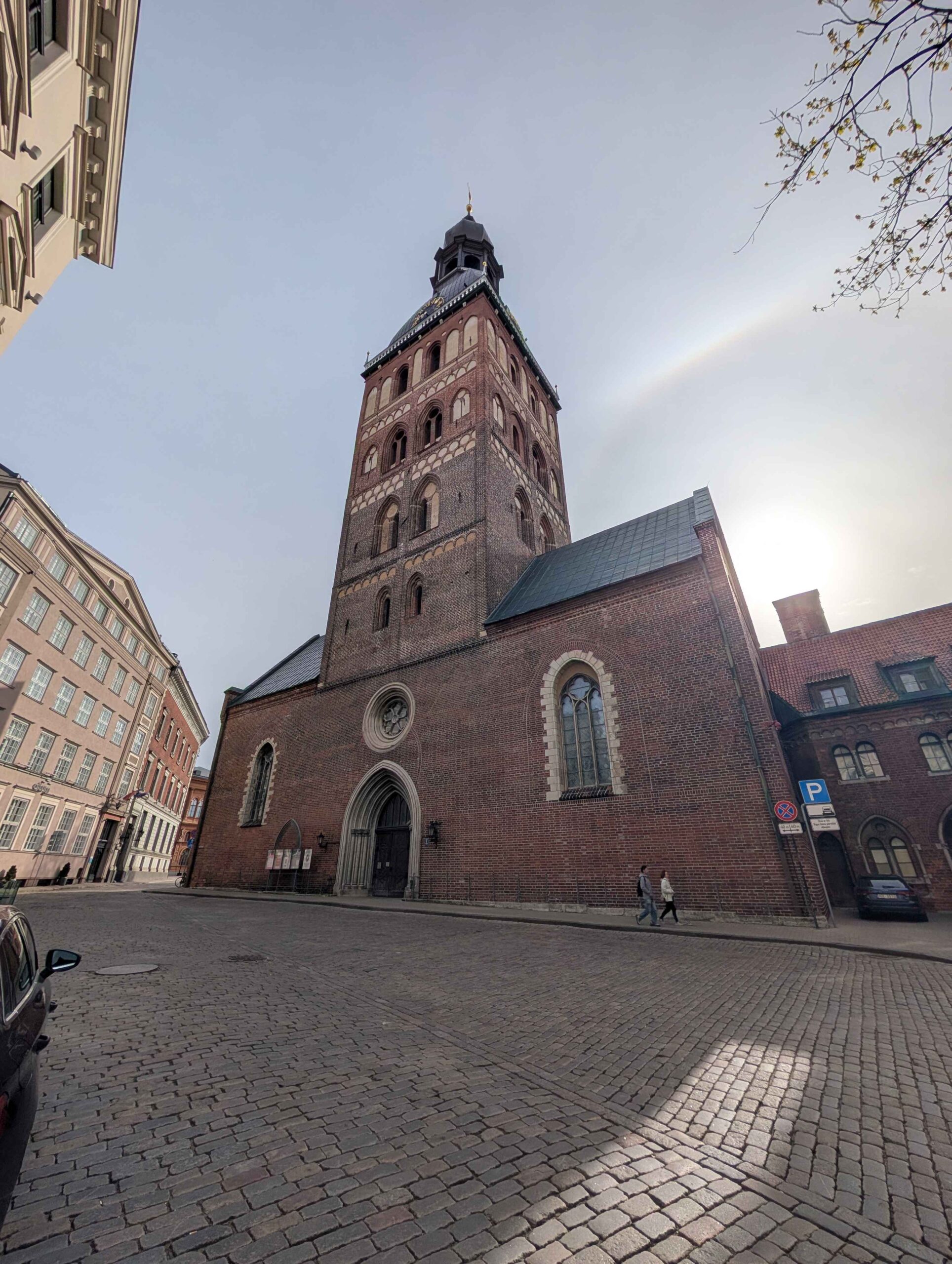
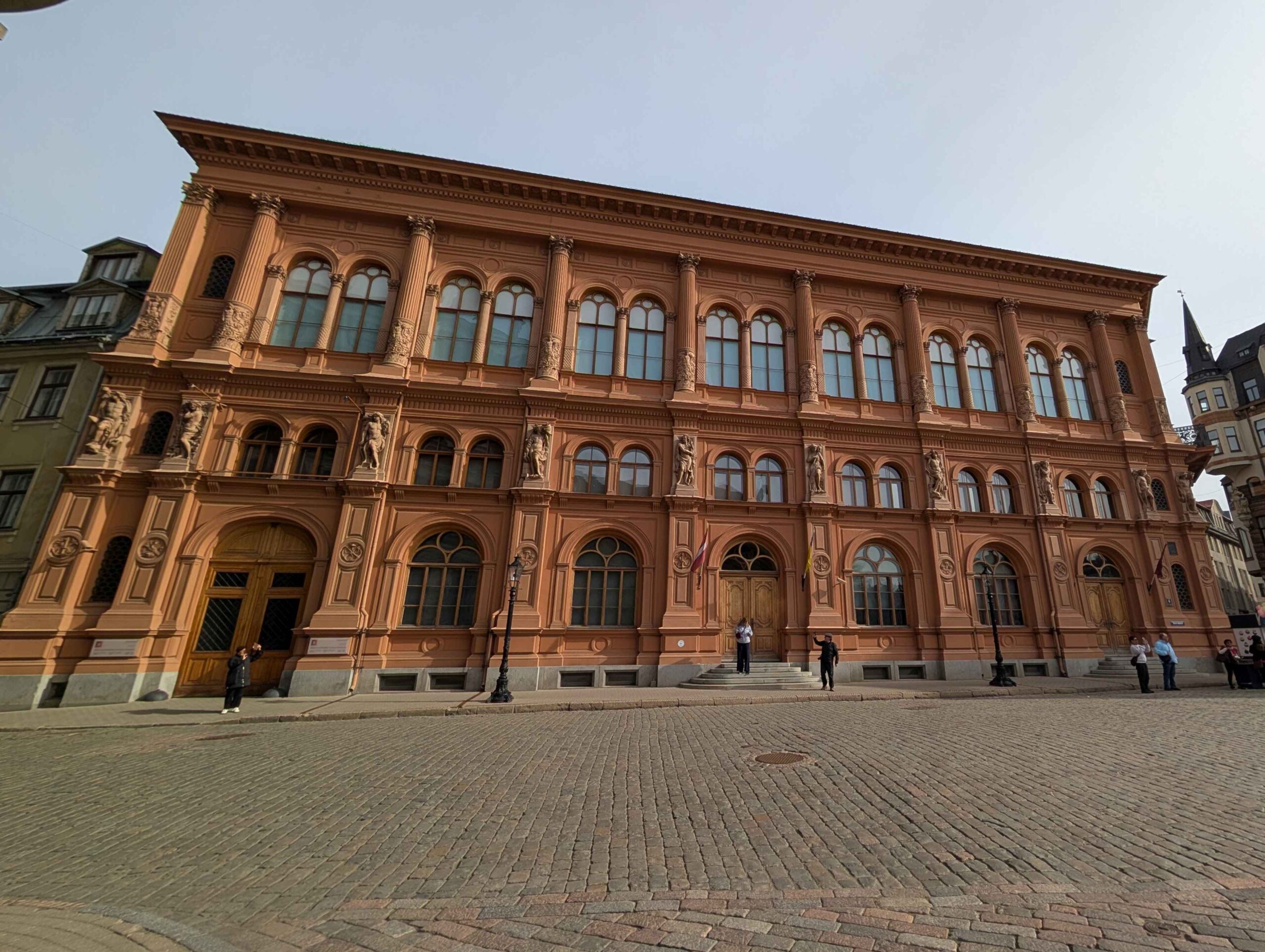
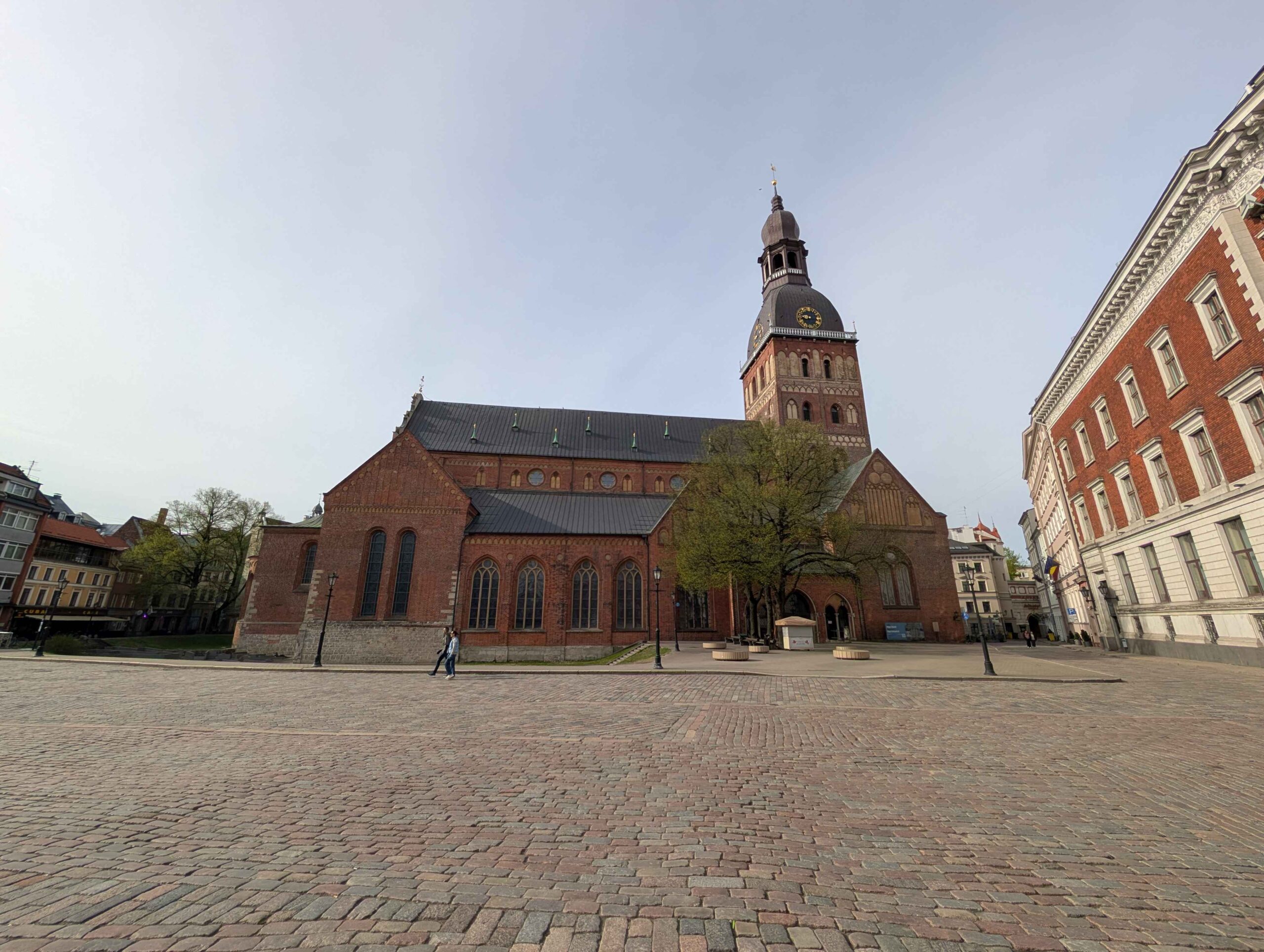
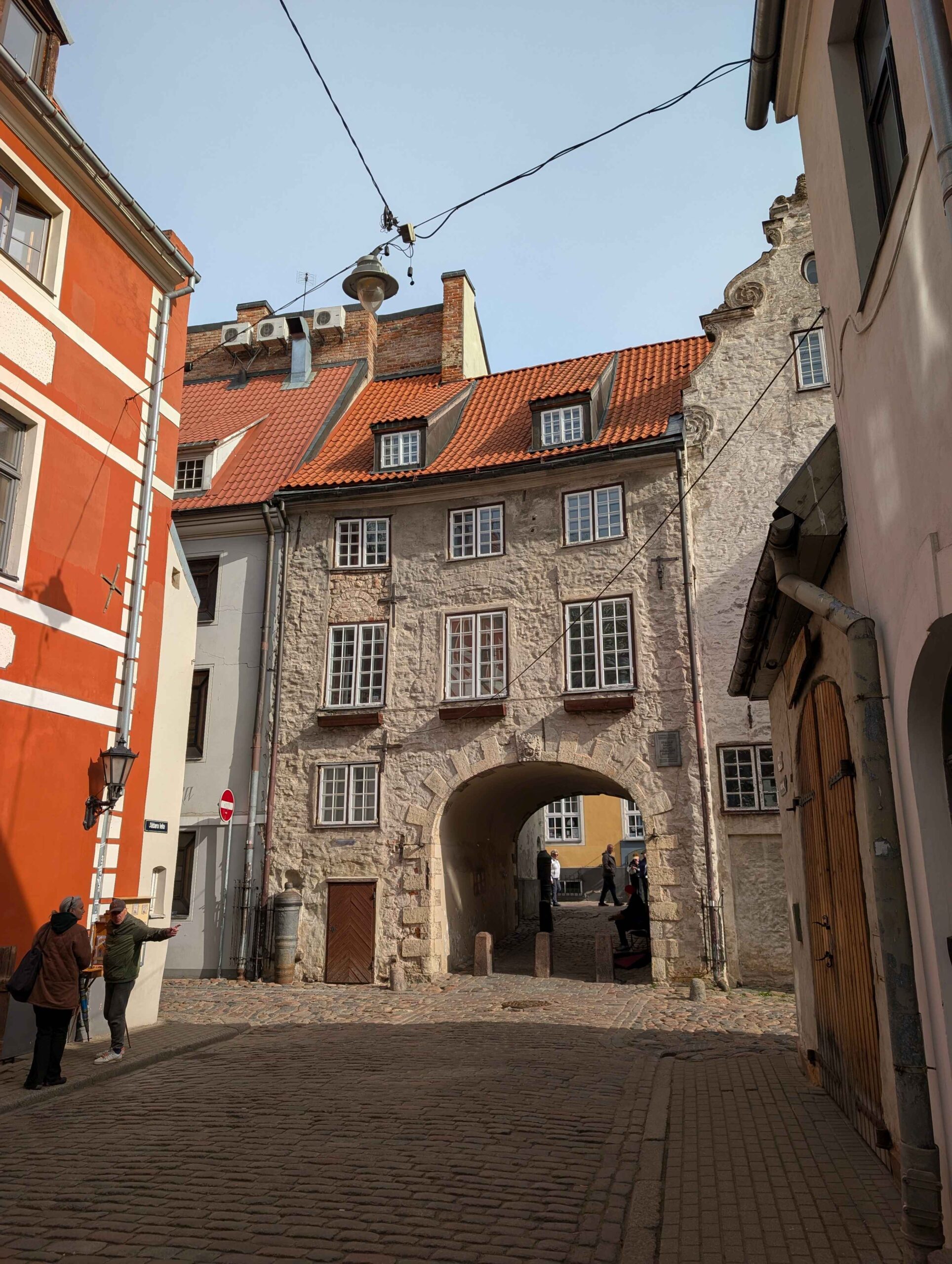
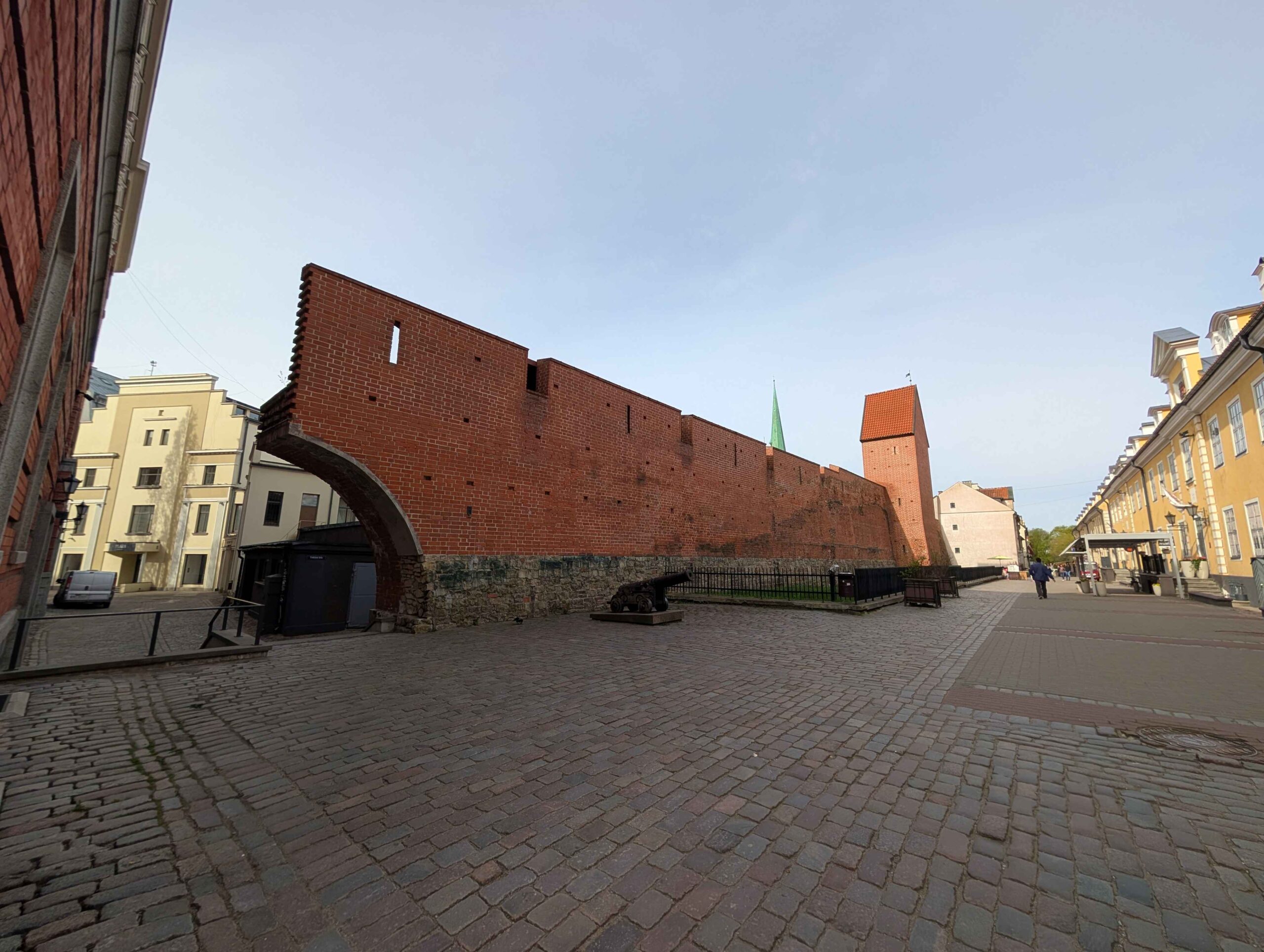
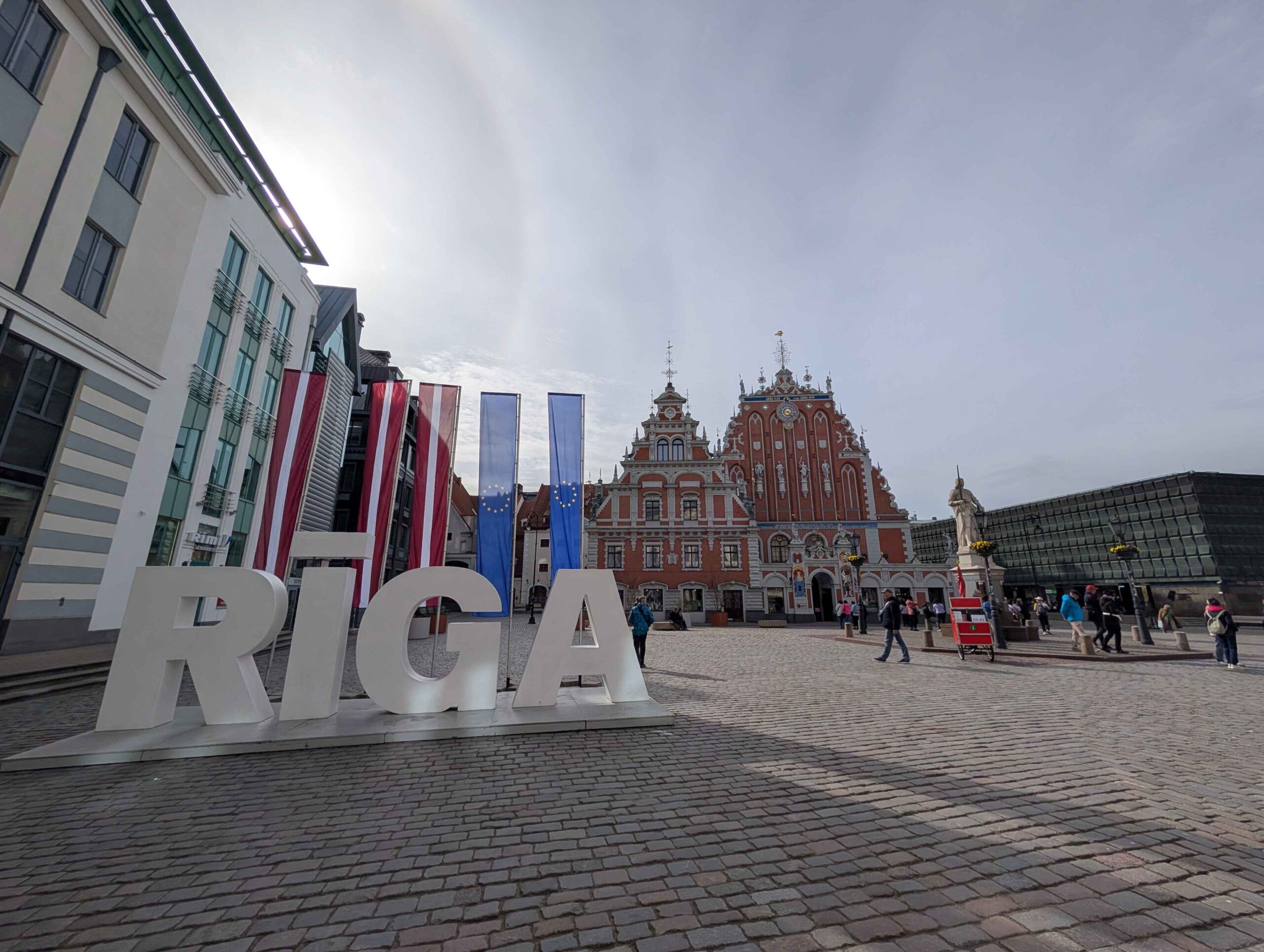
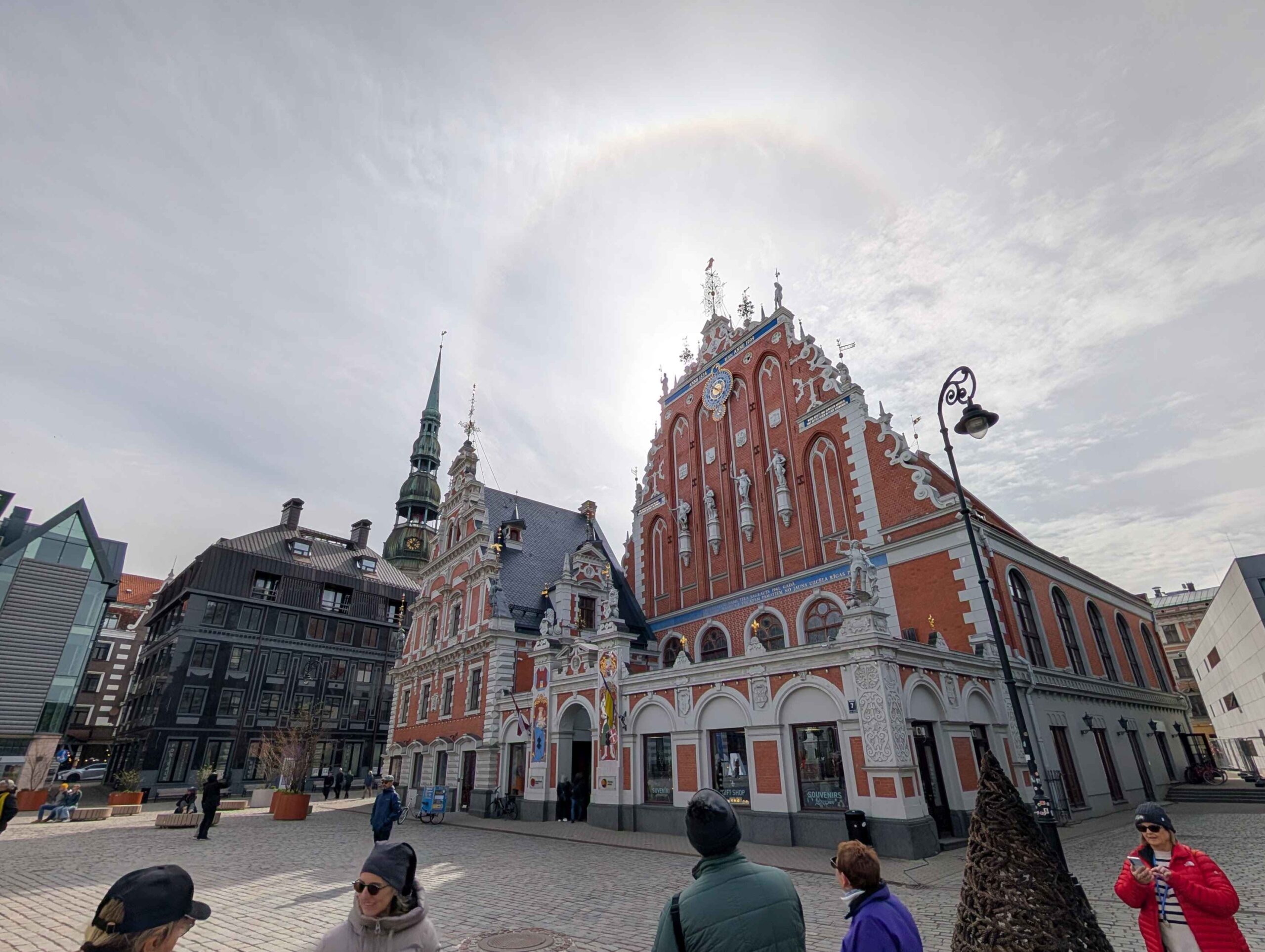
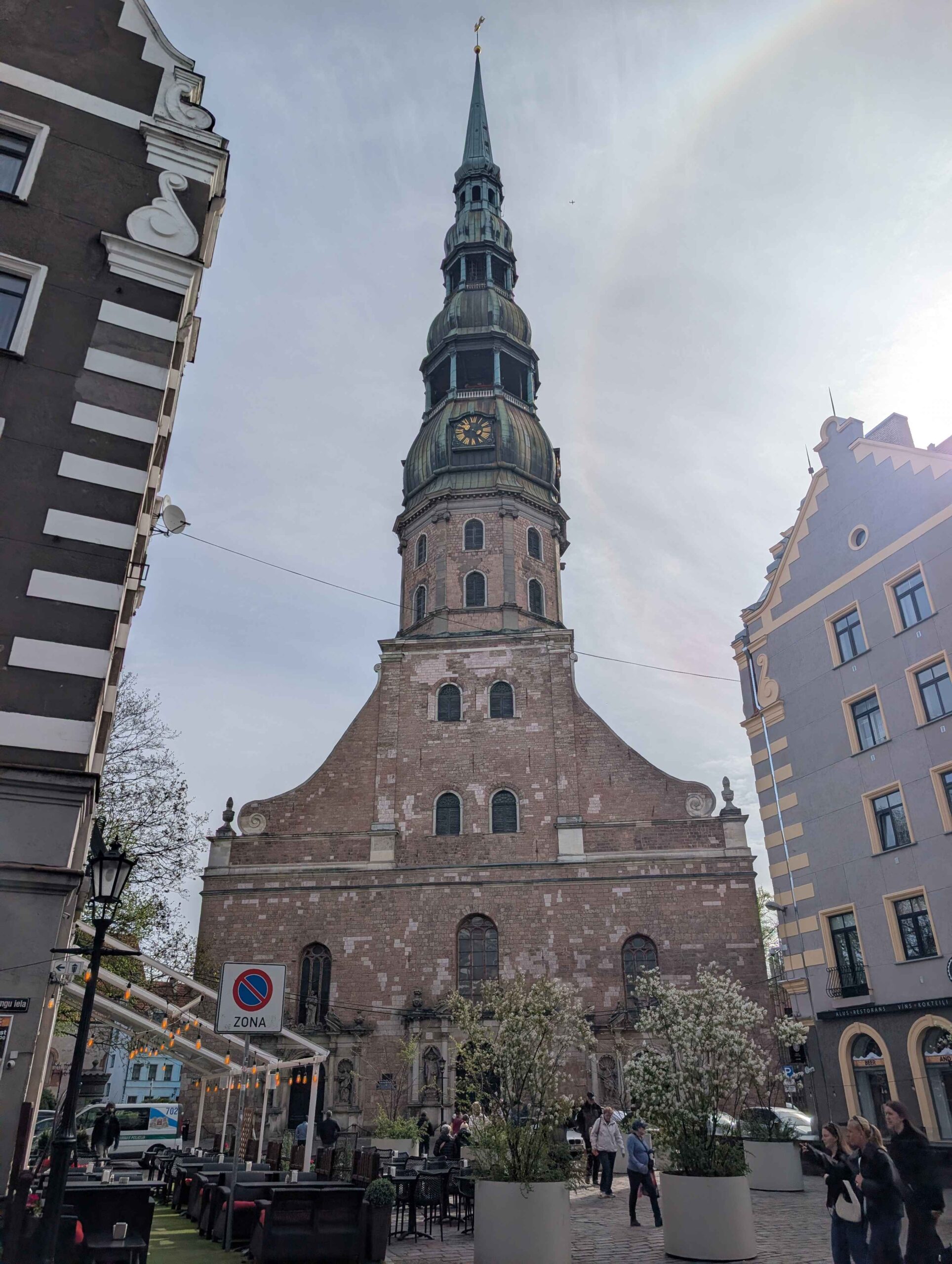
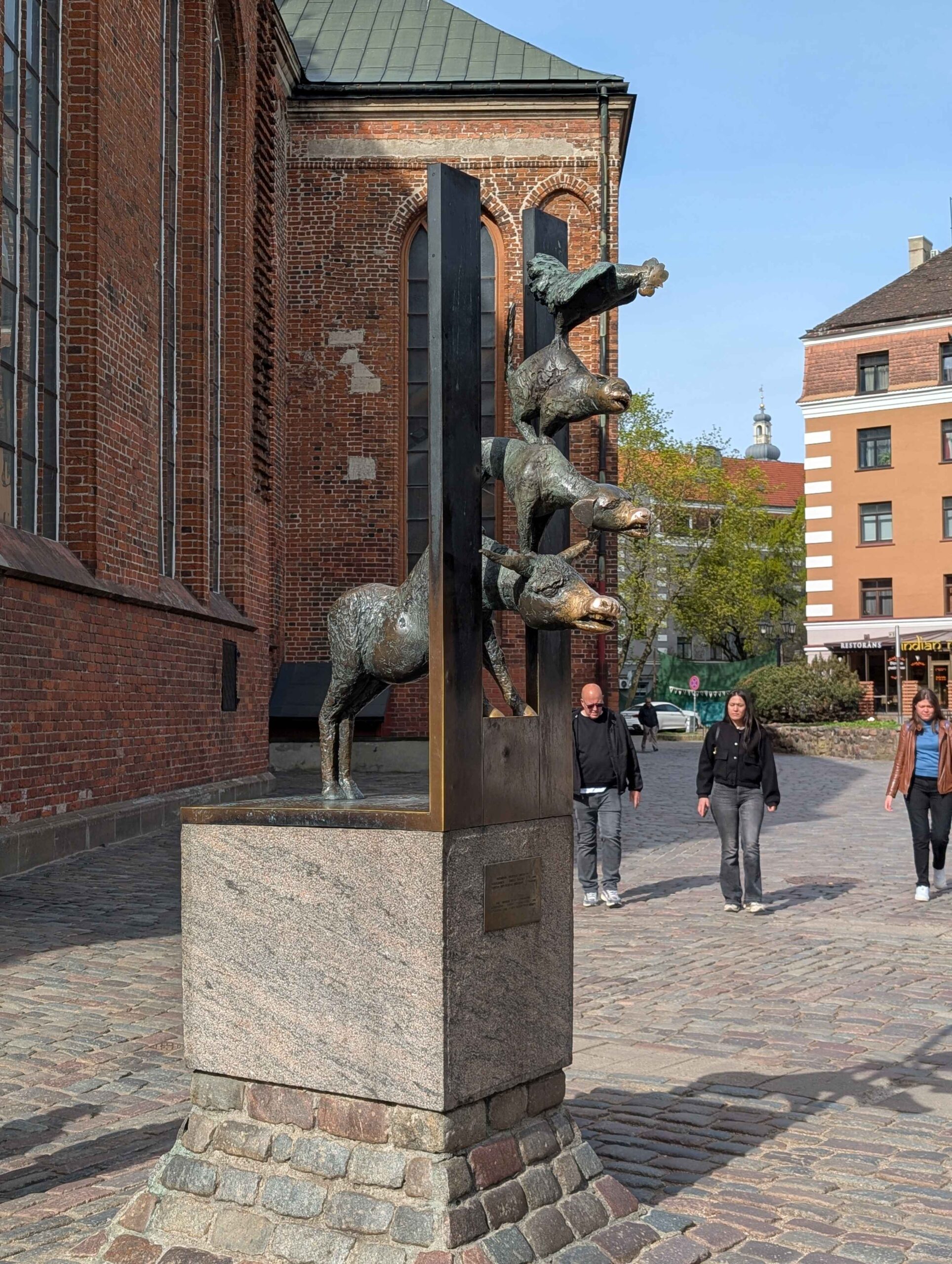
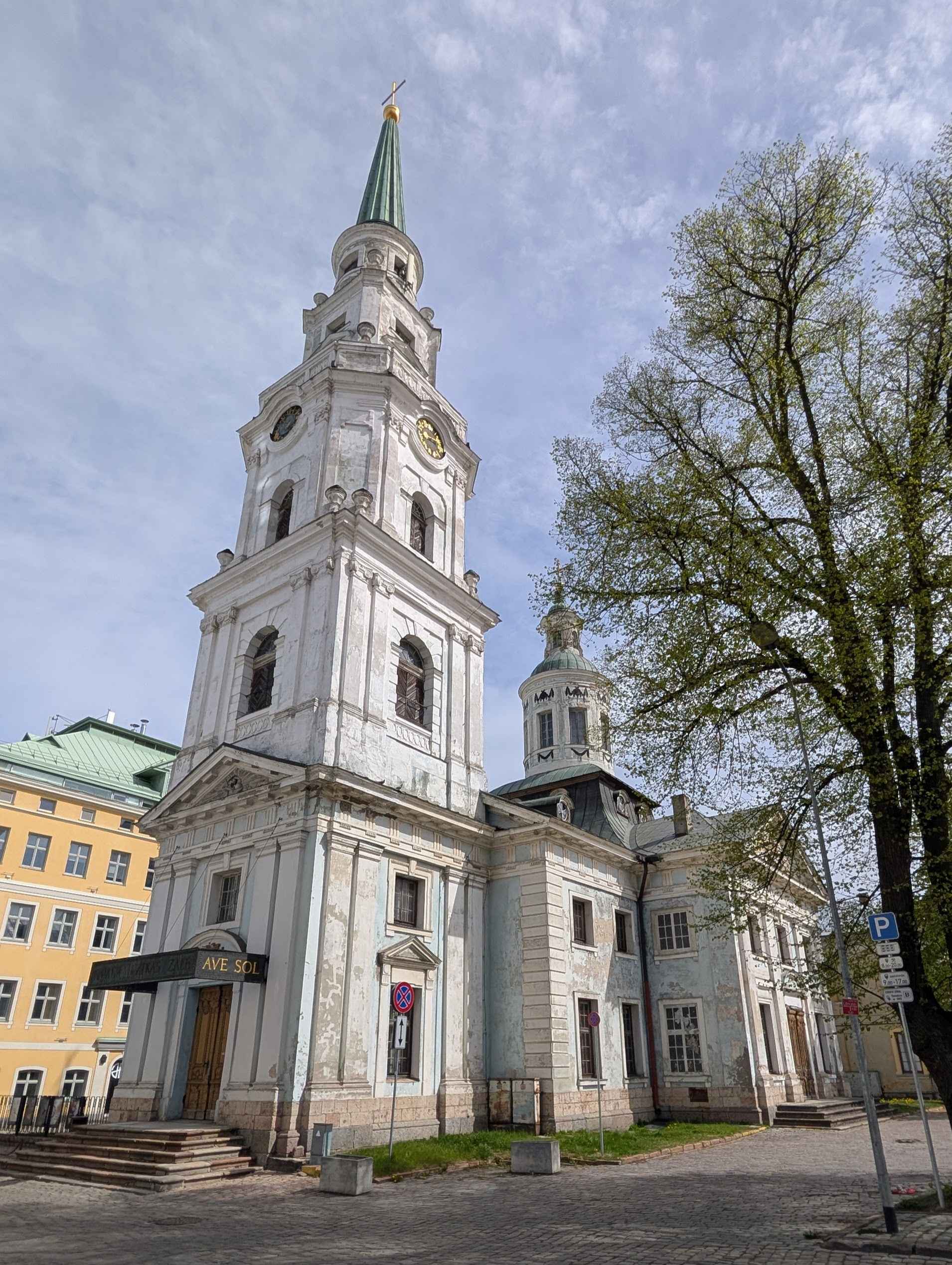
I passed through the Swedish Gate and remnants of the Old City Wall before drifting deeper into the historic center toward Riga Cathedral and St. Peter’s Church Tower. Around Rīgas Rātslaukums the House of the Black Heads stood out immediately with its elaborate façade and busy square. There were sidewalk cafés everywhere but I spent more time moving than stopping since the city kept pulling me toward another church tower bridge or square just a few blocks away.
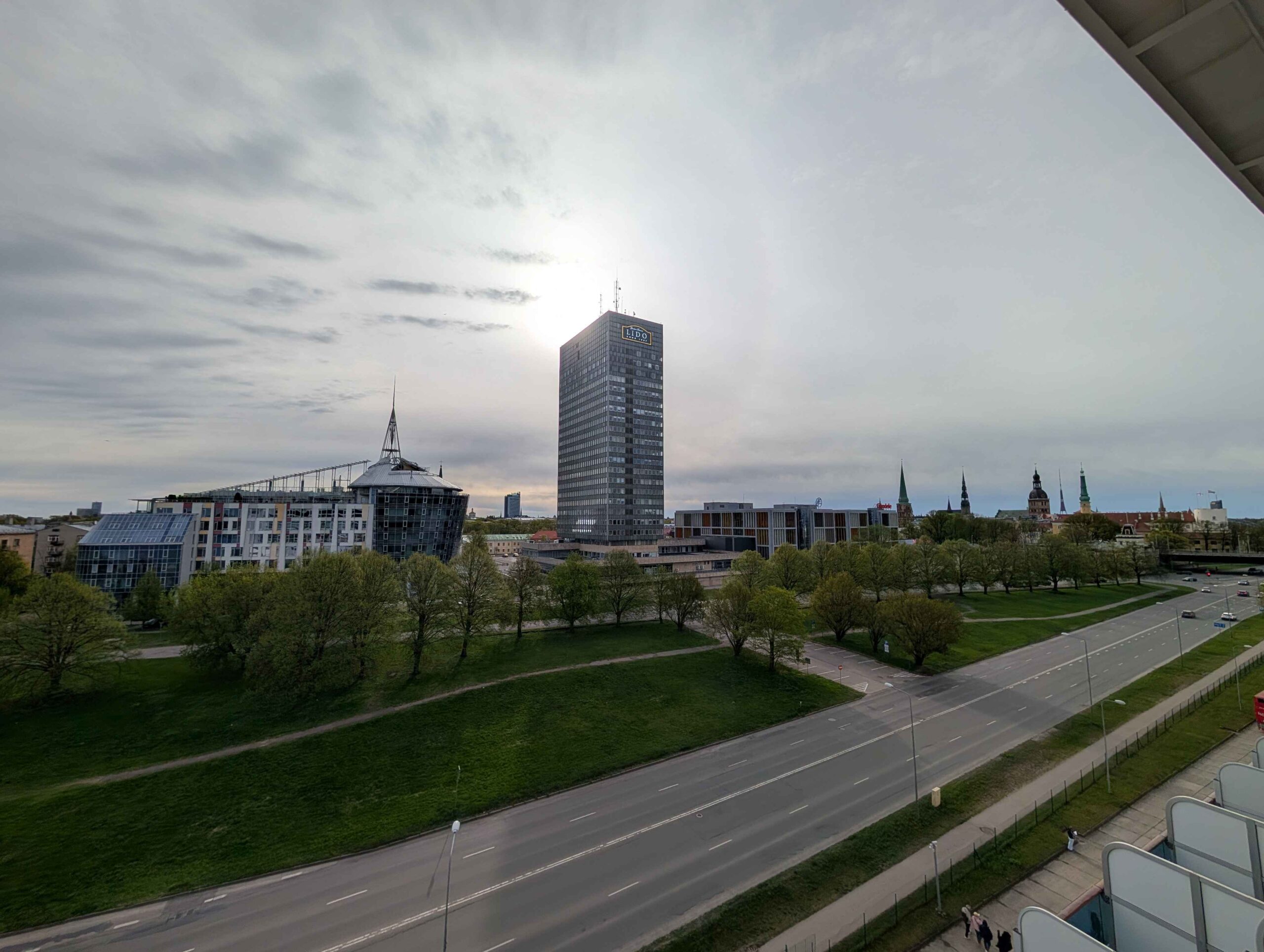
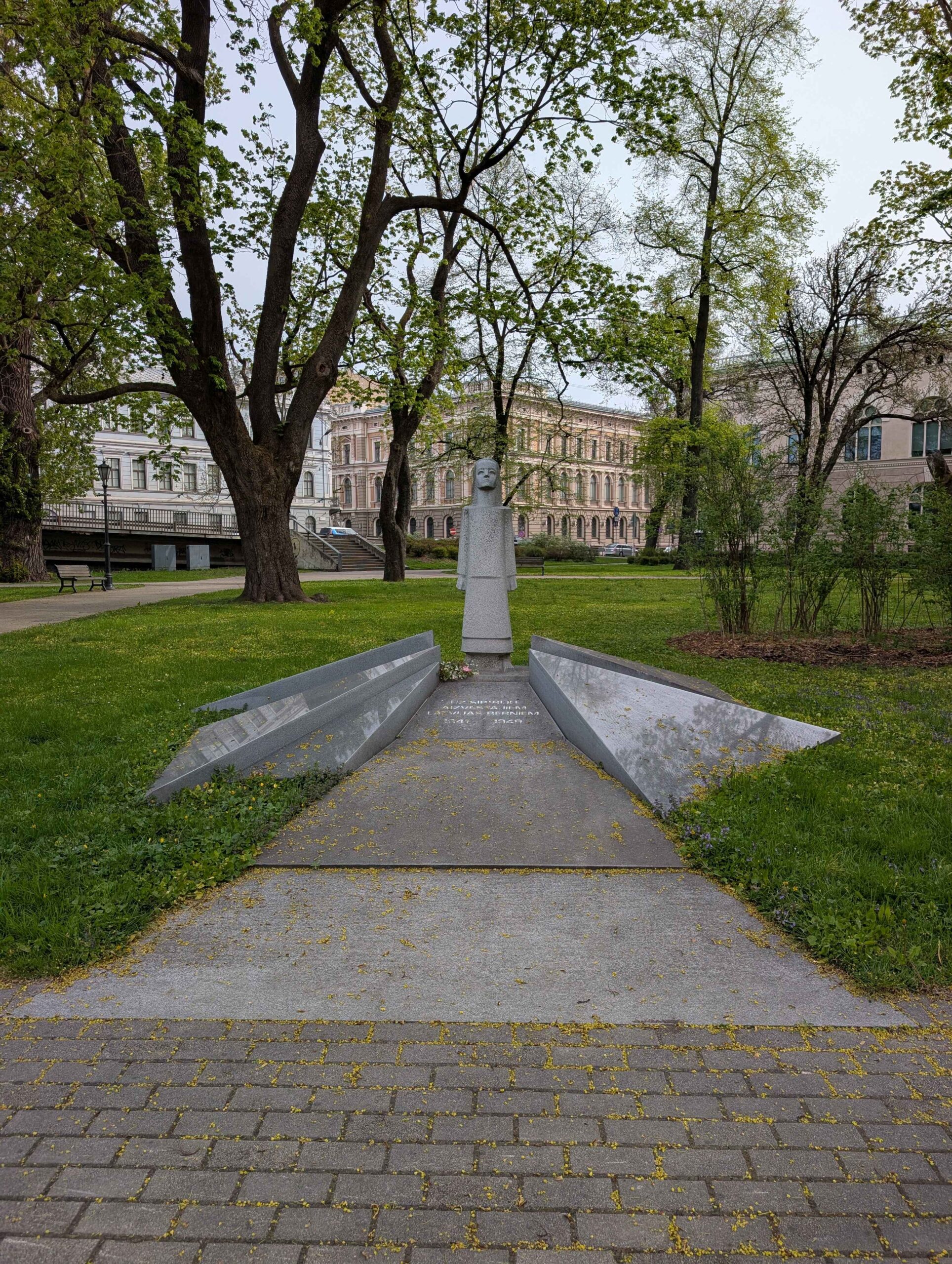
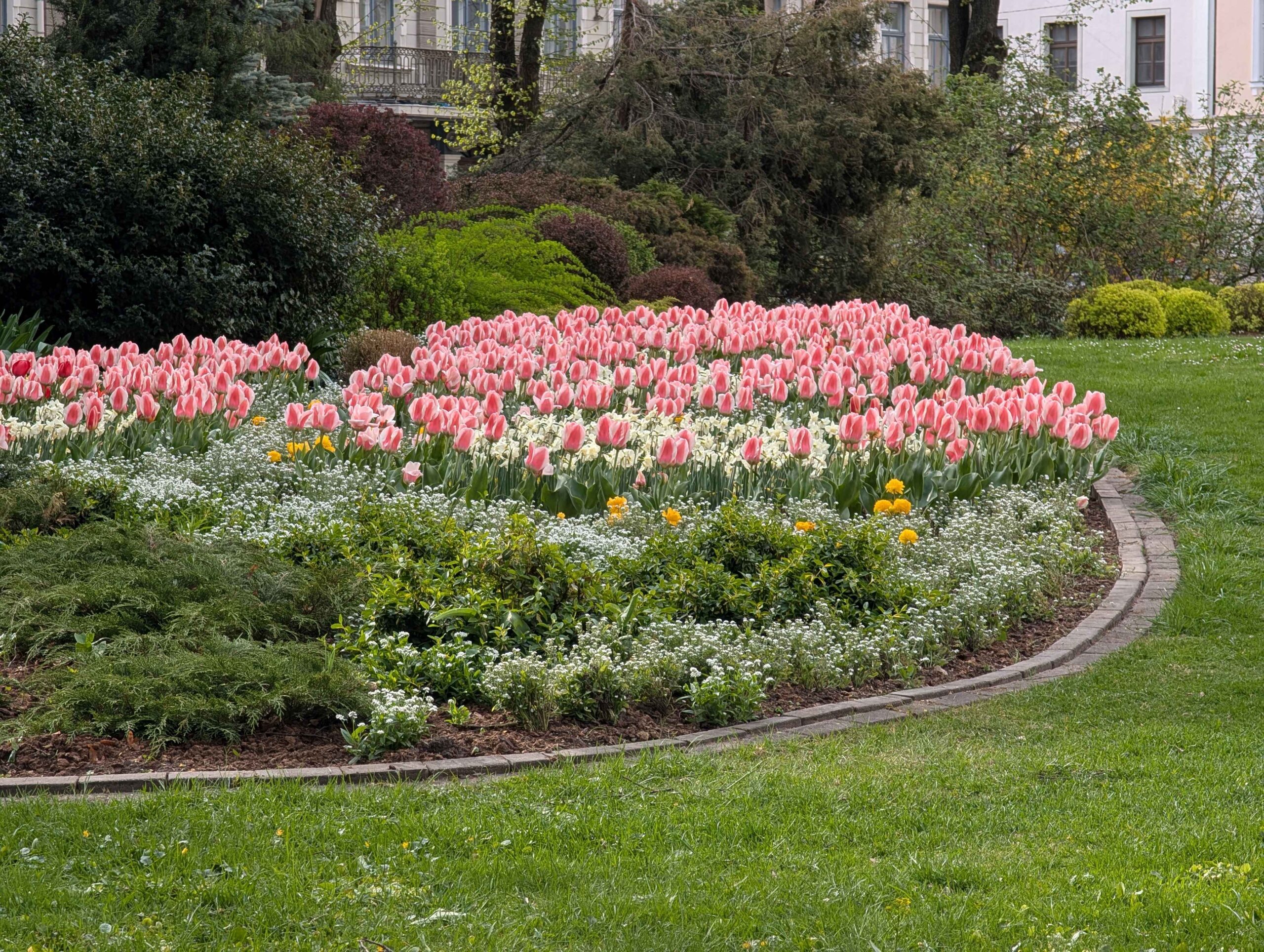
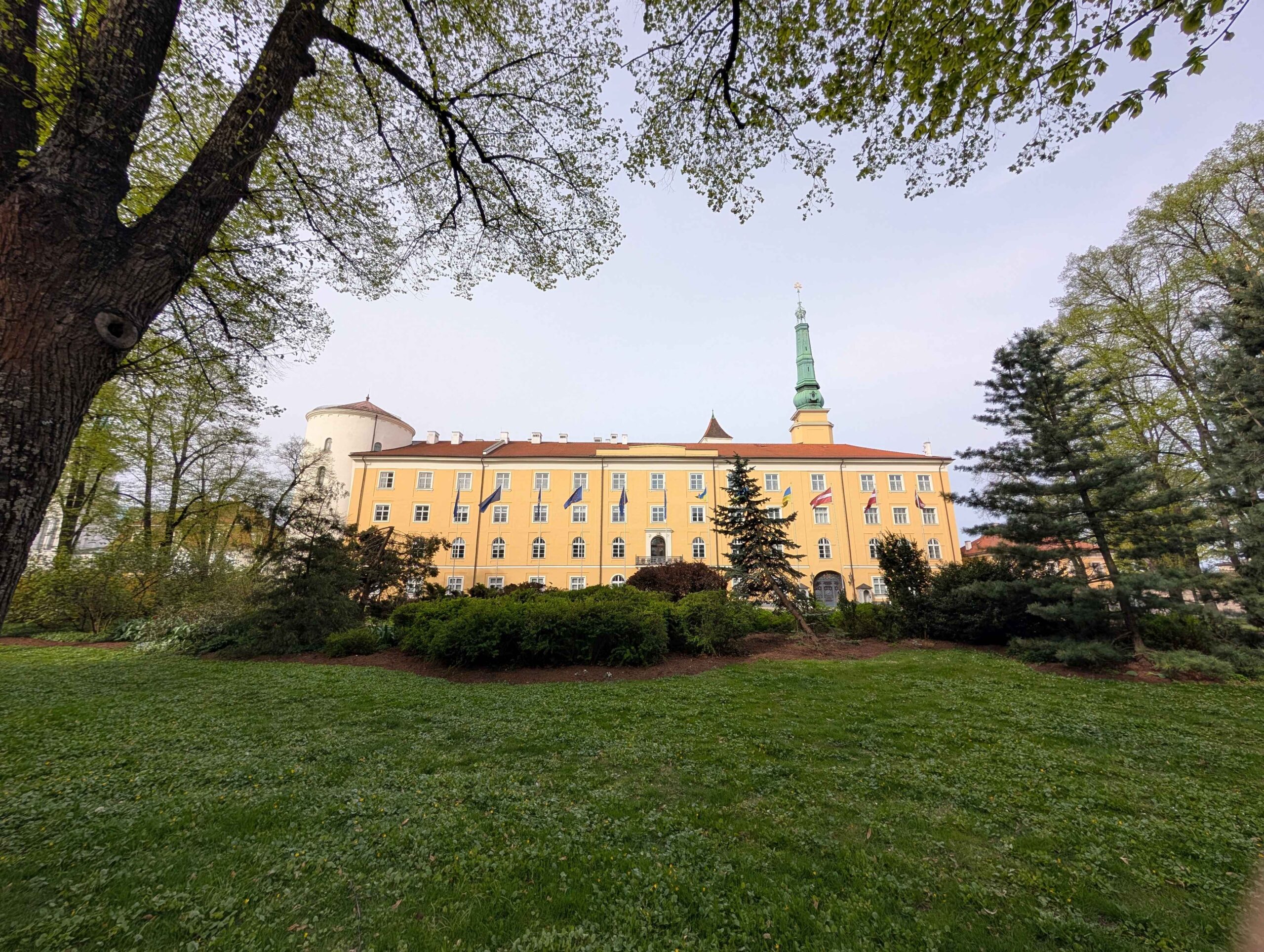
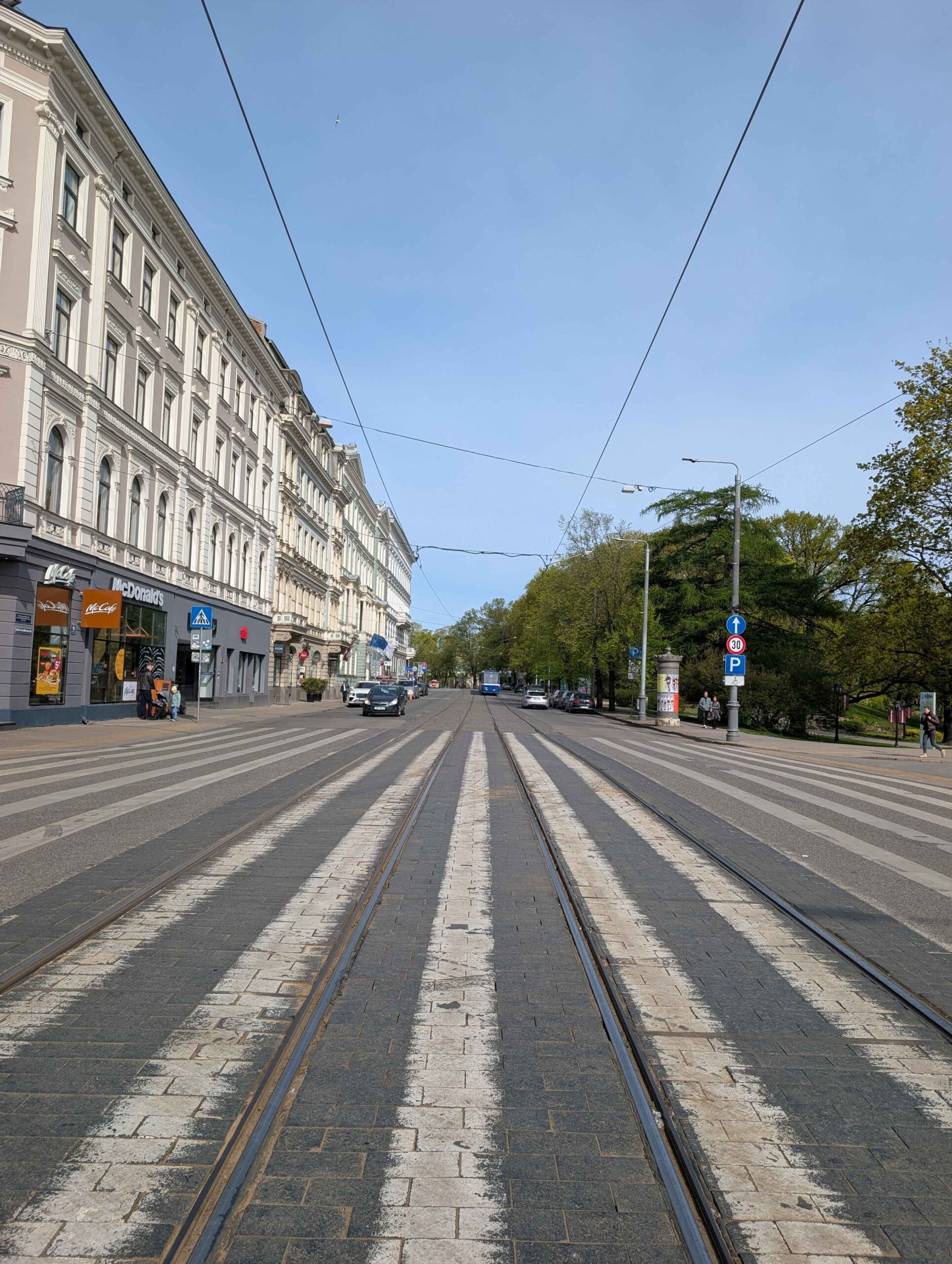
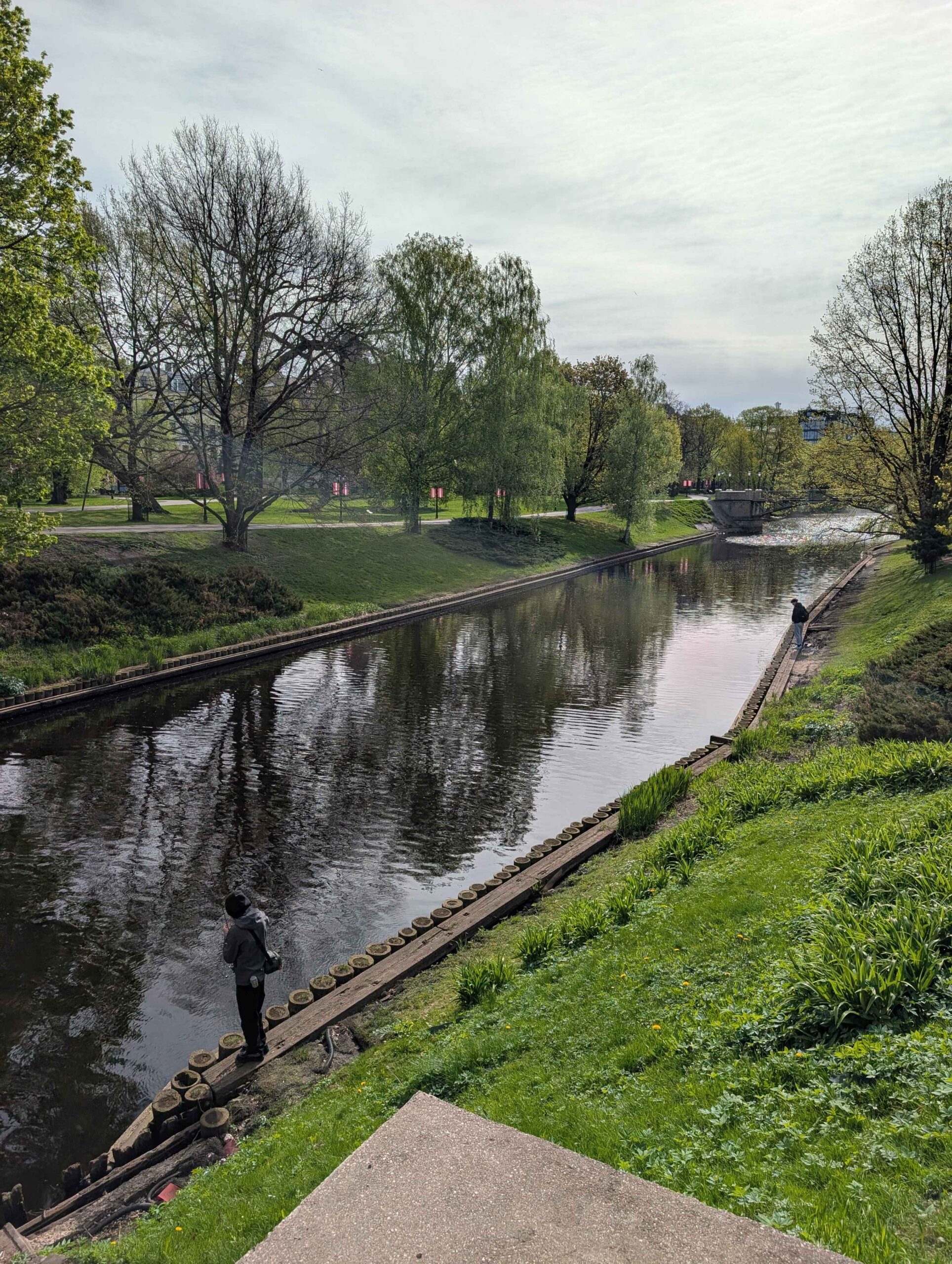
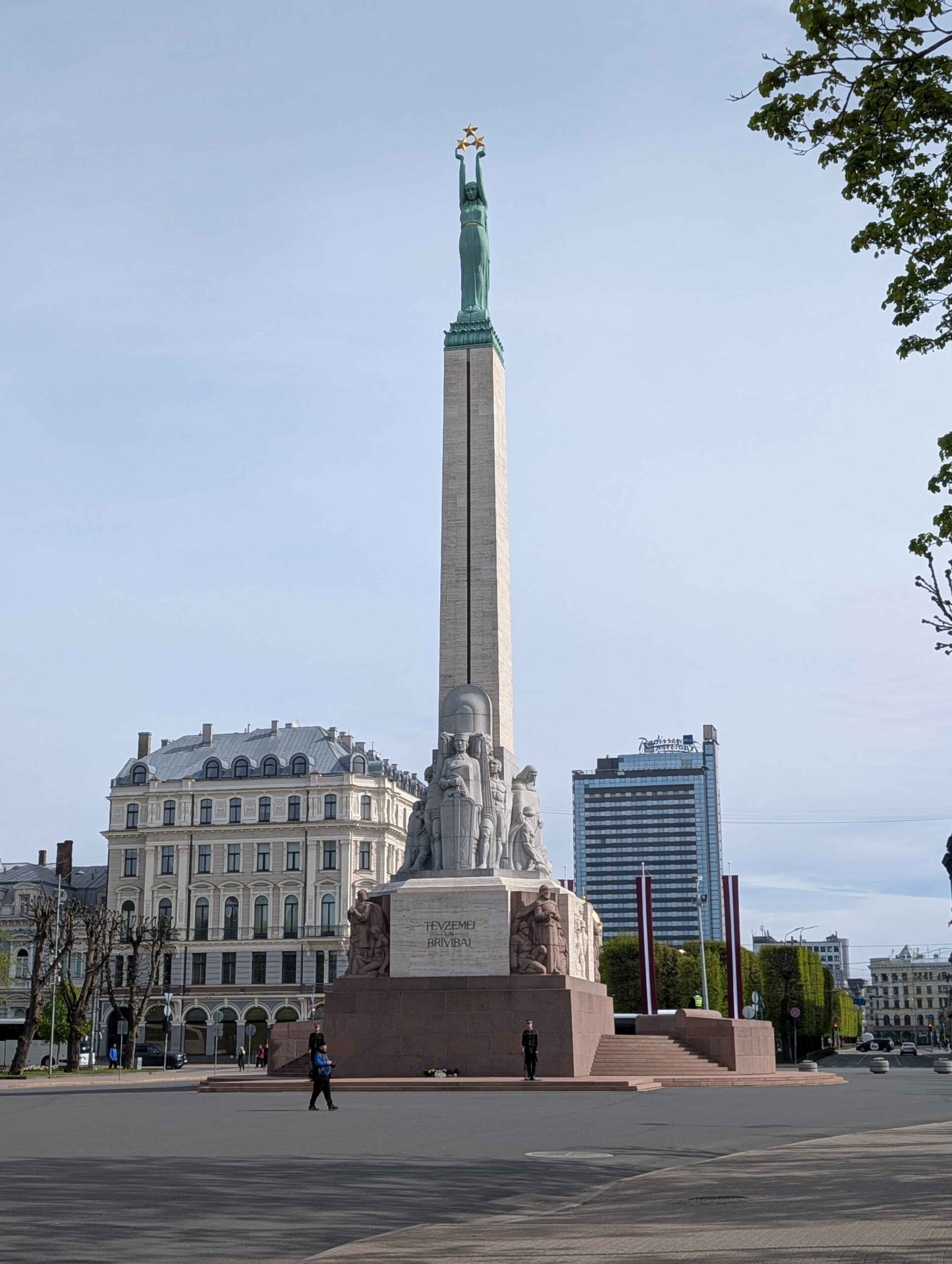
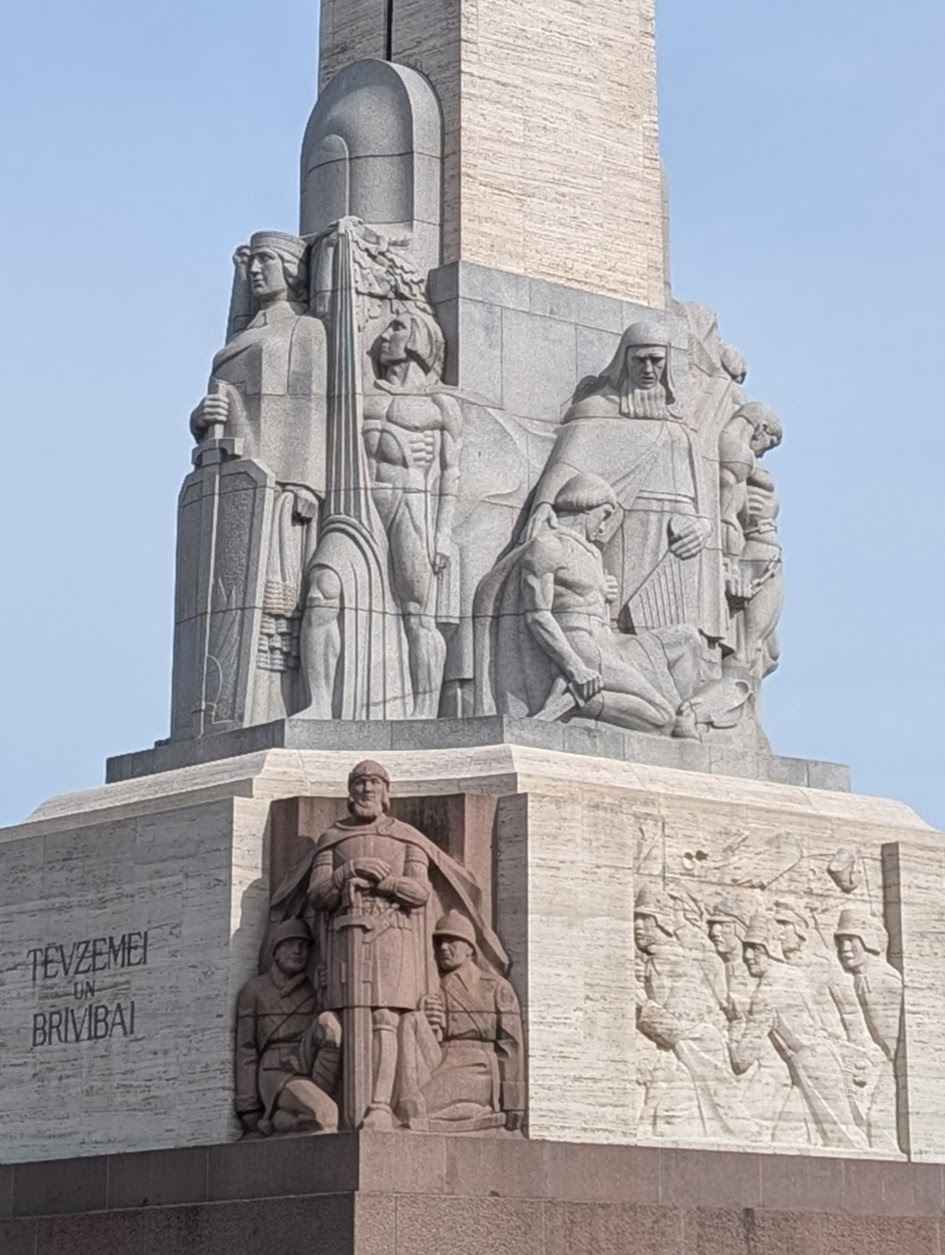
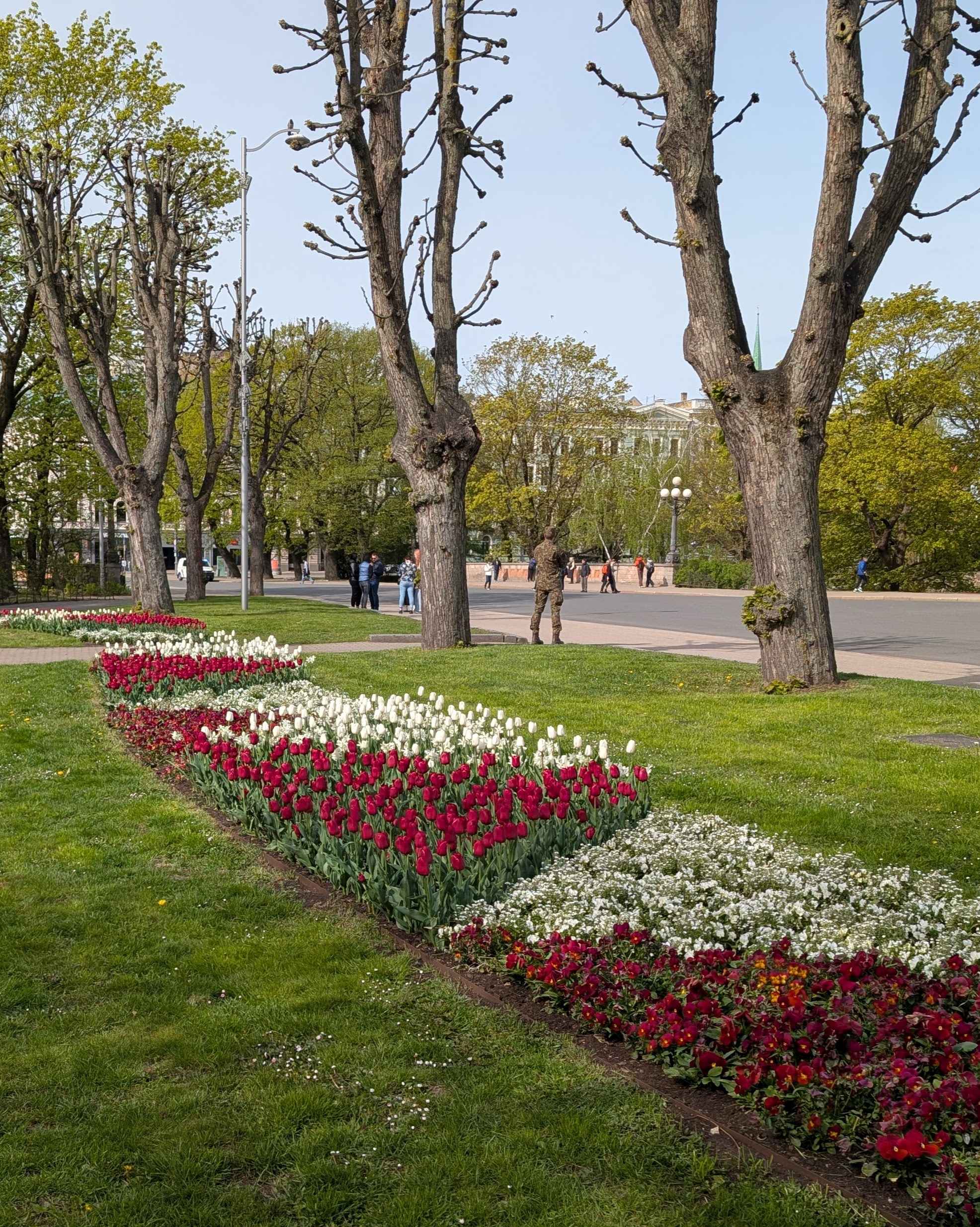
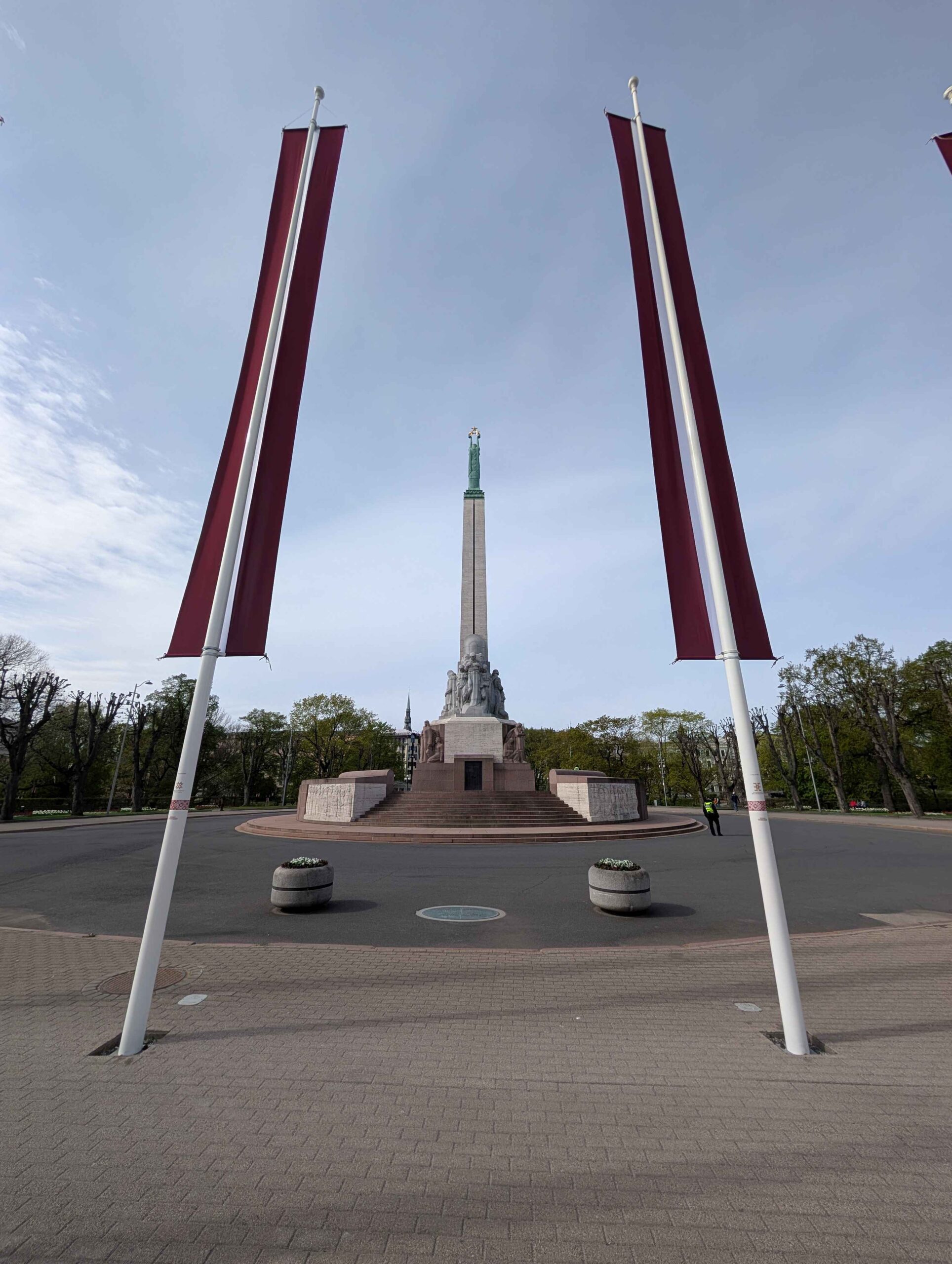
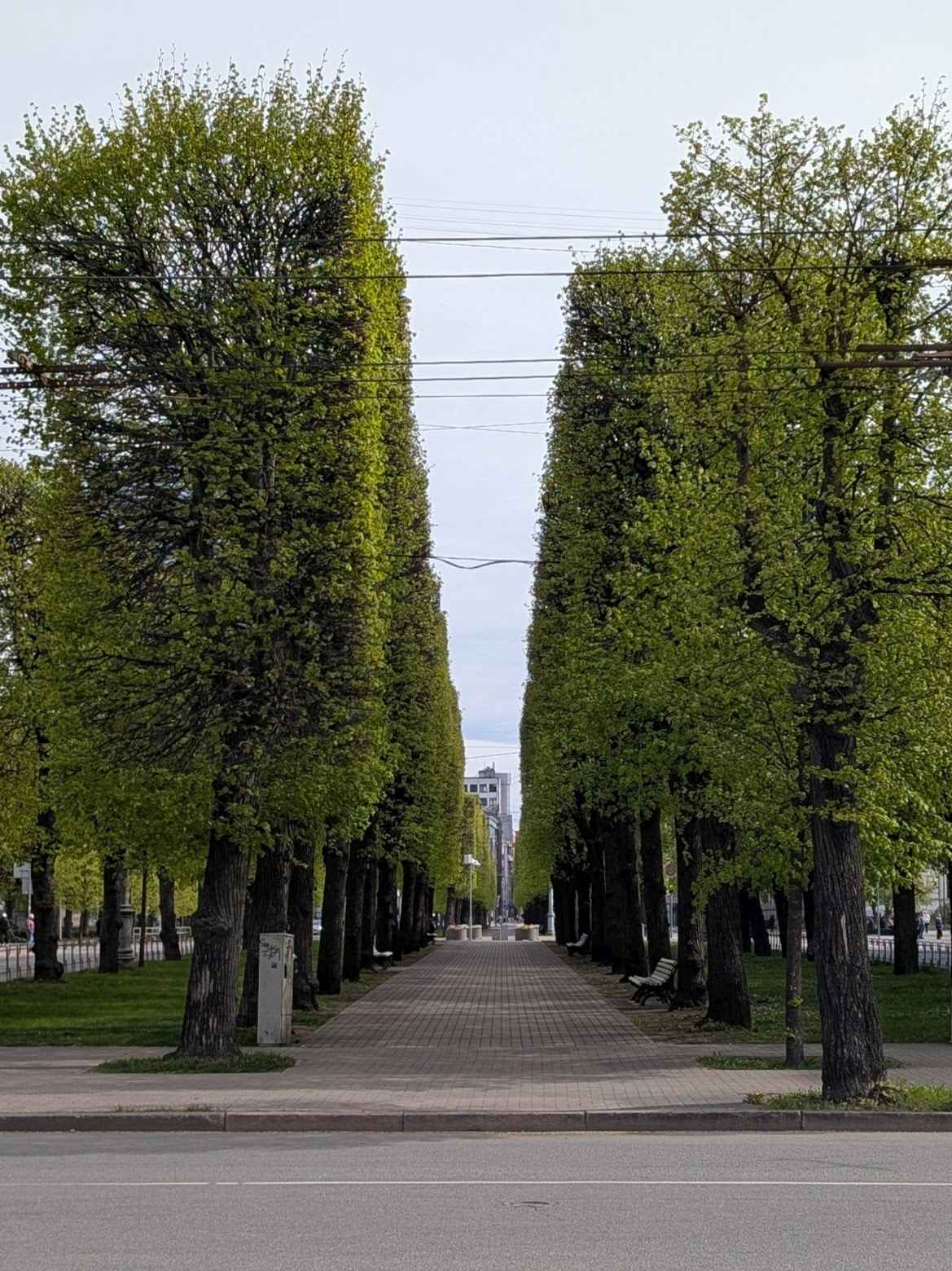
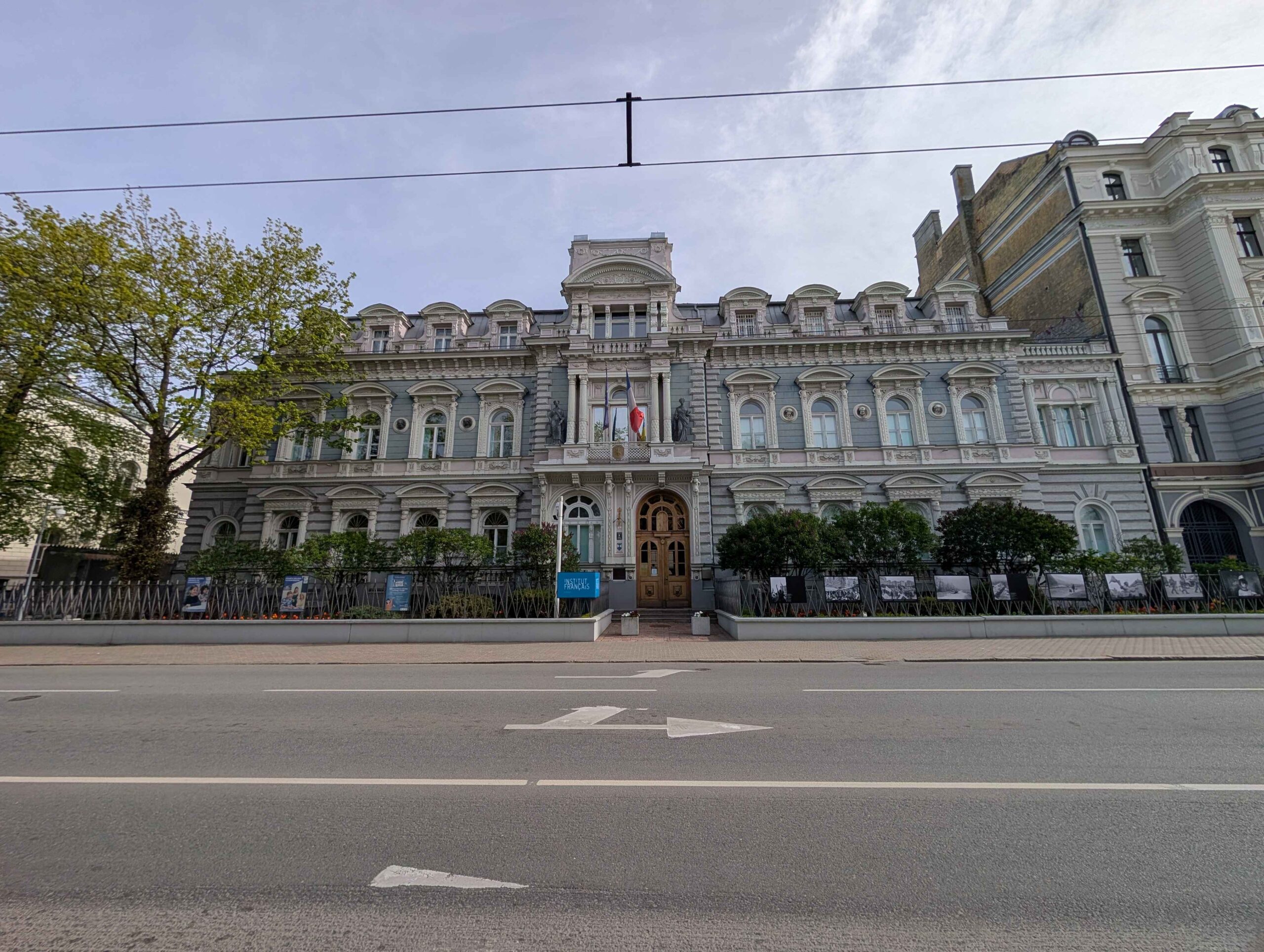
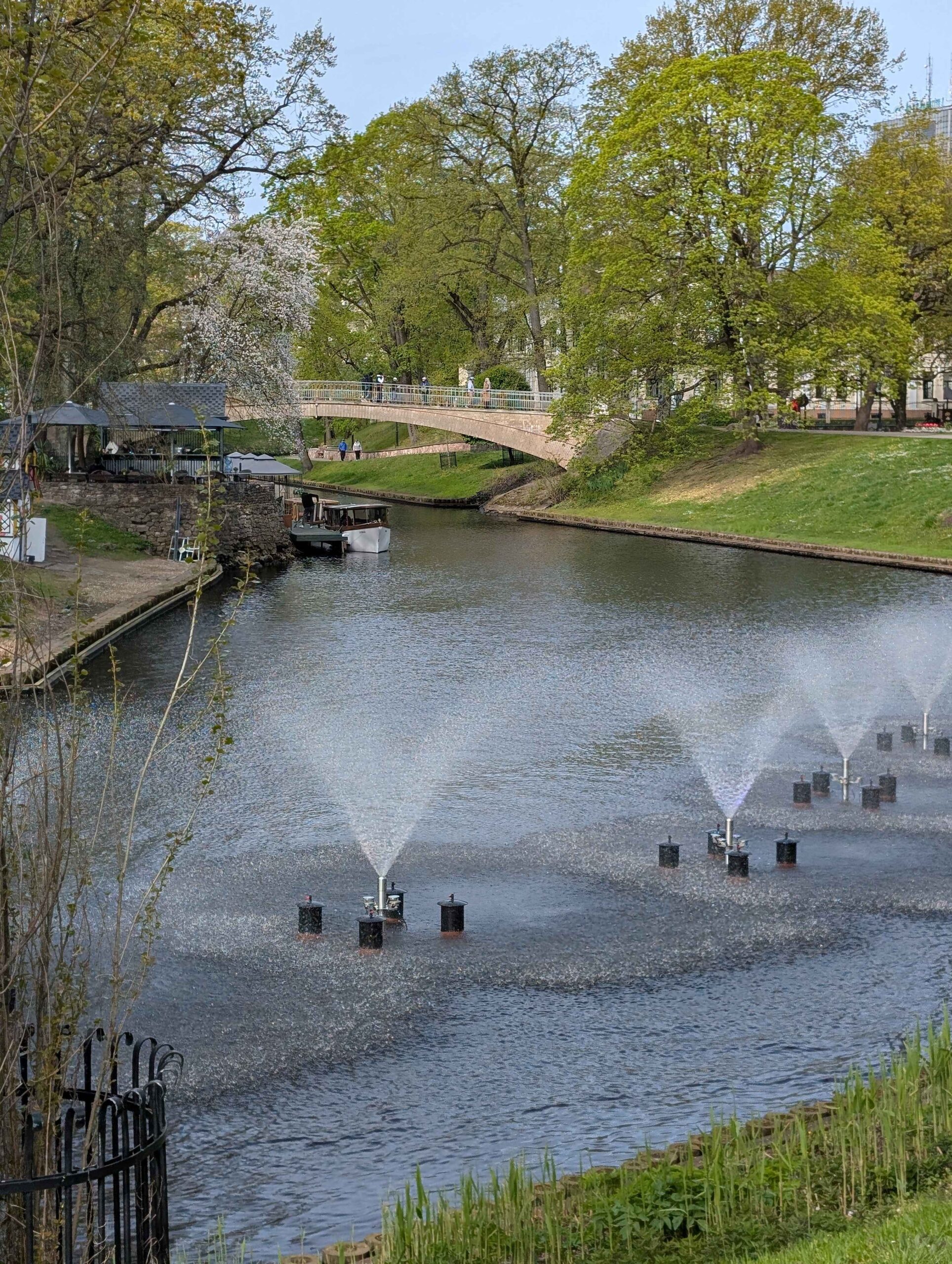
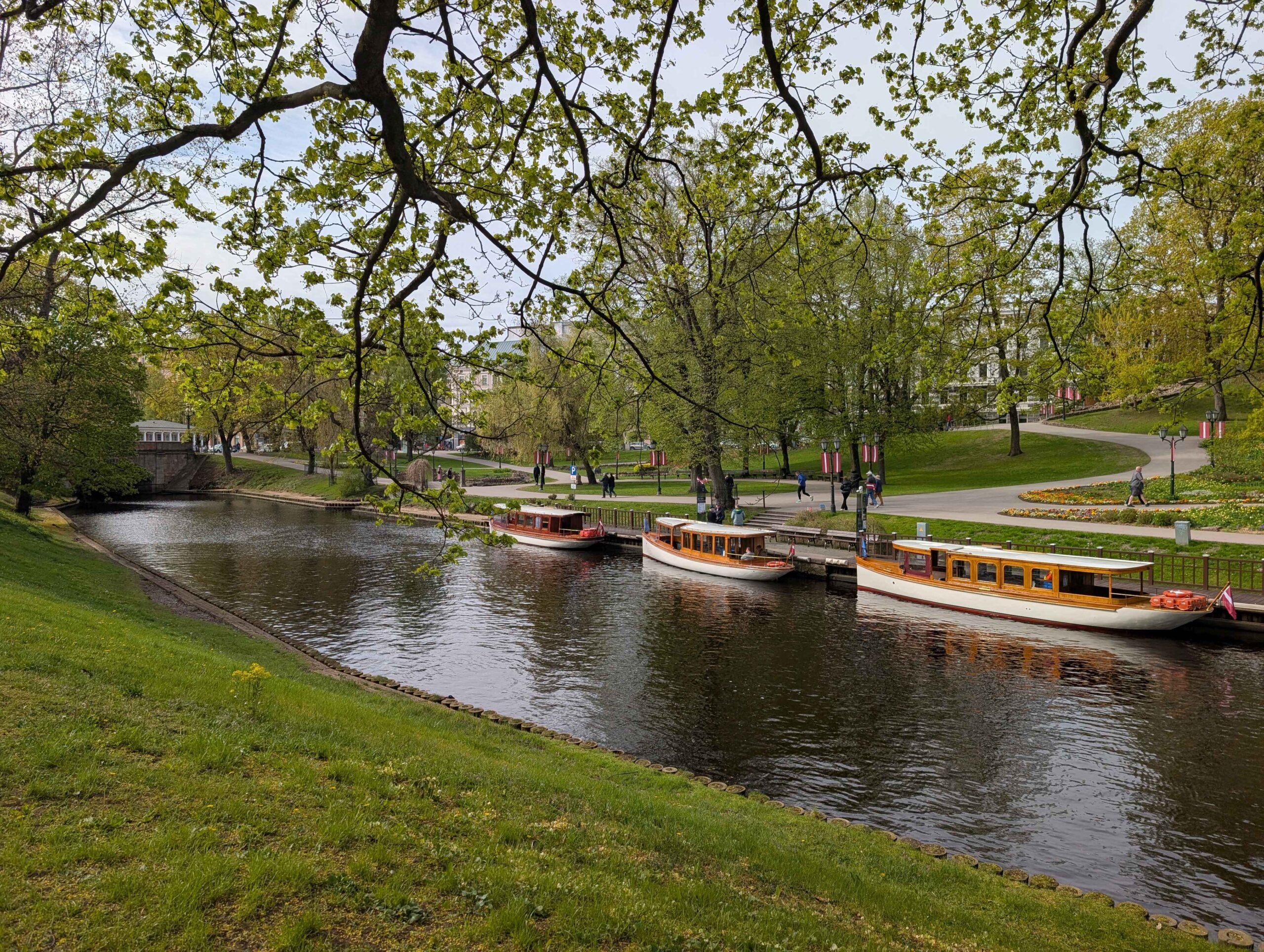
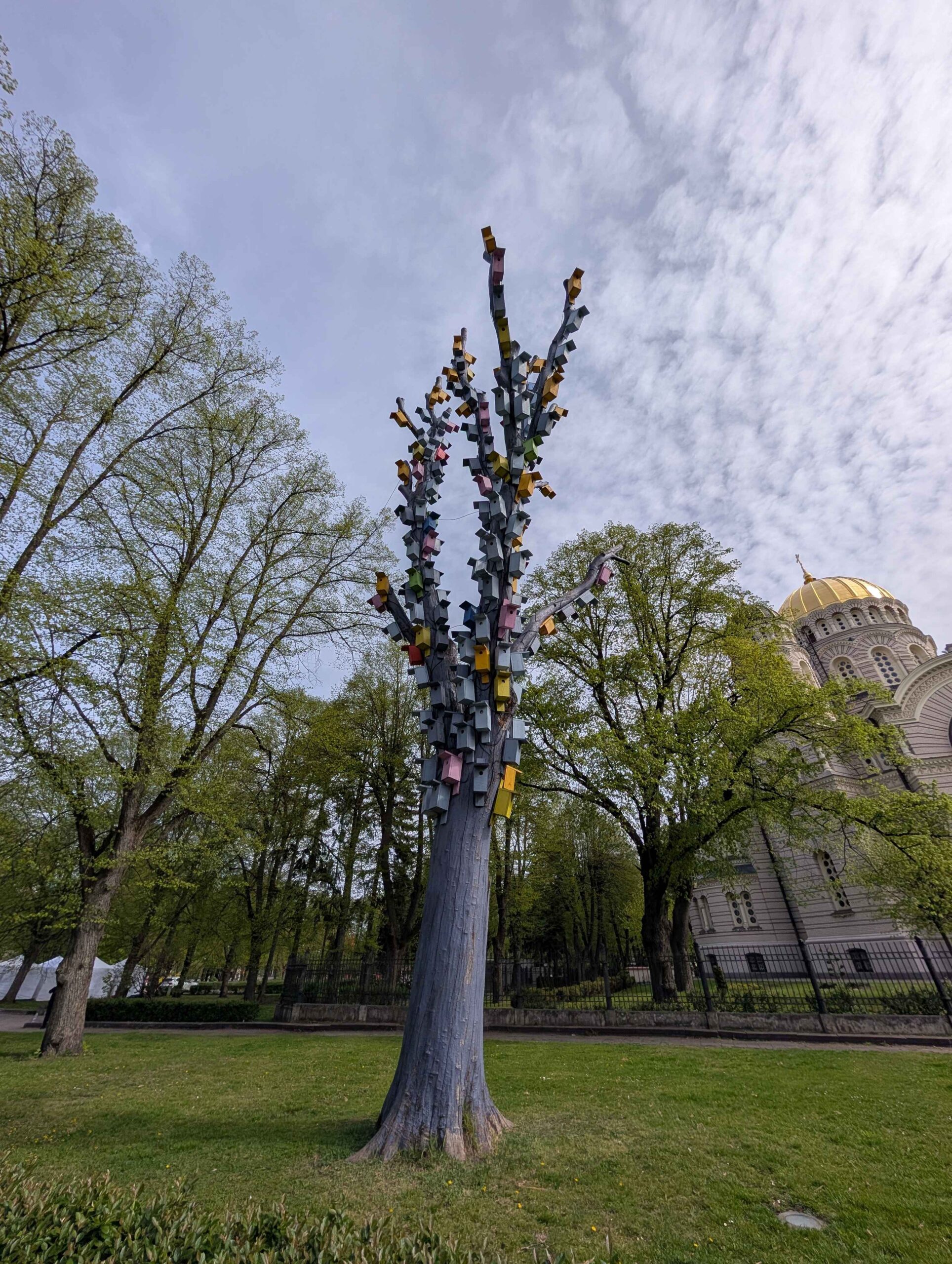
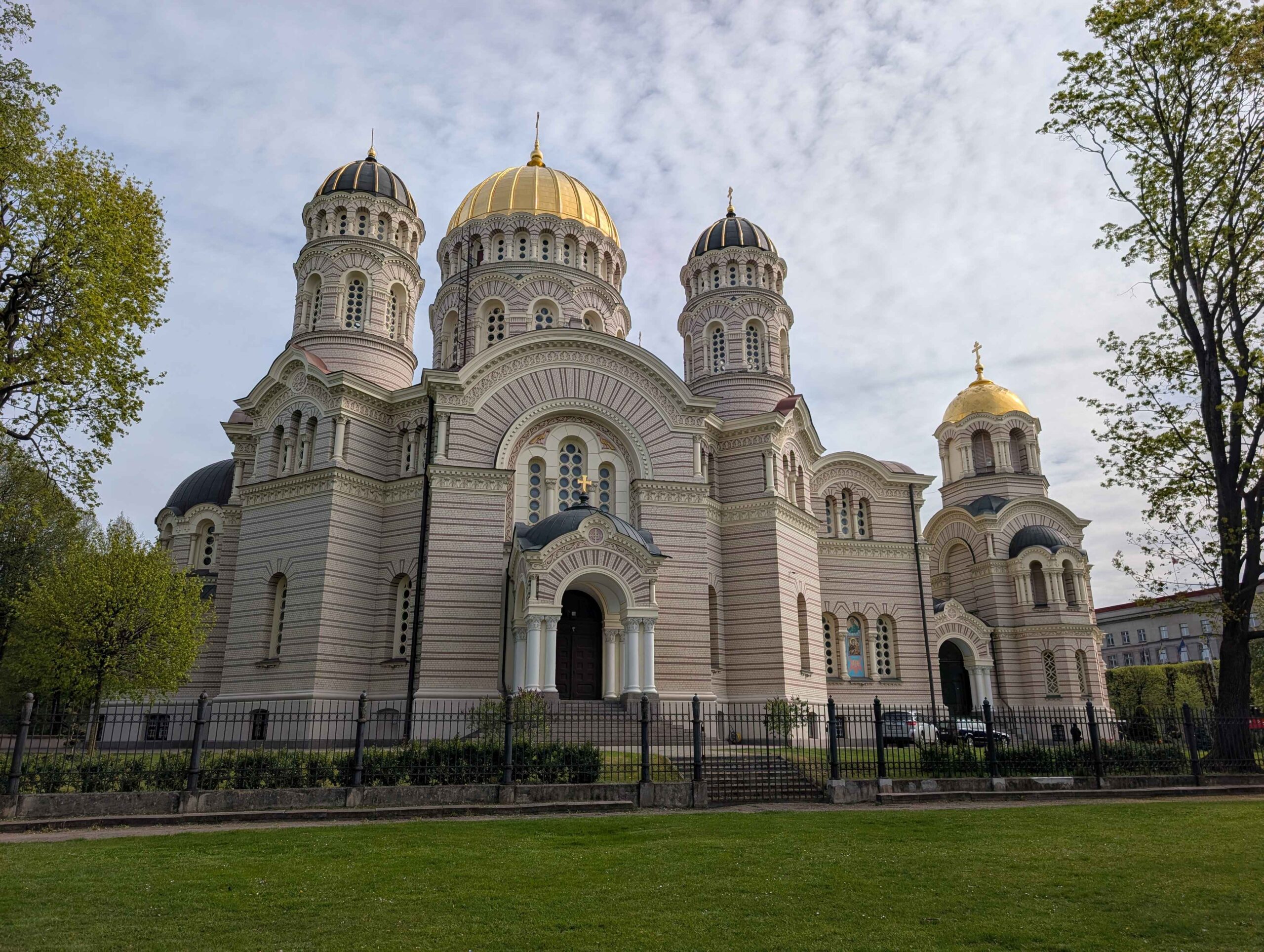
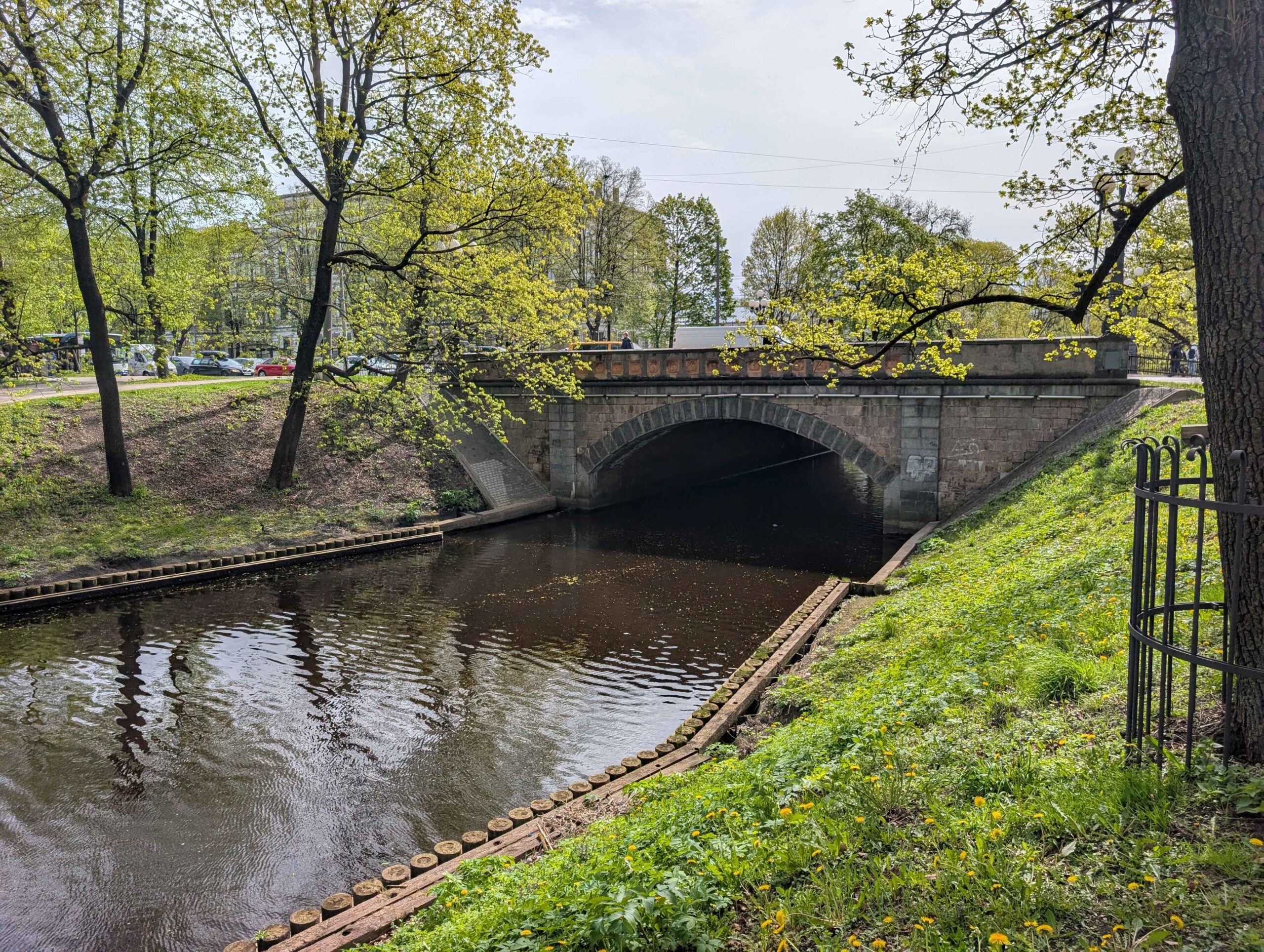
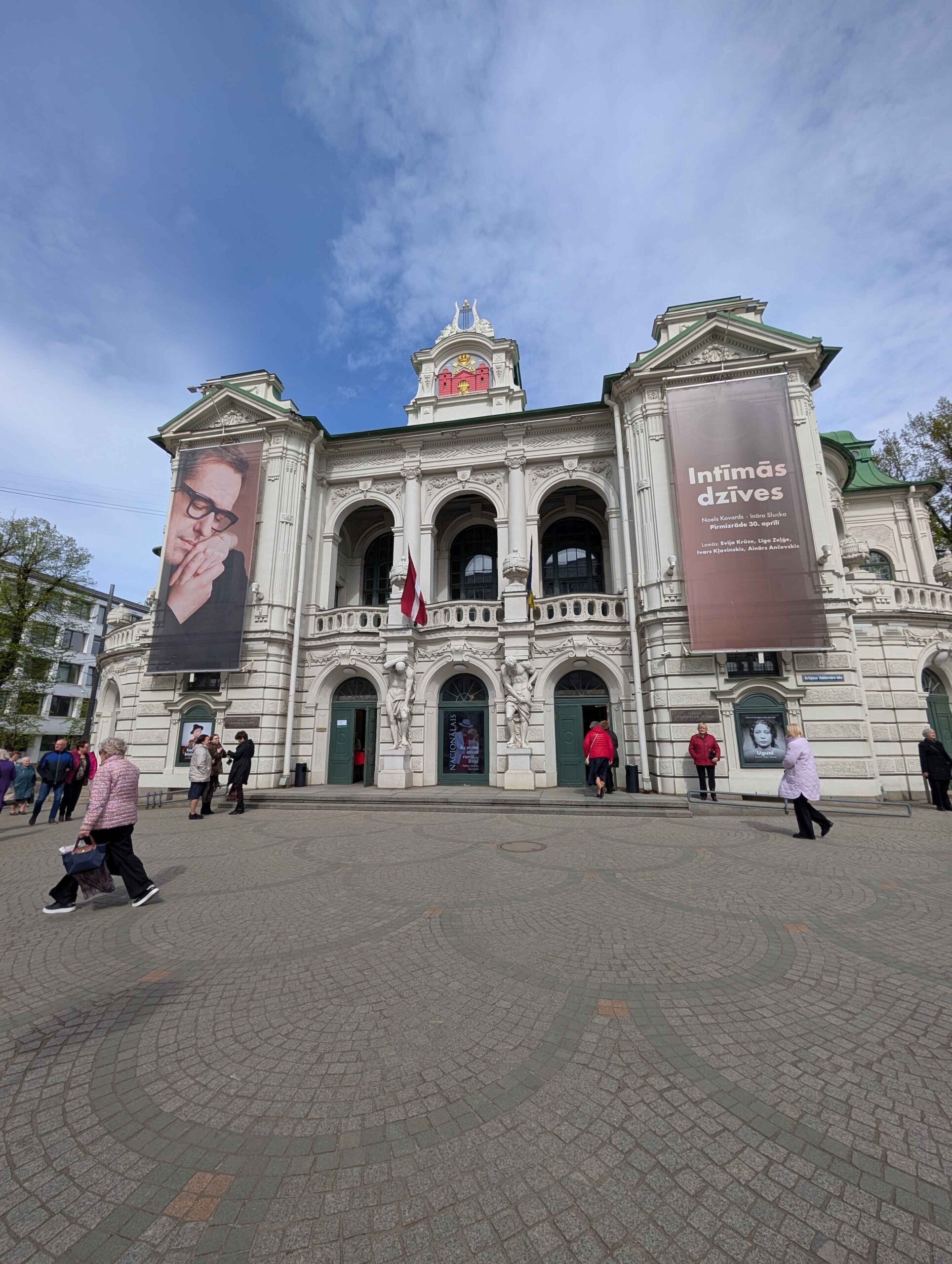
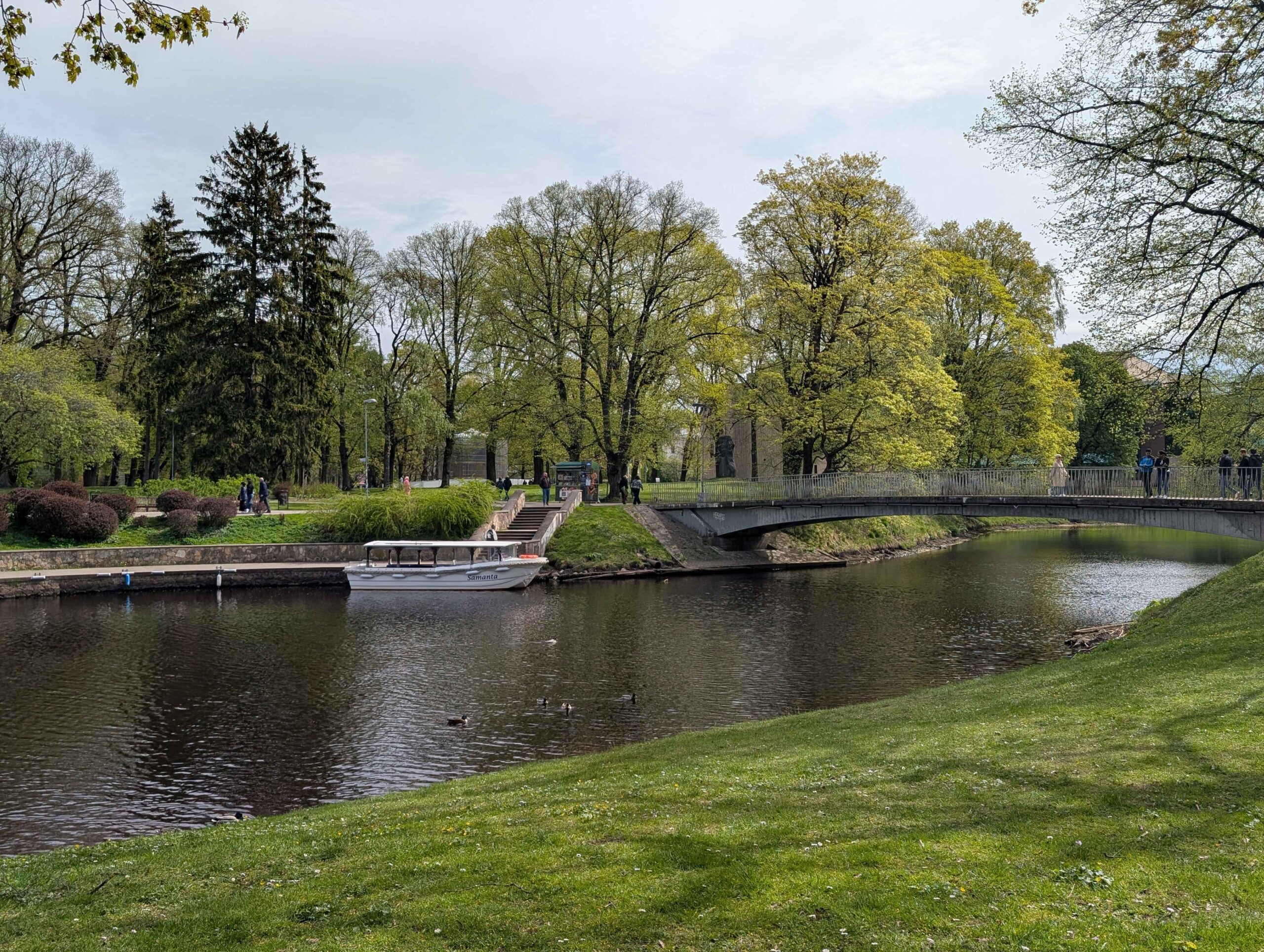
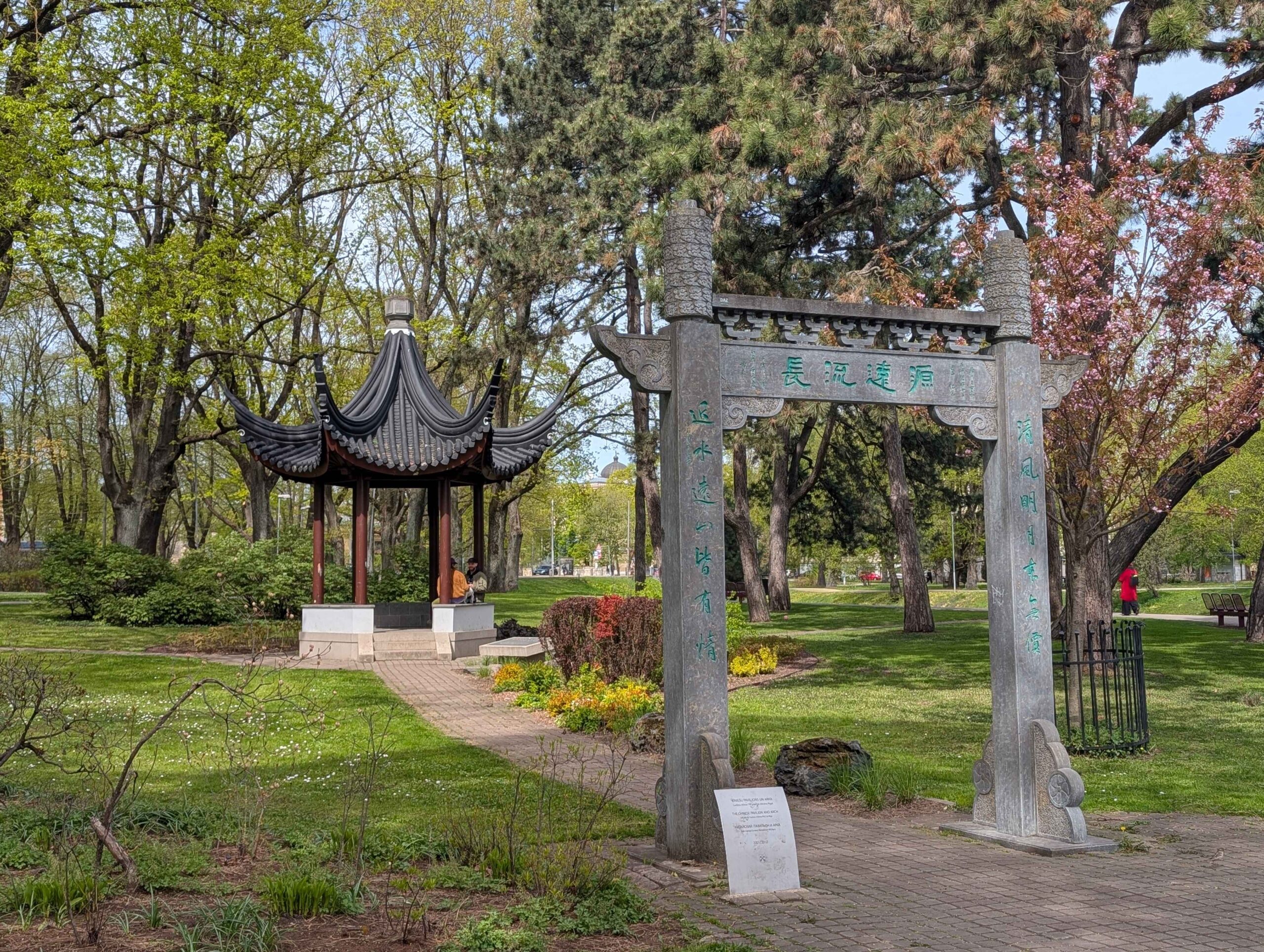
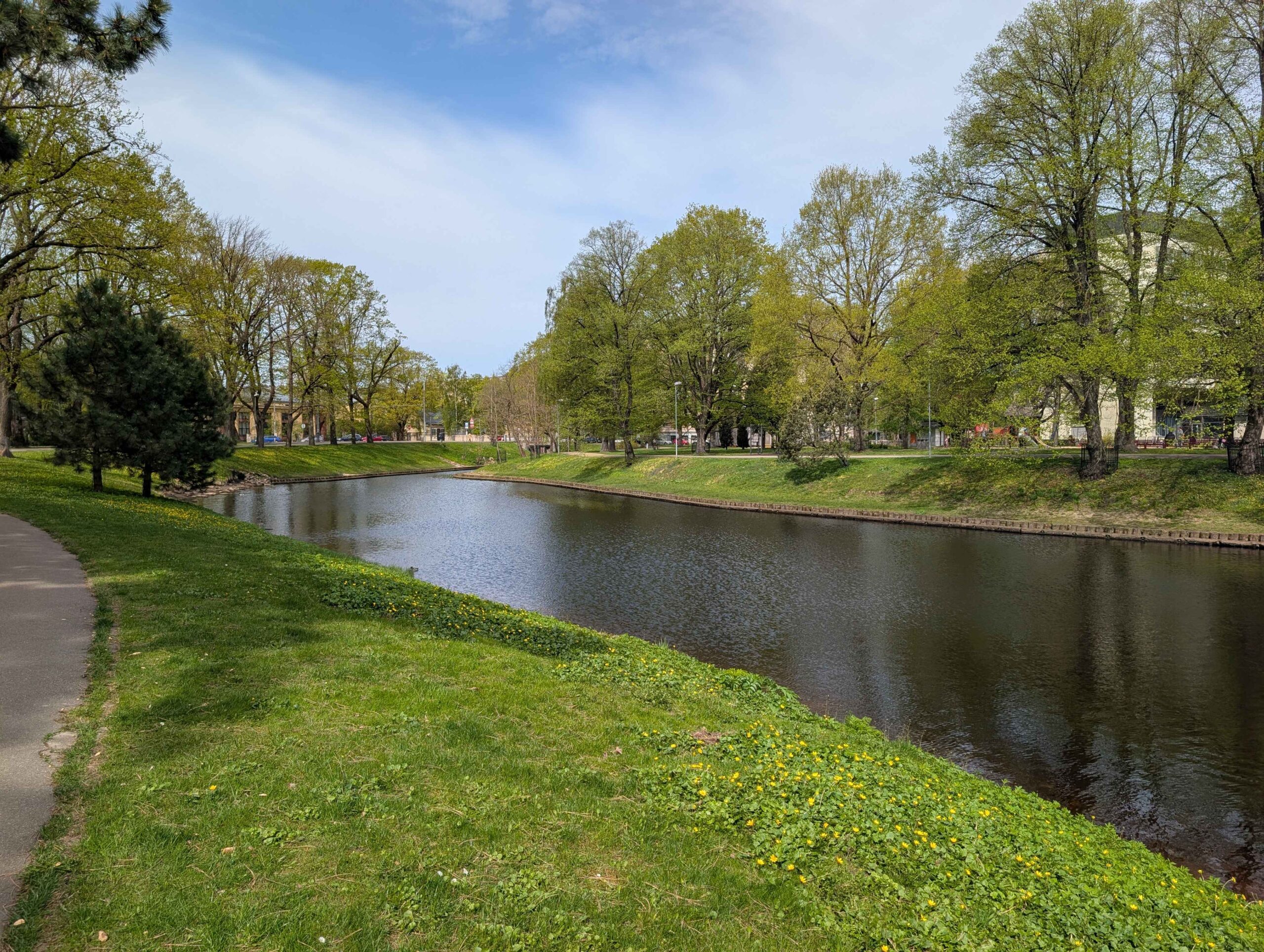
The contrast between the dense medieval streets and the open green space around Bastejkalna Park was one of the things I liked most about Riga. One moment I was navigating uneven alleys and crowds around Old Town and the next I was walking beside calm canals lined with spring greenery and tour boats. The Freedom Monument and the Riga Nativity of Christ Orthodox Cathedral added another layer entirely with broad boulevards domes and large civic spaces that felt far removed from the tighter streets of Vecrīga.
By midafternoon I had already covered enough uneven pavement that I stopped trying to chase every possible side street or church interior. Riga is extremely walkable from the port but it is not always comfortable walking. Good shoes and a willingness to slow down help a lot especially in spring when the parks start pulling you away from the faster tourist flow inside Old Town.
Riga feels shaped by both defense and trade. The winding street layout of Vecrīga was originally designed to confuse invaders while the canal parks monumental squares and ornate architecture reflect centuries of wealth and influence moving through this Baltic port. What stood out most to me was how quickly the city shifts between medieval stone streets quiet green parks and grand civic landmarks without ever feeling disconnected.
If You Have More Time…
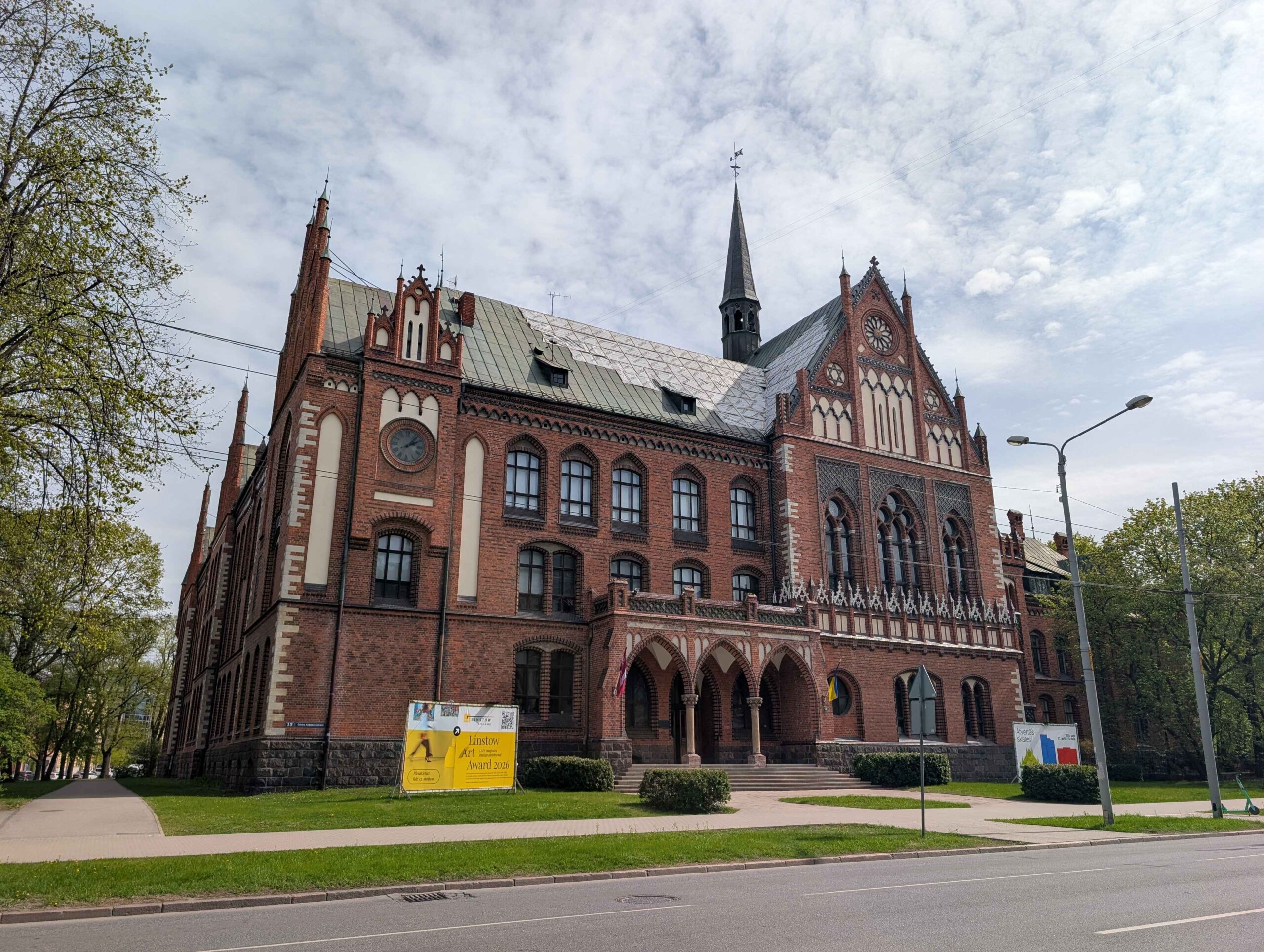
- Latvian National Museum of Art – The museum sits just outside the busiest Old Town streets and focuses heavily on Latvian art and regional history. It also gives you a quieter indoor break from the constant walking on stone streets.
- Alberta iela – This street is known for its Art Nouveau architecture and detailed façades. It offers a completely different visual experience from the medieval core of Vecrīga.
- Central Market – One of Europe’s largest markets occupies former Zeppelin hangars near the canal district. It is worth visiting for local food stalls produce and a more everyday side of Riga.
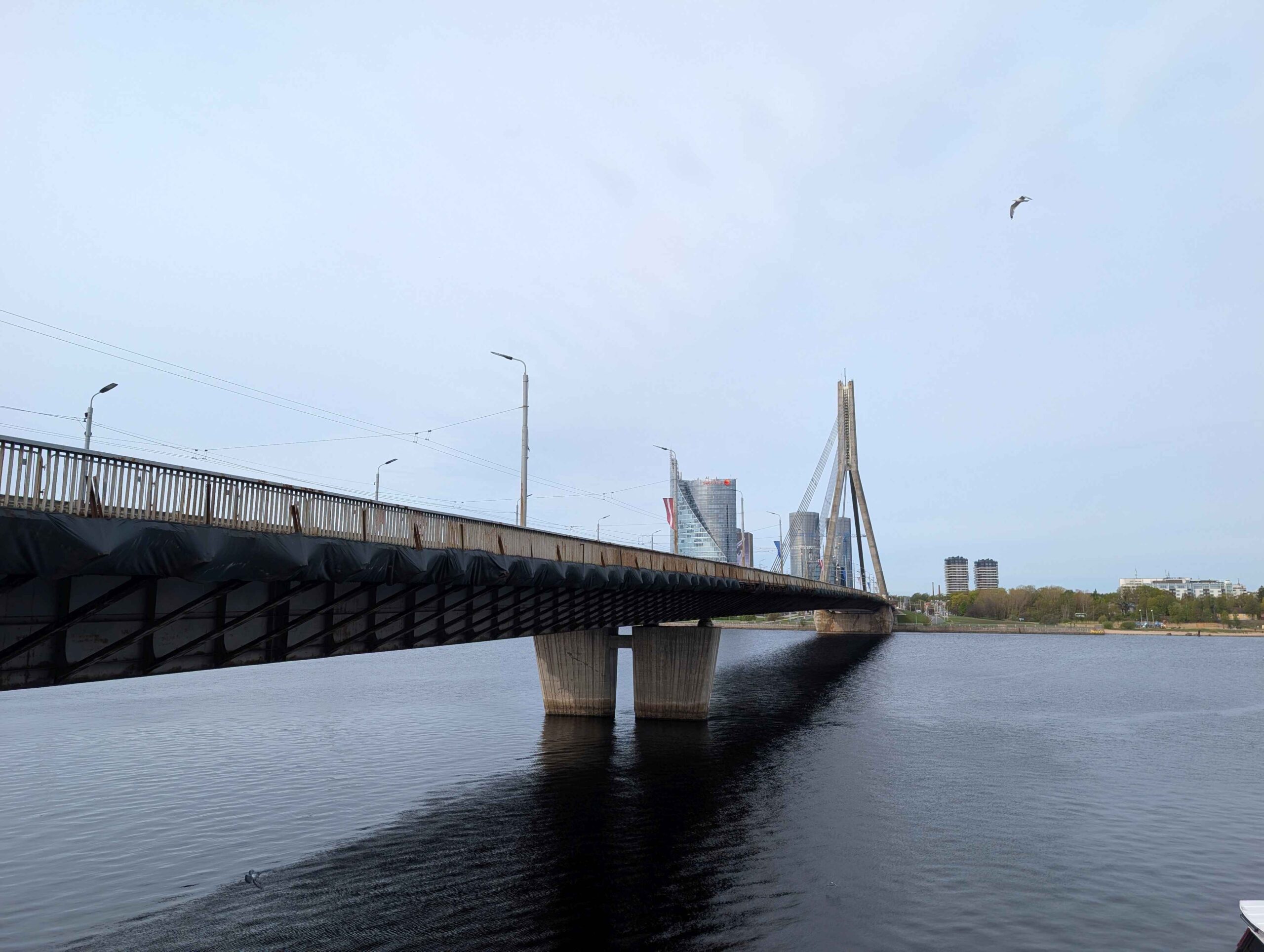
- National Library of Latvia – Located across the Daugava River near Vanšu Bridge the modern glass building creates one of the more recognizable skyline views in Riga. The riverfront perspective also gives a wider look back toward Old Town.
- Ķīpsala Island – The island west of the city center has quieter residential streets wooden houses and waterfront views back toward Riga’s skyline. It feels noticeably calmer than the crowded historic center.