
Le Havre Narrow House and Harbor Bridge Views
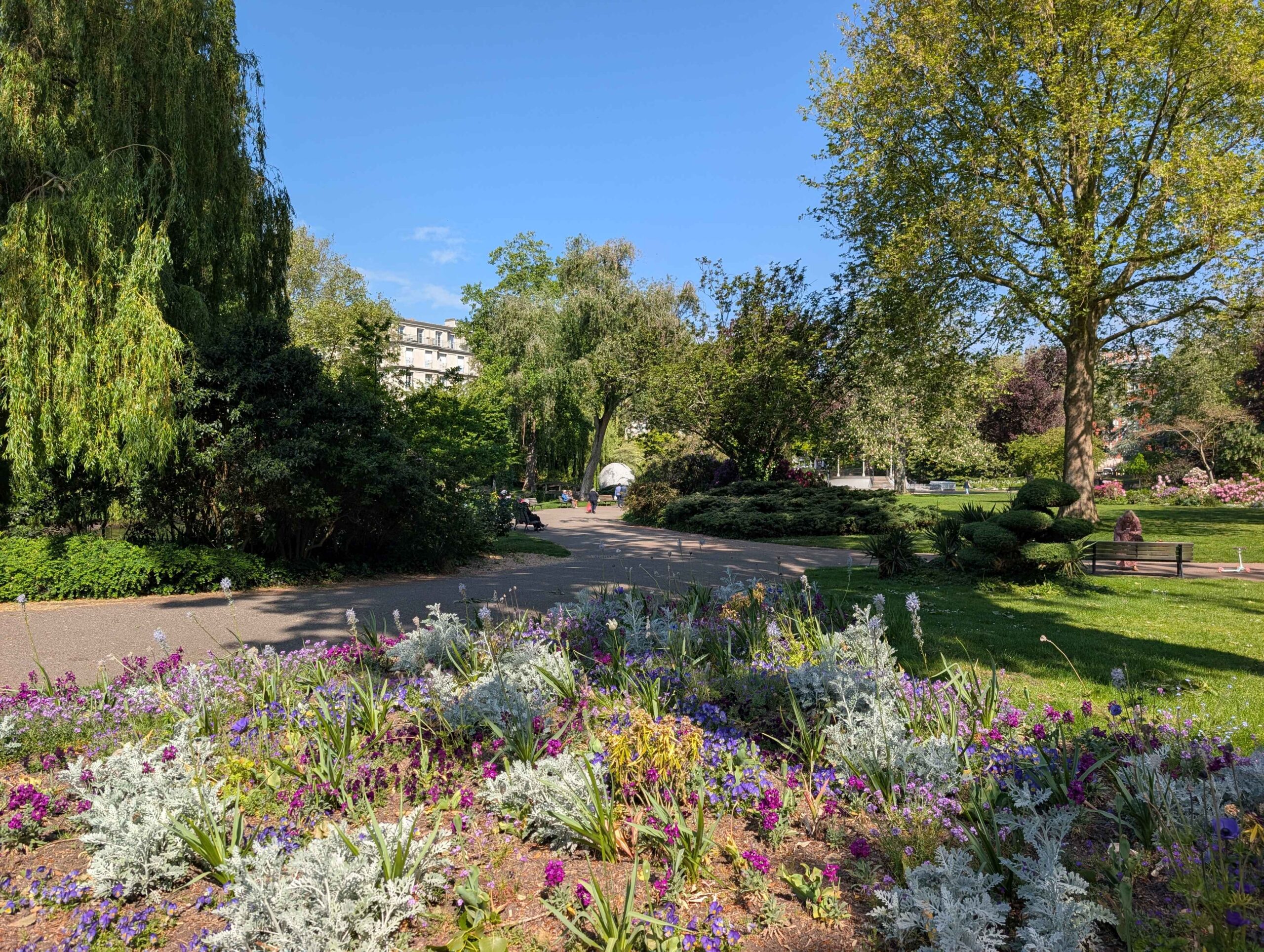
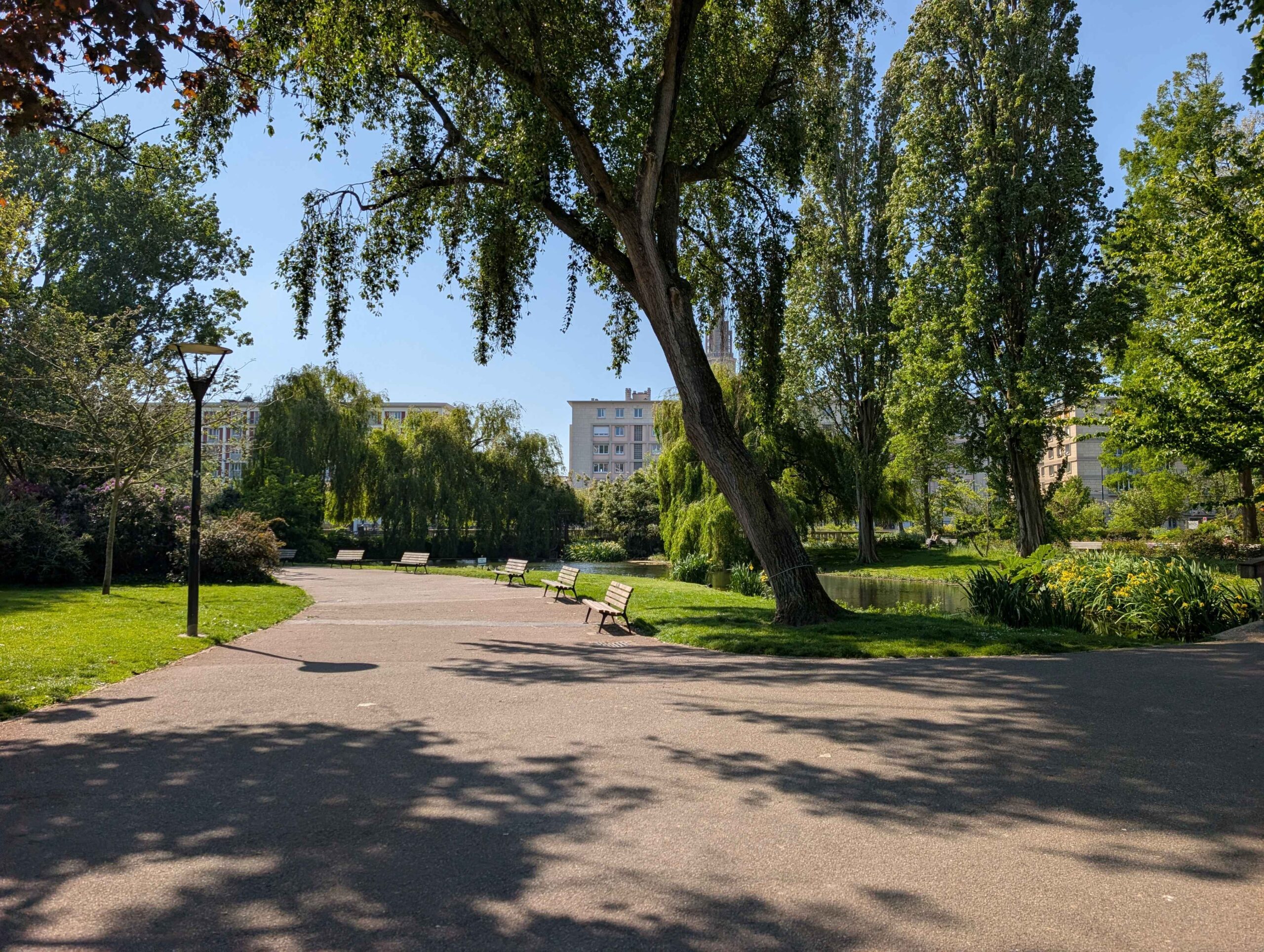
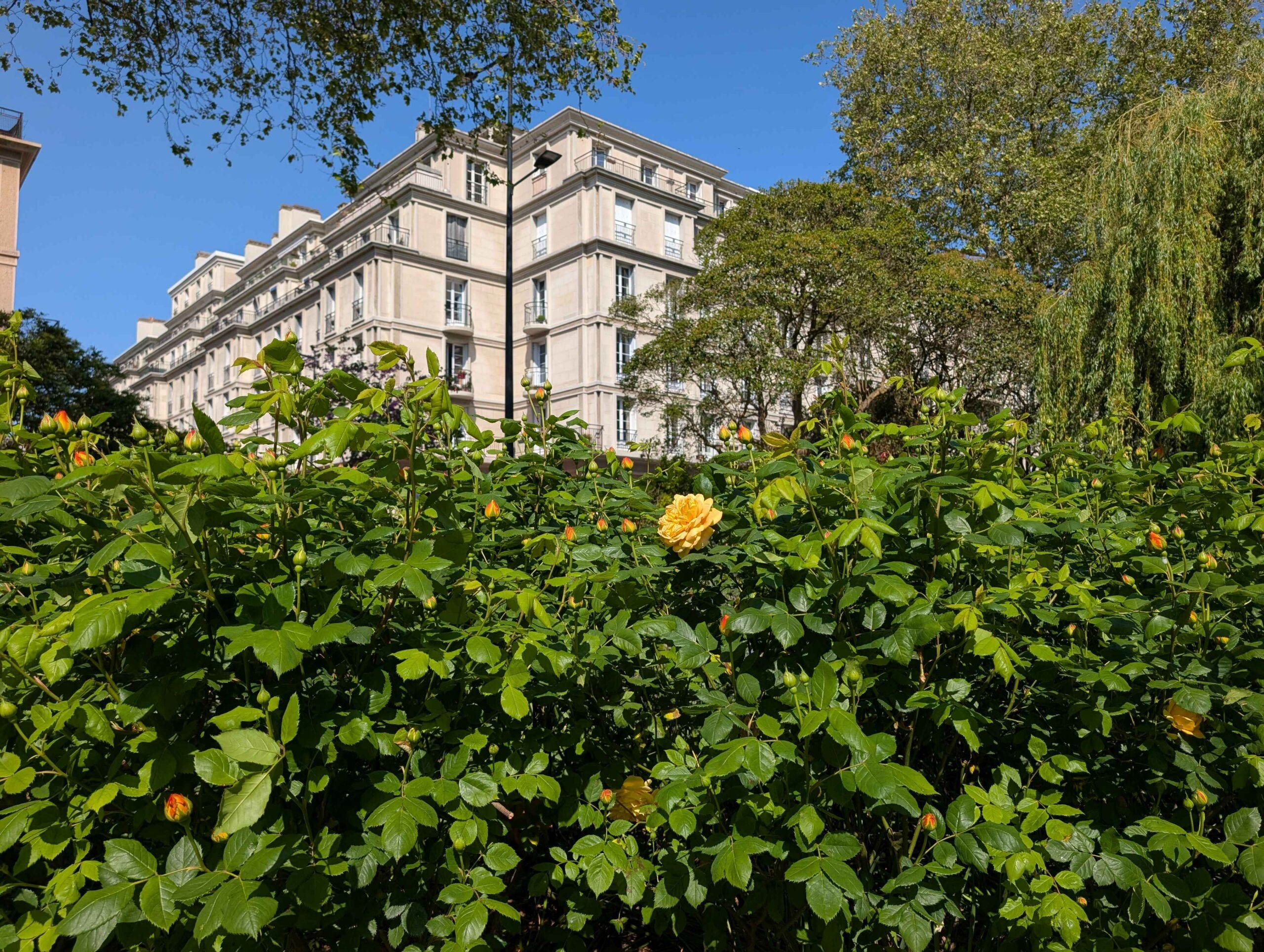
The path curved through Square Saint Roch with trimmed grass and early rose buds just starting to open, and I stepped off the cruise shuttle into Le Havre already realizing I could have walked here the entire time. That small logistical miss set the tone, but the day quickly corrected itself once I started moving through the city on foot.
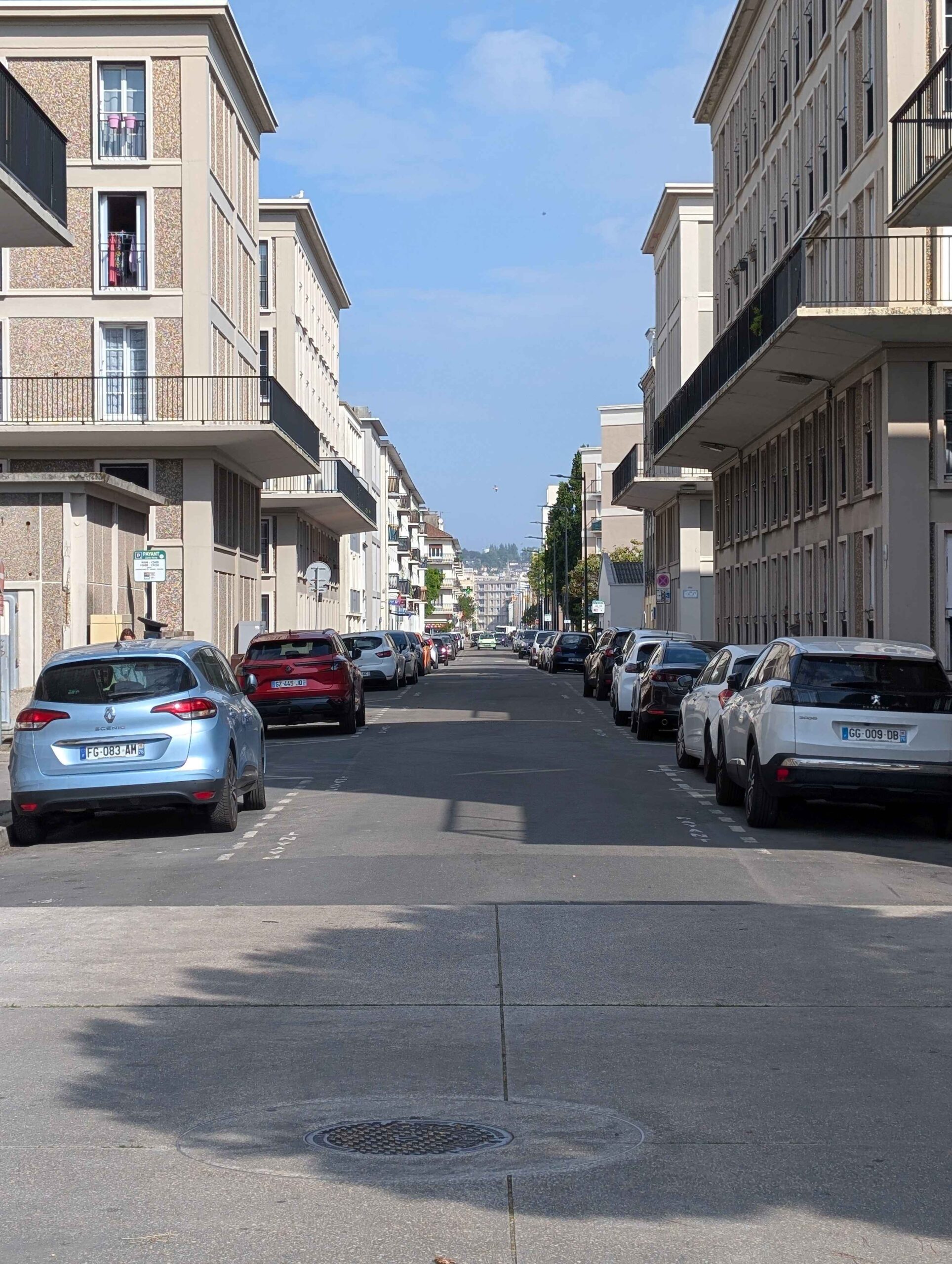
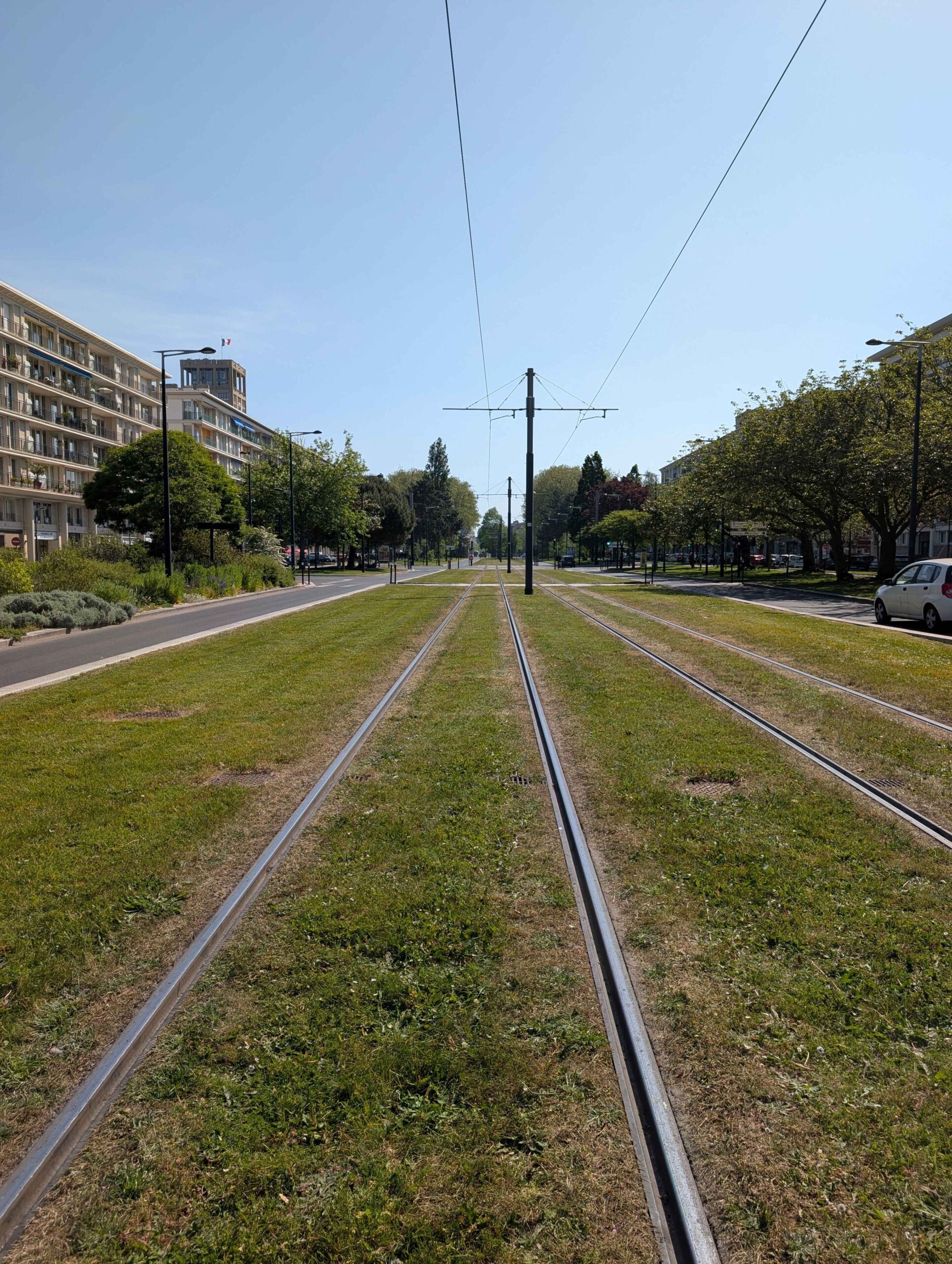
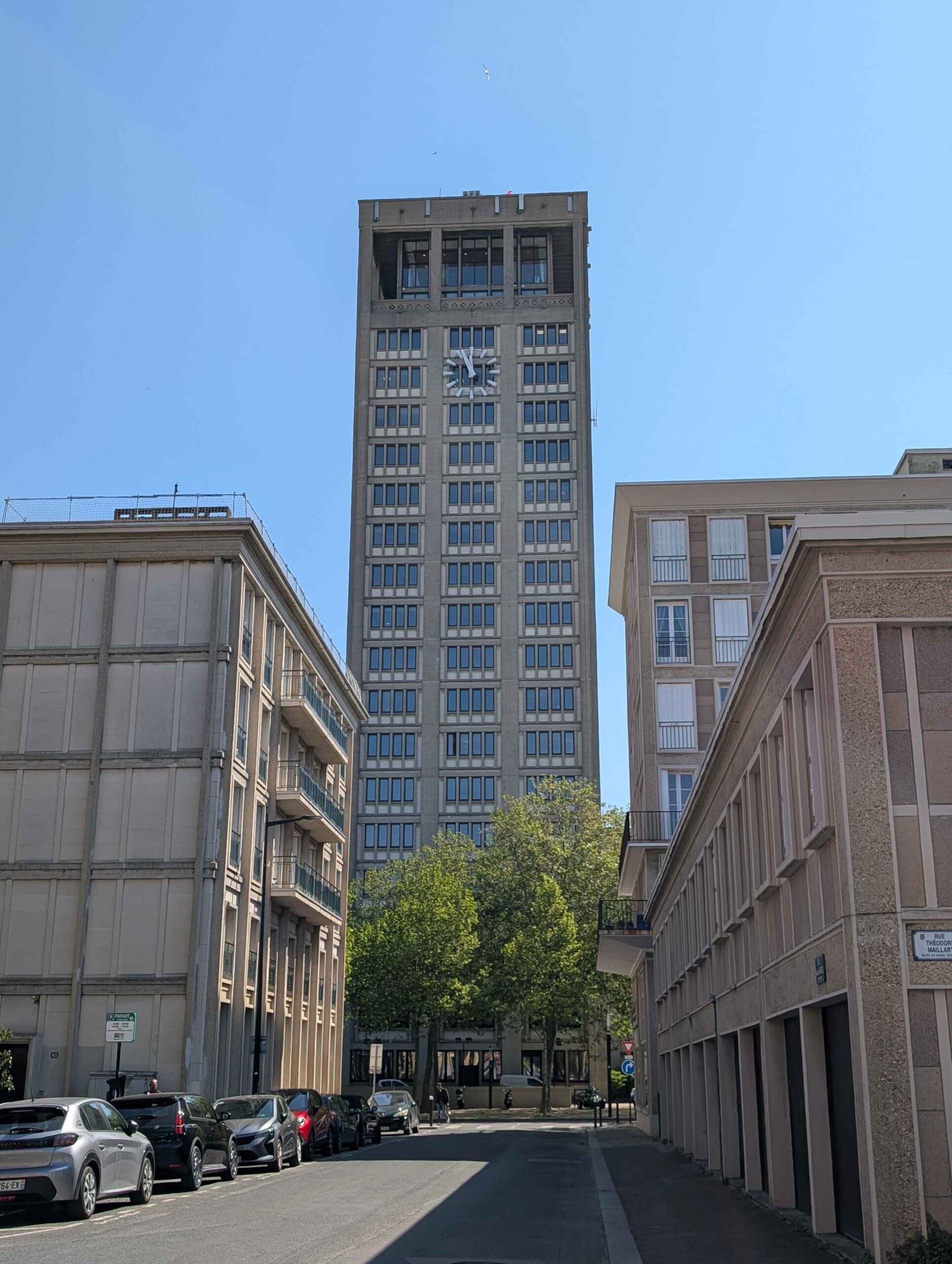
Le Havre, (luh-AHV), does not try to hide what it is. The layout is open, the streets are wide, and the architecture leans modern in a way that feels intentional rather than decorative. It made navigation simple, which worked in my favor after already feeling like I had misjudged the morning.
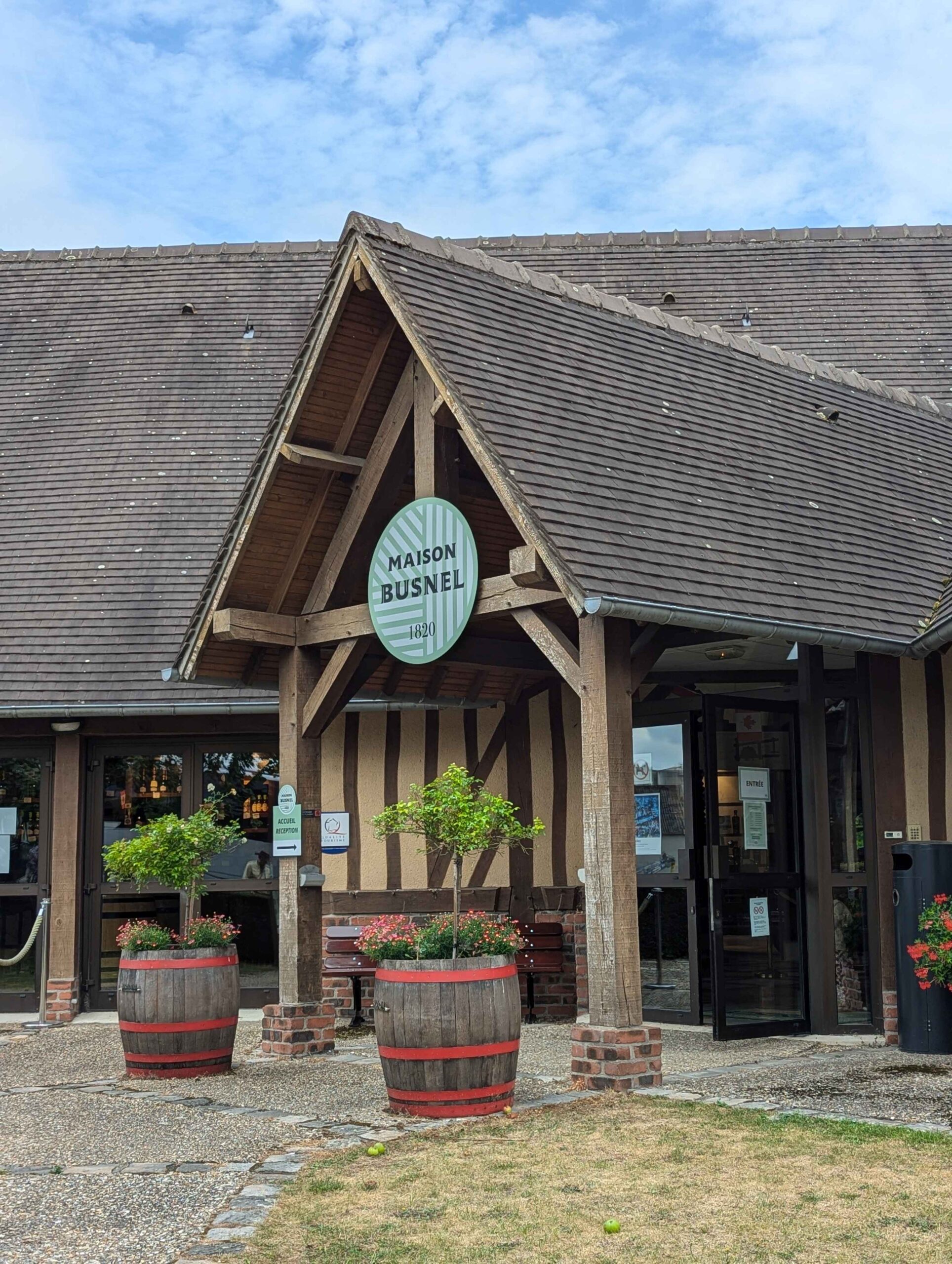
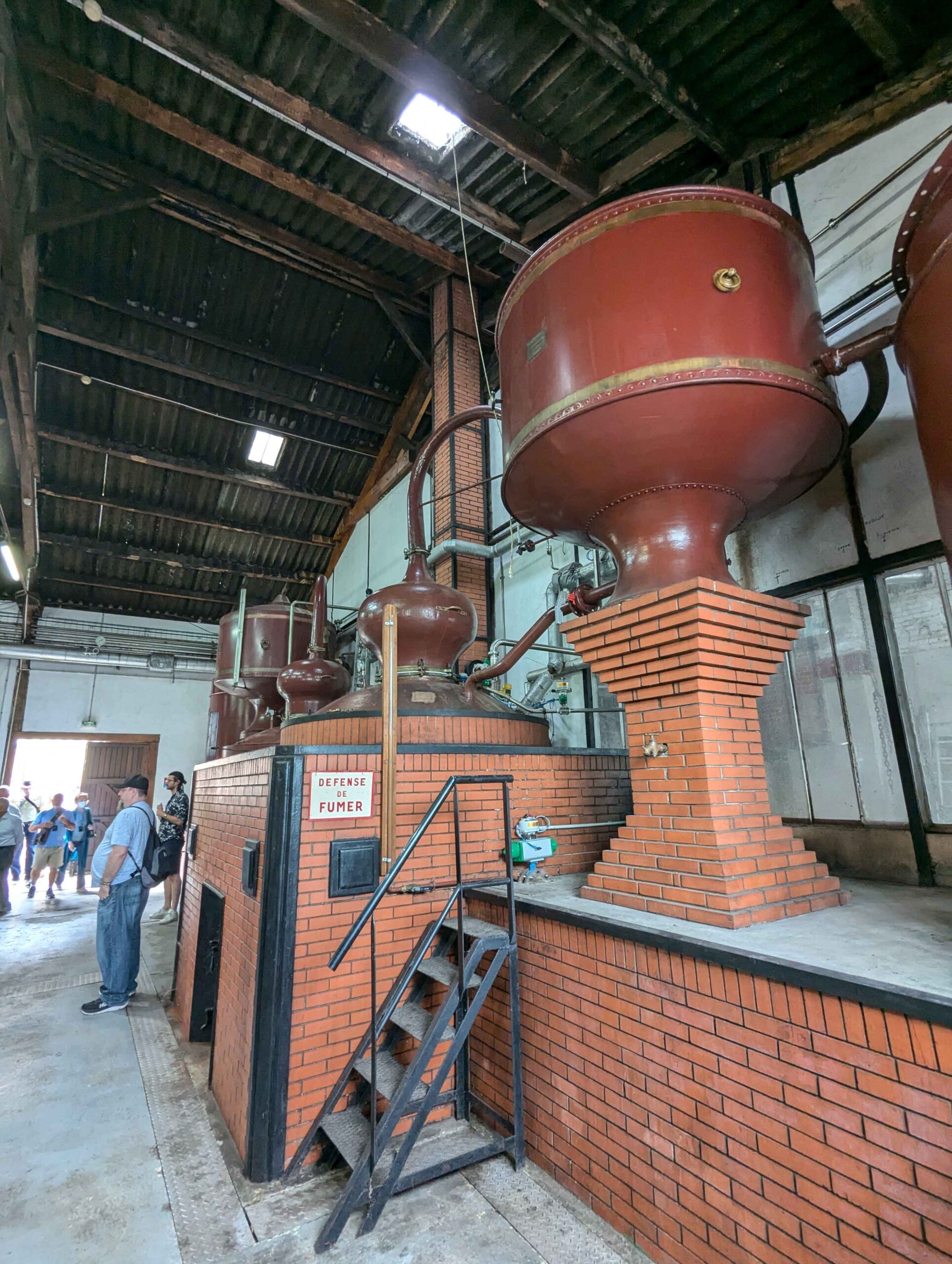
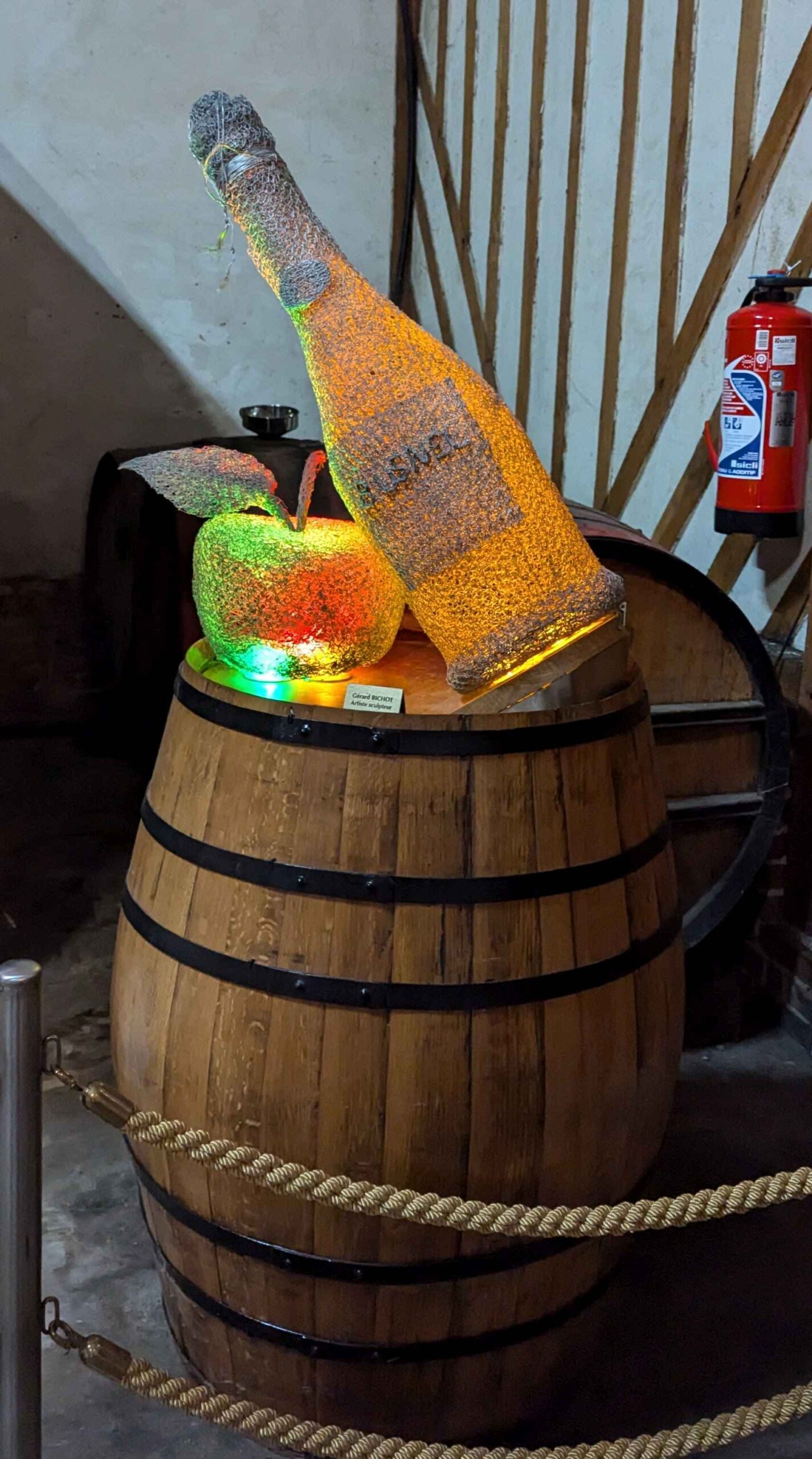
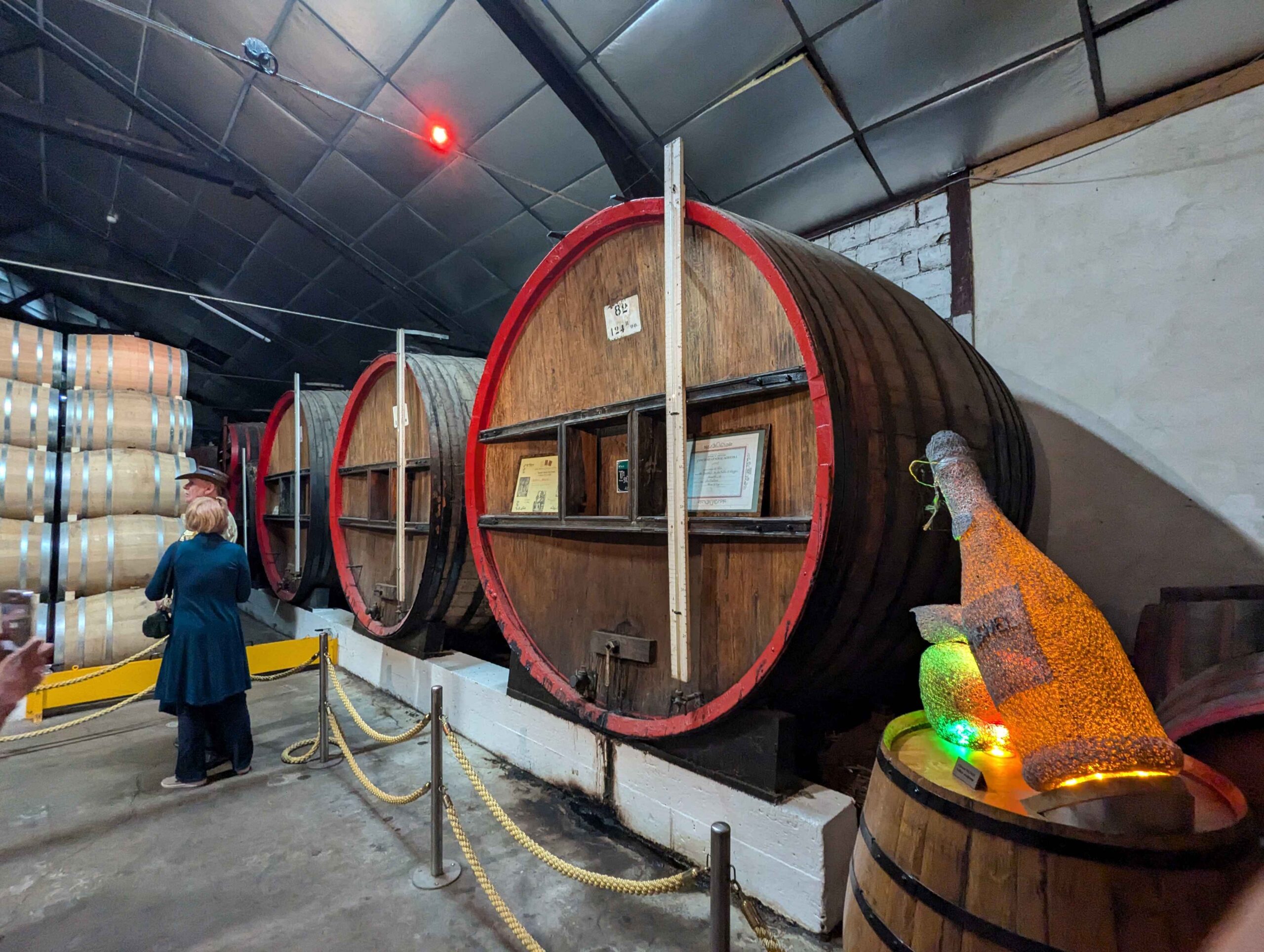
My first visit here had not gone well. I missed an early excursion after forgetting about a time change and ended up staying on the ship, frustrated enough to write the day off entirely. The second visit improved things with a stop at La Maison Busnel Distillery and a short hour wandering around Honfleur’s harbor, but it still felt structured and a bit rushed. This time, I kept it simple and just walked.
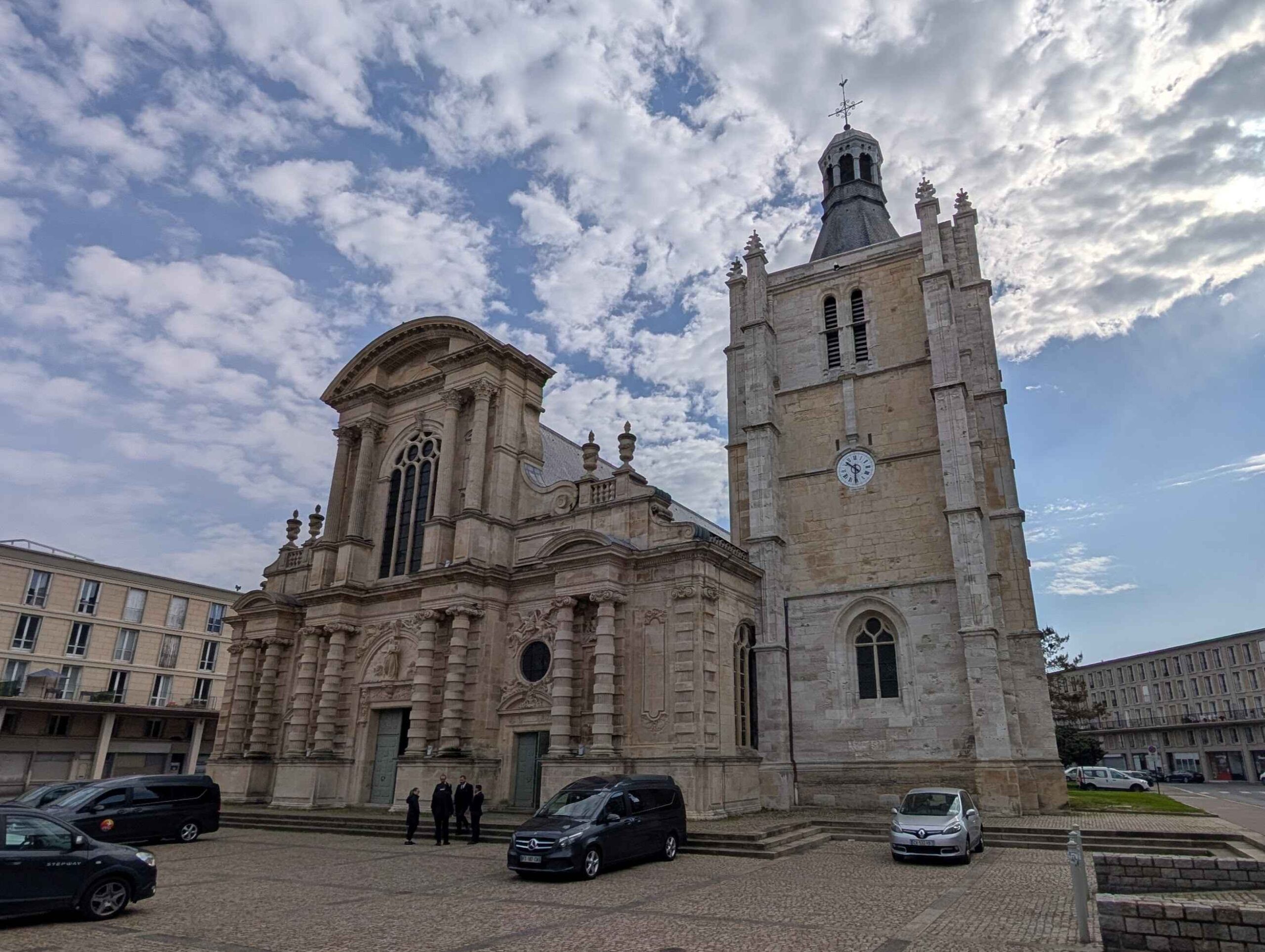
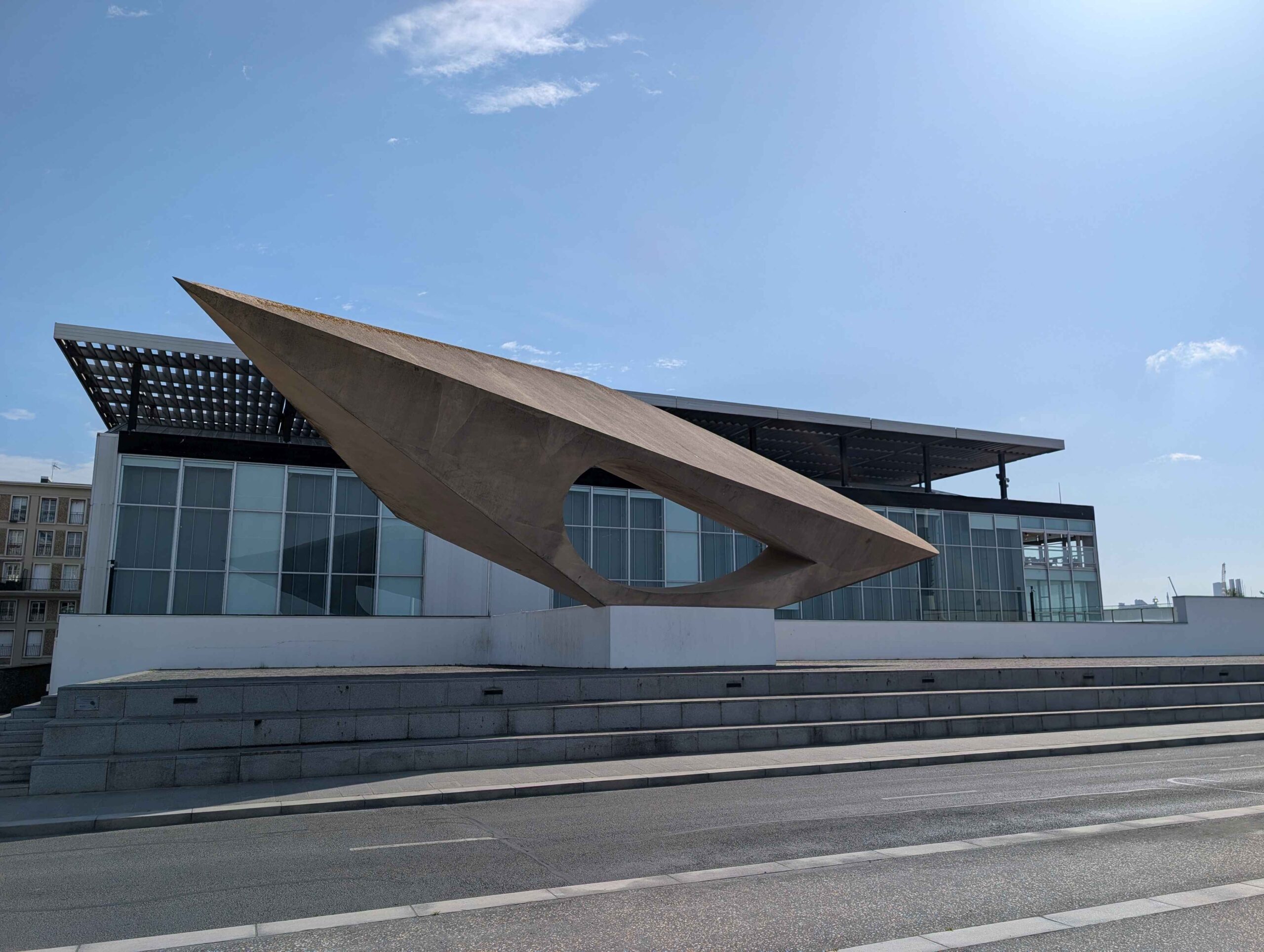
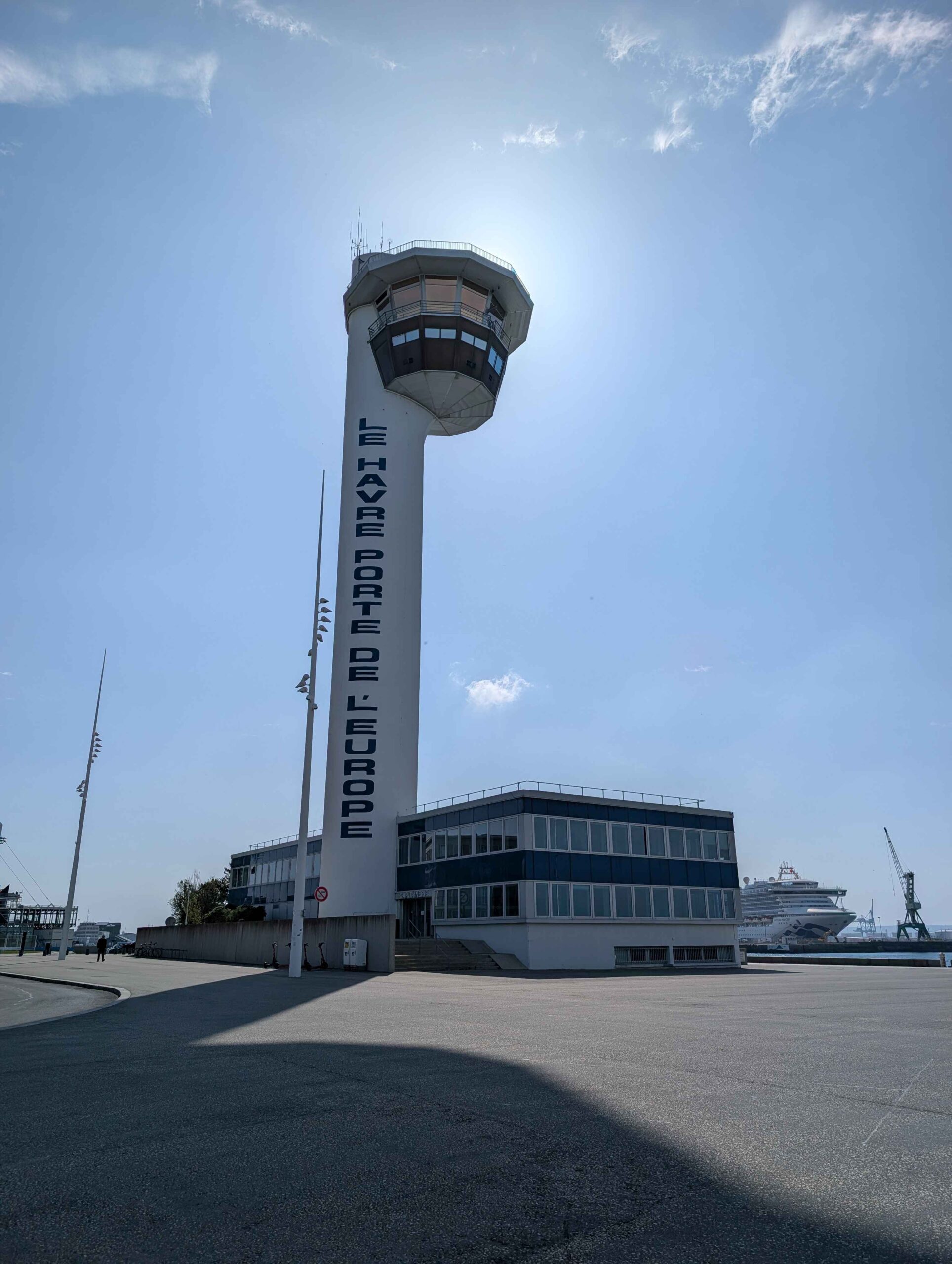
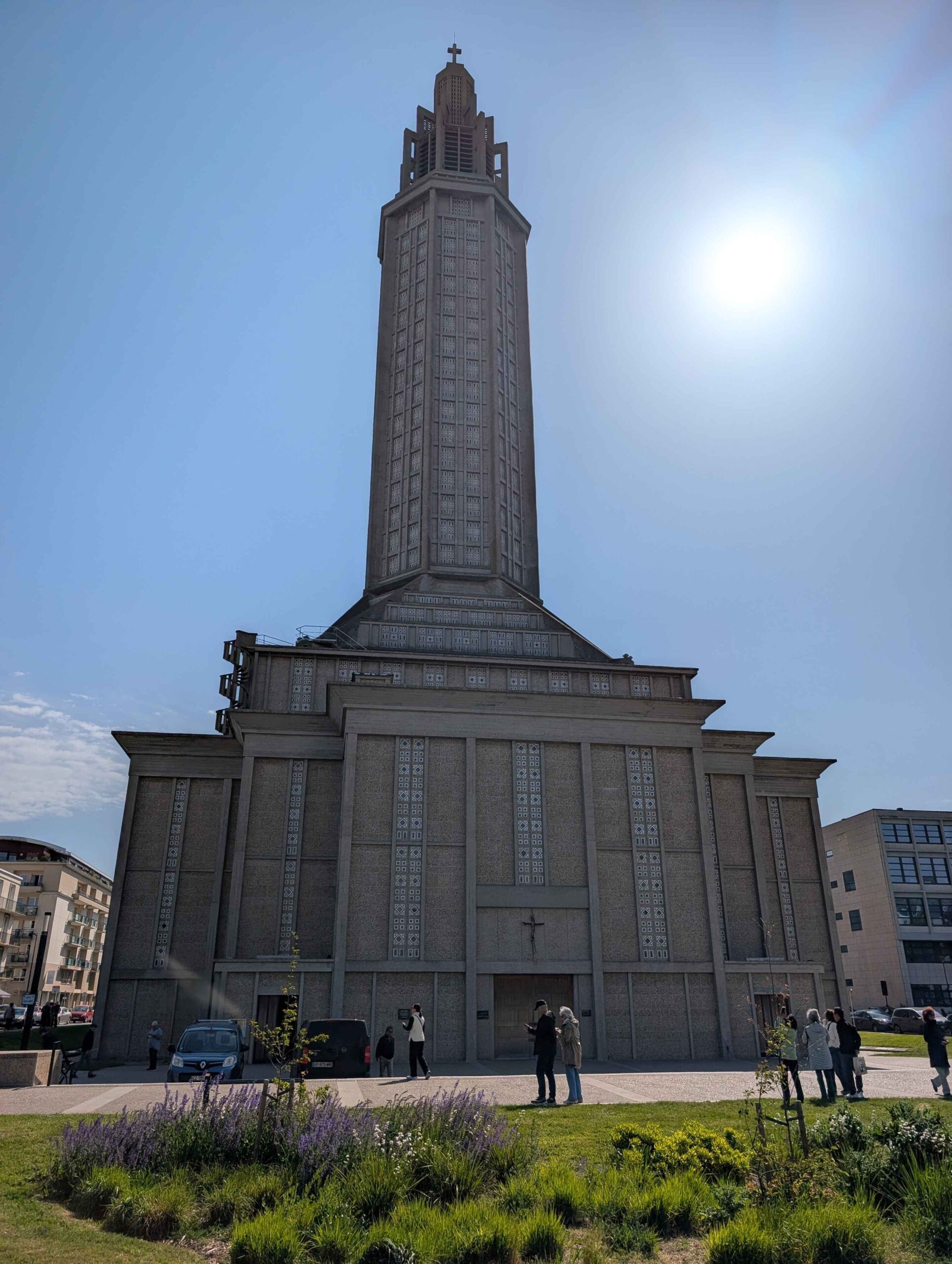
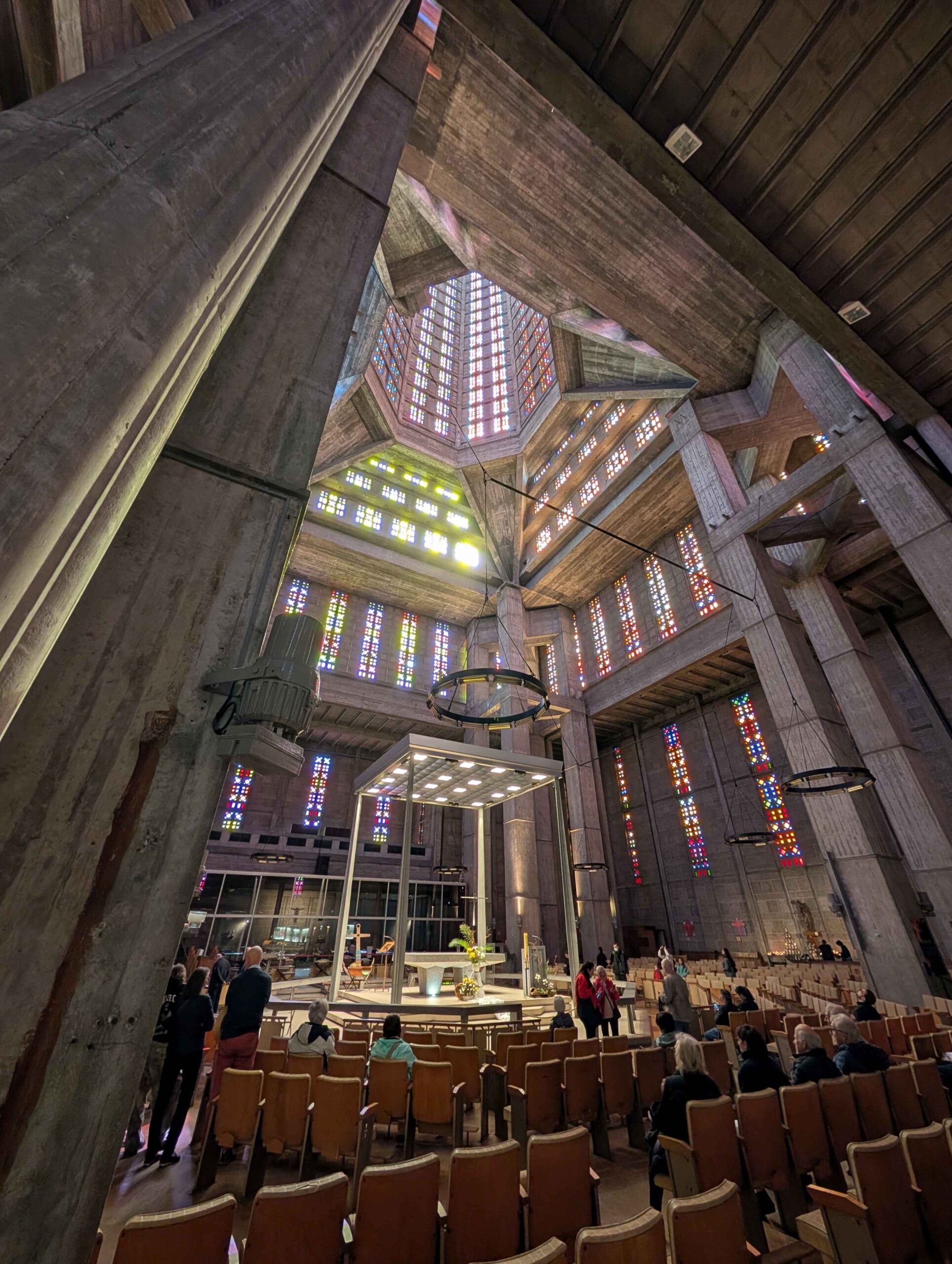
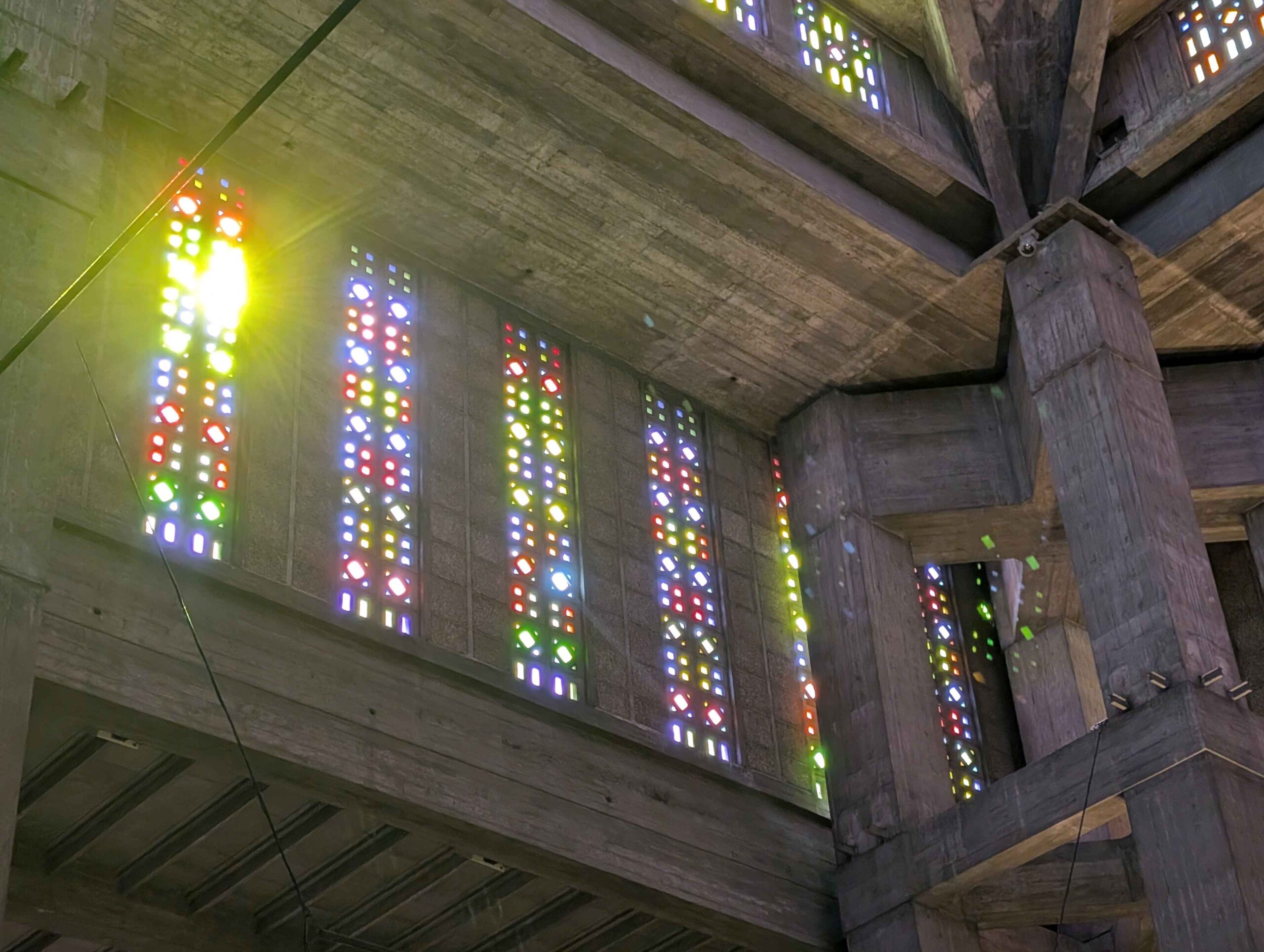
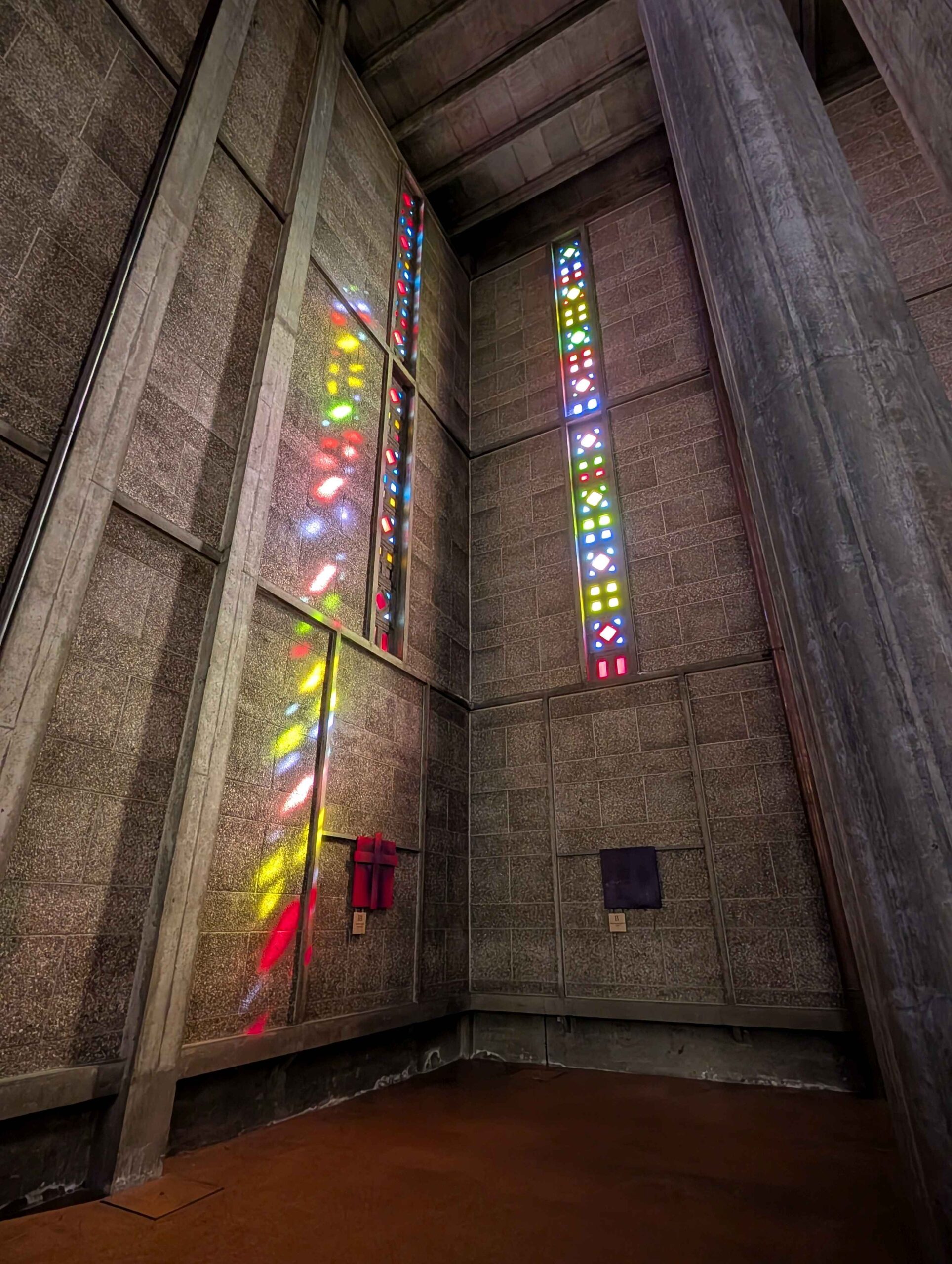
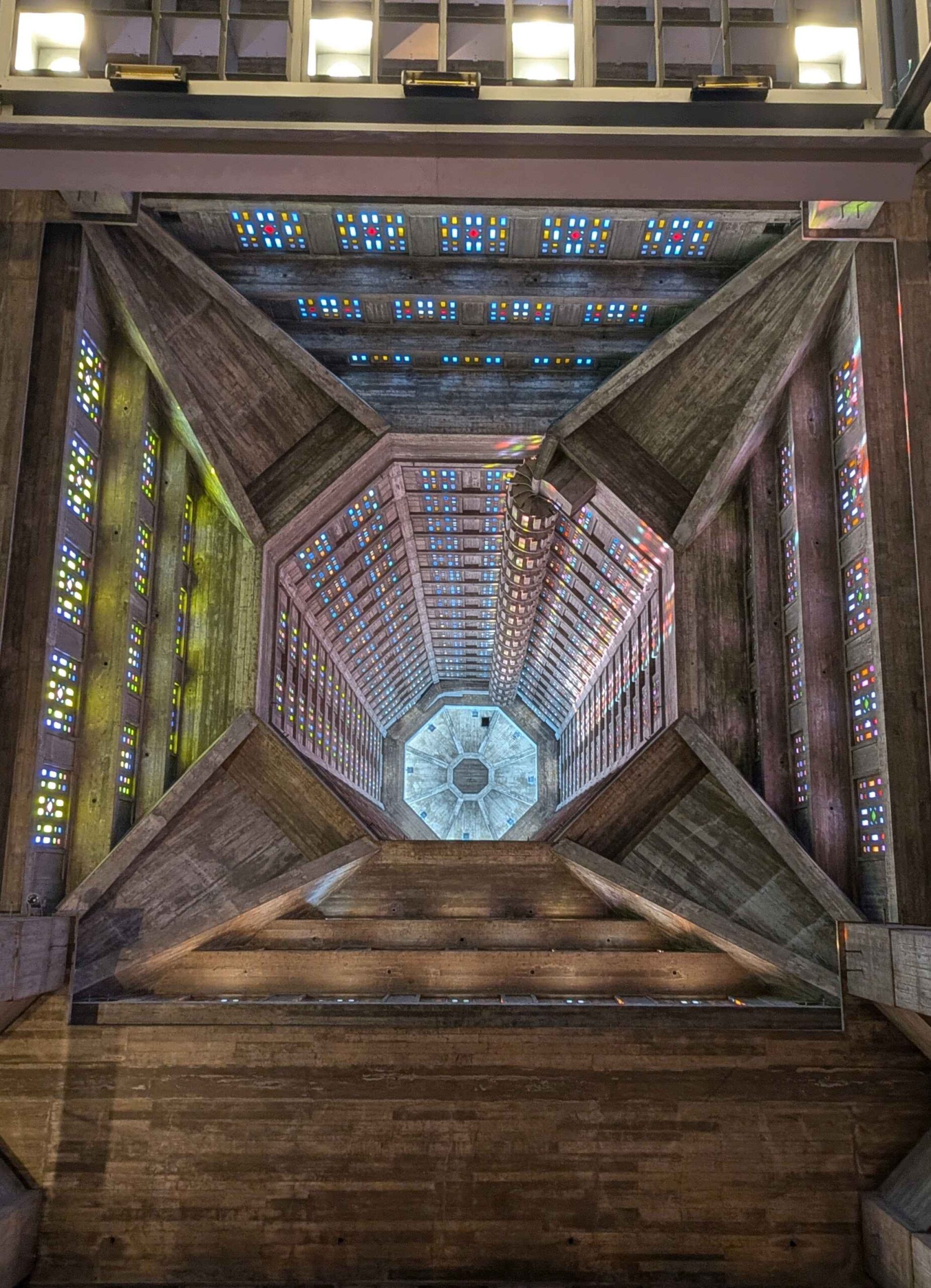
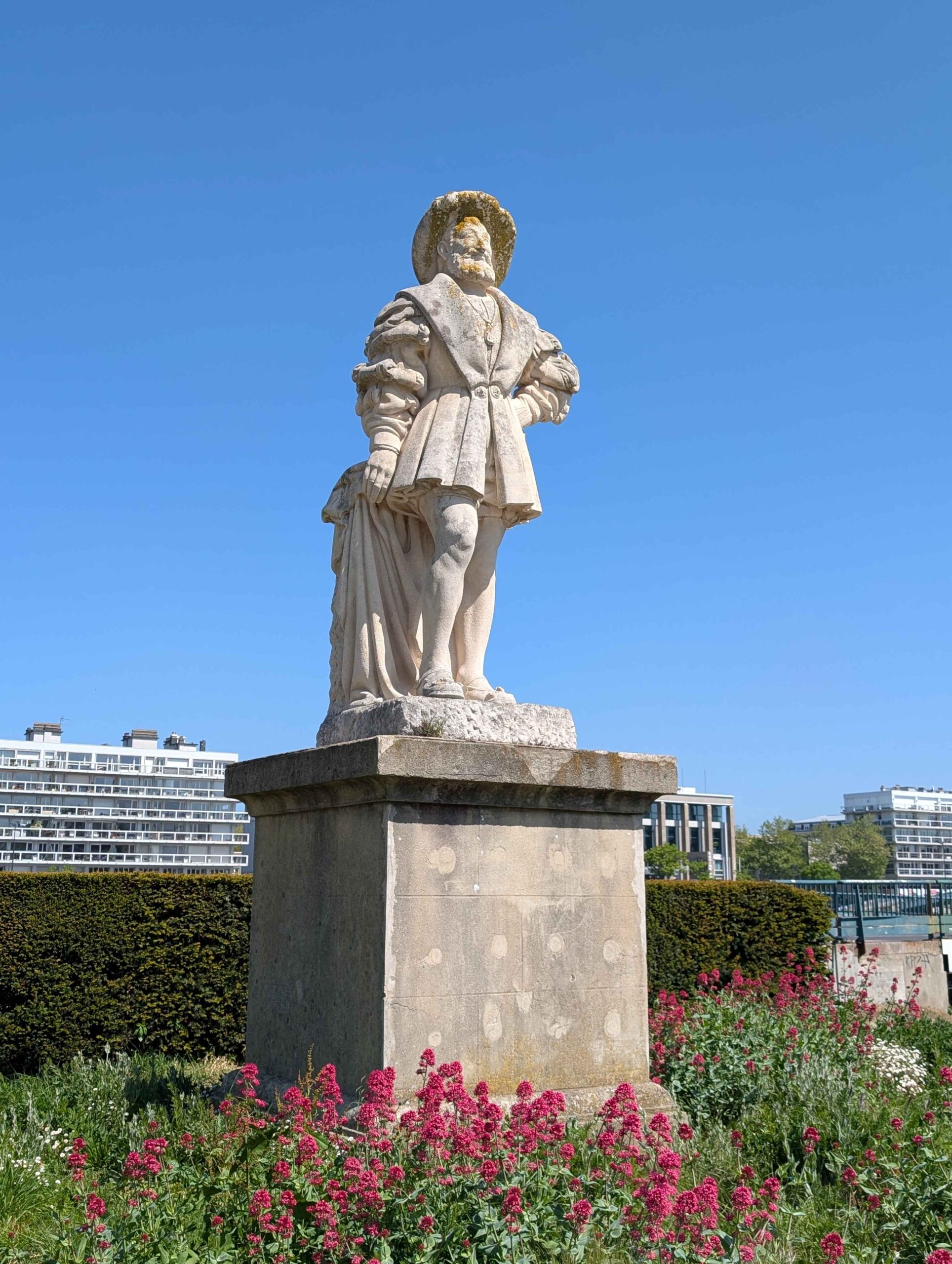
From the Musée André Malraux I worked my way toward the Sémaphore du Havre and then to St Joseph’s Church. The sunlight filtered cleanly through thousands of stained glass panels, filling the interior with color in a way that only works on a bright day. After that, I cut through Square Saint Roch for a break. The roses were not fully open yet, but the buds and a few early blooms were enough to slow the pace down.
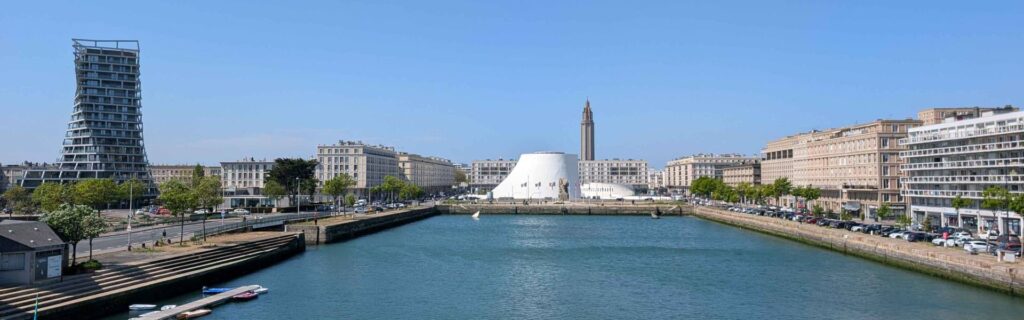
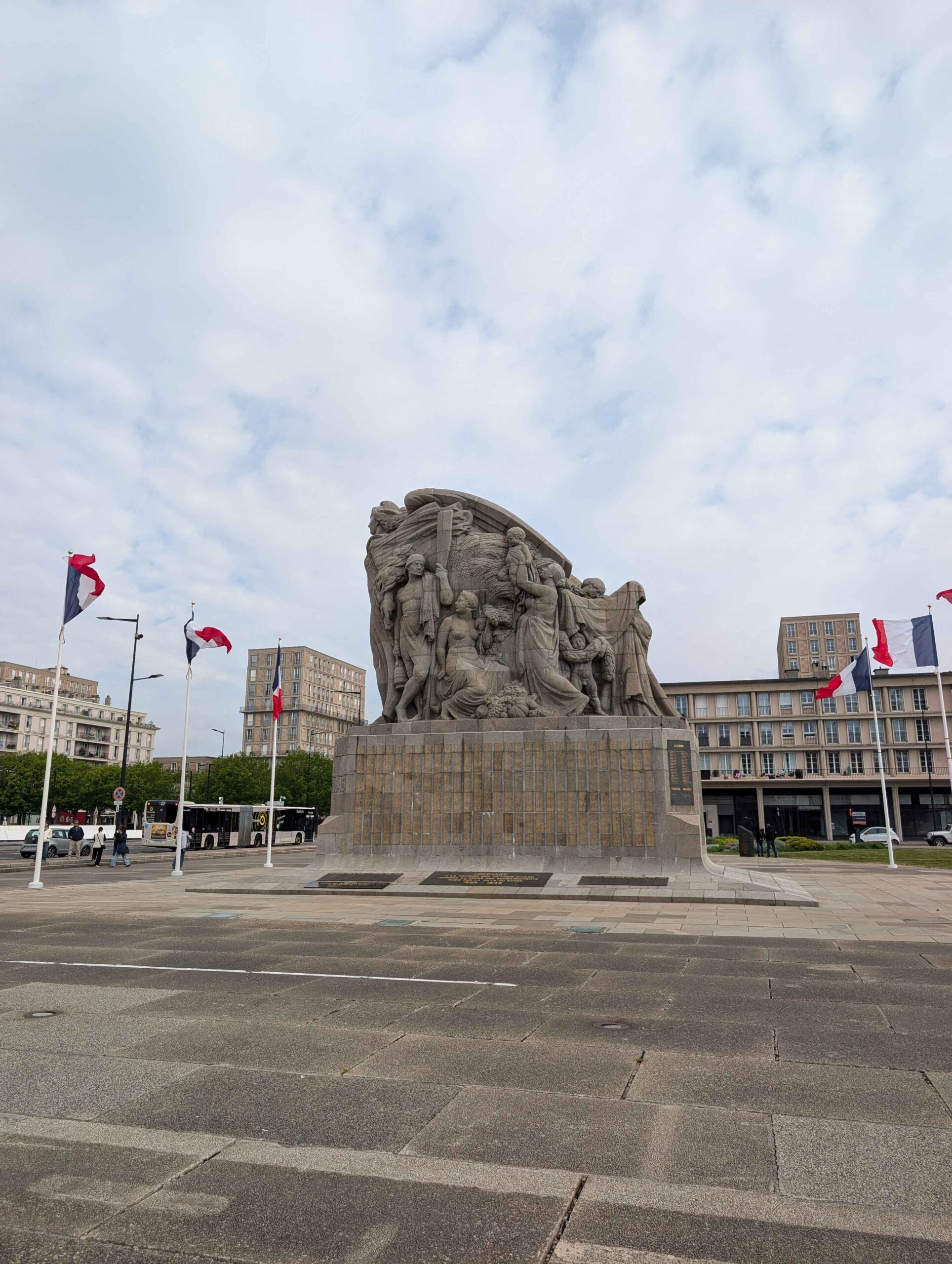
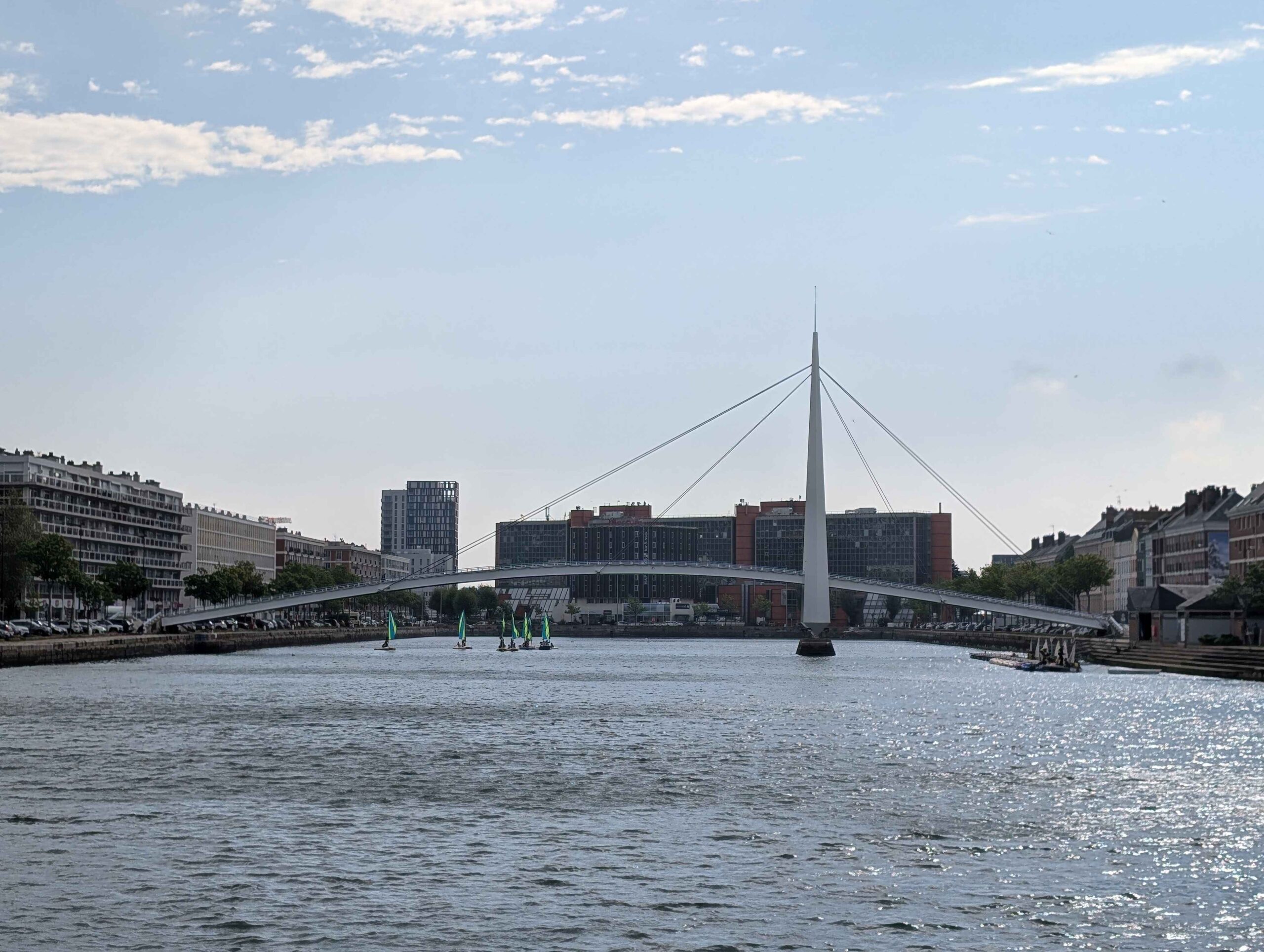
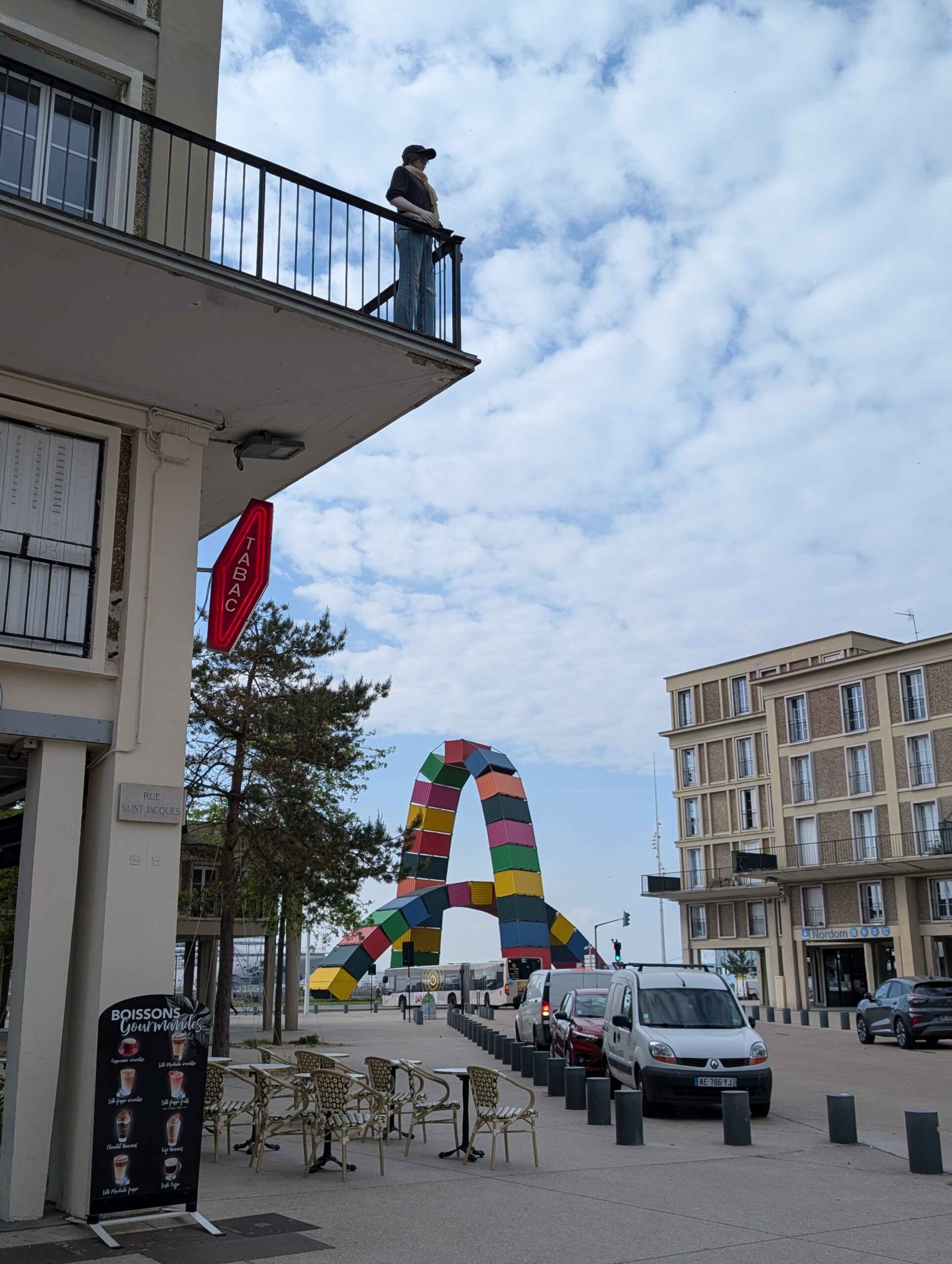
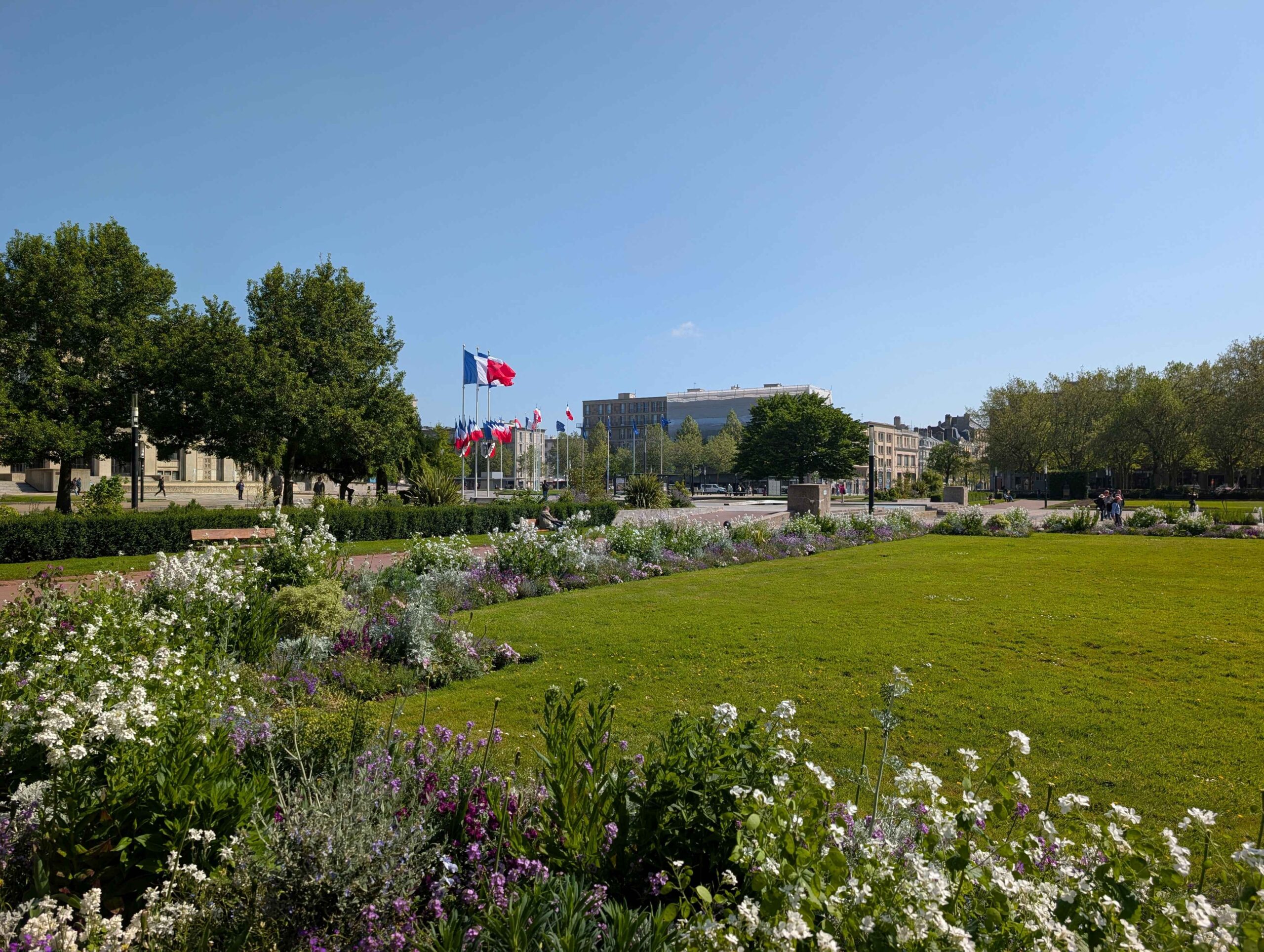
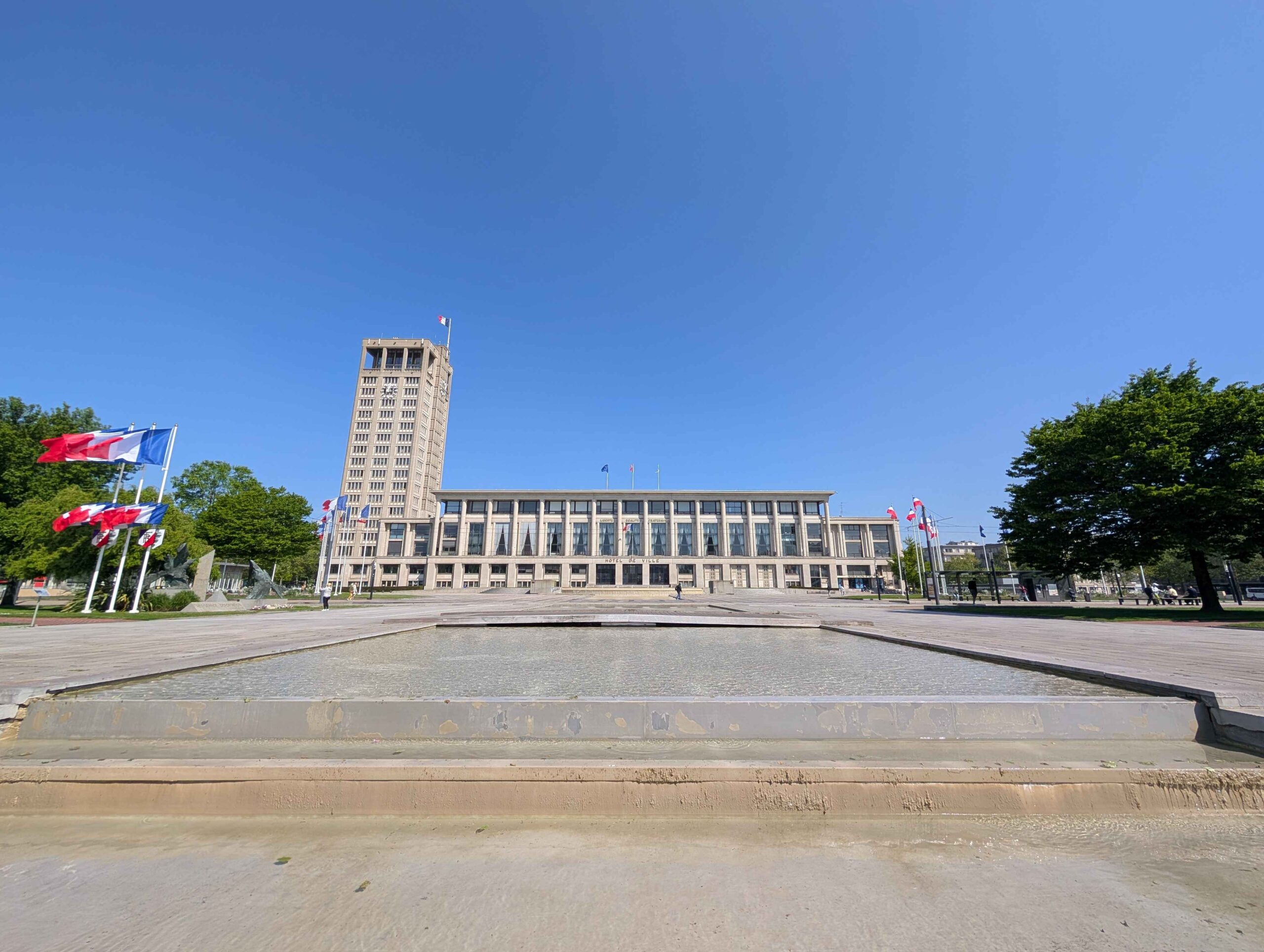
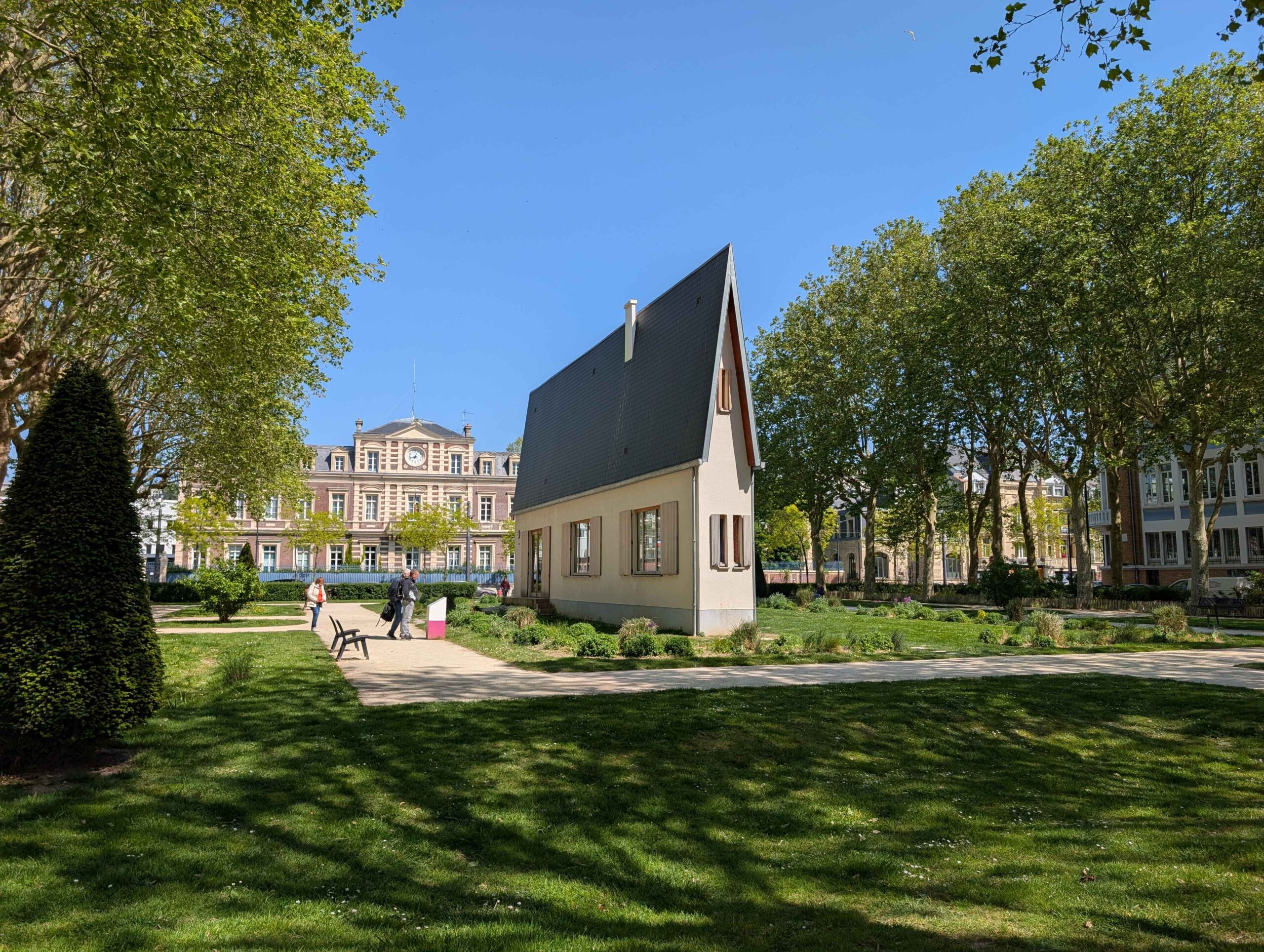
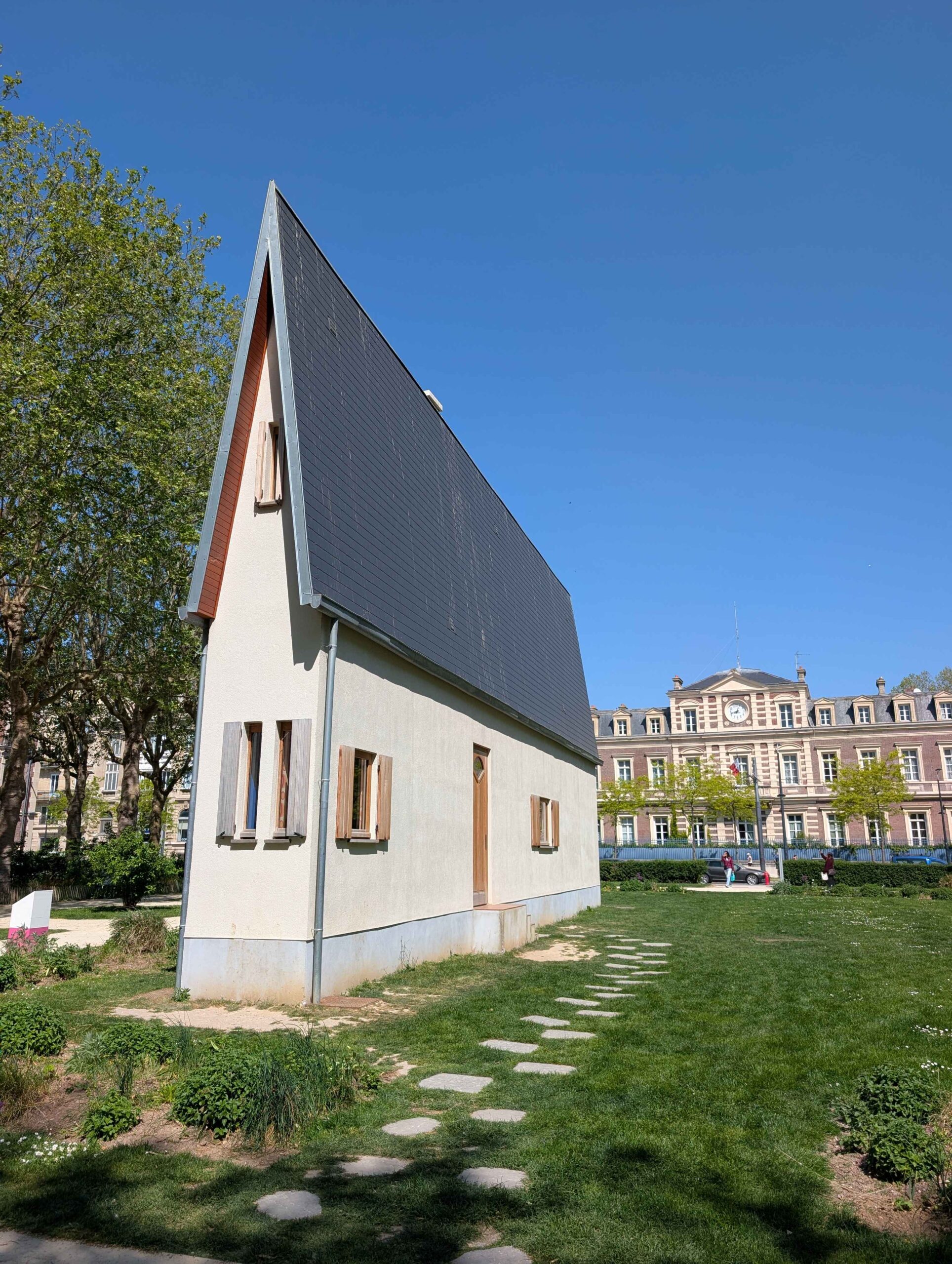
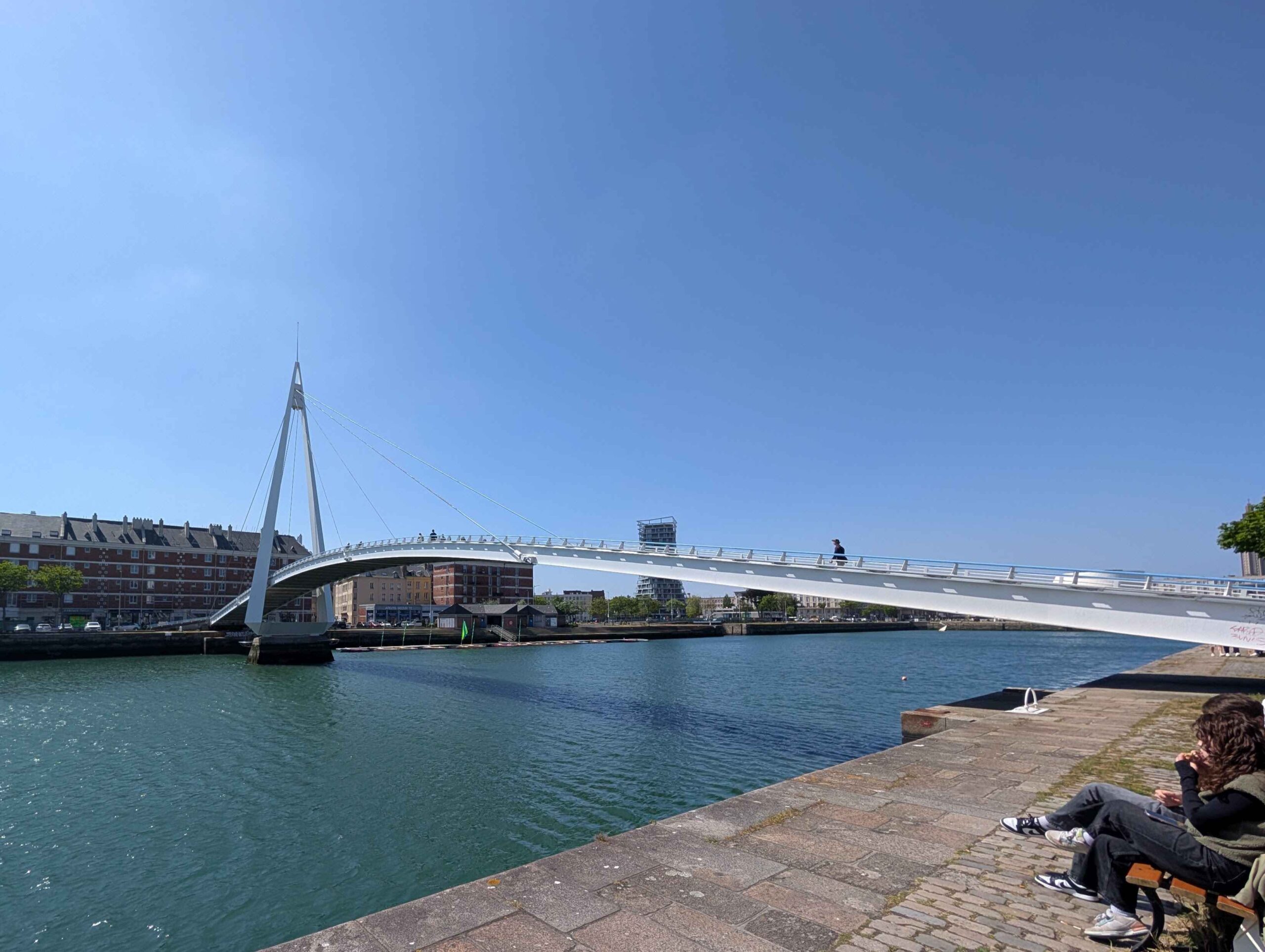
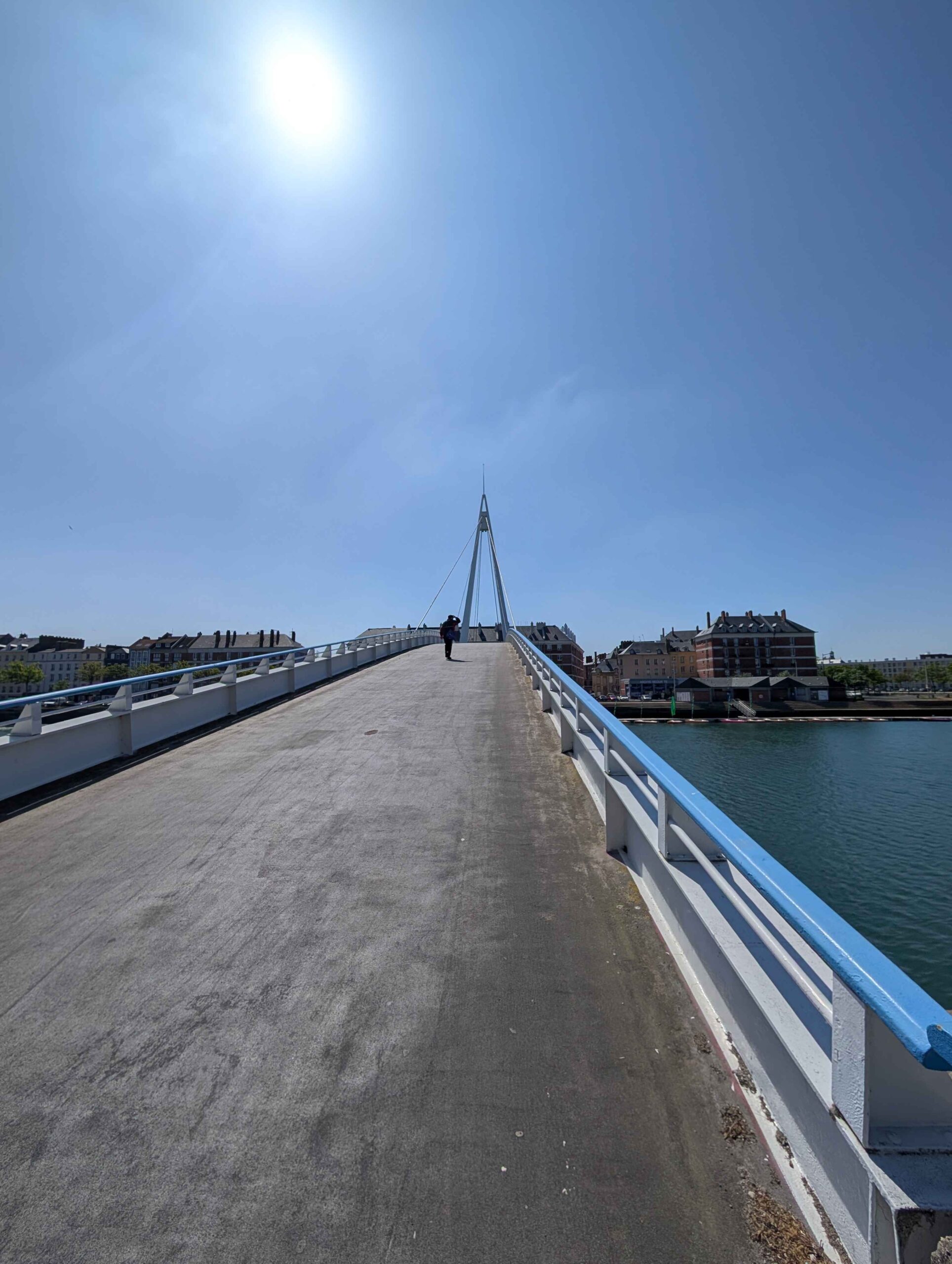
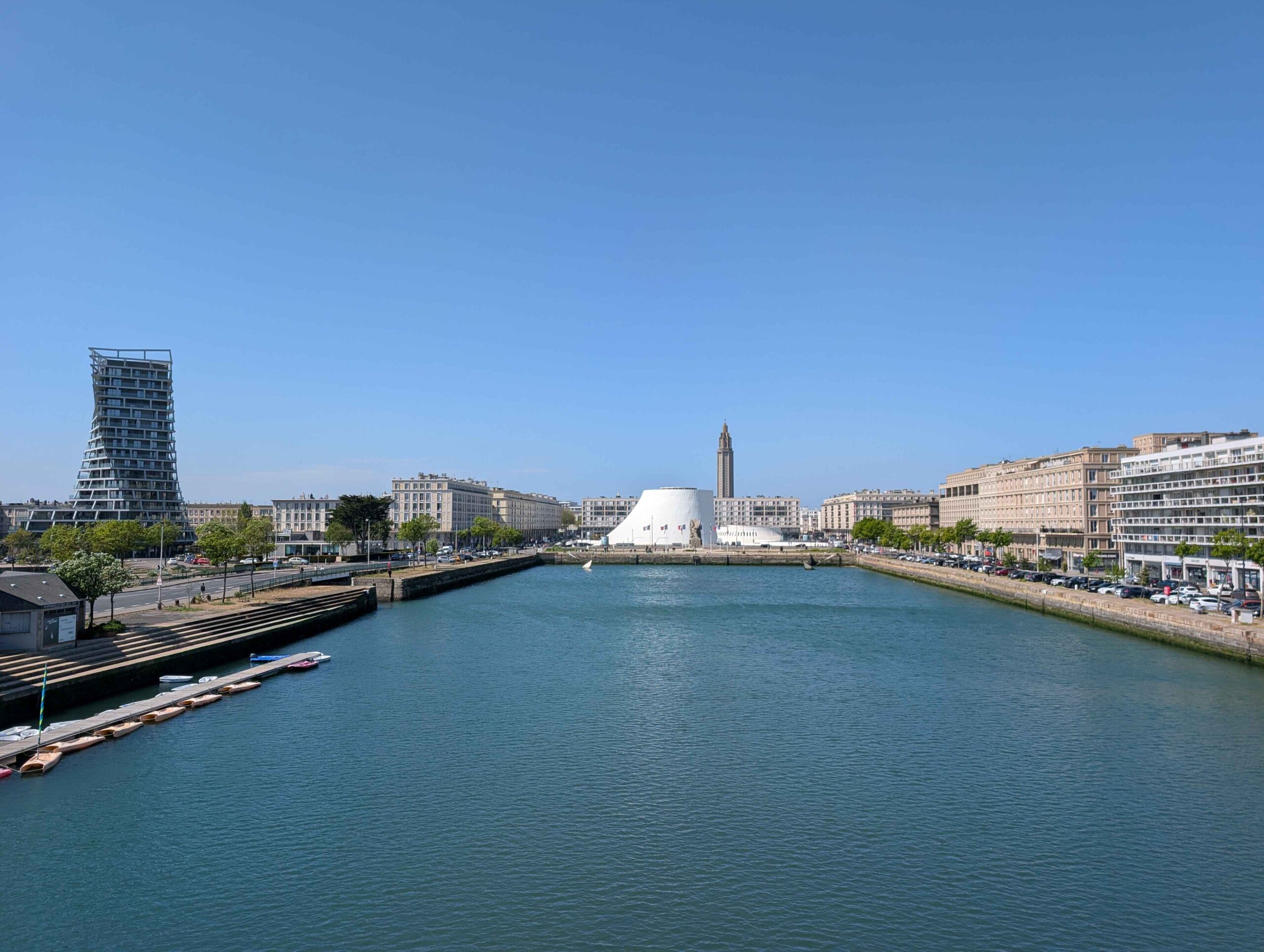
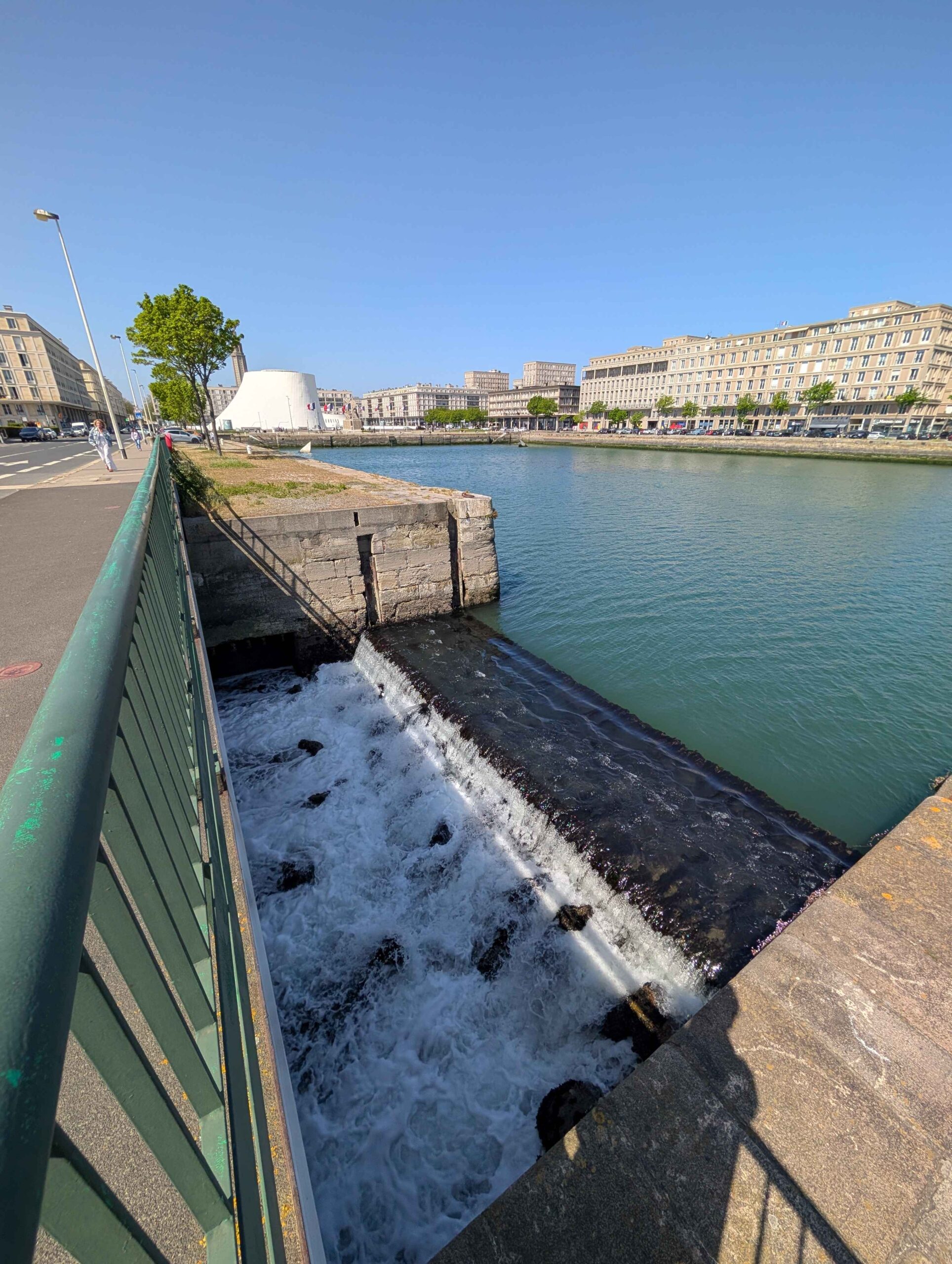
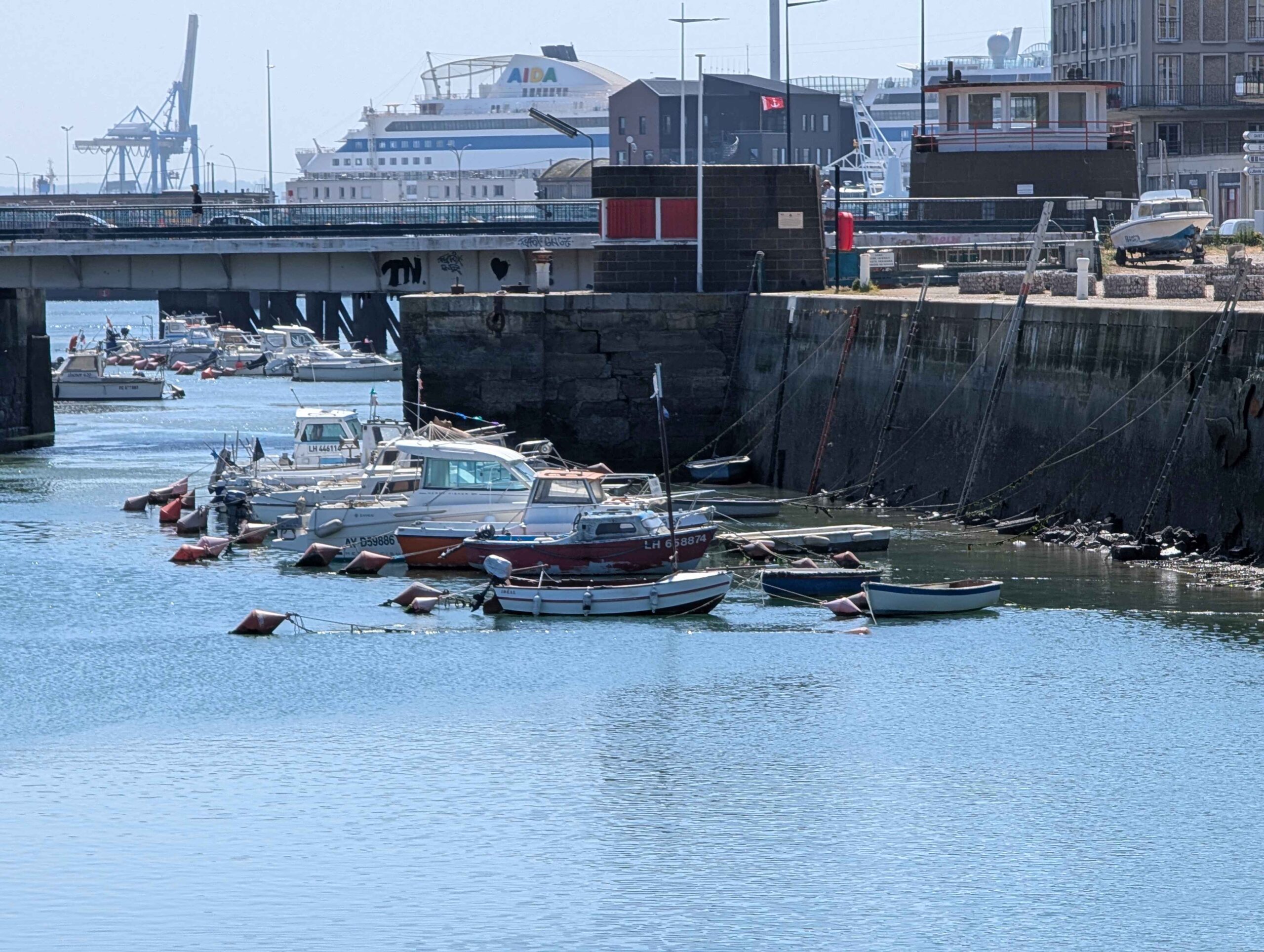
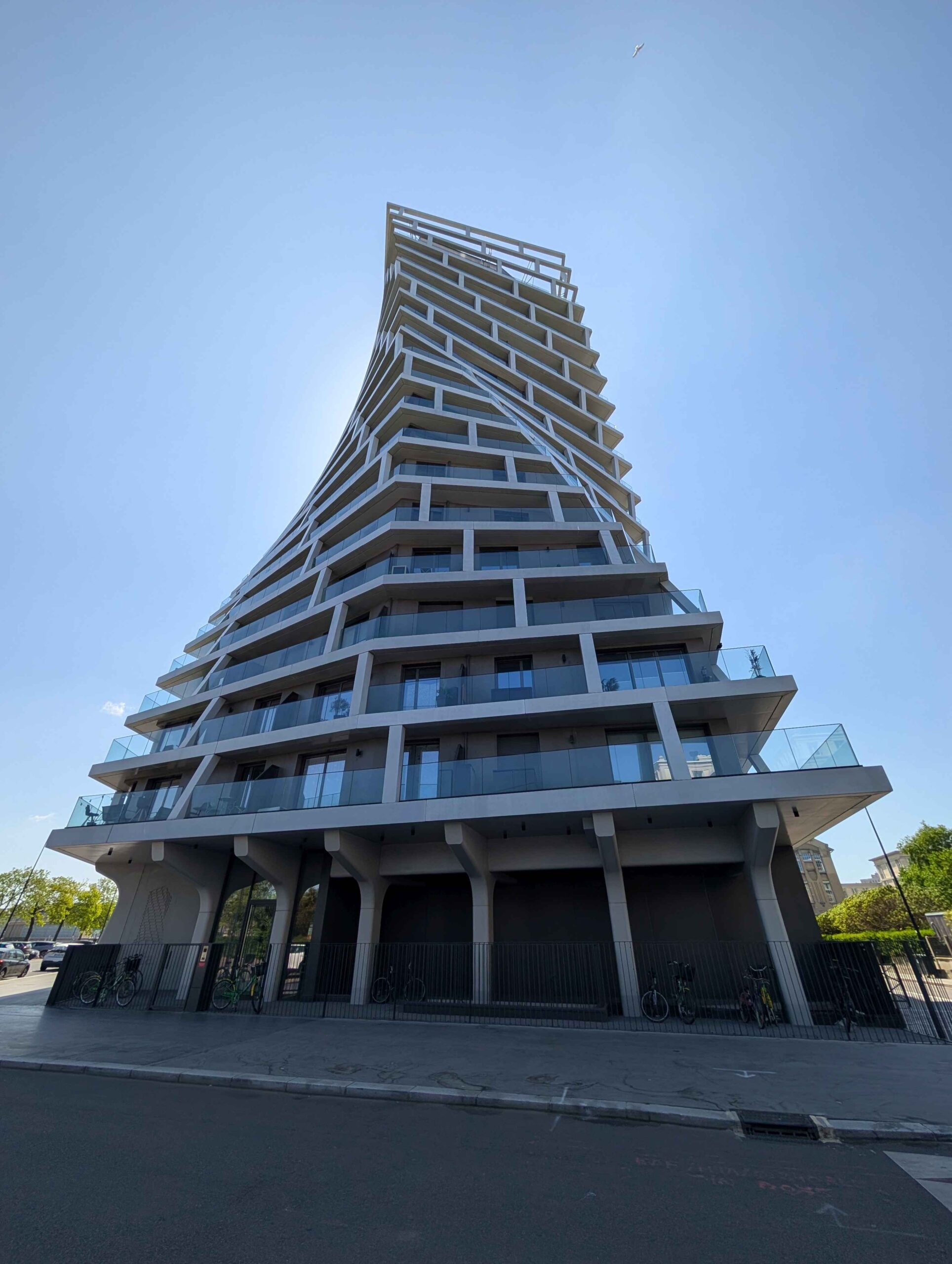
The real surprise came near Hôtel de Ville. I wandered past the Narrow House almost by accident, a structure that looks impossibly thin from certain angles, then spotted the Passerelle François Le Chevalier stretching across the basin. It was the kind of thing that does not need planning. I just walked onto it. From the top, the view opened up toward Le Volcan, Scène nationale du Havre and Bibliothèque Oscar Niemeyer, along with a spiraling apartment building that reinforced how much of the city leans into modern design.
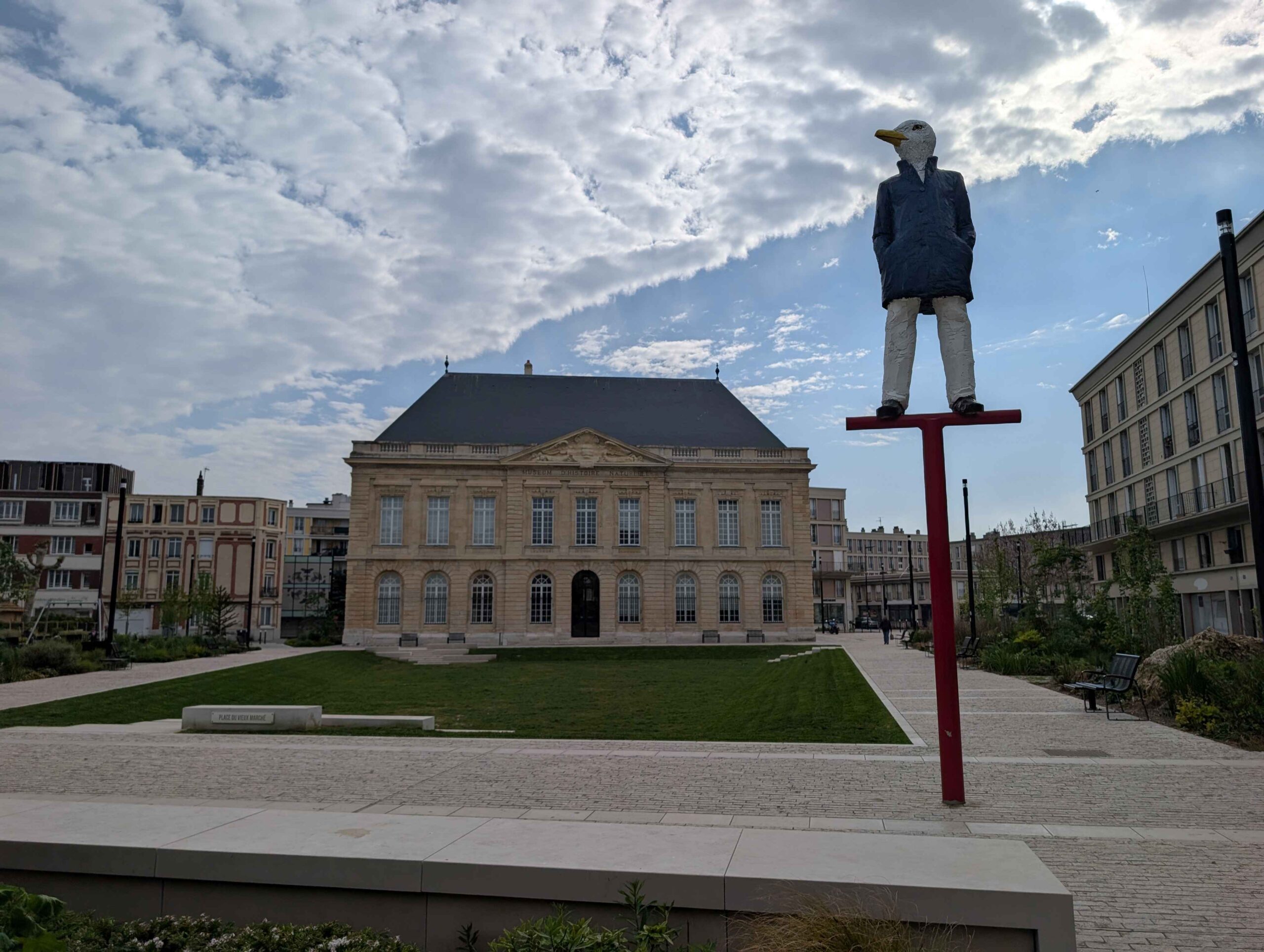
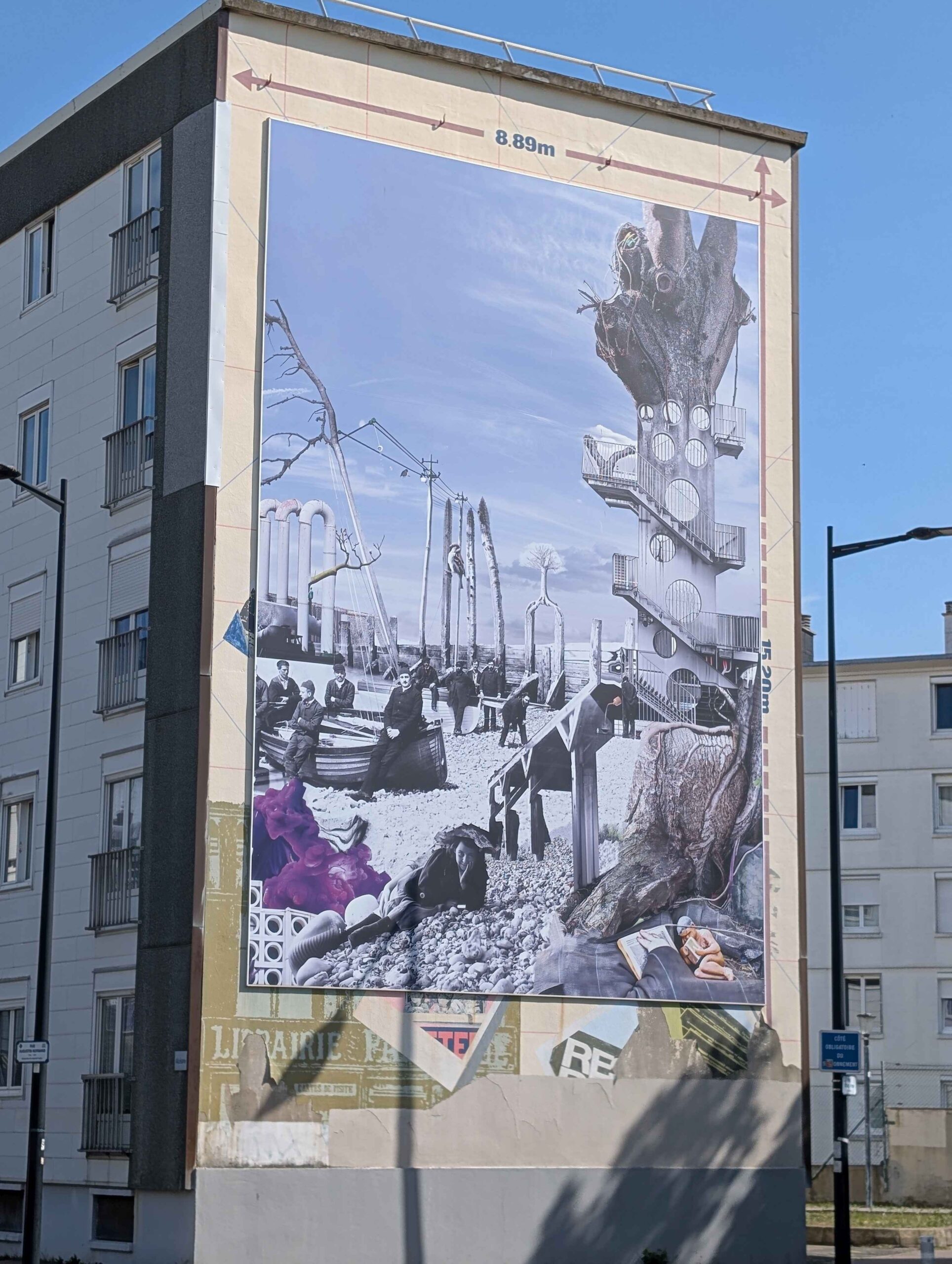
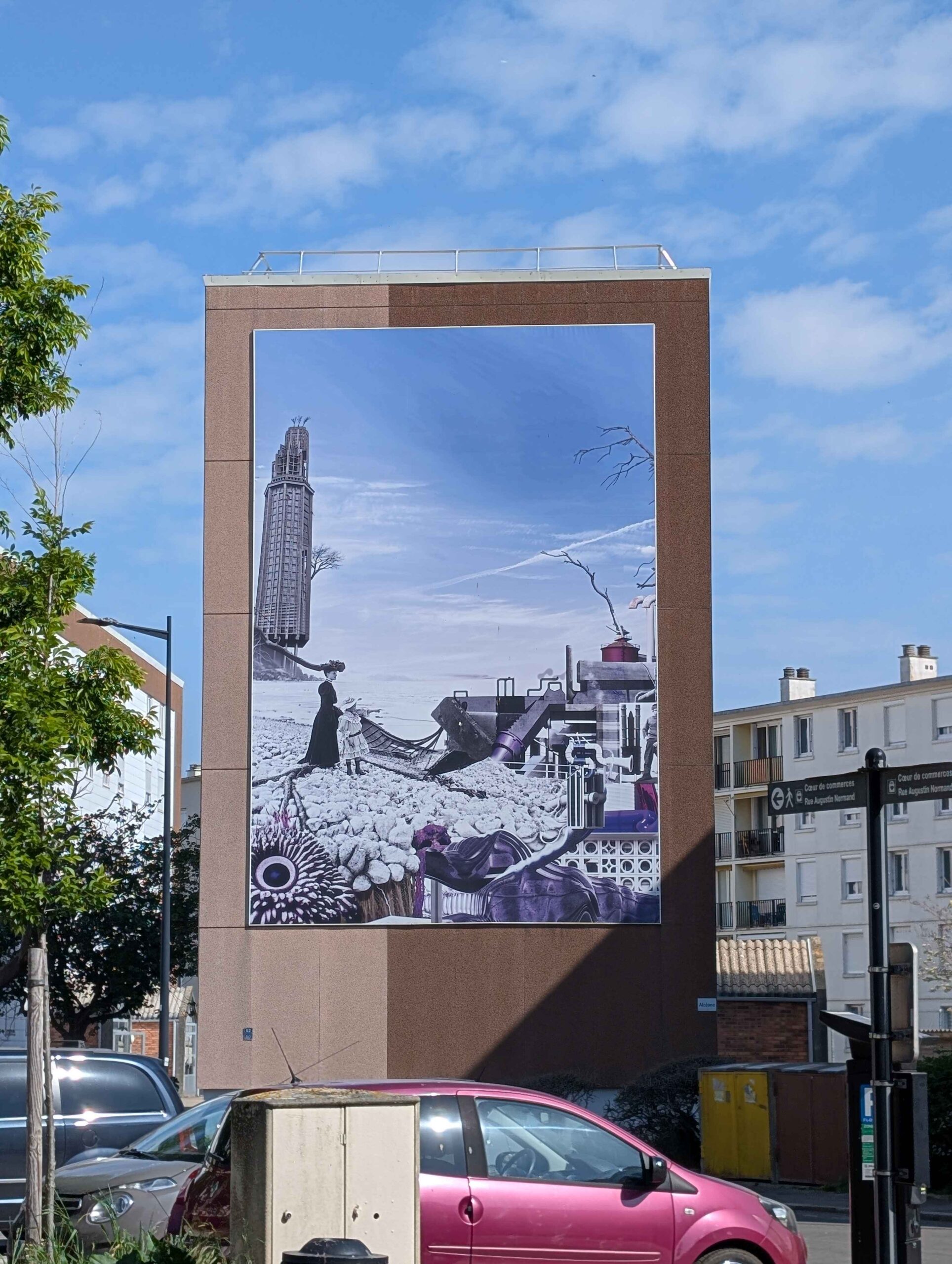
Le Havre was heavily rebuilt after World War II, which explains the absence of older architecture and the consistency in its layout. What it lacks in historic density it makes up for in openness, public spaces, and a city plan that is easy to navigate on foot. On a clear spring day, that simplicity works in your favor.
If You Have More Time…
- Les Jardins Suspendus – Elevated gardens set in a former fort with themed botanical sections and wide views over the city and coastline.
- Plage du Havre – A long pebble beach lined with colorful beach huts offering a different perspective from the harbor side of the city.
- Maison de l’Armateur – A preserved 18th century shipowner’s home that contrasts sharply with the modern rebuild found throughout Le Havre.
- Port Center Le Havre – An interactive space that explains how the port operates which adds context to the constant presence of ships and cargo traffic.