
Oslo Harbor Sculptures and Vigeland Park Statues

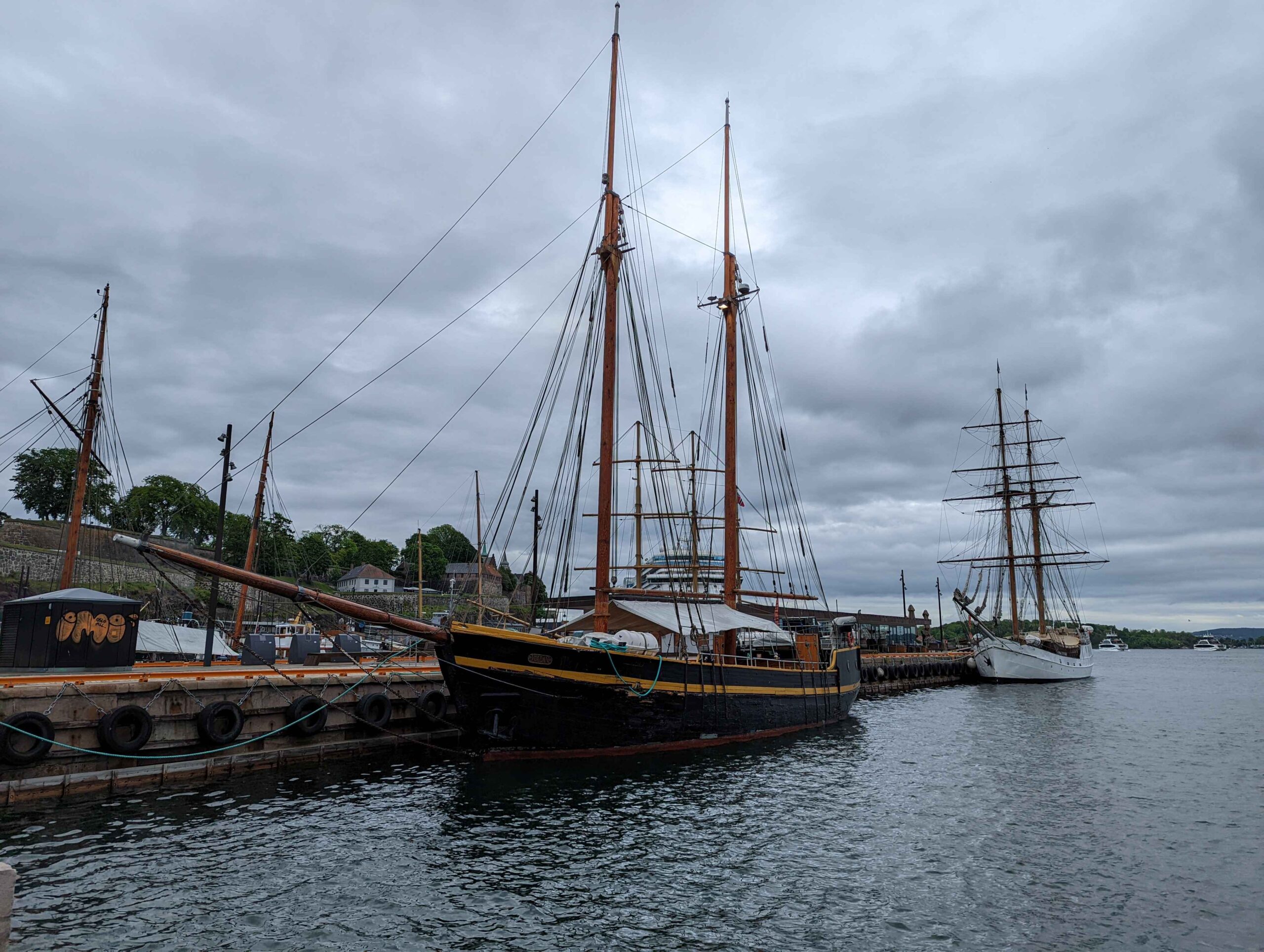
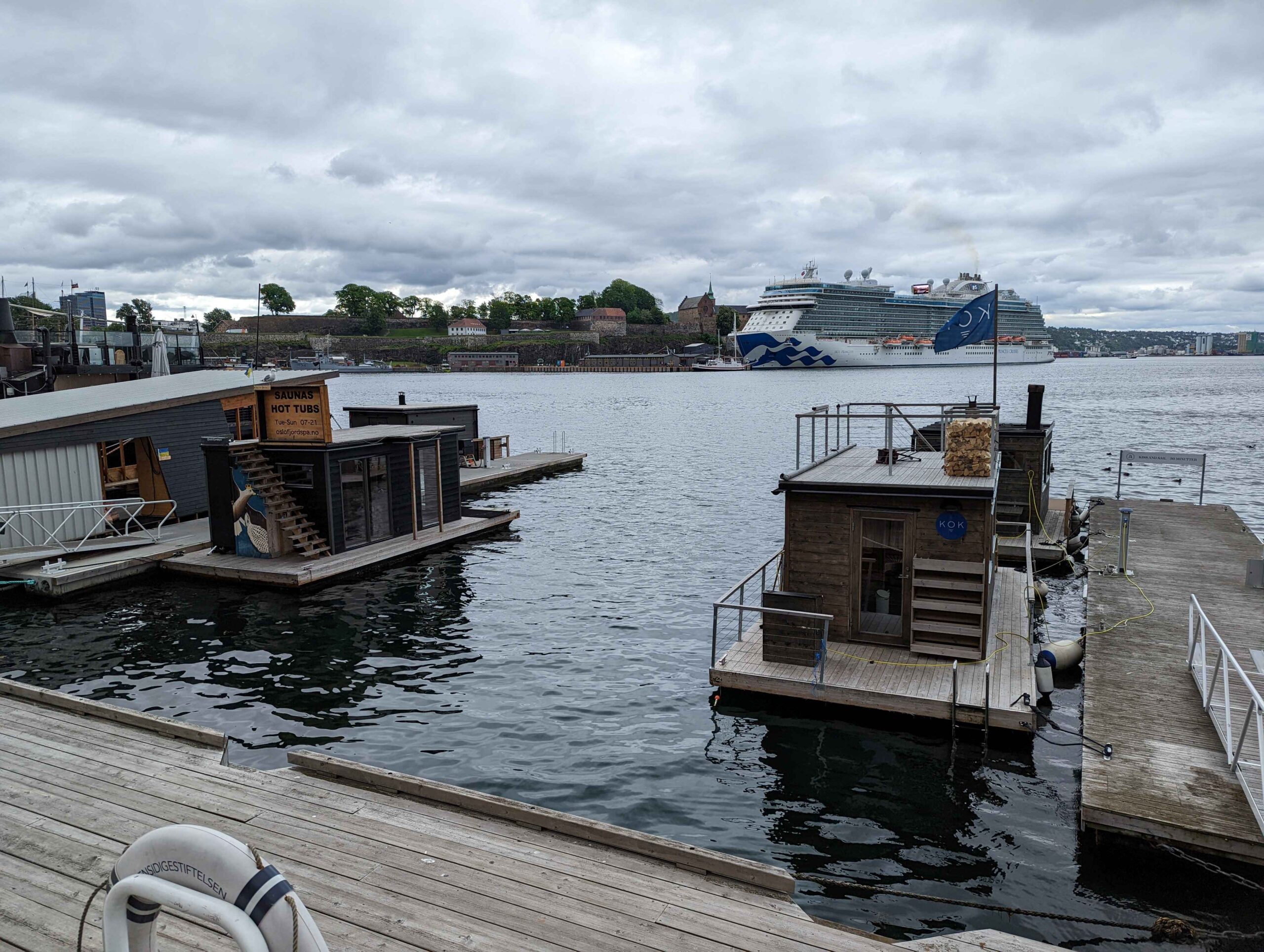
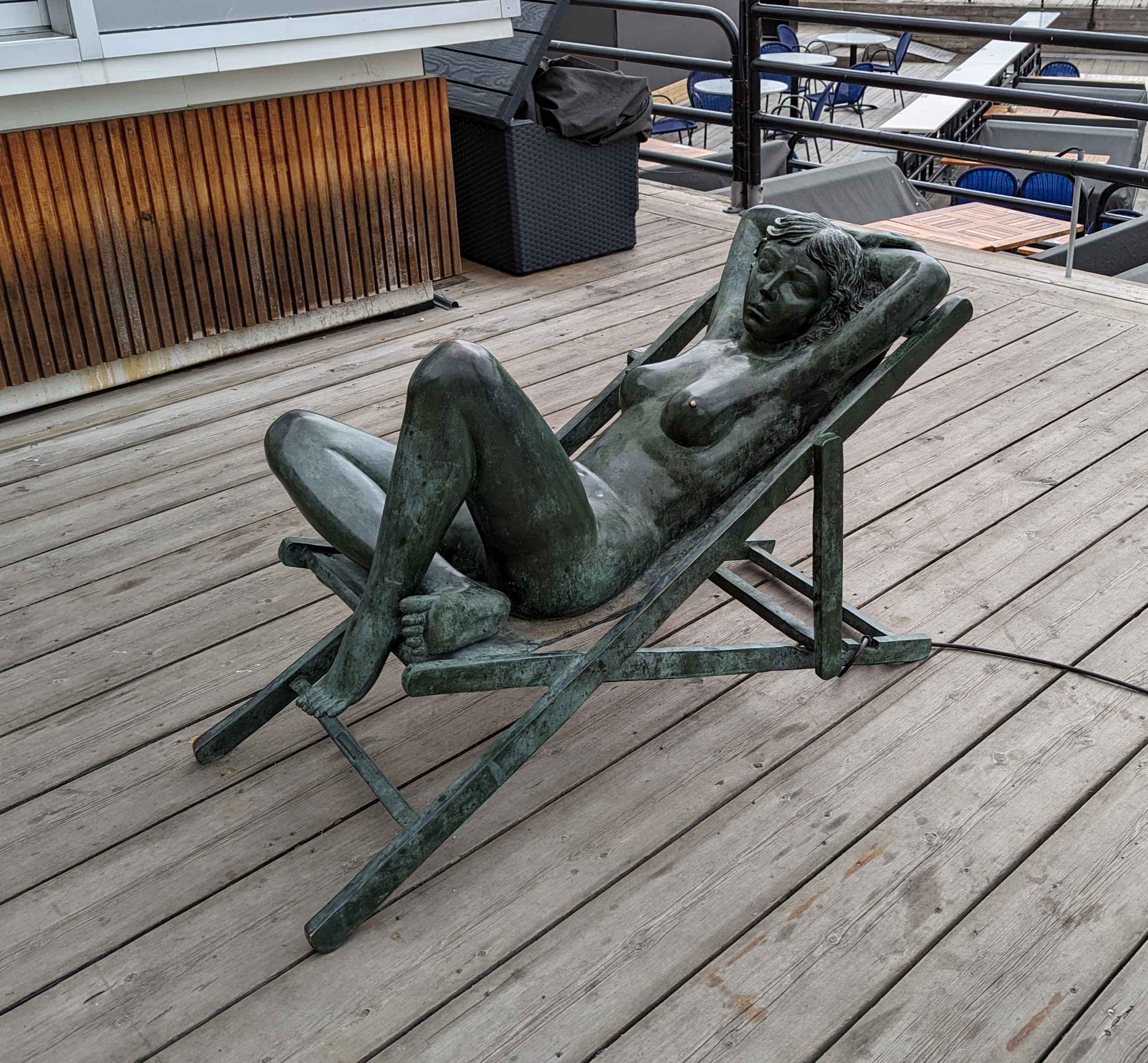
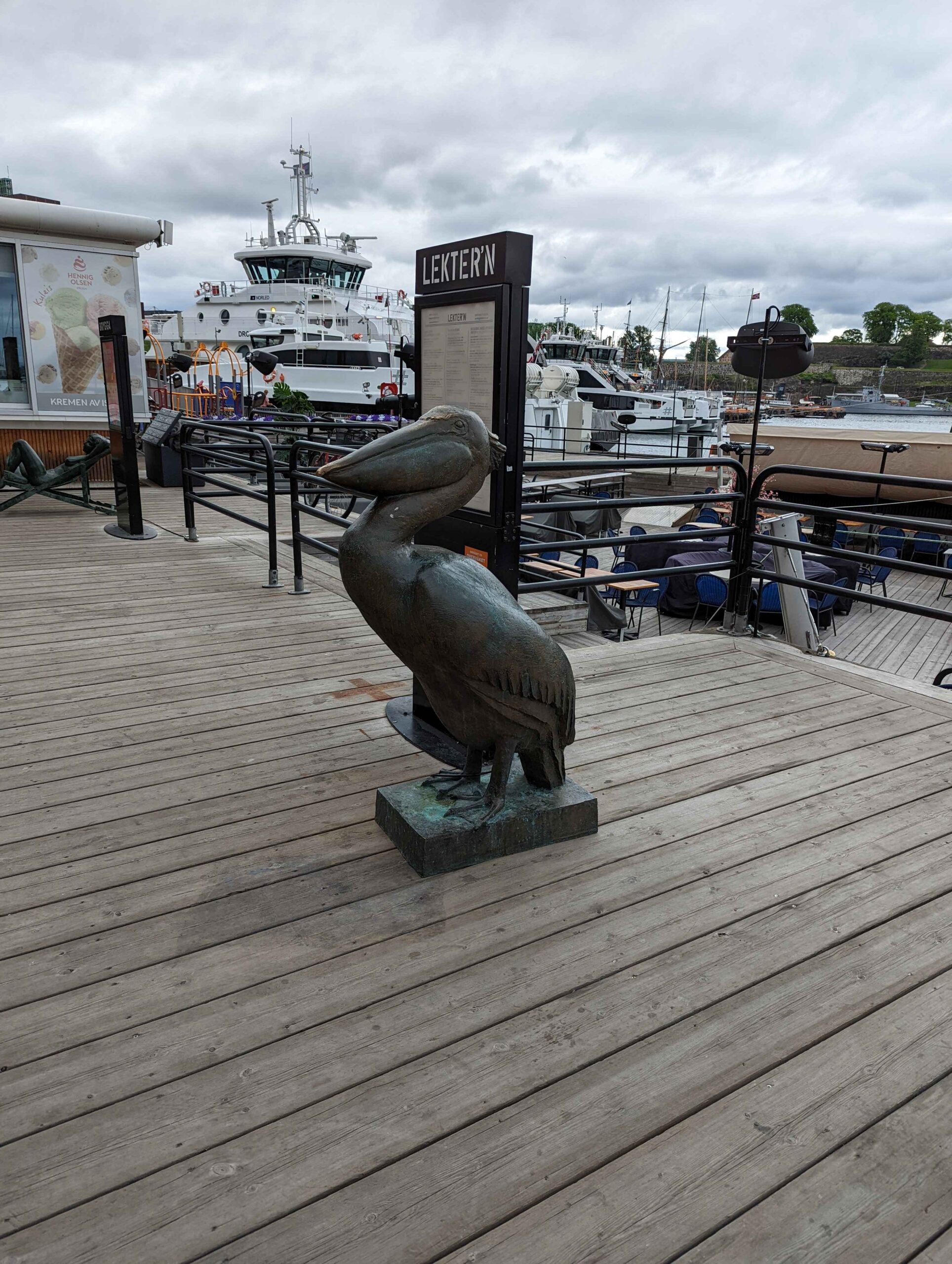
Cool harbor air and the quiet sound of water against the docks greeted me as I stepped off the cruise ship in Oslo. Sailing into Oslo by cruise places you immediately beside busy waterfront walkways lined with ships sculptures and cafés. Within minutes of leaving the terminal I was already wandering past statues marinas and floating saunas while the city stretched outward along the fjord.
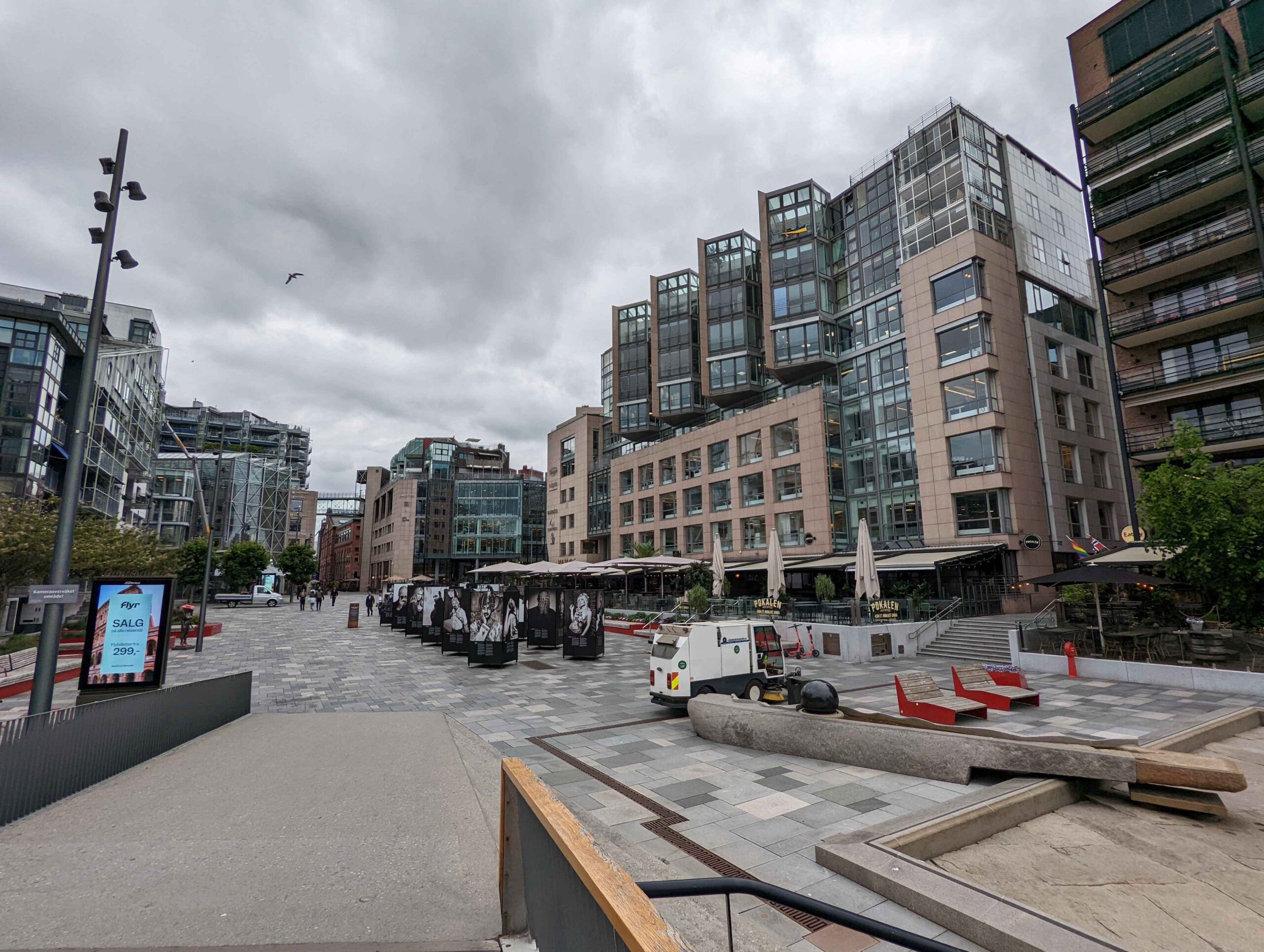
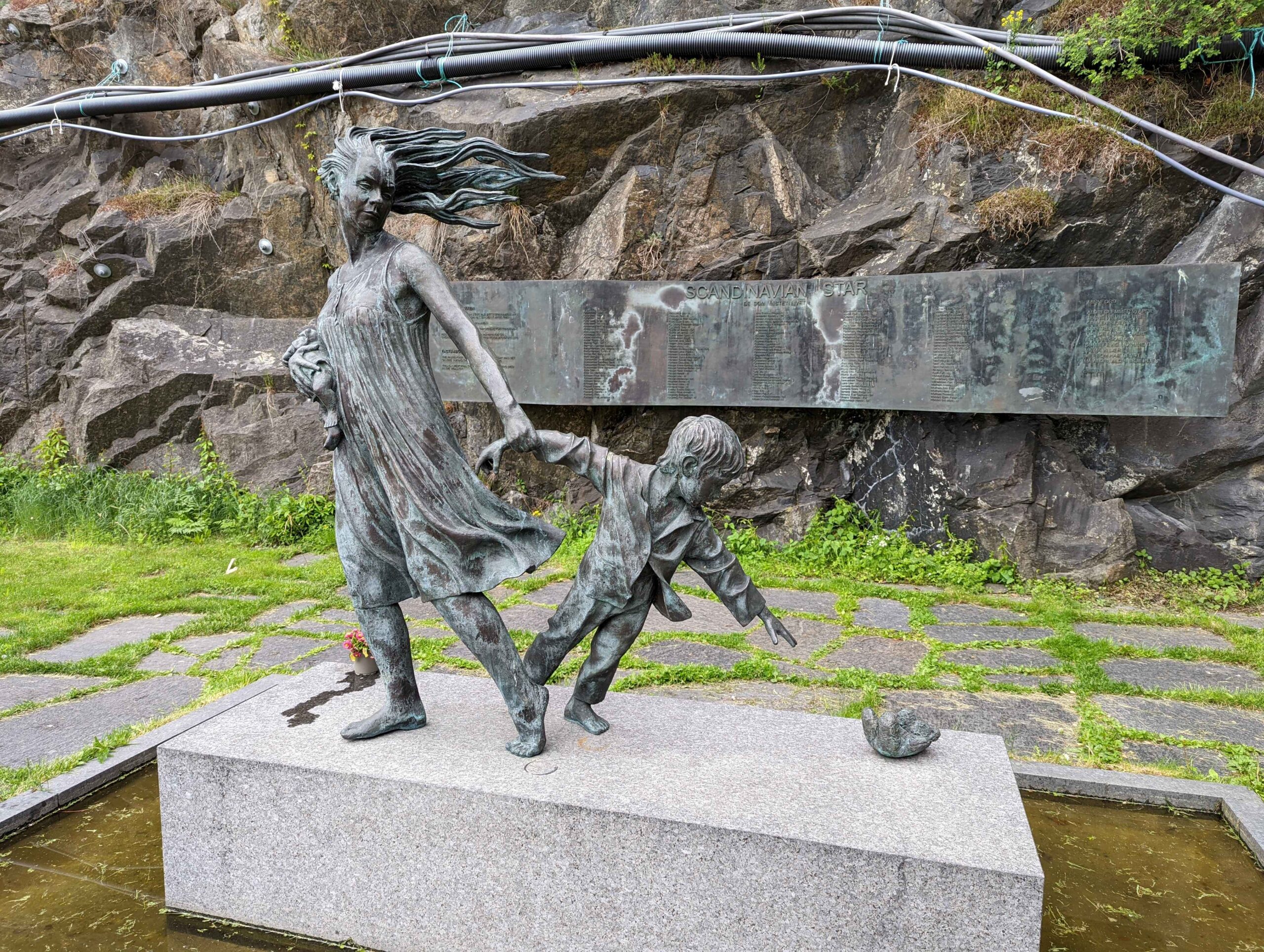
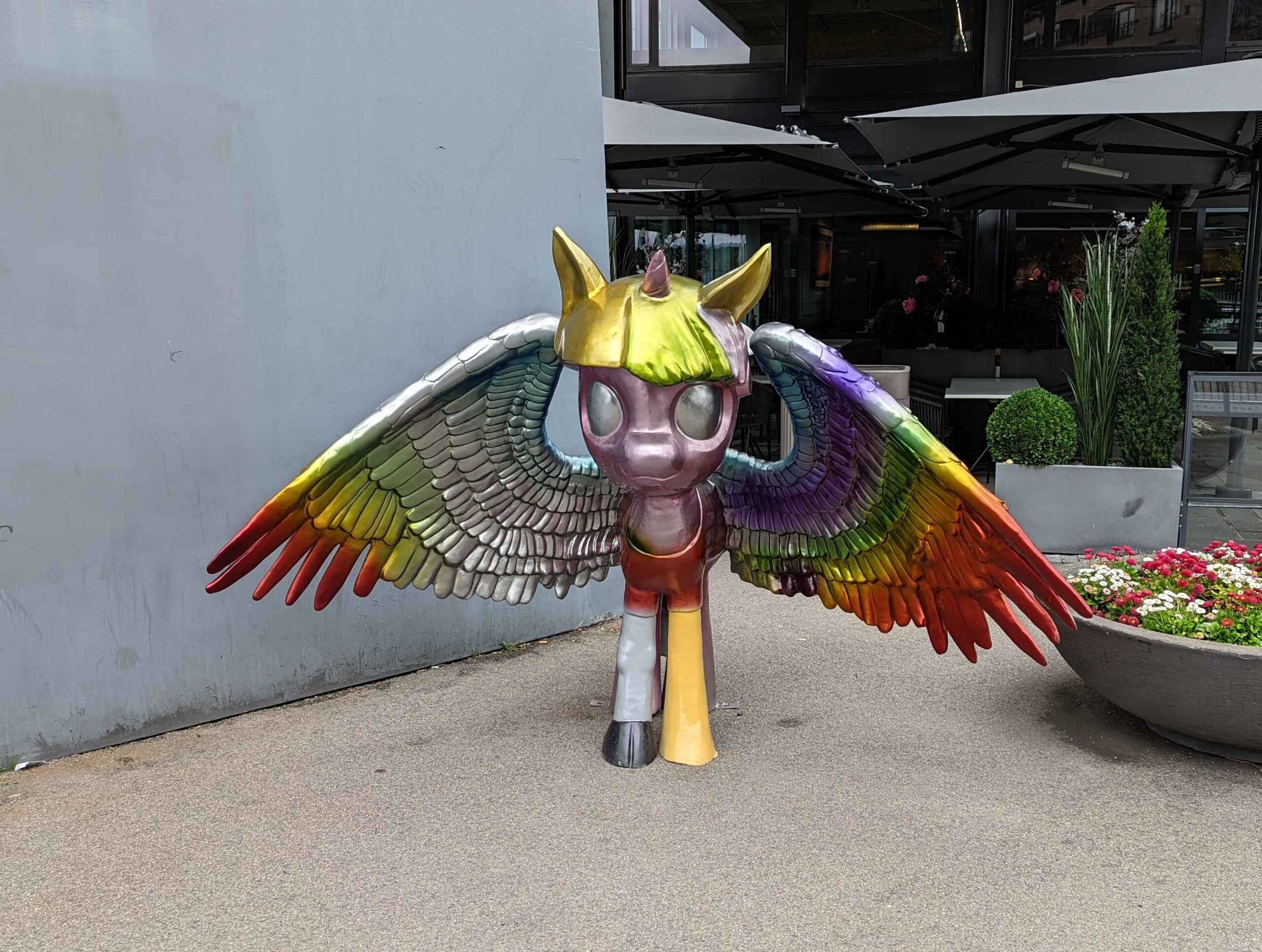
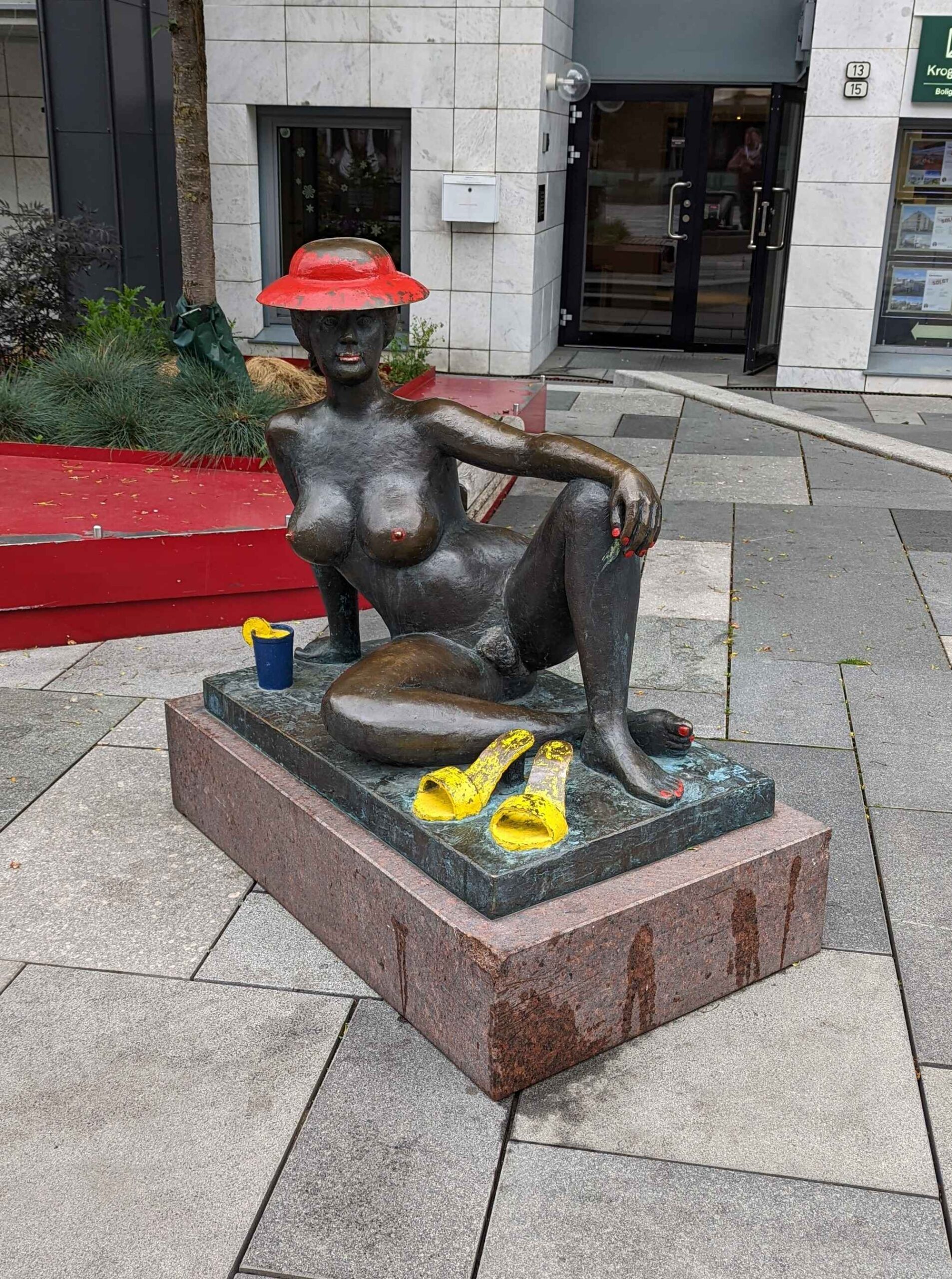
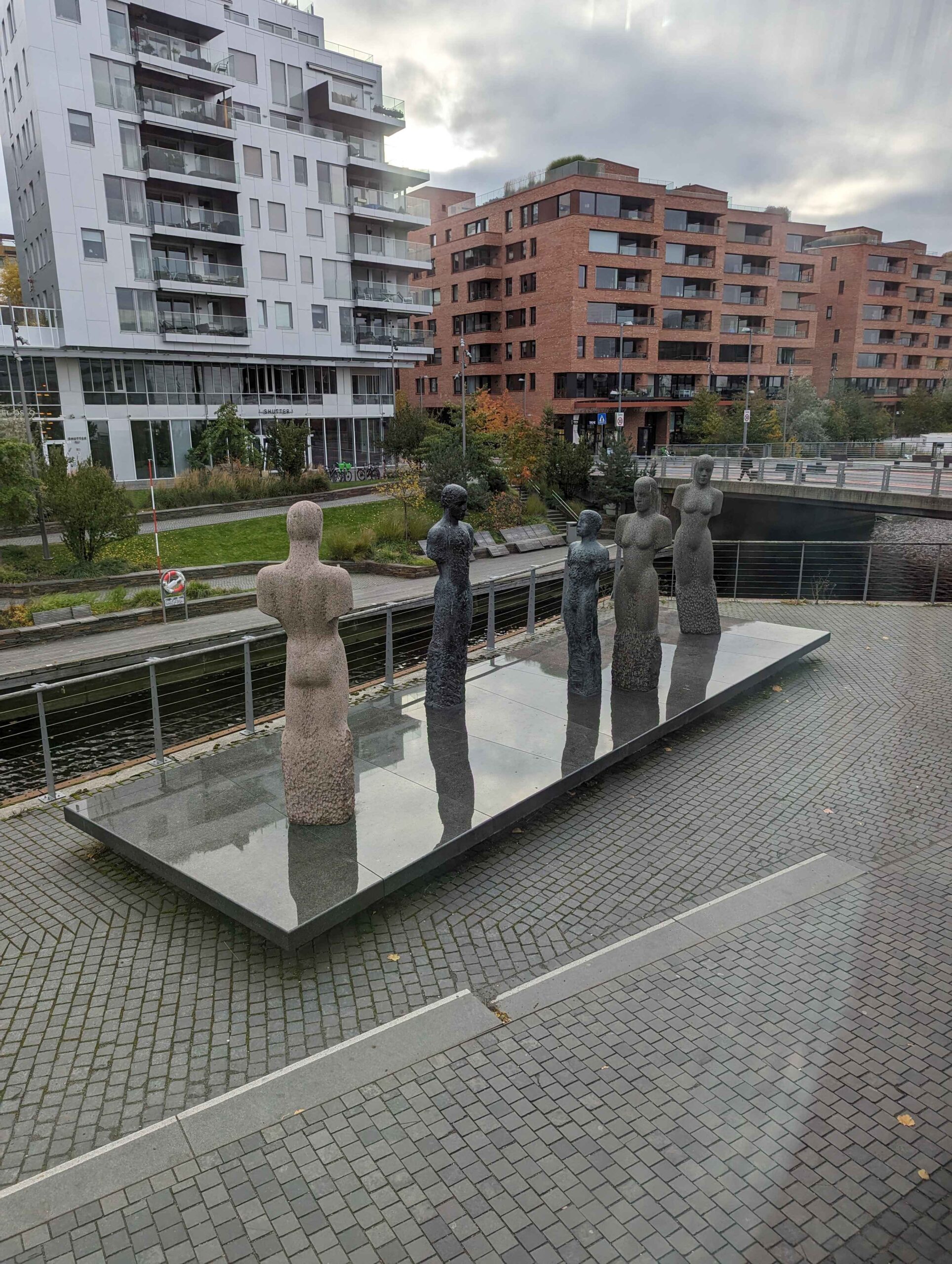
As I continued exploring the harbor the character of the city started to reveal itself. Oslo is known locally as Oslo and the Norwegian language is Norsk with the city name pronounced OOSH-loh. What stood out immediately was the amount of public art scattered around the waterfront and city streets. Statues seemed to appear everywhere from quiet plazas to busy promenades which quickly made me think of Oslo as the city of sculptures.
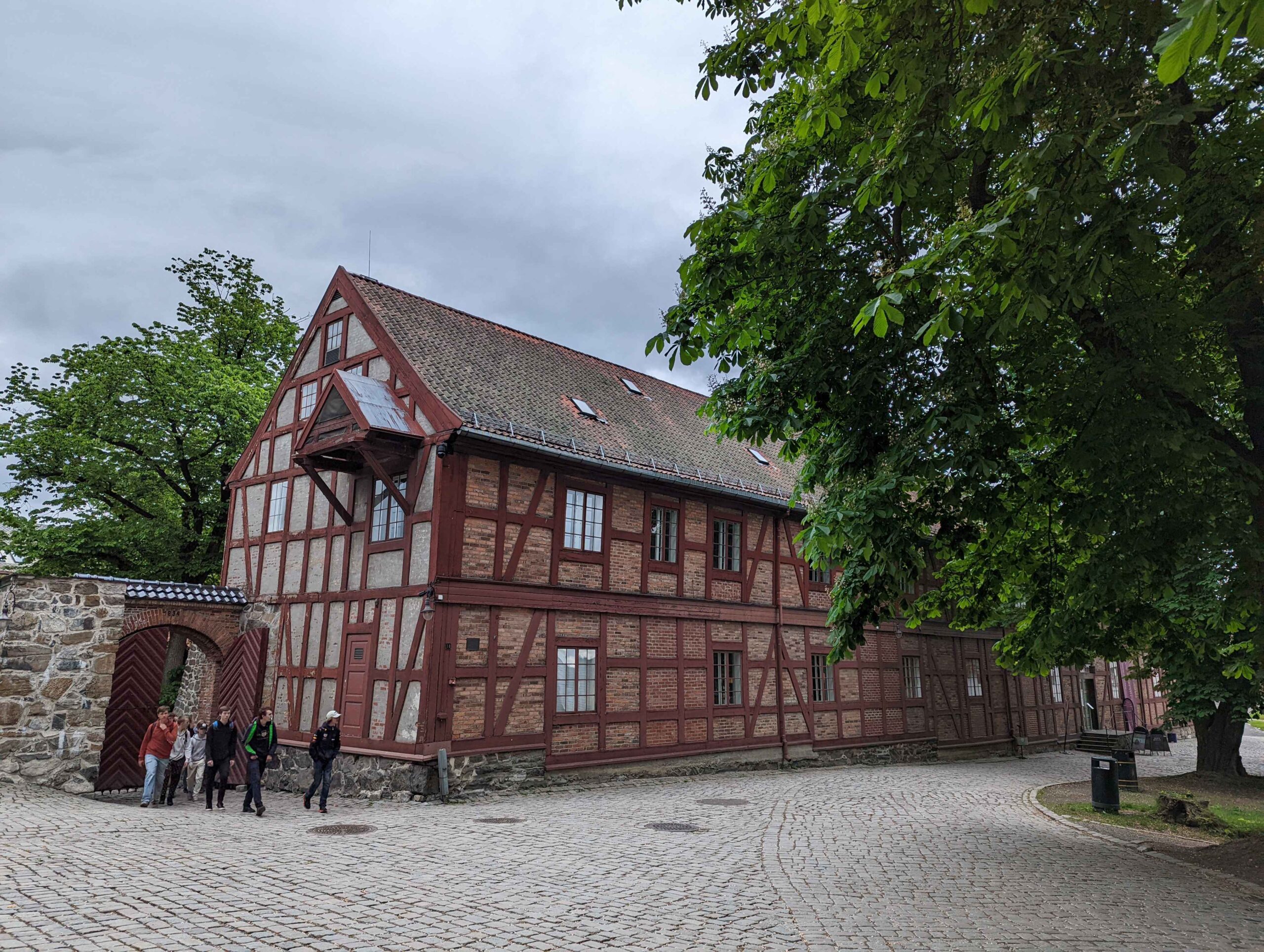
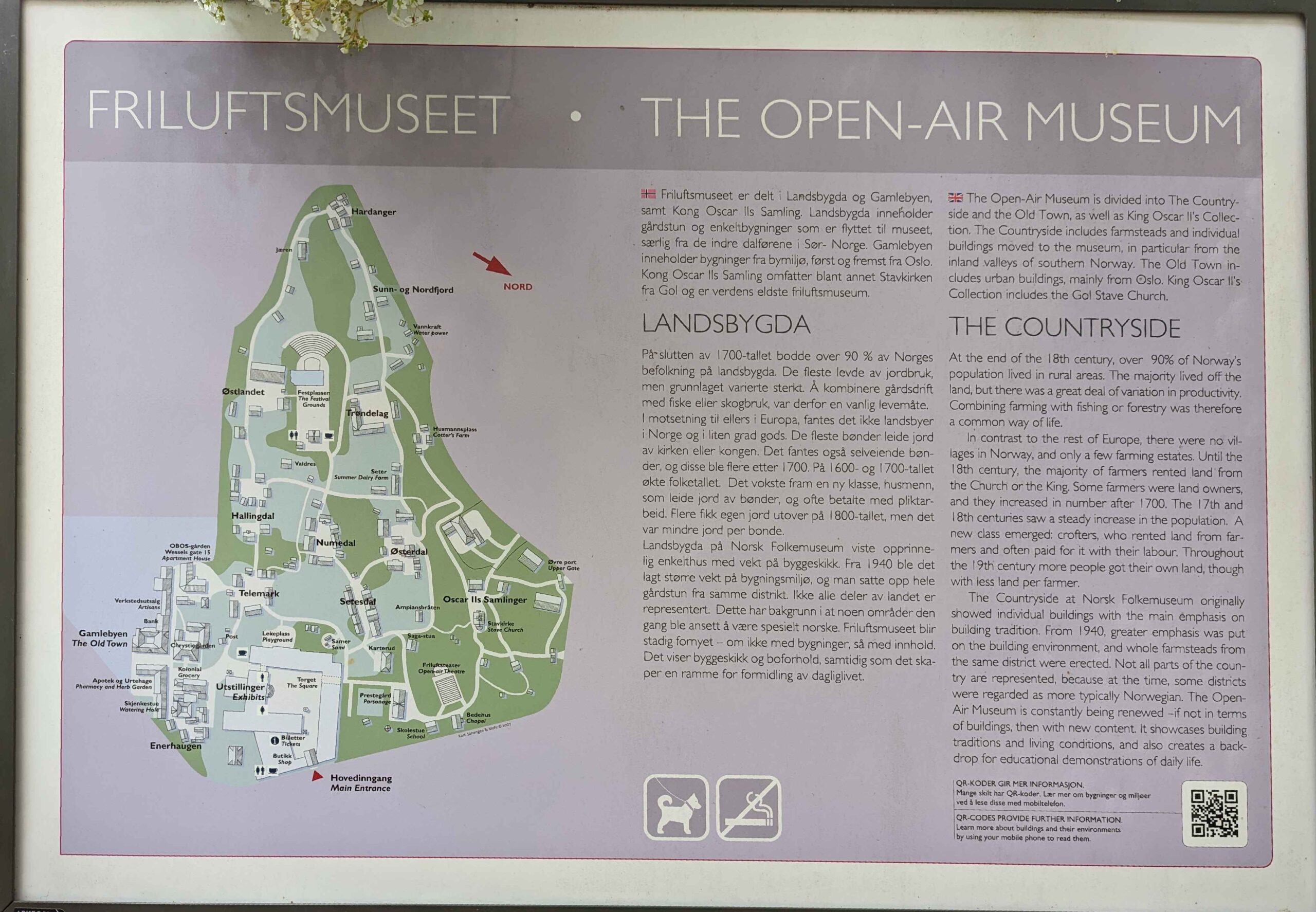
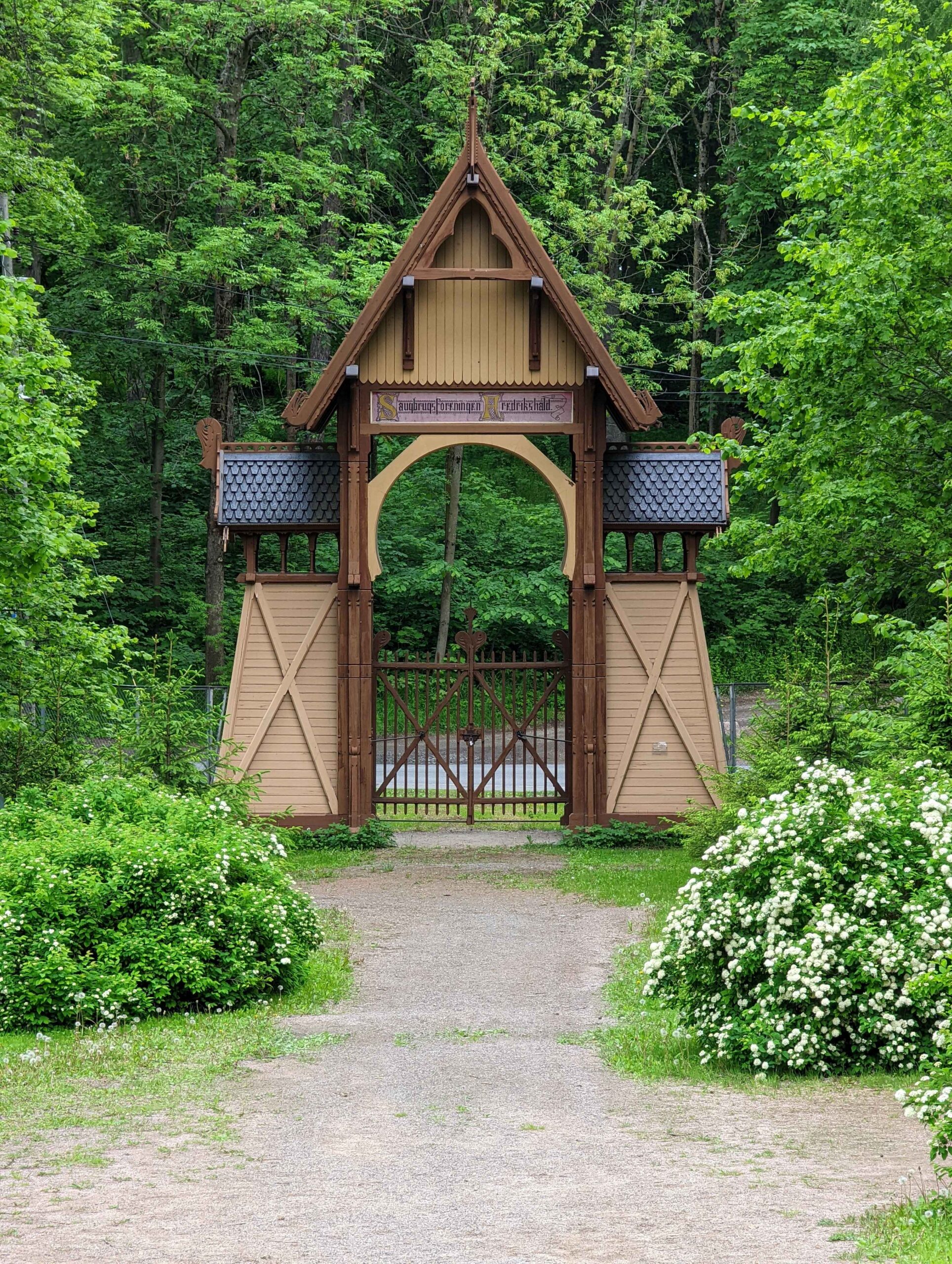
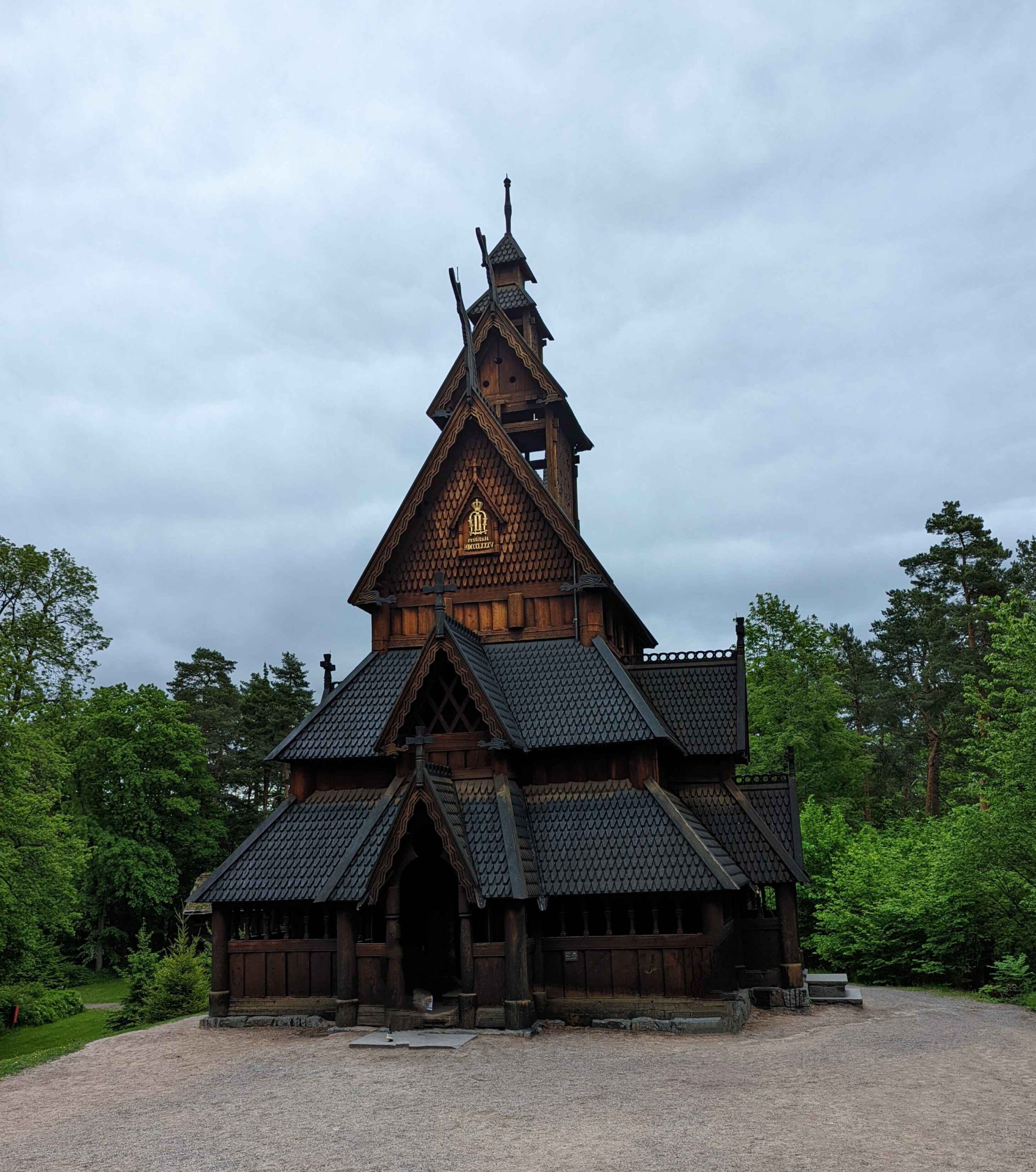
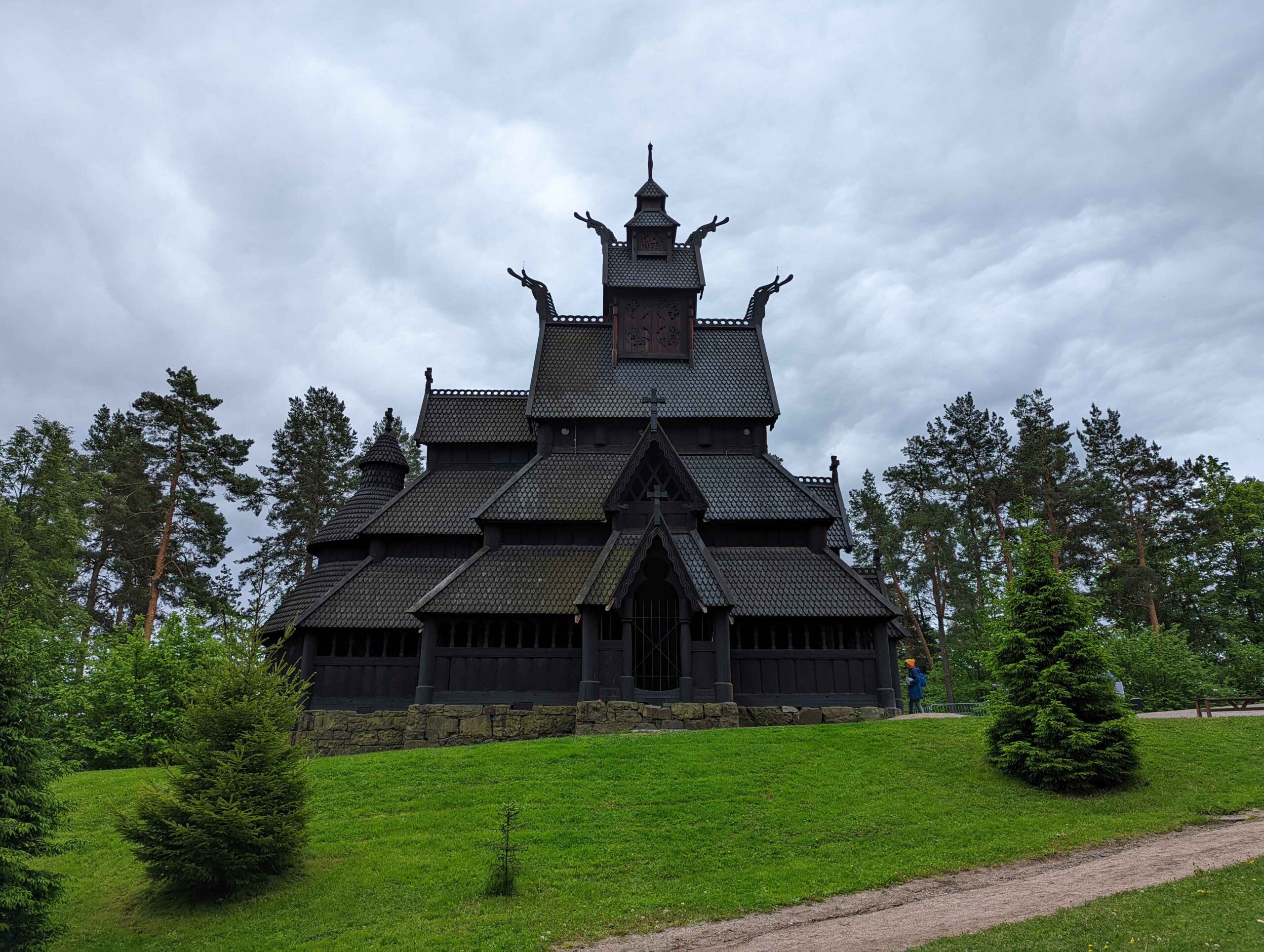
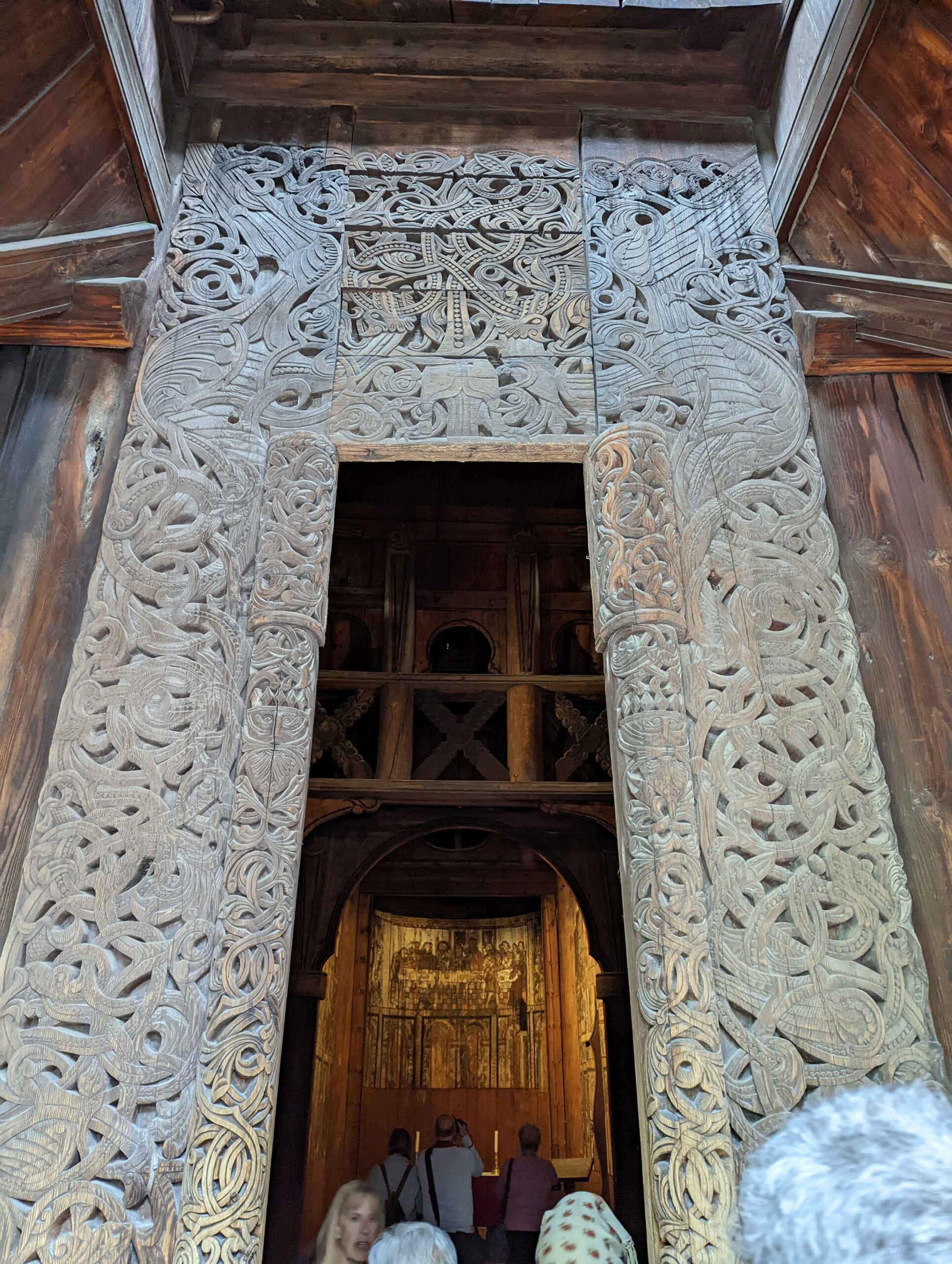
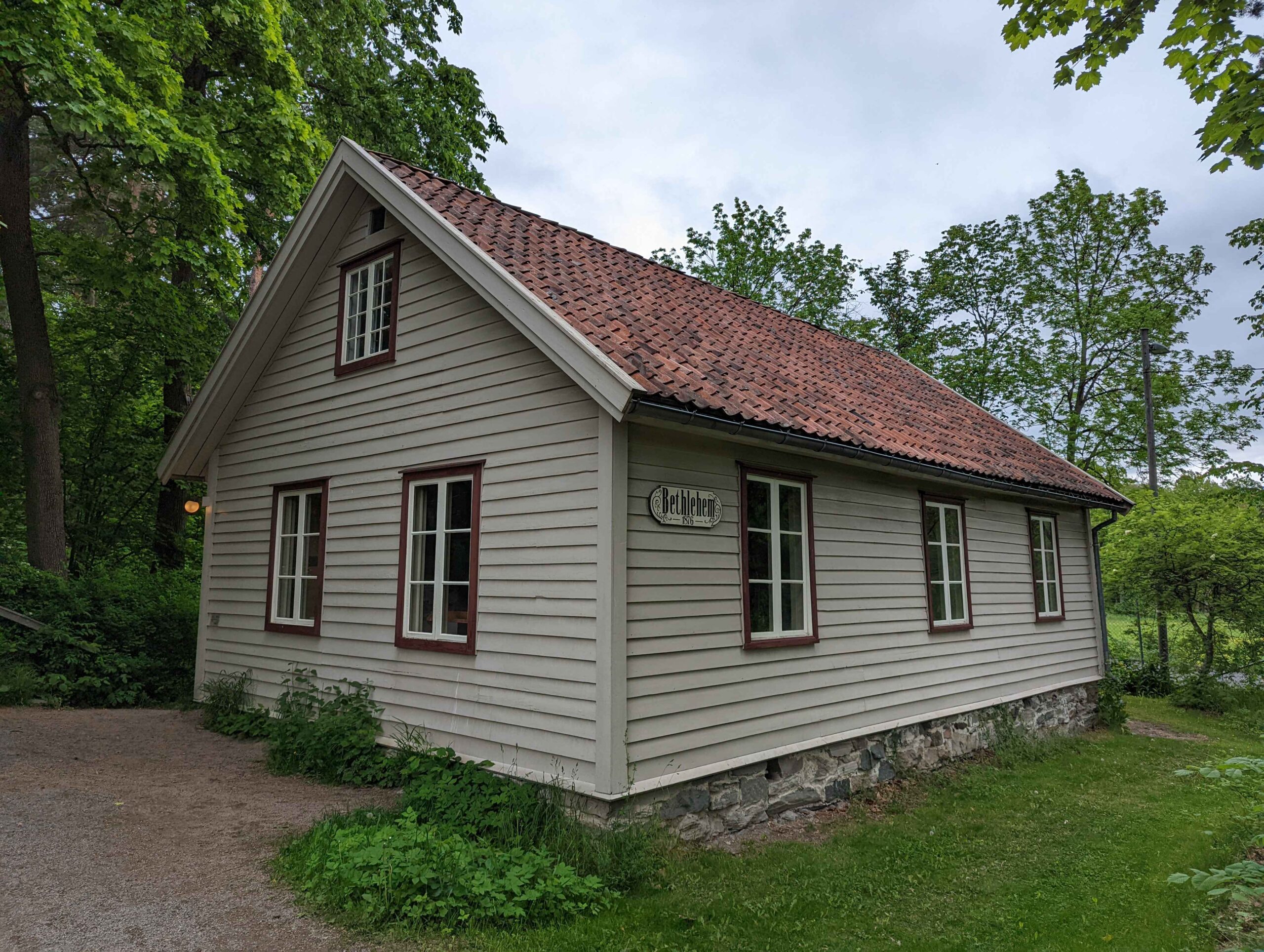
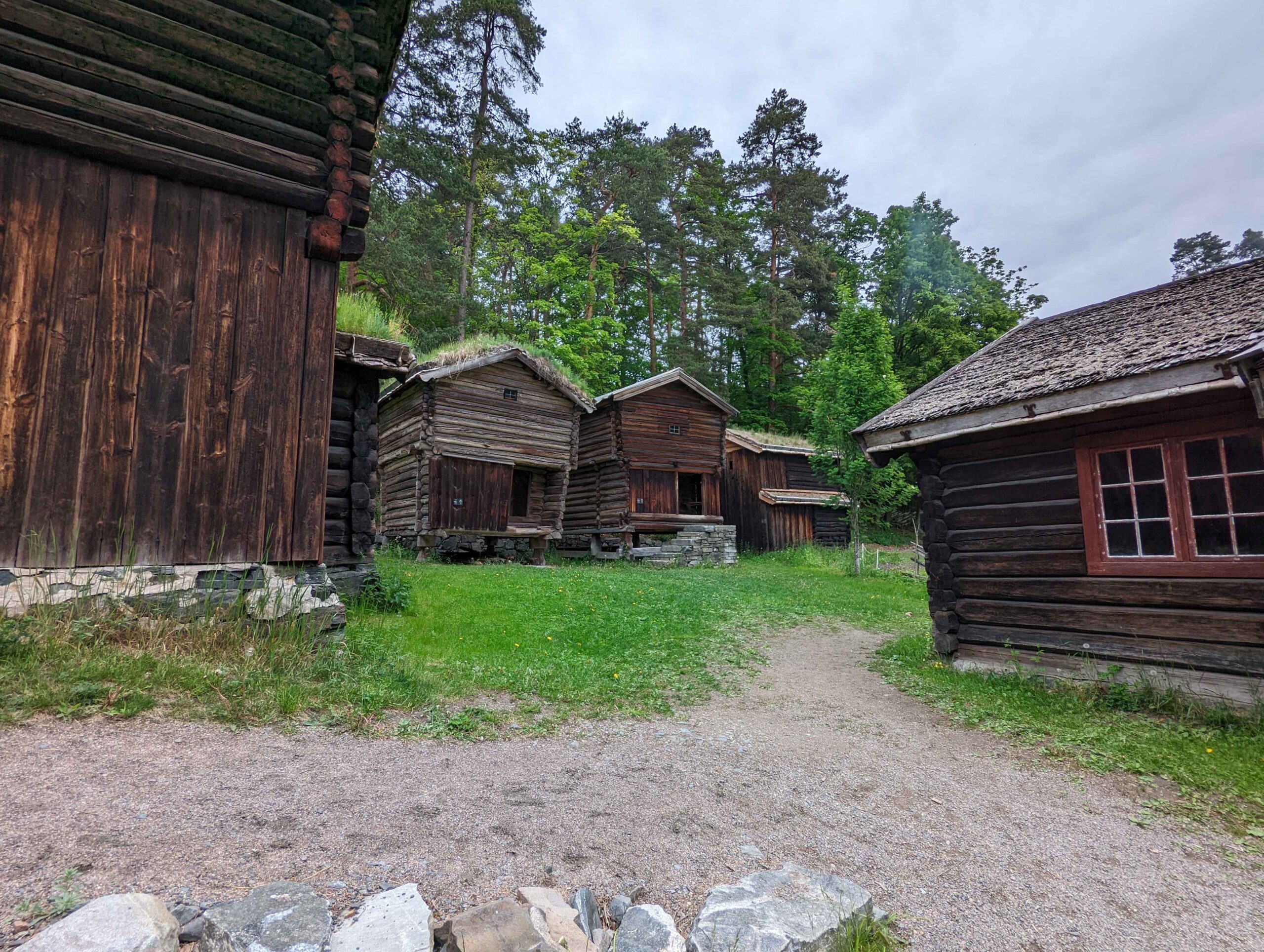
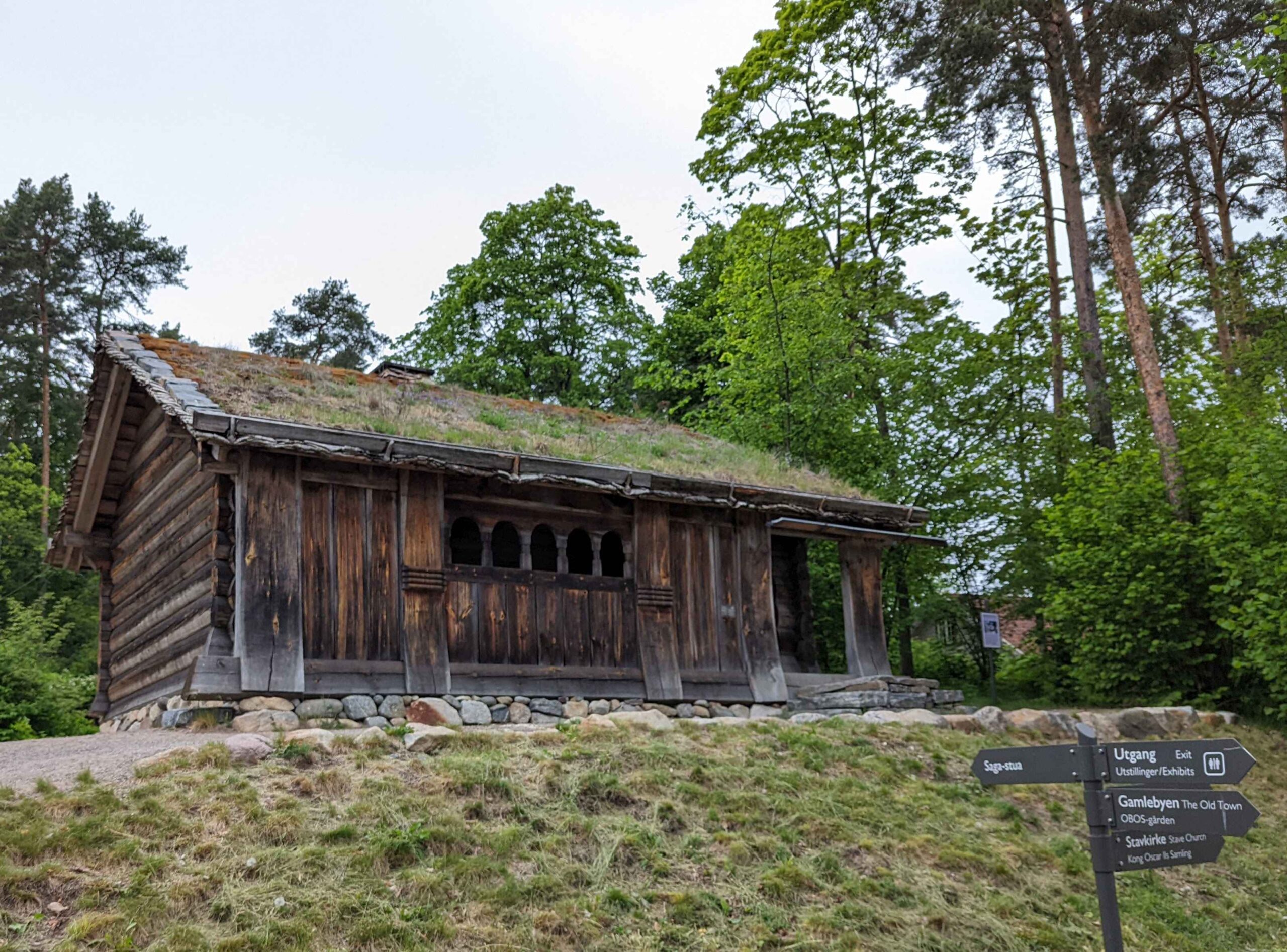
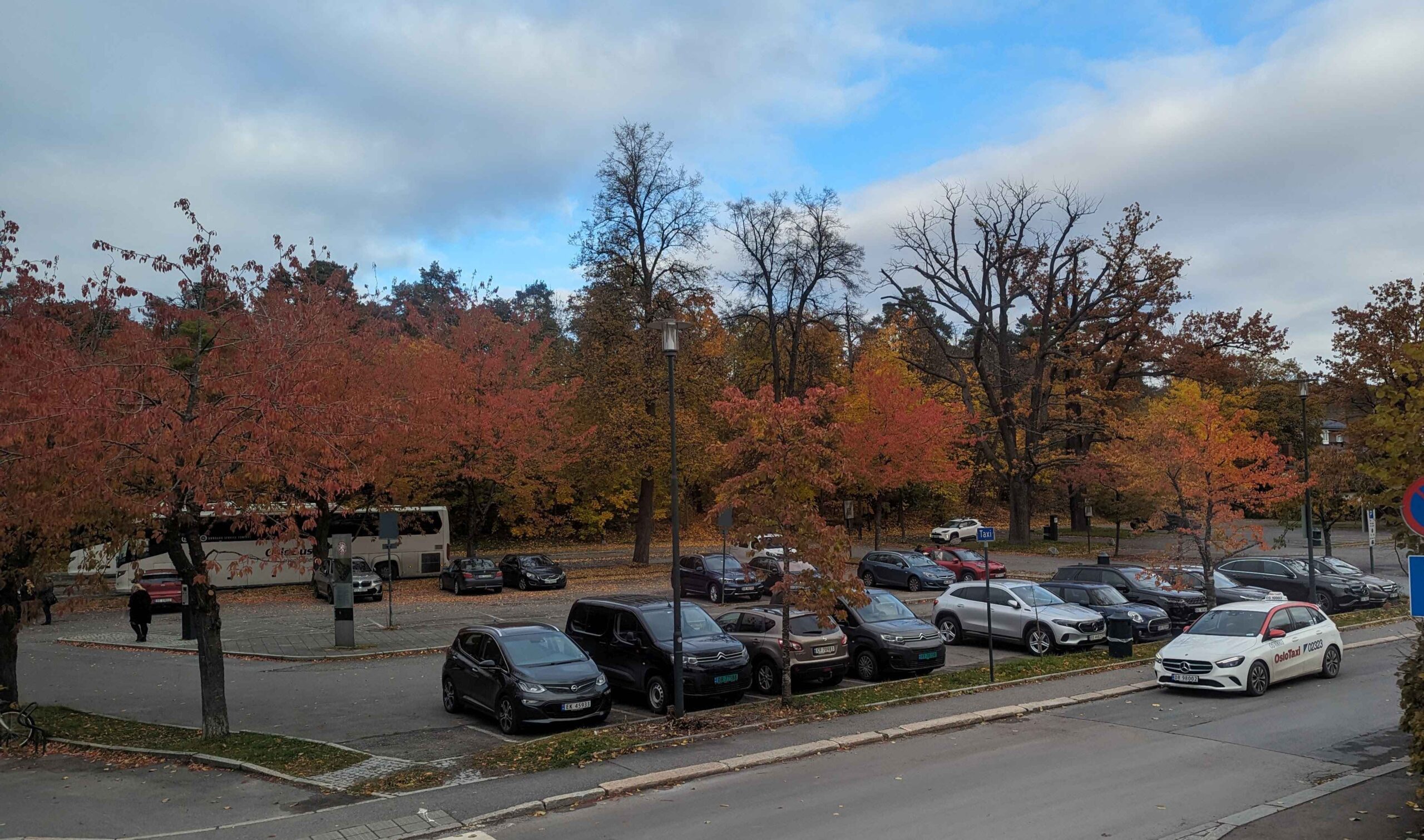
Later that day I joined an excursion that first took us to Norsk Folkemuseum which is one of the most impressive open air museums I have visited. Historic wooden homes farm buildings and churches are spread across the grounds to recreate traditional Norwegian life. Walking between the structures felt like stepping through different periods of rural history. The preserved buildings and grass roof houses created a vivid picture of how communities once lived across Norway.
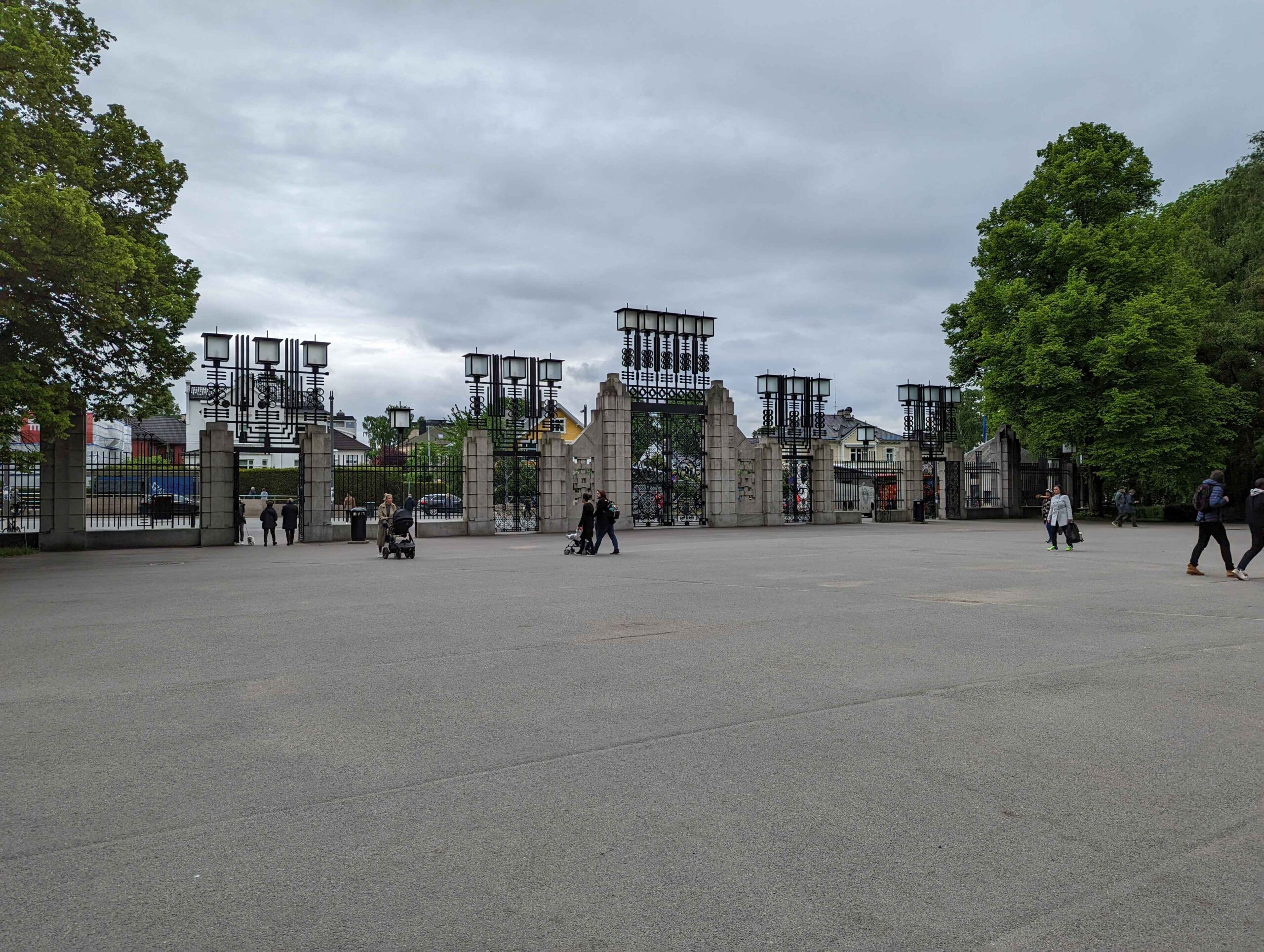
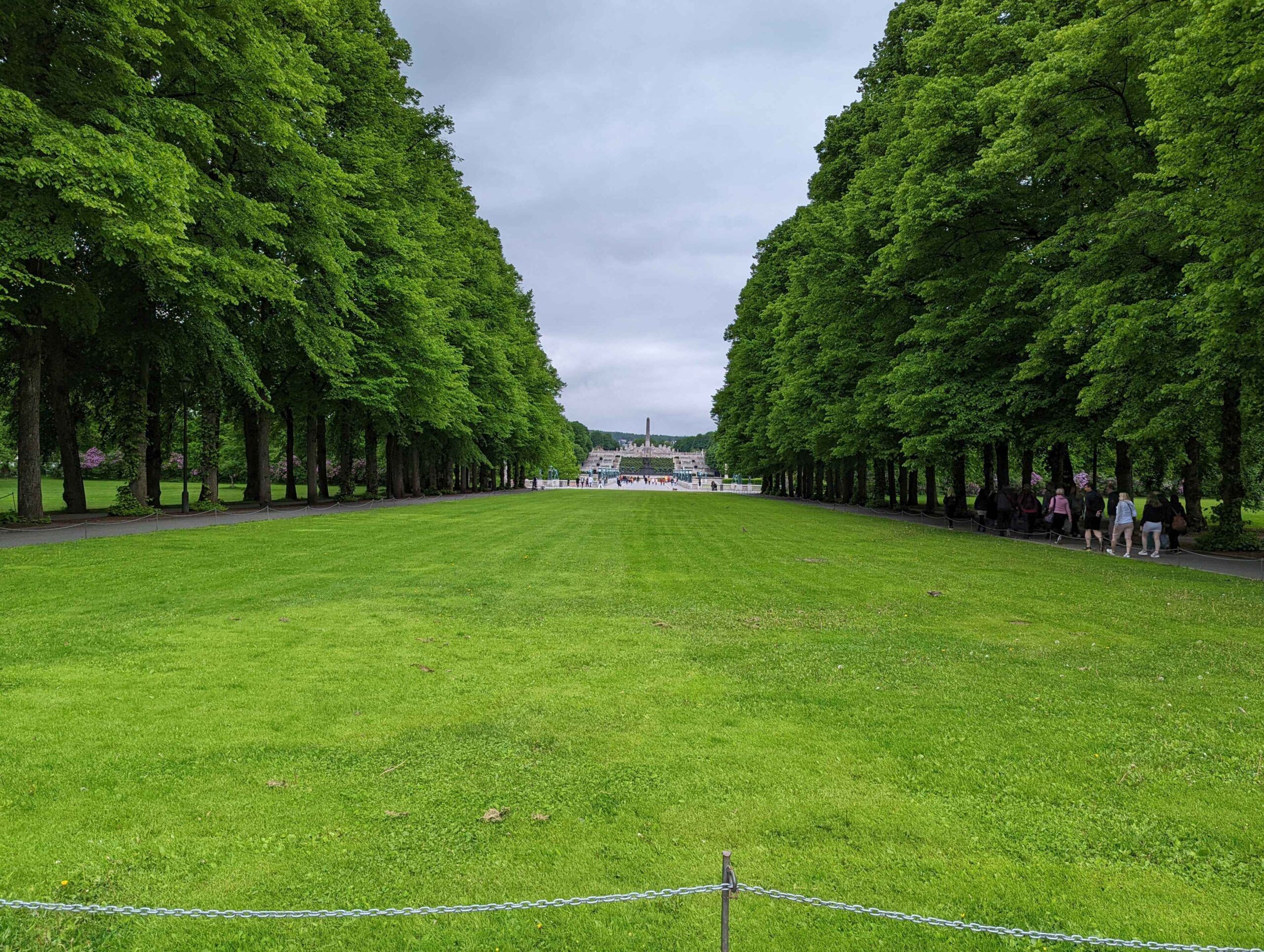
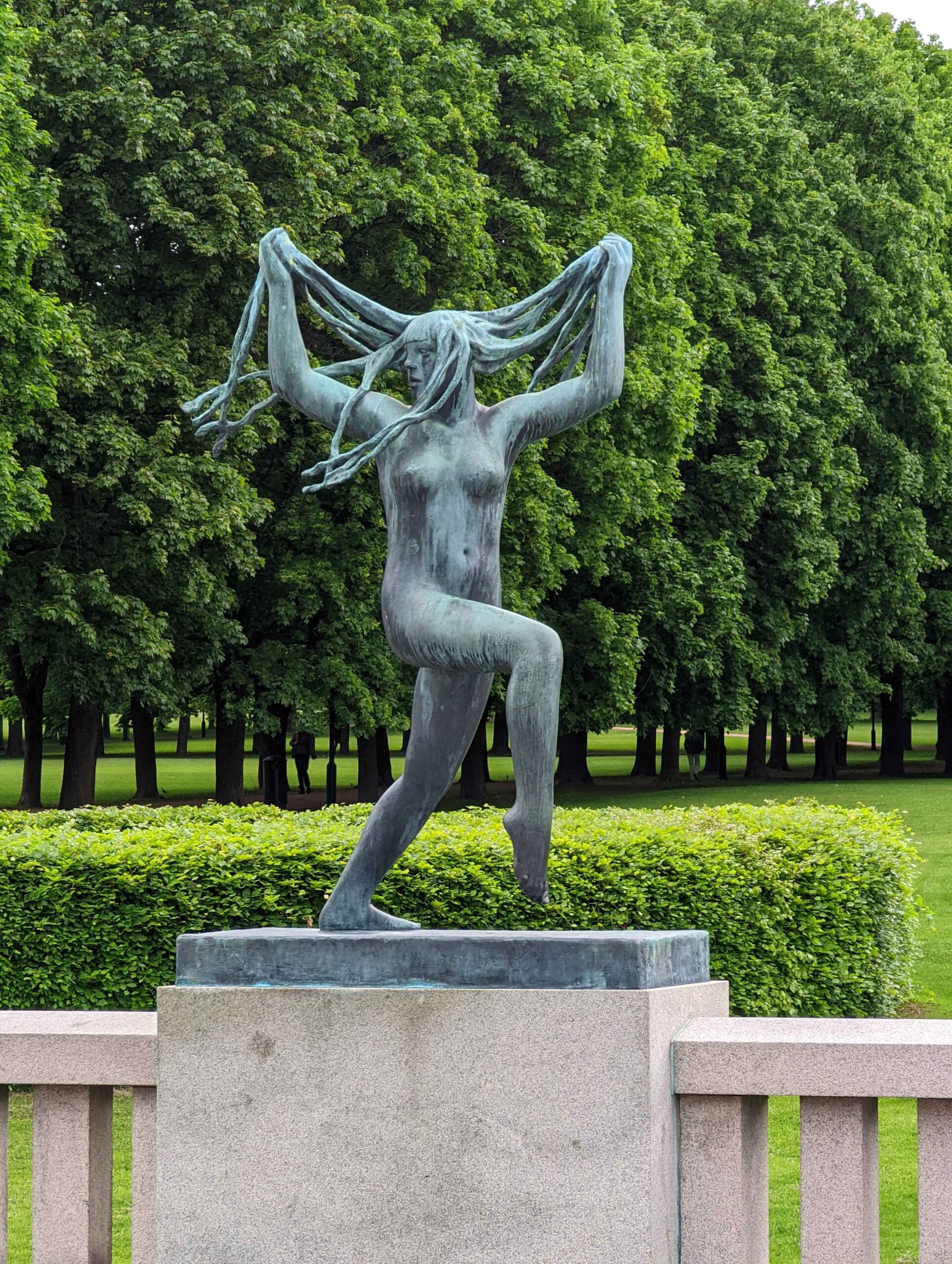
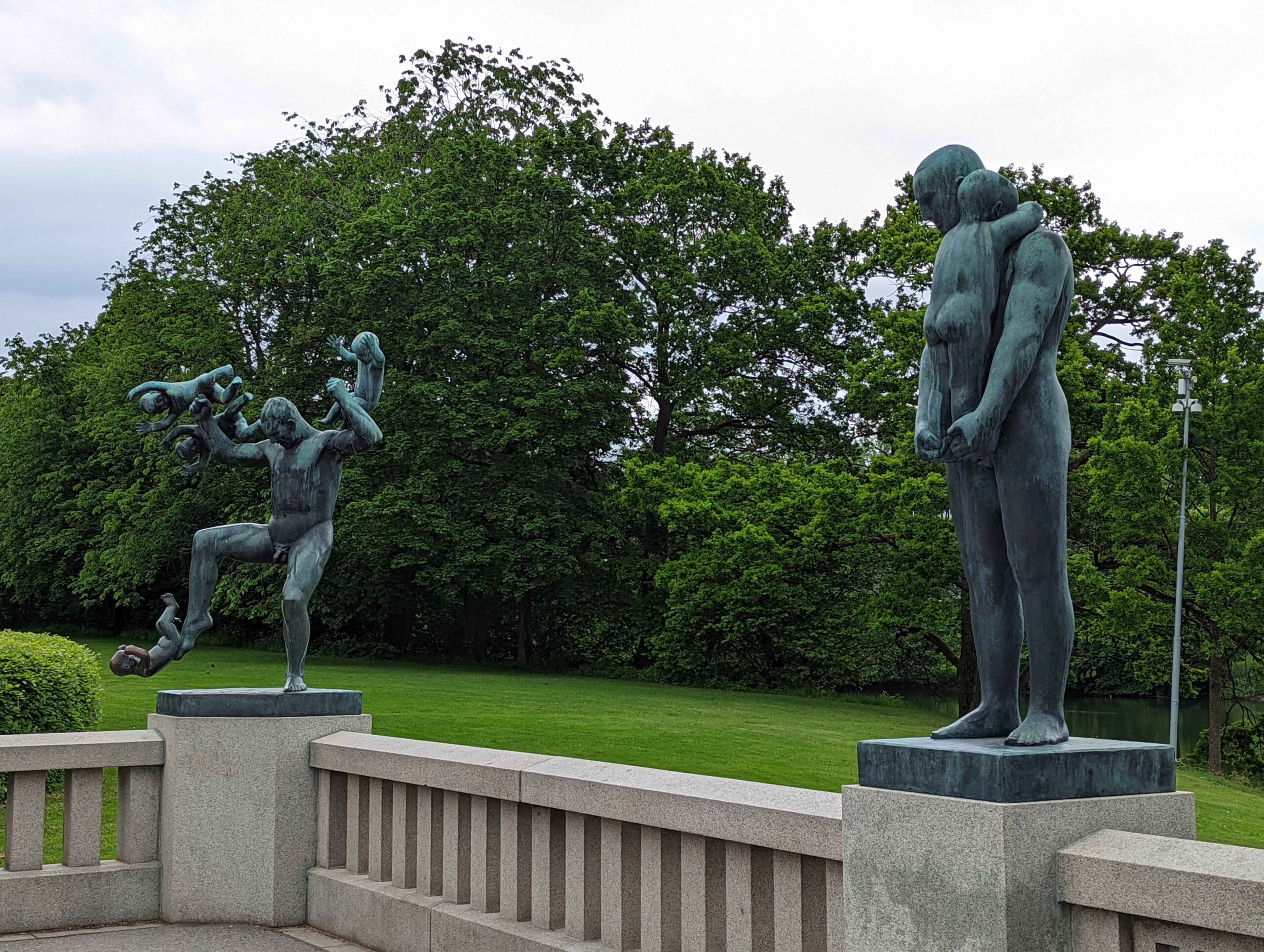
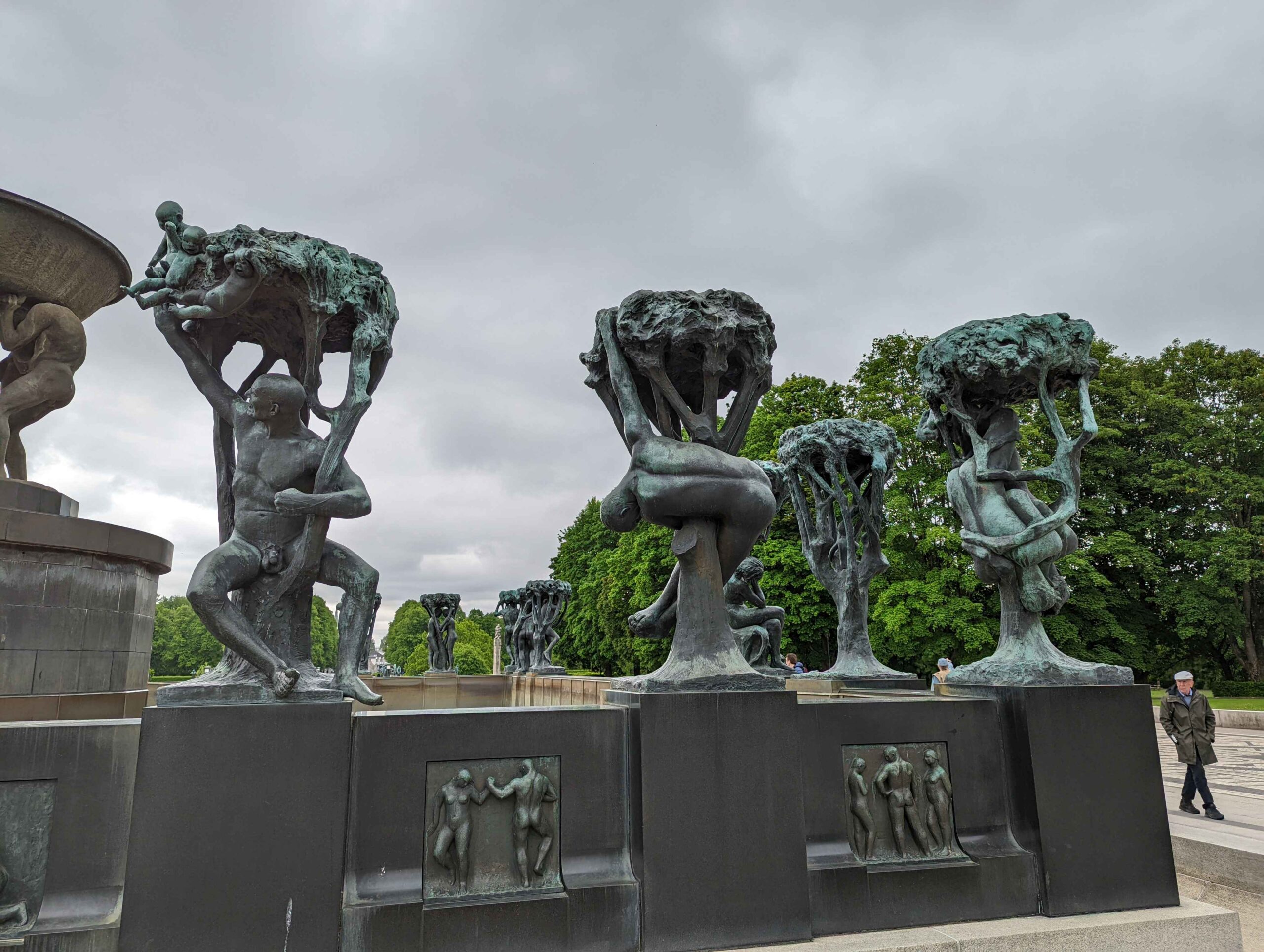
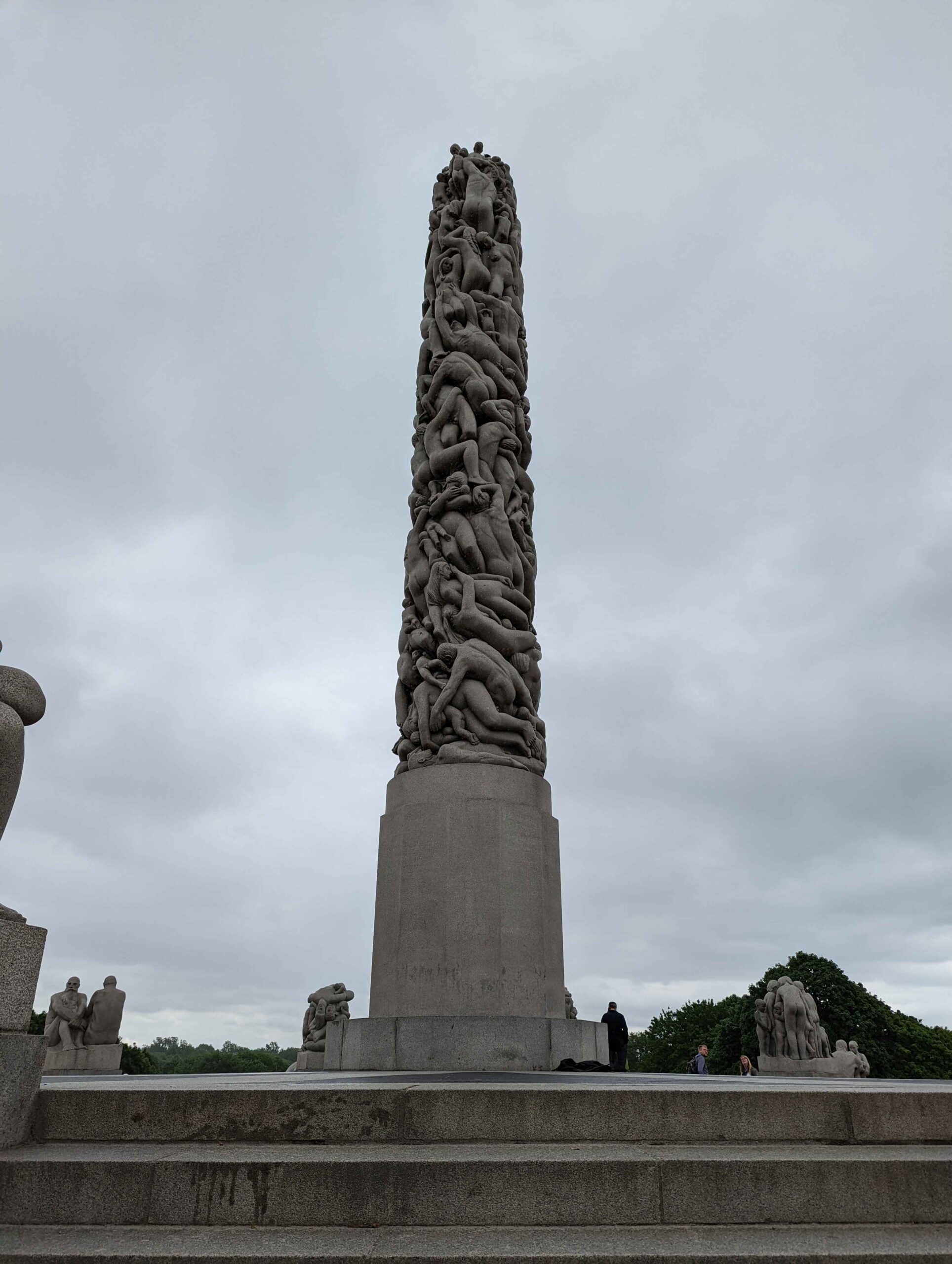
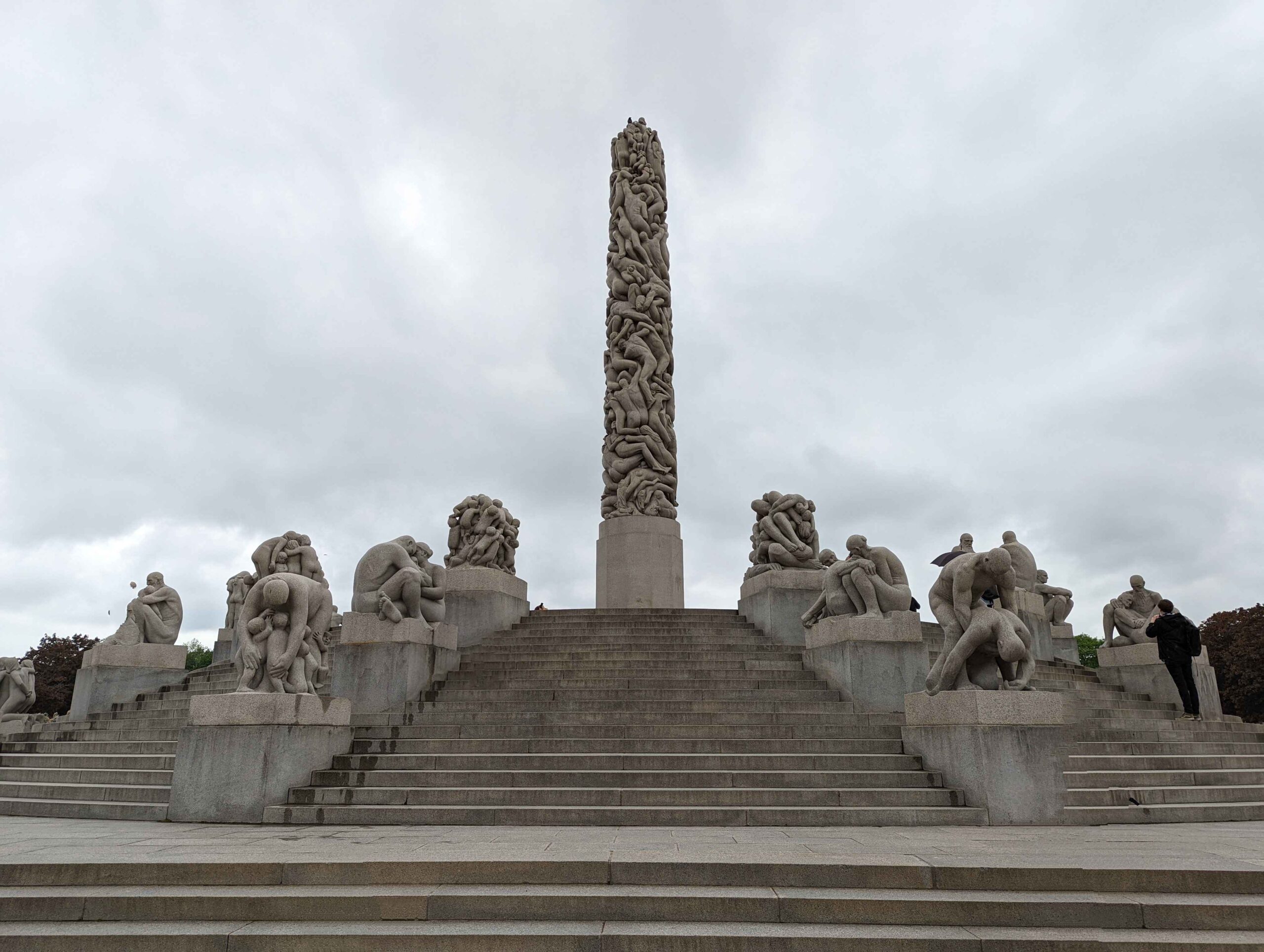
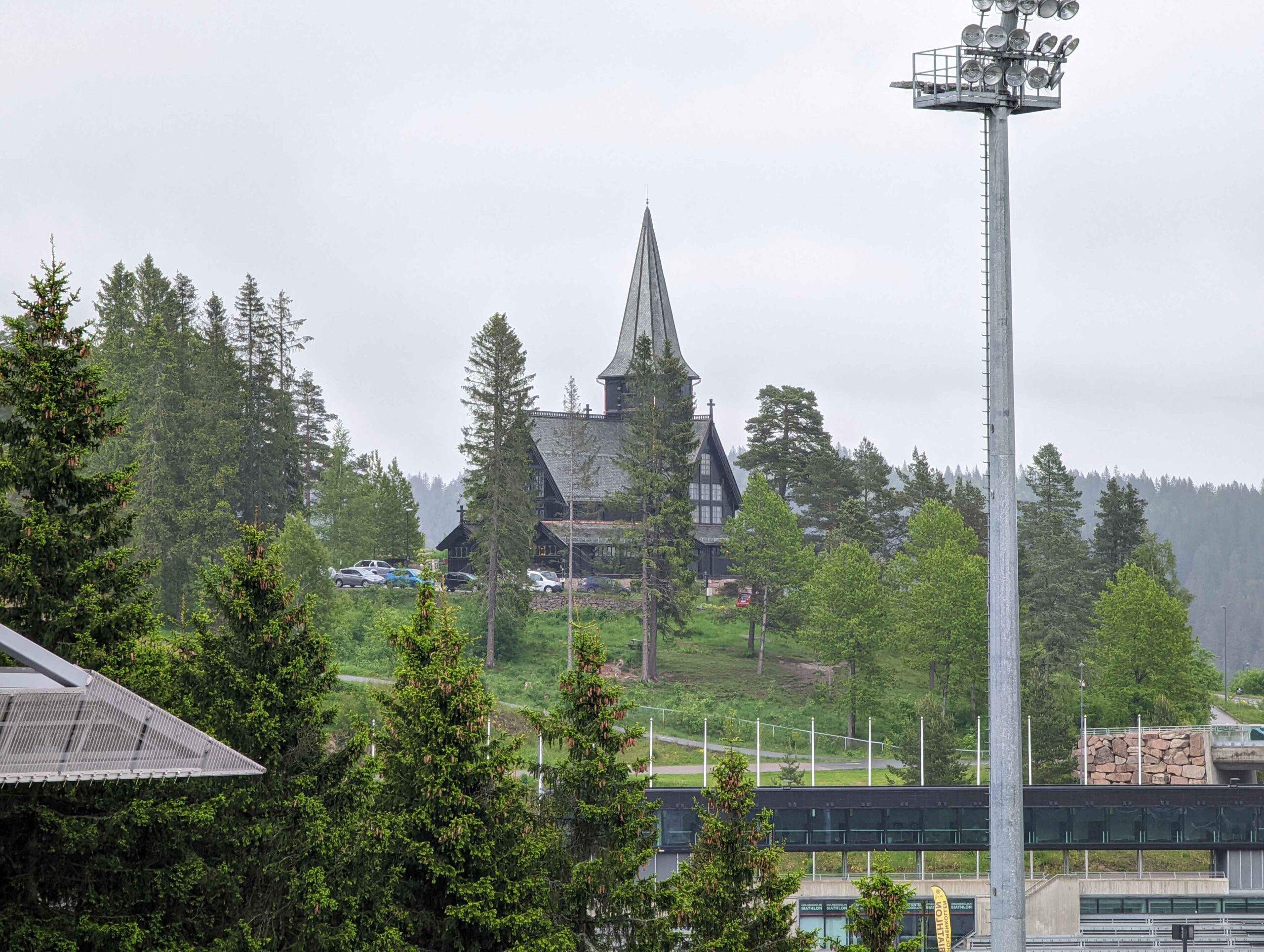
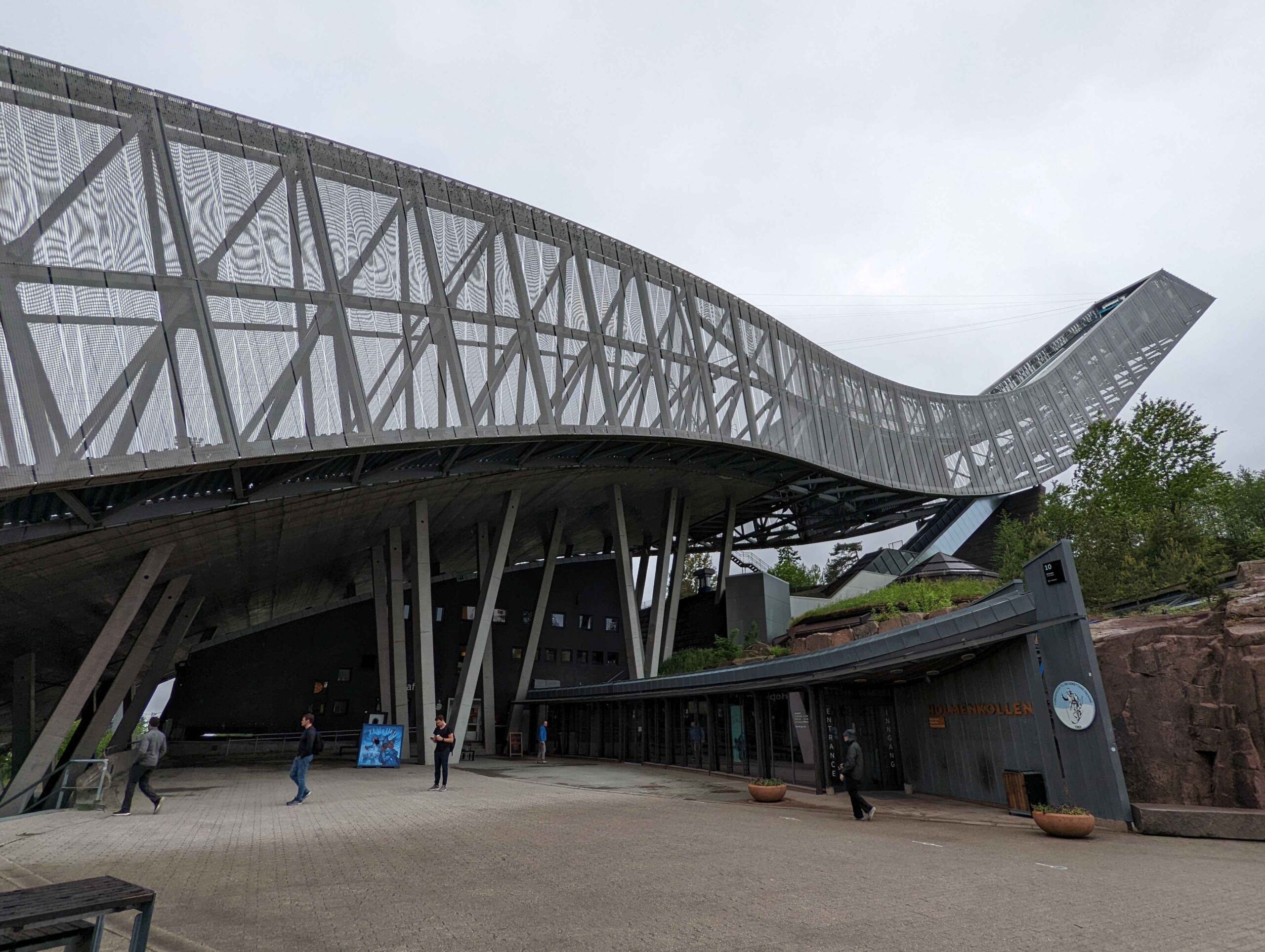
From there the tour continued to Frognerparken and Vigelandsparken where the sculptures of Gustav Vigeland line the walkways and plazas. The park felt like an enormous outdoor gallery filled with bronze and stone figures showing human emotion movement and family life. I spent a long time wandering between the statues simply observing the scenes each sculpture captured. The visit finished with a stop near Holmenkollen Ski Museum where the famous ski jump tower rises above the forest with sweeping views over Oslo and the fjord.
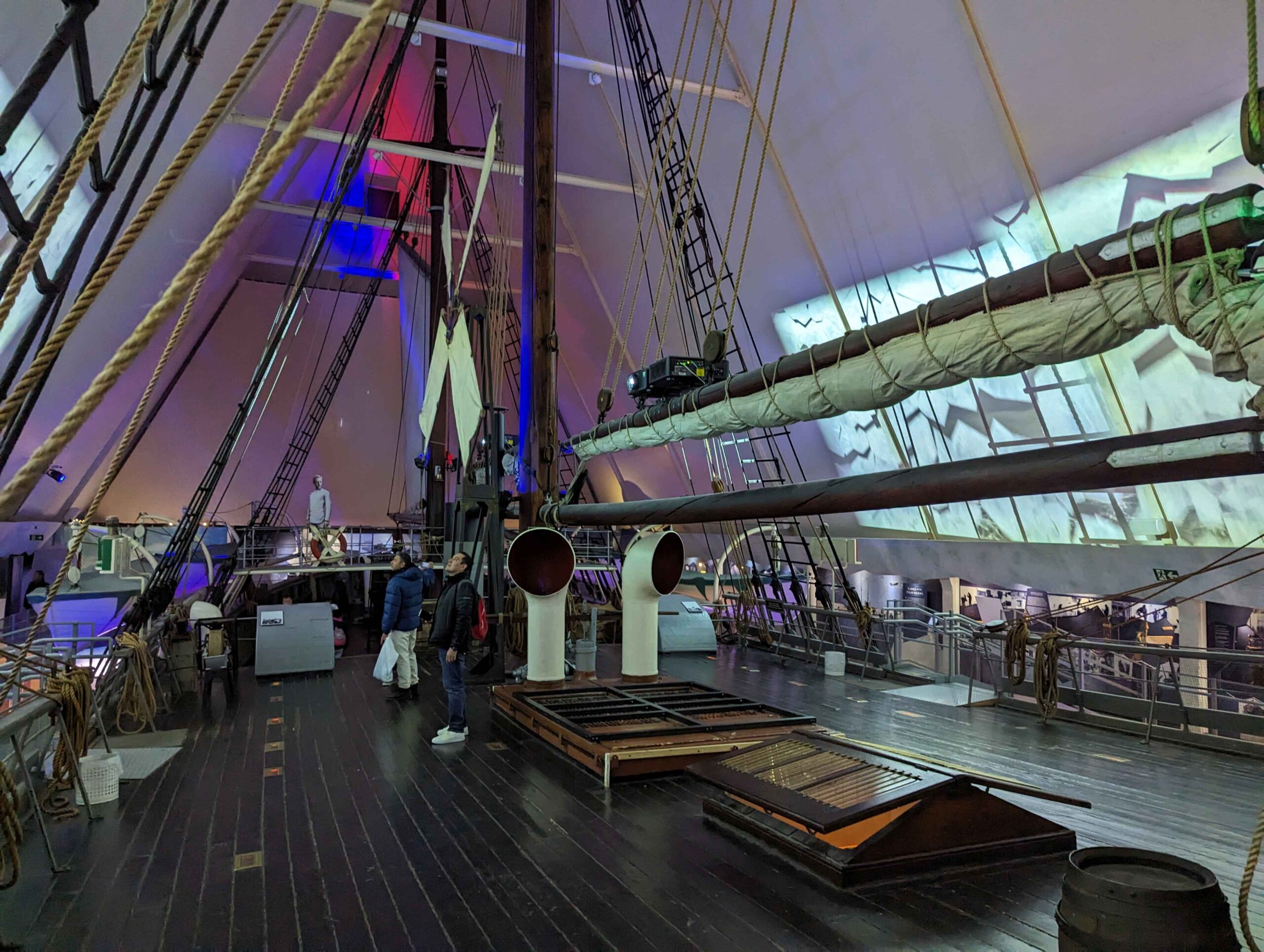
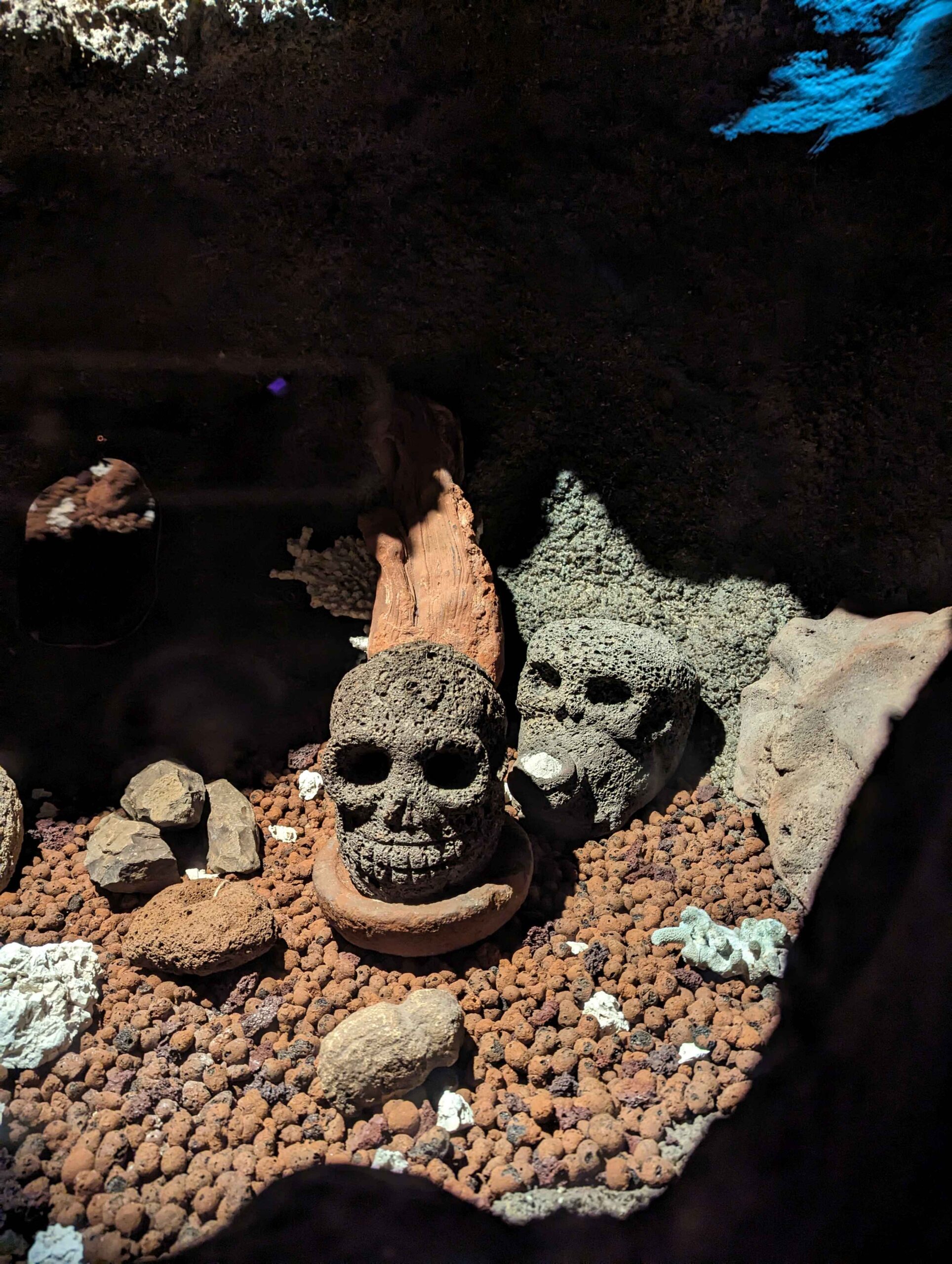
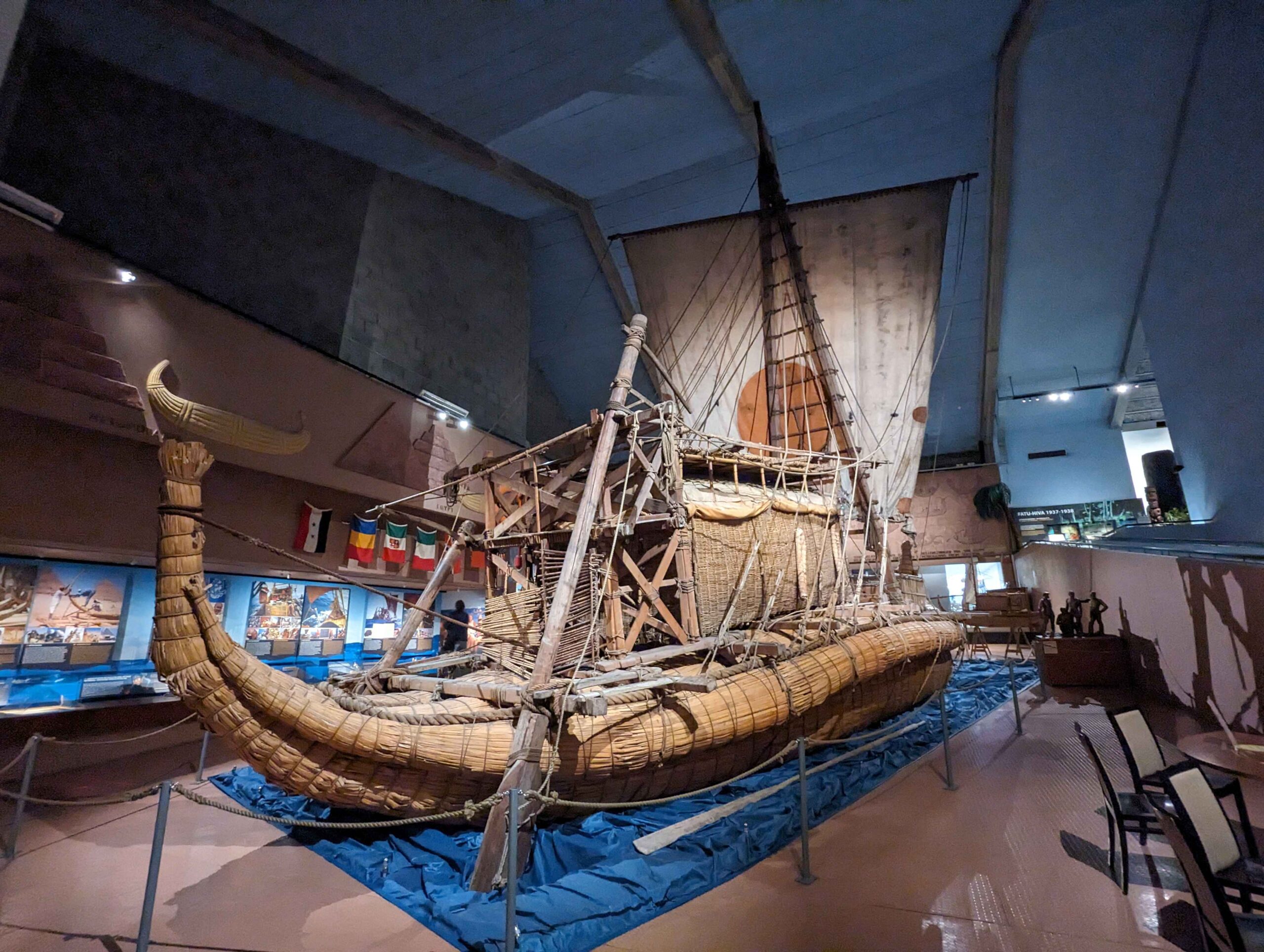
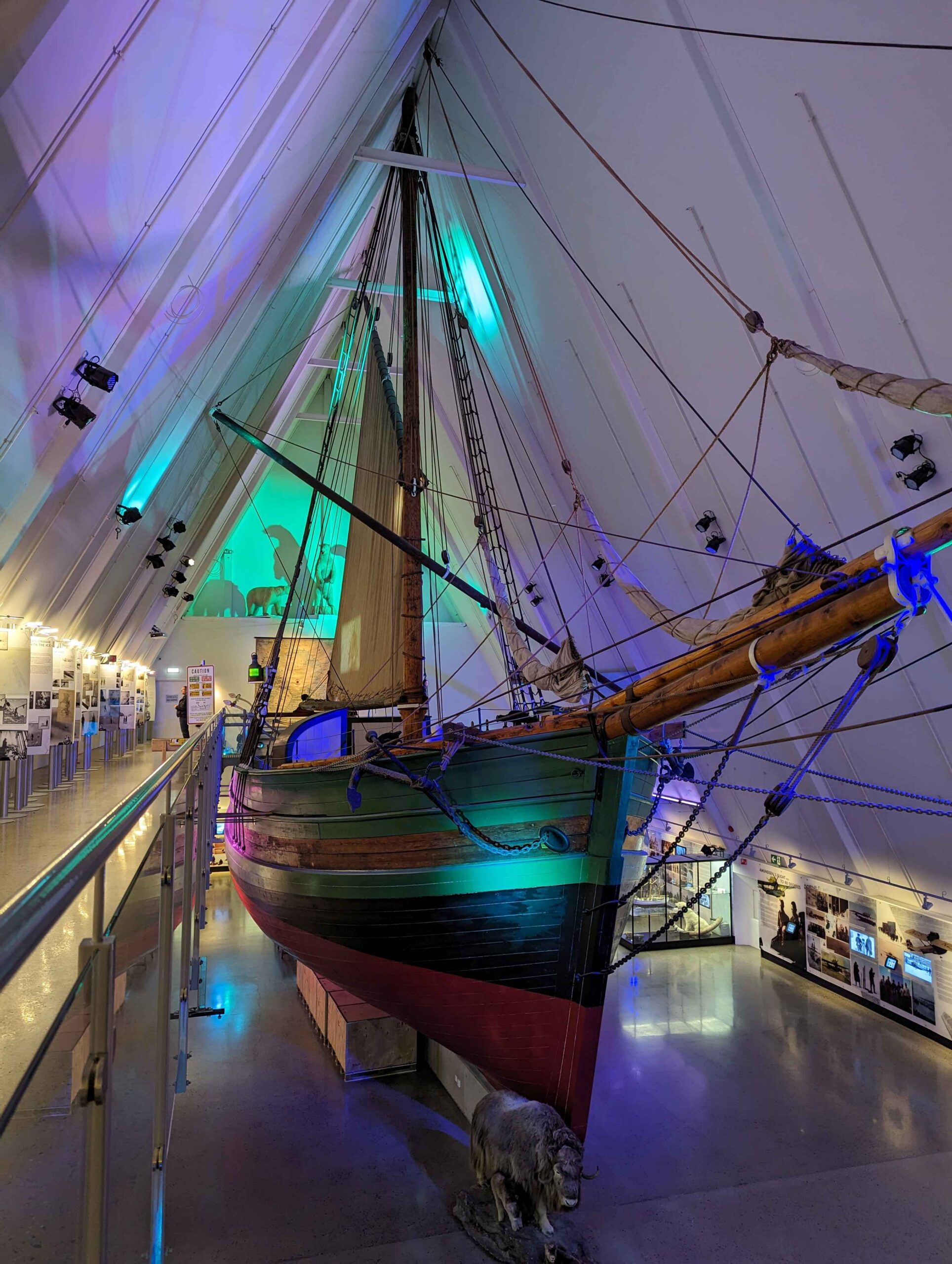
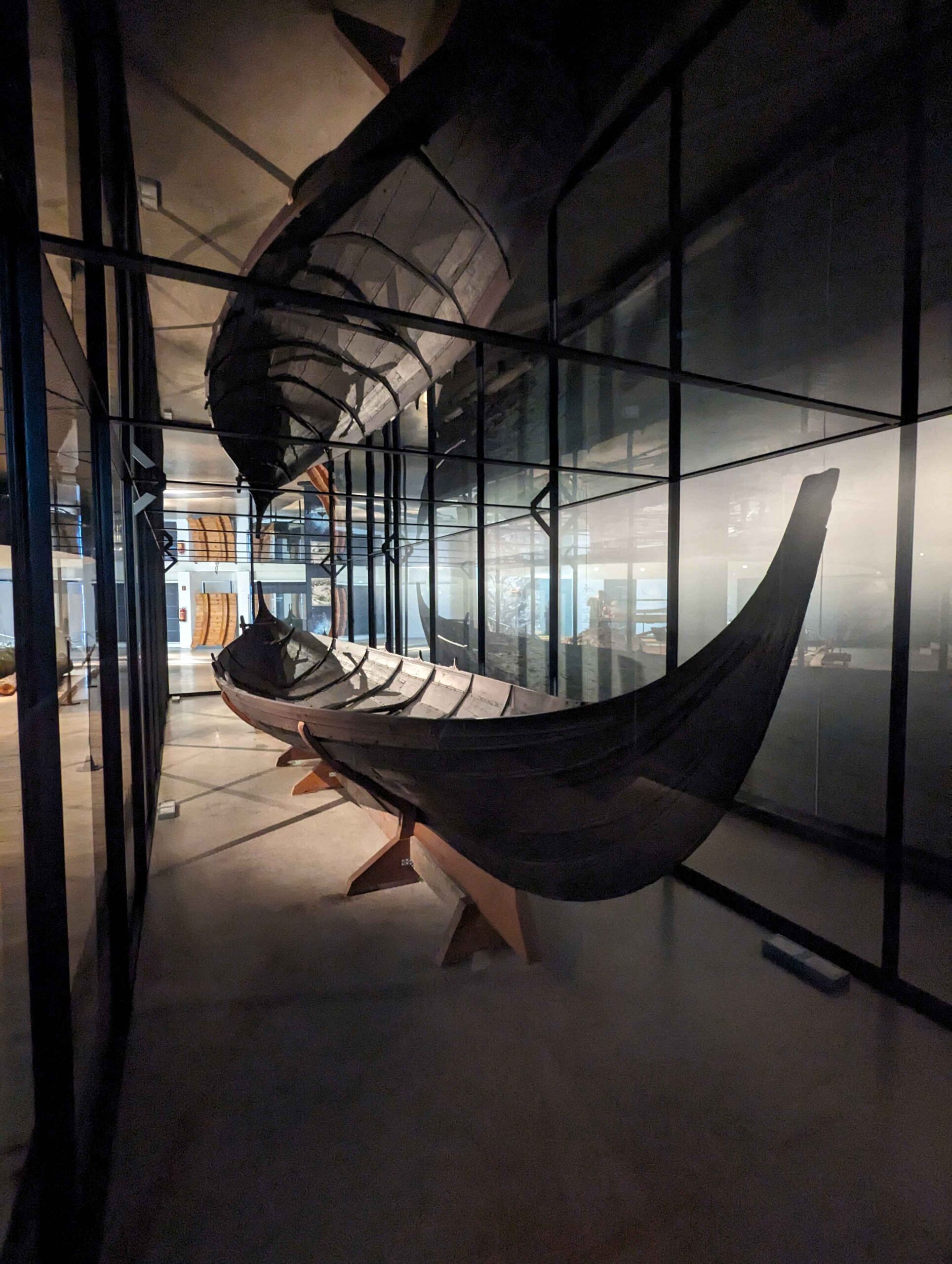
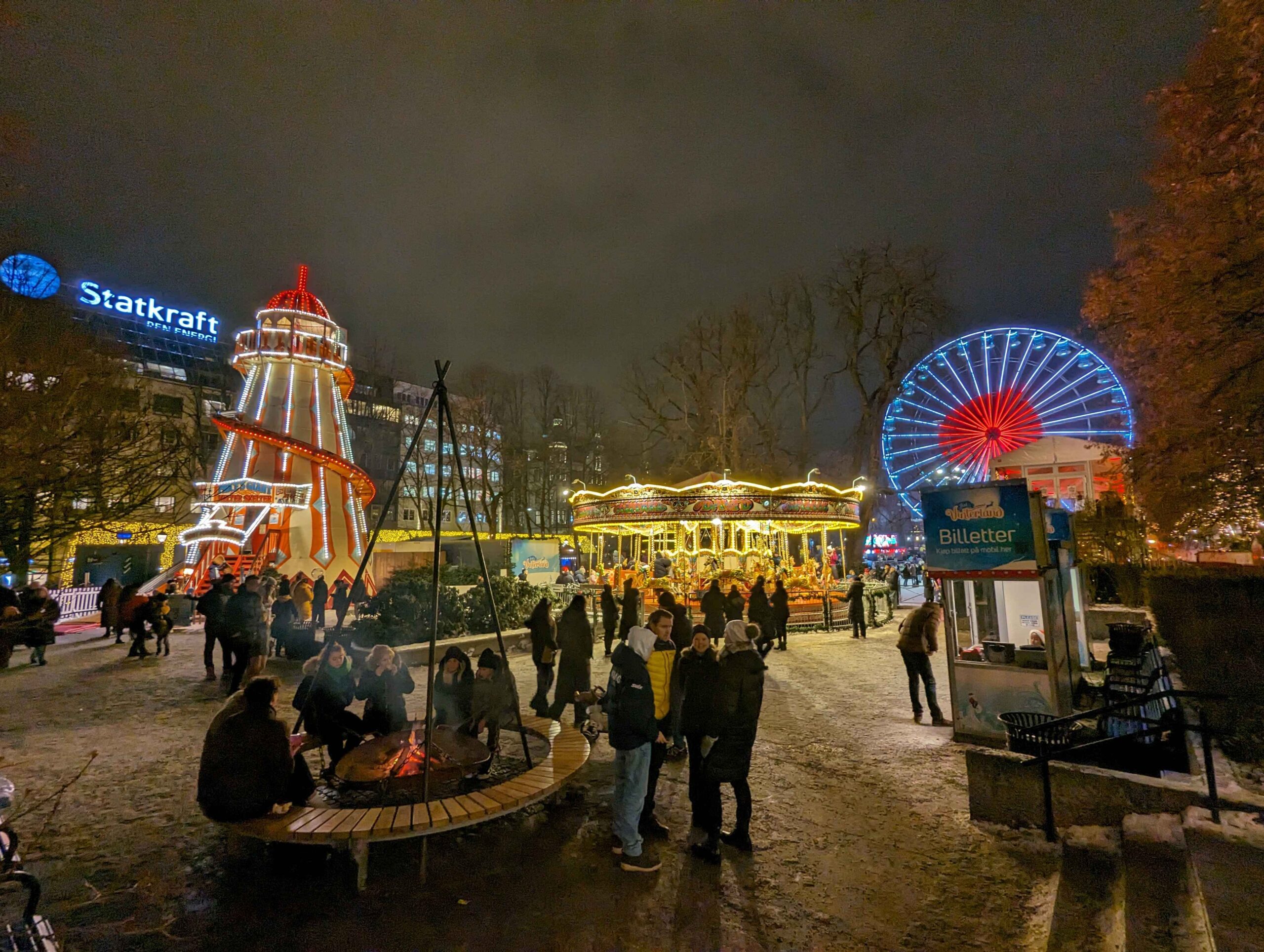
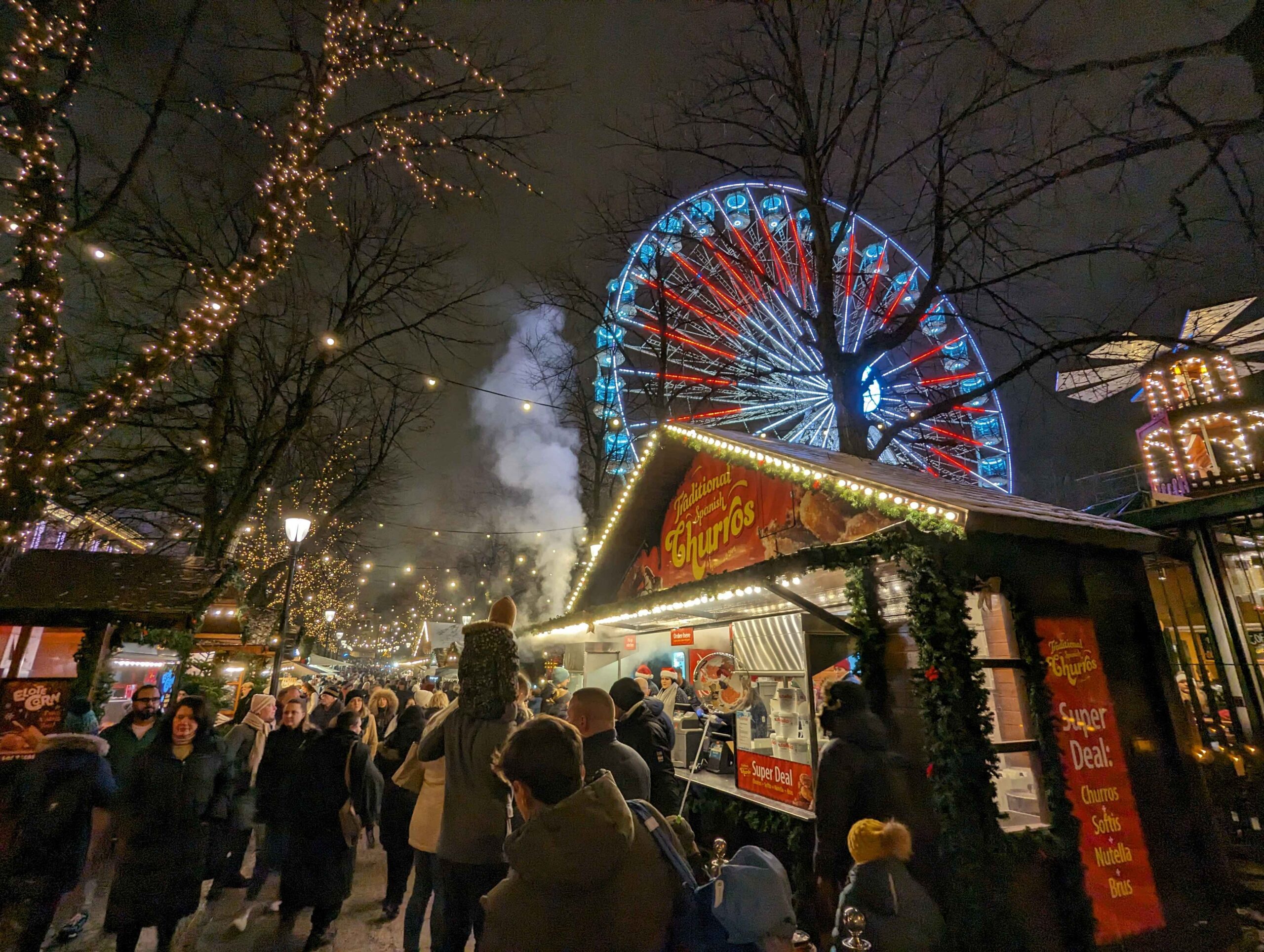
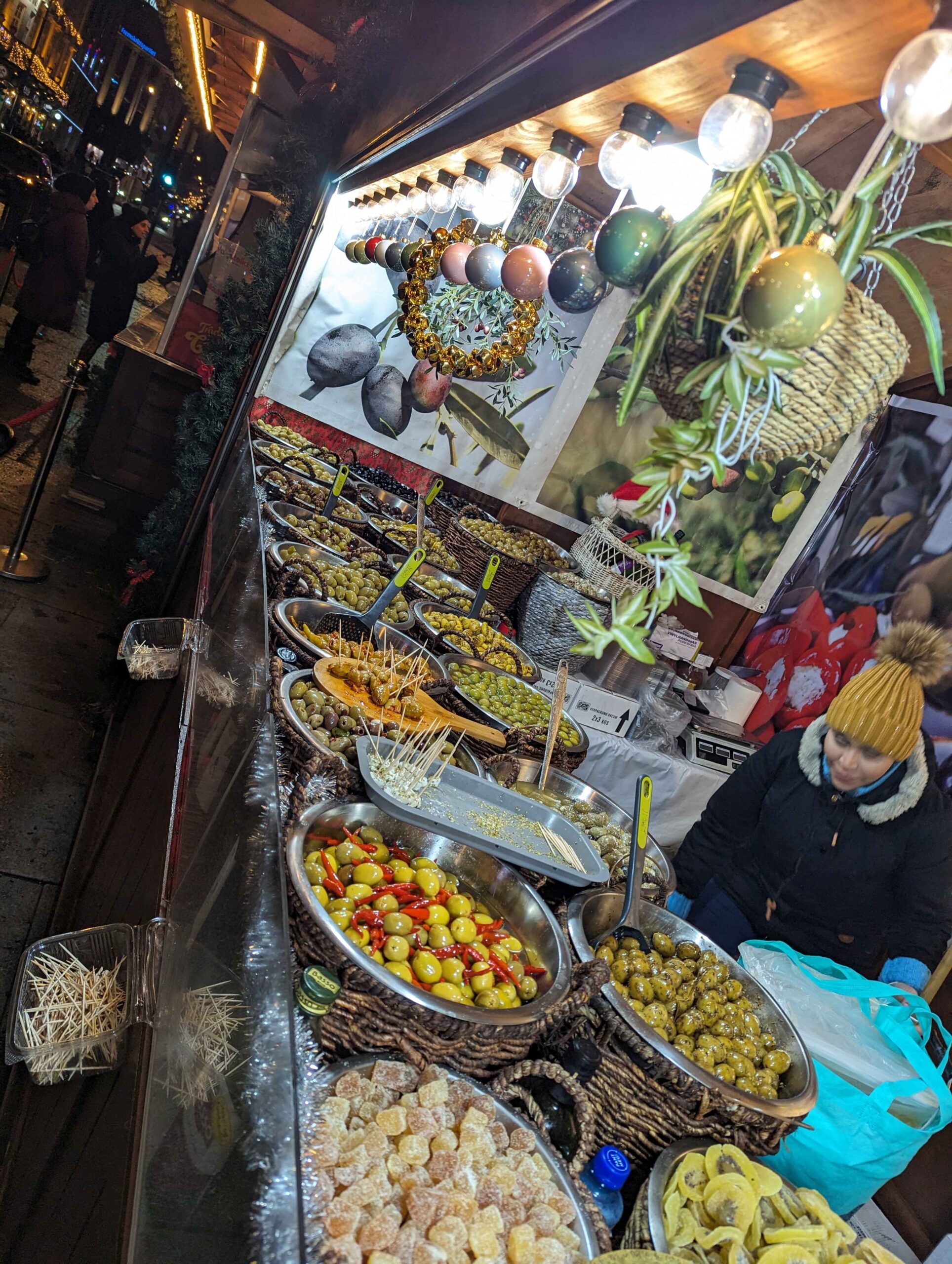
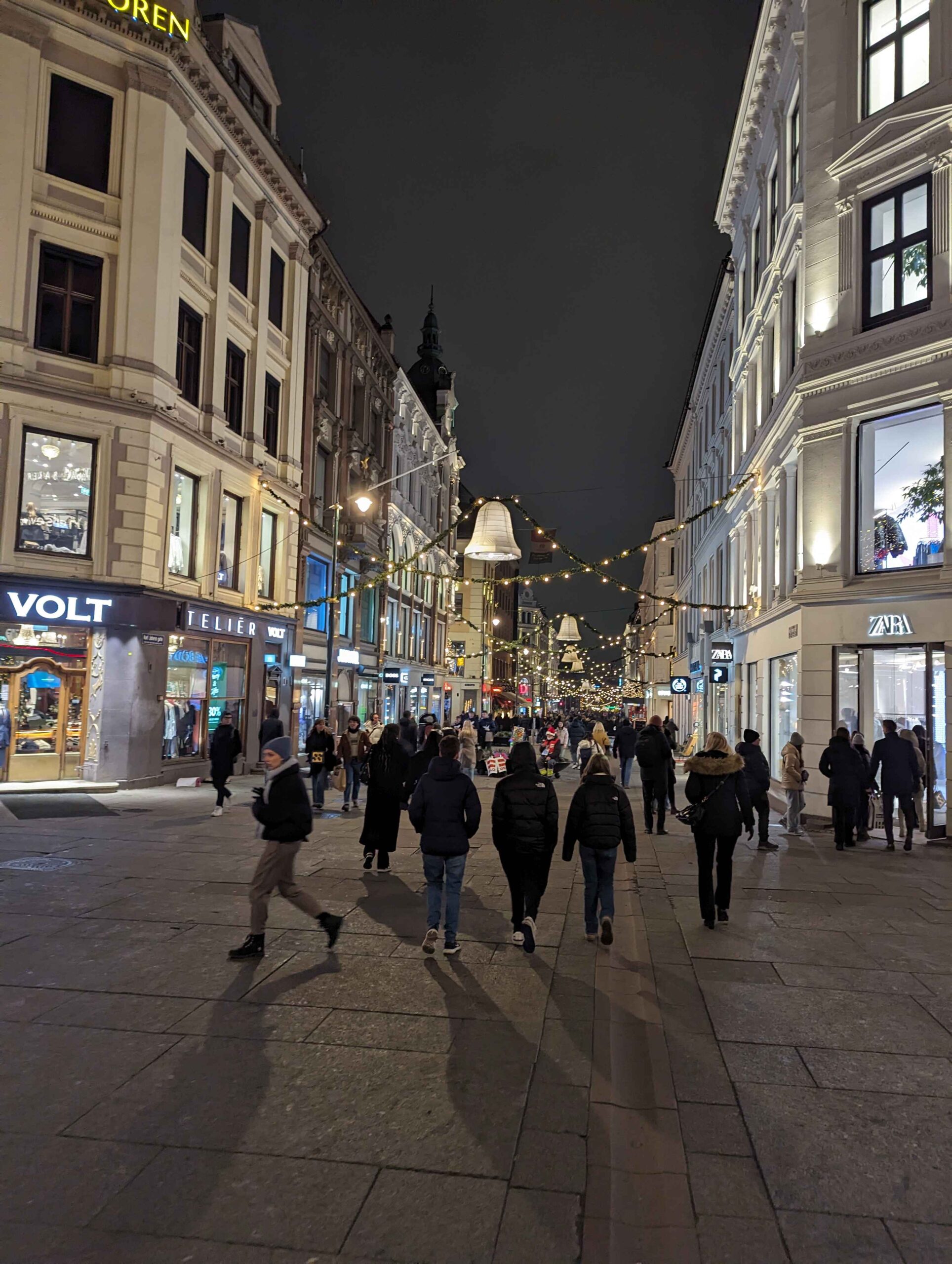
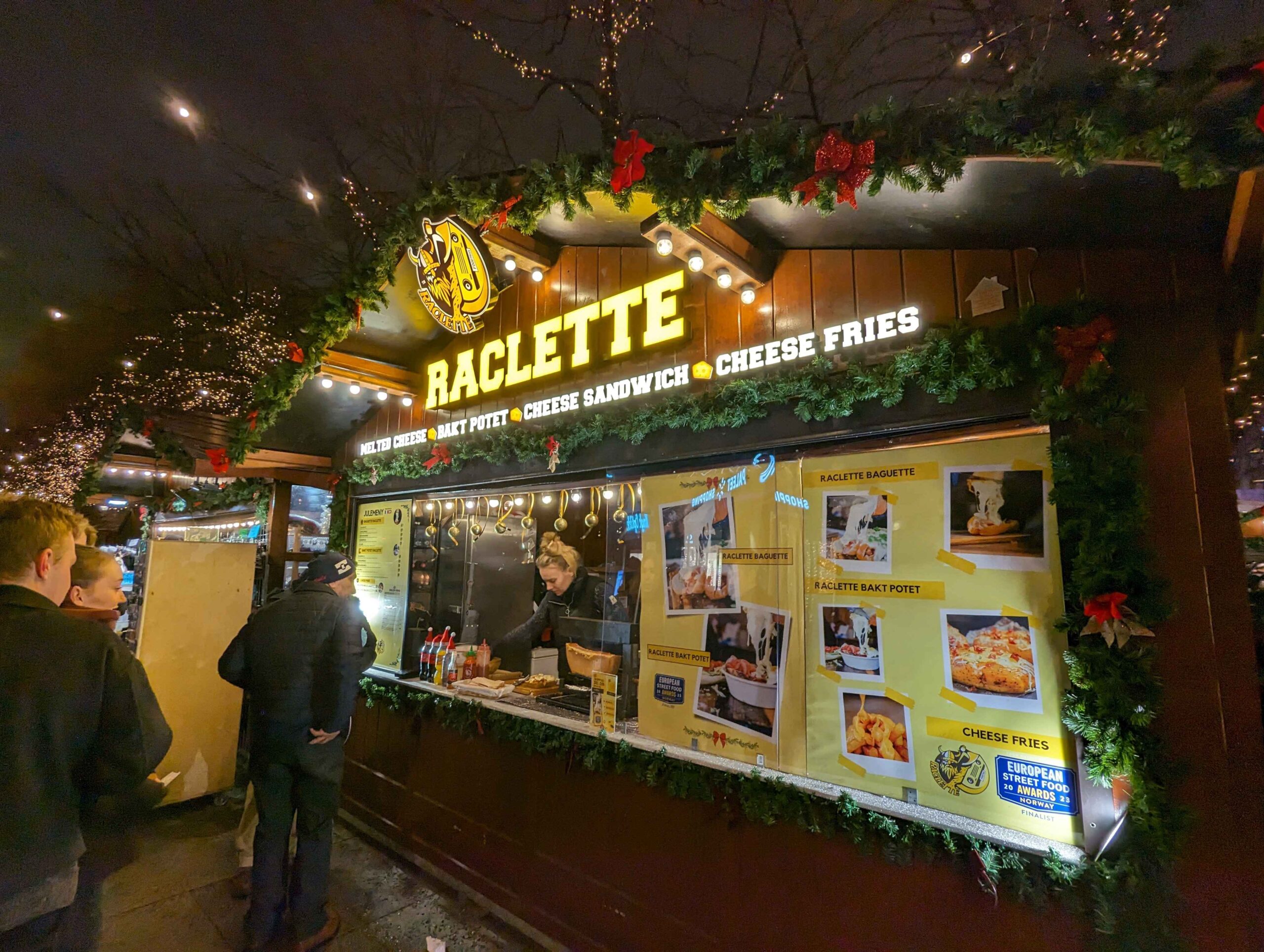
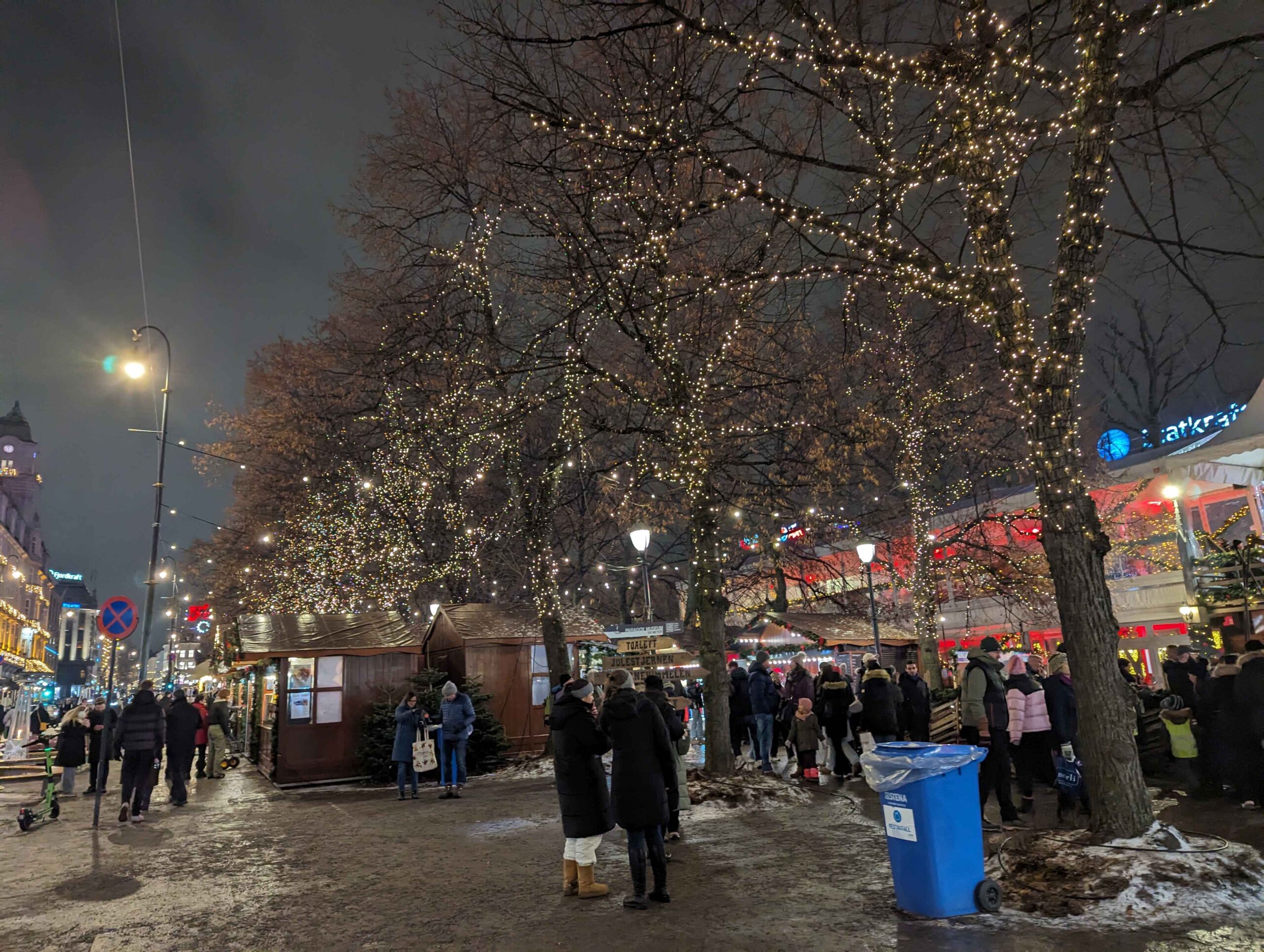
On another visit I explored more of the city using the sightseeing bus which helped me understand how much Oslo spreads beyond the harbor. I eventually stopped at Norsk Maritimt Museum and ended up spending far longer there than expected. Norway’s maritime history is deeply tied to the nation’s identity and the museum displays vessels artifacts and exploration stories that highlight this connection. Visiting in December brought a completely different atmosphere as Jul i Vinterland Christmas Market filled the city center with lights food stalls and a lively winter crowd.
Oslo has grown from a Viking age trading settlement into Norway’s modern capital while still maintaining a strong relationship with art culture and the sea. Public sculptures museums and historic maritime sites are woven into daily city life rather than isolated in single districts. For visitors arriving by cruise ship the harbor area provides an easy starting point that connects directly to many of the city’s most memorable experiences.
If You Have More Time…
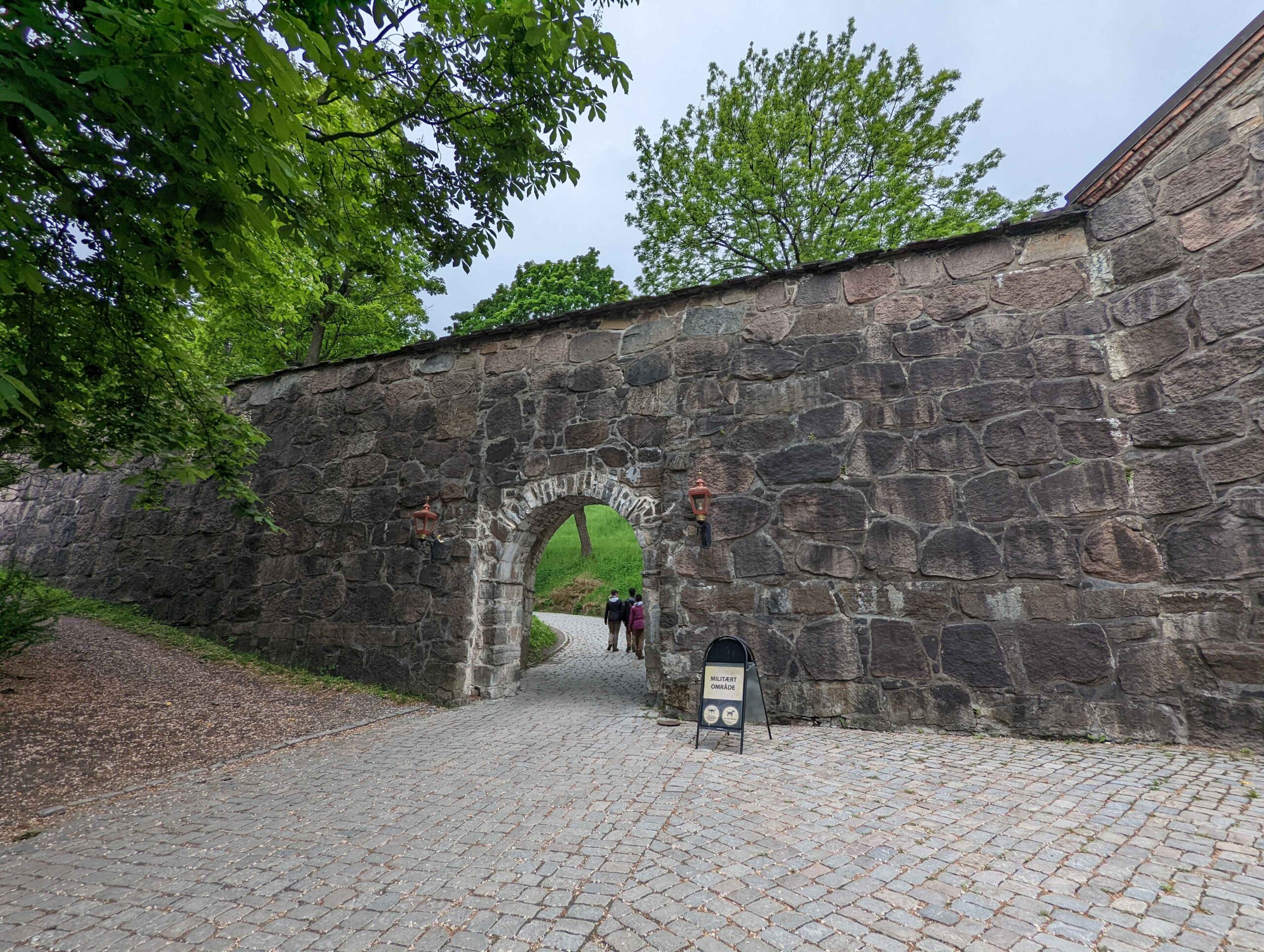
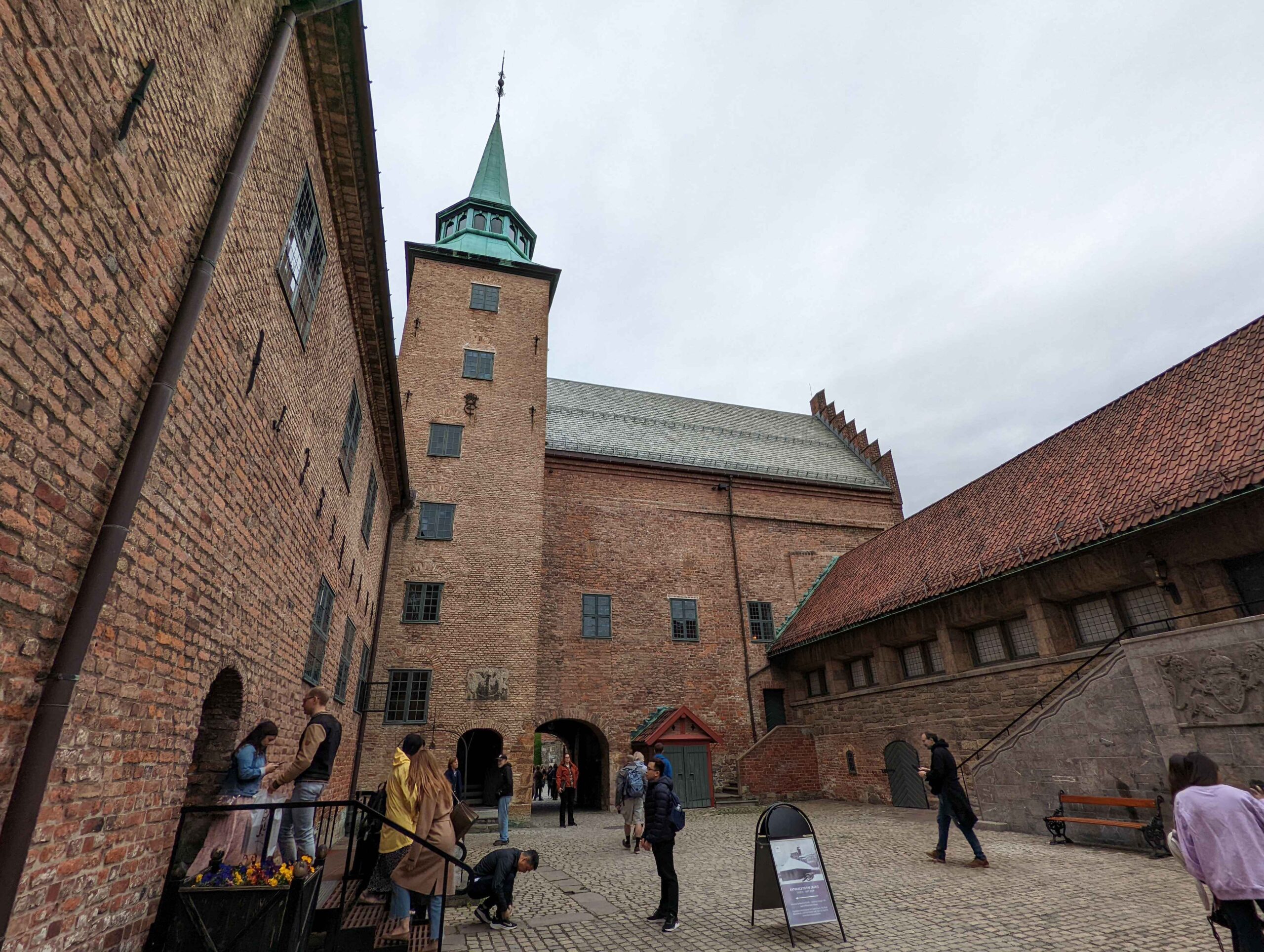
- Akershus Fortress – This medieval fortress sits within walking distance of the cruise terminal and offers scenic harbor views along with centuries of Norwegian history.
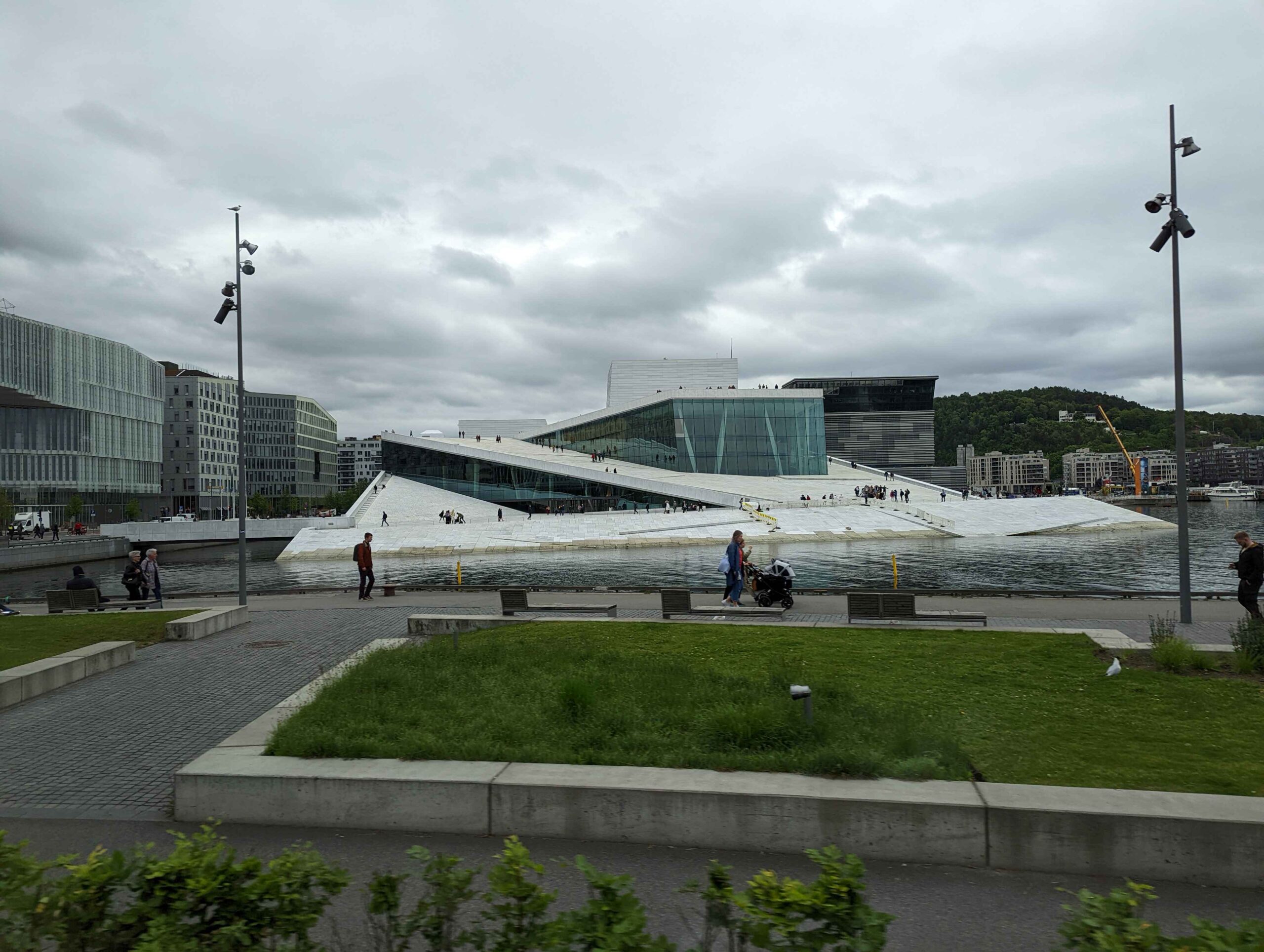
- The Oslo Opera House – Walk up the sloped white marble roof for one of the most unique viewpoints in the city, overlooking the harbor and fjord.
- Viking Ship Museum Area – Although undergoing renovation, many nearby museums on the Bygdøy peninsula explore Viking history and maritime exploration.
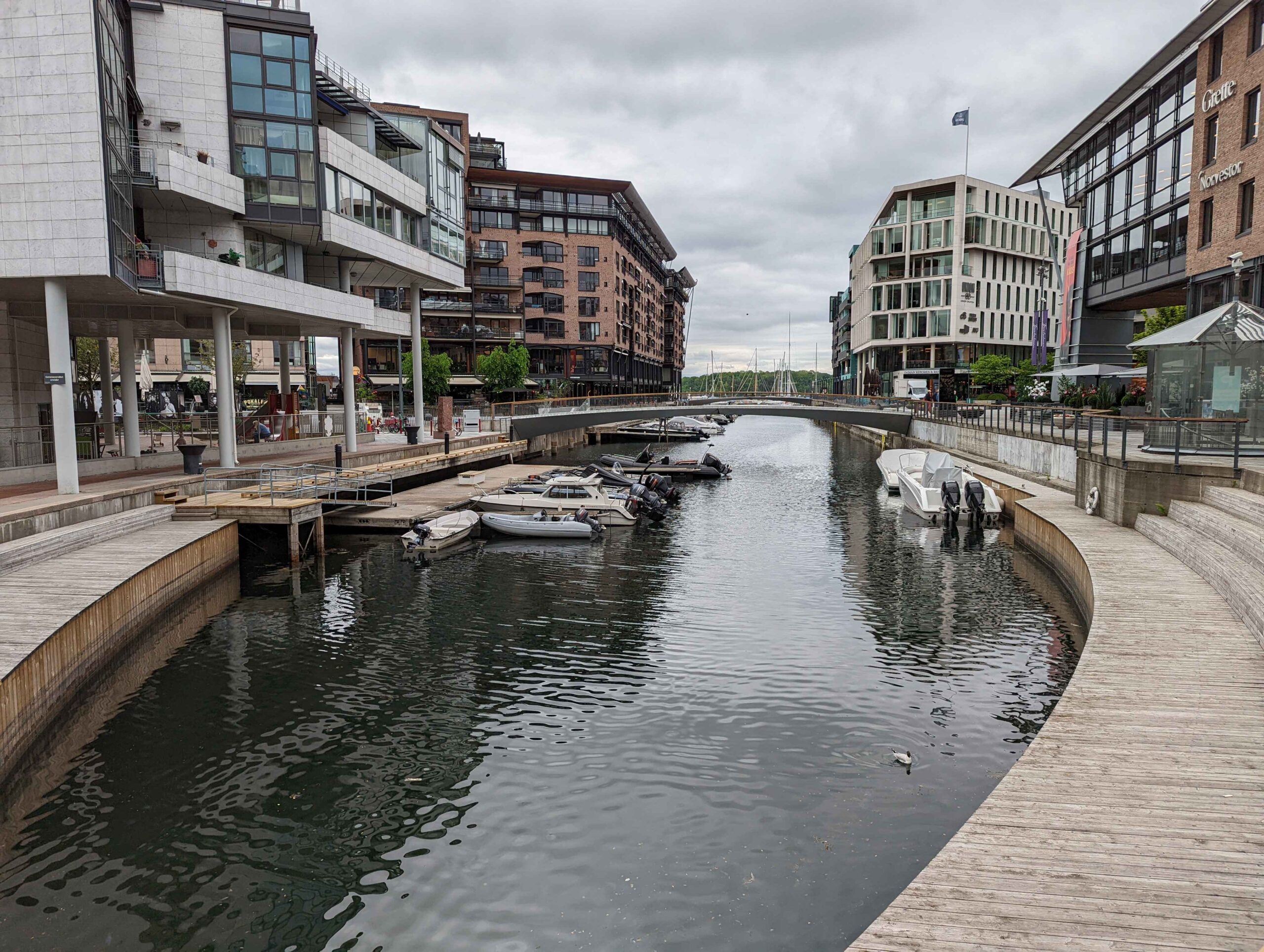
- Aker Brygge Waterfront – A lively waterfront district filled with restaurants, shops, and marina views that is perfect for a relaxed afternoon stroll.
- Bygdøy Peninsula – This museum-rich area houses several cultural institutions, including Norsk Folkemuseum and the maritime museums that showcase Norway’s seafaring legacy.