
Stavanger's White Houses and Colorful Streets
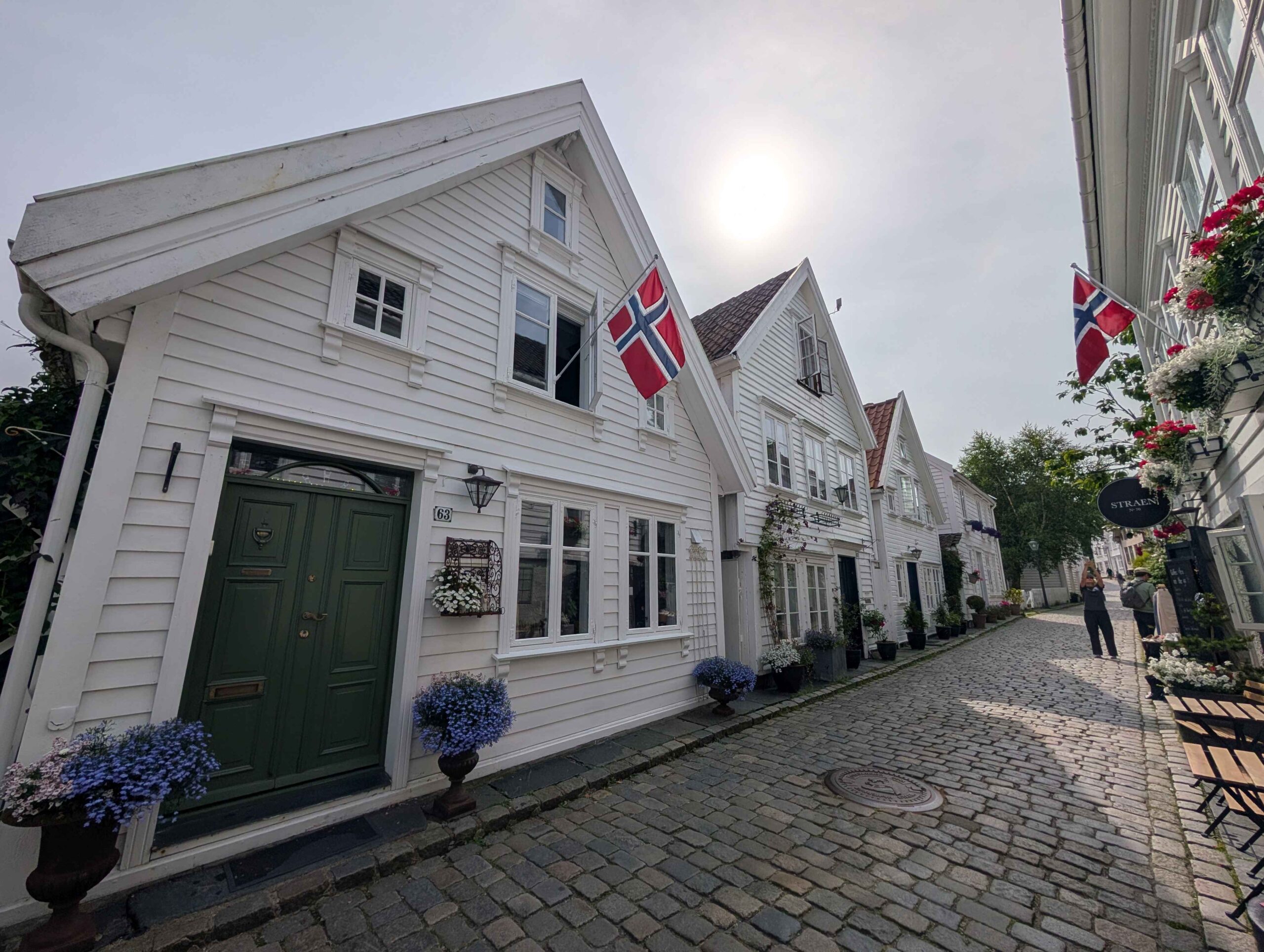
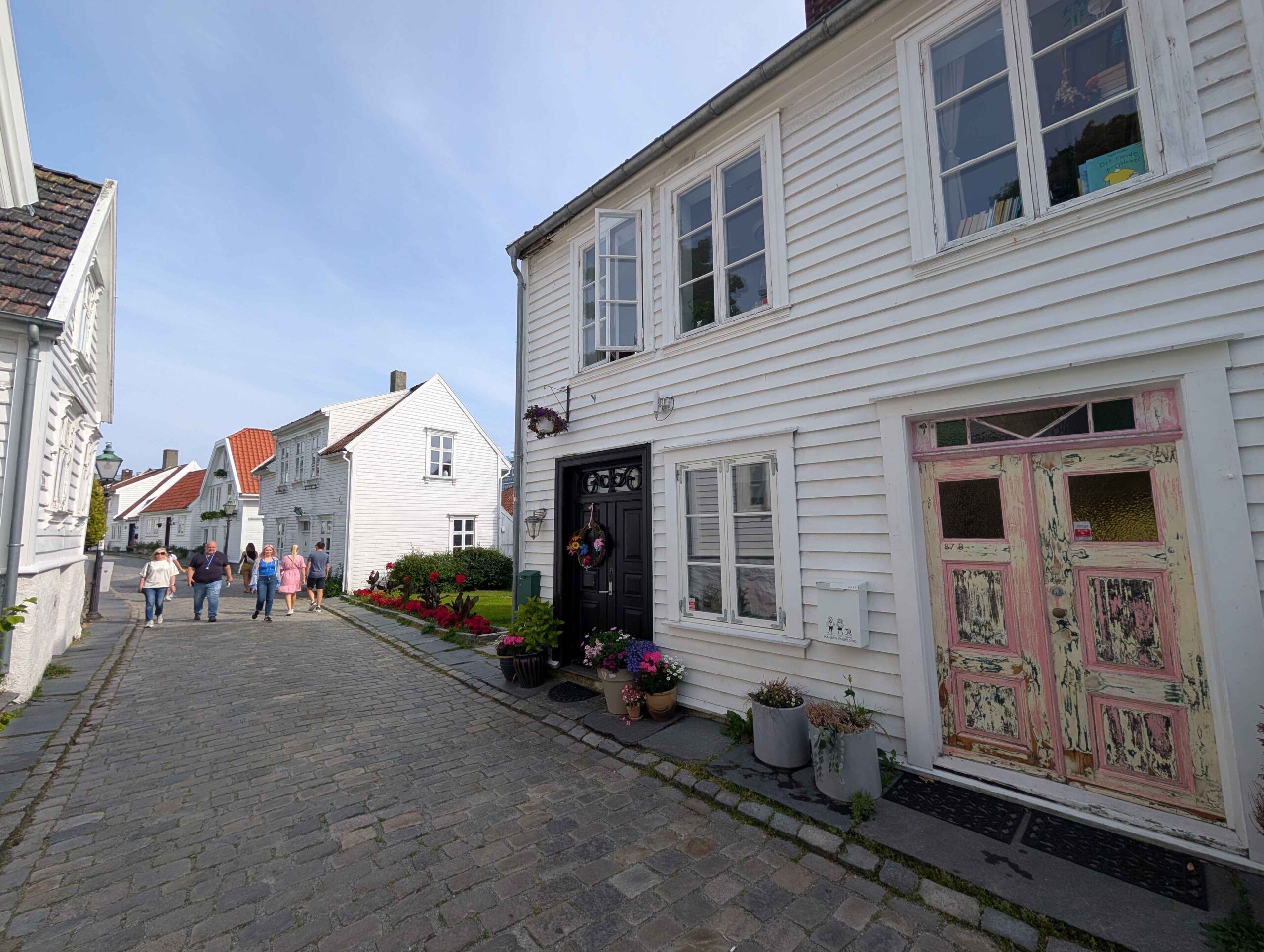
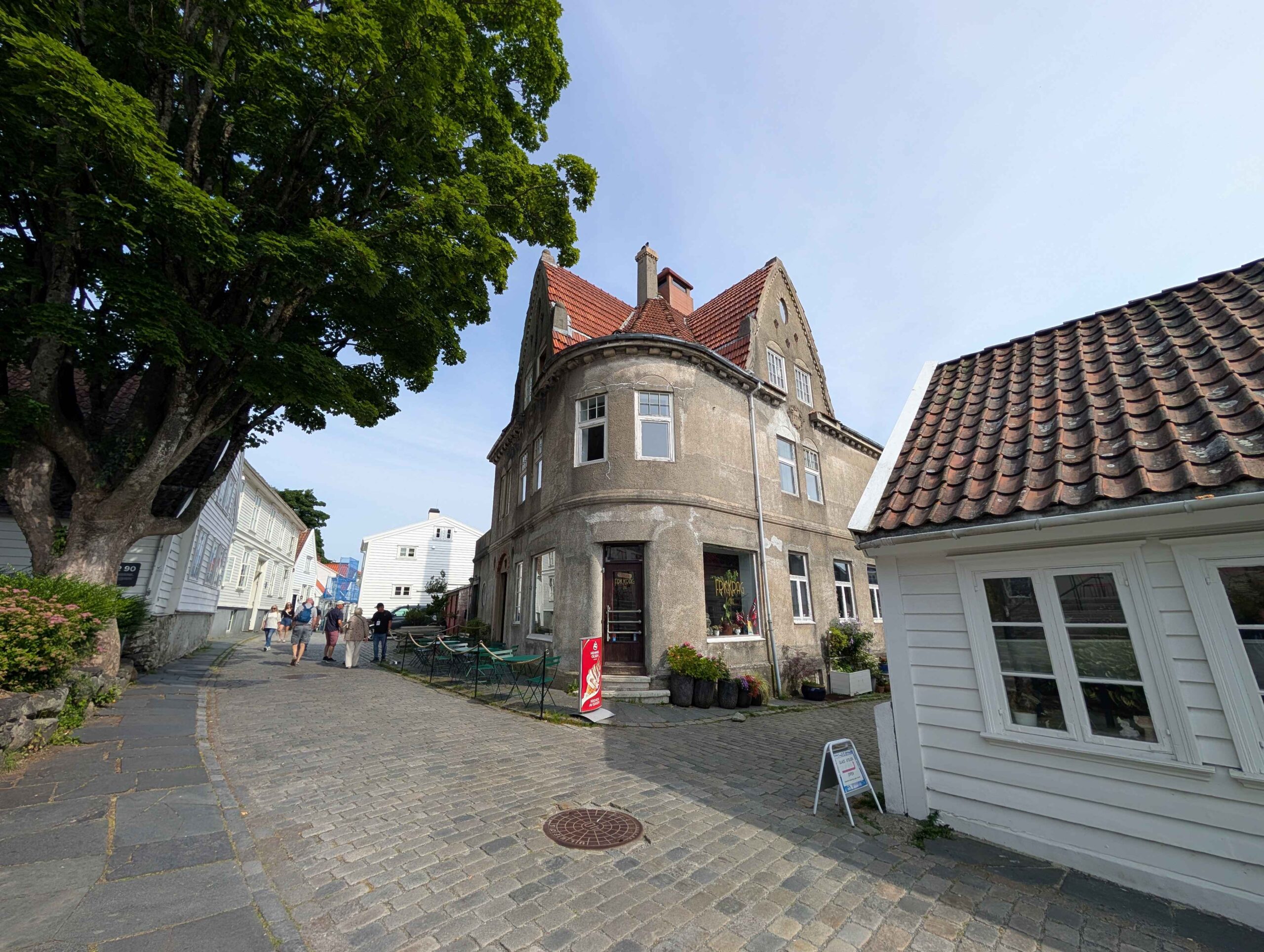
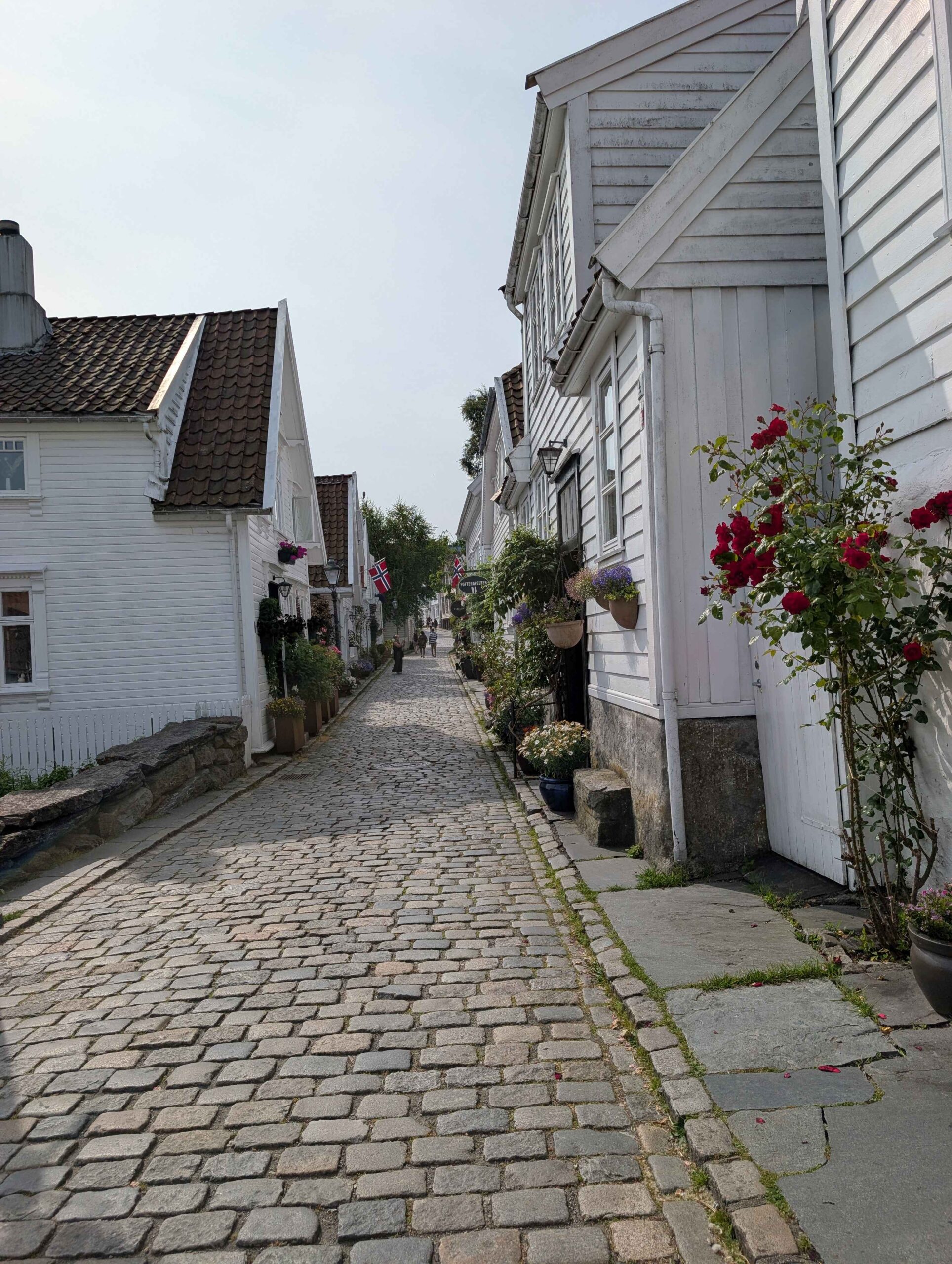
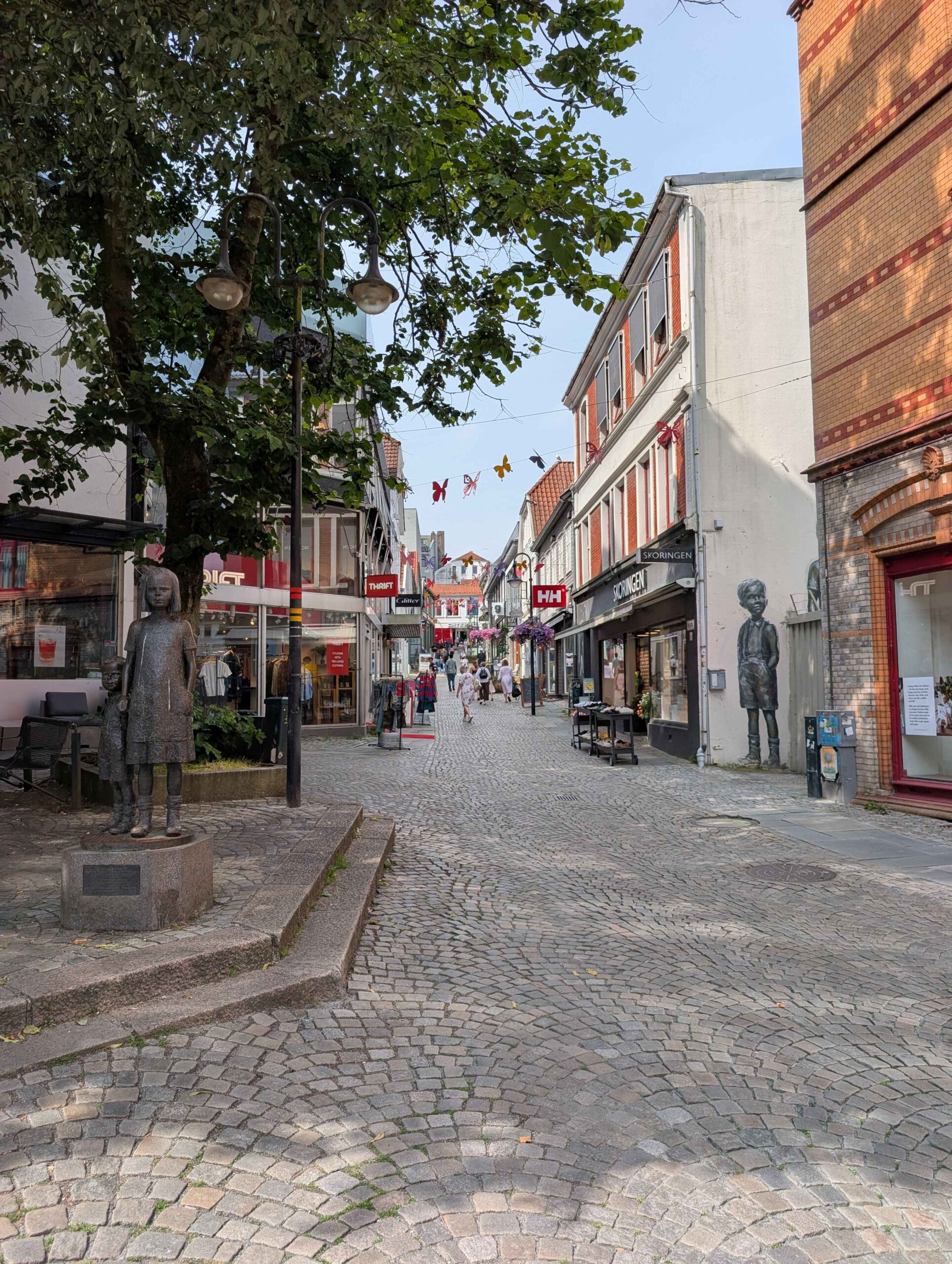
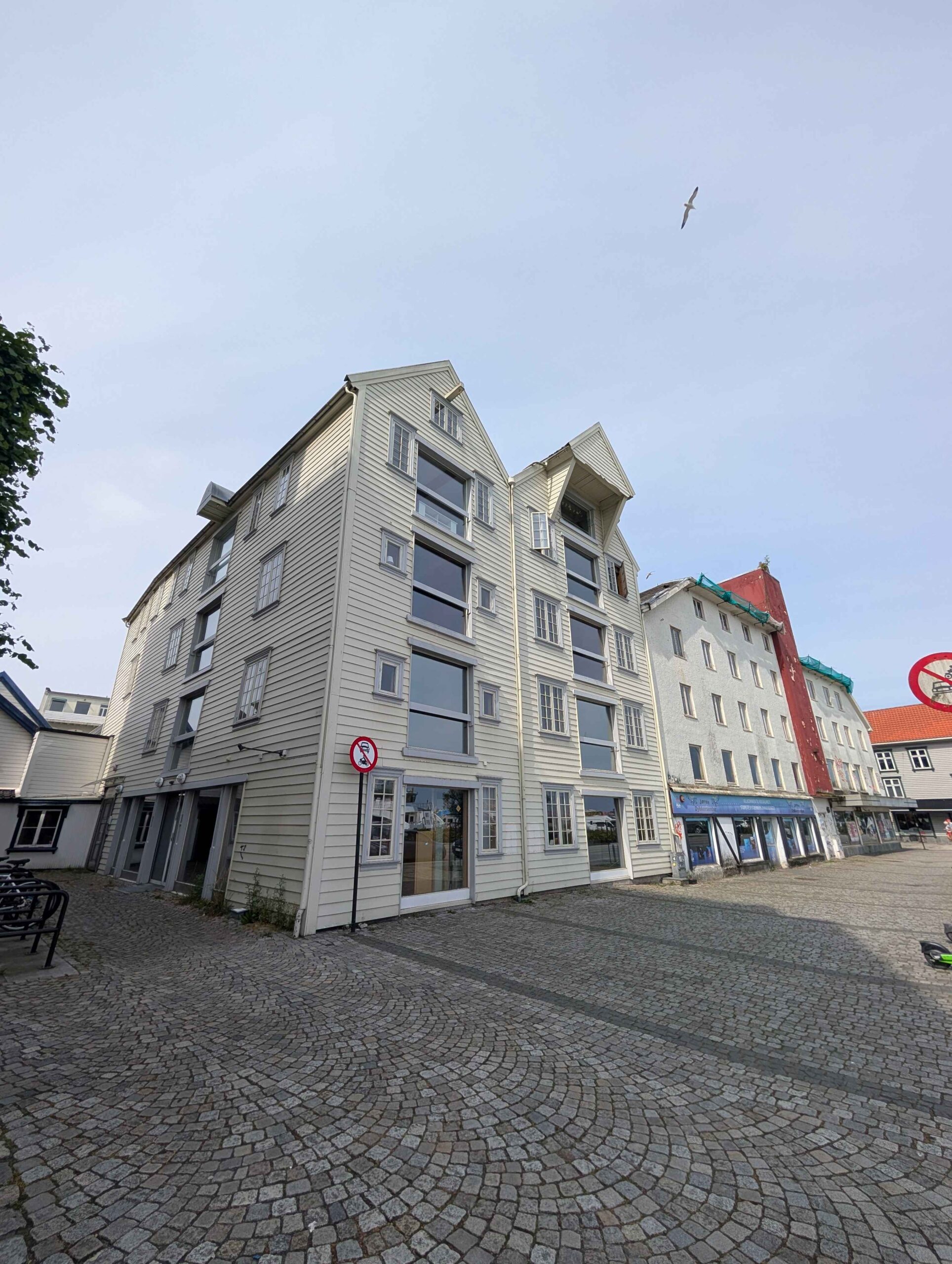
Stepping off my cruise ship into a warm July morning, I immediately headed for Gamle Stavanger instead of lingering around the harbor. The quiet streets of white wooden houses felt like an entirely different city from the busy waterfront, and after my rain-soaked visit the year before, it was nice to finally experience Stavanger under blue skies.
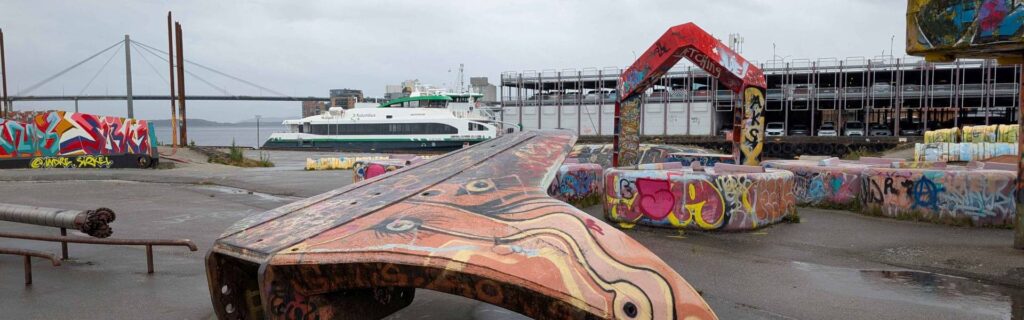
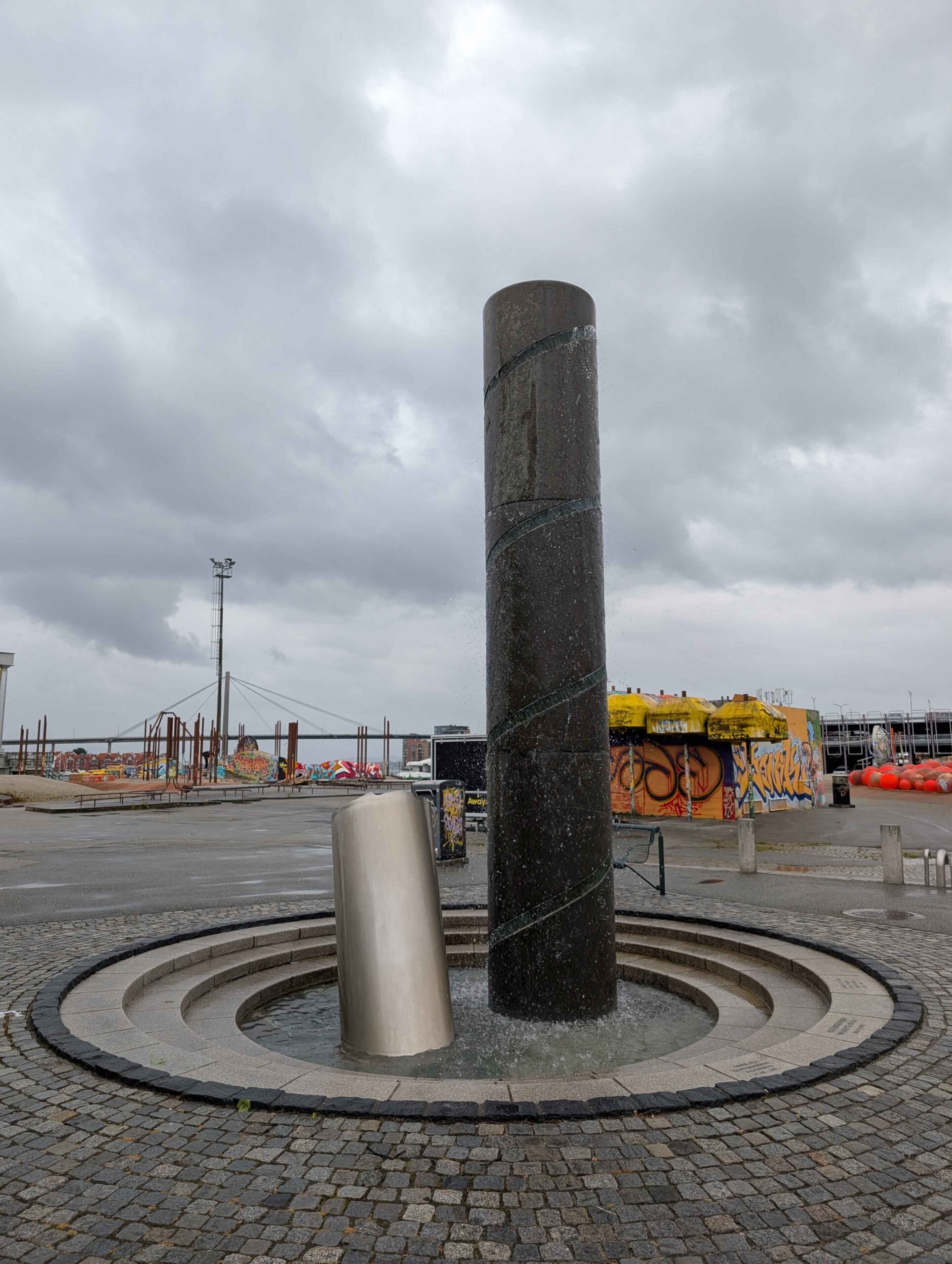
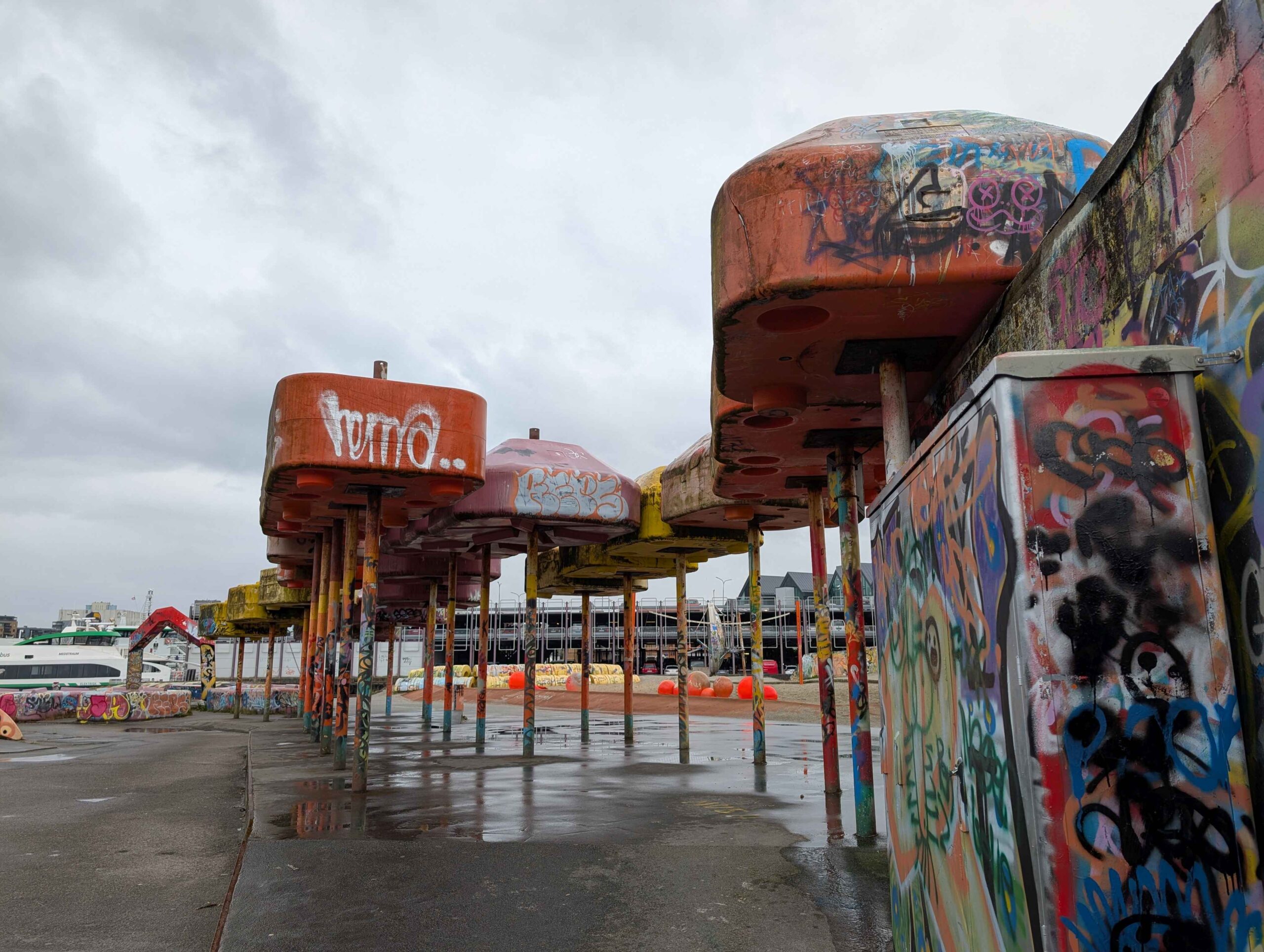
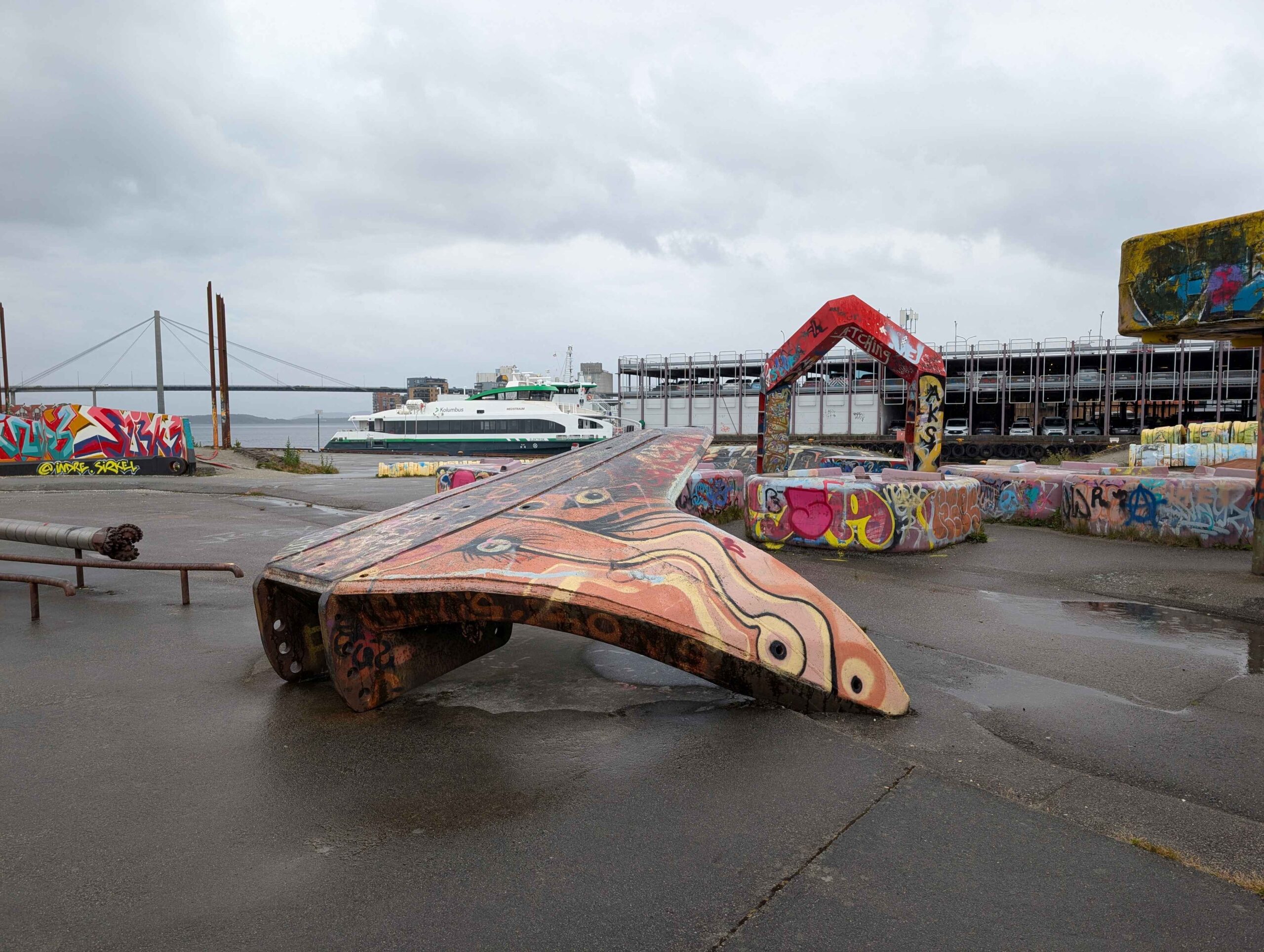
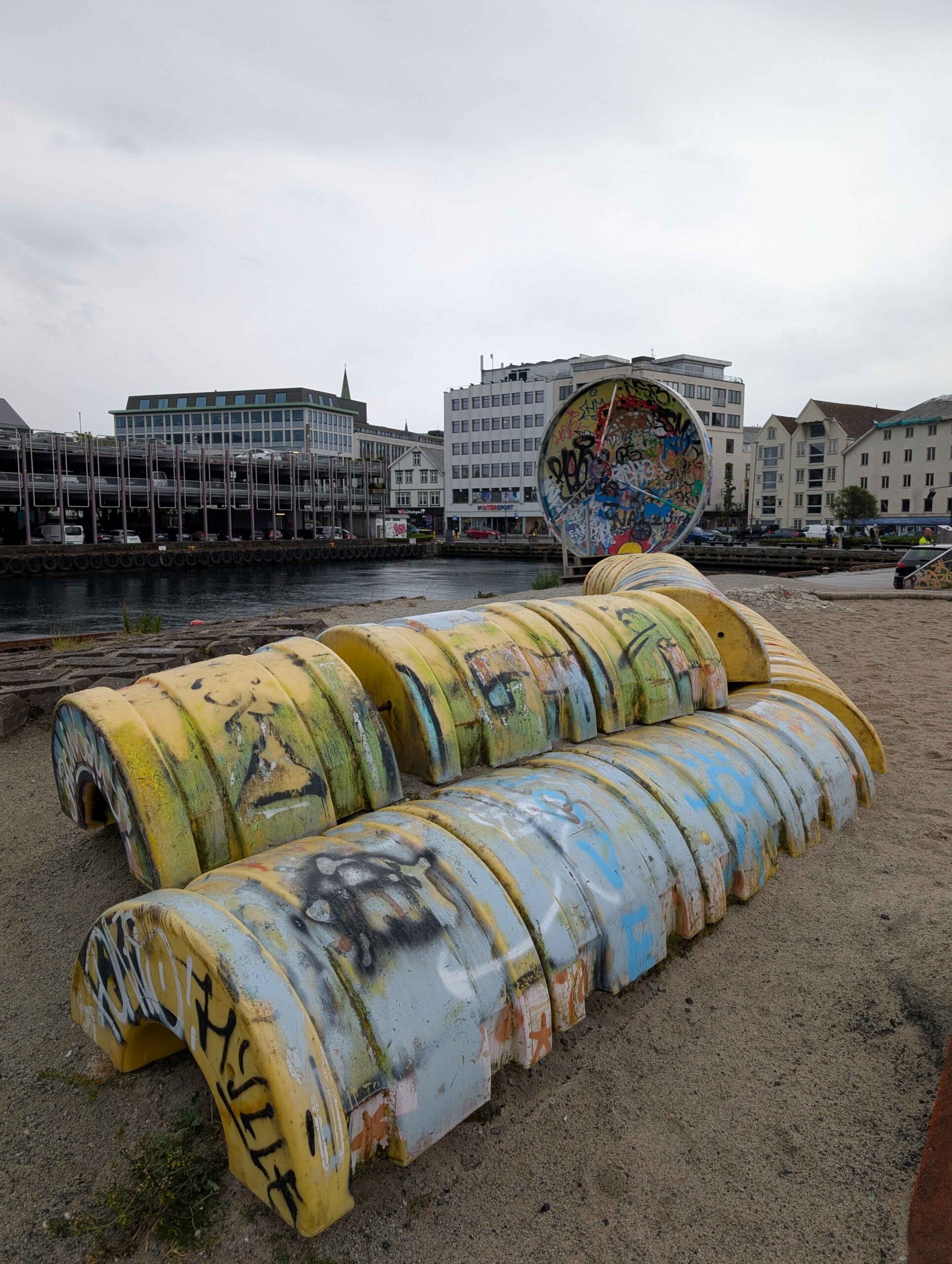
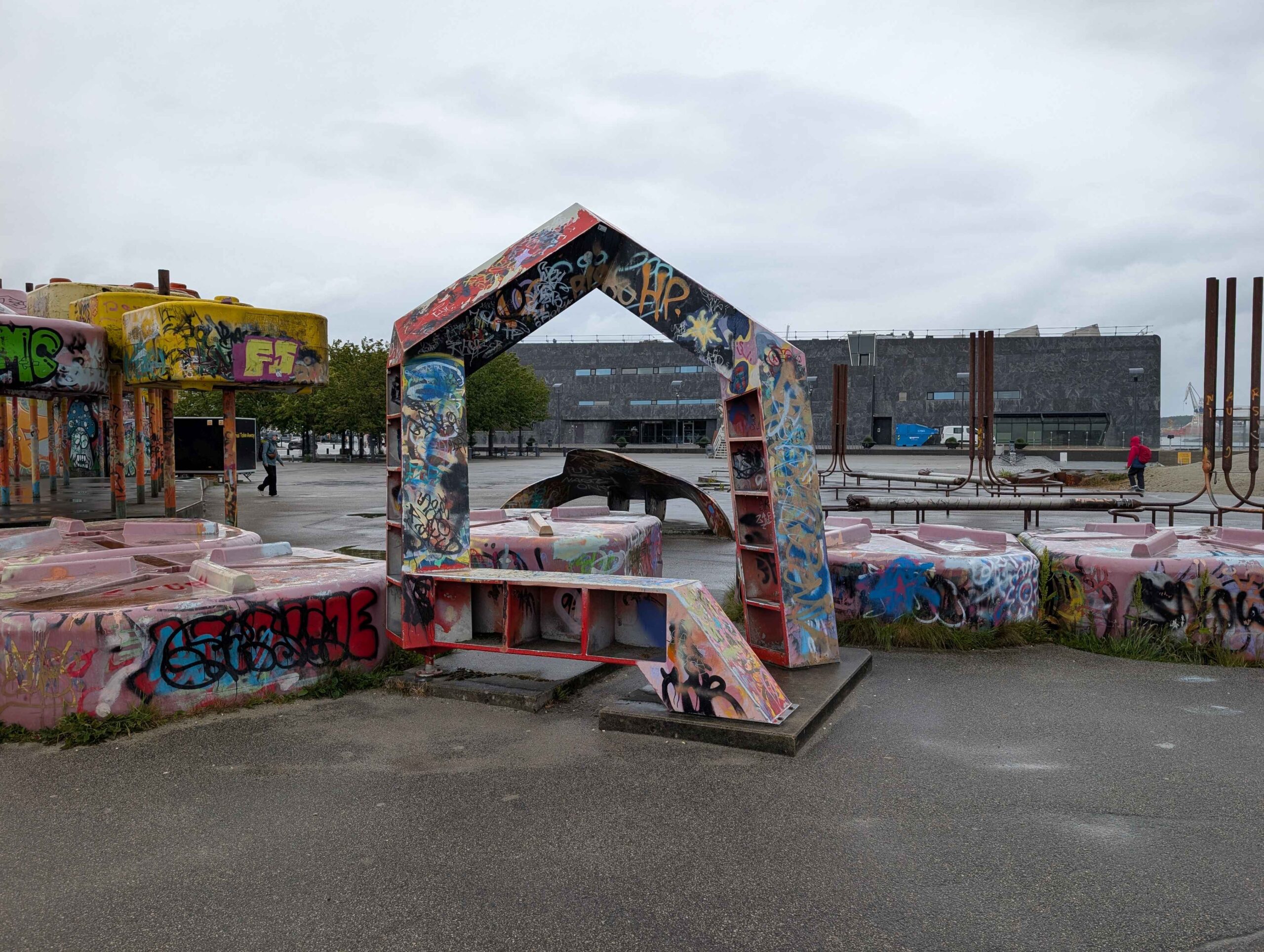
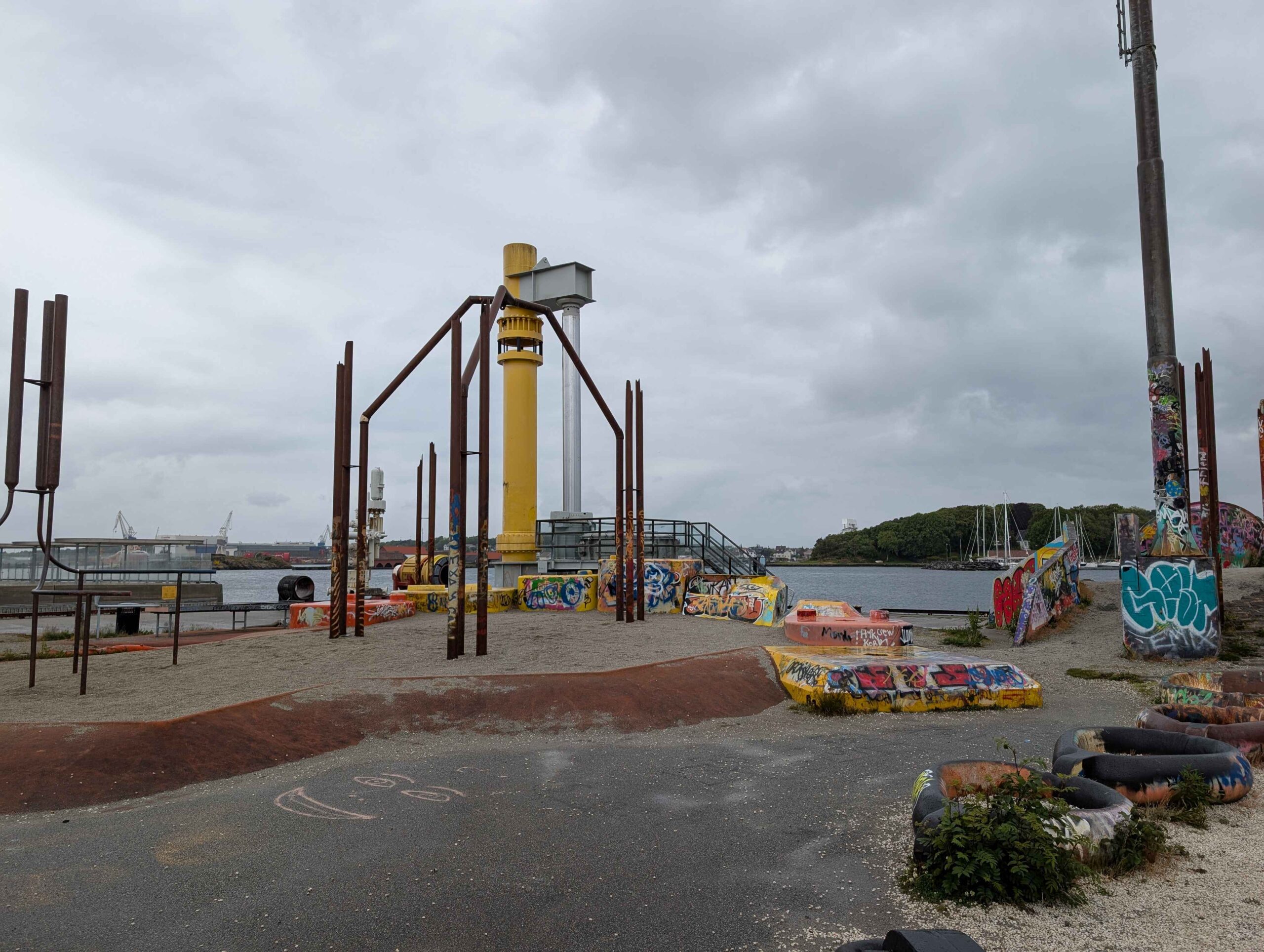
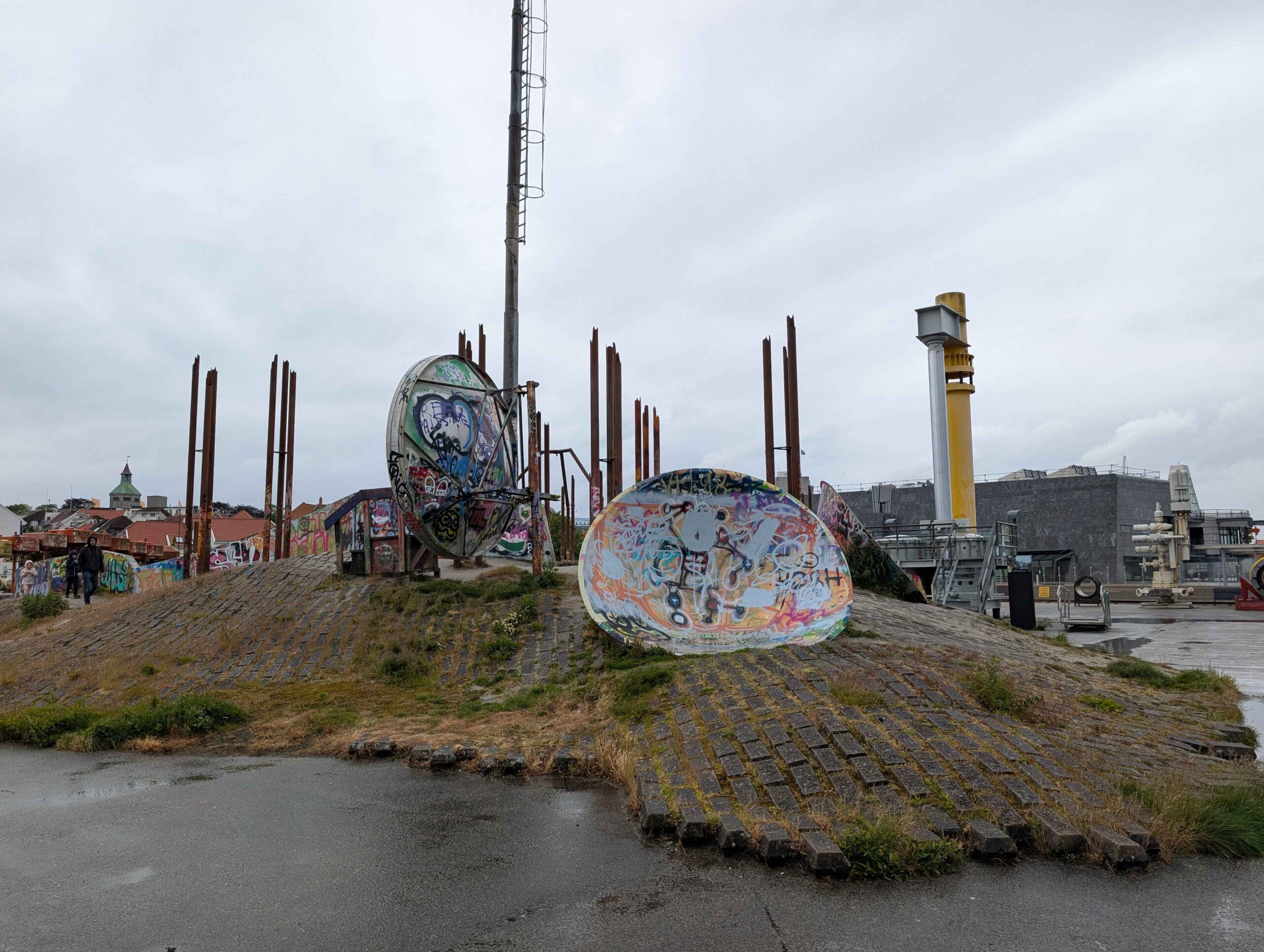
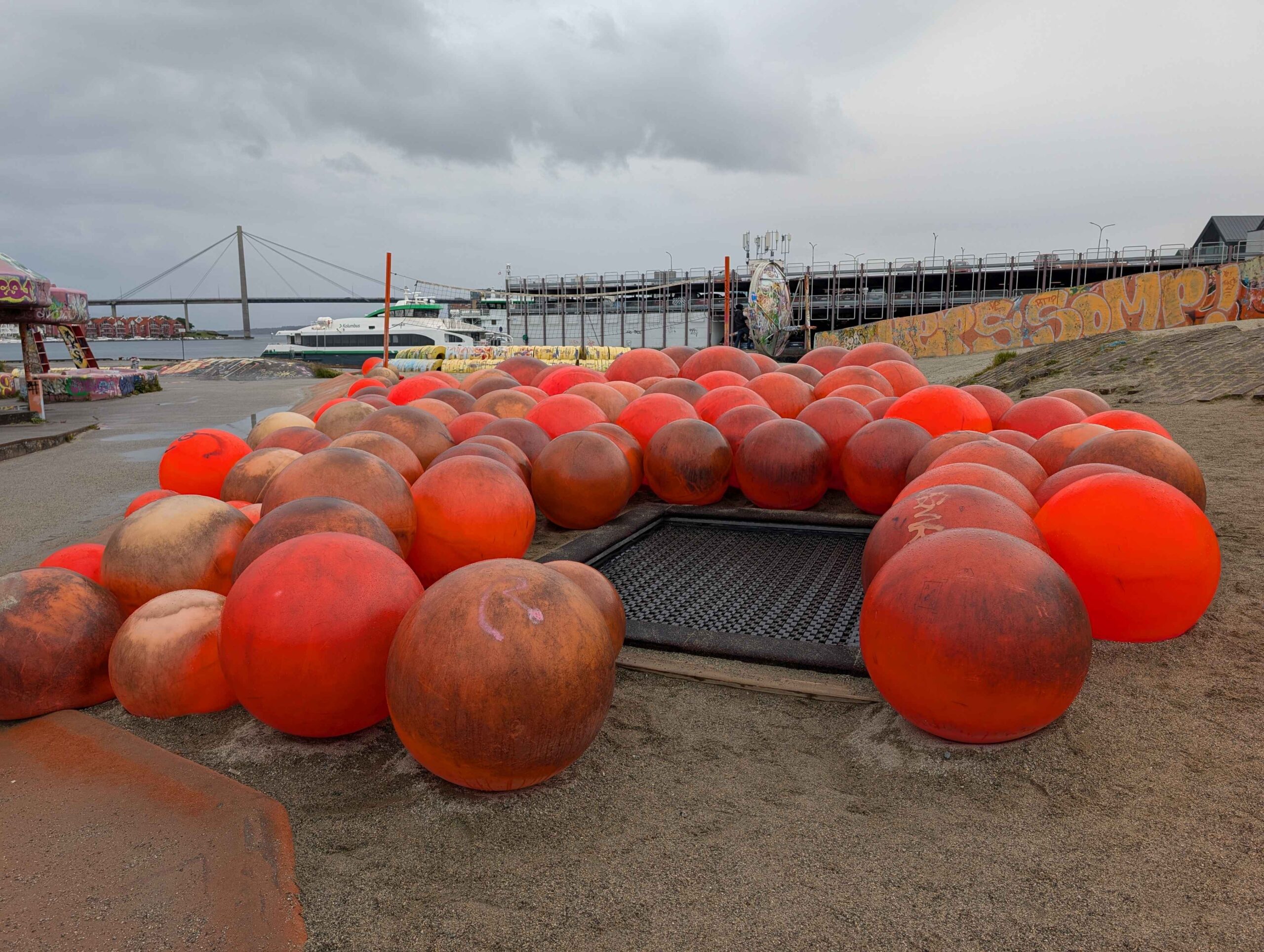
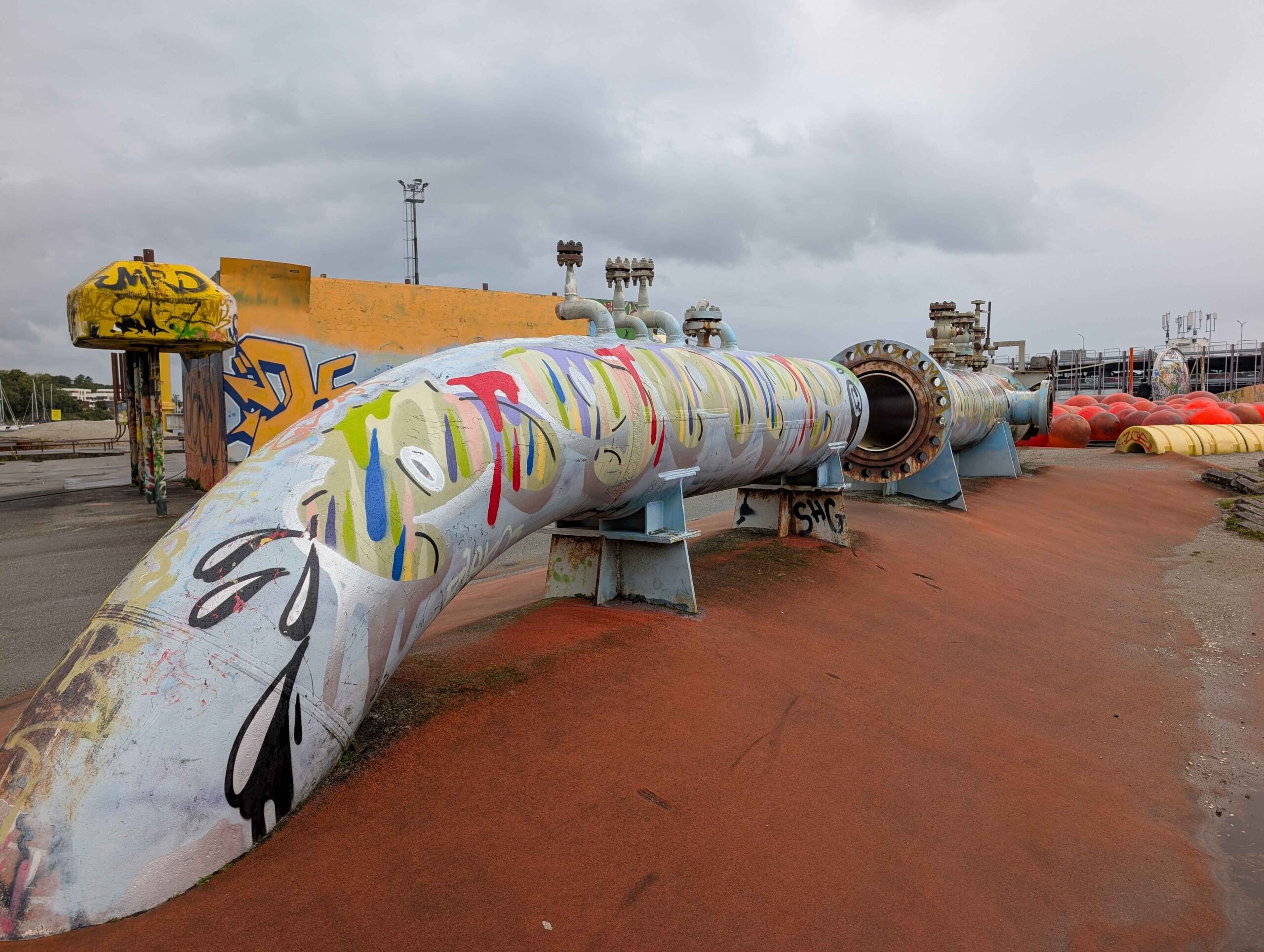
Locally, the city is known as Stavanger (pronounced STAH-vahn-ger), and this second visit completely changed my impression of it. My first stop here in 2025 had been cut short by heavy rain and wind after exploring Stavanger Sentrum and Geoparken. This time, the sunshine made it easy to appreciate details I’d completely missed before.
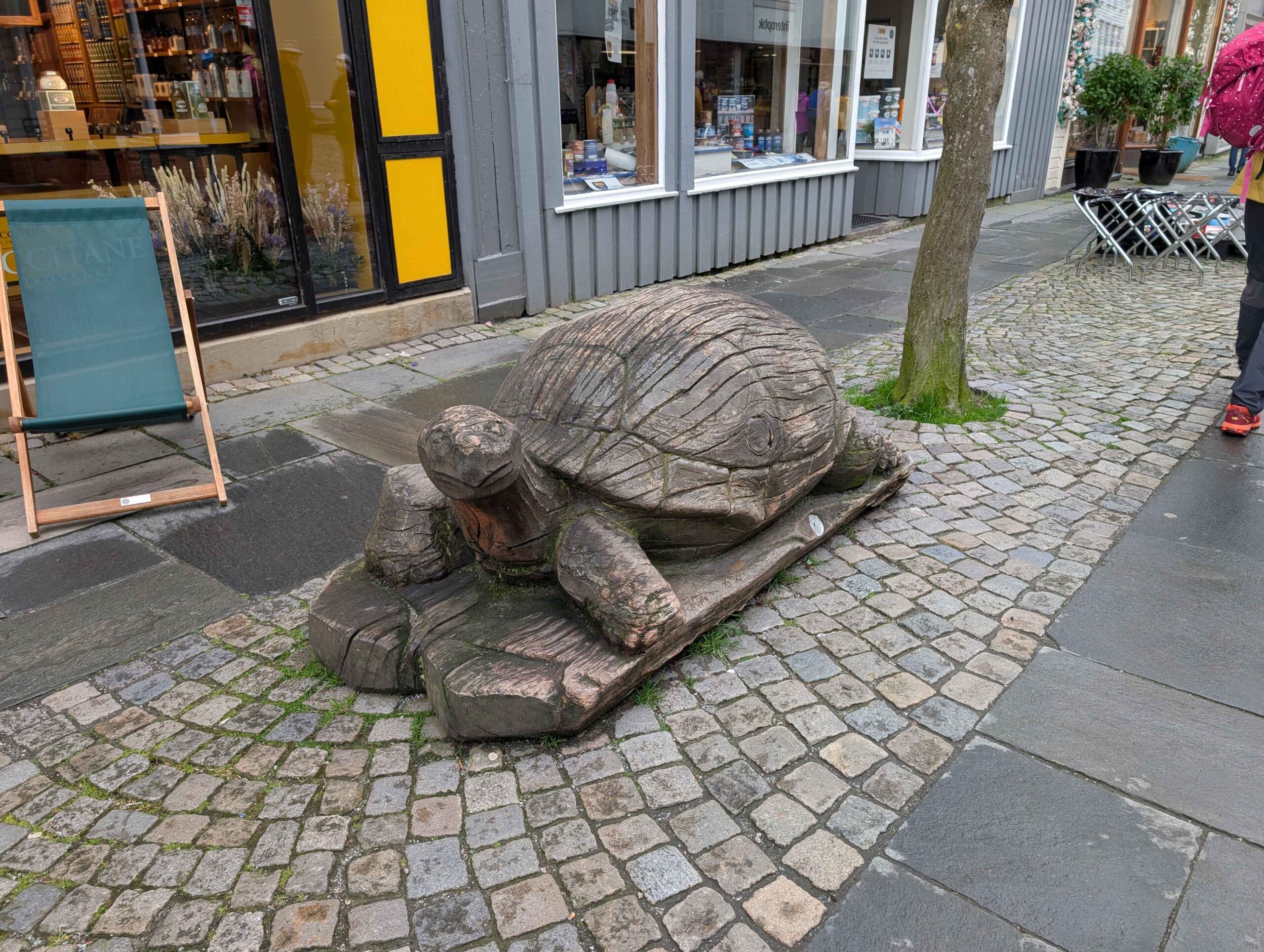
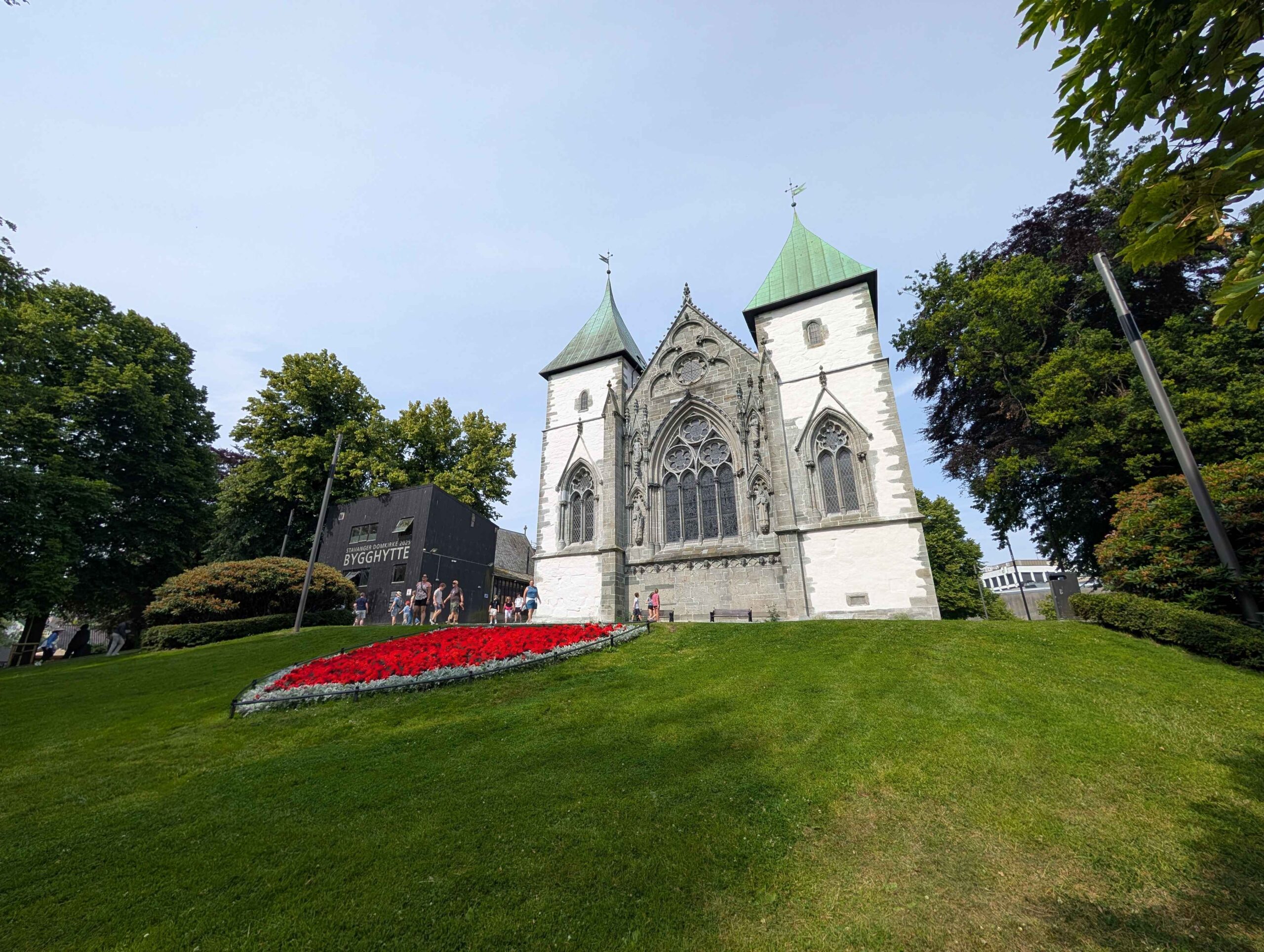
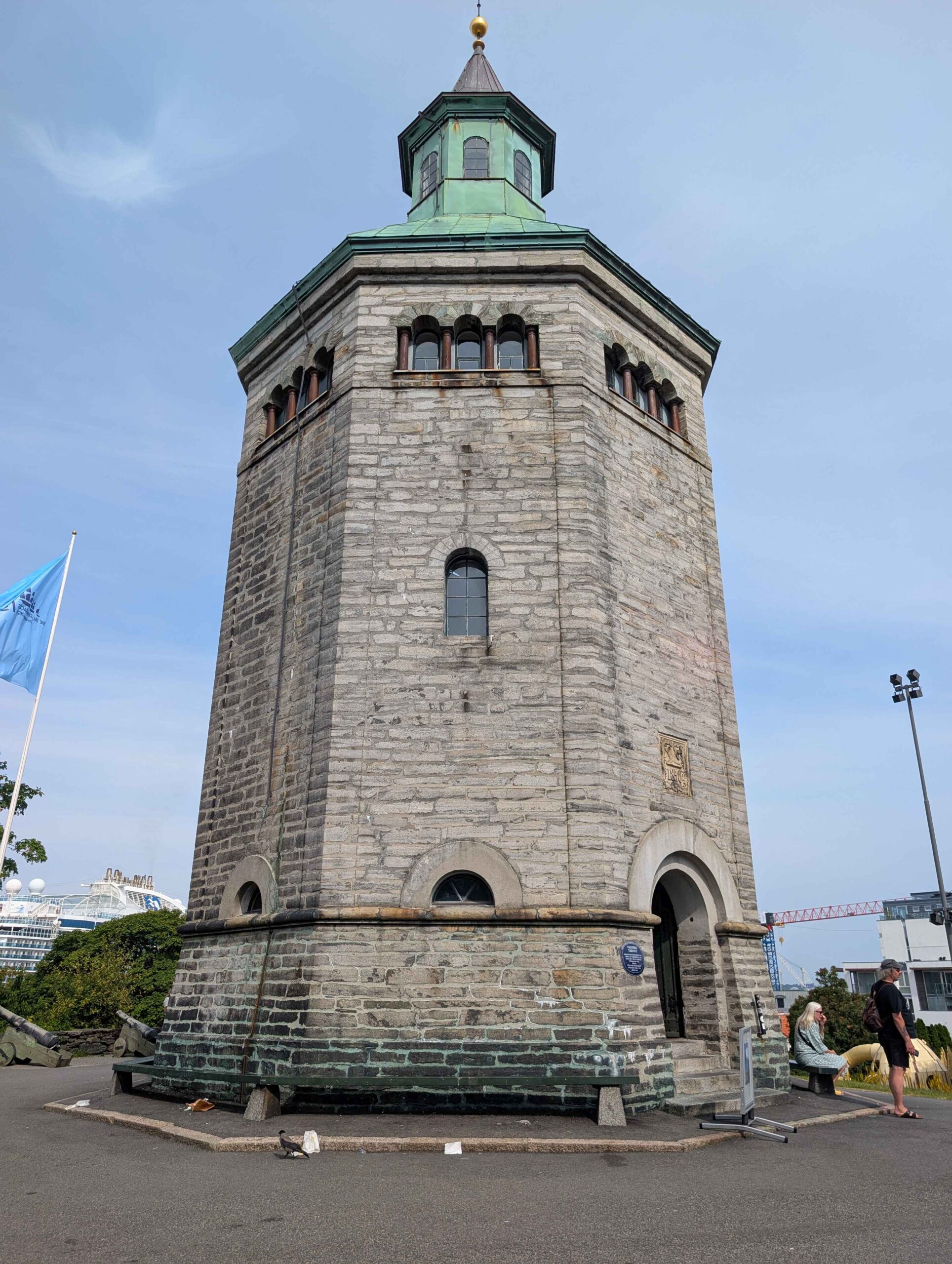
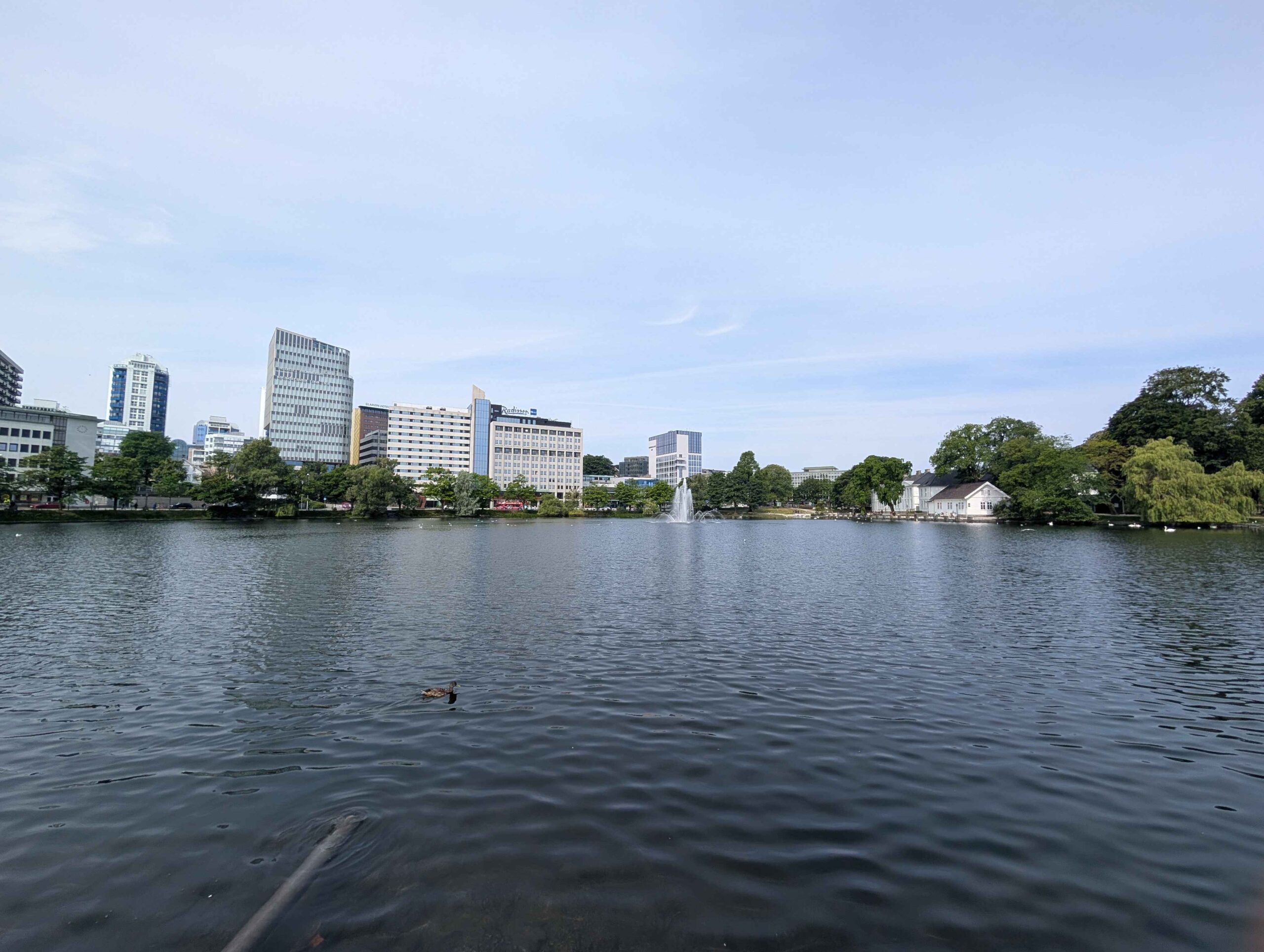
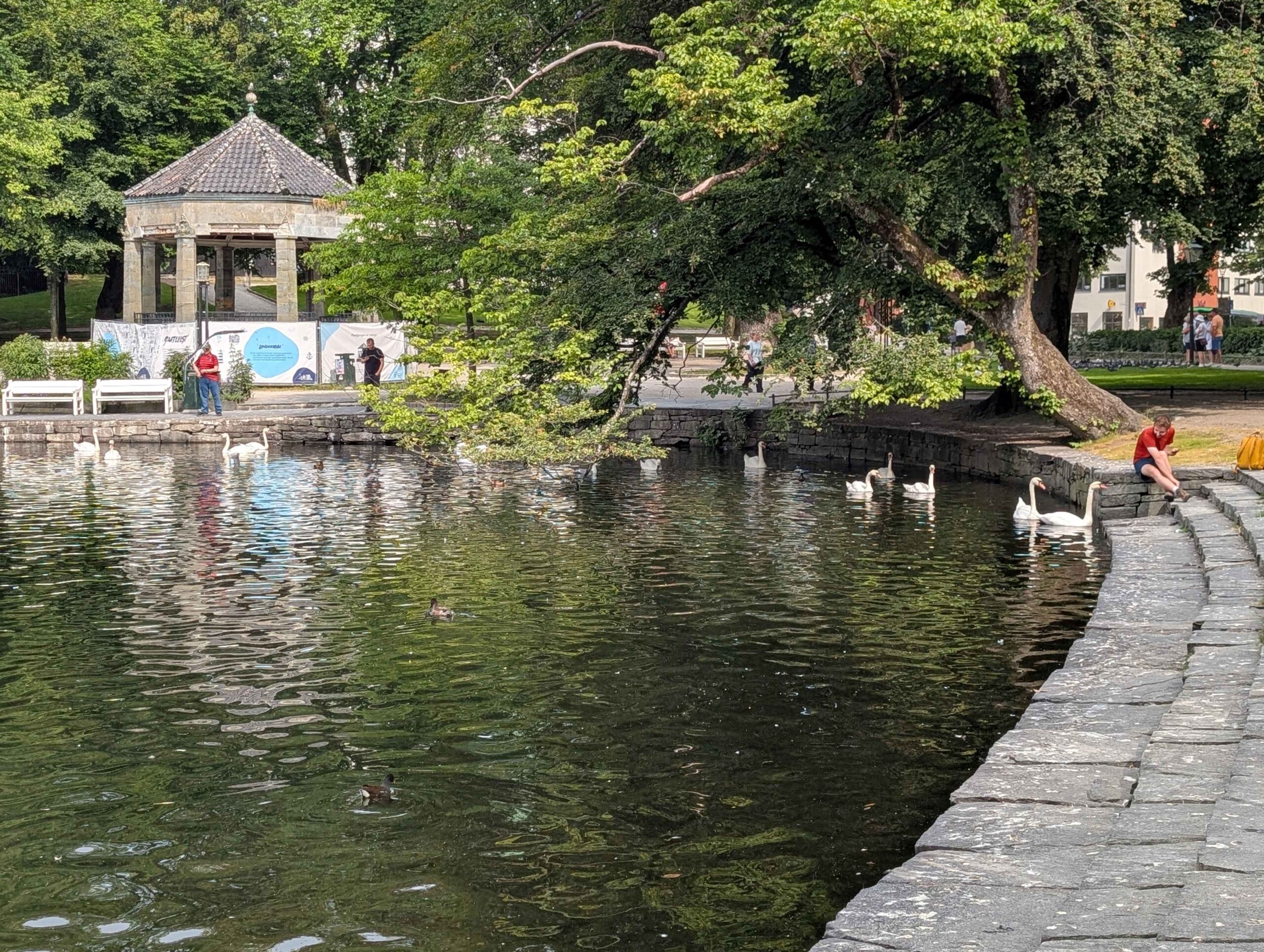
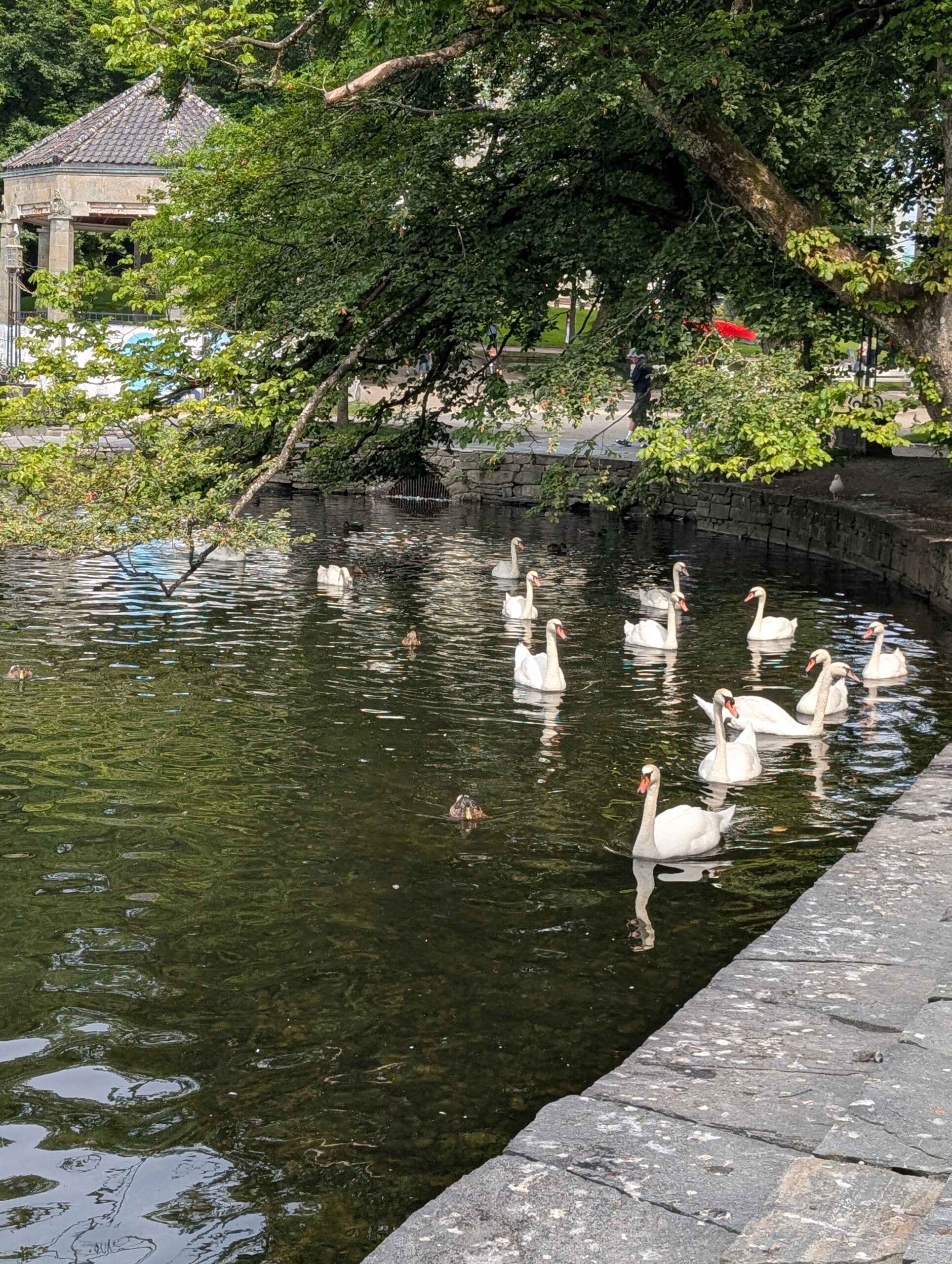
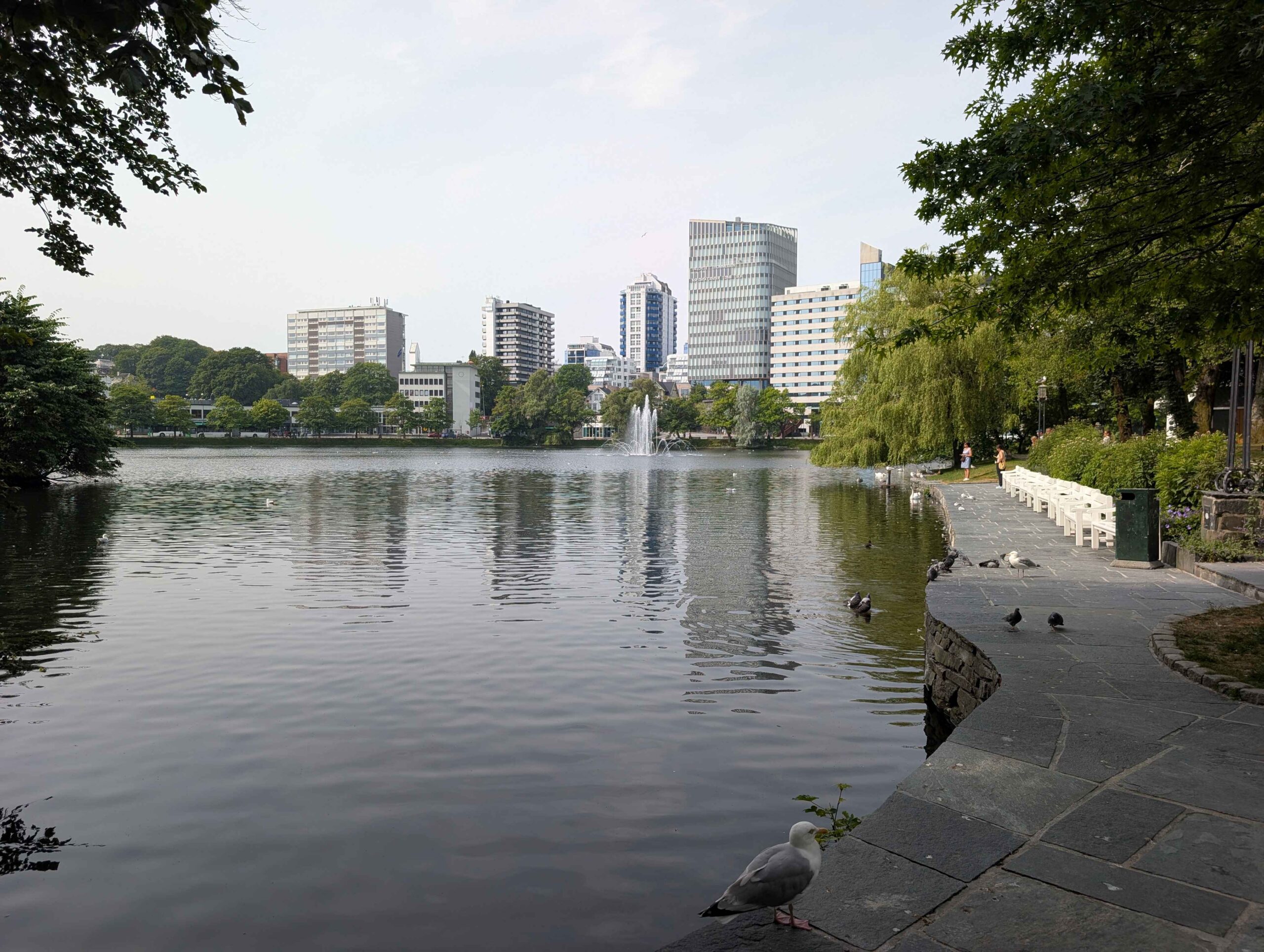
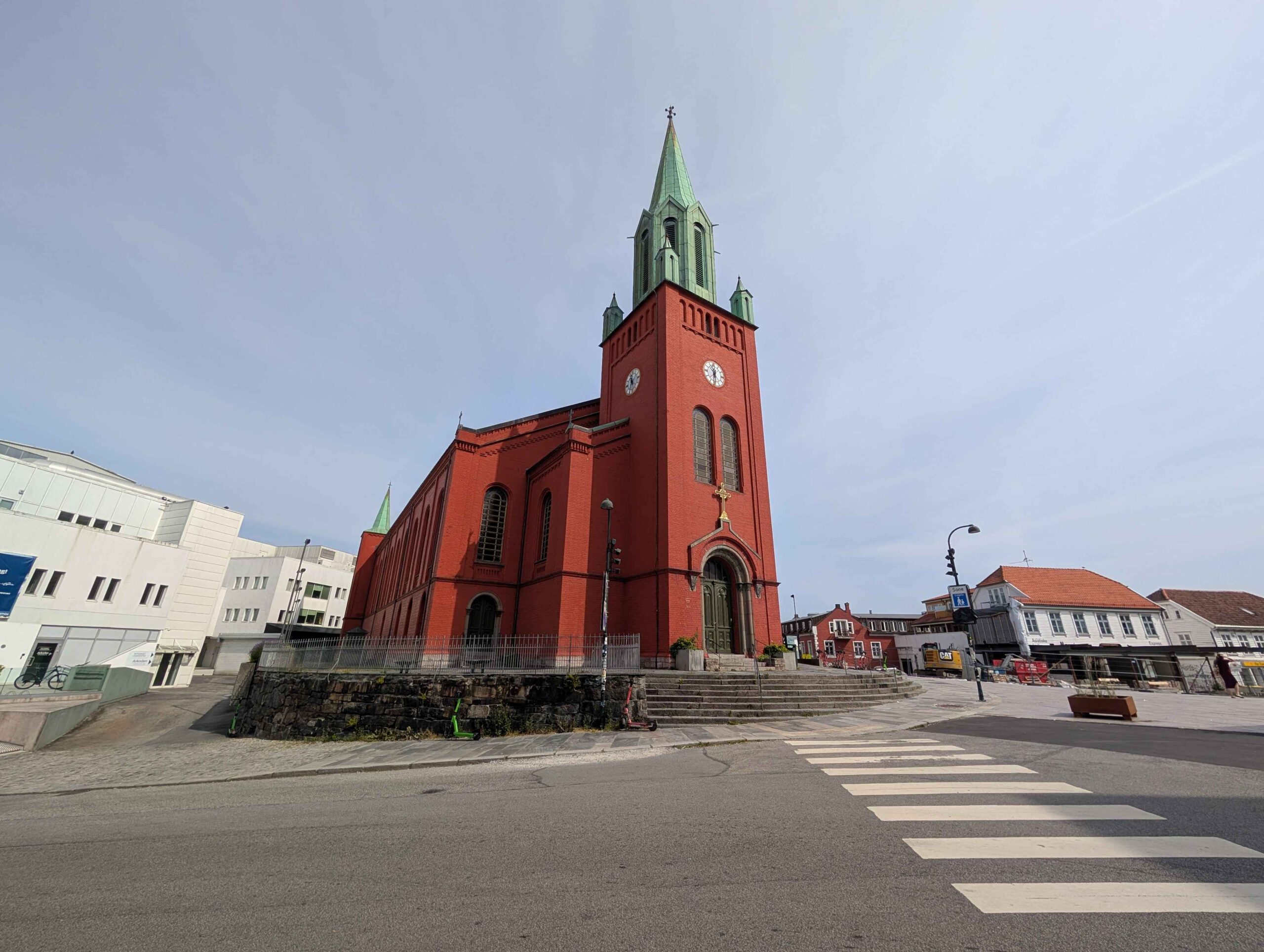
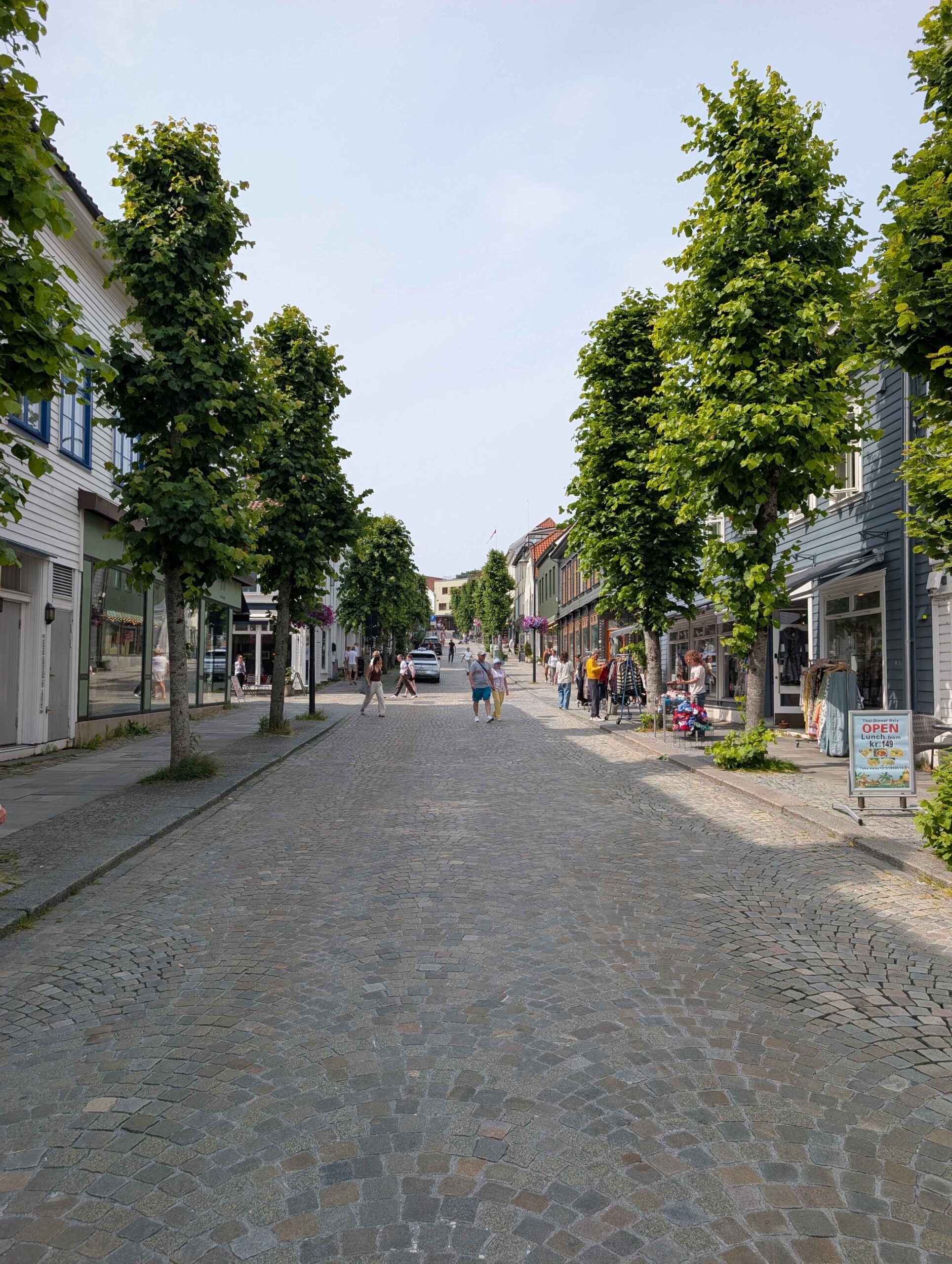
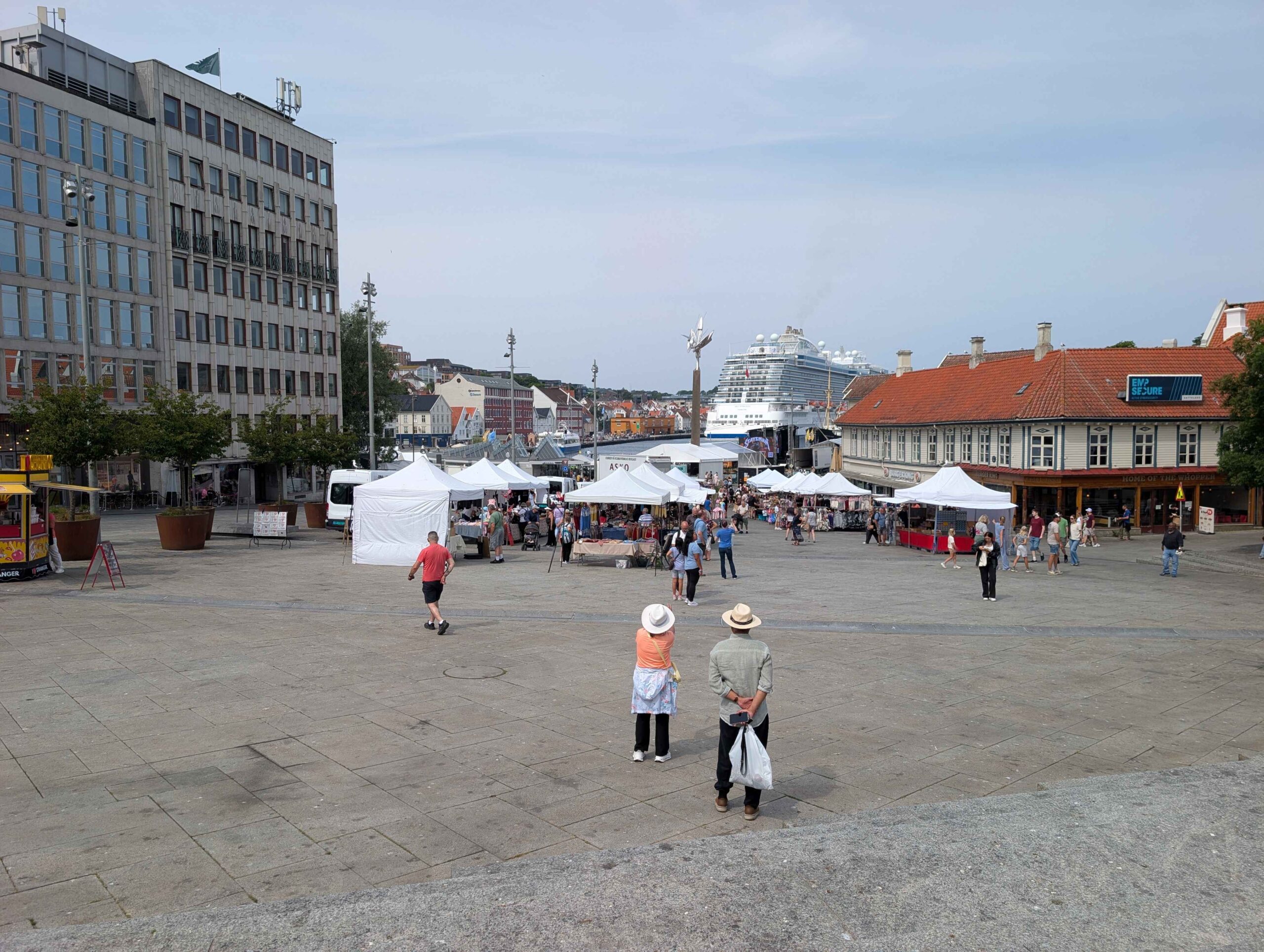
From Gamle Stavanger, I wandered back toward the harbor where market tents were set up with Nordic crafts and souvenirs before climbing to Valbergtårnet (Valberg Tower) for another perspective over the city. Afterward, I made my way to Stavanger Cathedral and Breiavatnet, where locals were relaxing in the park while ducks, swans, pigeons, and other waterfowl eagerly waited for handouts. It felt less like sightseeing and more like watching the city enjoy one of its better summer days.
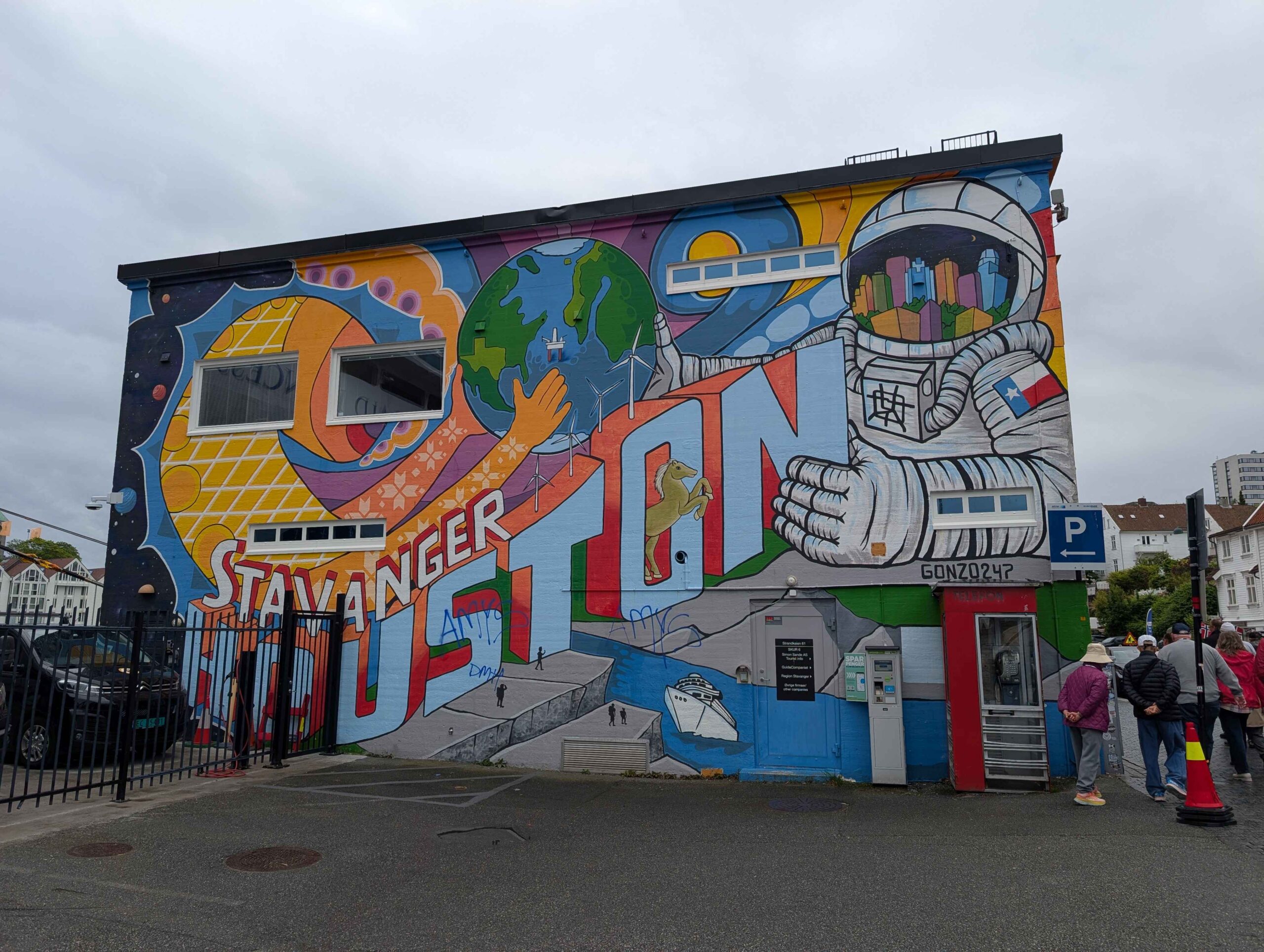
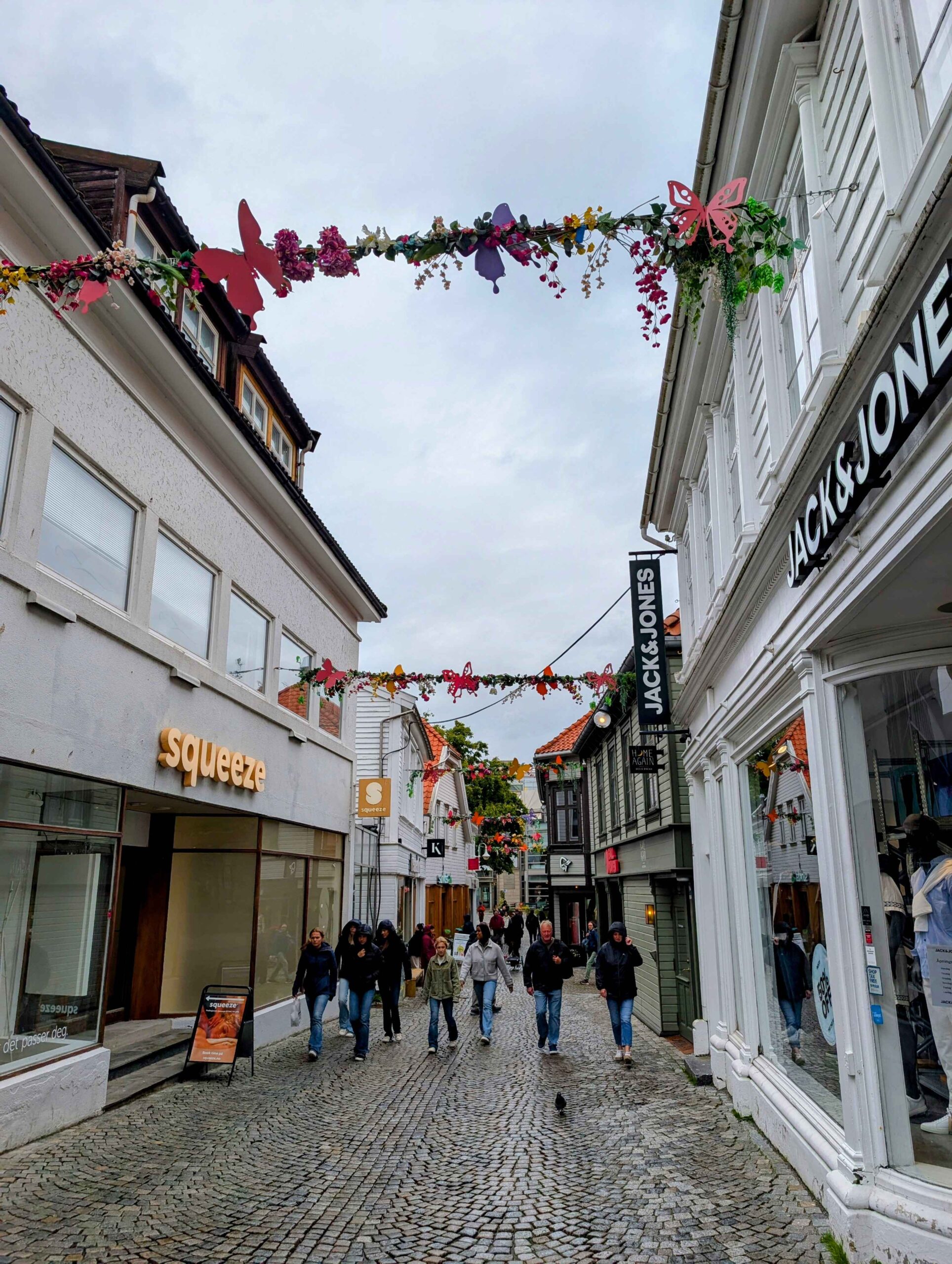
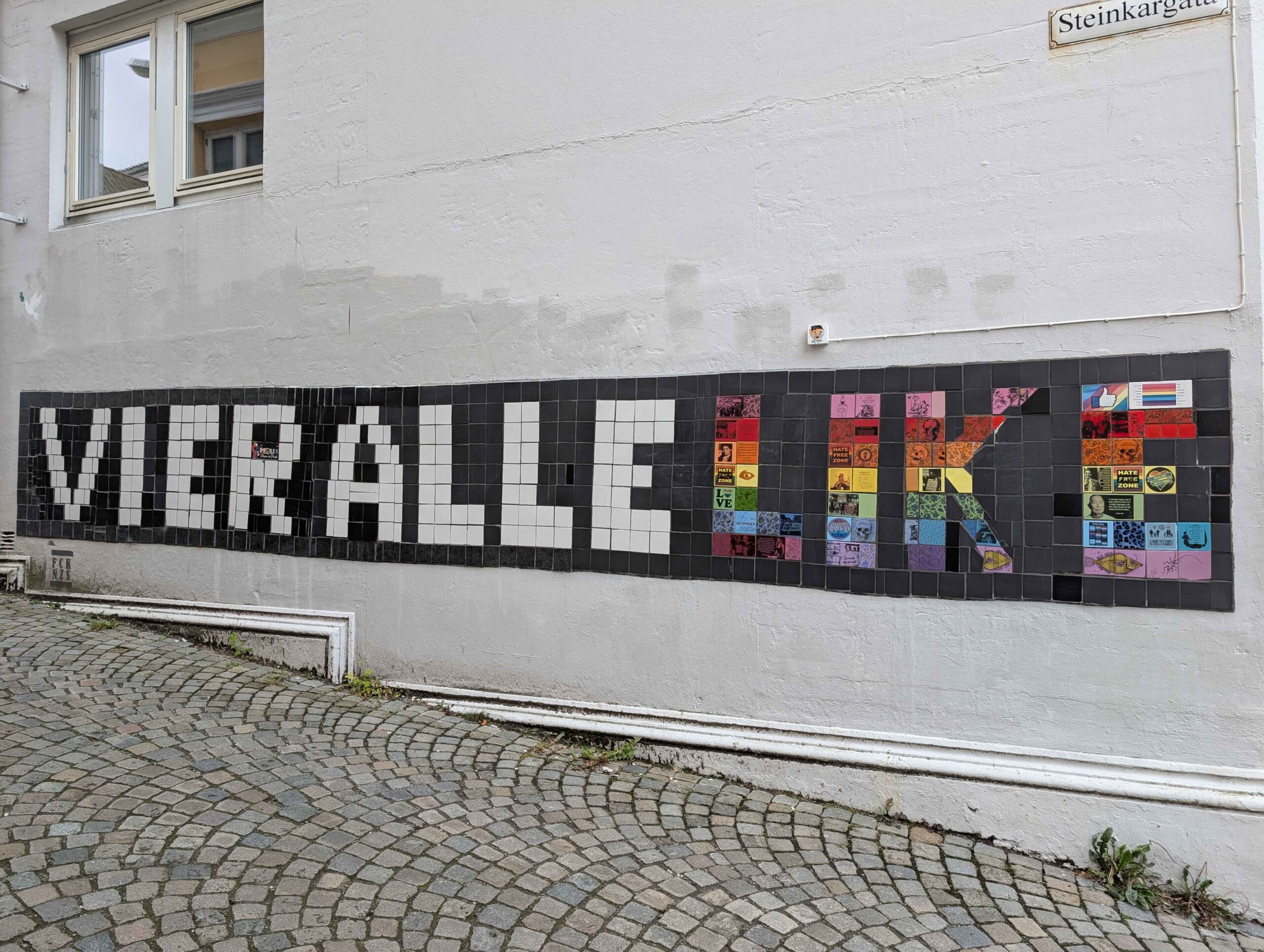
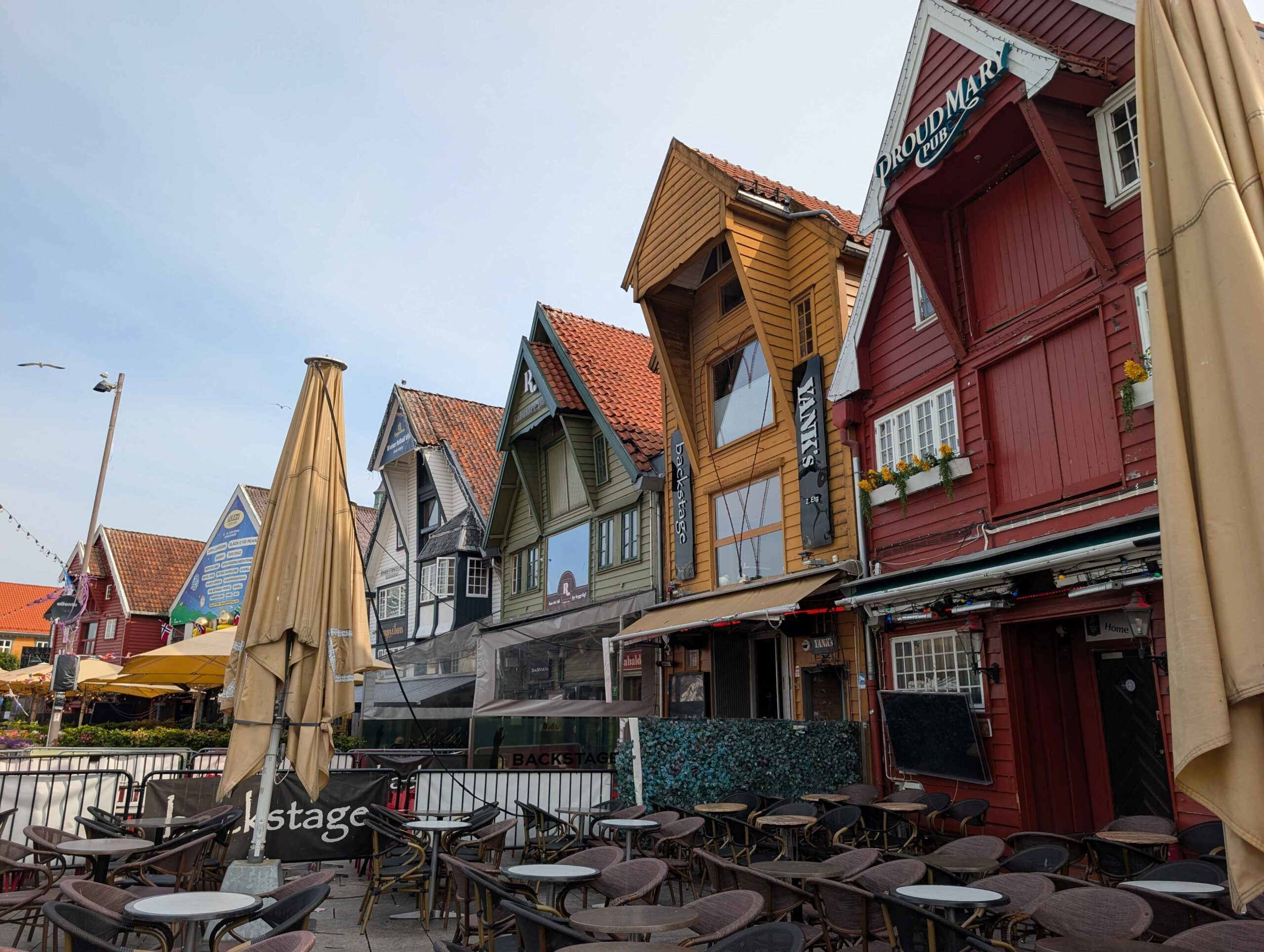
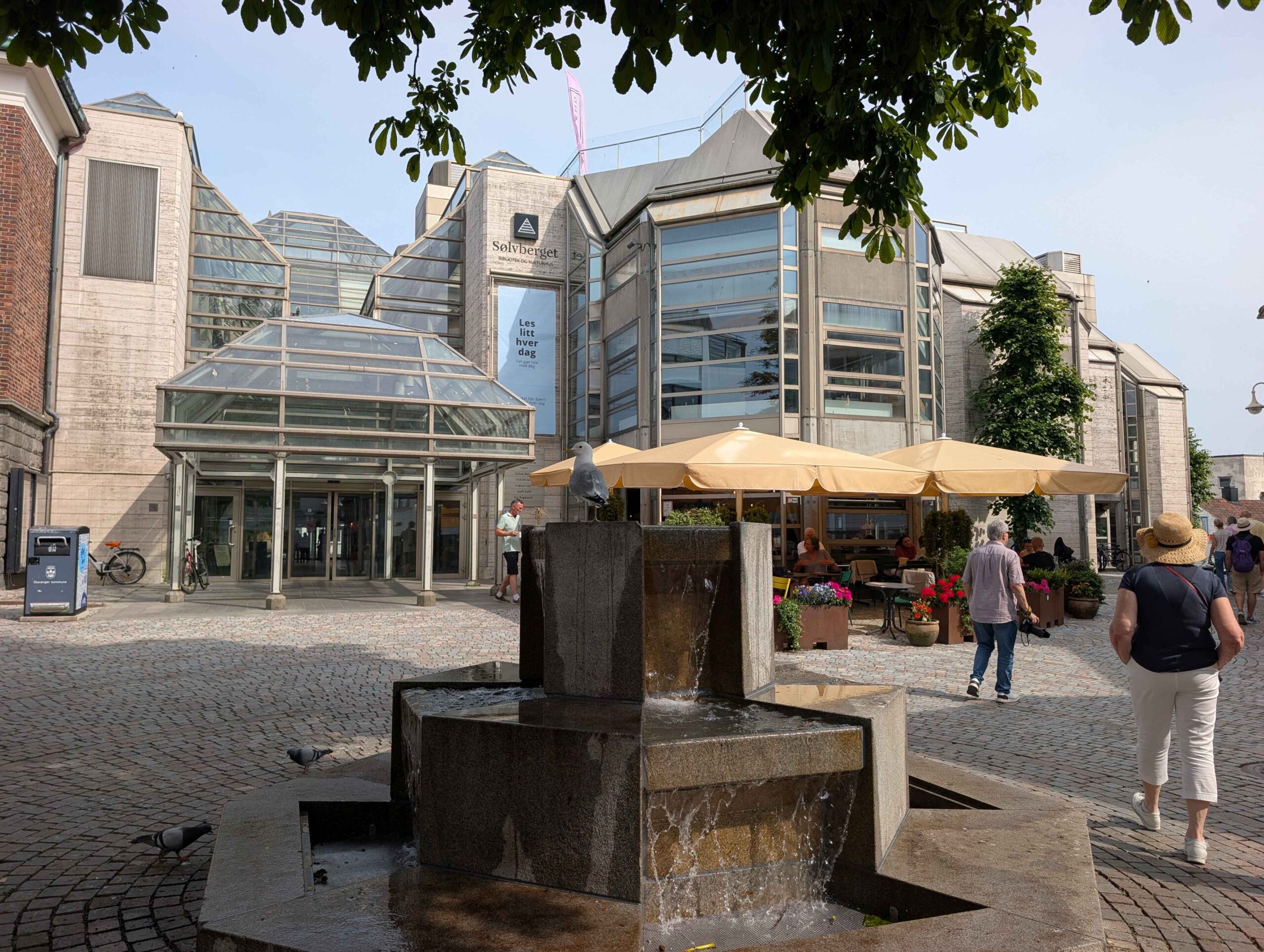
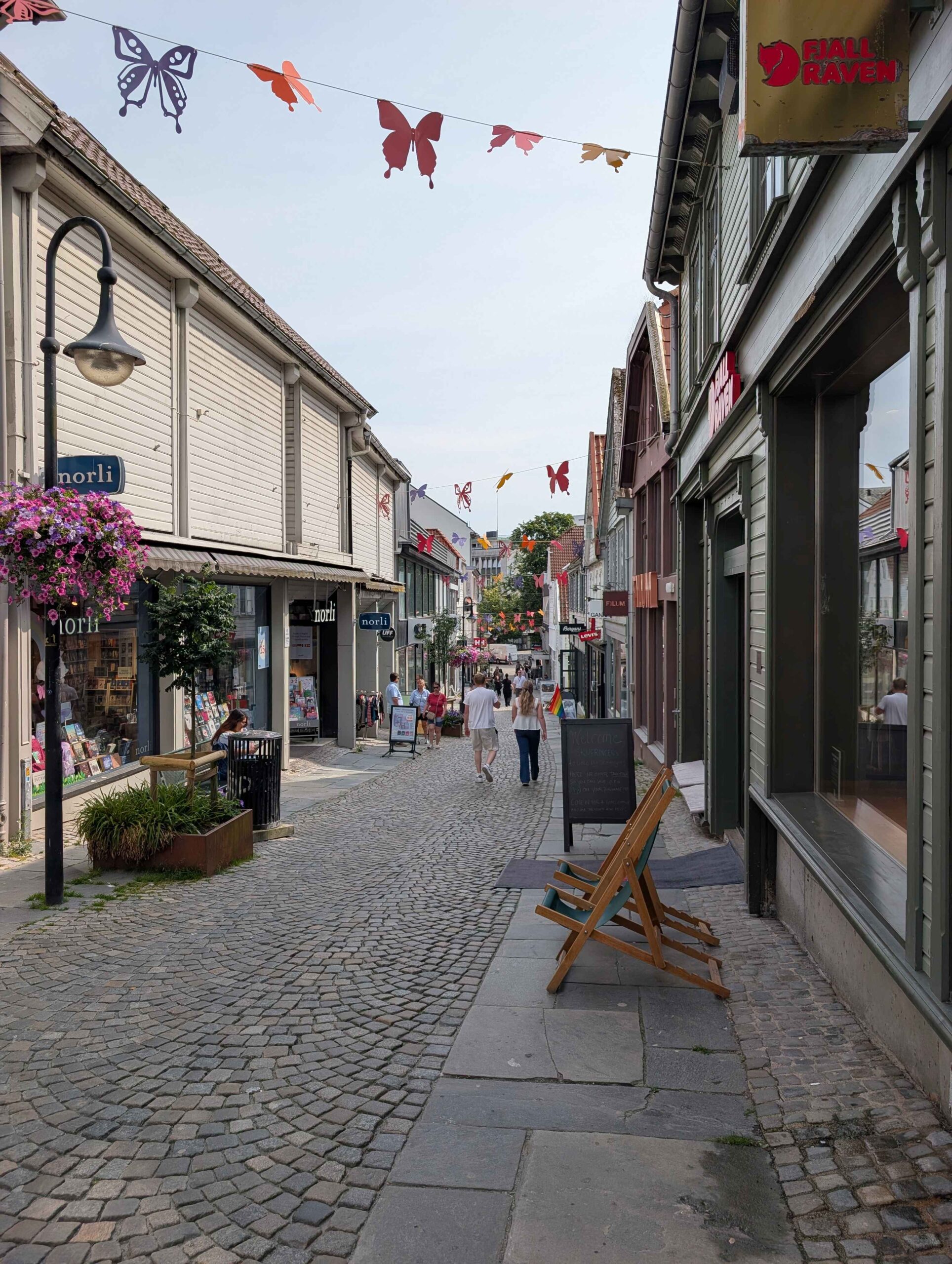
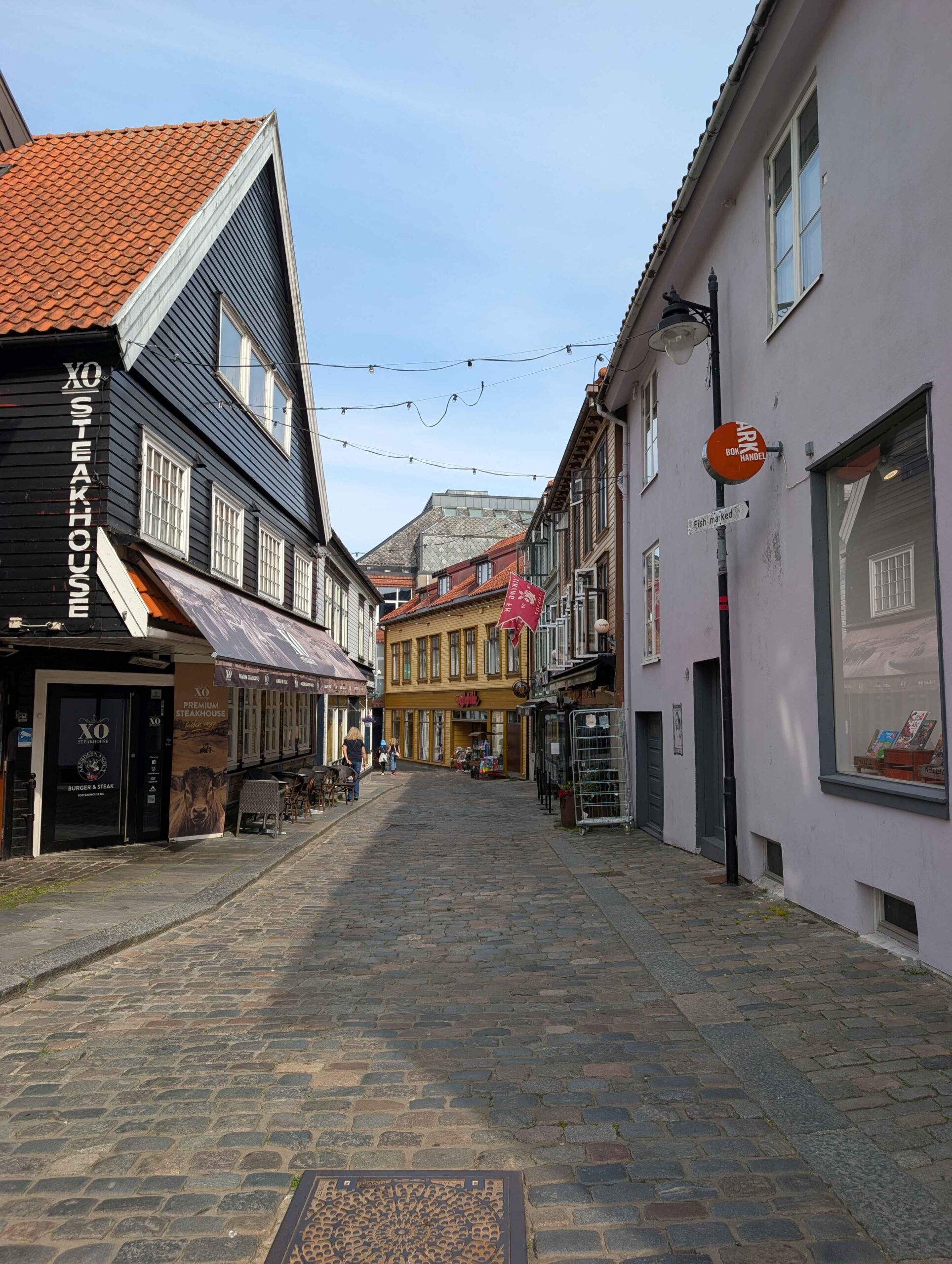
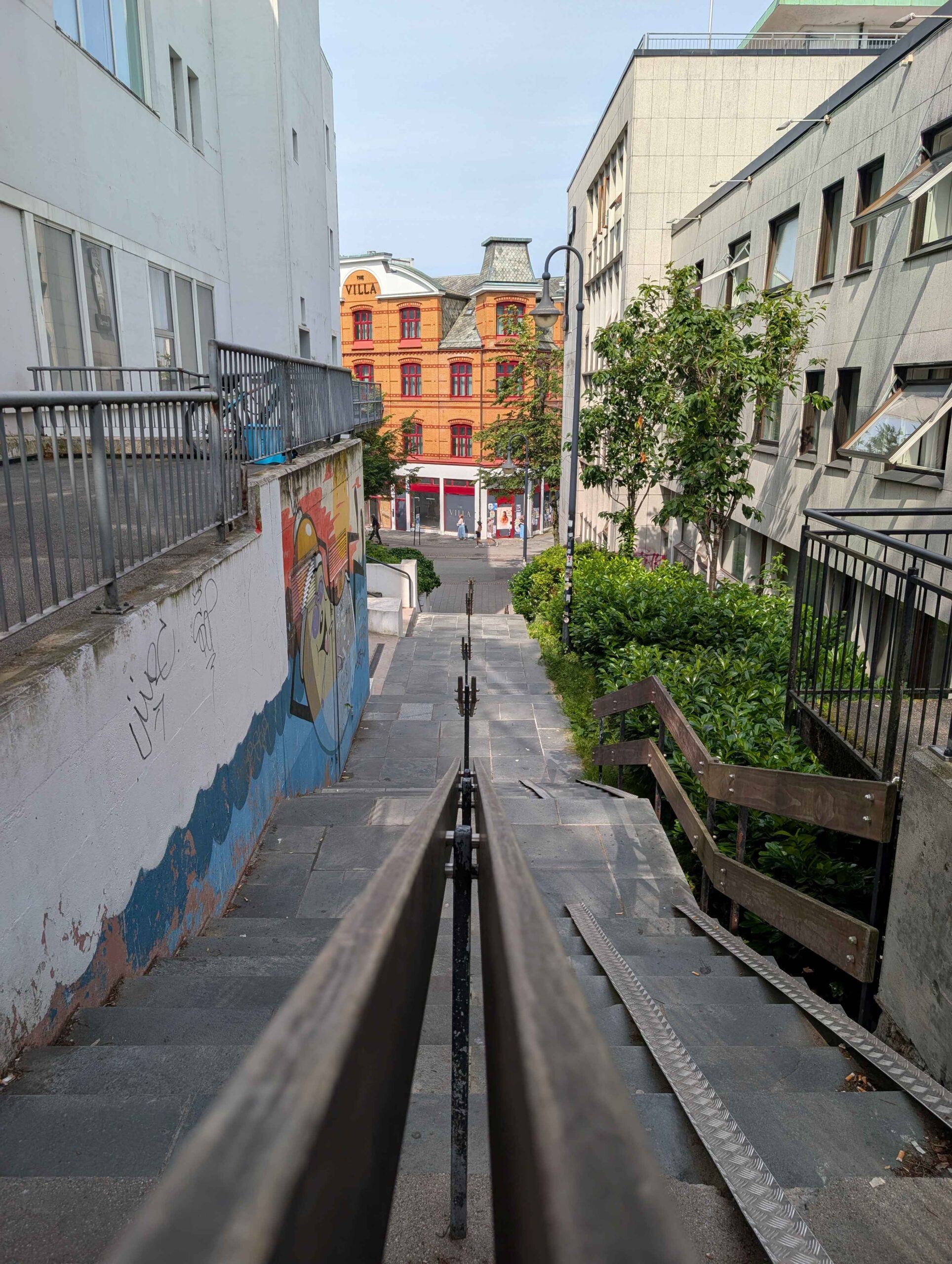
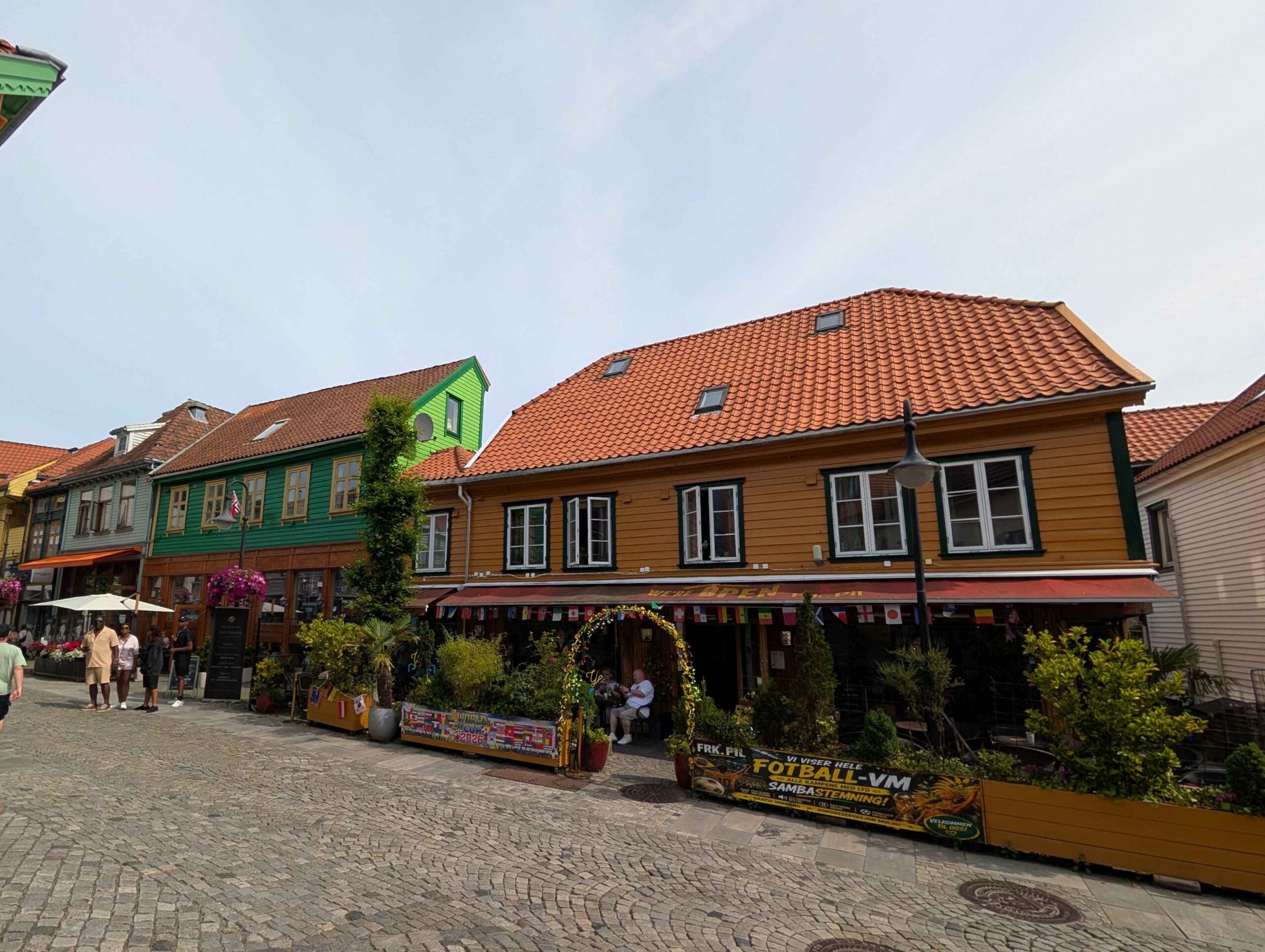
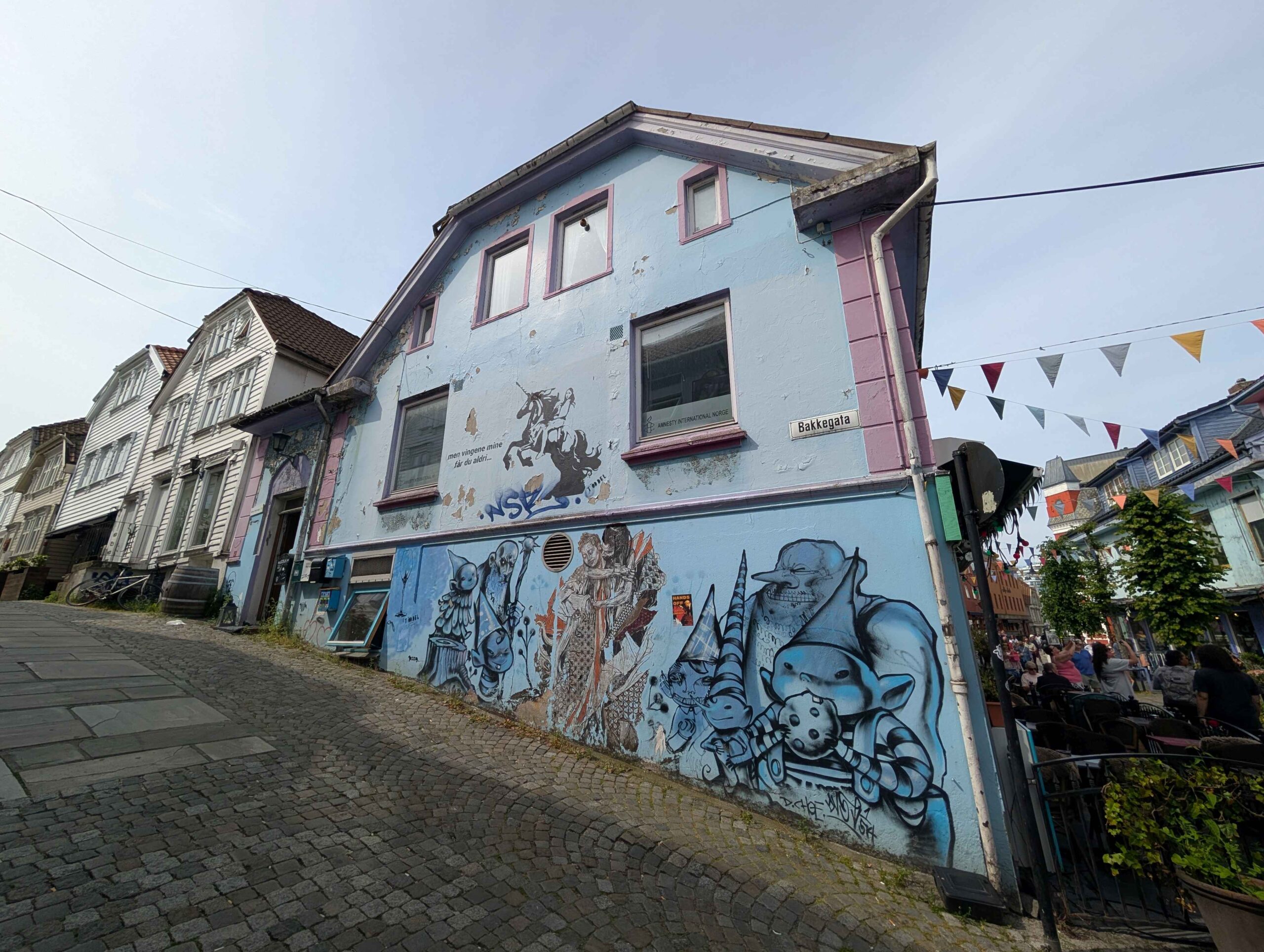
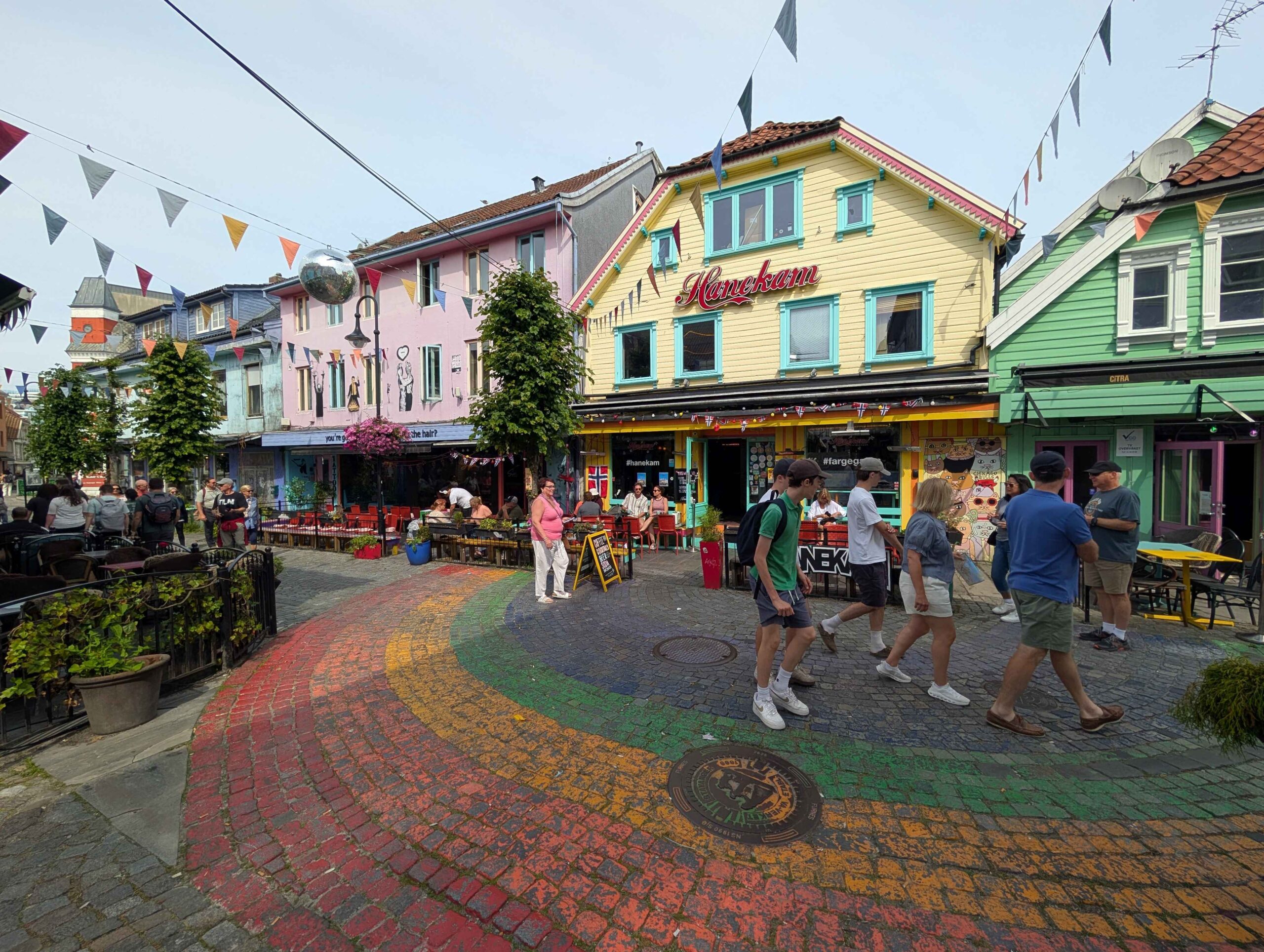
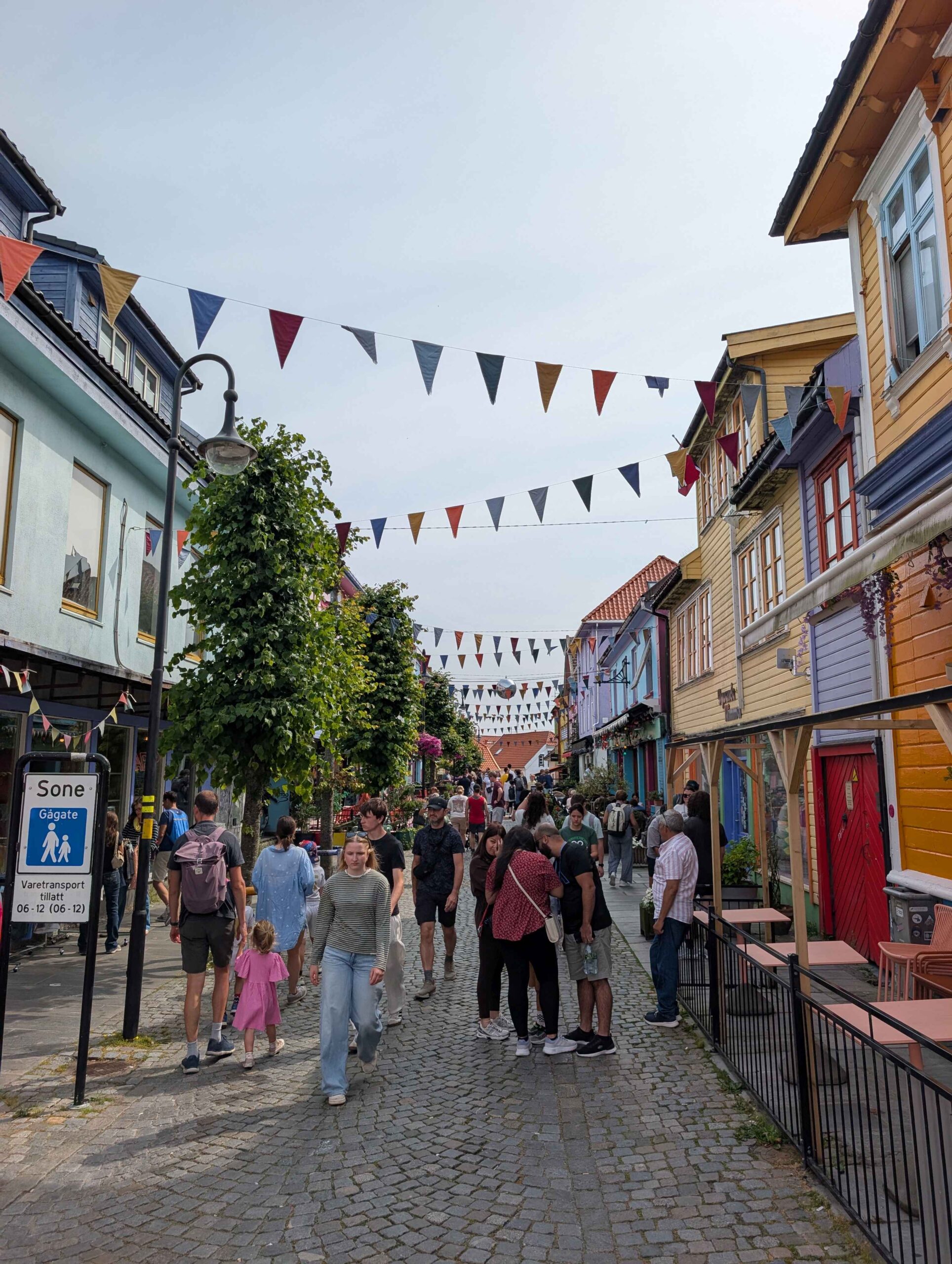
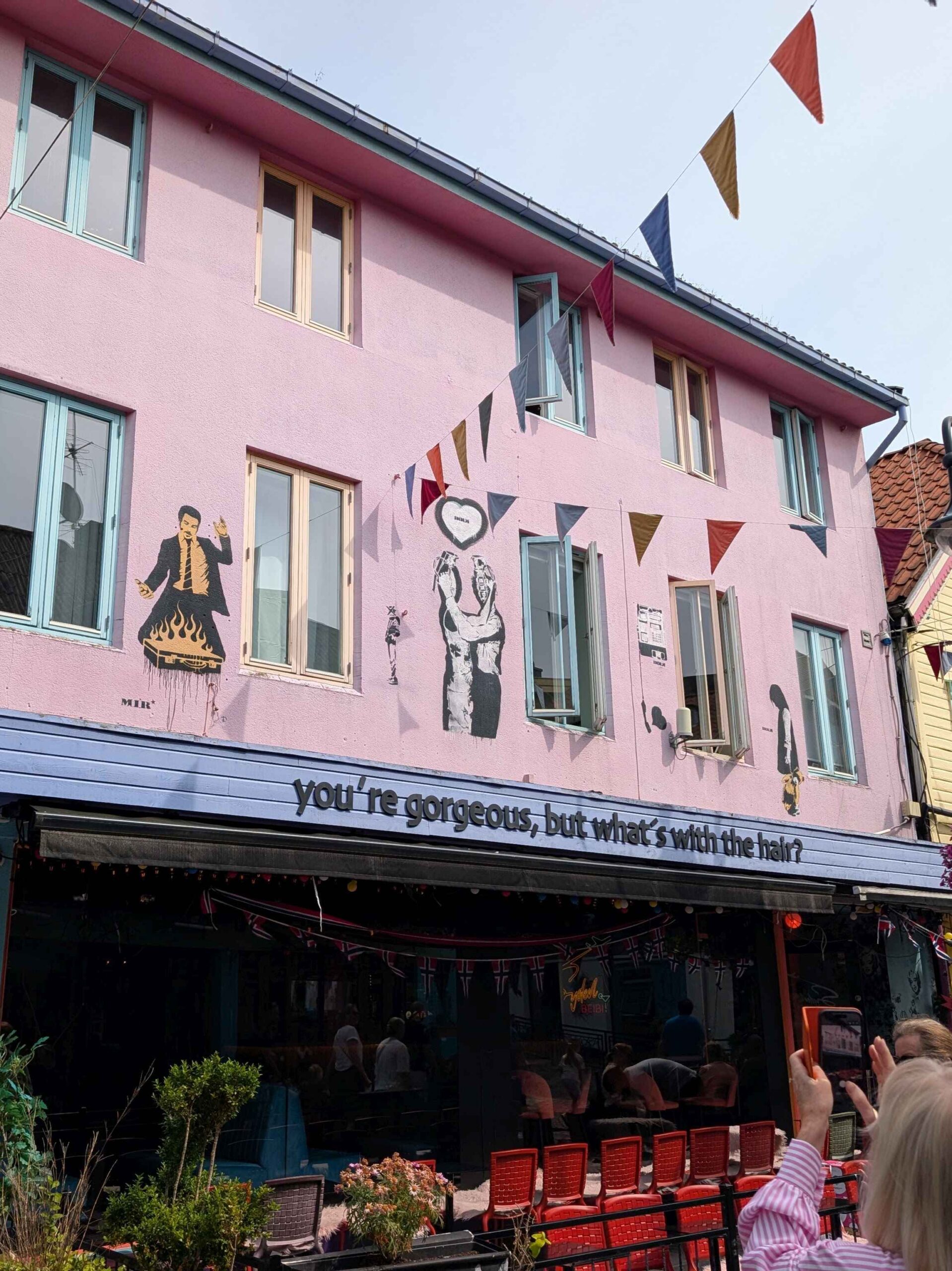
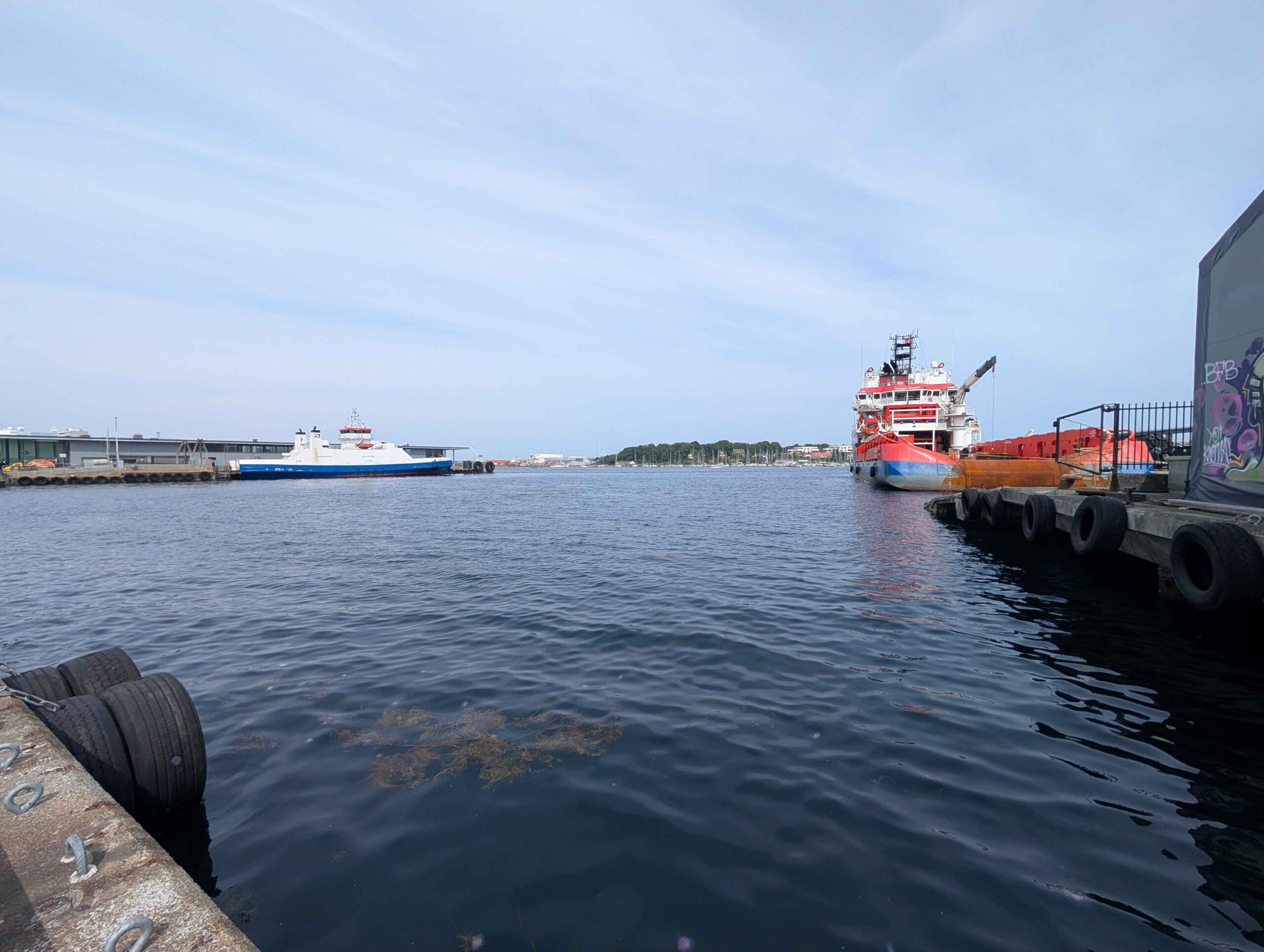
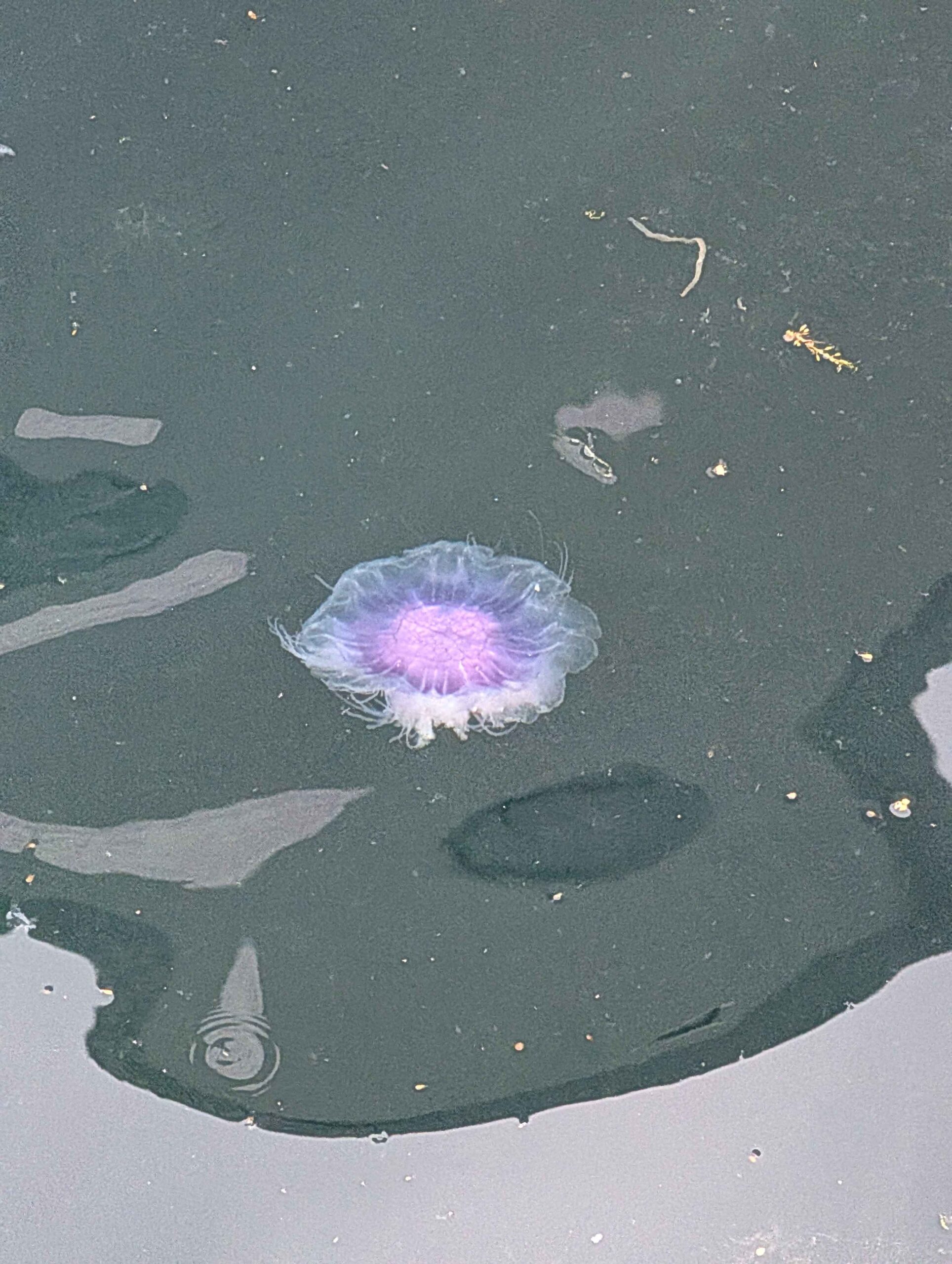
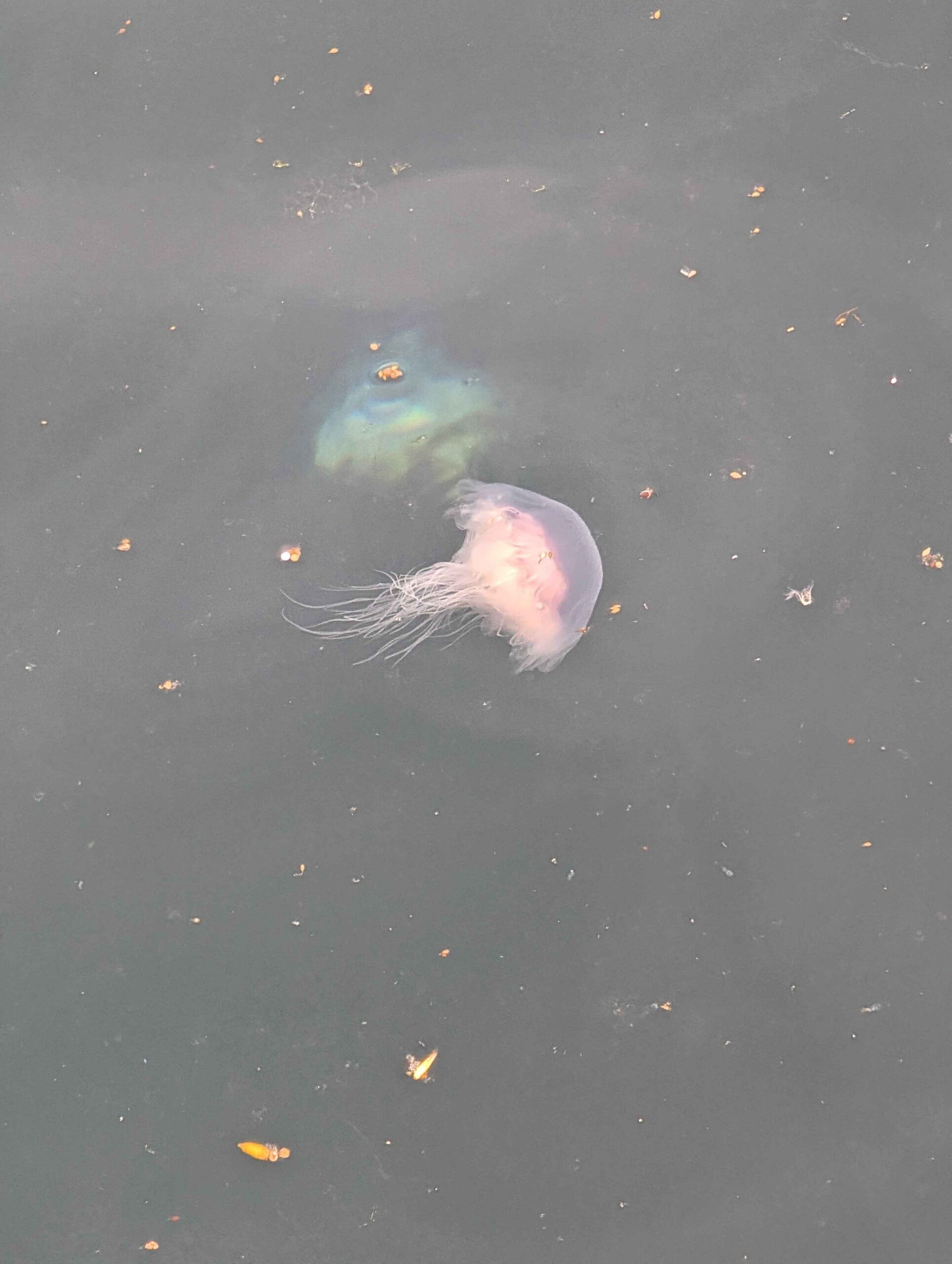
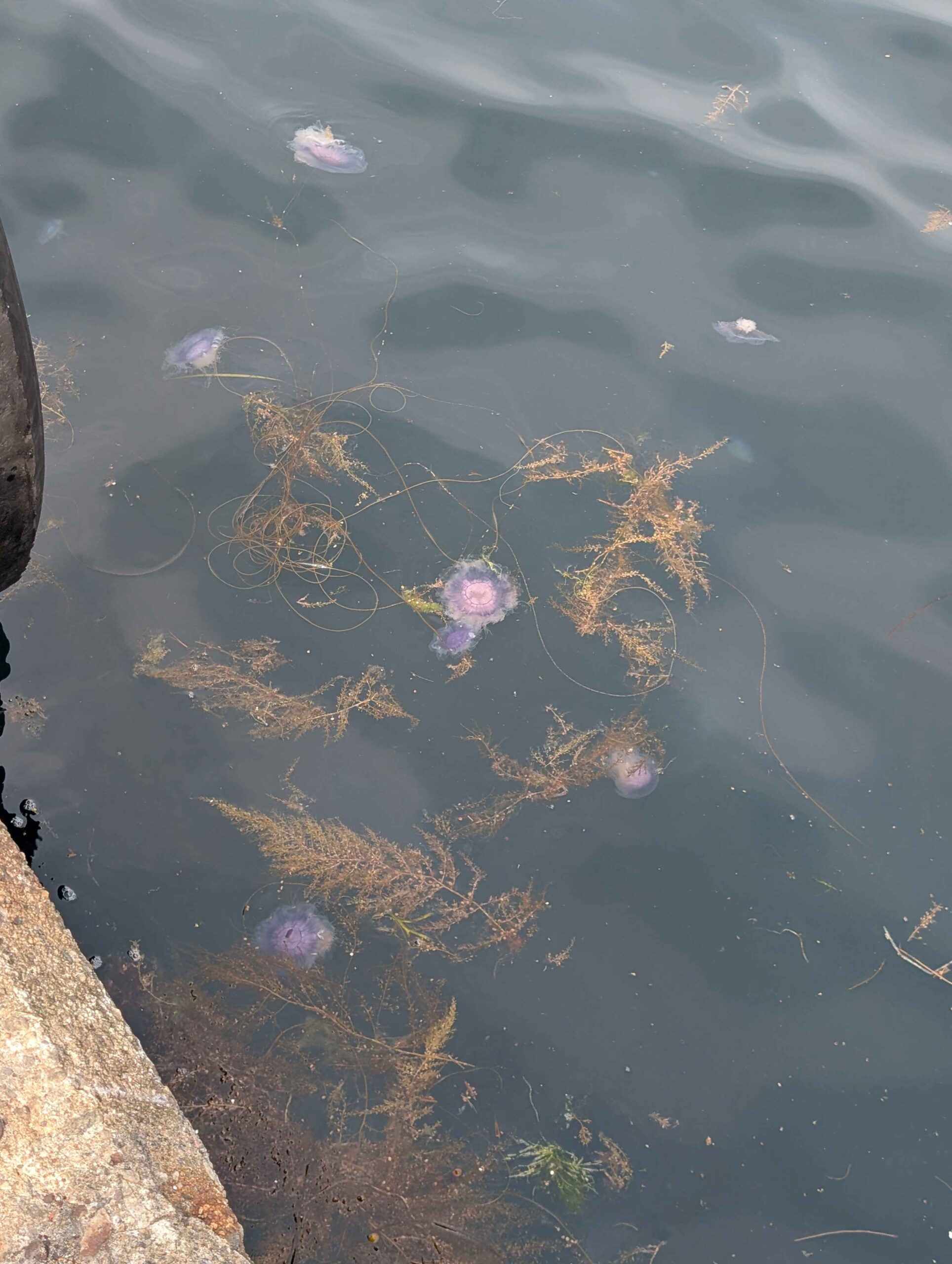
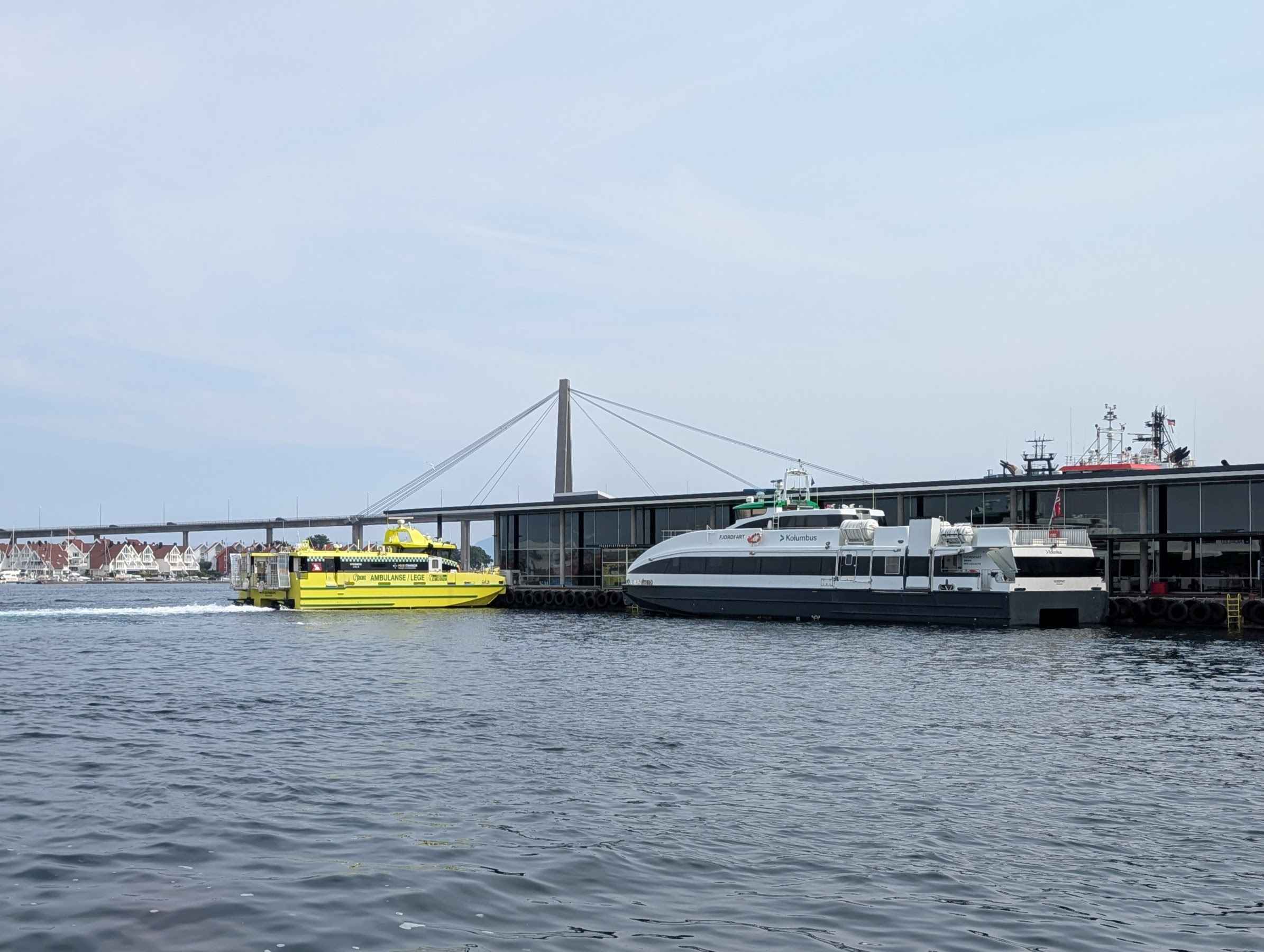
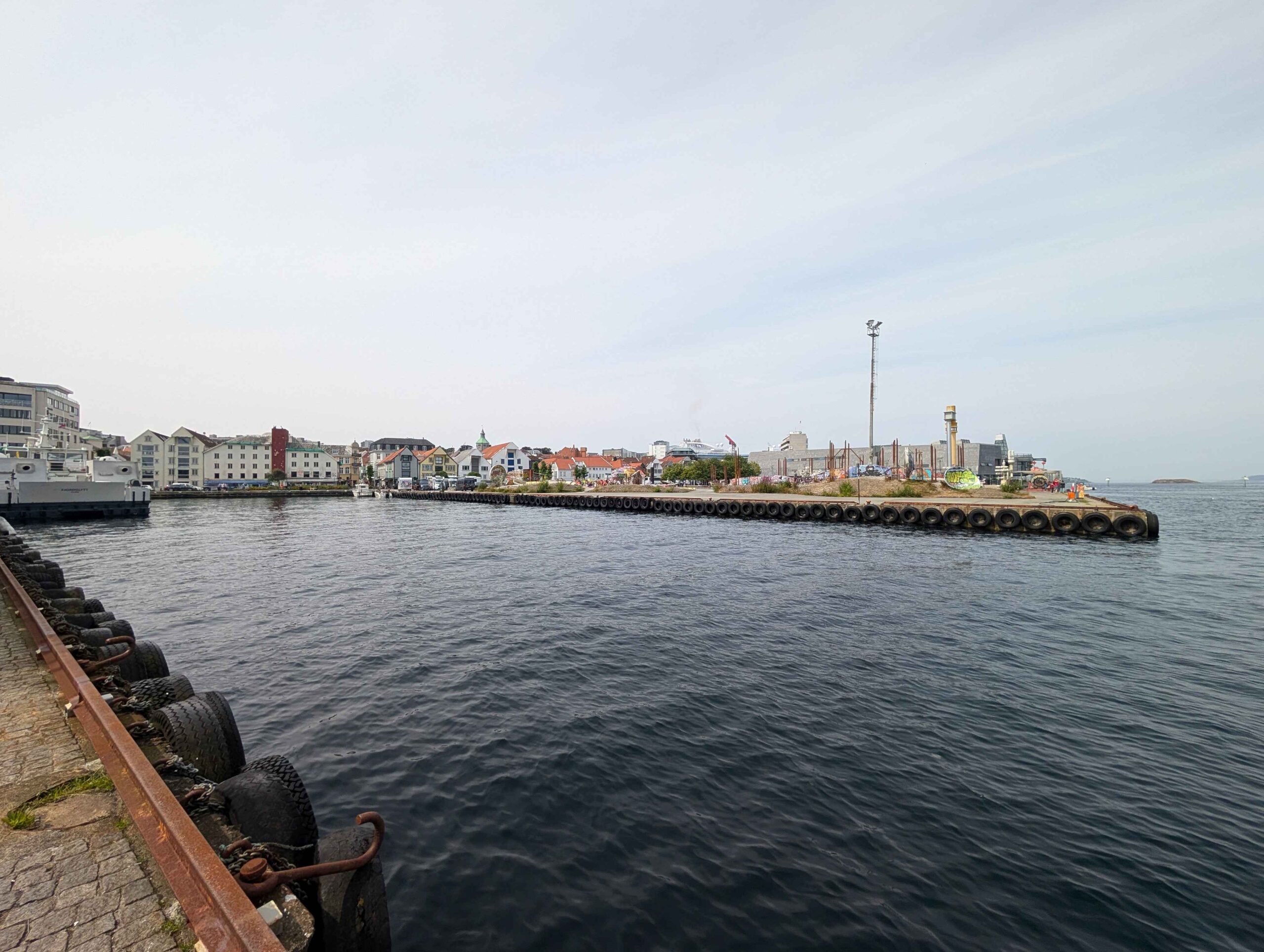
I continued through Stavanger’s shopping streets before reaching Fargegaten, also known as Øvre Holmegate. The colorful buildings, cafés, murals, and side alleys were much livelier than they had been during my first rainy visit. On the walk back toward the ferry terminal, I spotted something I’d never seen before: an ambulance ferry docked alongside the regular passenger vessels. Then I looked into the harbor and noticed dozens of purple jellyfish drifting just below the surface. It was an unexpected reminder that even after hours of walking through the city, Stavanger still had one more surprise waiting.
Although Stavanger is one of Norway’s oldest cities, it feels remarkably approachable on foot. The preserved wooden houses of Gamle Stavanger, colorful shopping streets, compact harbor, and inviting parks all sit within an easy walking distance of the cruise terminal, making it one of the most enjoyable ports I’ve explored independently. Visiting once in stormy weather and again under sunny skies also showed me just how dramatically the experience can change with the forecast.


If You Have More Time…
- Norwegian Petroleum Museum – Learn how offshore oil transformed Norway into one of the world’s wealthiest countries through interactive exhibits and full-scale drilling equipment.
Flor & Fjære – Take a boat trip to this privately owned island garden filled with tropical plants that seem completely out of place along Norway’s rugged coastline.
Sverd i fjell (Swords in Rock) – Visit the three giant Viking swords overlooking Hafrsfjord to commemorate the historic Battle of Hafrsfjord that united Norway.
Lysefjord Cruise – Spend a few hours sailing through one of Norway’s most spectacular fjords with views of waterfalls towering cliffs and the famous Pulpit Rock from below.
Preikestolen (Pulpit Rock) – If you’re staying overnight or extending your visit this iconic hike rewards you with one of Norway’s most famous panoramic viewpoints.