
Sand Dunes and Windmill Views in Skagen
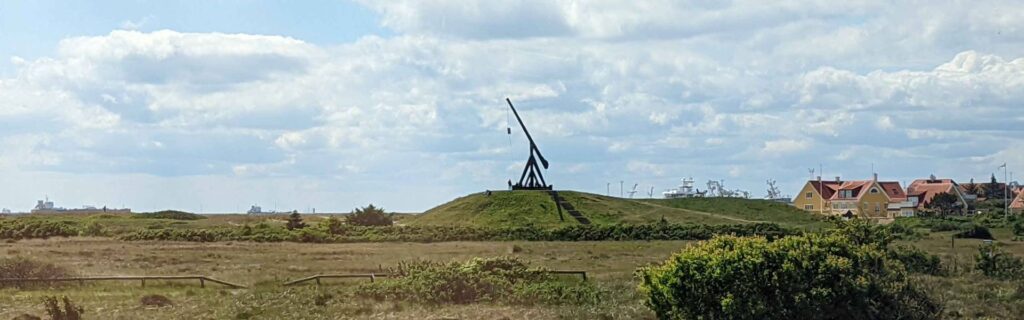
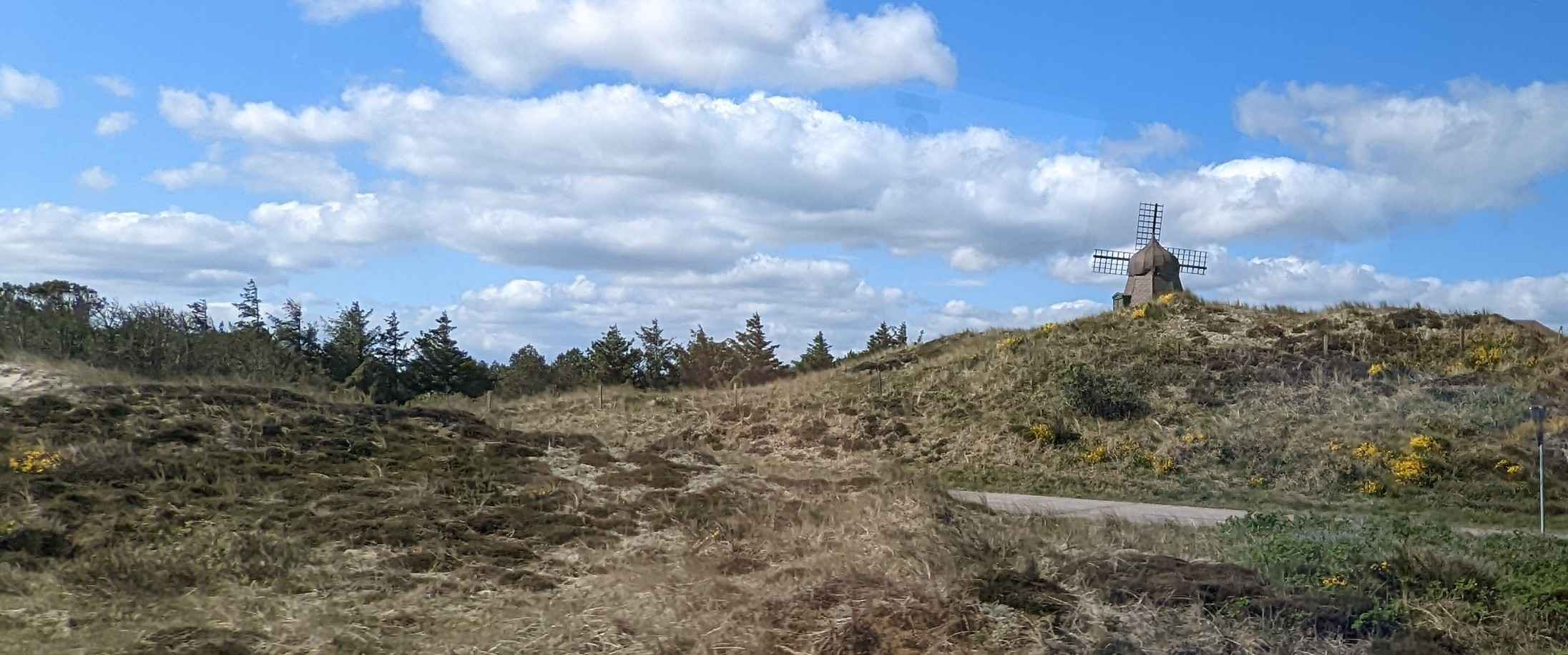
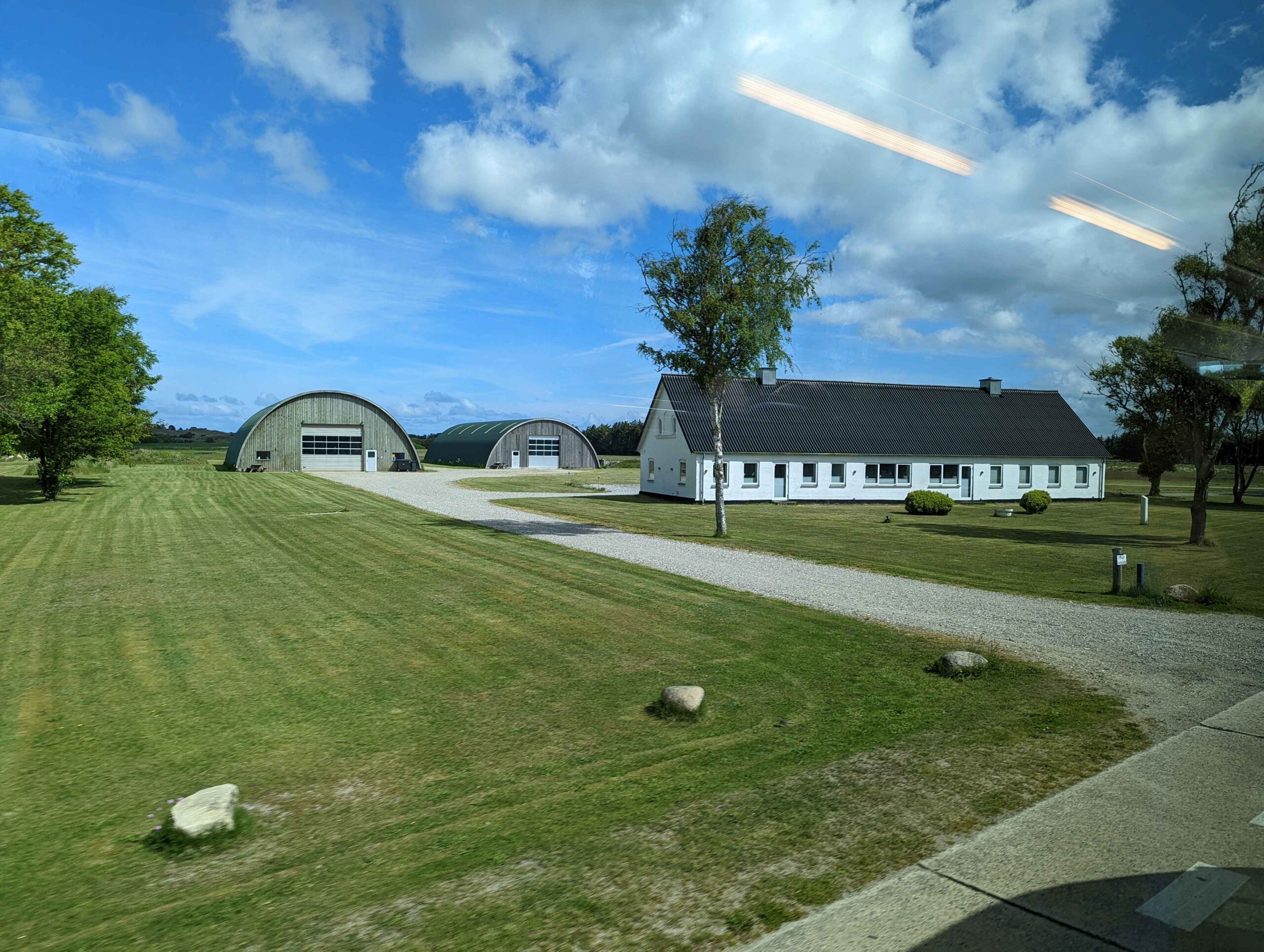
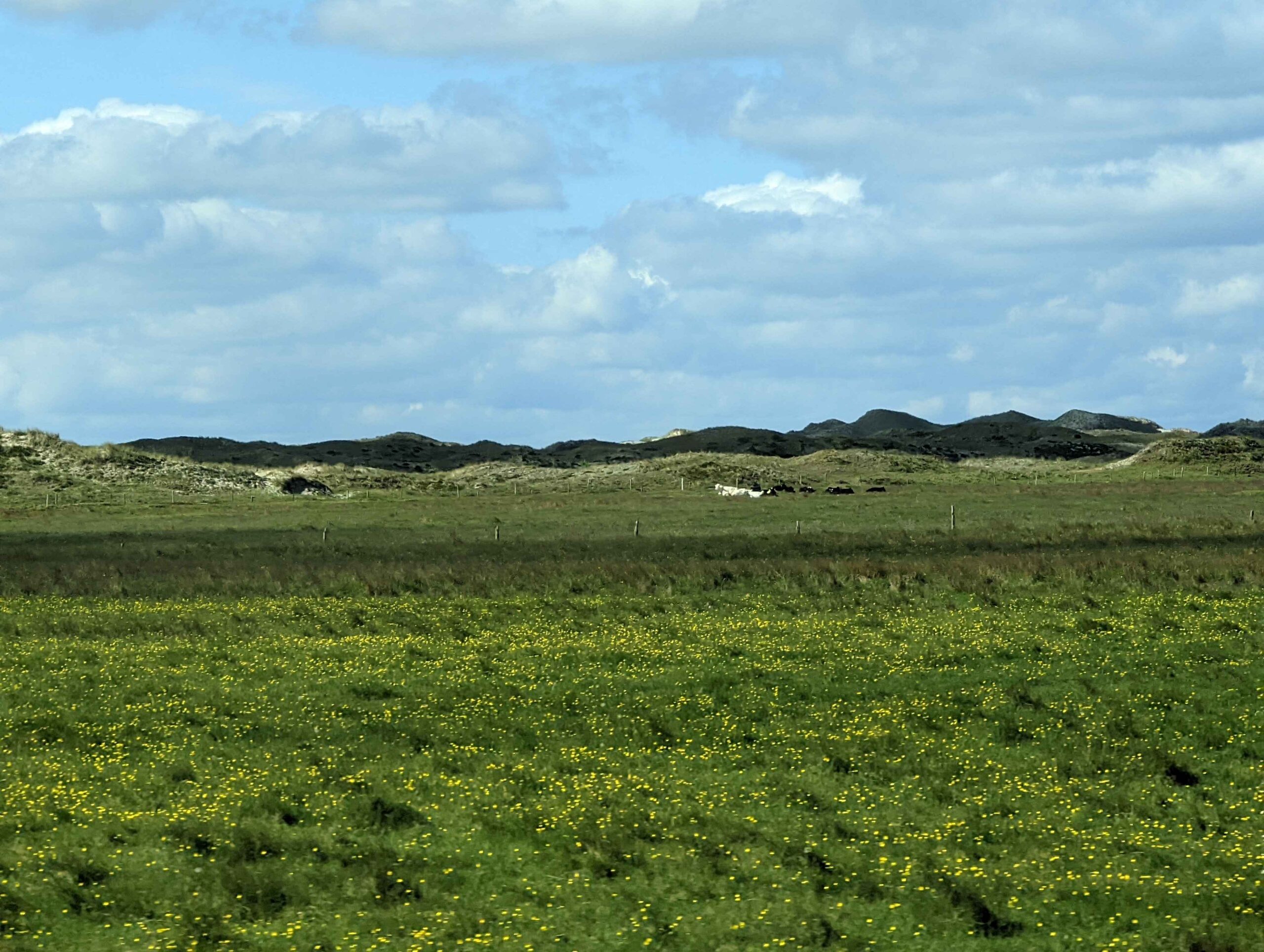
The first thing that caught my attention in Skagen was not the beach or the point where the seas meet. It was a random windmill outside the bus window during a cruise excursion through northern Denmark. The light hit the dunes just right and the long grasses around the hill looked almost silver in places. It was one of those completely unplanned moments where I stopped paying attention to the tour itself and focused entirely on getting the shot before the bus moved again.
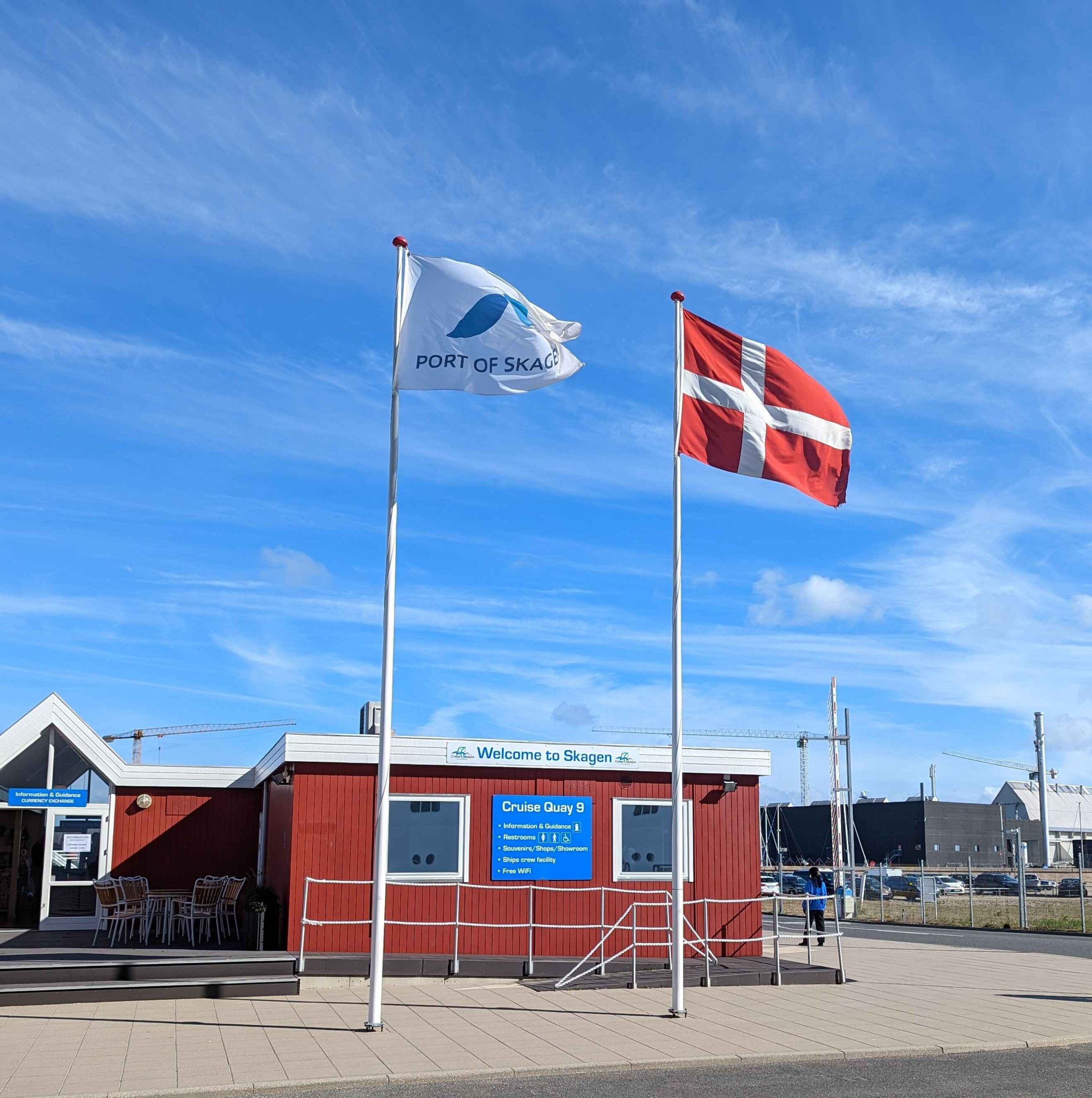
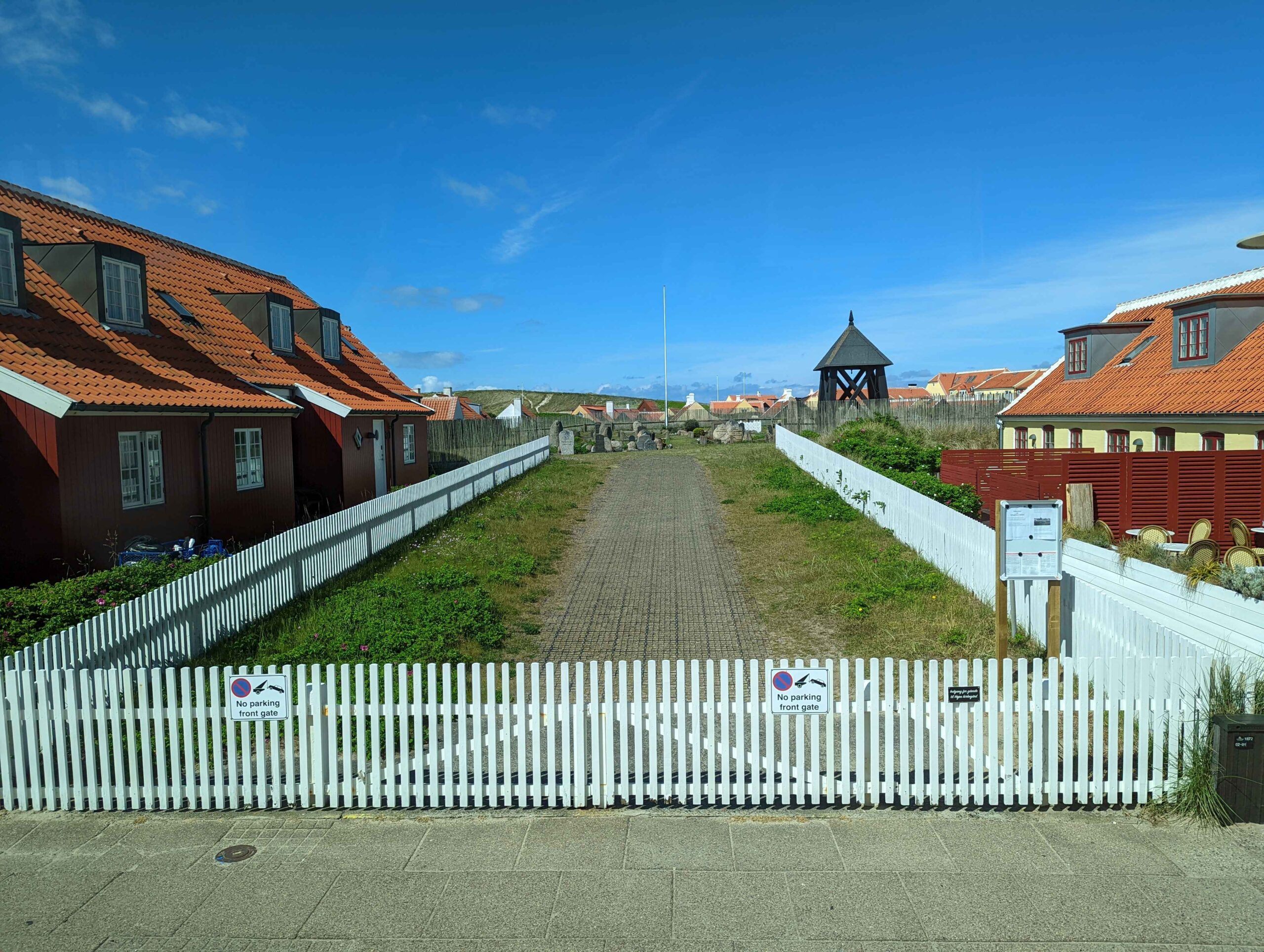
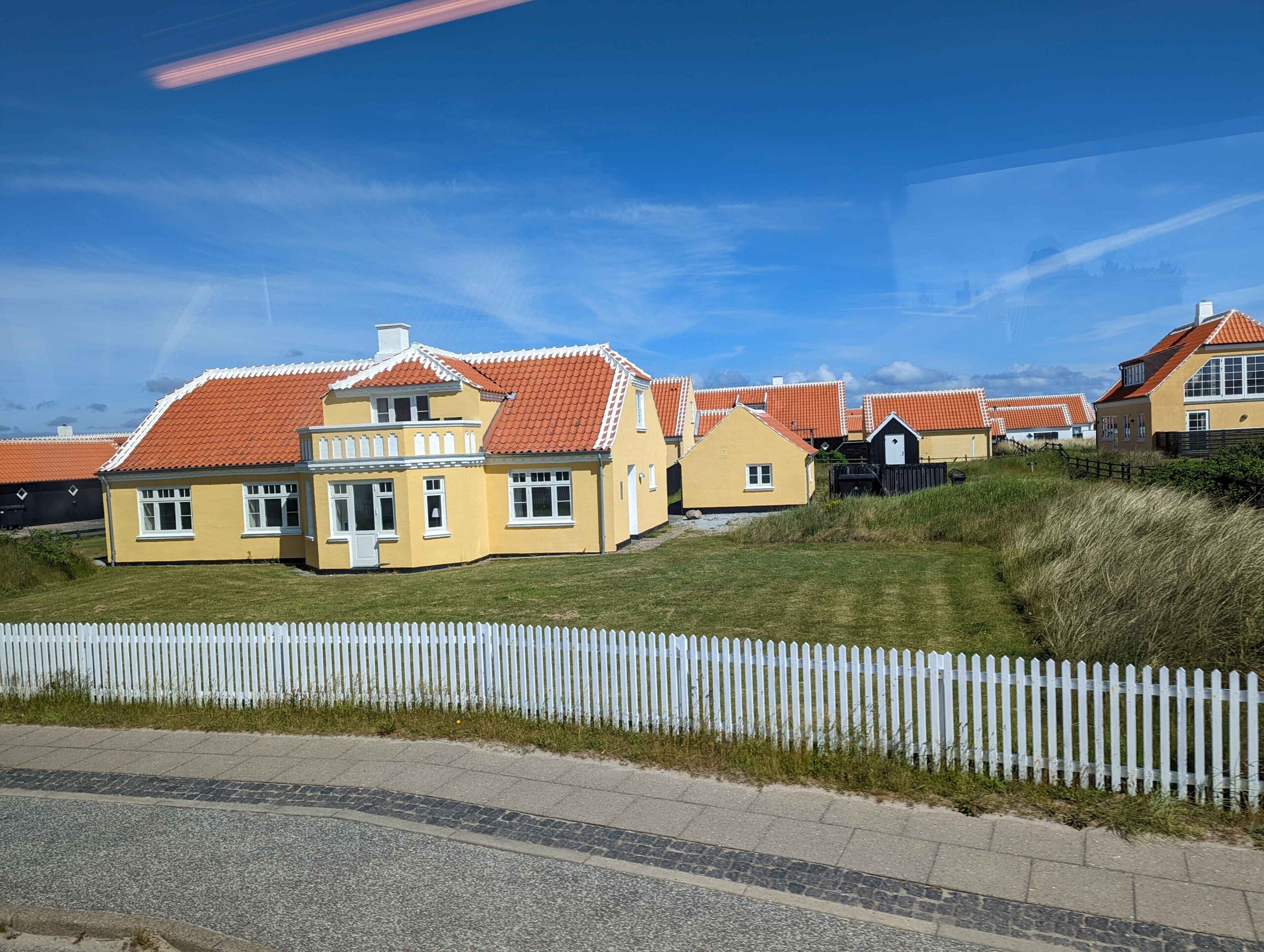
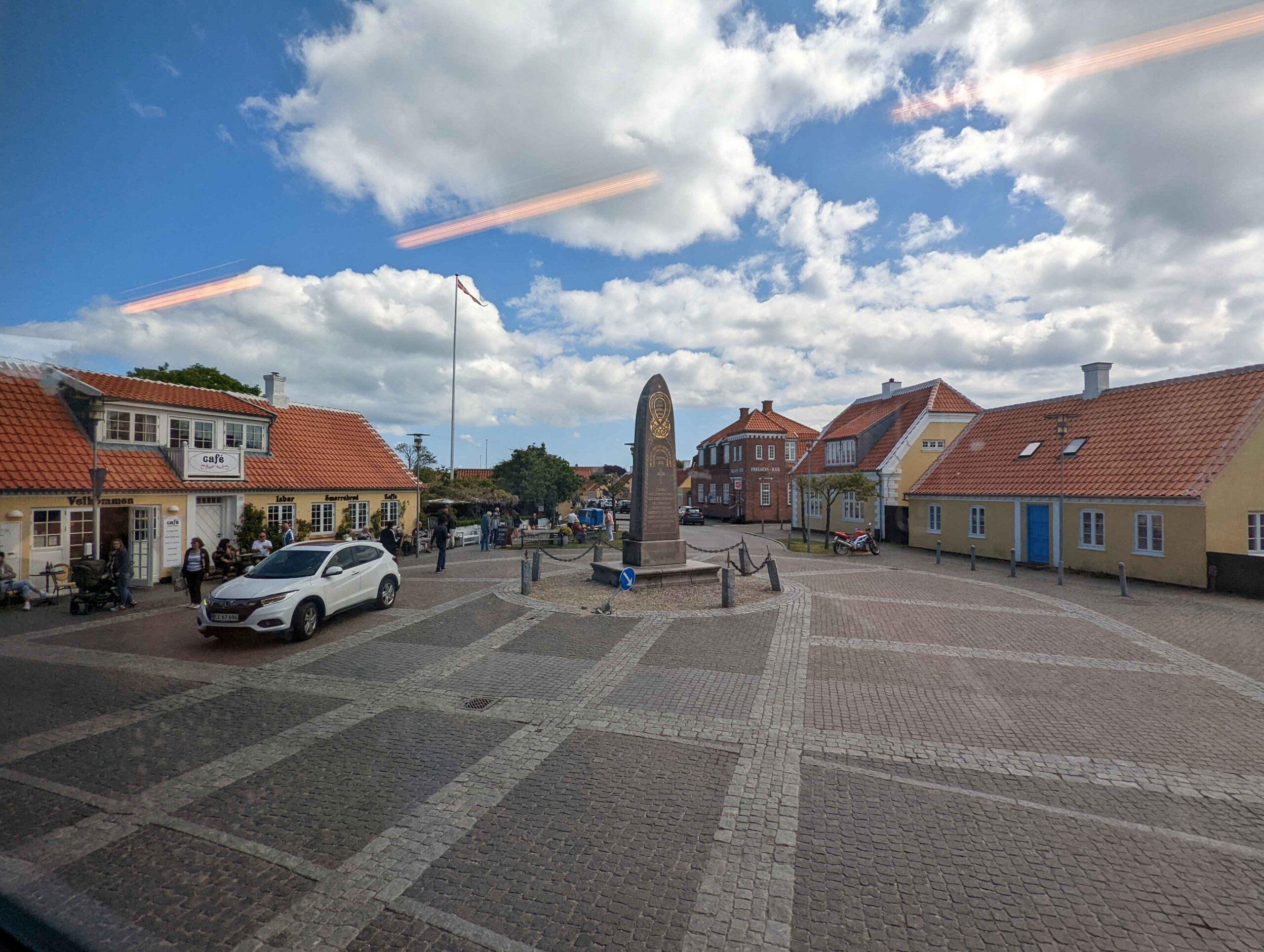
A cruise stop in Skagen gave me enough time to see the major landmarks and still wander on my own afterward. Skagen is pronounced “Skay-en” and written the same way in Danish. The port sits a little outside the main shopping streets so getting into town takes either a paid shuttle or about a twenty minute walk. On later visits I skipped organized touring altogether and simply wandered through the cafes shops and quiet residential streets with the yellow houses and red tile roofs that the town is known for.
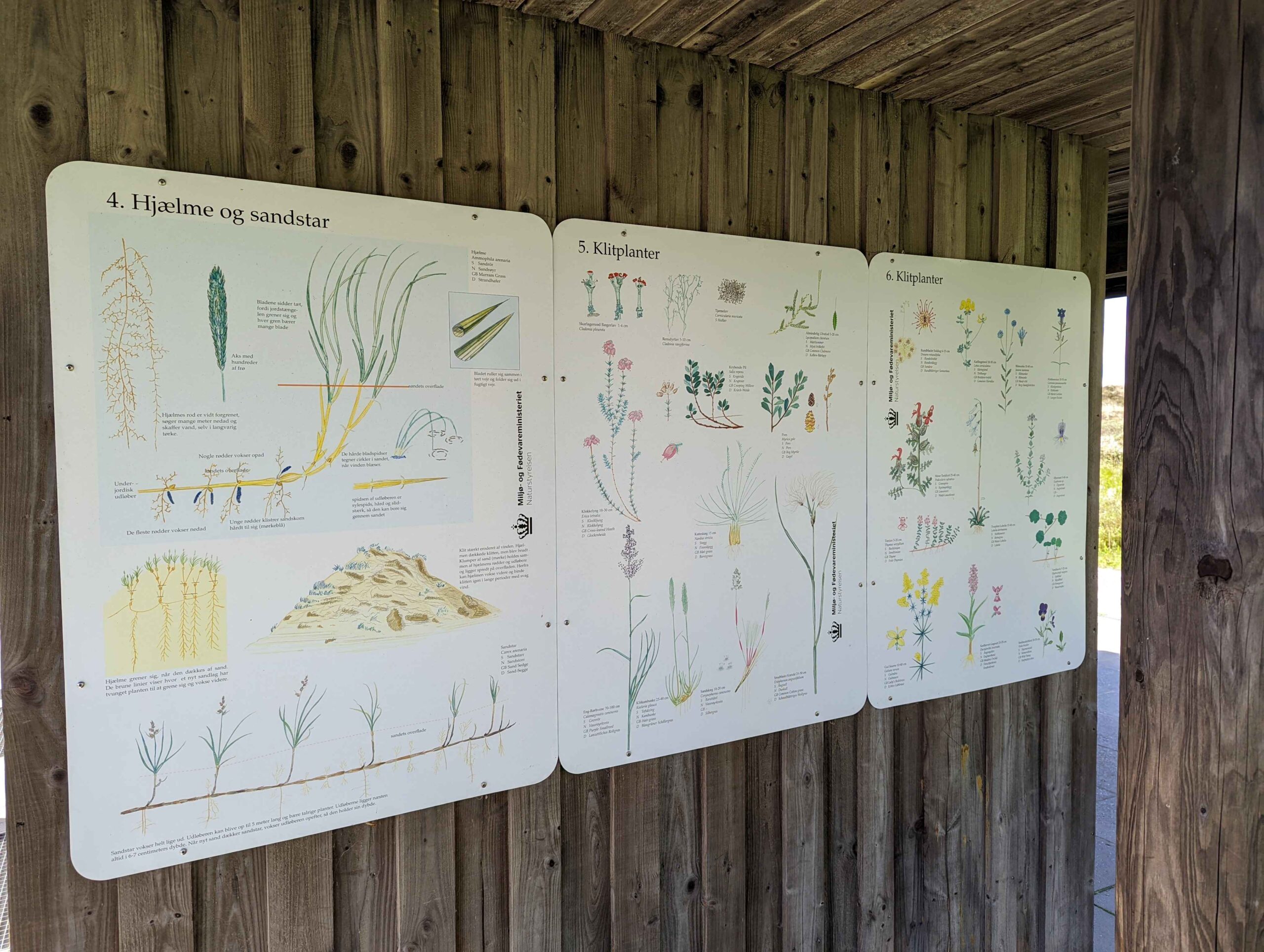
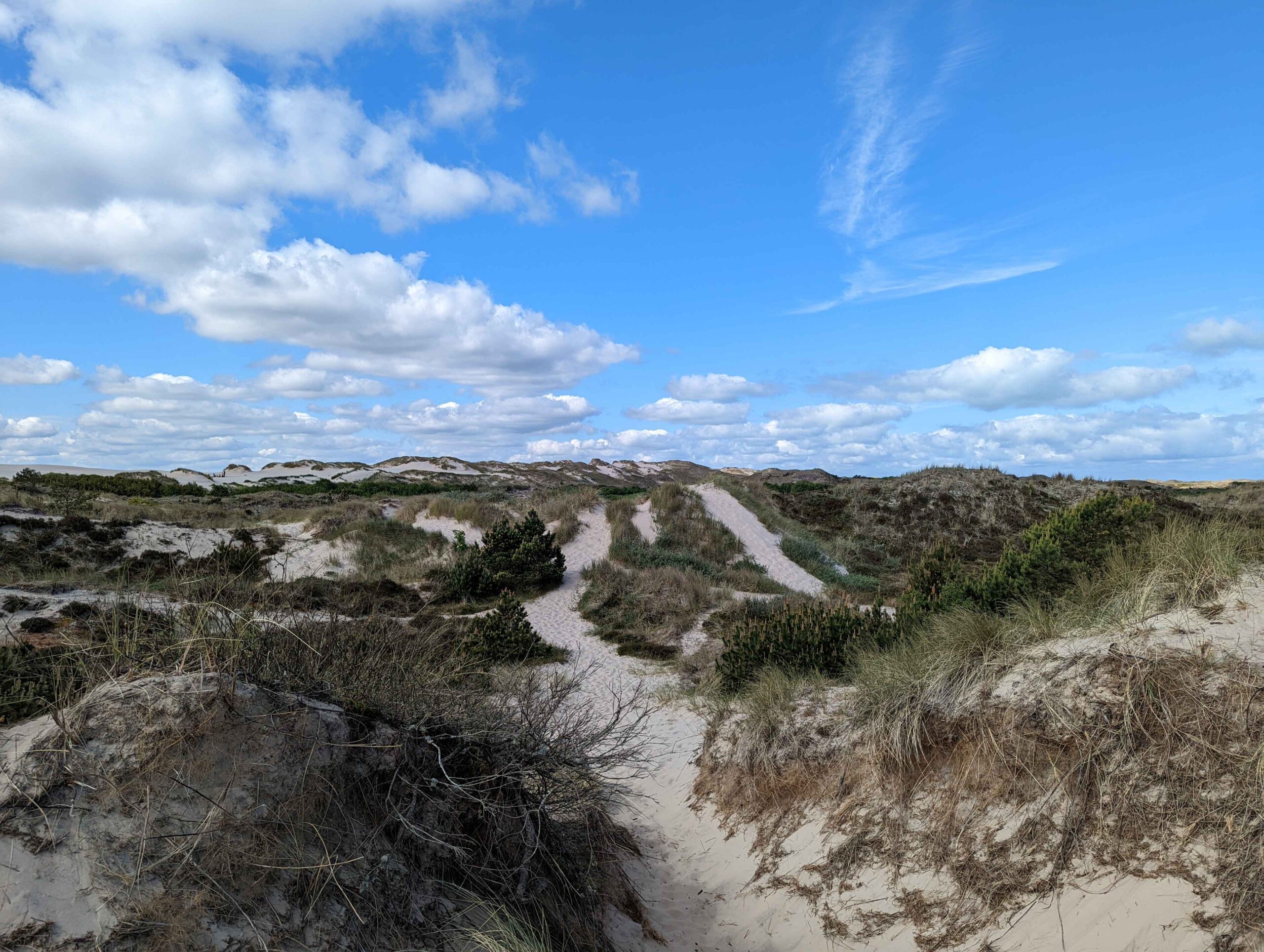
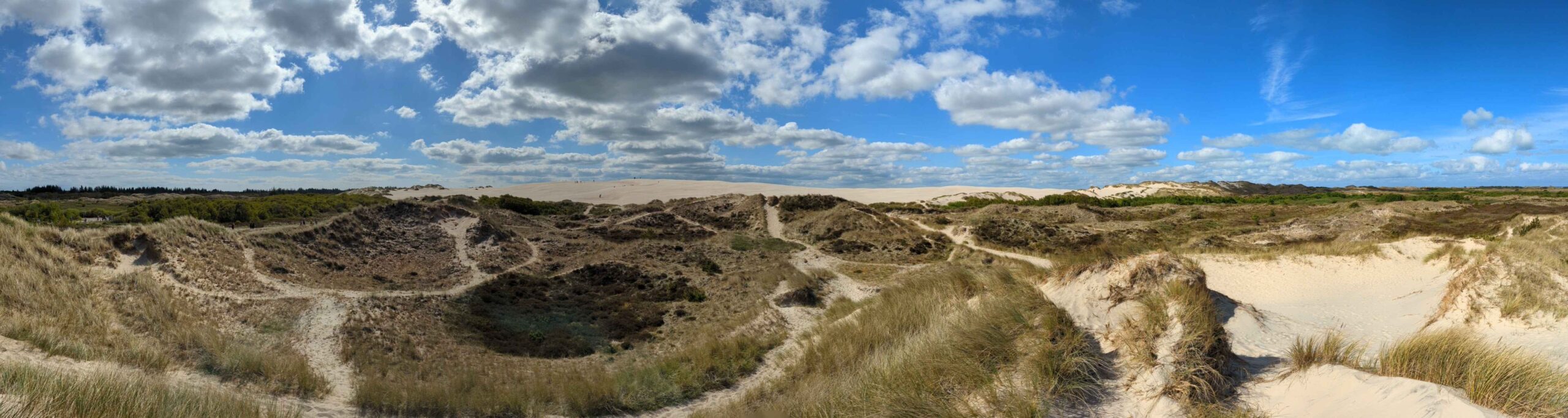
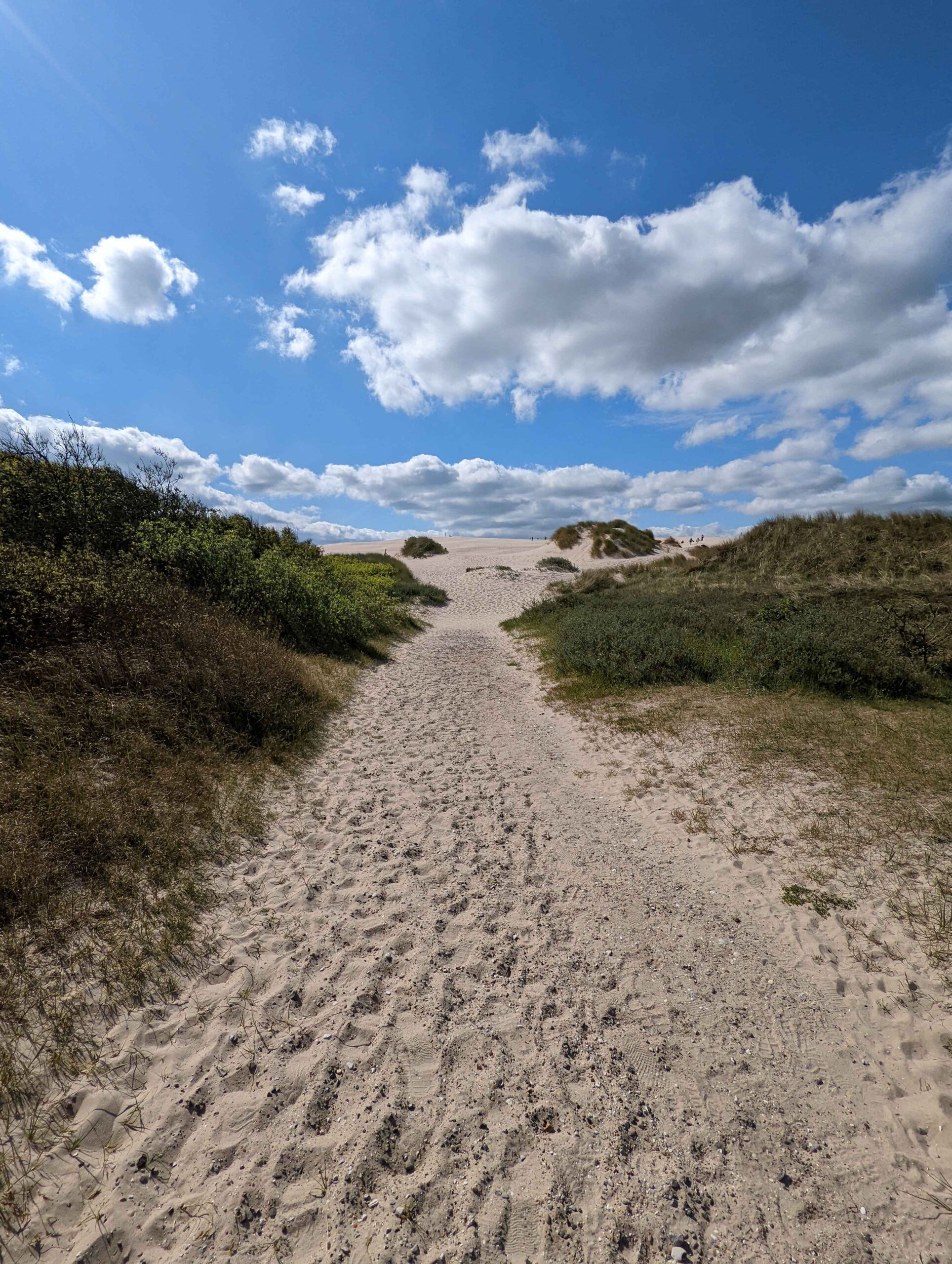
The excursion itself covered a surprising amount of coastline and dune scenery in a short time. At Råbjerg Mile the landscape felt far larger than I expected with shifting sand trails and wide open views across the dunes. I spent most of the stop just walking without much direction looking for elevated angles and cleaner compositions for photos. The weather shifted constantly between bright sunlight and darker cloud cover which made the dunes look different every few minutes.
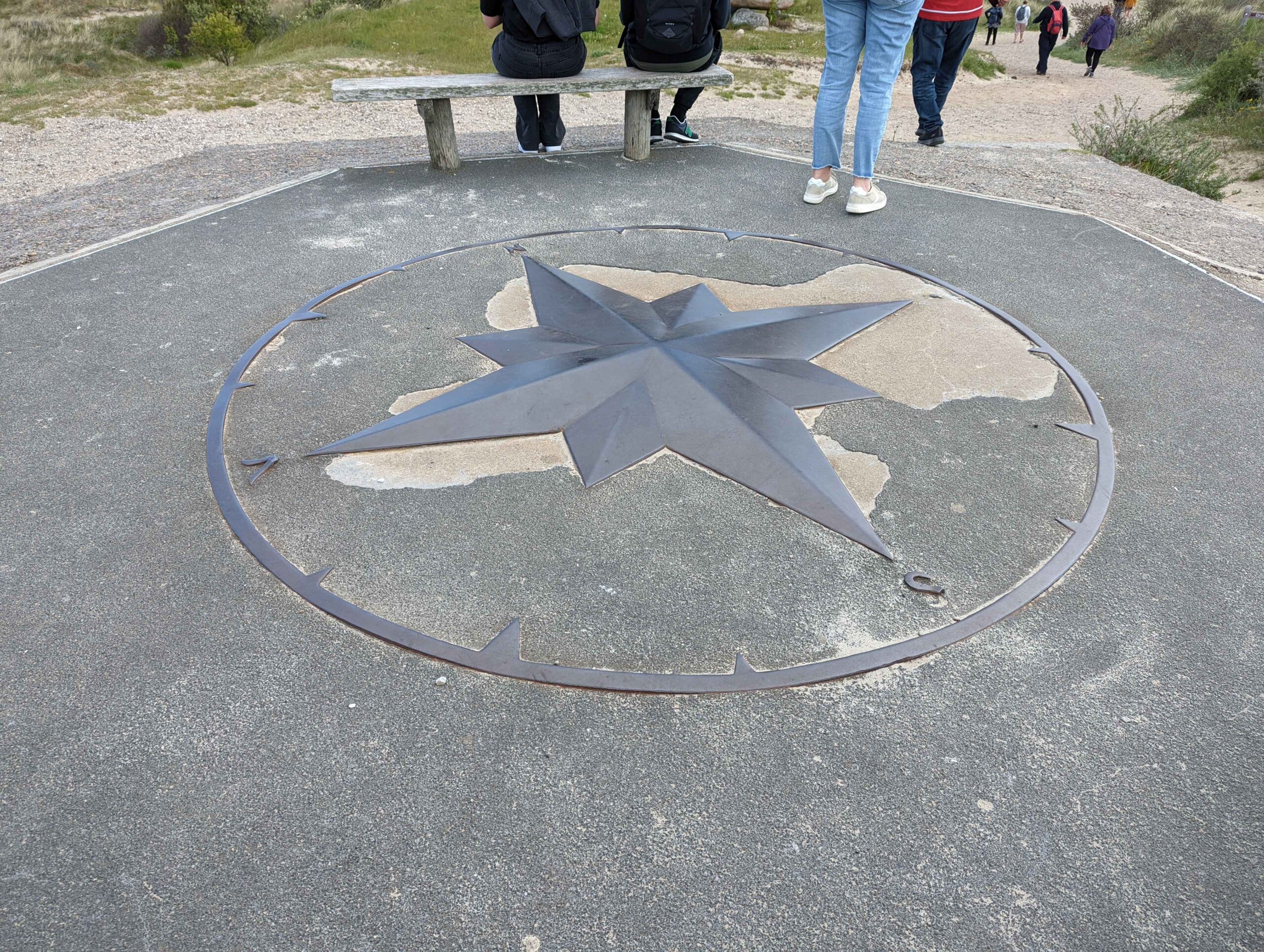
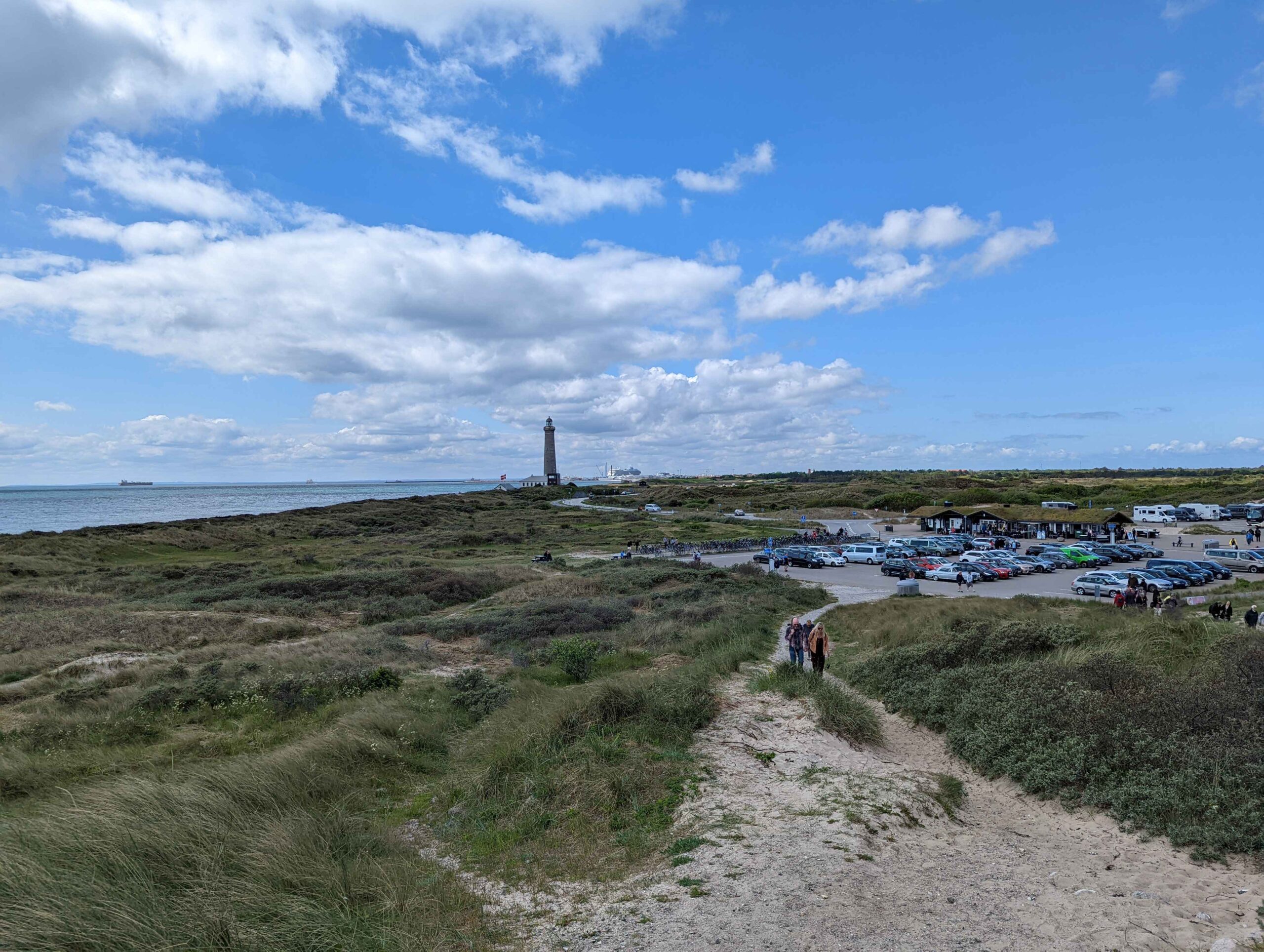
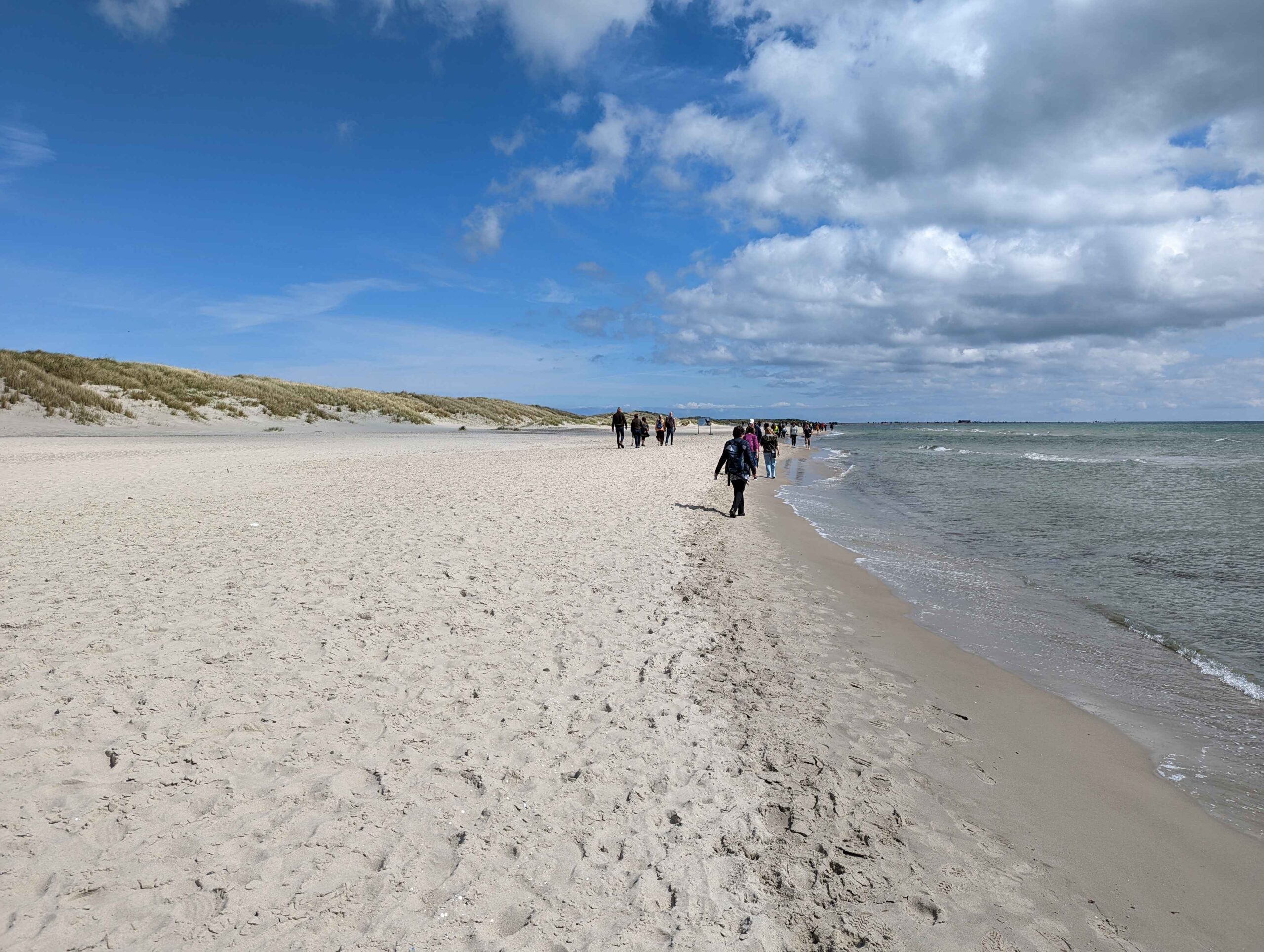
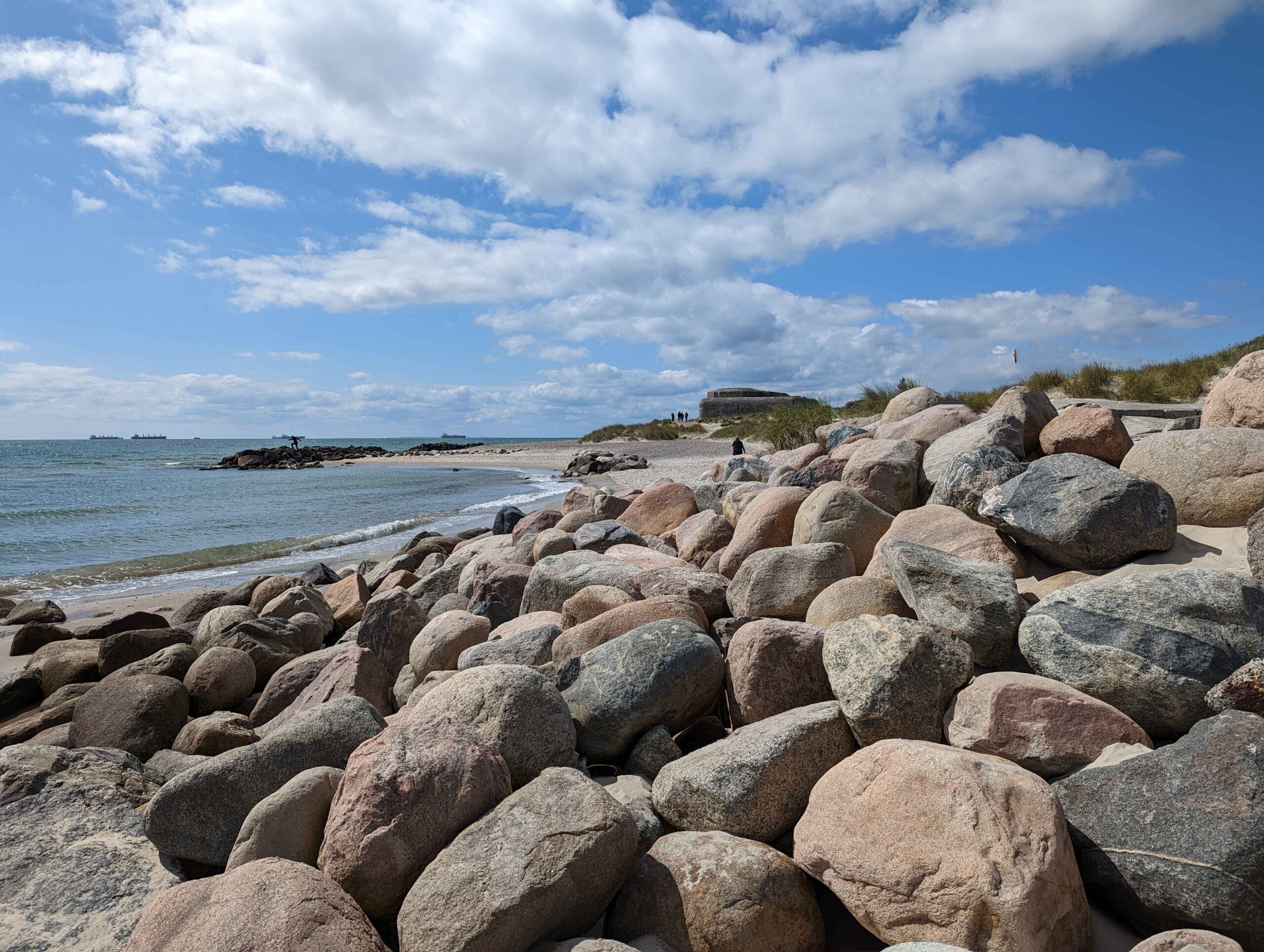
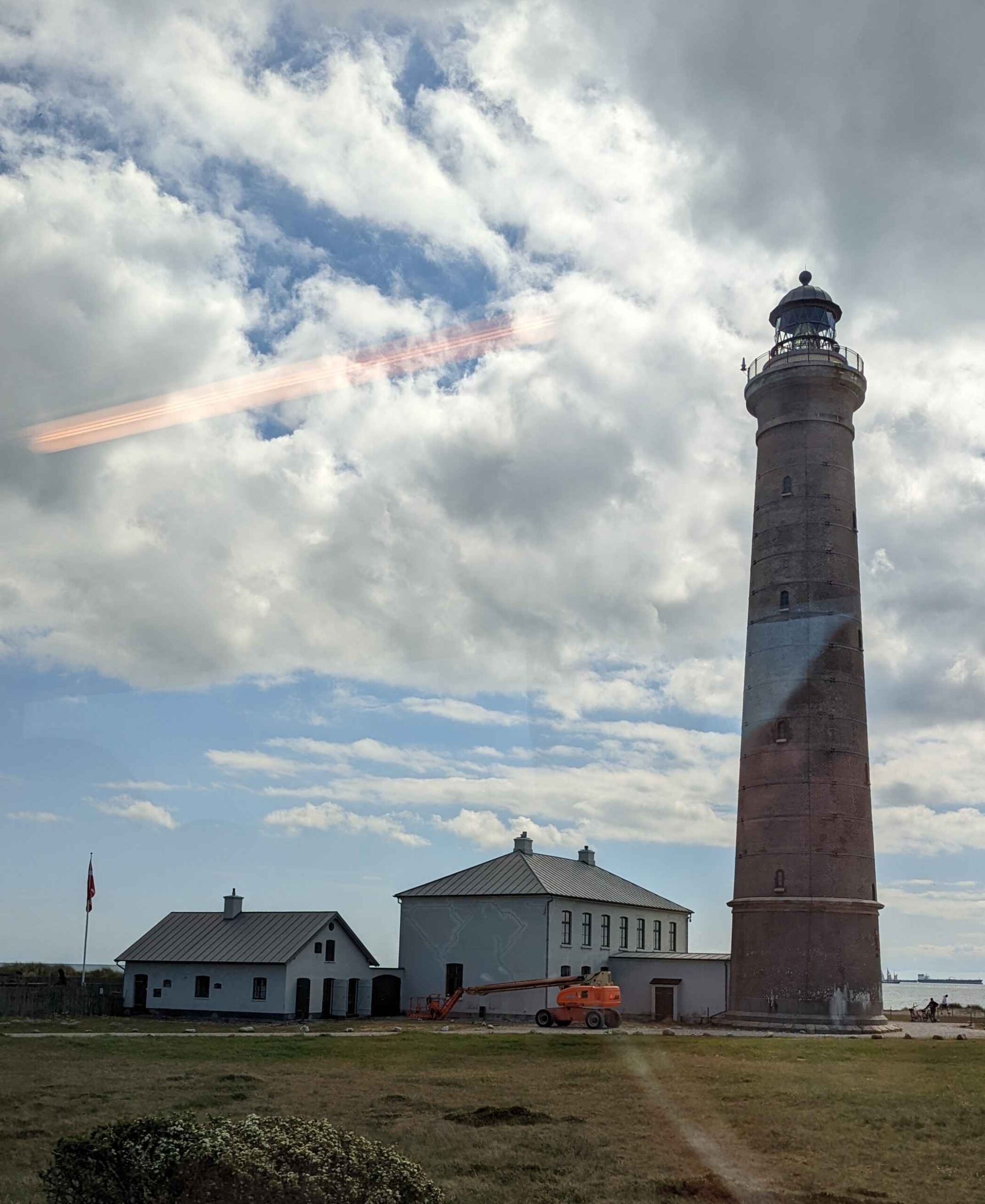
Further north the tour continued to Grenen where the North Sea and Baltic Sea meet at Denmark’s northern tip. The beach stretched out in both directions with people walking along the narrow shoreline toward the meeting point of the waters. Nearby were rounded coastal rocks old wartime bunkers and the tall Skagen Gray Lighthouse rising above the dunes. The whole area felt exposed to the weather in a way that made the landscape more memorable than the landmarks themselves.
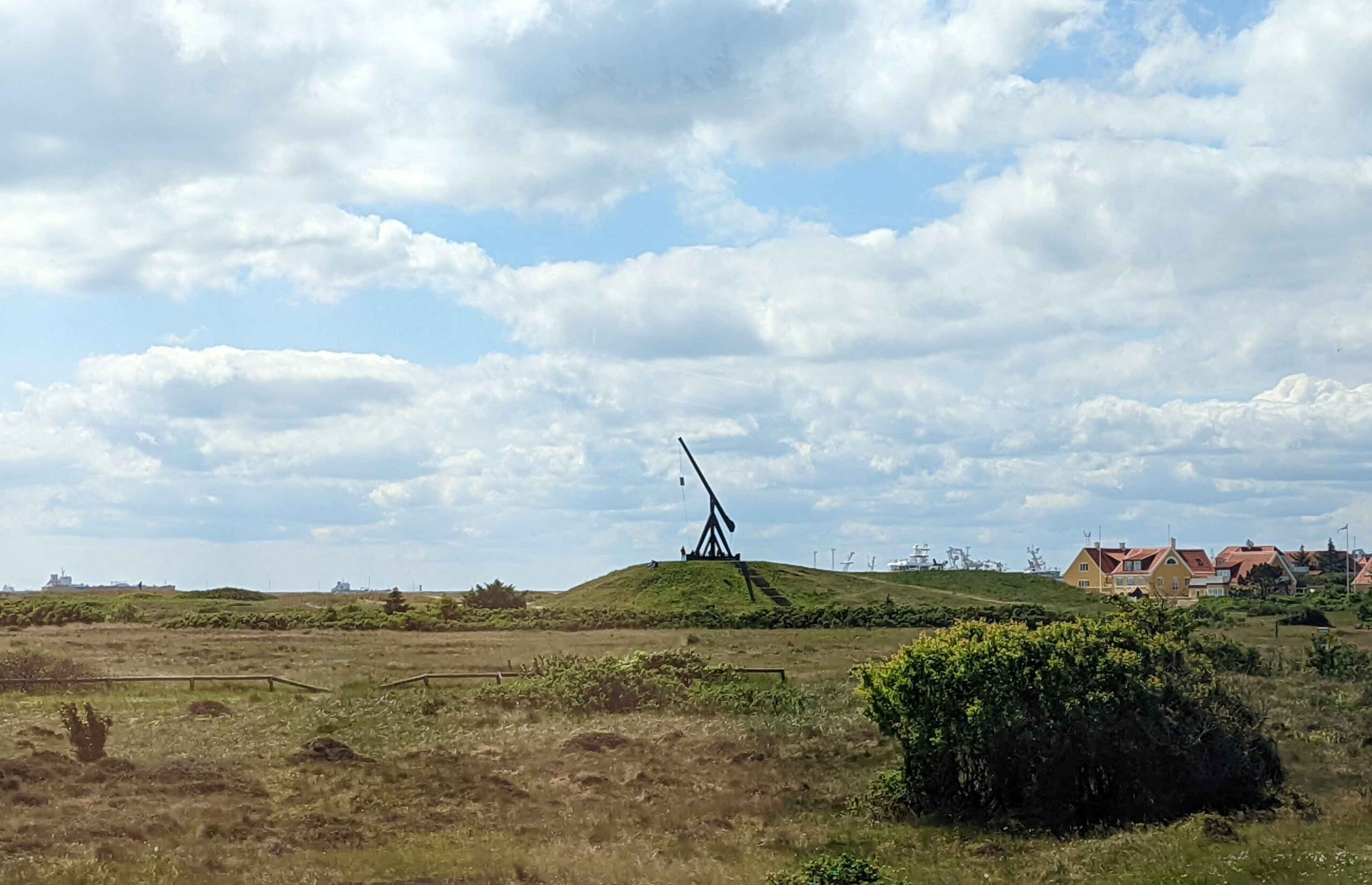
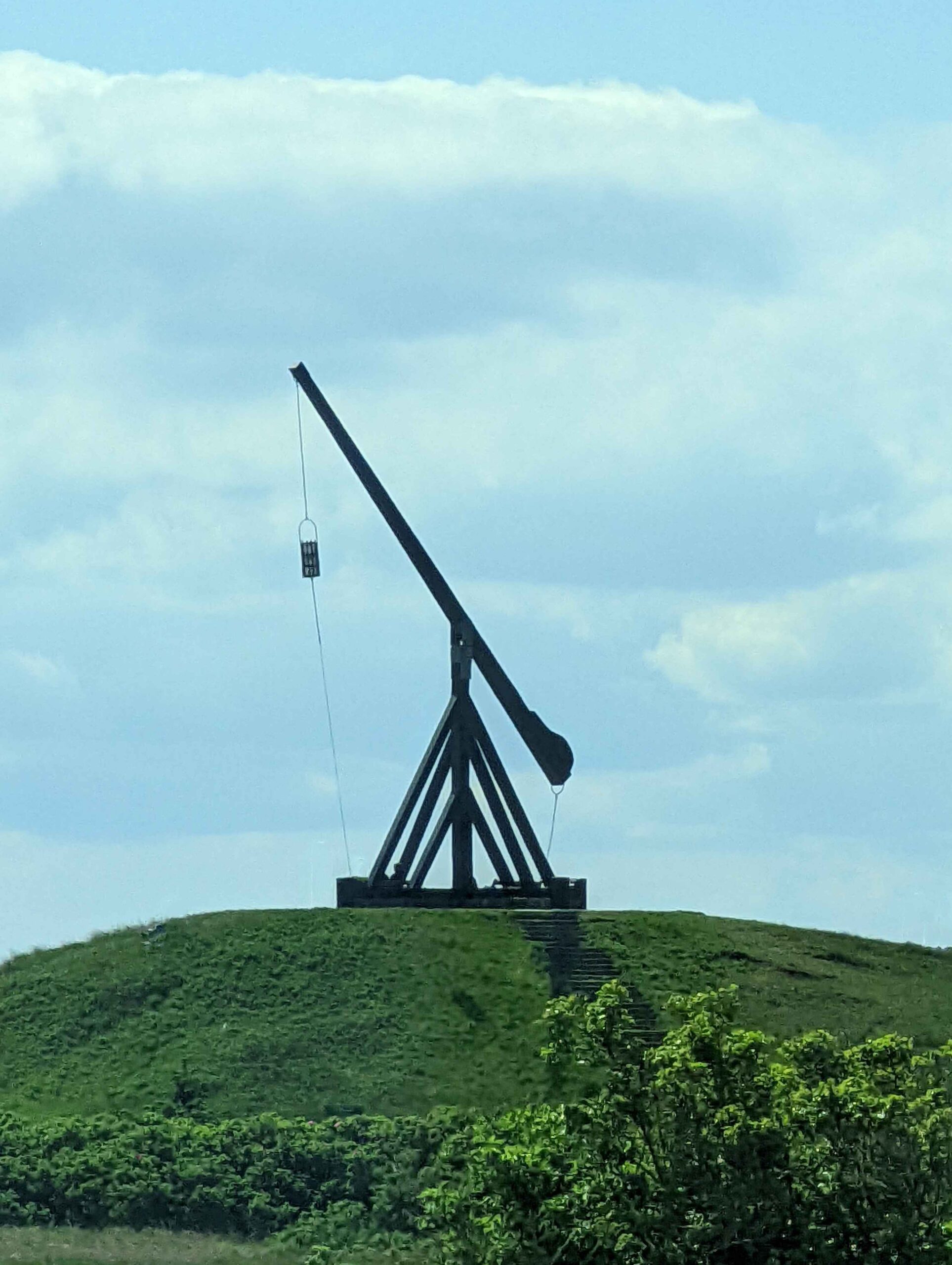
One stop I did not expect to care about was Vippefyret. From a distance it honestly looked like a trebuchet sitting on a grassy hill. It is actually a reconstructed fire beacon from 1627 where a basket of burning wood would be raised into the air to guide ships along the coast before modern lighthouses existed. Seeing it against the open dunes and dramatic skies gave the coastline a much older and harsher feeling than the polished harbor town back near the ship.
If You Have More Time…
- Skagens Museum – This museum focuses on the Skagen Painters who became famous for capturing the unique coastal light of northern Denmark. It adds useful context to why the landscape around Skagen feels so visually distinctive.
- Anchers Hus – The preserved home of painters Anna and Michael Ancher offers a quieter more personal look at the artistic history tied to Skagen’s coastline and light.
- Den Tilsandede Kirke – Also known as the Sand Buried Church this partially buried church tower sits outside town surrounded by drifting sand dunes and makes an easy additional stop if you have transportation.
- Skagen Marina – The marina area has restaurants seafood stalls and a more active harbor atmosphere compared to the quieter residential sections near the pedestrian streets.
- Bike Rental in Skagen – The terrain around town is relatively flat and cycling is a practical way to reach the dunes beaches and lighthouse areas without relying on tours or shuttles.