
Klaipėda Castle Views and Quiet Cobblestone Streets
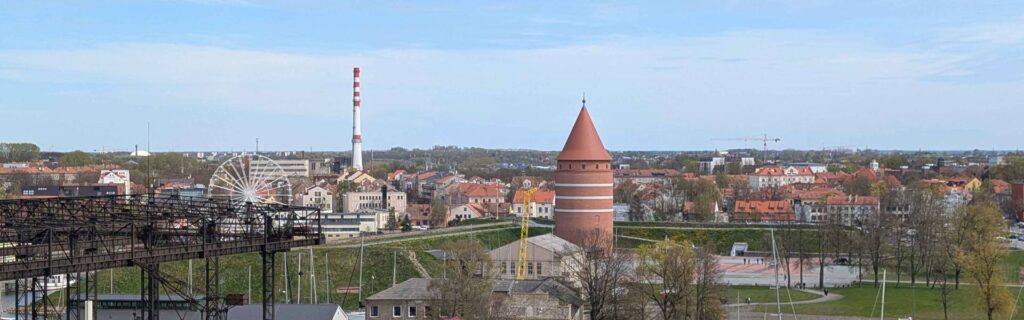
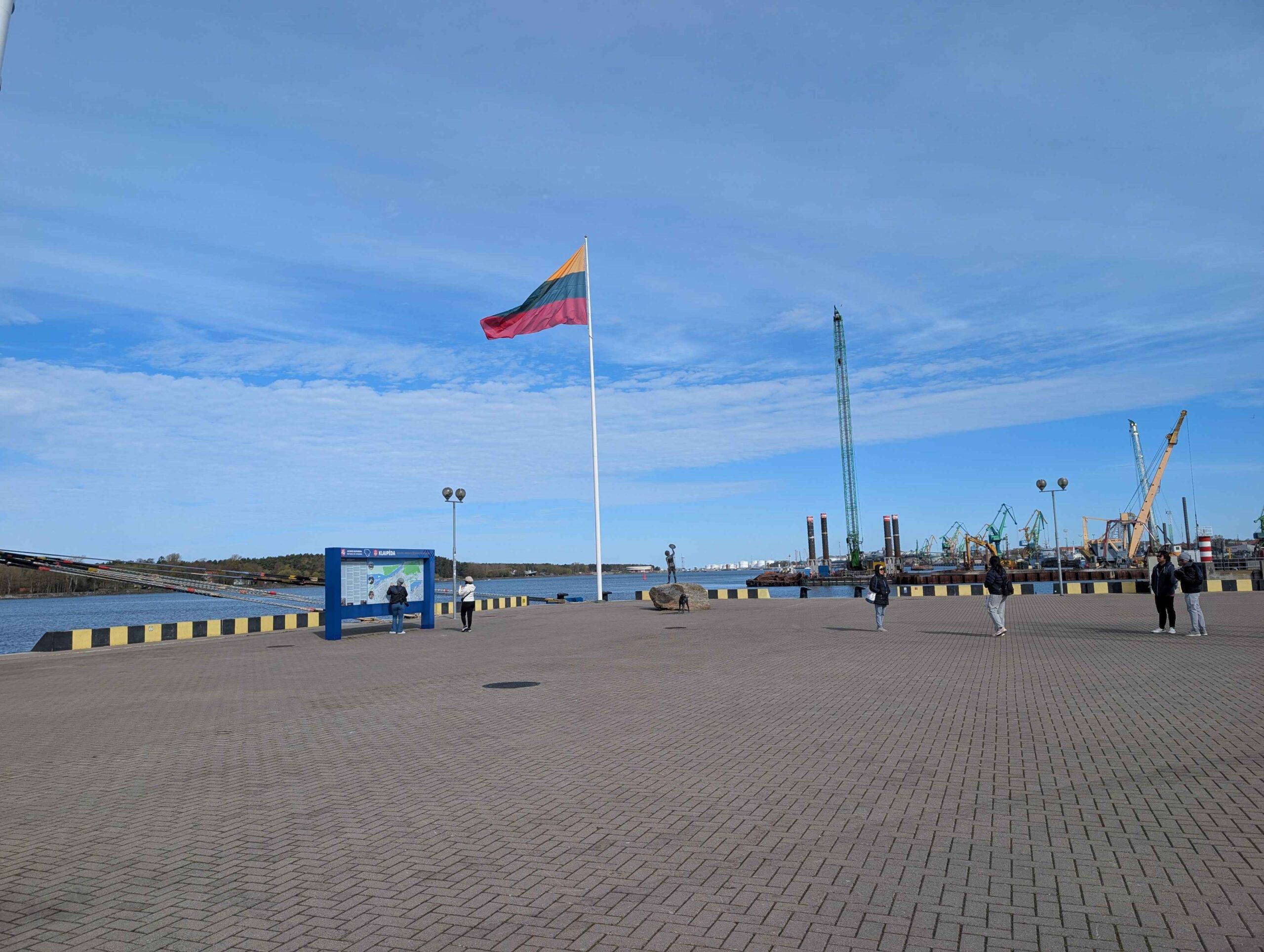
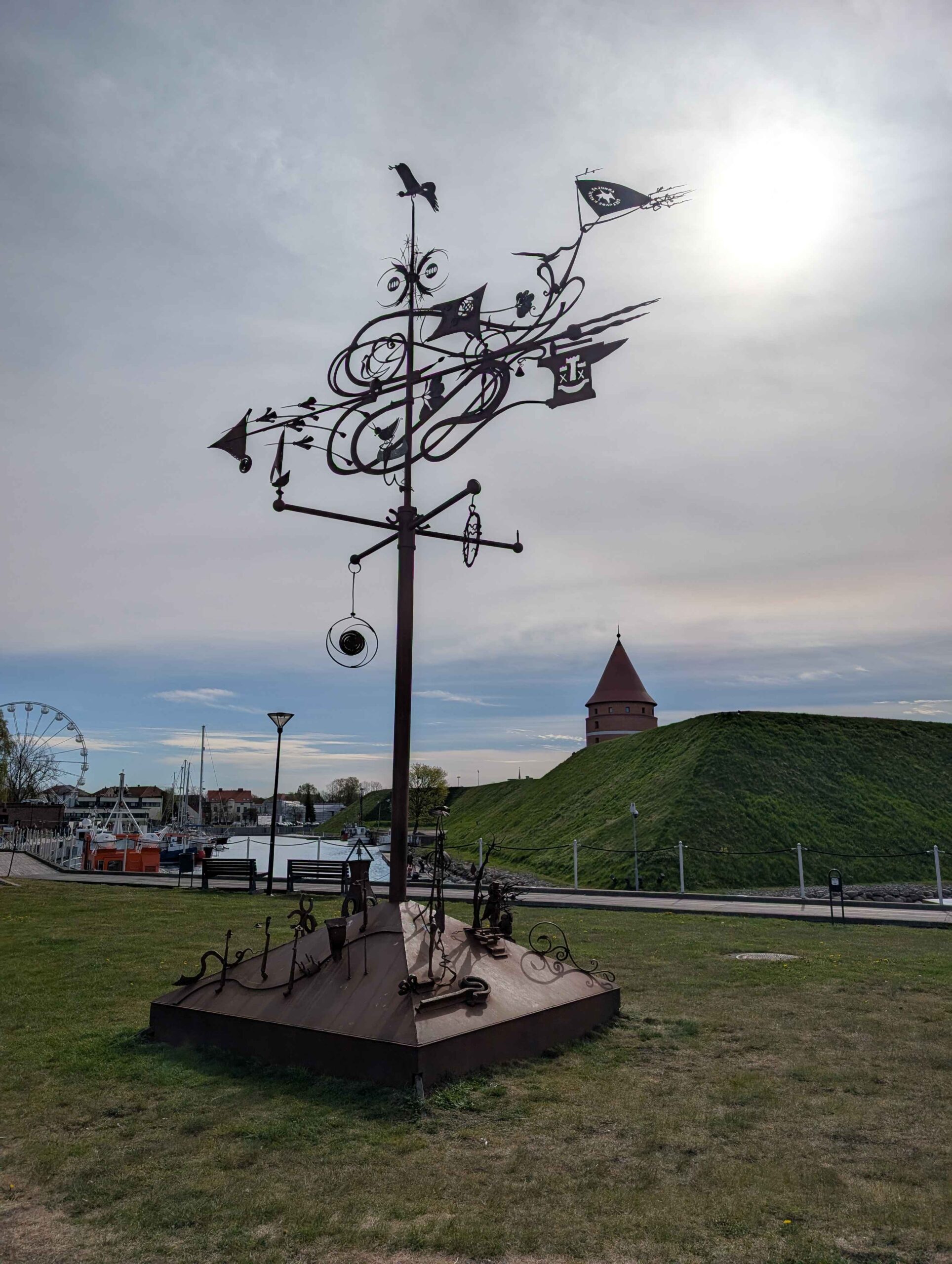
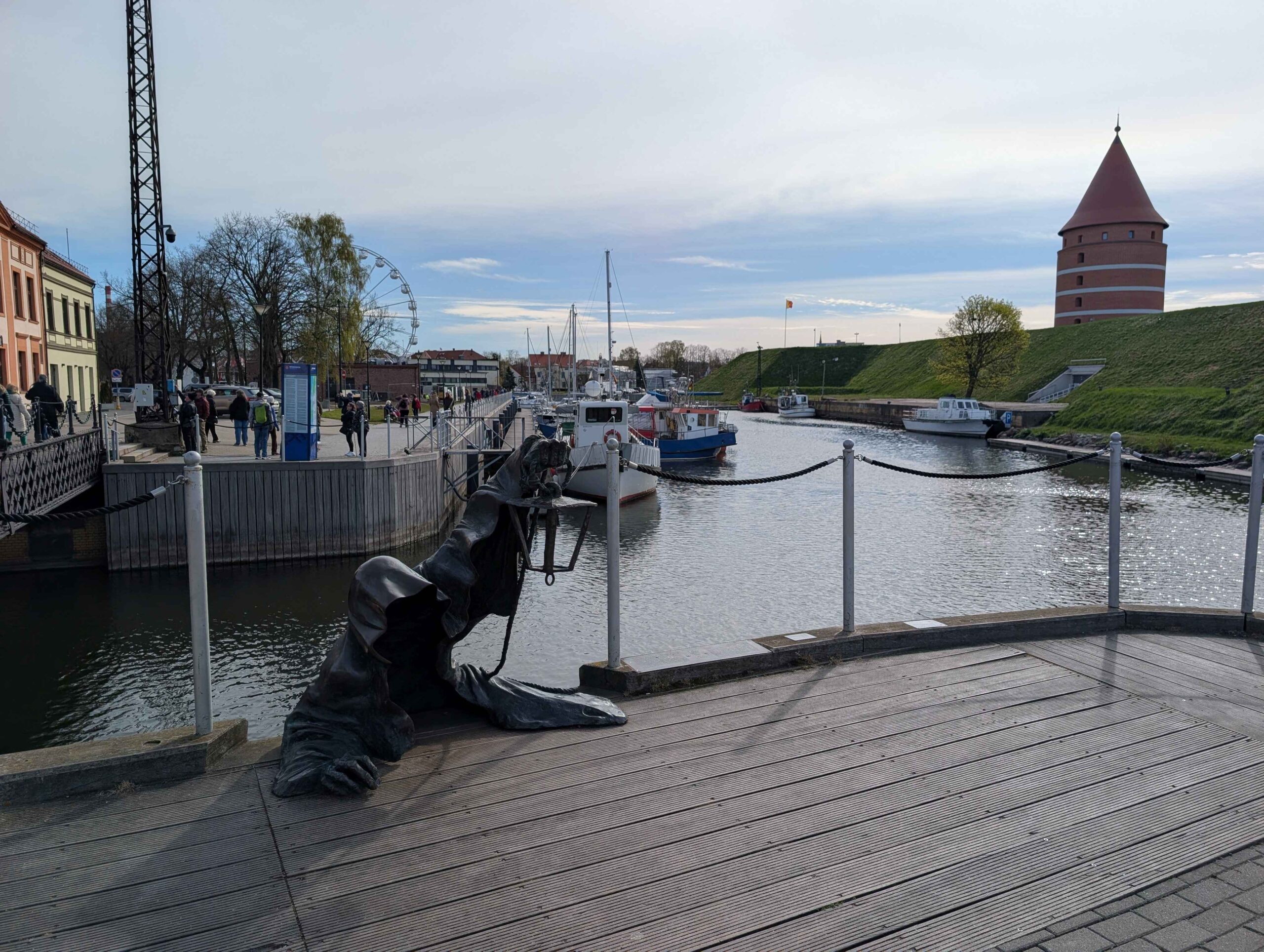
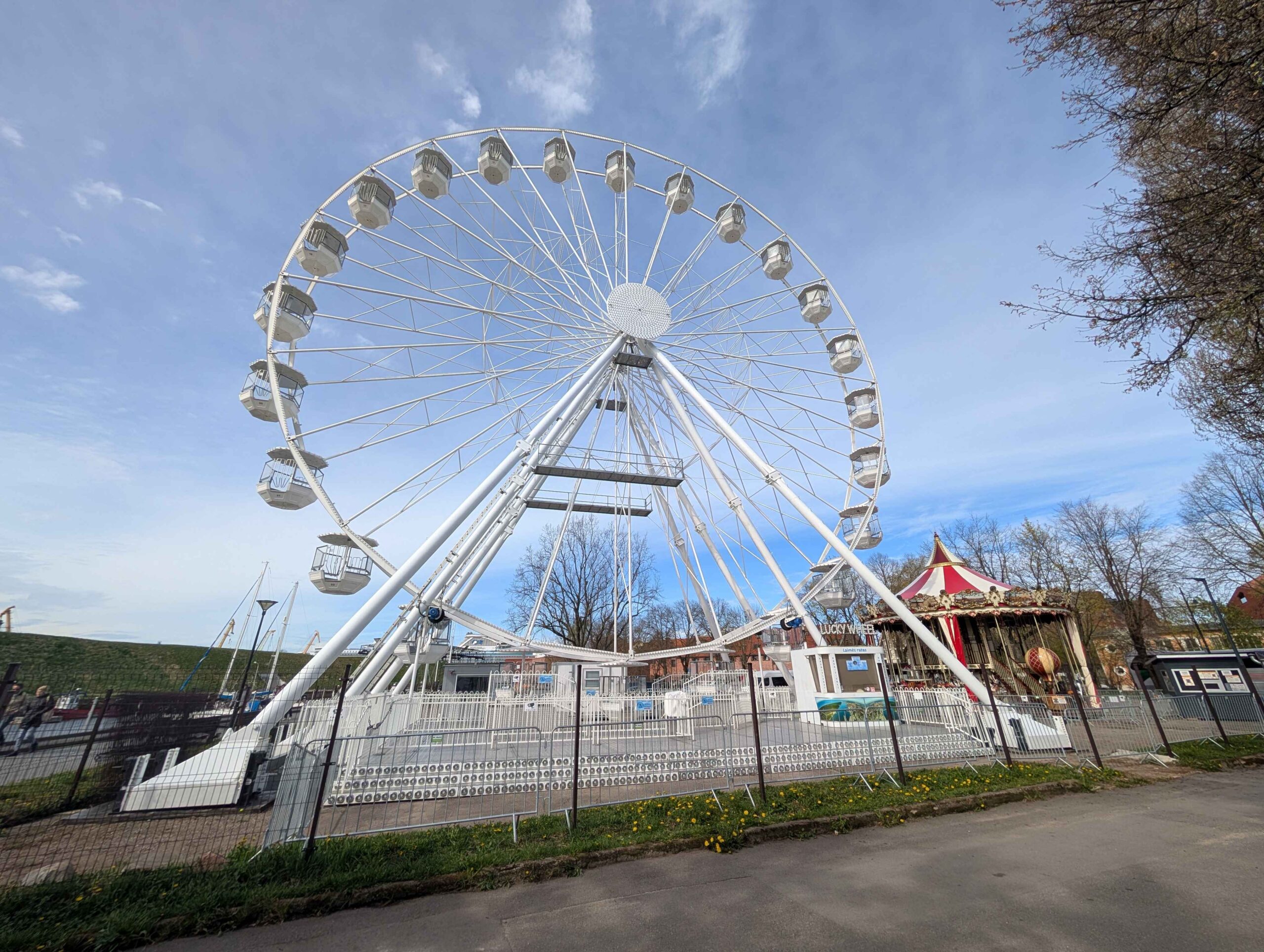
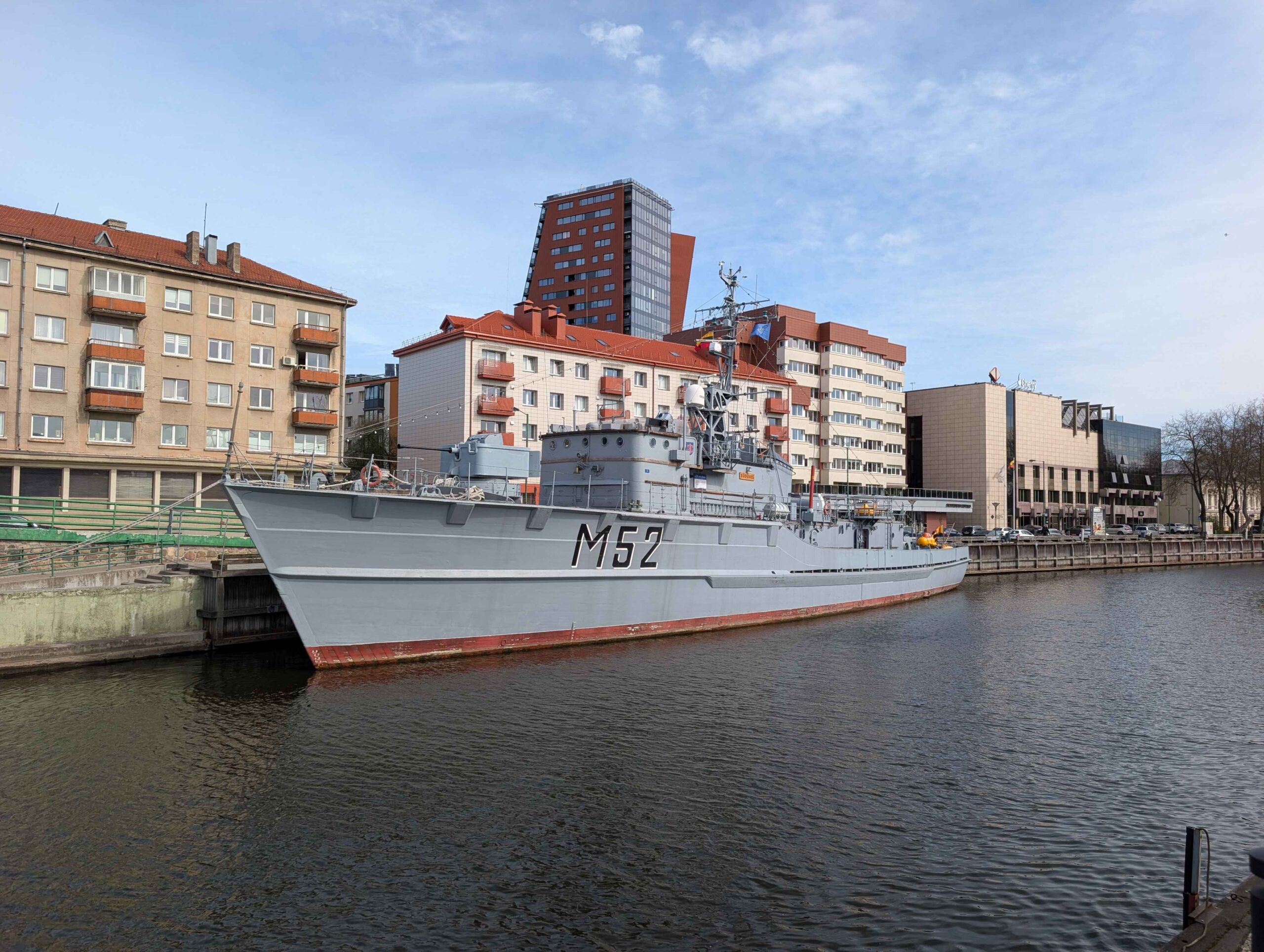
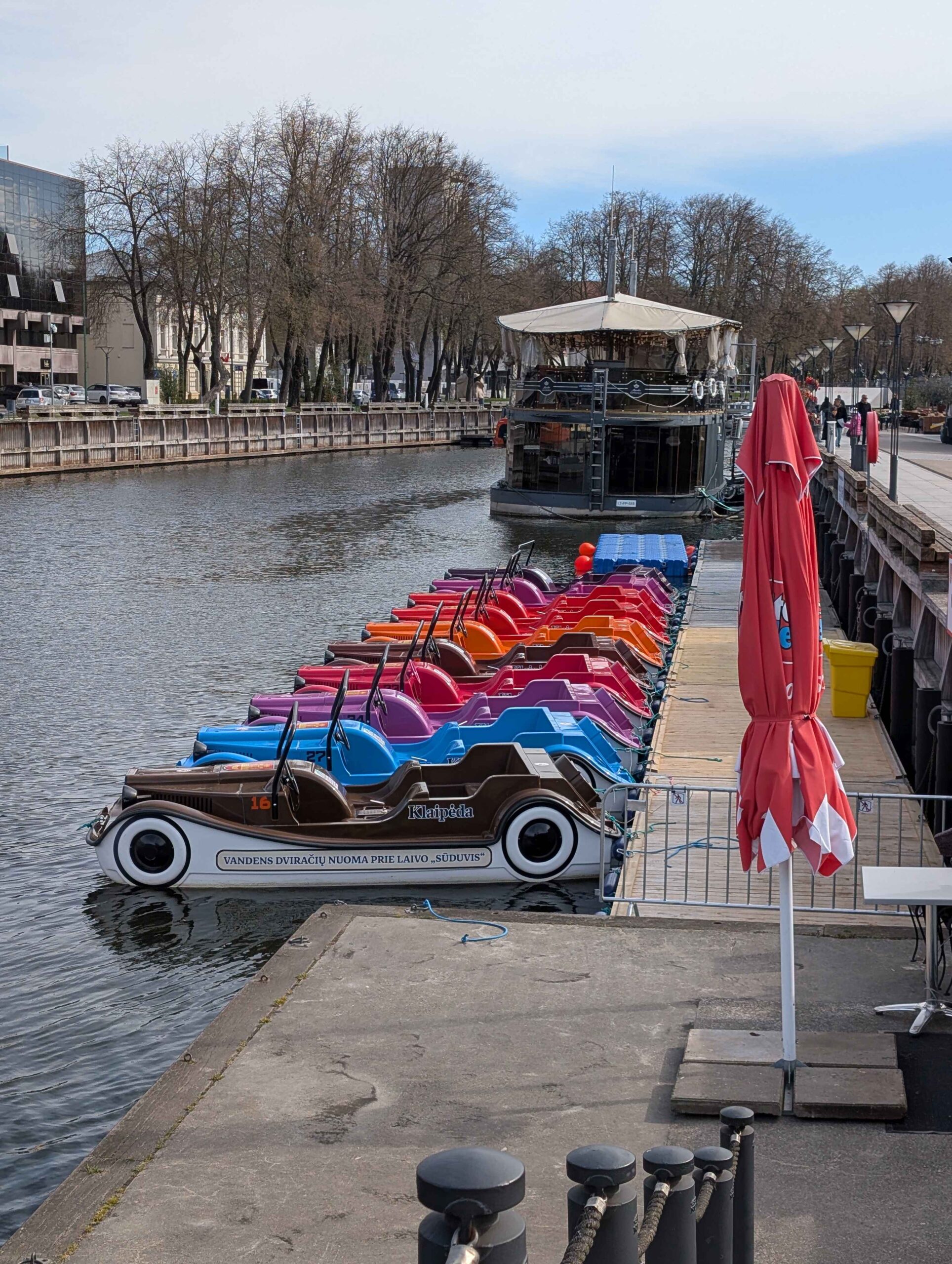
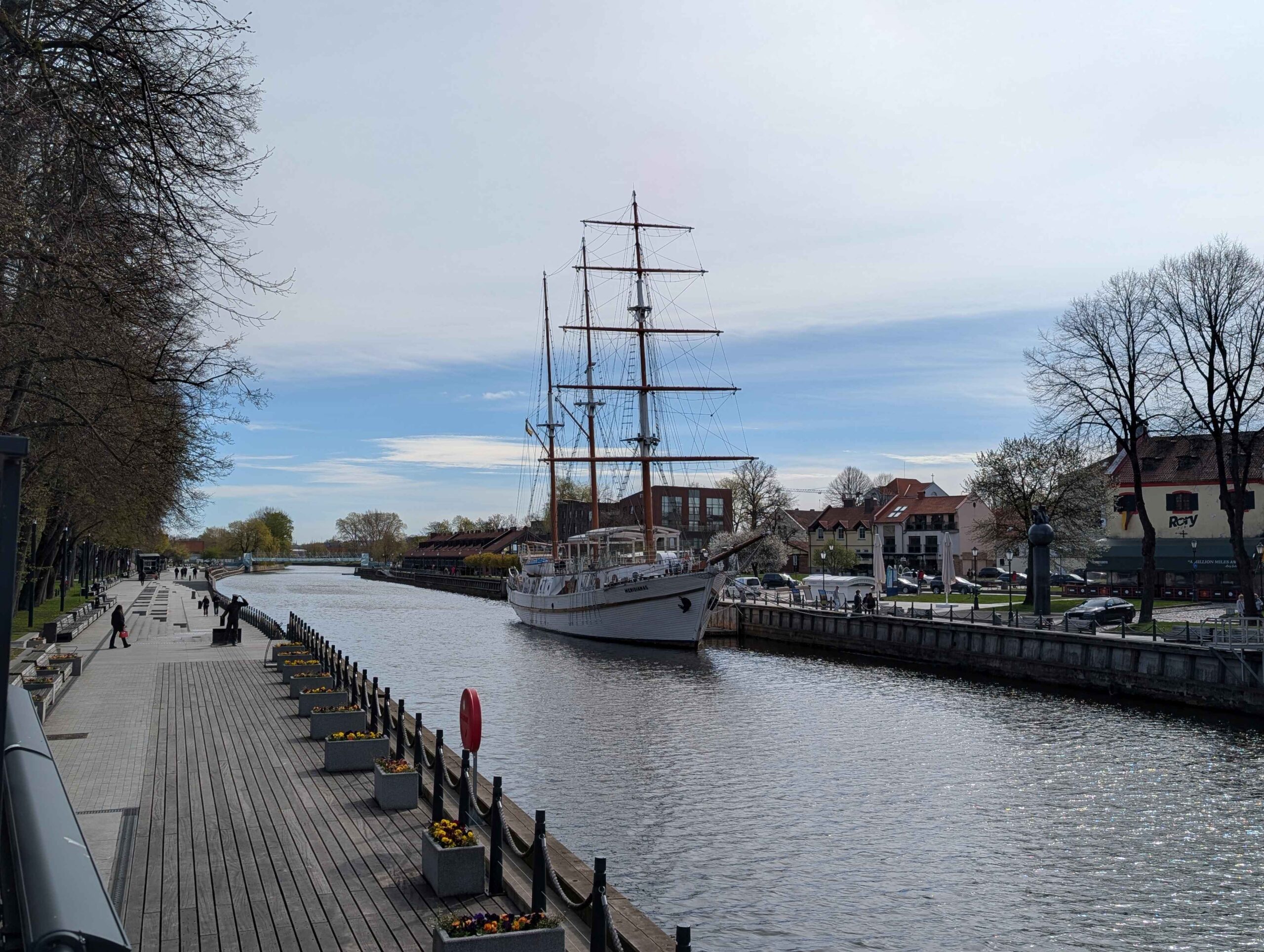
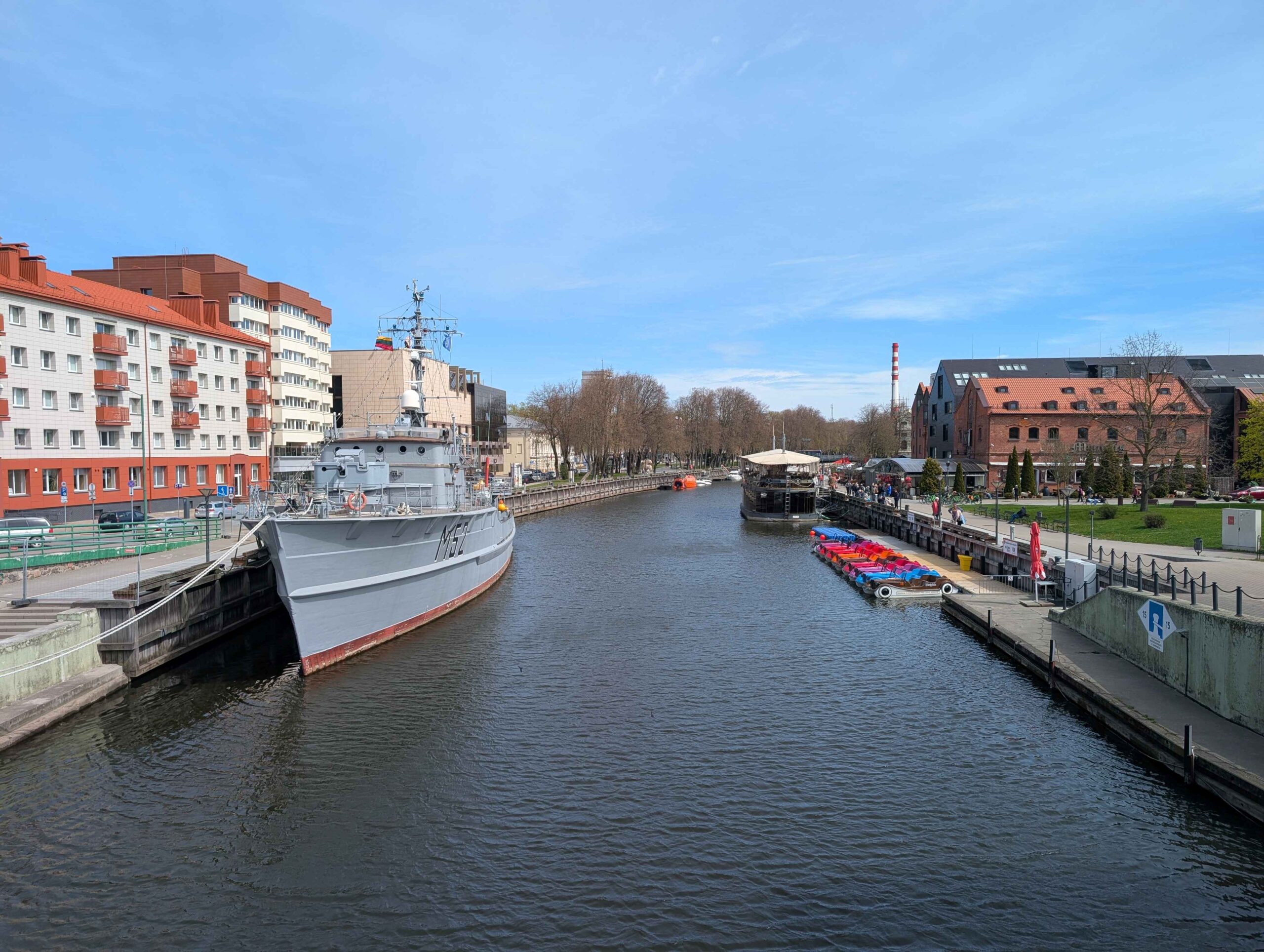
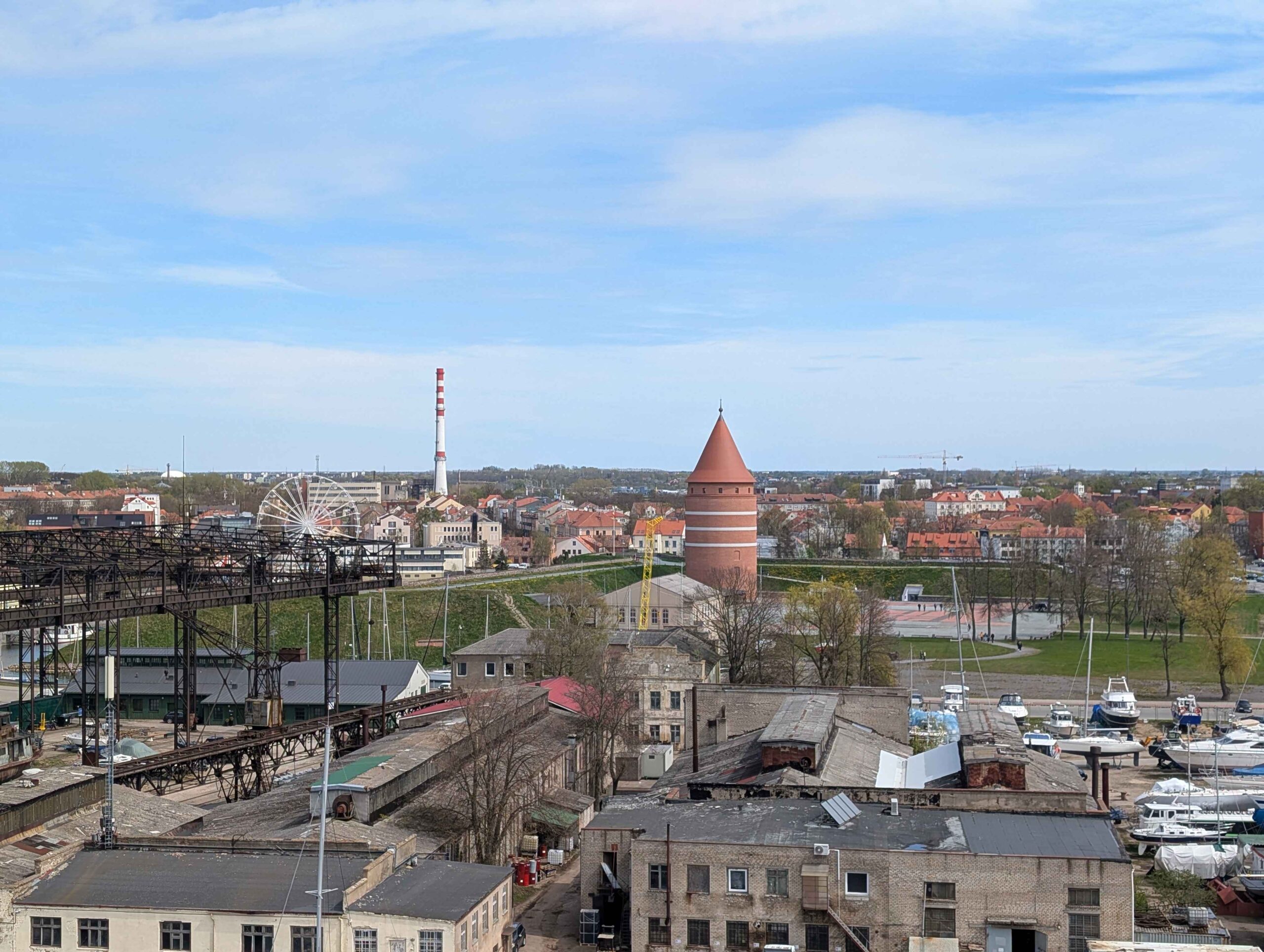
The first thing that caught my attention after stepping off the cruise ship in Klaipėda was the grassy hill below the old castle tower, with boats resting in the surrounding water. There was already plenty happening within minutes of the pier. A ferris wheel was turning beside the waterfront, and people were filtering across the bridge toward the Ship museum Sūduvis while I started my own walking route after arriving by cruise in Lithuania.
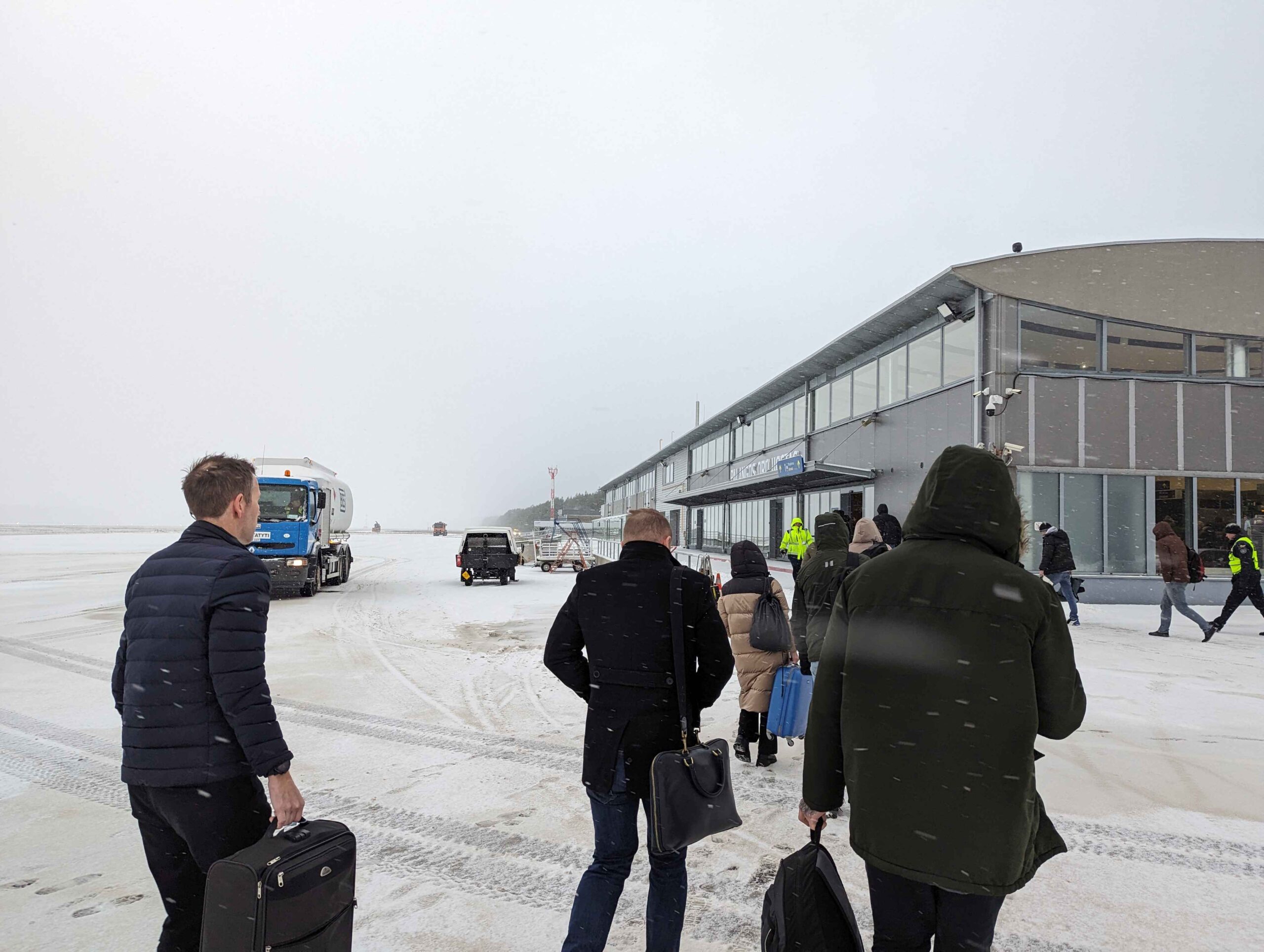
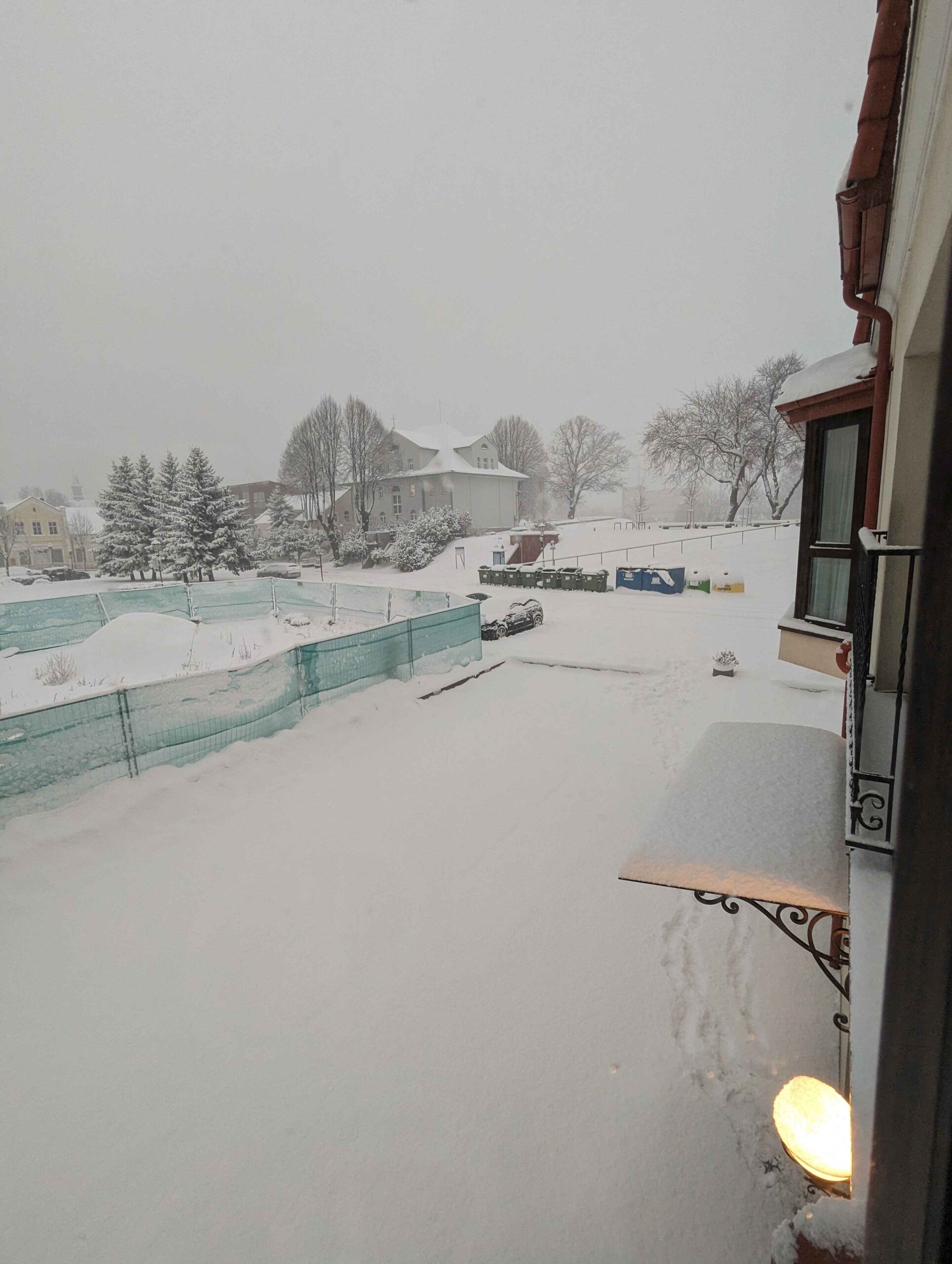
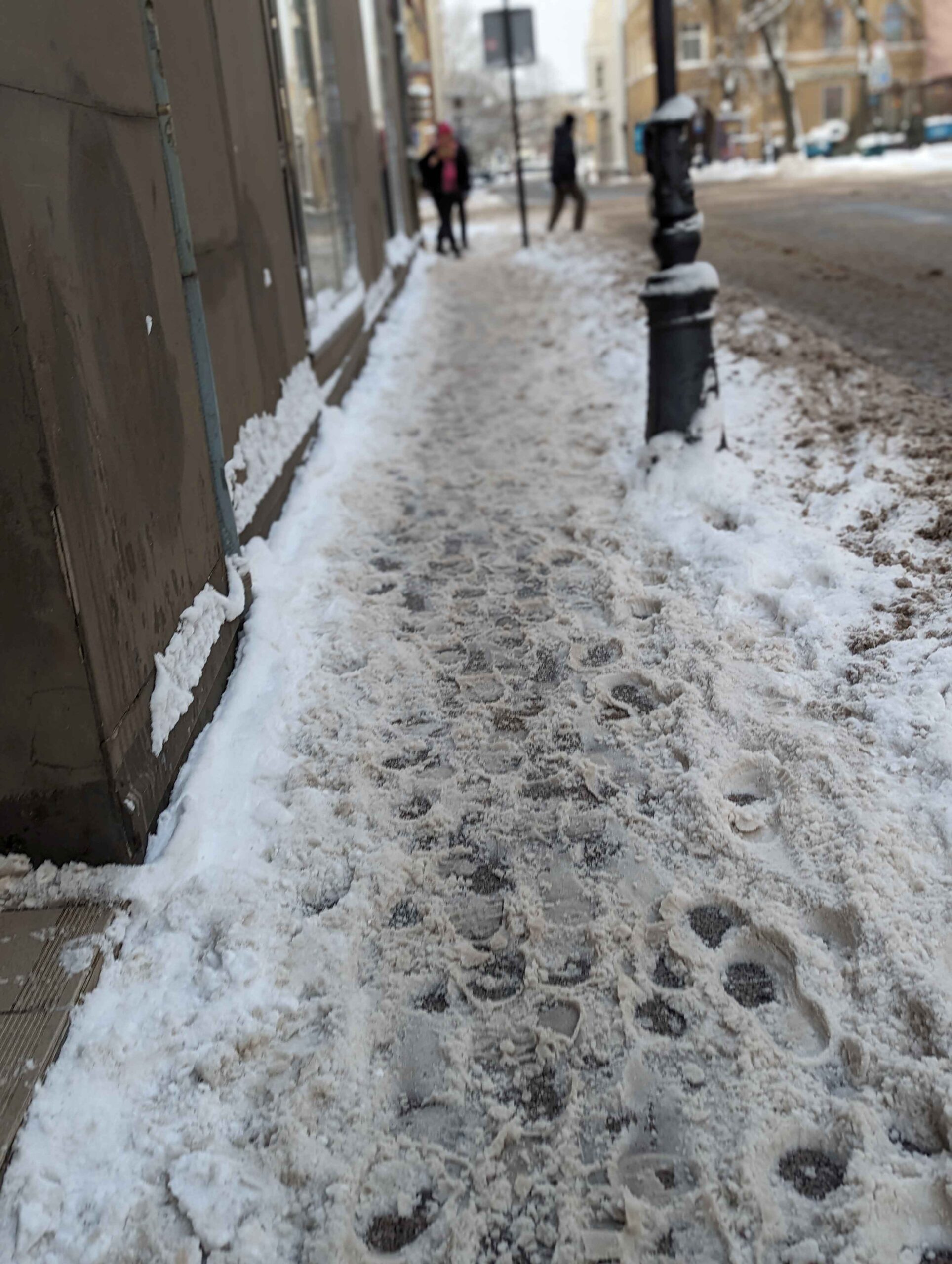
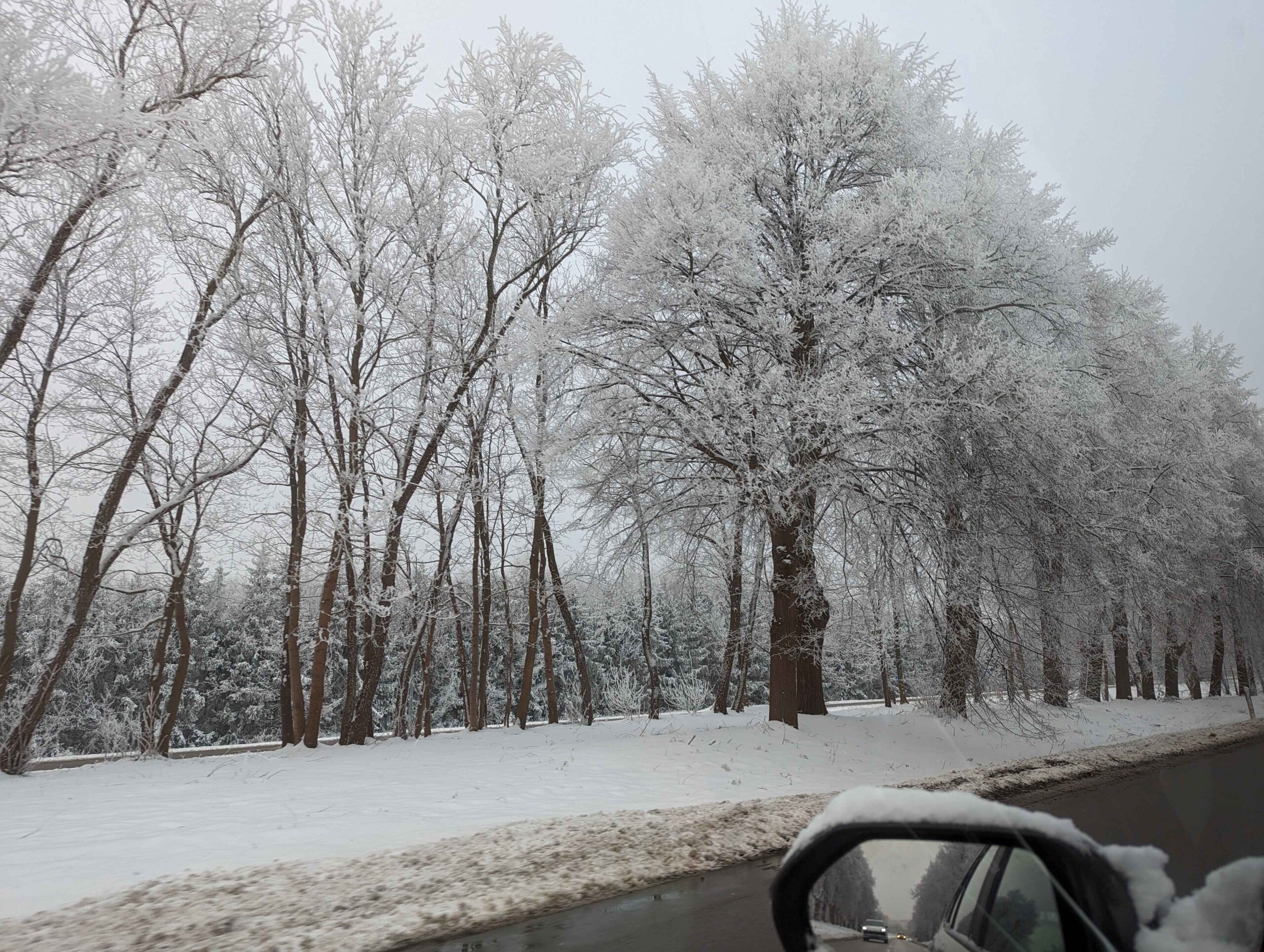
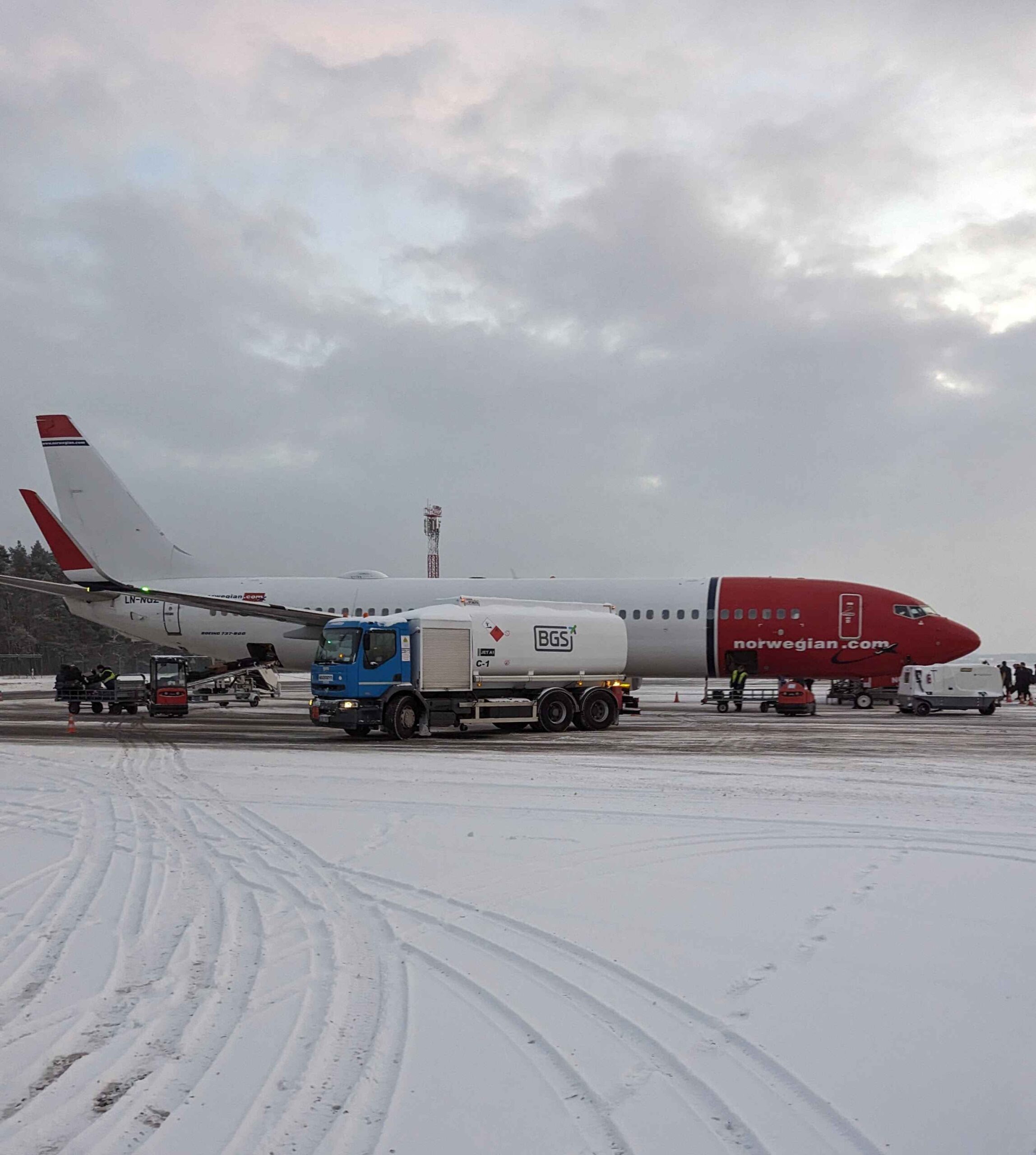
Klaipėda, pronounced KLY-pay-da, felt completely different from my first visit here back in Autumn 2023. That earlier trip had been booked almost impulsively, just to burn through expiring Norwegian Air credits after the airline stopped flying from the United States. I had rented a car without really thinking through the reality of driving around Lithuania during a snowstorm. The rental clerk casually mentioning that the snow would probably continue piling up all day did not exactly inspire confidence.
During that first visit, I mostly stayed close to the rental unit because the roads were icy and visibility was poor. I made it out to Akropolis Mall and a local café, mostly just to escape the apartment for a while, before deciding the city deserved another chance under better conditions. Returning in May 2026 ended up feeling like a redemption story. The weather was generous this time, and the entire city suddenly felt approachable on foot.
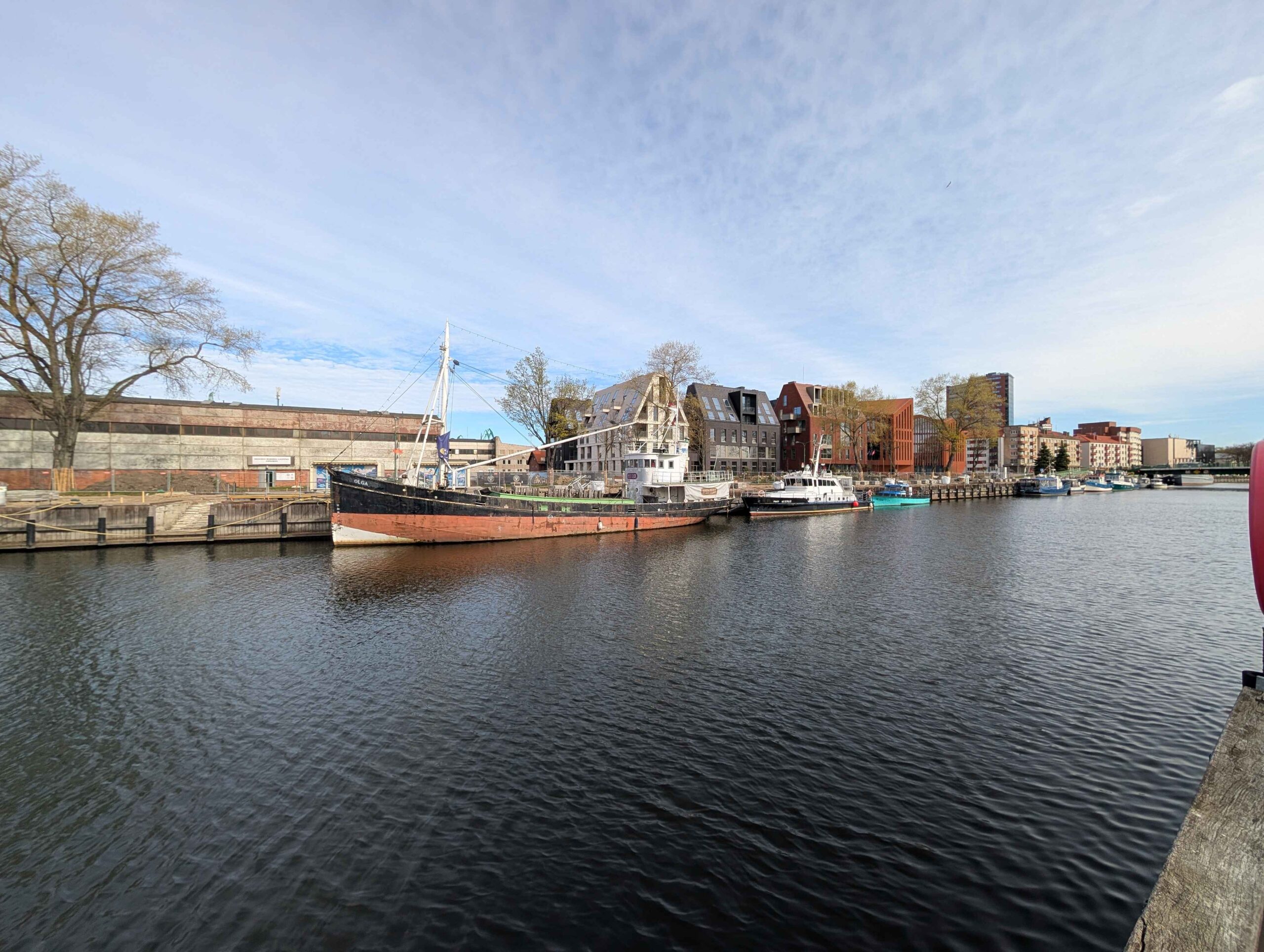
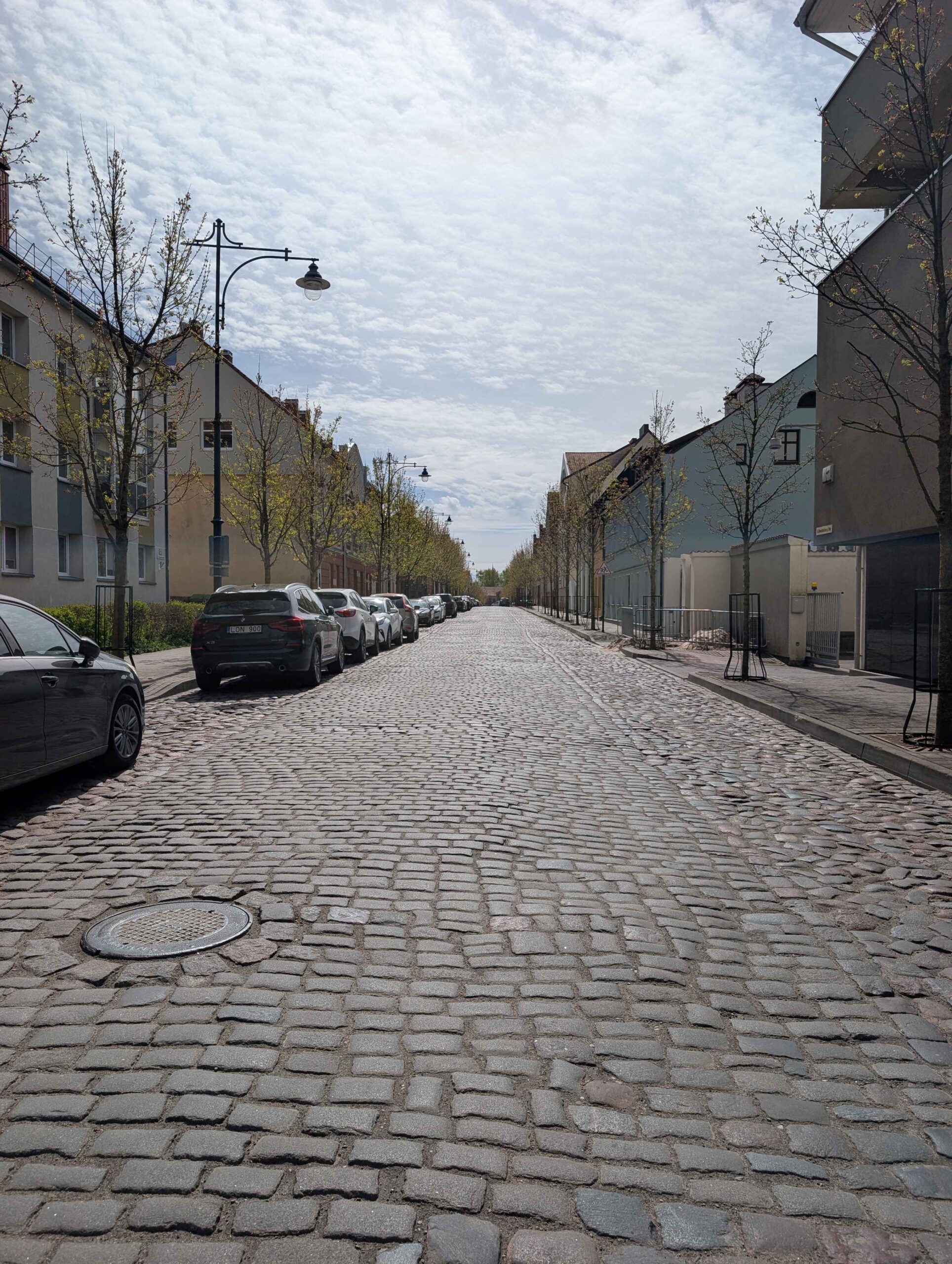
One of the first things I nearly overlooked was the Black Ghost sculpture near the waterfront. At a distance, I honestly thought it was a pile of trash bags until I got closer and realized what I was looking at. From there, I followed the Danė River through Danės Square and continued deeper into the city, passing residential blocks, cafés, and wide streets lined with older buildings and newer developments mixed together. I found myself less interested in checking landmarks off a list and more interested in simply wandering to see what appeared next.
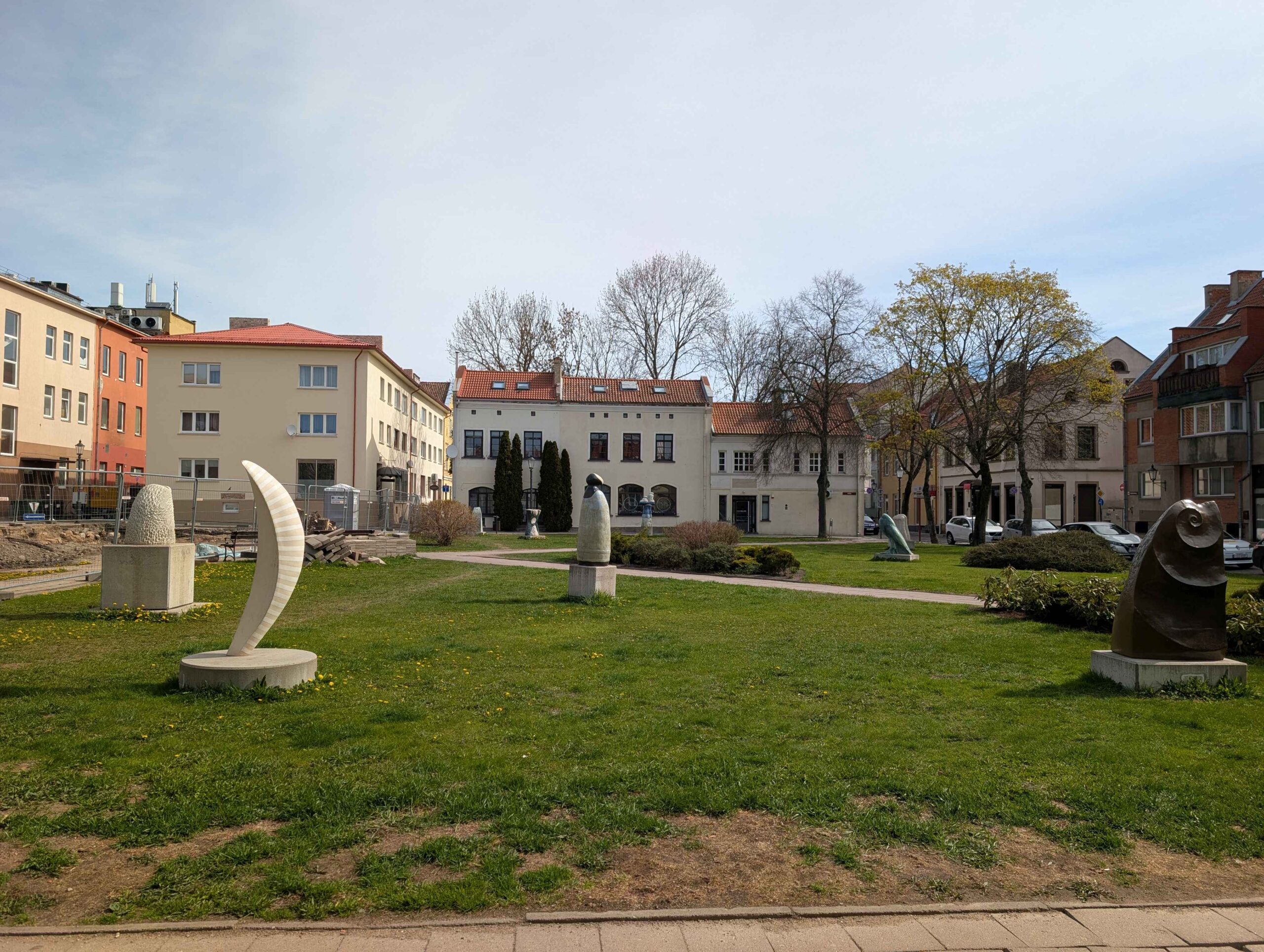
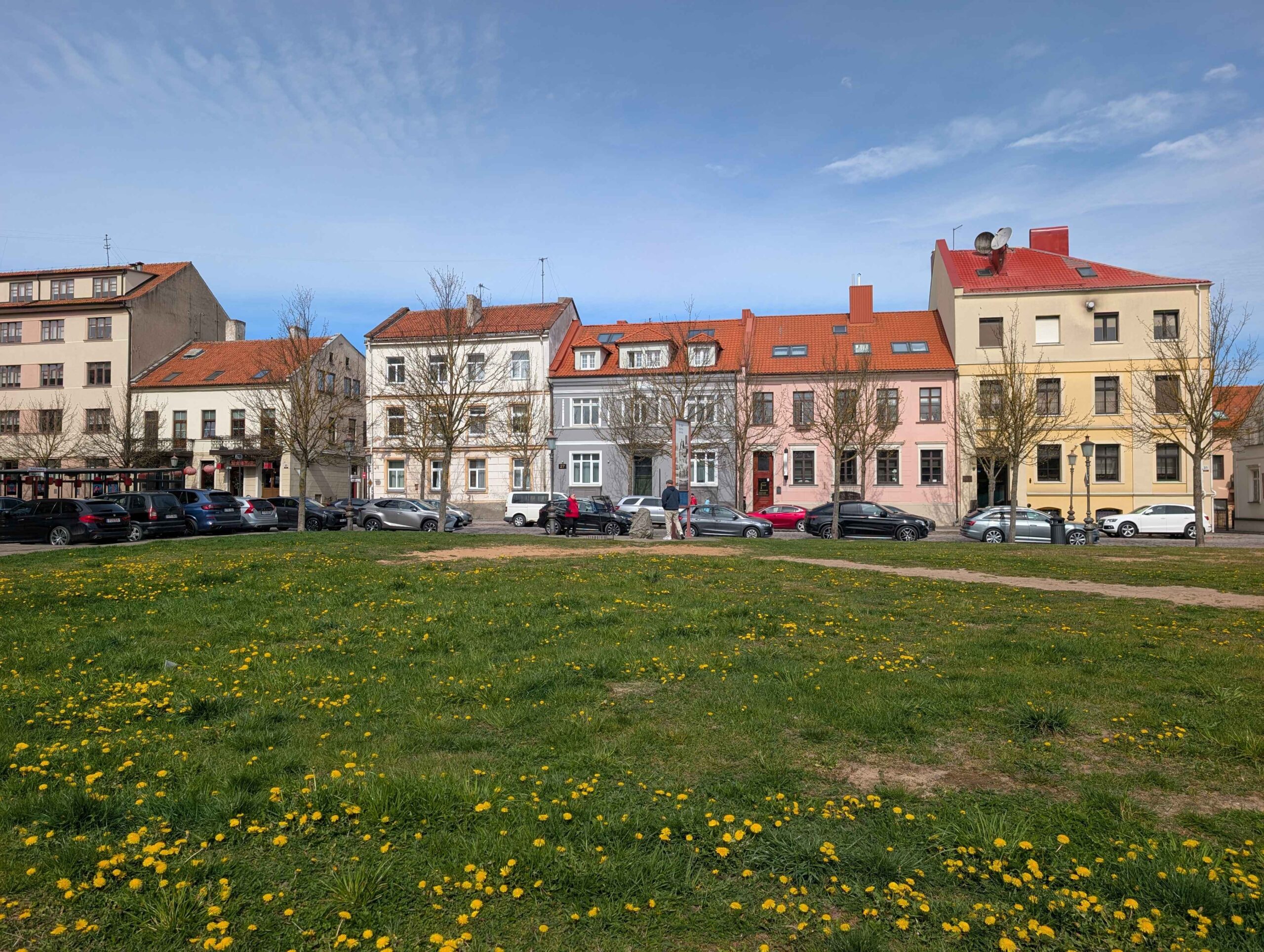
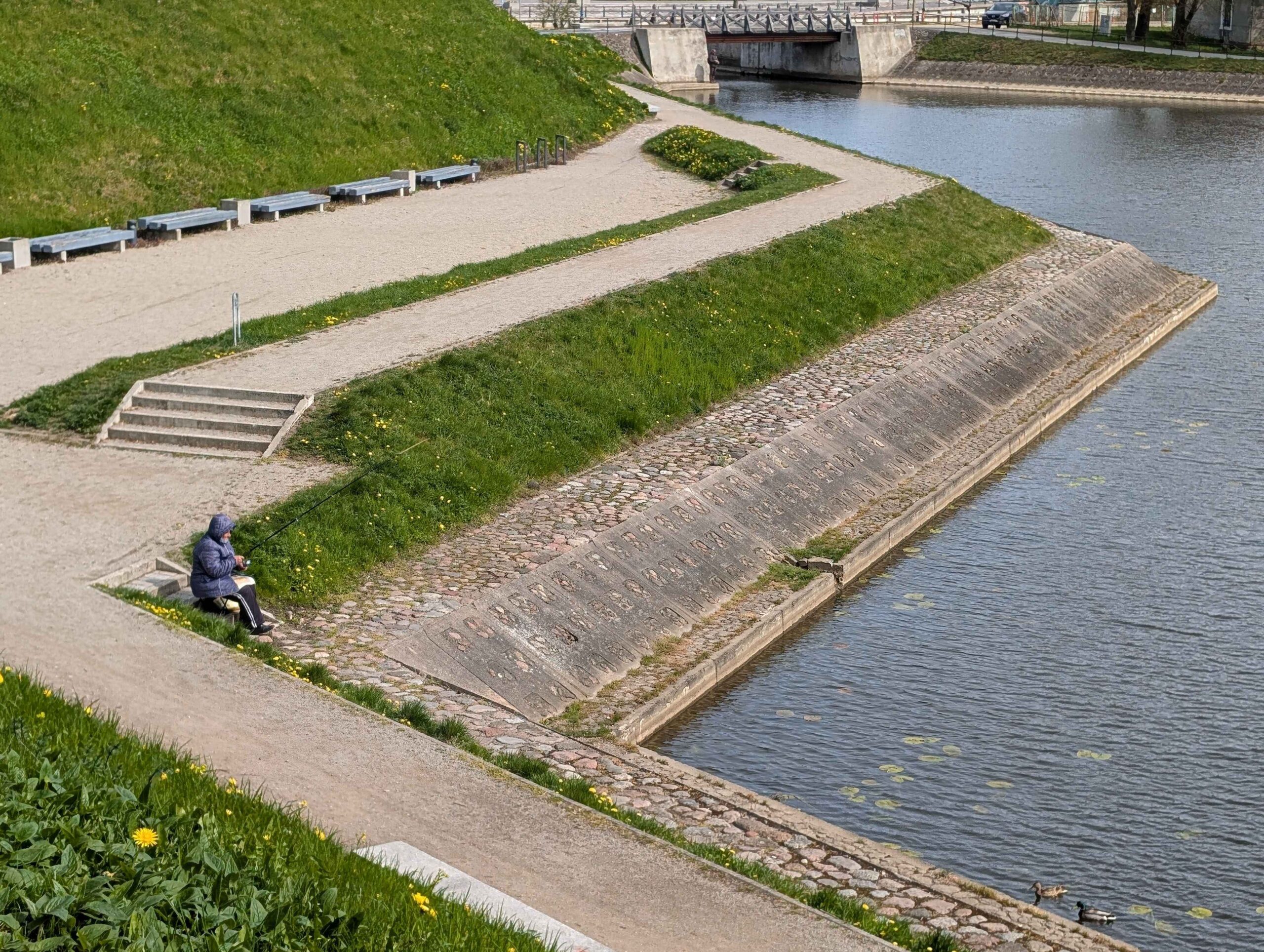
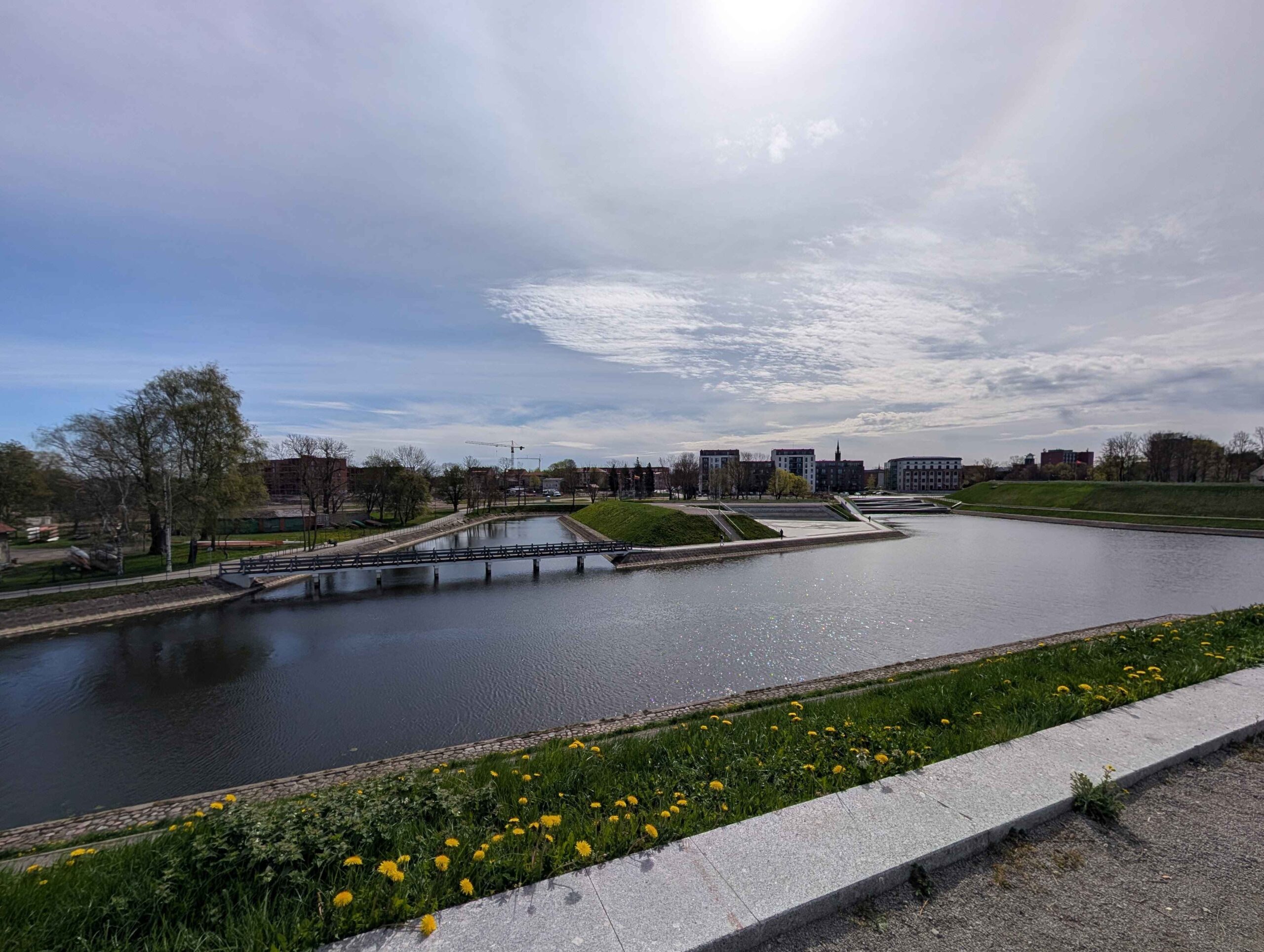
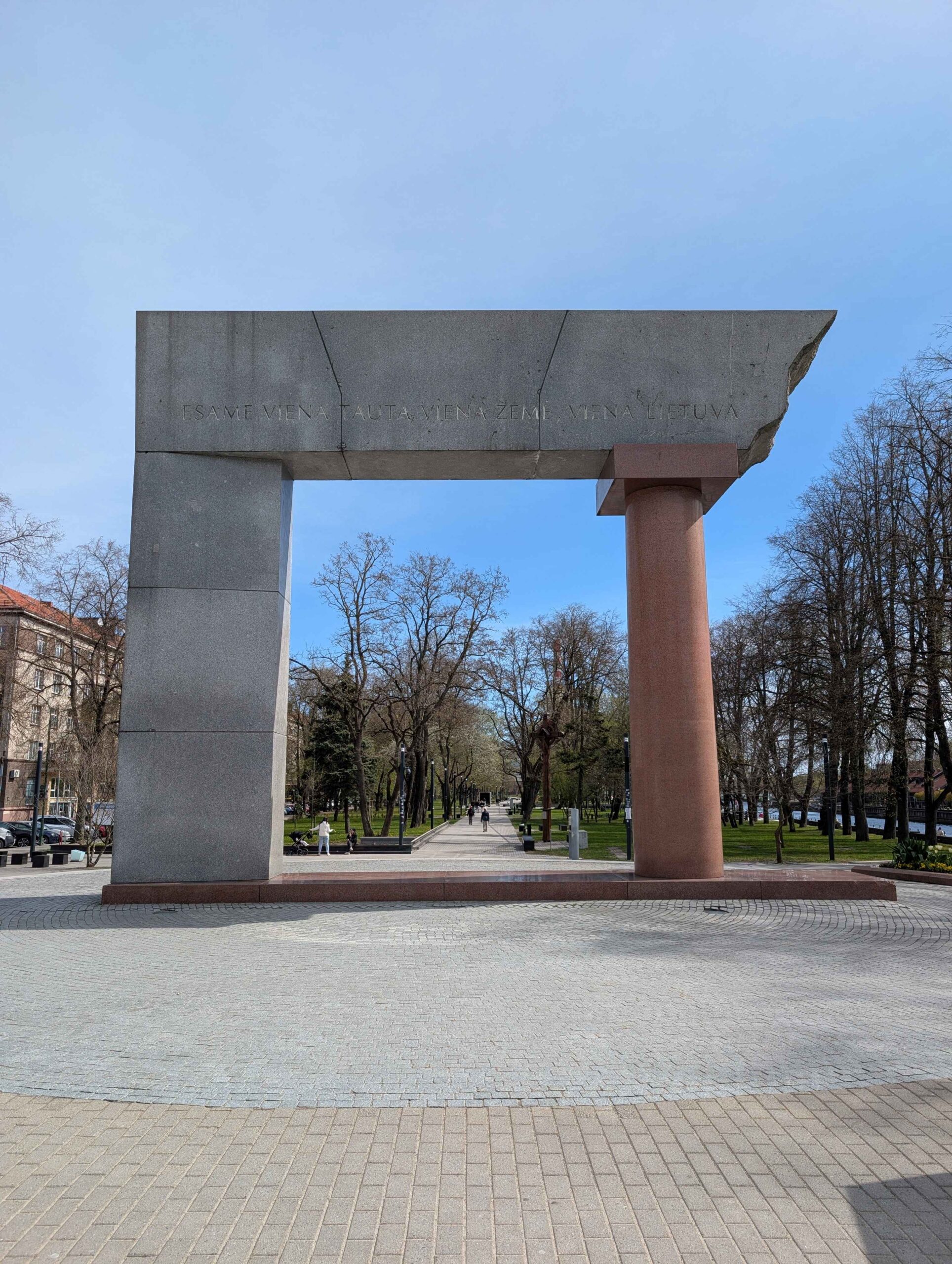
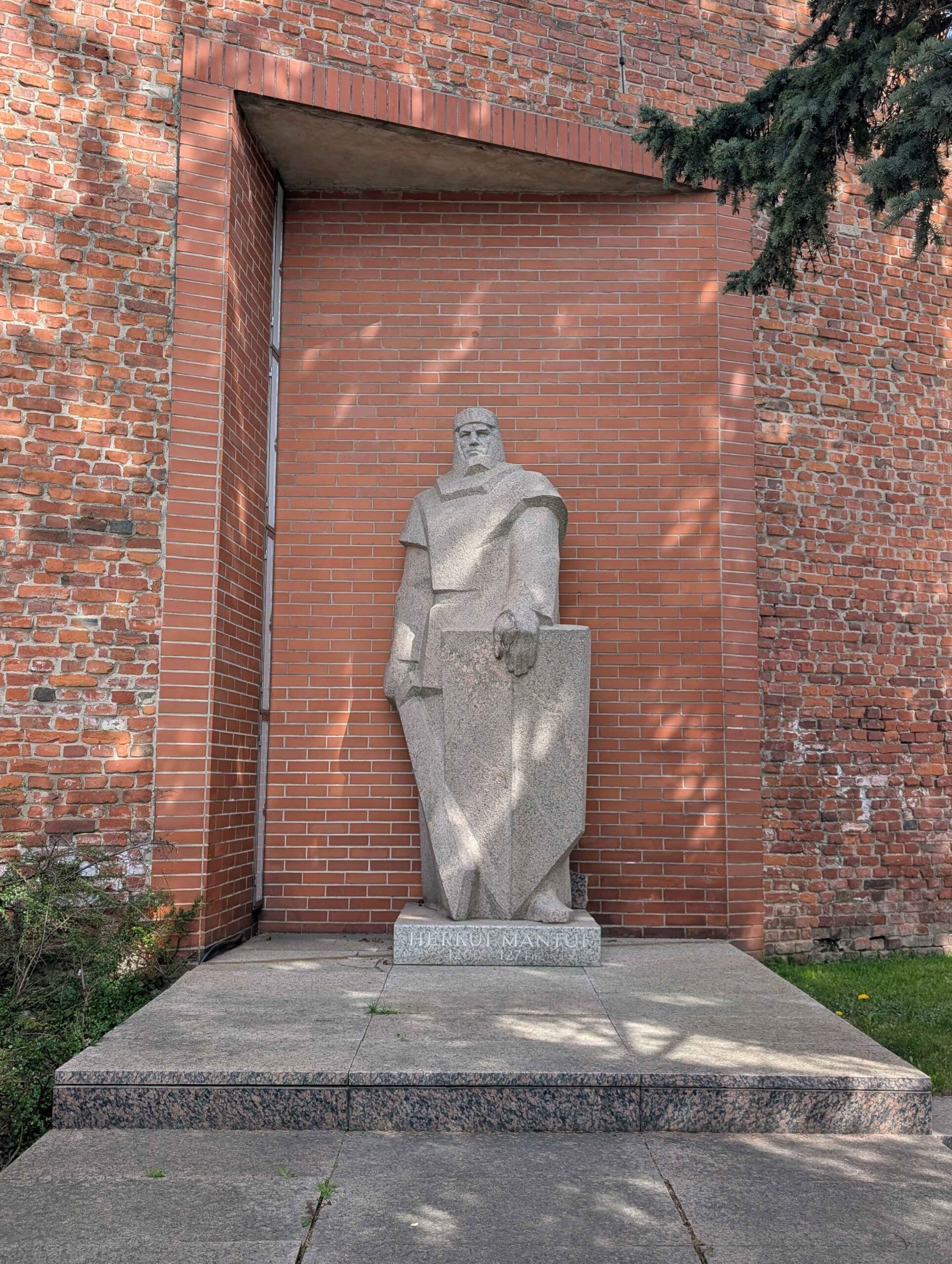
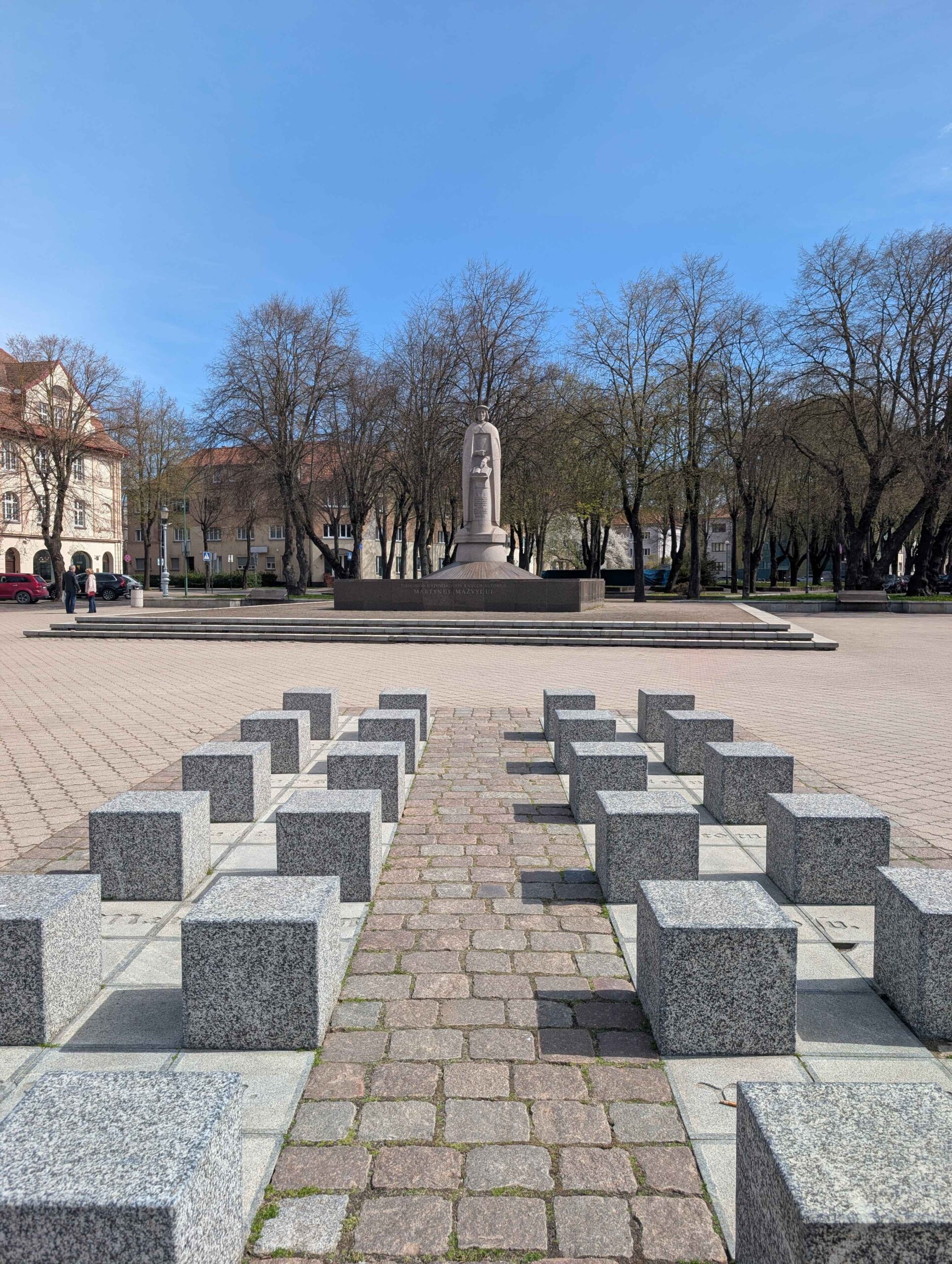
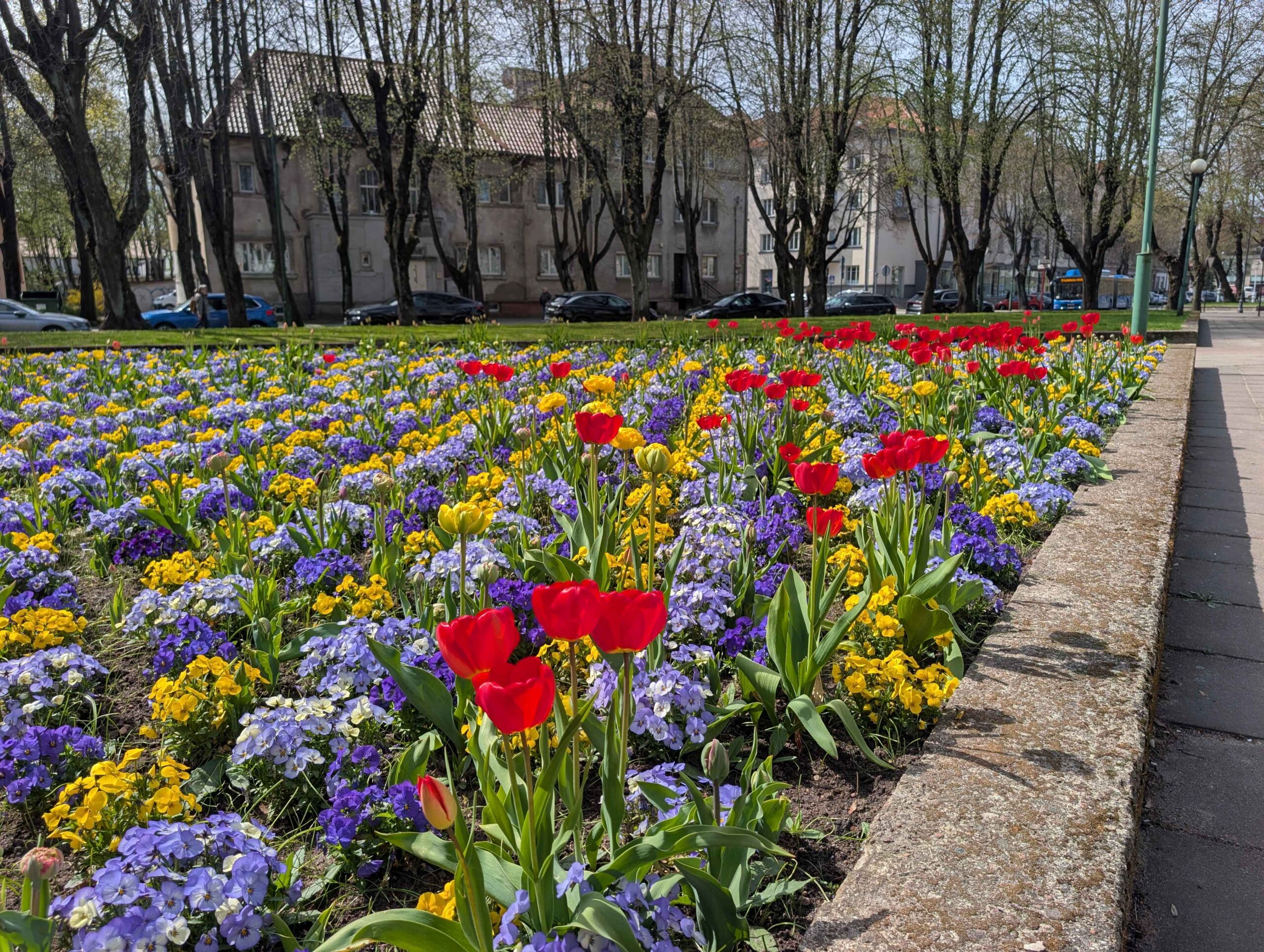
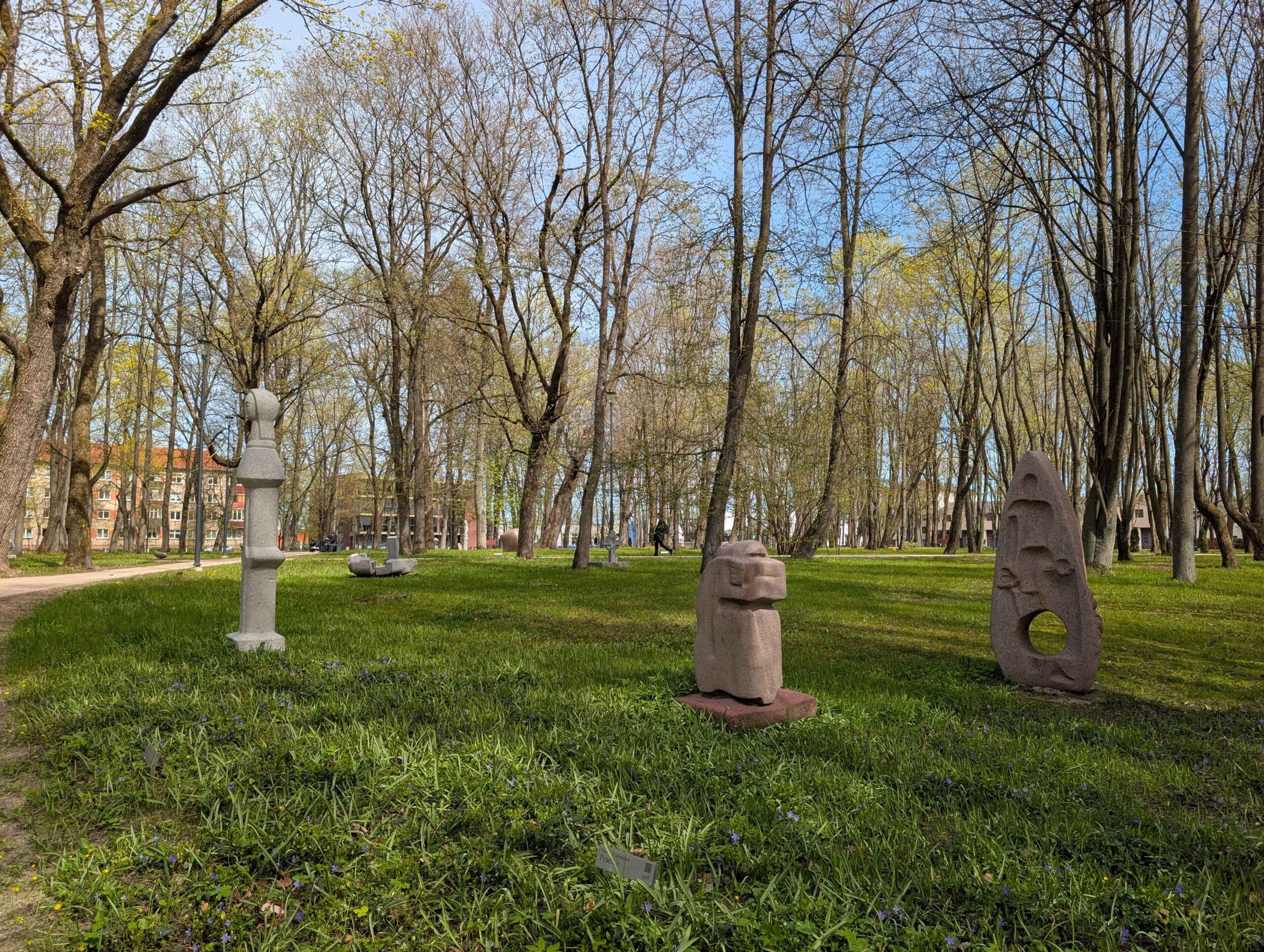
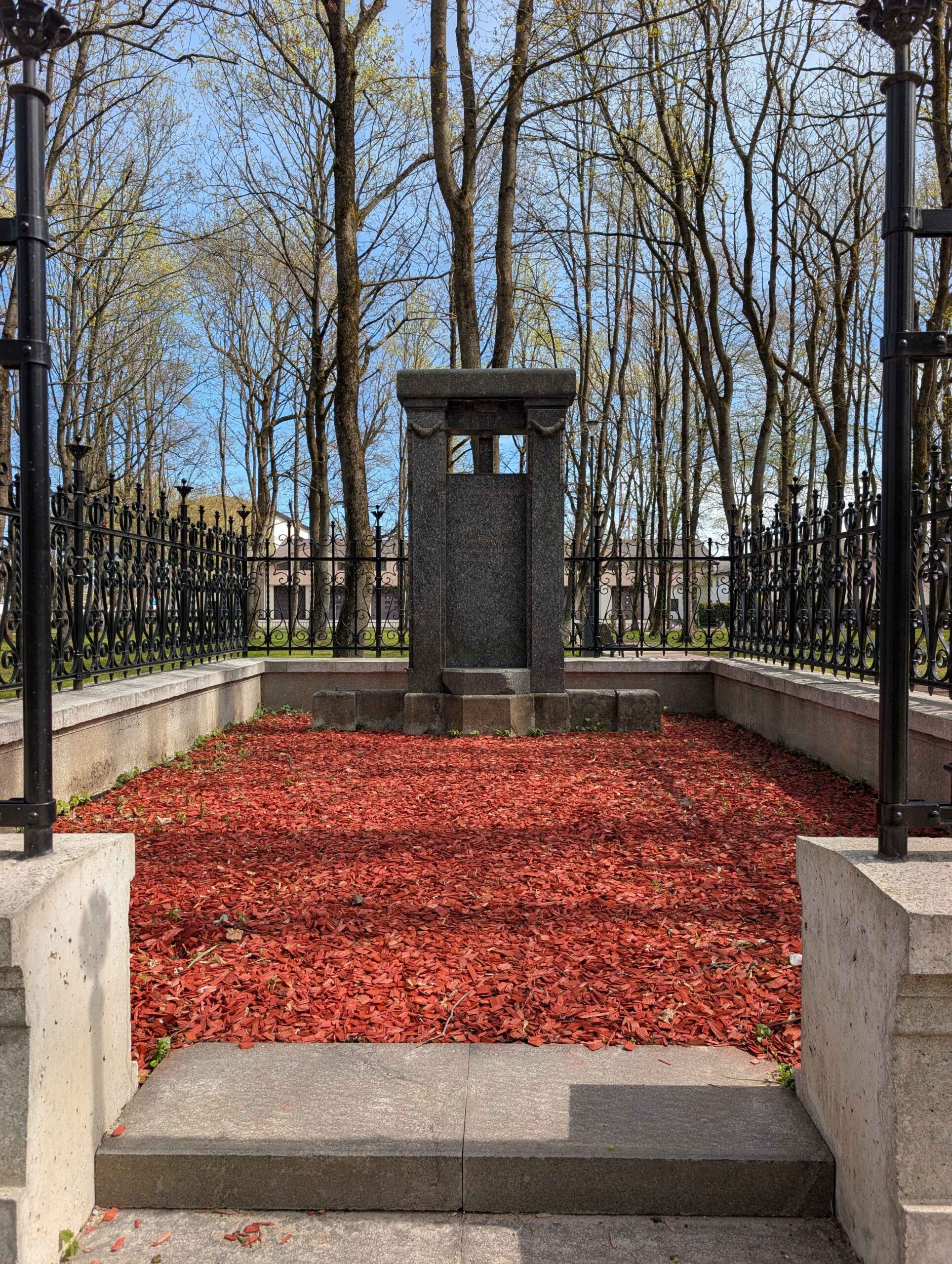
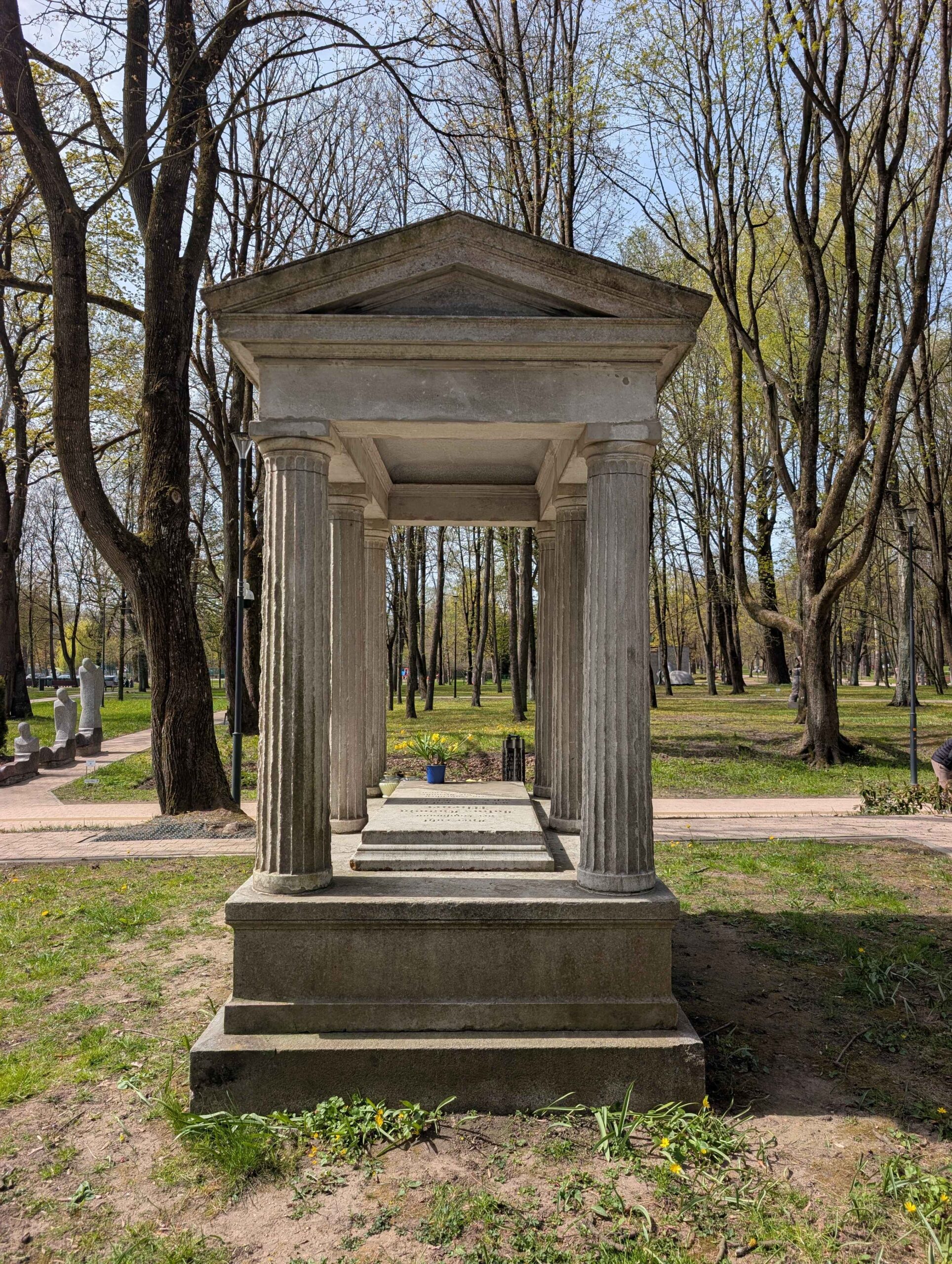
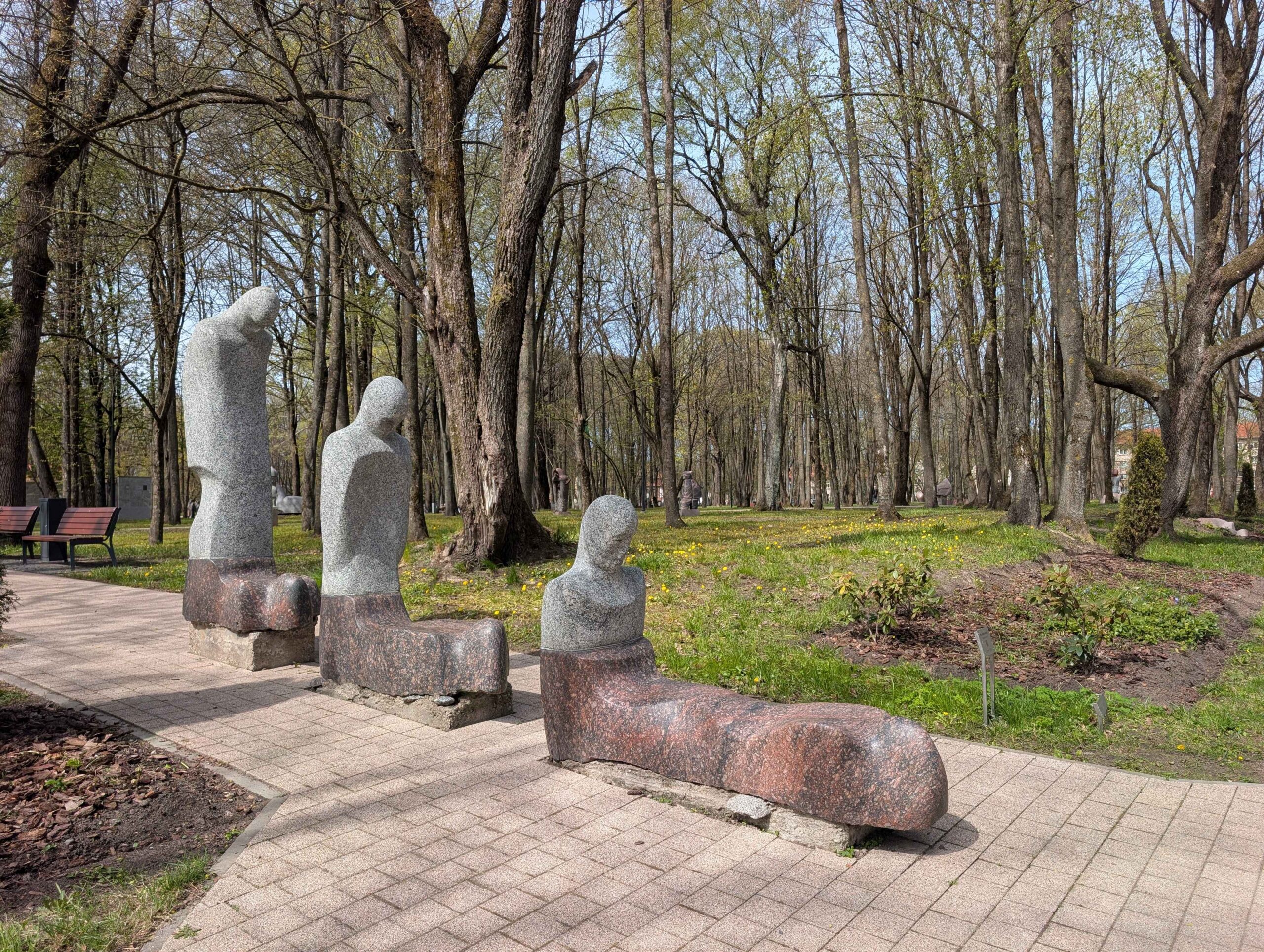
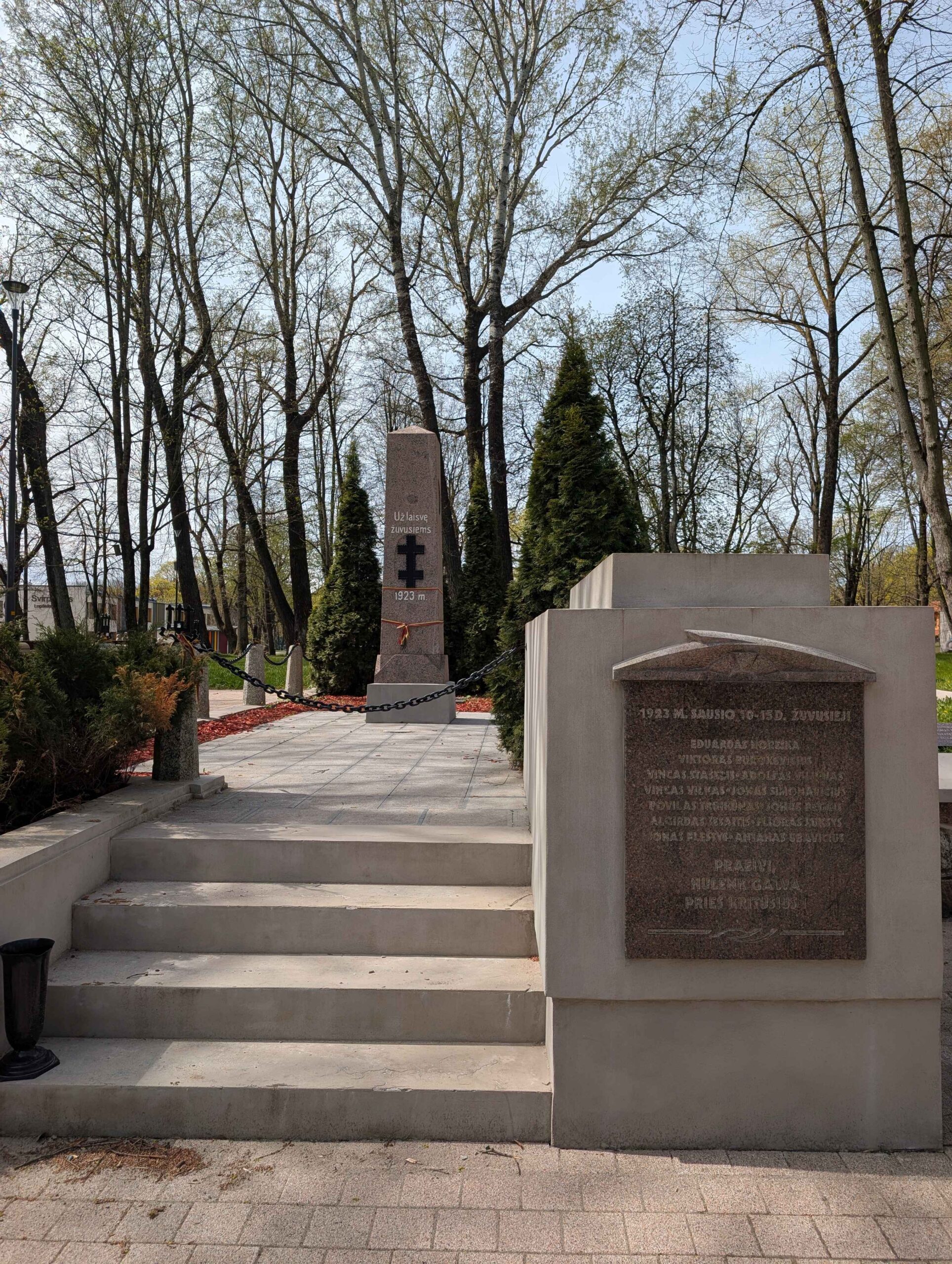
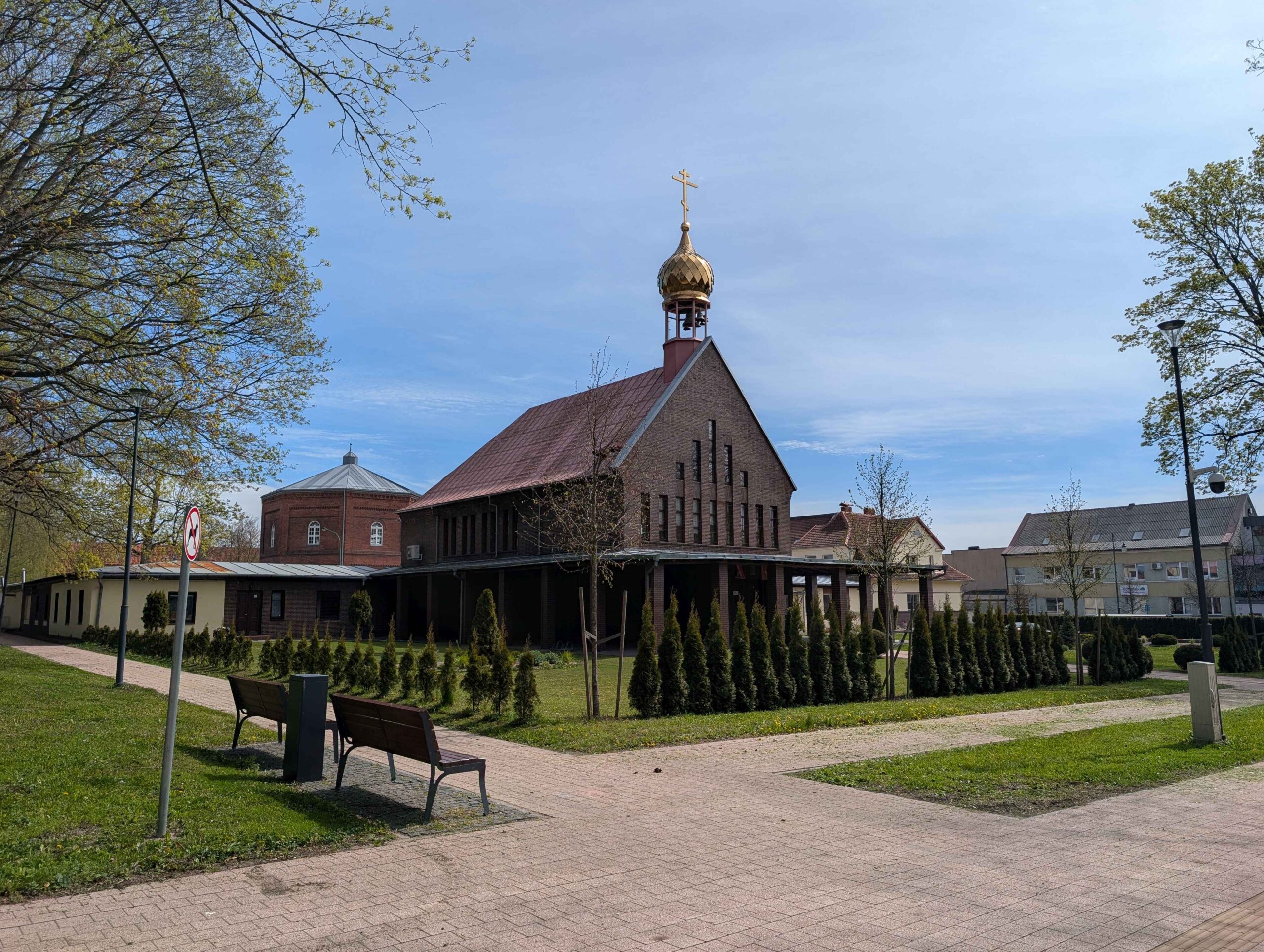
Jonas Hill pulled me in almost by accident because I could see the elevated green space in the distance and wanted to know what it overlooked. Walking across it revealed canals, pathways, and someone quietly fishing nearby while the city spread outward around the water. Later, I continued north toward Lietuvininkai Square and eventually into Klaipėda Sculpture Park, where the atmosphere shifted again into quieter wooded paths lined with memorials, sculptures, and open green space. After the rough, snowy first impression years earlier, this visit completely changed how I viewed the city.
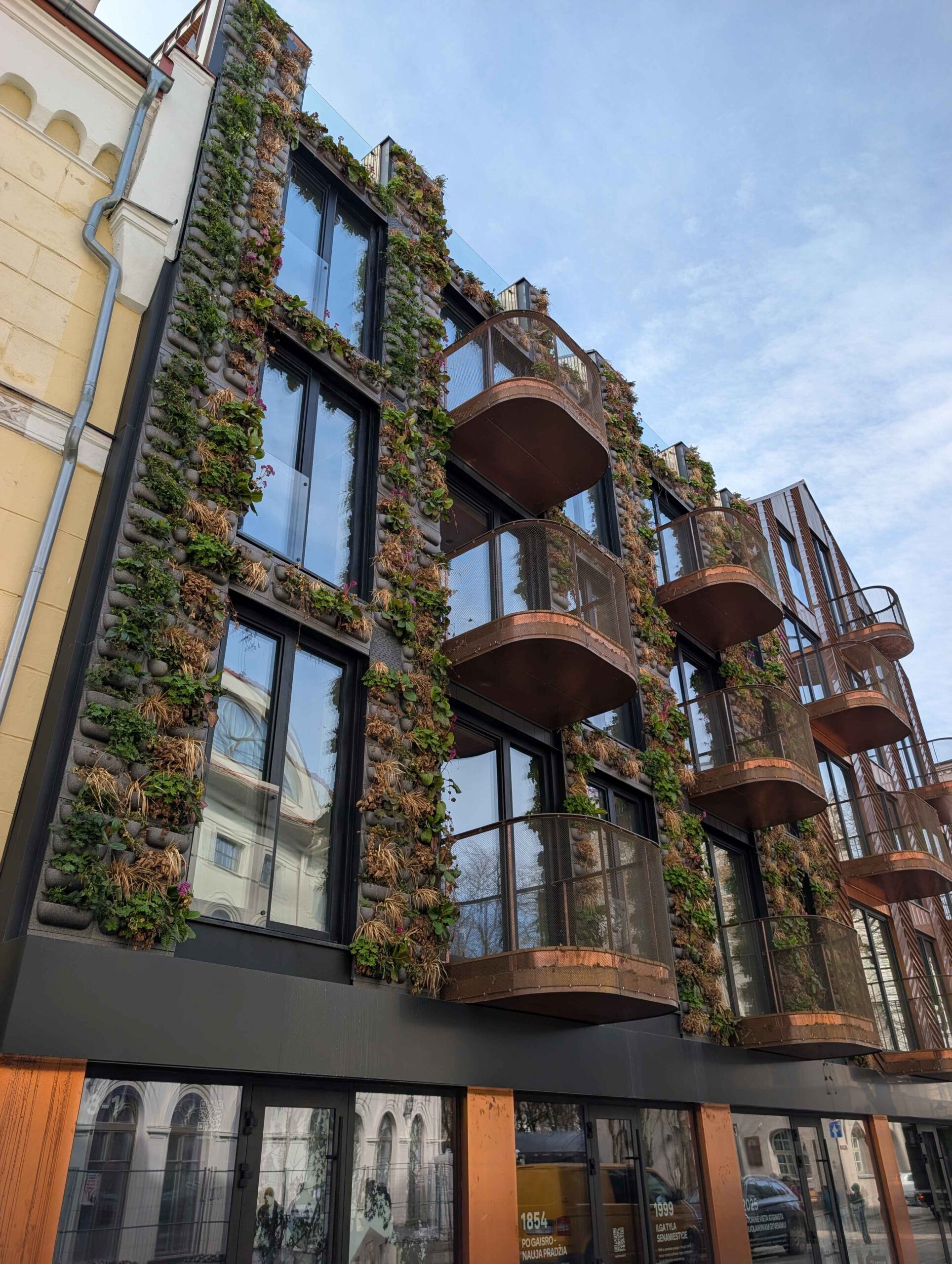
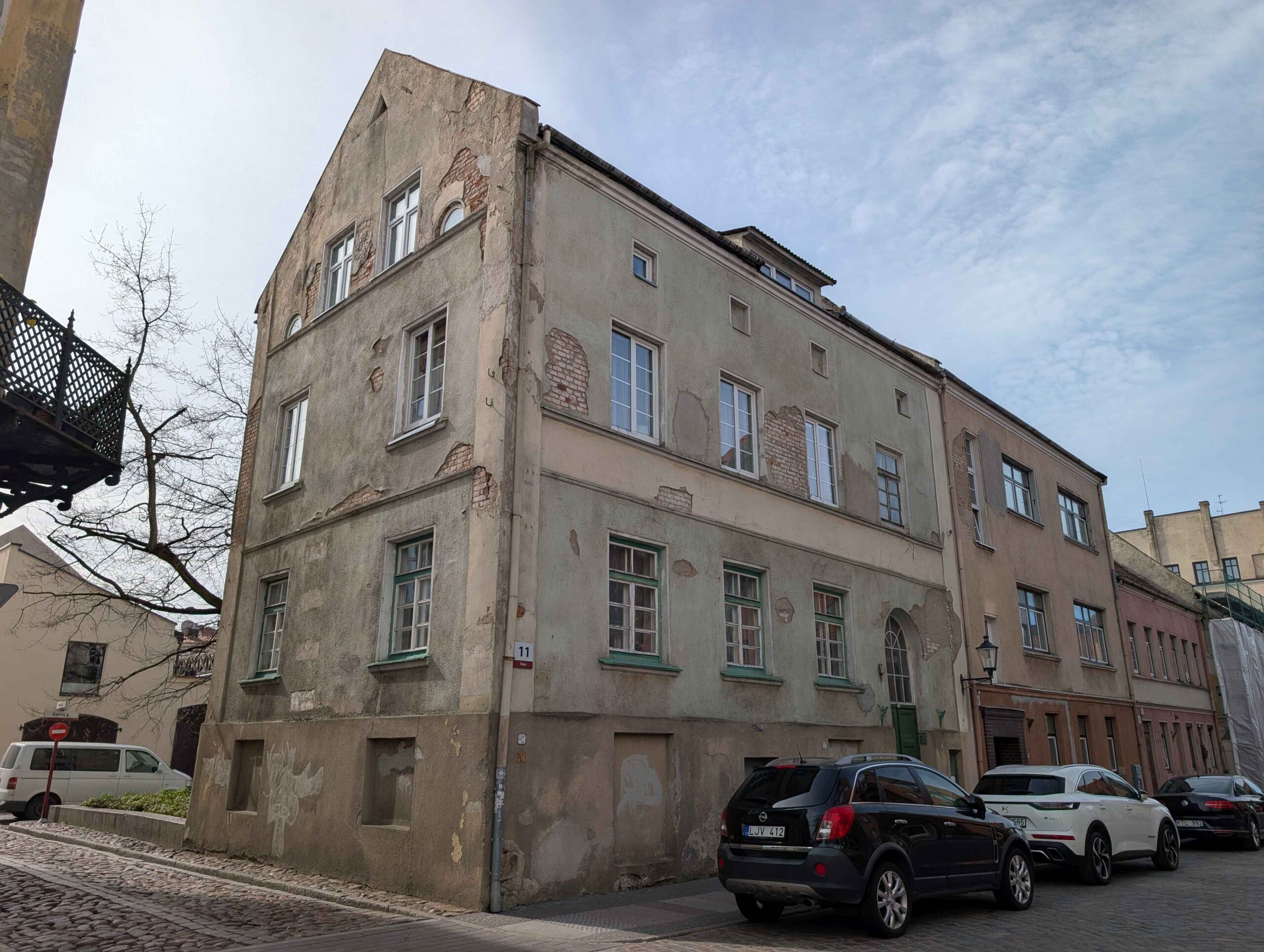
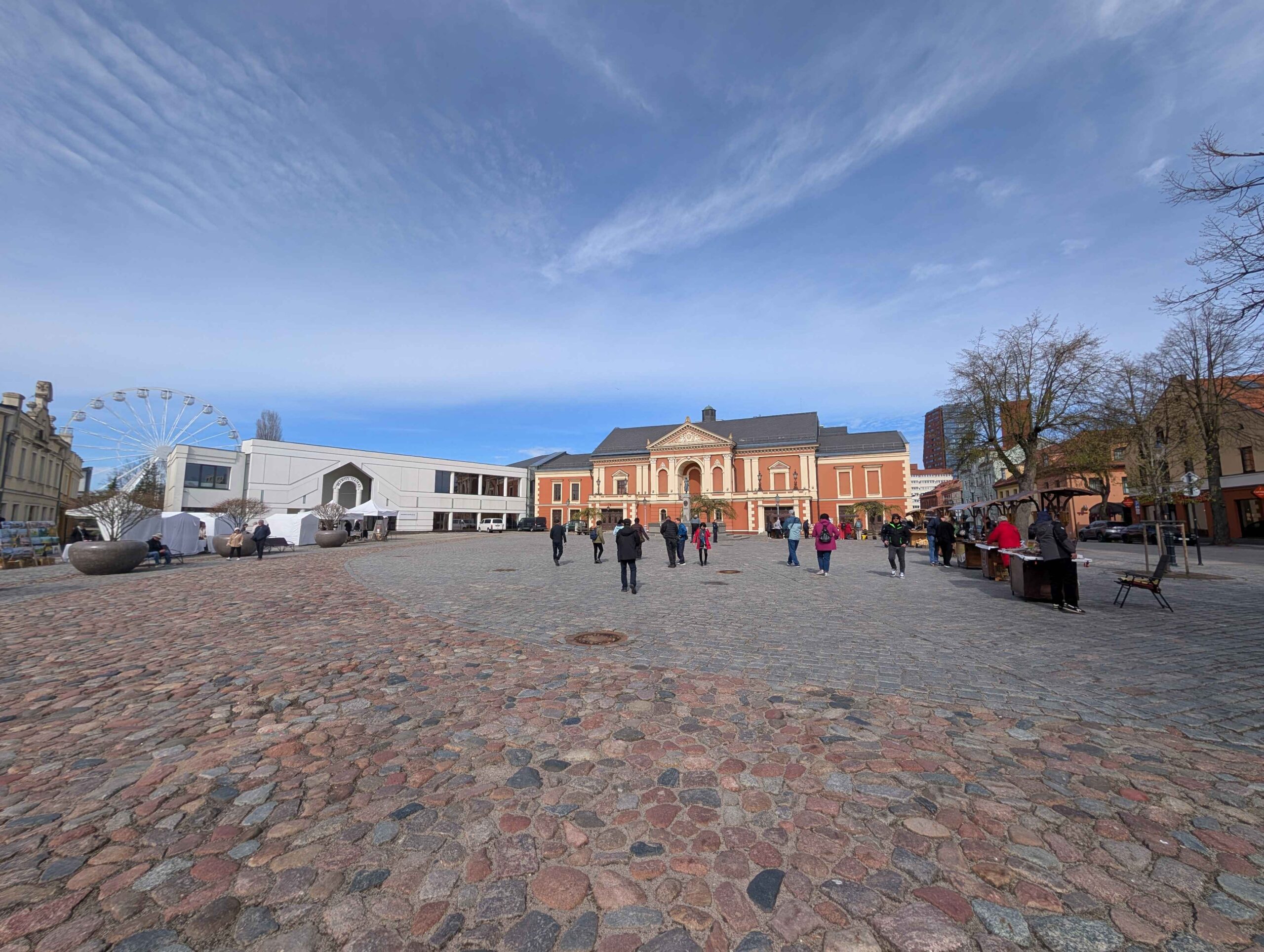
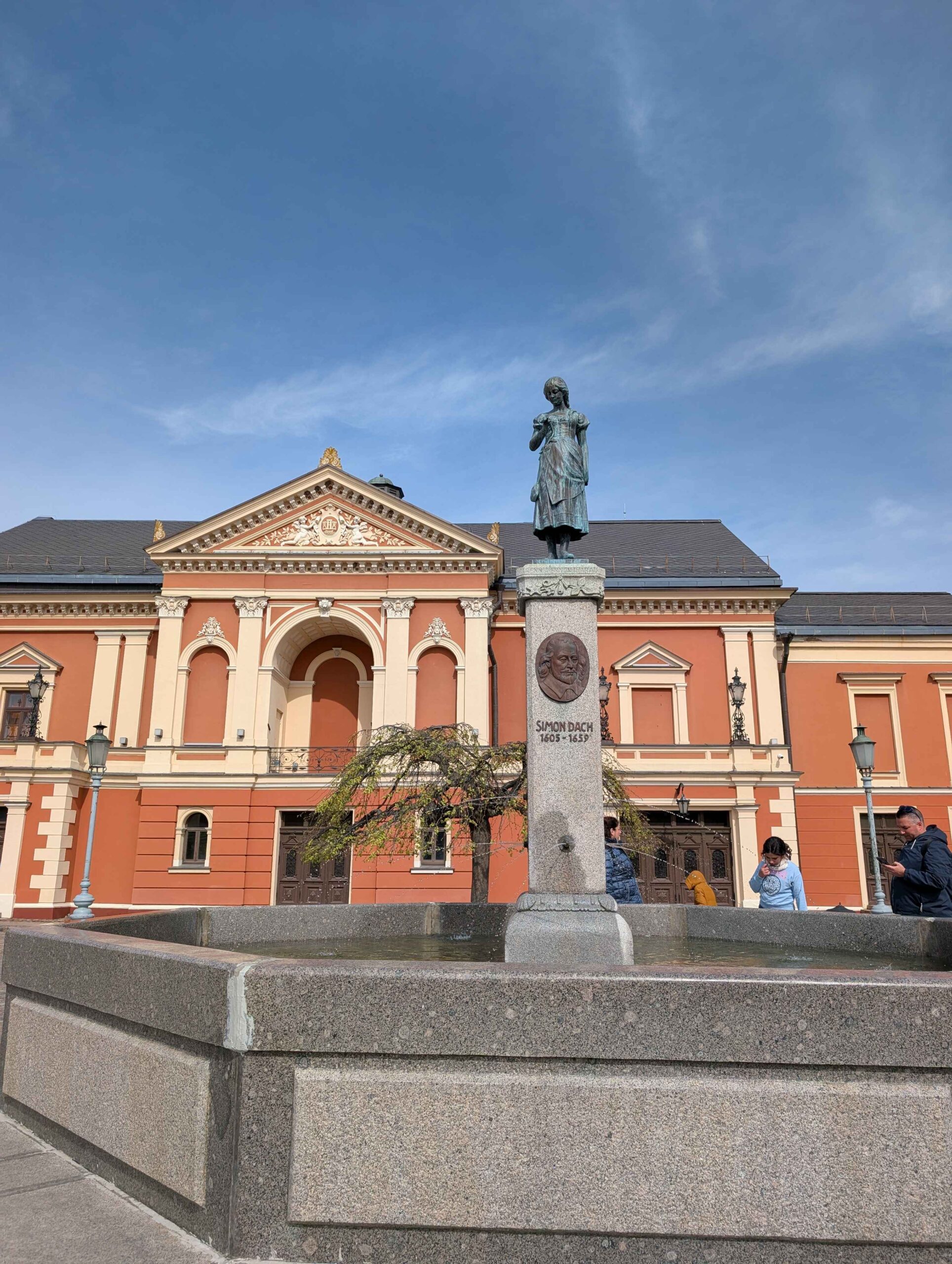
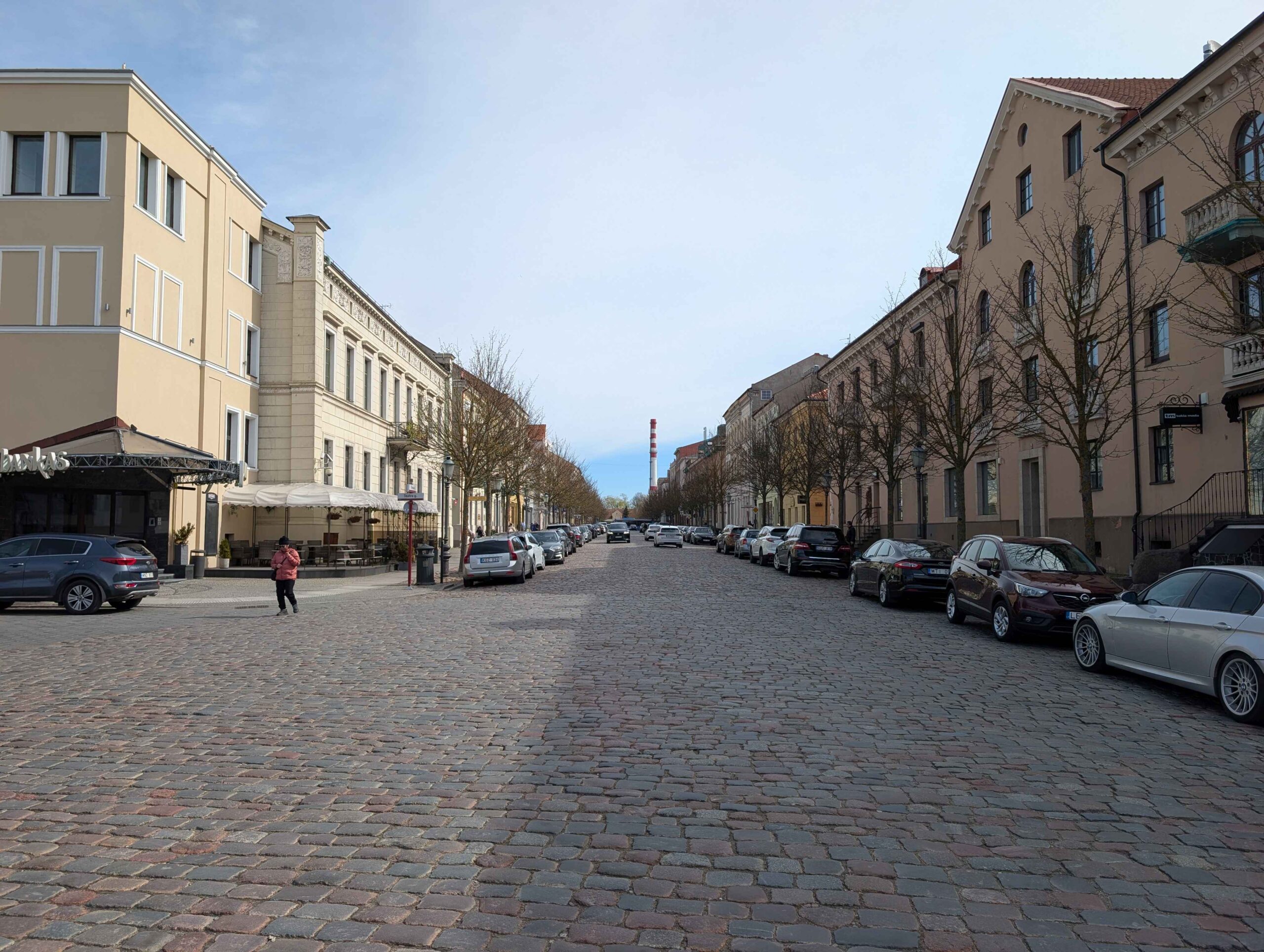
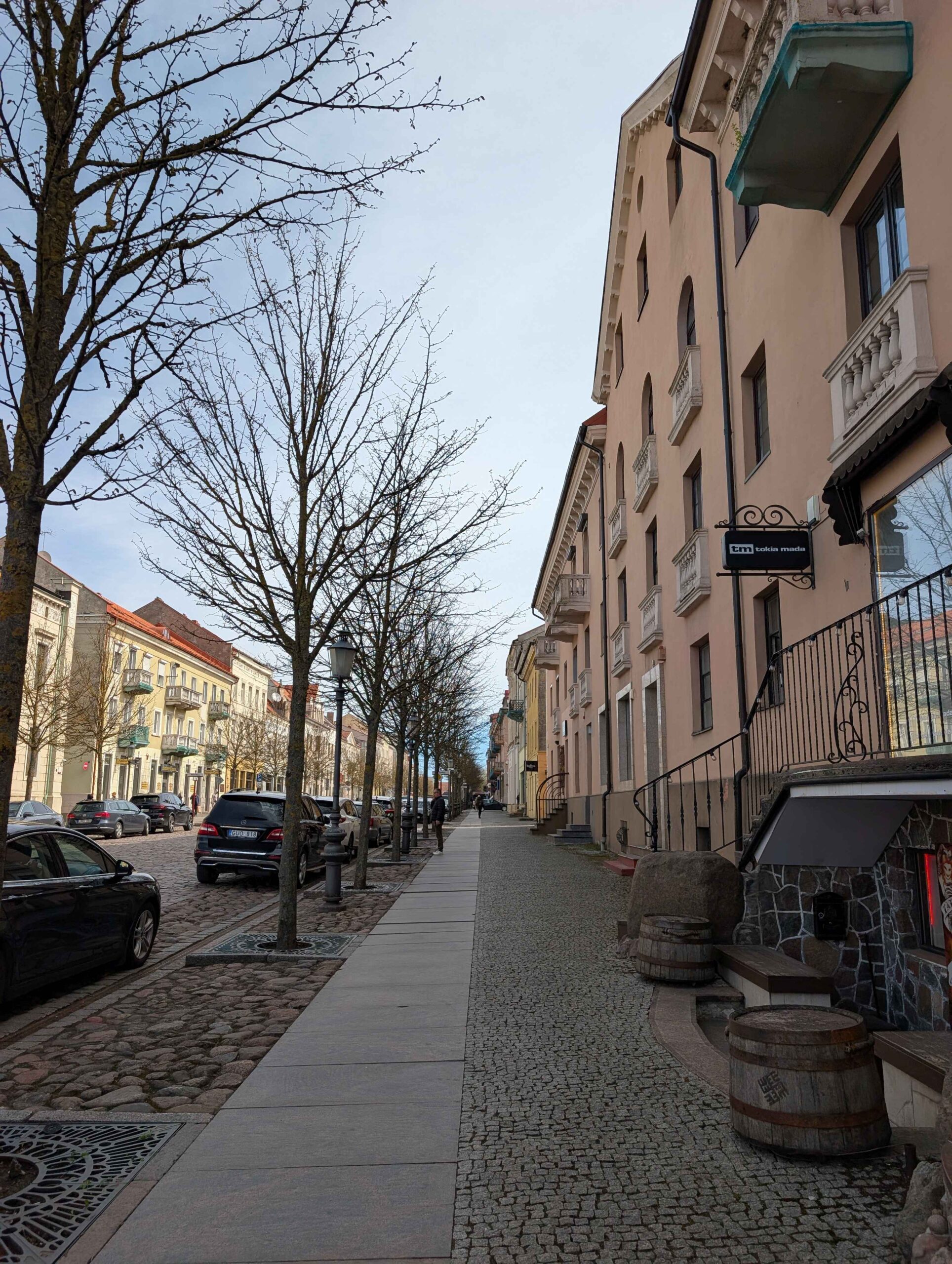
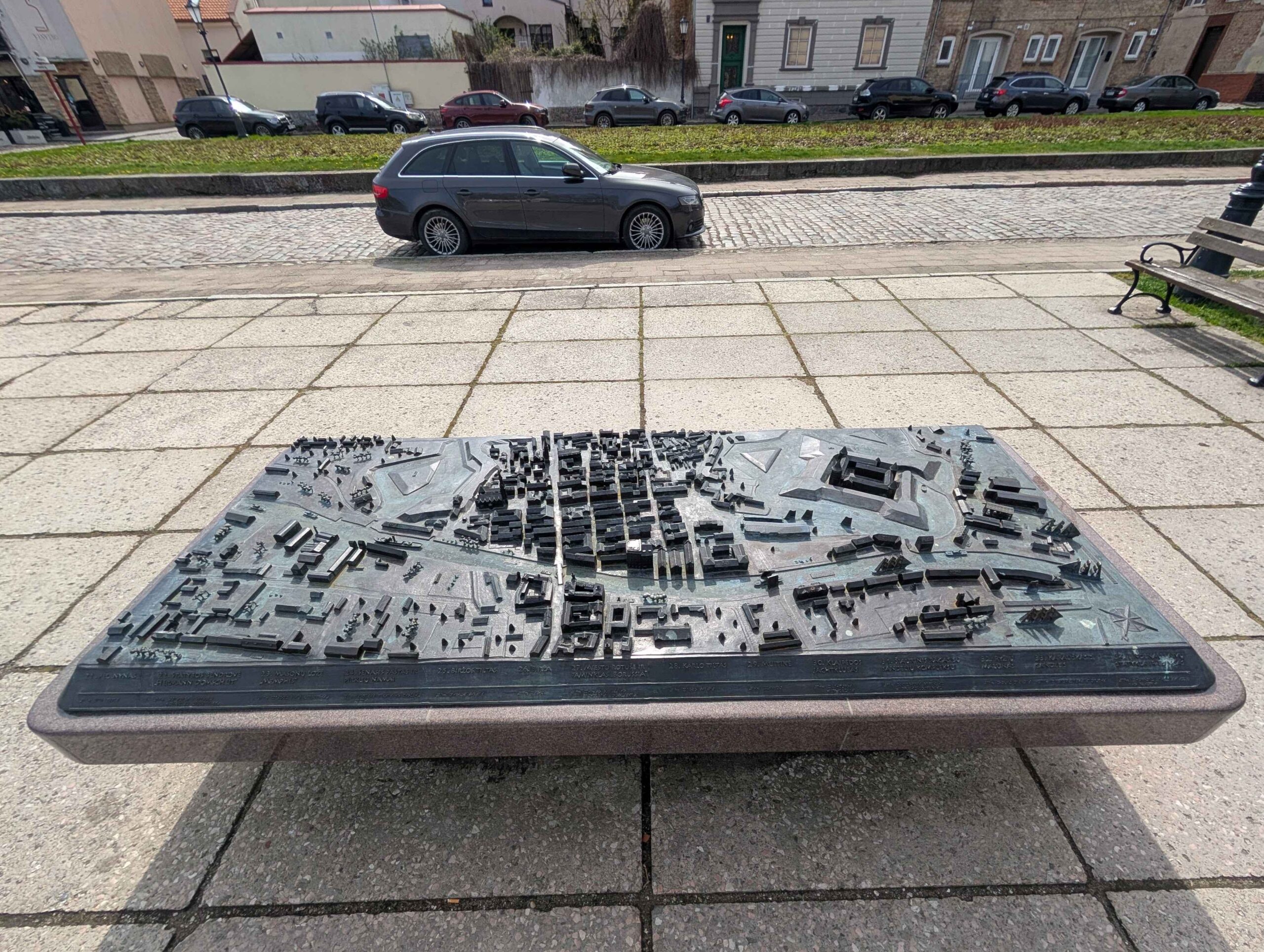
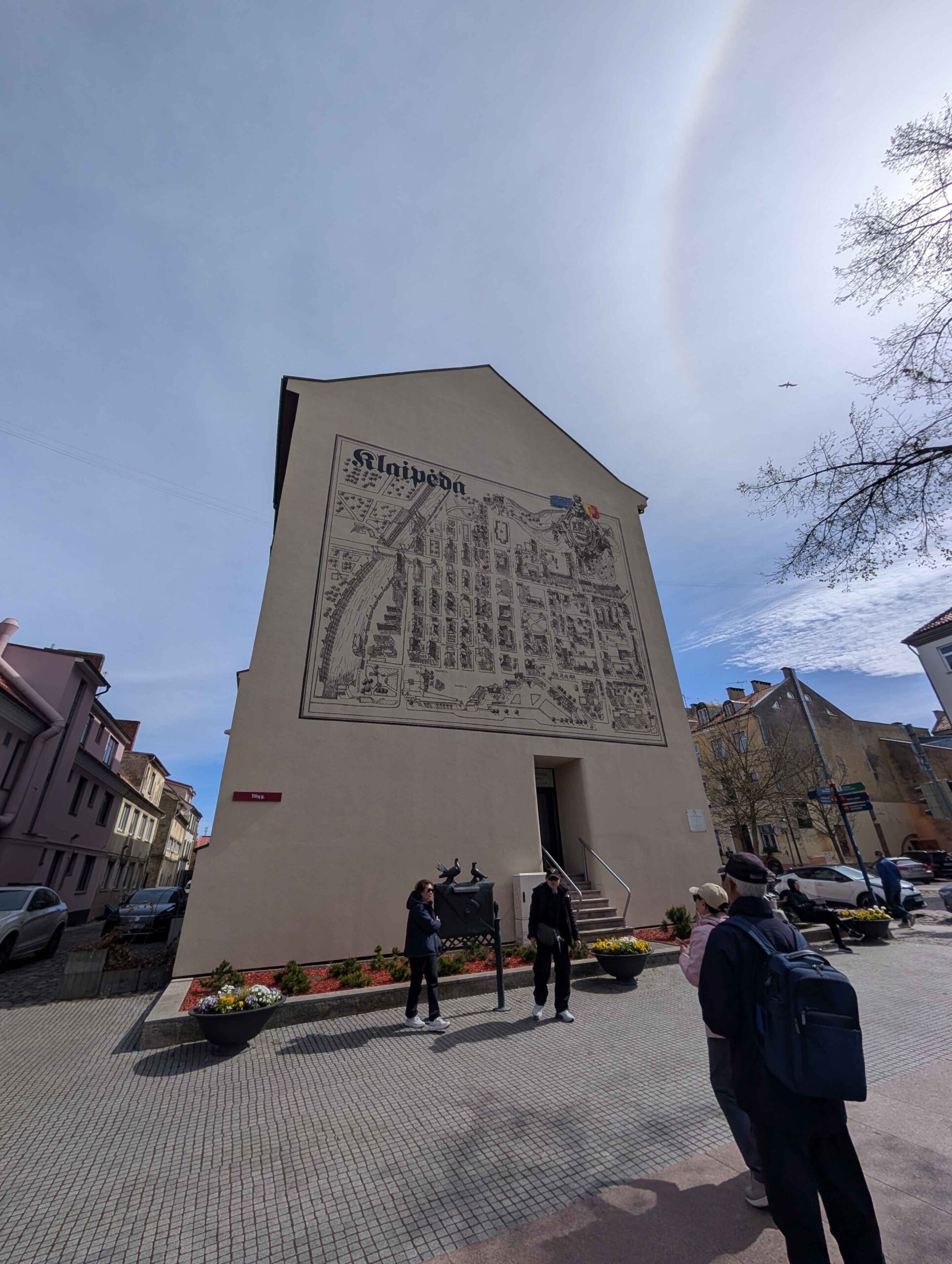
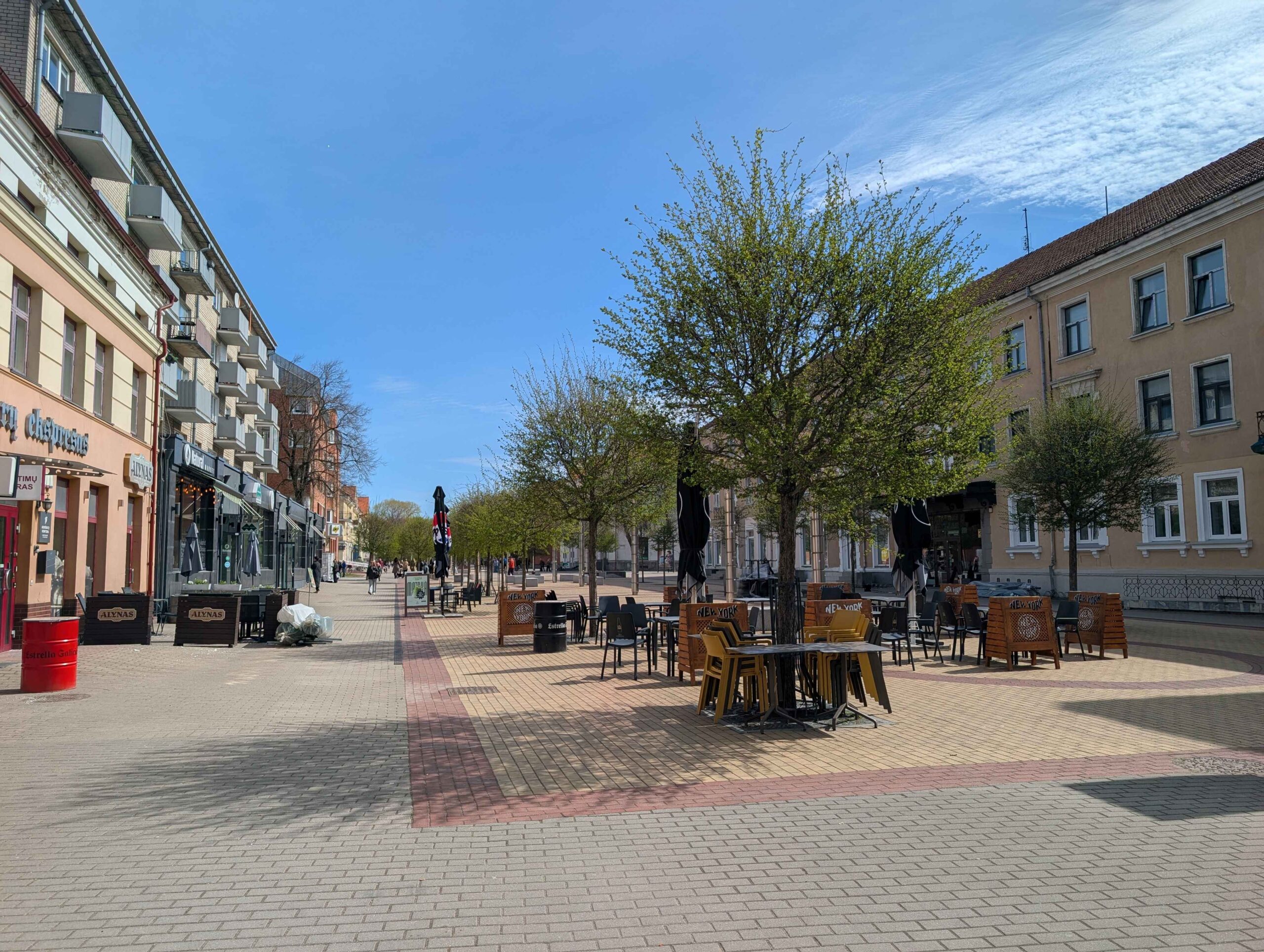
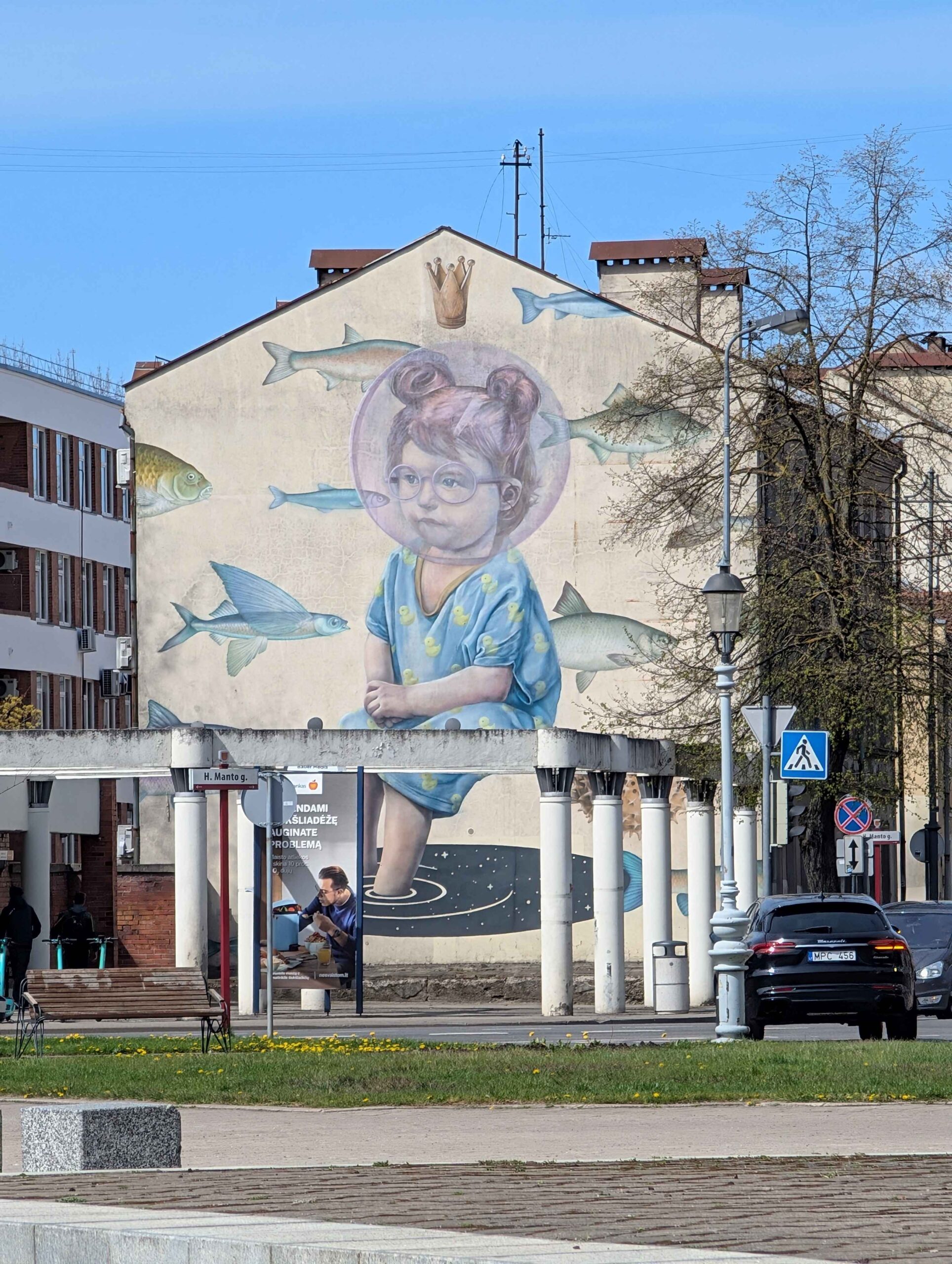
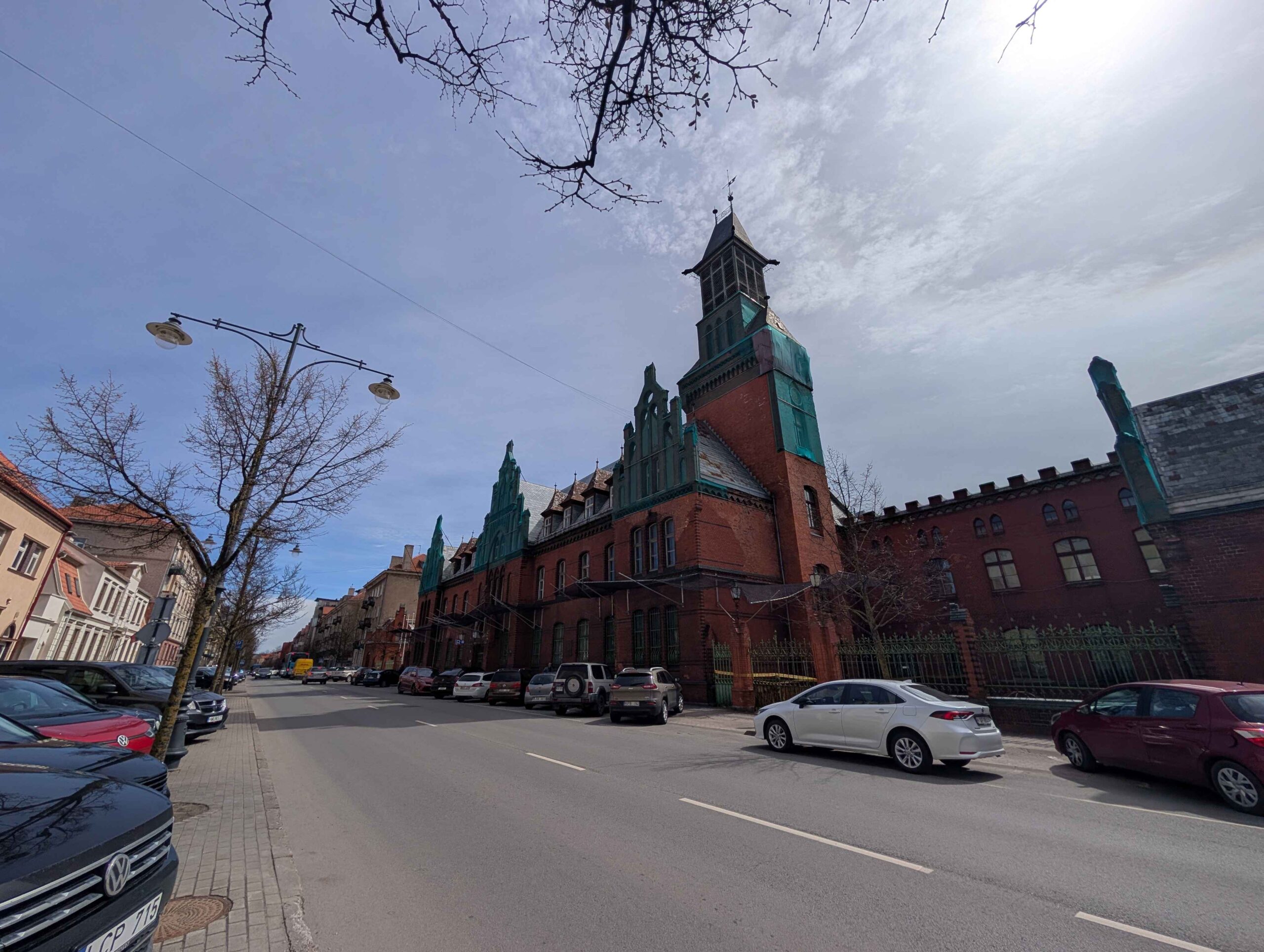
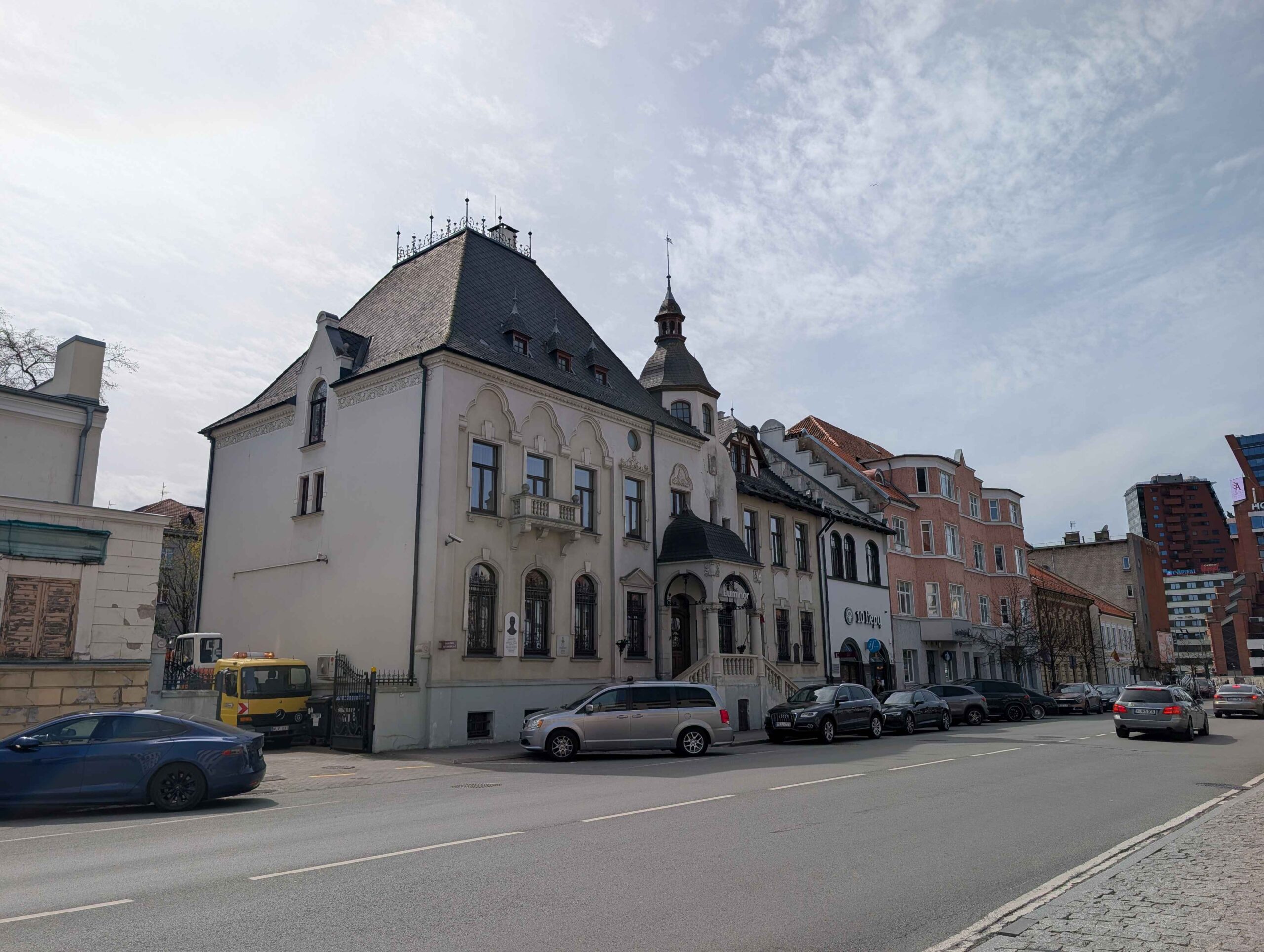
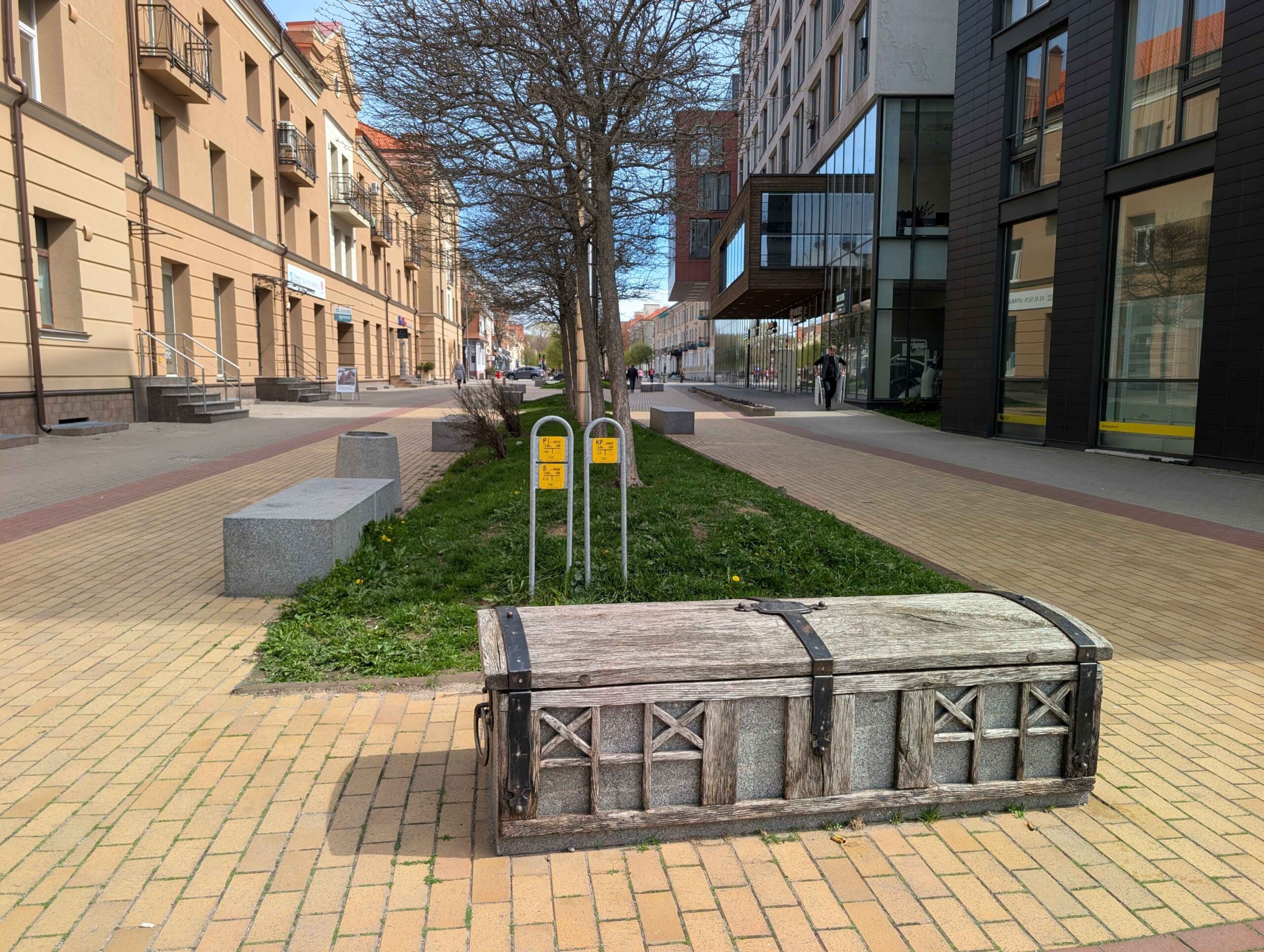
Klaipėda has long been Lithuania’s primary seaport, and its layout still reflects that relationship with trade, shipbuilding, and the Baltic Sea. The city blends industrial waterfronts, medieval remnants, Soviet era housing, and newer redevelopment in a way that feels practical rather than polished. What stood out most to me was how naturally the city transitioned between harbor scenery, residential streets, parks, and public gathering spaces without ever feeling overly crowded or staged.

If You Have More Time…
- Curonian Spit National Park – Ferries leave from Klaipėda for this long sand dune peninsula known for forests, beaches, and small fishing villages. It would make a good contrast to the urban walking experience around the port.
- Lithuanian Sea Museum and Dolphinarium – Located across the lagoon on Smiltynė, this museum focuses on maritime history, aquariums, and Baltic marine life inside a restored coastal fortress.
- Friedrich Passage – A smaller restored courtyard area with cafés, shops, and seasonal events that offers a quieter alternative to the busier sections around Theatre Square.
- Palanga – This nearby seaside resort town is known for long beaches, pine forests, and the Amber Museum. It works well as a half day escape from the city if you want more coastal scenery.
- Clock Museum – Located near Lietuvininkai Square, this museum explores the history of timekeeping and sits beside a peaceful sculpture garden that fits well into a slower walking day.