
Aarhus and the Flowers of Møllestien
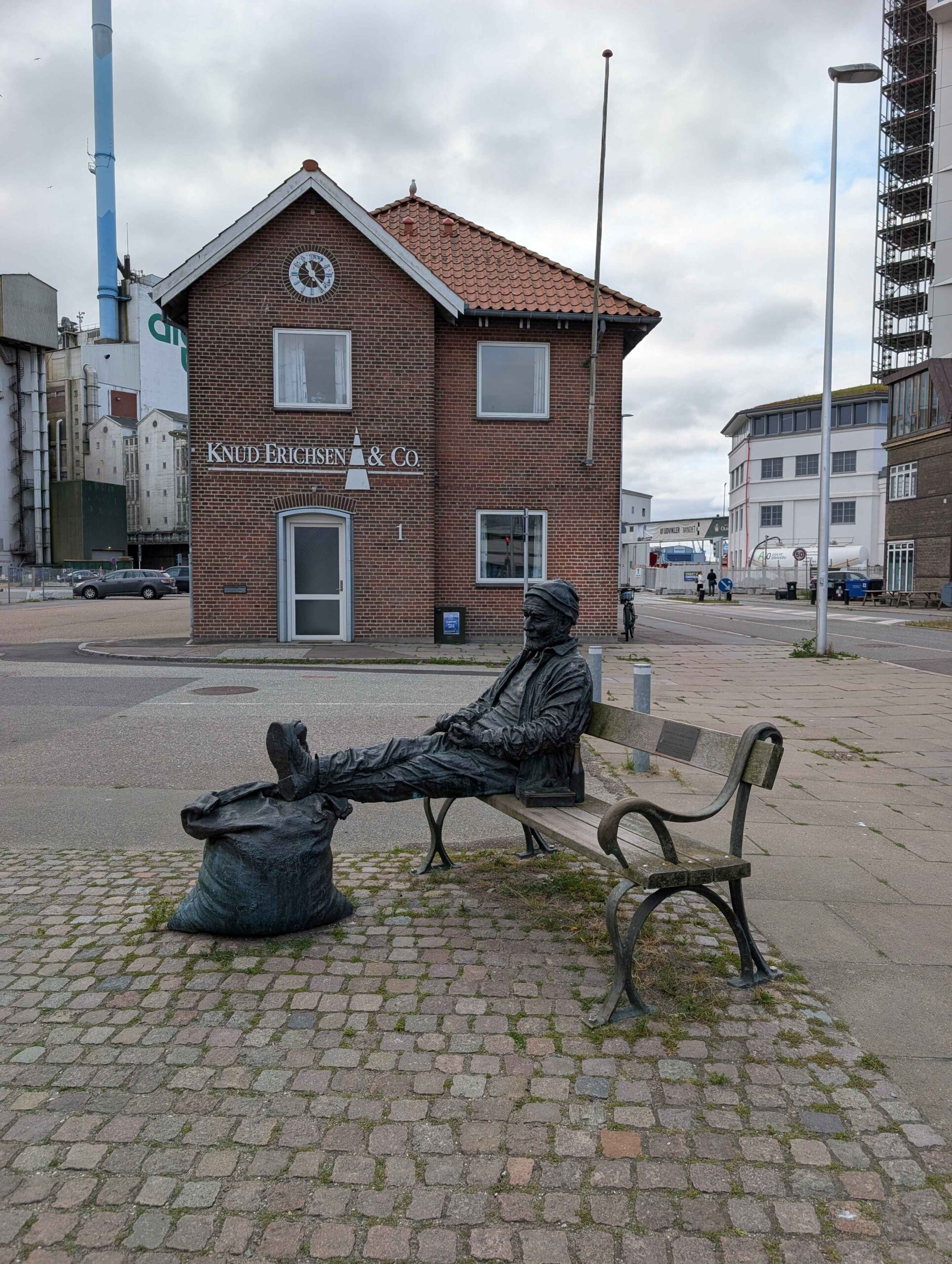
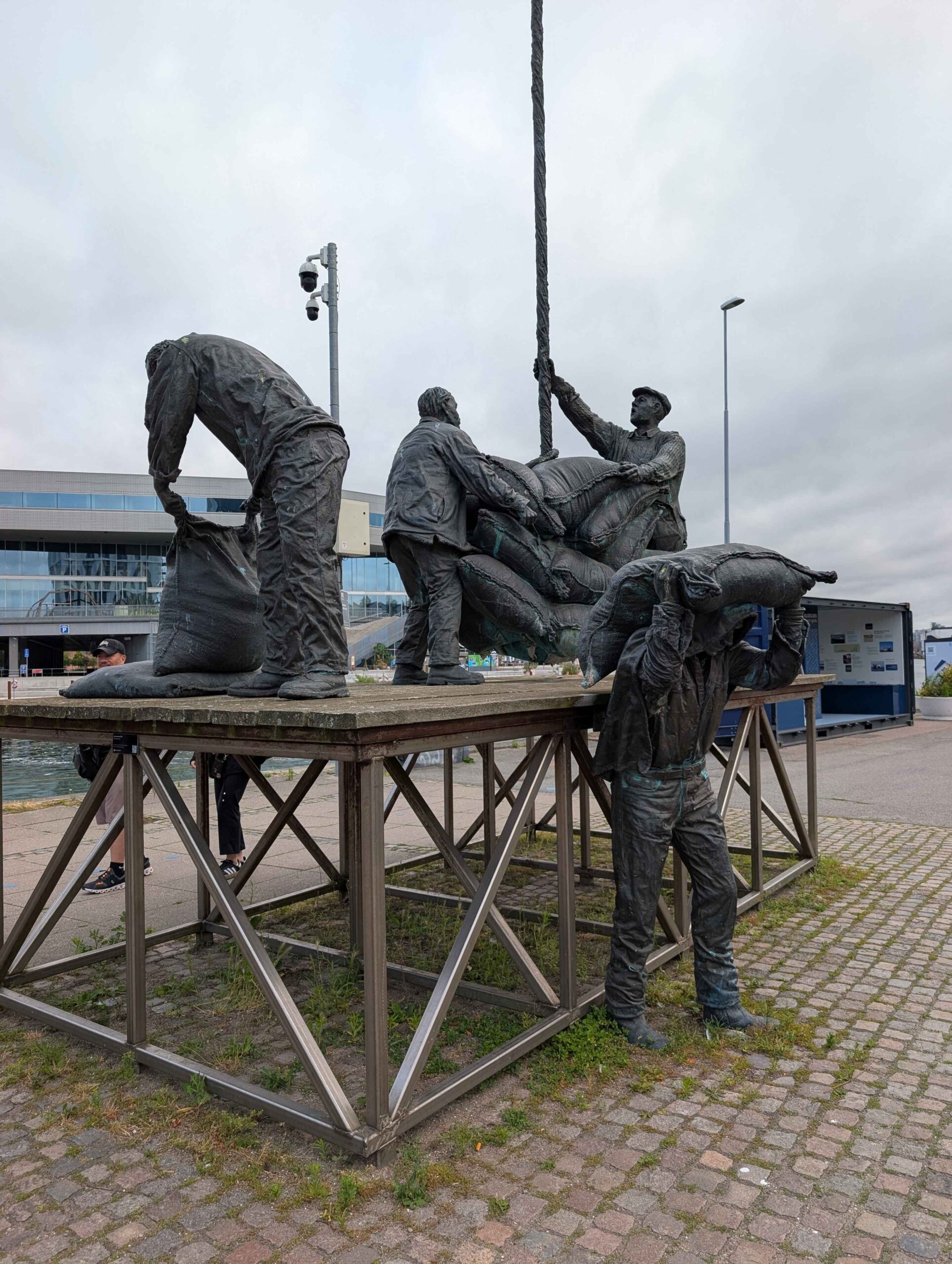
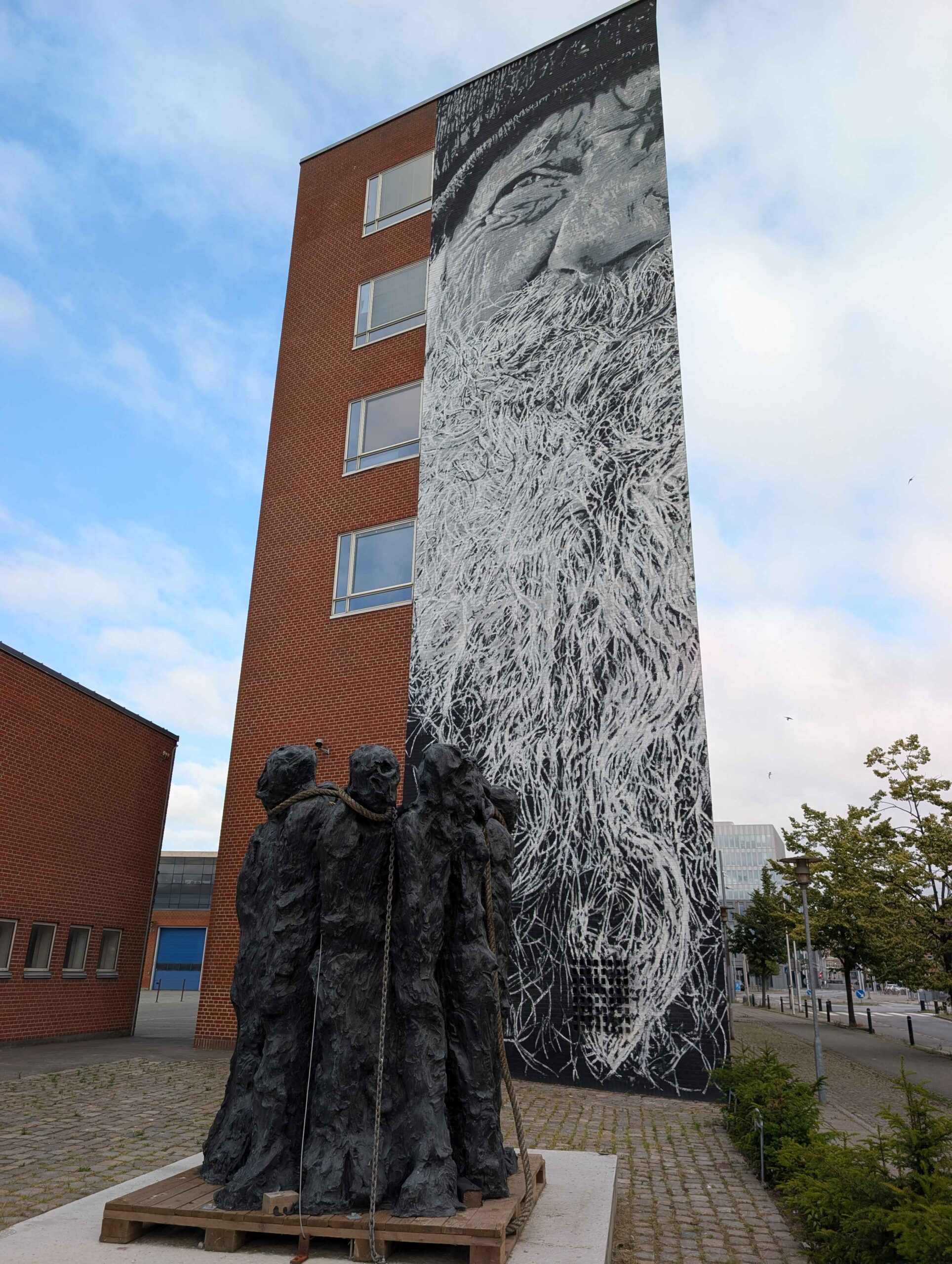
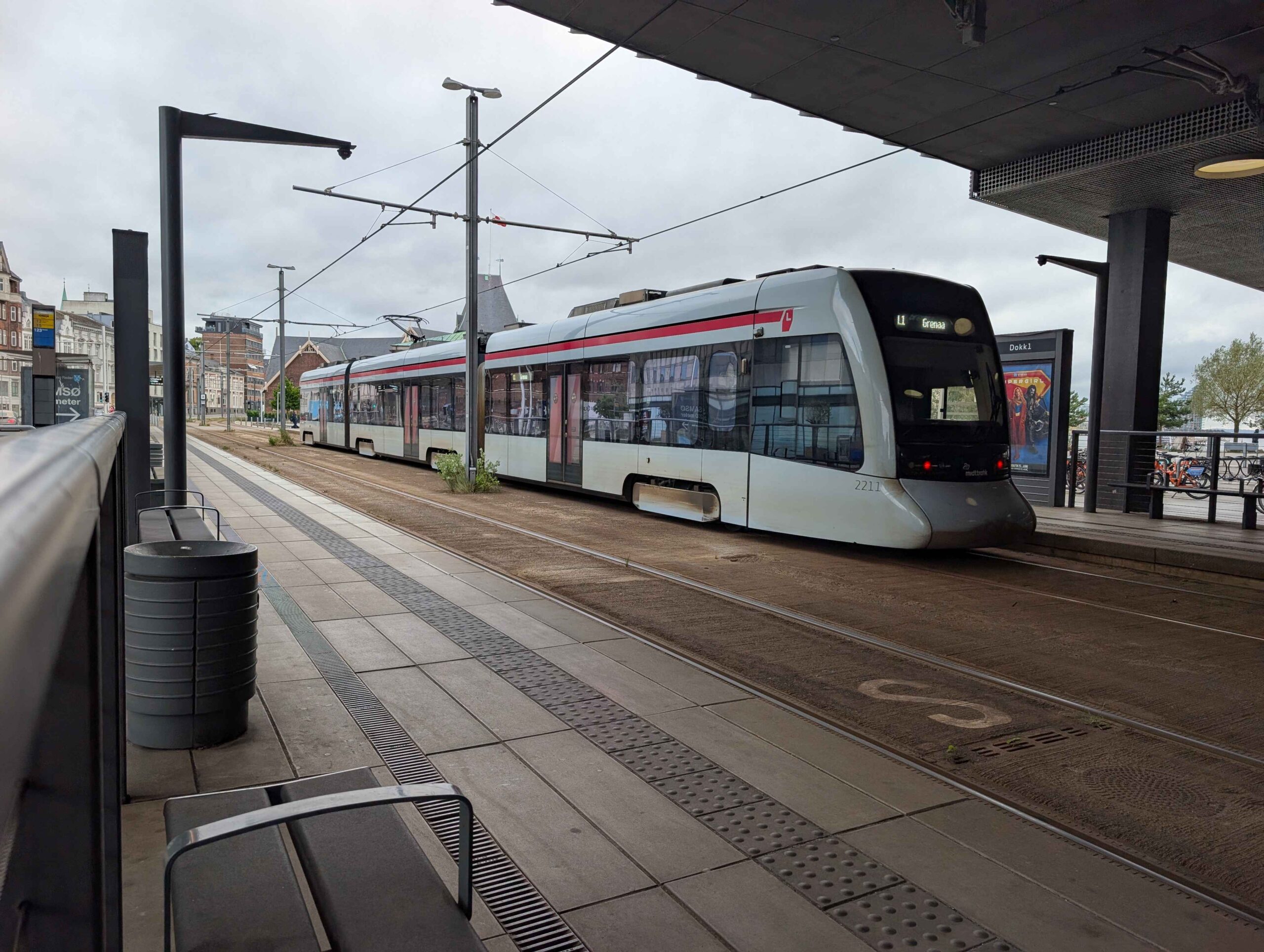
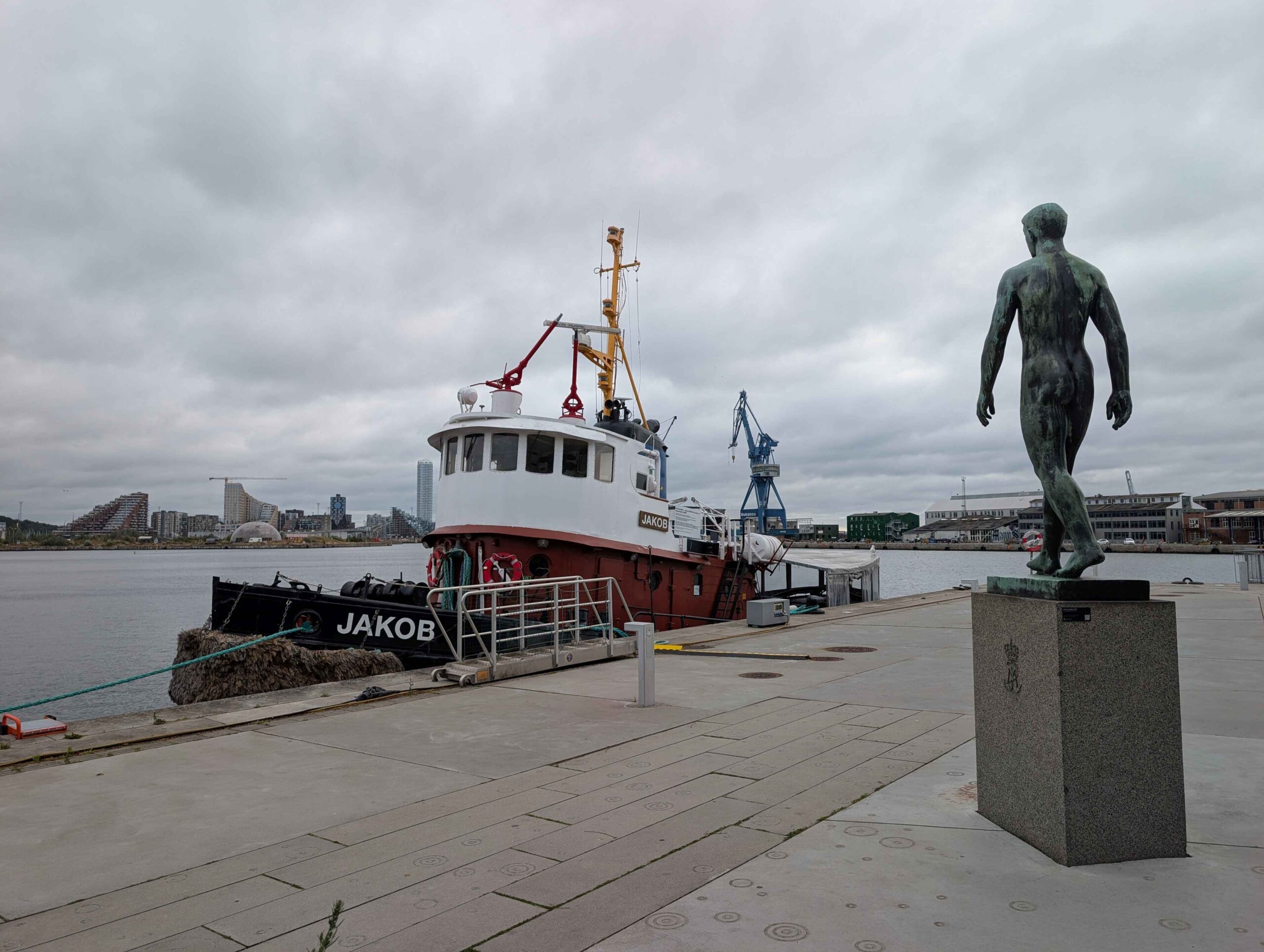
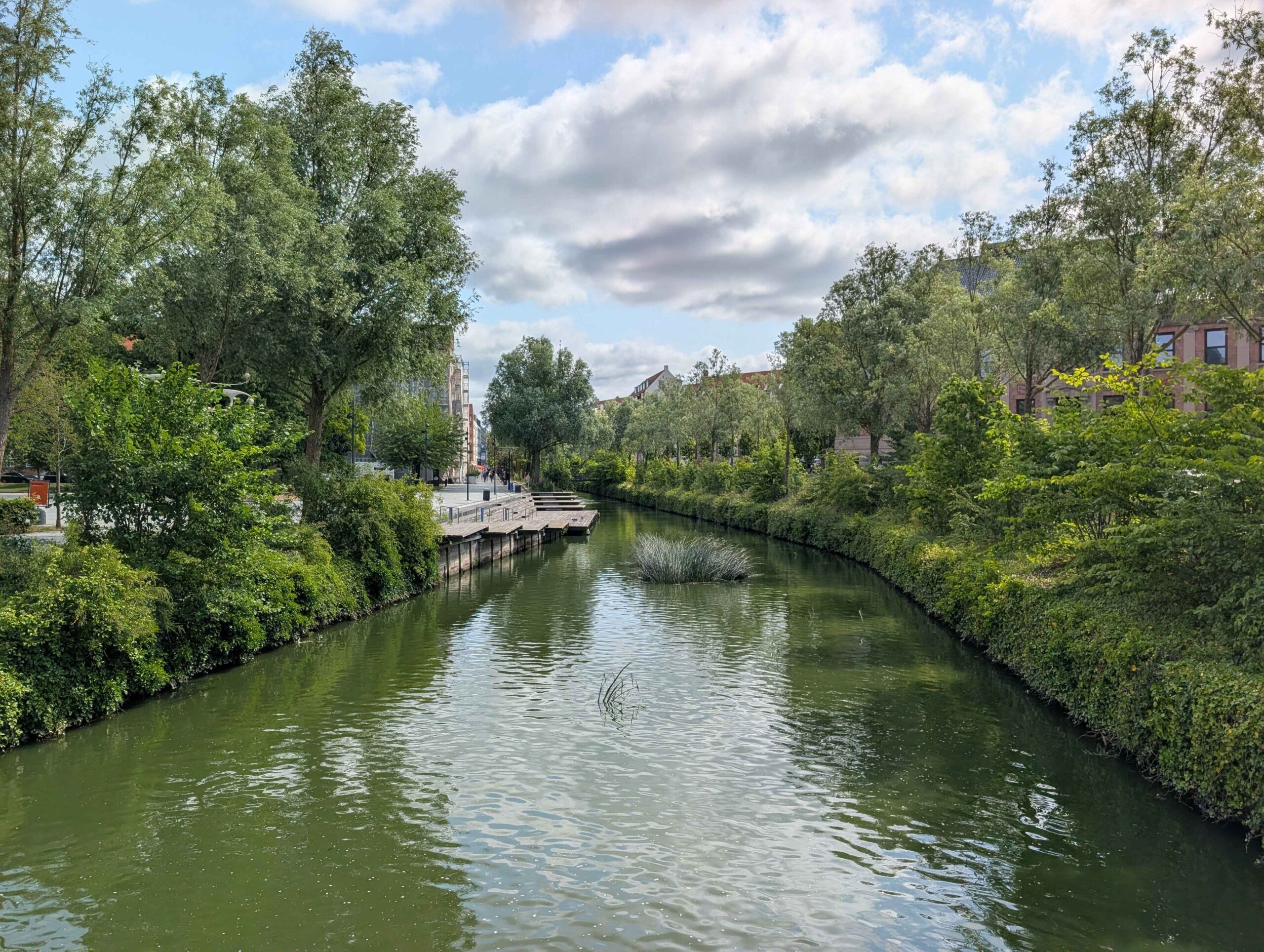
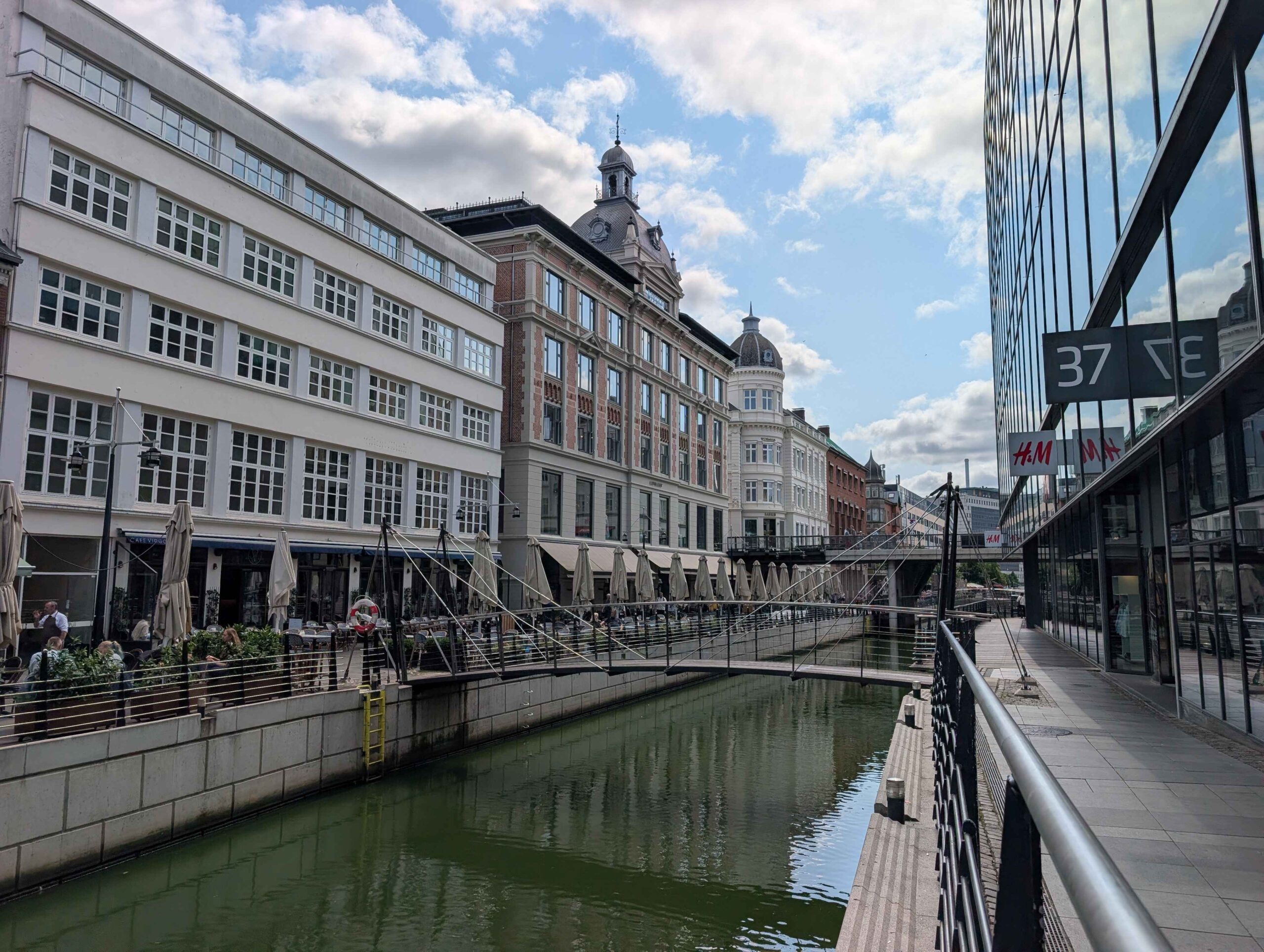
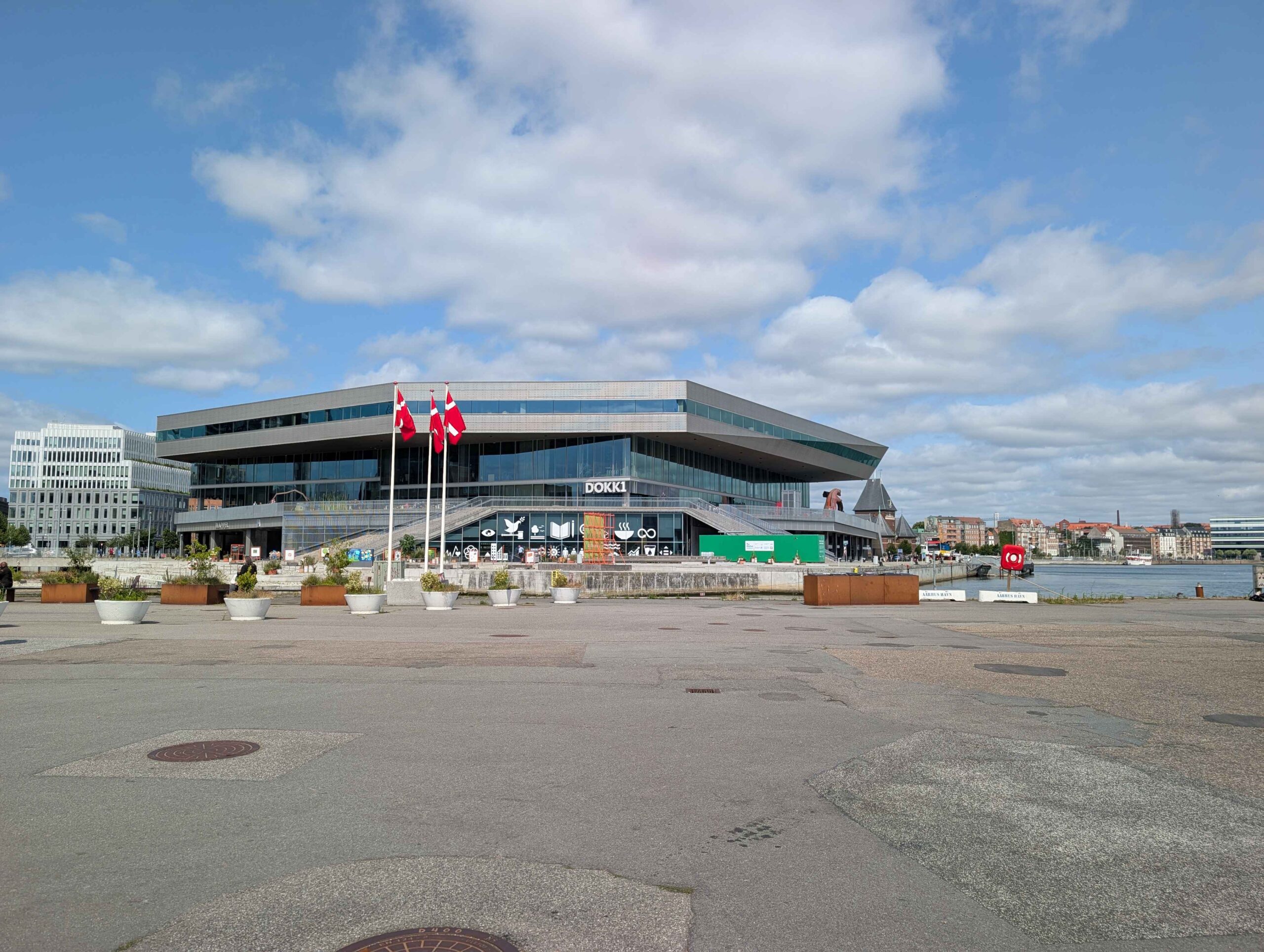
The shuttle from the cruise terminal dropped everyone at Dokk 1, and within a few minutes I was walking beside the Aarhus River canal instead of through an industrial port. Cafes were setting out tables, Saturday vendors were arranging their displays, and the city immediately felt welcoming and easy to explore on foot. Arriving by cruise made it simple to spend the day wandering without much planning.
The Danish name is Aarhus and is pronounced roughly “OR-hoos.” This was my second visit to the city, and it couldn’t have been more different from the first. Rather than booking another excursion, I decided to simply walk and see where the streets led me.
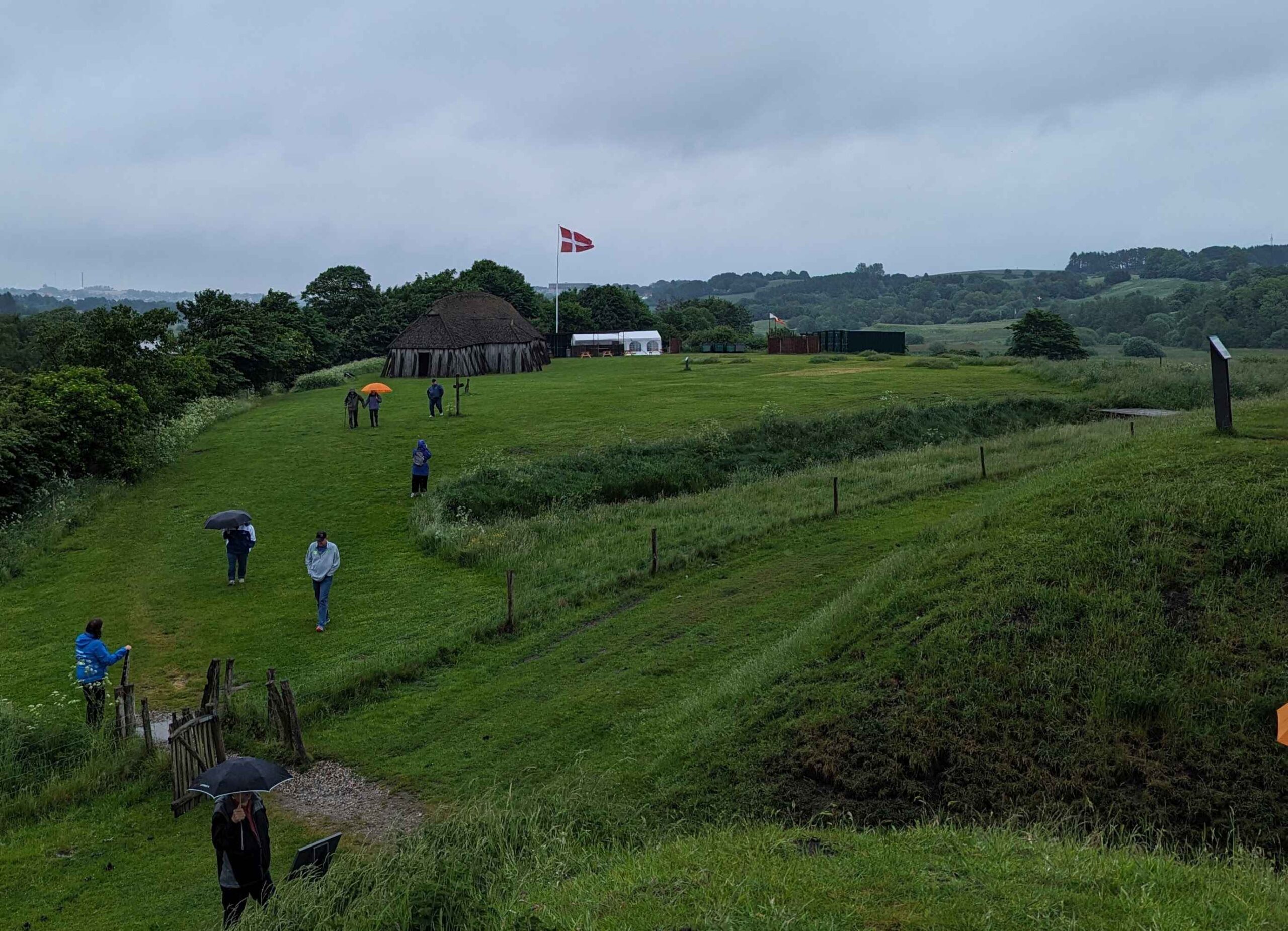
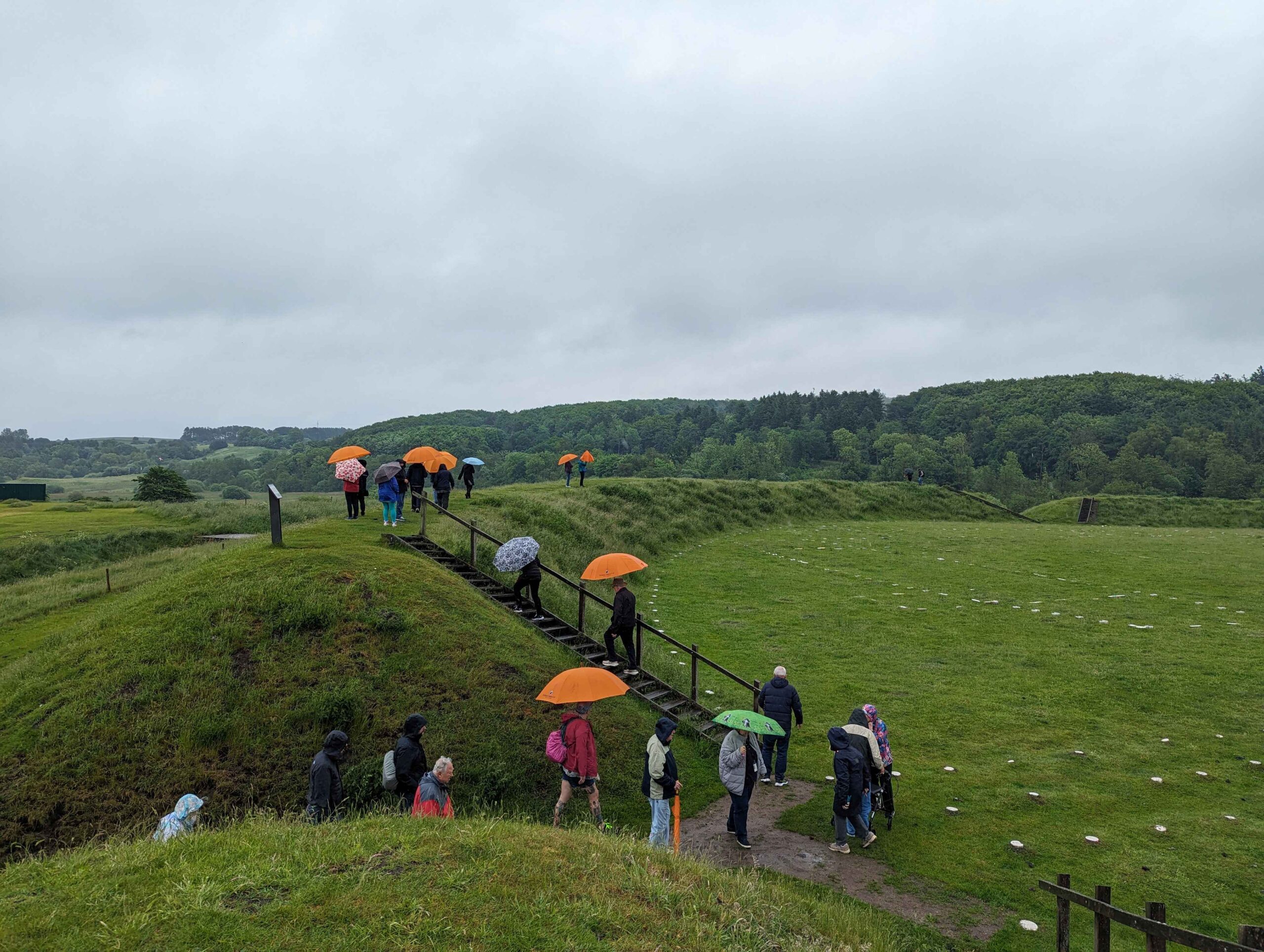
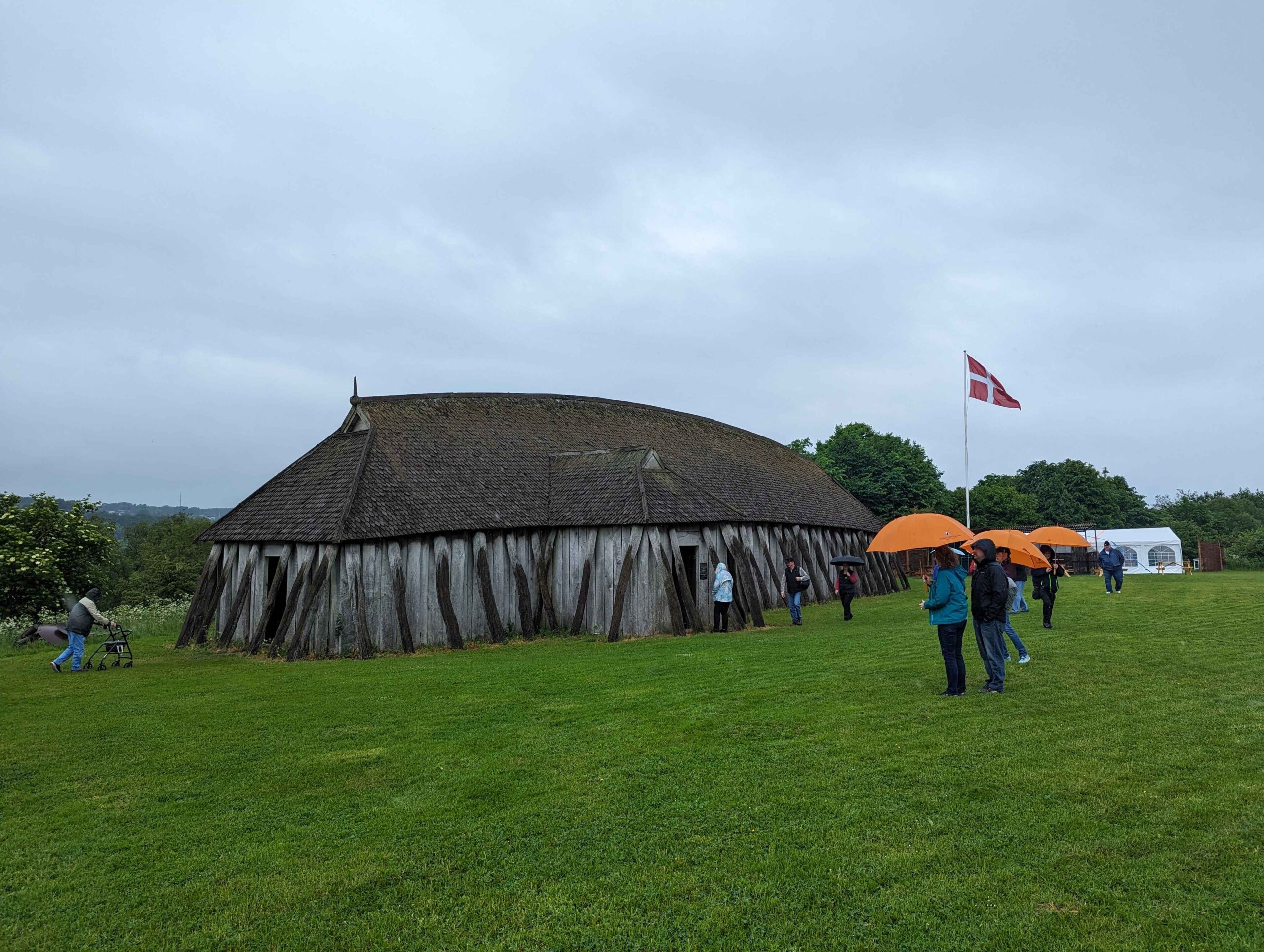
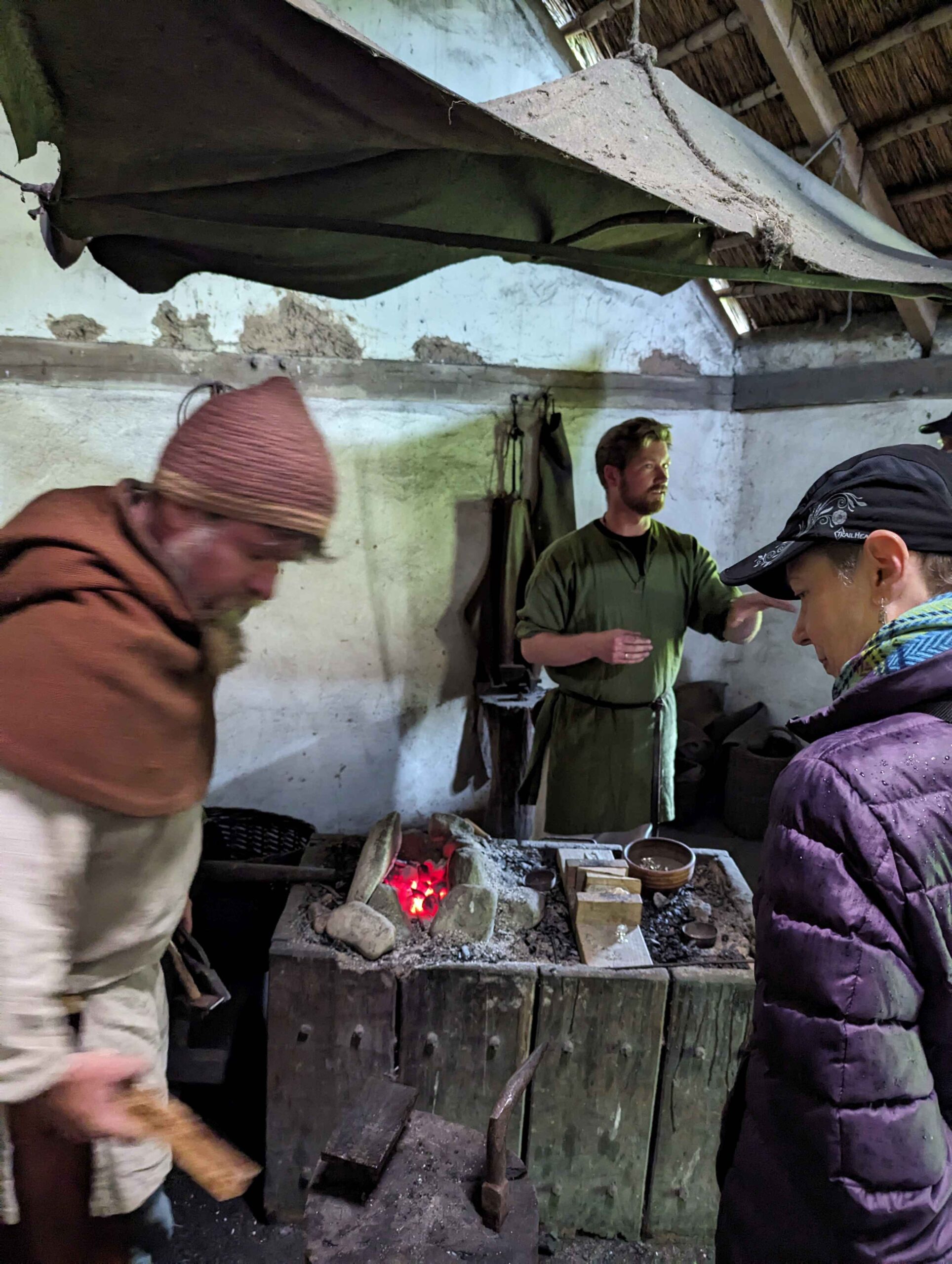
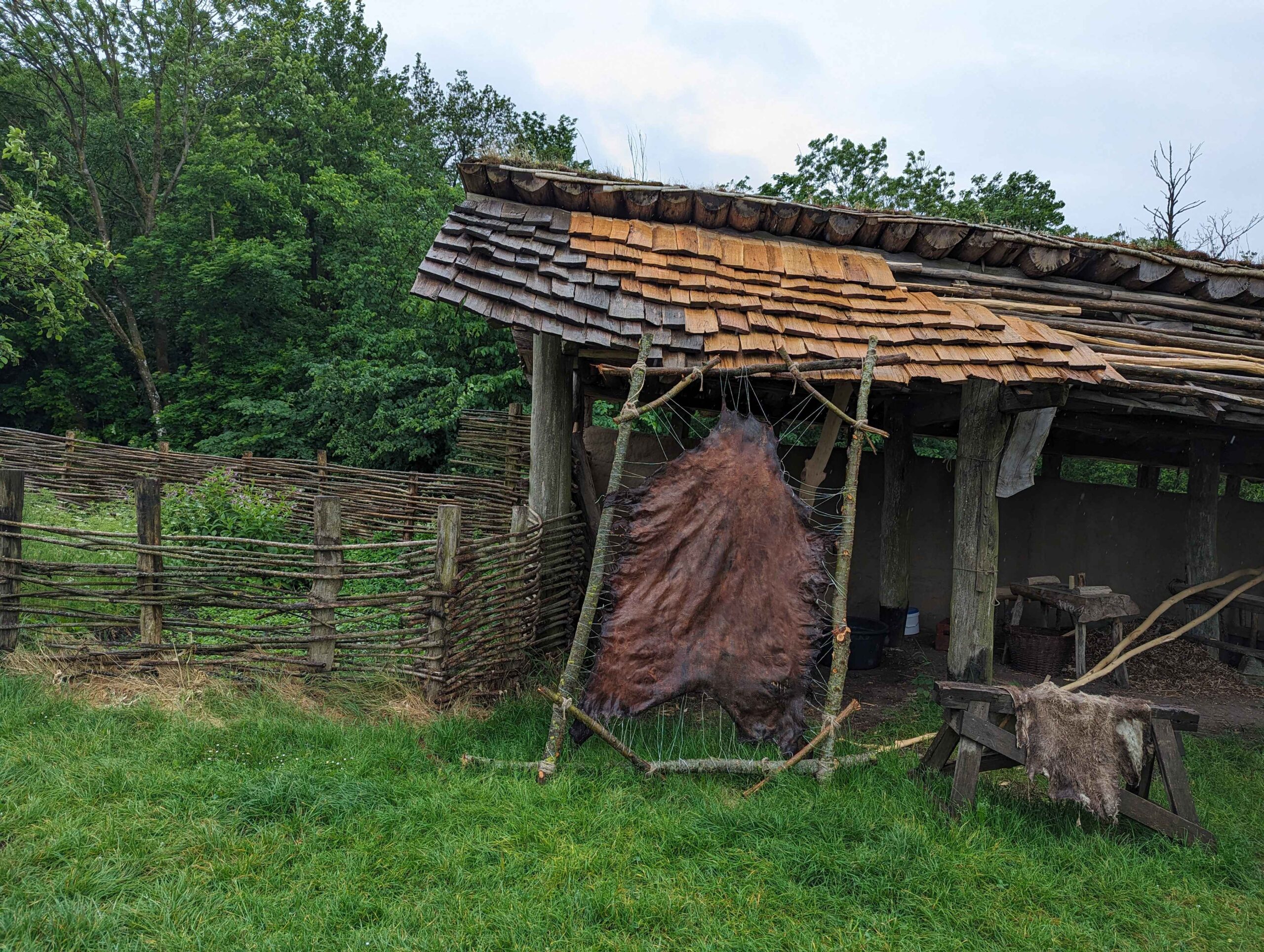
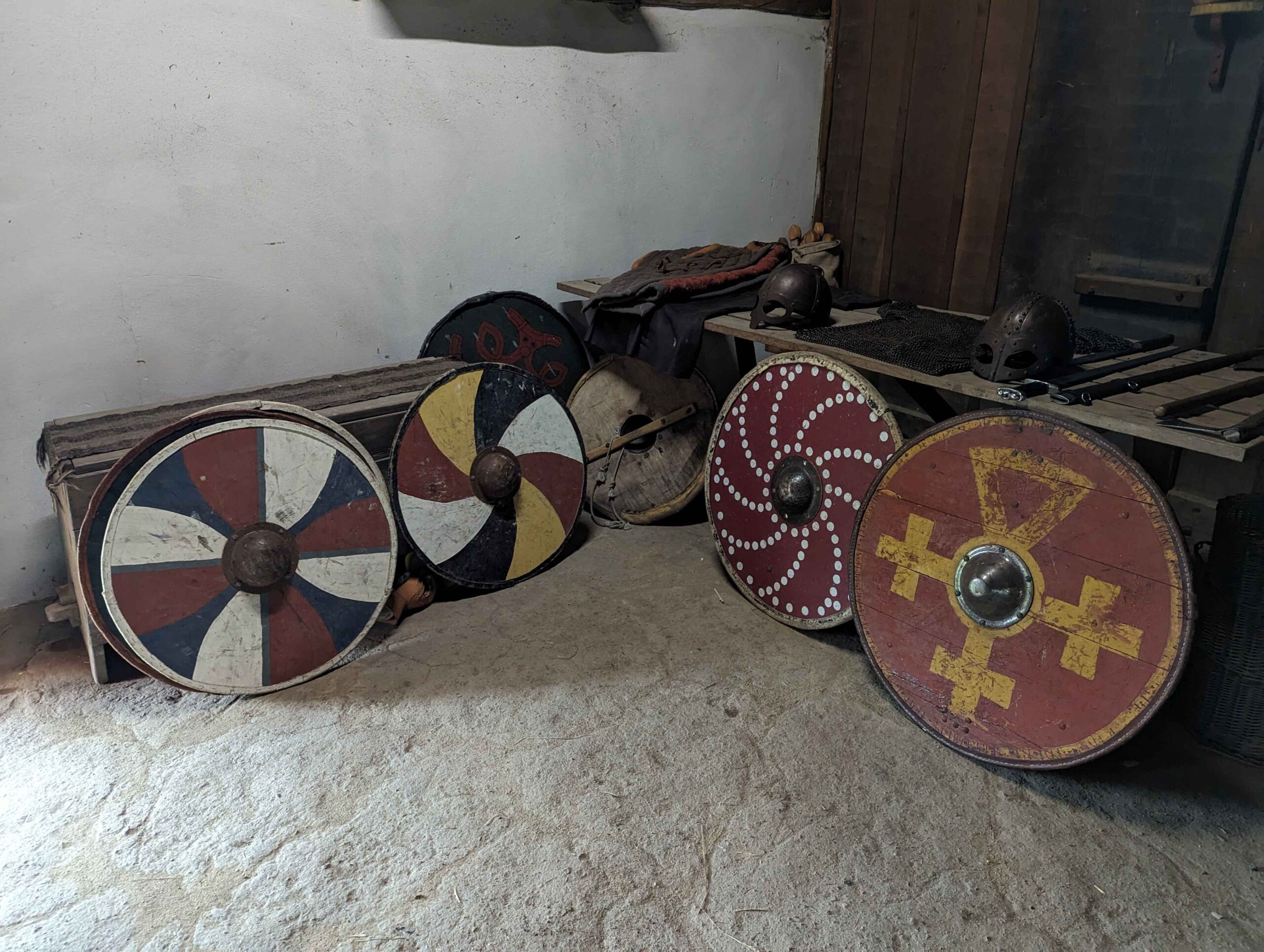
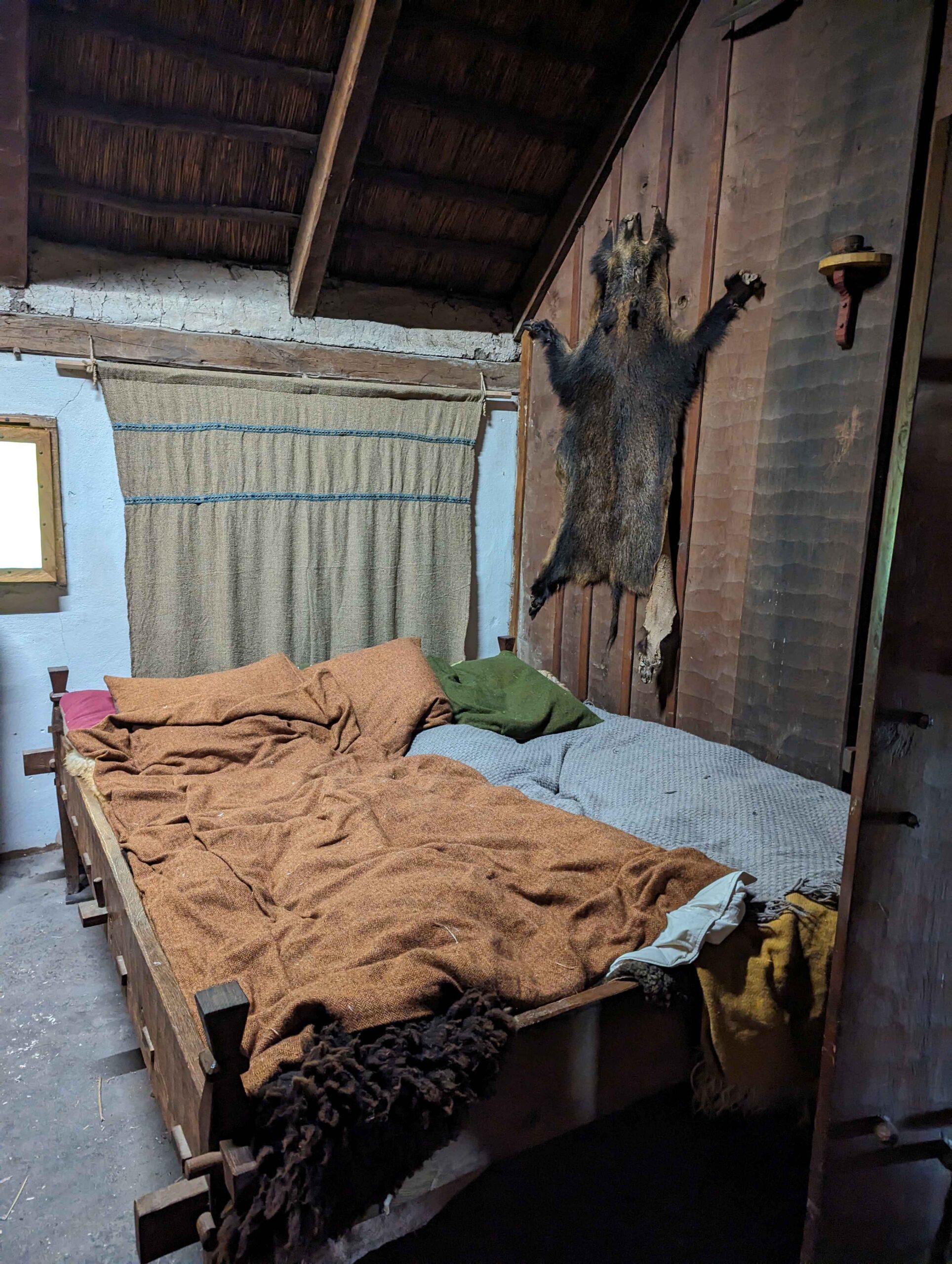
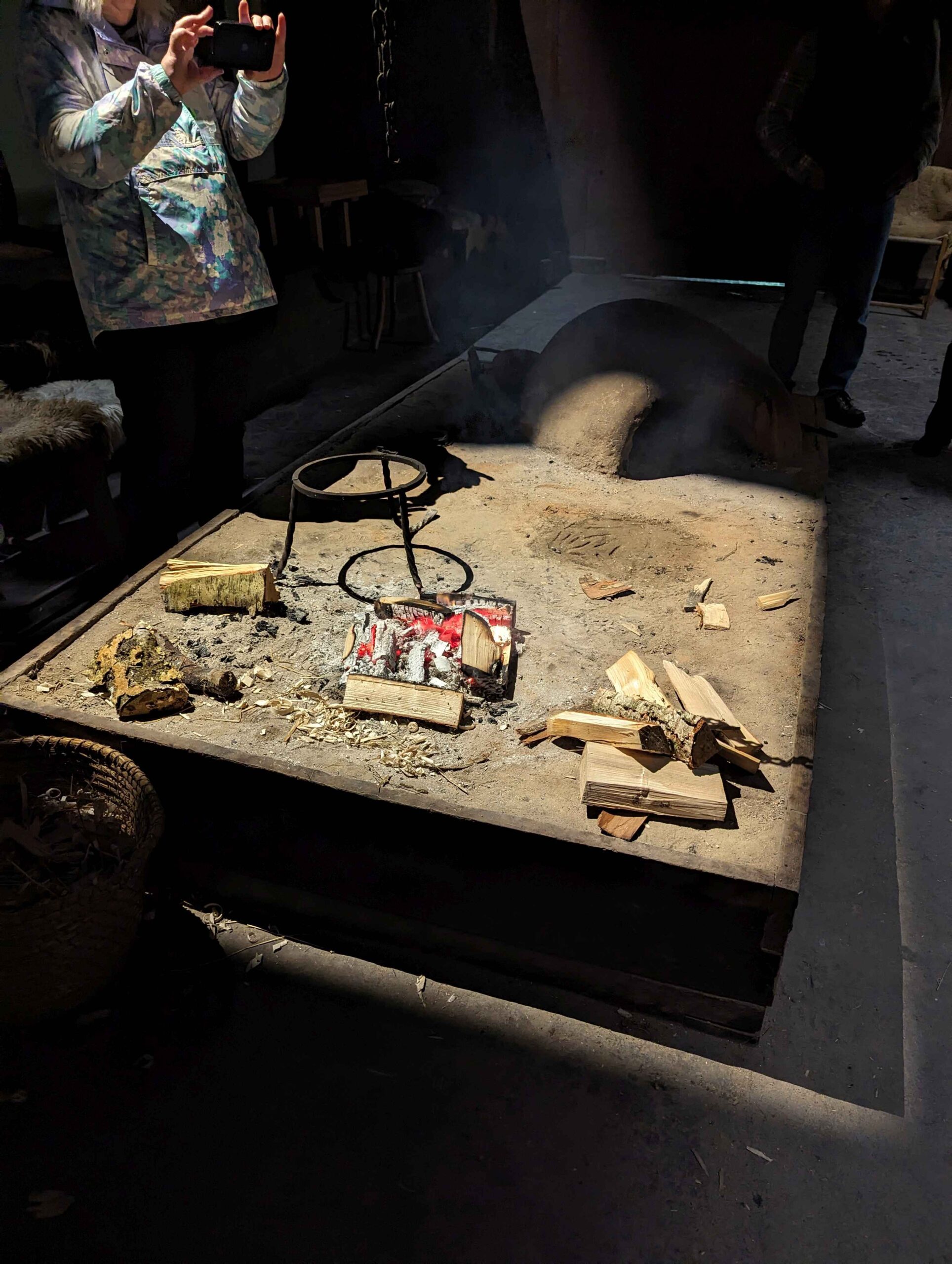
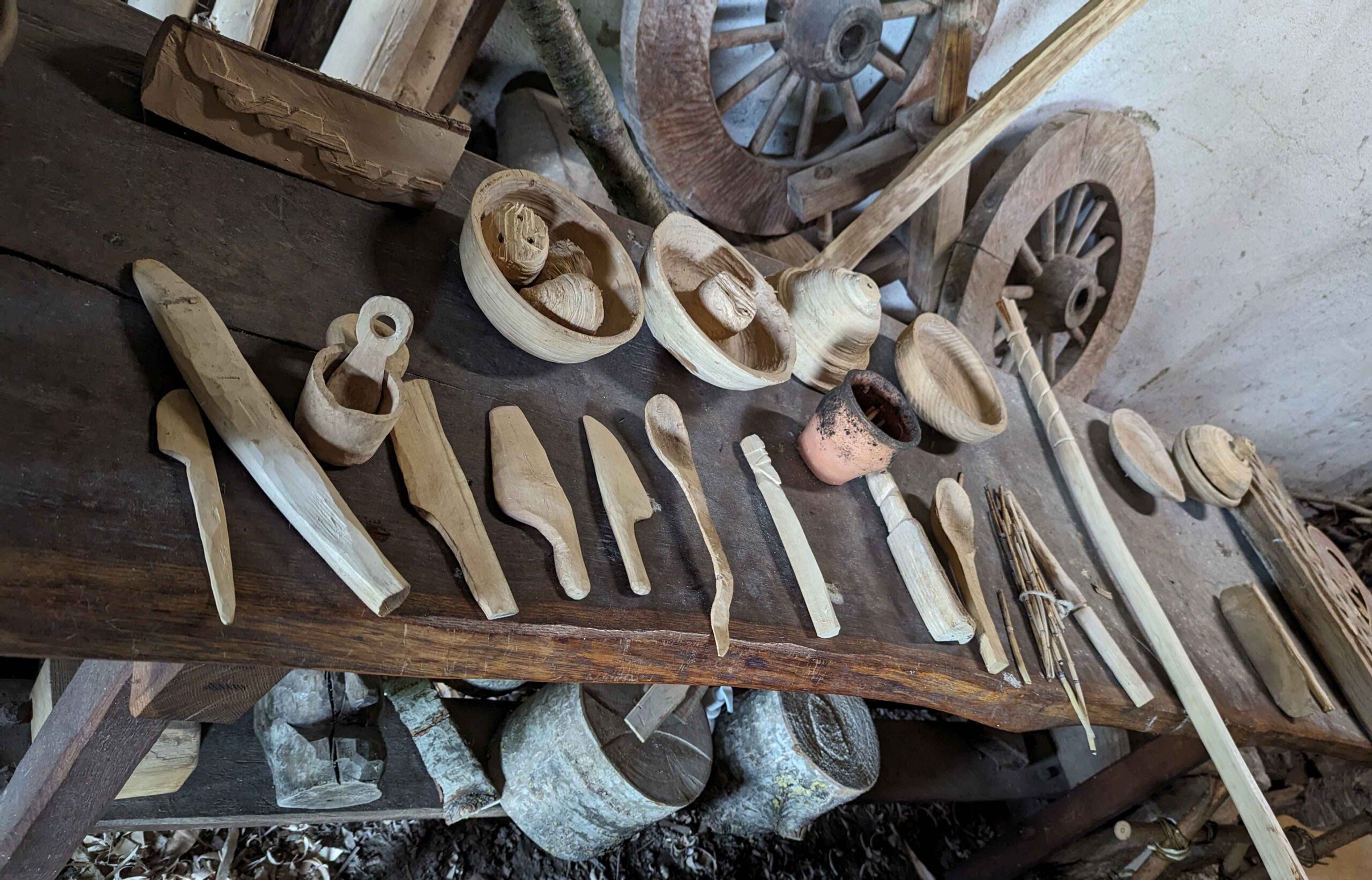
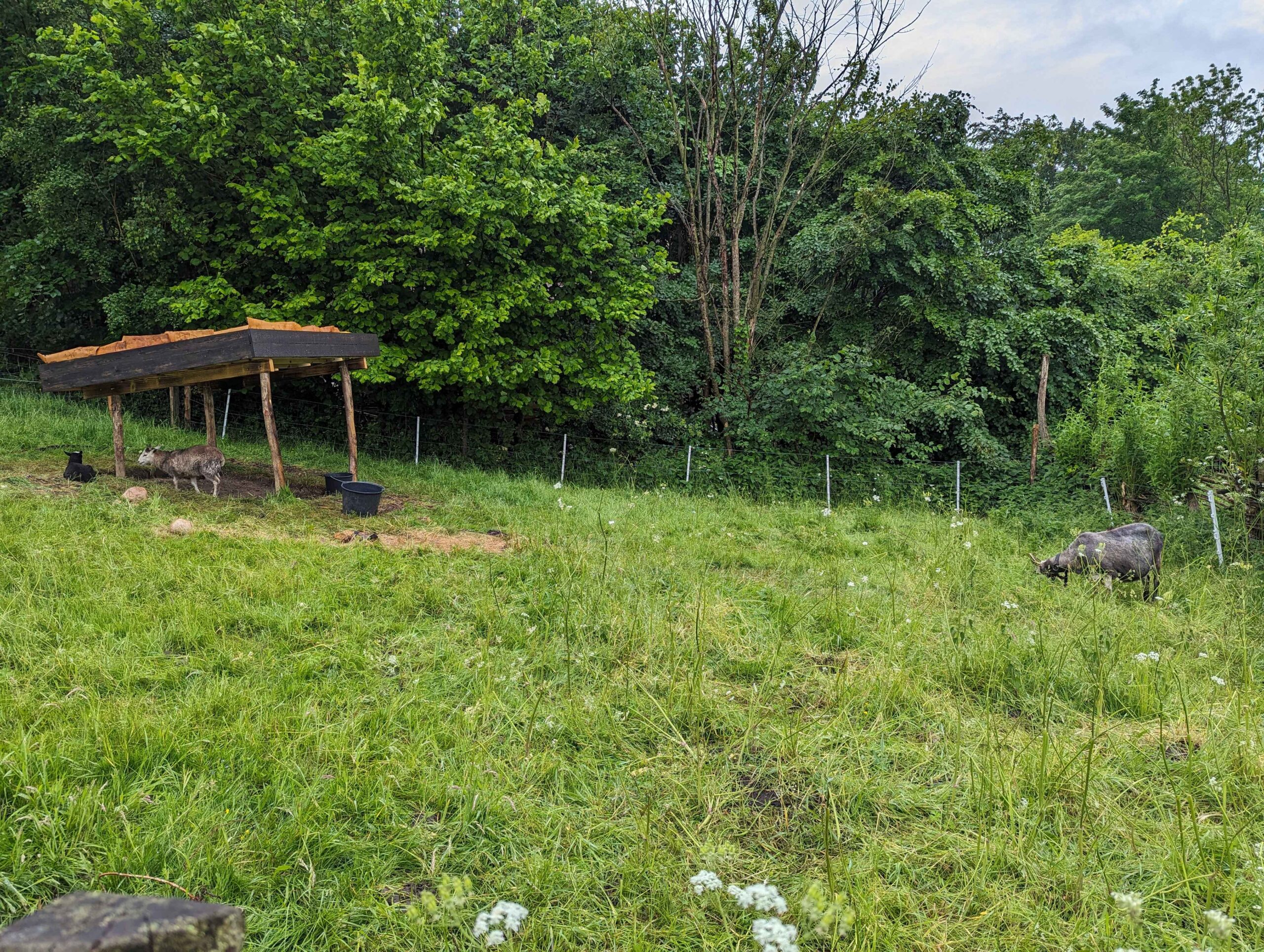
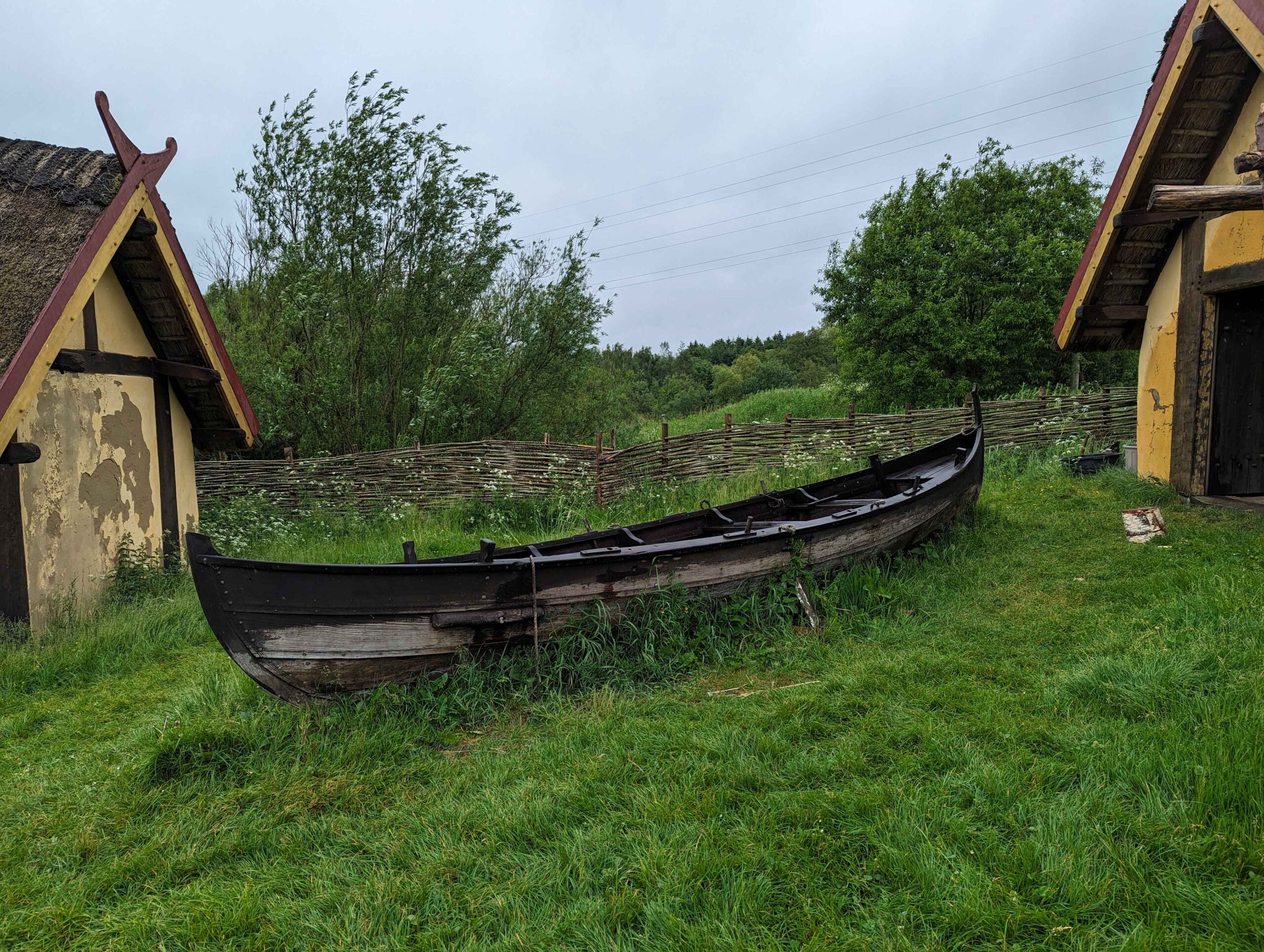
On my first visit in May 2024, I spent the day on an excursion to Fyrkat Viking Museum. Before arriving, I expected another museum that focused on Viking raids and battles, but instead it concentrated on everyday life. The reconstructed ring fortress and farmstead showed what life was like when Vikings were home tending crops, raising families, and preparing for the next season. One of the most interesting takeaways was learning that many Vikings were farmers first, turning to raiding only when poor harvests or difficult times made it necessary to earn additional income. It was a much more balanced and realistic explanation than the larger-than-life image that popular culture usually presents, and it completely changed how I think about Viking history.
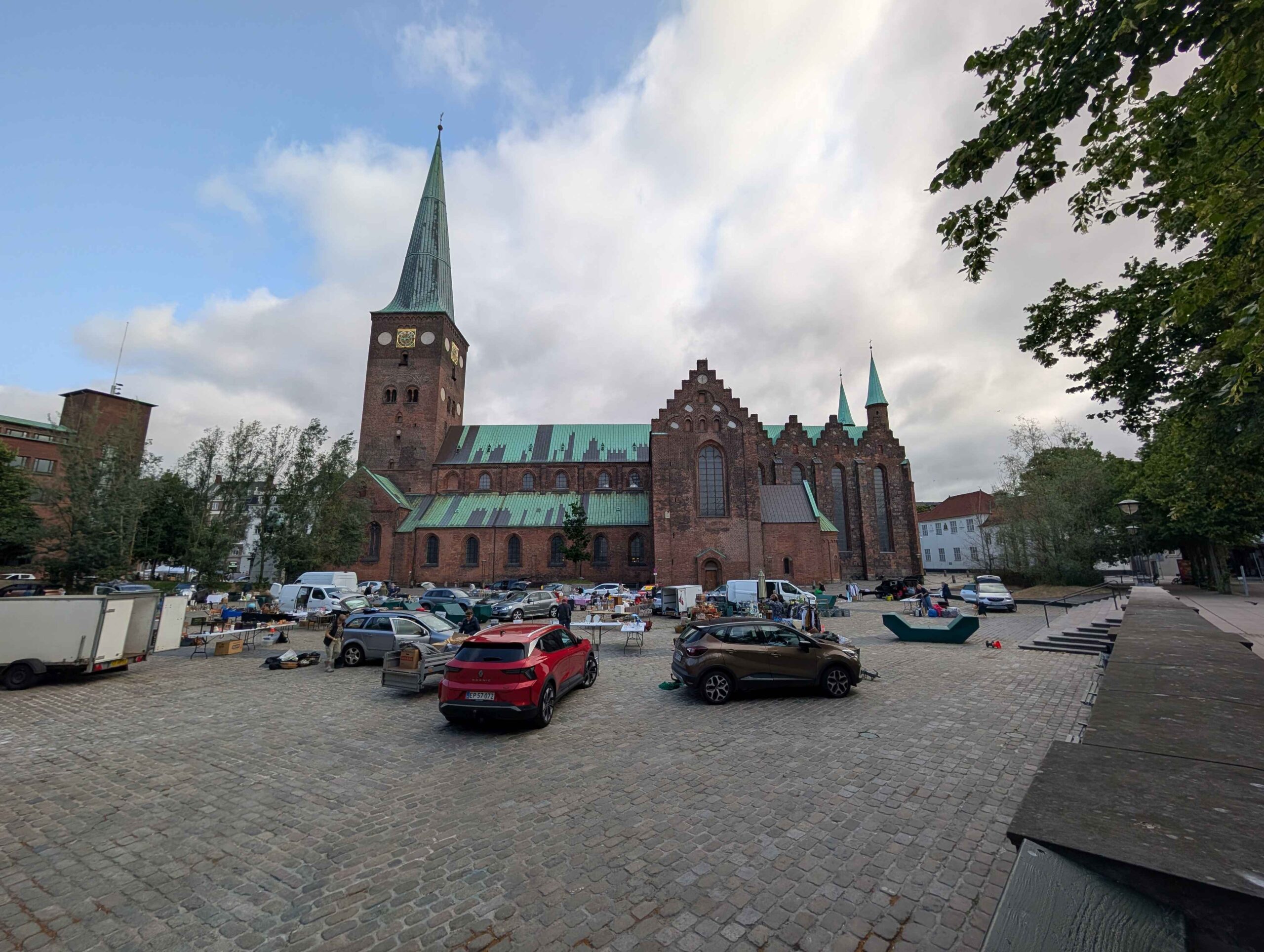
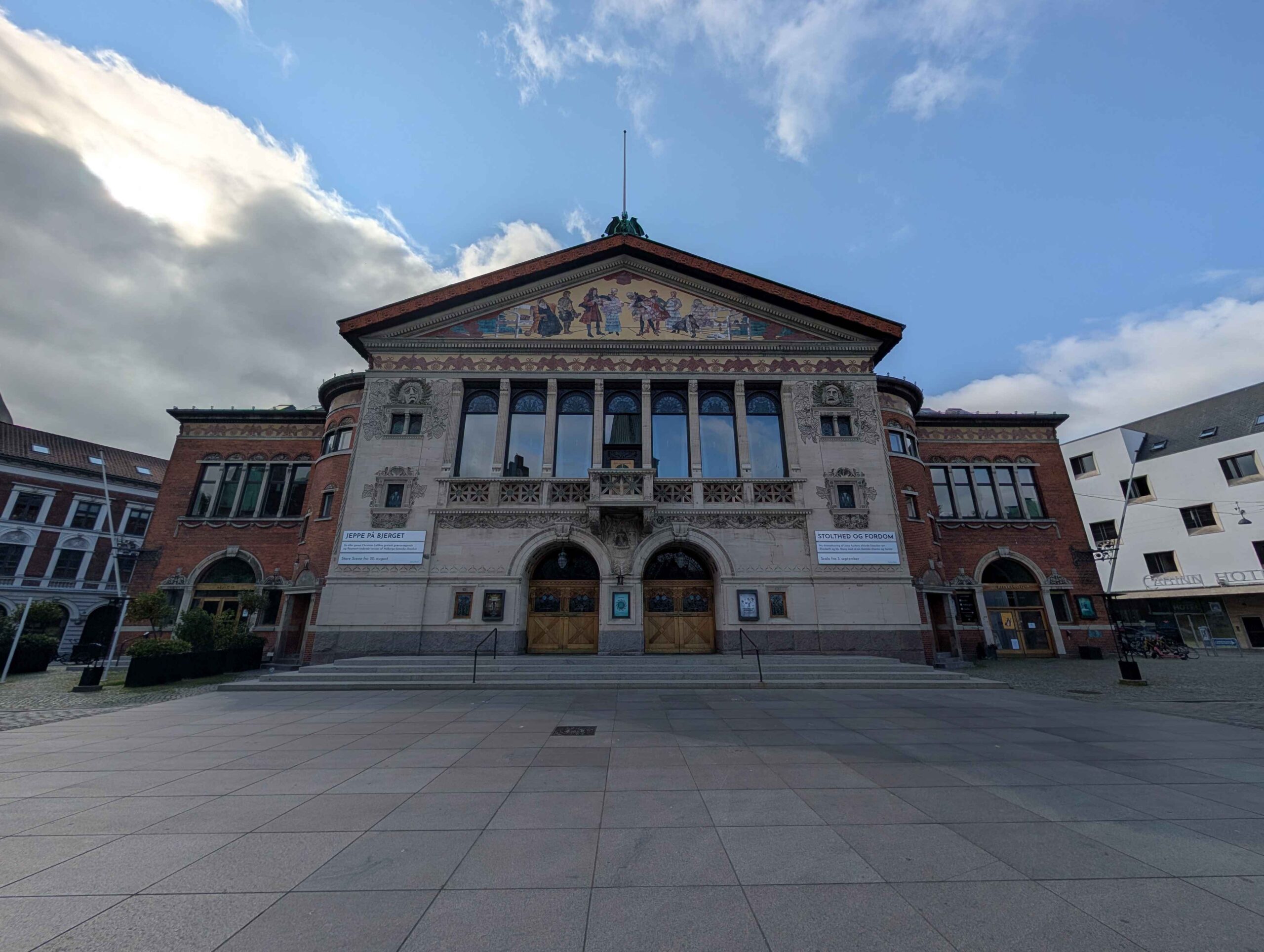
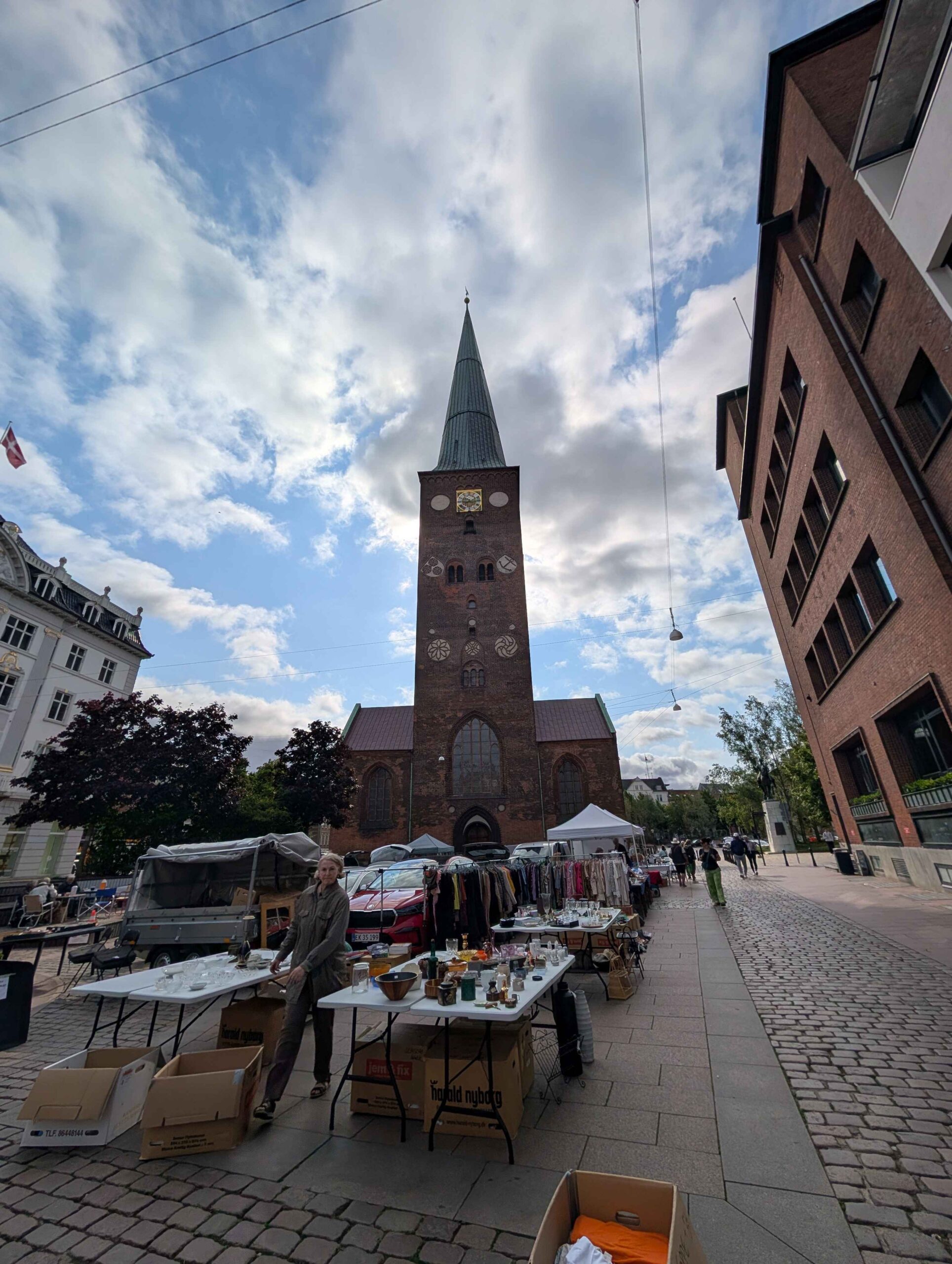
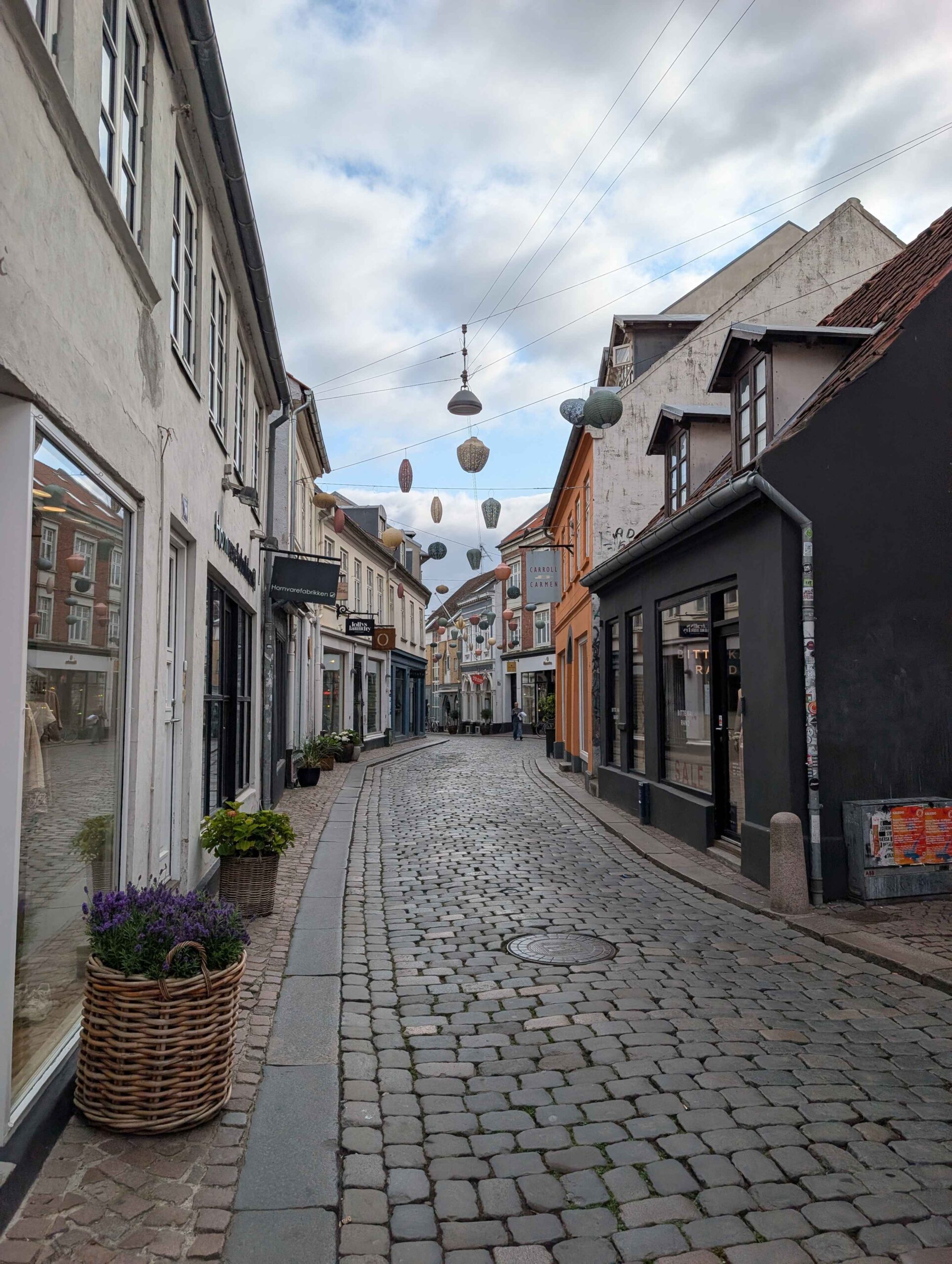
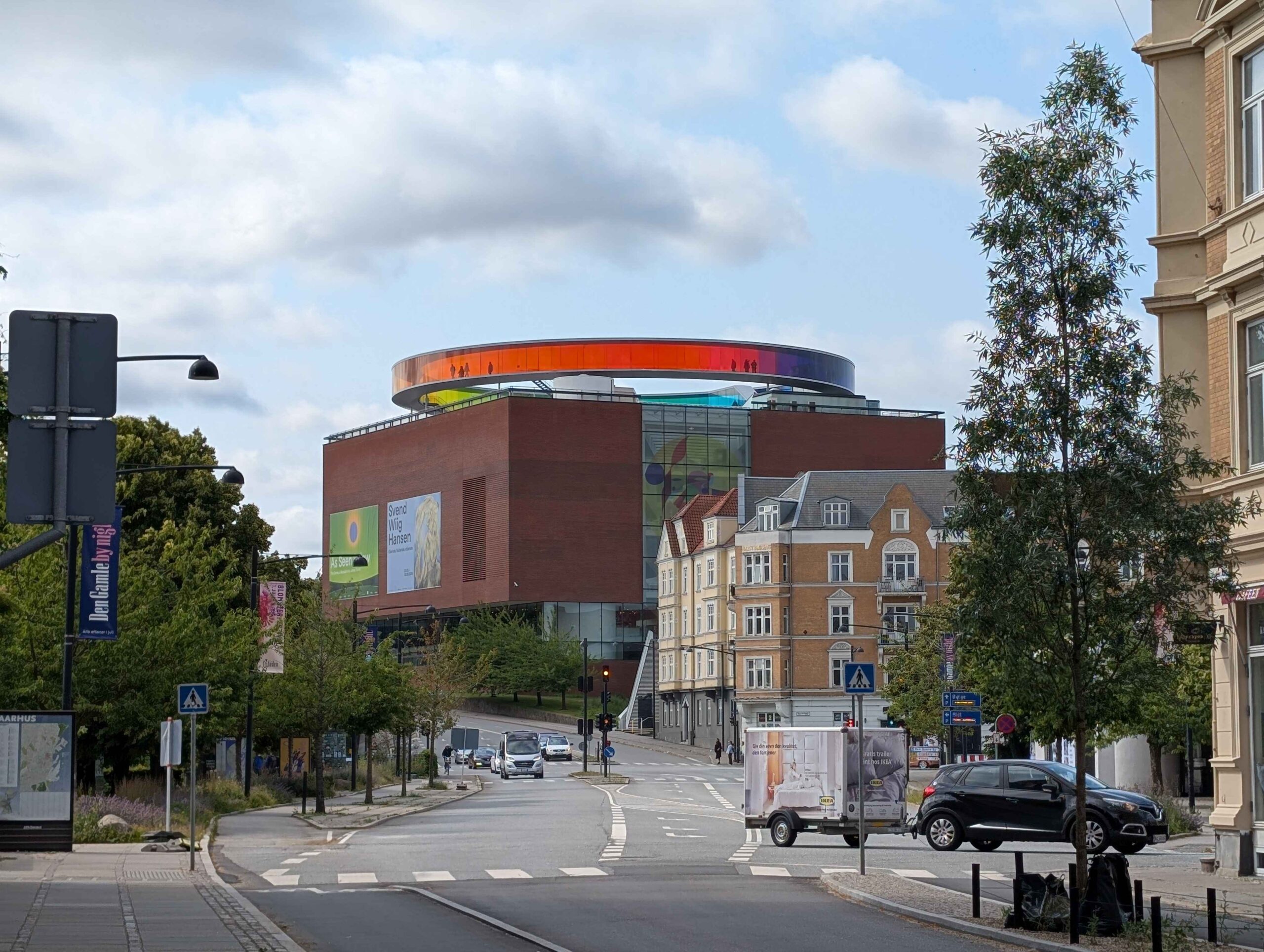
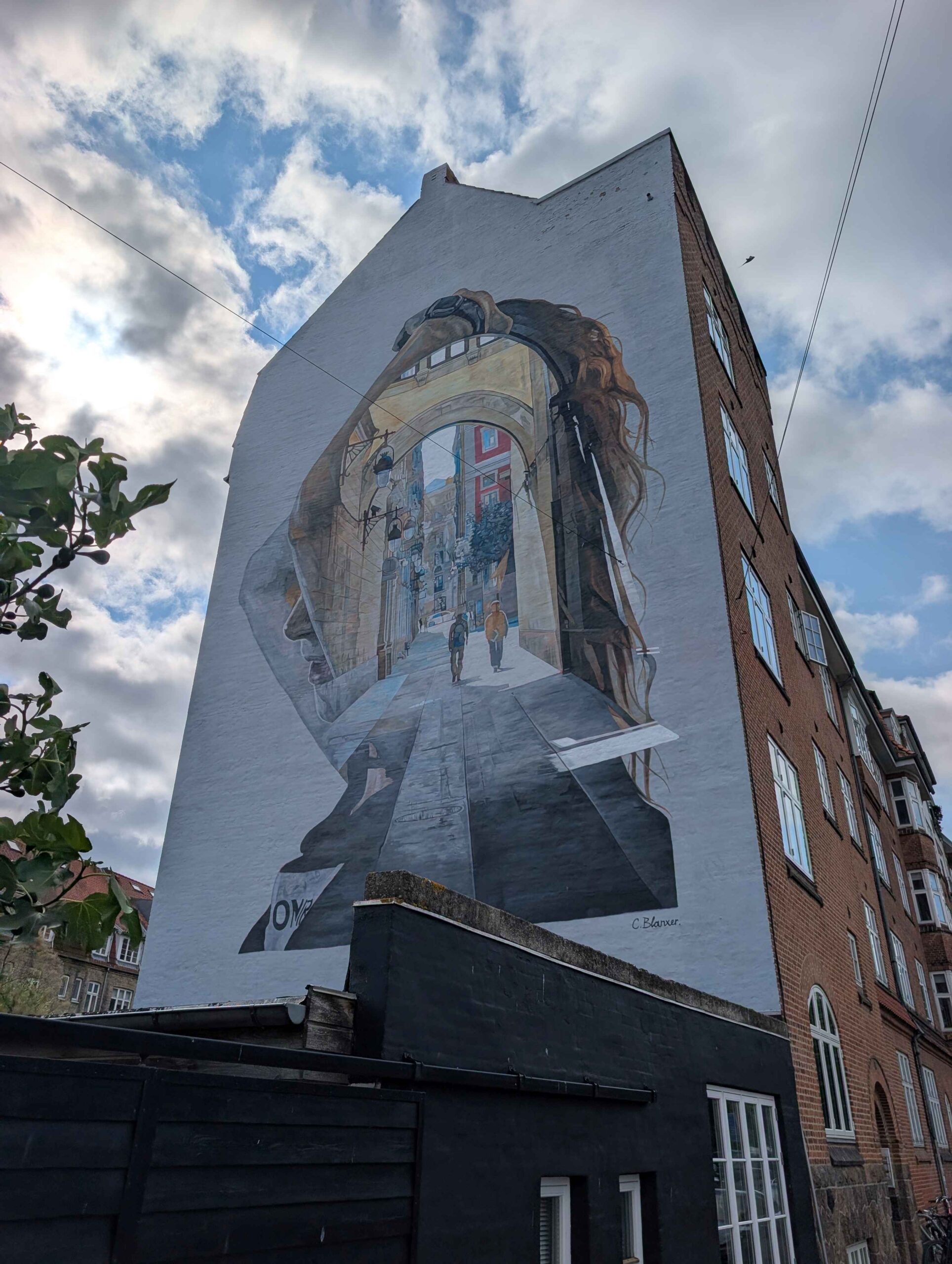
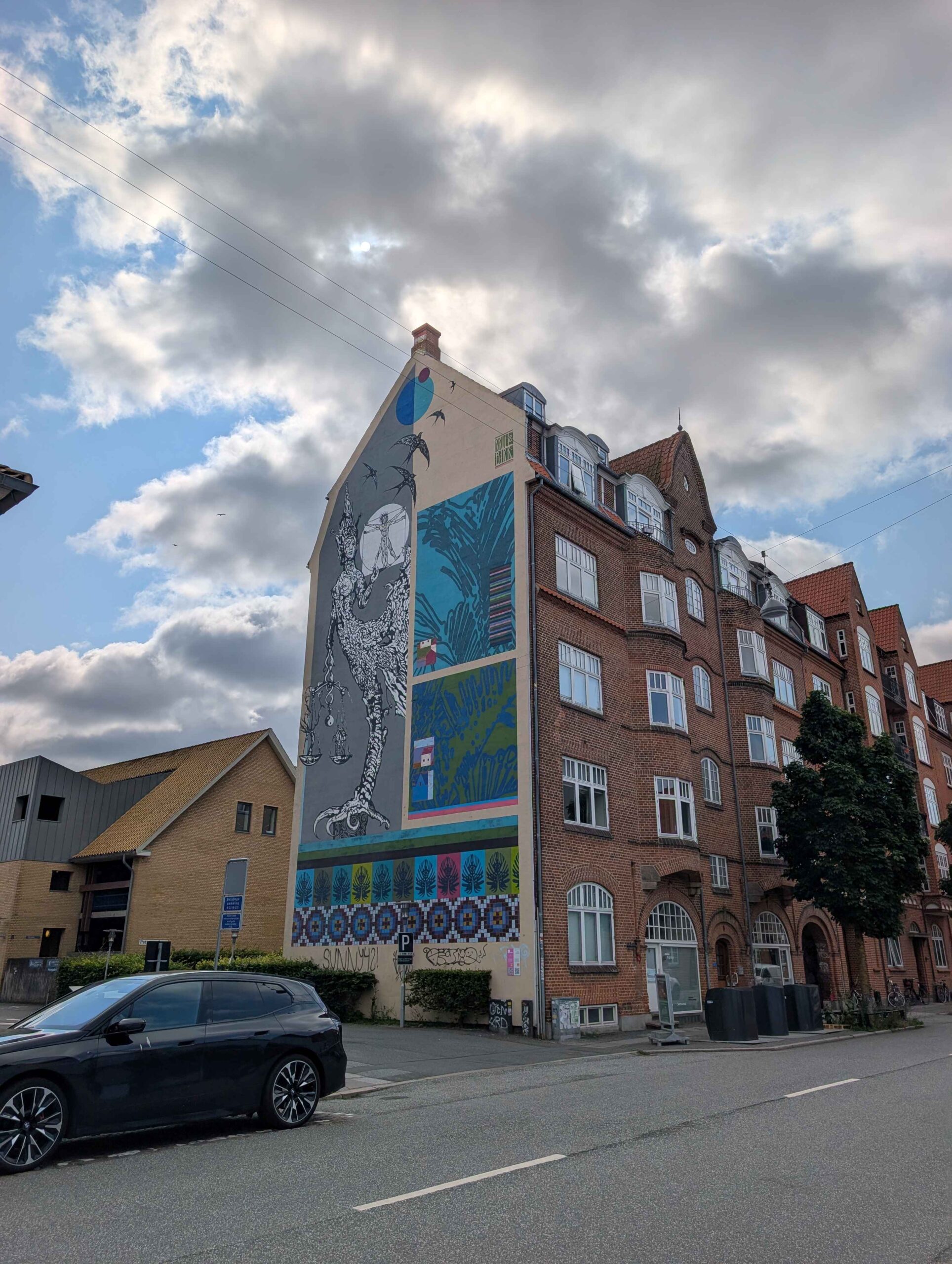
Returning in July 2026, I followed the Aarhus River canal toward Aarhus Cathedral, Aarhus Theatre, and Store Torv, where people were setting up tables filled with handmade crafts, vintage finds, and just about everything in between. I honestly couldn’t tell if it was a craft fair, a rummage sale, or a neighborhood market, but that uncertainty gave it plenty of character. From there I wandered through the Latin Quarter, admiring the architecture, storefronts, and signs written in a language I couldn’t understand. Looking down one of the streets, I spotted the rainbow ring atop ARoS Aarhus Art Museum rising above the rooftops. I never went inside, but after spending the morning surrounded by brick, stone, and muted colors, that burst of color immediately caught my attention.
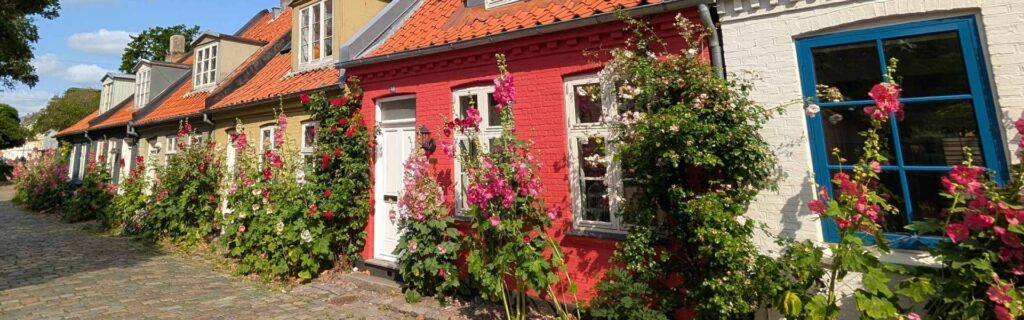
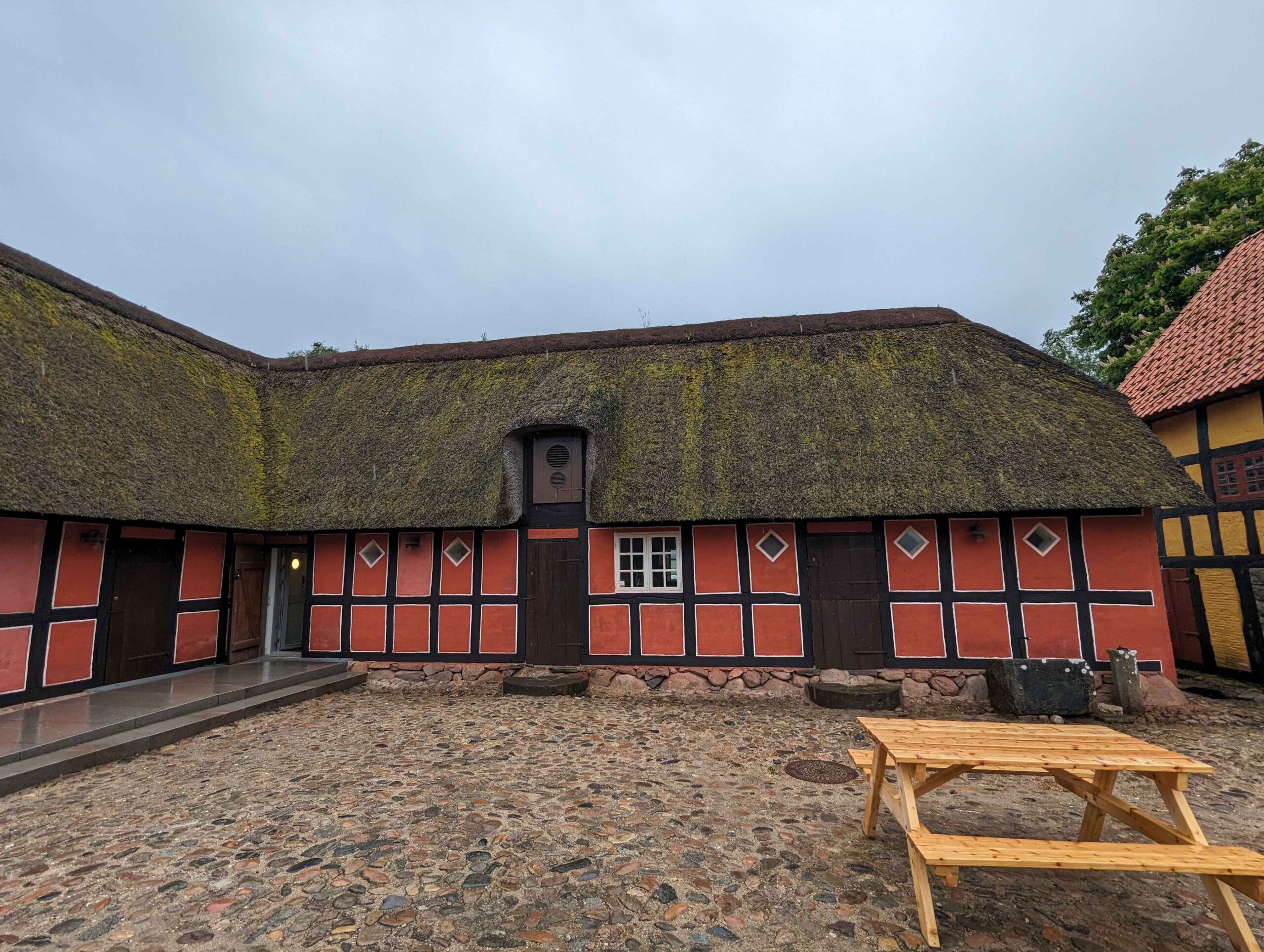
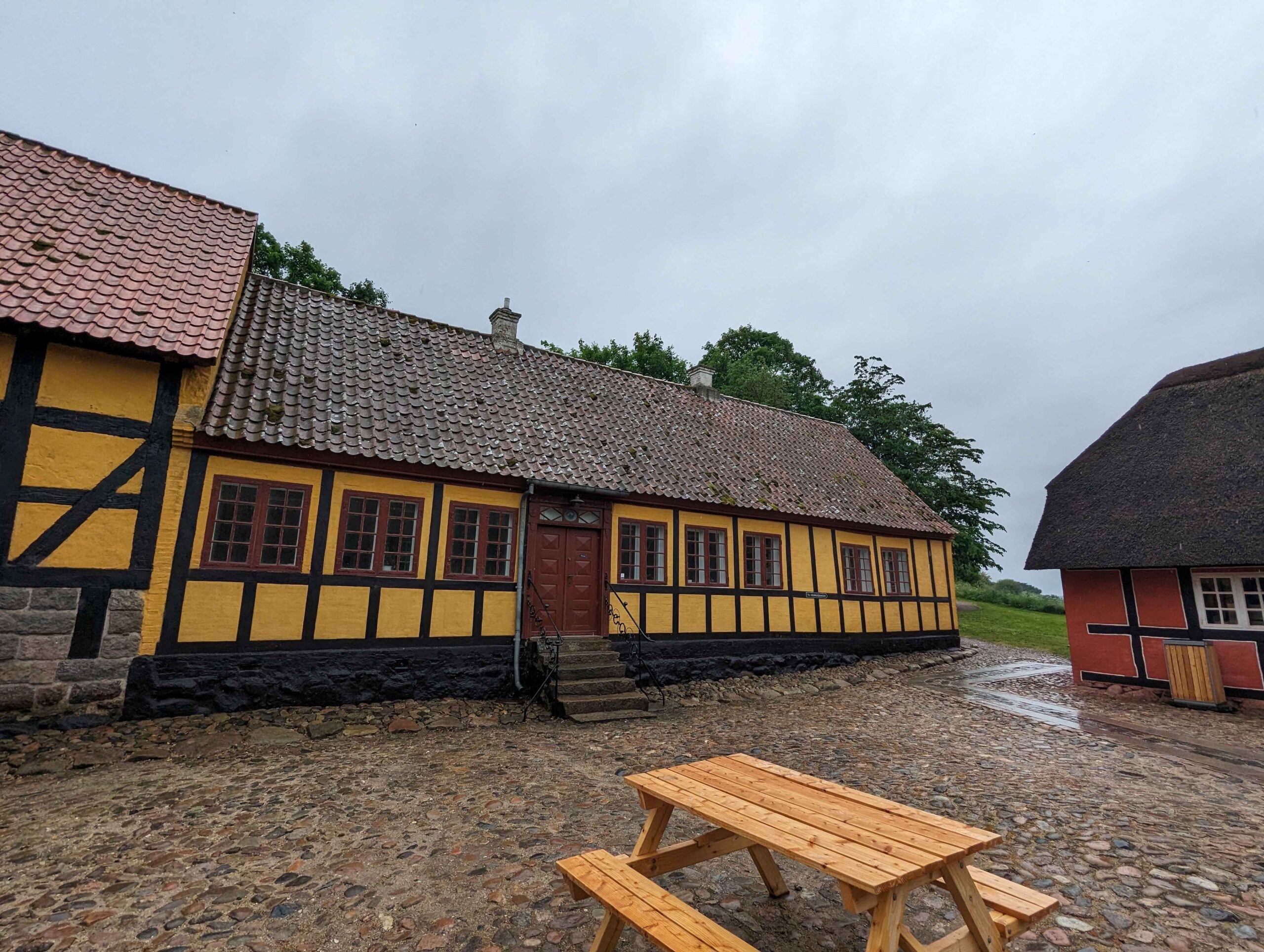
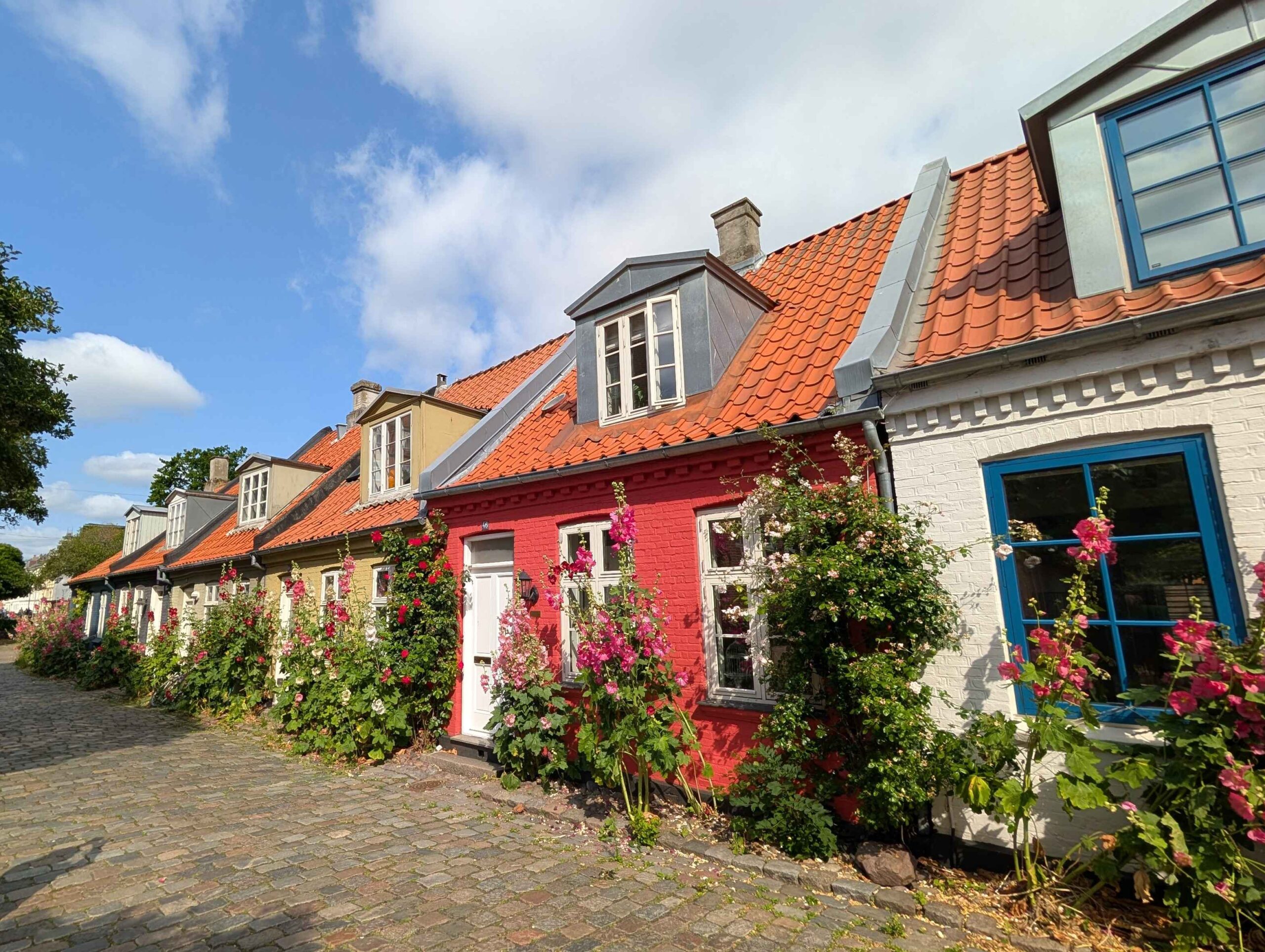
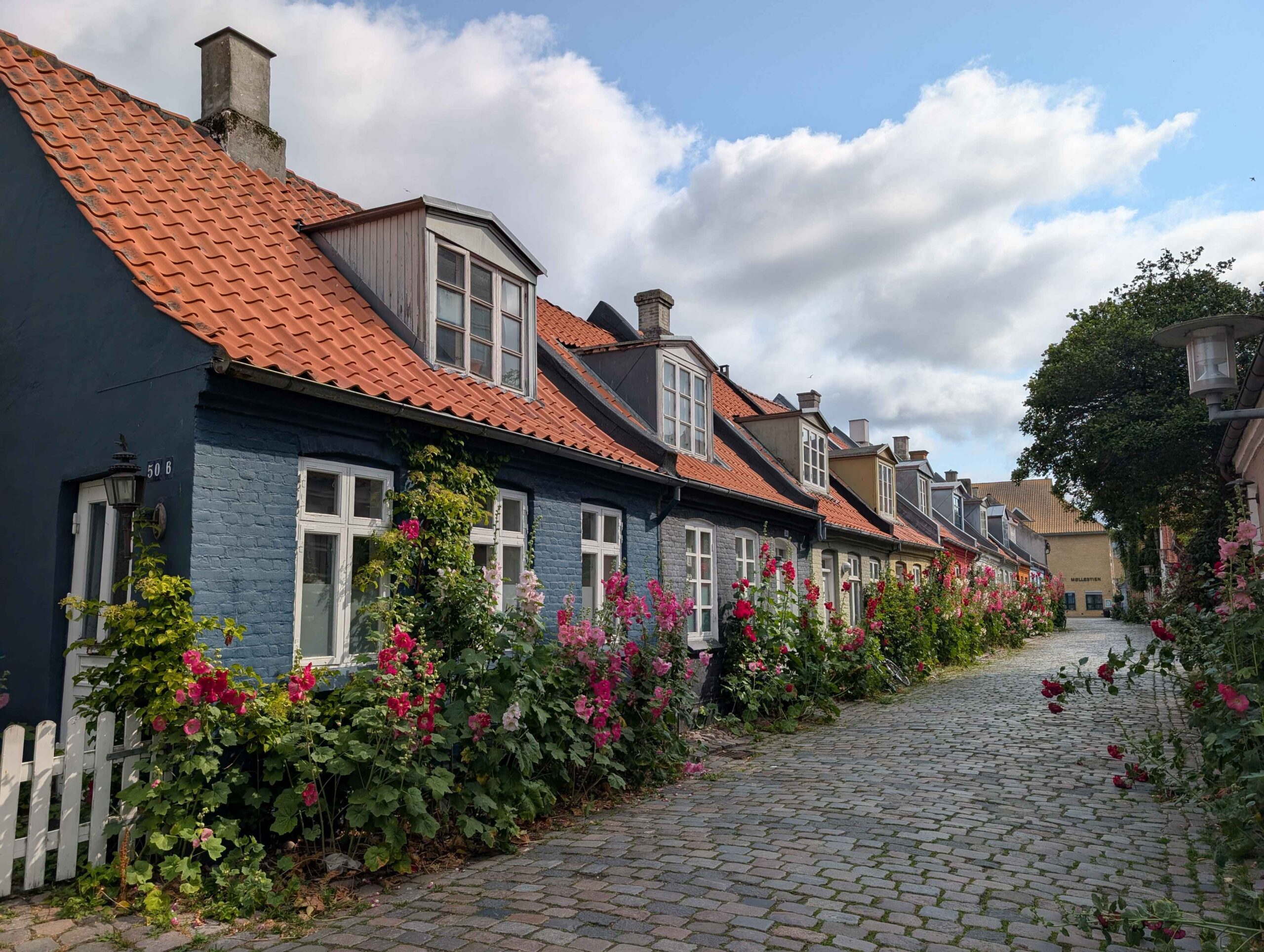
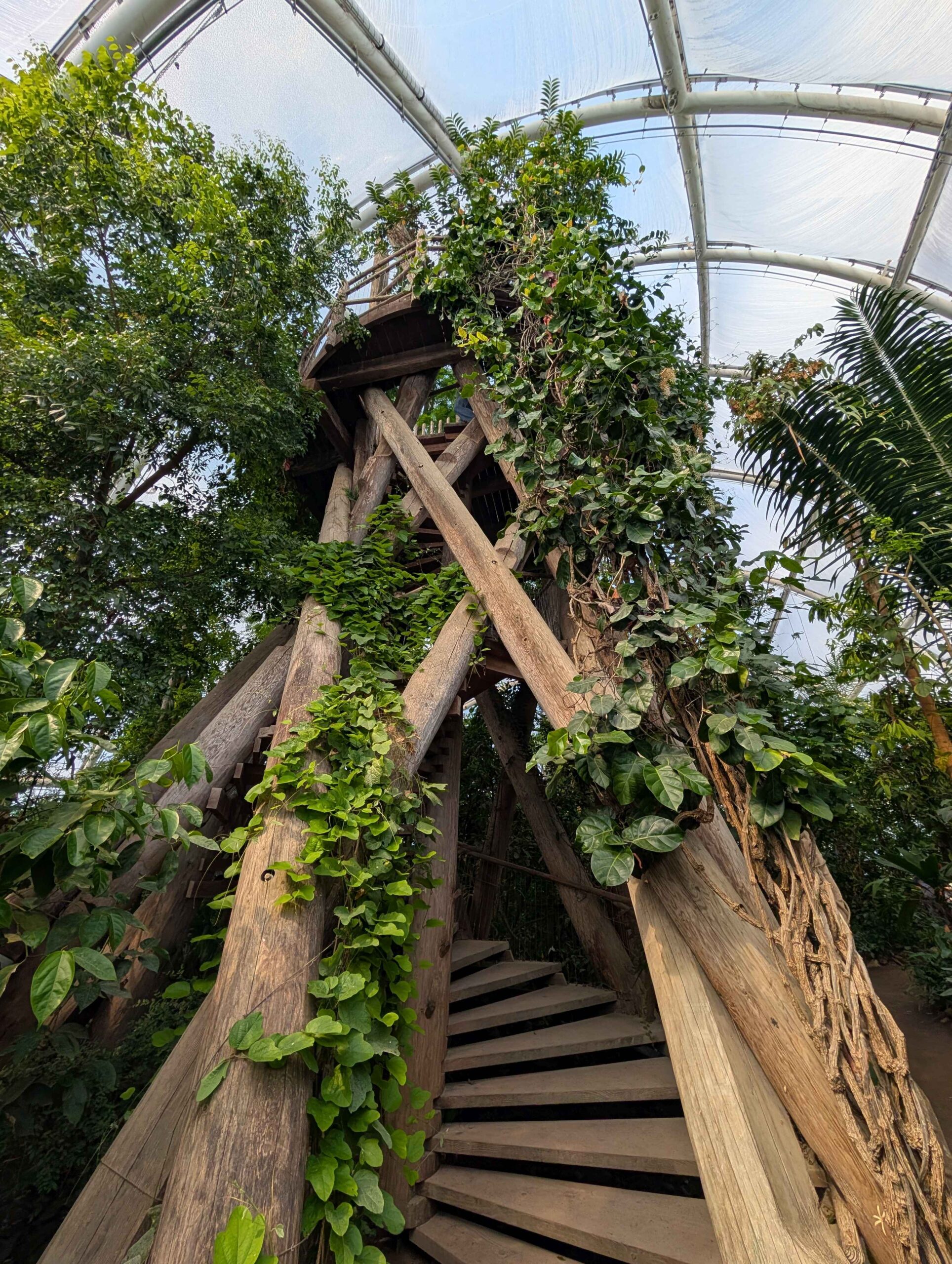
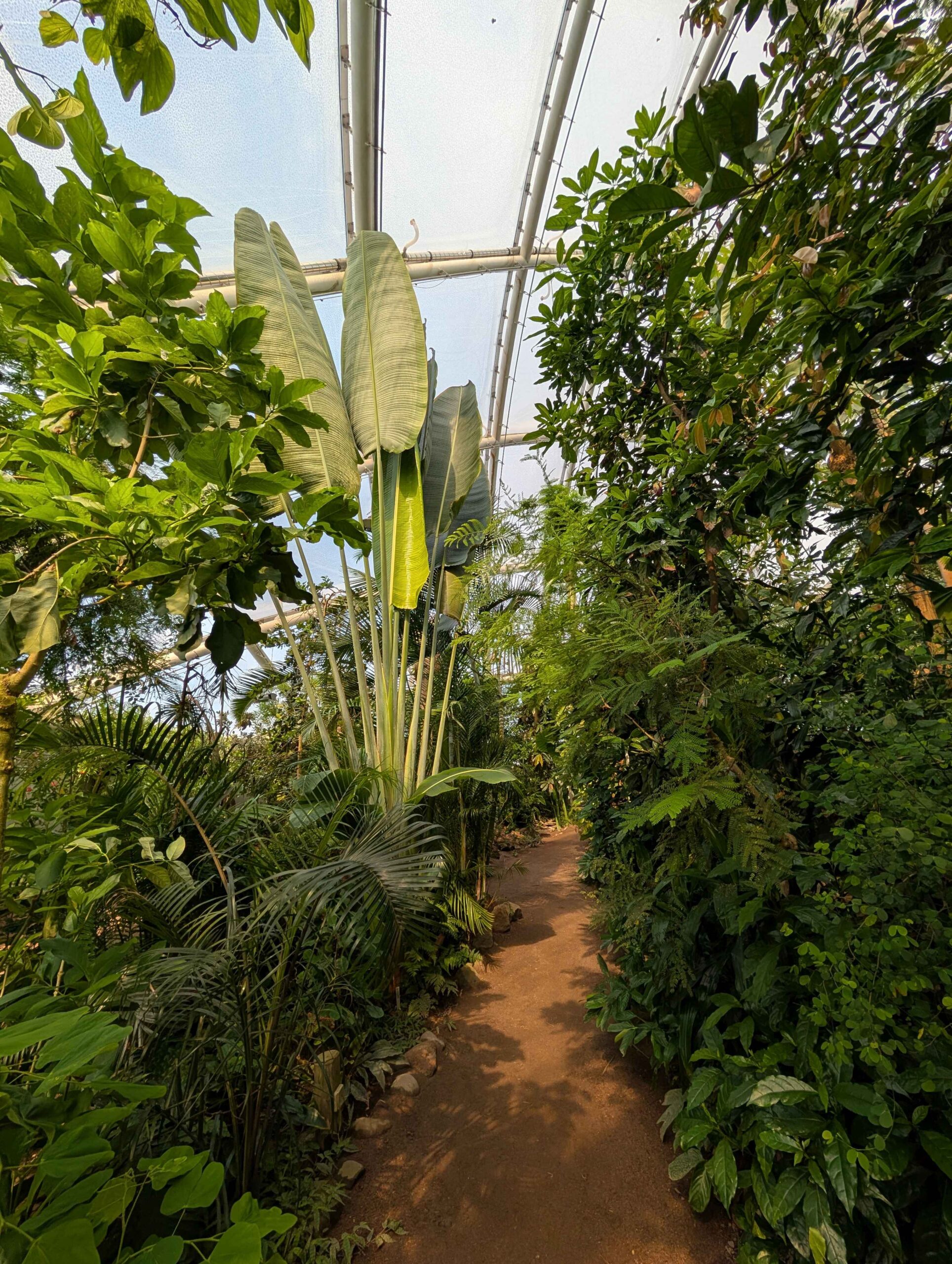
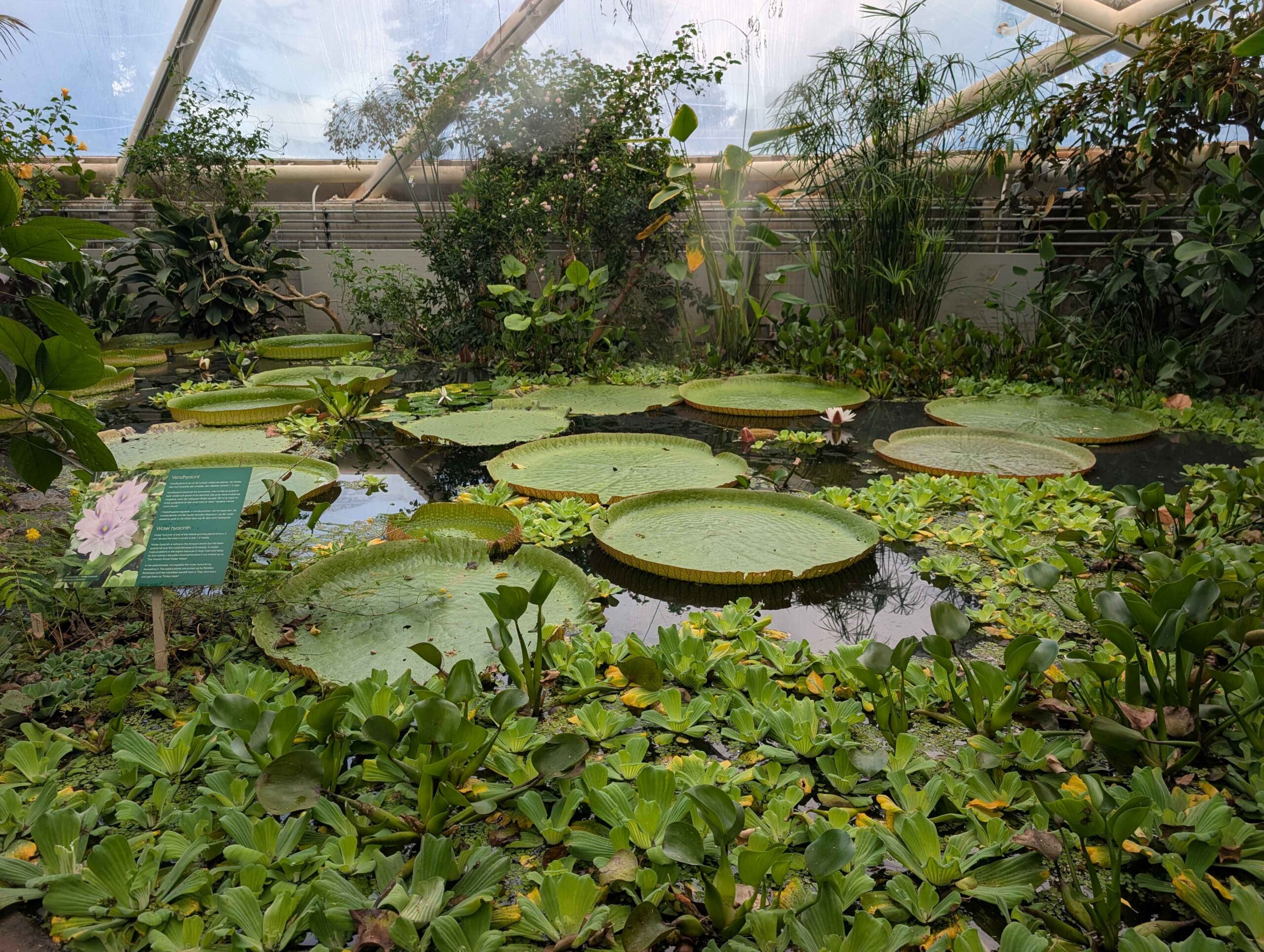
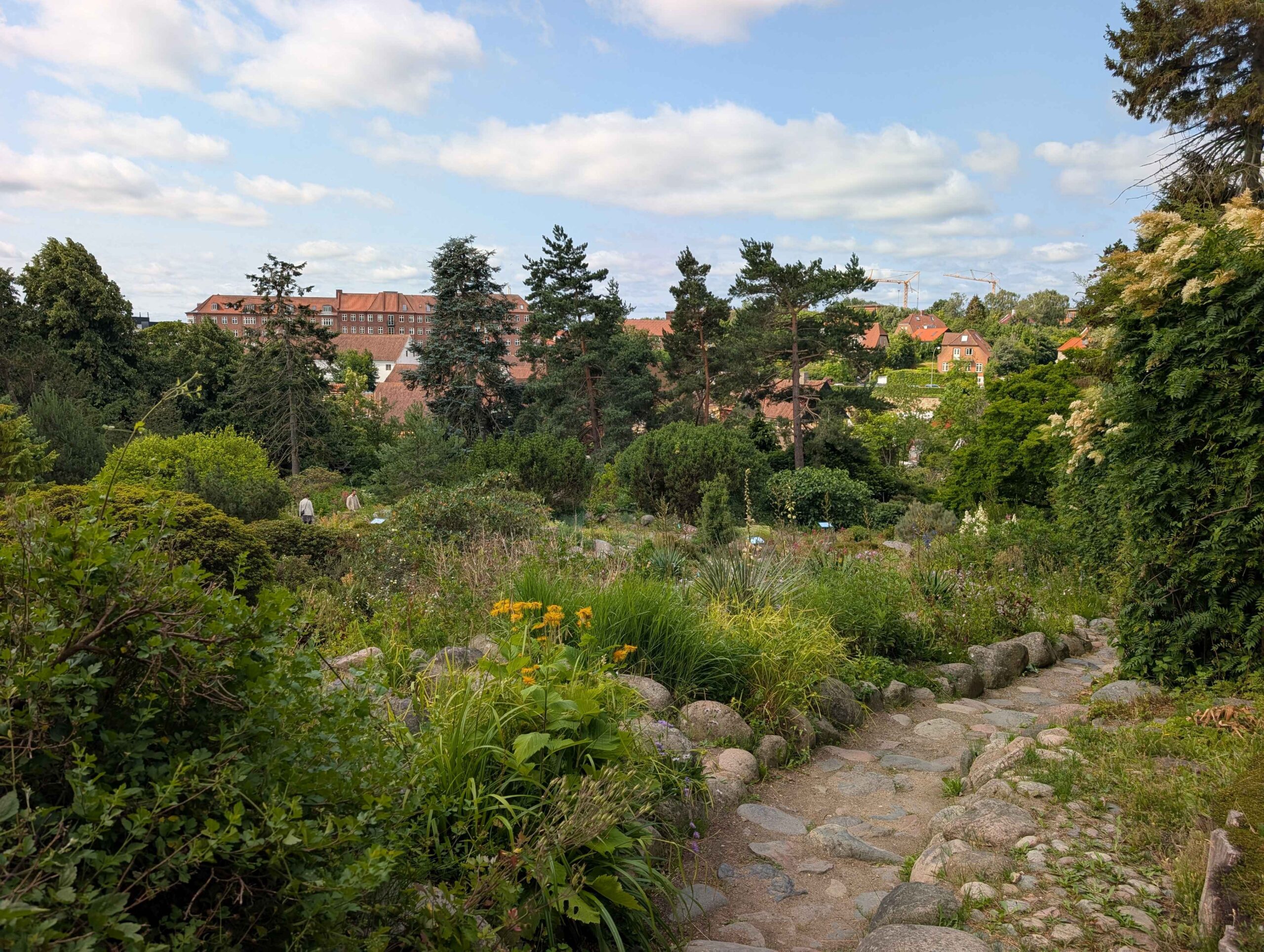
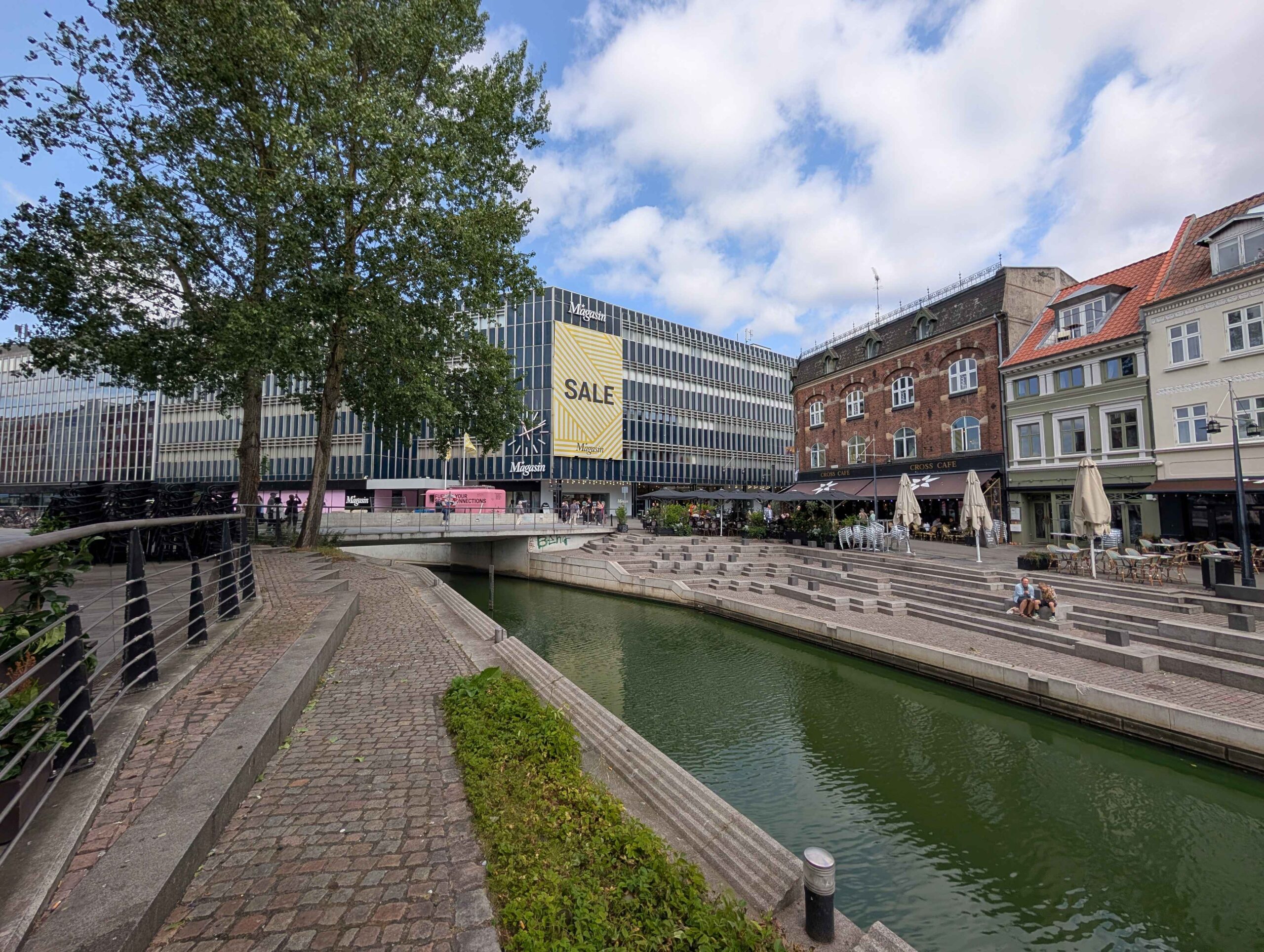
The highlight of the day was Møllestien. I happened to arrive while the hollyhocks were in full bloom and the afternoon sun was hitting the colorful cottages at exactly the right angle. It is one of those places where timing matters, and I couldn’t have asked for better conditions. I continued toward The Old Town, expecting it to simply be the city’s historic district, only to discover that it is actually an open-air museum with an admission fee. Rather than buying a ticket, I climbed the hill beside it to the Botanical Garden instead. The walk uphill took a little effort, but the peaceful gardens, tropical greenhouse, giant Victoria water lilies, and views back across the city made it well worth it. By the time I returned to the canal later in the afternoon, the waterfront had become much livelier, with restaurant patios full of people enjoying the warm summer weather.
Looking back, my two visits complemented each other perfectly. The first introduced me to Denmark’s Viking heritage through a thoughtful historical excursion, while the second let me experience modern Aarhus at my own pace. Between the relaxed waterfront, colorful neighborhoods, historic streets, and welcoming atmosphere, Aarhus turned out to be a city that rewarded slowing down and simply wandering.

If You Have More Time…
- Marselisborg Palace – The Danish royal family’s summer residence is surrounded by gardens that are open to the public when the royal family is away. Time your visit with the changing of the Royal Life Guards if possible.
- Infinite Bridge – This circular wooden pier extends into Aarhus Bay and offers a unique place to walk out over the water. It is especially popular during the summer months.
- Moesgaard Museum – One of Denmark’s premier archaeology museums featuring Viking artifacts prehistoric exhibits and striking architecture built into the hillside.
- Tivoli Friheden – Aarhus’s amusement park offers rides concerts and seasonal events if you’re looking for something beyond museums and historic neighborhoods.
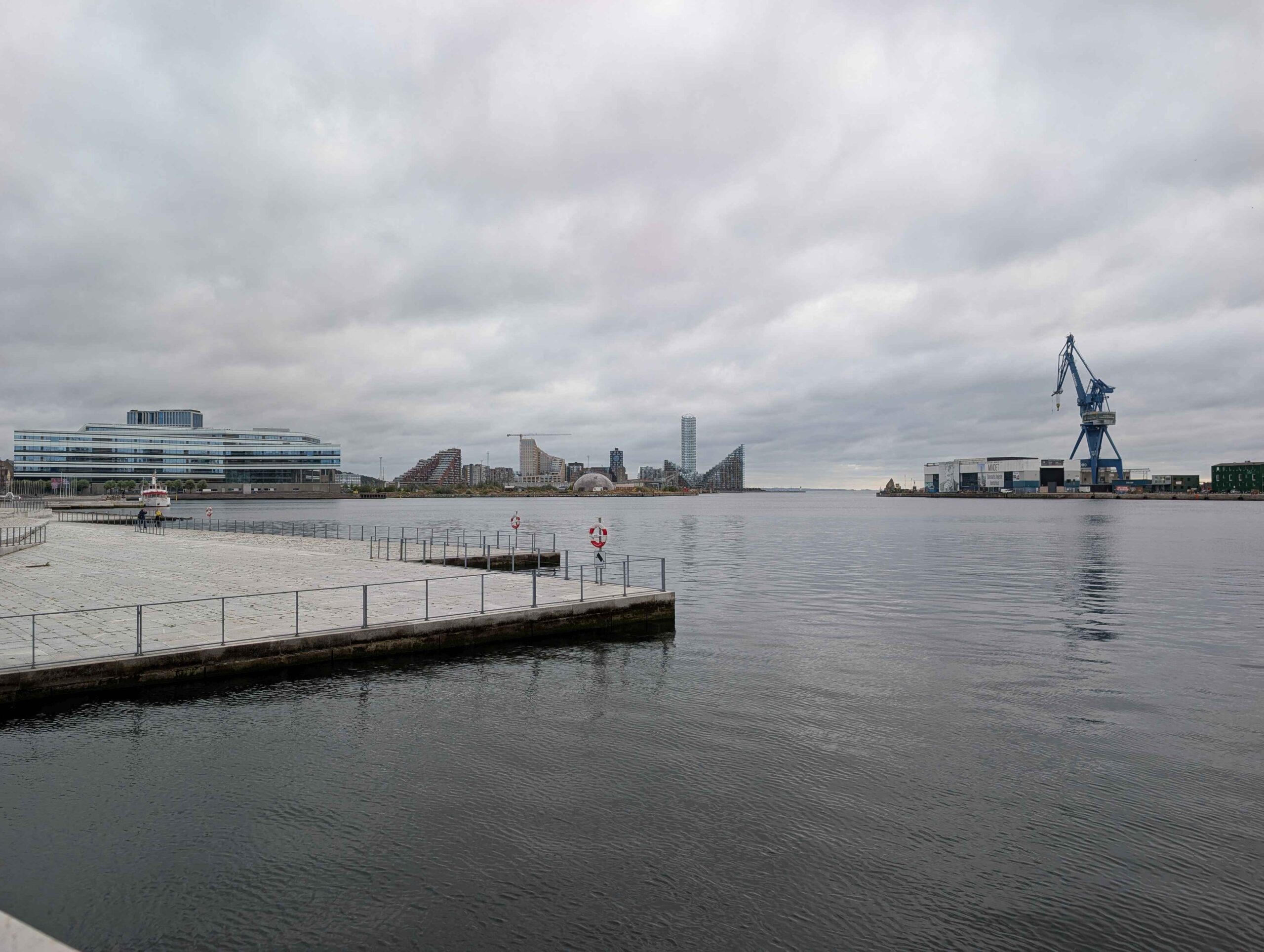
- Aarhus Ø – The city’s modern waterfront district showcases contemporary Danish architecture public spaces and views across the harbor that contrast with the historic city center.