
Belfast's Brick Row Houses and Peace Walls
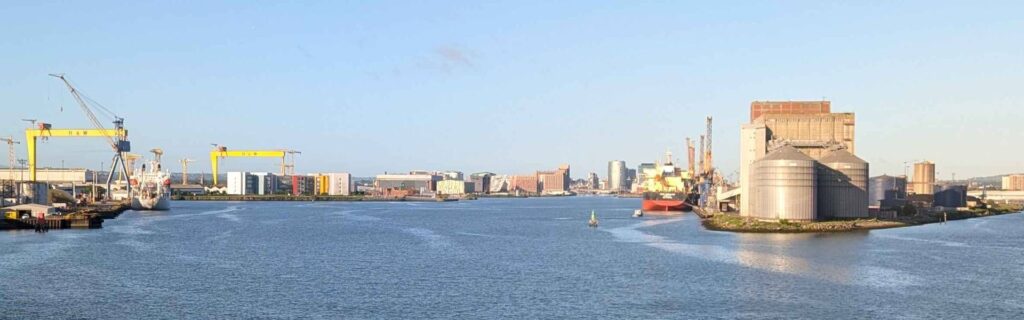
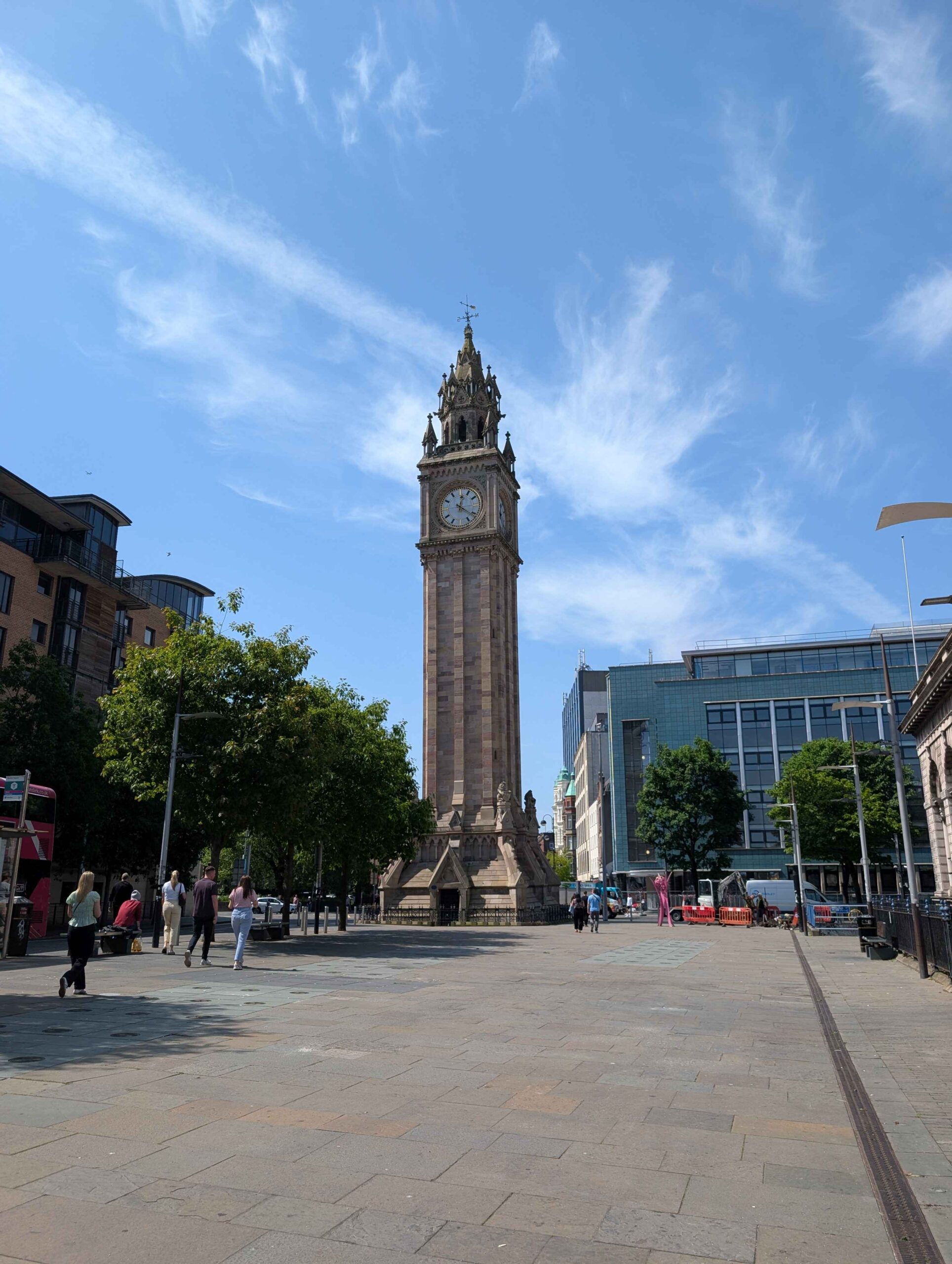
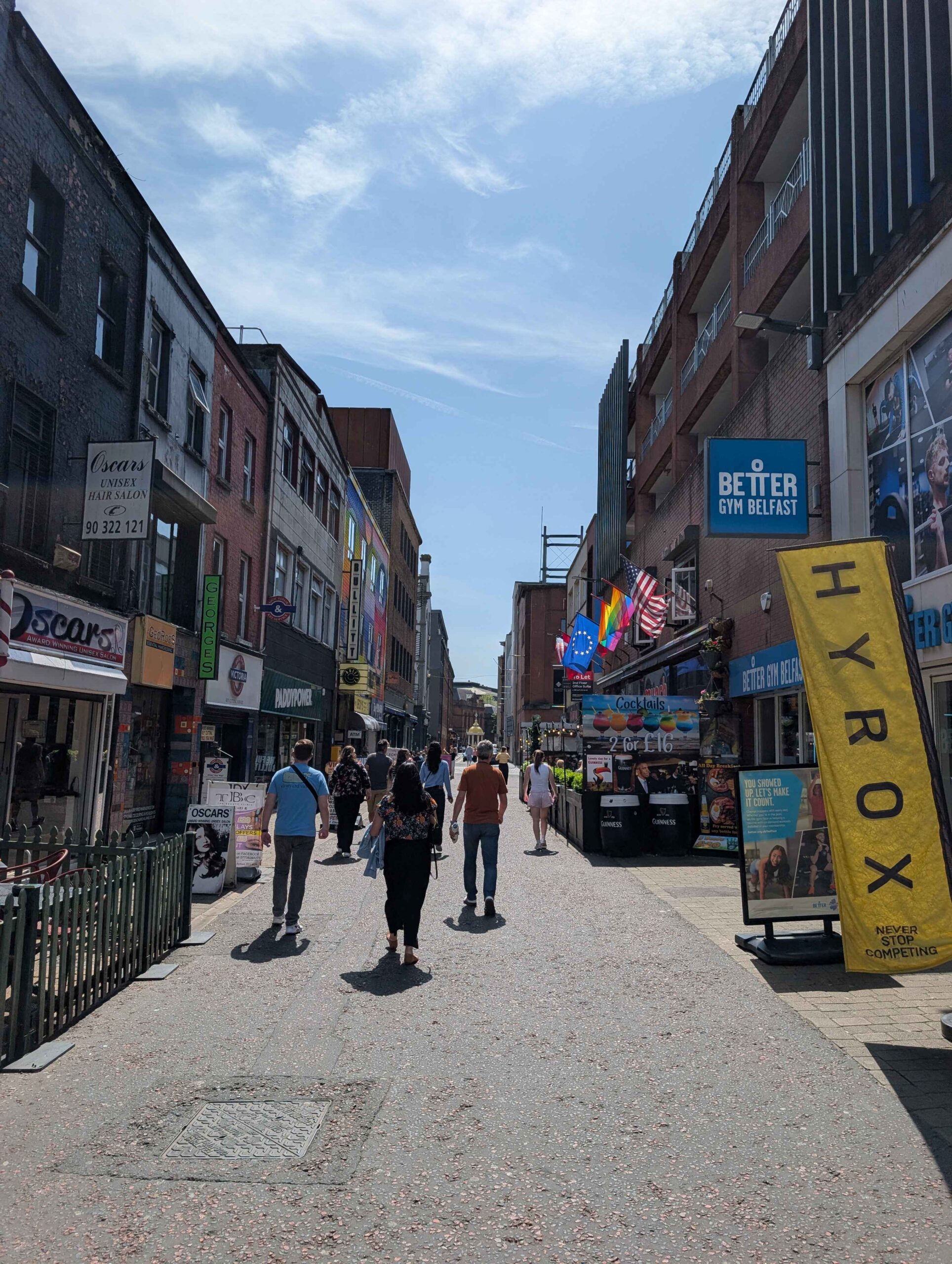
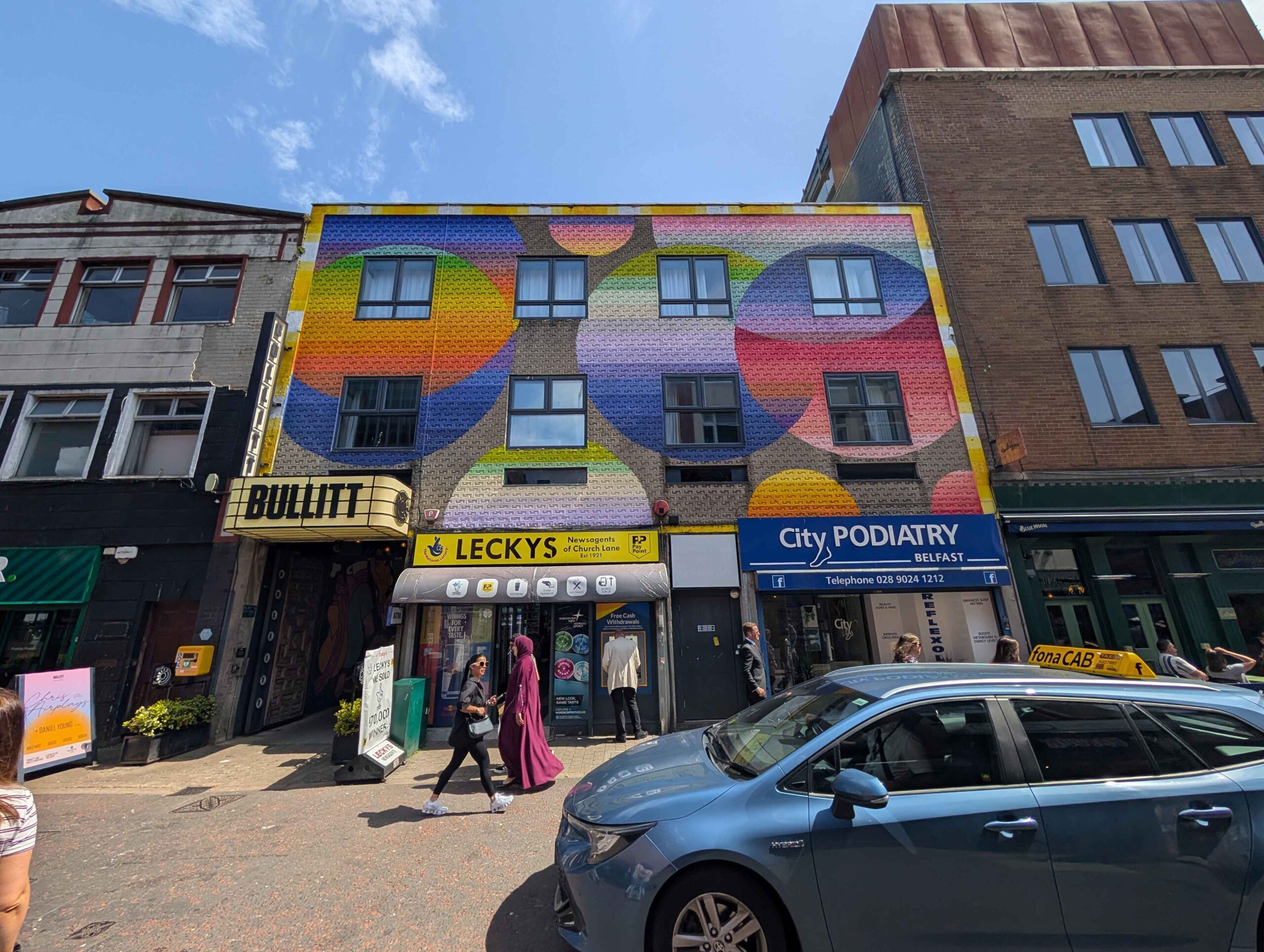
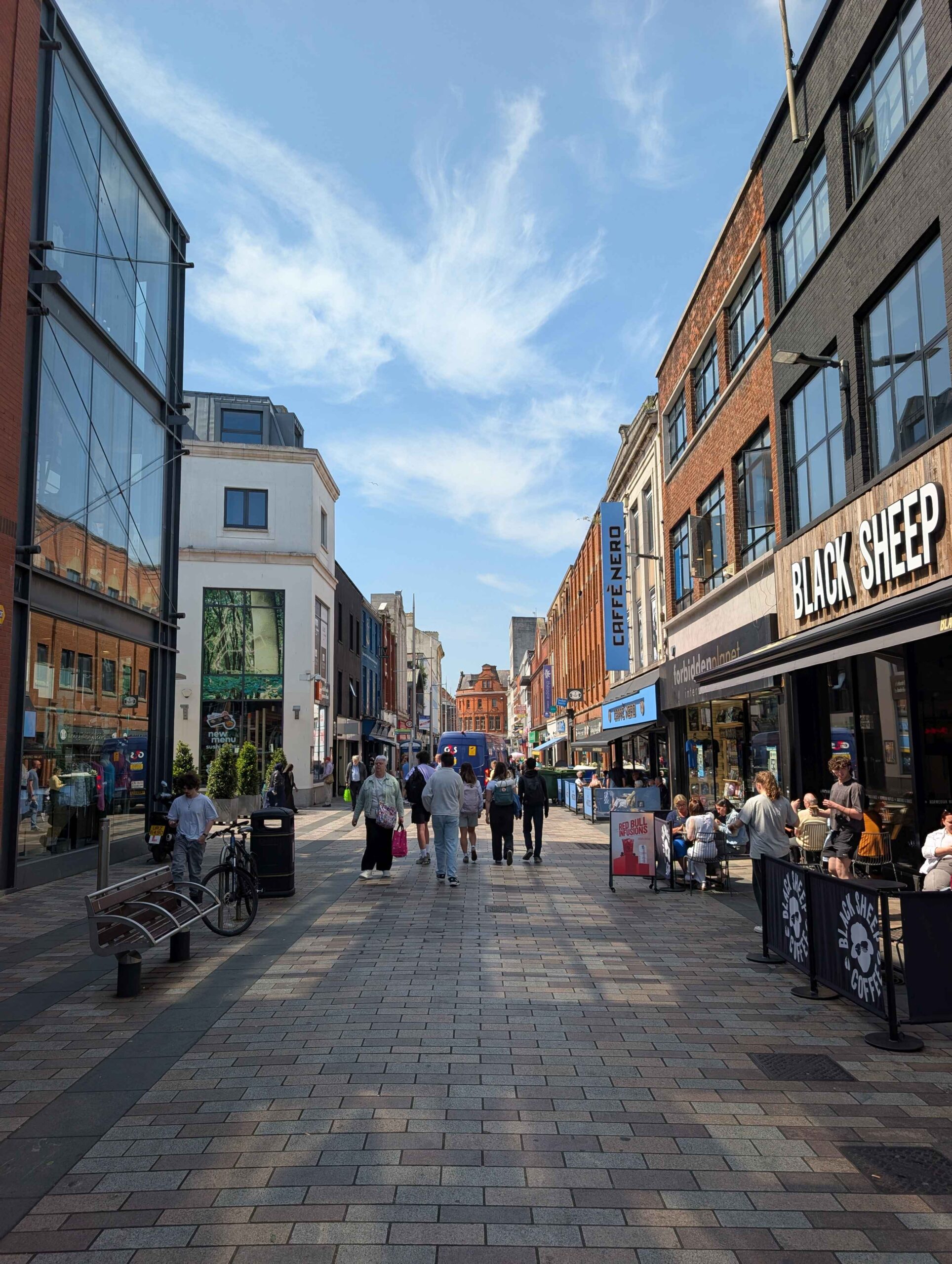
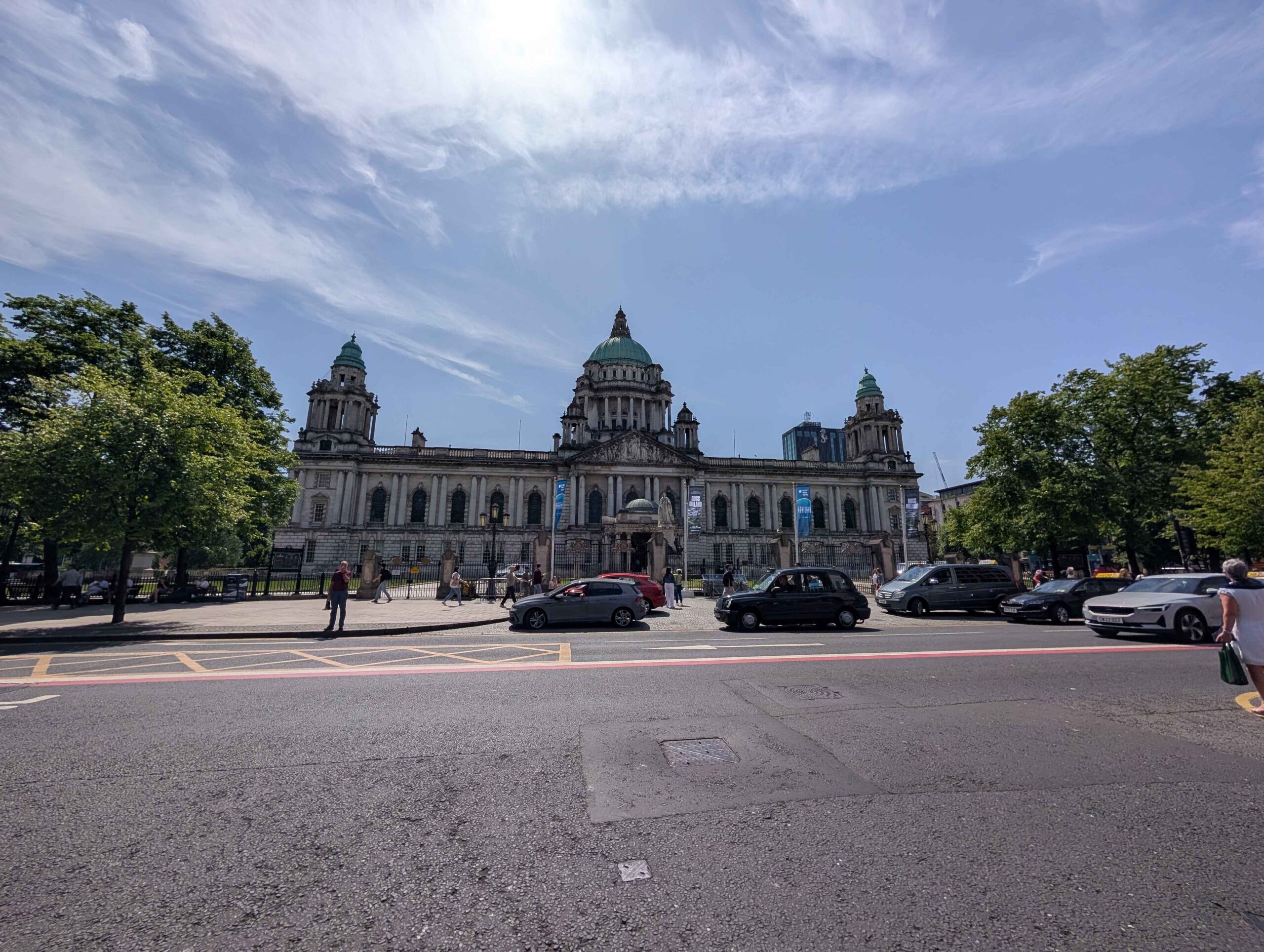
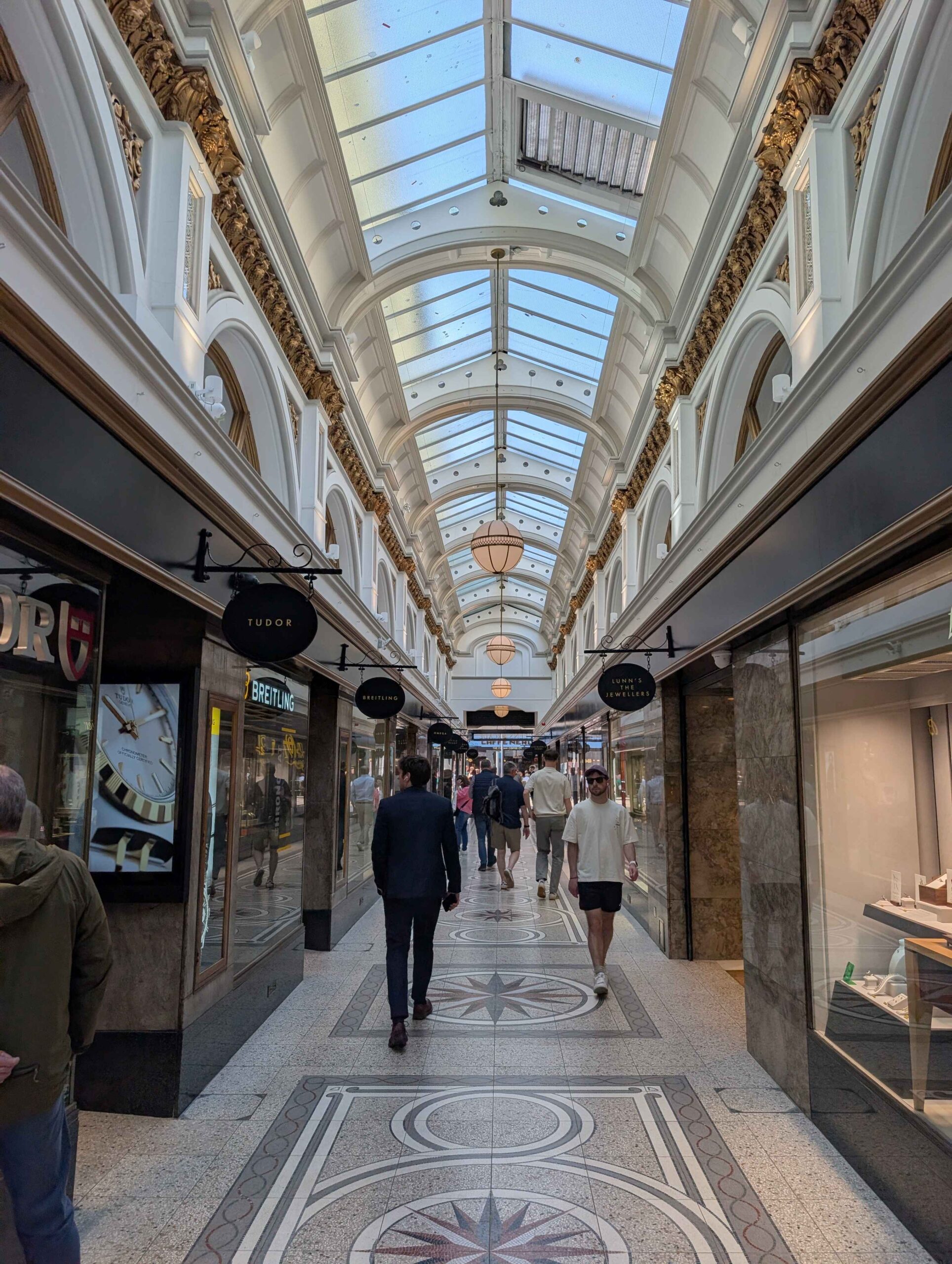
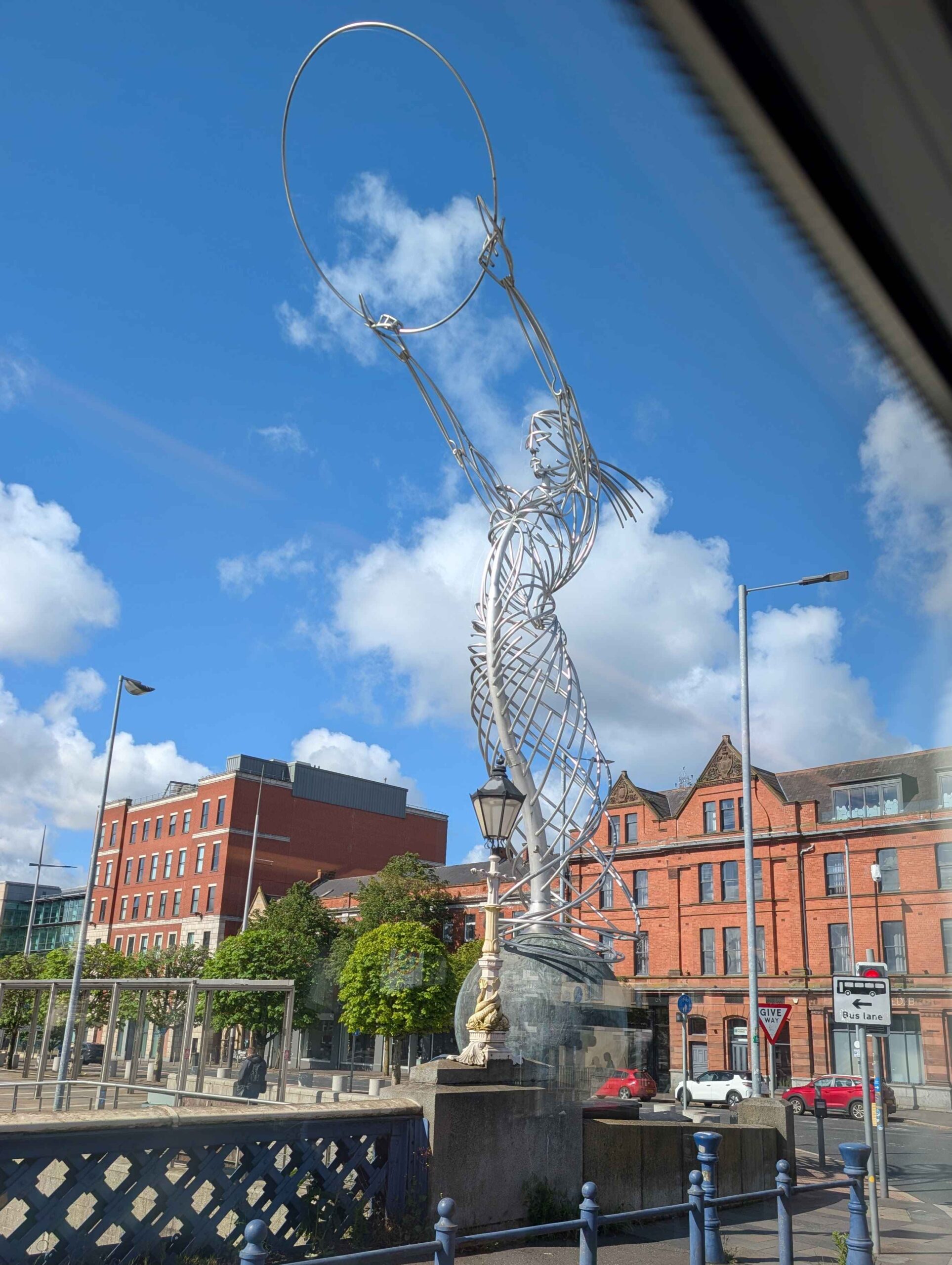
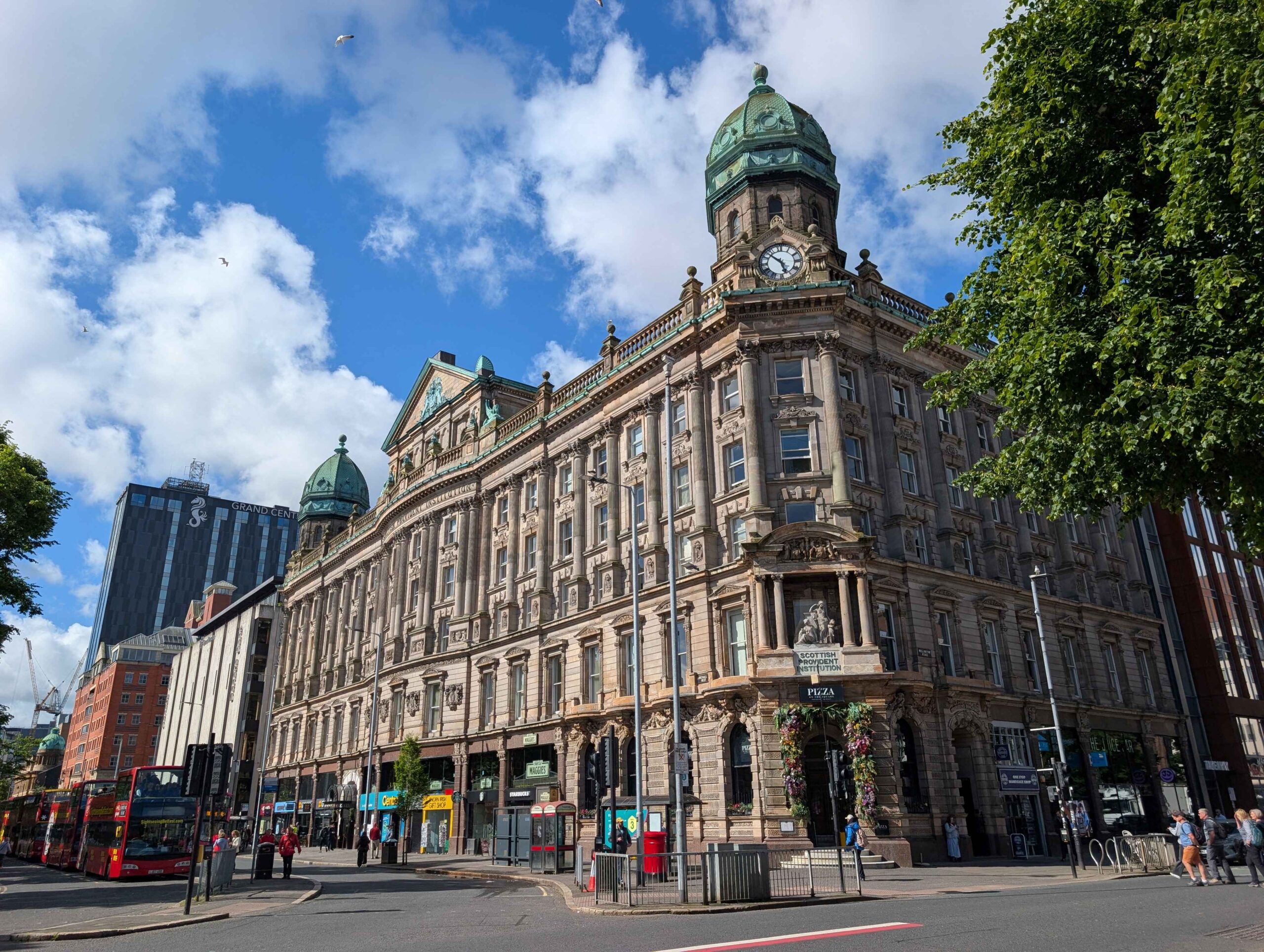
The first thing I learned about Belfast was that there isn’t much to see immediately around the cruise port. When I arrived on my first visit in August 2024, I paid for the shuttle into the city center, figuring I’d spend the day wandering around and getting acquainted with the city. Five minutes after stepping off the shuttle, the skies opened up and it started pouring rain. Not wanting to waste the day, I bought a hop-on hop-off bus ticket and spent most of my visit looking at Belfast through rain-streaked windows. It wasn’t ideal for photography, but it was enough to convince me that I needed to come back and give the city another chance.
Belfast, or Béal Feirste (byal FERSH-tuh), felt completely different on my later visits. By the time I returned in 2026, I knew better than to trust the weather forecast too far in advance, so I waited until the morning to make sure conditions looked favorable before committing to a long walk. That decision paid off, allowing me to see parts of the city that most cruise visitors probably never reach.
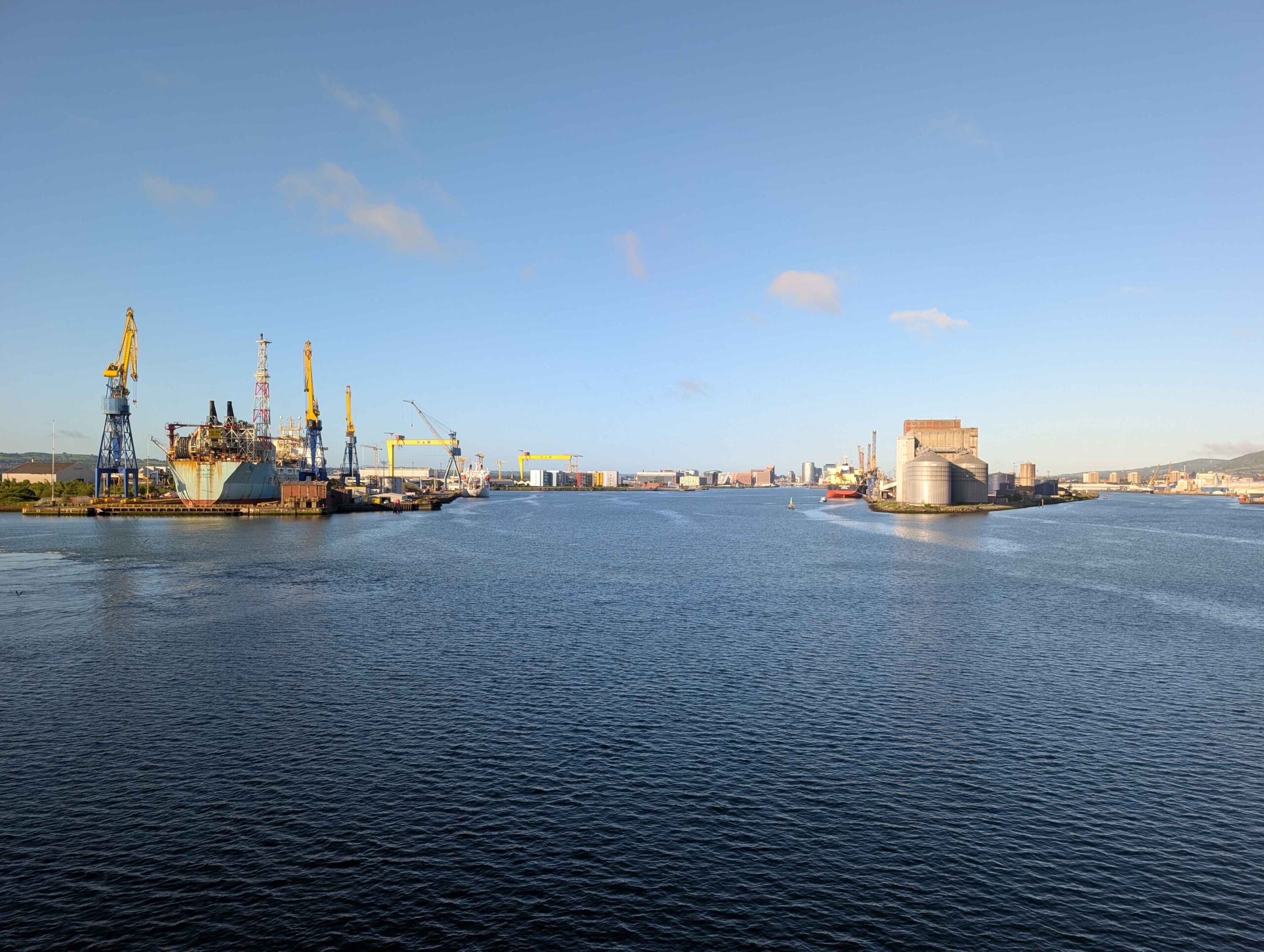
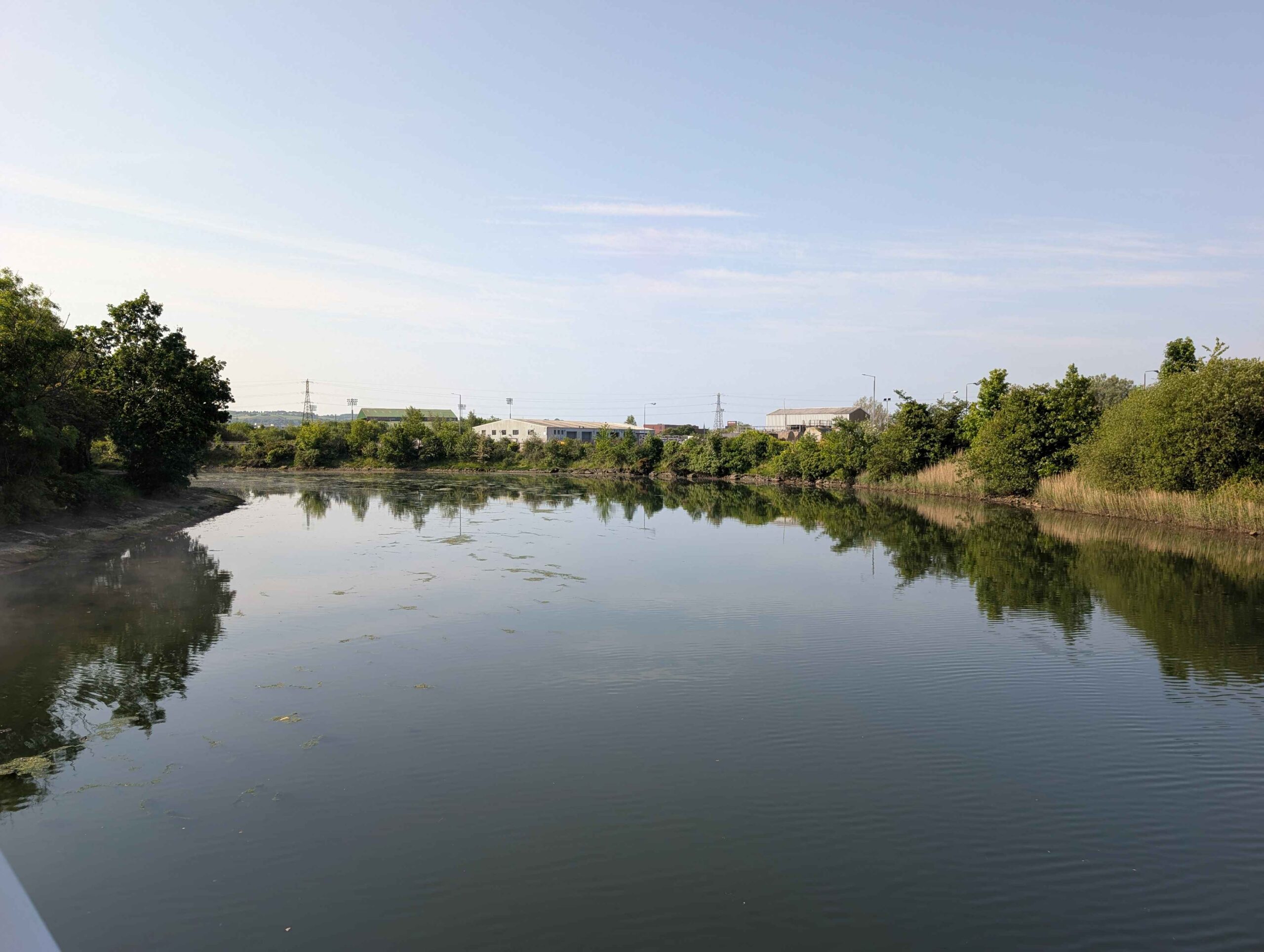
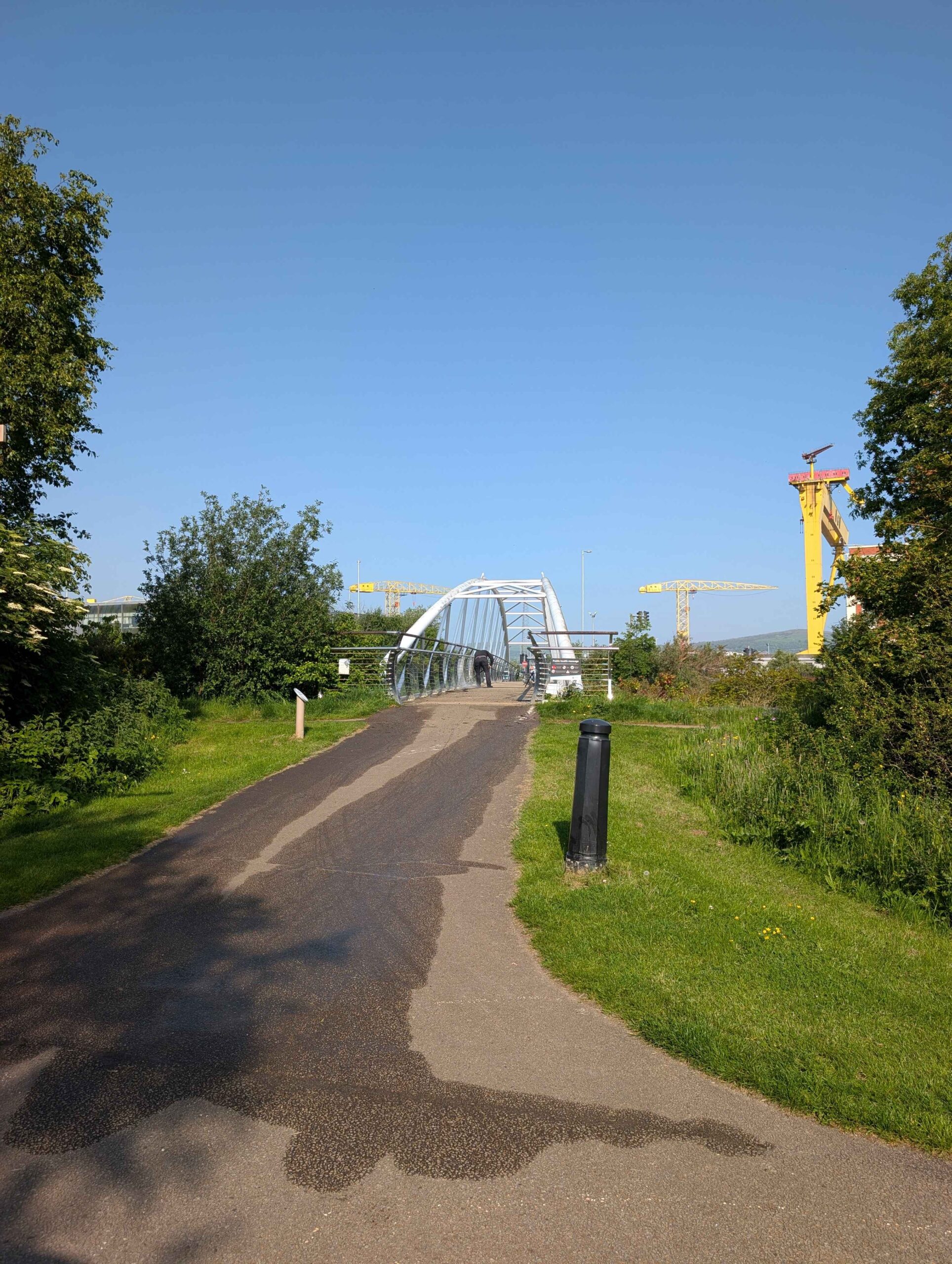
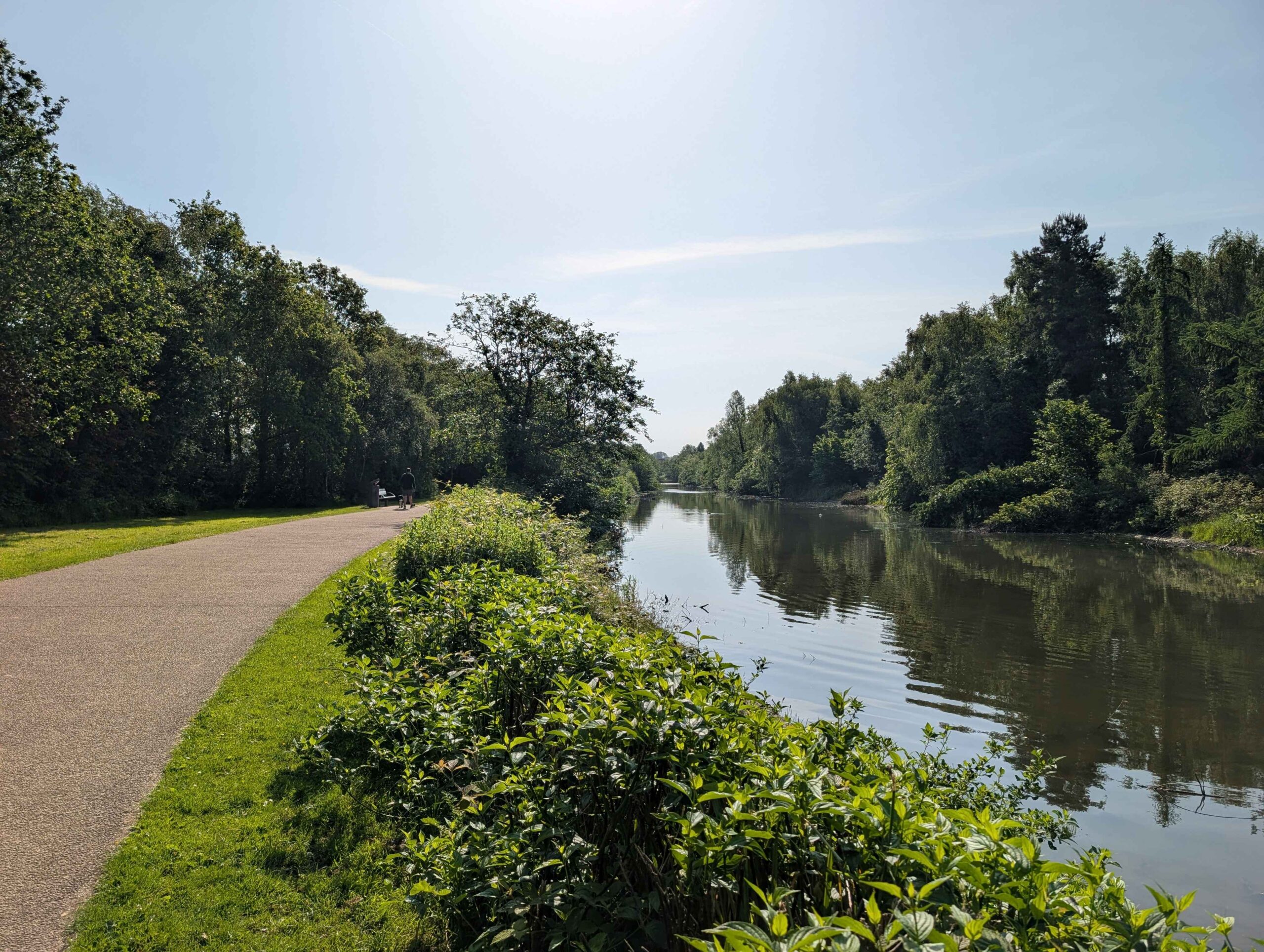
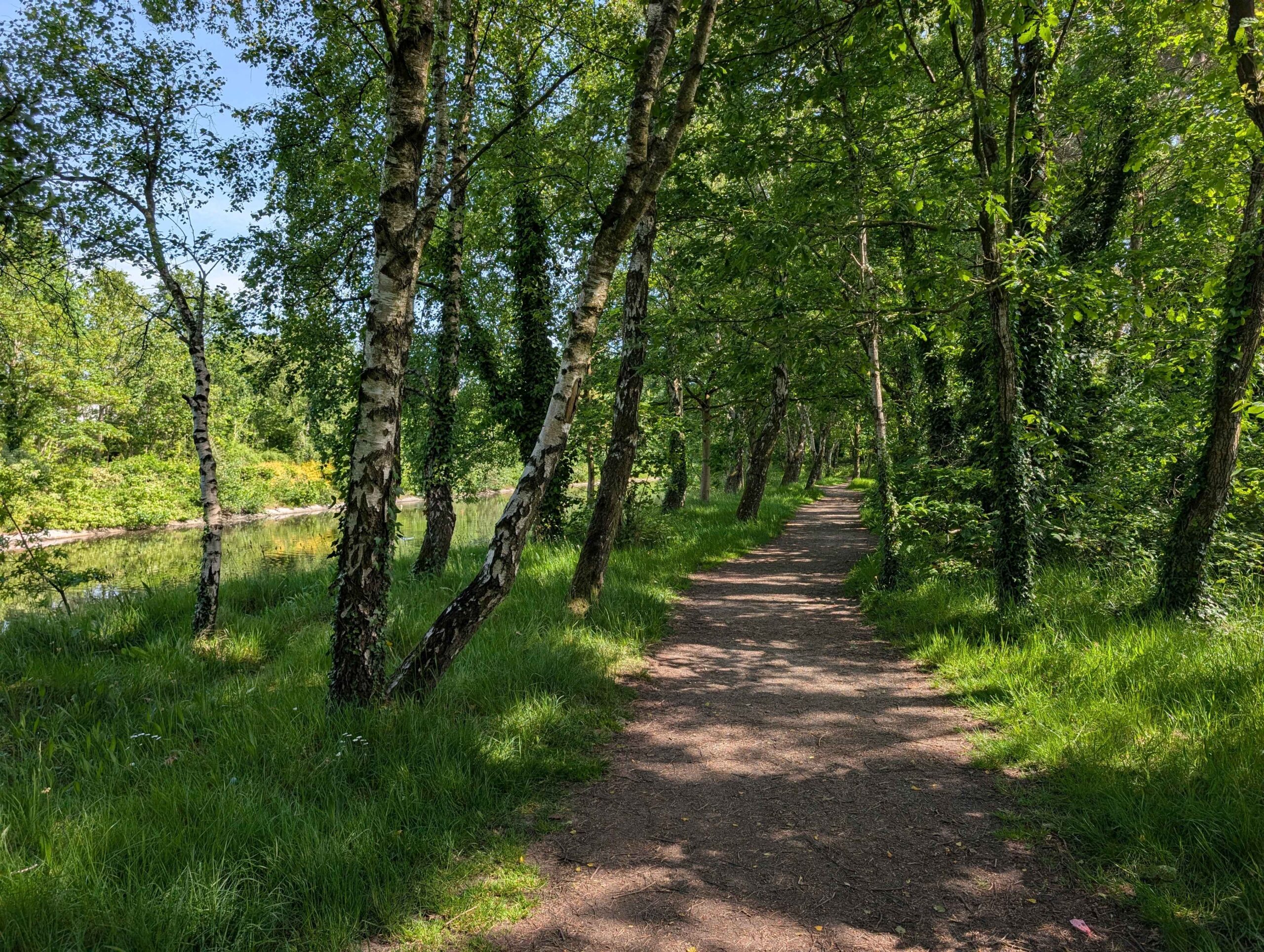
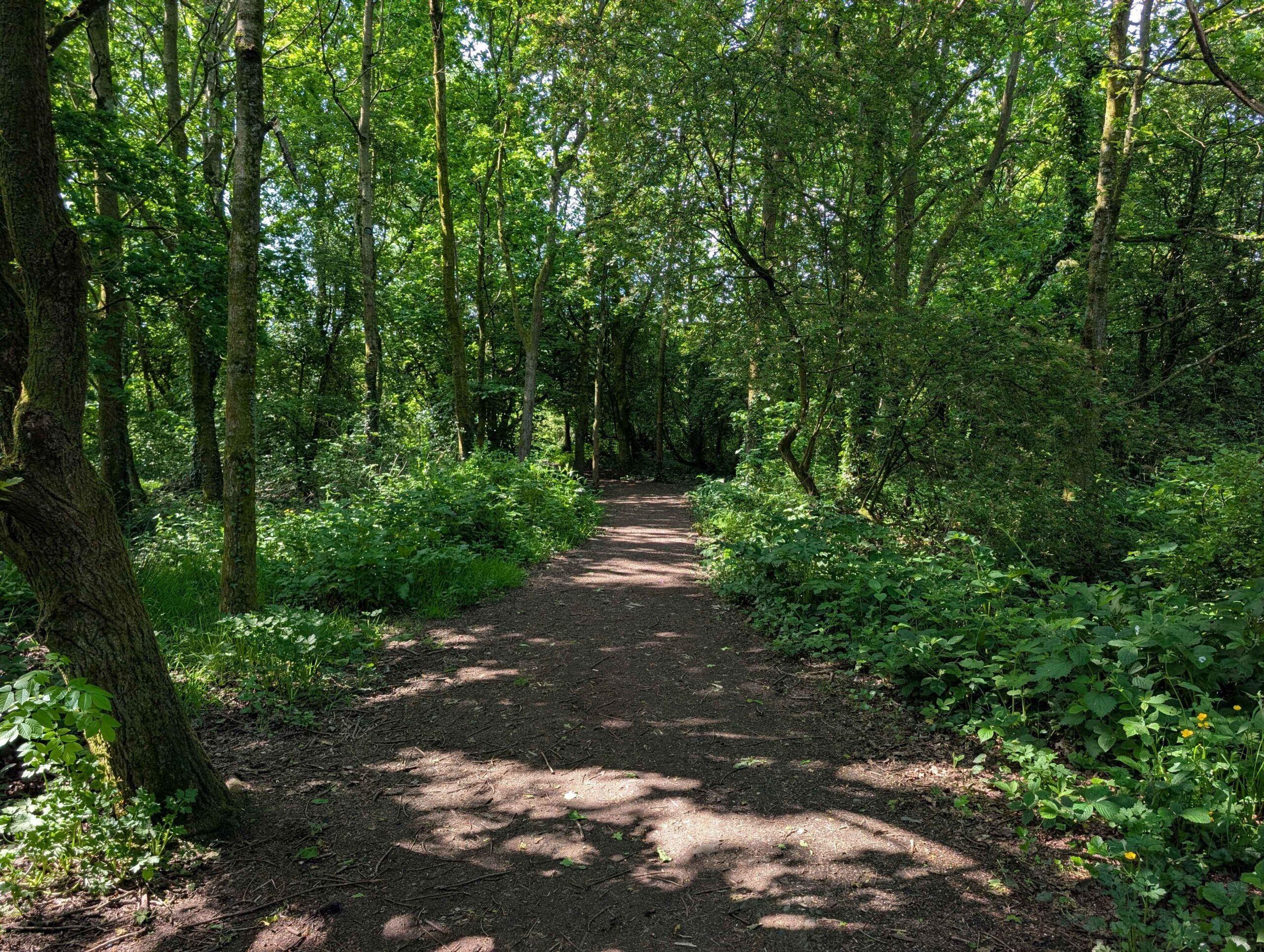
Instead of taking the shuttle, I walked directly from the ship toward Victoria Park and the Titanic Quarter. Despite being roughly two miles from the cruise terminal, the route was straightforward, and it actually made more sense than riding into the city center and doubling back. Victoria Park ended up being one of the biggest surprises of the day. It feels almost like two parks in one, with a wooded island at its center, walking trails around the perimeter, sports fields, open green spaces, and a larger peninsula surrounding the whole area. Because the park sits at the end of Belfast City’s airport runway, I spent part of my visit sitting on a bench, watching ducks and seagulls on the water while the occasional airplane passed low overhead on its final approach.
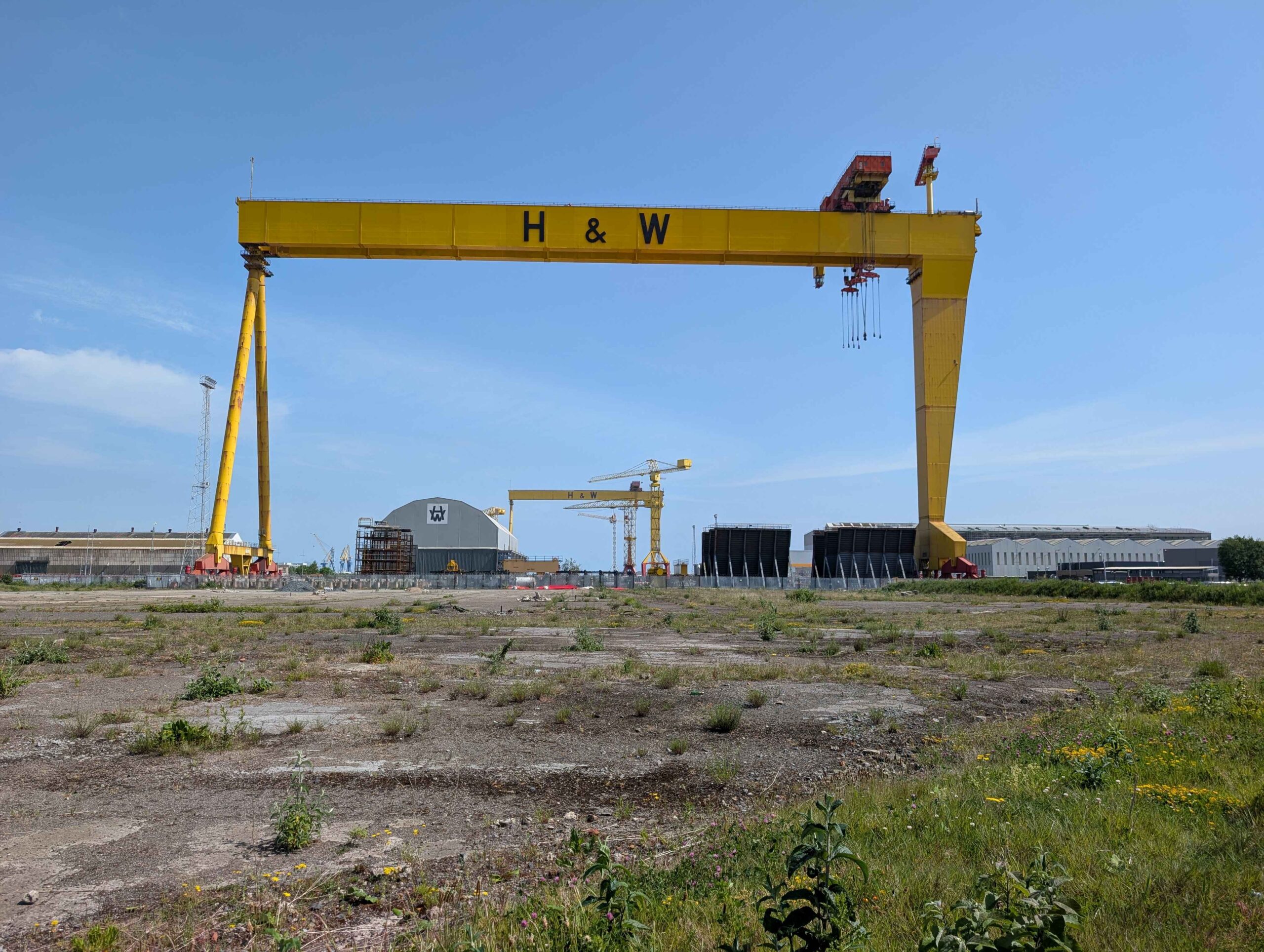
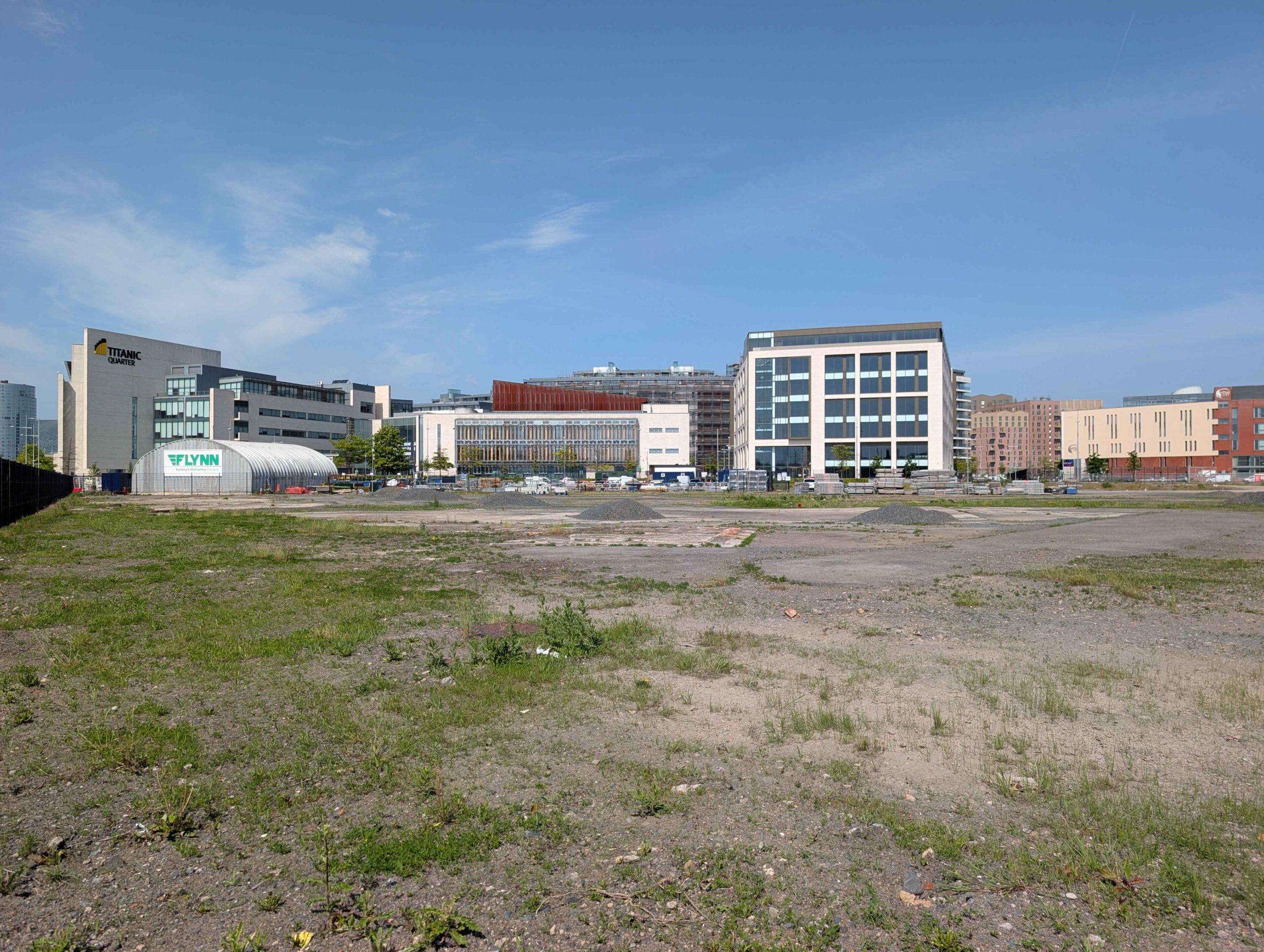
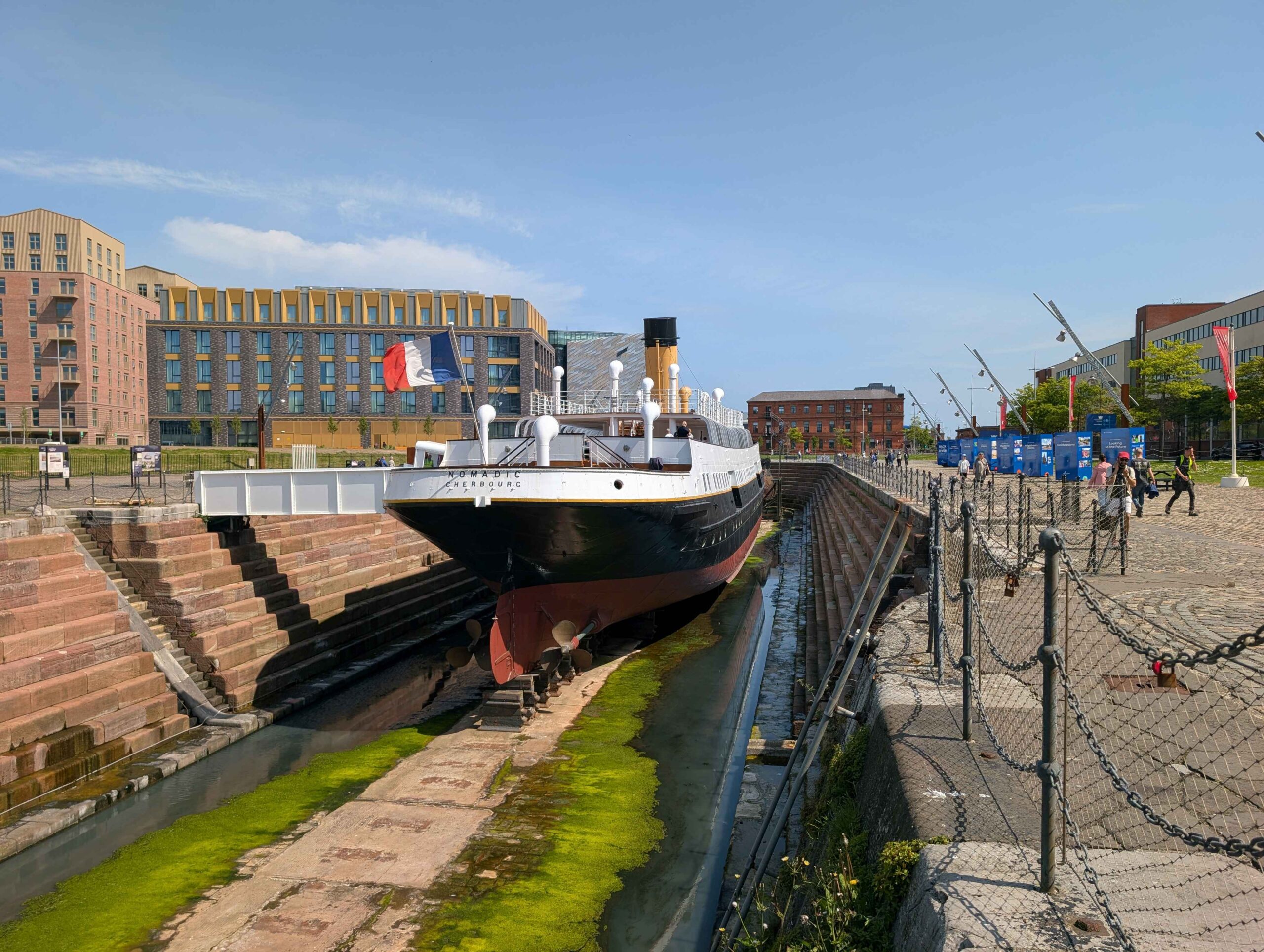
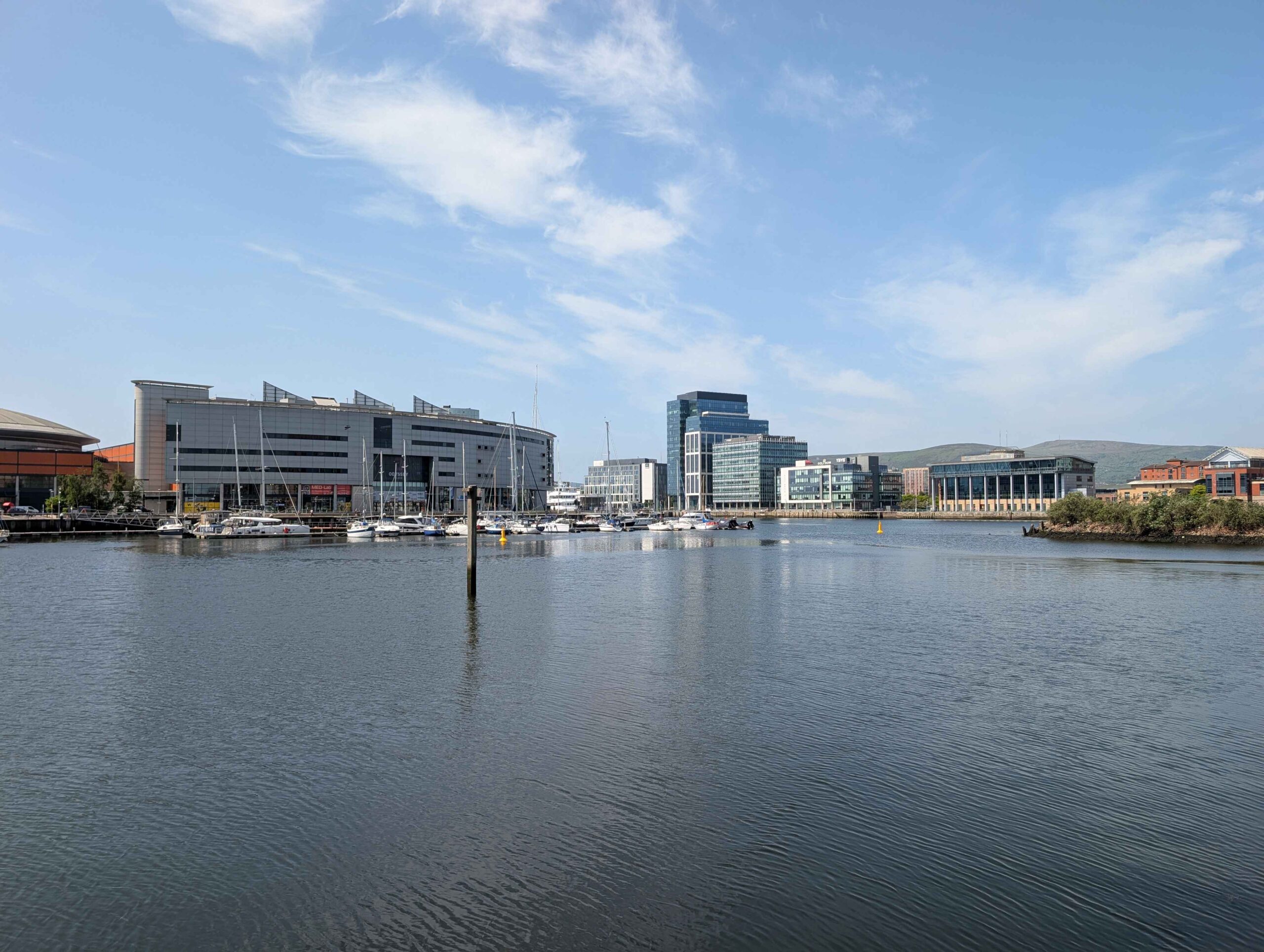
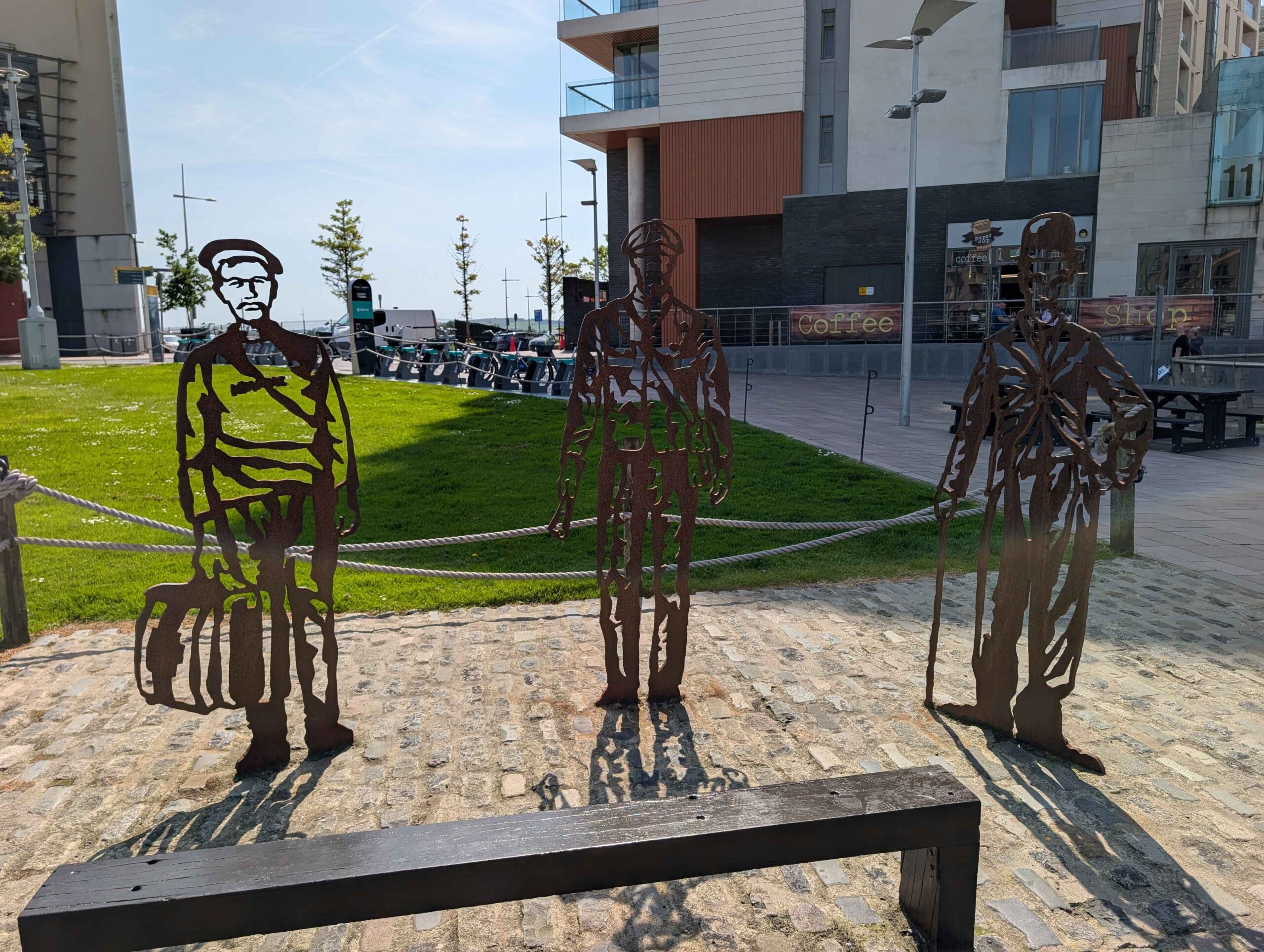
From there, I continued toward the Titanic Quarter, passing the Harland & Wolff cranes, Samson and Goliath, which still dominate the skyline above the shipyard where RMS Titanic was built. I expected the area to feel more like a waterfront tourist district, filled with restaurants, souvenir shops, and attractions aimed at visitors. Instead, I found a modern mixed-use neighborhood, with apartments, offices, active maritime businesses, and people simply going about their daily lives. After the three-mile walk, I found a park bench, sat down for a while, and enjoyed some people-watching before heading back toward the ship.
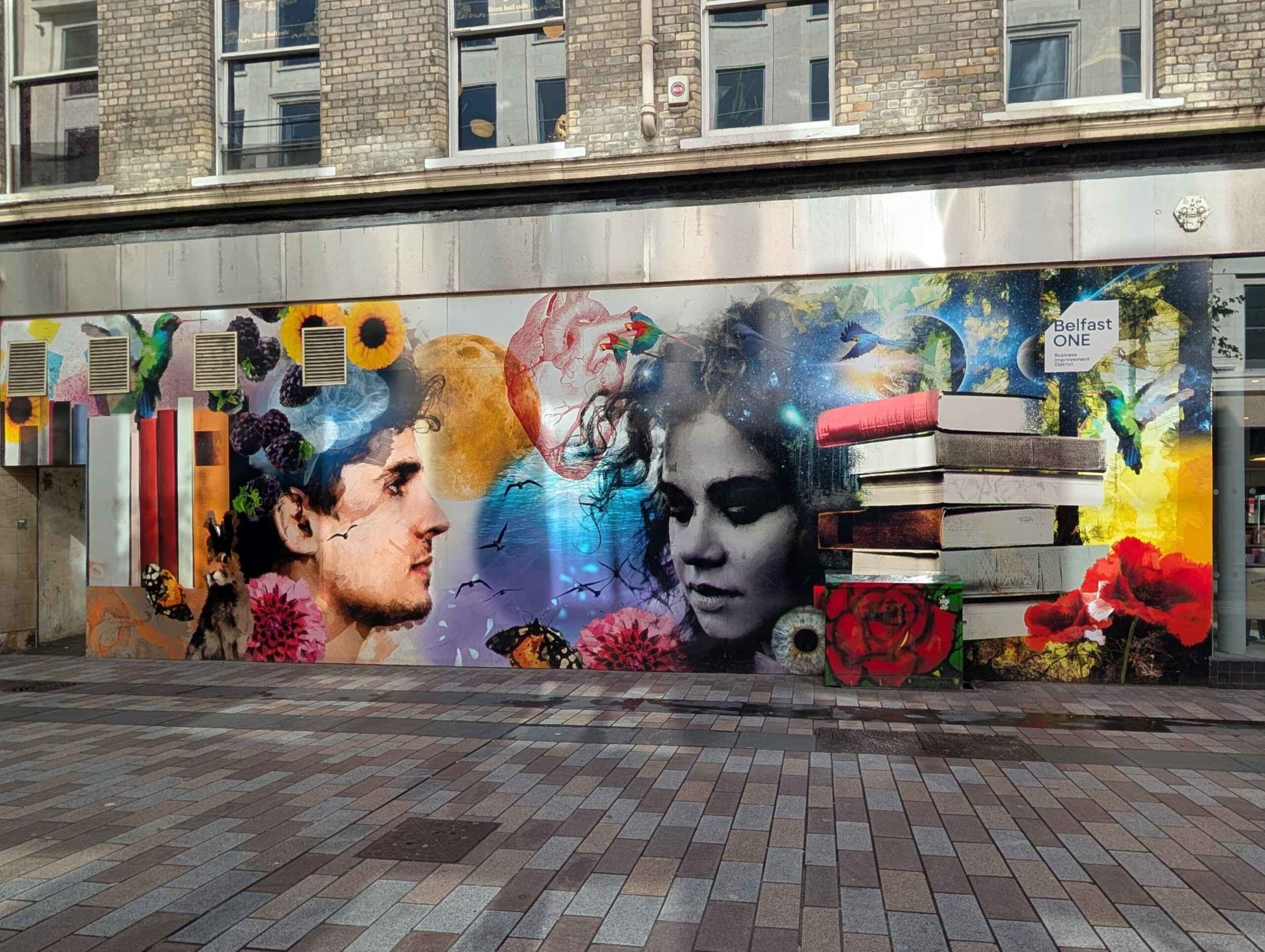
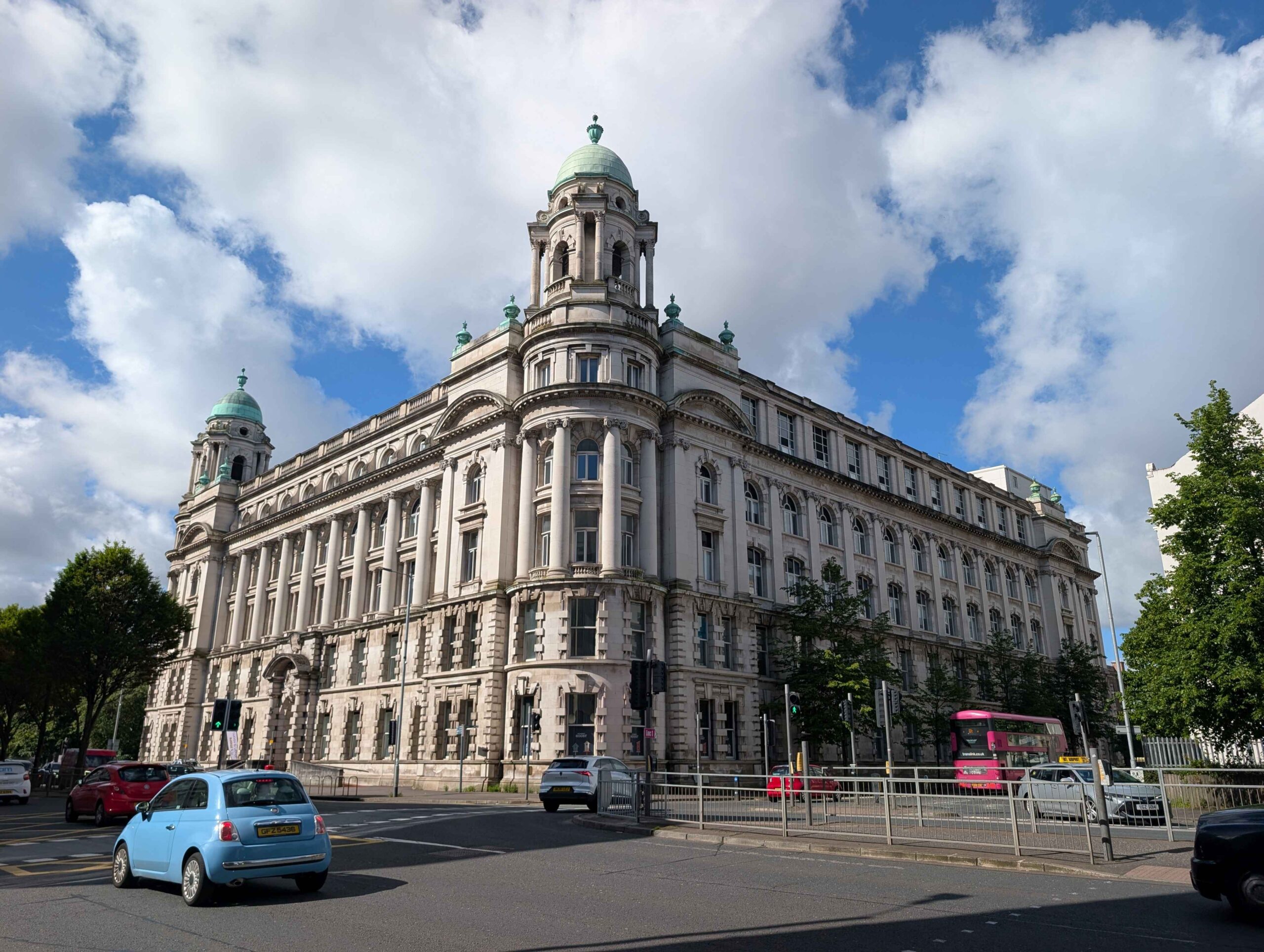
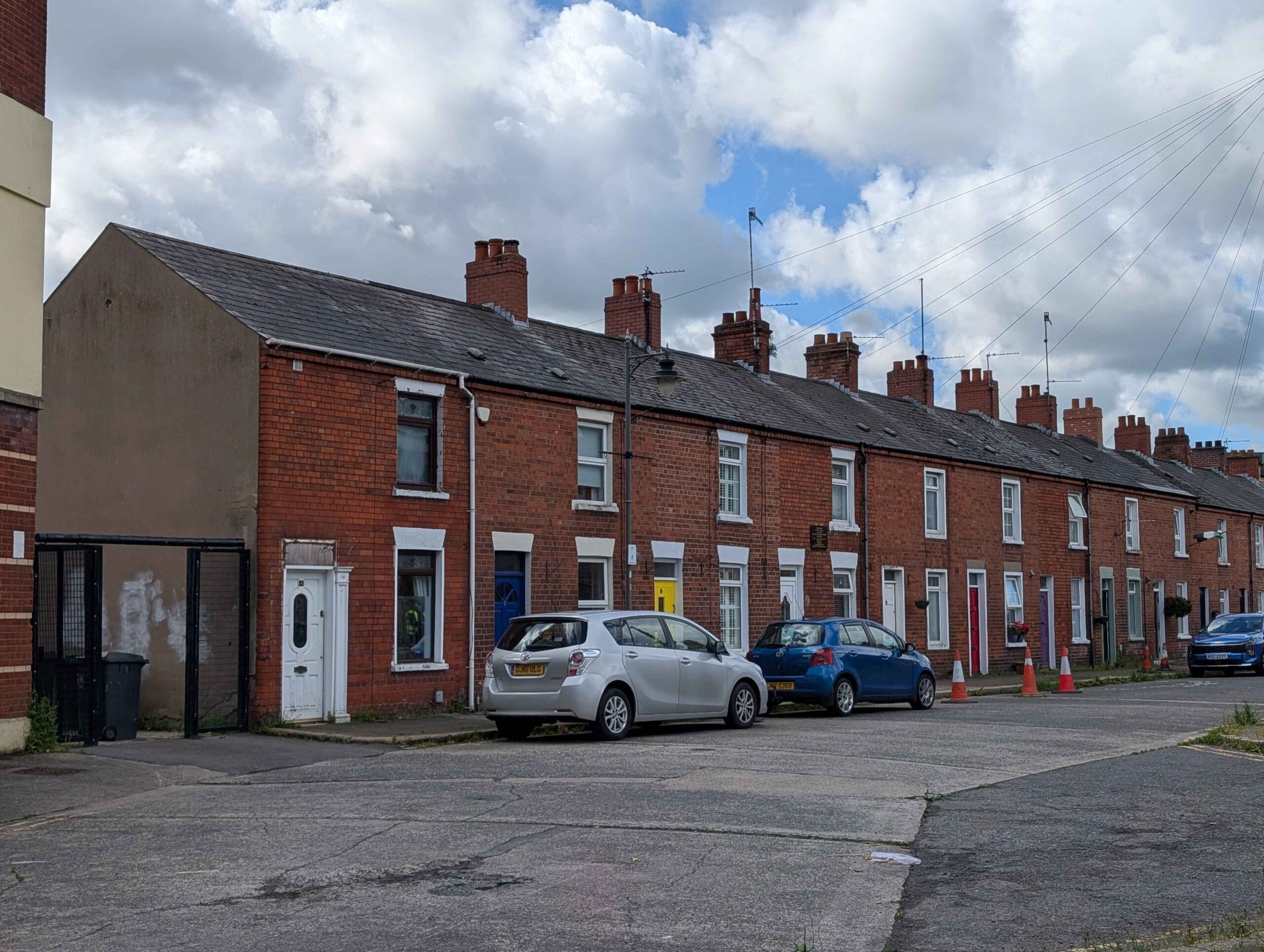
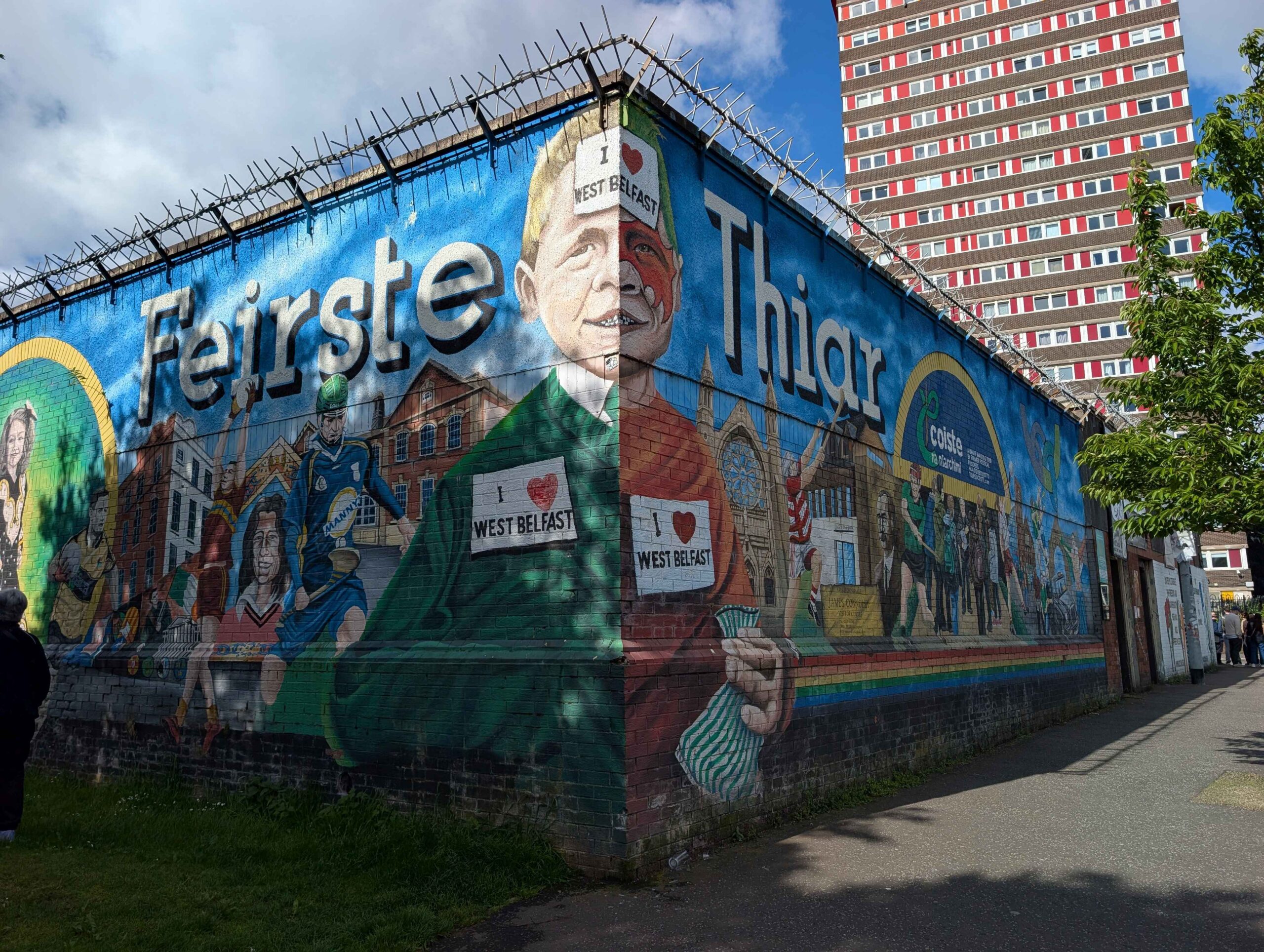
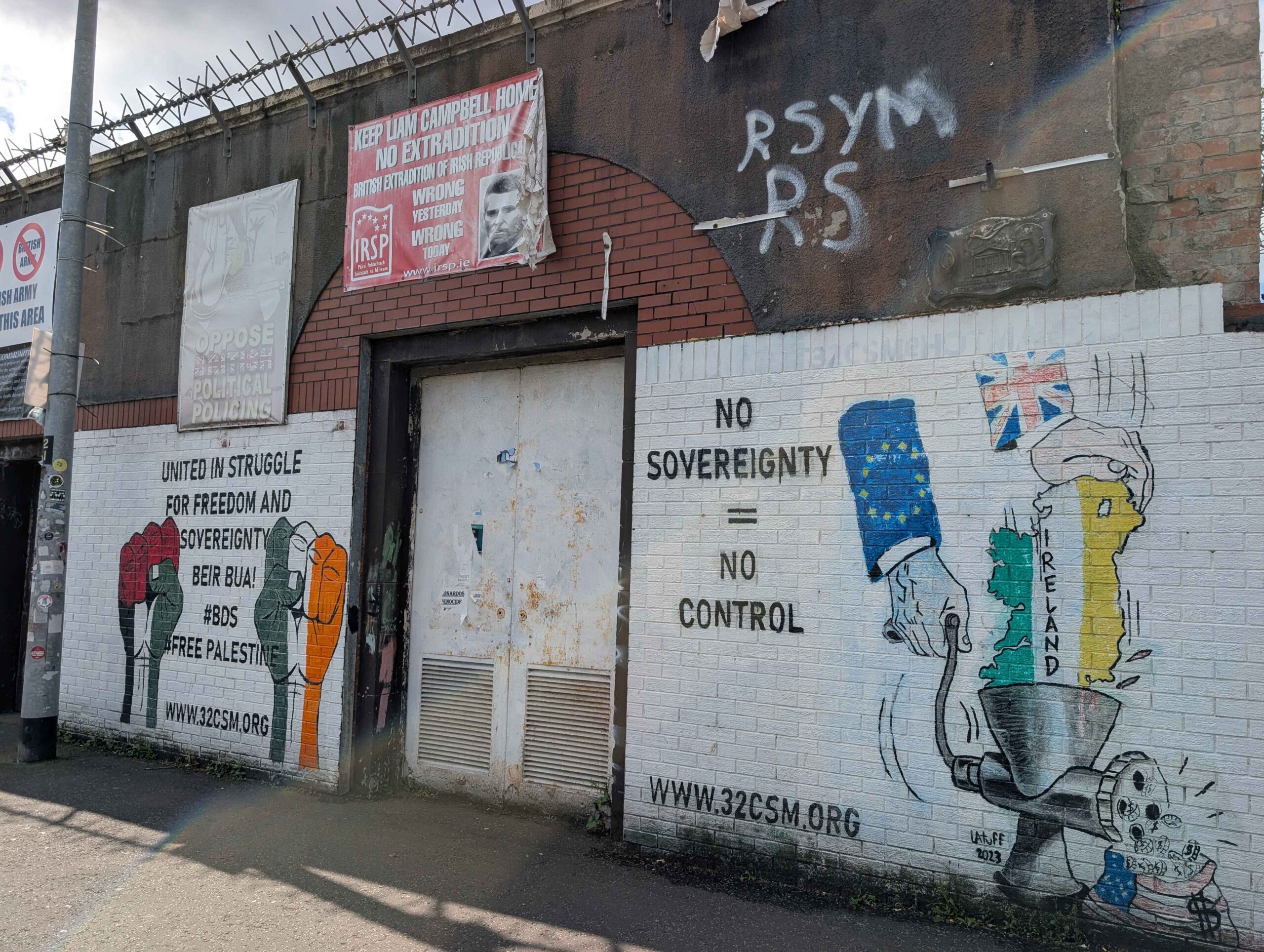
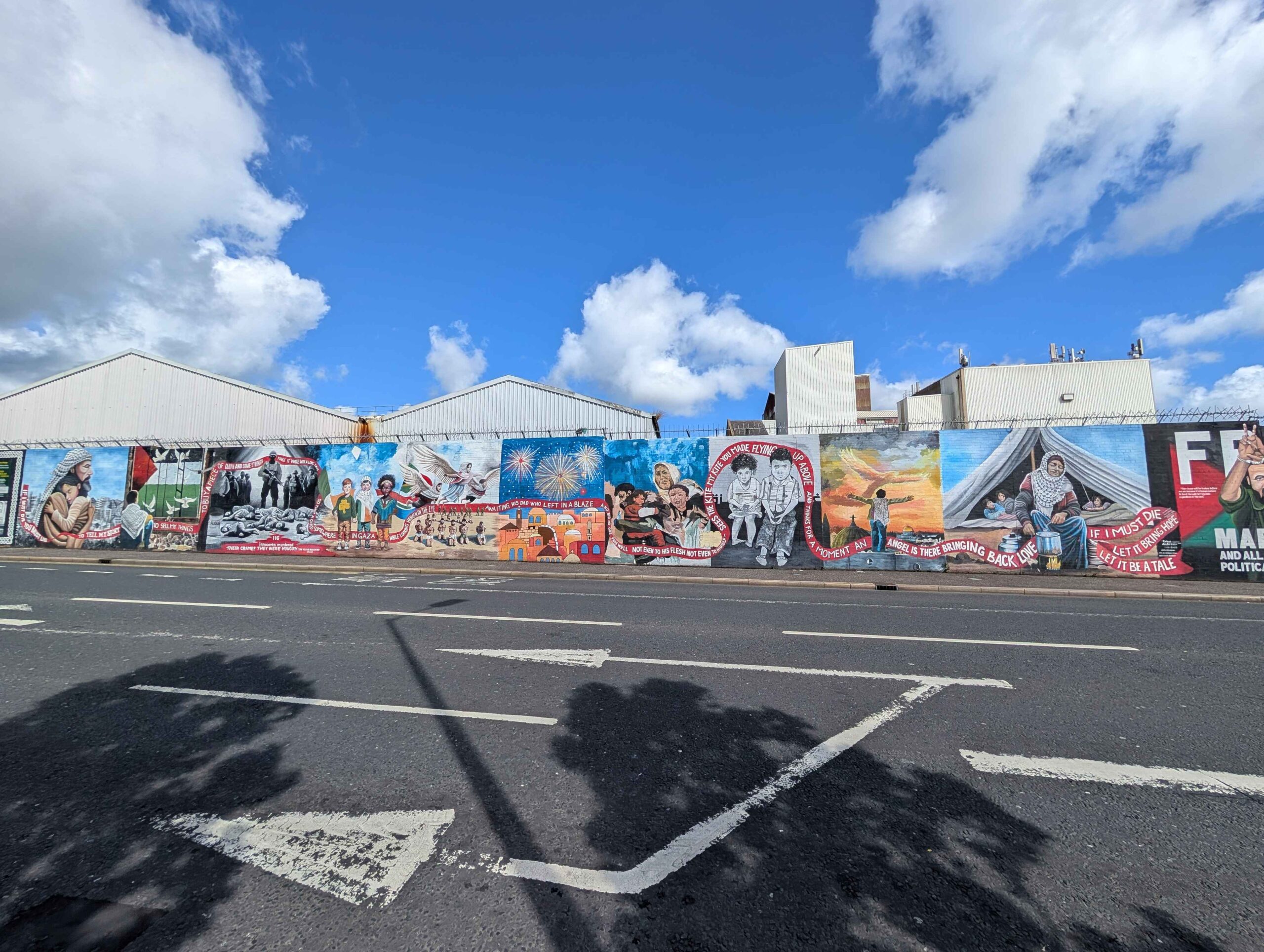
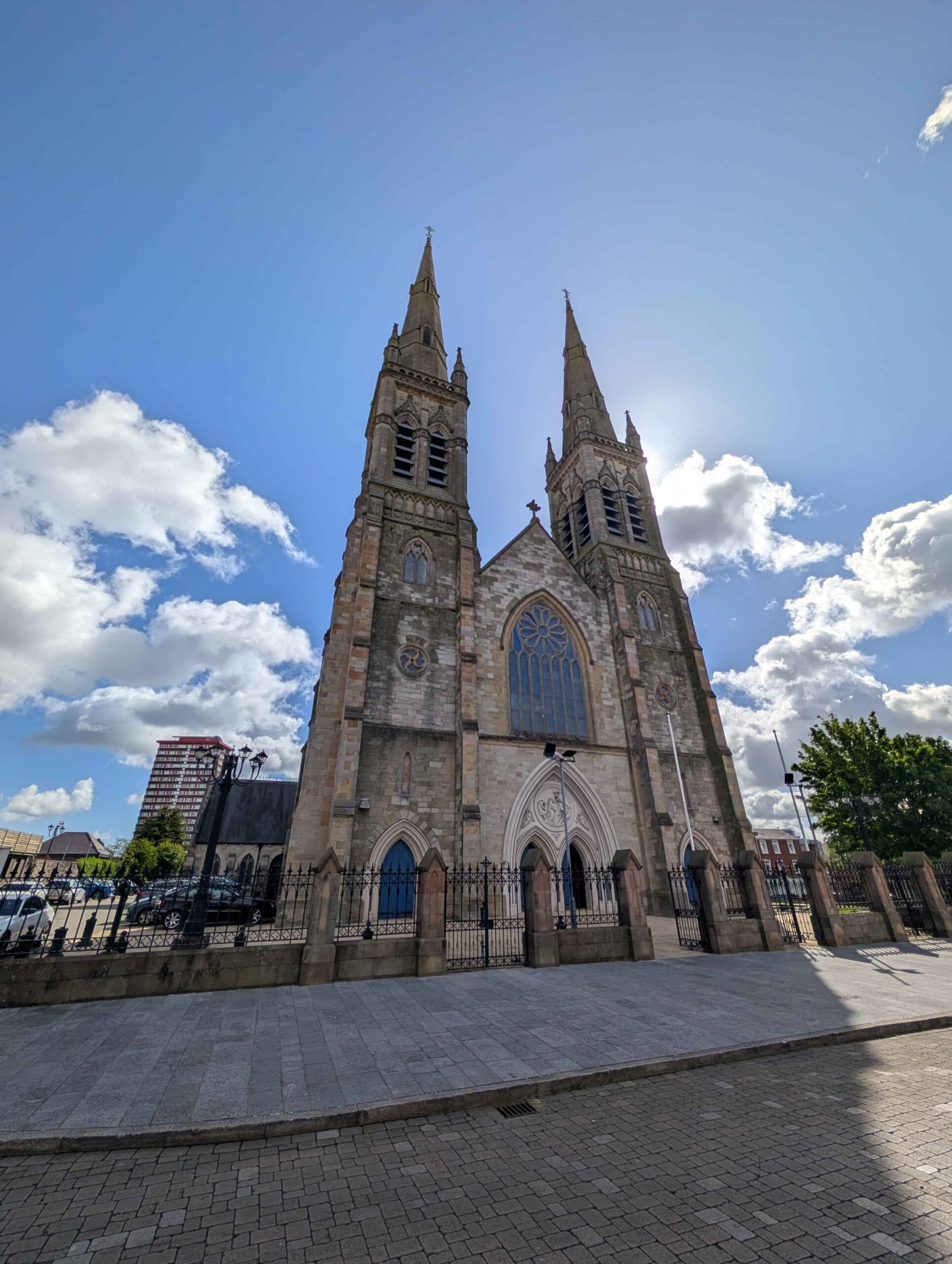
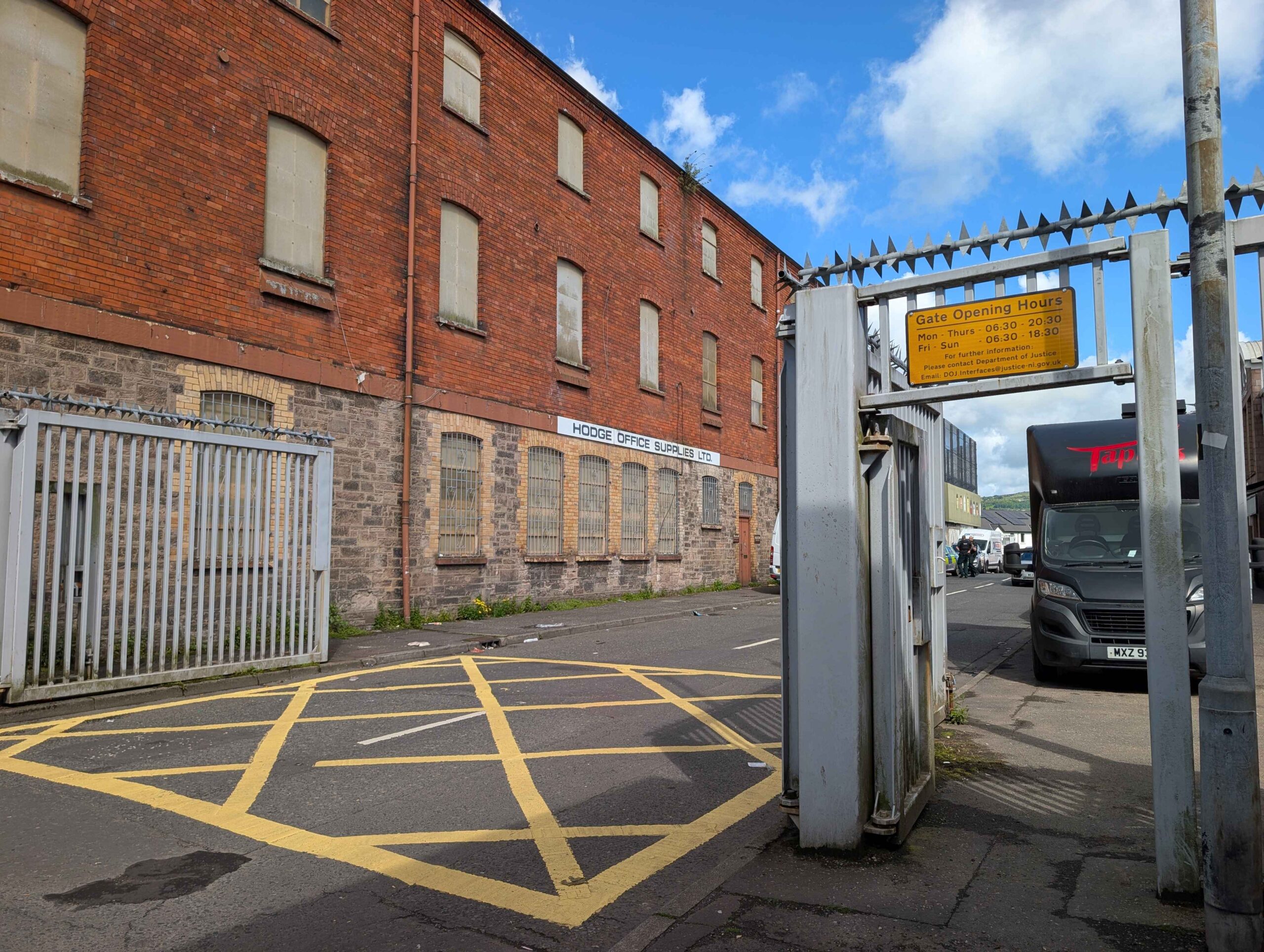
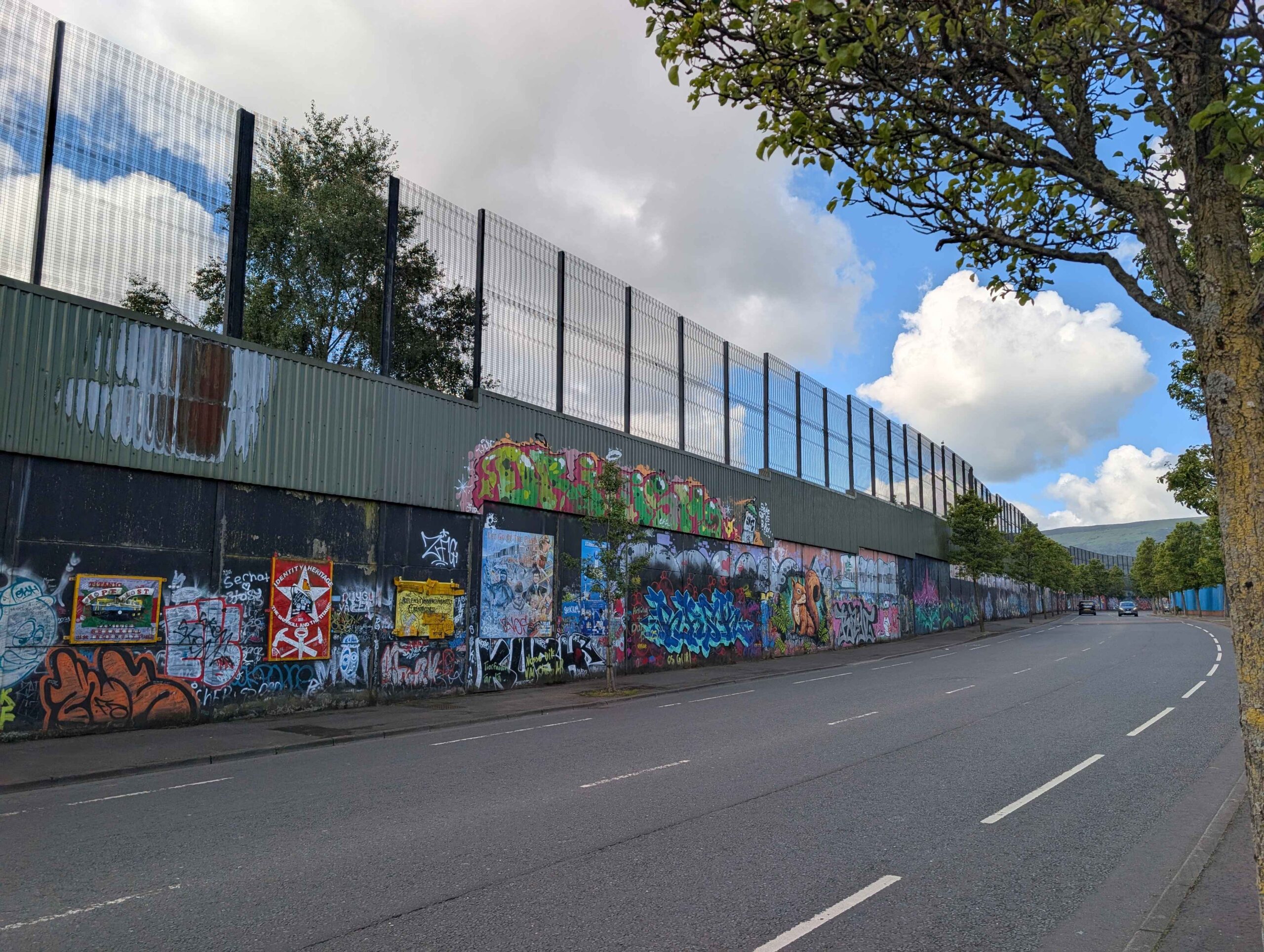
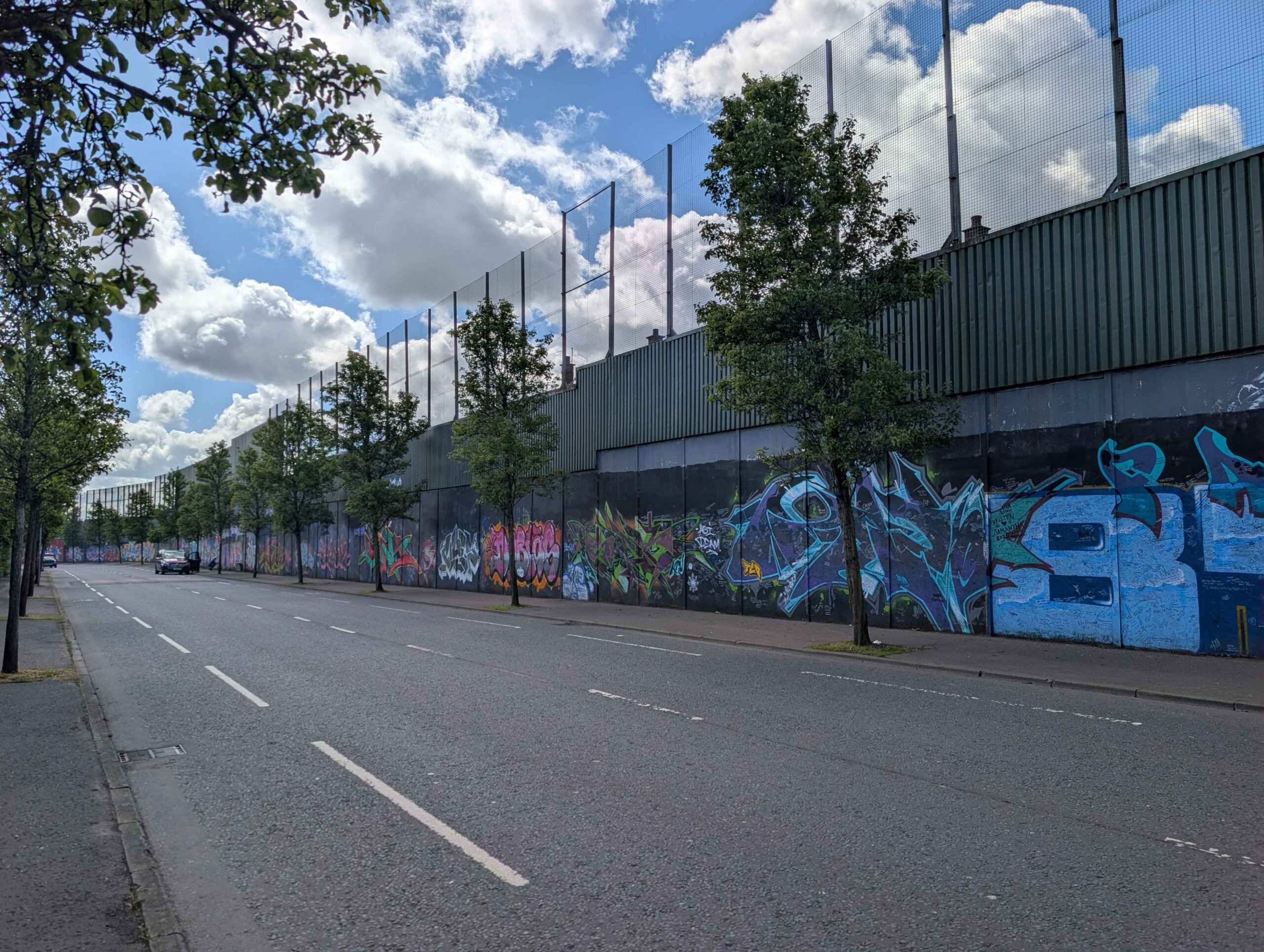
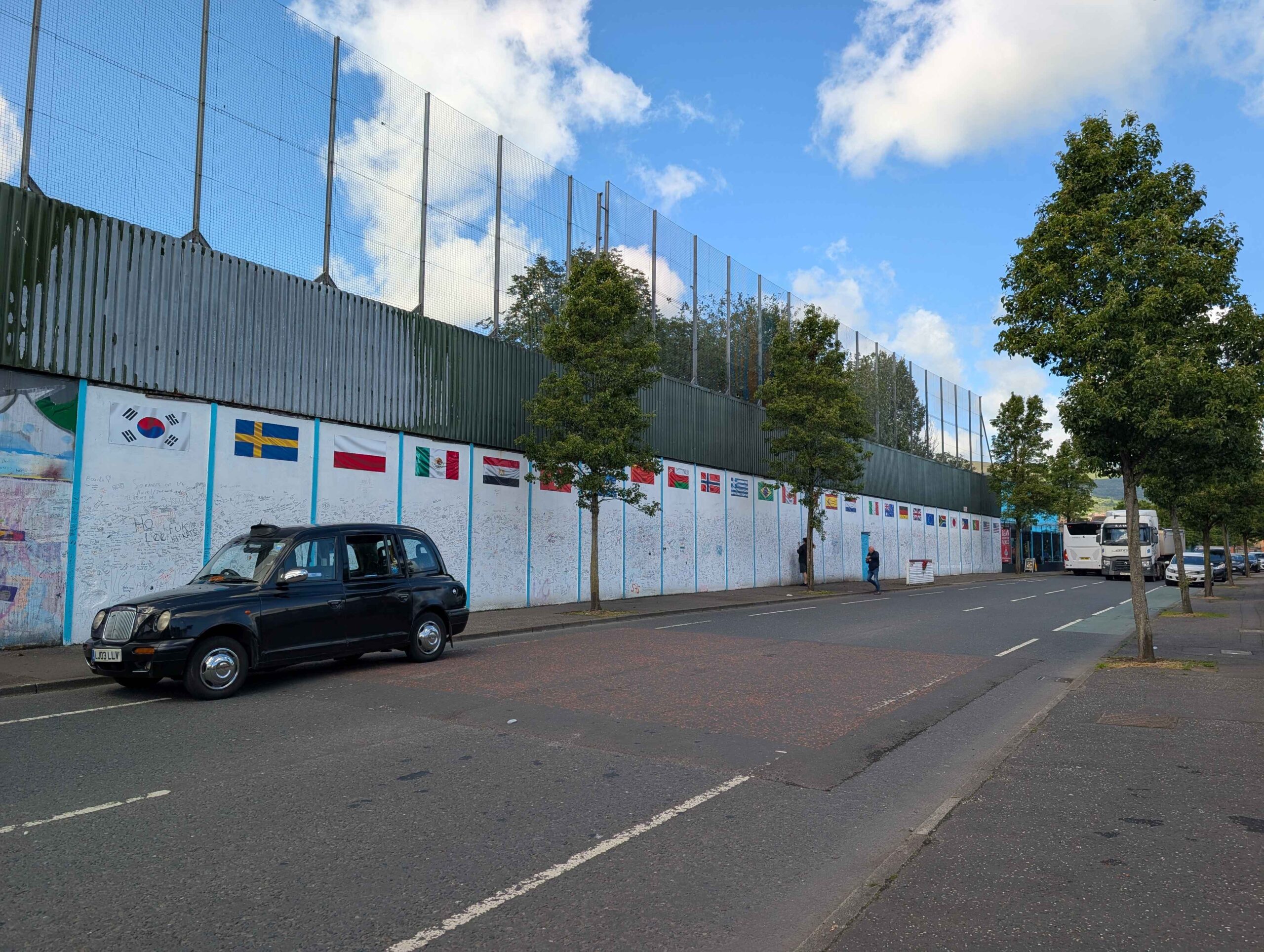
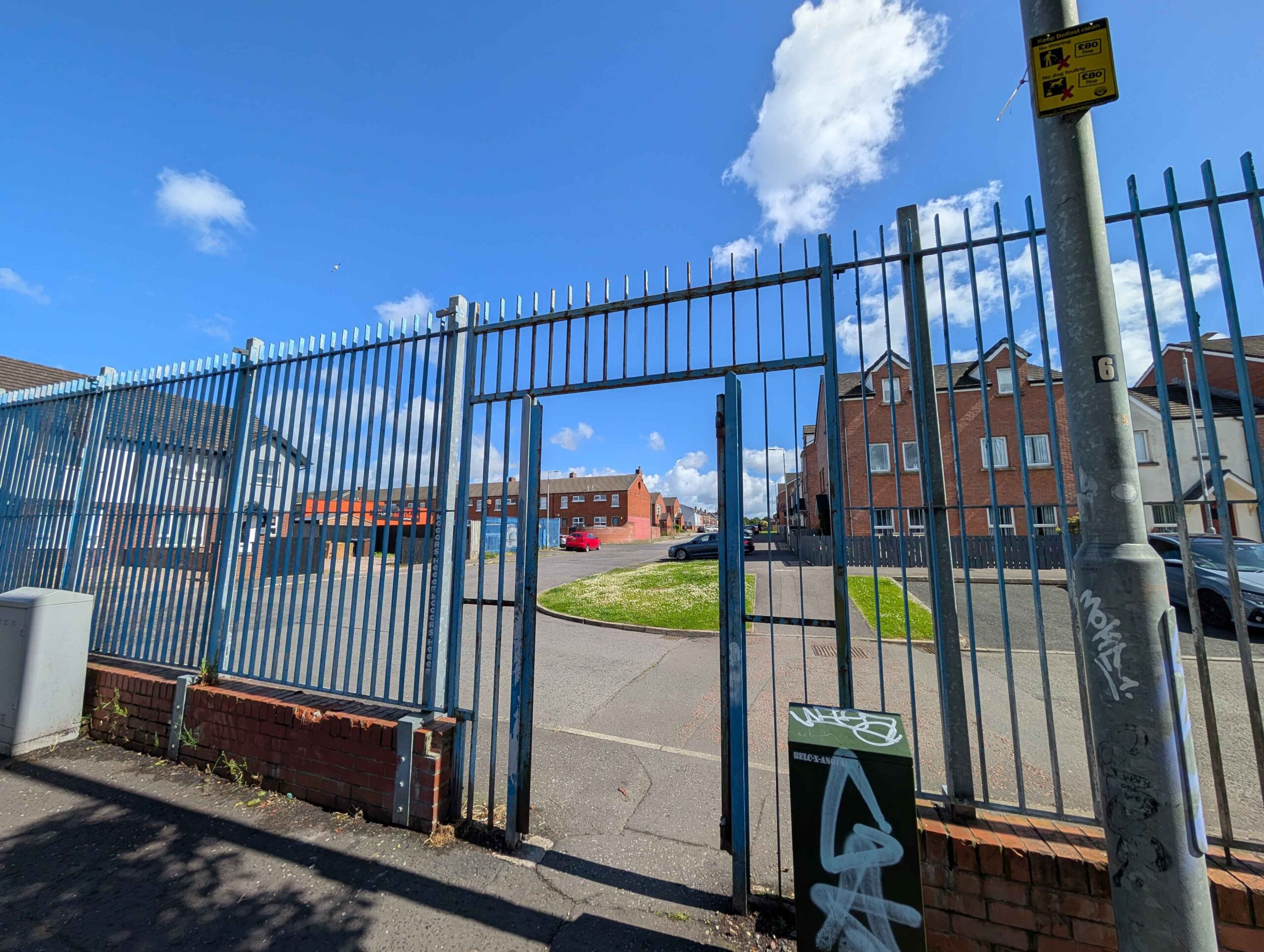
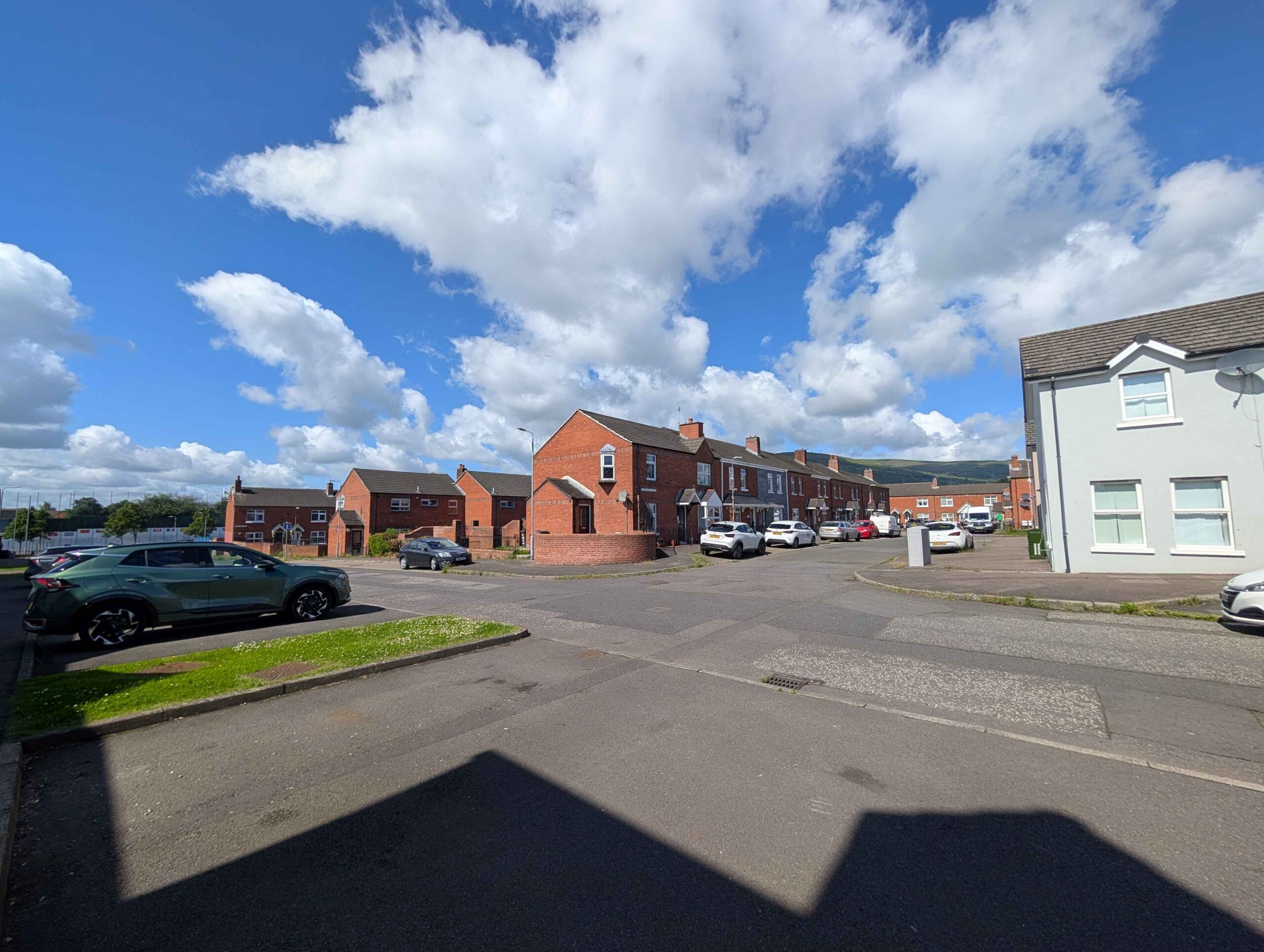
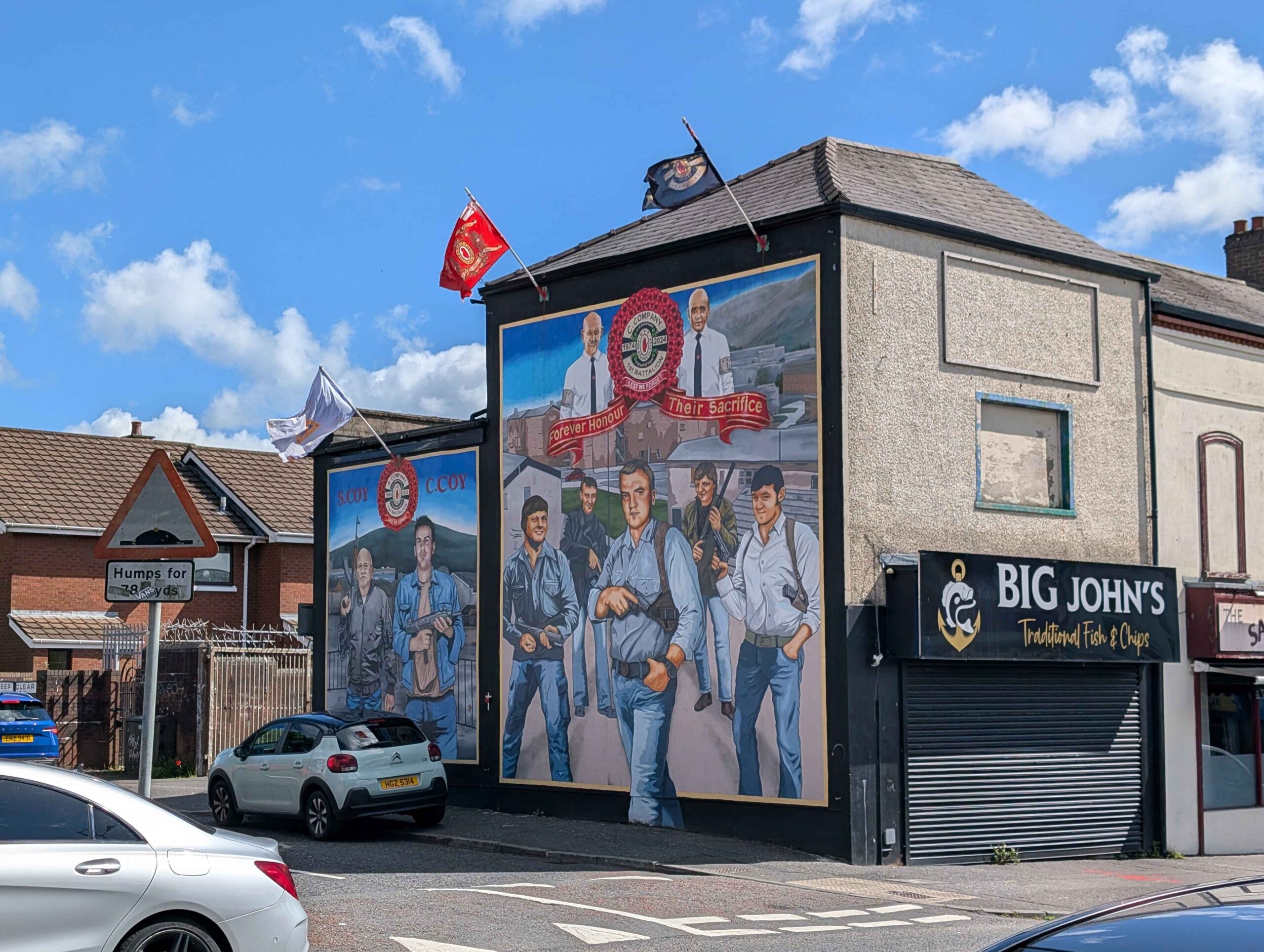
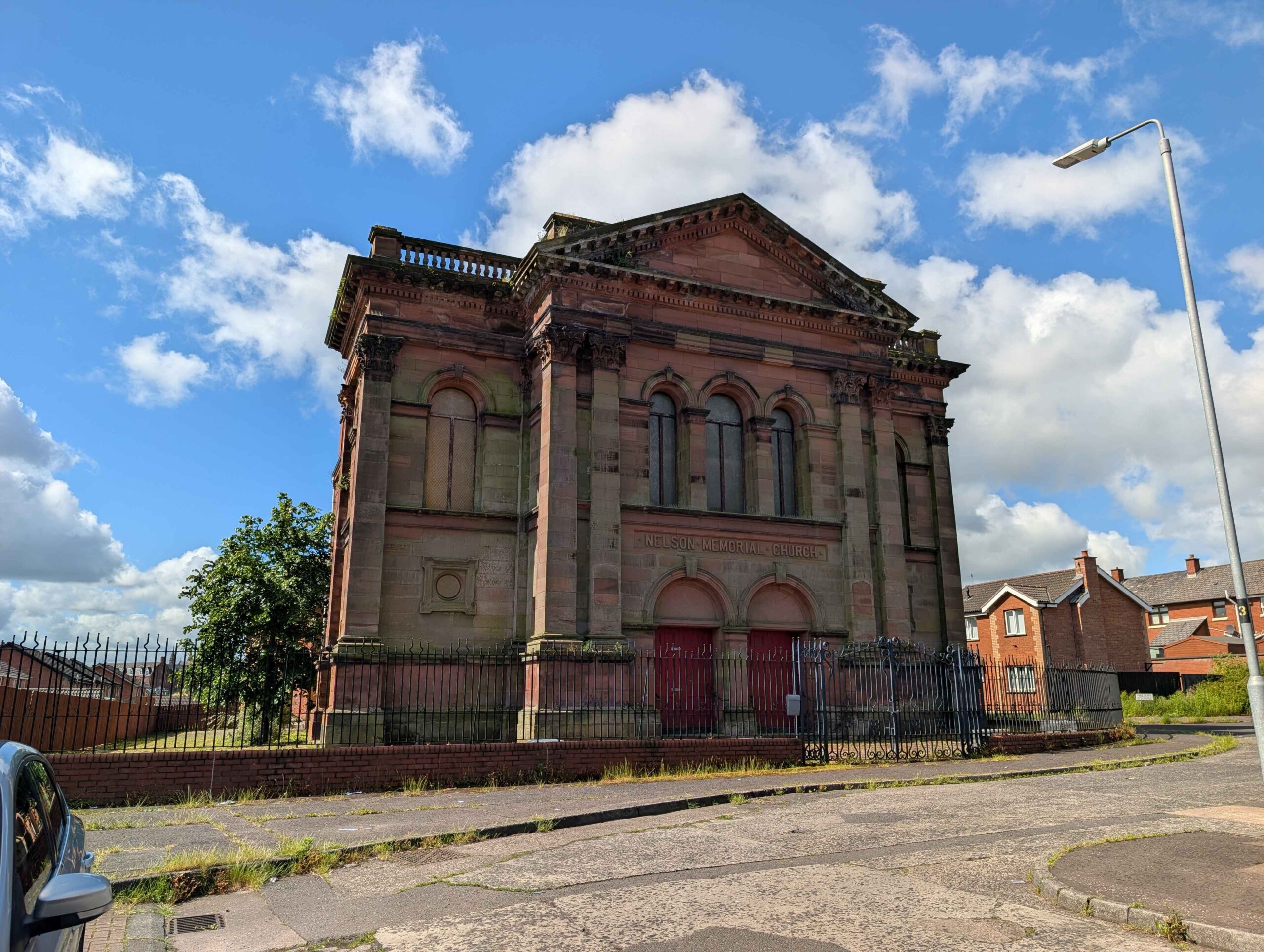
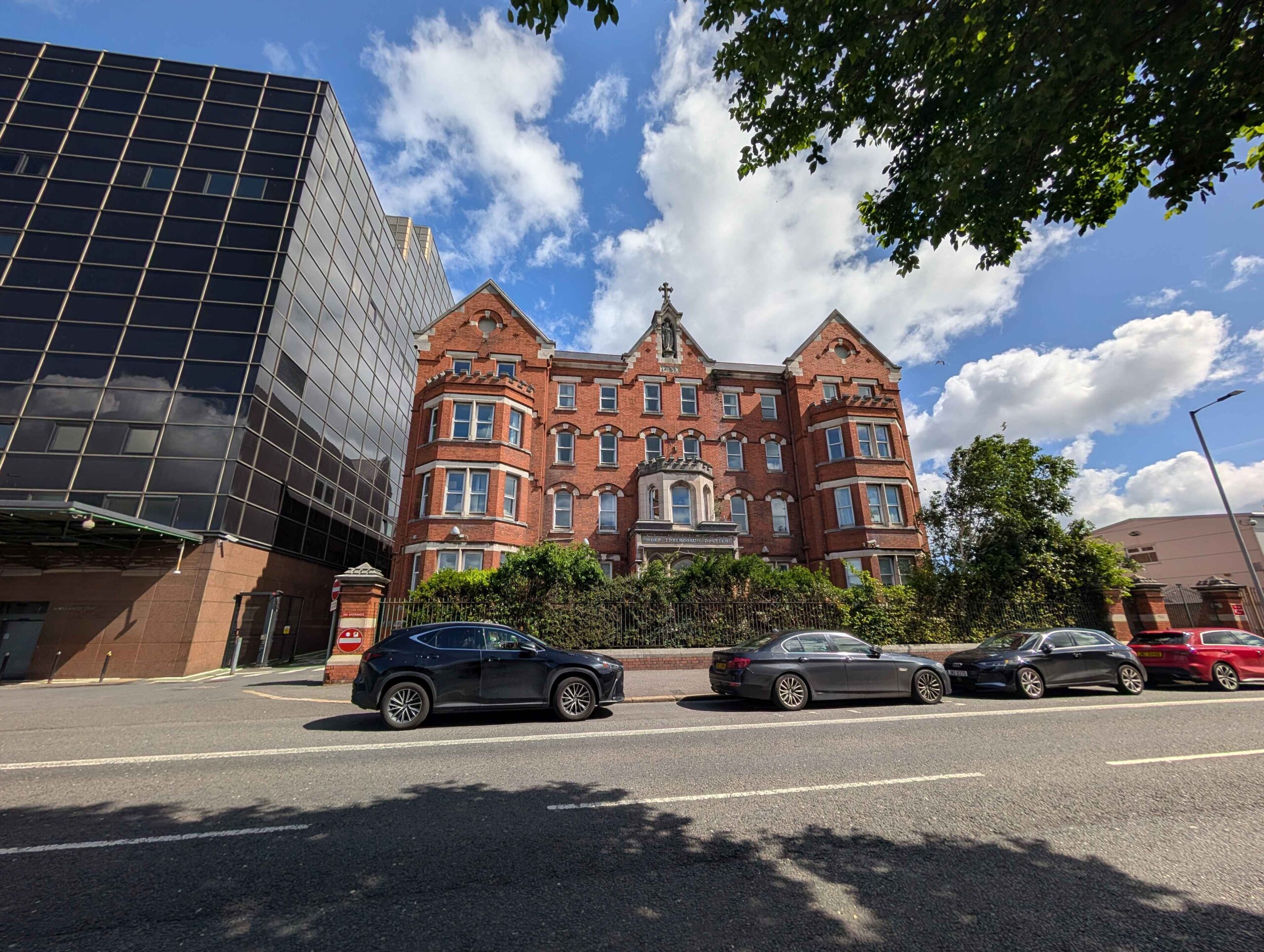
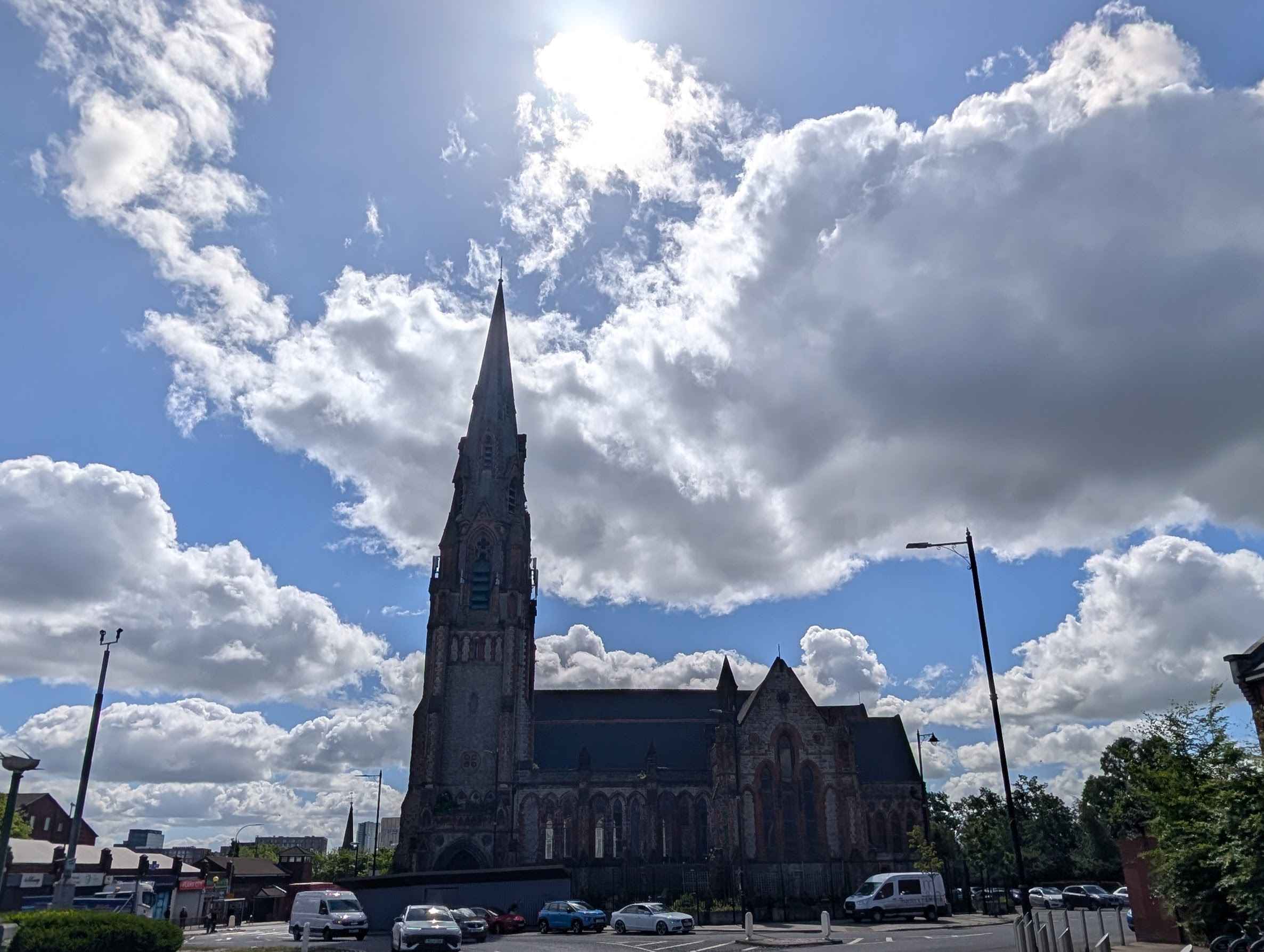
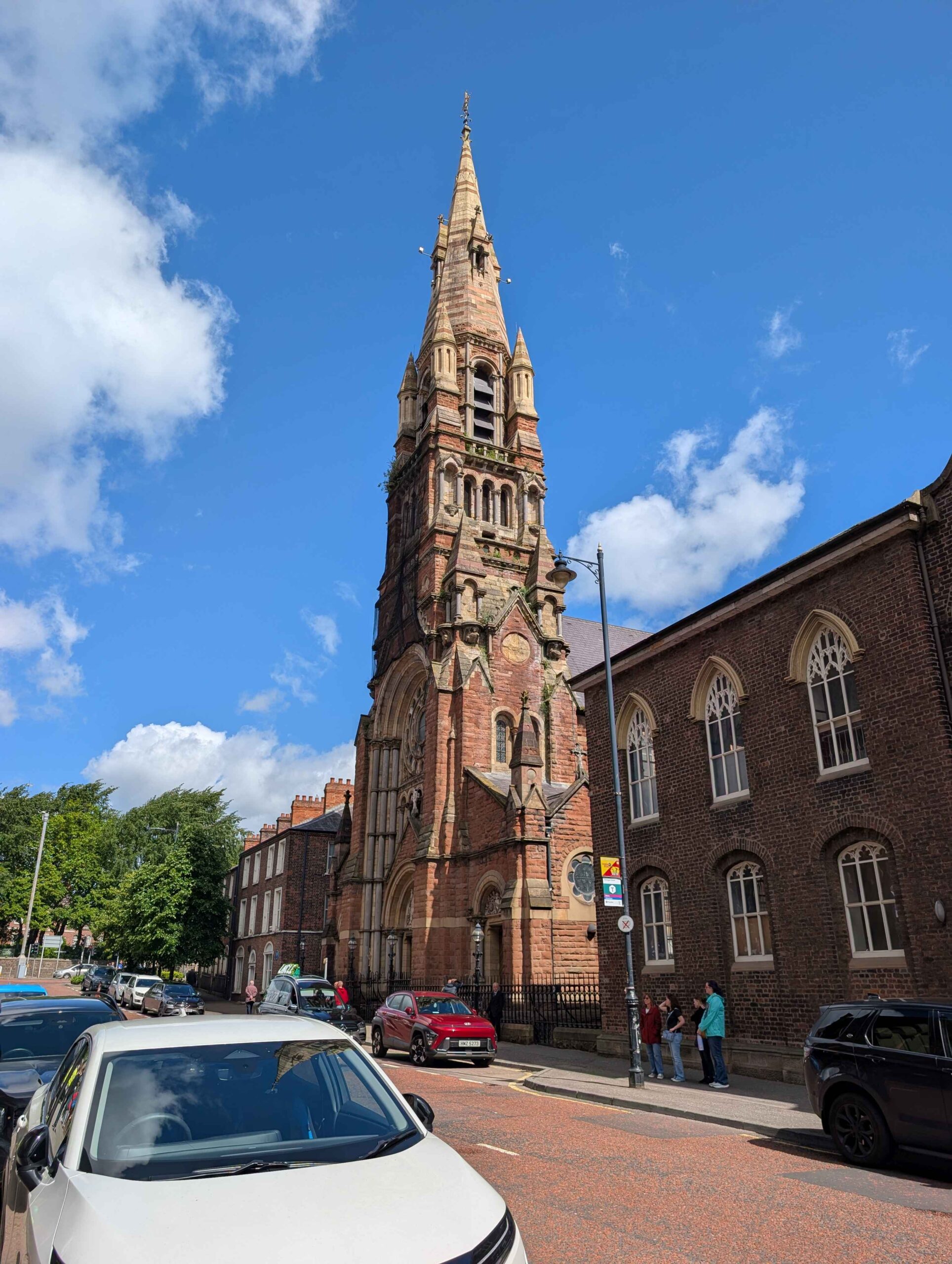
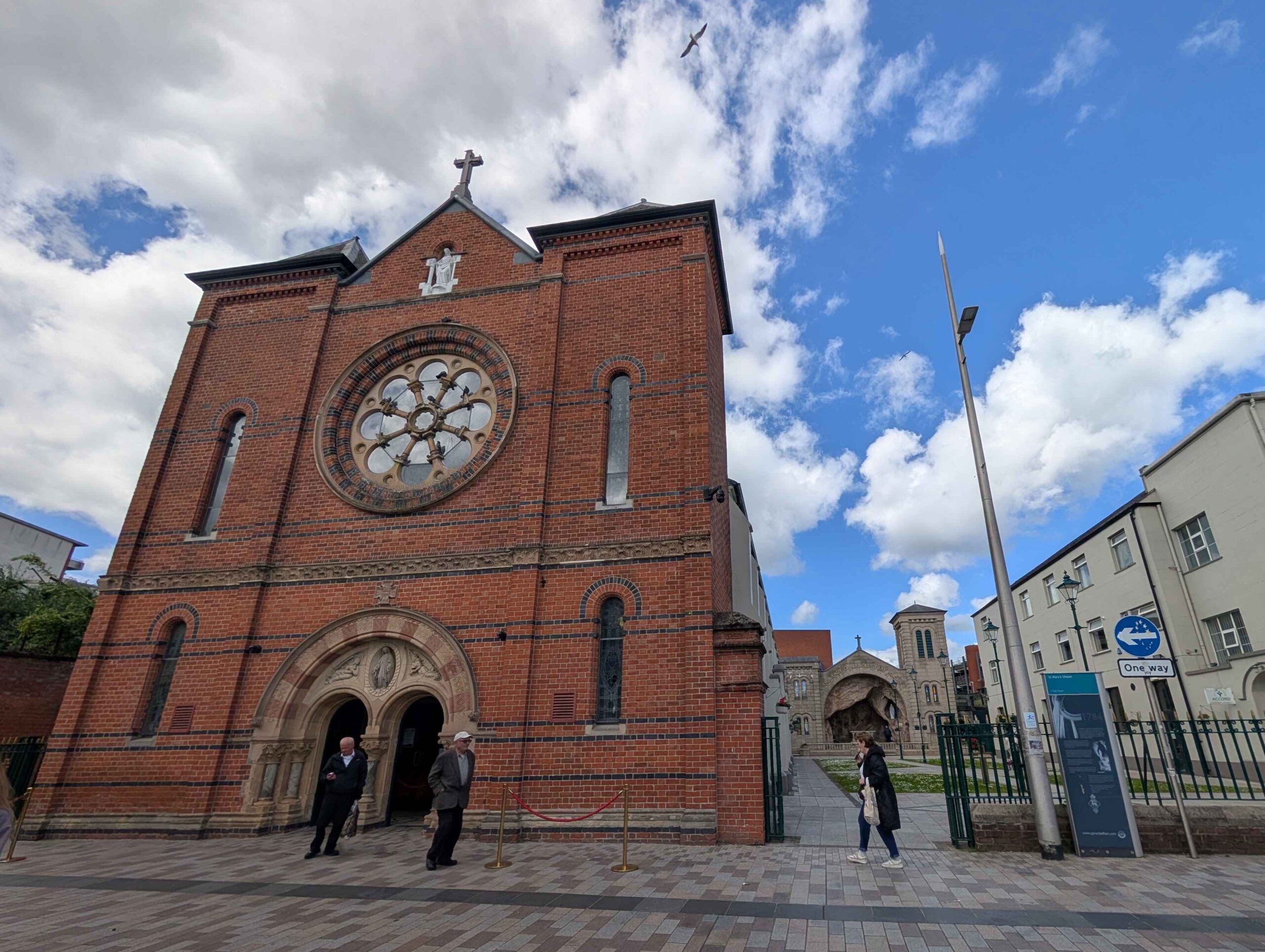
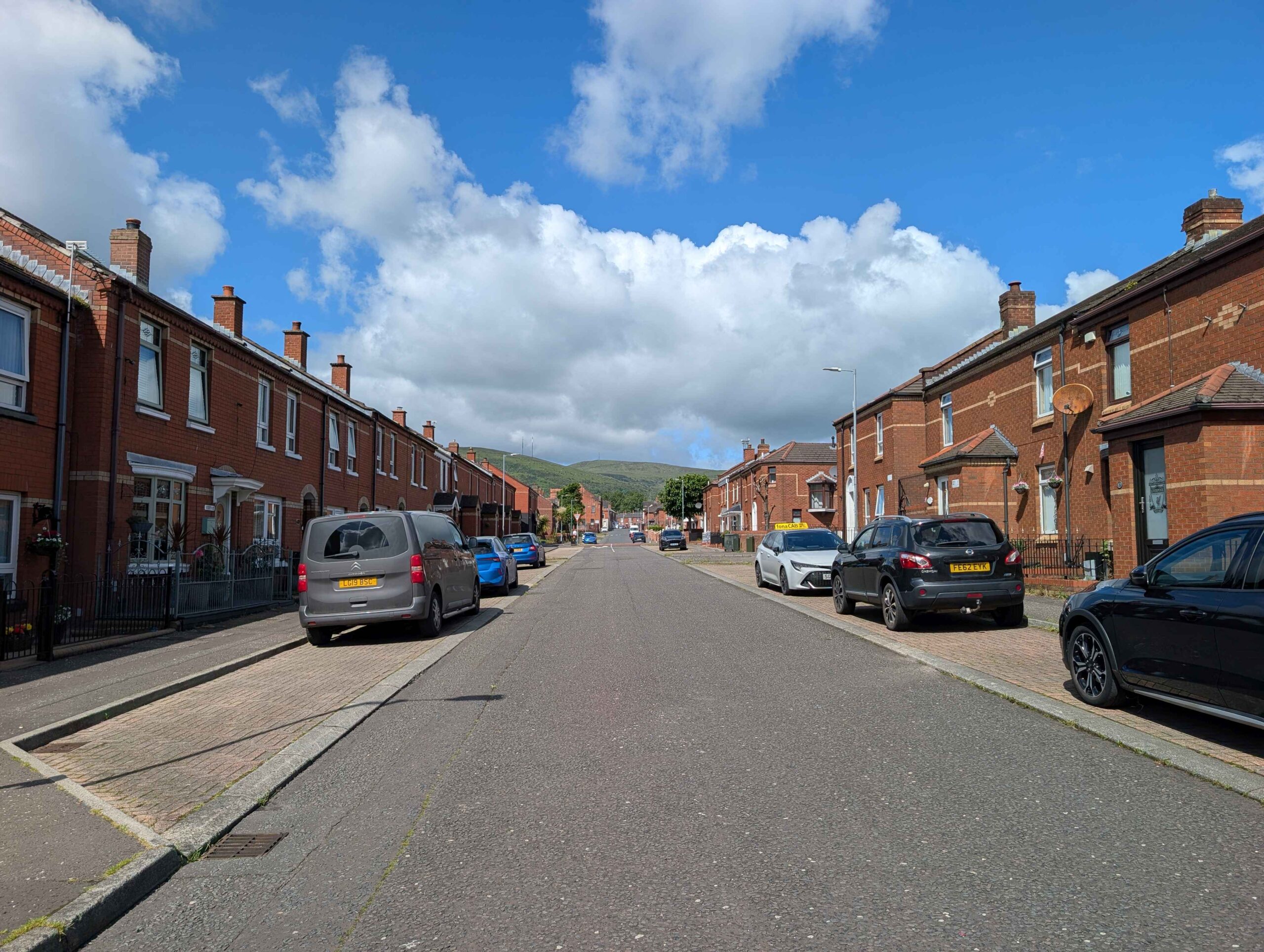
My third visit took me in a completely different direction. After taking the shuttle into the city center, I walked out toward the Peace Wall, wandering through residential neighborhoods along the way. What stood out most wasn’t the wall itself, but how seamlessly it blends into everyday life. Rather than existing as an isolated historical site, the walls cut directly through neighborhoods where people still live. In some locations, gates remain in place, complete with posted opening and closing hours. Seeing that made Belfast’s history feel much more recent than I expected. Beyond the walls, I found churches, murals, schools, and street after street of brick row houses. The neighborhoods themselves felt remarkably ordinary, which somehow made the walls feel even more significant.
Belfast turned out to be a city that rewarded repeat visits. My first impression was shaped almost entirely by bad weather, but each return visit revealed another layer. Between the quiet paths of Victoria Park, the working waterfront around the Titanic Quarter, and the neighborhoods surrounding the Peace Wall, I came away with a much better understanding of the city than I ever could have from a bus window. Belfast’s history is impossible to ignore, but what stayed with me most was seeing how that history continues to exist alongside everyday life, woven into the streets, neighborhoods, and routines of the people who call the city home.


If You Have More Time…
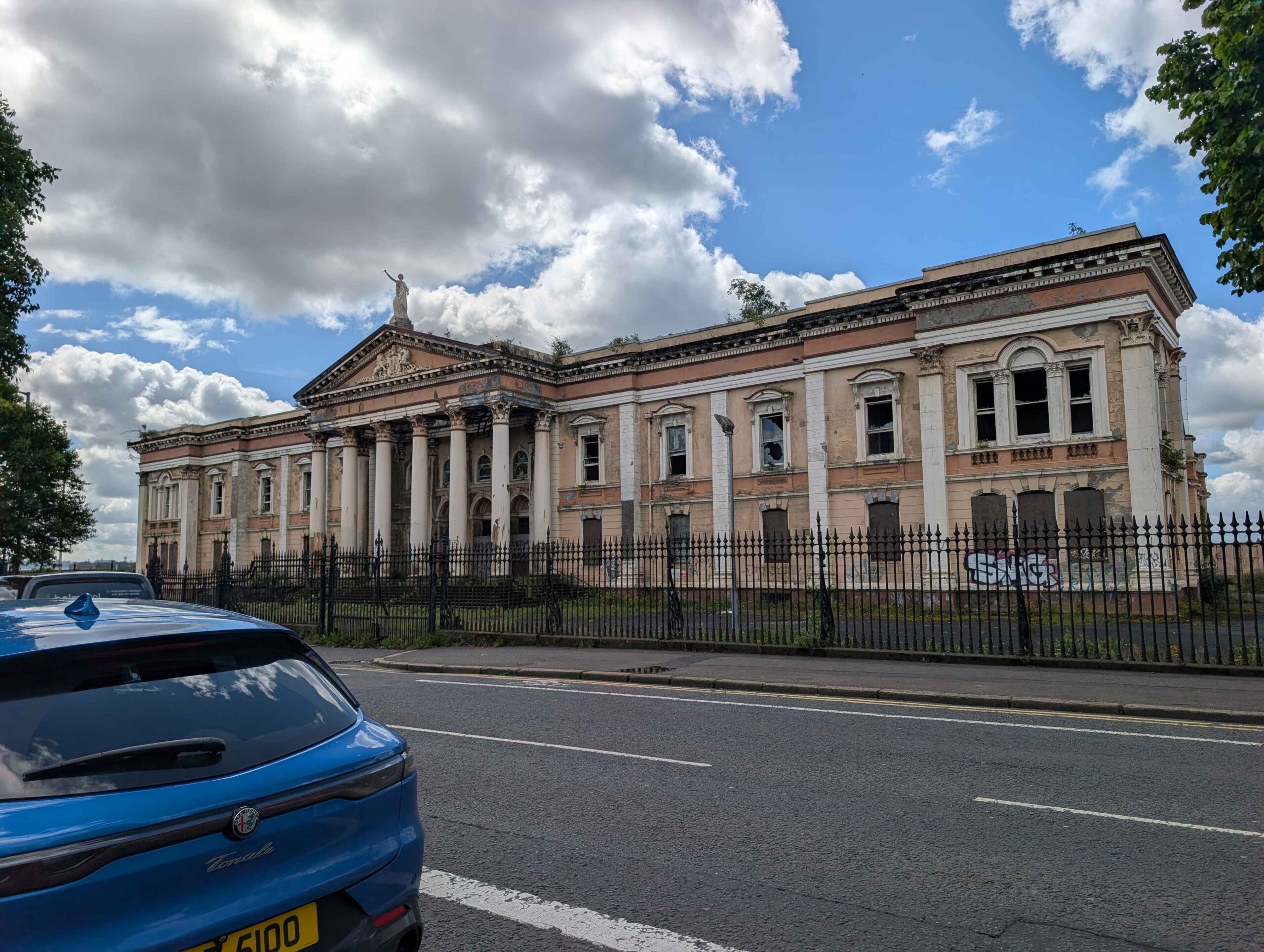
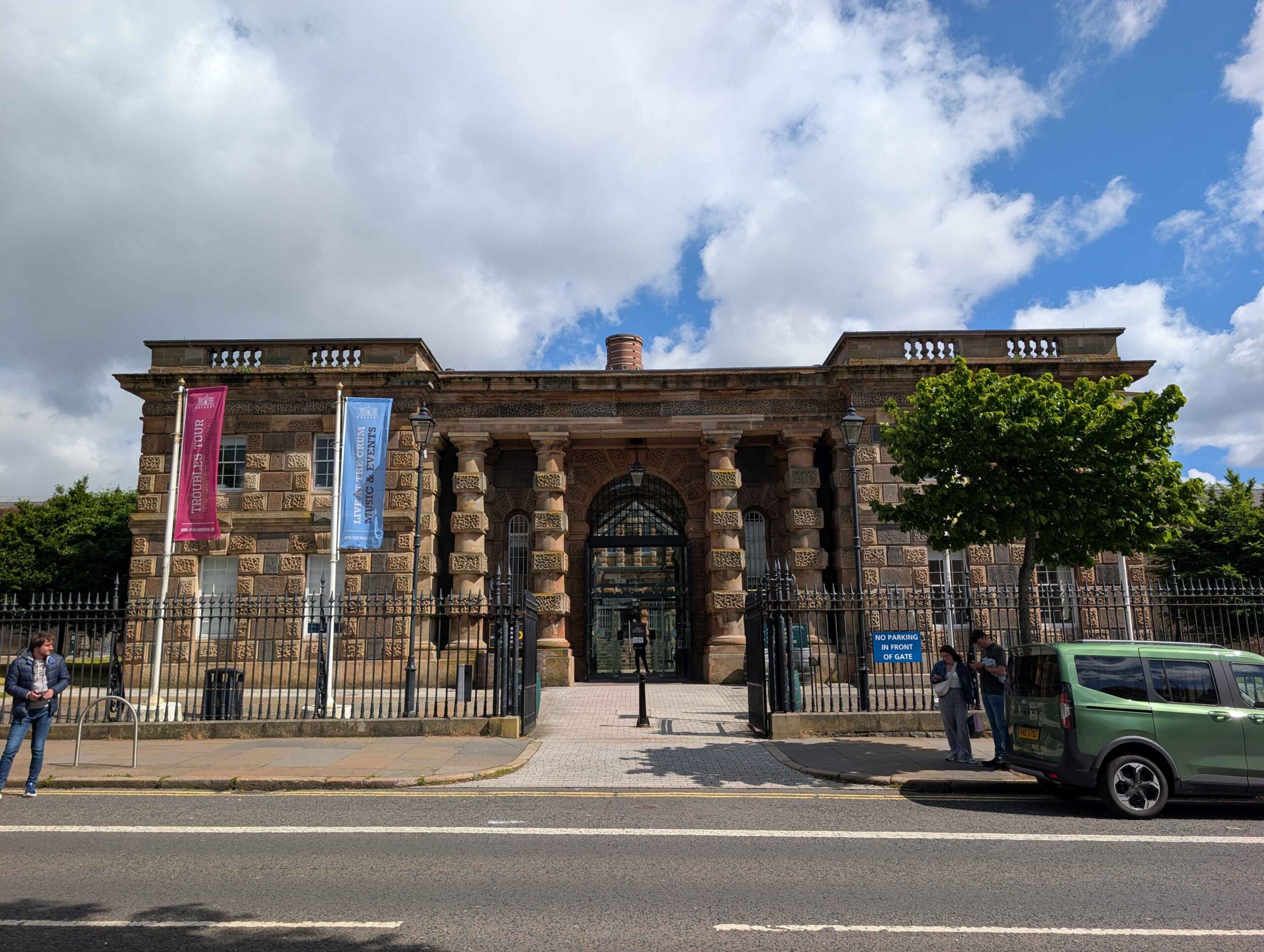
- Crumlin Road Gaol – This former Victorian prison offers guided tours that explore Belfast’s social and political history, including stories connected to the Troubles.
- Belfast Castle – Perched on the slopes of Cave Hill, the castle offers panoramic views over Belfast and Belfast Lough, along with walking trails through the surrounding parkland.
- Ulster Museum – One of Northern Ireland’s most comprehensive museums, covering archaeology, natural history, art, and modern history, with free admission.
- St George’s Market – One of Belfast’s oldest attractions, combining local food vendors, crafts, and live music inside a beautifully restored Victorian market hall.
- Cave Hill Country Park – A larger outdoor escape overlooking the city, with hiking trails, rocky viewpoints, and some of the best elevated views in the Belfast area.