
Exploring Willemstad on My First Curaçao Cruise Visit
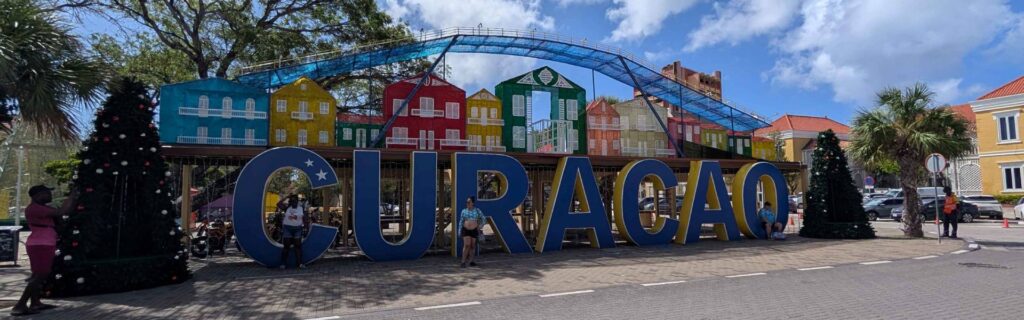
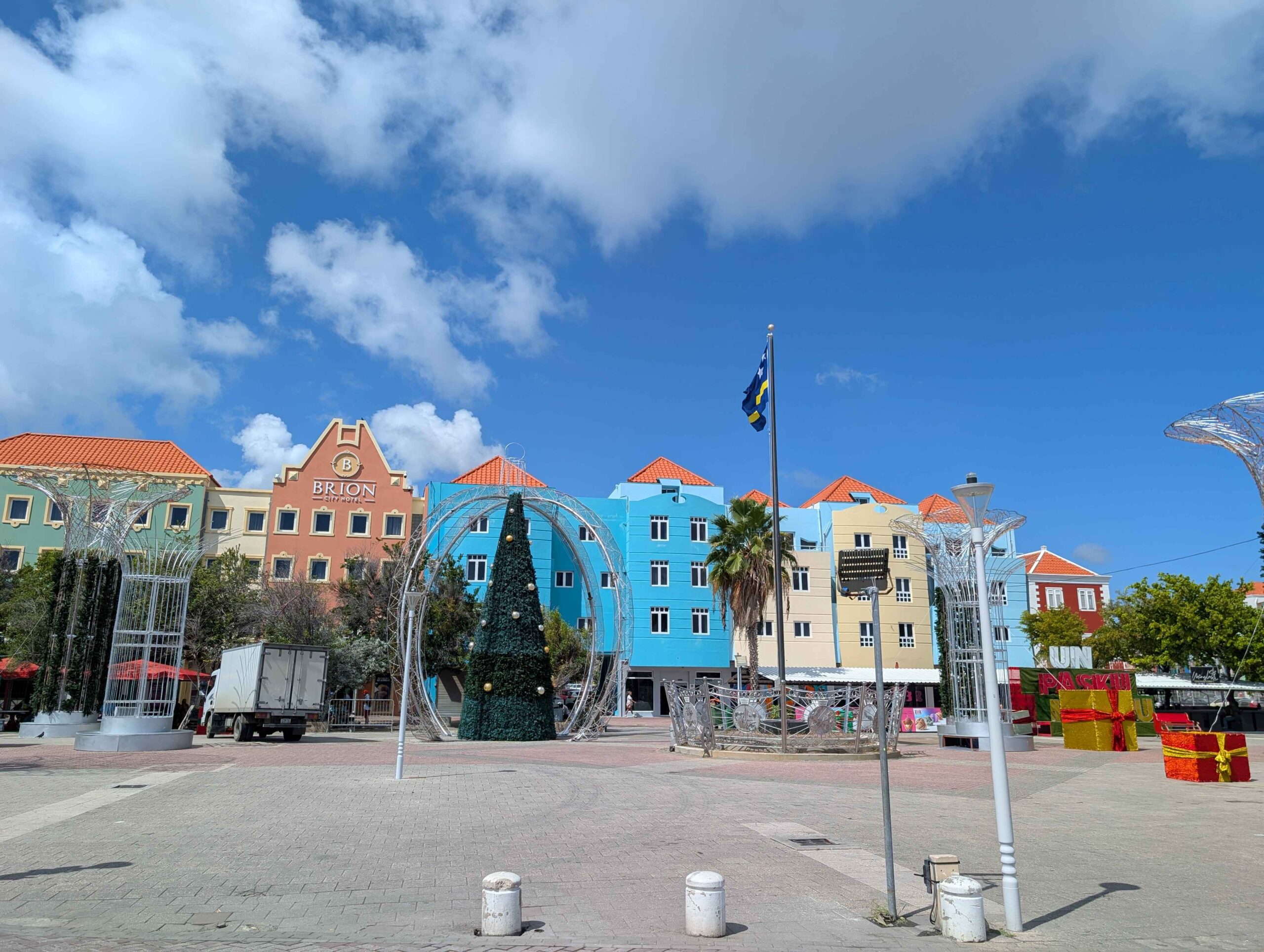
Sailing into Willemstad by cruise sets the tone for a bright and colorful arrival. Willemstad (Willemstad in Papiamentu – Pronounced [vill-em-stahd]) sits on the island of Curaçao (Curaçao – Pronounced [koo-rah-sow]) and unfolds in vivid blues, yellows, and reds that echo its Dutch Caribbean heritage. This was my first time in Curaçao, and there was something special about finally completing the ABC Islands.
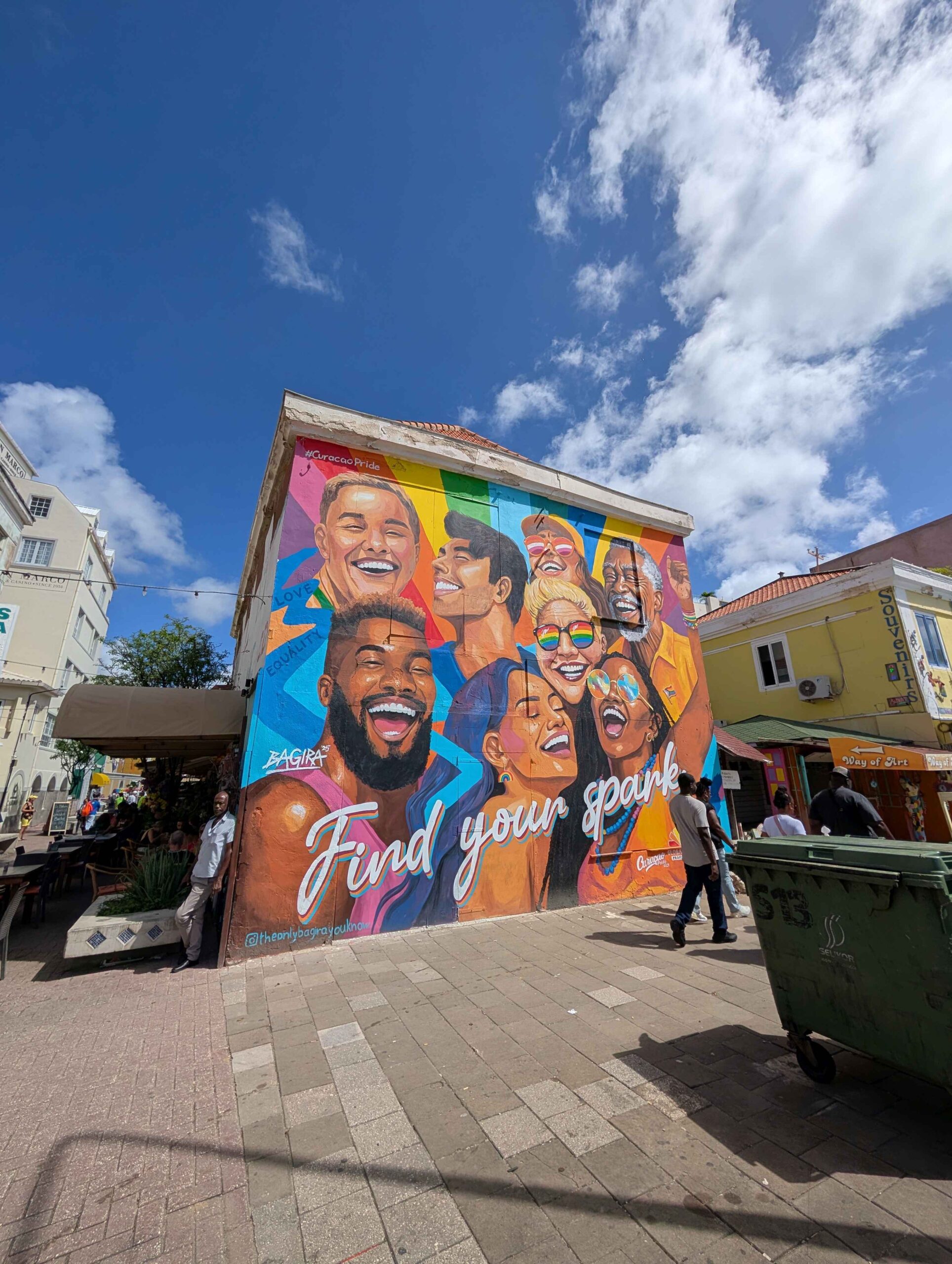
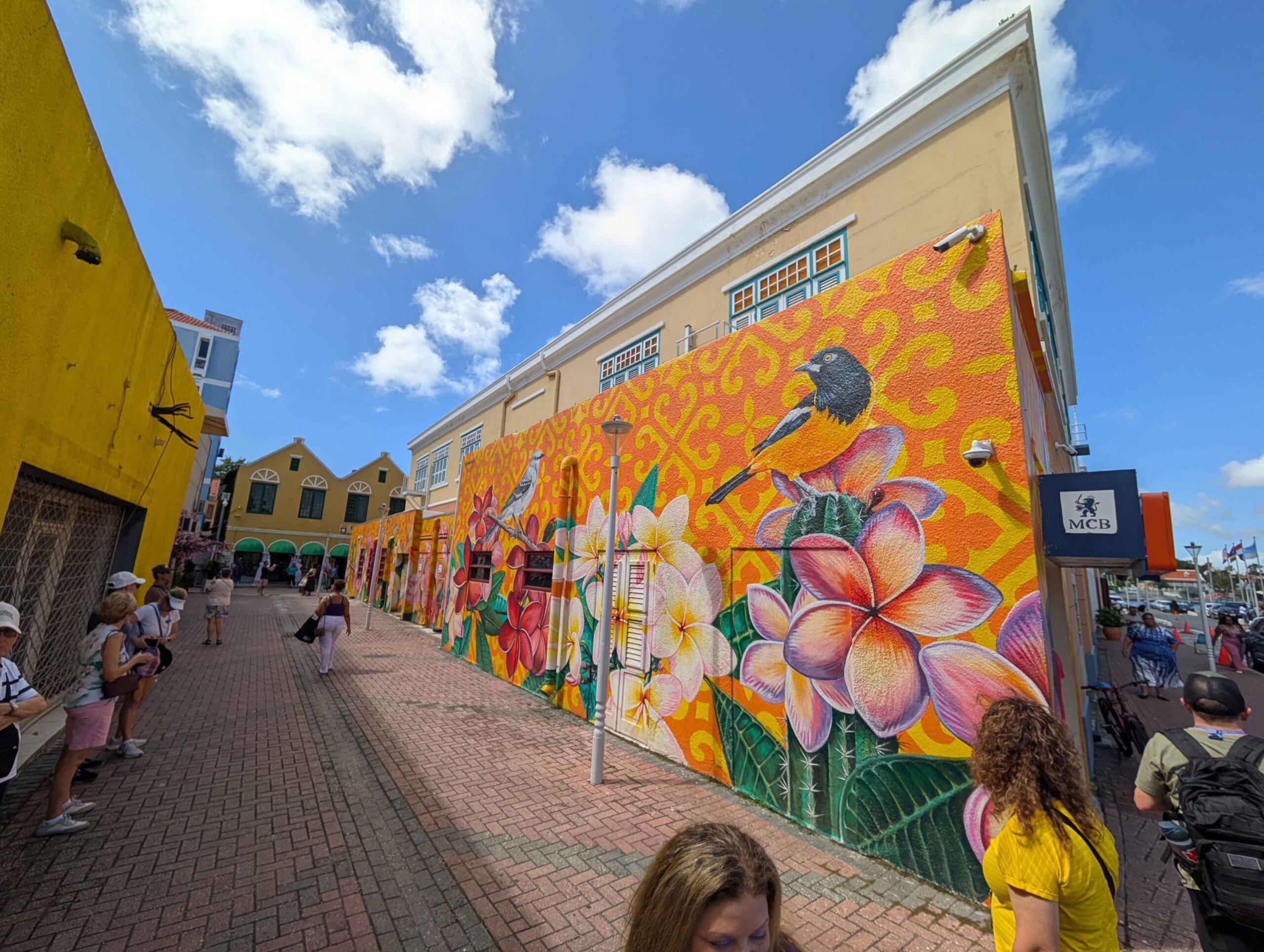
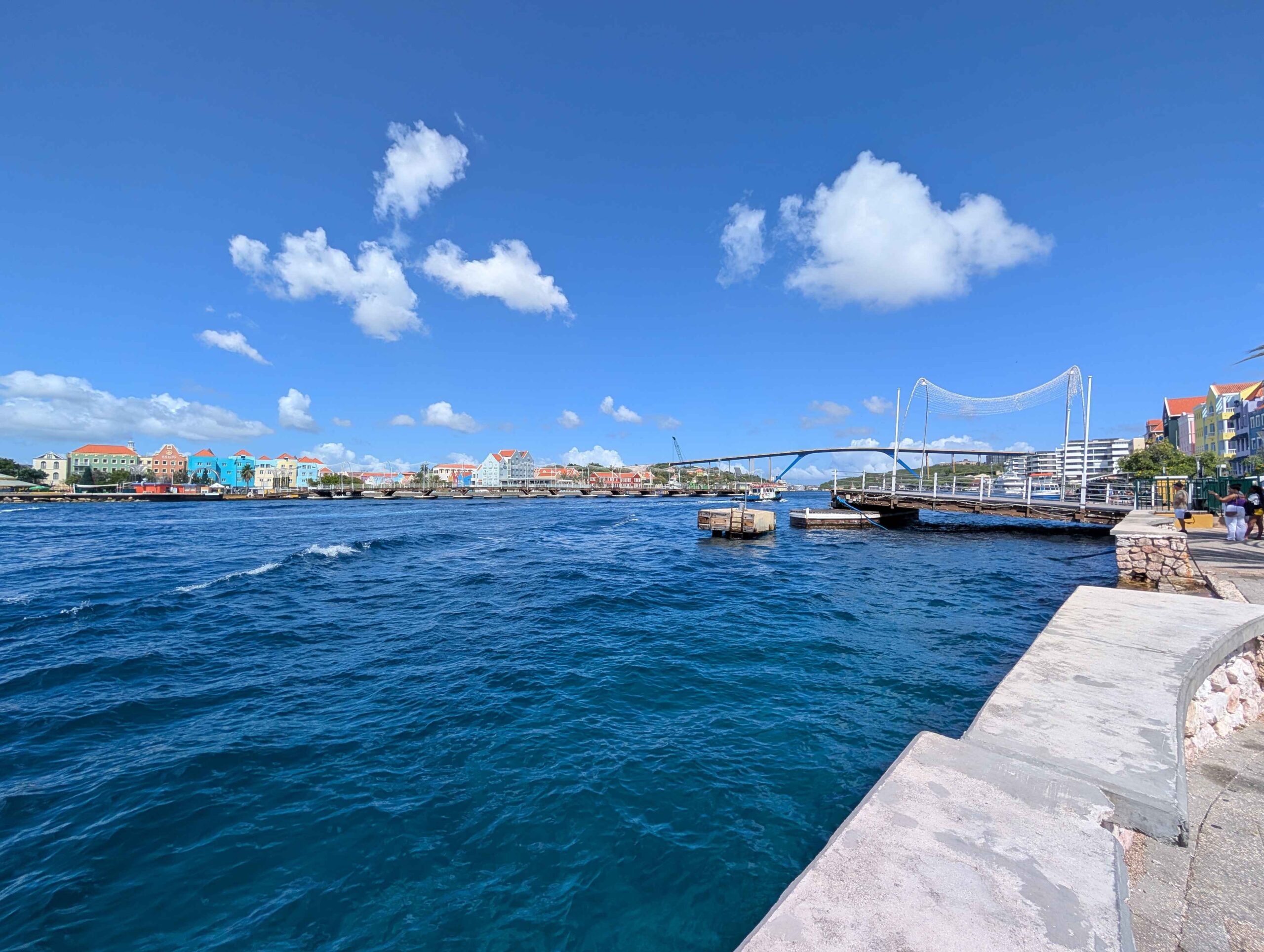
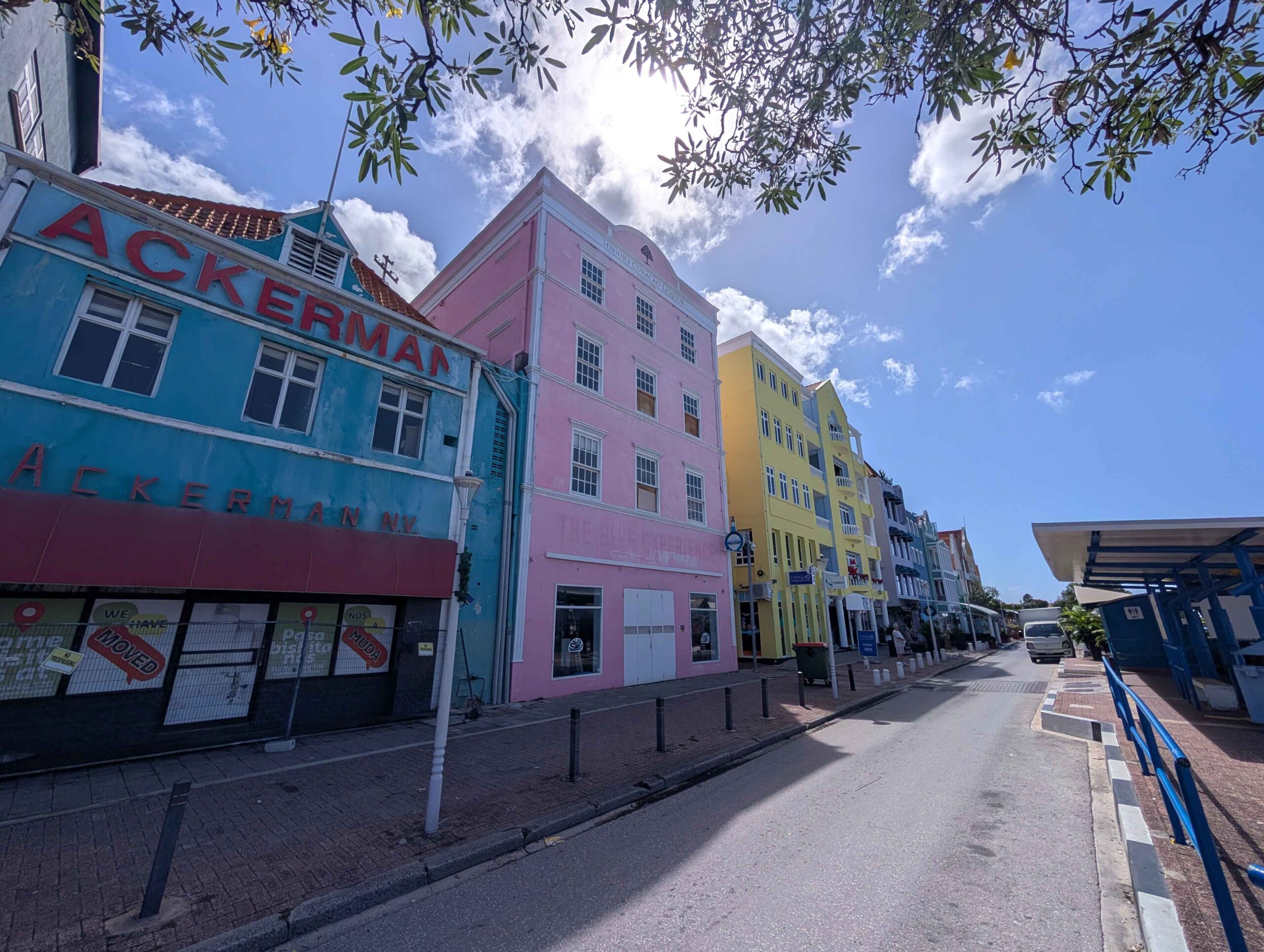
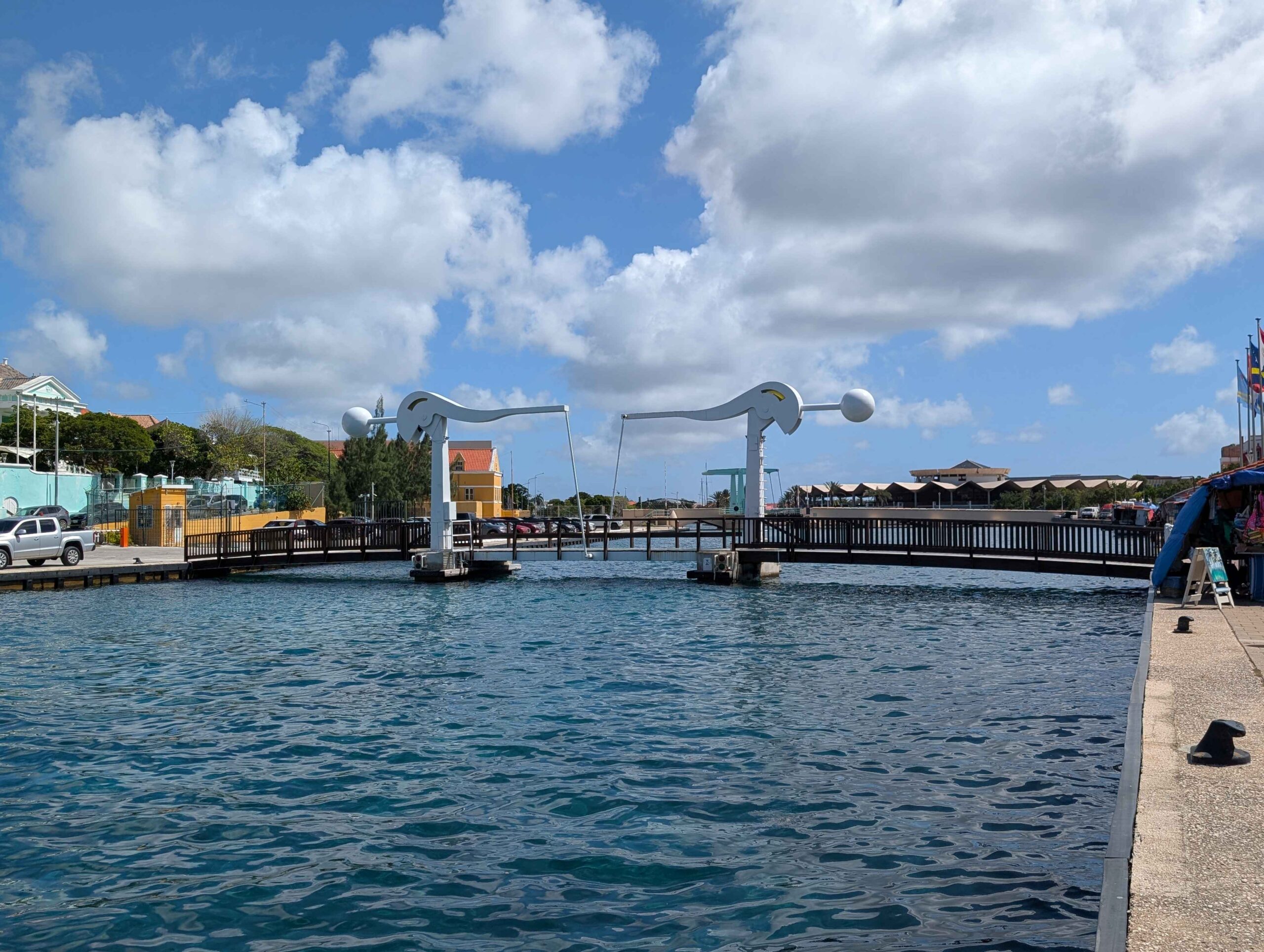
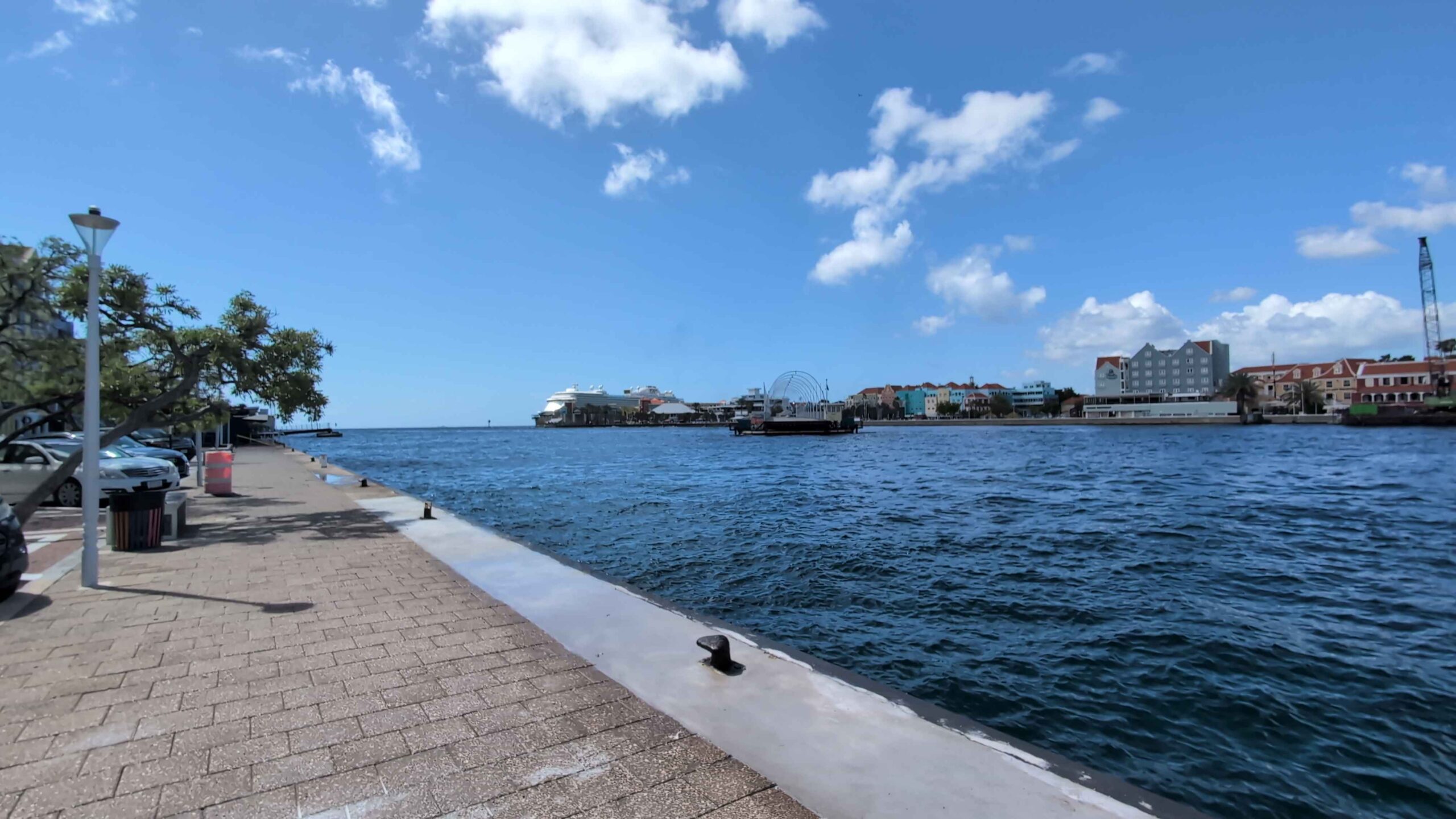
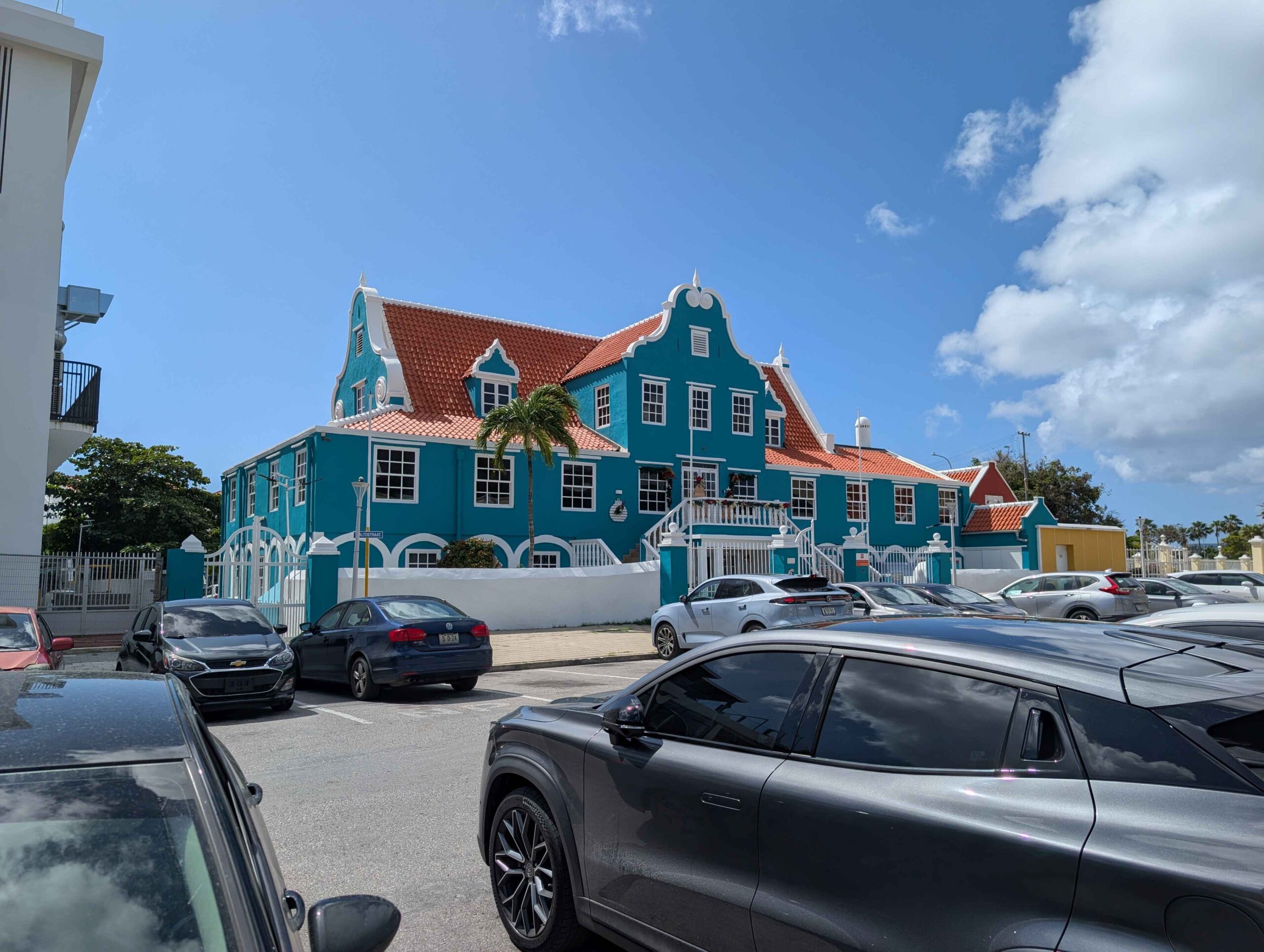
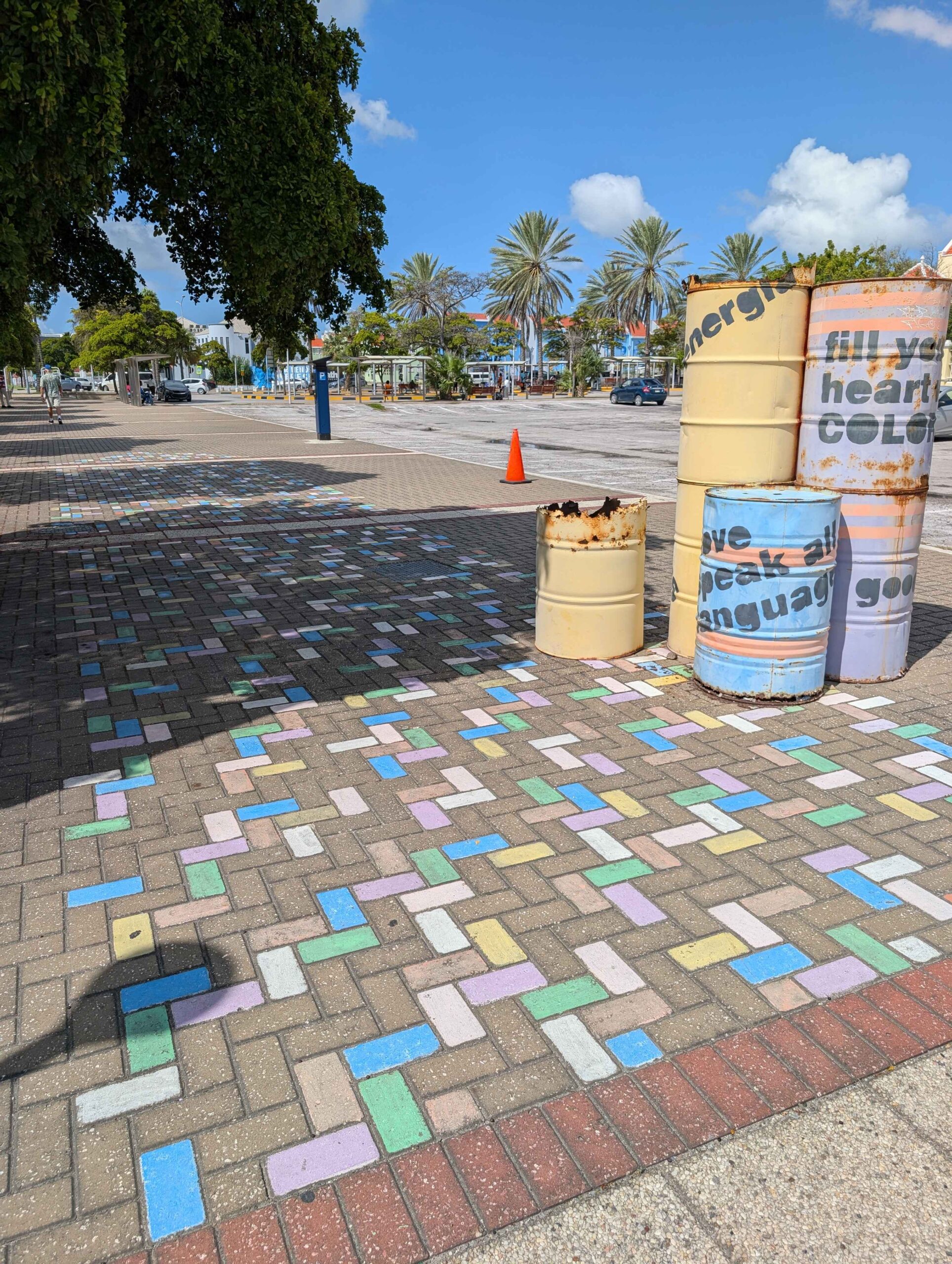
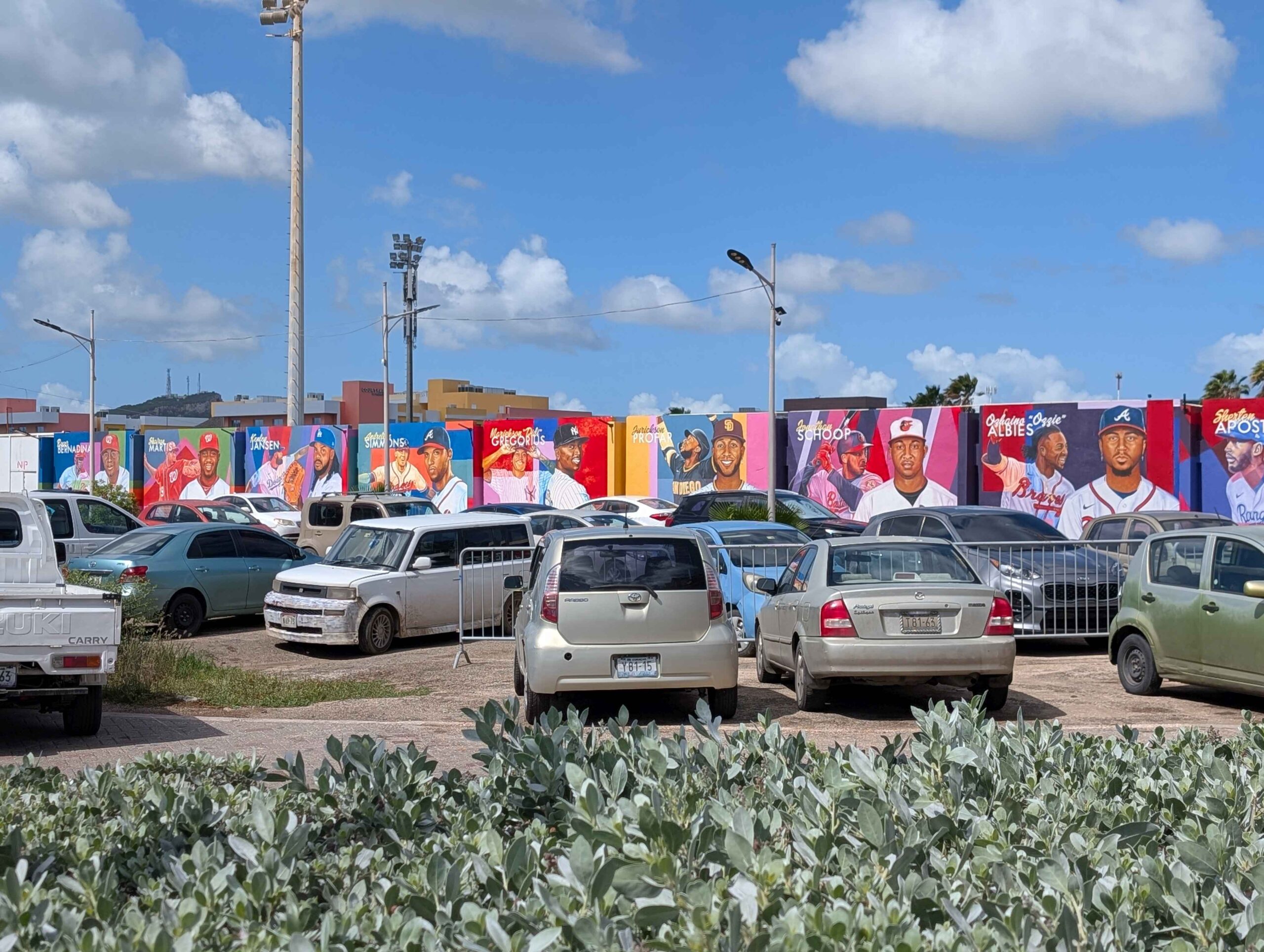
The capital blends colonial history with a relaxed island rhythm that makes wandering enjoyable. Its floating bridge, waterfront shops, and vibrant murals give the city a lively identity that feels both familiar and distinctly Caribbean. The island’s deep ties to trade and architecture are visible in every pastel building.
Even a short visit introduces you to the island’s layers of natural beauty and cultural meaning. Curaçao rewards curiosity, whether you are exploring its harbor views or stepping into its older historic districts.
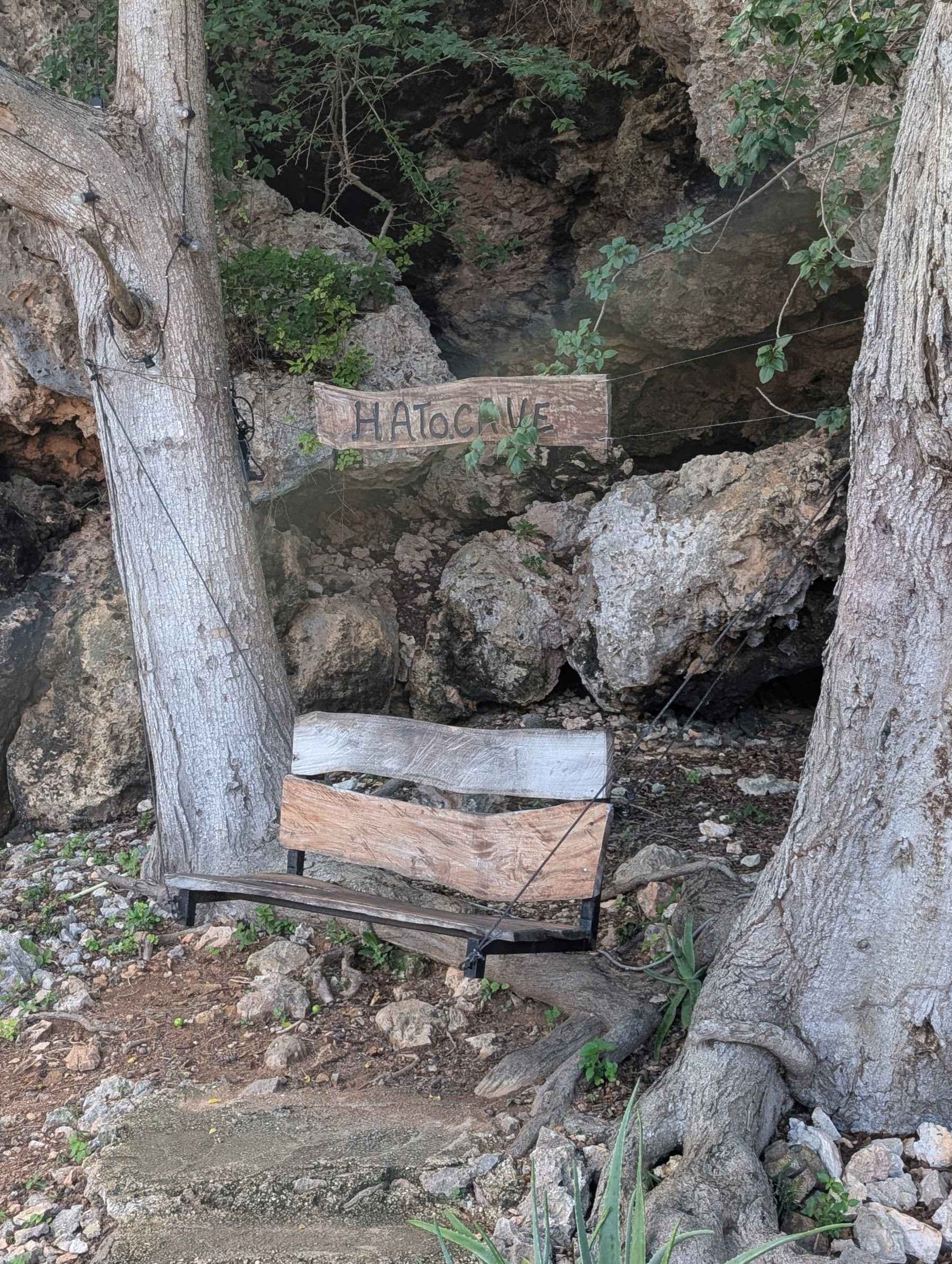
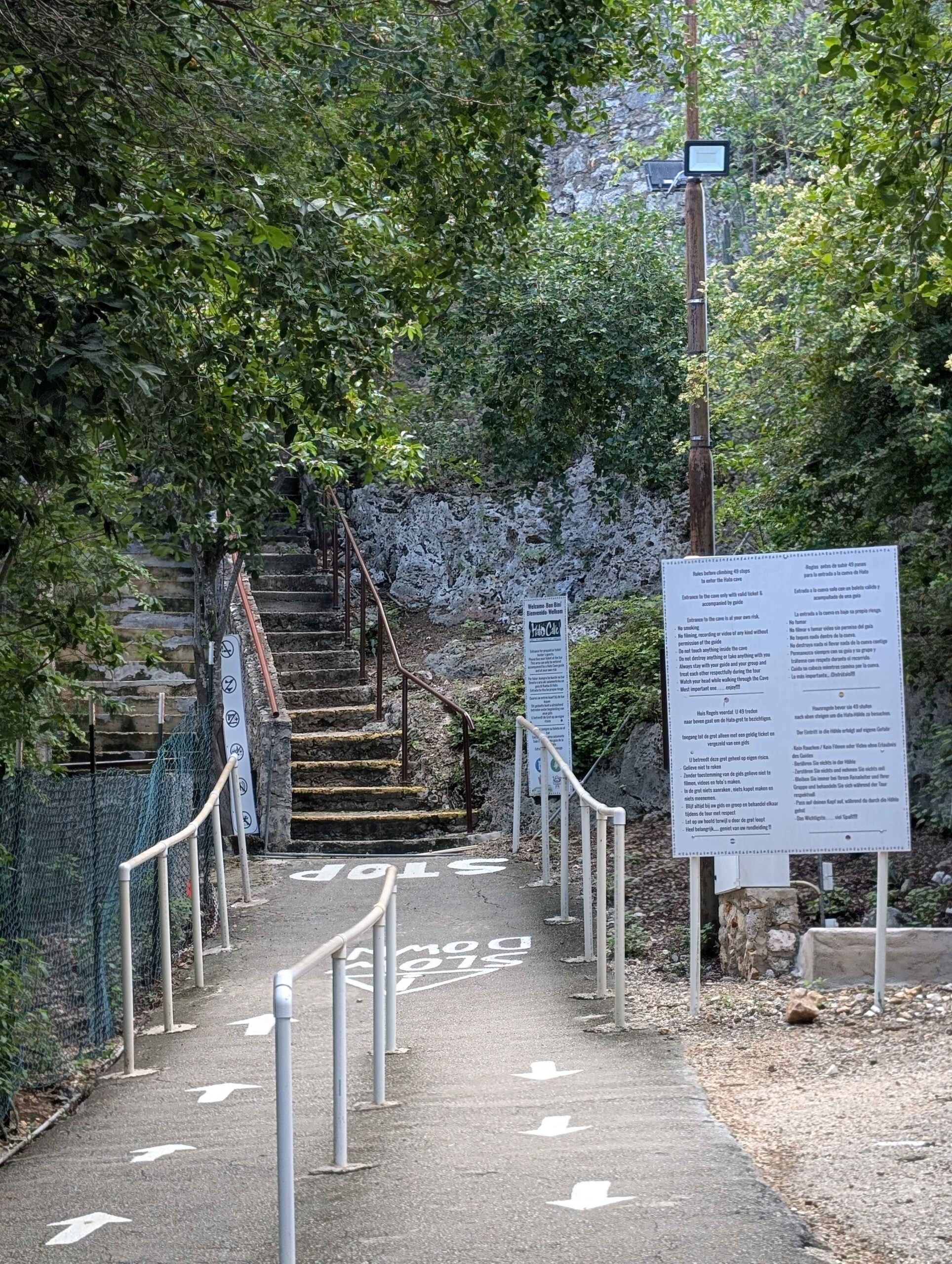
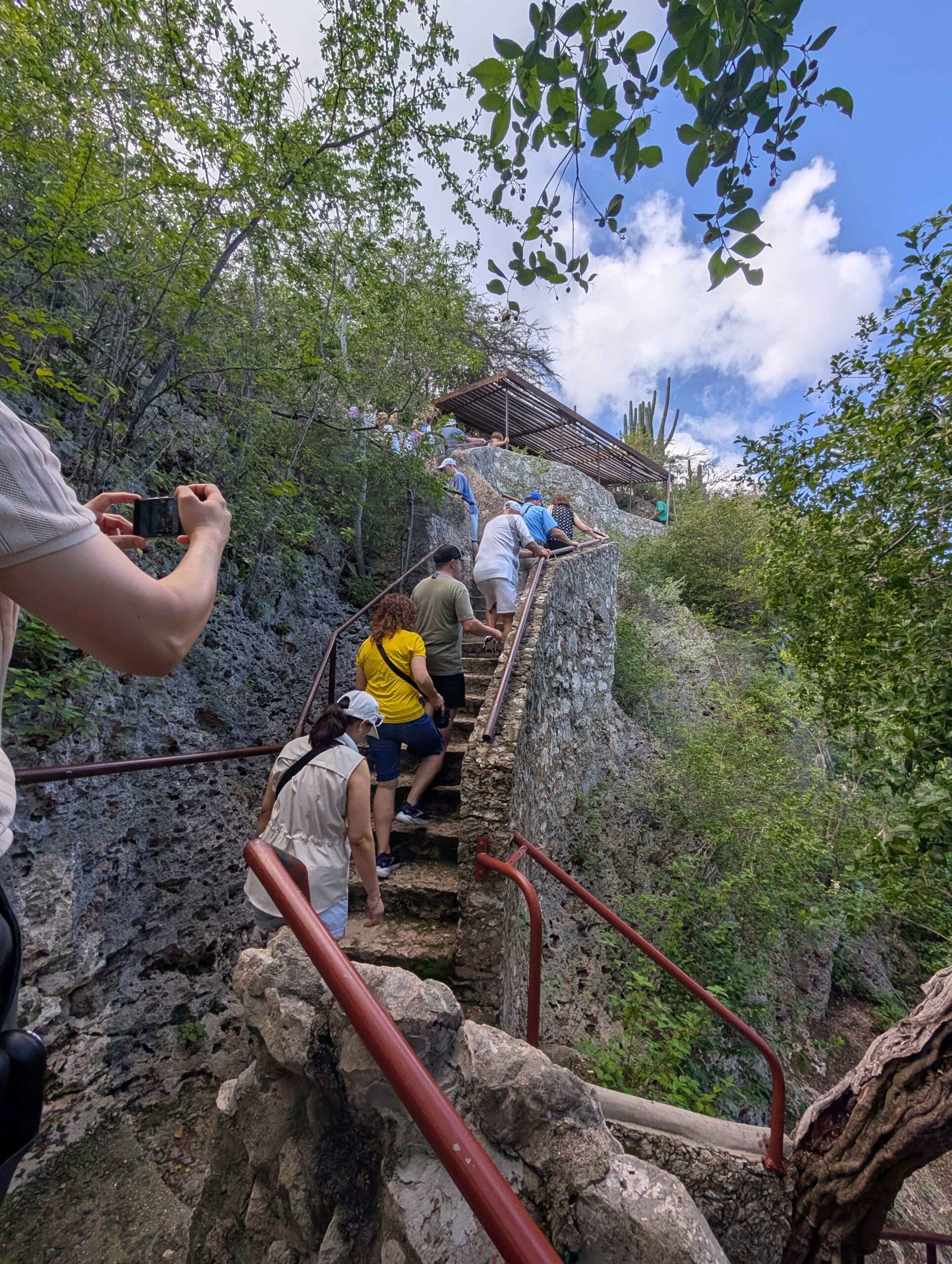
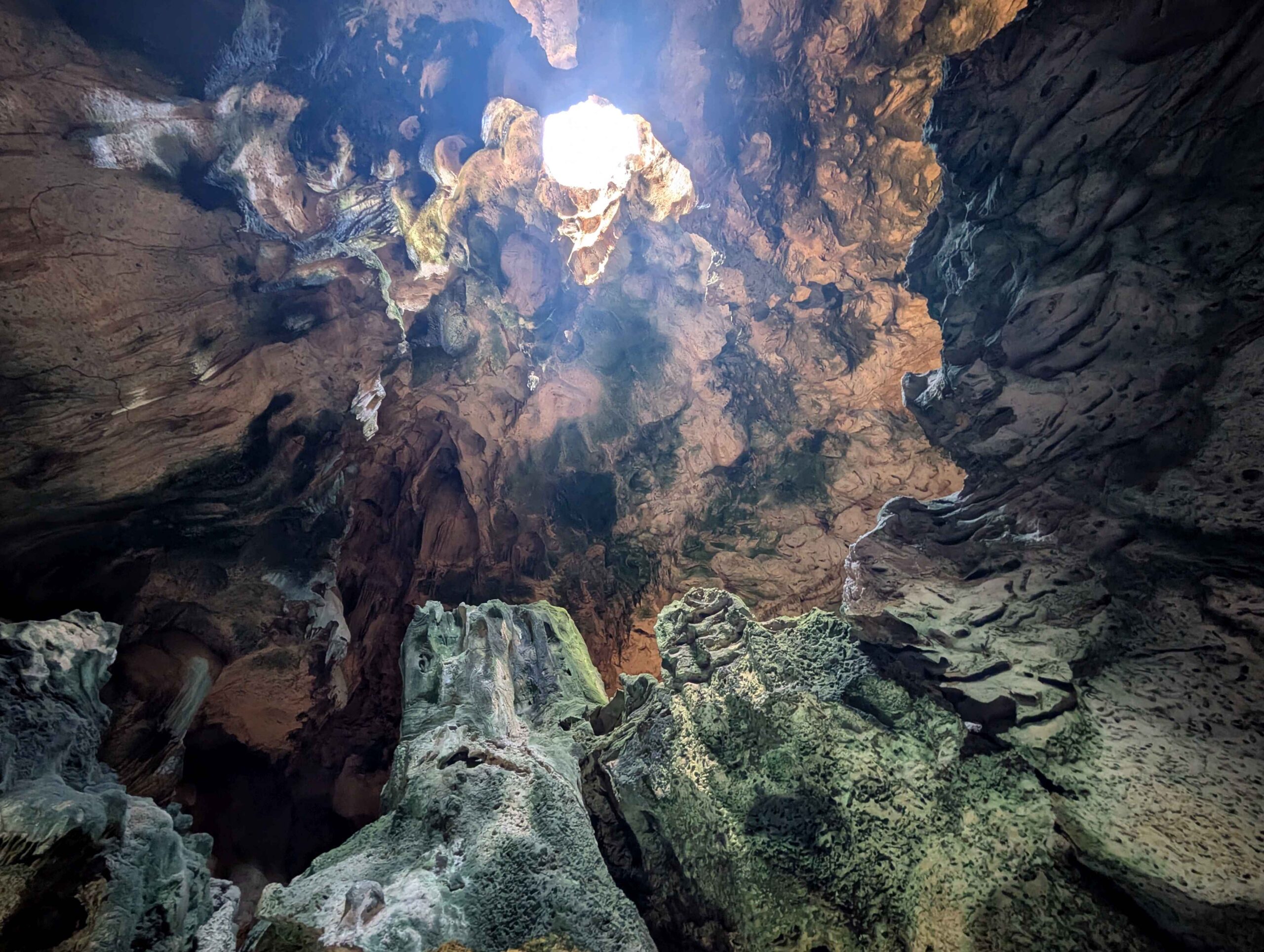
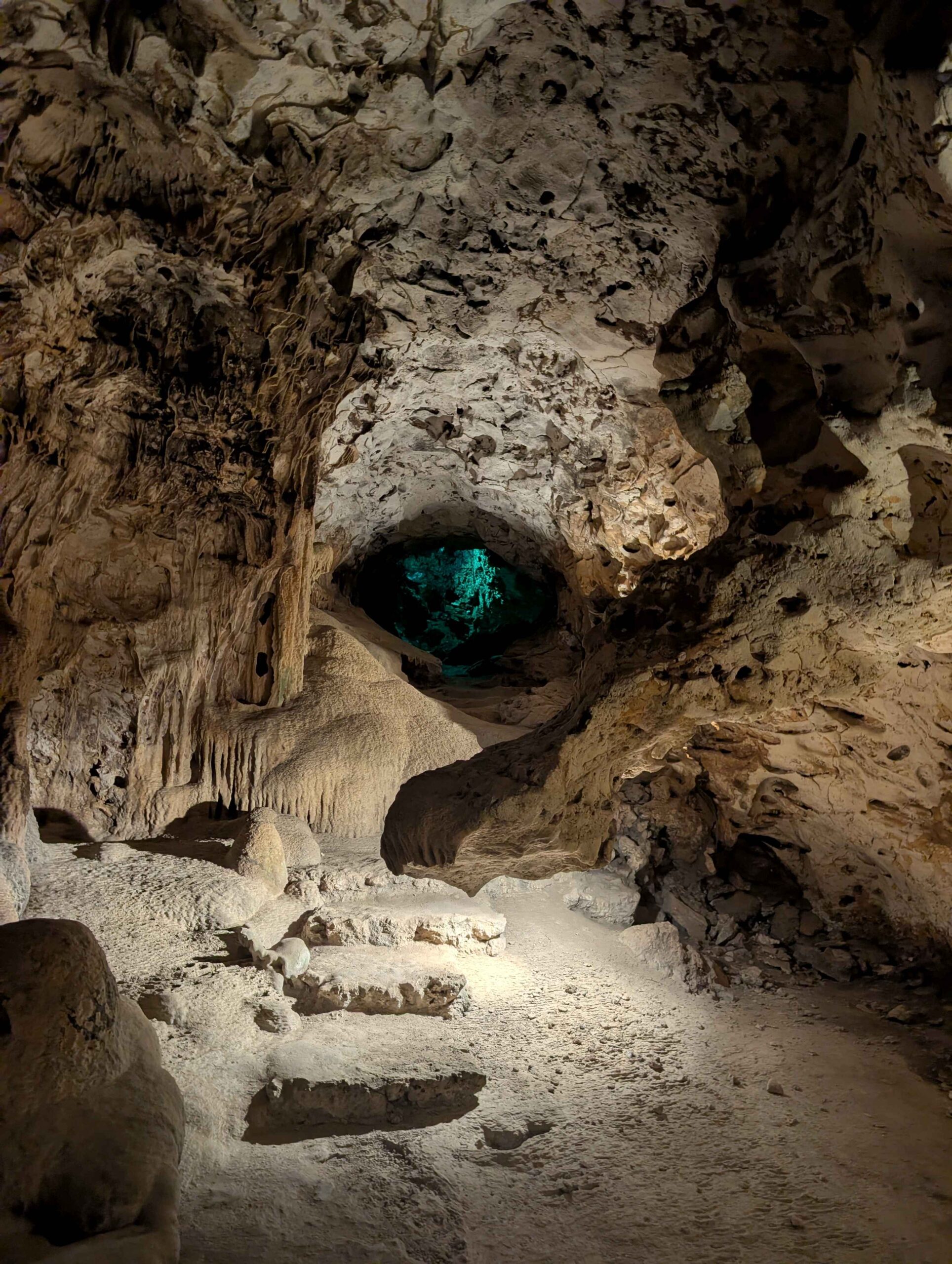
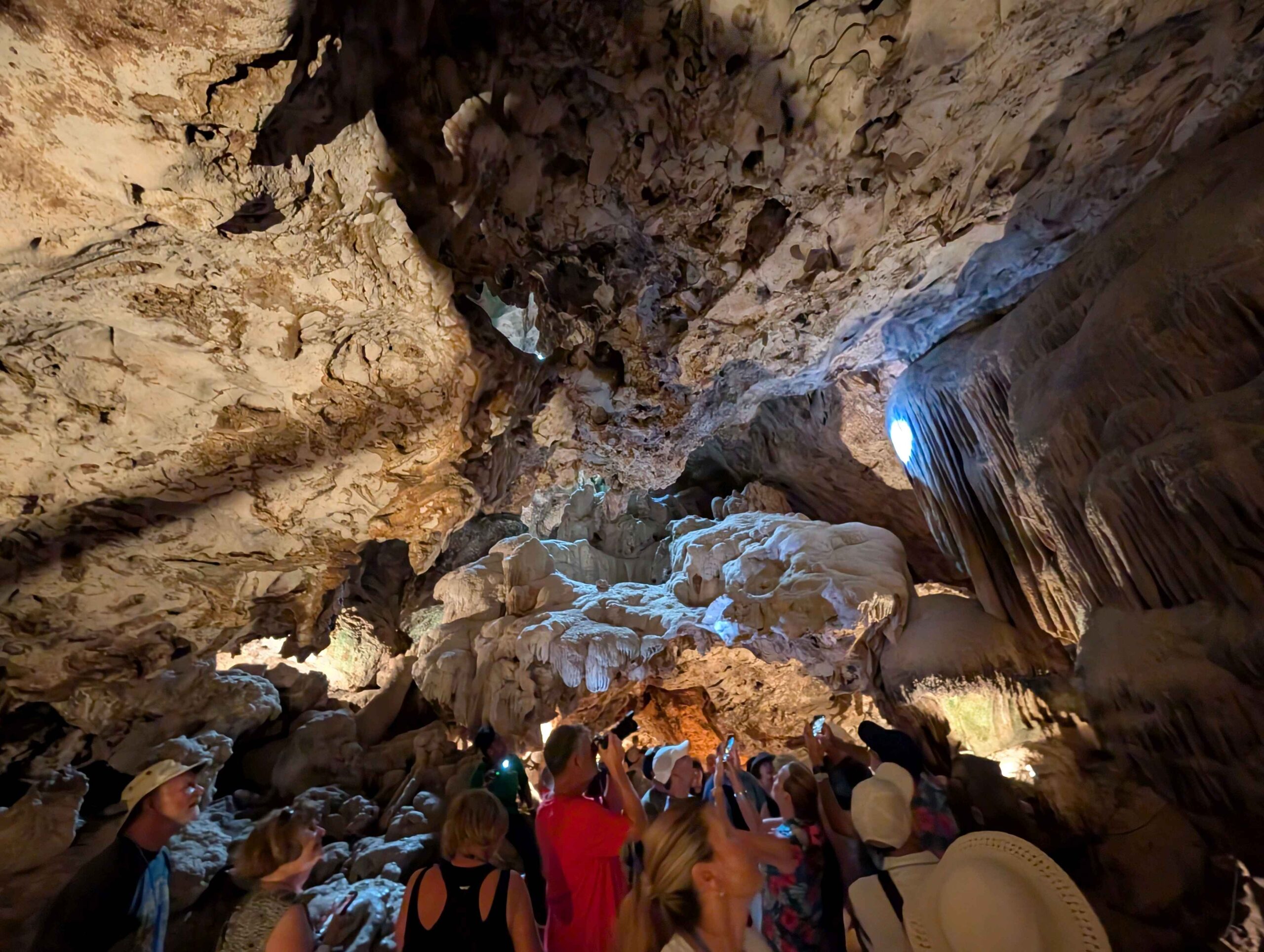
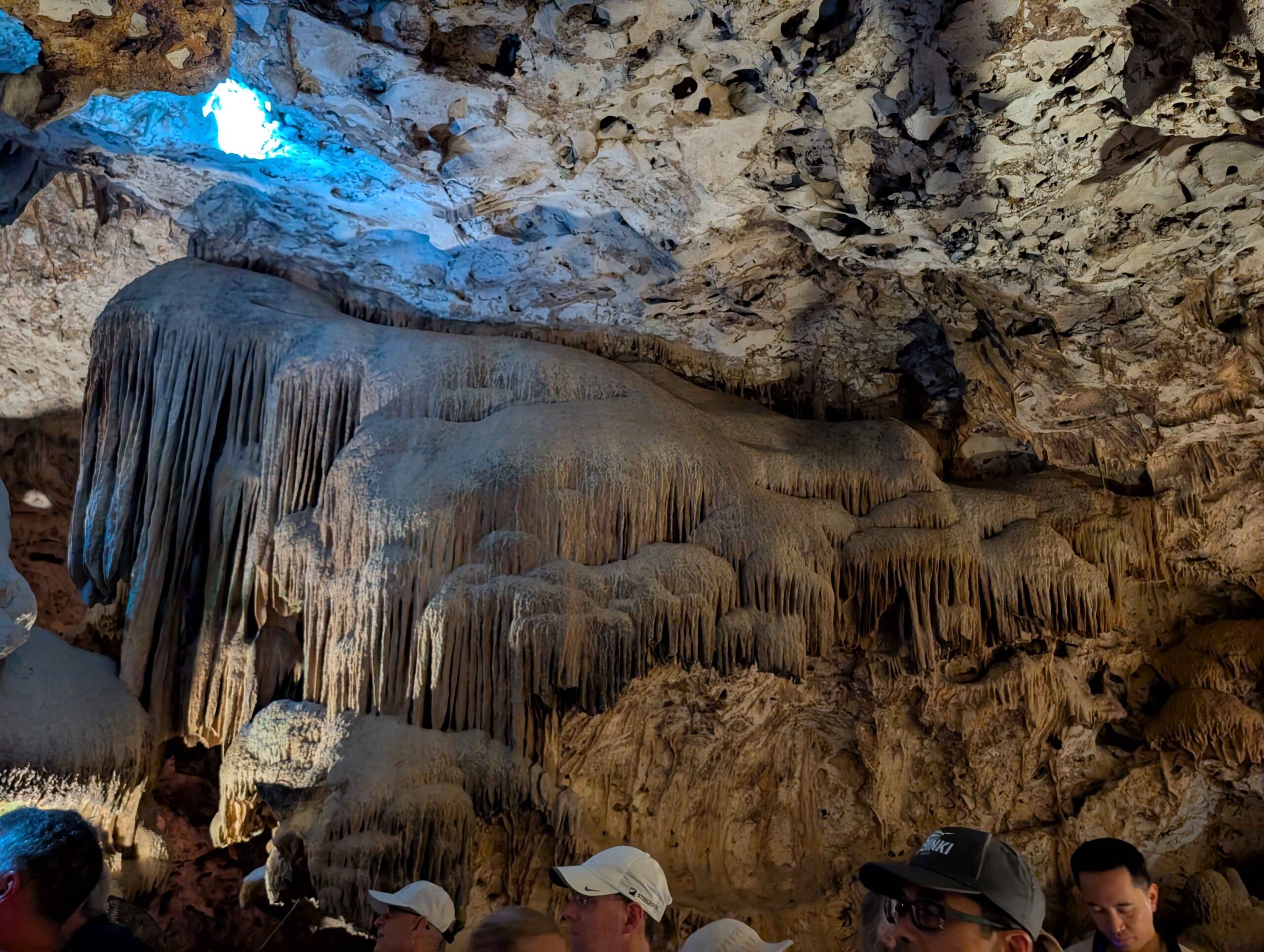
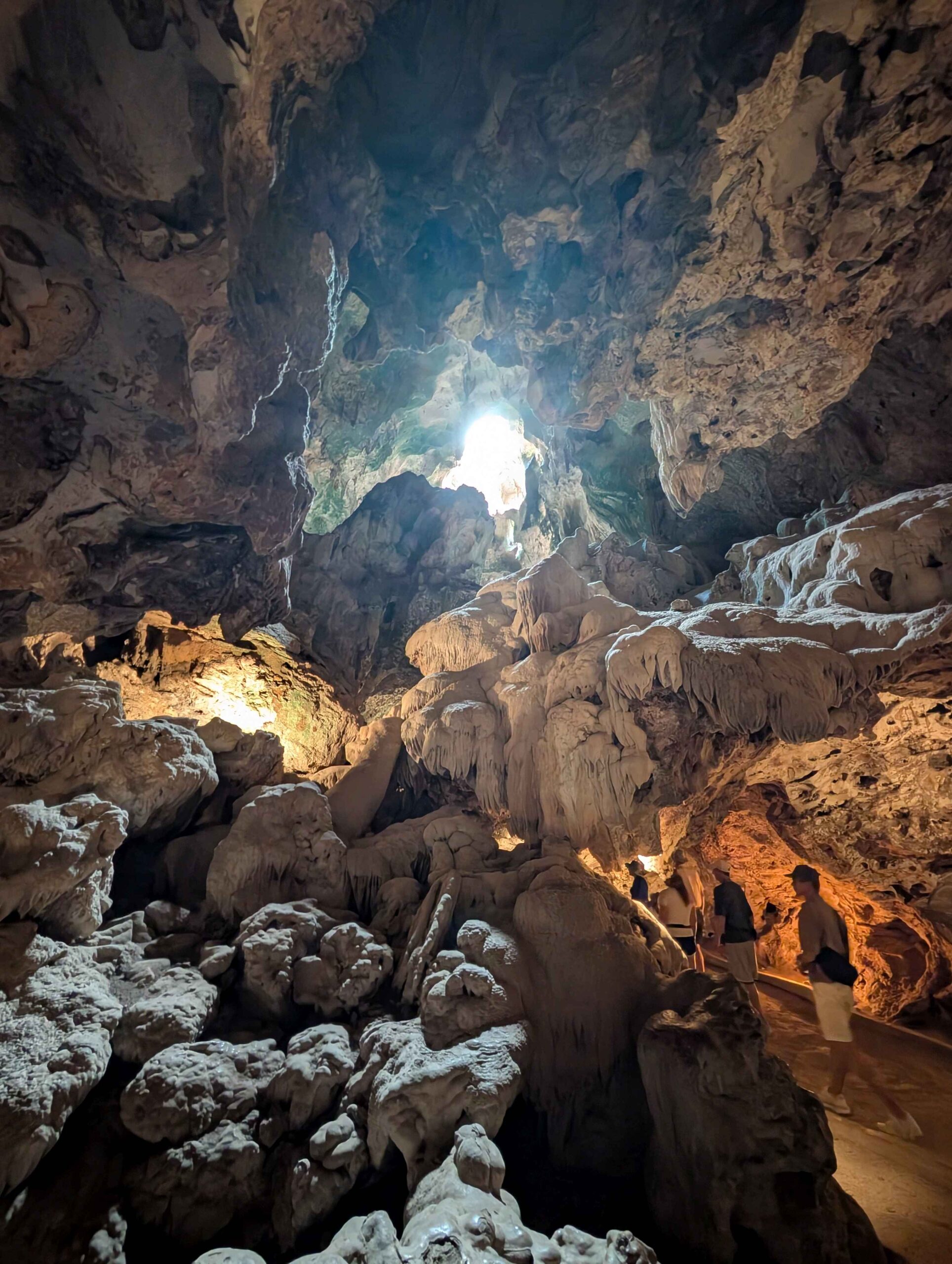
For this stop, I joined an excursion to Hato Cave before exploring the city. The cave system is made of natural limestone chambers, and reaching the entrance required climbing about forty stairs in the warm sun. Inside, photography is limited to two lit areas because of the resident fruit bat colony, which made the experience feel more protected and natural. The cave was warm rather than cool, and the guide encouraged anyone who felt uncomfortable to step out at any point. Fans and lighting helped keep the walk comfortable as we moved through the chambers.
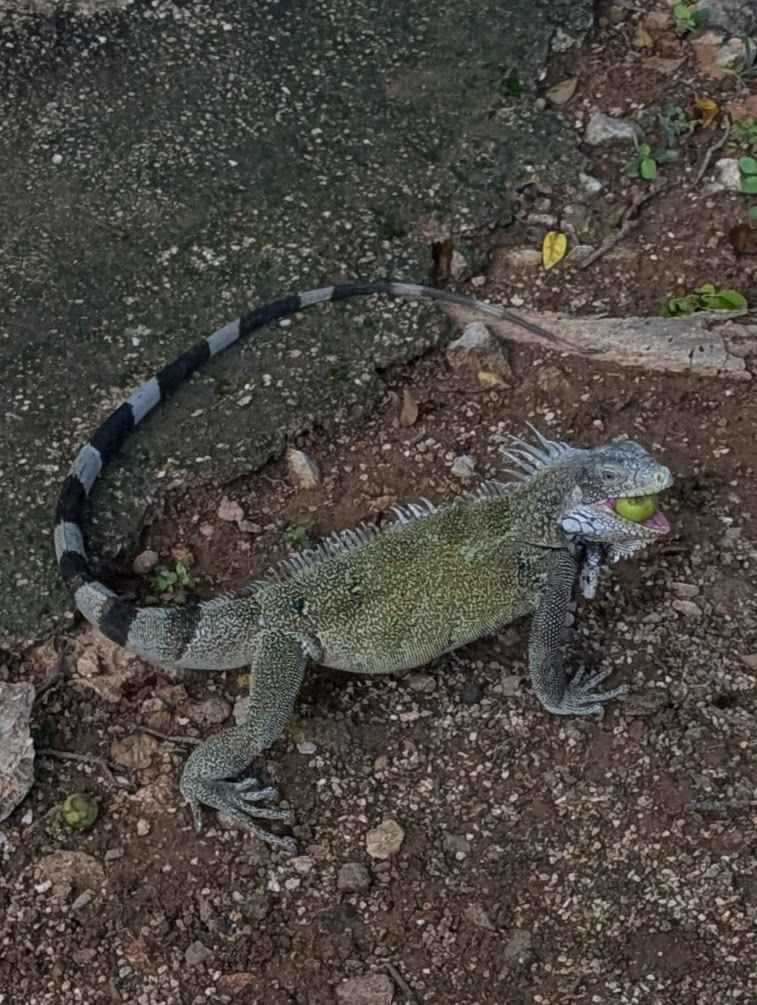
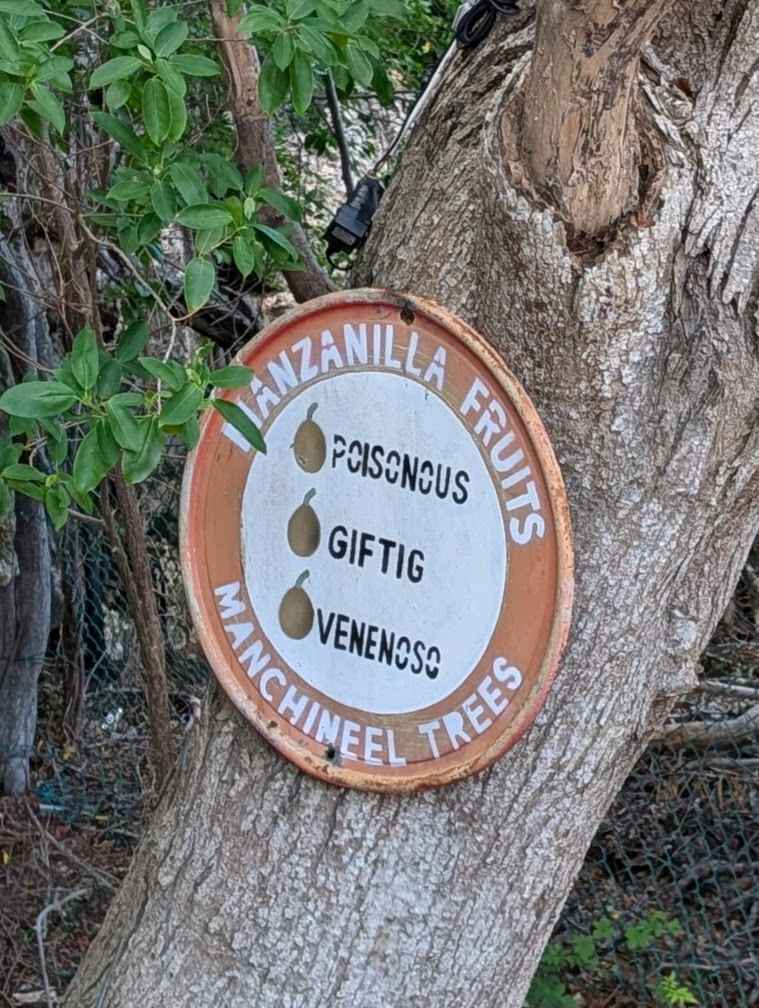
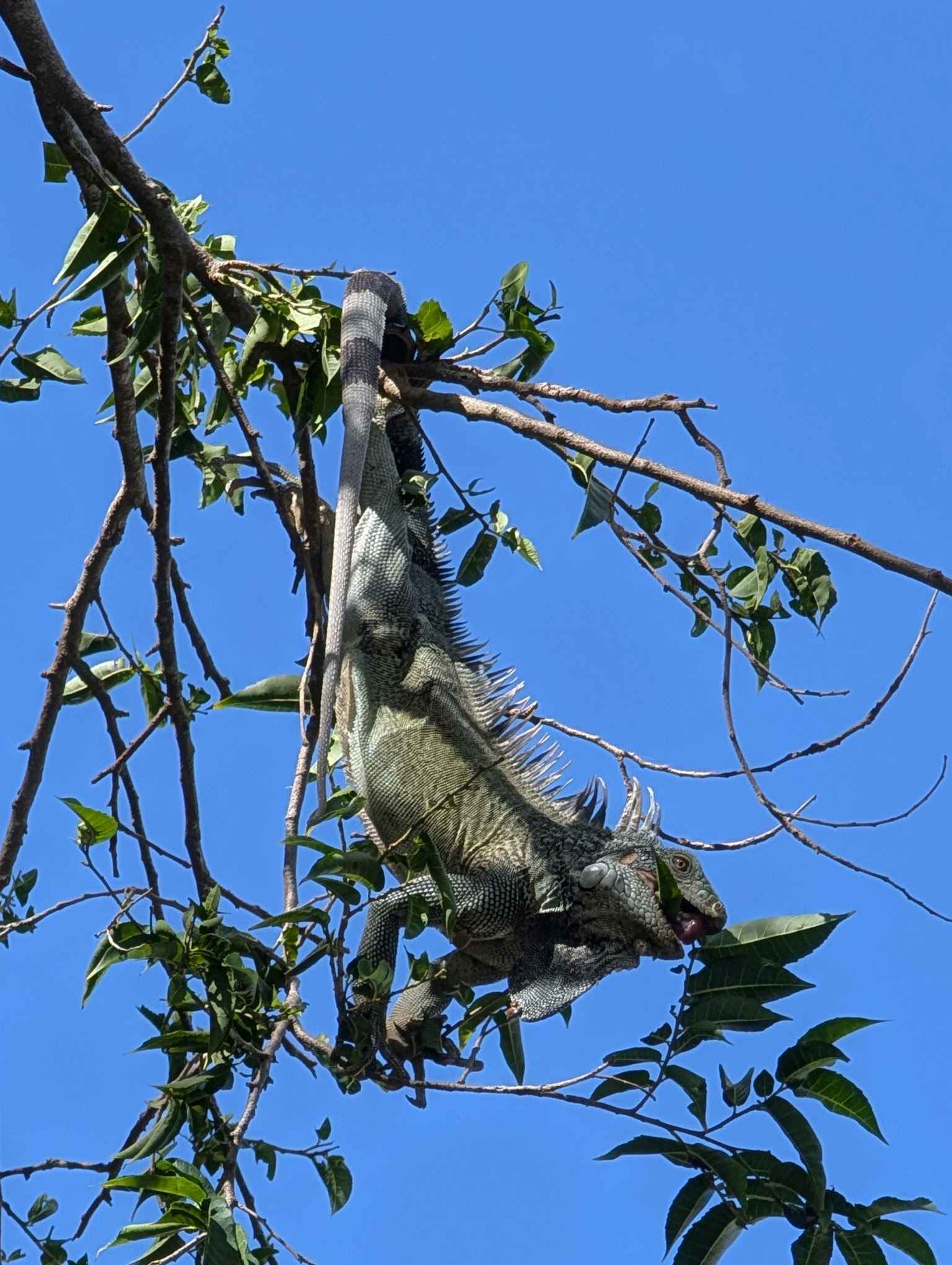
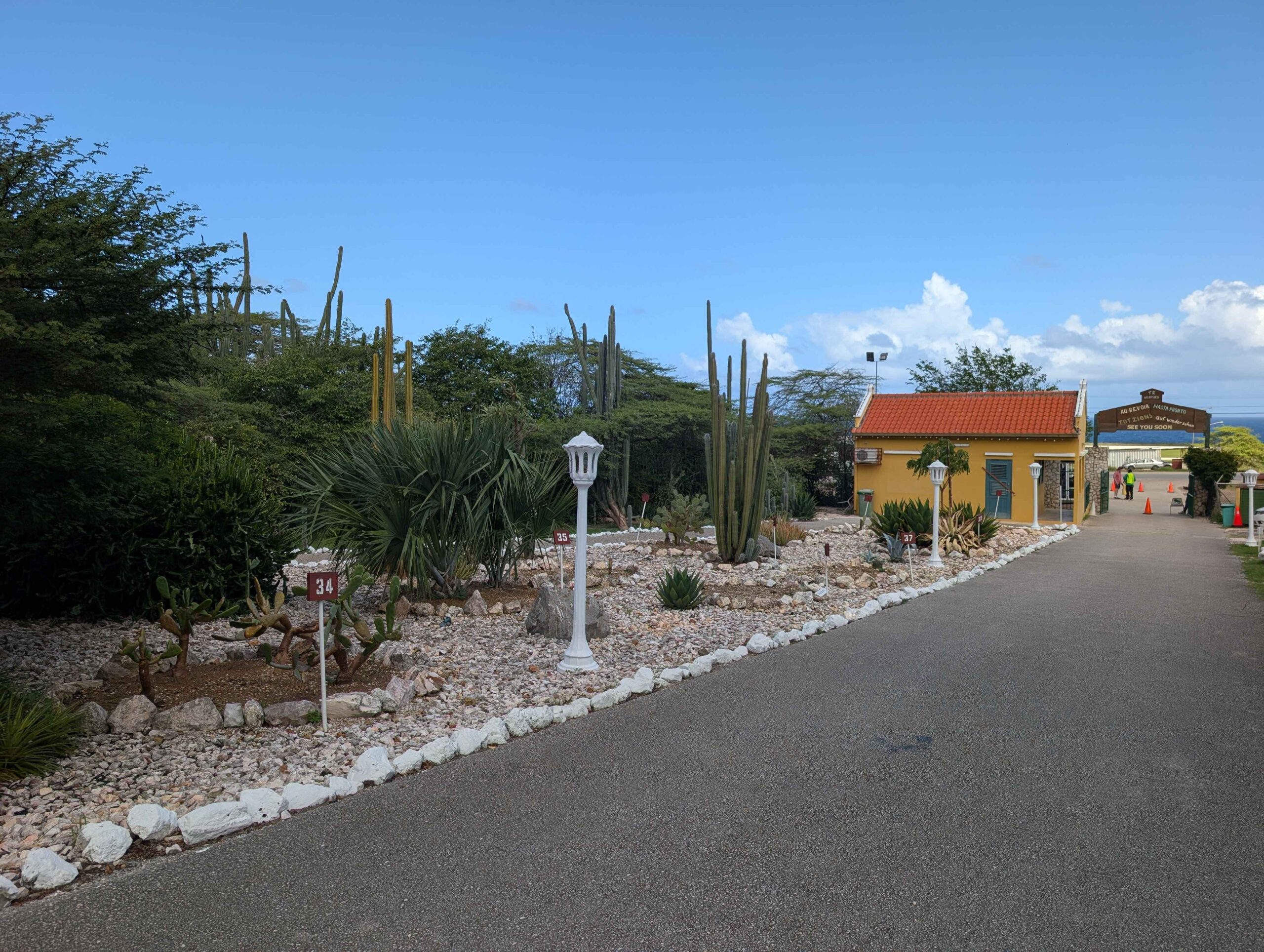
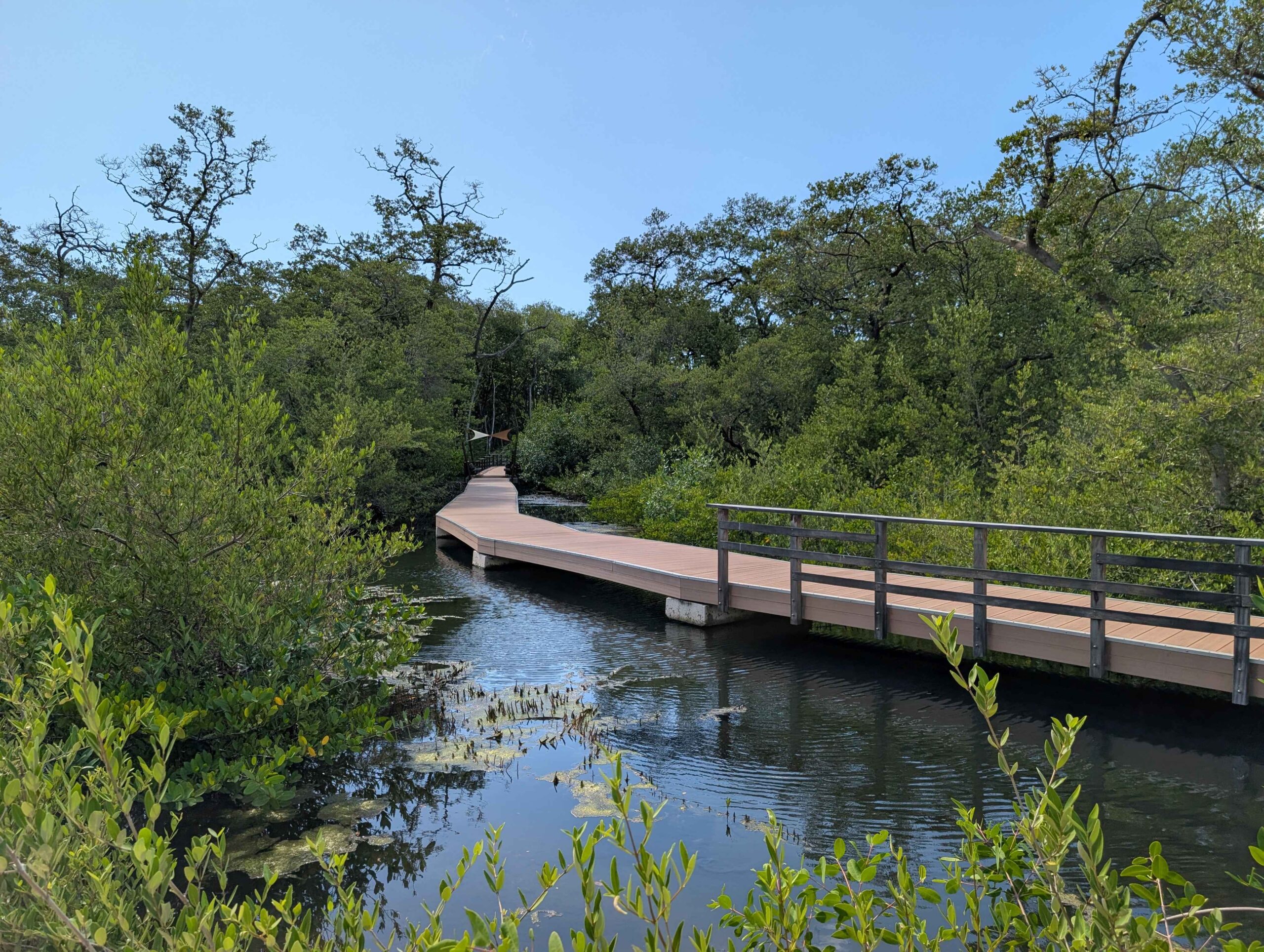
The grounds surrounding the cave were just as interesting. A cacti garden stretches across the property with iguana wandering through the trees and gathering around fallen fruit. The manzanilla trees demanded caution since even their dripping water can irritate skin. Despite the warnings, the landscape had a quiet beauty that contrasted with the busy harbor where the tour began.
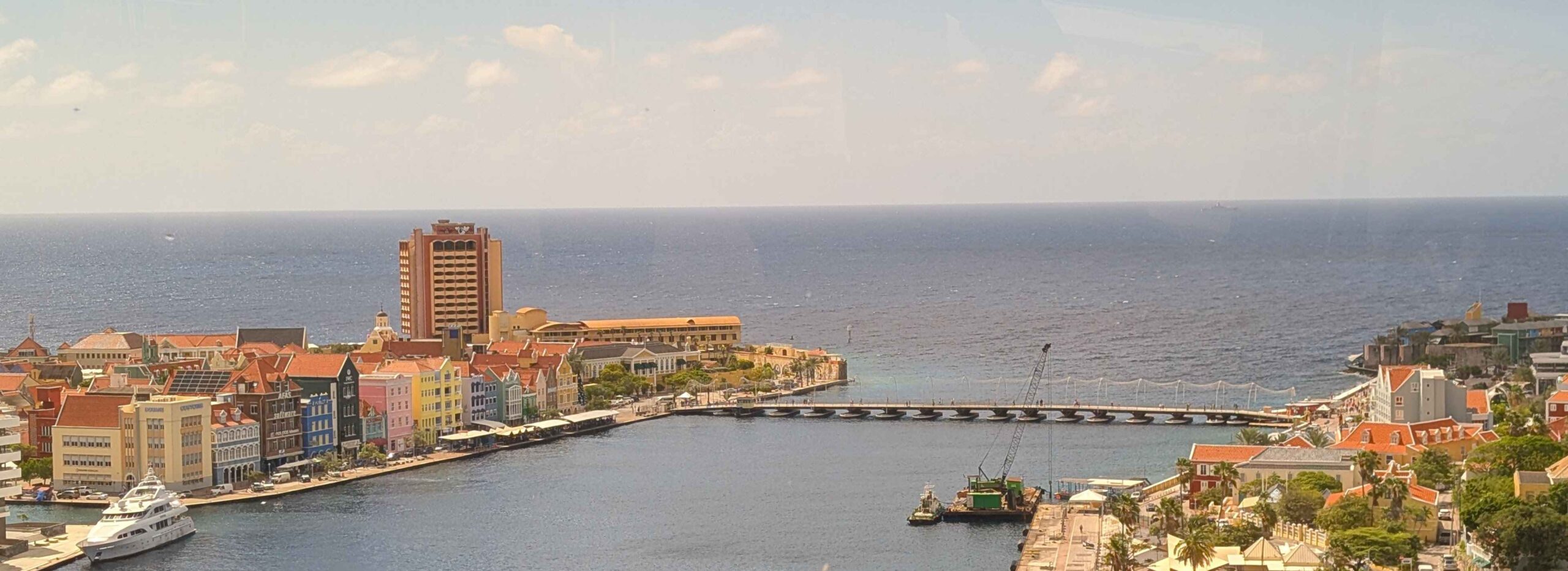
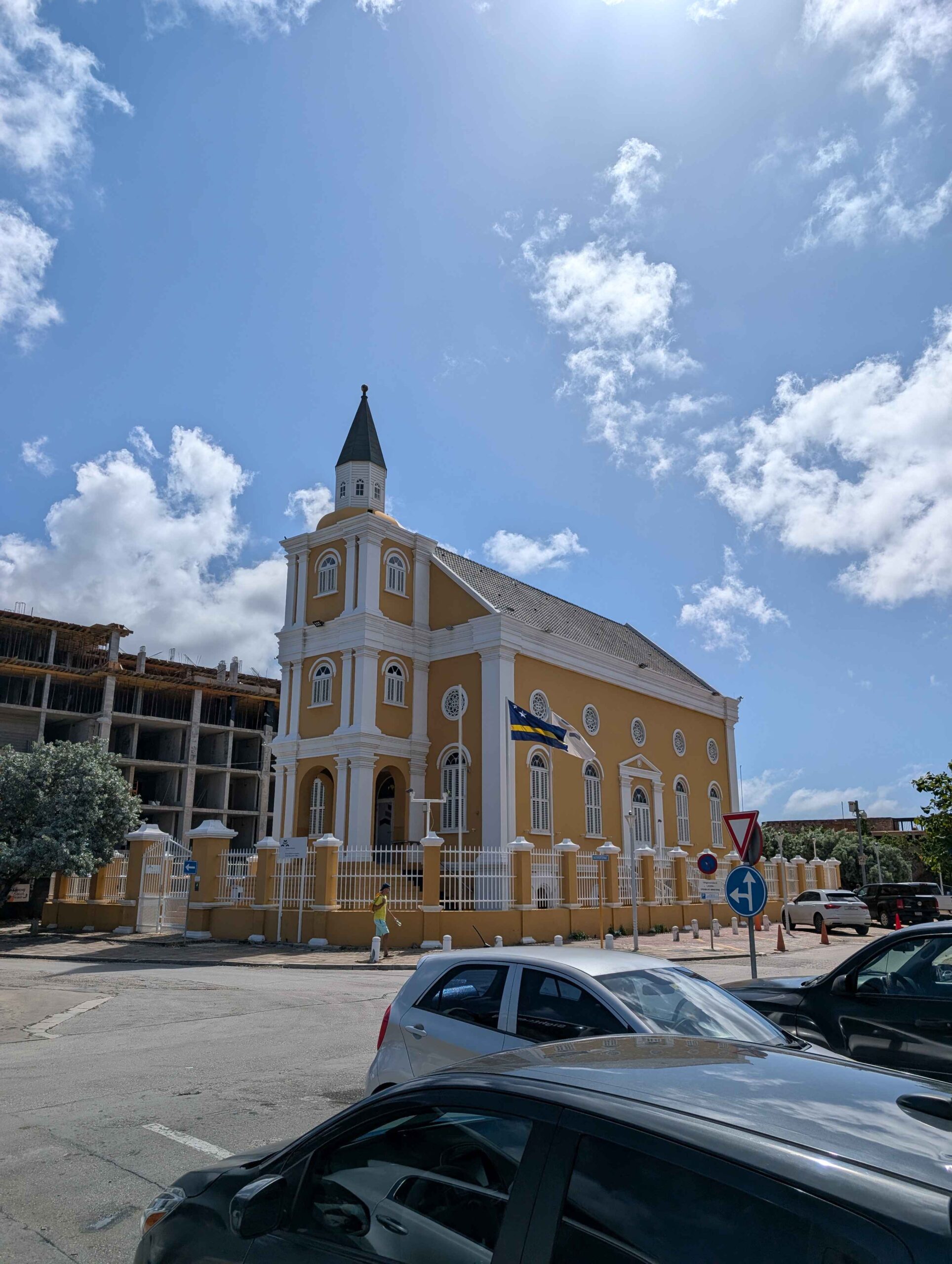
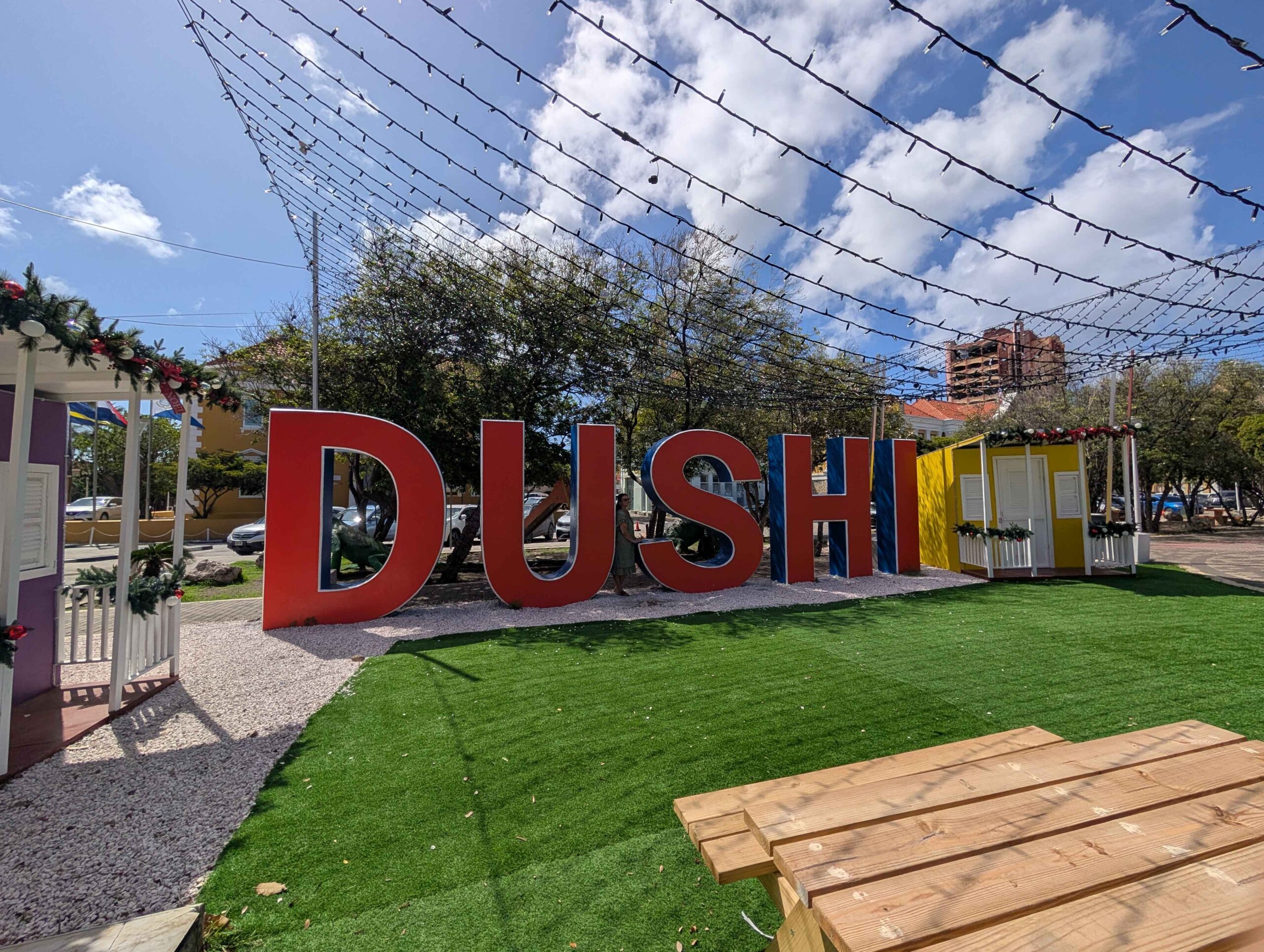
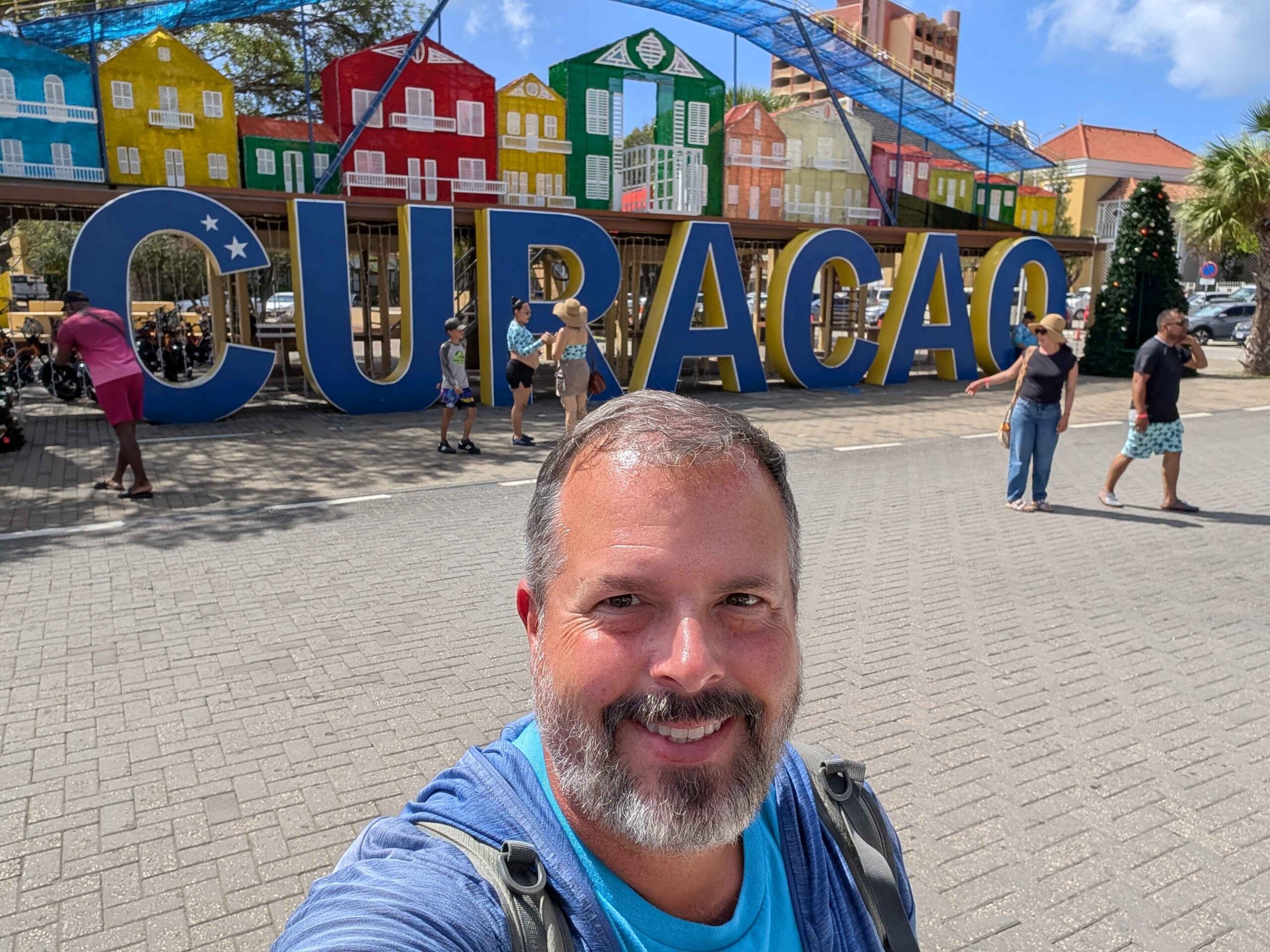
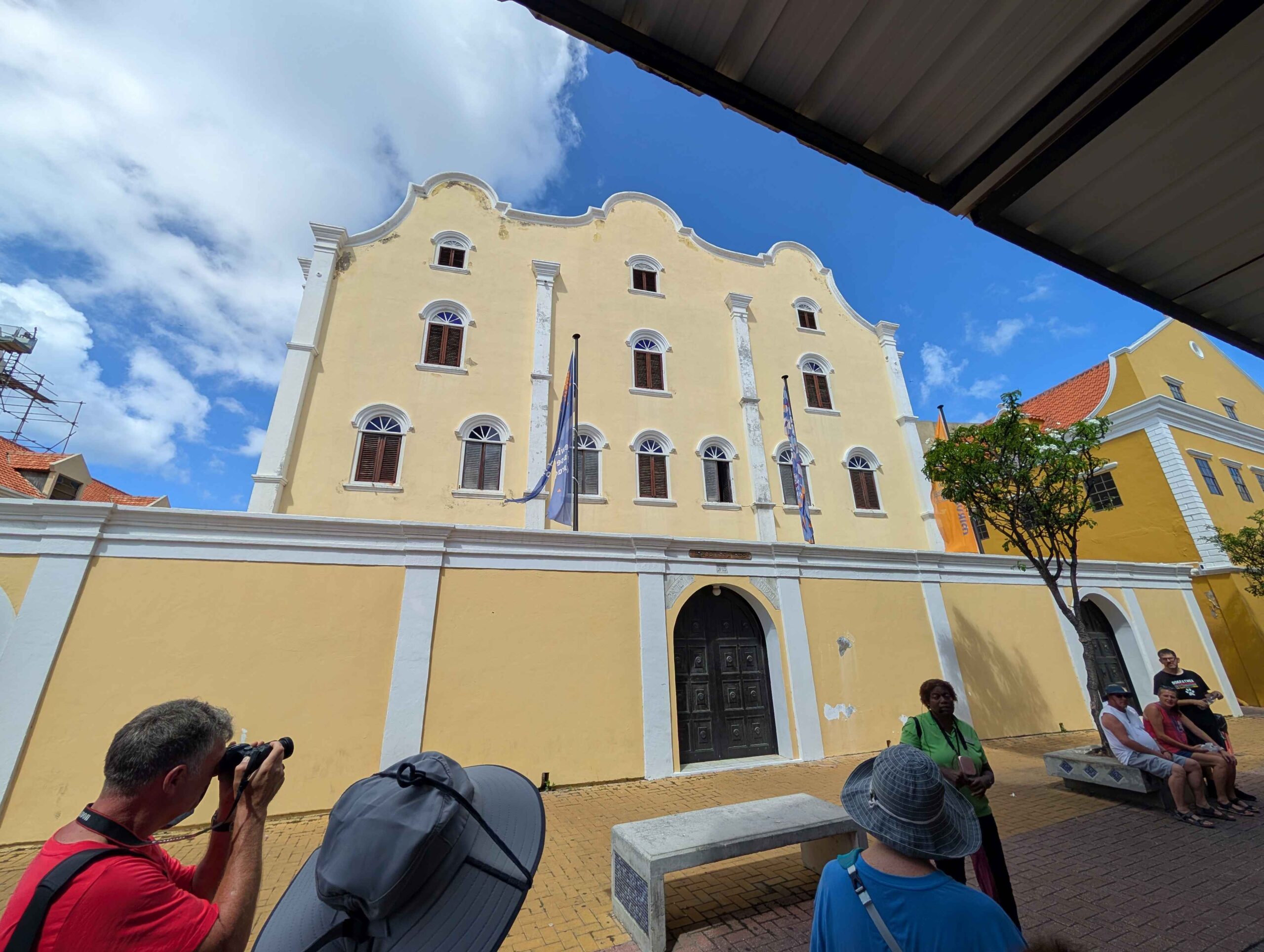
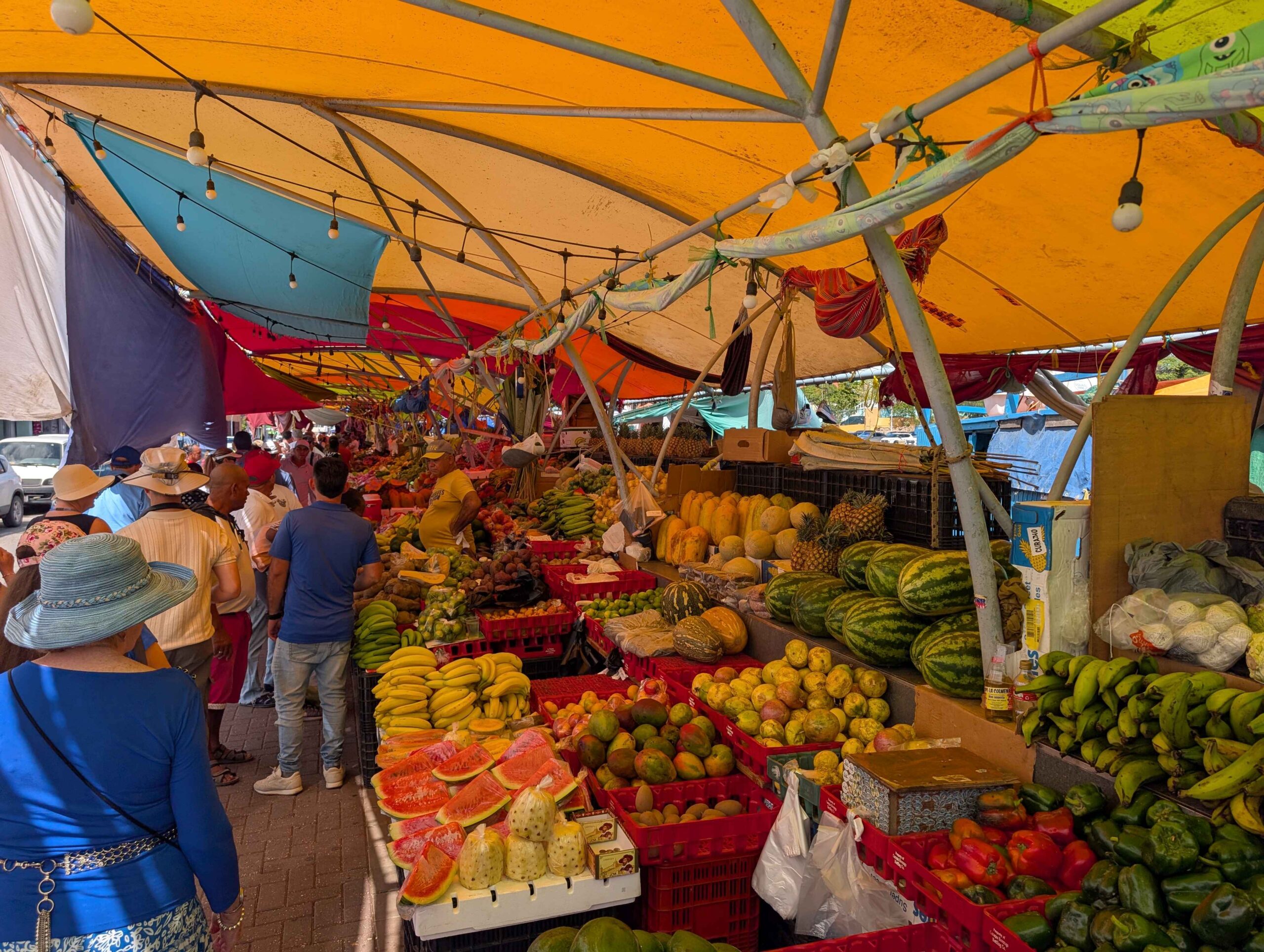
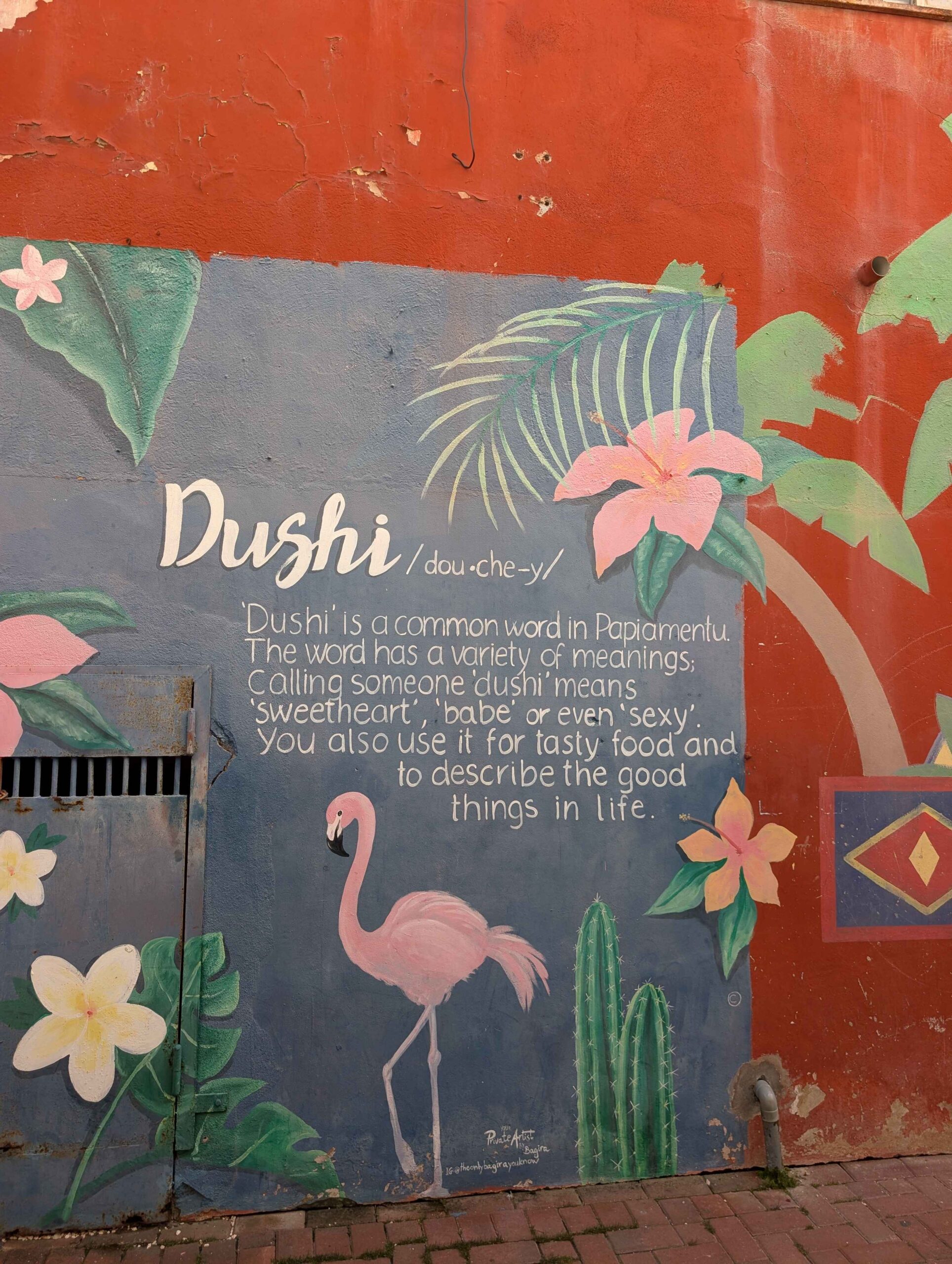
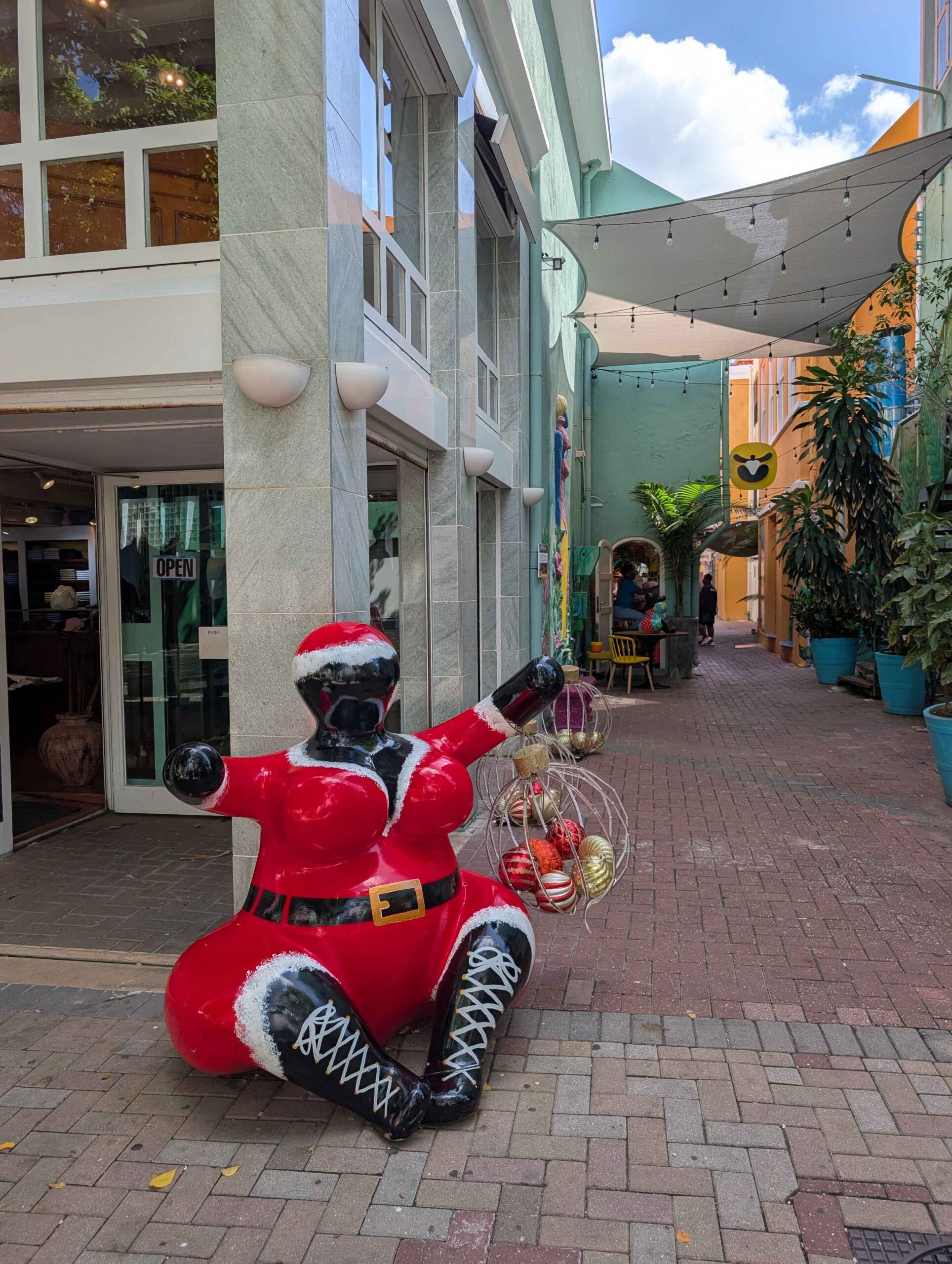
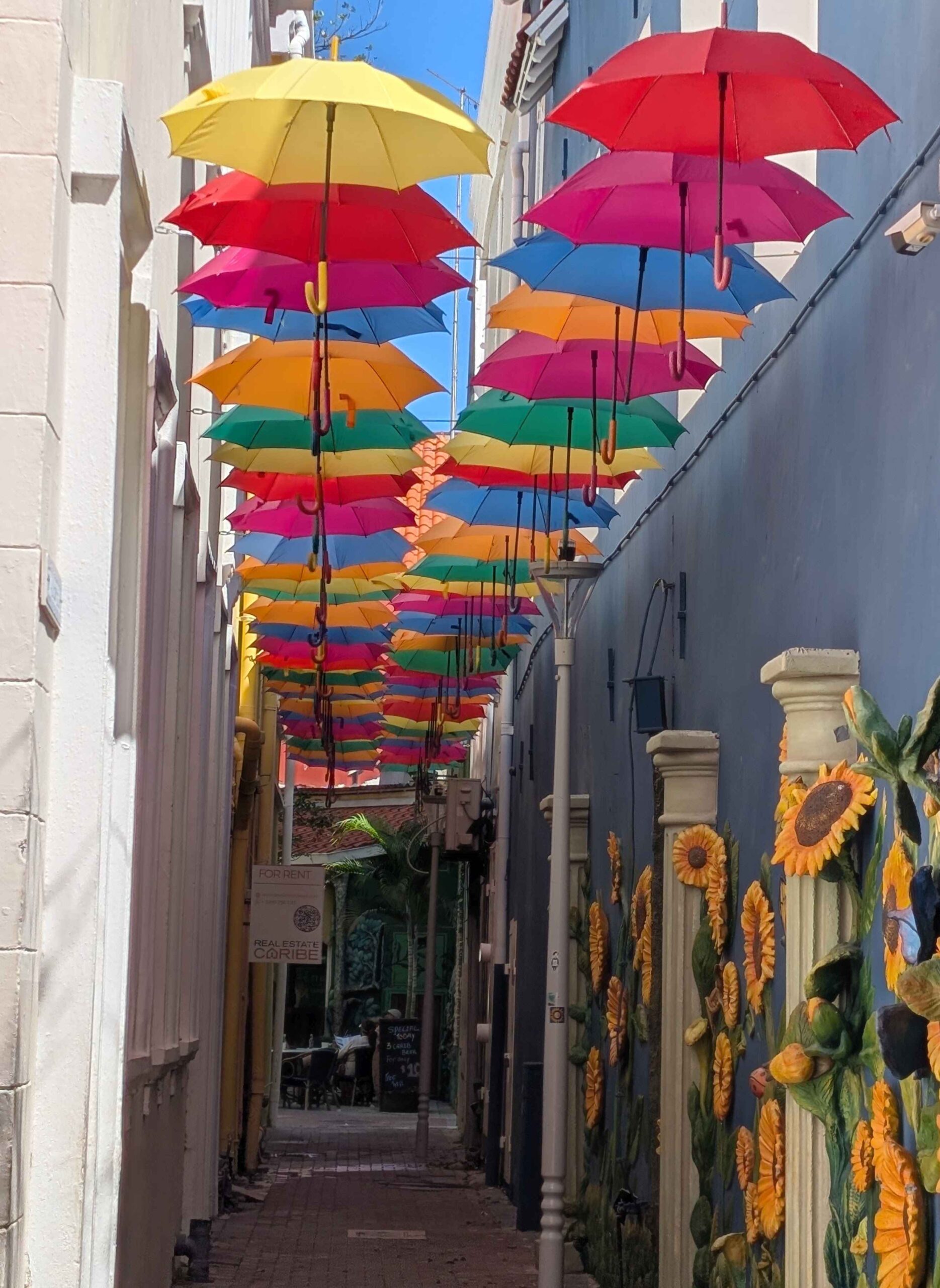
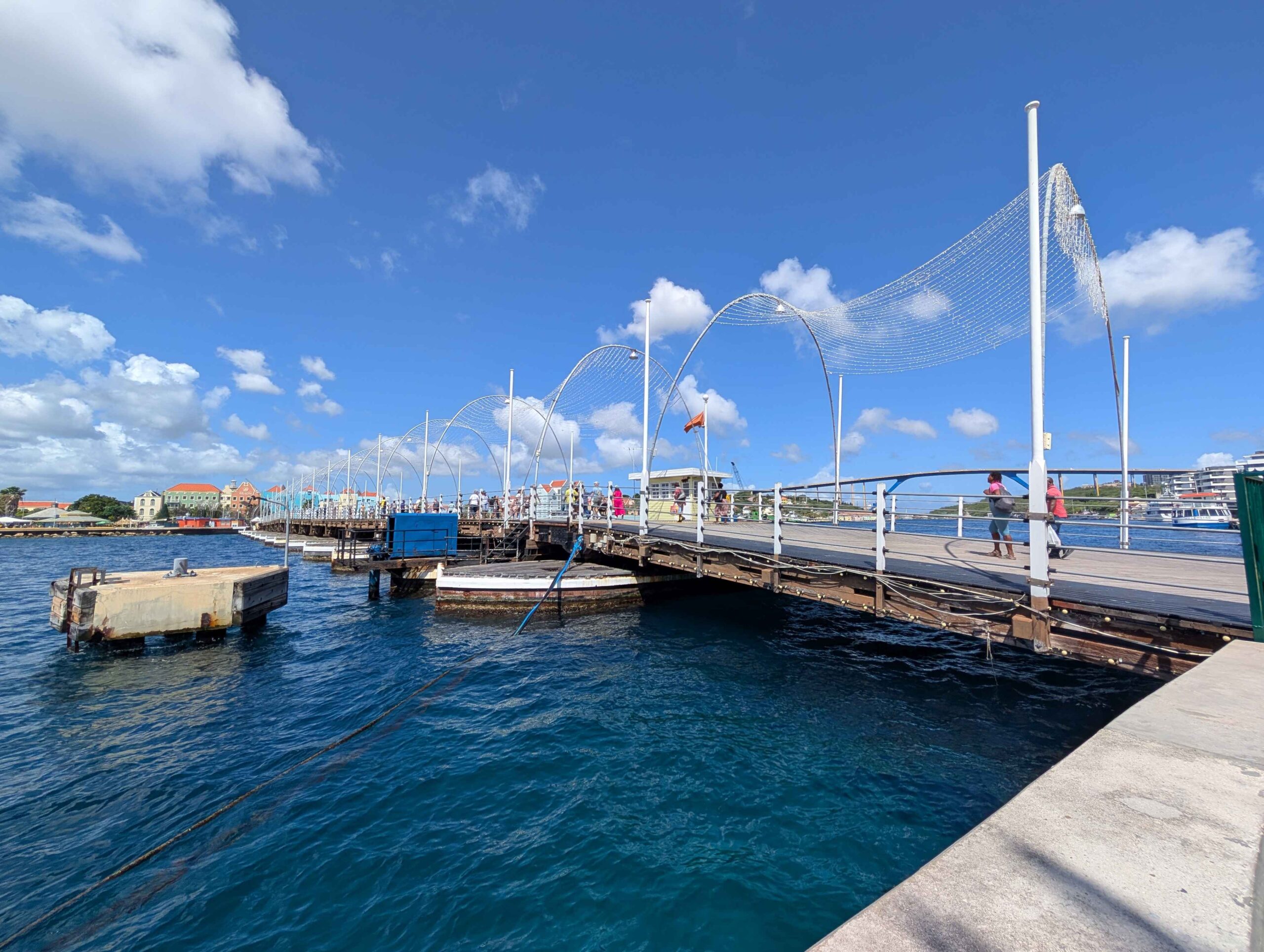
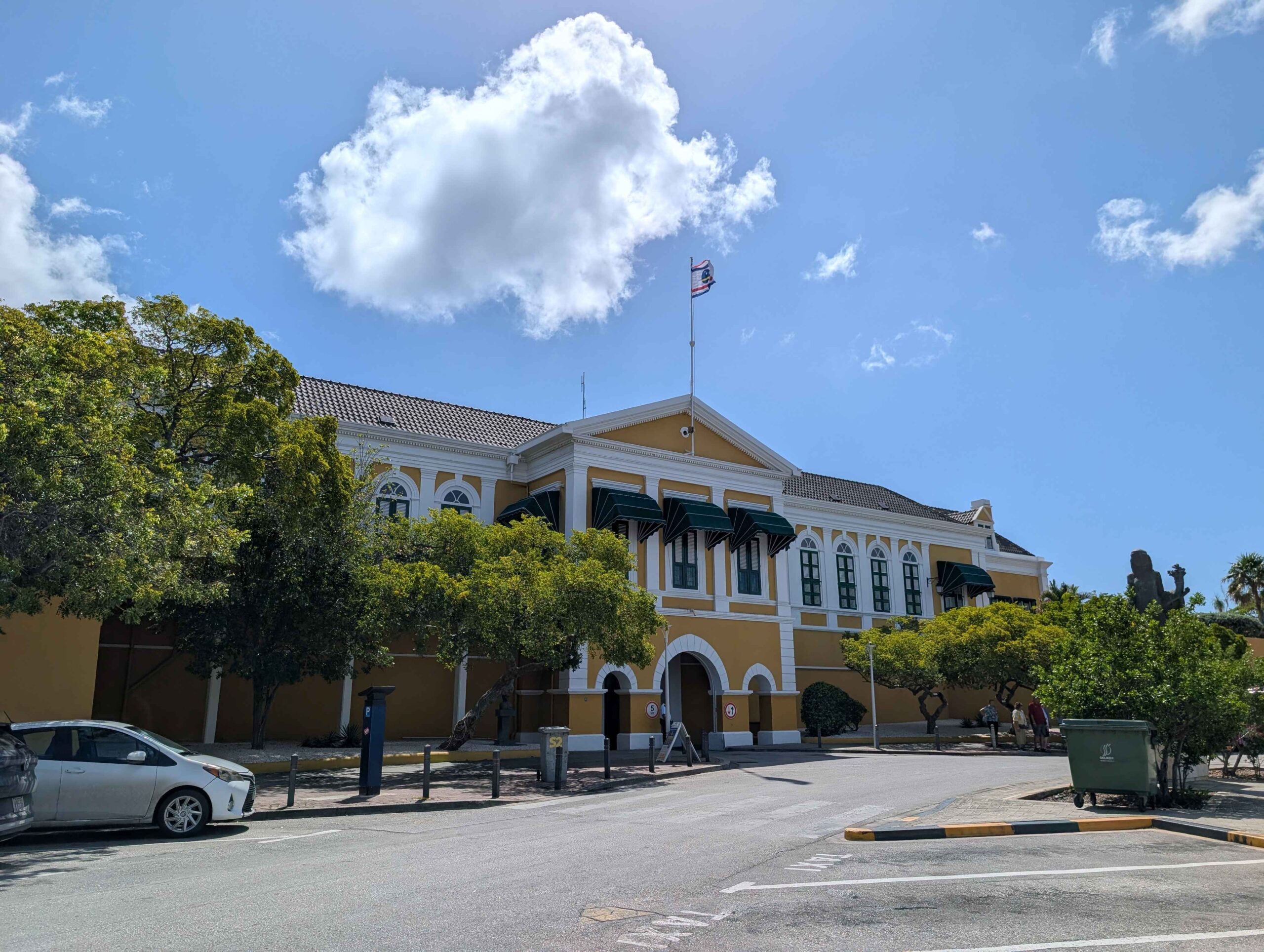
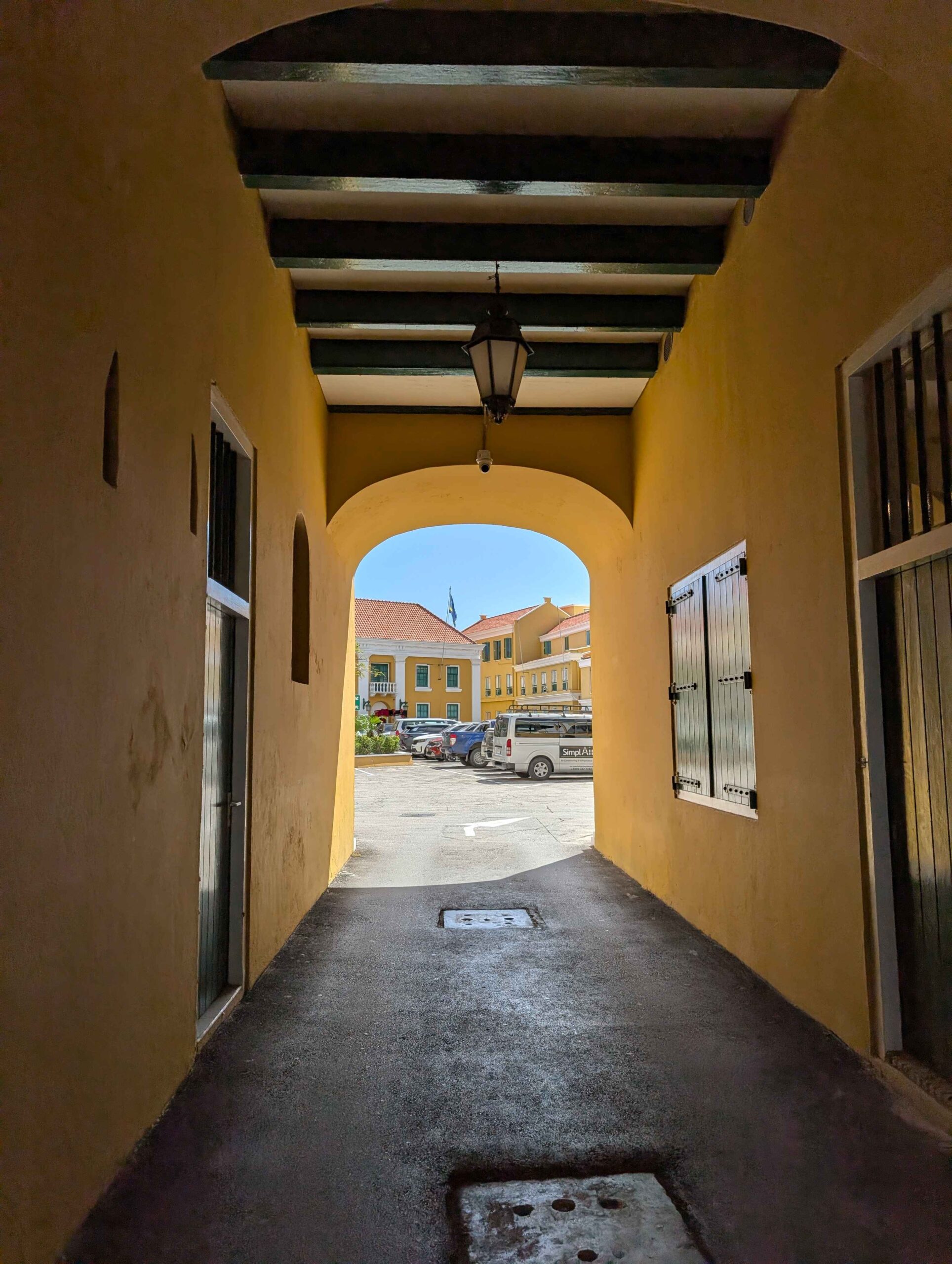
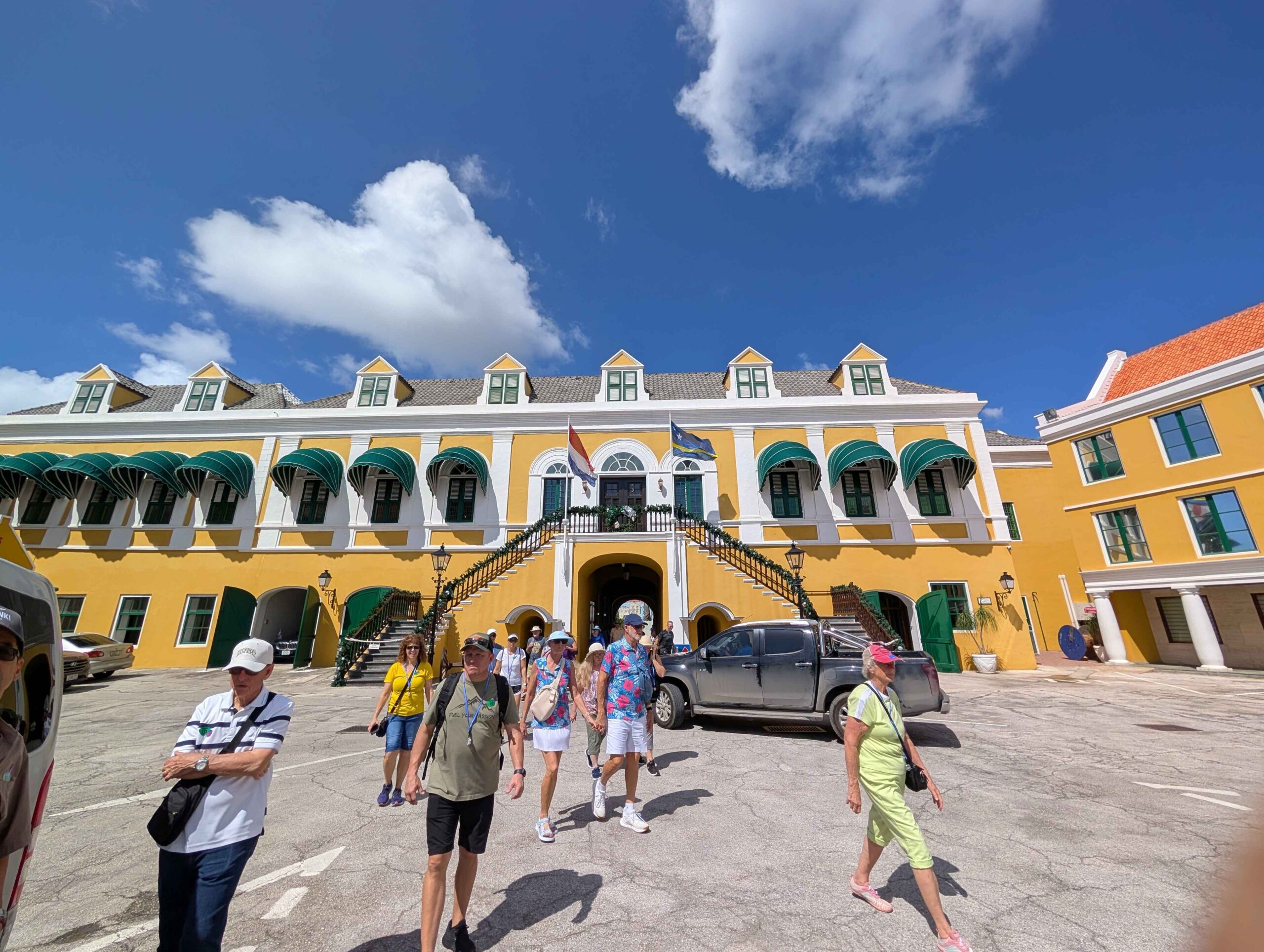
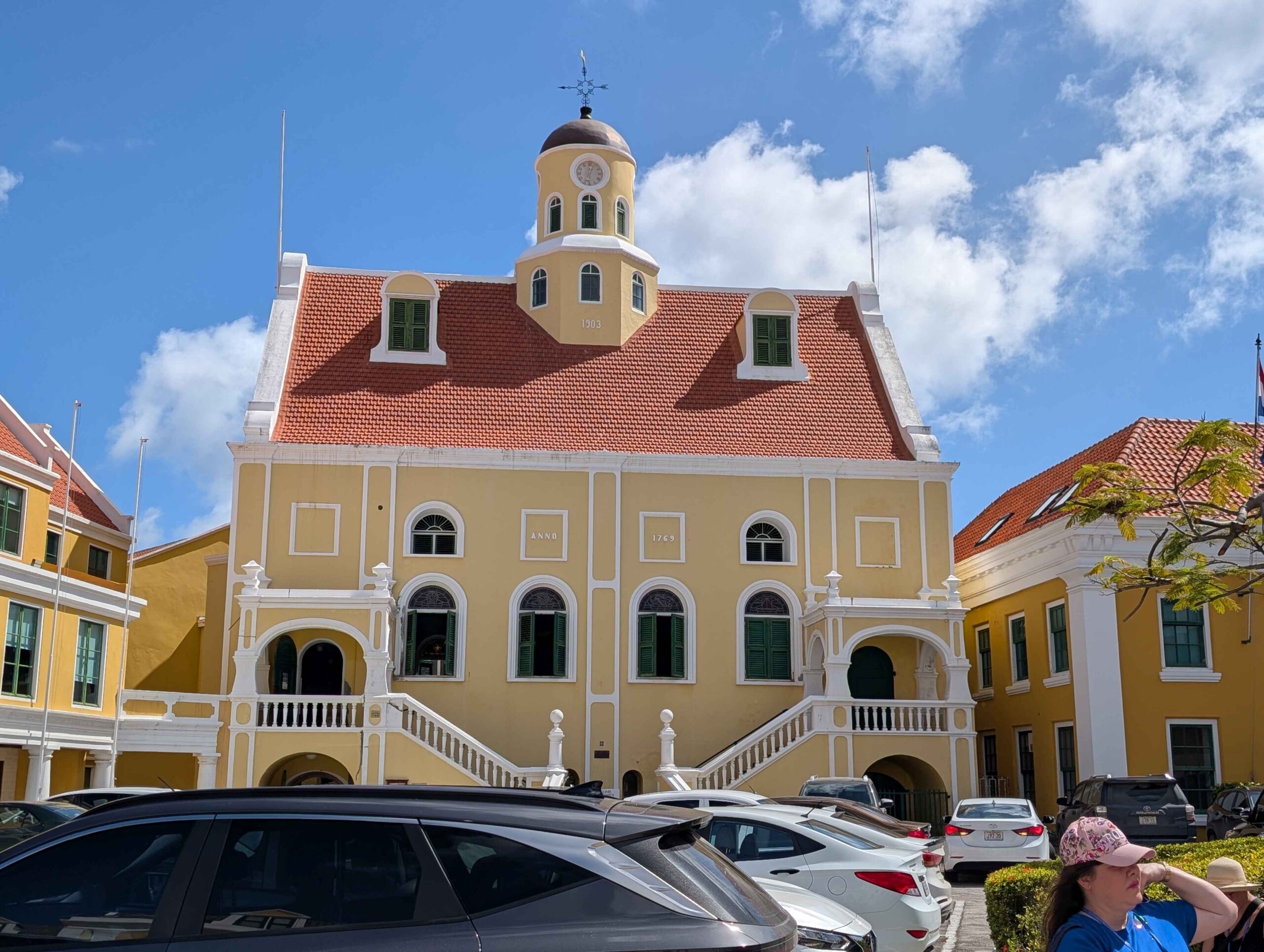
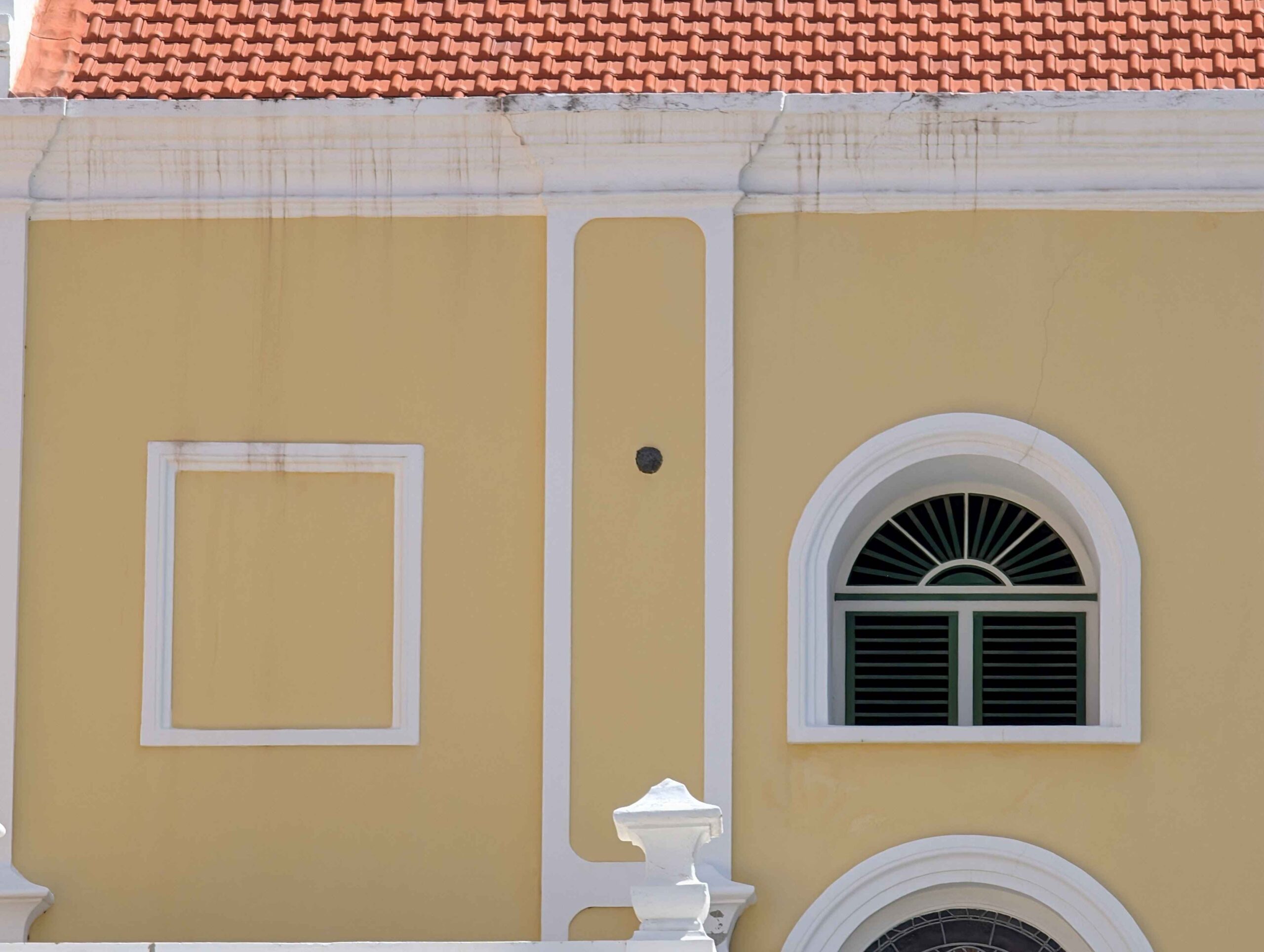
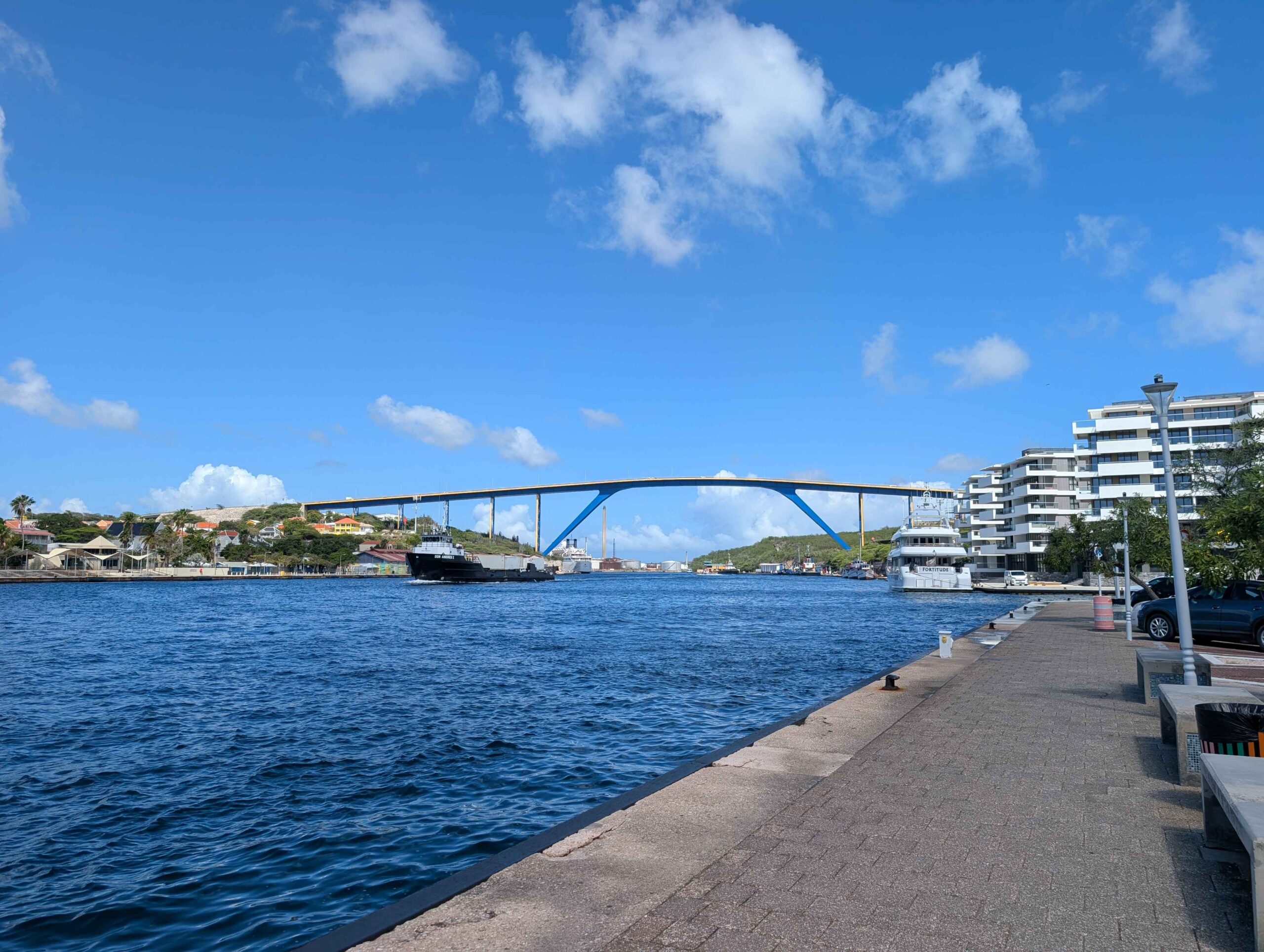
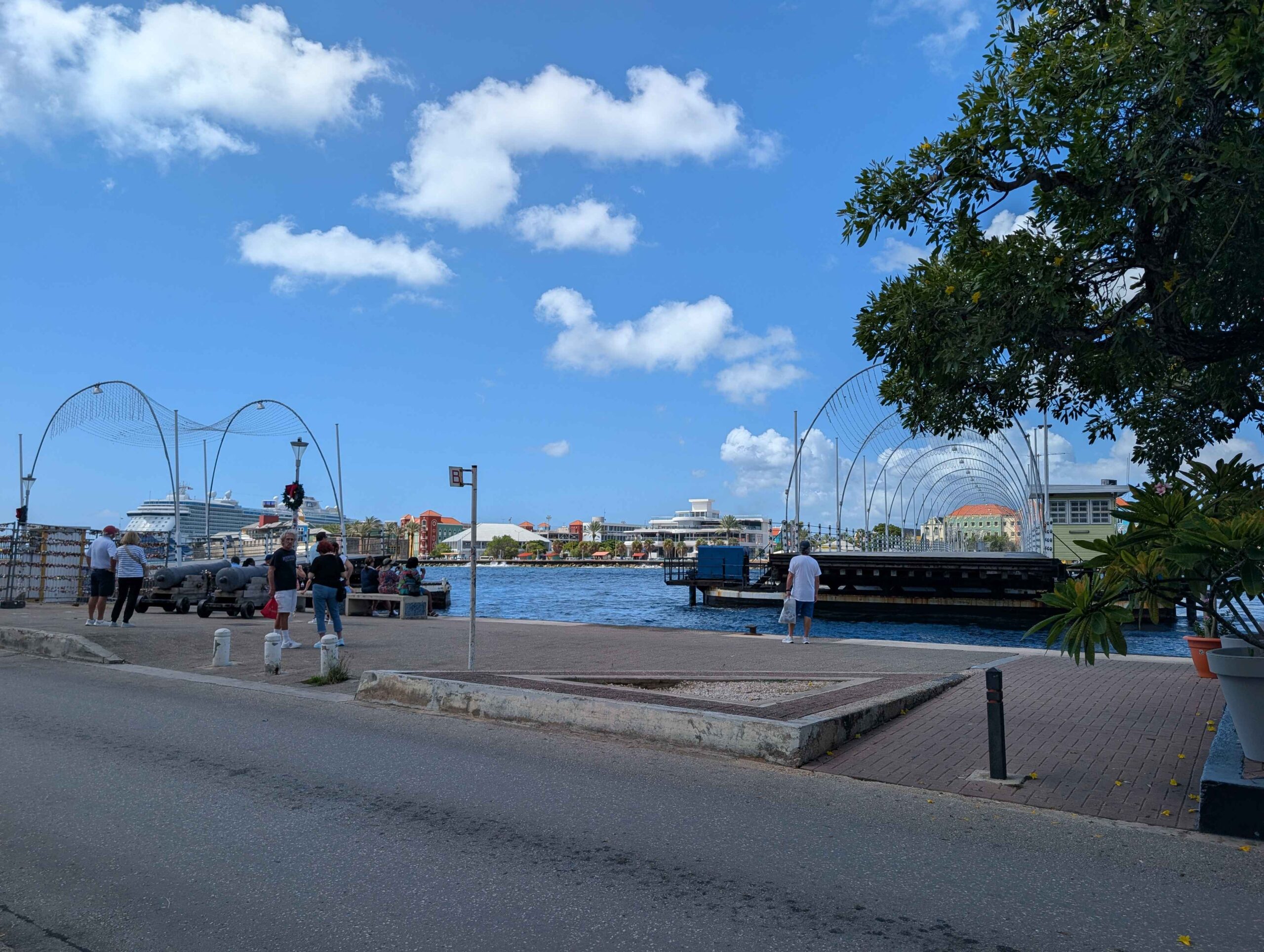
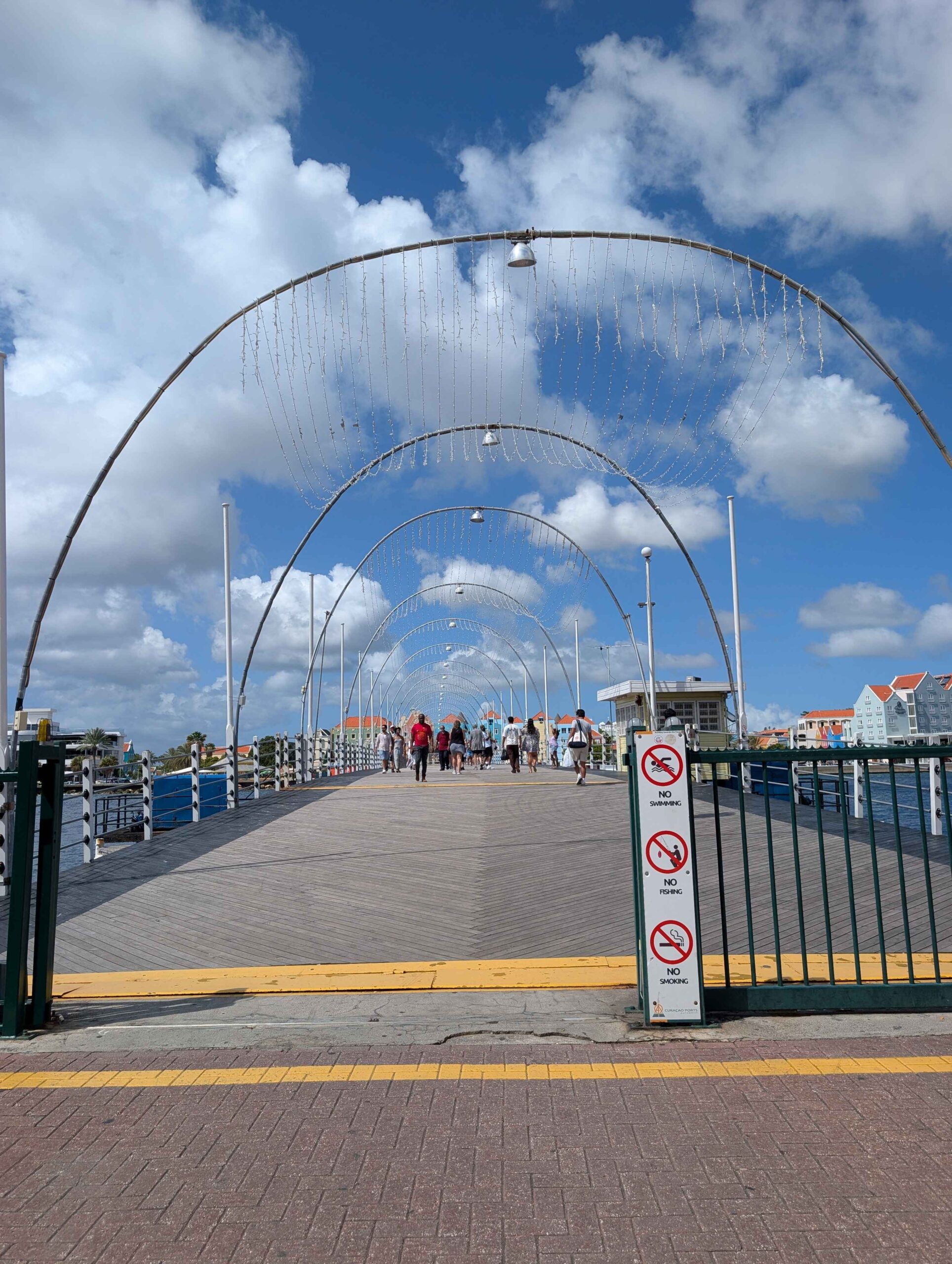
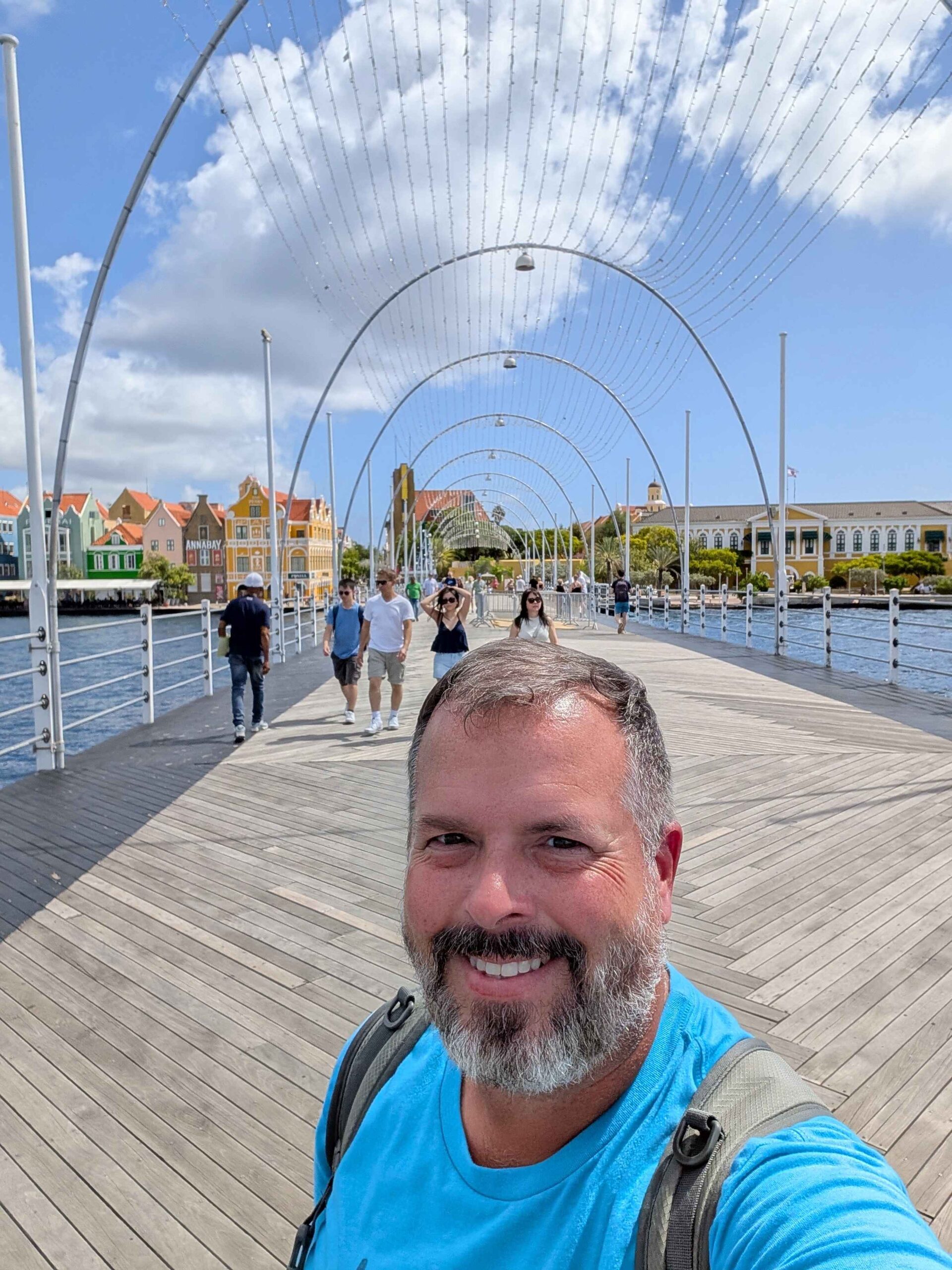
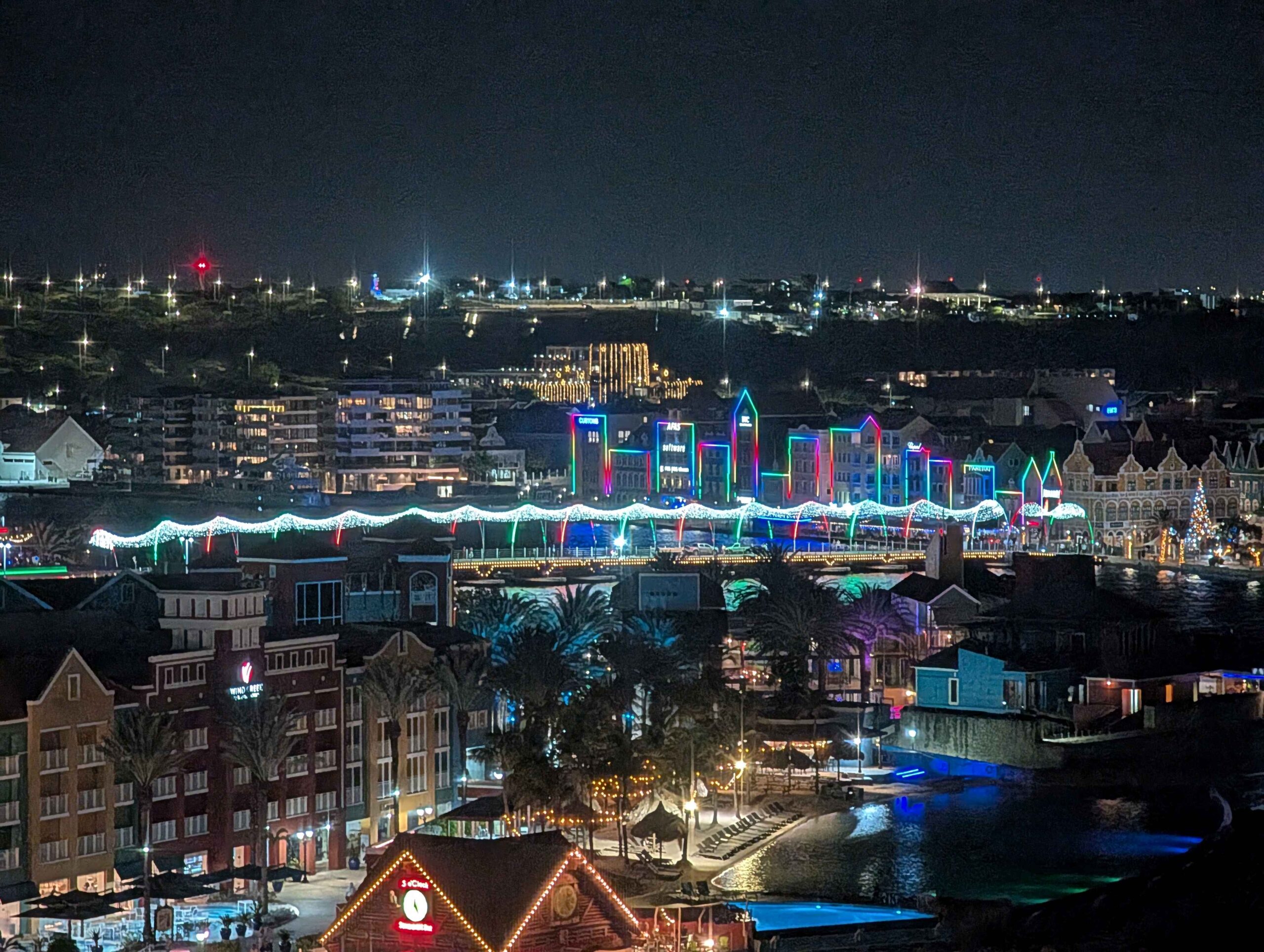
Back in Willemstad, we crossed the Queen Juliana Bridge, the highest in the Caribbean. Our walking tour brought us to the Curaçao and Dushi signs, the floating Queen Emma Bridge, and the Mikve Israel Emanuel Synagogue. The murals and artisan shops added color at every turn, and the floating market bustled with local energy. We ended at Fort Amsterdam, where a cannonball from an 1804 British attack is still lodged in the church wall. It was a memorable conclusion to a quick but meaningful first visit.


If You Have More Time…
- Queen Juliana Bridge – Offers sweeping views of Willemstad and the harbor.
- Mikve Israel Emanuel Synagogue – Visit the oldest surviving synagogue in continuous use in the Americas.
- Pietermaai District – Explore restored Dutch Caribbean buildings filled with cafes and boutique shops.
- Floating Market – Browse produce and handcrafted goods brought in by Venezuelan and local vendors.
- Hato Caves Grounds – Spend more time walking the trails and spotting iguana around the cacti and limestone formations.