
Oslo Cruise Port Guide: Sculptures, Museums, and Winter Magic

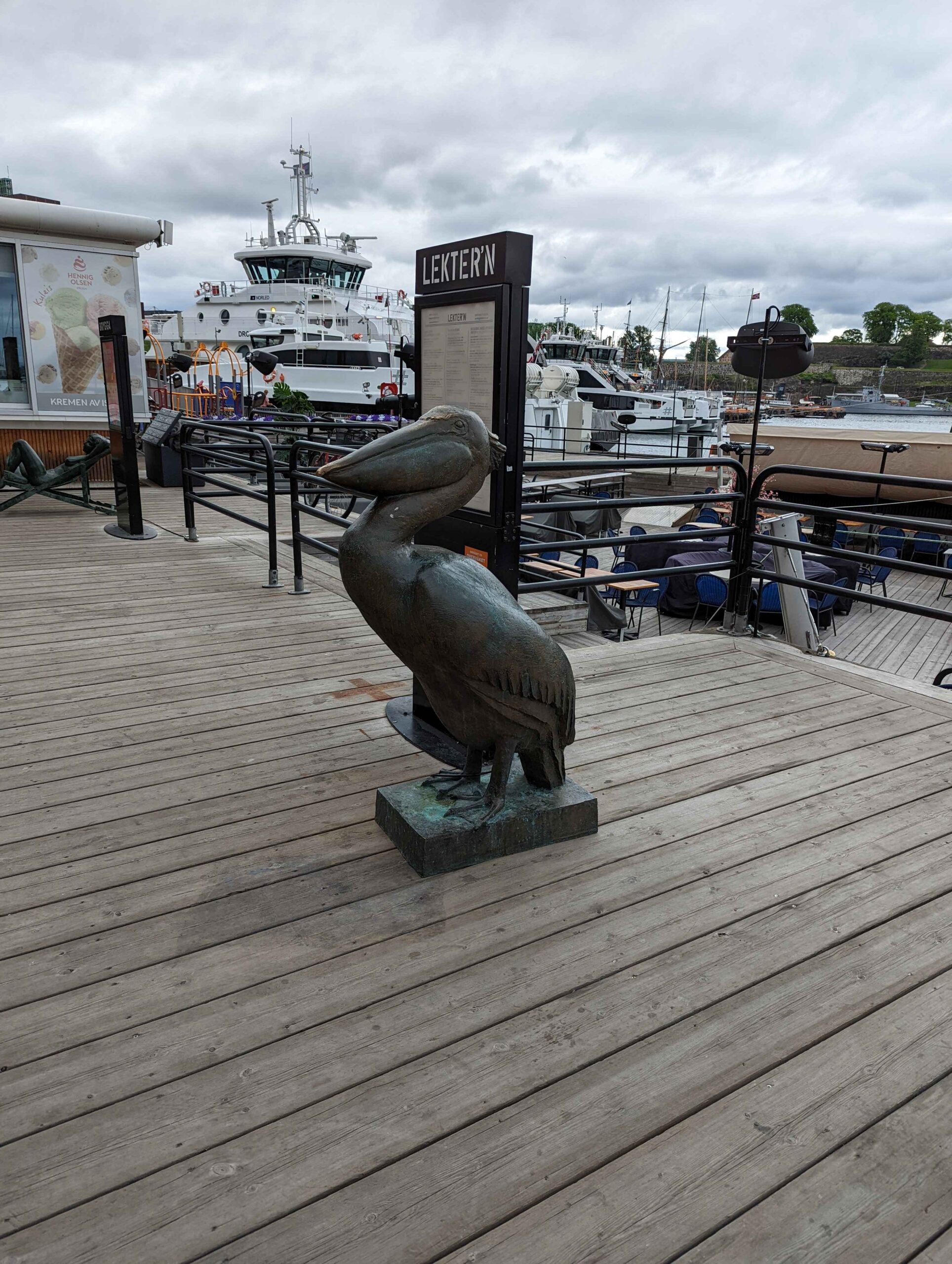
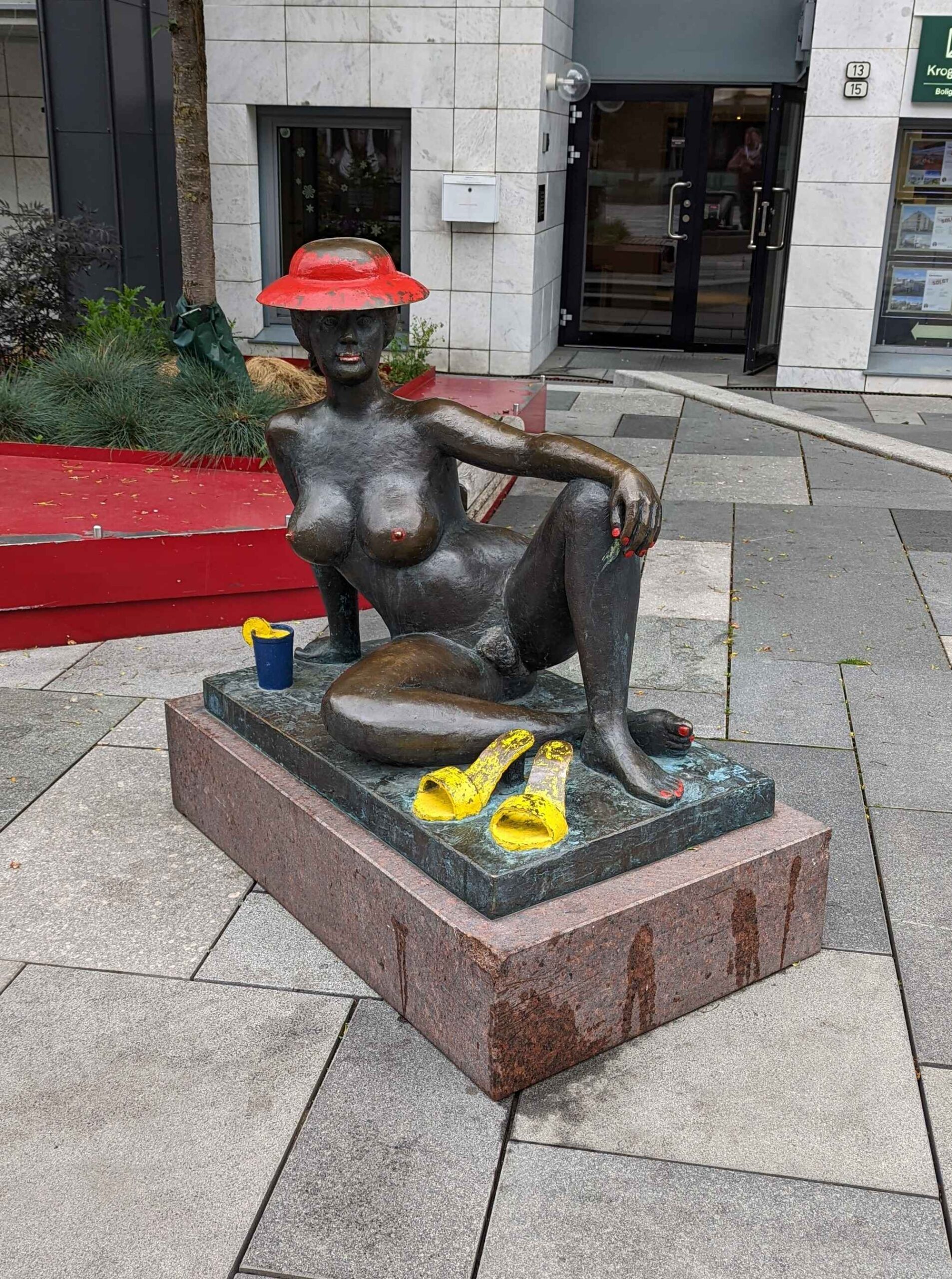
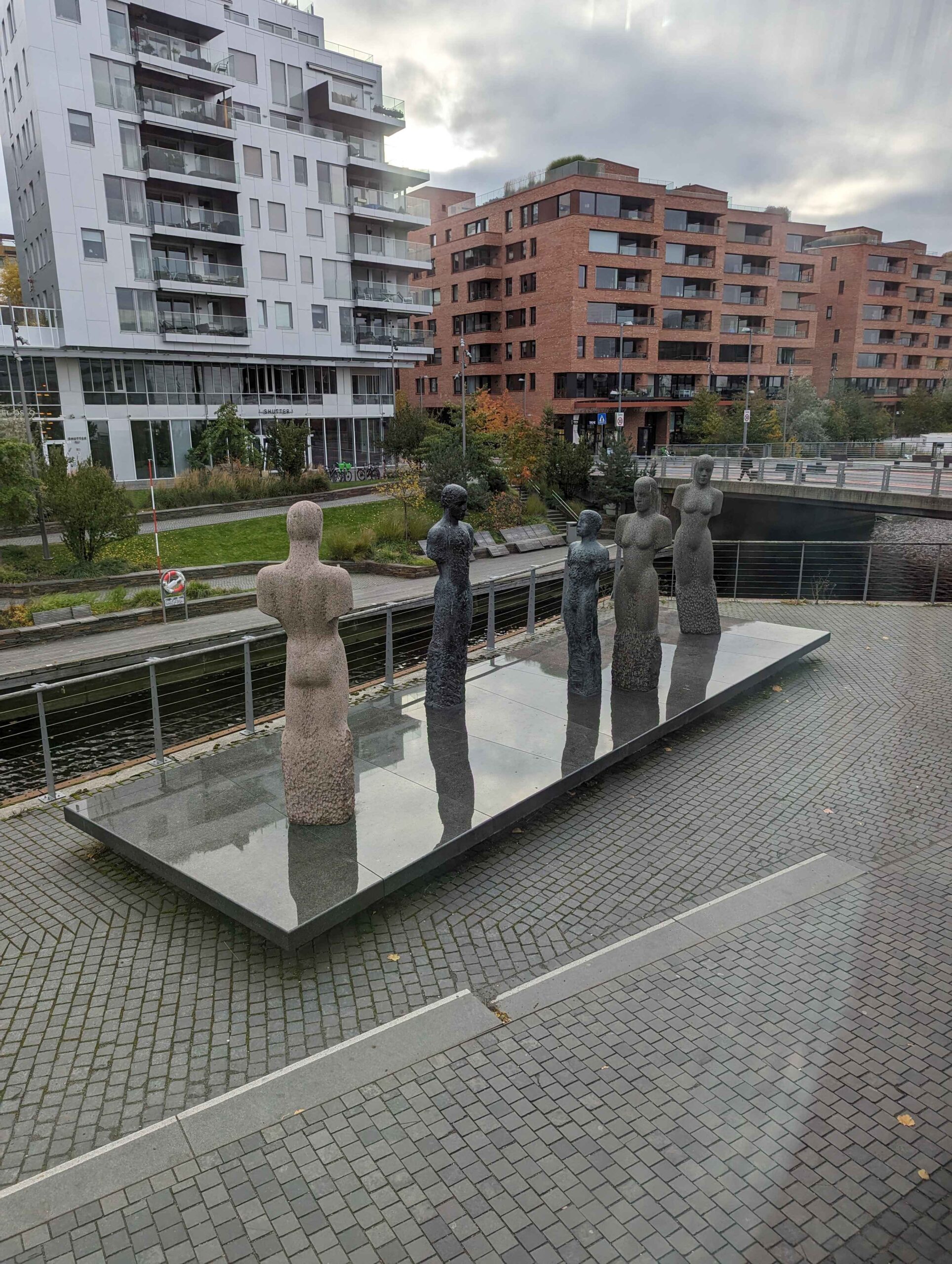
Sailing into the Oslo cruise port places you directly in the heart of one of Scandinavia’s most walkable and culture-filled capitals. Oslo (Norsk – Pronounced OOSH-loh) sits at the end of the Oslofjord and has long served as Norway’s political and cultural center. From the moment you step off the ship, the city reveals a blend of maritime history, modern architecture, and a surprising number of sculptures scattered throughout parks, plazas, and harbor walkways.
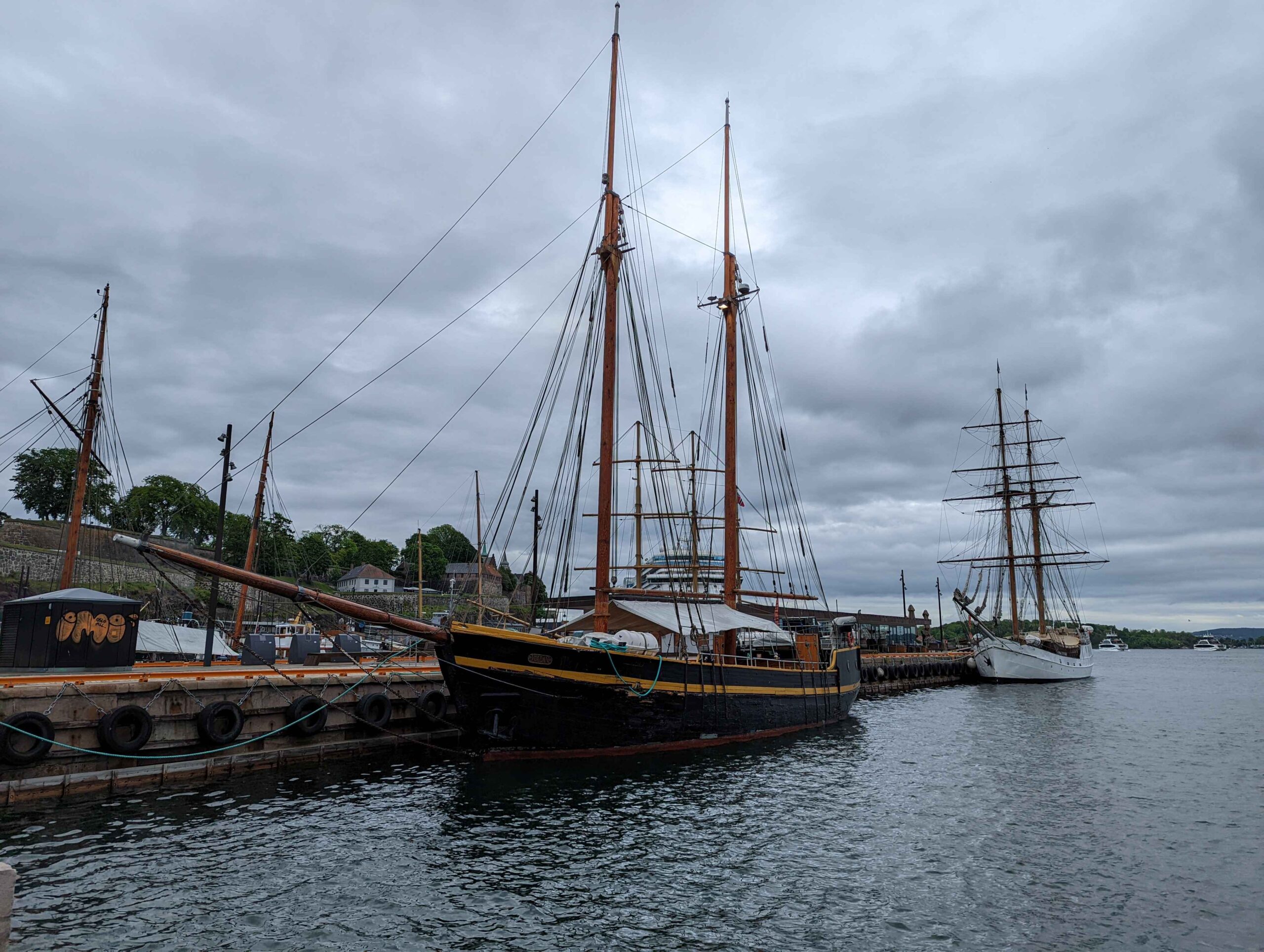
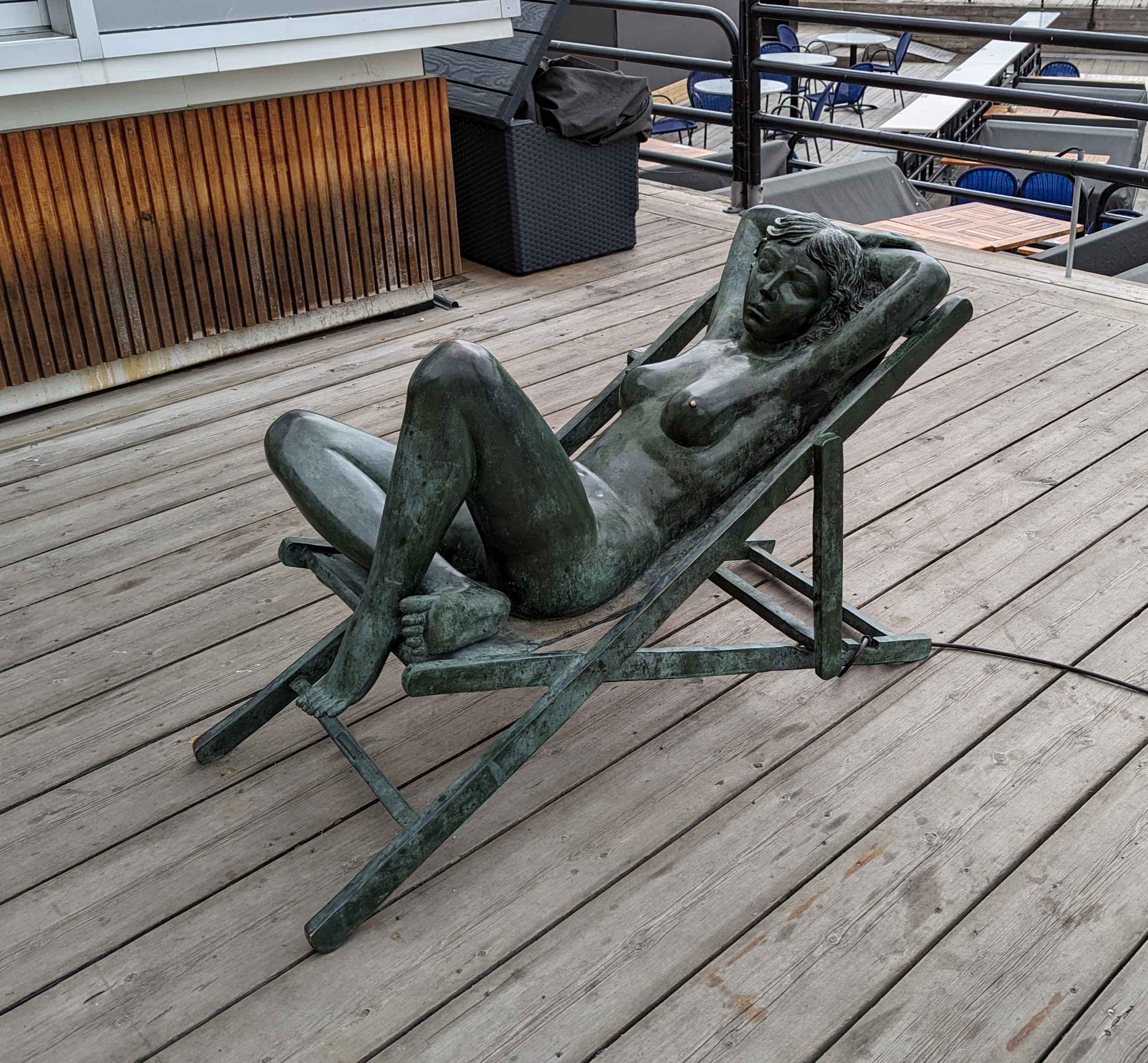
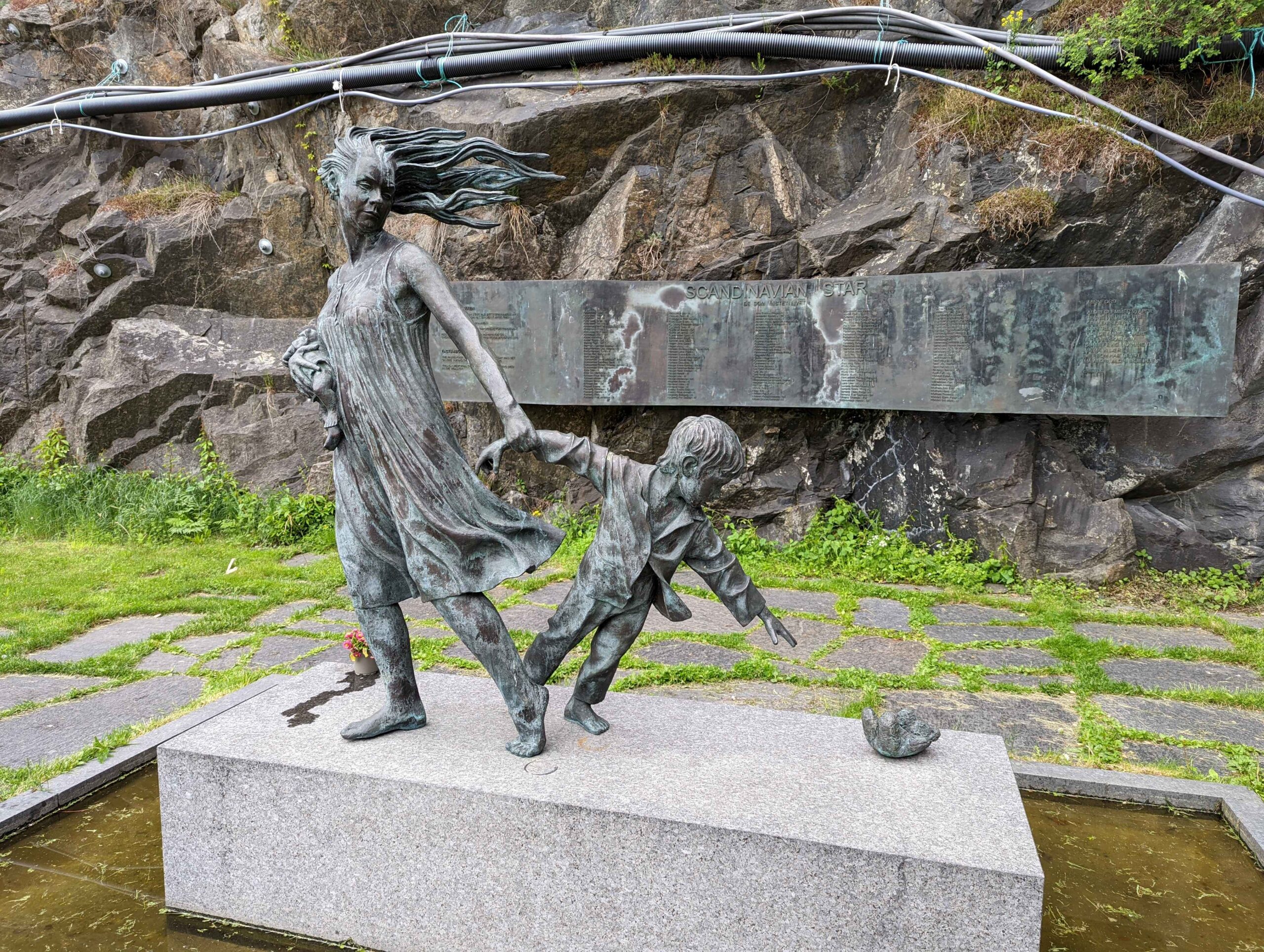
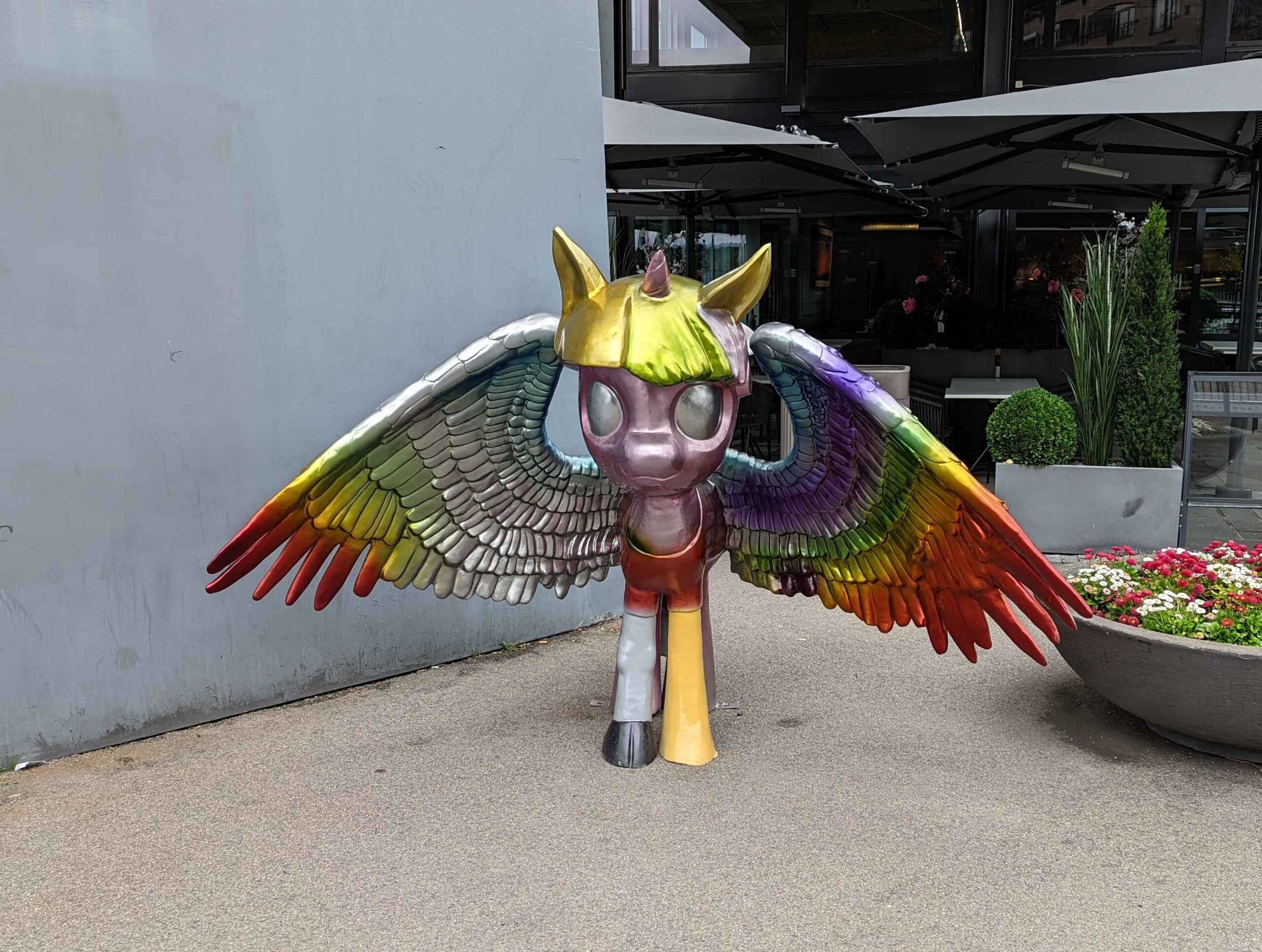
The harbor area alone offers hours of exploration before even considering excursions beyond the waterfront. Historic ships float beside modern marinas while restaurants, shops, and waterfront promenades create a lively atmosphere. Oslo’s reputation for public art becomes immediately clear as statues and installations appear around nearly every corner, giving the city a distinctive character that feels both artistic and approachable.
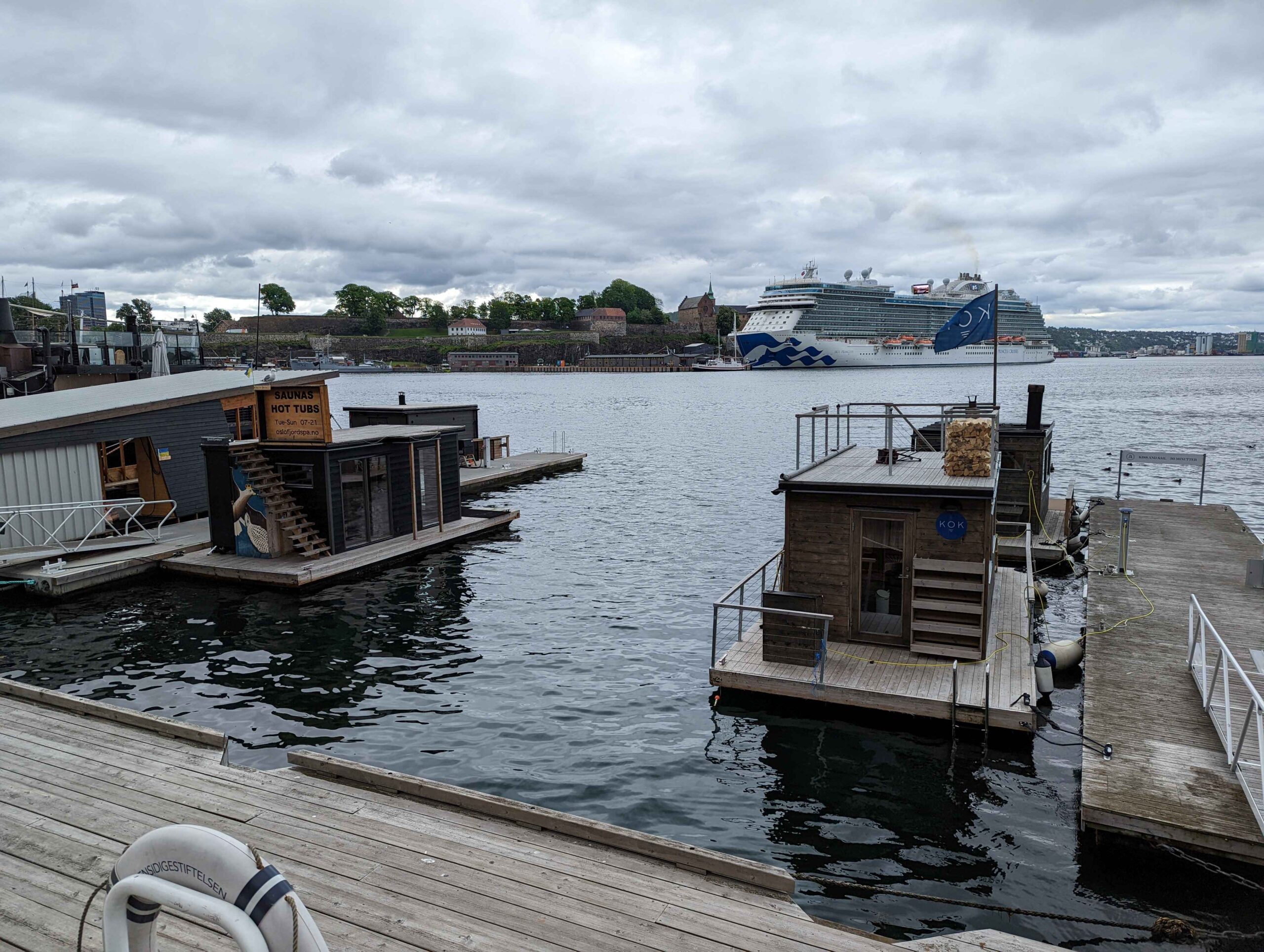
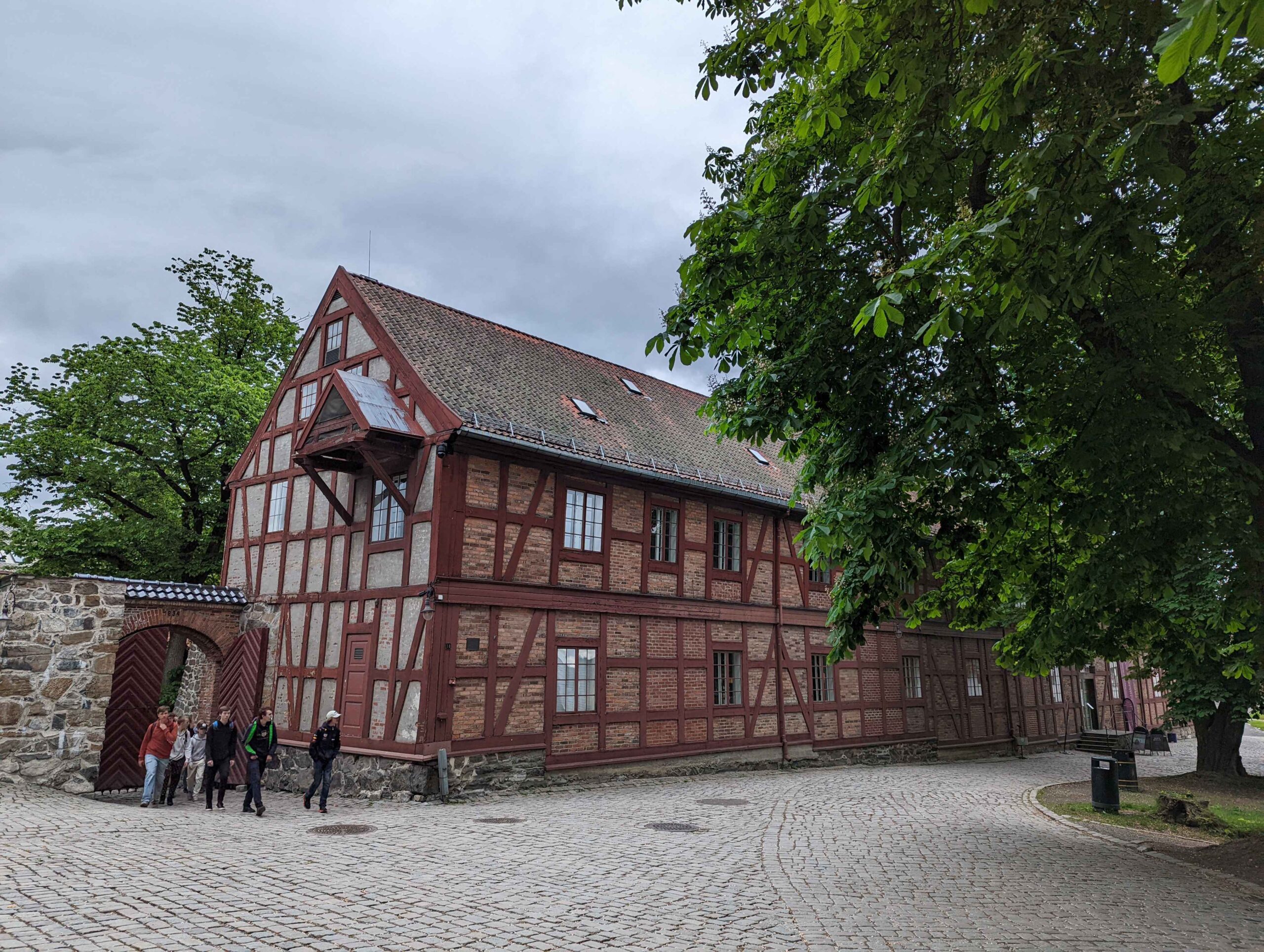
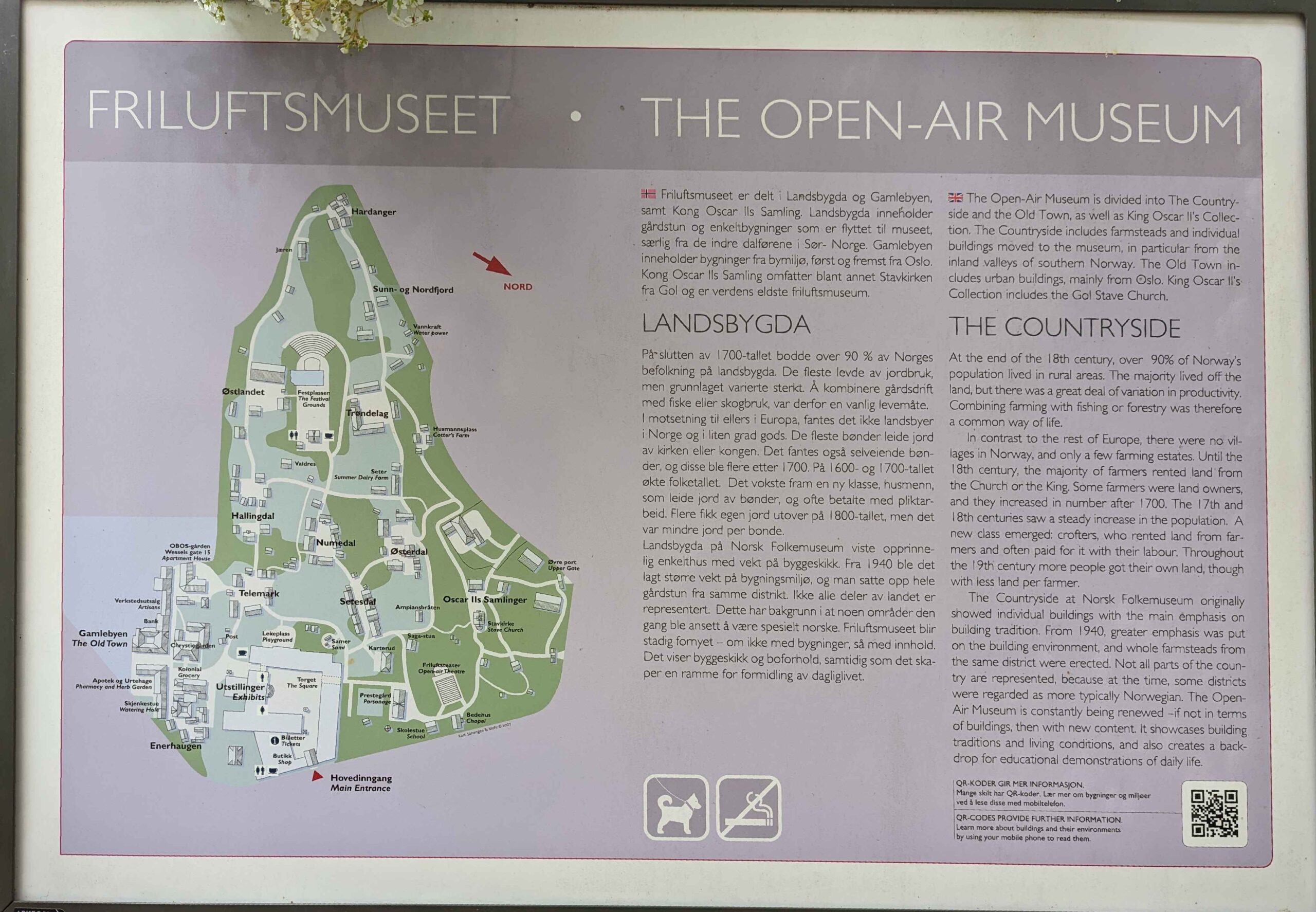
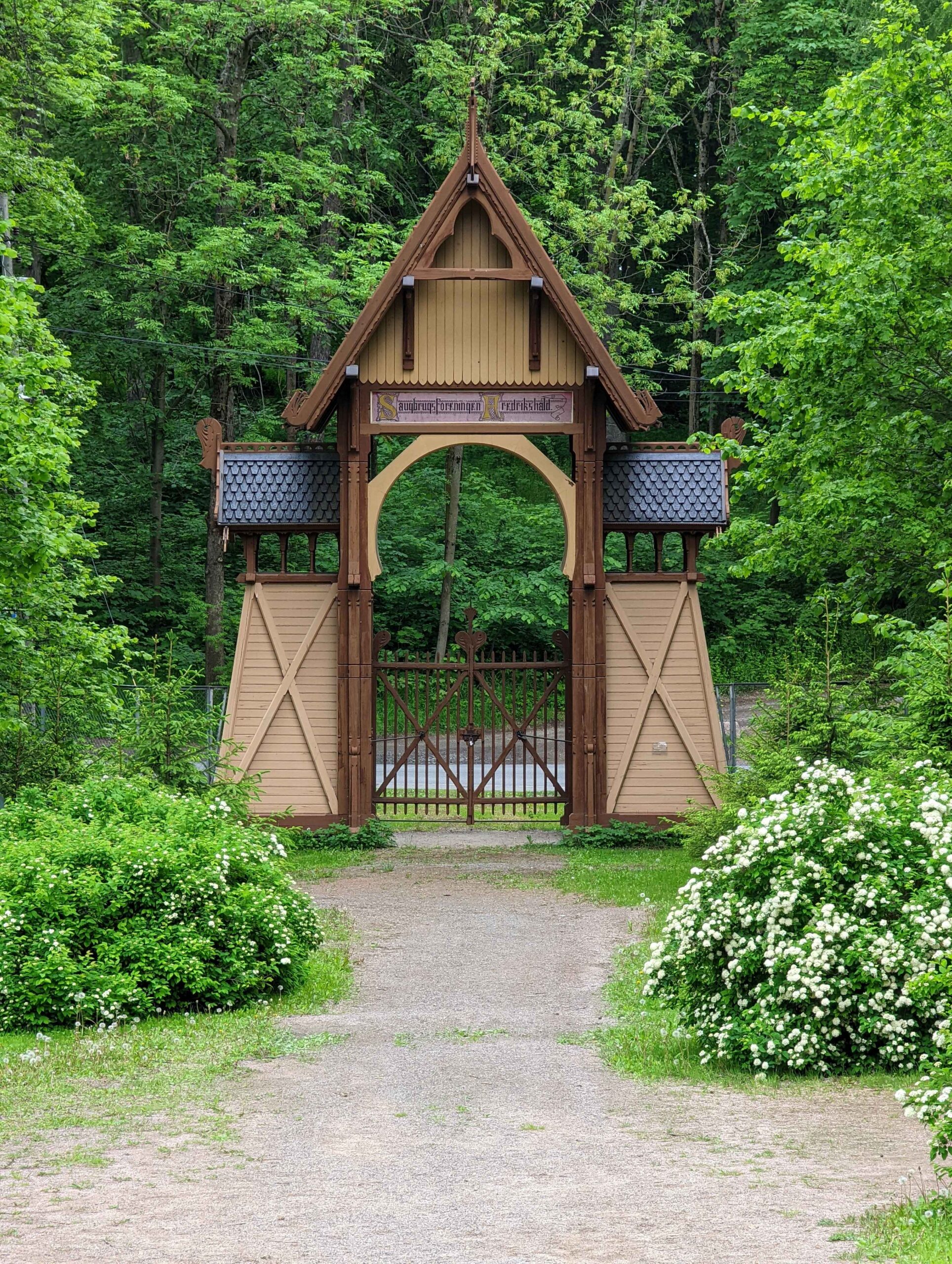
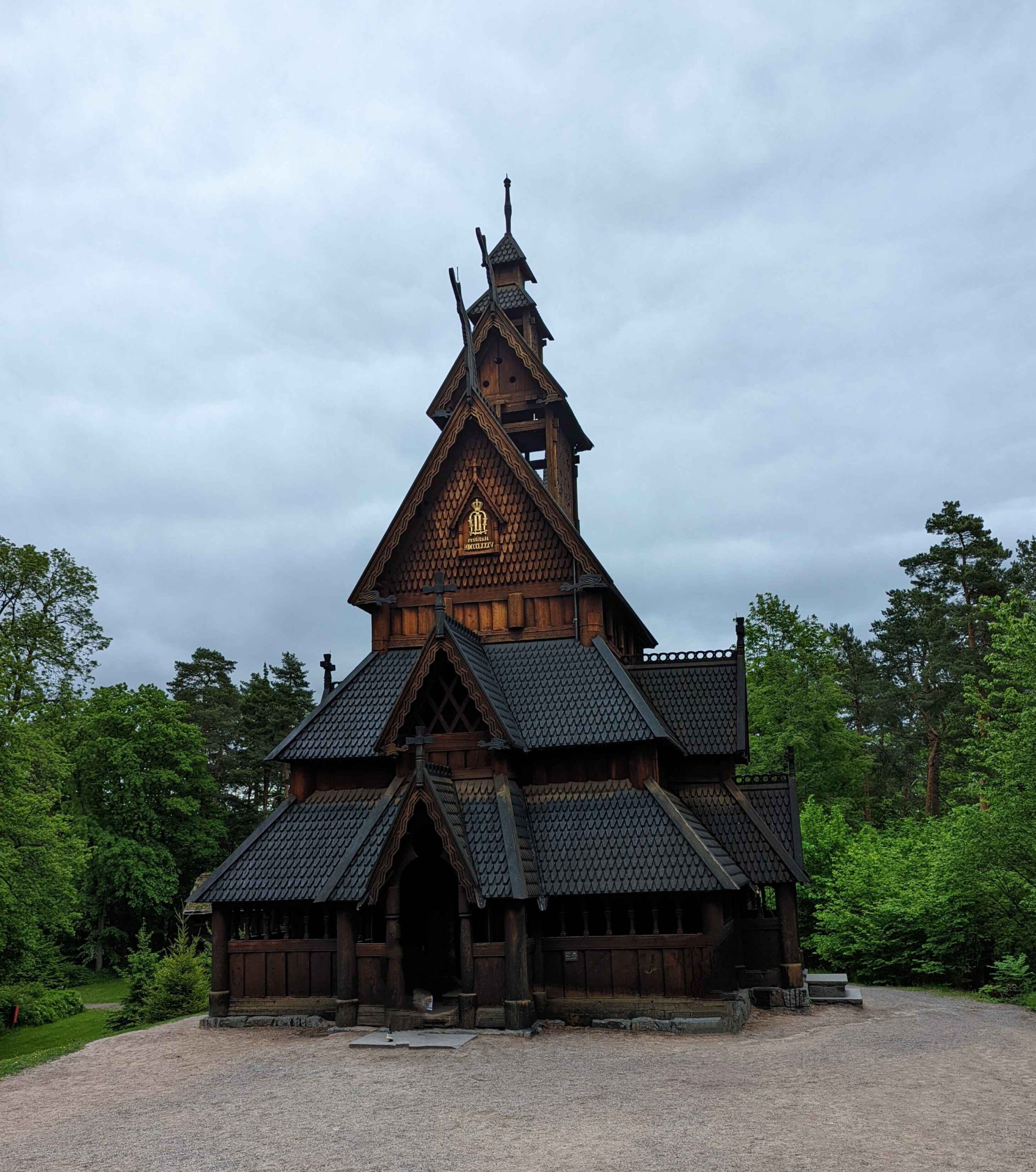
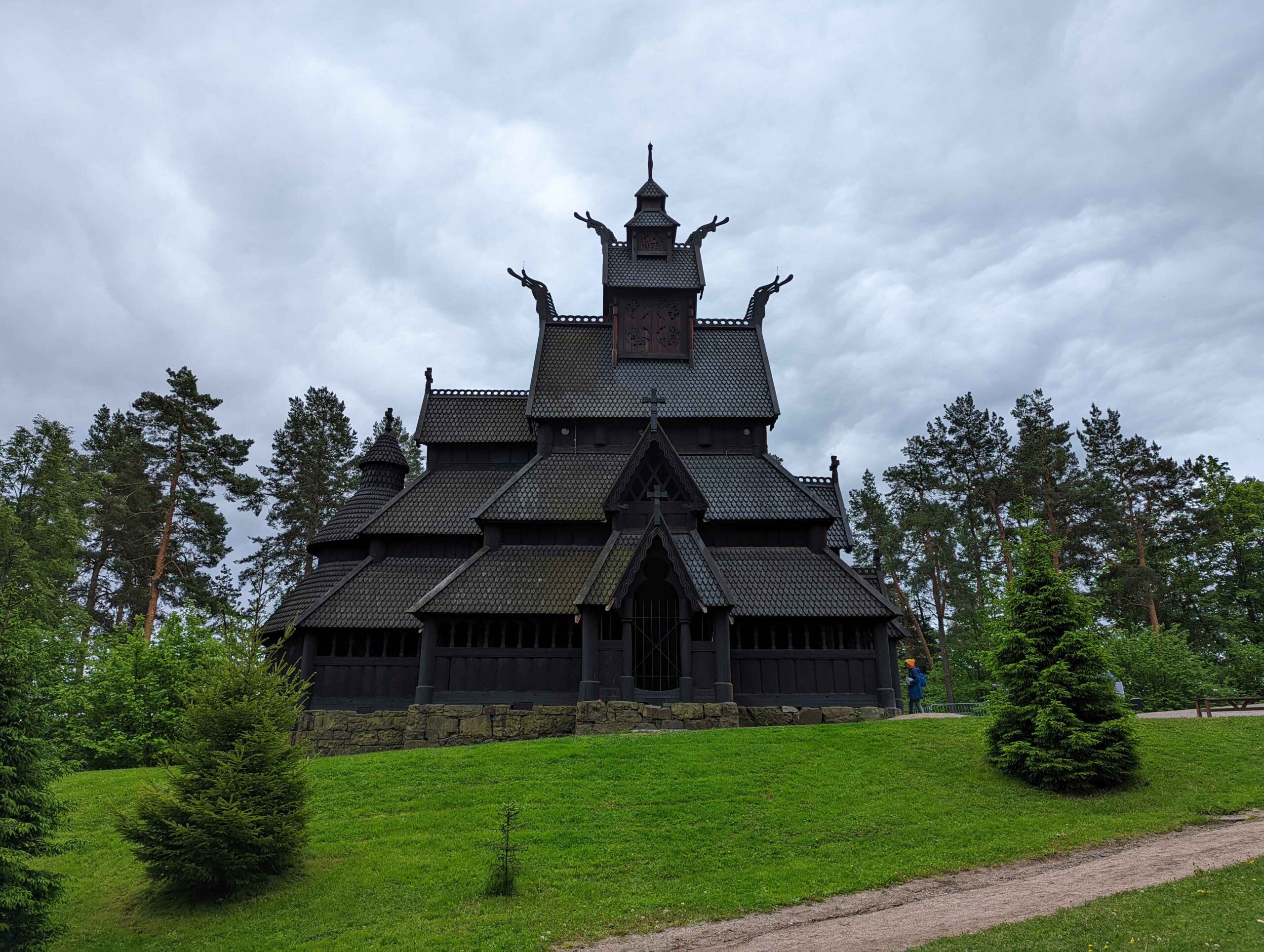
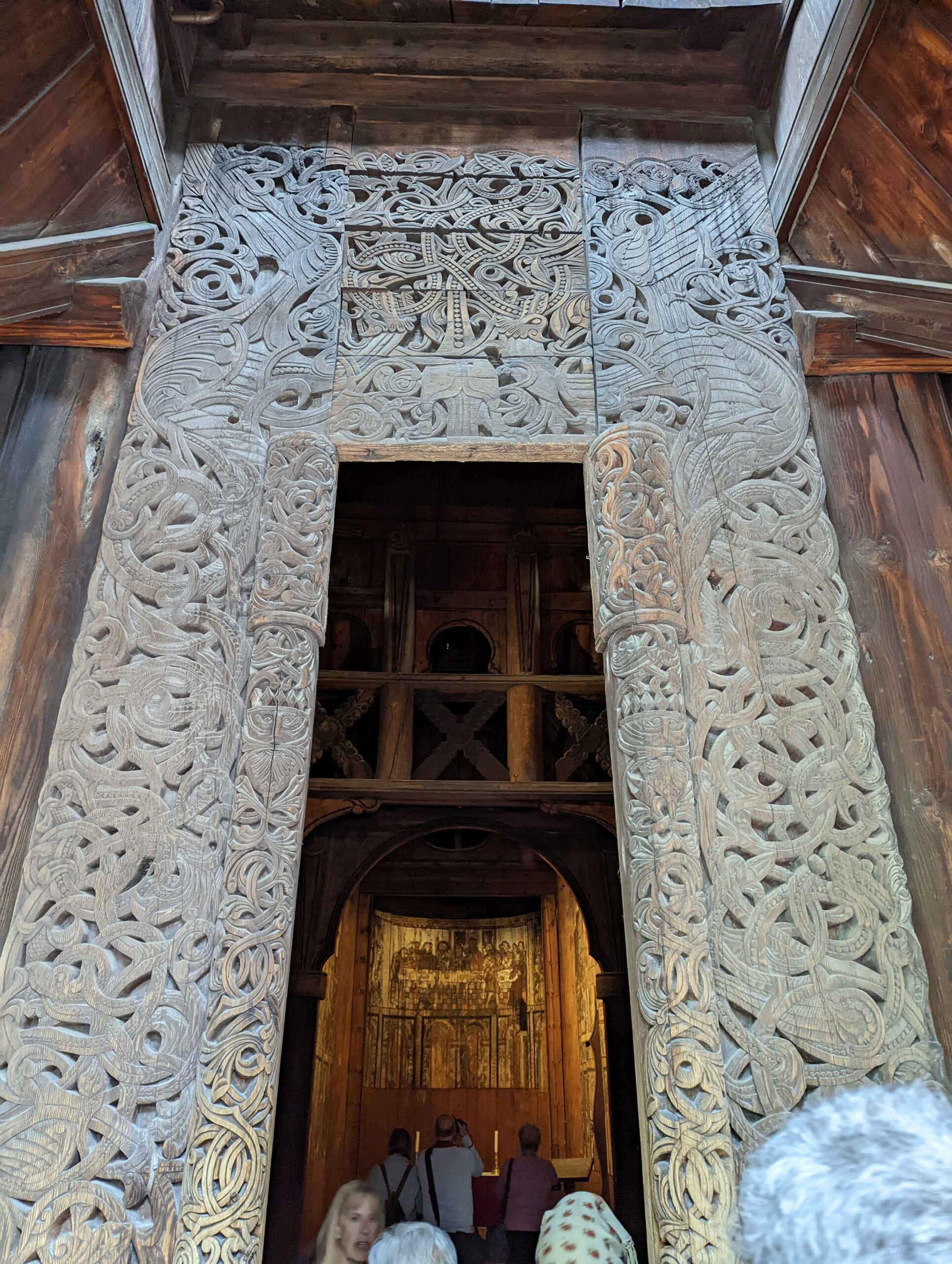
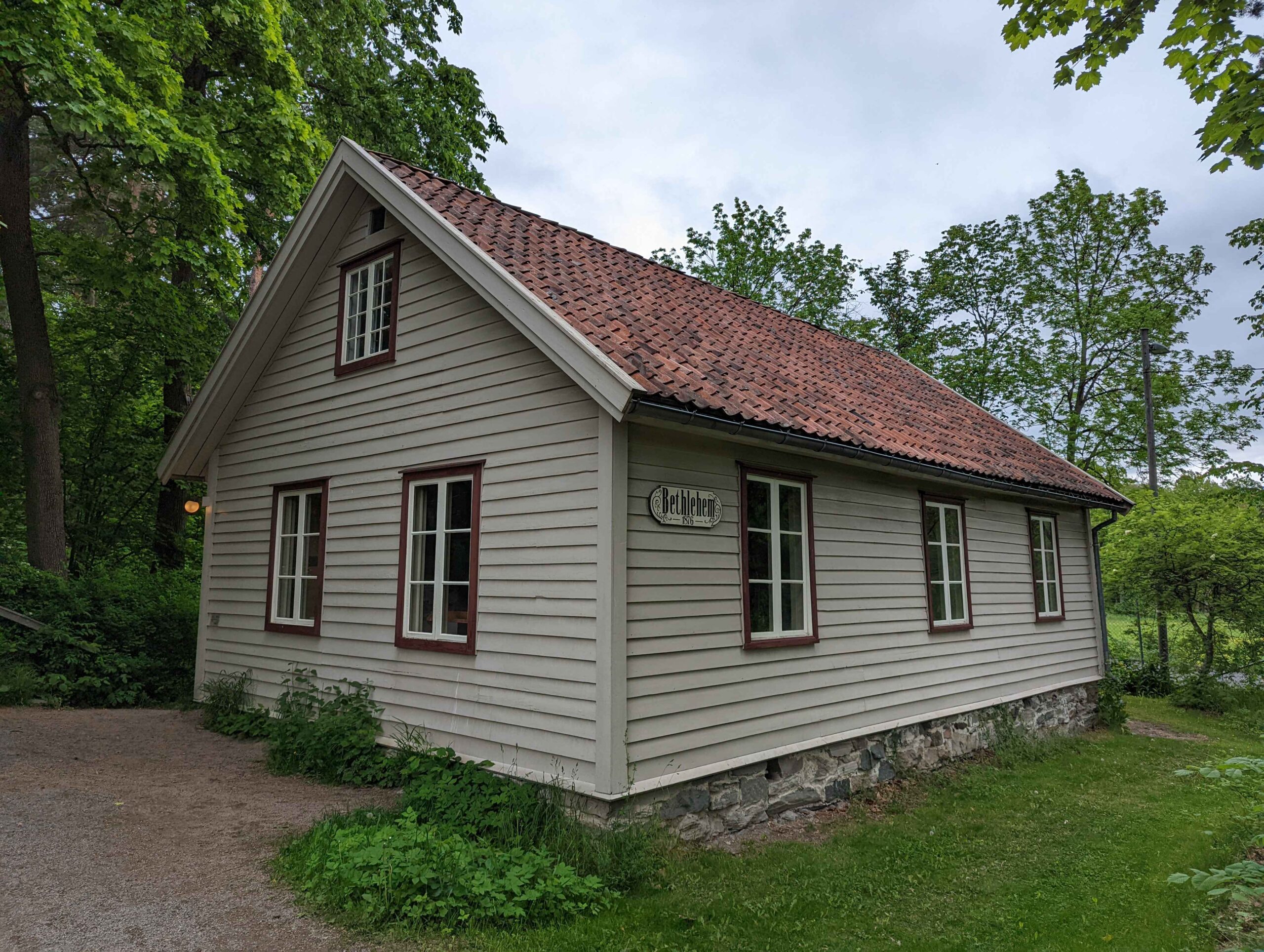
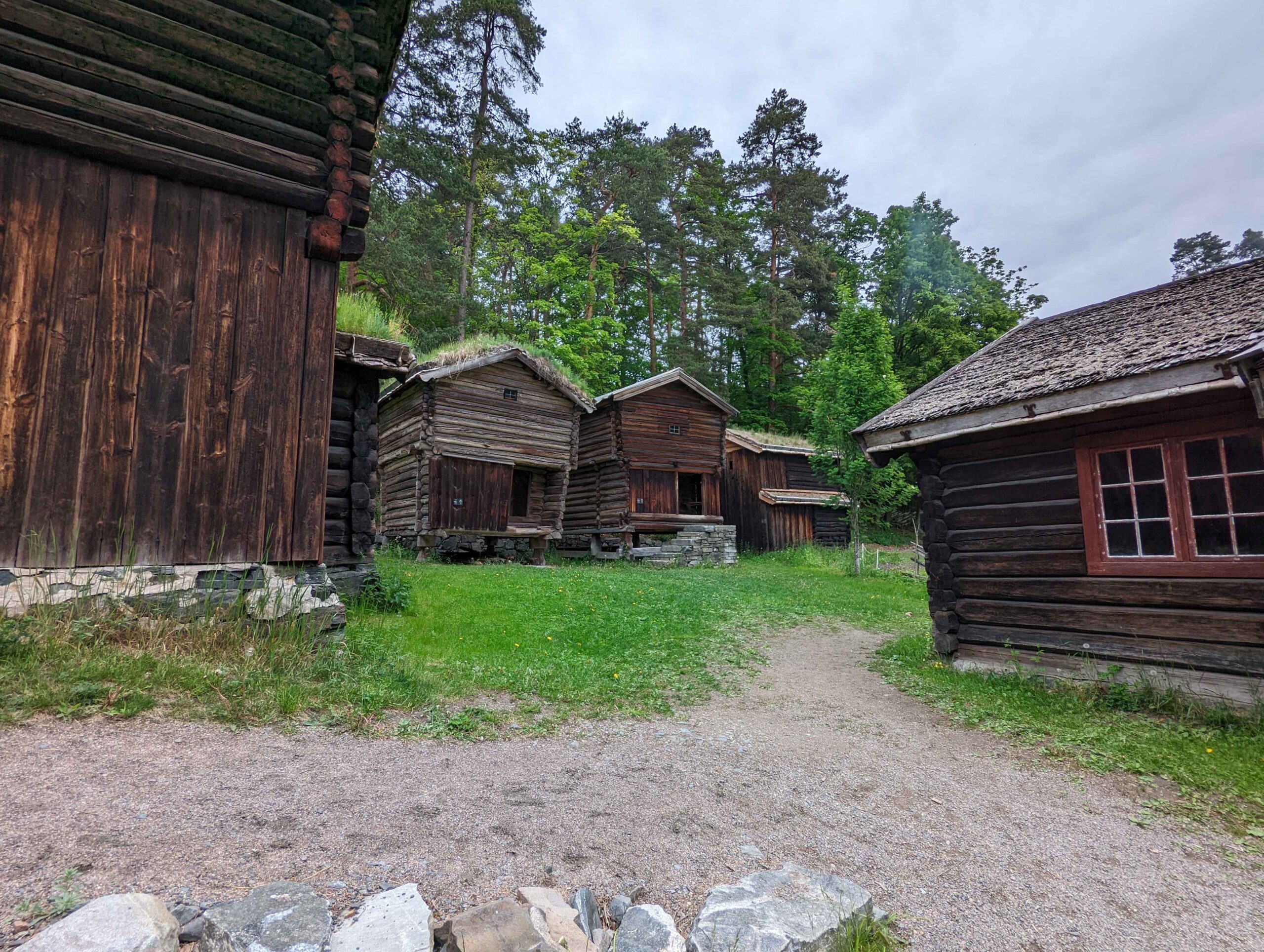
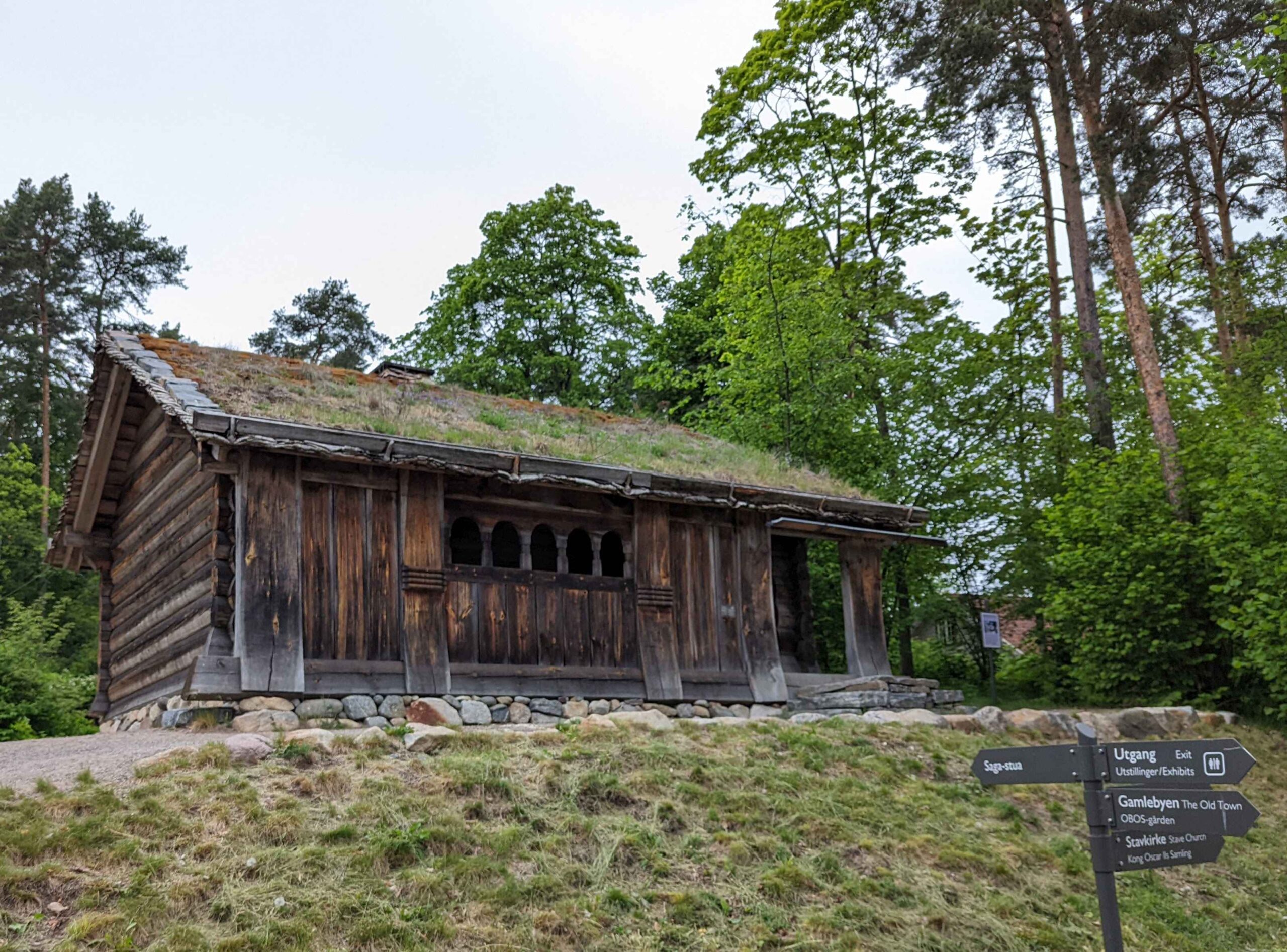
My first visit to Oslo began with a relaxed walk along the harbor before heading out on an afternoon excursion. Even without leaving the immediate port area, there was plenty to see, including historic ships, sculptures, floating saunas, and views toward Akershus Fortress. Eventually, I joined an excursion to Norsk Folkemuseum, an impressive open-air museum that recreates traditional Norwegian life. Historic homesteads, wooden churches, and reconstructed buildings create an immersive look into rural Norwegian culture across several centuries.
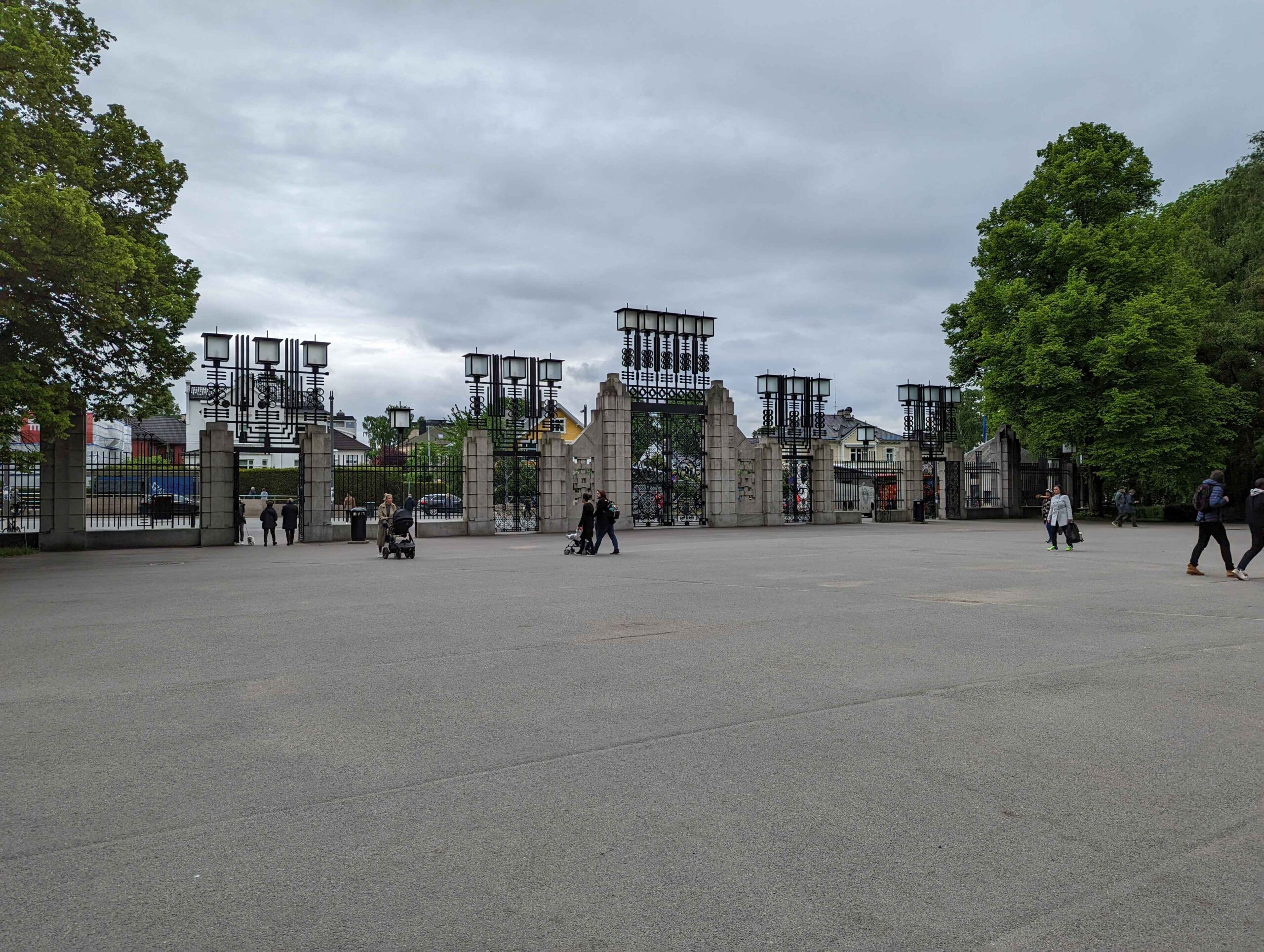
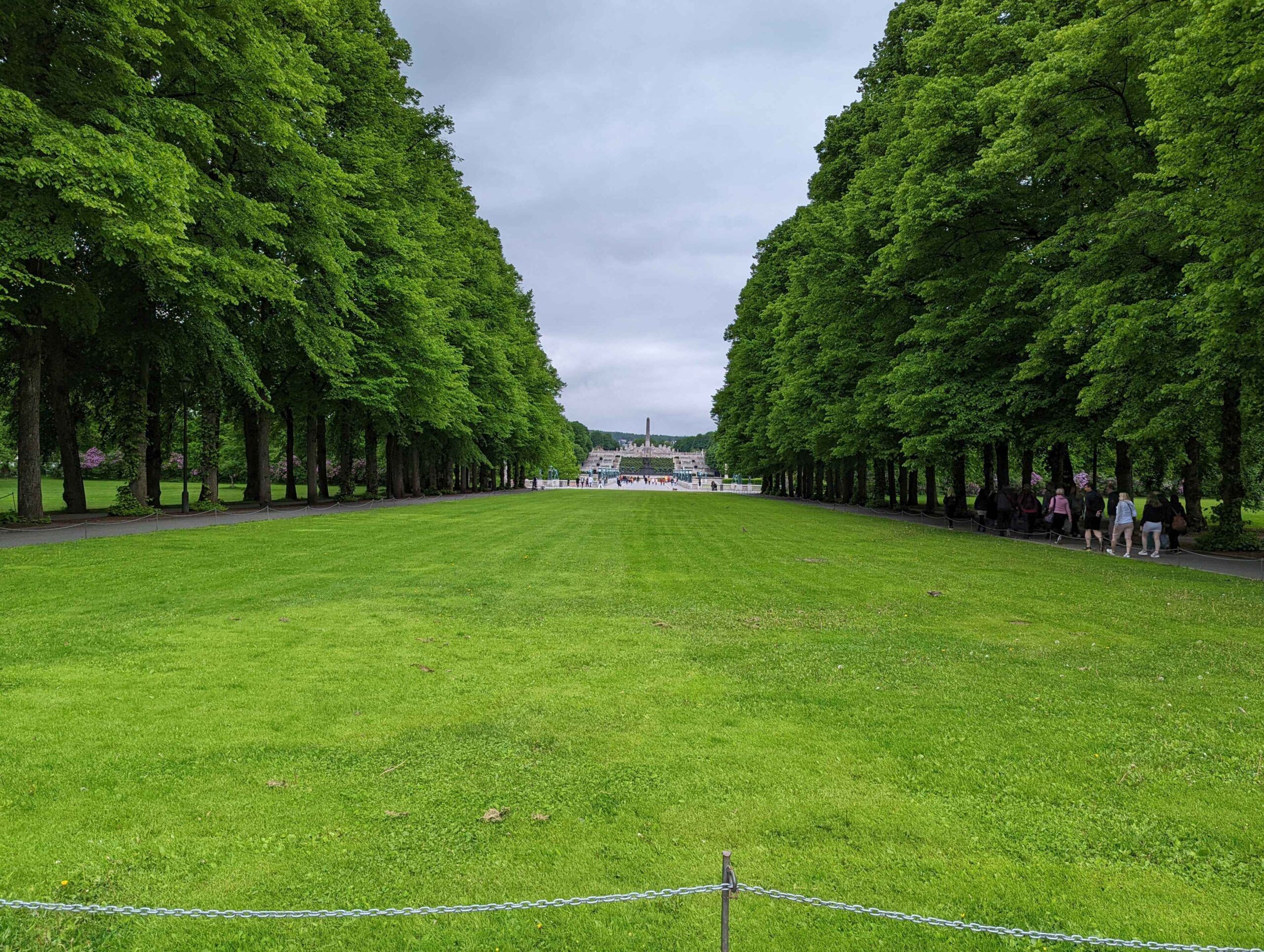
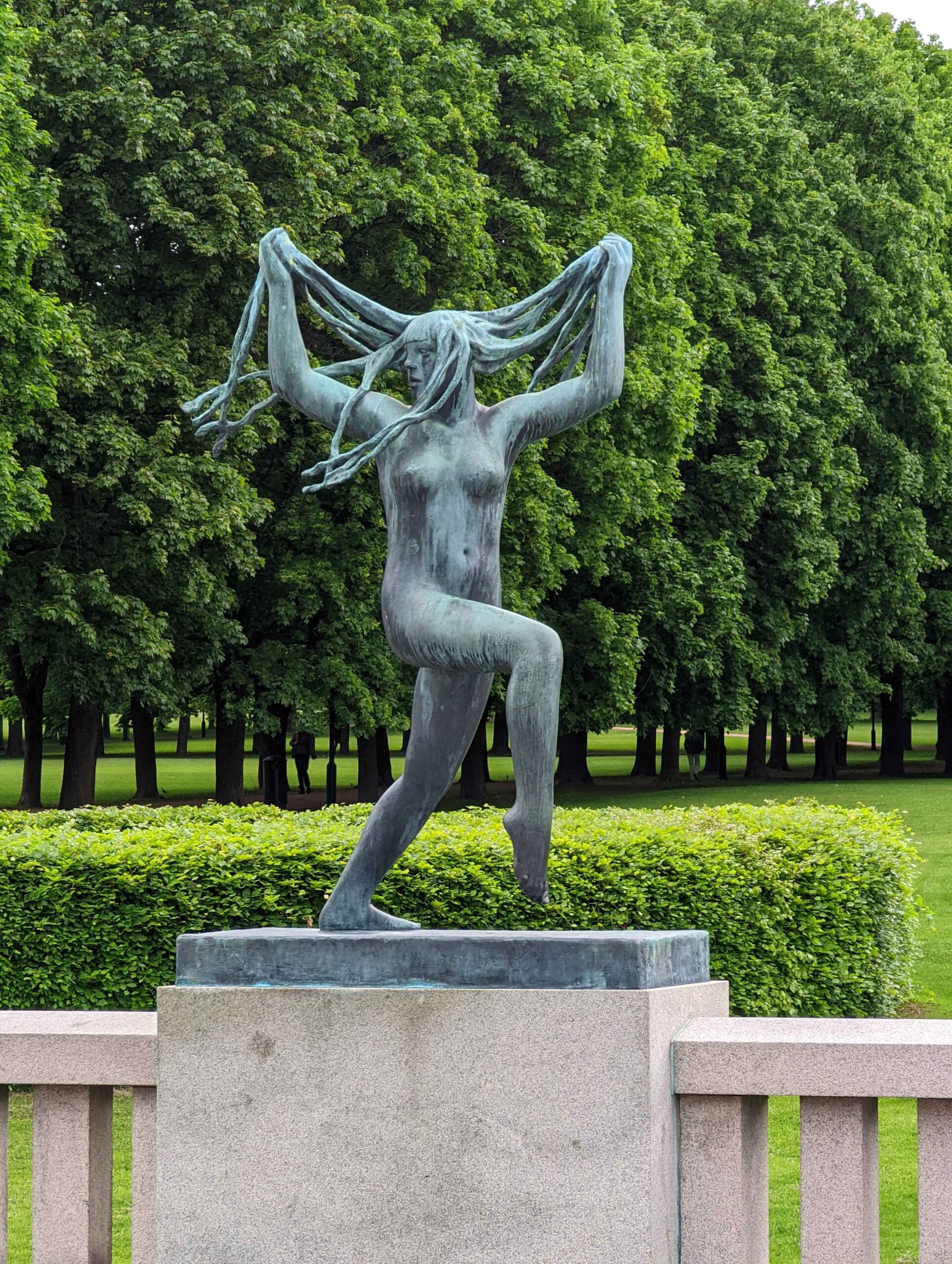
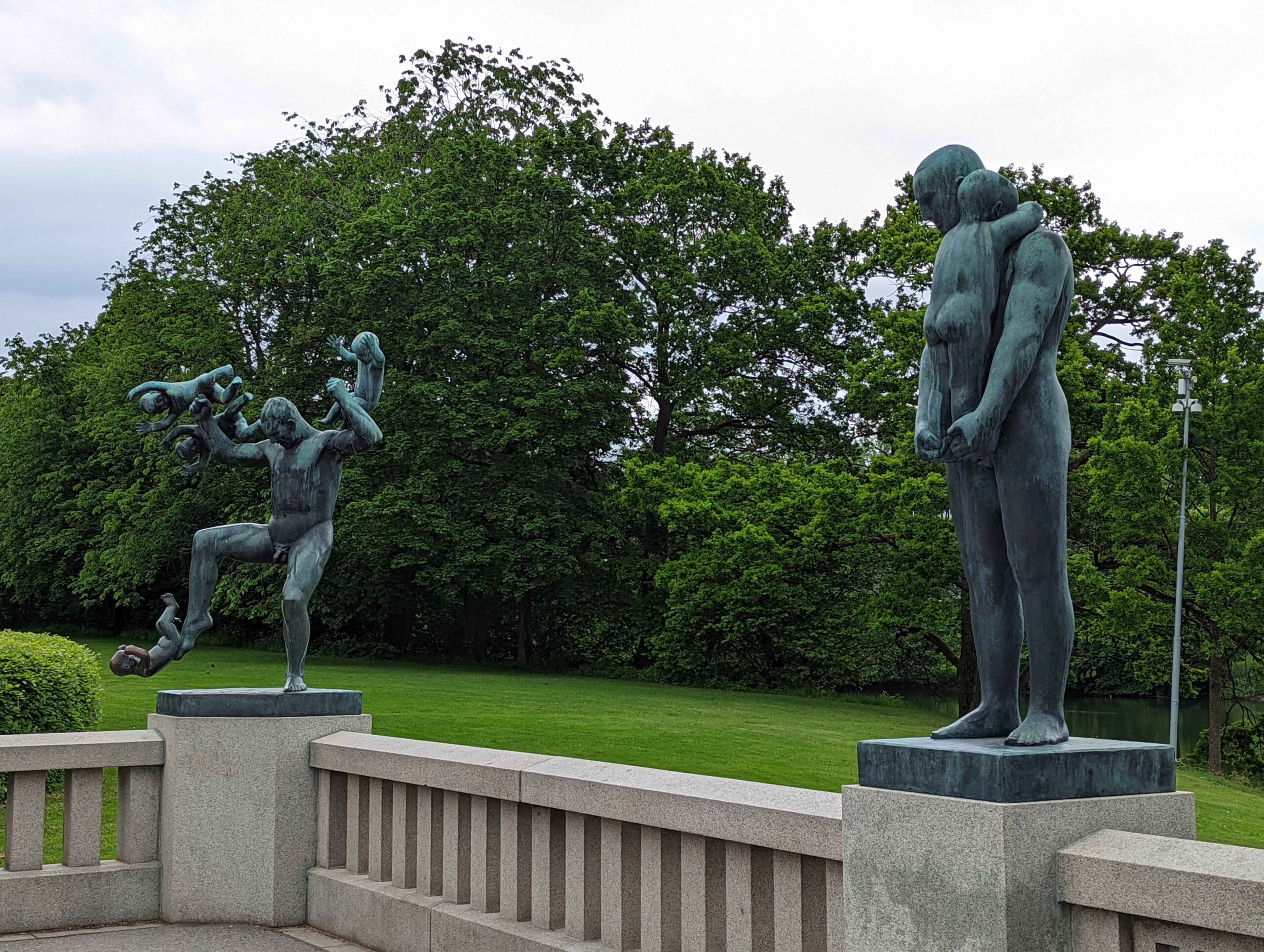
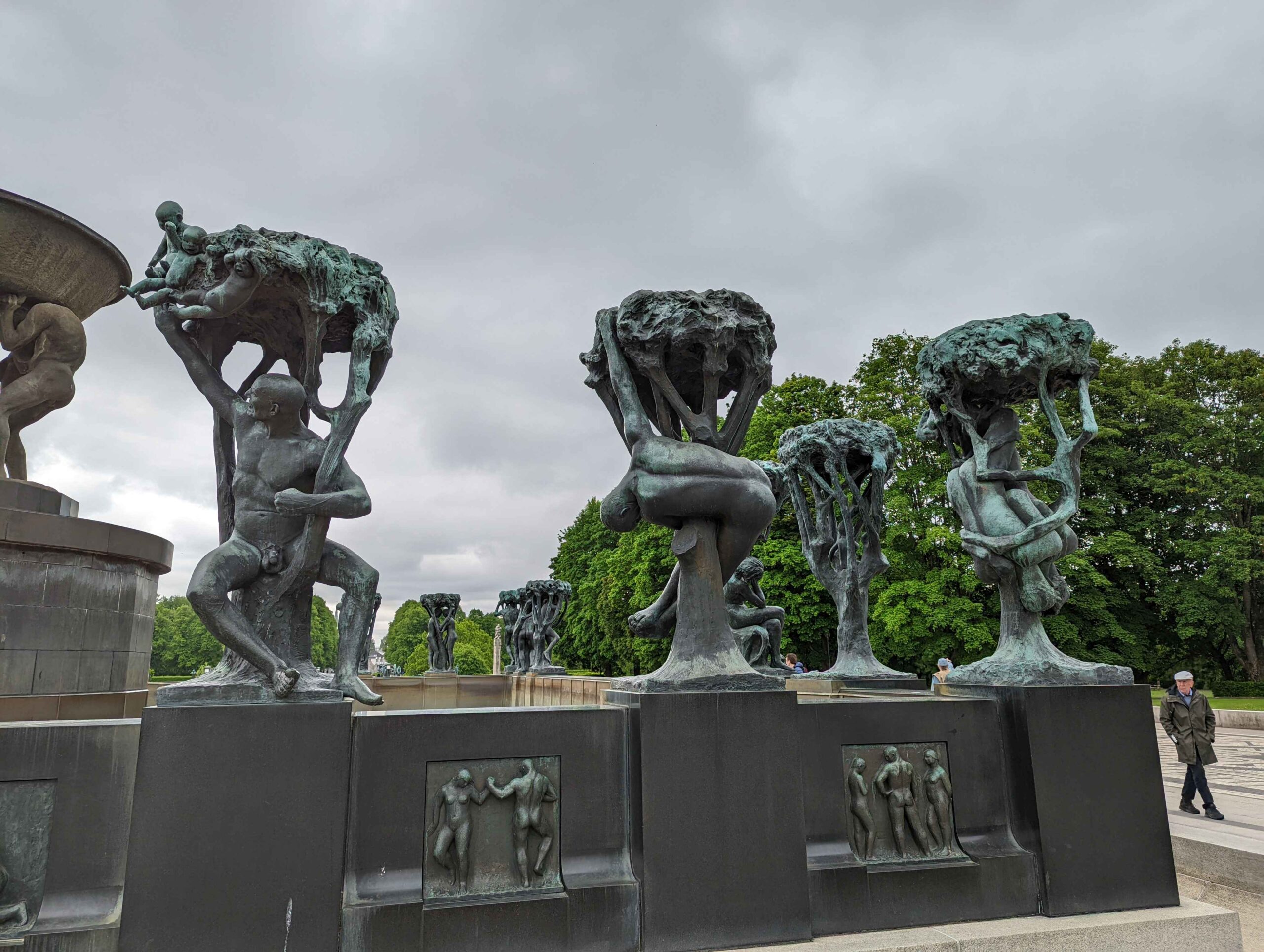
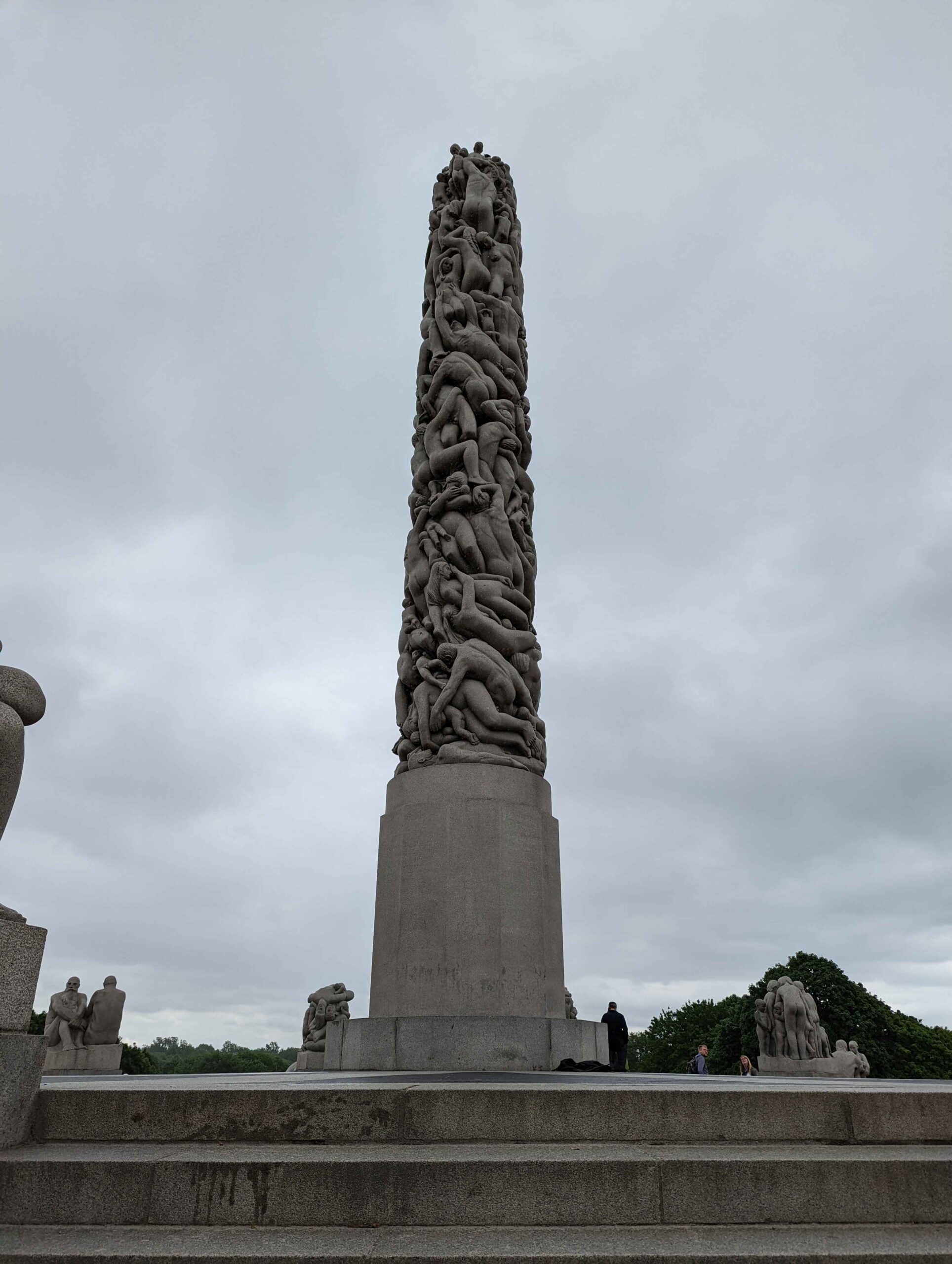
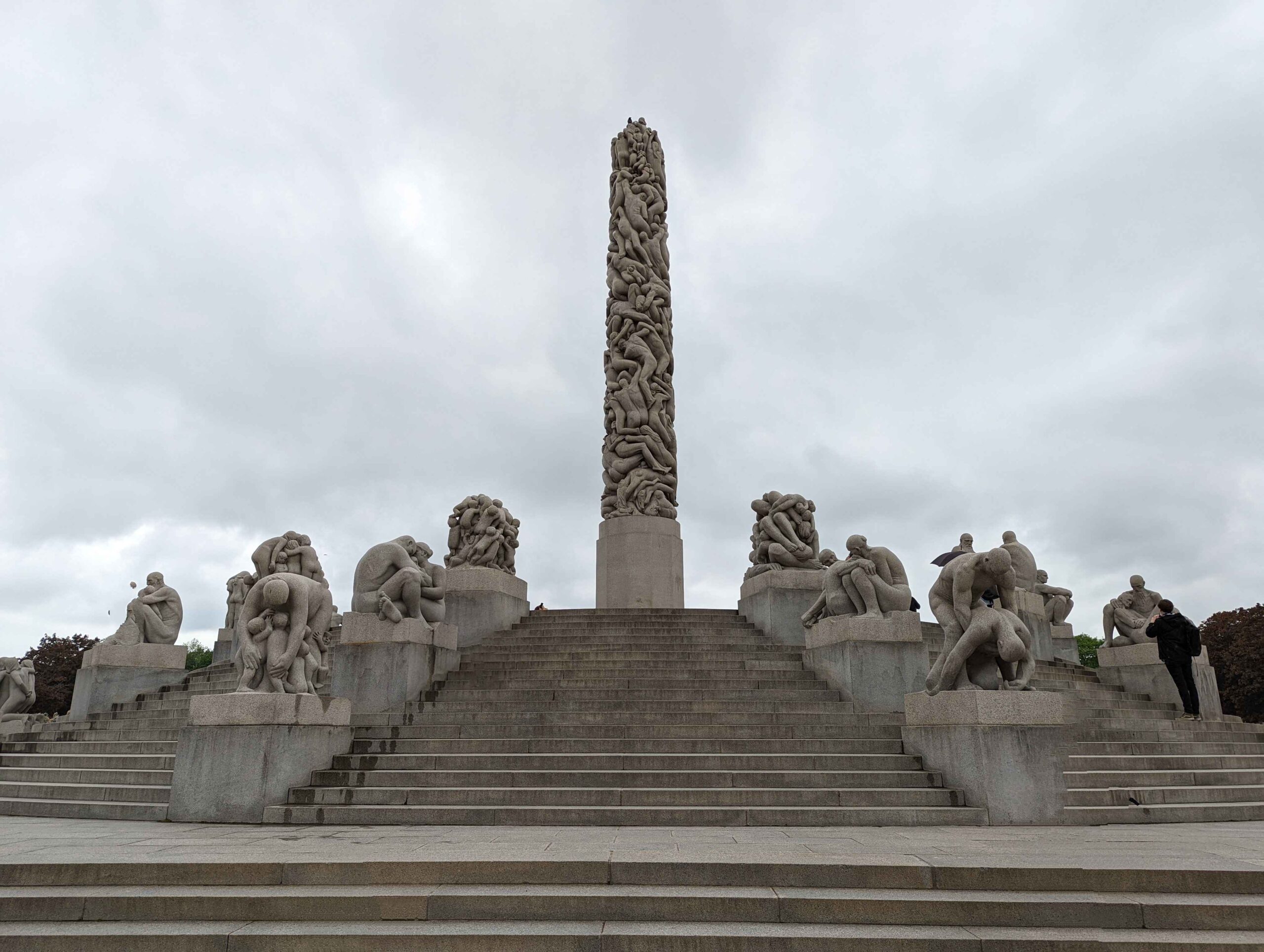
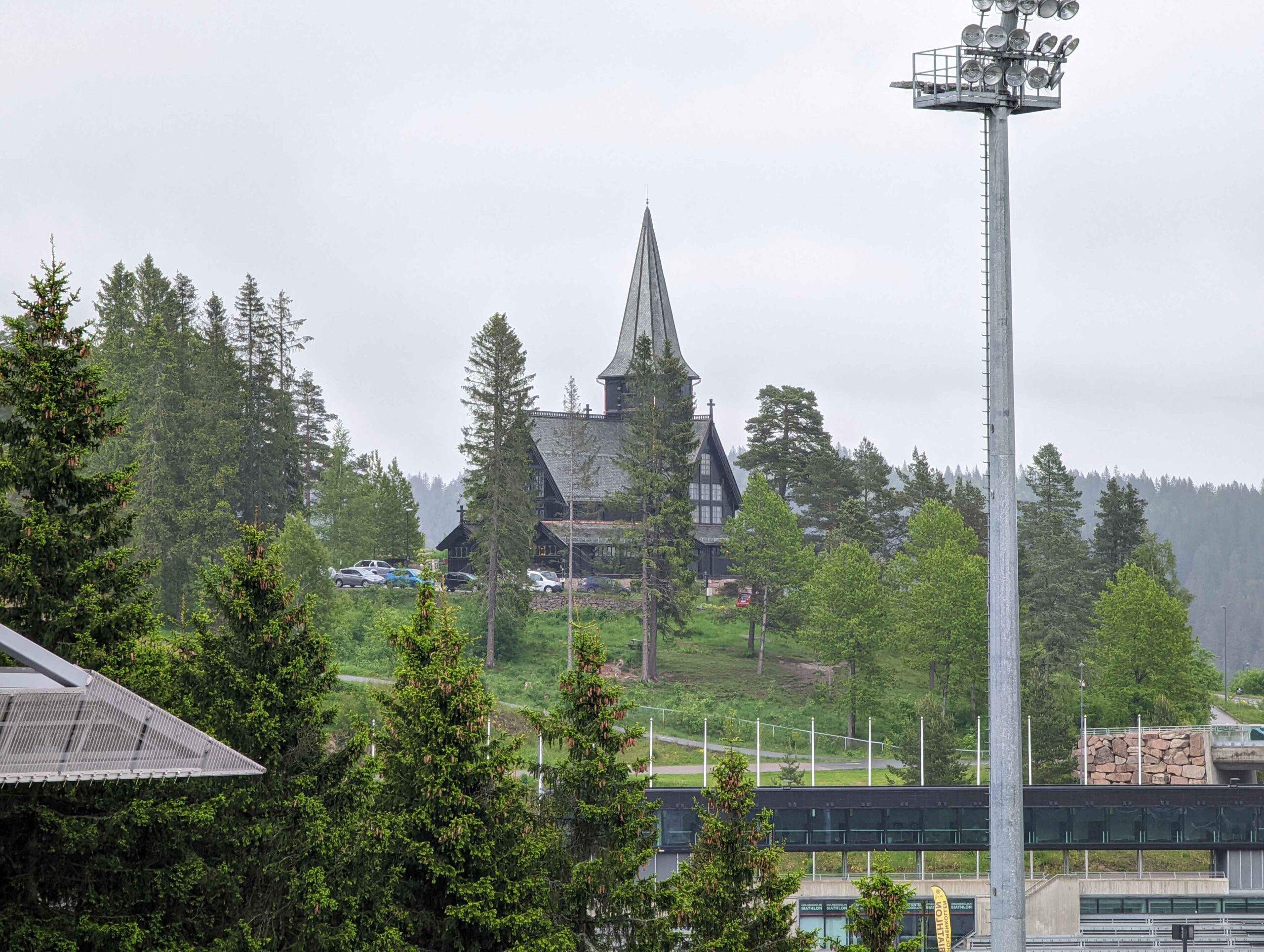
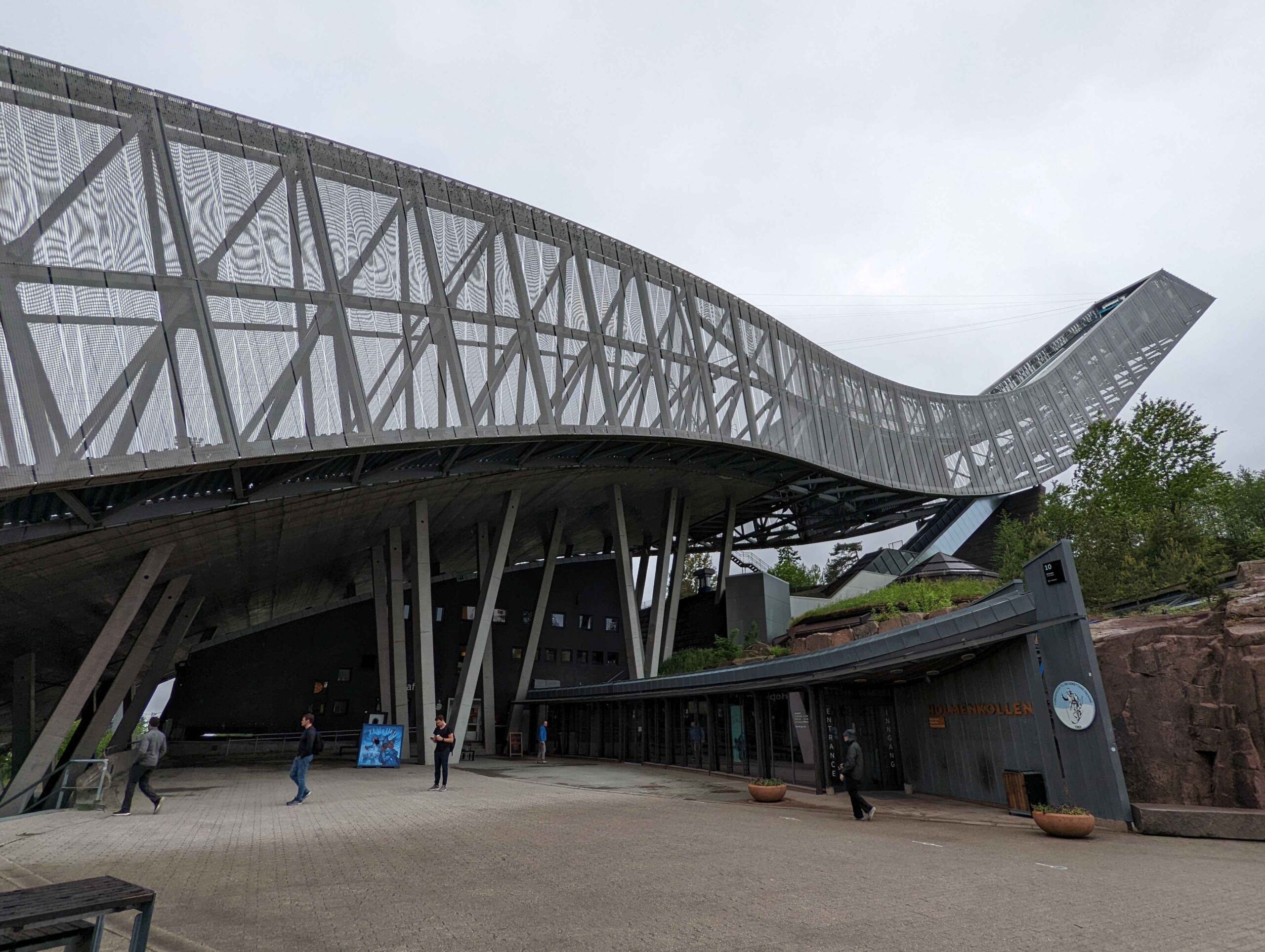
The excursion continued to Frognerparken and Vigelandsparken, where Gustav Vigeland’s sculptures fill the parks with dramatic scenes of human emotion. Walking along the tree-lined paths felt like wandering through a giant outdoor gallery. Statues depict families struggling, joy, and movement in striking detail. From there, we visited Holmenkollen Ski Museum for panoramic views over Oslo and the fjord. The museum itself was closed during my visit, so the ski jump ramp was inaccessible, but the view from the area was still spectacular.
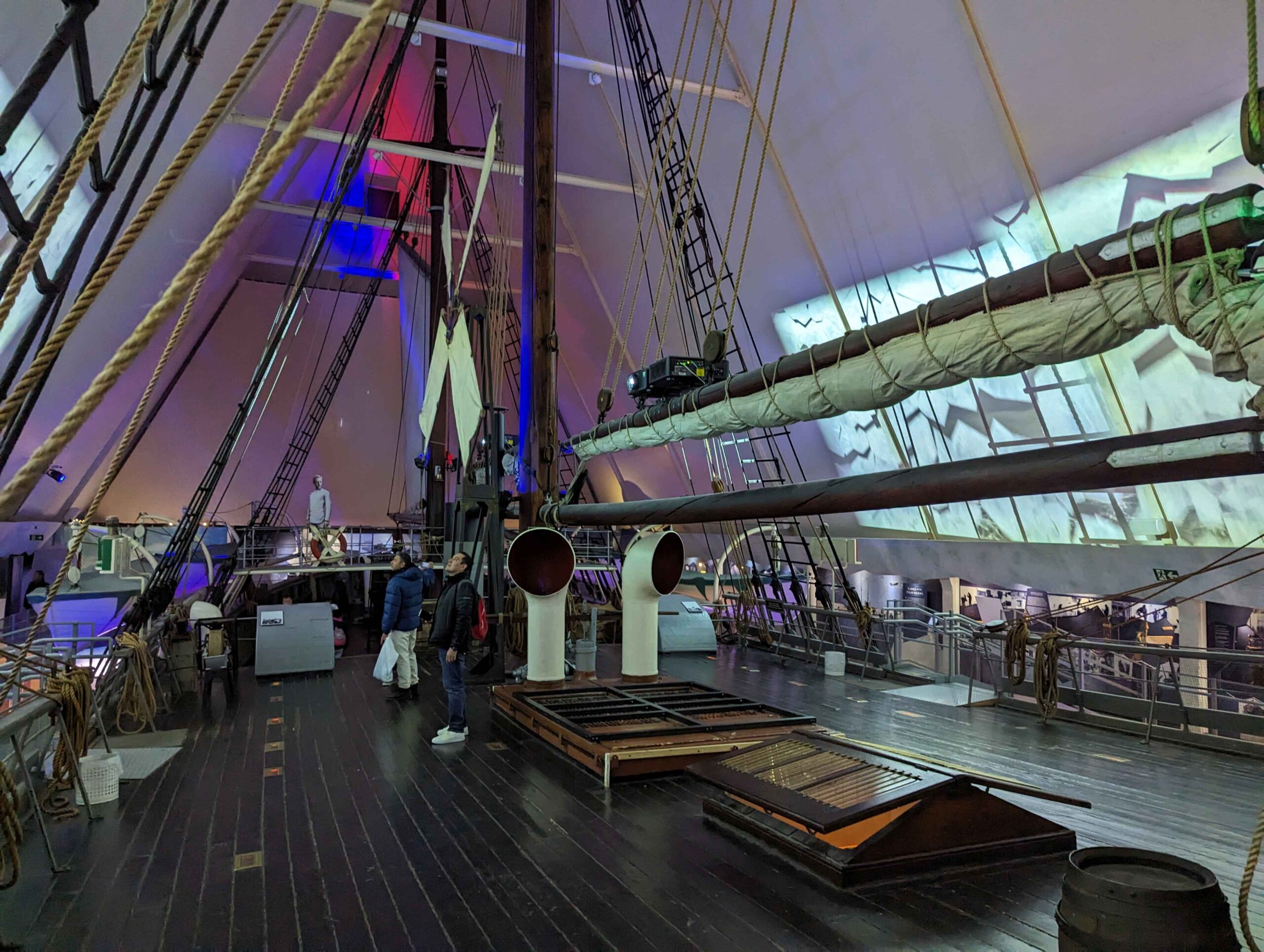
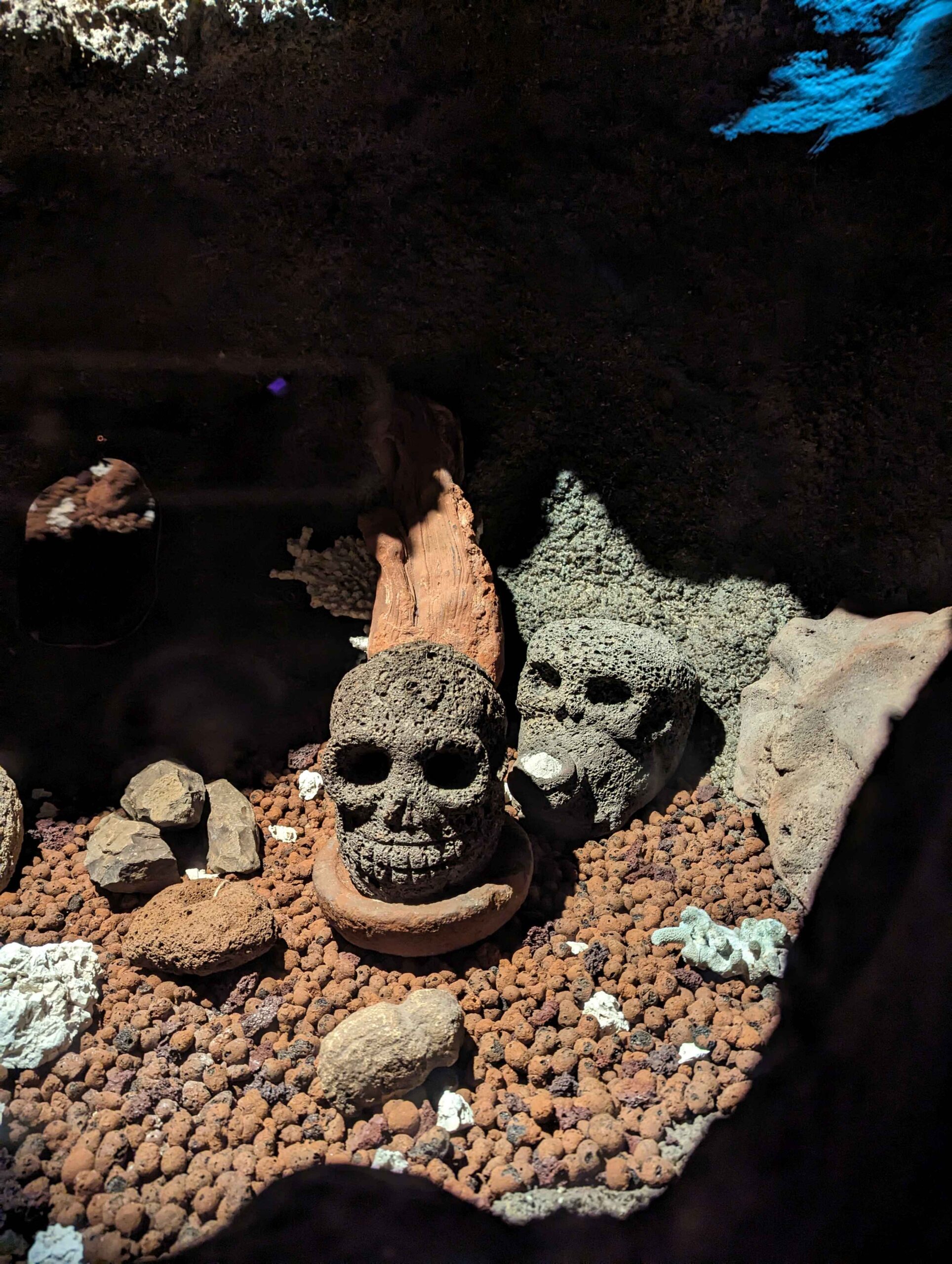
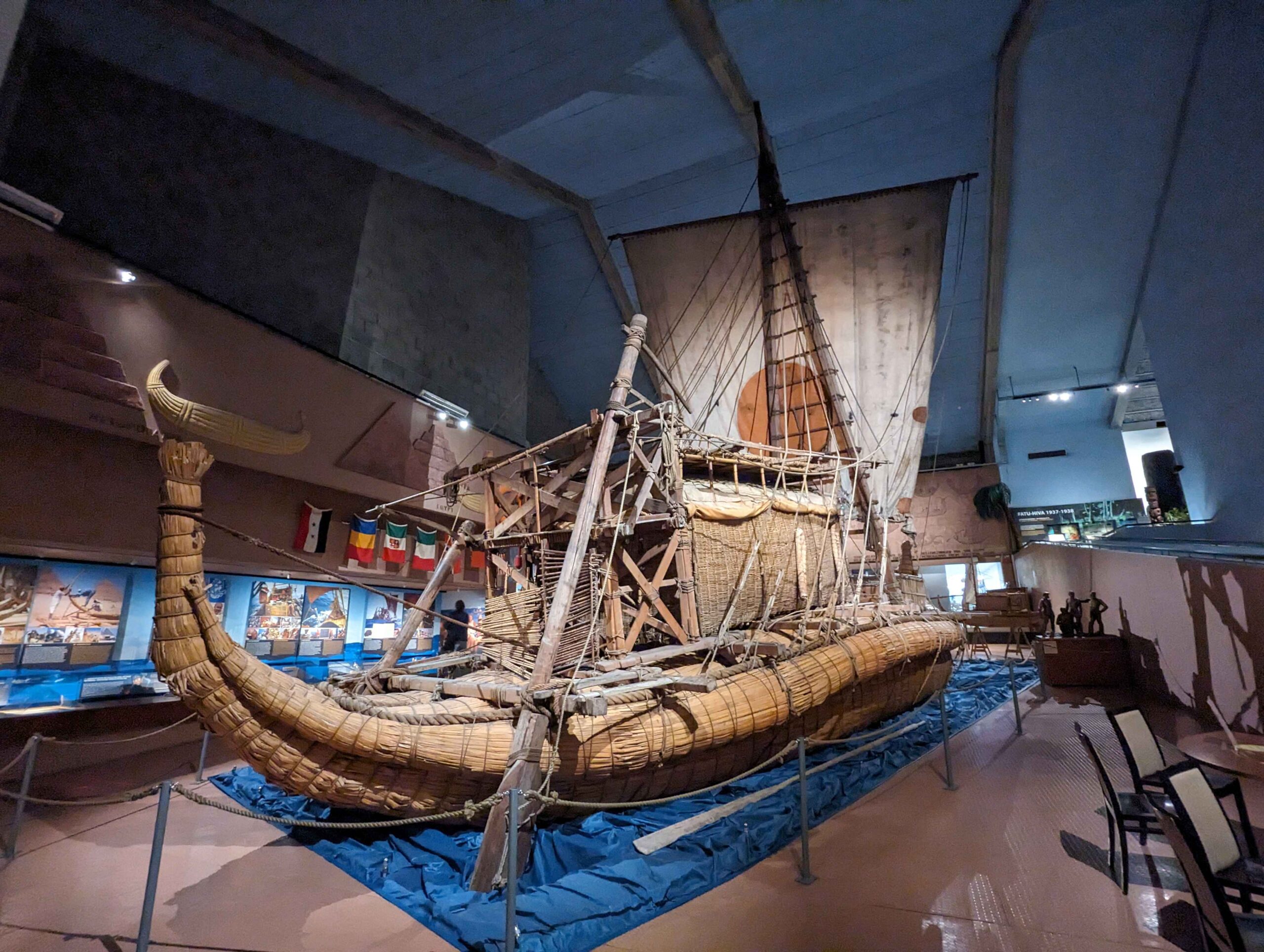
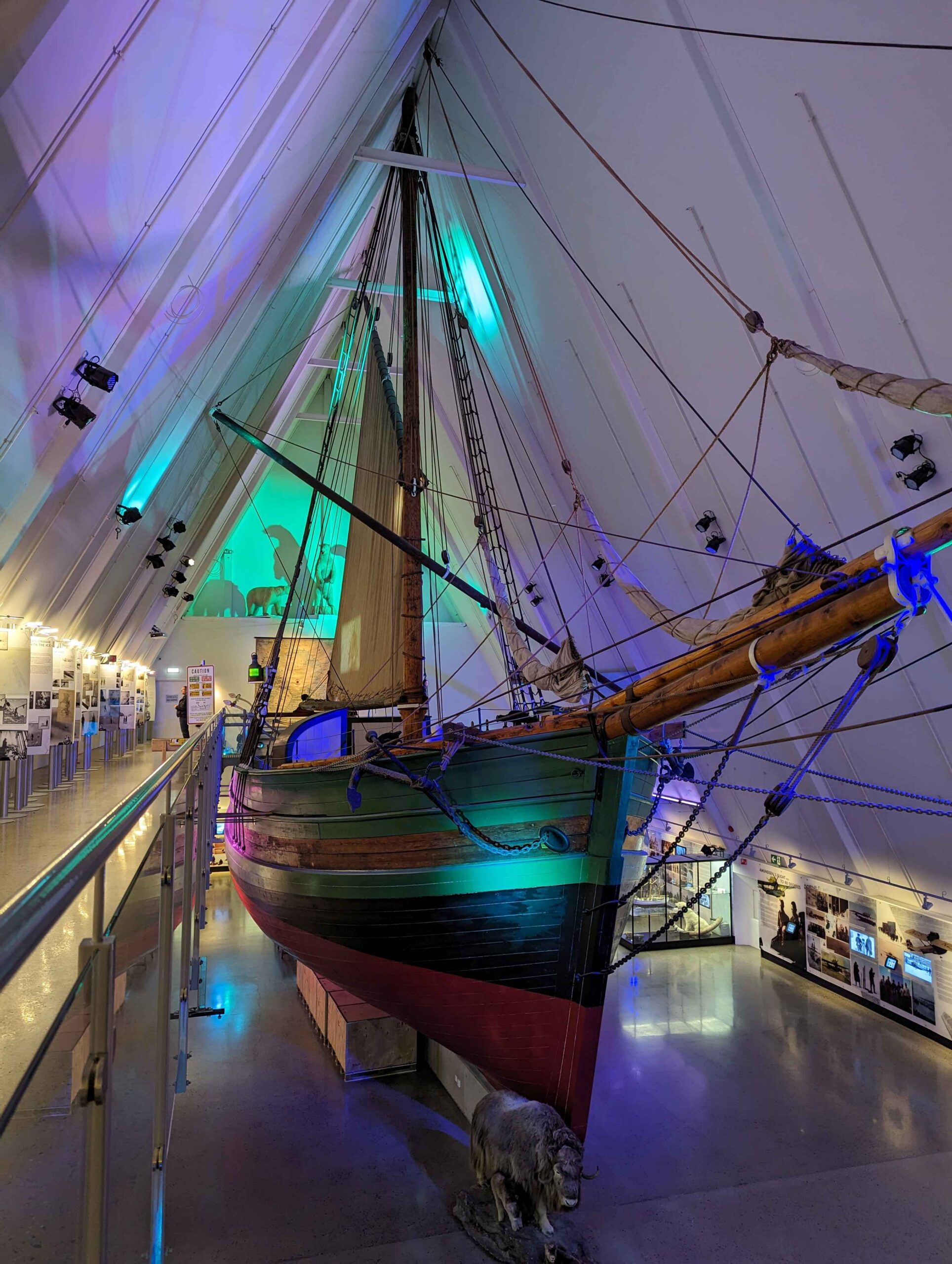
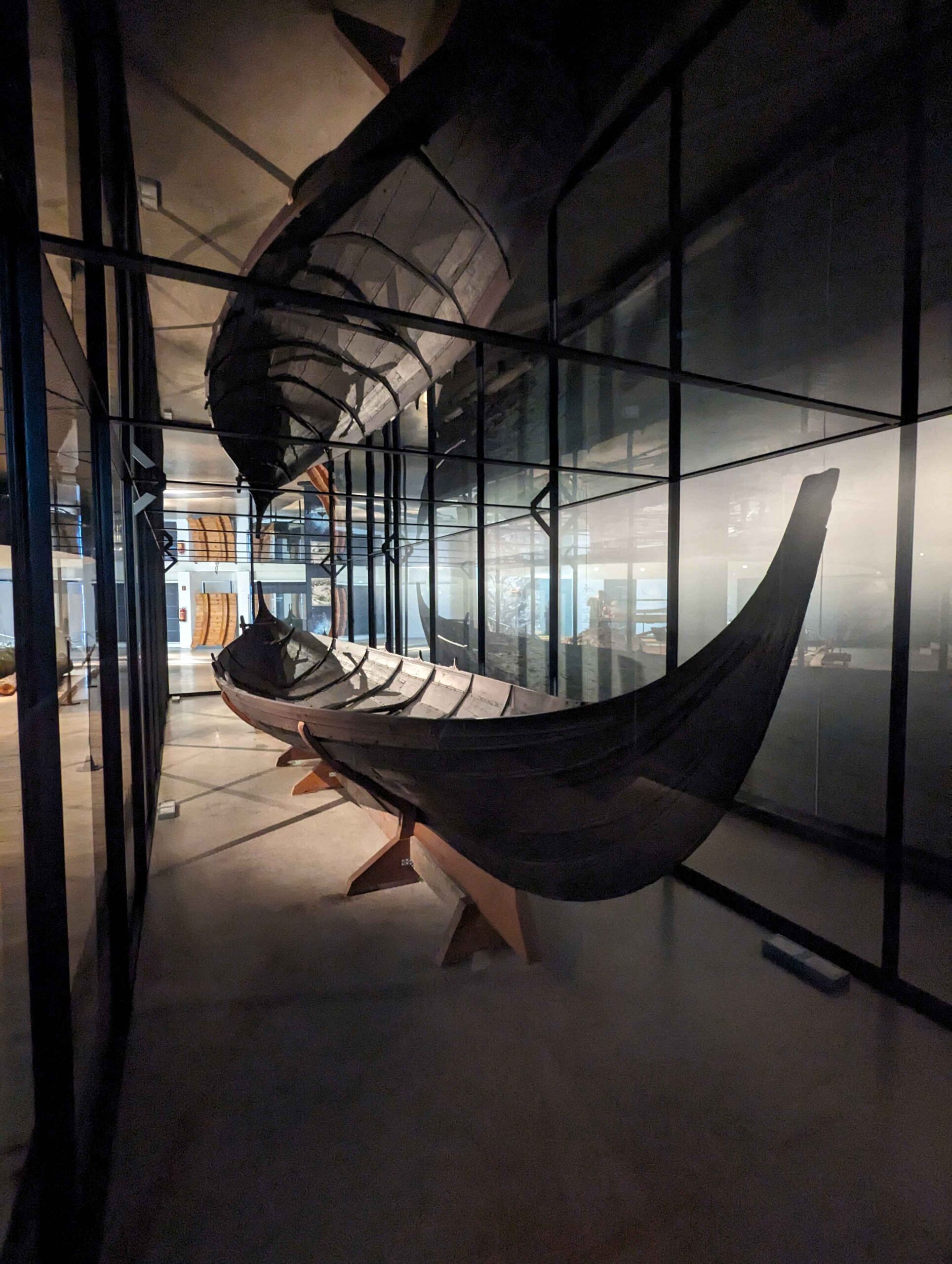
On a later trip, I explored Oslo on the sightseeing bus, which made it easy to understand the city’s layout. After one full circuit, I stayed aboard for a second round and hopped off at Norsk Maritimt Museum. I expected a quick visit but ended up spending far more time than planned exploring exhibits dedicated to Norway’s deep maritime heritage. Historic vessels, exploration stories, and hands-on displays made the museum a highlight of the visit.
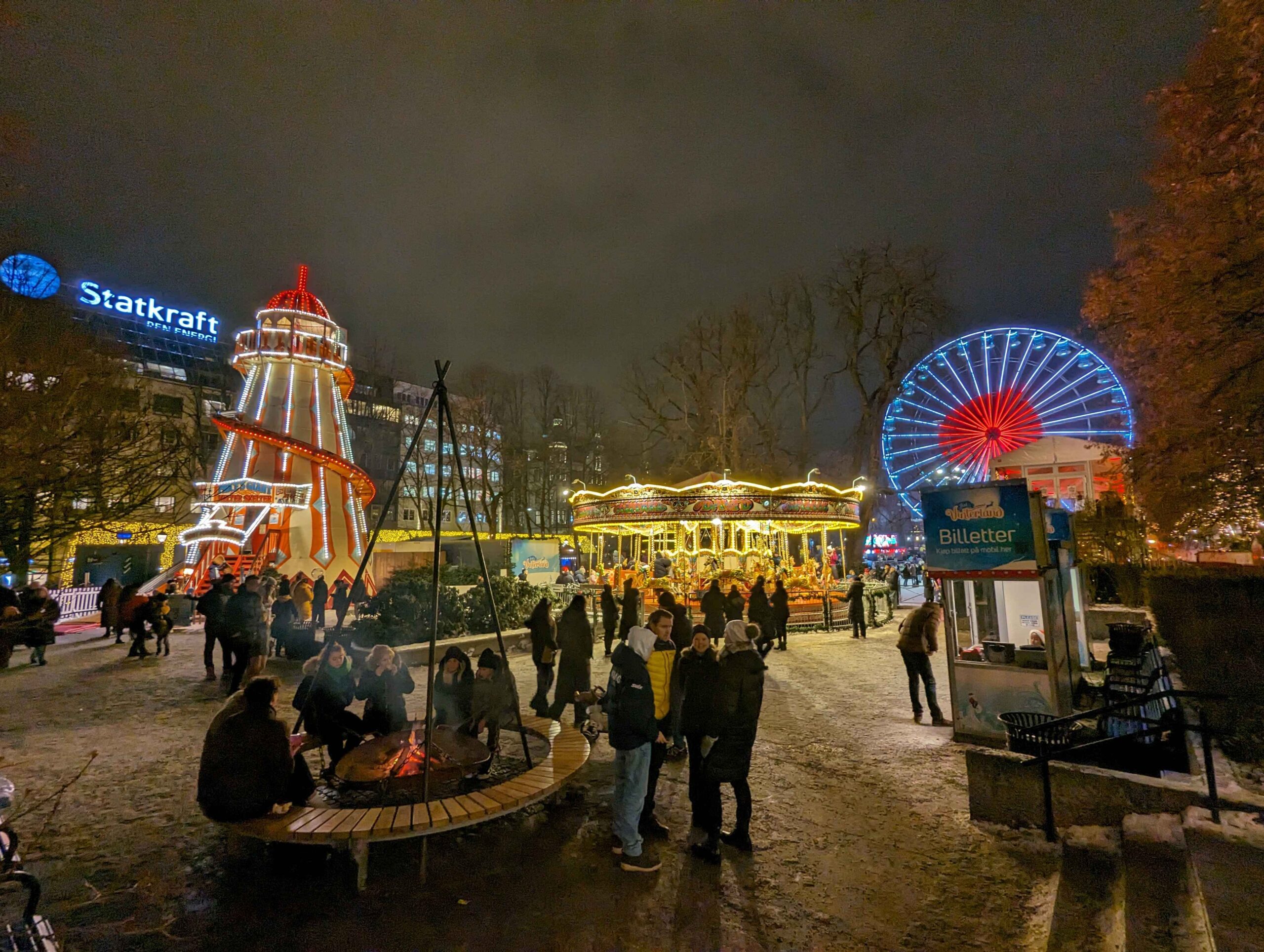
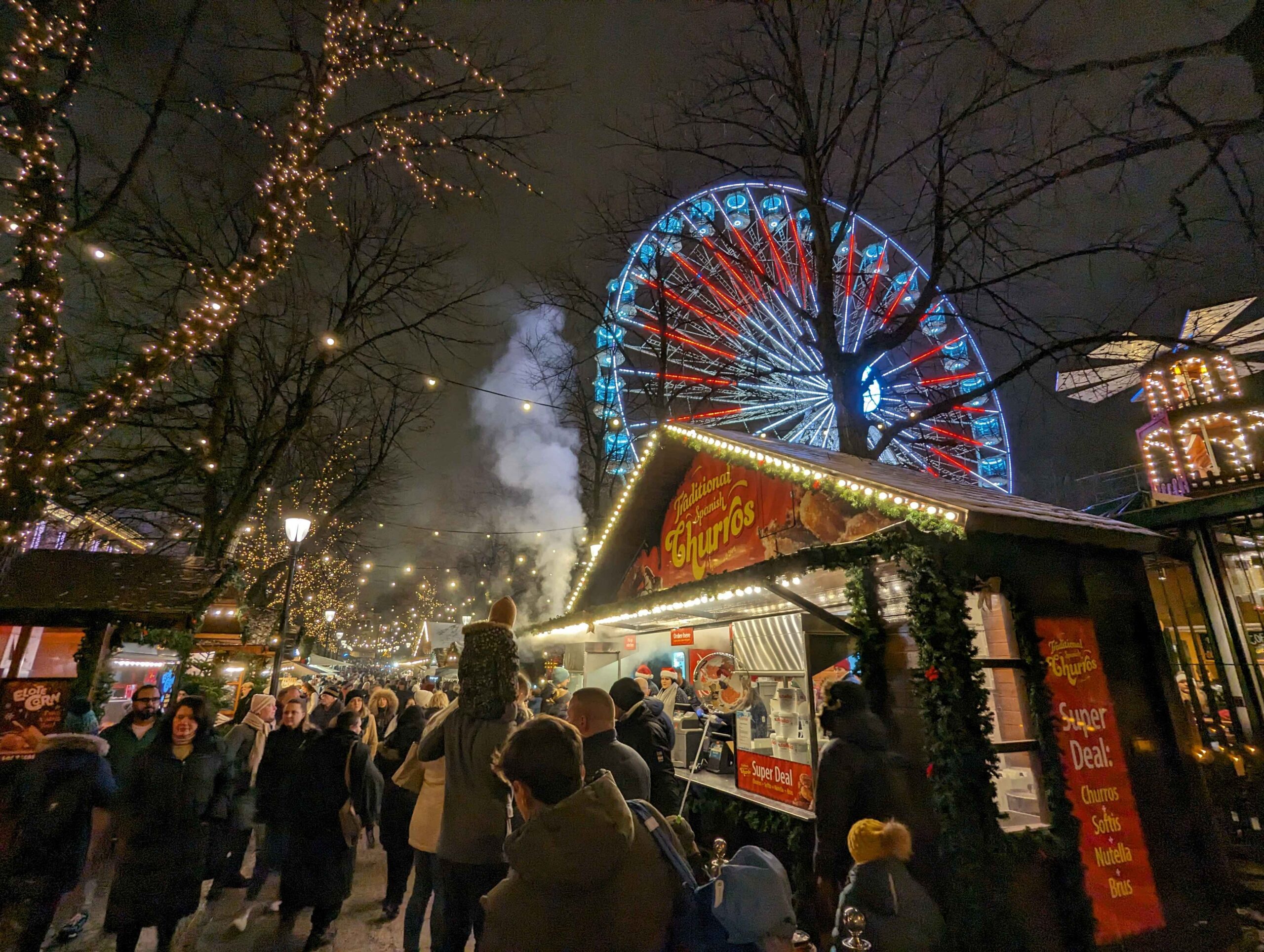
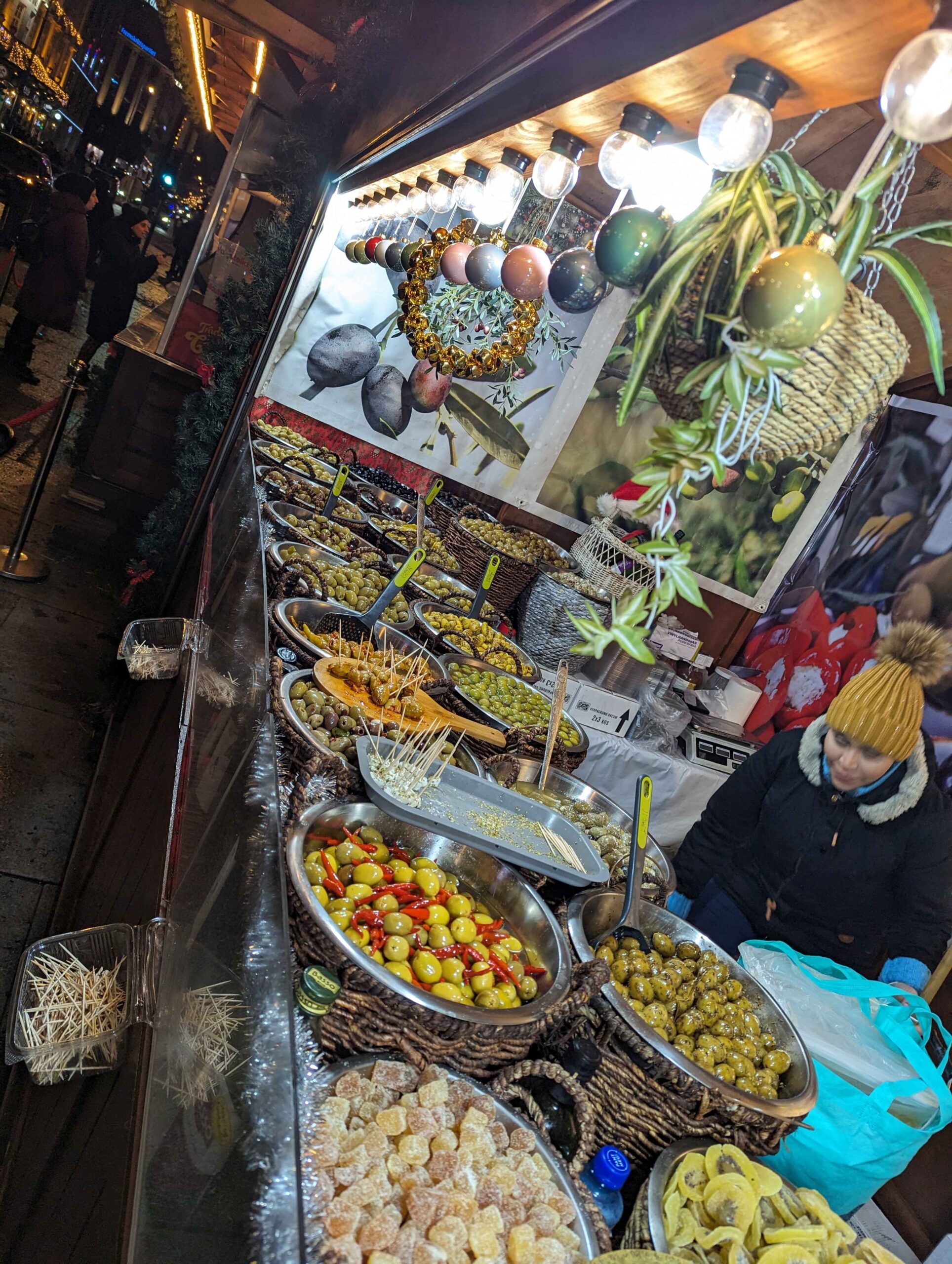
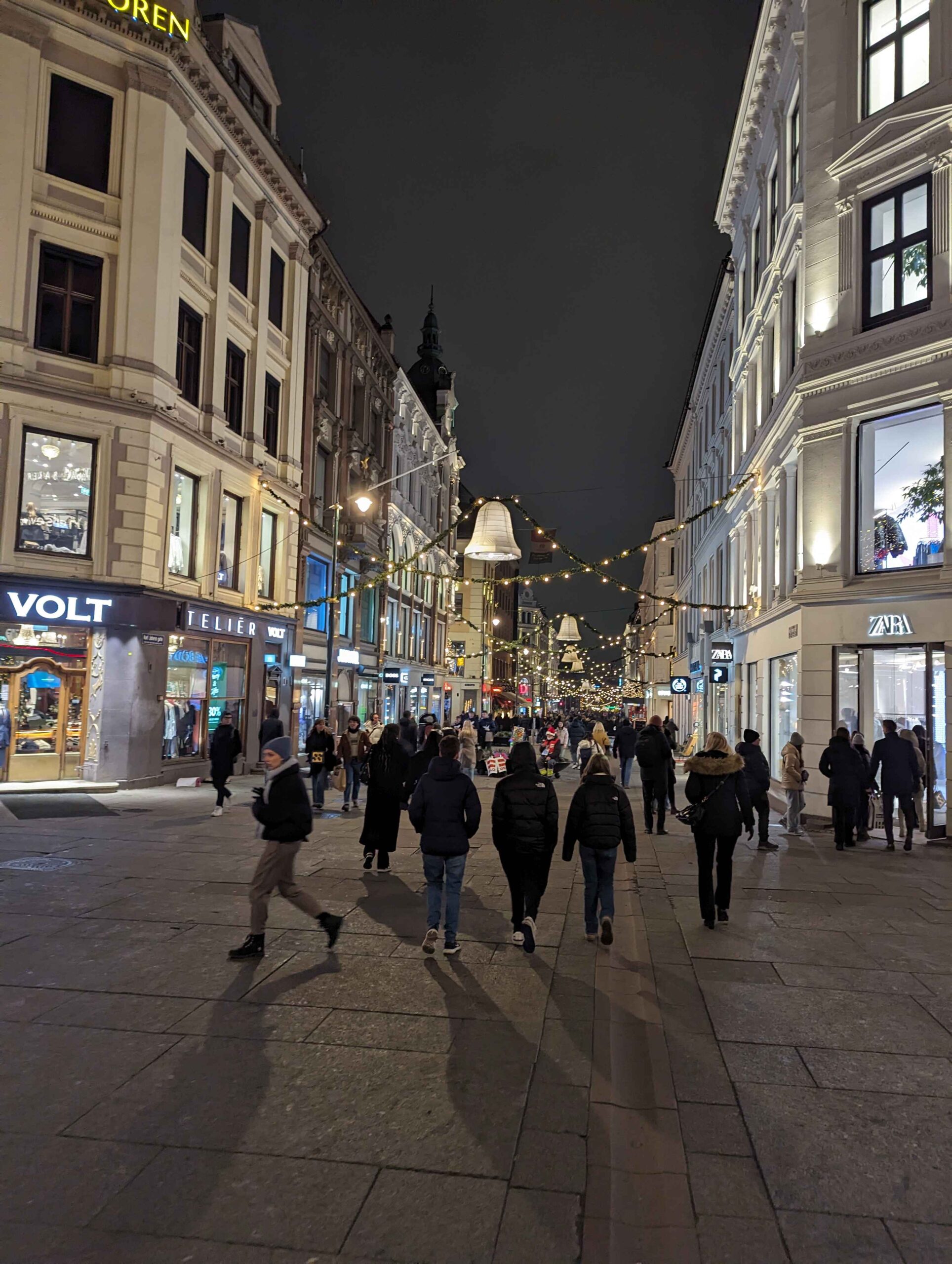
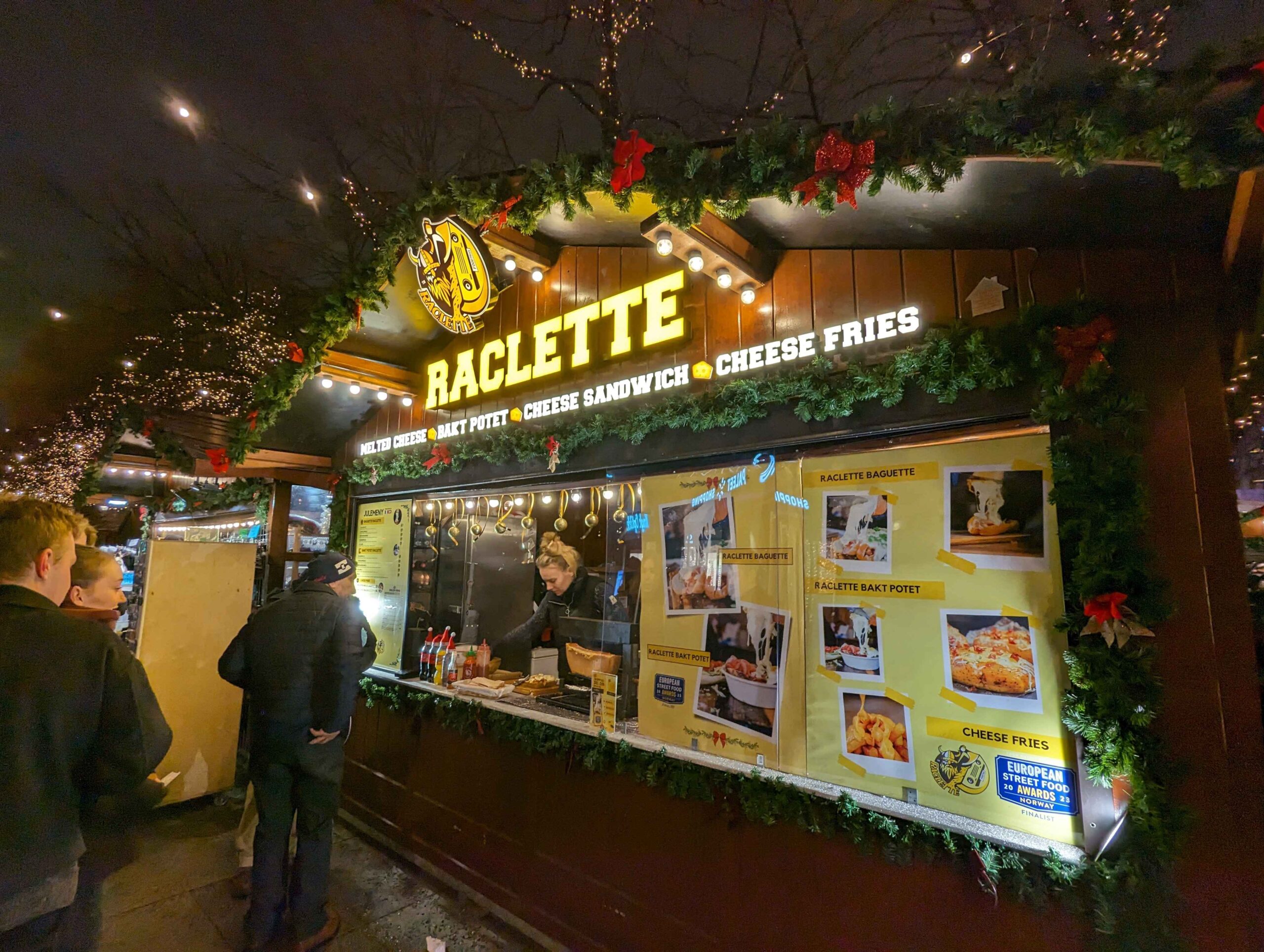
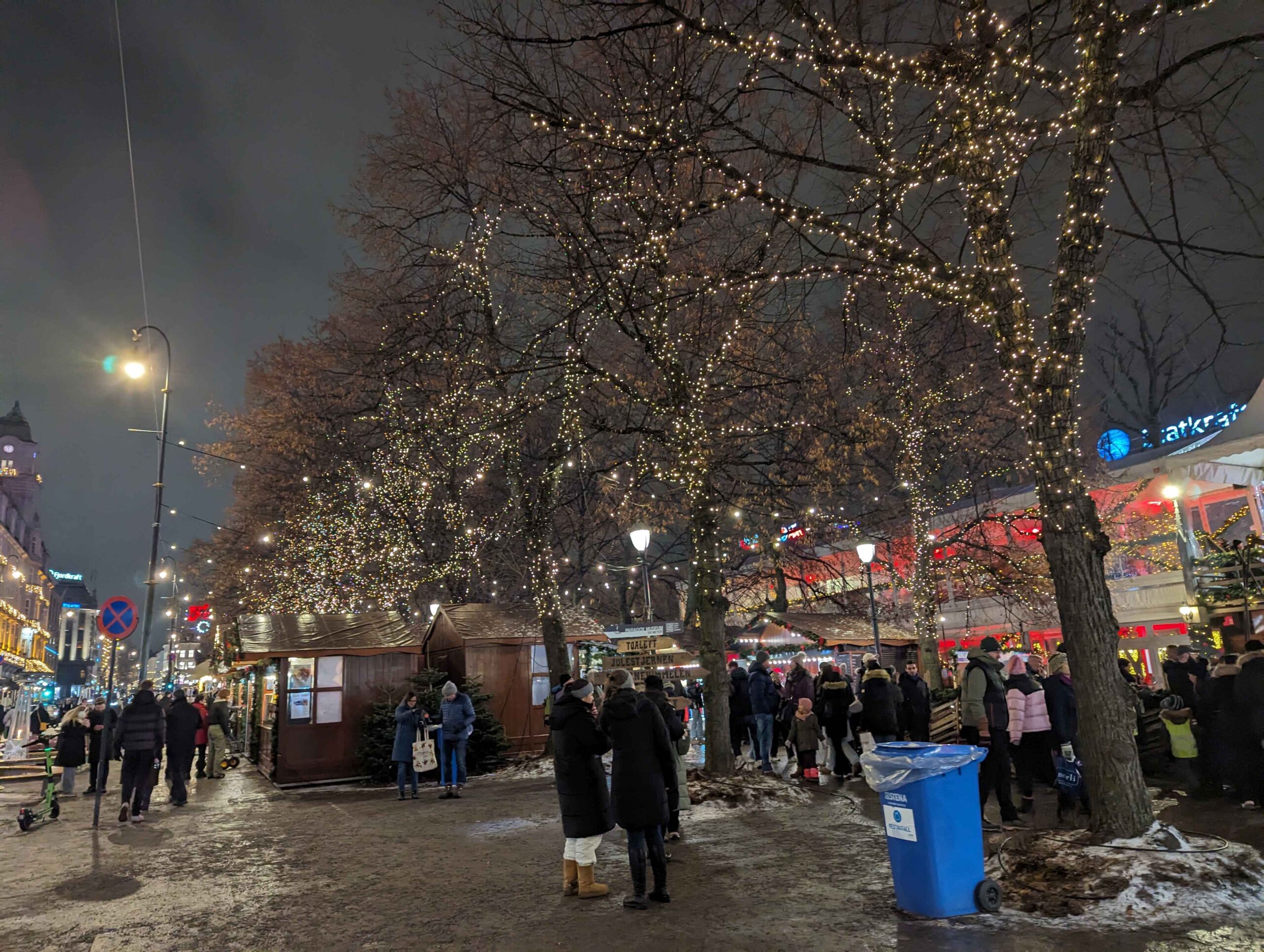
Another trip brought me to Oslo during the winter holiday season, specifically to experience Jul i Vinterland Christmas Market at Spikersuppa. As an American visiting a European Christmas market for the first time, the atmosphere felt magical. Wooden stalls glowed with lights while the scent of raclette churros and roasted snacks filled the air. I enjoyed wandering through the market, watching the crowds gather around rides and festive decorations, so much that I returned every night during my weekend visit.
If You Have More Time…
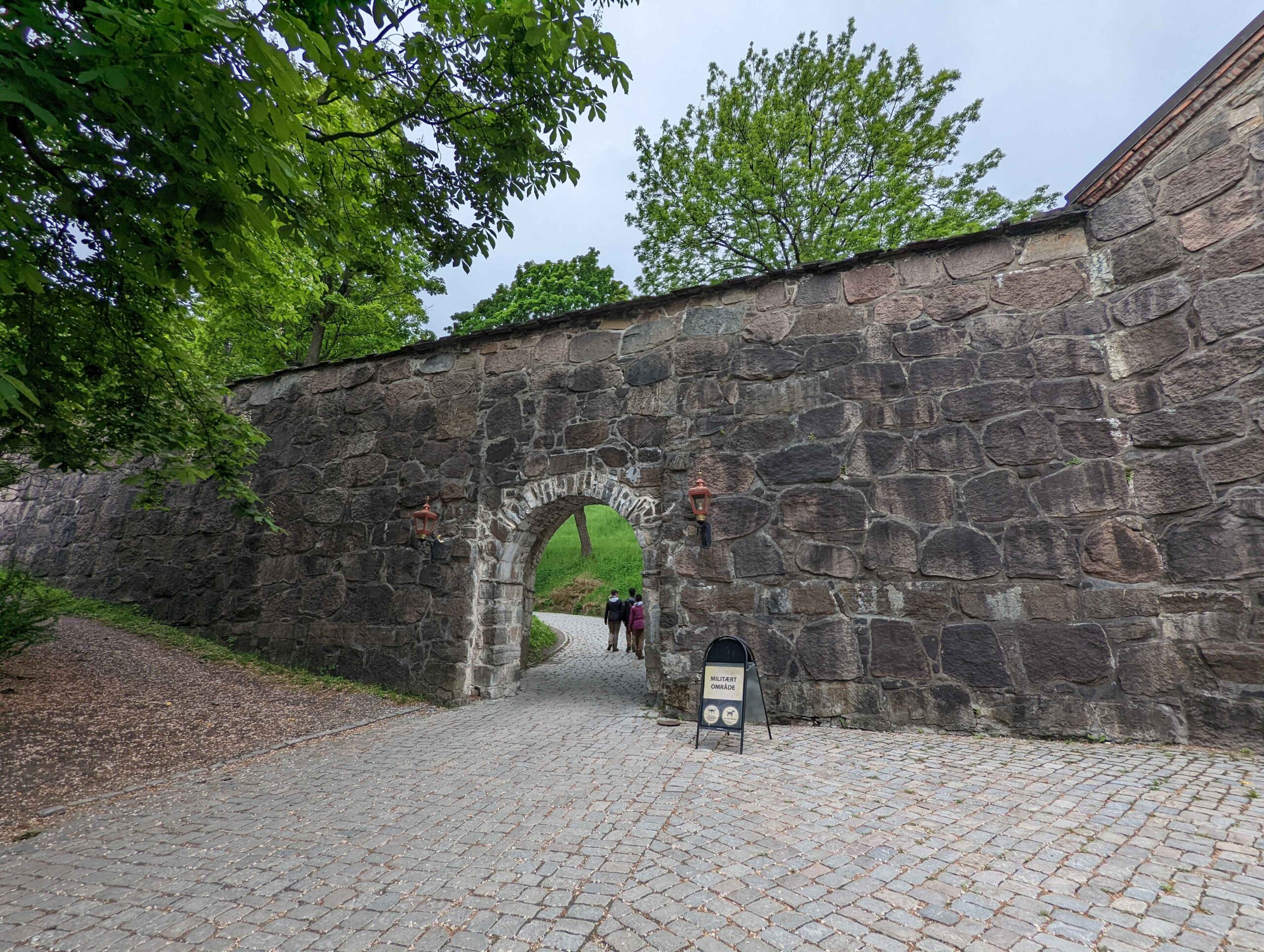
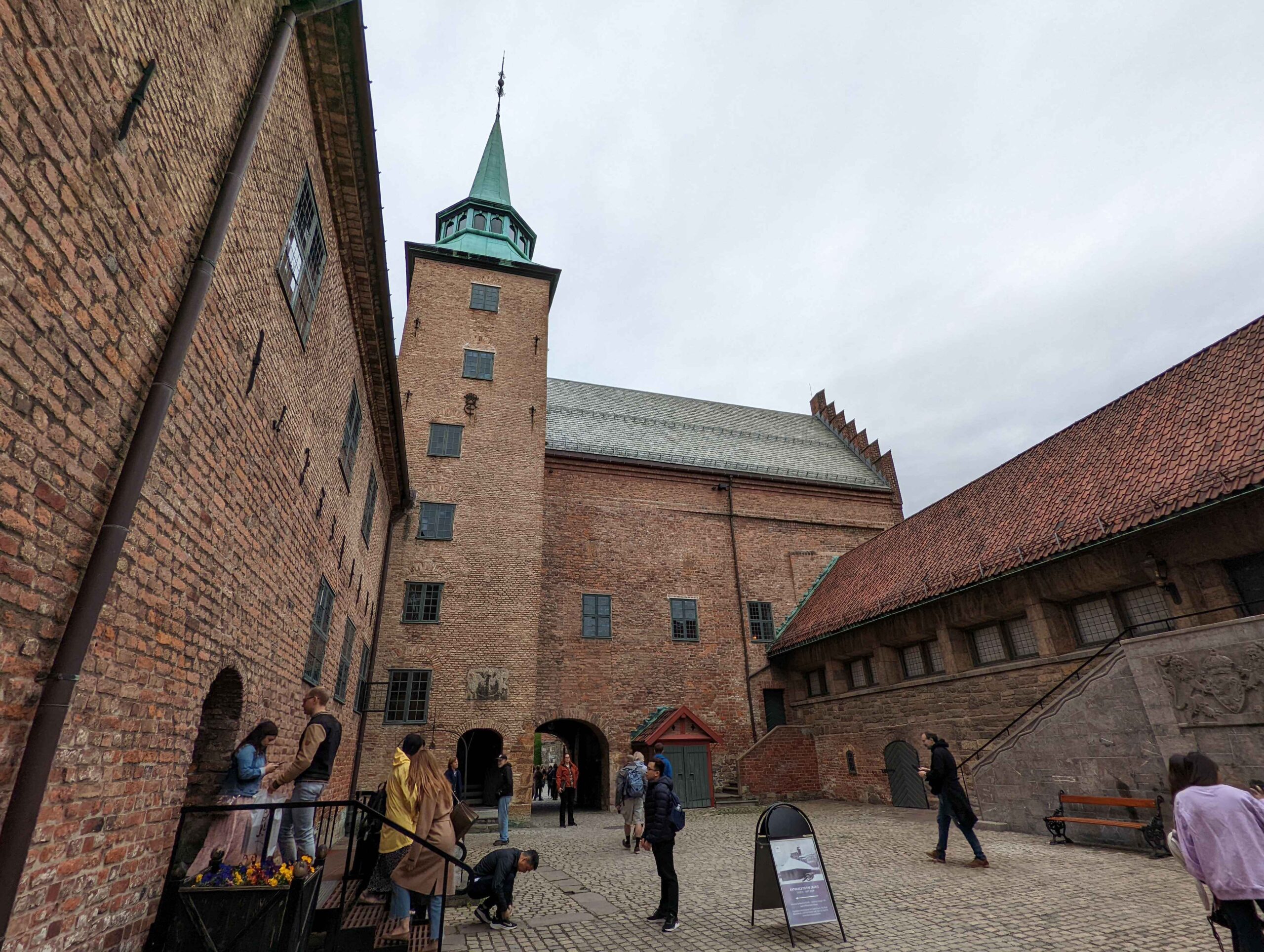
- Akershus Fortress – This medieval fortress sits within walking distance of the cruise terminal and offers scenic harbor views along with centuries of Norwegian history.
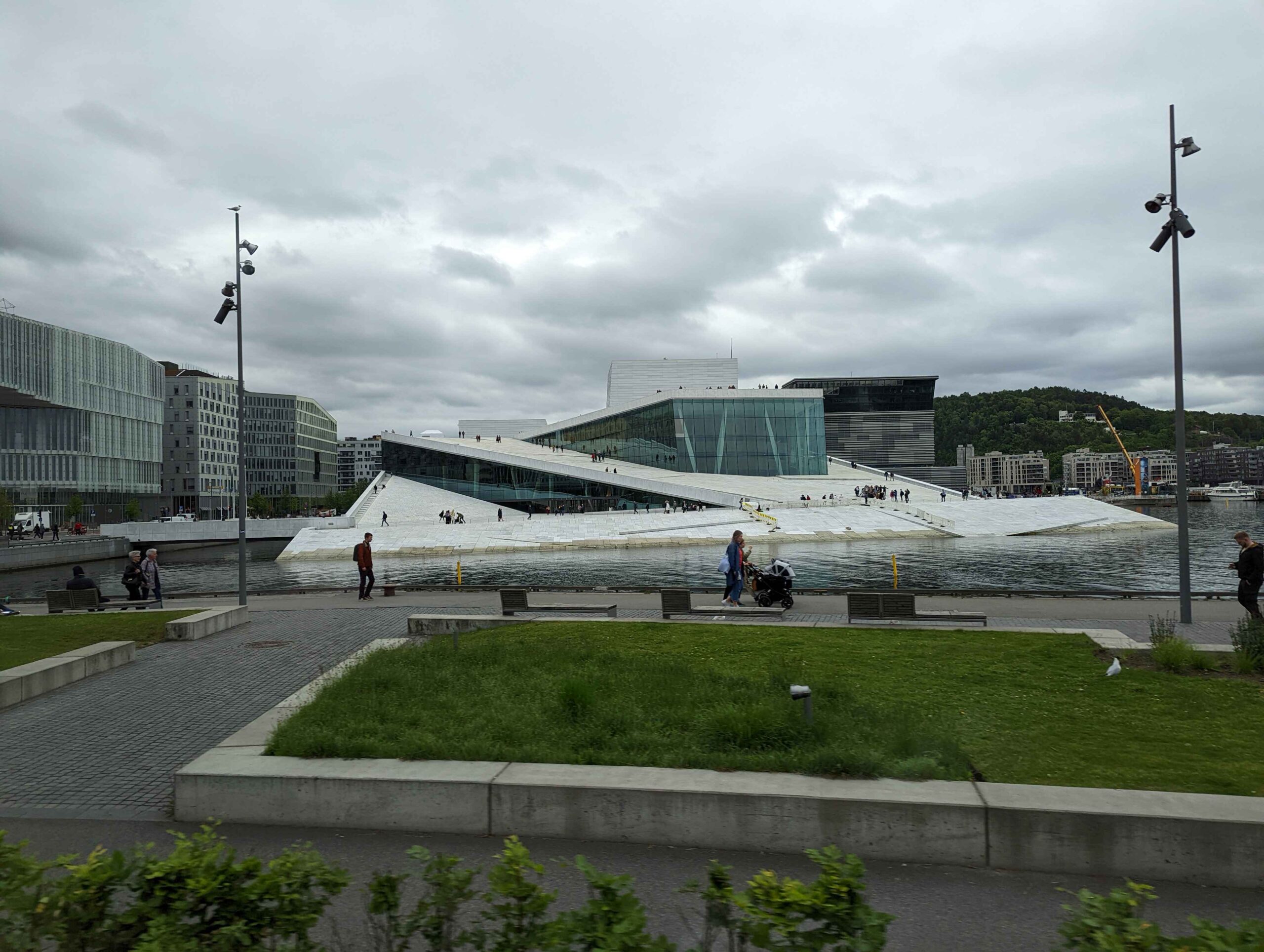
- The Oslo Opera House – Walk up the sloped white marble roof for one of the most unique viewpoints in the city, overlooking the harbor and fjord.
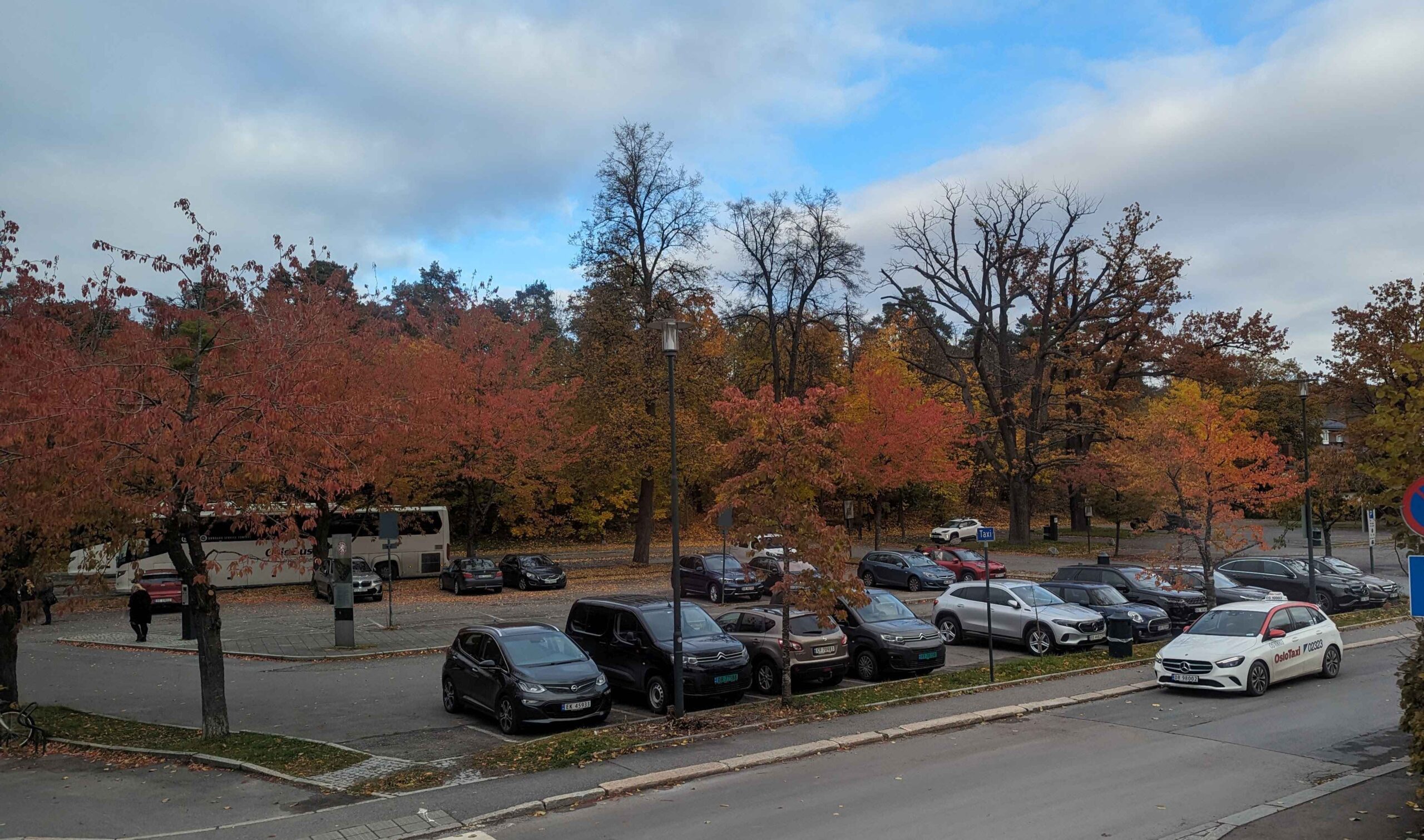
- Viking Ship Museum Area – Although undergoing renovation, many nearby museums on the Bygdøy peninsula explore Viking history and maritime exploration.
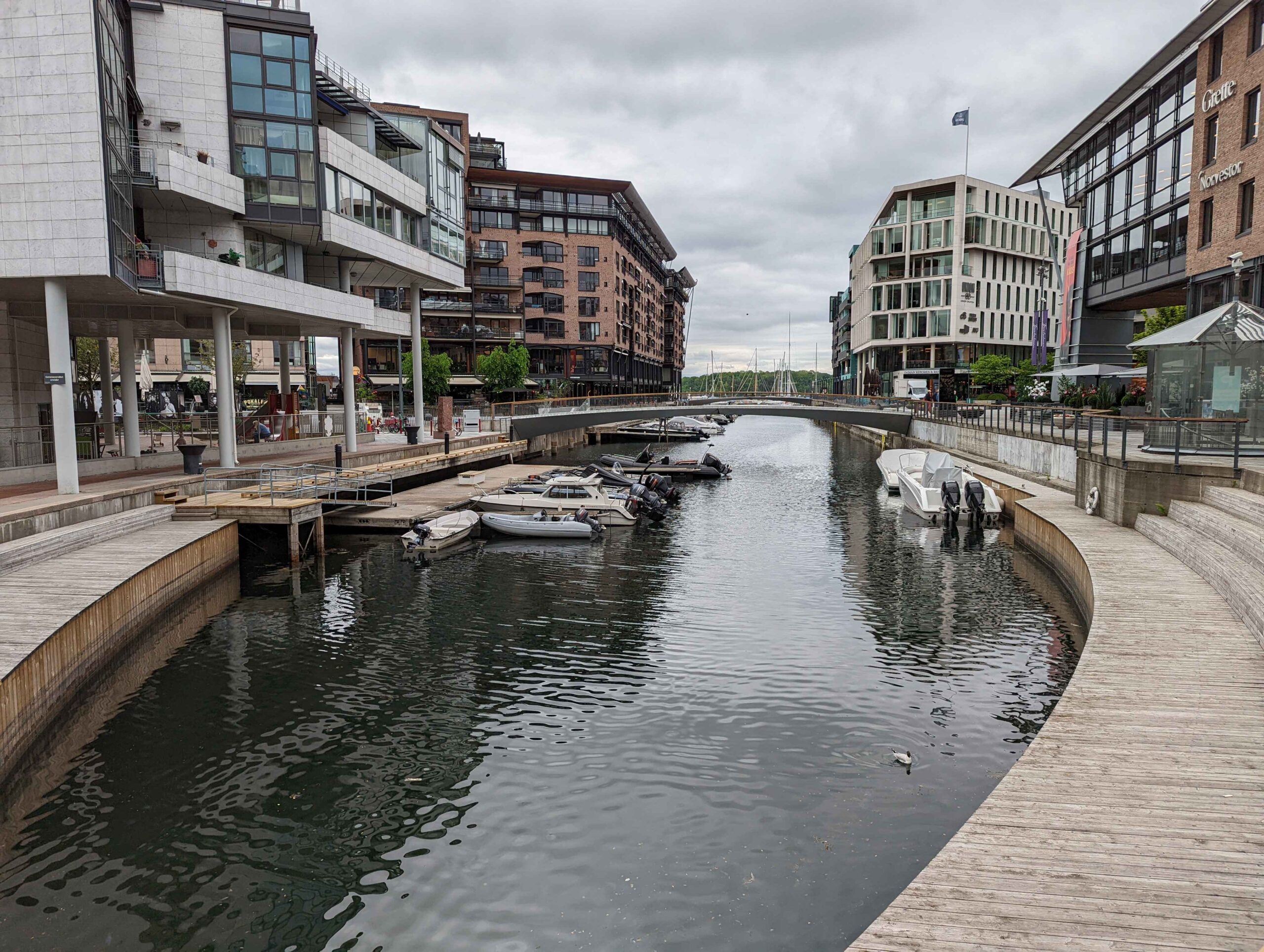
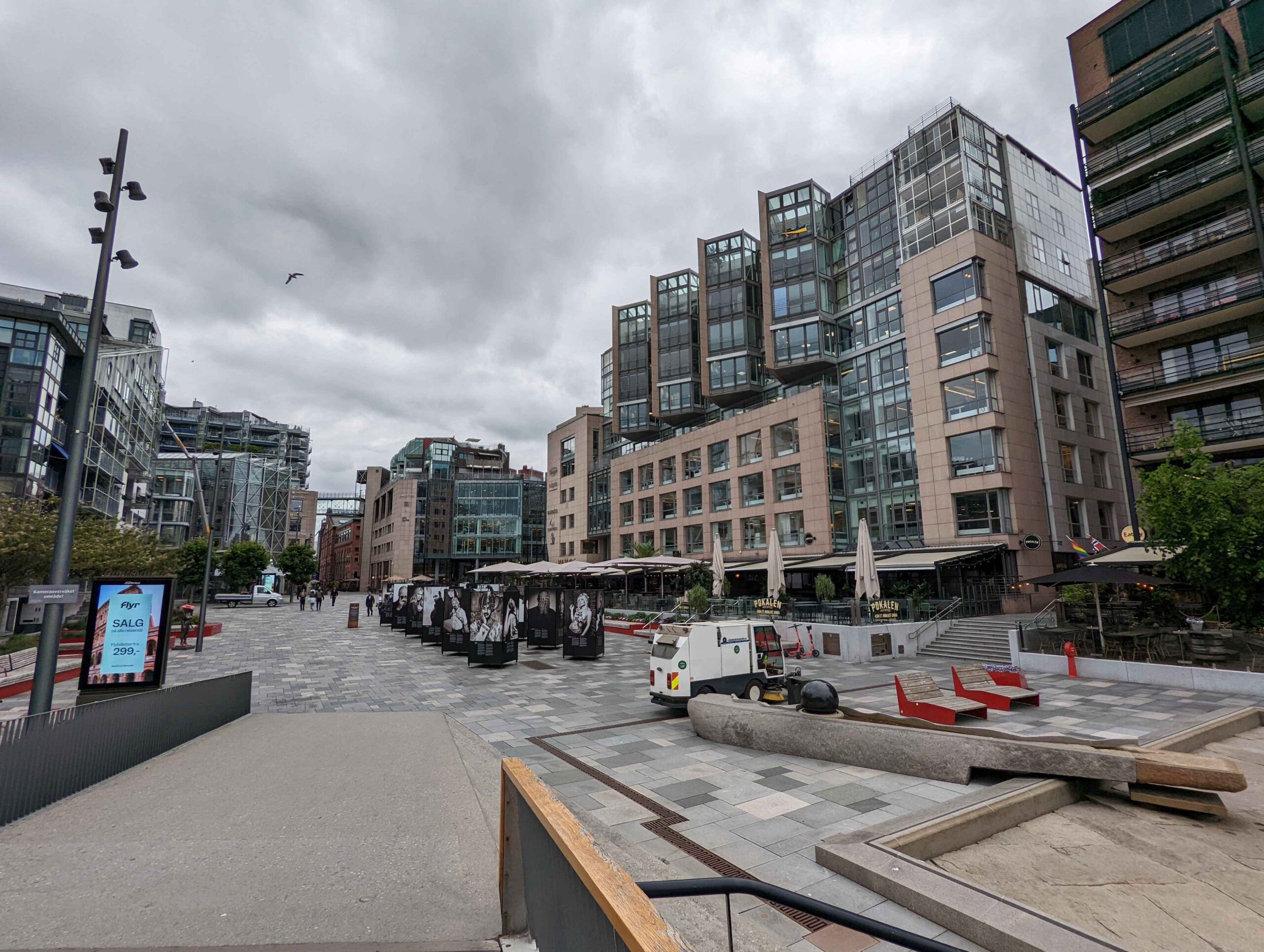
- Aker Brygge Waterfront – A lively waterfront district filled with restaurants, shops, and marina views that is perfect for a relaxed afternoon stroll.
- Bygdøy Peninsula – This museum-rich area houses several cultural institutions, including Norsk Folkemuseum and the maritime museums that showcase Norway’s seafaring legacy.