
Flat Stone Walkways and Hilltop Views in Cartagena
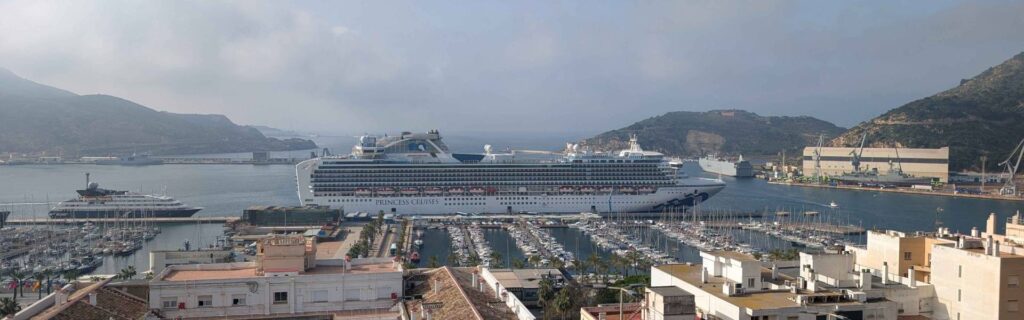
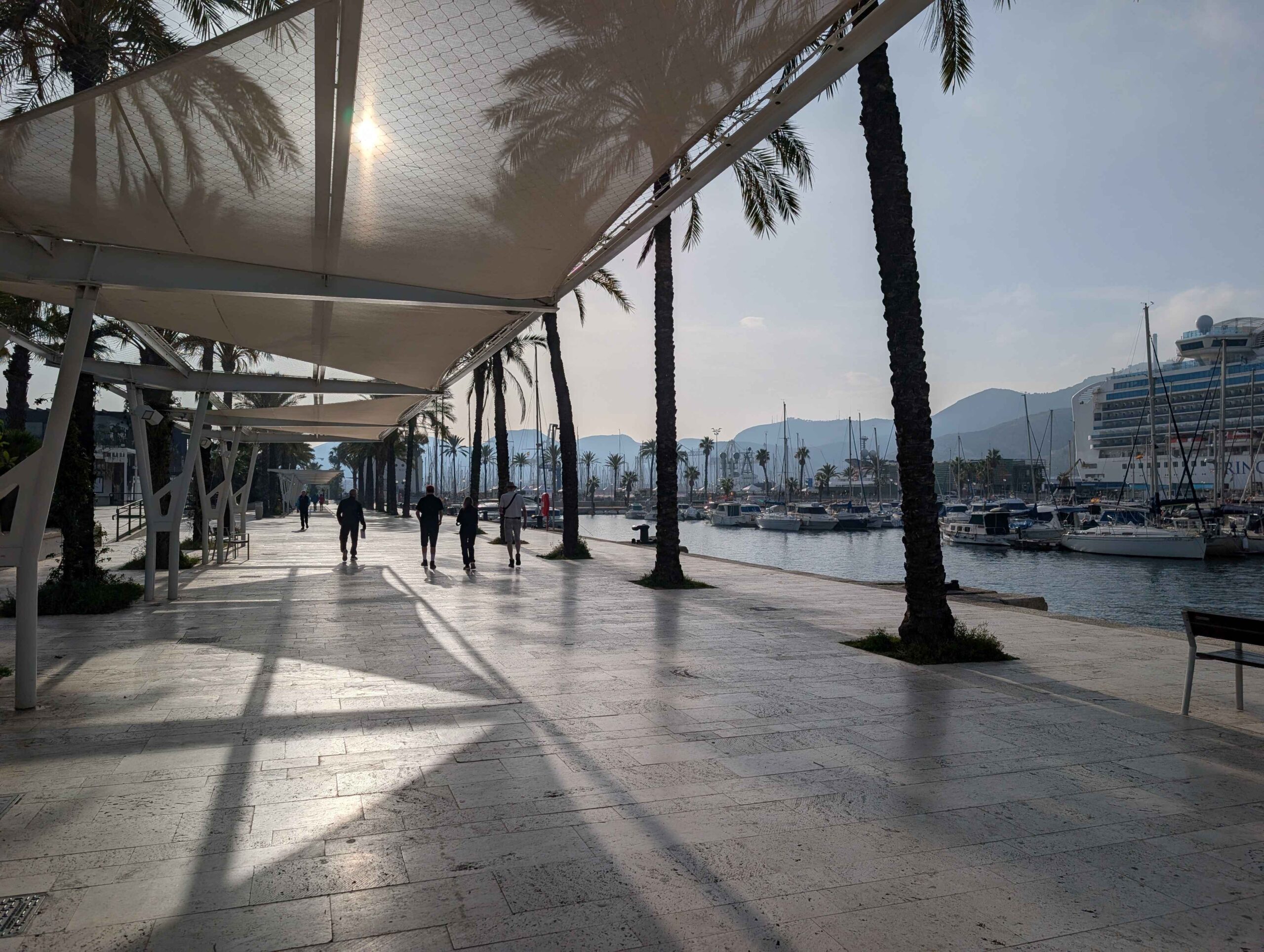
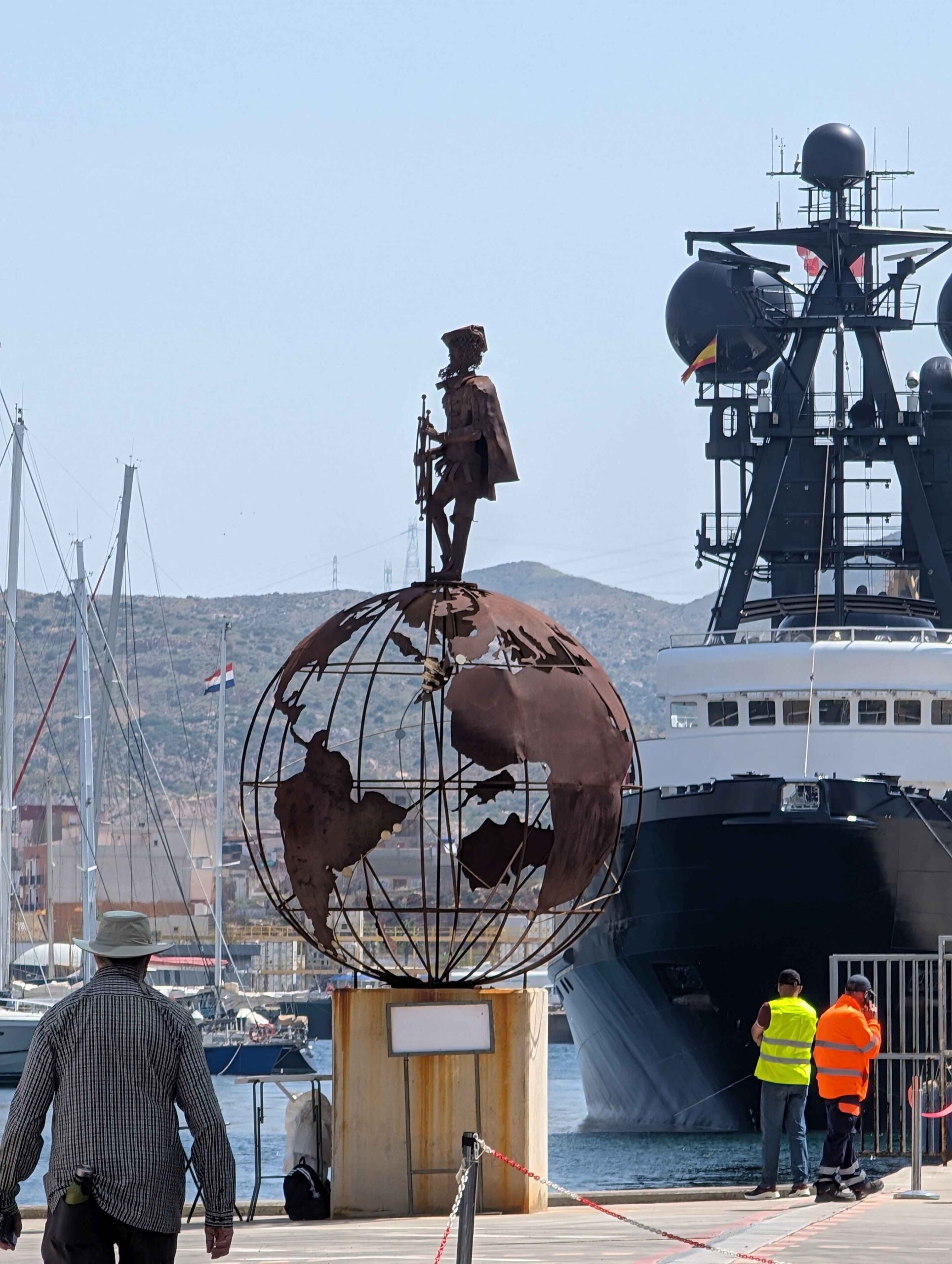
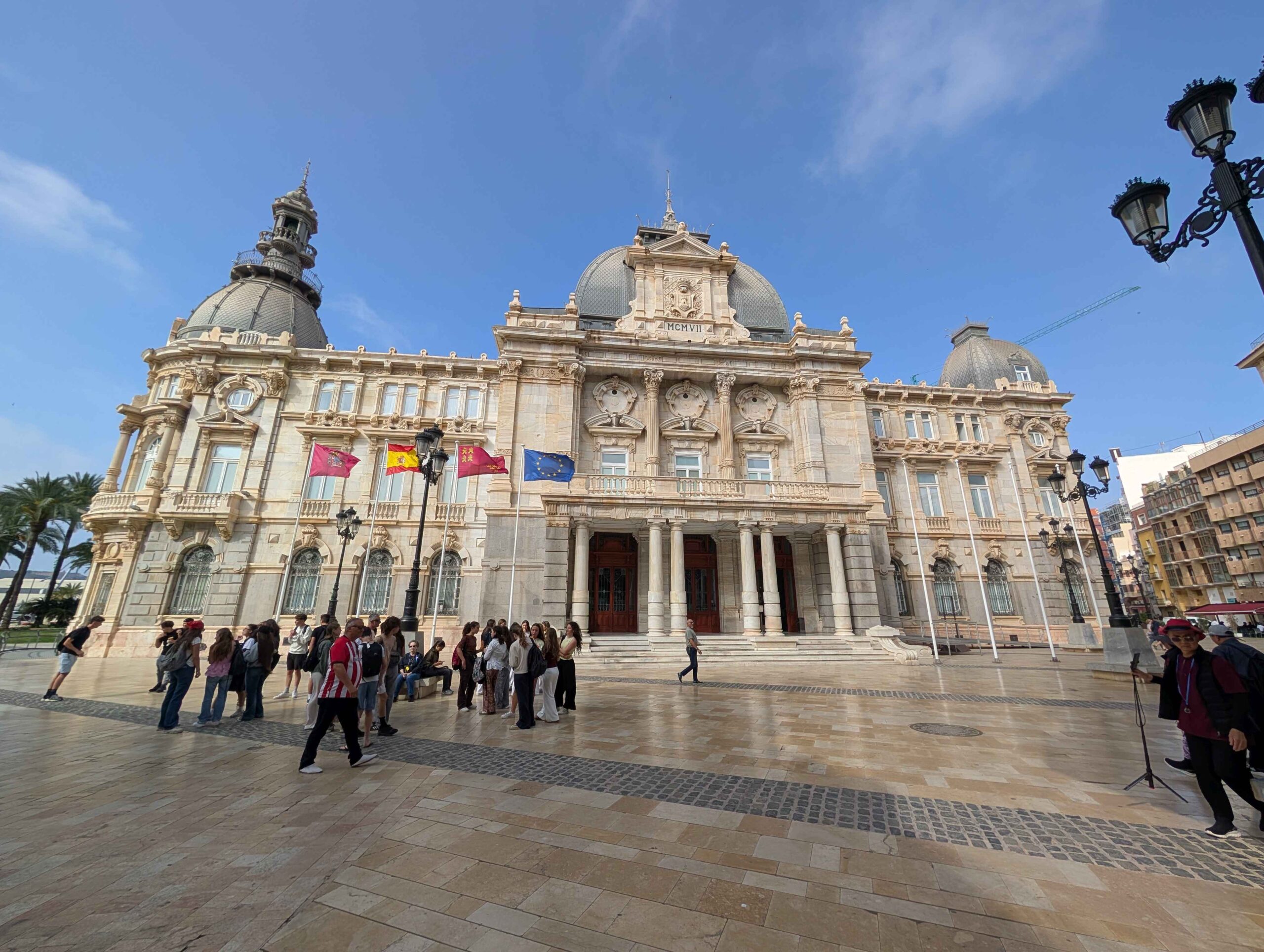
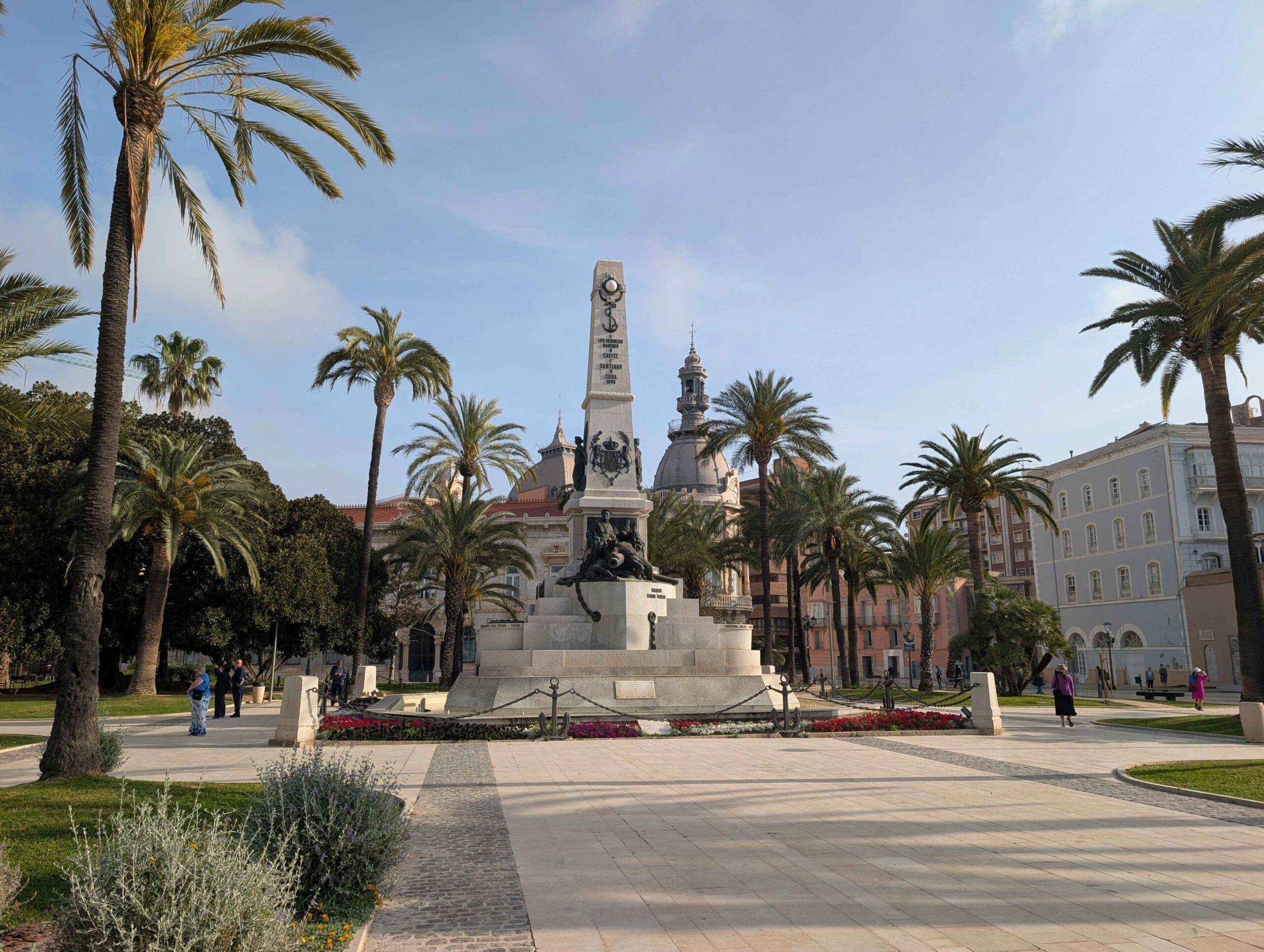
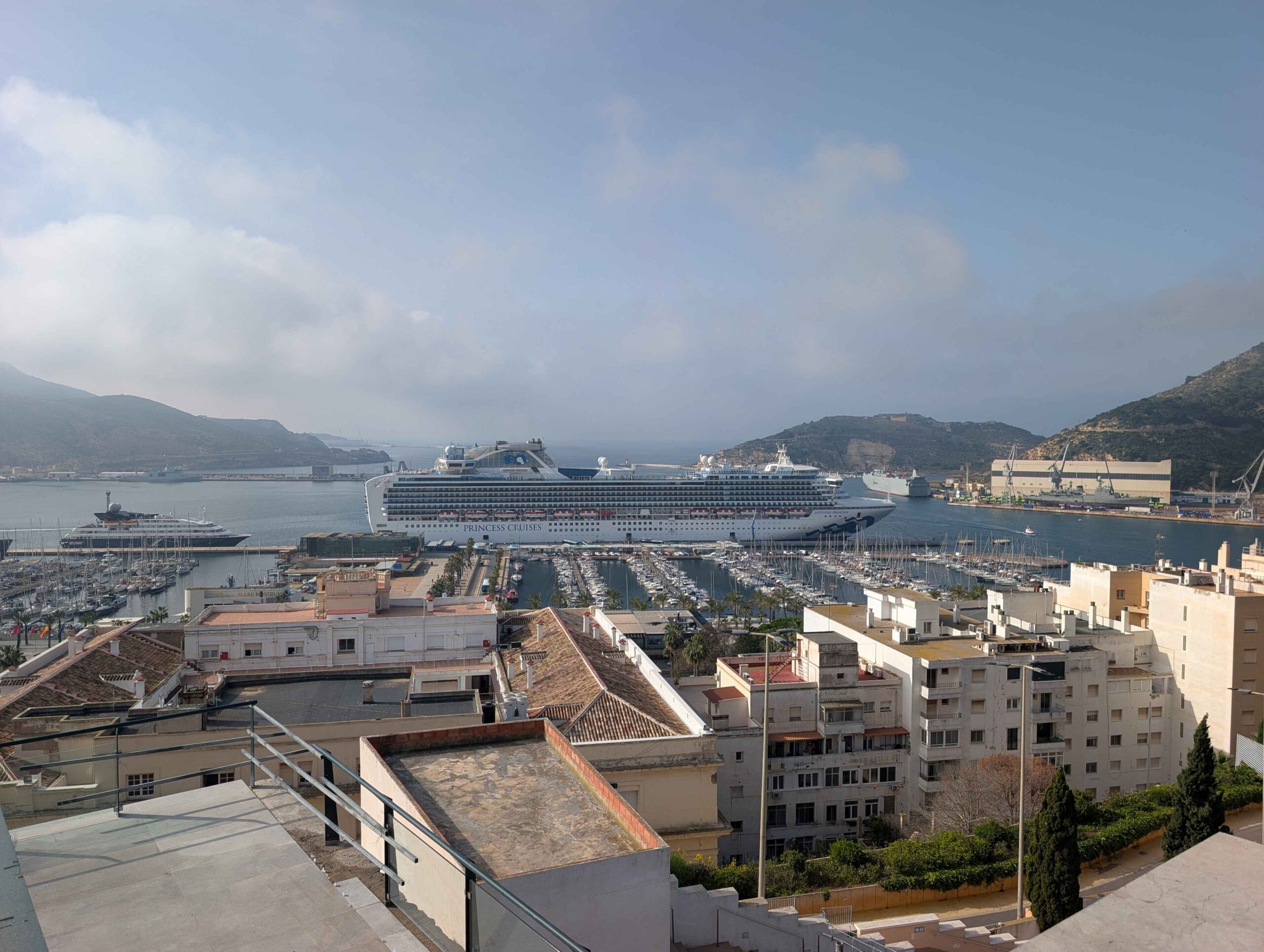
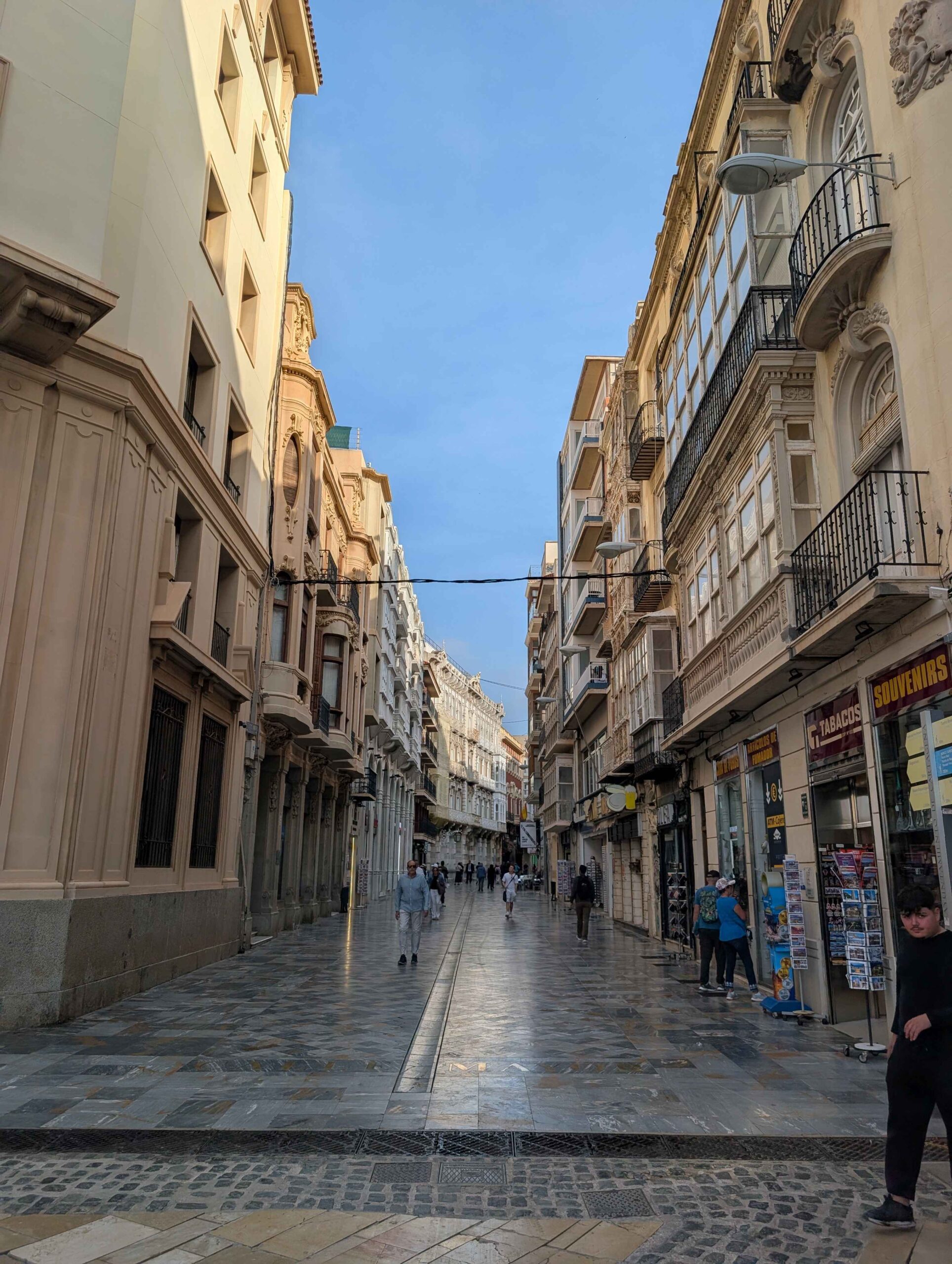
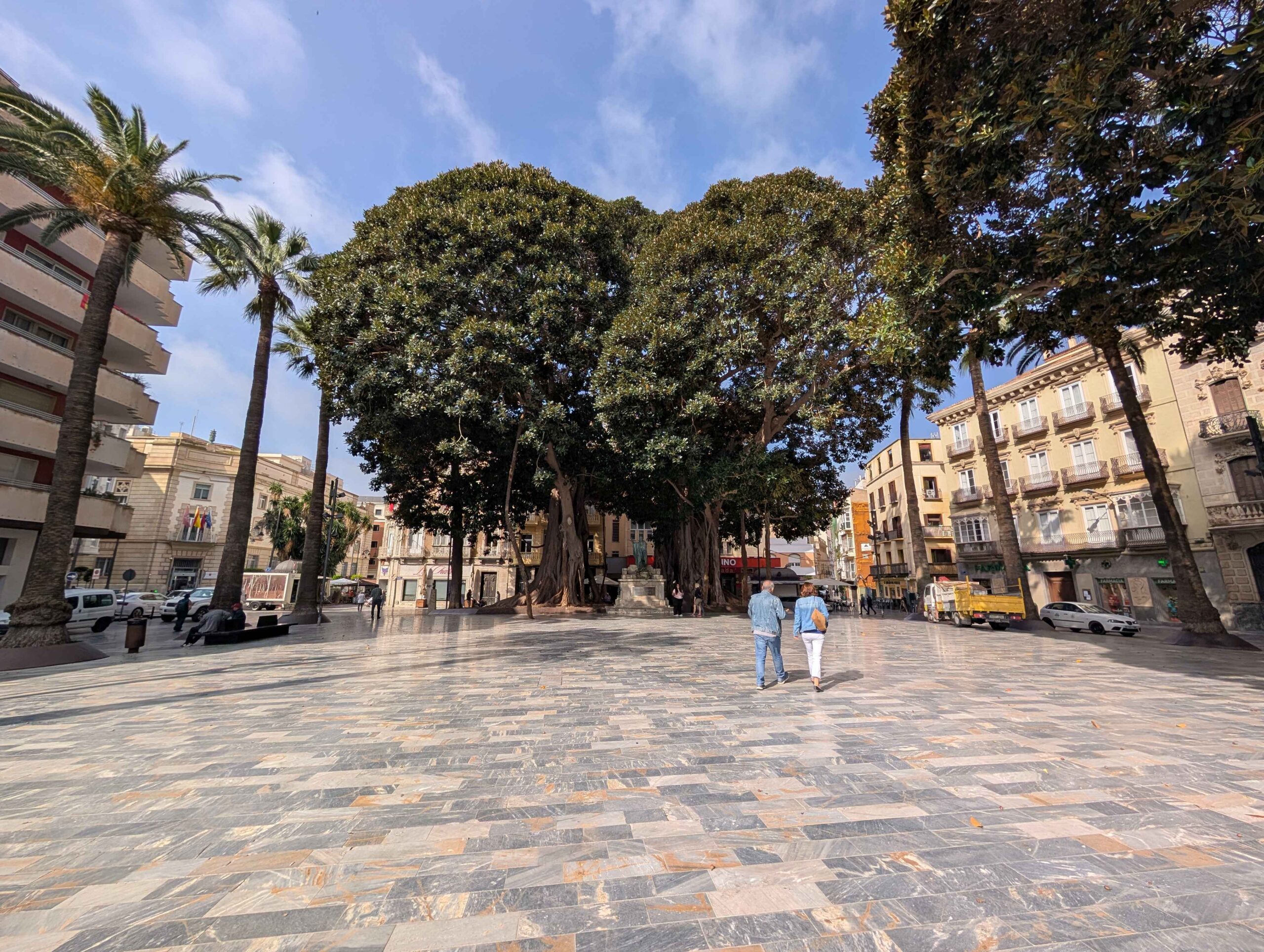
The flat stone walkway under my feet stood out immediately as I stepped off the cruise ship in Cartagena and made my way toward Plaza Héroes de Cavite. It felt like a small detail, but after enough European ports filled with uneven cobblestones, the smooth surface made the first stretch along the harbor surprisingly easy to cover.
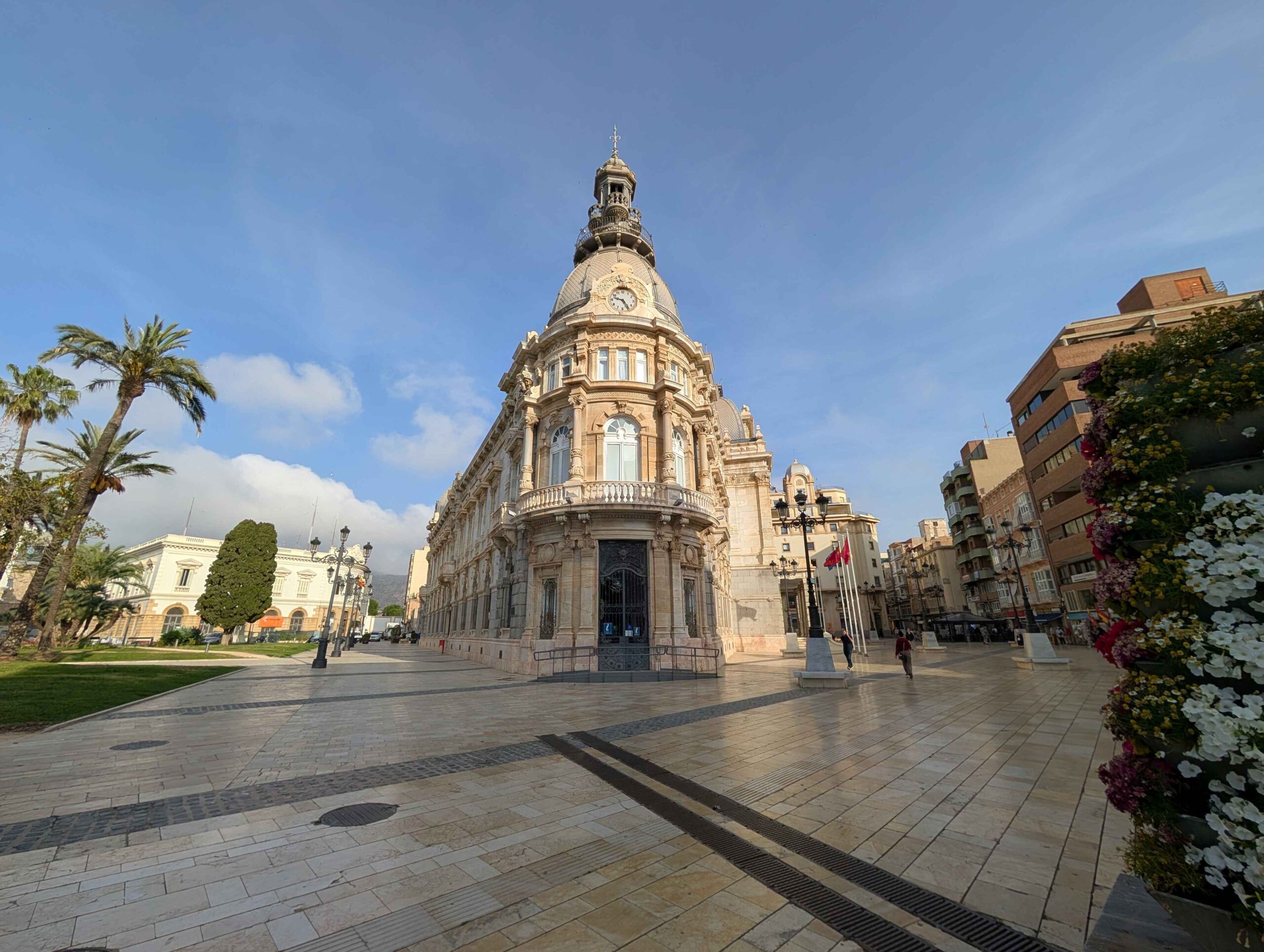
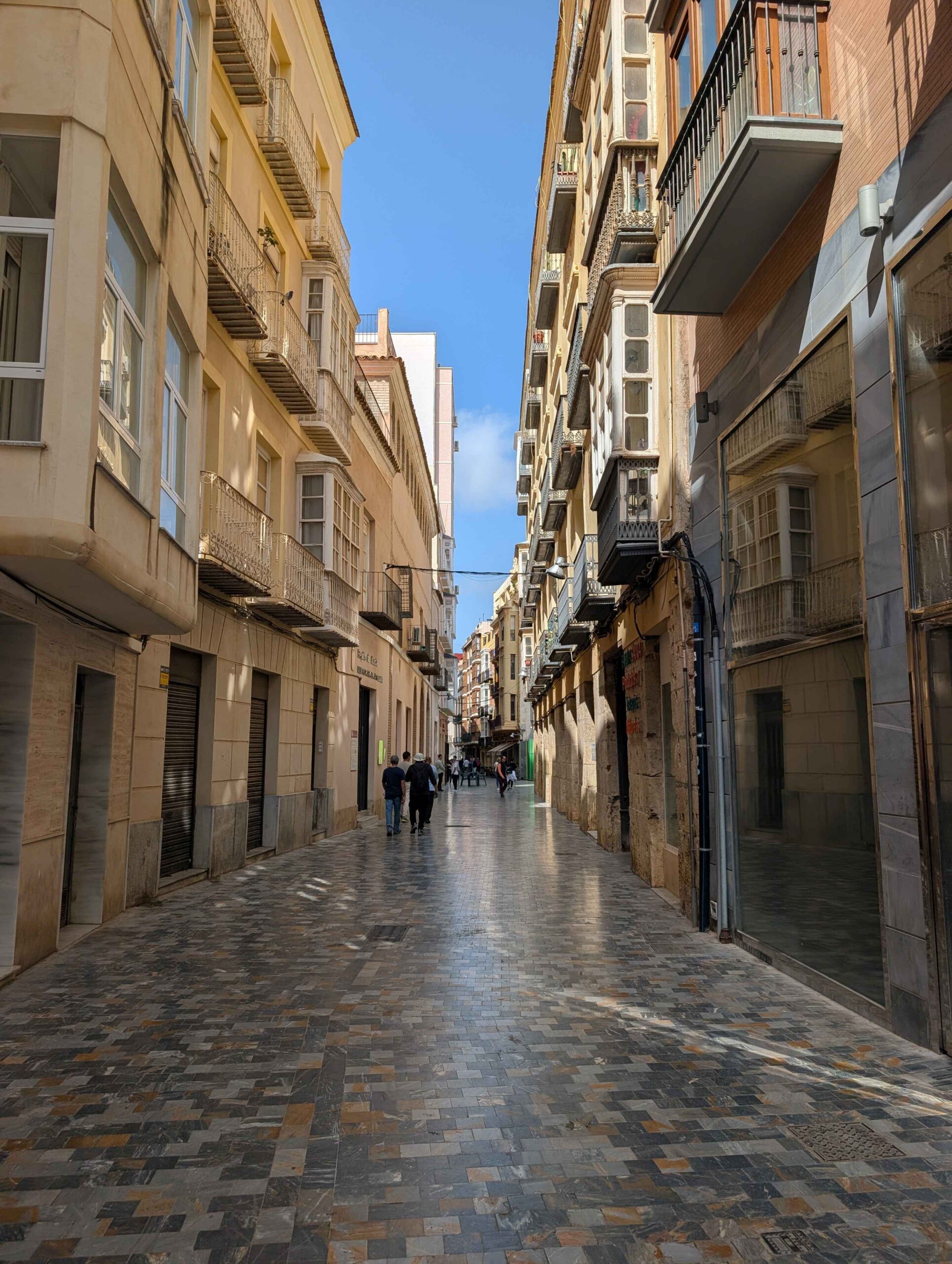
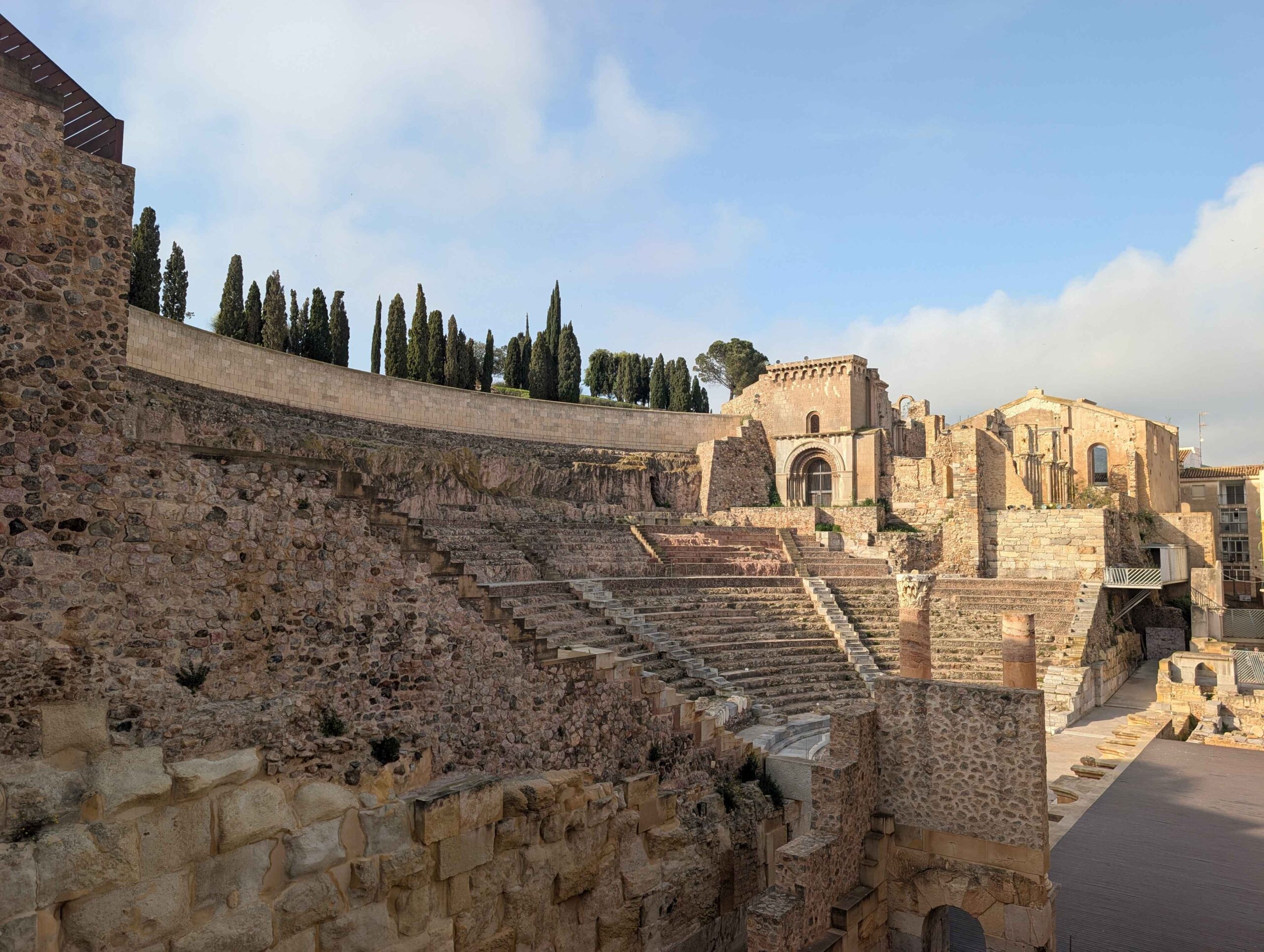
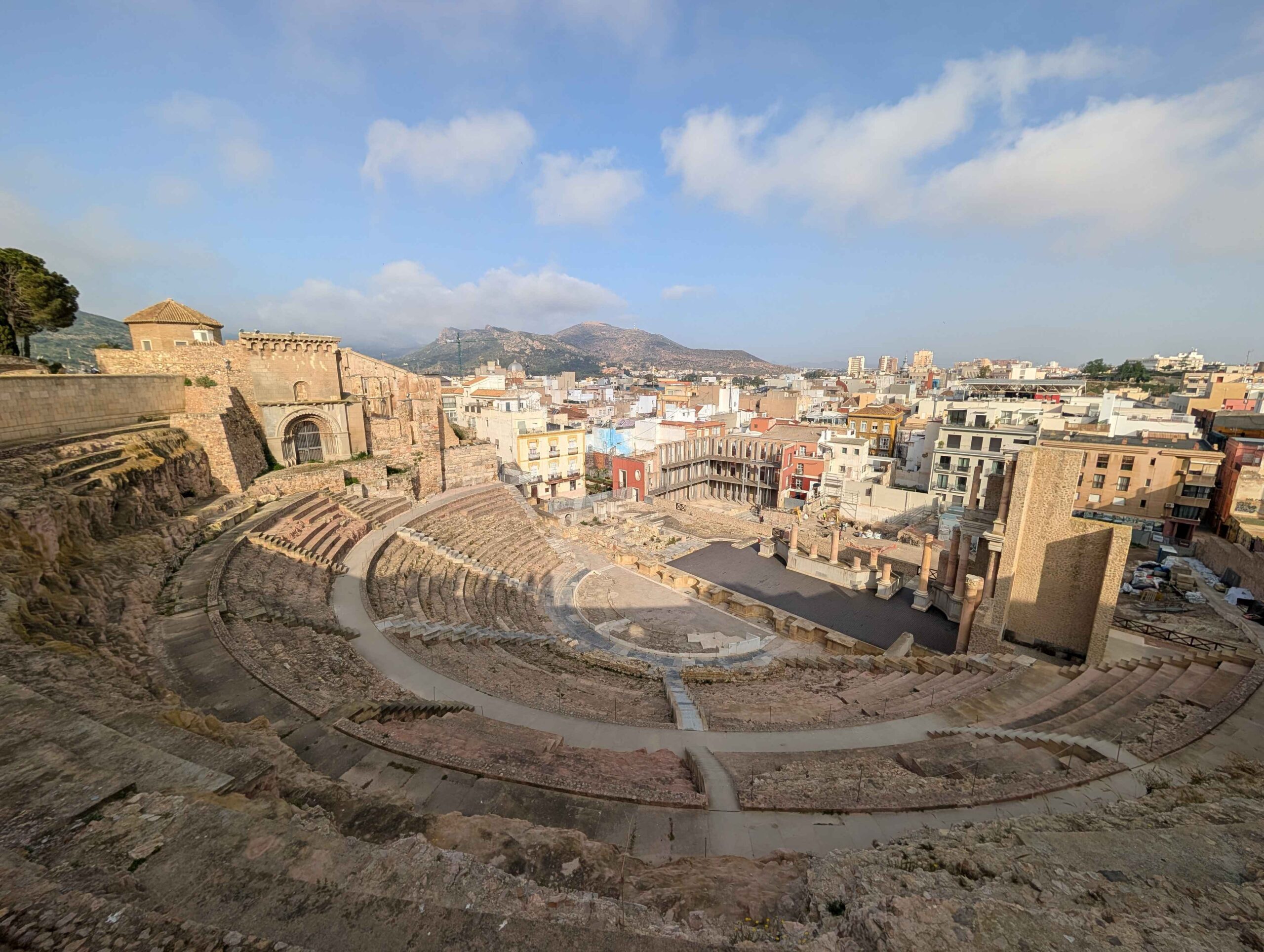
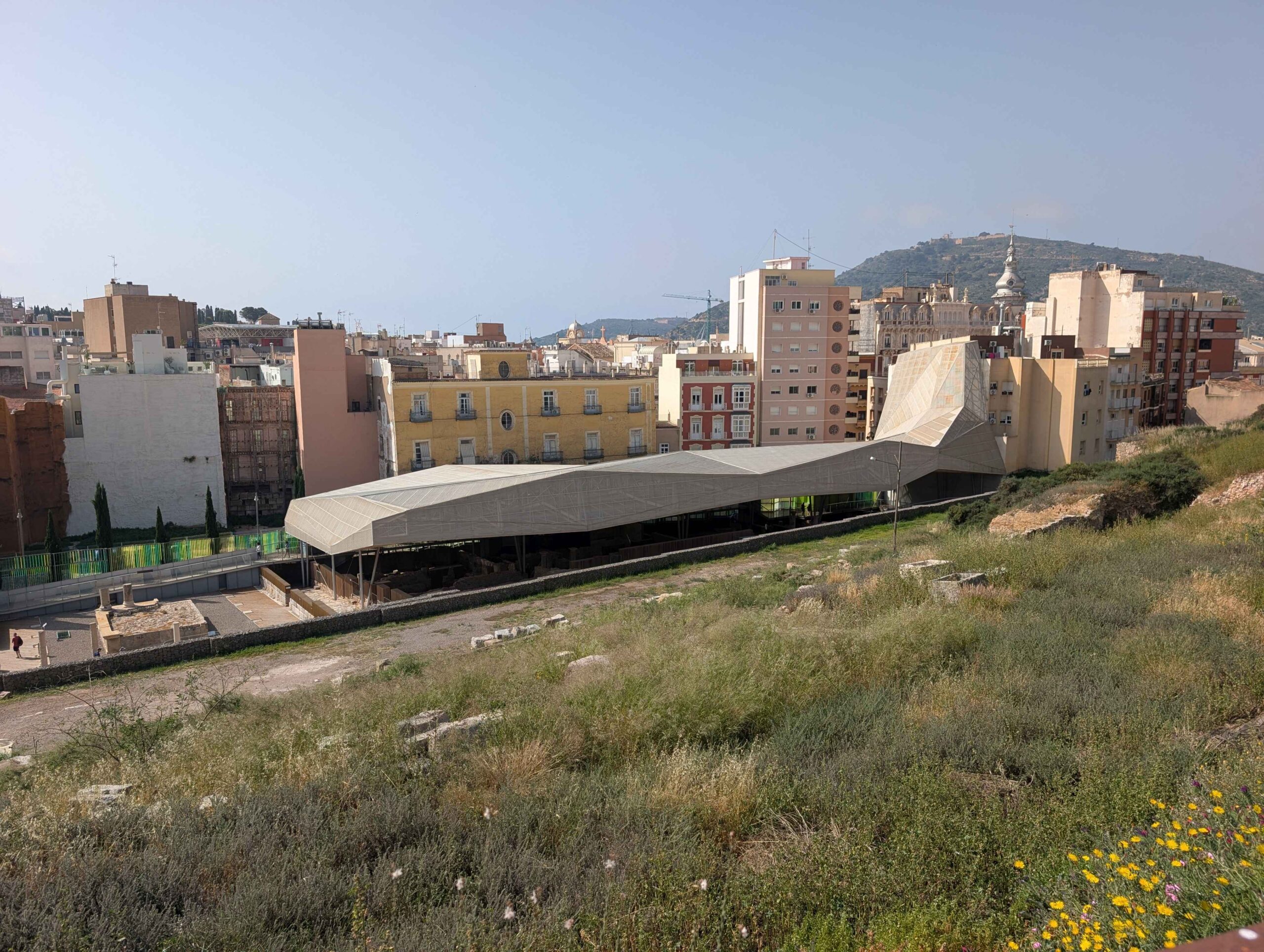
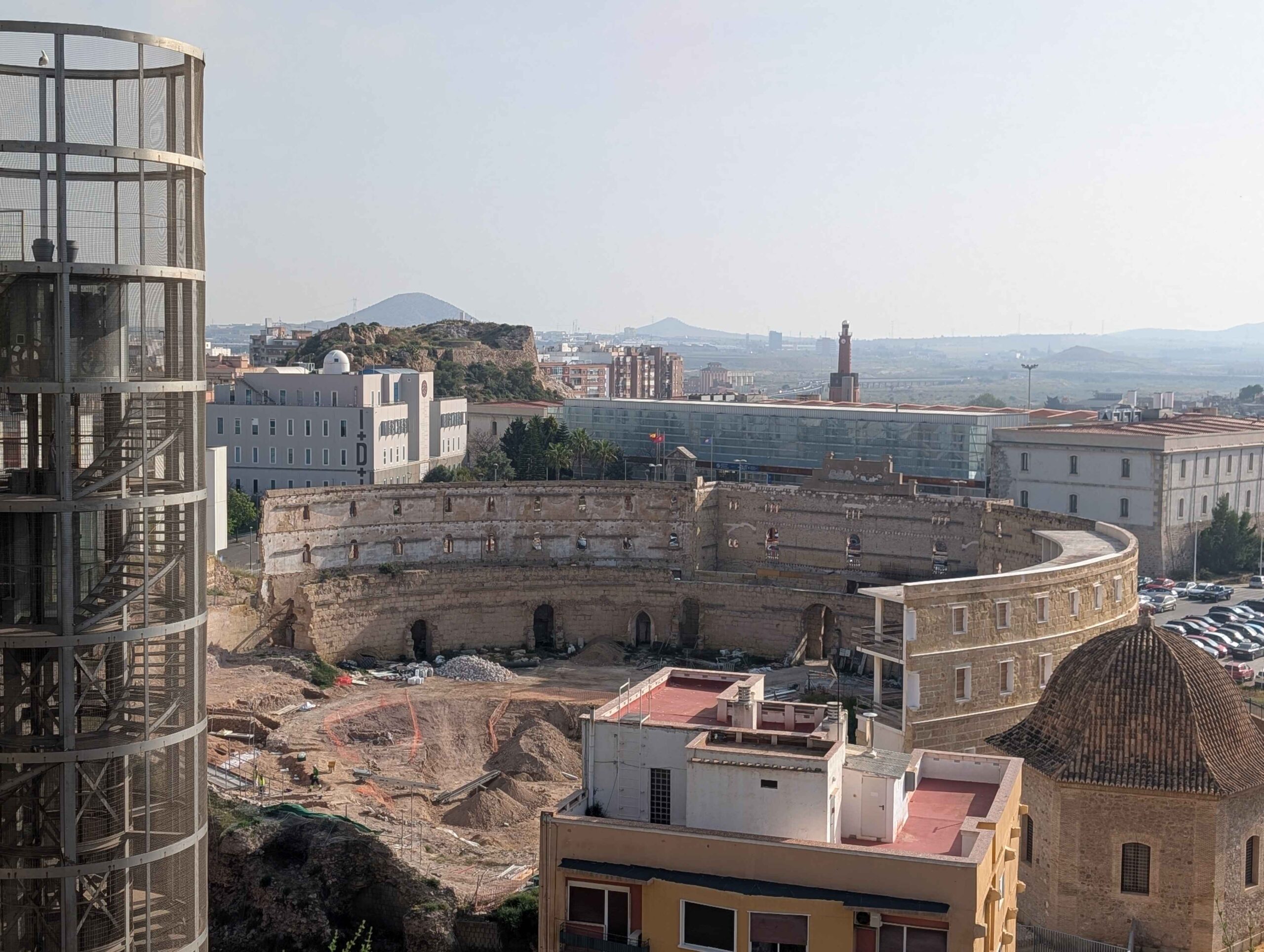
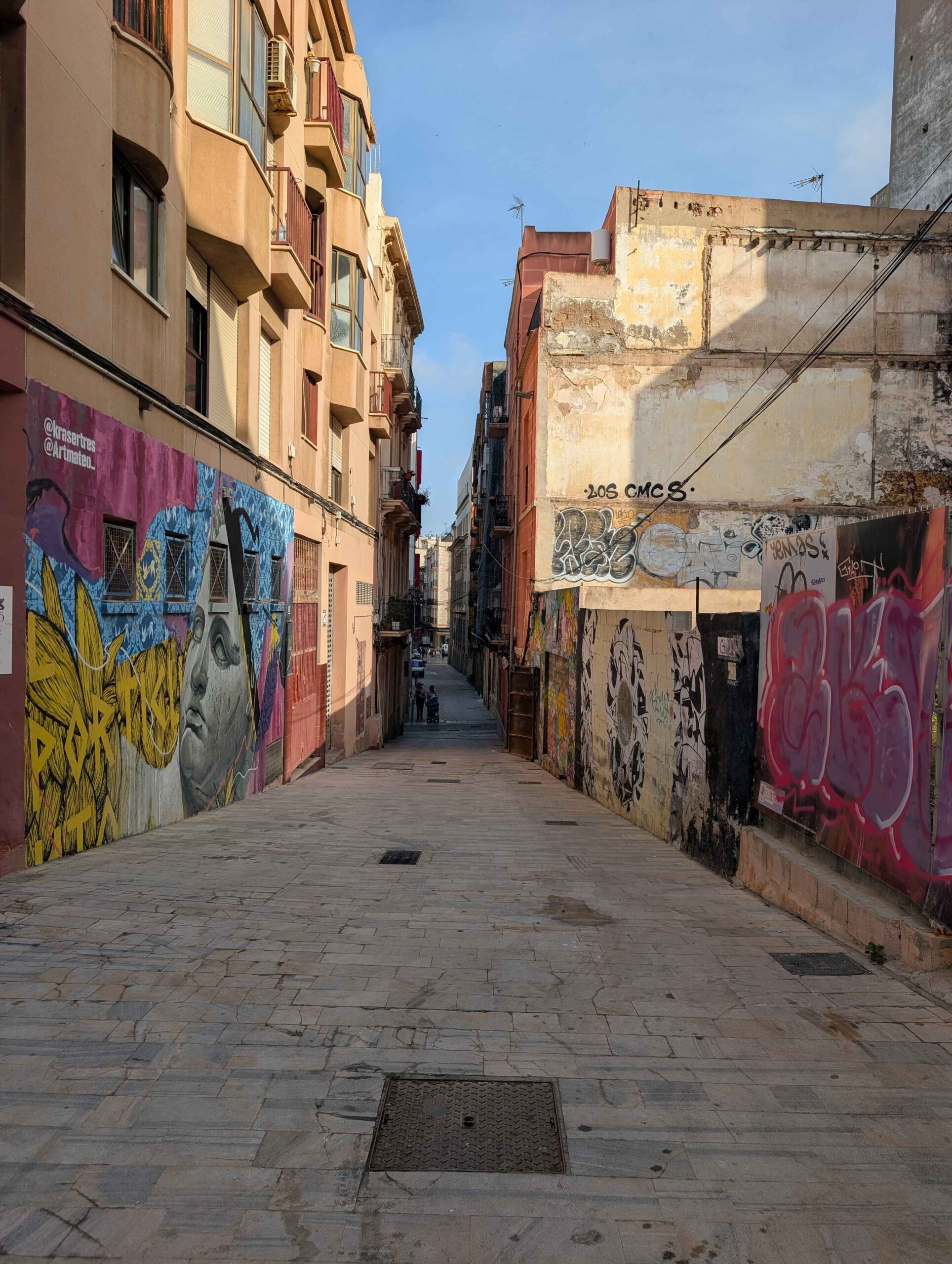
Cartagena, pronounced kar-ta-HAY-na, unfolded quickly once I reached Calle Mayor. The street had a polished feel with shops and restaurants lining a clean pedestrian corridor that felt intentionally designed rather than preserved by accident. From there it was only a short walk to the Teatro Romano de Cartagena, though getting a clear view of it turned out to be less straightforward than expected.
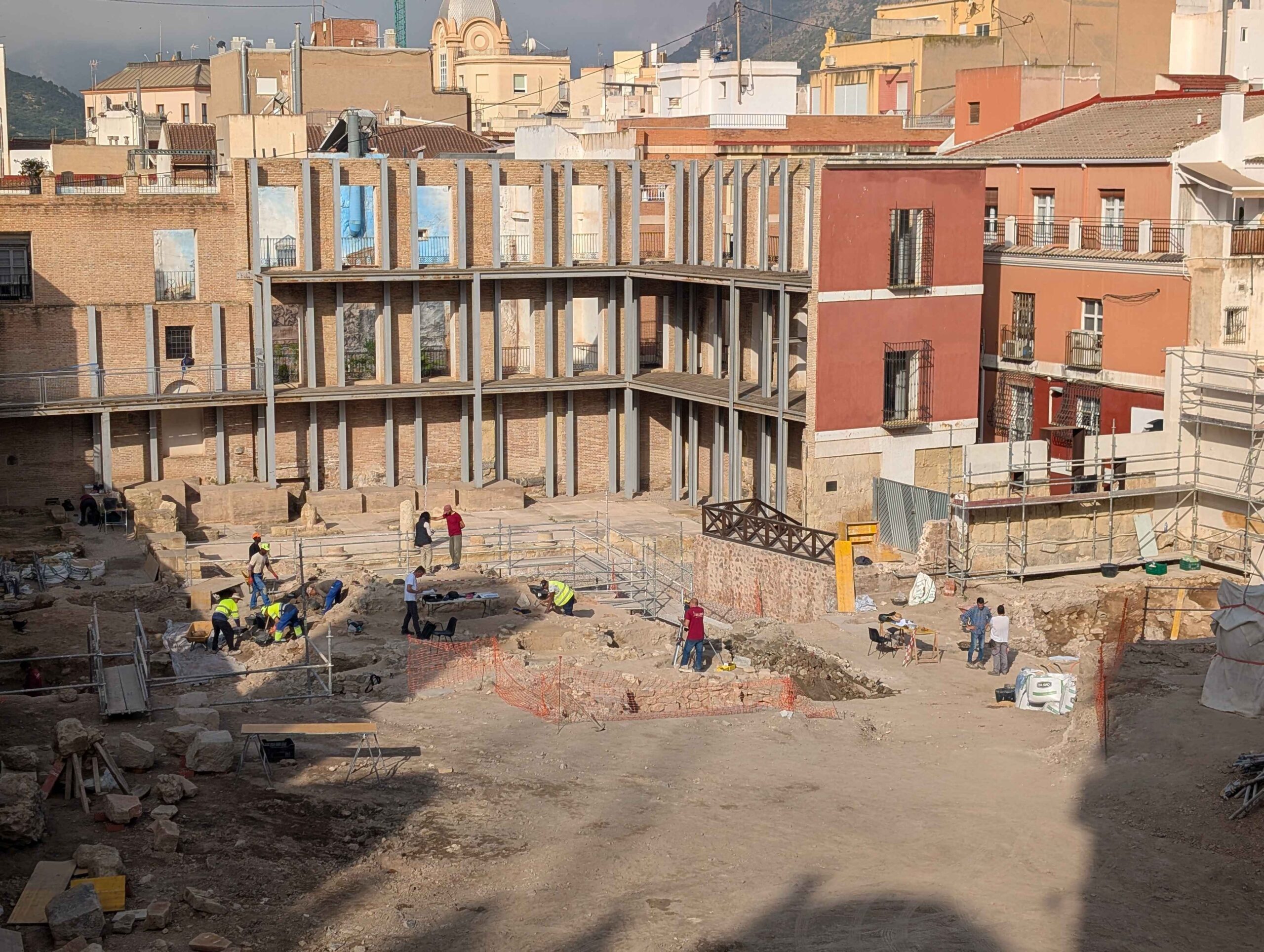
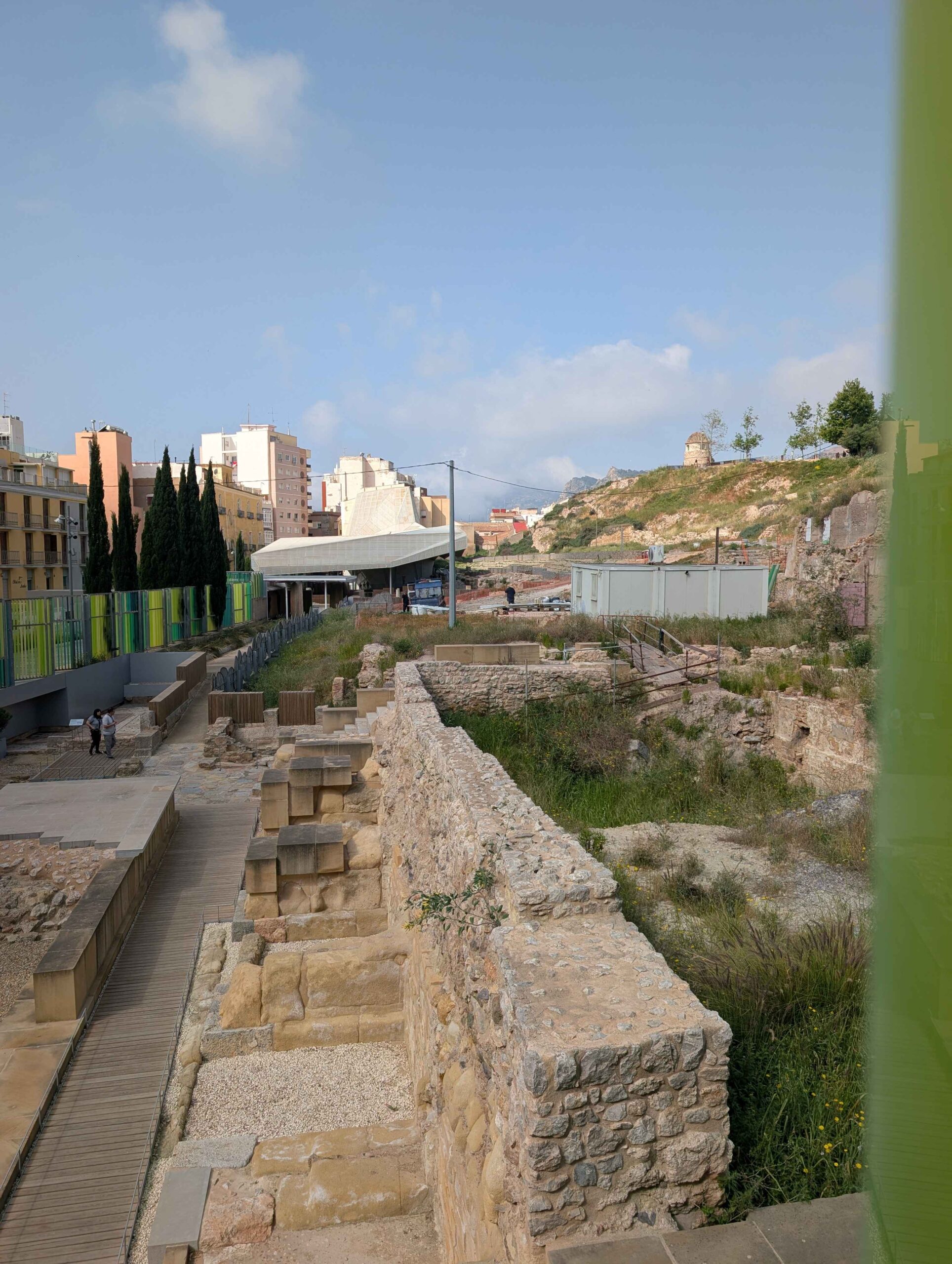
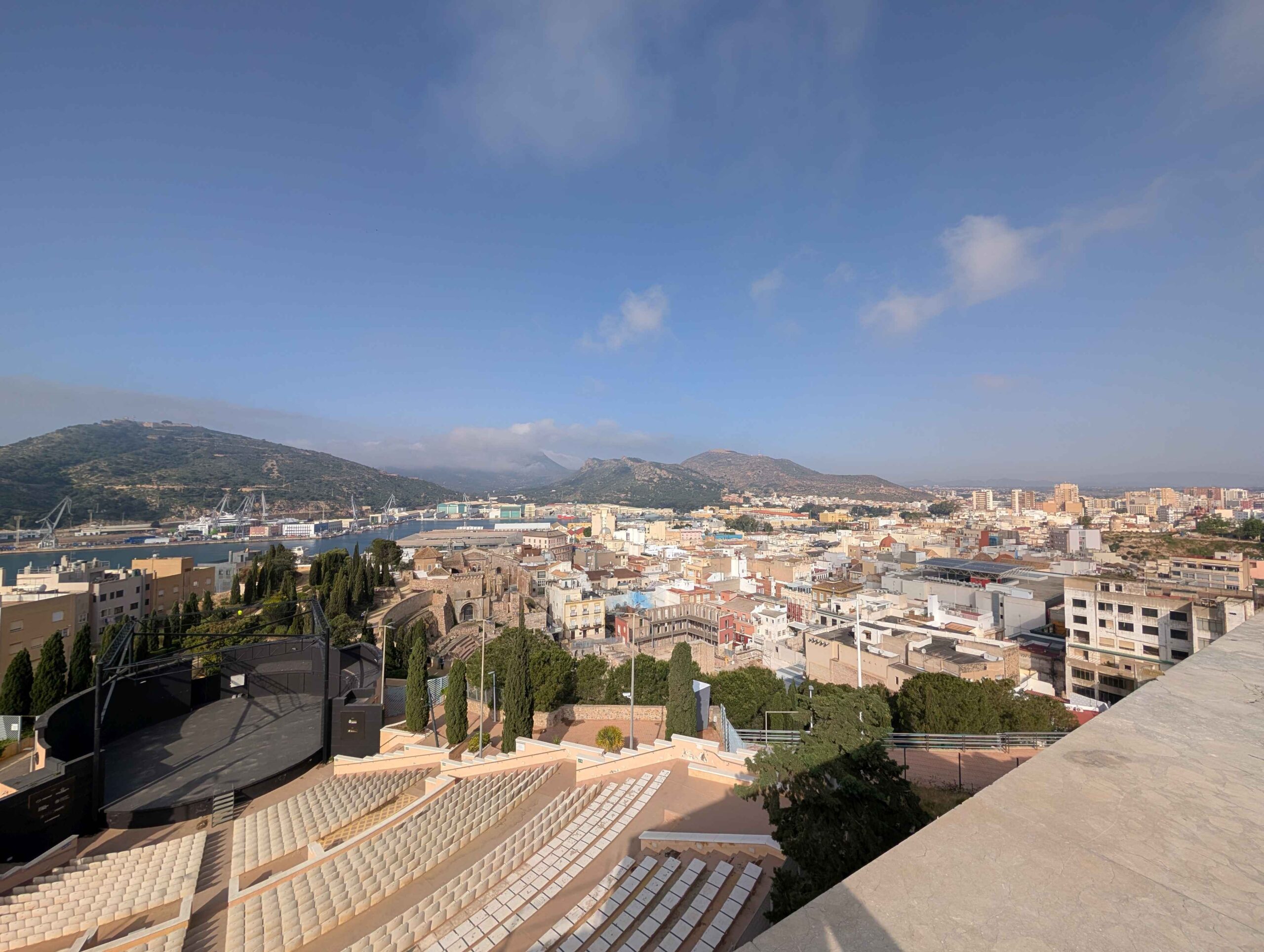
Construction containers and barriers blocked most of the direct sightlines into the theater, and it felt like the only obvious way in was through the museum entrance. I kept circling the perimeter anyway, assuming there had to be another angle. Eventually I found a set of stairs tucked off to the side that opened up just enough of a view into the stage and seating. It was not perfect, but it was enough.
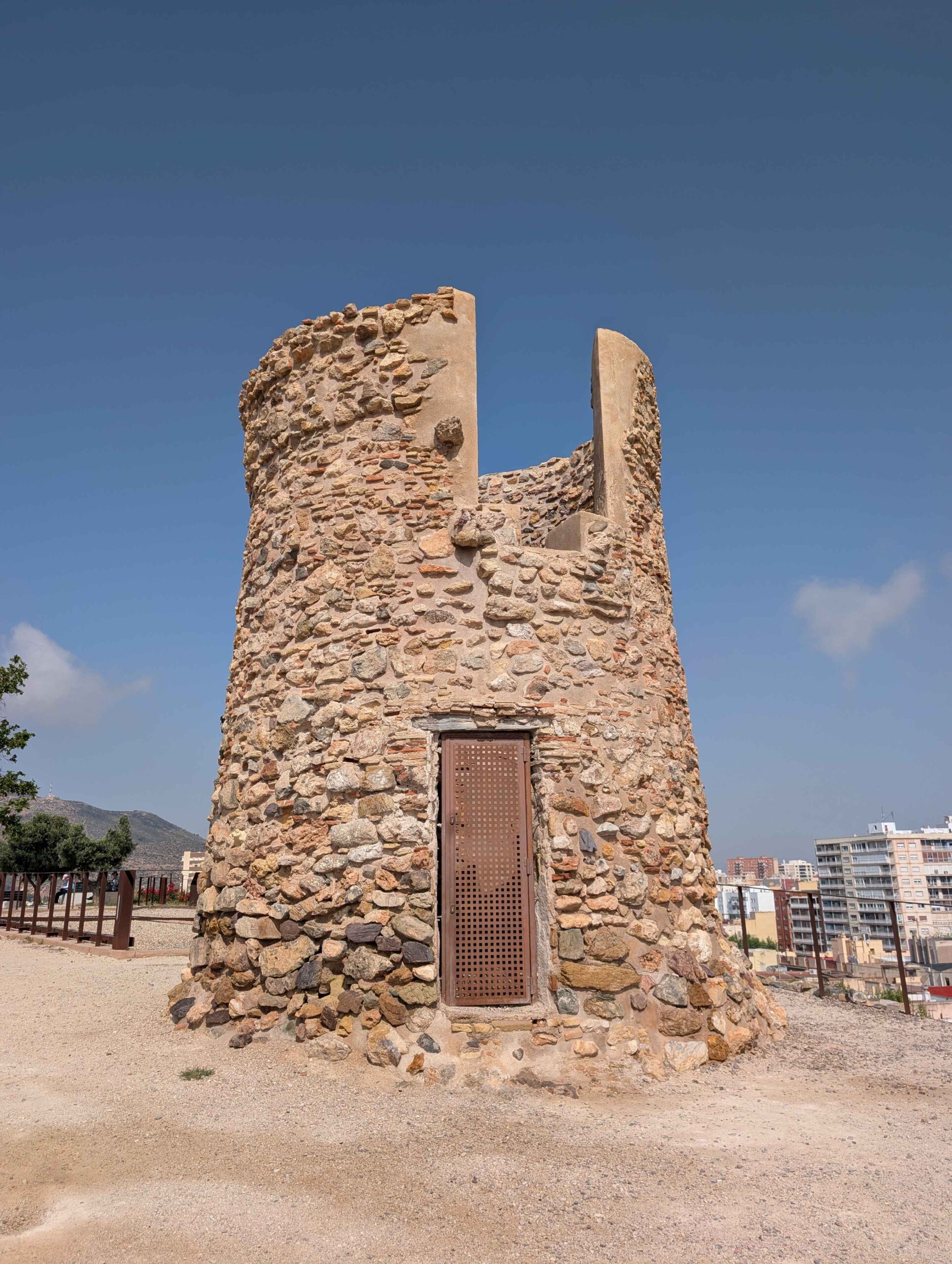
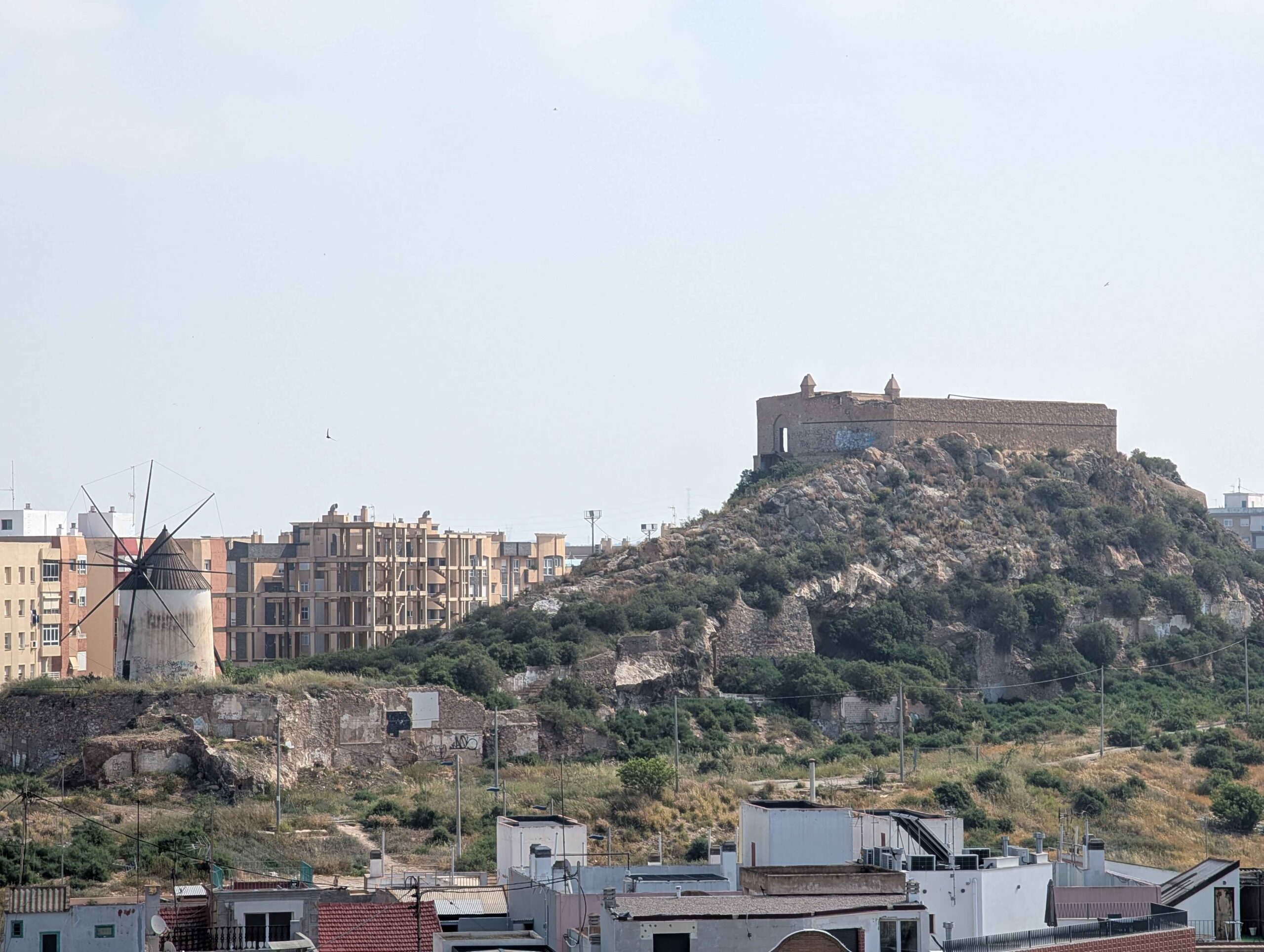
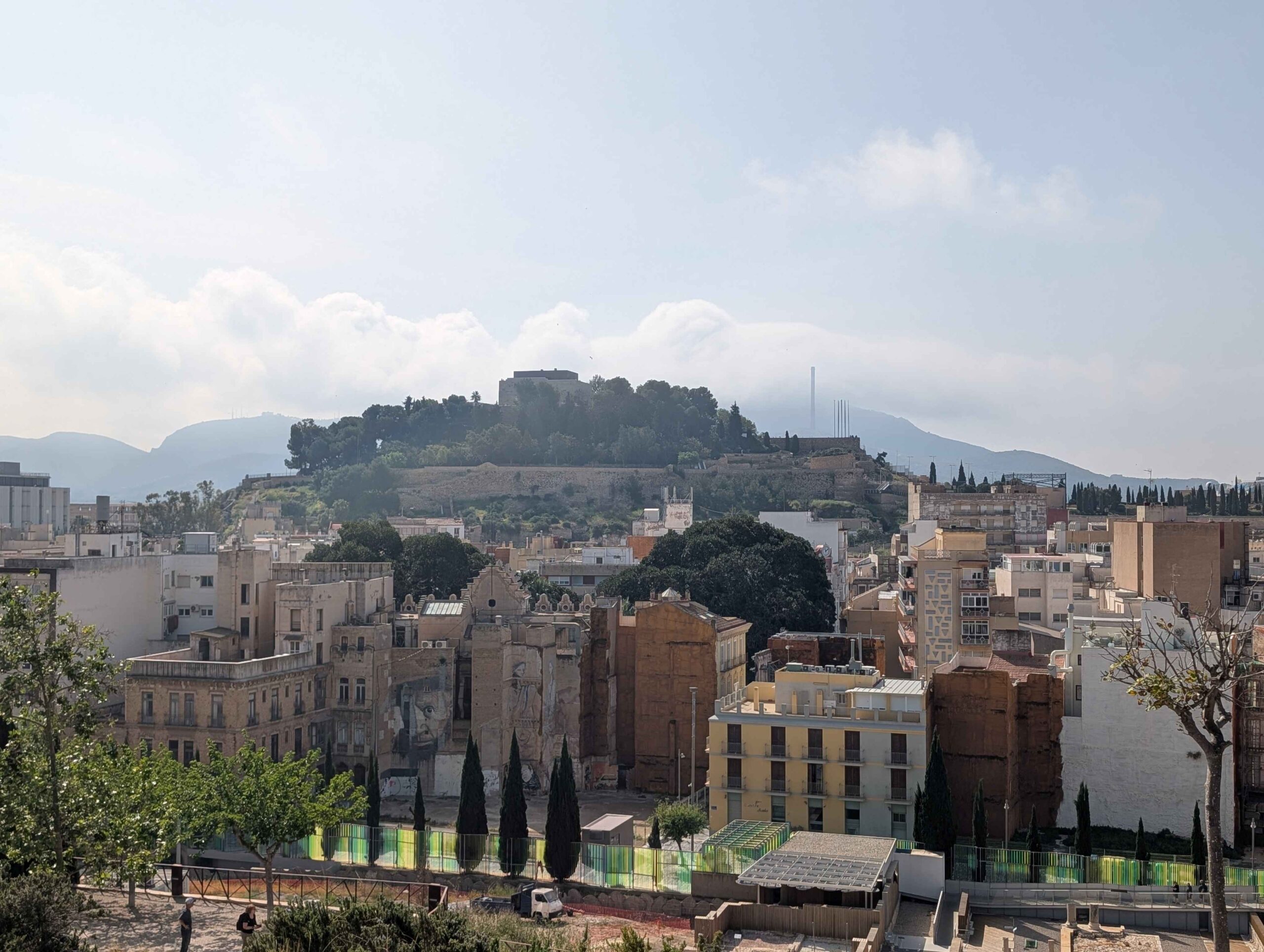
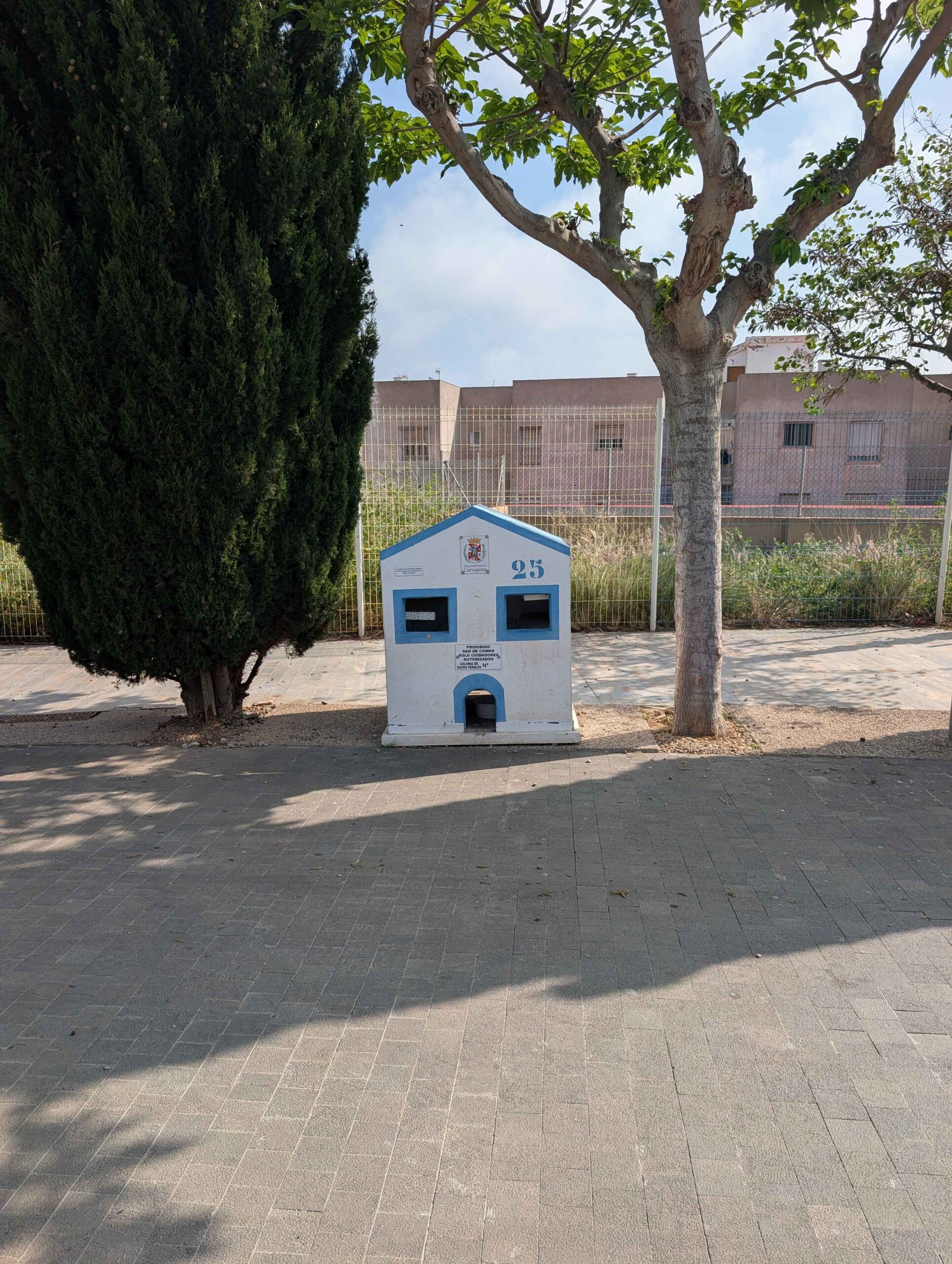
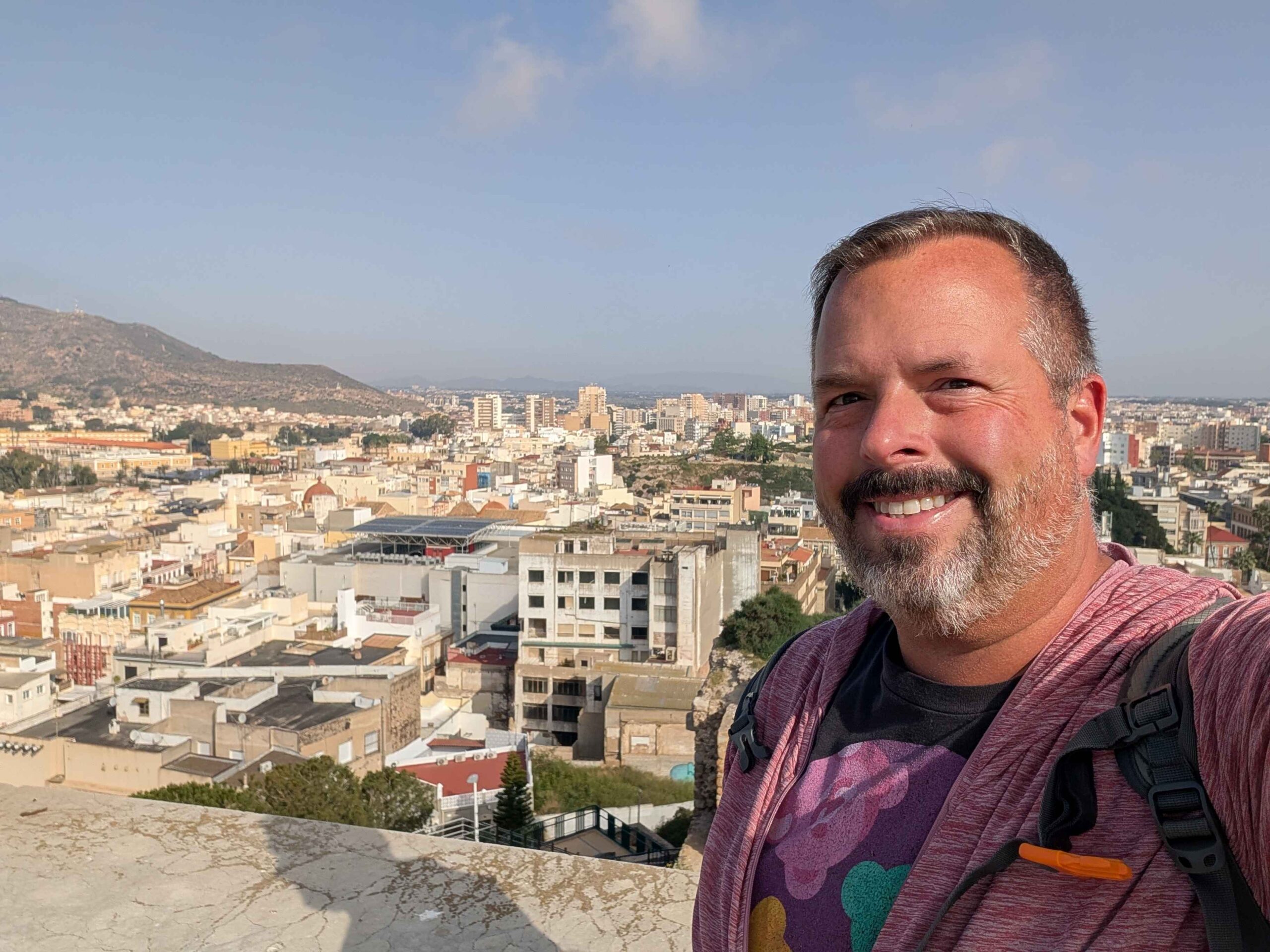
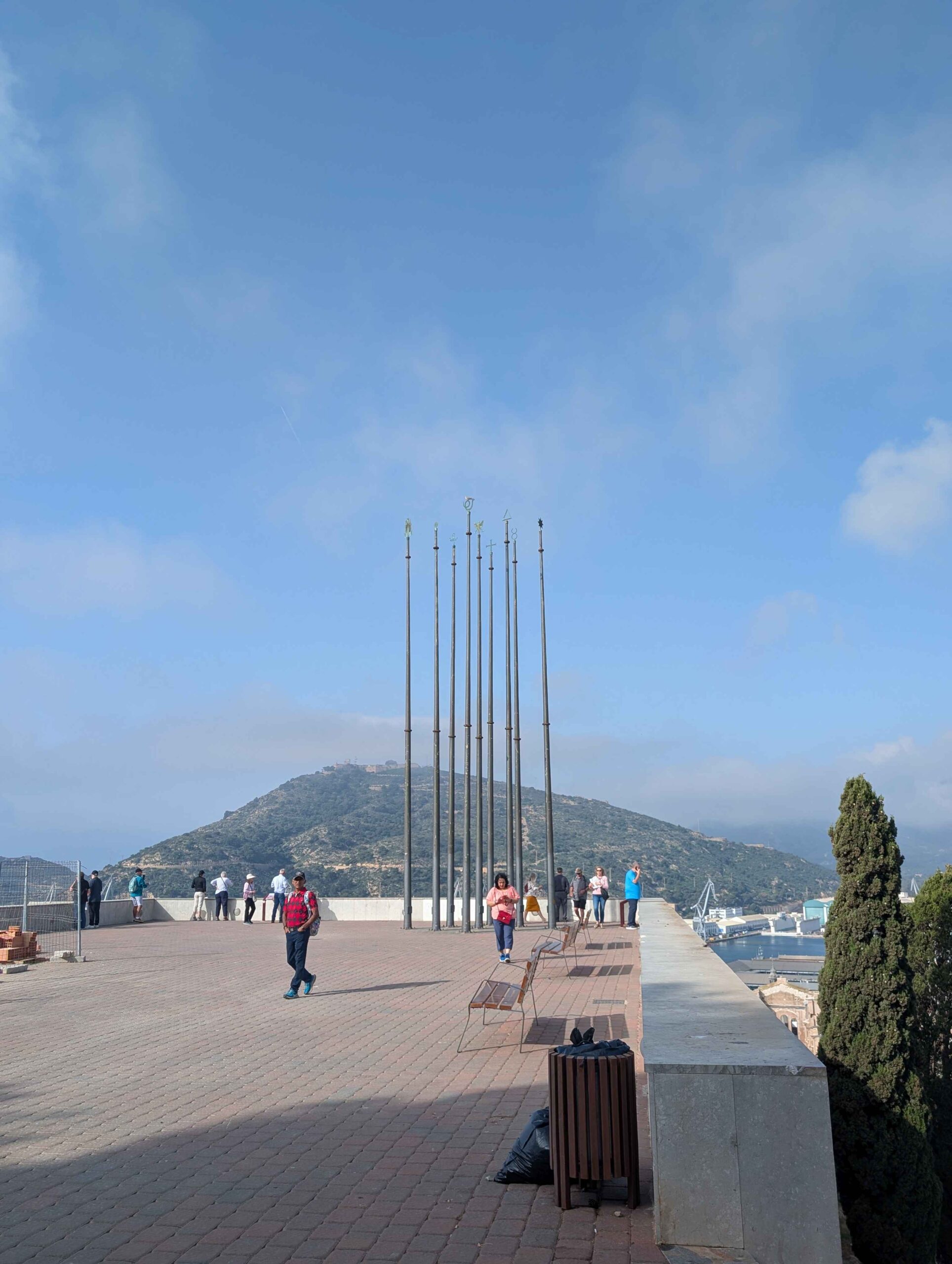
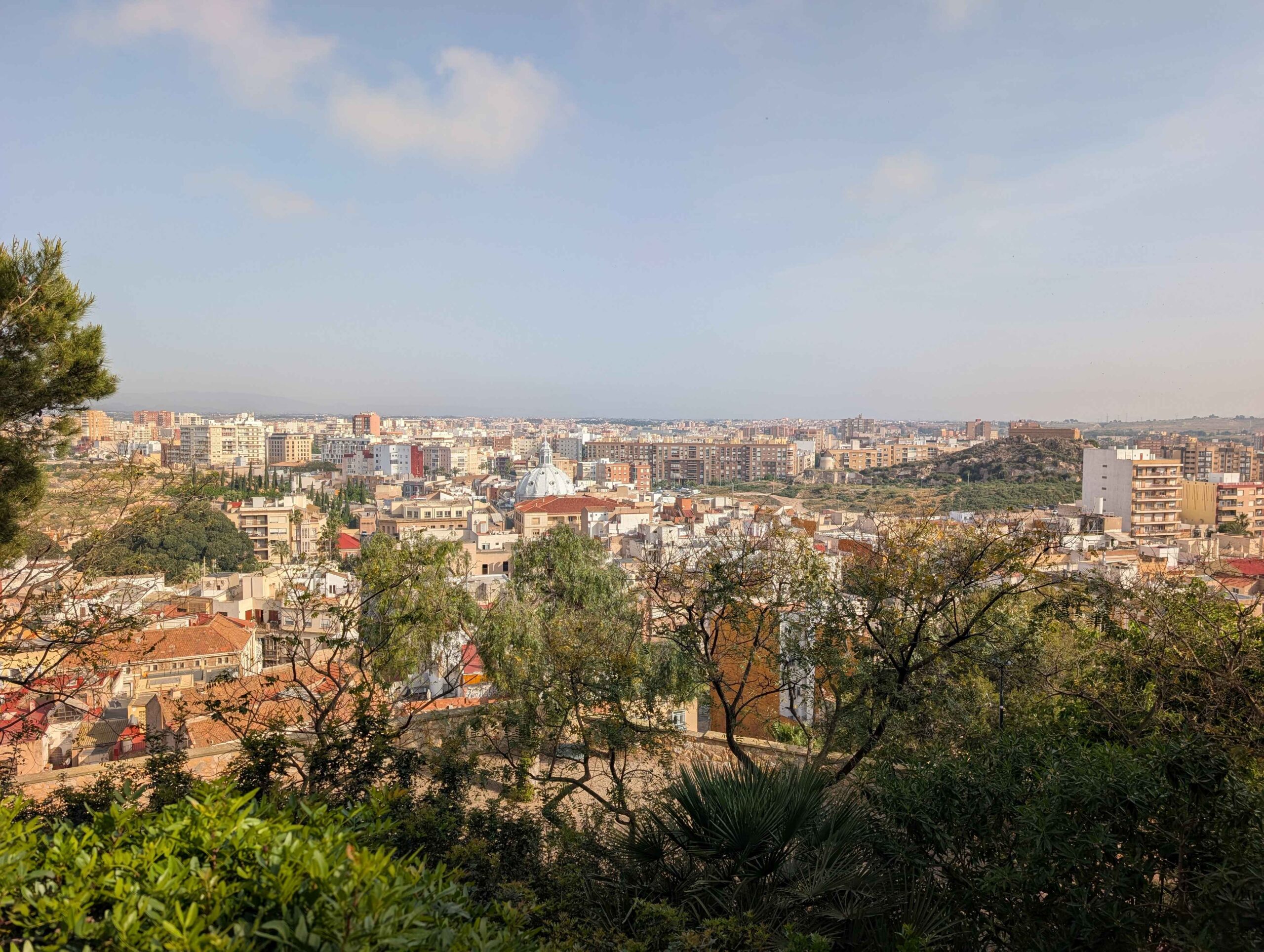
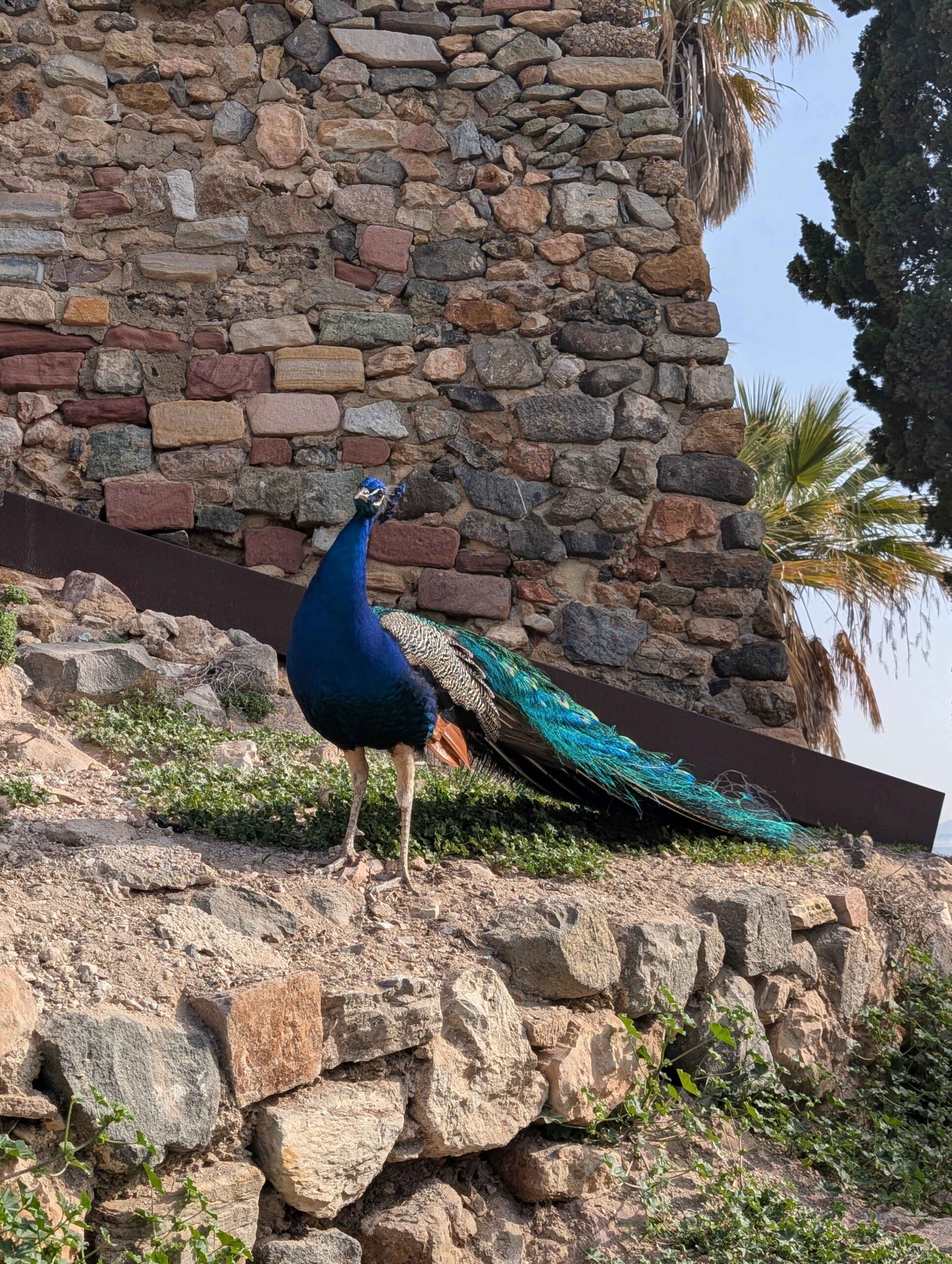
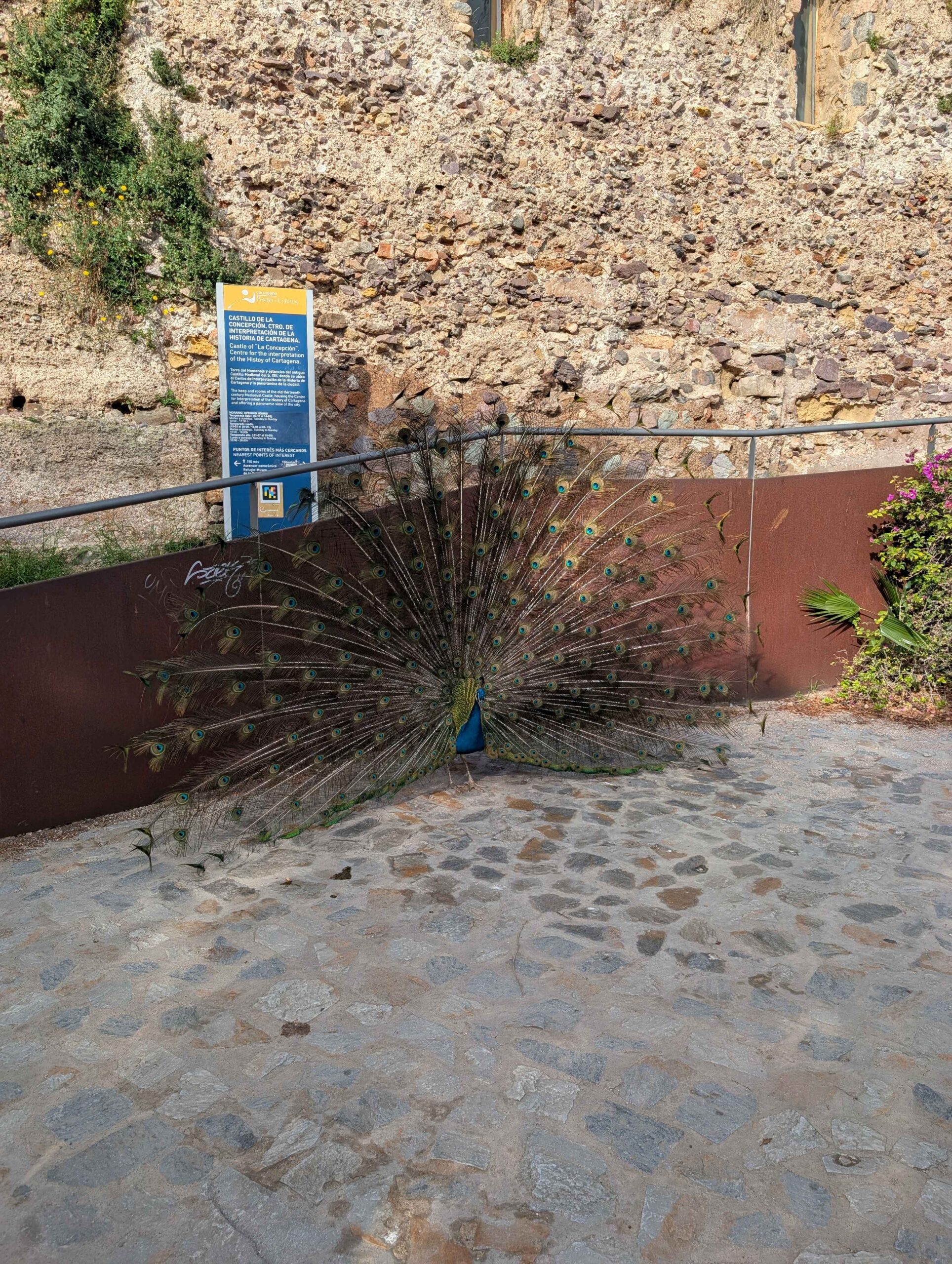
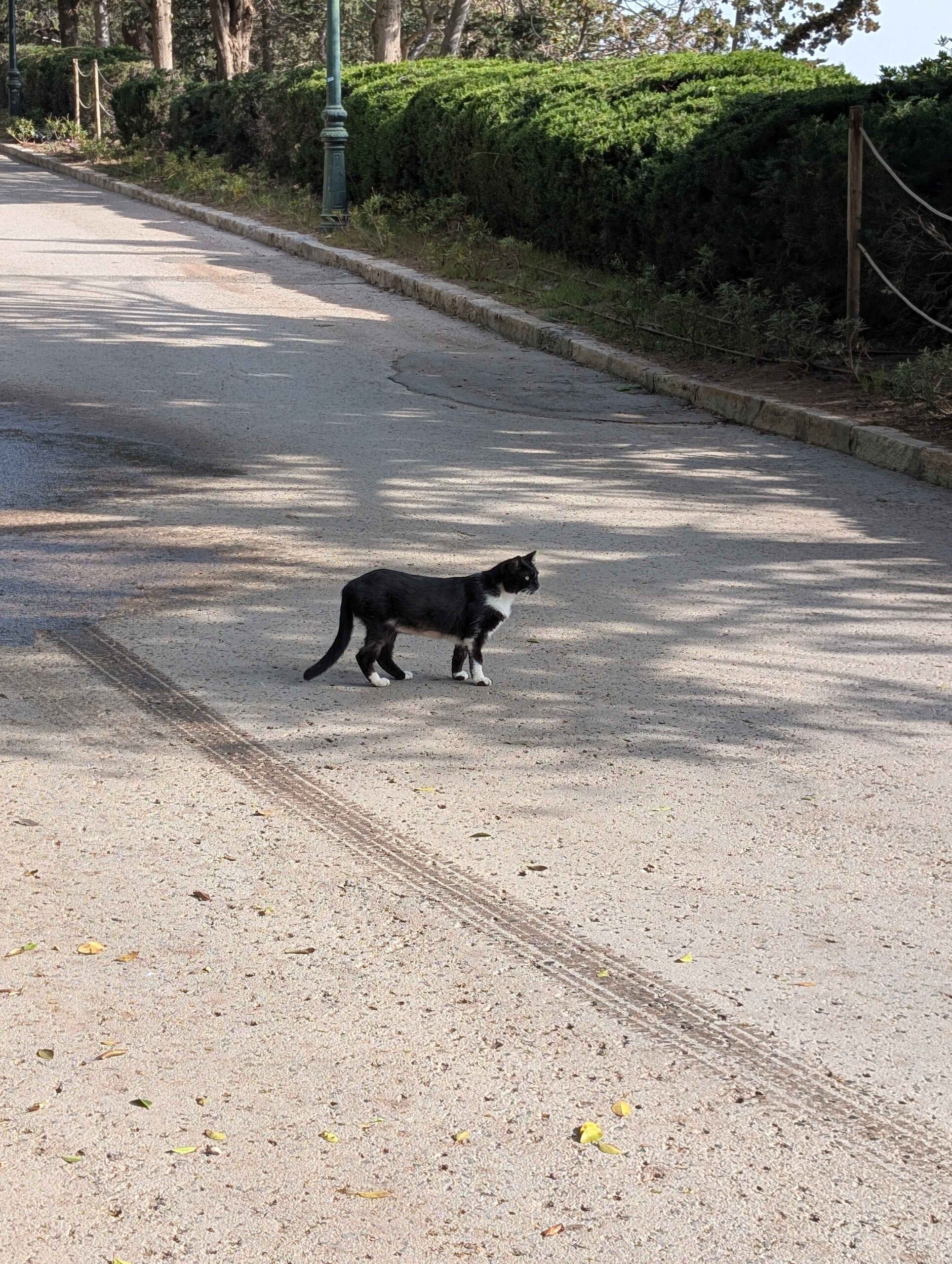
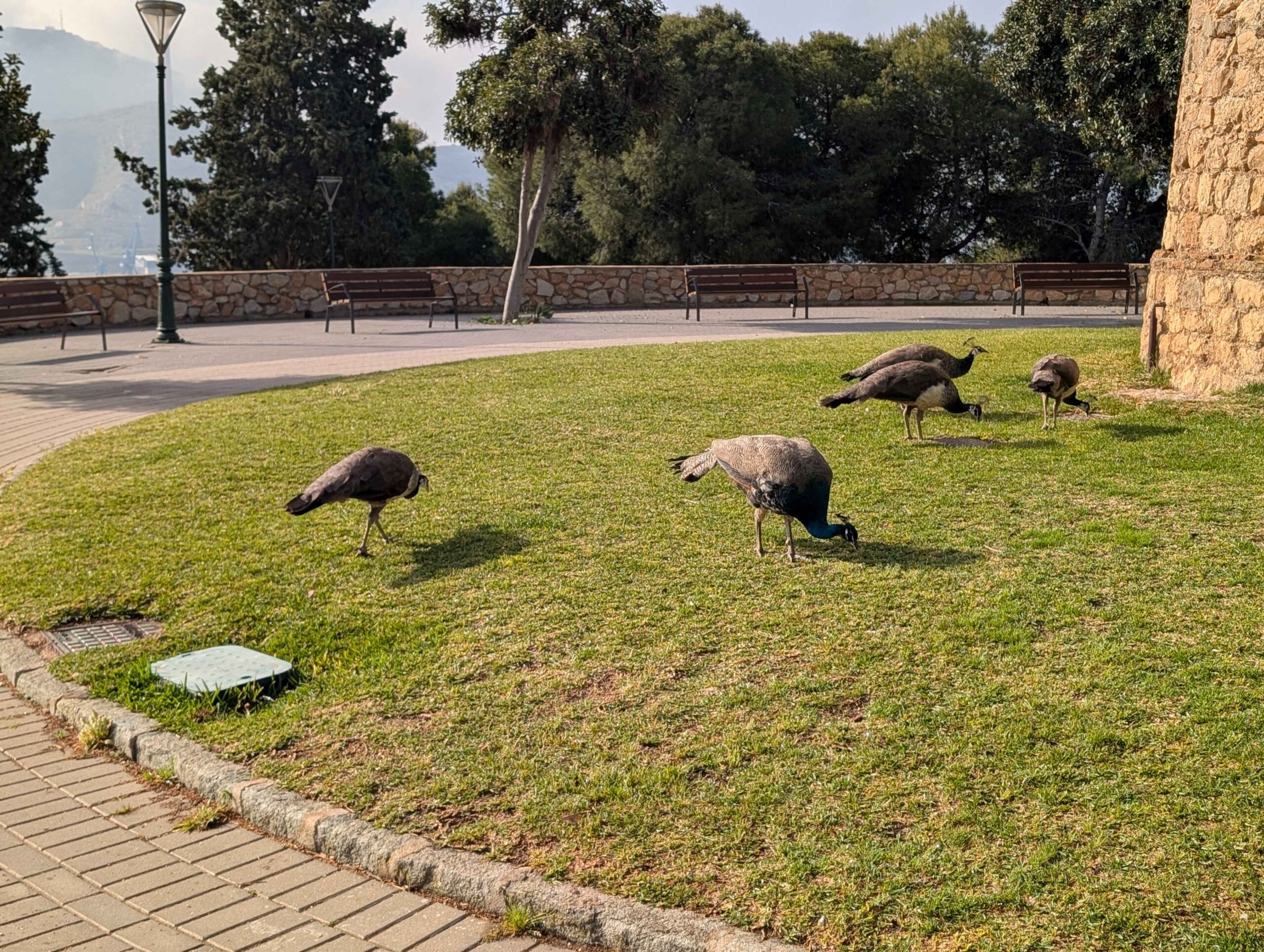
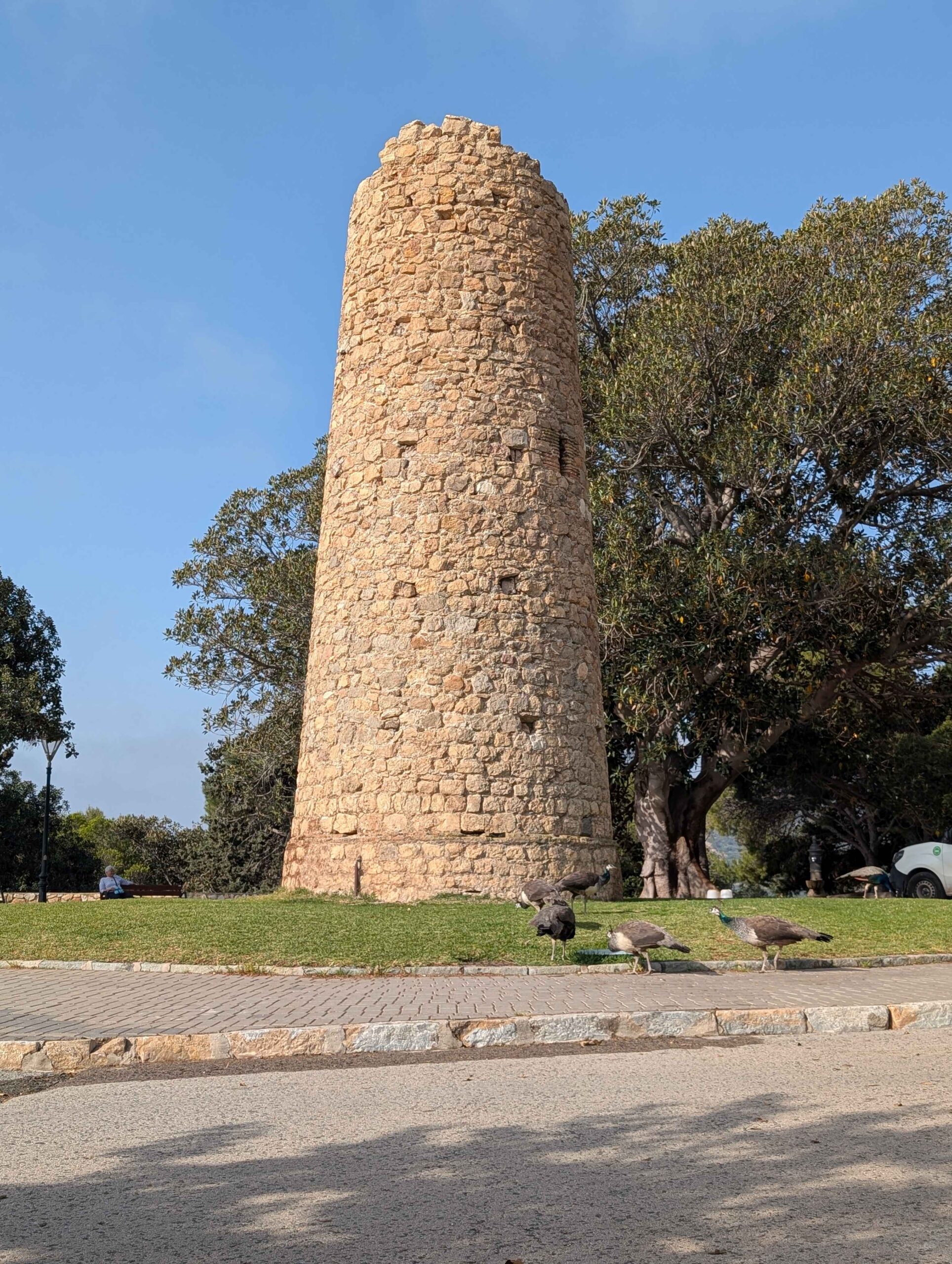
That detour naturally turned into the climb I had been looking for. From the theater I continued upward into Parque Torres and around Castillo de la Concepción. The higher I went the more the city started to layer itself out below, with rooftops, harbor edges, and hills all stacking into view. The grounds were open and quiet, with peacocks wandering around alongside ducks and the occasional cat, which made the whole area feel less like a structured attraction and more like a shared space.
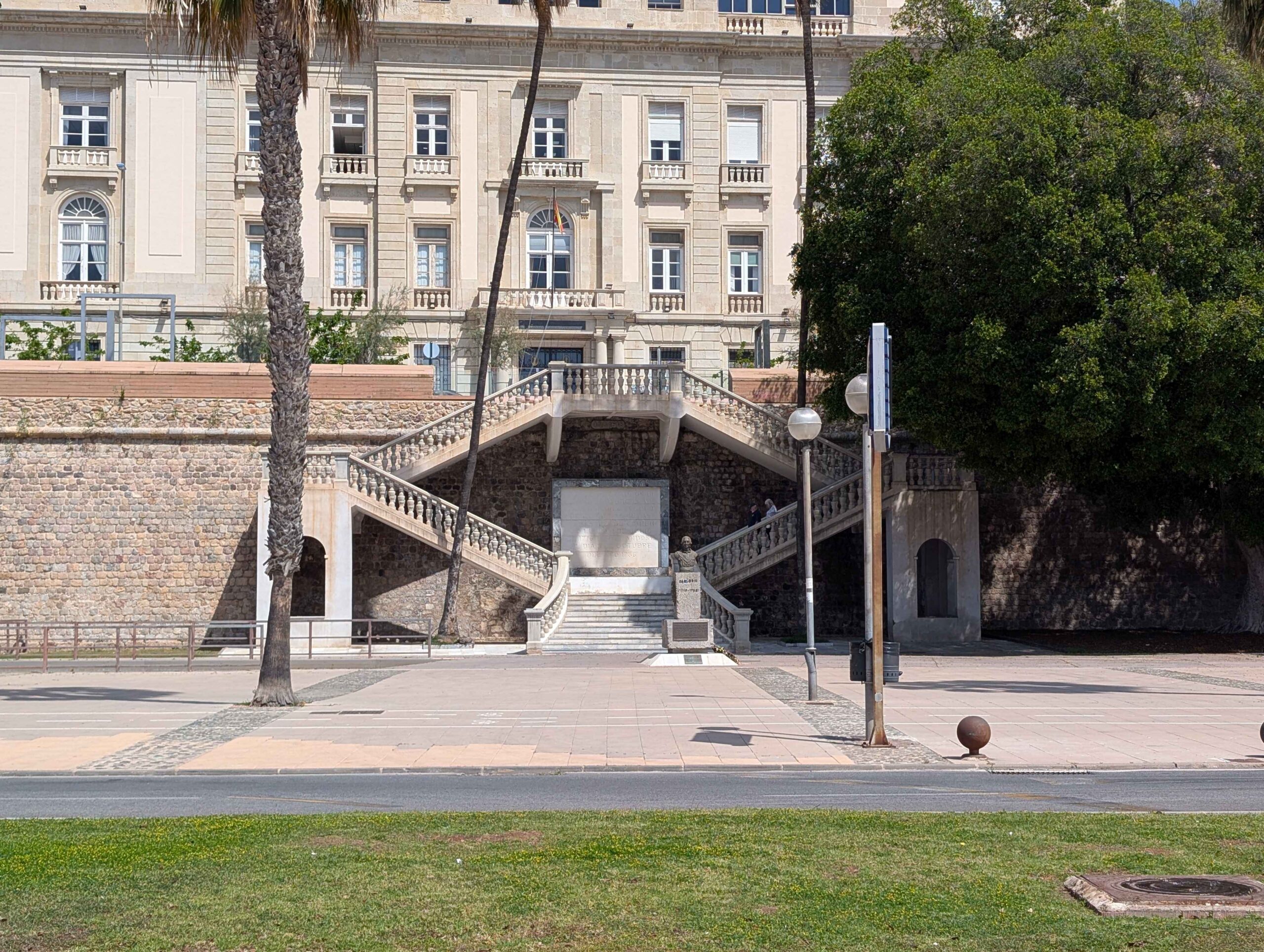
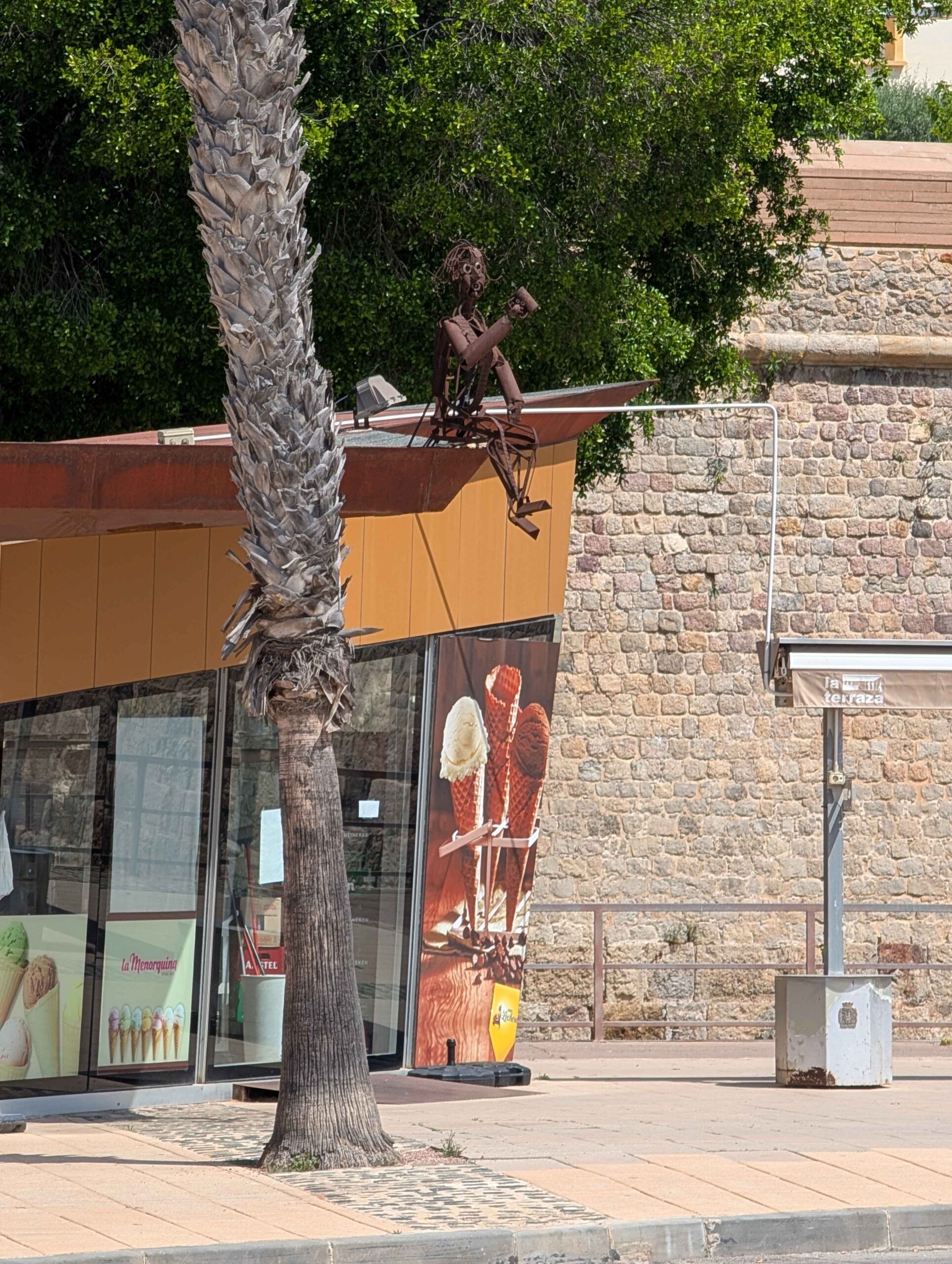
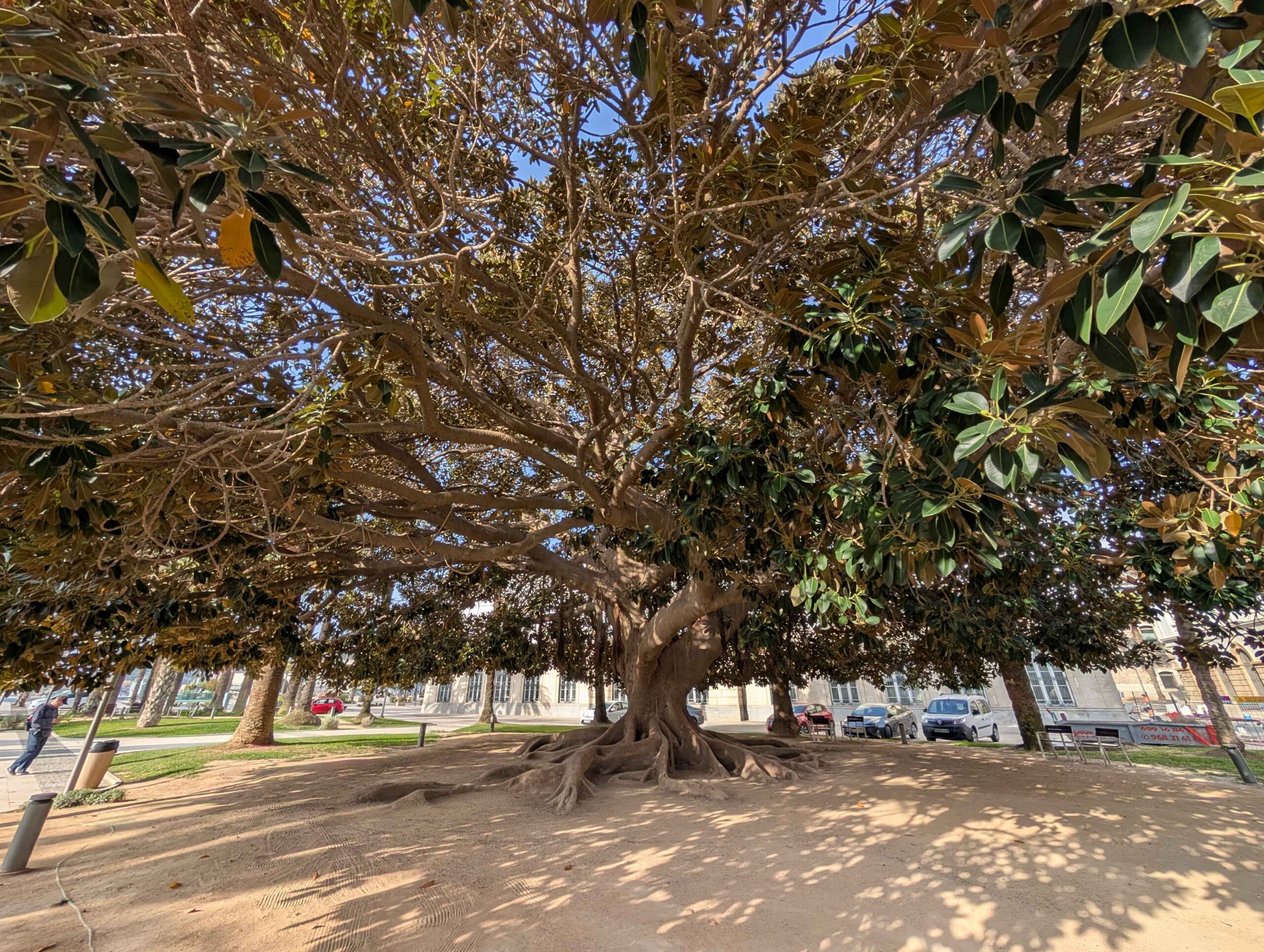
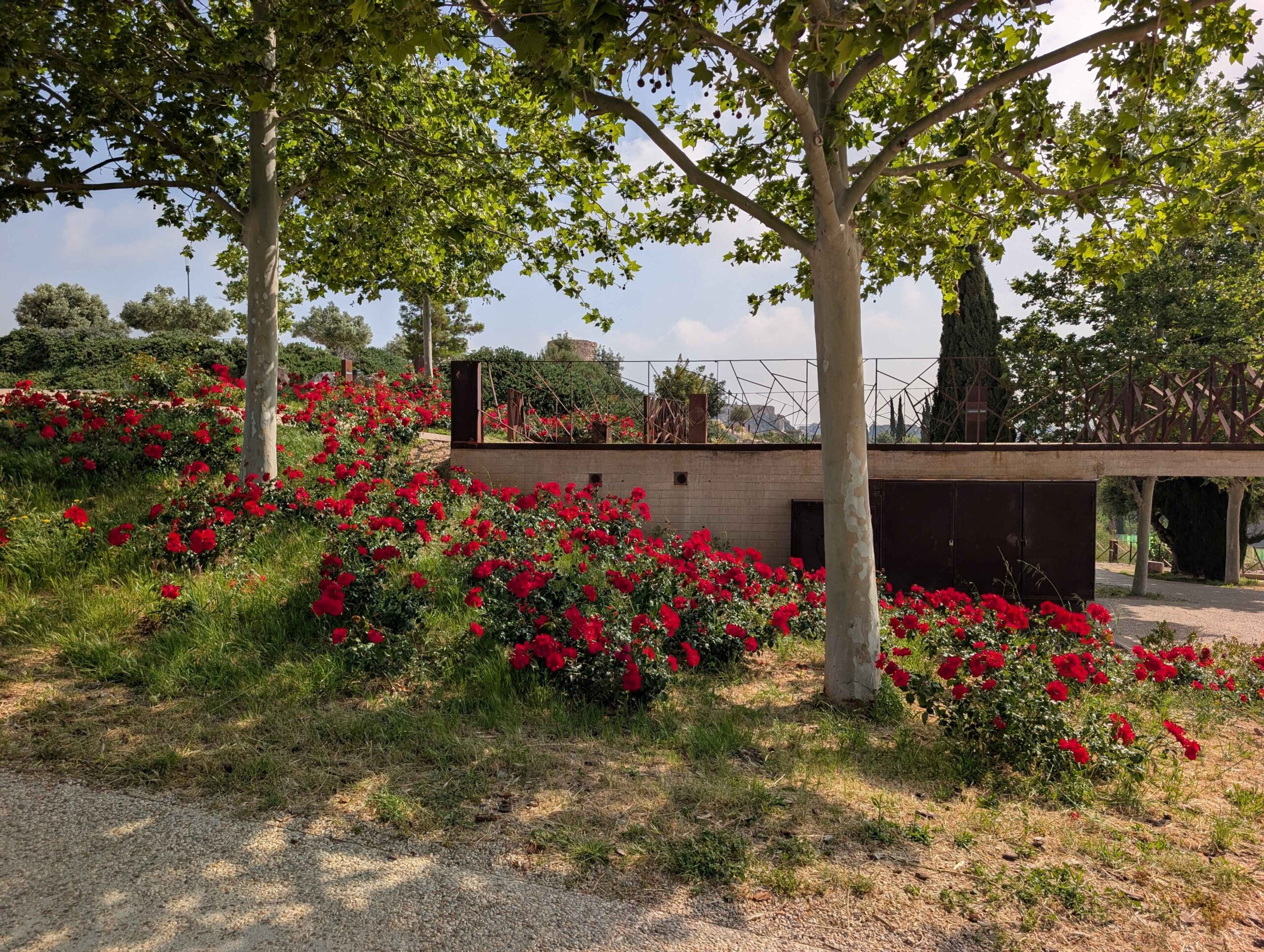
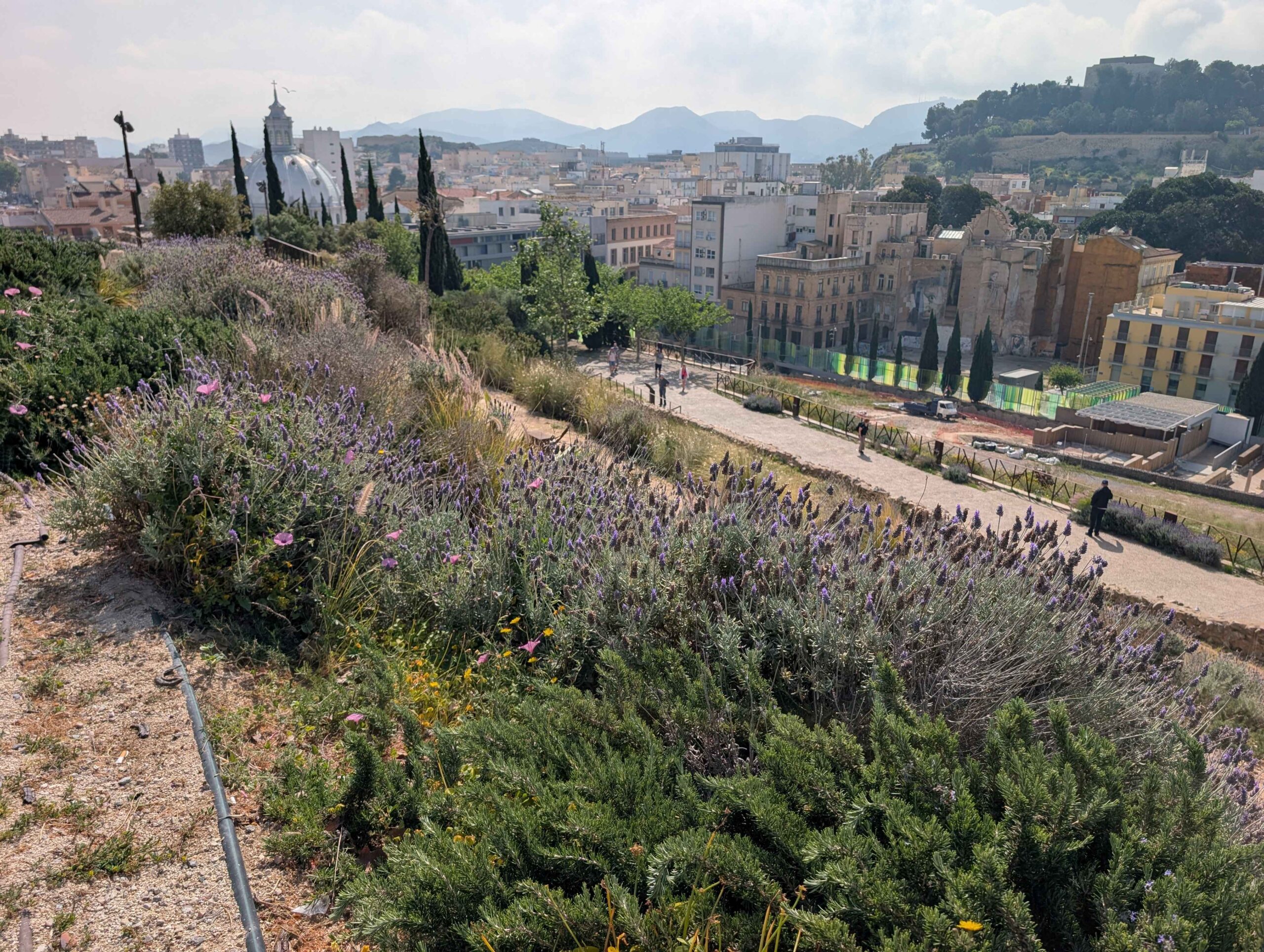
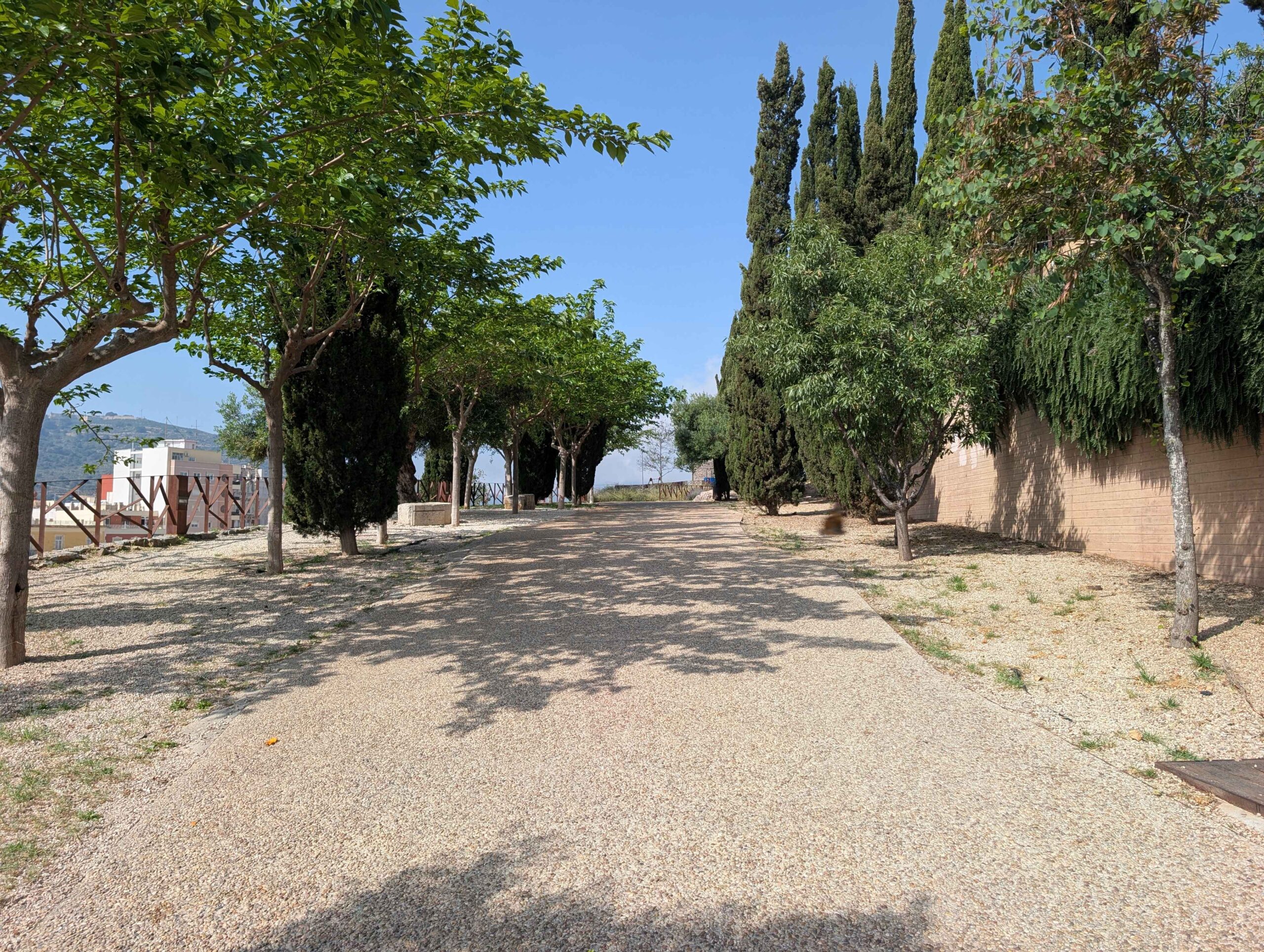
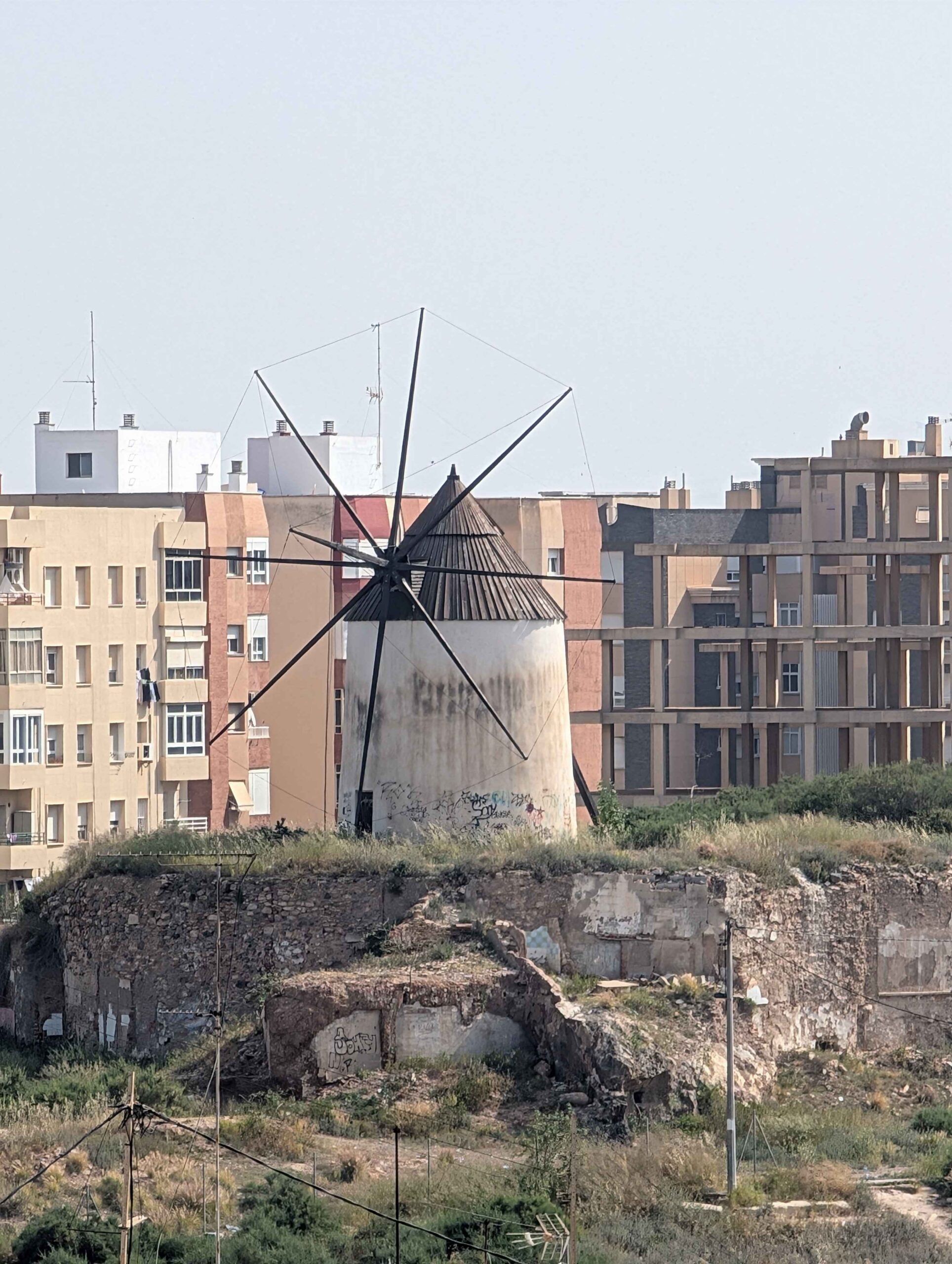
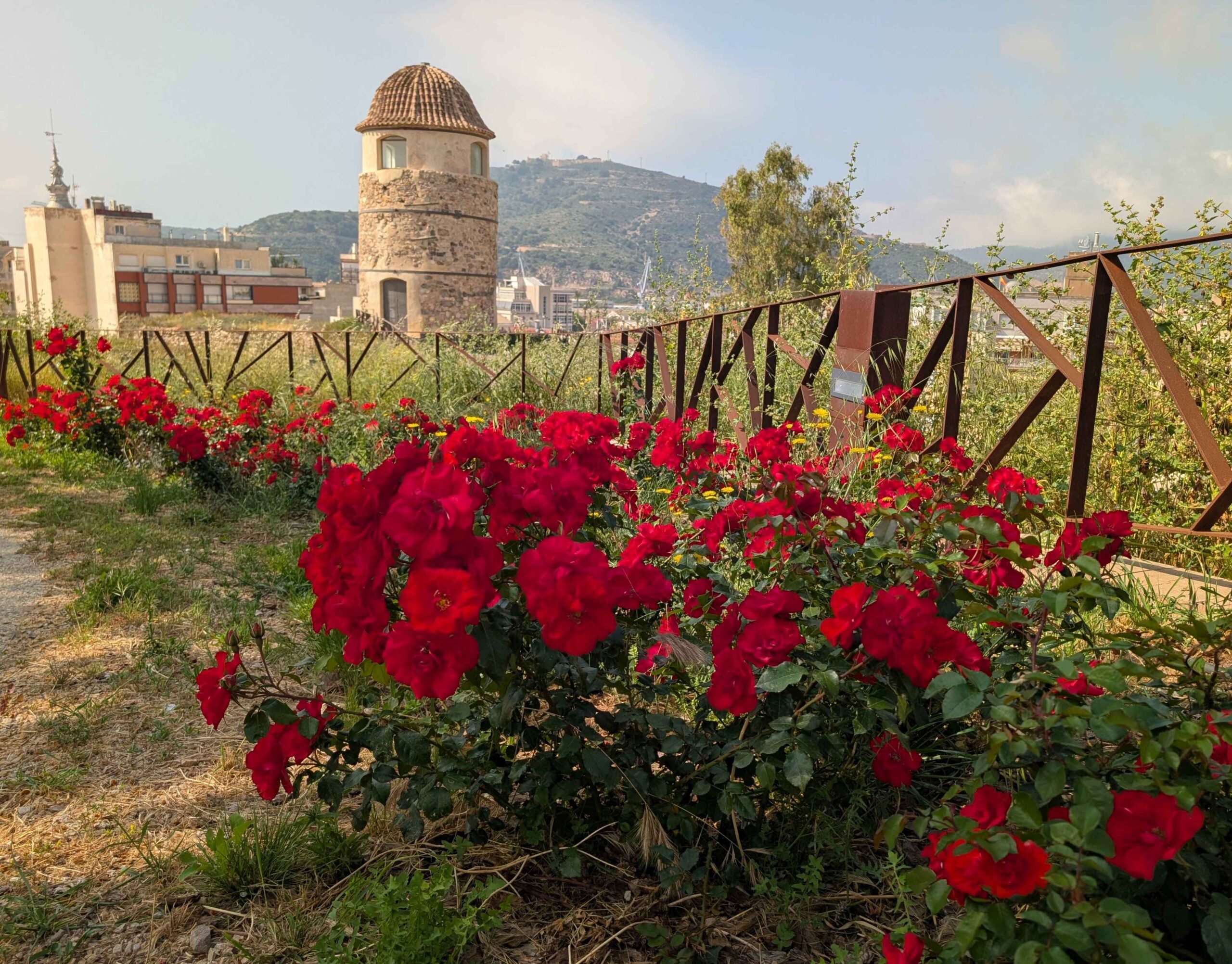
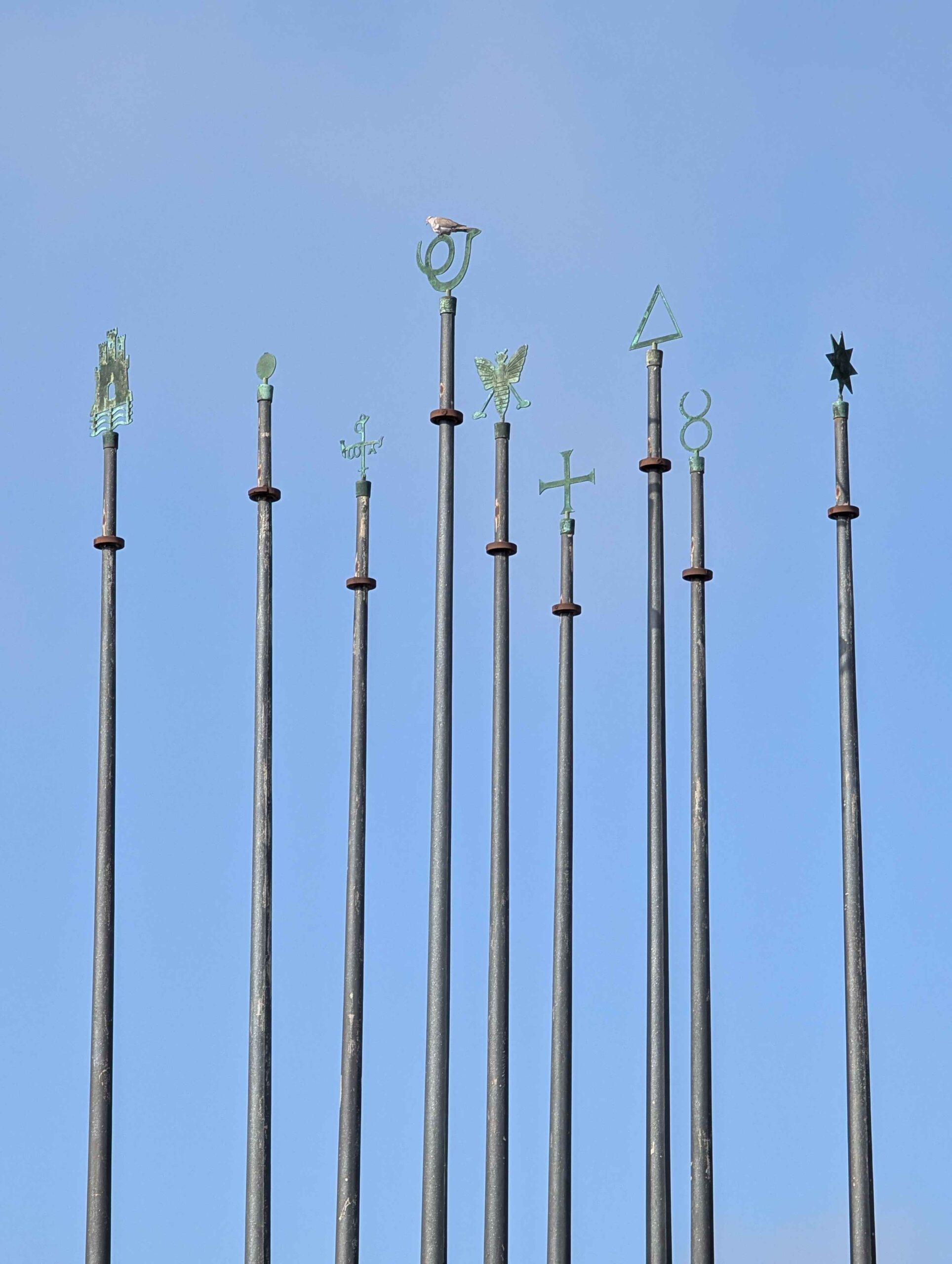
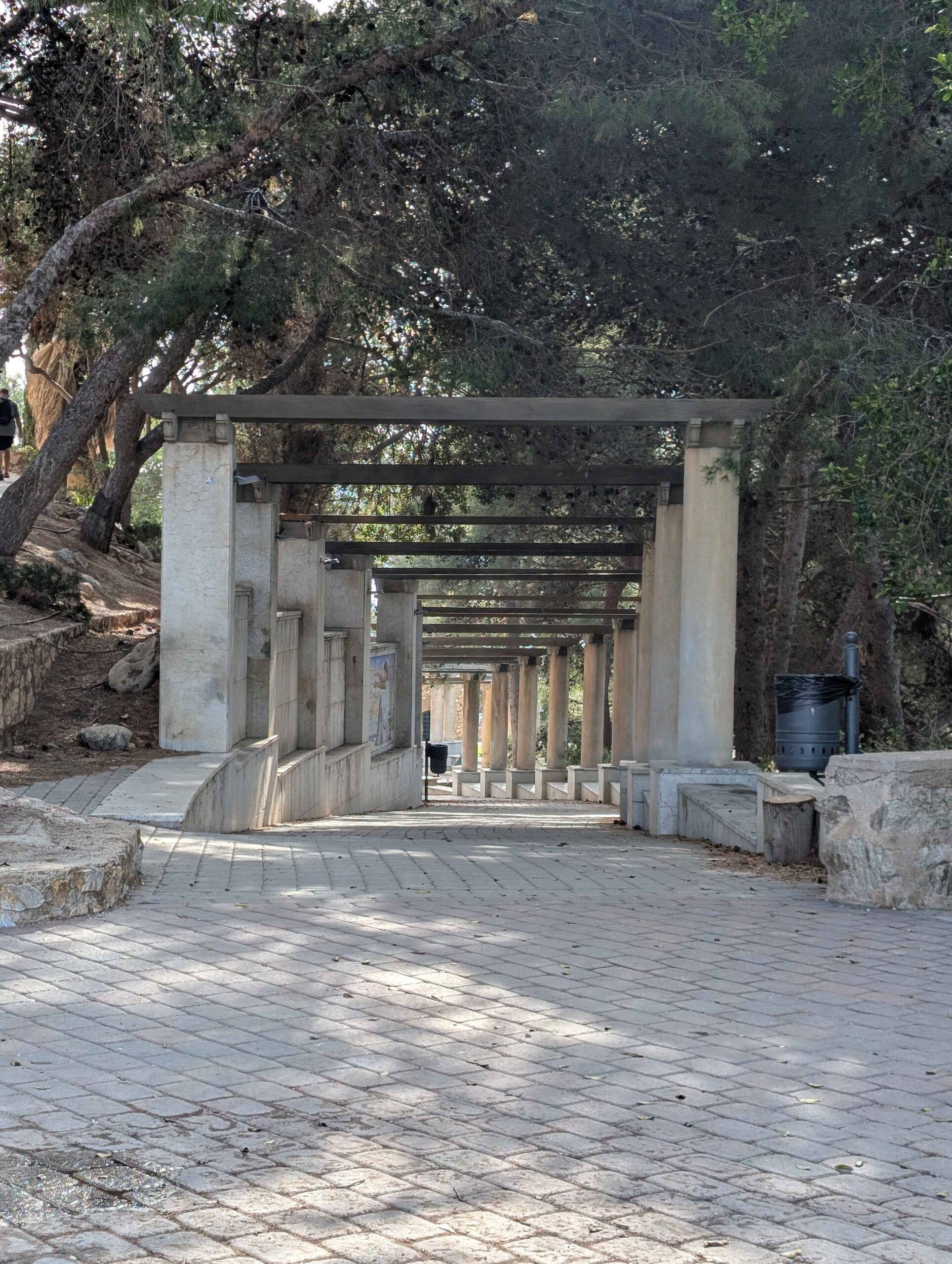
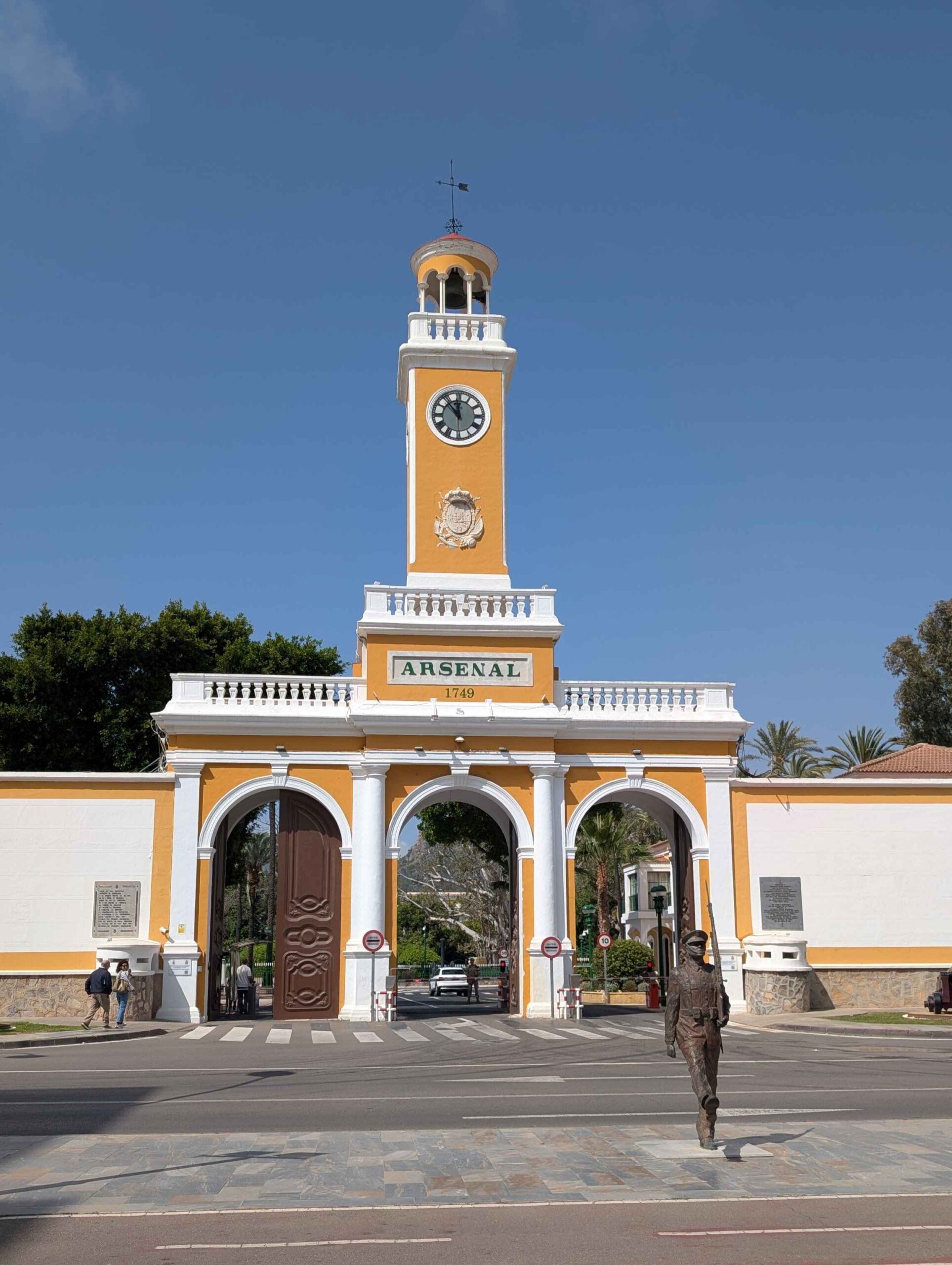
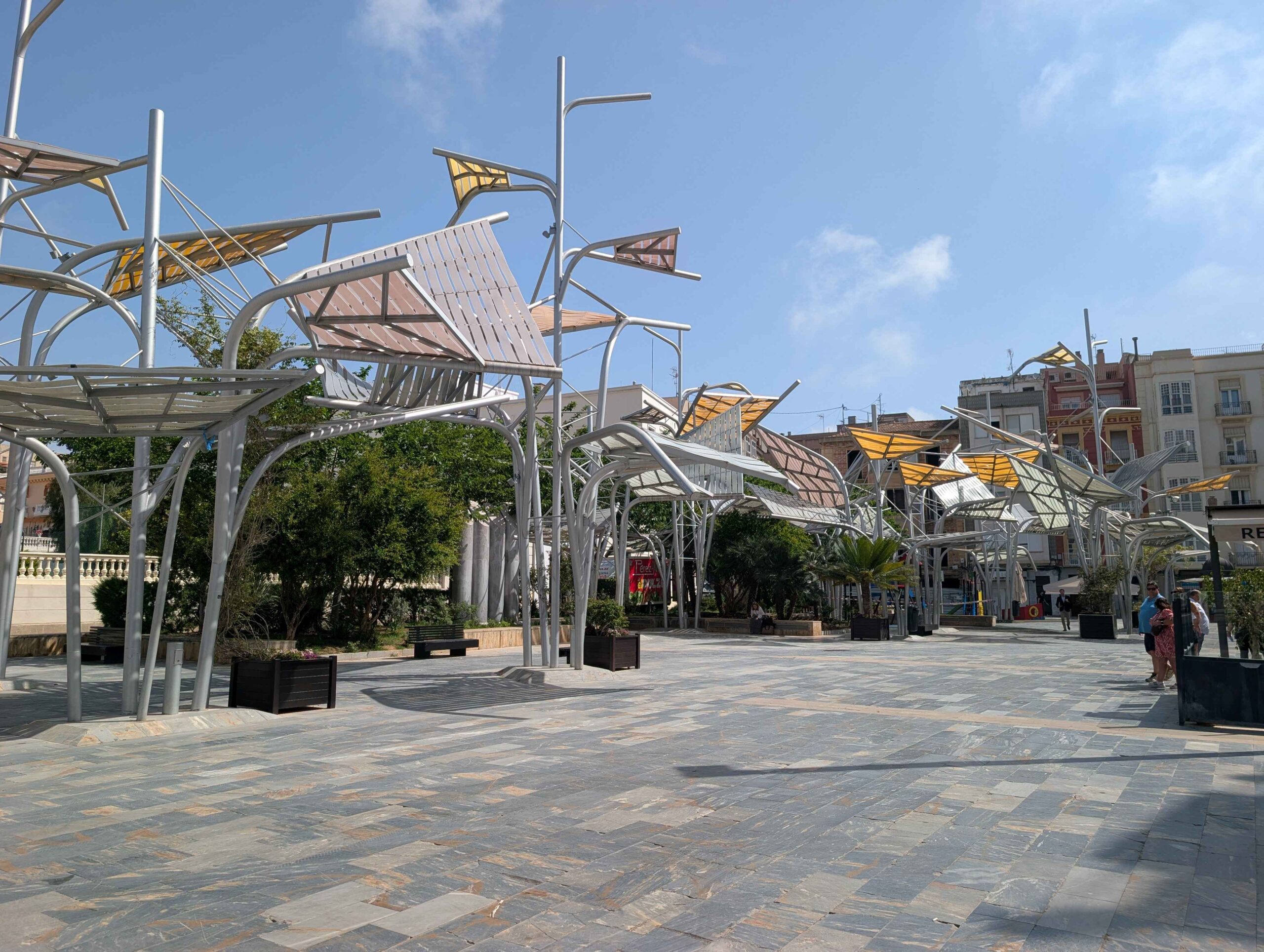
I skipped going inside the castle museum and kept moving for the viewpoints instead. The better payoff came from Arqueológico Cerro del Molinete Park, which I had not planned to visit at all. It ended up being one of the more interesting stops, with a mix of landscaped paths, scattered ruins, and open vantage points looking back across the city. On the way down, I passed Puerta del Arsenal Militar and later cut through Plaza del Rey Park where modern shade structures stretched across the plaza, a reminder that Cartagena balances old and new without trying too hard to separate them.
Spring conditions made the climb manageable, though the midday sun started to build once I reached the higher points. With clear skies and dry paths, it was an easy day to cover distance, but I could see this becoming much more demanding in peak summer heat.
Cartagena carries layers of history that go back to its Roman origins, and the Teatro Romano is one of the most visible reminders of that past. At the same time, the city continues to evolve around those foundations, blending modern design elements with preserved structures in a way that feels practical rather than staged.

If You Have More Time…
- Museo Nacional de Arqueología Subacuática ARQVA – A modern museum focused on underwater archaeology with exhibits on shipwrecks and recovered artifacts from the Mediterranean.
- Faro de Navidad – A lighthouse across the harbor that offers a different perspective looking back toward the city skyline and port activity.
- Batería de Castillitos – A coastal fort outside the city known for its dramatic architecture and cliffside views. It requires transport but adds a completely different landscape.
- Cala Cortina Beach – A small sheltered beach near the port that provides a quick coastal escape if you want a break from walking the city