
Italy Cruise Ports and Coastal Cities
Italy’s cruise ports shift quickly from working harbors into distinct regions rather than variations of the same place. One stop may open into Renaissance cities and inland landmarks, while the next leads to coastal villages, canal networks, hillside island capitals, or volcanic landscapes shaped by Mount Etna and Vesuvius. Arrivals often begin with simple logistics, a walk from the port or a short transfer inland, but the shift happens quickly. Within minutes, modern harbors give way to stone streets, historic architecture, and environments that reflect centuries of layered history across the coastline.
Regional Port Highlights
Northern Italy and Tuscany
Locations: Livorno, La Spezia (Florence, Pisa)
Livorno and La Spezia serve as gateways to Tuscany, where the experience shifts inland almost immediately. Most visits center on Florence, with its dense, walkable streets and Renaissance landmarks, or on Pisa, where the Leaning Tower and cathedral complex sit within a compact, heavily visited square.
Liguria and the Riviera
Locations: Genoa, Rapallo, Sestri Levante
Genoa serves as both a historic port city and a gateway to the Riviera di Levante, where the experience shifts from dense urban streets to relaxed coastal towns. While Genoa’s narrow alleyways can feel cool and shaded even on warm days, nearby towns like Rapallo and Sestri Levante open up into palm-lined promenades, small beaches, and a slower pace that feels more local than tourist-driven.
Veneto and the Venetian Lagoon
Locations: Venice (Burano, Murano)
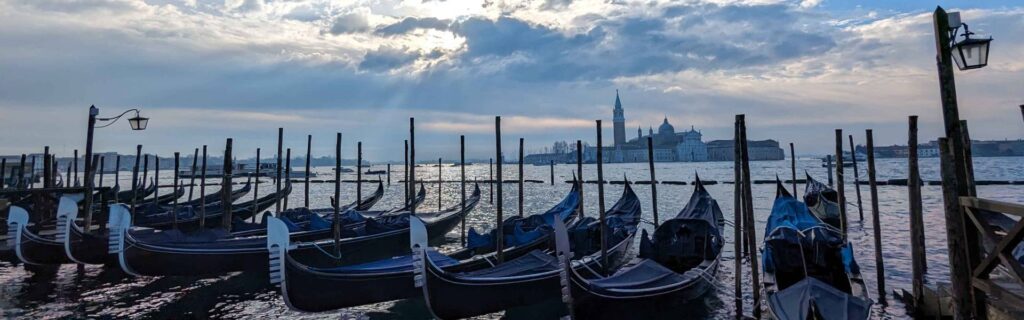
Venice shifts the experience away from roads and into a network of canals, bridges, and narrow walkways where movement is entirely on foot or by water. Arriving here feels less like stepping into a city grid and more like navigating a layered maze, where even short distances can involve multiple stair crossings and indirect routes. Nearby islands like Burano and Murano offer a change of pace, with colorful residential streets and traditional glassmaking that contrast with the density of Venice itself.
Central Italy and Rome
Locations: Civitavecchia (Rome)
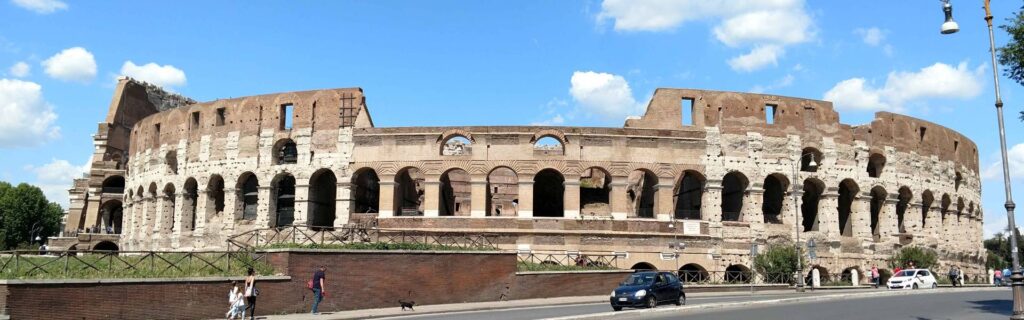
Most cruise itineraries reach Rome through the port of Civitavecchia, where the journey inland reveals a transition from working harbor infrastructure to the dense historic core filled with ancient stone arches, piazzas, and layered archaeological sites.
Southern Italy and the Bay of Naples
Locations: Naples (Pompeii, Herculaneum, Mount Vesuvius)
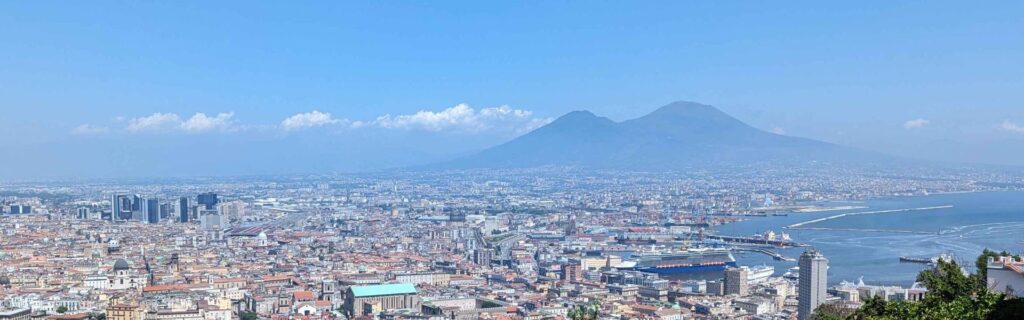
The Bay of Naples combines a busy urban waterfront with some of the most significant archaeological landscapes in the Mediterranean, where the looming silhouette of Mount Vesuvius sits above cities preserved beneath volcanic ash and lava flows.
Sardinia and the Western Mediterranean Islands
Locations: Cagliari
Cagliari rises above the harbor in layers, where broad lower boulevards give way to steep streets, bastion terraces, and elevated viewpoints across the Gulf of Cagliari. The city feels distinctly Mediterranean and island-oriented, with sun-washed stone, palm-lined plazas, and a pace that differs from the denser intensity of mainland ports.
Sicily and the Strait of Messina
Locations: Messina (Taormina, Mount Etna)
Messina serves primarily as a gateway rather than a destination, with most excursions heading quickly toward Taormina and the slopes of Mount Etna. The experience shifts from a working port city to elevated historic streets and volcanic terrain, where ancient theaters, coastal views, and rugged lava fields define the visit.
Jeremy’s Quick Tips
Carry small Euro coins for restrooms. In places like Pisa, most public facilities require payment and rarely accept cards.
Stay vigilant in crowded areas. Pickpockets are commonly reported near major landmarks and transit paths; keep an eye on your belongings during the “busy” stretches of your walk.
Budget time for the Rome transit step. Cruise ships dock in Civitavecchia, which is about an hour from the city center via regional train or excursion bus.
Explore Naples directly on foot. The cruise terminal is exceptionally well-located, sitting right beside the historic waterfront and Castel Nuovo.
Allocate a full day for Pompeii. The archaeological park is massive; even a focused walkthrough of the main villas and bathhouses can take several hours.
Consider pairing Pompeii with Herculaneum. While smaller, Herculaneum is often better preserved, offering a look at wooden structures and interior details not found in Pompeii.
Prepare for the physical demands of Venice. Navigating the city involves frequent bridge crossings and stairs; expect a workout, especially if you are managing your own luggage.

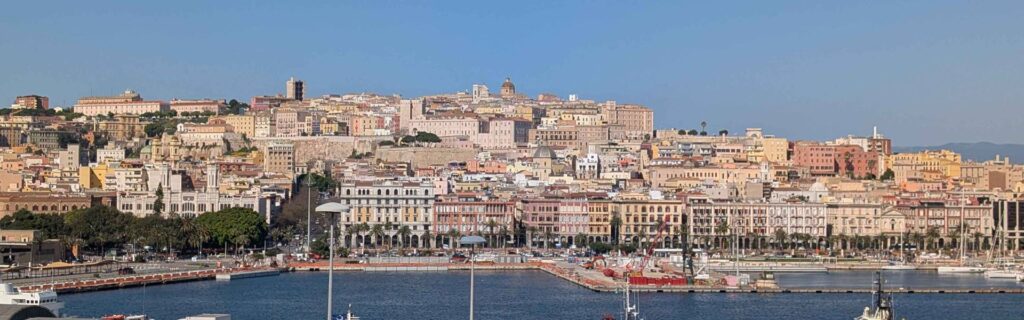
Cagliari
A few hours in Cagliari turned into a rewarding uphill wander through bastions, cathedral squares, quiet gardens, and sweeping harbor viewpoints. This journal entry shares what it was like to explore Sardinia’s hillside capital from a cruise port, including surprises, closed sights, and practical walking insights.
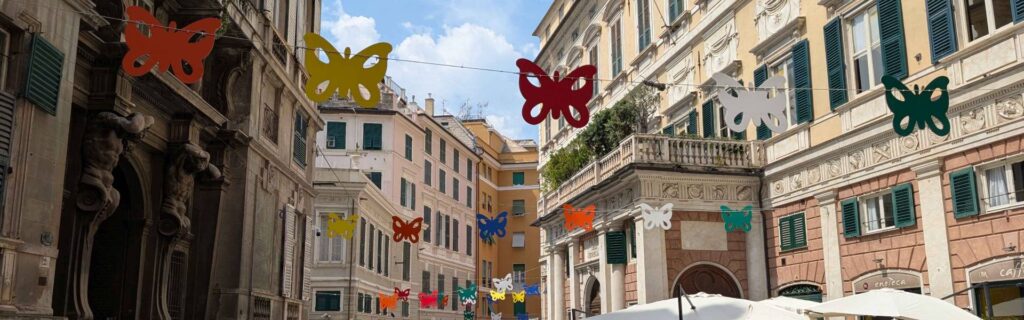
Genoa
Genoa blends a busy harbor with narrow alleyways where the temperature shifts the moment you step into the shade. Beyond the city, the Riviera di Levante reveals a quieter side of Italy with relaxed coastal towns like Rapallo and Sestri Levante.
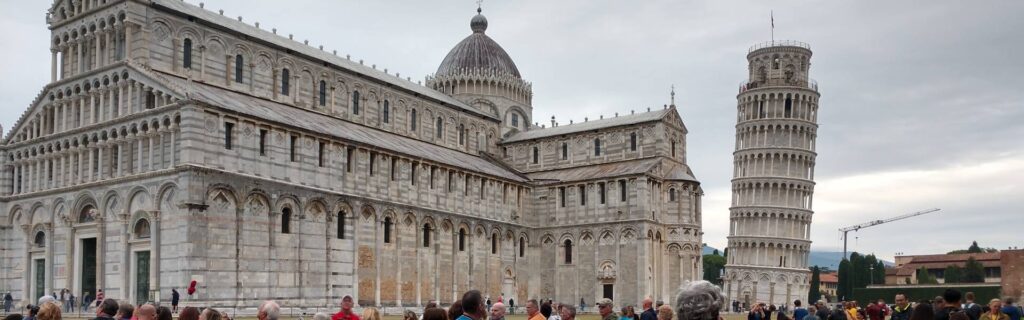
Livorno/La Spezia
Cruise into Livorno or La Spezia and step beyond the port to explore Florence’s walkable streets and Pisa’s iconic leaning tower and cathedral complex. This page highlights what it is really like to visit both cities on excursions, including key sights, practical tips, and how to make the most of your time in Tuscany.
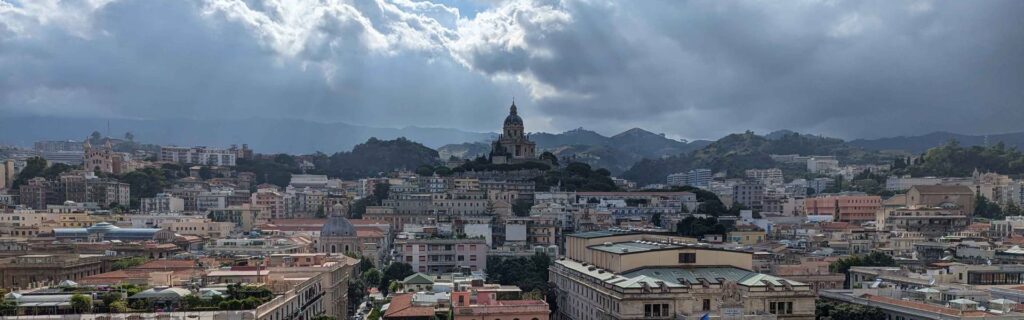
Messina
A cruise stop in Messina leads to a guided walk through Taormina’s historic streets and the ancient Teatro Antico. The journey continues to Mount Etna’s rugged slopes, where red and black volcanic landscapes create a striking contrast.
Naples
Step off the cruise ship in Naples and you are immediately surrounded by pizza shops historic plazas and waterfront walks near Castel Nuovo and Piazza del Plebiscito. From the harbor the city also serves as the gateway to Pompeii Herculaneum and Mount Vesuvius where ancient ruins and volcanic landscapes reveal the deeper story of the region.
Rome
Ancient ruins glowing at night and busy plazas around the Colosseum set the scene for exploring Rome during a cruise stop from Civitavecchia. This post shares how I navigate the city’s iconic landmarks, favorite ruins, and lively streets across multiple visits.
Venice
A last minute train trip to Venice turned into a hands-on lesson in navigating canals bridges and quiet side streets while hauling luggage through the city. From Dorsoduro walks to Burano colors Murano glass and a night visit inside Saint Mark’s Basilica this stop blends effort with unforgettable moments.