
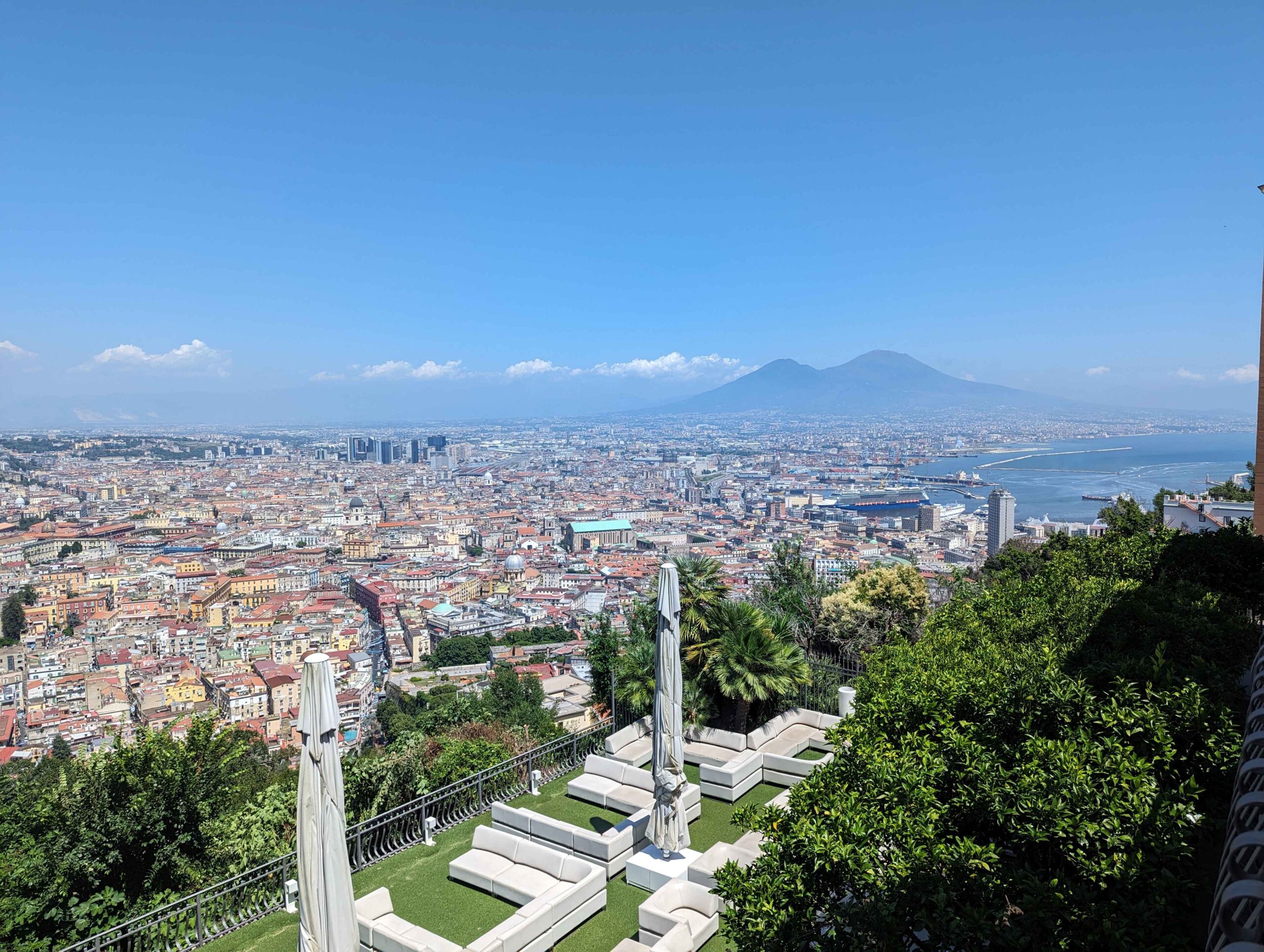
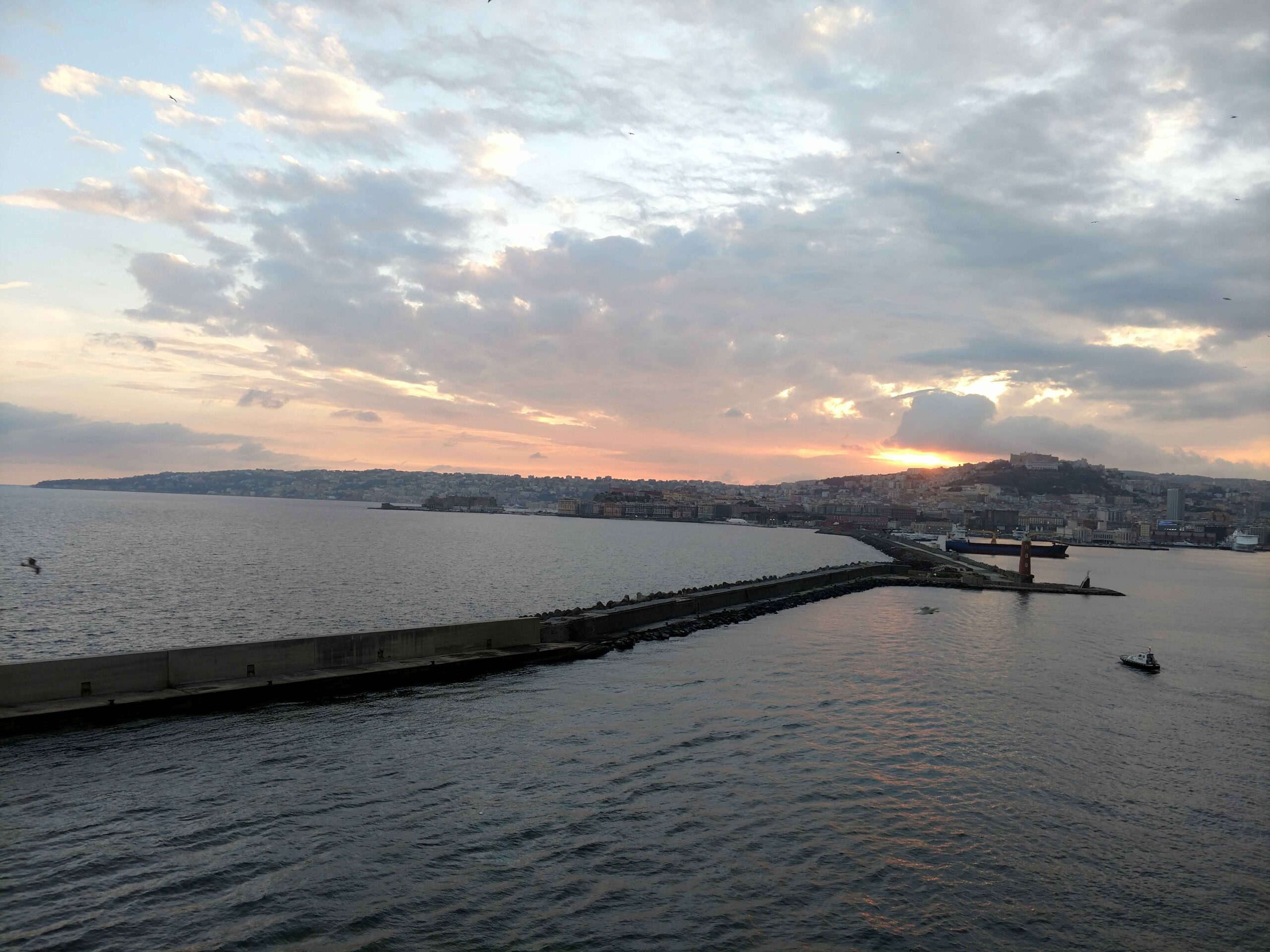
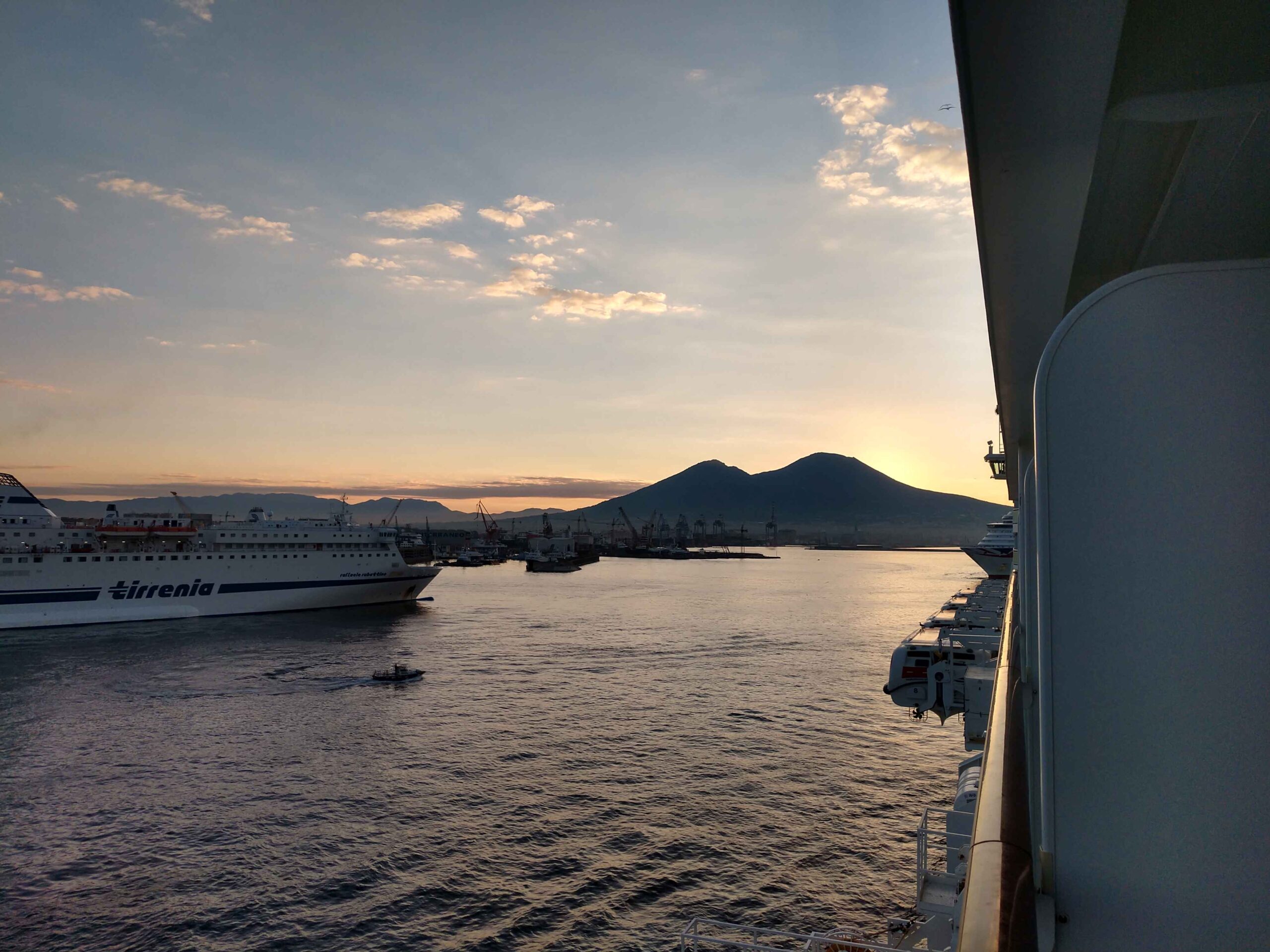
Naples Harbor Walks with Mount Vesuvius Across the Bay
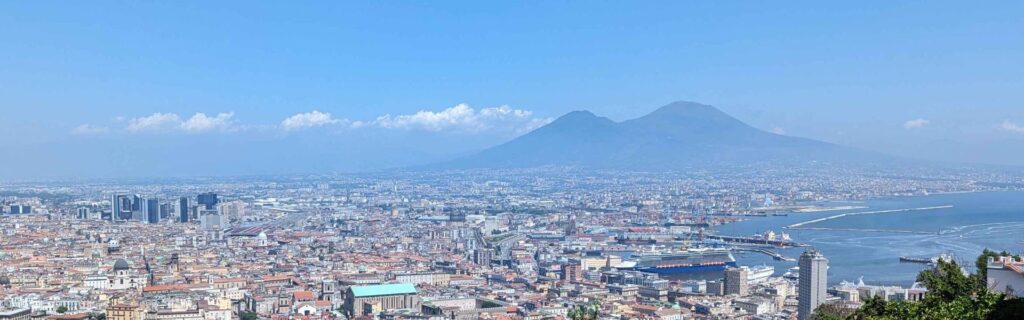
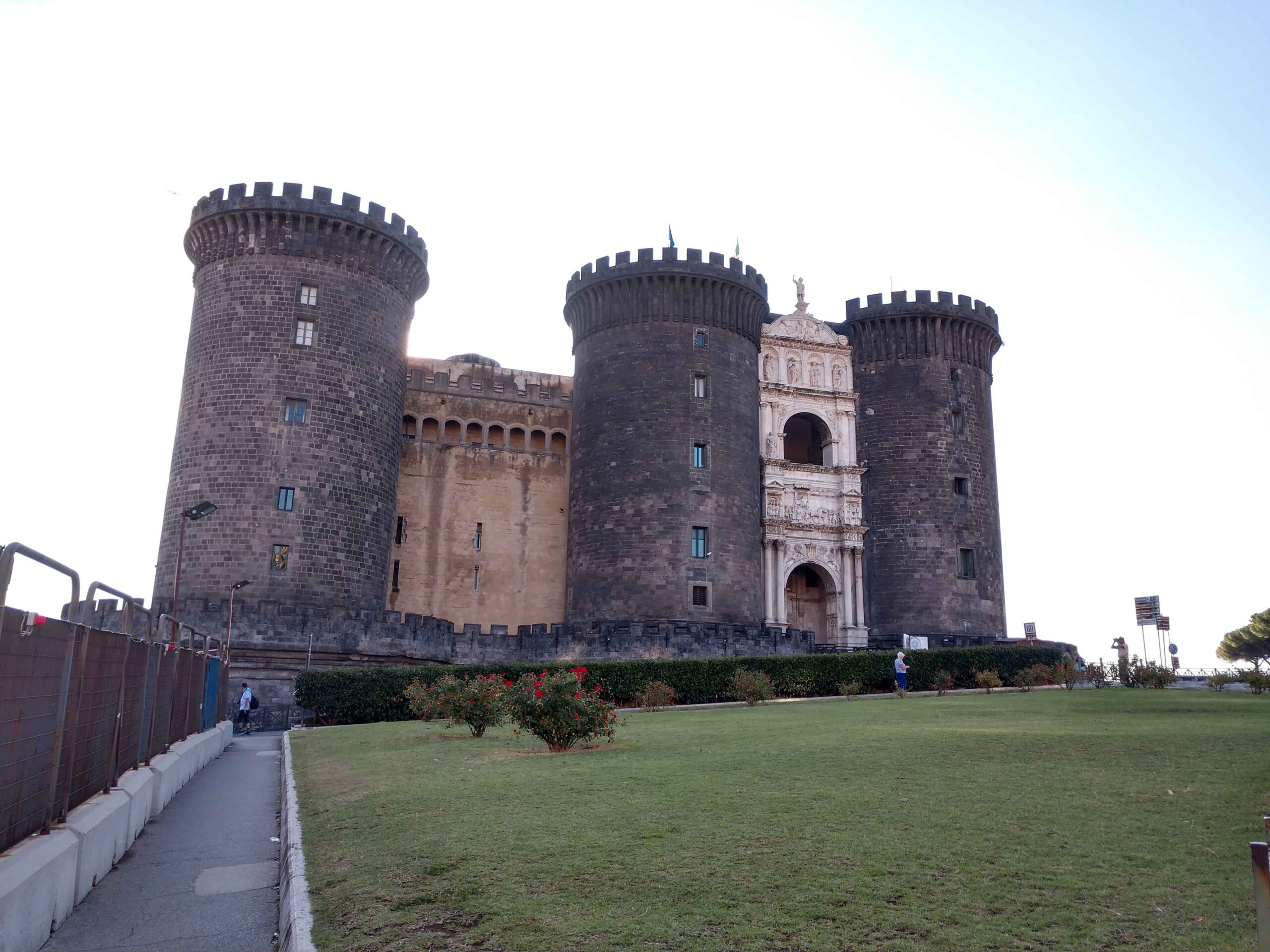
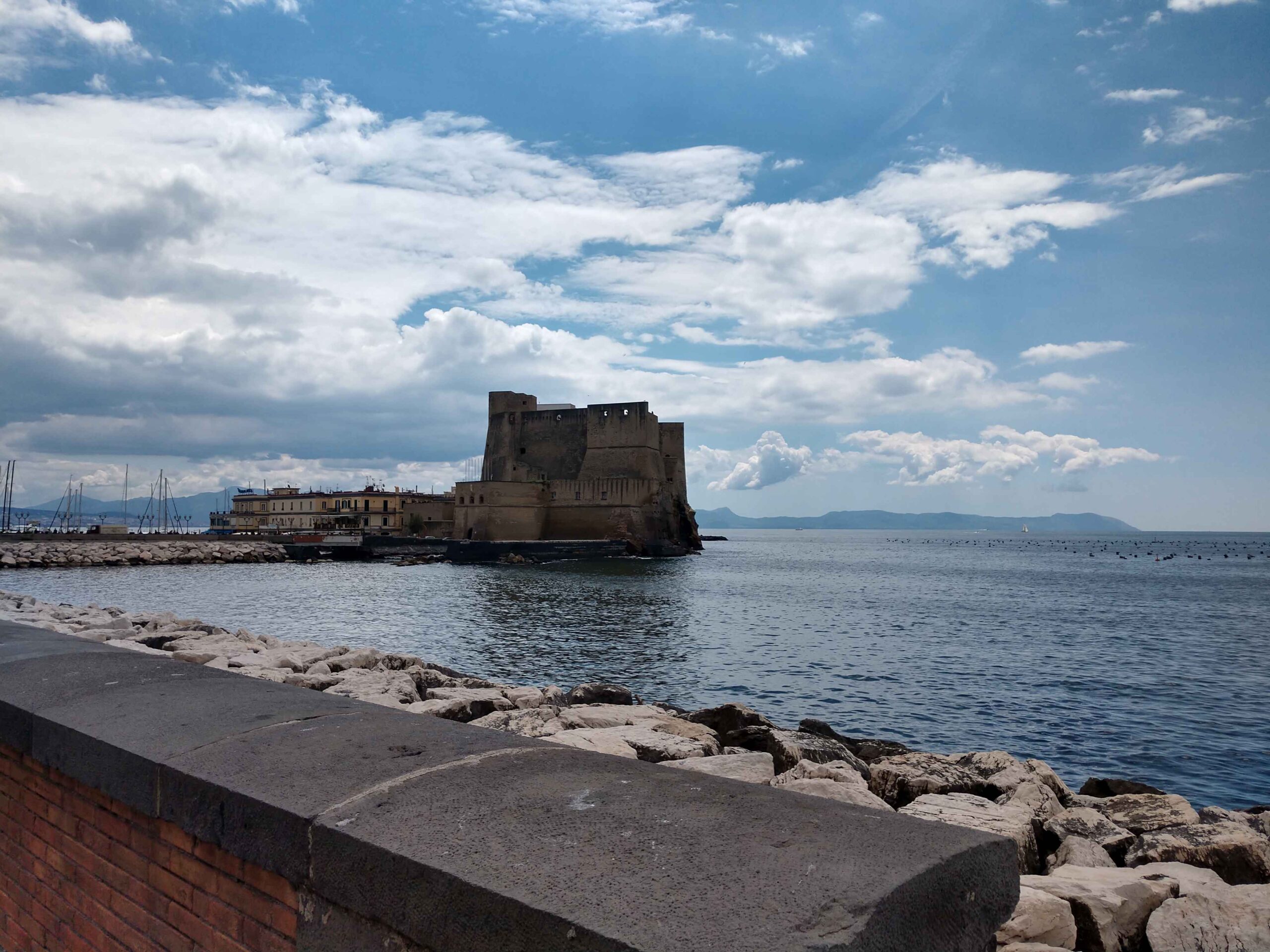
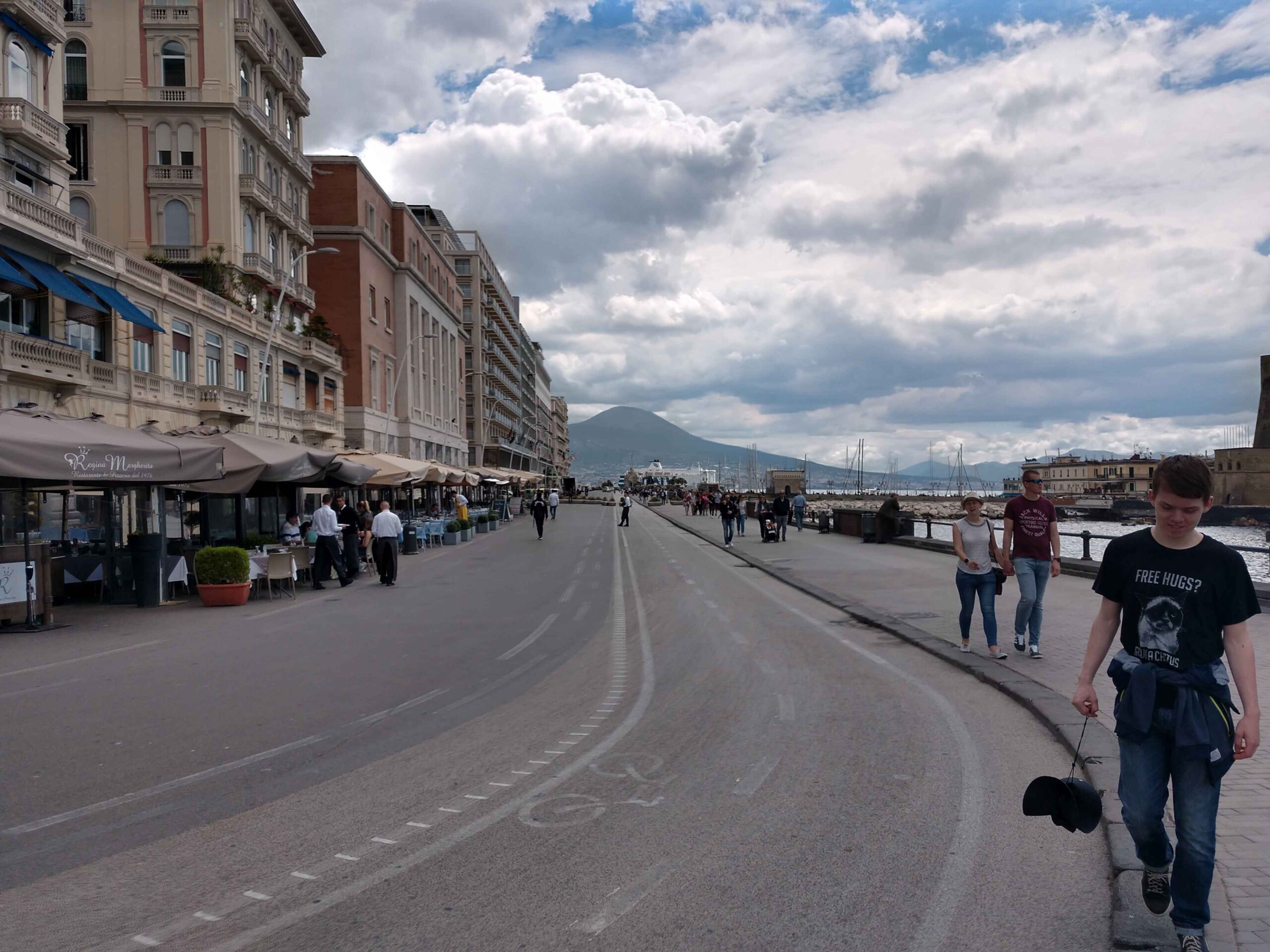
The smell of hot pizza dough and wood smoke drifts through the streets as soon as I step off the cruise ship in Naples. Arriving by cruise makes the city feel immediately accessible because the port sits right beside the historic center. Within minutes of leaving the ship I am already walking along the waterfront near Castel Nuovo surrounded by cafes outdoor seating and the constant hum of scooters passing through the streets.
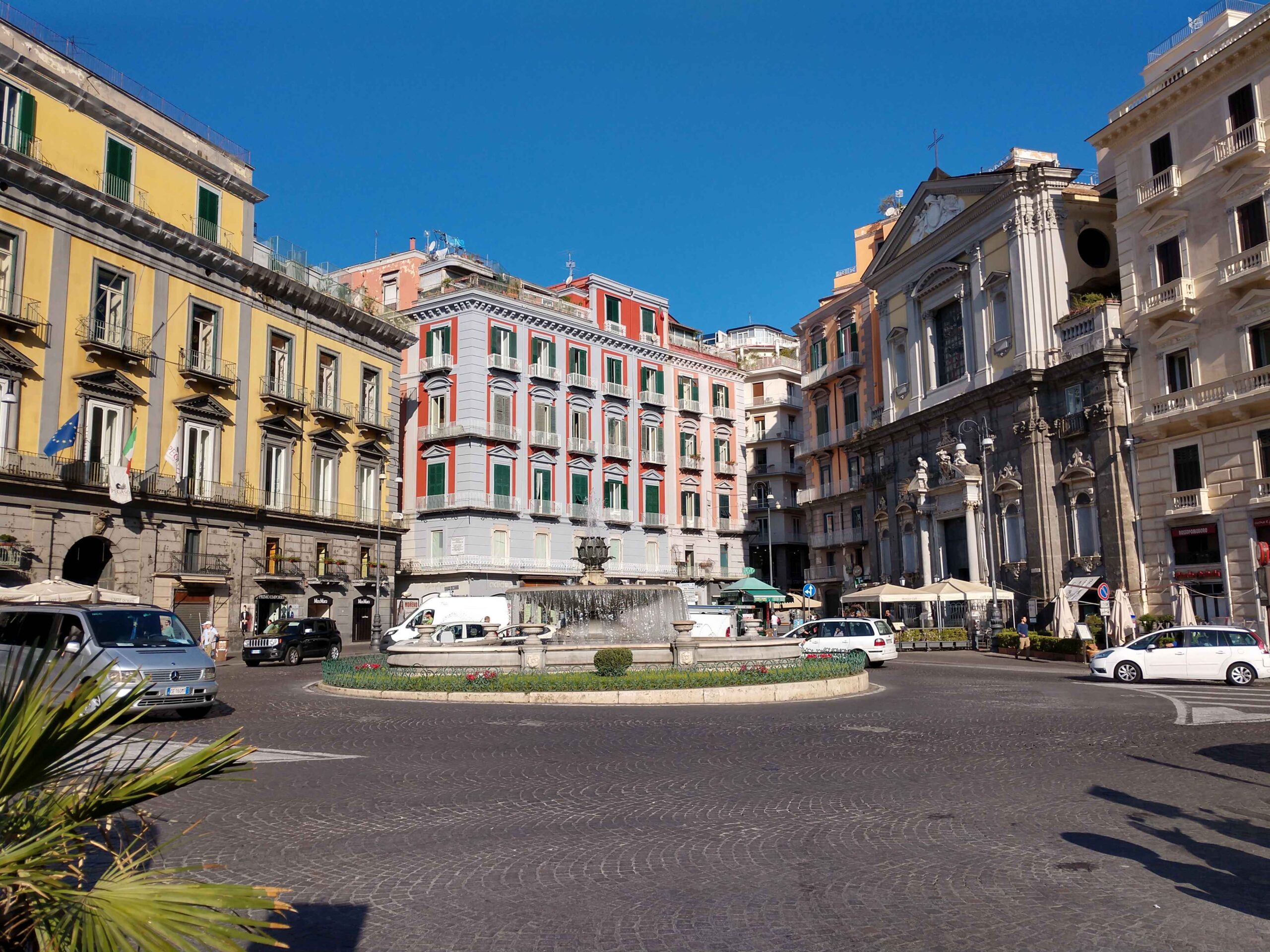
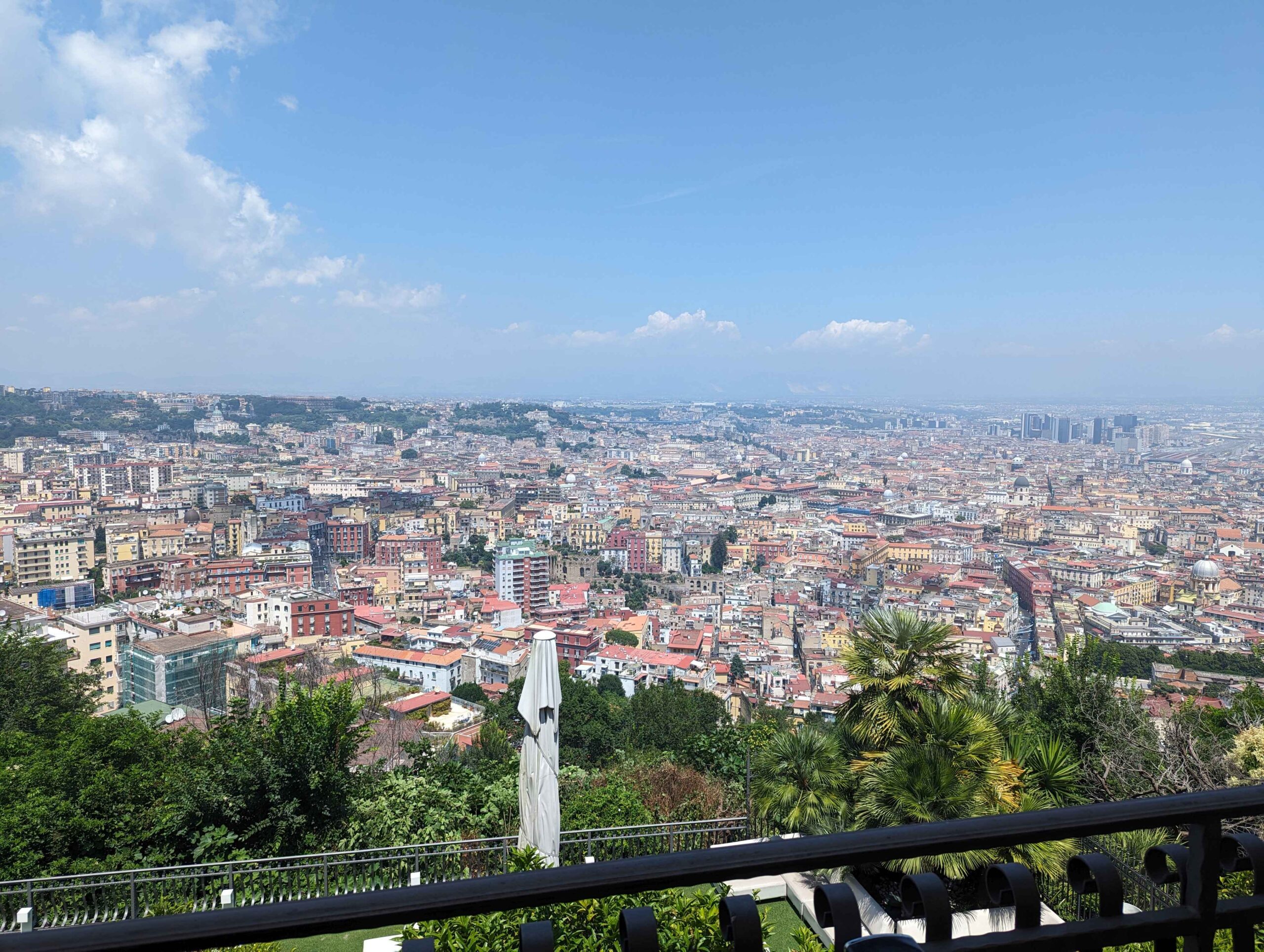
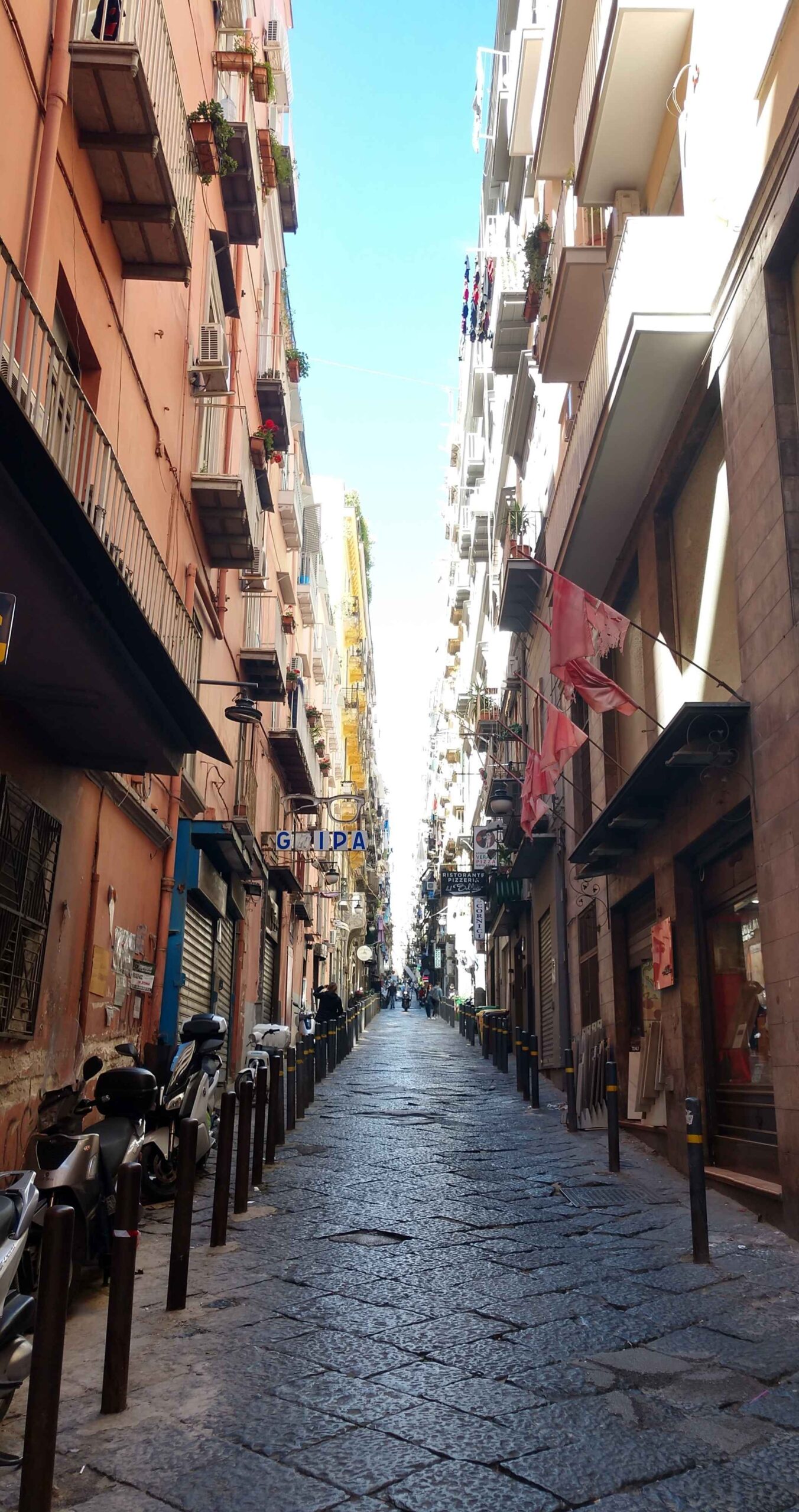
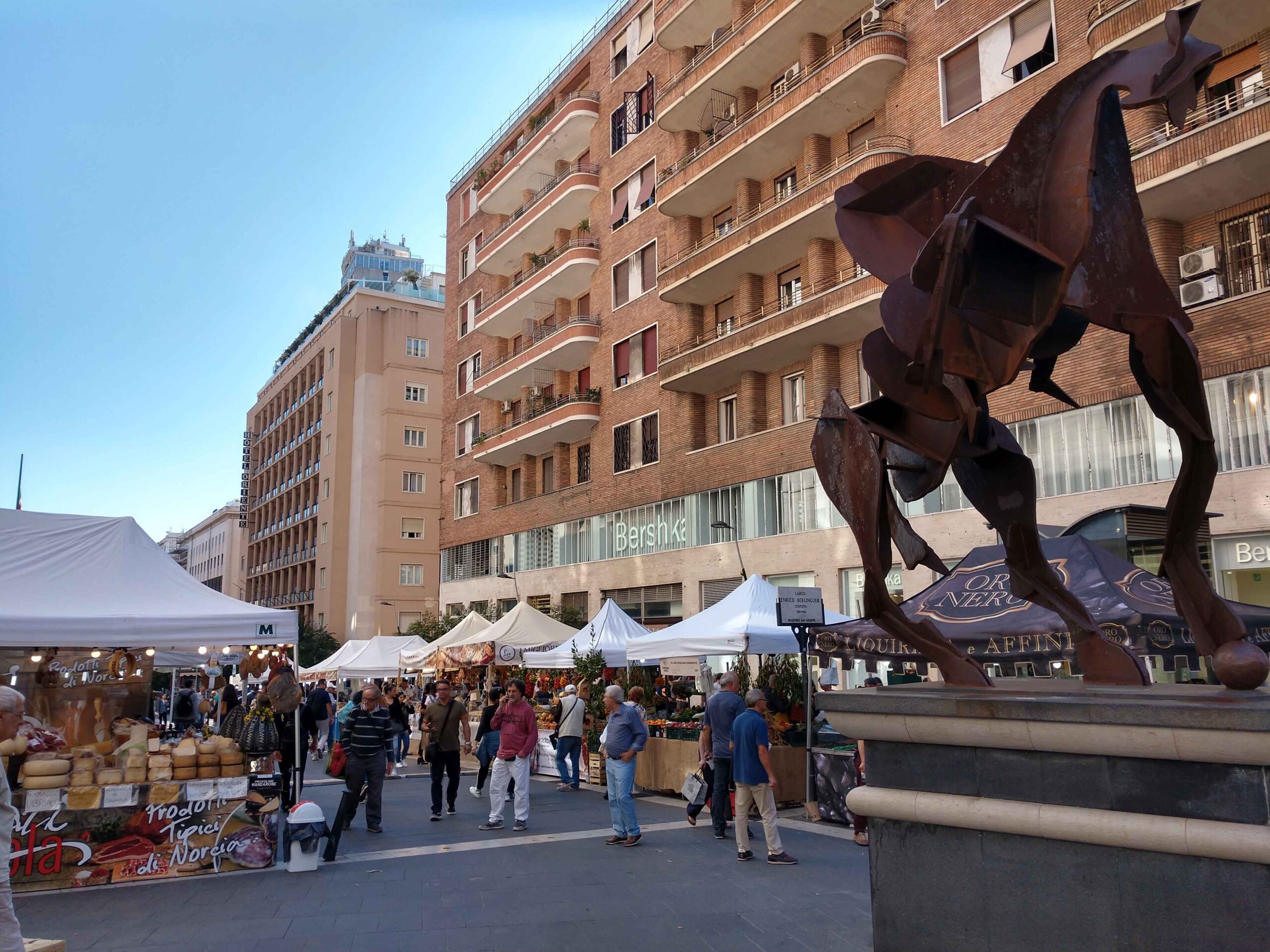
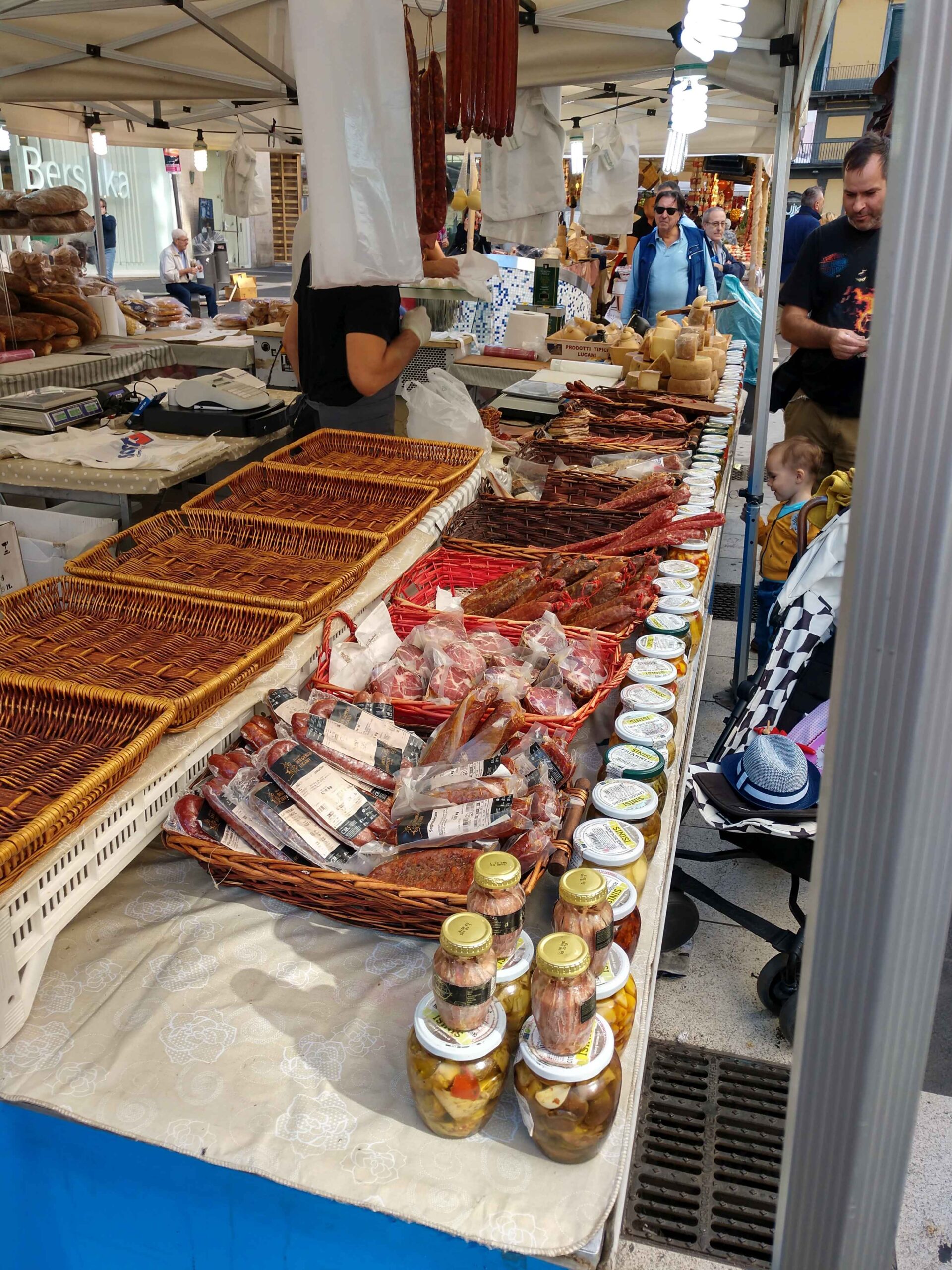
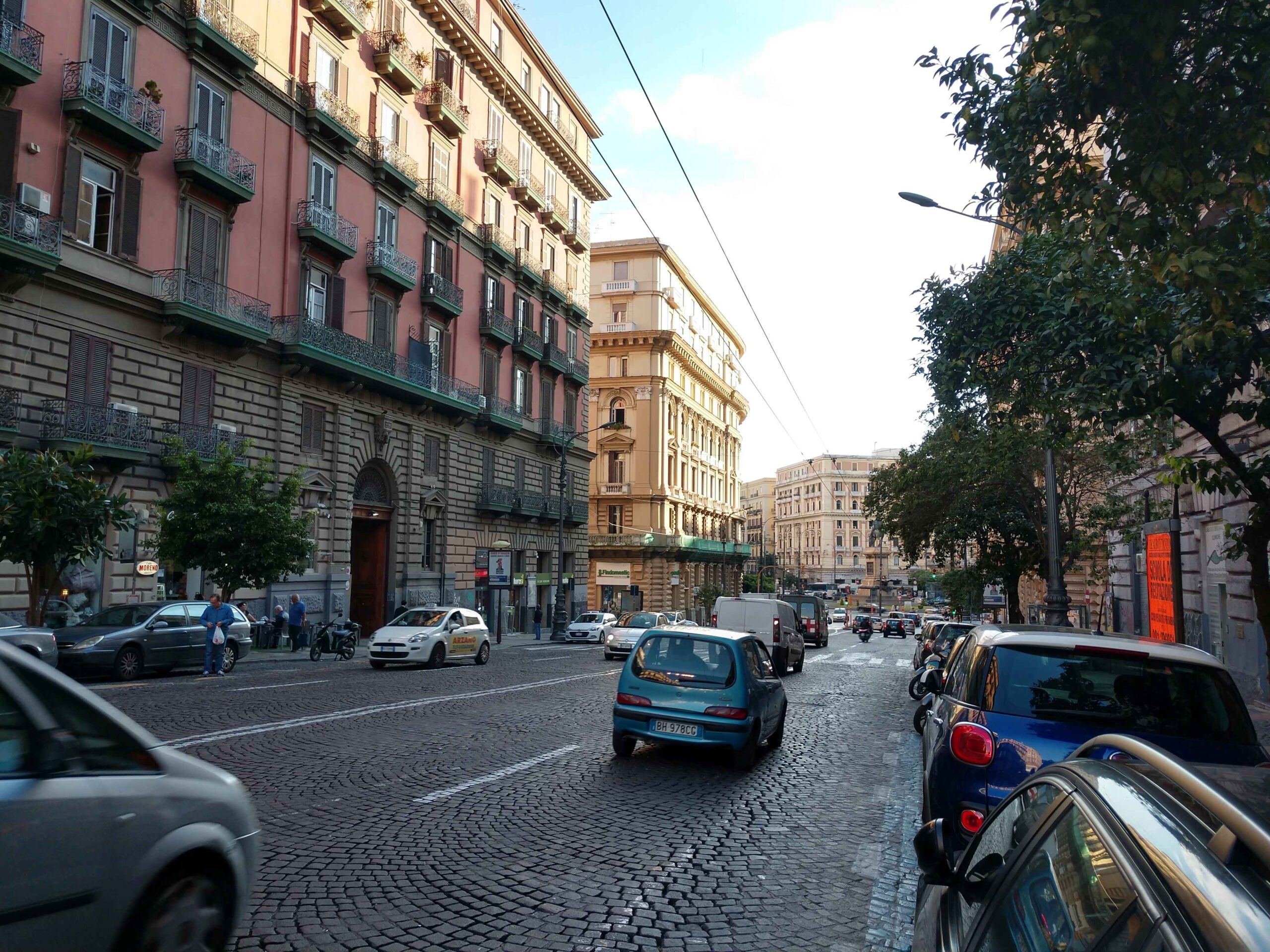
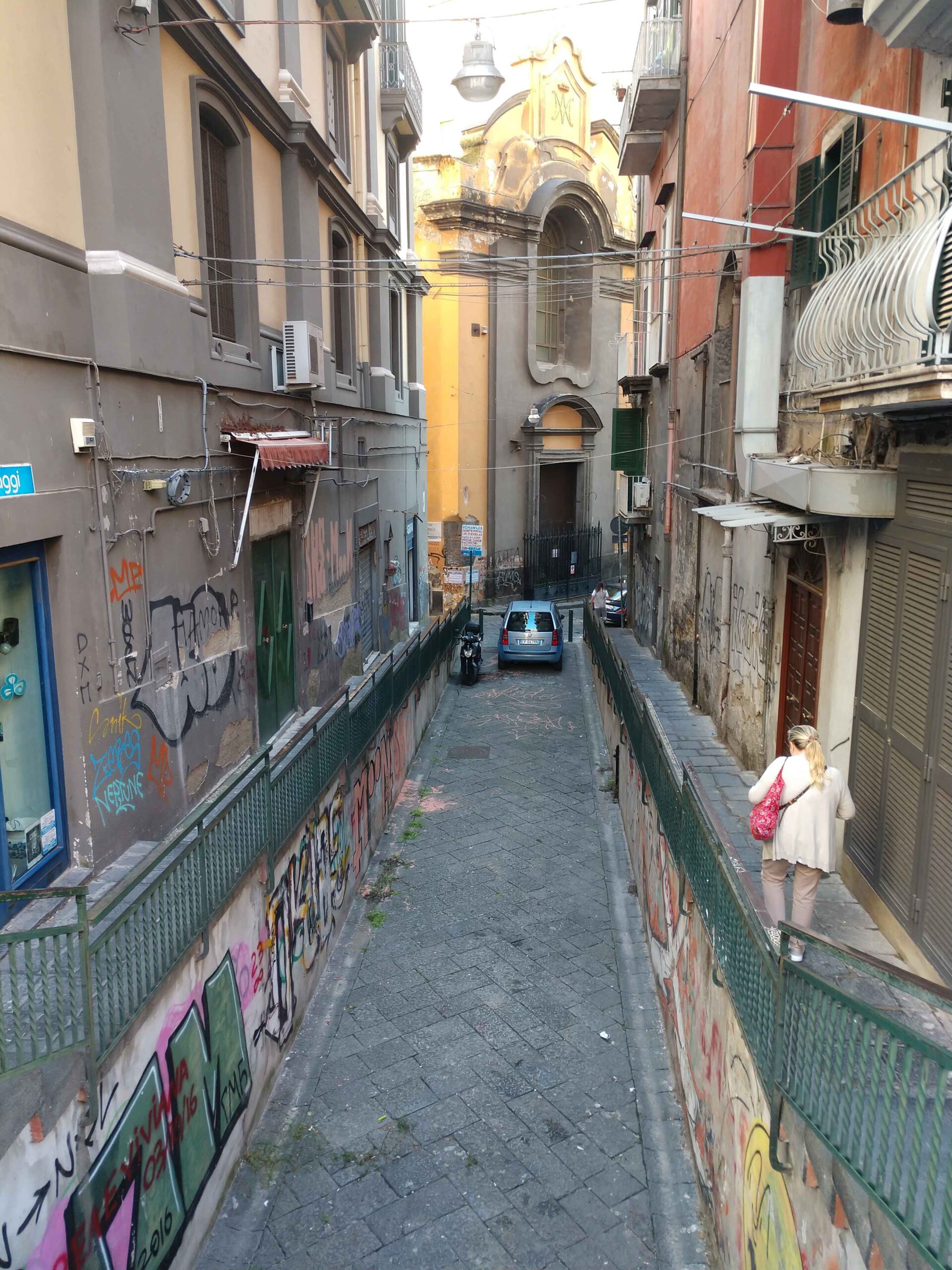
Locals call the city Napoli pronounced NAH-po-lee and the name feels fitting once you settle into the rhythm of the place. The streets are lively and a little chaotic but also full of energy. Restaurants spill onto the sidewalks markets appear in open squares and historic buildings rise between narrow streets filled with everyday life.
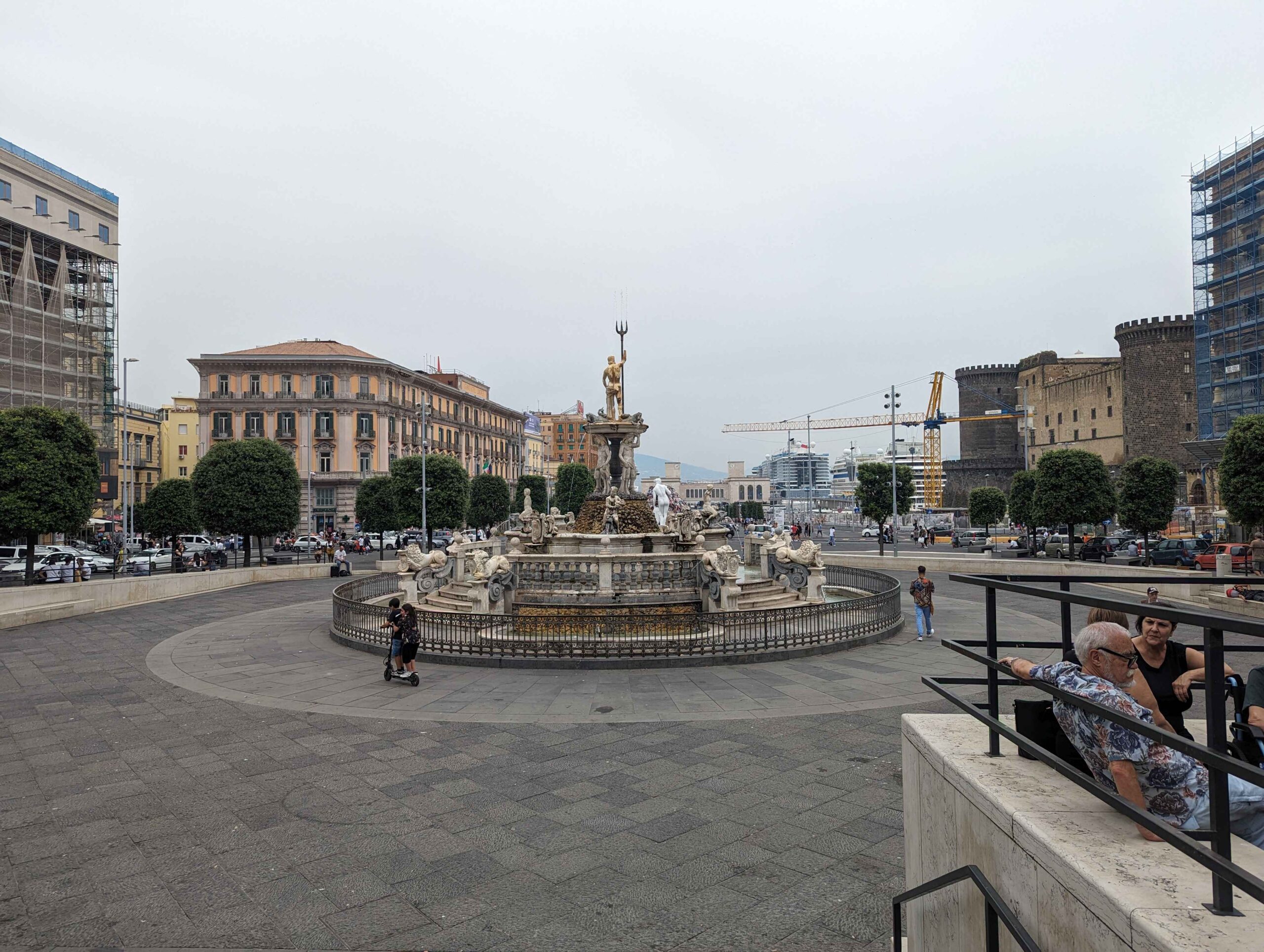
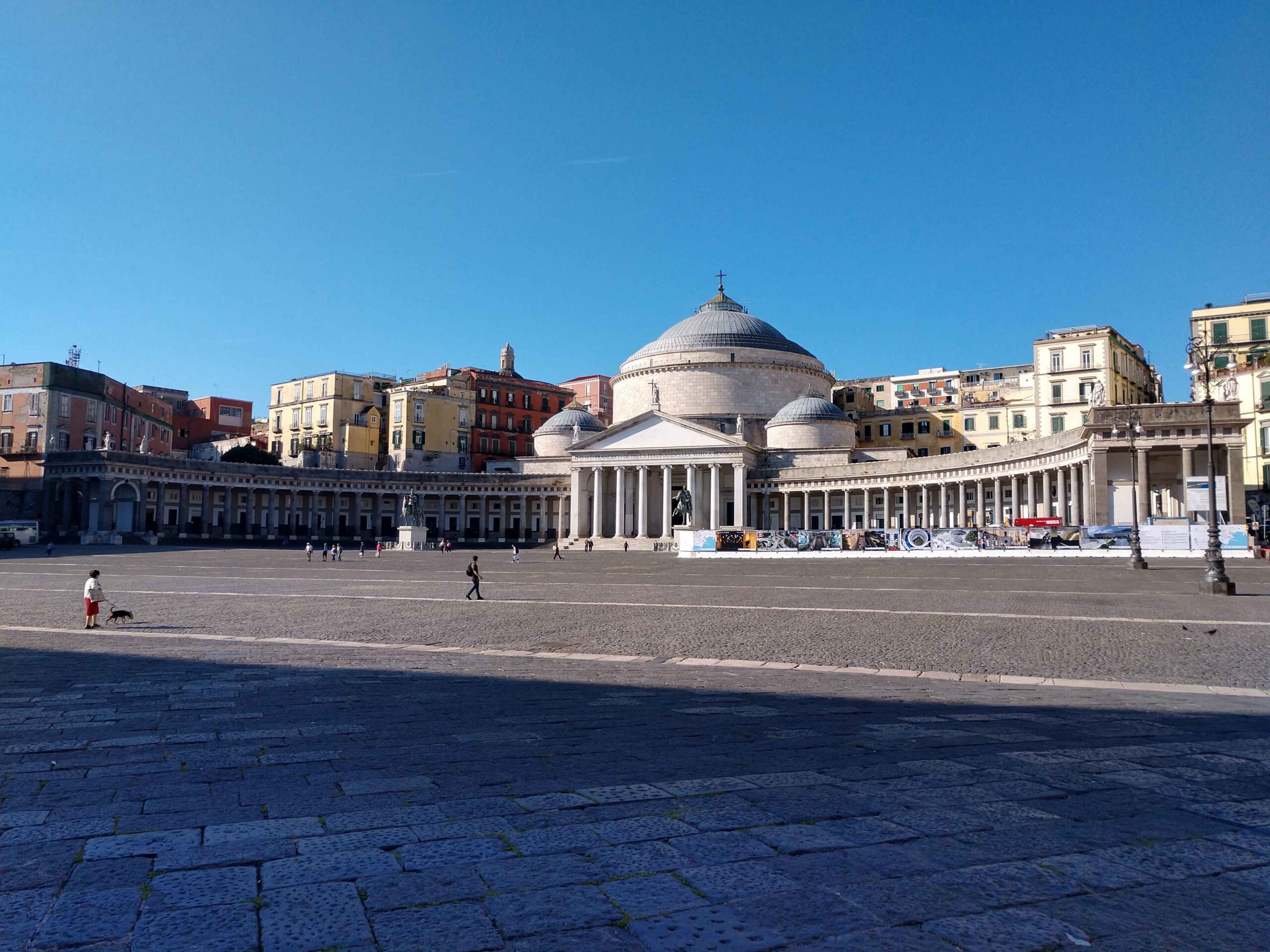
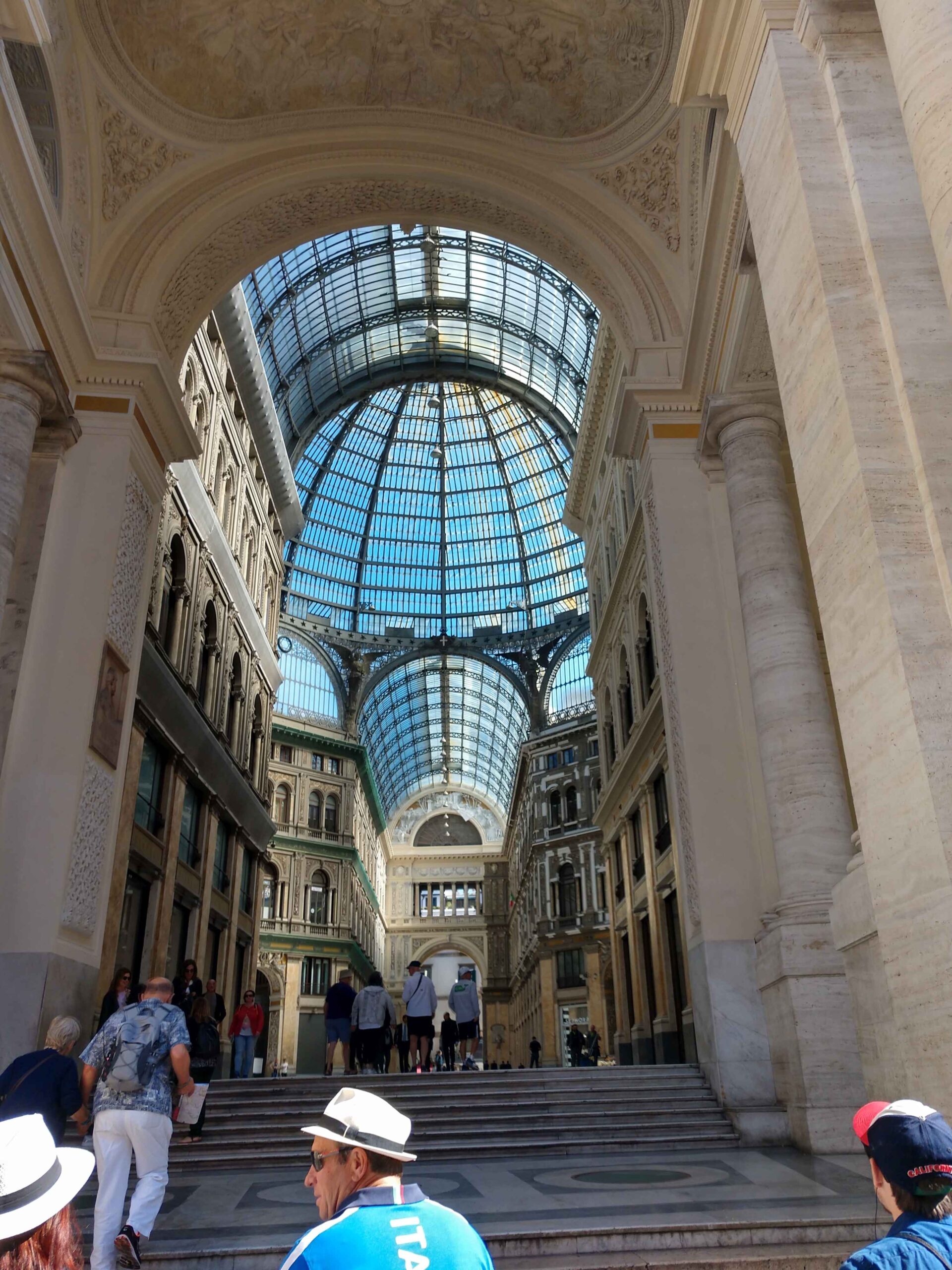
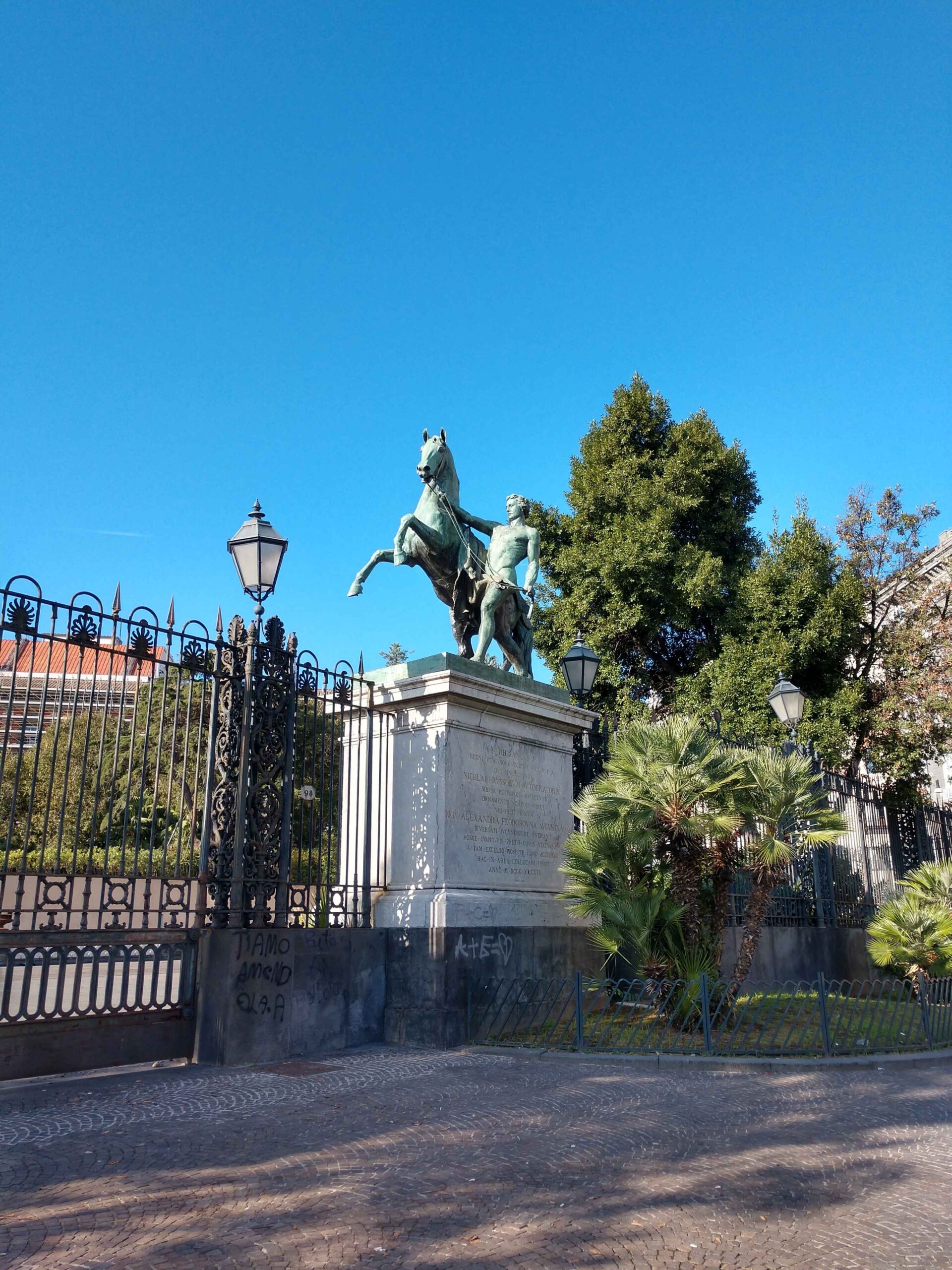
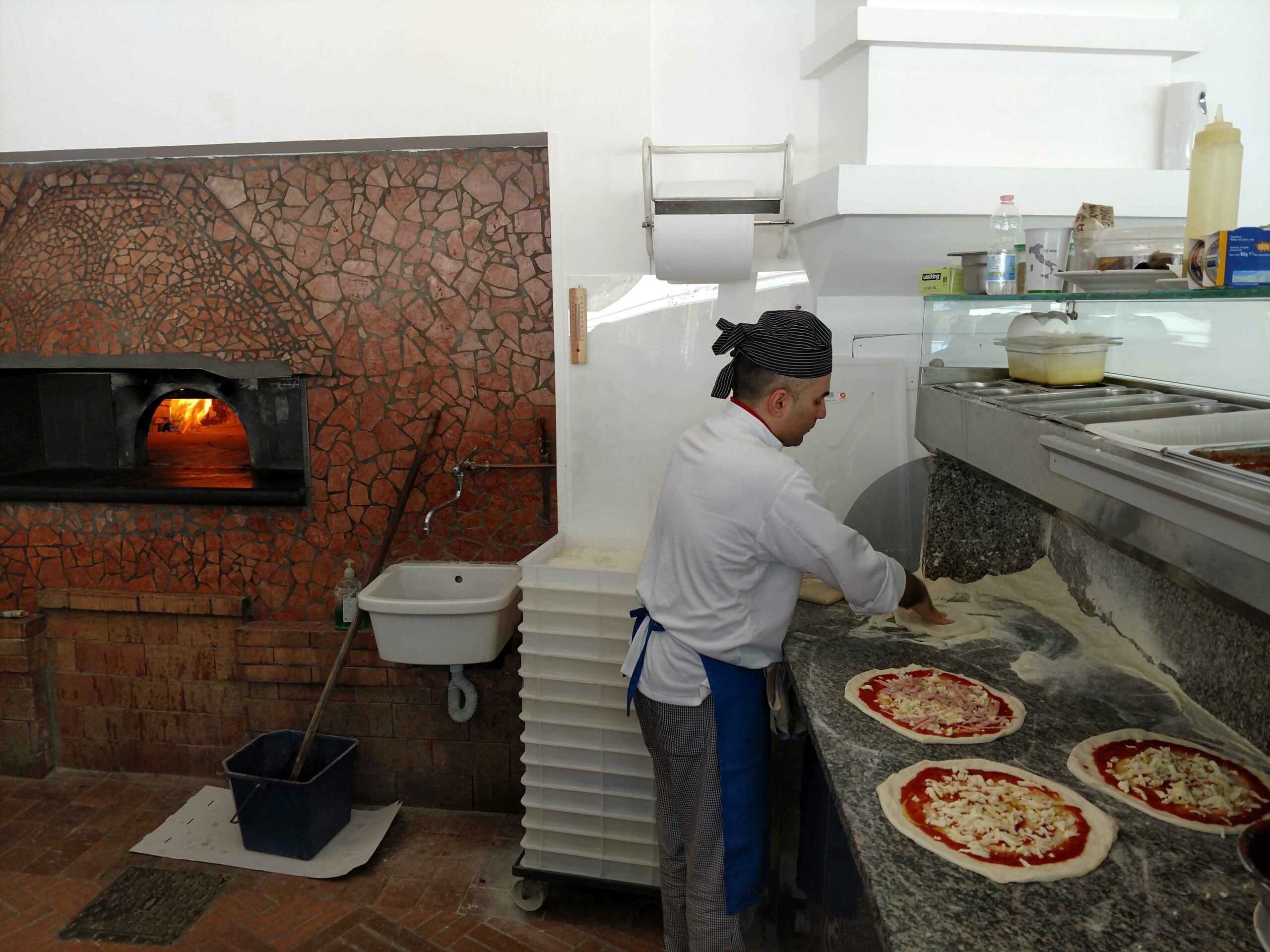
One of my favorite rituals here is searching for Napoli style pizza. Every visit turns into a small mission to find the next perfect slice with blistered crust fresh tomato sauce and basil. After lunch I usually wander along the cruise port area where walking is incredibly easy. The streets lead past shops small markets and open plazas. Castel Nuovo is impossible to miss and just beyond it are landmarks like the San Carlo Theater Galleria Umberto I Piazza del Plebiscito and the Royal Palace of Naples.
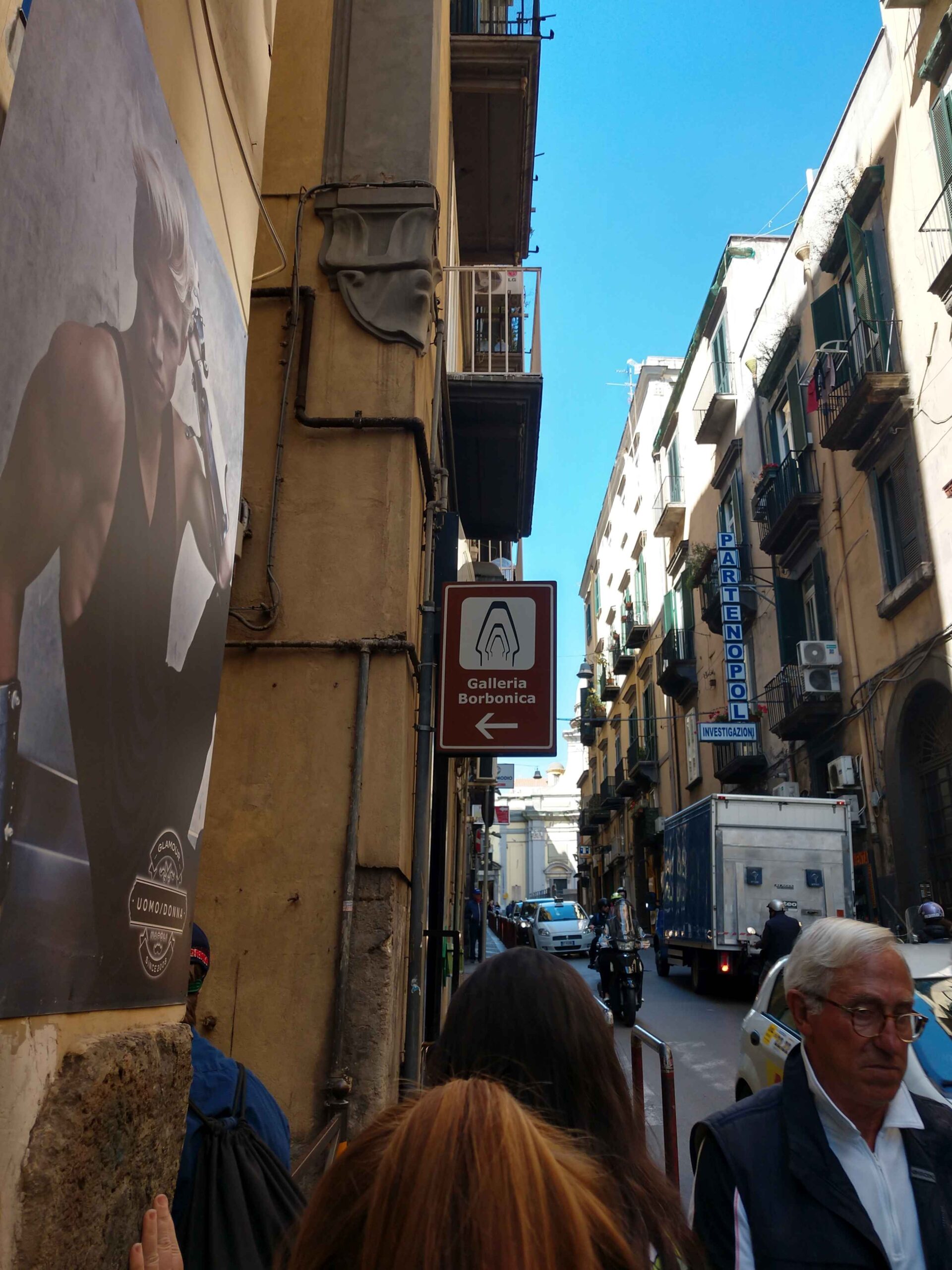
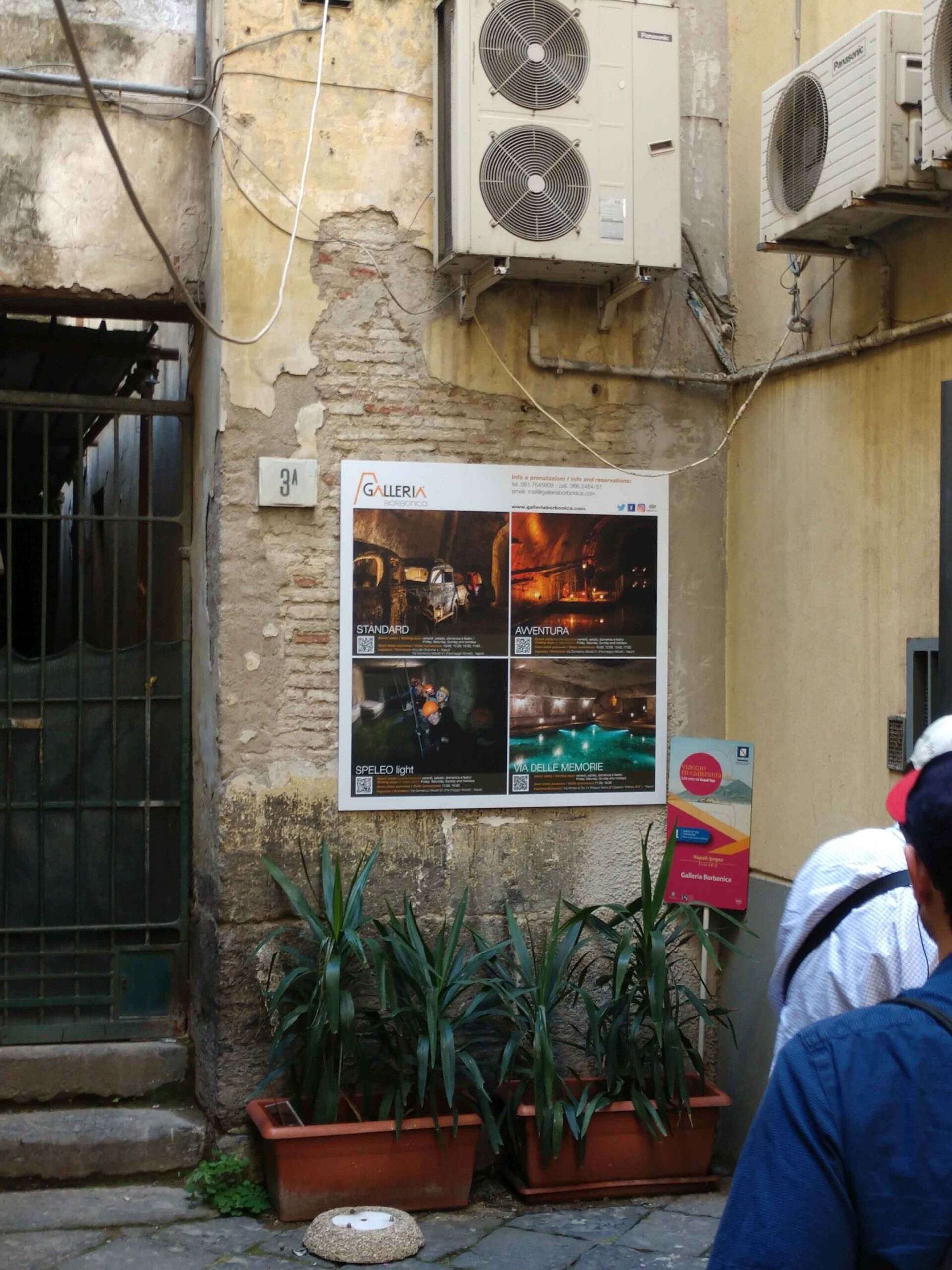
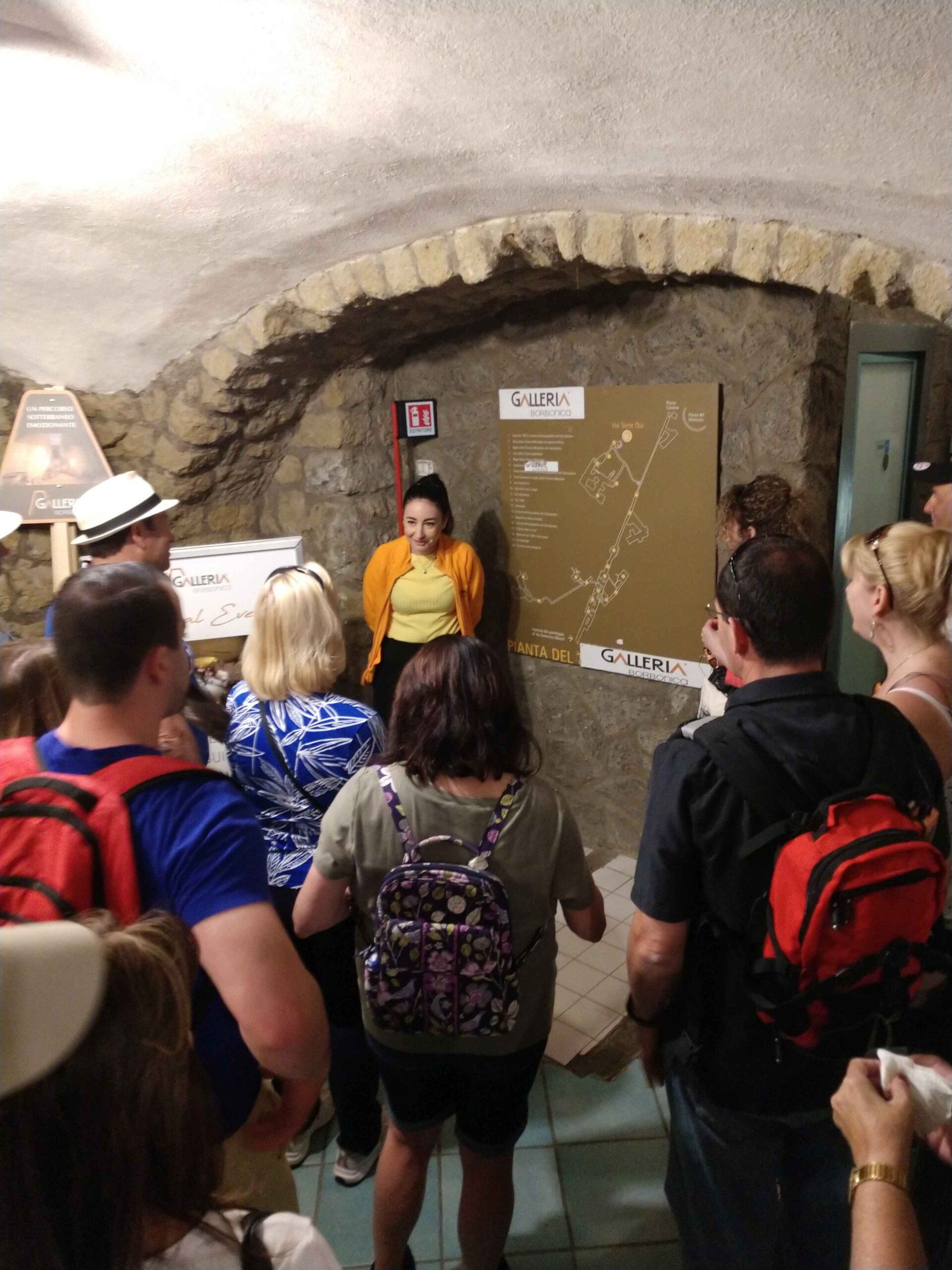
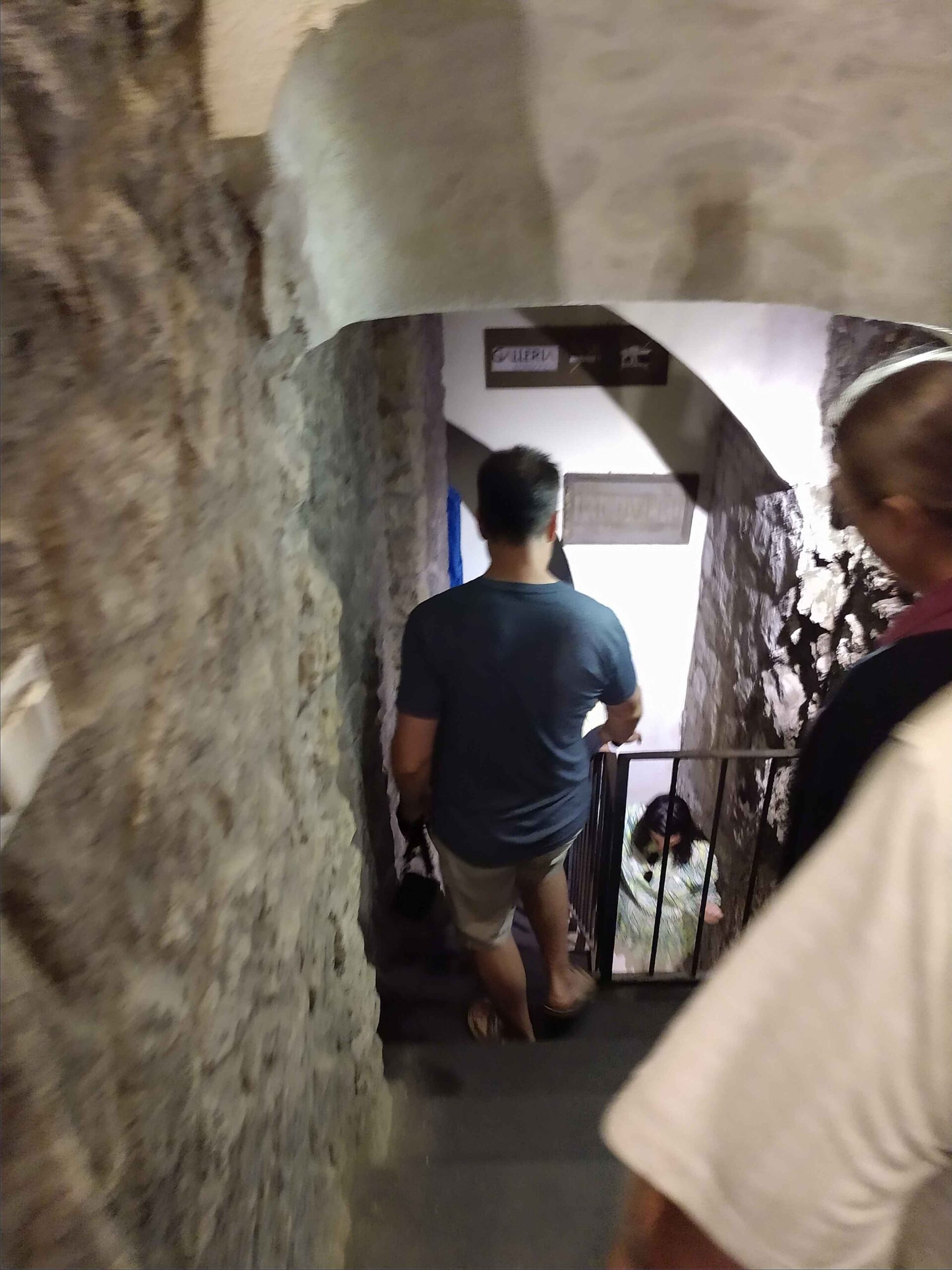
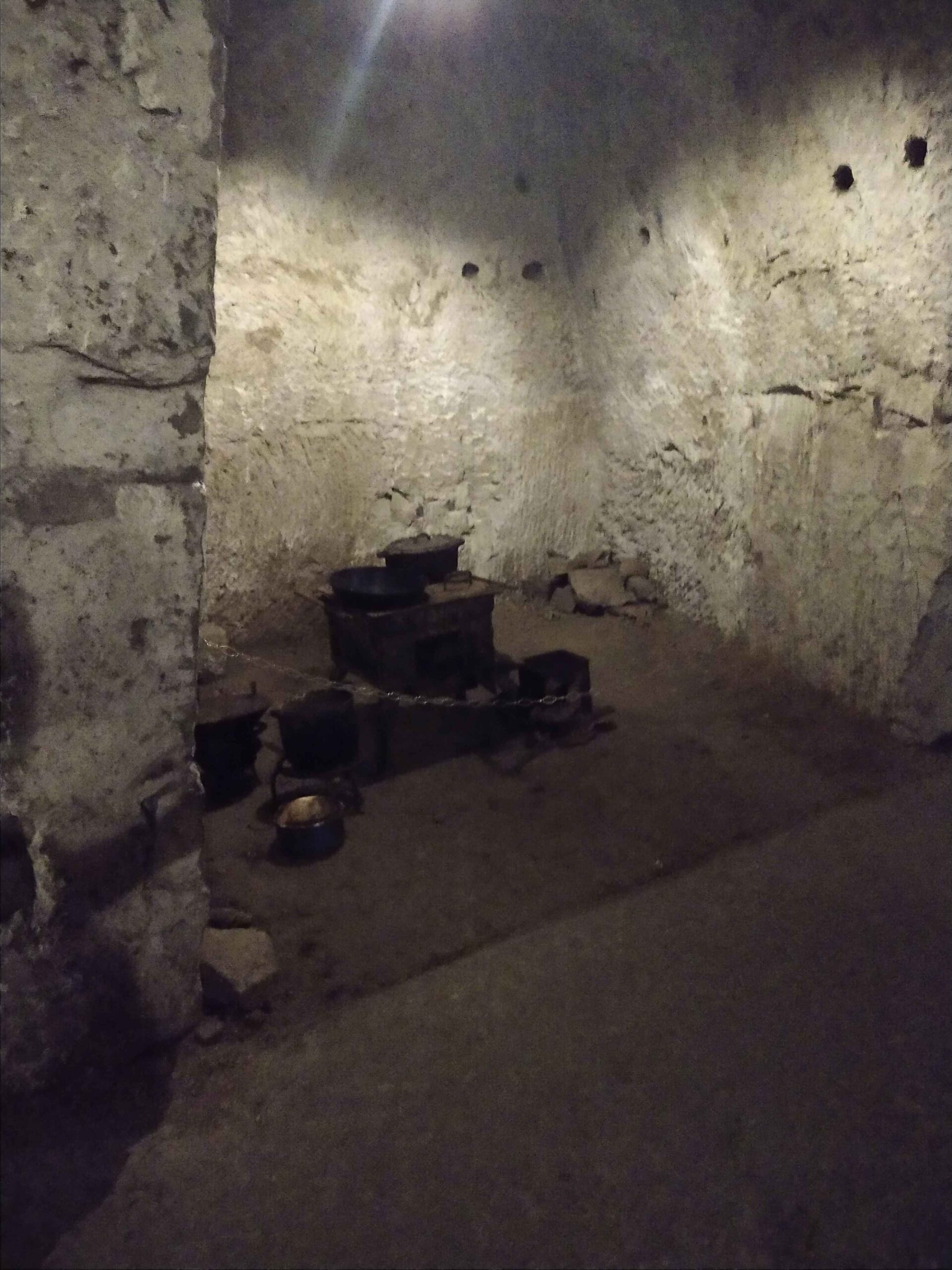
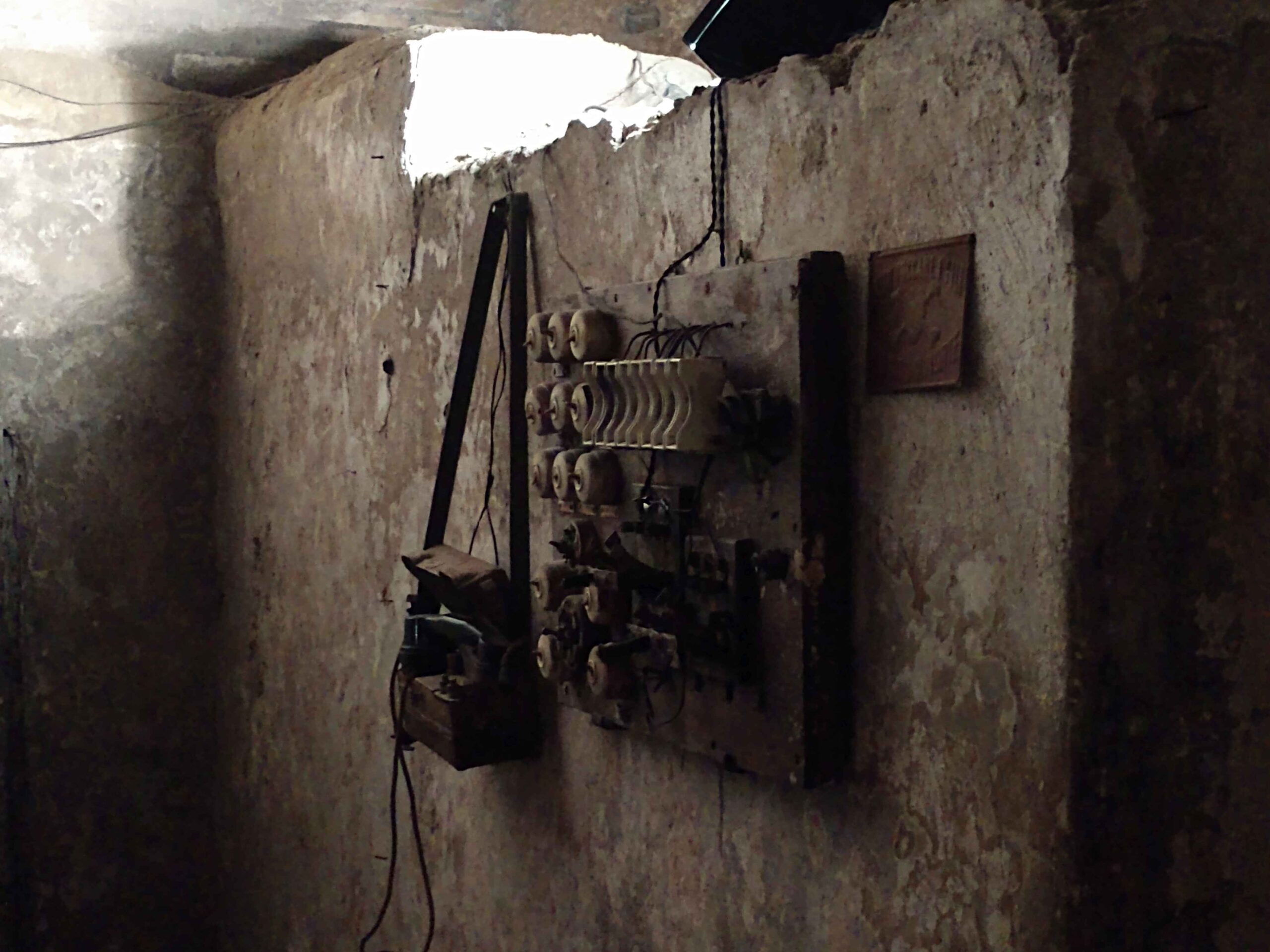
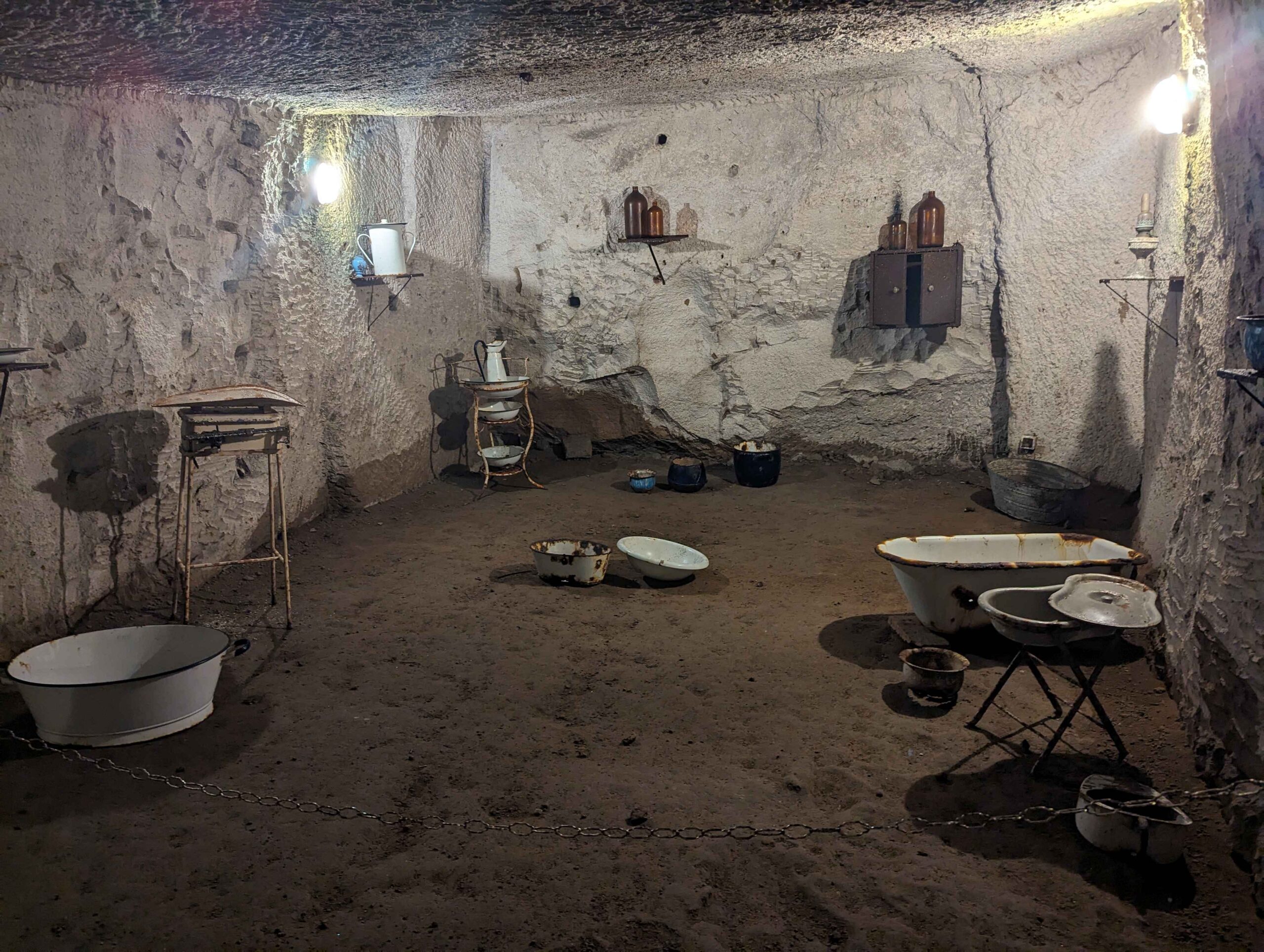
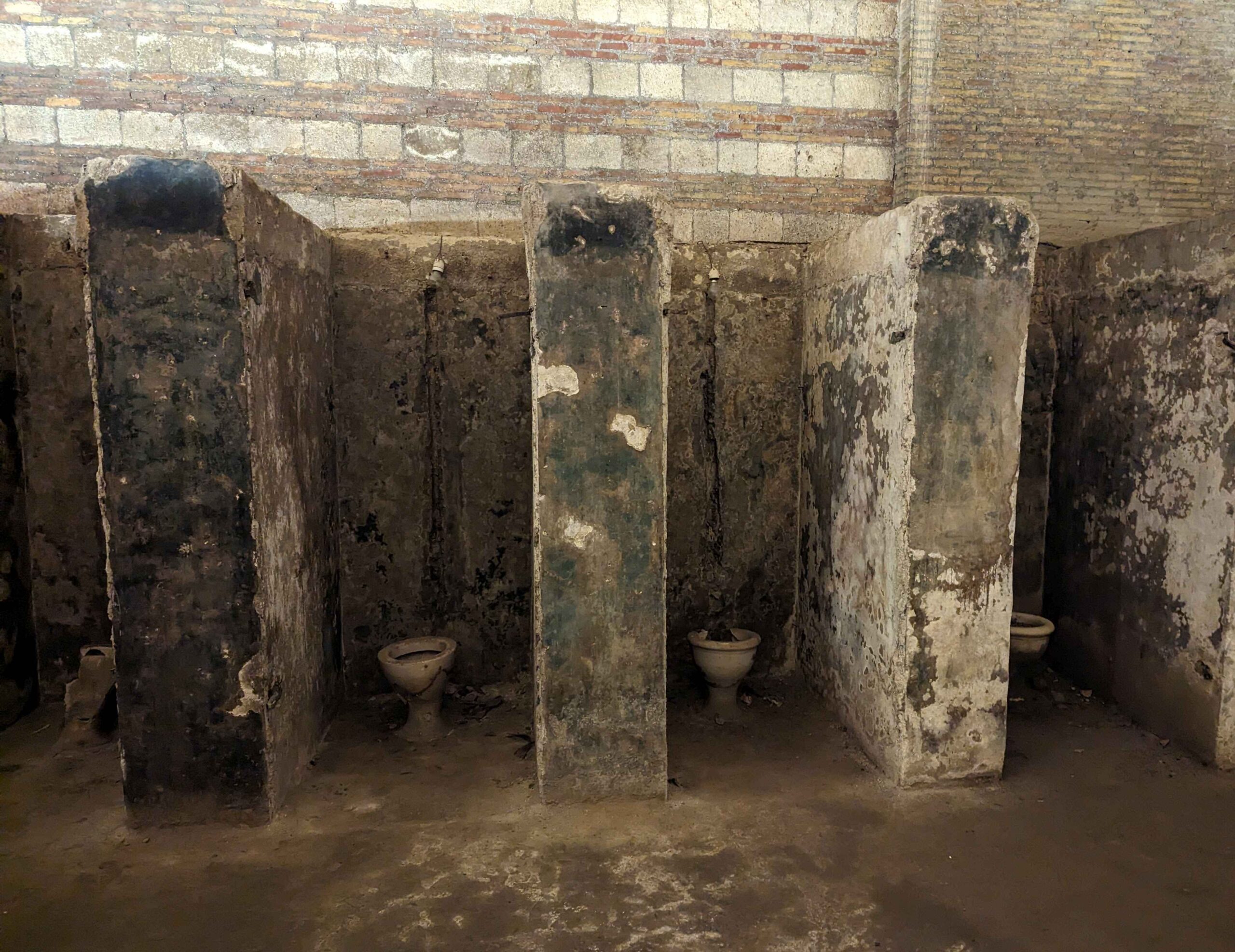
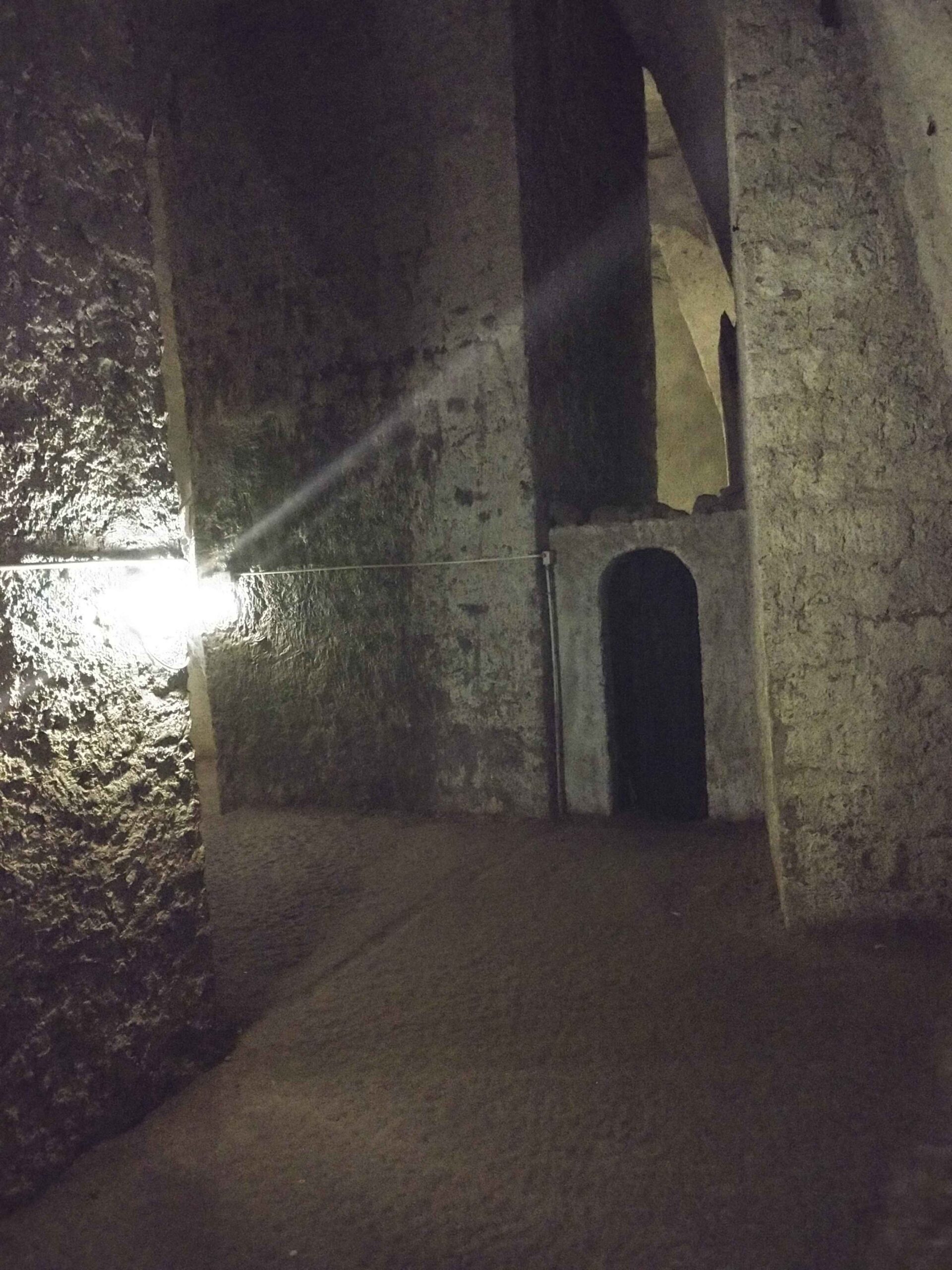
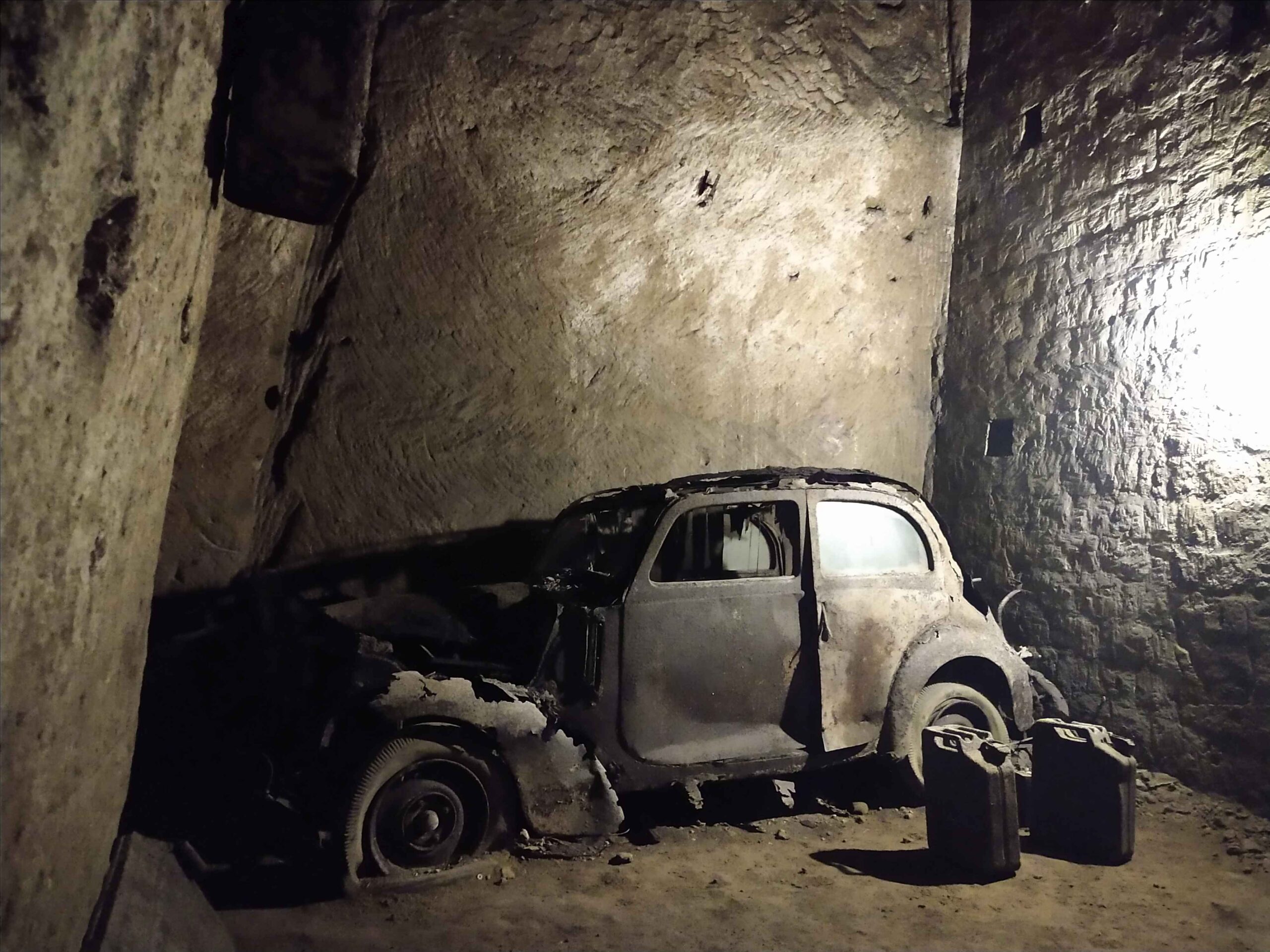
On one visit I explored a different side of the city underground at Galleria Borbonica. A guided tour descends into tunnels deep beneath Naples where civilians once sheltered during World War II. The rooms still contain remnants of daily life from that time including old equipment vehicles and simple living spaces carved directly into the rock.
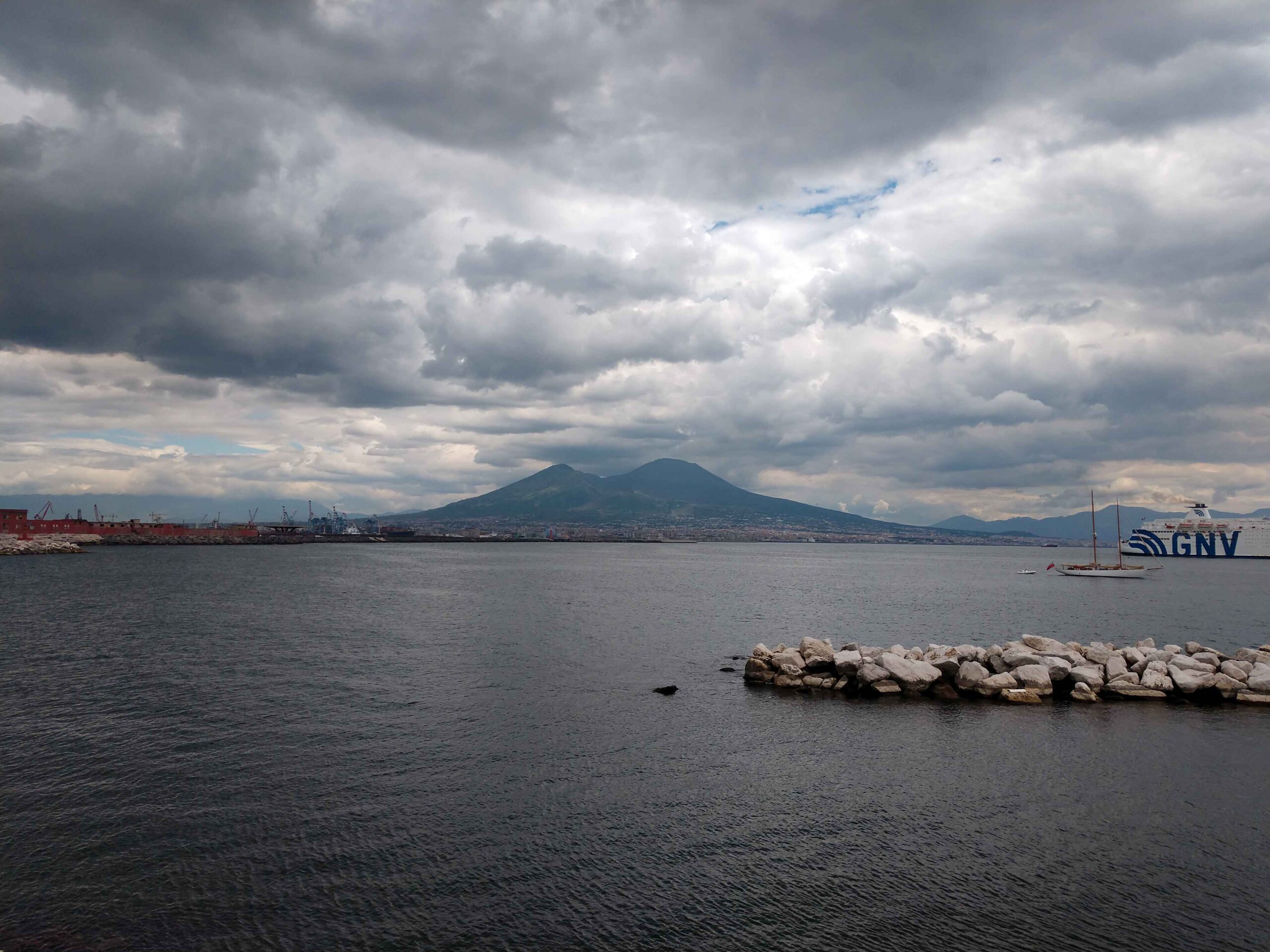
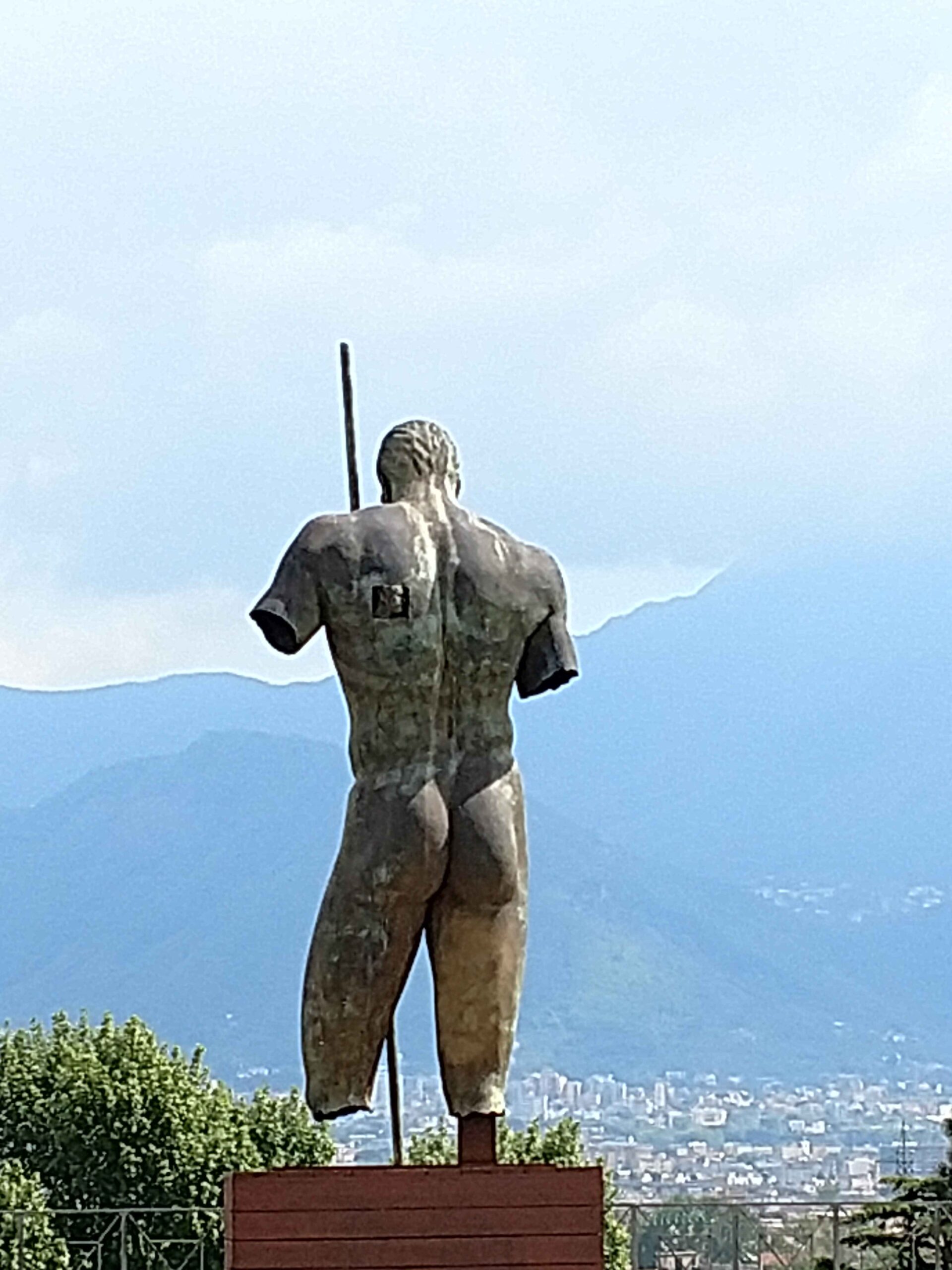
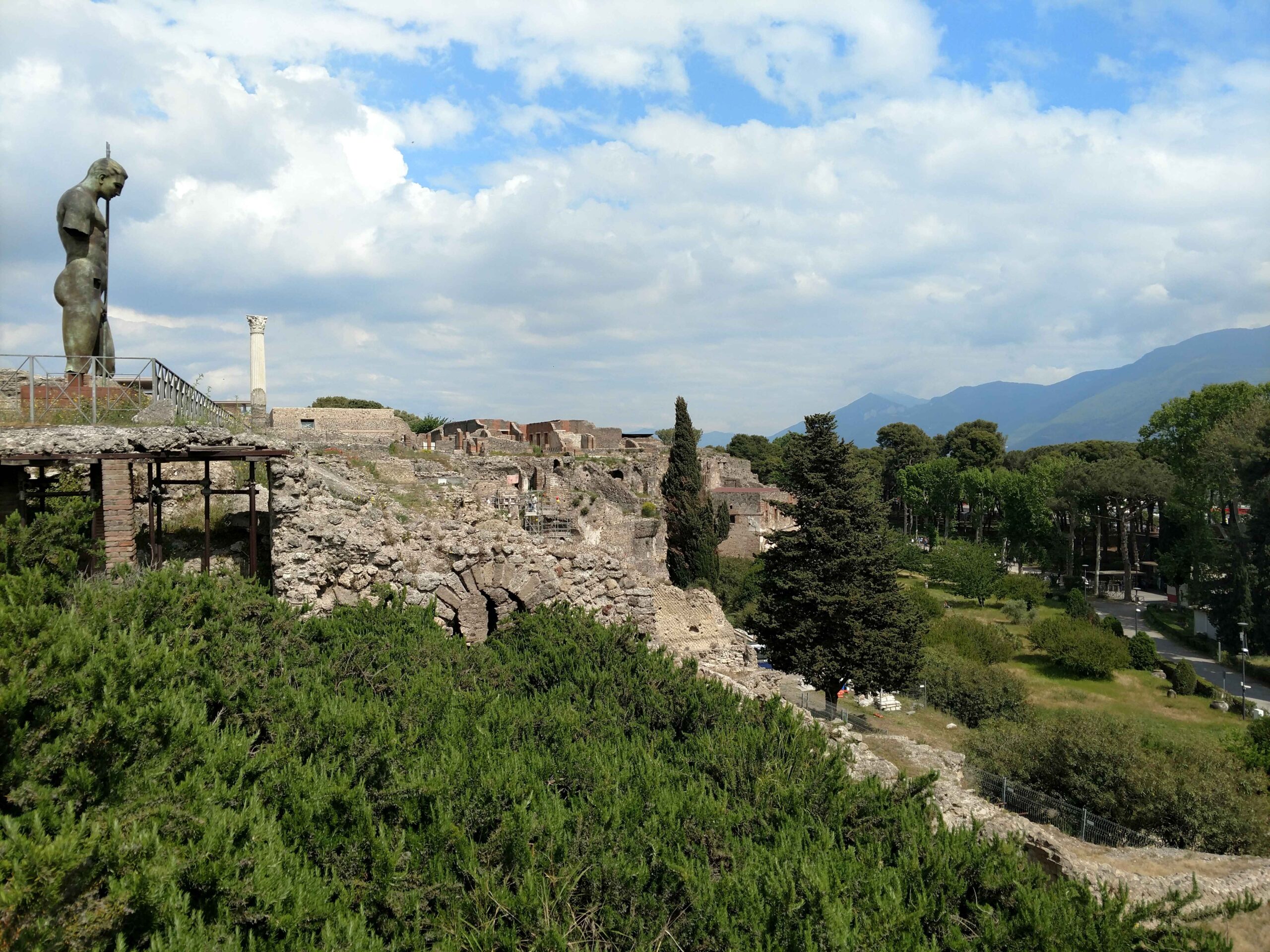
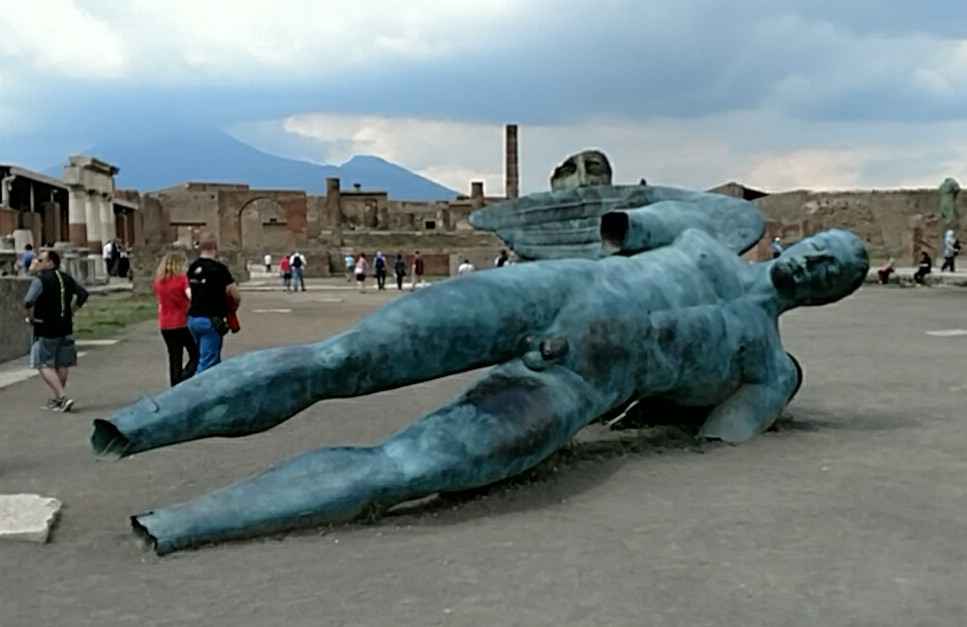
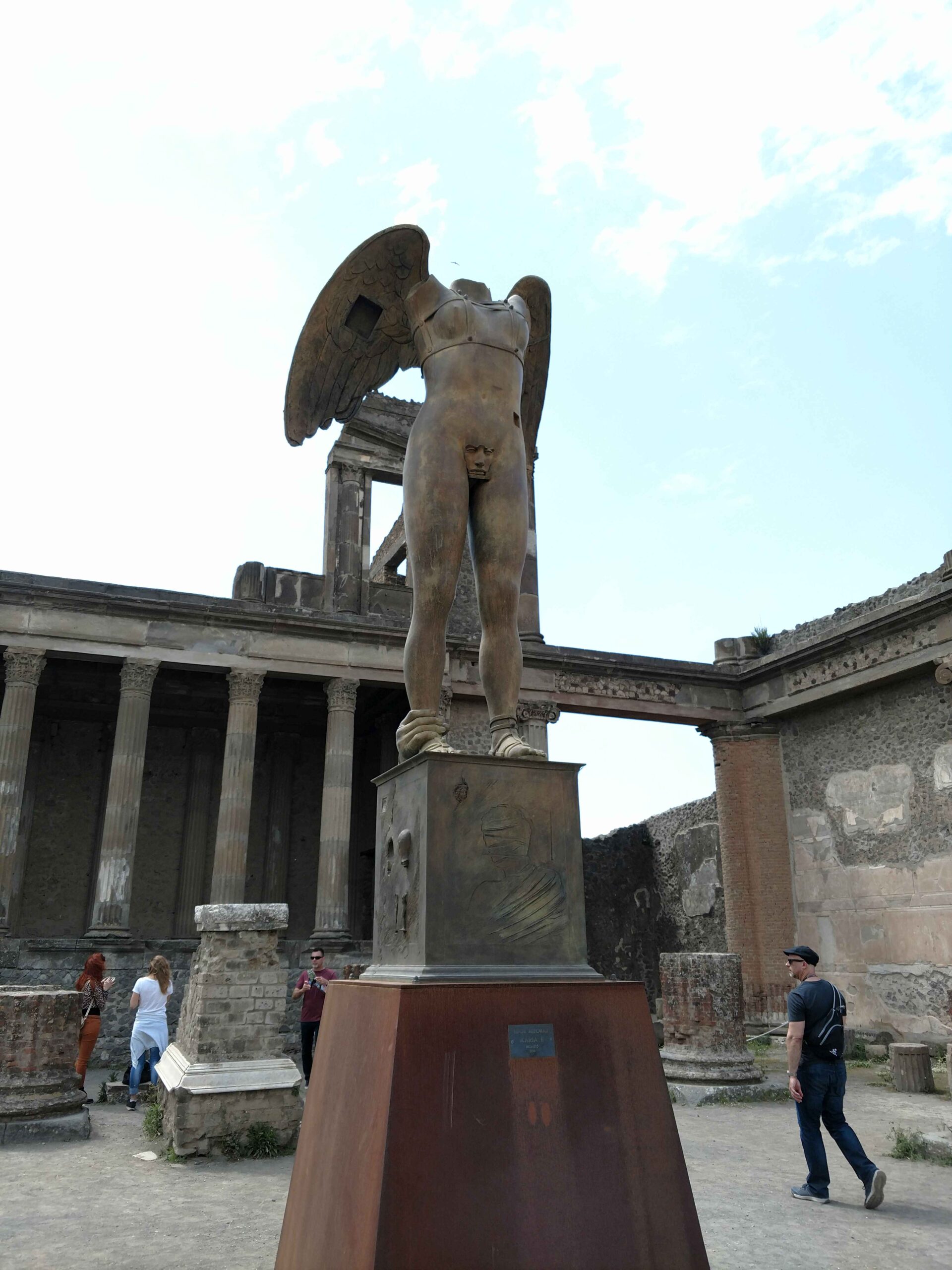
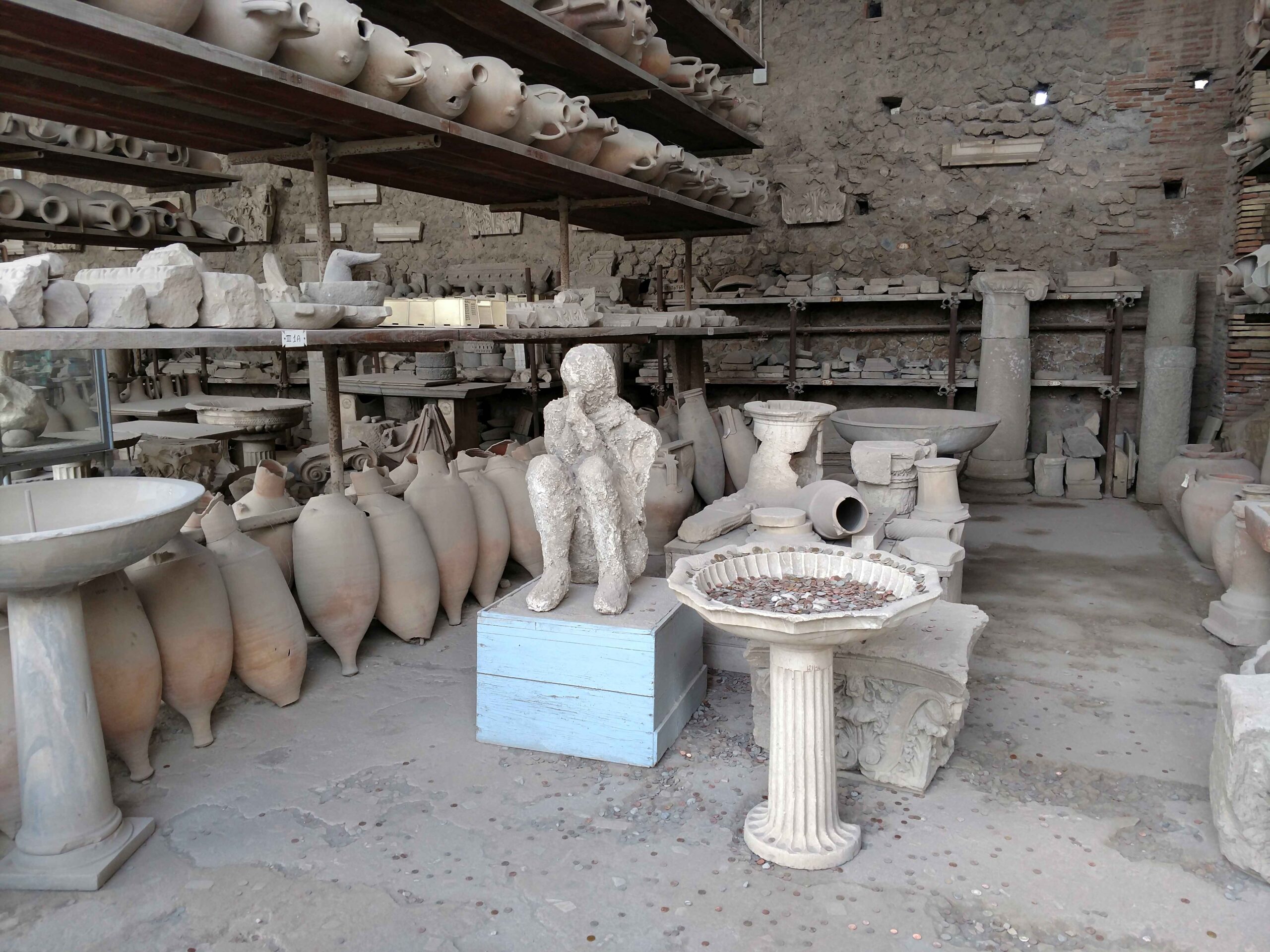
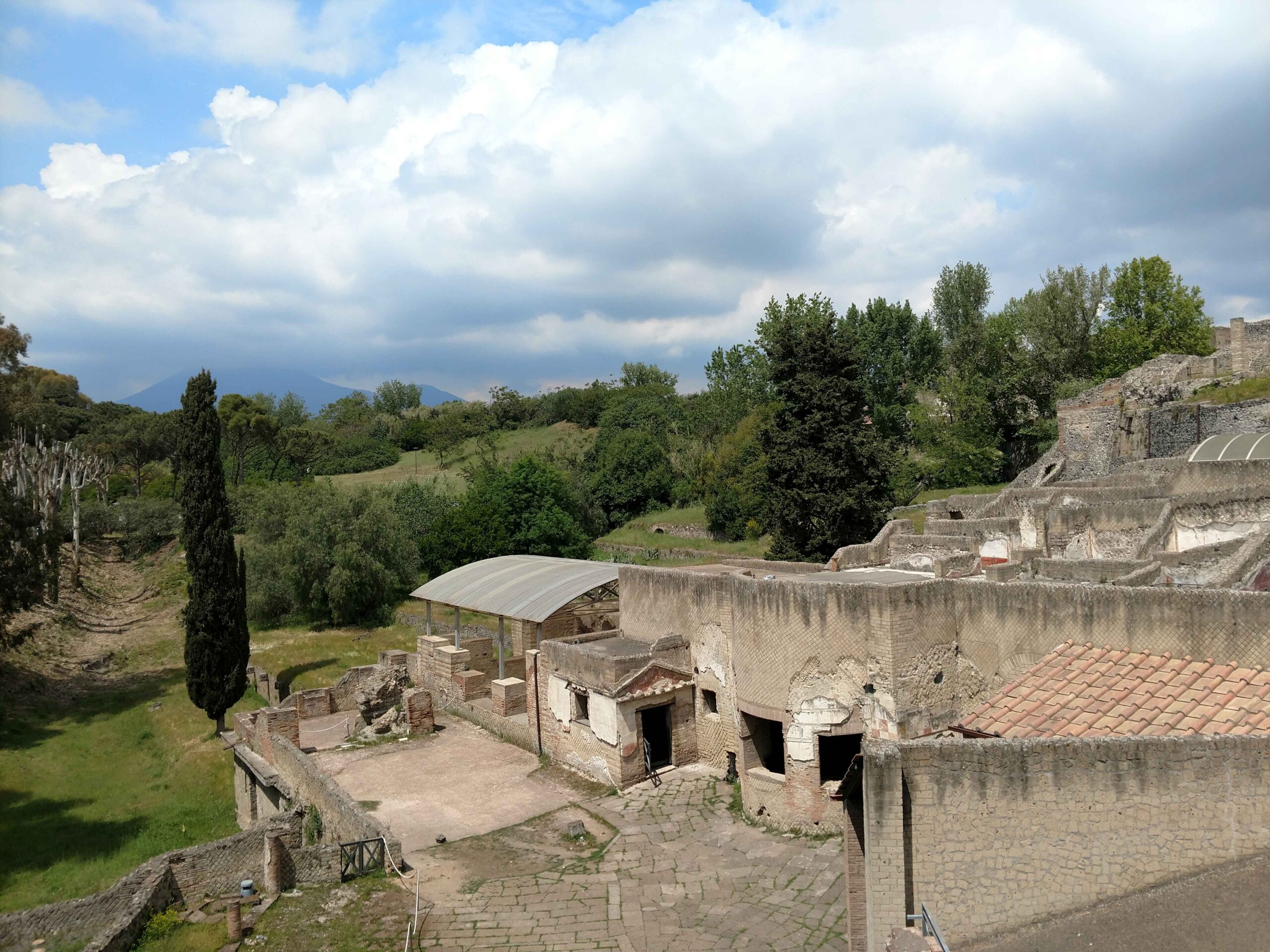
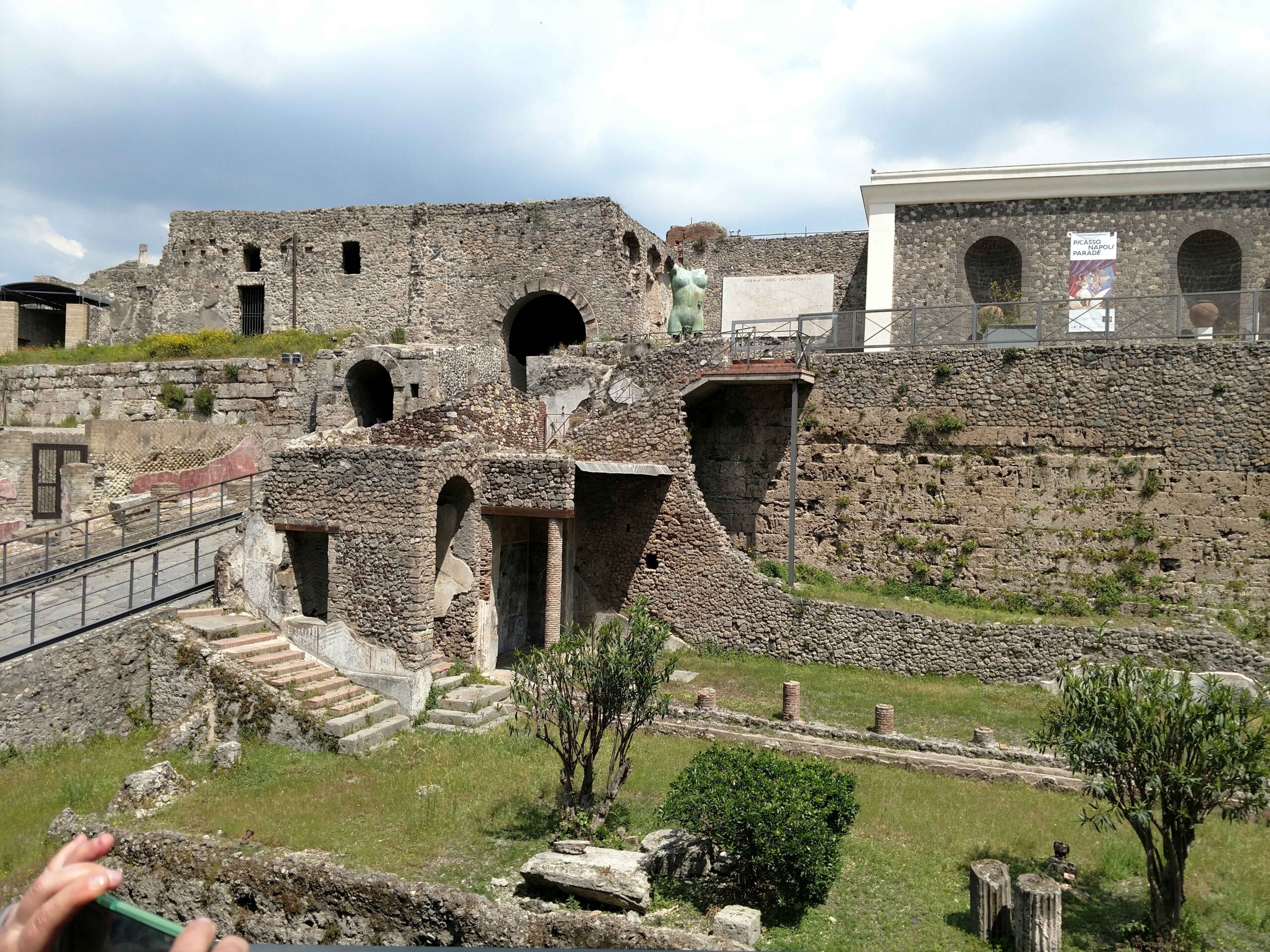
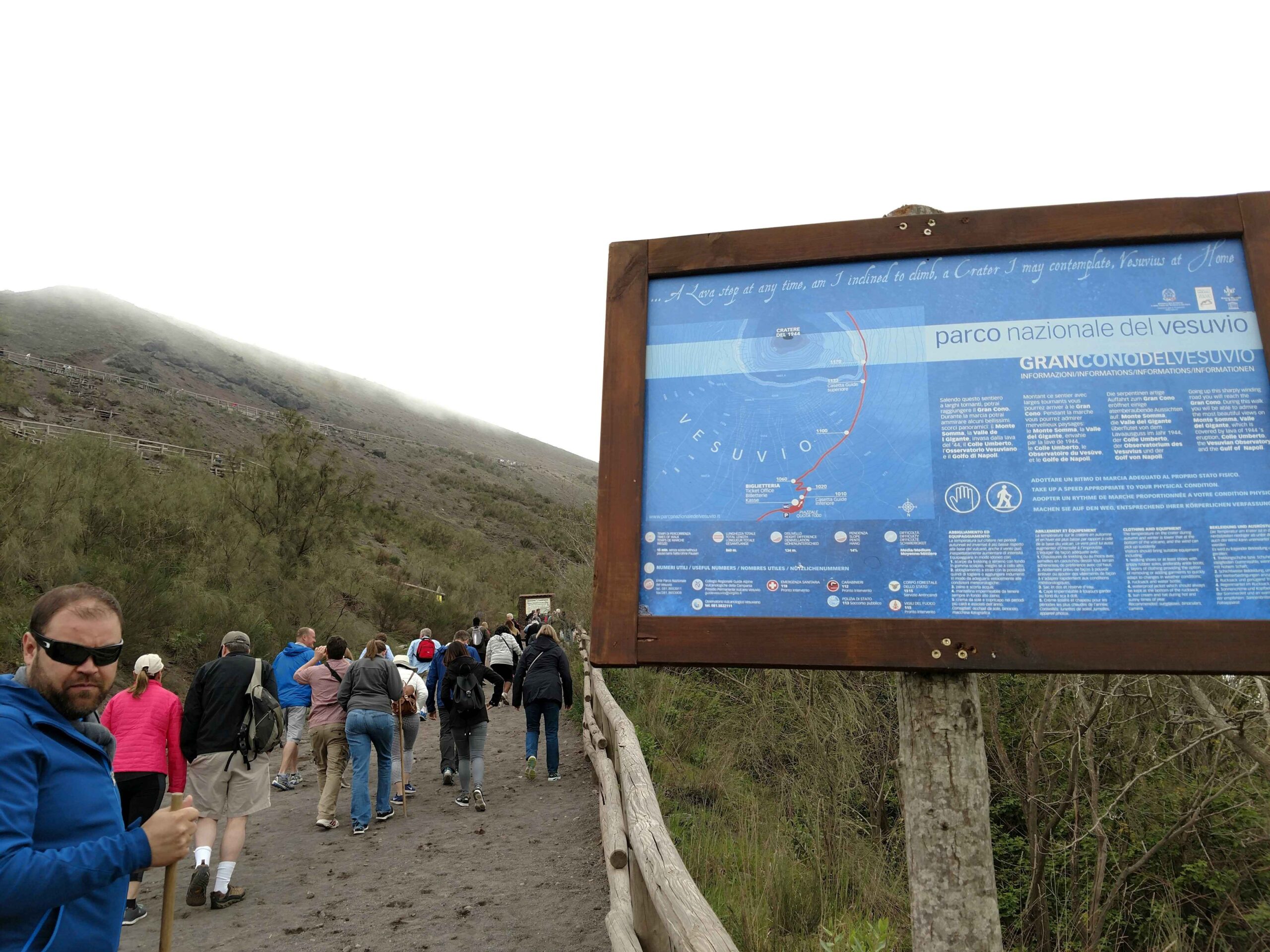
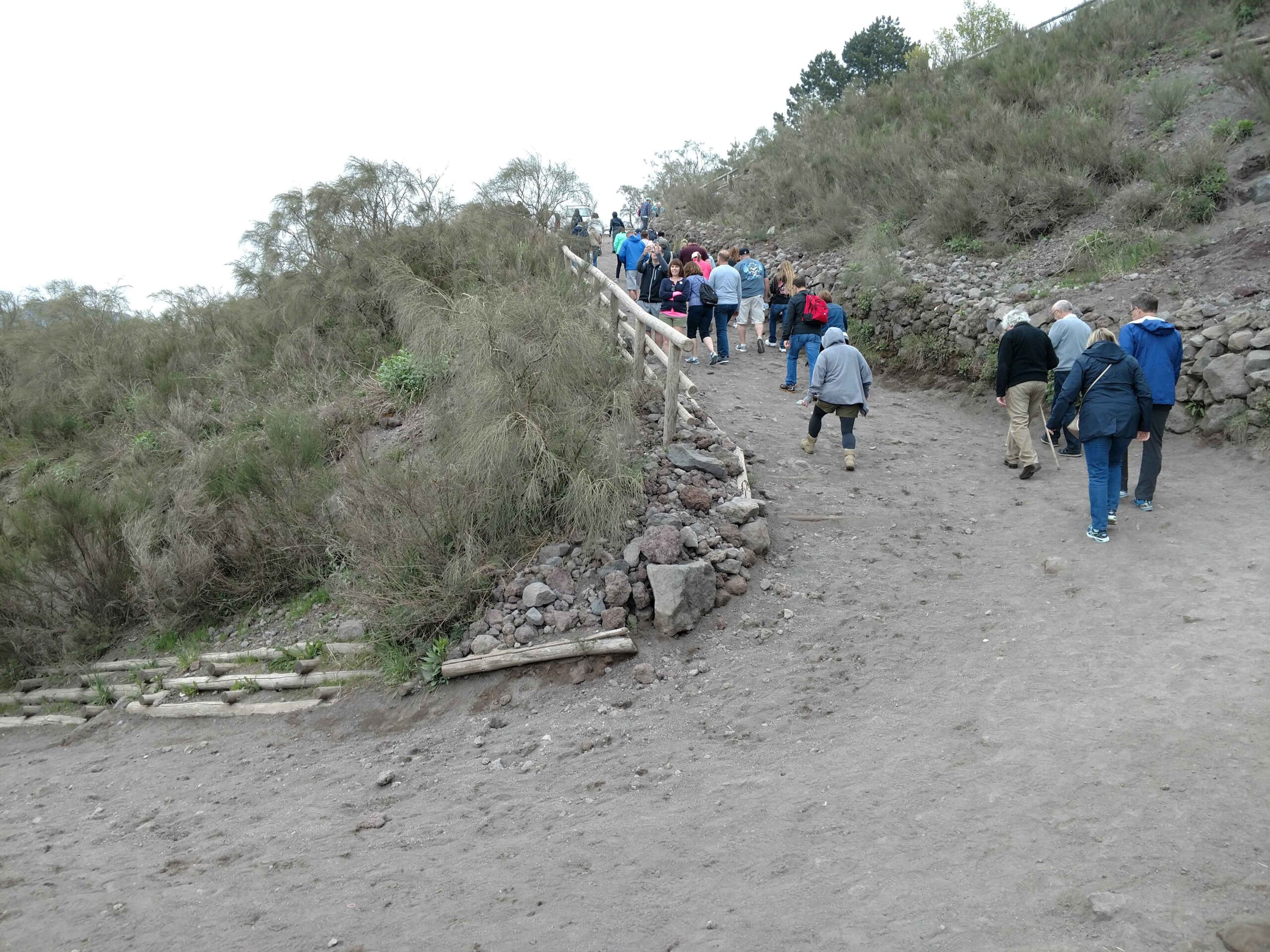
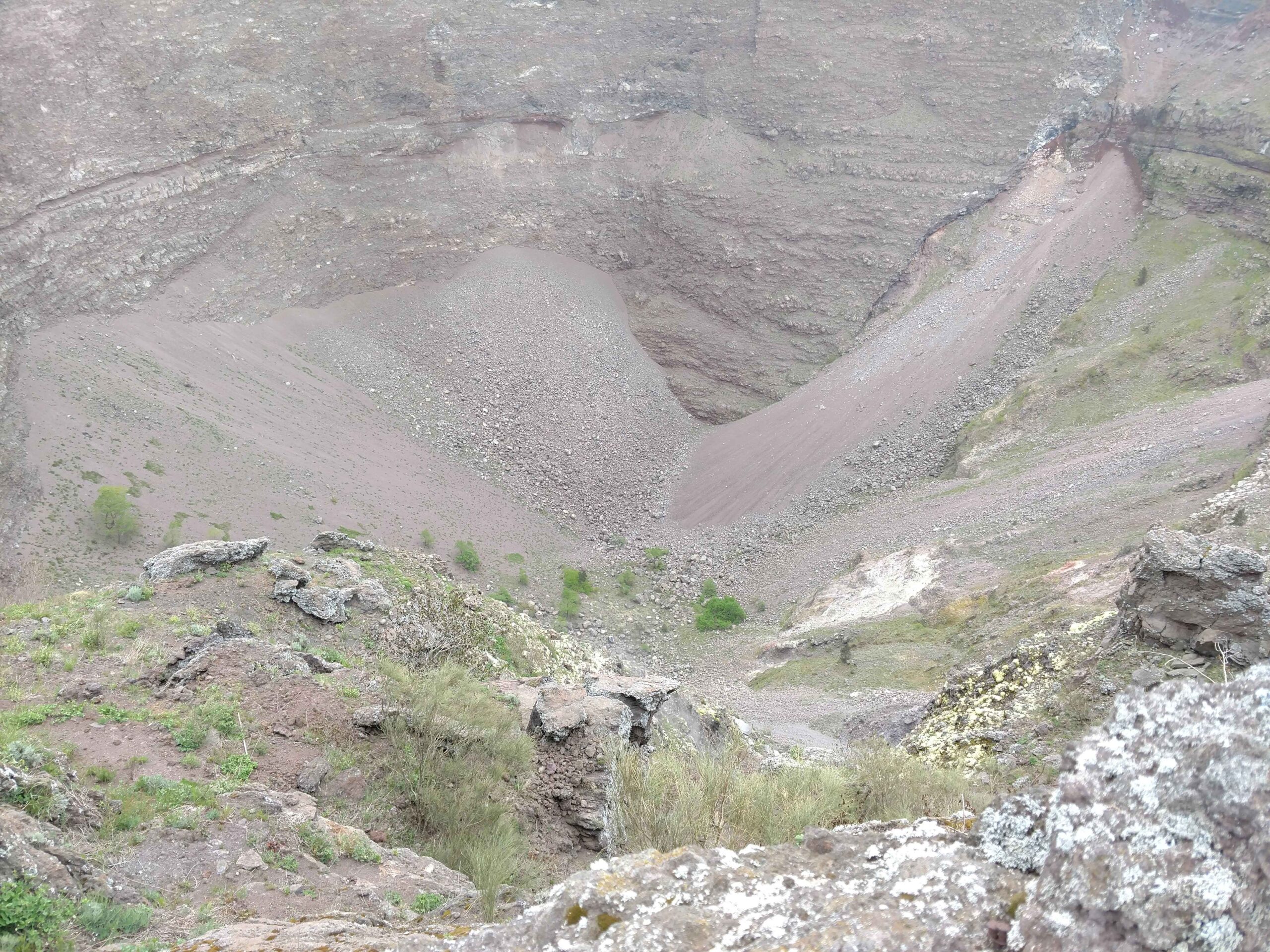
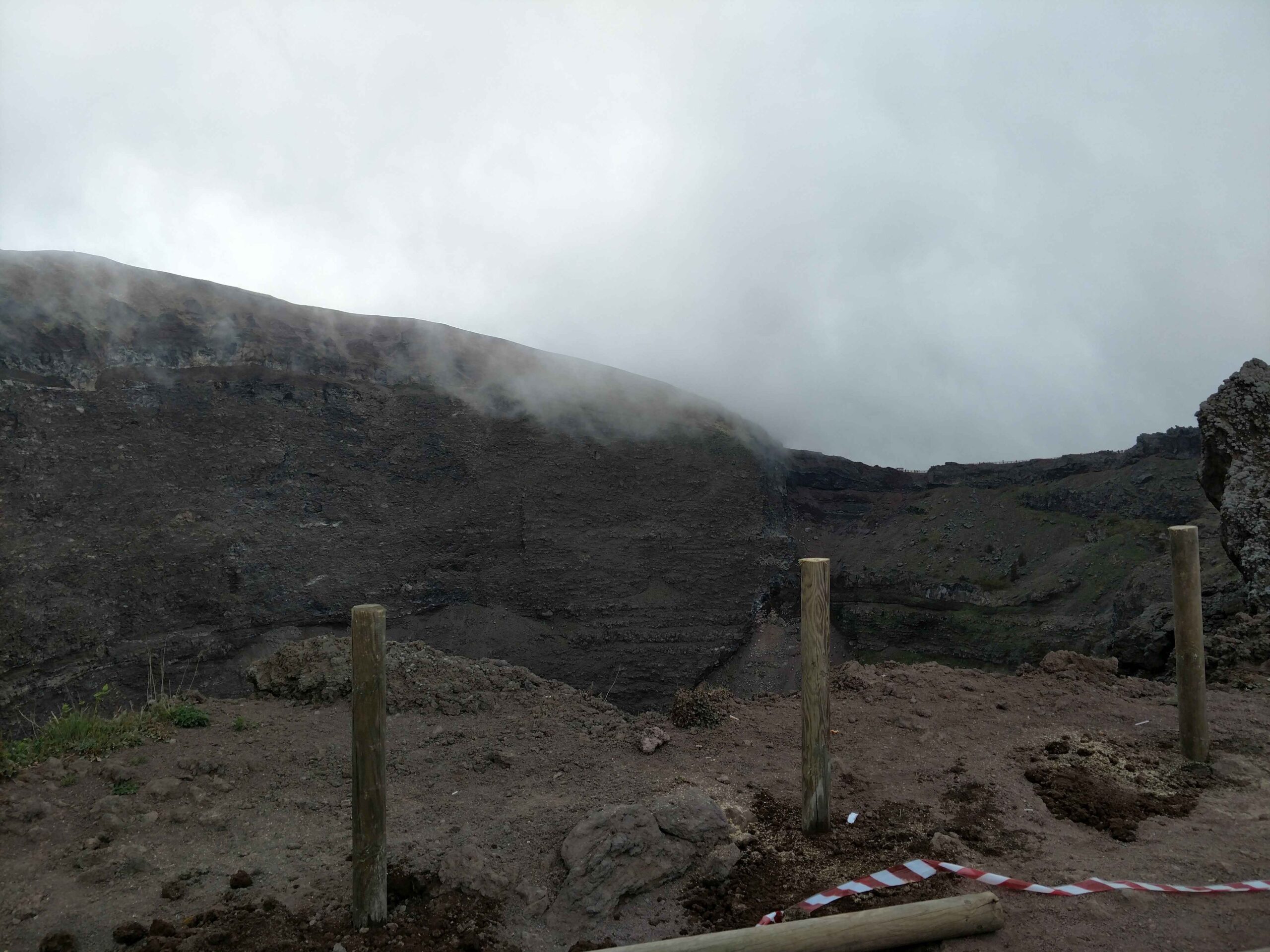
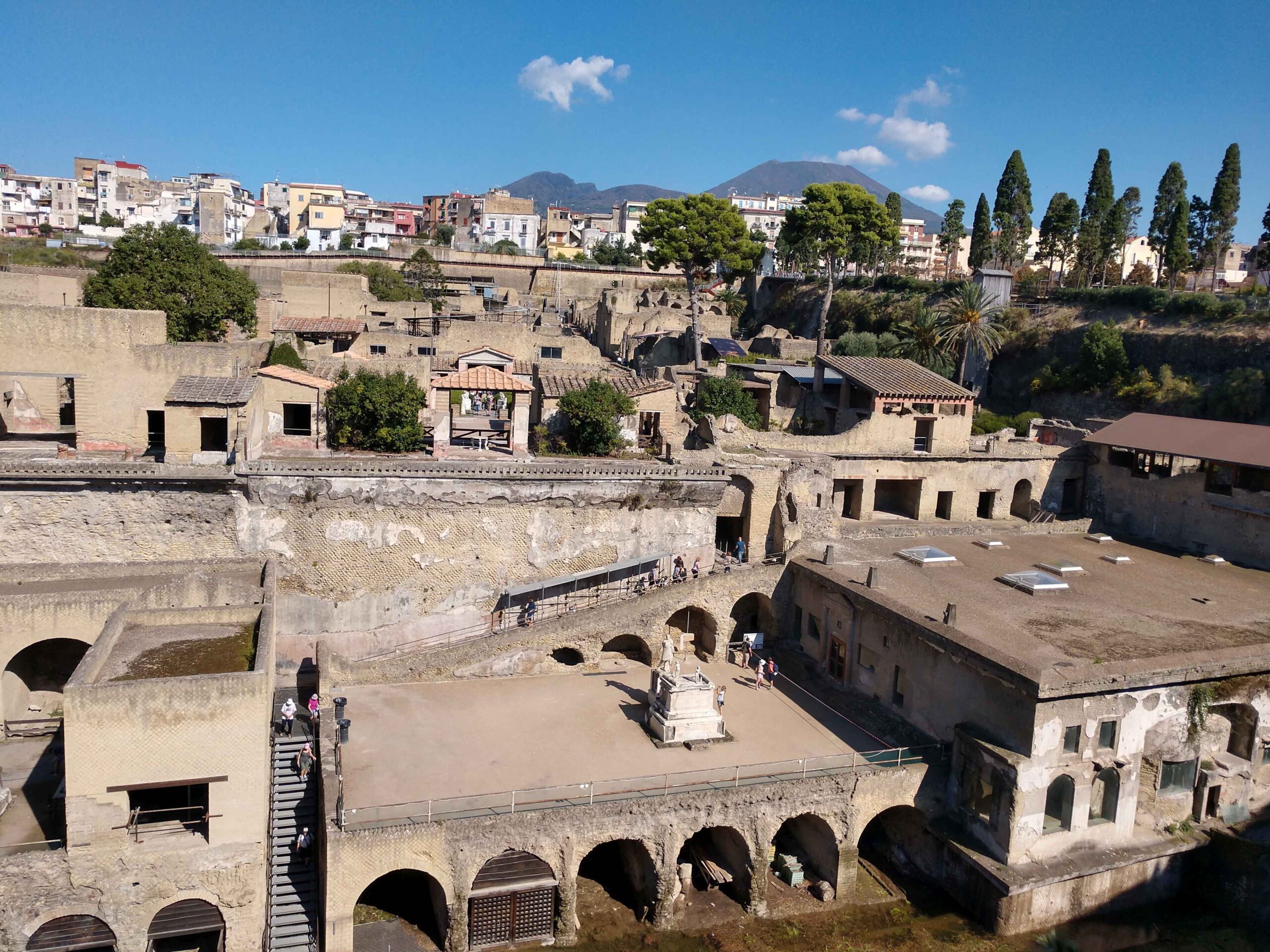
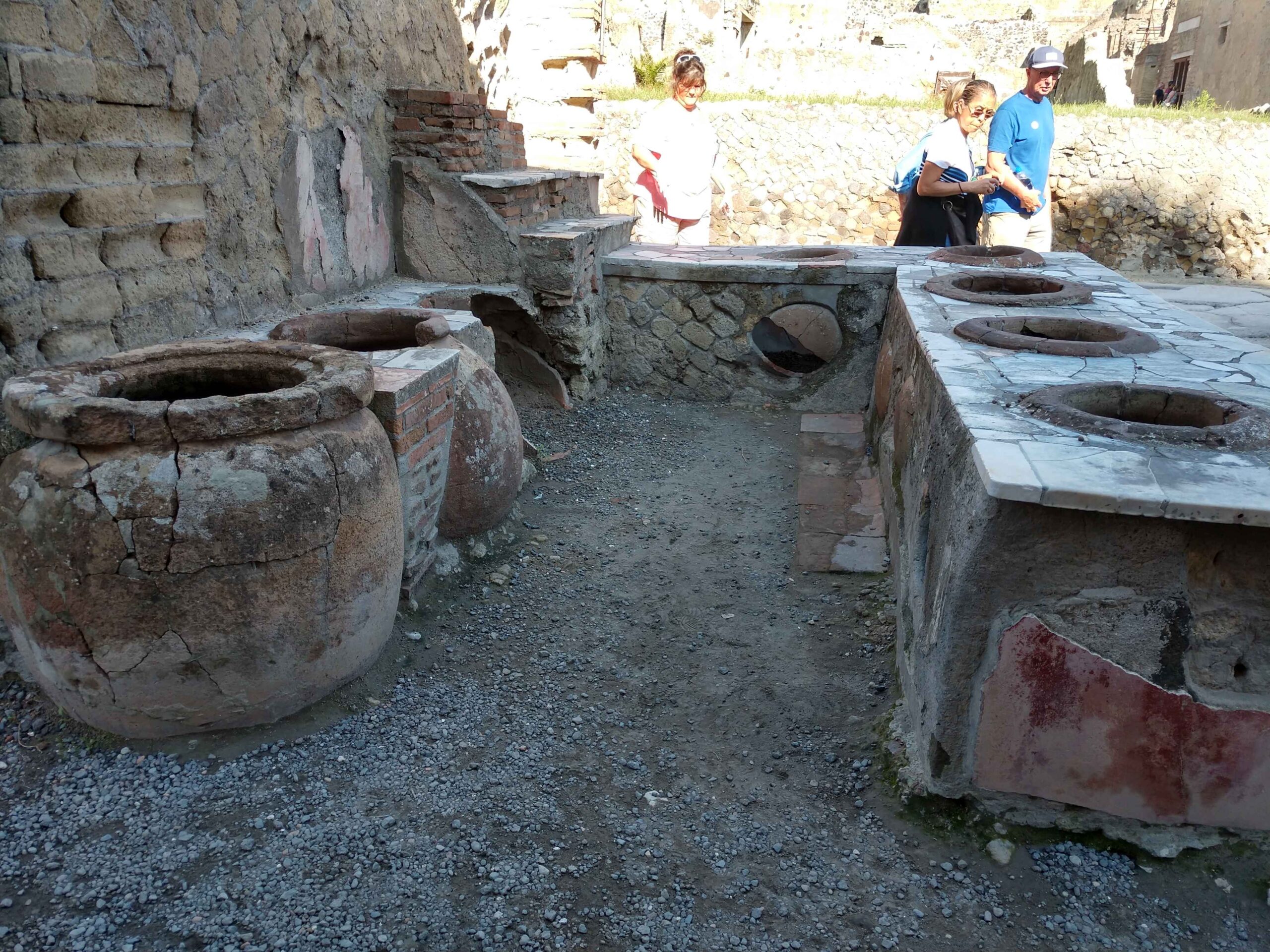
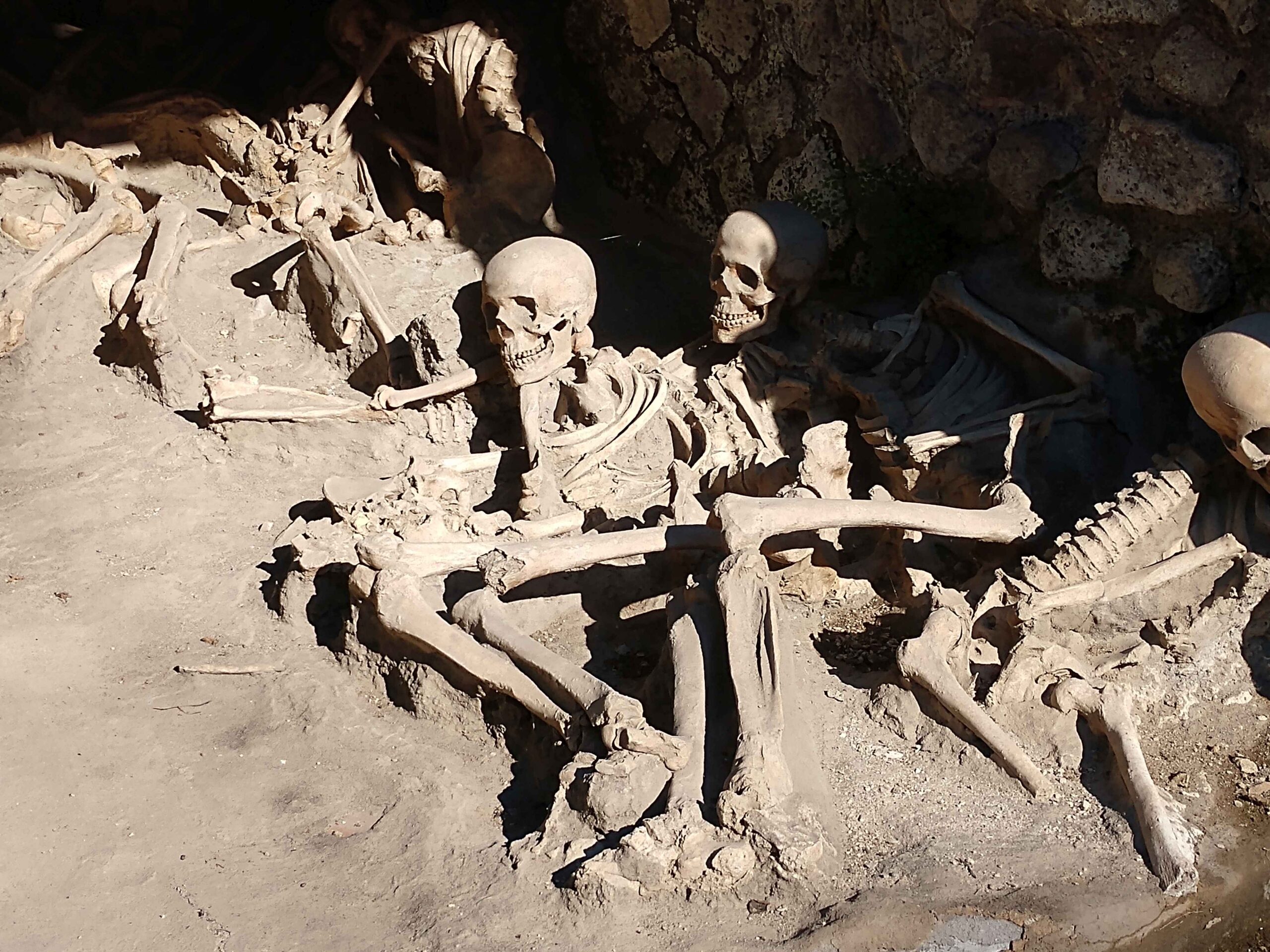
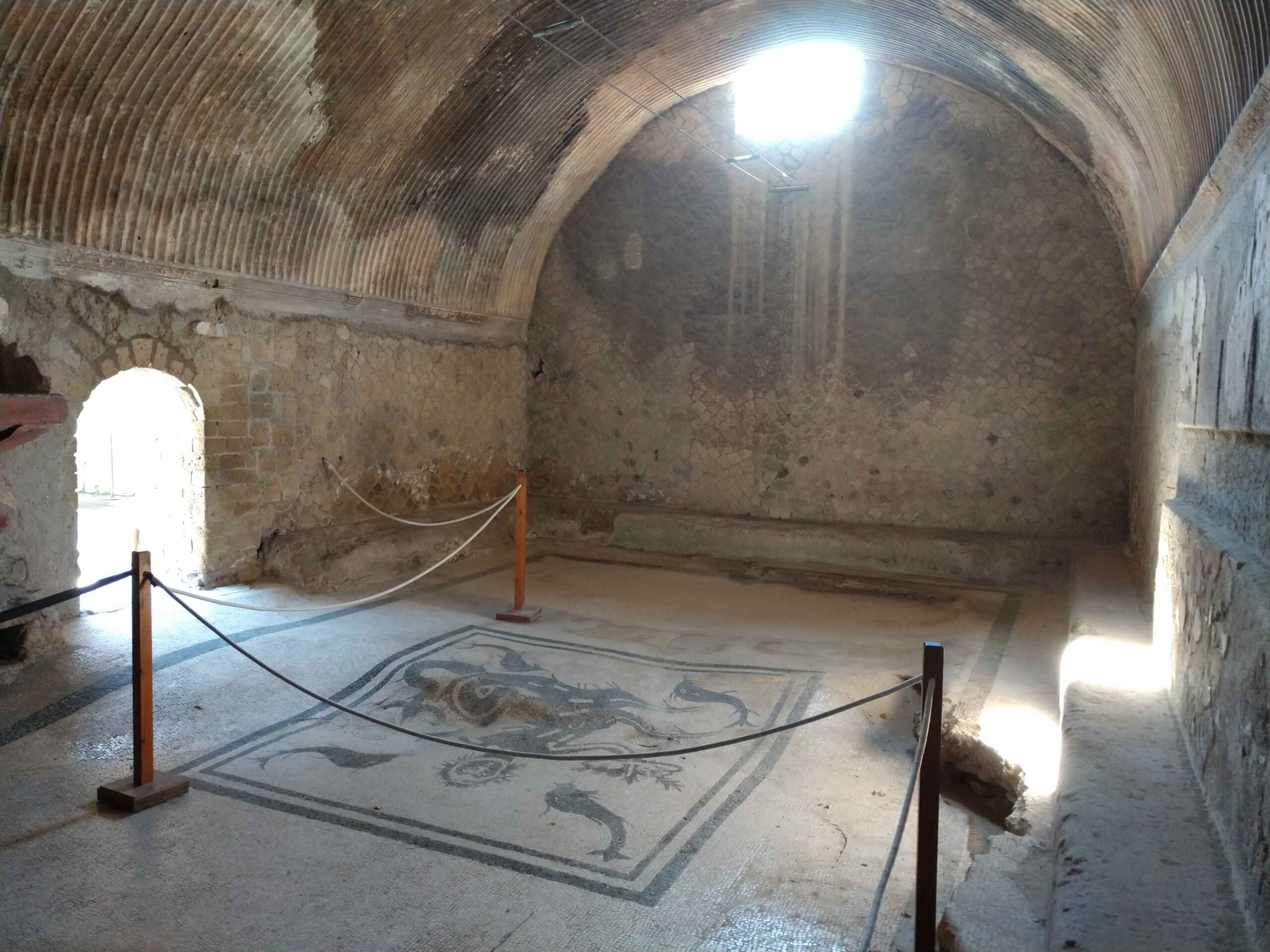
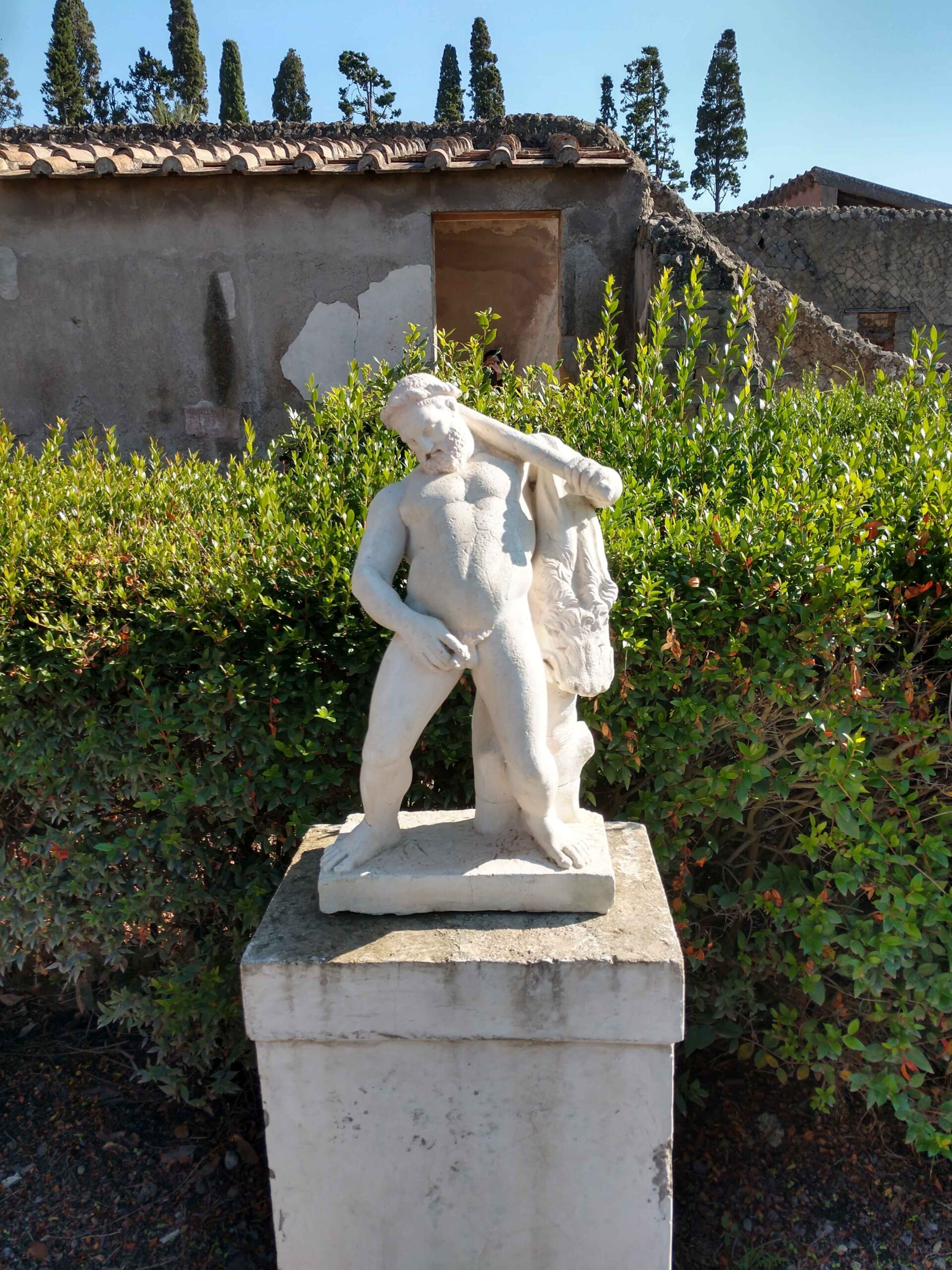
Naples is also the gateway to some of the most famous archaeological sites in the world. Excursions from the port easily reach Pompeii Herculaneum and Mount Vesuvius. Standing on the rim of Vesuvius and seeing steam vents rising from the crater was surreal. Walking through Pompeii and Herculaneum adds another layer to the experience because those ancient cities reveal how dramatically history shaped the region that surrounds modern Naples.
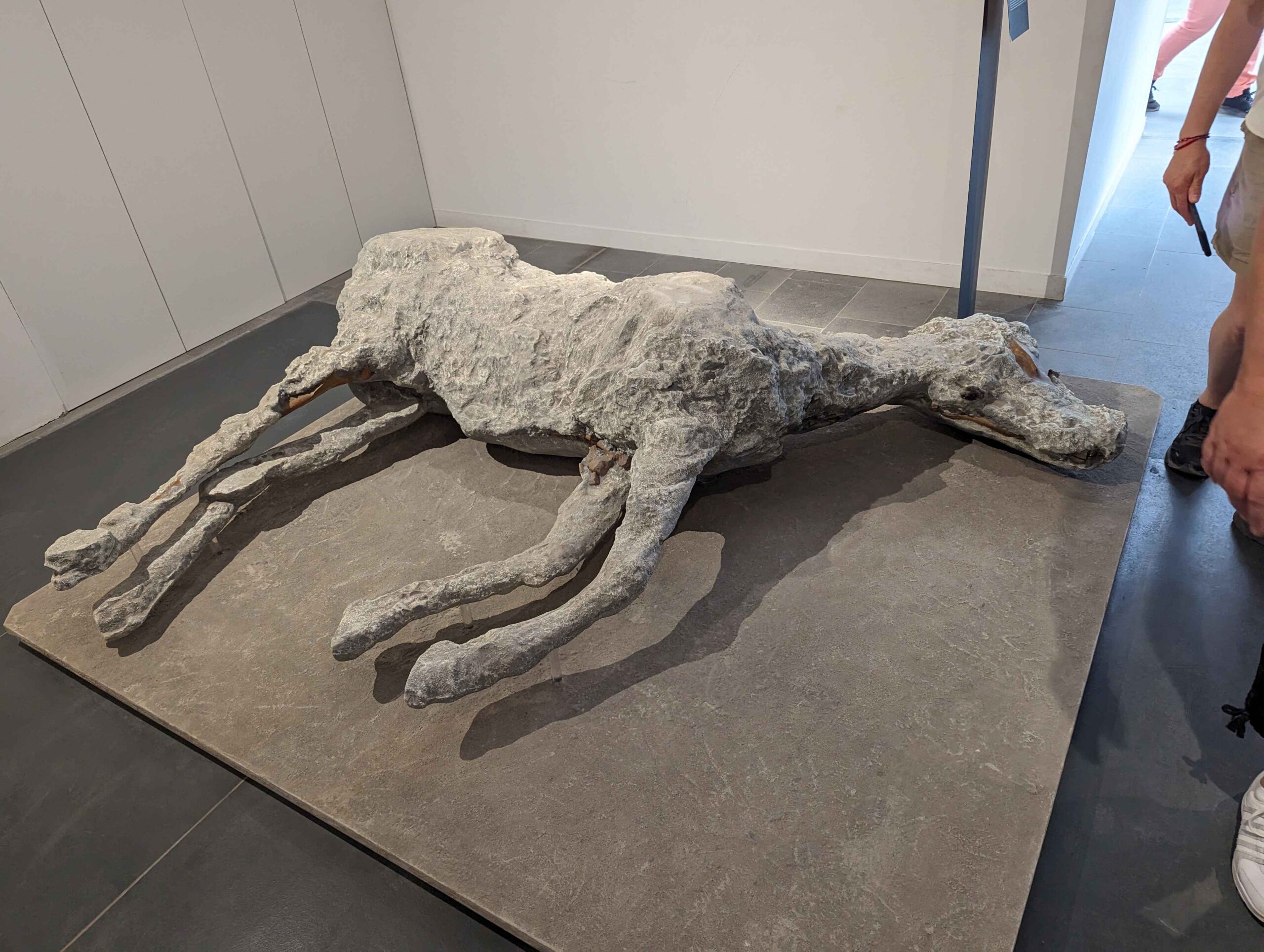
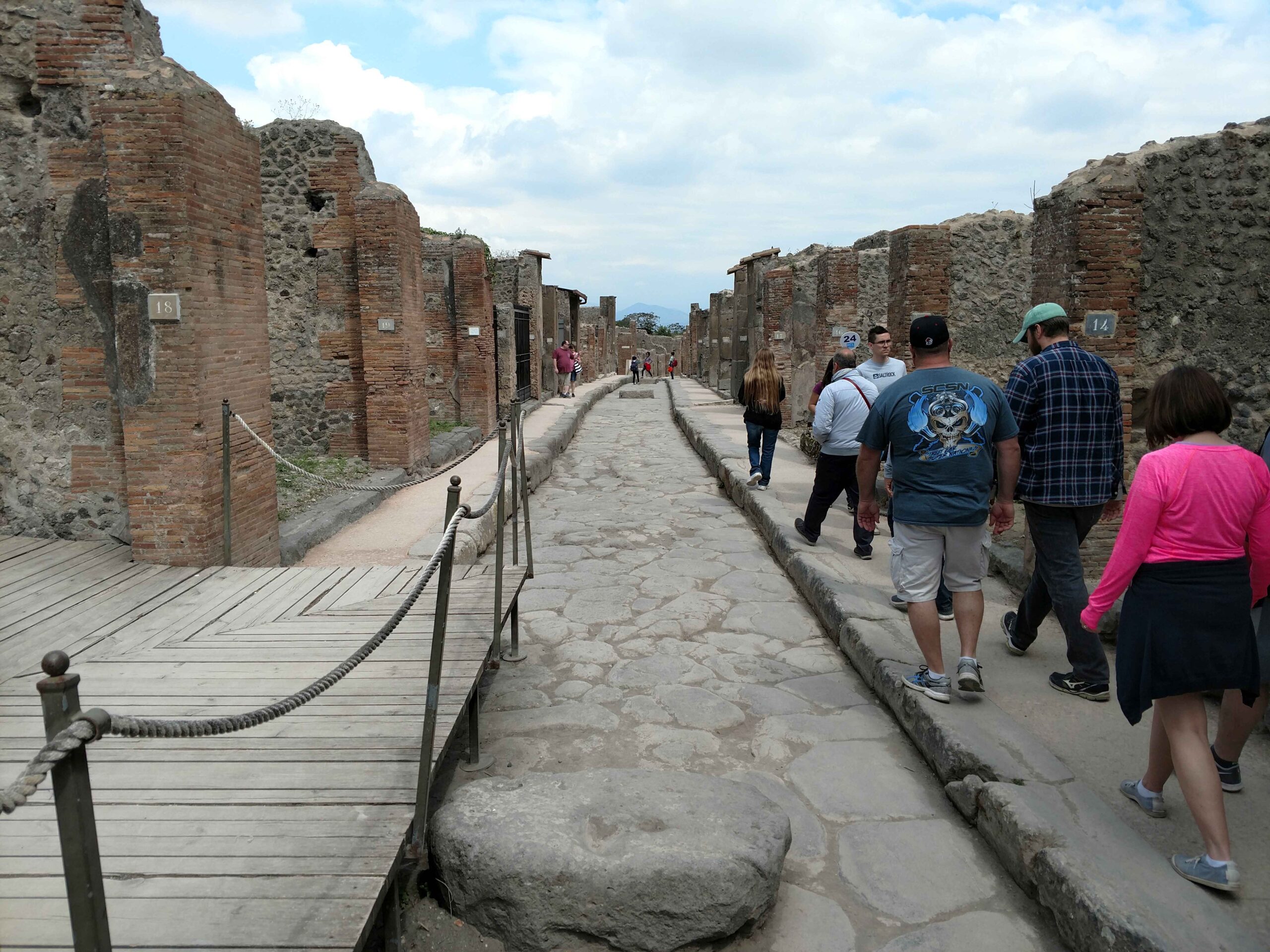
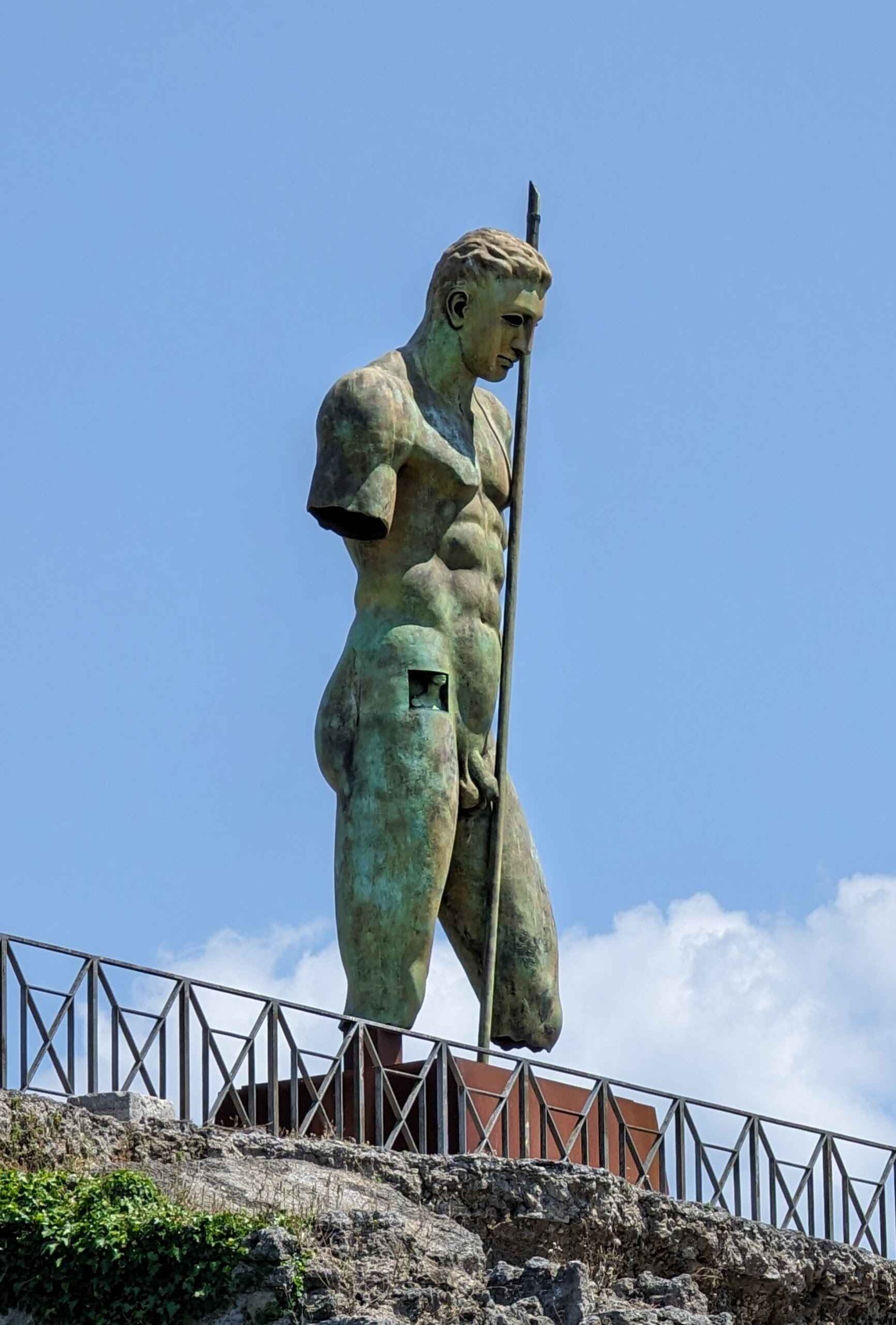
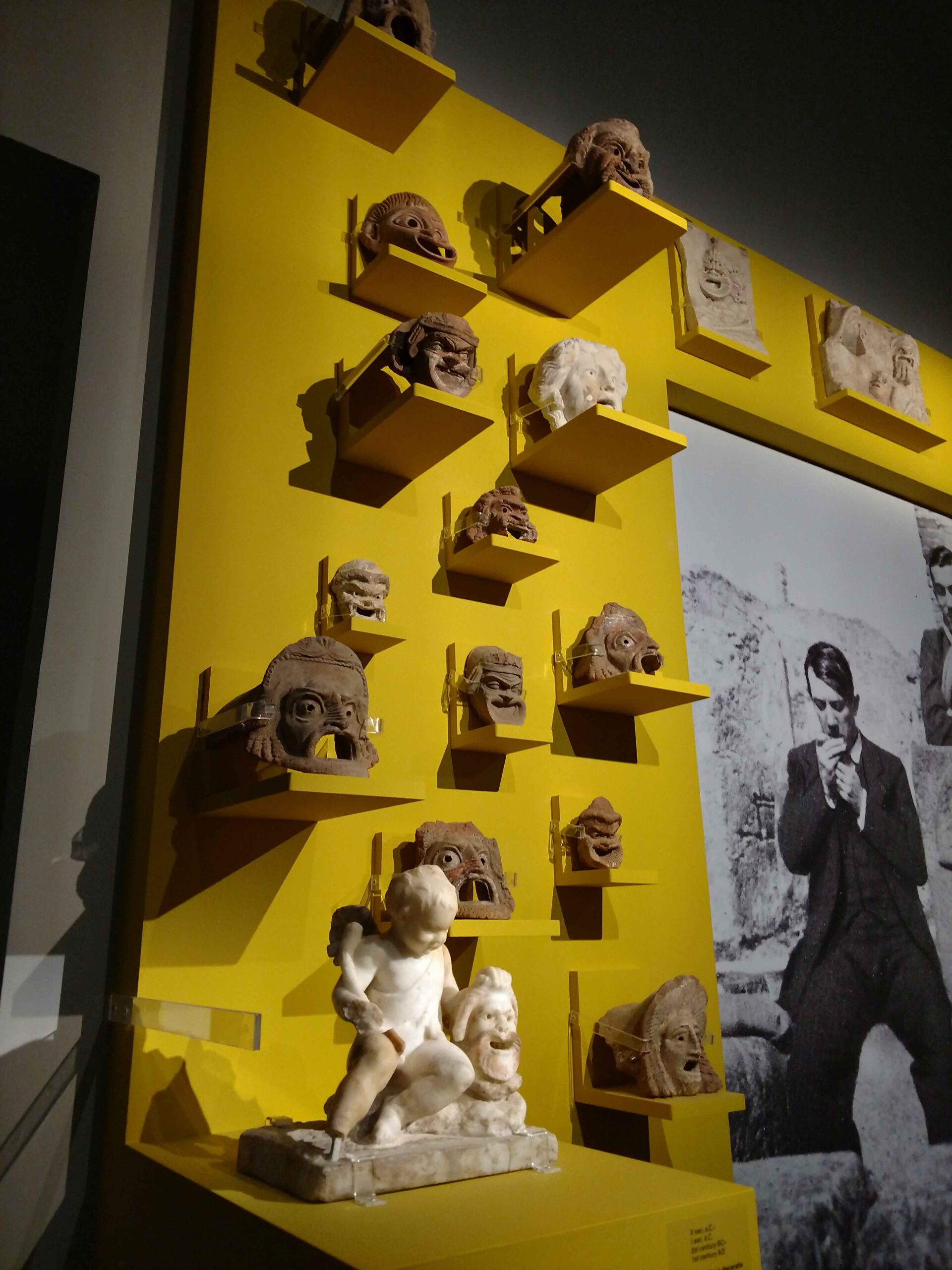
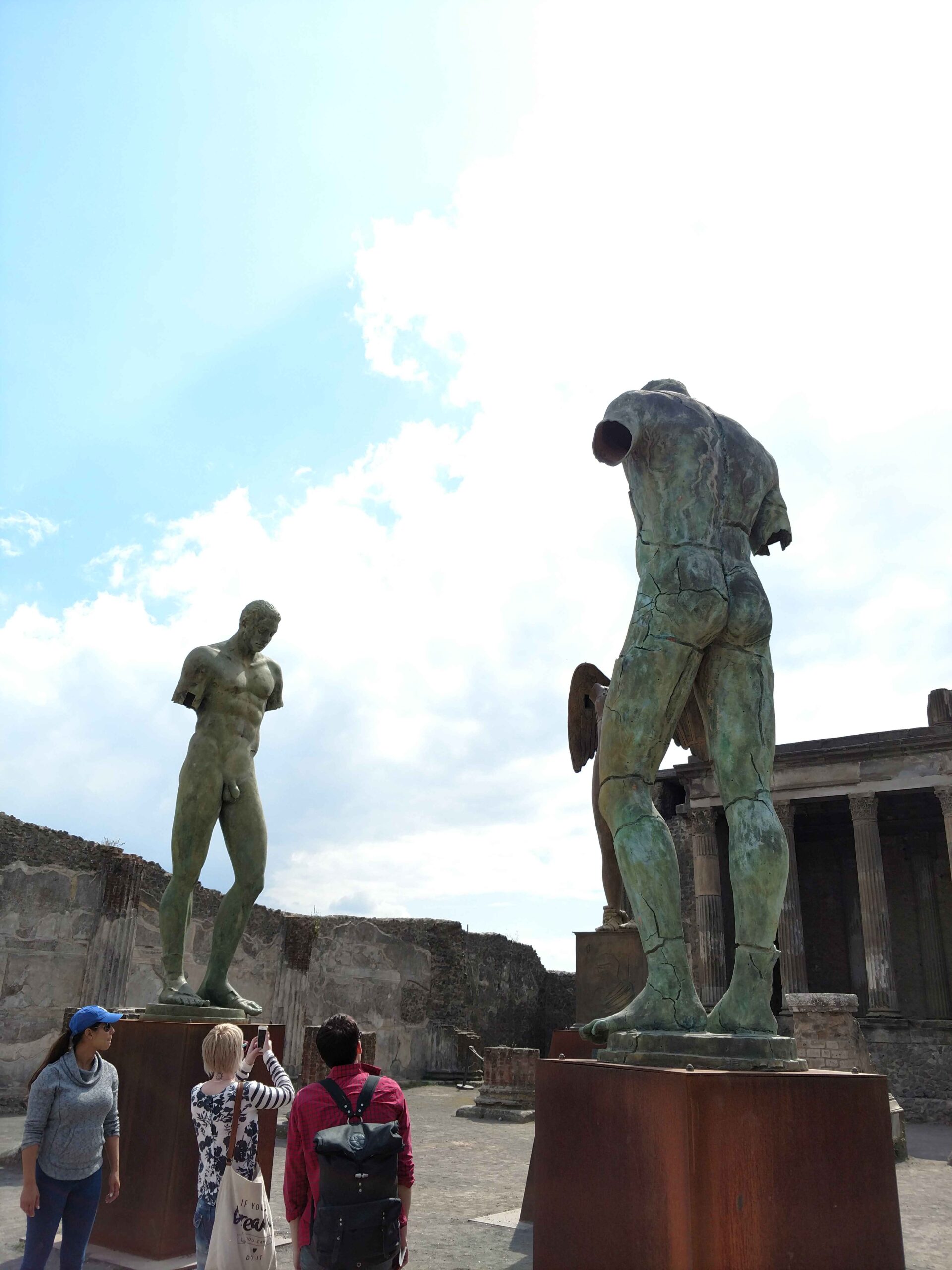
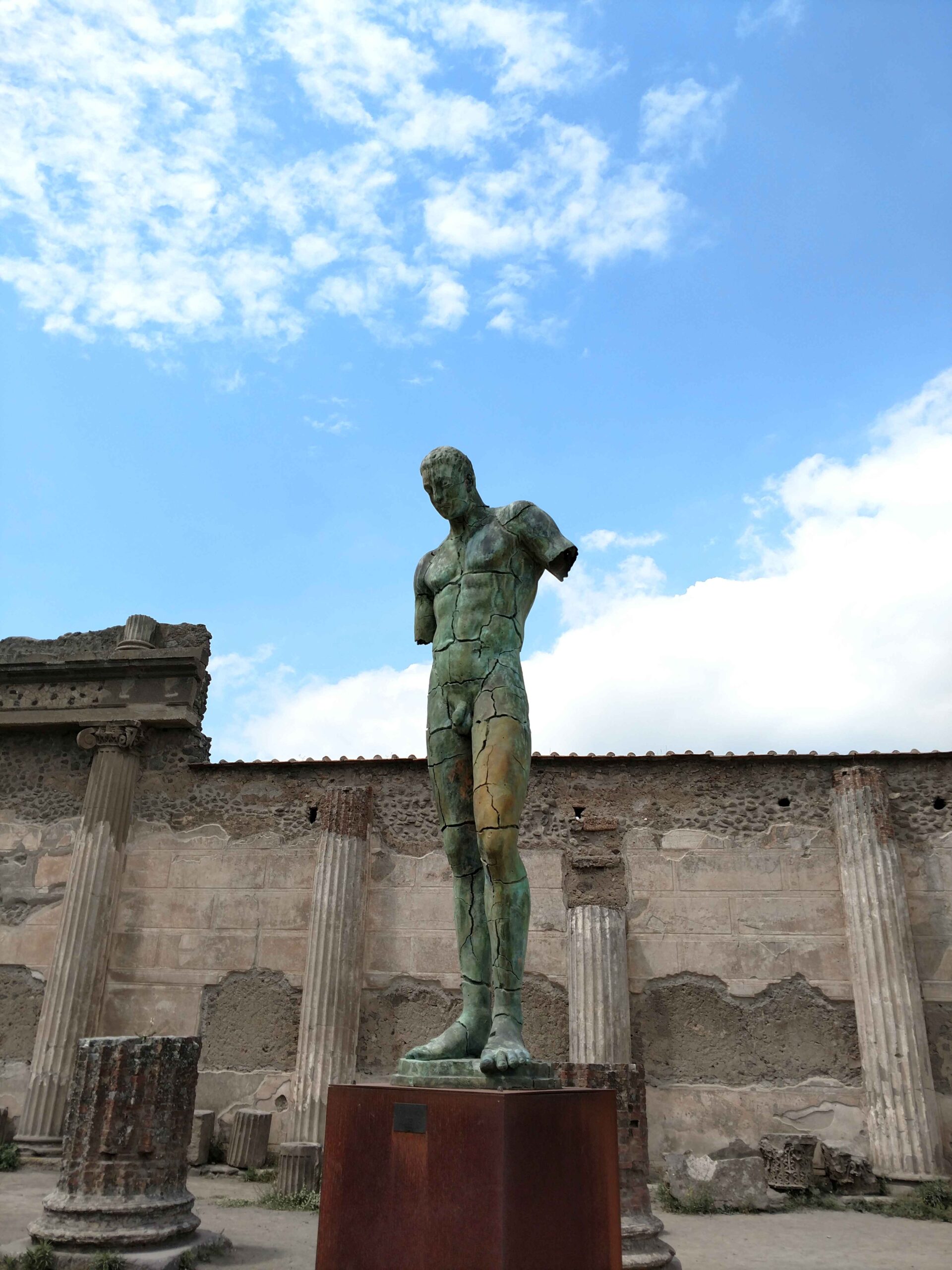
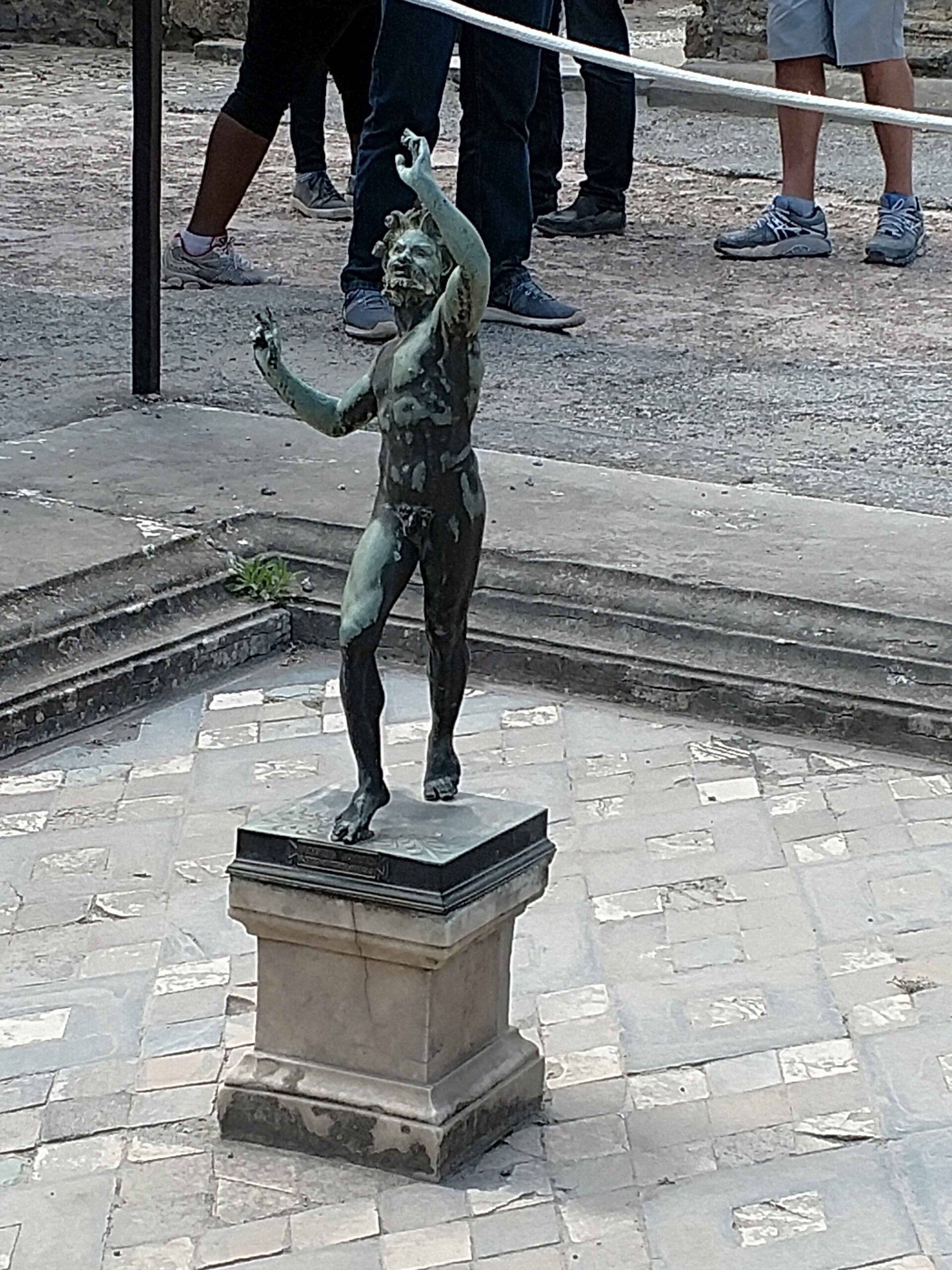
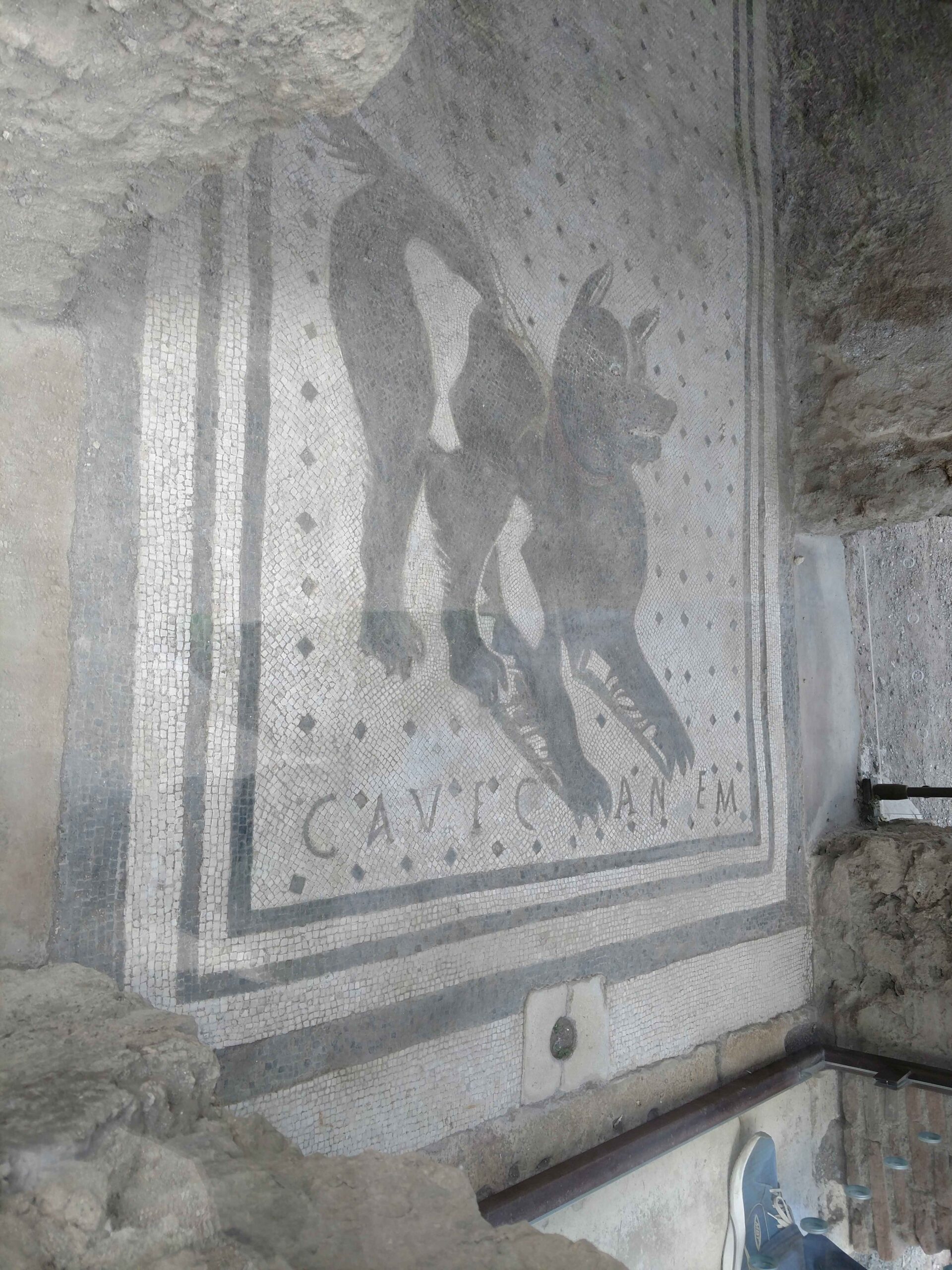
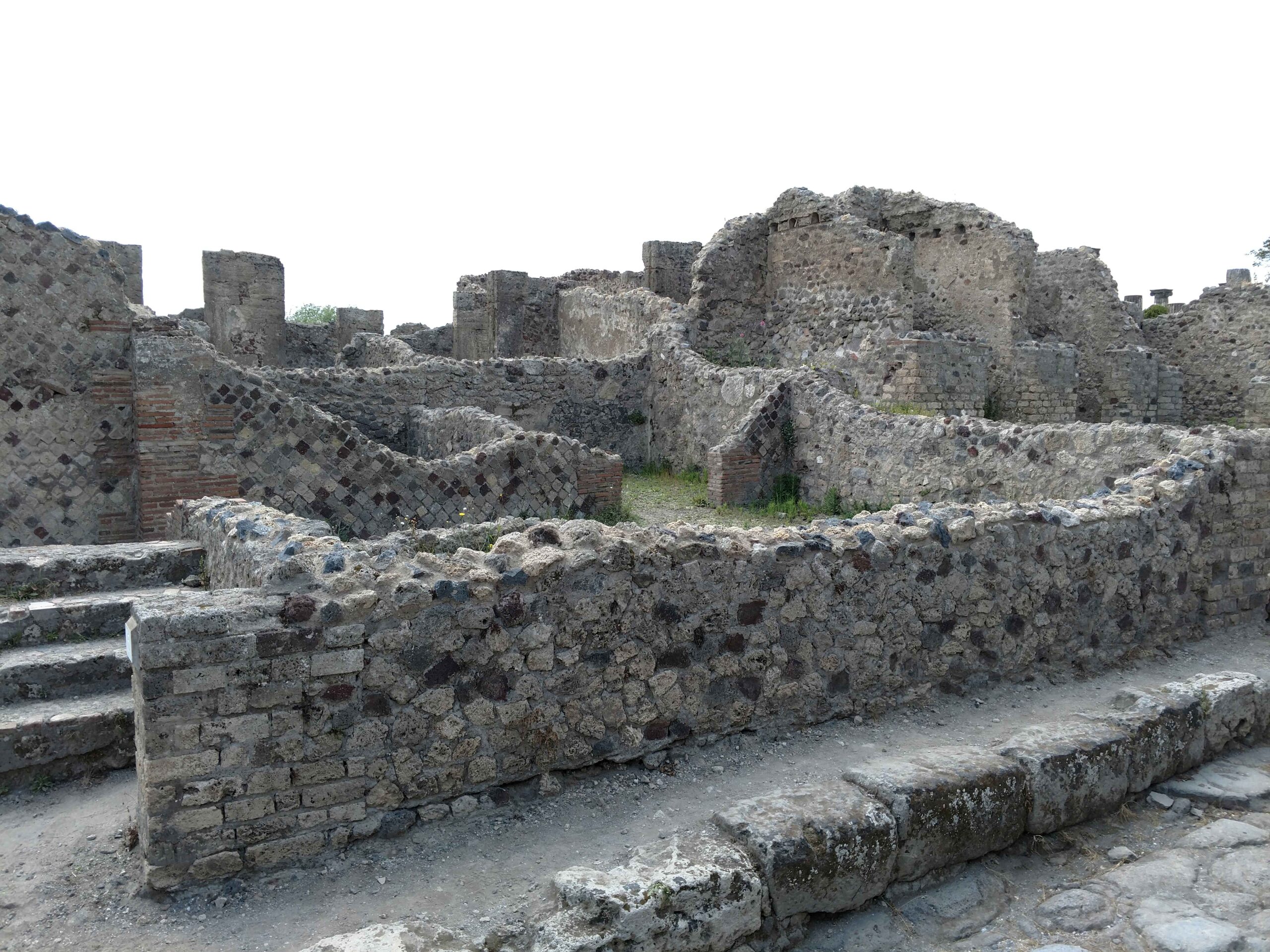
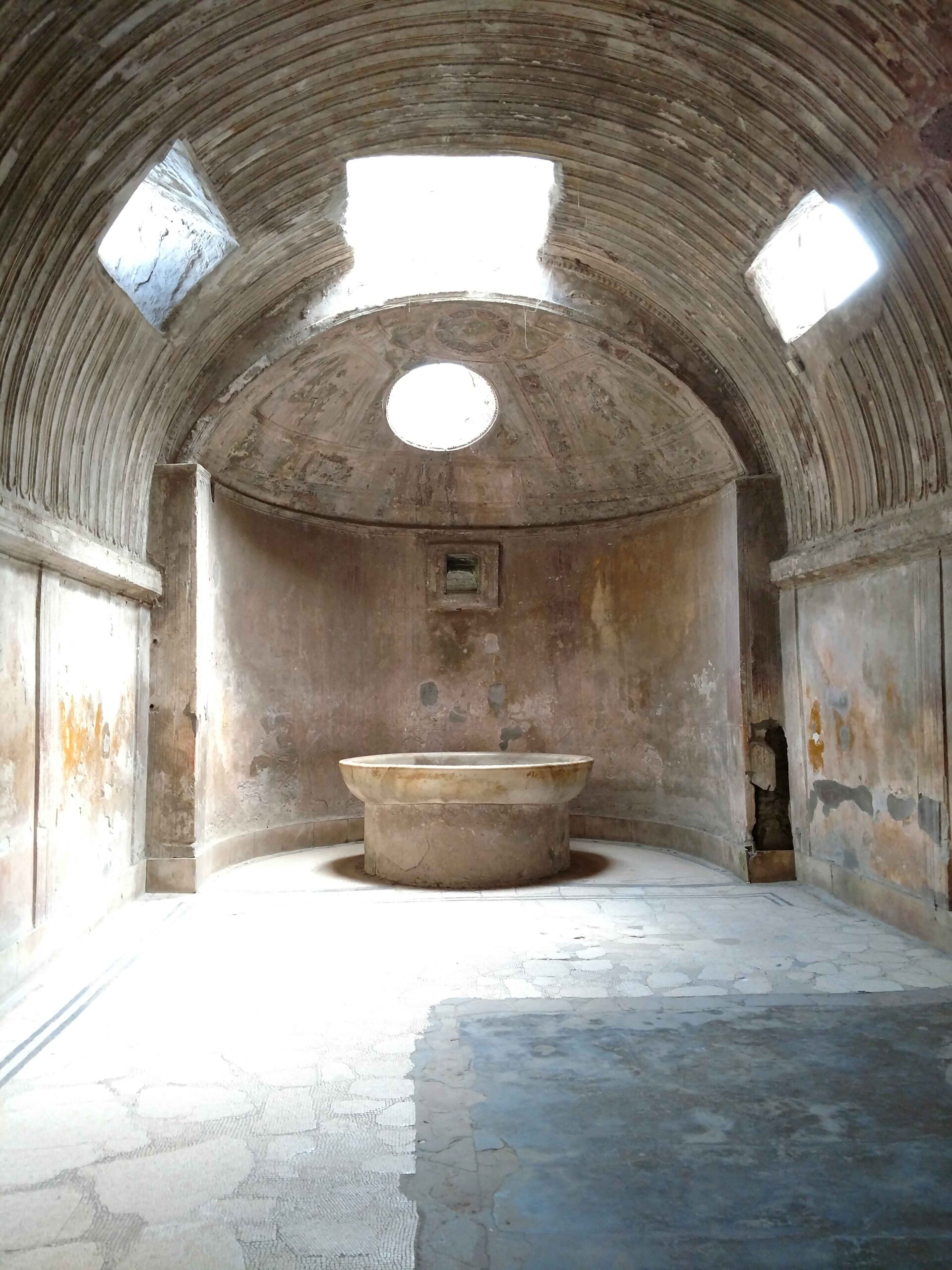
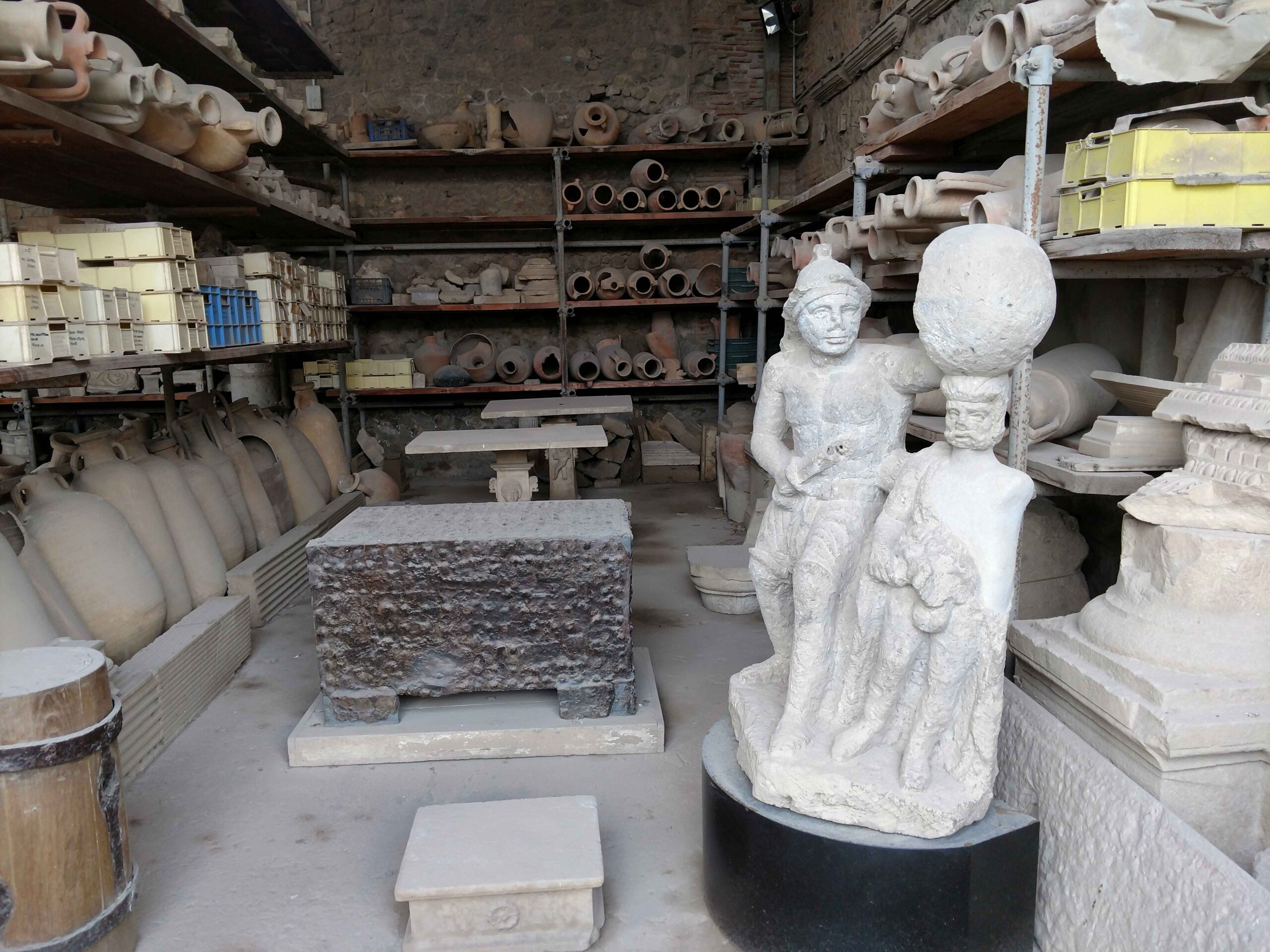
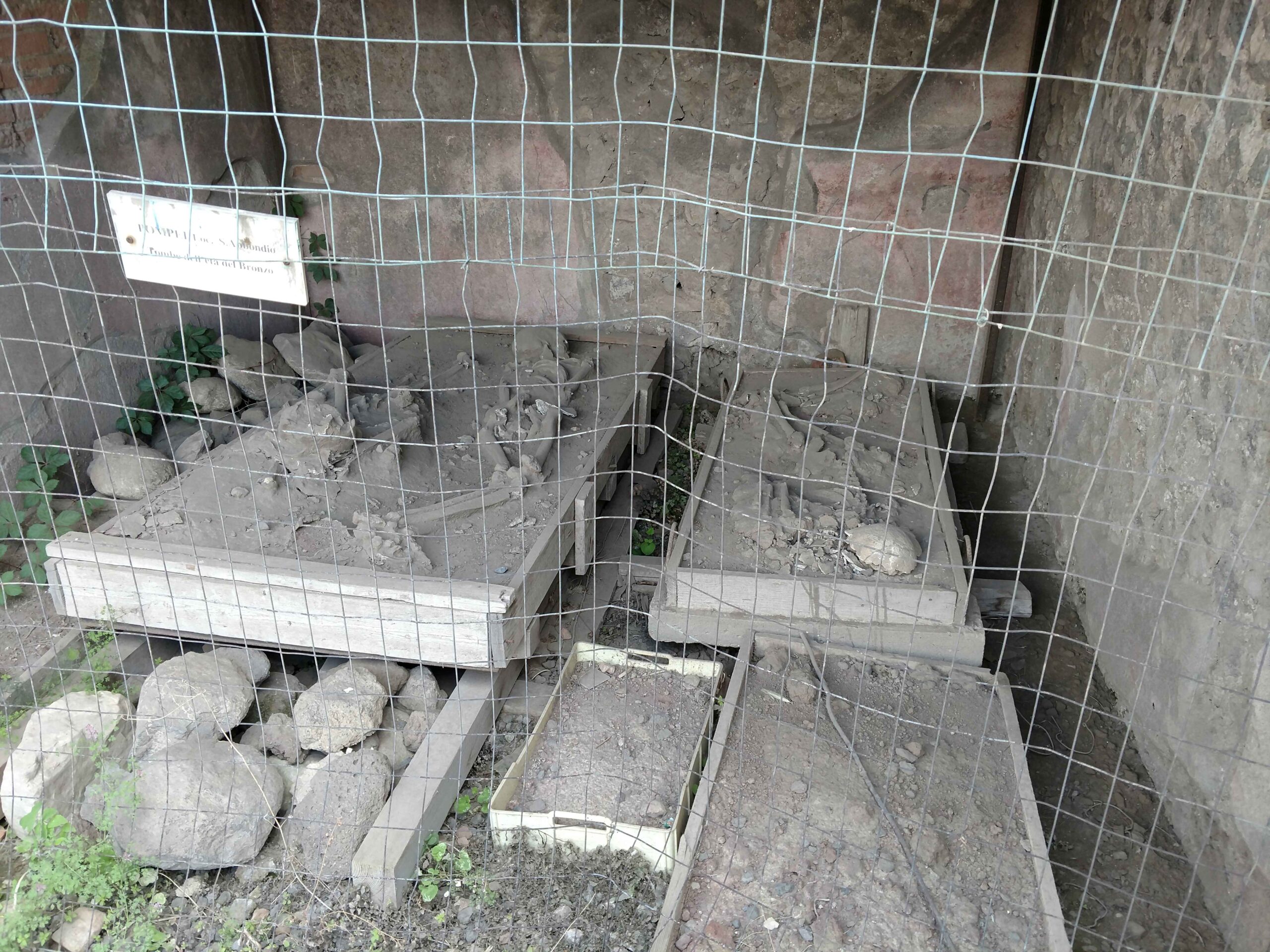
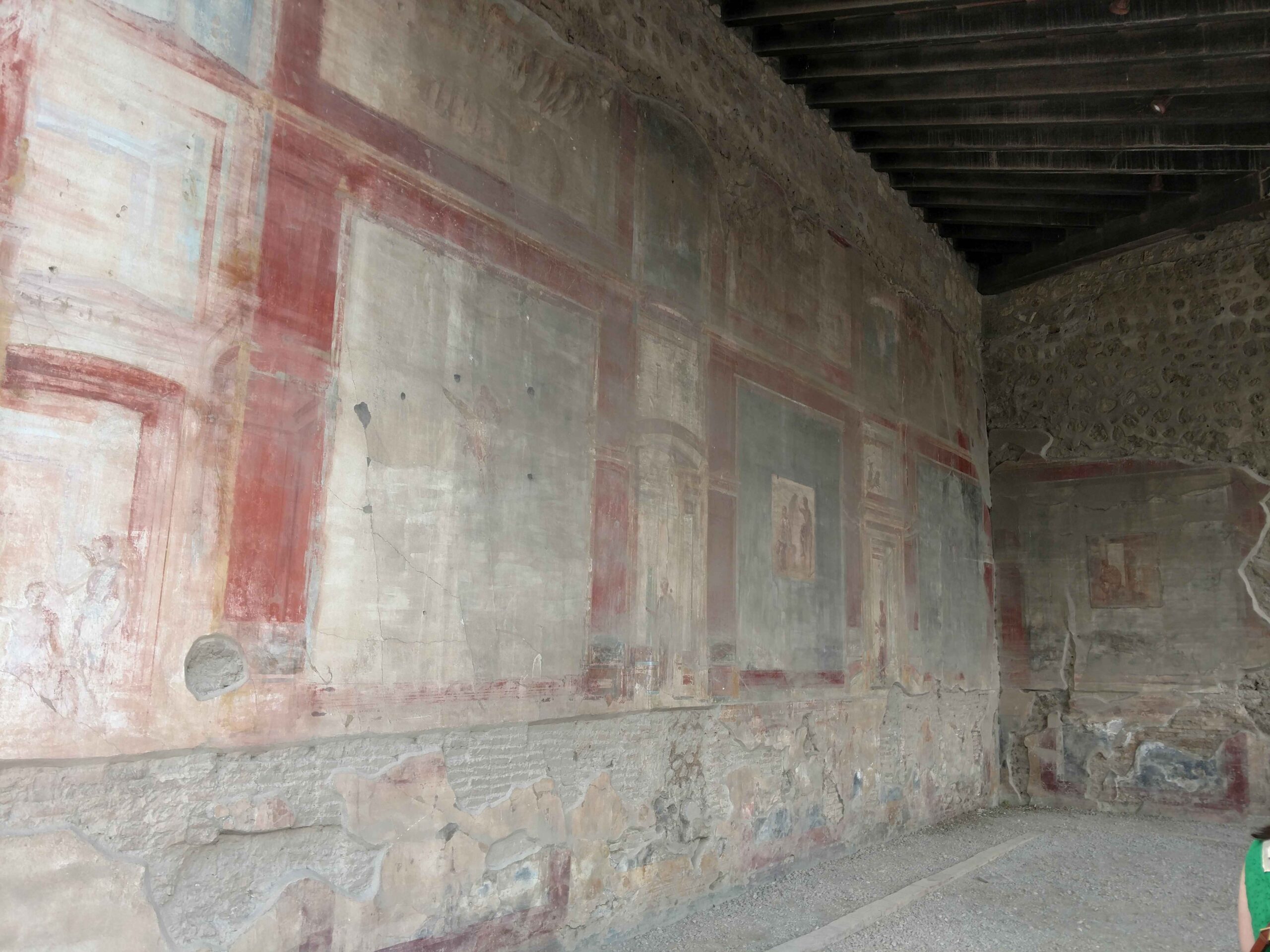
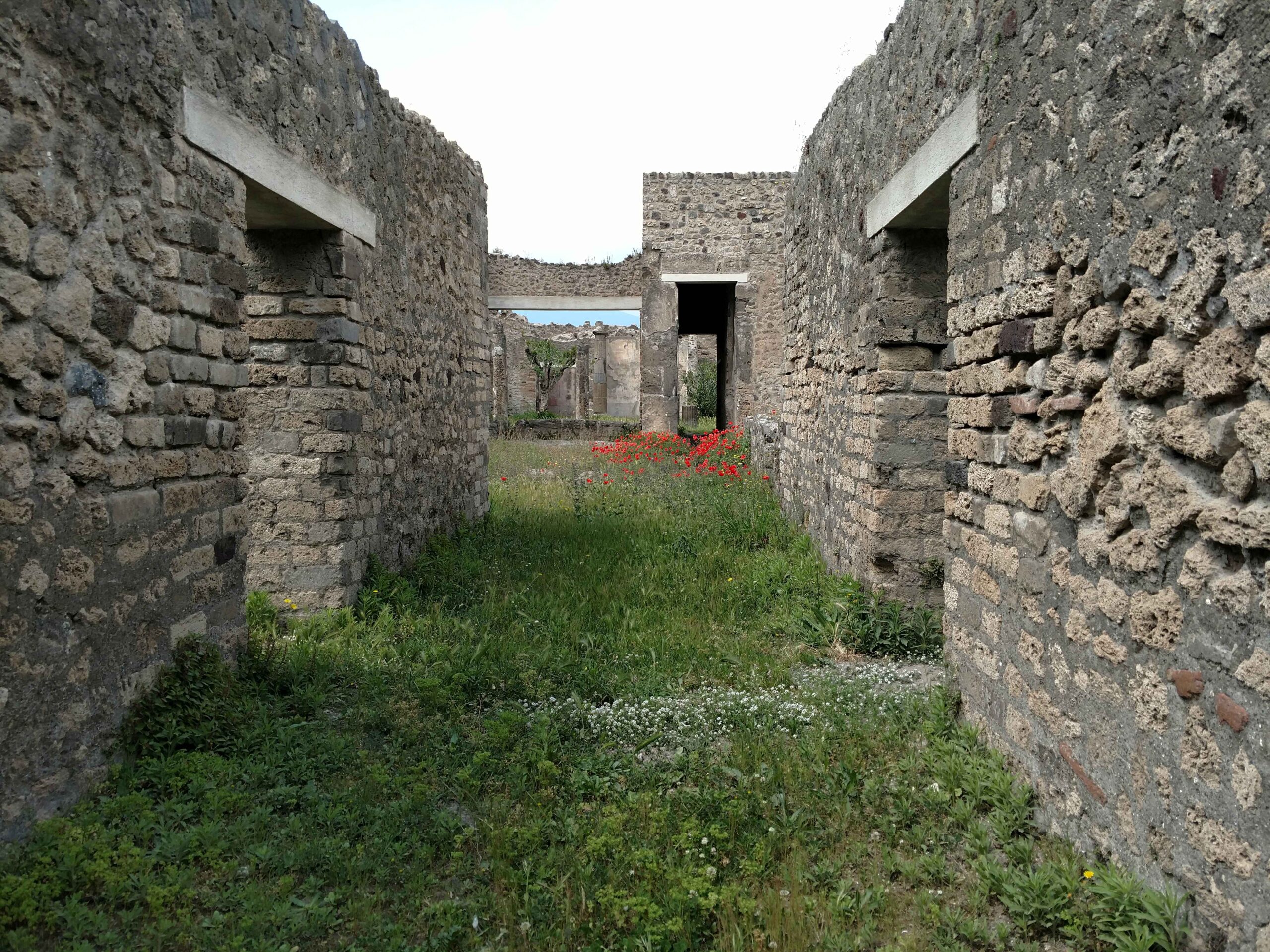
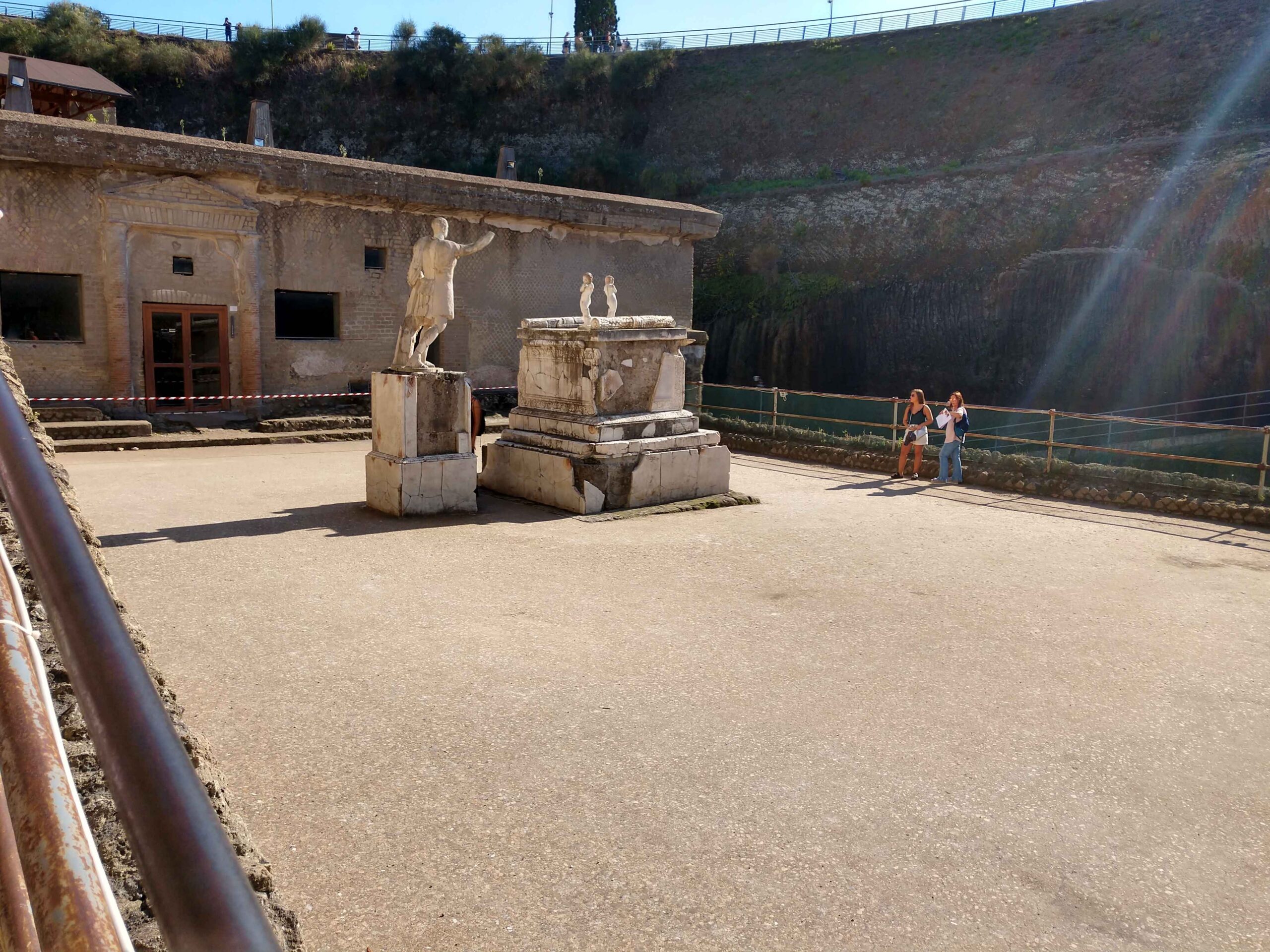
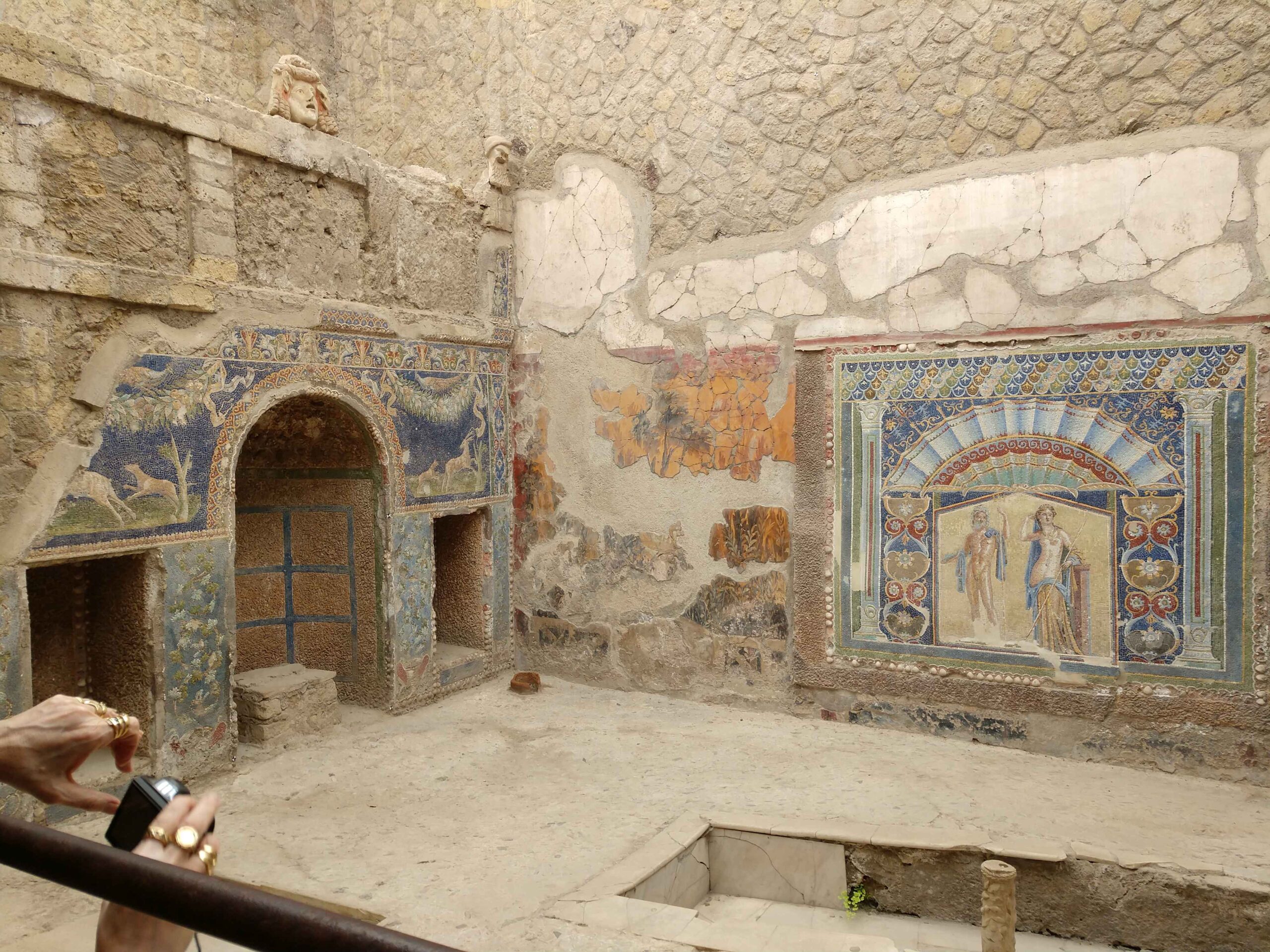
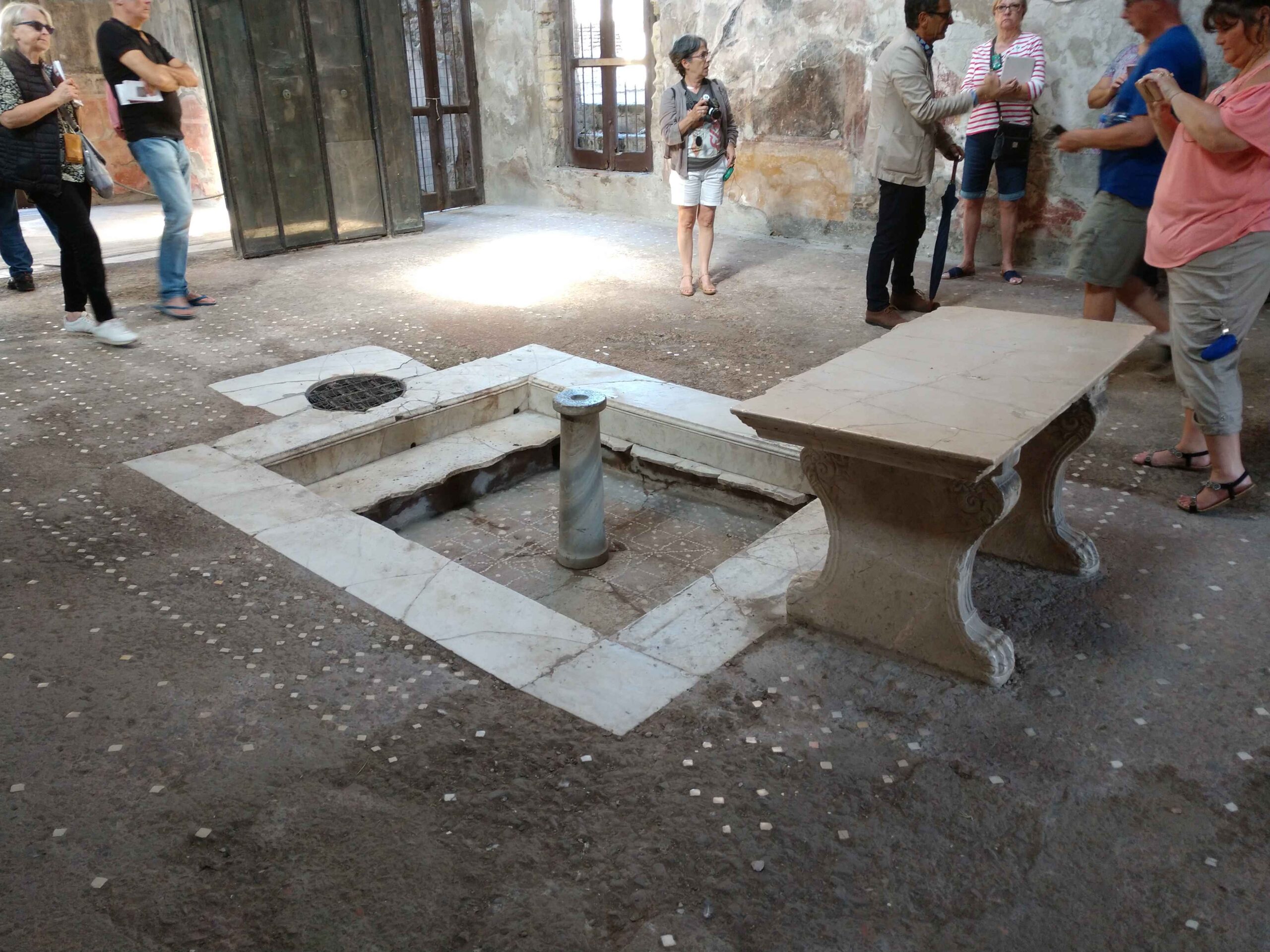
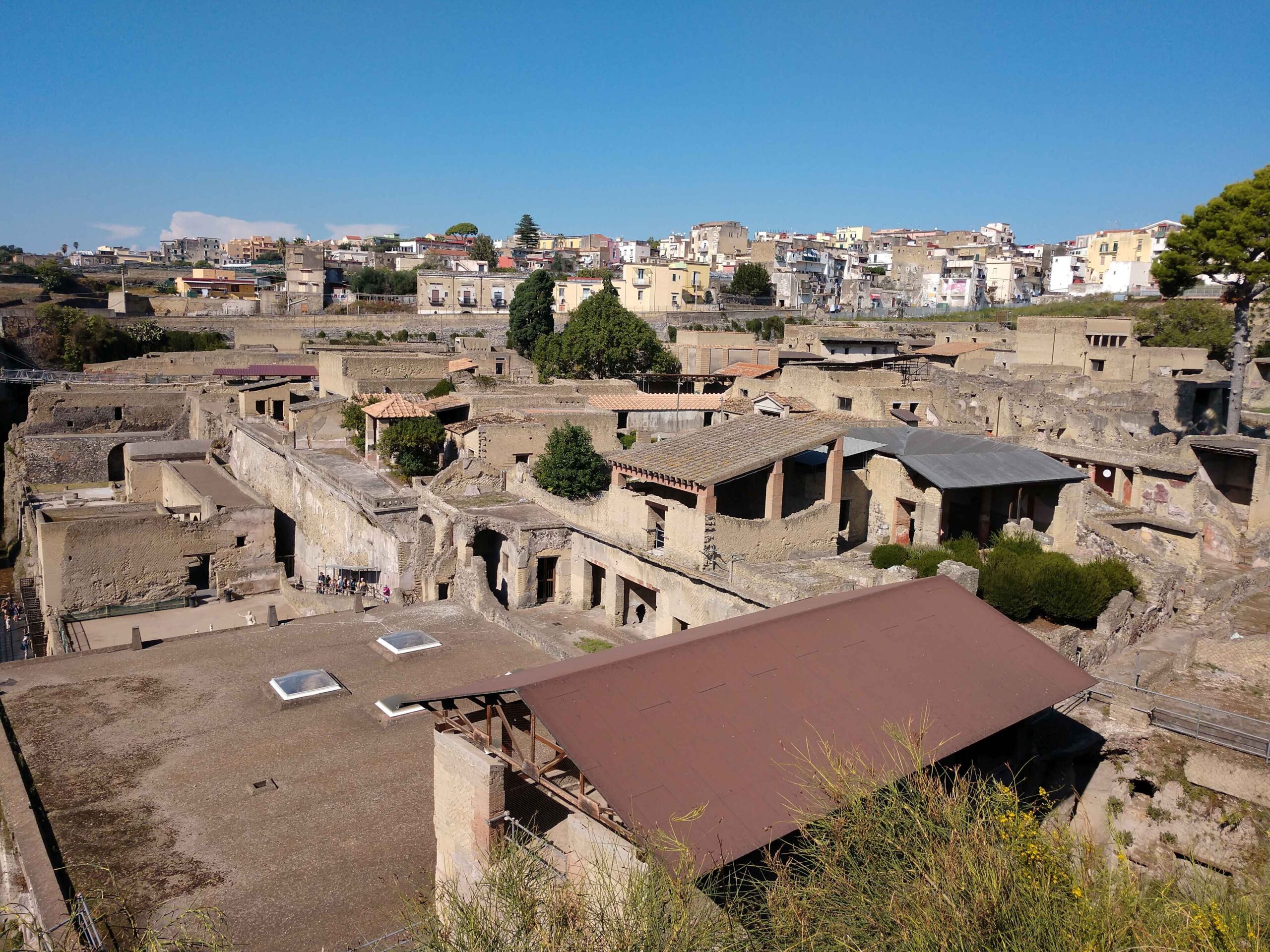
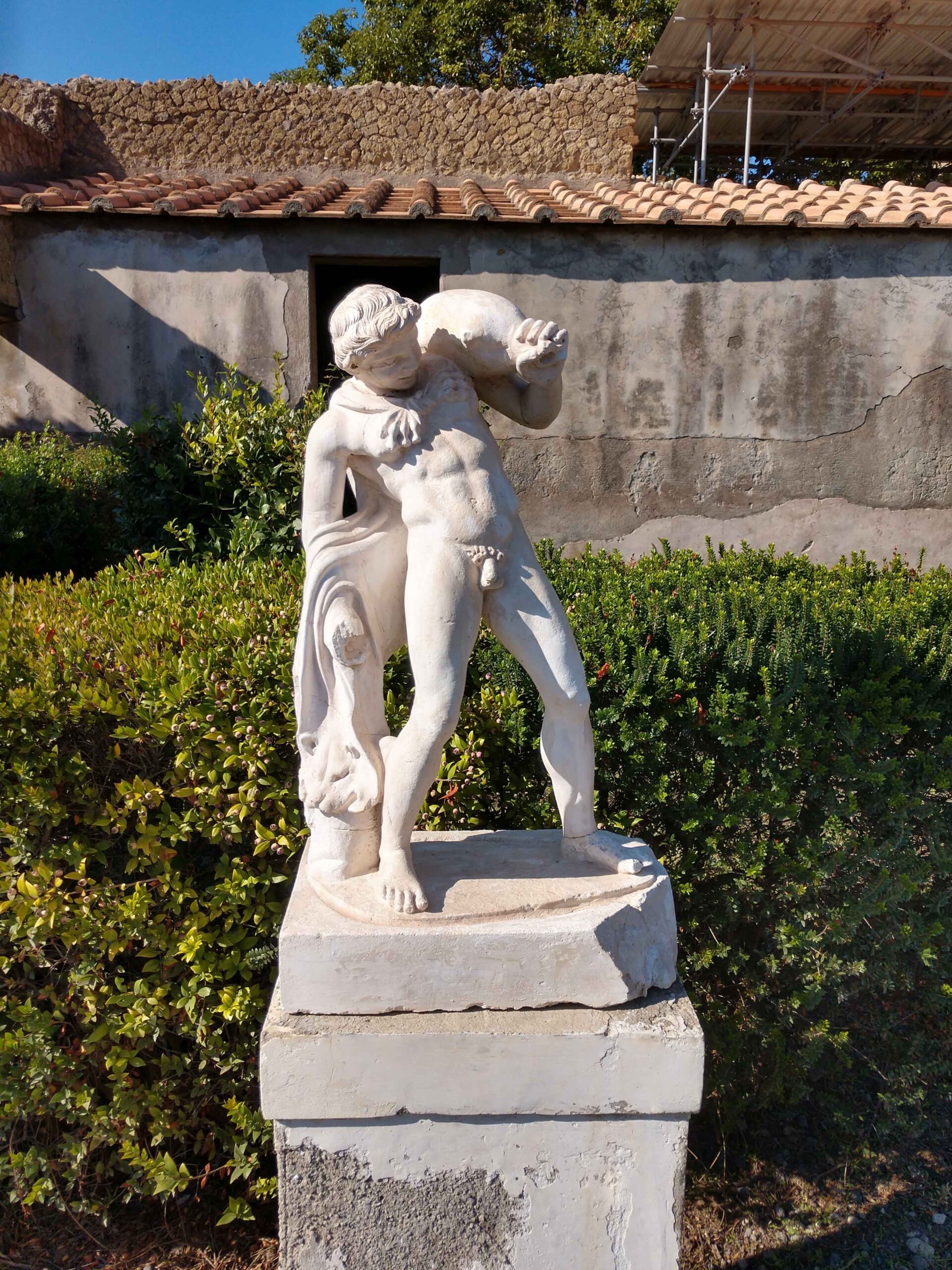
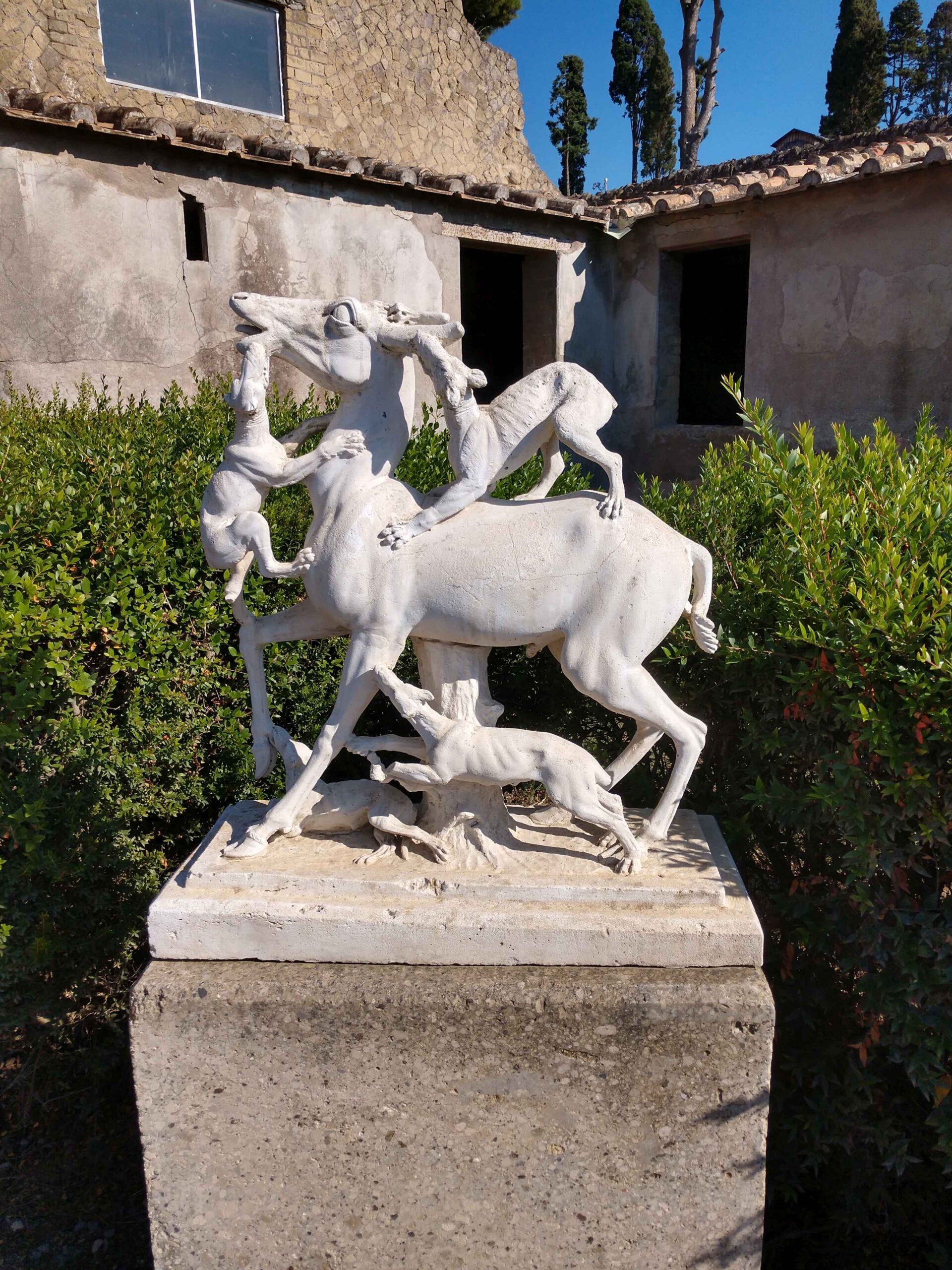
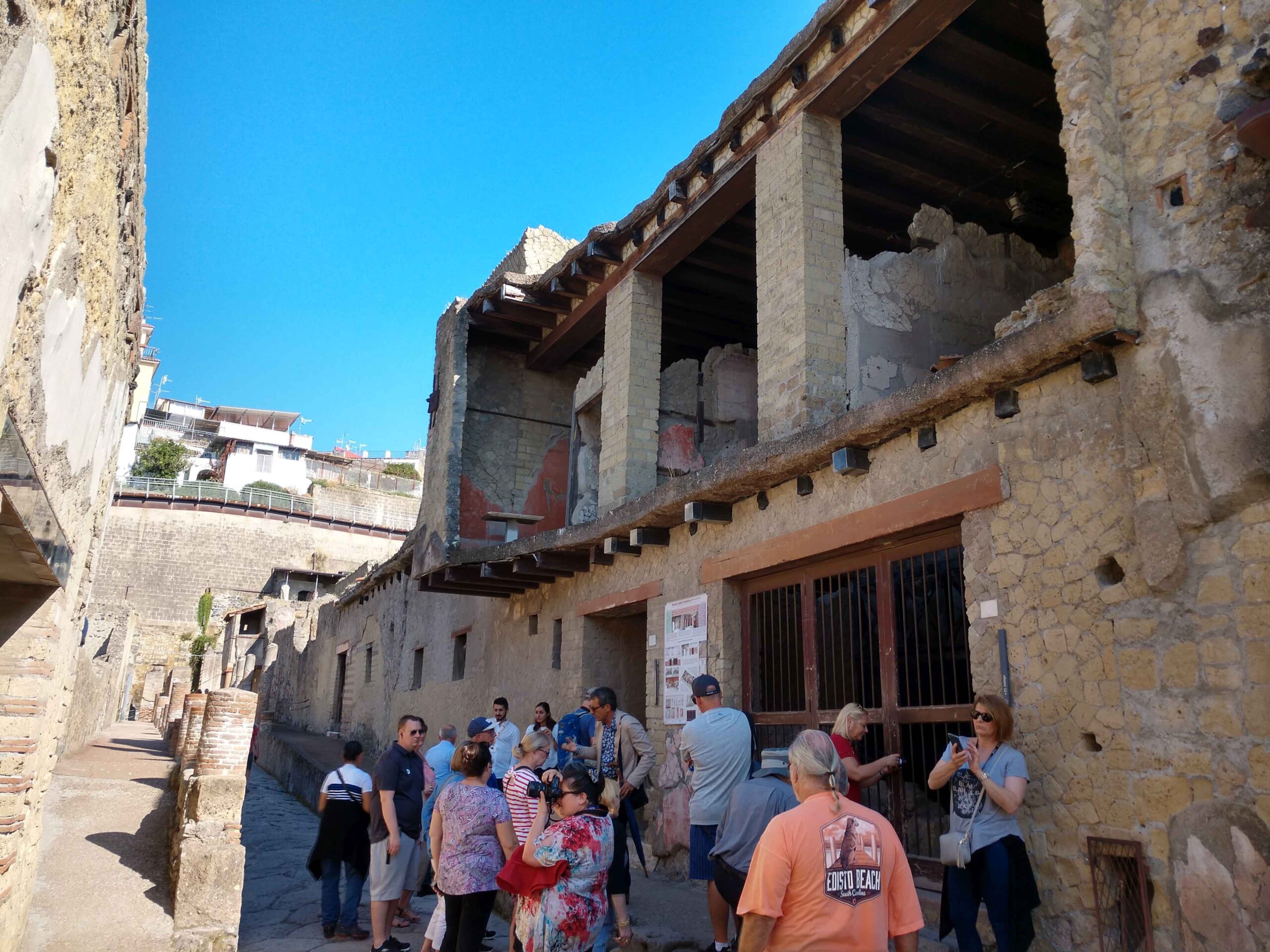
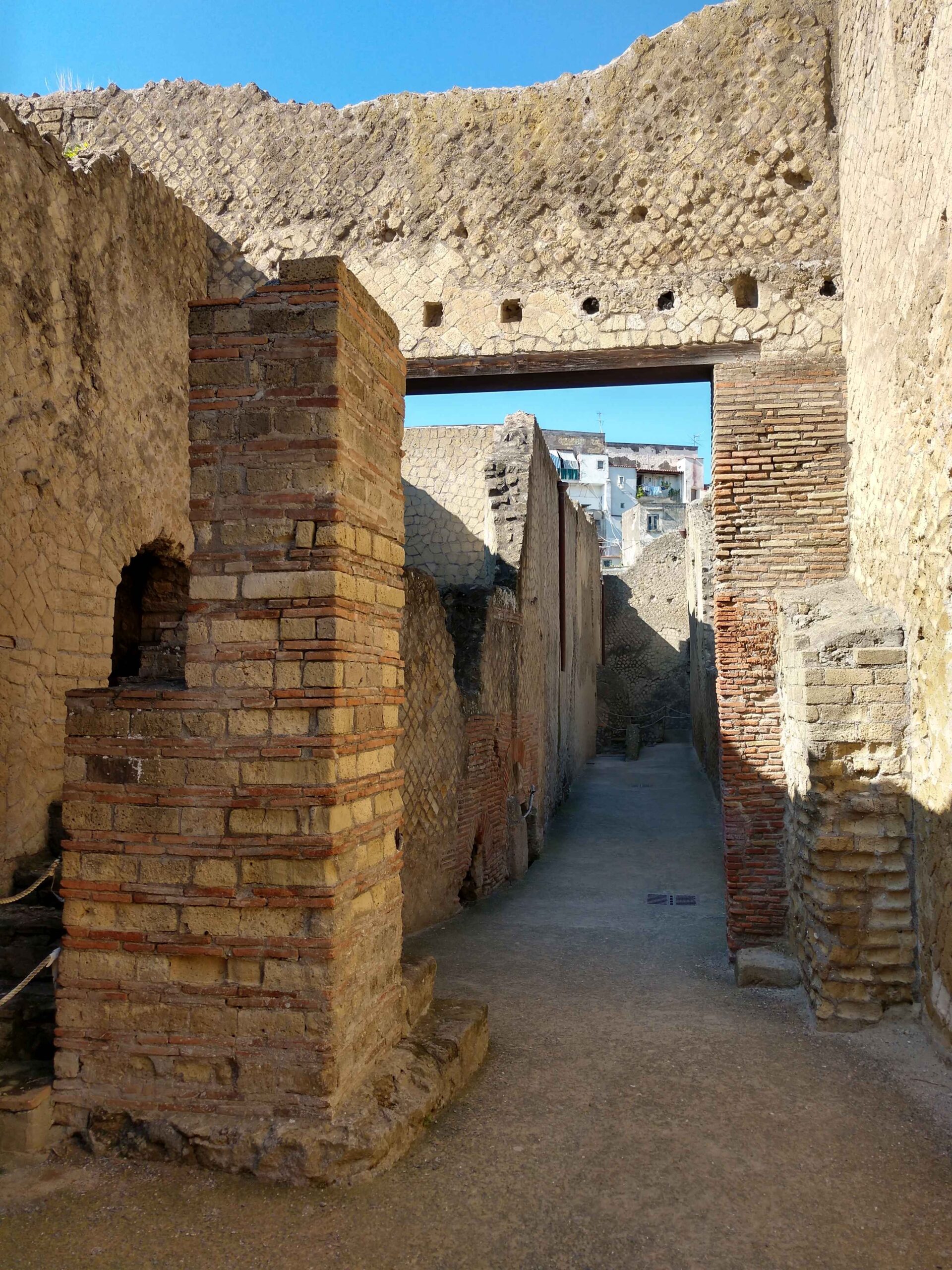
Excursions from Naples also make it easy to explore Pompeii and Herculaneum, two cities destroyed by the eruption of Mount Vesuvius in 79 AD. Pompeii is enormous and feels almost like a complete ancient city frozen in time, with long stone streets, open courtyards, theaters, bathhouses, and homes that still show faded frescoes and mosaics. Walking there can easily take an entire day. Herculaneum is smaller but in many ways even more fascinating because it was buried differently by volcanic flows, which preserved upper floors, wooden structures, and colorful interior details that rarely survive elsewhere. Visiting both sites brings the story of Vesuvius to life and adds a powerful historical dimension to any trip through Naples.



If You Have More Time…
- Mount Vesuvius – A hike to the crater rim offers sweeping views of the Bay of Naples and the chance to see steam vents from the still active volcano.
- Pompeii Archaeological Park – One of the most extensive ancient Roman sites in the world where entire streets houses and temples remain preserved.
- Herculaneum – Smaller than Pompeii but remarkably preserved with intact structures mosaics and frescoes that reveal details of Roman daily life.
- Galleria Borbonica – A fascinating underground tour through tunnels used as wartime shelters which show a hidden side of Naples beneath the streets.
- Piazza del Plebiscito – A large historic square near the waterfront surrounded by grand architecture including the Royal Palace of Naples and the Basilica of San Francesco di Paola.