
Florence Streets and Pisa Tower Views from Livorno and La Spezia
Warm coastal air carried the scent of the sea as I stepped off cruise excursions in Livorno and La Spezia, but the real pull was inland toward Tuscany. The ports themselves felt functional and transitional, with buses lined up and groups gathering, all moving toward places like Florence and Pisa where the experience would truly unfold.
Tuscany, or Toscana, pronounced tohs KAH nah, reveals itself through these ports rather than within them. The journey starts at the dock, but quickly shifts into the countryside and cities that define the region. From the beginning, it felt less like arriving somewhere and more like being routed toward something much larger.
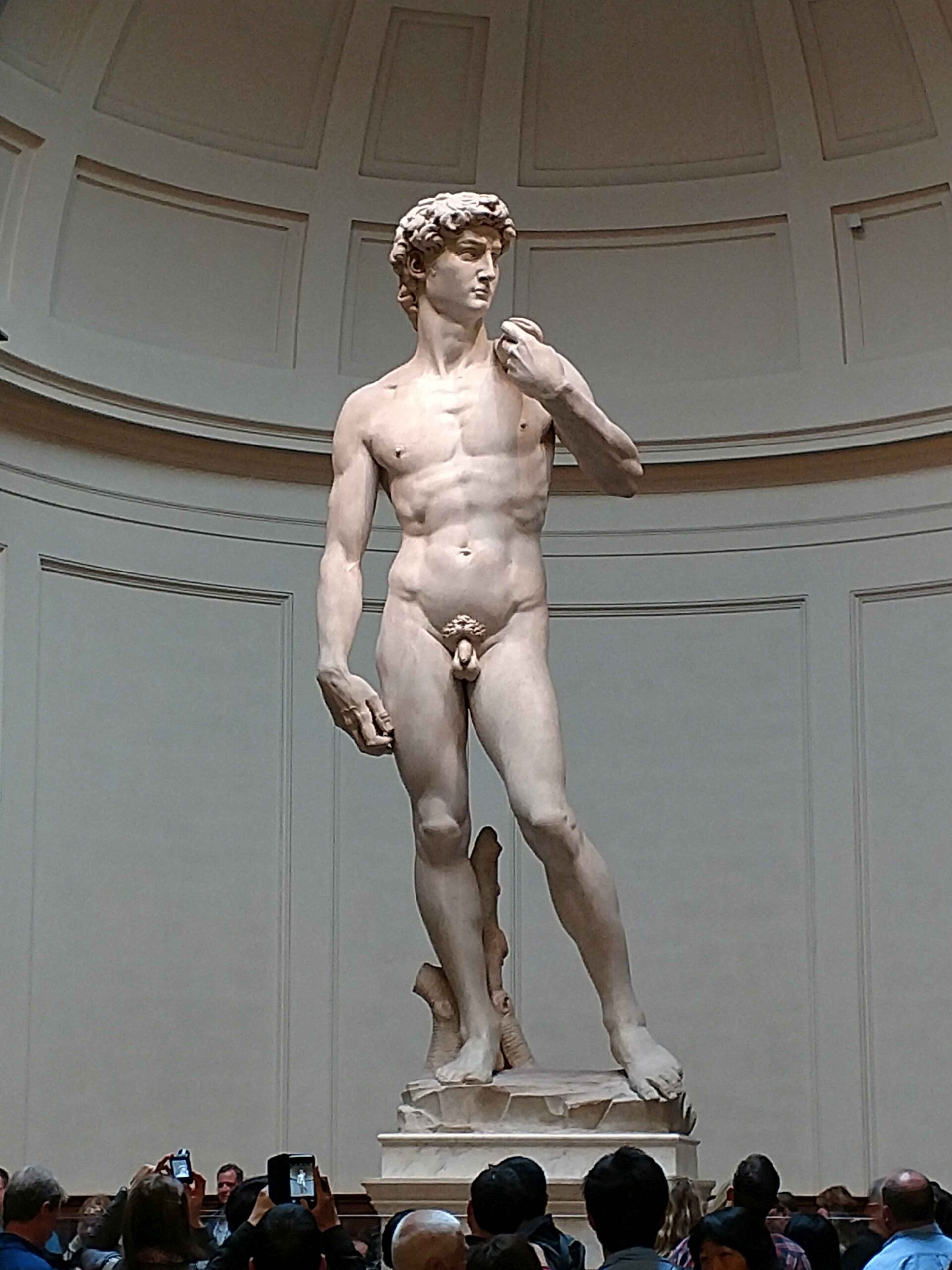
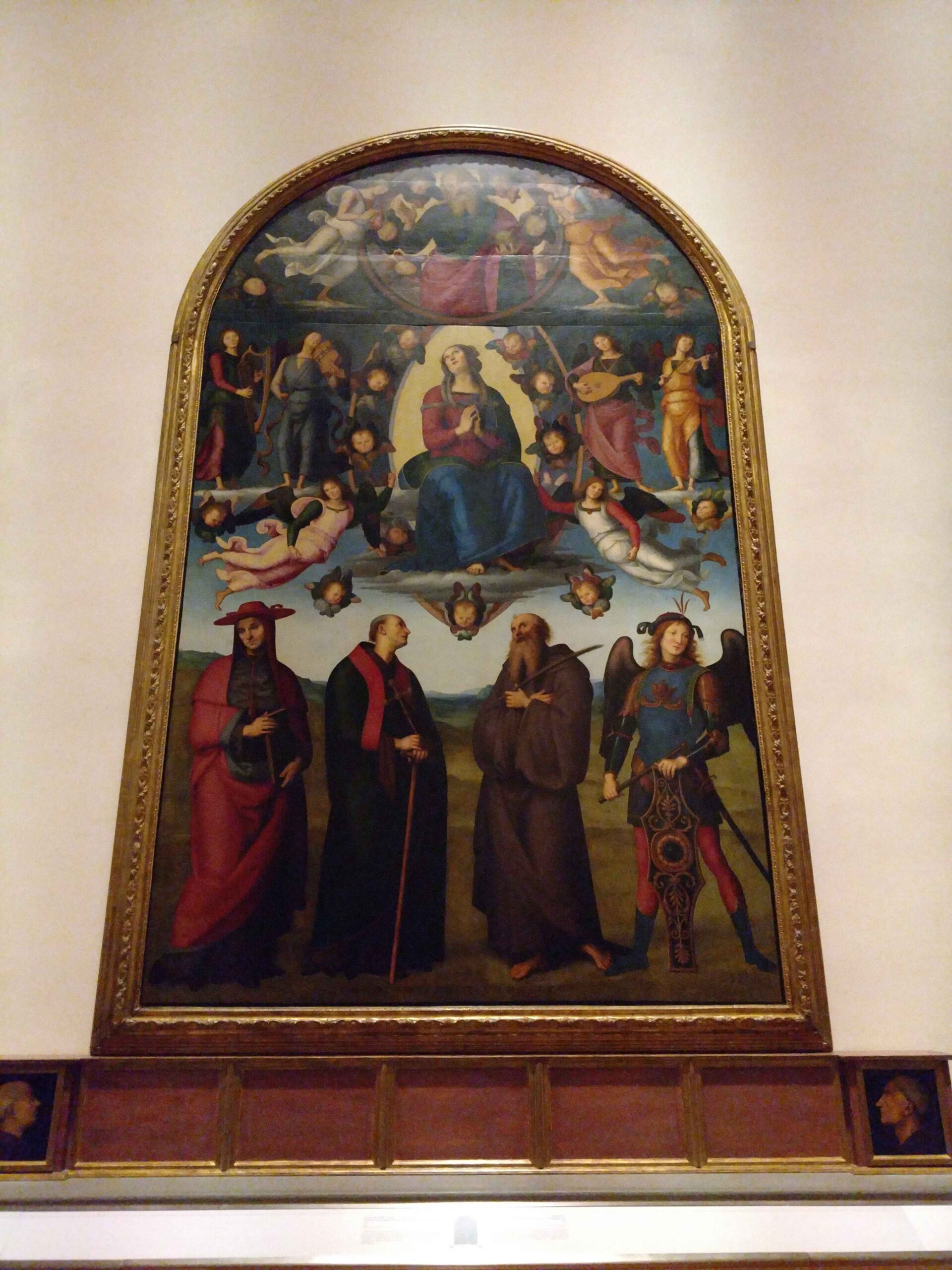
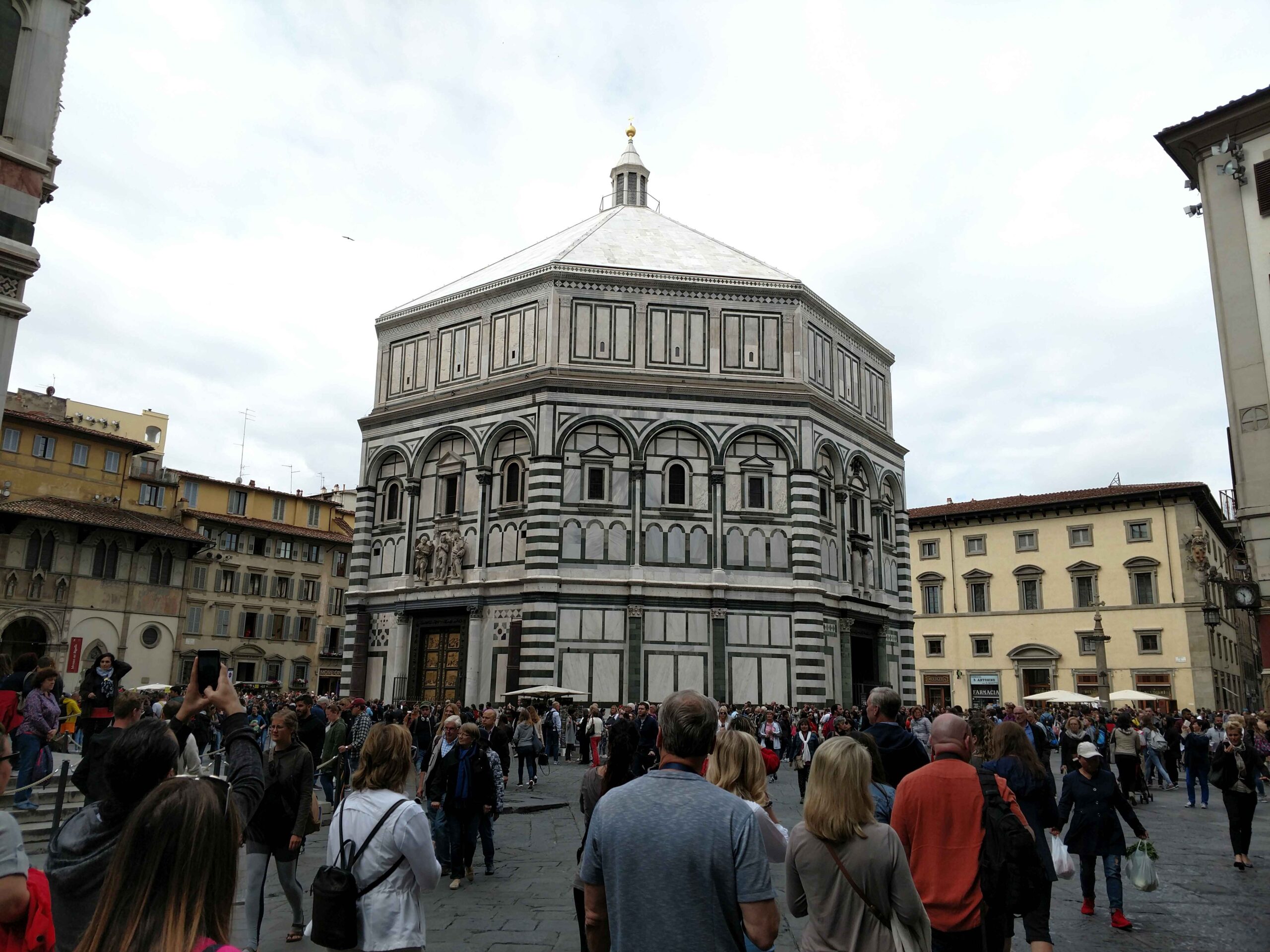
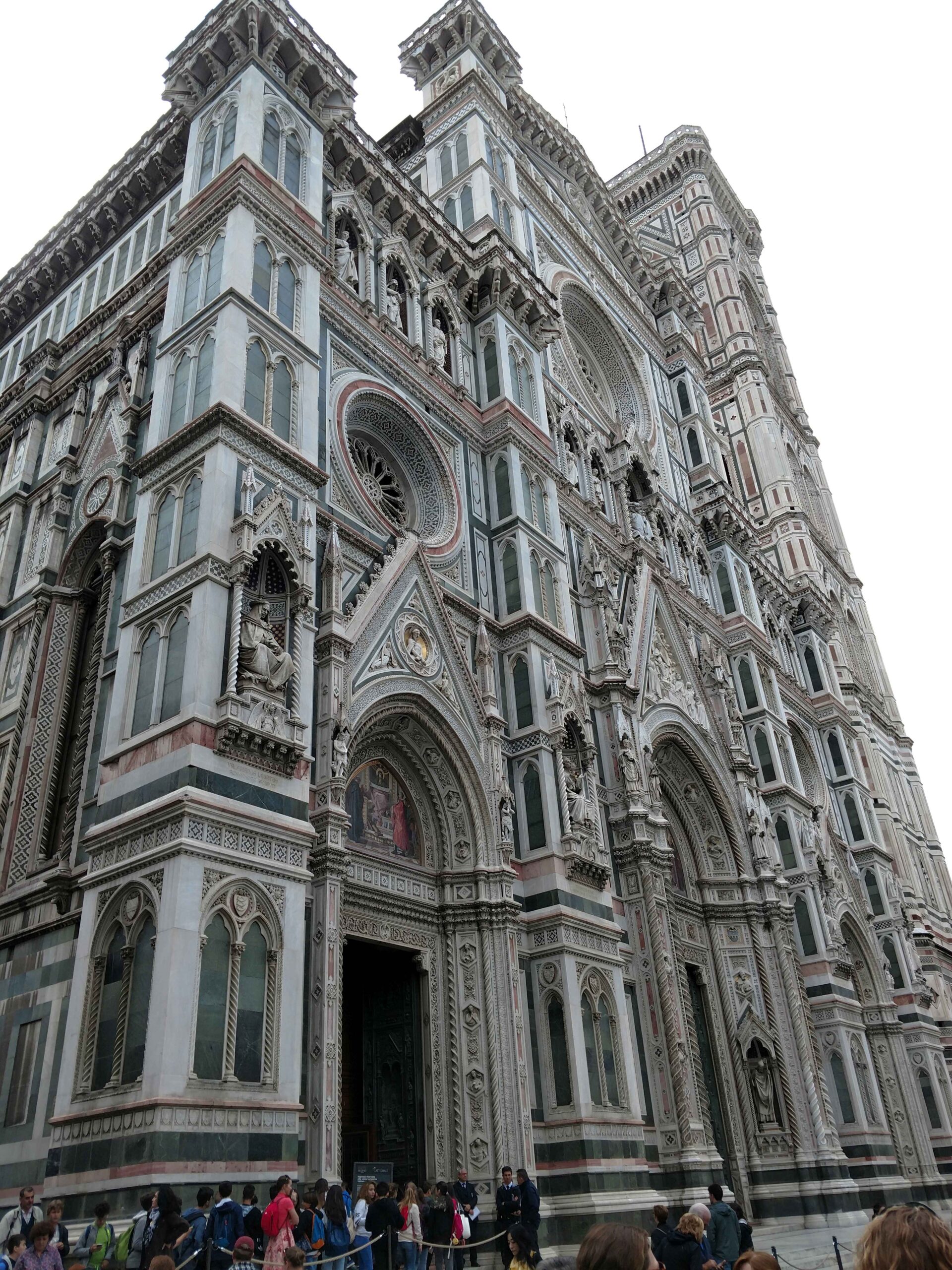
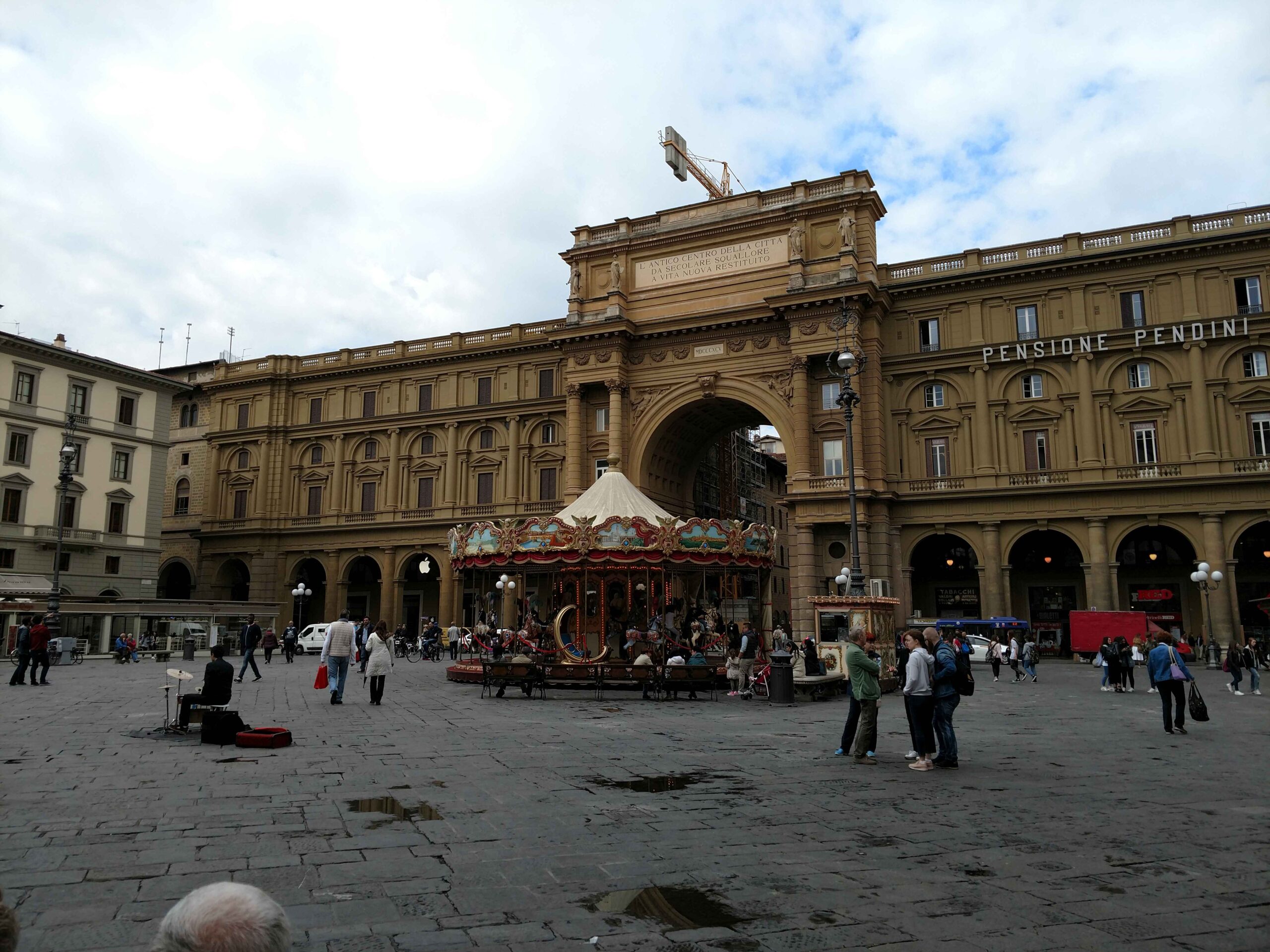
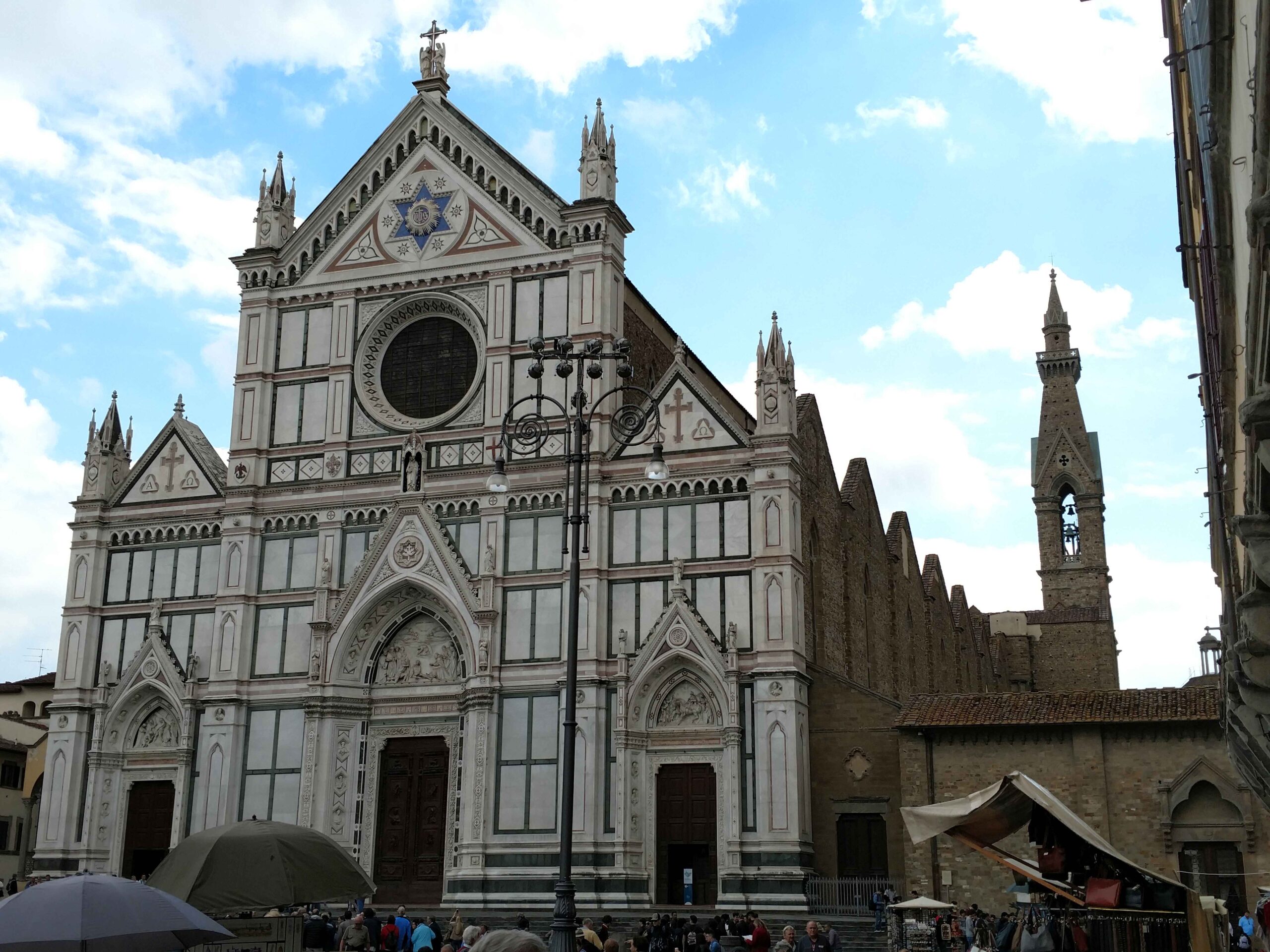
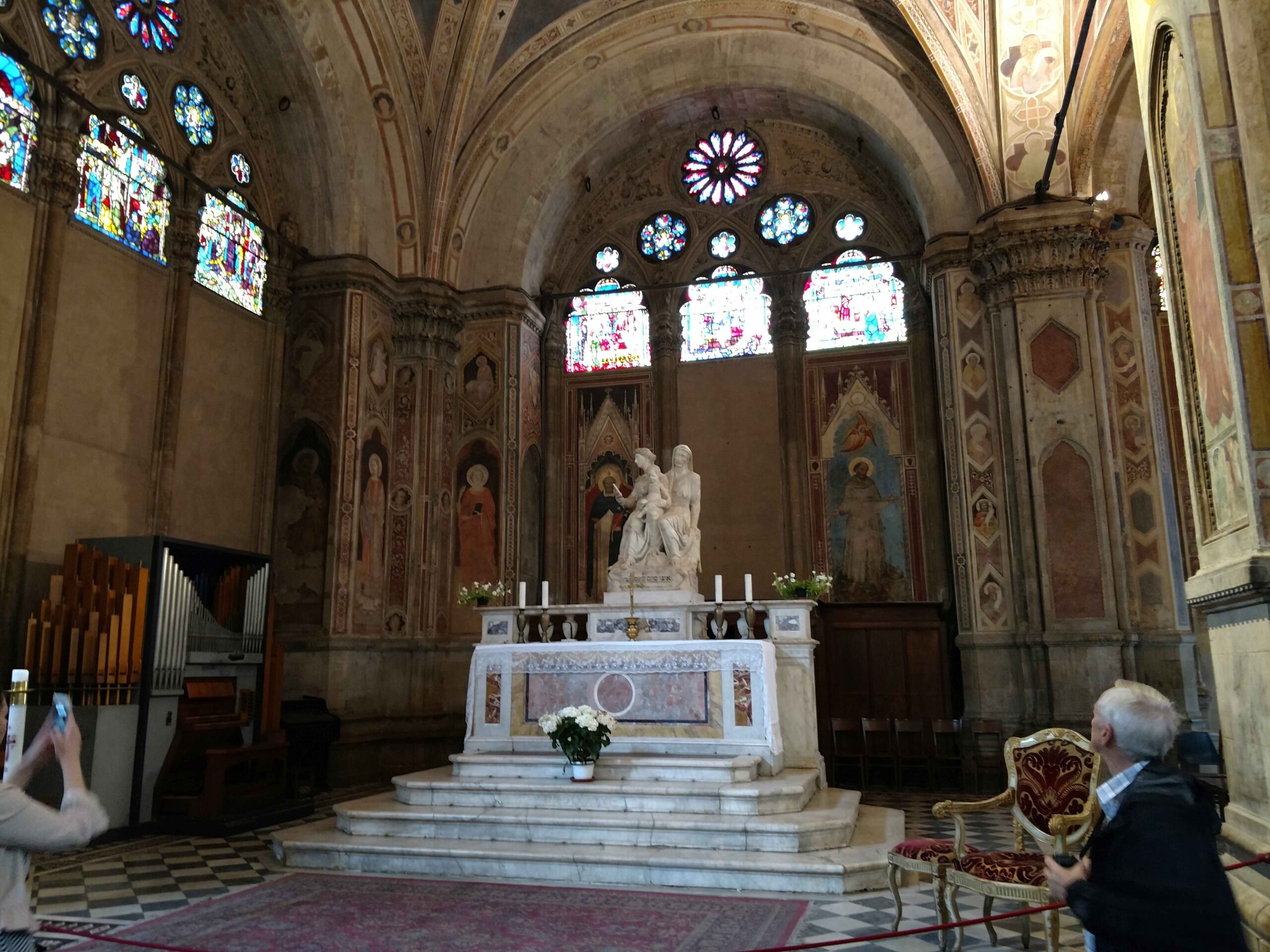
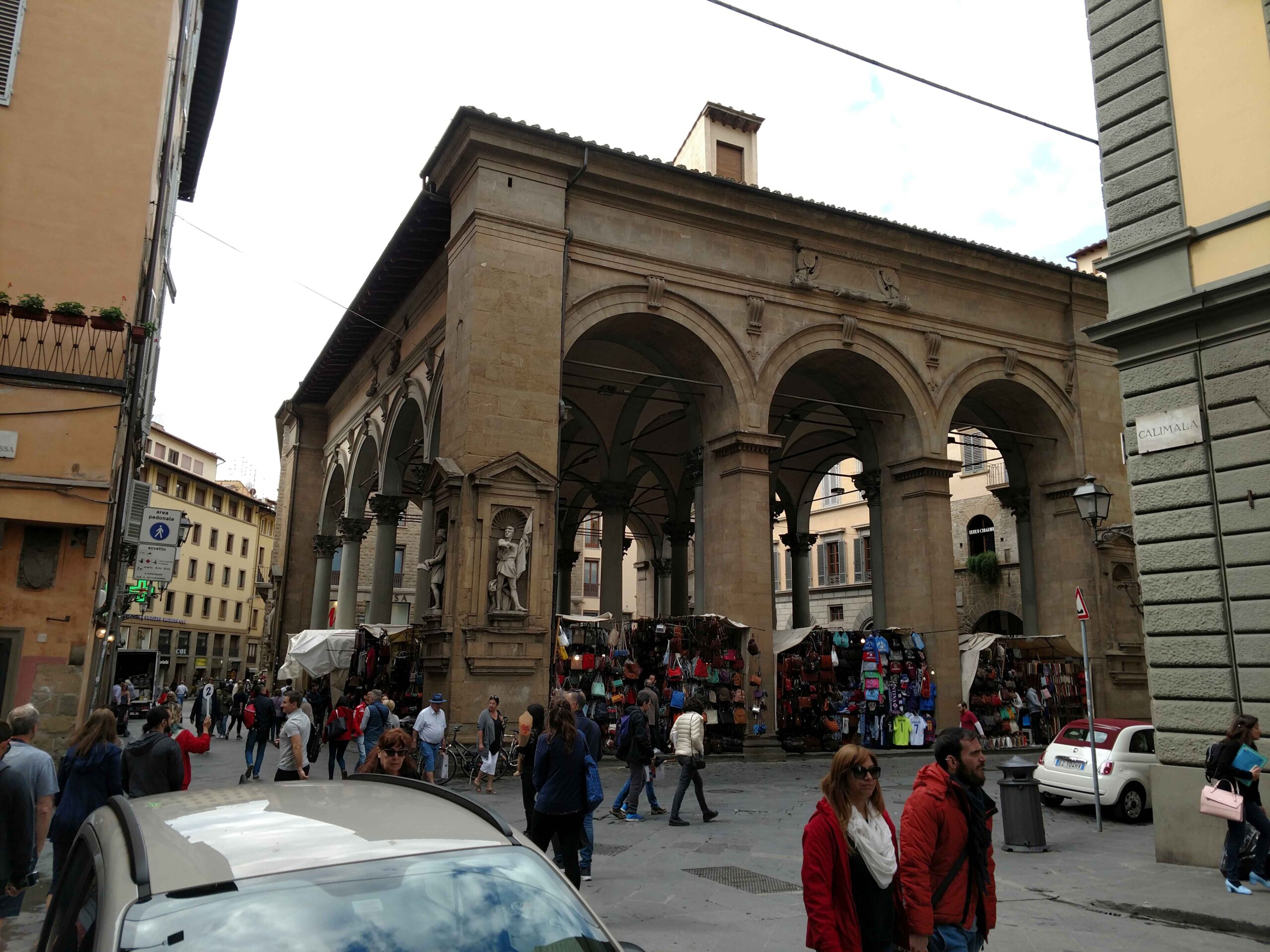
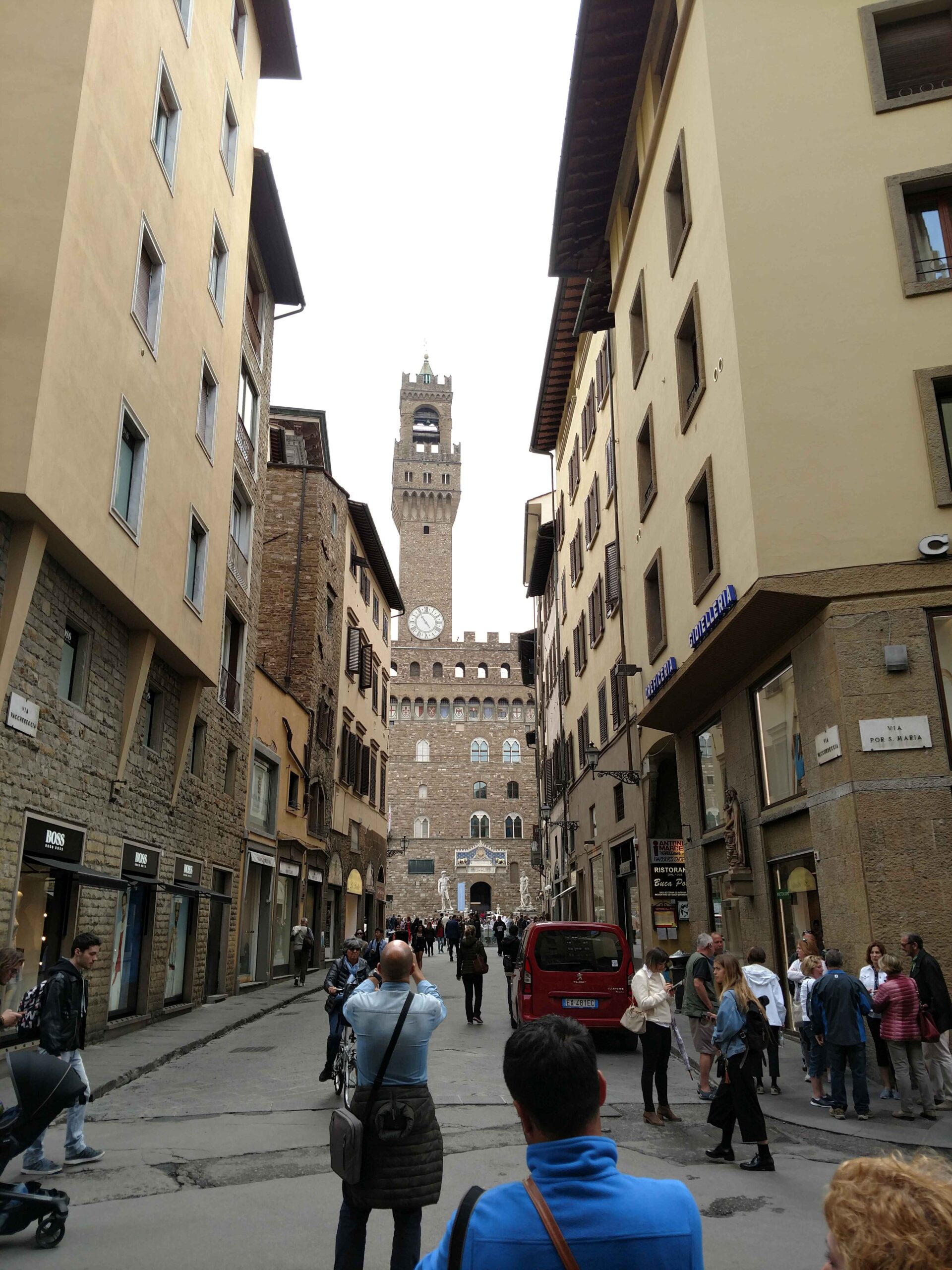
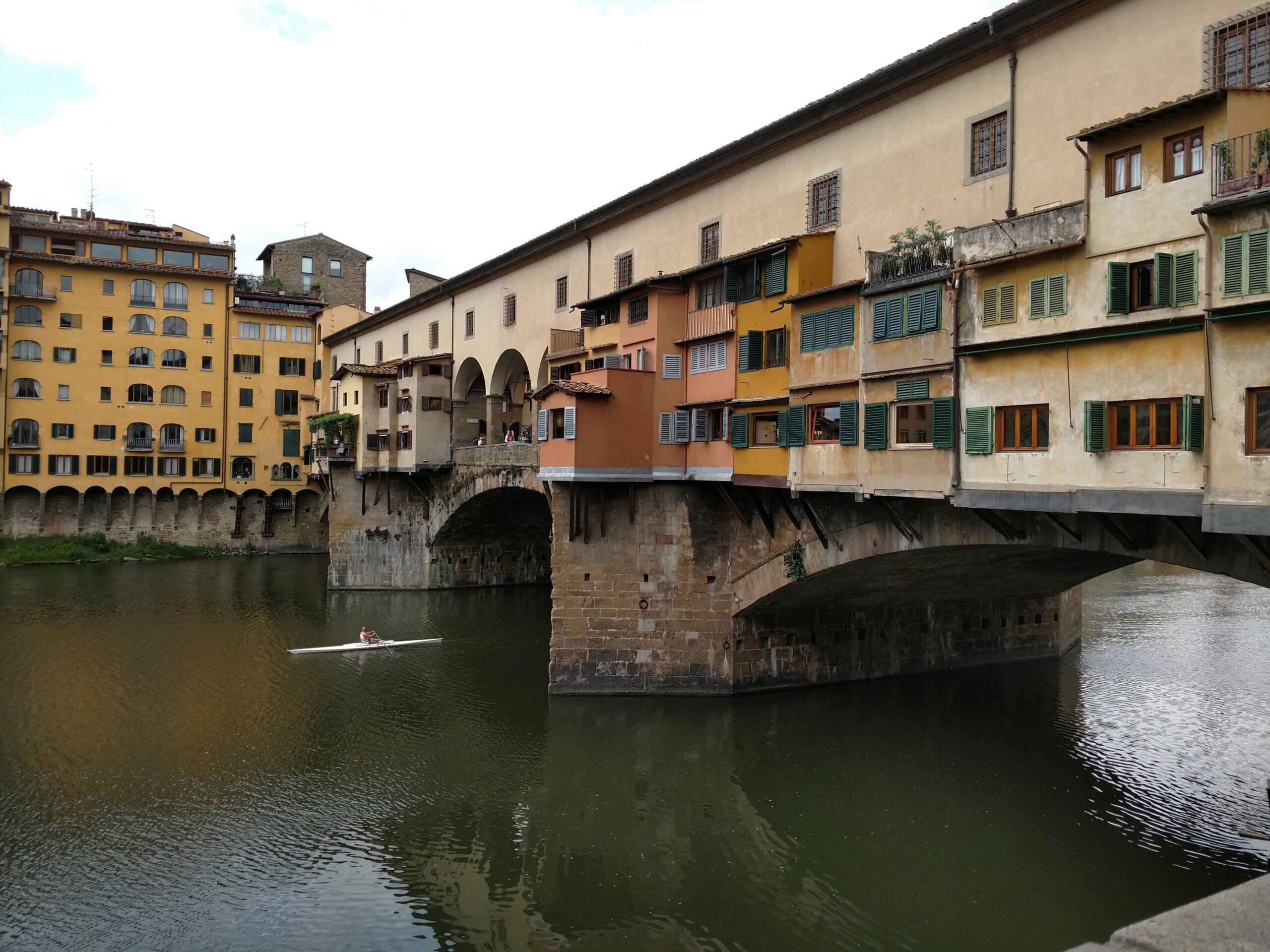
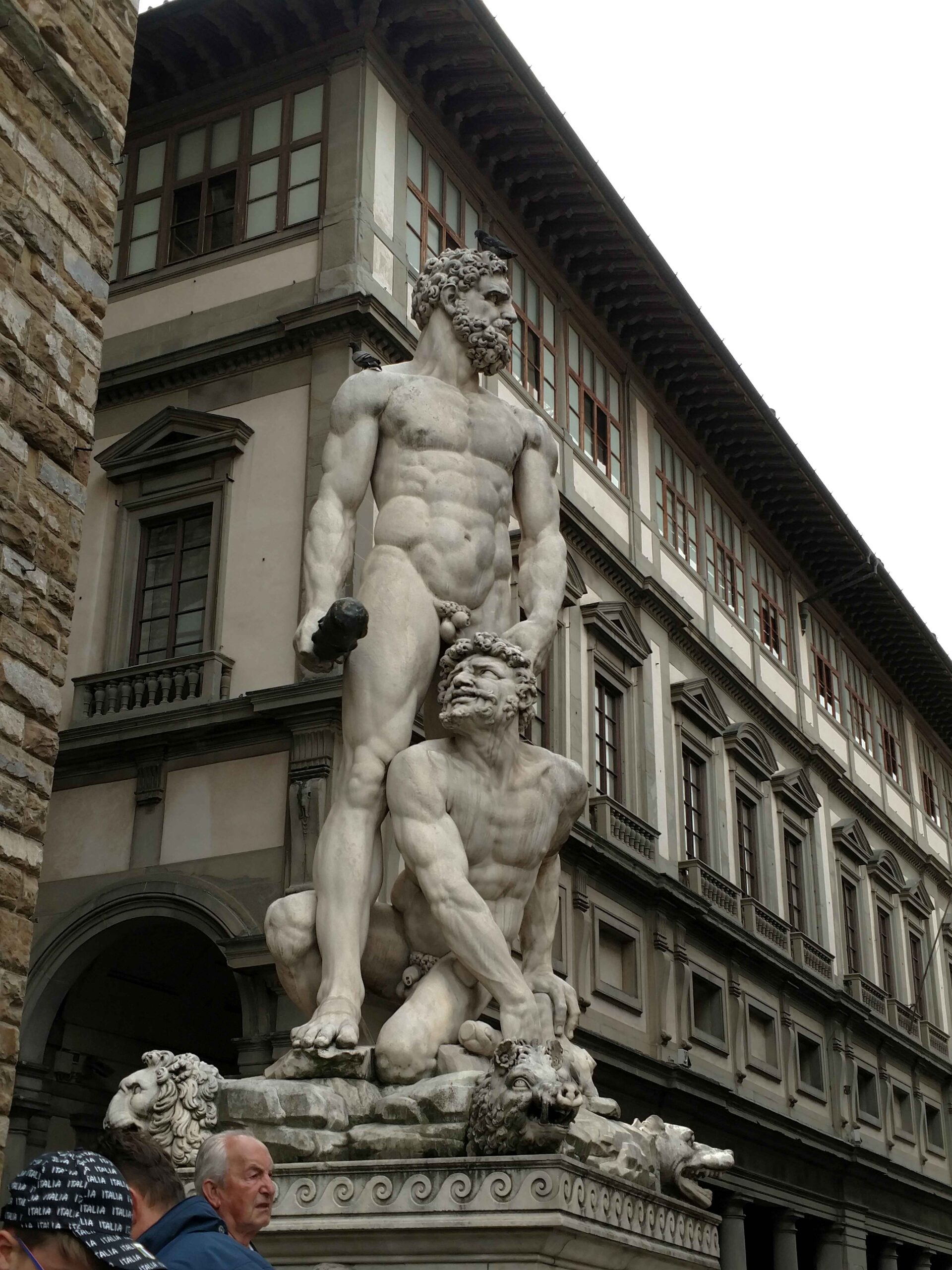
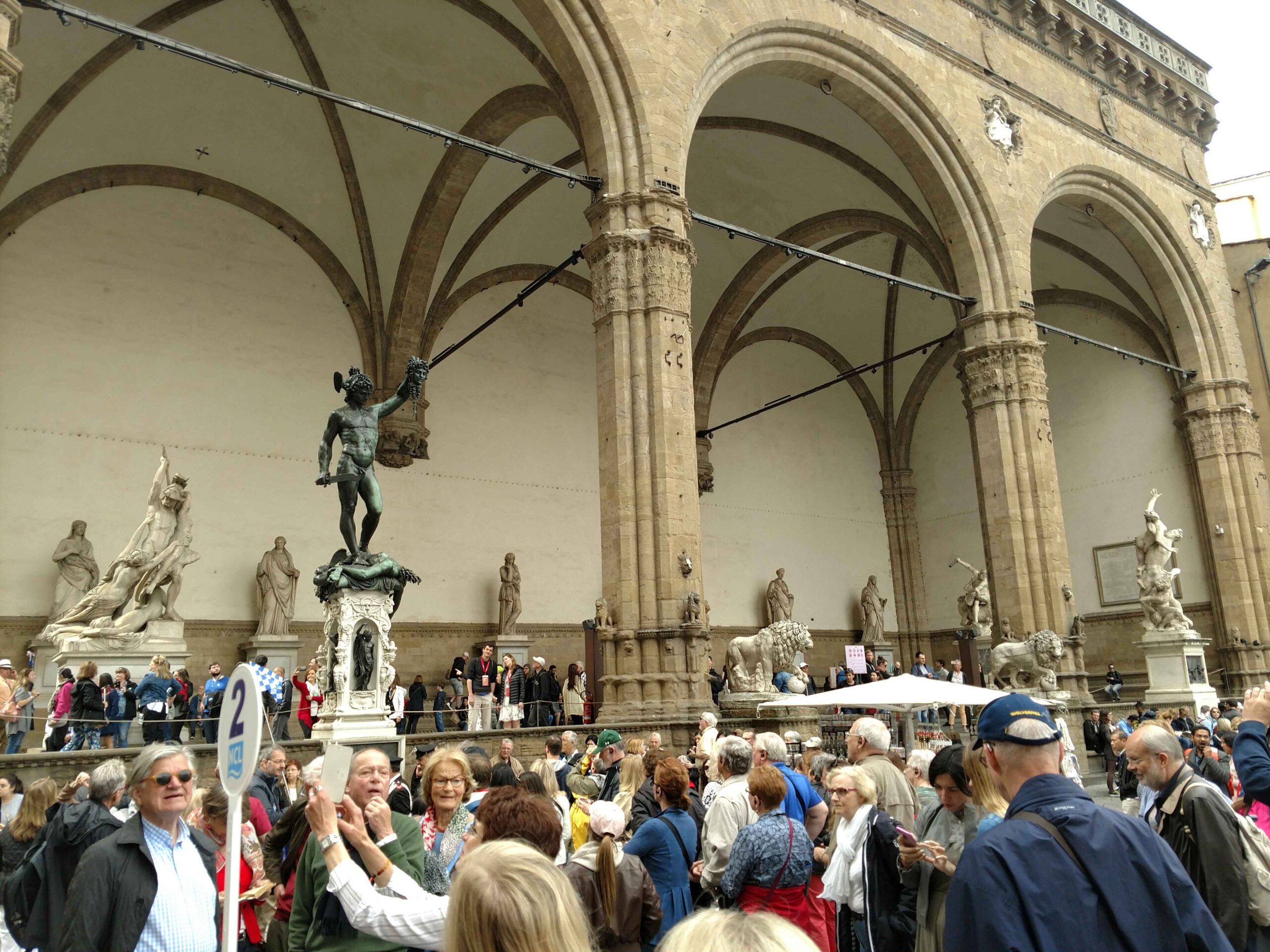
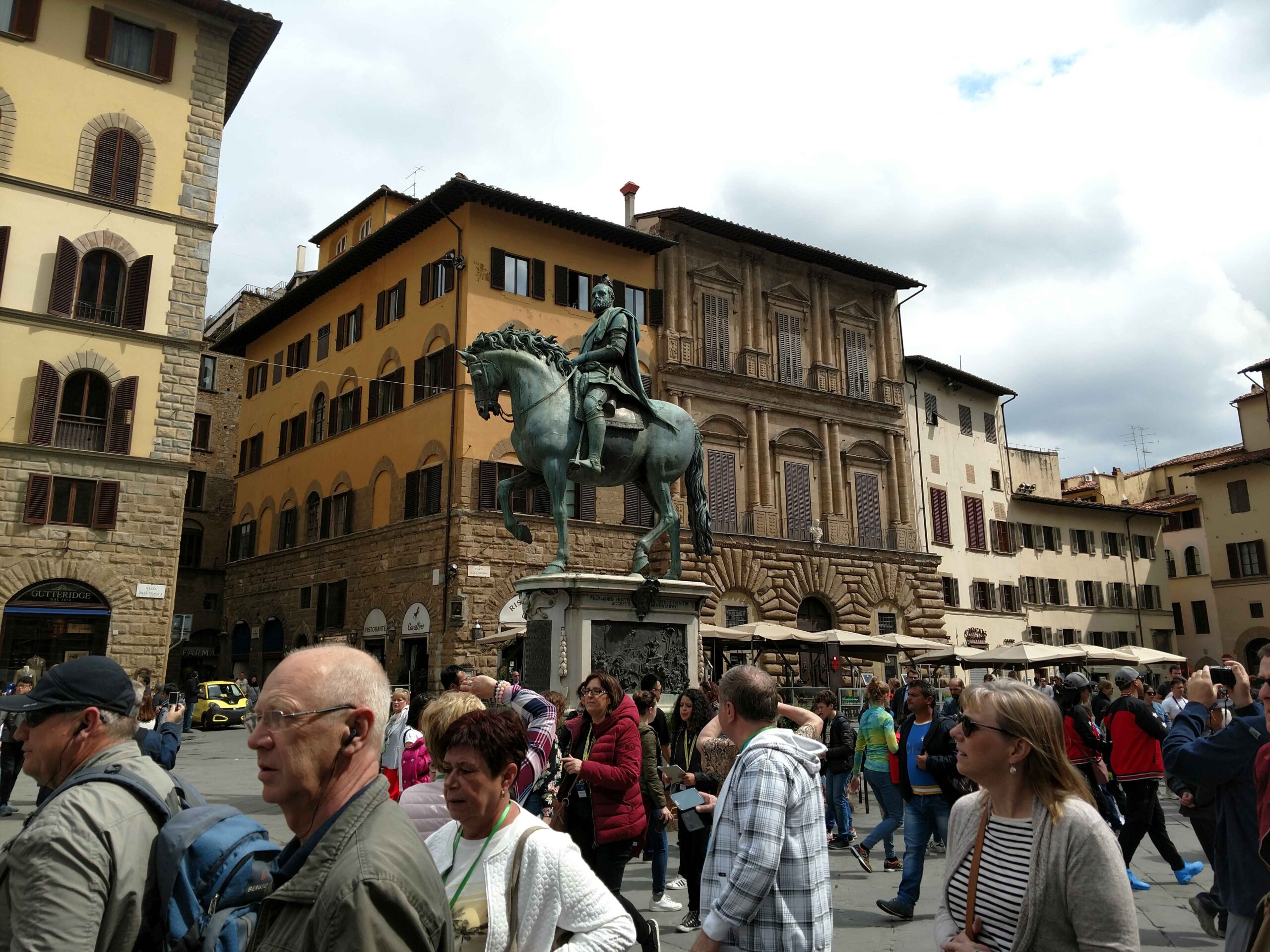
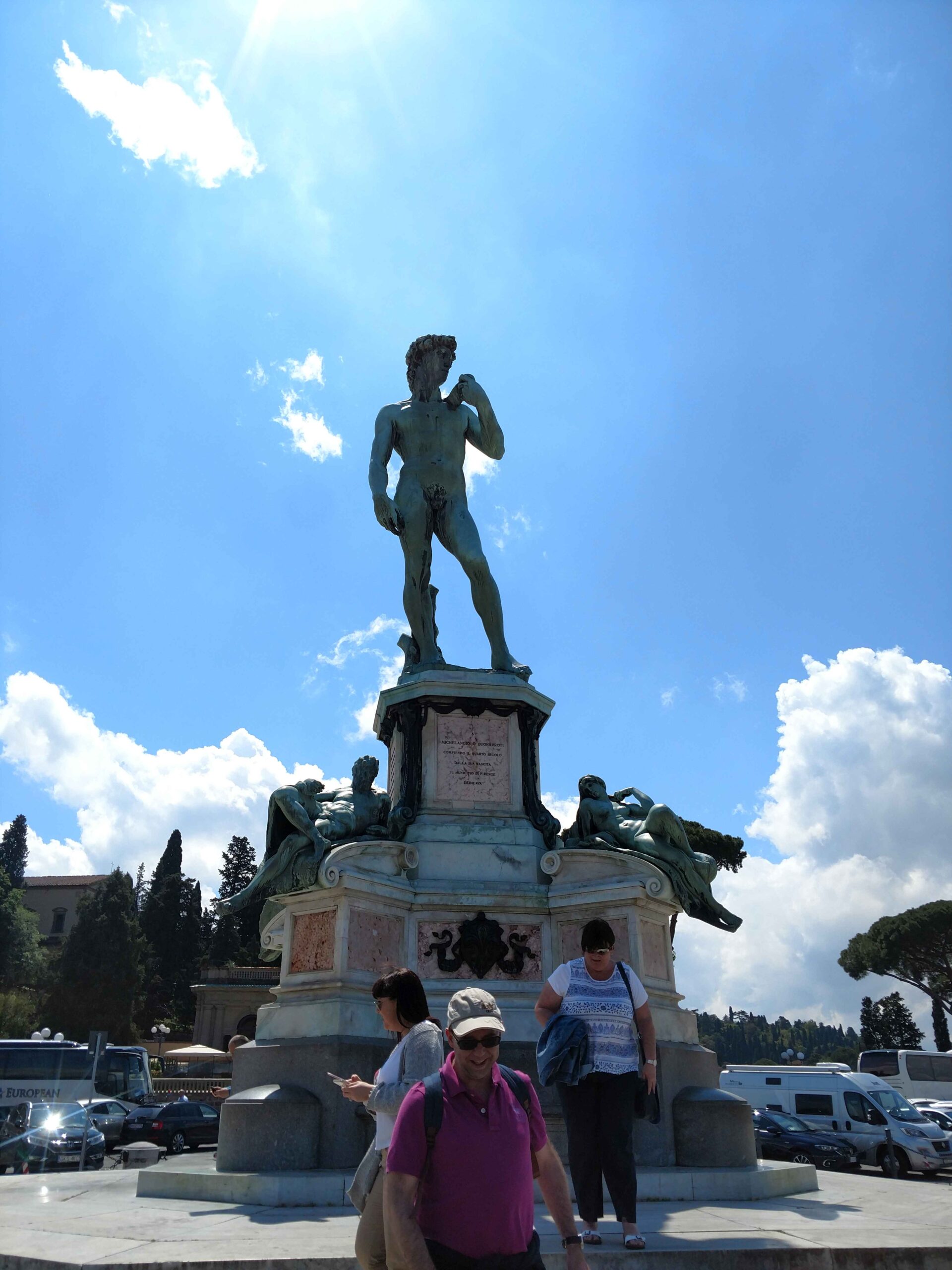
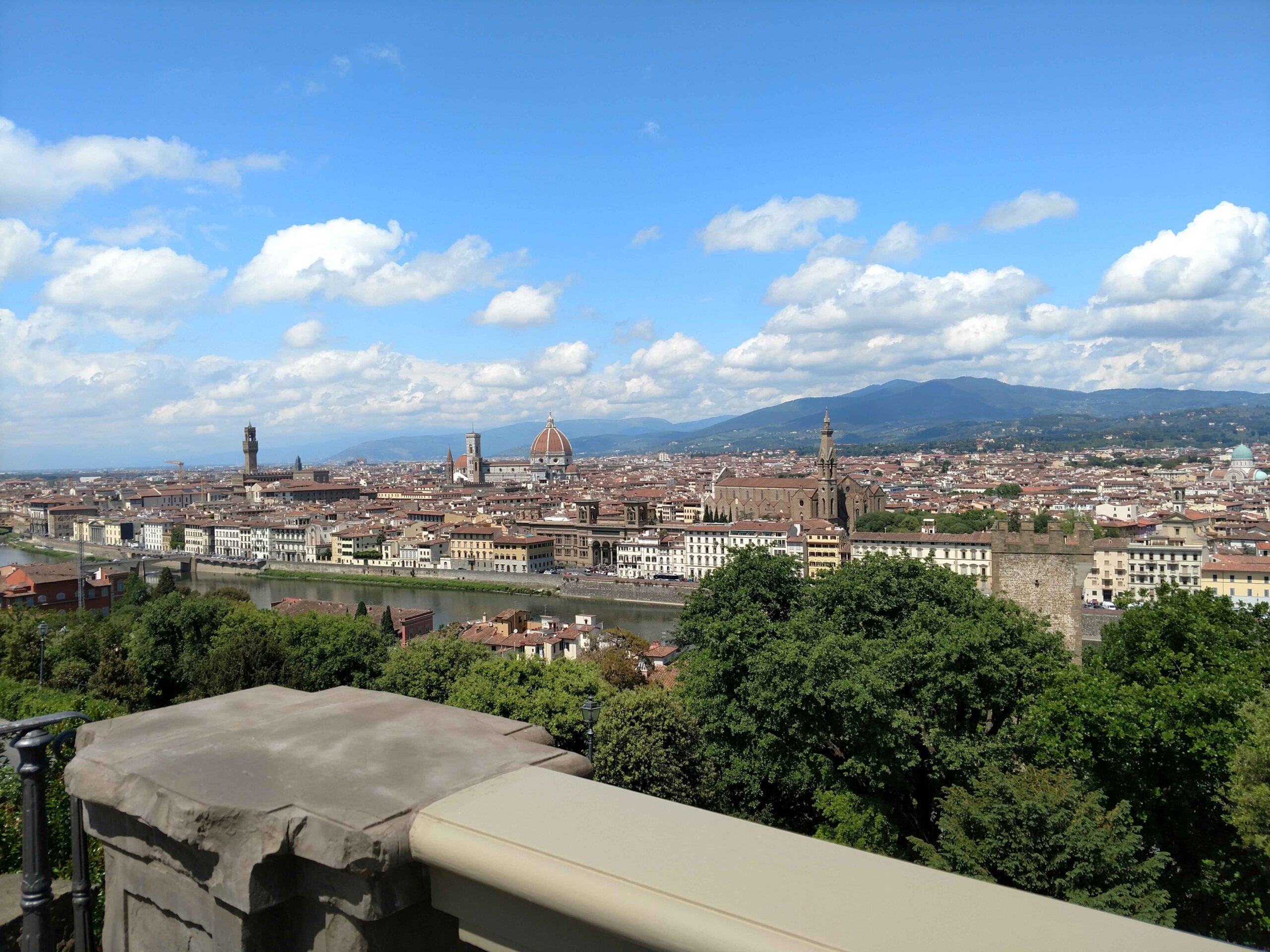
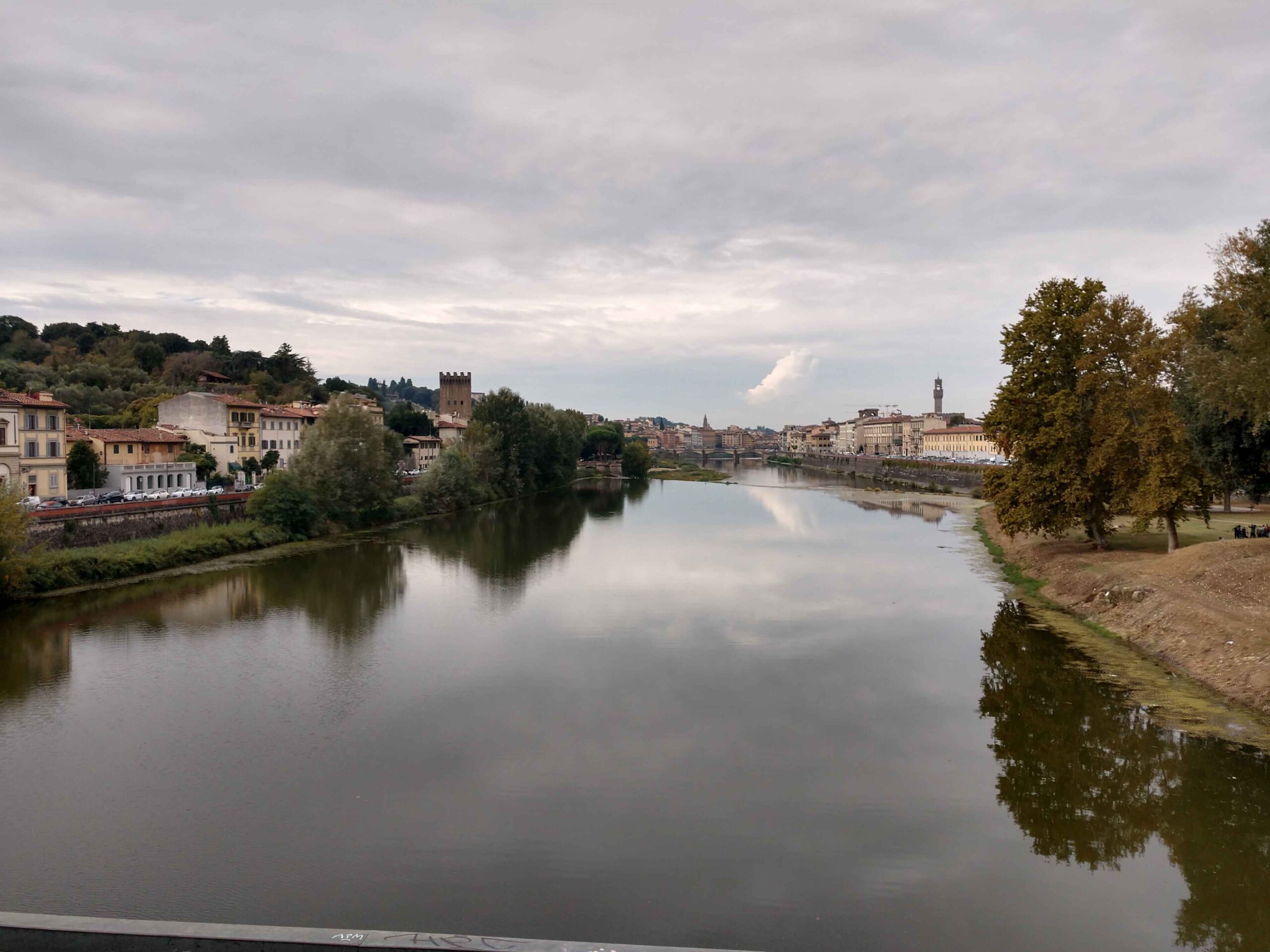
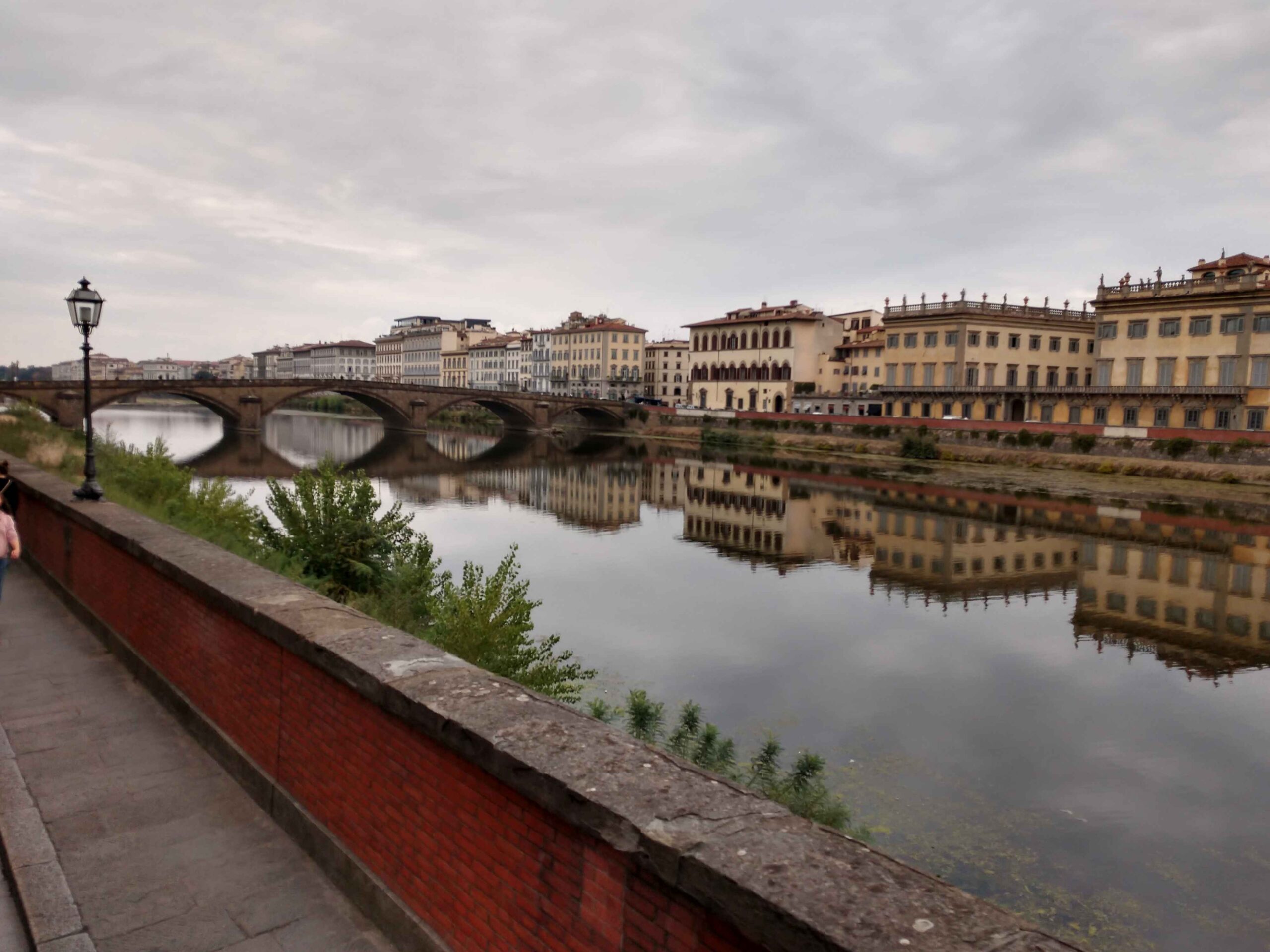
Florence stood out as the most immersive stop. Once inside the city, everything slowed into a steady walking rhythm. Streets opened into squares where landmarks appeared without warning, from the detailed marble facade of the Cathedral of Santa Maria del Fiore to the steady flow of people crossing toward the Arno River. My first visit focused on the Galleria dell’Accademia, where the Statue of David was not just a single highlight but part of a larger gallery experience that built anticipation as you moved through each room. Outside, the city felt compact and accessible, with Ponte Vecchio lined with shops and Piazza della Repubblica offering open space and movement.
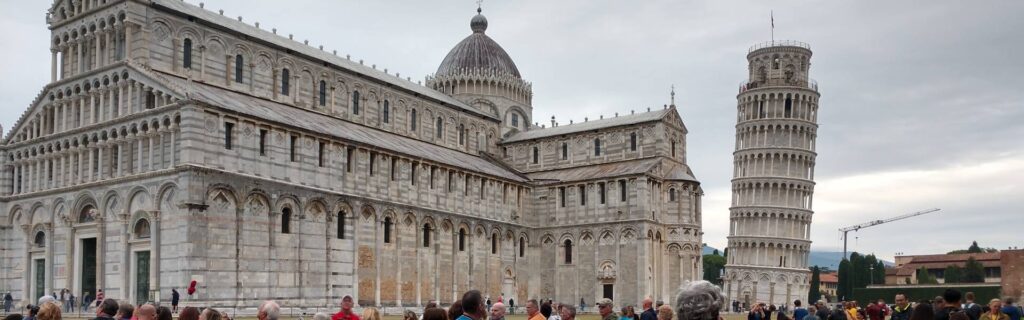
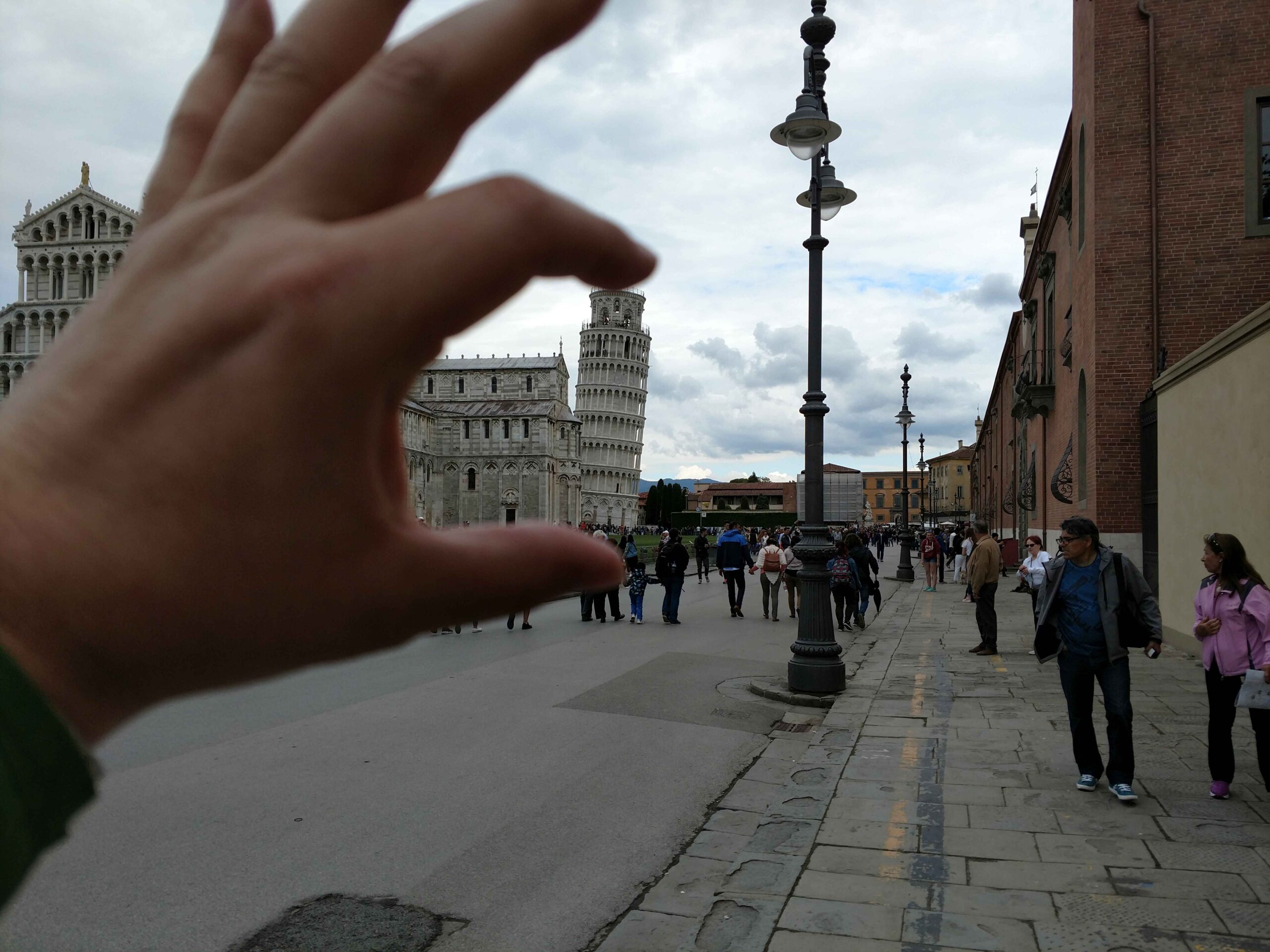
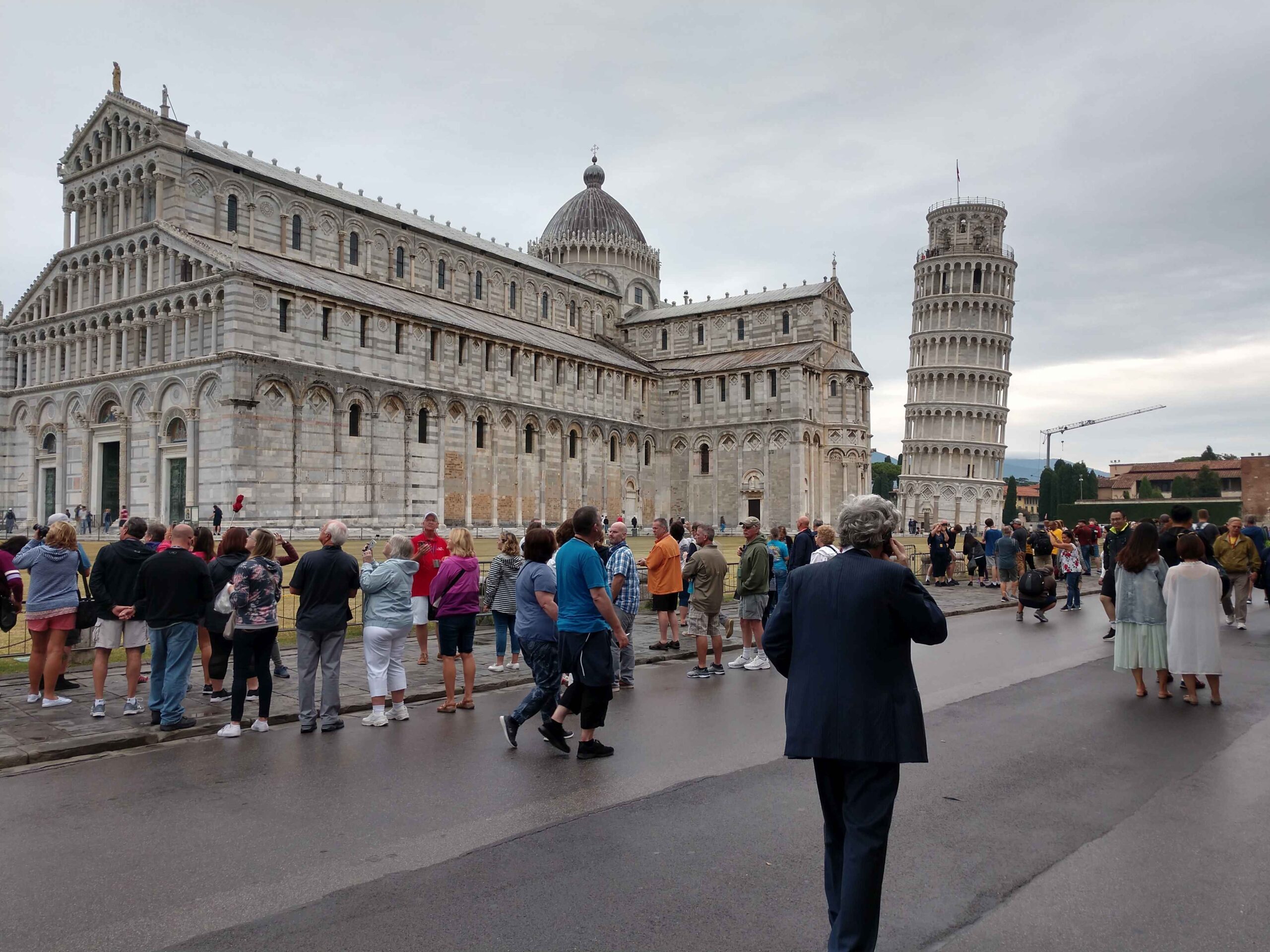
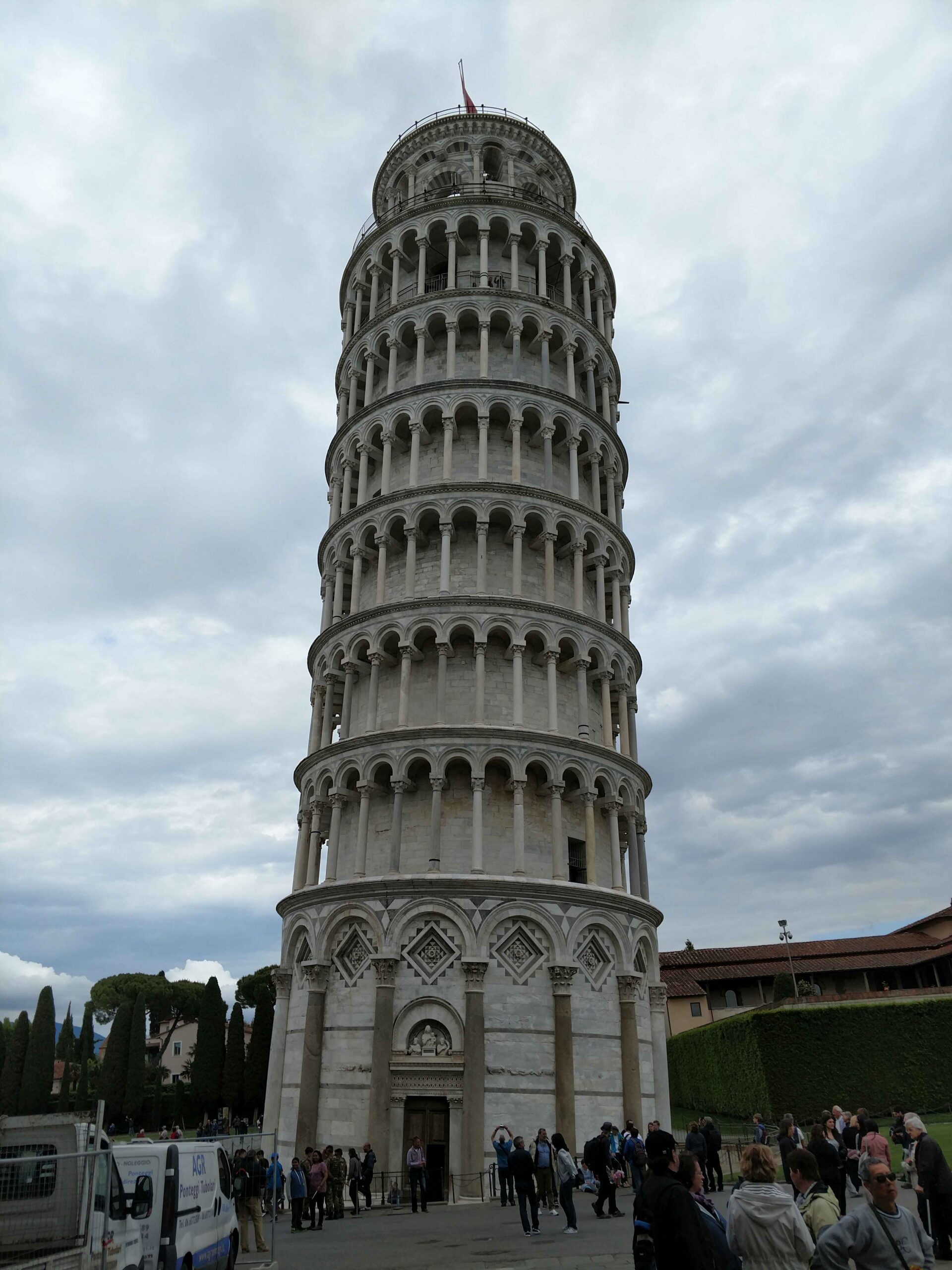
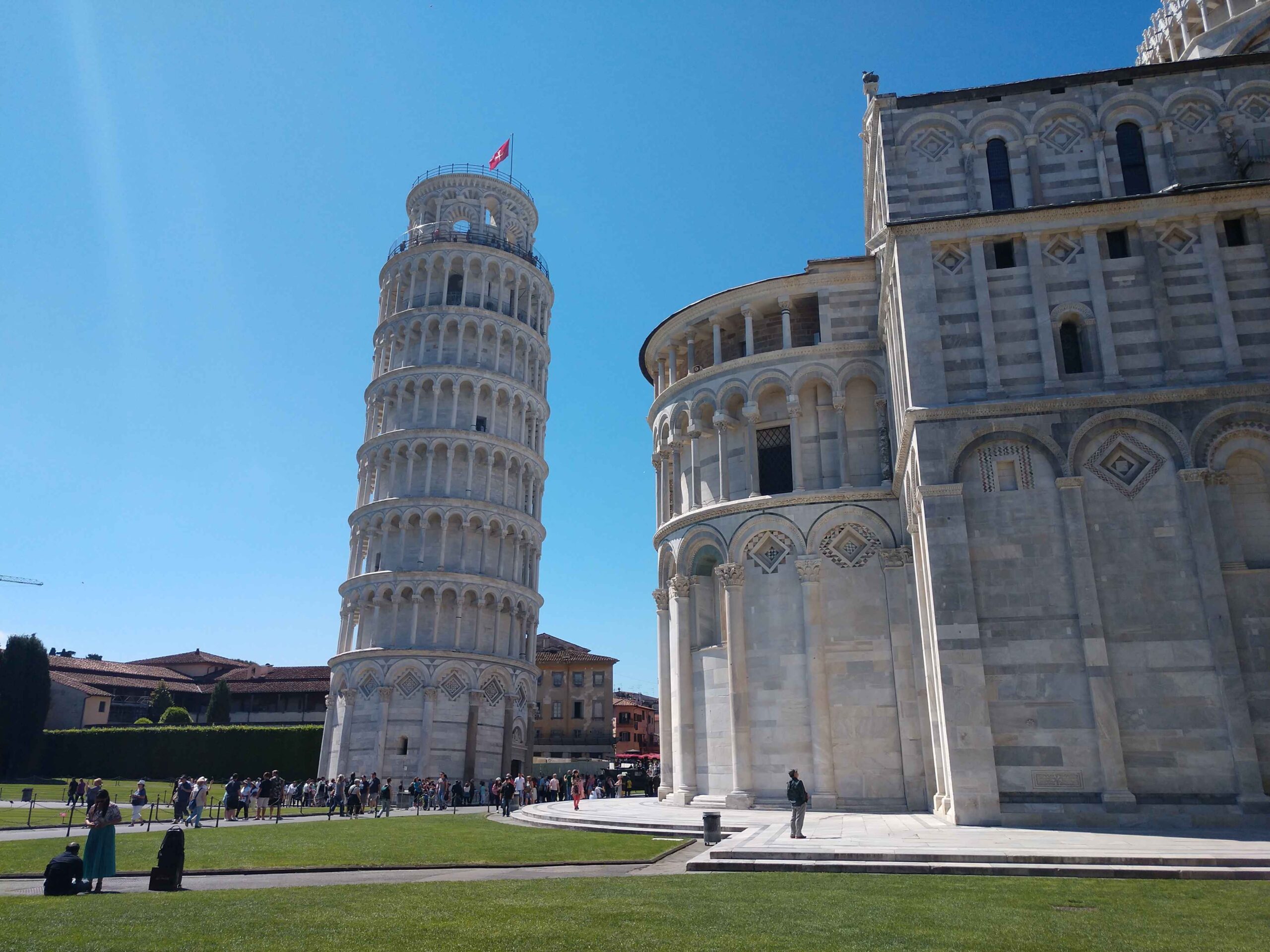
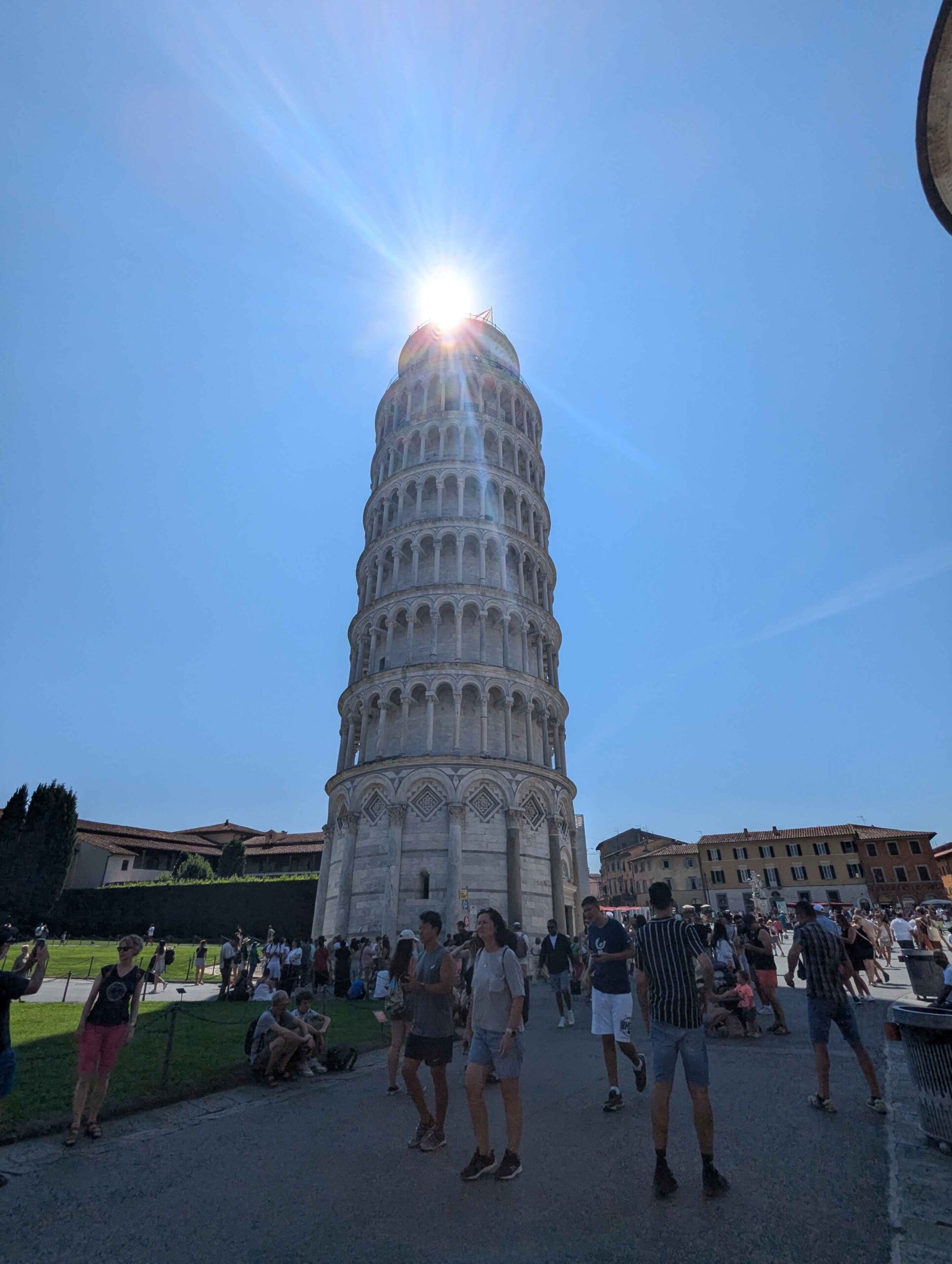
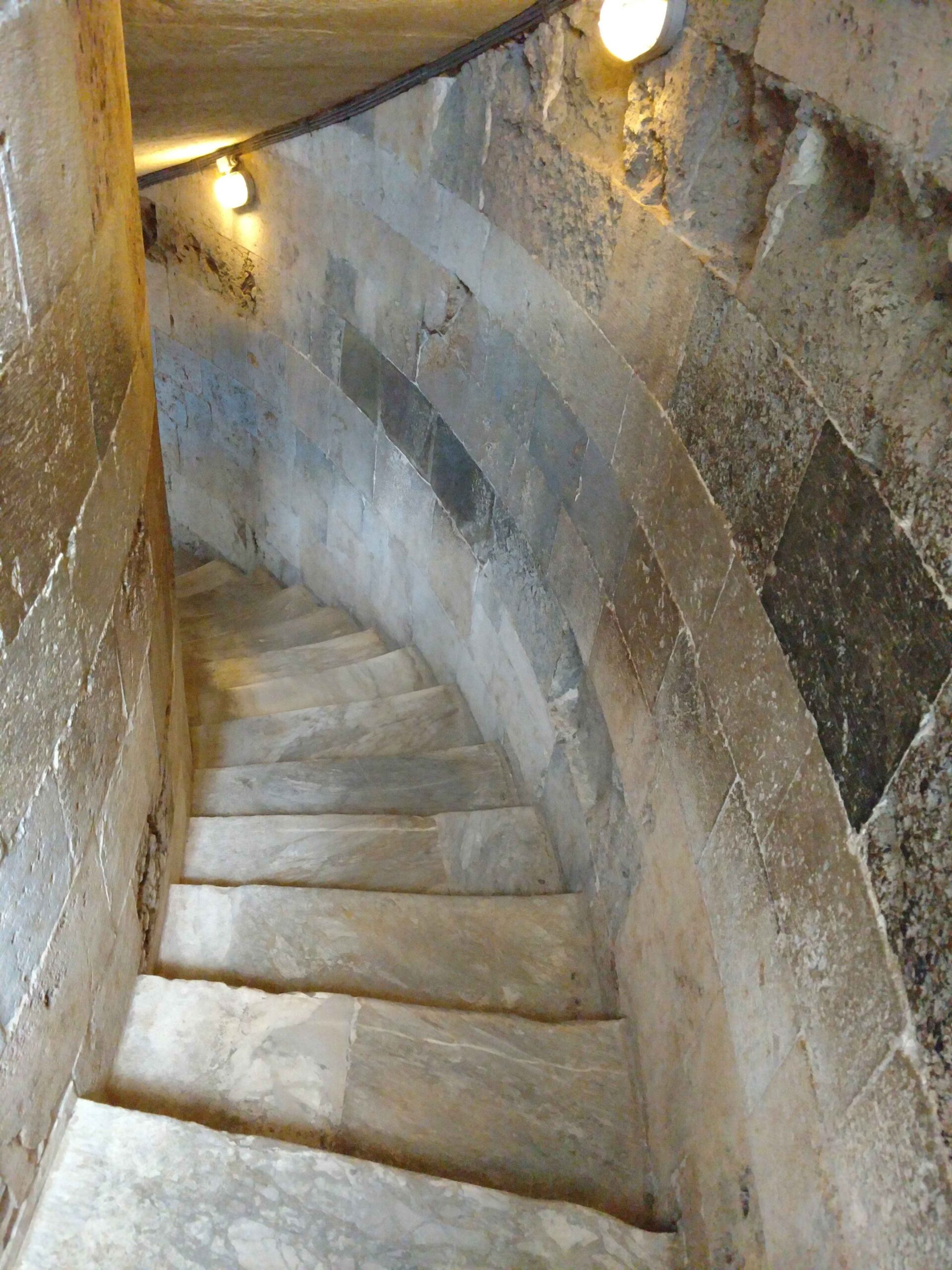
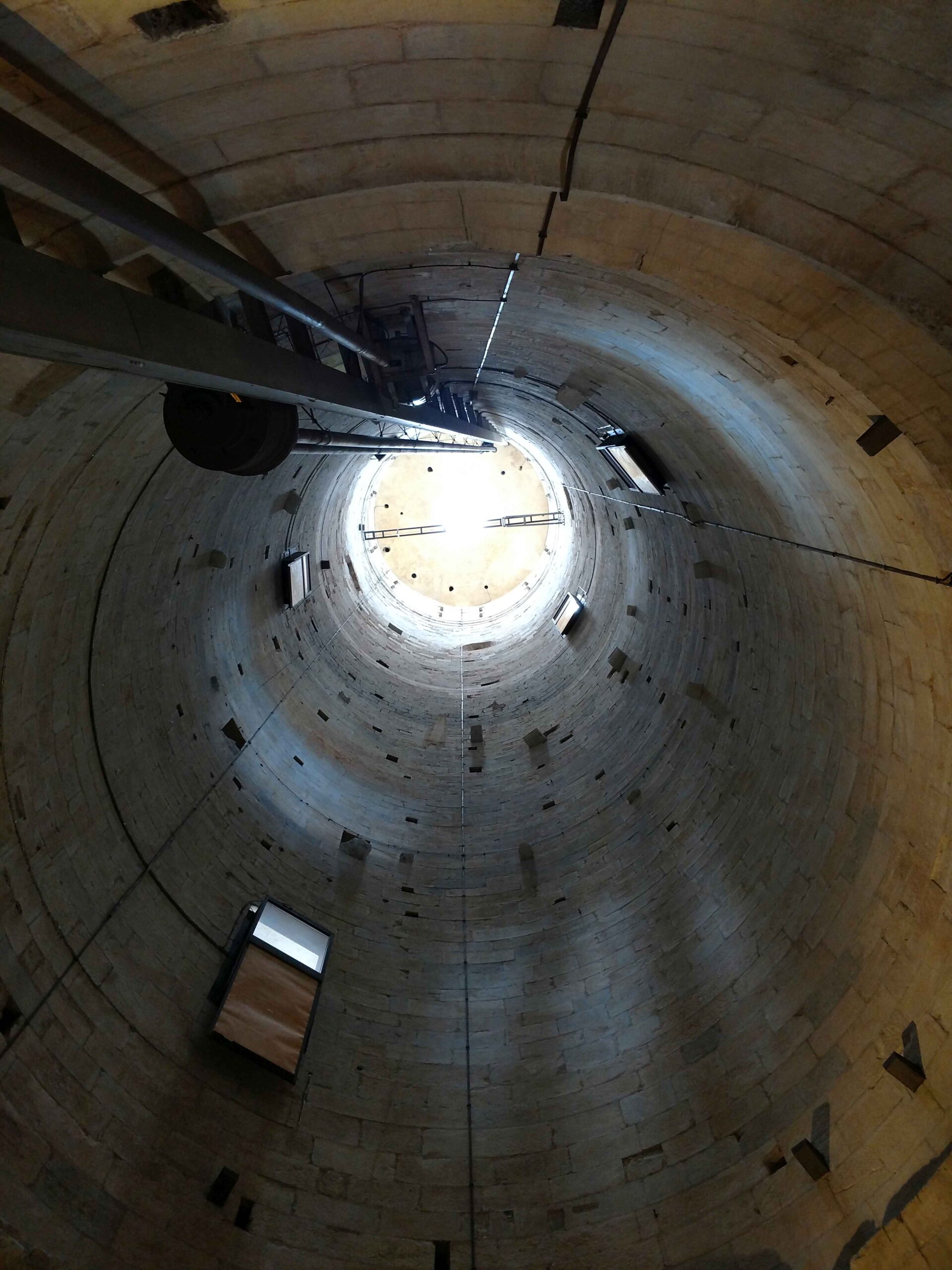
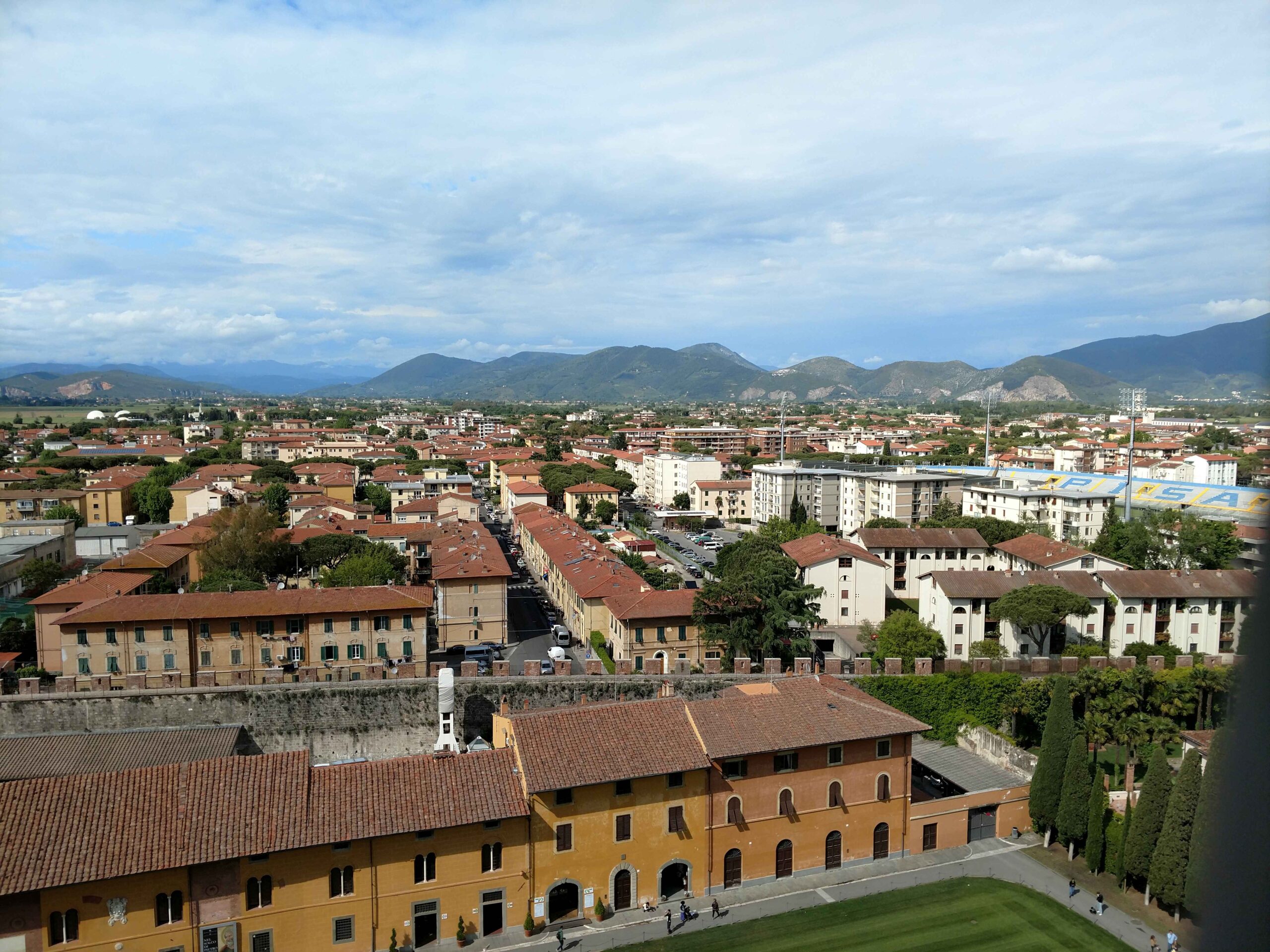
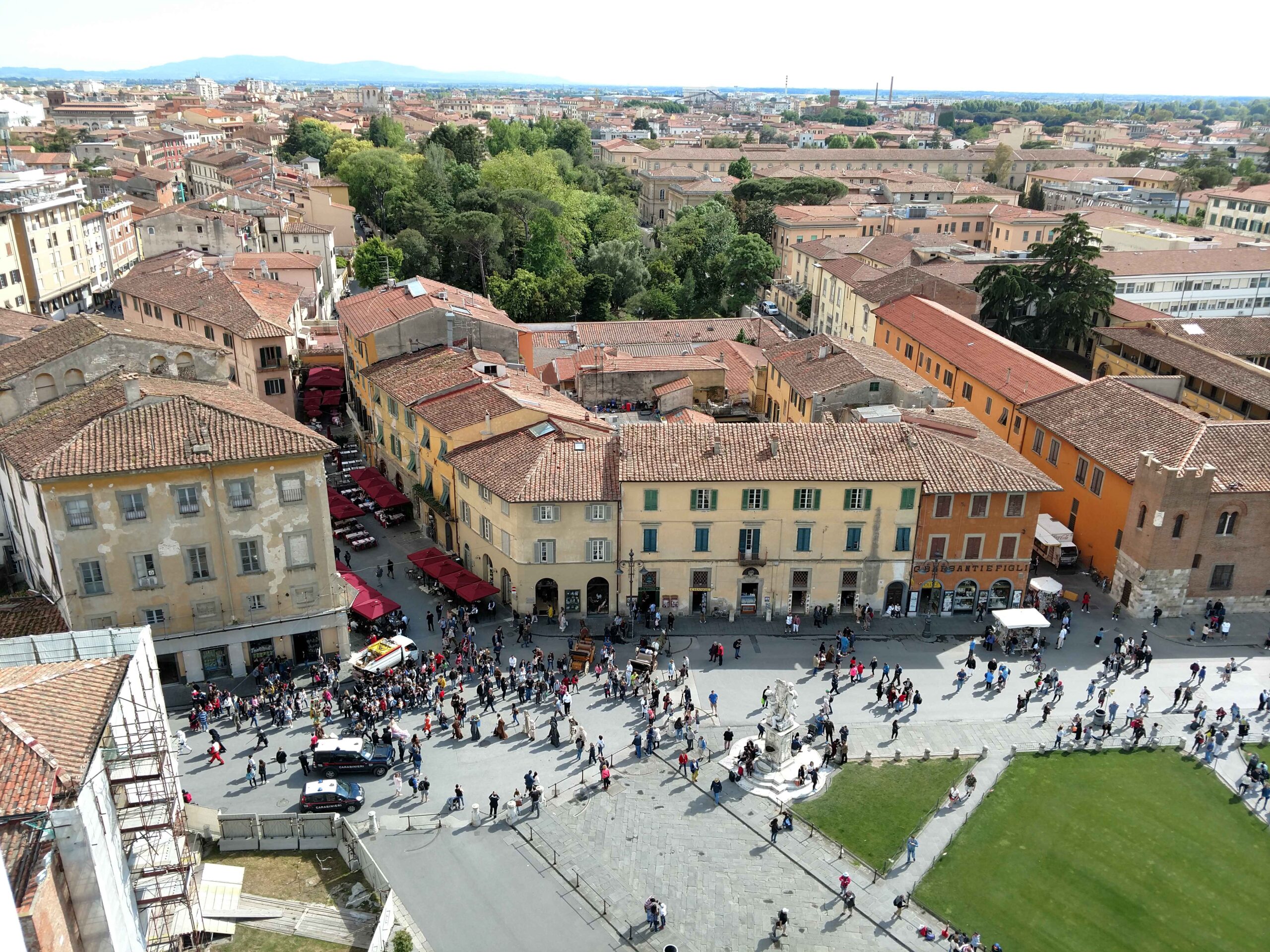
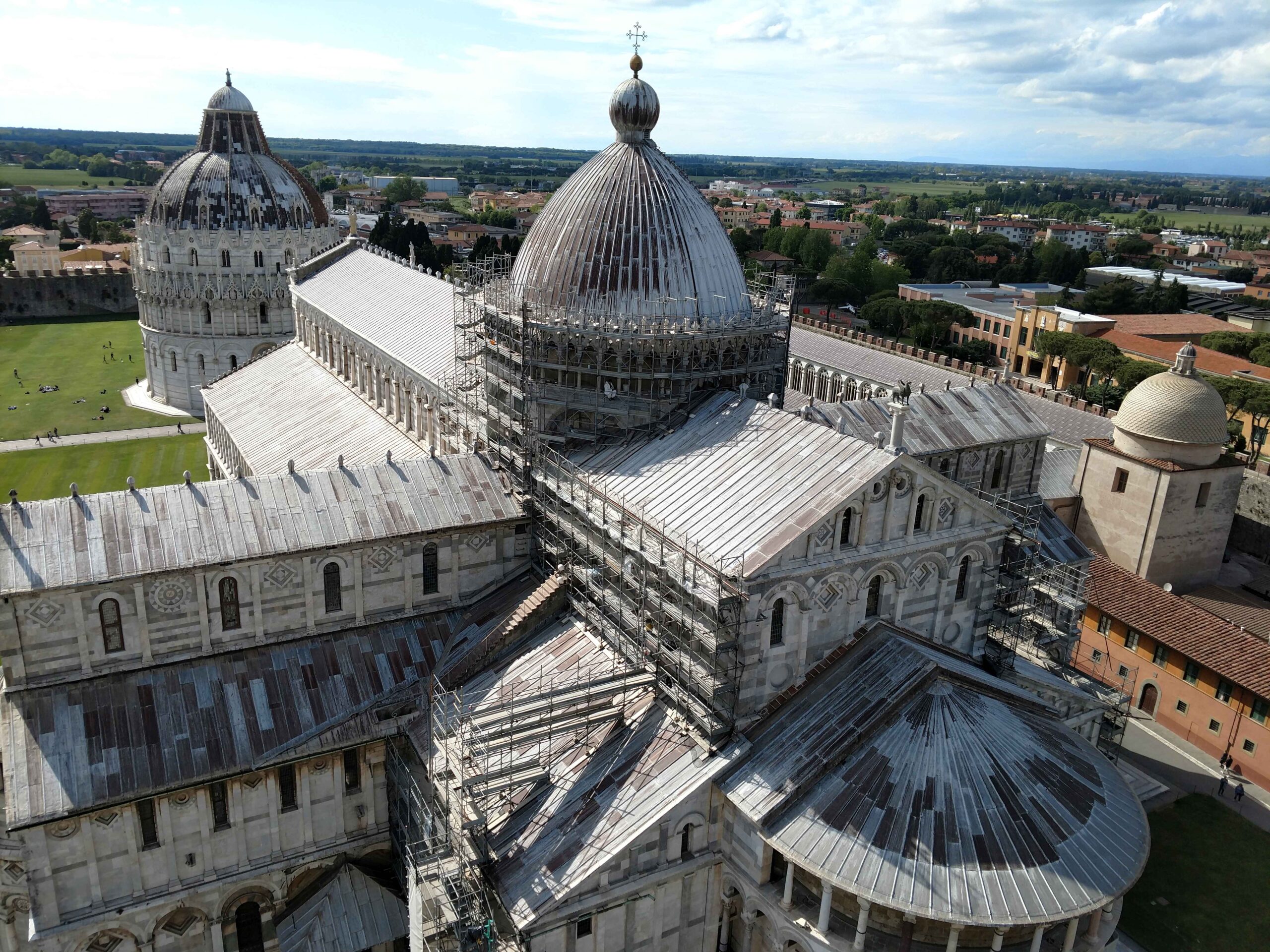
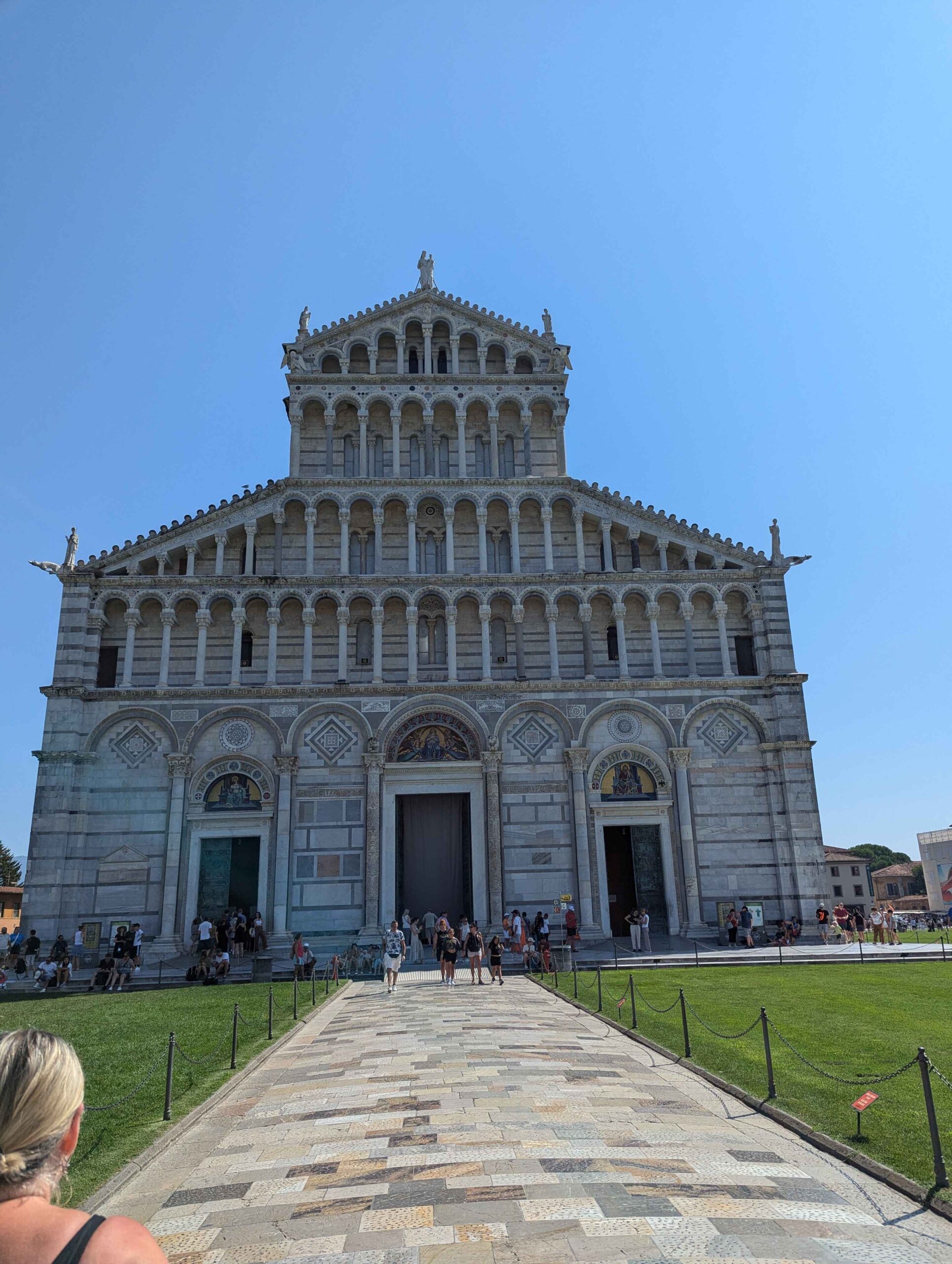
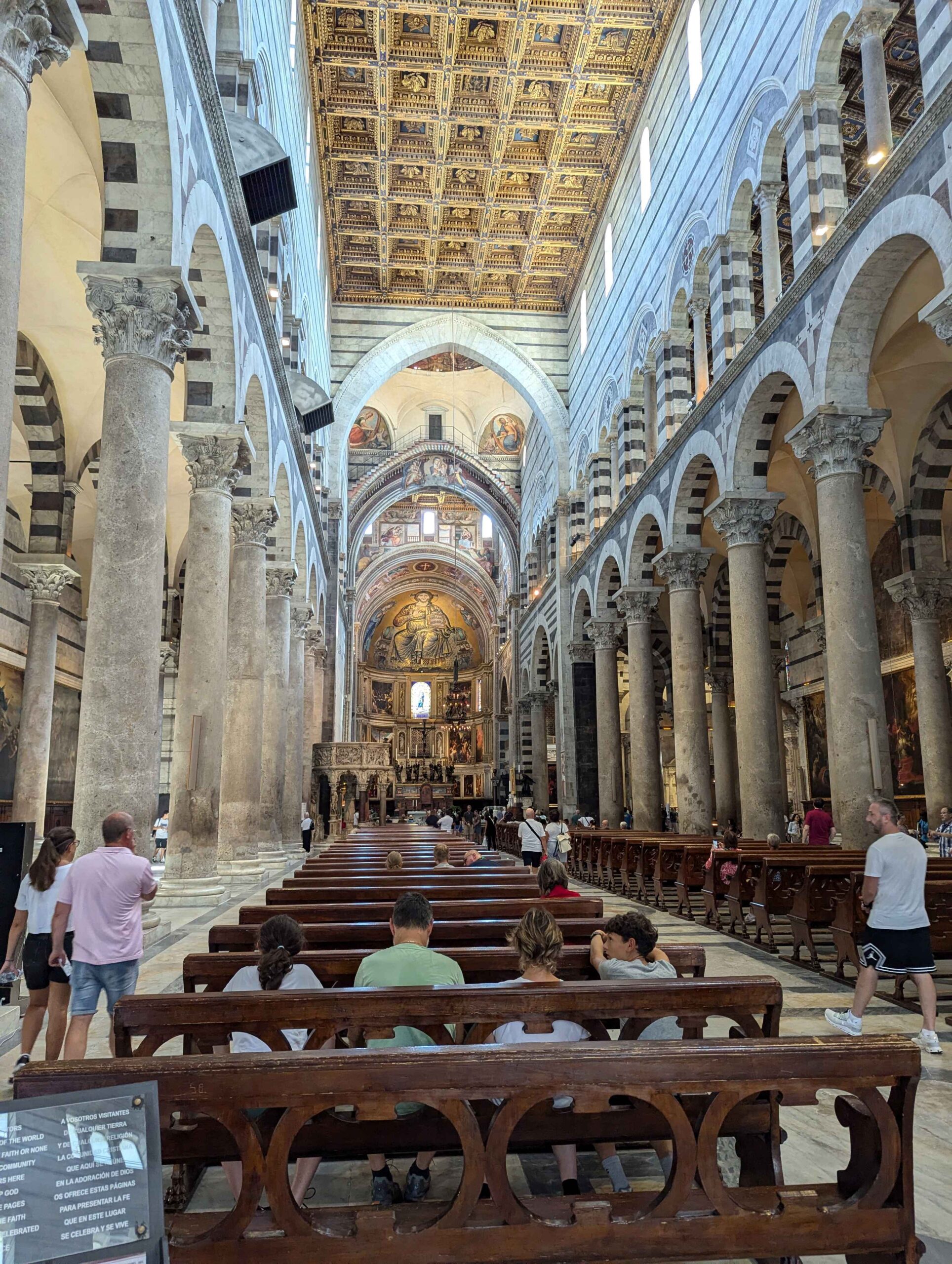
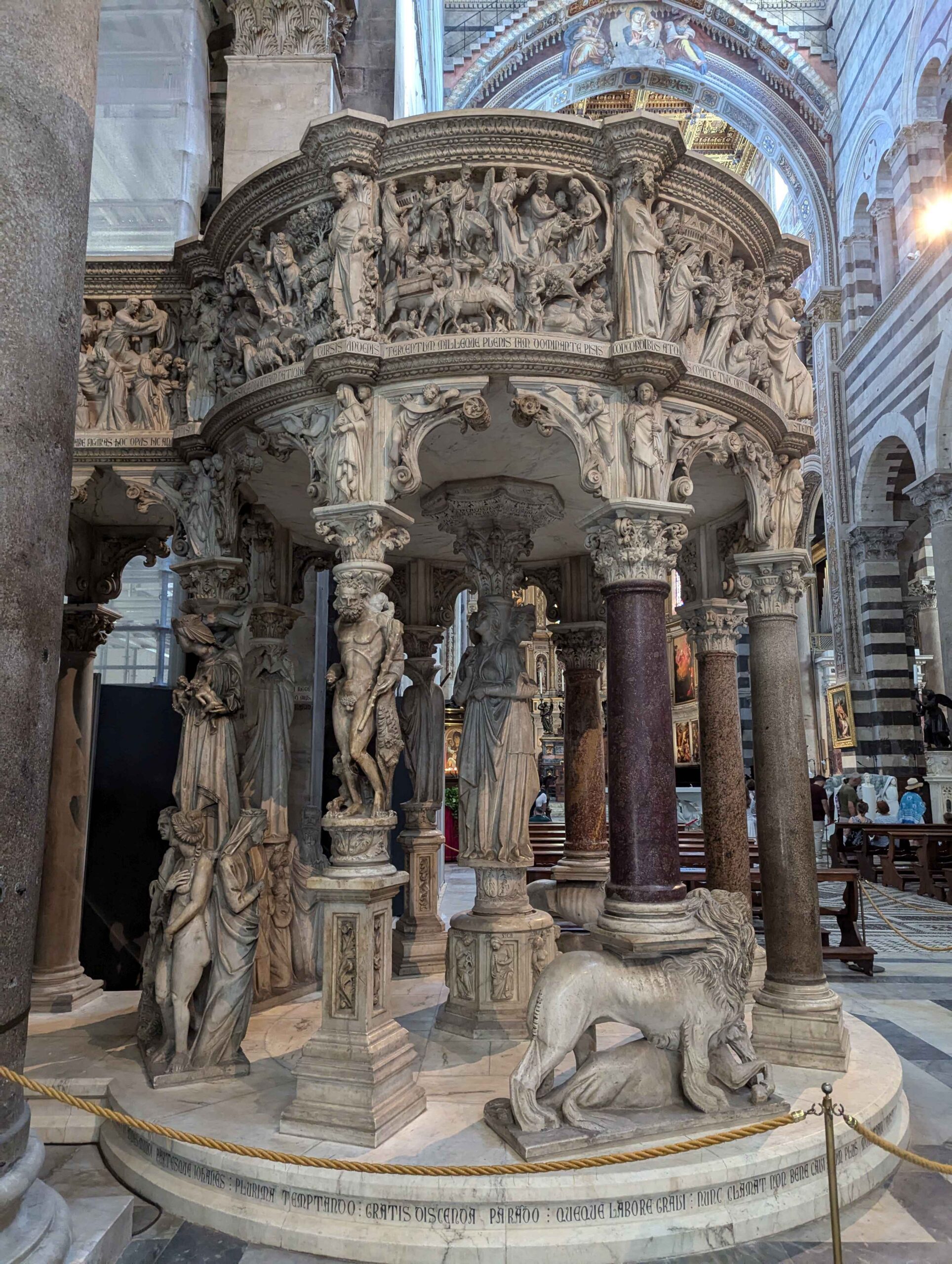
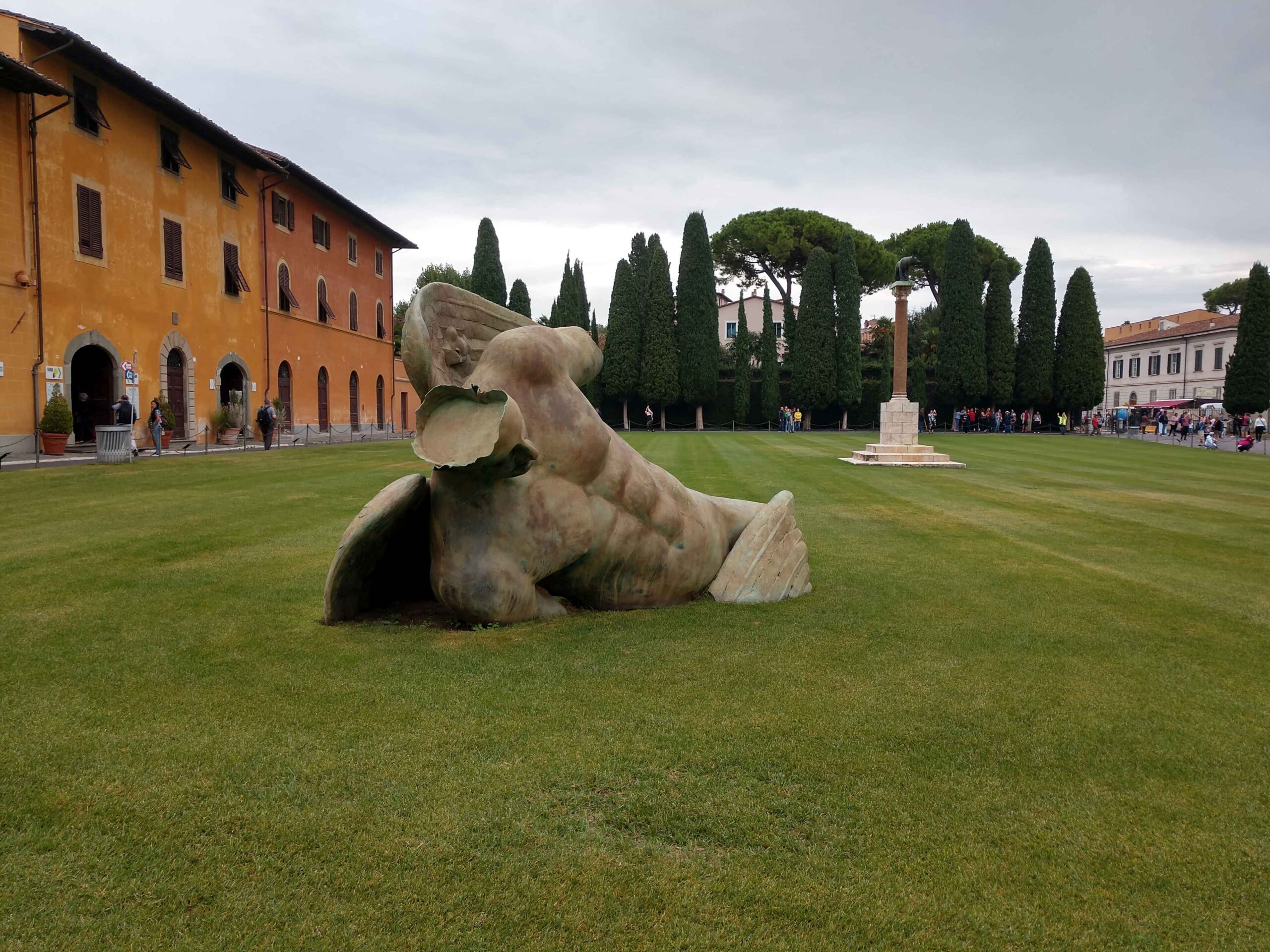
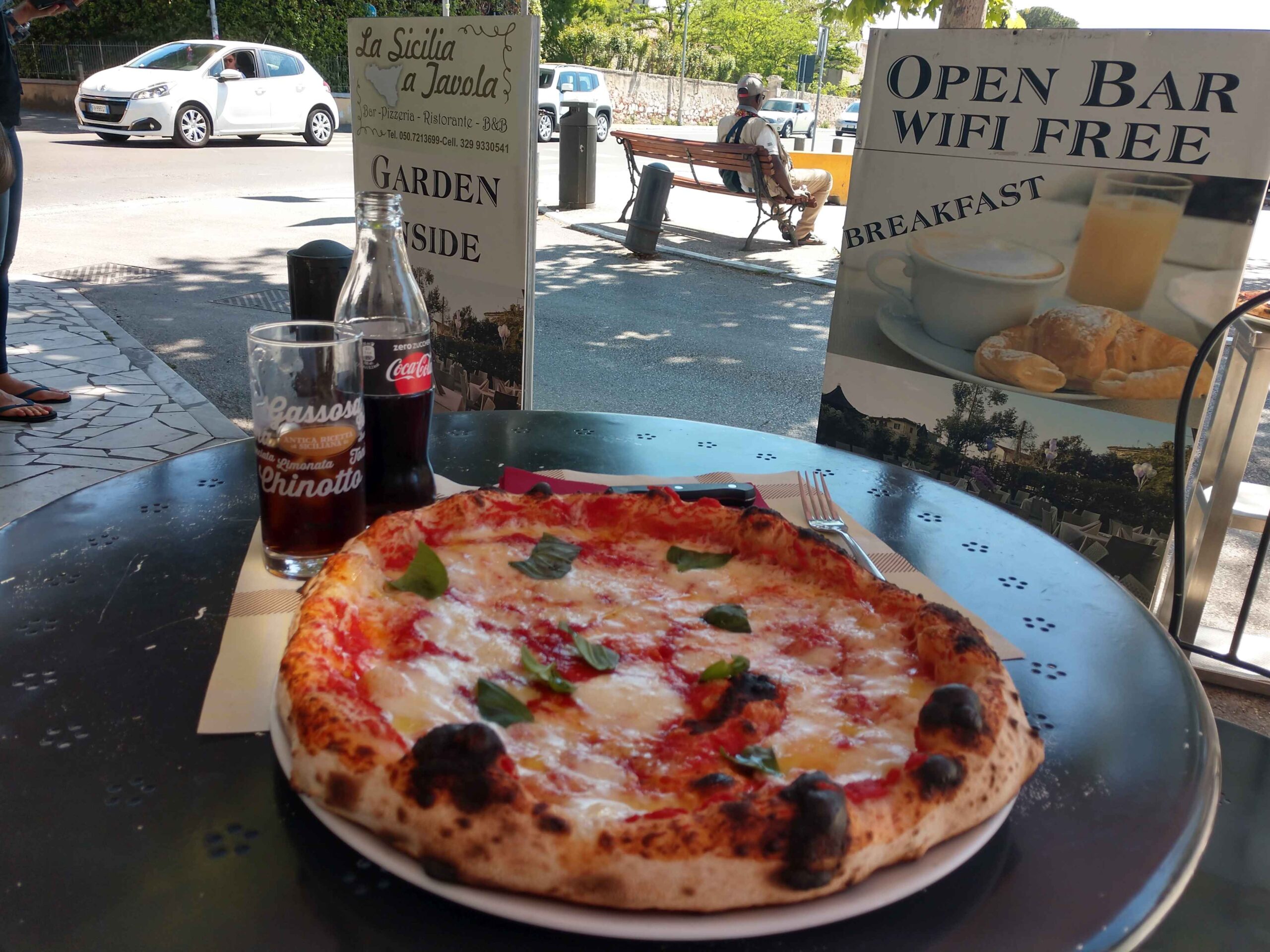
Pisa offered a different kind of experience. The square is more contained, but the concentration of landmarks makes it feel full. Climbing the Leaning Tower was the highlight on my first visit, with the narrow spiral staircase and worn stone steps creating a physical sense of the structure’s tilt as you move upward. From the top, the view looks out over the cathedral complex and surrounding crowds, giving context to how compact the area really is. On later visits, I spent more time inside Pisa Cathedral, noticing the layered marble details, the ornate pulpit, and the contrast between the quiet interior and the busy square outside. Even small moments, like stopping for a simple pizza nearby, added to the overall feel of the visit.
There are practical realities that come with both locations. From the ports, the journey inland takes time, and in Pisa the final stretch involves about a ten minute walk from the bus parking area through residential streets with a few road crossings. Public restrooms require euro coins, and there are frequent reminders to stay aware of pickpockets in crowded areas. These details do not take away from the experience, but they shape how you move through it.
Together, Livorno and La Spezia function as gateways rather than destinations. They open access to some of the most recognizable places in Italy, and returning multiple times never felt repetitive because each visit shifted focus slightly. Whether it was spending more time inside a cathedral, walking a different route through Florence, or simply slowing down in Pisa, the experience deepened with each stop.
While Livorno and La Spezia connect to the art and cities of Tuscany, heading further north along the coast leads to a different setting. If your itinerary includes Genoa, the experience shifts toward seaside towns like Rapallo and Sestri Levante.
If You Have More Time…
- Cinque Terre – A collection of coastal villages known for colorful buildings and cliffside views. It is one of the most popular excursions from La Spezia with heavy foot traffic.
- Lucca – A quieter walled city with tree lined paths and a relaxed atmosphere that contrasts with Florence. It is ideal for walking or cycling along the historic walls.
- Tuscany Countryside – Rolling hills vineyards and small villages offer a slower pace and a different perspective beyond the main cities.
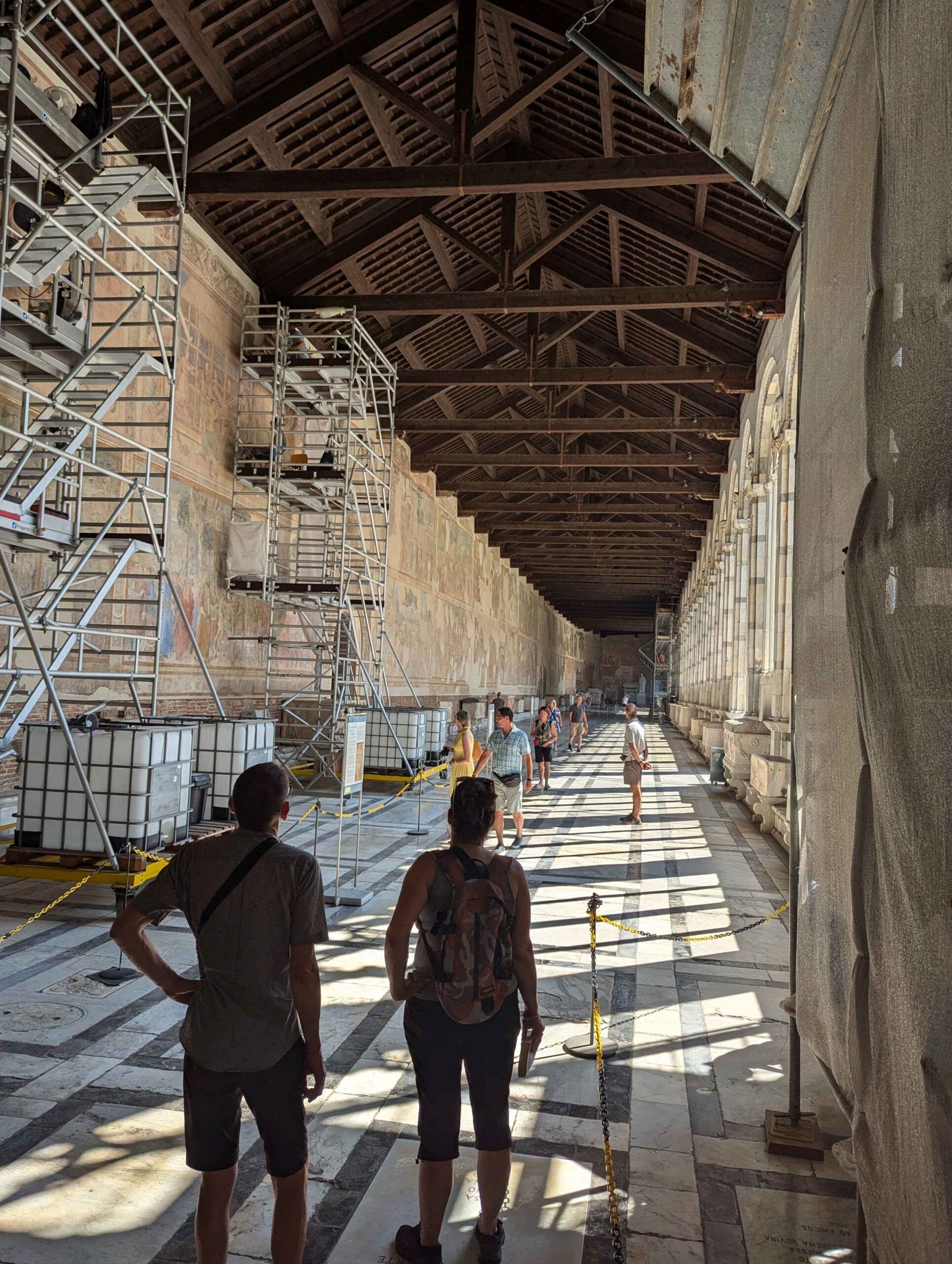
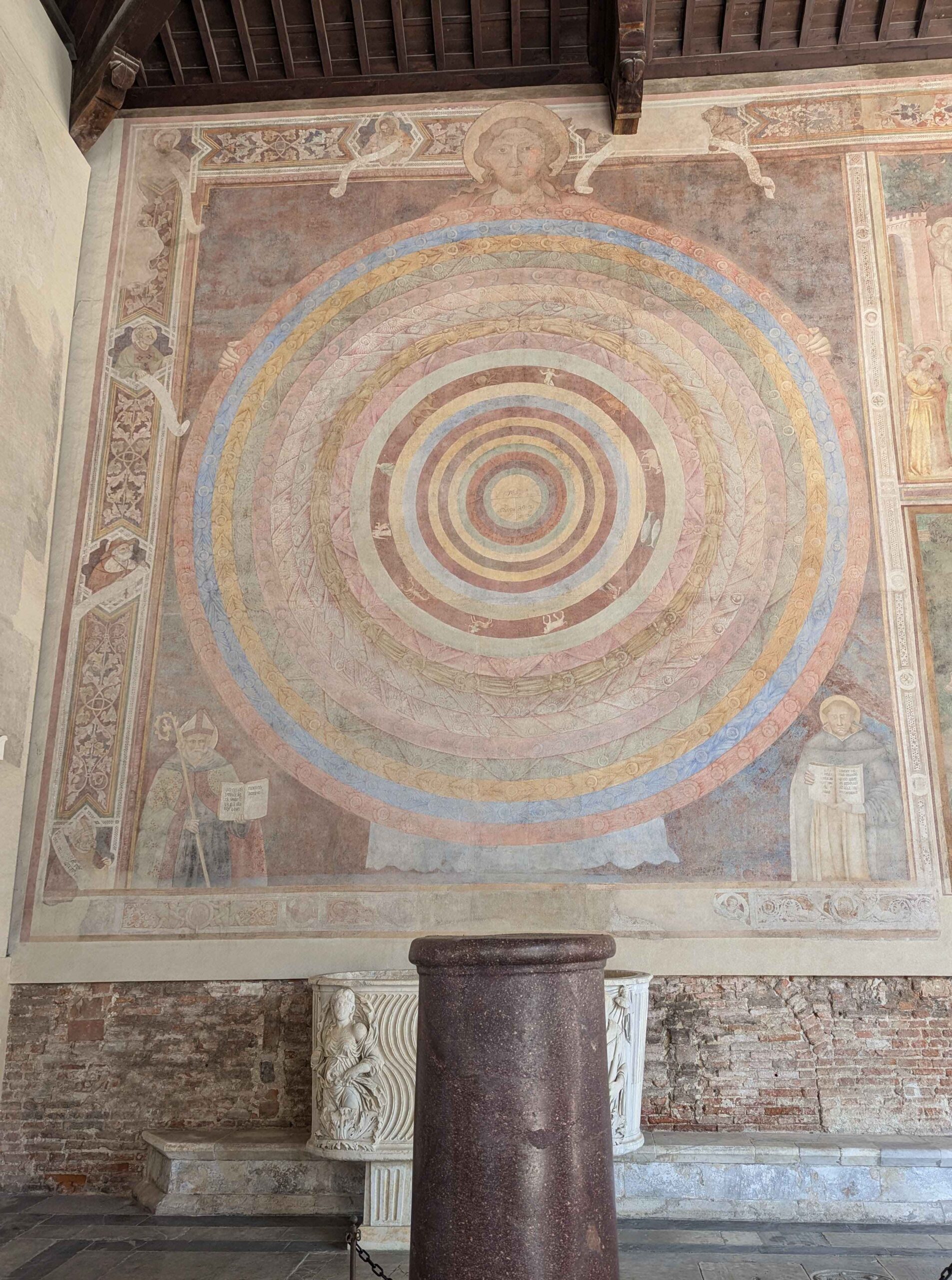
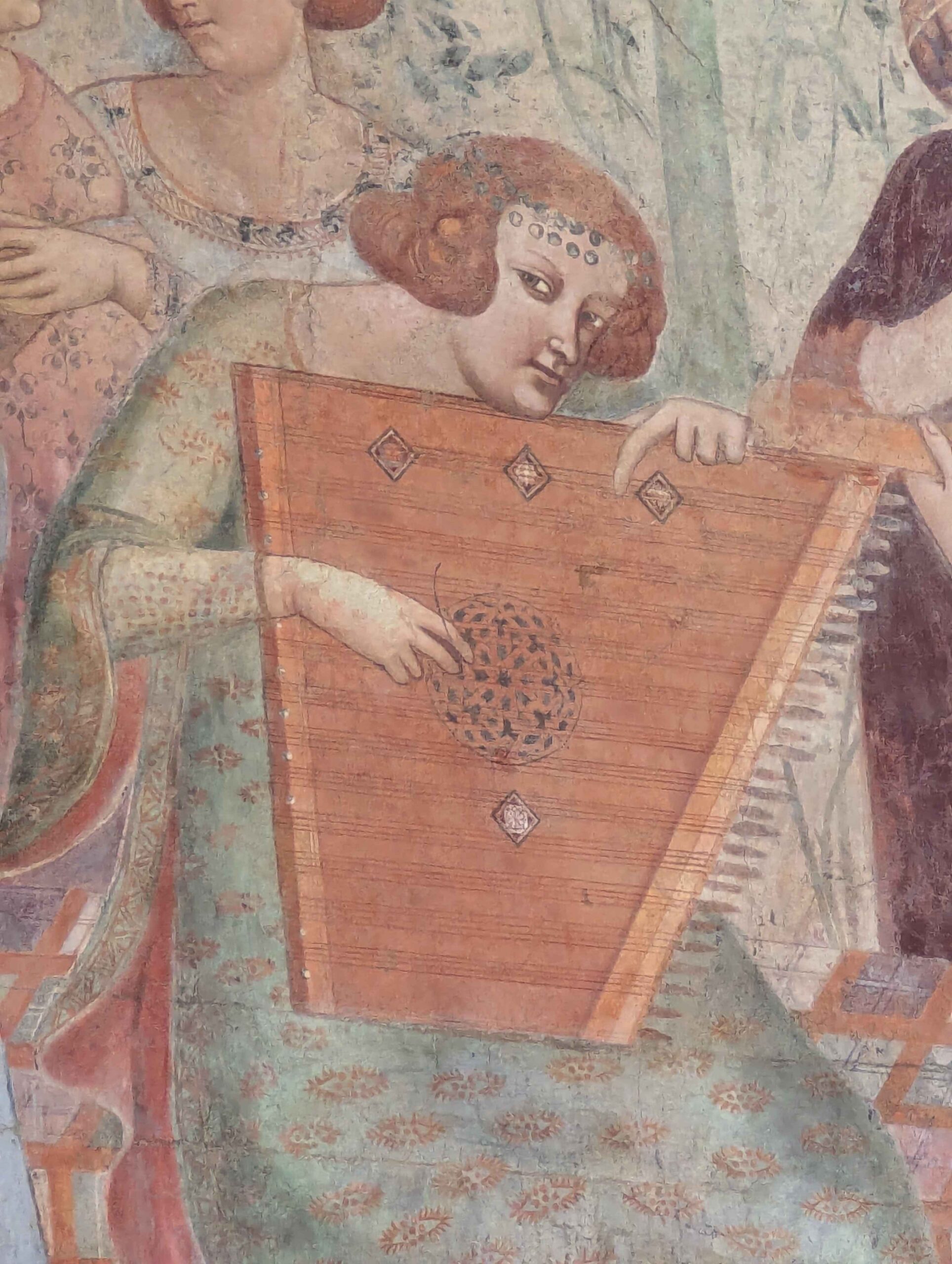
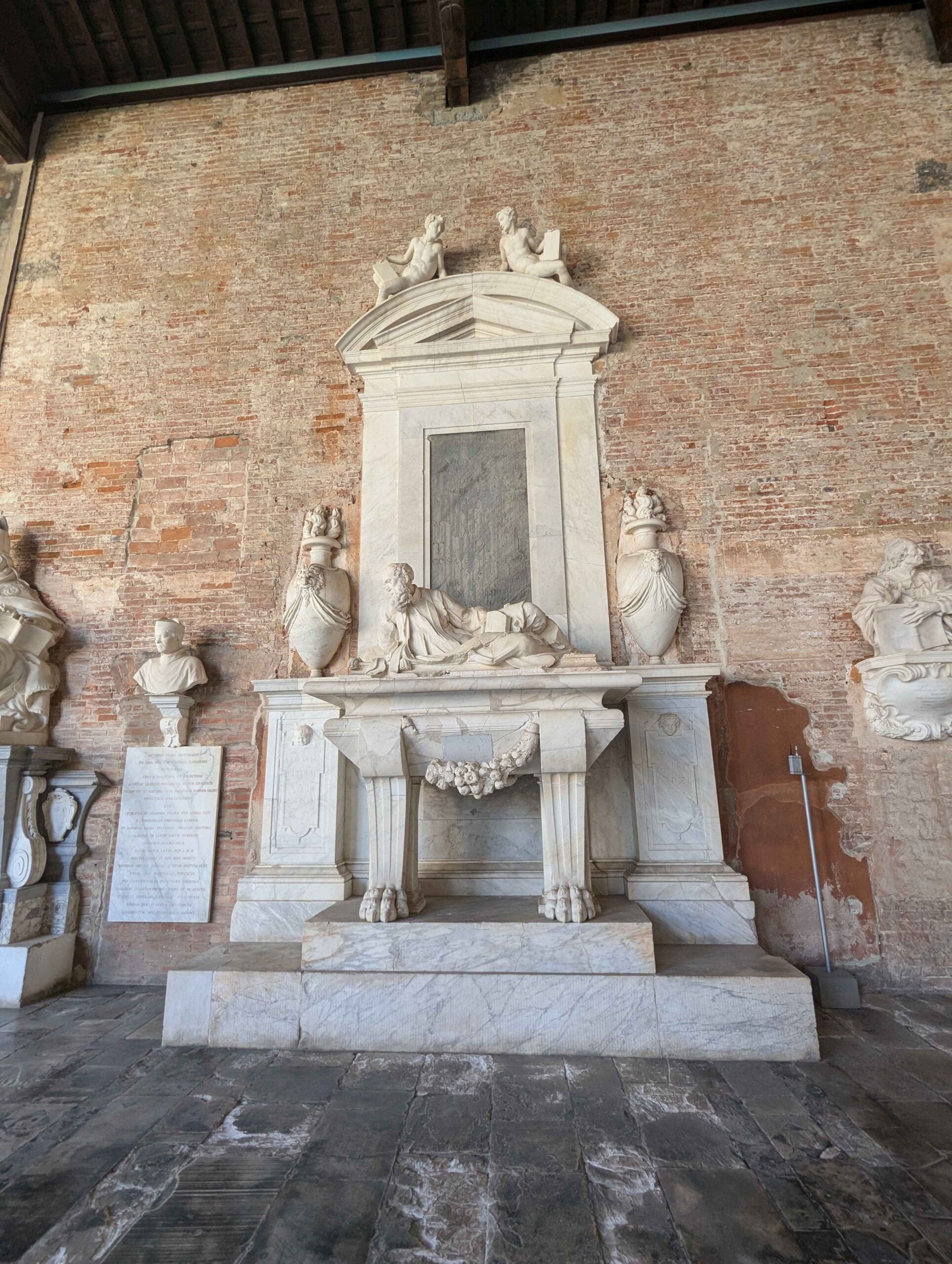
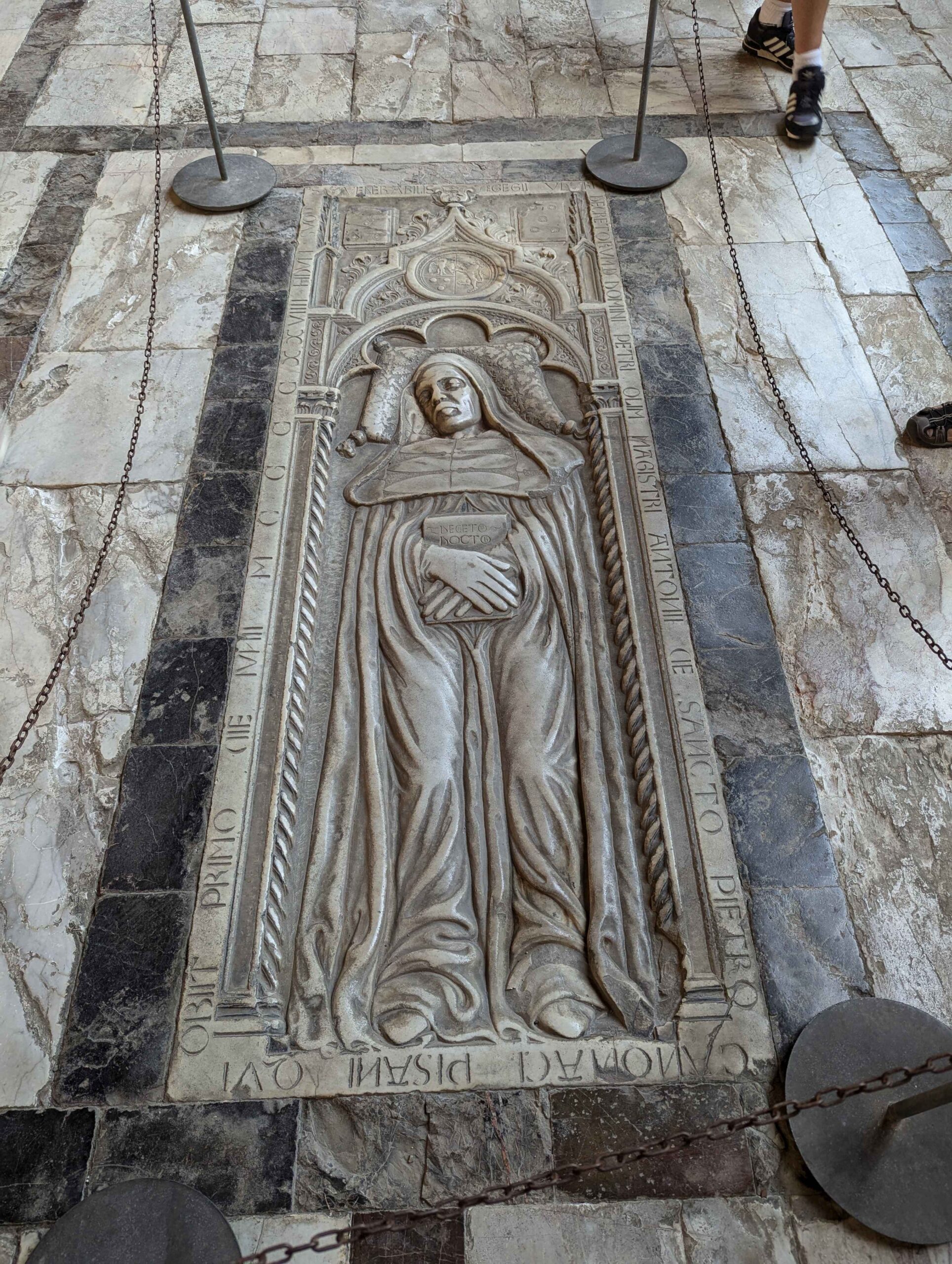
- Camposanto Monumentale Pisa – A historic cemetery with frescoes and sculptural details that add depth to the Pisa complex beyond the tower.