
Stonehenge Standing Stones and Gravel Path Views
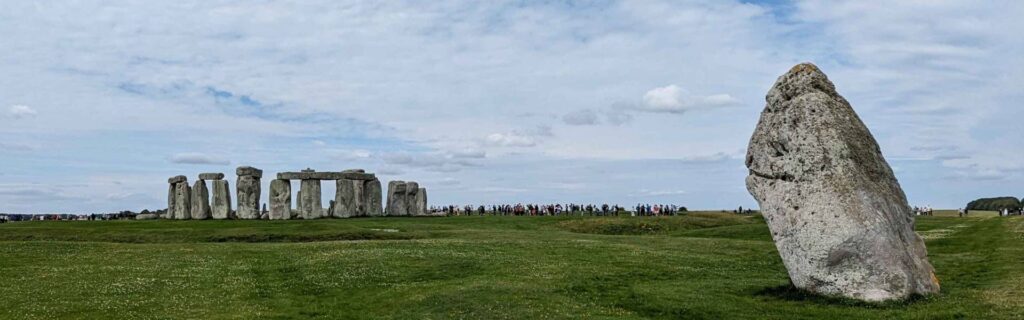
The air felt cool and slightly damp as the breeze moved across the open fields, with soft light filtering through a sky filled with layered clouds. I arrived by bus at Stonehenge, stepping off into wide open countryside that immediately felt more remote than most places I visit.
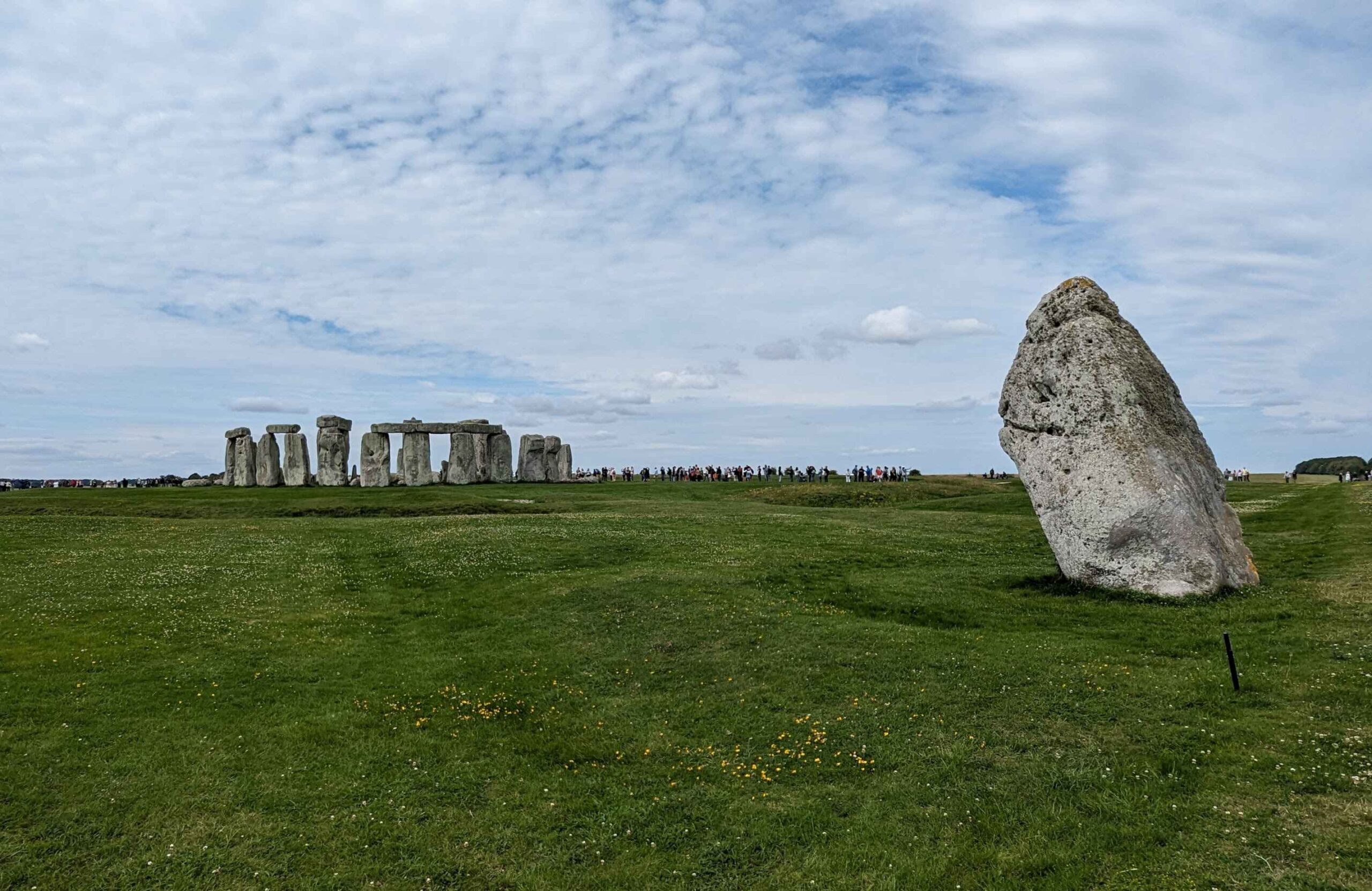
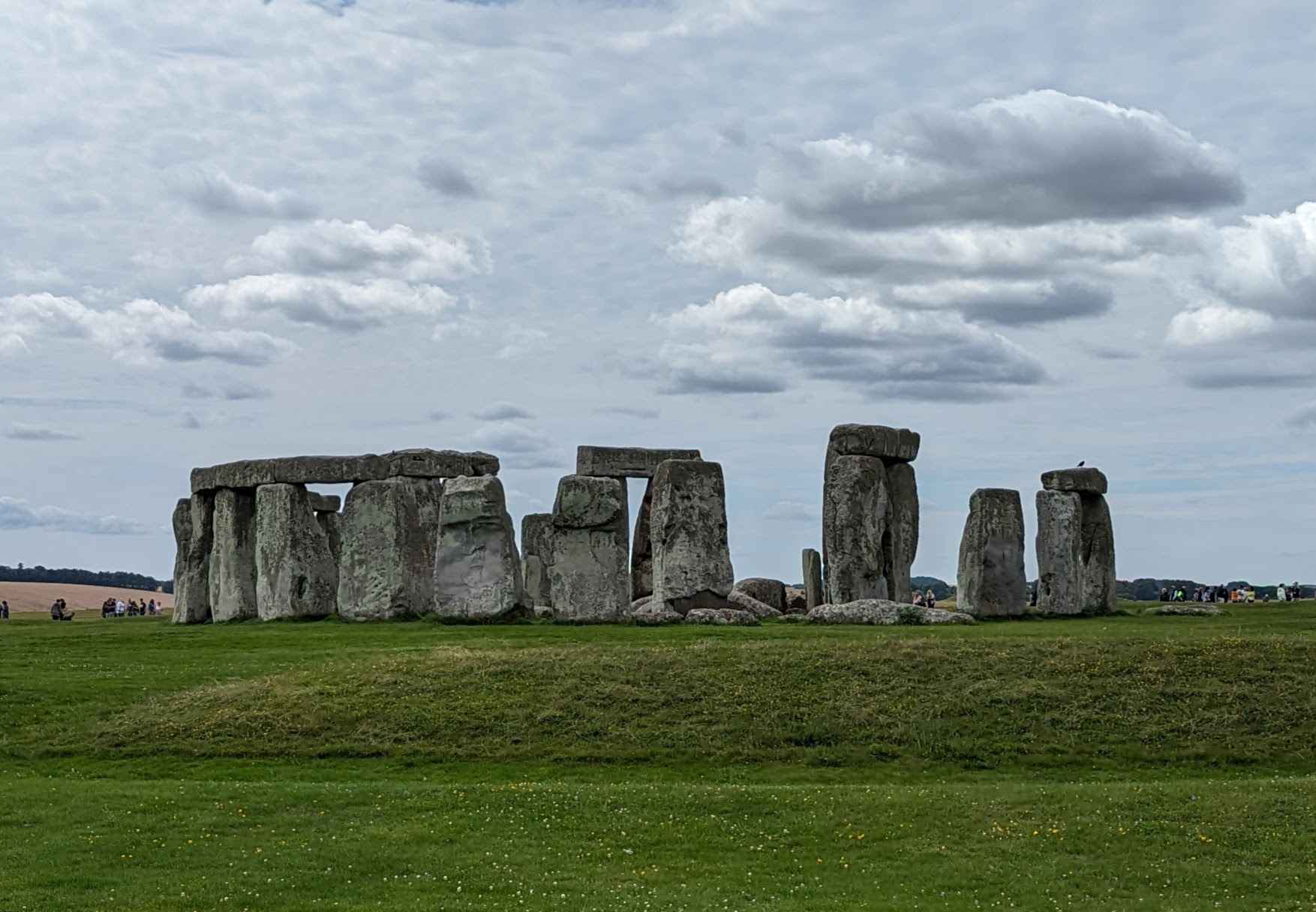
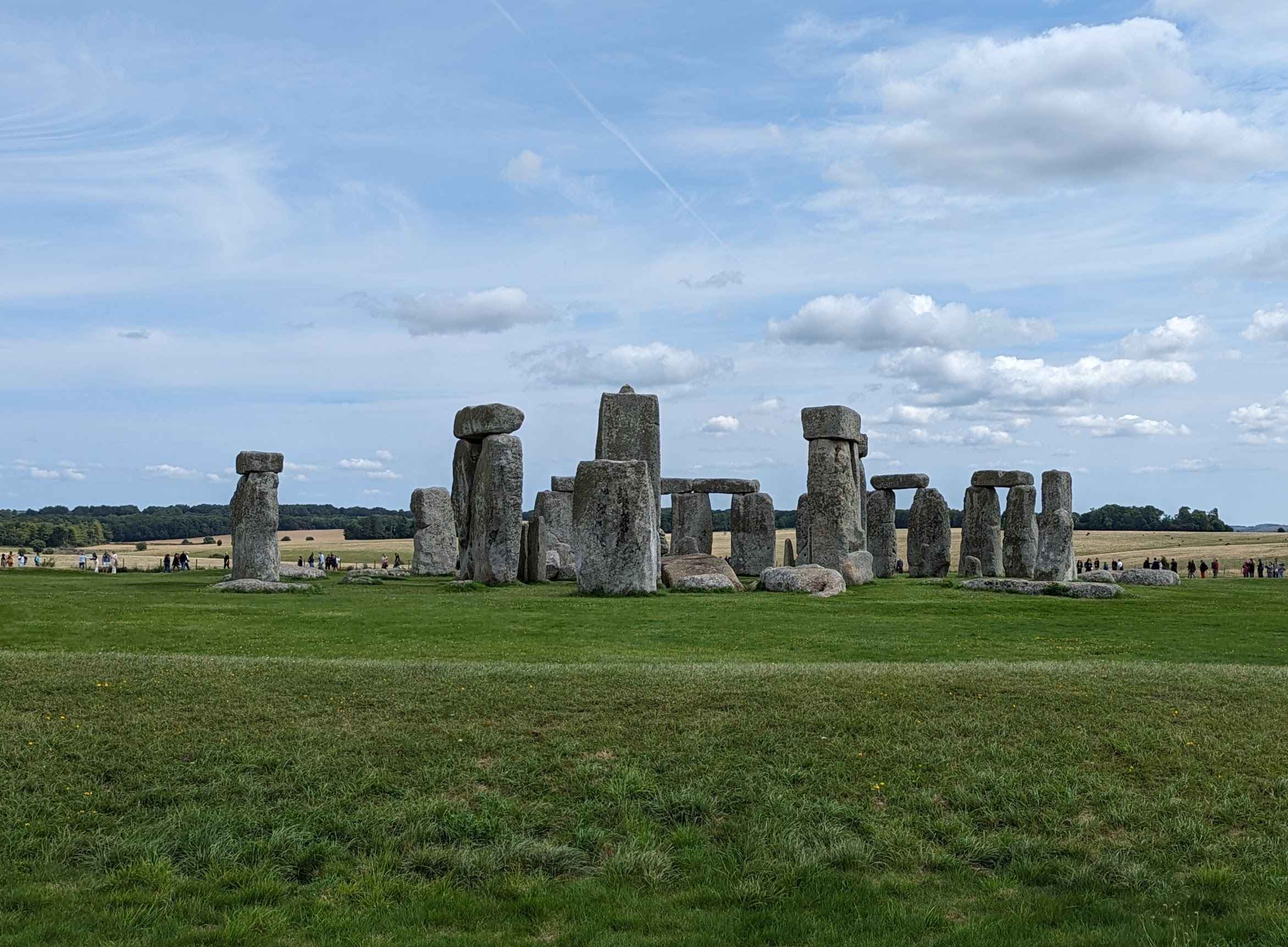
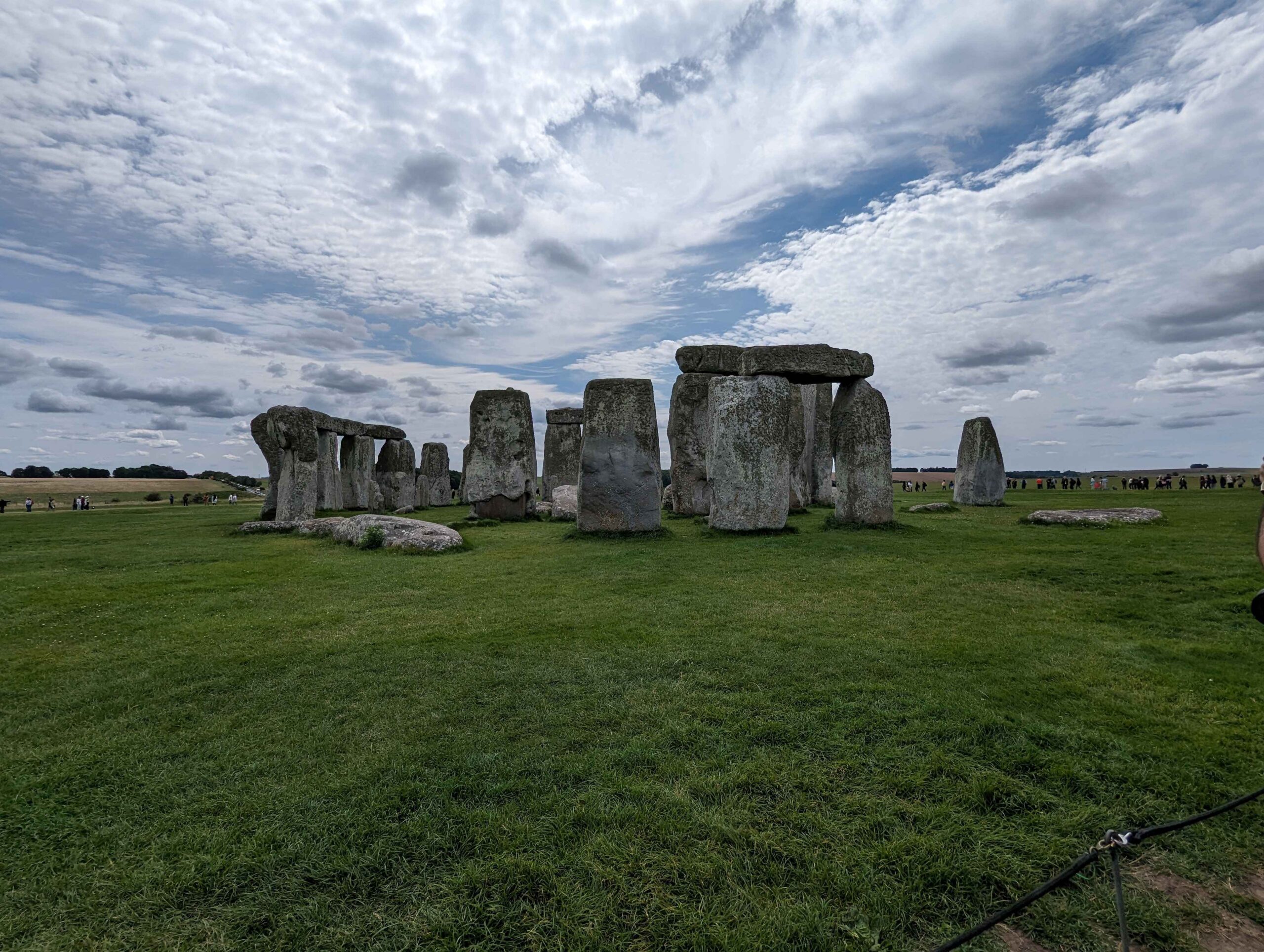
Stonehenge, known simply as Stonehenge in English, rises quietly out of the landscape rather than dominating it. From a distance, the stones look smaller than expected, but as you walk closer along the path, their scale and weight become much more apparent.
This visit happened after I disembarked from a cruise in Southampton. It had always been on my bucket list, but it never quite fit into a typical itinerary. When I saw it offered as an excursion that also continued on toward the airport, it finally made sense to go for it. The timing worked perfectly, and the weather cooperated with a slight chill that made a light jacket feel just right in the middle of July.
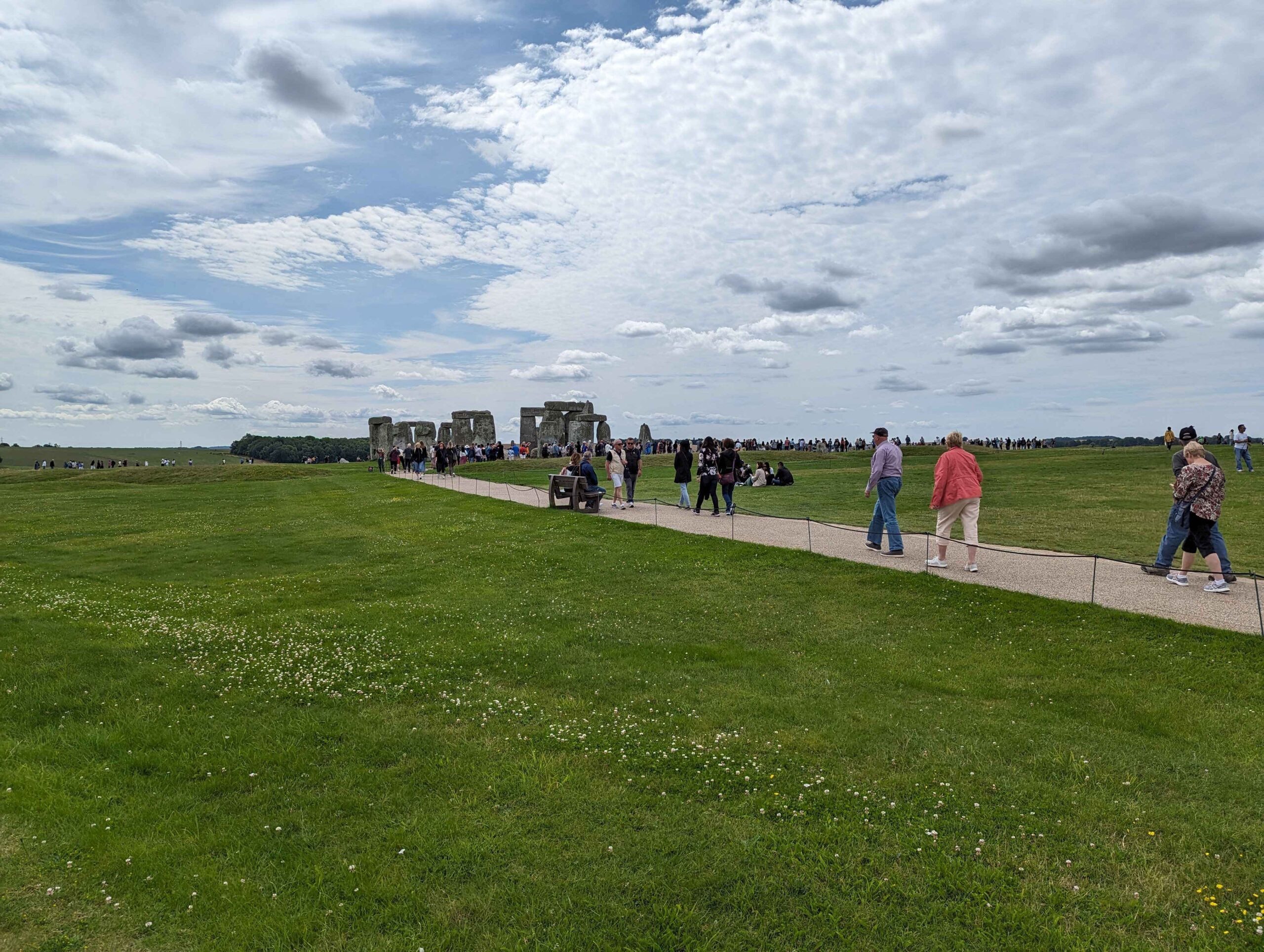
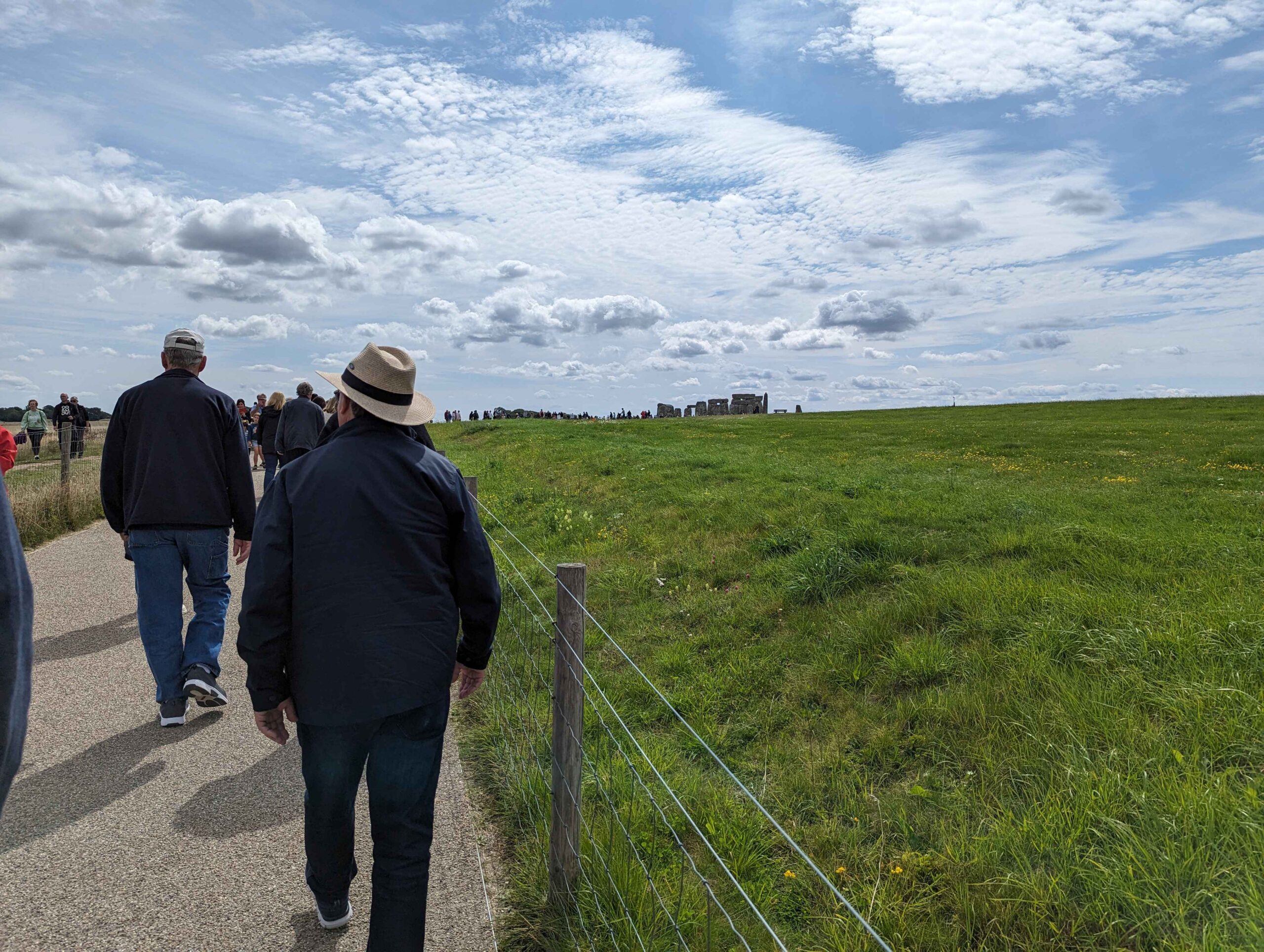
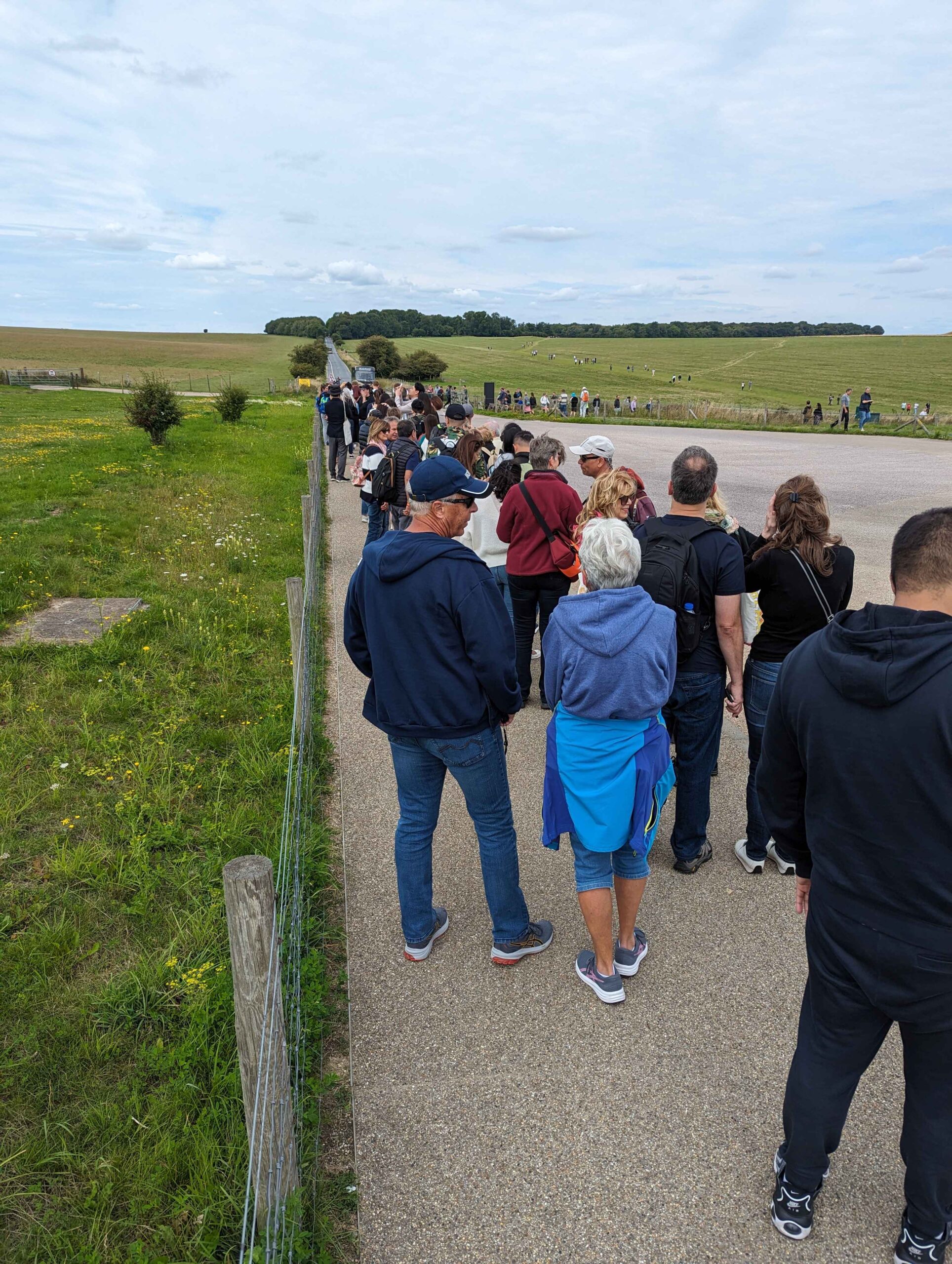
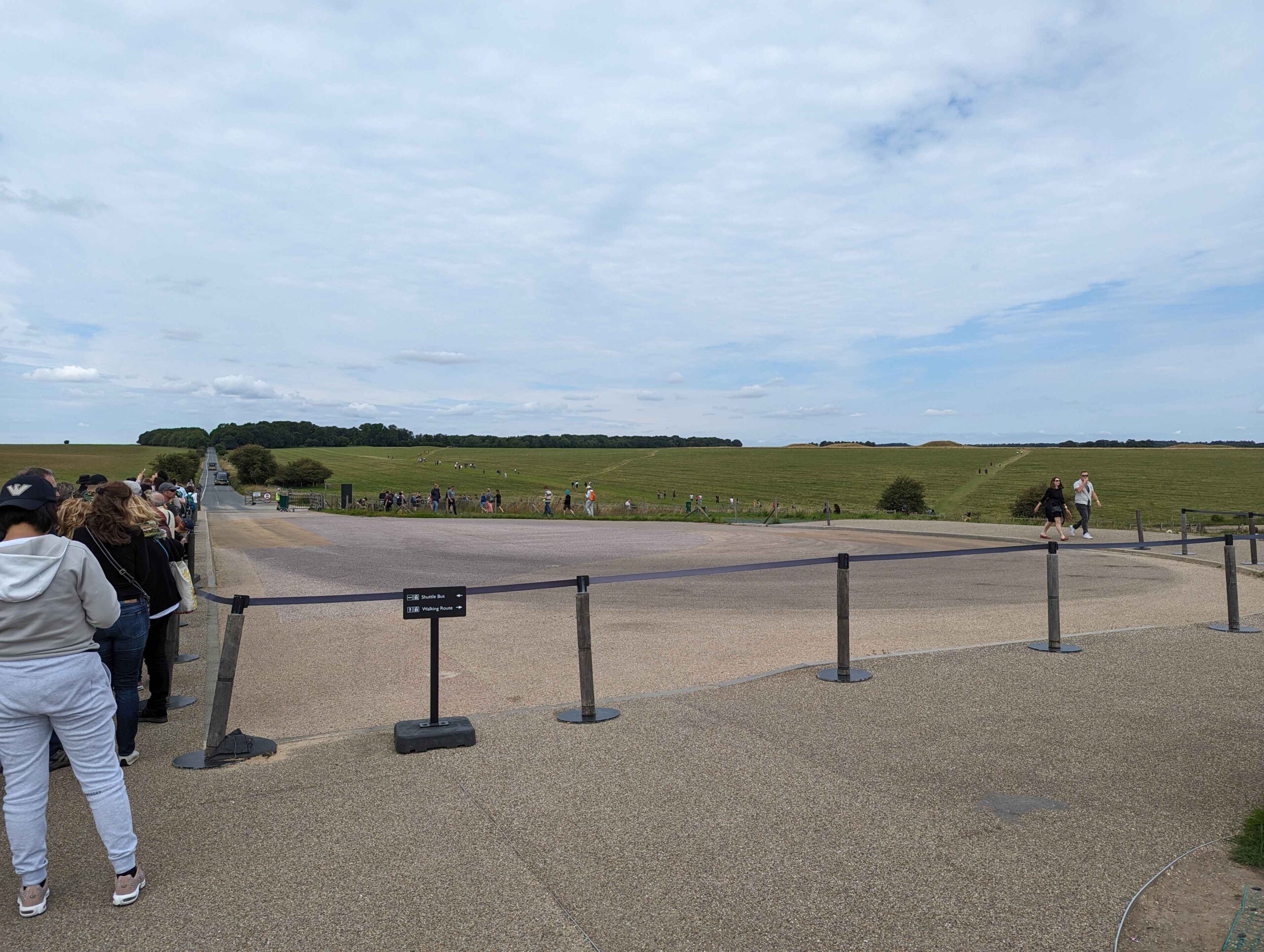
The walk from the parking and visitor area to the monument is longer than it first appears. The path is mostly loose gravel and rolls gently over small hills, which is worth noting if mobility is a concern. Once you reach the monument, a circular path guides you around the stones, but you are kept at a distance. Even so, the different angles reveal how uneven and organic the structure feels, especially with the shifting light and clouds overhead.
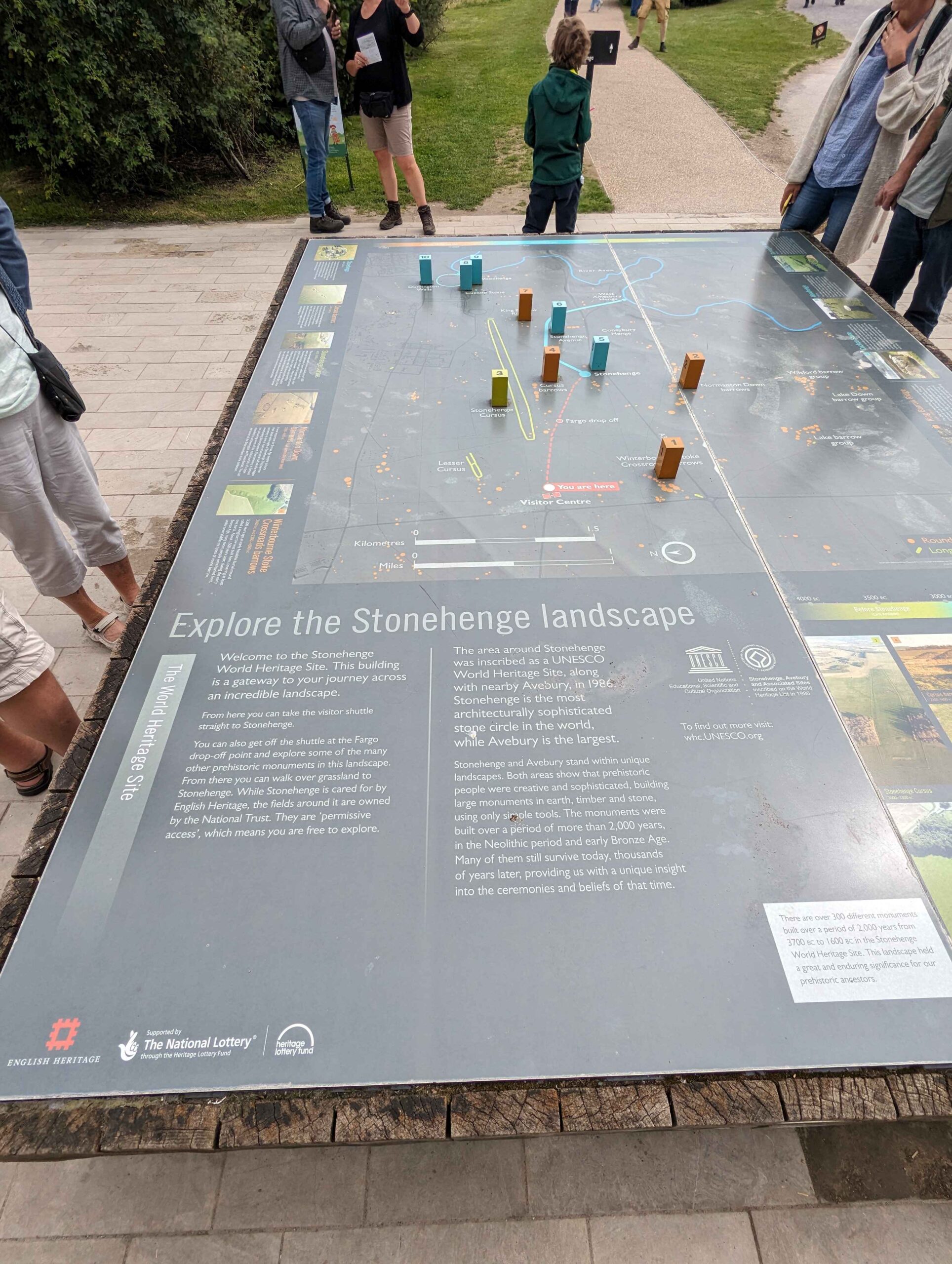
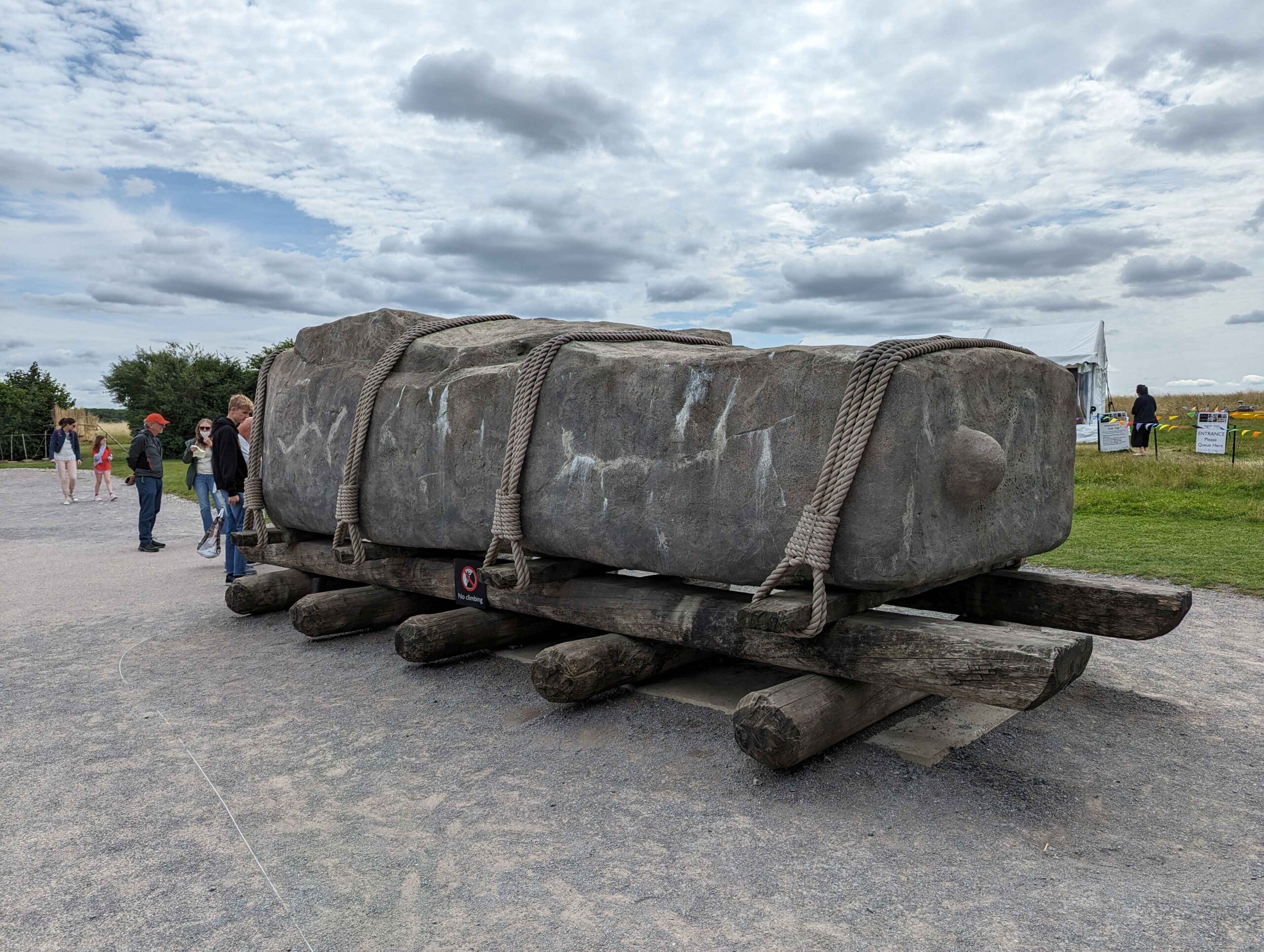
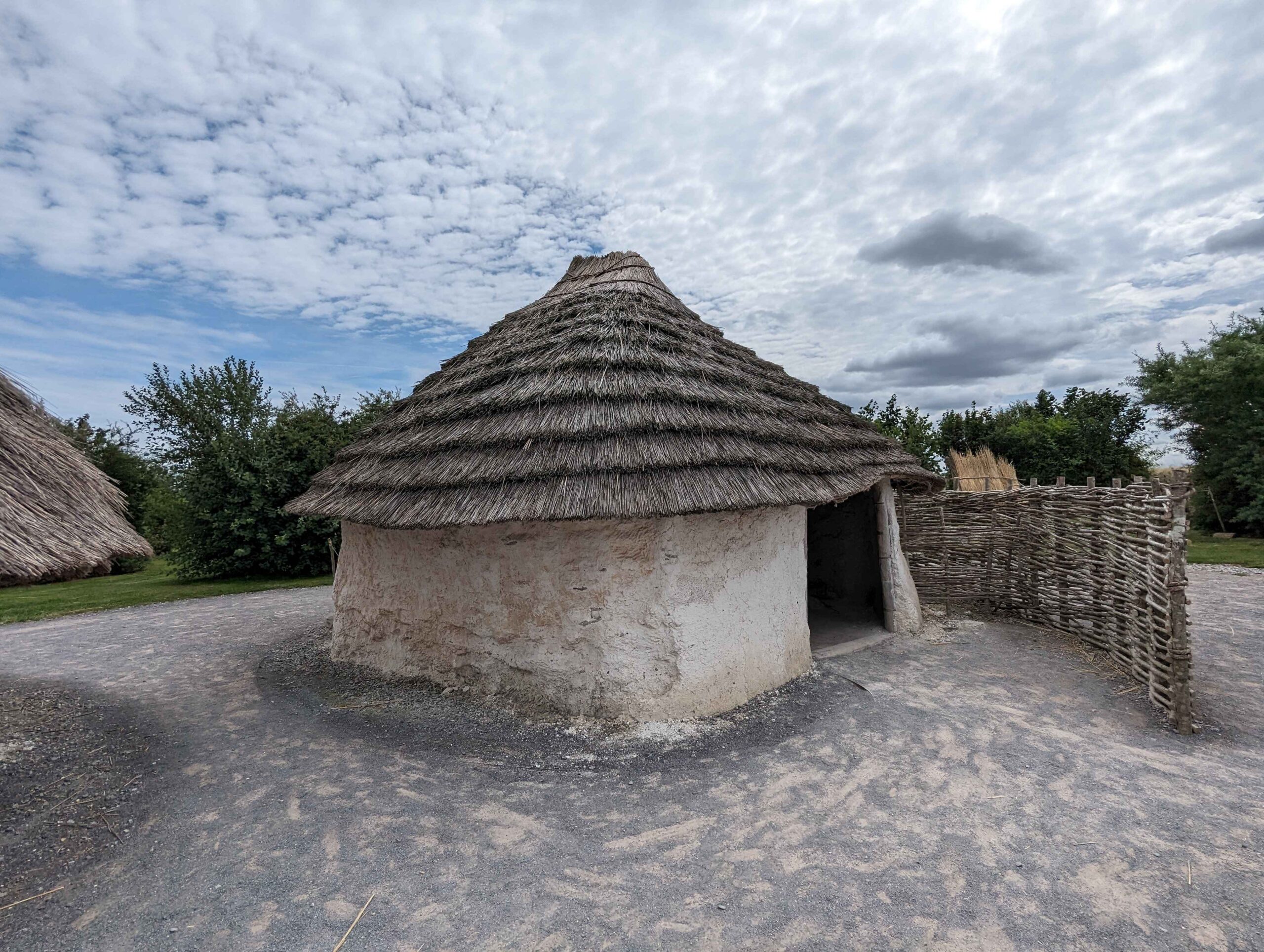
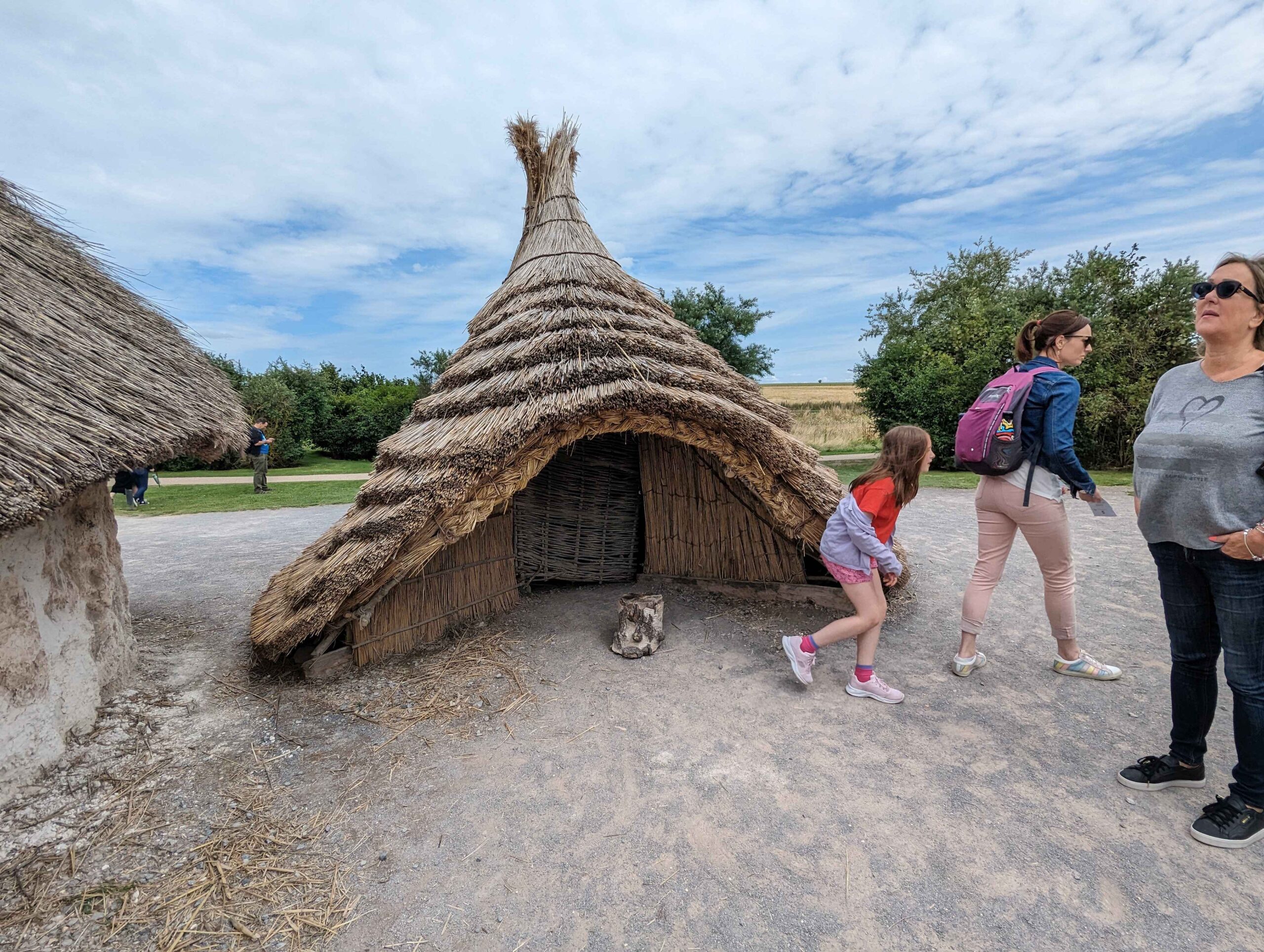
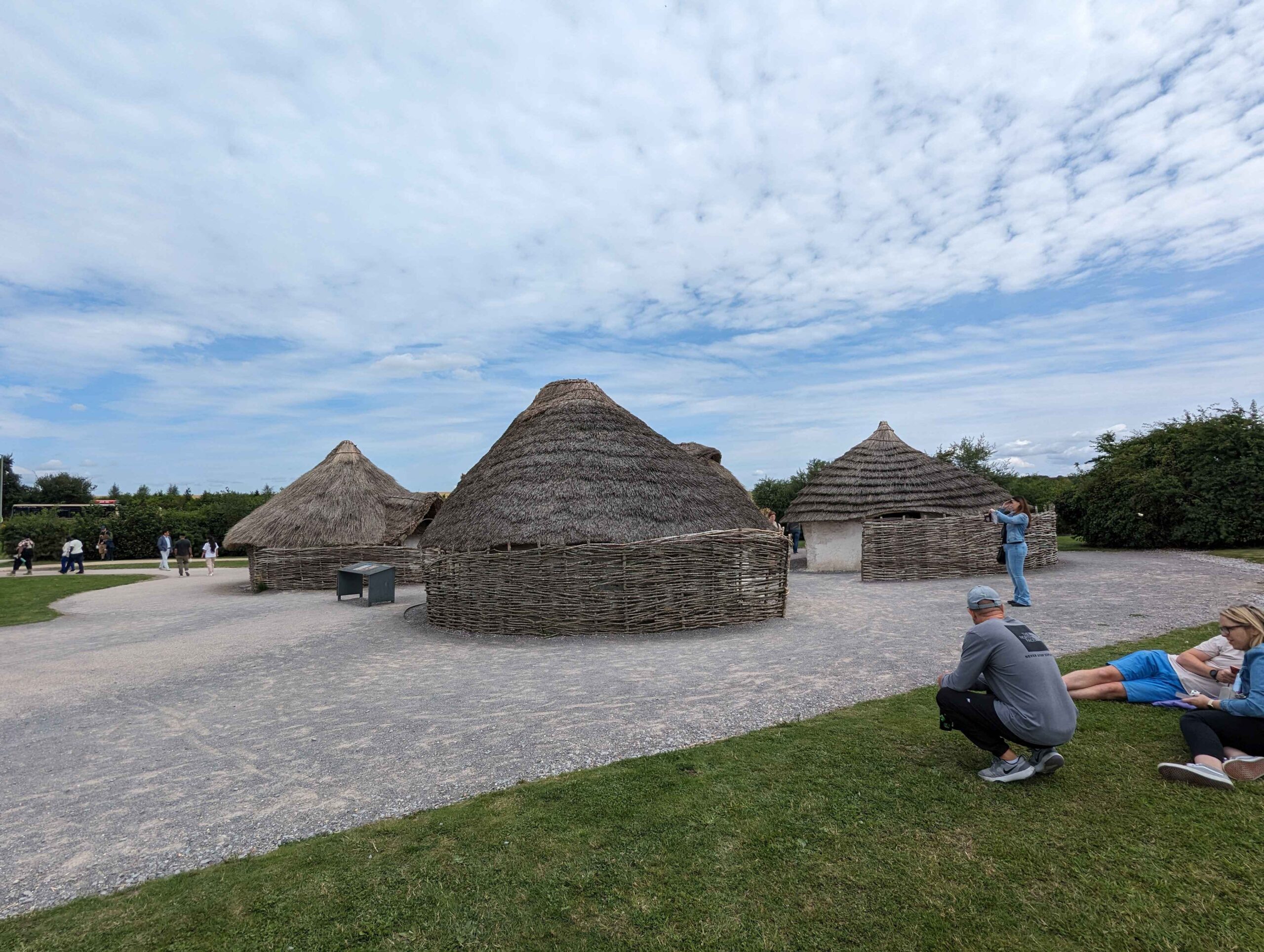
Back at the visitor center, there is more to explore than just the stones themselves. A small cluster of reconstructed Neolithic houses offers a chance to step inside and see how people may have lived. There are also exhibits that explain how the stones were transported and arranged, along with practical amenities like a restaurant, toilets, and a gift shop. It adds context to what might otherwise feel like a brief walk around a single landmark.
If You Have More Time…
- Salisbury Cathedral – A short drive away, this cathedral houses one of the original Magna Carta documents and offers a contrast between medieval and prehistoric history.
- Old Sarum – The remains of an early settlement and castle provide wide views over the surrounding countryside and a deeper look into the area’s layered past.
- Avebury Stone Circle – Larger than Stonehenge and far less restricted, this site allows you to walk directly among the stones in a village setting.
- Stonehenge Visitor Centre Exhibits – Spend more time with the indoor displays to better understand the engineering and cultural significance of the monument.