
Bornholm Granite Cliffs Round Churches and Baltic Views
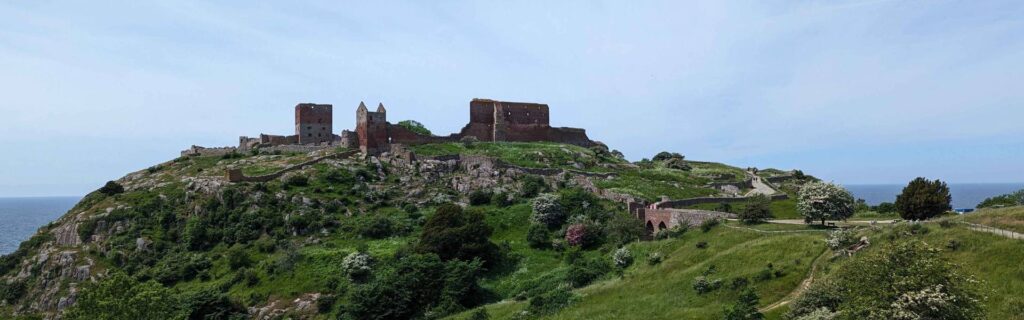
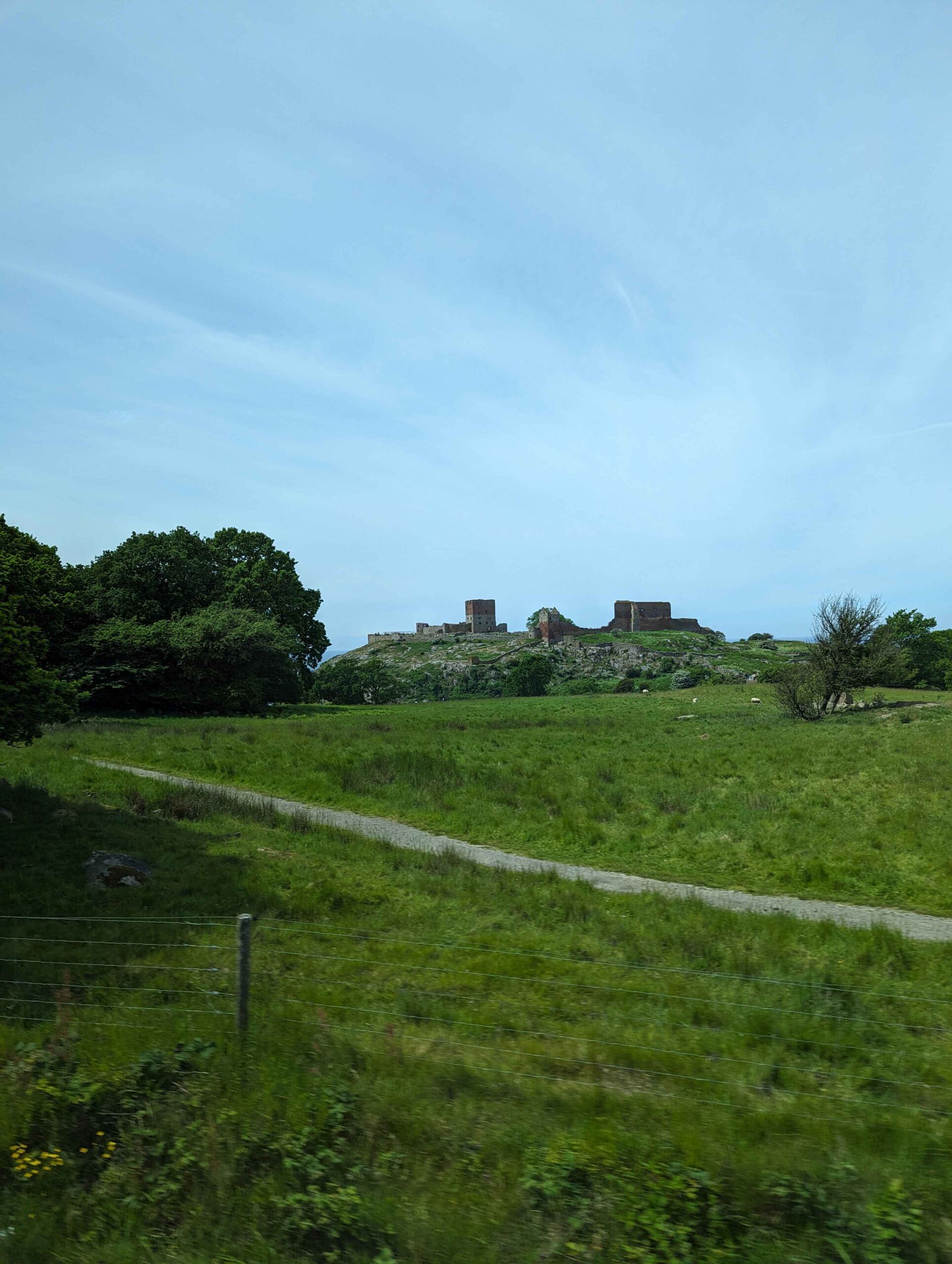
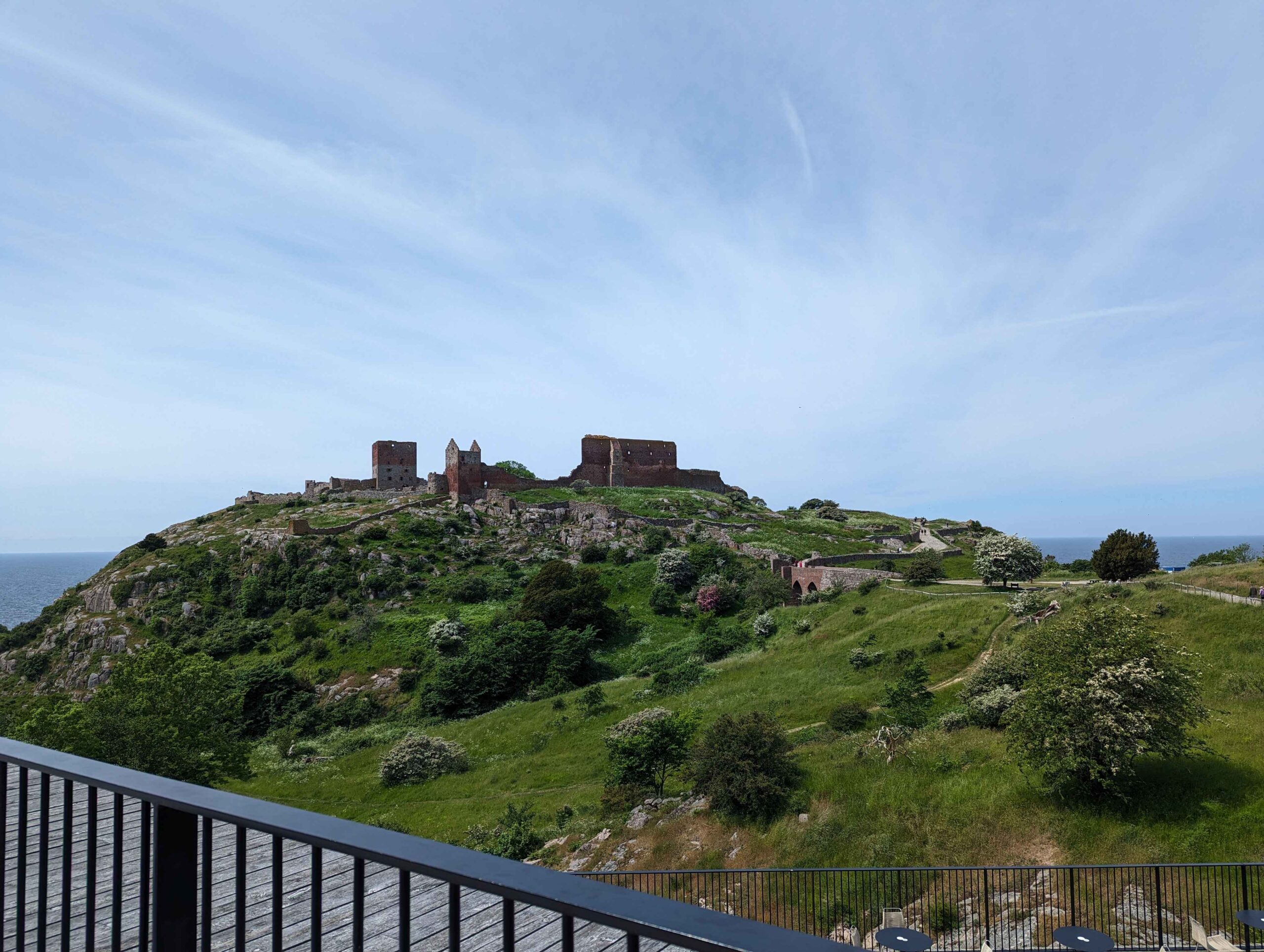
The first thing I noticed after arriving by cruise in Bornholm was how quickly the landscape shifted from open Baltic coastline to steep green hills covered with stone ruins. Hammershus Castle Ruins sat high above the water with layered walking paths and scattered walls stretching across the cliffs. Even before reaching the main entrance the views already felt larger than I expected for a small Danish island stop.
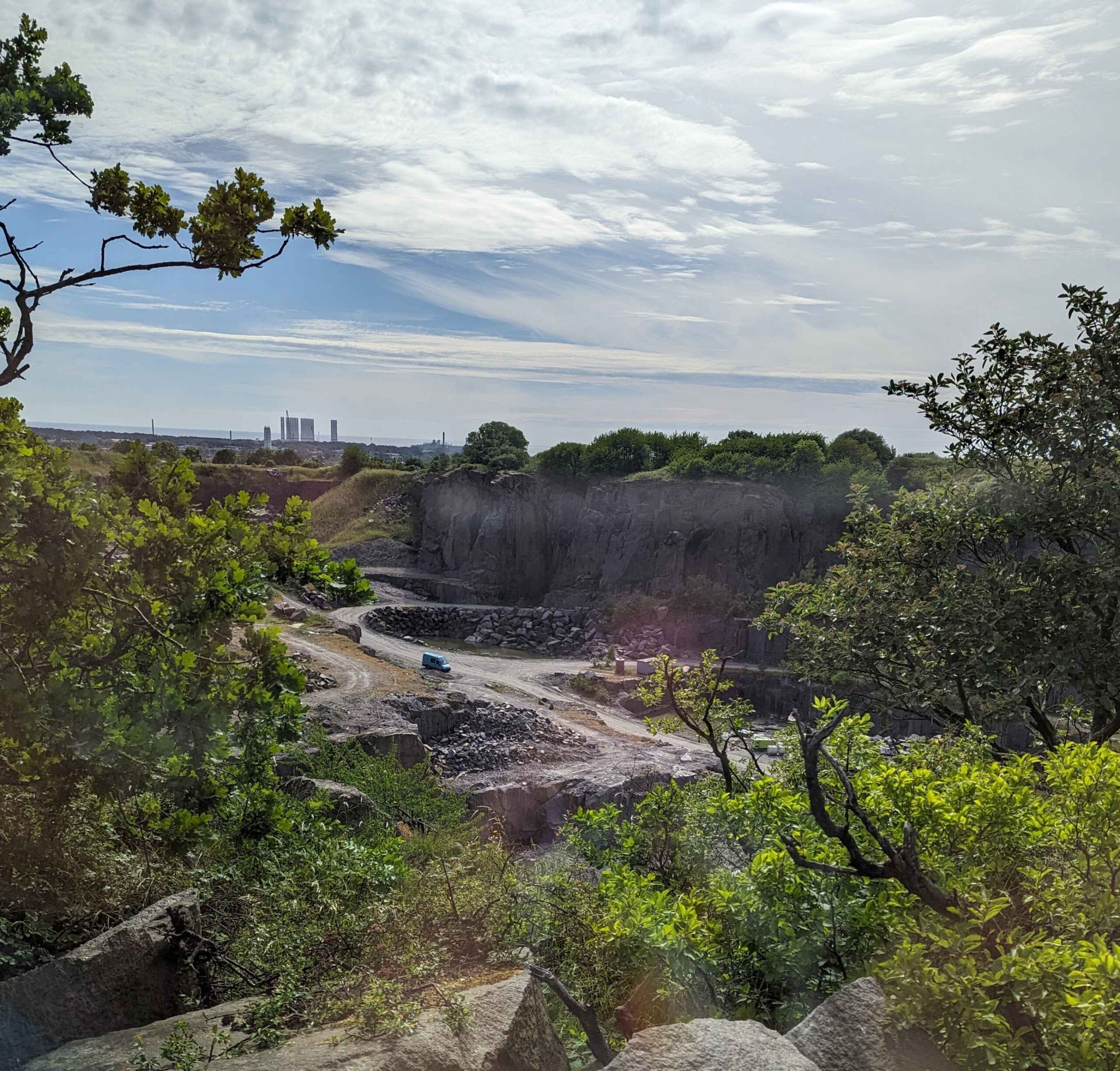
The excursion moved at a steady pace between several parts of the island rather than focusing on a single town. Bornholm, or Bornholm pronounced “Born-holm,” felt quieter and more rural than many Scandinavian cruise stops I’ve visited. The roads between locations passed fields stone fences and clusters of red roofed homes that looked almost untouched by modern development.
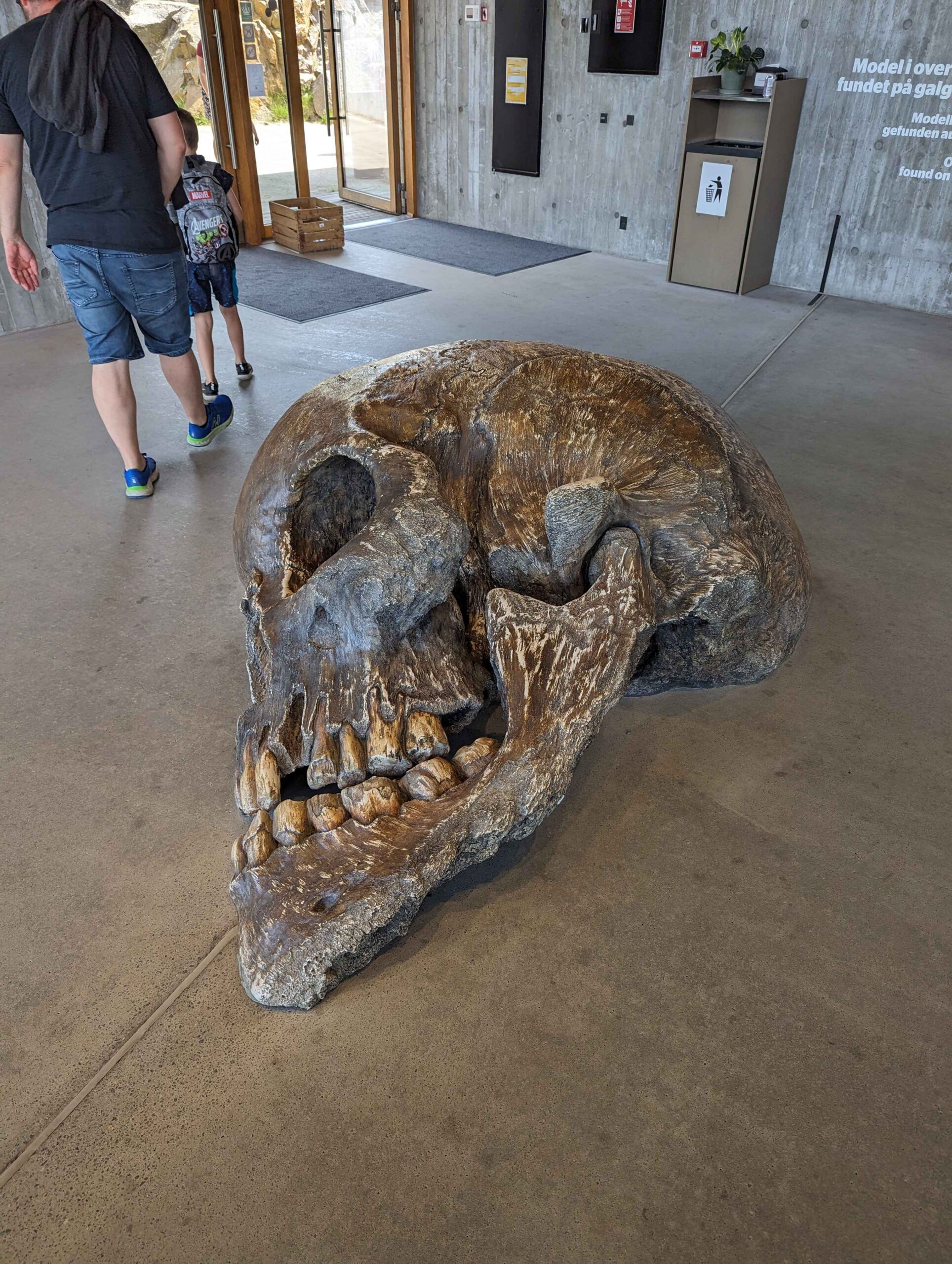
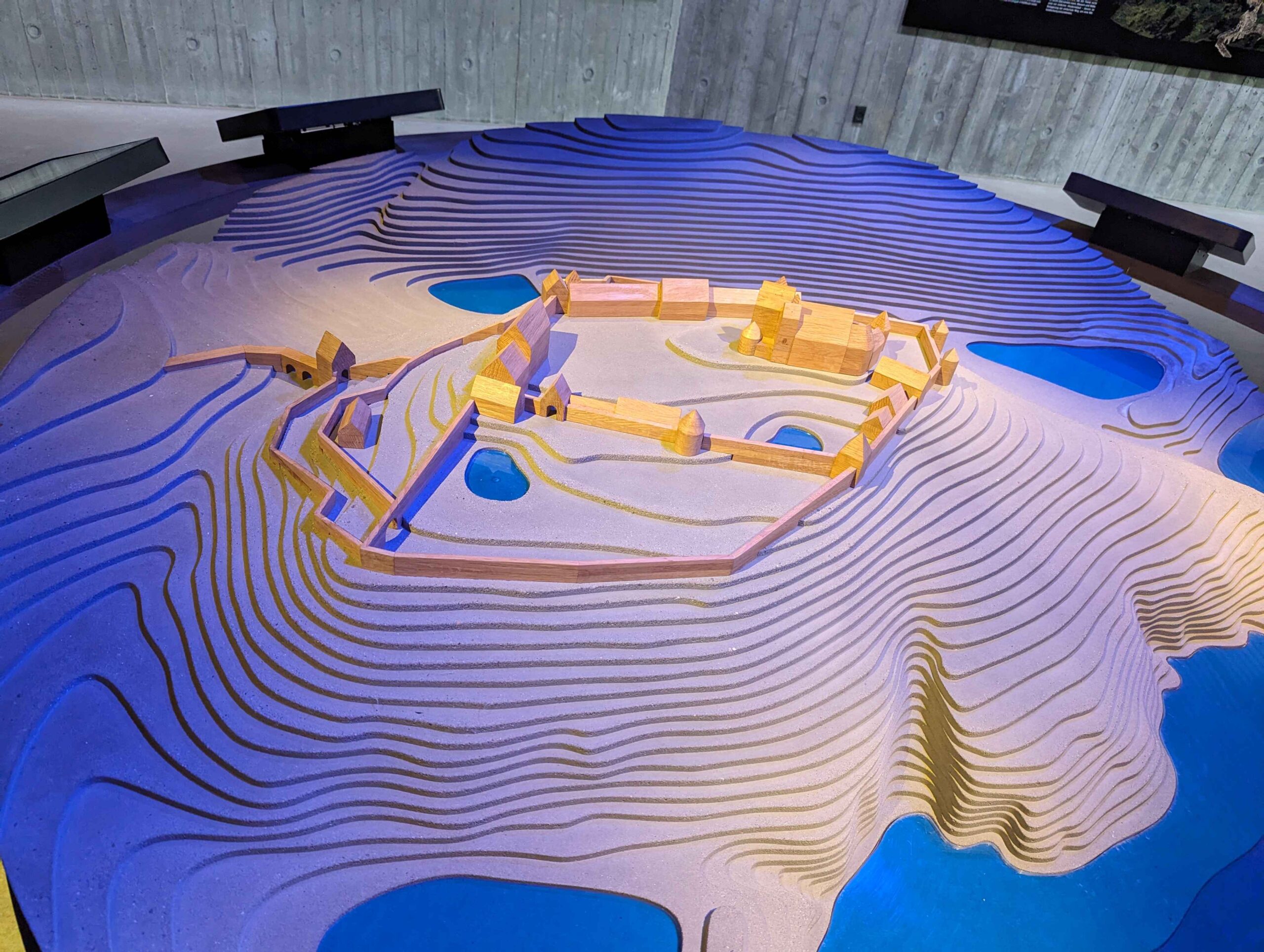
Hammershus ended up being the highlight of the day for me. The ruins covered far more ground than I expected and the museum helped explain how the fortress once overlooked the Baltic Sea trade routes. Inside the exhibit there was even an enormous skull replica from prehistory alongside terrain models of the fortress complex. Outside the weather stayed clear enough for long coastal views across the cliffs and sea which made the entire area feel open and exposed rather than crowded.
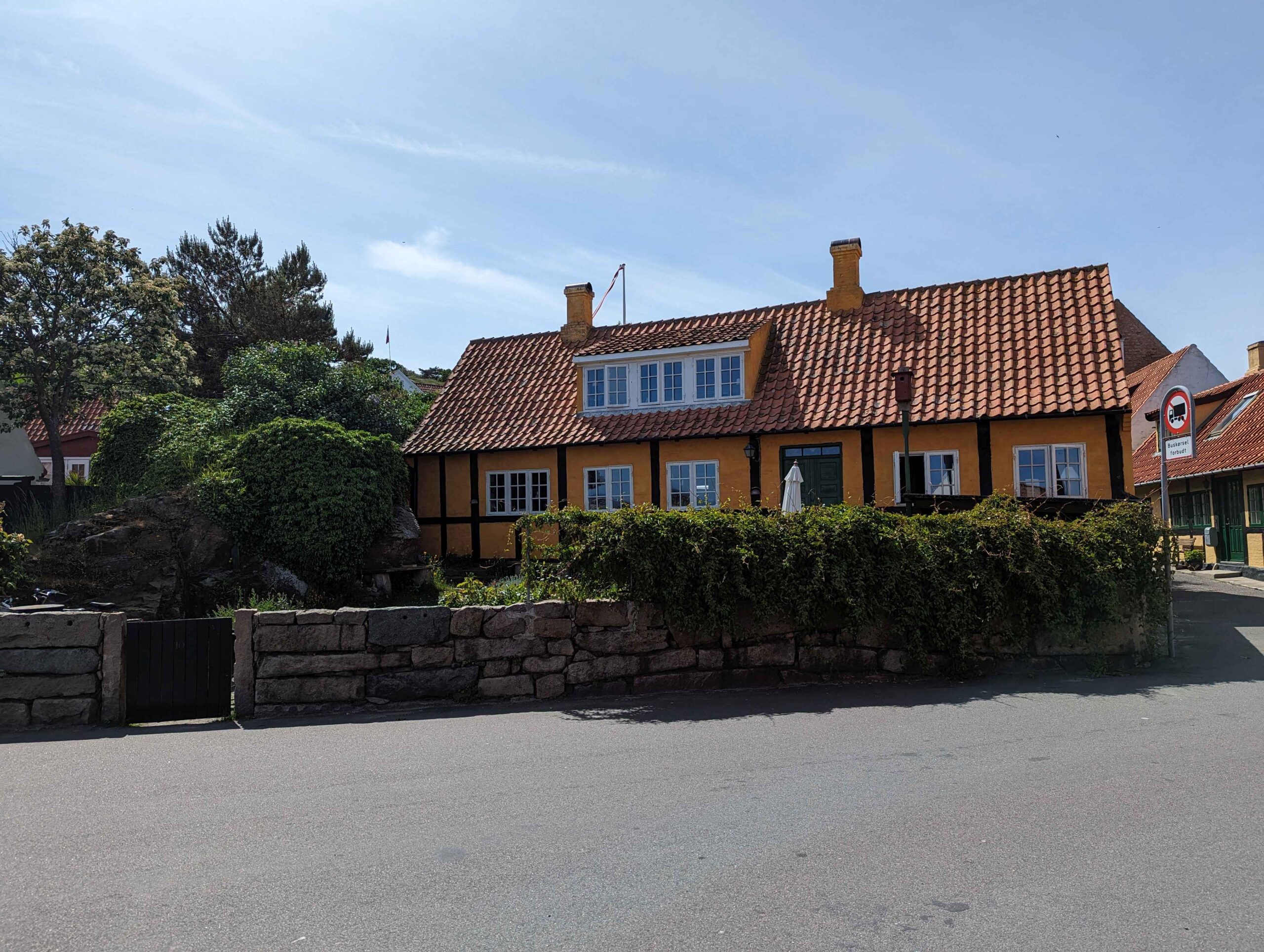
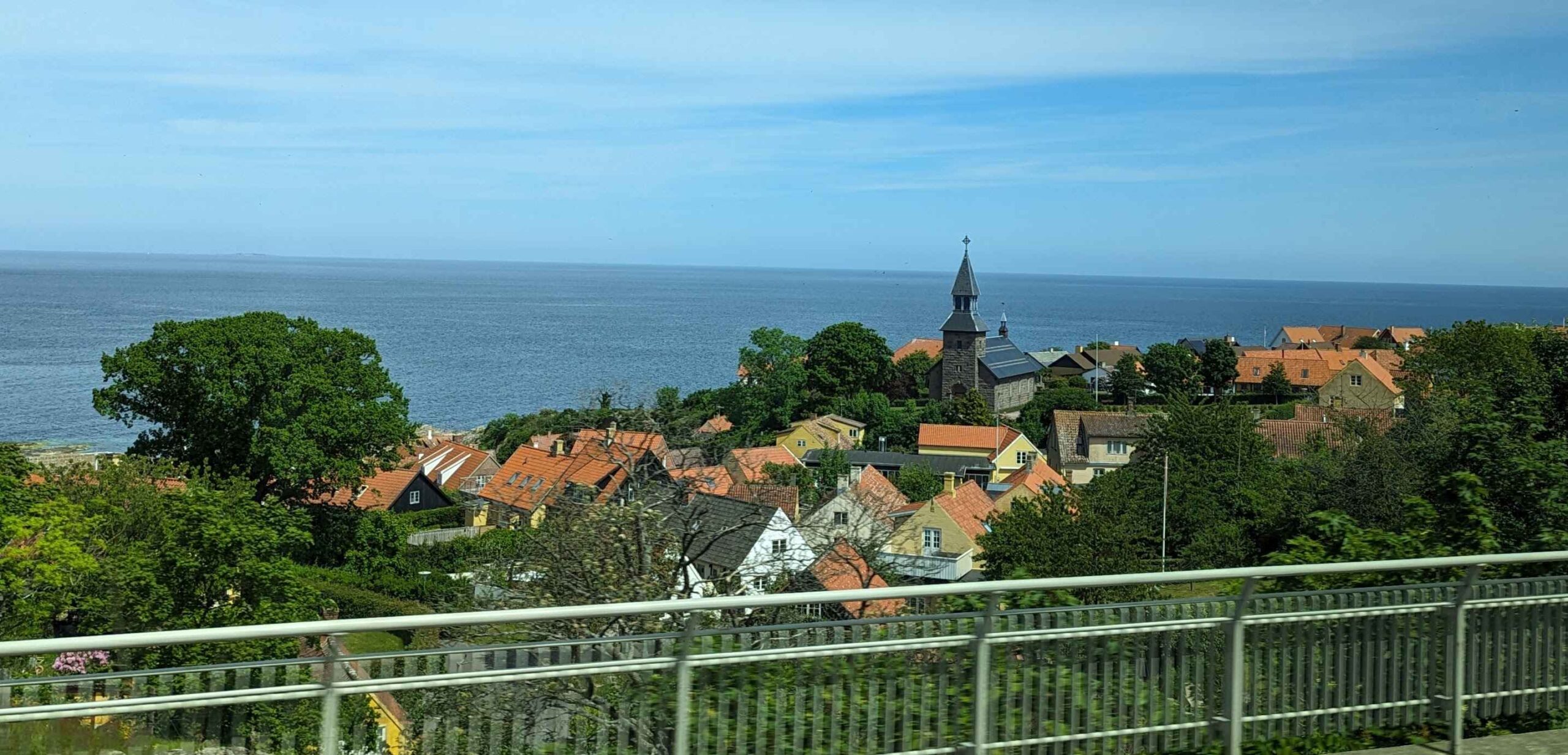
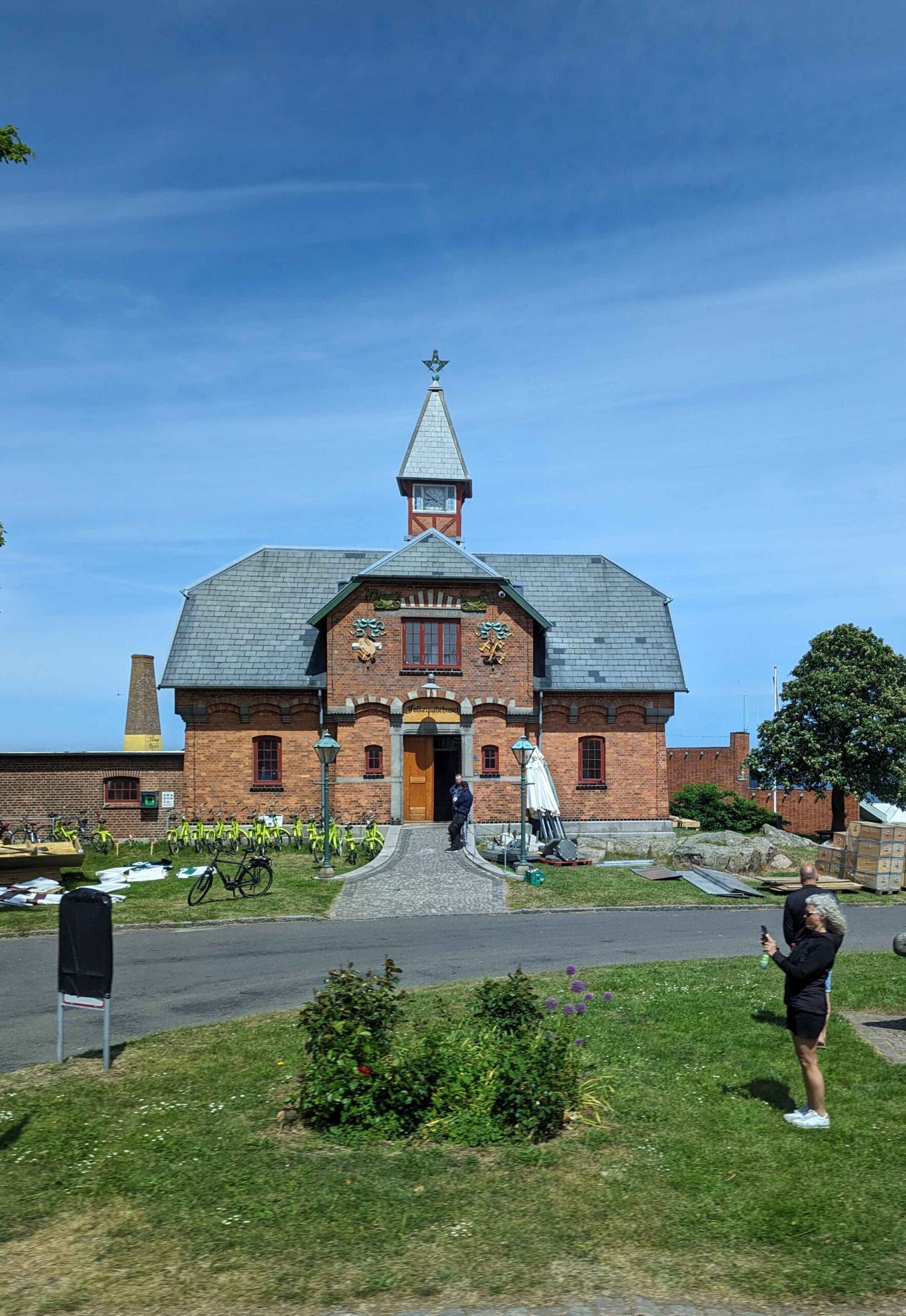
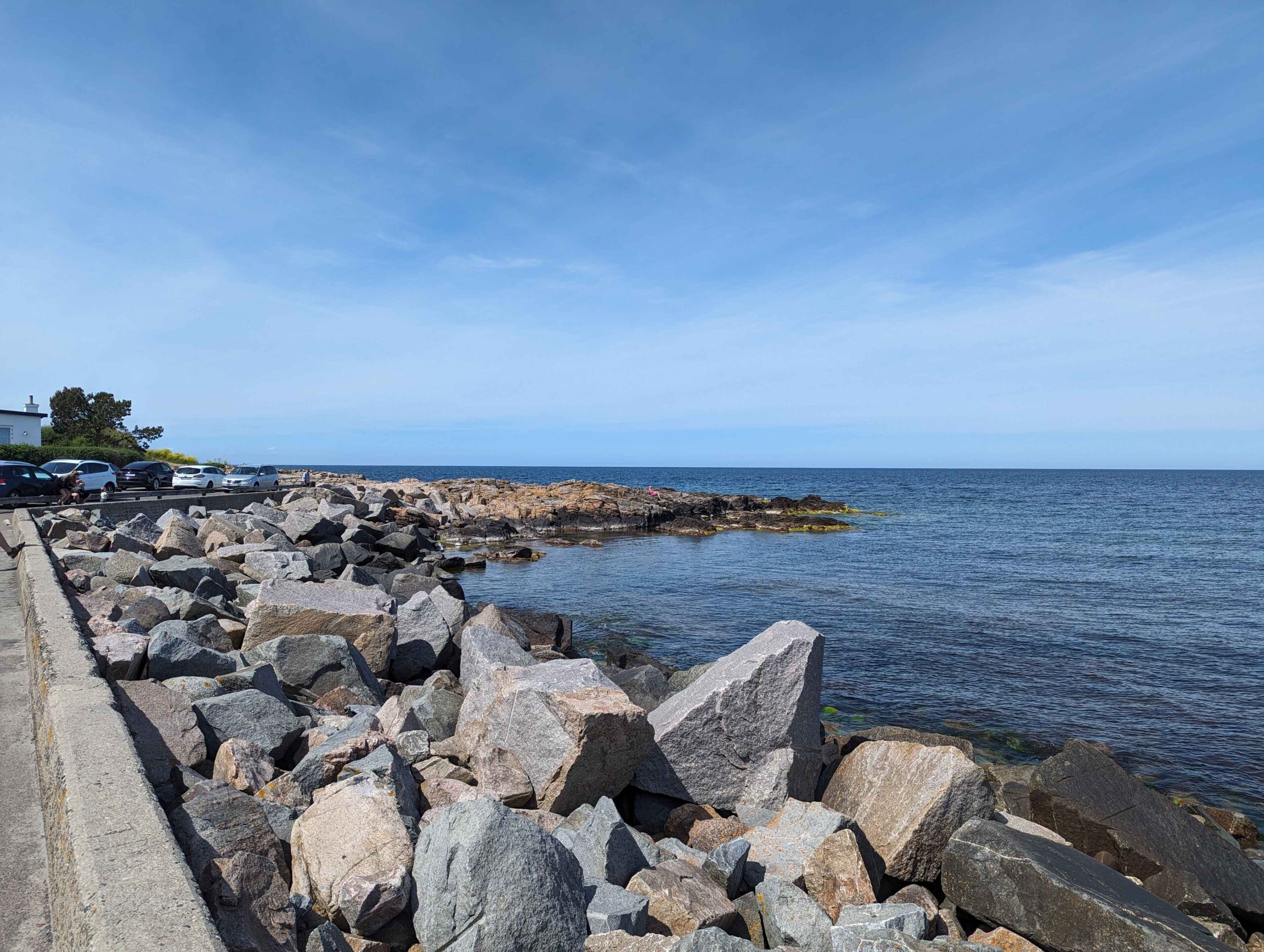
In Gudhjem I spent most of my free time near the waterfront watching the harbor and walking through the narrow streets lined with yellow and red buildings. The town had cafés and small local shops but I was more interested in the rocky shoreline and the quieter residential corners away from the busiest cluster of visitors. Spring timing helped here because it never felt overly packed despite multiple tour buses moving through town.
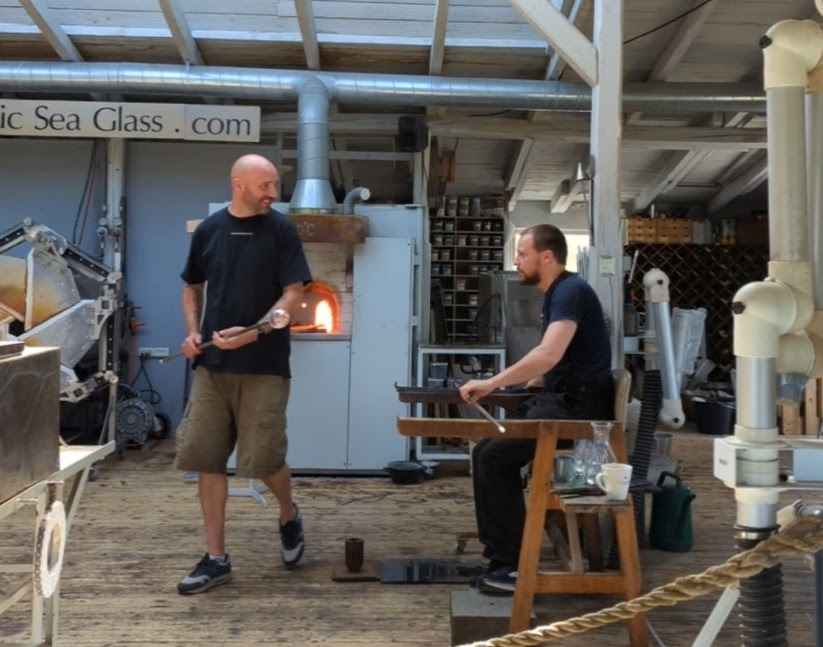
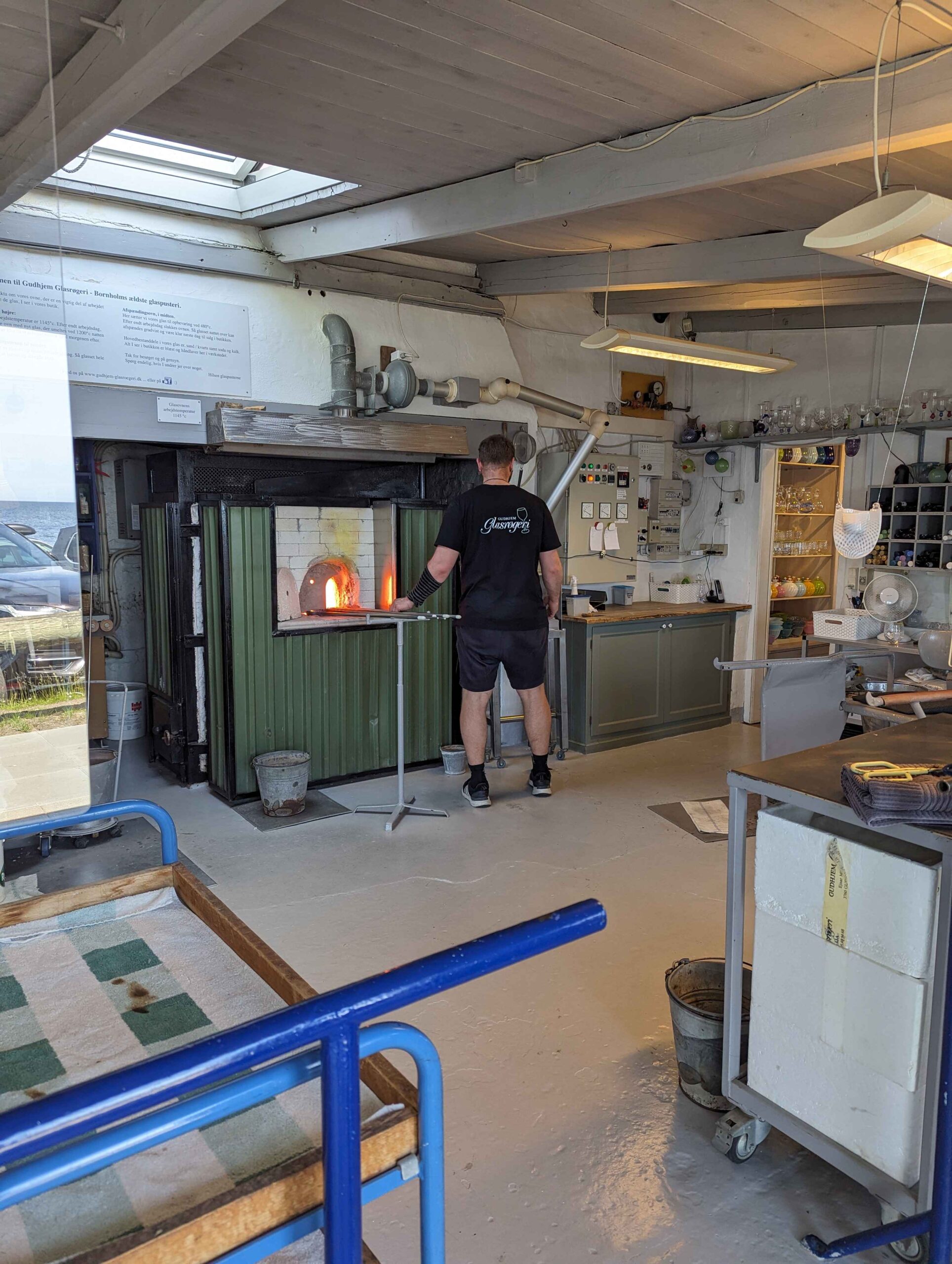
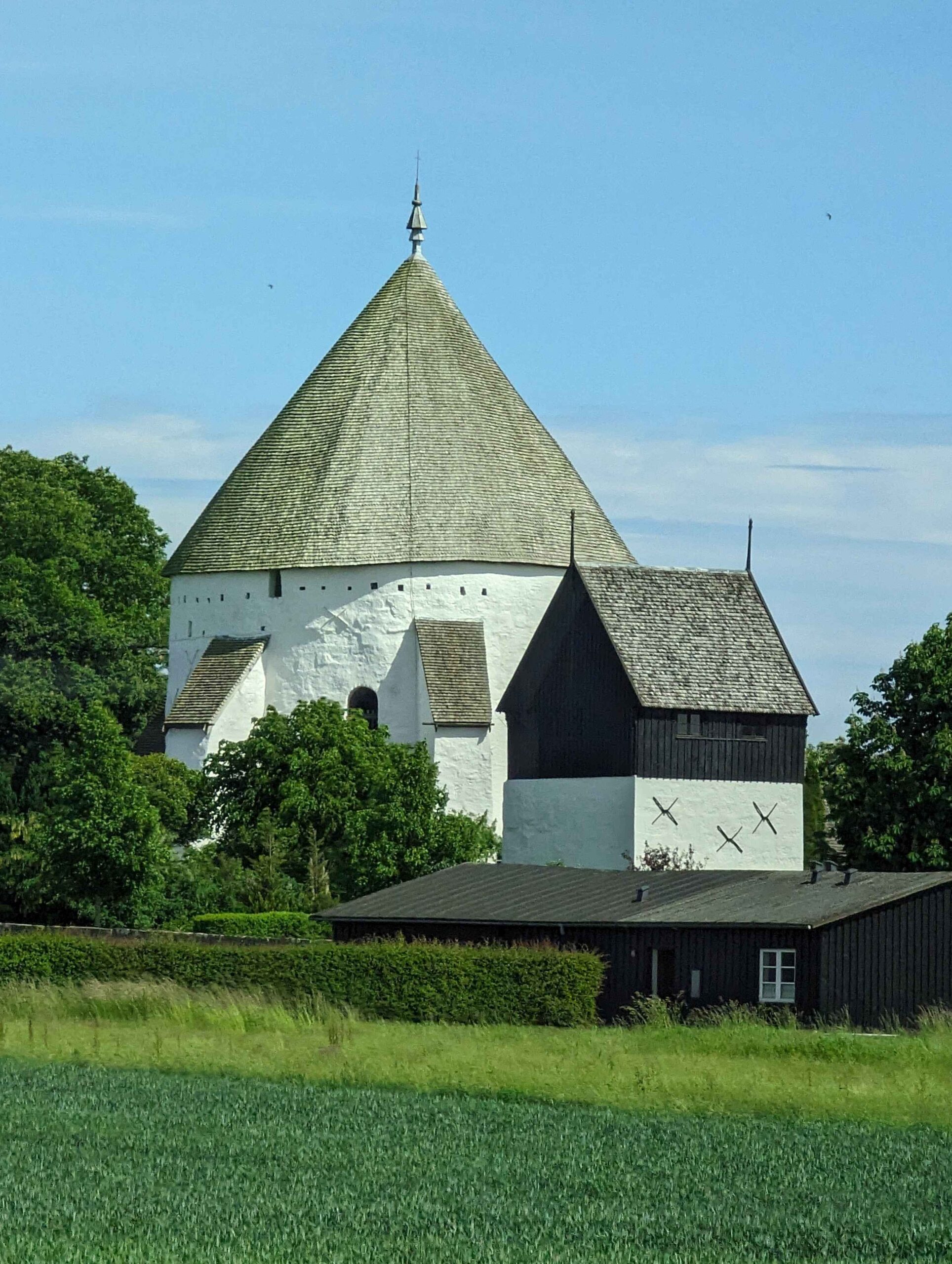
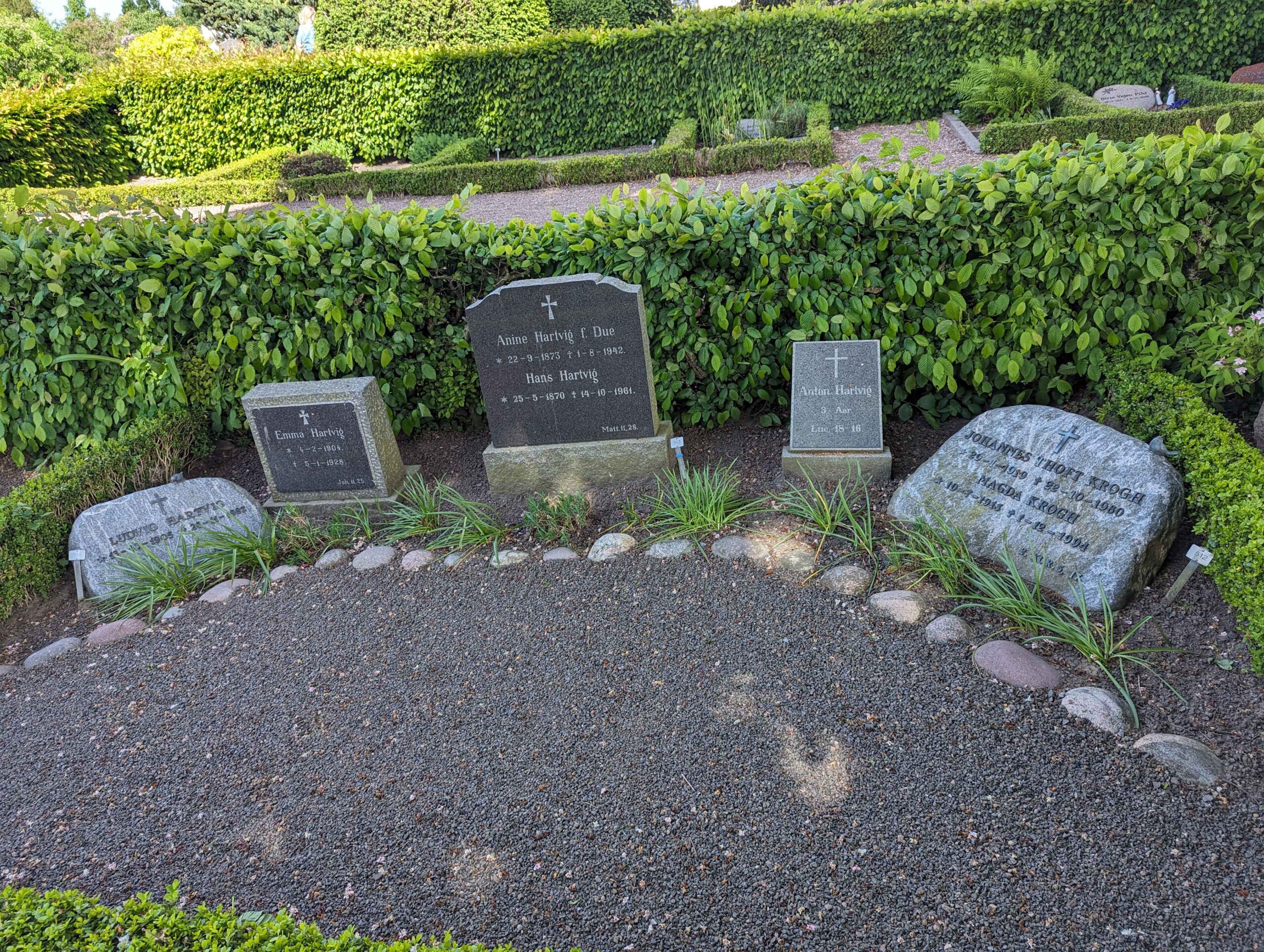
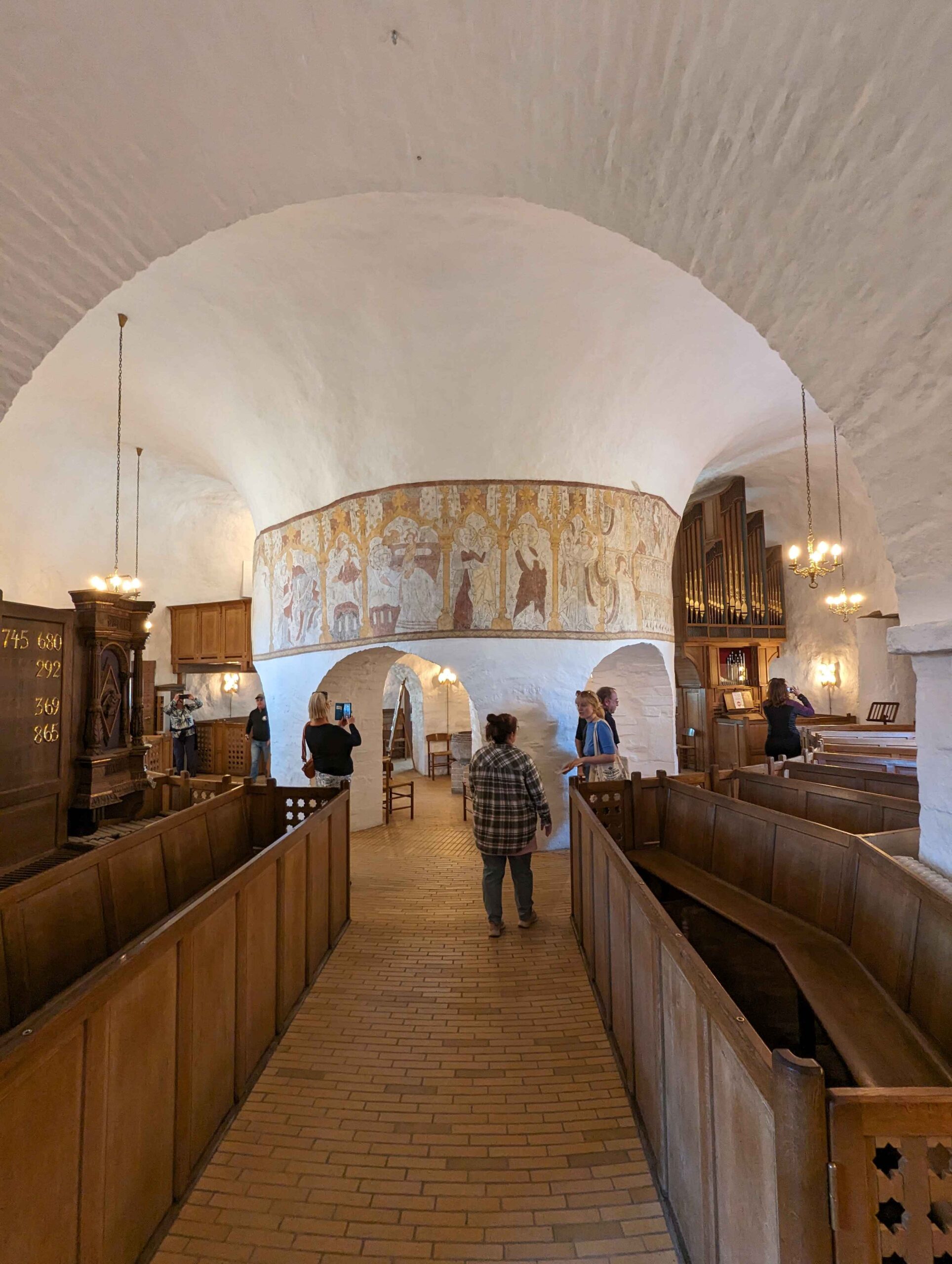
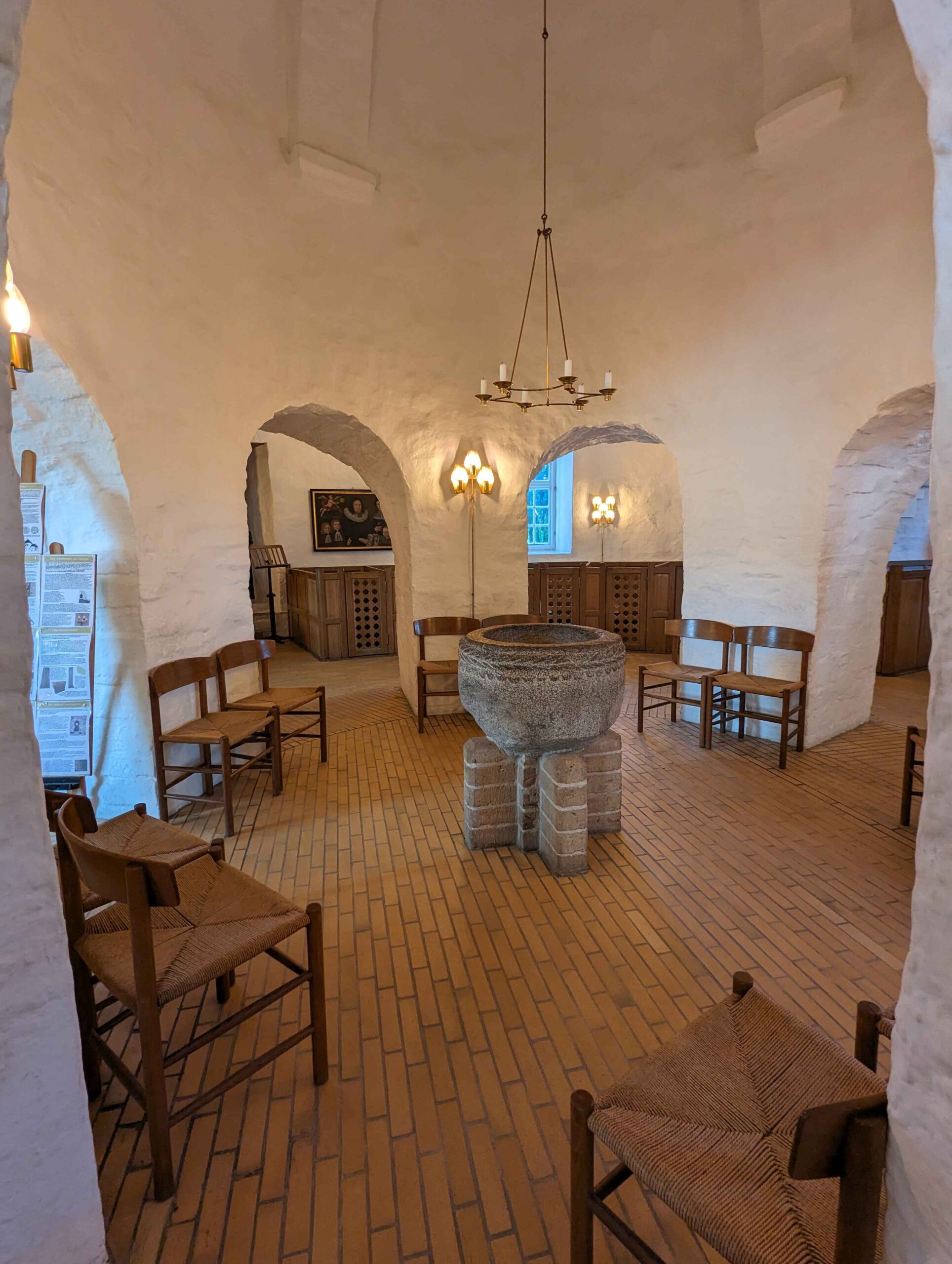
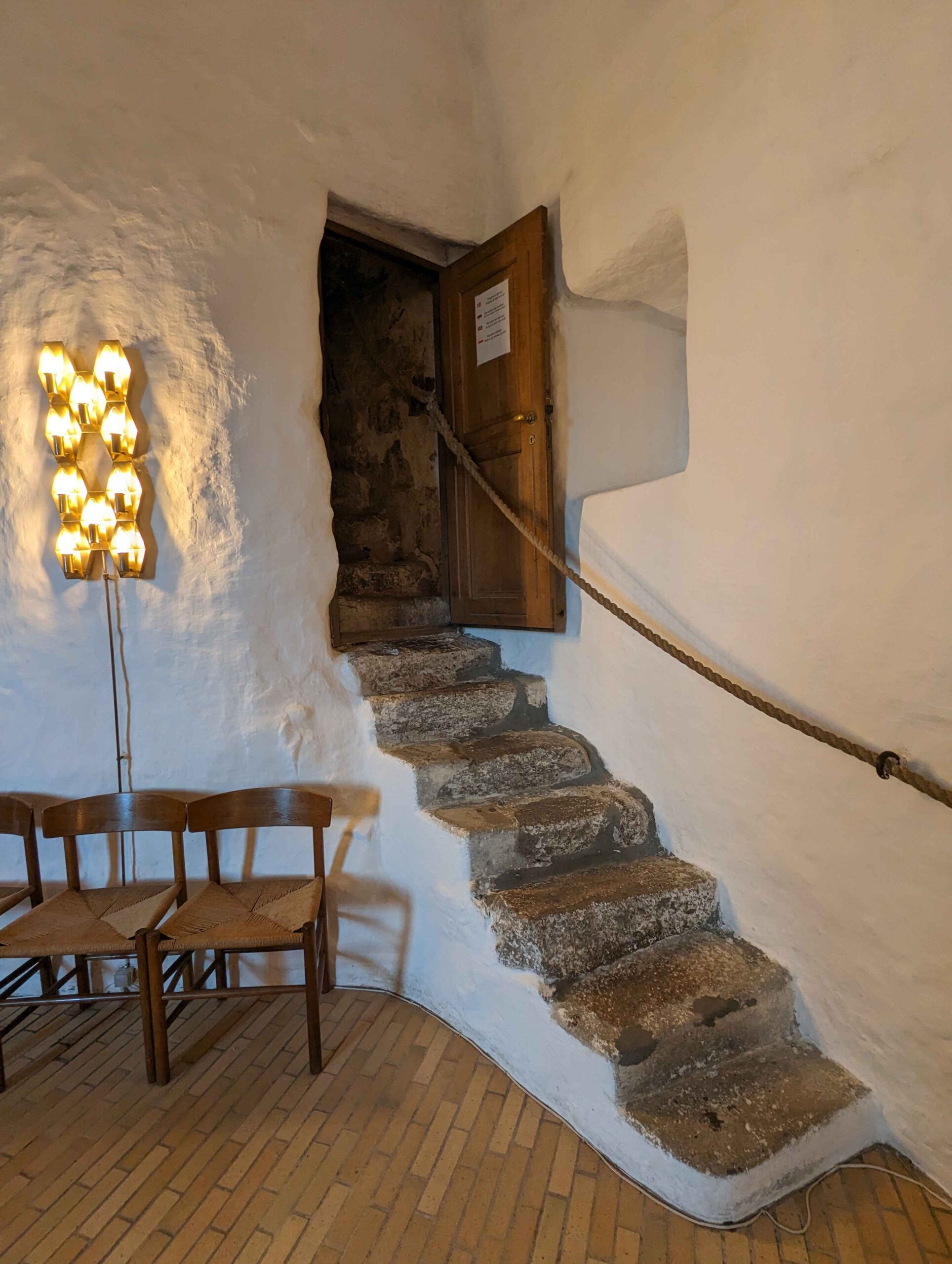
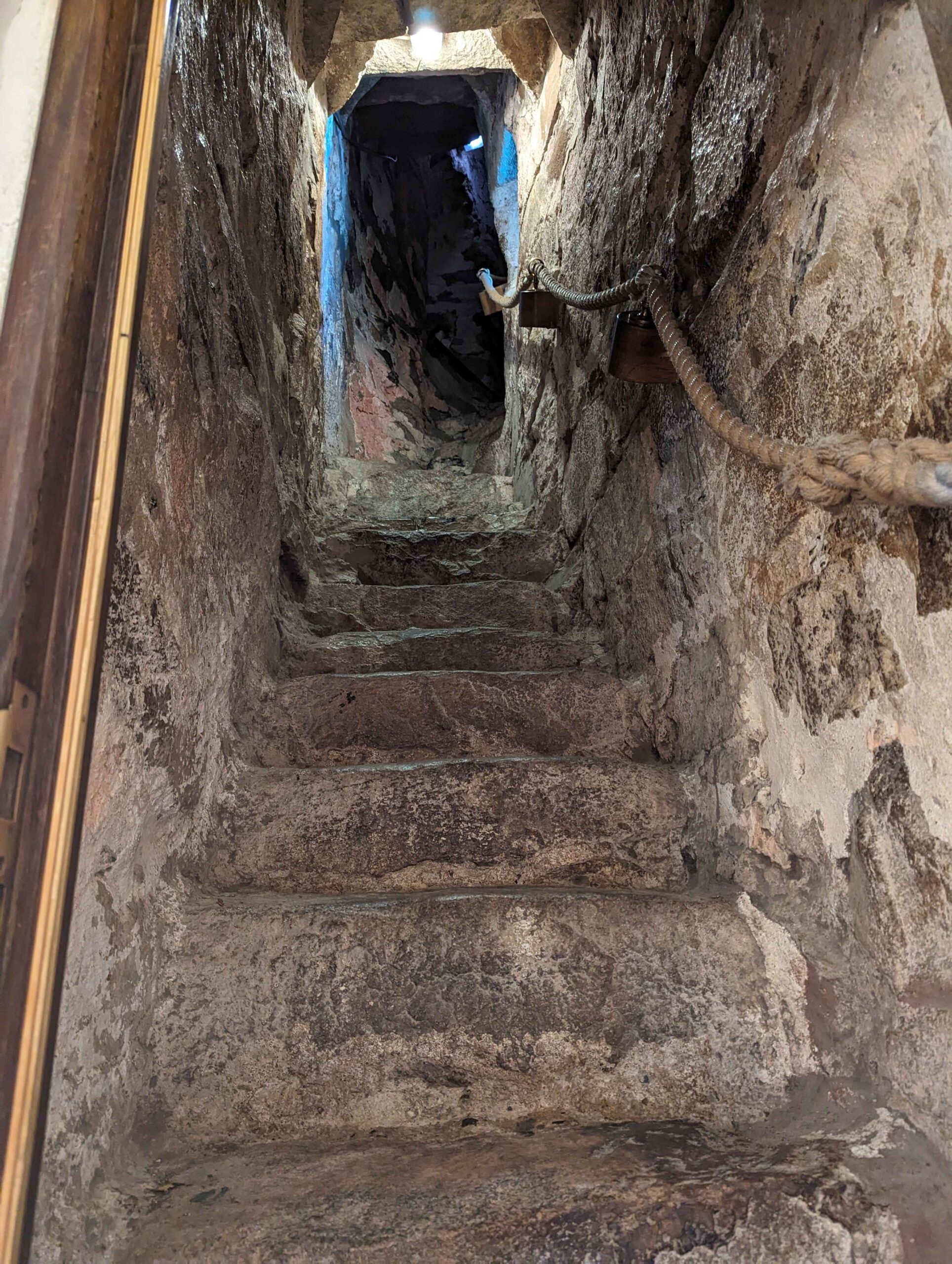
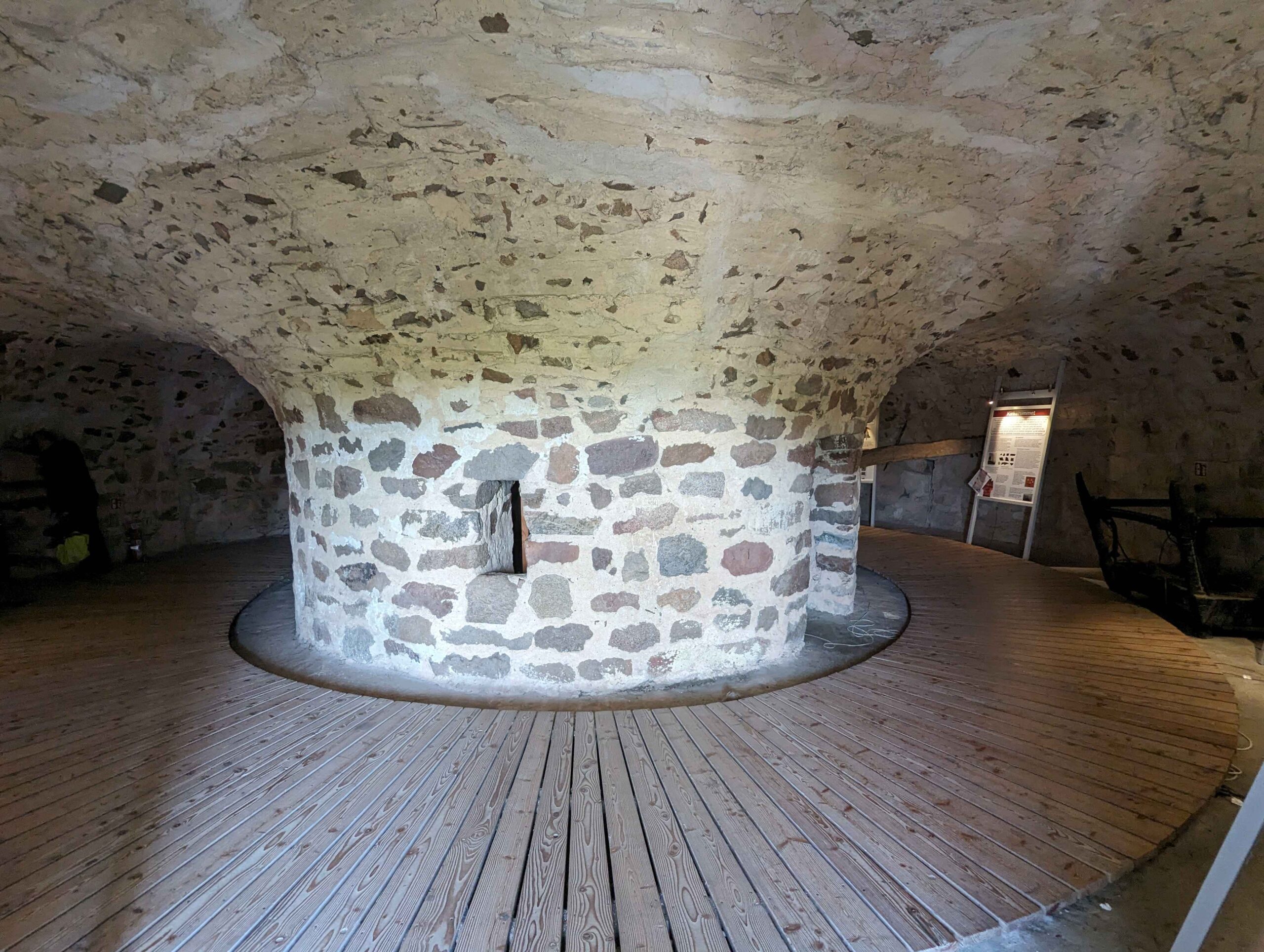
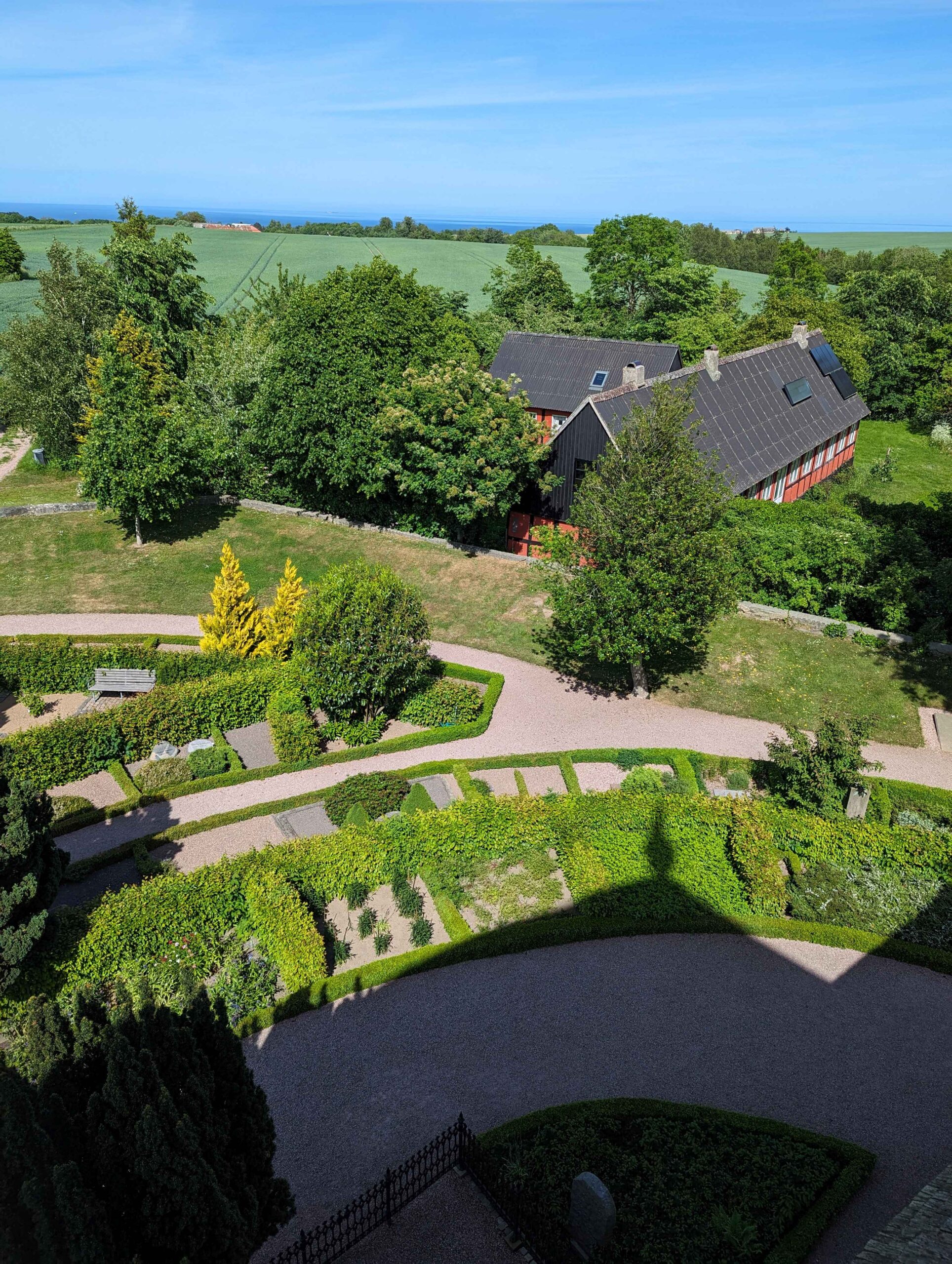
The stop at Baltic Sea Glass was more practical than scenic but still interesting to watch. Seeing glassblowers shape molten glass into sculptures inside the hot workshop gave a completely different atmosphere from the coastal stops earlier in the day. The final visit to Østerlars Church brought the trip back into Bornholm’s medieval history. The round church dates to around 1150 and its thick whitewashed walls narrow staircases and upper defensive levels felt more fortress-like than decorative. Climbing into the tower also opened up wide countryside views over fields gardens and the distant Baltic coastline.
Bornholm carries a very different identity from Copenhagen or the larger Scandinavian capitals. The island blends medieval history fishing villages coastal cliffs and rural landscapes into a pace that feels noticeably slower. Many visitors arrive for hiking cycling and summer holidays but even during a cruise excursion it was easy to see why people stay longer once they reach the island.
If You Have More Time…
- Dueodde Beach – Known for its pale sand and wide shoreline this southern Bornholm beach is one of the island’s most famous natural areas and would add a very different coastal atmosphere from the rocky northern cliffs.
- Ekkodalen – This rift valley and walking area in central Bornholm is popular for hiking trails steep rock walls and natural echo points hidden within the forested landscape.
- Bornholms Kunstmuseum – The island’s art museum focuses on Danish and Bornholm artists while also offering dramatic coastal views from its clifftop setting near the Helligdomsklipperne rock formations.
- Svaneke – This small harbor town is known for preserved timber houses smokehouses and local craft shops. It would make a good slower paced alternative to Gudhjem.
- Almindingen Forest – One of Denmark’s largest forest areas with cycling routes walking trails and viewpoints that show a greener inland side of Bornholm away from the coast.