
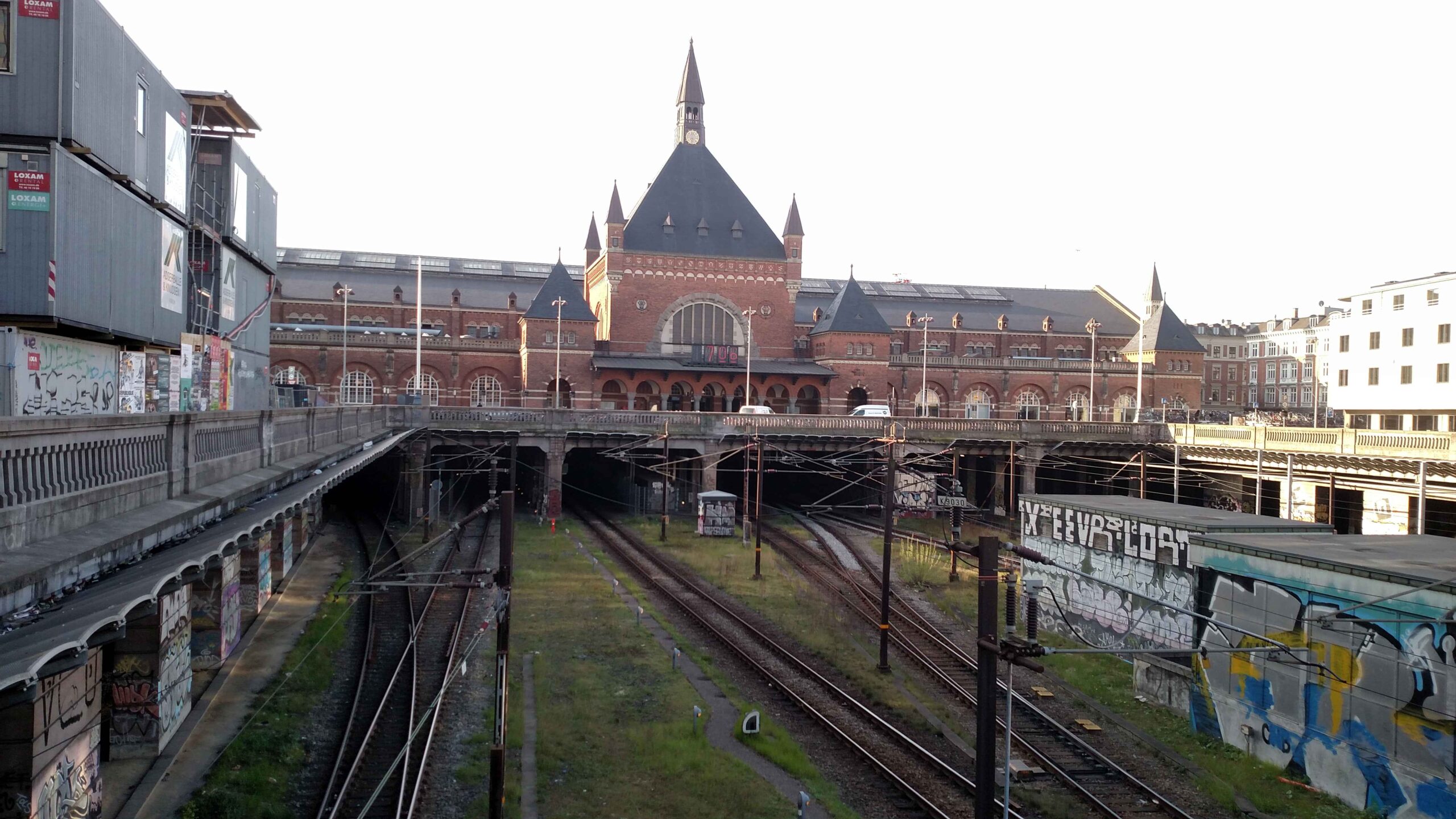
Copenhagen Central Station Arches and Nyhavn Canals
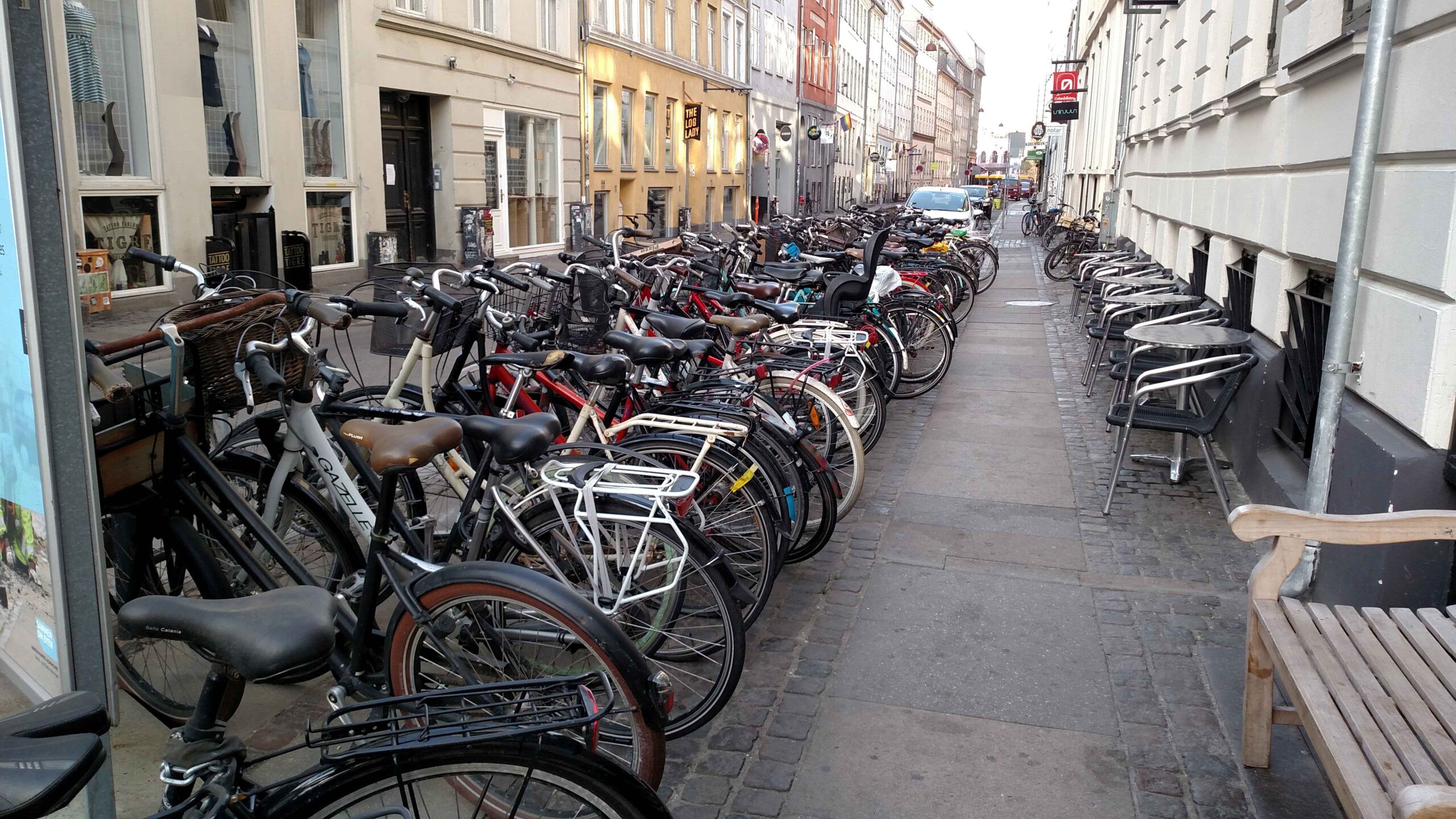
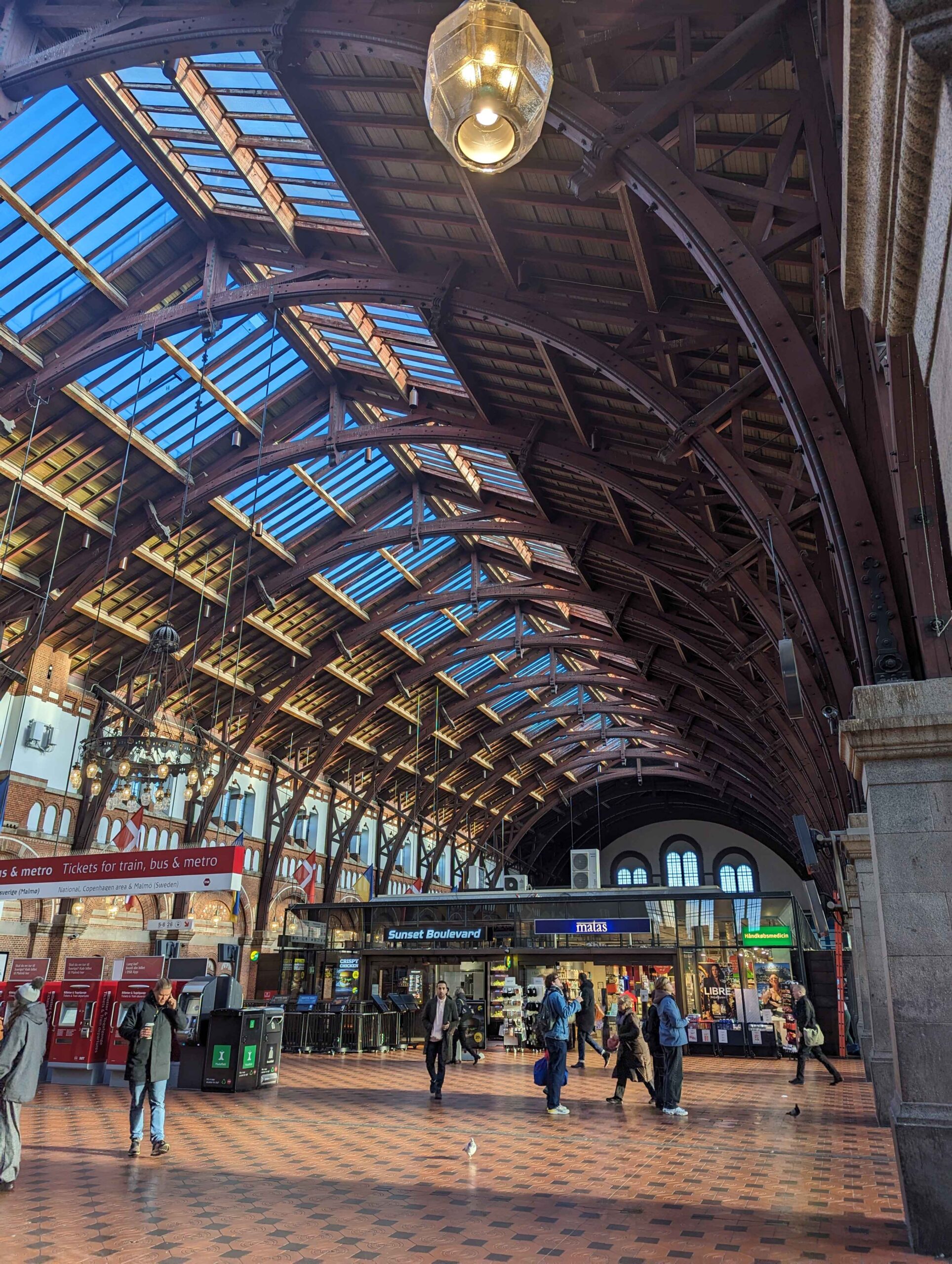
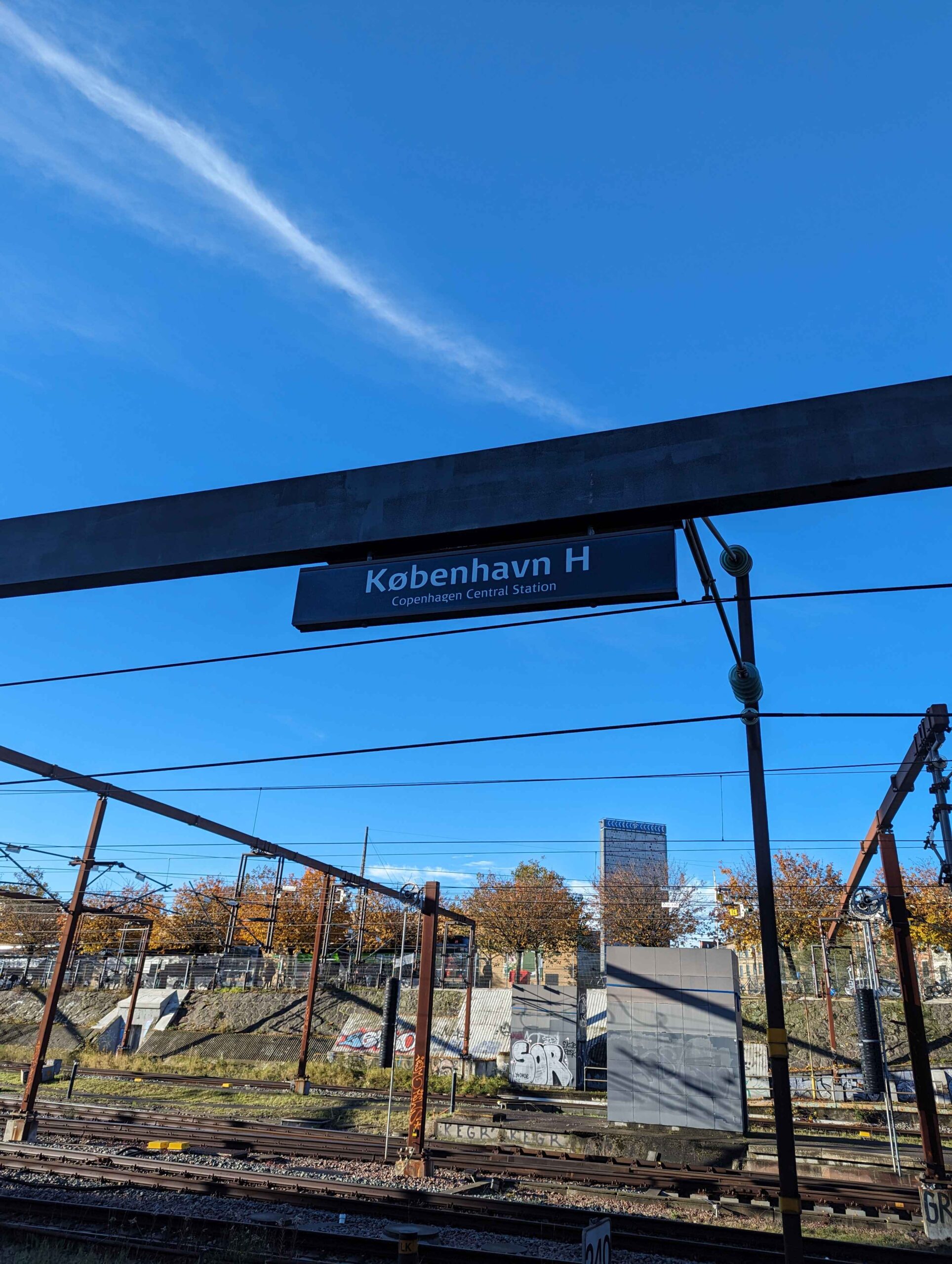
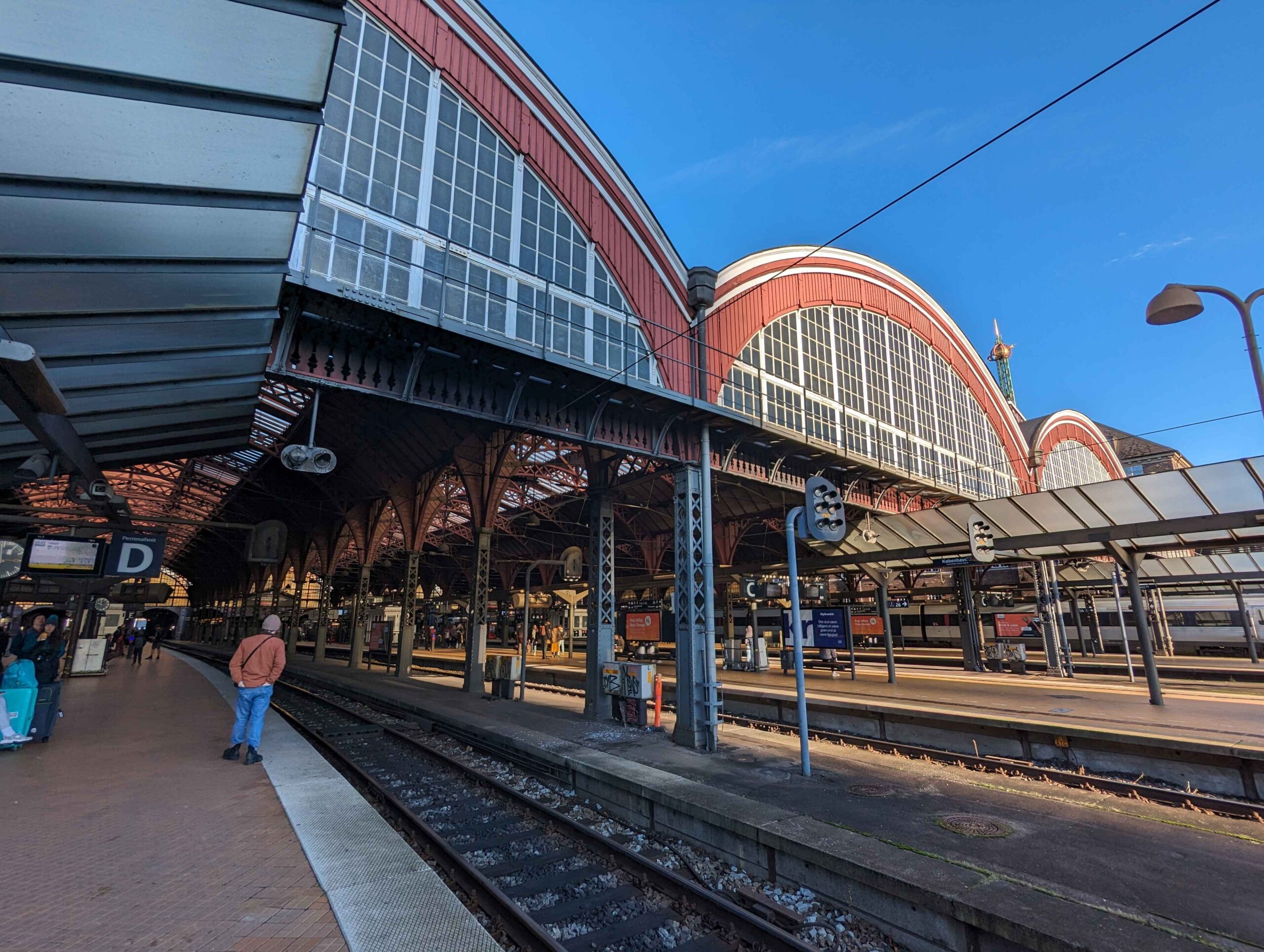
The curved iron-and-glass roof of Copenhagen Central Station was one of the first things I remember noticing when I arrived in Copenhagen by cruise and train connections over the years. Even before reaching the canals or palaces the city already felt organized around movement. Cyclists passed constantly through intersections and along dedicated lanes and I learned very quickly to pay attention before stepping anywhere near the painted bike paths.
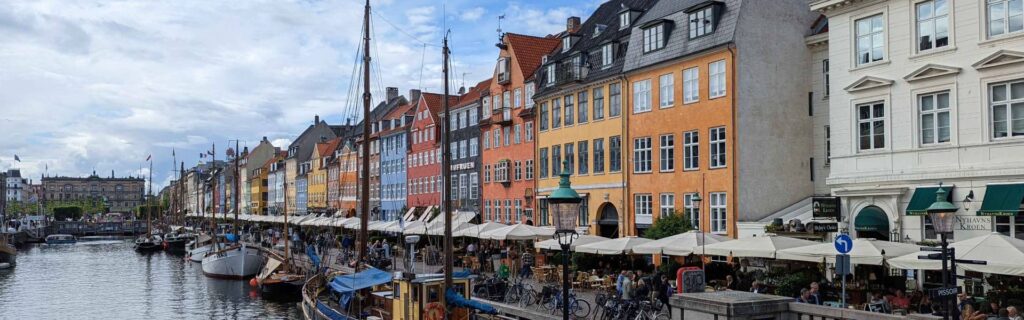
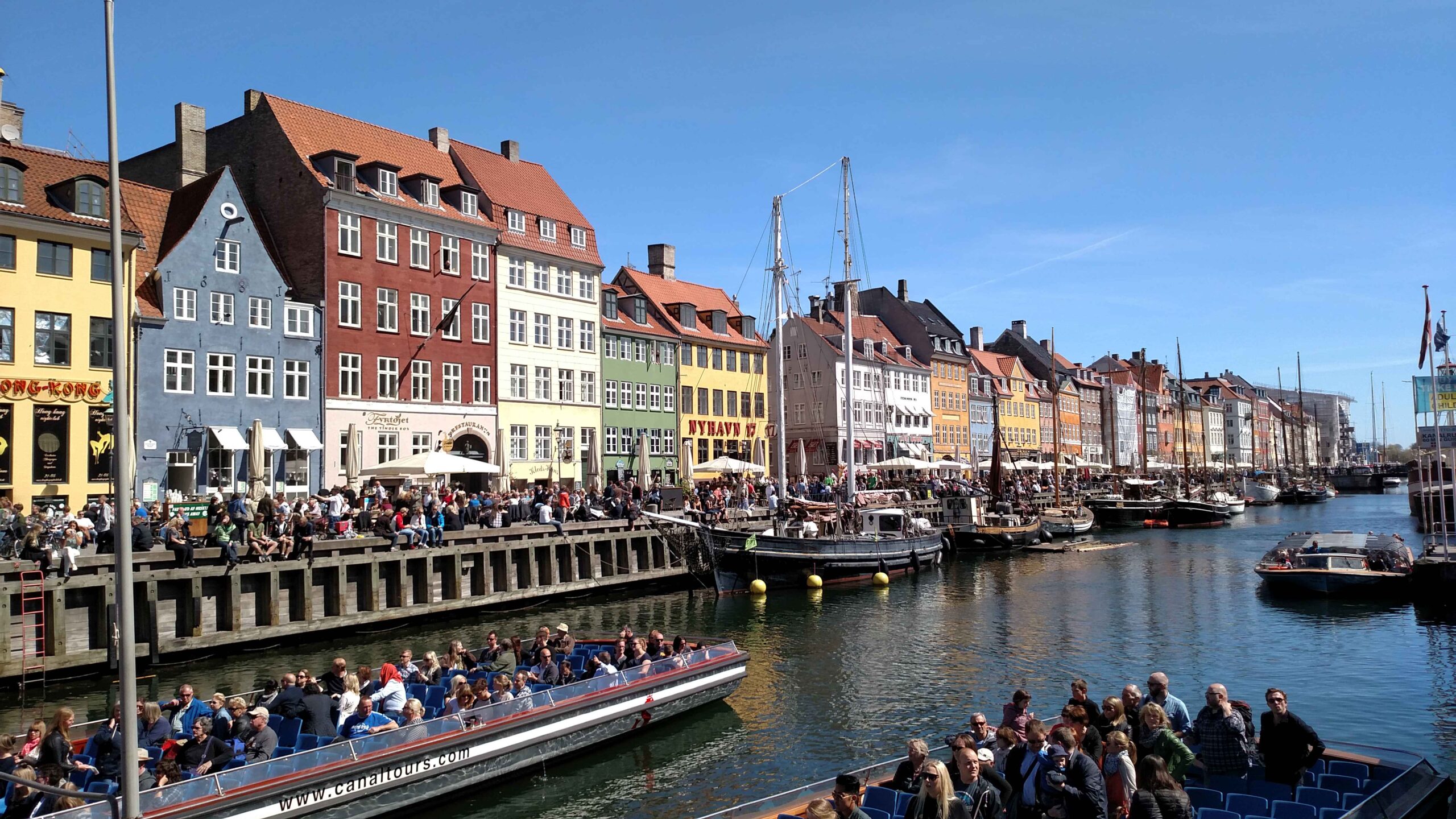
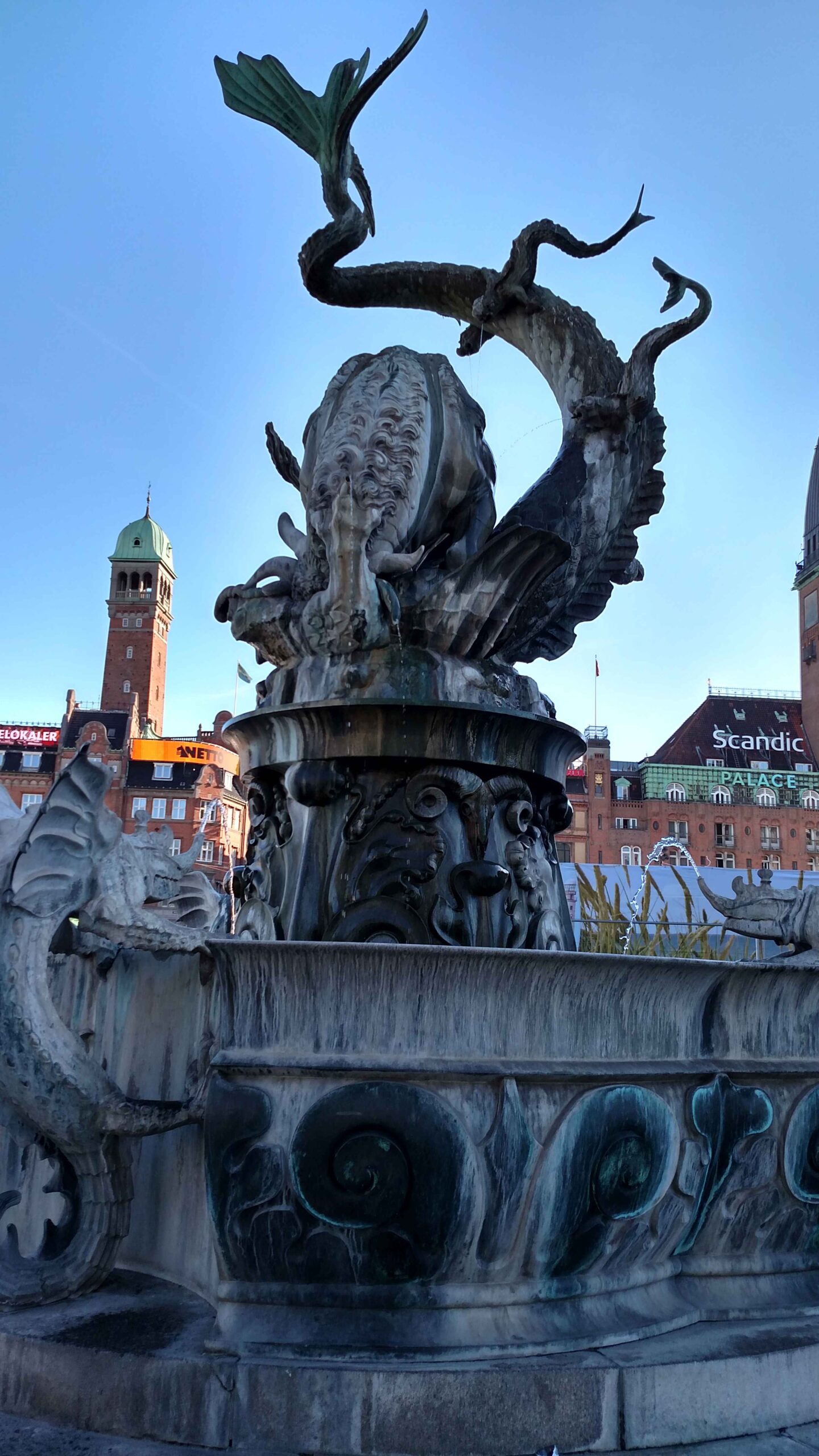
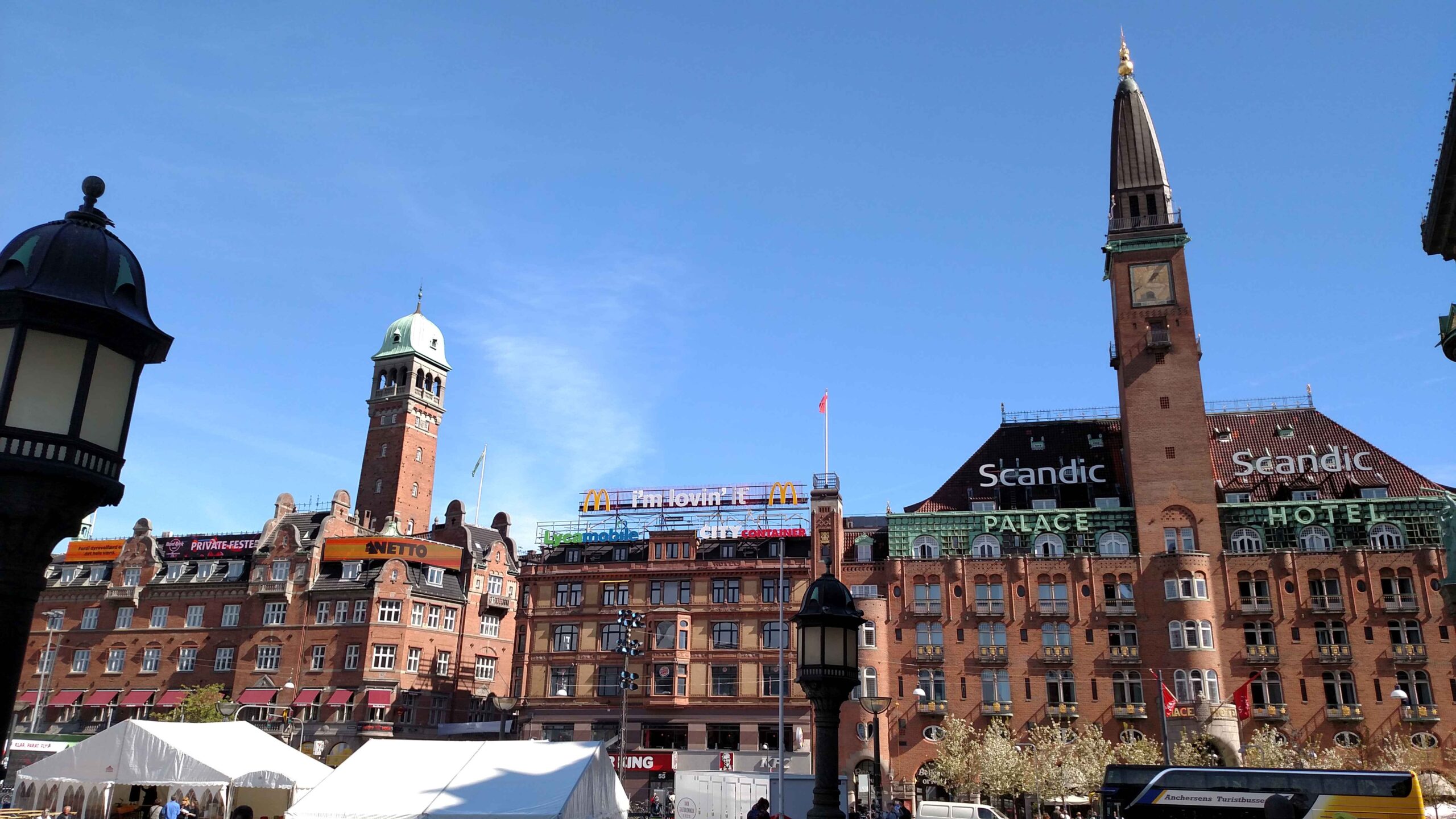
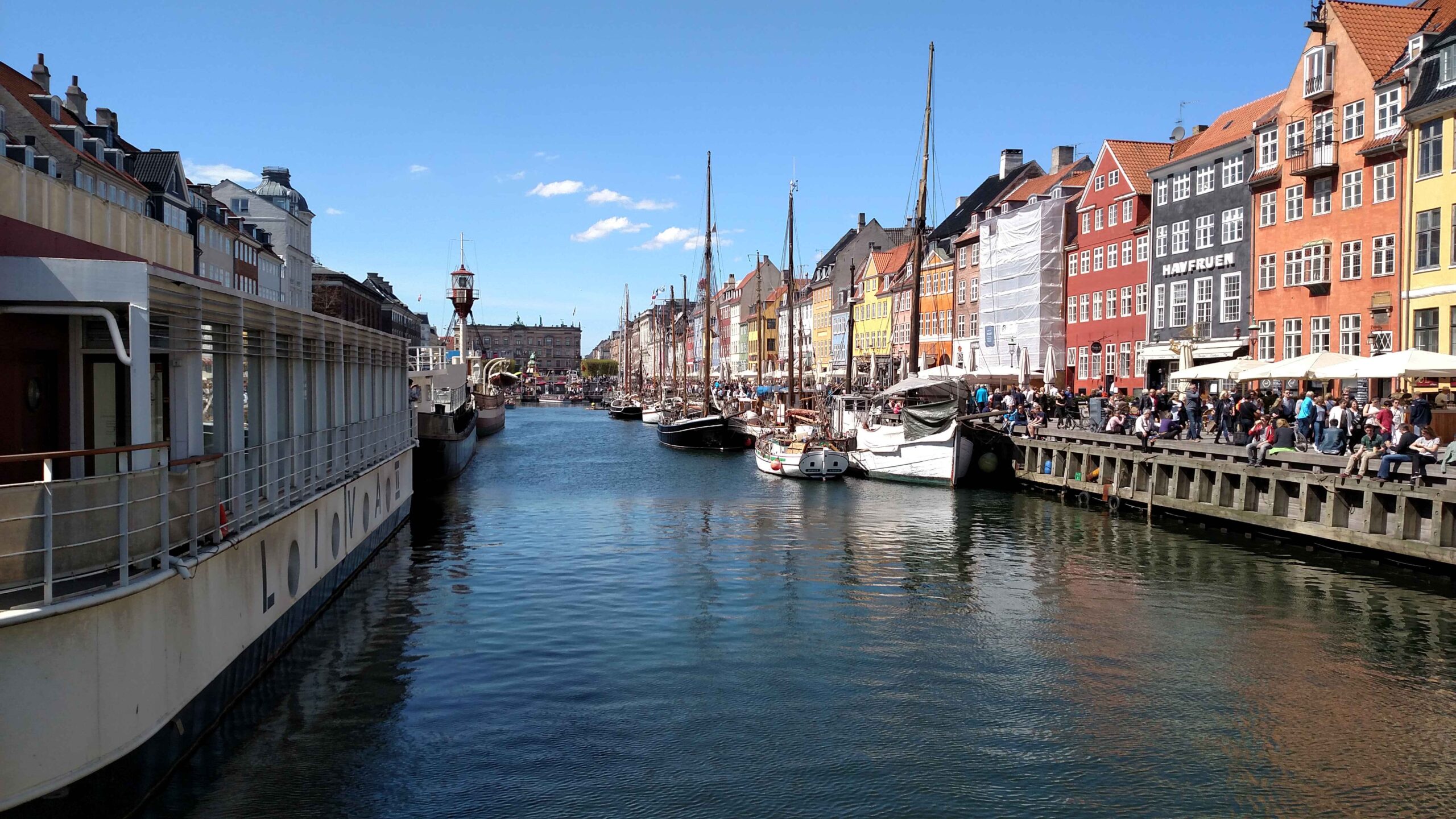
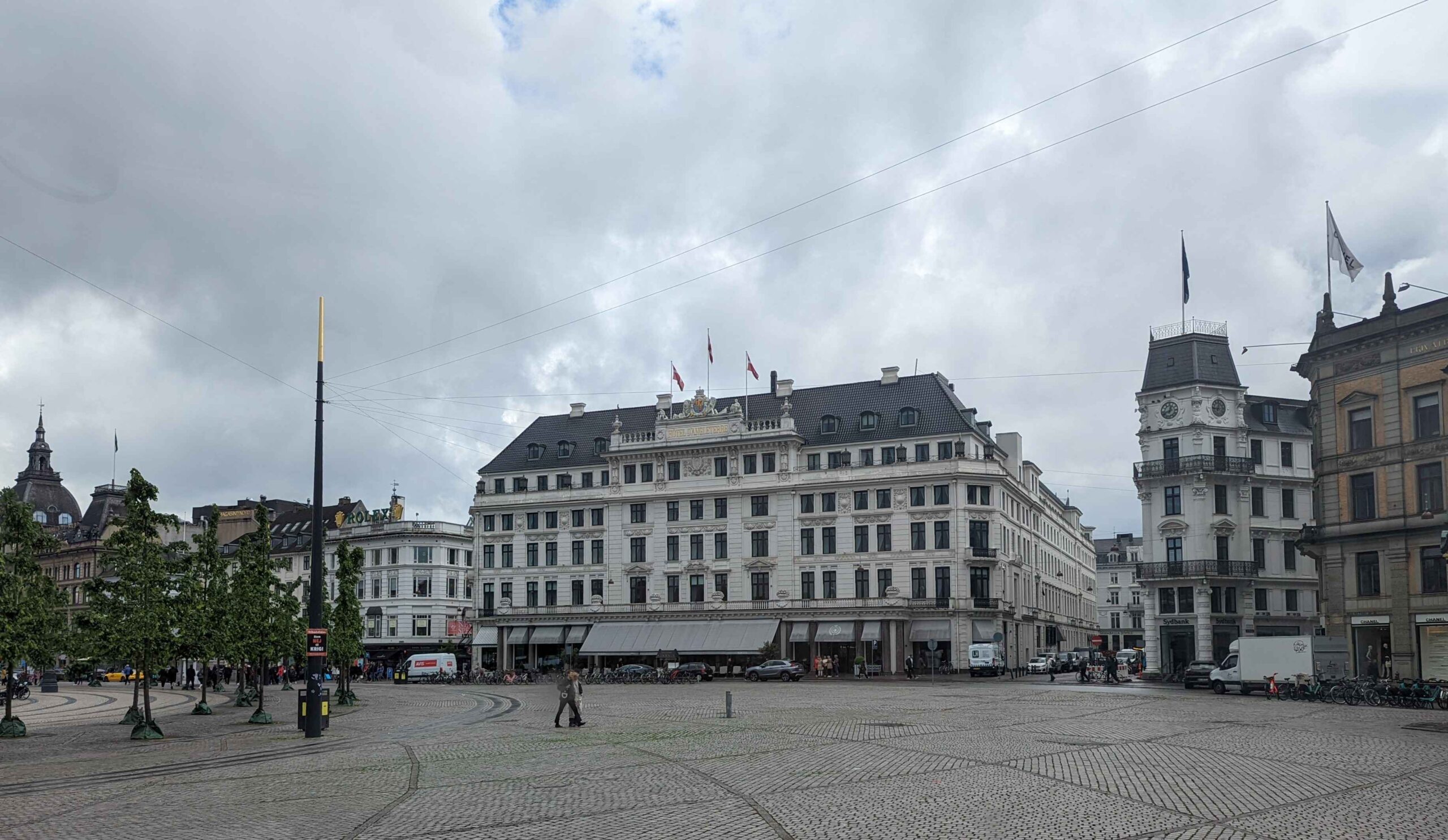
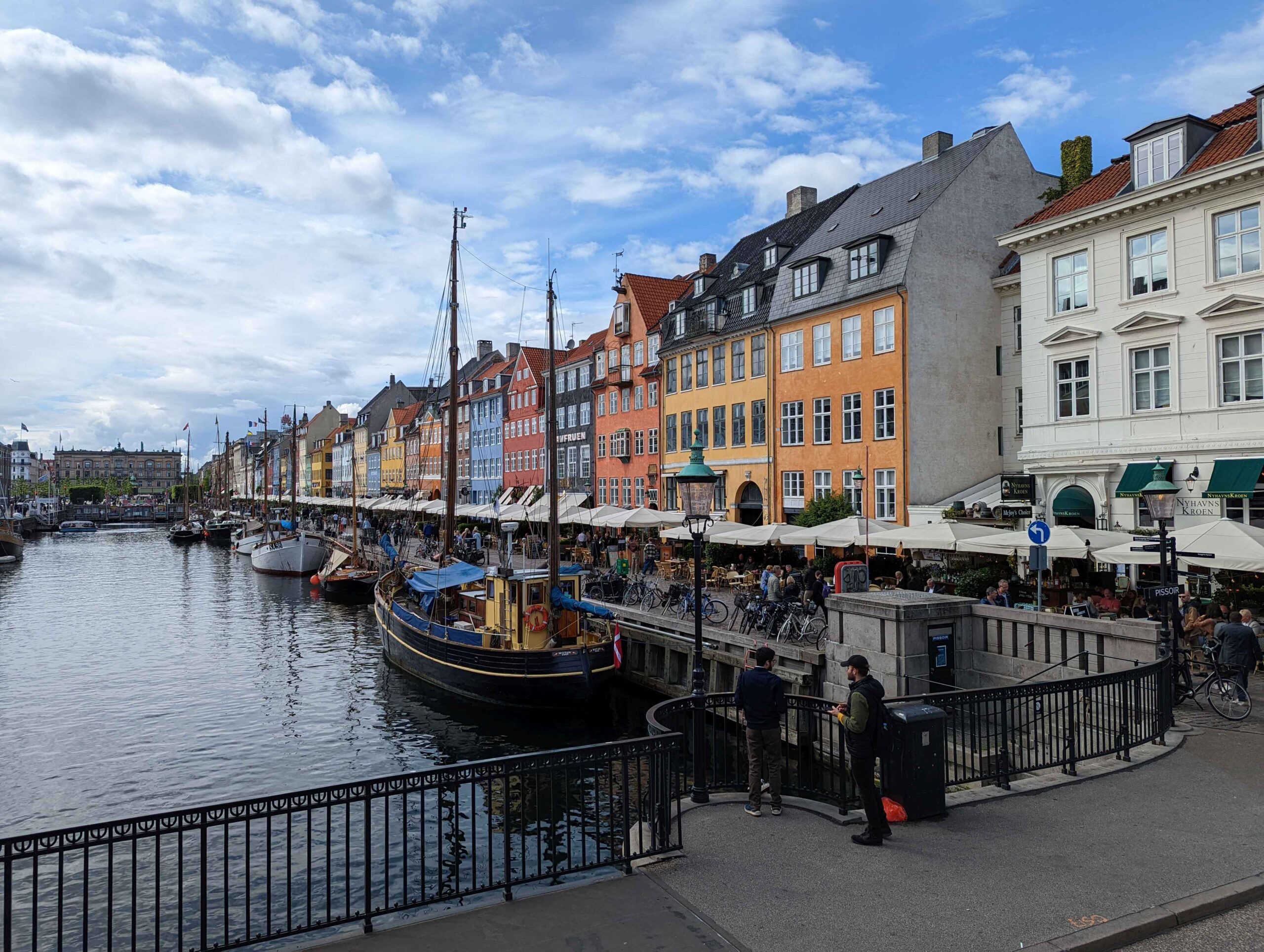
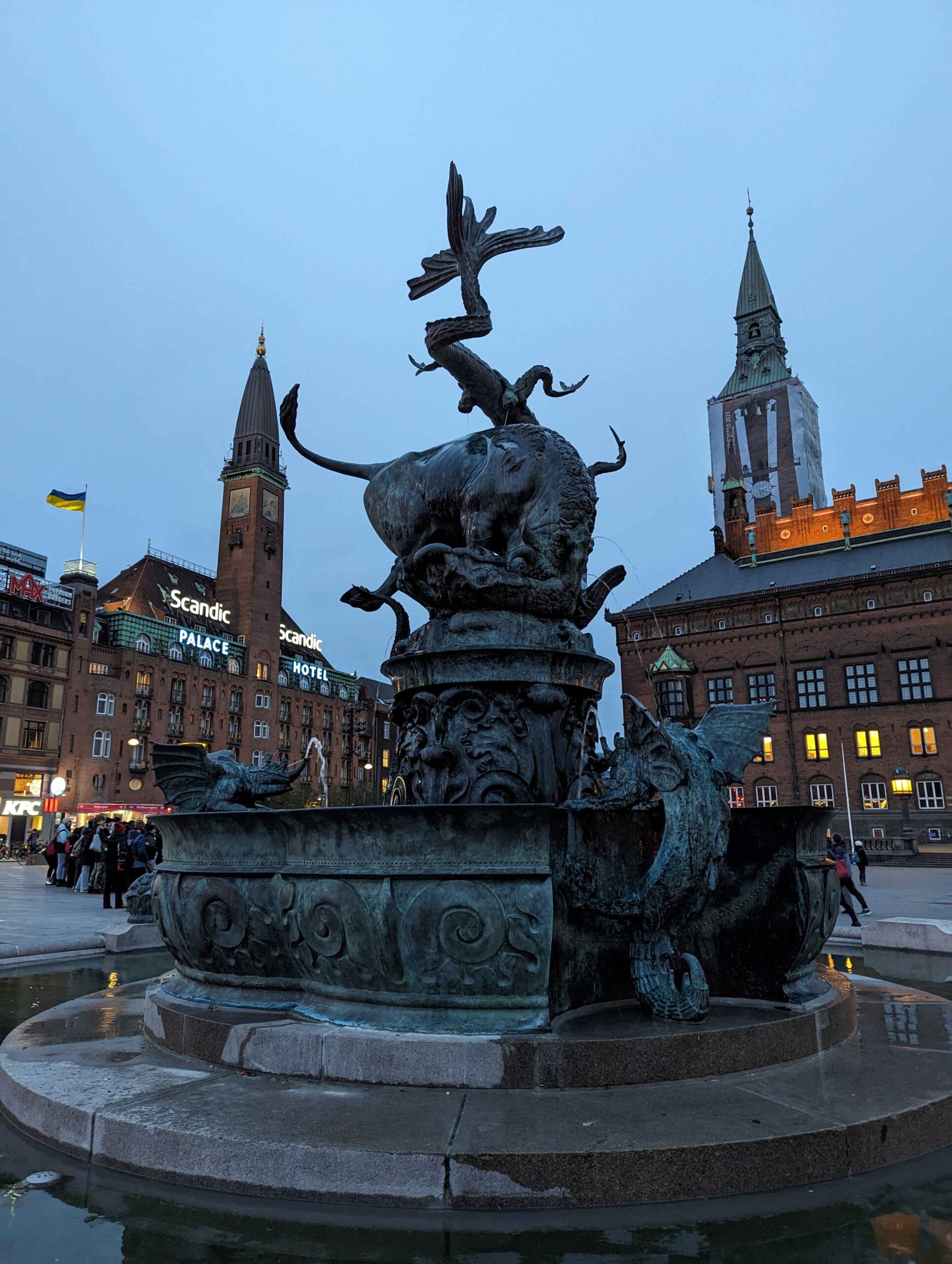
Copenhagen is known locally as København pronounced roughly “kho-ben-hown.” My earliest visits here involved wandering almost entirely on foot with no real plan beyond seeing what I could reach. I joined one of the free walking tours explored Rådhuspladsen and Nyhavn and later took a canal boat tour that made the city feel even more connected by water than it already appeared from street level.
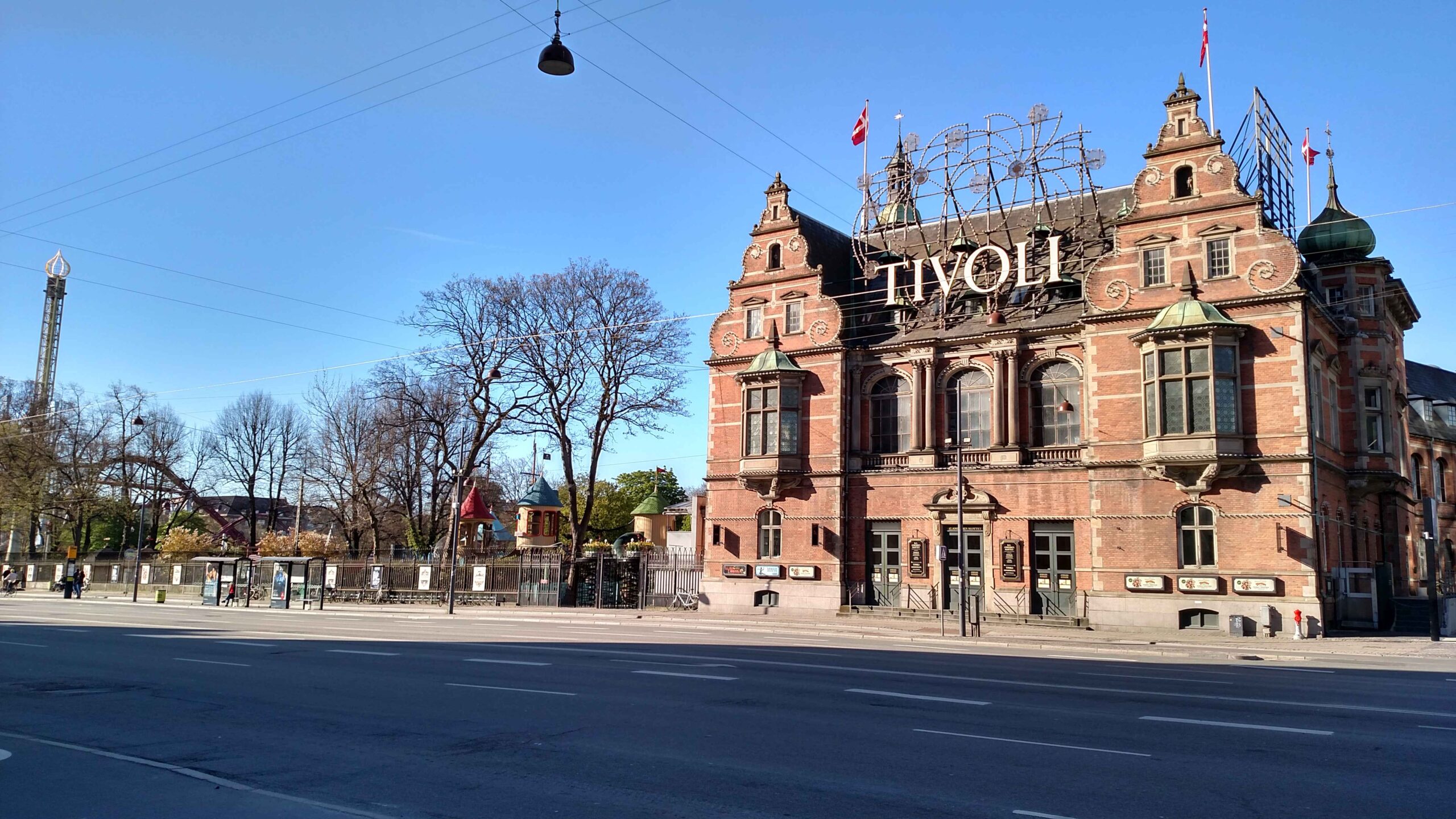
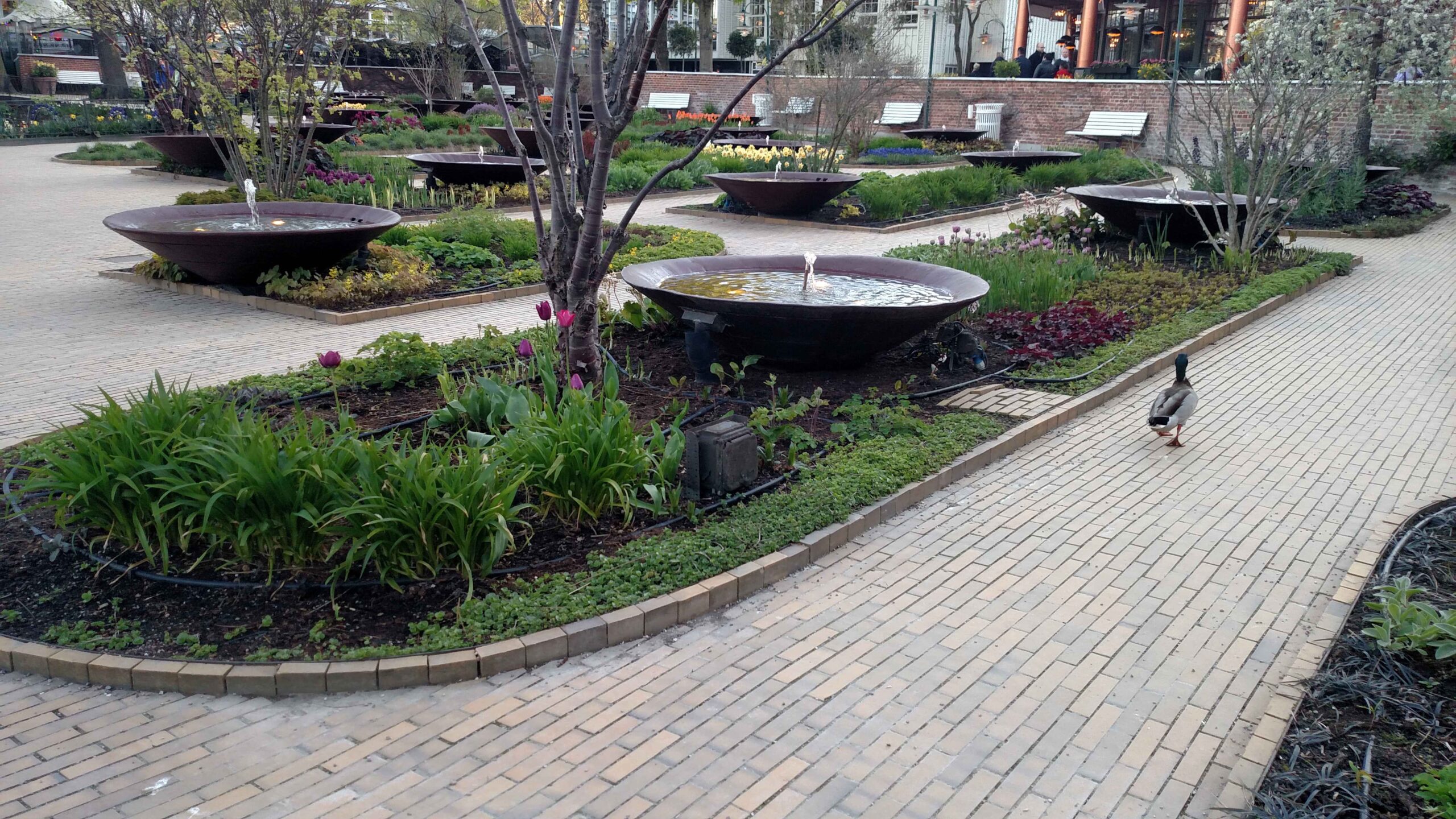
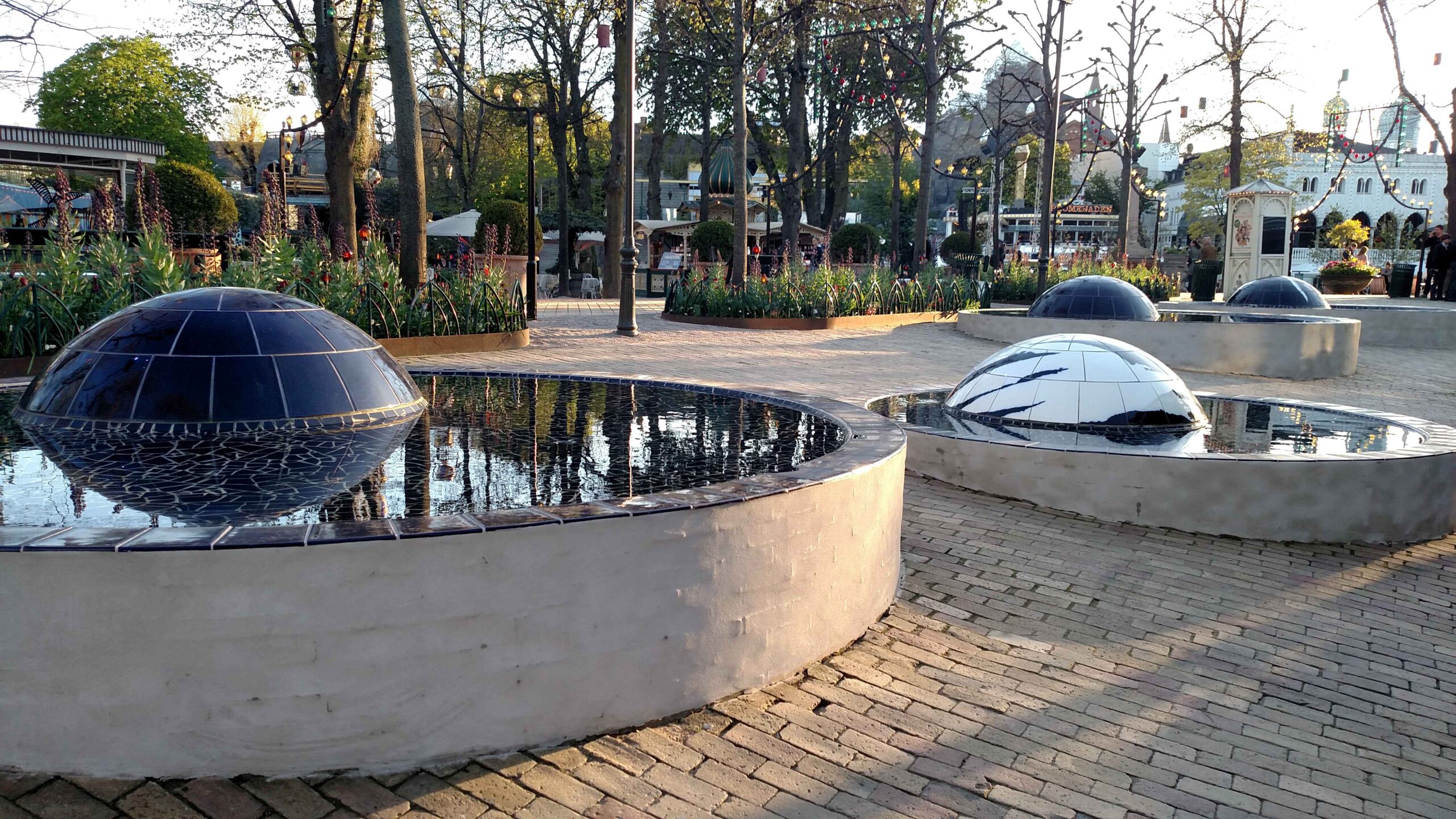
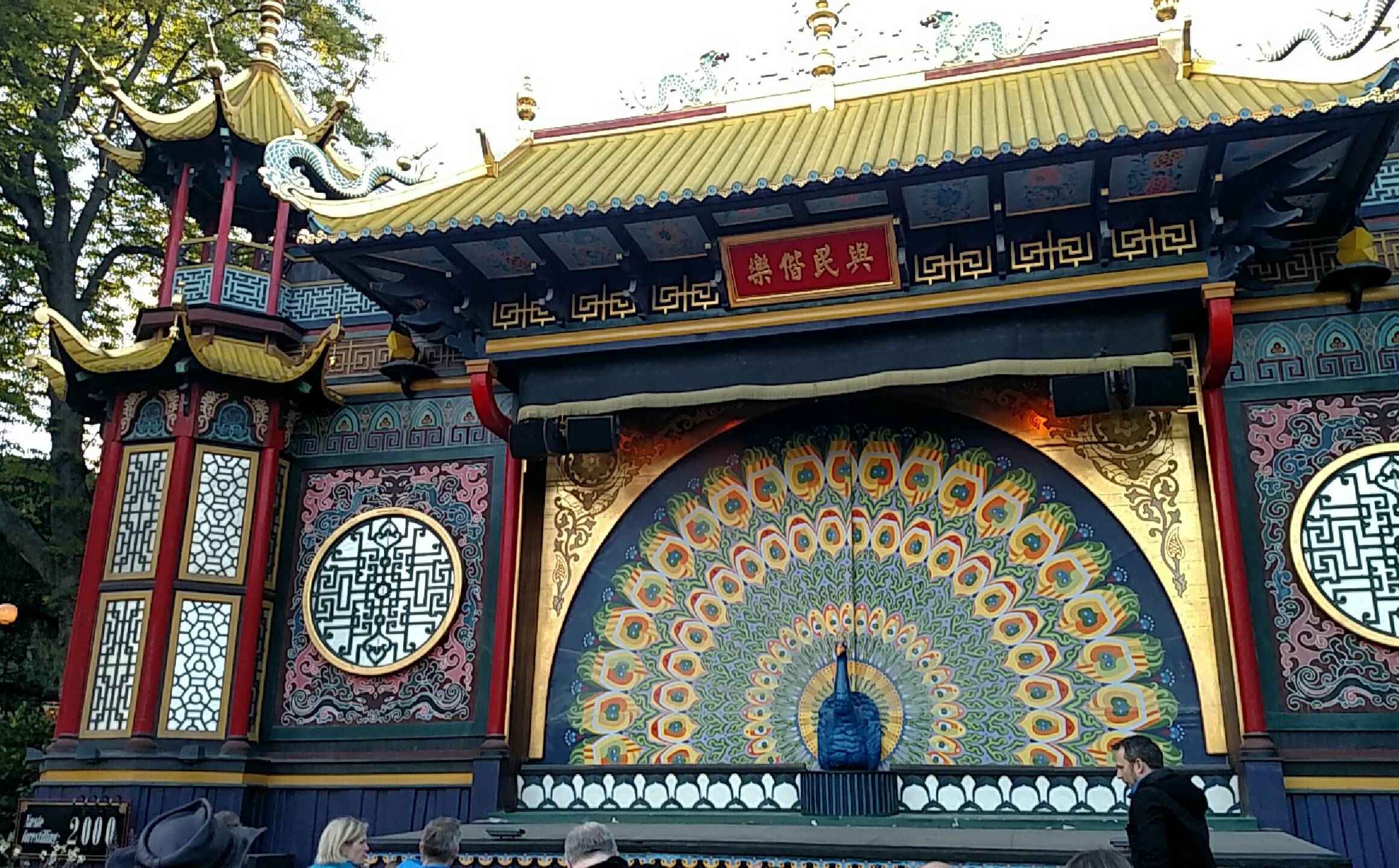
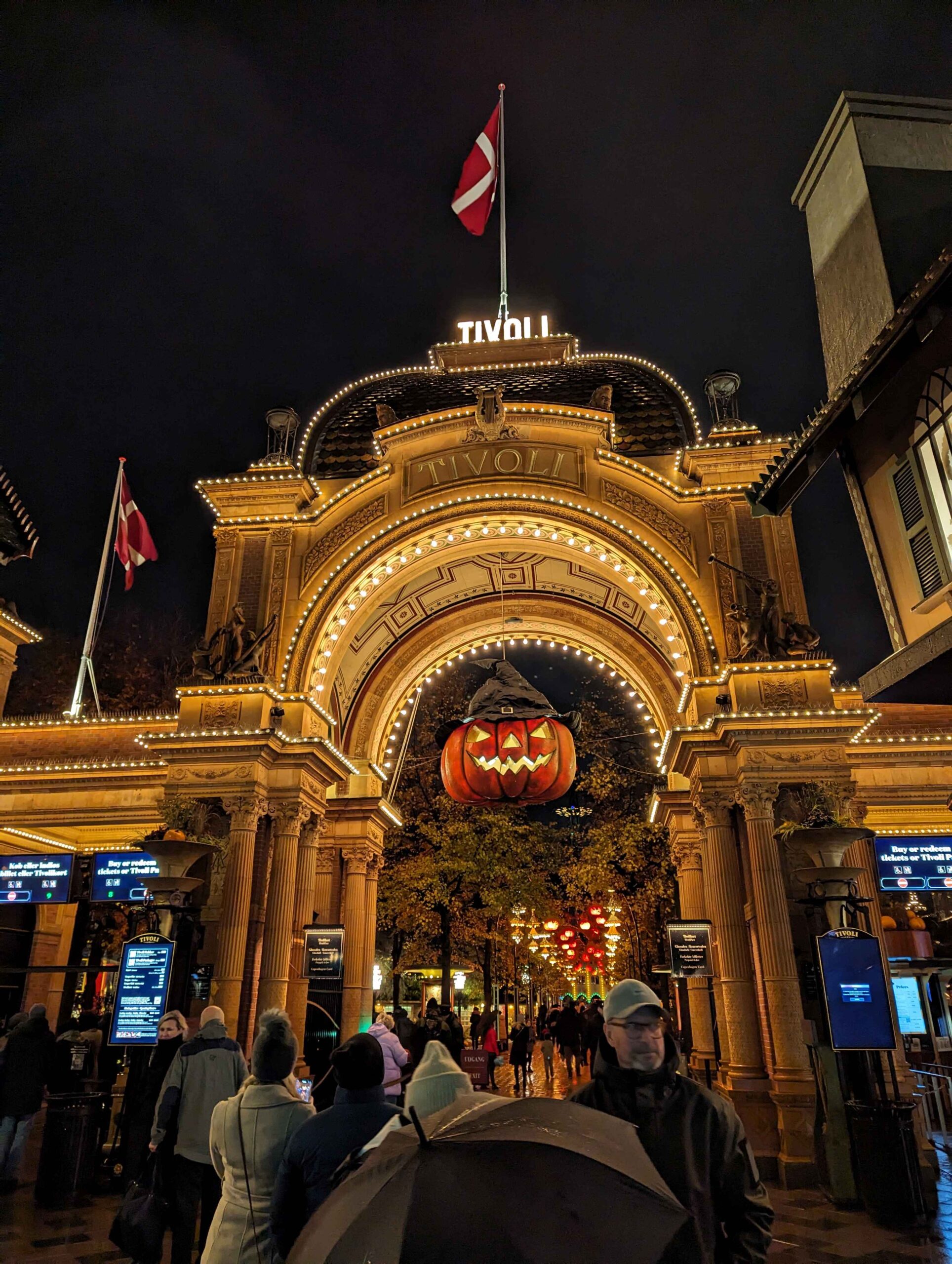
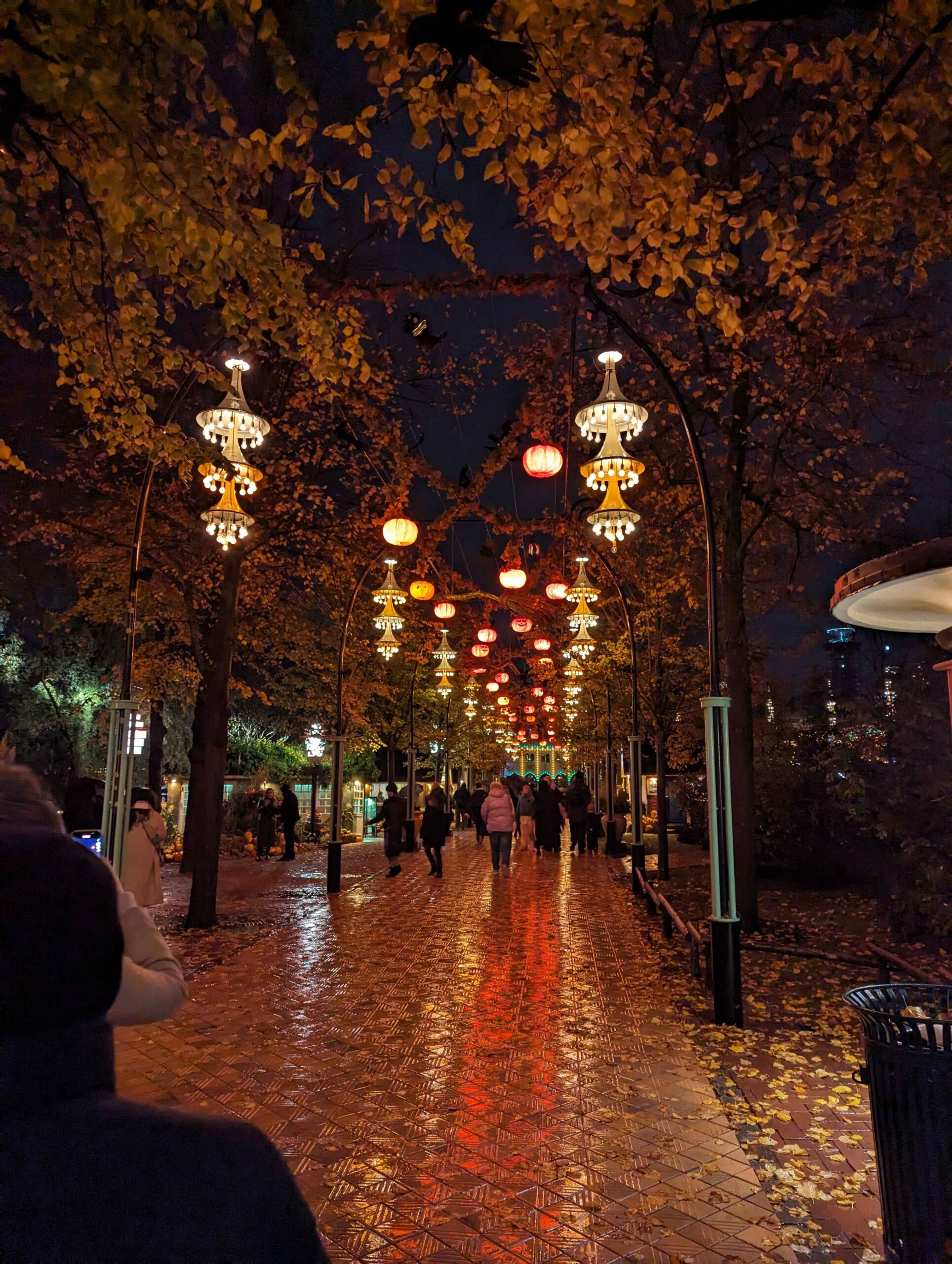
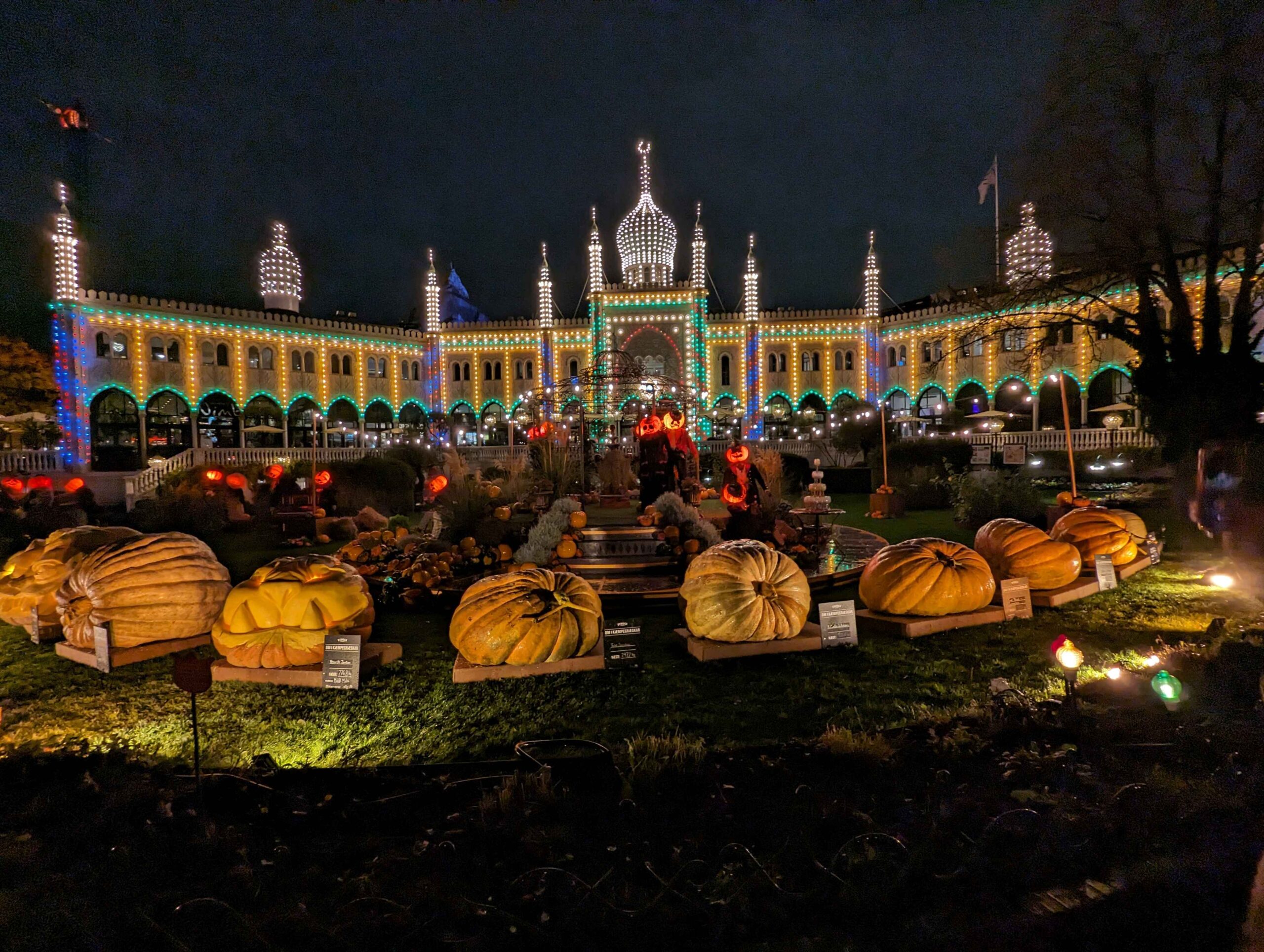
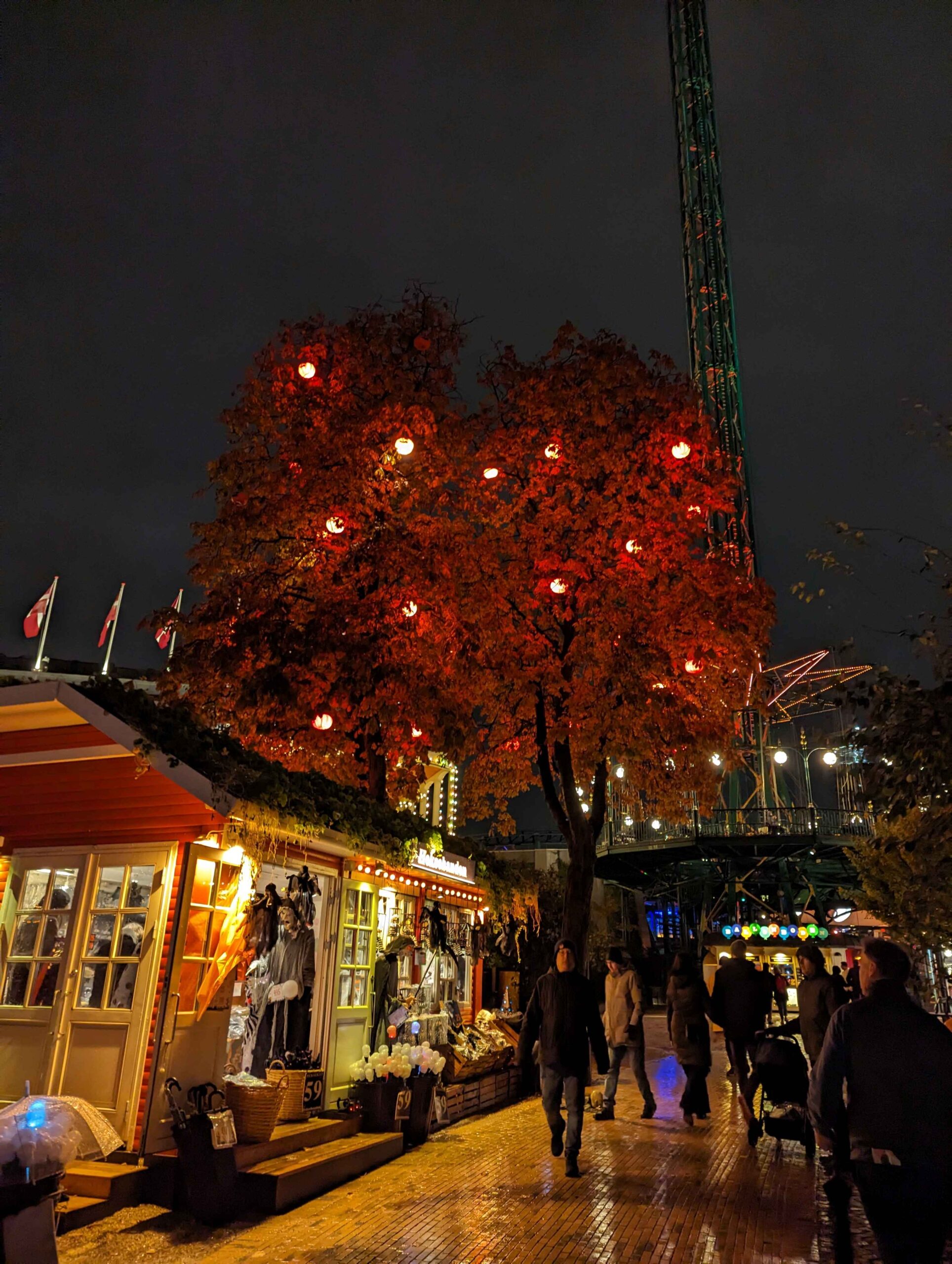
One of the most memorable stops for me was Tivoli Gardens especially riding the Rutschebanen wooden coaster from 1914. It still operates with a brake operator onboard which makes it feel surprisingly old-school compared to modern coasters. I returned again during Autumn when Tivoli was covered in Halloween decorations pumpkins and themed food stalls. Walking through the gardens after dark with the lights reflecting off the pathways and rides ended up being just as memorable as the coaster itself.
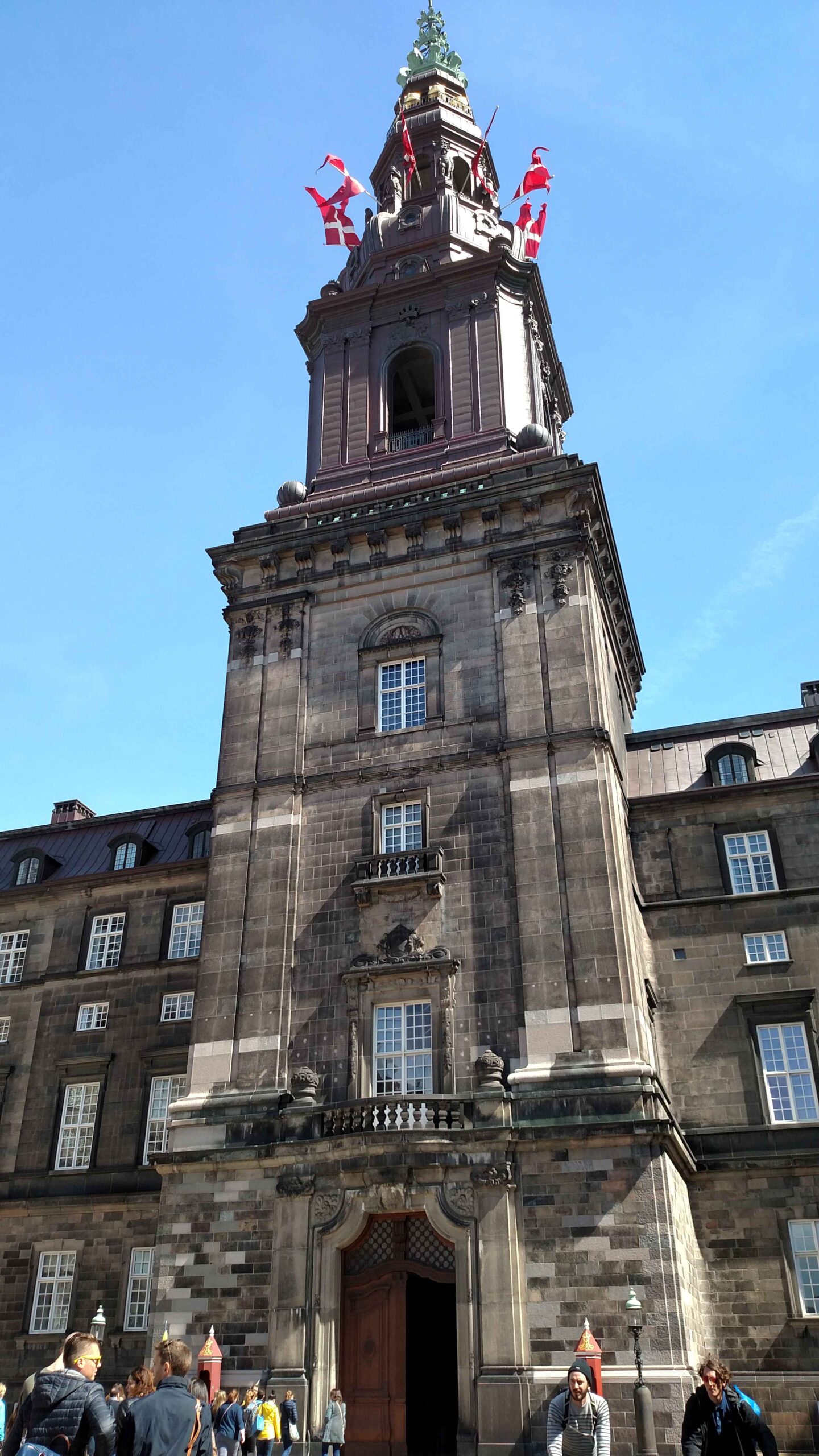
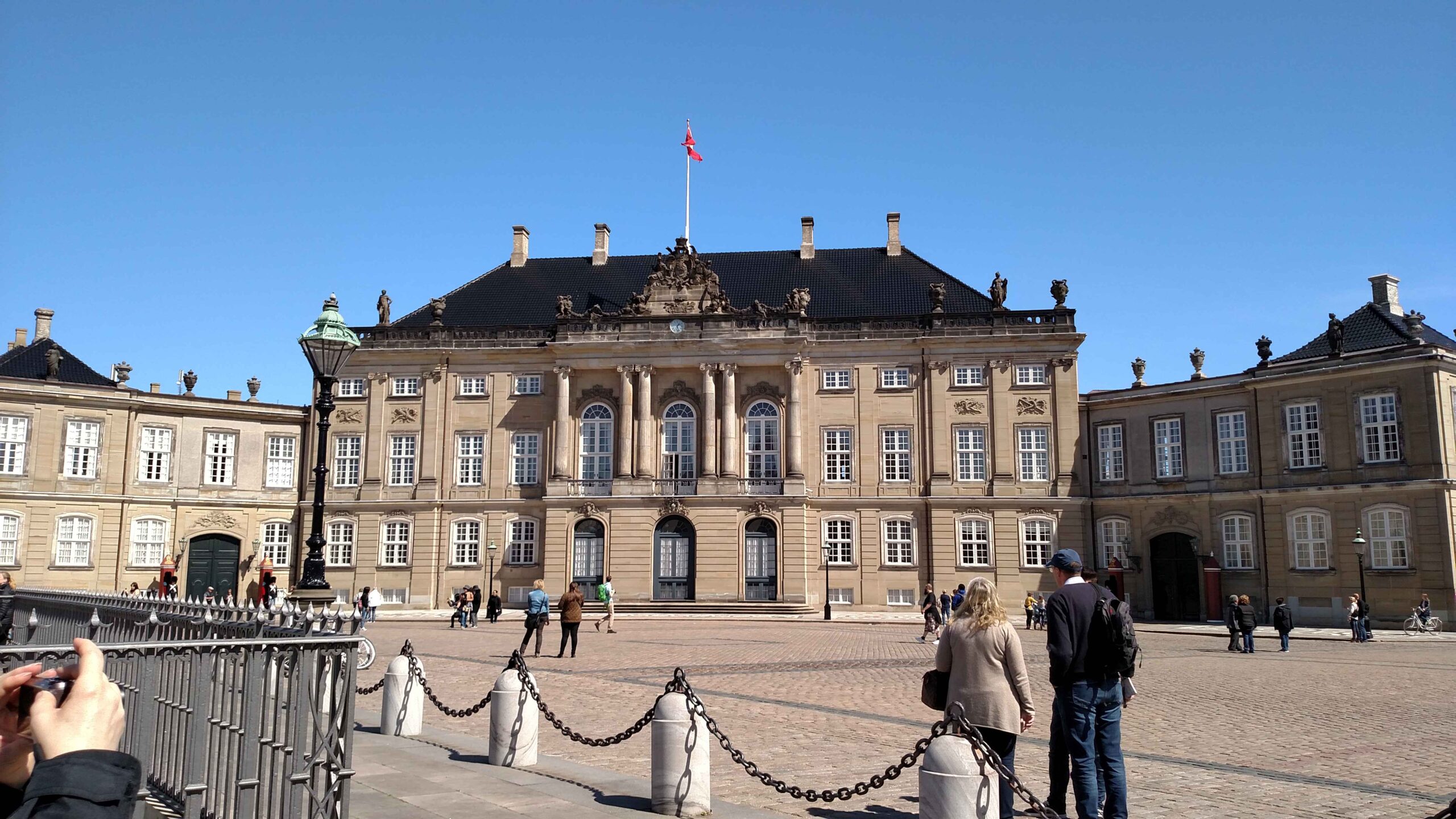
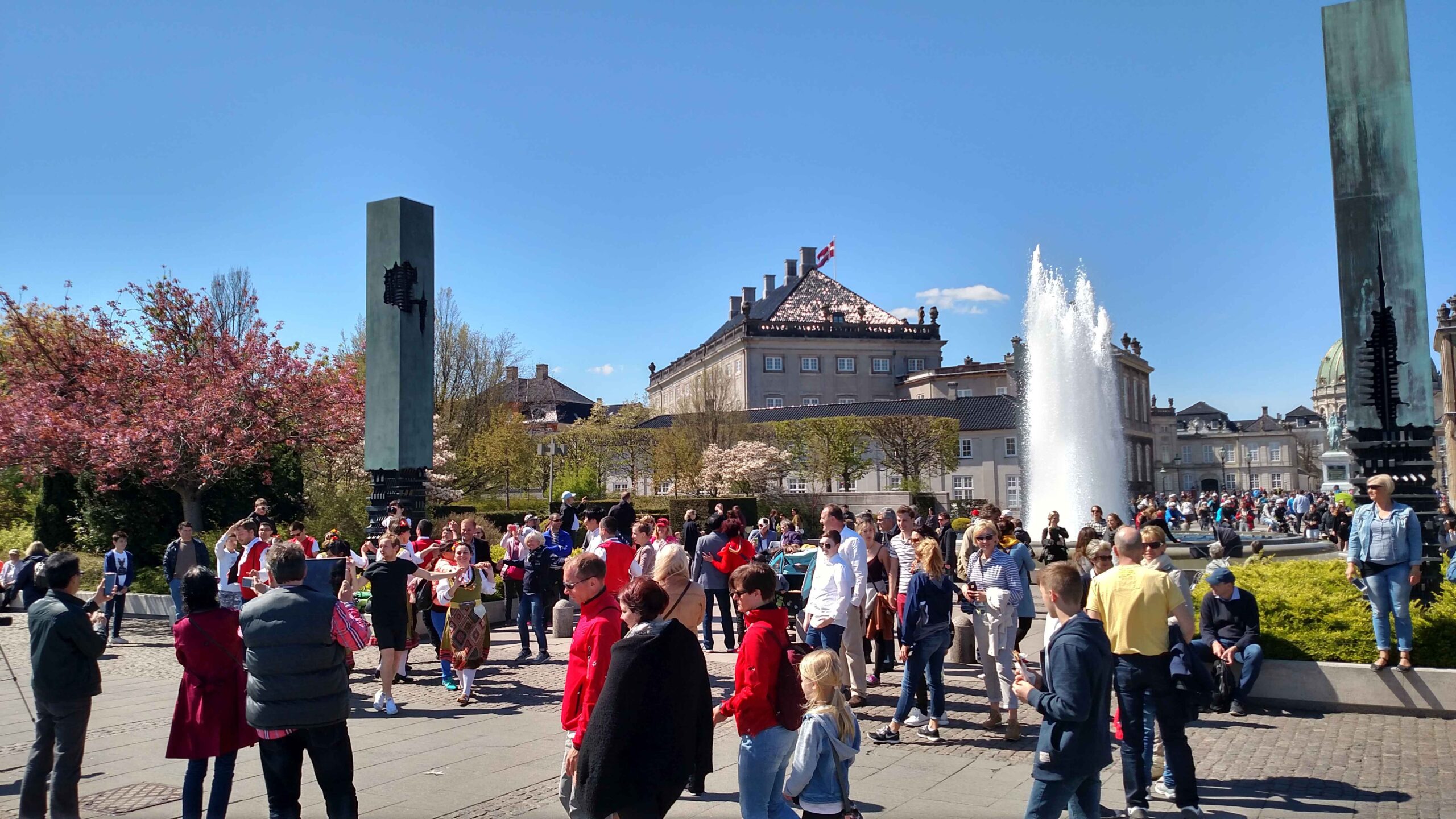
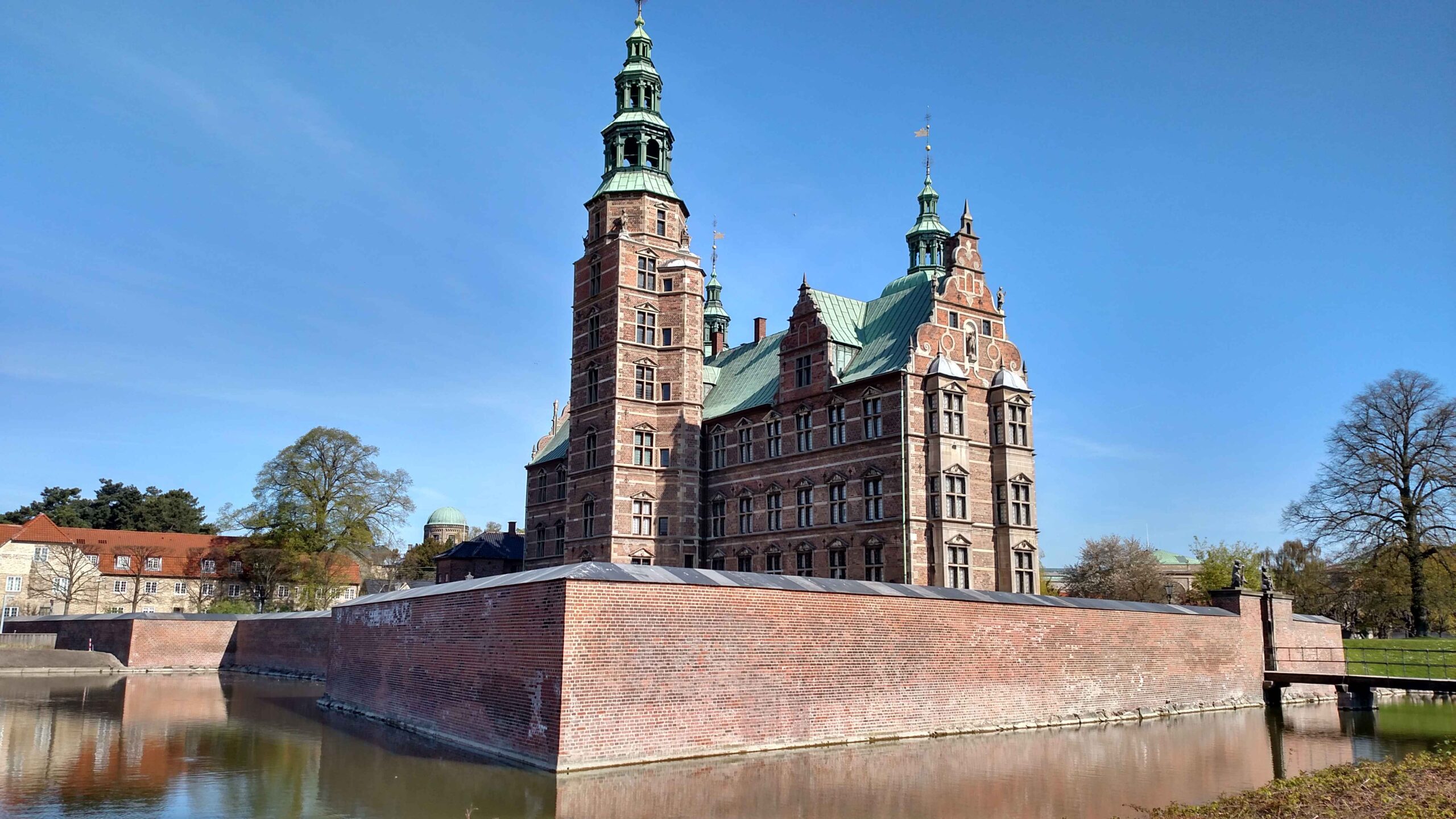
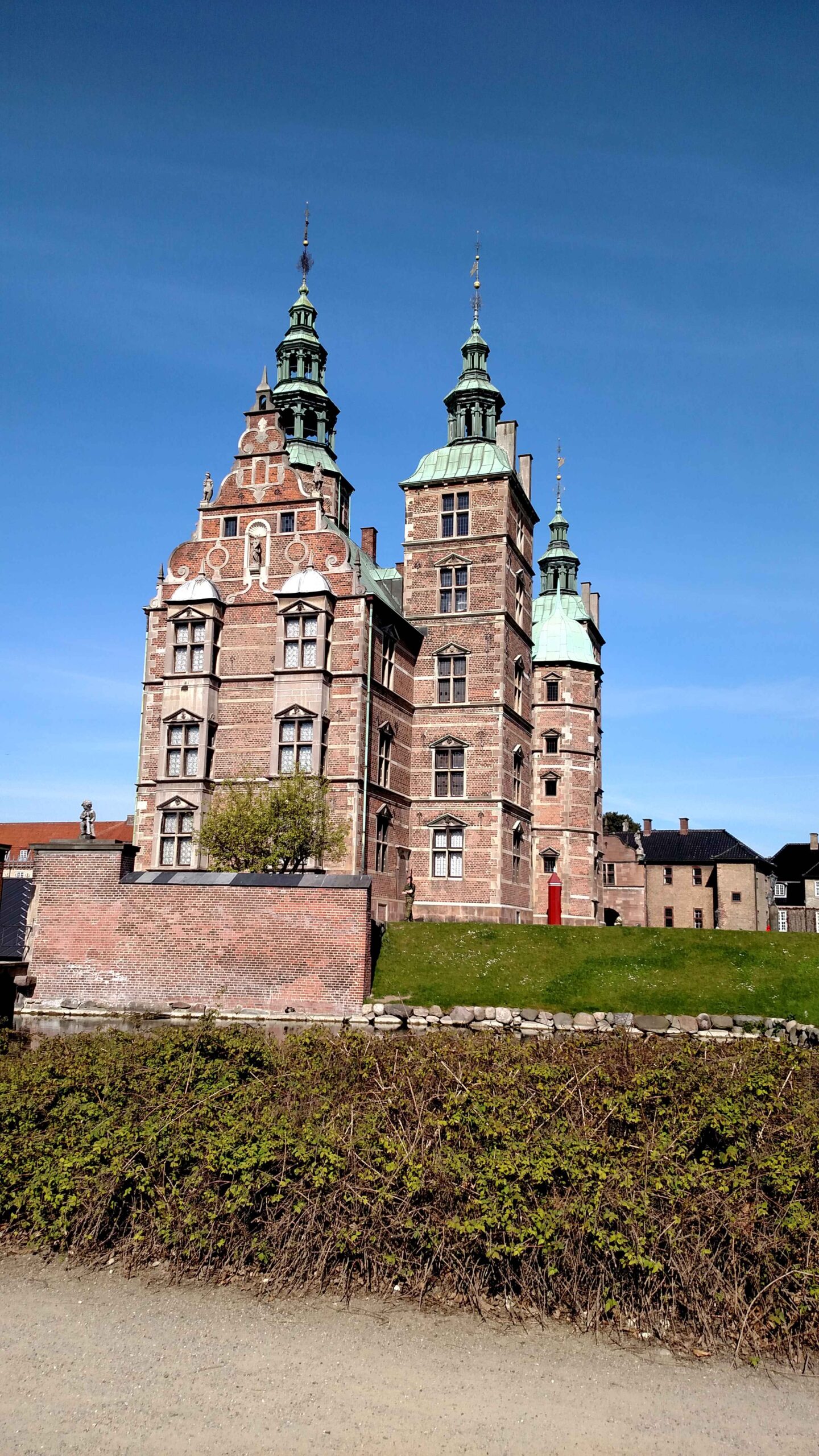
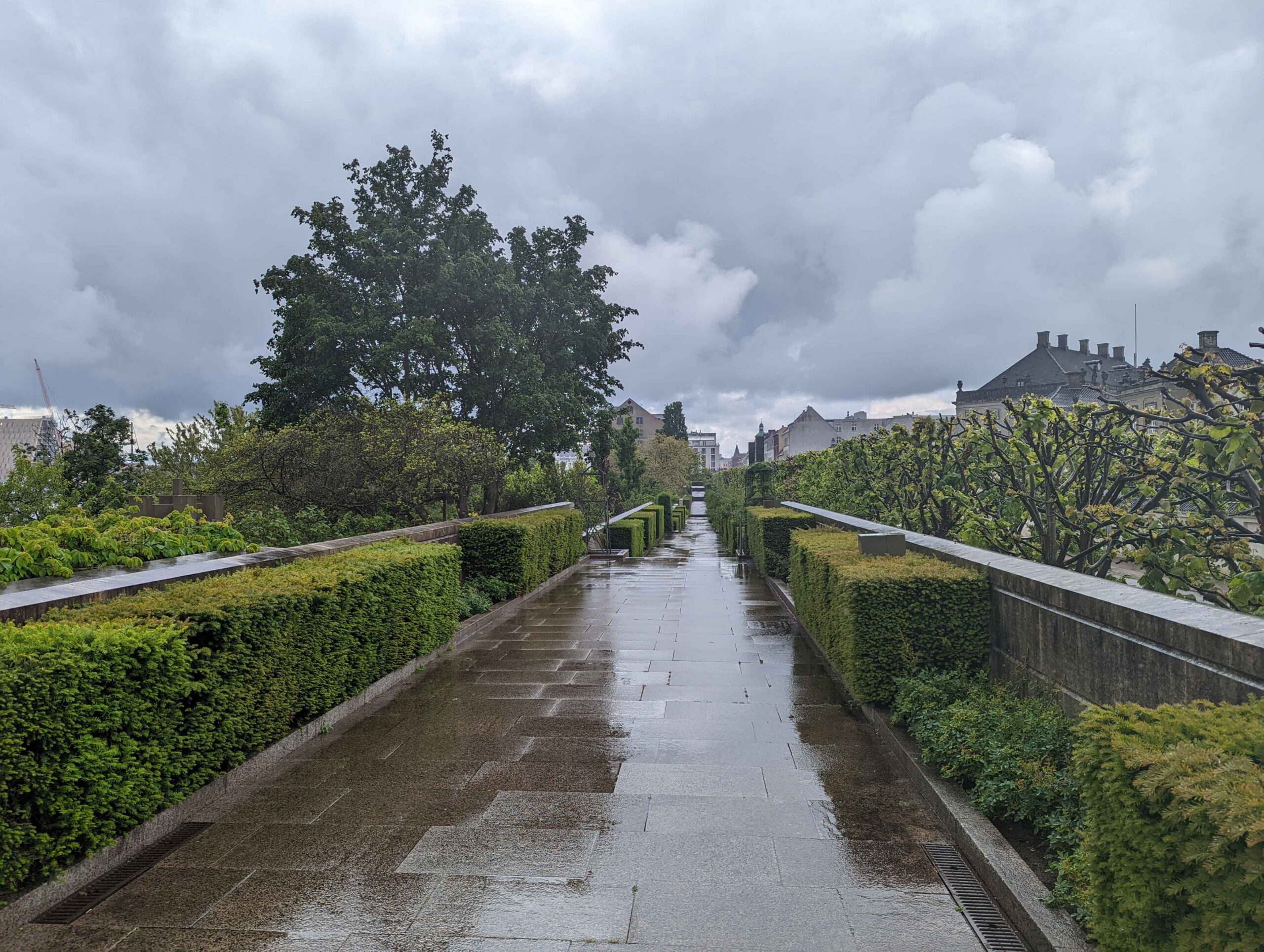
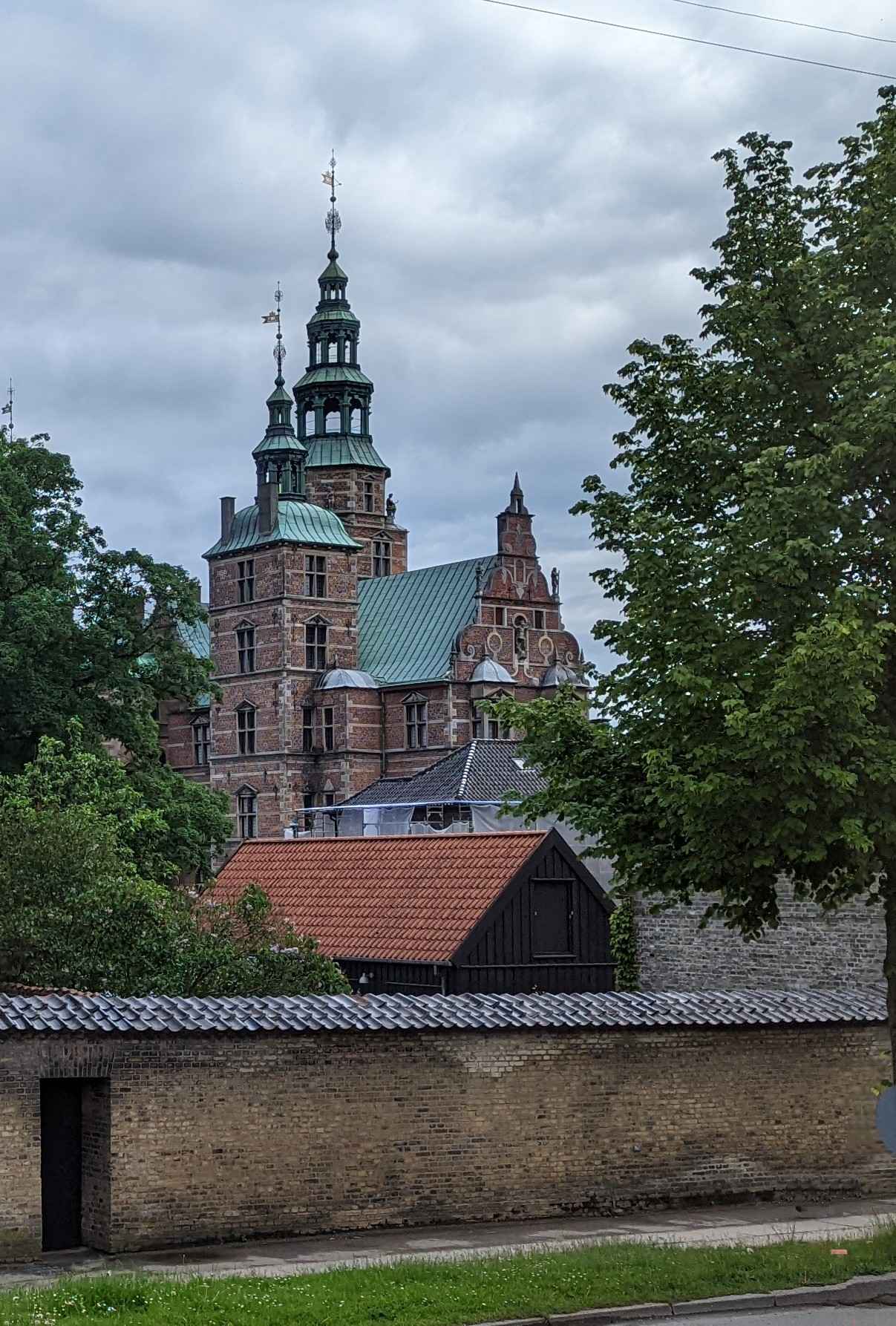
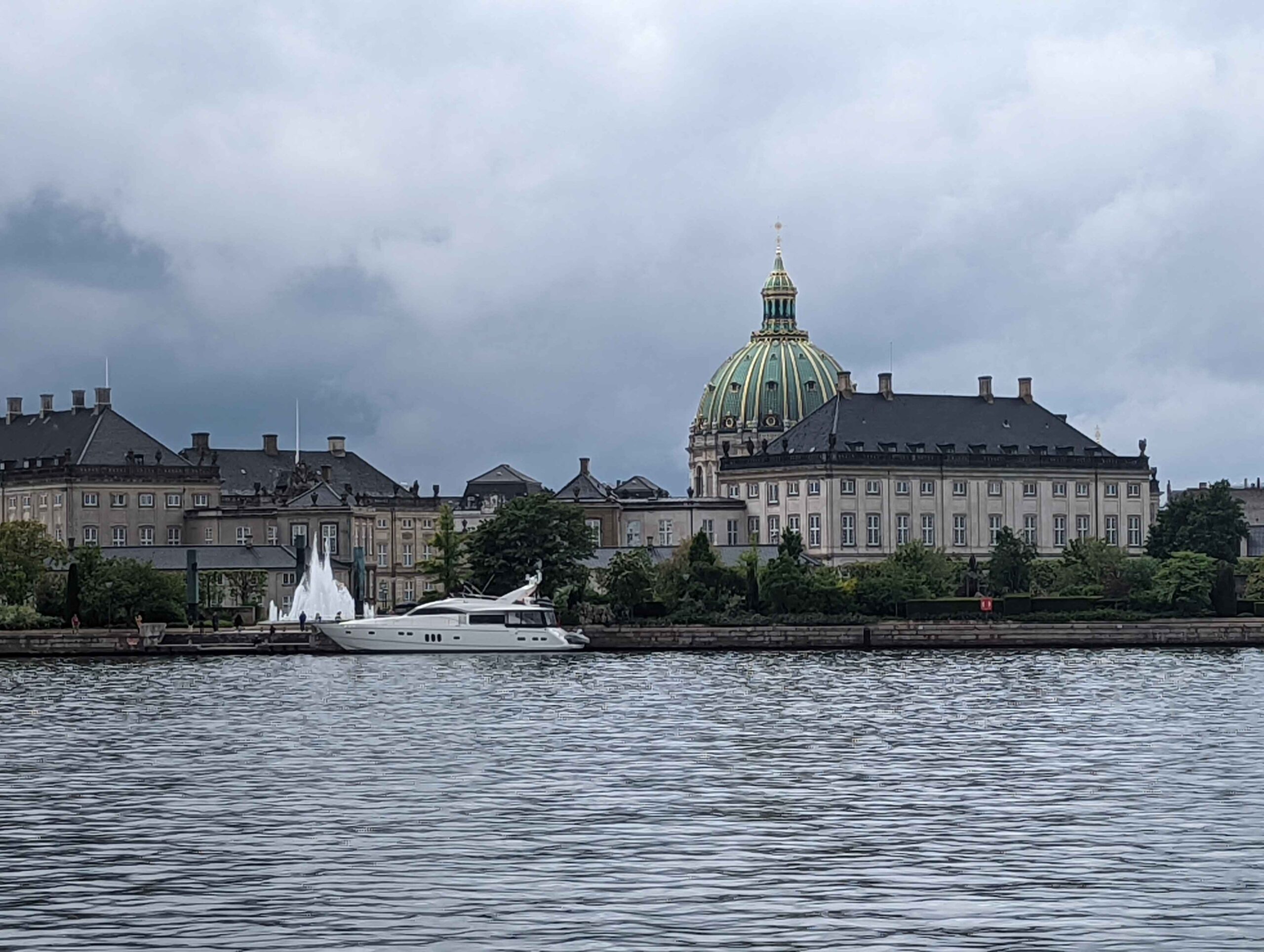
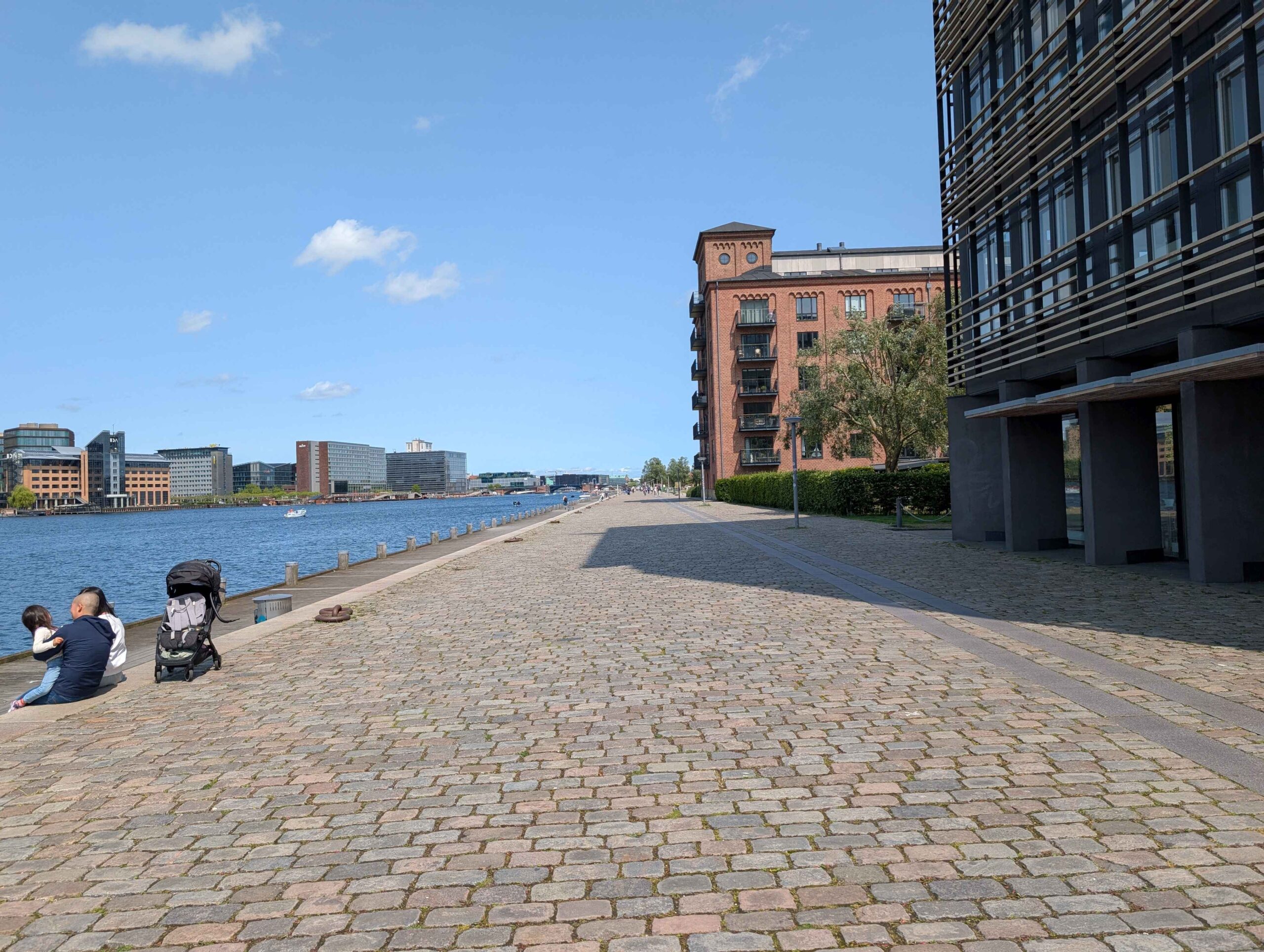
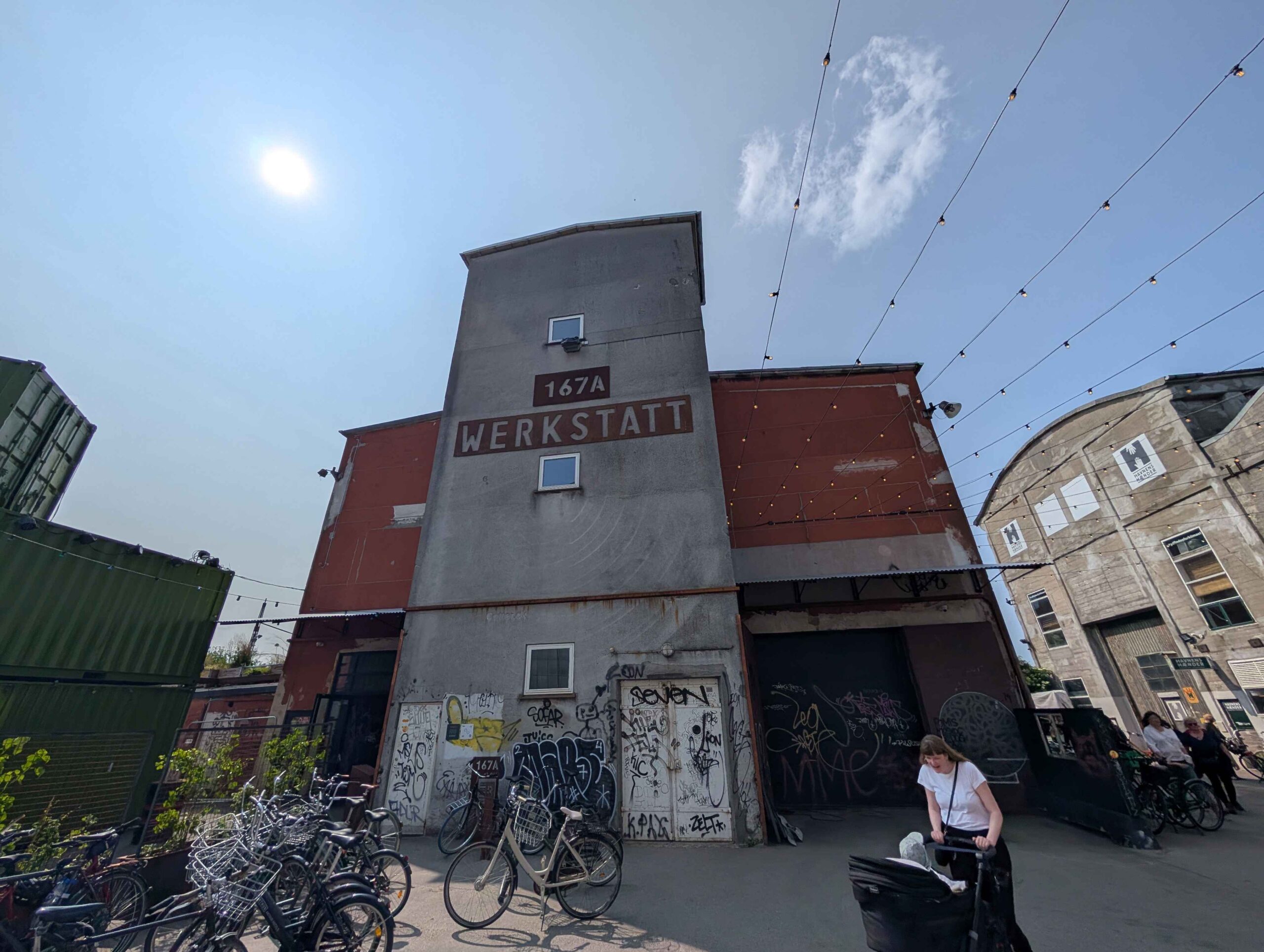
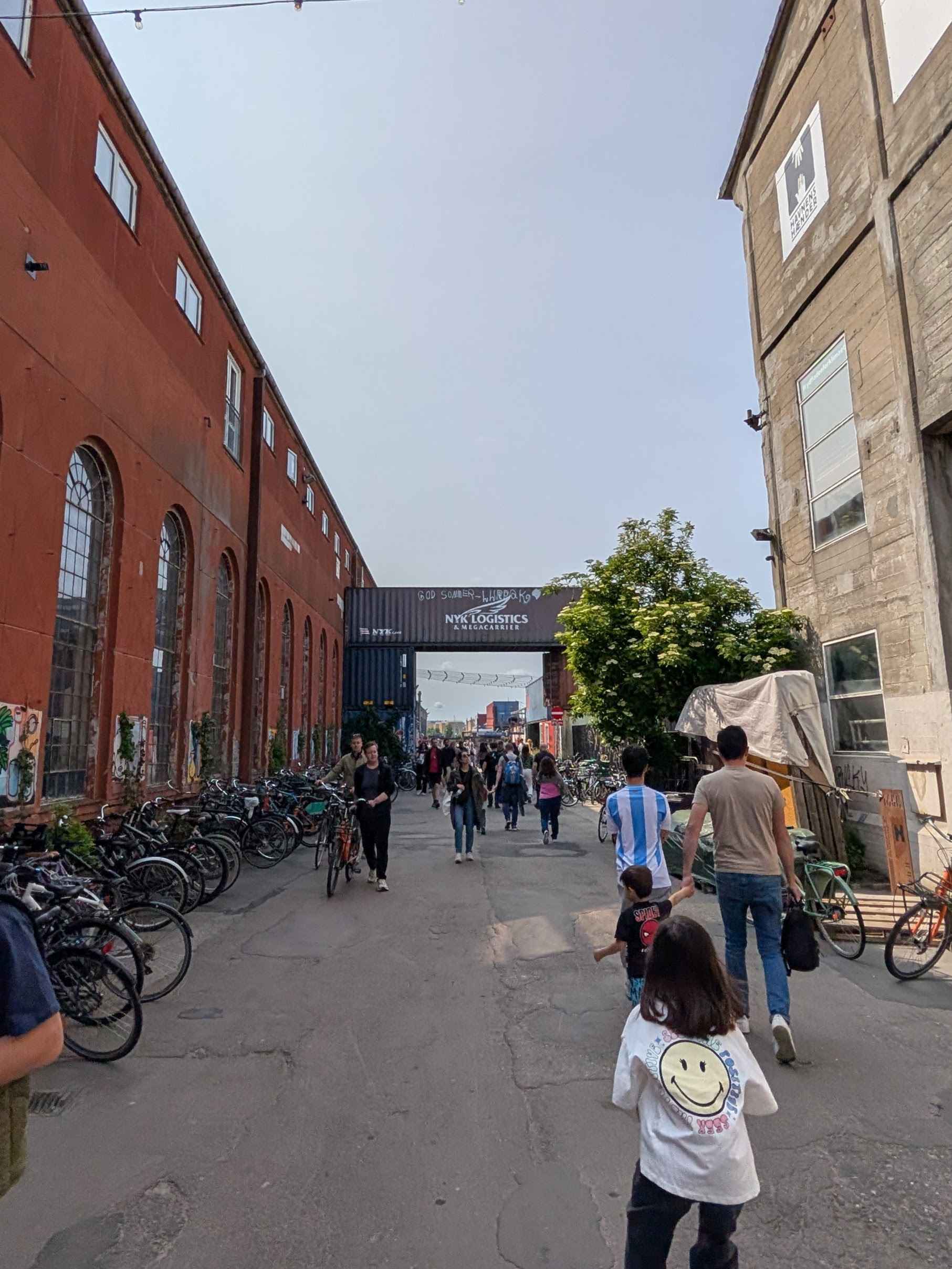
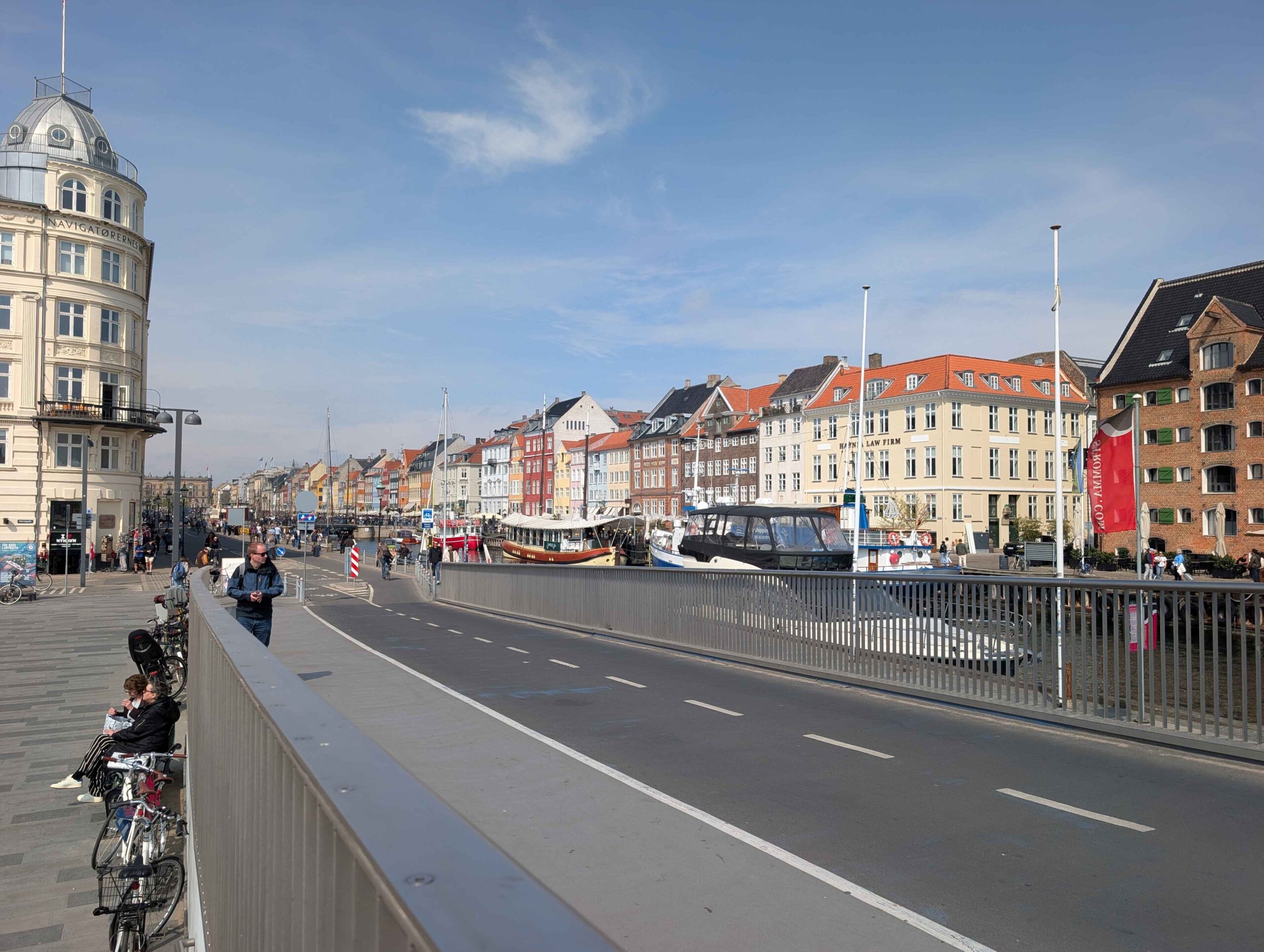
Over multiple visits I gradually explored farther beyond the postcard locations. I walked through Ørstedsparken visited Rosenborg Castle and Amalienborg Palace and spent time wandering quieter residential canals and waterfront promenades. A local friend later introduced me to places like Reffen where industrial harbor spaces had been turned into outdoor food markets and gathering areas. Copenhagen’s weather rarely stays consistent for long though. Sunshine can shift to wind and rain within the same afternoon so some days turned into slower canal walks instead of ambitious sightseeing plans.
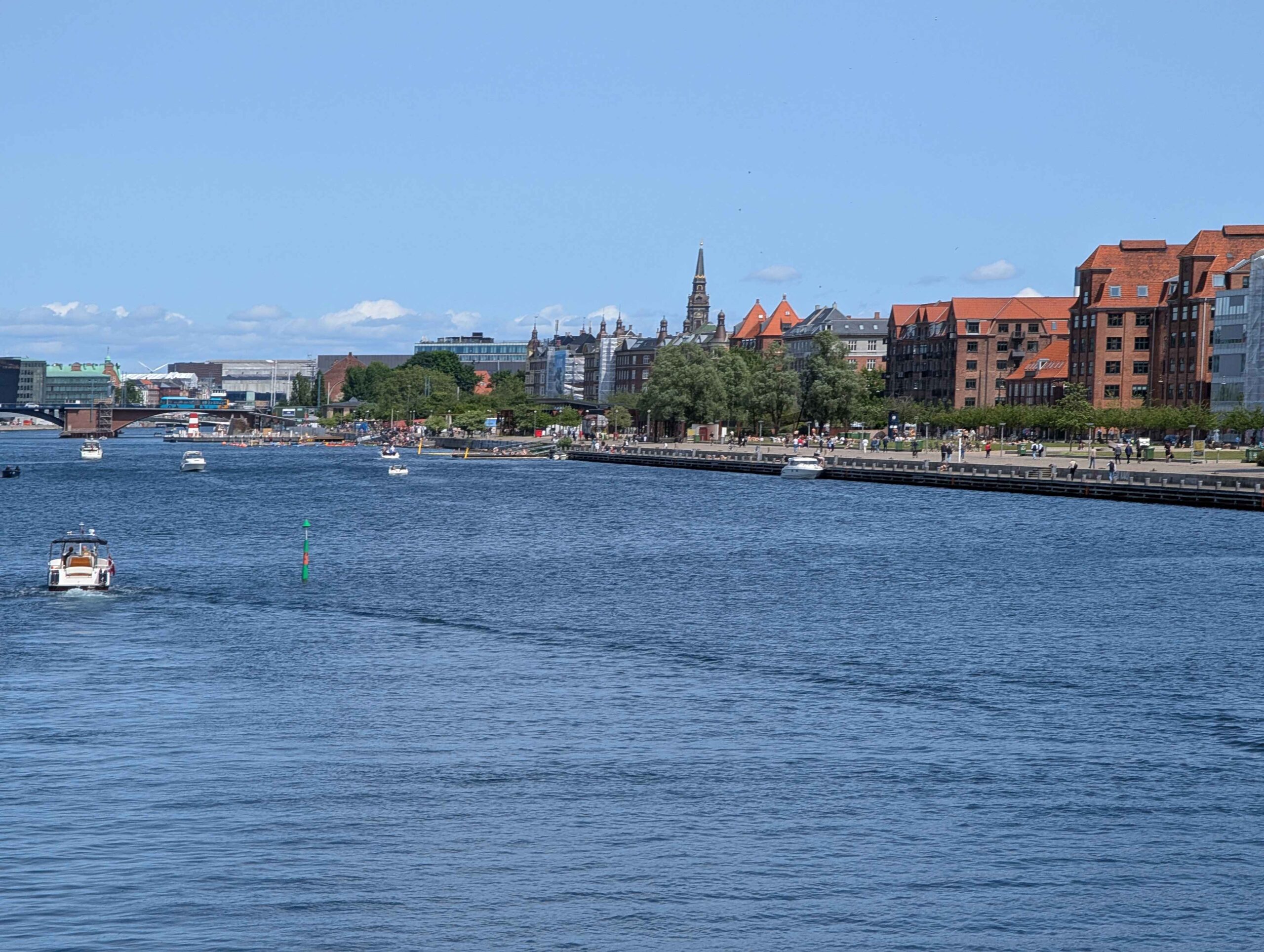
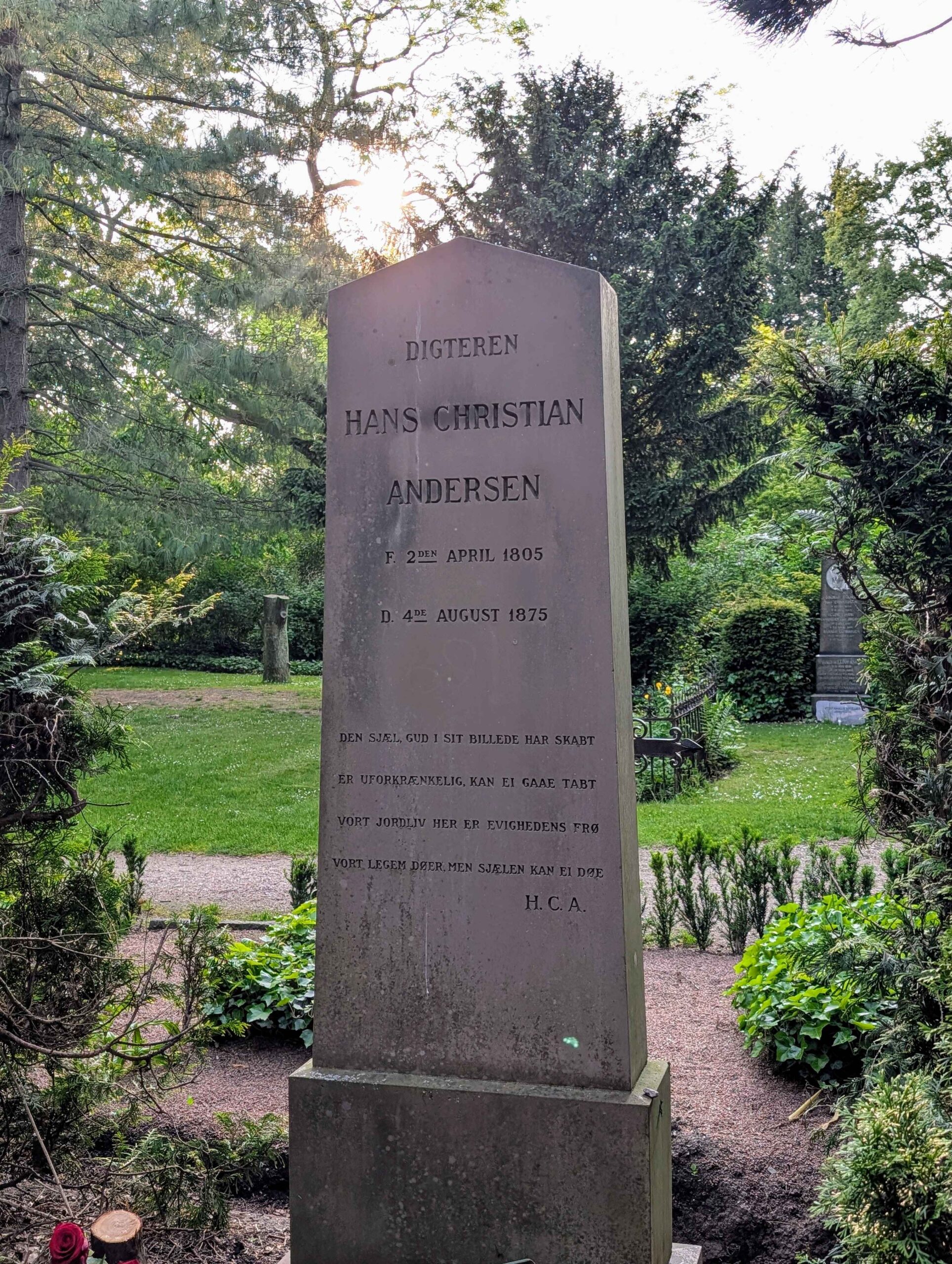
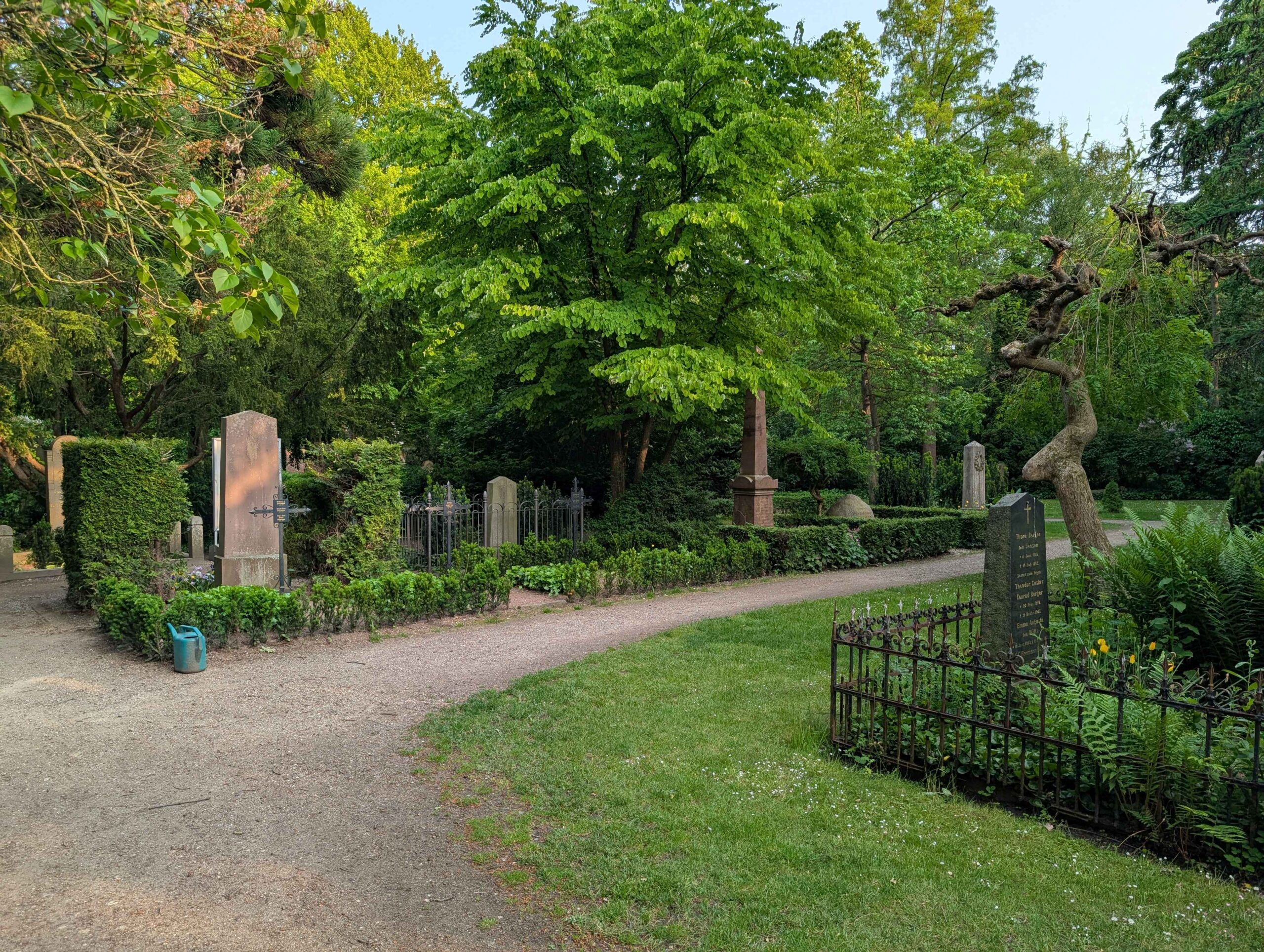
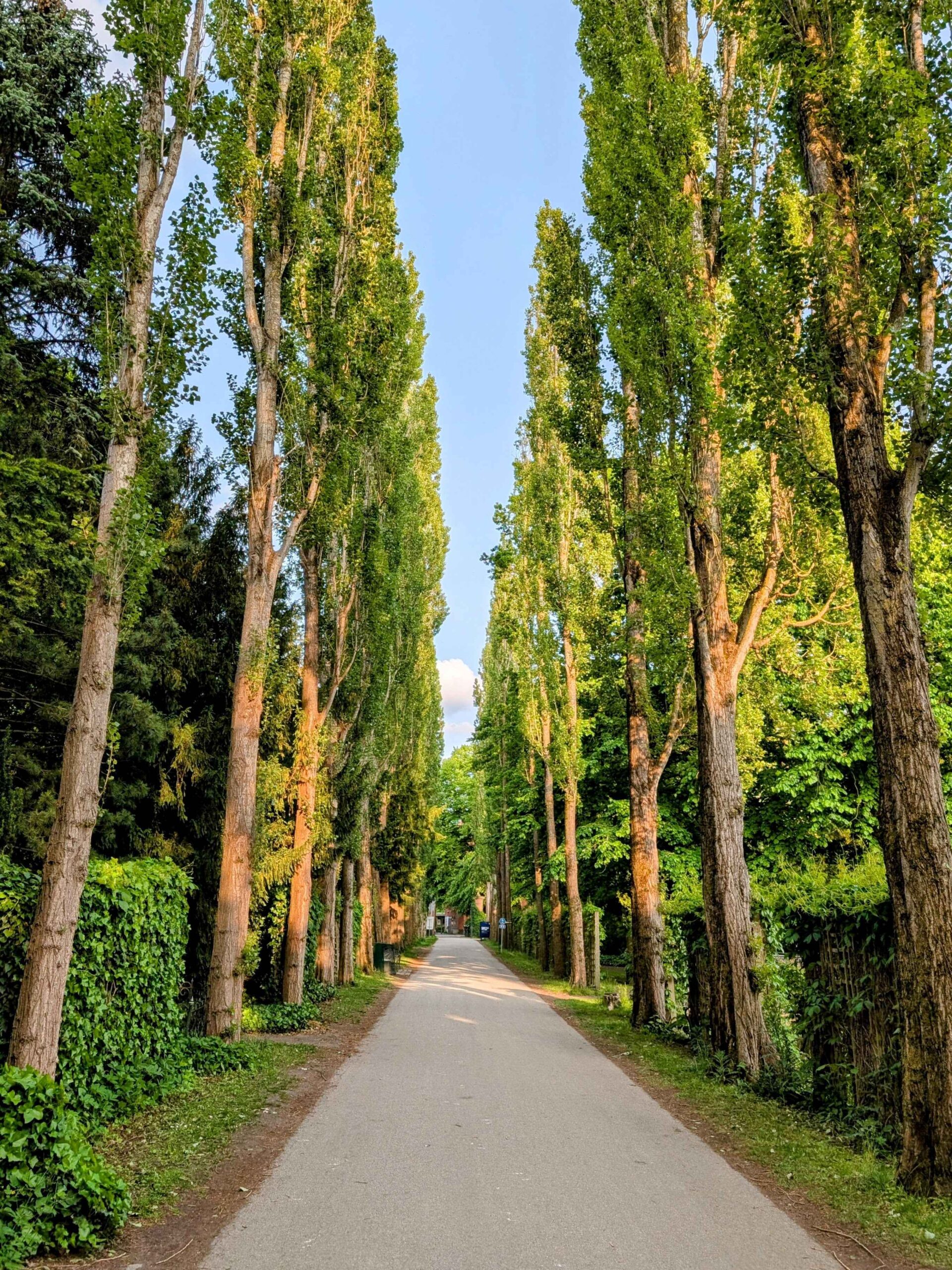
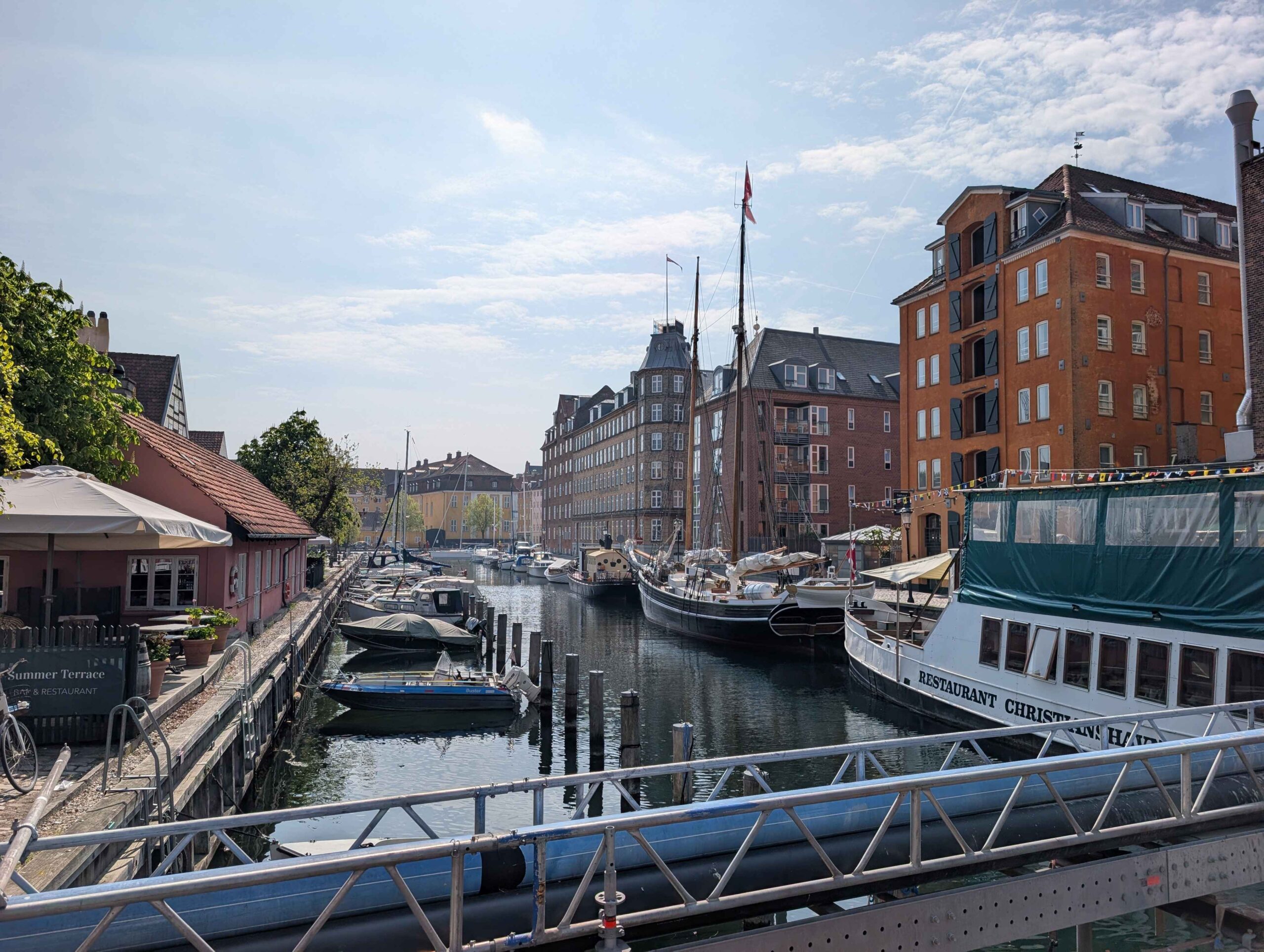
Hotels in Copenhagen are expensive enough that I usually treat the city as a cruise embarkation or disembarkation point rather than a place to stay for extended periods. That said I still find myself returning whenever itineraries allow because the city works well for wandering without a strict checklist. Some of my favorite moments were simply walking along the canals watching boats pass through Christianshavn or visiting Assistens Cemetery to see Hans Christian Andersen’s grave beneath the trees in the evening light.
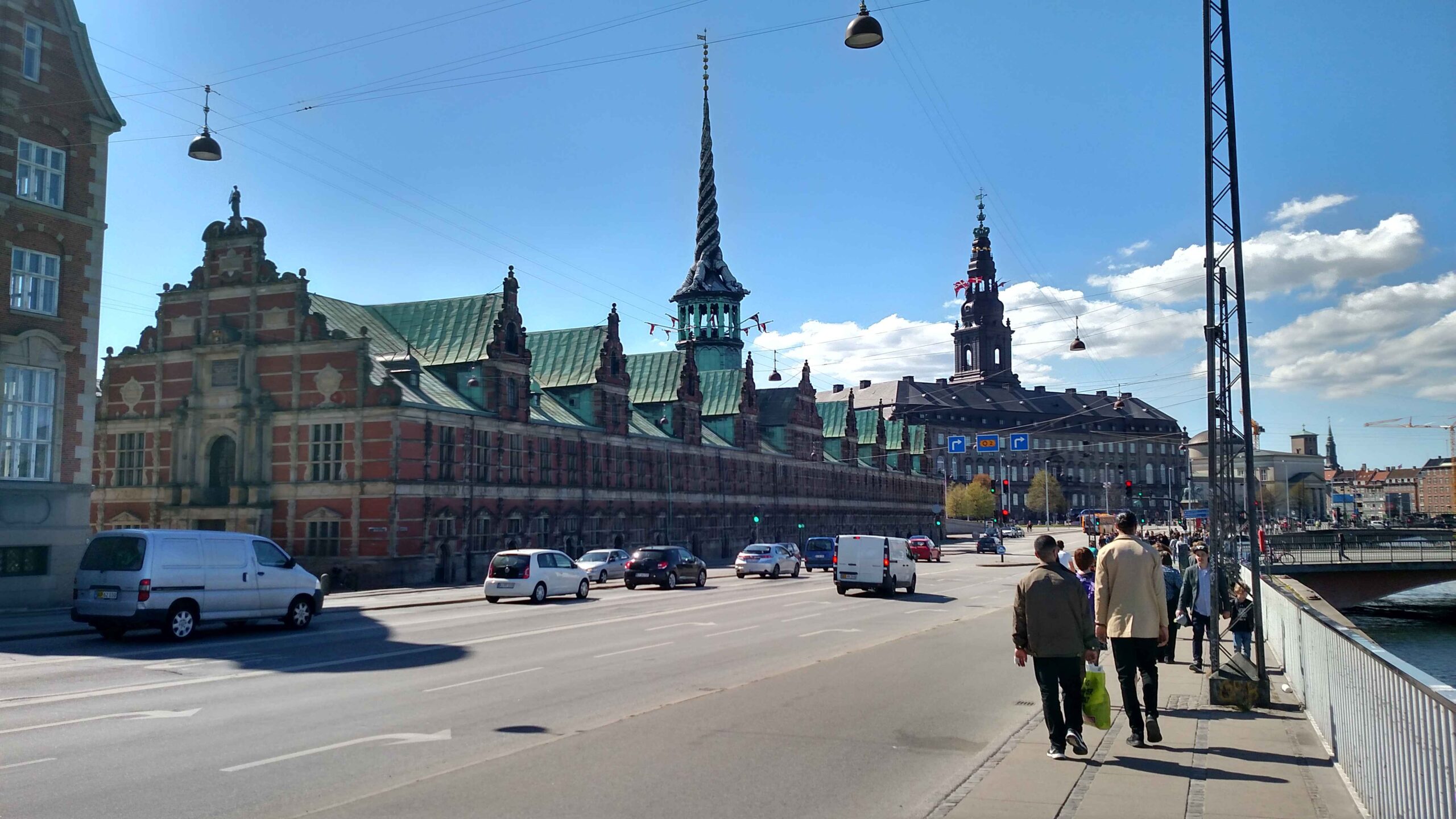
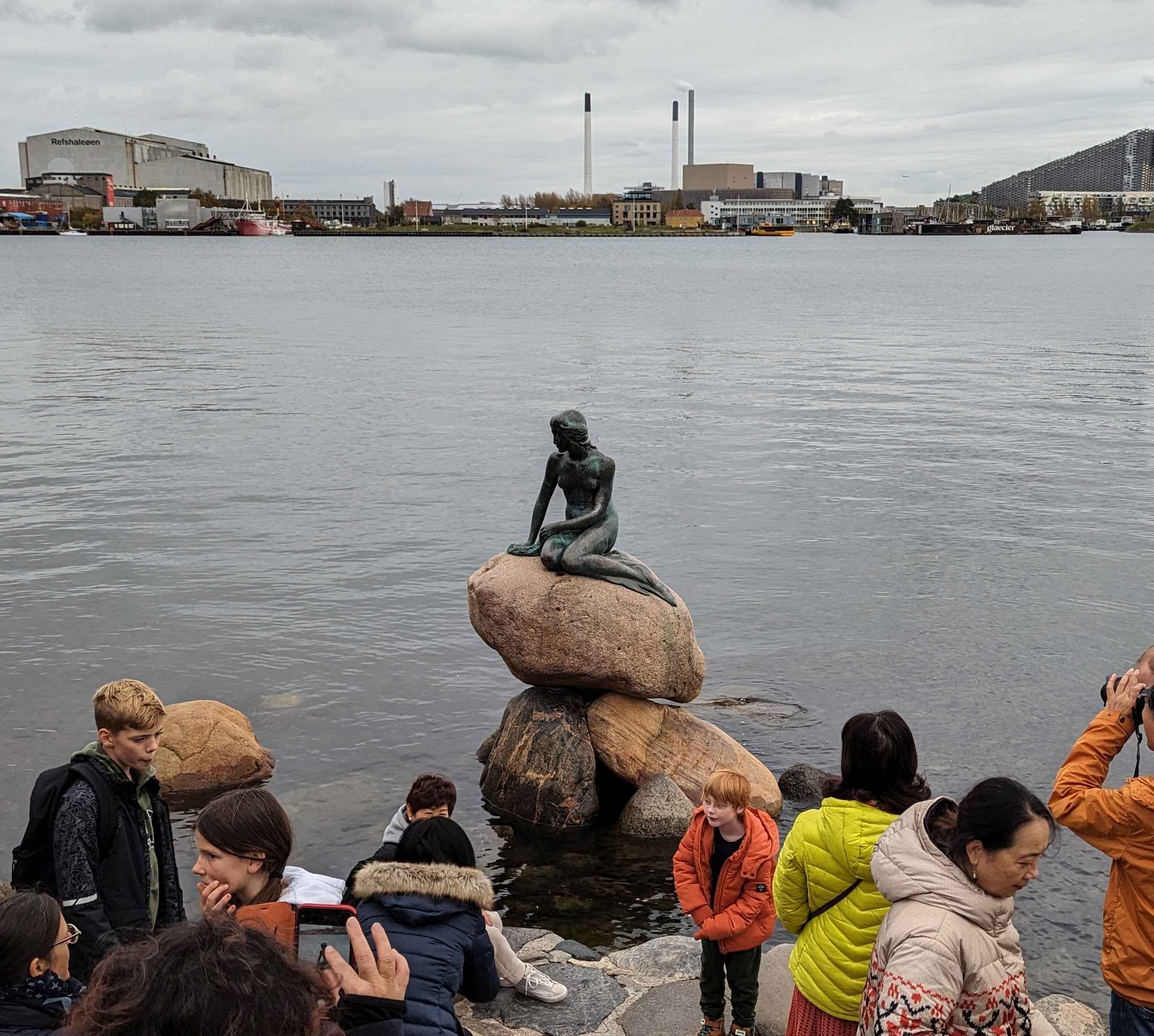
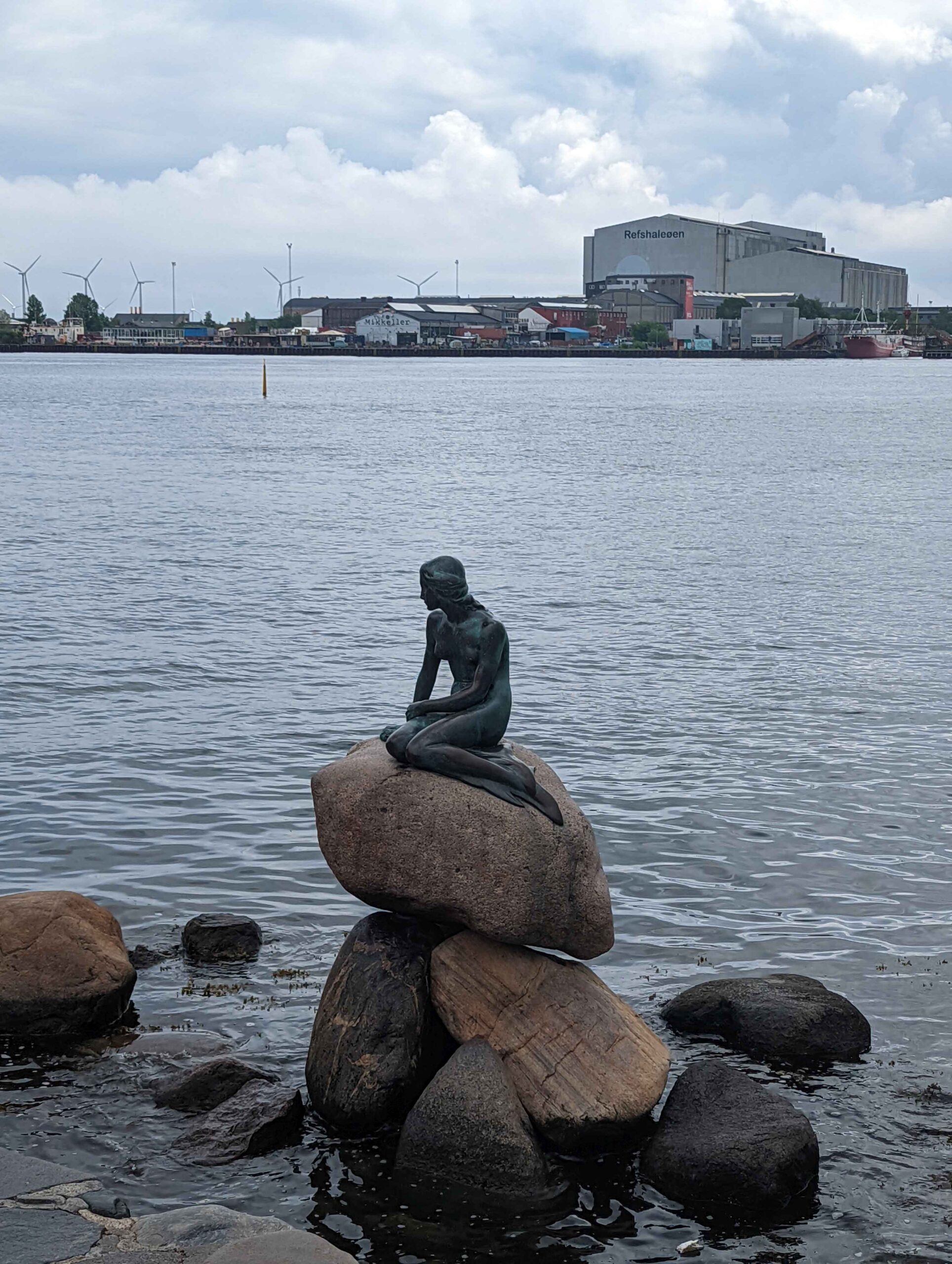
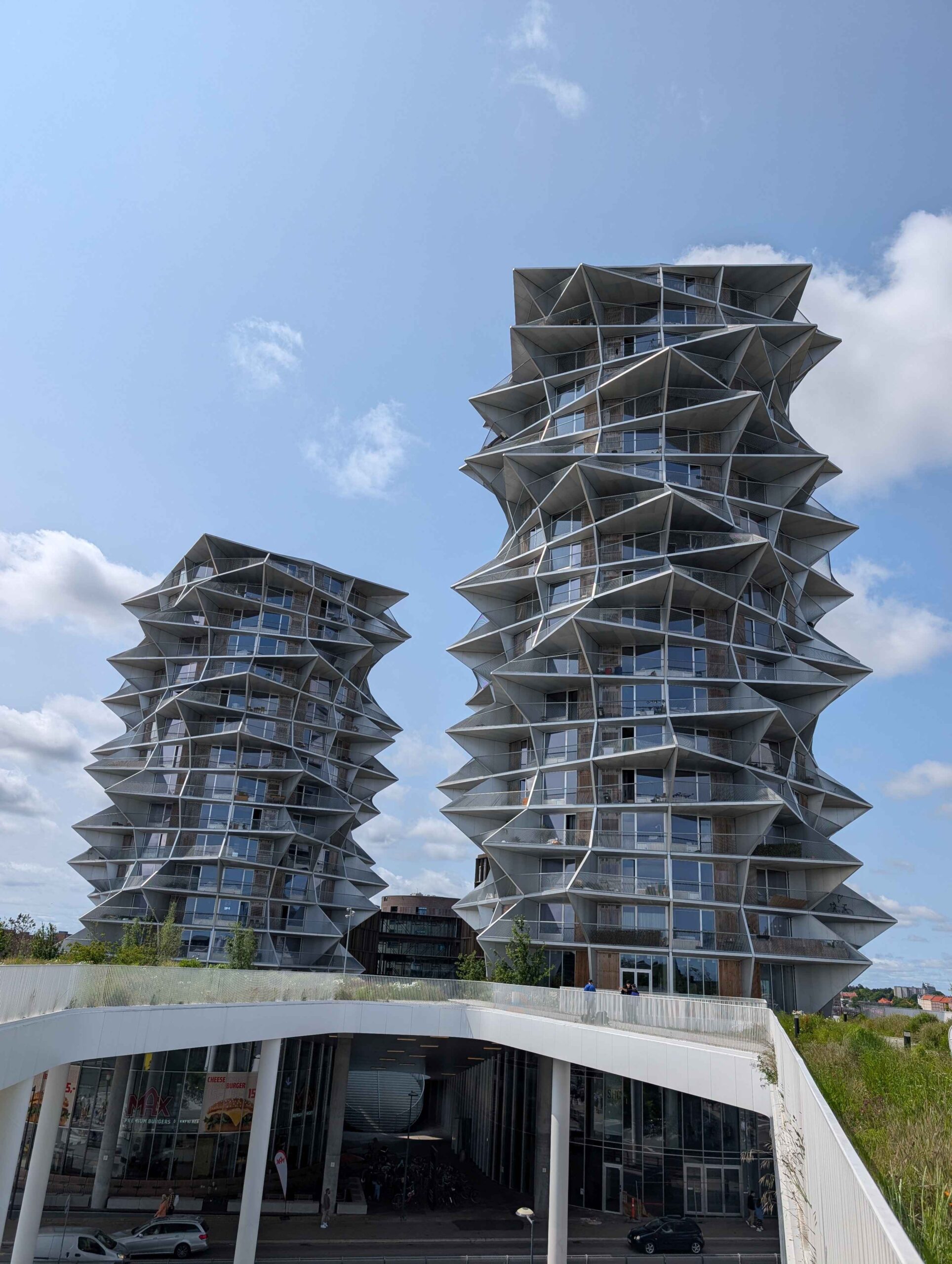
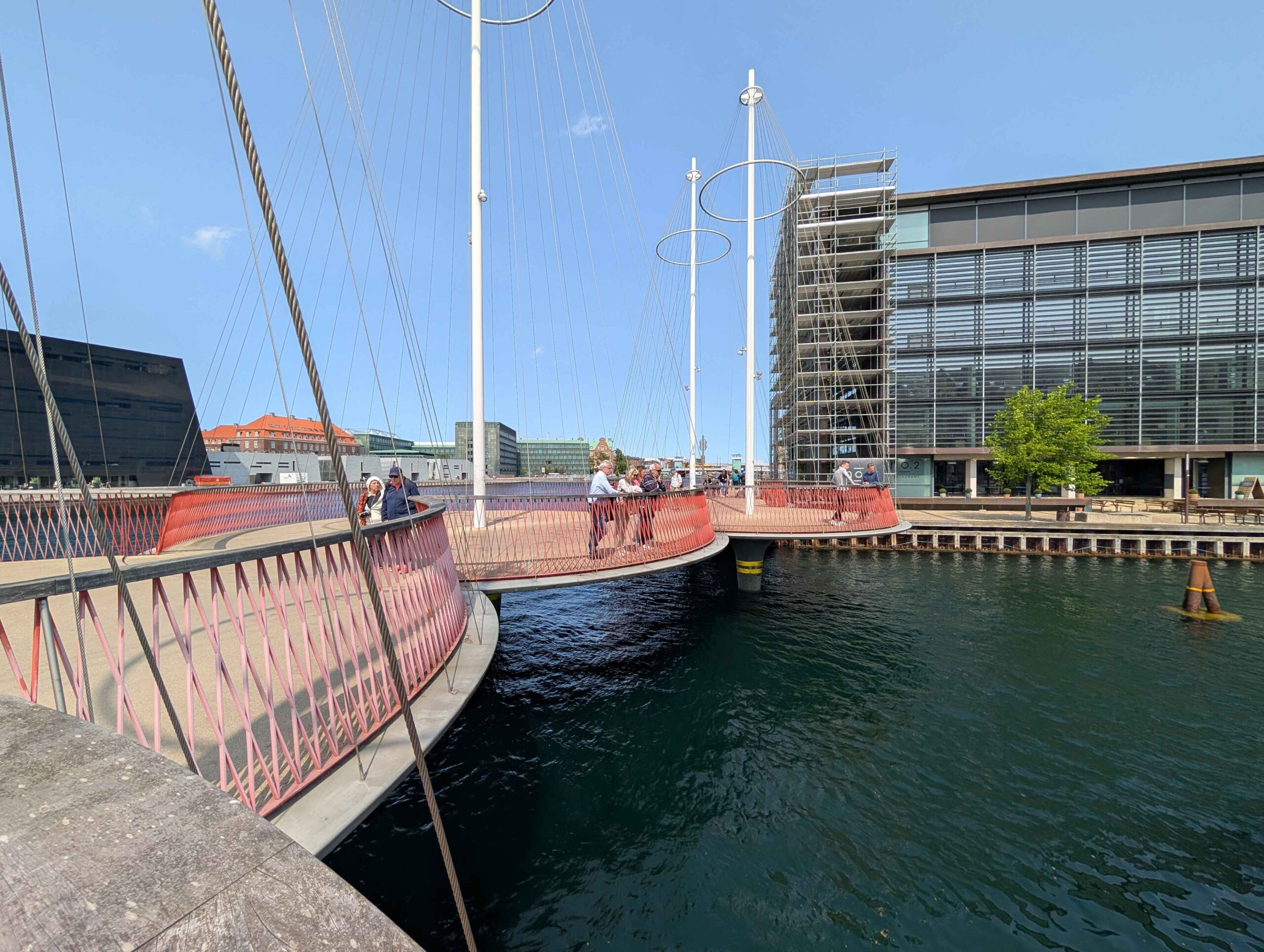
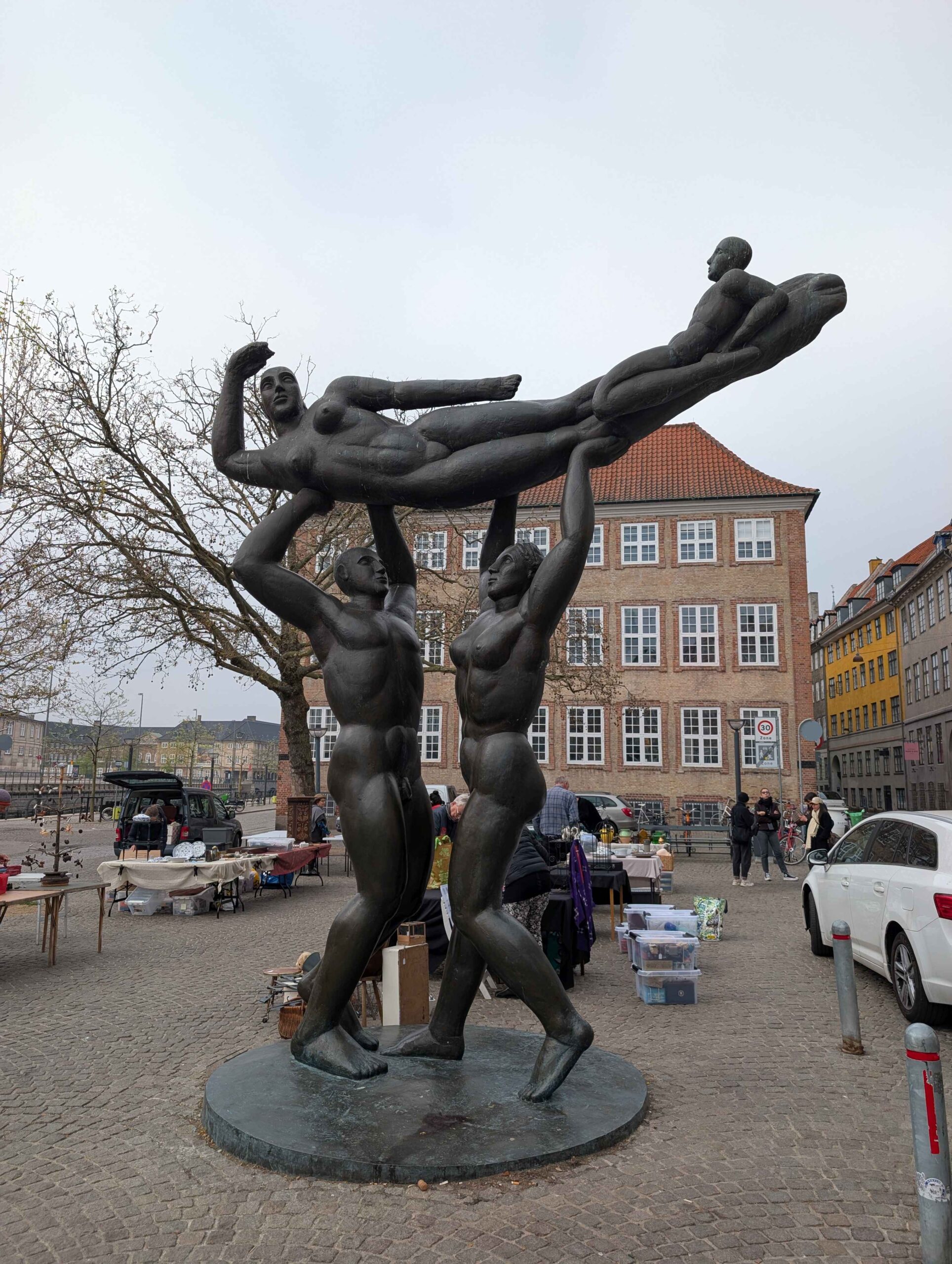
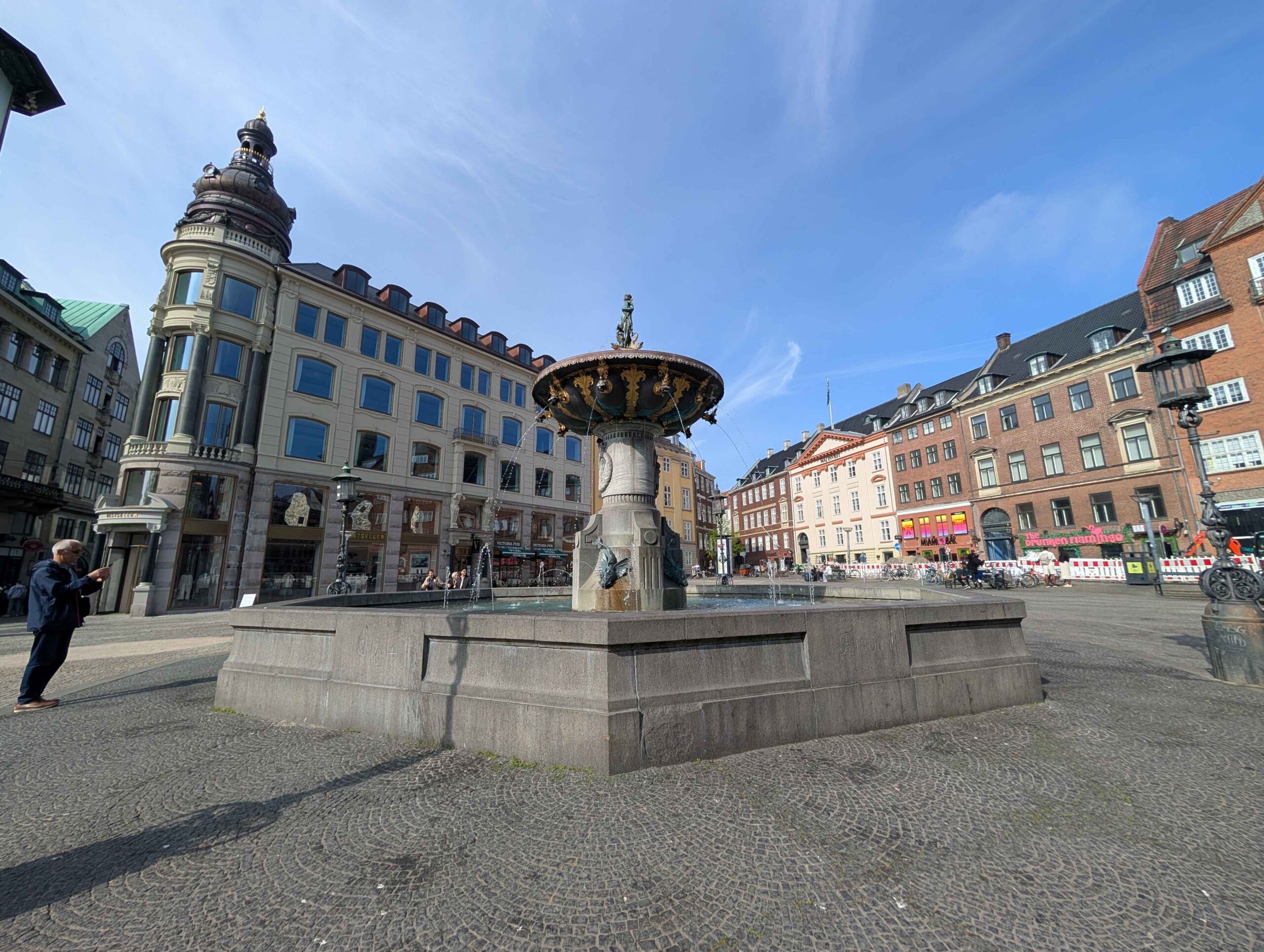
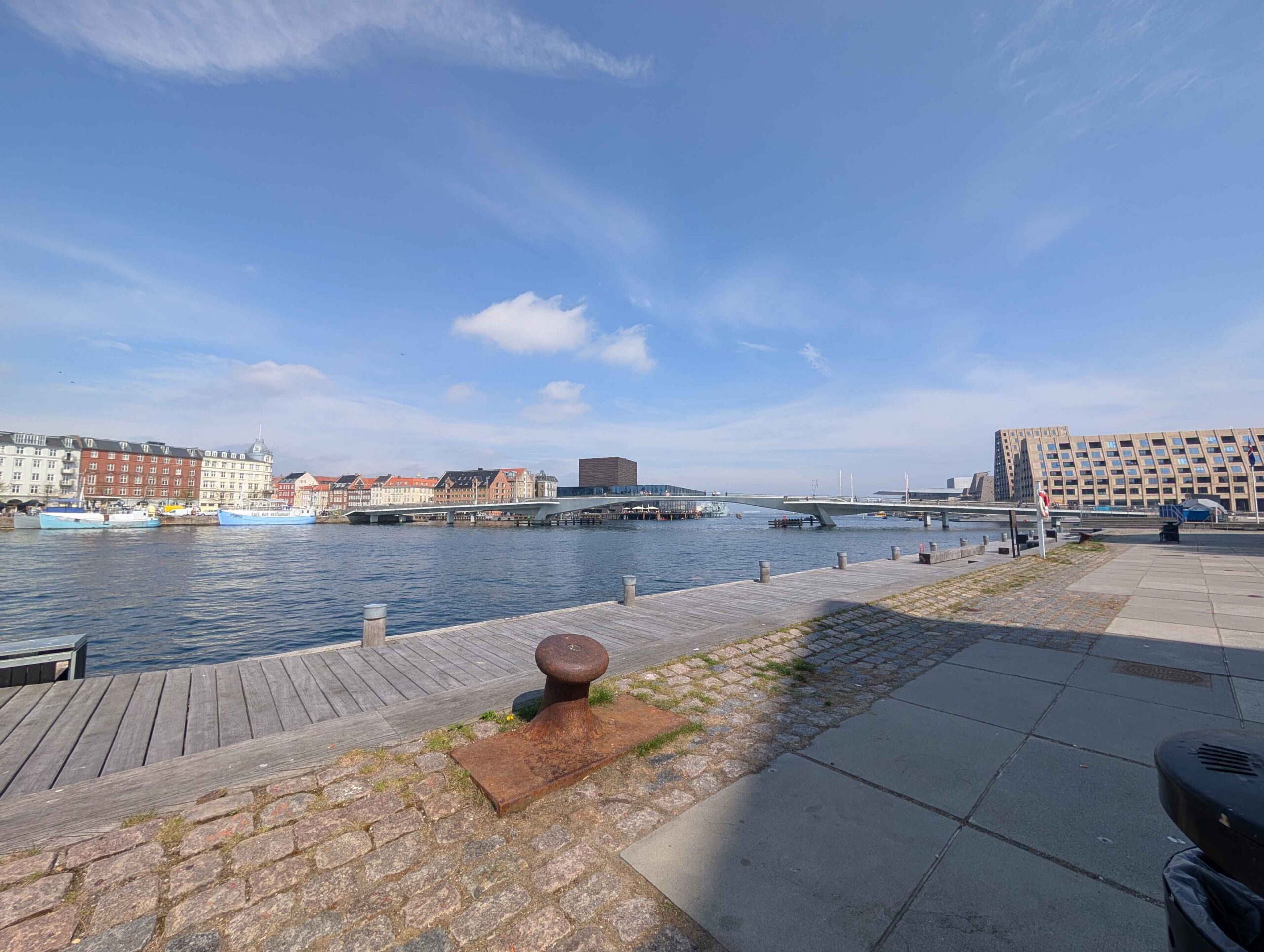
Copenhagen feels shaped equally by practicality and design. Historic canals colorful harbor buildings modern waterfront architecture and everyday cycling culture all blend together into a city that feels lived in rather than staged for visitors. Even after several visits I still associate it with movement whether that means canal boats bicycles trains ferries or long walks between neighborhoods.
If You Have More Time…
- CopenHill – This artificial ski slope and recreation area built on top of a power plant offers rooftop walking paths climbing walls and wide views across Copenhagen’s modern harbor district.
- Frederiksberg Gardens – Large landscaped gardens with canals walking paths and open lawns that feel quieter and less crowded than some of the central tourist areas.
- The Round Tower – A seventeenth century observatory with a spiraling interior ramp leading to elevated views over Copenhagen’s rooftops and church spires.
- Superkilen Park – A modern public space filled with international art installations urban design elements and neighborhood gathering spaces reflecting Copenhagen’s multicultural districts.
- Louisiana Museum of Modern Art – Located north of Copenhagen this coastal museum combines contemporary art sculpture gardens and Øresund shoreline views in one setting.