
Exploring Denmark by Cruise: A Travel Journal
Denmark revealed itself to me through movement more than monuments. Trains rolled beneath curved station roofs in Copenhagen, bike lanes flowed through intersections with near-perfect precision, and even the quieter ports felt shaped by the rhythm of people constantly moving between sea, town, and countryside. What stayed with me most was not a checklist of landmarks, but the contrast between highly organized cities and stretches of coastline where windmills, dunes, cliffs, and isolated ruins seemed almost untouched by time. Across multiple visits, Denmark consistently felt less performative than many cruise destinations, with experiences unfolding through long walks, changing light, and the spaces between the major attractions.
Regional Port Highlights
Eastern Denmark and the Capital Region
Locations: Copenhagen
Centered around Denmark’s capital on the islands of Zealand and Amager, this region blends dense urban cycling culture, historic waterfront districts, rail infrastructure, and layered public spaces connected by canals and pedestrian streets.
Northern Jutland and the Skagen Coast
Locations: Skagen
At Denmark’s northern tip, shifting sand dunes, weathered coastlines, lighthouse landmarks, and quiet residential streets create a landscape shaped as much by wind and sea conditions as by the town itself.
The Baltic Islands of Denmark
Locations: Bornholm
Separated from mainland Denmark in the Baltic Sea, Bornholm combines granite coastlines, medieval ruins, round churches, and rural roads that feel slower and more isolated than the country’s larger urban centers.
Jeremy’s Quick Tips
- Copenhagen’s bike lanes are treated almost like roads. Pay close attention before stepping across painted cycling paths because cyclists move quickly and expect pedestrians to stay clear.
- In Skagen, the cruise port sits outside the center of town. You can either take the paid shuttle or walk roughly twenty minutes into the main shopping and residential areas.
- Tivoli Gardens changes significantly by season. Autumn visits include Halloween decorations, themed lighting, and seasonal food stalls that make evening visits feel very different from Spring or Summer.
- Bornholm excursions often cover multiple locations spread across the island. Expect more time on buses between stops than in compact walkable cruise ports.
Aarhus
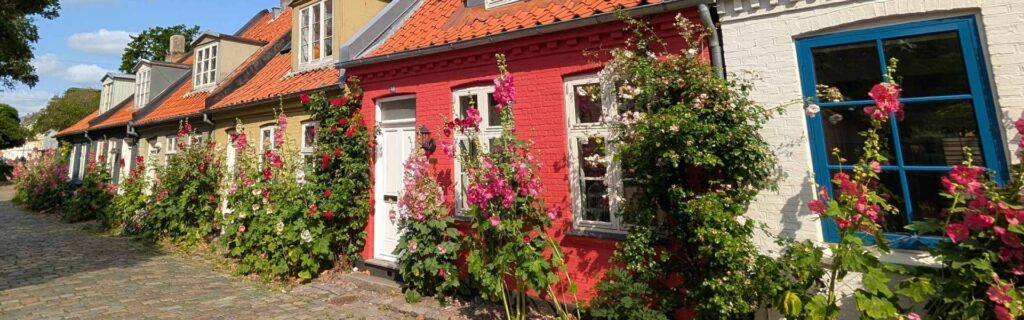
I explored Aarhus twice, from a reconstructed Viking farmstead that challenged what I thought I knew about Viking life to a self-guided walk through canals, colorful streets, and local markets. Along the way, a few unexpected detours turned out to be some of the best parts of the visit.
Bornholm
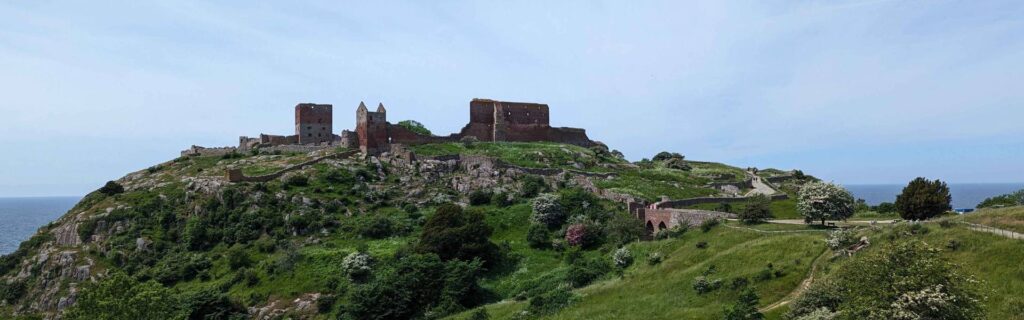
Medieval fortress ruins coastal villages and Denmark’s largest round church made Bornholm feel very different from the larger Scandinavian cities I’d visited before. This journal entry follows a full island excursion through Hammershus Gudhjem Baltic Sea Glass and Østerlars with rocky Baltic views and quiet countryside stops along the way.
Copenhagen
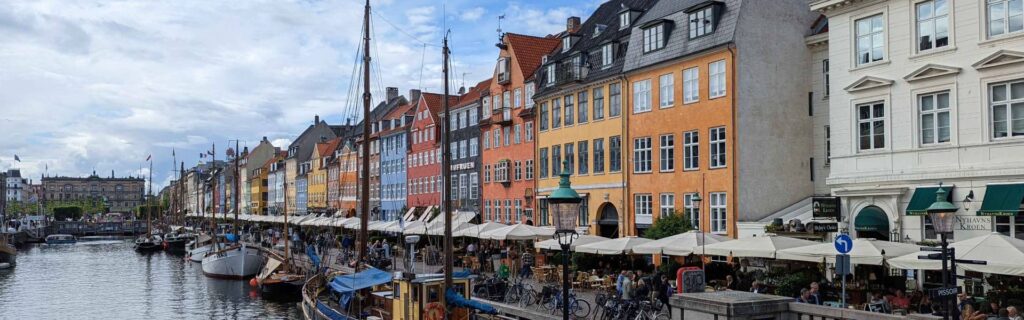
Copenhagen blends colorful canal districts historic train stations and nonstop cycling culture into a city that feels built around movement. From Tivoli Gardens at Halloween to long waterfront walks and quiet cemetery paths the city kept pulling me back through every season and cruise stop.
Skagen
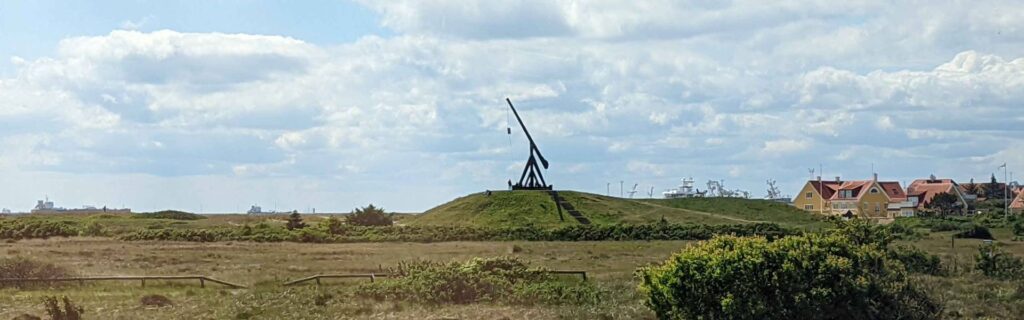
Sand dunes shifting beneath dramatic skies and a random windmill beside the road became some of my favorite memories from Skagen. This journal entry follows a cruise visit through Råbjerg Mile Grenen and the quiet coastal streets of Denmark’s northernmost town.