
Ketchikan Creek Street Boardwalks and Stilt Houses
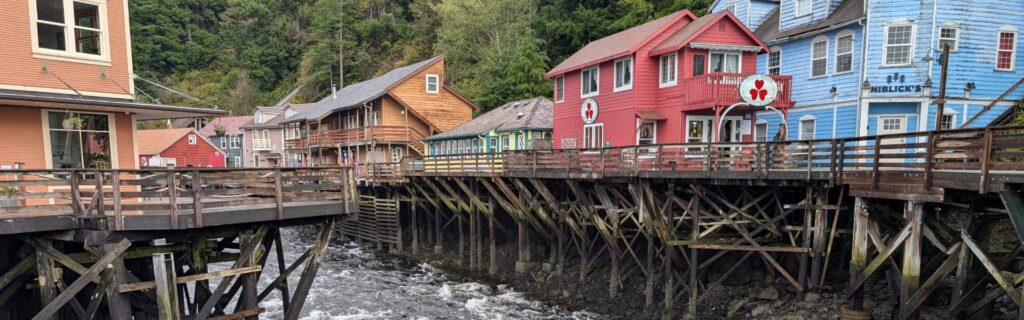
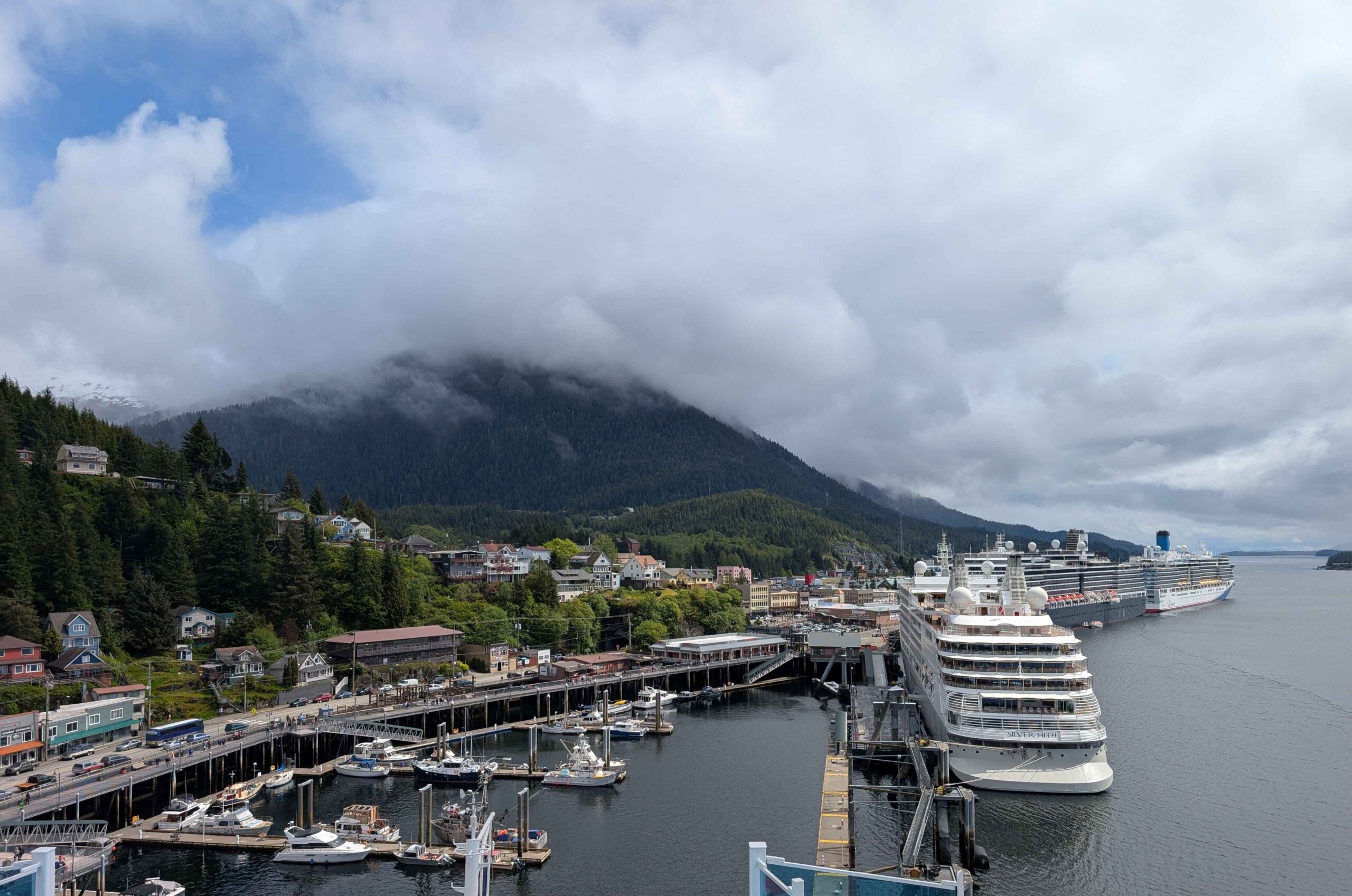
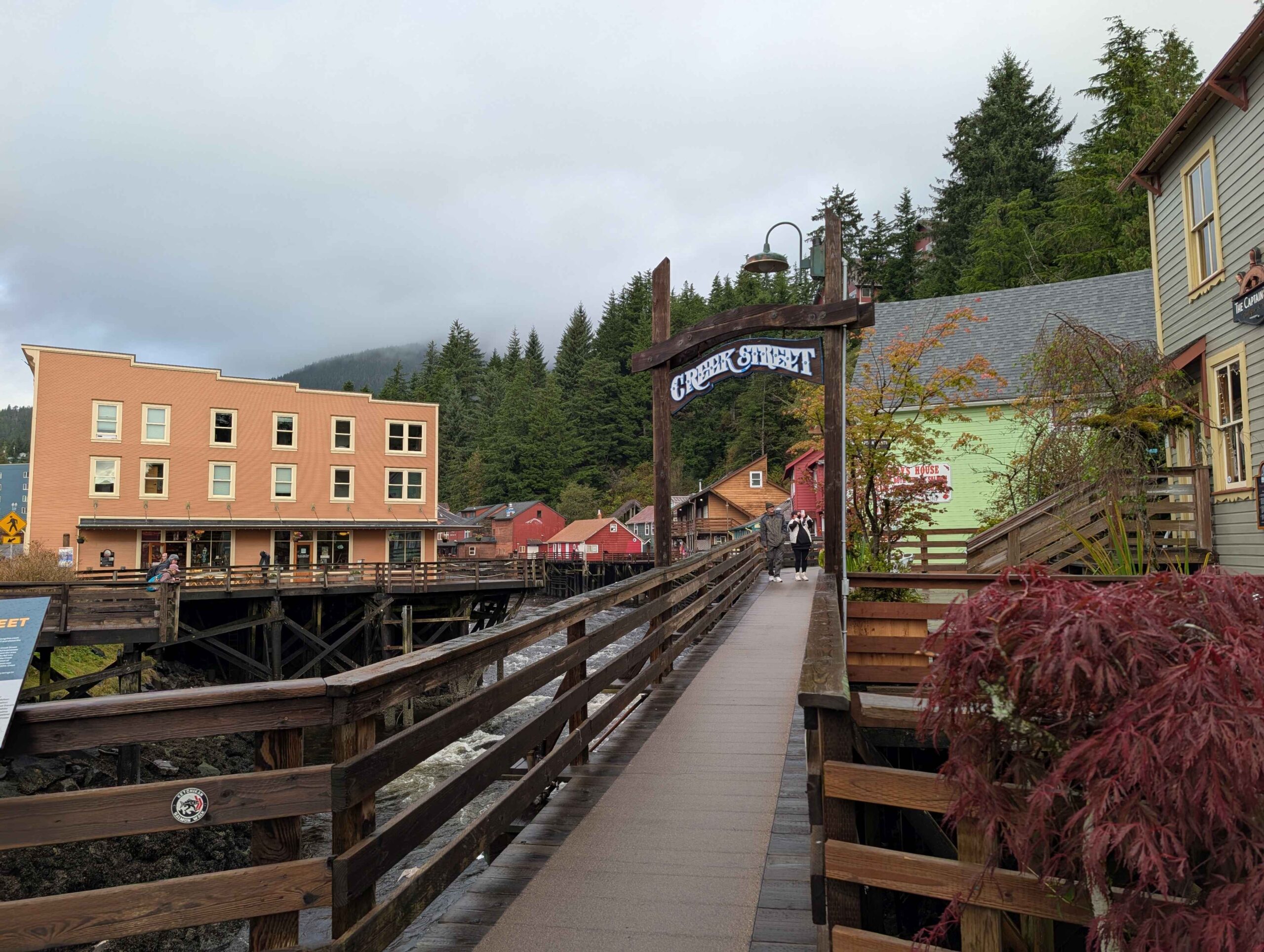
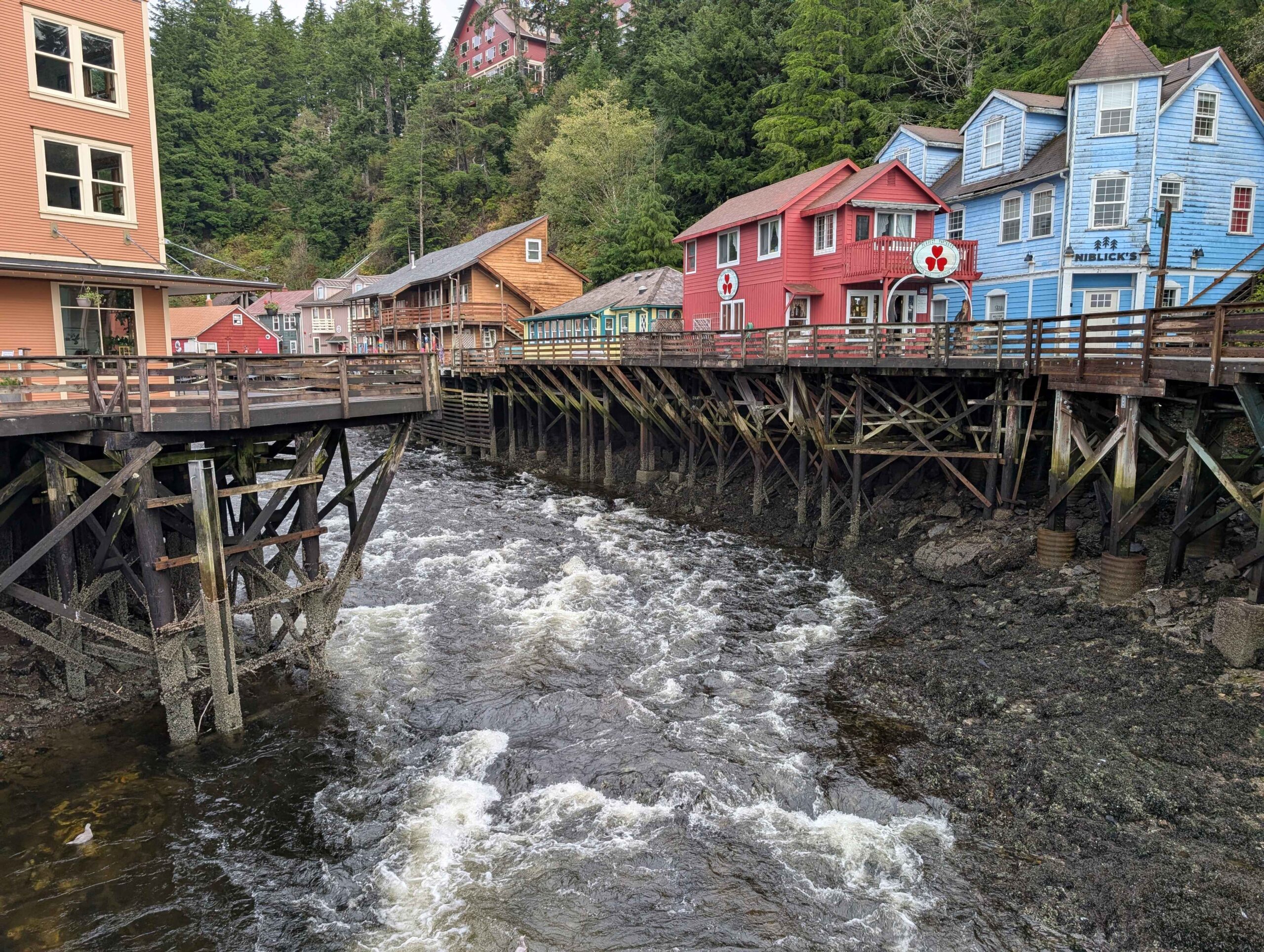
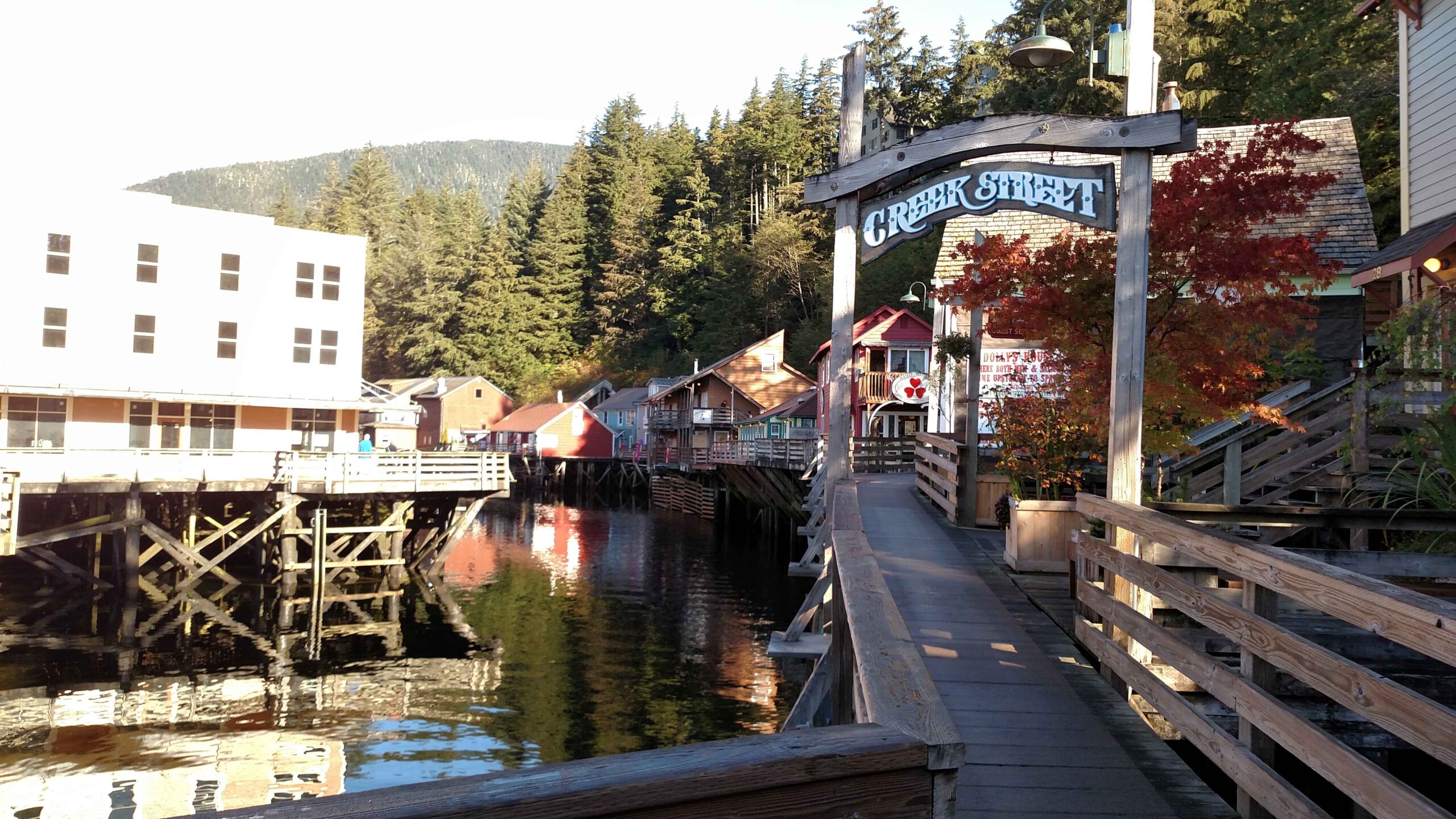
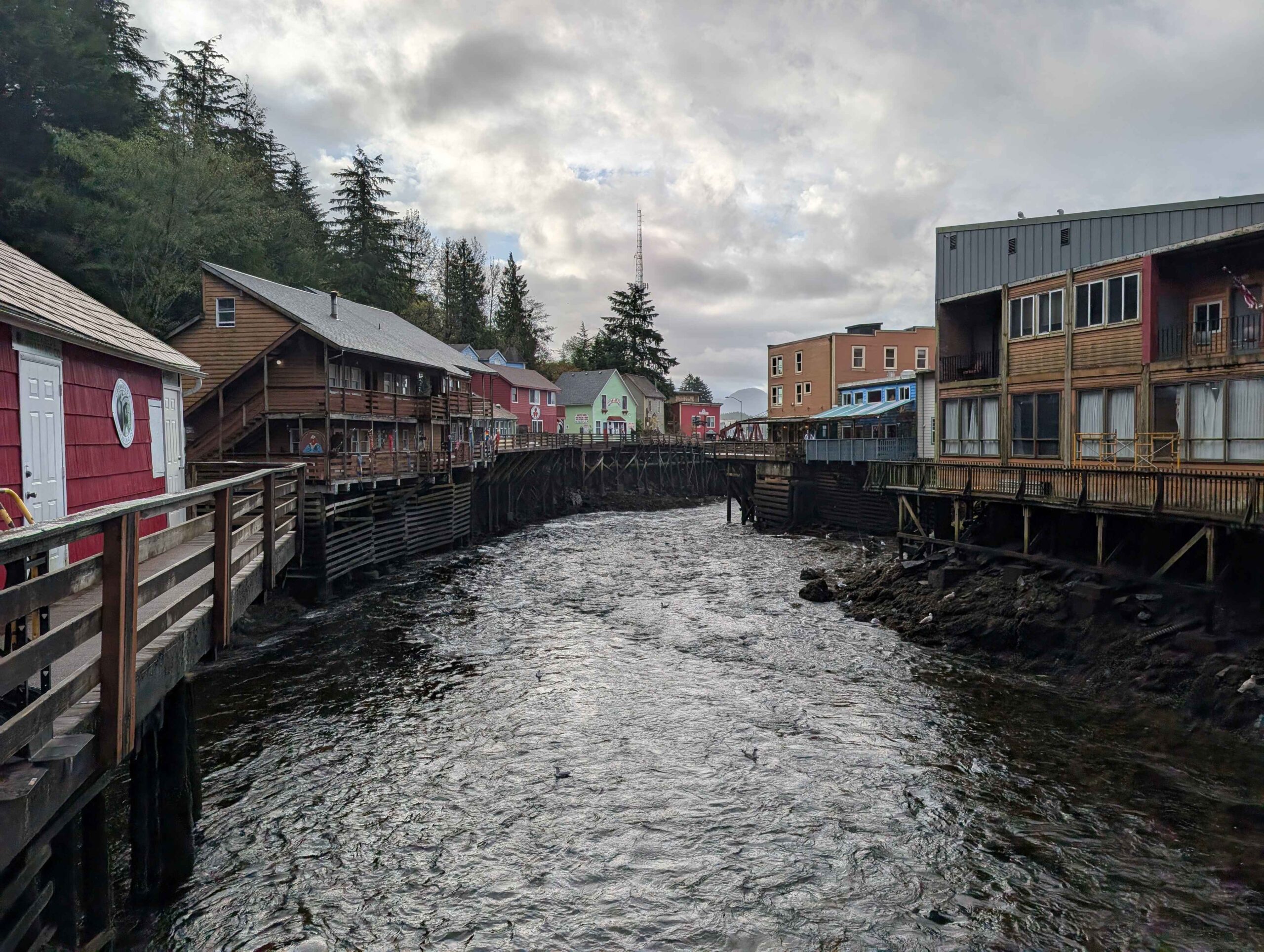
The wooden boardwalks along Creek Street came into view almost immediately after stepping off the ship in Ketchikan. Arriving by cruise, it only took a short walk from the dock to reach the cluster of buildings perched on stilts above the water, with the creek moving steadily beneath them.
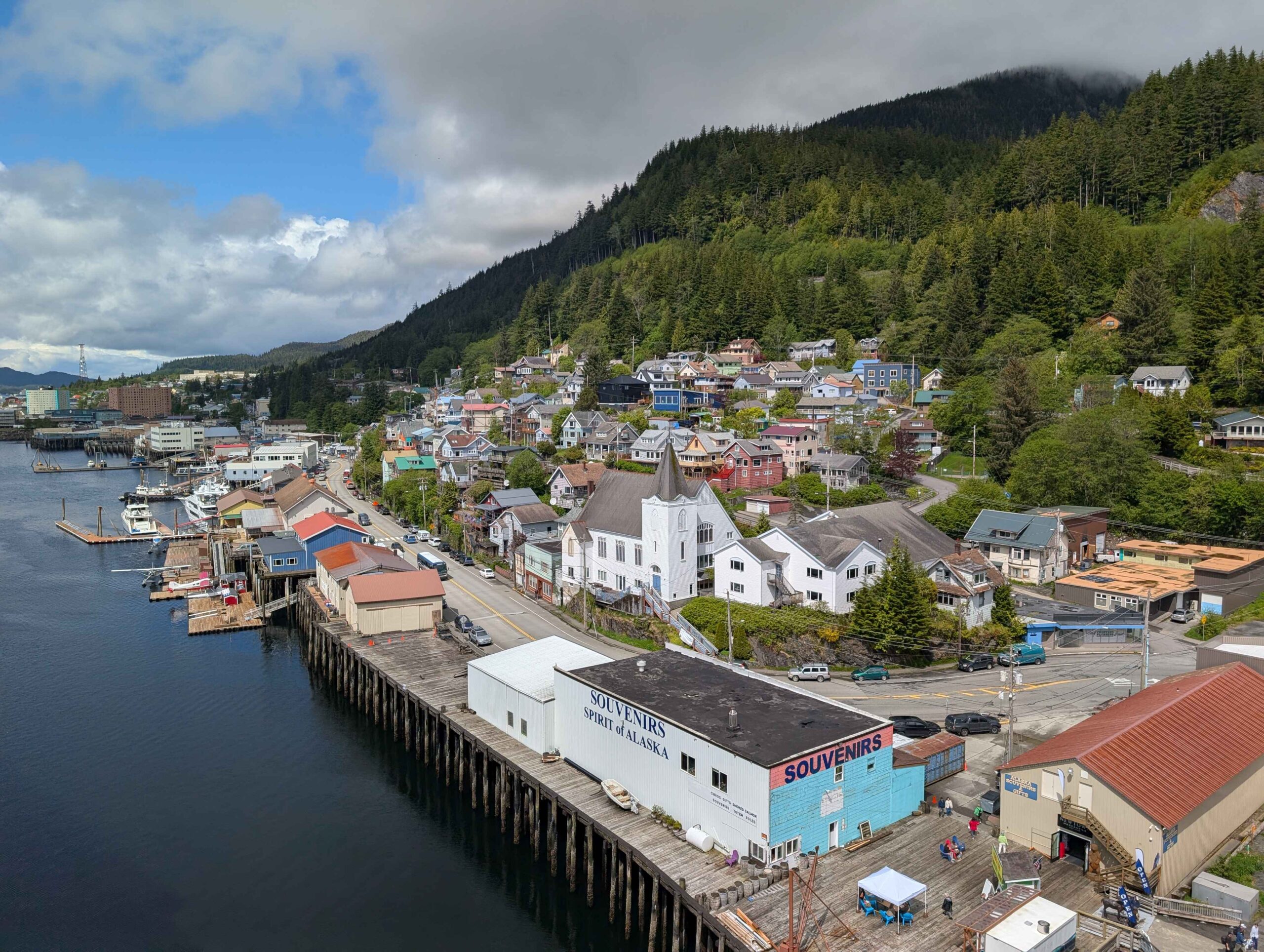
Ketchikan, known locally as Kichx̱áan, quickly feels less like a stop and more like a place you can move through without much planning. The layout is simple and compact, and once you get your bearings, it is easy to shift between the waterfront, the shops, and the quieter paths that follow the water inland.
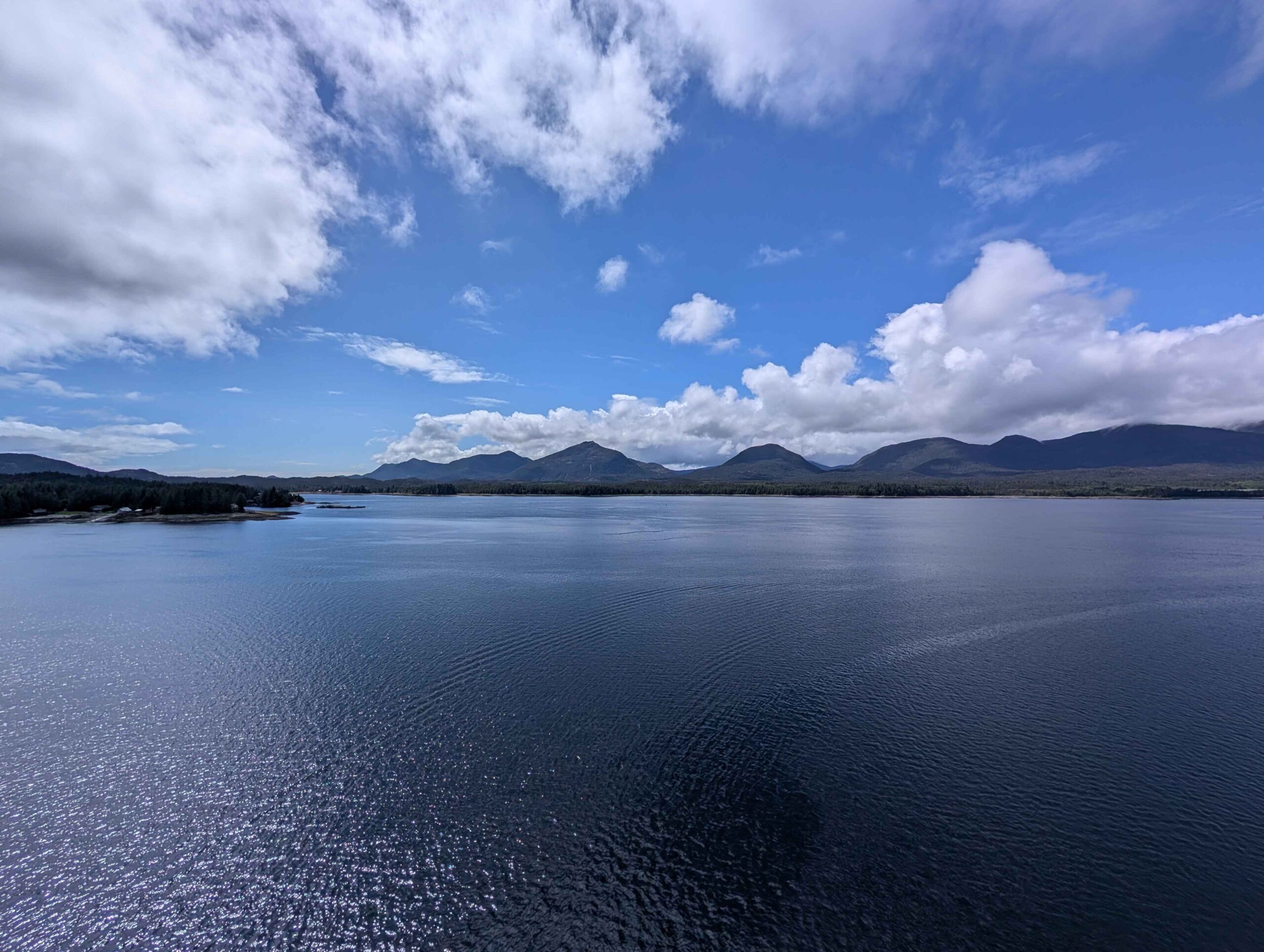
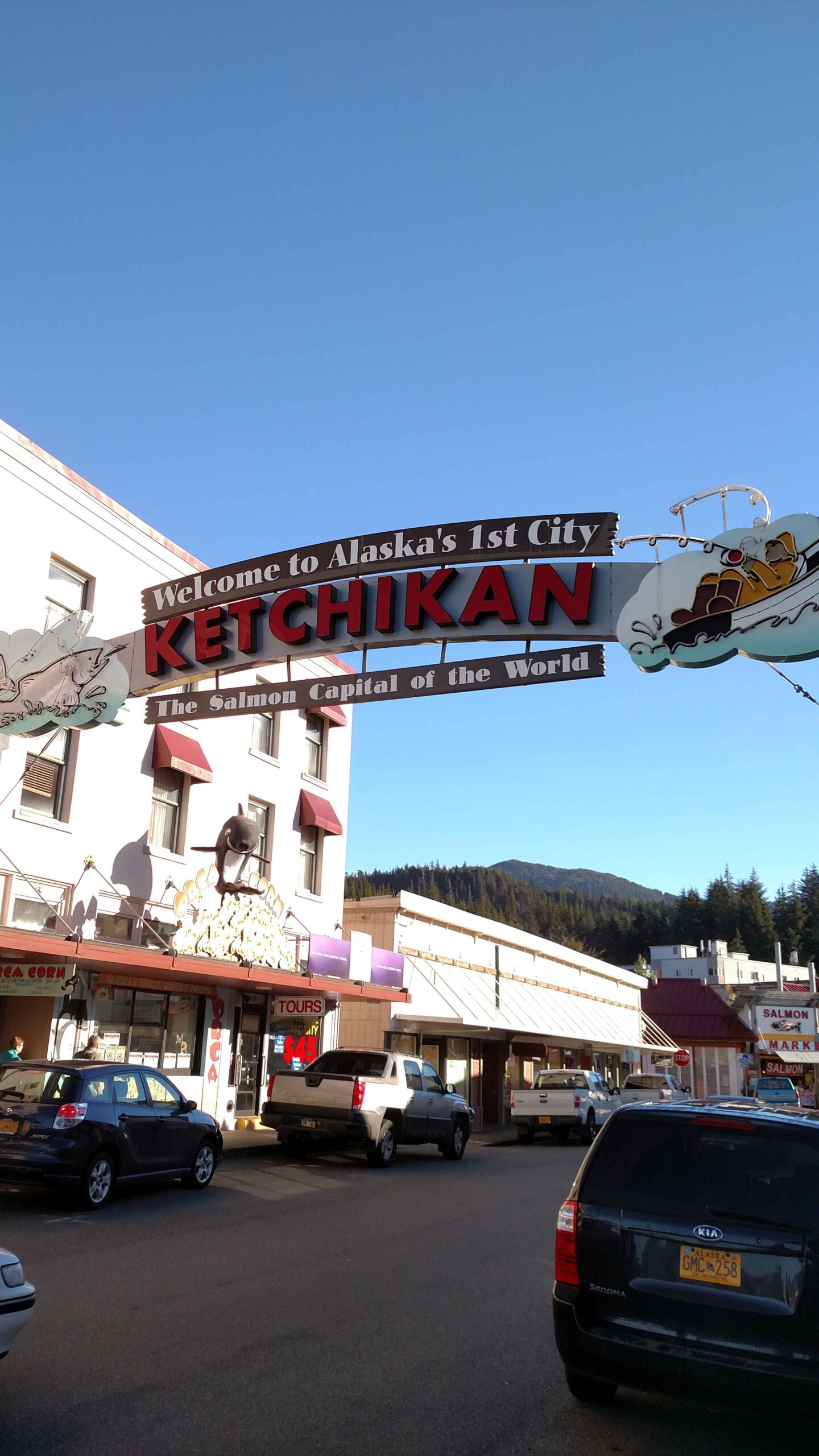
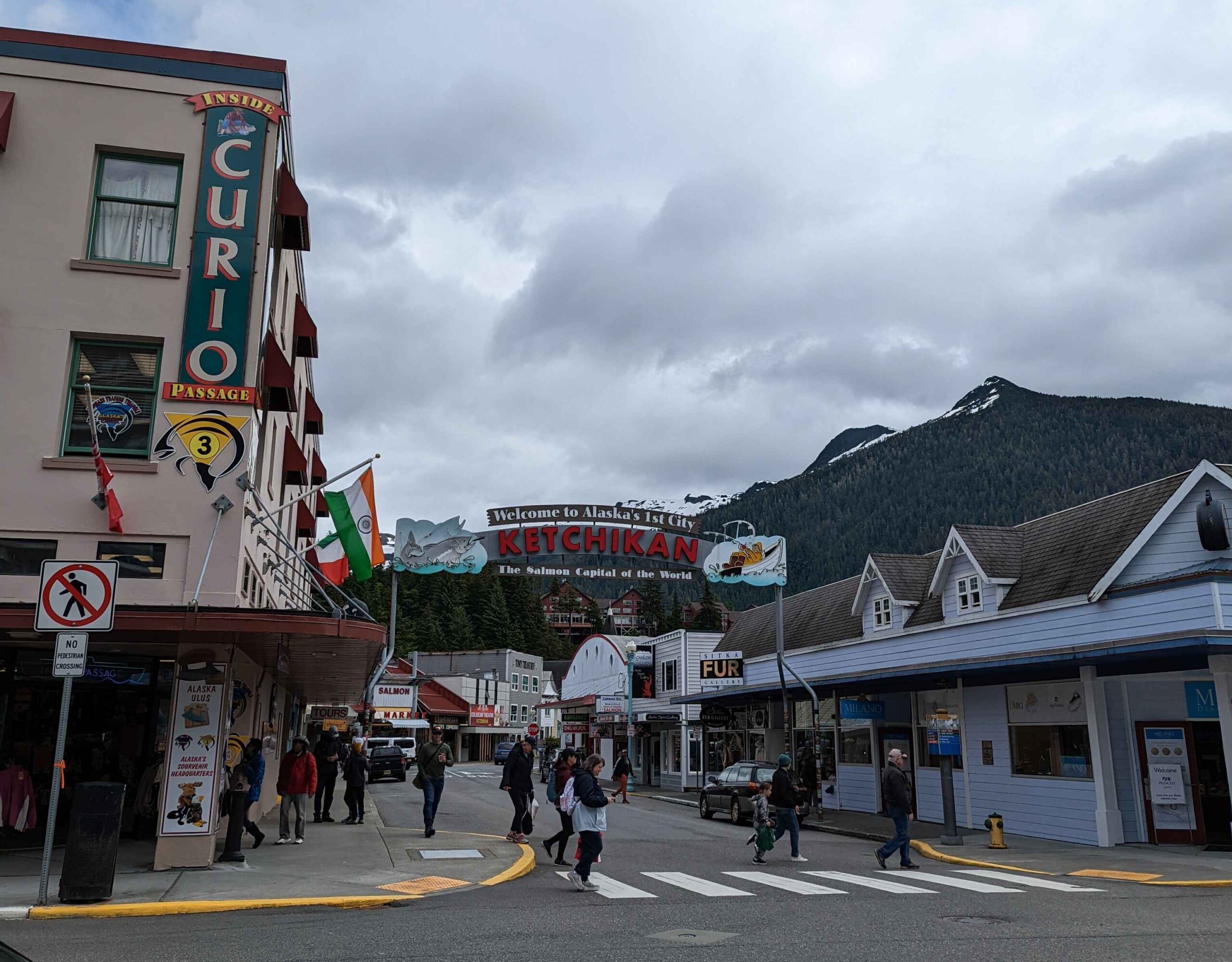
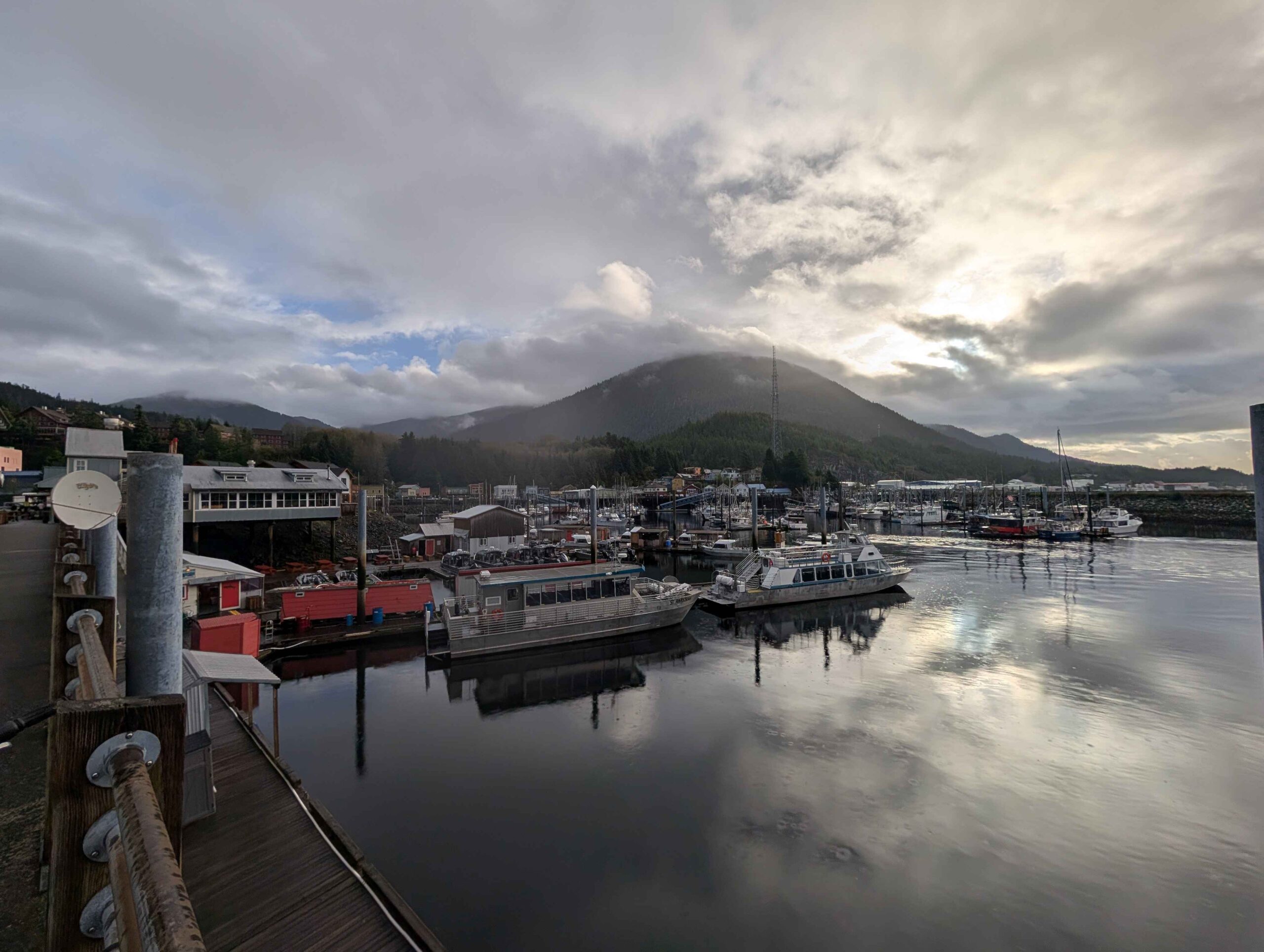
The town changes depending on when you arrive. I have been here in both summer and Autumn, and it rarely behaves the same way twice. Some visits were bright and clear with blue skies over the harbor, while others leaned fully into the rain with low clouds hanging over the hills. It is one of those places where bringing layers is not optional. You will likely use all of them within a few hours.
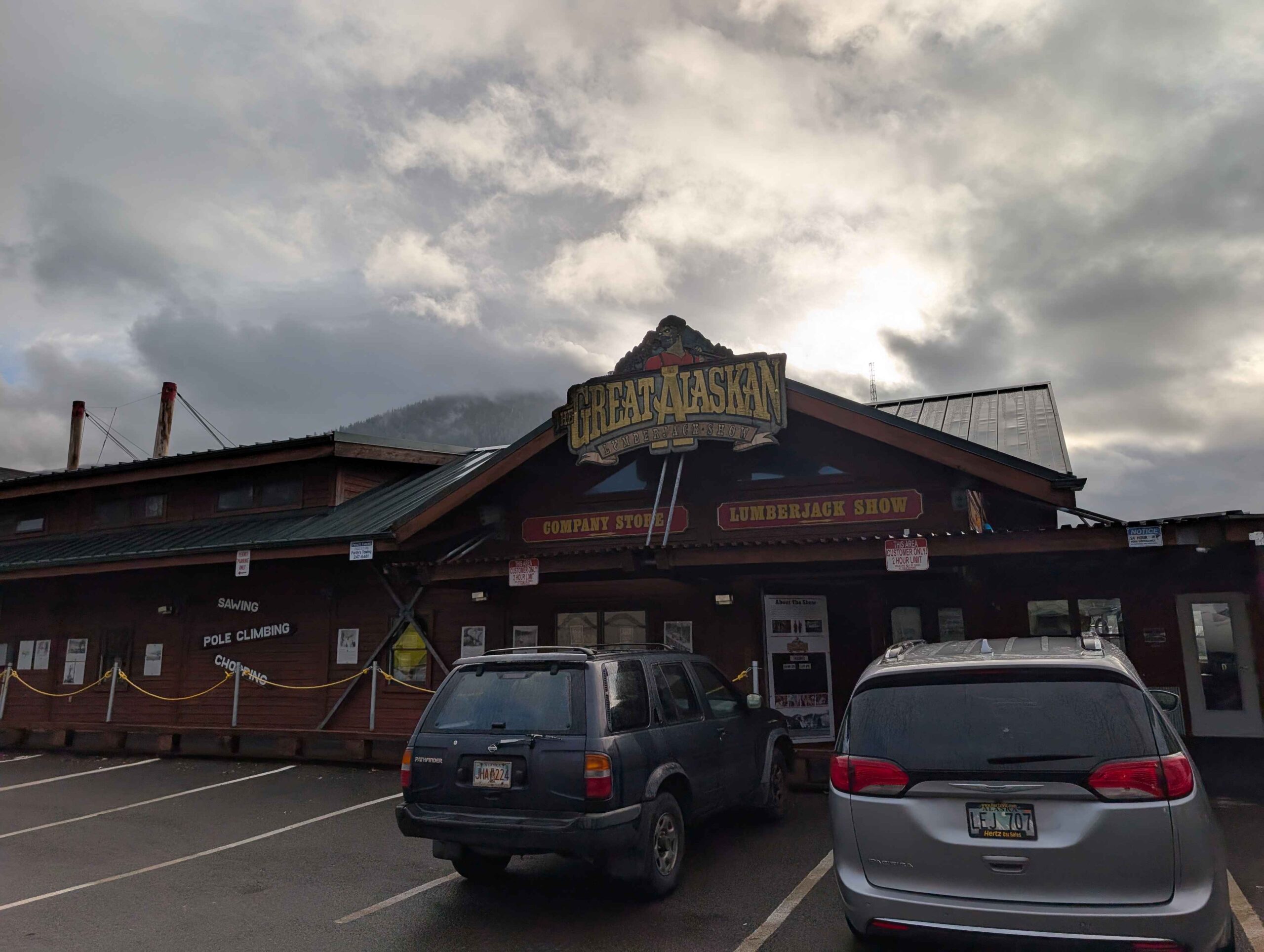
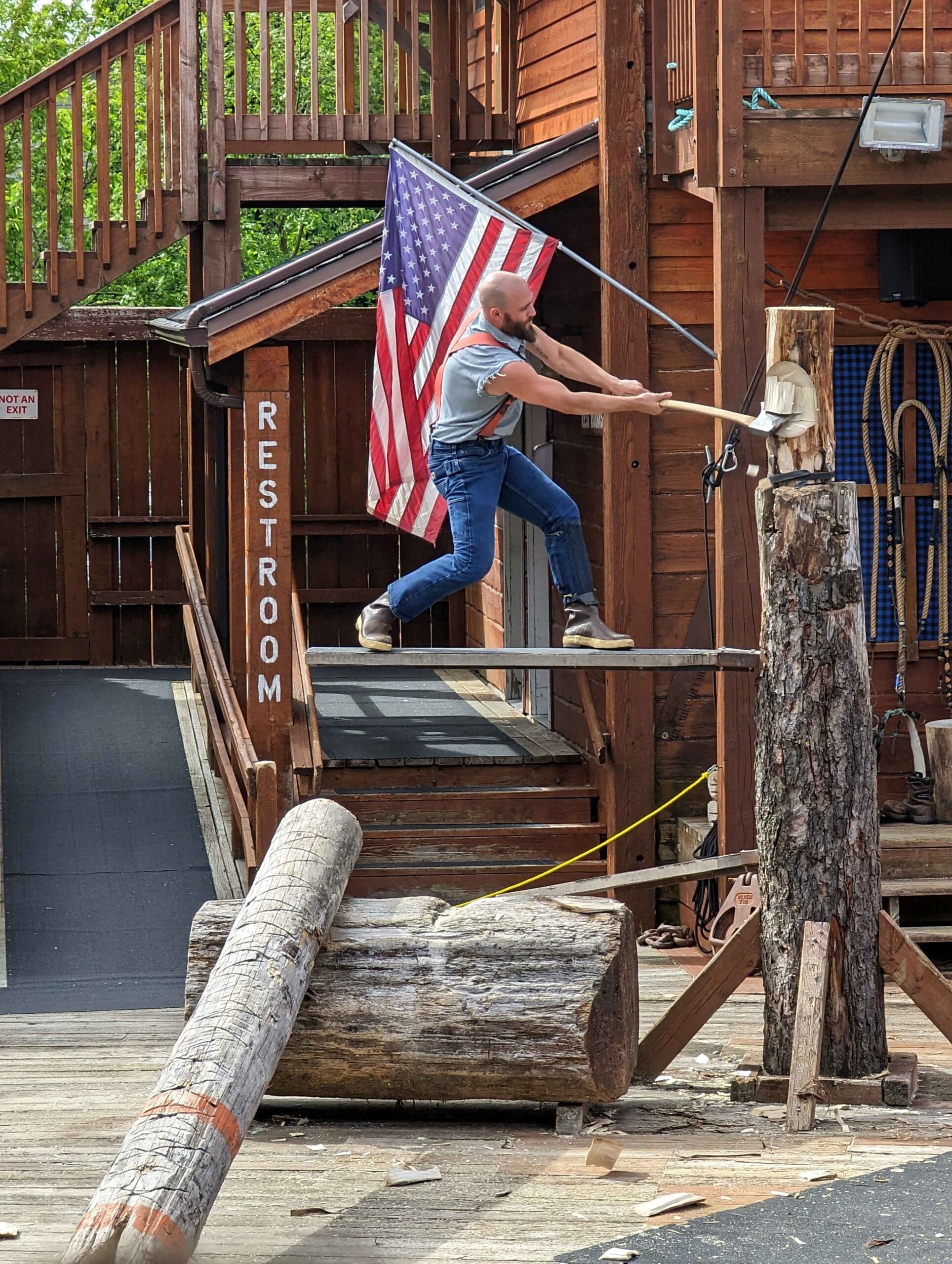
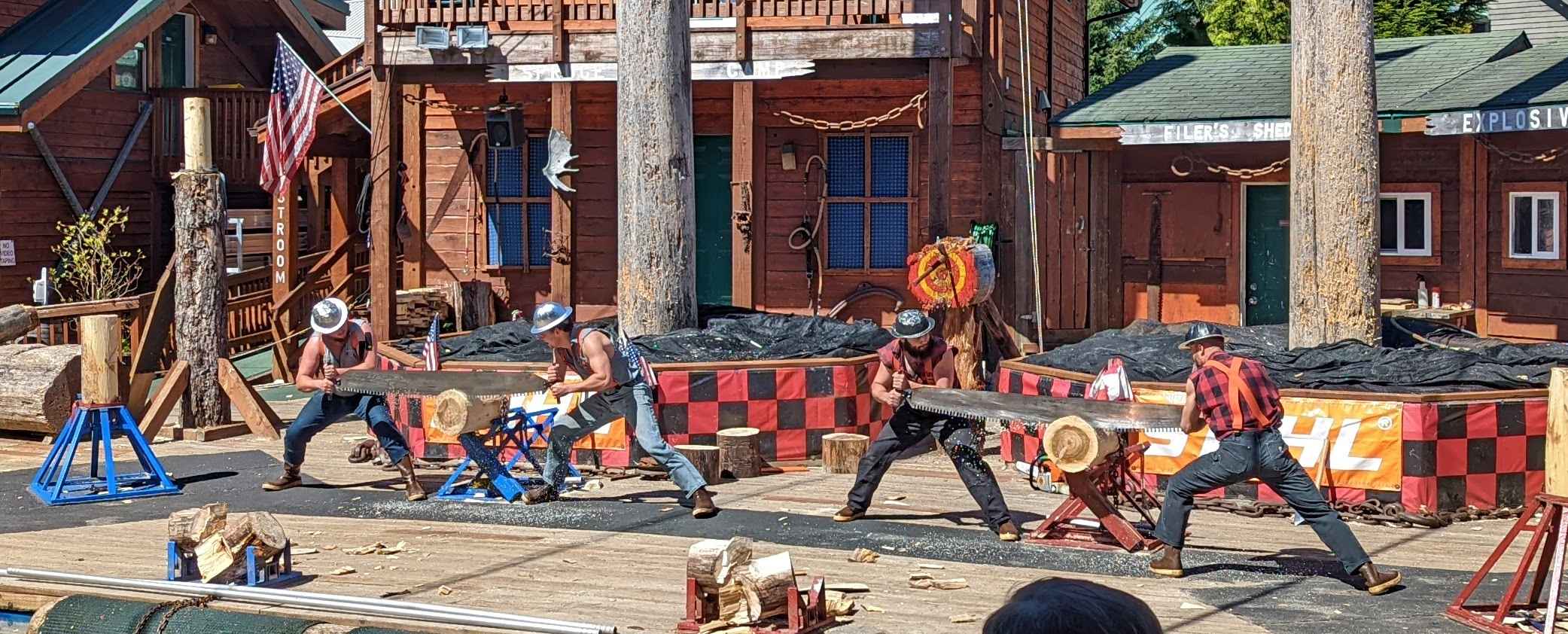
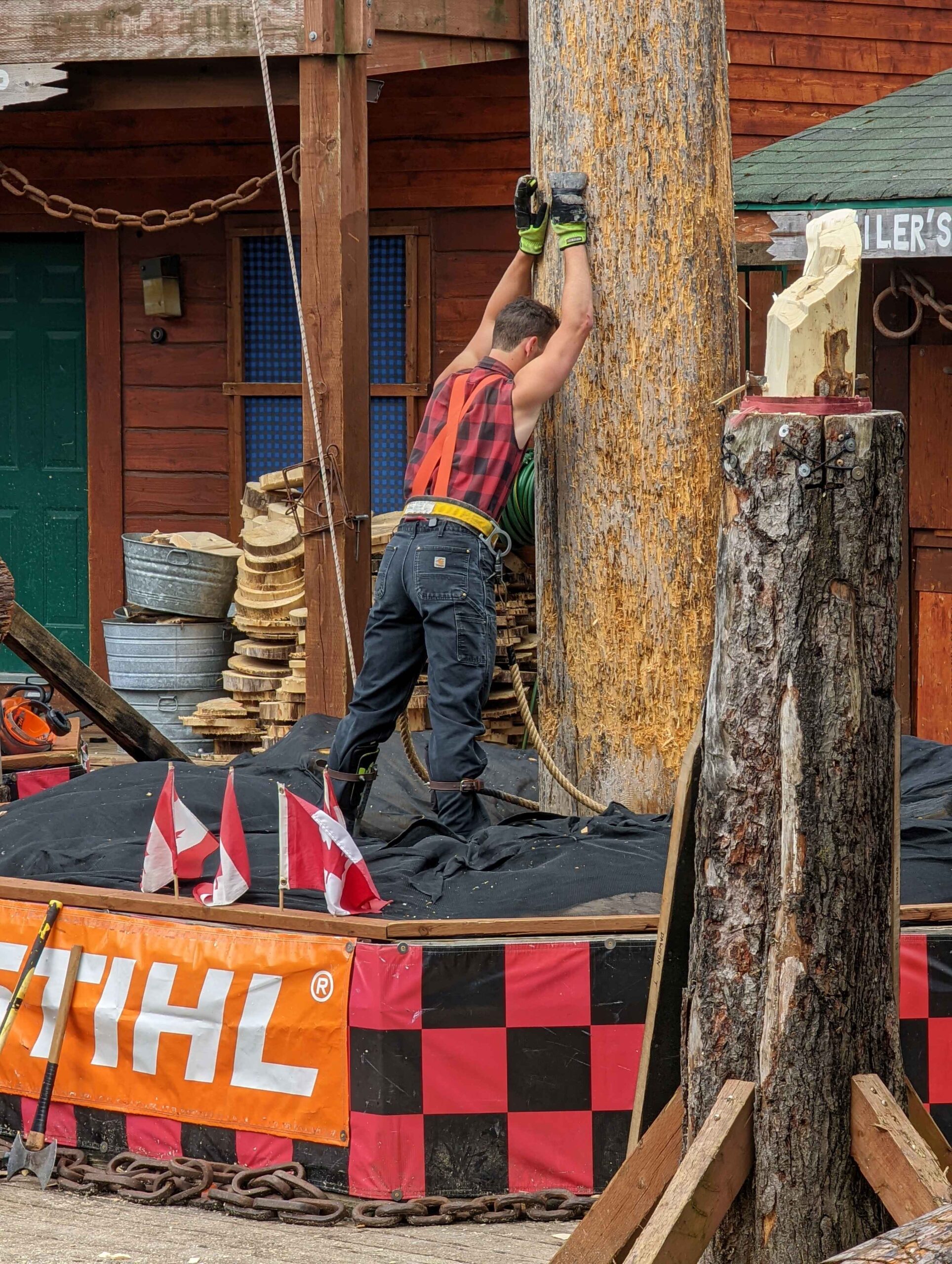
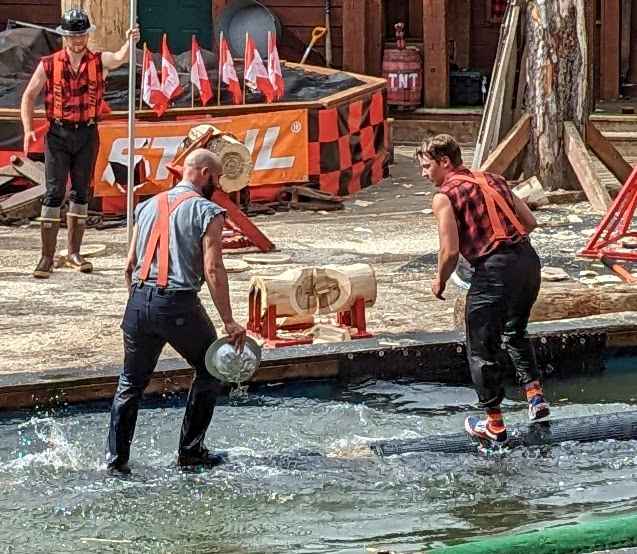
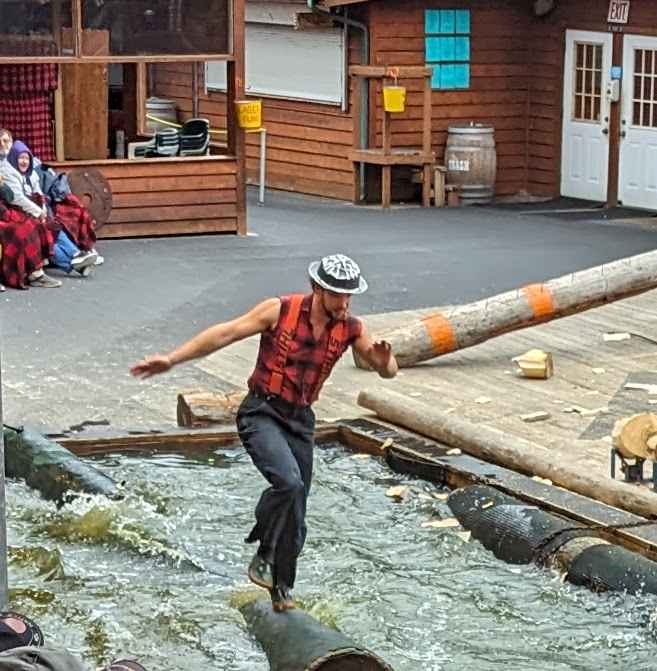
One of the highlights I keep coming back to is the Great Alaskan Lumberjack Show. It is loud and a little over the top, but that is part of the appeal. I jokingly call them the LumberSnacks, but watching the competition unfold with axes and saws flying is genuinely entertaining. Once it wraps up, Creek Street is right there, making it an easy transition from staged competition to something that feels more rooted in the town itself.
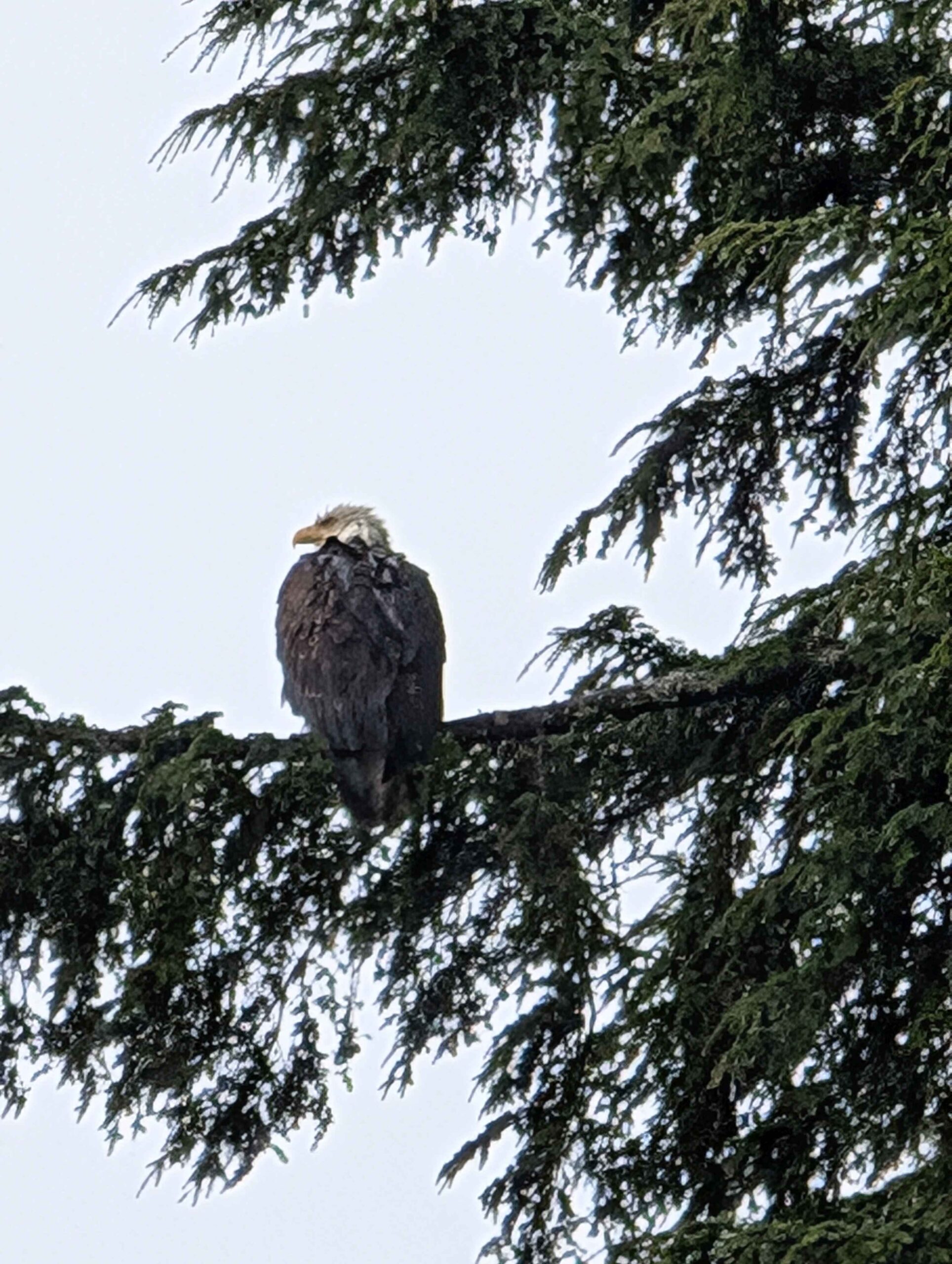
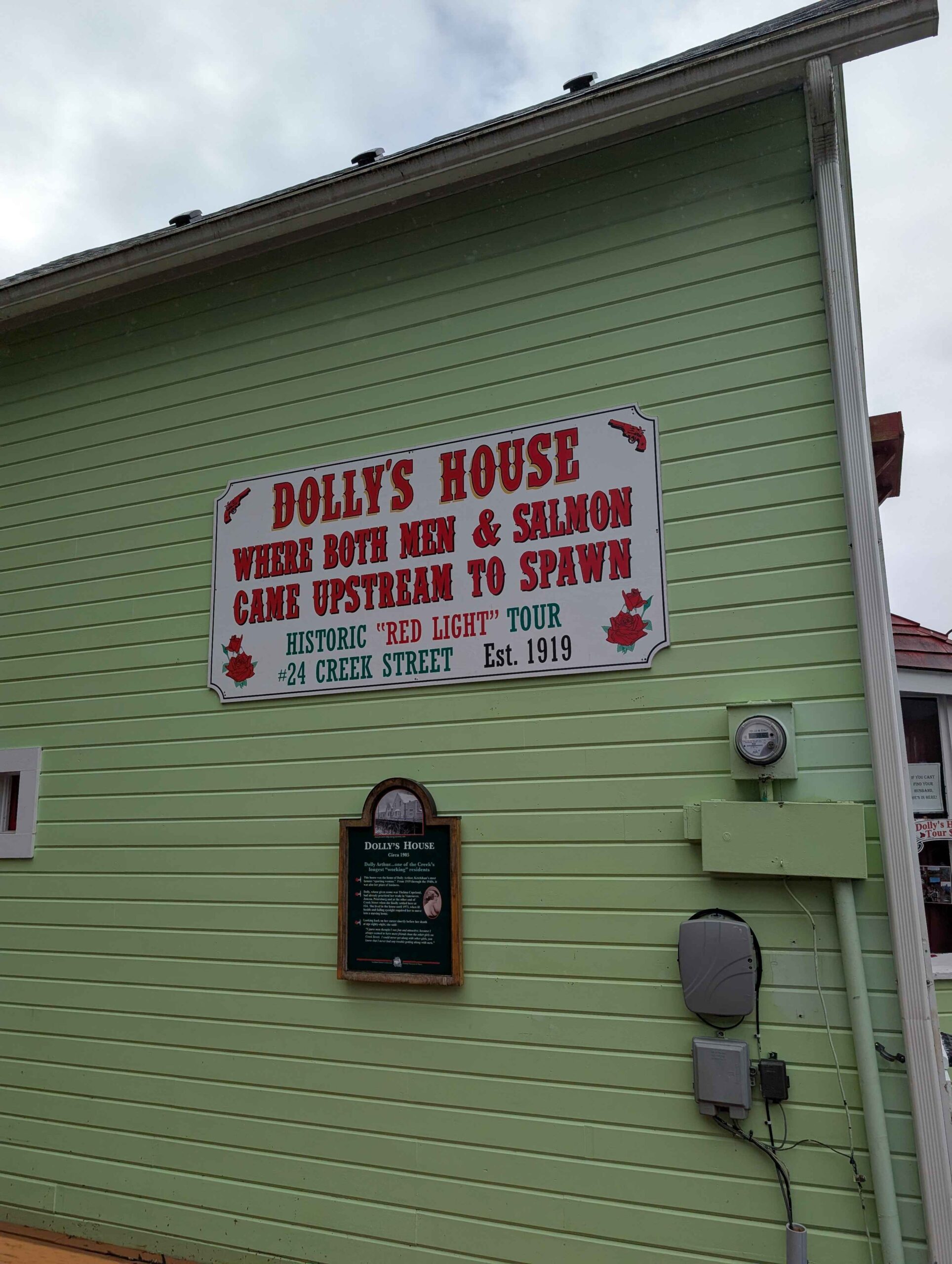
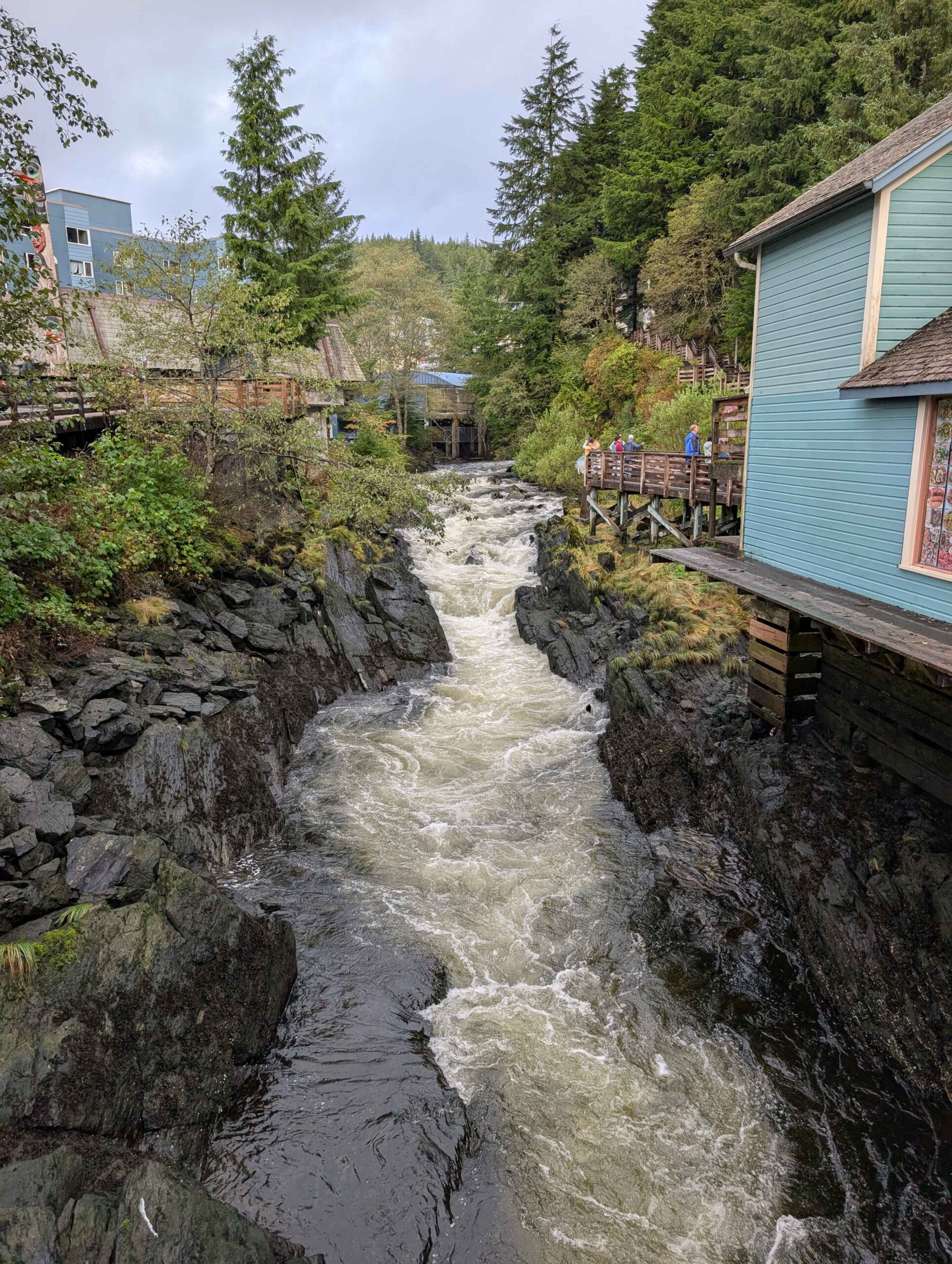
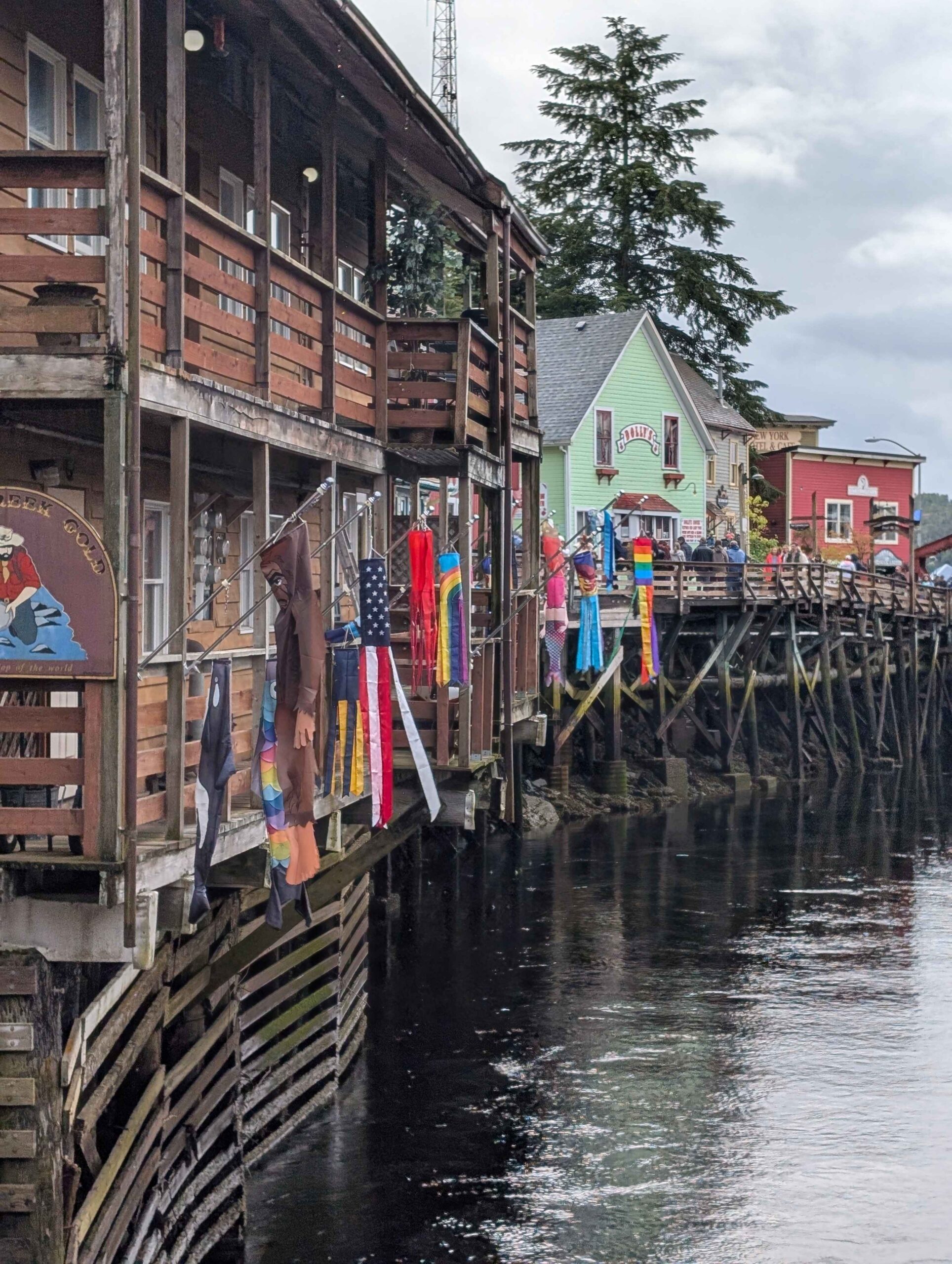
Walking along Creek Street, the buildings stretch out over the water on wooden pilings, with shops and signs hanging above the current. Late in the season, you can sometimes see salmon pushing upstream beneath your feet, and that draws in everything from harbor seals to the occasional black bear. I did not always go looking for wildlife, but it is one of those places where it can just happen if you slow down long enough.
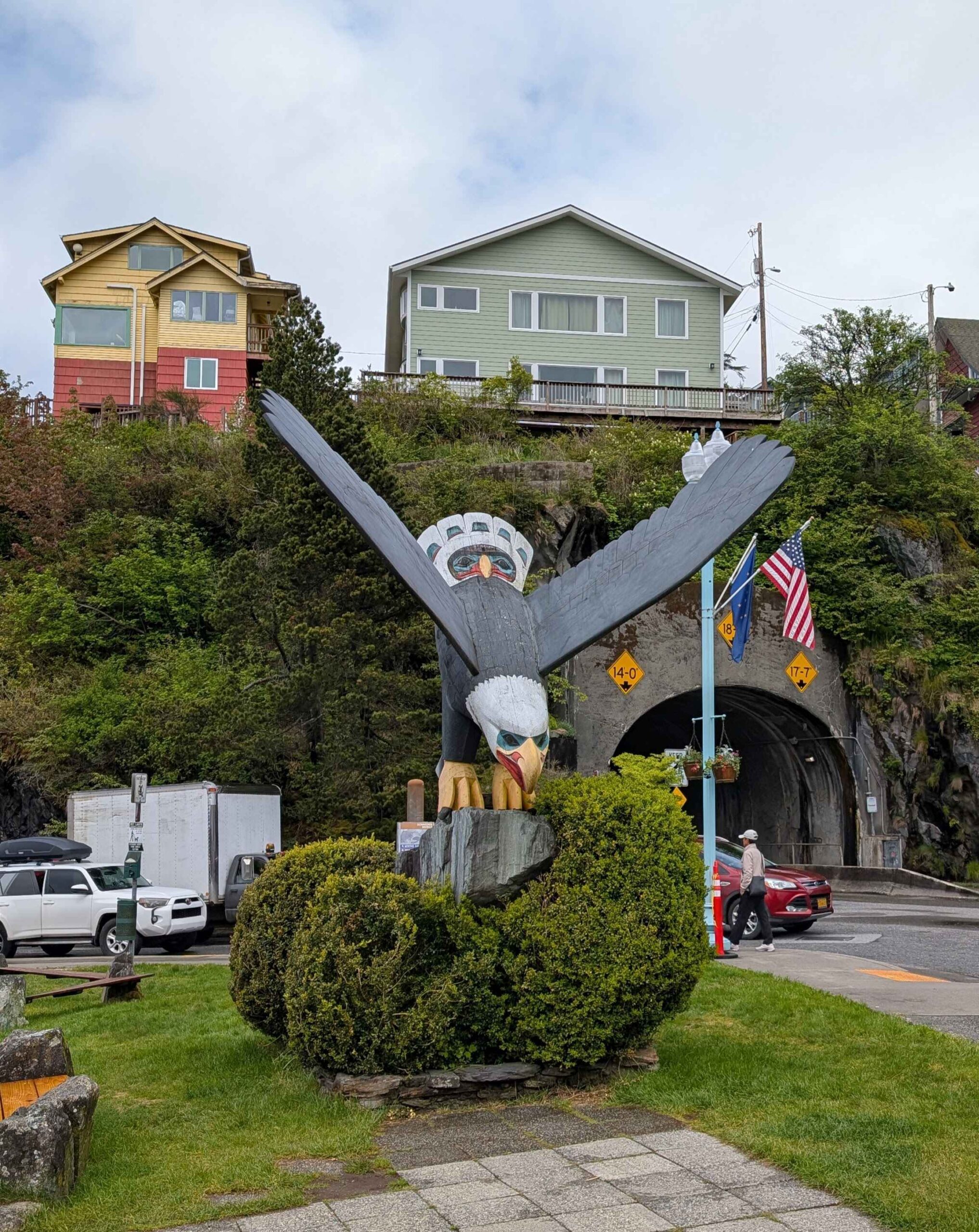
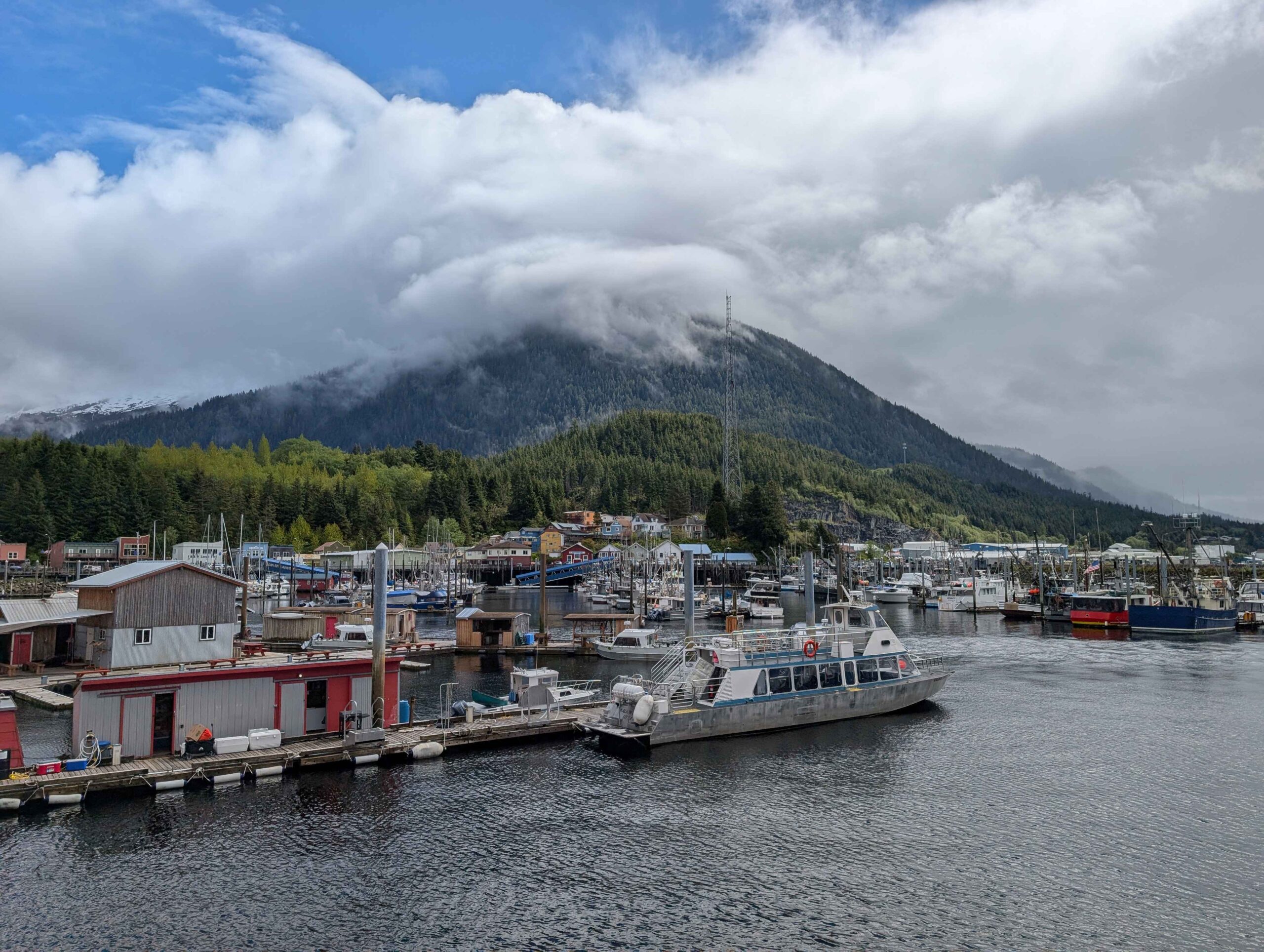
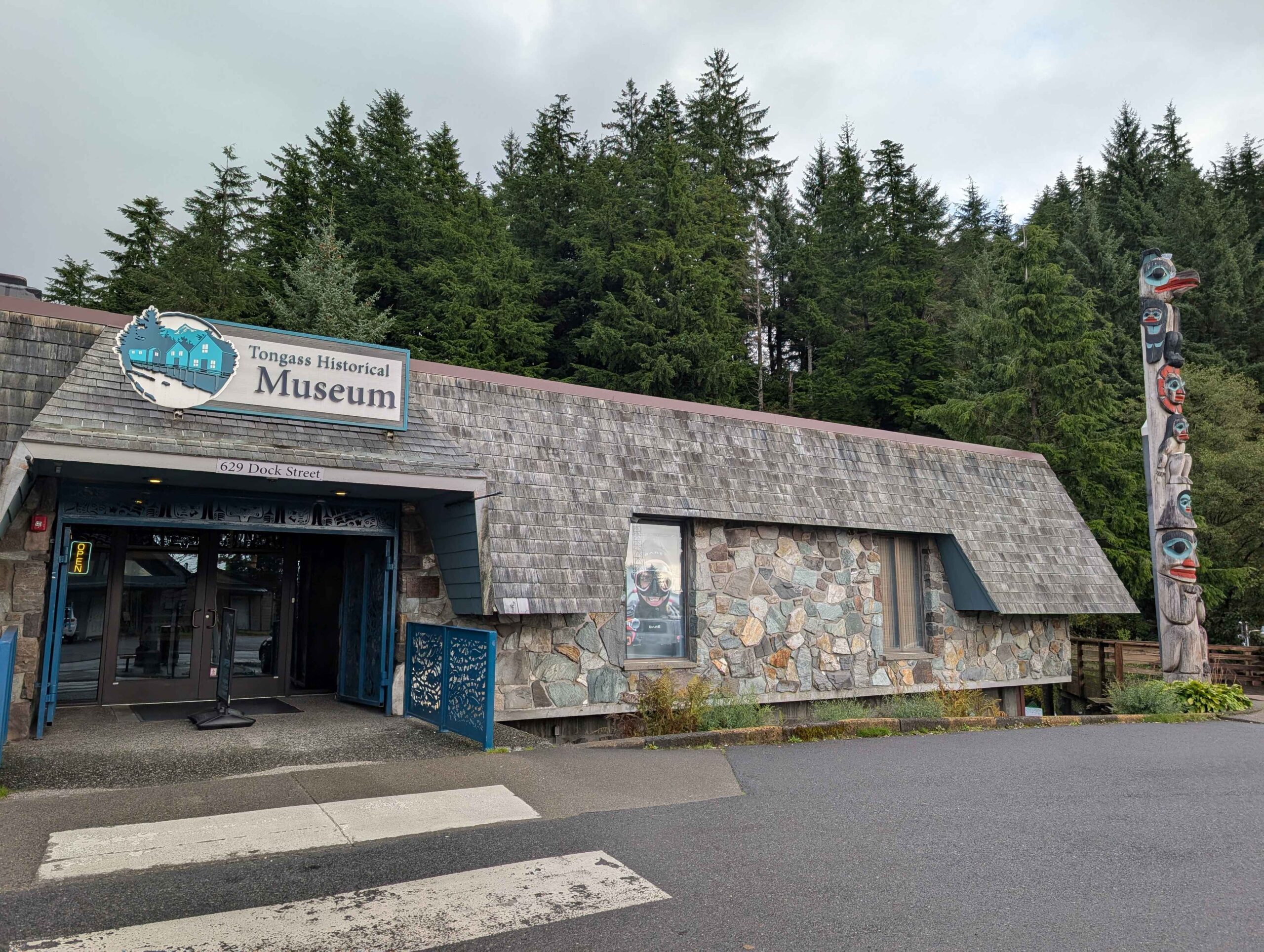
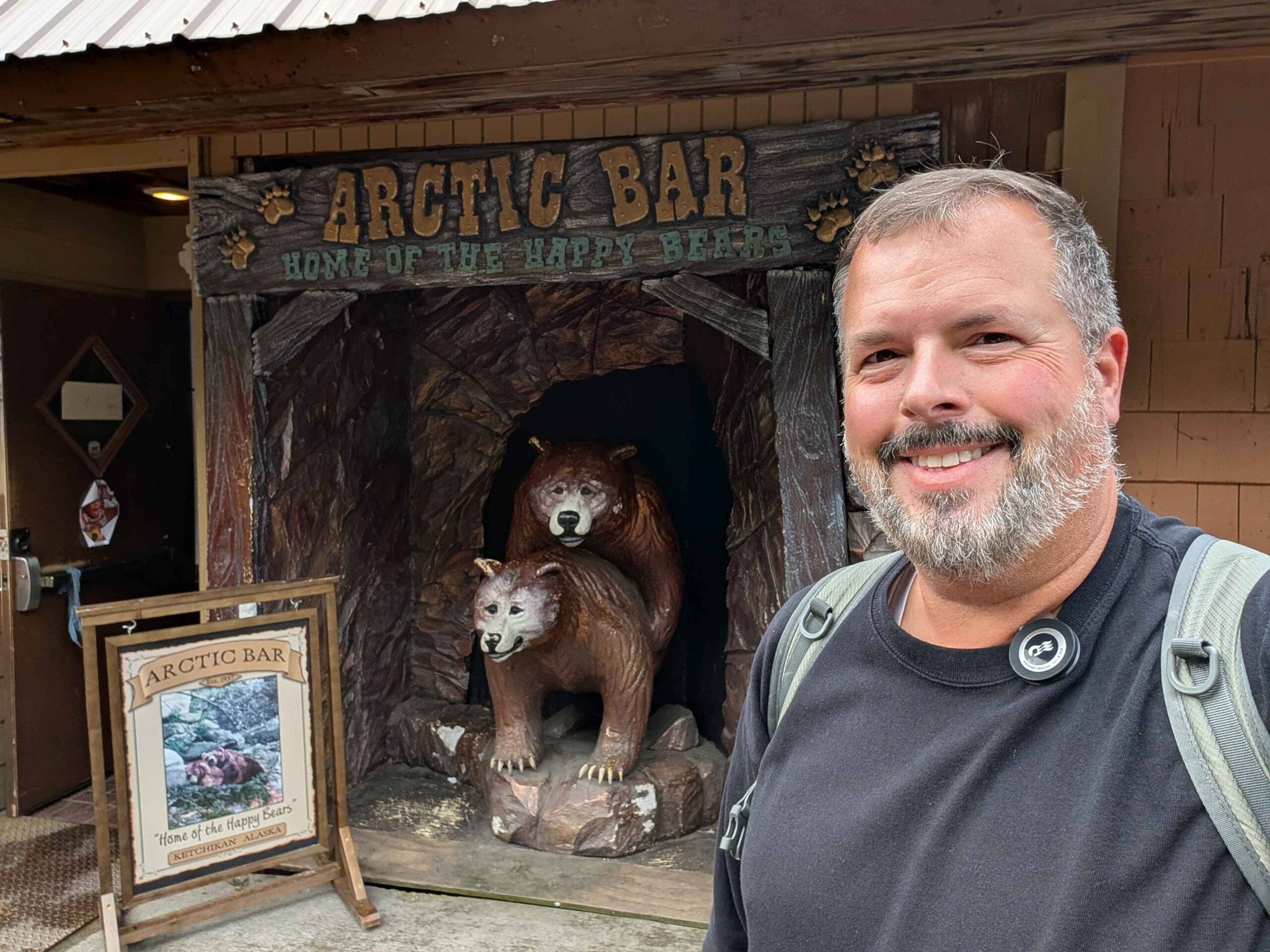
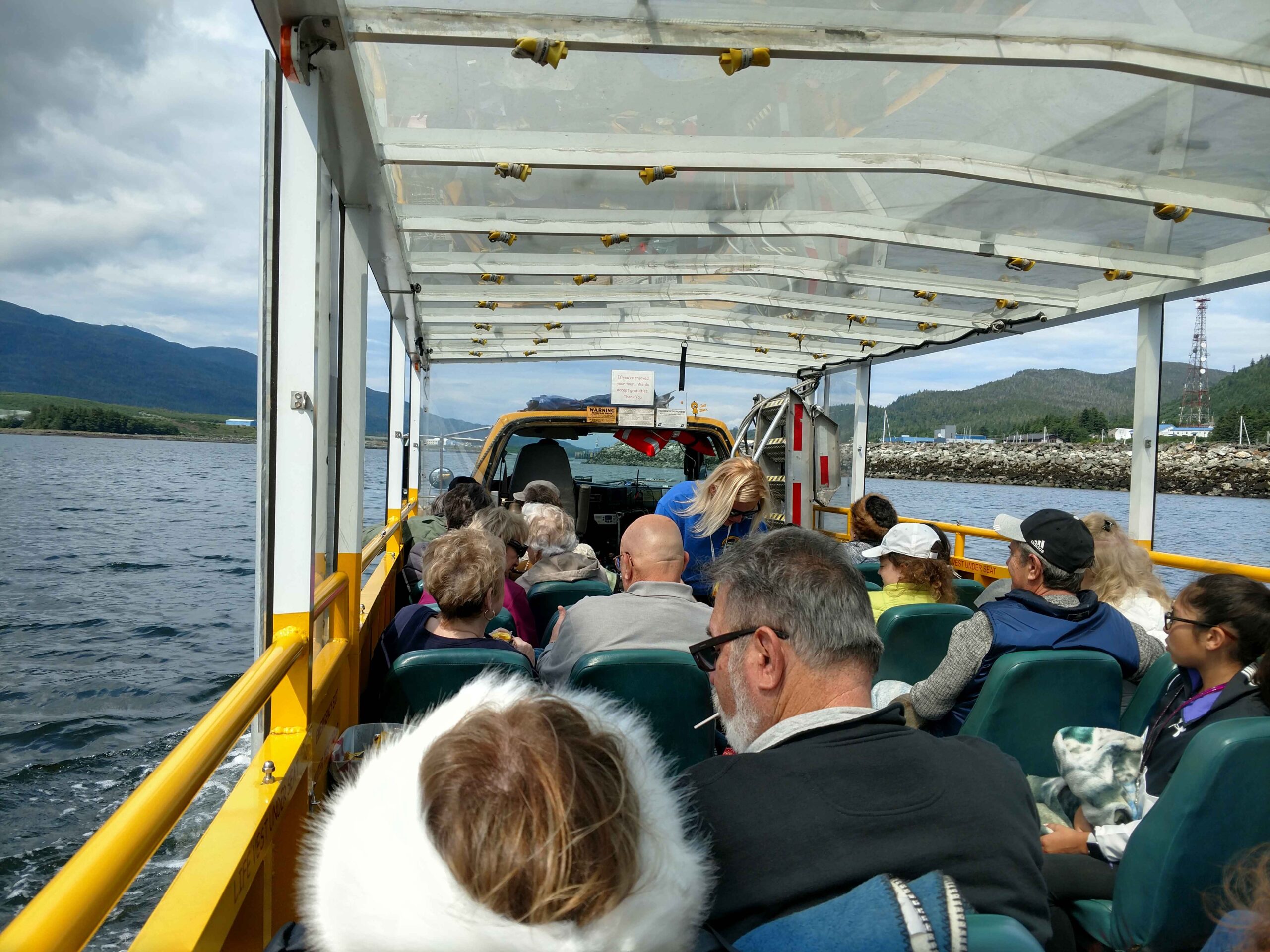
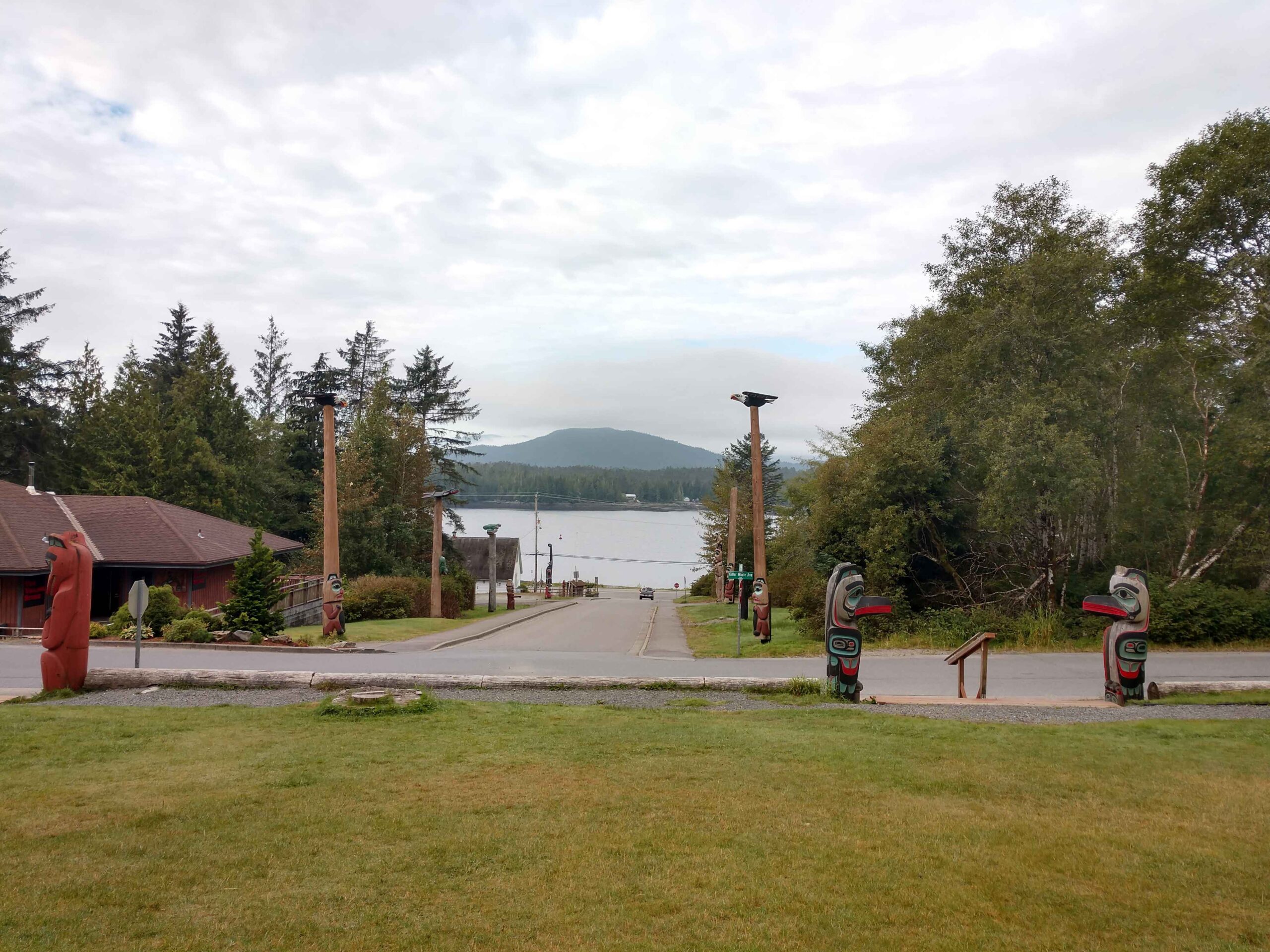
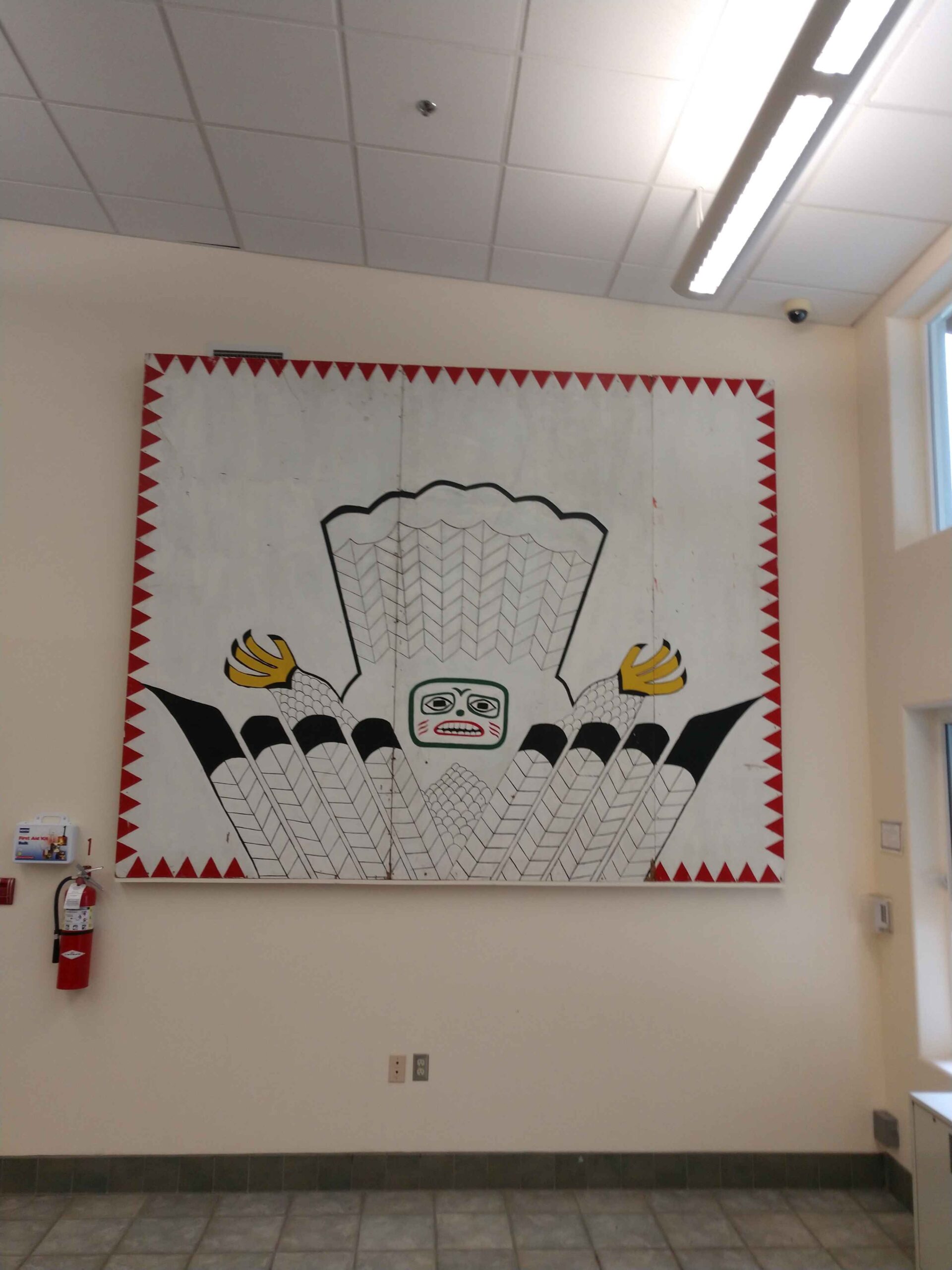
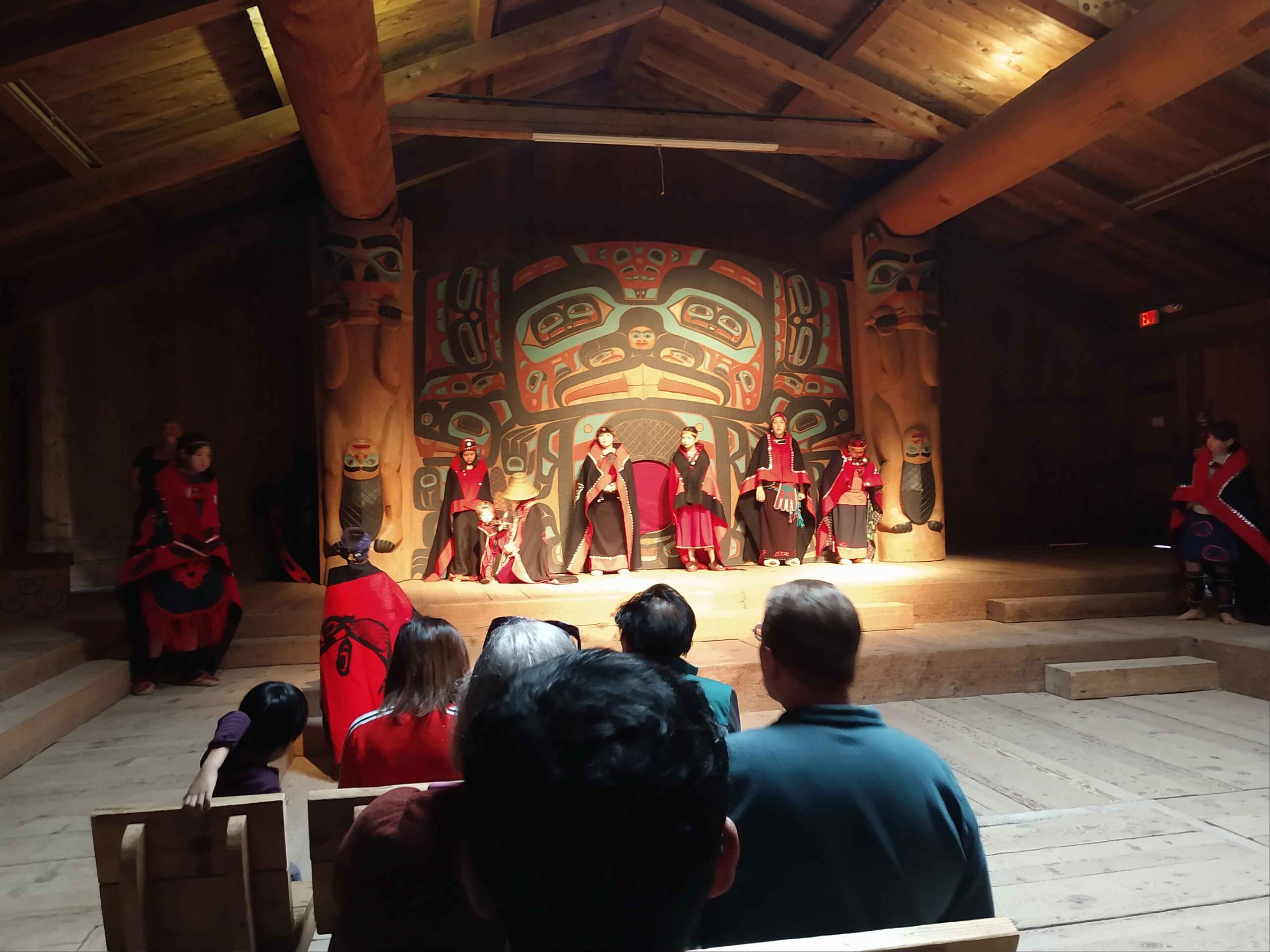
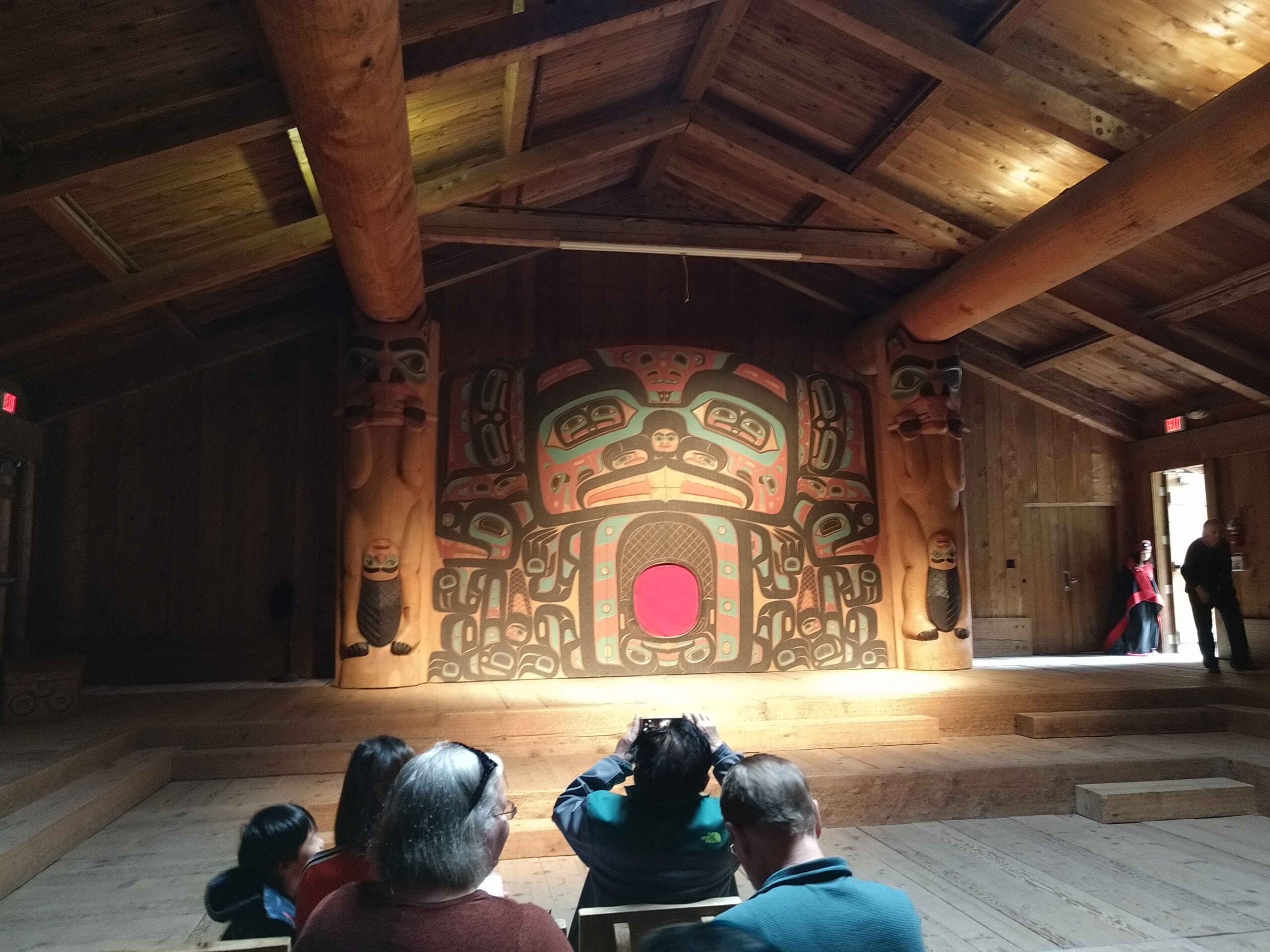
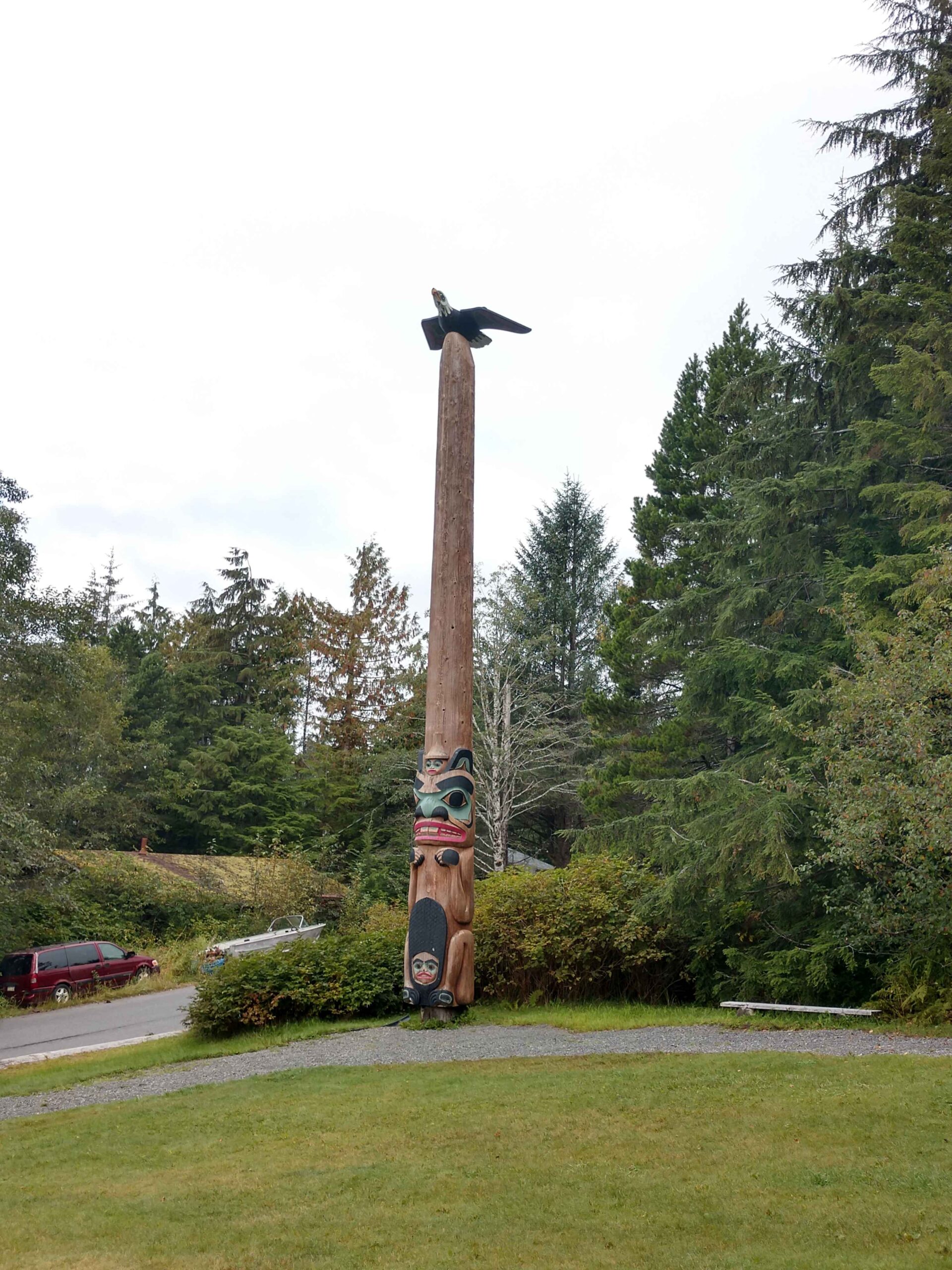
On one visit, I opted for a Duckboat tour that moved from the streets into the harbor, which gave a different perspective on how tightly the town sits between the water and the forested hills. On another, I took the short trip out to Saxman. It is an easy ride by bus and a quieter contrast to the main port area. The totem poles and the cultural presentation there added context to what you see around town, especially after walking past carvings and artwork throughout Ketchikan itself.
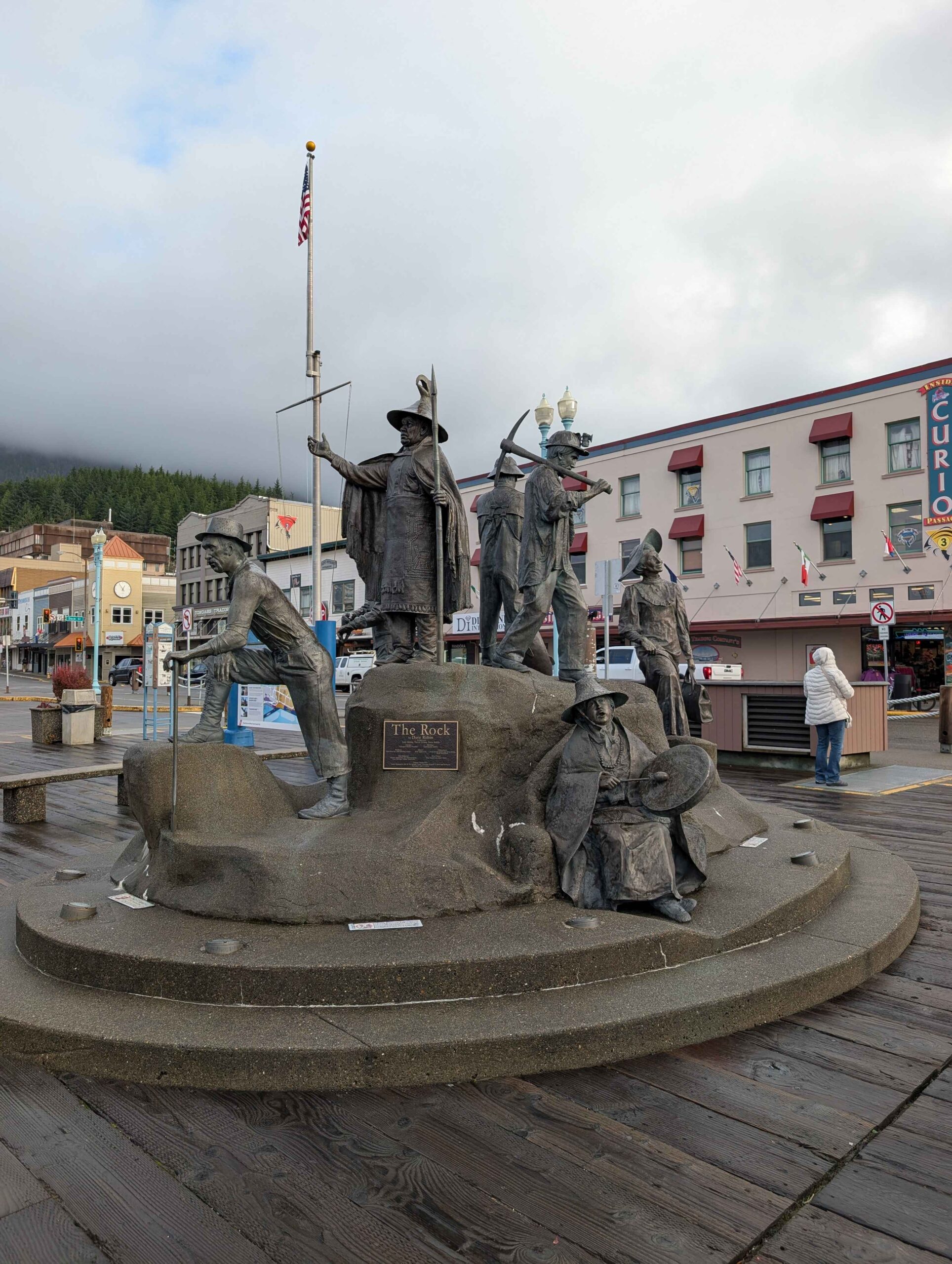
Ketchikan has a long connection to fishing and logging, and that history shows up everywhere, from the working harbor to the lumberjack competitions that lean into that identity. Even with the steady flow of cruise visitors, it still feels like a town built around its environment rather than for it, with the water, the forest, and the weather all playing an active role in how the place operates.
If You Have More Time…
- Totem Bight State Historical Park – A short trip north of town where you can see restored totem poles set among forest and shoreline with fewer crowds than the main port area.
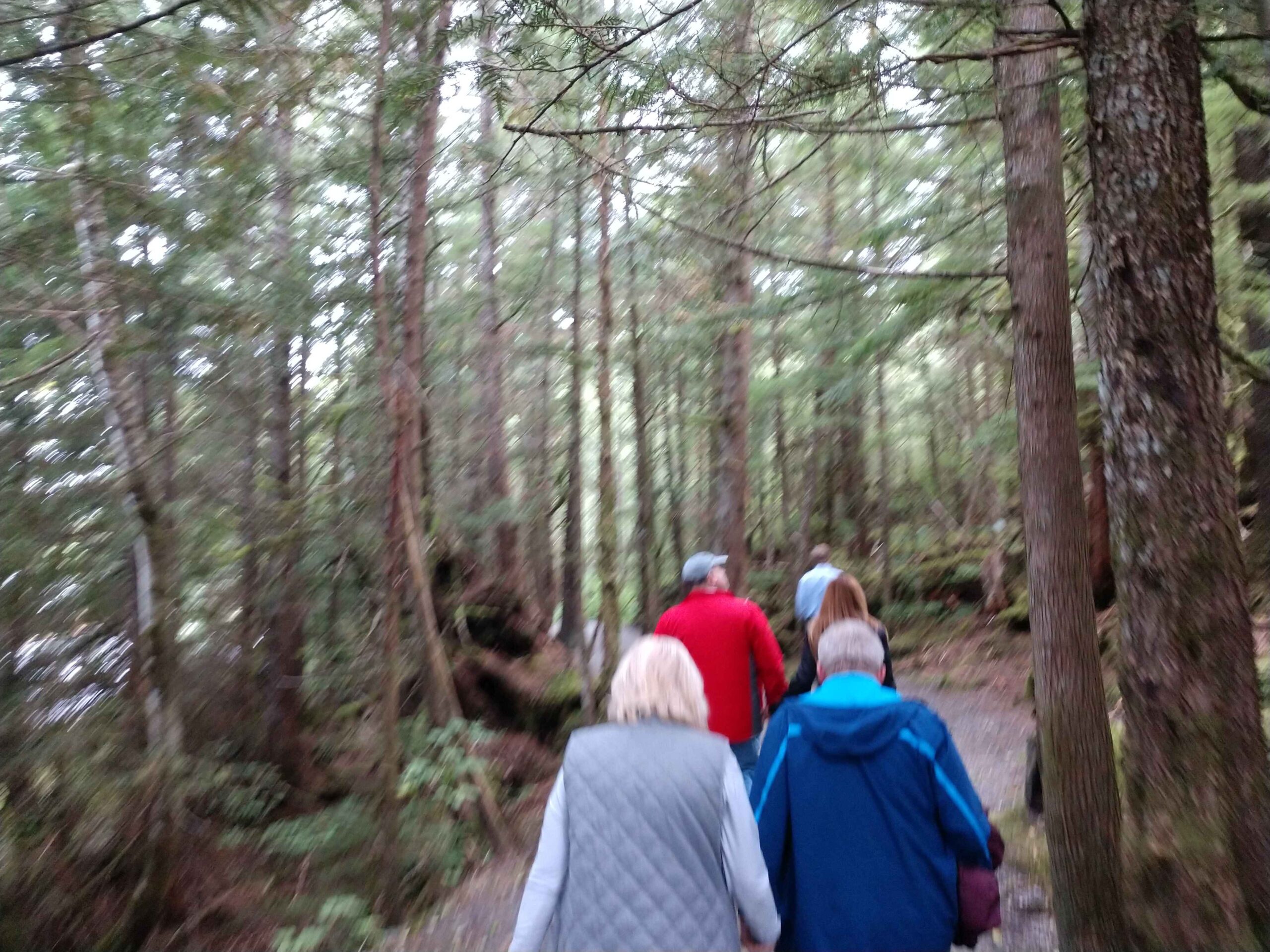
- Rainbird Trail – A hillside trail that gives a different perspective over the town and harbor while moving through dense forest above the waterfront.
- Alaska Rainforest Sanctuary – A guided nature area outside of town that focuses on local wildlife and ecosystem with boardwalk paths through the forest.
- Misty Fjords National Monument – A flightseeing or boat excursion that takes you into dramatic cliffs and quiet waterways beyond Ketchikan for a more remote experience.
- Deer Mountain Trail – A steep hike that rewards the effort with wide views over Ketchikan and the surrounding islands if you are up for a more demanding climb.