
Getxo Waves at Ereaga Beach and a Bilbao River Walk
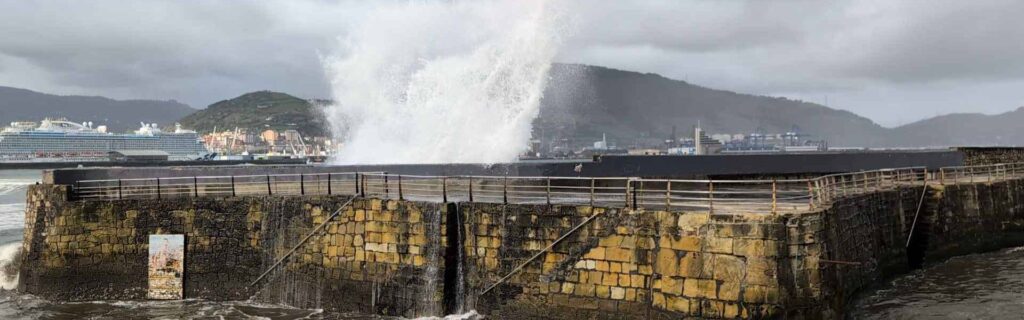
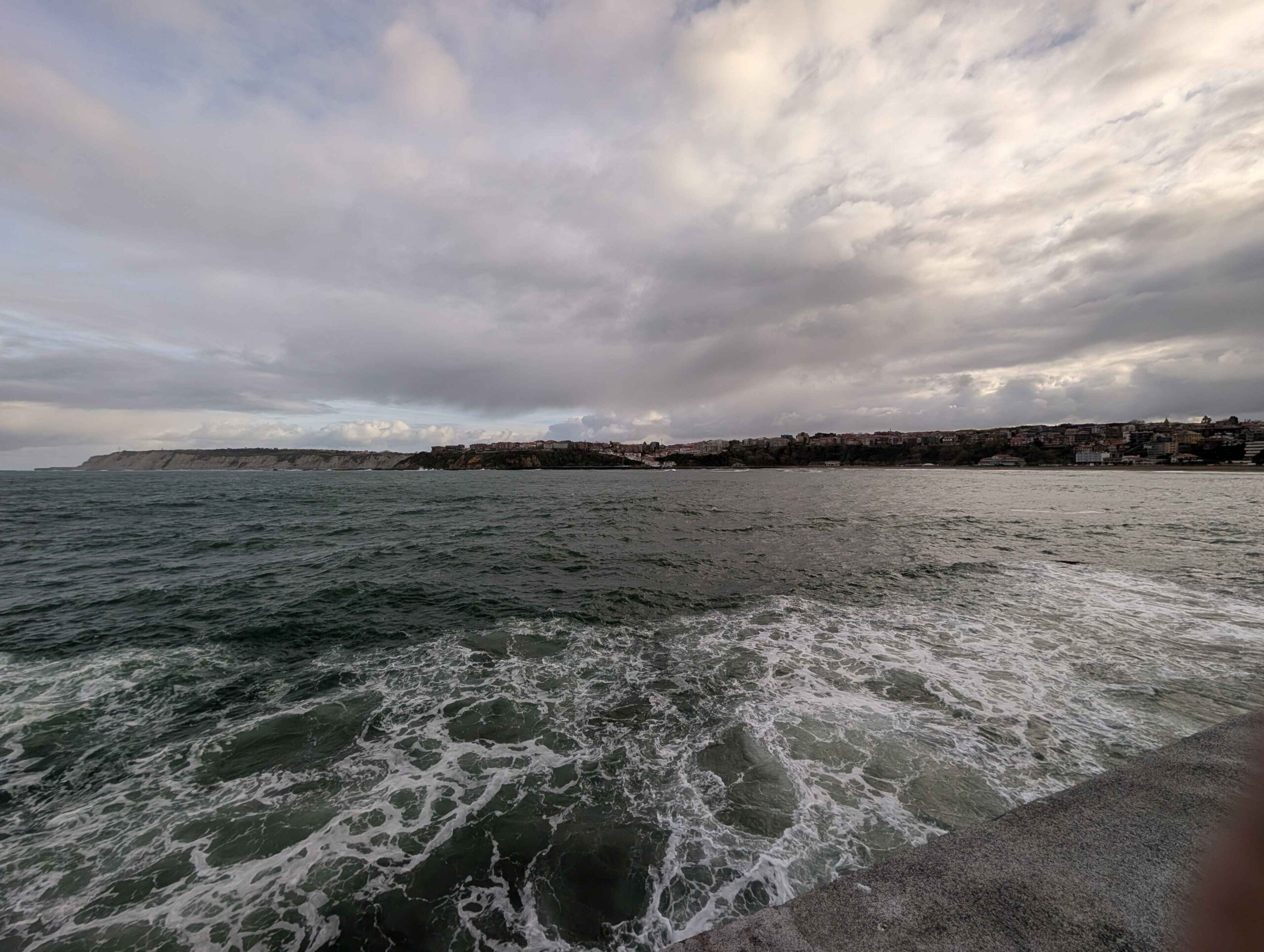
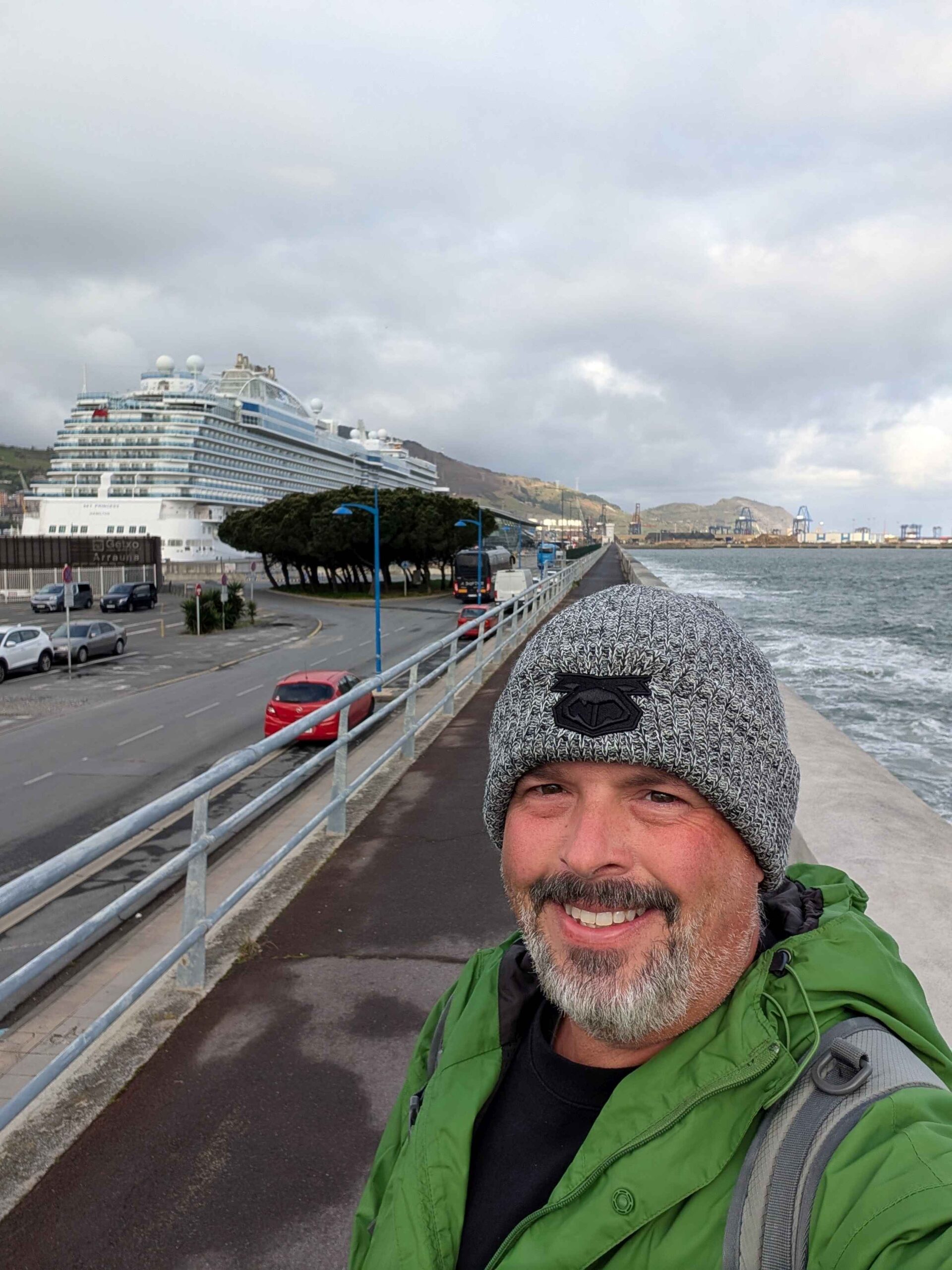
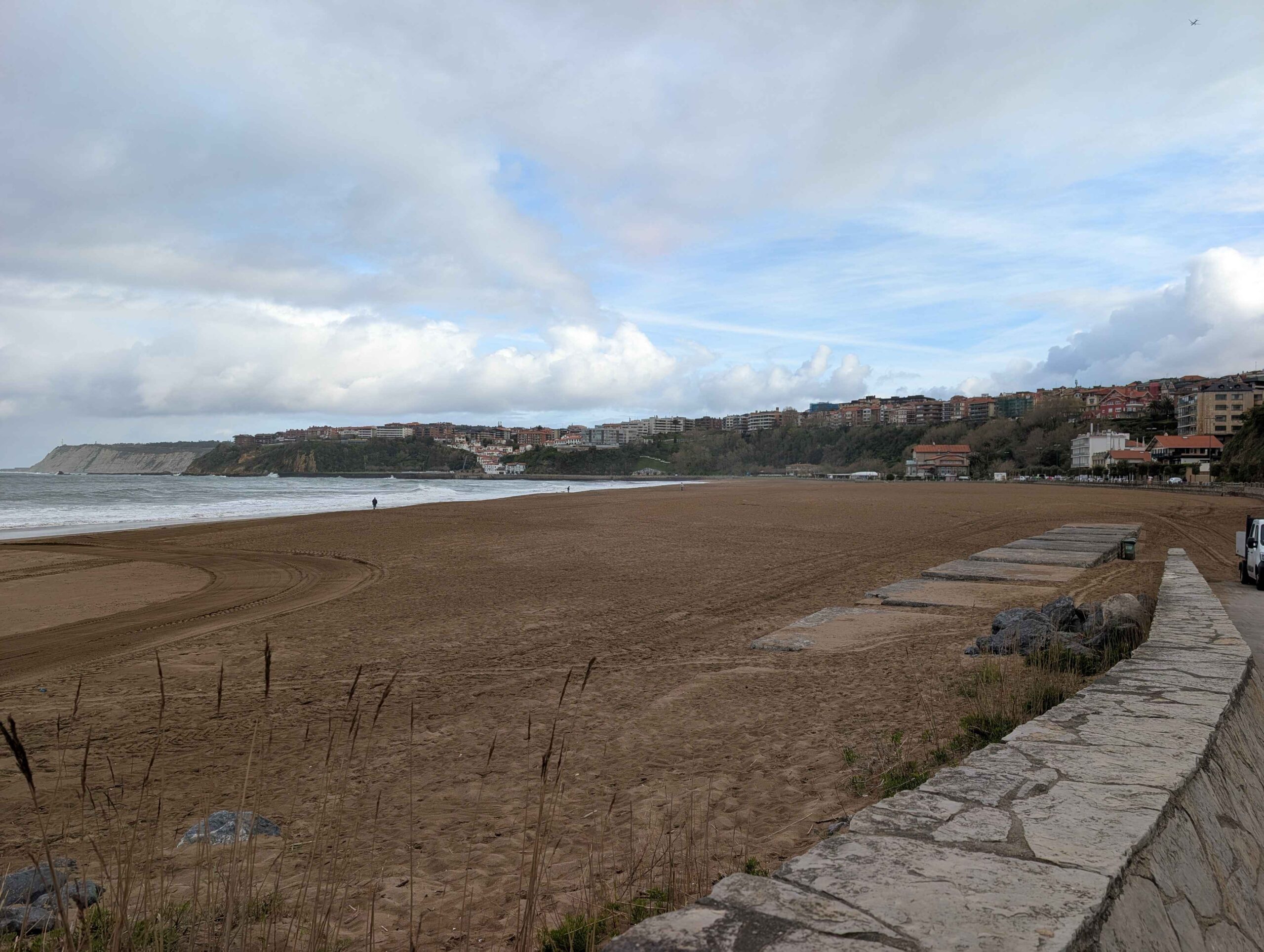
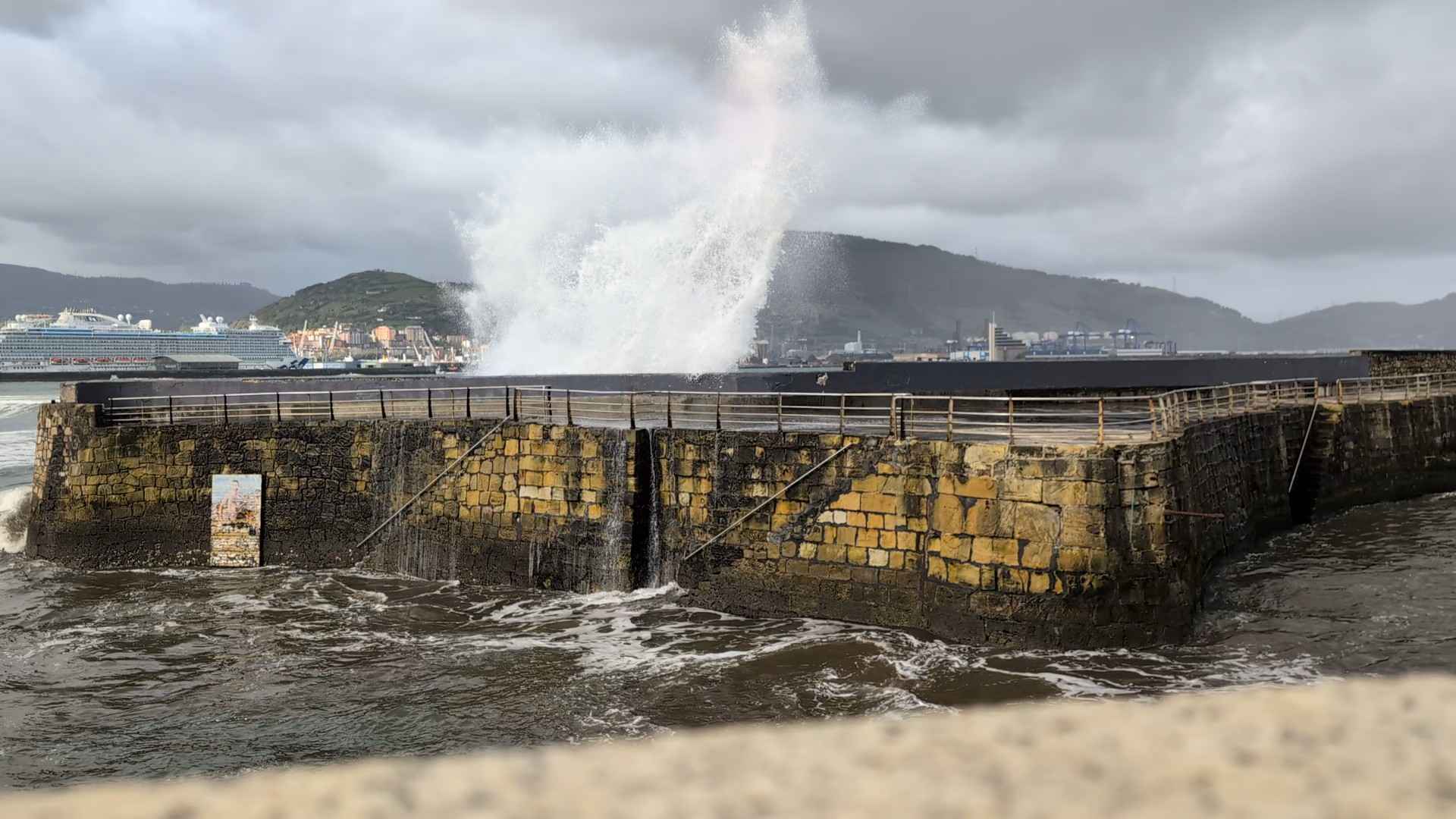
The first thing I noticed was the waves. They were hitting hard against the shoreline at Ereaga Beach, sending spray up over the stone edges while the sky shifted between gray and patches of blue. I arrived by cruise into Getxo, Spain, and with the weather cold, rainy, and a bit unpredictable, I kept things simple and started walking toward Old Port.
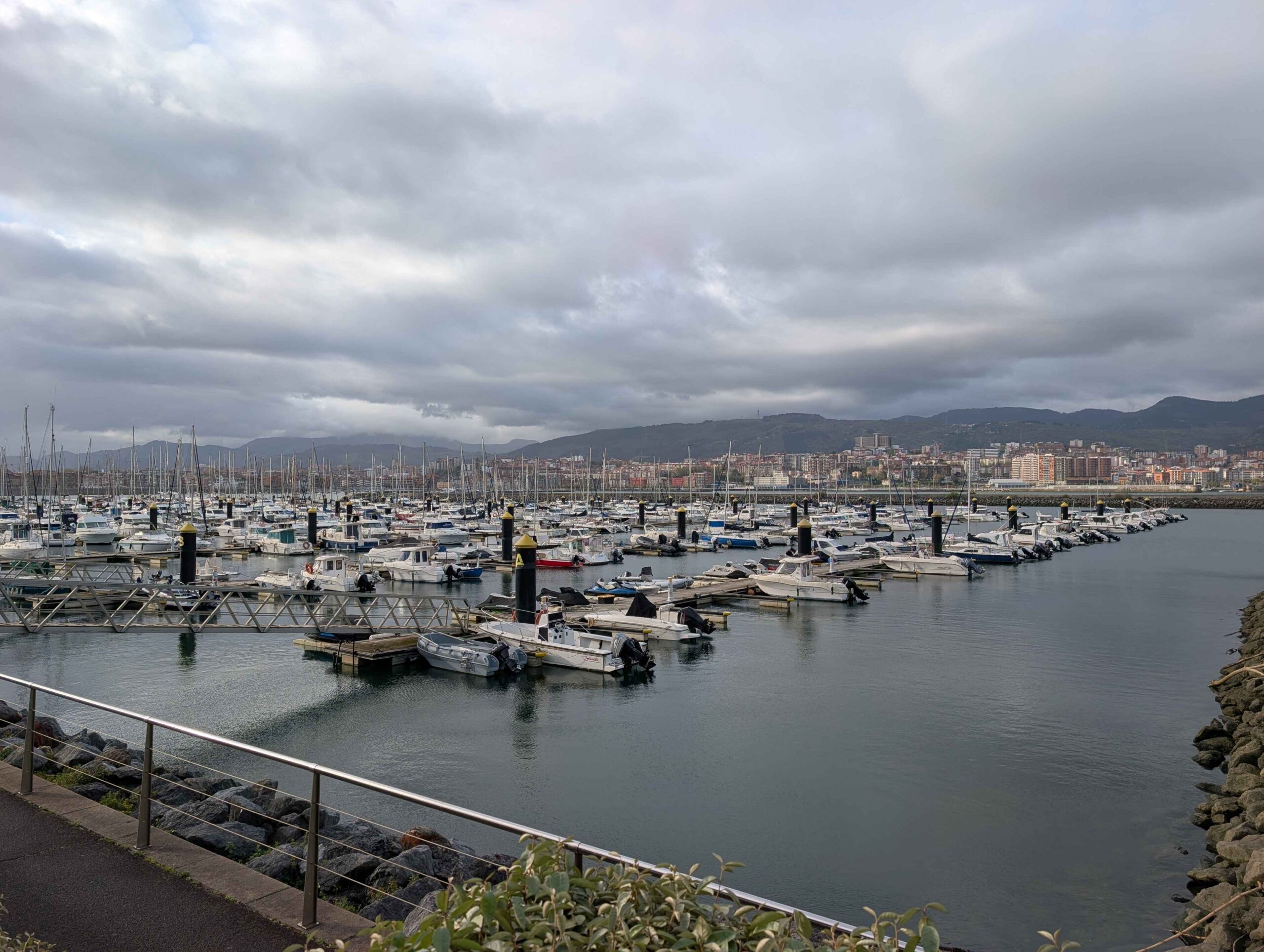
Locally known as Getxo, with Puerto Viejo de Algorta marking the historic Old Port area, the layout made it easy to settle into a slow walk. The path from the port stays mostly flat and passes through maintained green spaces, with just enough shops and small stops along the way to break things up without feeling crowded.
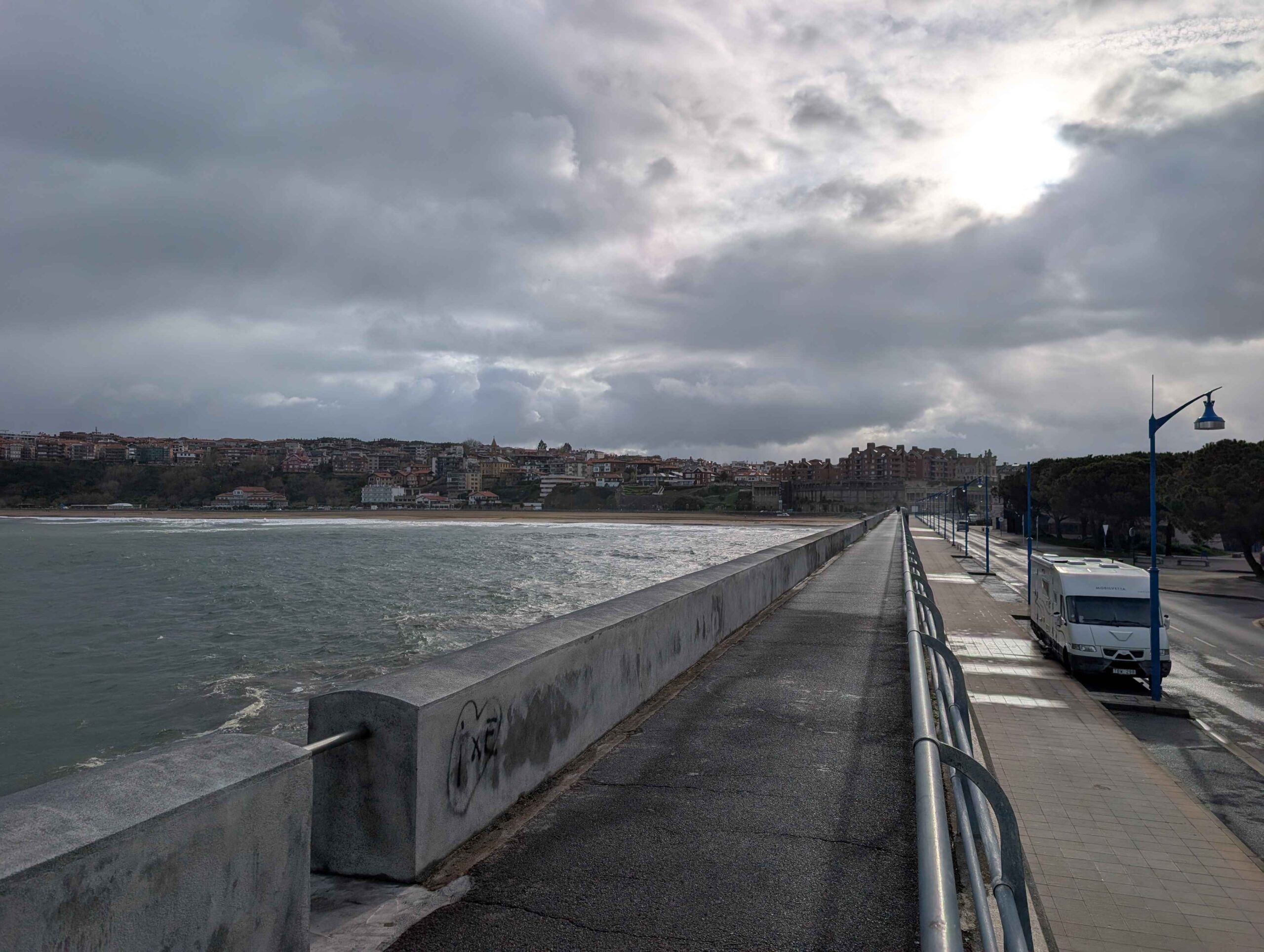
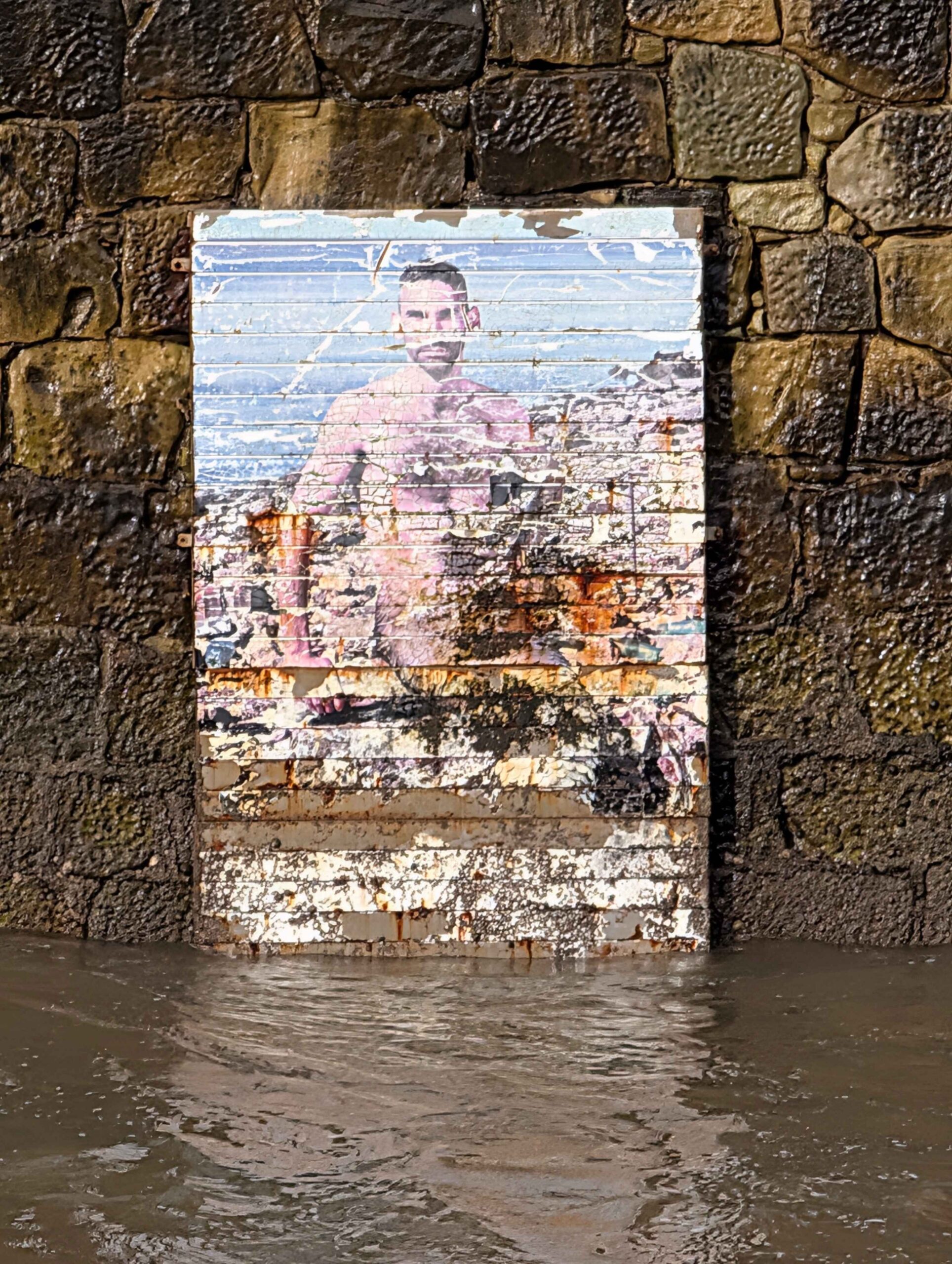
I followed the walkway along the beach, stopping to watch the waves roll in. Even in rough conditions, it felt like the kind of place that would completely change on a calmer day. At the Old Pier, I came across the Sireno de Getxo, a photographic art installation that felt a bit random but memorable enough to stop for.
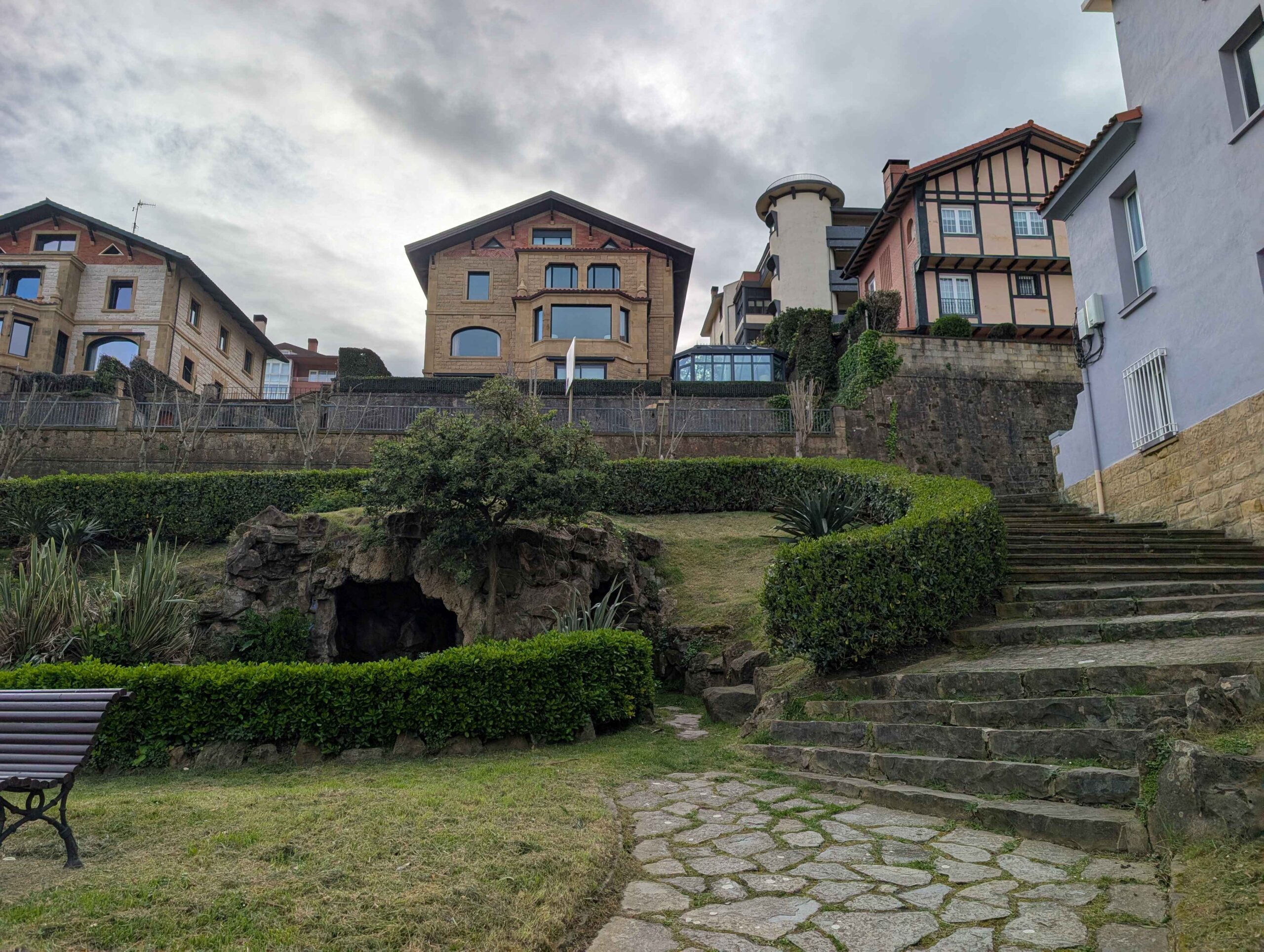
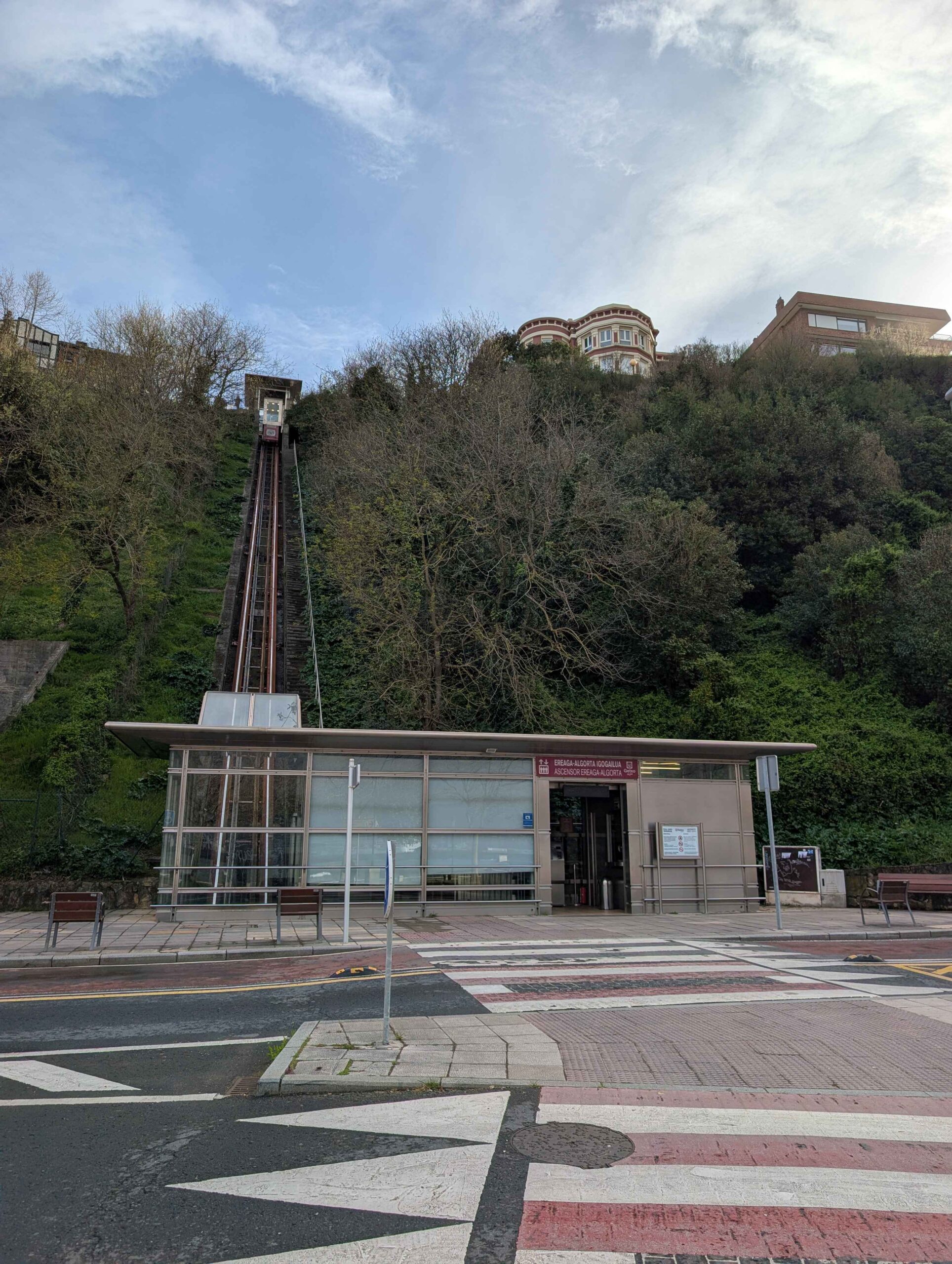
I knew there were better views up above, but I skipped the climb. The stairs looked like more effort than I wanted that morning, and the inclined railway was not running when I passed through. By the time it opened later, I had already made up my mind to head back. Getxo felt like something you pass through unless you are committed to exploring it more fully.
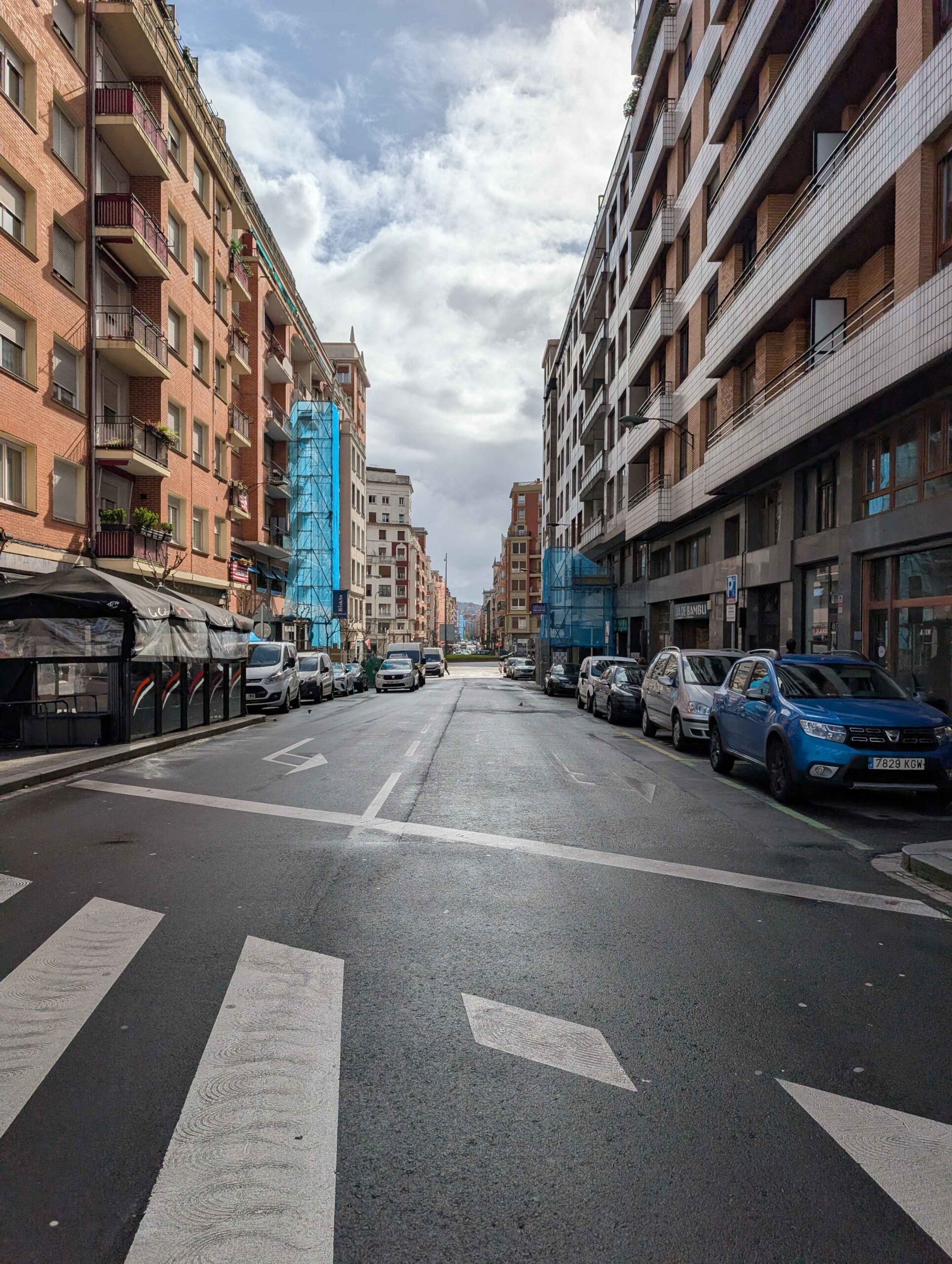
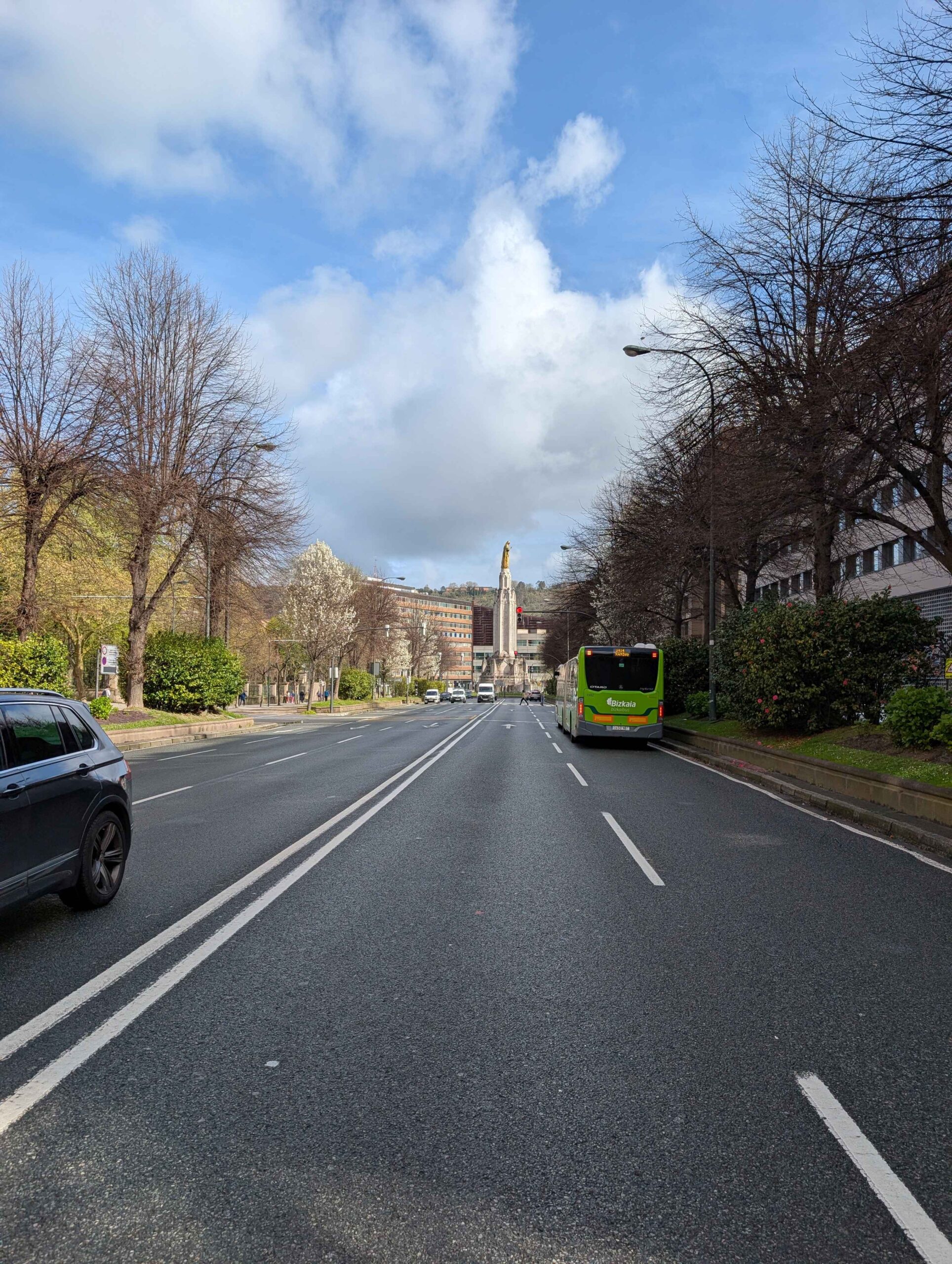
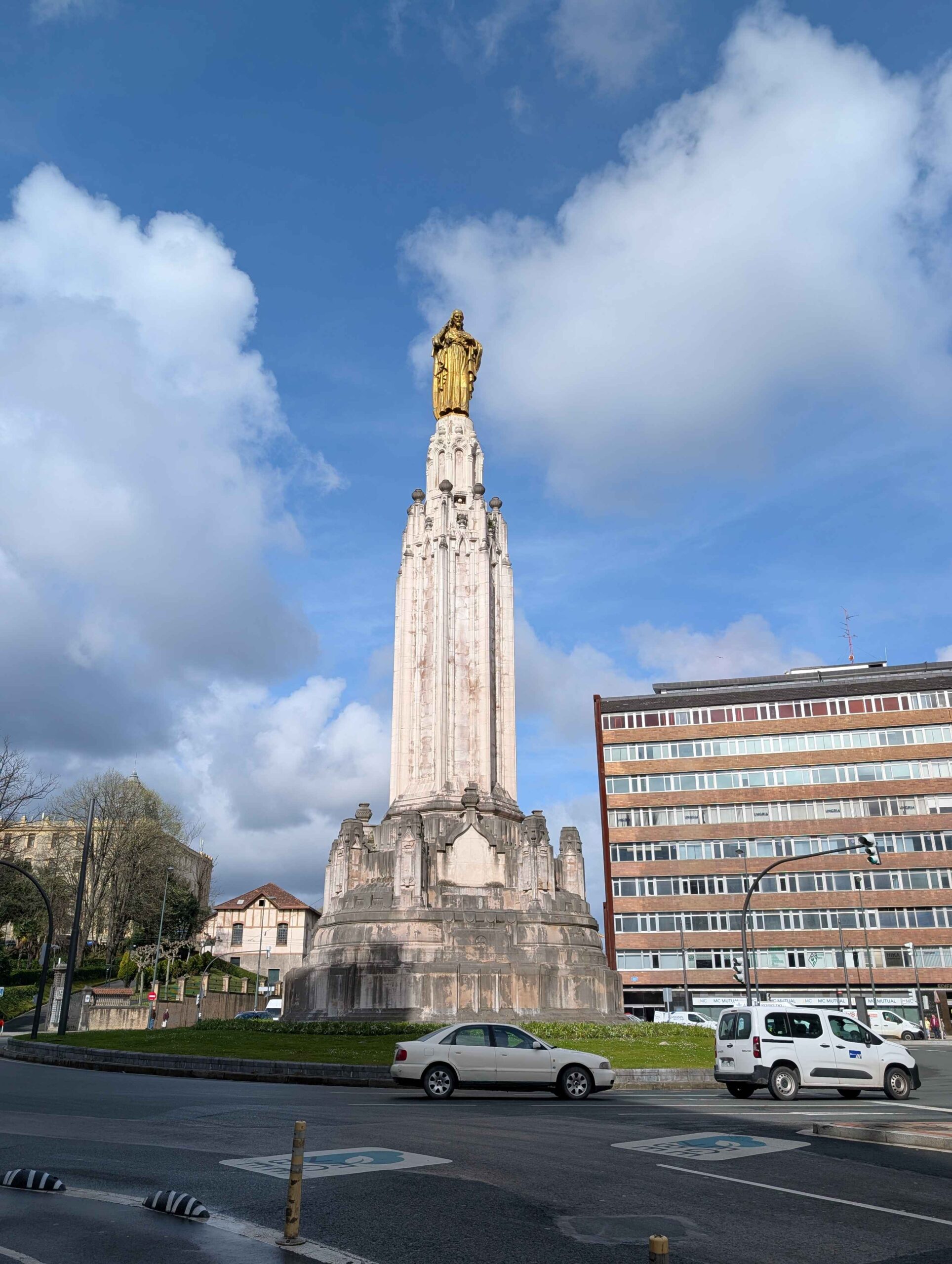
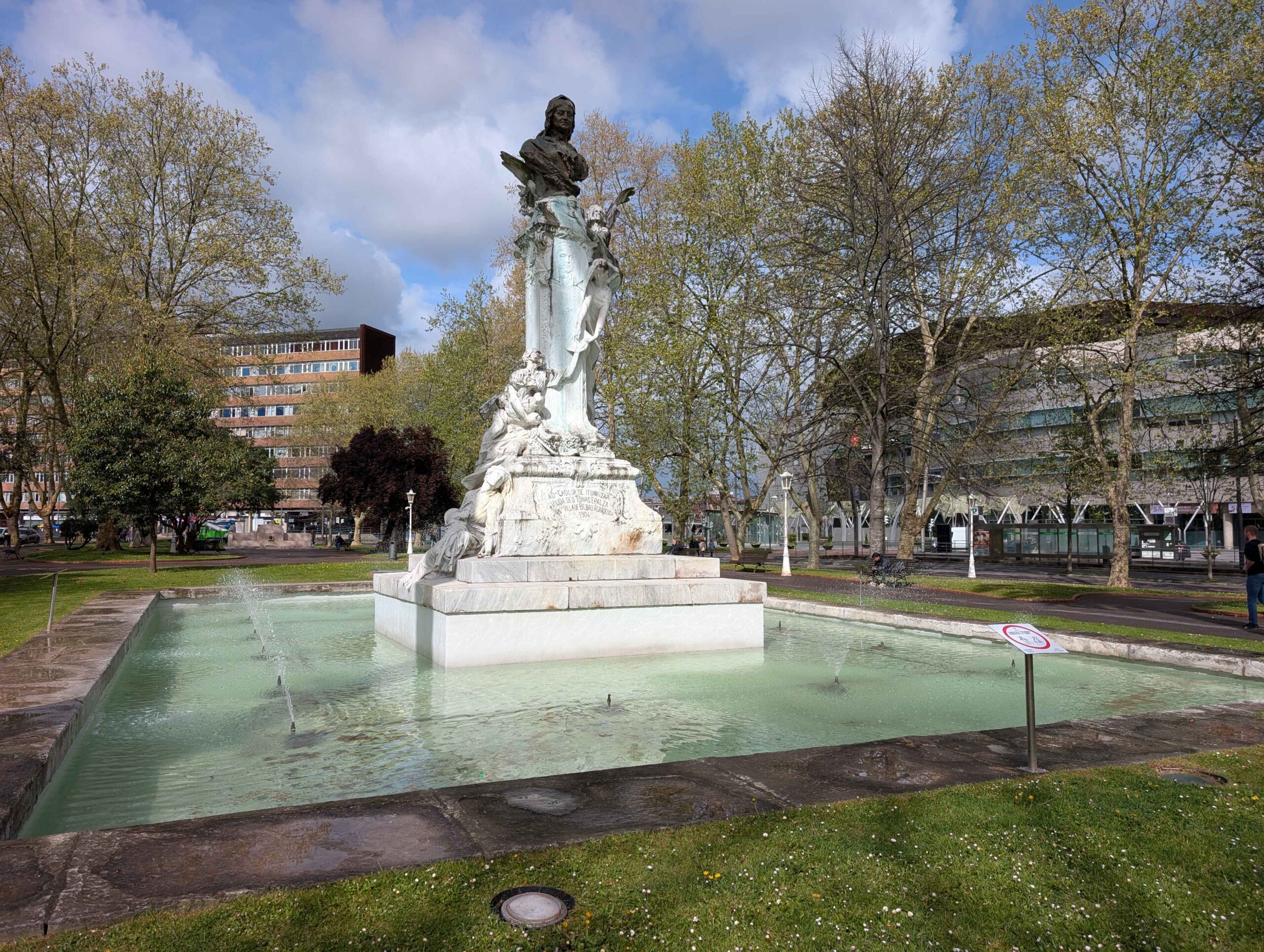
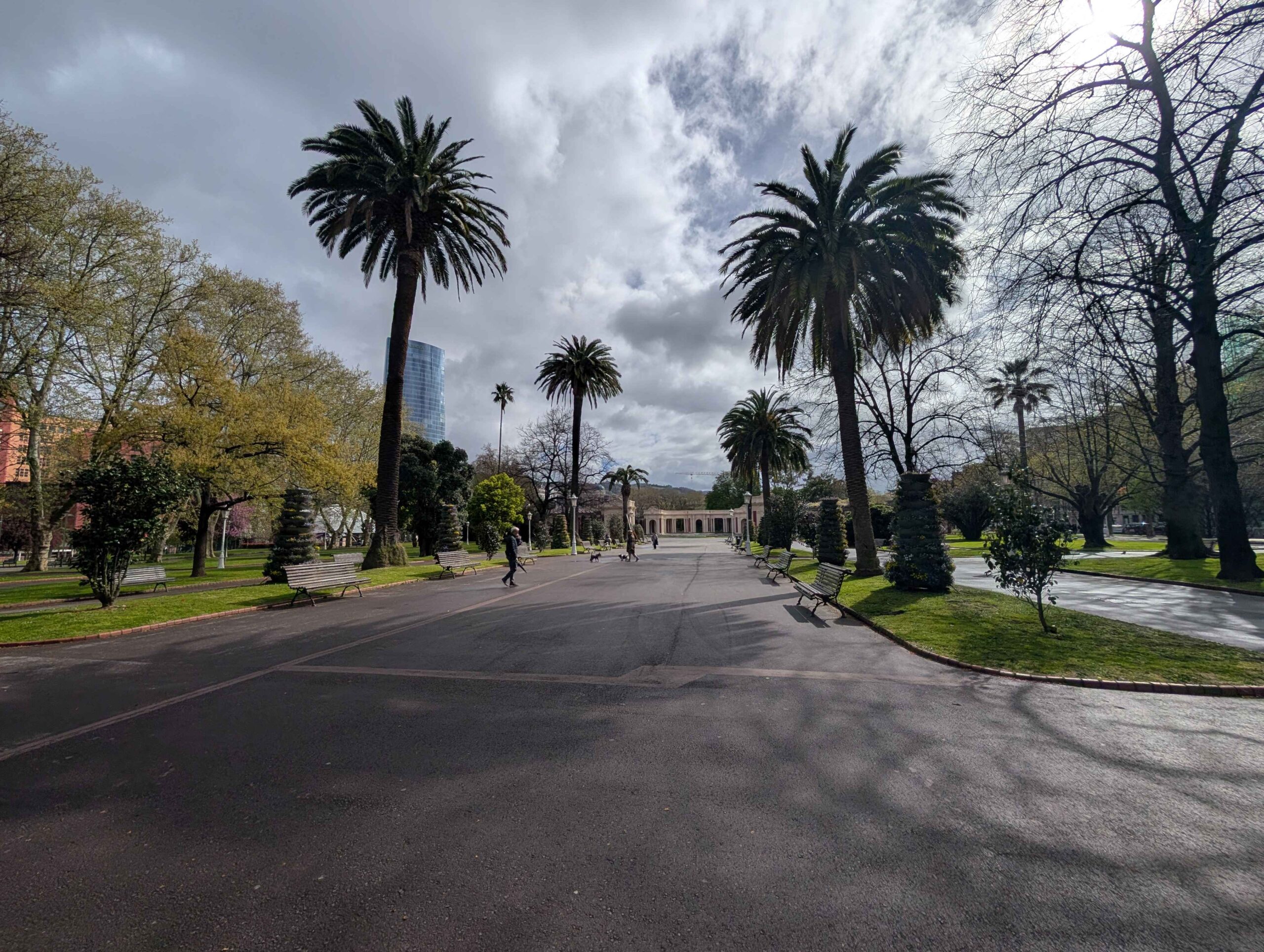
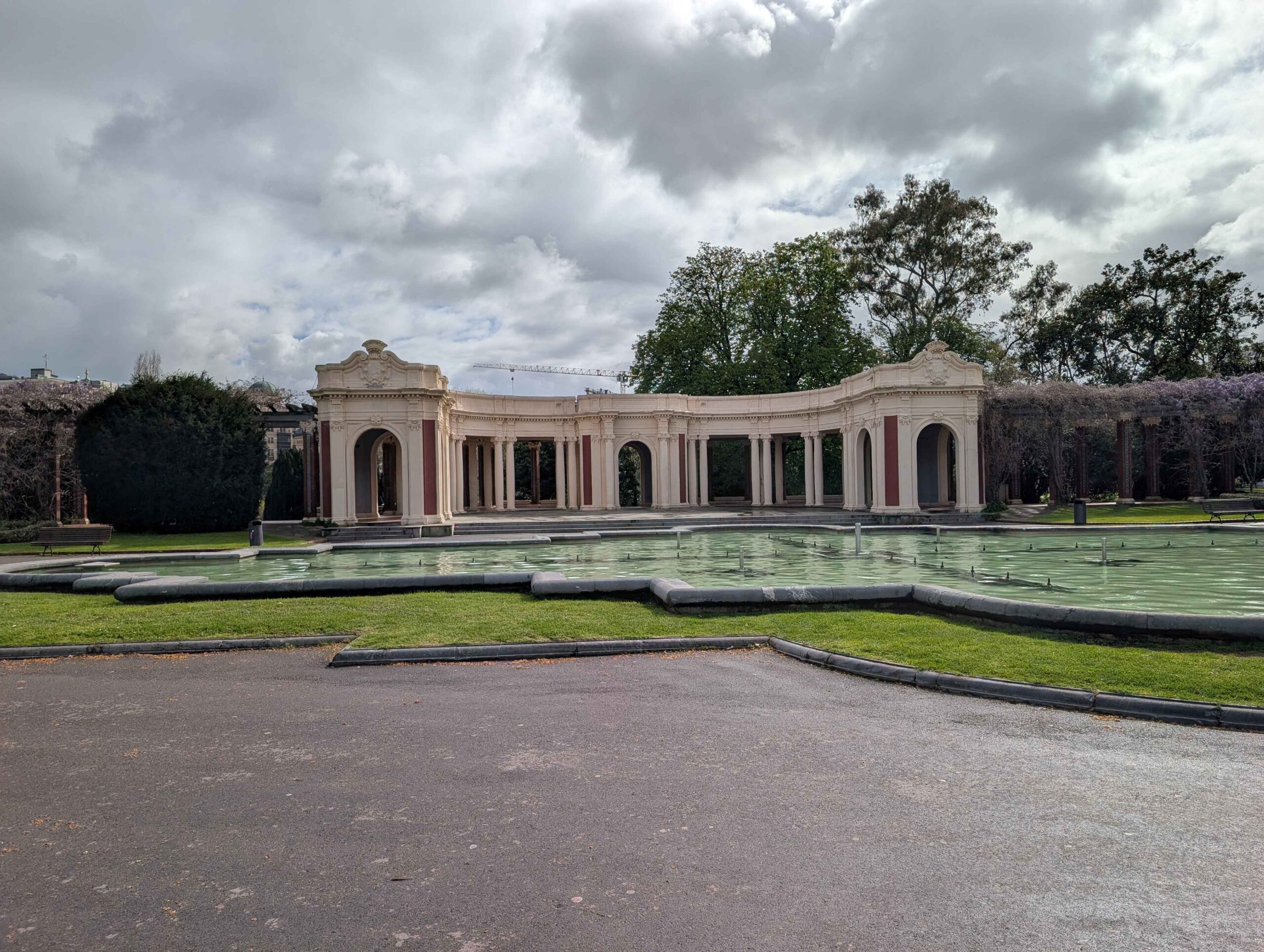
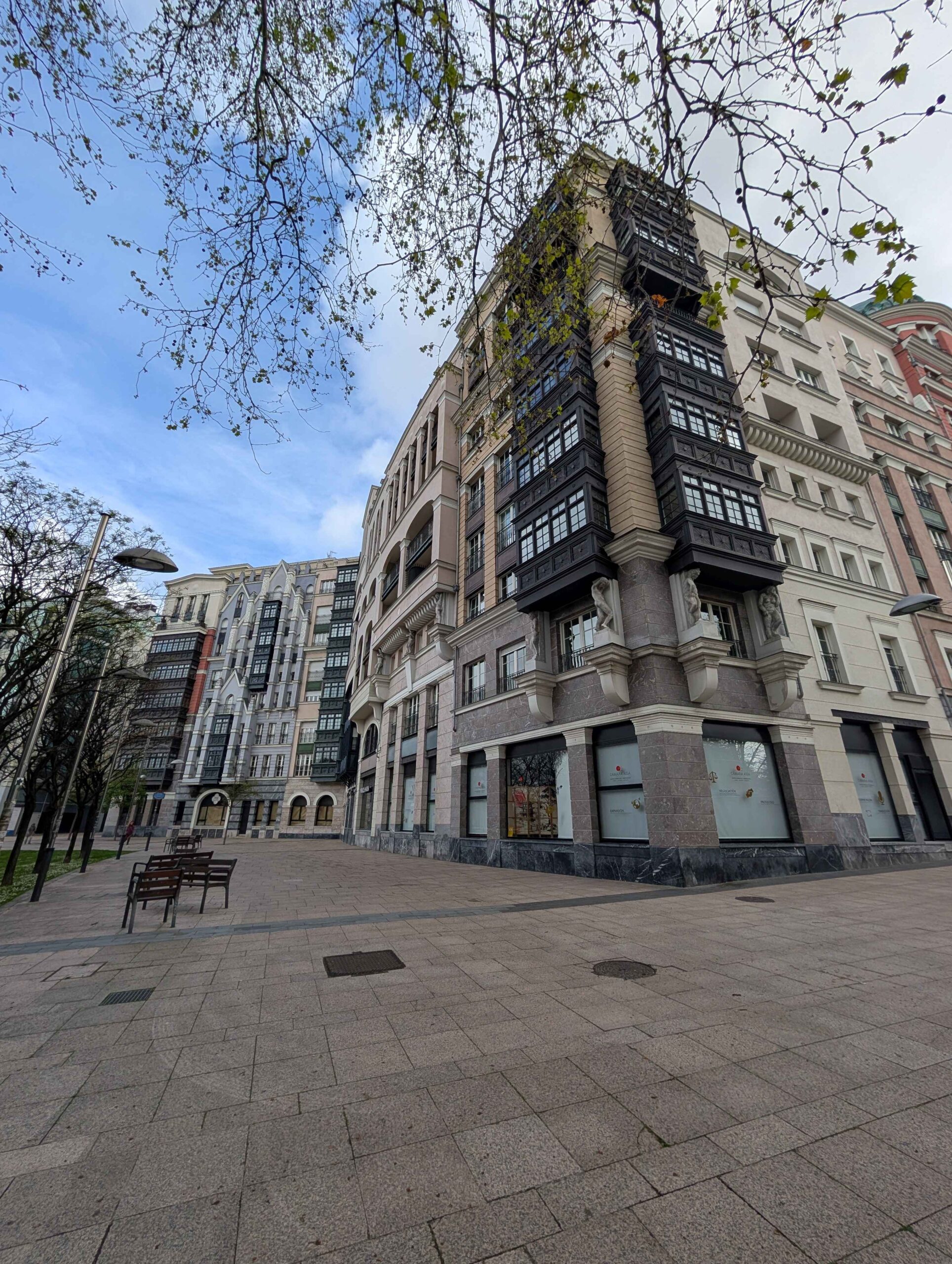
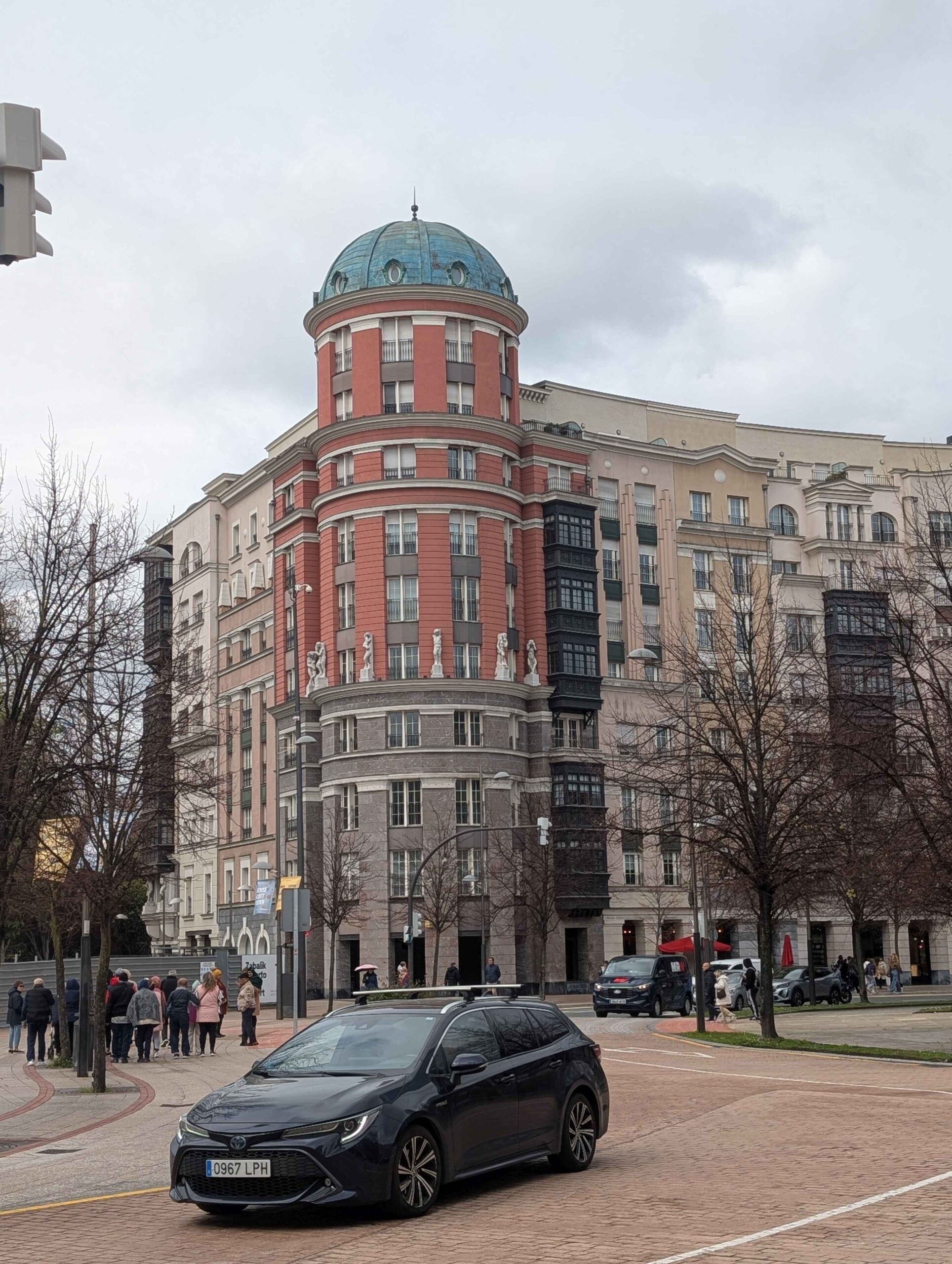
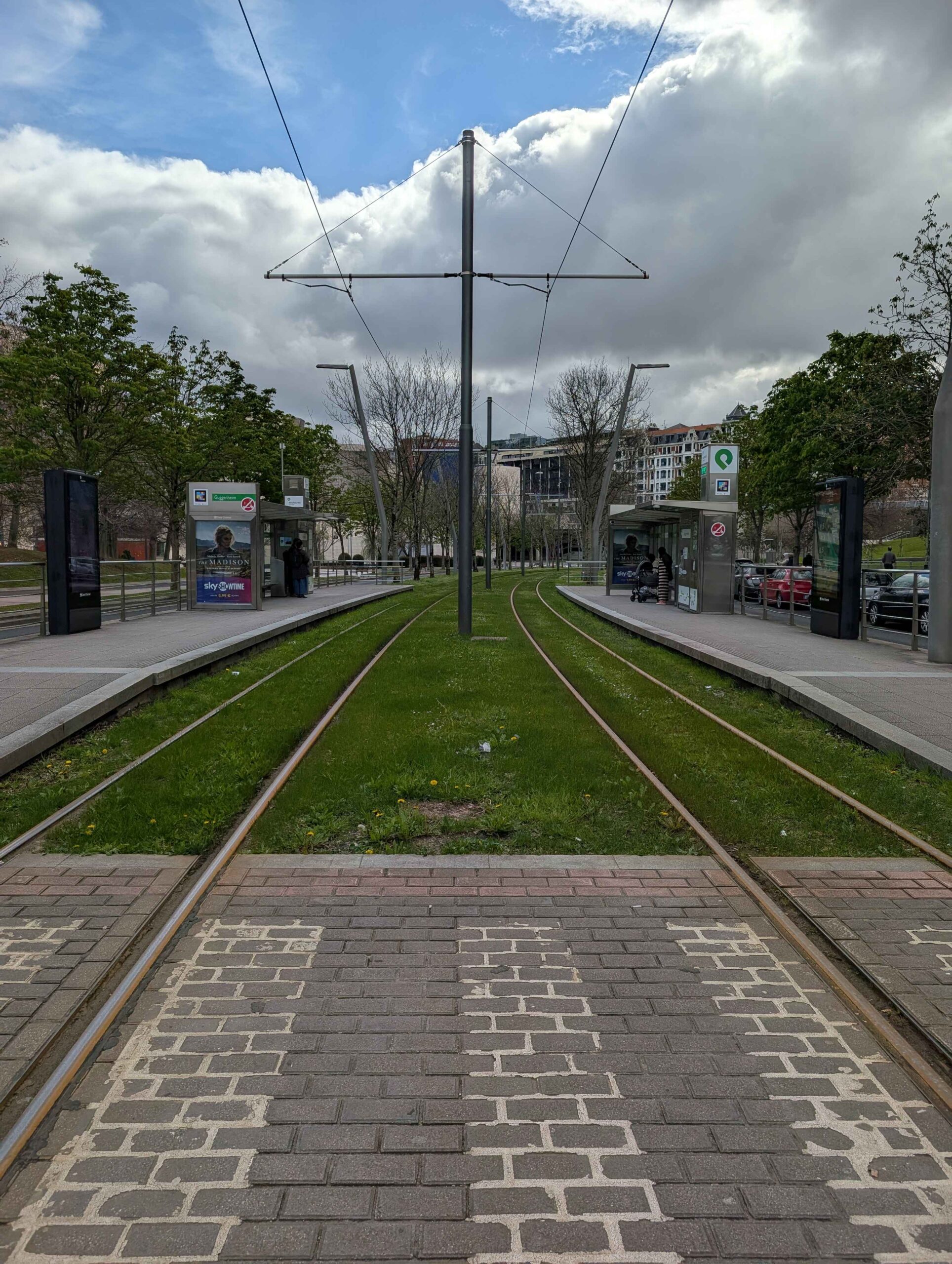
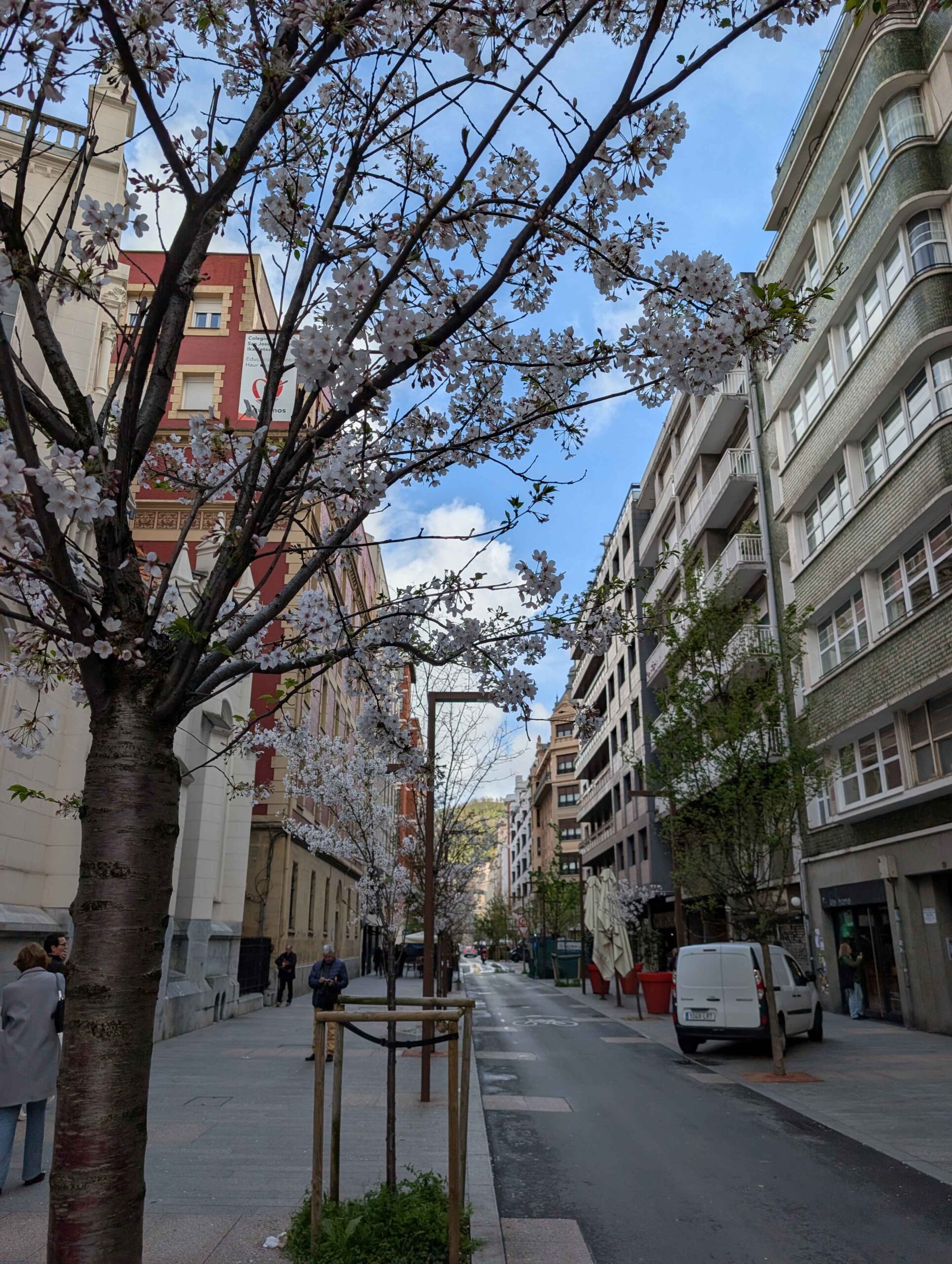
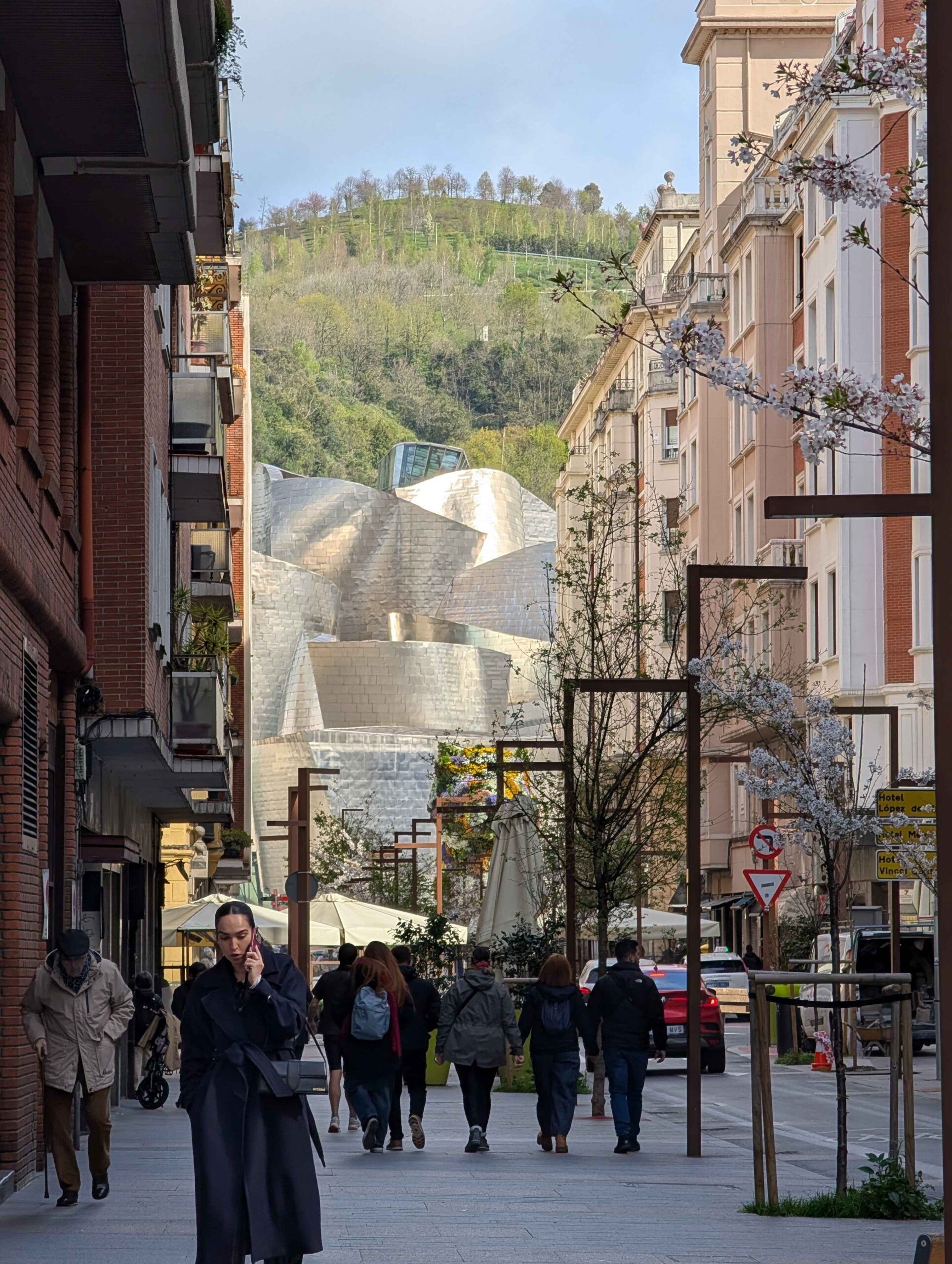
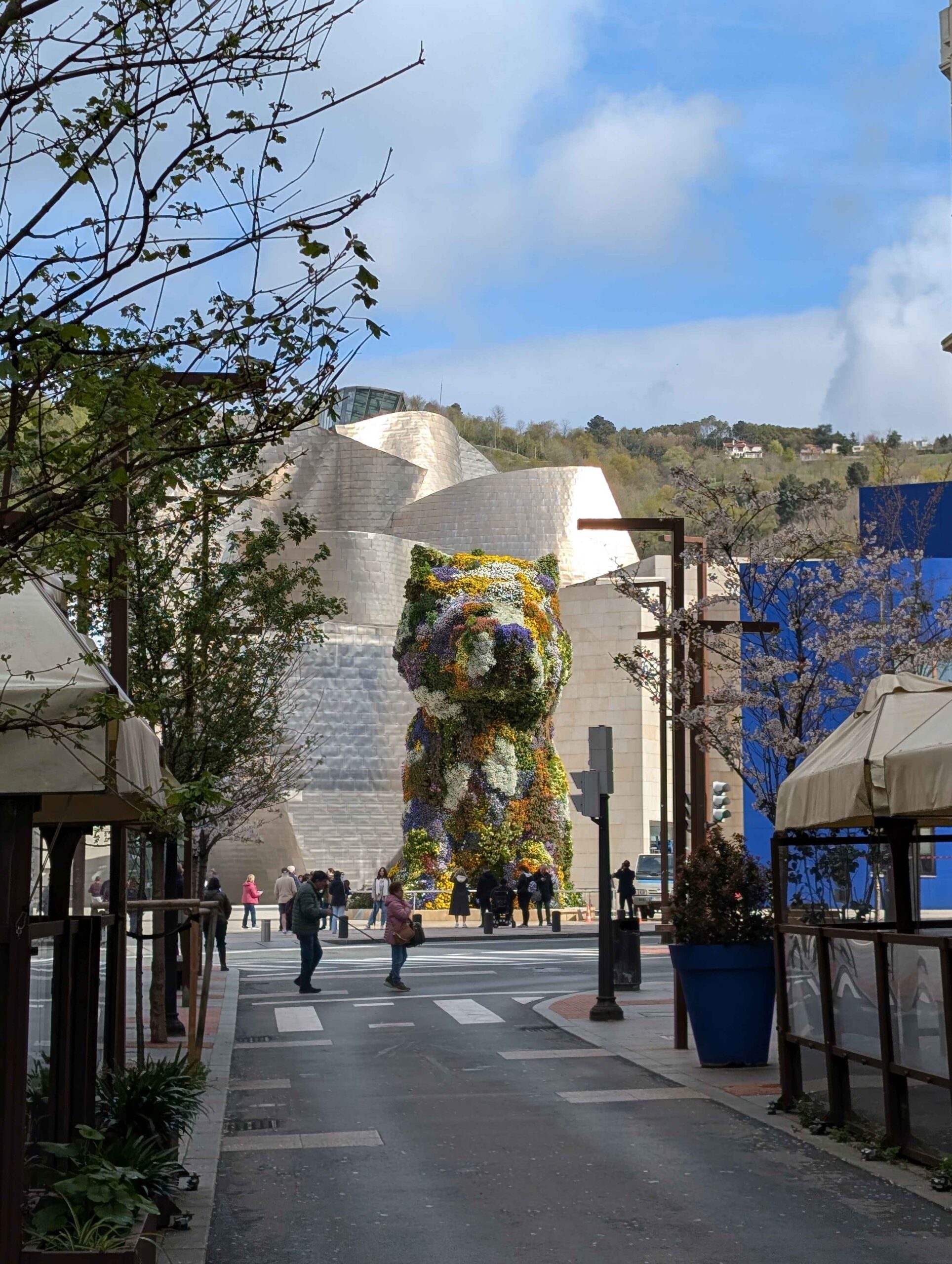
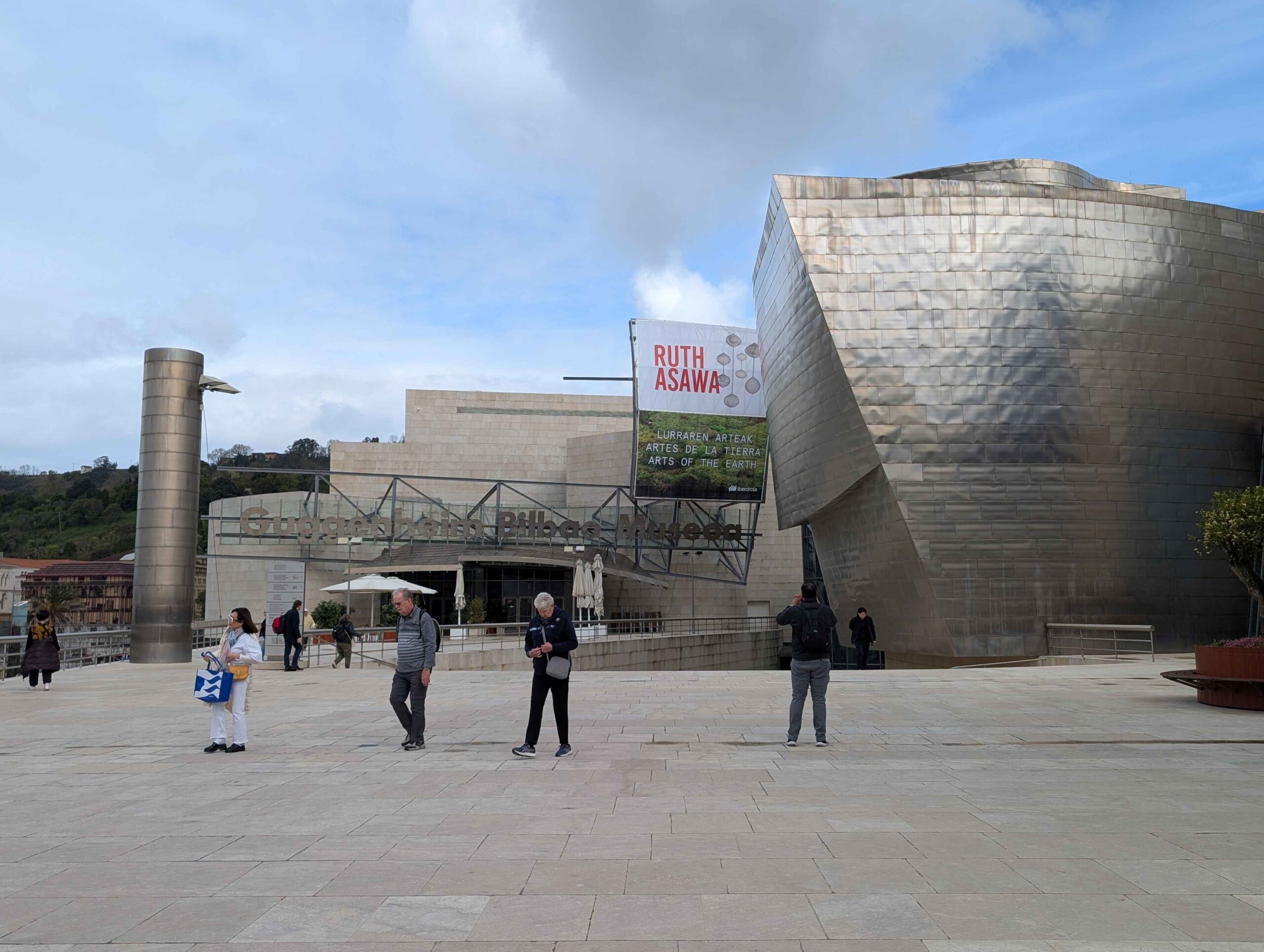
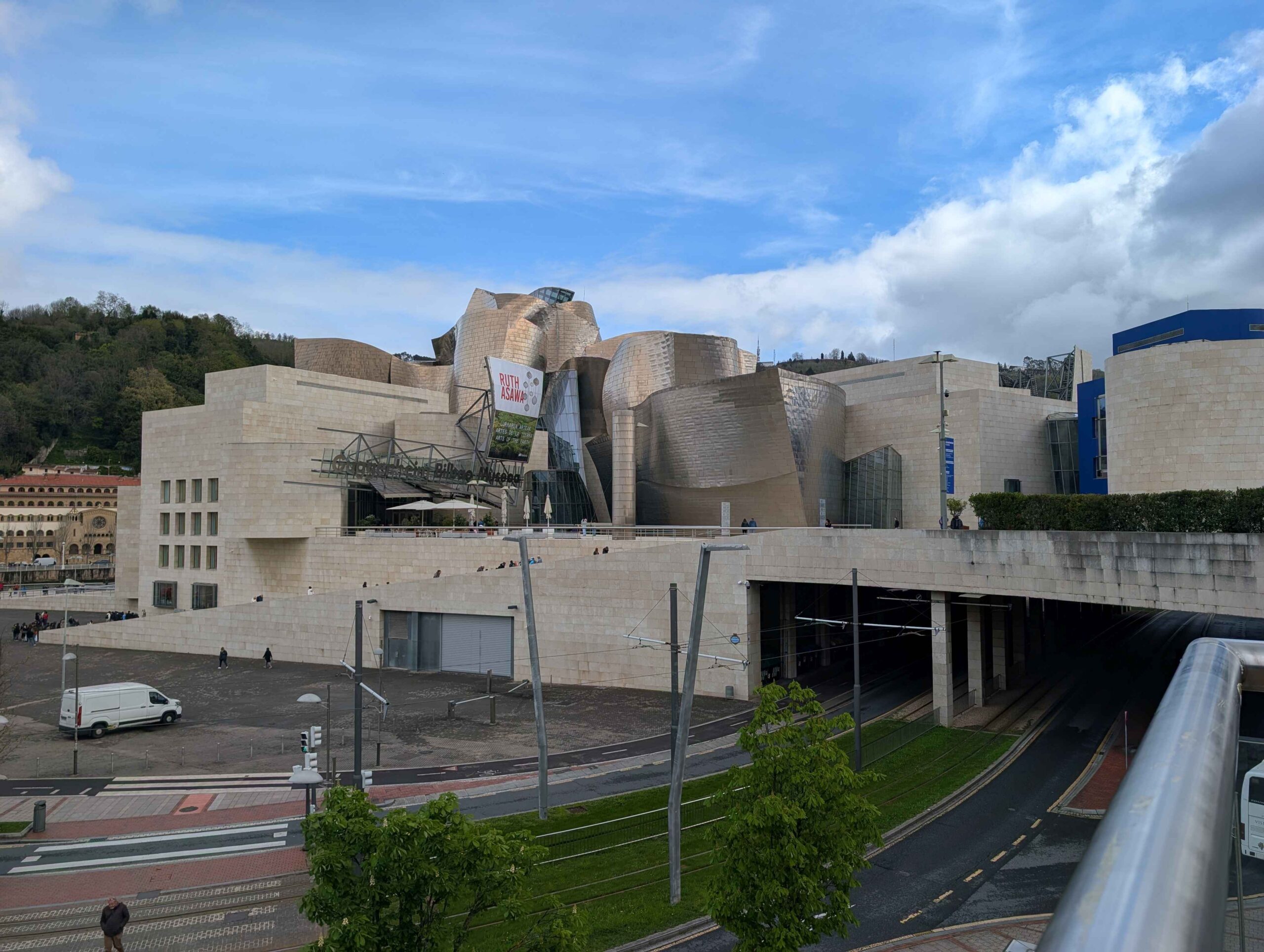
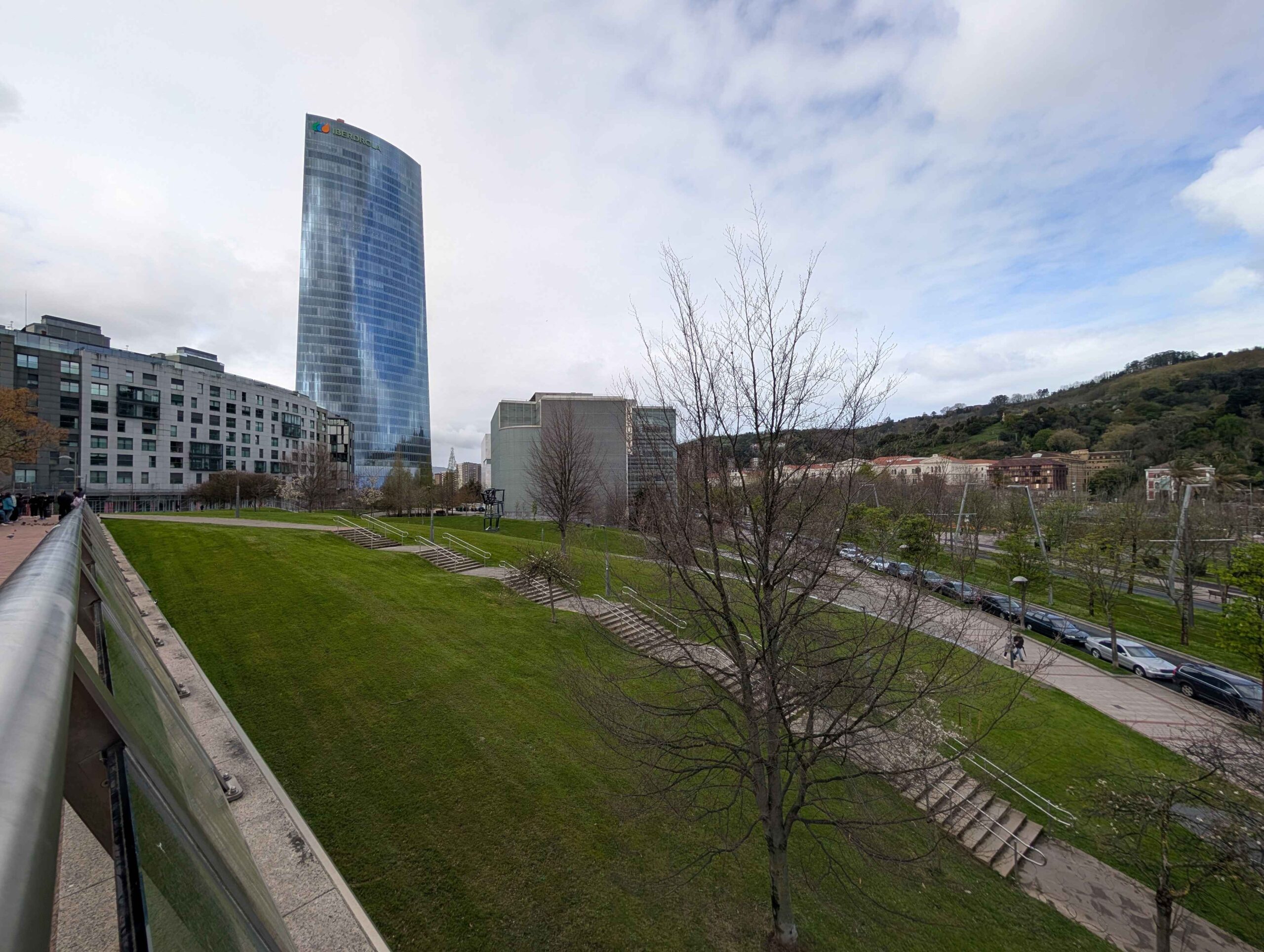
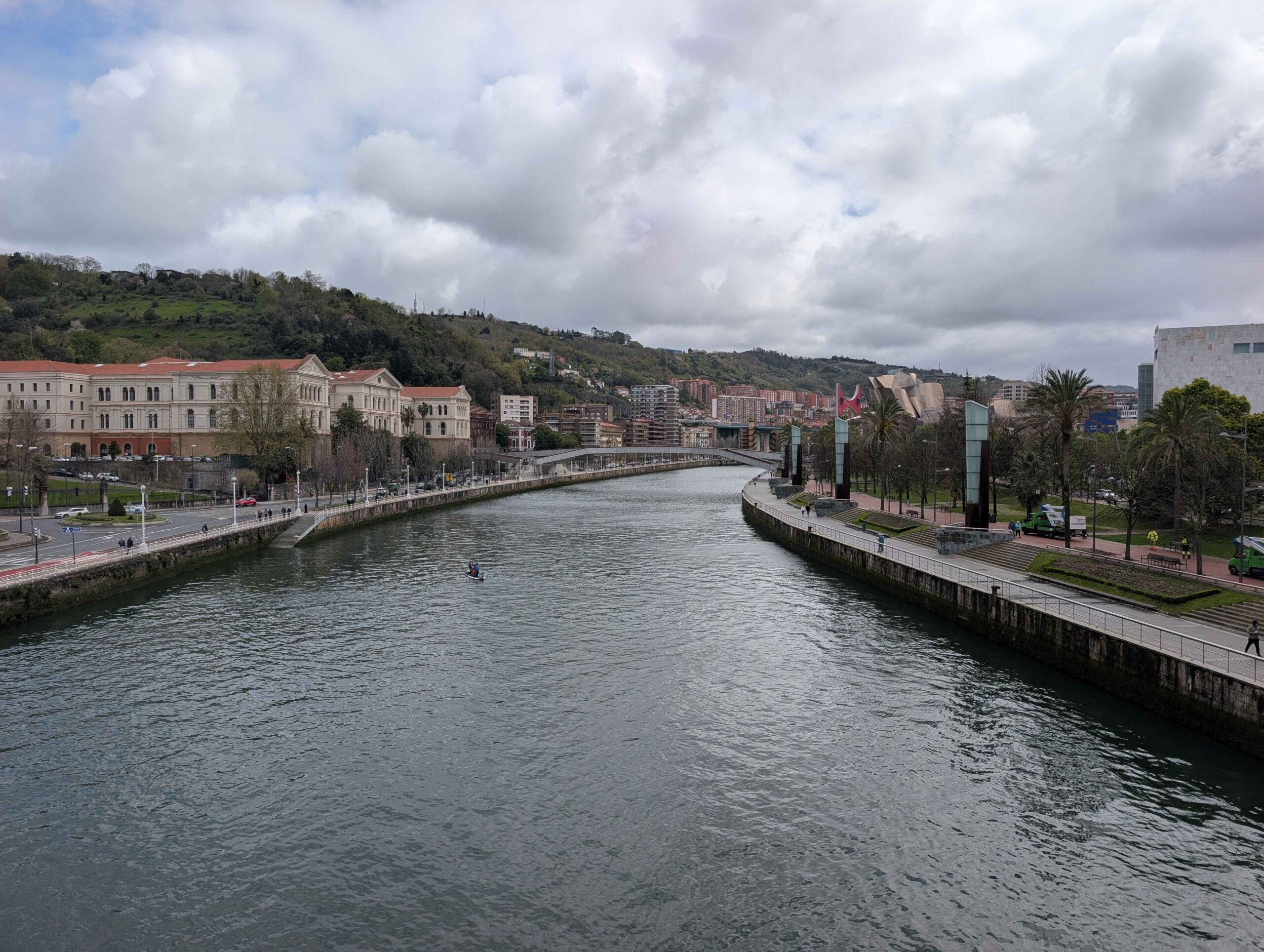
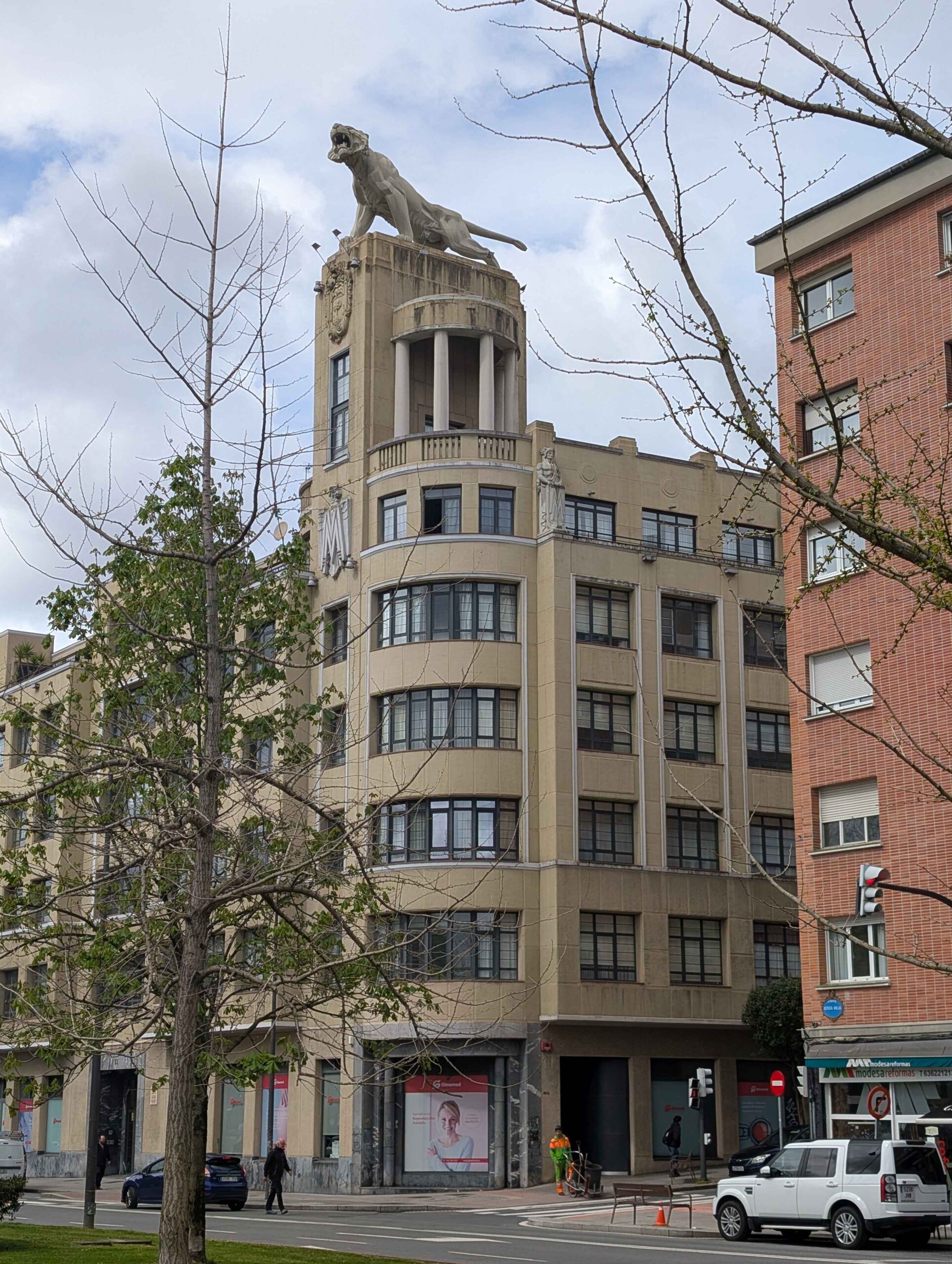
From there, the day shifted. I took the shuttle into Bilbao, got dropped off near Bilbao Bilboko Autobus Geltokia, and made the walk toward the Guggenheim. It was about 25 to 30 minutes on foot, mostly through regular city streets with a few parks along the way, before the river and museum area finally opened up.
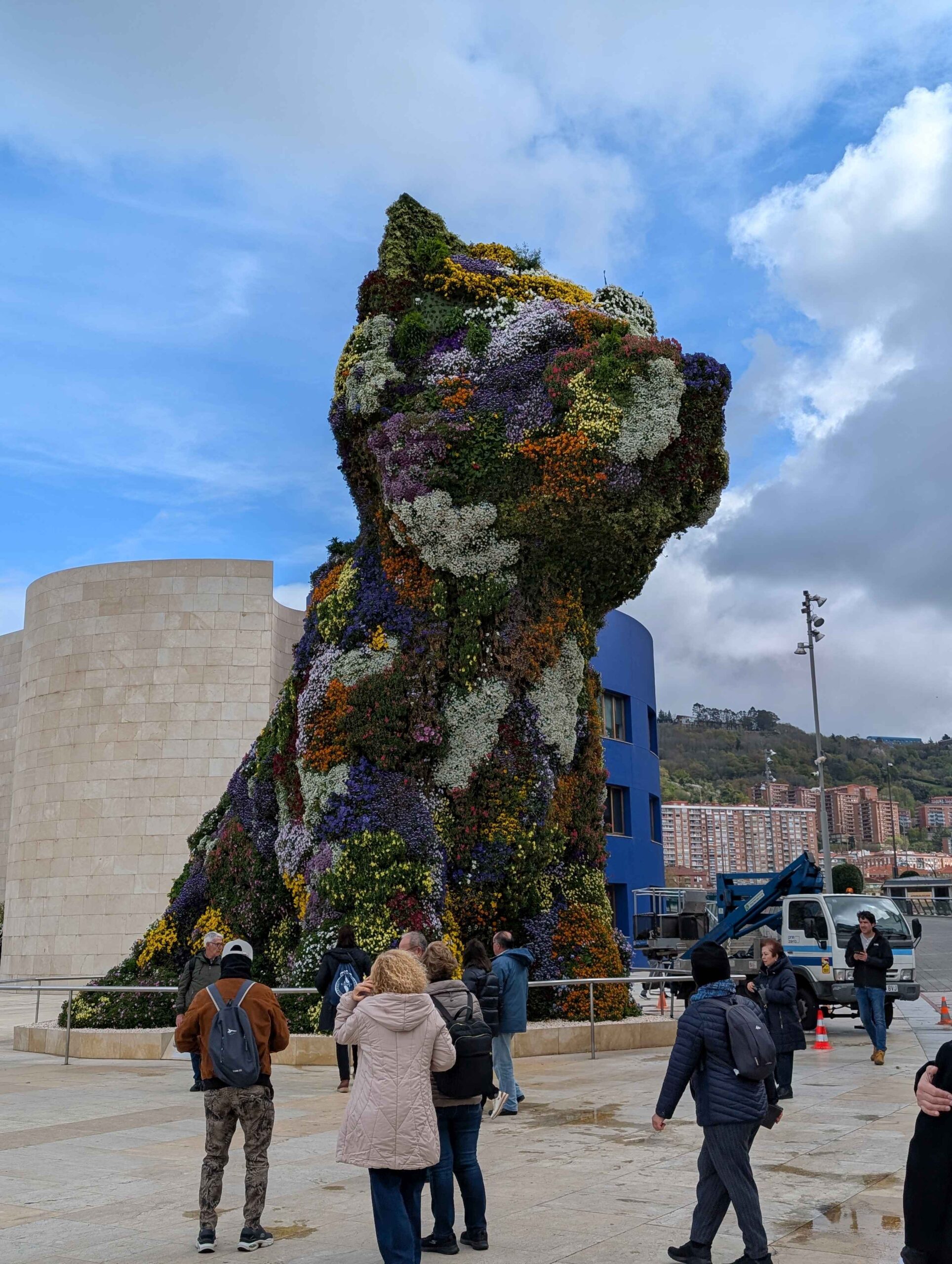
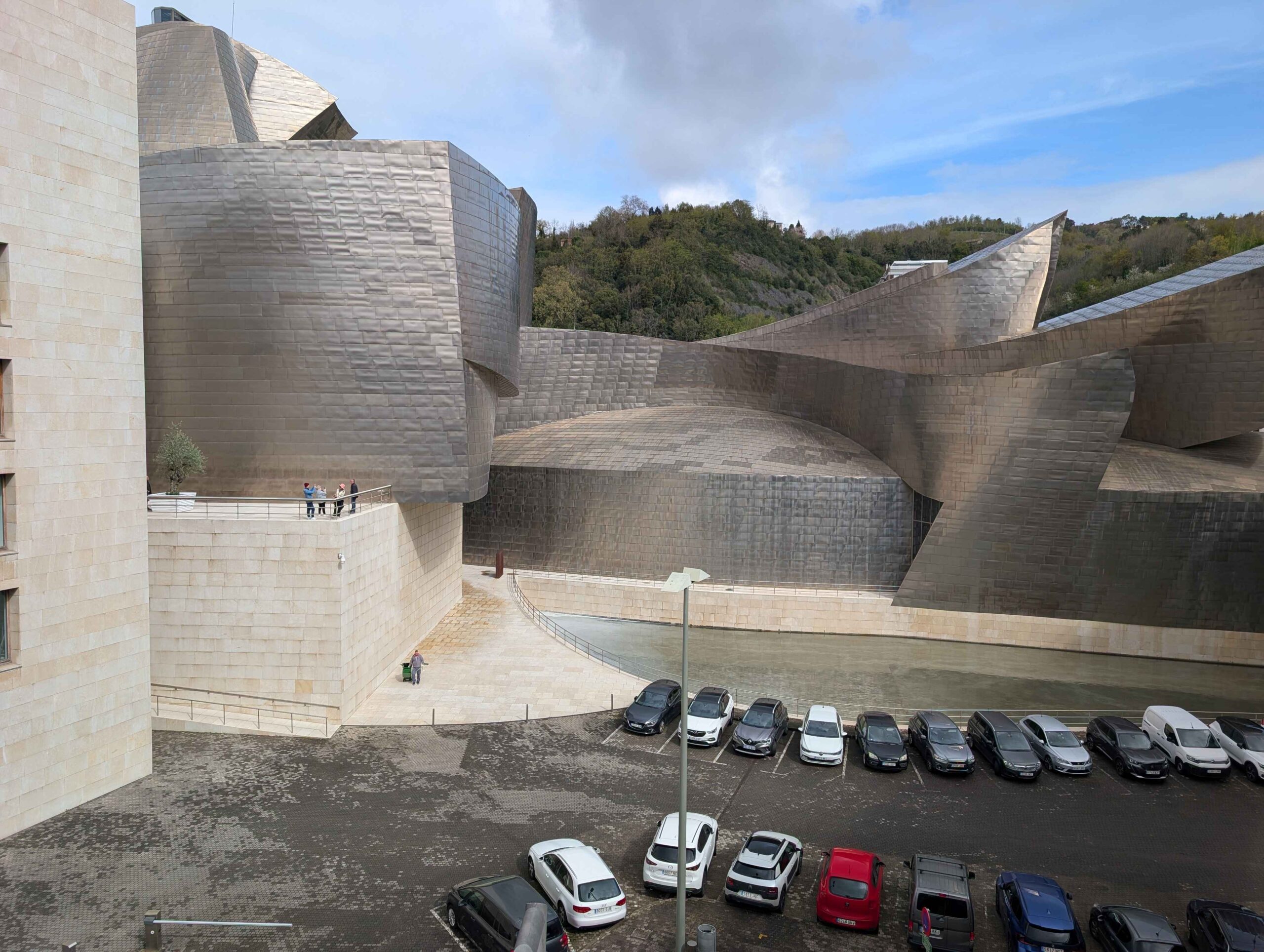
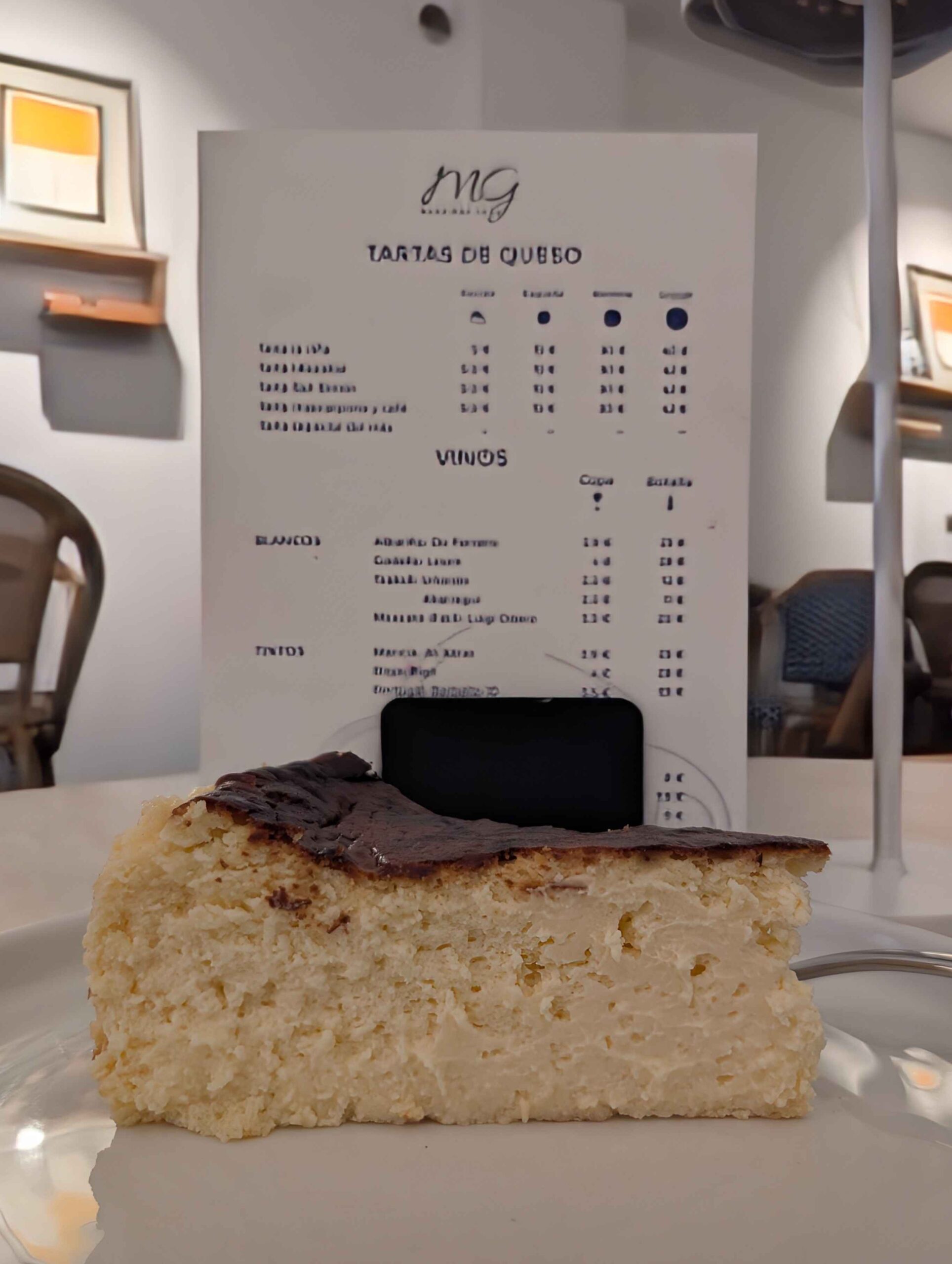
I skipped going inside the museum and stuck to the exterior. The building itself was enough, with its curved metallic surfaces changing depending on the light. From there, I wandered without much direction, which is how I ended up at Morrina d’Gozo. They had several cheesecake options, and the smoked cheese version stood out enough that I would go back for it.
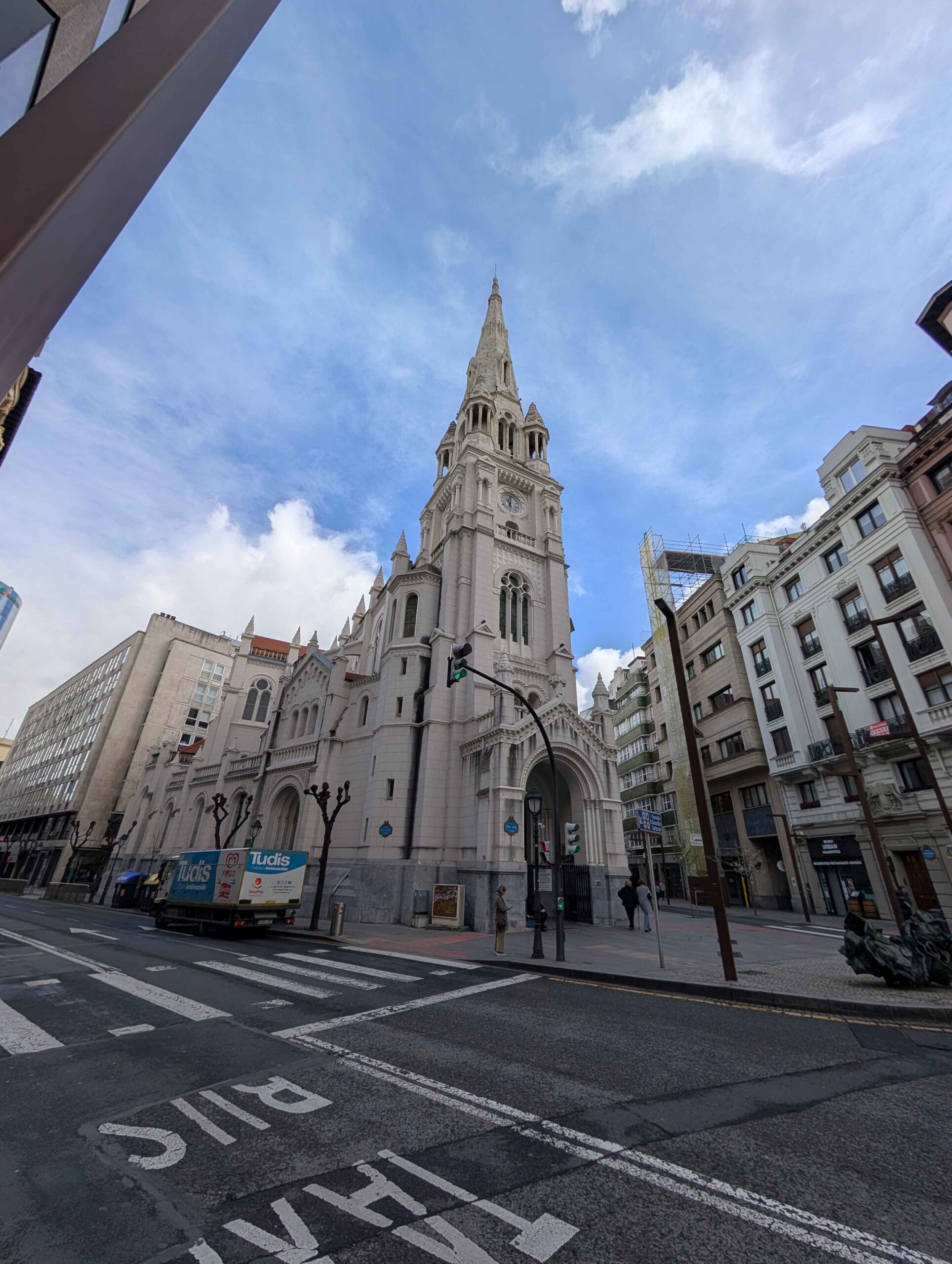
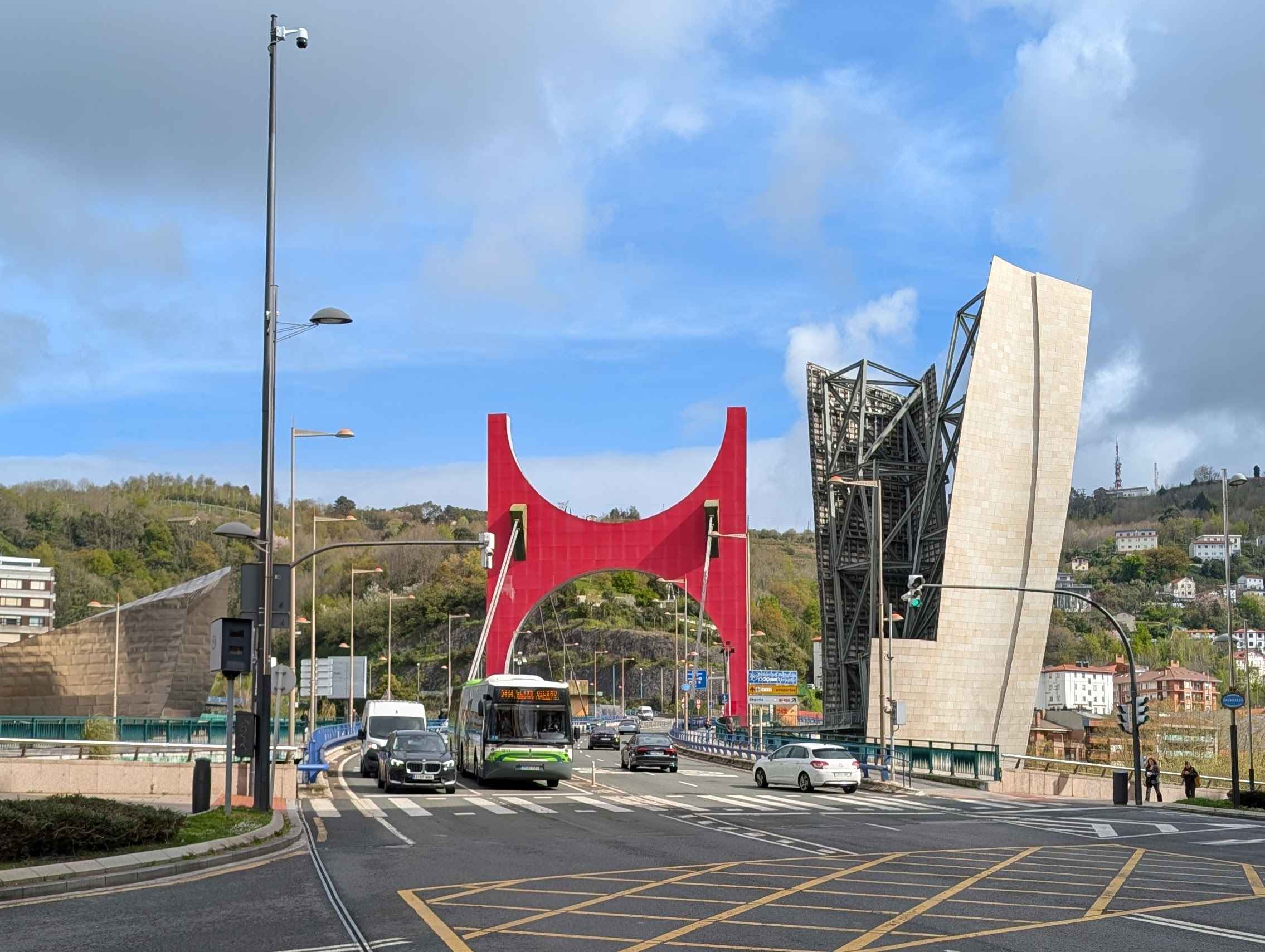
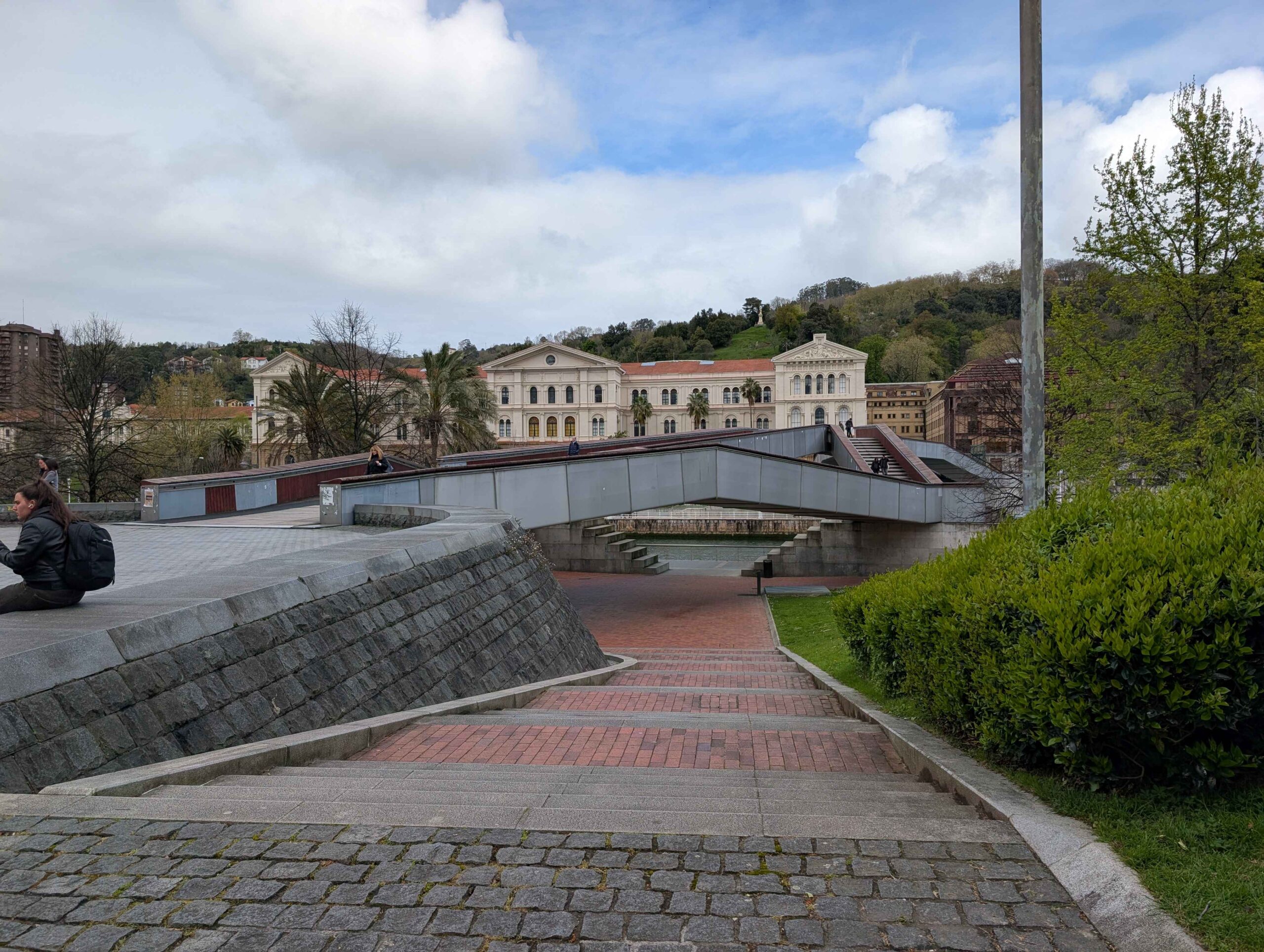
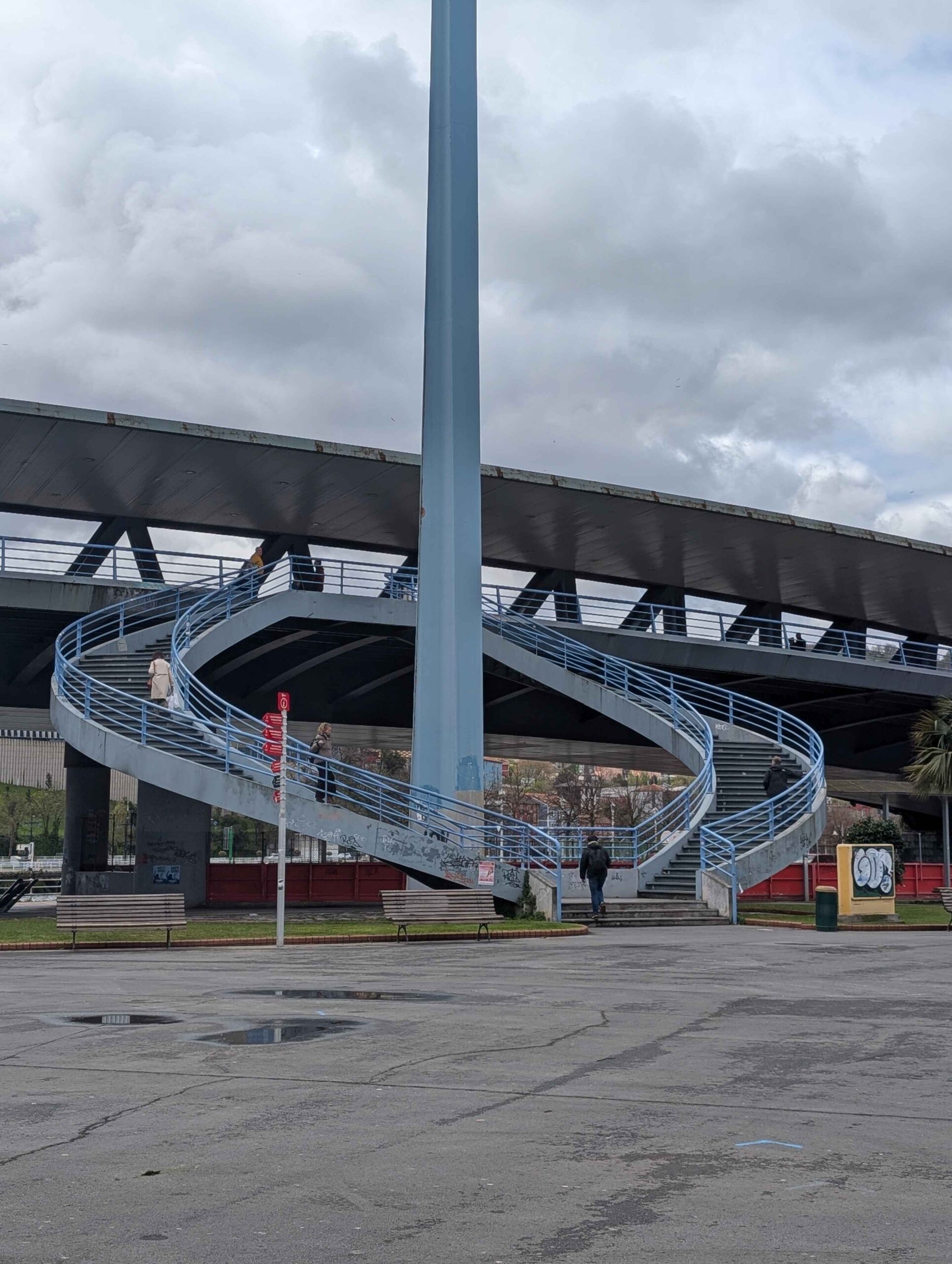
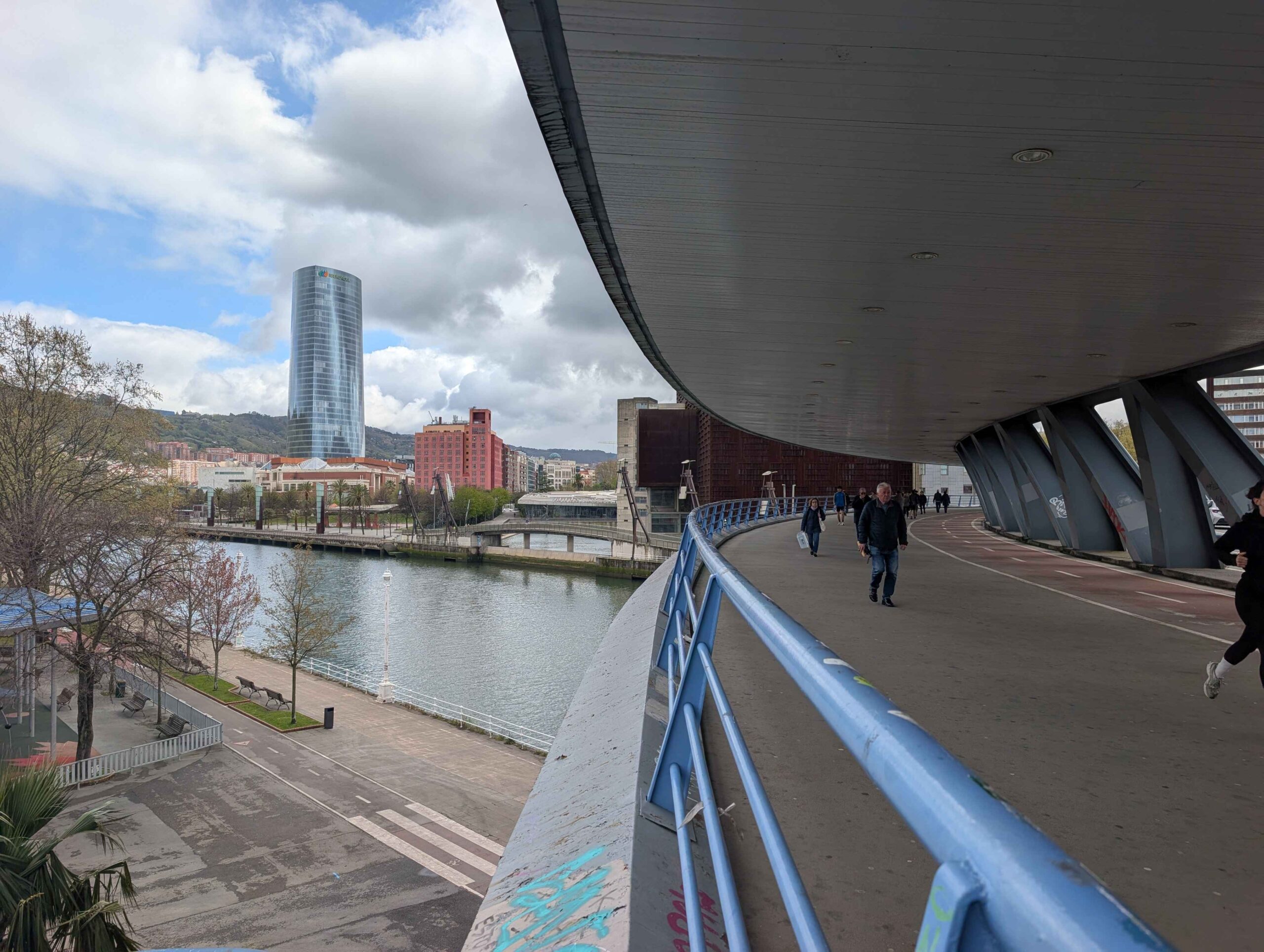
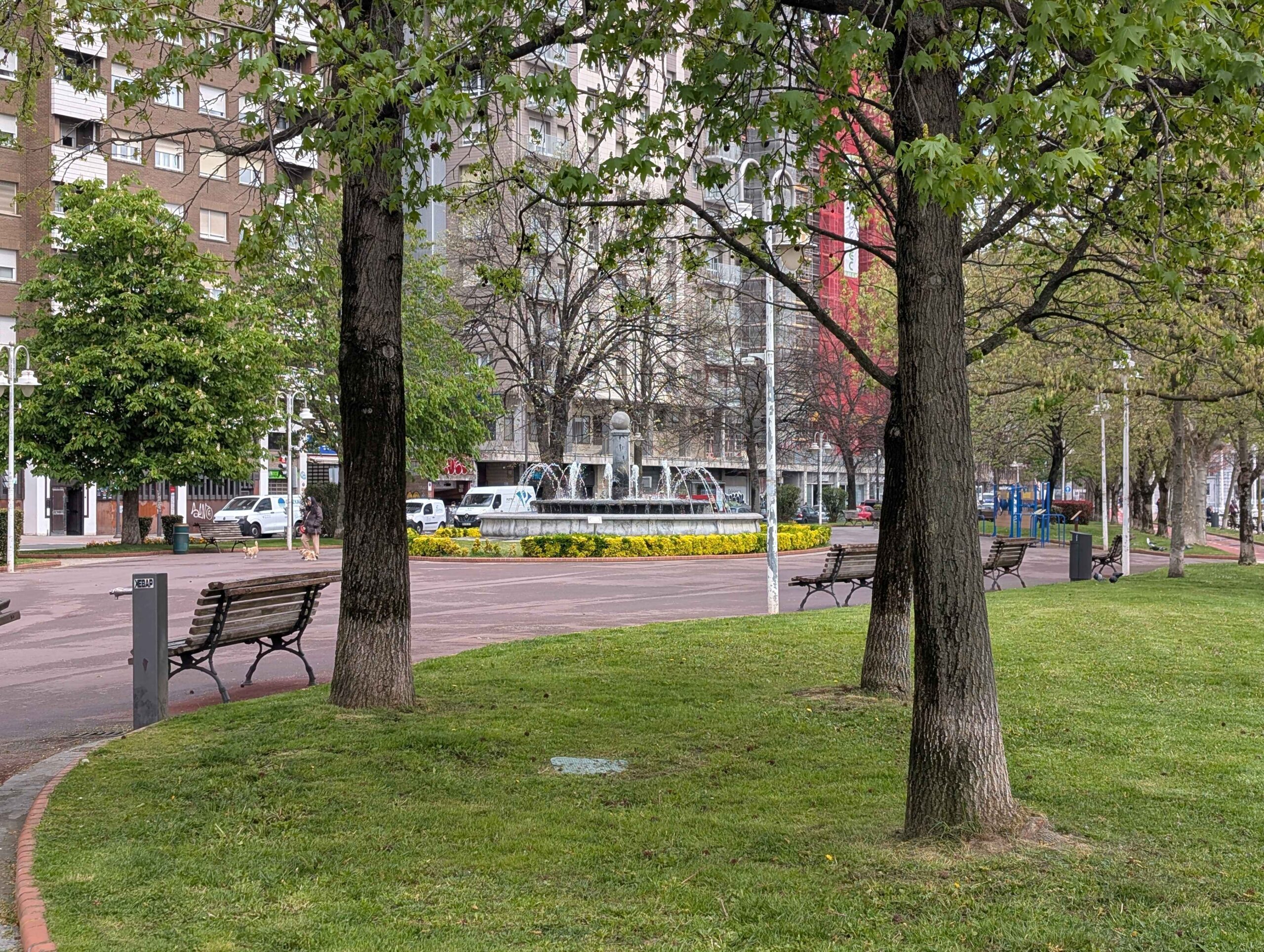
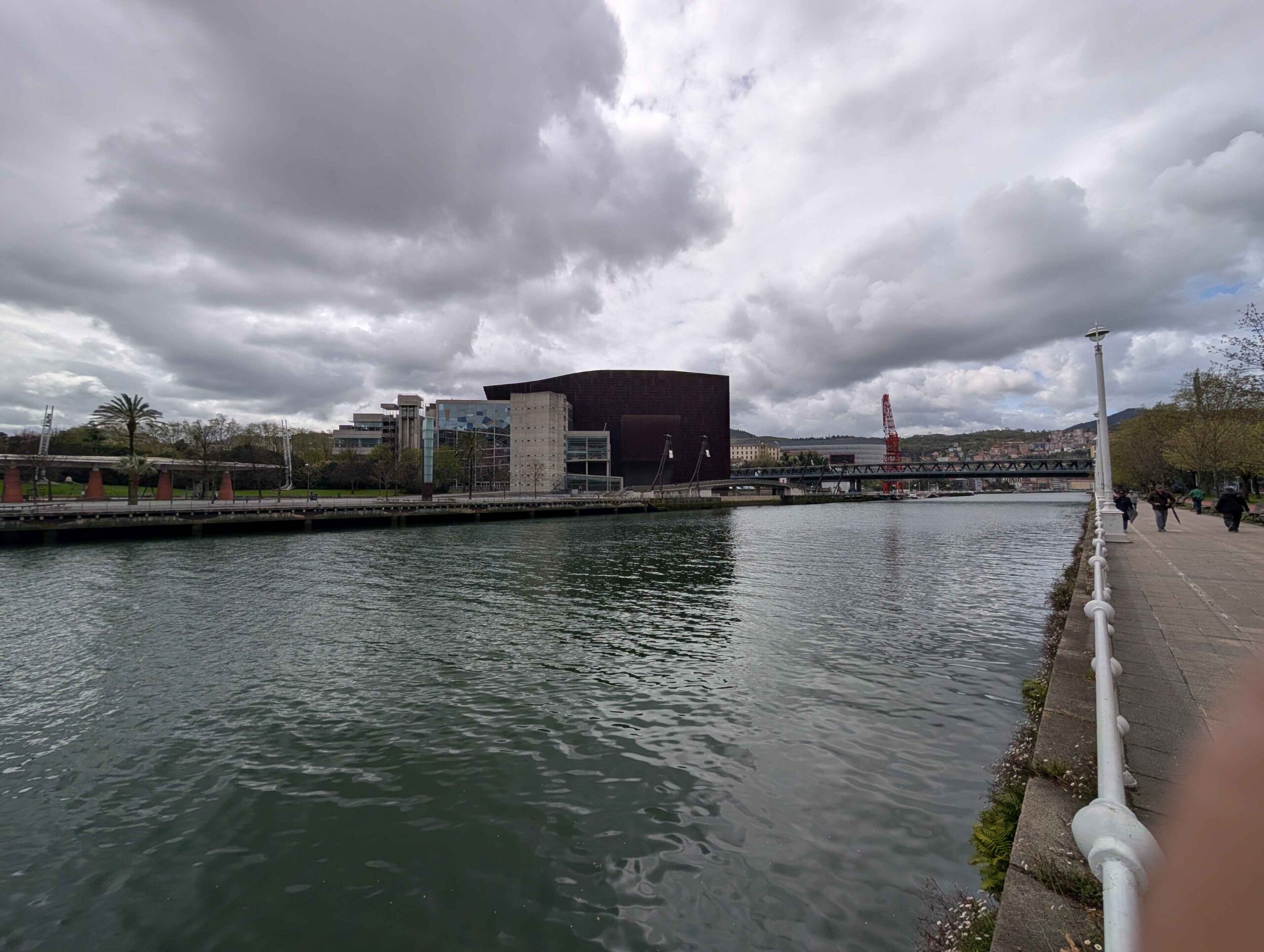
The rest of the time was spent walking along the river and across the bridges. I briefly passed through San Jose plaza before realizing I had drifted off course and turned back. The paths on the opposite side of the river add a bit more elevation, so the walking shifts from flat to slightly uneven depending on where you cross.
In practice, Getxo sets the tone, but Bilbao is where most of the time goes. The port itself is easy to walk and low effort, while the city adds more variety without needing a structured plan. If you are visiting under similar weather conditions, expect to make small decisions like this throughout the day, keeping things flexible based on energy and timing.
If You Have More Time…
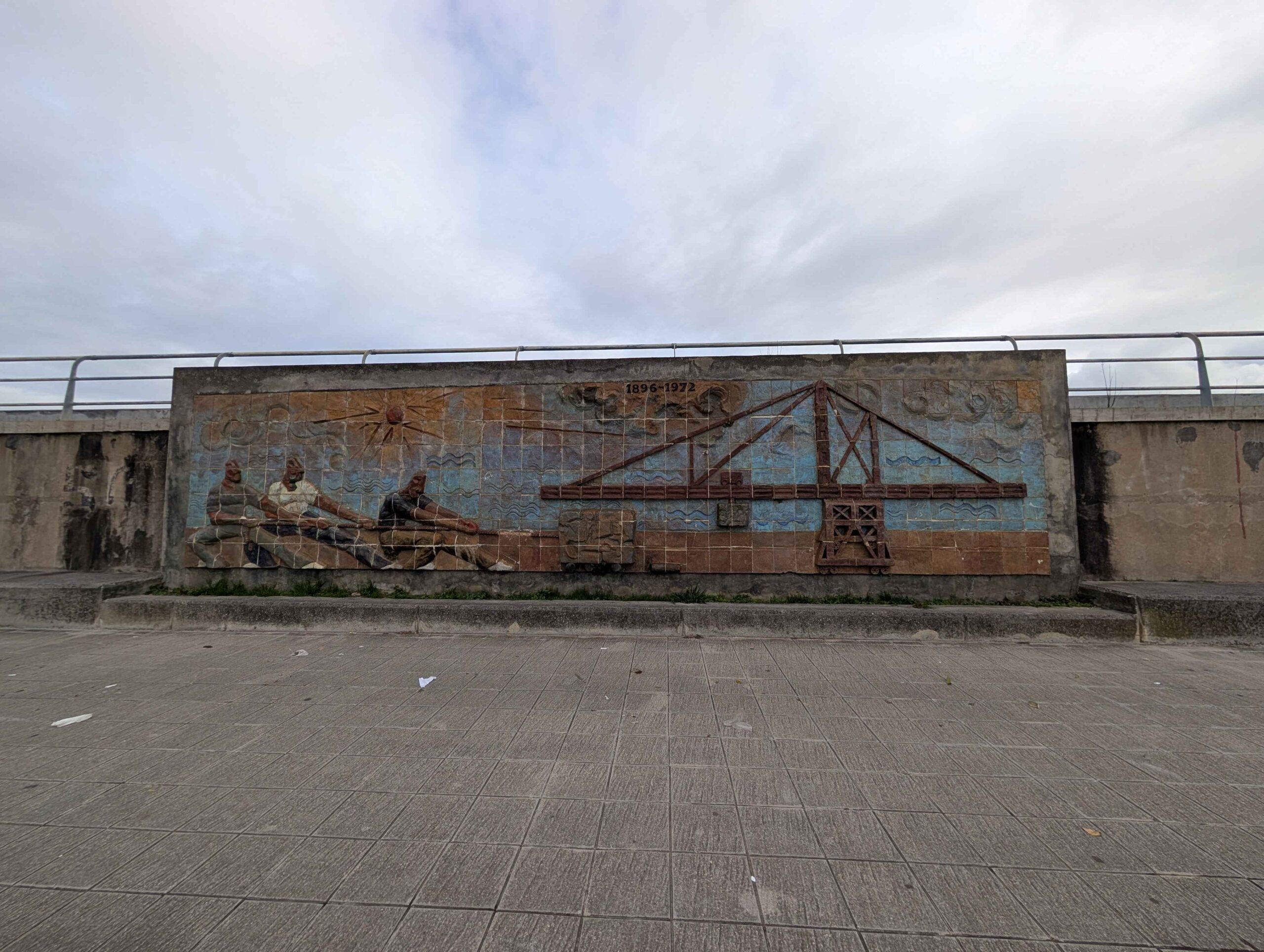
- Vizcaya Bridge – A UNESCO listed transporter bridge connecting Getxo and Portugalete. You can ride the gondola or walk across the top for wide views of the estuary.
- Arriluce Lighthouse – A quieter coastal viewpoint not far from the marina. It offers a different perspective than Ereaga Beach with fewer people around.
- Algorta Upper District – The residential area above the cliffs with larger homes and elevated viewpoints. Best accessed by the inclined railway or a steady climb.
- Zubizuri Bridge – A modern white pedestrian bridge in Bilbao designed by Santiago Calatrava. It stands out visually and connects key walking routes along the river.
- Azkuna Zentroa – A repurposed wine warehouse turned cultural space with a unique interior design. It is an easy stop if you want something indoors without committing to a full museum visit.