
Vigo Hills Staircases Harbor Views and Sculpture Park Walks
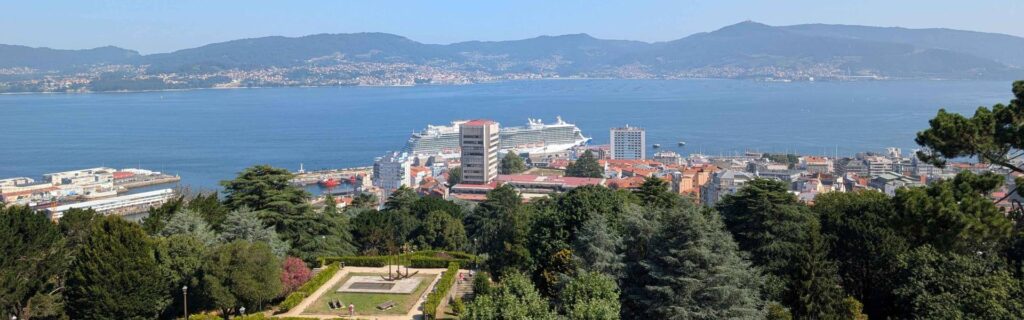
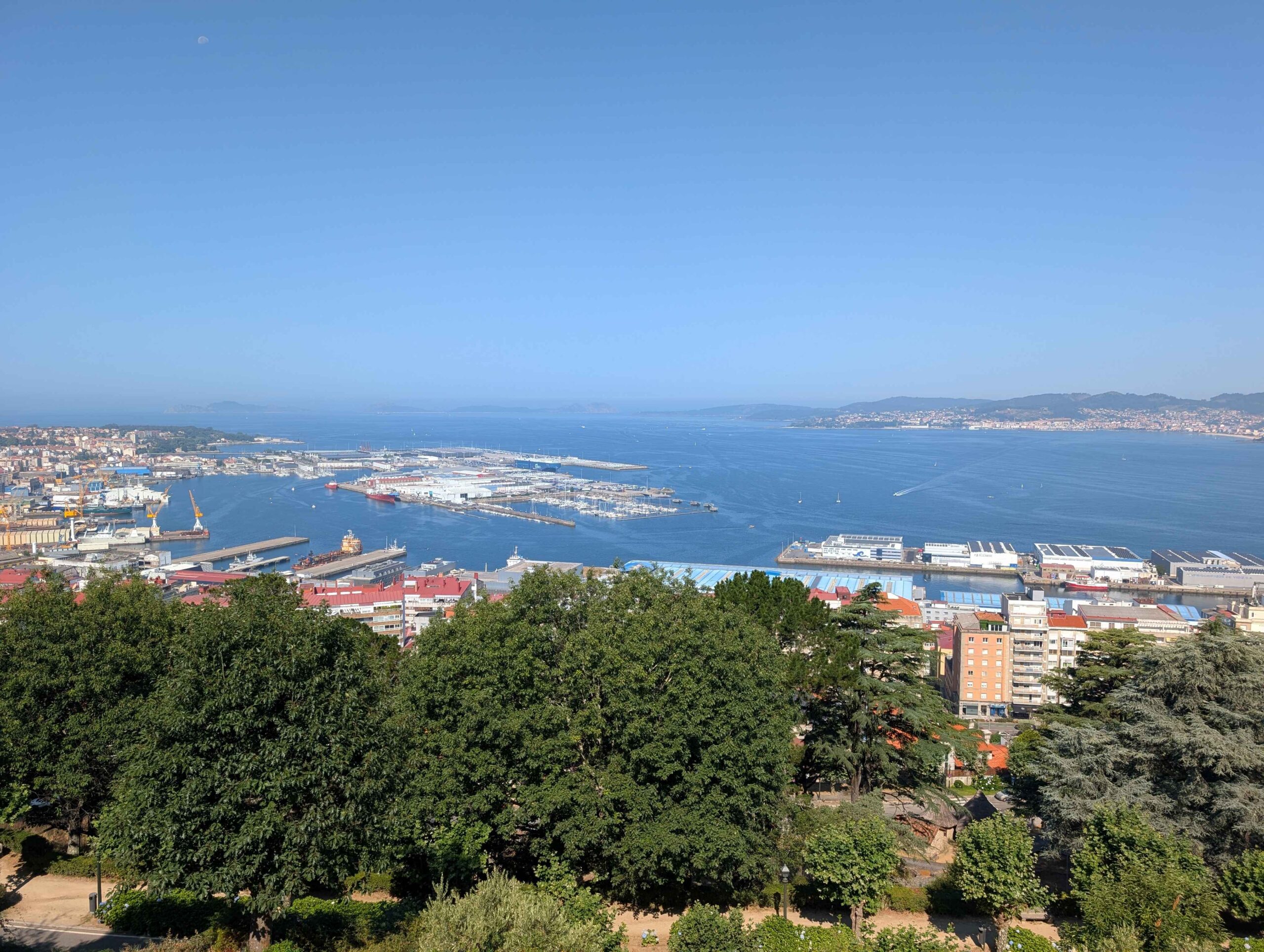
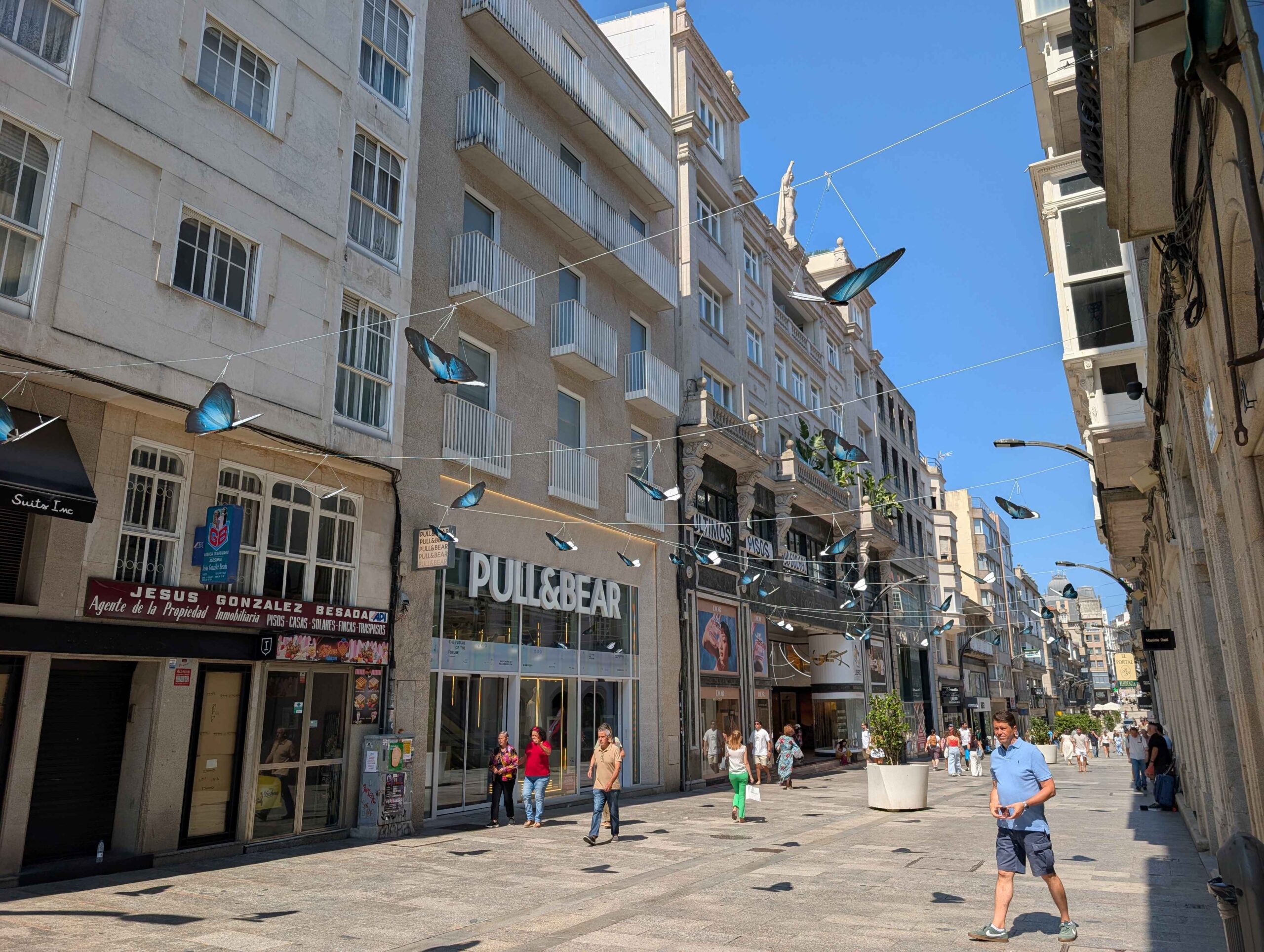
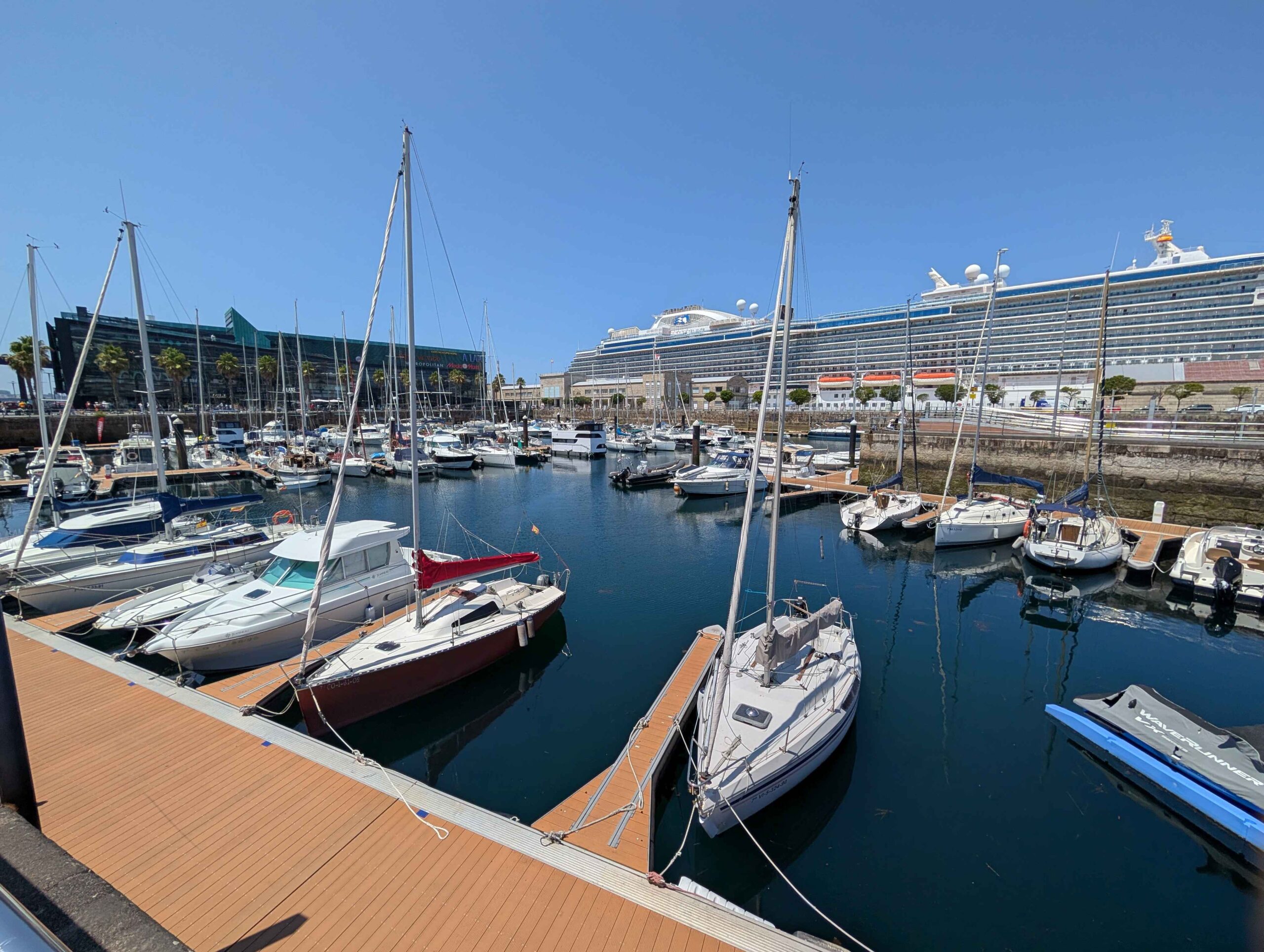
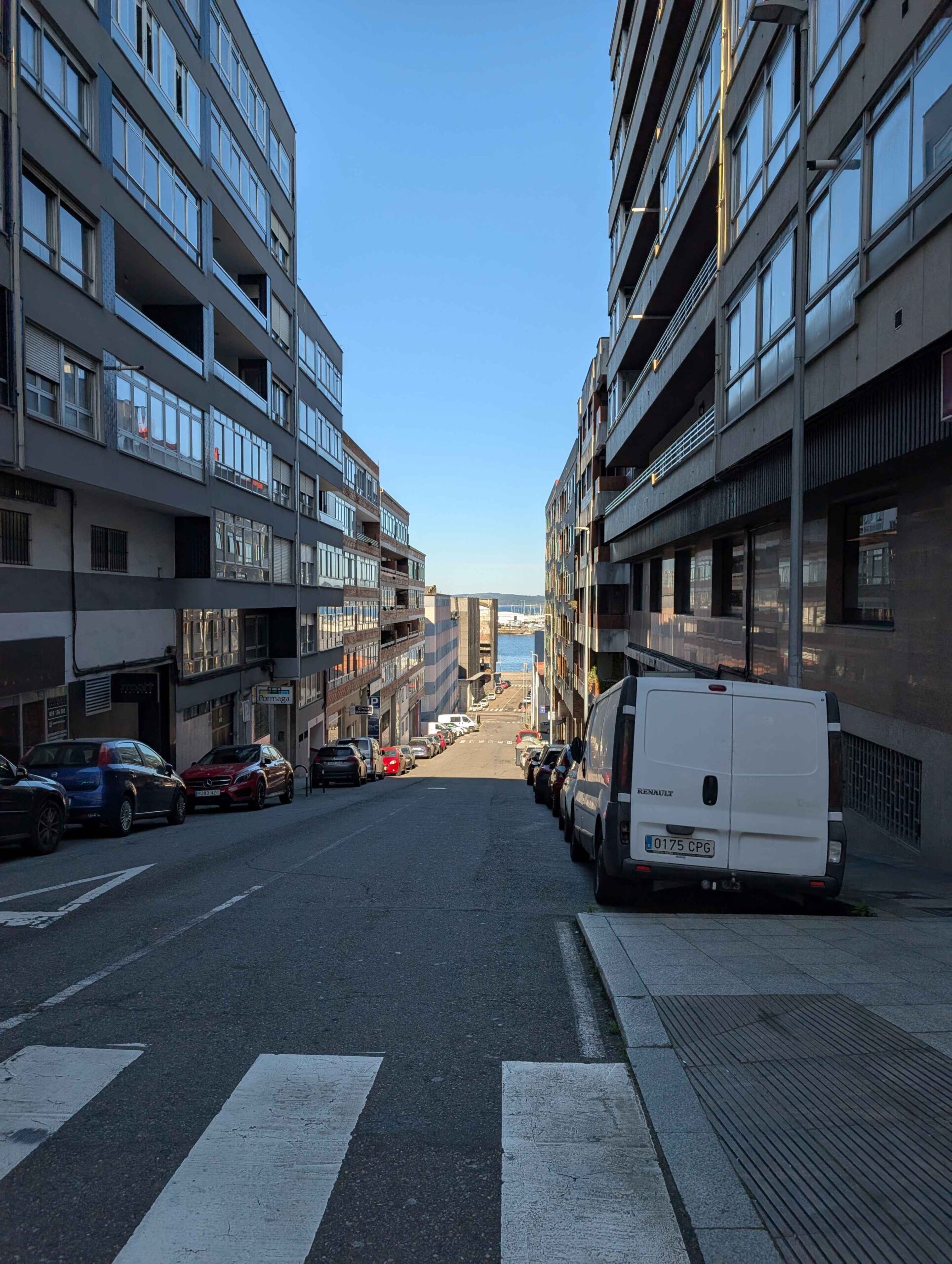
The first thing I noticed stepping off the ship in Vigo was how quickly the city begins. Within minutes of leaving the cruise terminal, I was already moving through real streets with traffic, storefronts, and people going about their day. Arriving by cruise into Vigo, there was no transition zone, no shuttle, no buildup. The harbor sits right alongside the city, and it immediately felt like a place you explore on foot rather than plan around.
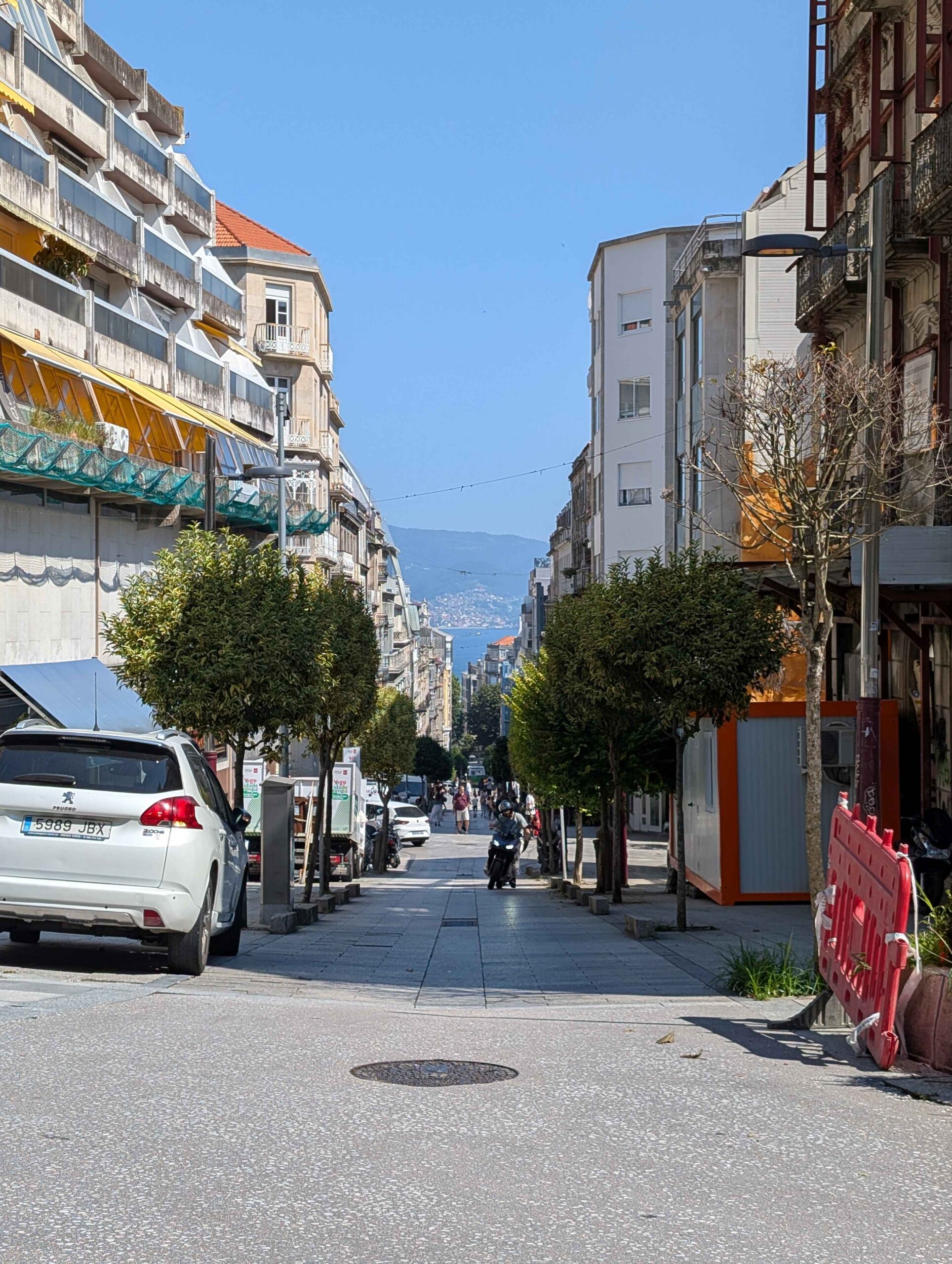
Vigo, also Vigo in Galician and Spanish, is part of the Galicia region in northwest Spain, and the city has a slightly rugged feel to it that shows up in both the terrain and the architecture. The waterfront stays mostly flat and easy to navigate, but the moment you turn inland toward Casco Vello, the Old Town, the elevation starts to make itself known.
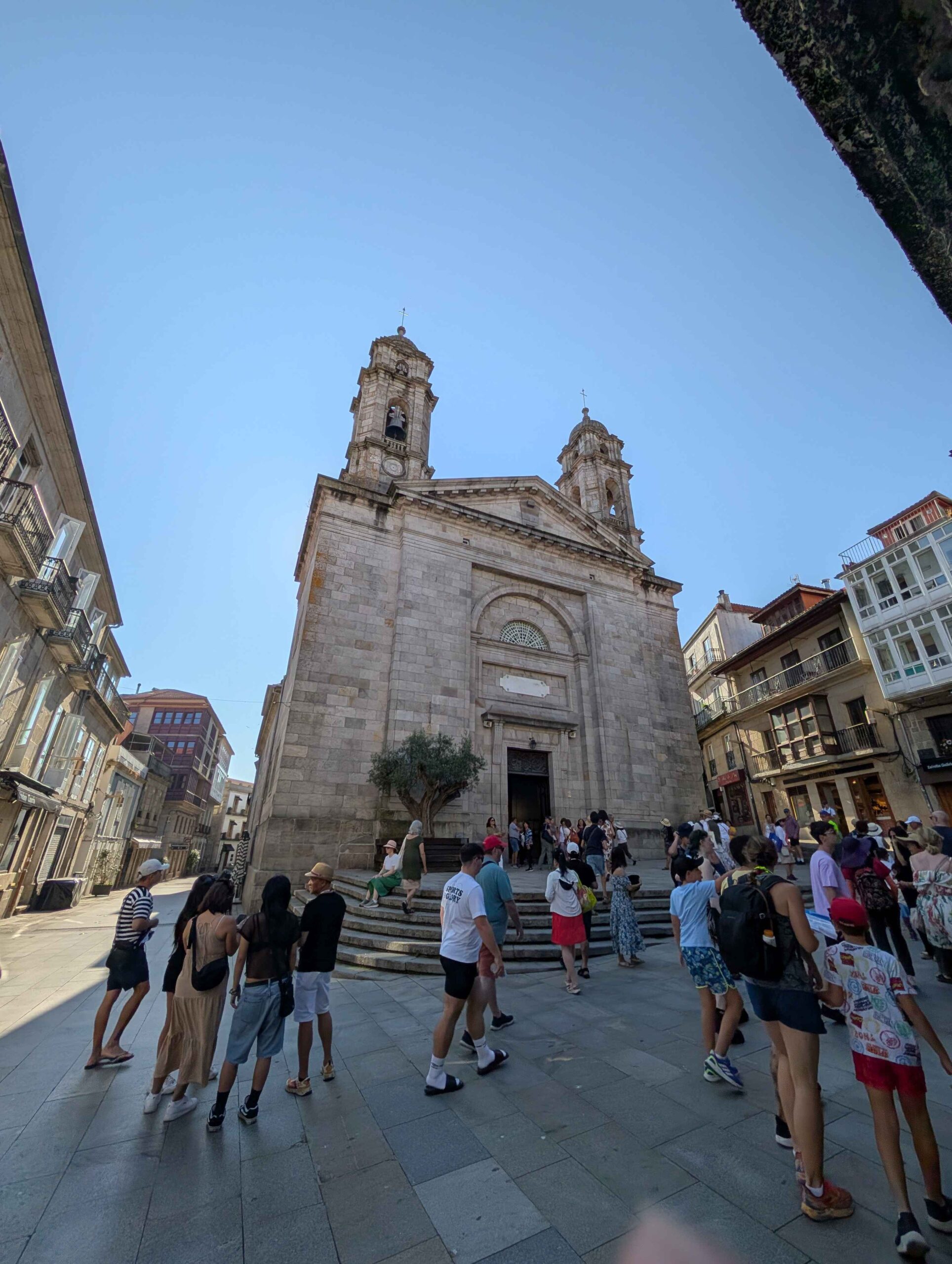
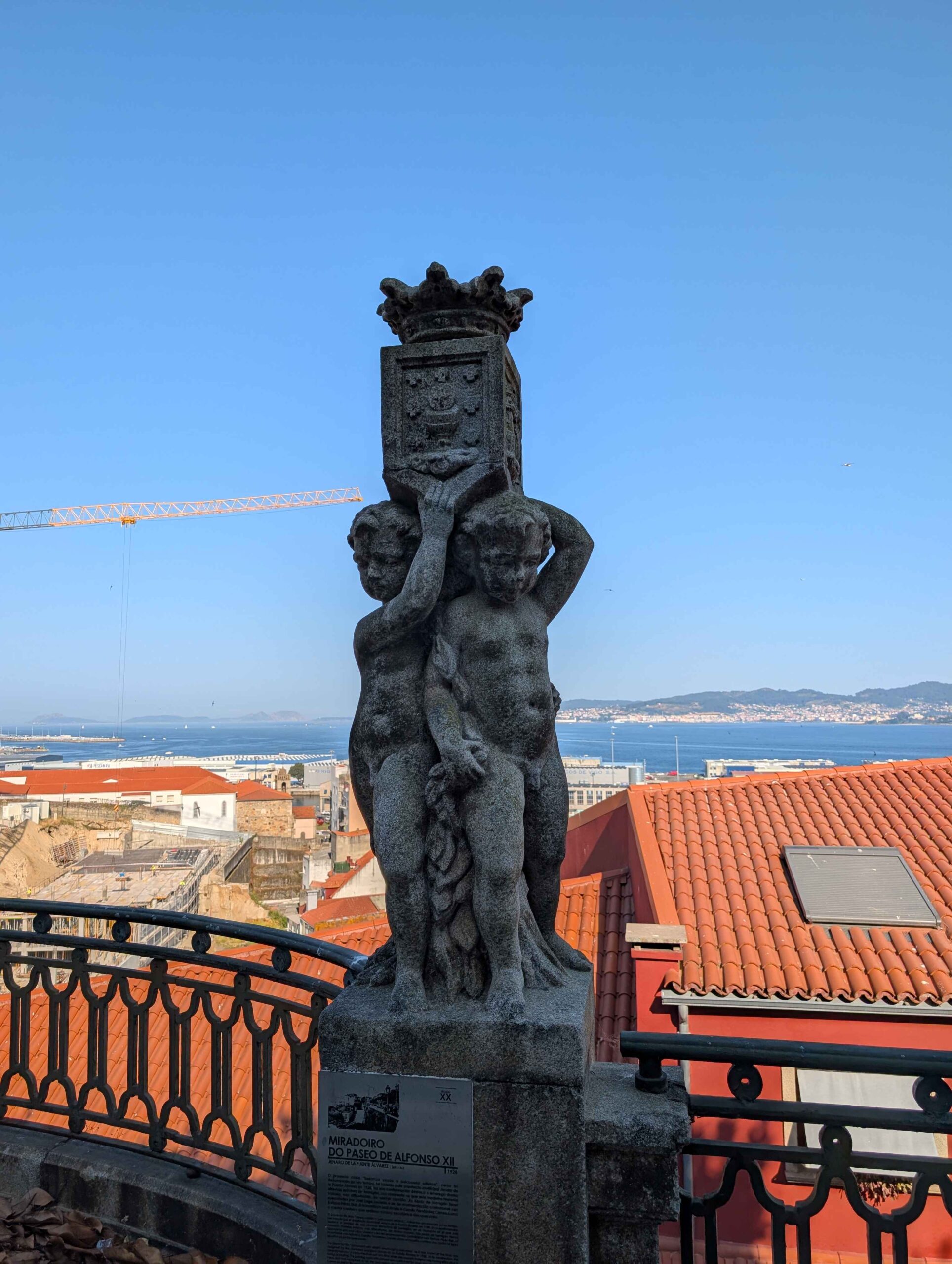
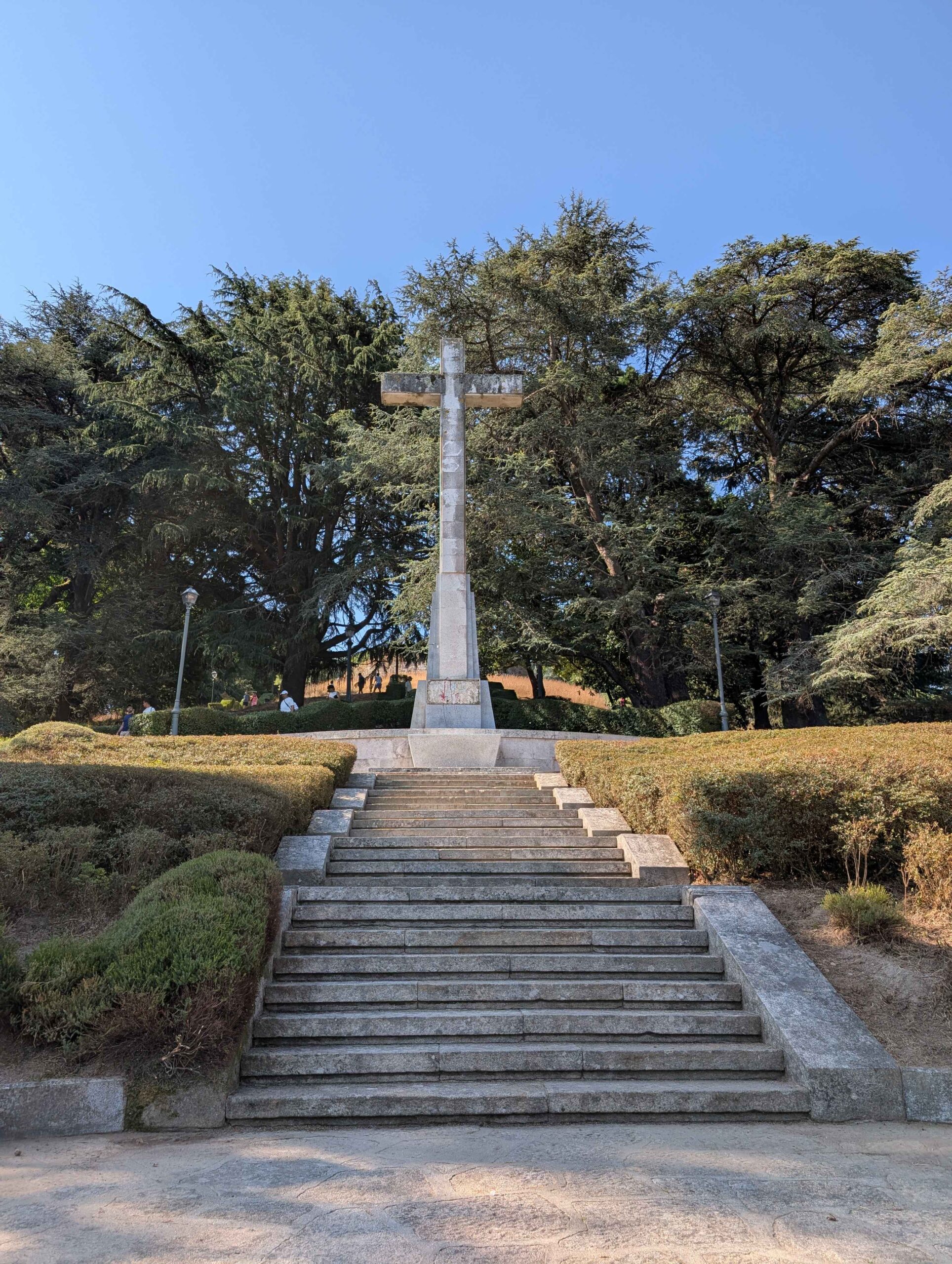
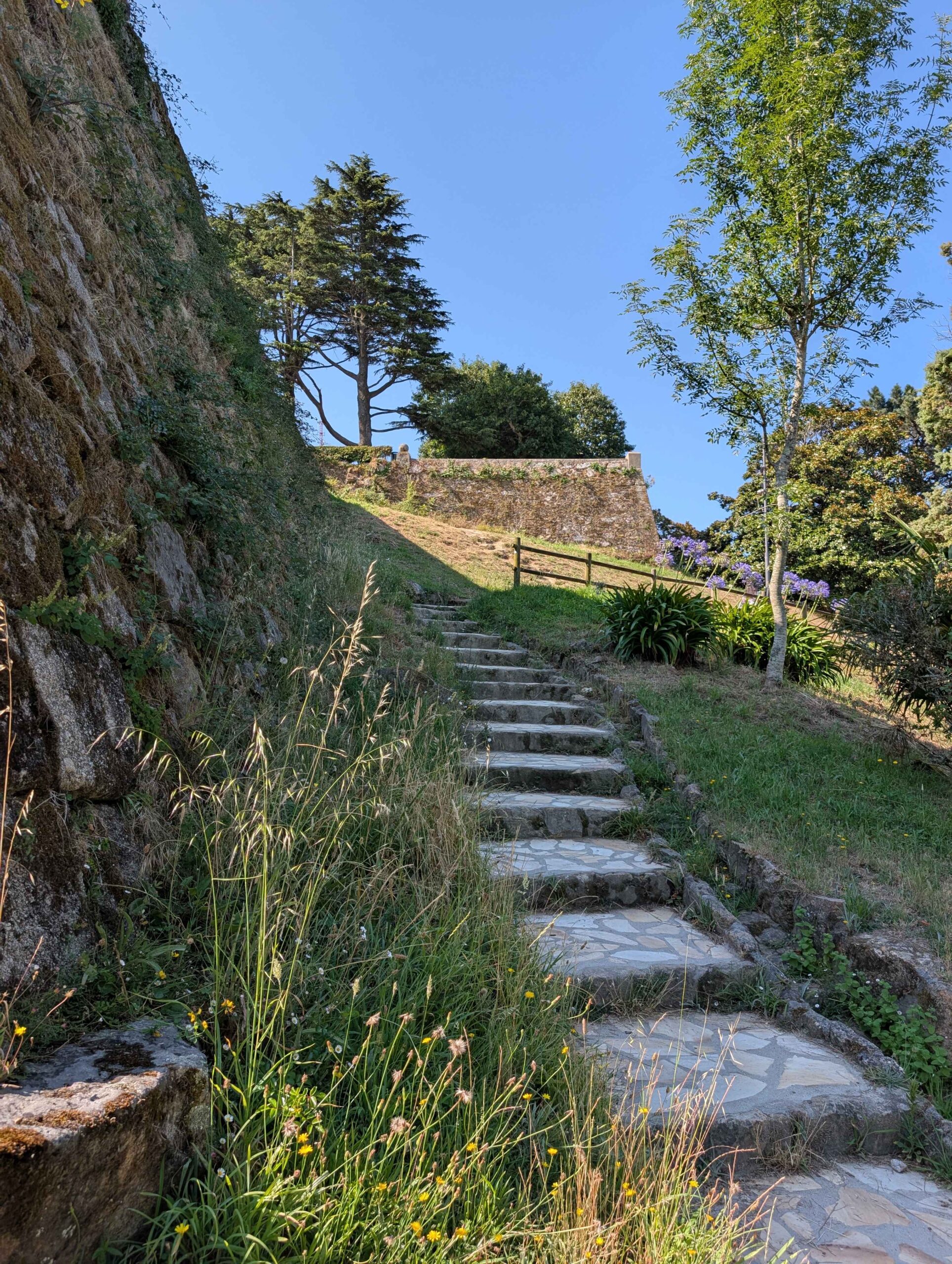
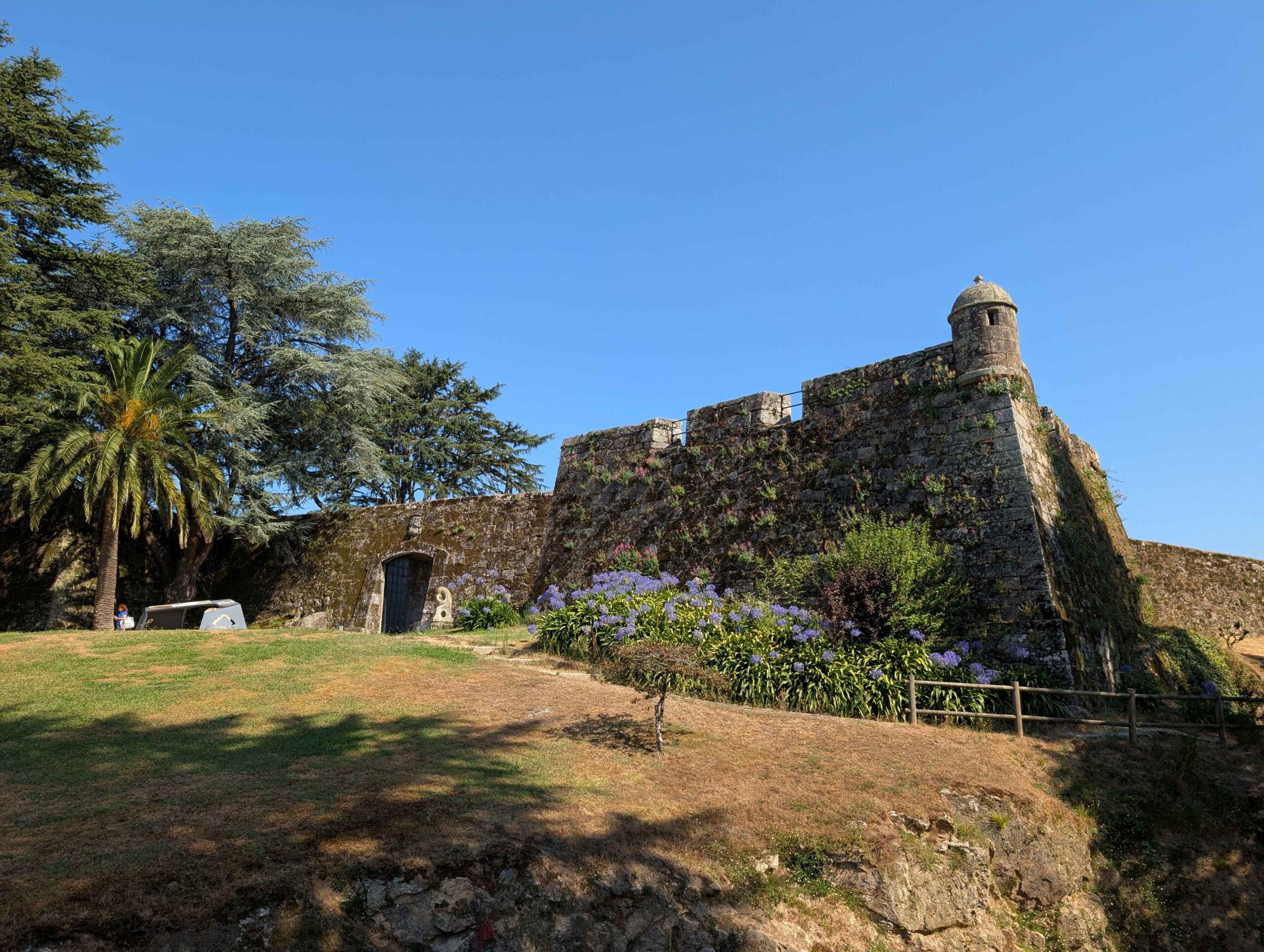
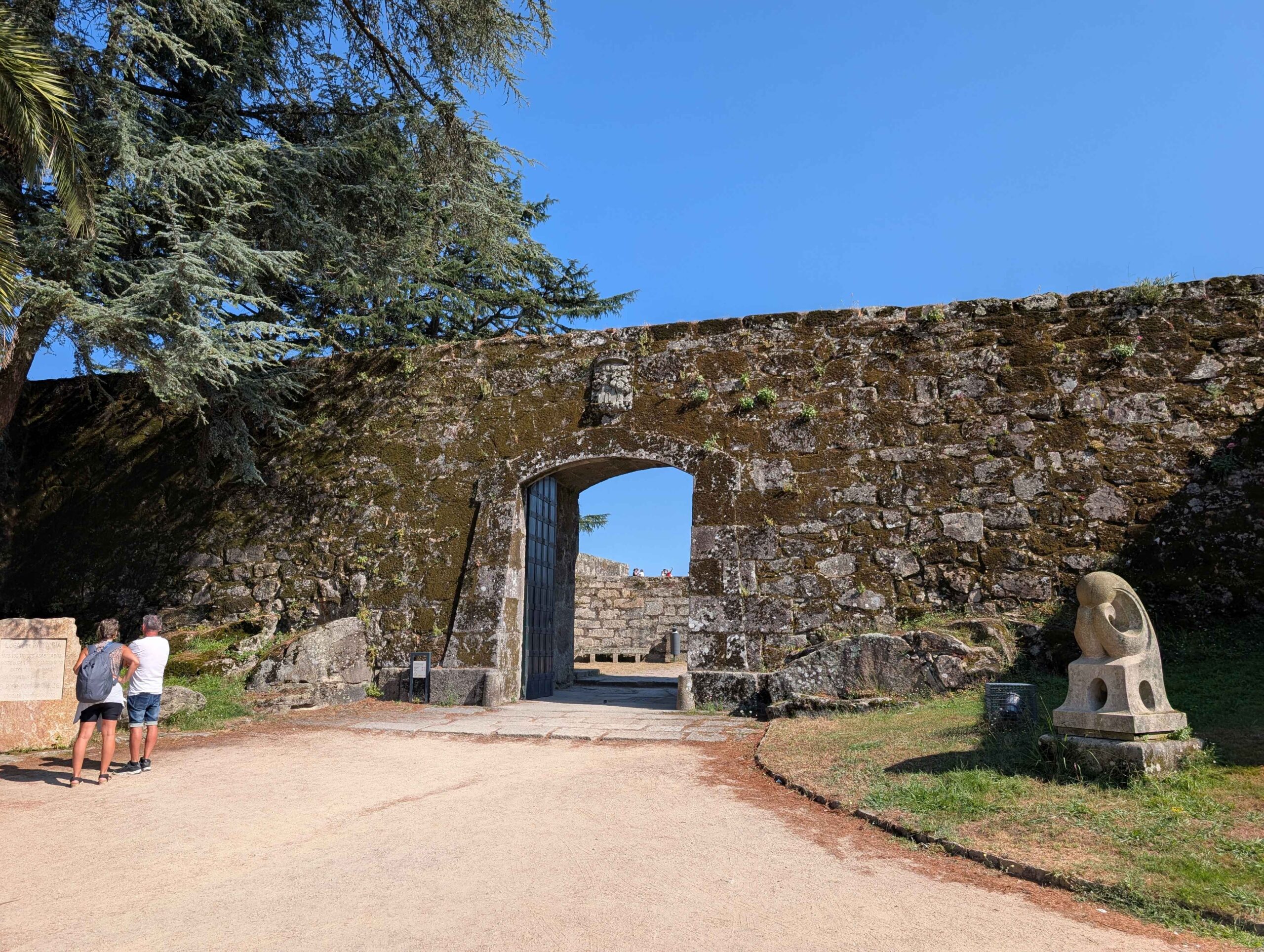
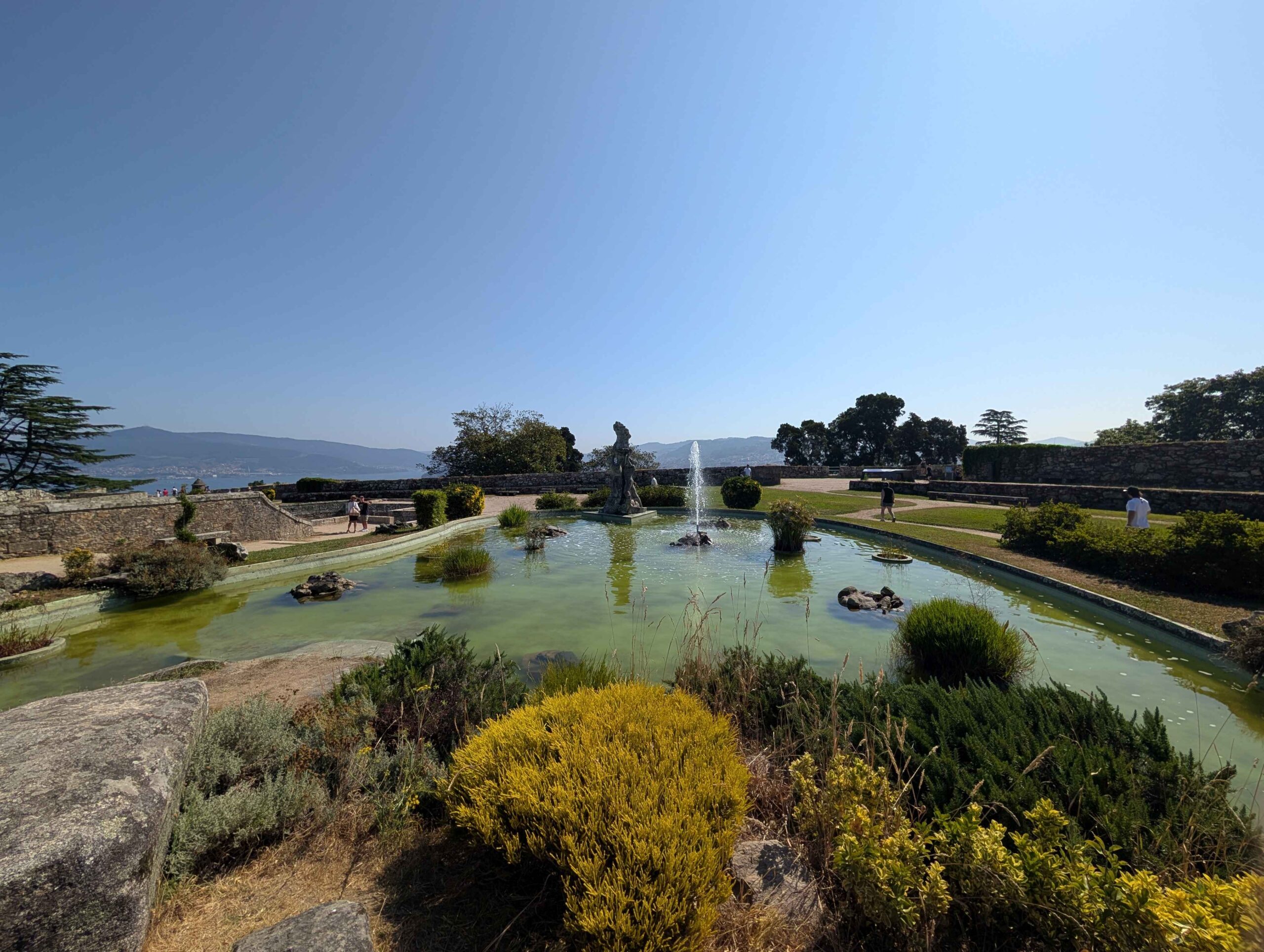
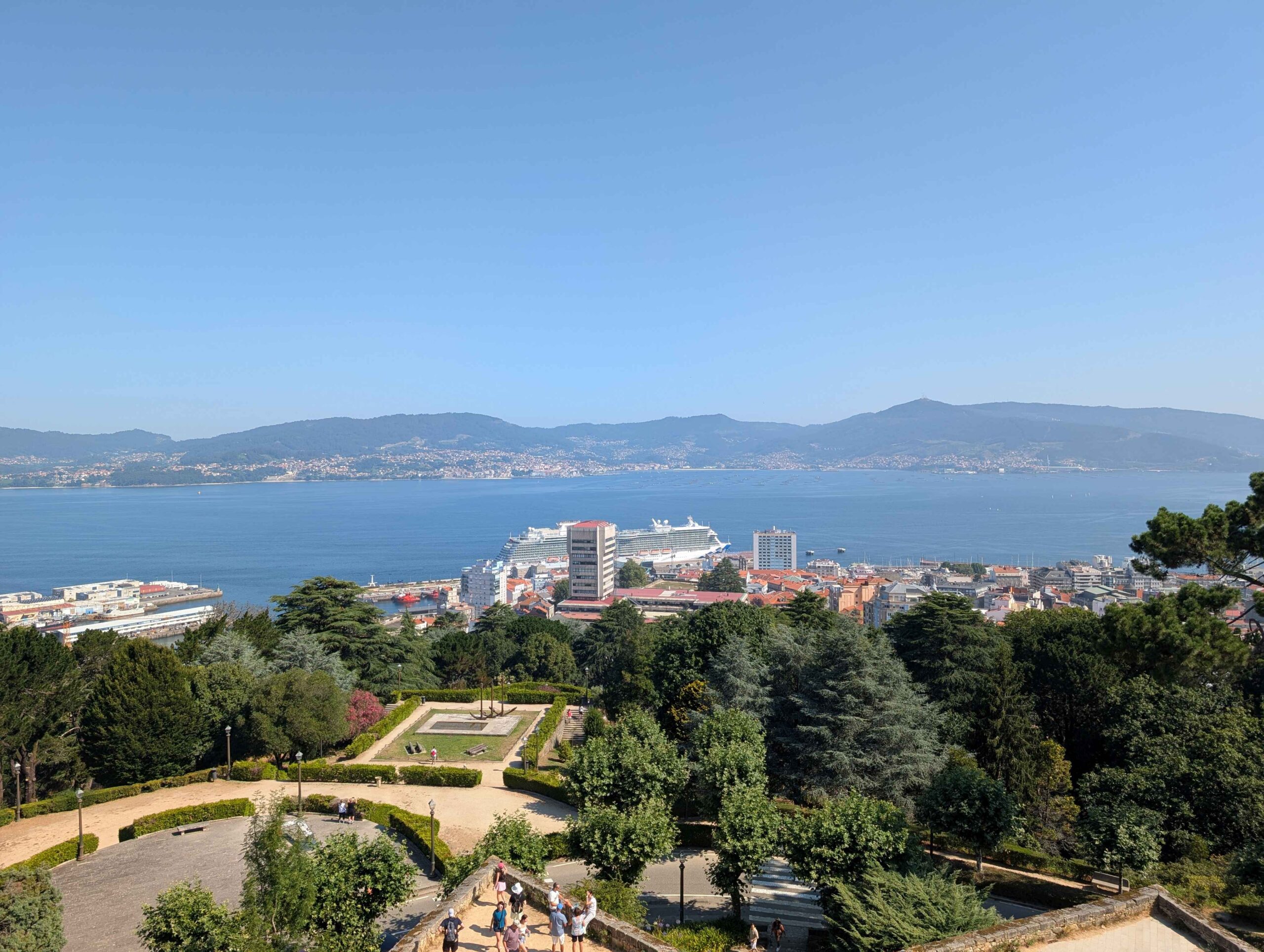
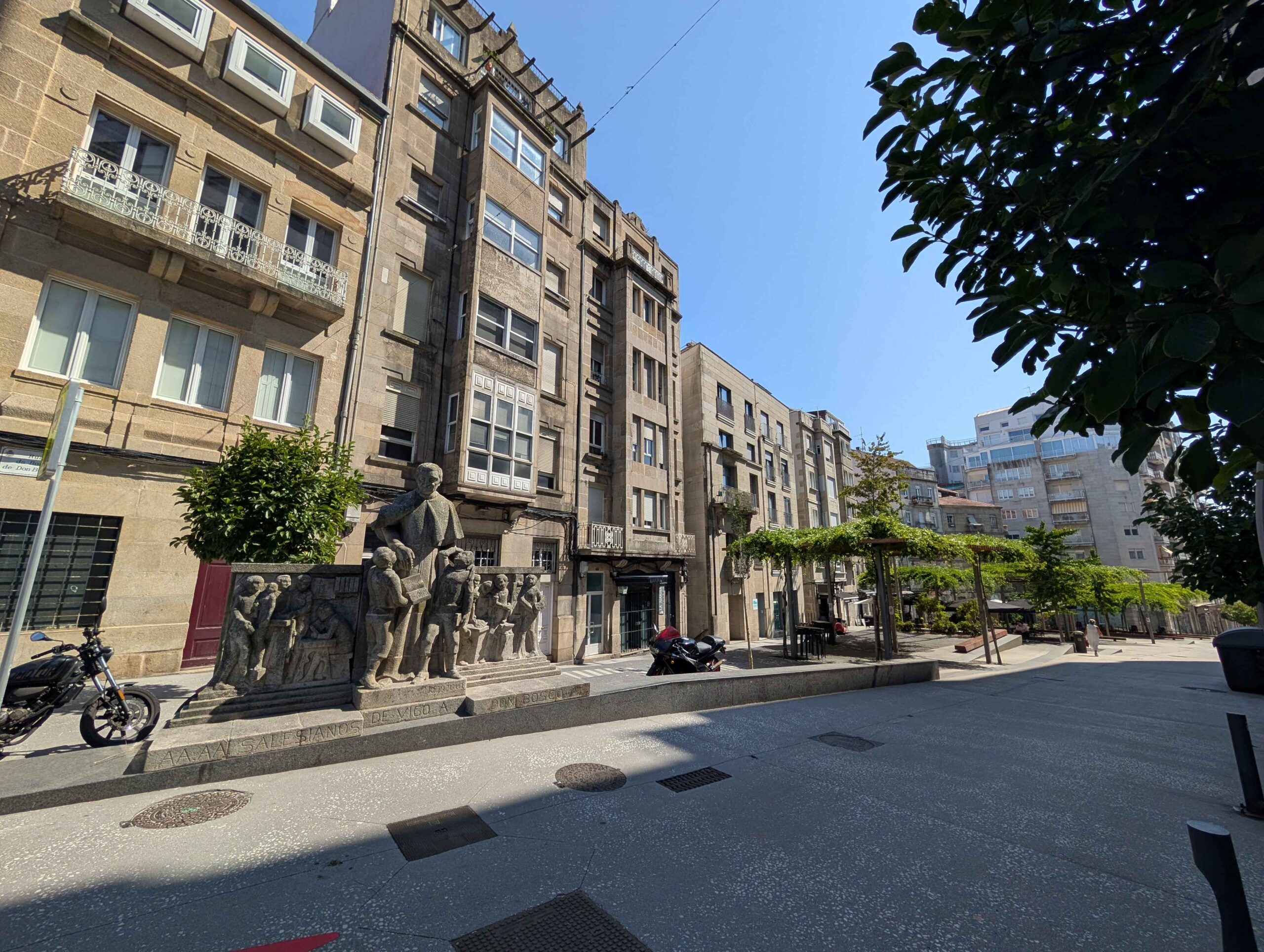
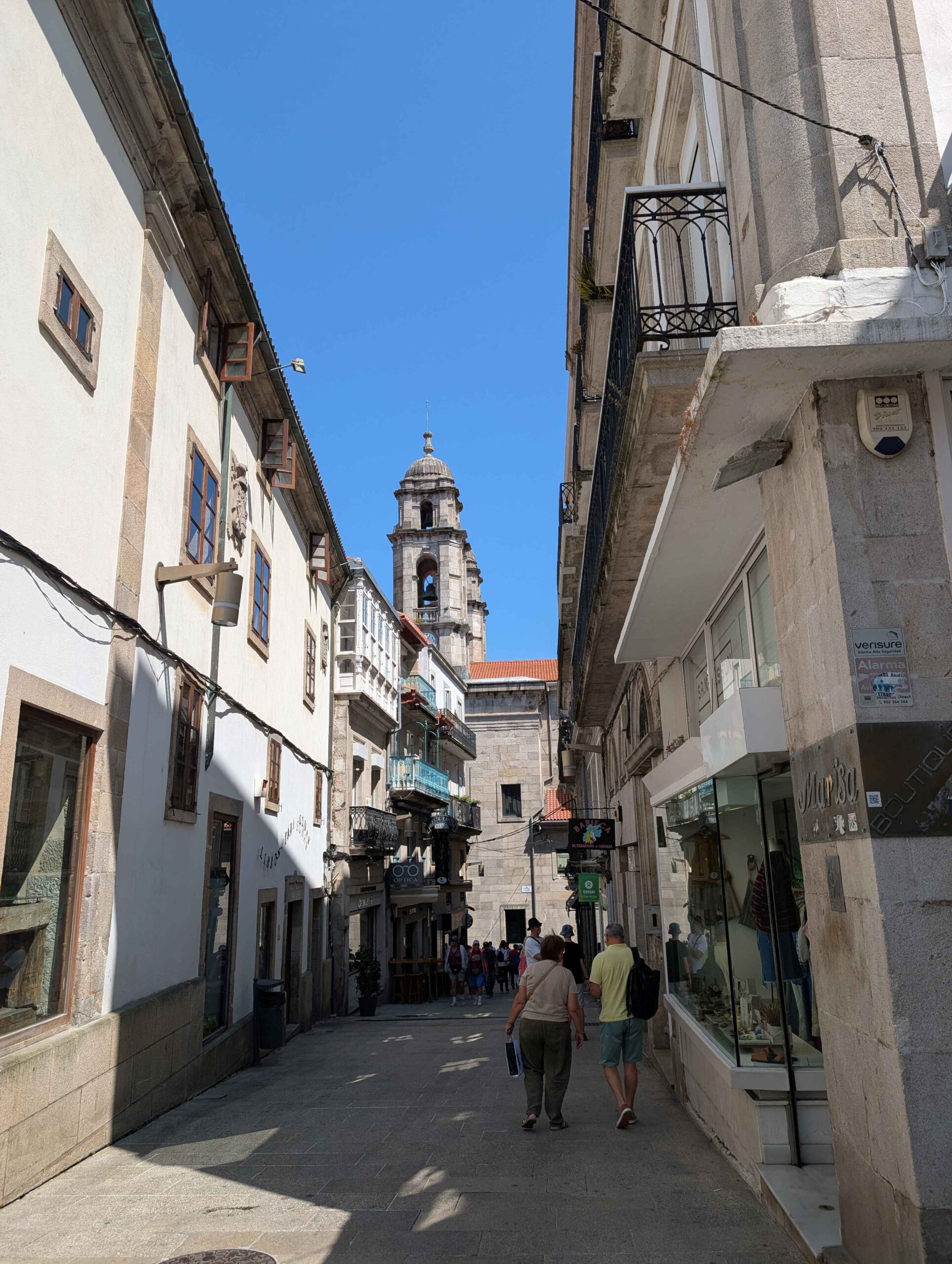
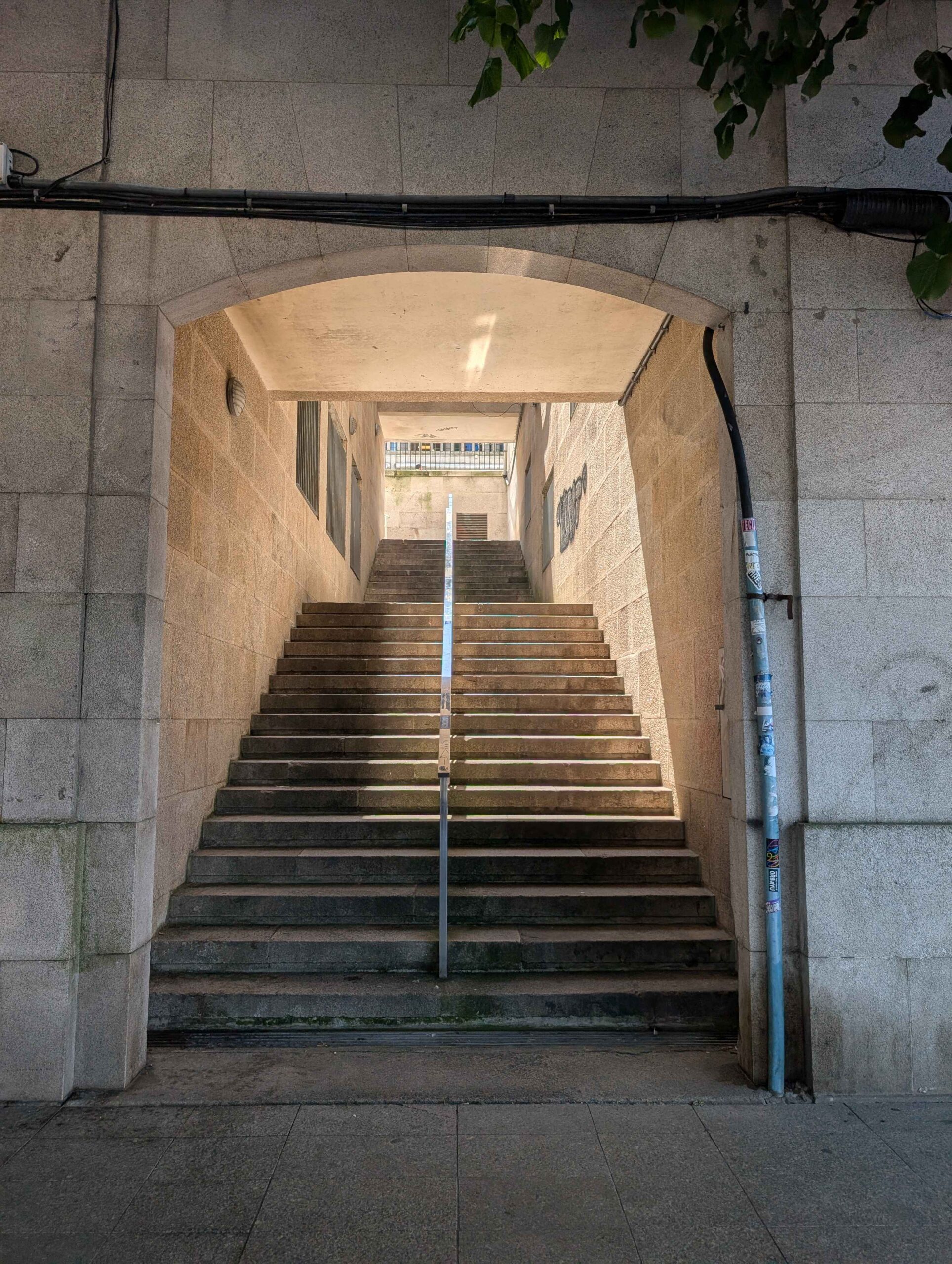
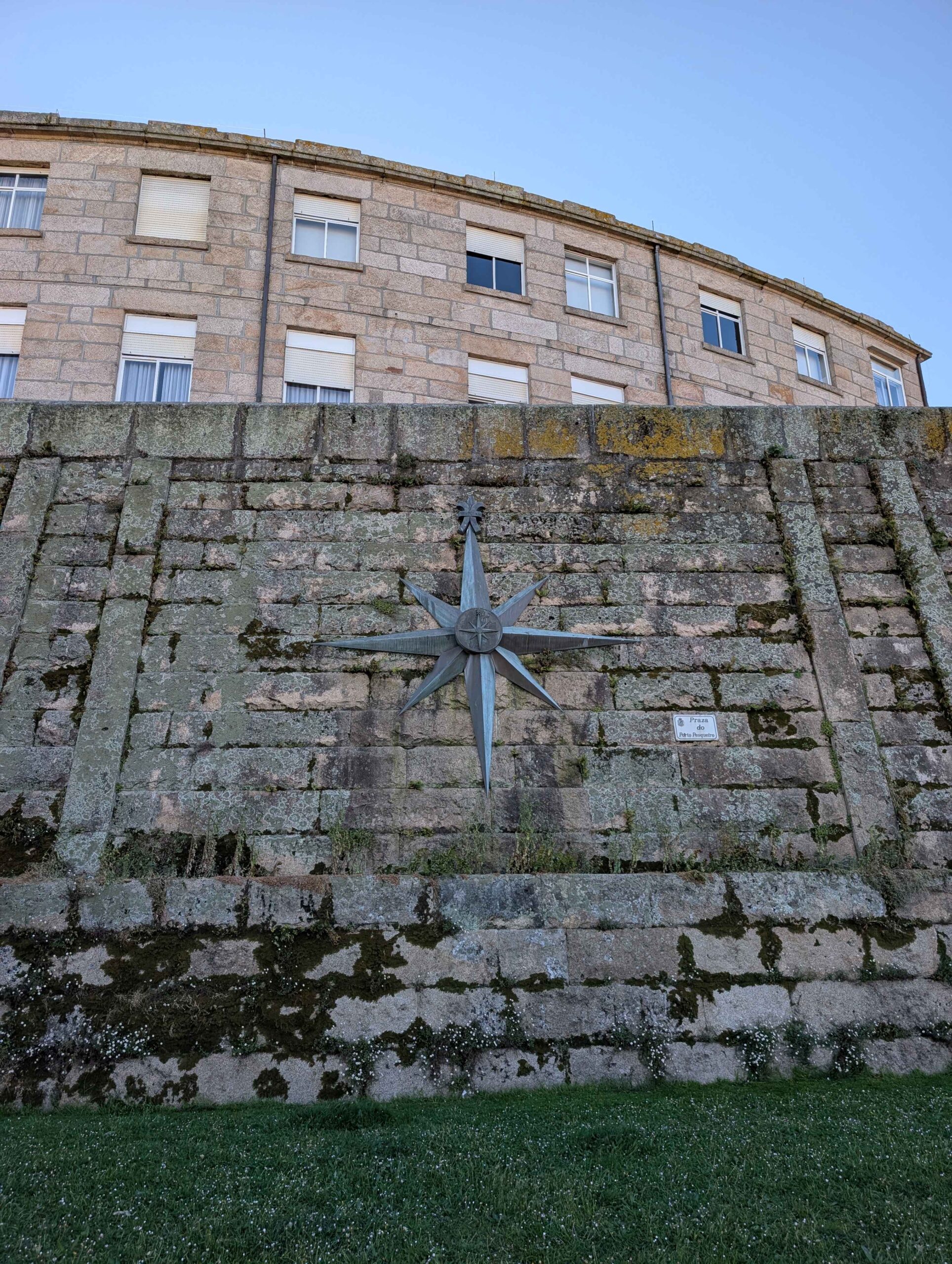
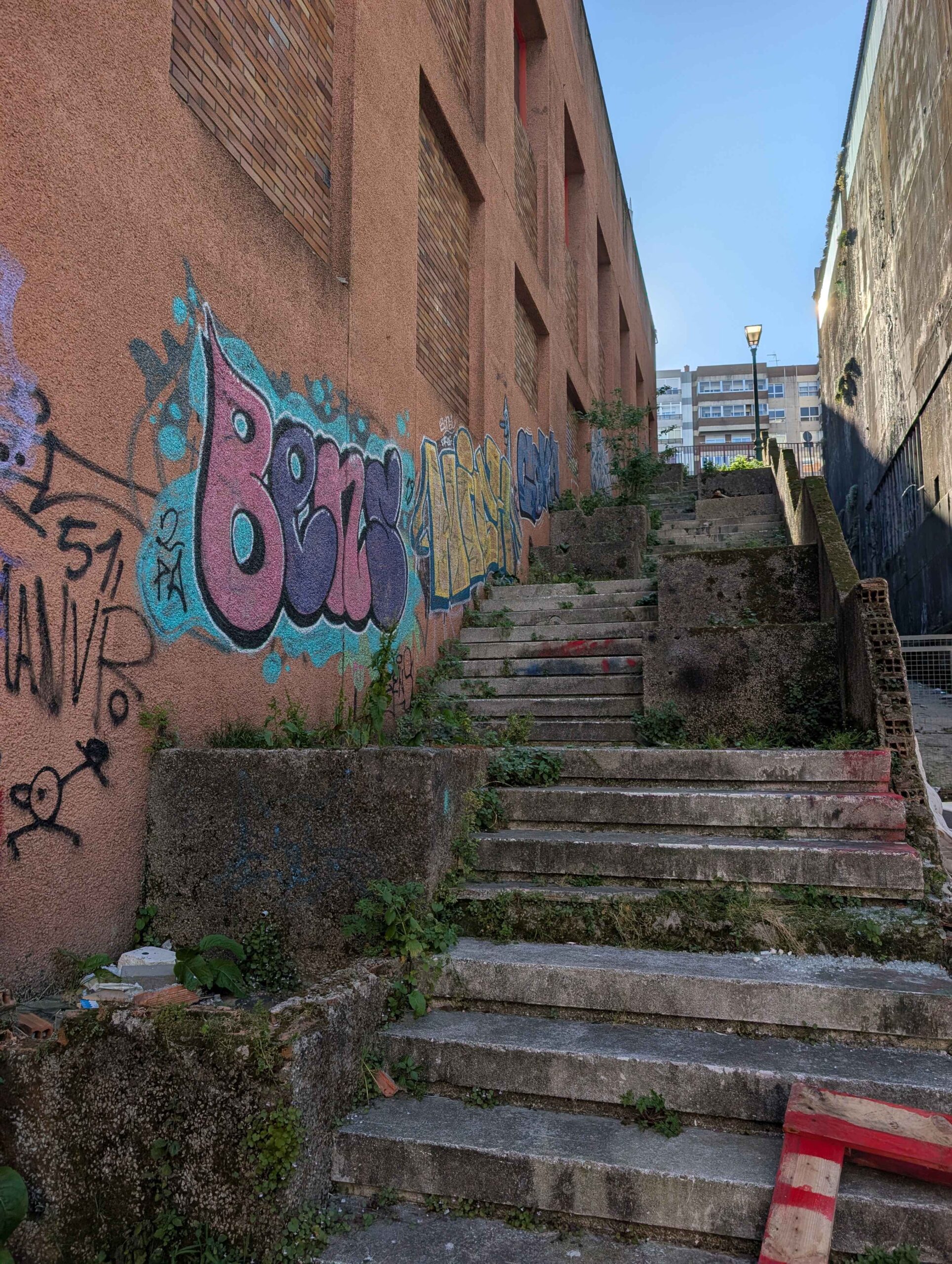
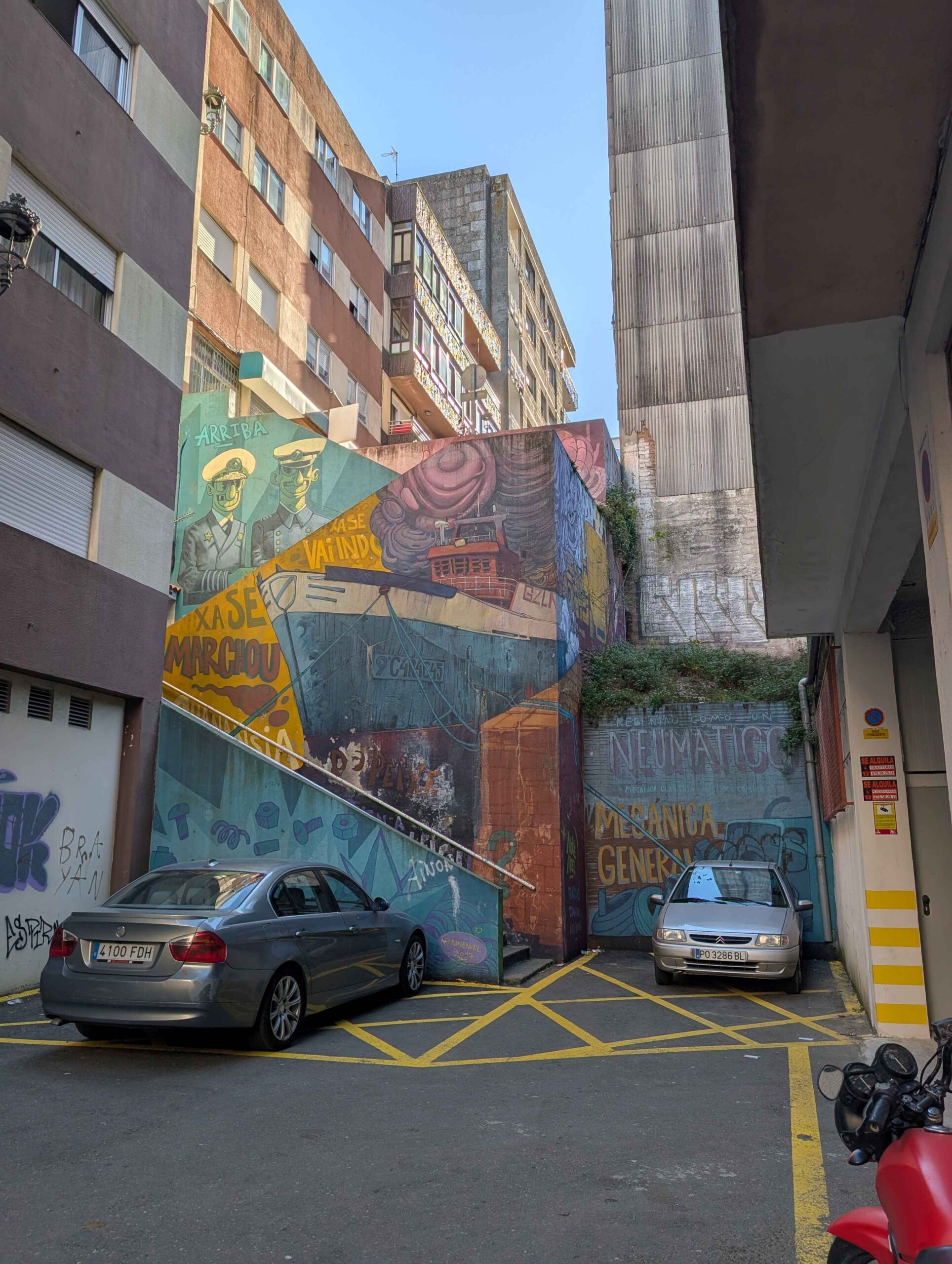
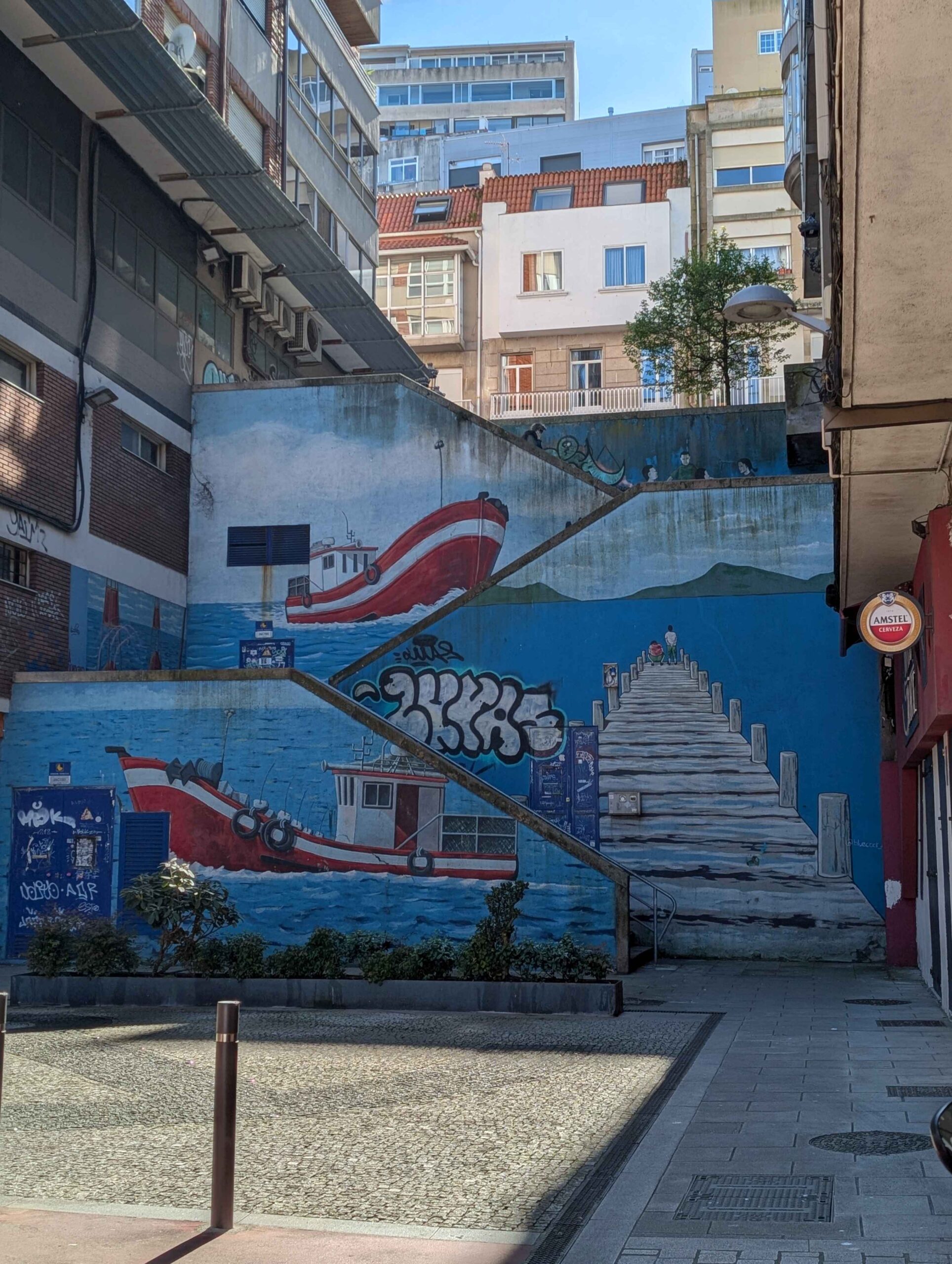
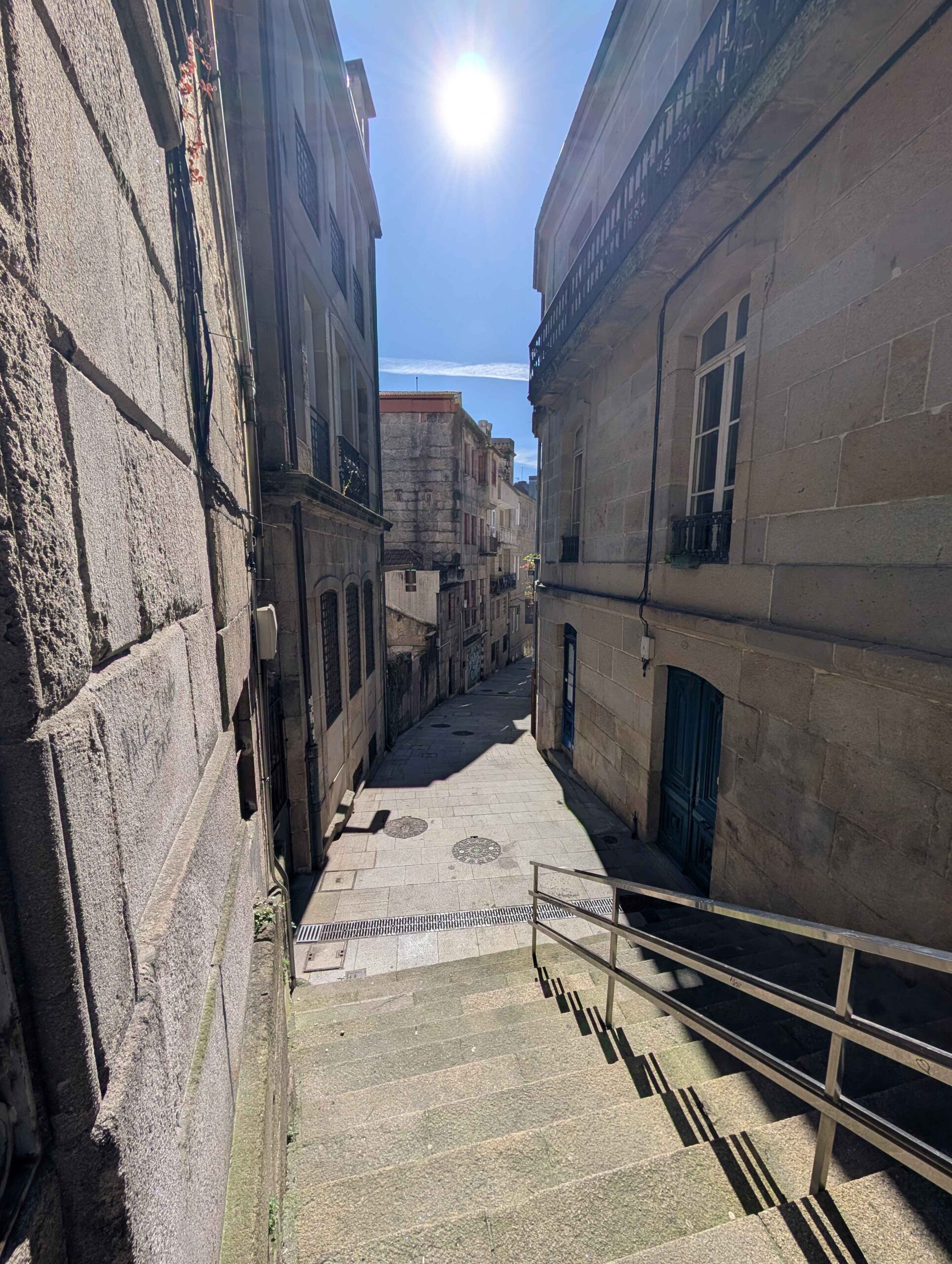
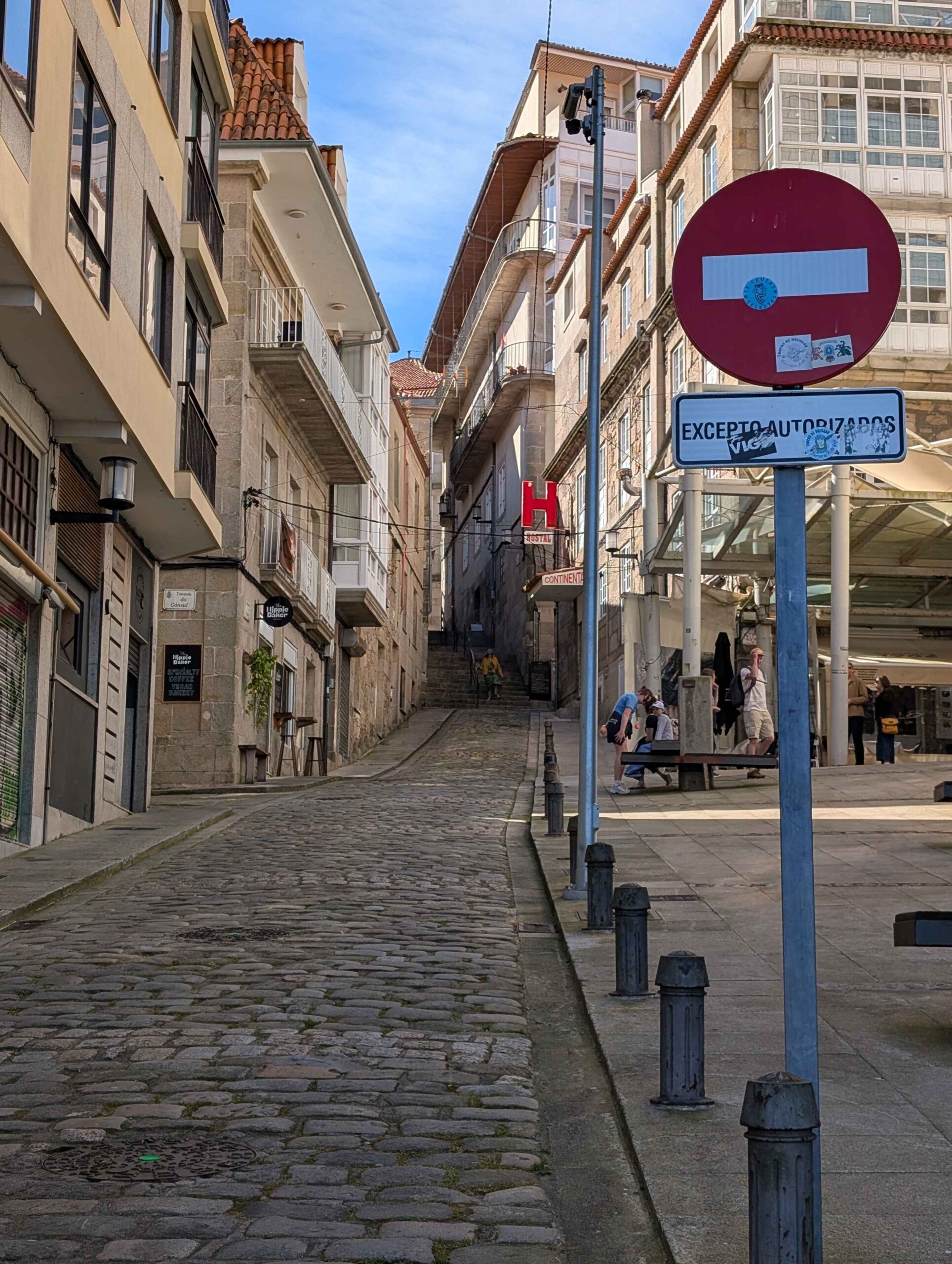
On my first visit, I headed straight into Casco Vello and worked my way uphill toward Fortaleza de Santa María do Castro. The route was anything but direct. Staircases cut between buildings, narrow alleys opened into small plazas, and walls were layered with graffiti and murals. Some areas felt polished, others felt like they had been left to age naturally, with plants pushing through cracks in the concrete. The climb took effort, but reaching the top and looking back out over the harbor made it feel earned.
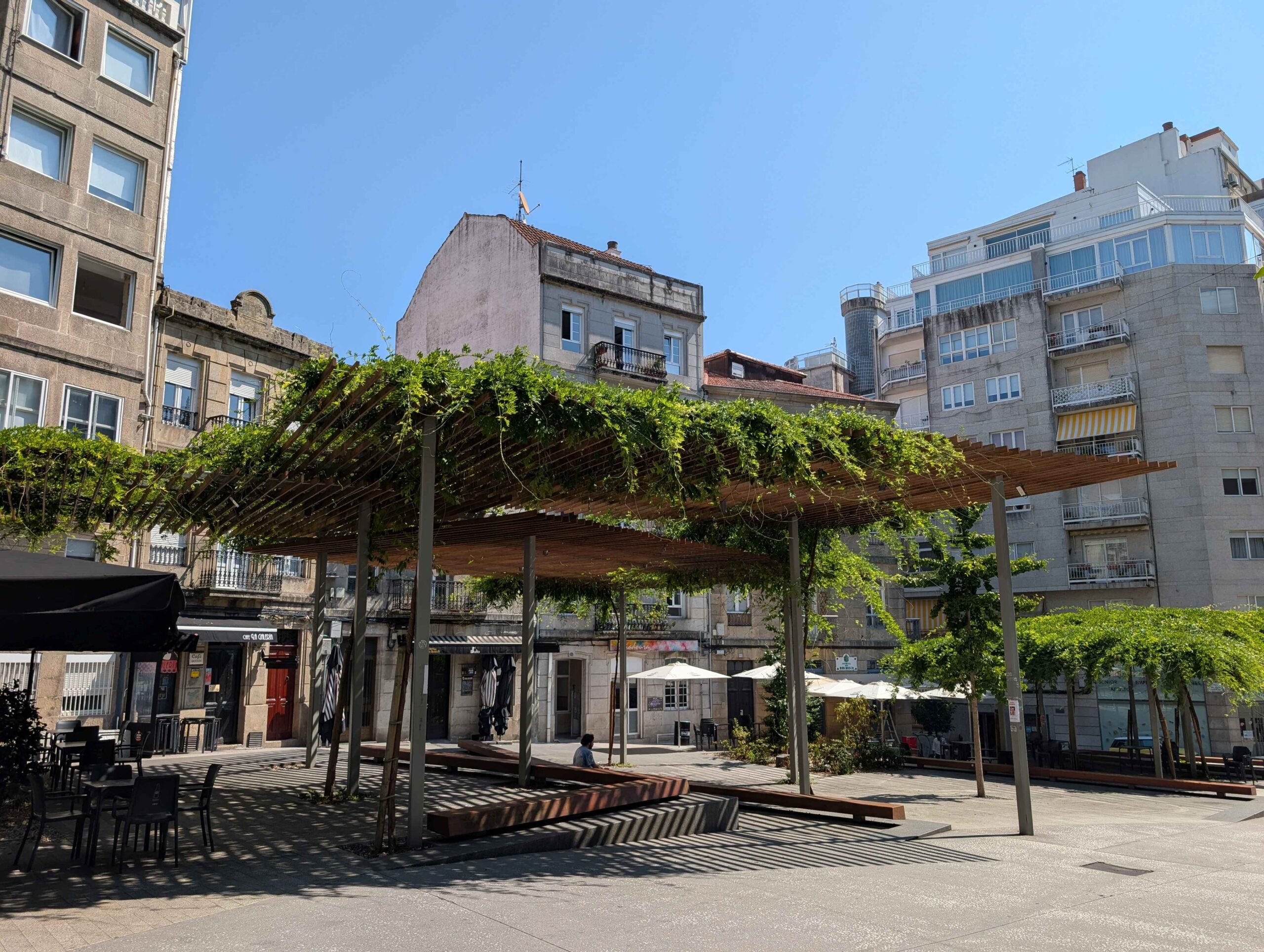
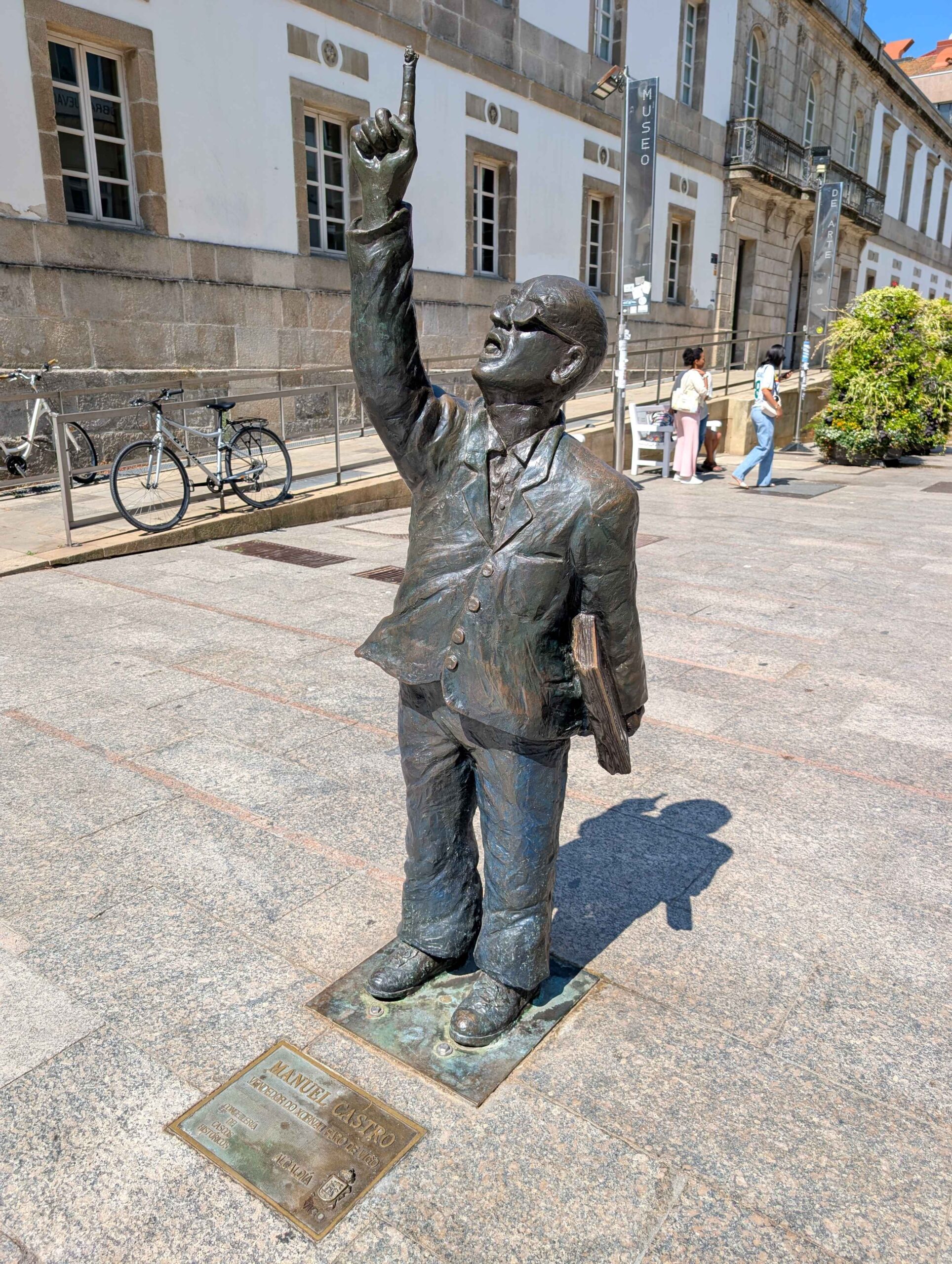
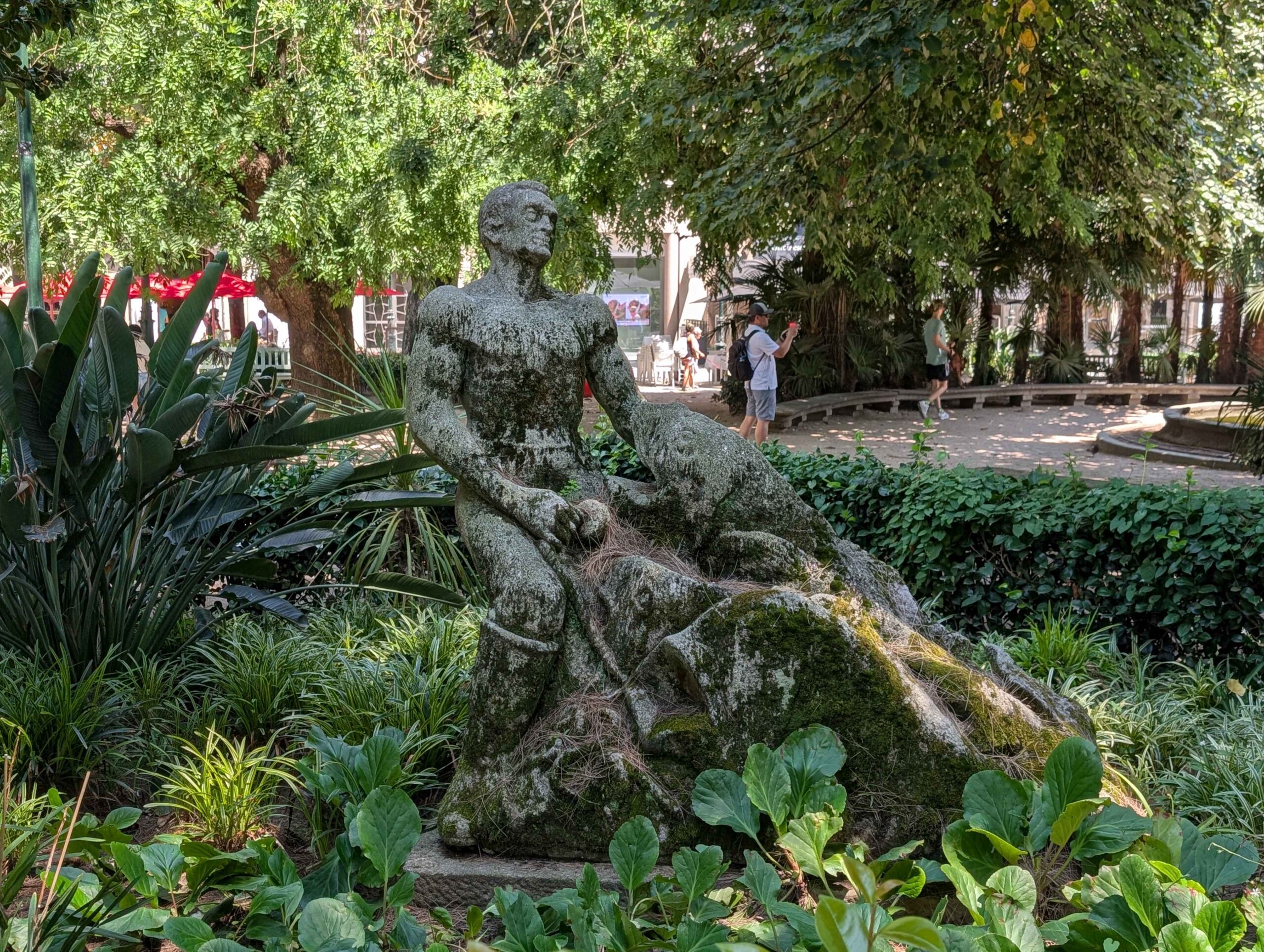
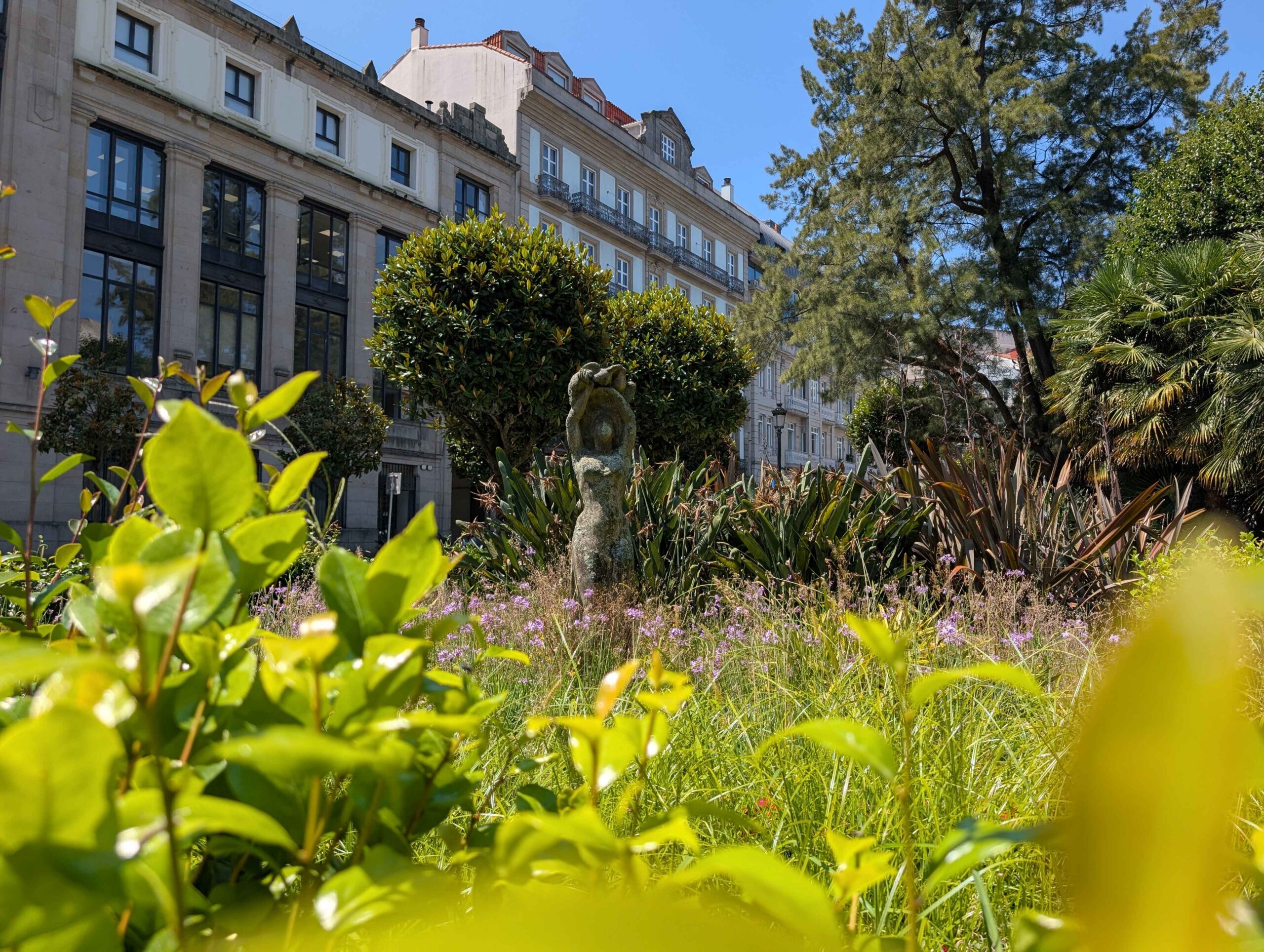
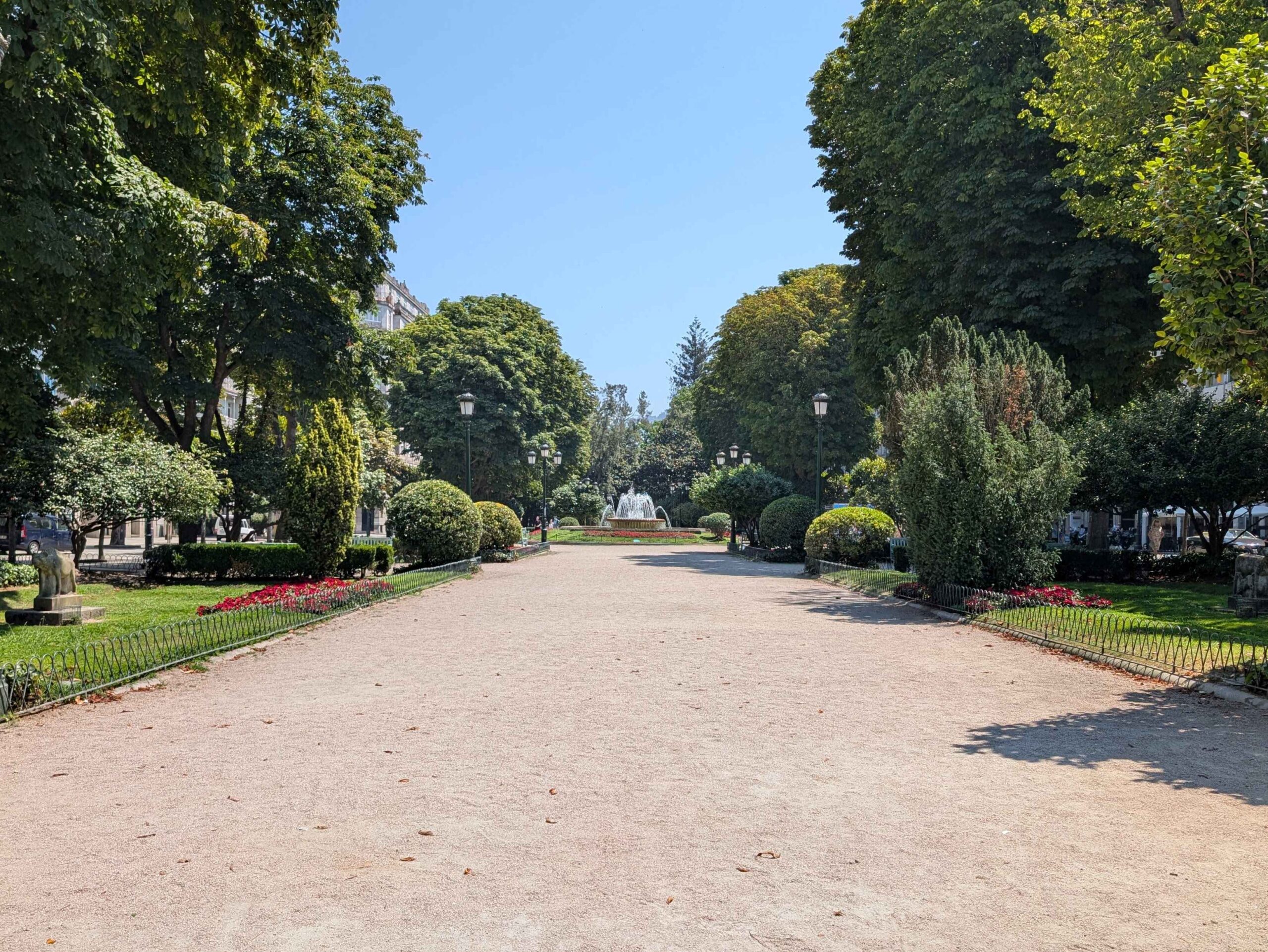
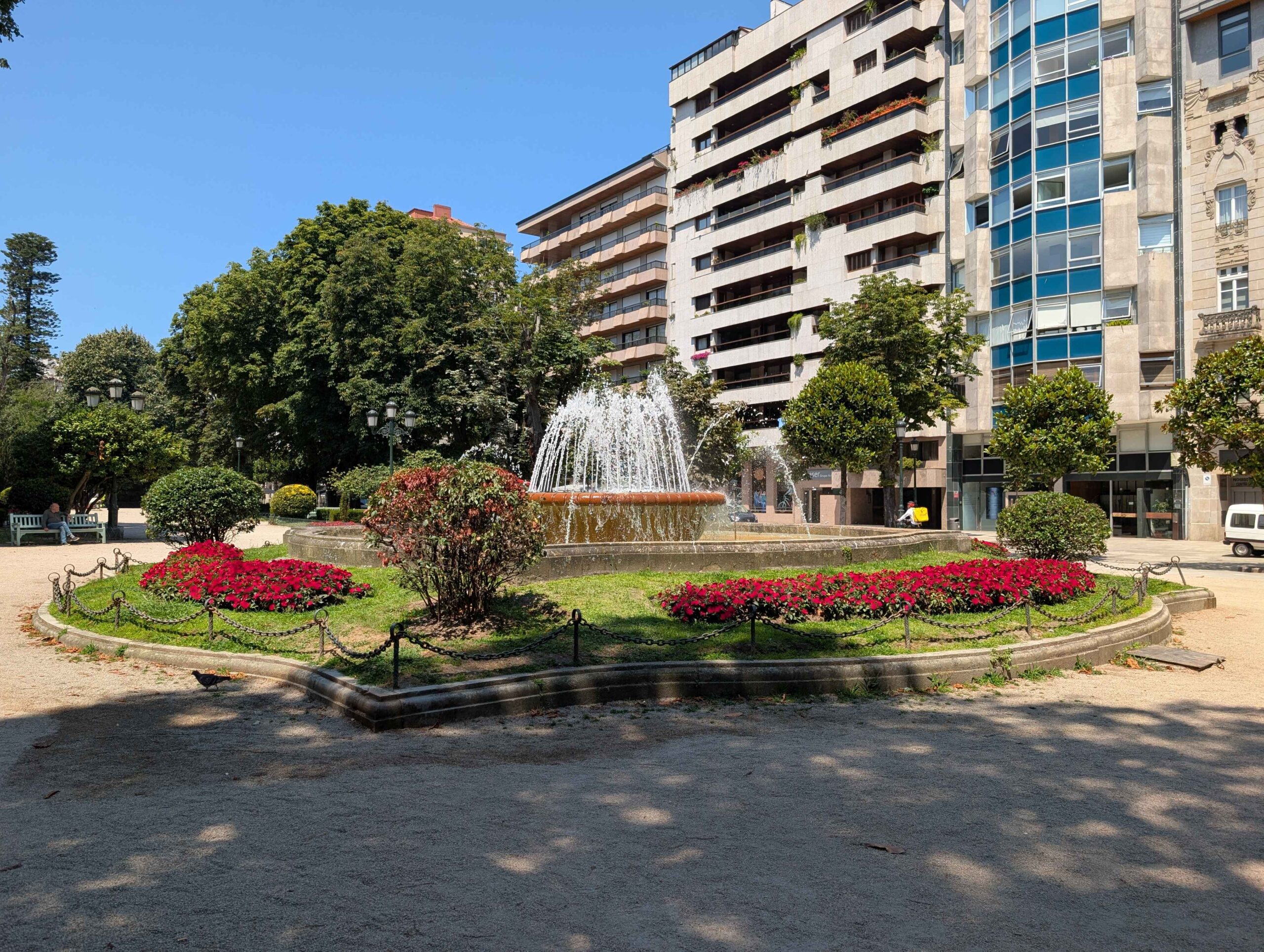
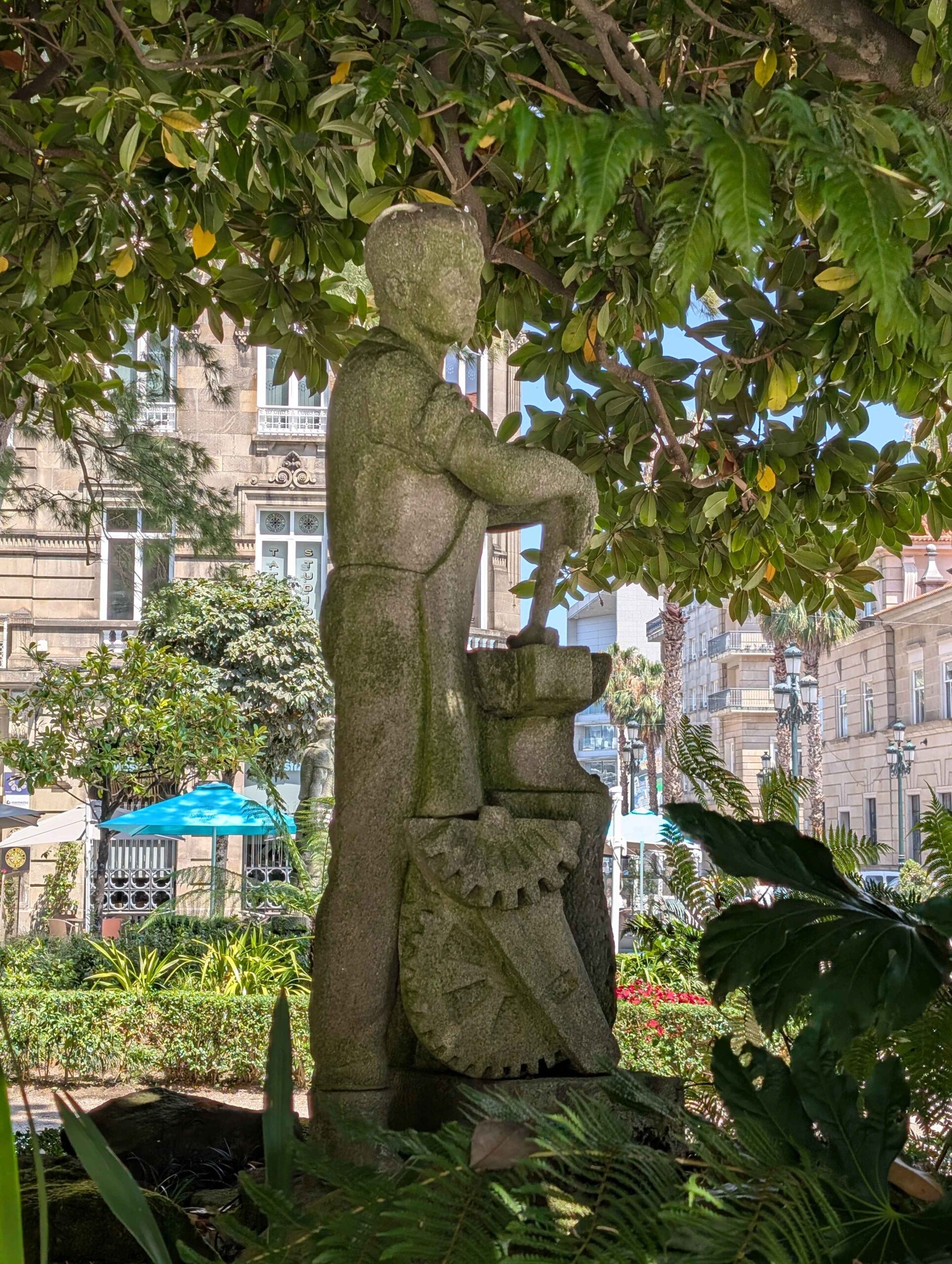
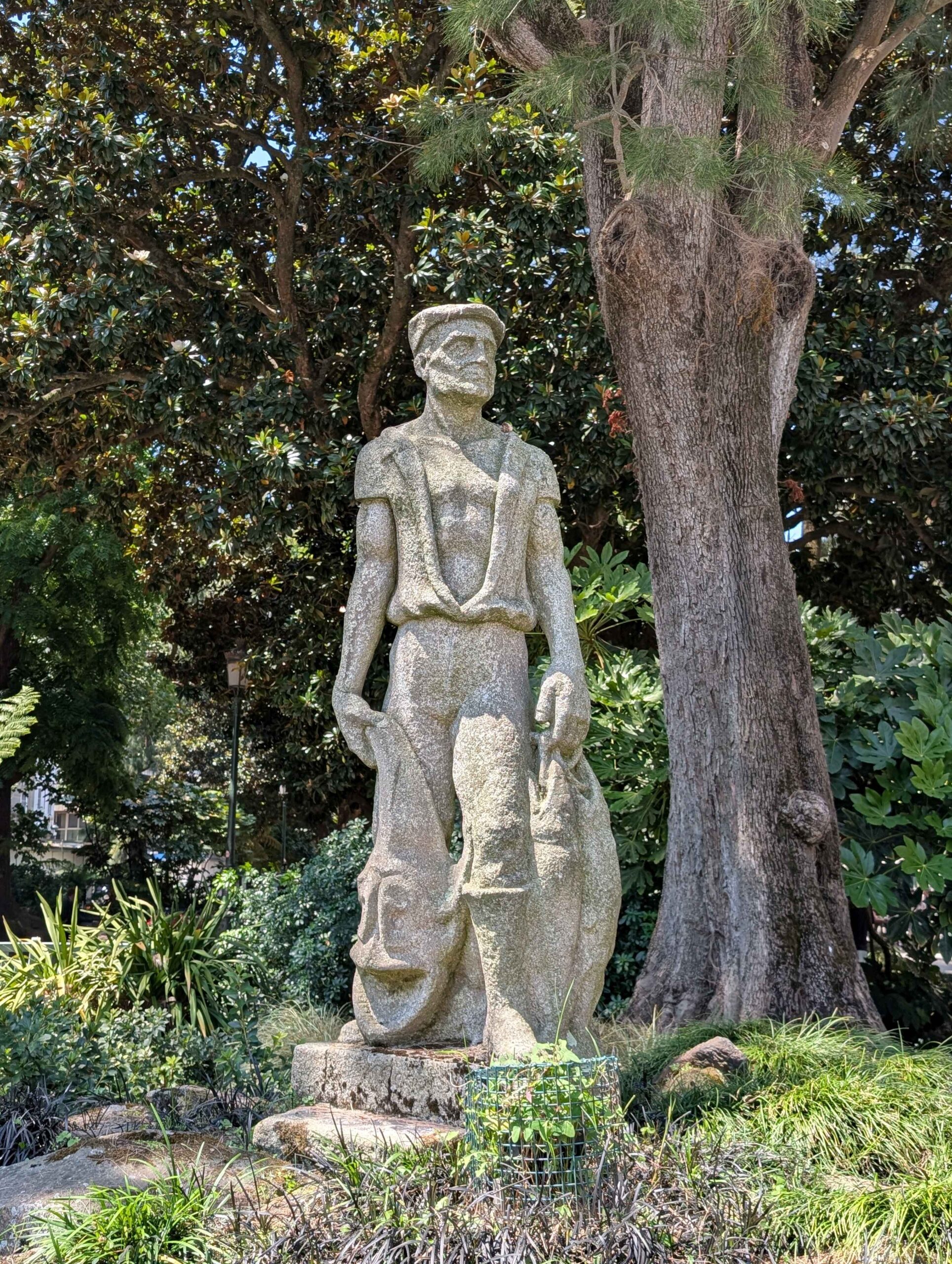
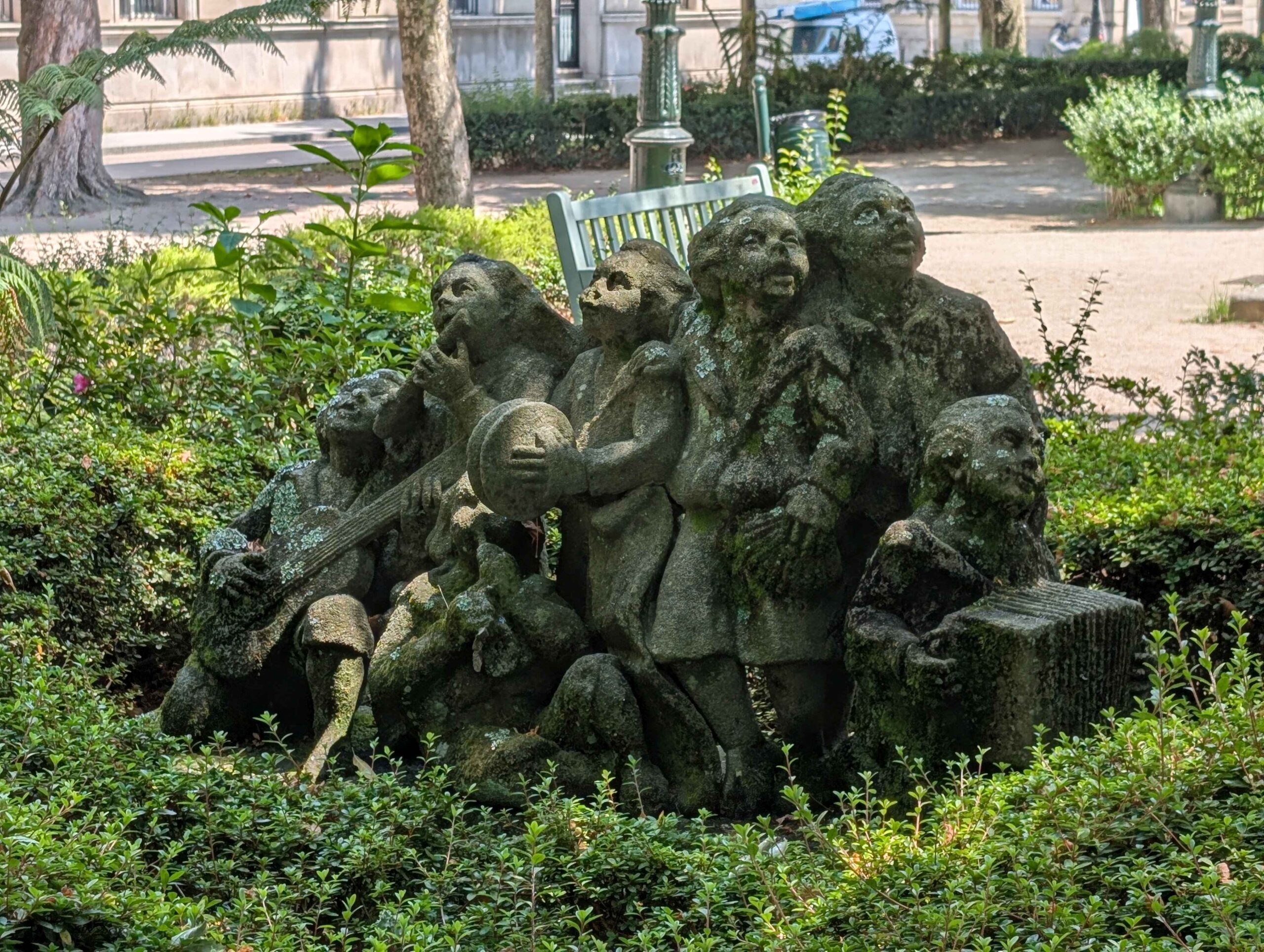
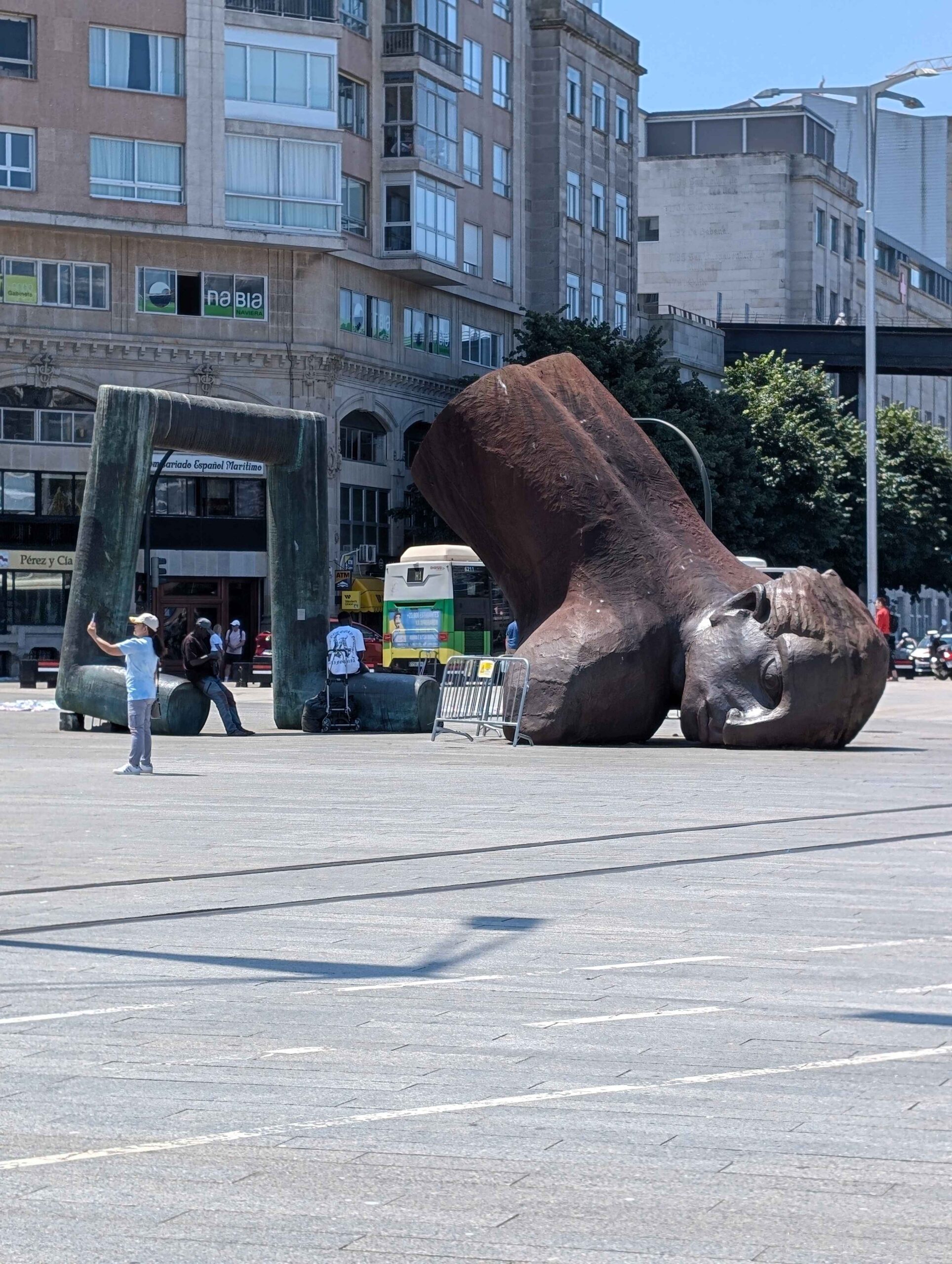
Coming back down, the energy shifted. I wandered into the Alameda da Praza de Compostela, where the tight urban streets opened into a long stretch of green space. Sculptures appeared between trees and flower beds, and fountains added just enough movement to break up the stillness. It felt like a reset after the climb, a place to slow down before heading back toward the waterfront.
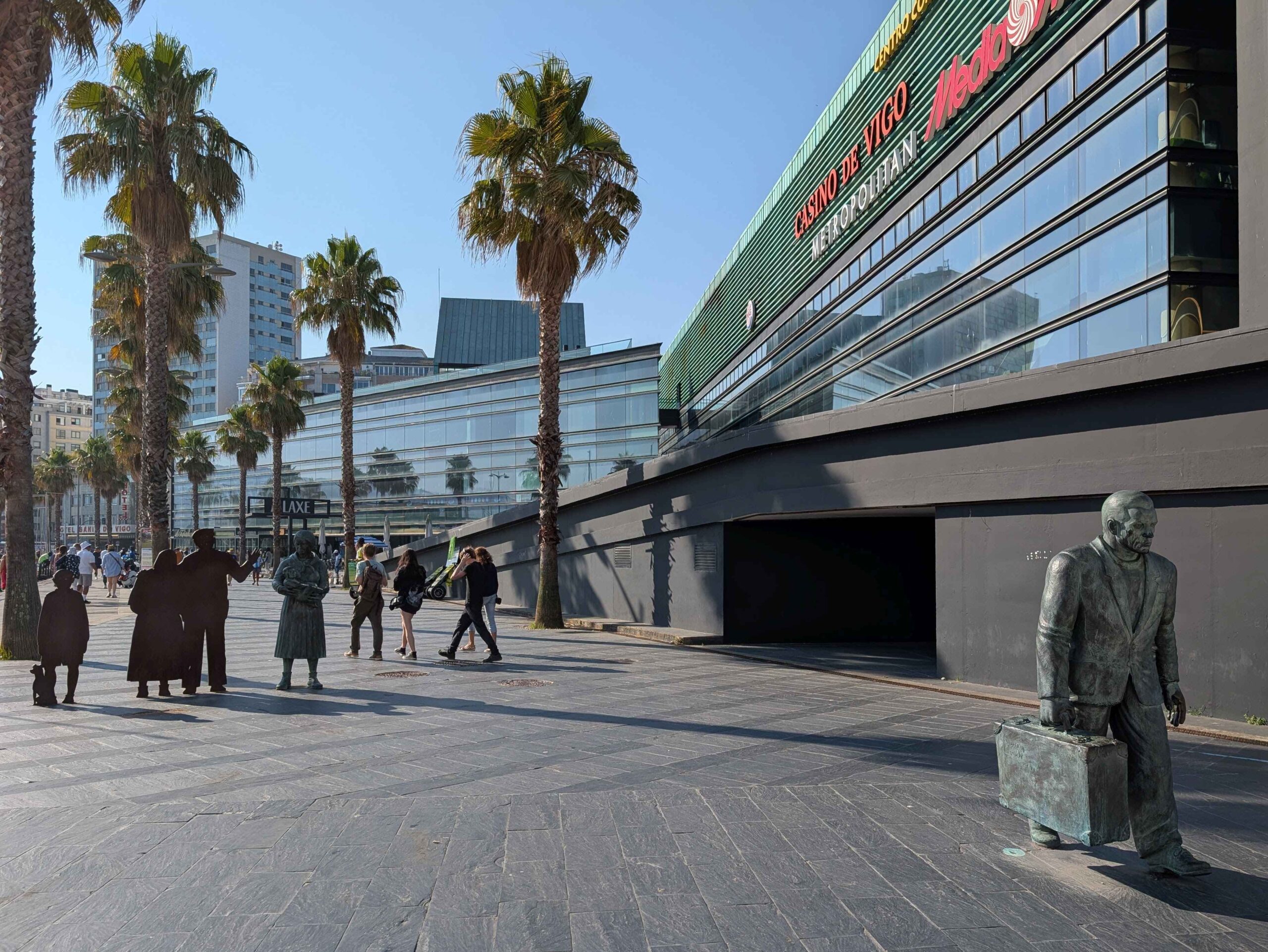
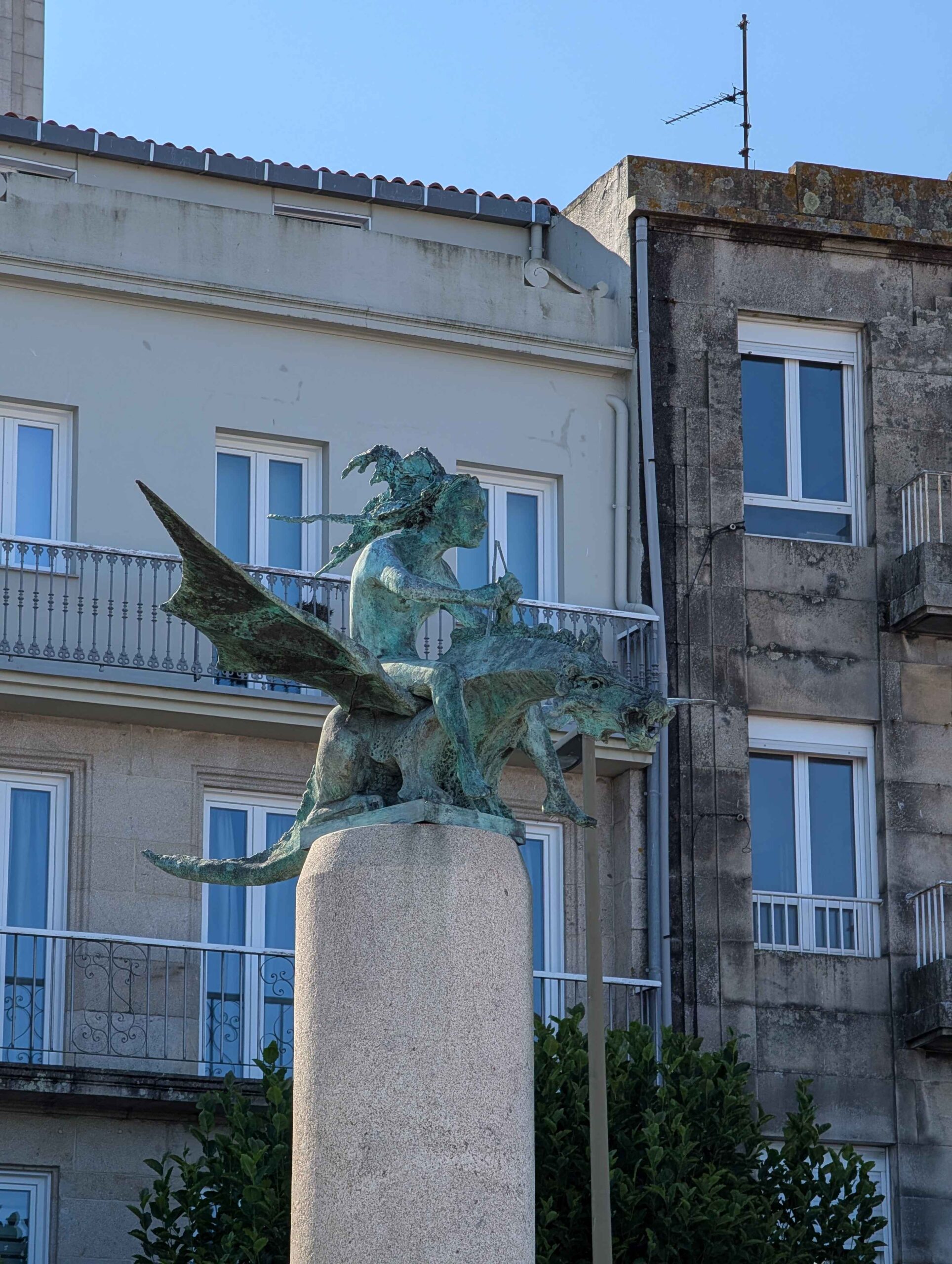
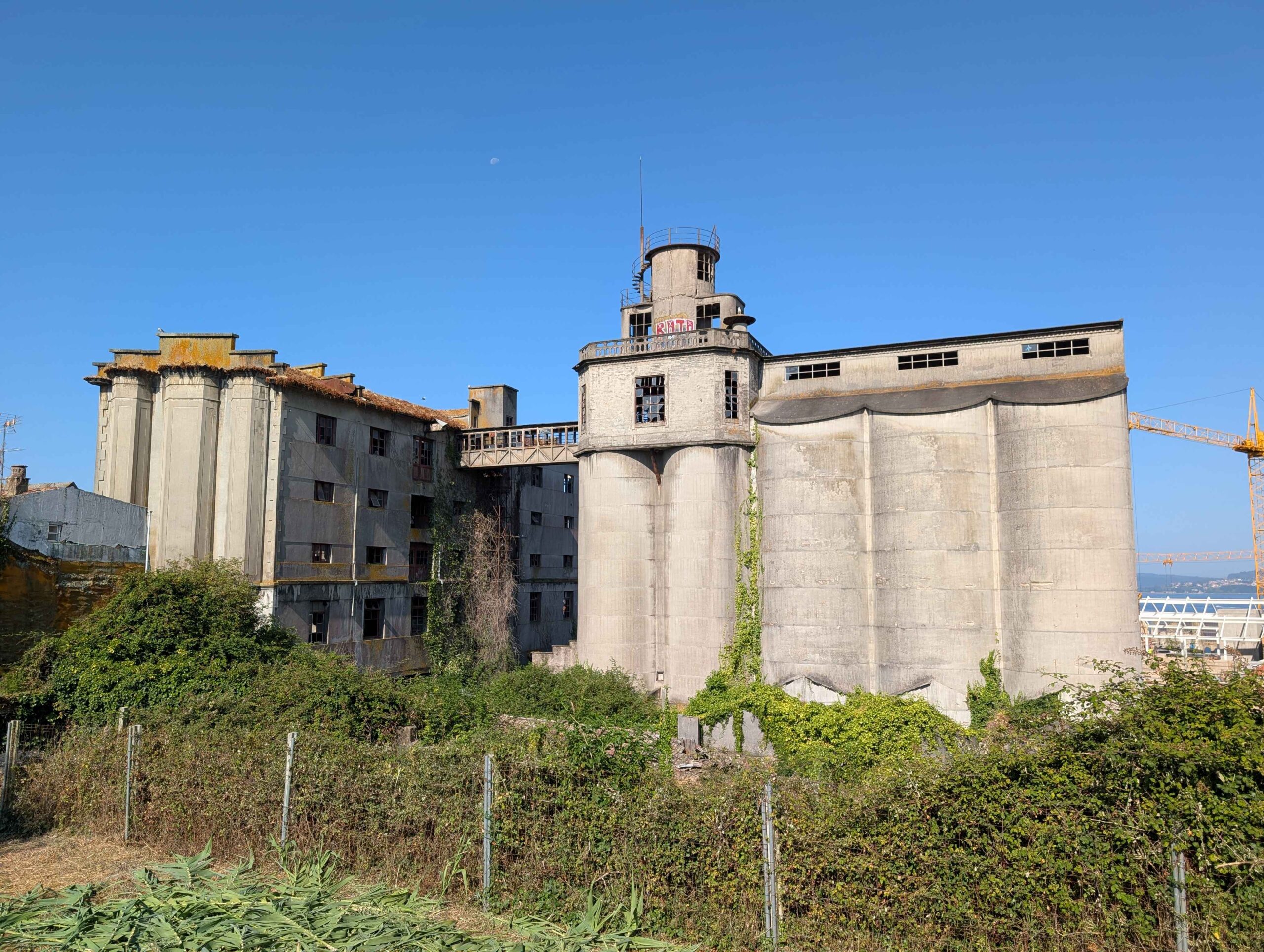
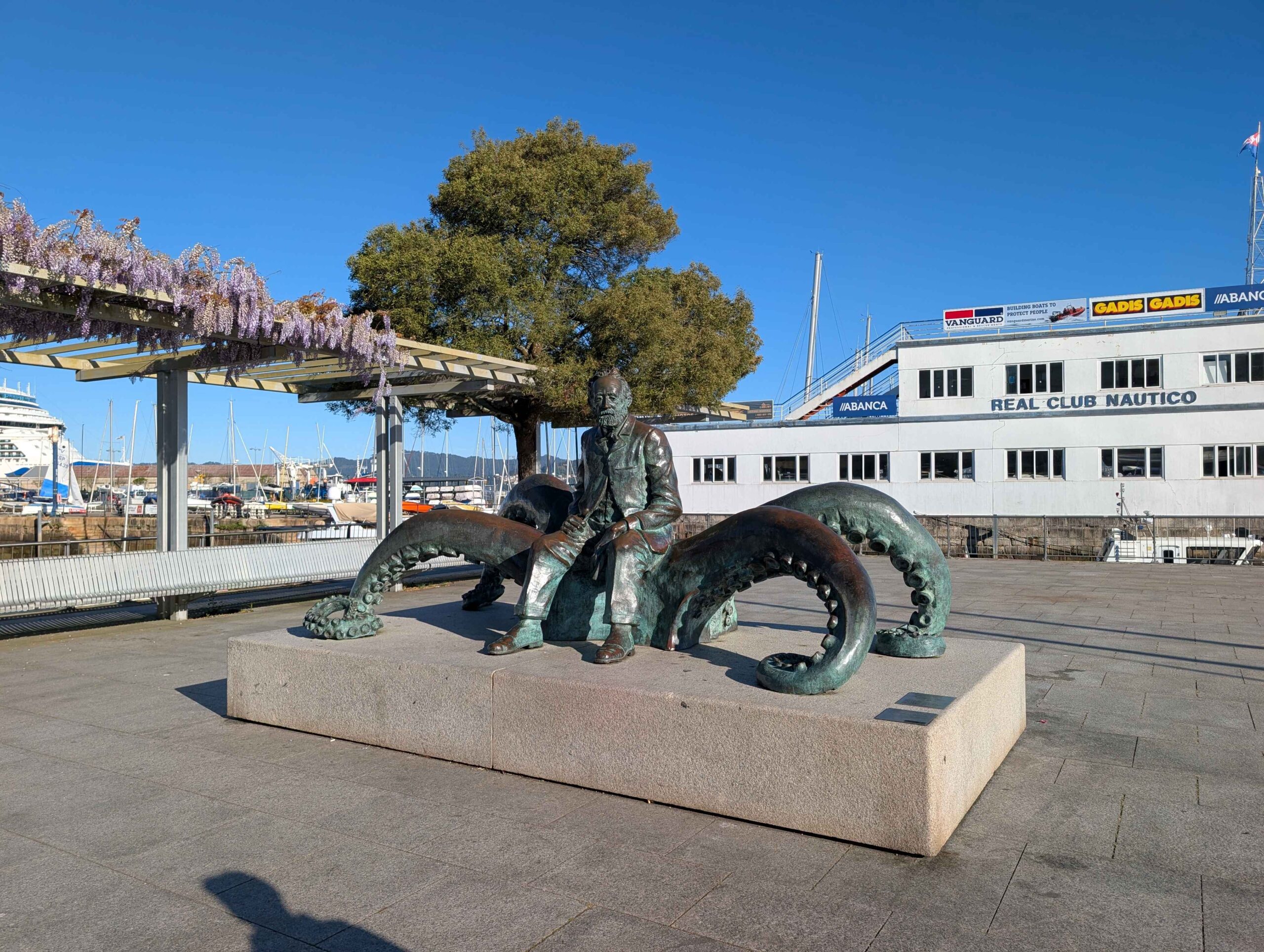
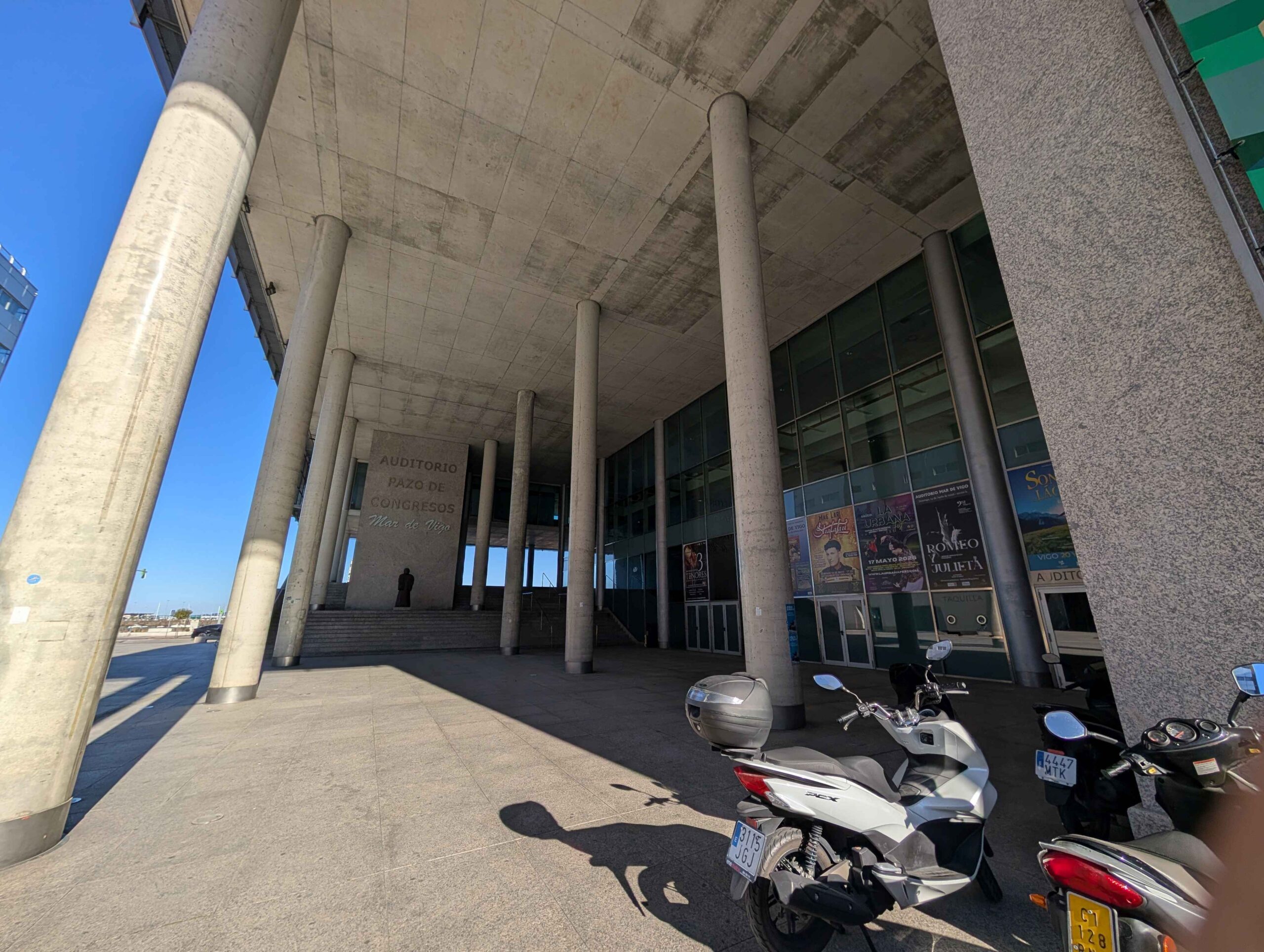
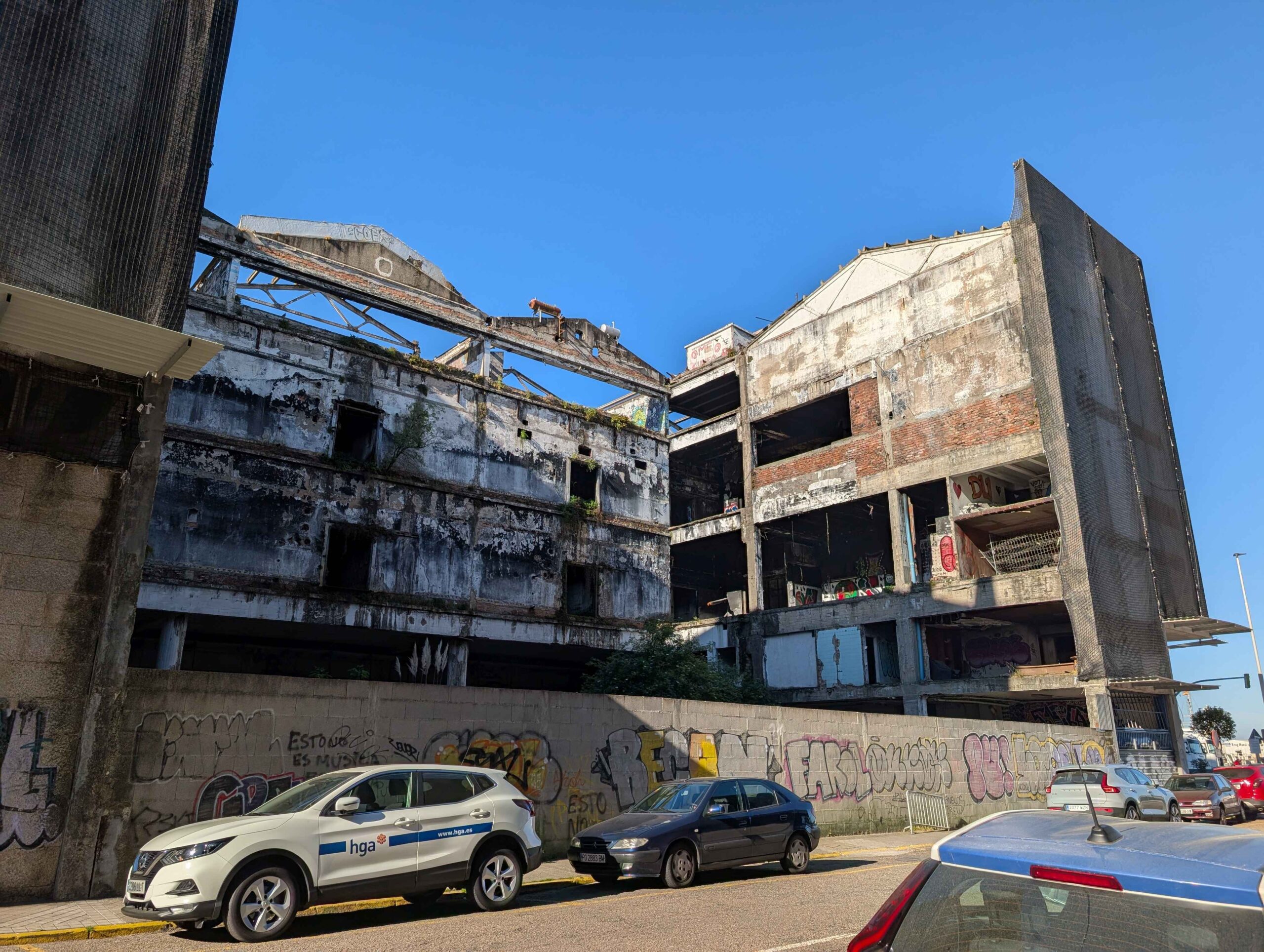
On my second visit, I skipped the hill entirely and stayed closer to the harbor. I walked out toward the Mar de Vigo Auditorium, then wandered uphill just enough to change perspective before looping back. This time I paid more attention to the smaller details. An abandoned building with exposed concrete and graffiti, murals turning staircases into scenes, and the Monument to Jules Verne along the water that I had completely missed the first time. It was the same city, but a different layer of it.
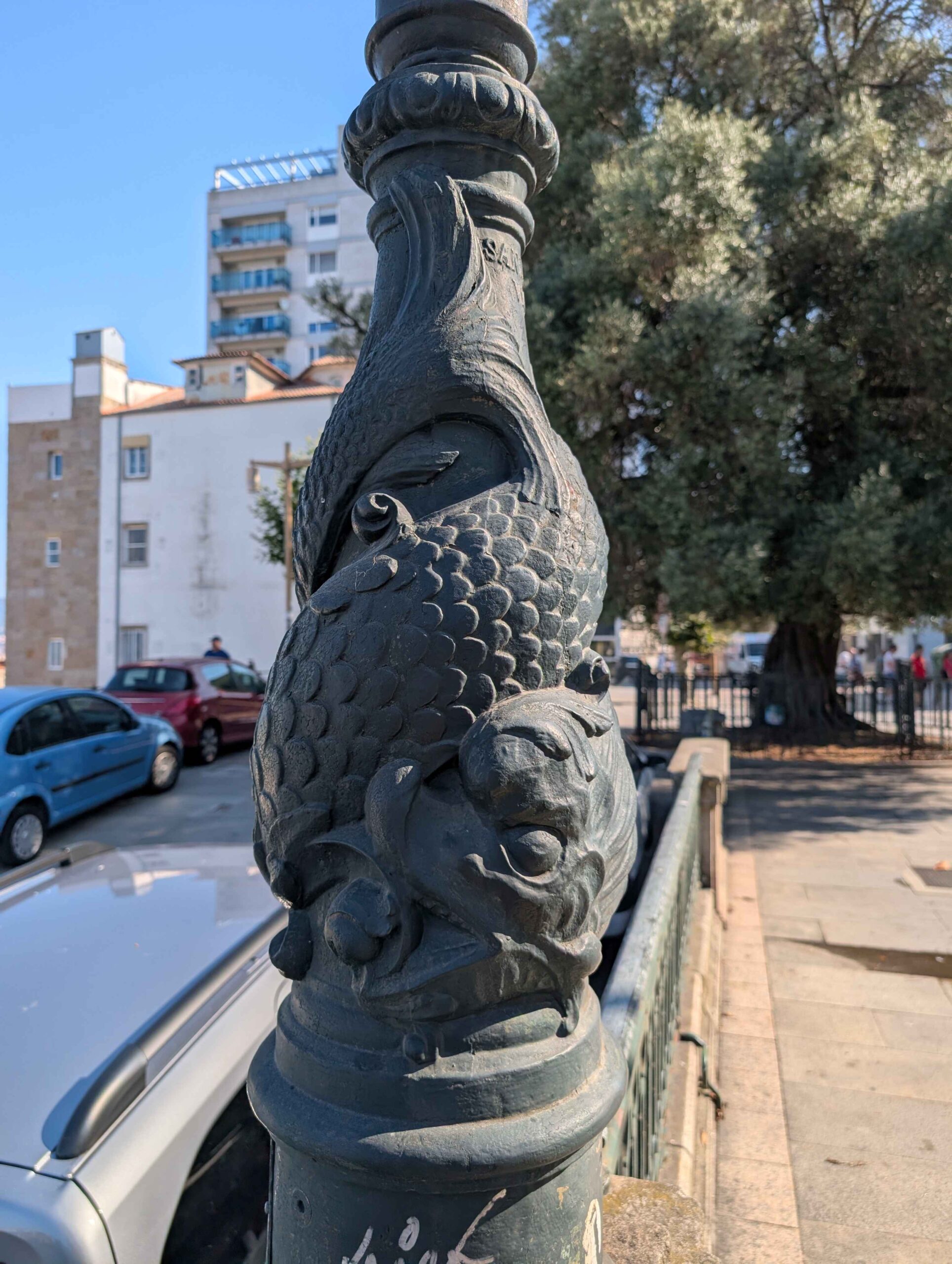
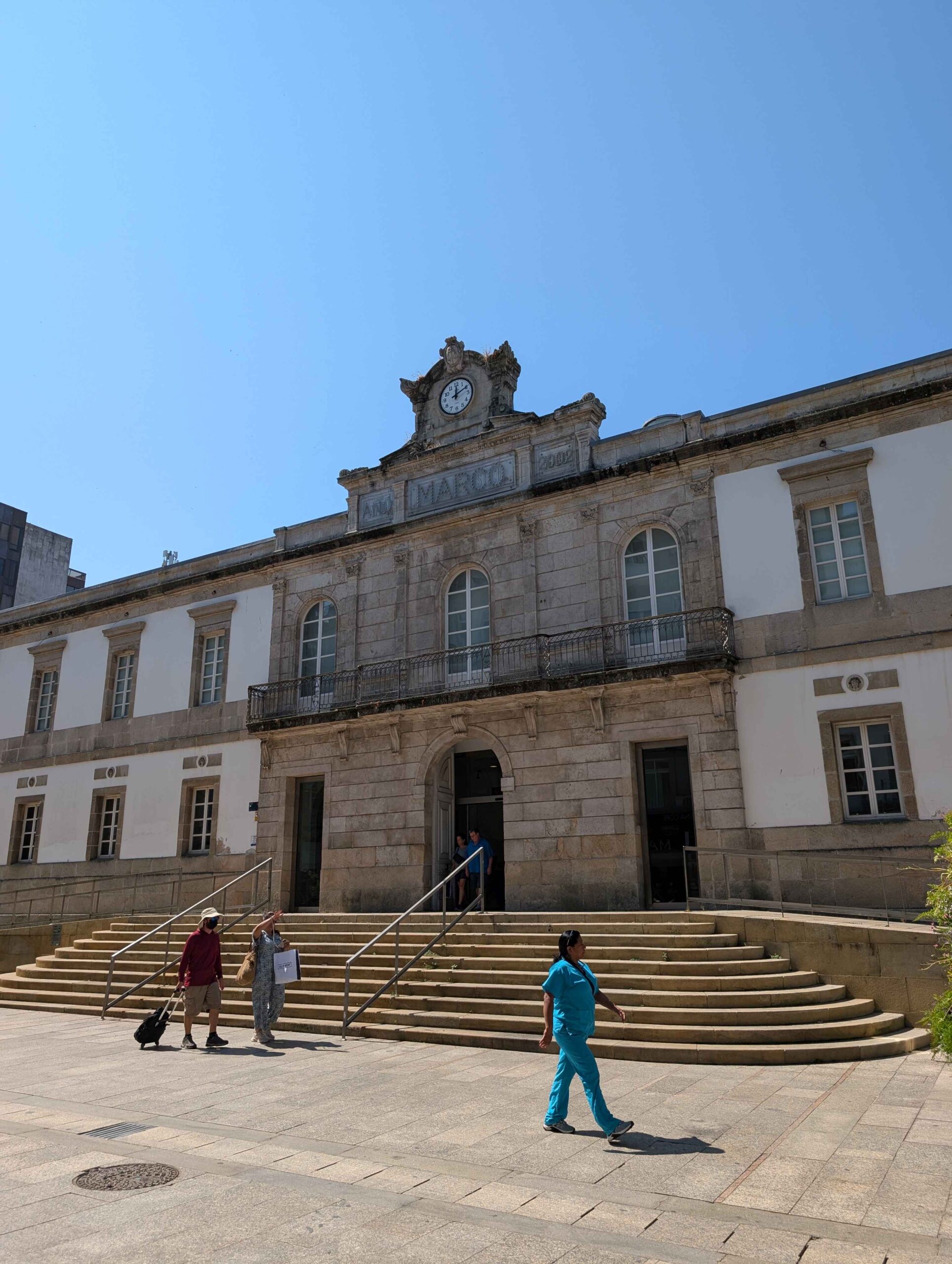
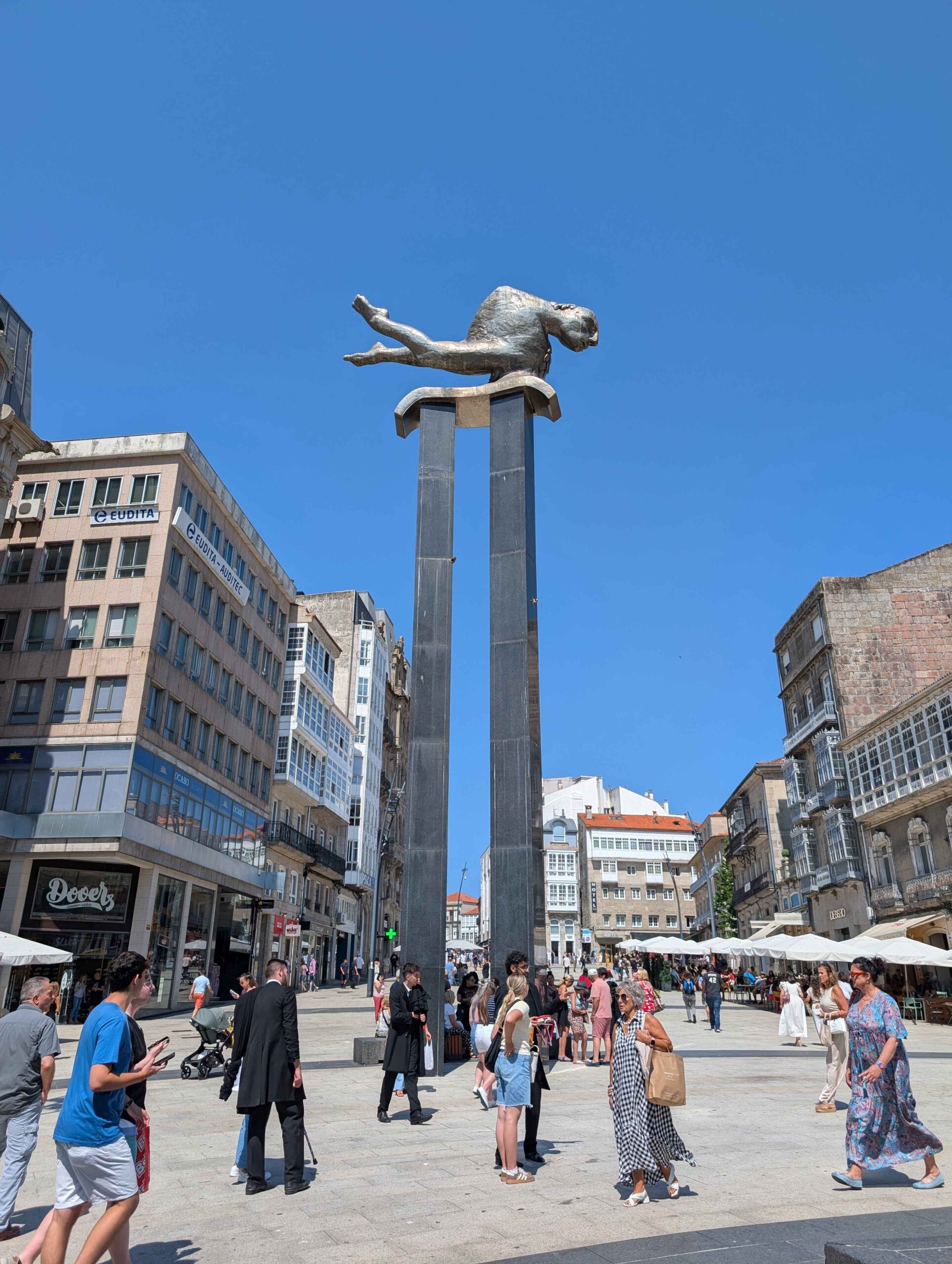
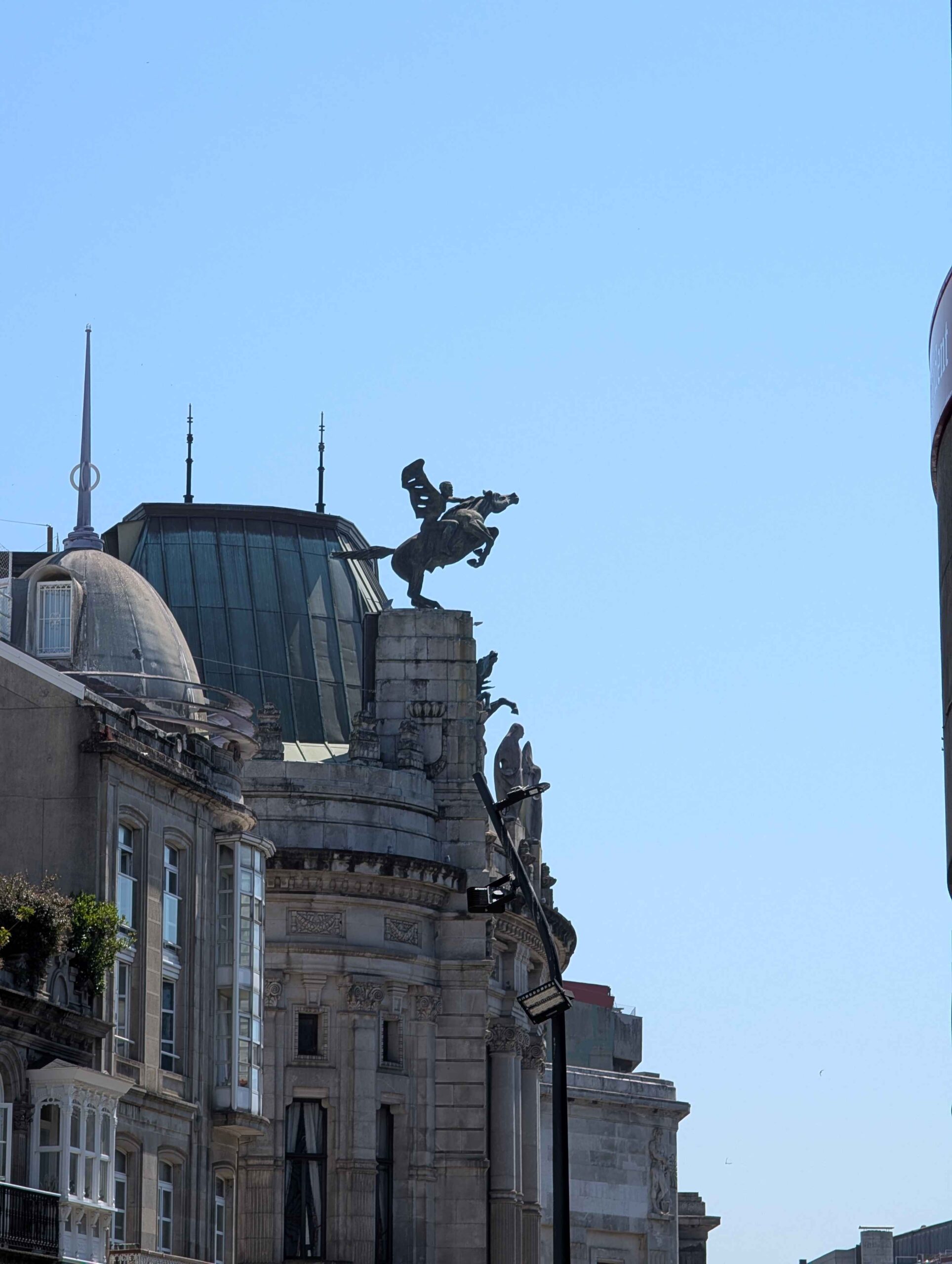
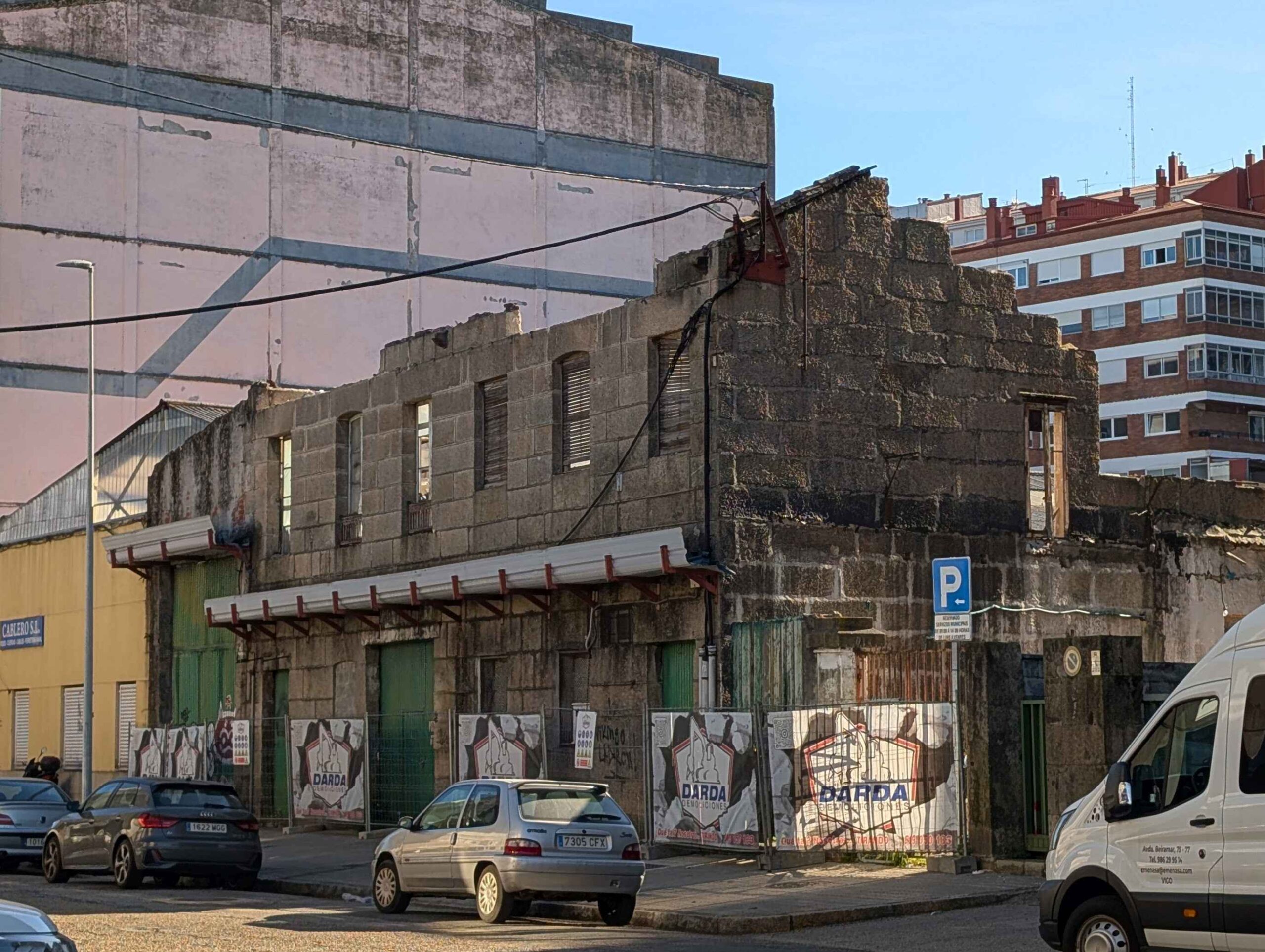
Vigo has a working port history tied to fishing and shipbuilding, and that practical identity still comes through. It is not overly polished, and that is part of what makes it interesting. Between the harbor, the hills, and the mix of maintained spaces and worn structures, it feels like a place that has grown into itself rather than been redesigned for visitors.
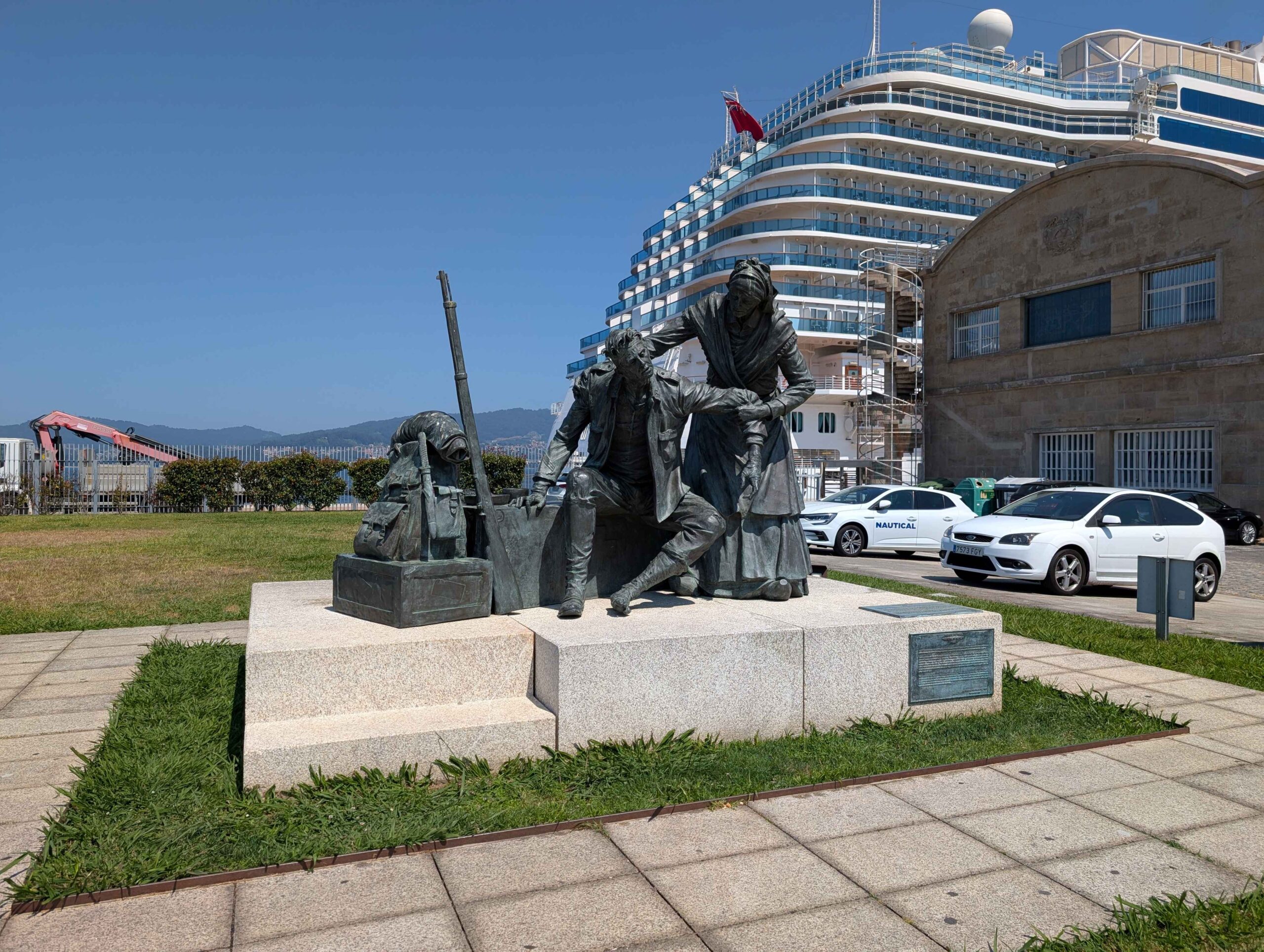
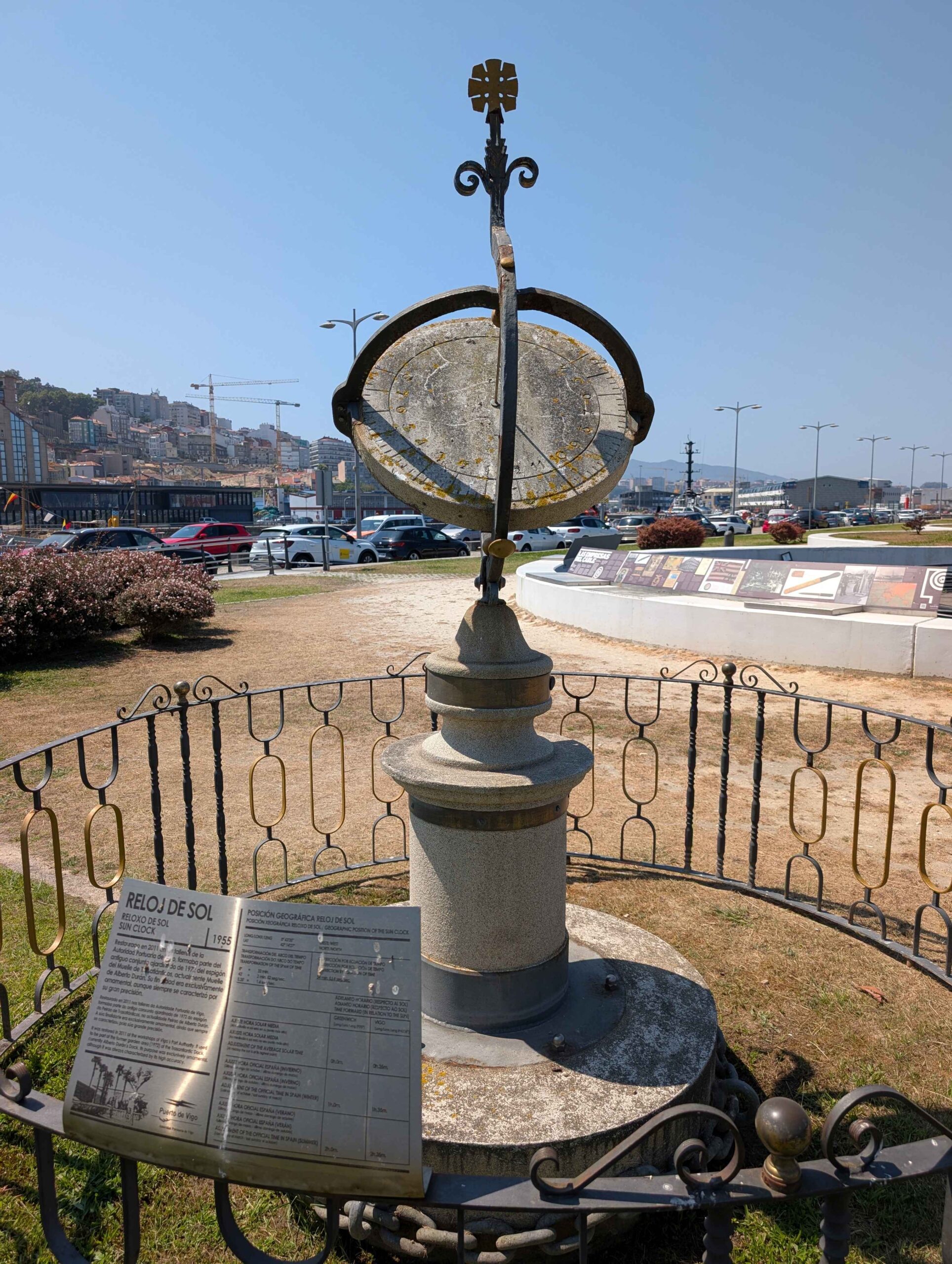
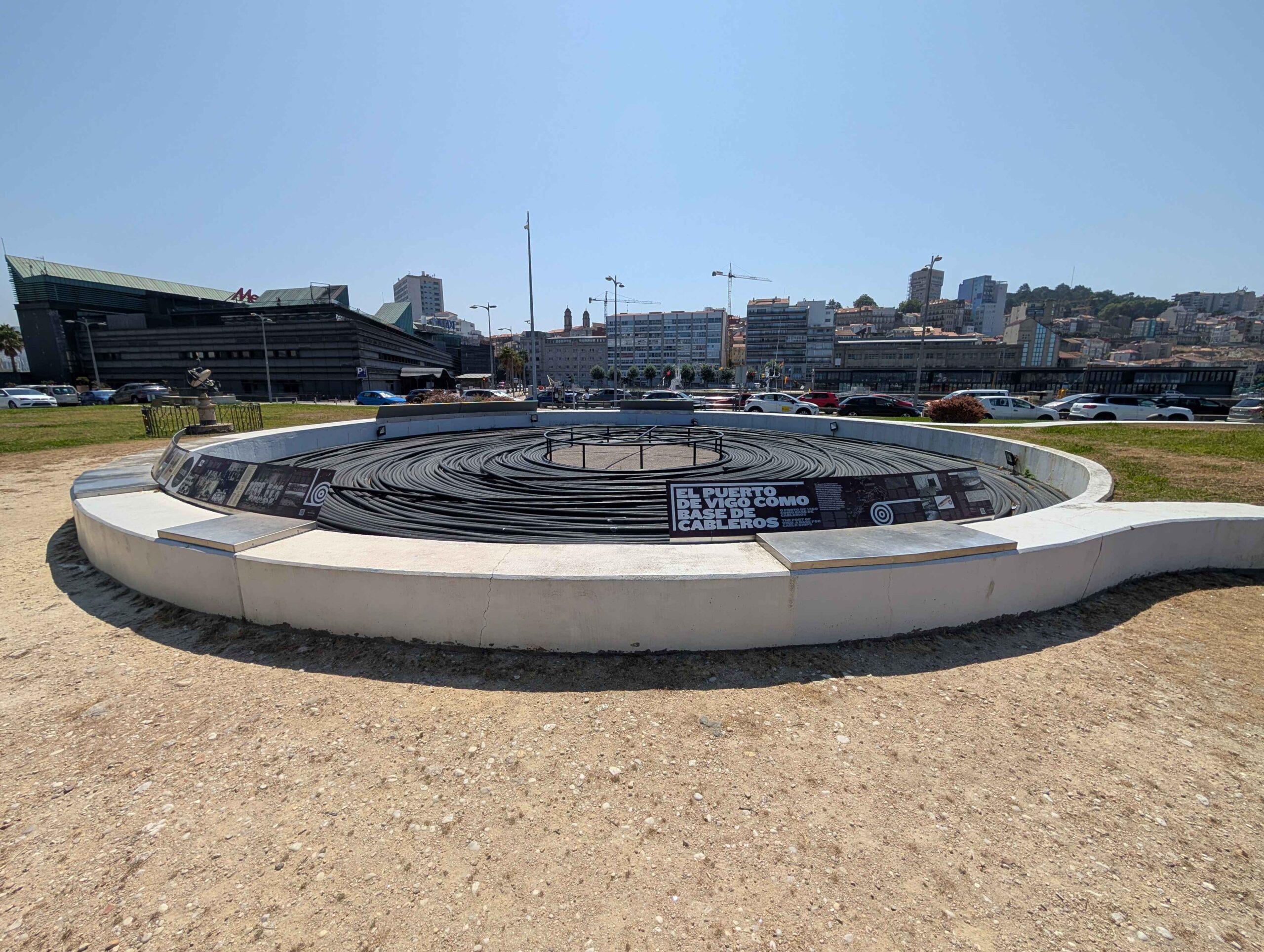
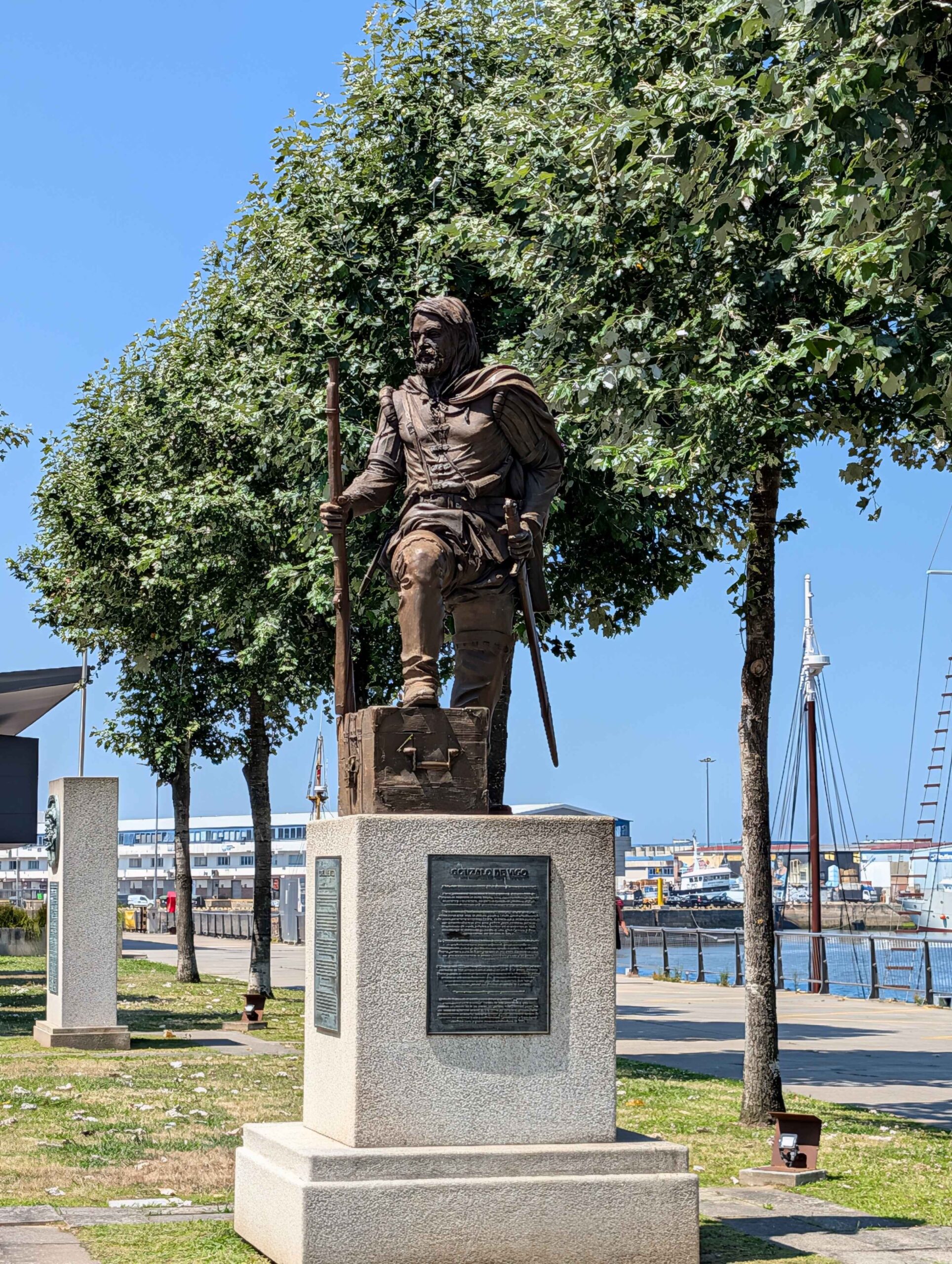
If You Have More Time…
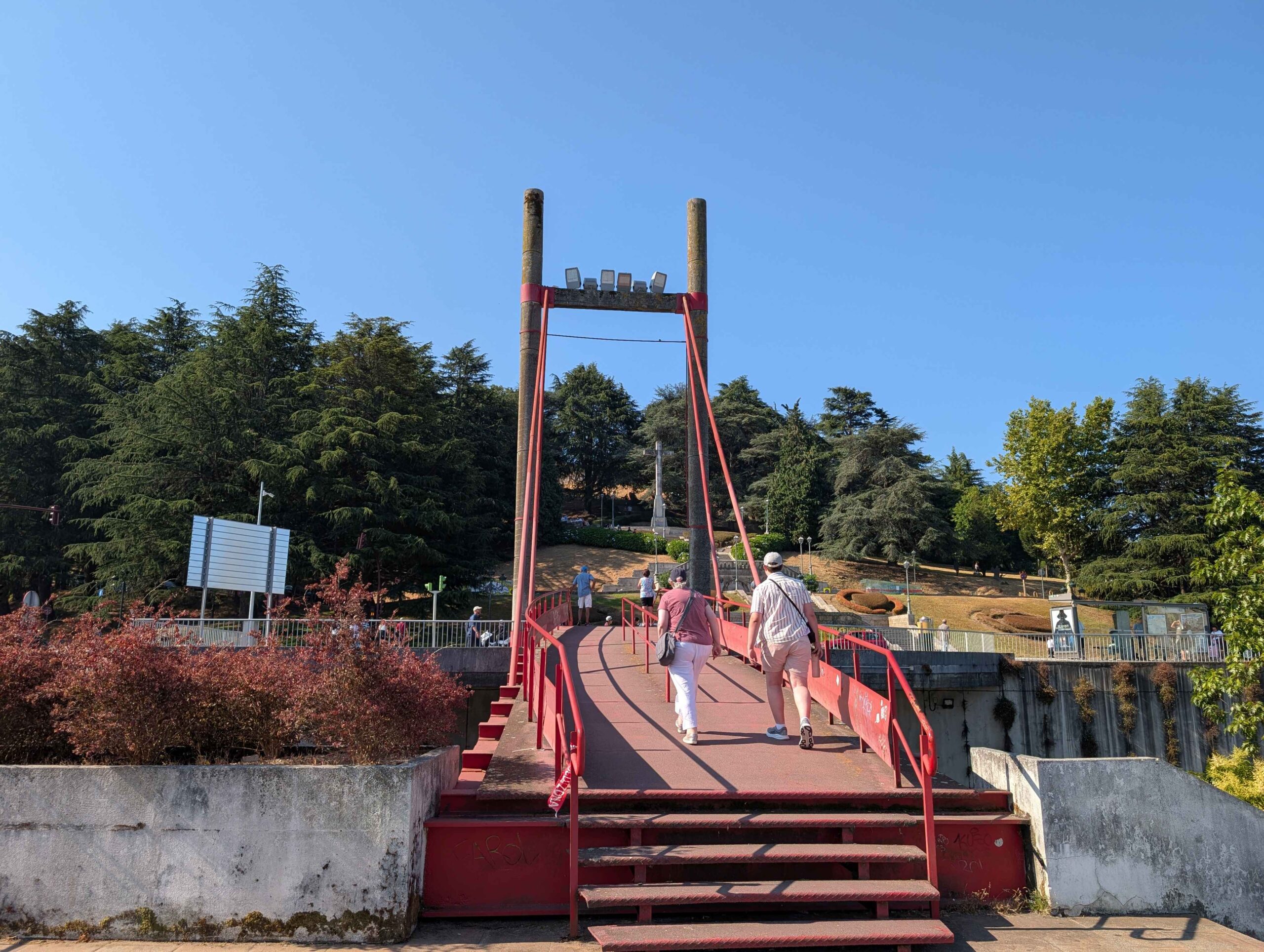
- Monte O Castro Park – This large park surrounds the fortress and offers additional walking paths and viewpoints beyond the main overlook. It is a quieter way to experience the hillside without focusing only on the climb.
- Castrelos Park – A spacious park further from the port with gardens and walking paths. It also includes a manor house and museum, offering a different kind of green space compared to the city center.
- Cíes Islands Ferry – If schedules align, ferries run to these protected islands known for beaches and nature trails. It requires planning ahead, but it is one of the more unique excursions available from Vigo.
- Museo do Mar de Galicia – A maritime museum that explores the region’s connection to the sea through exhibits and coastal views. It adds context to the working harbor you see around the city.
- Samil Beach – A longer stretch of coastline outside the city center with a more open beach environment. It is a contrast to the compact harbor and urban layout near the port.
Part of my Spain Travel Journal — View the full collection of my experiences and photography.