
Carnival Tile Walkway and City Streets in Santa Cruz de Tenerife
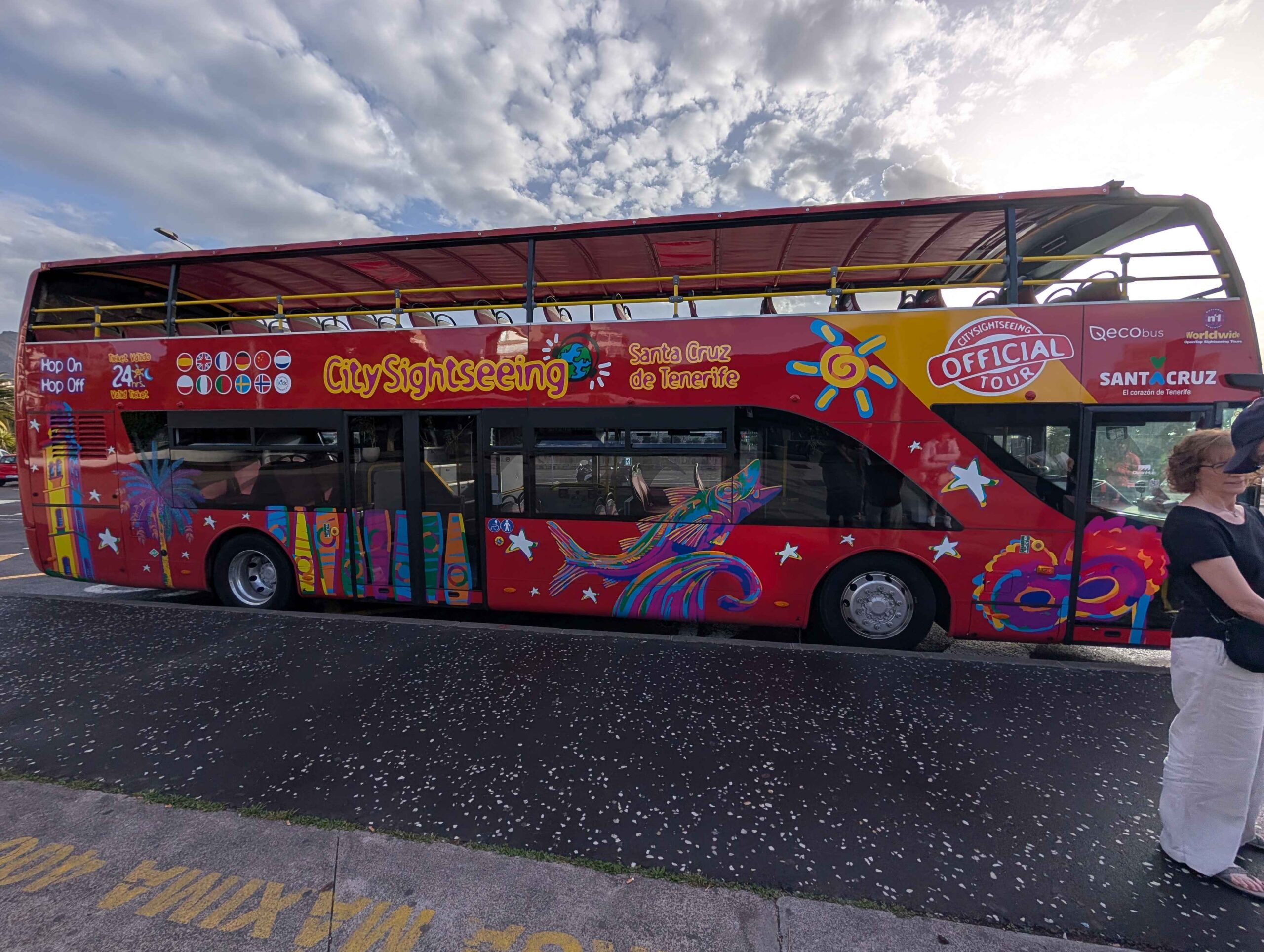
The first thing I noticed was how spread out everything felt. Arriving by cruise in Santa Cruz de Tenerife, I opted for a hop on hop off bus right away just to get a sense of the layout before committing to walking. Even with that head start, I still ended up covering more ground than expected throughout the day.
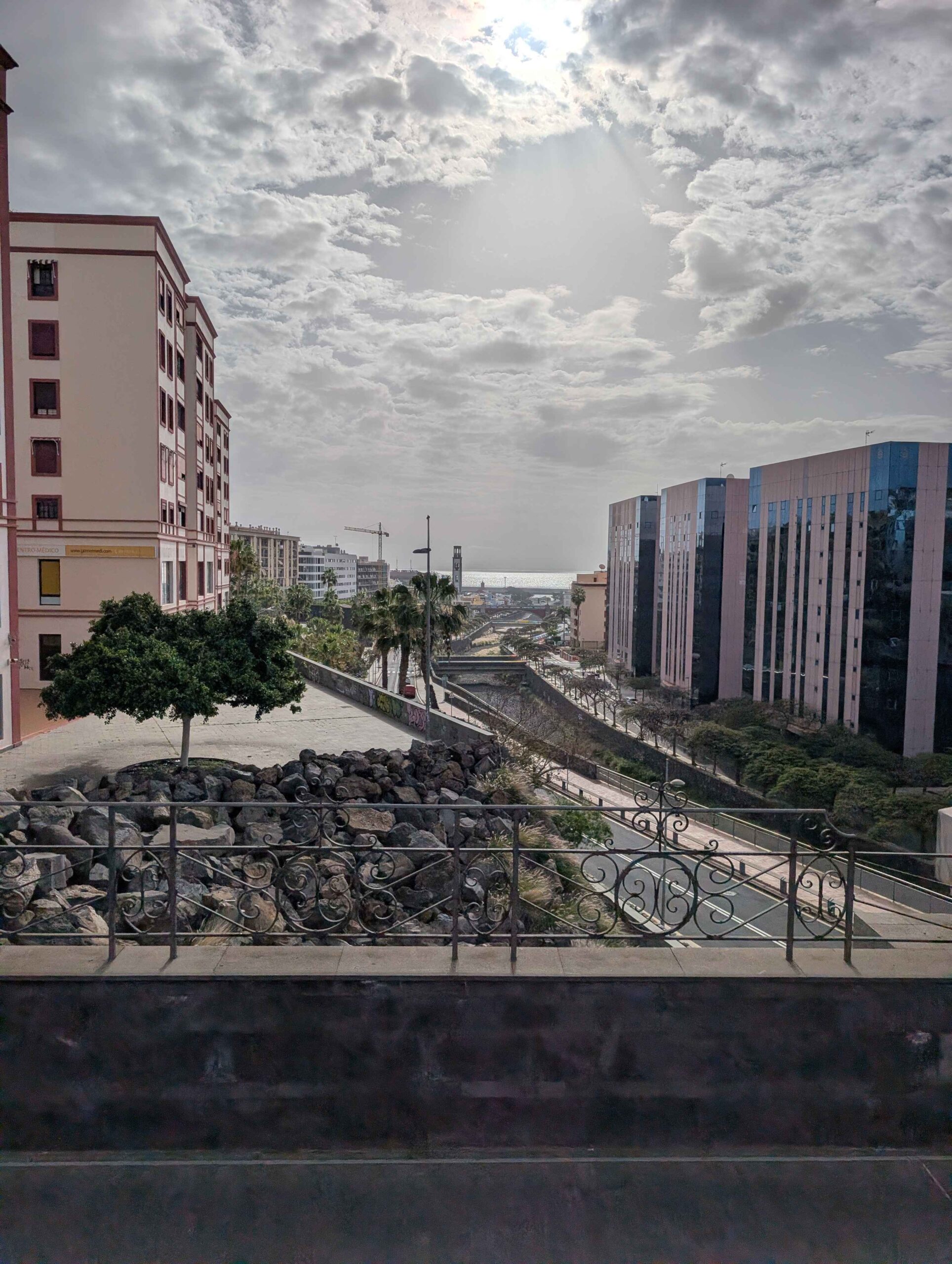
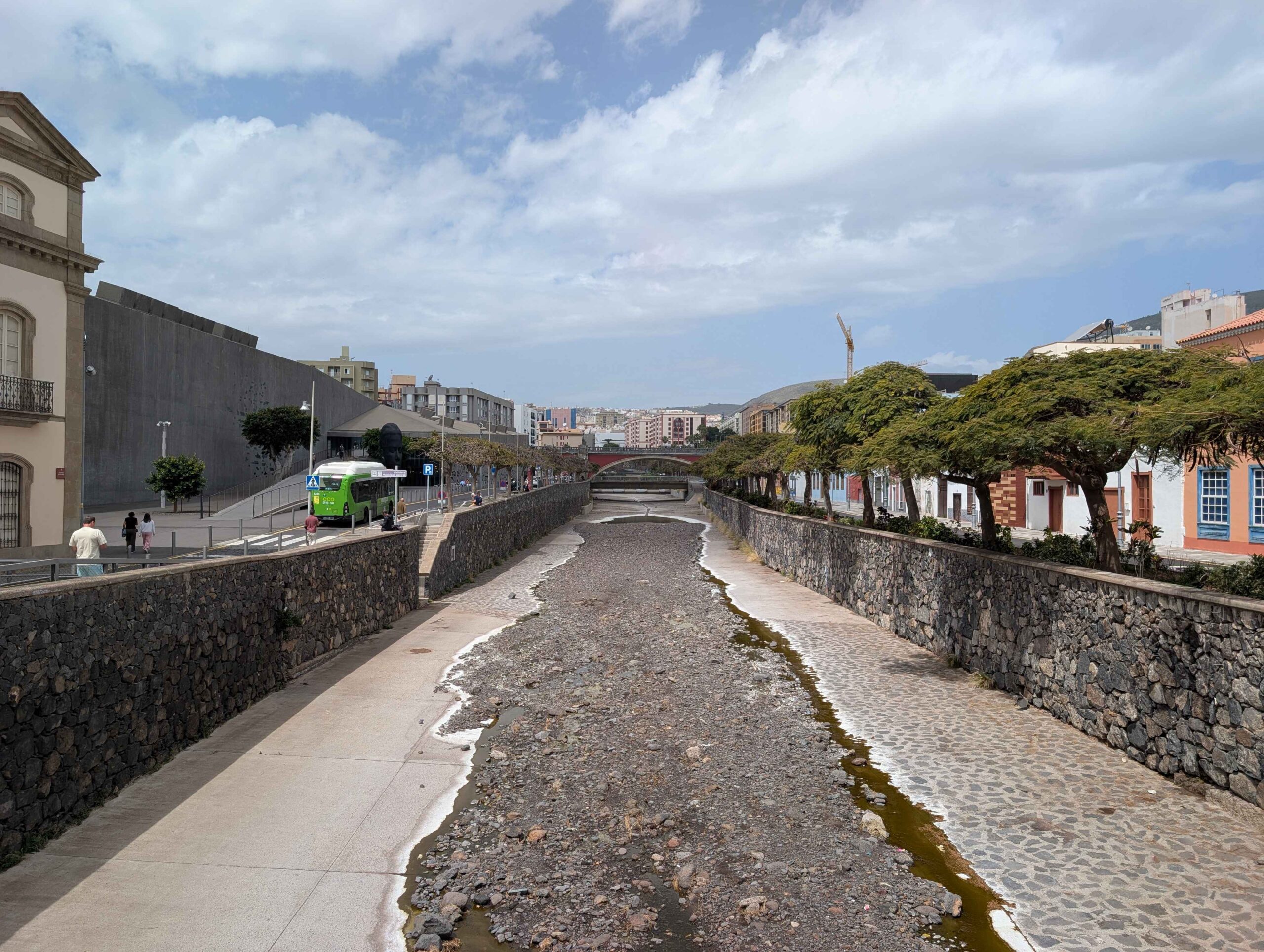
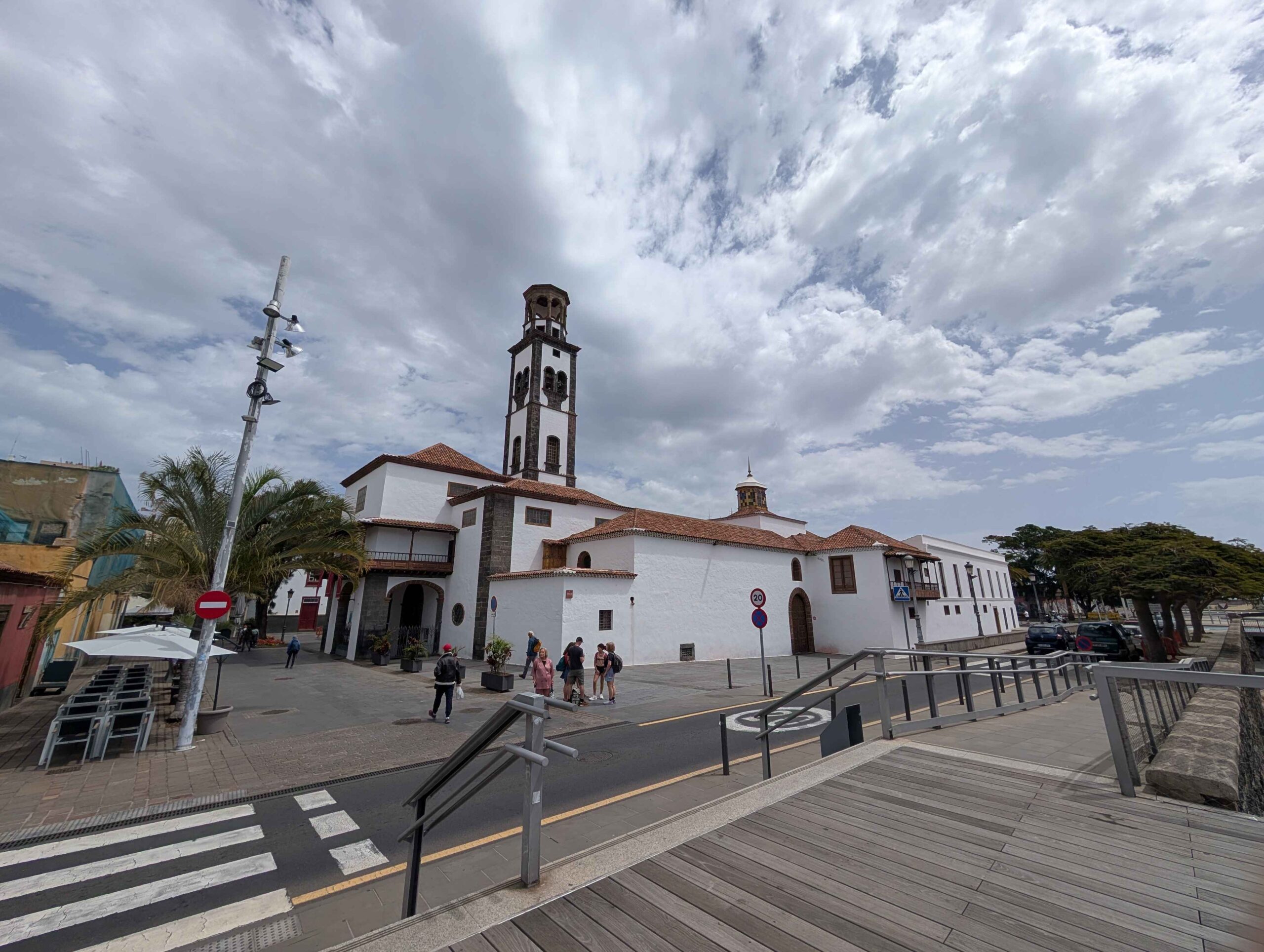
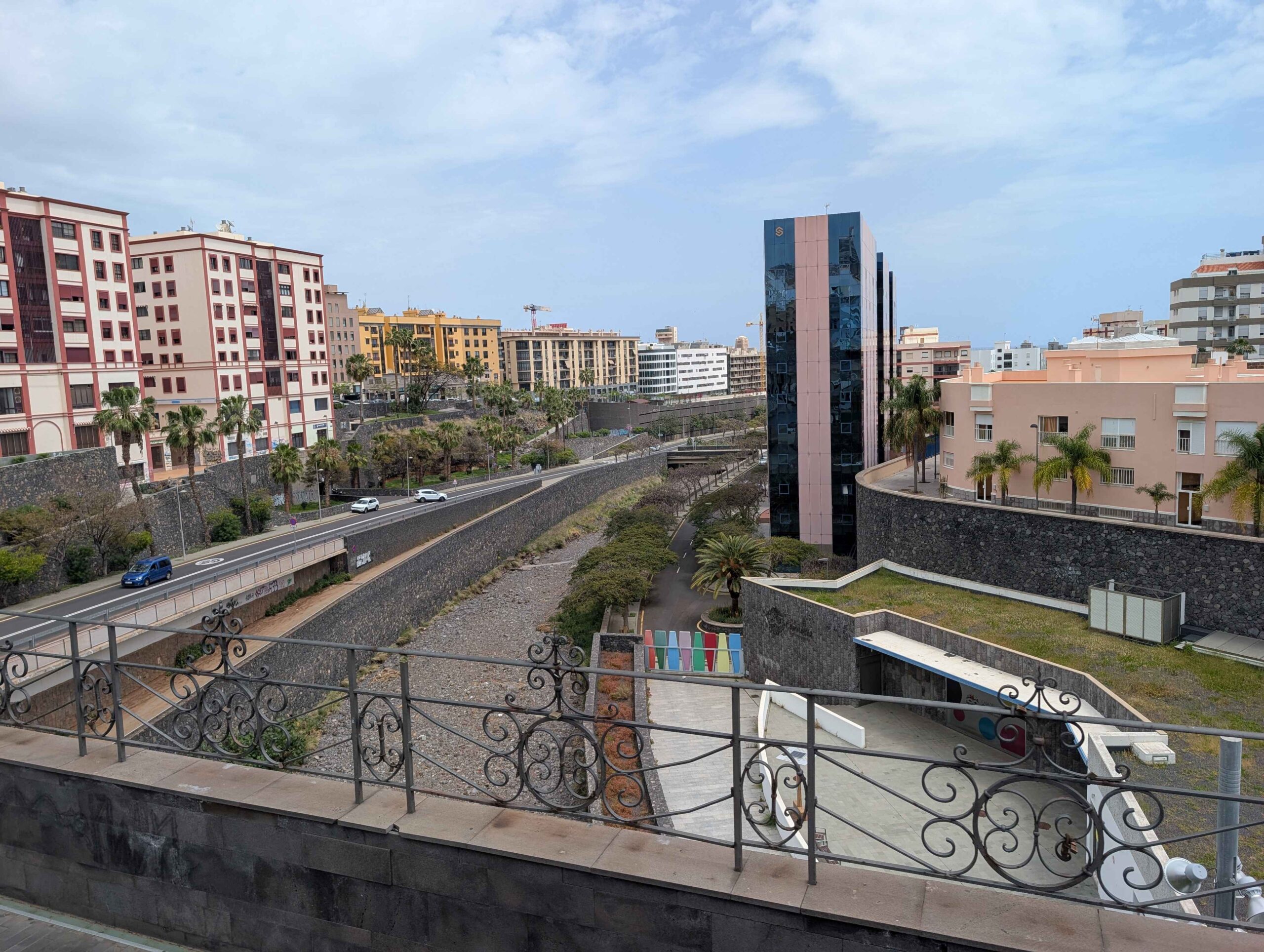
Santa Cruz de Tenerife (pronounced sahn-tah krooz deh ten-eh-reef-eh) revealed itself in layers as I moved between neighborhoods. From the top deck of the bus, I caught glimpses of bridges, wide avenues, and pockets of greenery that made me want to circle back on foot. It was a helpful way to connect the dots before diving in.
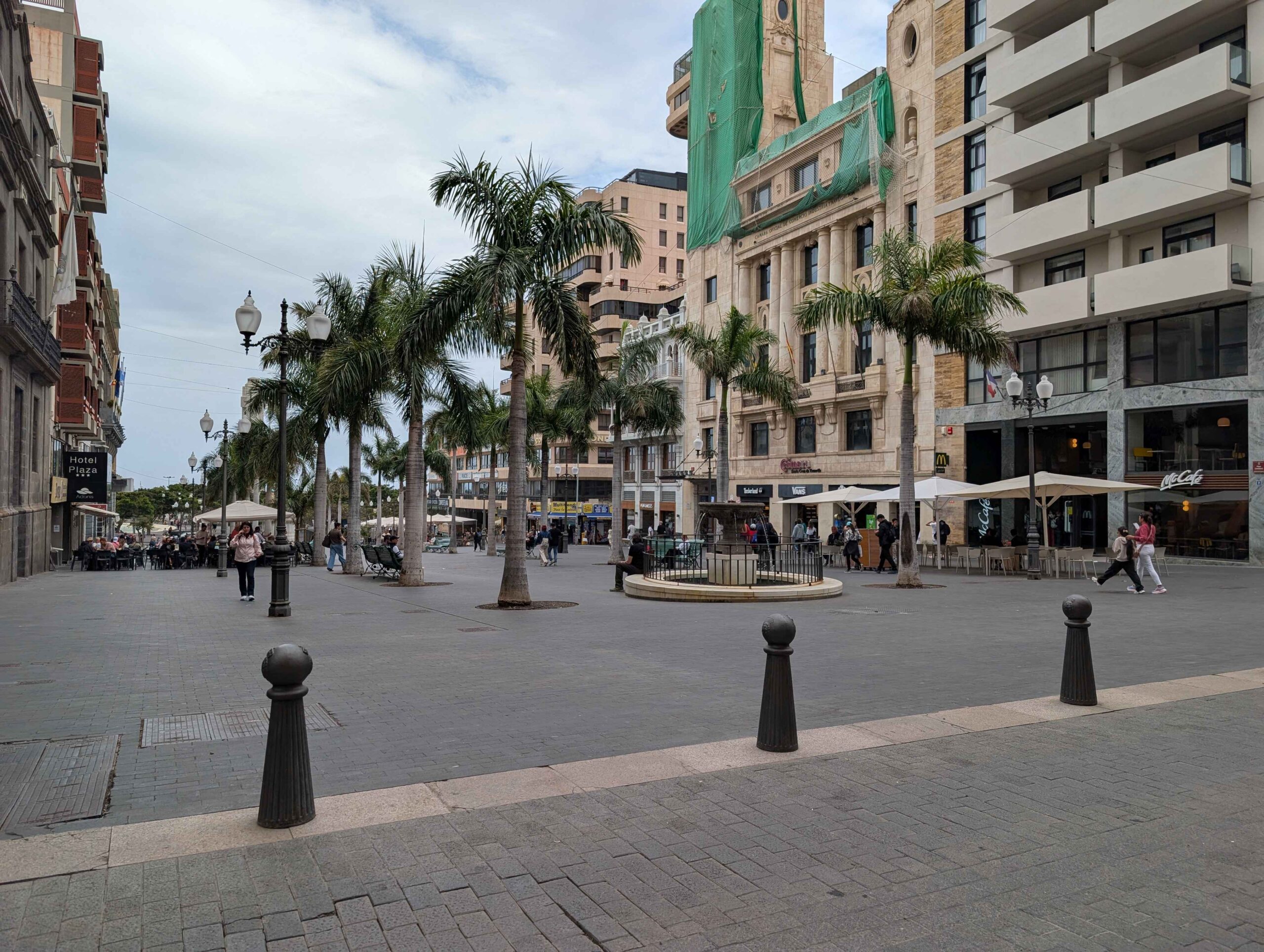
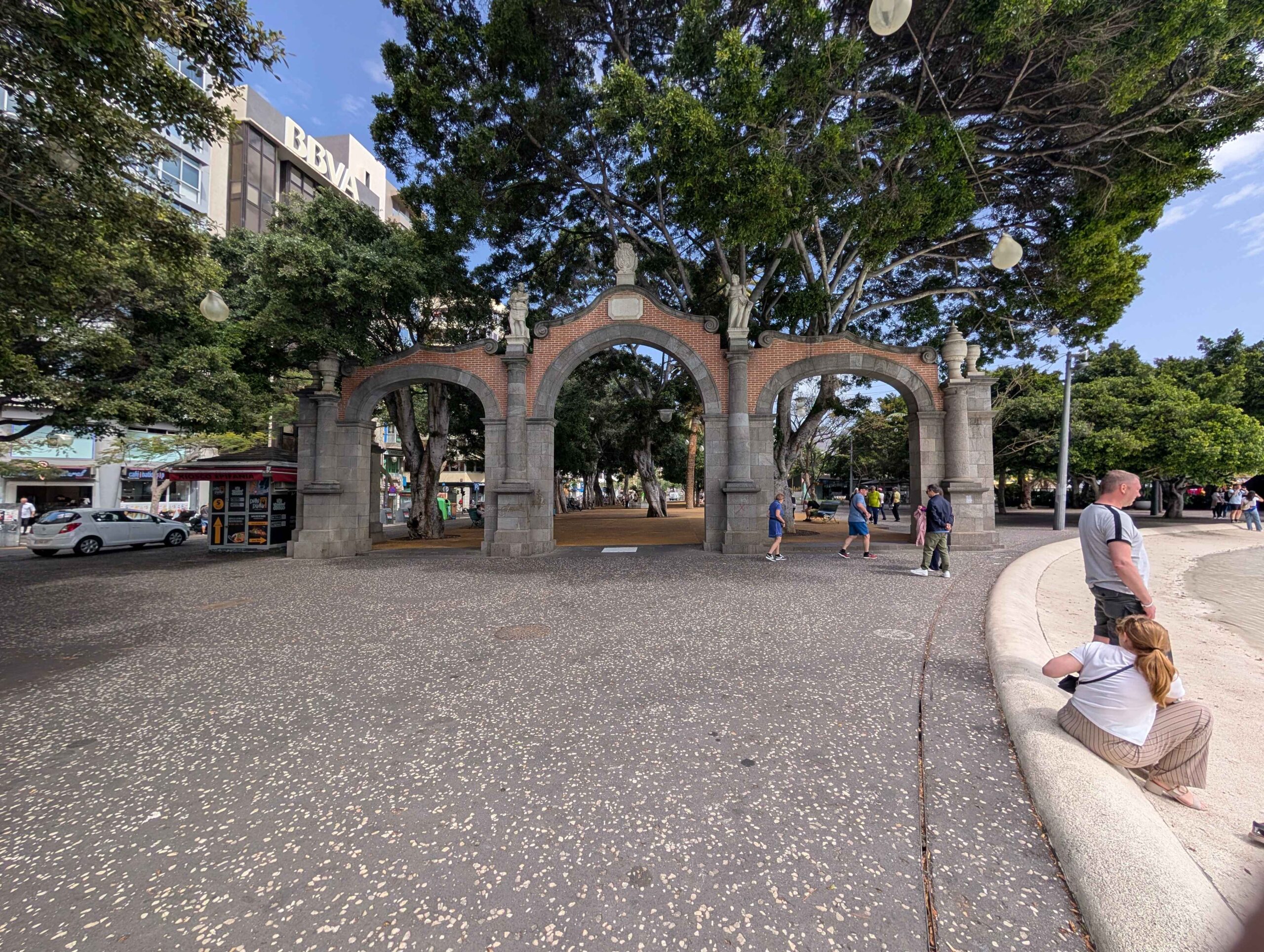
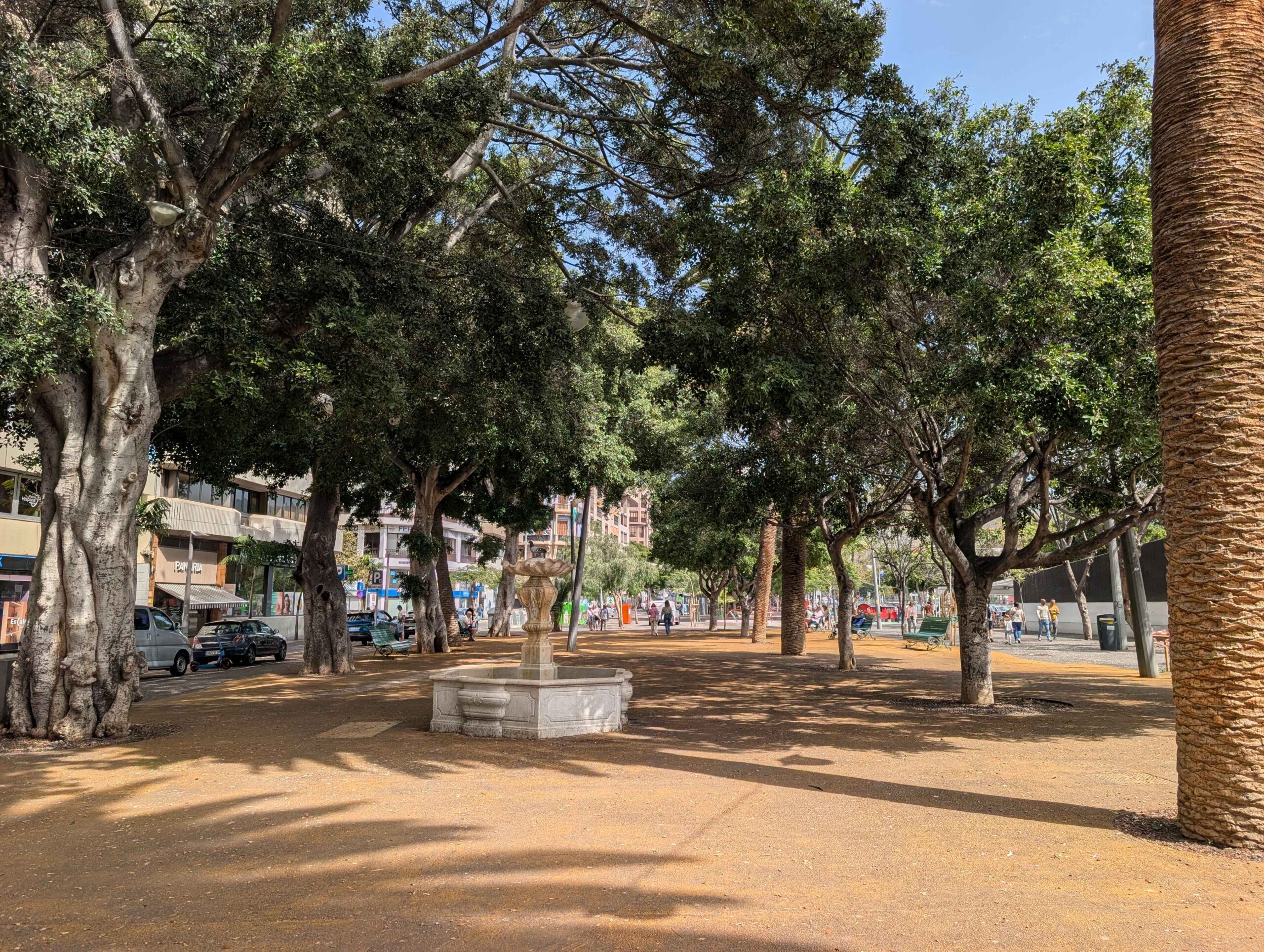
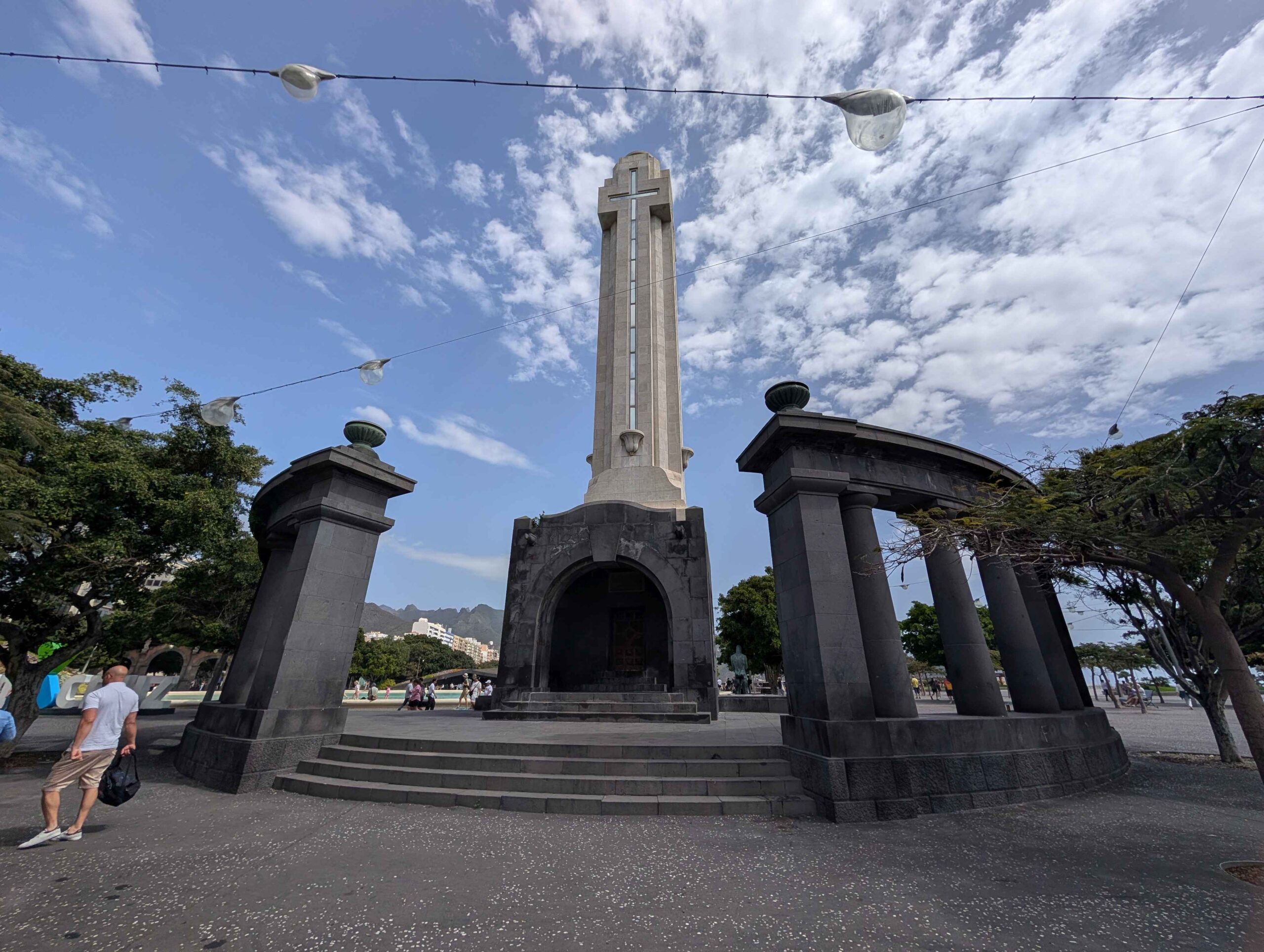
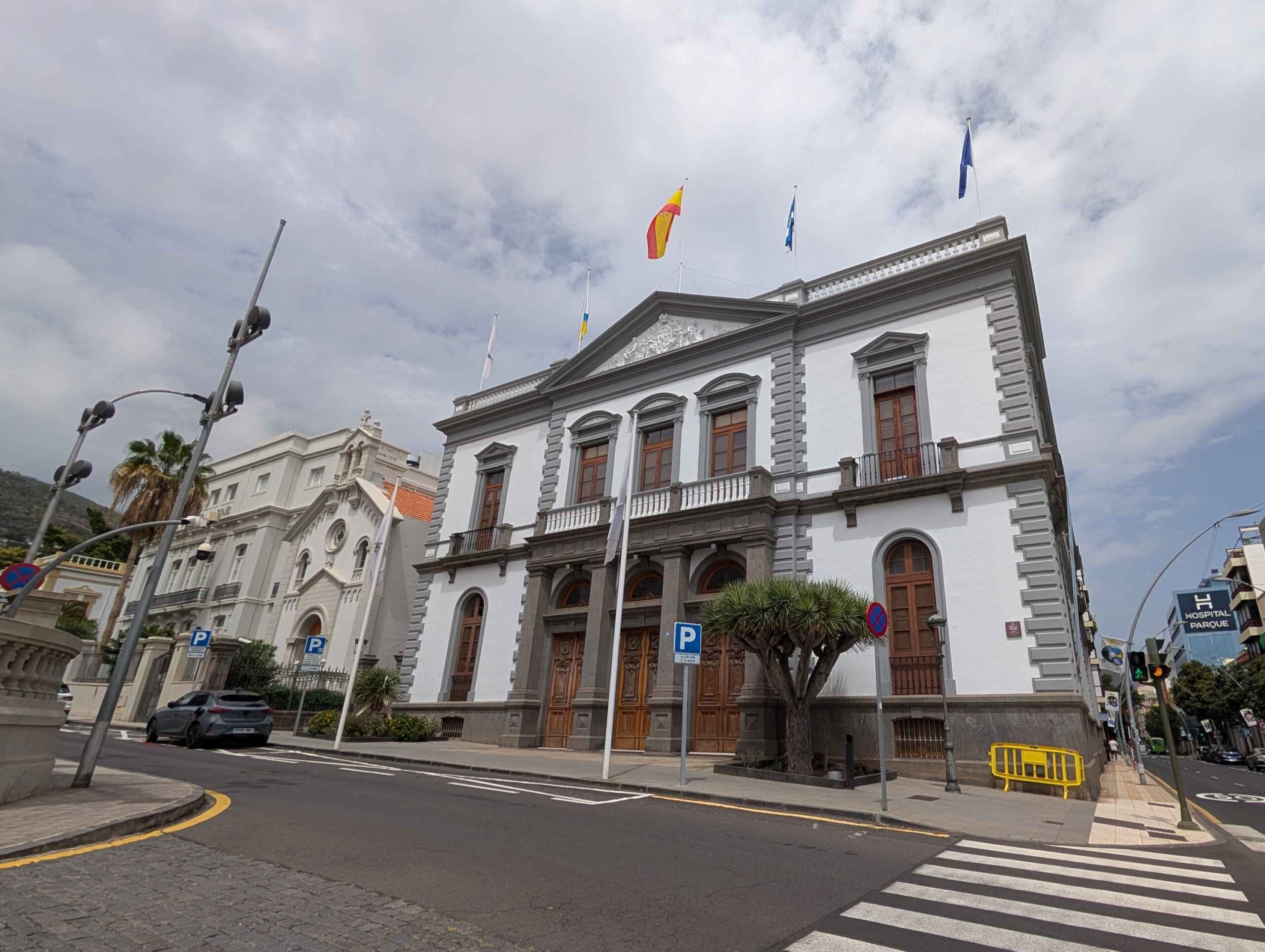
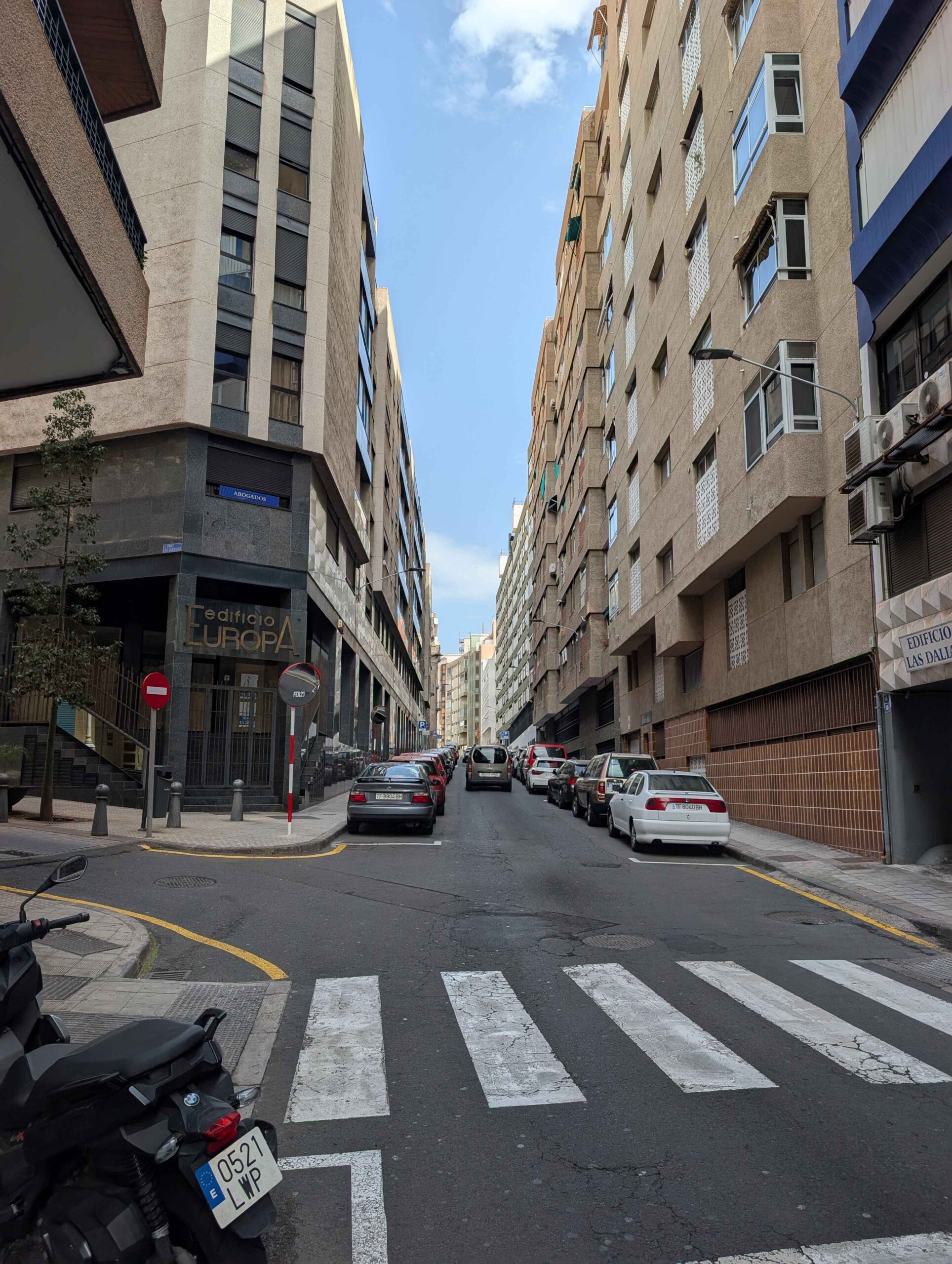
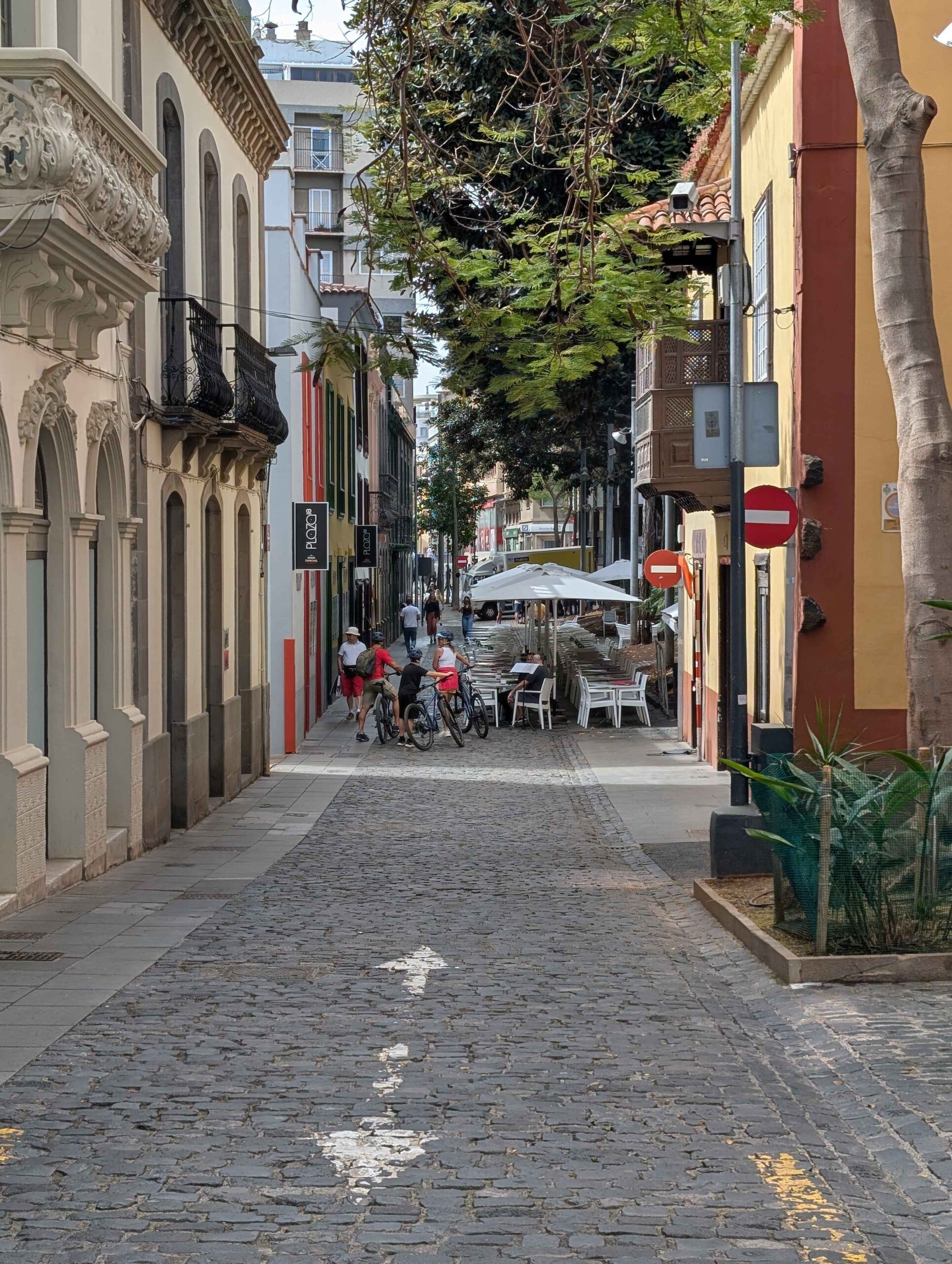
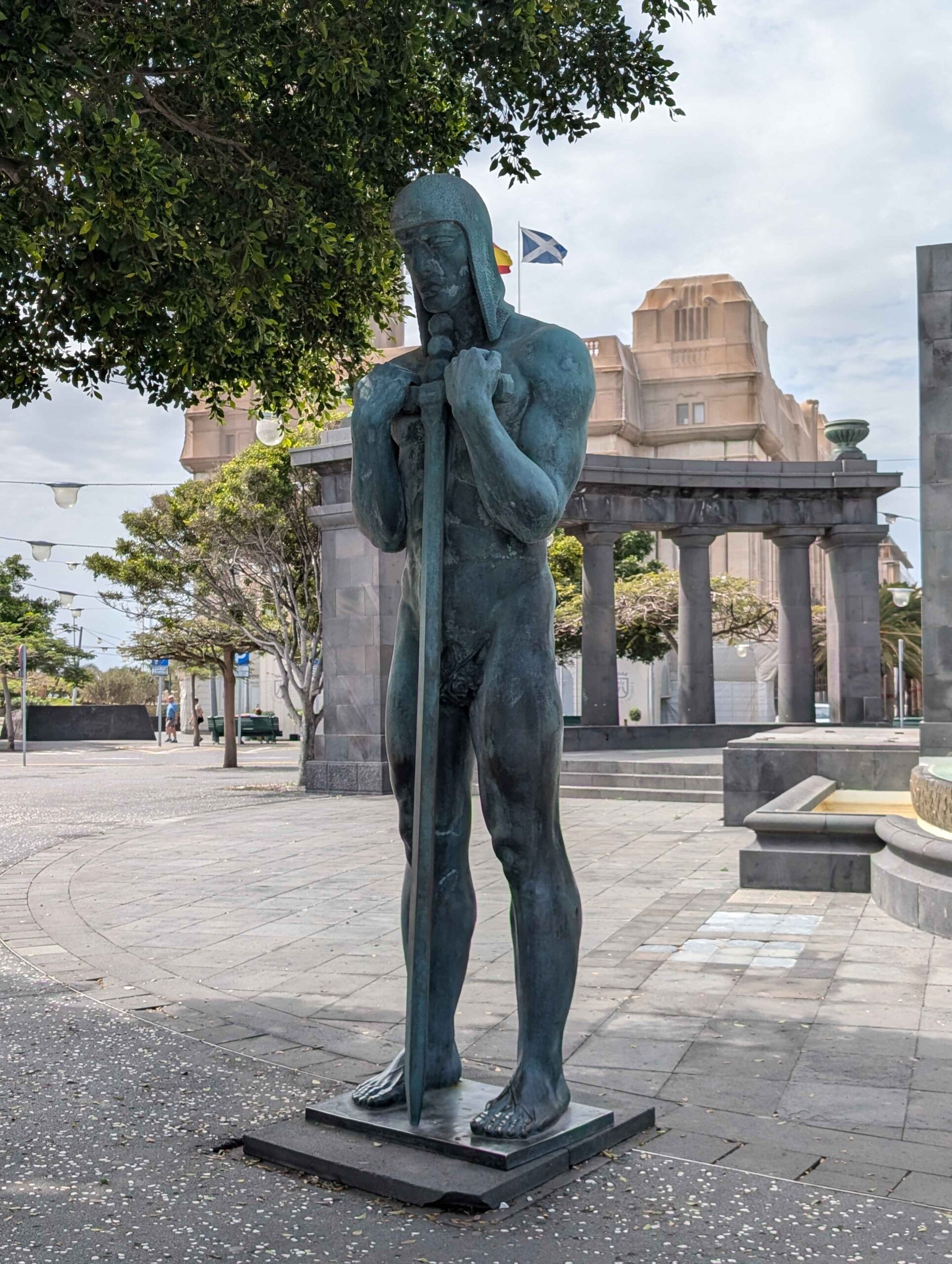
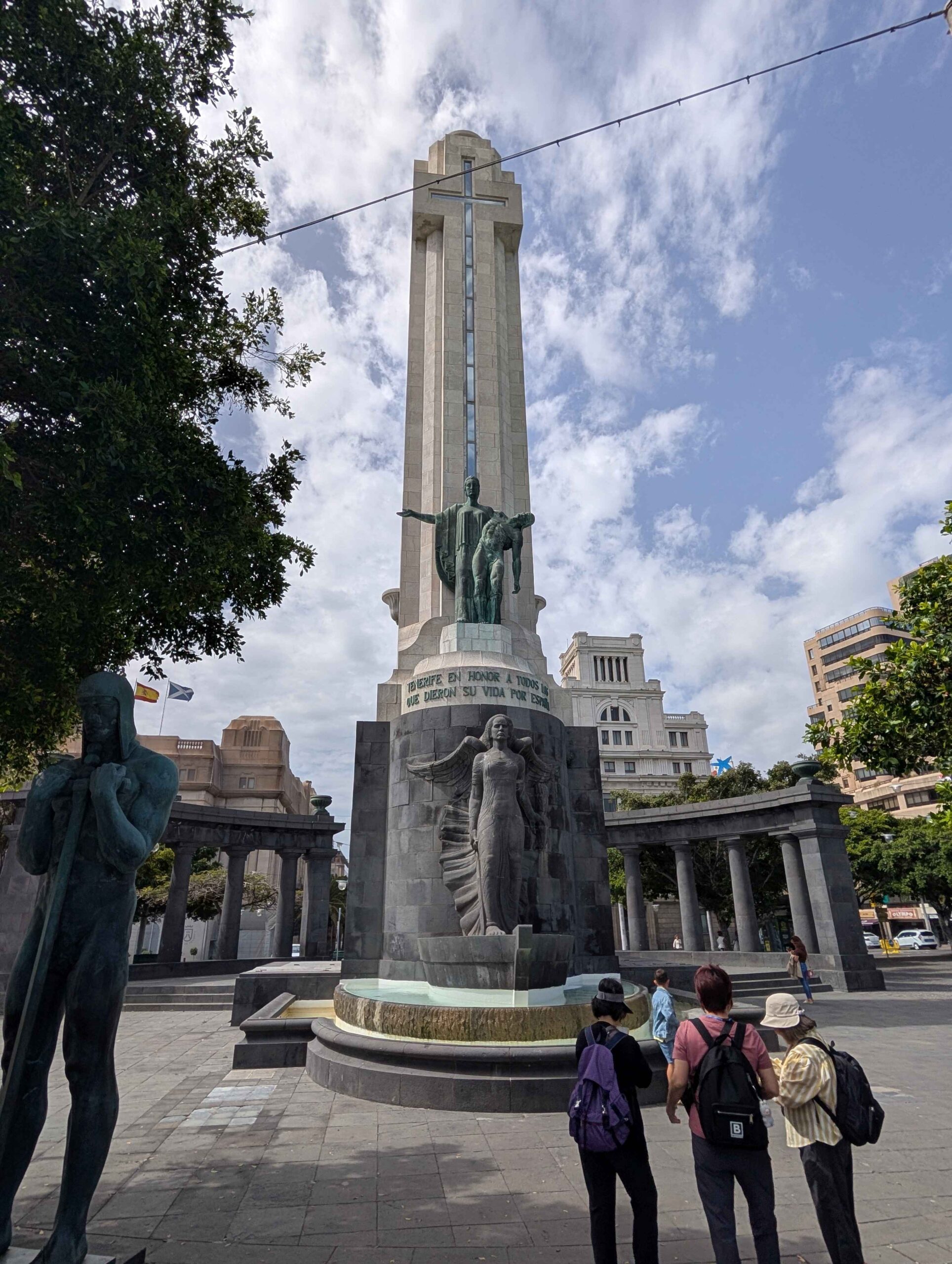
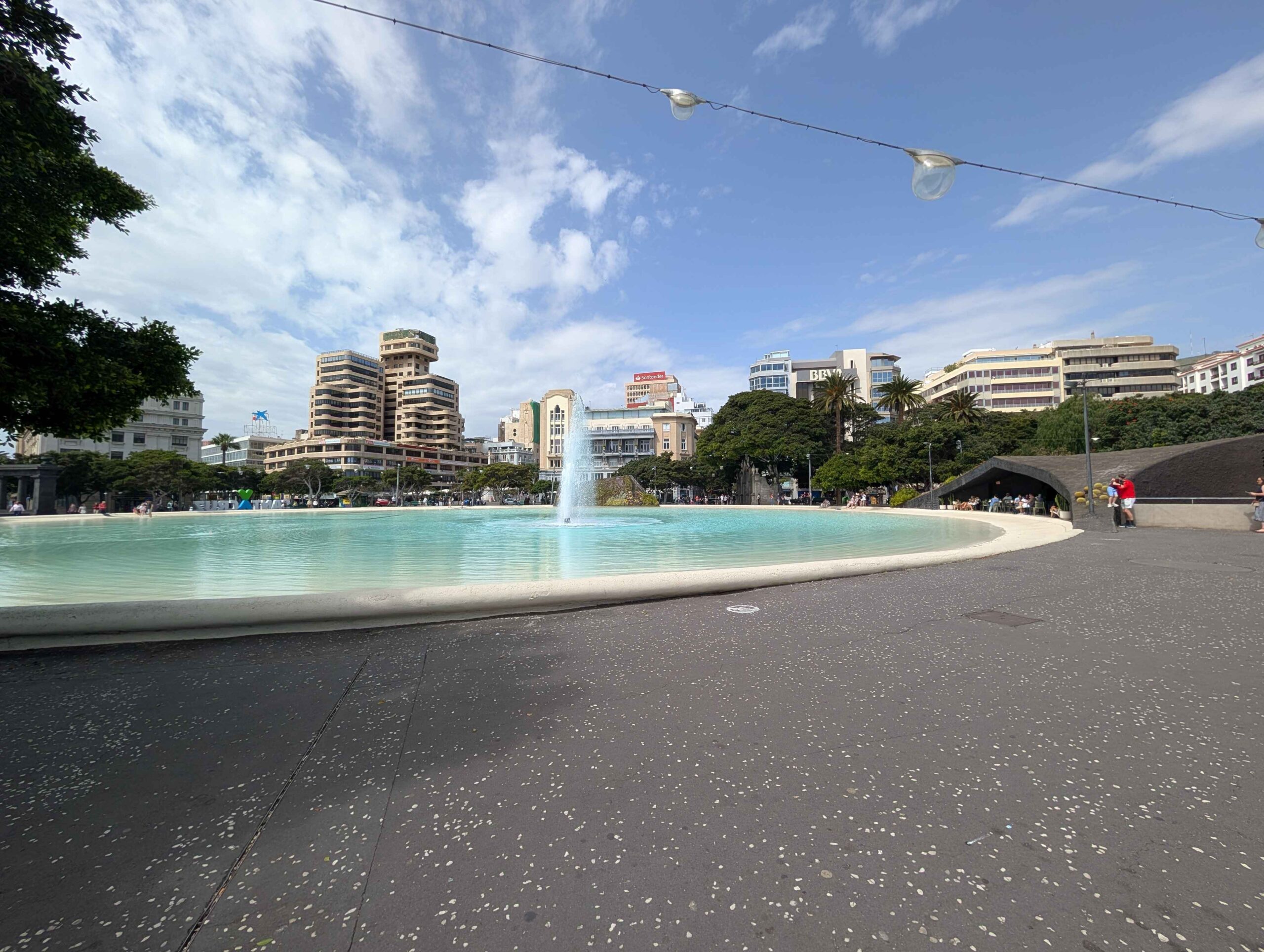
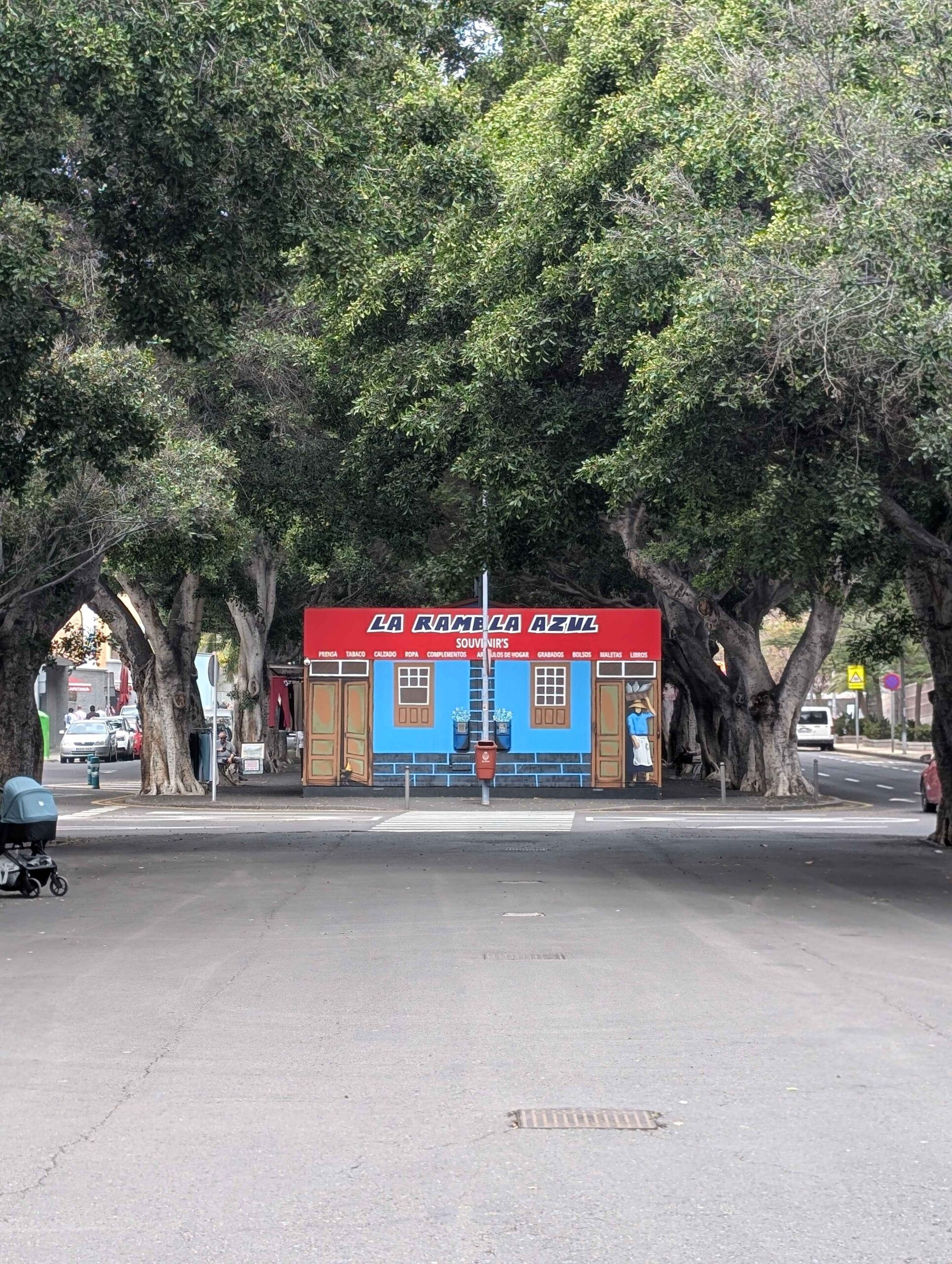
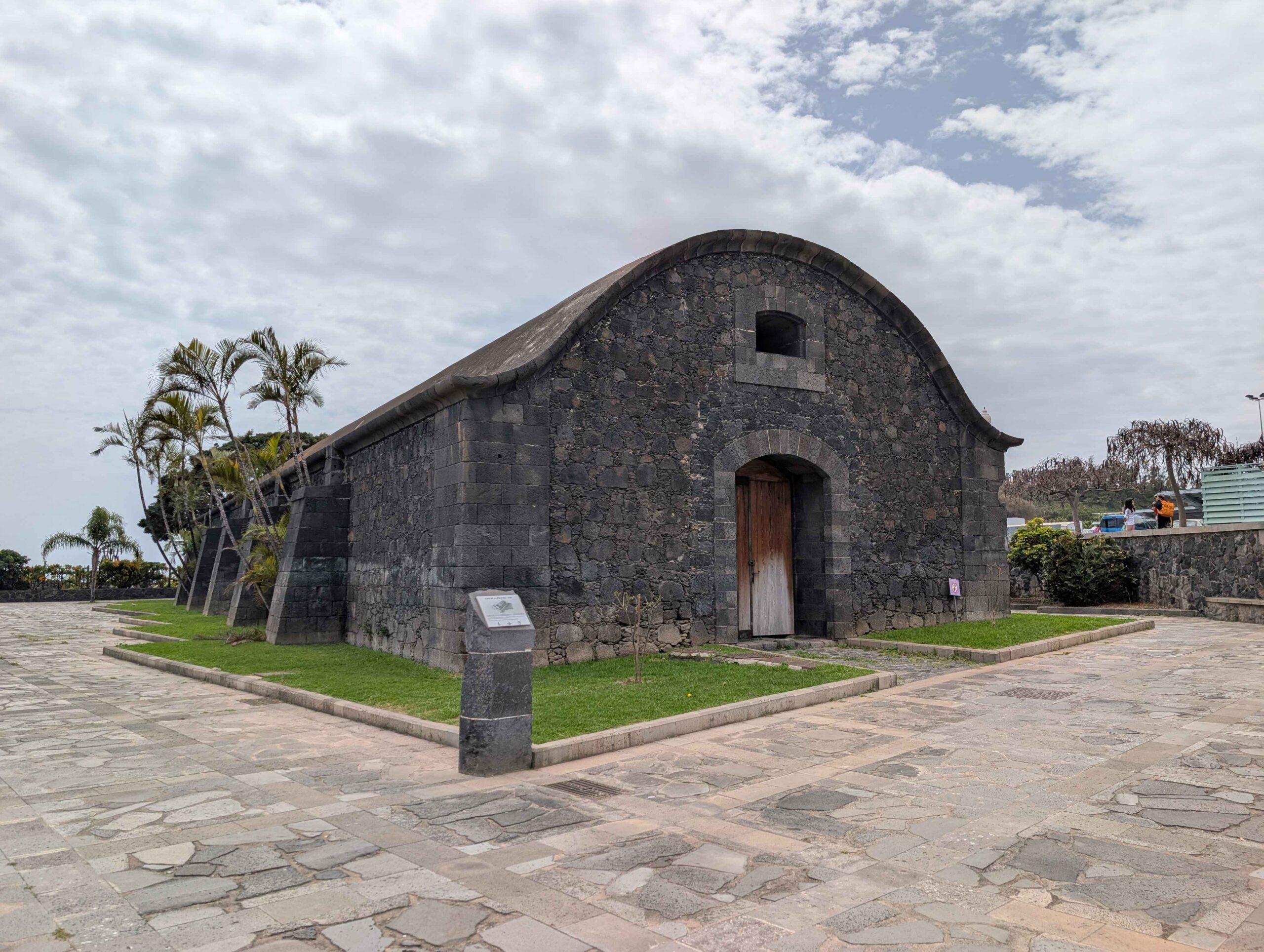
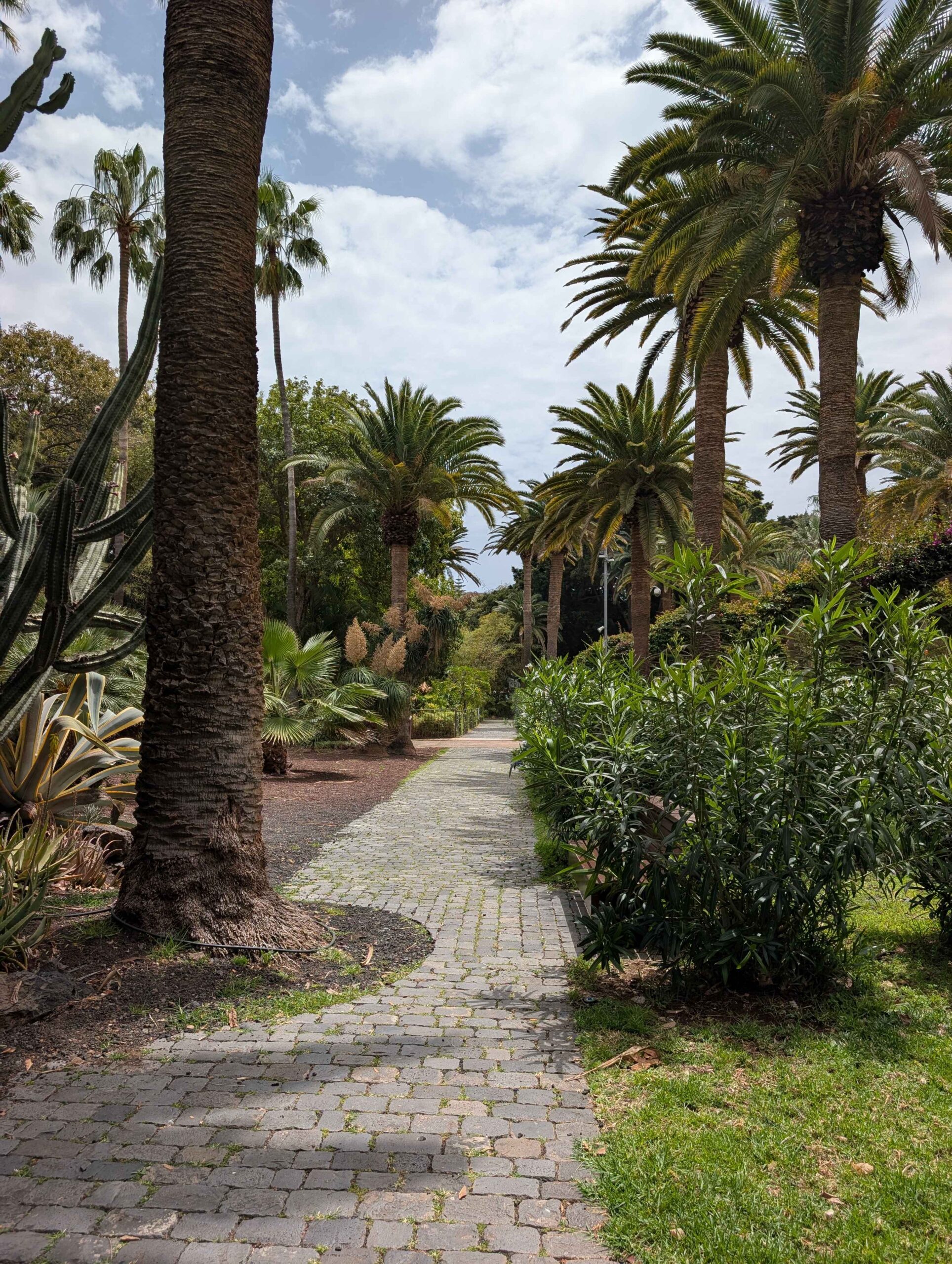
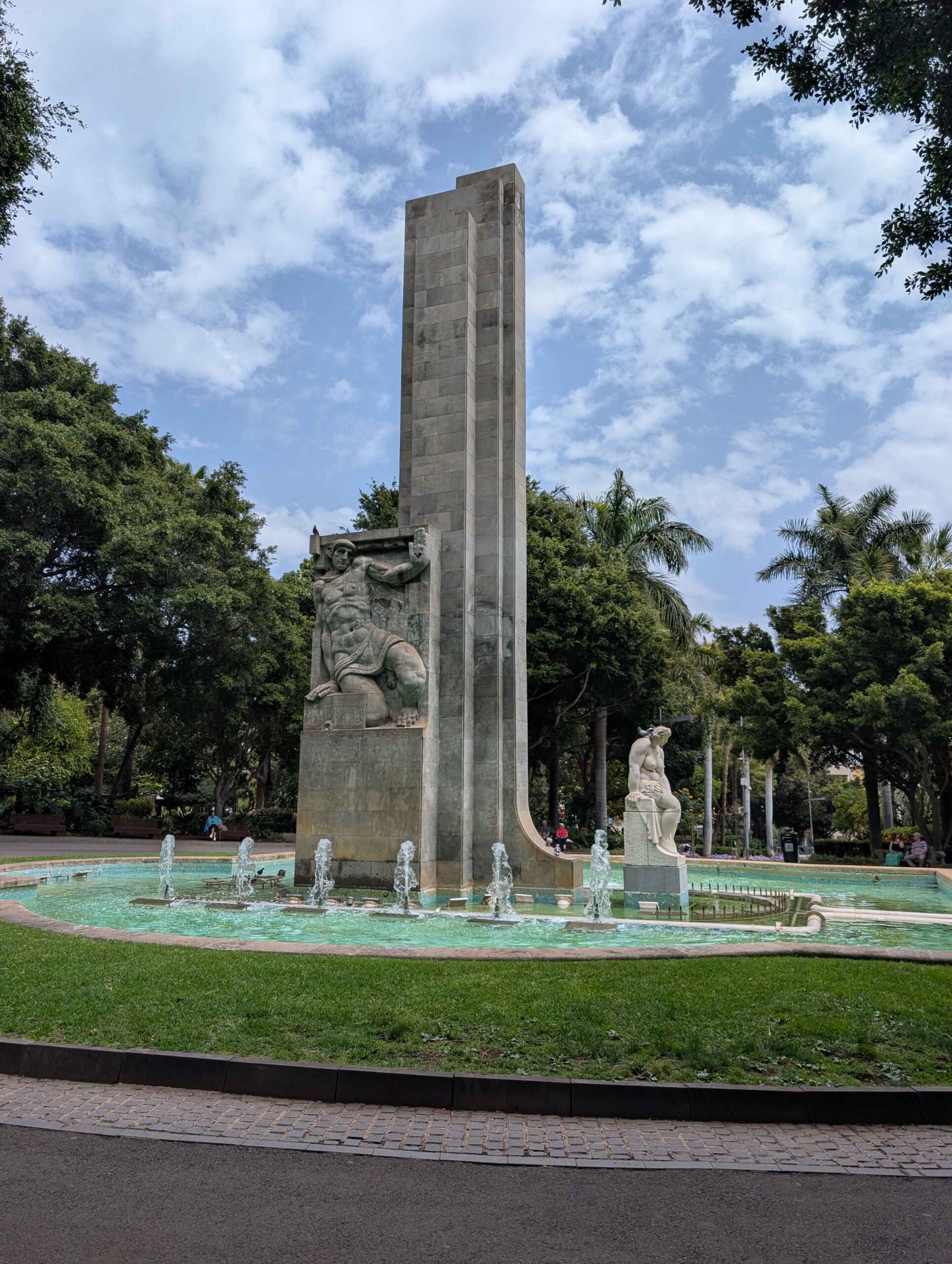
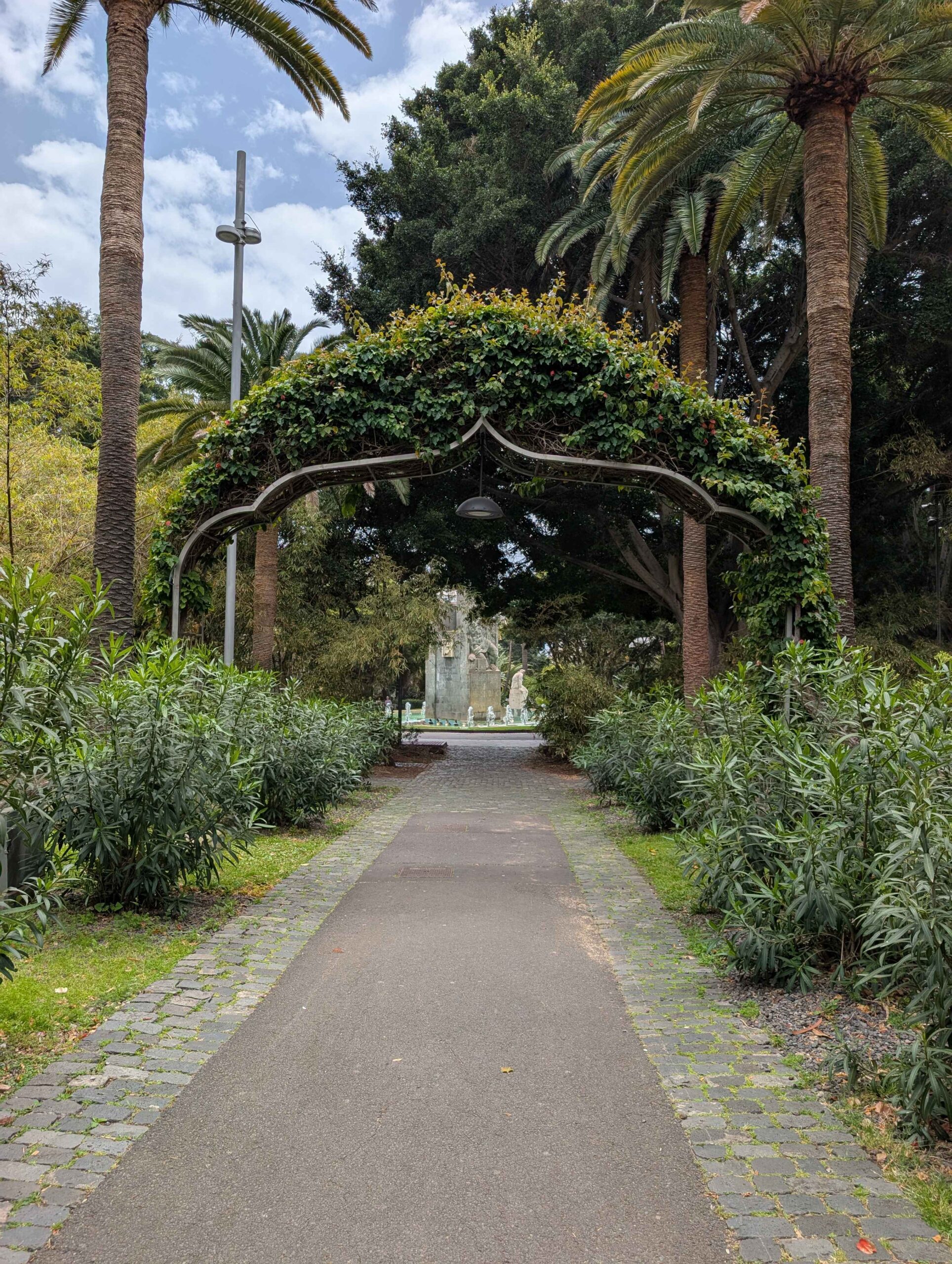
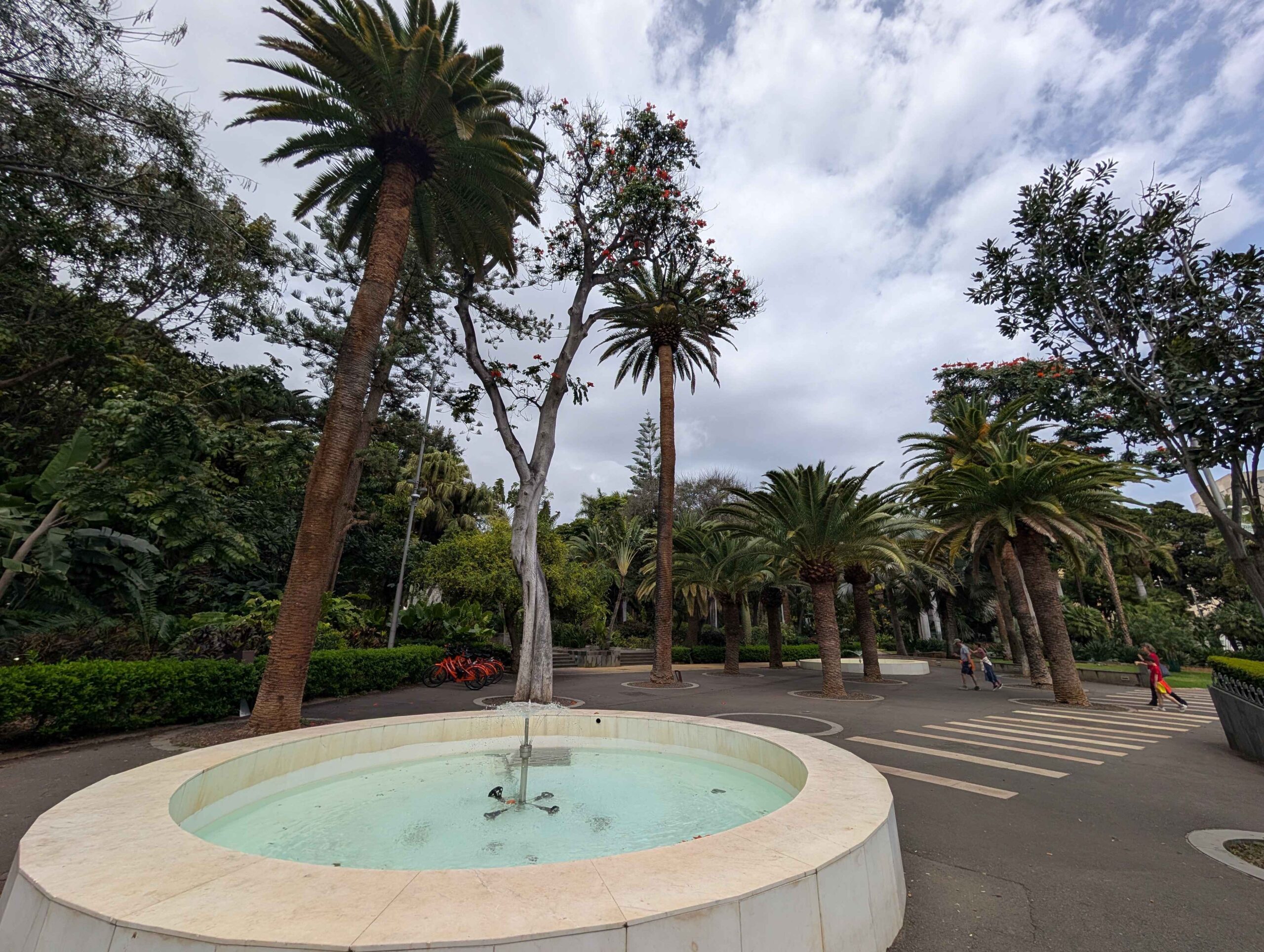
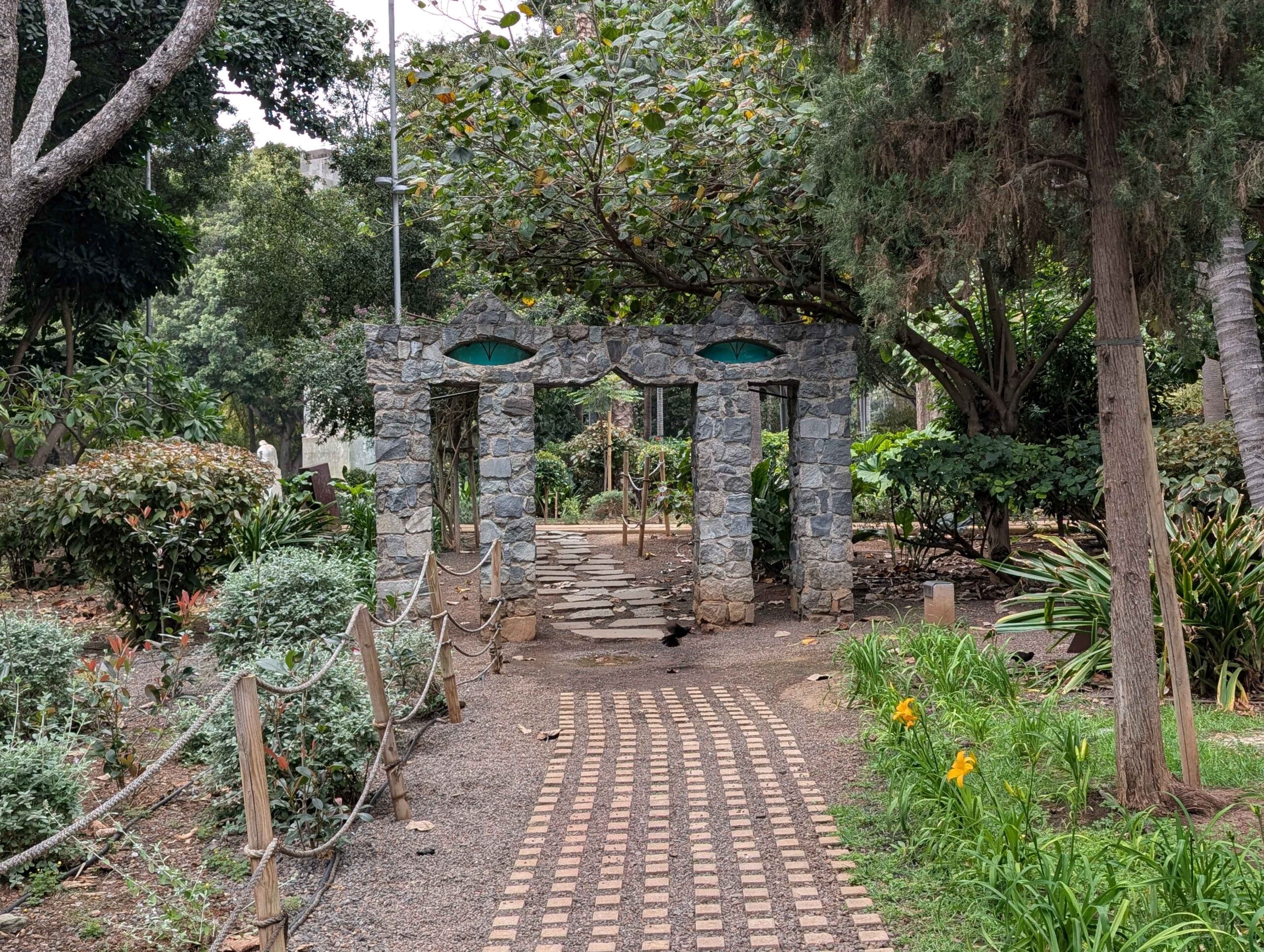
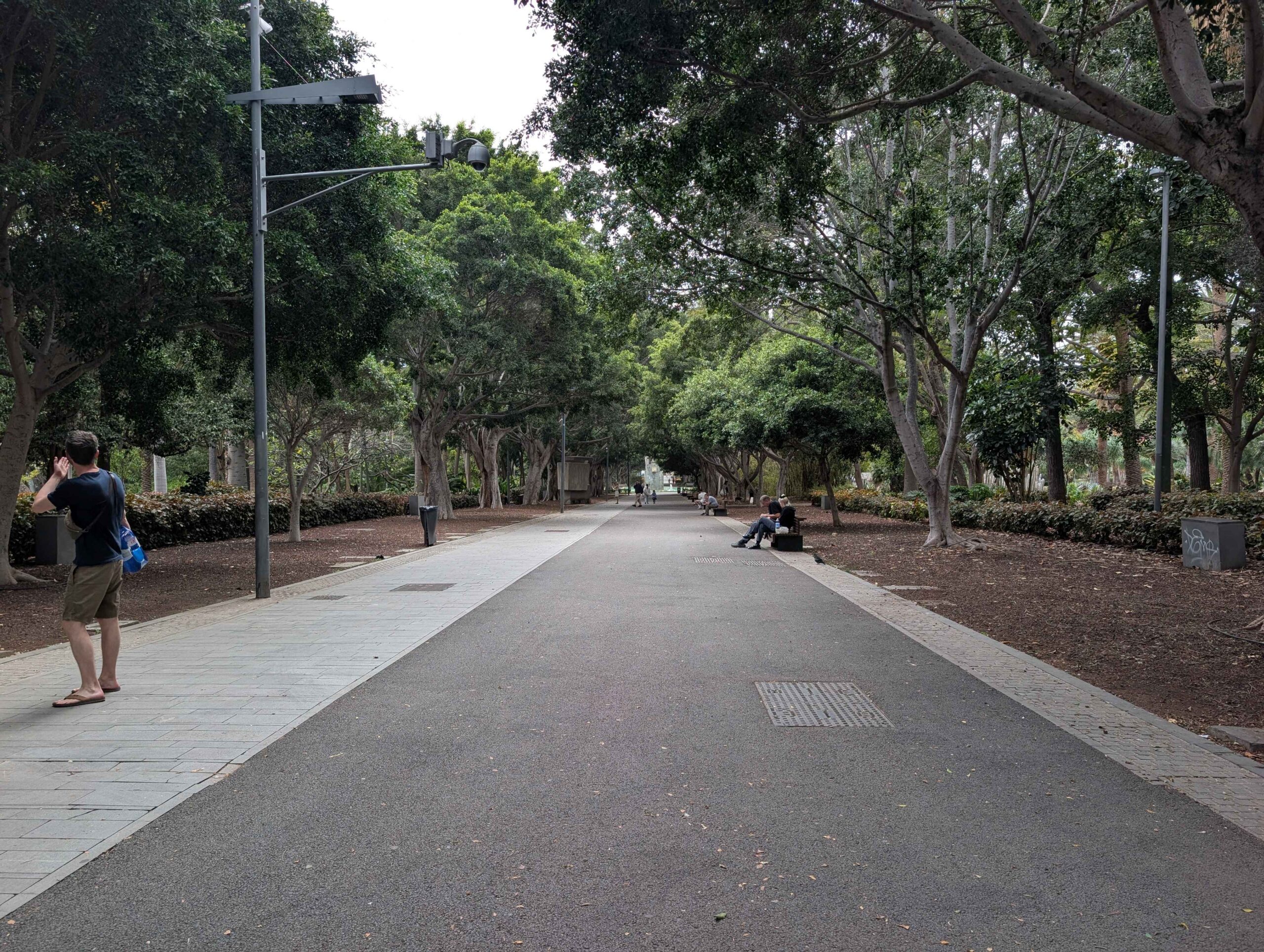
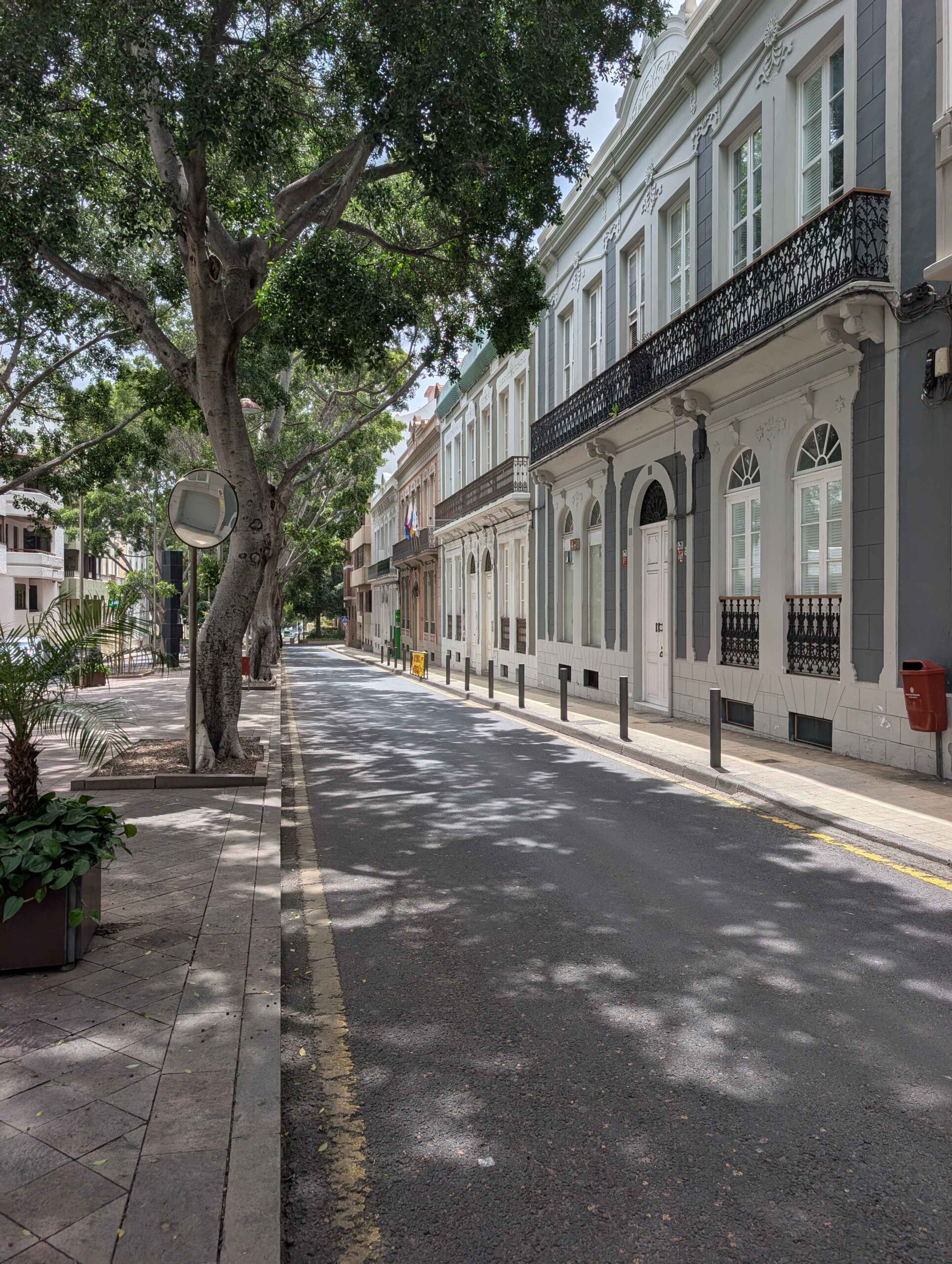
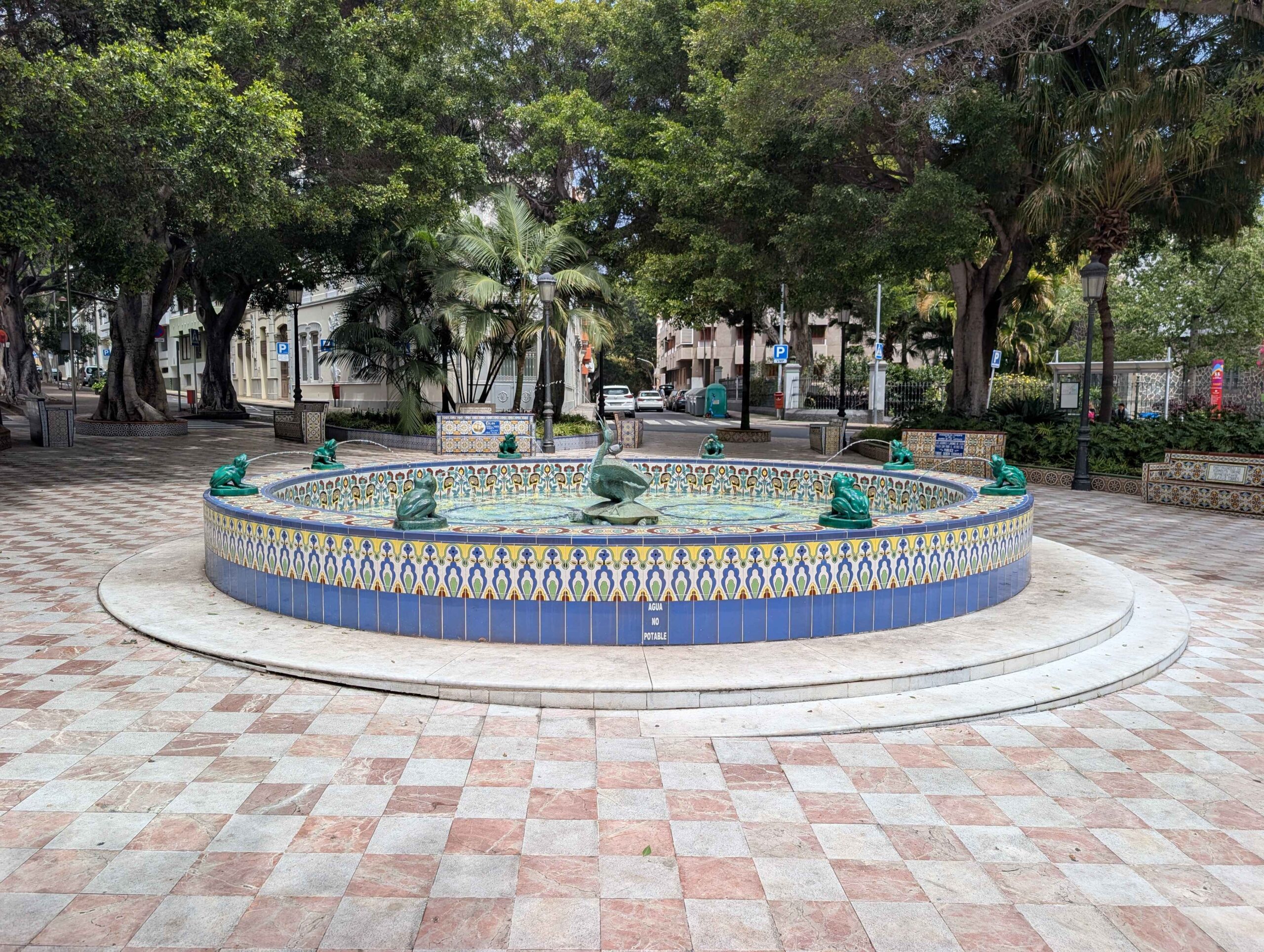
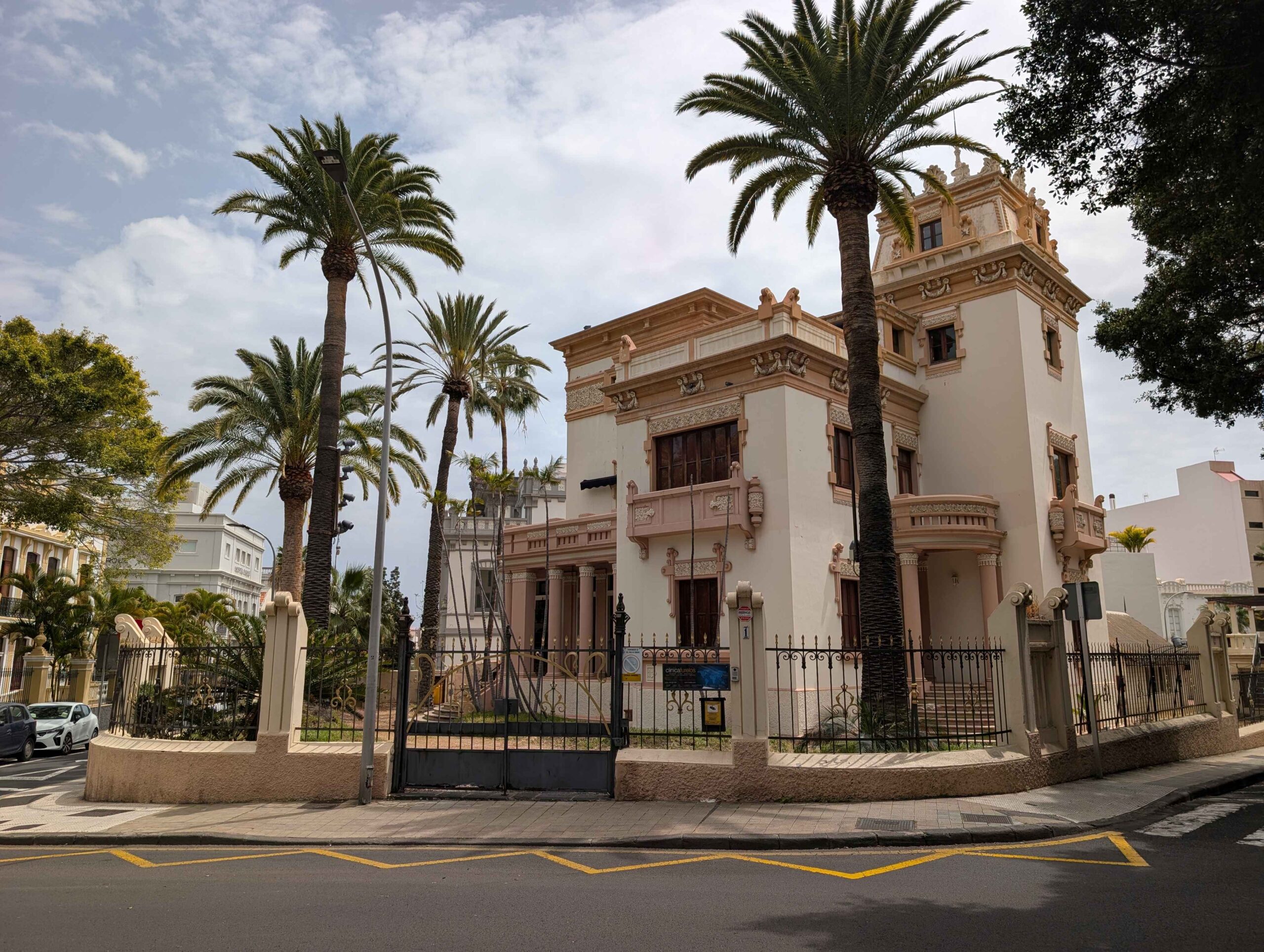
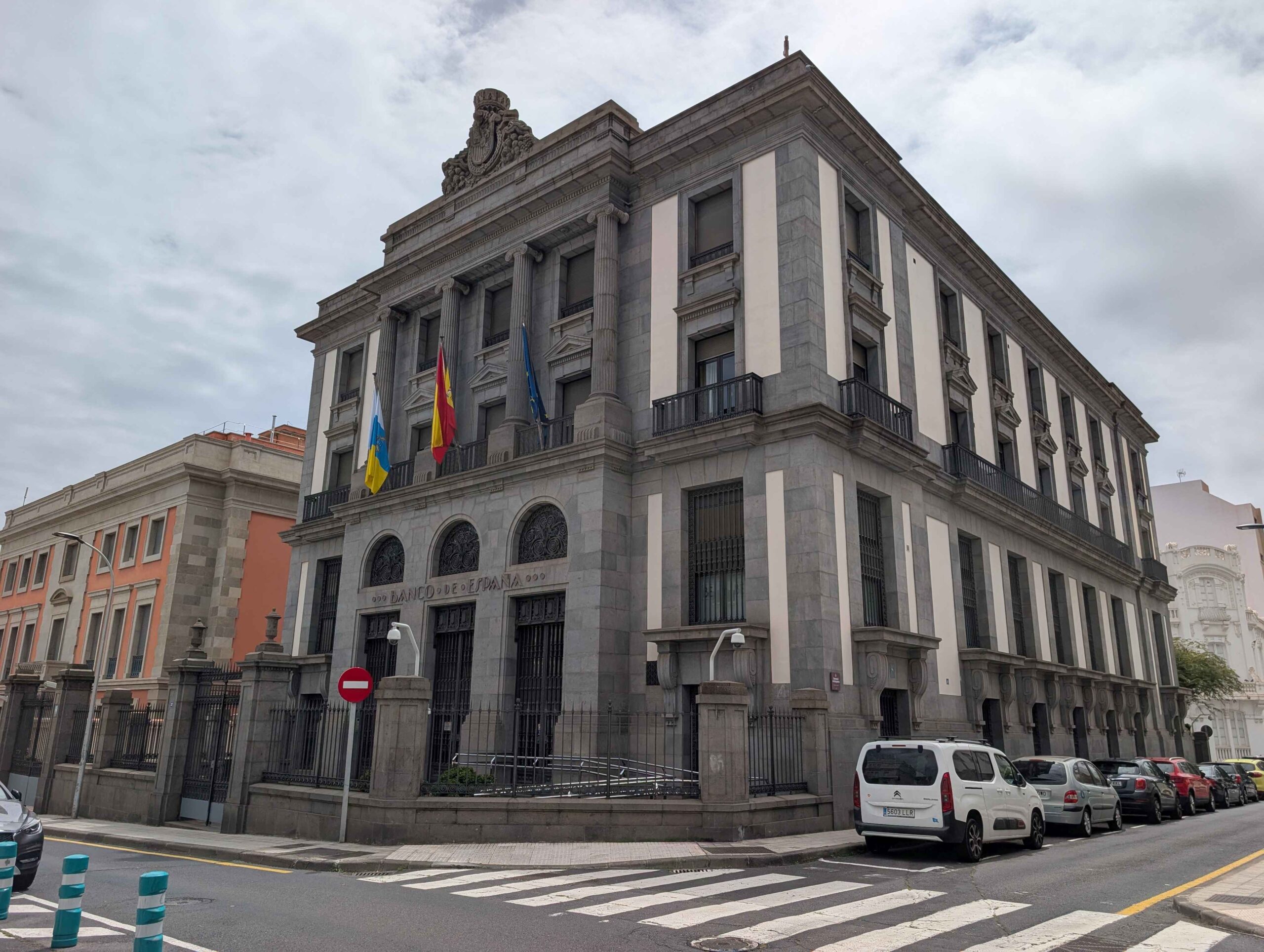
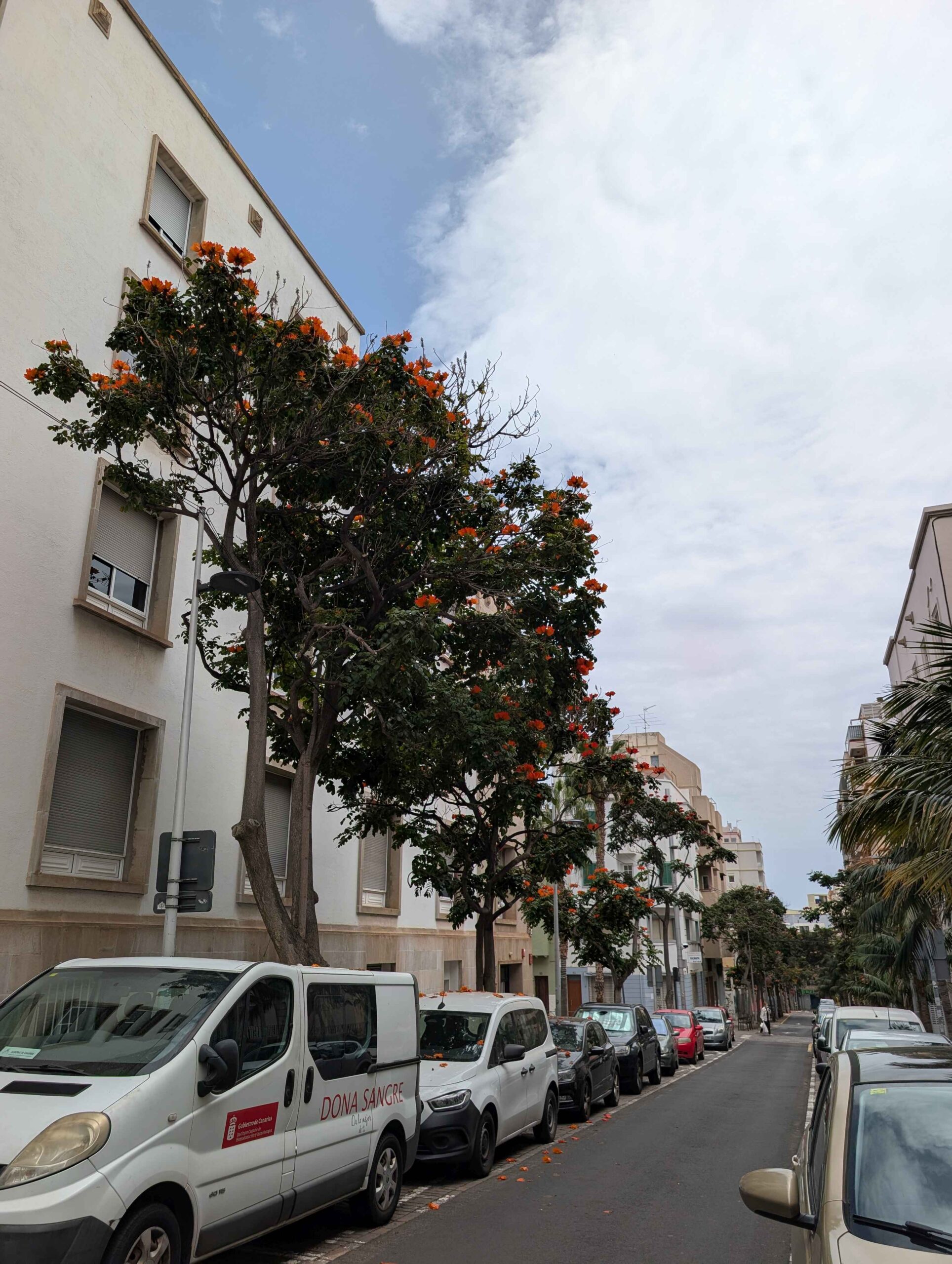
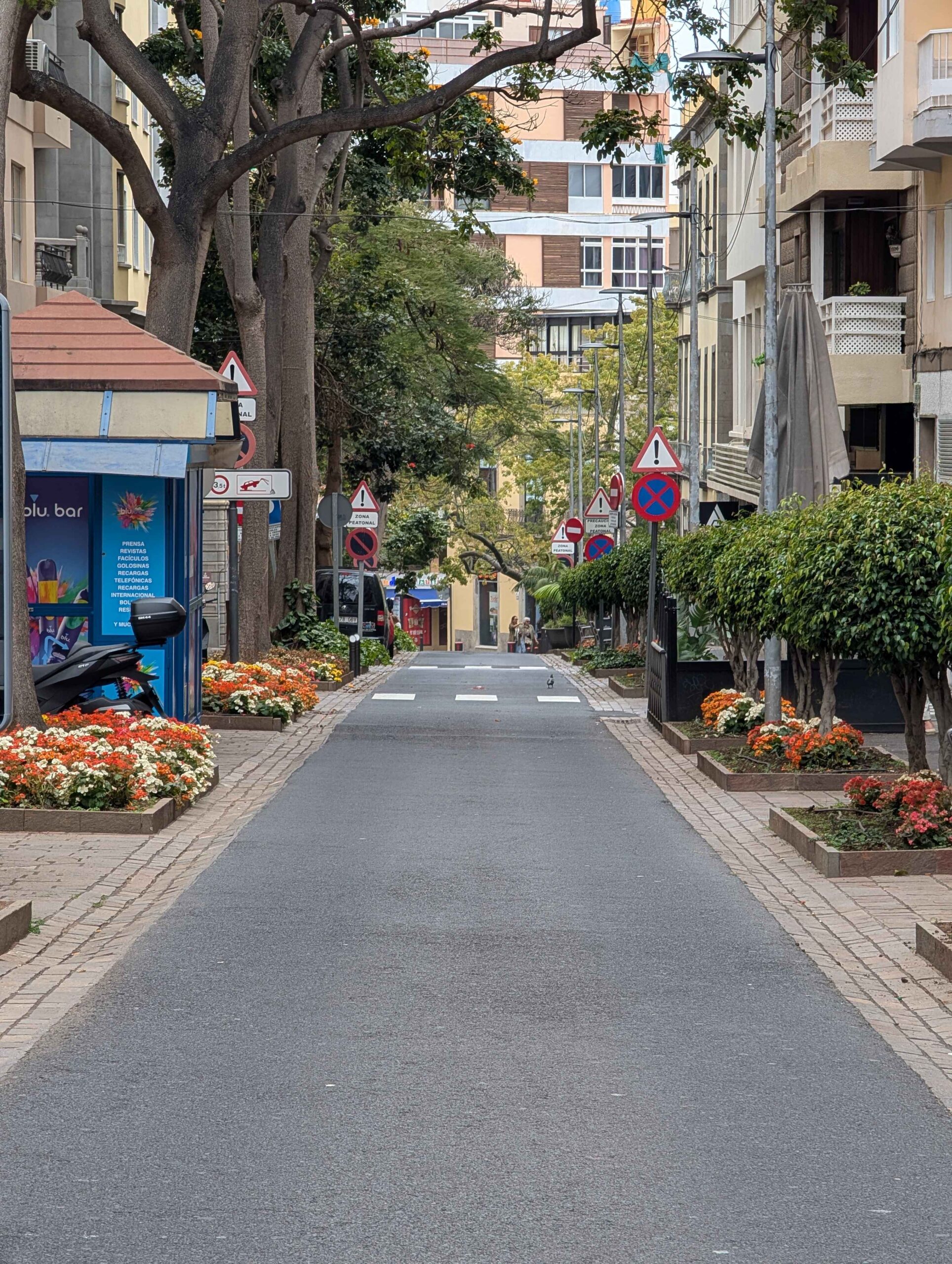
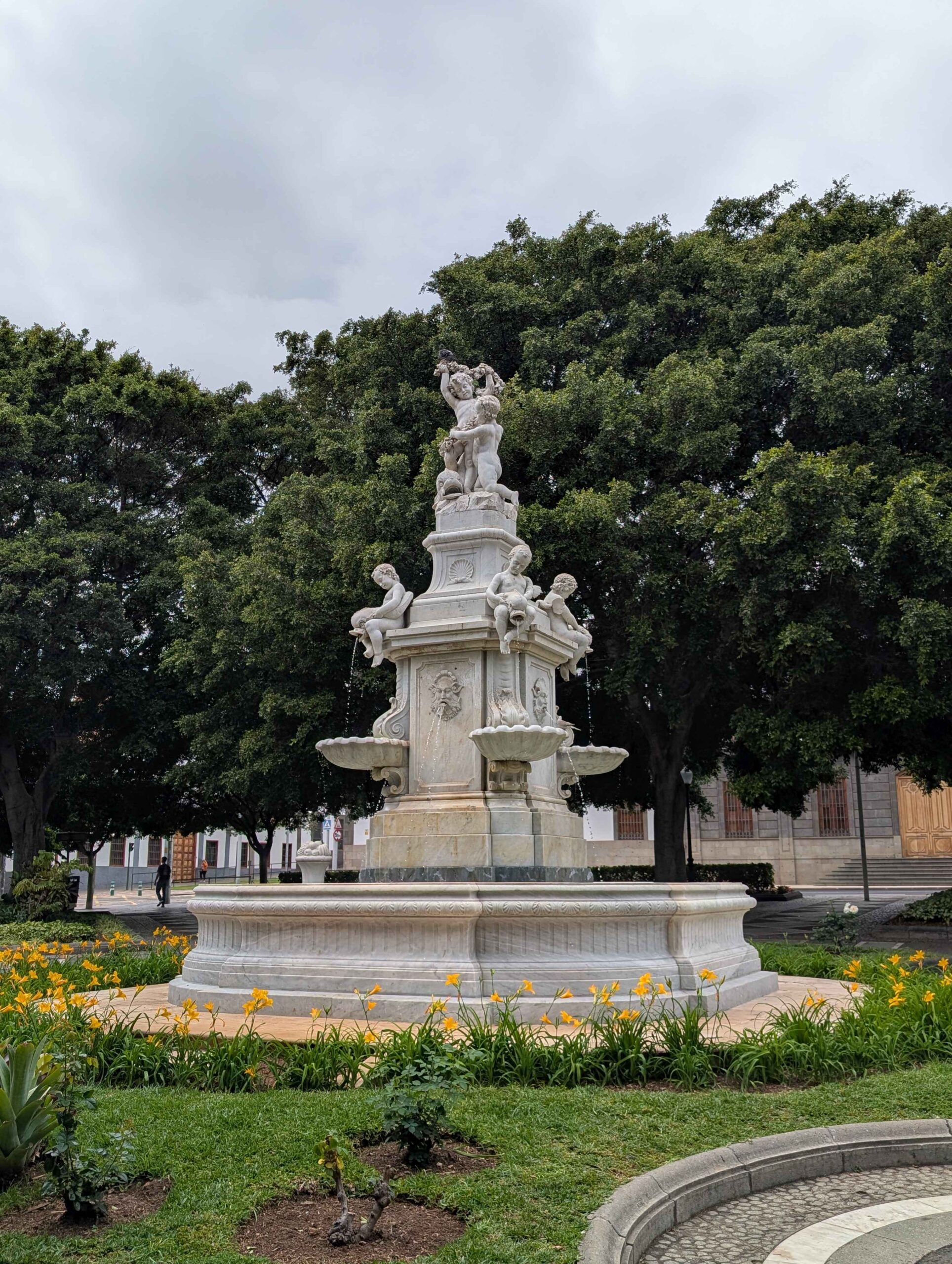
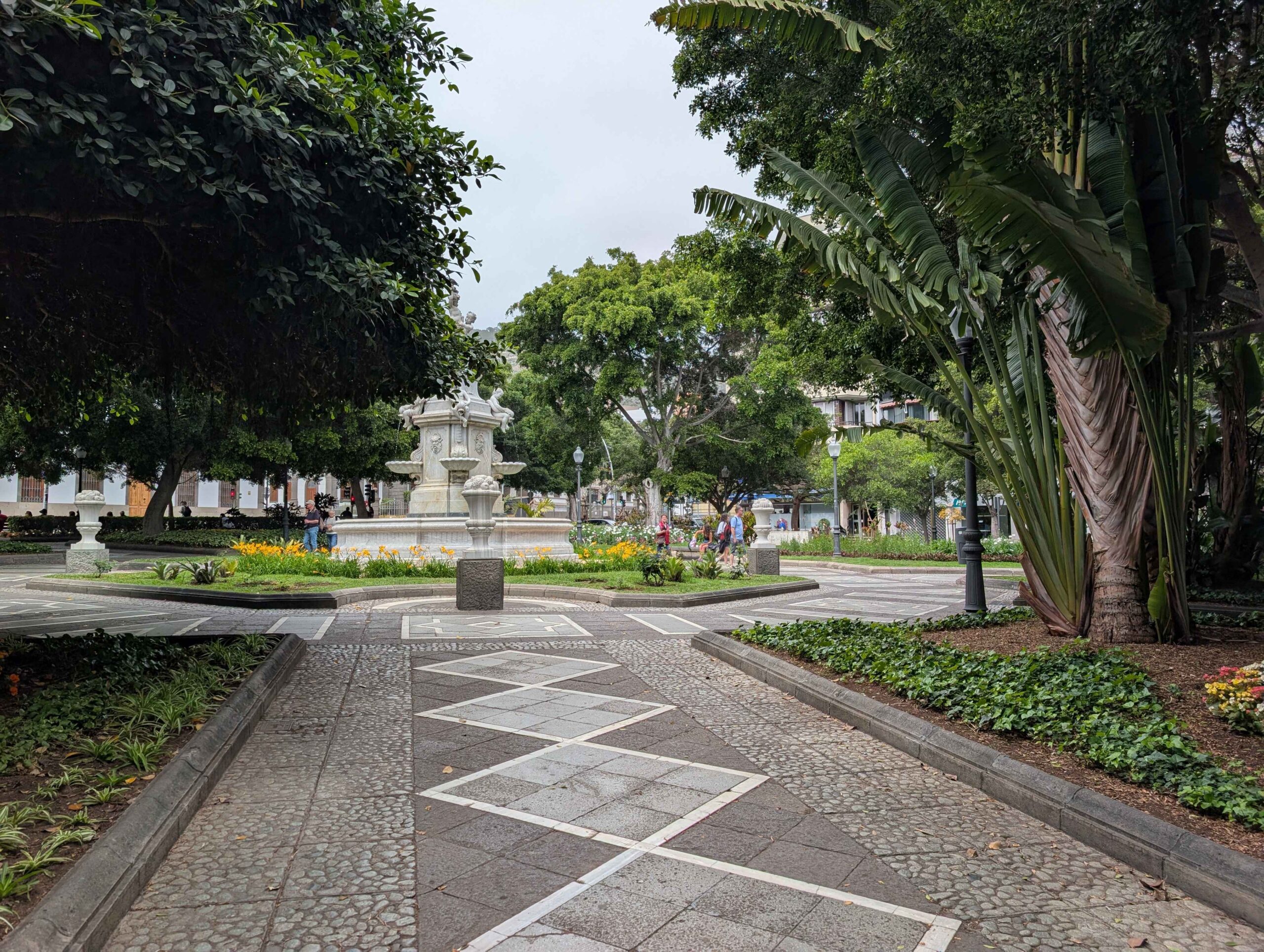
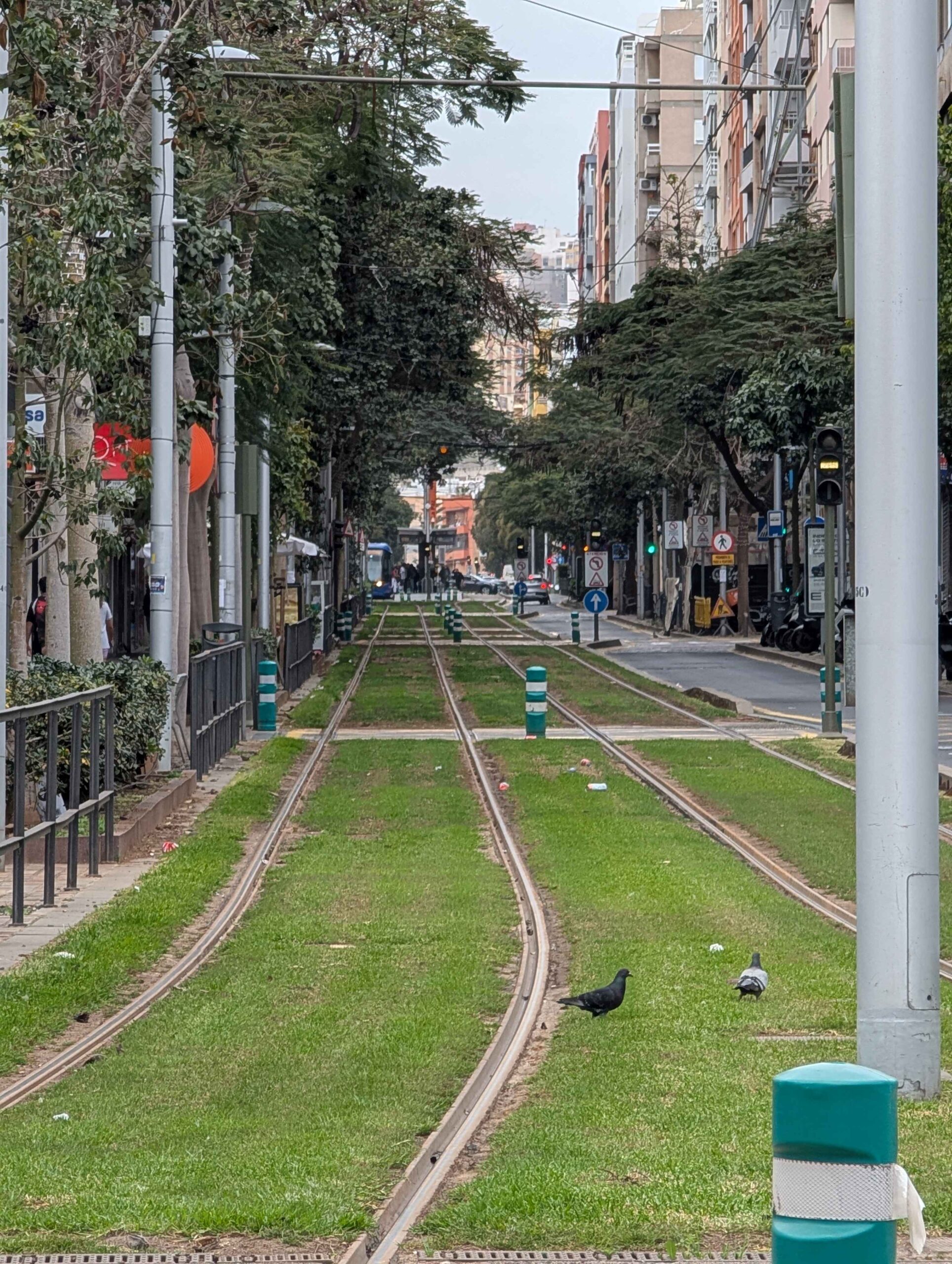
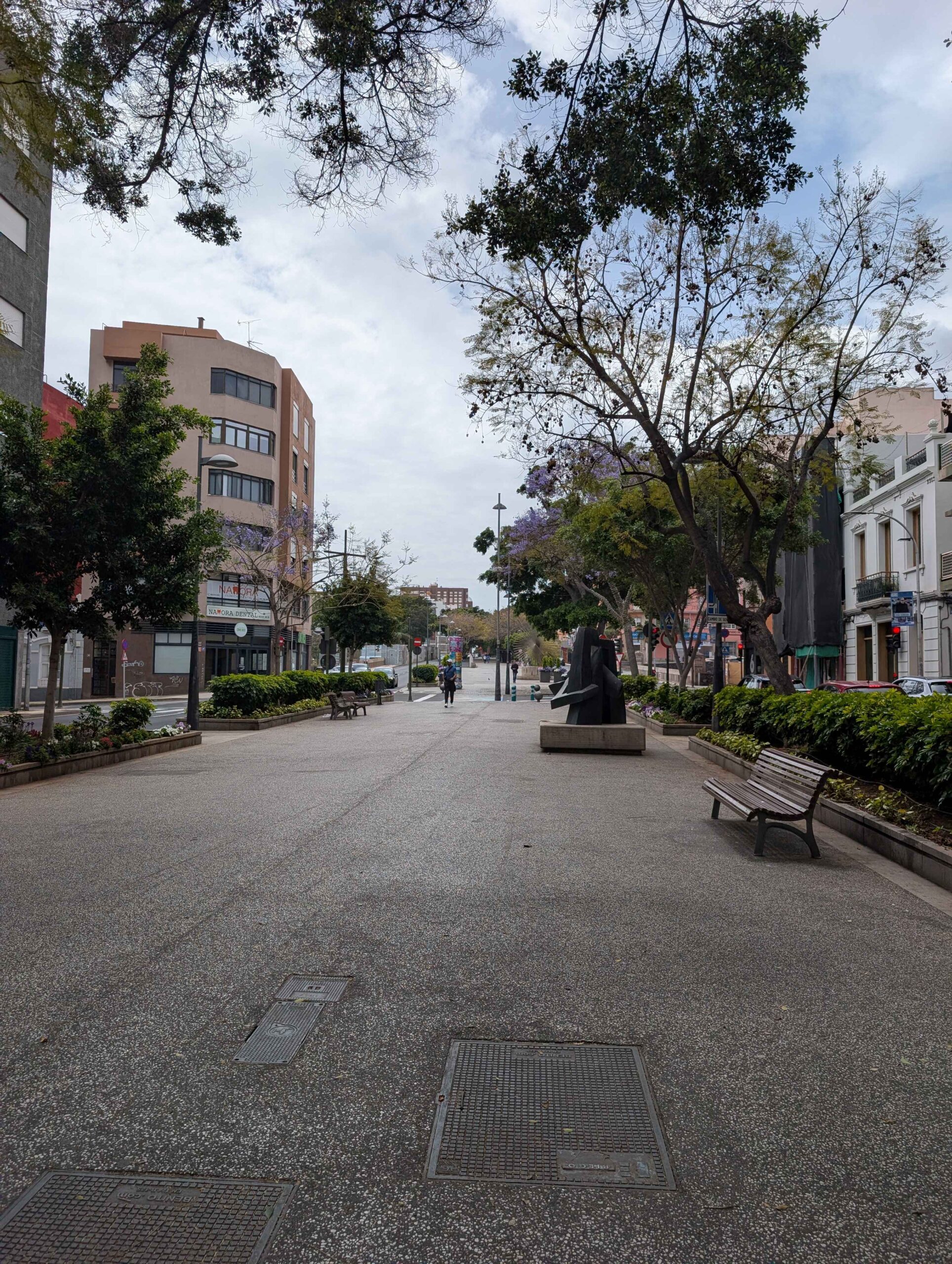
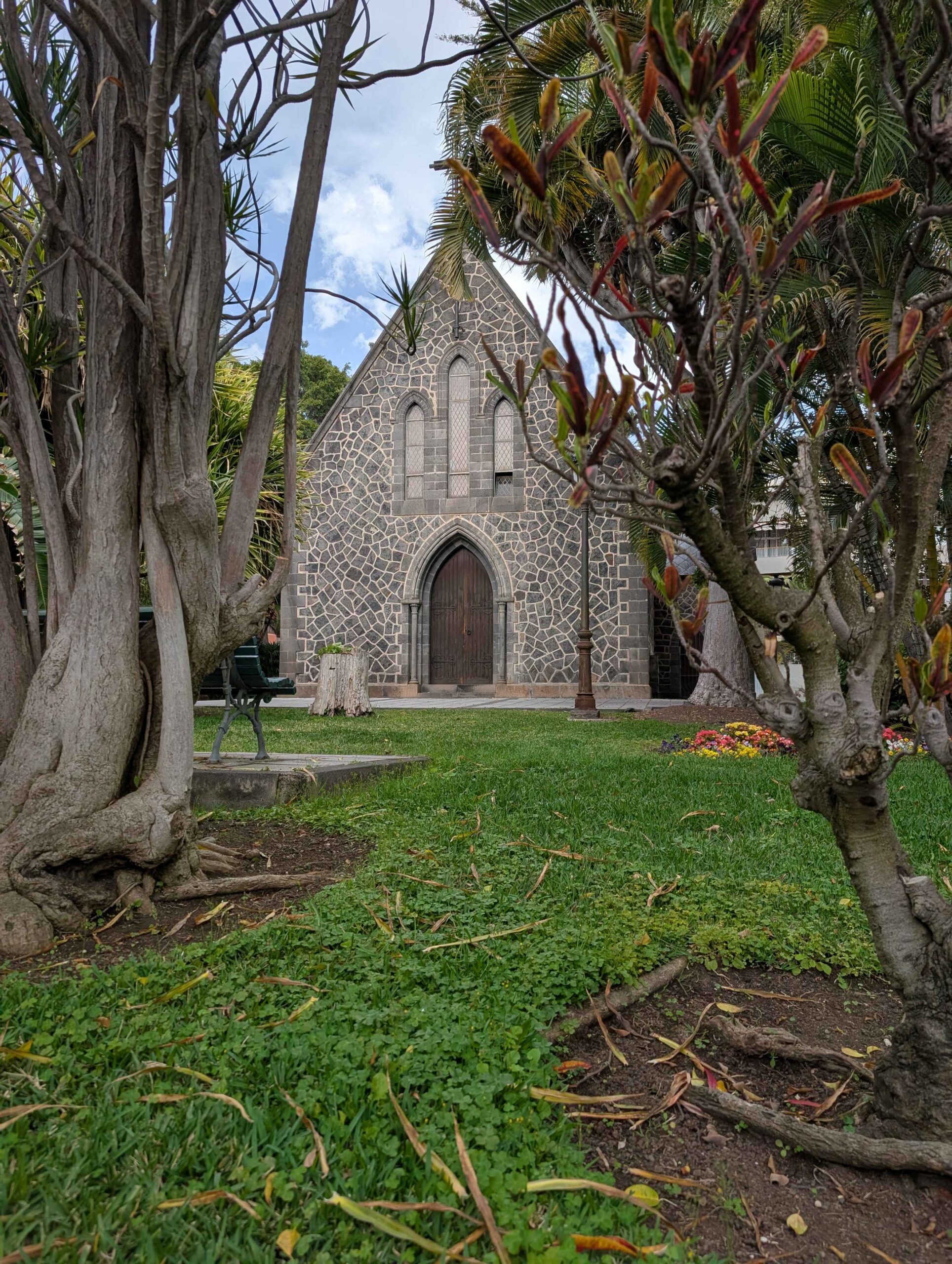
Once I started walking, the city became more interesting in the details. Parque García Sanabria offered shaded paths and quiet corners, while Plaza de España opened up into a much larger and more active space. Along the way, I passed residential streets lined with flowering trees and tram tracks running through grassy medians, which gave the city a slightly different rhythm than I expected.
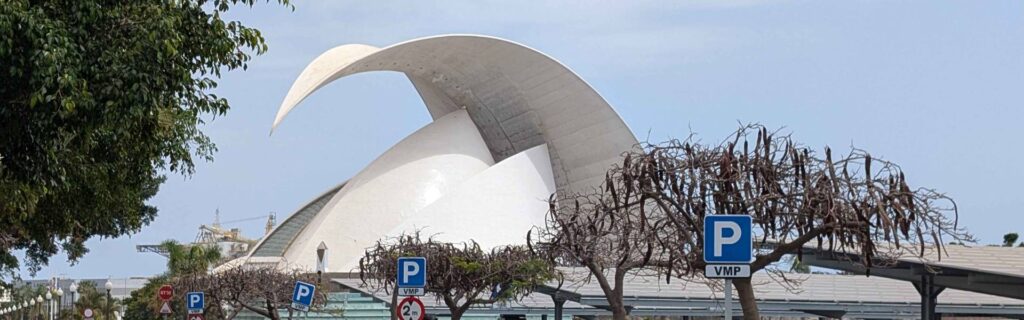
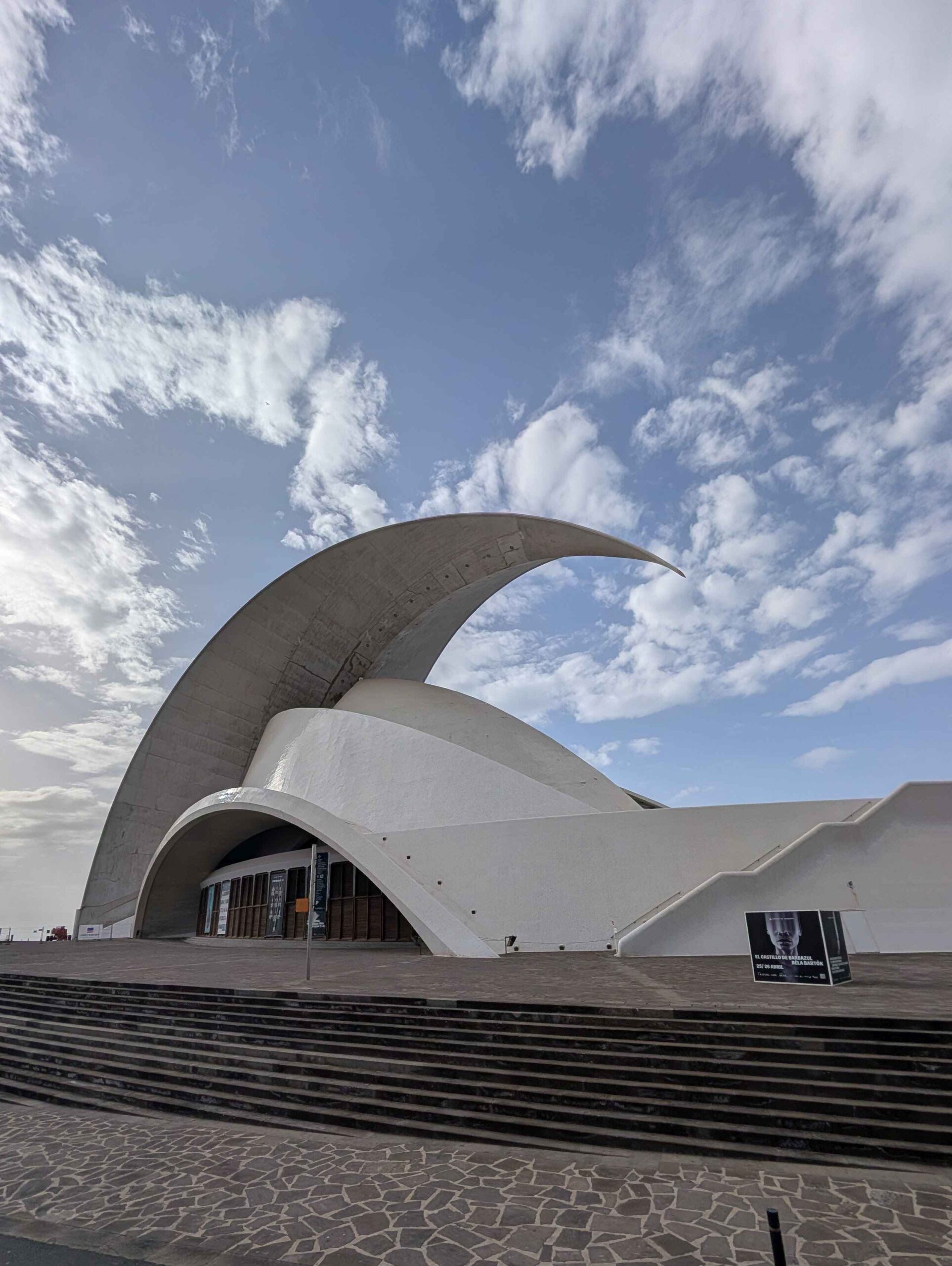
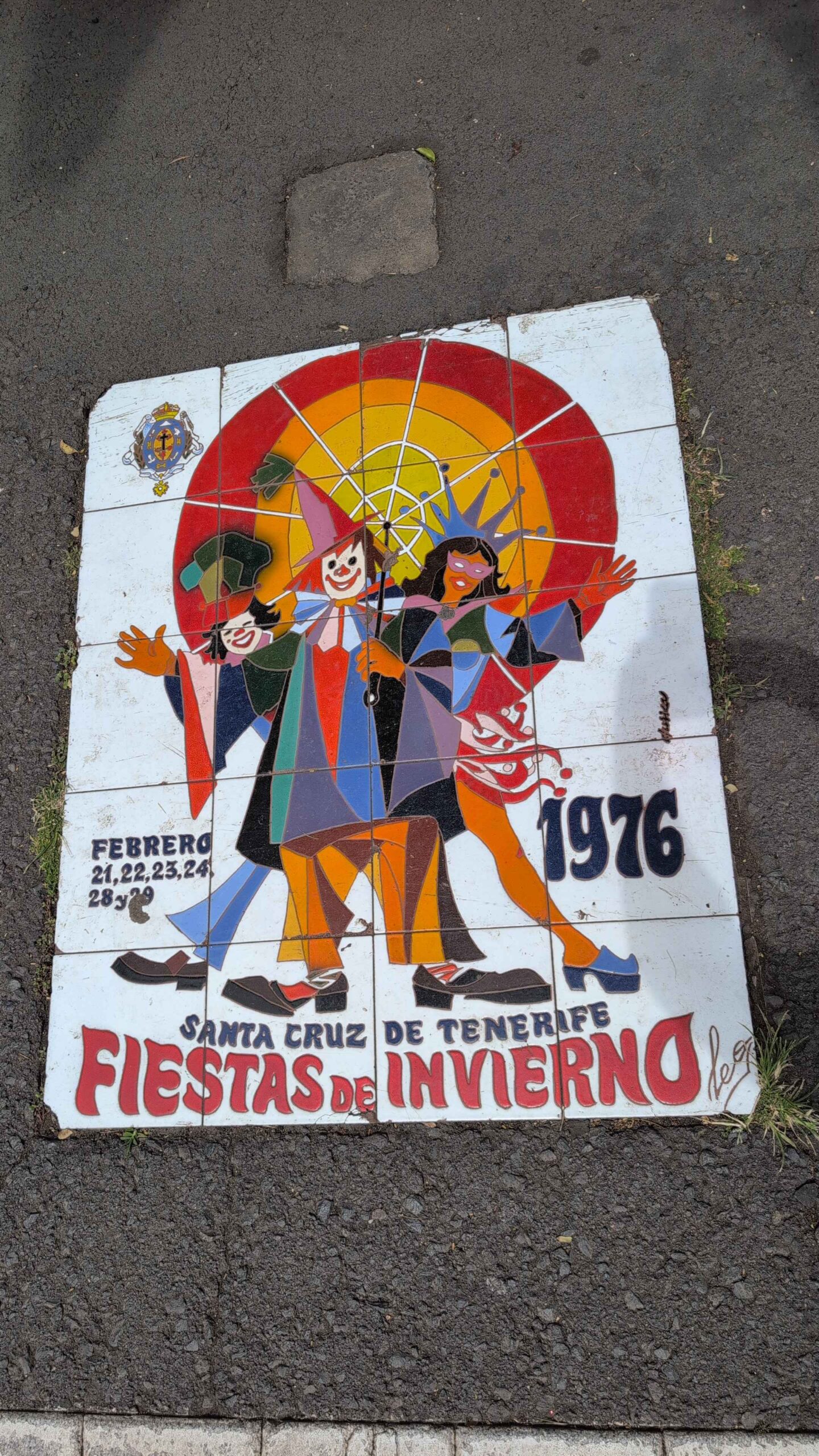
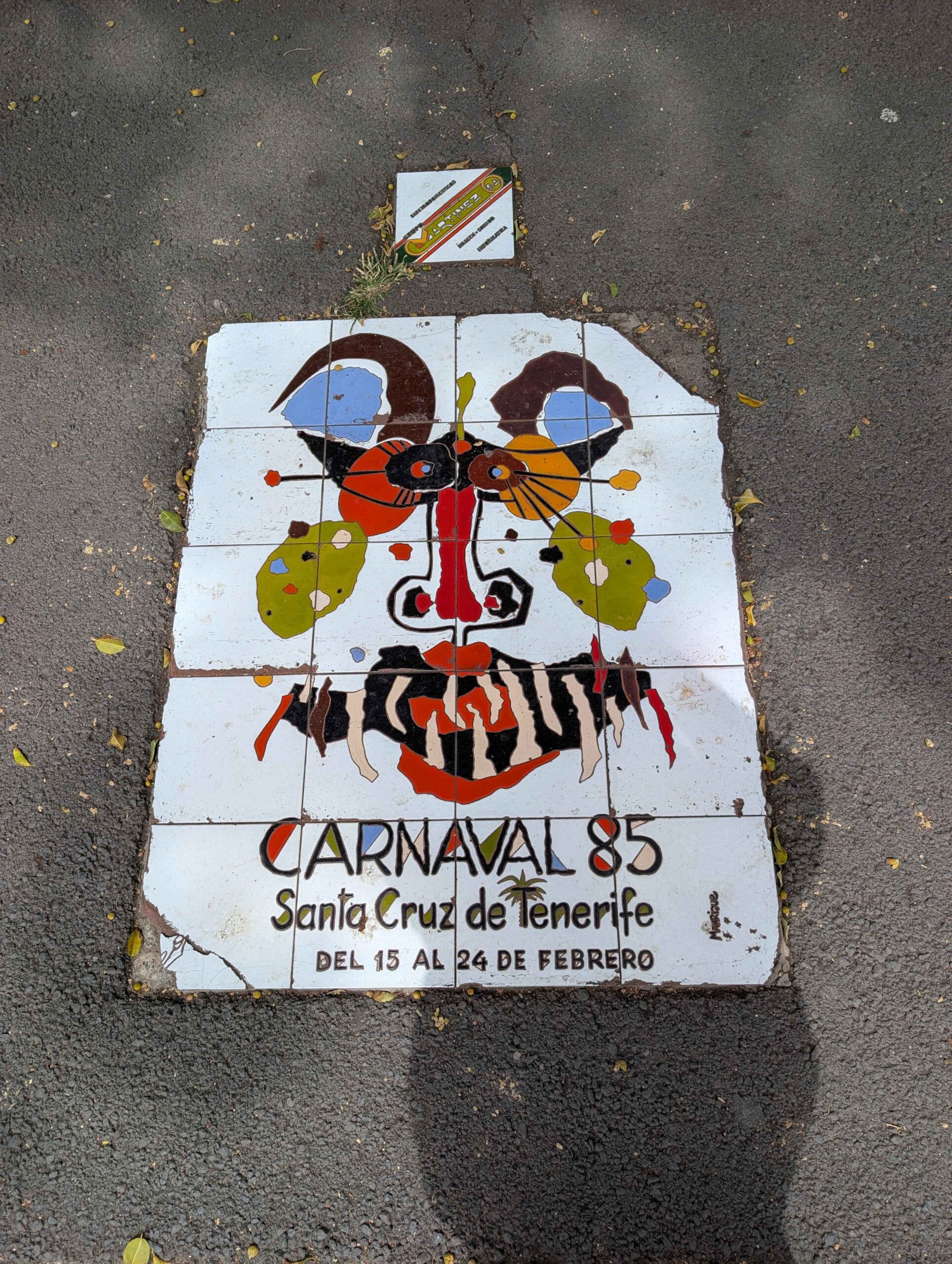
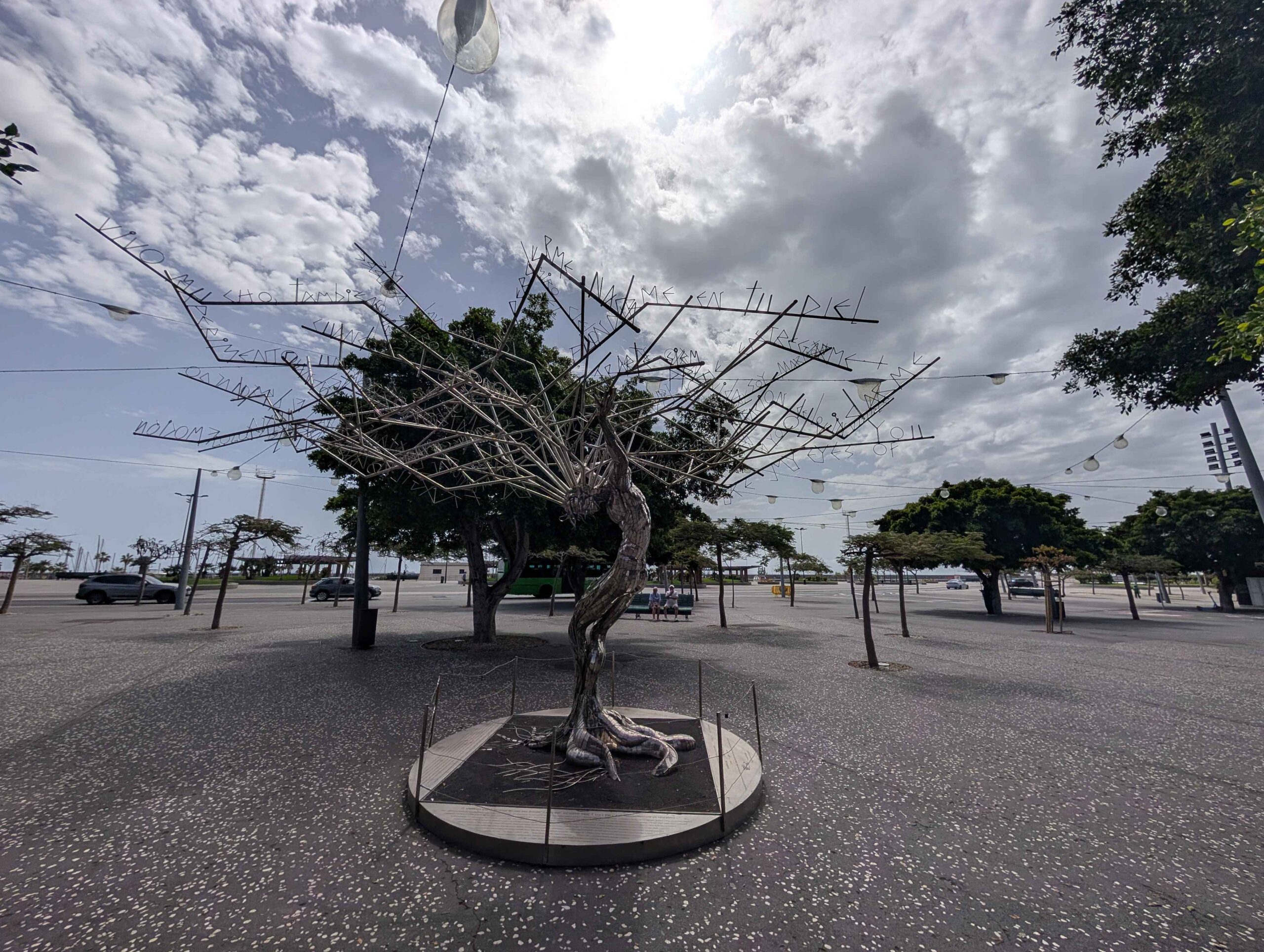
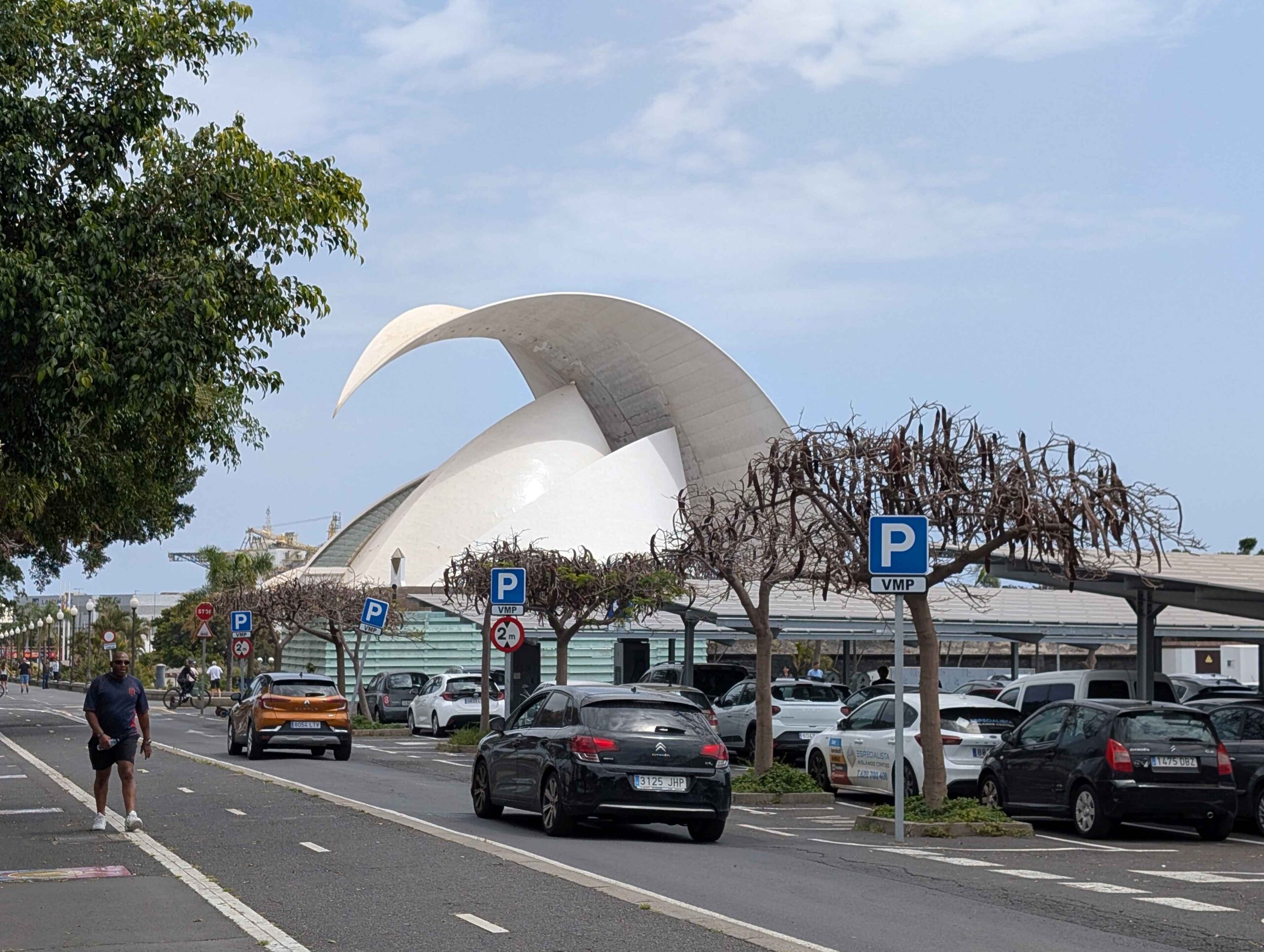
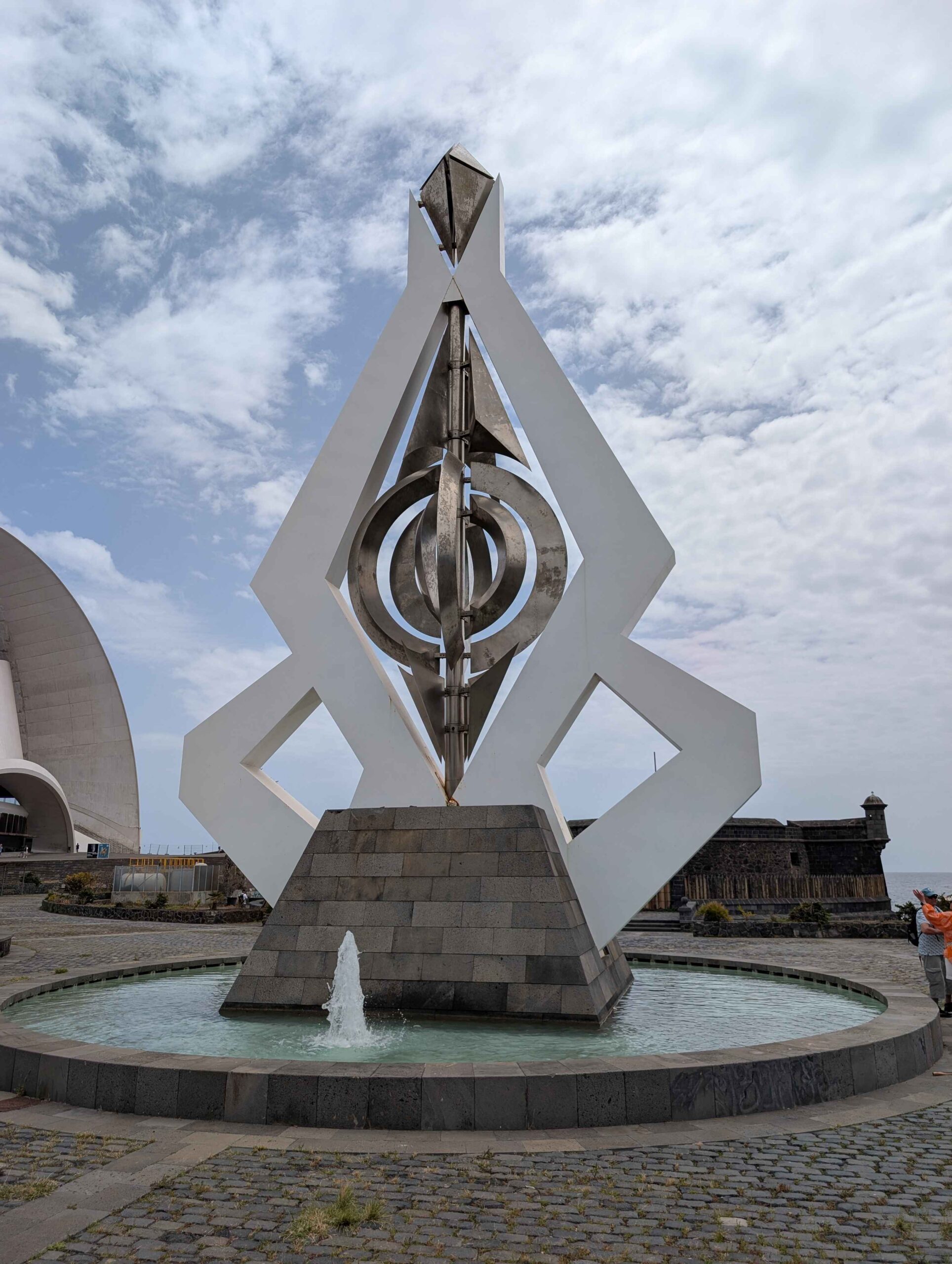
One of the more memorable stretches was between Auditorio de Tenerife Adán Martín and the Palmetum. Embedded in the walkway were tile replicas of past Carnival posters, each one distinct and easy to overlook if you were not paying attention. It turned what could have been a simple walk into something worth slowing down for.
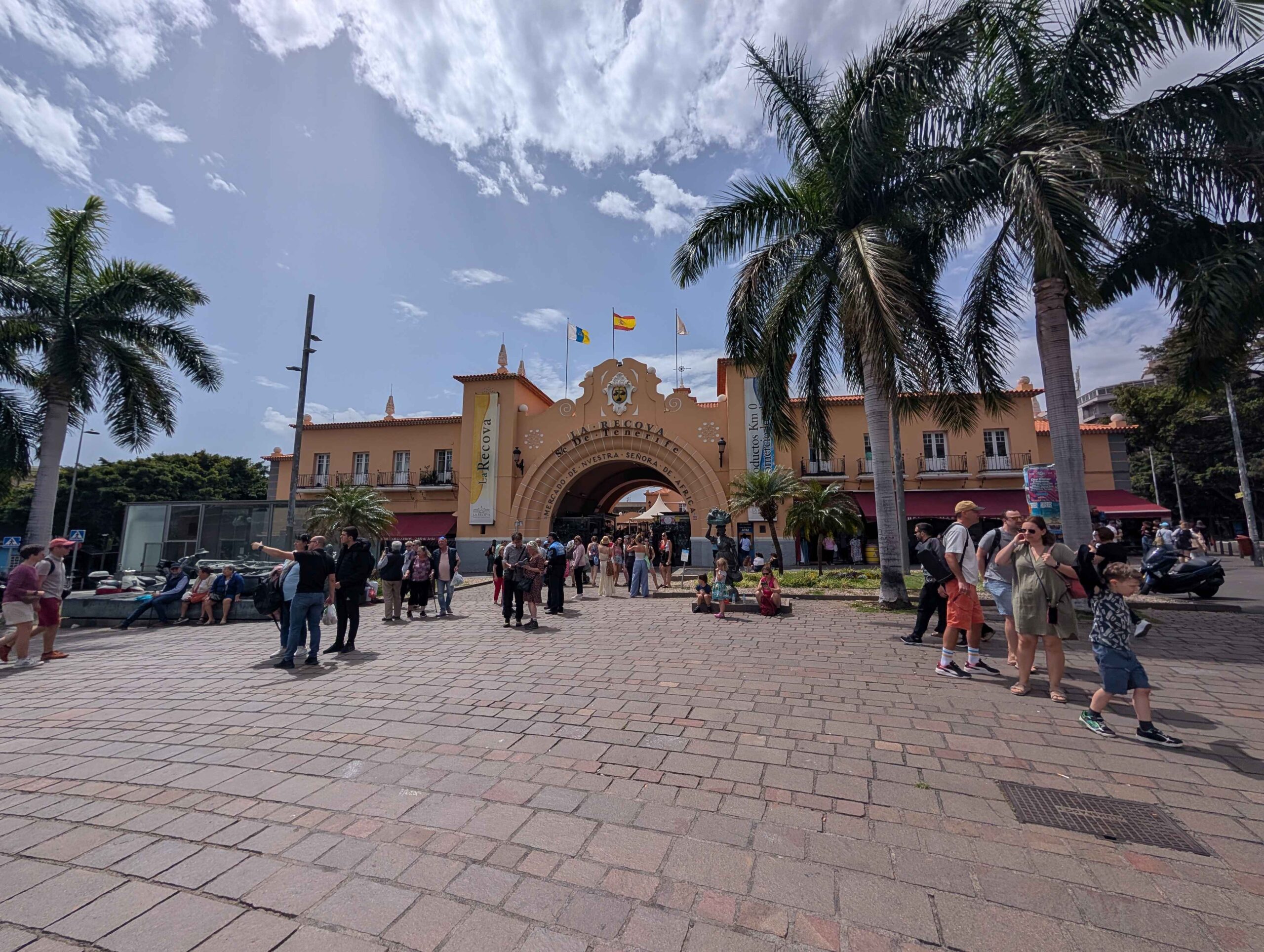
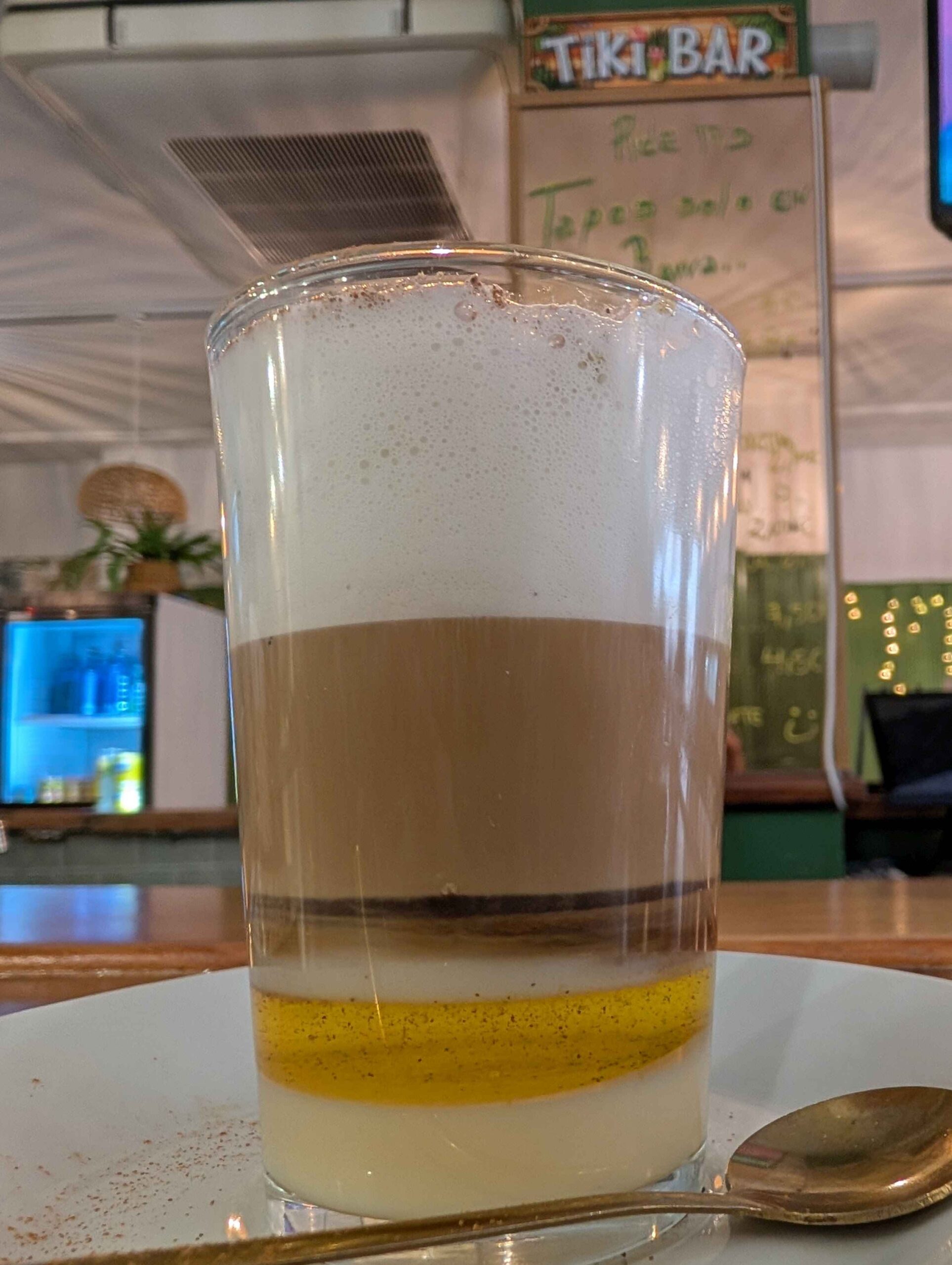
I made a point to stop at Mercado Nuestra Señora de África, which felt like a hub of daily life rather than a curated stop. Two levels of vendors offered everything from fresh fruit to spices and baked goods, and it was easy to spend more time there than planned. I also worked in a barraquito, which lived up to its reputation with its layered mix of coffee, condensed milk, and citrus.
Spring conditions made the day comfortable for covering distance, but the spacing between sites added up quickly. The bus helped bridge those gaps, but it did not eliminate them. It ended up being a mix of planning and improvisation, which felt appropriate for a city that does not center everything in one place.
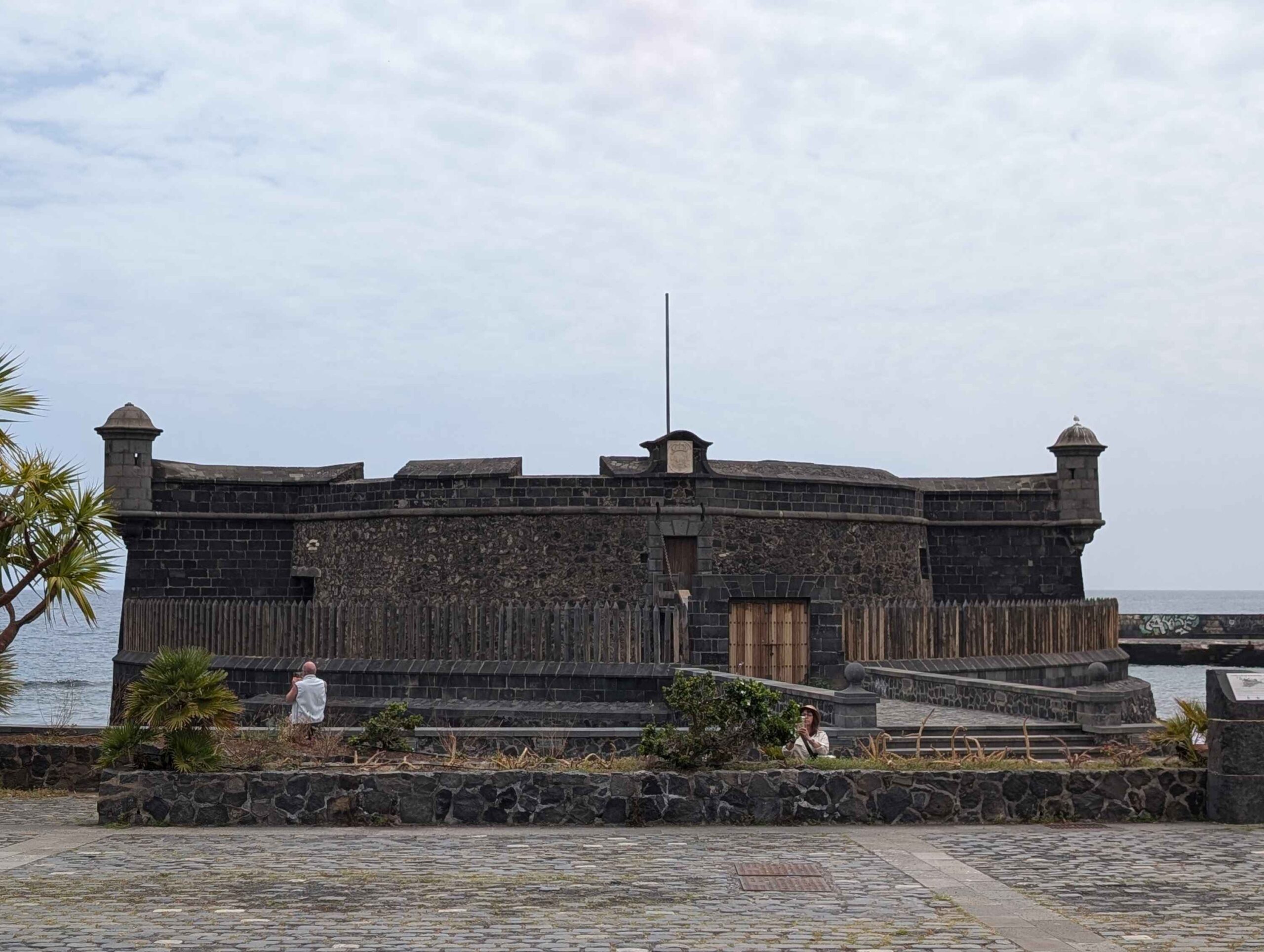
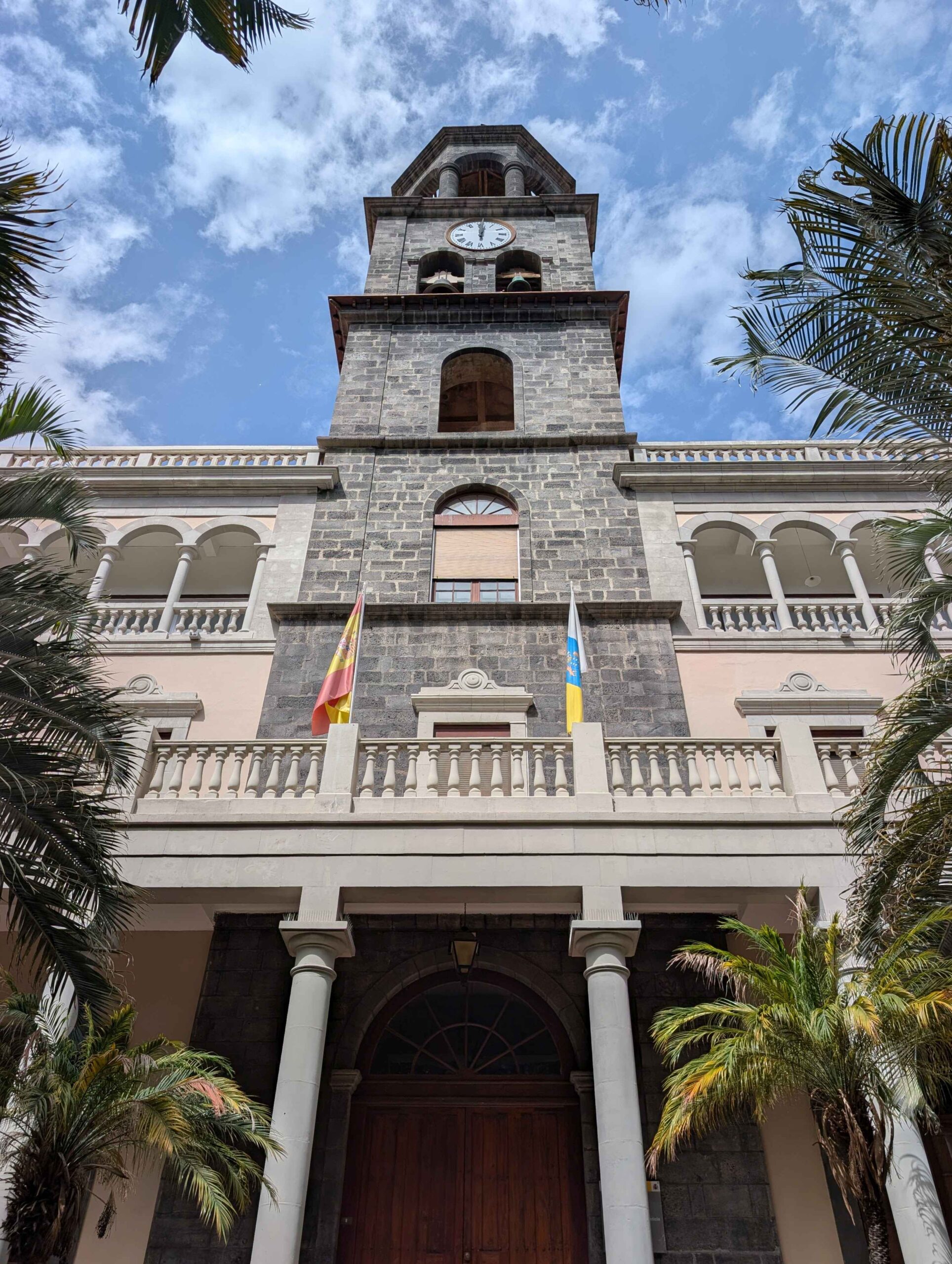
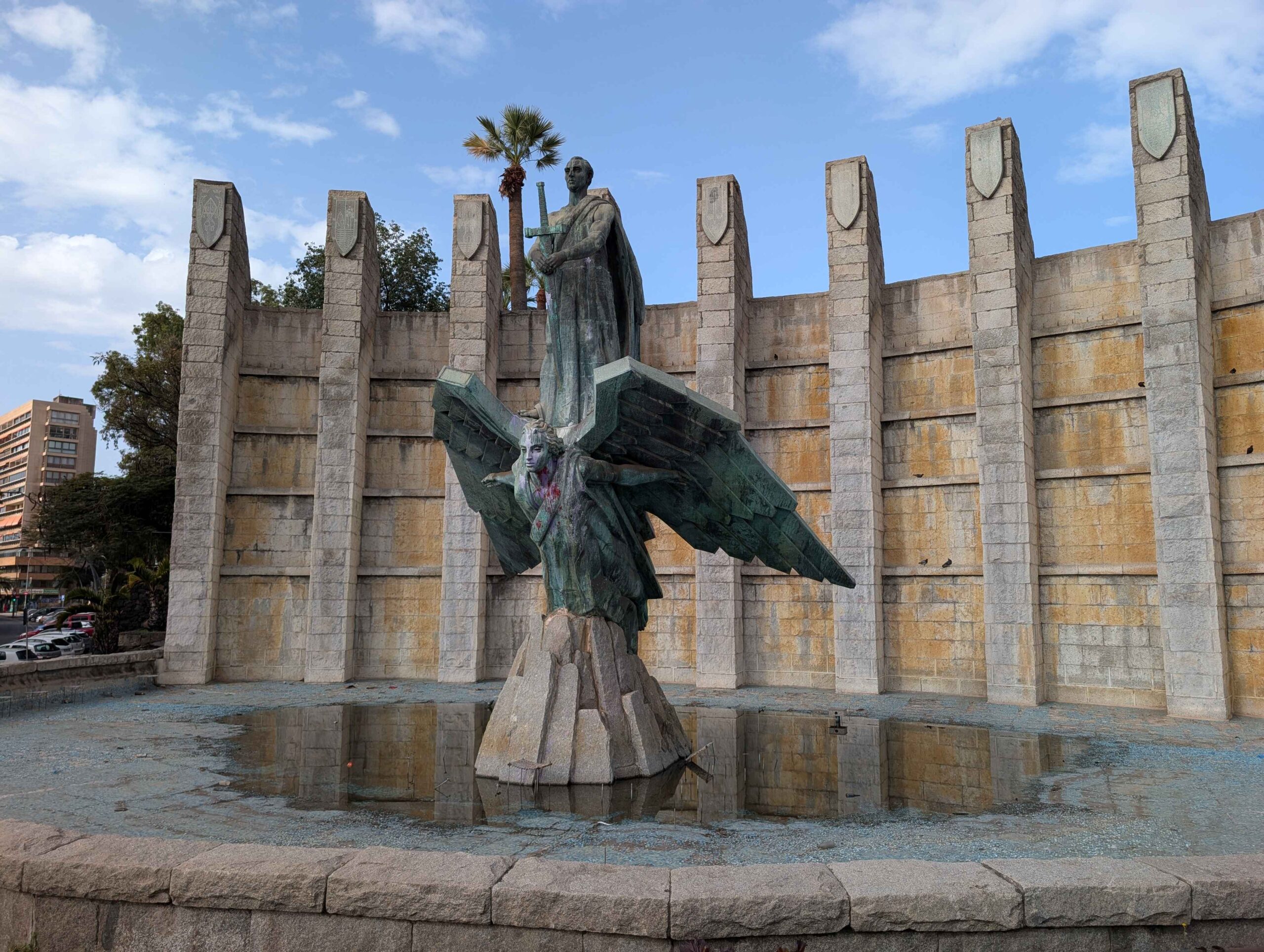
Santa Cruz de Tenerife is not built around a single focal point. Instead, it feels like a collection of parks, plazas, and neighborhoods that gradually connect as you move through them. That structure rewards curiosity, even if it means putting in more steps than you initially planned.
If You Have More Time…
- Palmetum of Santa Cruz de Tenerife – A botanical garden built on a former landfill that now features one of the largest collections of palm species in the world with elevated views over the city.
- TEA Tenerife Espacio de las Artes – A modern cultural center focused on contemporary art and photography with rotating exhibits and a distinctive architectural design.
- Playa de Las Teresitas – A golden sand beach just outside the city with calm waters and a scenic mountain backdrop that offers a break from the urban environment.
- Museo de la Naturaleza y Arqueología – A museum that highlights the natural history of the Canary Islands along with insights into the indigenous Guanche culture.
- Anaga Rural Park – A mountainous area north of the city with hiking trails through dense forest and dramatic coastal viewpoints for those looking to explore beyond the city limits.
Part of my Spain Travel Journal — View the full collection of my experiences and photography.