
Windmills, Stone Ruins, and Rabbit Trails in Visby
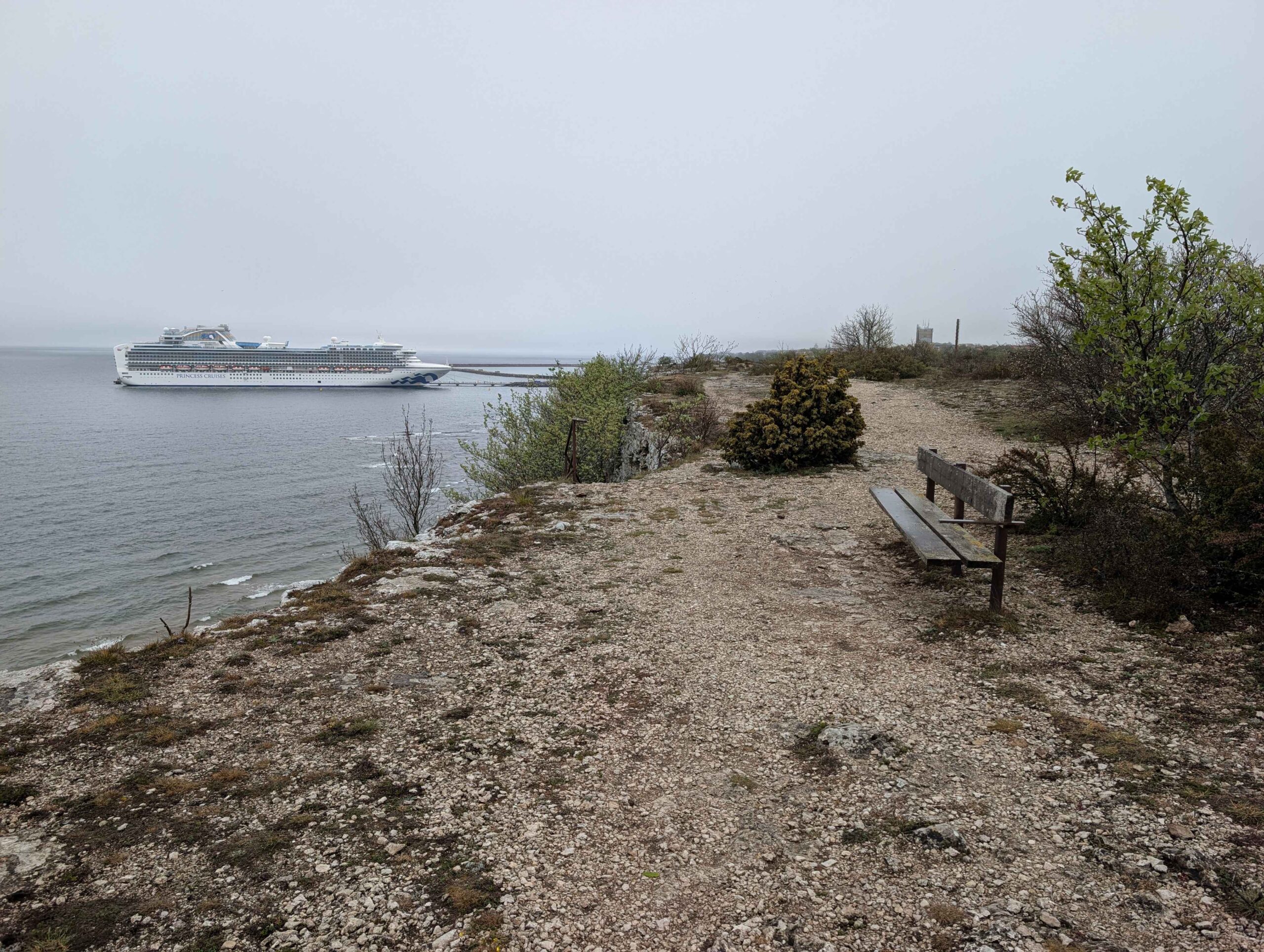
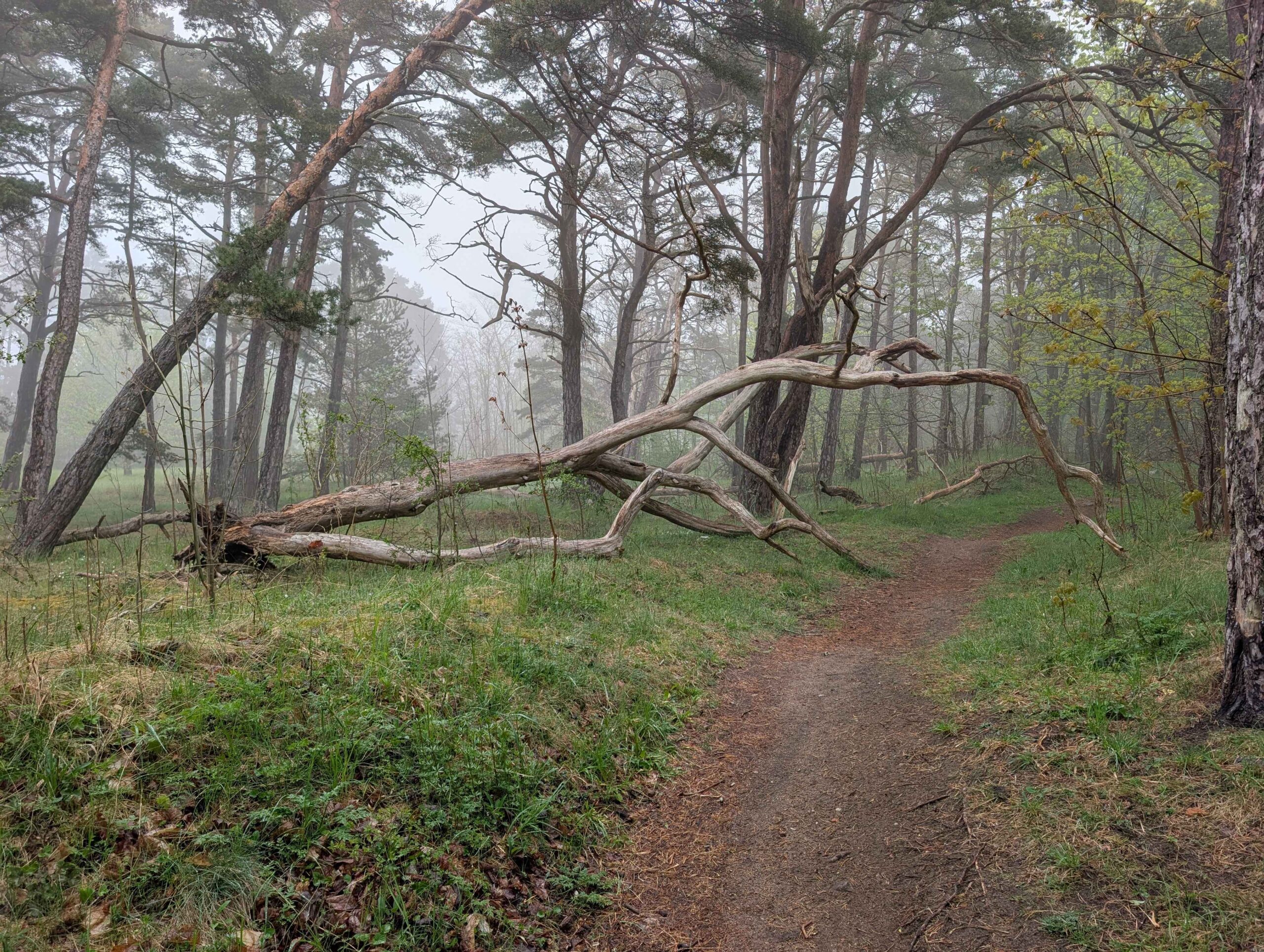
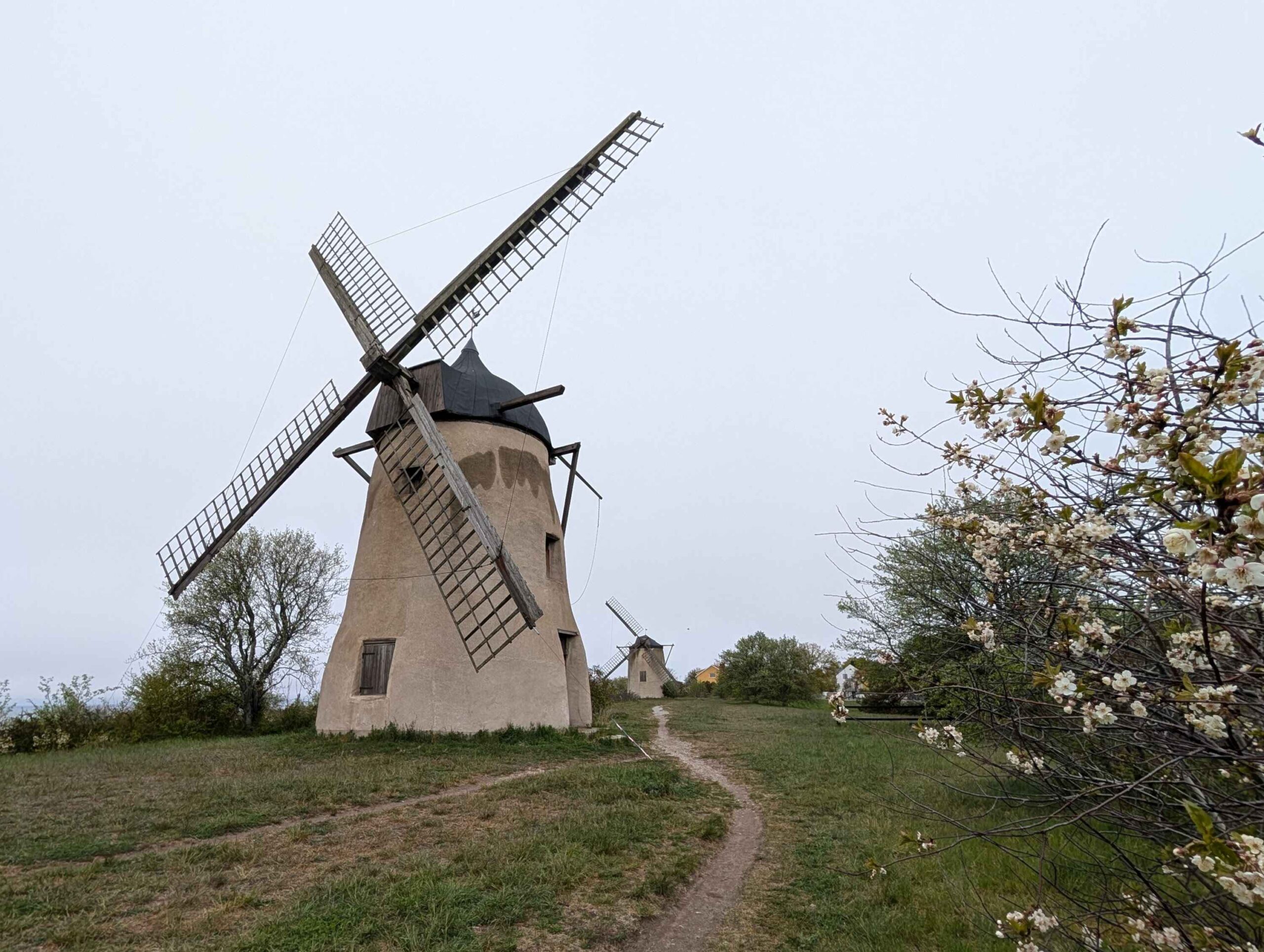
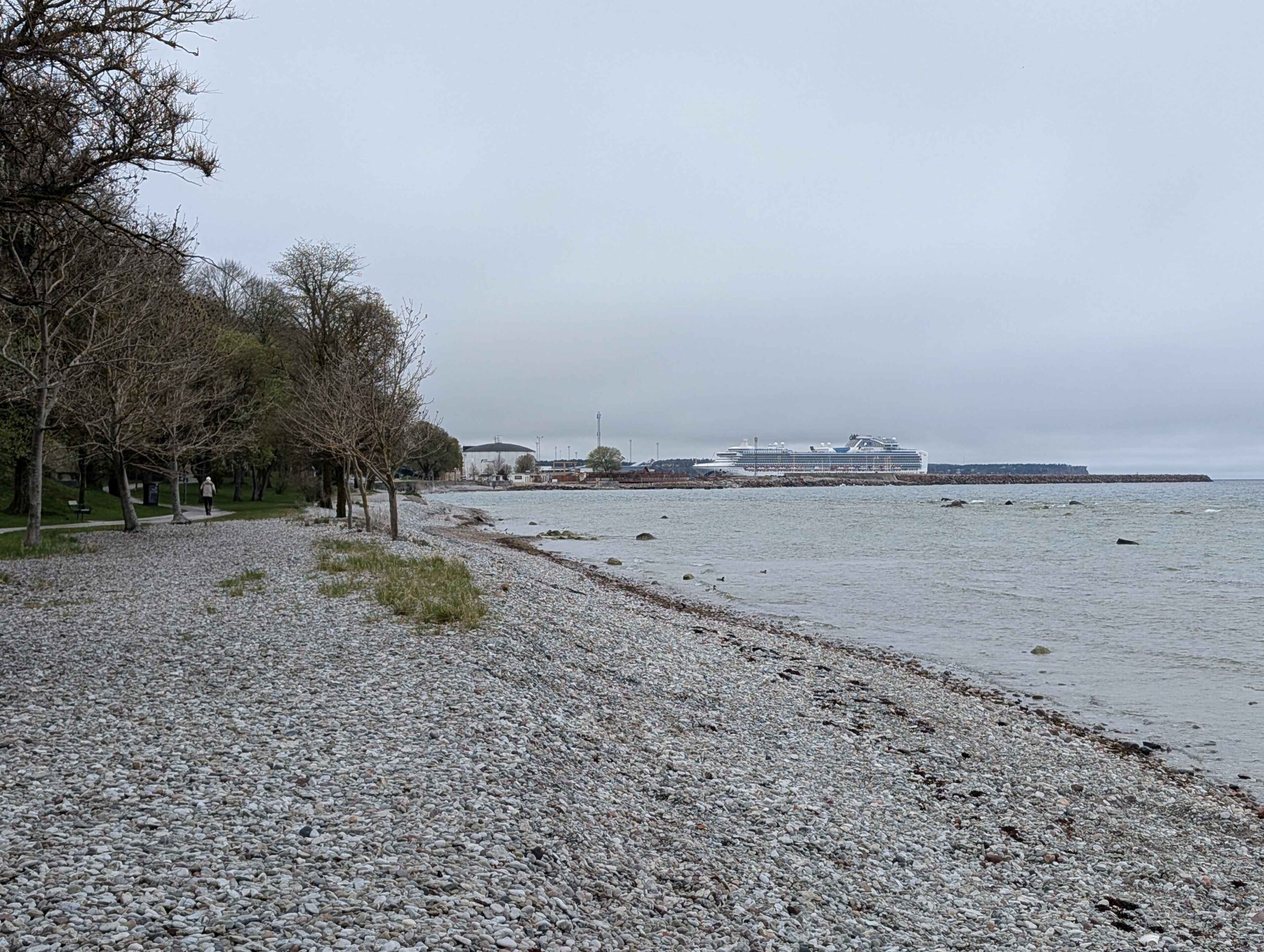
The dirt trail leading toward the old windmills looked almost too casual for something that felt this historic. I arrived by cruise ship into Visby on a cold, gray spring morning, and ended up following muddy paths through wet grass just to see if I could walk closer to them. I could, and that small moment set the tone for the entire day.
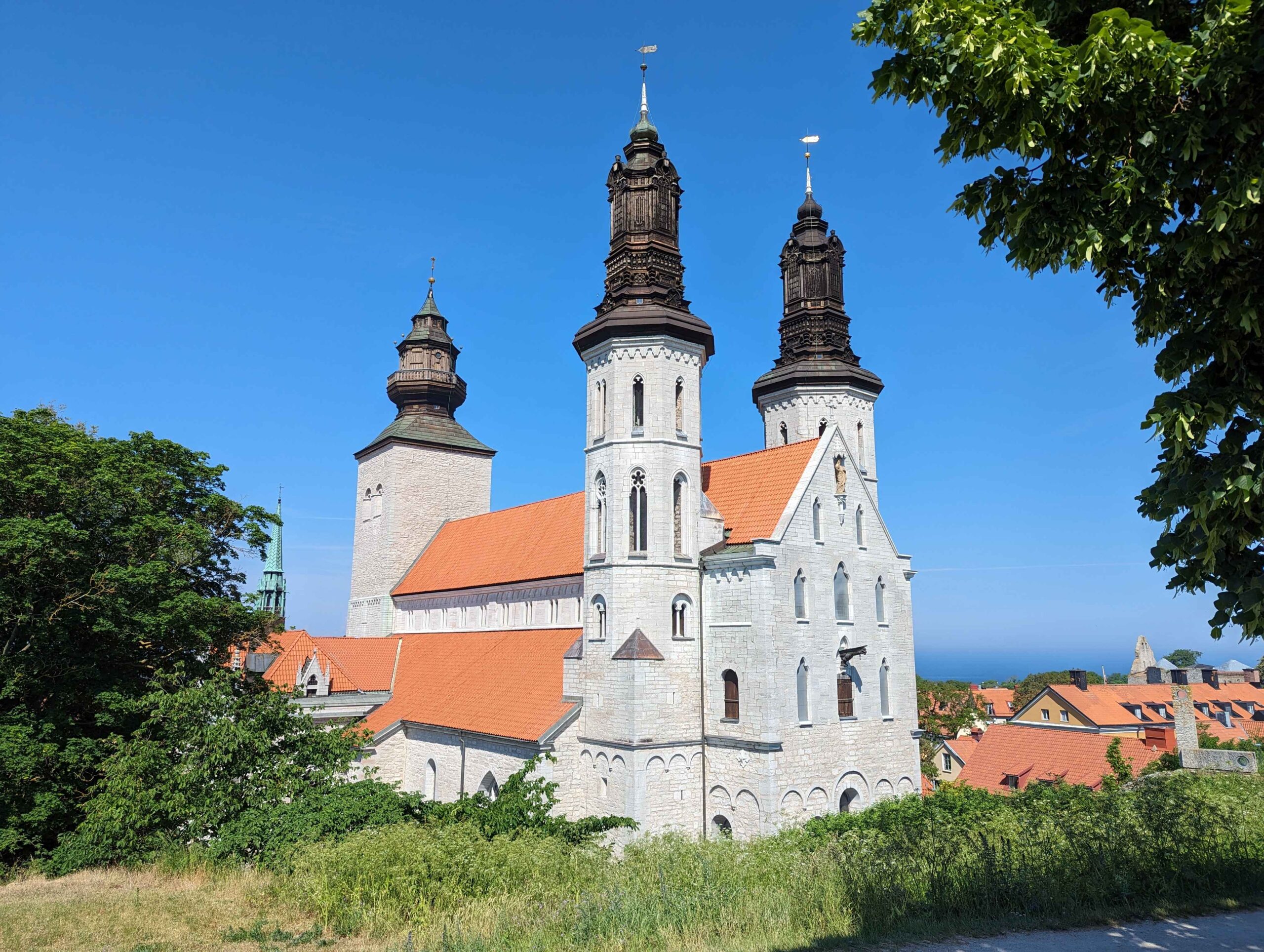
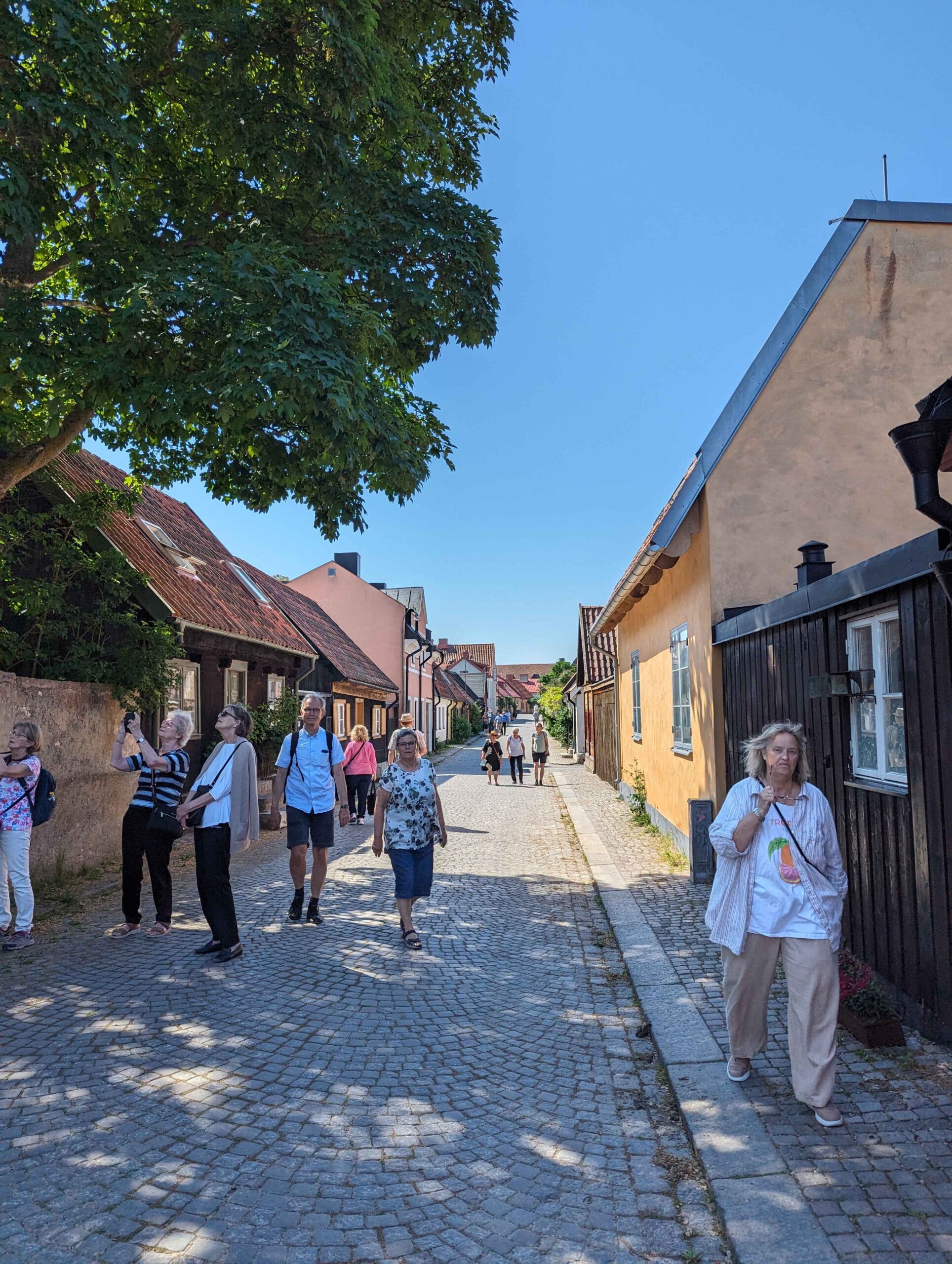
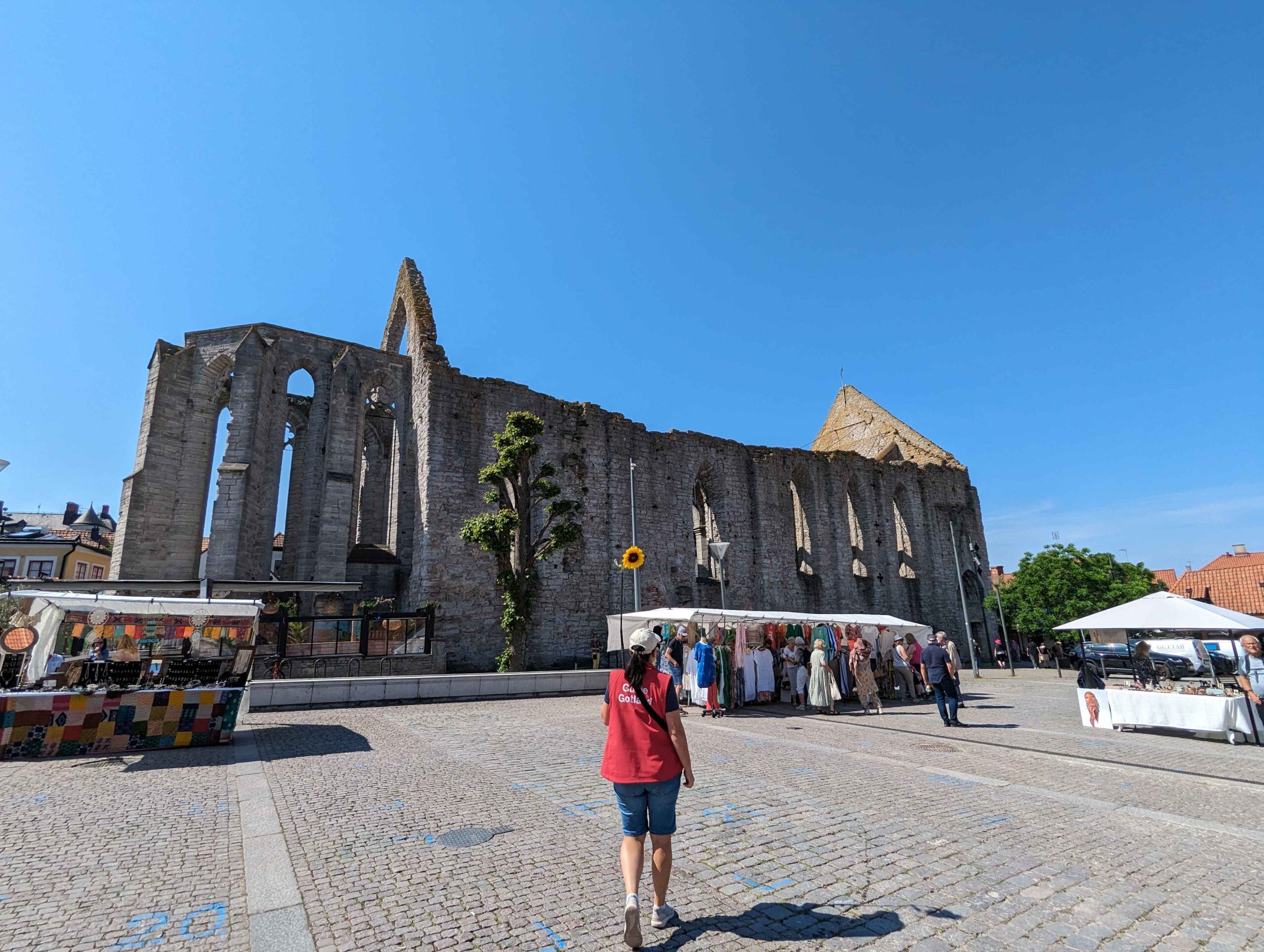
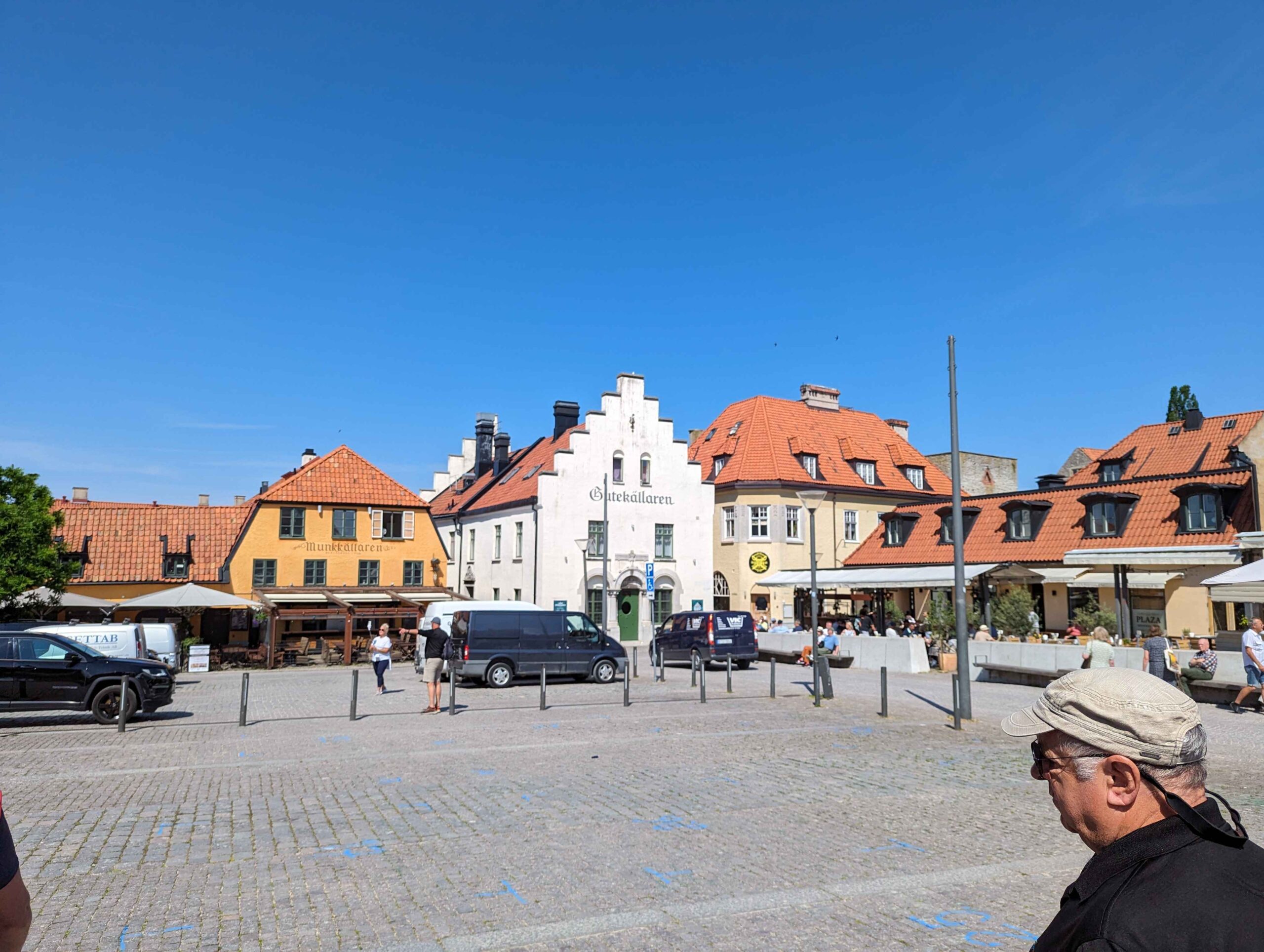
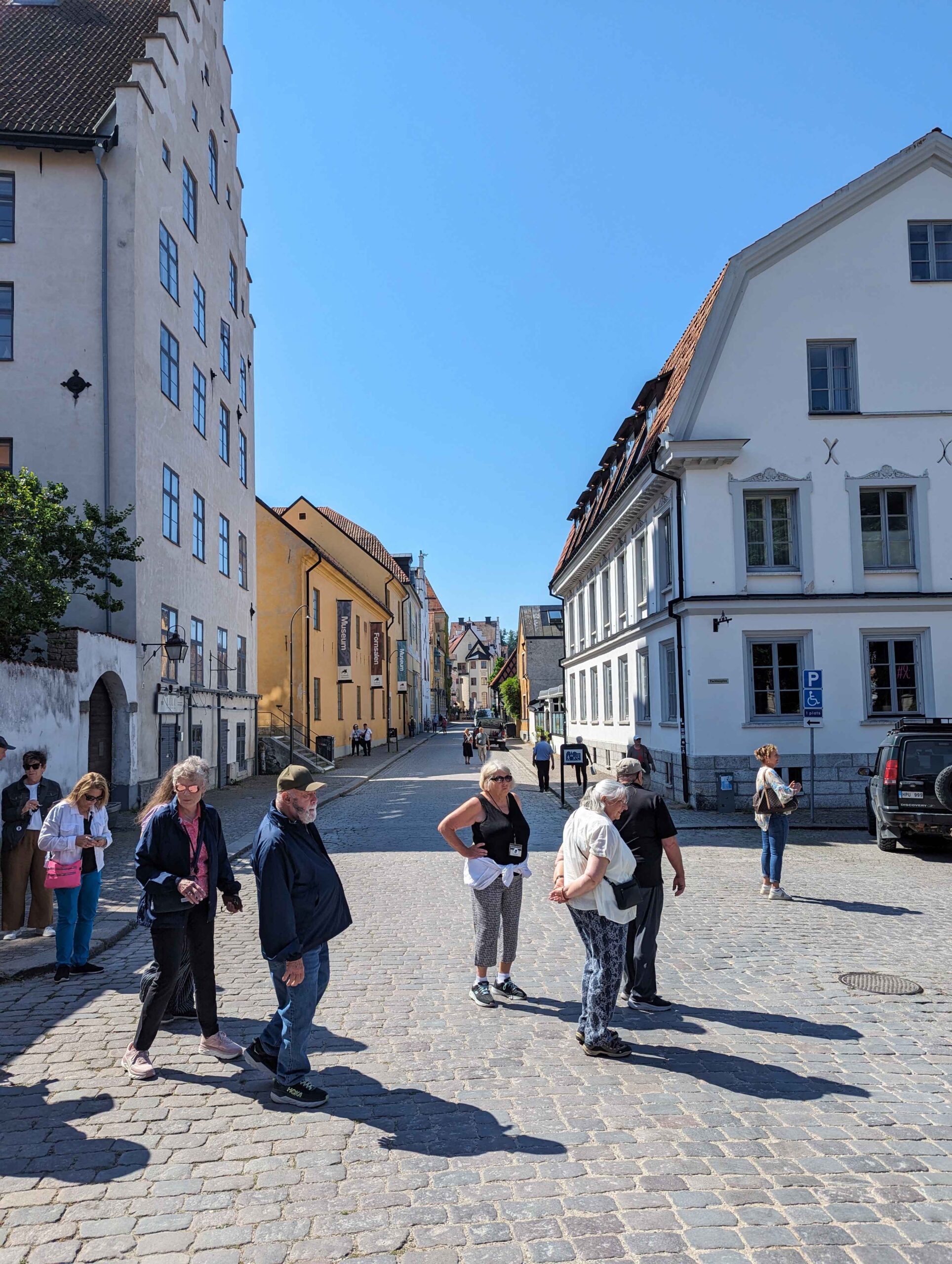
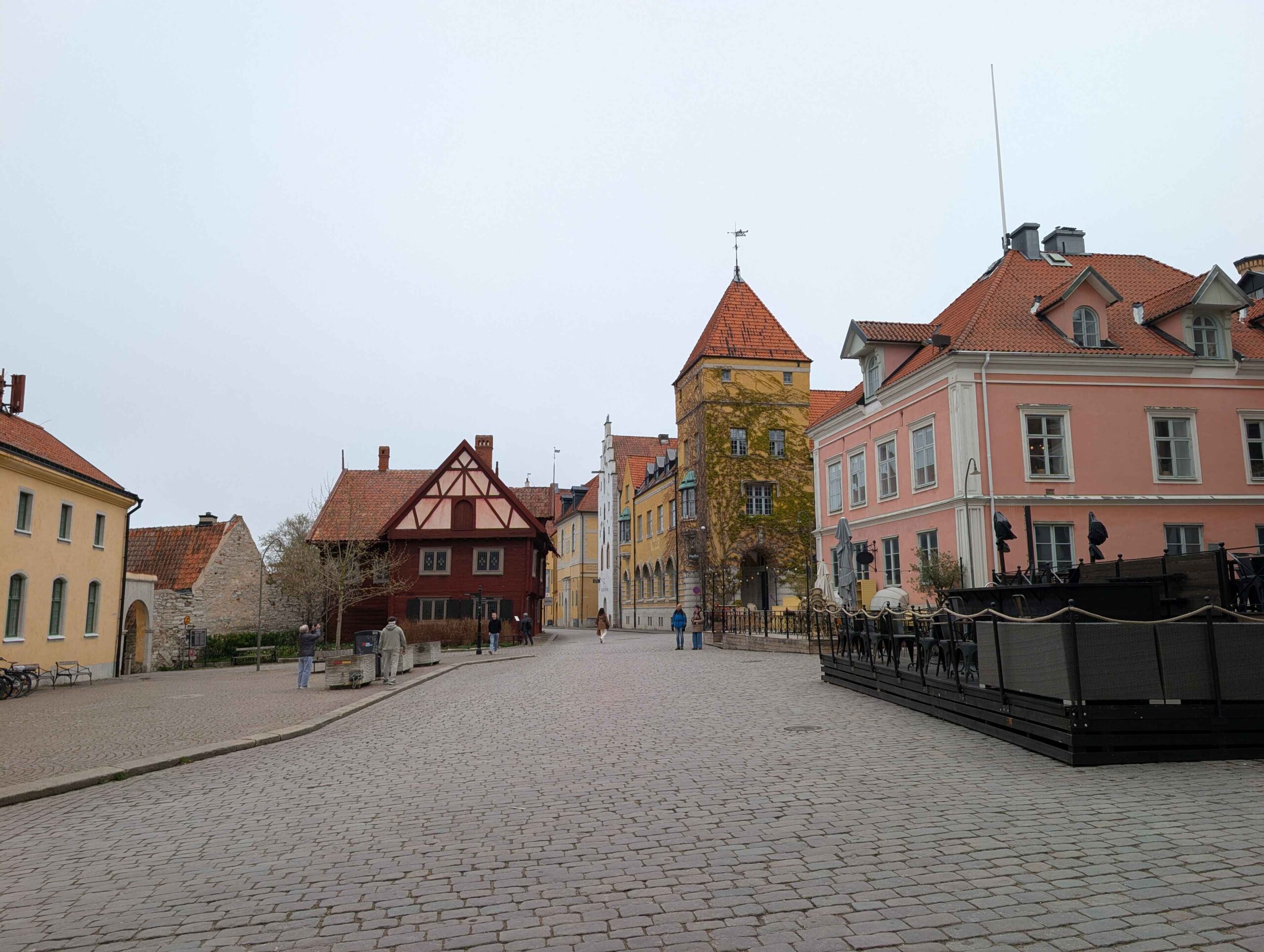
Visby, or Visby (VIS-bee), felt completely different across my two visits. The first time, in Summer 2024, was bright and postcard-perfect, with blue skies over St. Karin Cathedral and crowded cobblestone streets around Stora Torget. My second visit, in Spring 2026, was all drizzle, cold wind, and low clouds. Oddly enough, I think I preferred the second experience because the weather stripped away most of the crowds and made the city feel quieter and more personal.
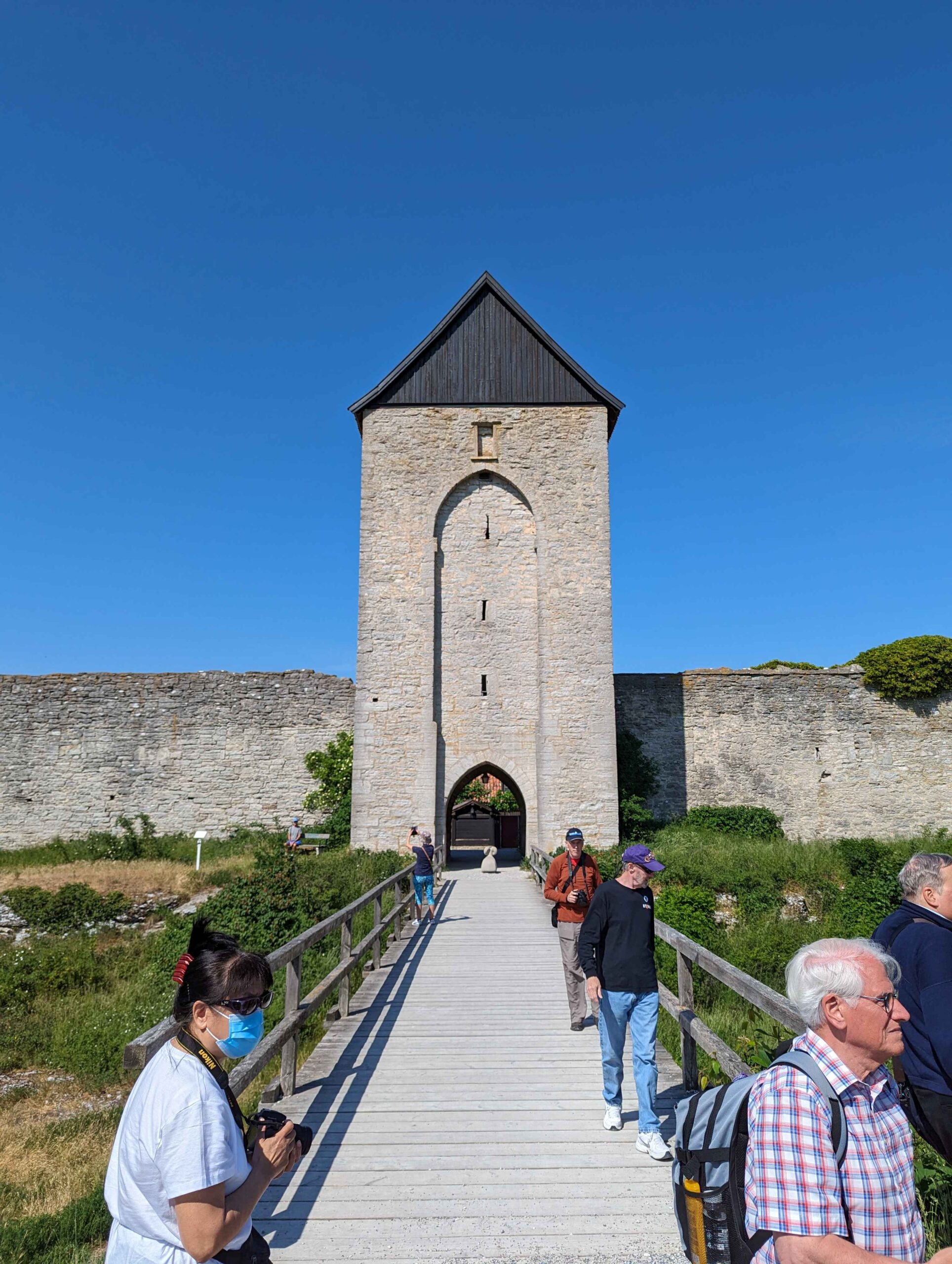
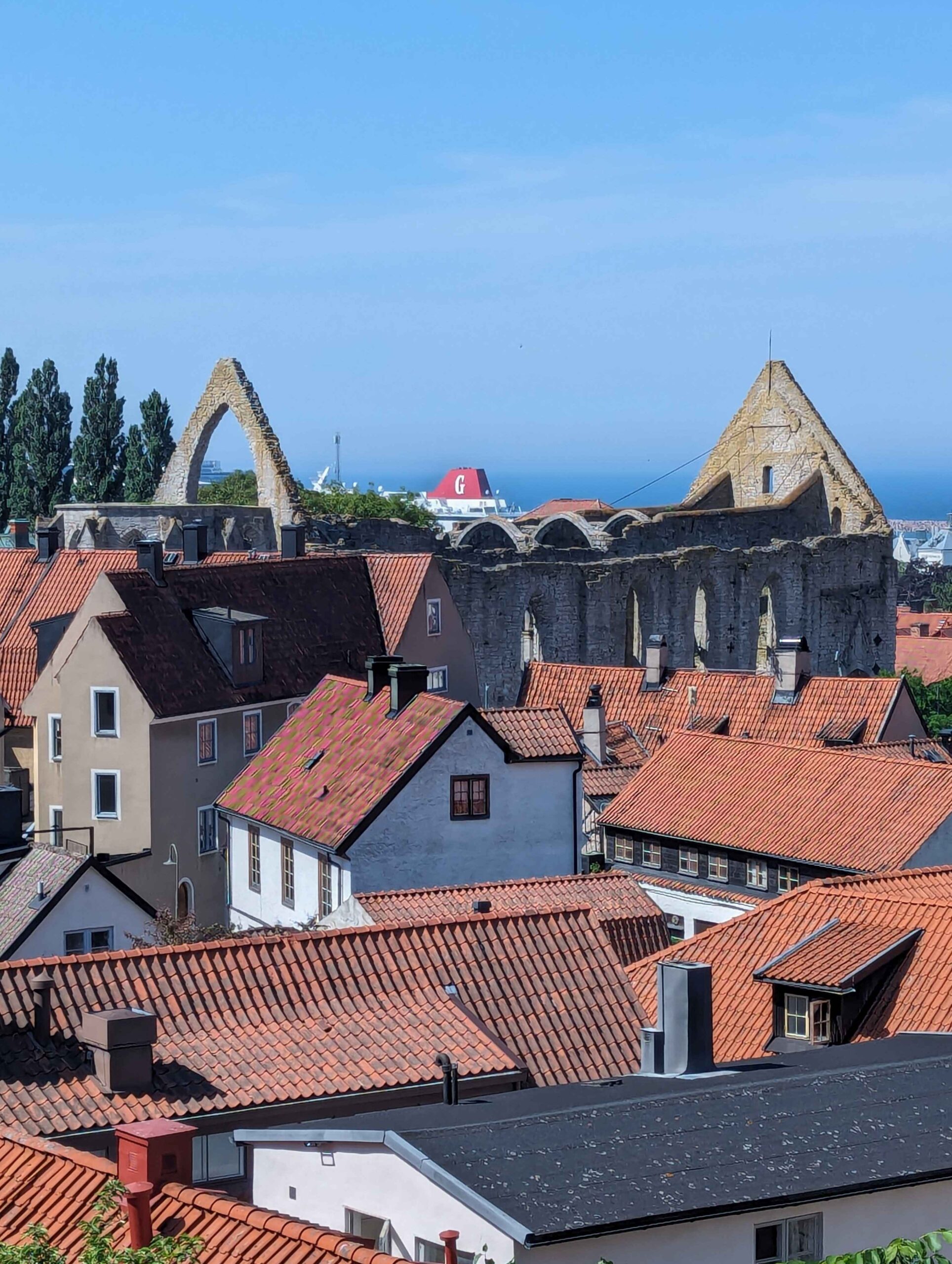
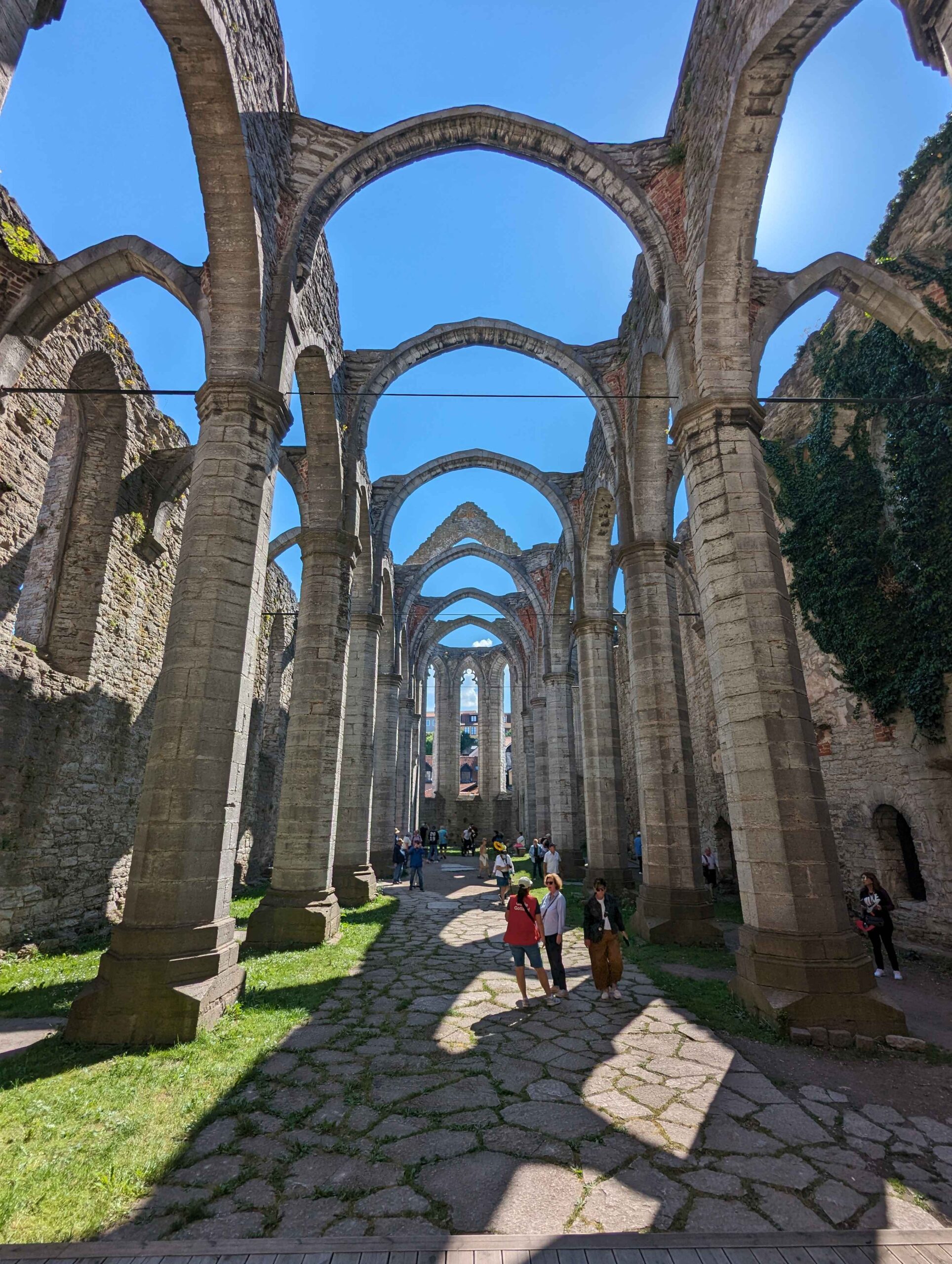
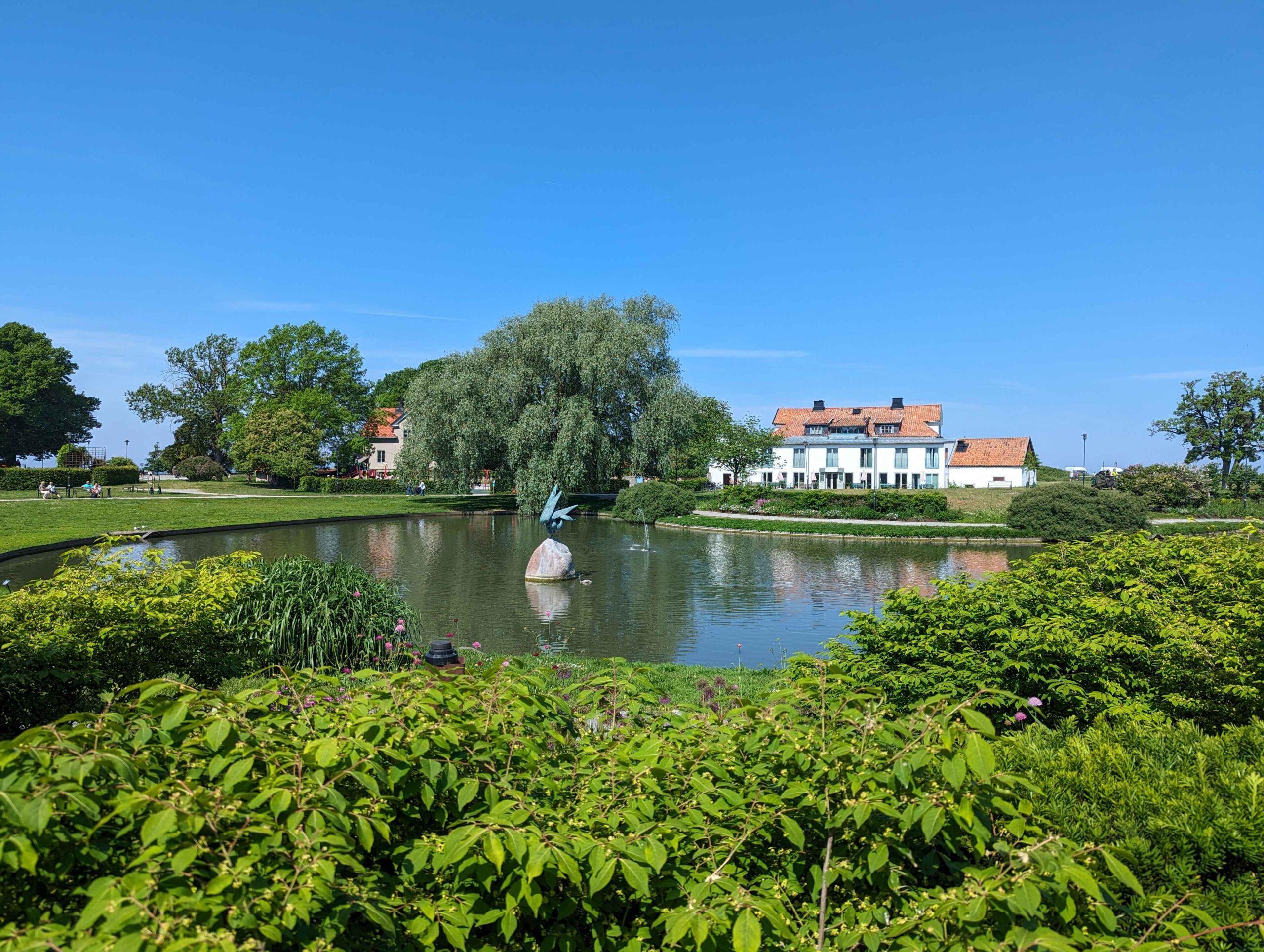
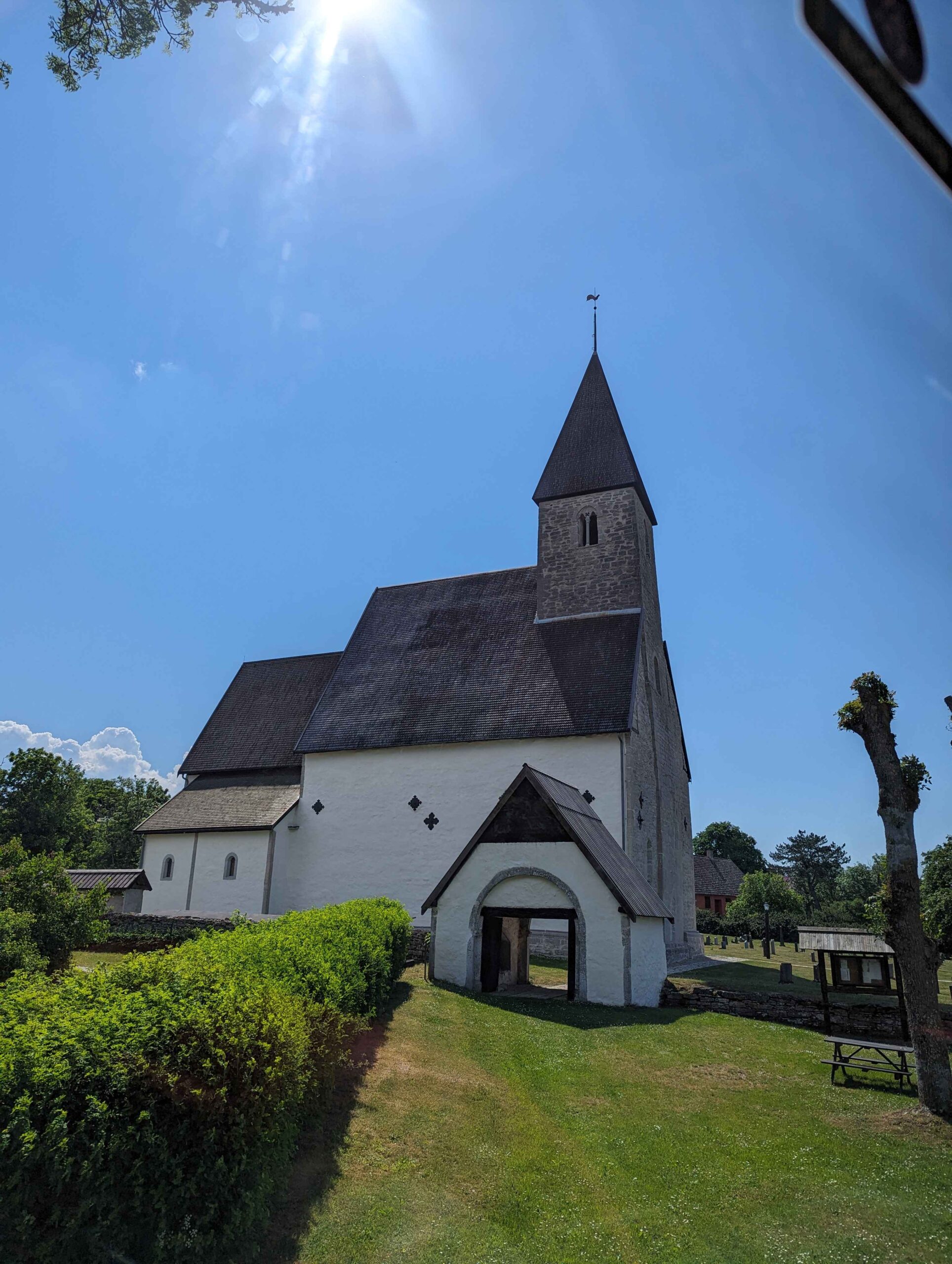
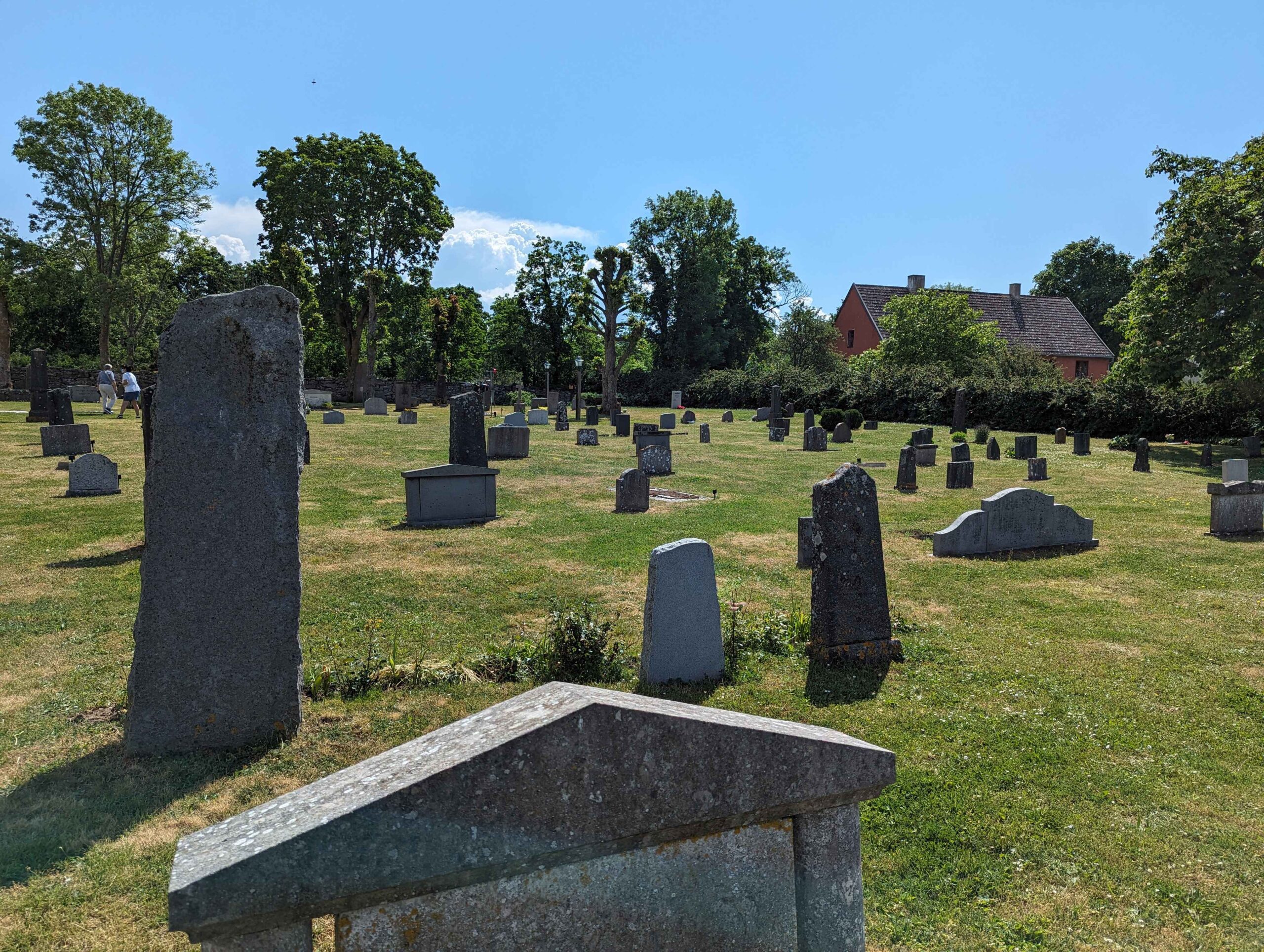
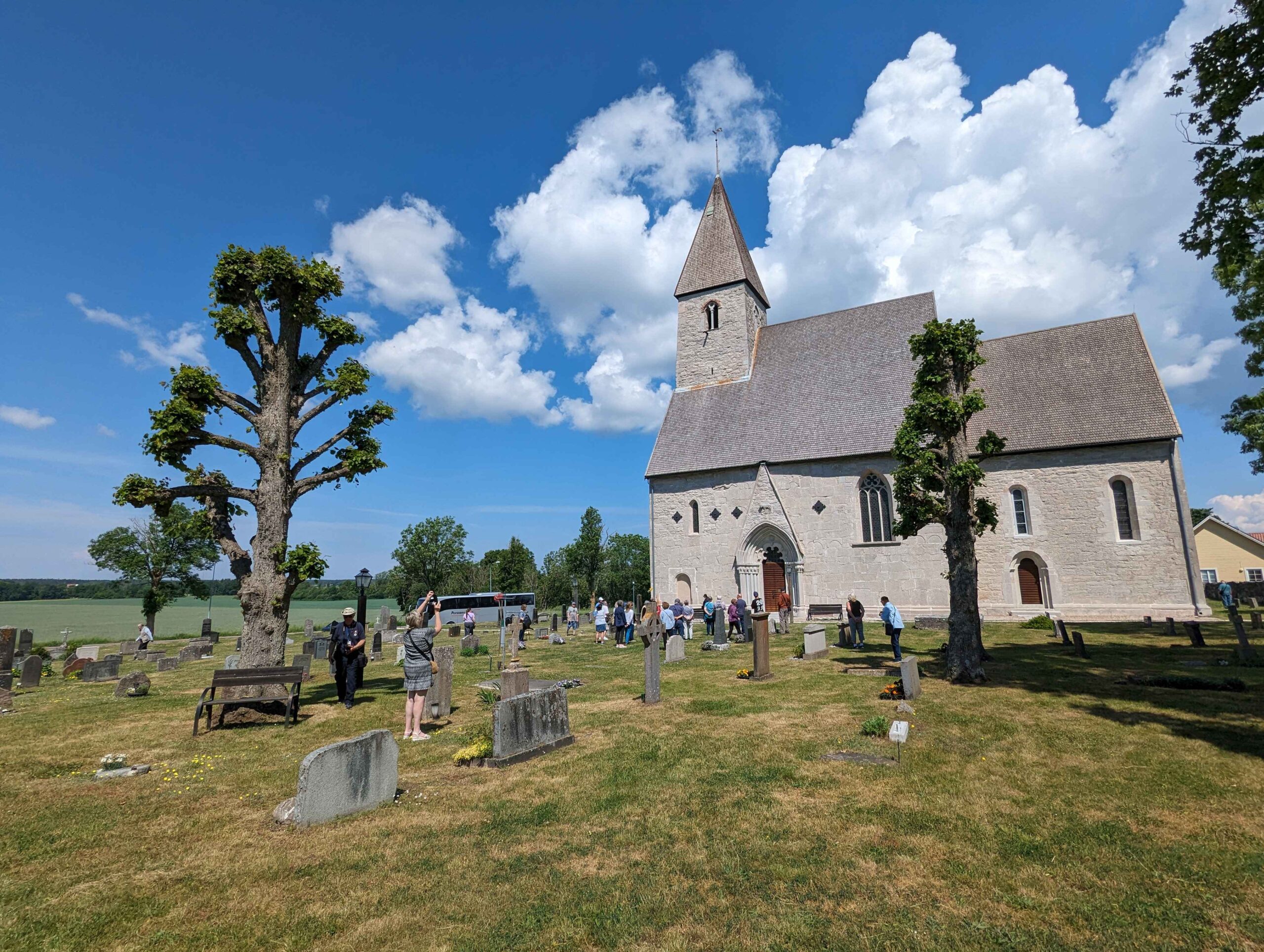
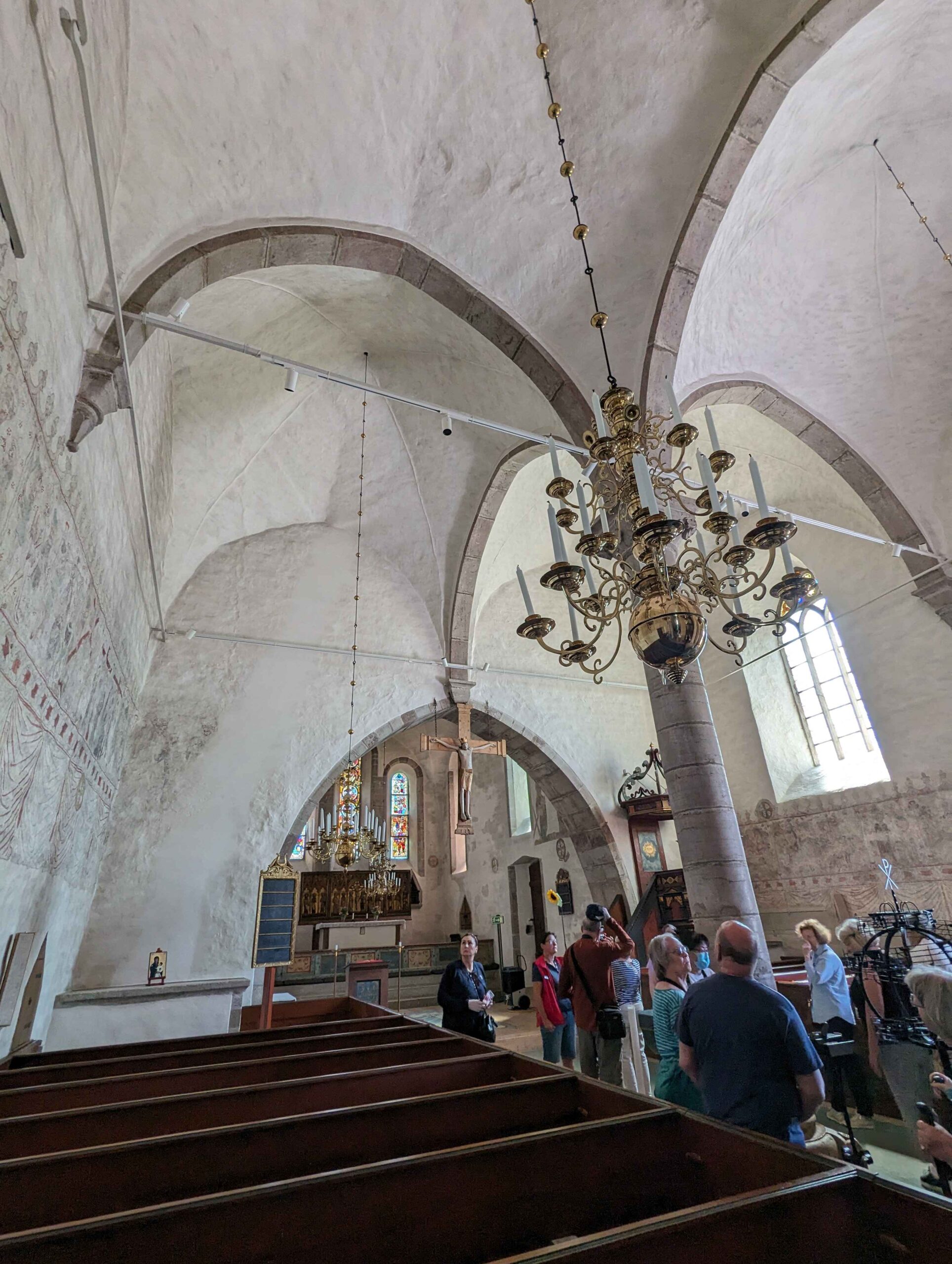
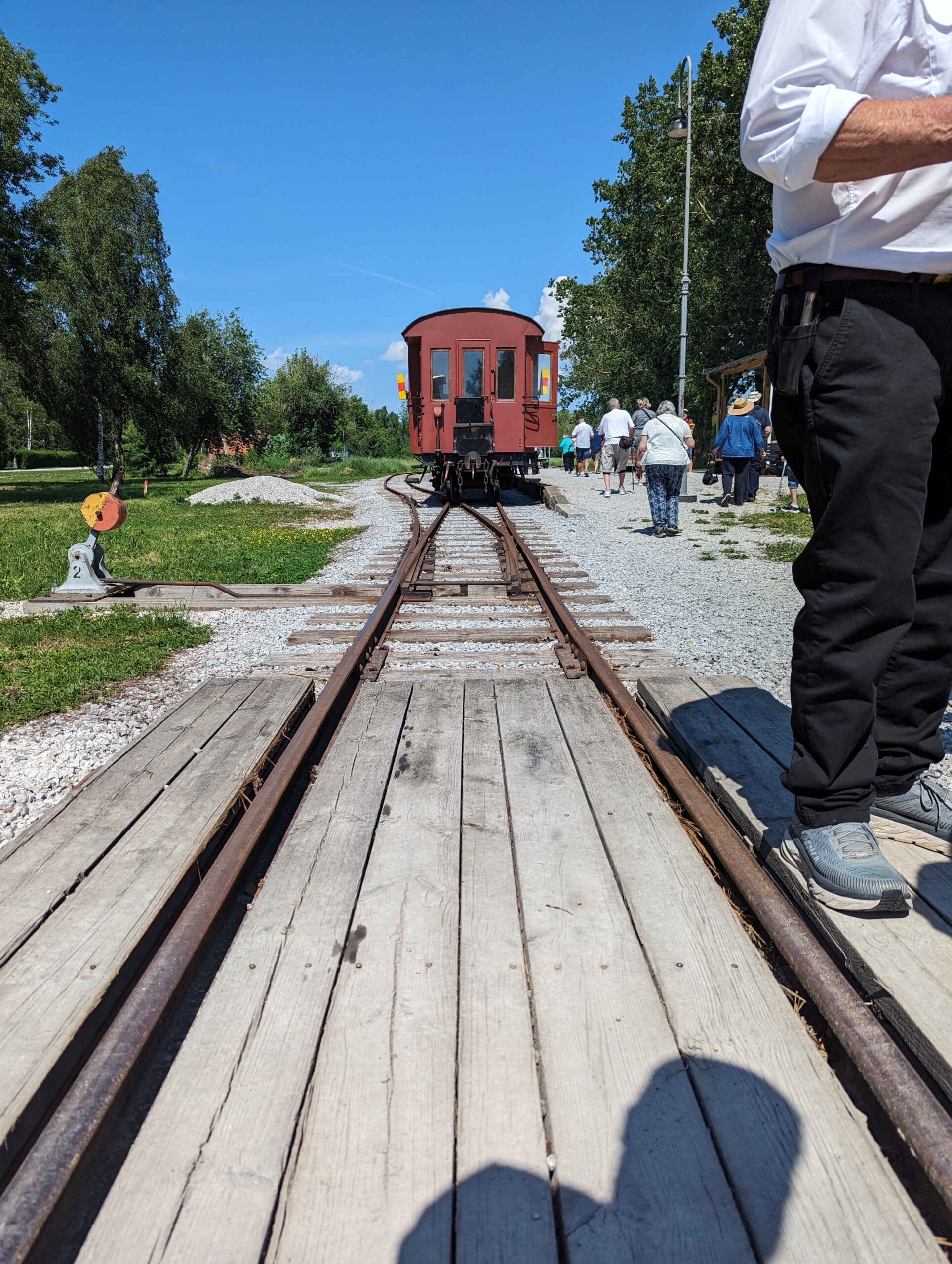
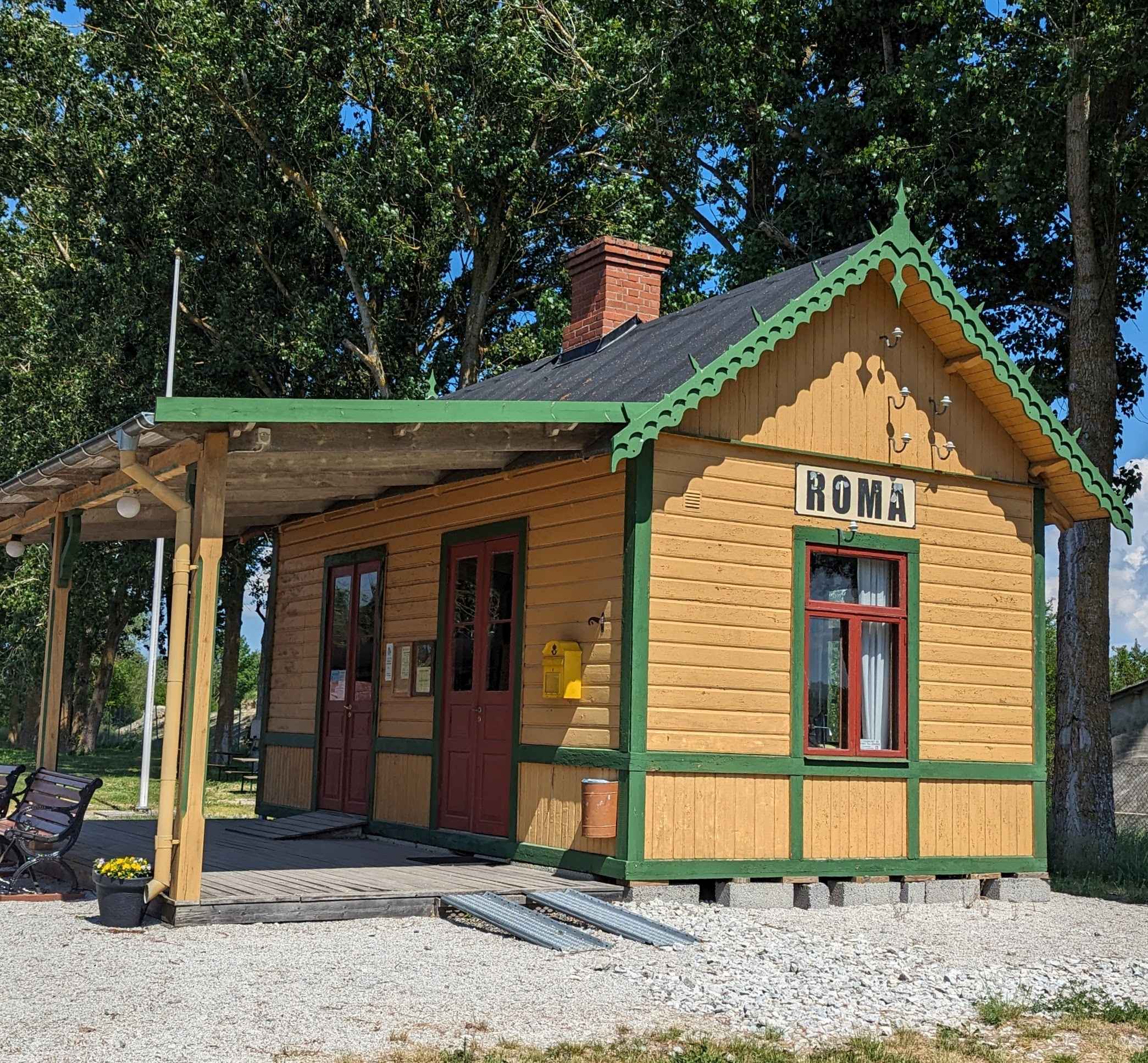
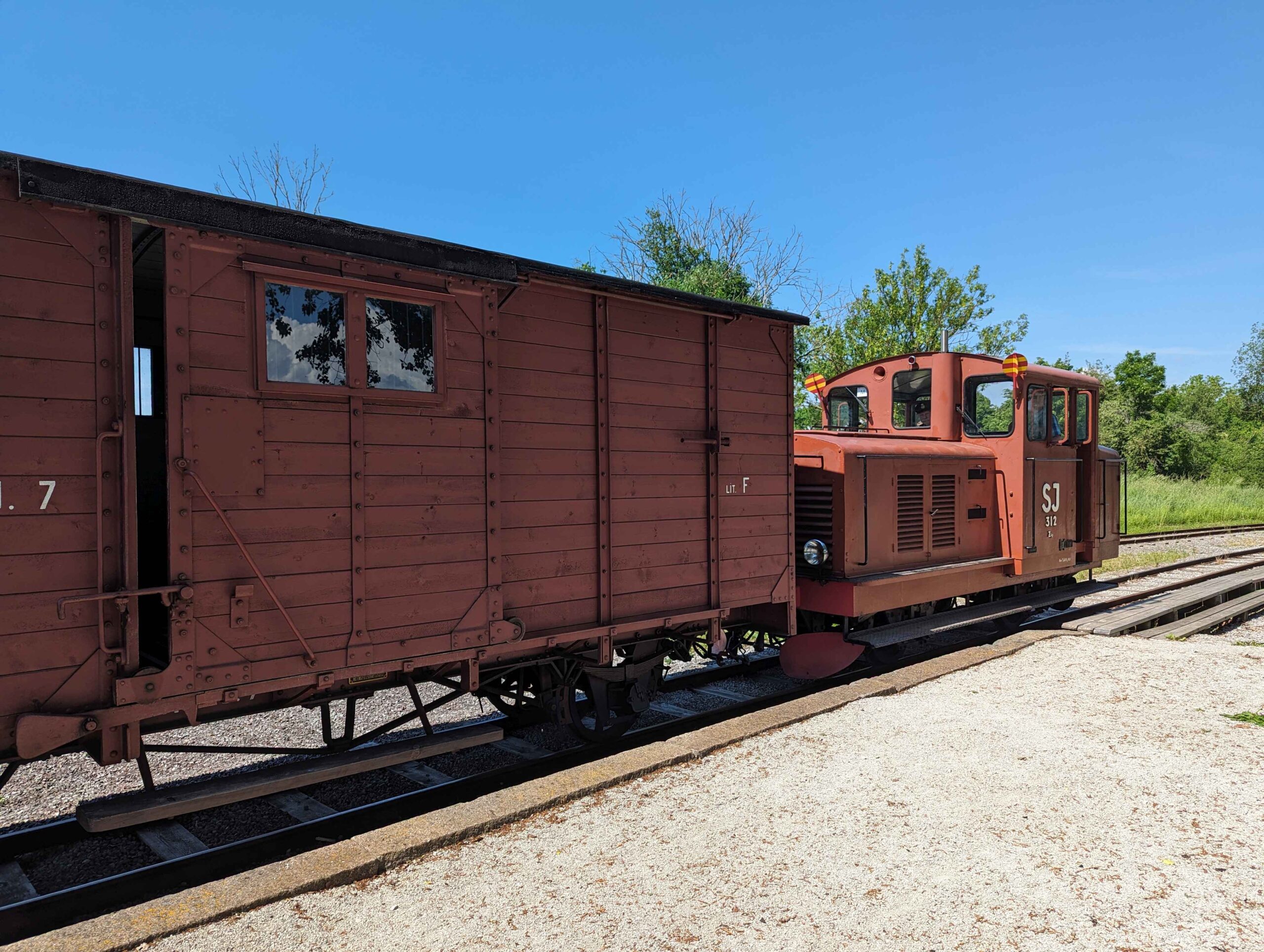
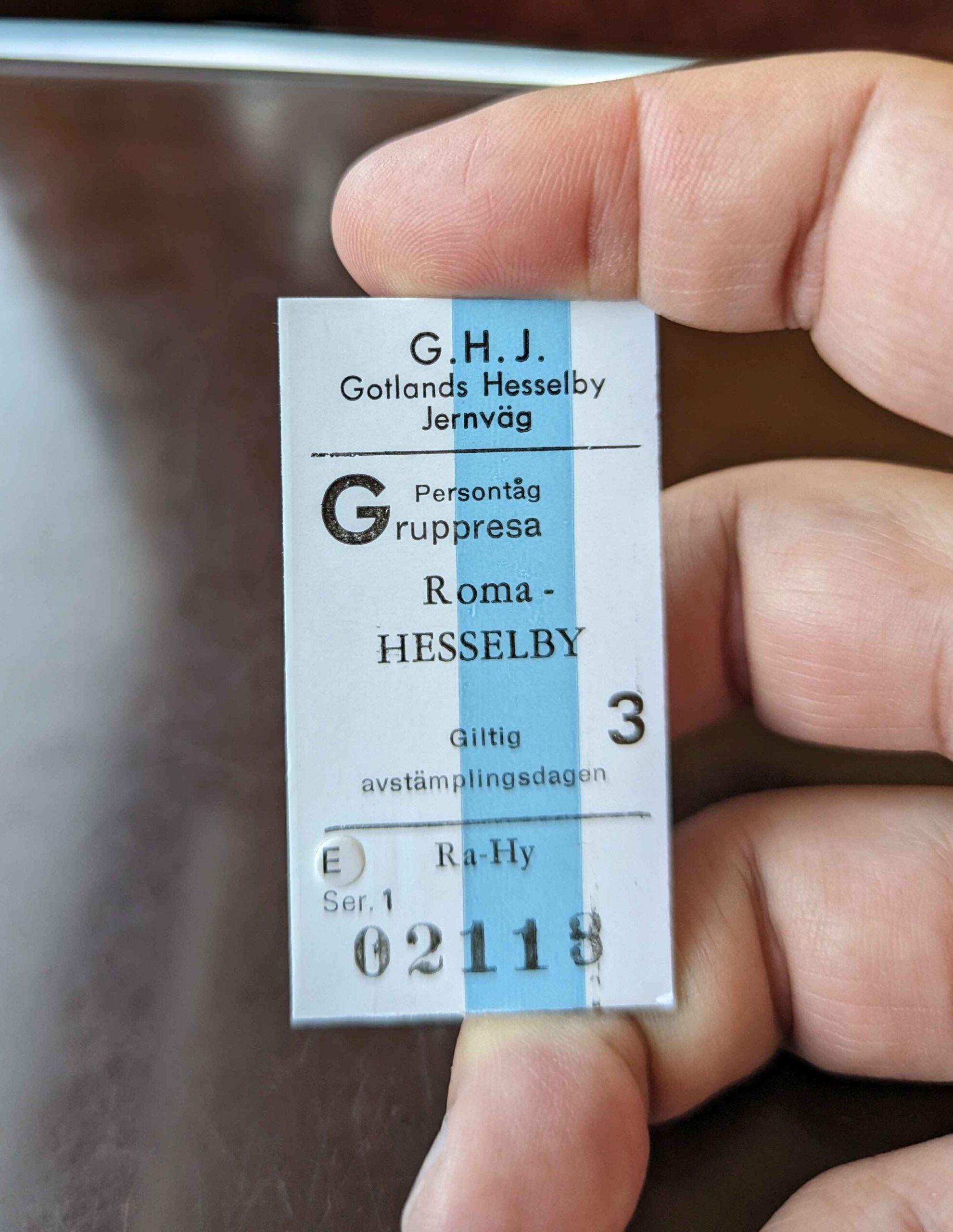
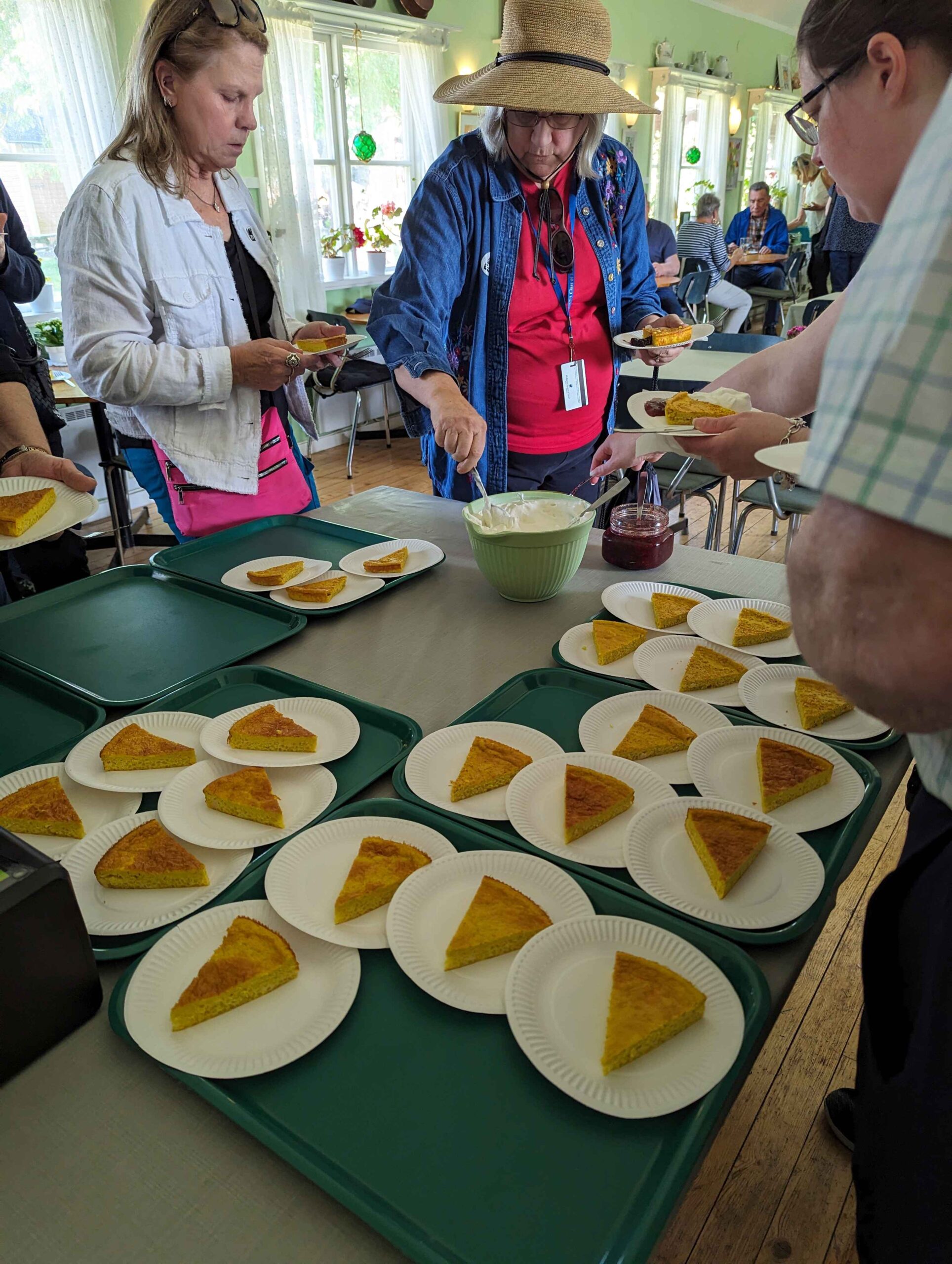
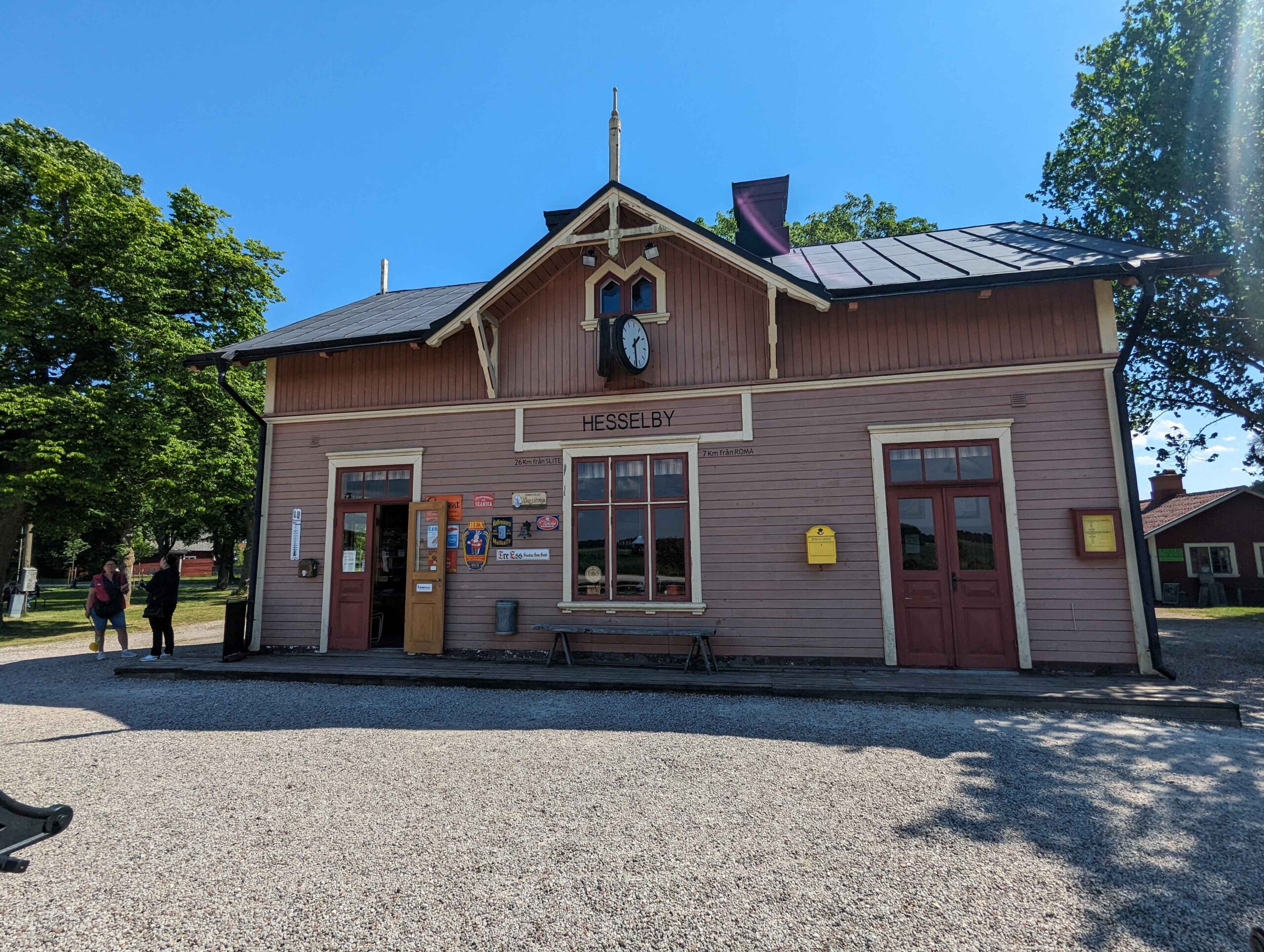
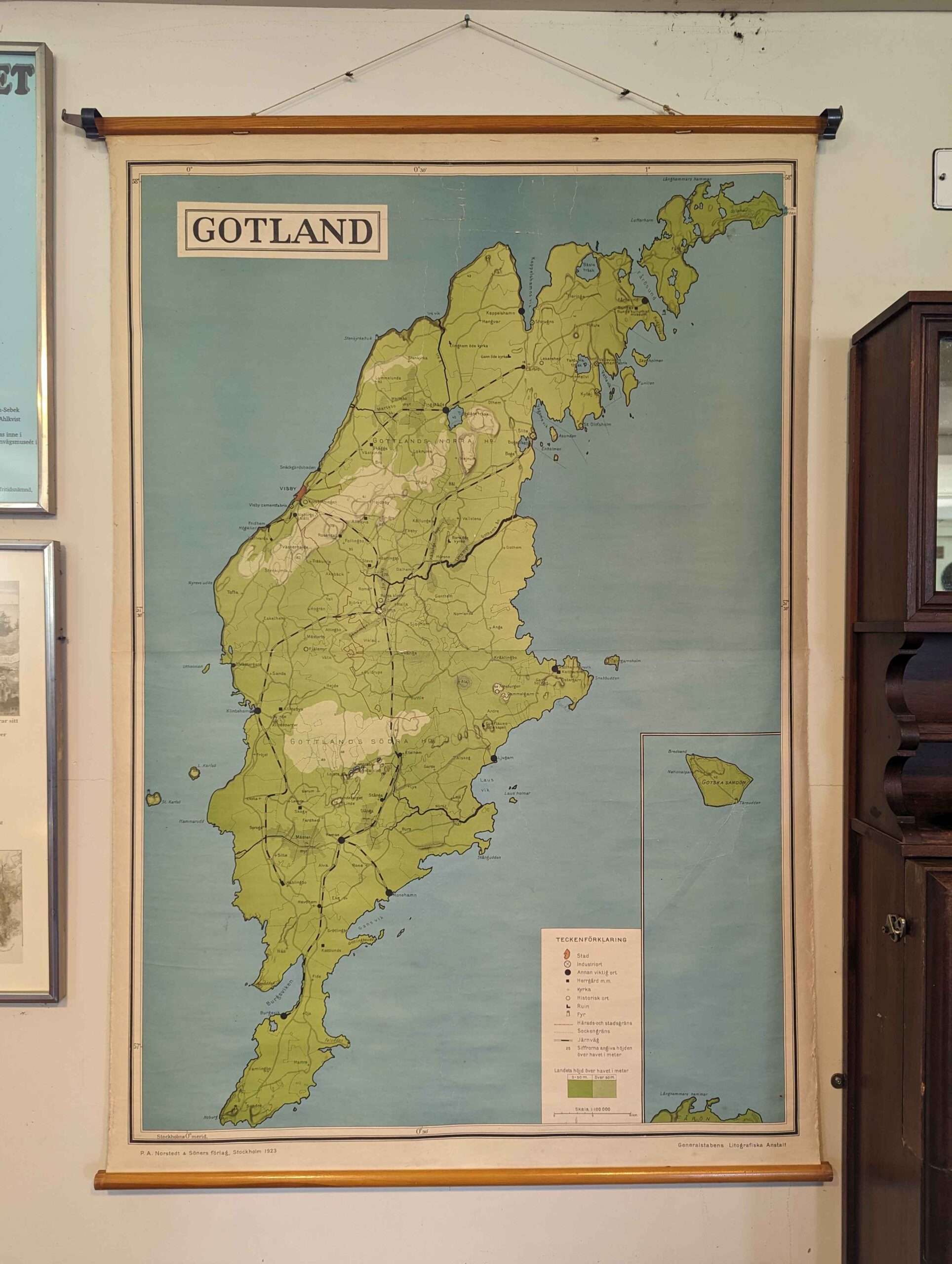
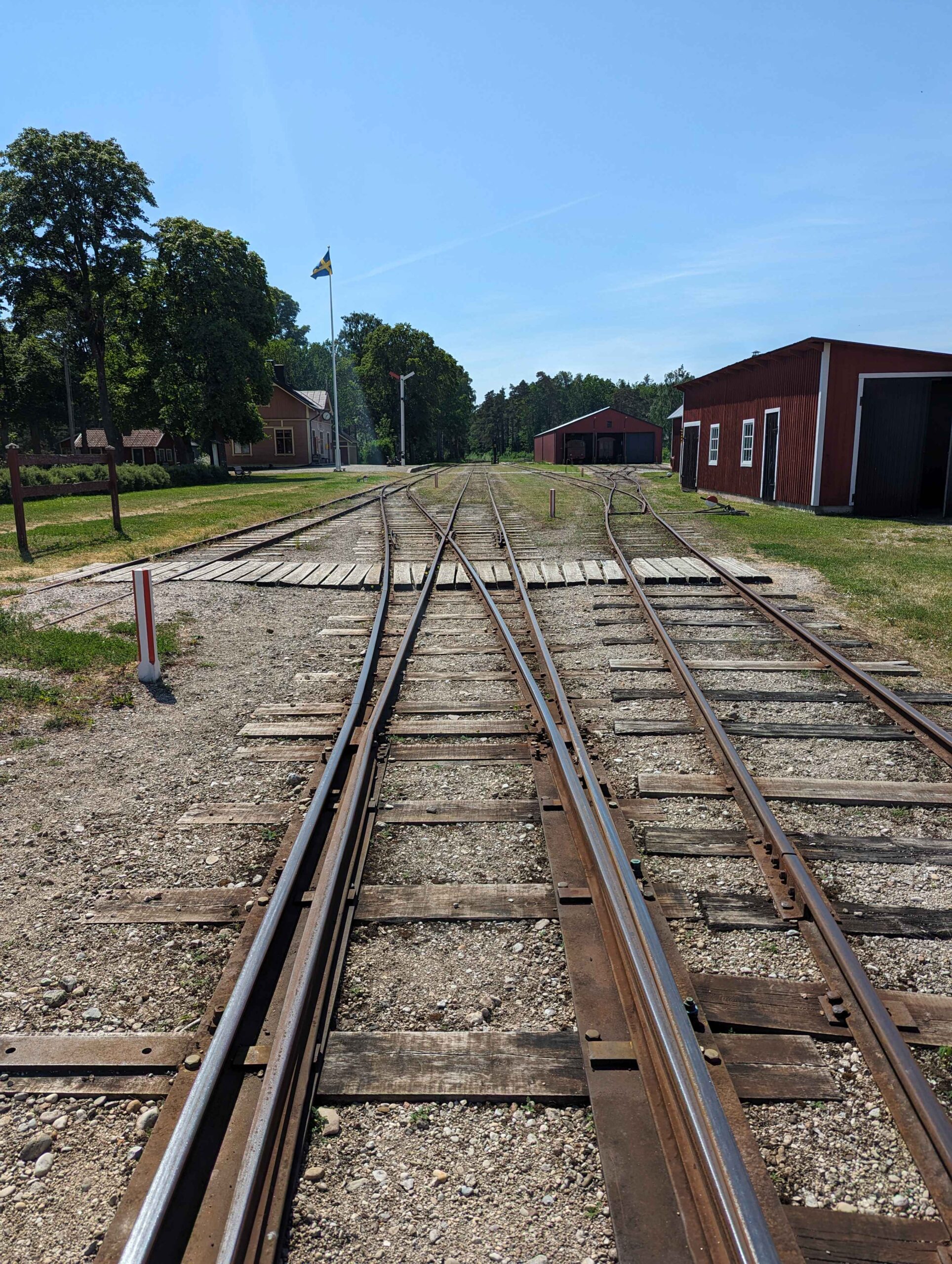
During the first visit, I booked a ship excursion that combined several very different experiences into one day. We entered Old Town through Dalmans Gate and wandered through narrow residential lanes before reaching the ruins of St. Karin Cathedral. Seeing grass growing inside the remains of a massive stone church beneath open sky was one of those moments that instantly justified the stop. Later, we walked through Almedalen Park before continuing to Endre Church, where some of Gotland’s oldest stained glass windows still survive. The final portion of the excursion took us aboard the vintage Gotlands Hesselby Jernväg train from Roma Station to Dalhem Station. Between the preserved rail cars, period luggage displays, and coffee with cake at Hesselby, it felt less like transportation and more like stepping briefly into another era.
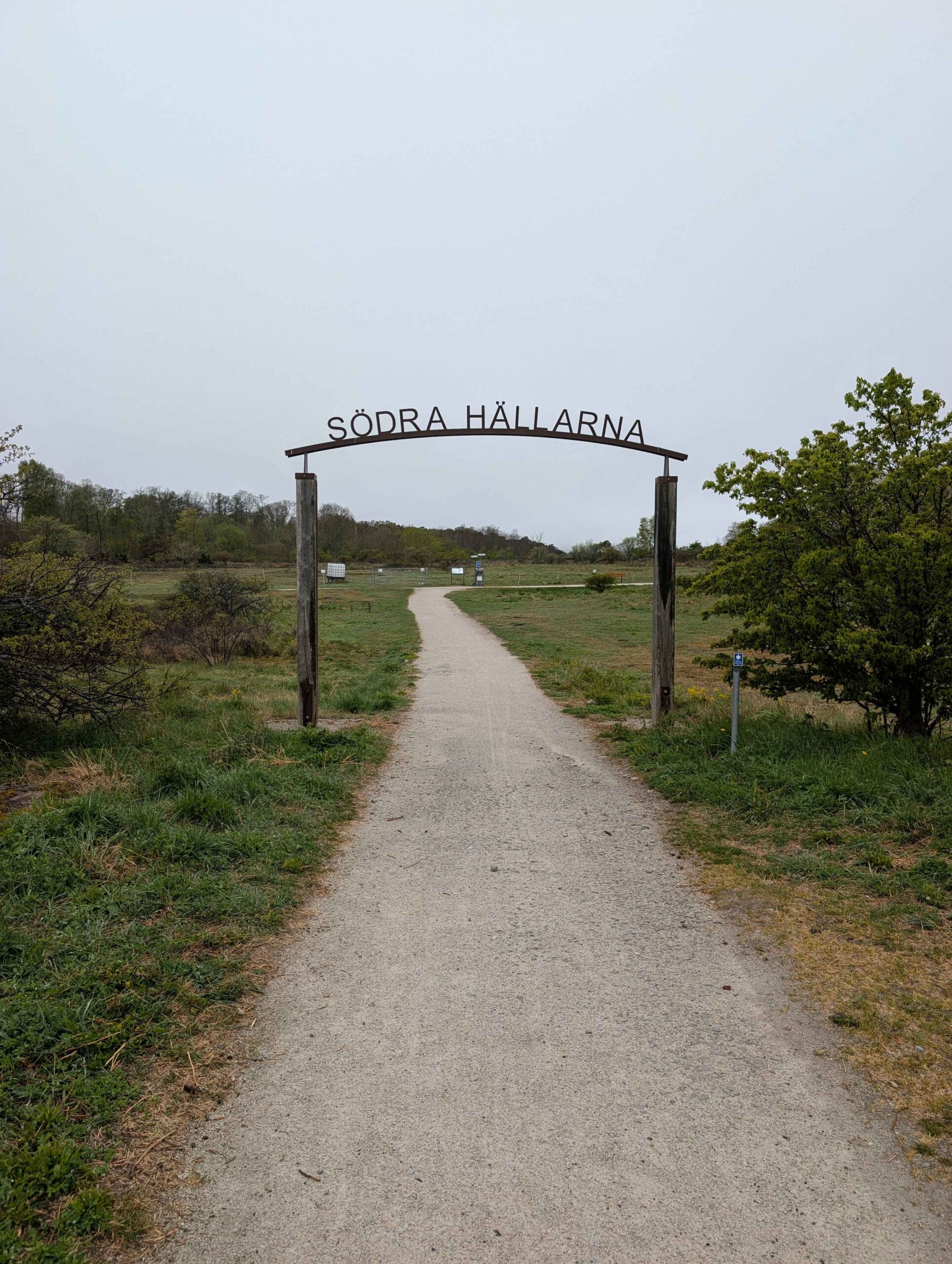
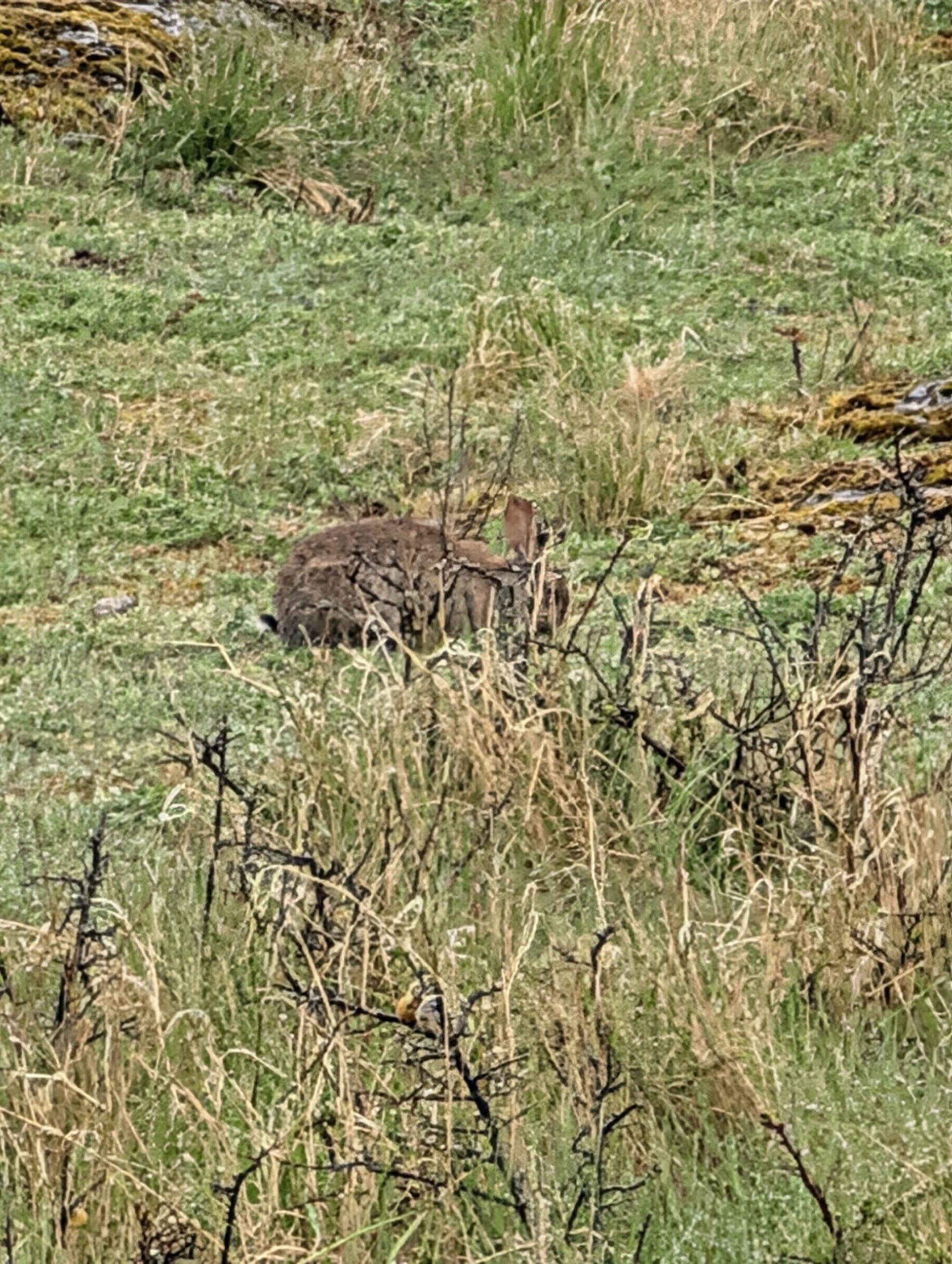
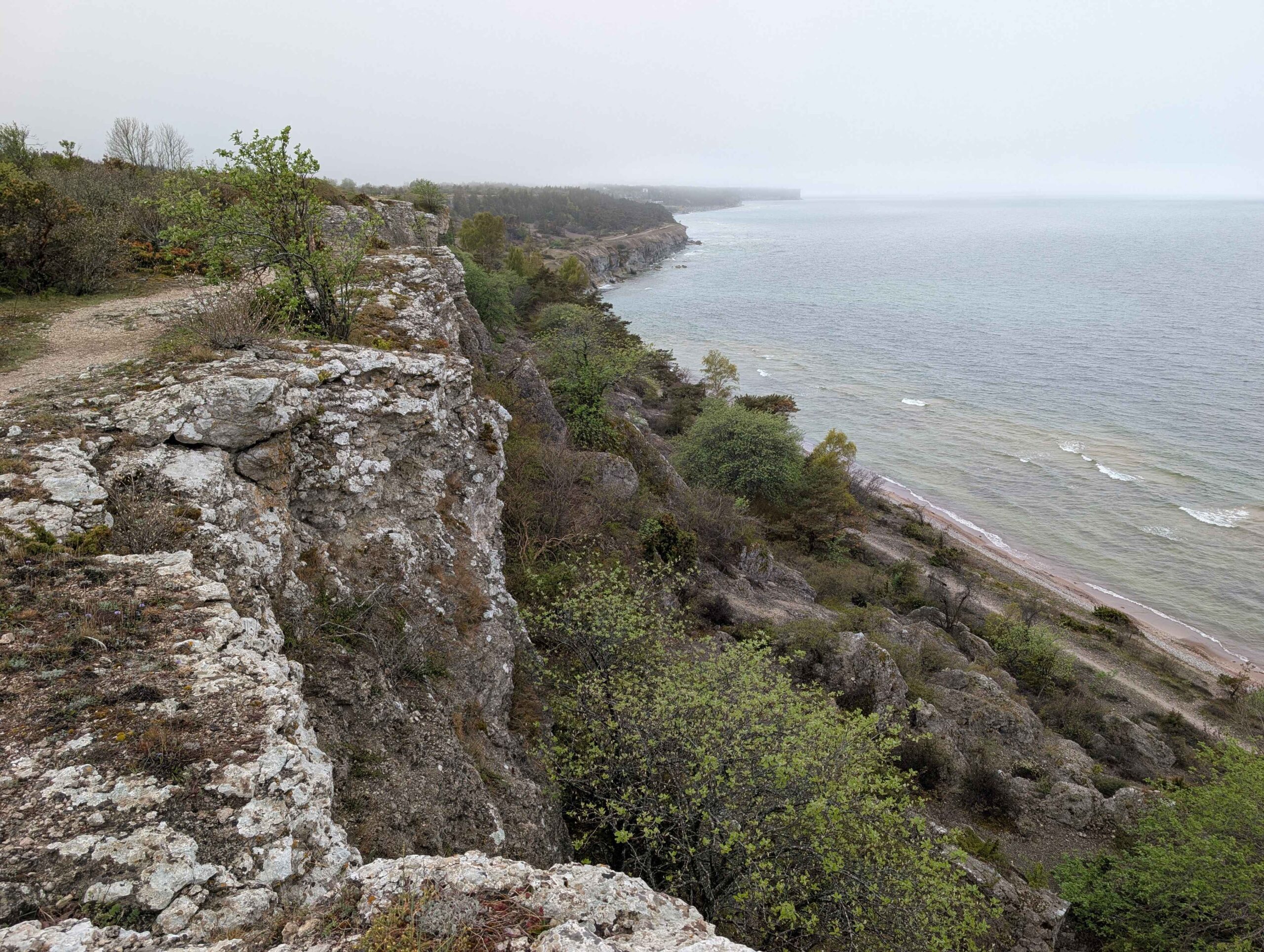
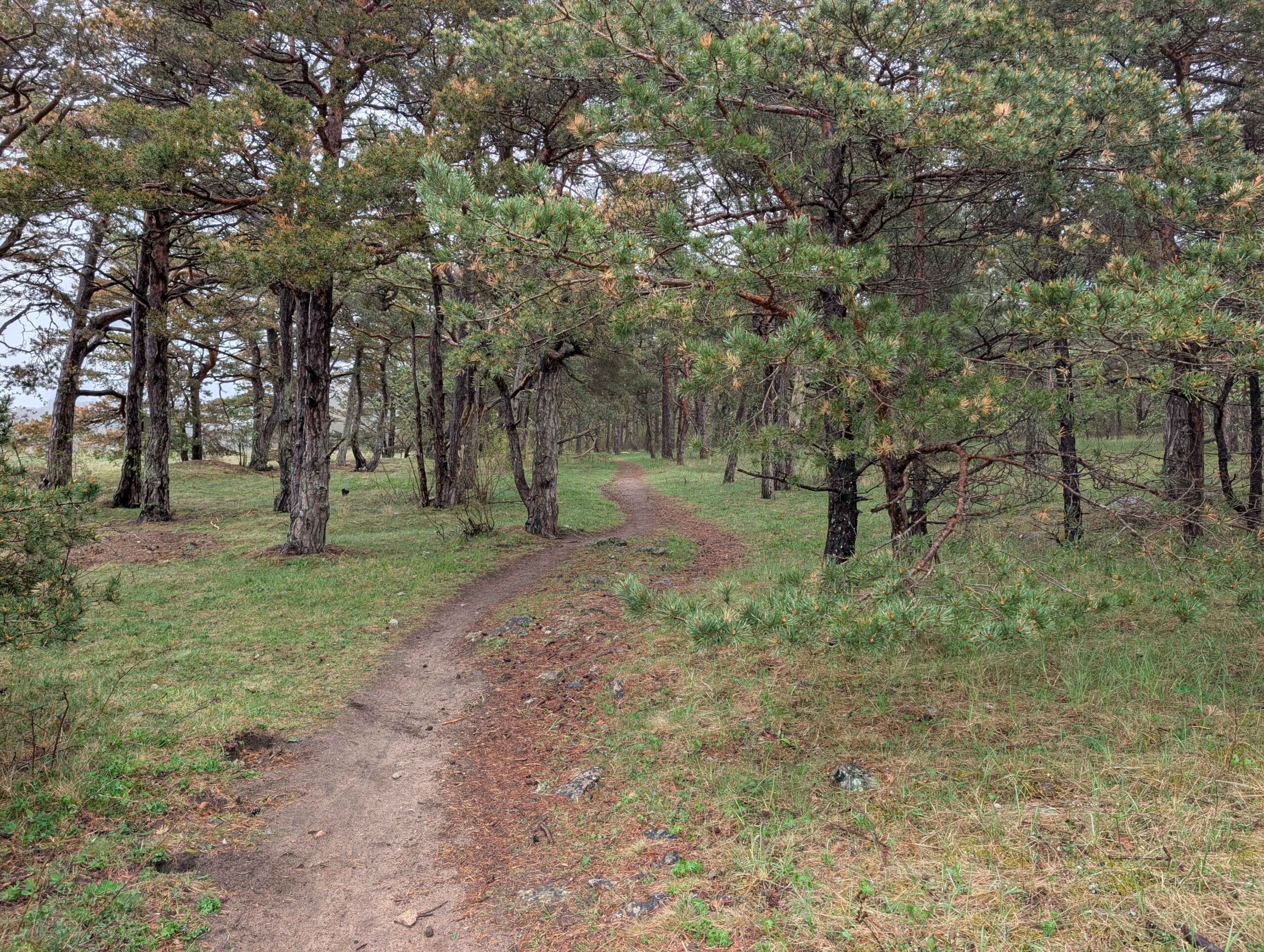
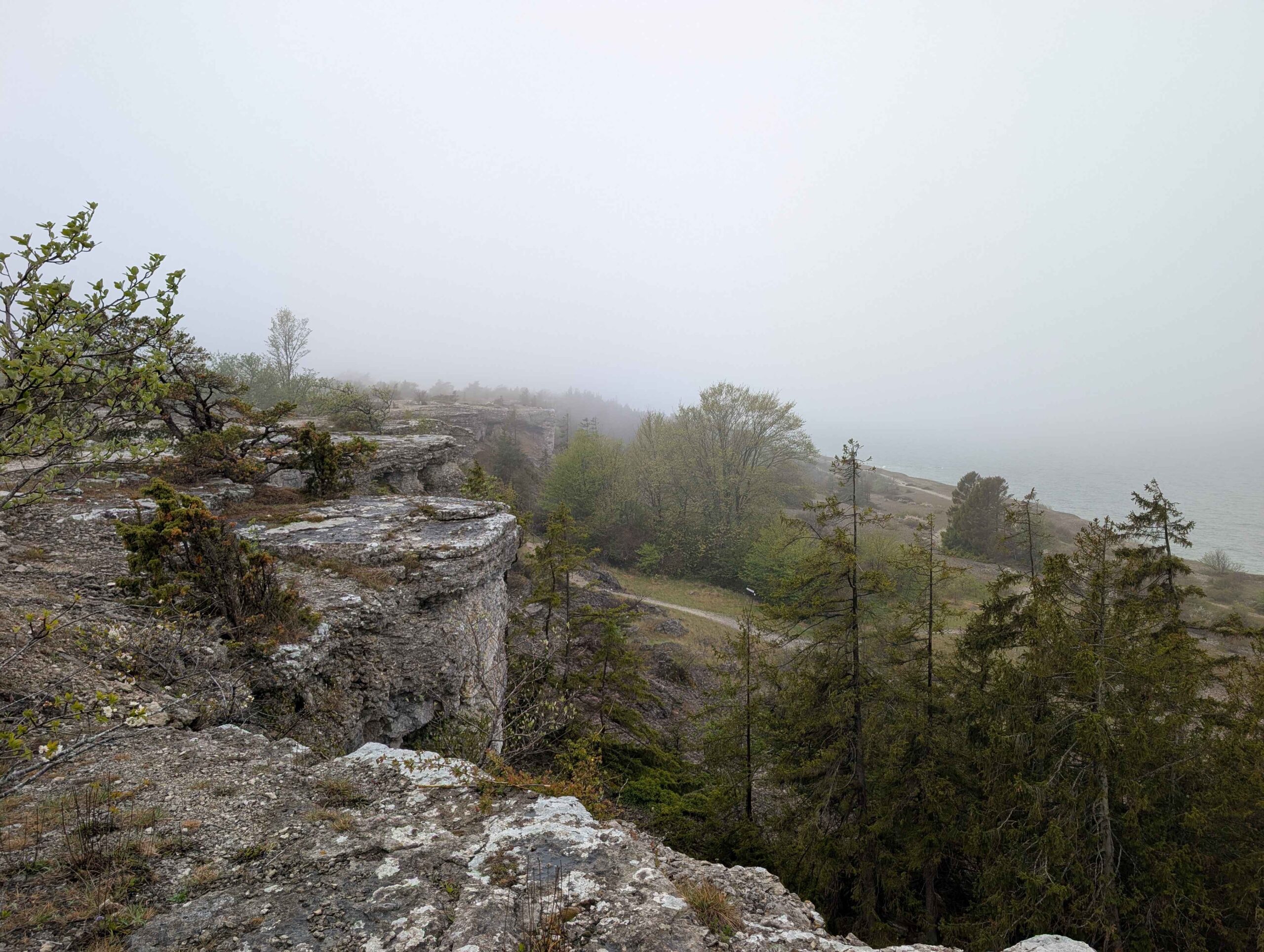
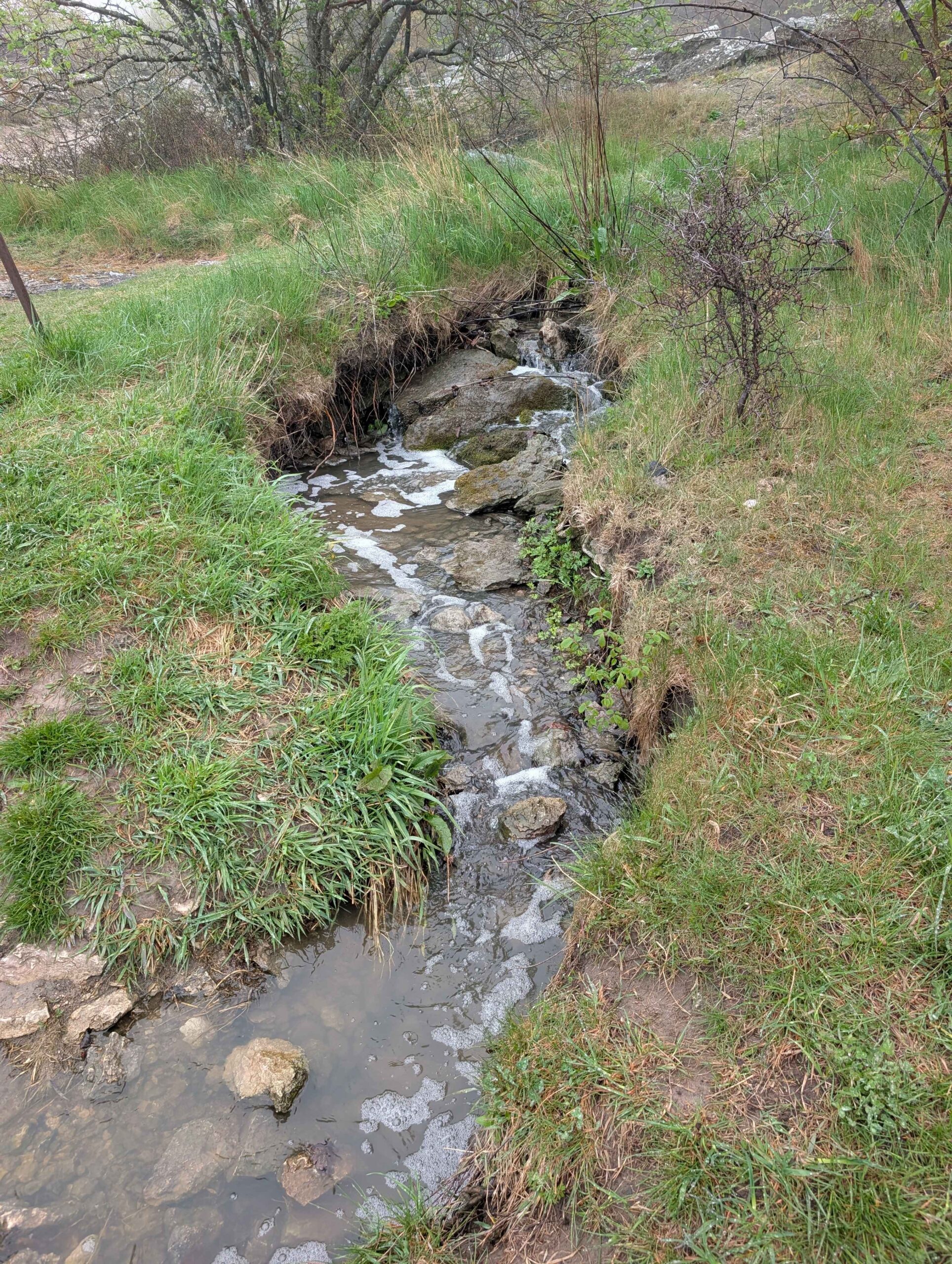
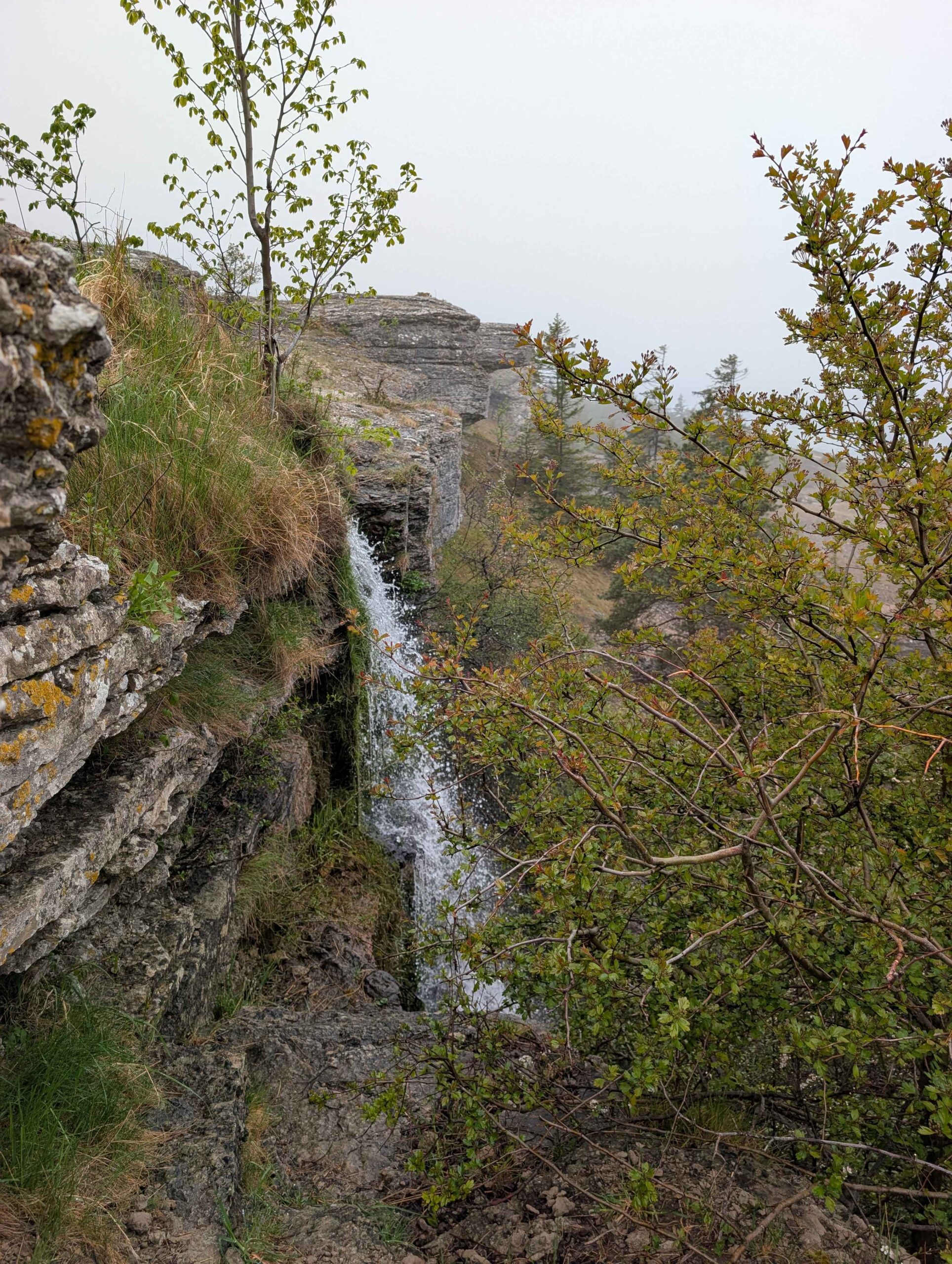
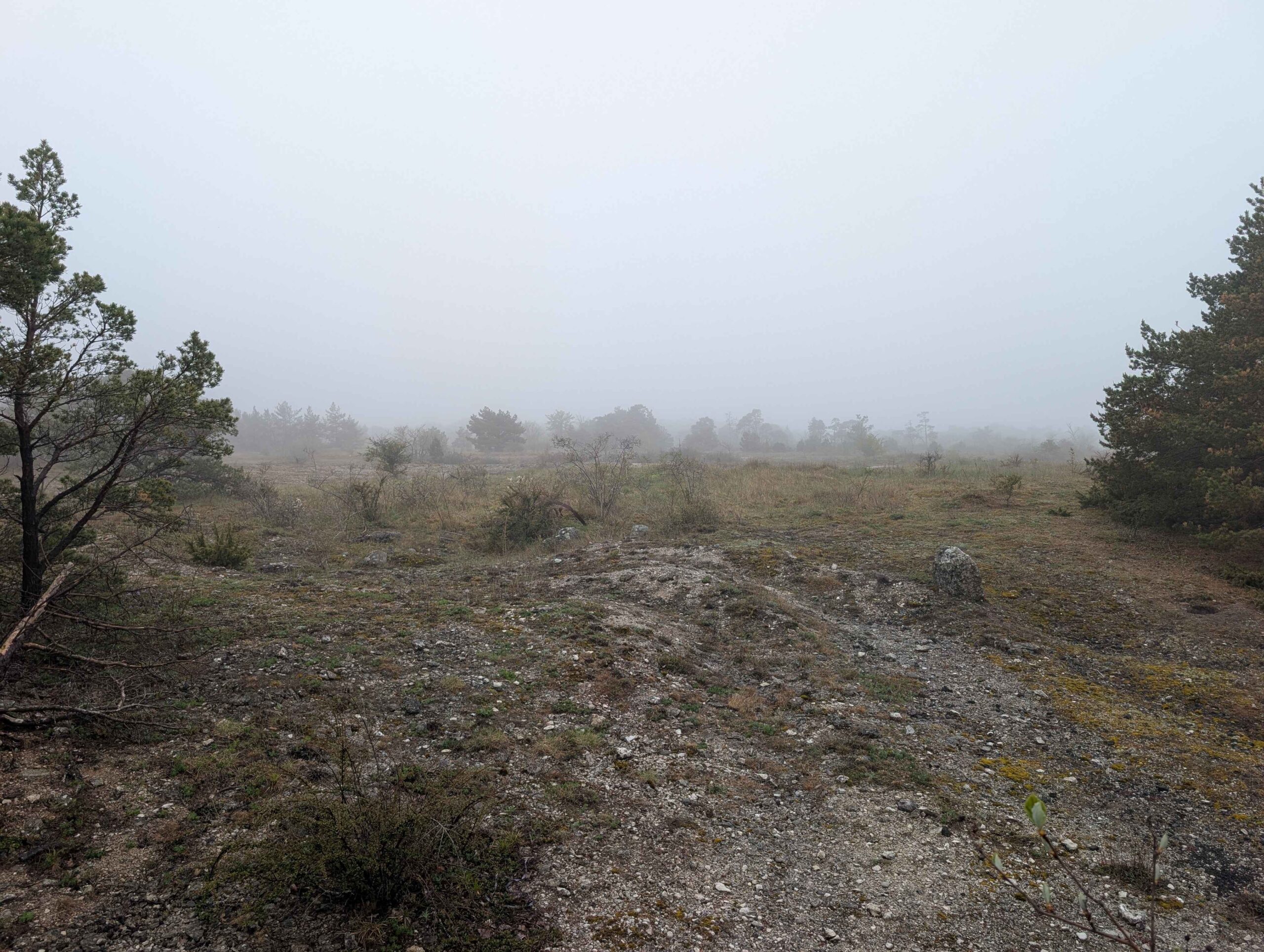
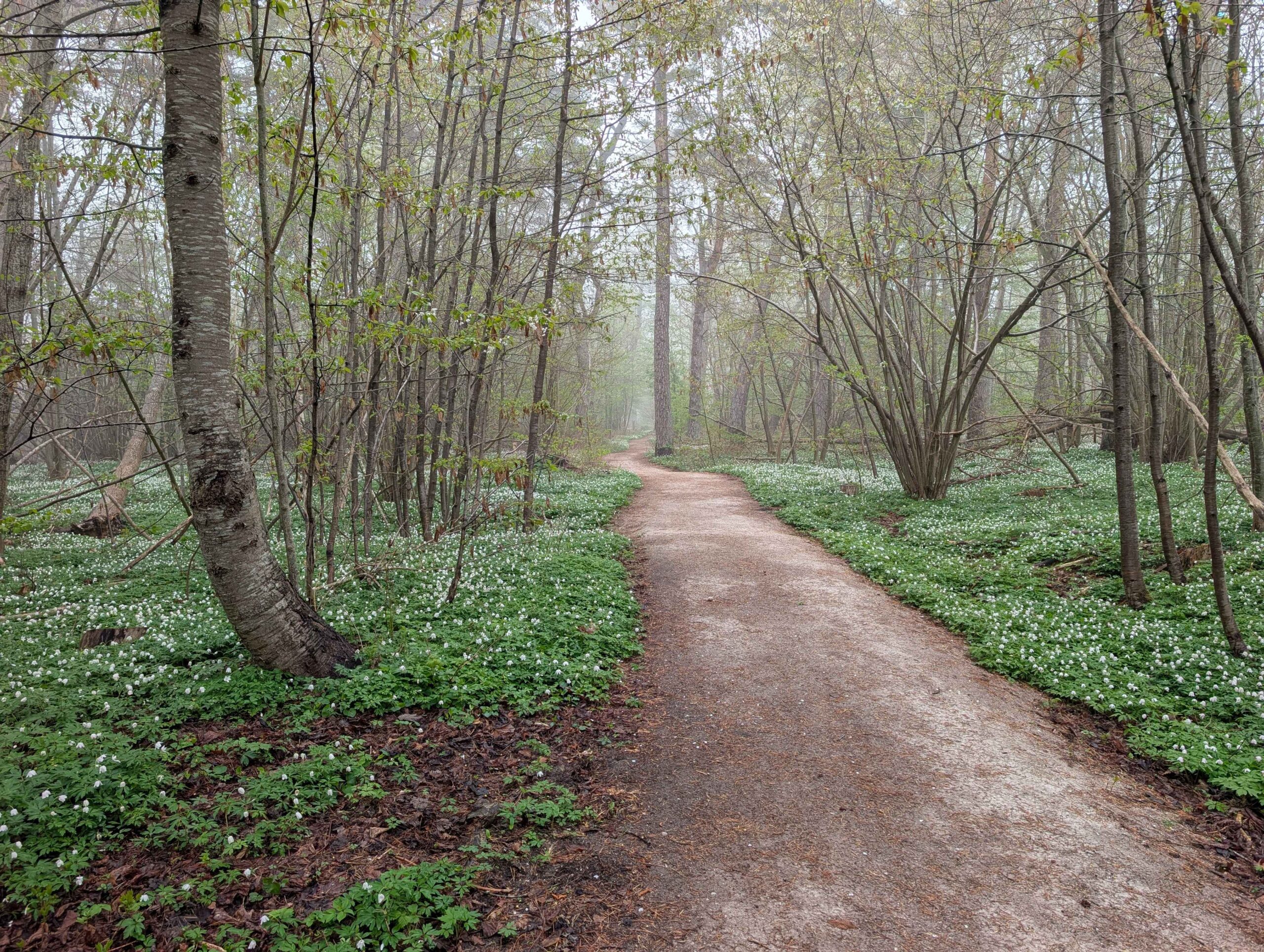
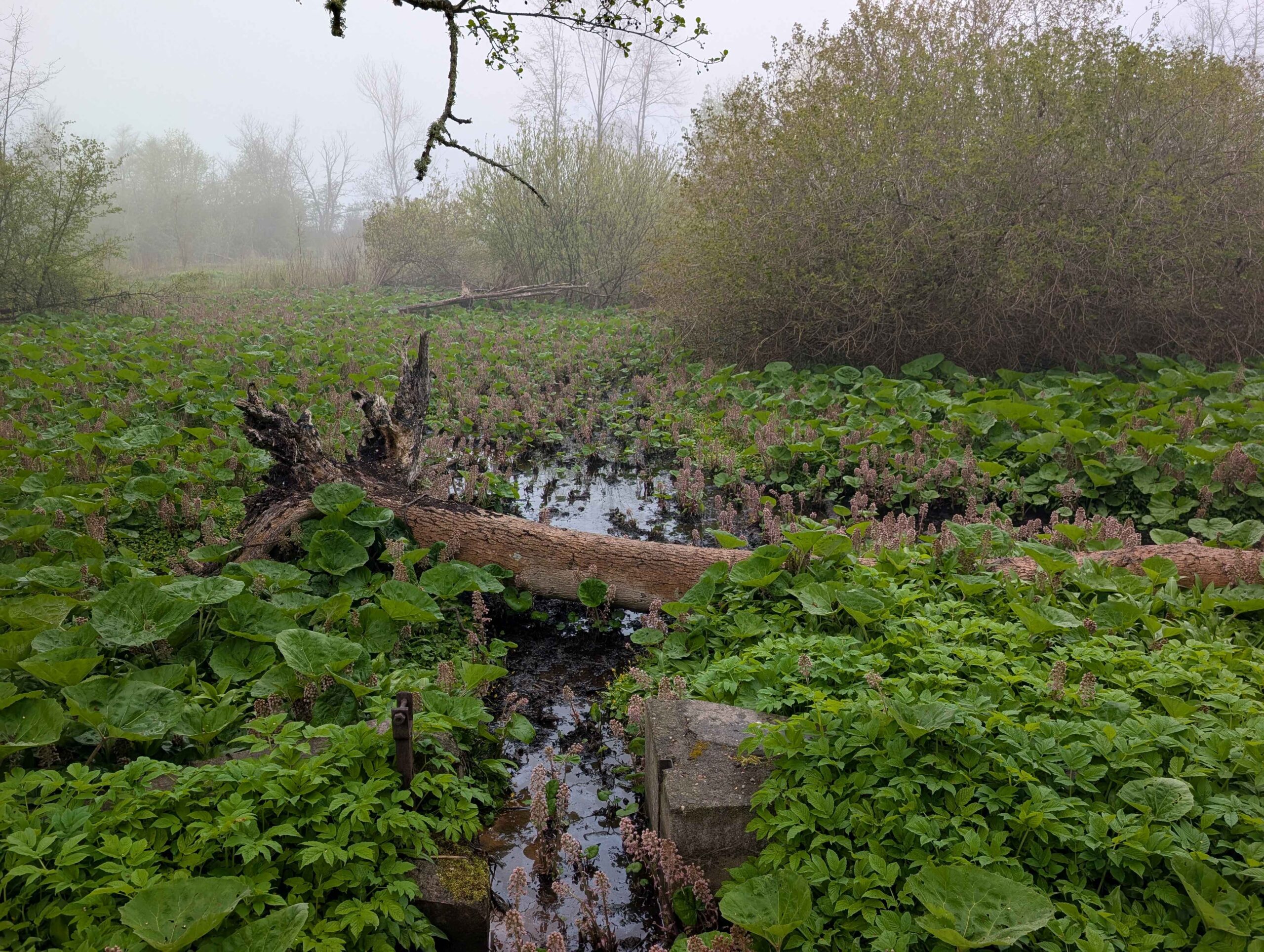
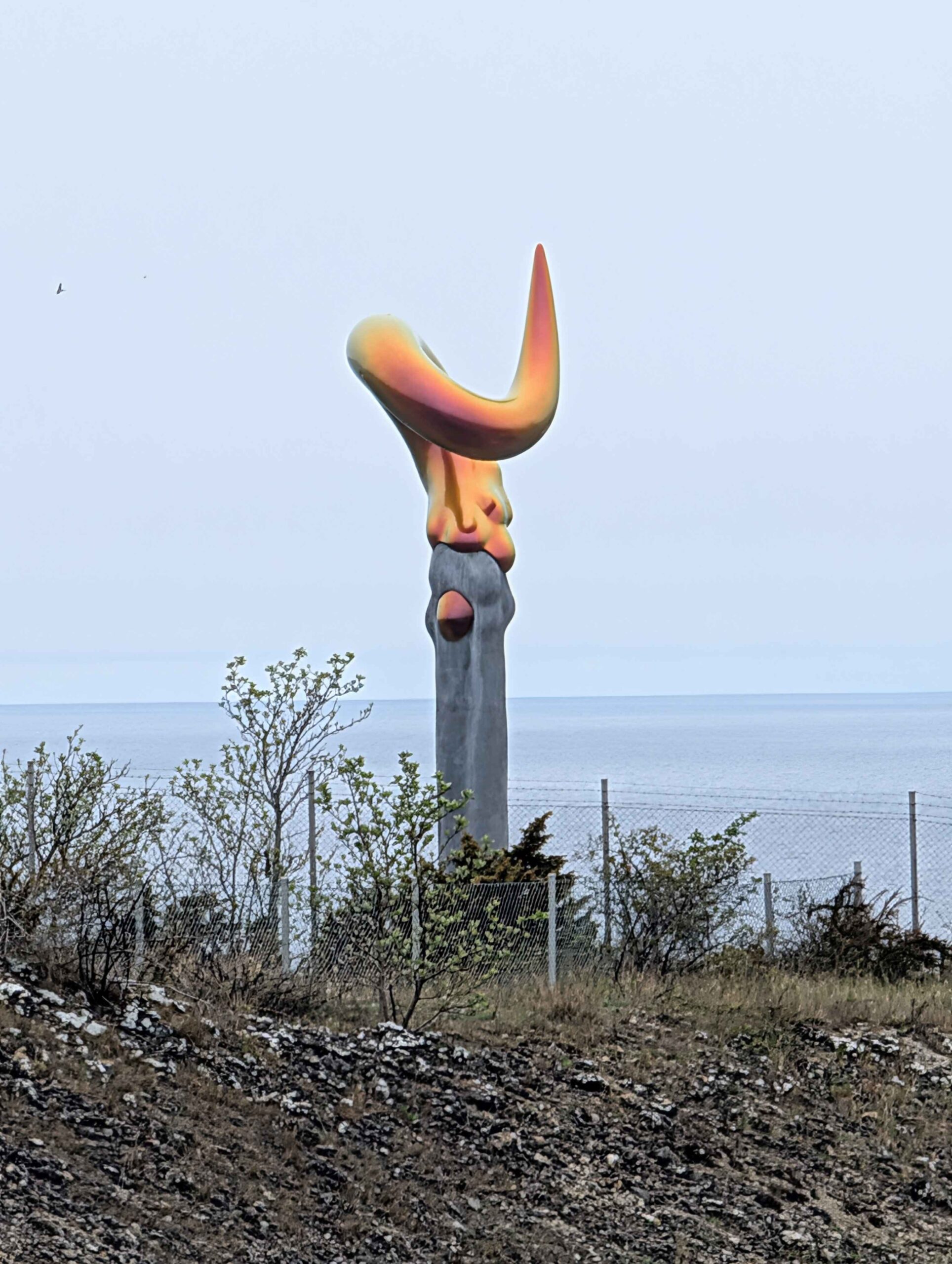
The second visit was entirely self-guided and much slower paced. I started at South Hällarna Nature Reserve, where rocky Baltic cliffs faded into fog and drizzle. What surprised me most were the rabbits. Every few steps, movement caught my attention in the grass, and eventually I realized wild European rabbits were scattered throughout the preserve. The dreary weather probably discouraged most visitors because I spent hours out there, only occasionally spotting another person in the distance. The preserve itself constantly shifted between rocky shoreline, grassy plains, marshy boardwalks, and wooded trails, which made the area feel much larger than it first appeared.
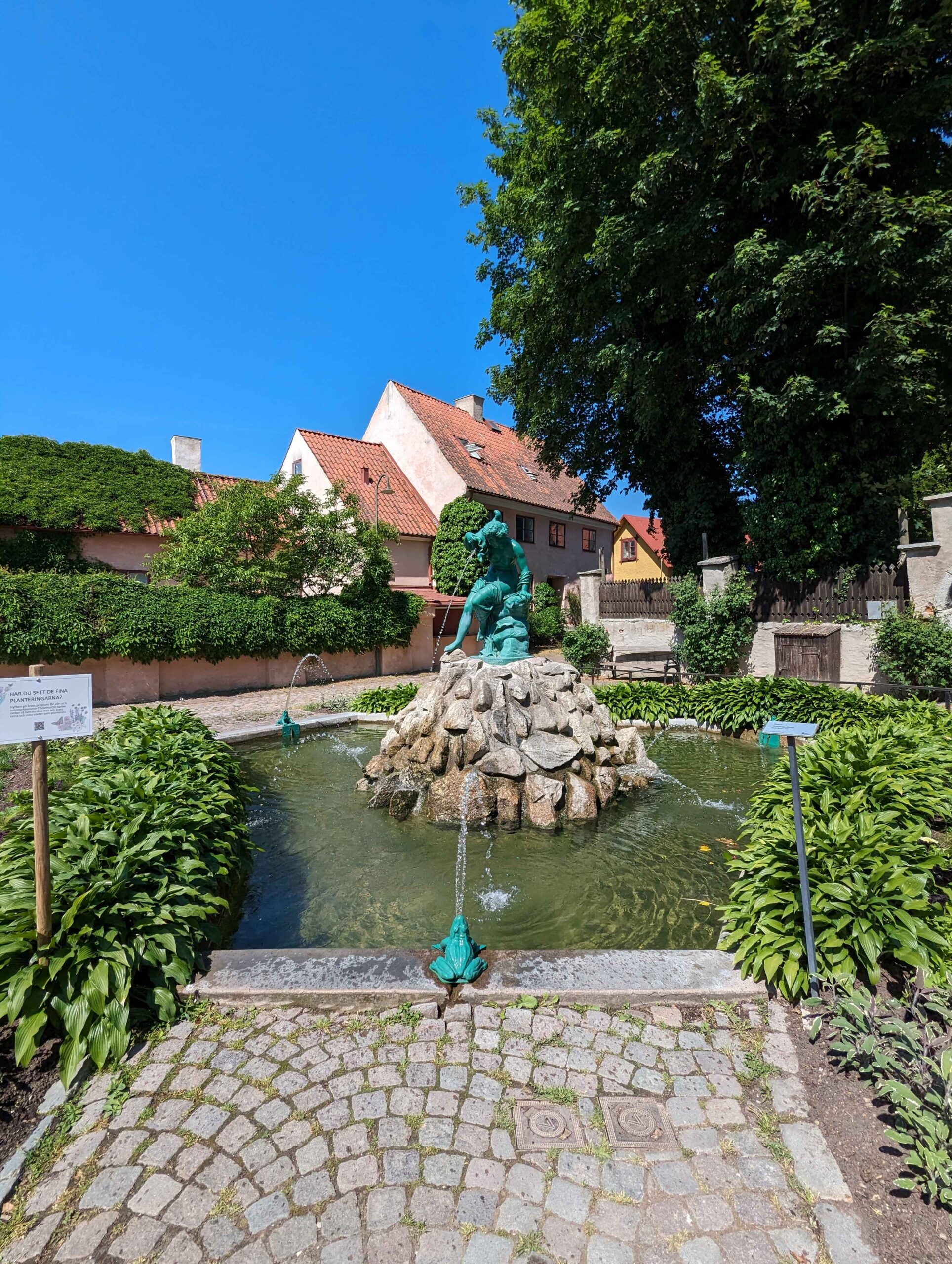
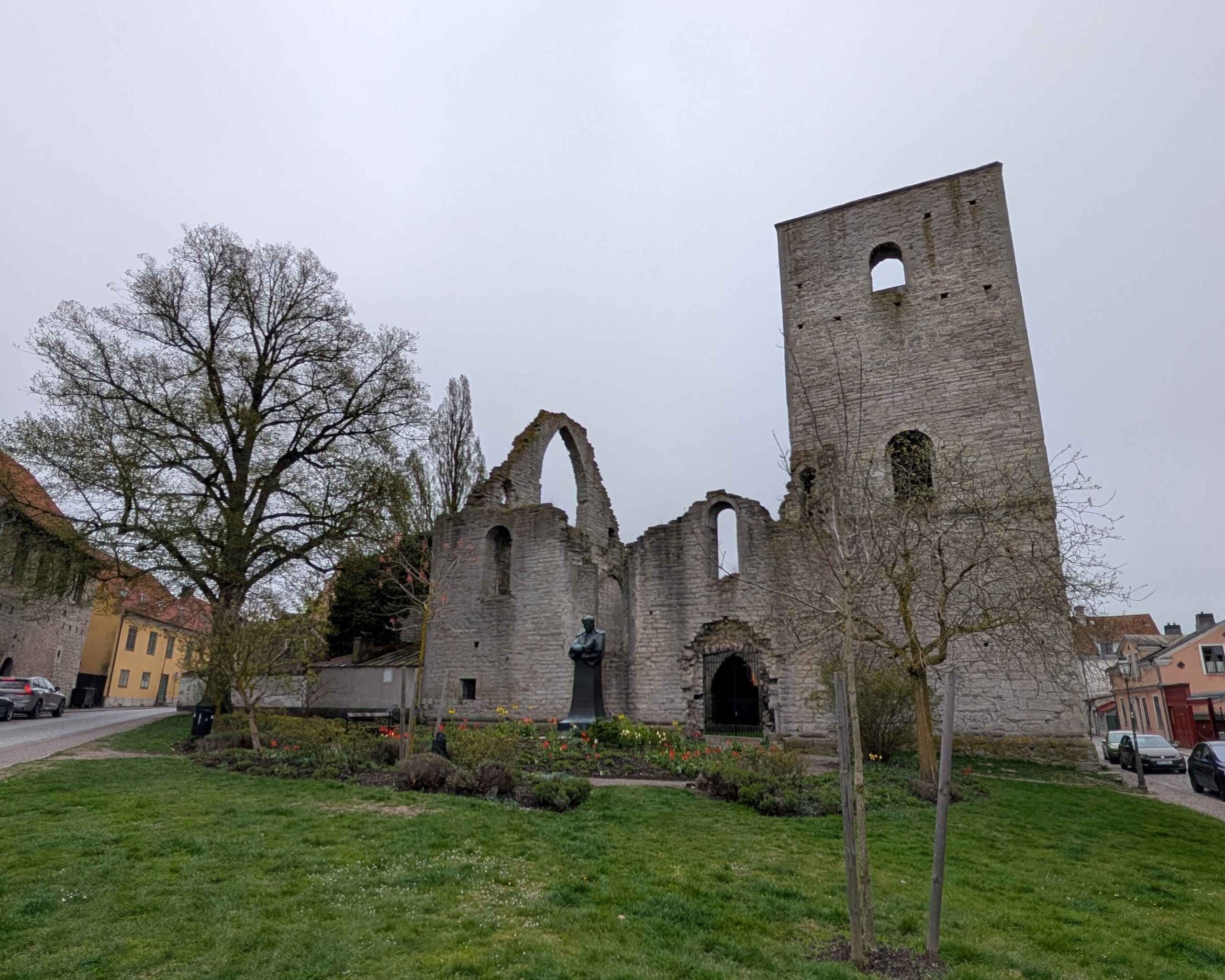
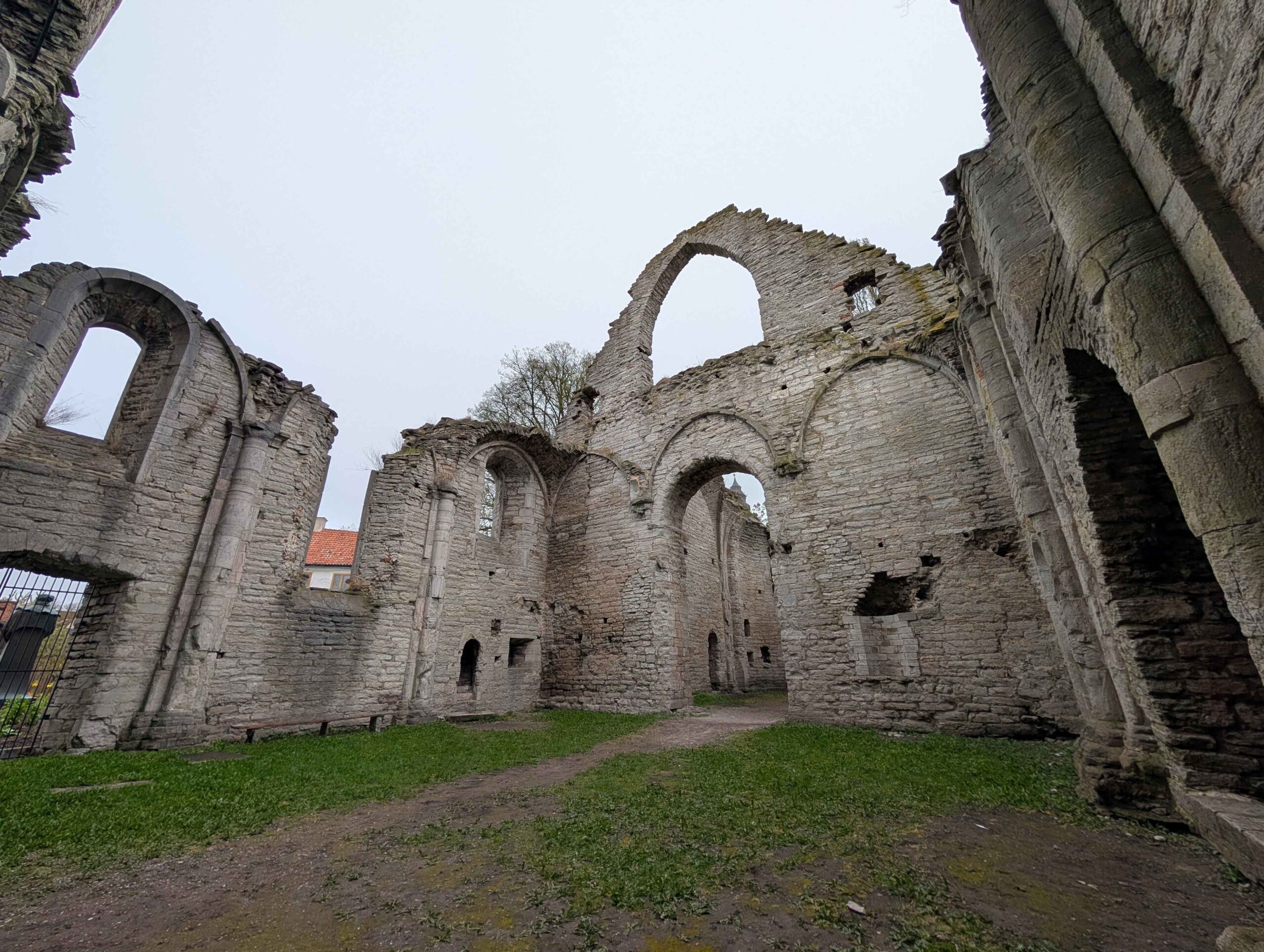
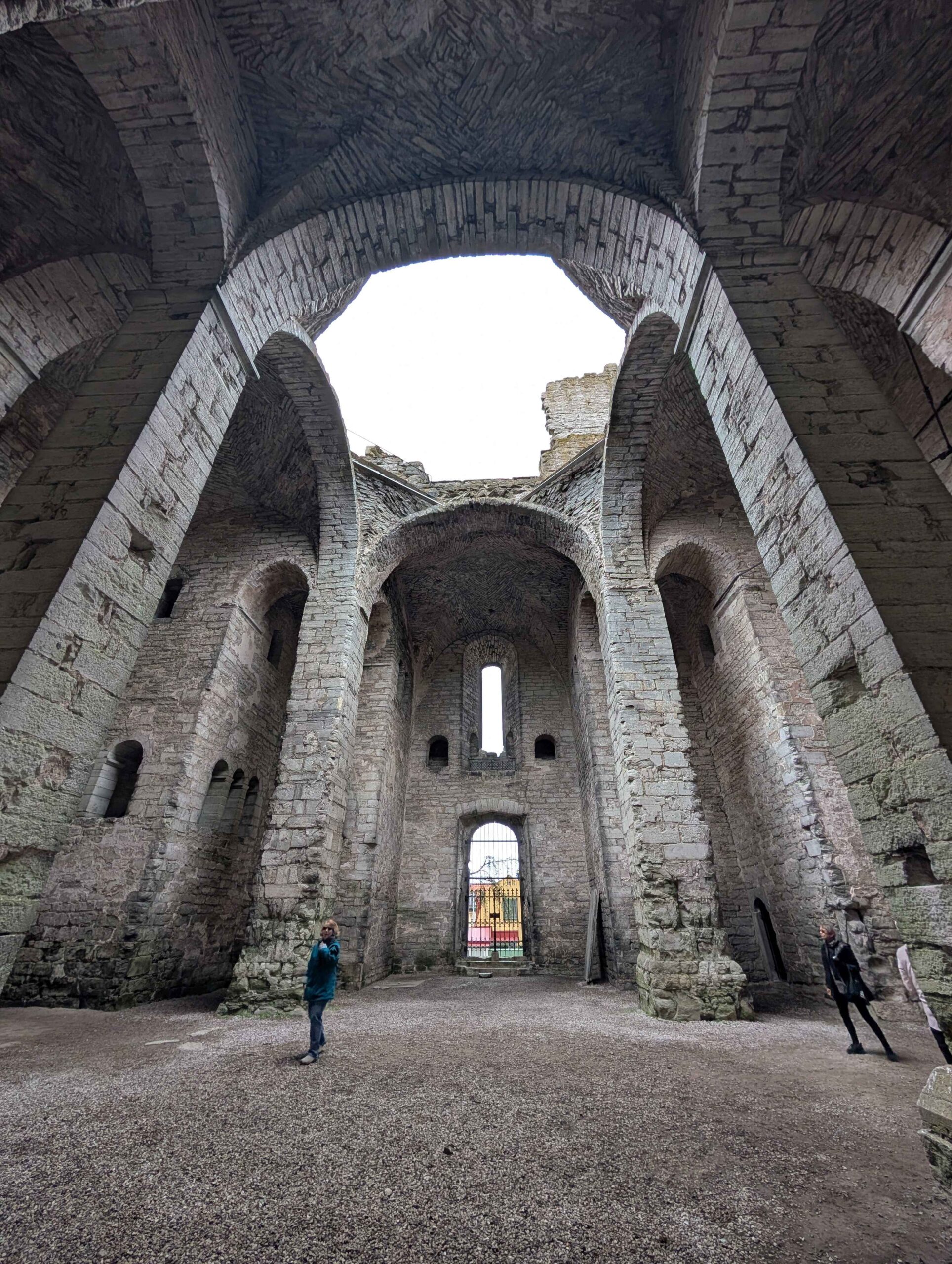
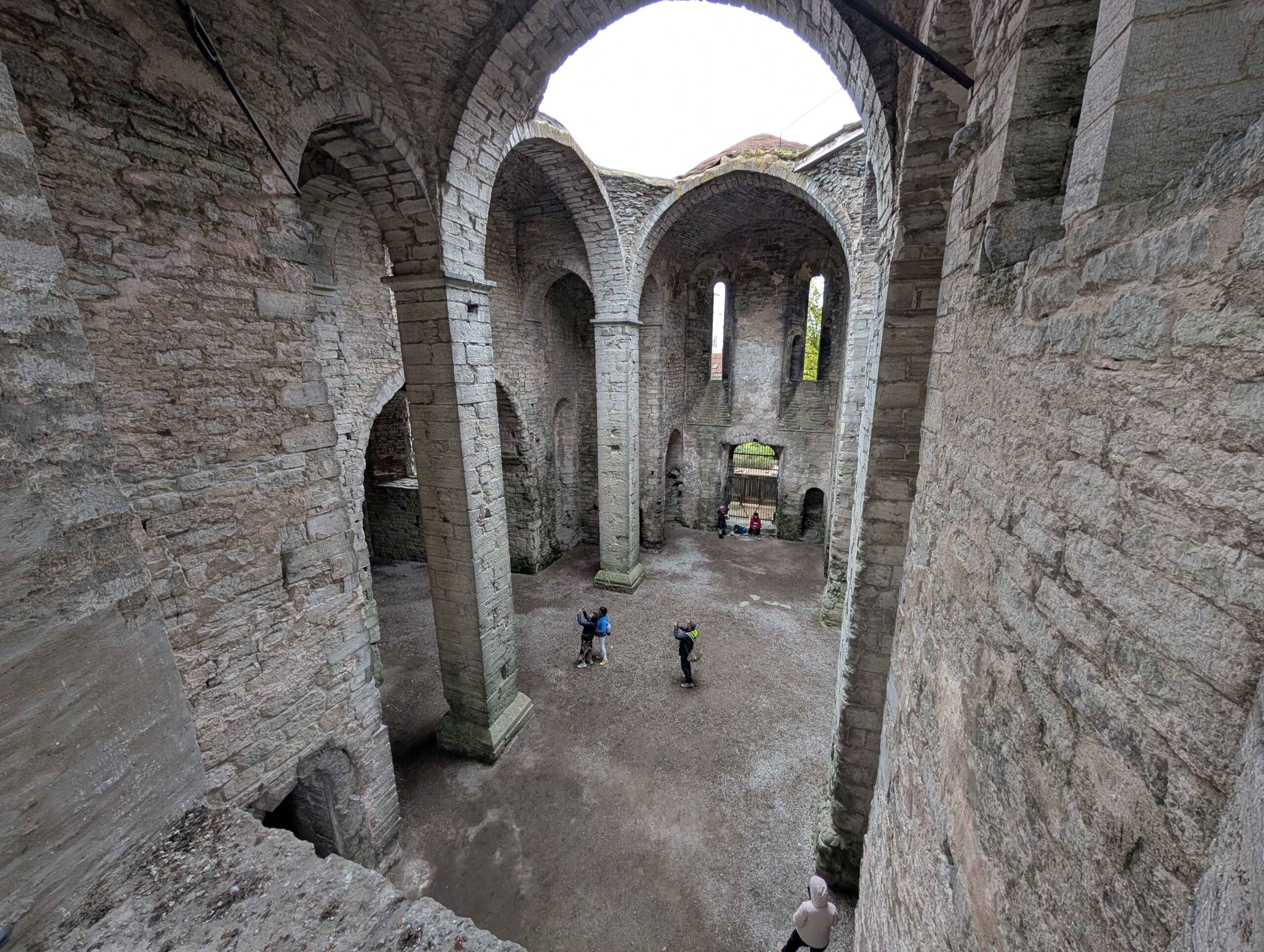
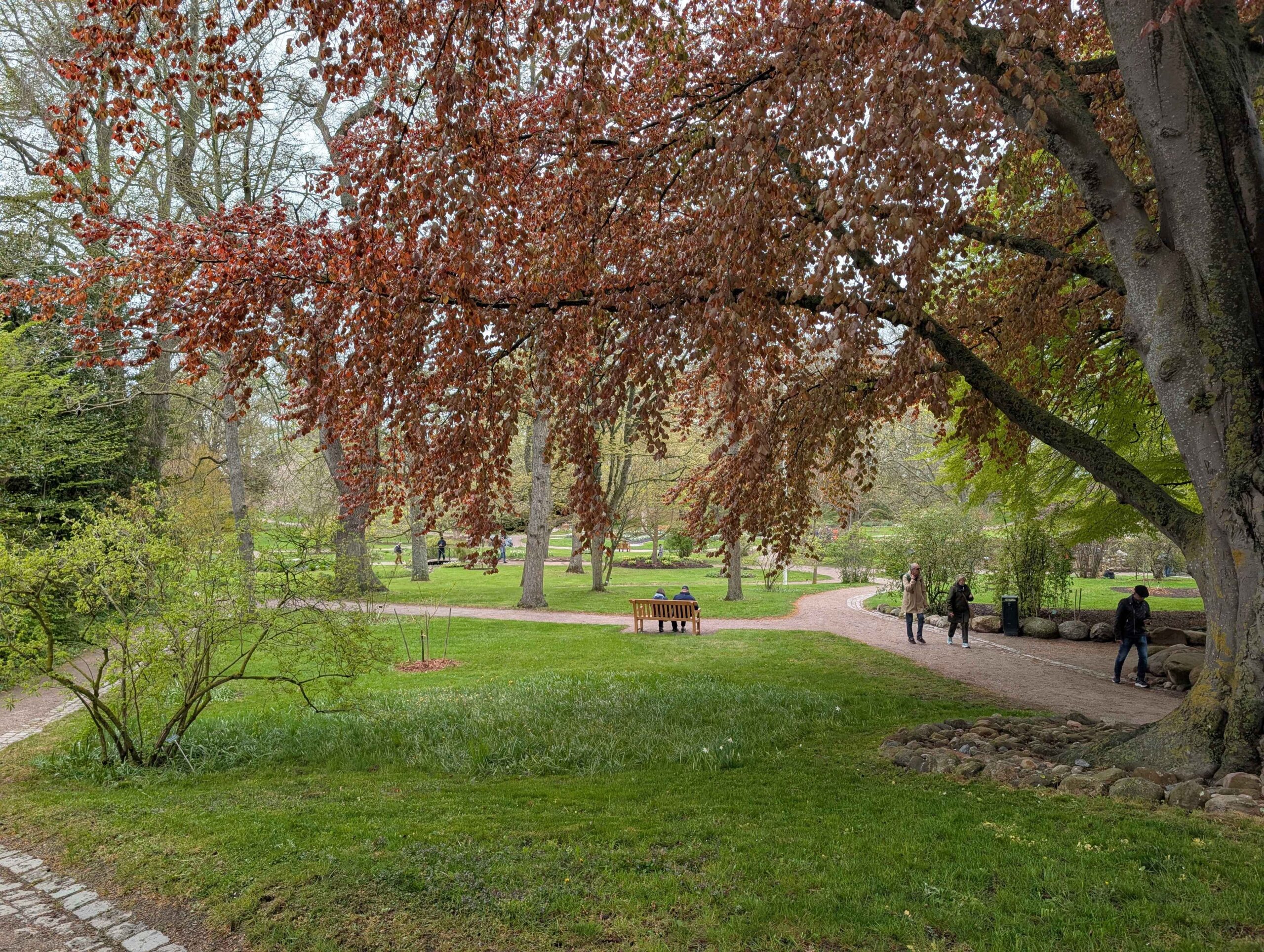
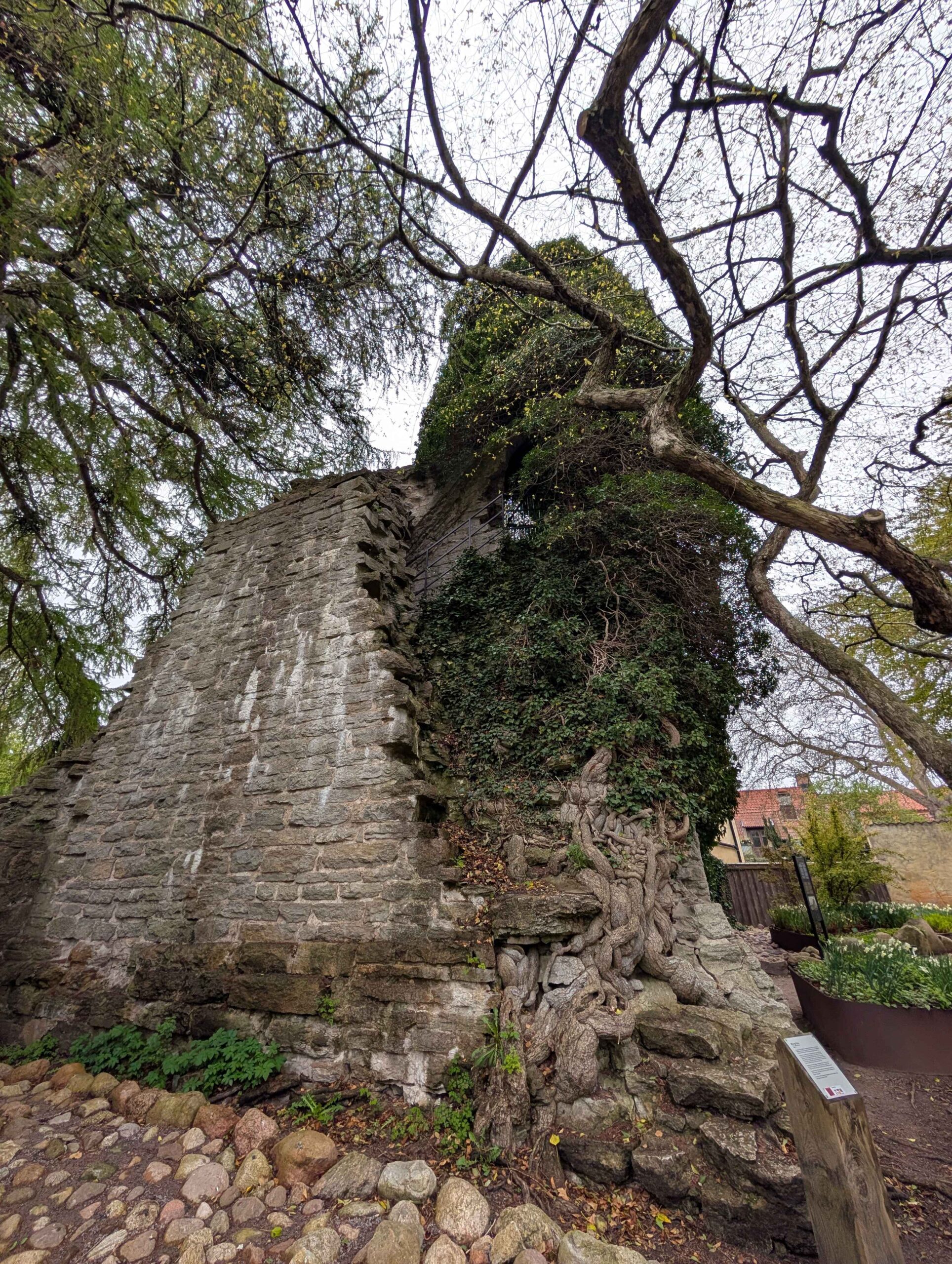
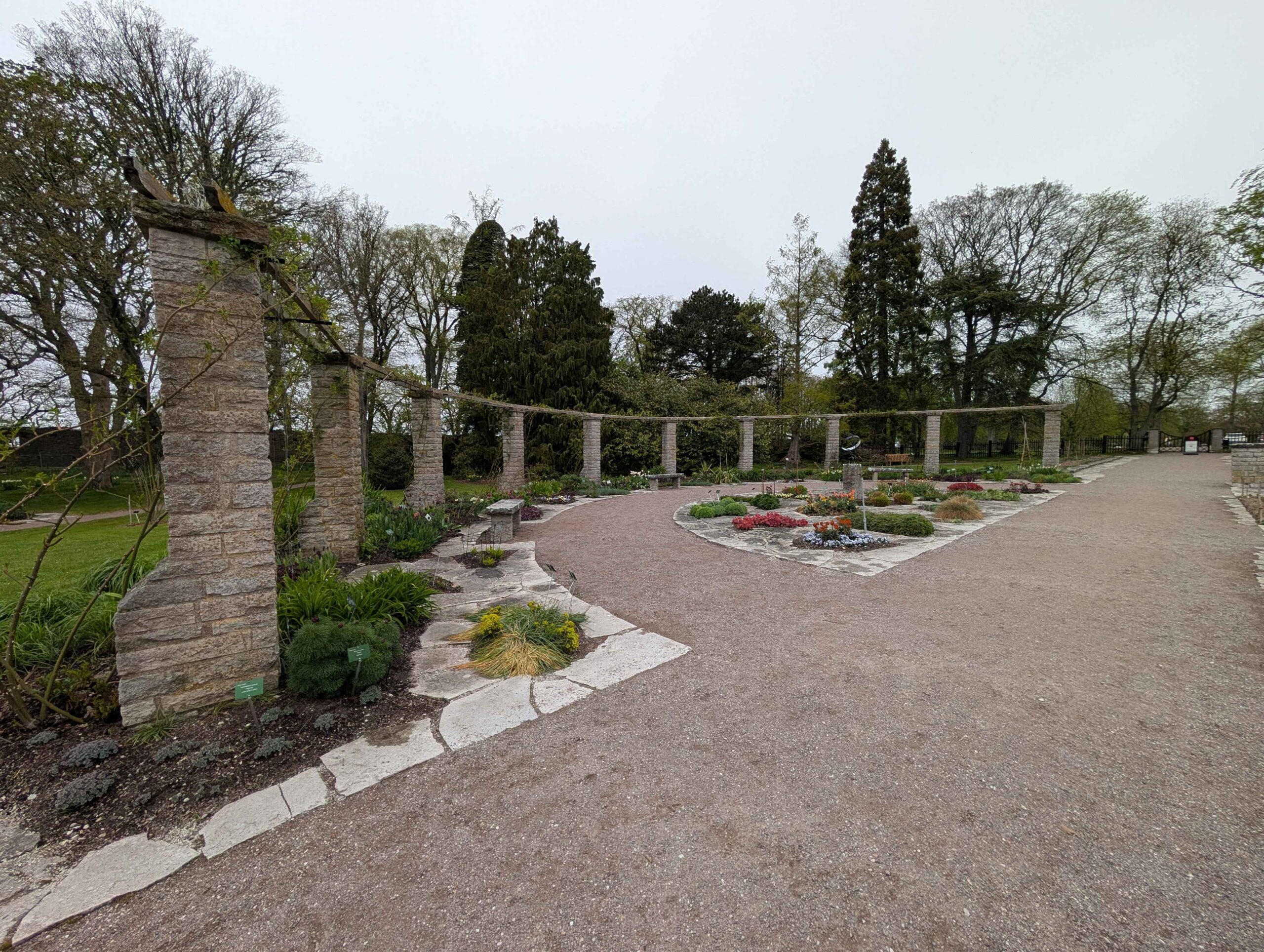
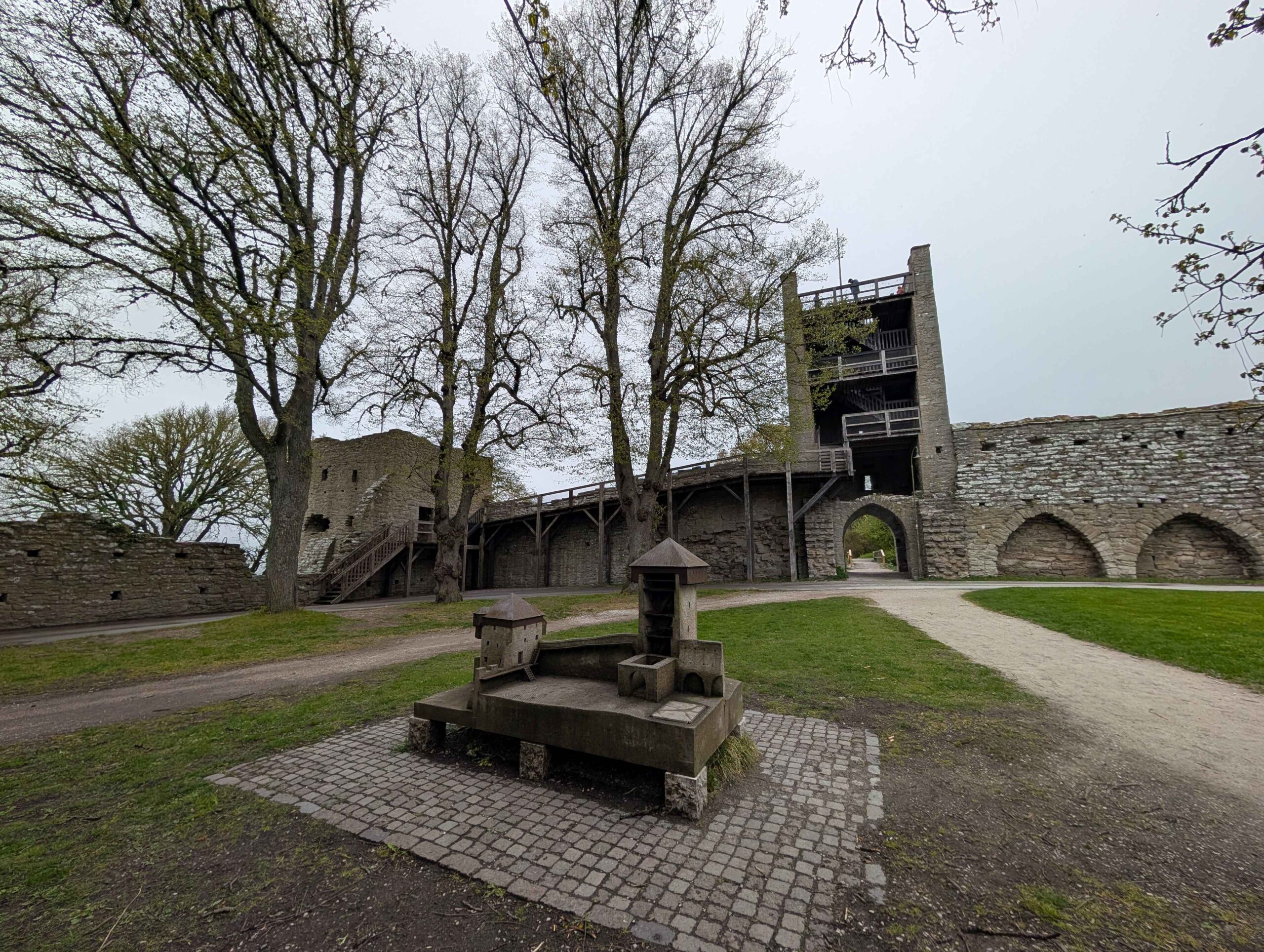
Once the rain eased up, I made my way back toward Old Town without trying to repeat my original route. Along the way, I passed more windmills before wandering toward DBW’s Botanical Garden and the ruins of Drottens Ruin and Saint Lars Ruin. Saint Lars especially stood out because visitors can climb into the upper walkways and look back across the hollow stone interior. Visby repeatedly gave me the feeling that nature was slowly reclaiming parts of the city without anyone trying too hard to stop it. Even the ruins, surrounded by gardens and walking paths, never felt overmanaged.
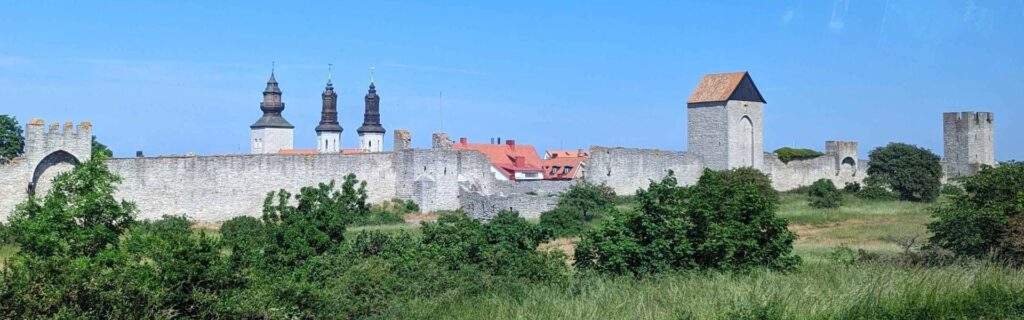
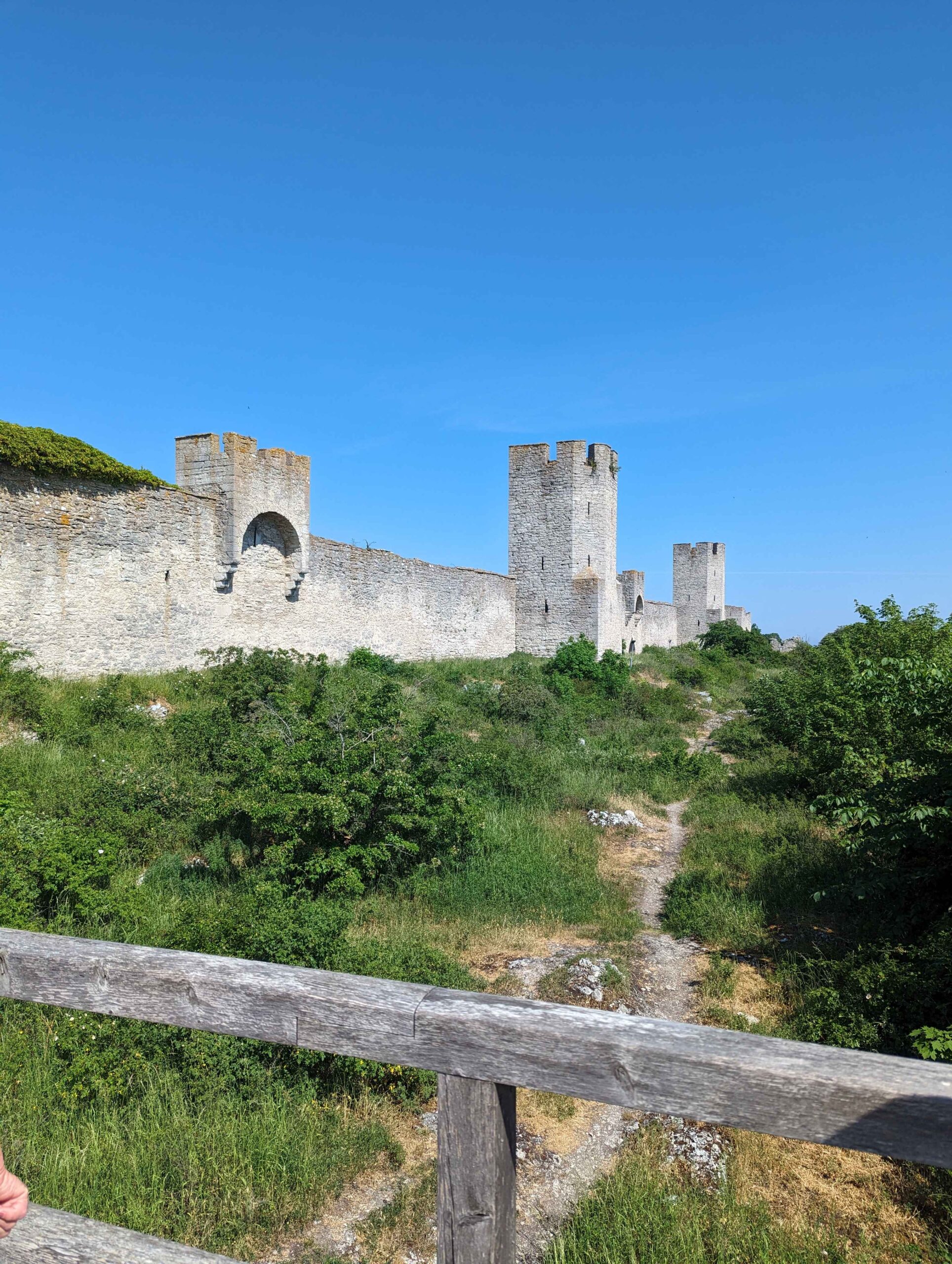
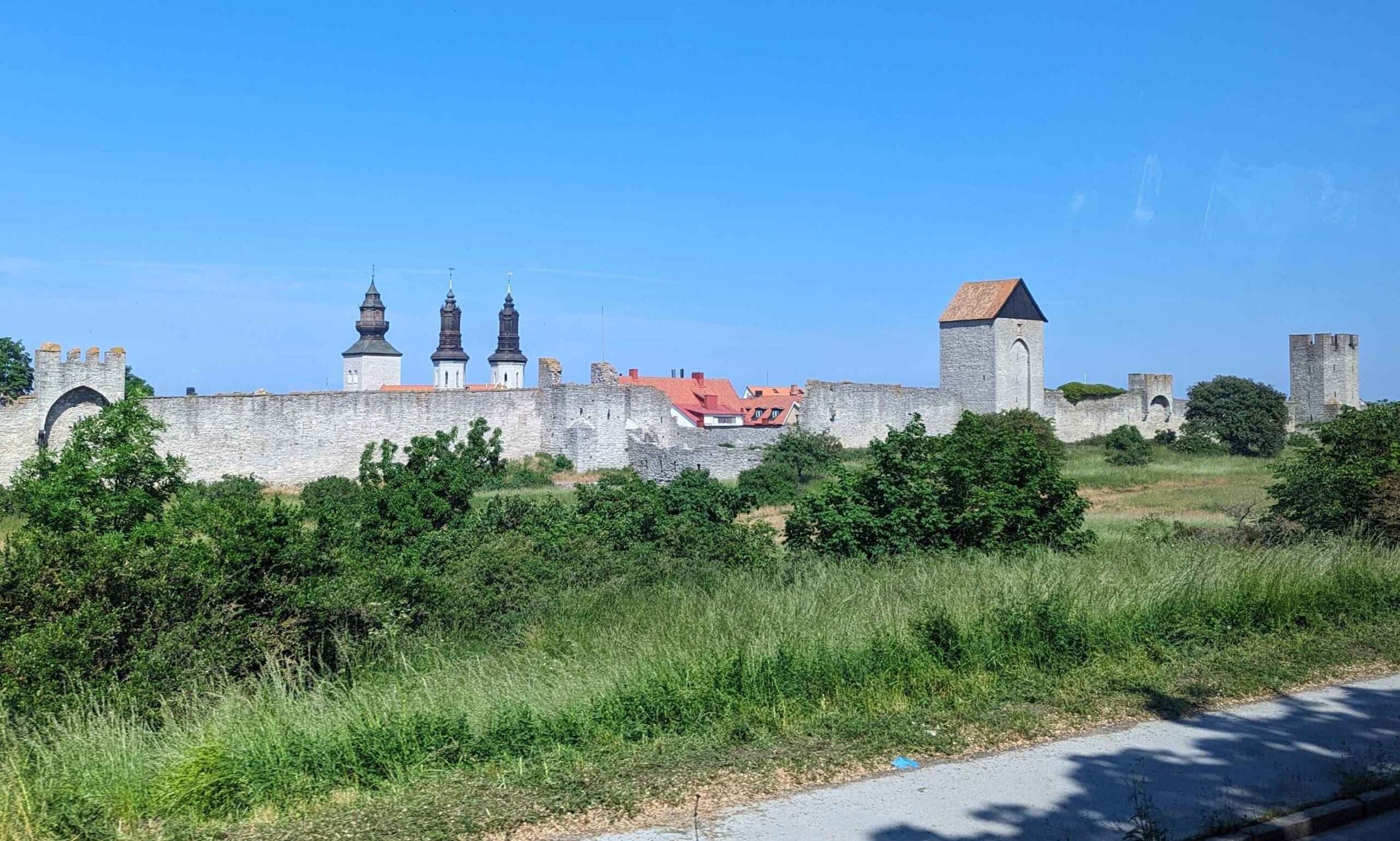
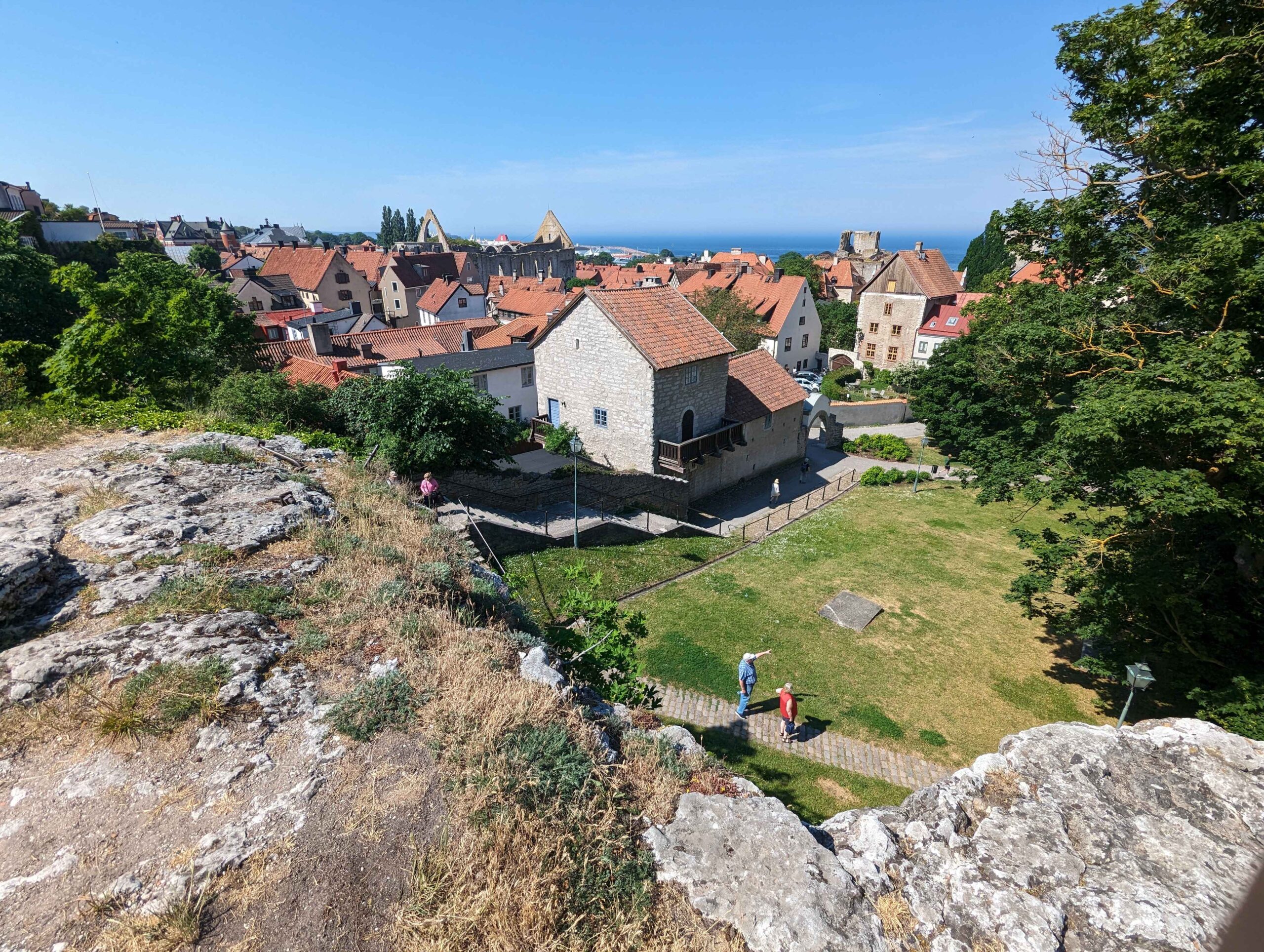
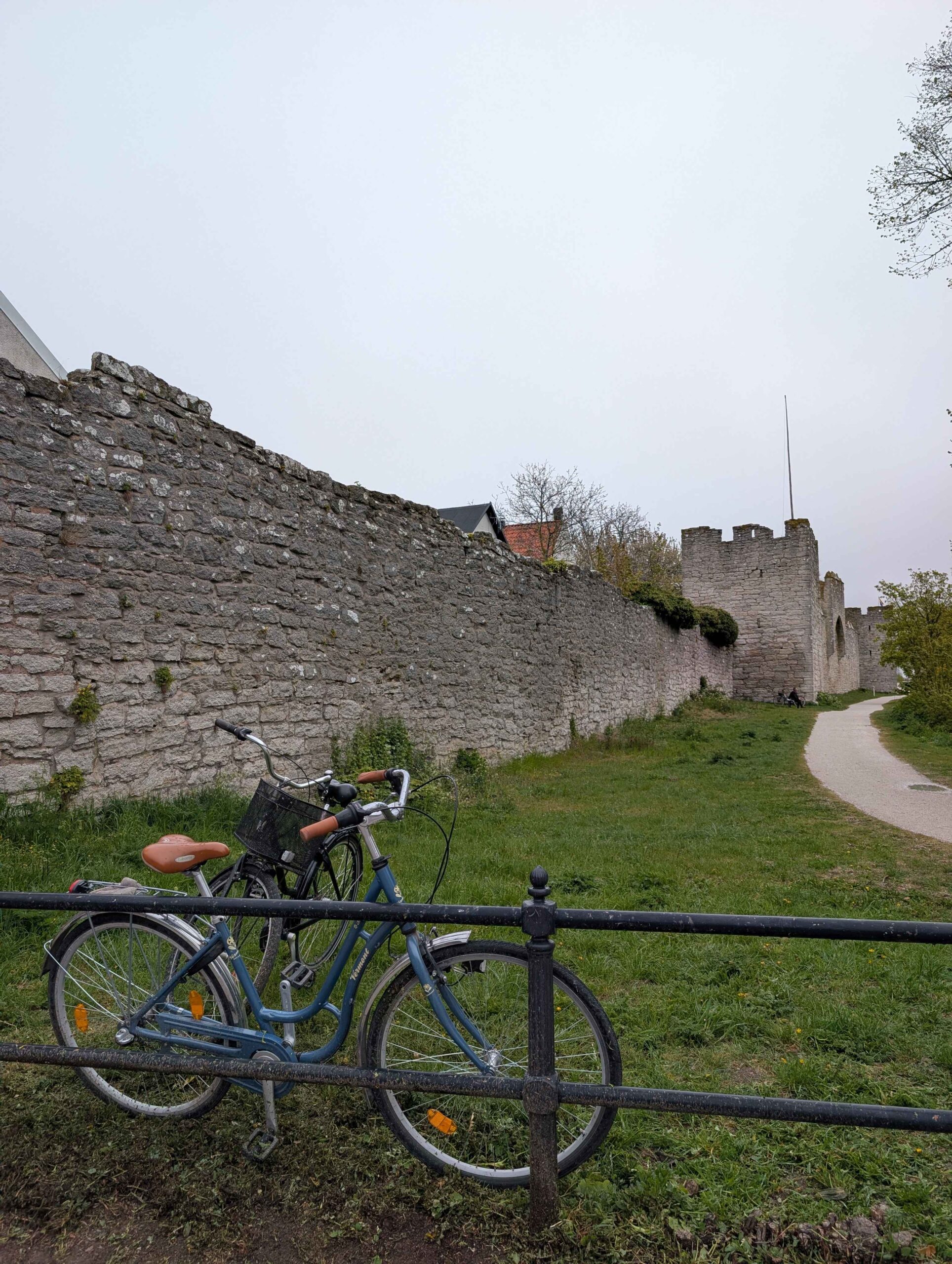
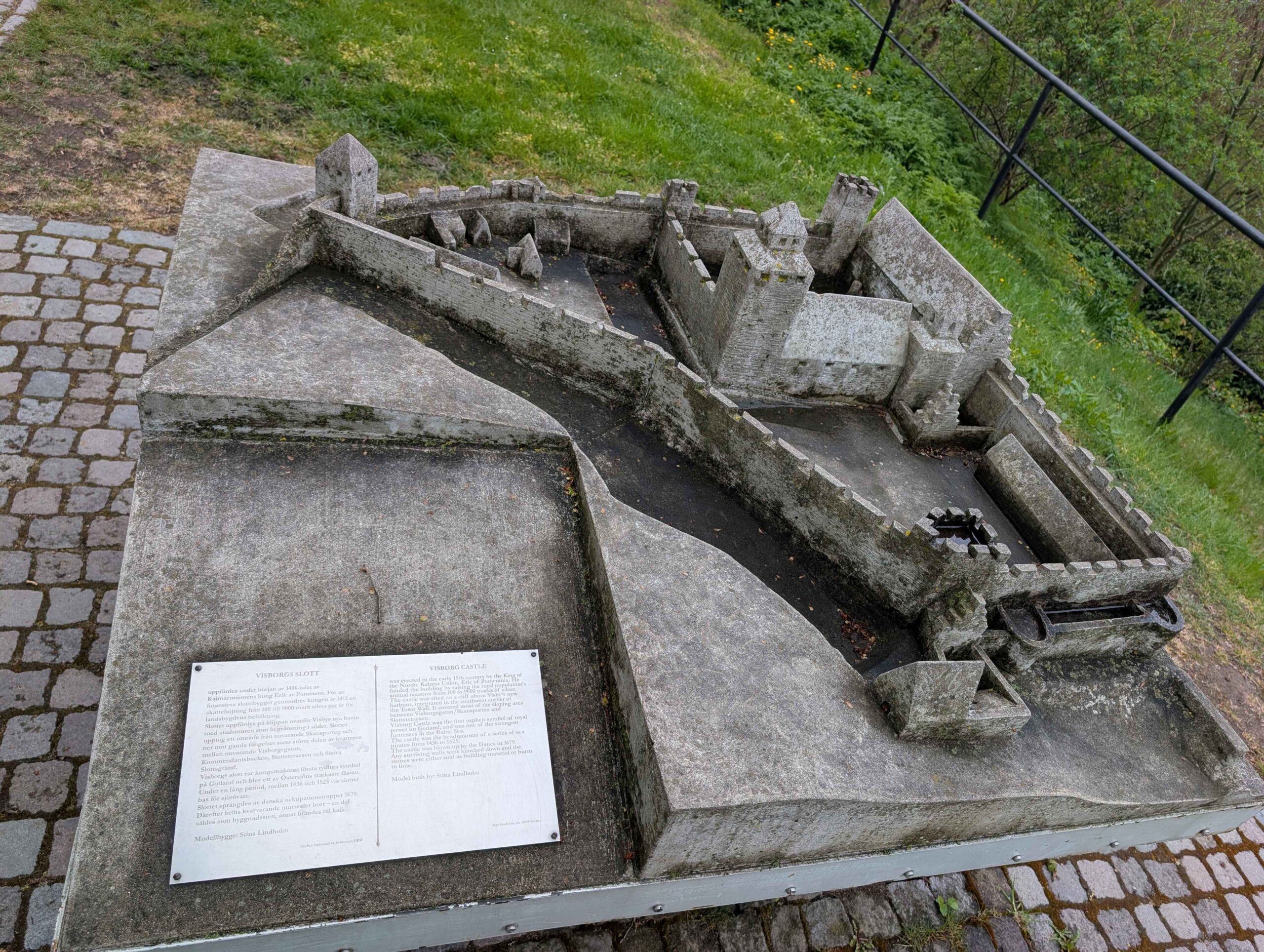
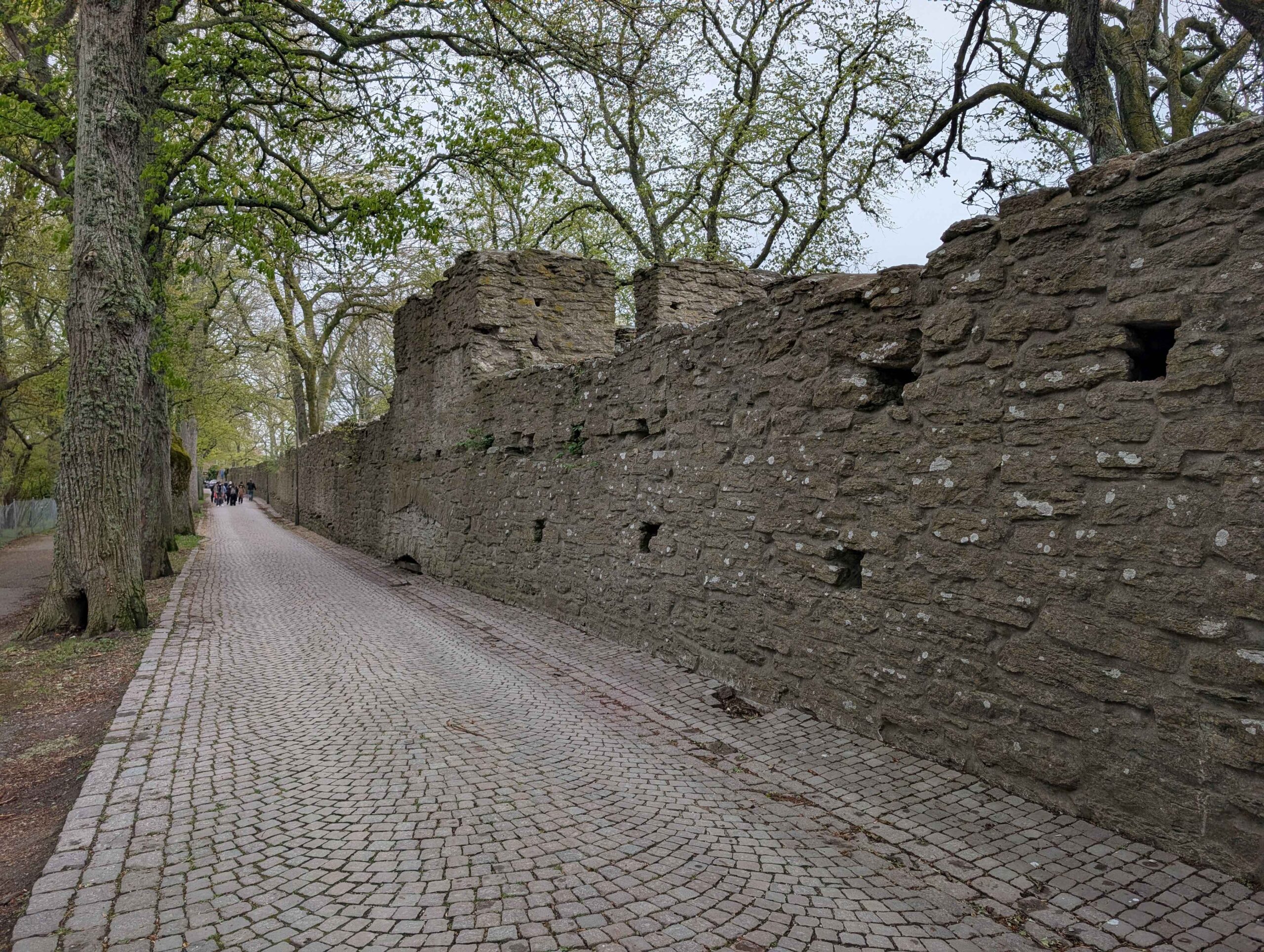
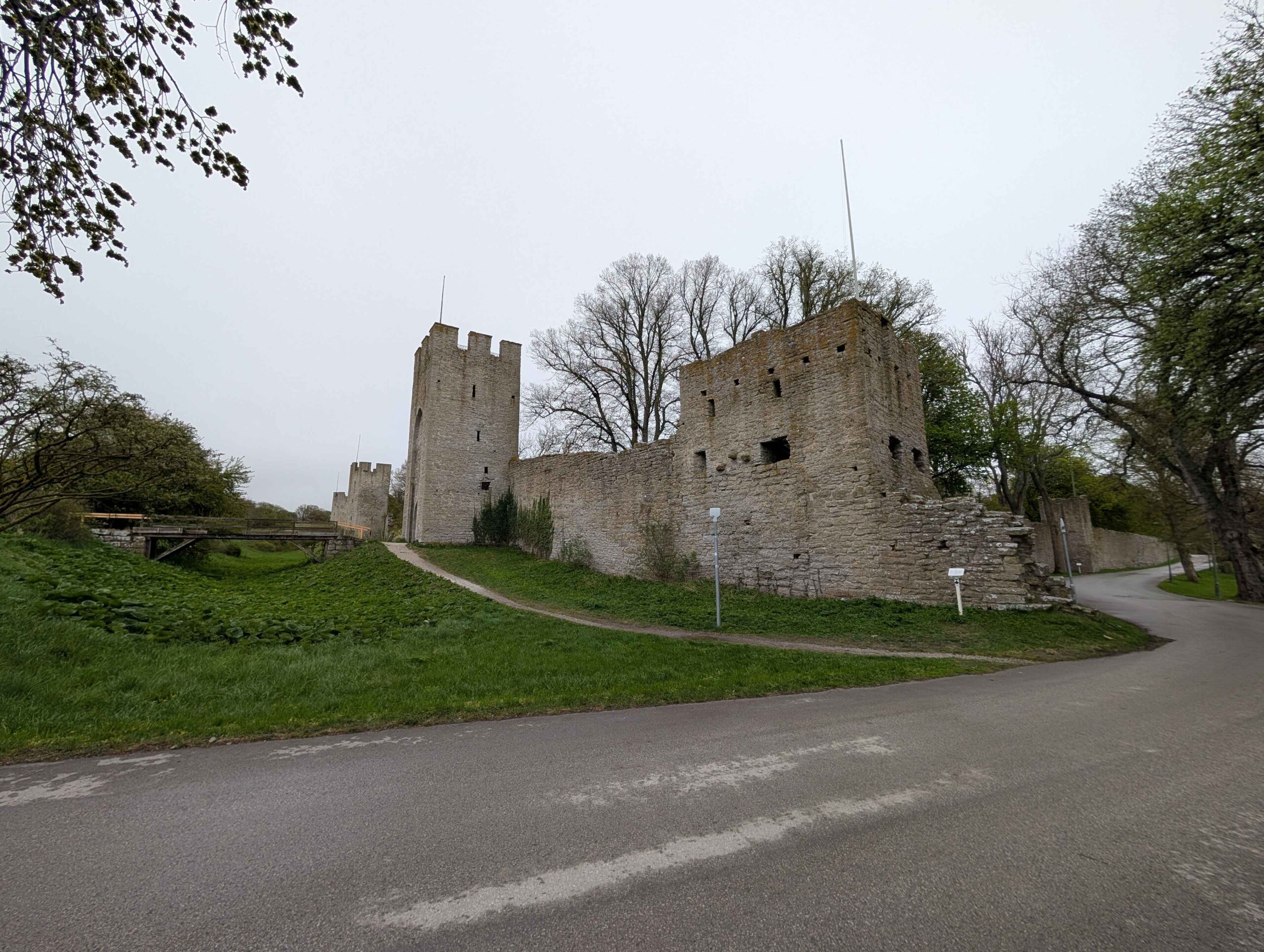
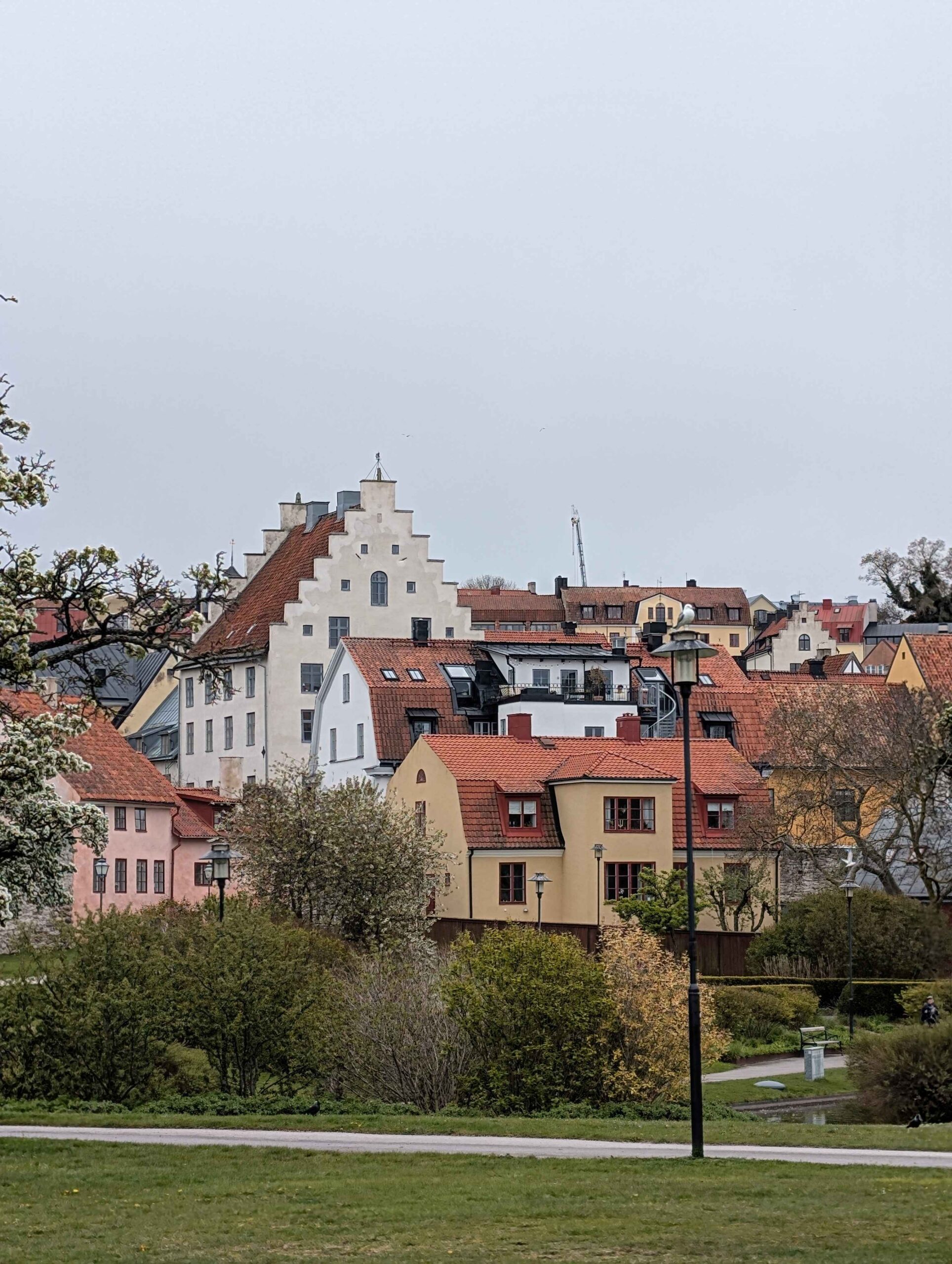
Visby’s medieval walls and church ruins are part of why the city became a UNESCO World Heritage Site. Unlike some preserved historic districts that feel polished into outdoor museums, Visby still feels lived in. The mix of everyday residential streets, medieval stone towers, botanical gardens, and windswept Baltic coastline makes it easy to move between history and ordinary life within only a few minutes of walking. That balance is probably what keeps pulling me back.
If You Have More Time…
- Gotland Museum – The main museum in Visby covers Viking history, medieval trade, and life on Gotland. It adds useful historical context after wandering through the ruins and old streets.
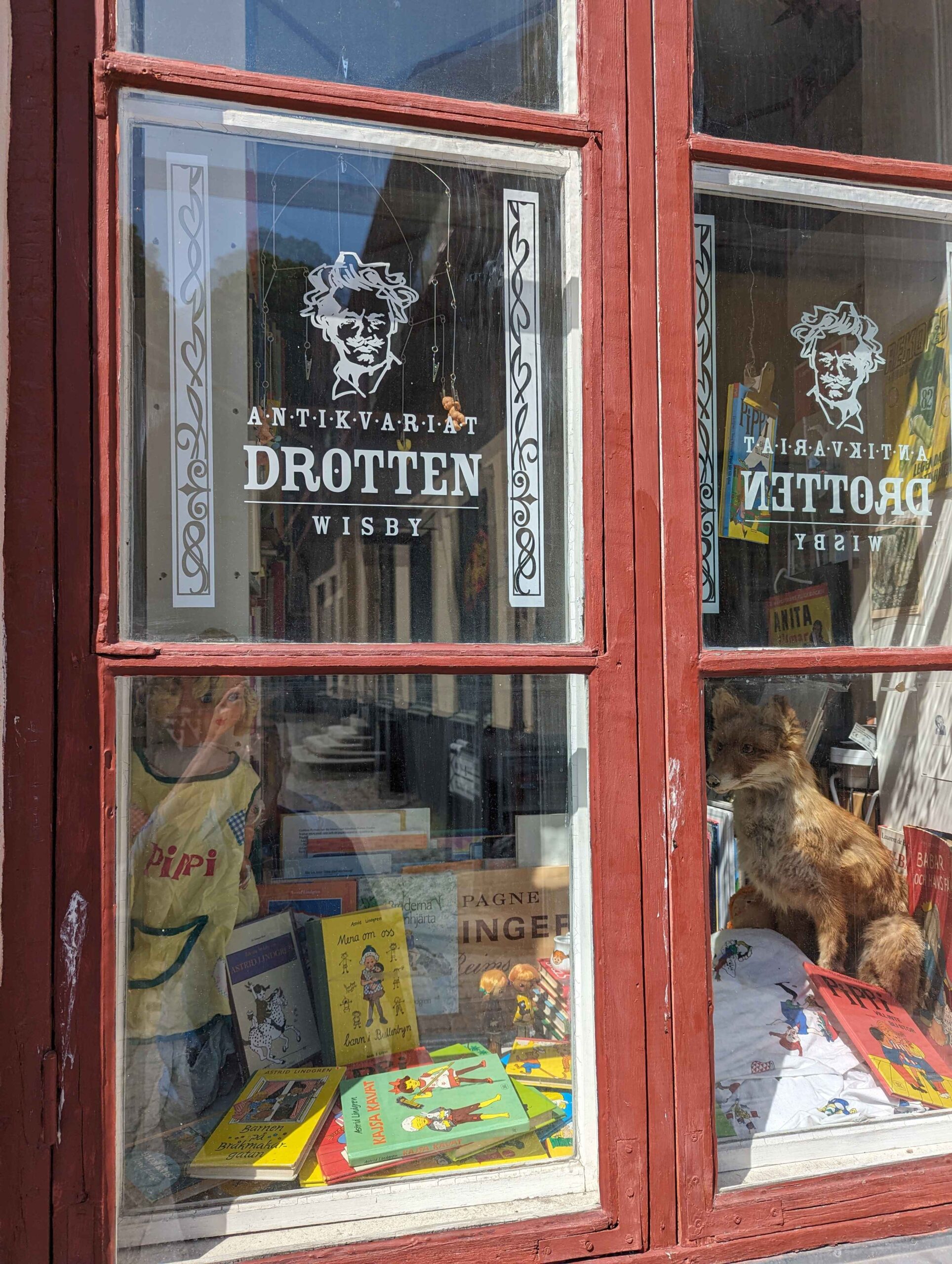
- Kneippbyn Resort – This family attraction outside Visby includes the original Villa Villekulla house connected to Pippi Longstocking. Fans of the books may appreciate seeing how strongly the character remains tied to Gotland.
- Galgberget Viewpoint – This elevated park area just outside the walls offers wider views back toward Visby’s towers, rooftops, and the Baltic Sea without requiring a difficult climb.
- Lummelunda Cave – Located north of Visby, this cave system offers underground limestone formations and guided tours that contrast nicely with the island’s open coastal scenery.
- Tofta Beach – In warmer weather, this sandy Baltic beach becomes one of Gotland’s most popular outdoor areas and offers a very different side of the island from the medieval city center.