
Kralendijk Salt Pyramids Flamingos and Yellow Slave Huts
Warm Caribbean air and the faint sound of waves moving coral along the shoreline filled the morning as we stepped off the ship after sailing into Kralendijk cruise port. The sunlight reflected off the calm turquoise water while colorful buildings lined the harbor. With friends traveling on the voyage we decided to rent a car instead of joining a cruise excursion so we could explore the island at our own pace.
As we drove through the town the easy rhythm of the island became clear. Kralendijk (Dutch – Pronounced [krah-len-dake]) is the capital of Bonaire and serves as the gateway for most visitors arriving by cruise ship. Small shops and seaside cafés sit along the waterfront before the road quickly opens into wide landscapes filled with salt flats and coastal views.
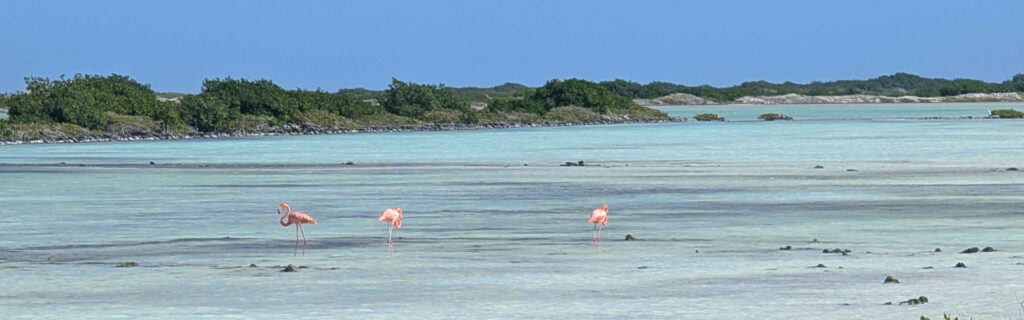
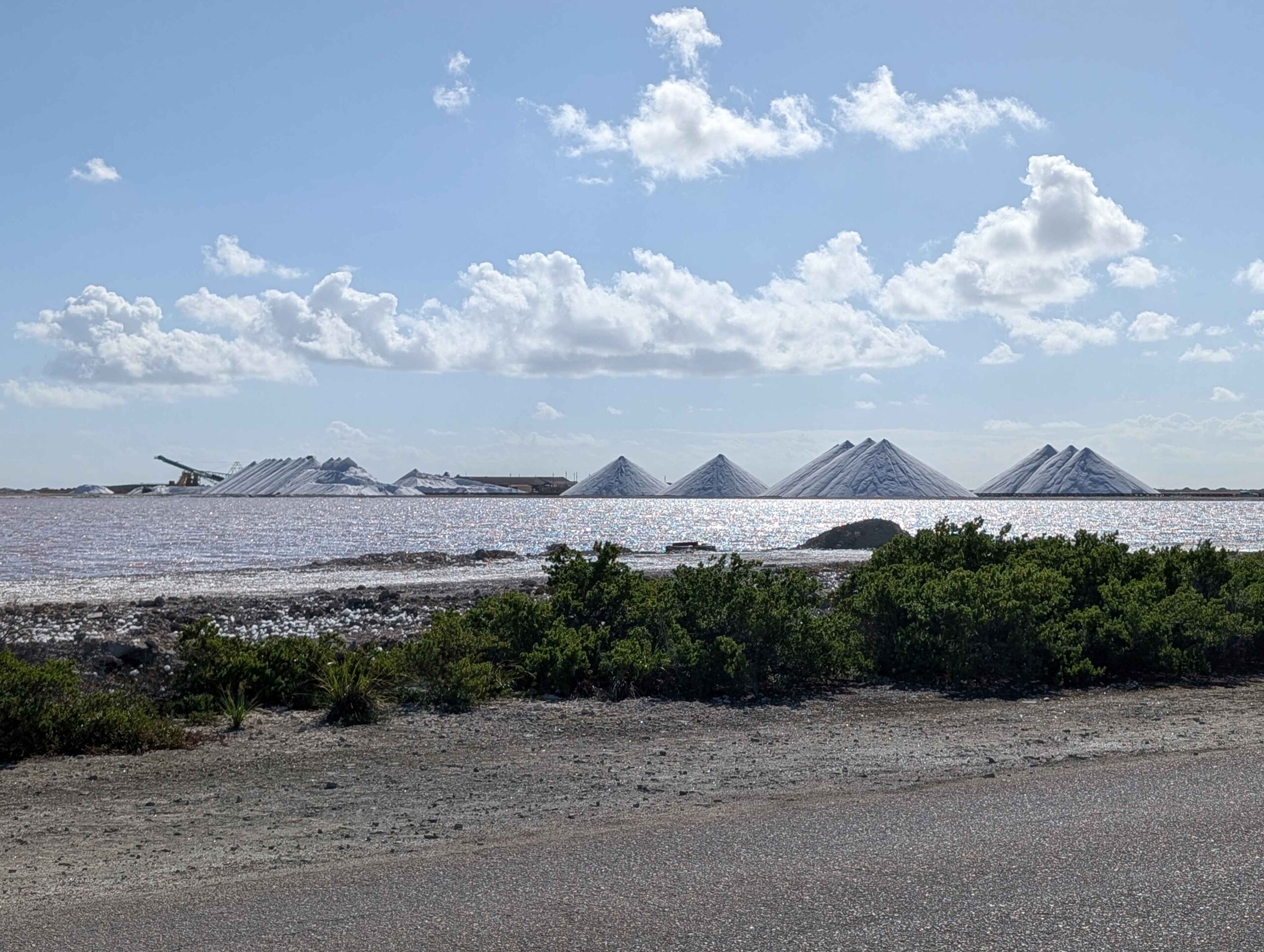
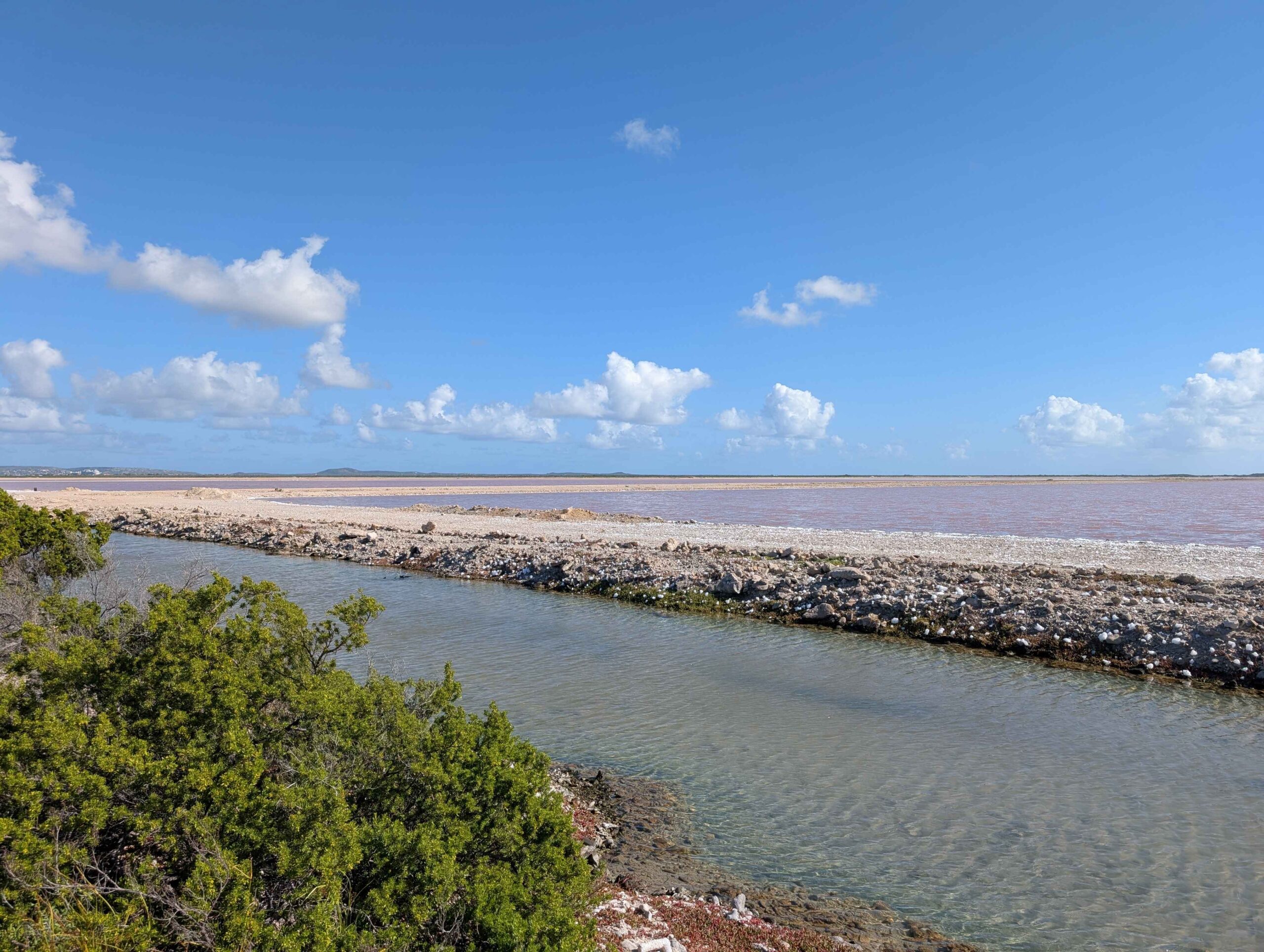
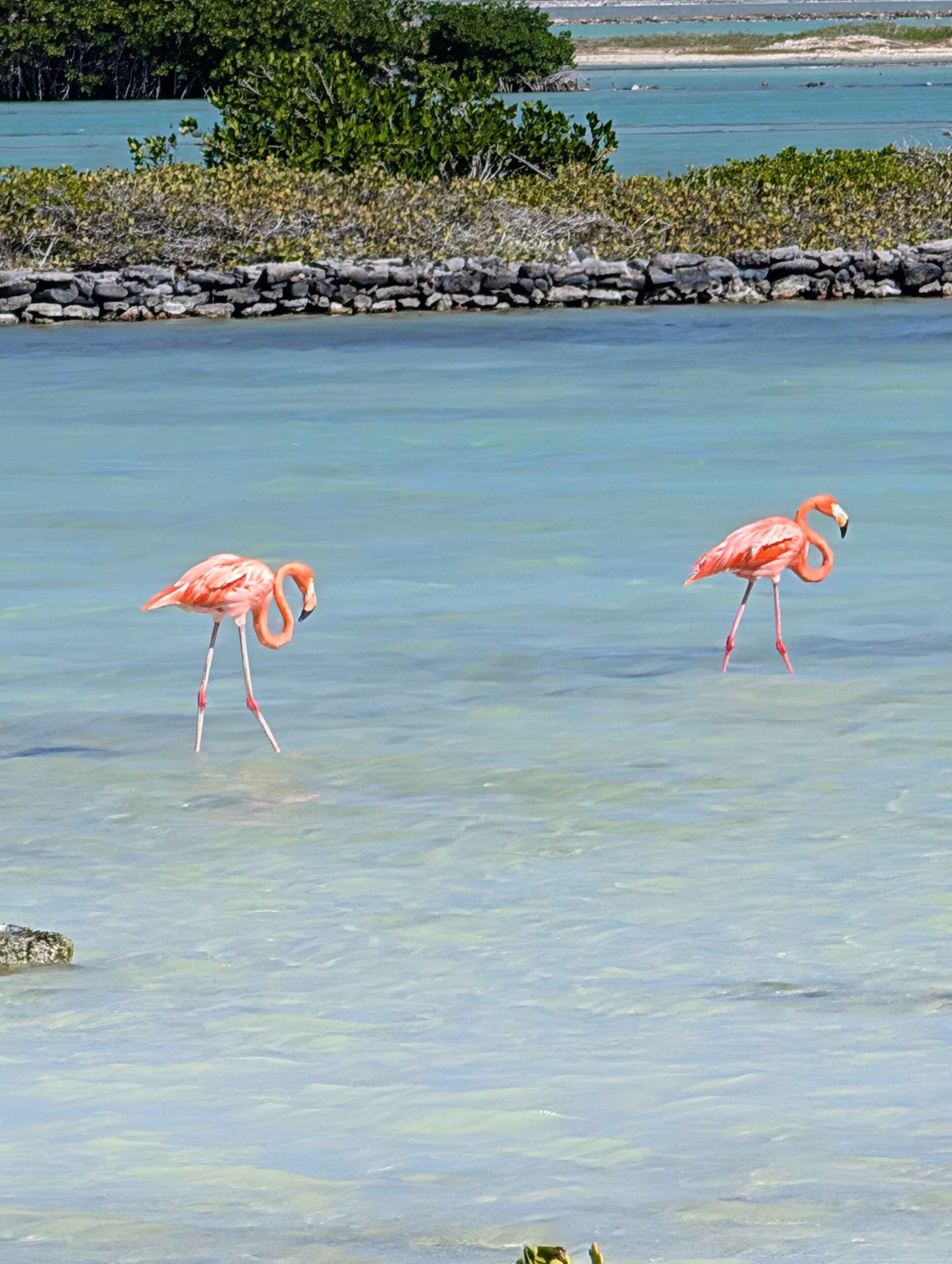
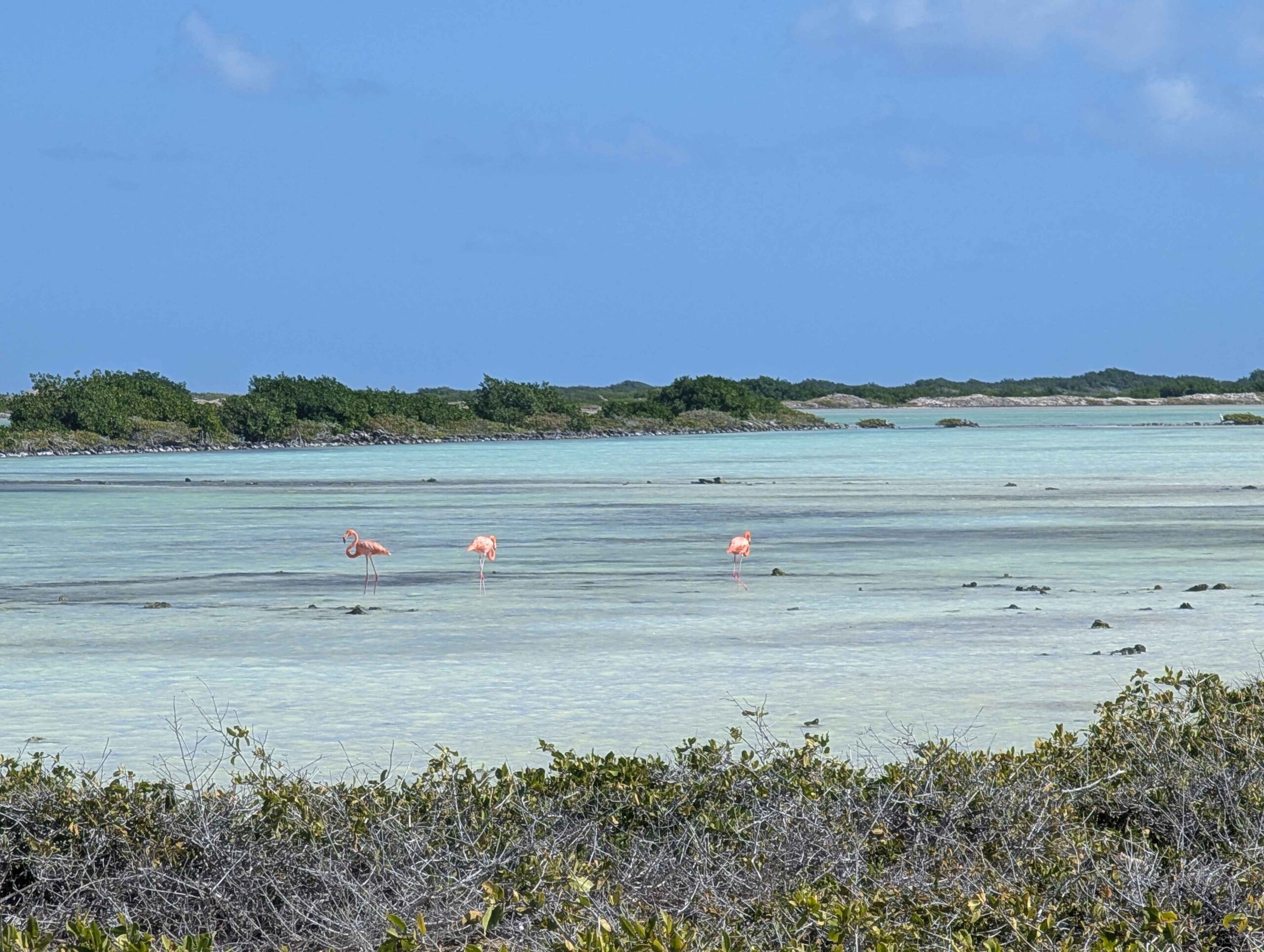
Our drive began south of town where the Solar Salt Works rise into bright white pyramids that almost look like snow under the Caribbean sun. Just a short distance away we spotted a flamboyance of flamingos standing in the shallow water of Pekelmeer Flamingo Sanctuary. Watching them move slowly through the flats felt surreal against the pink and turquoise water.
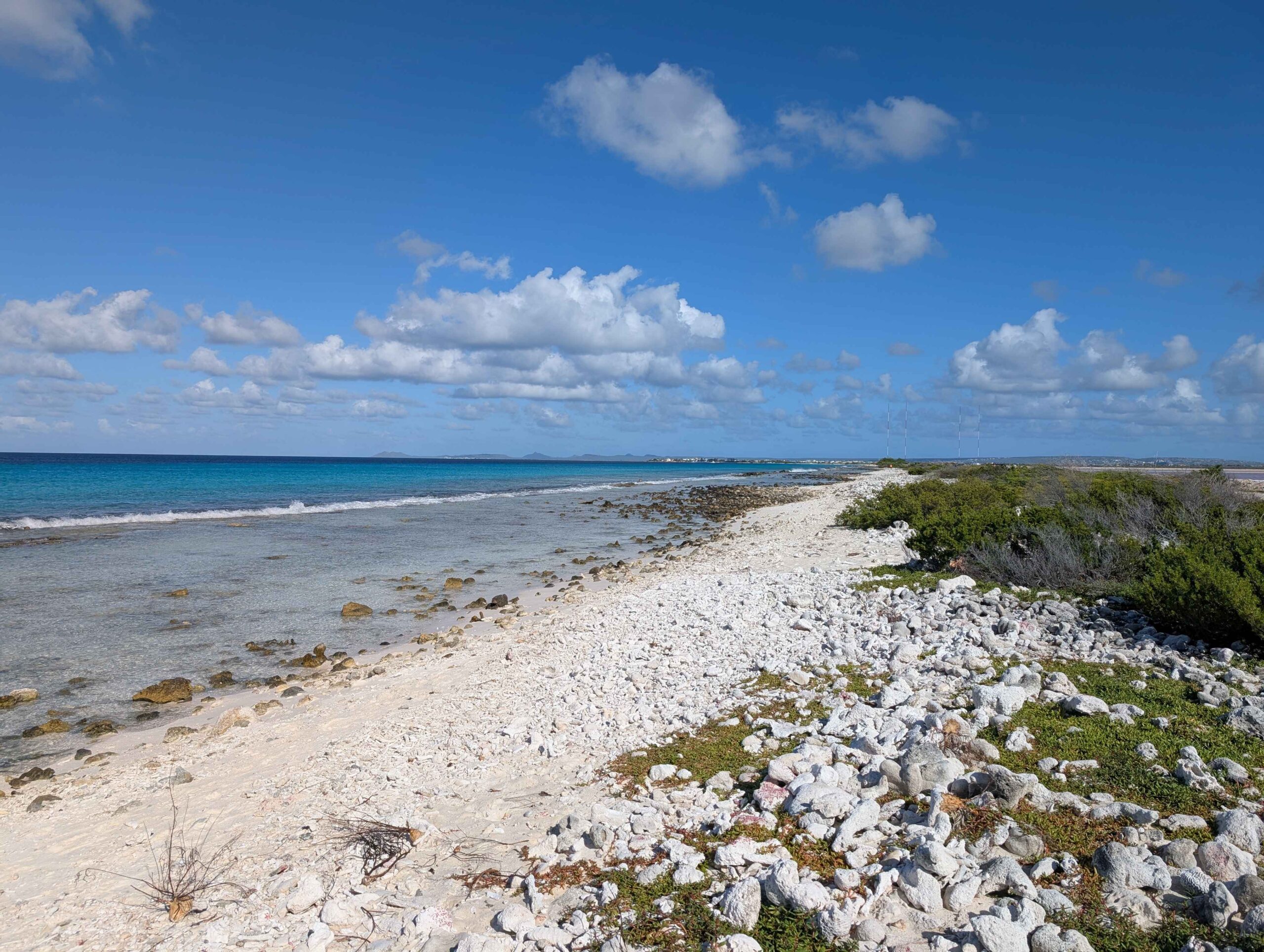
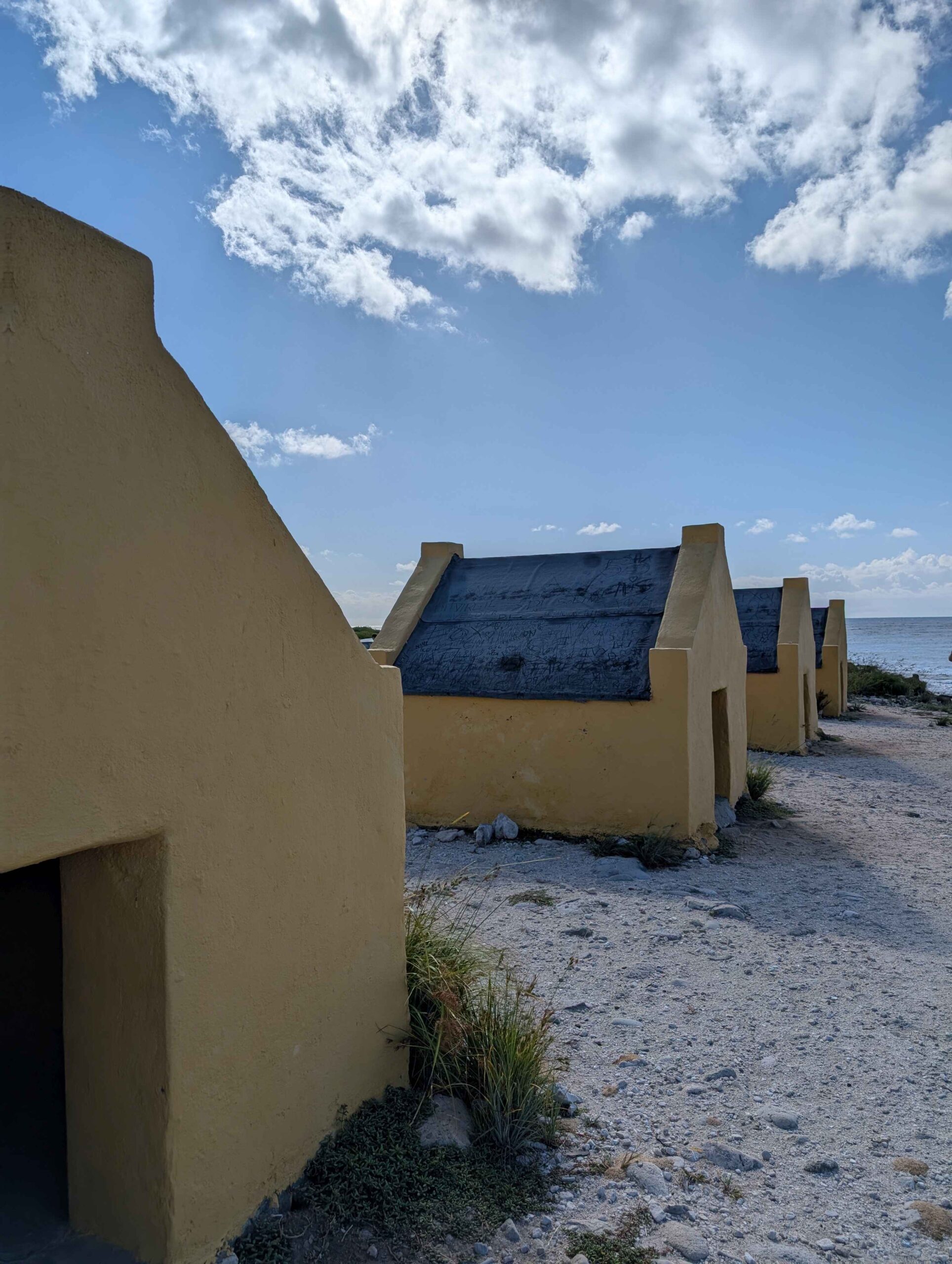
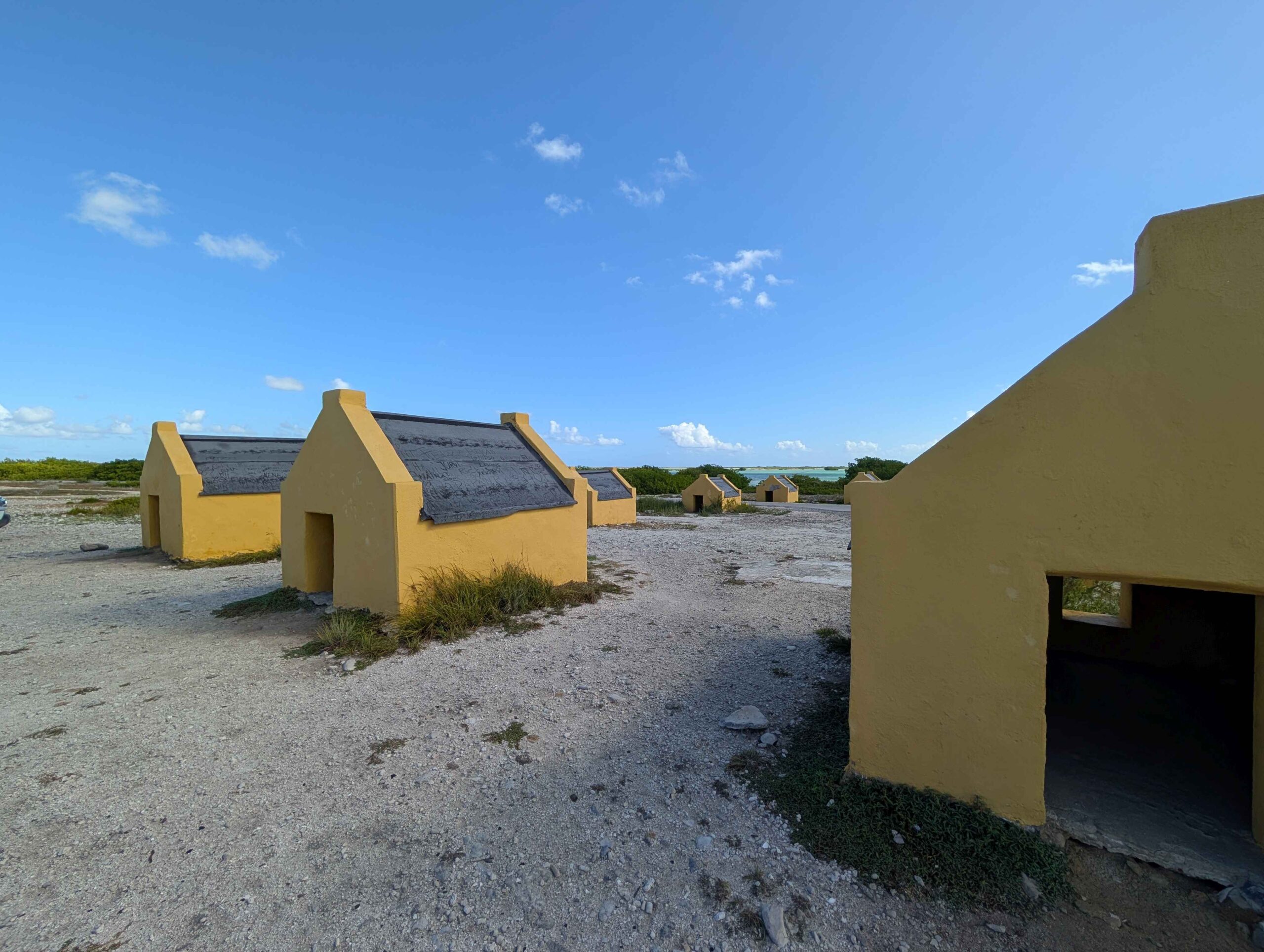
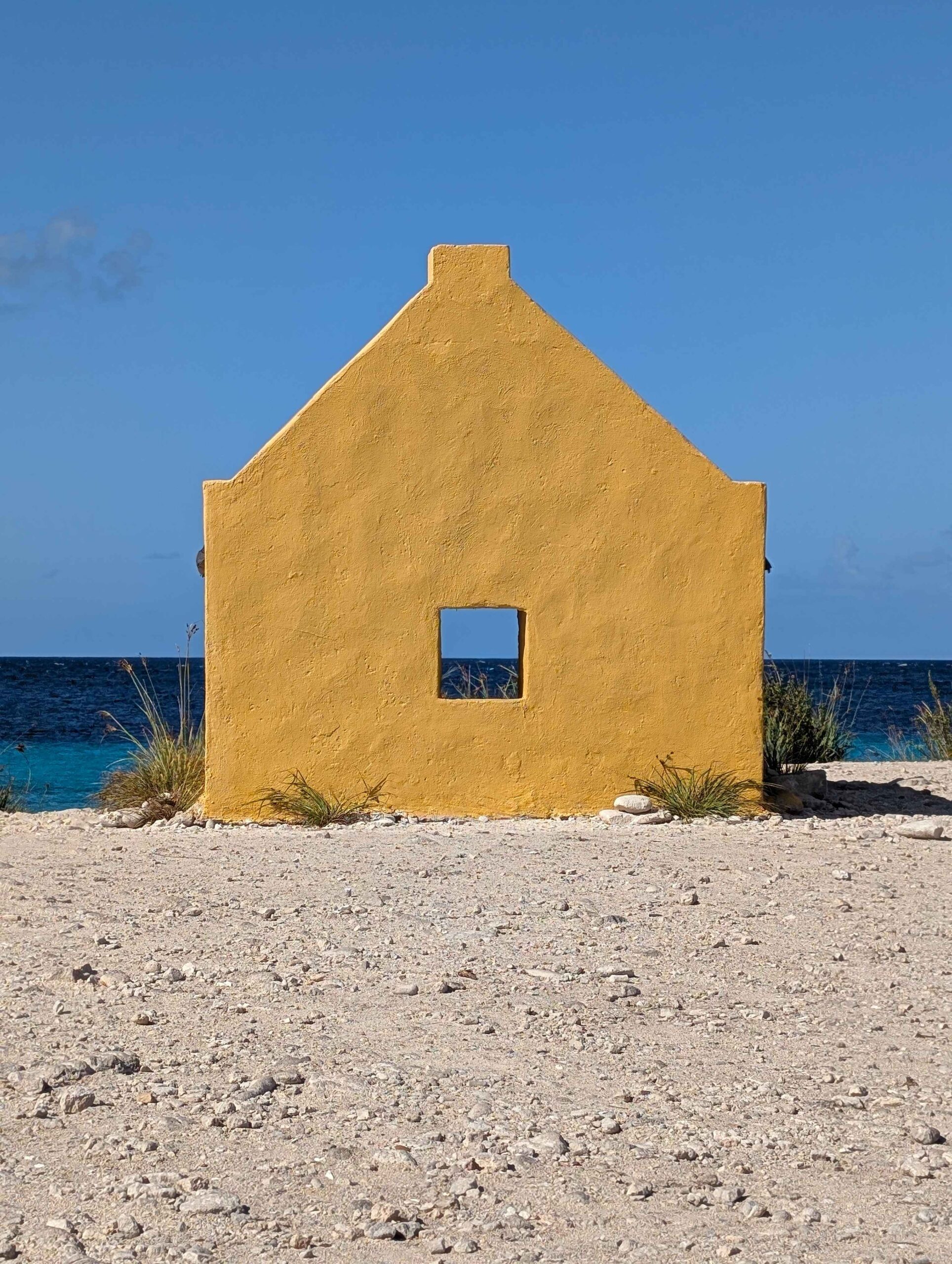
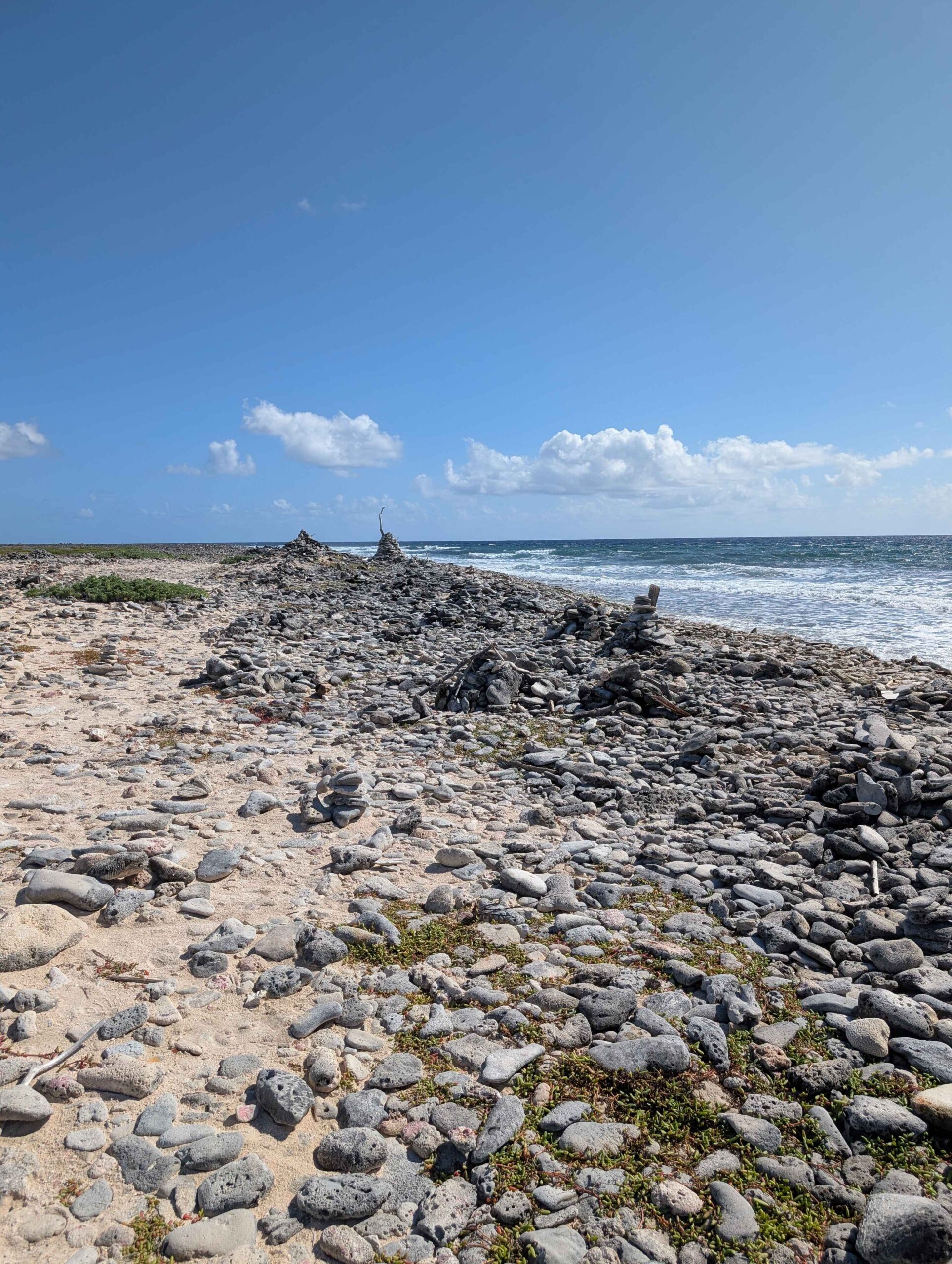
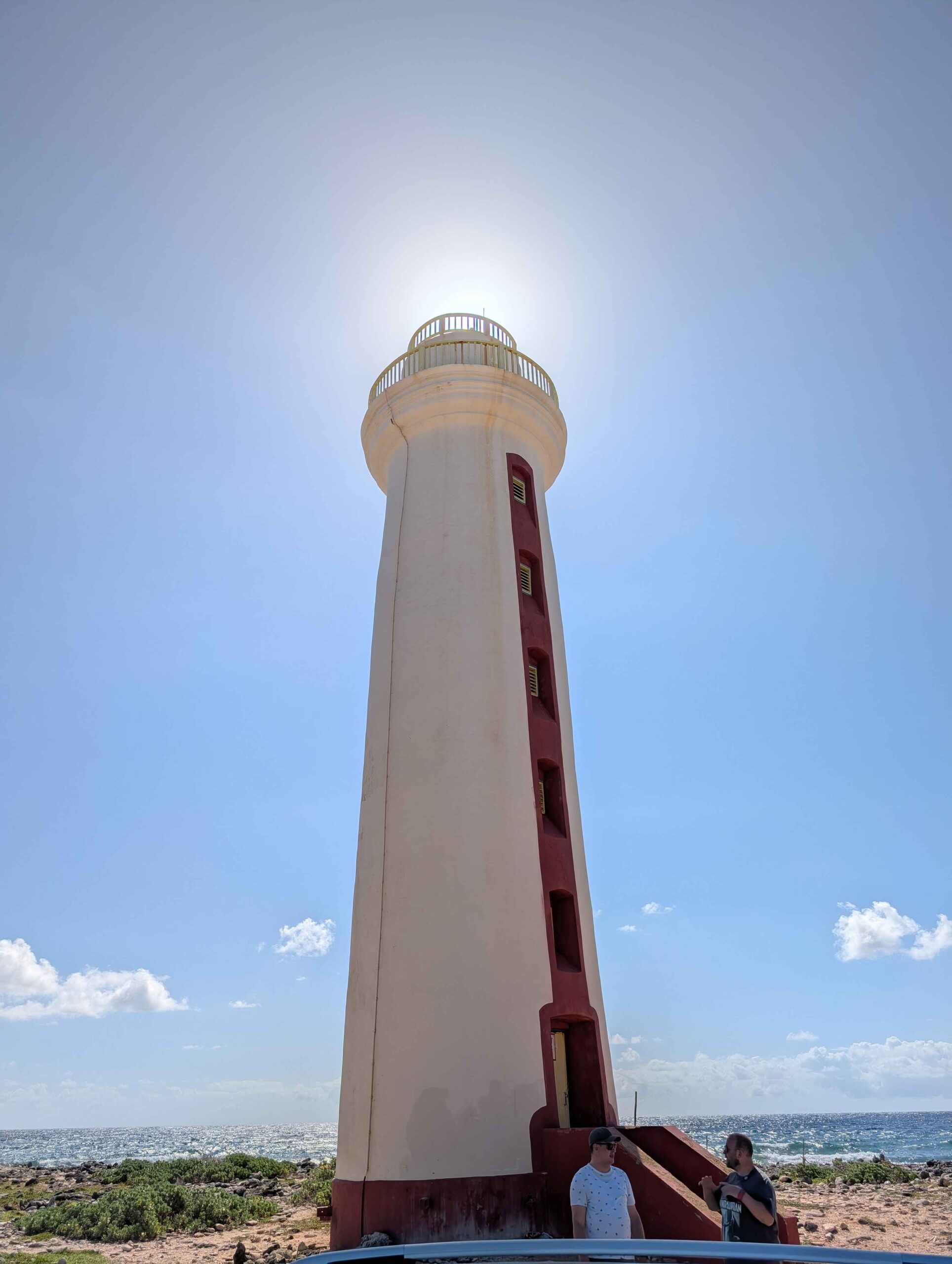
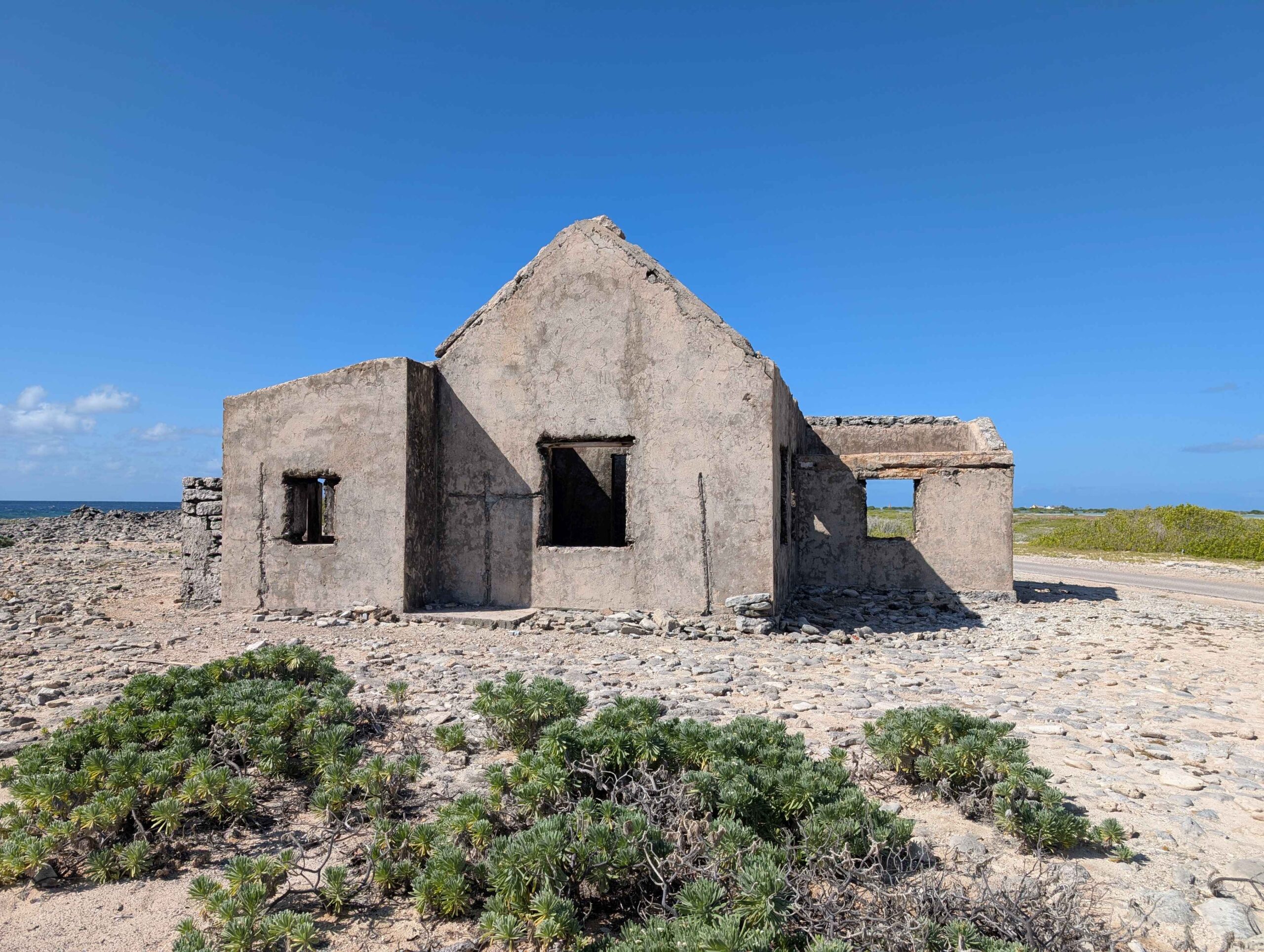
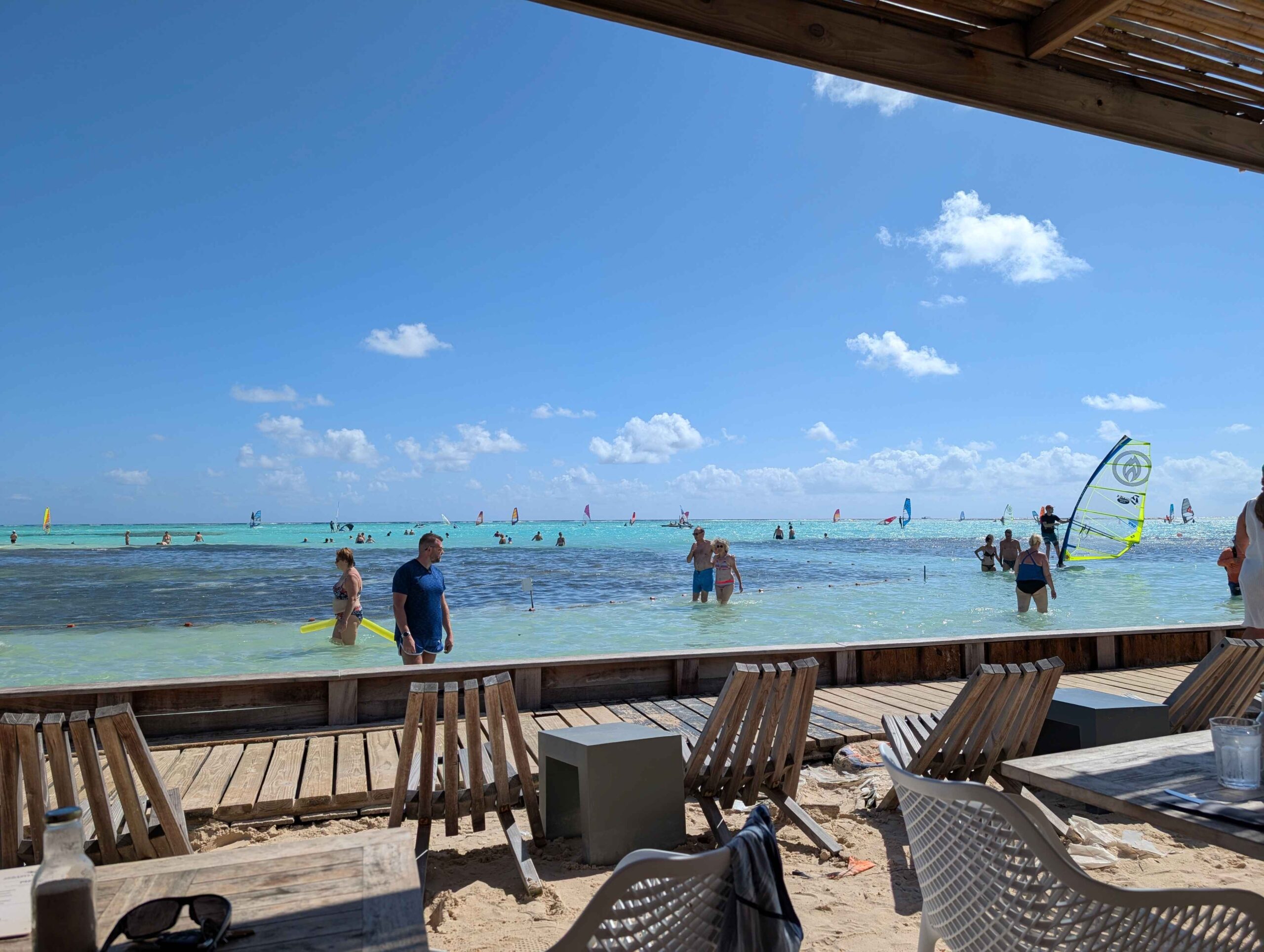
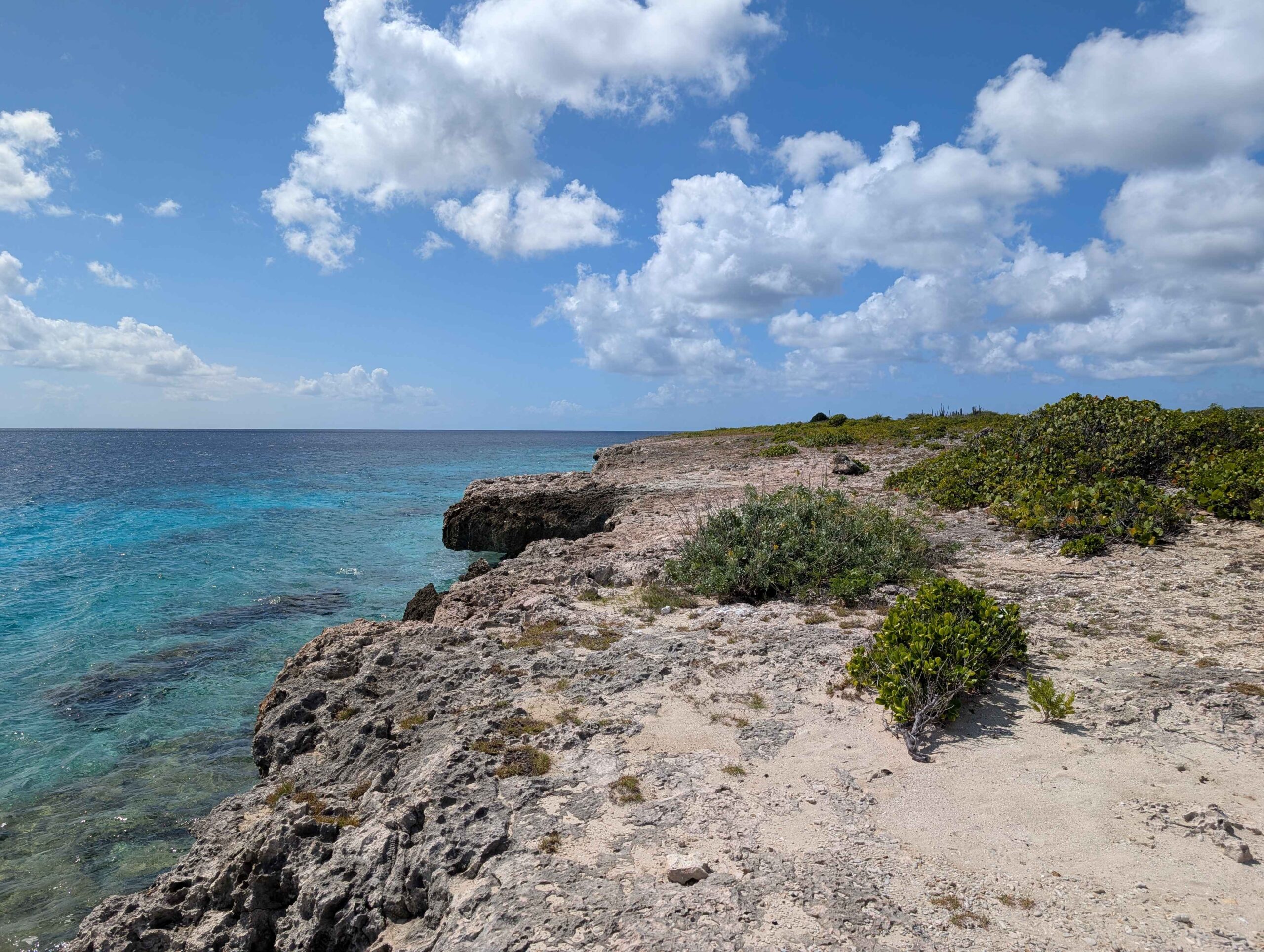
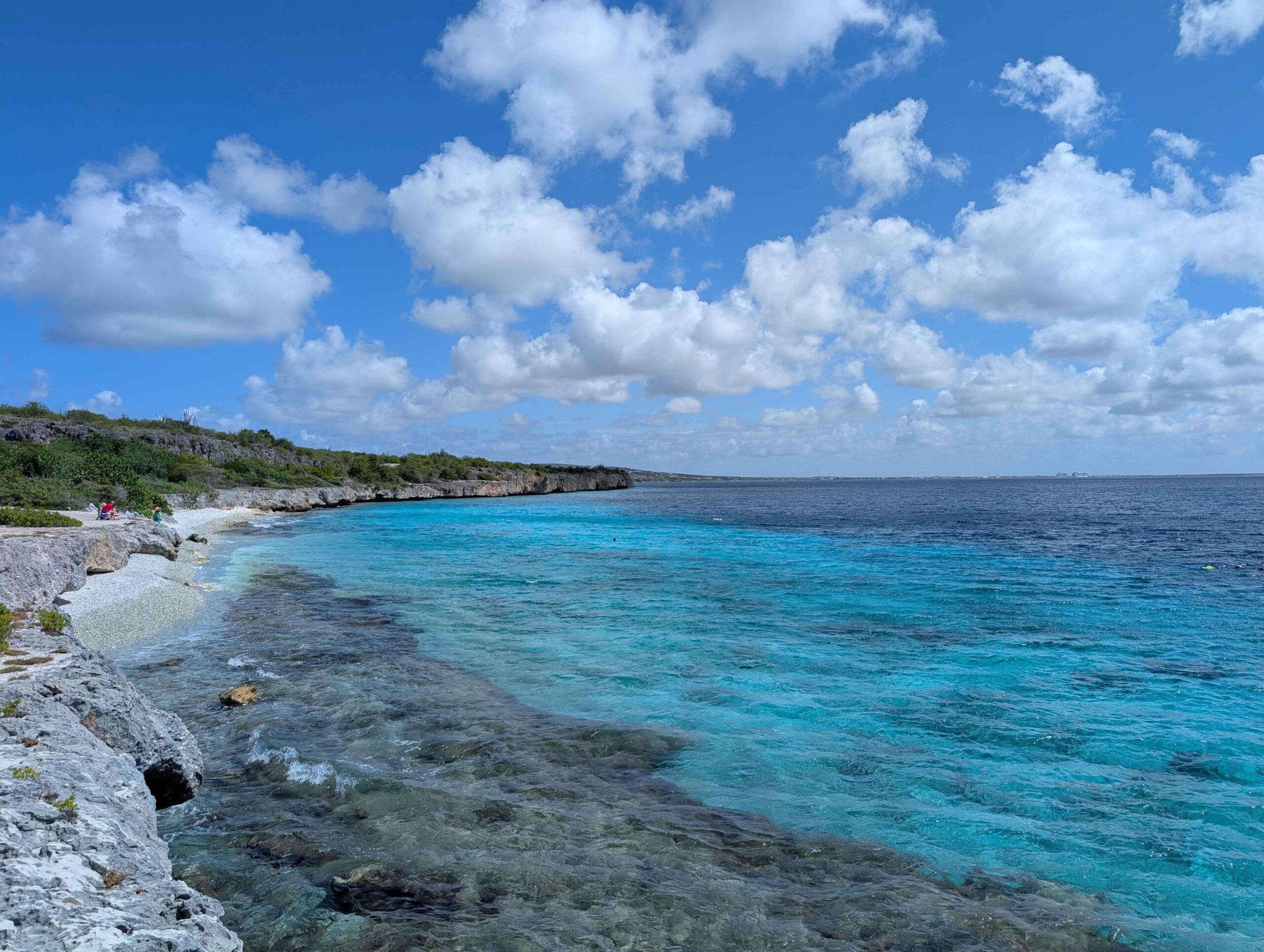
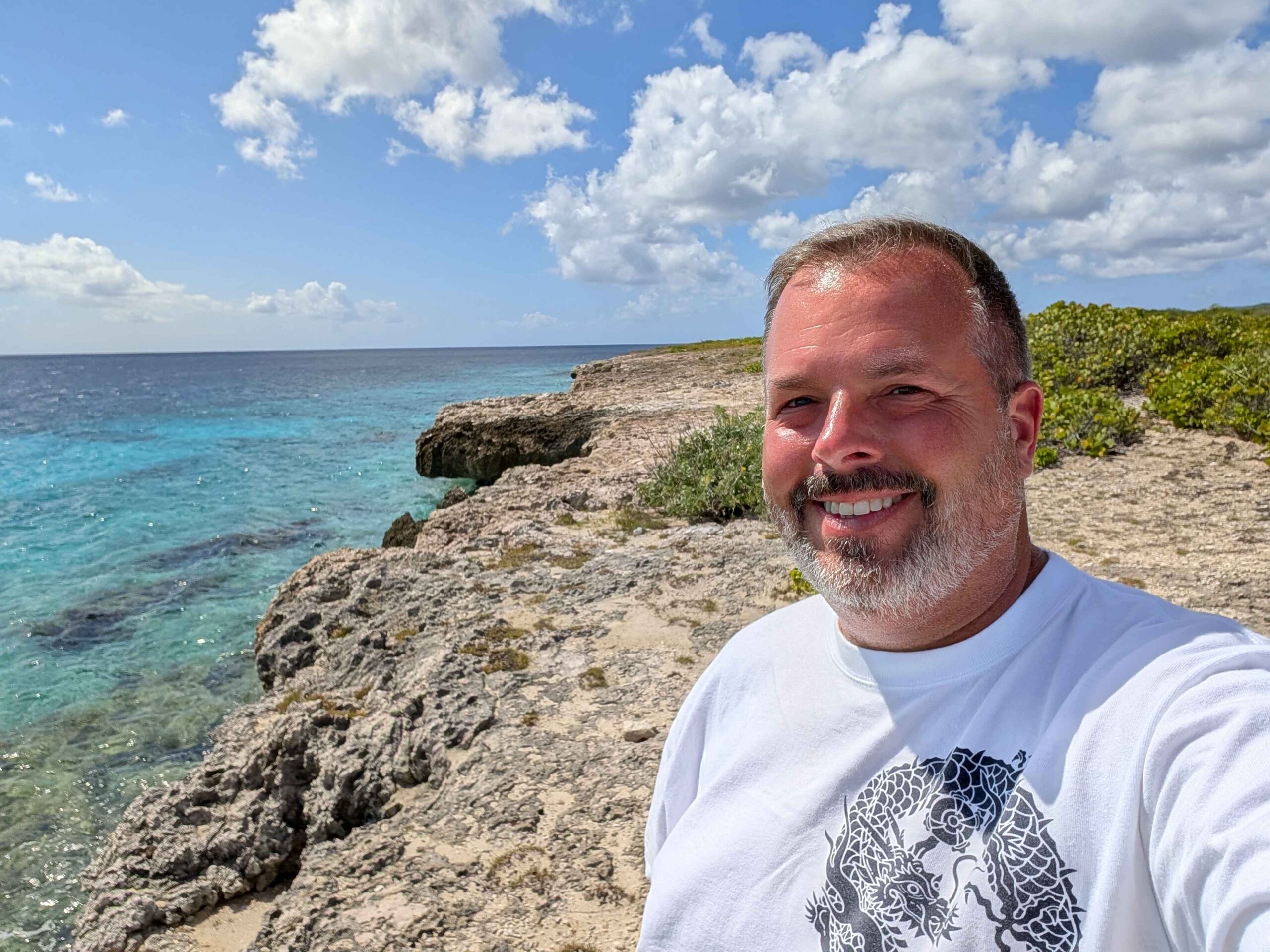
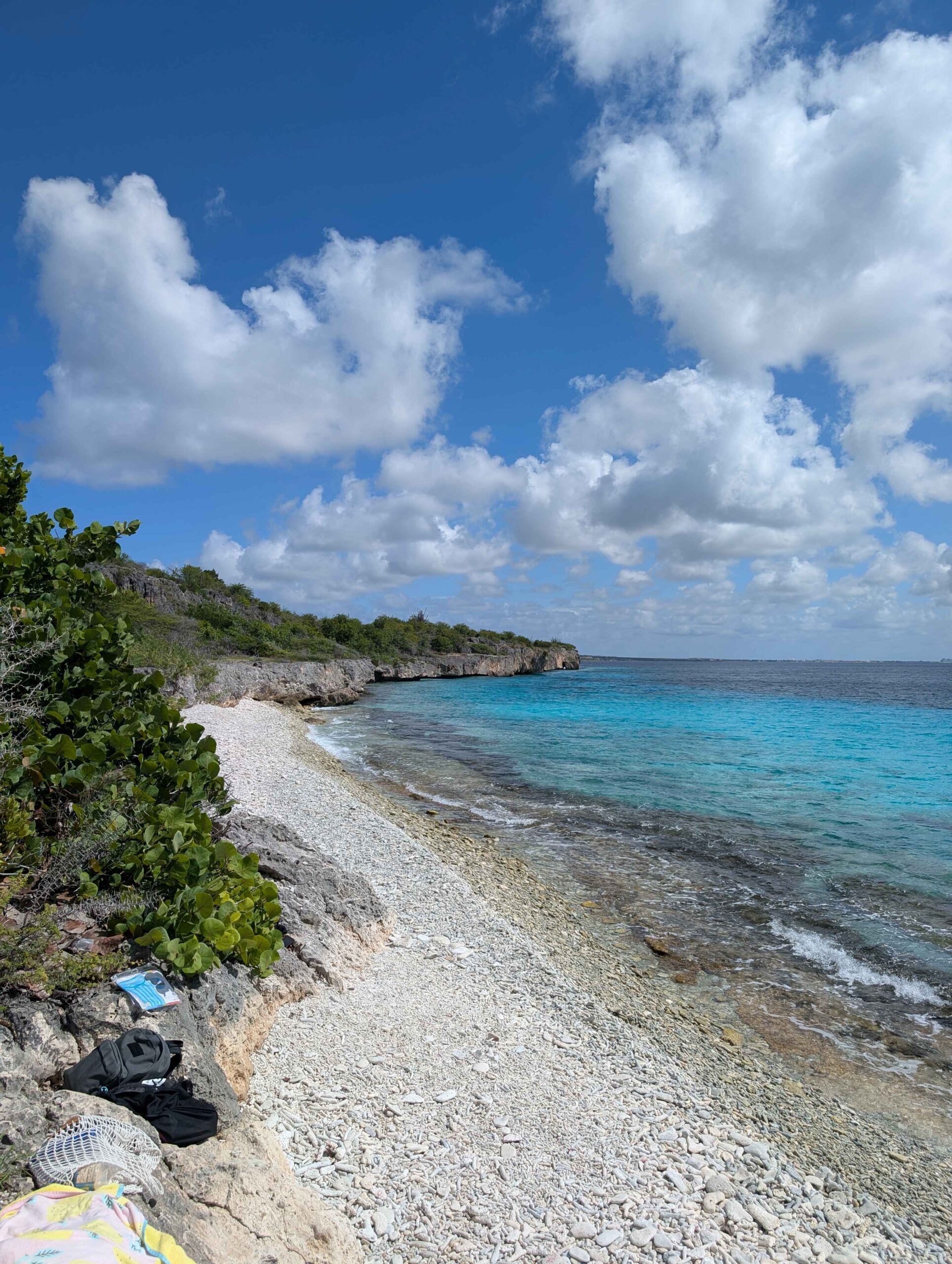
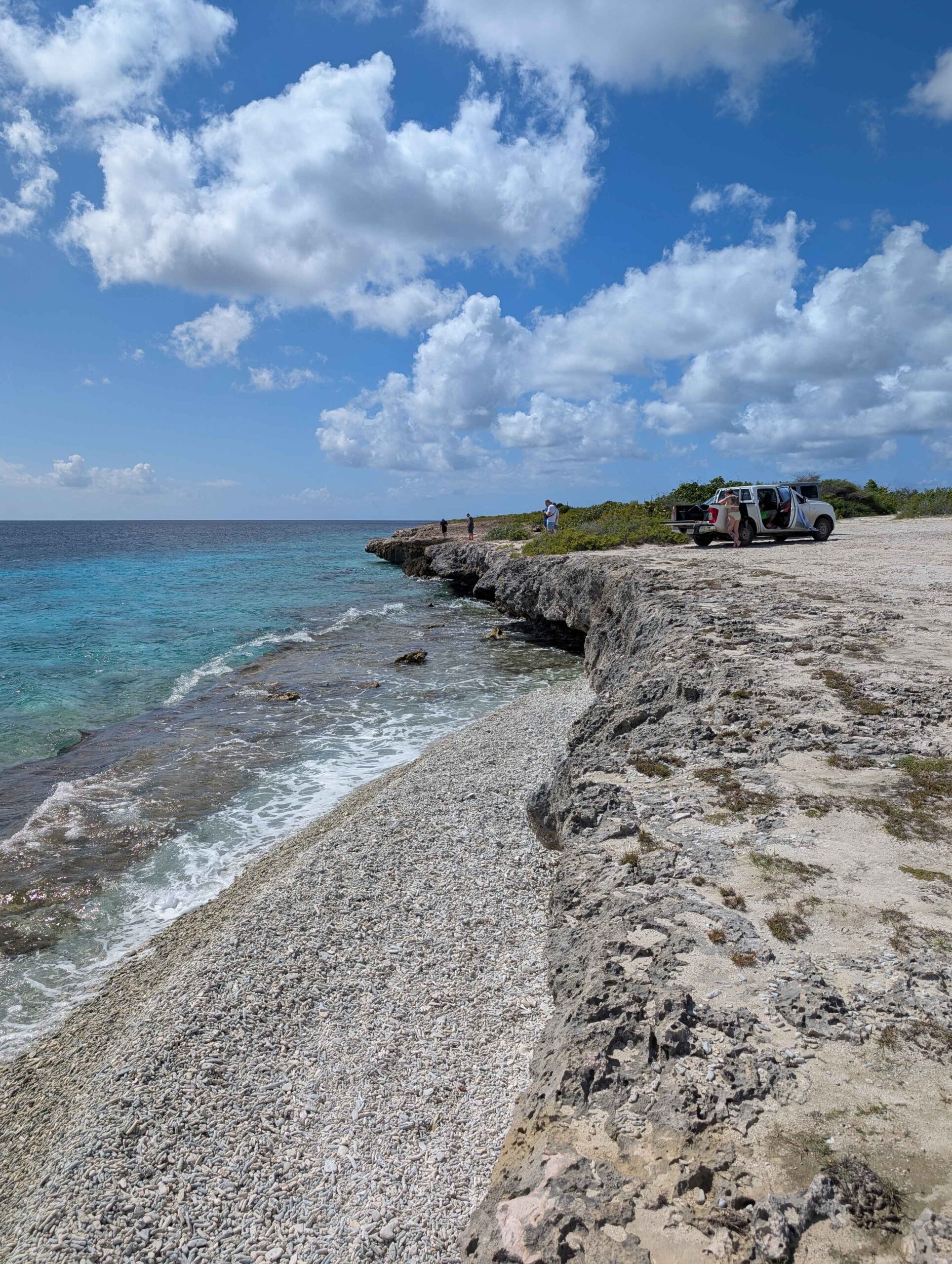
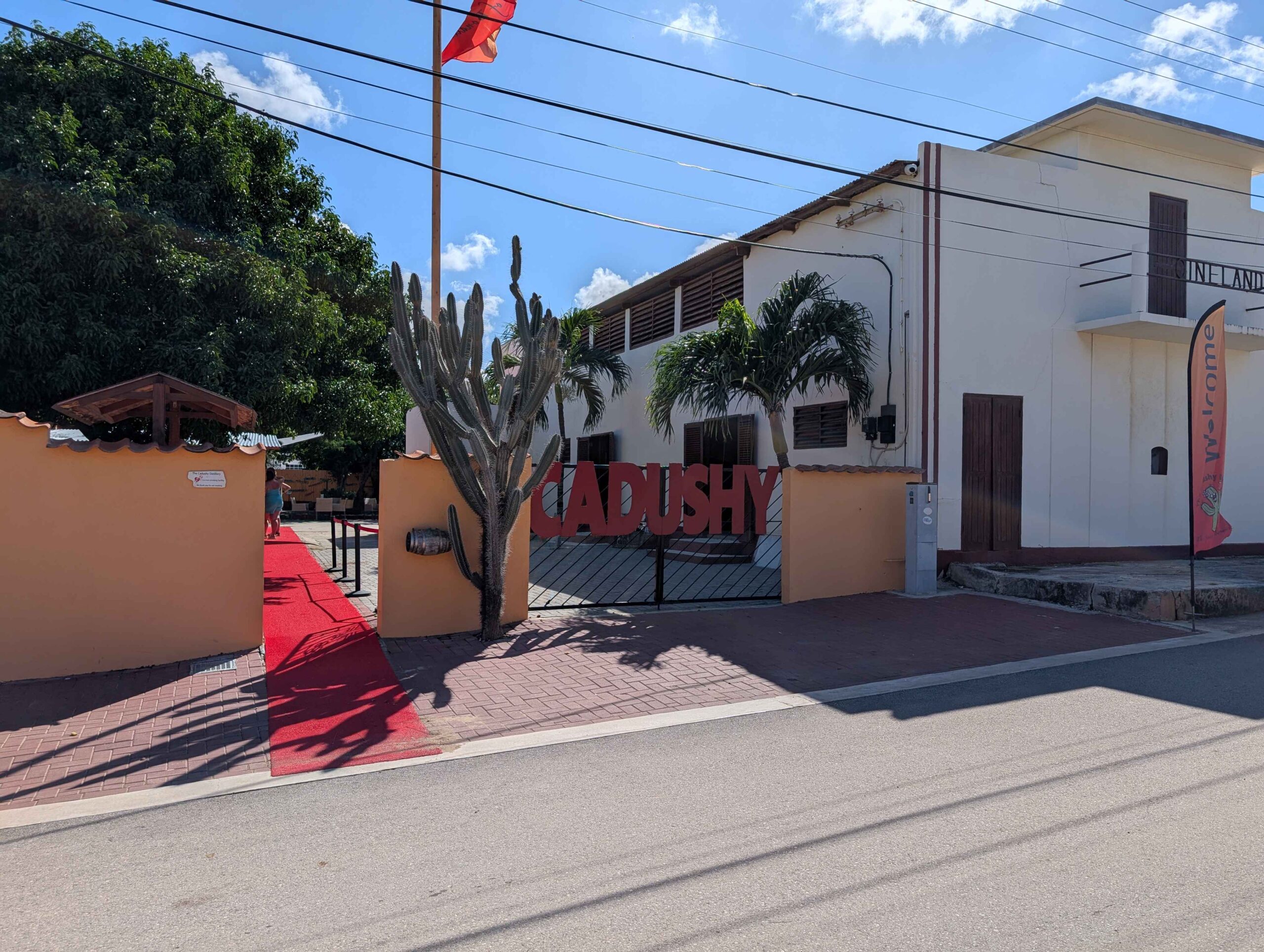
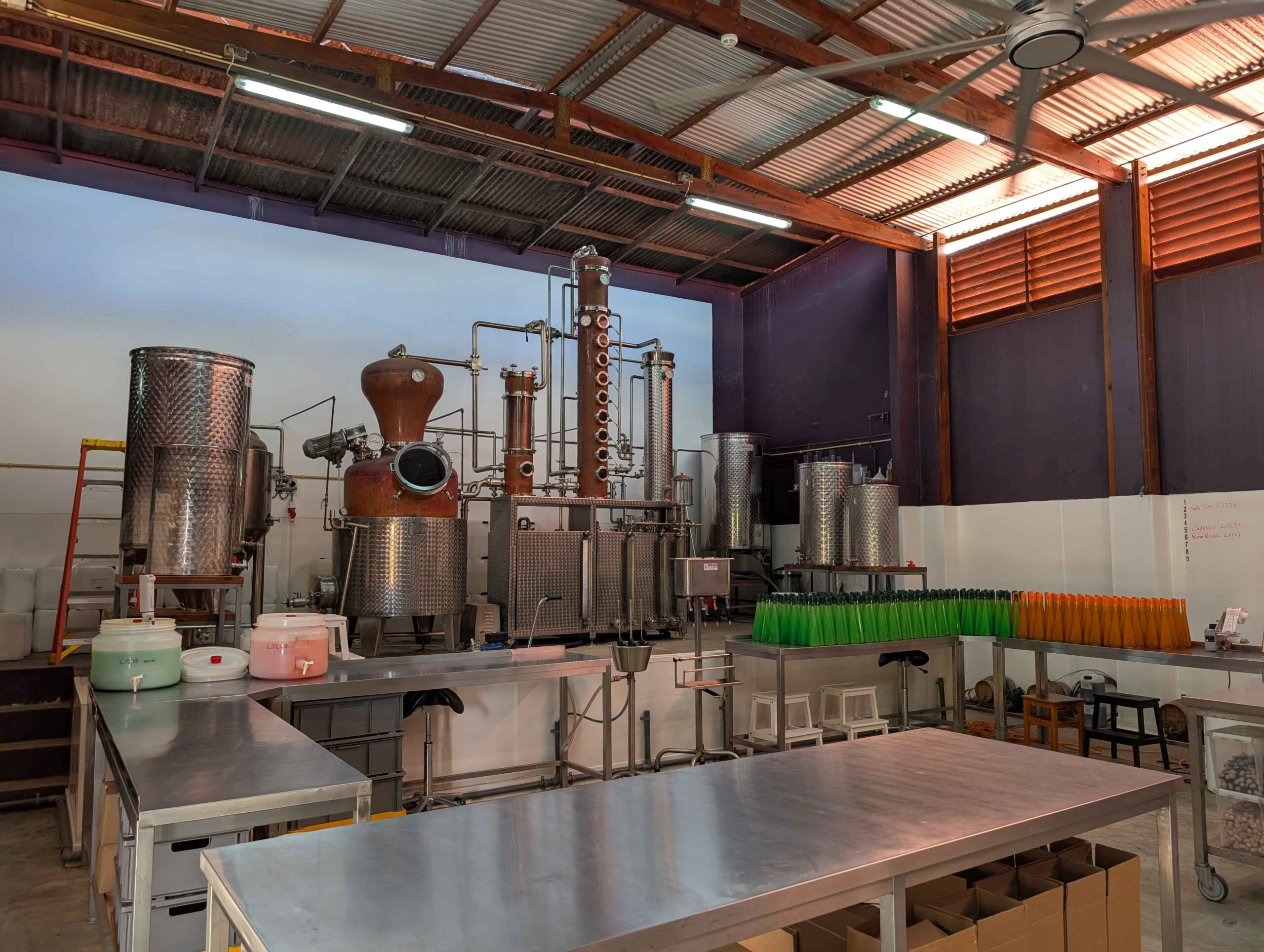
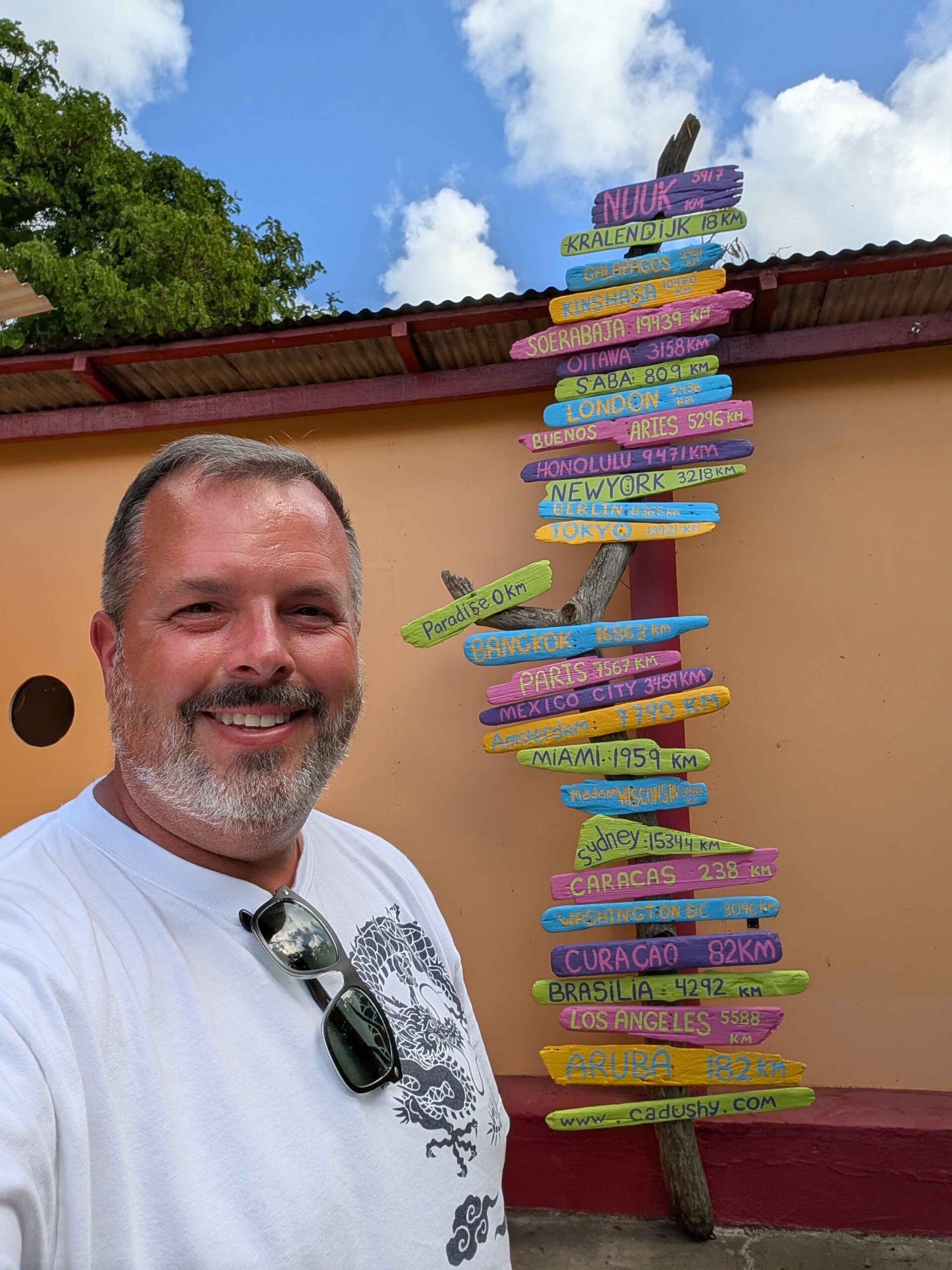
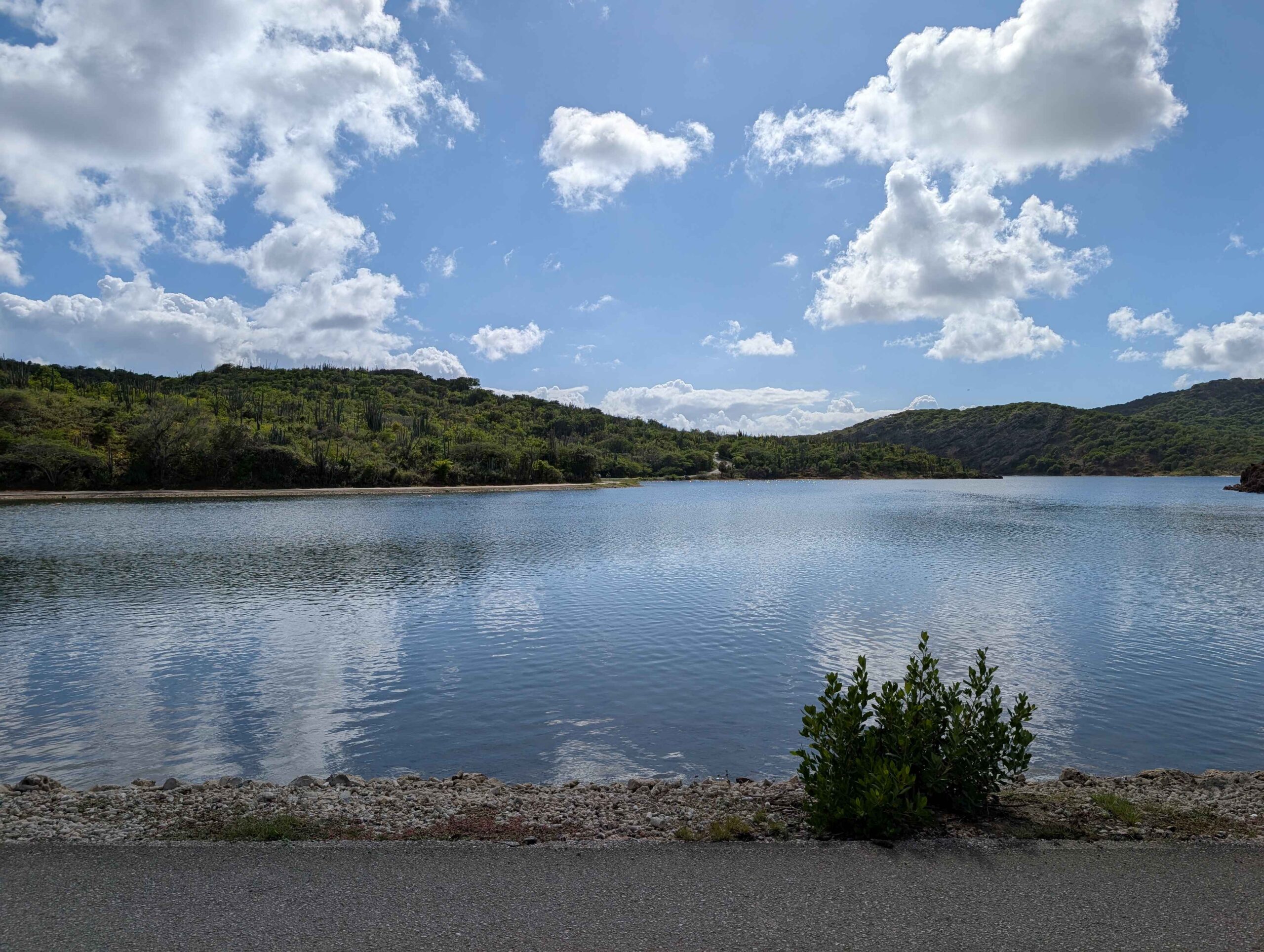
Continuing along the road we stopped at the yellow slave huts at Red Slave or Peleké which stand quietly along the shoreline as reminders of the island’s past. Nearby the Willemstoren Lighthouse marks the southern tip of Bonaire with waves crashing against the rocky coast behind it. Later we stopped for lunch and beach time at Sorobon Beach before heading north past the cliffs near 1000 Steps. The day wrapped up with a visit to The Cadushy Distillery in Rincón where we sampled cactus liqueur and picked up a few bottles before finishing with peaceful views across Goto Lake.
Bonaire’s history stretches from indigenous Caiquetio settlements to centuries of Dutch colonial trade and salt harvesting. Today the island is known for protecting its reefs wildlife and landscapes while still preserving reminders of its past. Driving across the island made it clear how these natural and cultural layers all connect within a surprisingly small Caribbean island.
If You Have More Time…
- Washington Slagbaai National Park – A protected reserve with hiking trails, beaches, and panoramic views of Bonaire’s untamed interior.
- Klein Bonaire – This uninhabited islet is ideal for snorkeling or diving with crystal-clear waters and vibrant marine life.
- Mangazina di Rei Cultural Park – A small open-air museum that highlights Bonaire’s rural traditions, music, and daily life.
- Lac Bay Mangroves – Explore the mangrove forests by kayak while learning about their role in coastal preservation.
- Bonaire Museum of Natural History – A quick stop for understanding the island’s geology, flora, fauna, and cultural roots.