
Exploring Spain by Sea: Coastal Cities and Culture
Spain revealed itself slowly, one harbor at a time. Each arrival carried a different rhythm, from quiet seaside promenades to dense city streets where layers of history sit side by side. In some ports, everything unfolded within a few steps of the ship, while in others the cities stretched outward, requiring a bit more intention to explore. Fortress walls, cathedral towers, and mountain monasteries created a landscape that constantly shifted between sea and stone.
Regional Port Highlights
The Galician Atlantic Coast
Spain’s northwestern coast feels shaped by the Atlantic, where working harbors, steep hills, and weathered stone cities reflect a more rugged and lived-in side of the country. From the open promenades of A Coruña to the layered streets and harbor climbs of Vigo, this region blends coastal access with a strong maritime identity.
The Catalonian Coast
Locations: Barcelona, Montserrat
Barcelona combines Gothic stone lanes, rooftop cathedral views, and lively plazas shaped by centuries of Mediterranean trade, while nearby Montserrat rises sharply from the landscape with serrated cliffs and a monastery perched high above the plains.
The Southern and Southeastern Mediterranean Coast
Locations: Cádiz, Málaga, Cartagena
Along Spain’s Mediterranean and southern shoreline, fortress walls, Roman remains, polished pedestrian streets, and long harborfront paths create some of the country’s most visually layered and immediately accessible port experiences.
The Canary Islands
Locations: Santa Cruz de Tenerife, Las Palmas de Gran Canaria, Arrecife
Located off the northwest coast of Africa, the Canary Islands ports offer two distinct city experiences. Santa Cruz de Tenerife feels more spread out and modern, with wide avenues, landscaped parks, and neighborhoods that take some planning to connect, while Las Palmas de Gran Canaria balances a working port with a dense historic center where Old Town streets and cathedral squares come together within a more walkable core.
Jeremy’s Quick Tips
- Understand how each port connects to the city. Ports like Cádiz and Málaga are immediately walkable, while places like Vigo, A Coruña, and Santa Cruz de Tenerife are easier to explore in sections or with transportation between areas.
- Use a bus or transport pass strategically. In larger or more spread-out ports like Santa Cruz de Tenerife, a hop on hop off bus can help you map the city before deciding where to walk.
- Carry small Euro denominations. While cards are common, many local cafés, bakeries, and traditional shops still prefer cash for smaller purchases.
- Prepare for high sun exposure. Coastal Spain is bright and warm most of the year, with limited shade along waterfront and open city areas.

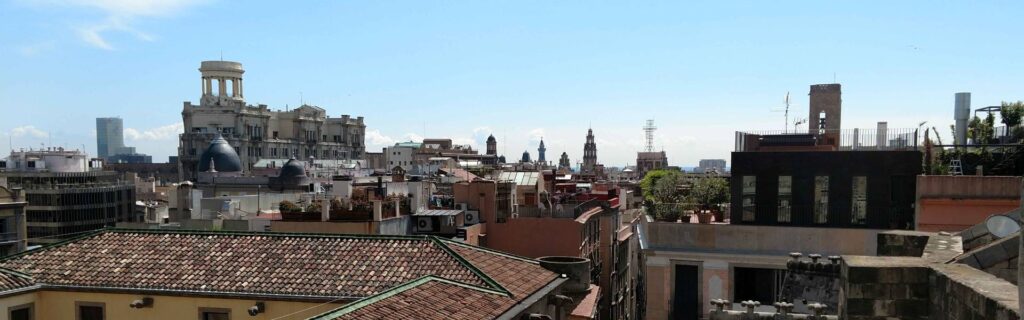
A Coruña
A Coruña opens right off the ship into an easy walk of waterfront paths, historic squares, and lively streets filled with cafés and shops. What started as a gray morning quickly turned into a clear sunny day, making it the kind of port where you can simply wander and still feel like you saw a lot.
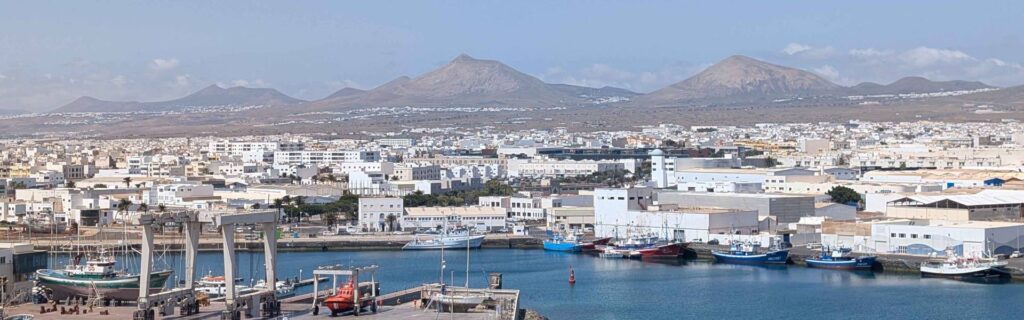
Arrecife
A simple 20-minute walk from the cruise port leads into Charco de San Ginés, where small boats and waterfront restaurants create a calm harbor scene that feels unexpectedly familiar. Along the way, a stop at Castillo de San Gabriel and a relaxed wander through Old Town show just how easy it is to spend a few laid-back hours here.
Barcelona
Barcelona is a city I return to often for short stays before or after cruises. From wandering Gothic Quarter alleys to a day trip at Montserrat, each visit offers something new.
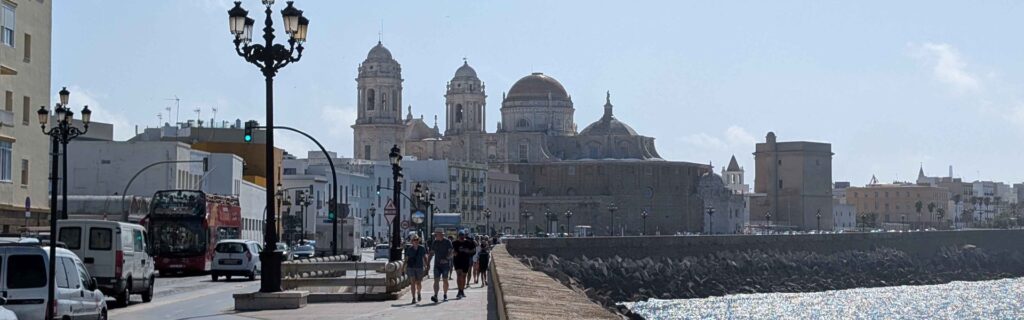
Cadiz
Cádiz is a walkable coastal city where seaside promenades, shaded parks, and tiled fountains blend with rich history and architecture. From the botanical beauty of Parque Genovés to the grand Catedral de Cádiz, there’s something stunning around every corner.
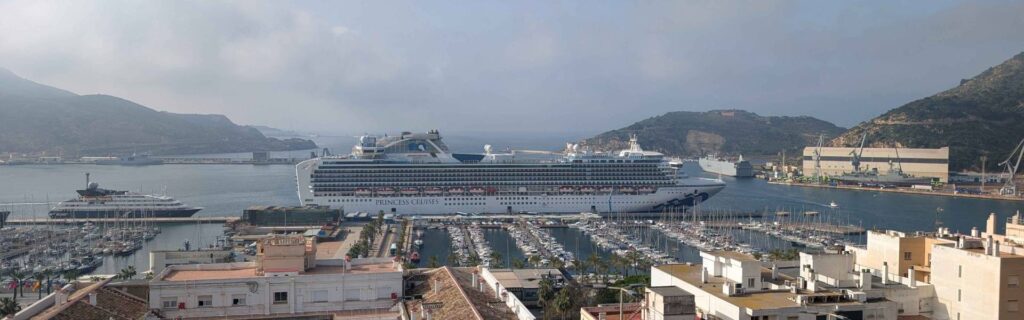
Cartagena
Flat stone walkways made Cartagena an easy port to explore on foot, leading from the harbor to Calle Mayor and a partially hidden view of the Teatro Romano. Climbing higher revealed layered city views, quiet parks, and unexpected finds like Cerro del Molinete along the way.
Getxo
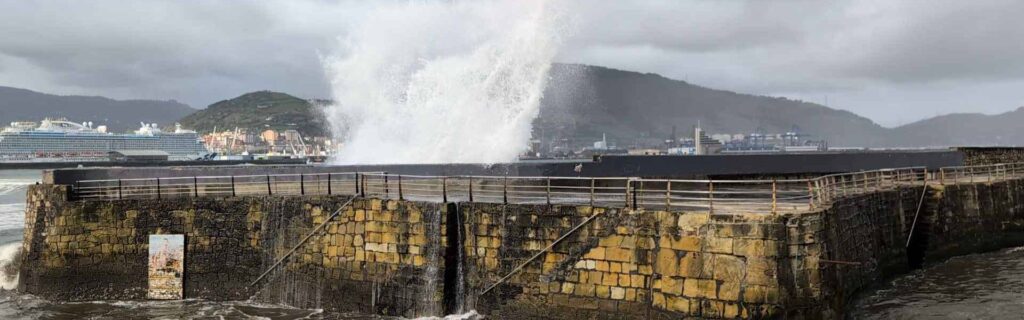
Cold waves and a flat coastal walk set the tone in Getxo before a quick shuttle opens up a different pace in Bilbao. From the Guggenheim exterior to an unexpected smoked cheesecake stop, this entry follows a low effort day that still delivers.
Las Palmas de Gran Canaria
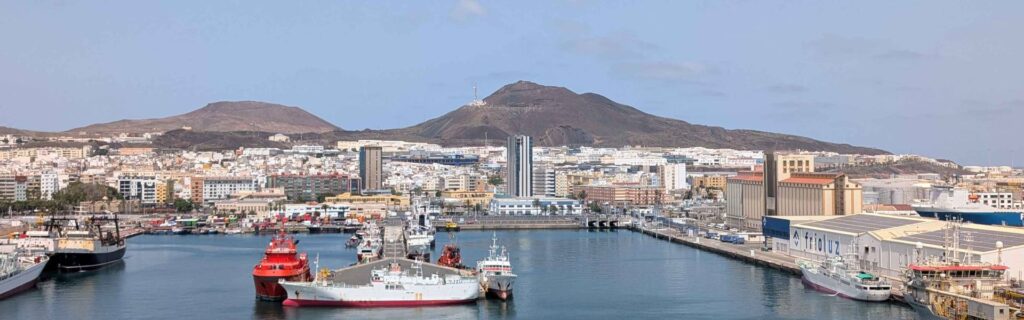
A loosely planned day in Las Palmas de Gran Canaria turned into a shared walk with friends, mixing short transit hops with long stretches through Old Town streets. It all came together in Plaza de Santa Ana, where we arrived just in time to catch the cathedral bells ringing on Easter Sunday.
Malaga
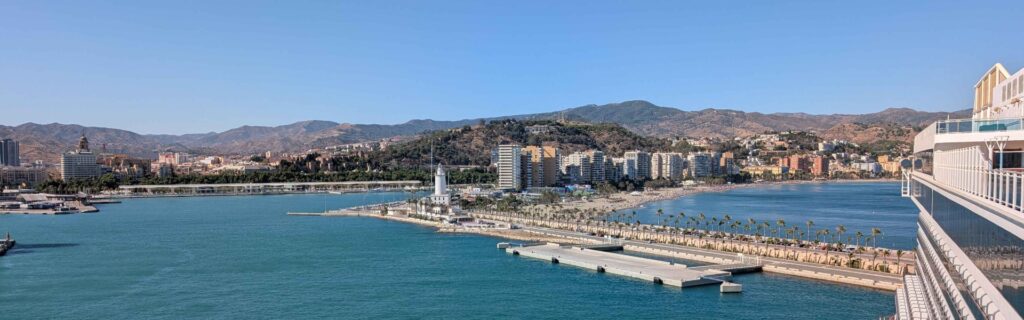
Walked straight off the ship and into the heart of Málaga for a self-guided tour packed with history, shade, and local flavor, all without spending a euro on entry fees. From the Roman Theater to the market stalls and quiet parks, this port is perfect for budget-friendly exploring.
Santa Cruz de Tenerife
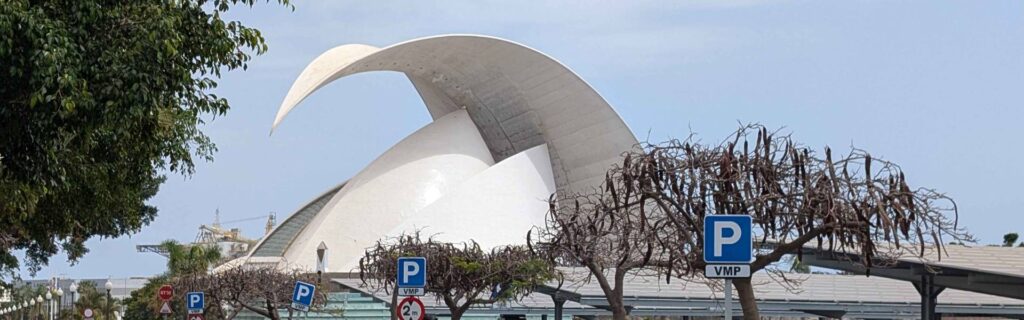
Santa Cruz de Tenerife looks manageable at first, but the distance between its key spots adds up quickly, making a hop-on bus and some planning more useful than expected. Between city parks, local markets, and a waterfront path lined with Carnival tile artwork, the experience unfolds in the details you find along the way.
Vigo
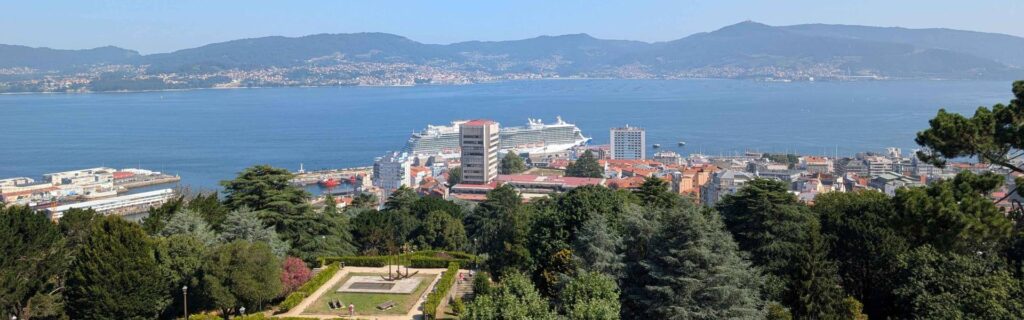
Vigo is a walkable cruise port where the city begins right at the ship, offering an easy harbor stroll or a steeper climb into Casco Vello for elevated views. From sculpture-filled parks to graffiti-lined staircases and coastal lookouts, it is a place best explored on foot at your own pace.