
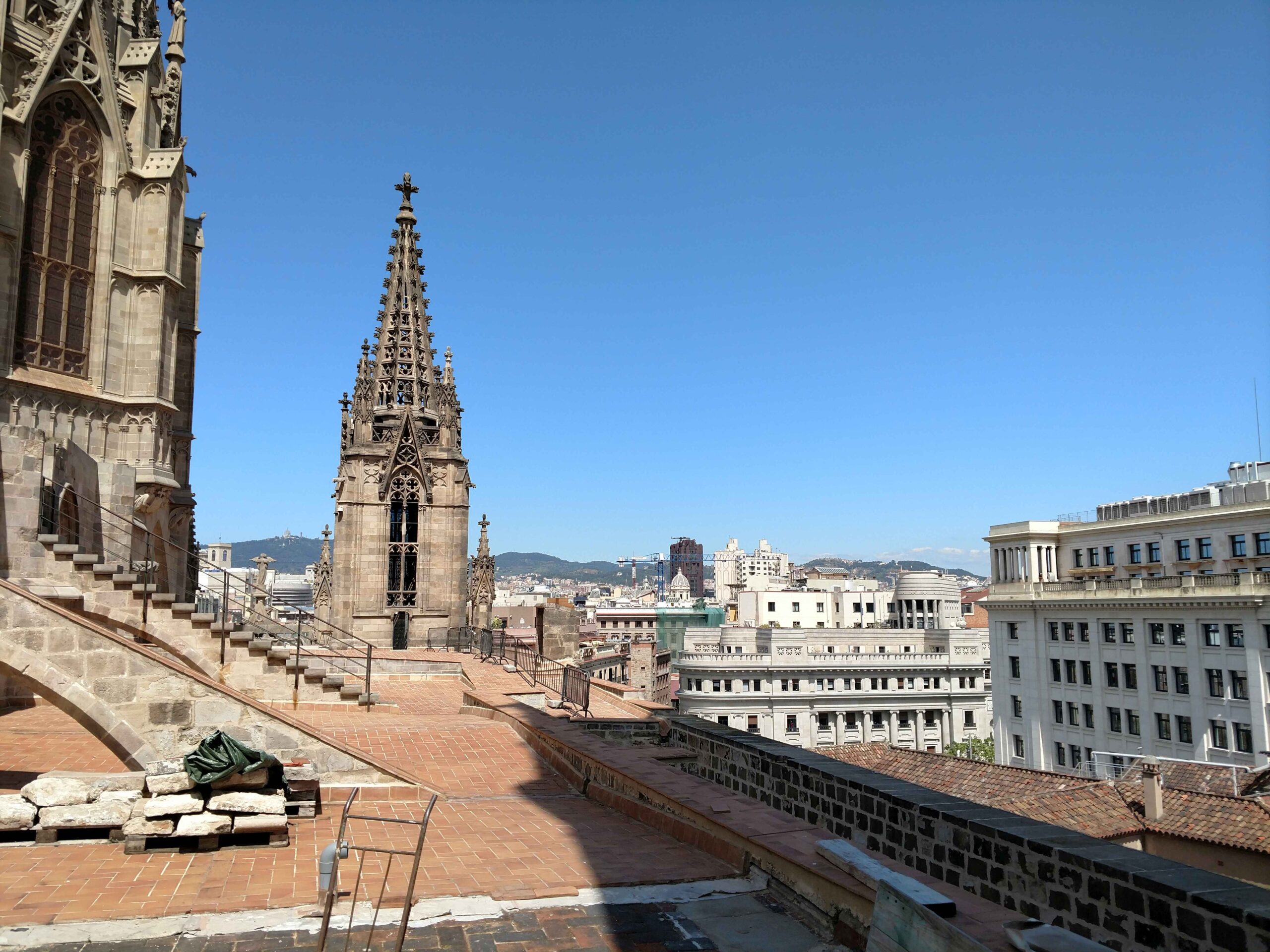
Barcelona Cathedral Rooftops and Montserrat Mountain Views
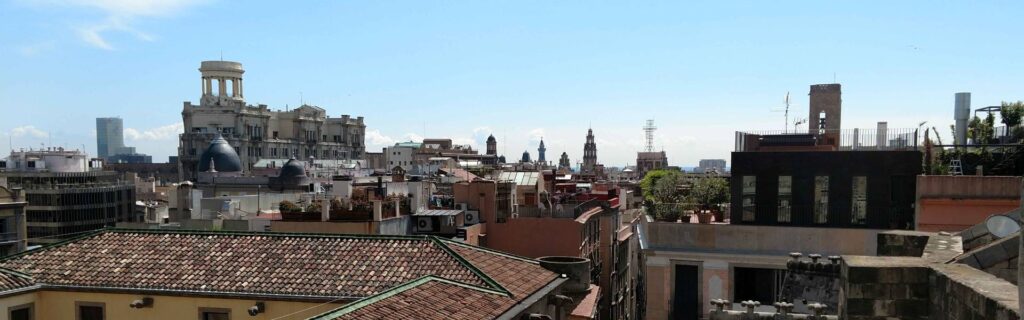
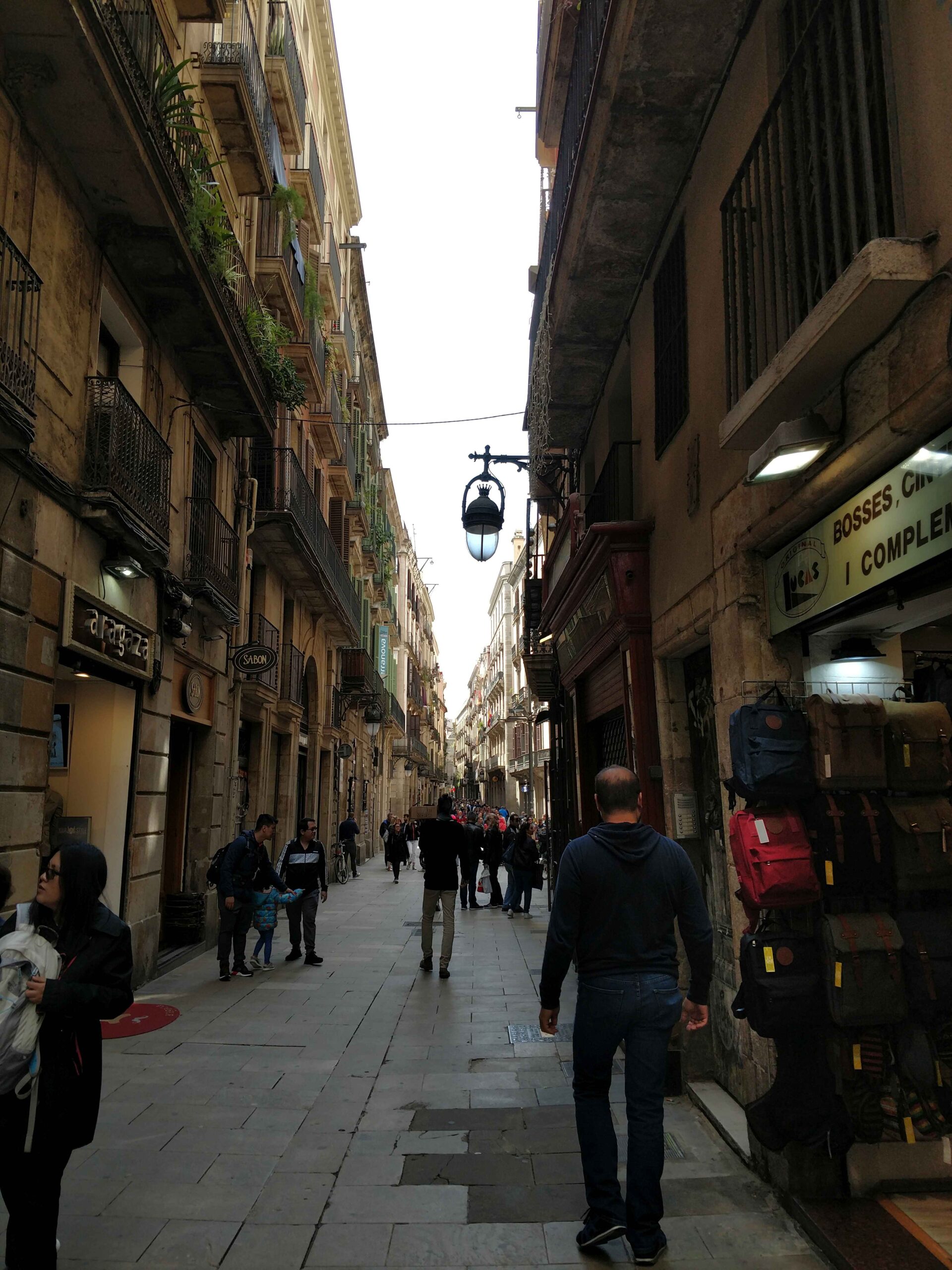
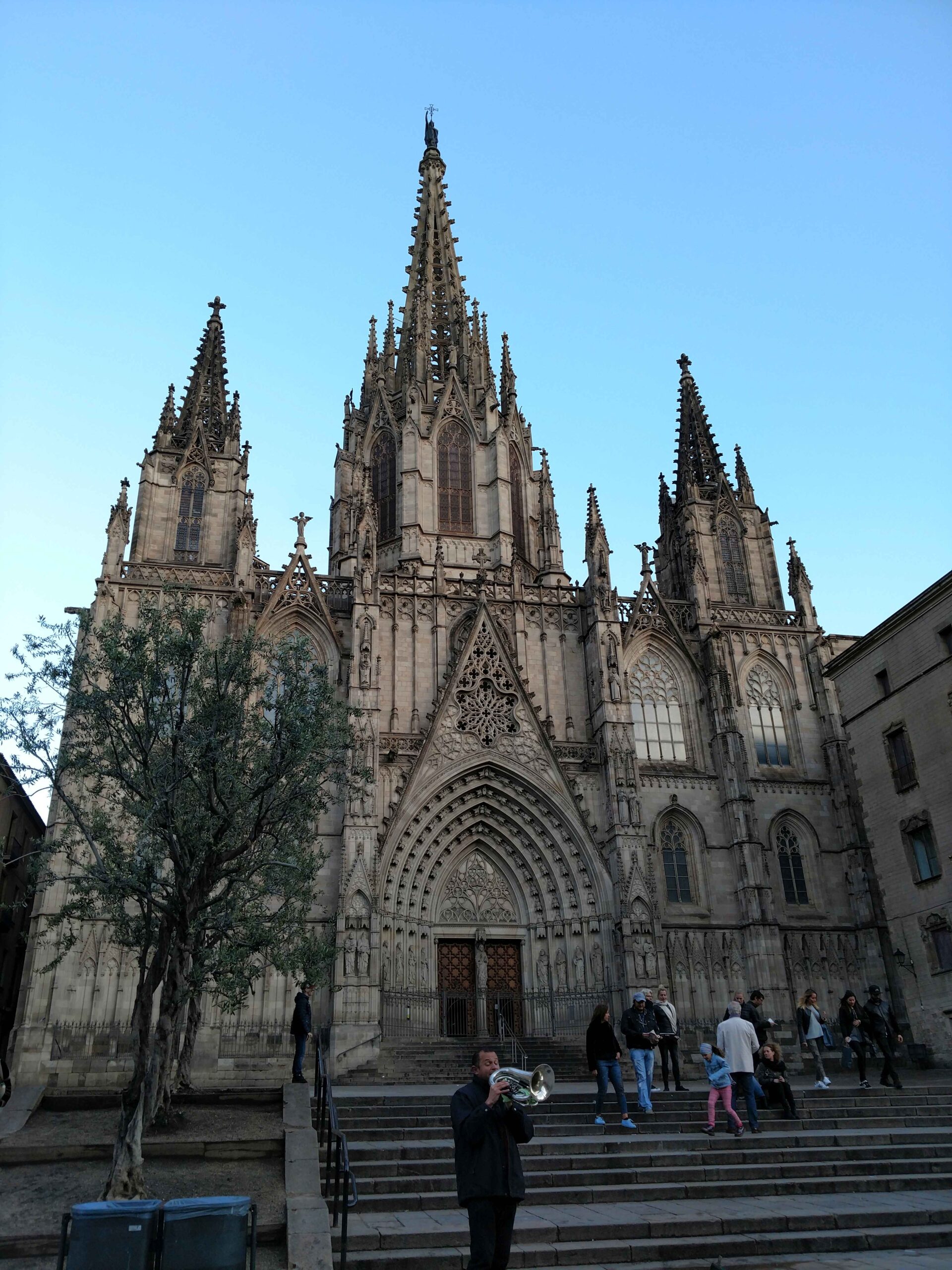
Warm Mediterranean air drifted through the narrow streets as the late afternoon light reflected off stone walls and balconies. Arriving by flight into Barcelona, I stepped almost immediately into the maze of lanes that make the Gothic Quarter so memorable. Street musicians played in nearby squares while people wandered between bakeries, cafés, and small shops tucked into centuries old buildings.
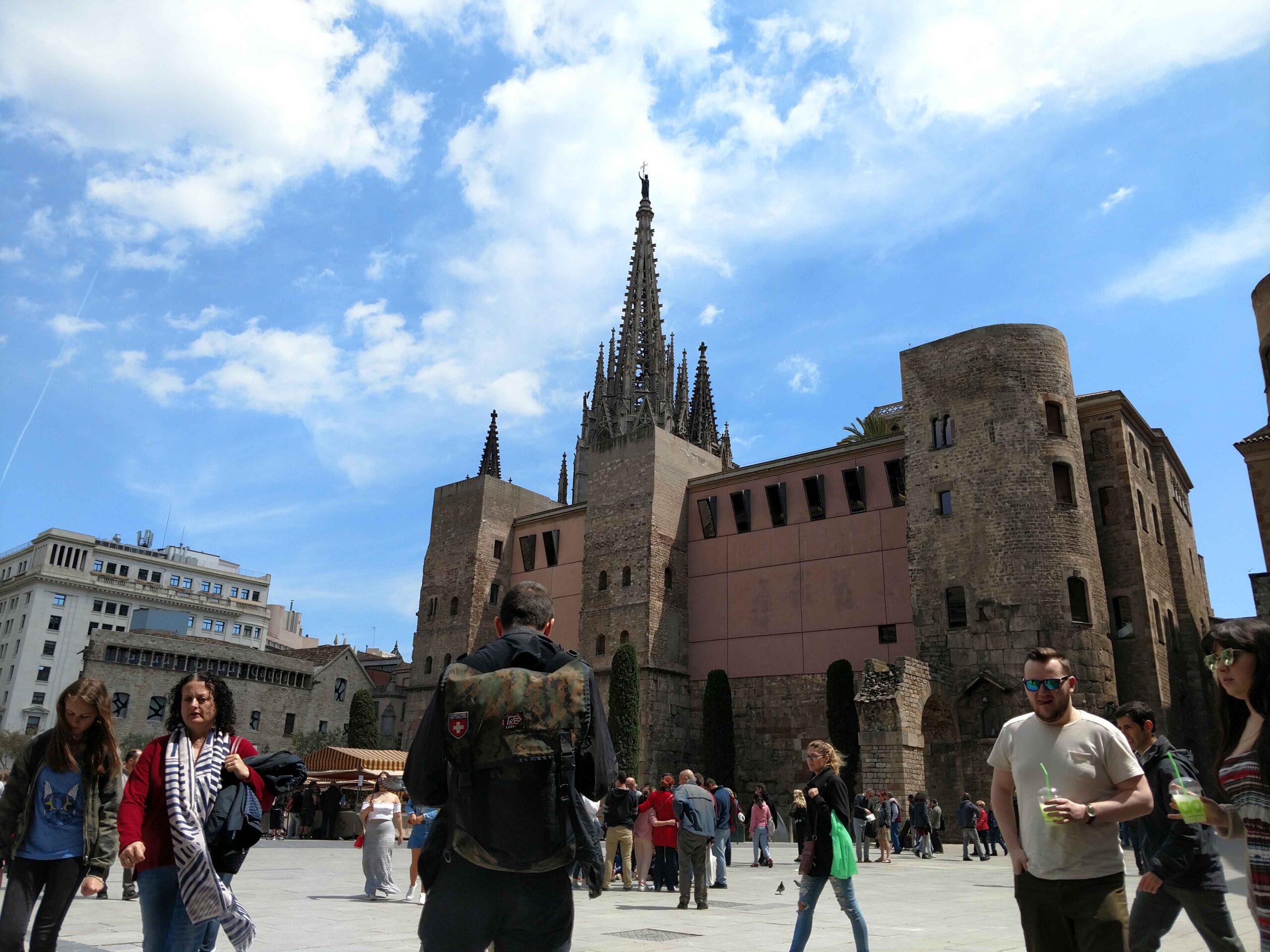
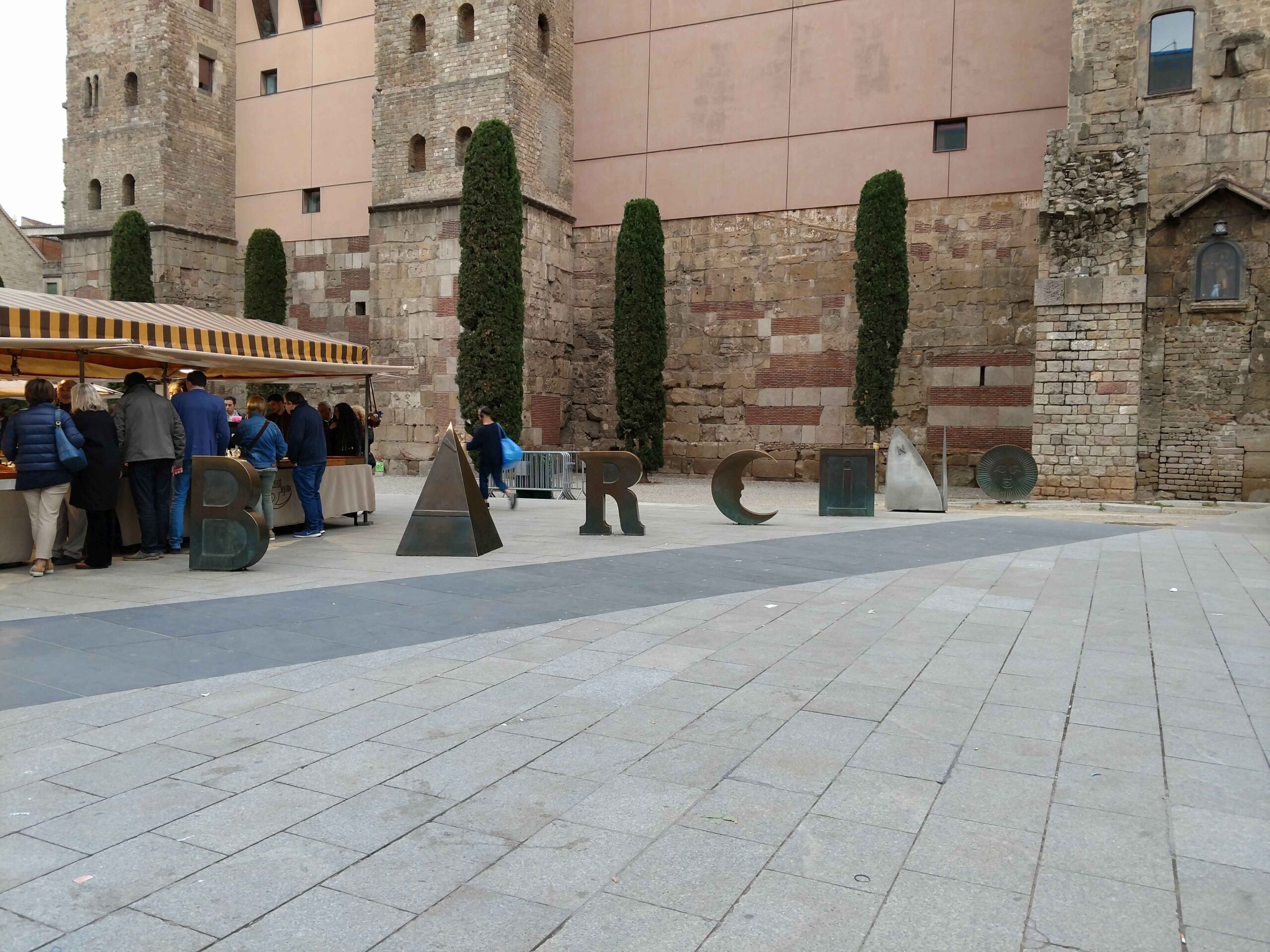
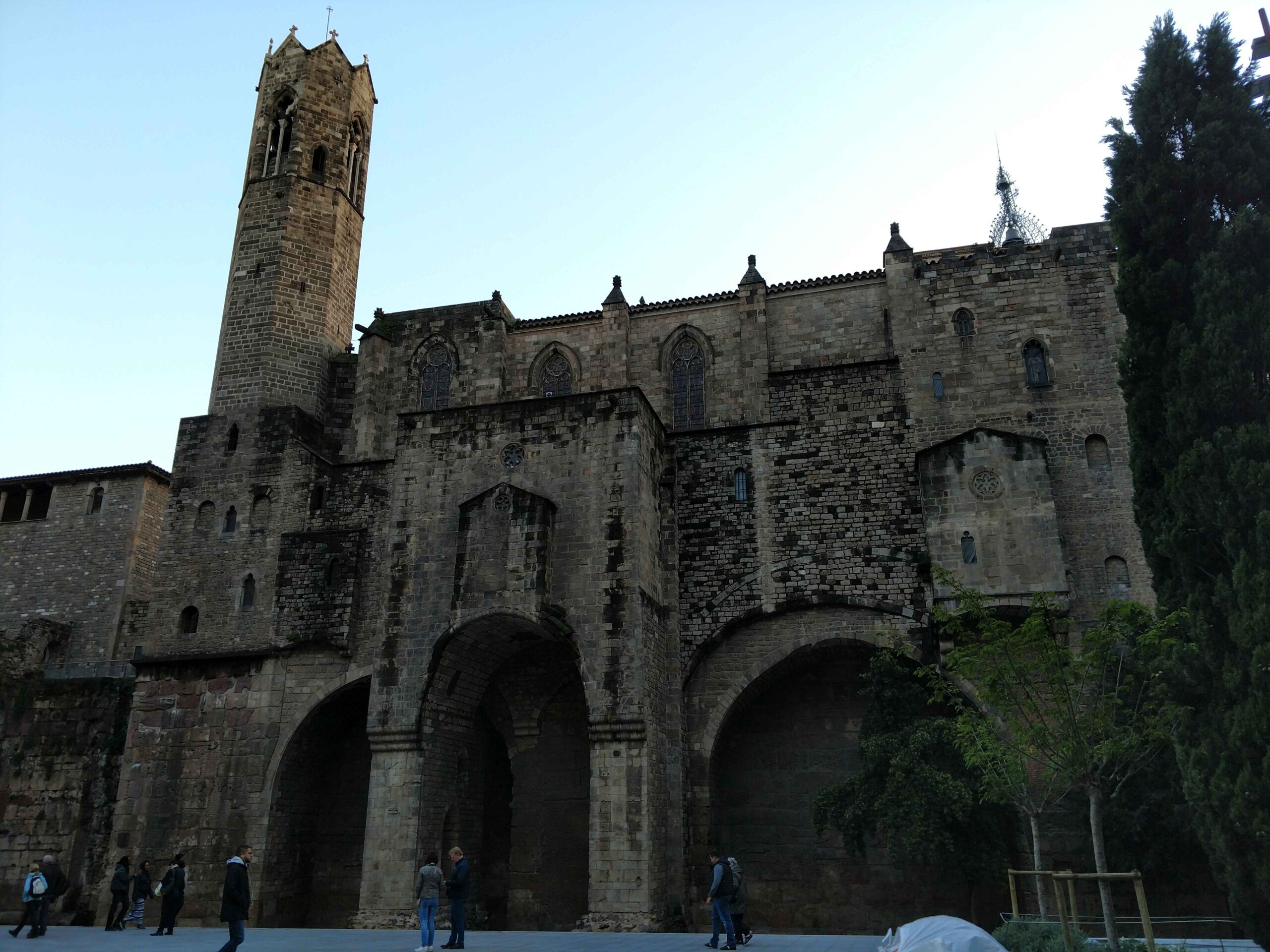
Barcelona (Català: Barcelona – Pronounced Bar-seh-loh-nah) quickly reveals how many layers exist beneath the modern city. What appears to be a lively shopping district often sits directly above Roman foundations from the ancient settlement of Barcino. Even casual wandering can uncover unexpected pieces of that past.
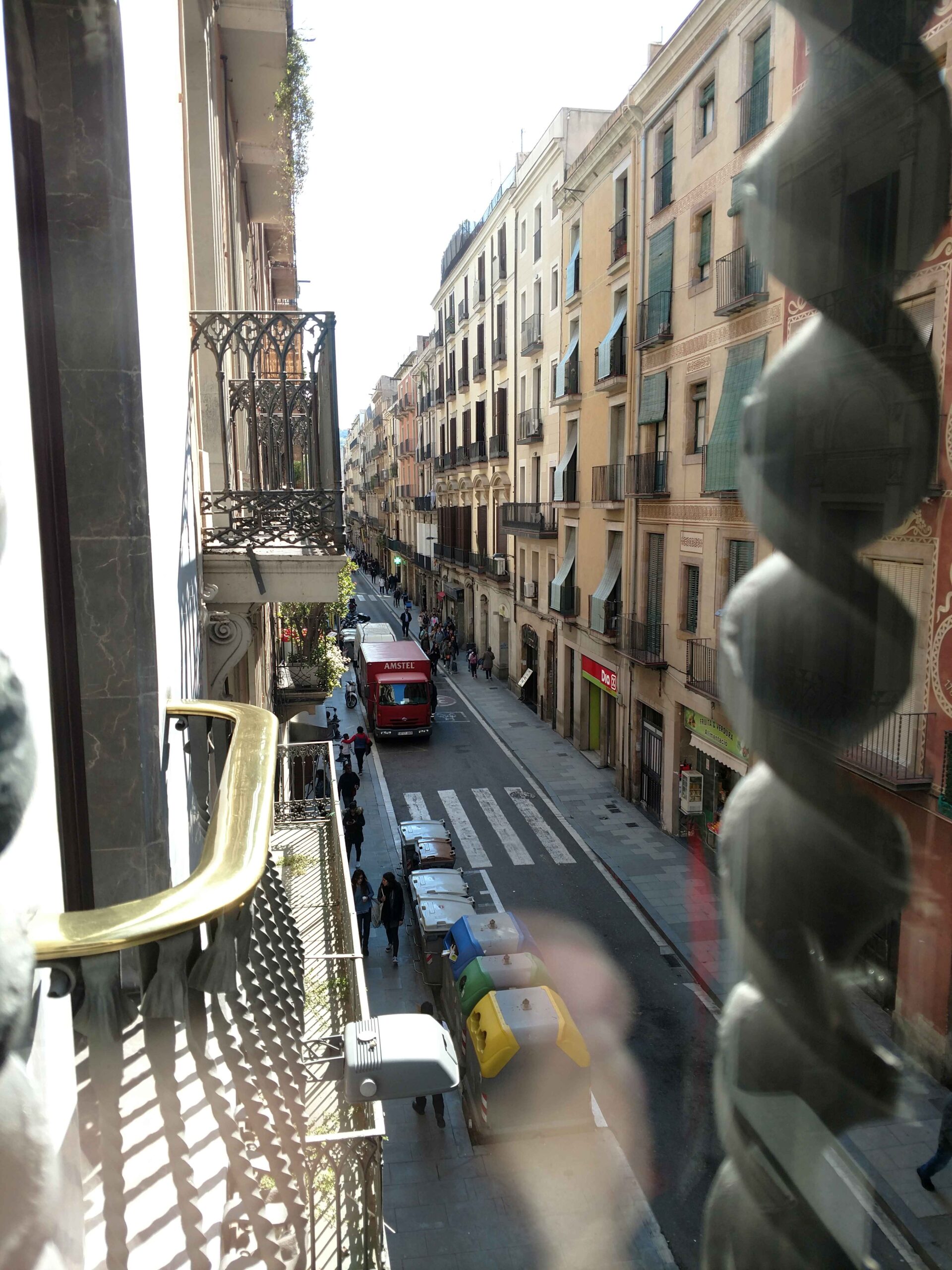
One of my earliest discoveries here happened completely by accident. While browsing a shop in the Gothic Quarter I noticed a spiral stairway descending beneath the floor. It turned out to lead to underground Roman ruins preserved below the street level of modern Barcelona. Seeing those ancient stone walls hidden beneath the city made the history feel immediate and tangible.
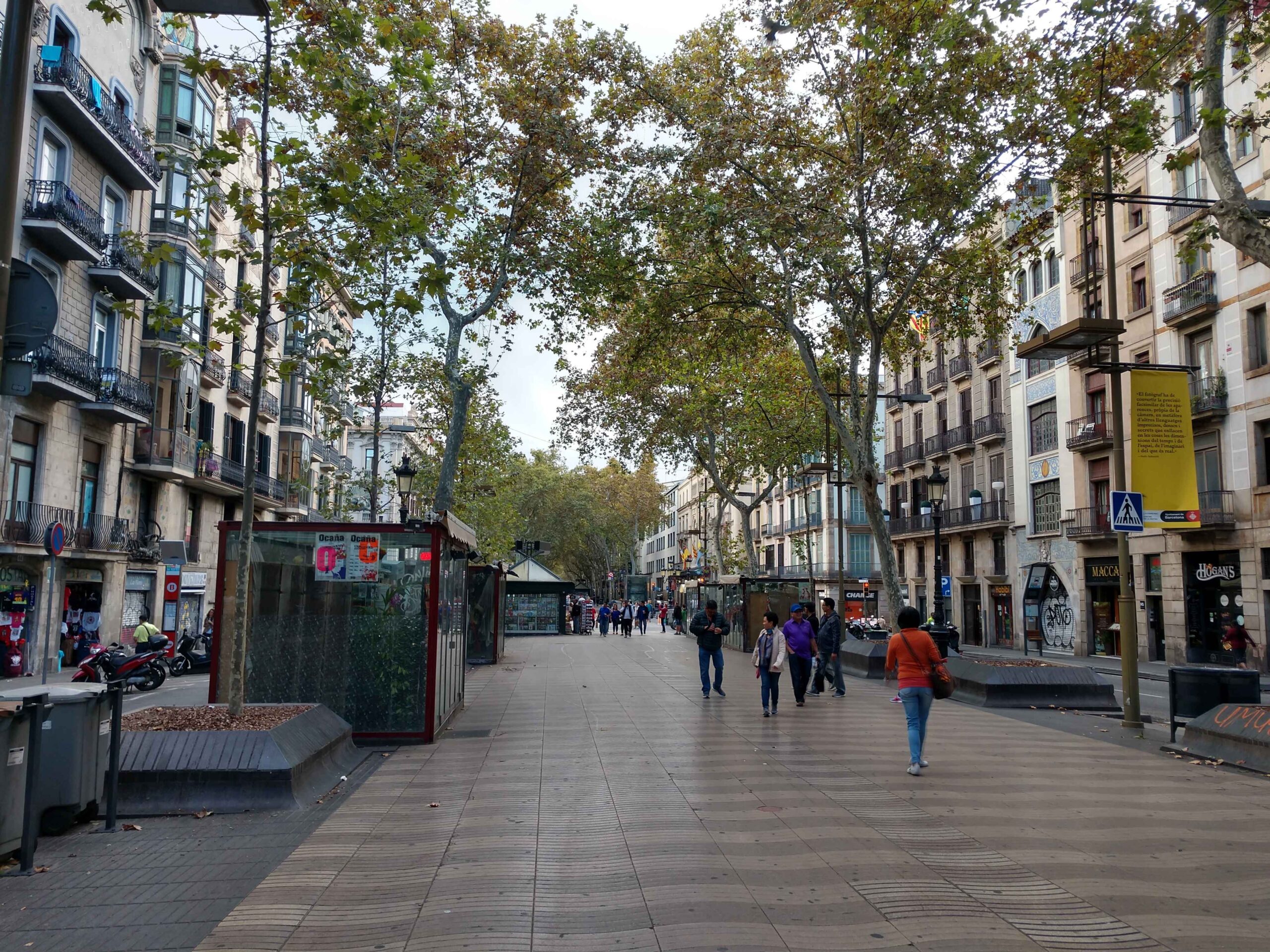
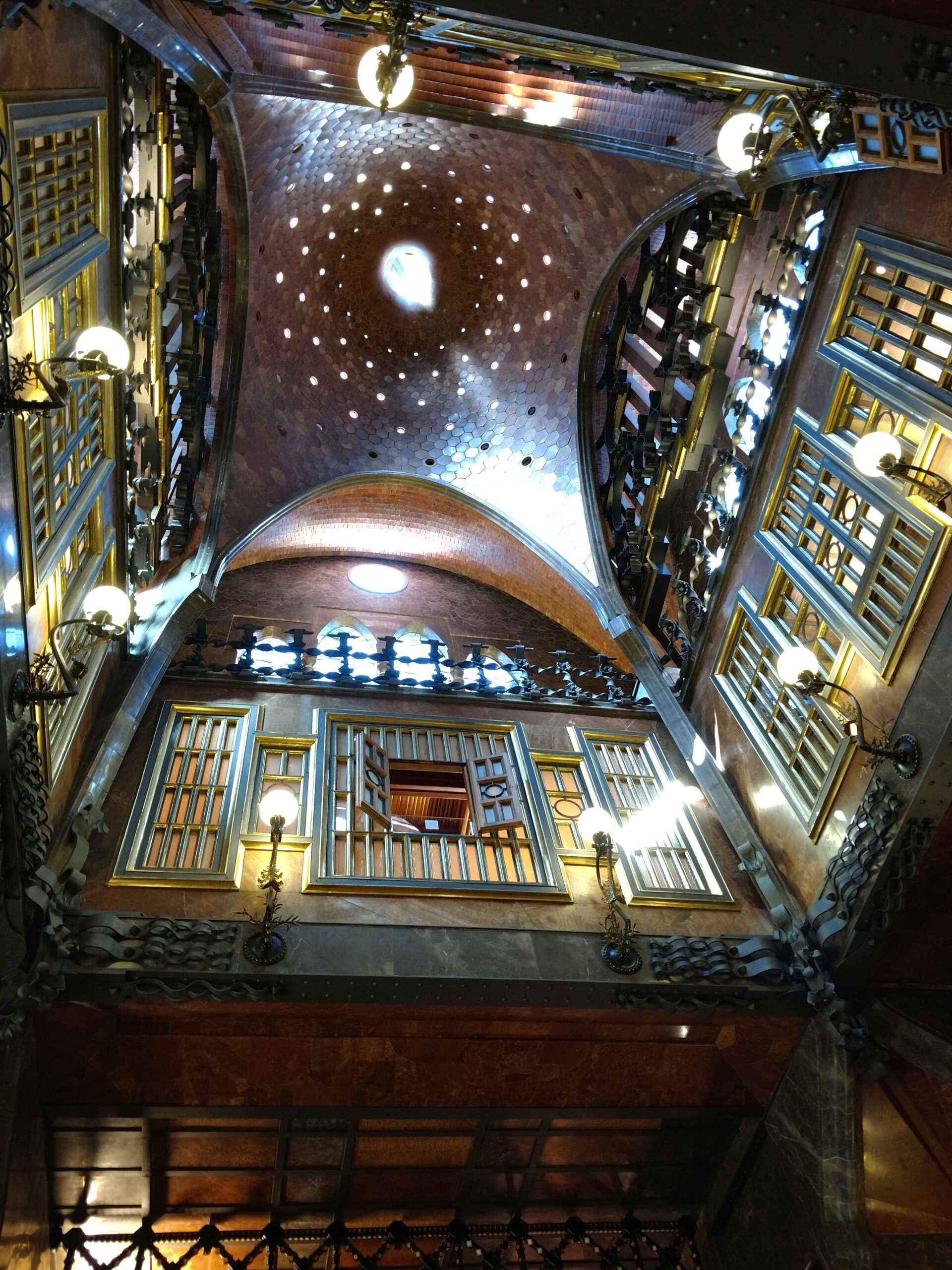
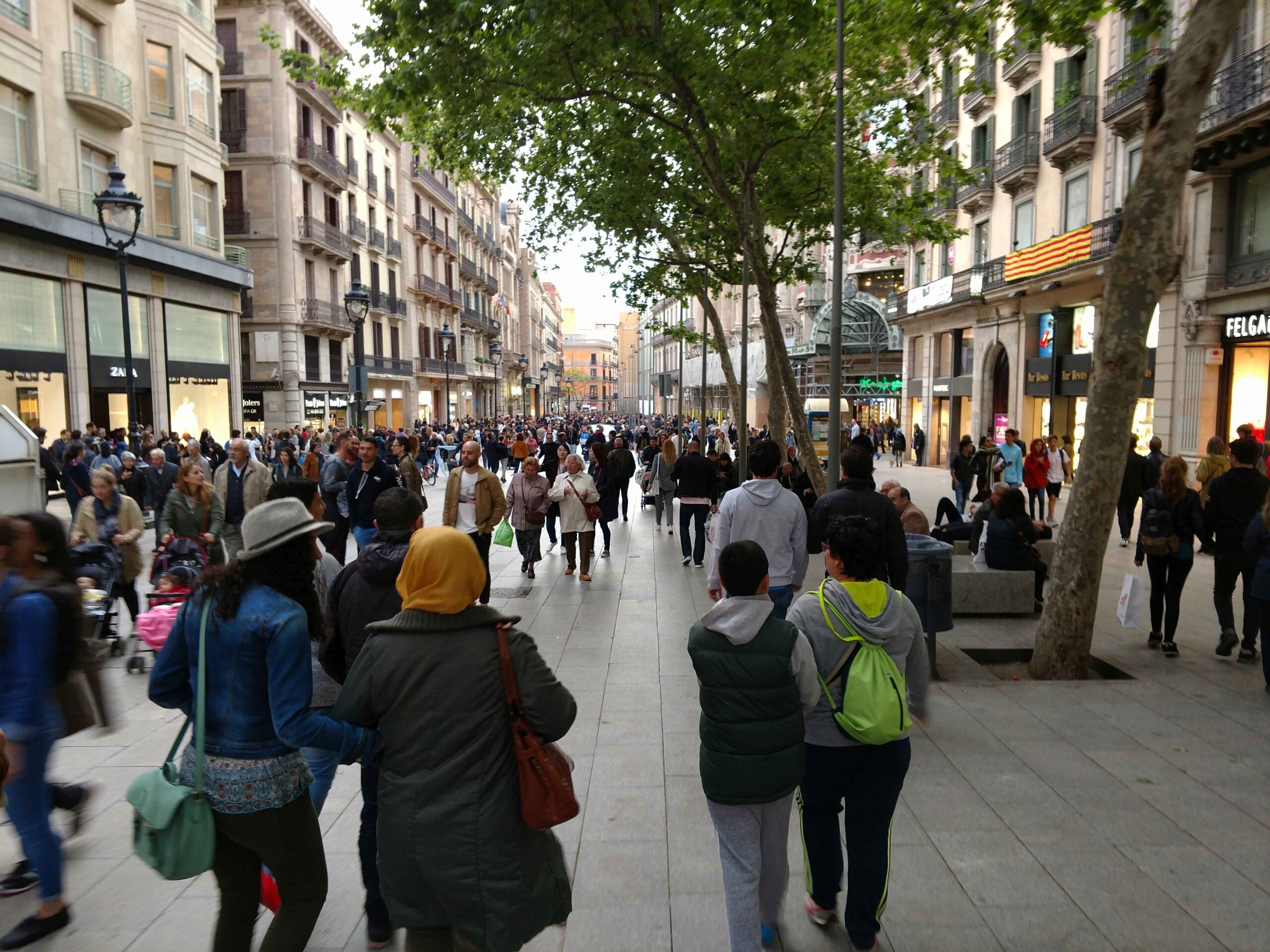
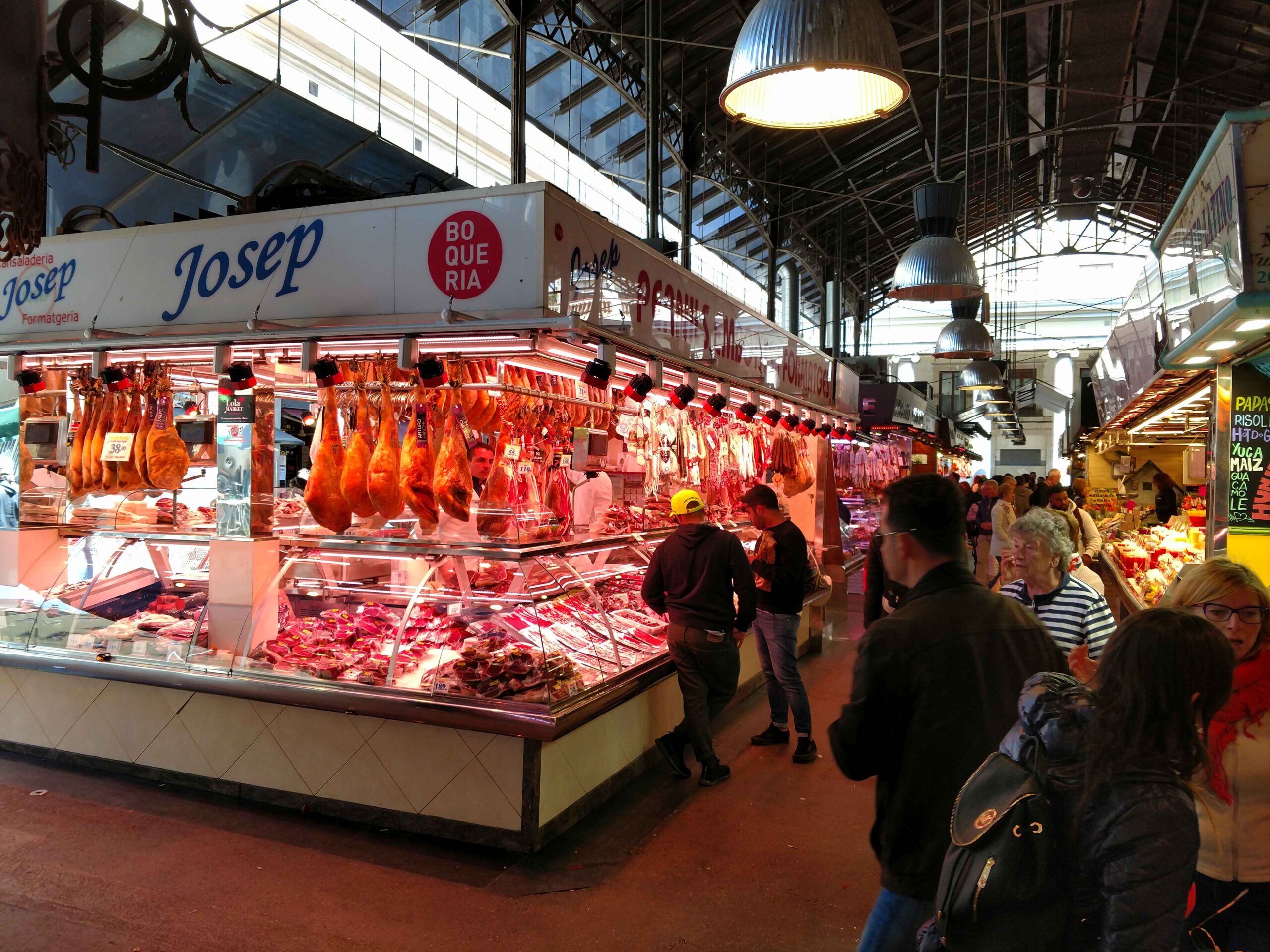
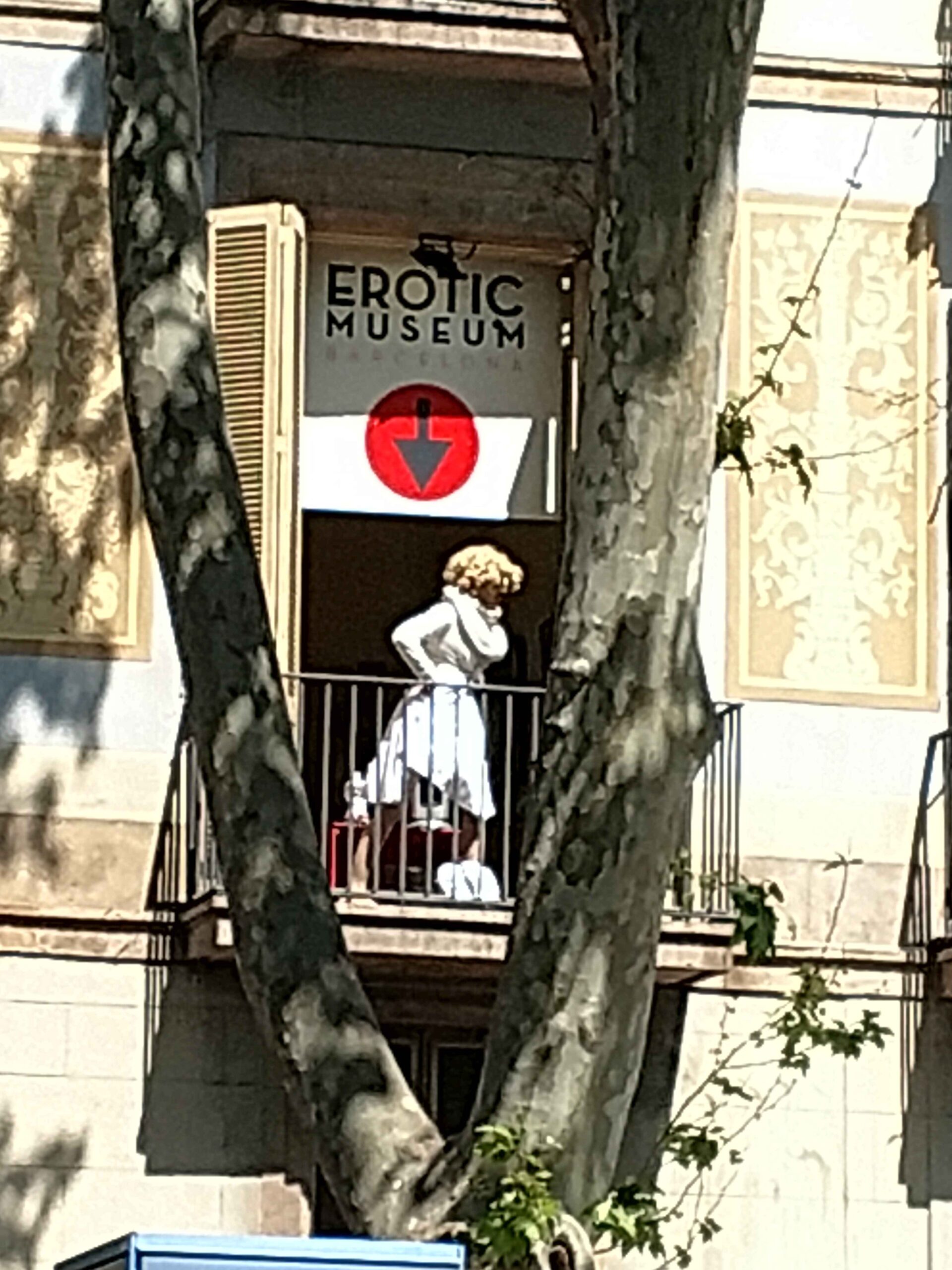
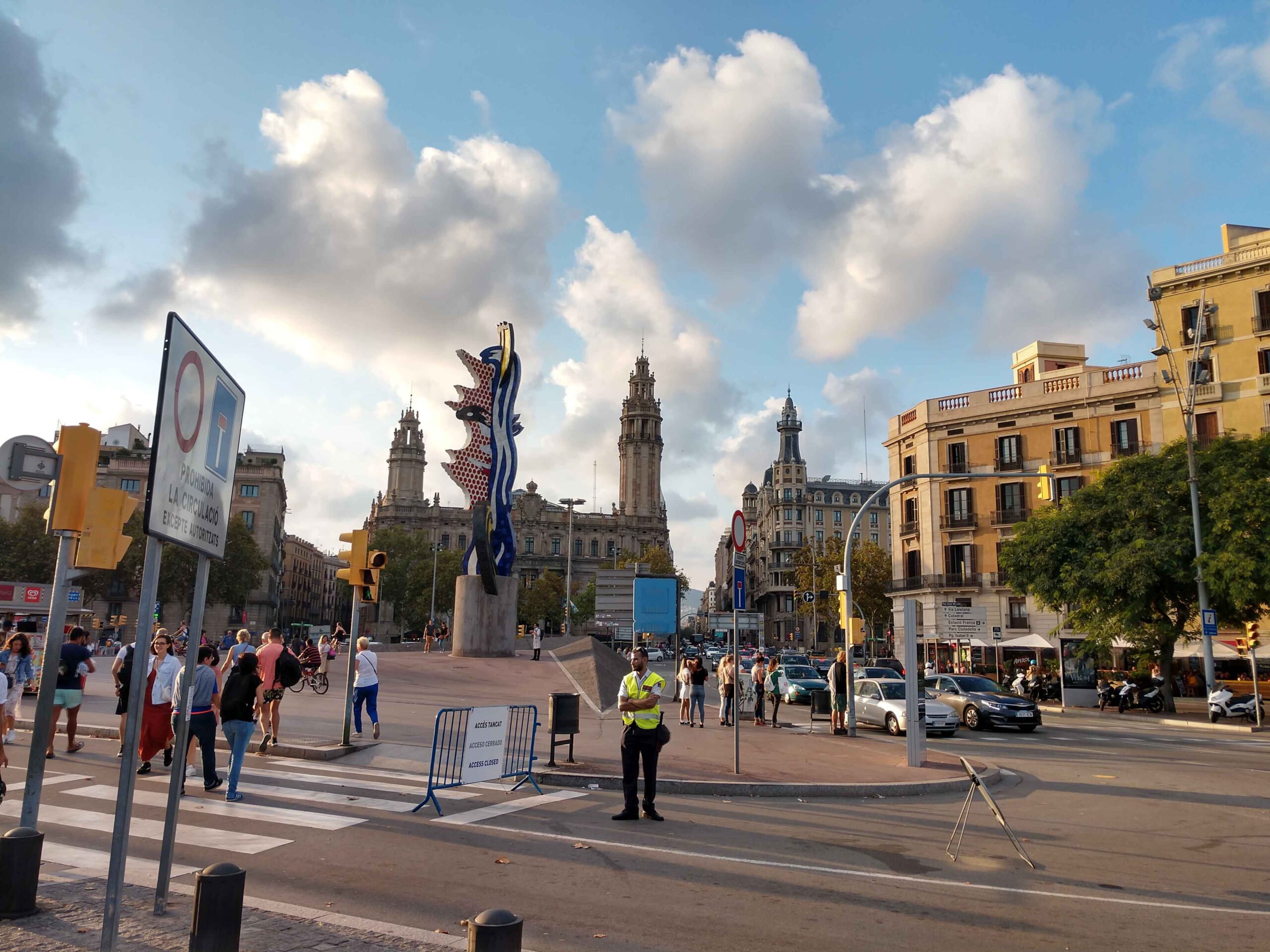
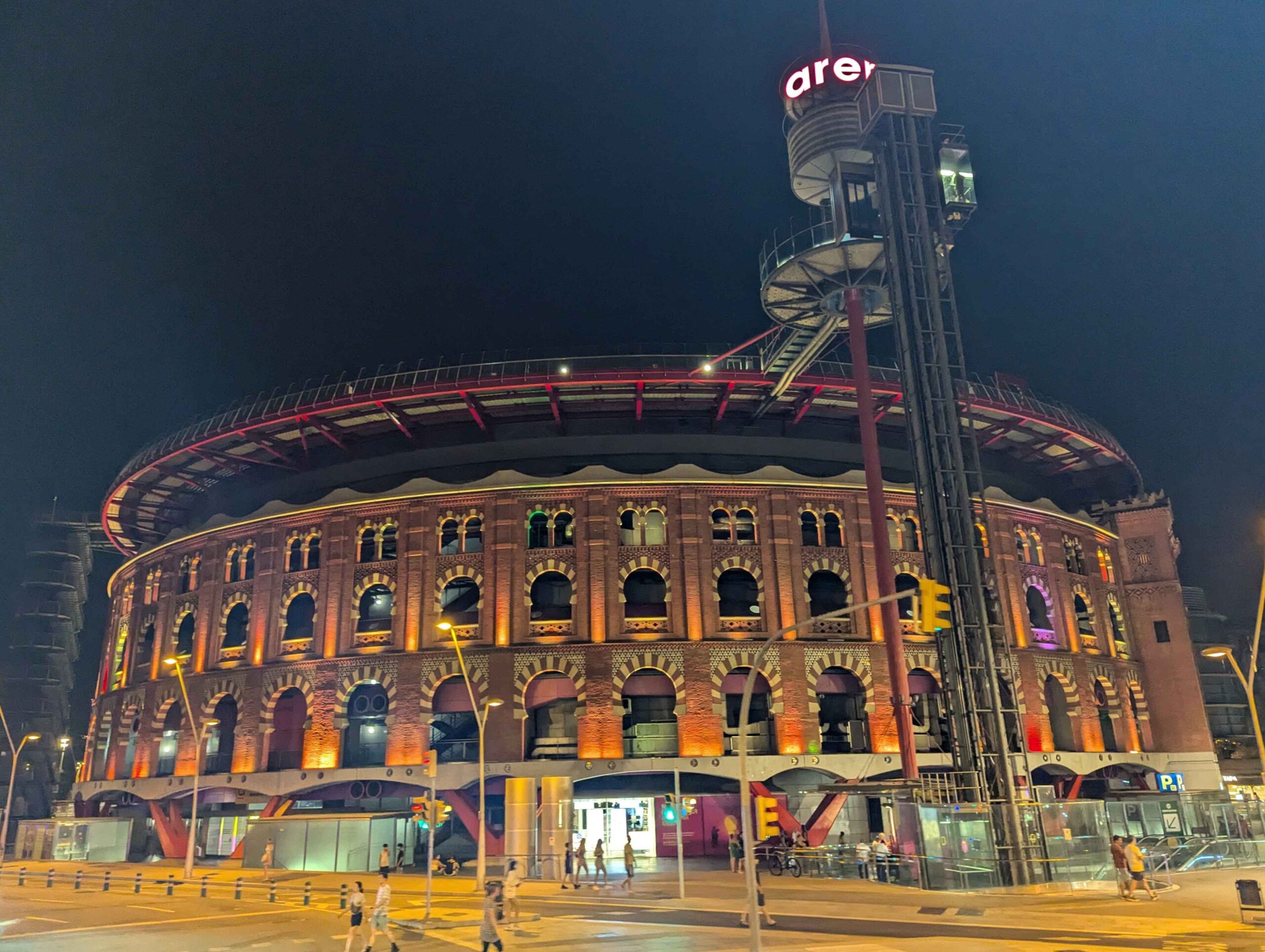
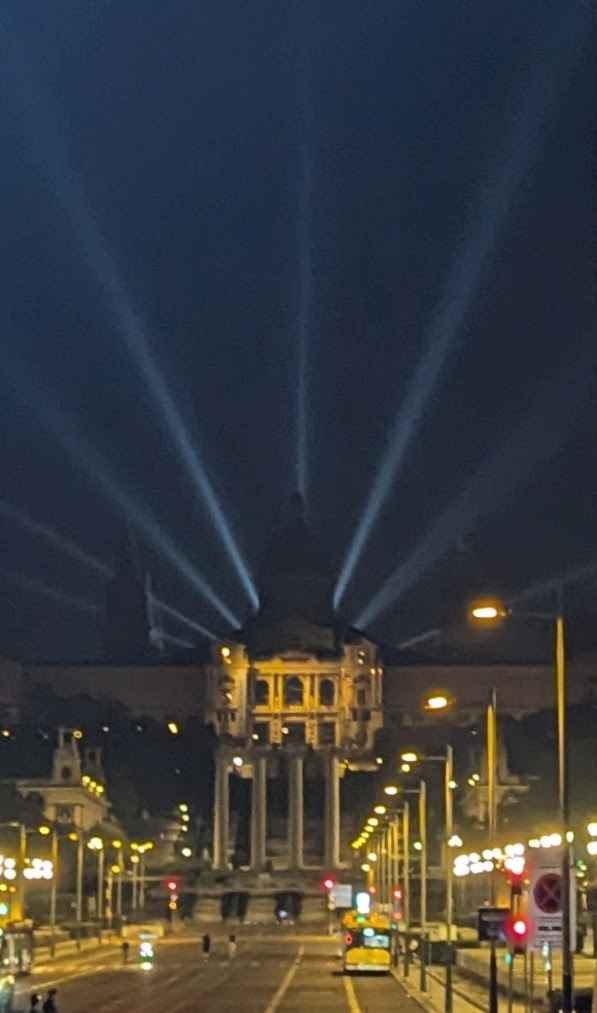
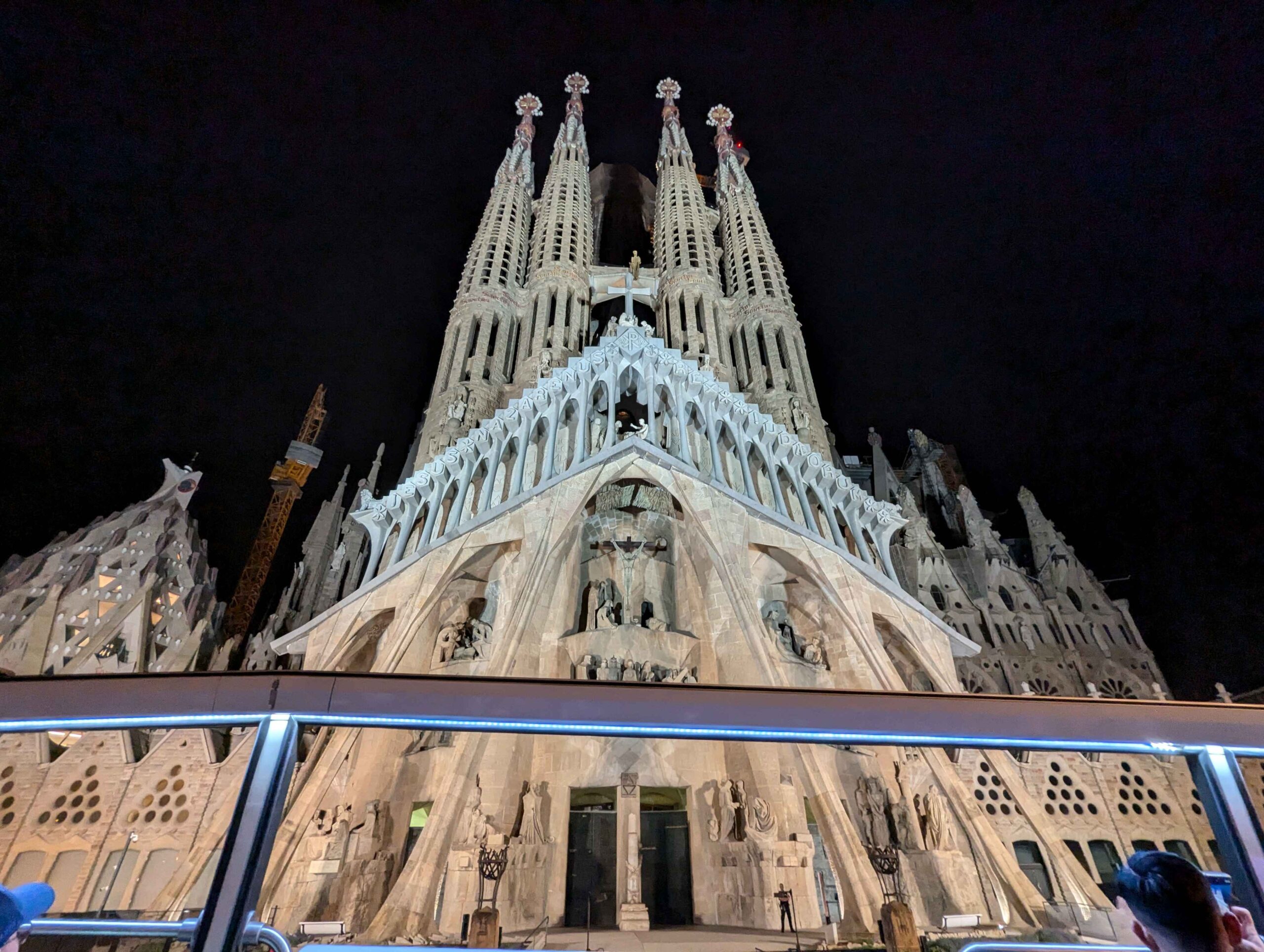
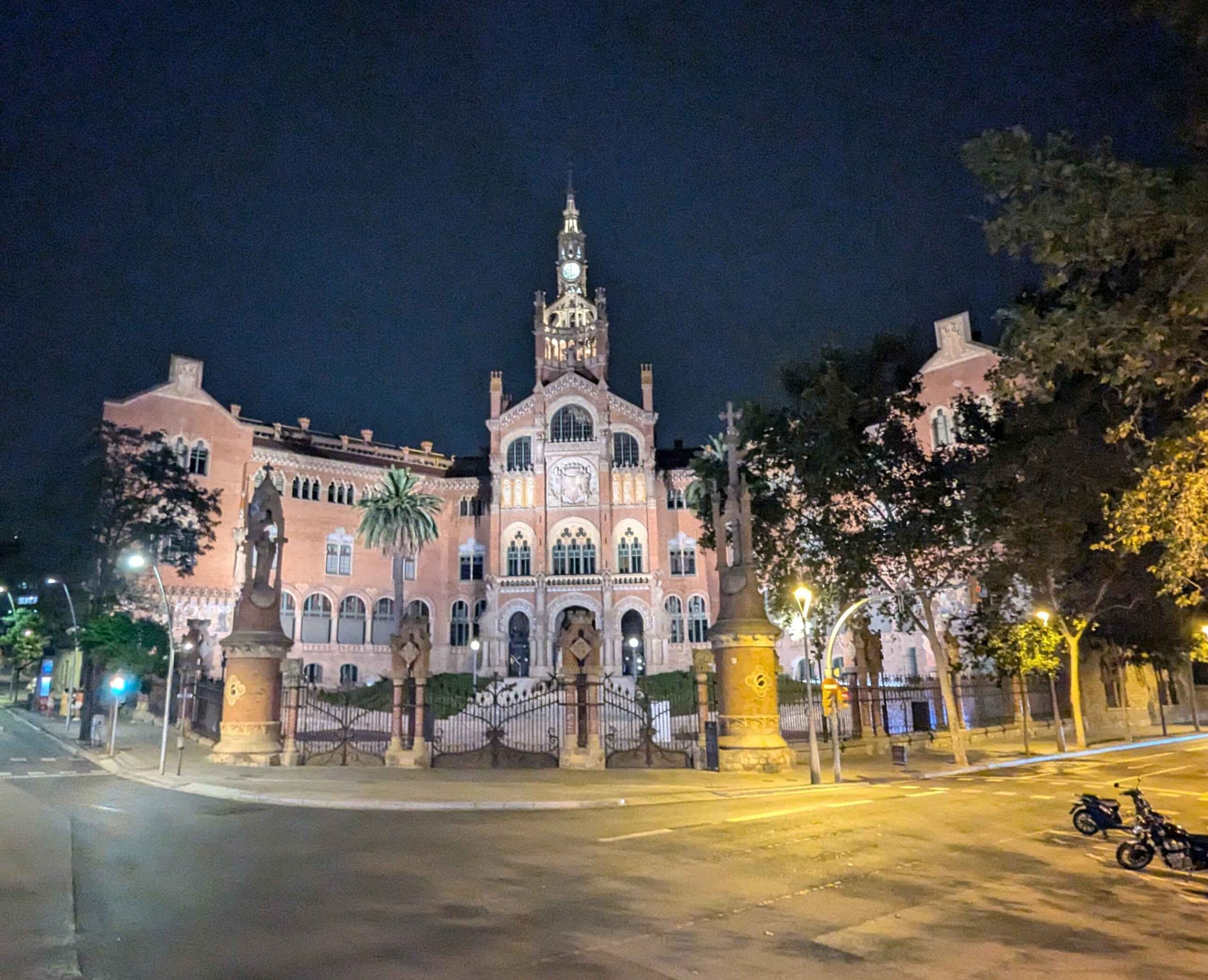
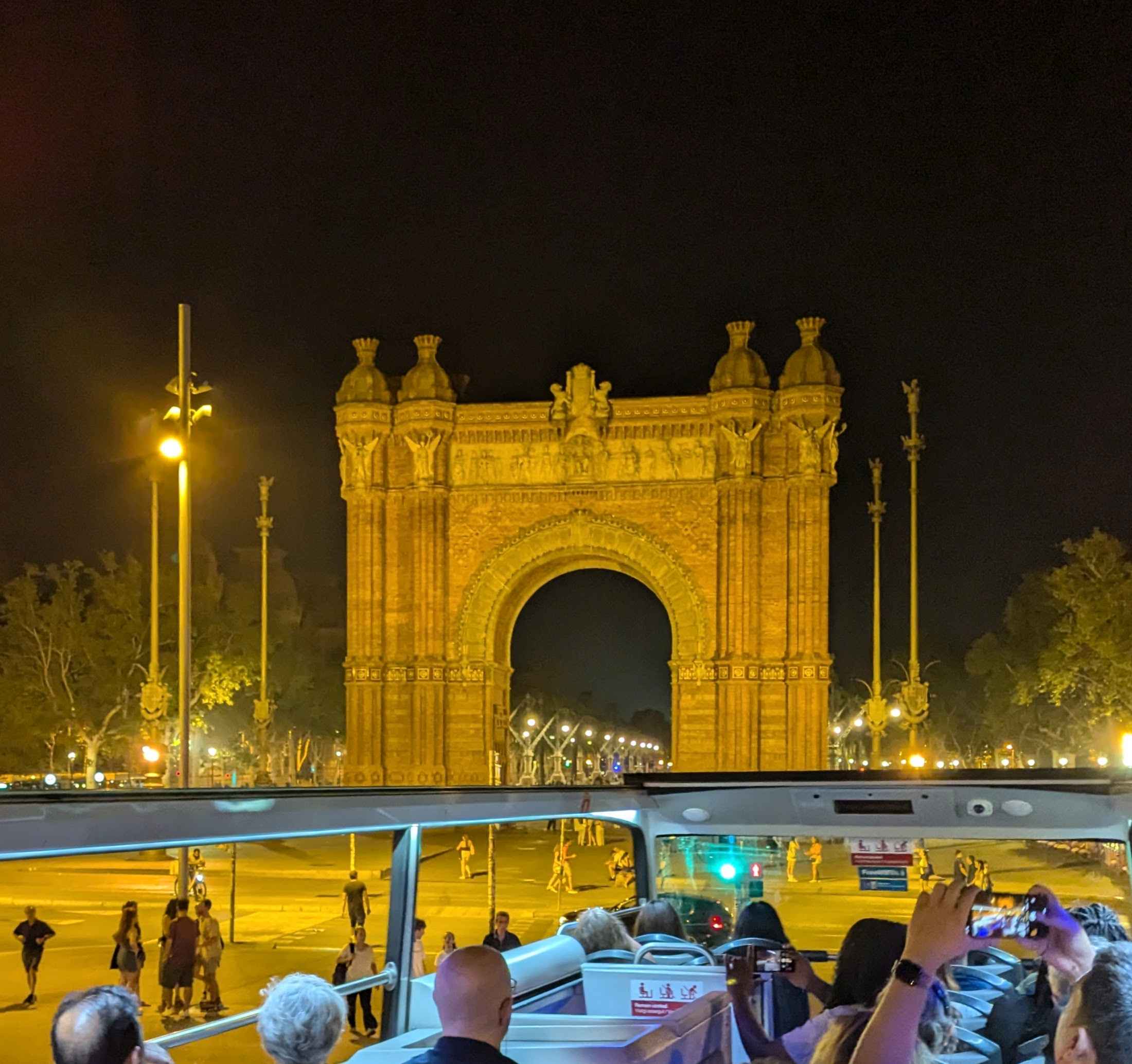
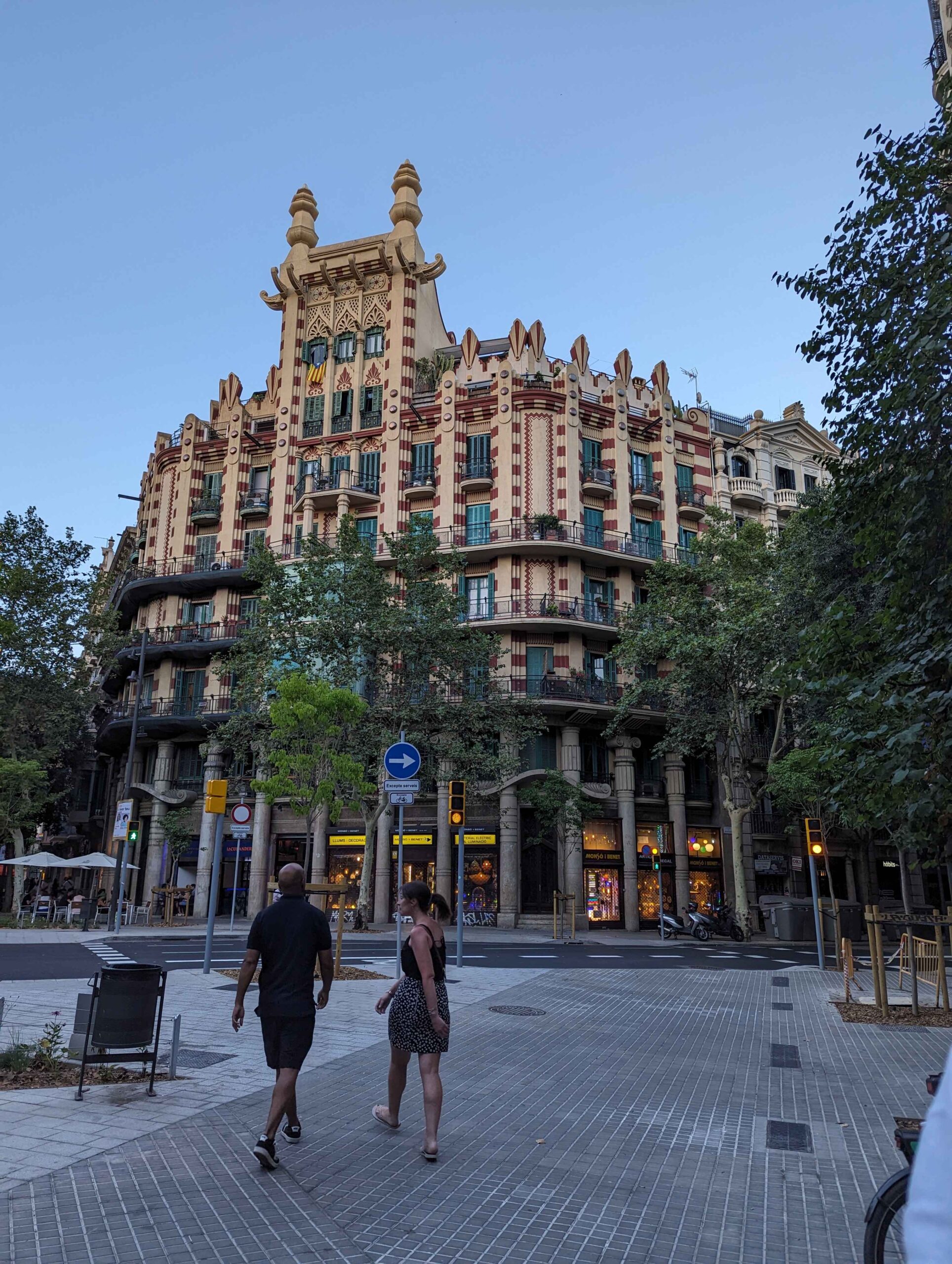
On later visits I explored the city from different perspectives. The hop on hop off bus gave me wide views of Barcelona’s skyline and Gaudí architecture during the day and again after sunset when the city lights transformed the streets. Walking along La Rambla brought a constant flow of street performers market stalls and bakeries where it was easy to stop for something sweet before continuing the wander through narrow alleys and open plazas.
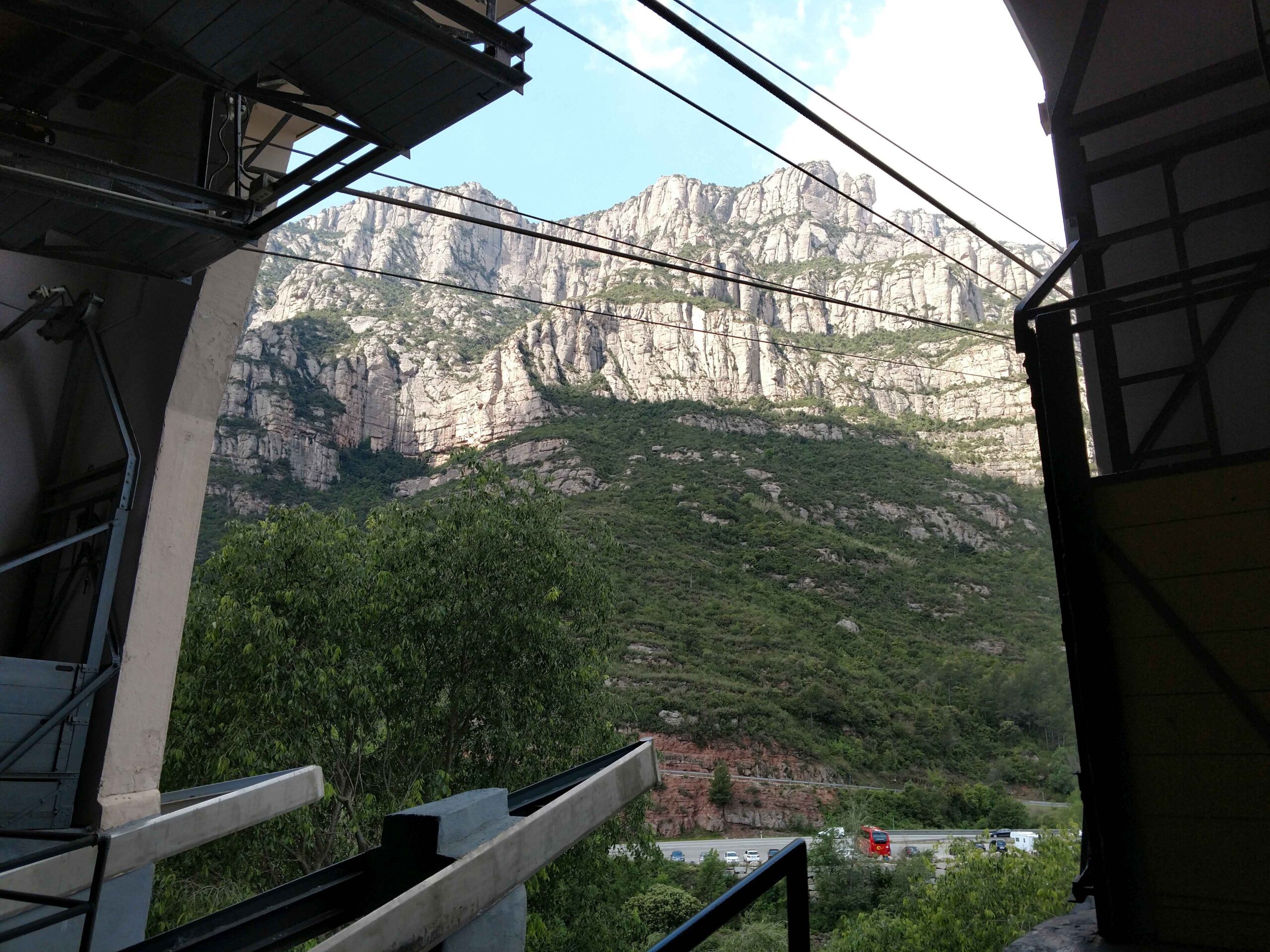
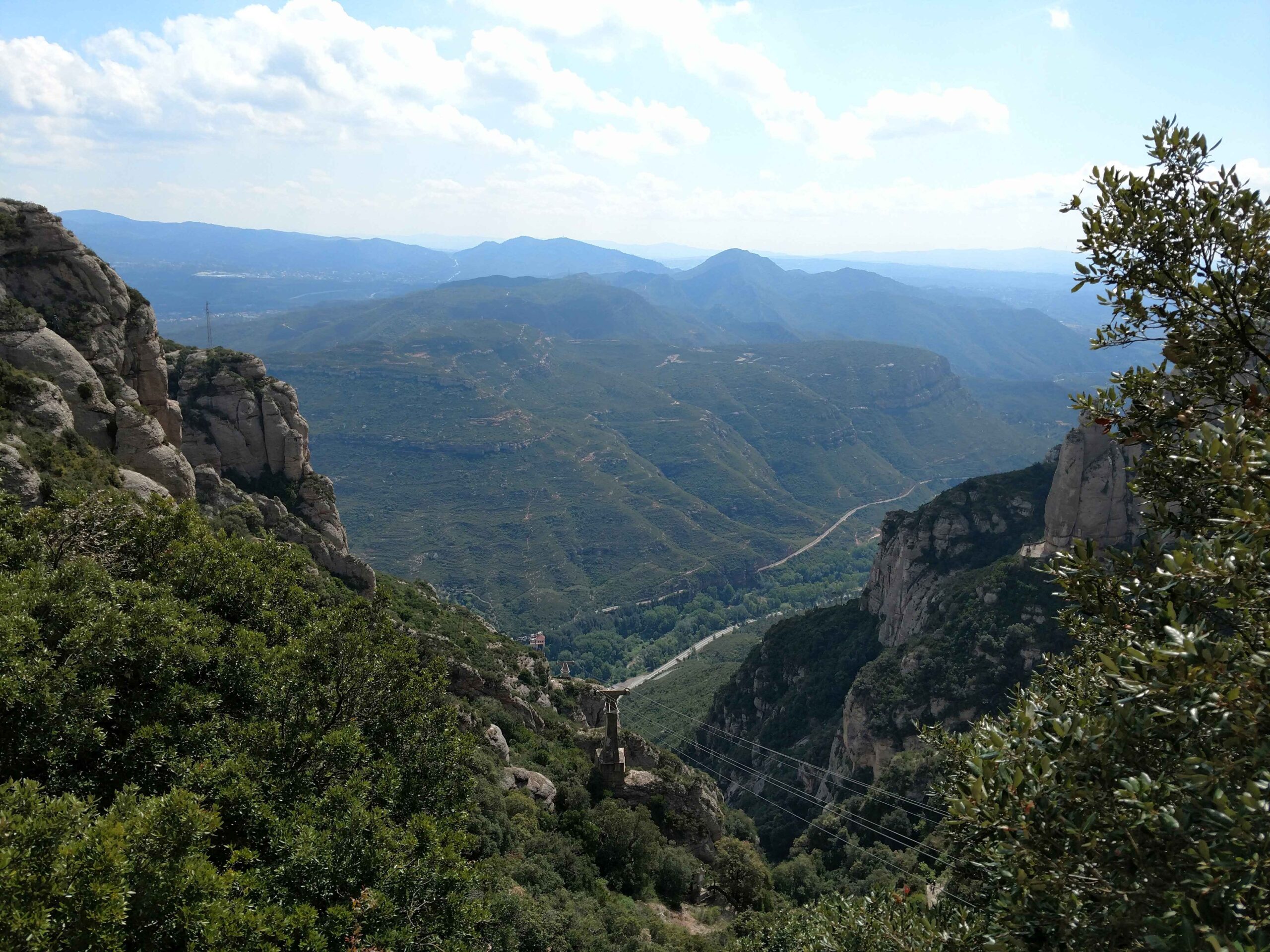
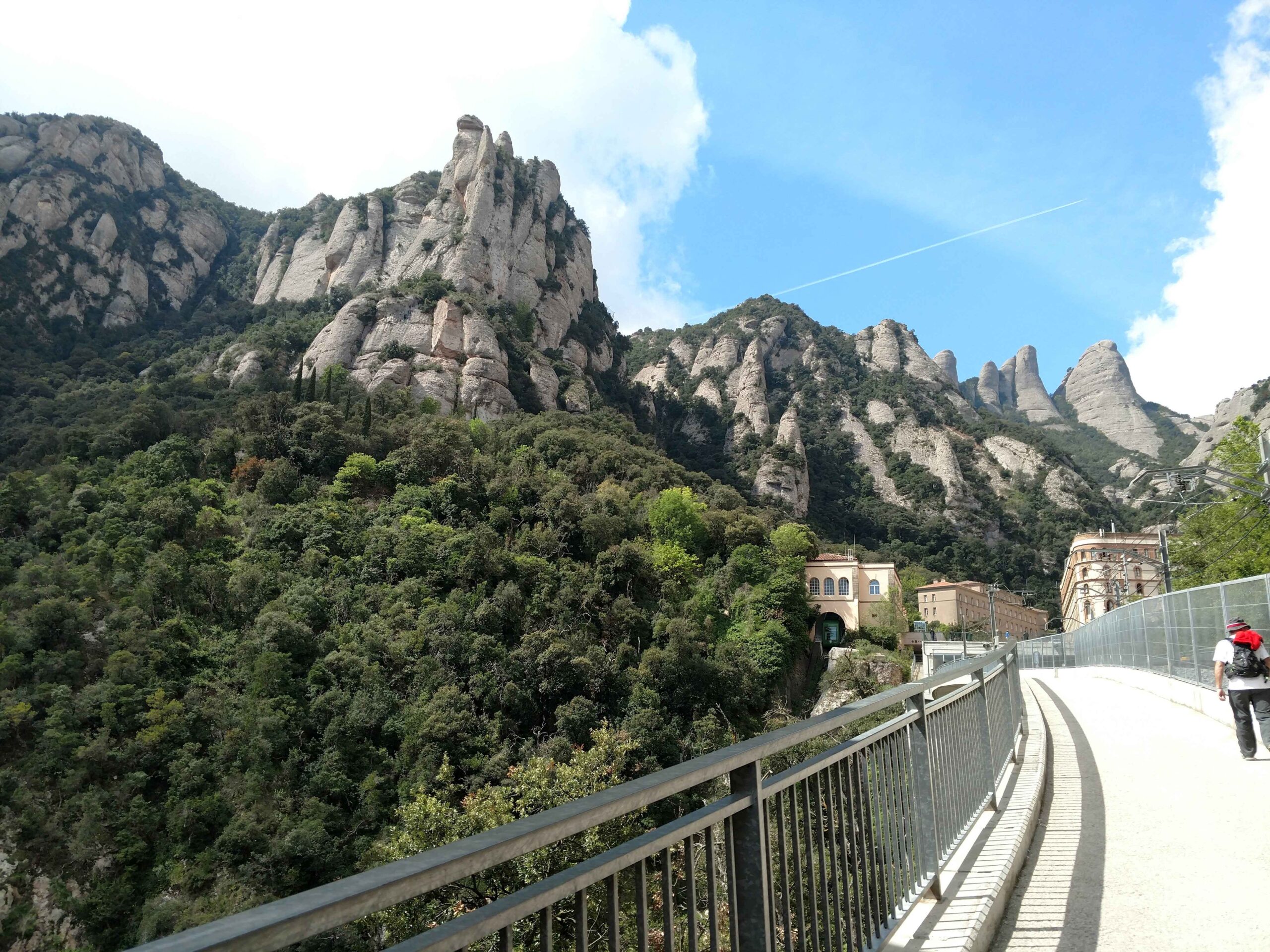
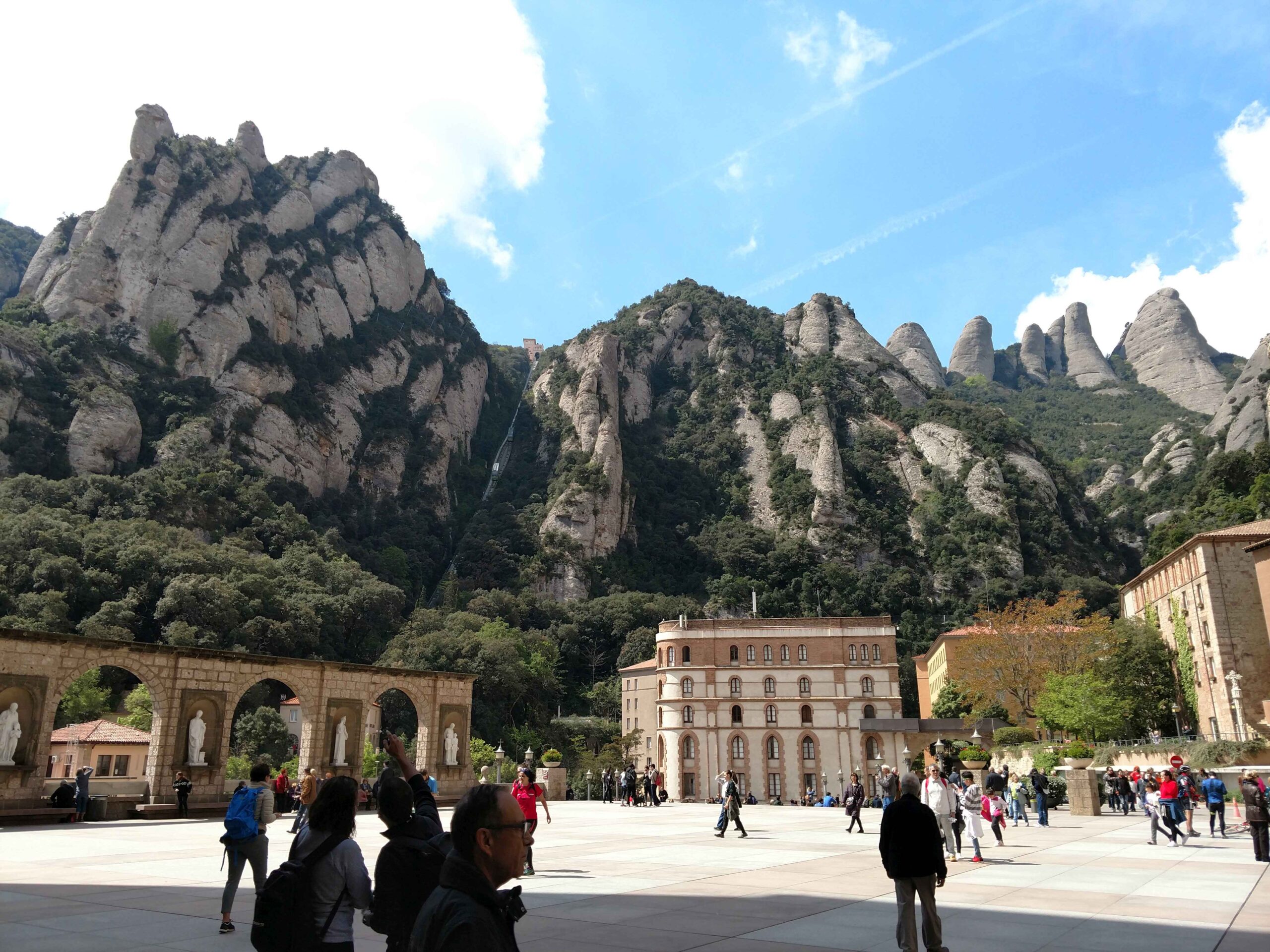
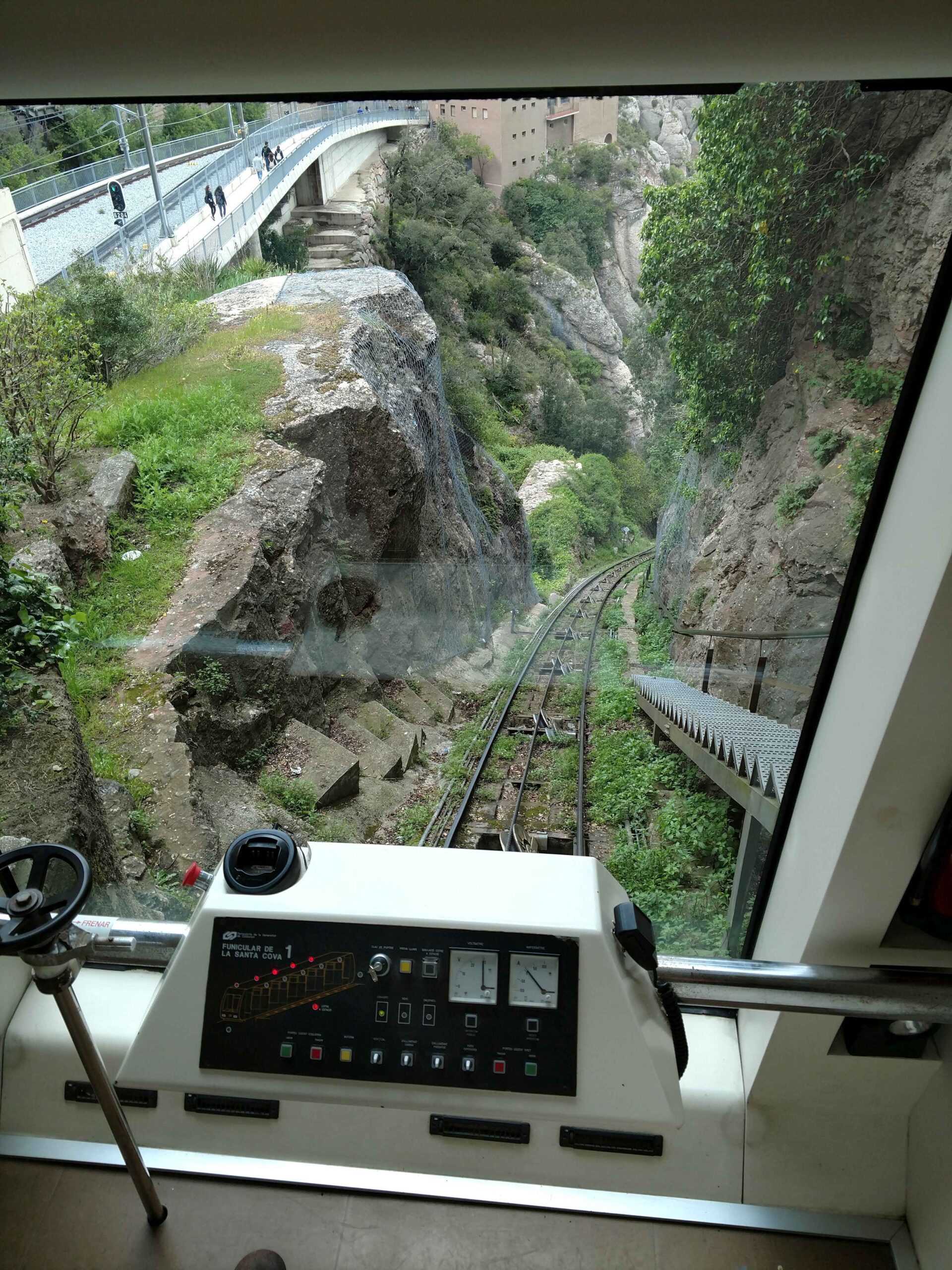
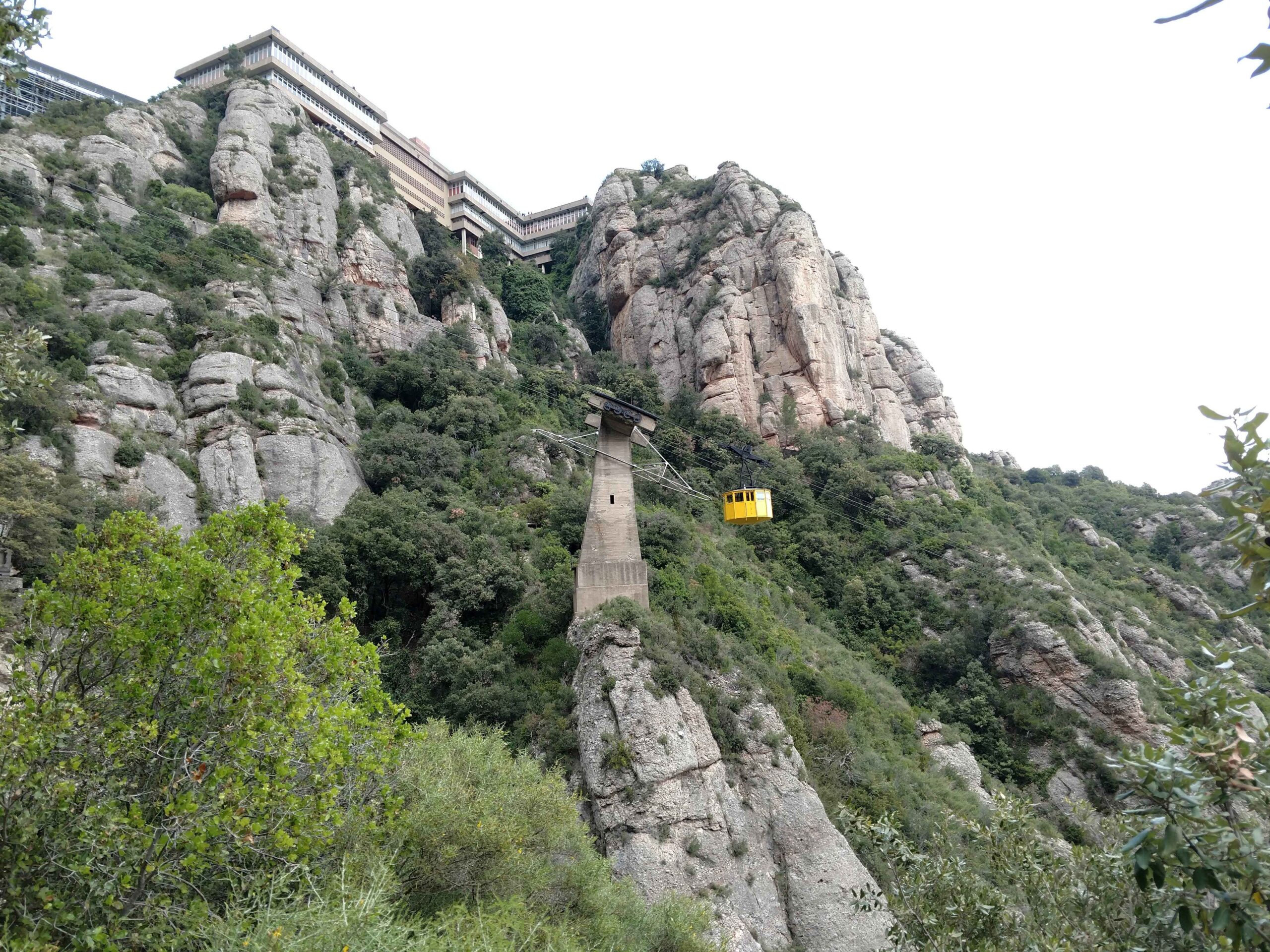
One trip also took me beyond the city to Montserrat where the mountains rise sharply above the Catalonian landscape. I rode the gondola cable car up to the monastery perched along the cliffs and later descended by funicular. The dramatic rock formations and sweeping valley views felt completely different from the dense city streets below.
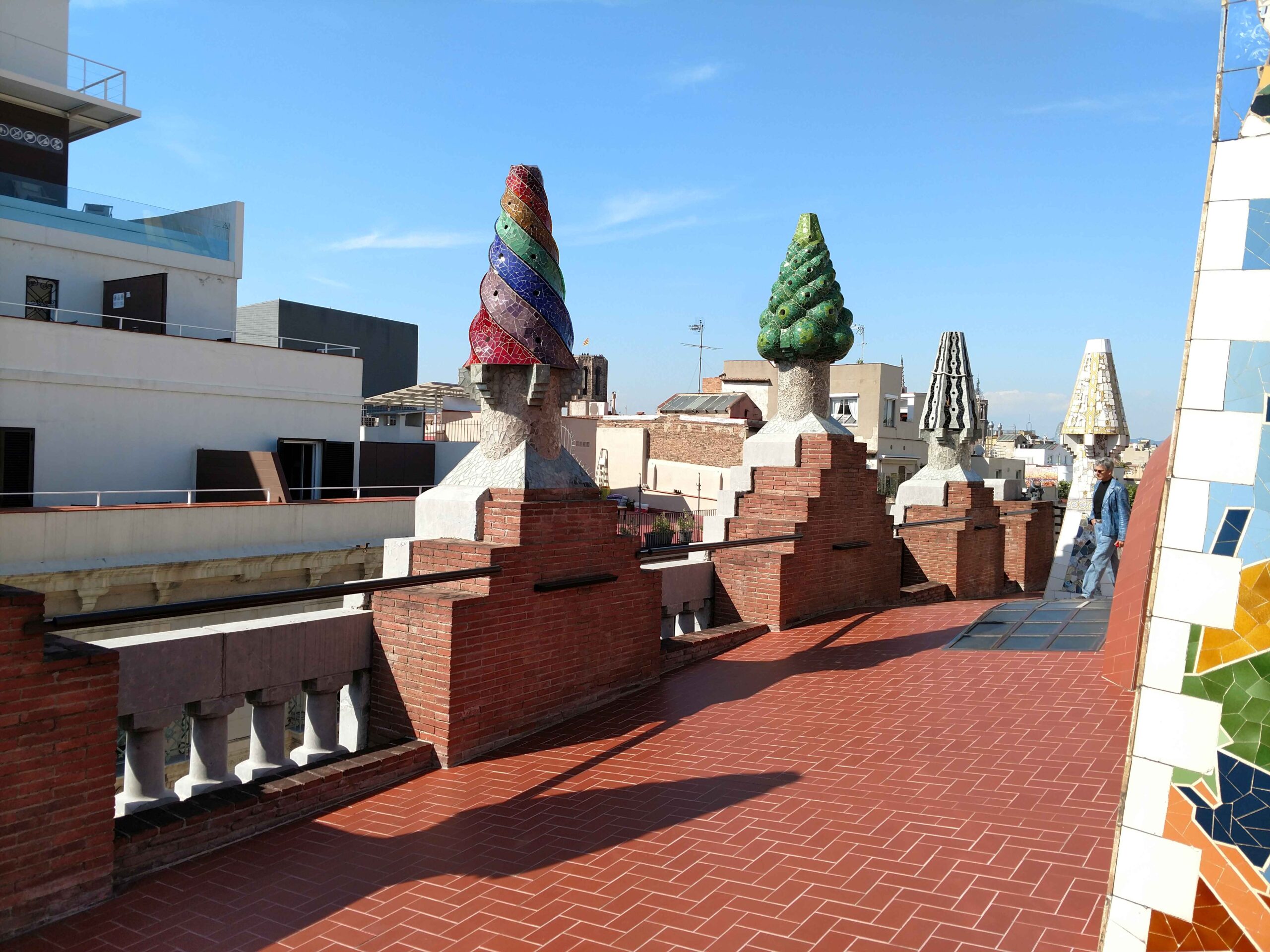
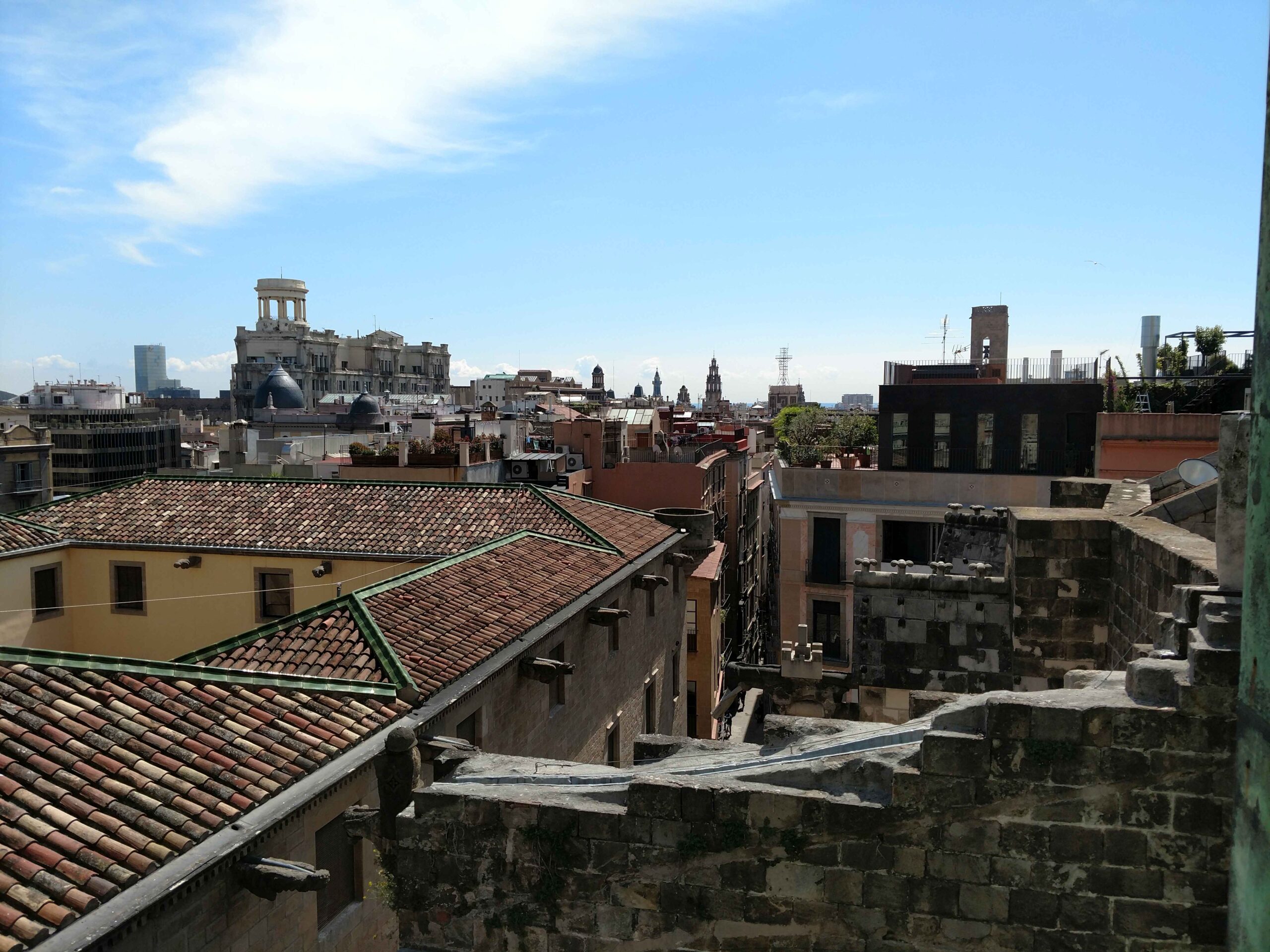
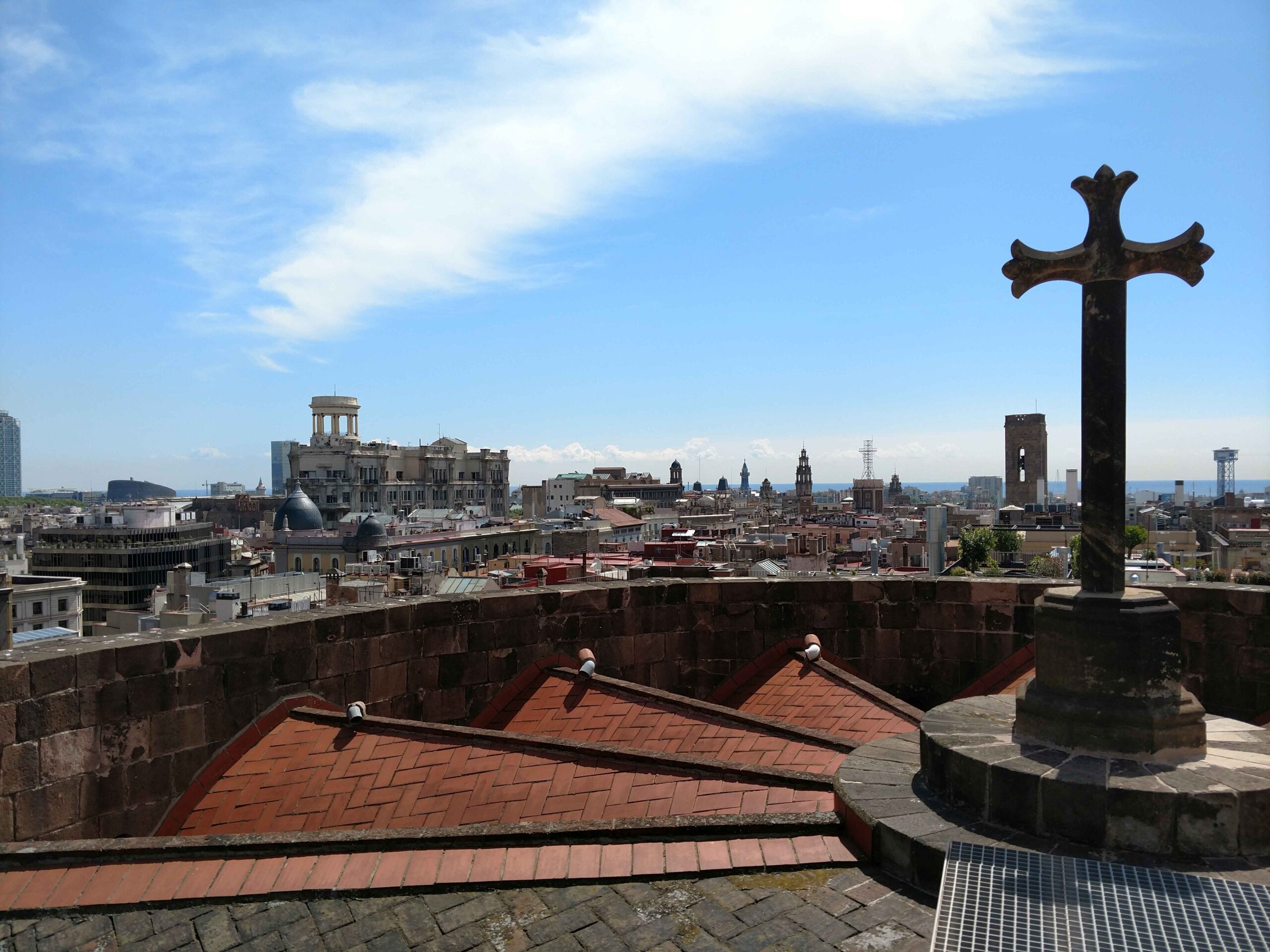
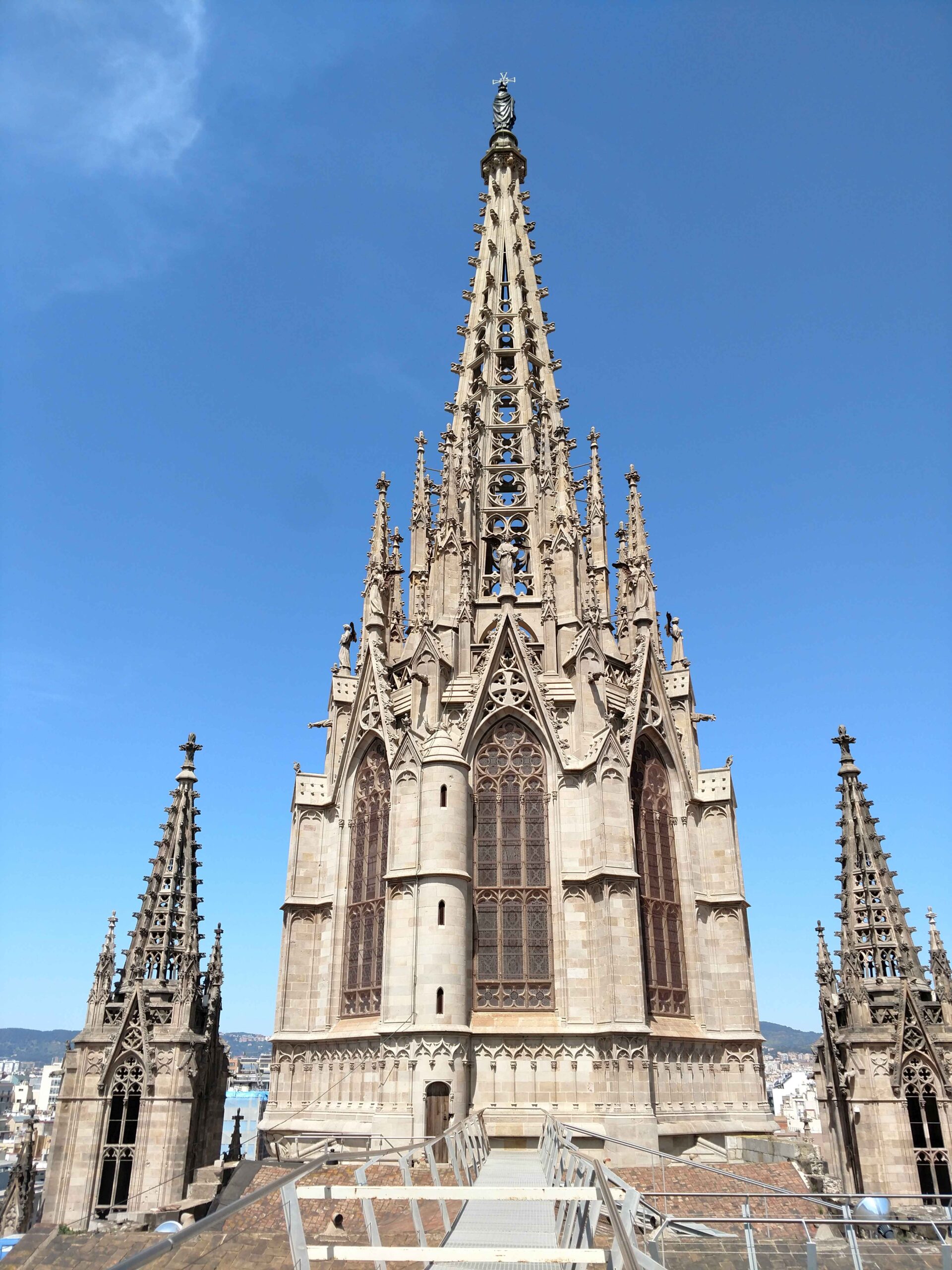
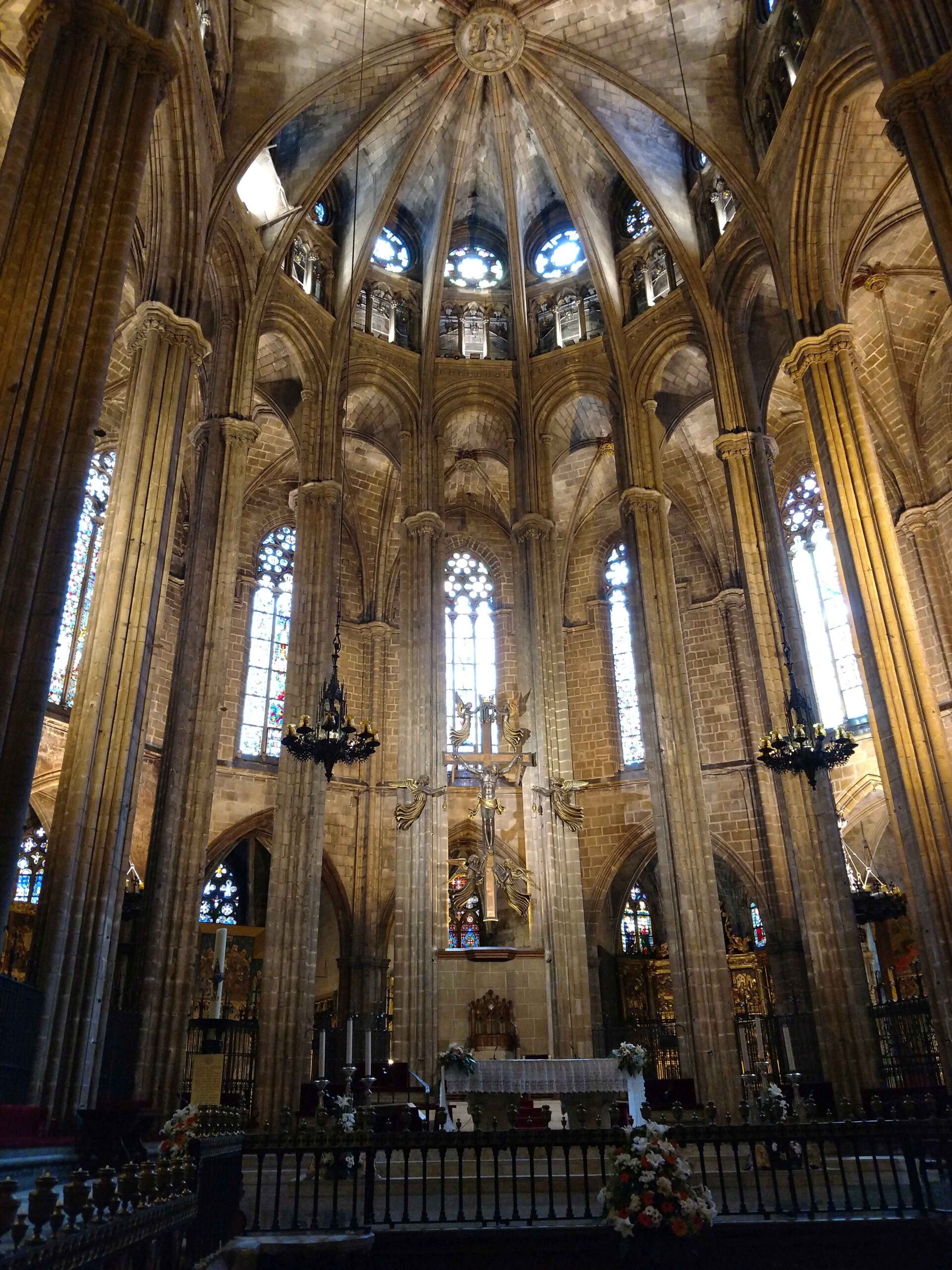
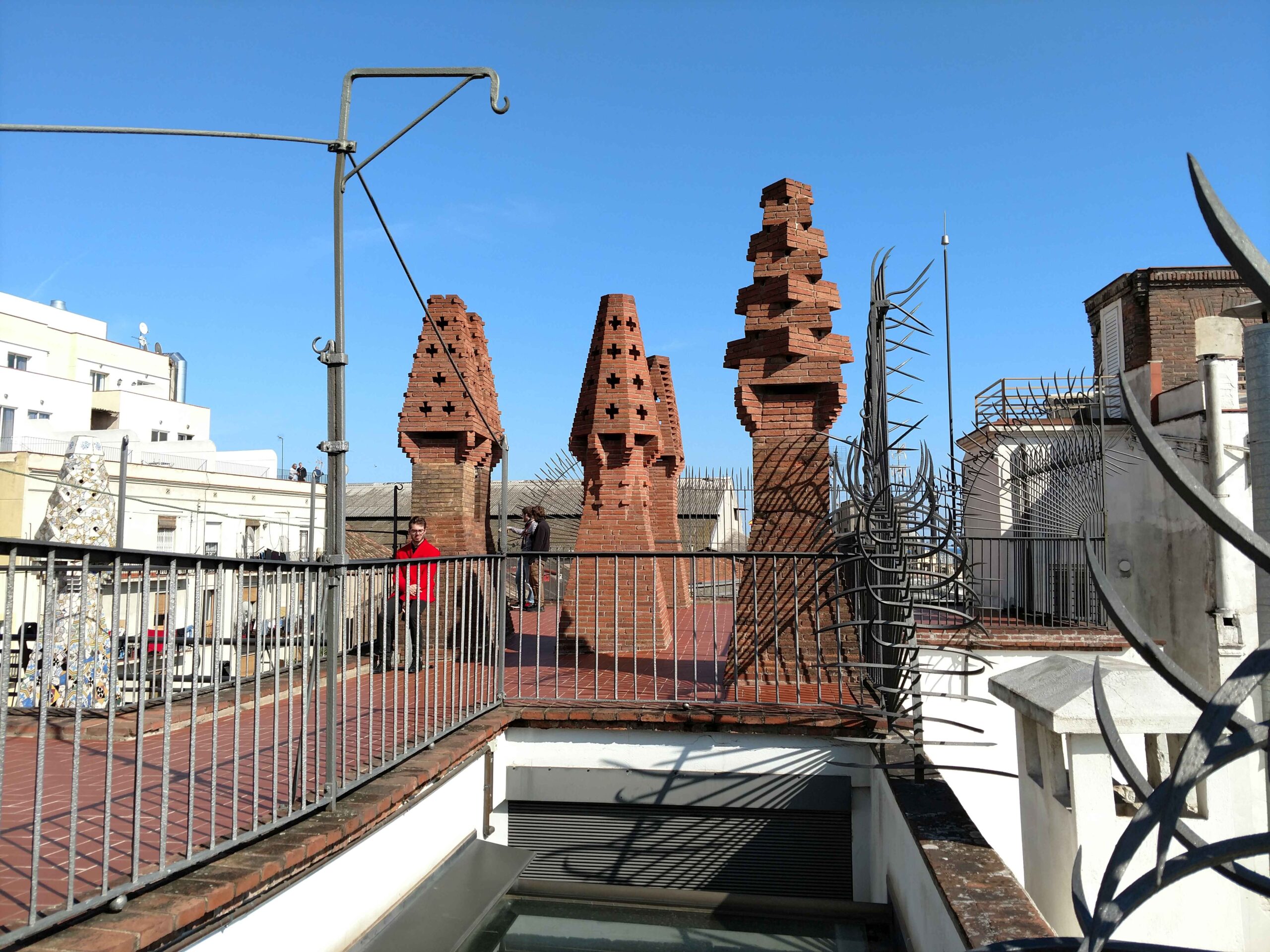
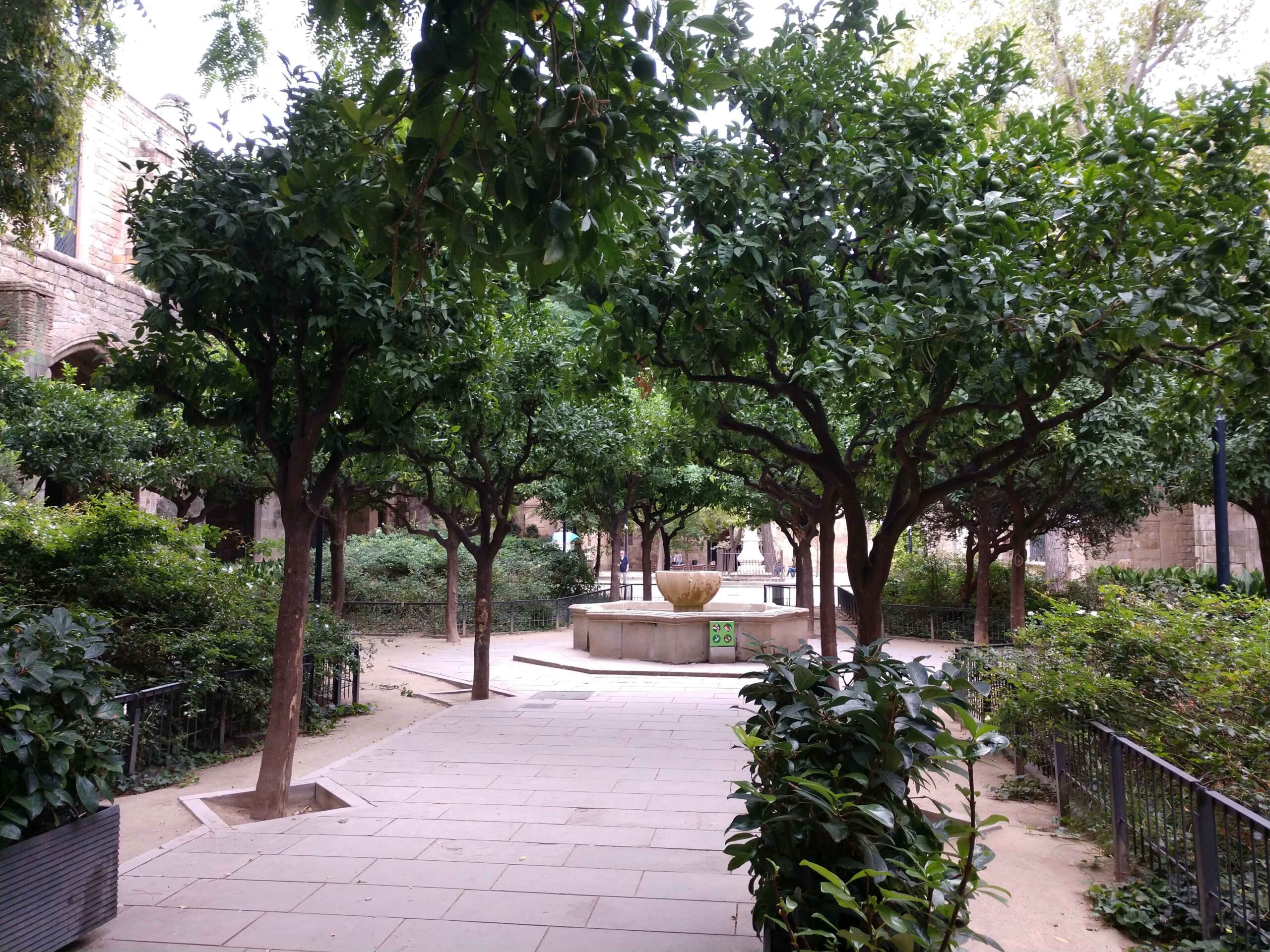
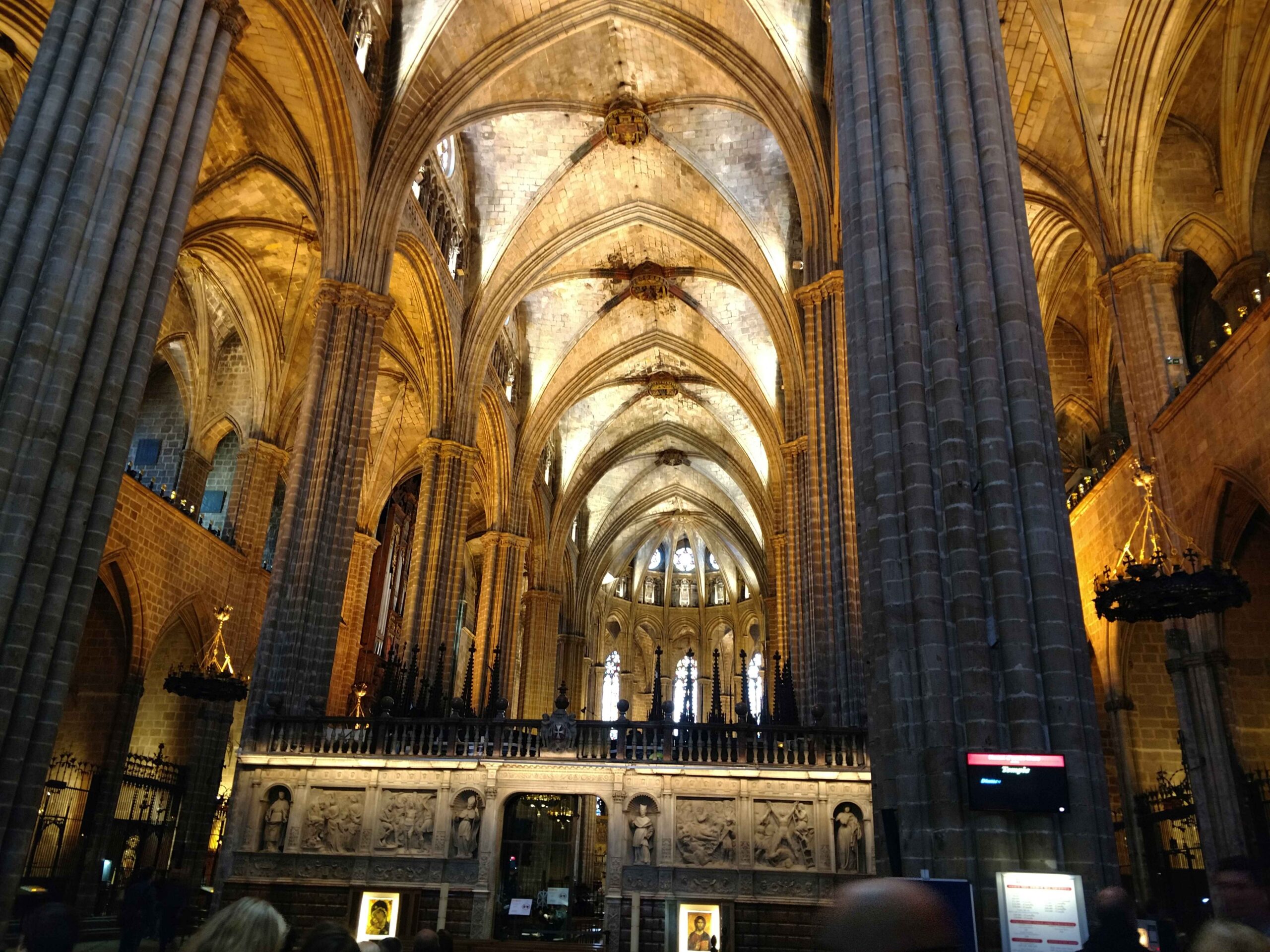
Barcelona’s story stretches back more than two thousand years from its Roman origins through medieval expansion and into the modern Catalan capital it is today. That long history explains why every visit reveals another layer whether it is a cathedral rooftop viewpoint a hidden Roman wall or a quiet courtyard just steps from a crowded boulevard.
If You Have More Time…
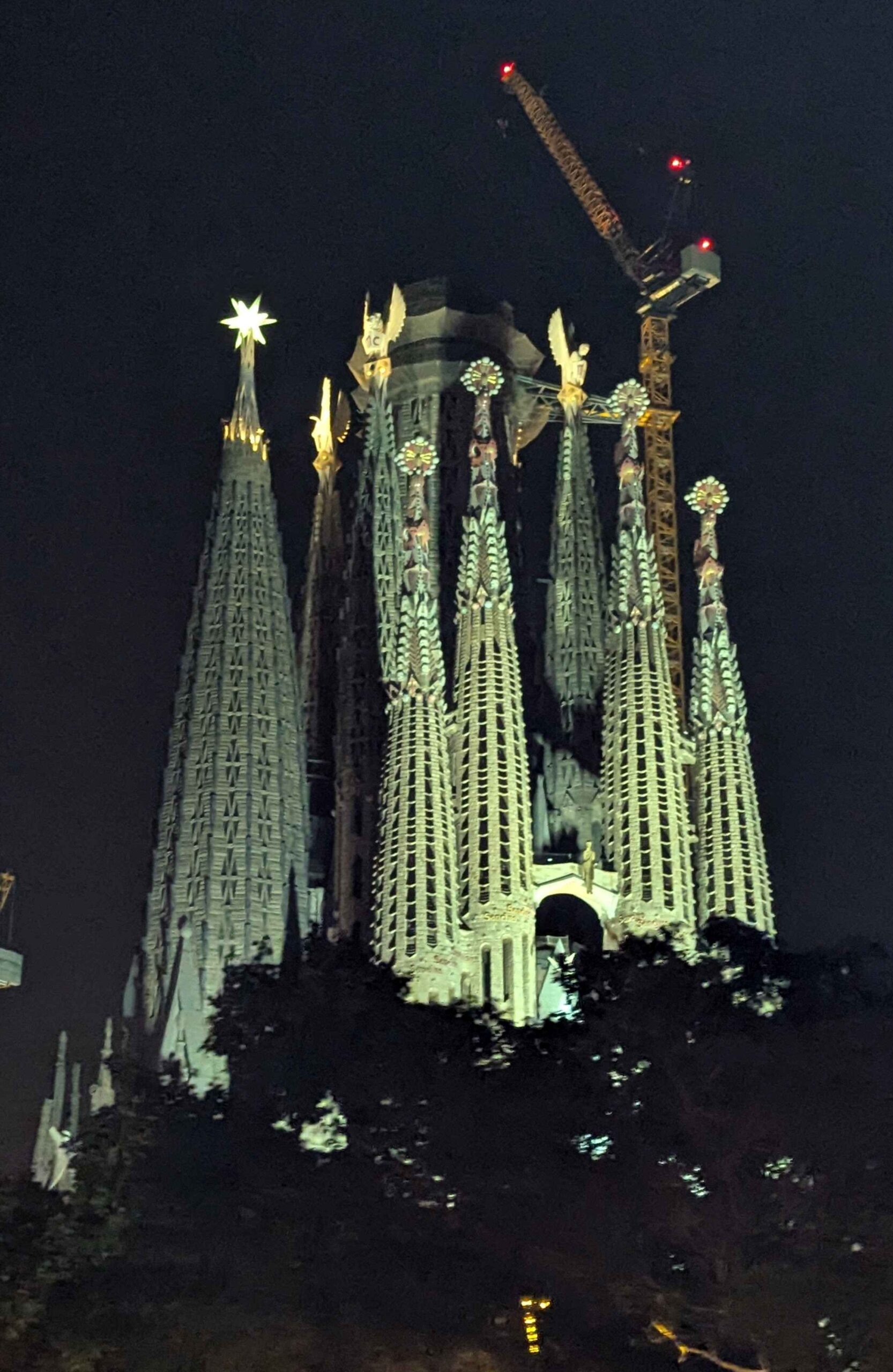
- Sagrada Familia – Gaudí’s still-unfinished basilica is one of the most iconic landmarks in Spain.
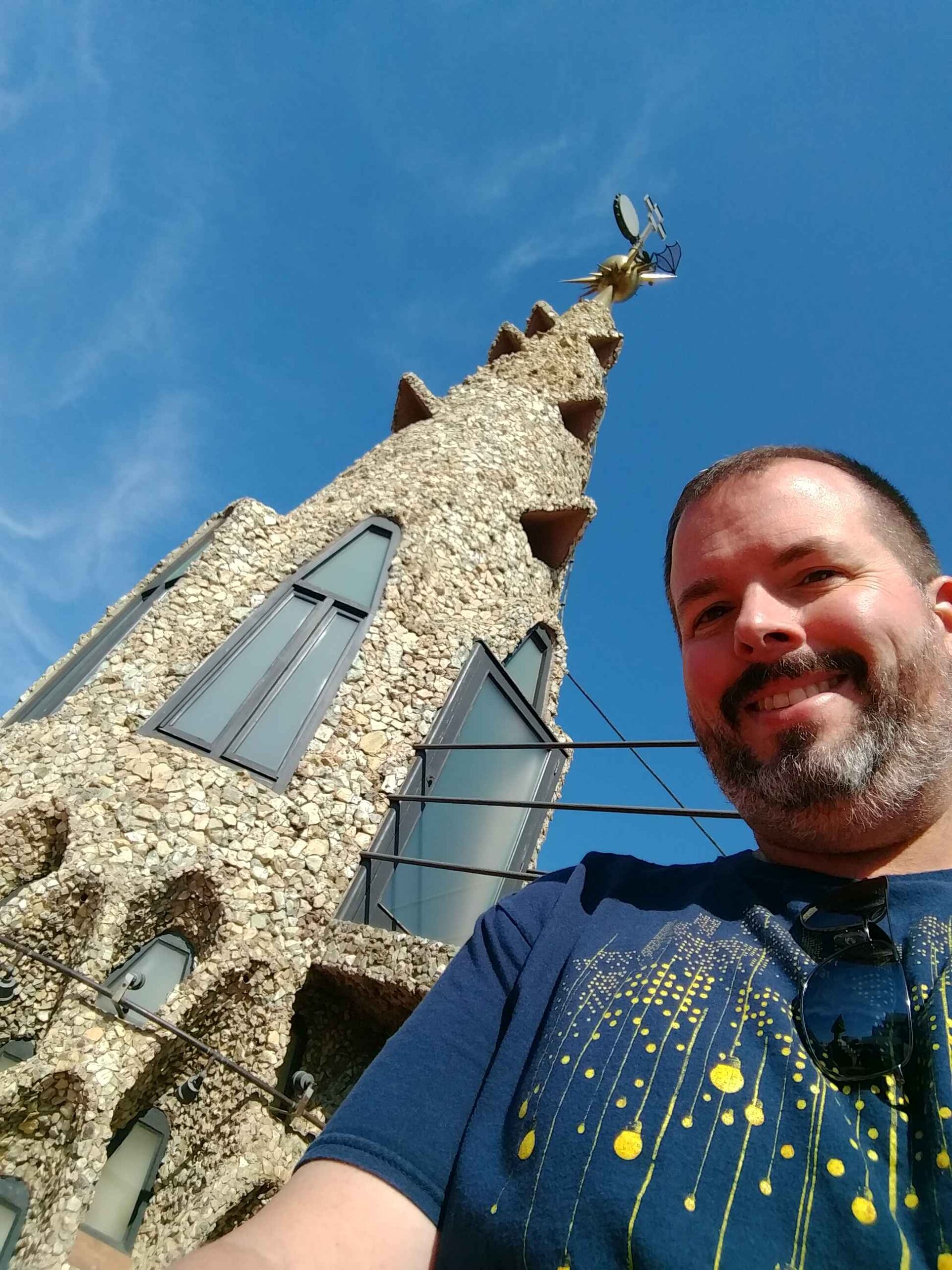
- Park Güell – A hillside park filled with colorful mosaics and whimsical architecture.
- Magic Fountain of Montjuïc – Evening light and water shows create a dazzling performance.
- Picasso Museum – A collection of works that trace the artist’s early development.
- Camp Nou – A must-see for football fans interested in the home of FC Barcelona.