
Gdańsk's Cobblestones and Summer Festival Crowds
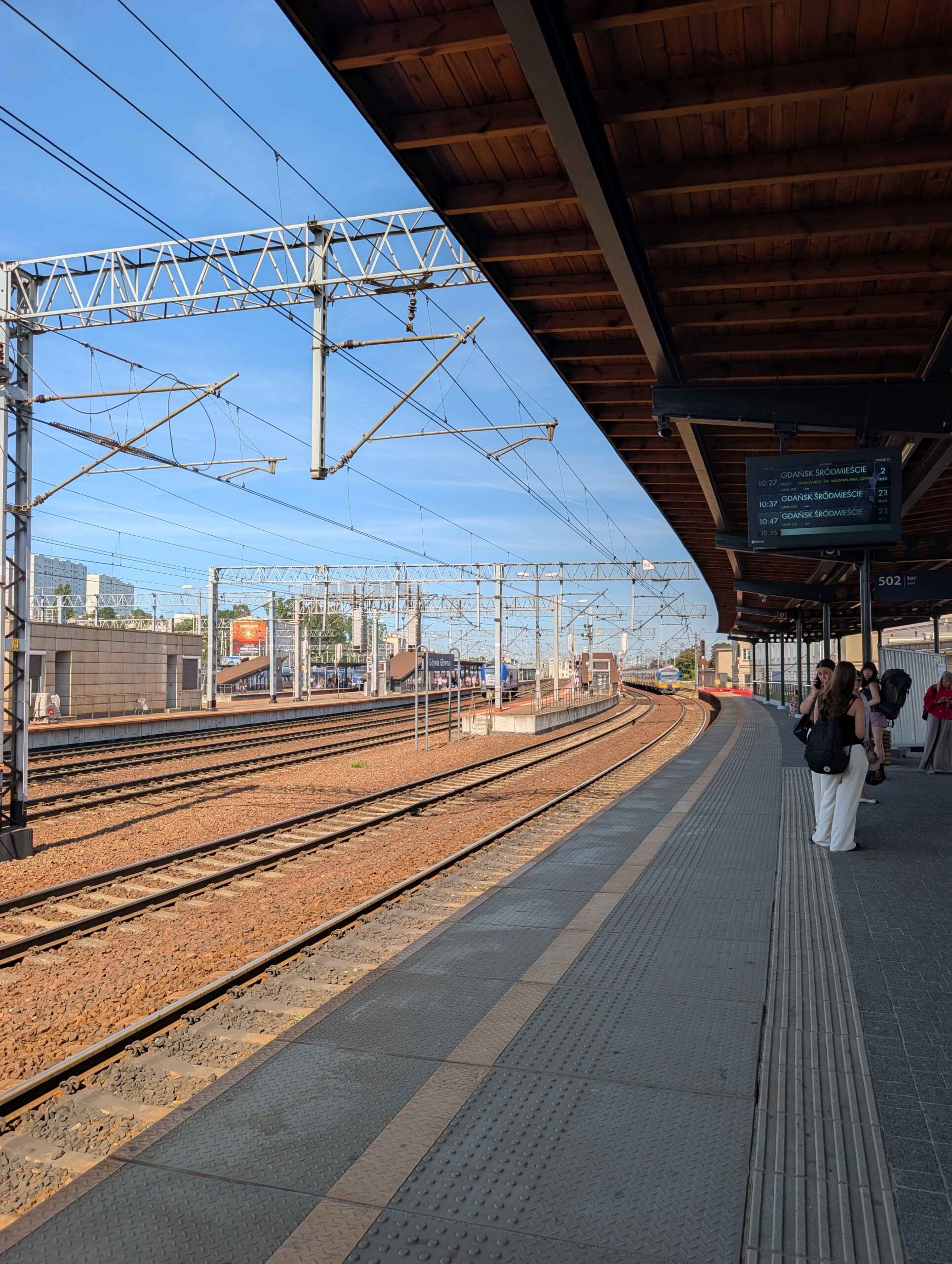
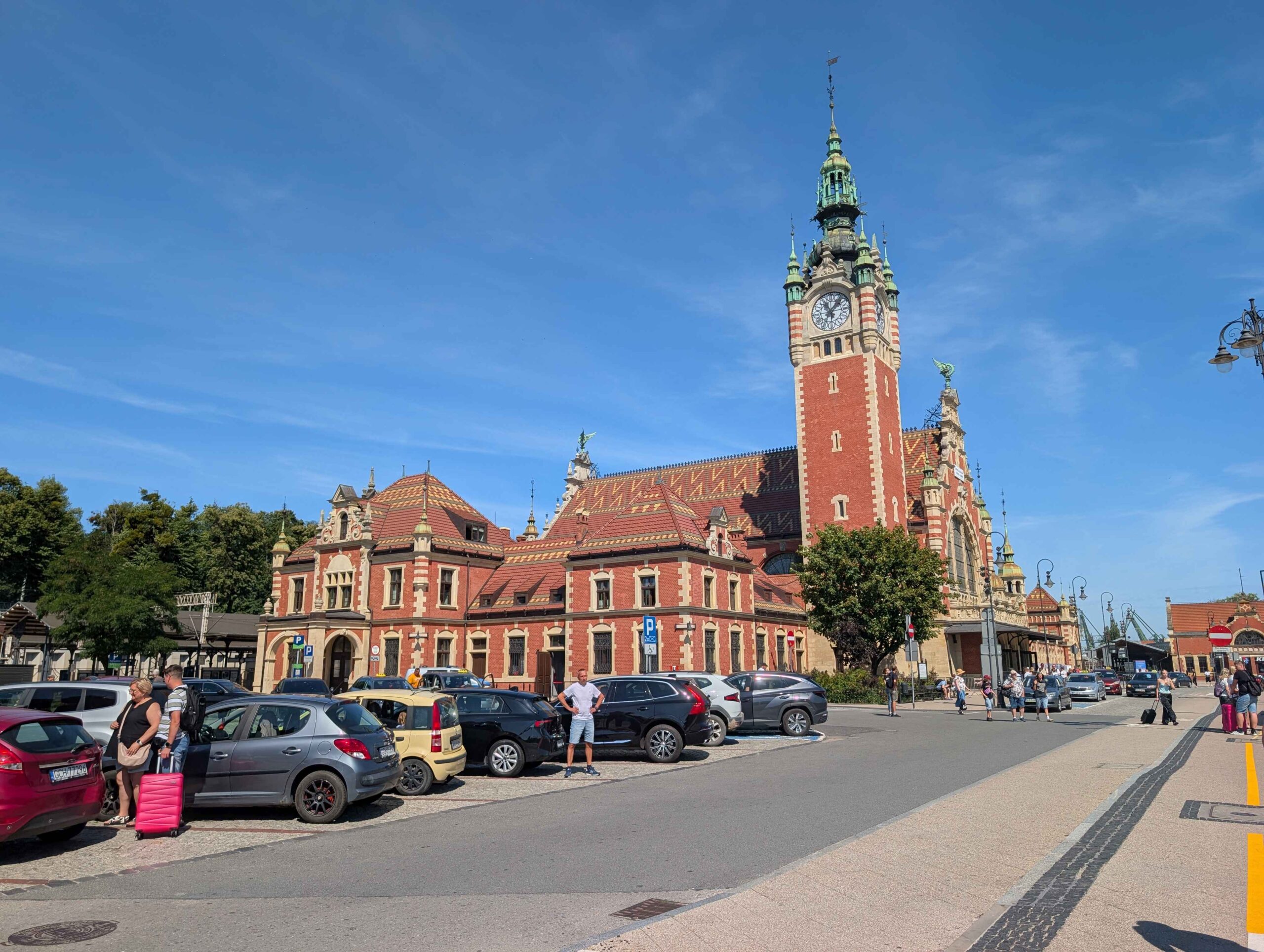
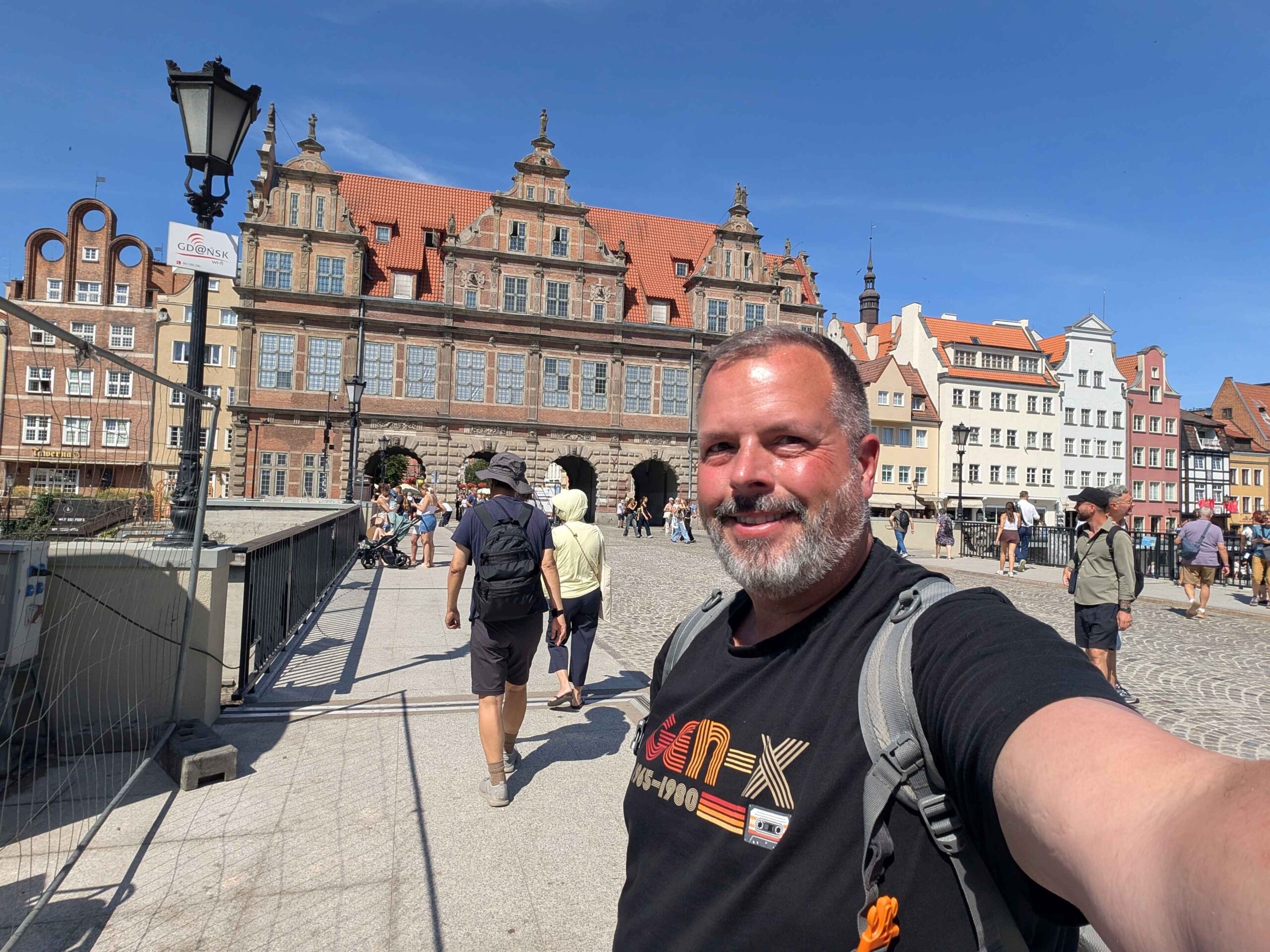
Stepping off my cruise ship in Gdynia, I skipped the organized excursions and headed for the train instead. A short ride from Gdynia Główna to Gdańsk Główny put me within a few minutes’ walk of Old Town, where bright sunshine, temperatures around 30°C (90°F), and busy cobblestone streets set the tone for the afternoon.
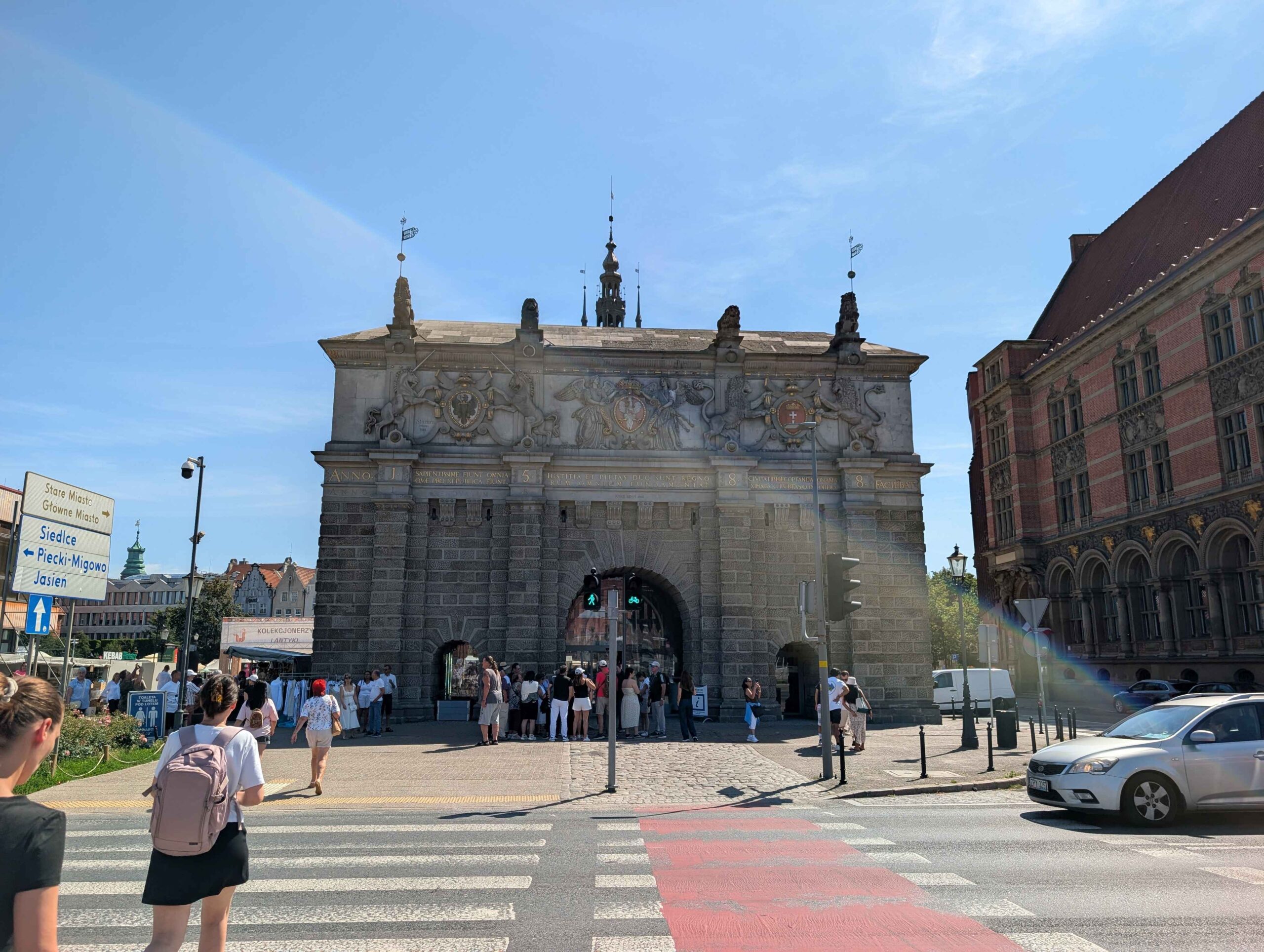
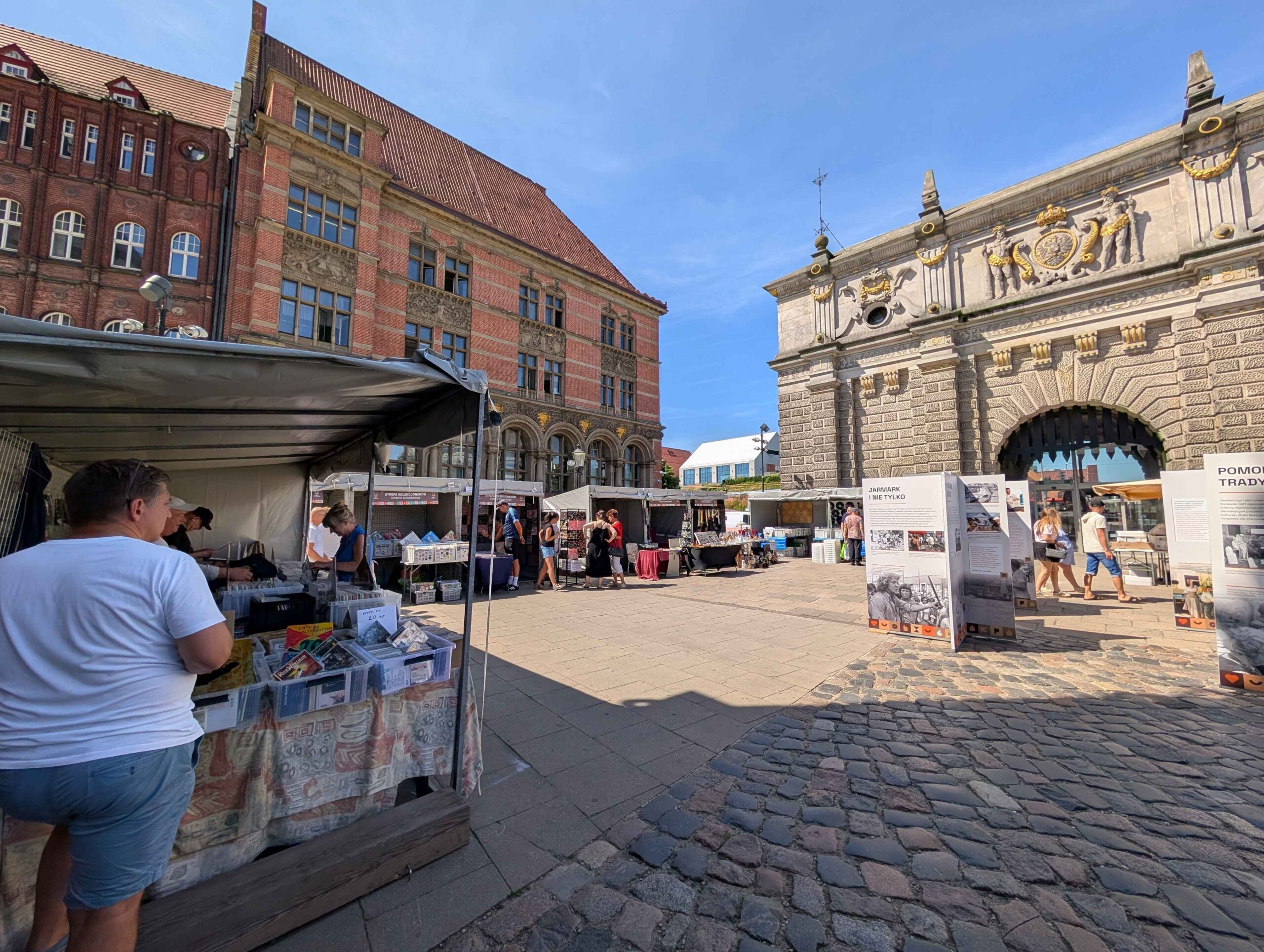
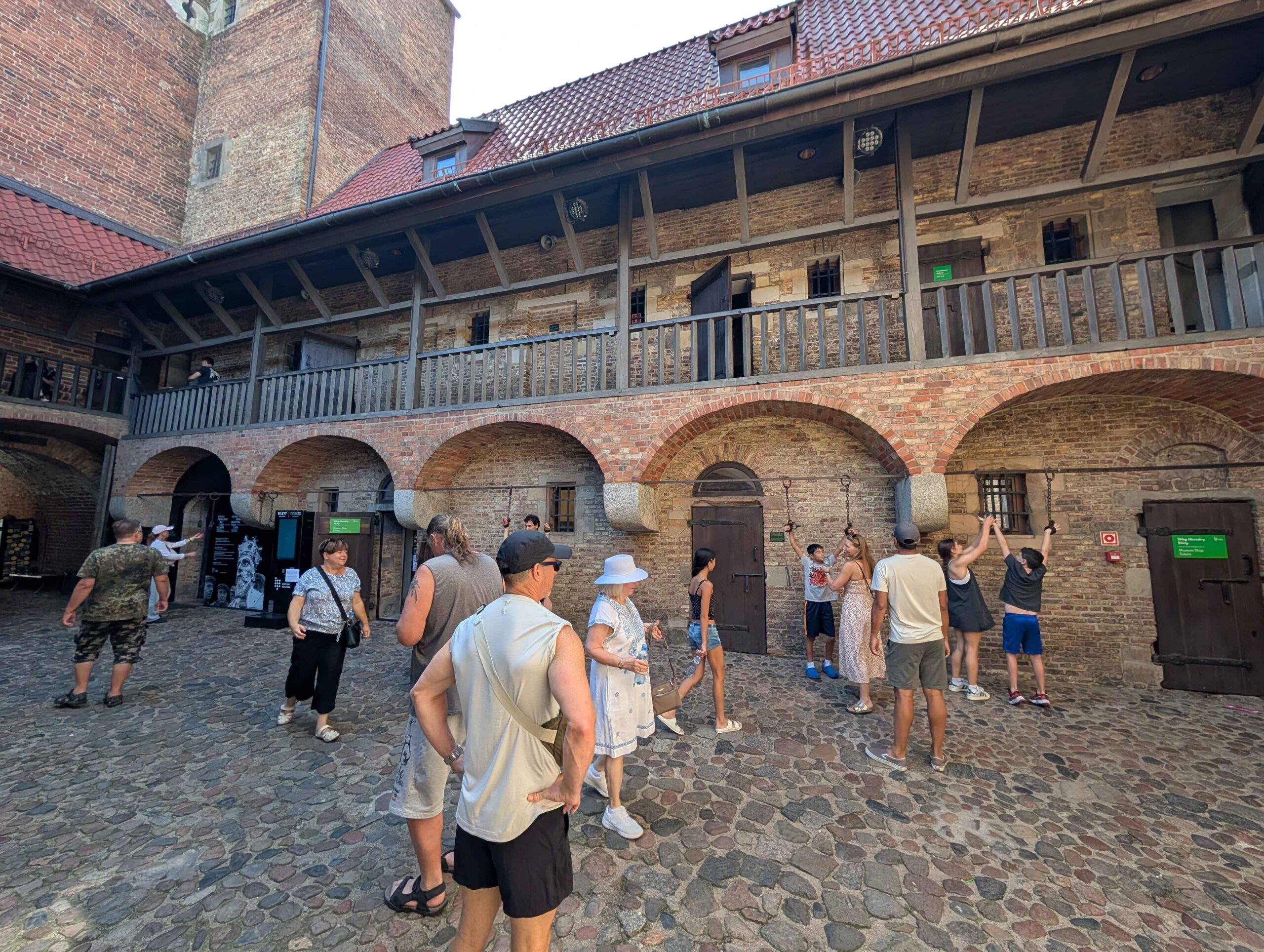
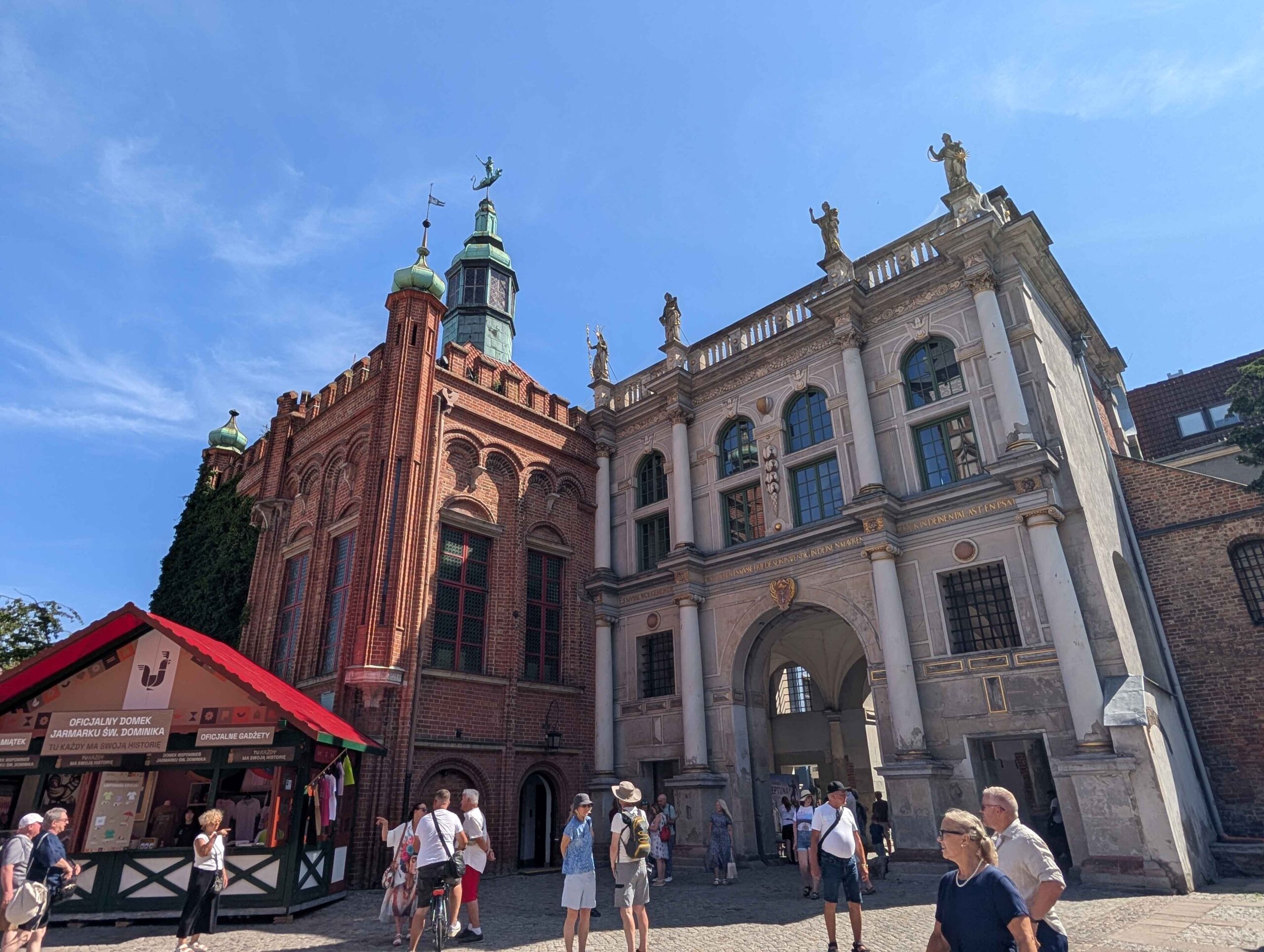
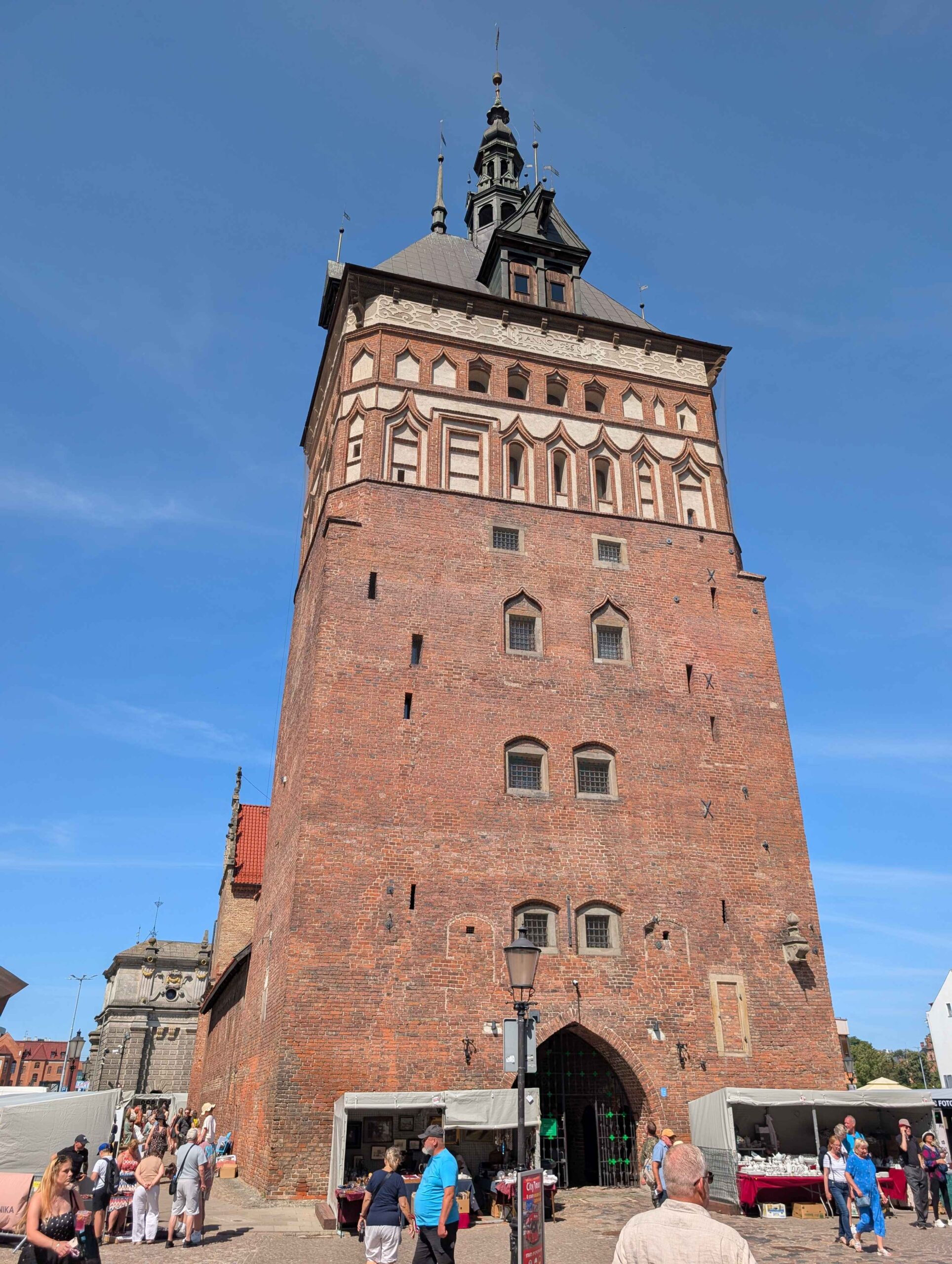
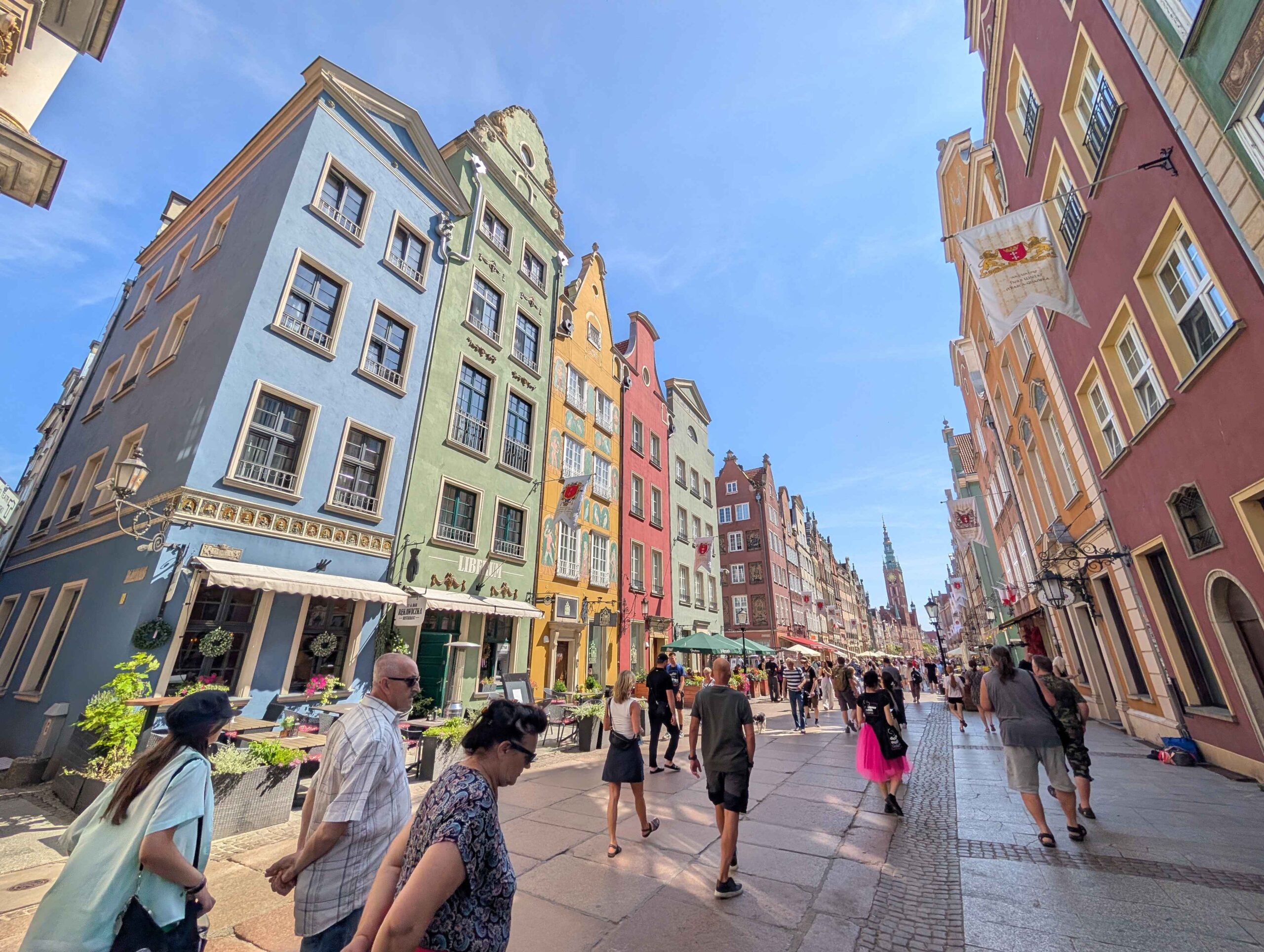
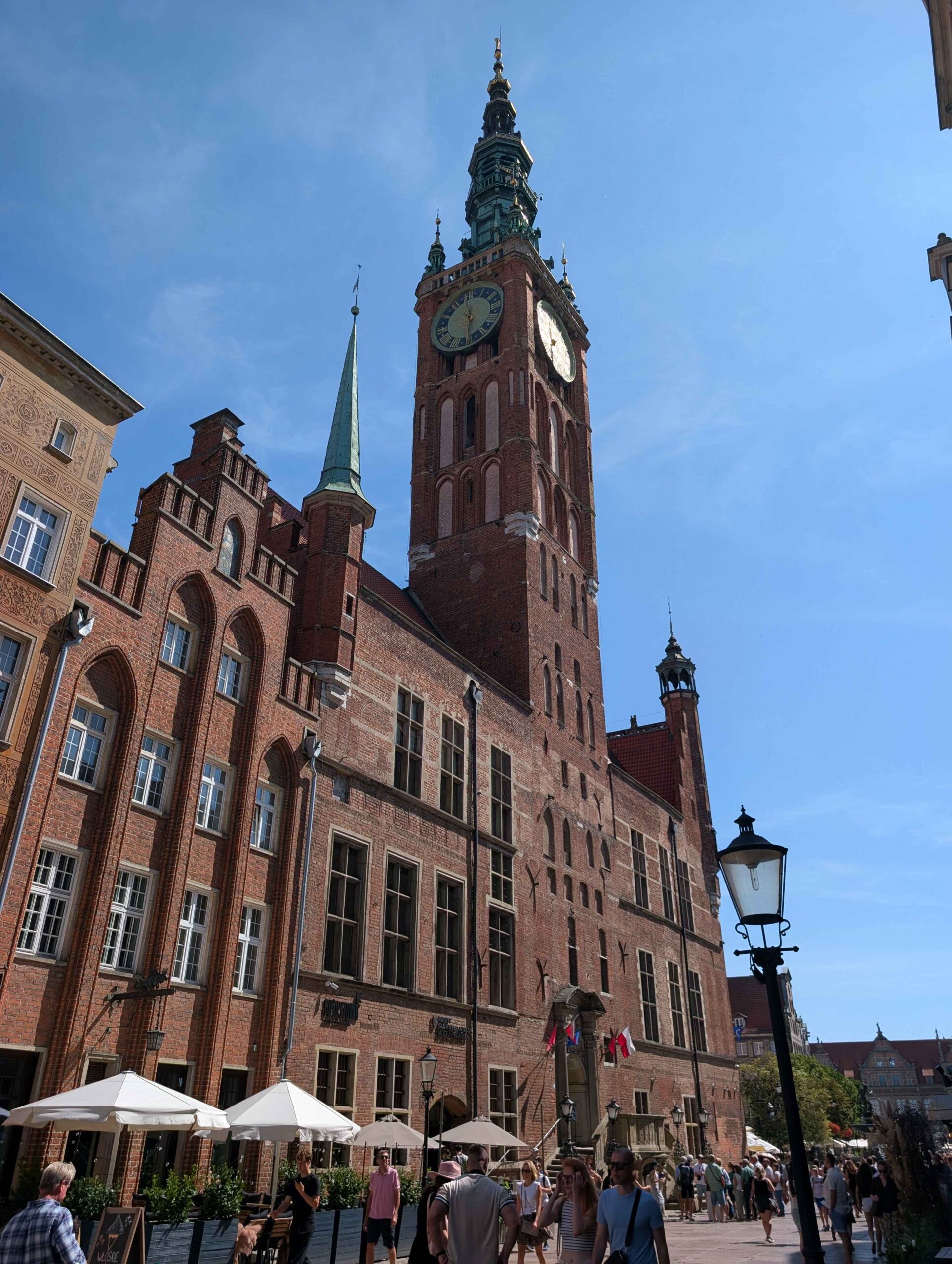
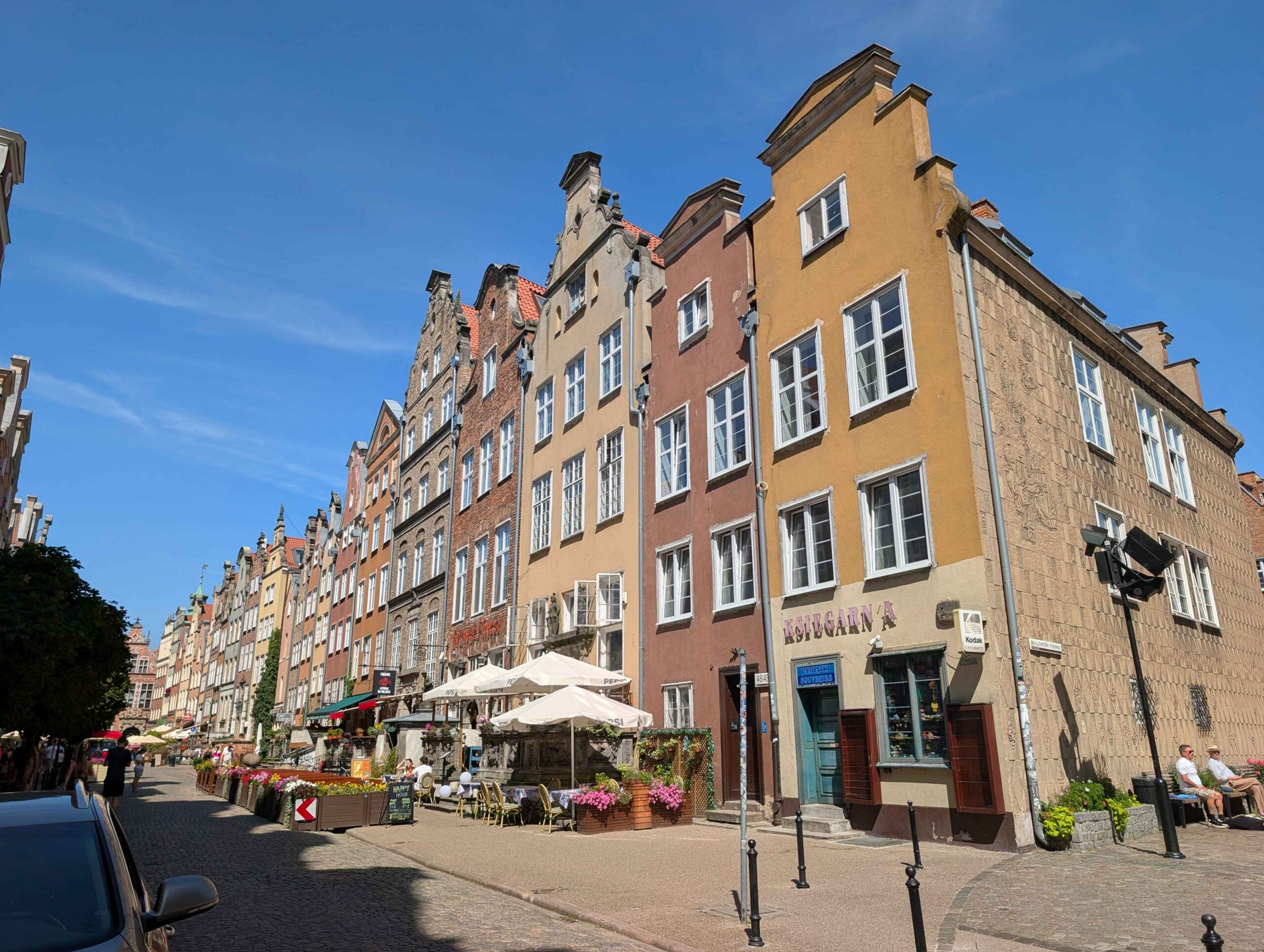
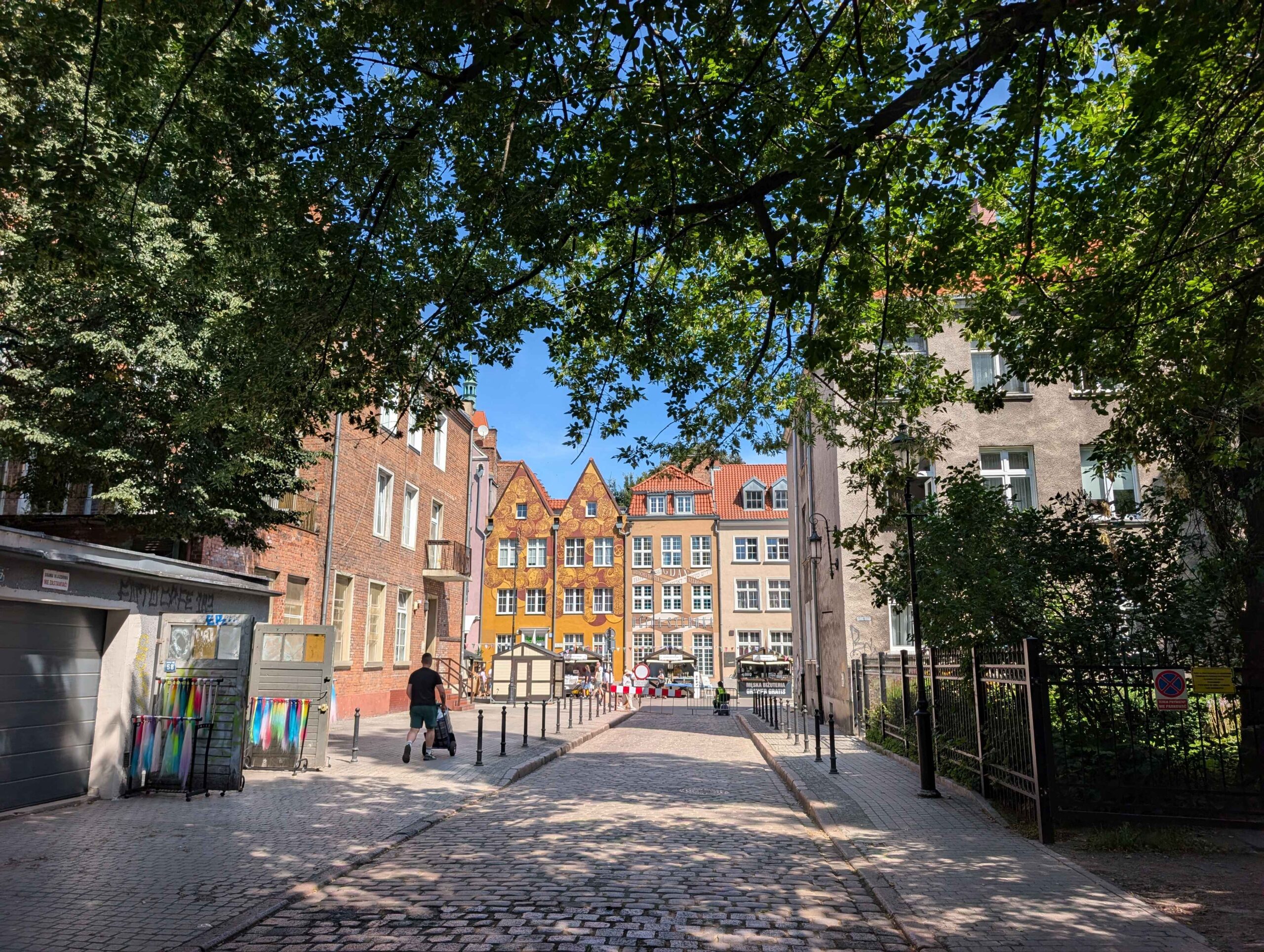
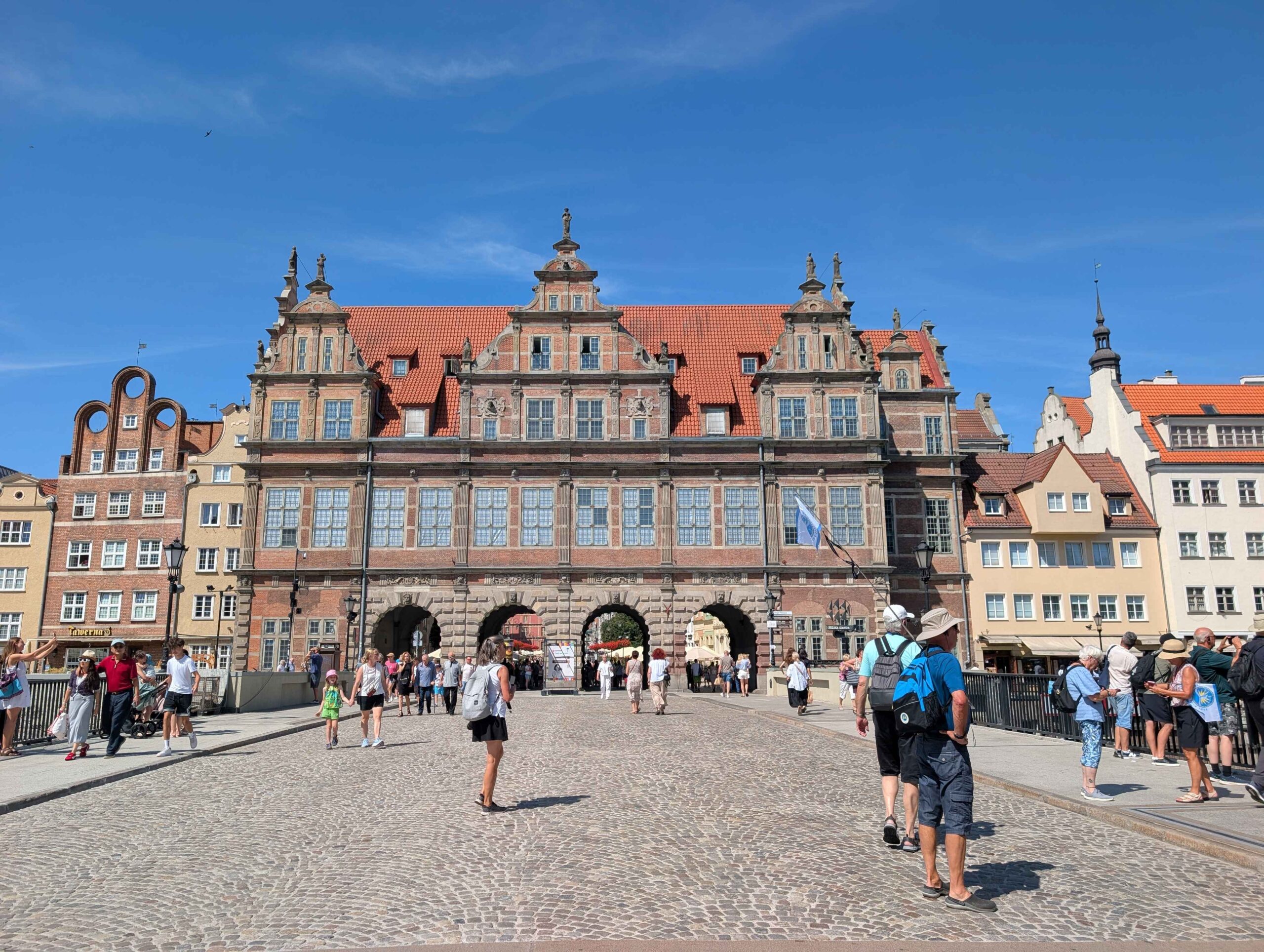
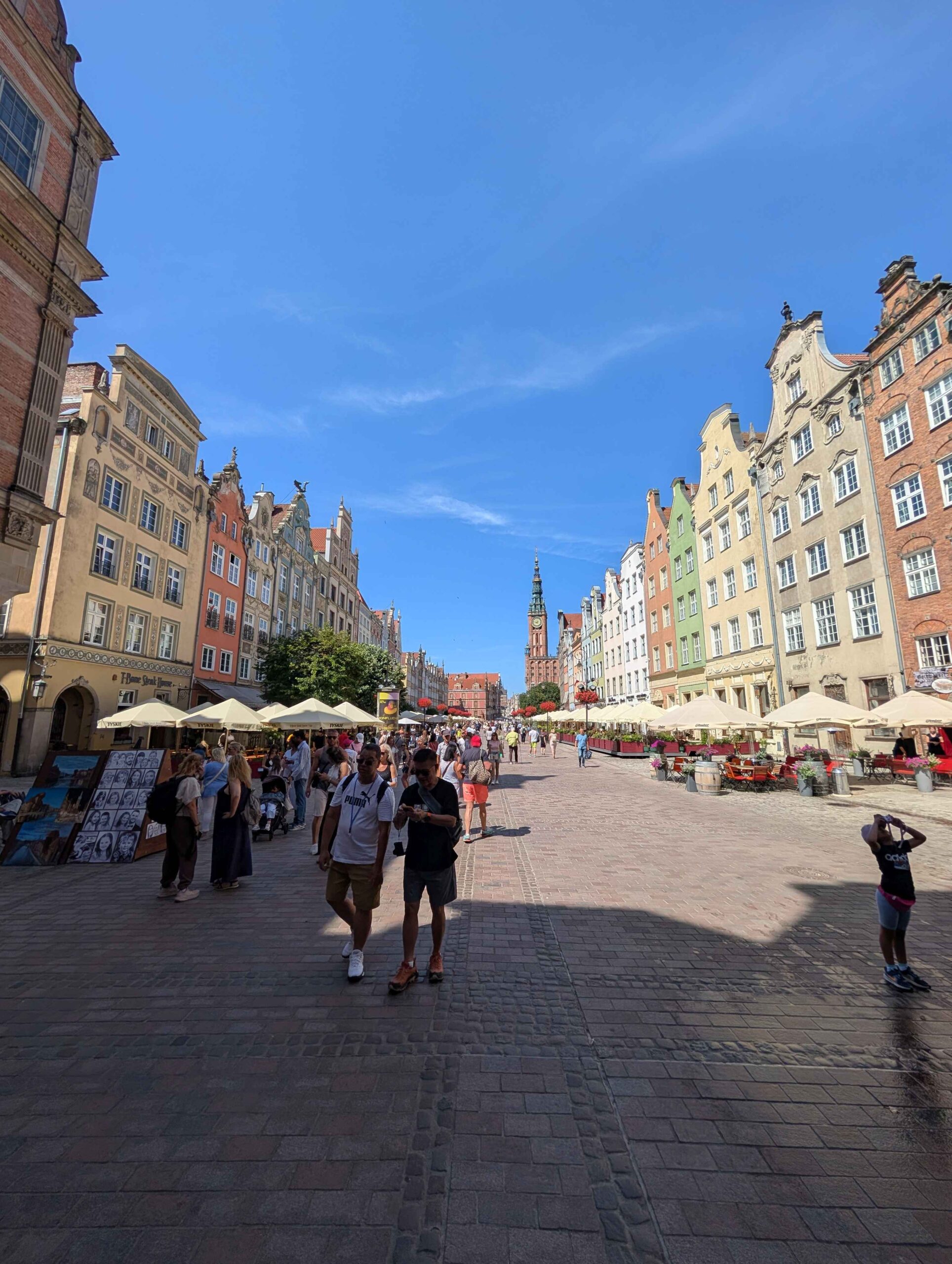
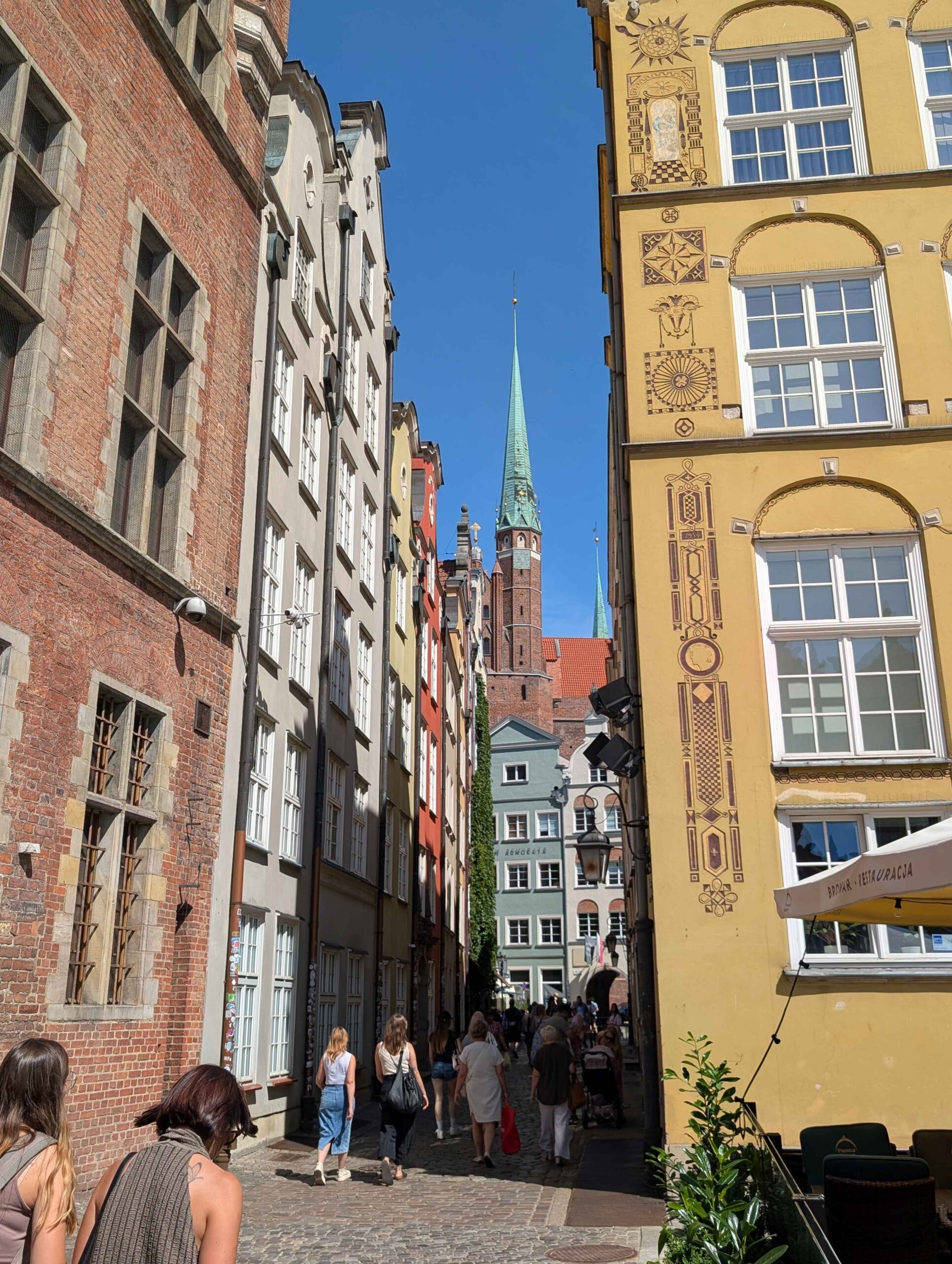
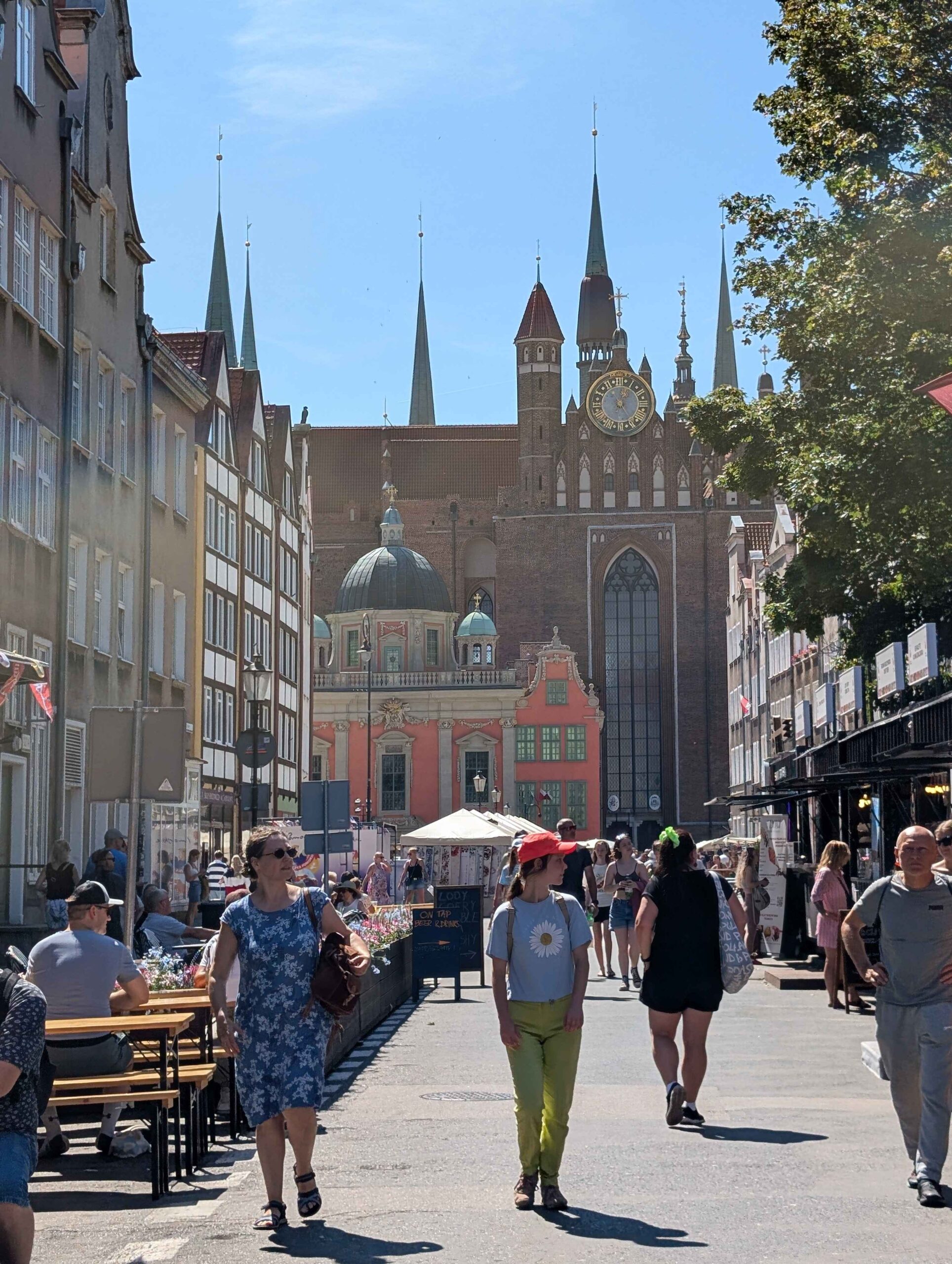
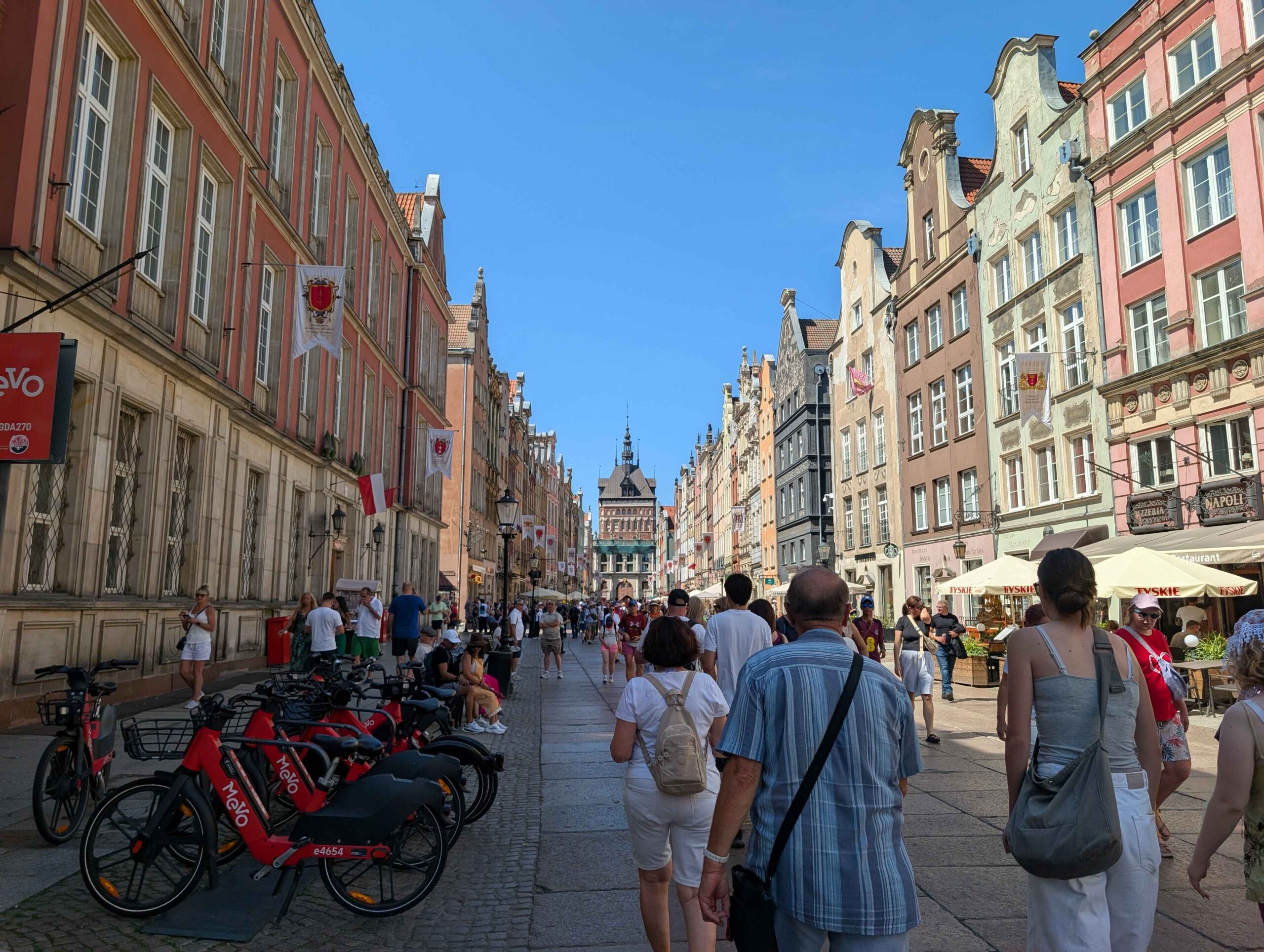
The city is known locally as Gdańsk (pronounced guh-DAHNSK), and it immediately felt like one of those places where every street seems to reveal another postcard view. Walking through High Gate and Golden Gate toward Long Street, I was surrounded by colorful historic buildings, church spires, and a steady stream of people enjoying one of the hottest days of the summer.
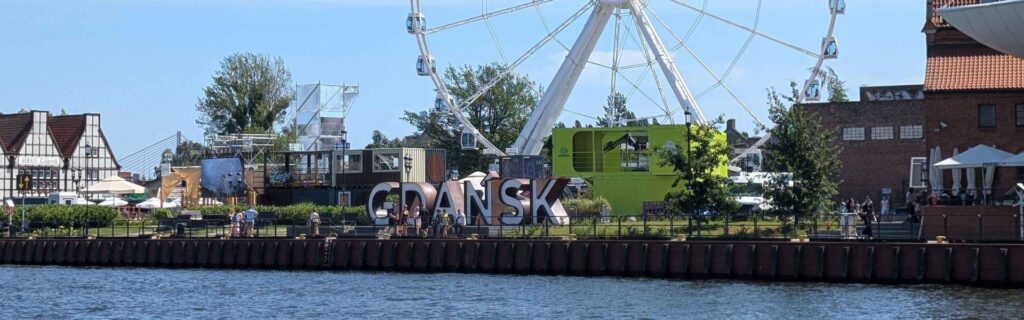
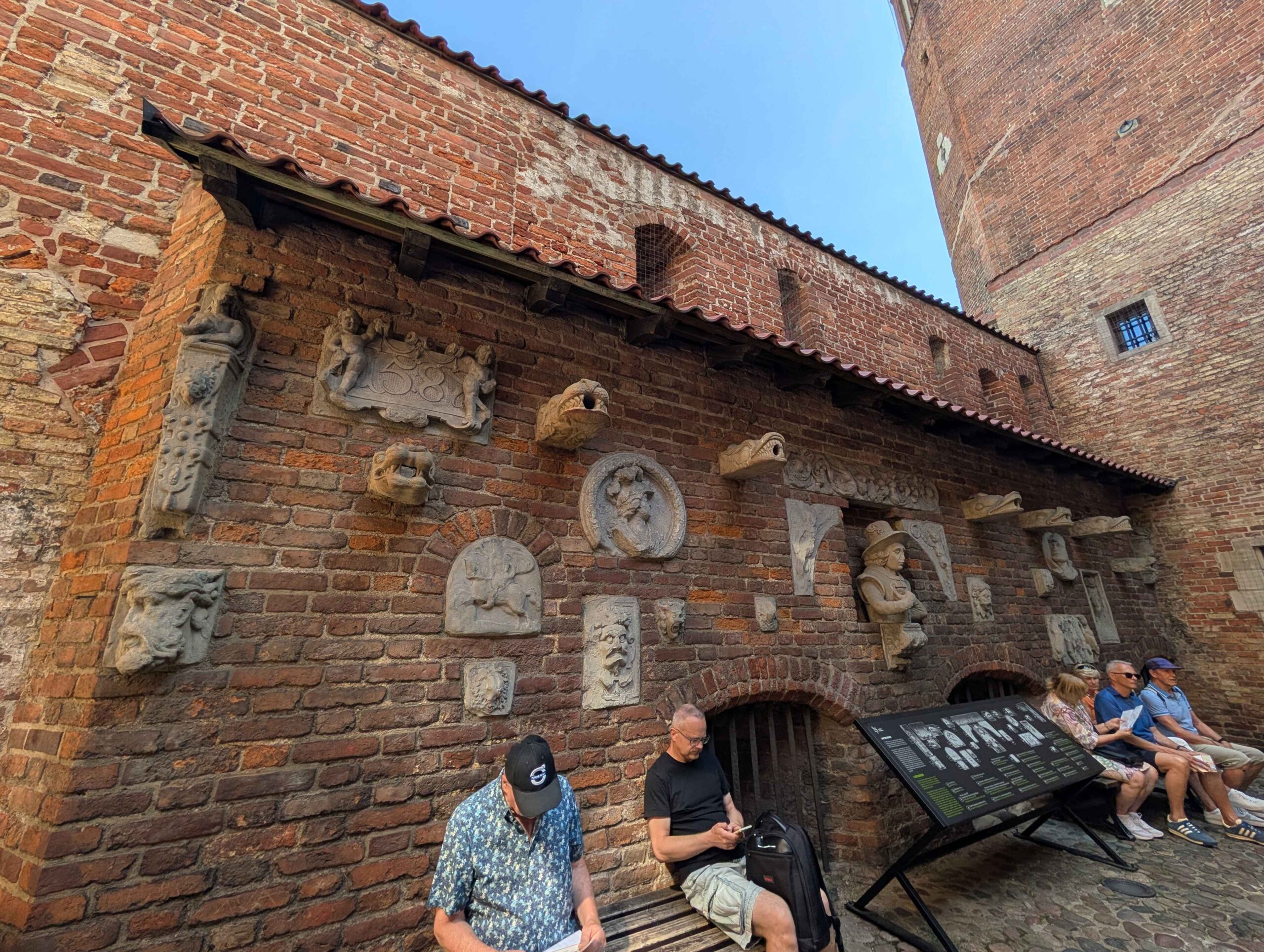
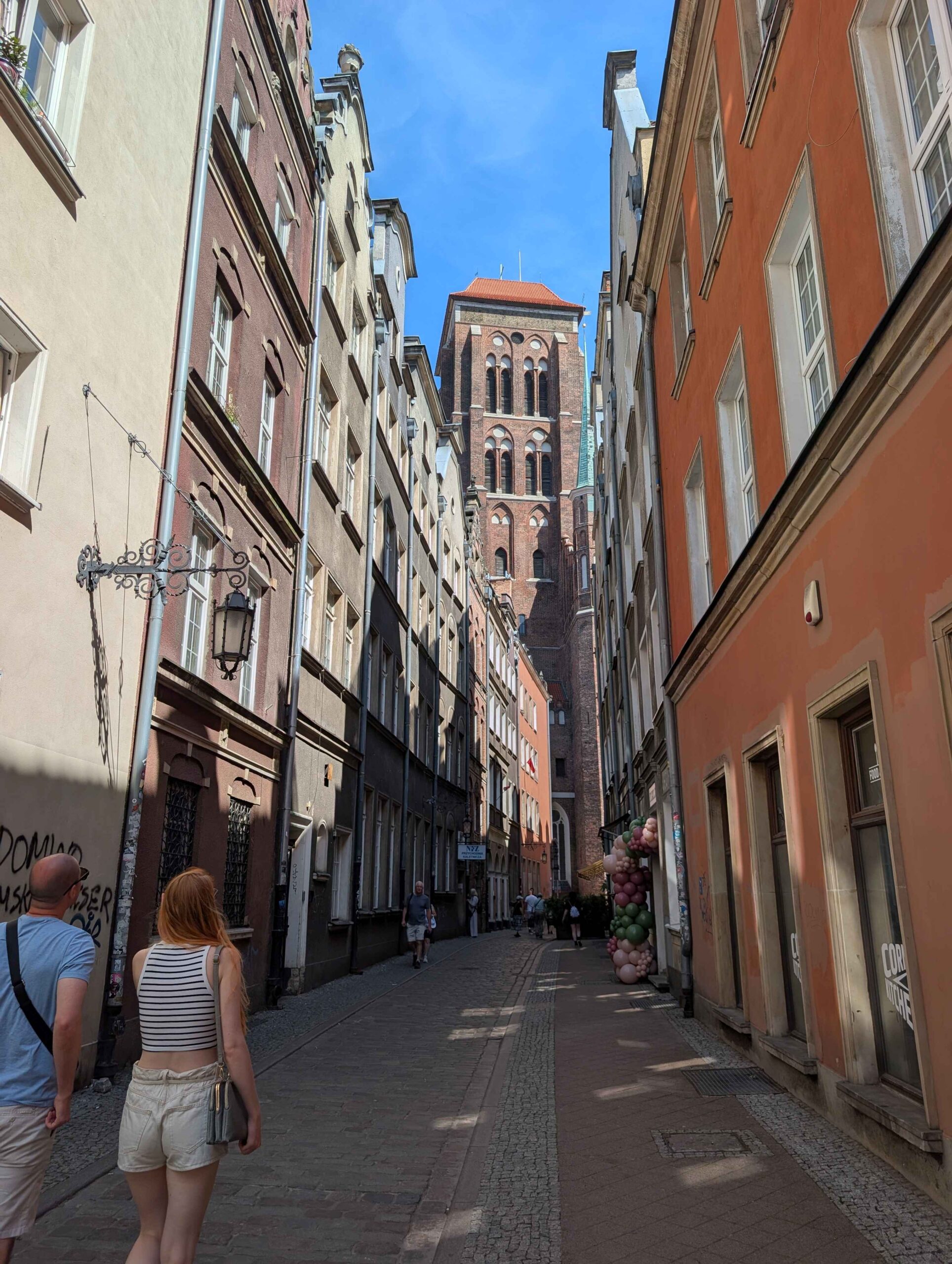
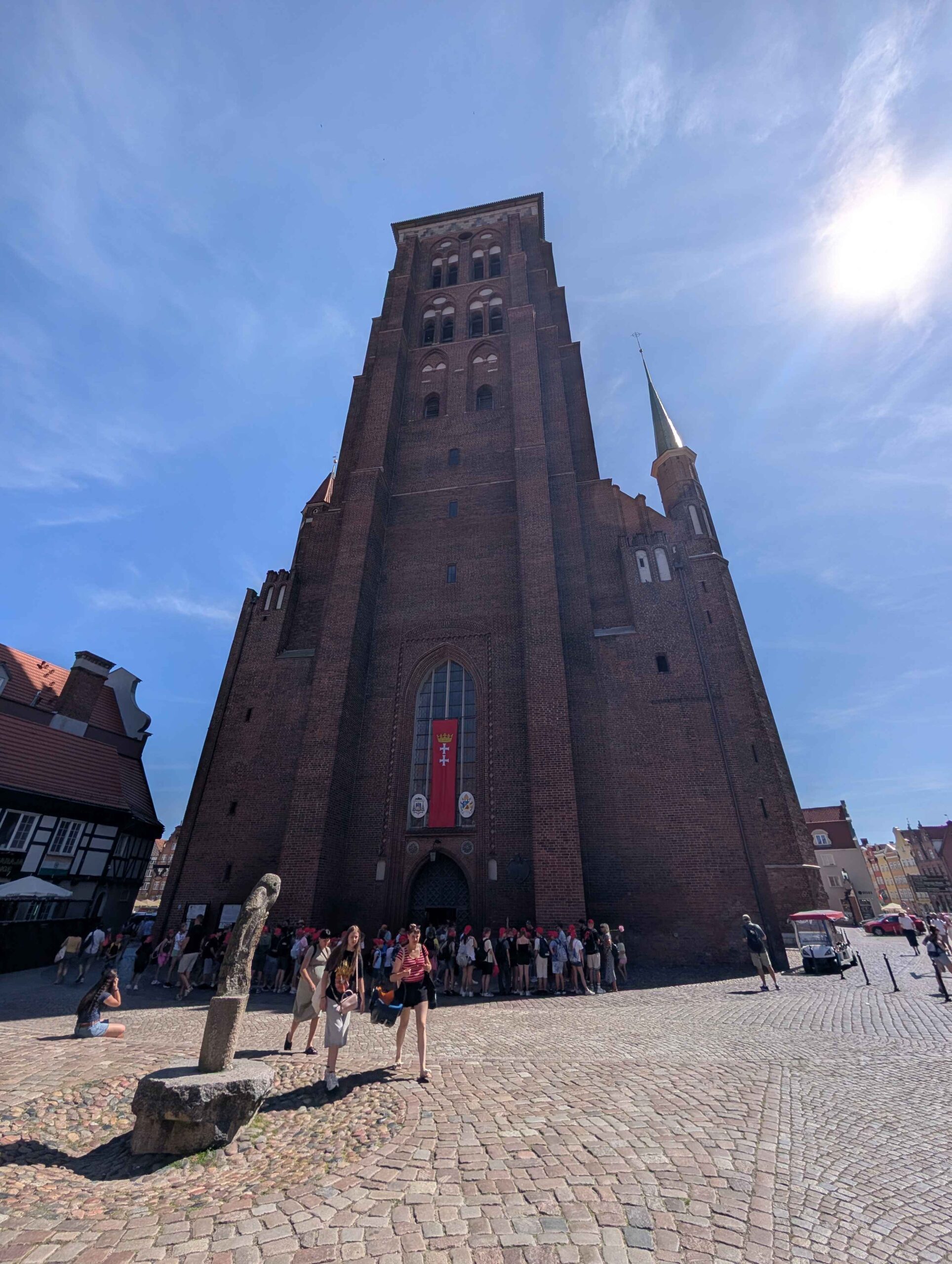
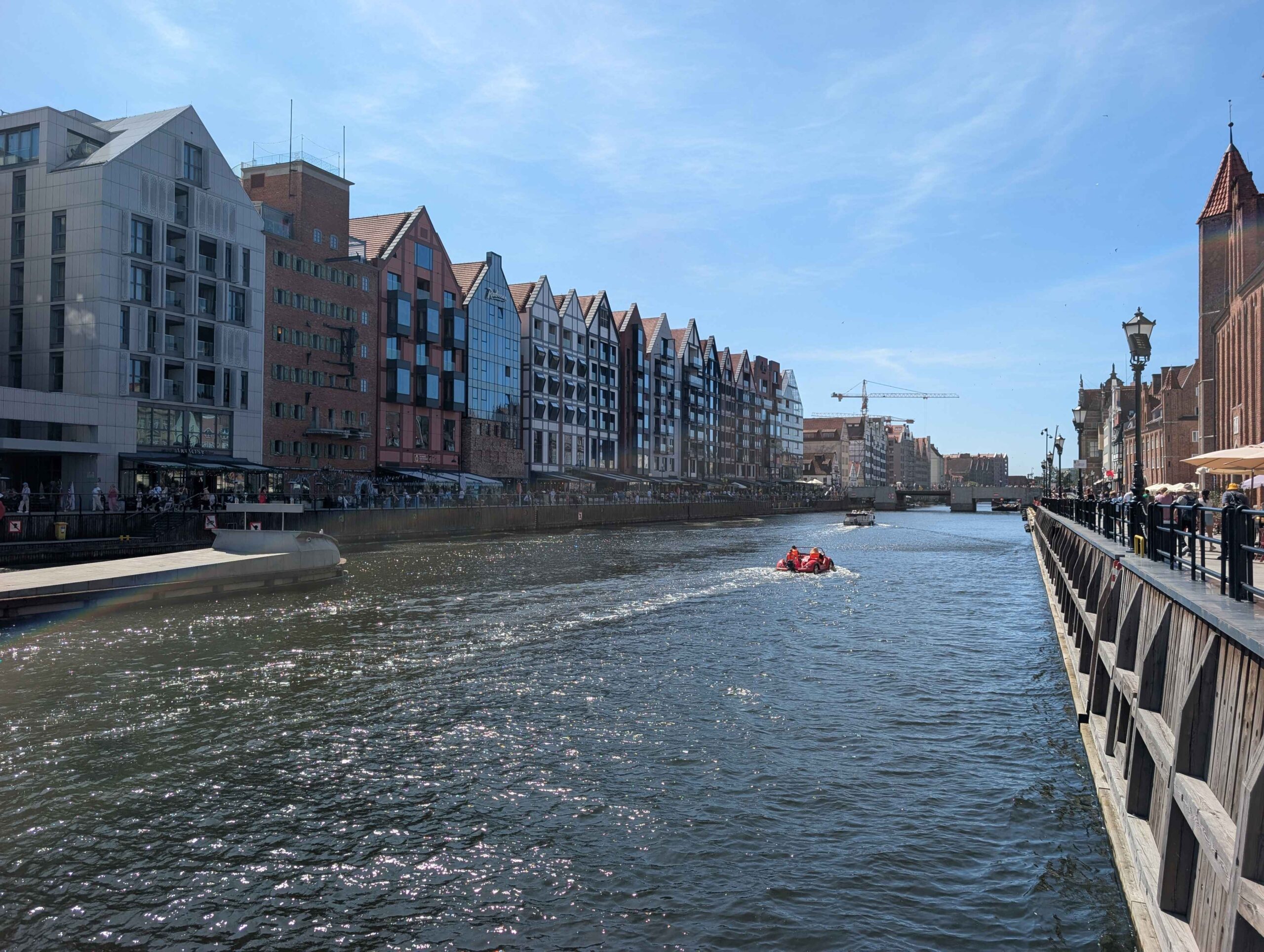
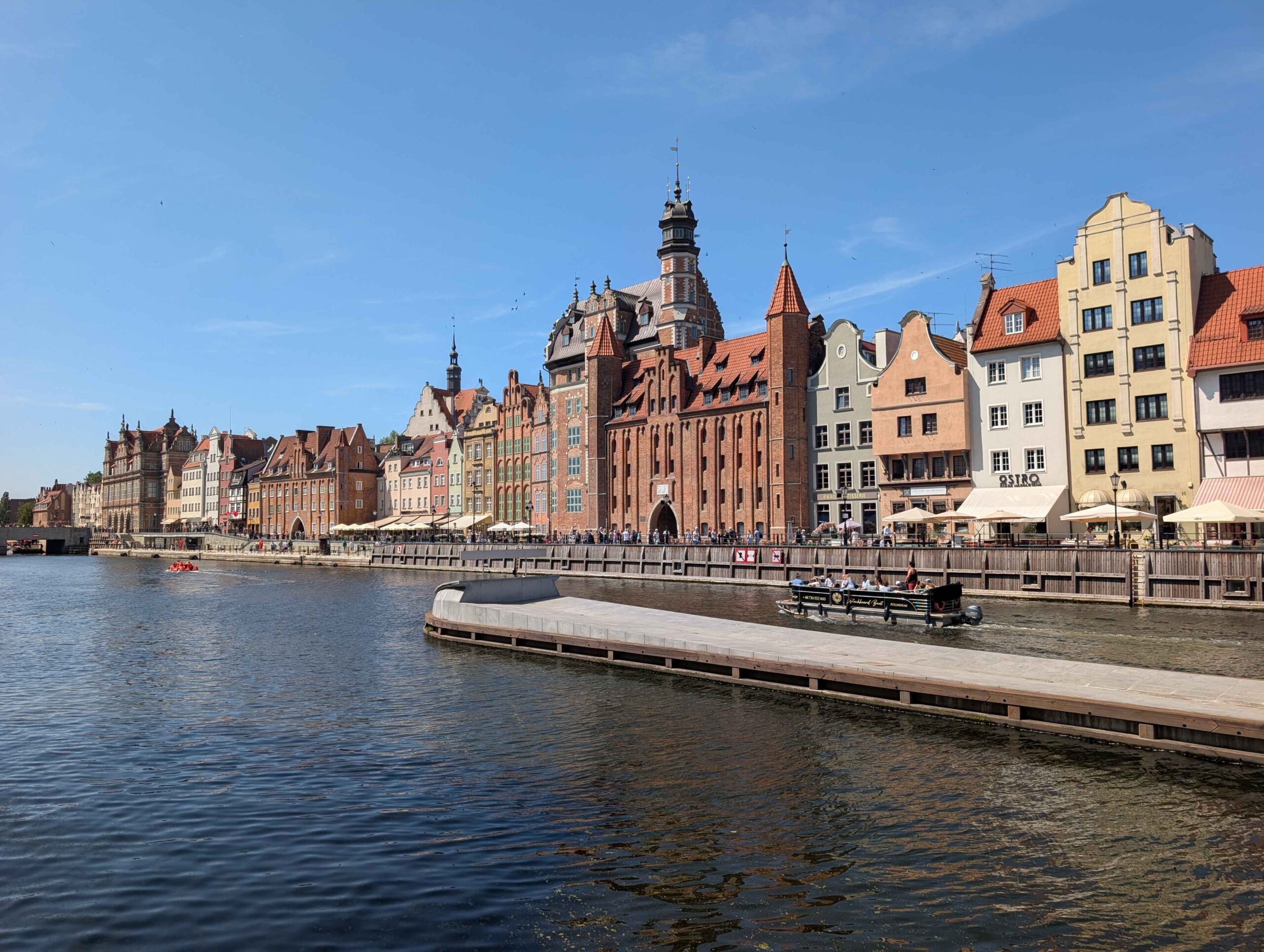
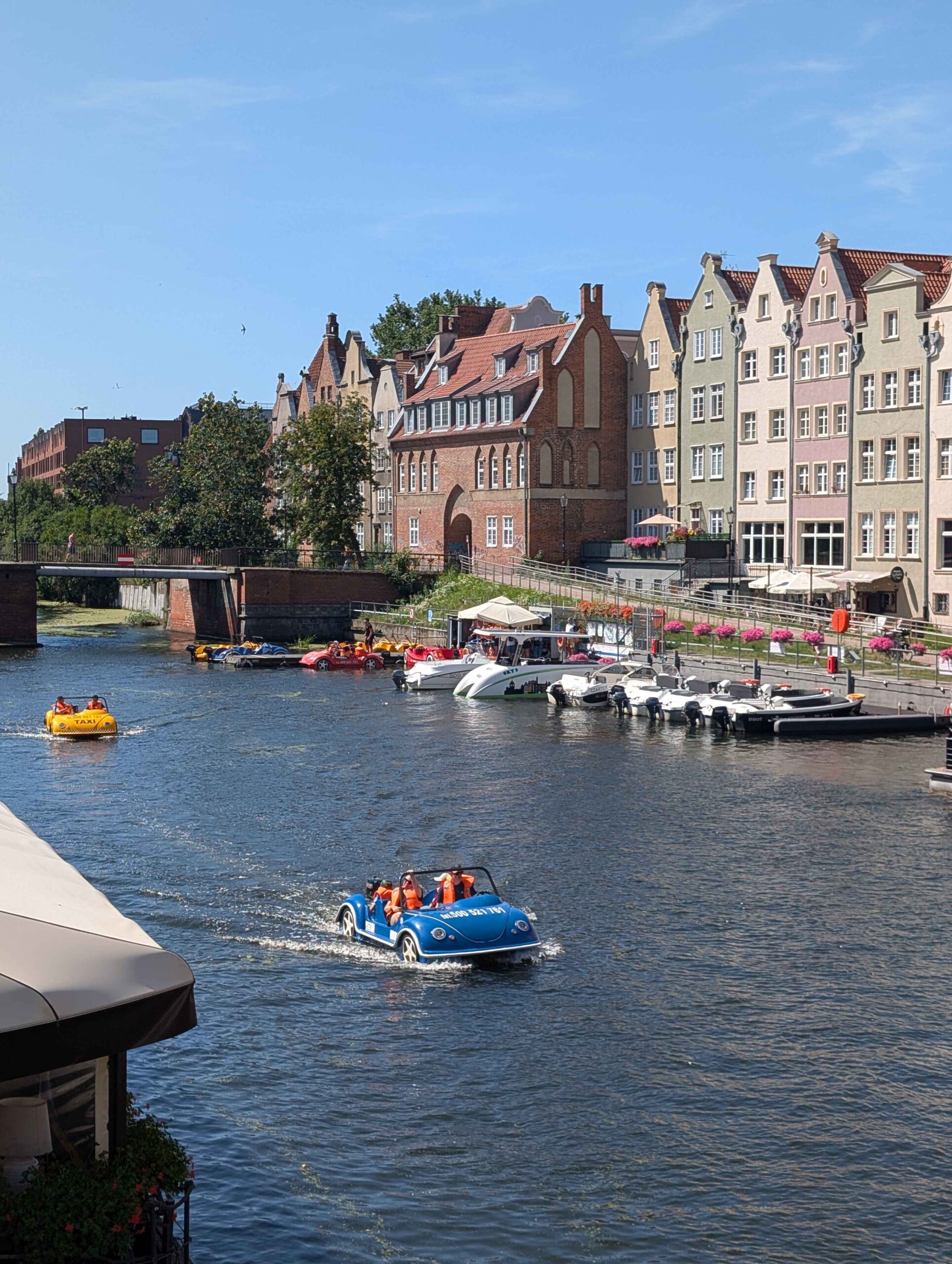
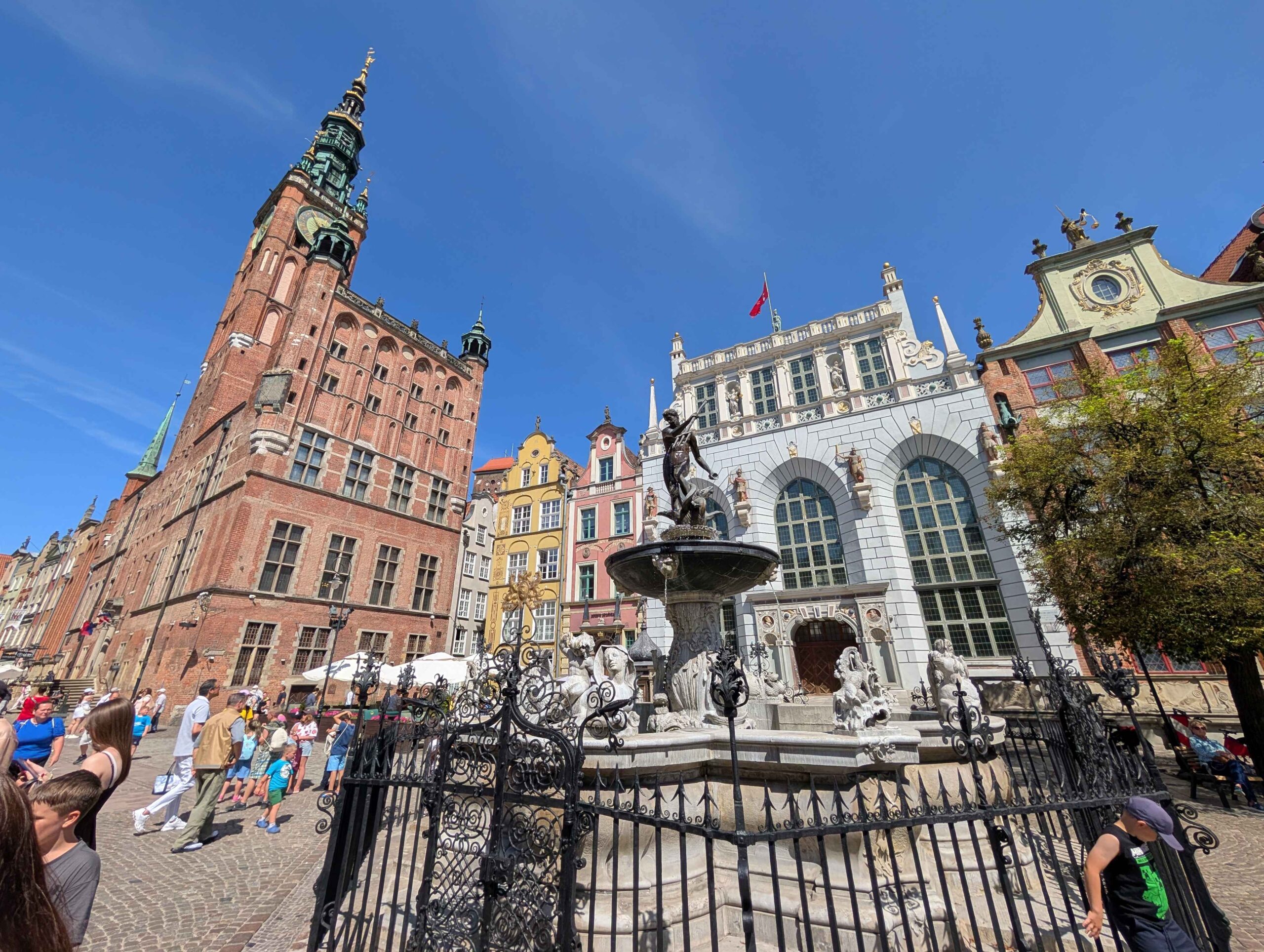
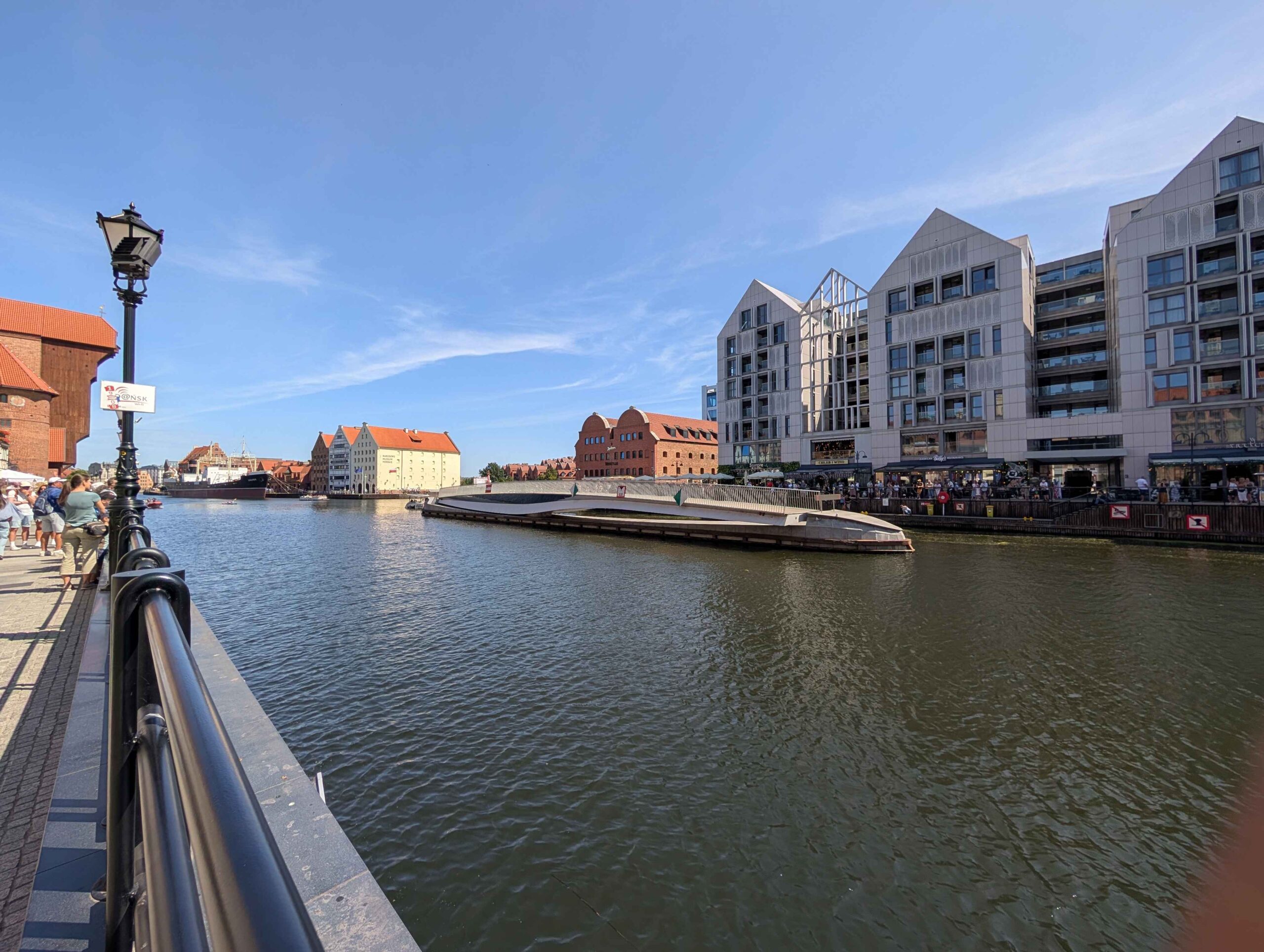
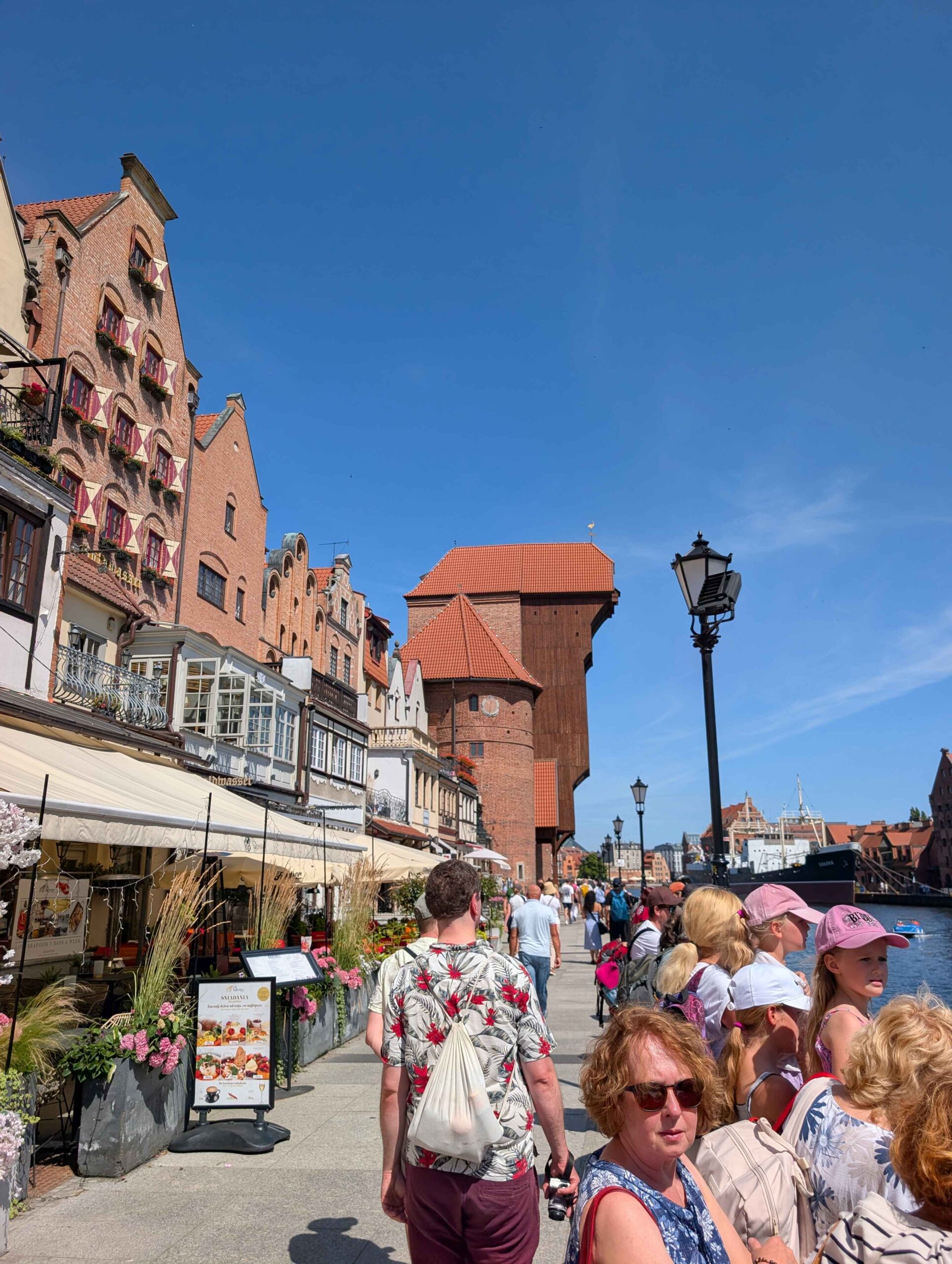
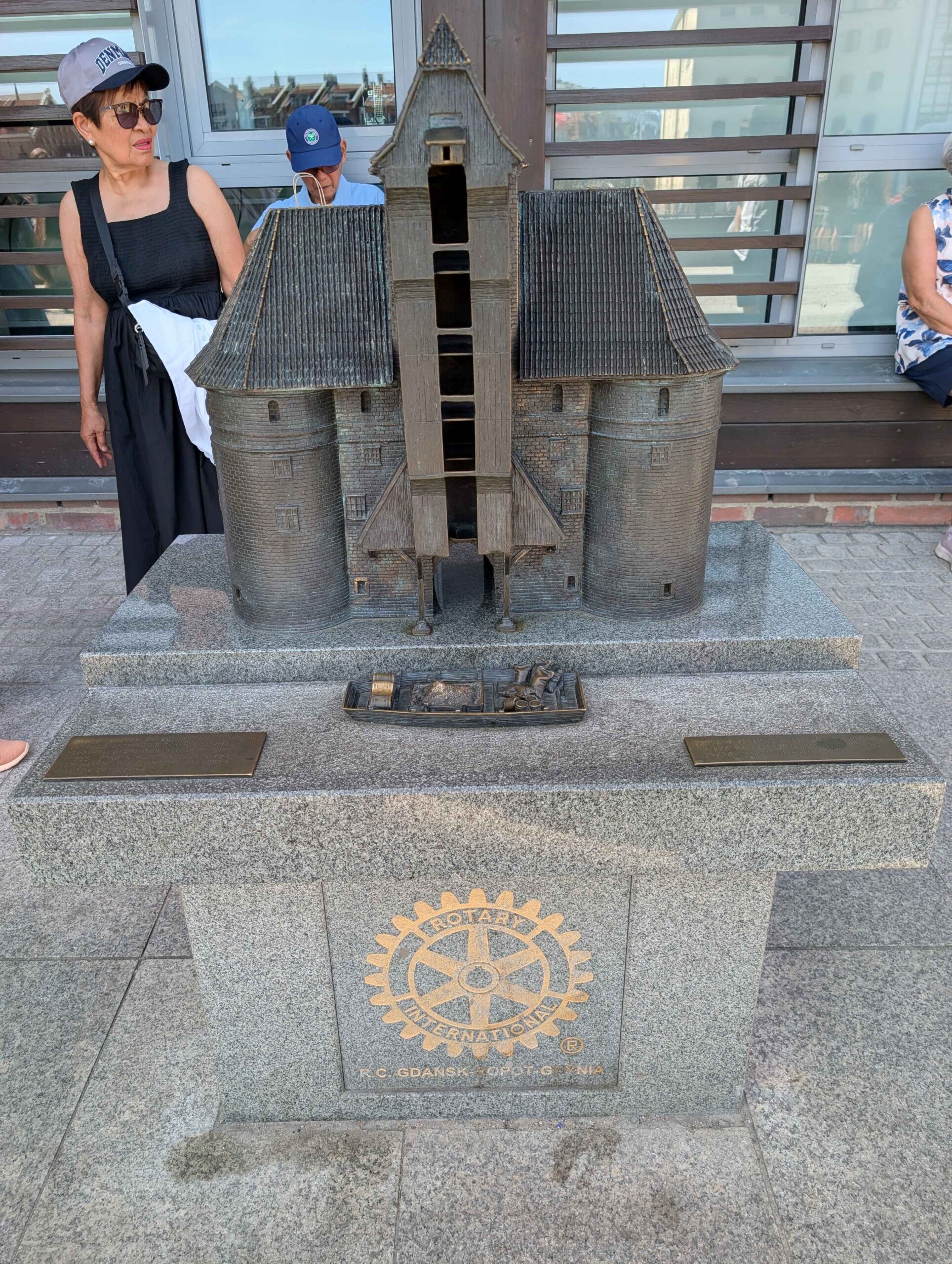
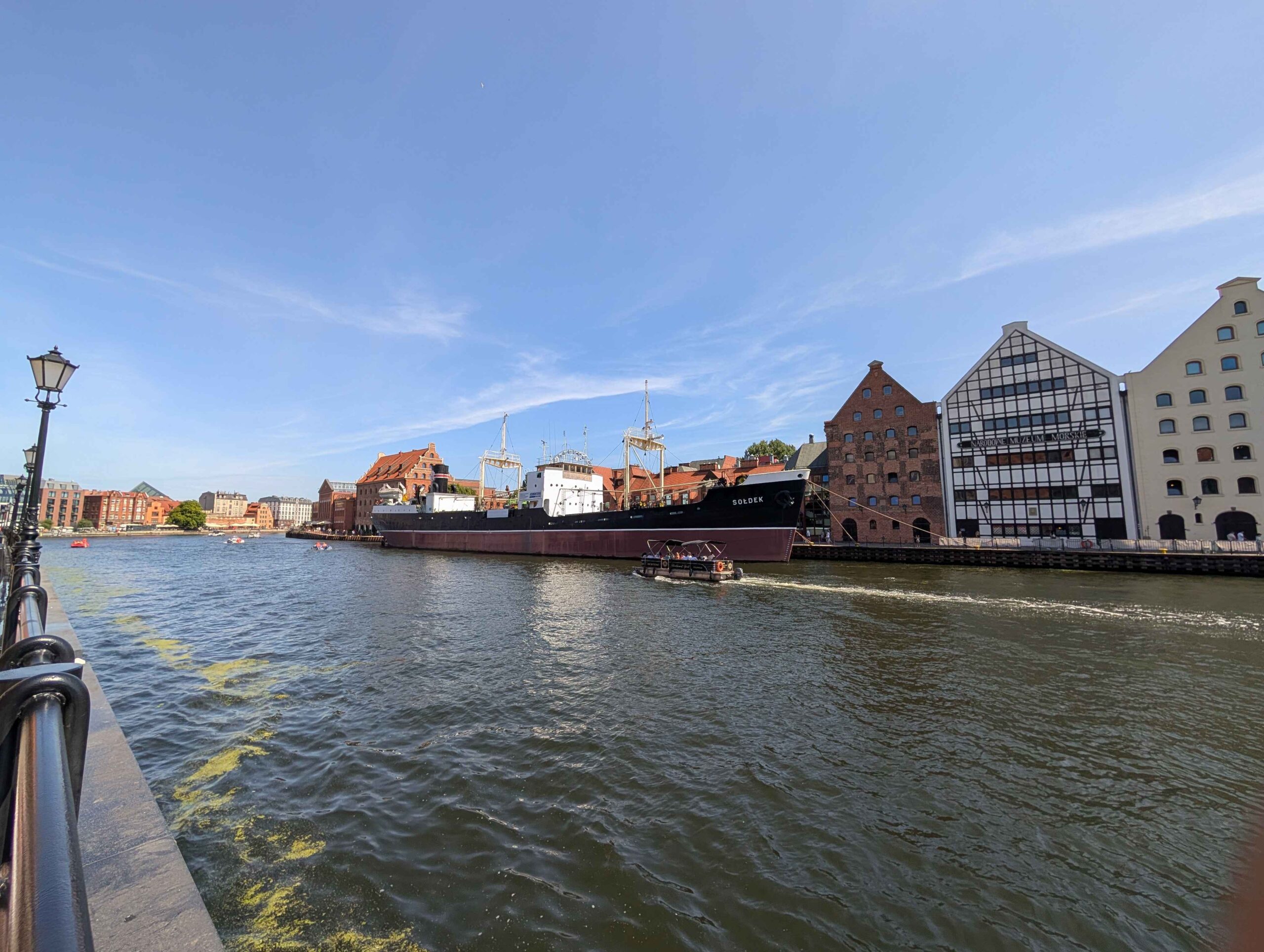
My route covered as much of Old Town as I could fit into a few hours. I wandered through Long Market to Neptune Fountain and Artus Court before continuing to St. Mary’s Basilica and the charming stone lanes around Mariacka Street. The Medieval Crane and the Motława River Promenade ended up being some of my favorite views, especially with the old warehouses, museum ships, and riverside cafés reflecting in the water.
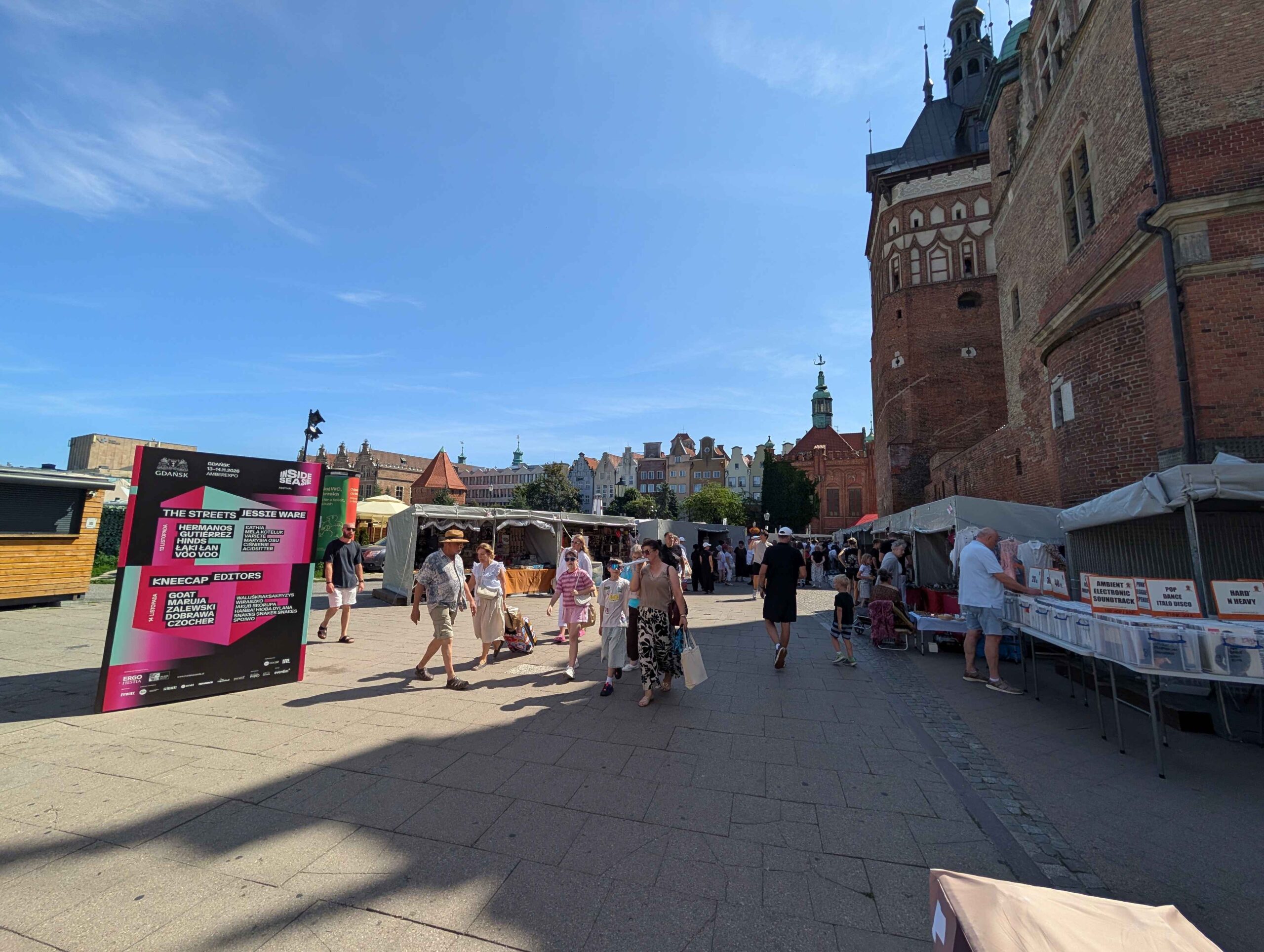
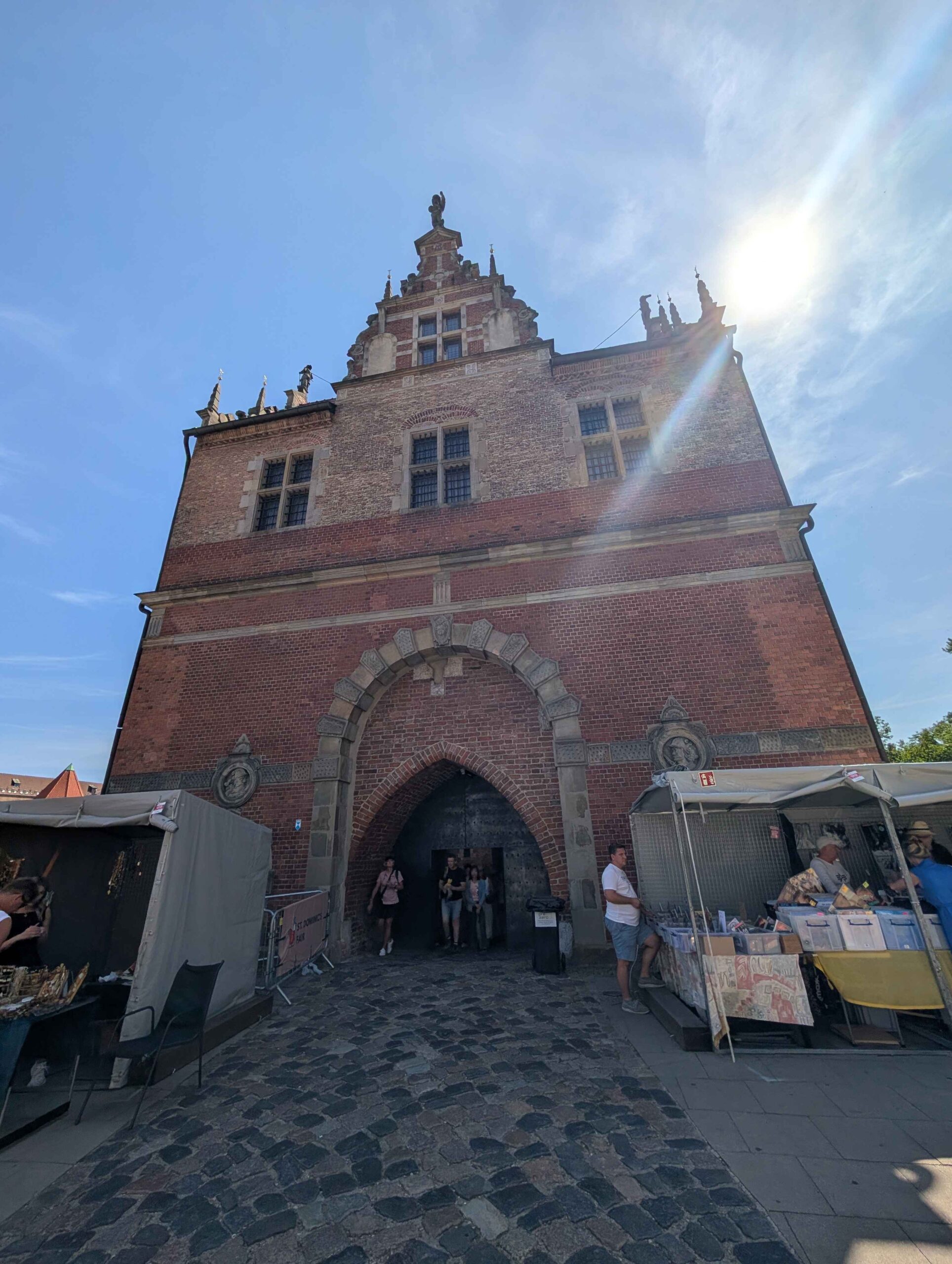
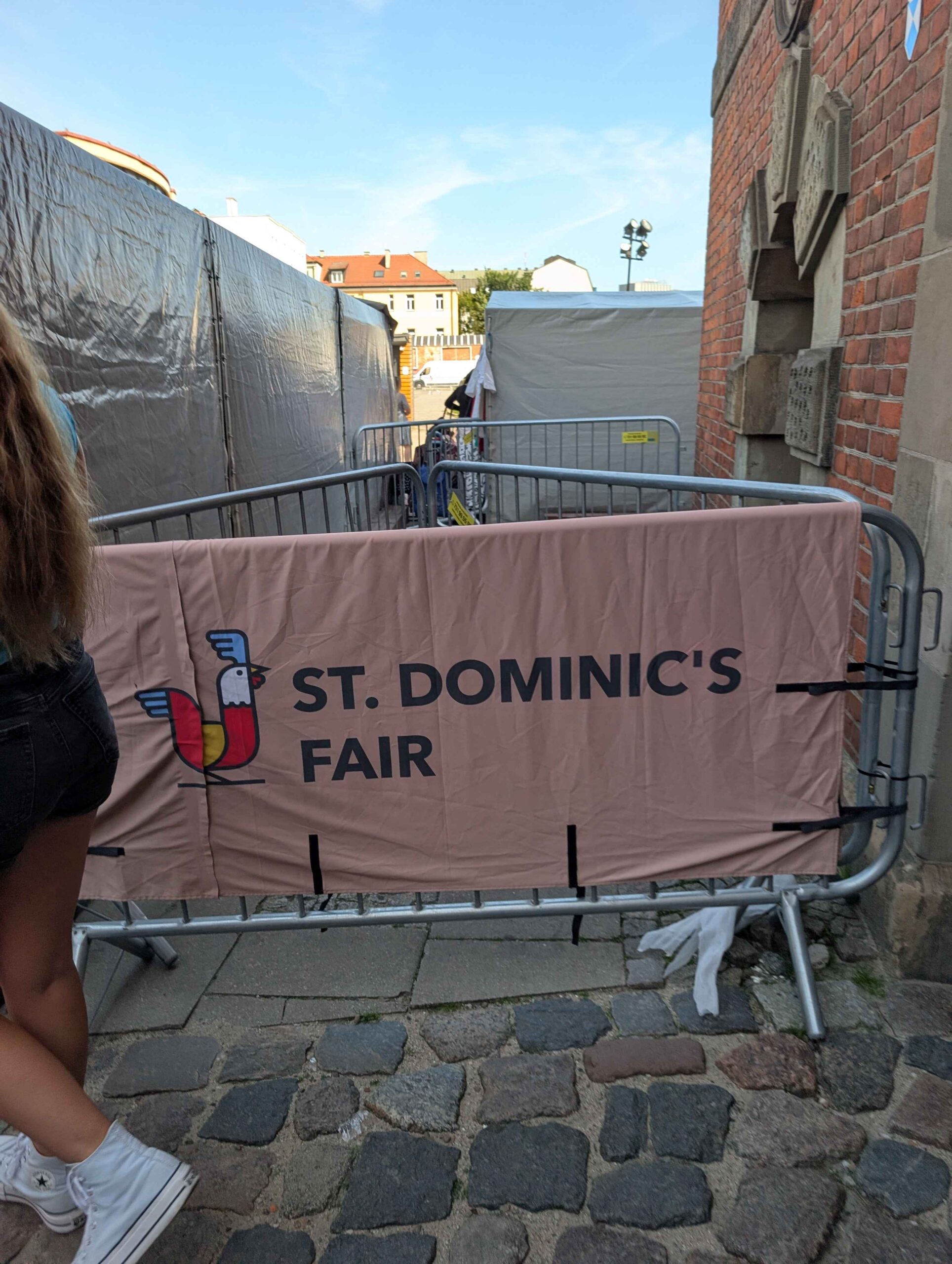
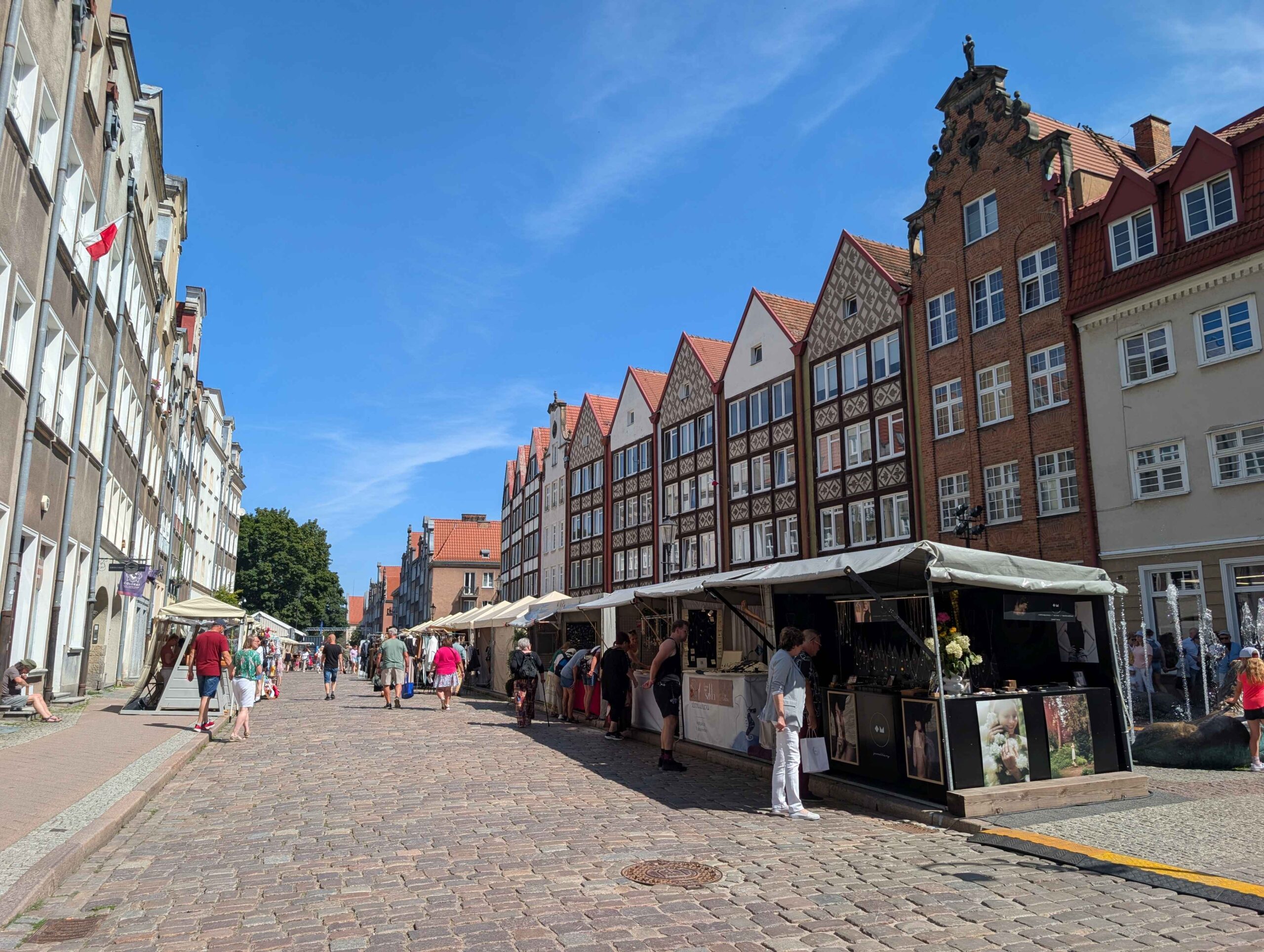
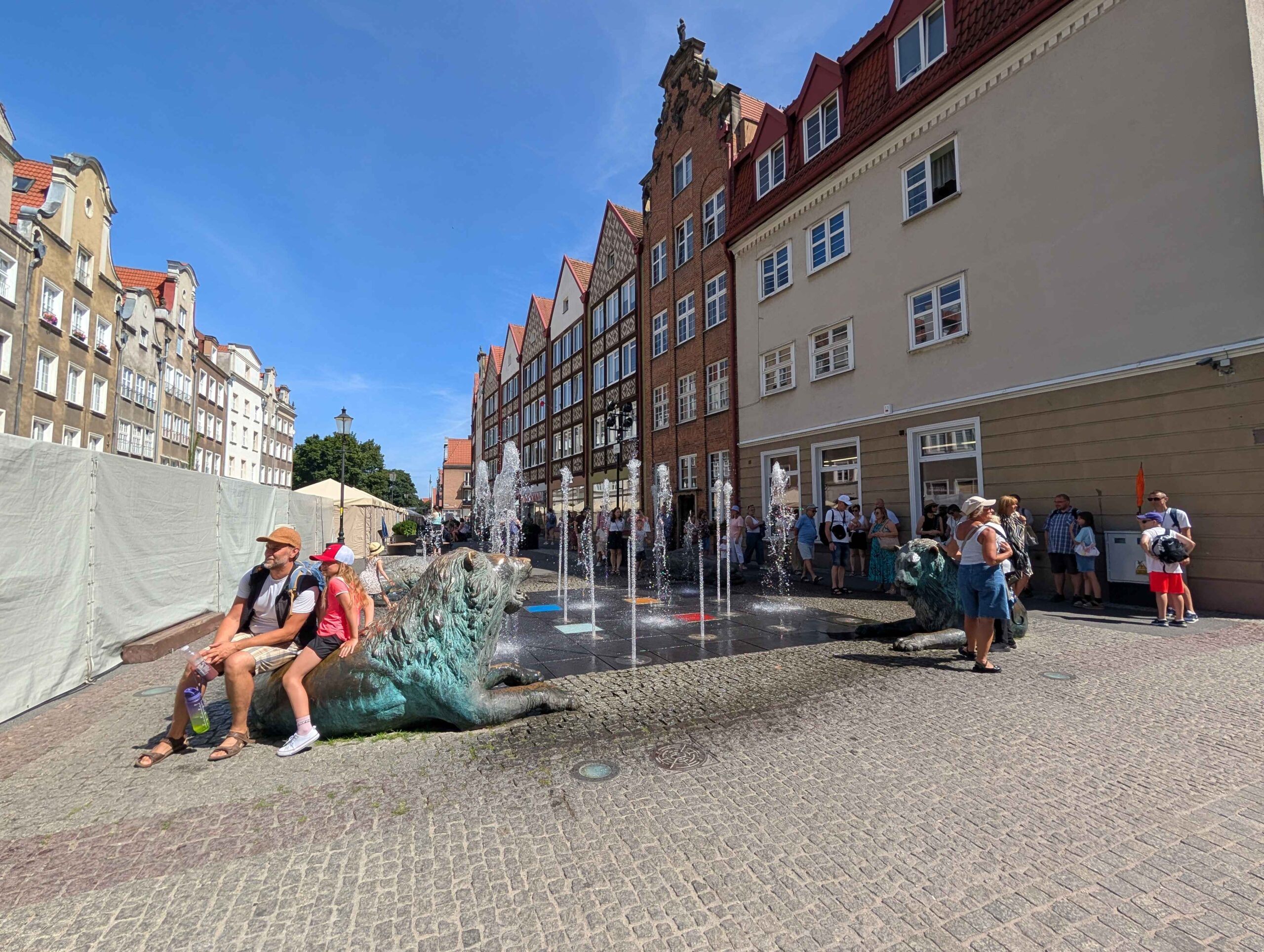
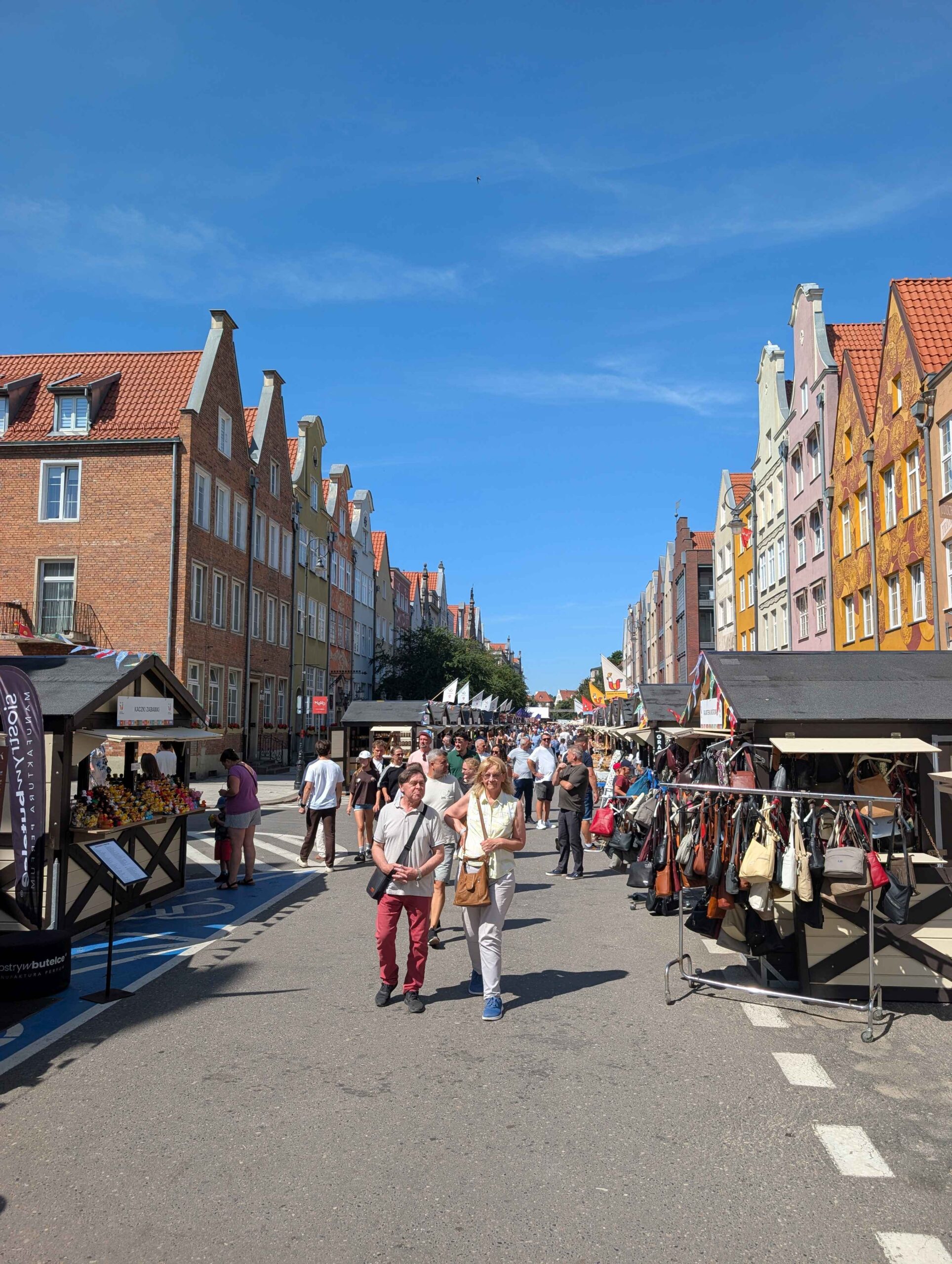
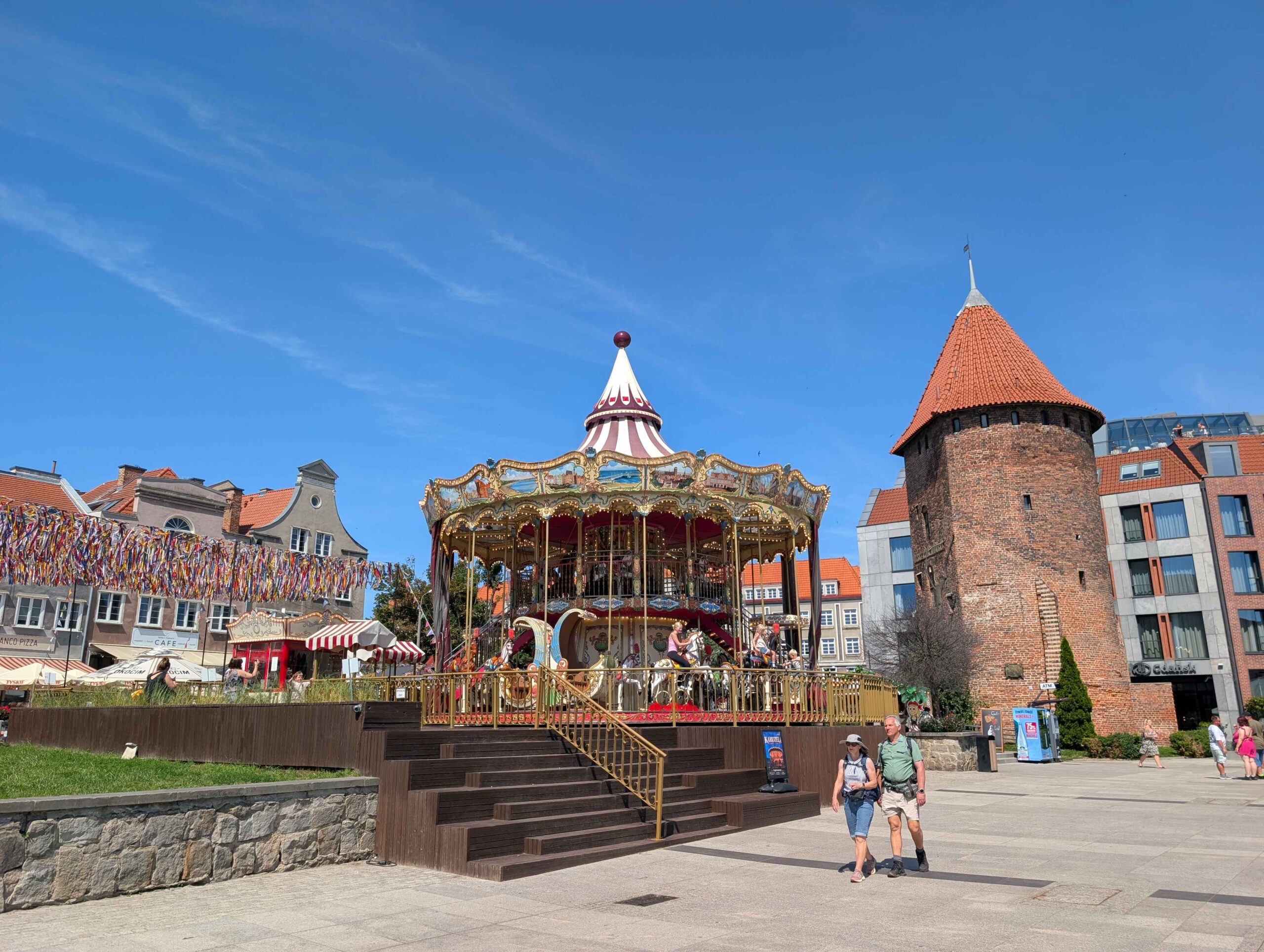
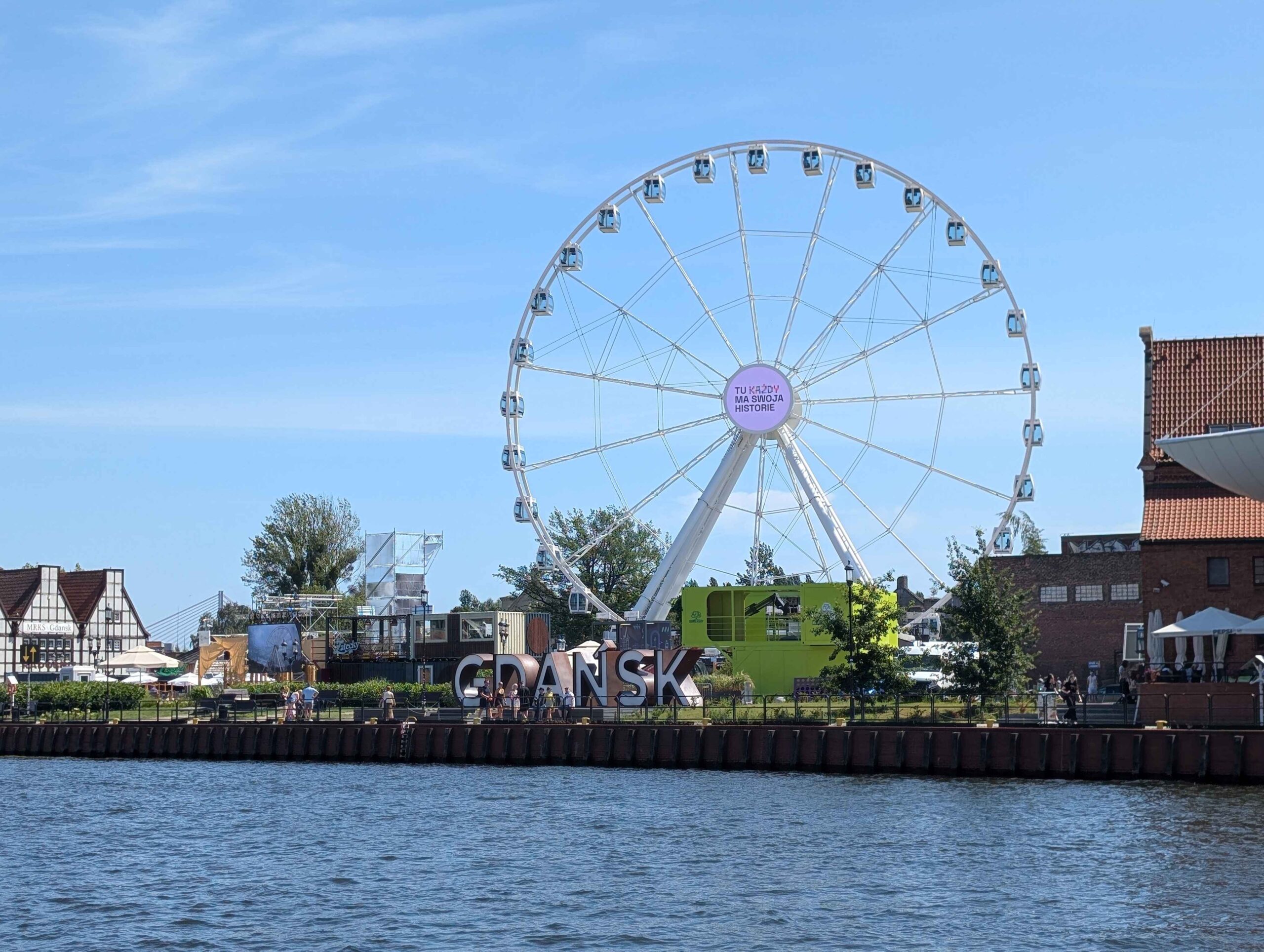
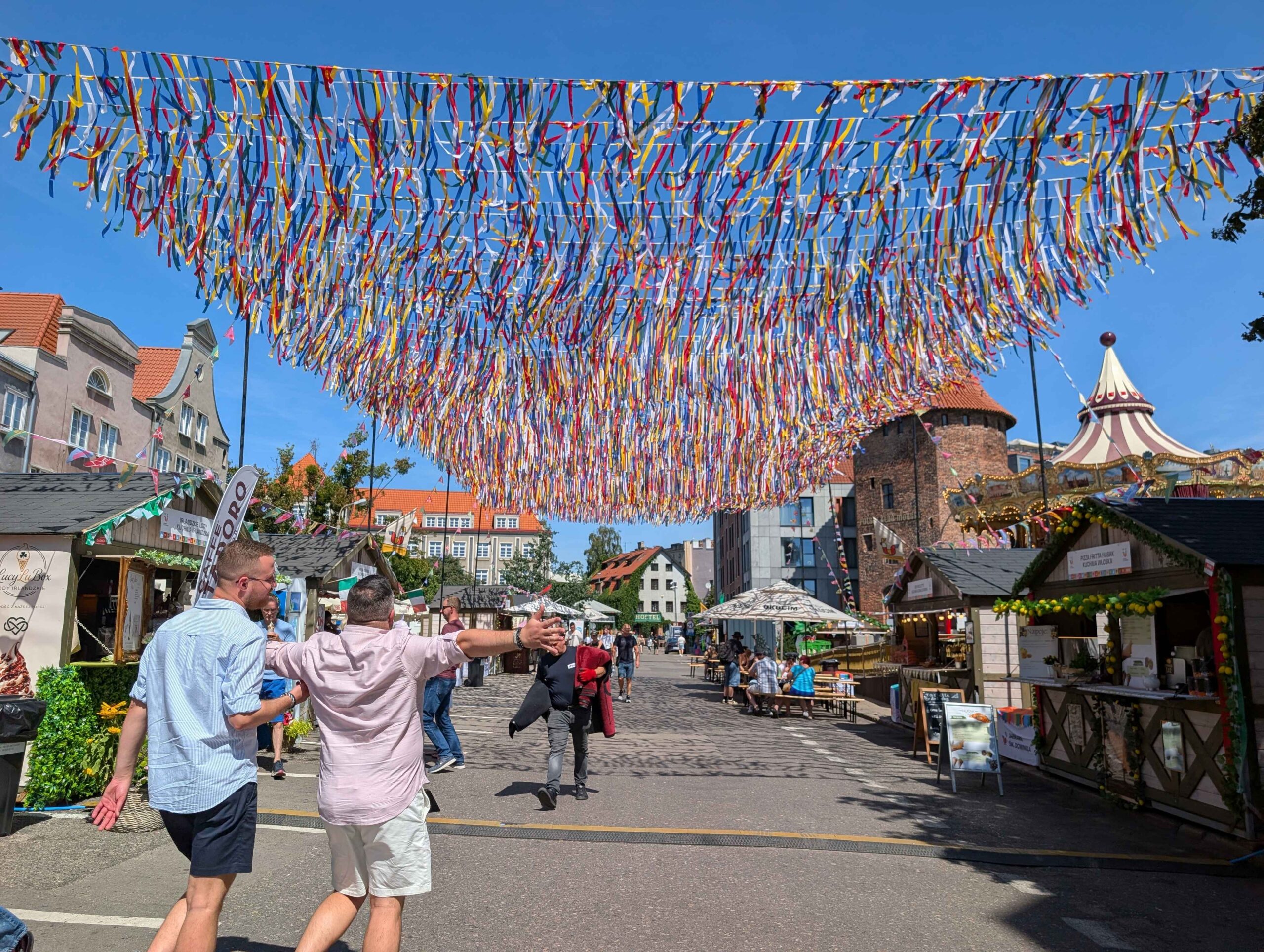
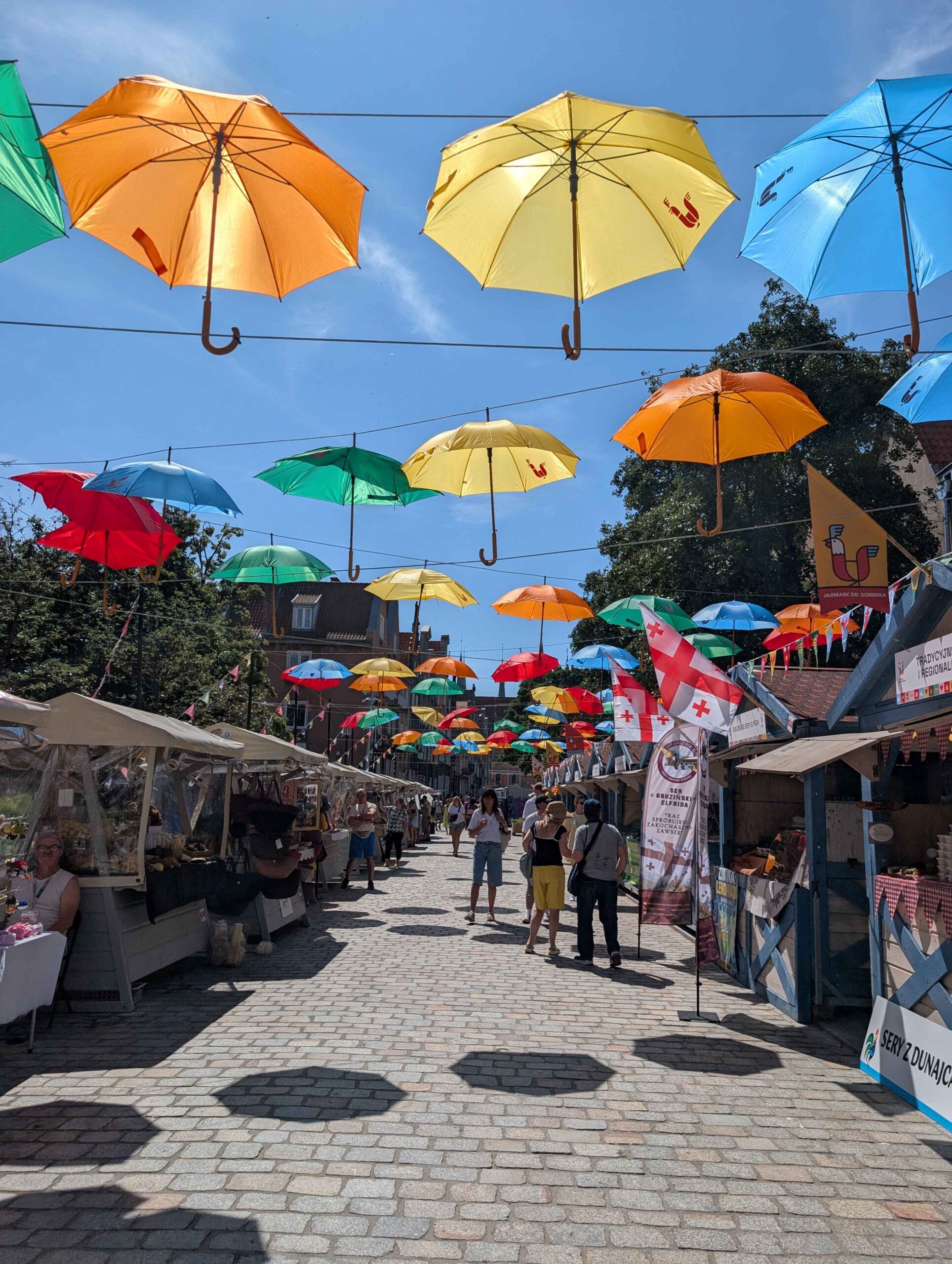
As luck would have it, my visit coincided with St. Dominic’s Fair, which transformed much of Old Town into an enormous open-air festival. Streets were lined with wooden stalls selling everything from local food and sweets to handcrafted souvenirs. The colorful ribbons, suspended umbrellas, carousel, Ferris wheel, and festival atmosphere gave the city an extra layer of energy beyond its already impressive architecture. Crowds generally aren’t my favorite, but there were enough side streets to duck into whenever I wanted a quieter moment before returning to the main attractions.
Looking back, I was glad I kept my expectations realistic. I only had time to explore Old Town, and honestly, that felt like the right decision for a first visit. Gdańsk has more history than anyone could absorb in a single afternoon, from its medieval trading roots as one of the Baltic’s great Hanseatic cities to its modern role in shaping contemporary Poland. Next time, I’d venture beyond the historic center, but for a few hours ashore, Old Town offered exactly the introduction I was hoping for.
If You Have More Time…
- European Solidarity Centre – Learn about the Solidarity movement that helped reshape modern Europe through interactive exhibits housed beside the historic shipyards.
- Westerplatte – Visit the peninsula where the opening shots of World War II were fired and explore memorials overlooking the Baltic Sea.
Oliwa Park and Oliwa Cathedral – Escape the crowds with peaceful gardens and one of Poland’s most famous pipe organs that regularly hosts concerts. - Museum of the Second World War – One of Europe’s most comprehensive museums covering the global conflict with immersive exhibits and powerful personal stories.
- Sopot Pier and Beach – Take a short train ride to the neighboring seaside resort for sandy beaches the longest wooden pier in Europe and a relaxed Baltic atmosphere.